A Small Moment That Changed Everything
It didn’t look like history at the time. Just an art gallery, and a chance meeting that almost didn’t happen. But if you rewind that moment just slightly…are we looking at a completely different version of The Beatles—and maybe music history itself?
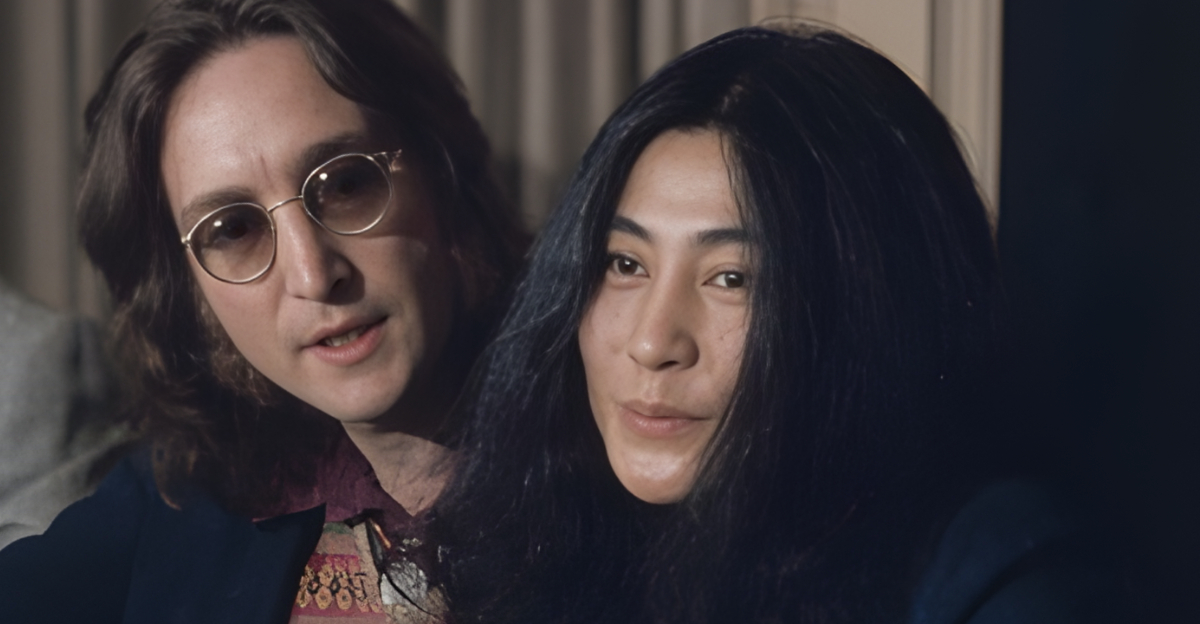
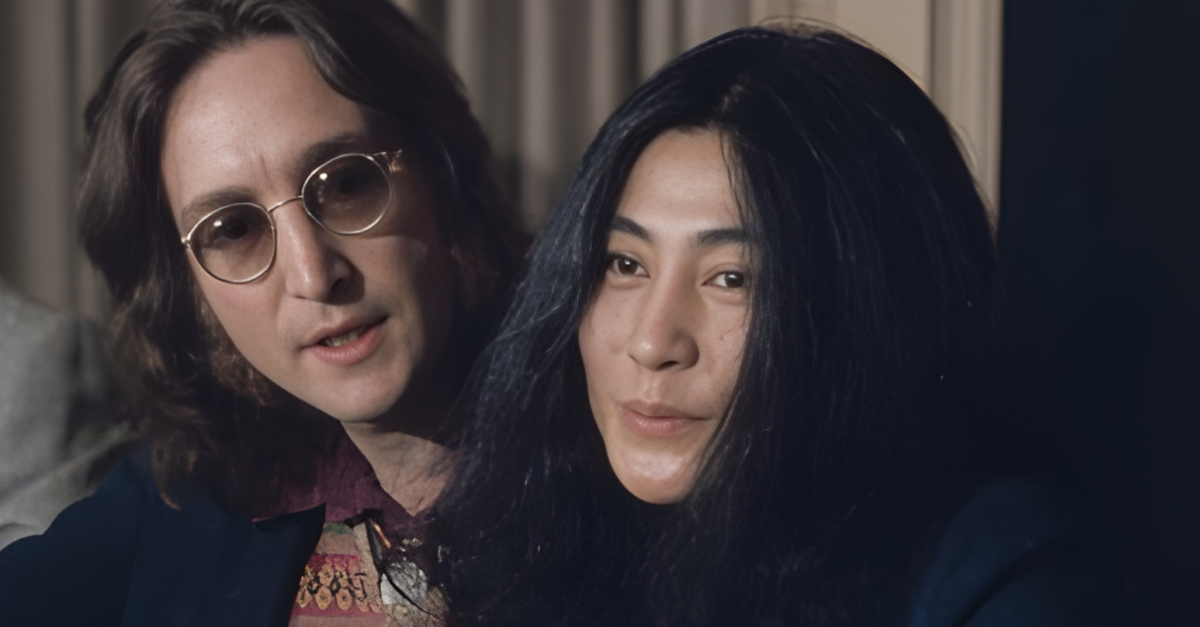
The Night John Lennon Walked Into That Gallery
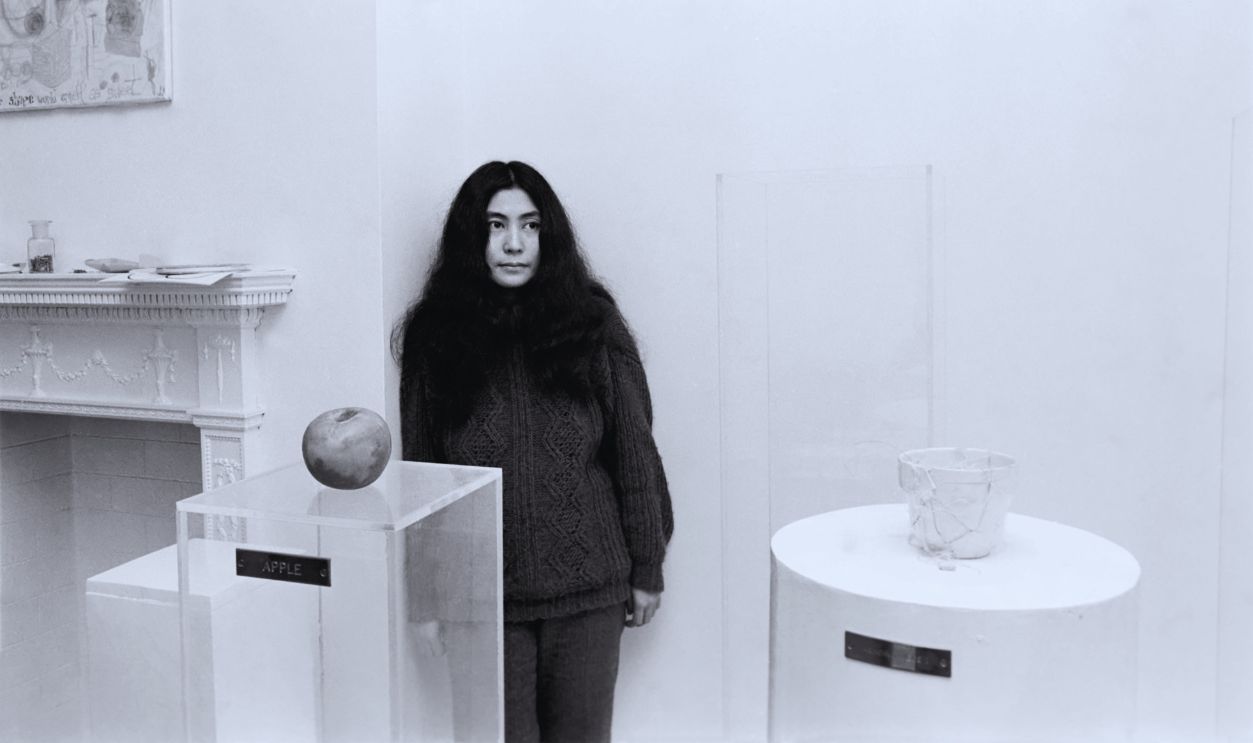
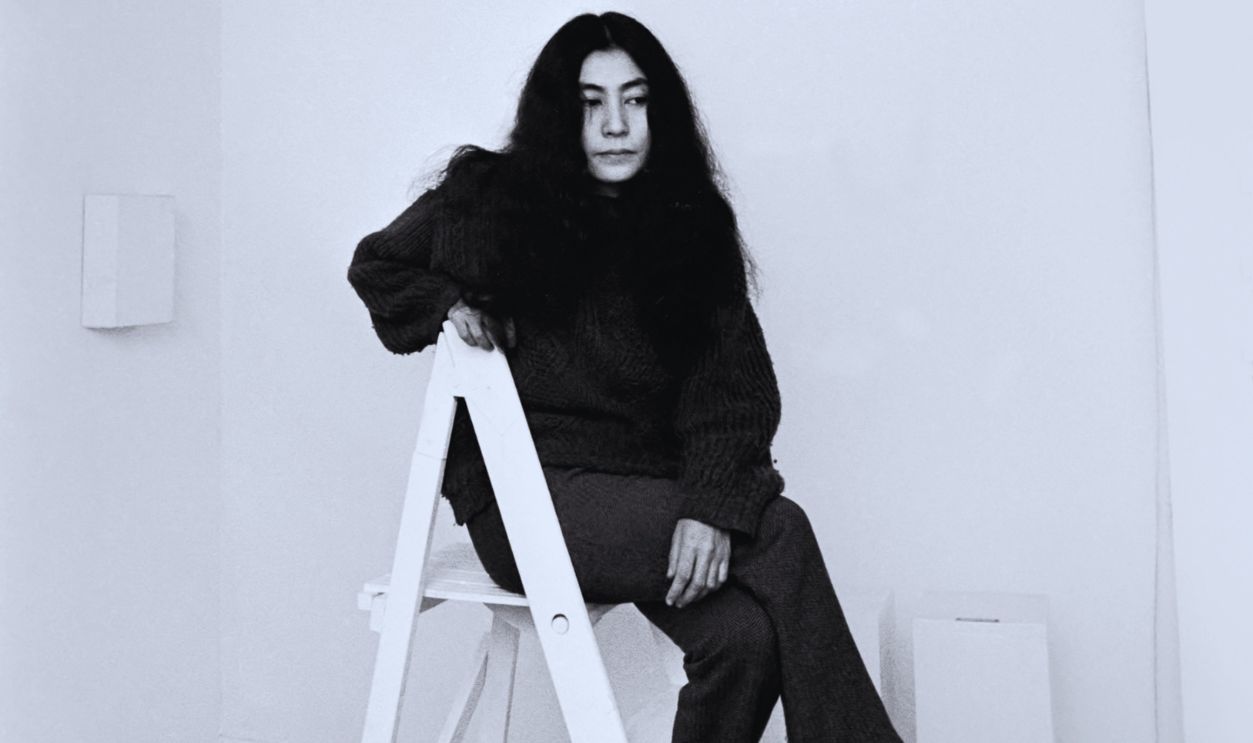
November 1966. London. John Lennon attends a preview of Yoko Ono’s conceptual art exhibit at Indica Gallery. He wasn’t even supposed to be there long, but one installation stopped him cold. That moment would quietly ripple through everything that followed.
What Actually Drew Him In
It wasn’t instant romance. It was curiosity. Ono’s piece—a ladder leading to a magnifying glass revealing the word “YES”—stood out in a sea of avant-garde work. Lennon later said it was the positivity that hooked him. Not exactly rock and roll…but it stuck.
At That Point, The Beatles Were Still Untouchable
In 1966, The Beatles had already stopped touring, but creatively they were entering their most ambitious phase. Sgt. Pepper’s Lonely Hearts Club Band was just around the corner. They were evolving, experimenting, and still very much a unit.
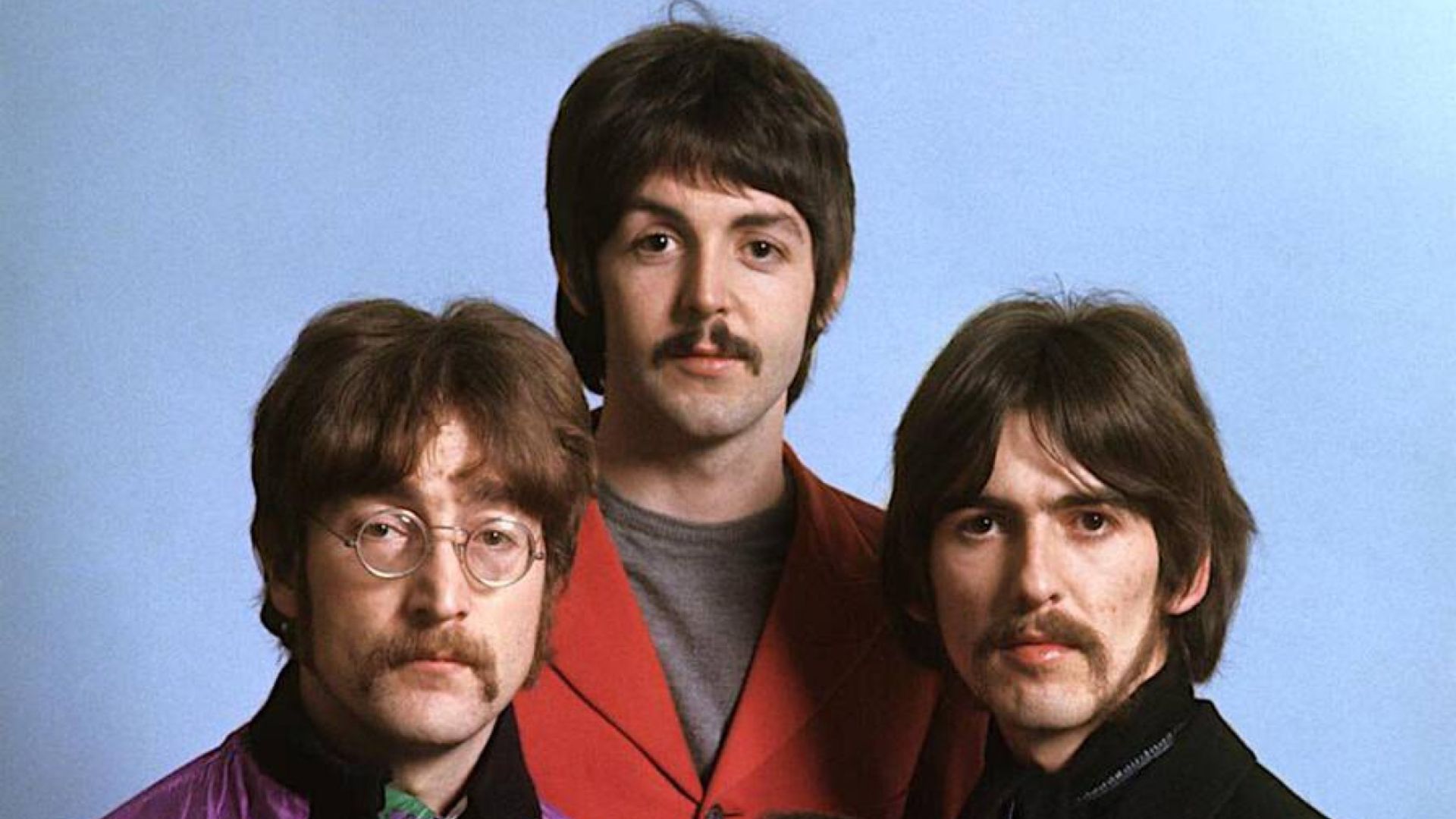 Capitol Records / Henry Grossman, Wikimedia Commons
John Lennon Was Already Changing
Even before Yoko, Lennon was drifting creatively. He was more interested in art, politics, and personal expression than pop formulas. Songs like Tomorrow Never Knows hinted at that shift. The seeds were already planted.
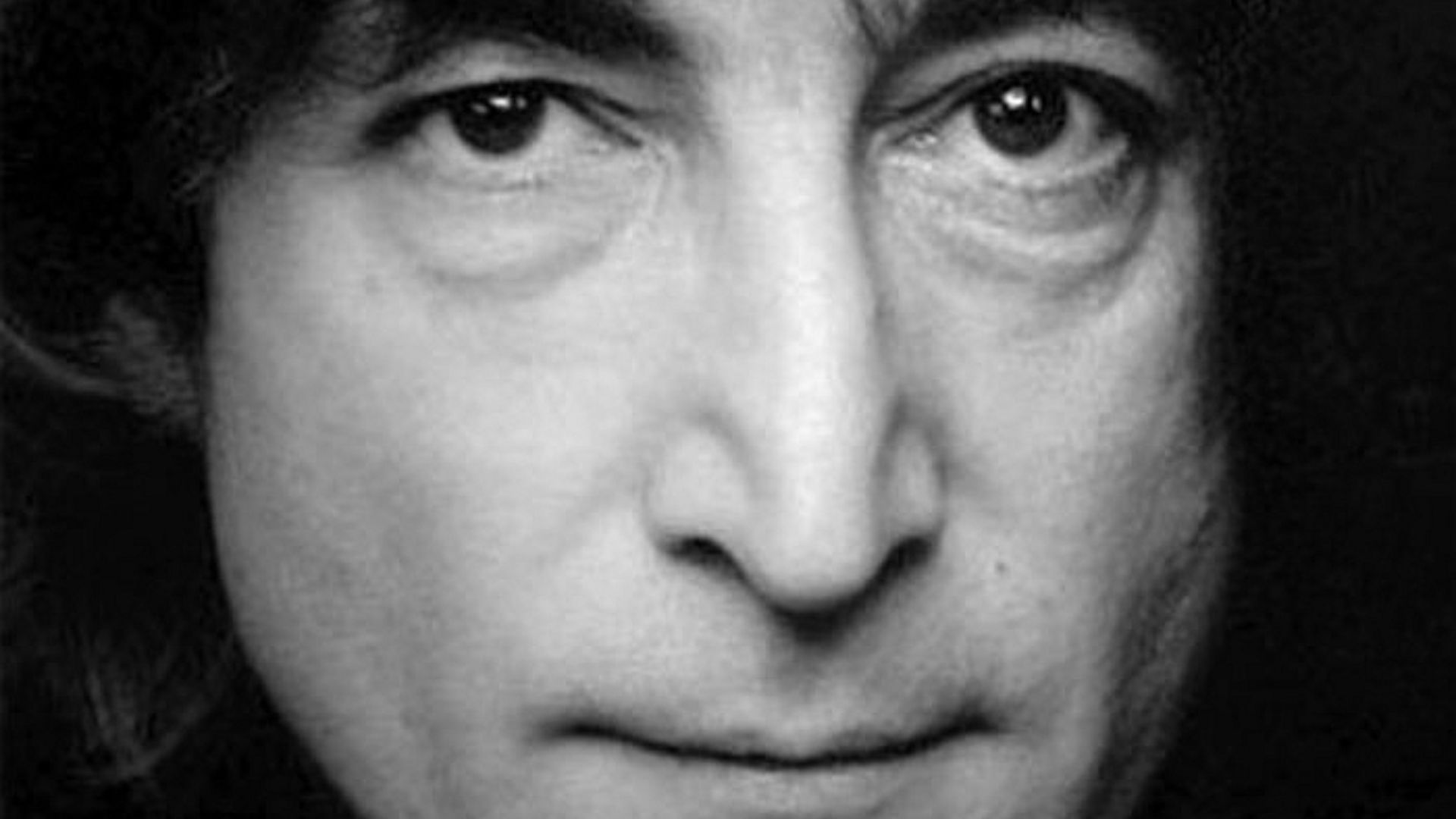 Jack Mitchell, Wikimedia Commons
So What If He Never Met Her?
Without that gallery visit, Lennon likely still evolves, but maybe not as quickly, or in the same direction. His artistic interests were growing, but Yoko became both a catalyst and collaborator. Remove her, and the timeline changes.
The Recording Sessions Might Have Felt Very Different
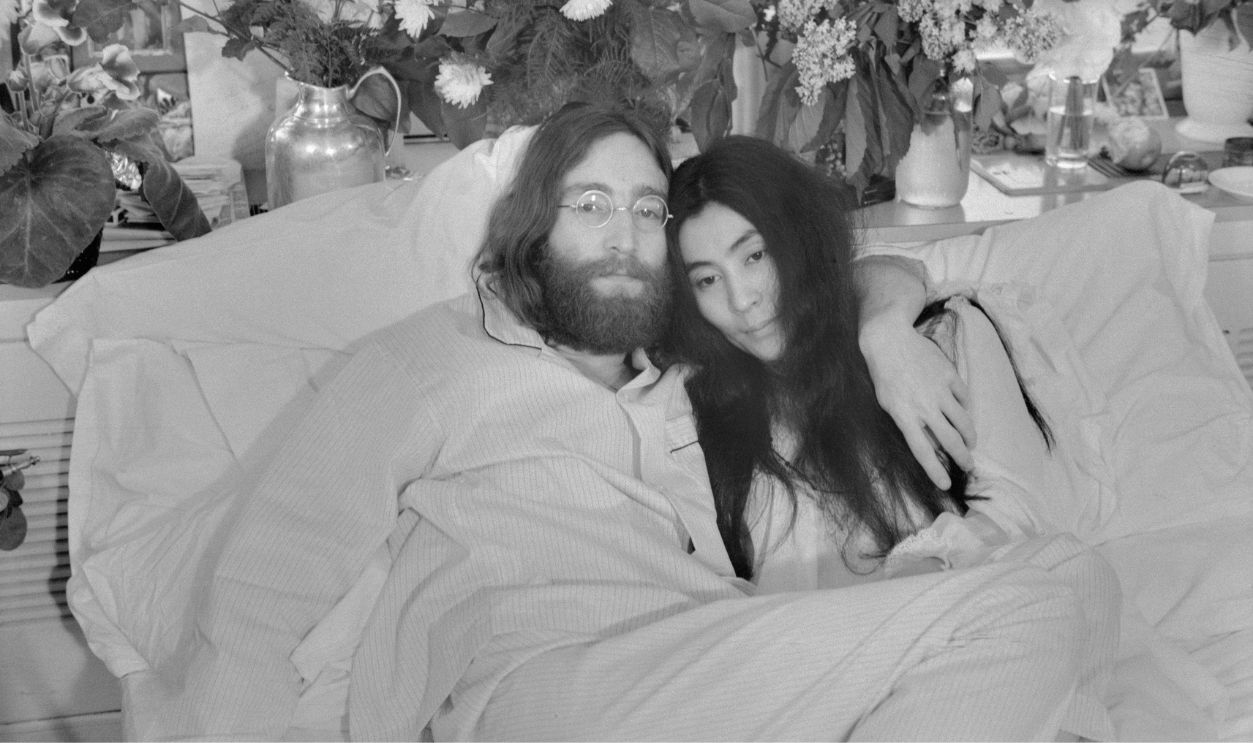
By the time of The Beatles (The White Album), tensions were rising. Yoko Ono’s presence in the studio, something previously unheard of, became a major point of friction. Without her there, those sessions might have been less strained…or maybe just tense in different ways.
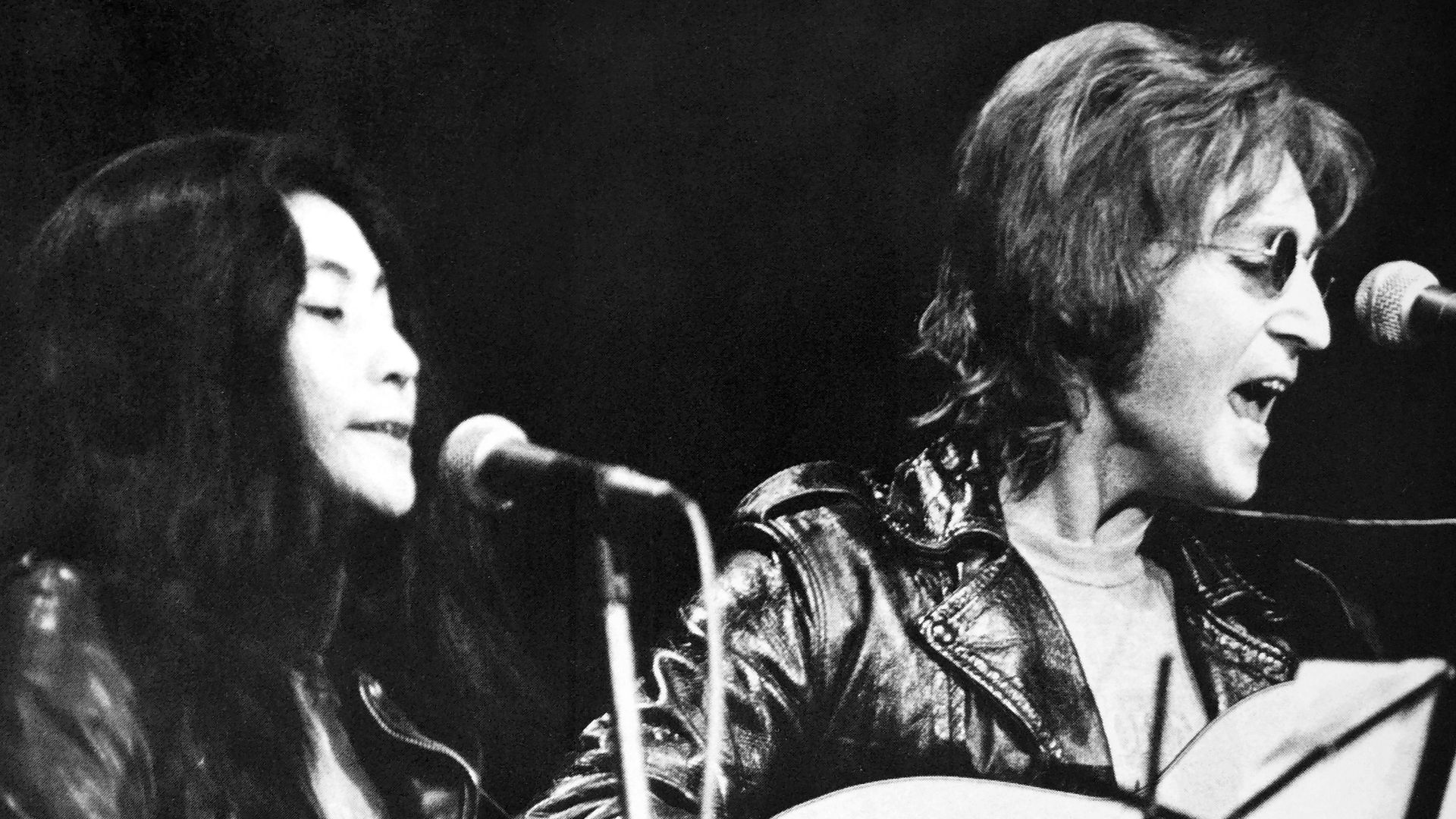
The Studio Might Have Stayed…The Beatles’ Space
Before Yoko, there was an unspoken rule—no partners in the studio. Once she was there, that boundary disappeared, and it changed the dynamic overnight. Without that shift, the sessions might have felt more familiar, more controlled…and maybe just a little less uncomfortable.
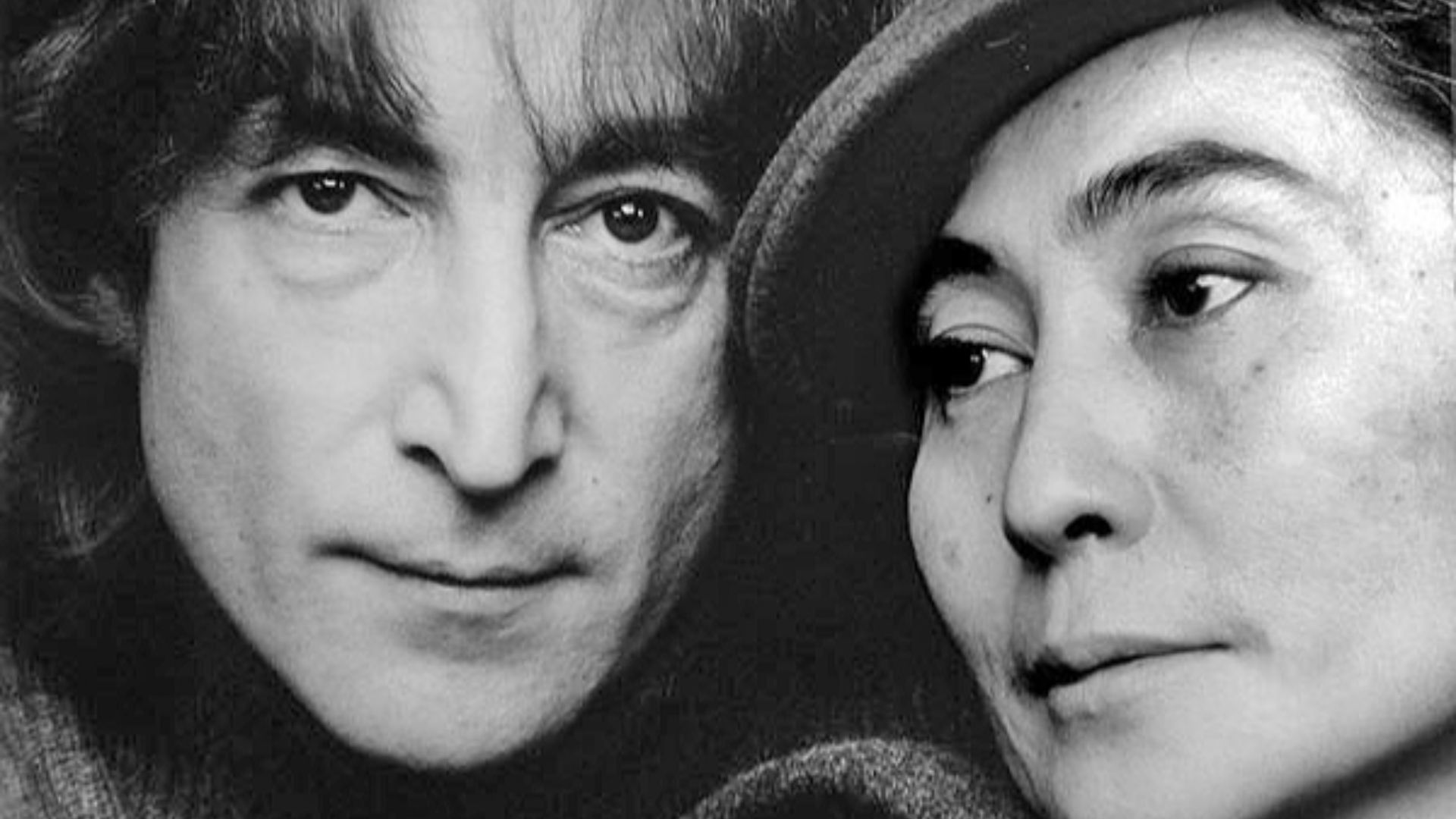 Jack Mitchell, Wikimedia Commons
Paul McCartney Was Already Taking More Control
Around 1967–1969, Paul increasingly stepped into a leadership role, especially after Brian Epstein’s death in 1967. He pushed projects like Magical Mystery Tour and Let It Be. Even without Yoko, that power shift wasn’t going away.
 WCFL/Chicago Federation of Labor, Wikimedia Commons
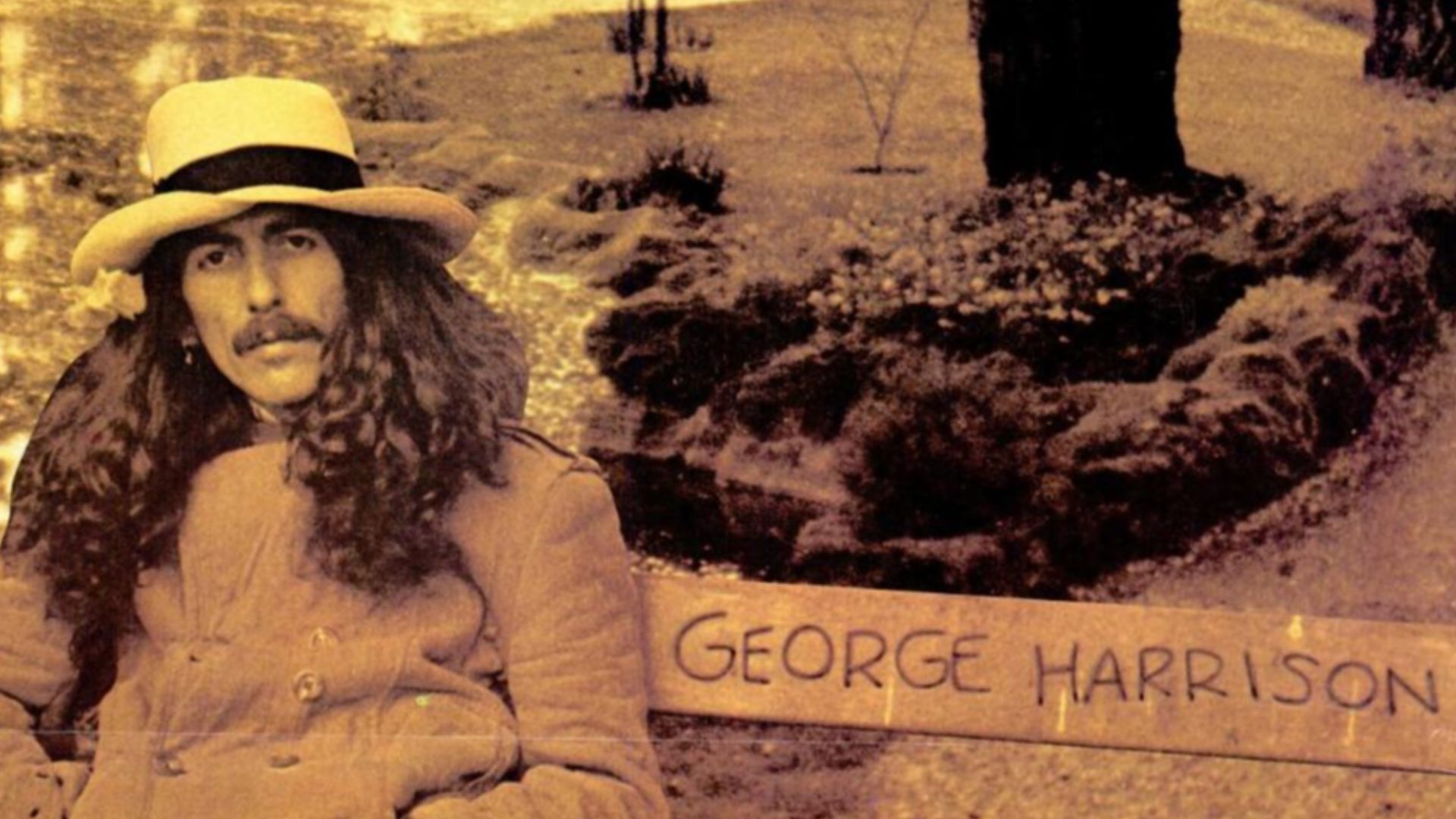
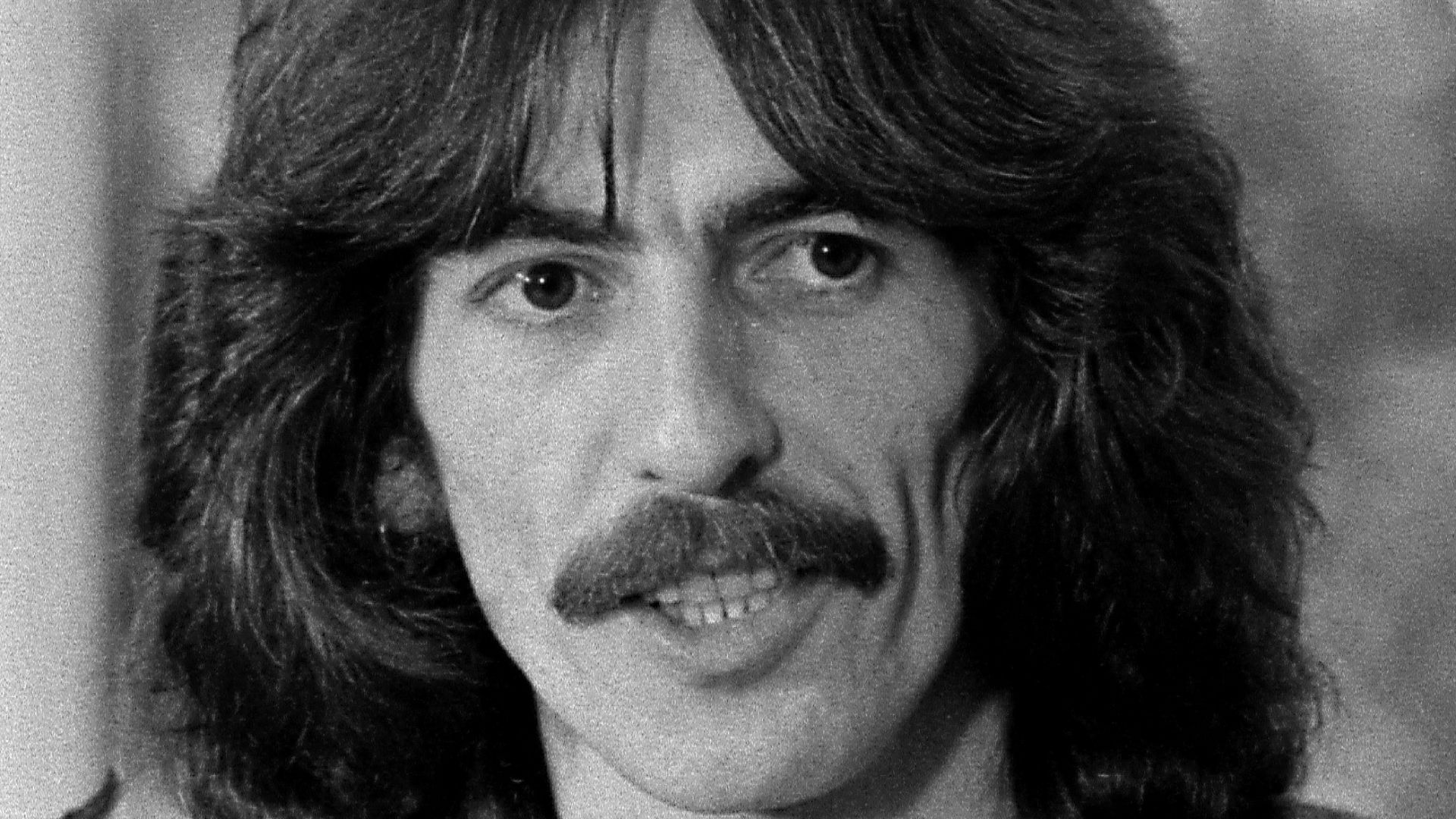
George Harrison Had His Own Frustrations
George wasn’t getting enough songs on albums. Despite writing standouts like Something and Here Comes the Sun, he often felt sidelined. His growing resentment had nothing to do with Yoko, and everything to do with creative bottlenecks.
 Apple Records, Wikimedia Commons
George Might Have Broken Through Even Earlier
By the late 60s, George had a backlog of material that would later fuel All Things Must Pass. If sessions were just a little less tense, or a little more open, there’s a real chance more of his songs make it onto Beatles albums sooner.
 David Hume Kennerly, Wikimedia Commons
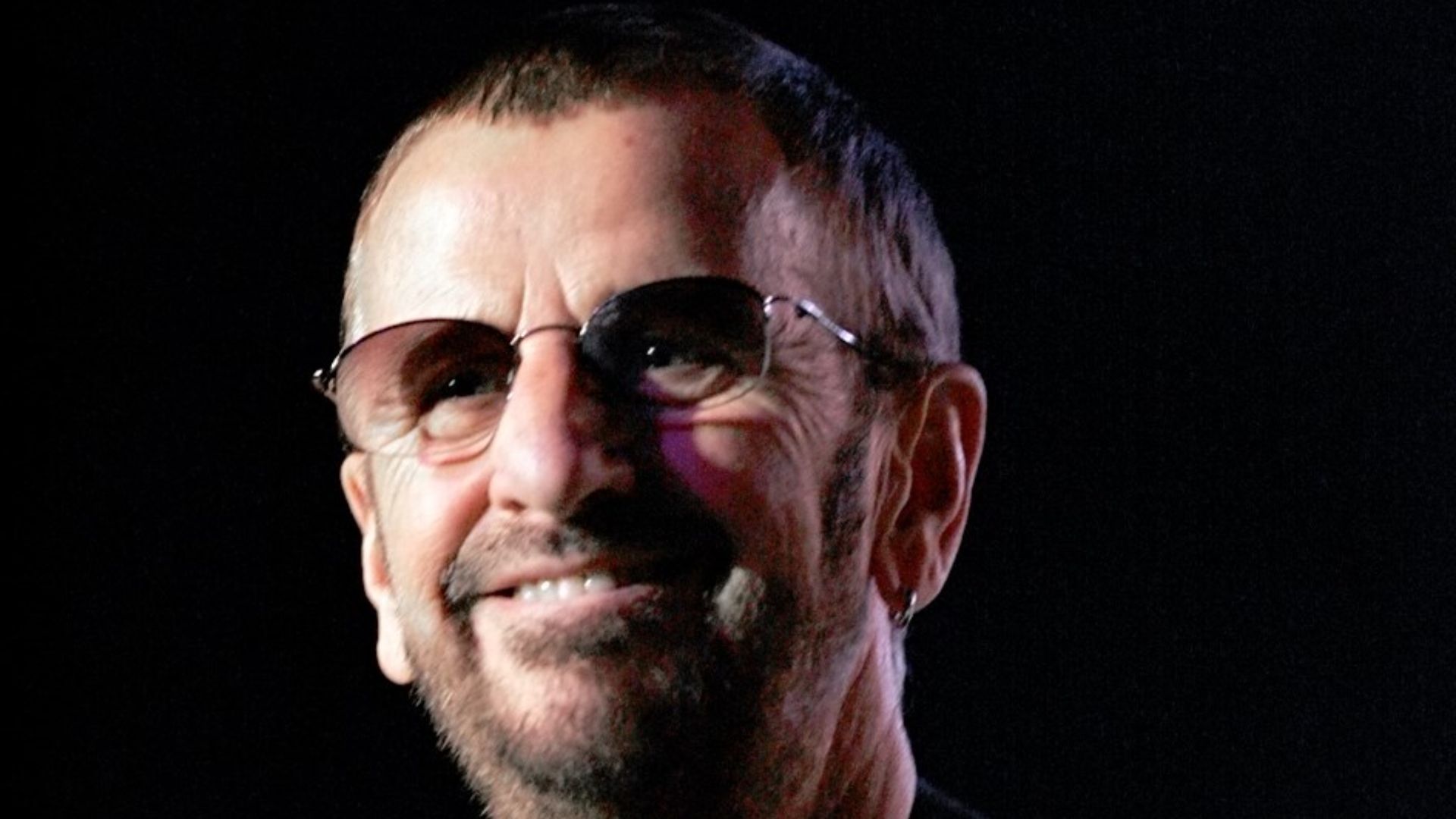
Ringo Starr Even Quit…Temporarily
During the White Album sessions, Ringo briefly left the band altogether. He felt disconnected and underappreciated. That had nothing to do with Yoko either. The cracks were already showing from multiple directions.
 Eva Rinaldi from Sydney, Australia, Wikimedia Commons
Business Problems Were Piling Up
After Epstein’s death, The Beatles struggled to manage their business affairs. Disagreements over Allen Klein (John’s choice) vs. Paul’s in-laws (the Eastmans) created serious divisions. This was a major factor in the breakup, completely unrelated to Yoko.
![Nederlands: Collectie / Archief : Fotocollectie Anefo
Reportage / Serie : [ onbekend ] Beschrijving : John Lennon en echtgenote Yoko Ono vertrekken van Schiphol naar Wenen in de vertrekhal, John Lennon en Yoko Ono op een KLM wagentje Datum : 31 maart 1969 Locatie : Noord-Holland, Schiphol Trefwoorden : aankomst en vertrek, aankomst- en vertrekhallen, echtparen, musici, vliegvelden Persoonsnaam : Lennon, John, Ono, Yoko Fotograaf : Evers, Joost / Anefo Auteursrechthebbende : Nationaal Archief Materiaalsoort : Negatief (zwart/wit) Nummer archiefinventaris : bekijk toegang 2.24.01.05
Bestanddeelnummer : 922-2494](https://www.factinate.com/storage/app/media/theshot/2026/4/1/17750389408963ce162e48dcb210a8cd8f7f1a316abf6ad04e.jpg) Joost Evers / Anefo, Wikimedia Commons
Joost Evers / Anefo, Wikimedia Commons
John and Yoko Became Creatively Linked
From Unfinished Music No. 1: Two Virgins to Give Peace a Chance, Lennon began working closely with Ono. Their partnership blurred the line between personal and professional life. Without her, his solo path might have looked very different.
![Collectie / Archief : Fotocollectie Anefo
Reportage / Serie : [ onbekend ]
Beschrijving : John Lennon en echtgenote Yoko Ono vertrekken van Schiphol naar Wenen in de vertrekhal, John Lennon en Yoko Ono op een KLM wagentje
Datum : 31 maart 1969
Locatie : Noord-Holland, Schiphol
Trefwoorden : aankomst en vertrek, aankomst- en vertrekhallen, echtparen, musici, vliegvelden
Persoonsnaam : Lennon, John, Ono, Yoko
Fotograaf : Evers, Joost / Anefo
Auteursrechthebbende : Nationaal Archief
Materiaalsoort : Negatief (zwart/wit)
Nummer archiefinventaris : bekijk toegang 2.24.01.05
Bestanddeelnummer : 922-2494](https://www.factinate.com/storage/app/media/theshot/2026/4/1/1775038990b9aaeb7c1318d864a15e6b482641a8abdf58e089.jpg) Joost Evers / Anefo, Wikimedia Commons
Joost Evers / Anefo, Wikimedia Commons
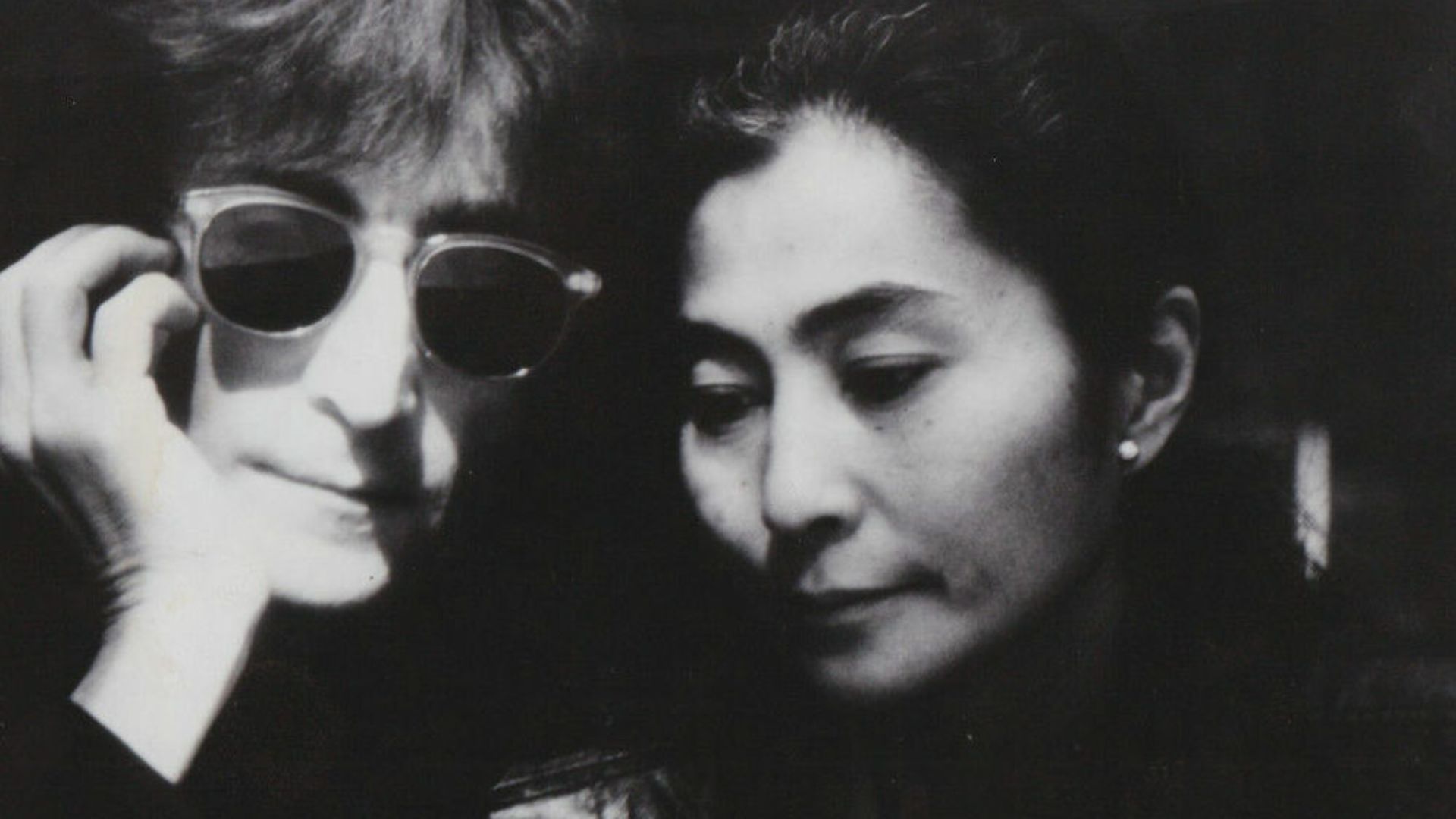
Lennon’s Solo Career Might Have Looked Very Different
Without Yoko, John likely still goes solo, but not in the same way. Less political, less experimental, less tied to performance art. You might still get Imagine, but maybe not with the same message, or the same intensity behind it.
 Kishin Shinoyama; Distributed by Geffen Records, Wikimedia Commons
The Band’s Dynamic Was Already Shifting
By 1969, The Beatles were barely functioning as a traditional band. Members often recorded separately. You can hear it on Abbey Road. That fragmentation was happening regardless of Yoko’s presence.
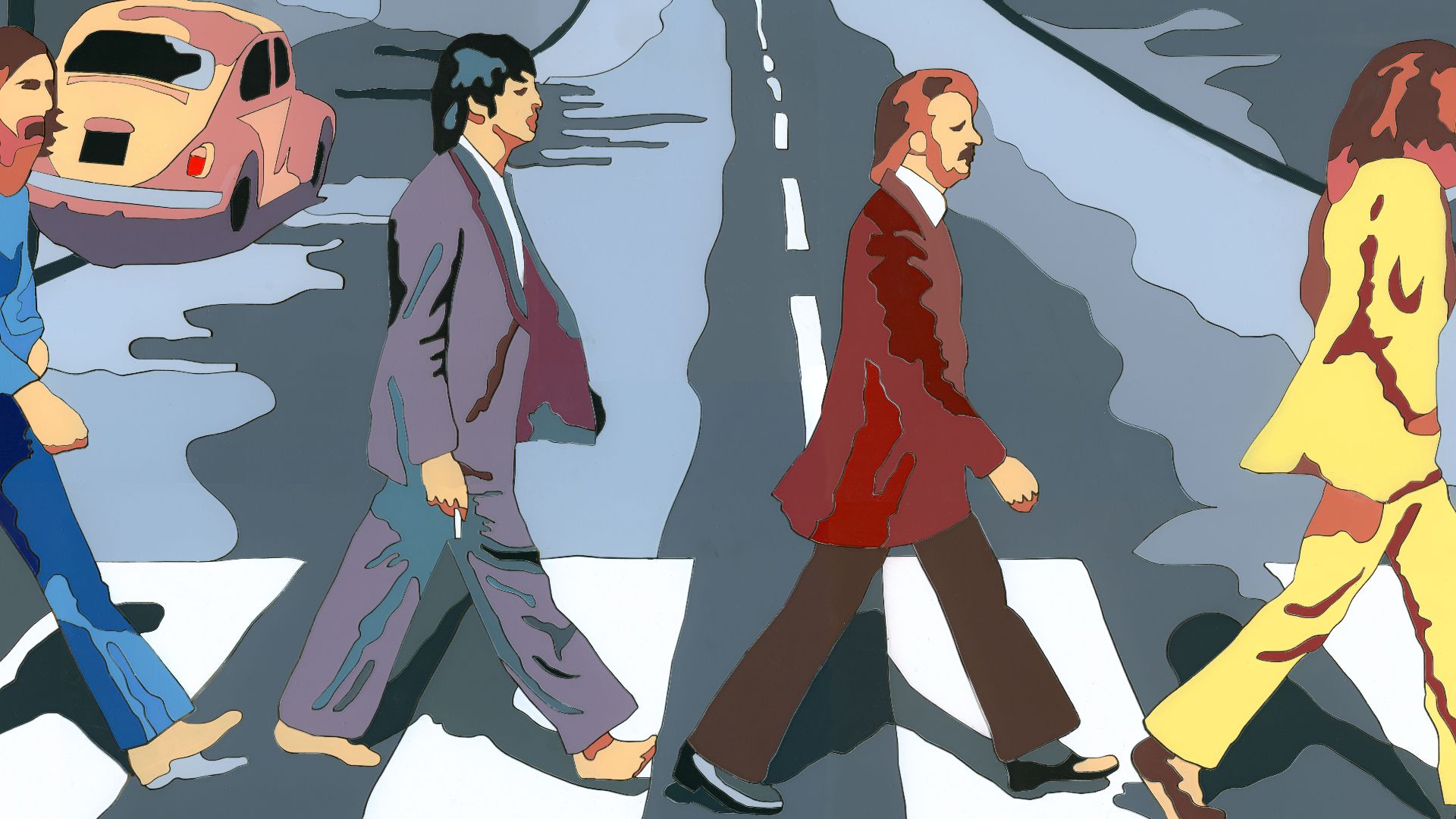
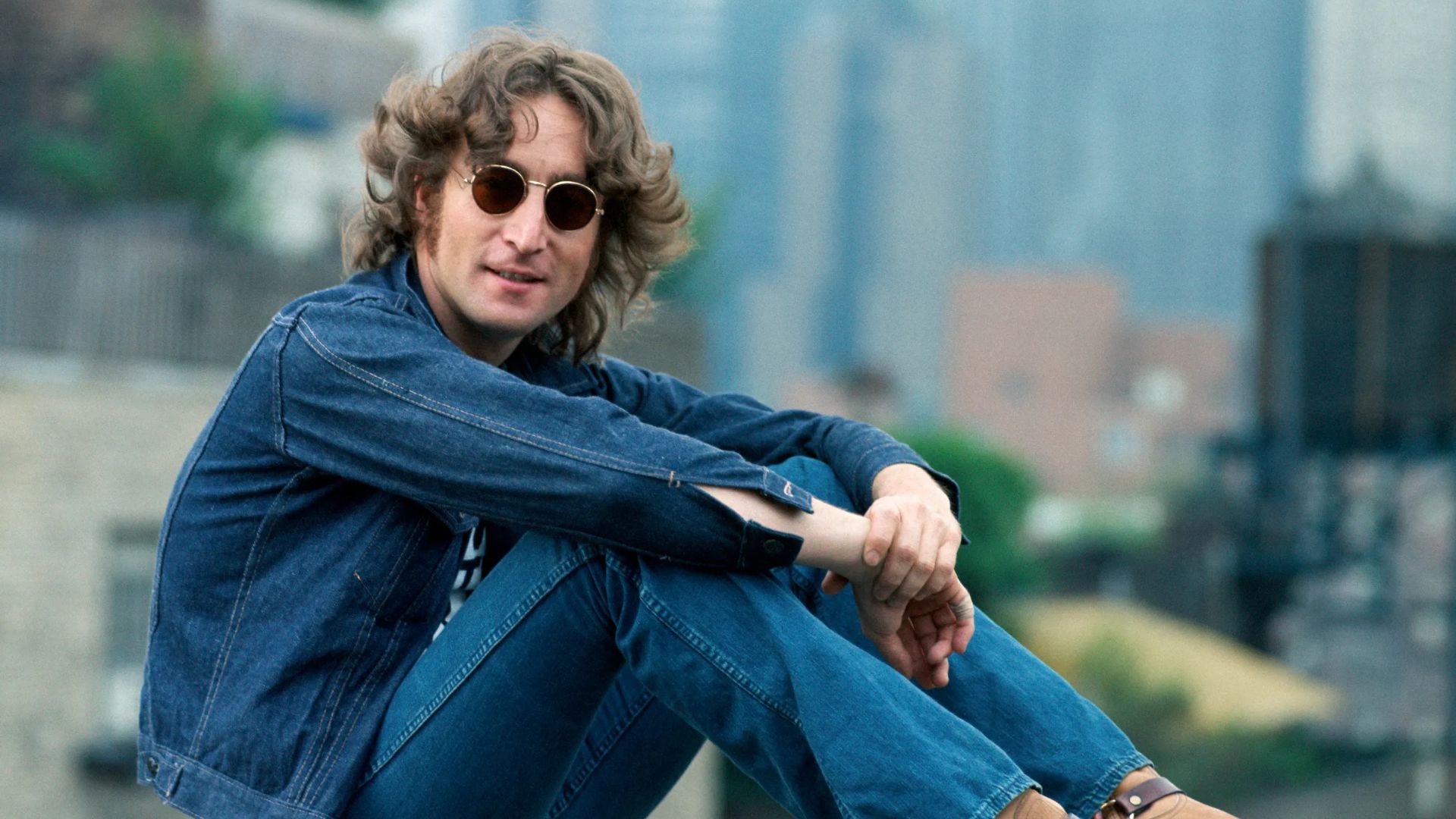
Even John Had Already Checked Out
Privately, John told the band in 1969 that he wanted a “divorce.” It just wasn’t made public immediately. His decision wasn’t solely about Yoko, it was about creative freedom, independence, and frustration with the group dynamic.
 Bob Gruen; Distributed by Capitol Records, Wikimedia Commons
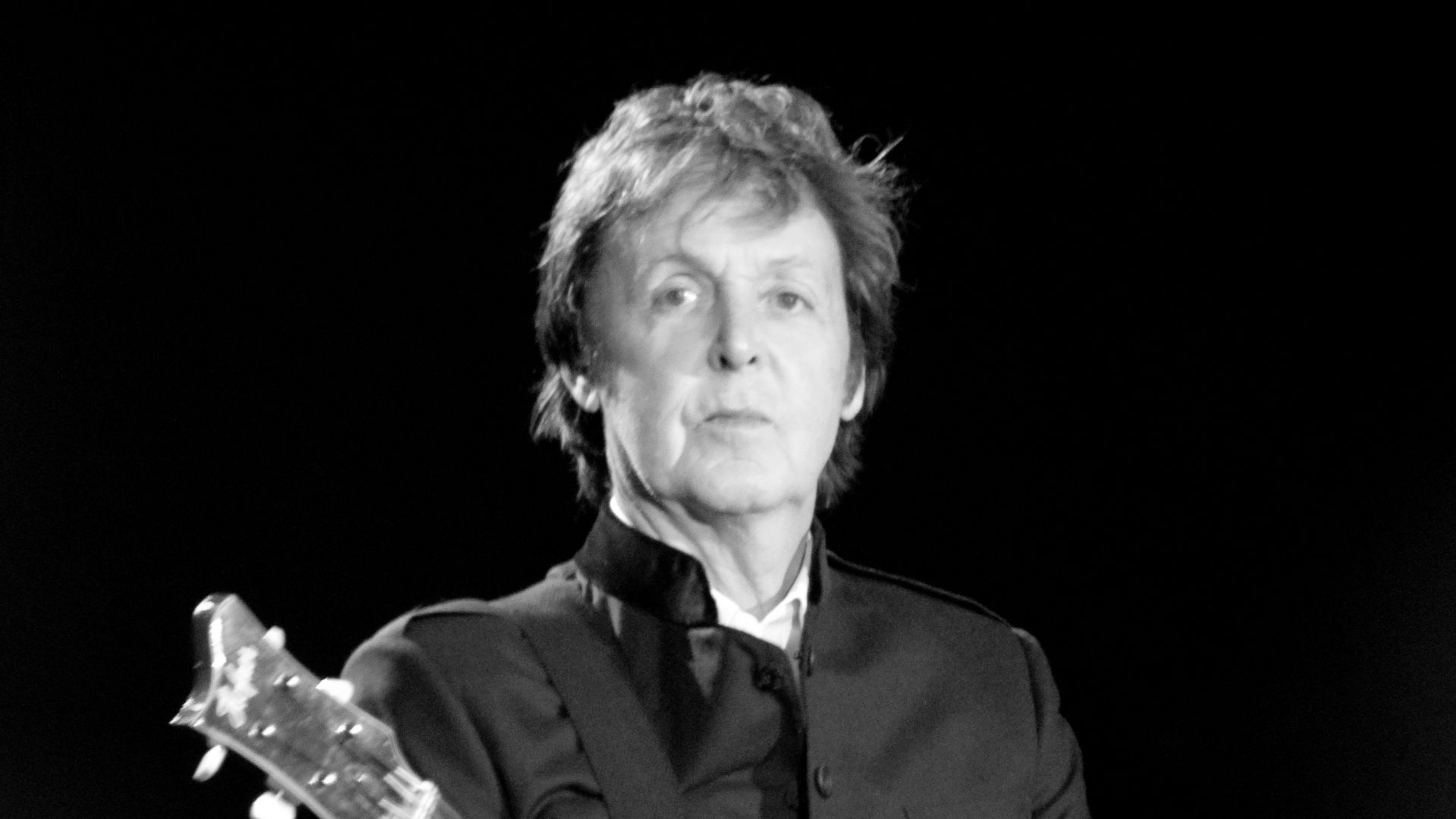
Paul Was the One Who Officially Walked Away
In April 1970, Paul McCartney publicly announced he was leaving The Beatles. That effectively ended the band. Not John. Not Yoko. Paul. And it came after months of internal conflict and legal disputes.
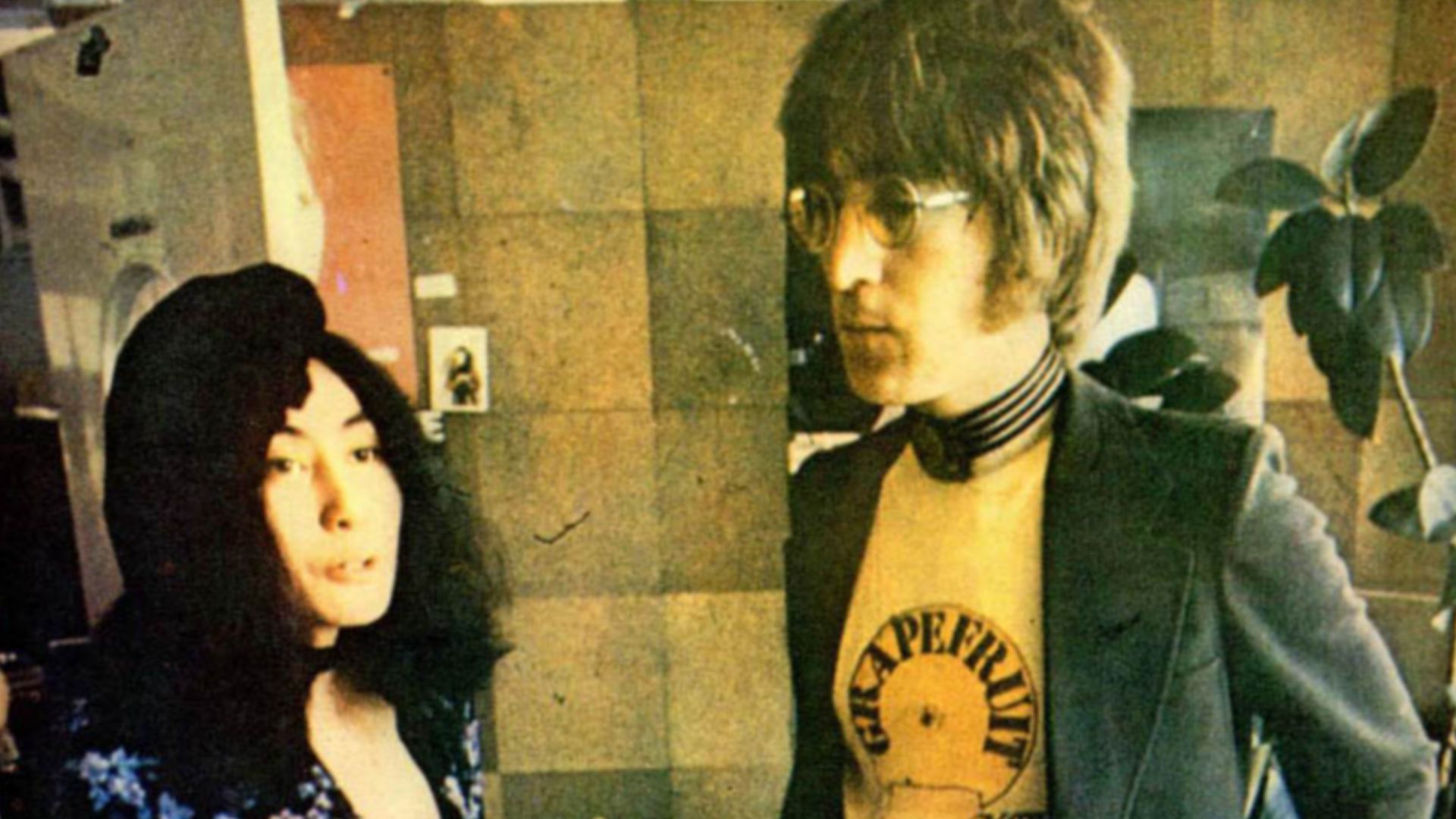
The Breakup Might Have Felt Less Dramatic
Without Yoko in the picture, there’s no single person for fans to point to. No easy explanation. The ending likely feels slower, quieter…more like four people growing apart than one moment that changed everything.
 Unknown authorUnknown author, Wikimedia Commons
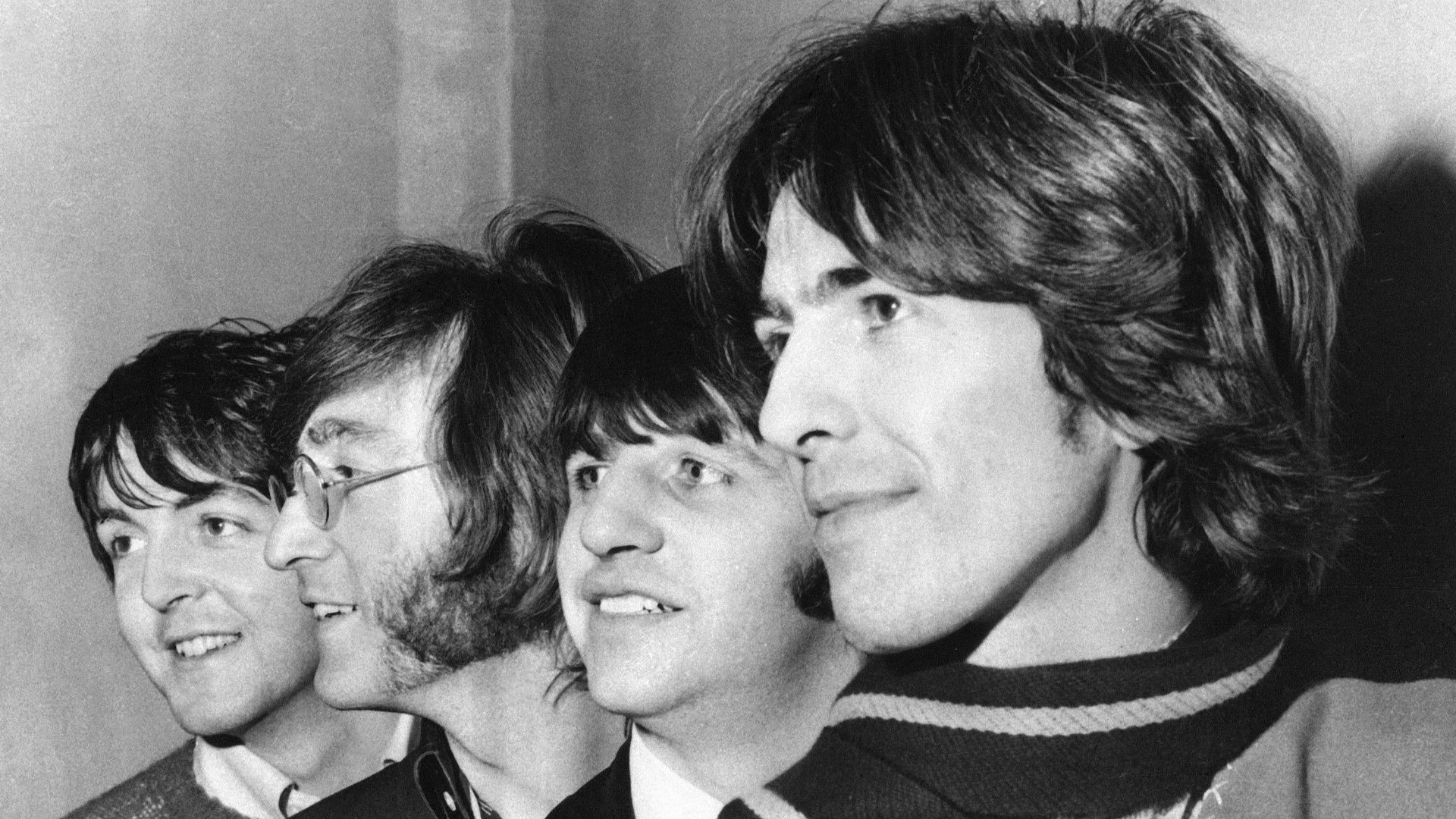
Would They Have Stayed Together Longer?
Maybe, but not by much. The internal pressures were intense: creative differences, business disputes, personal growth. Removing Yoko might delay things slightly, but it doesn’t solve the underlying issues.
 Associated Press, Wikimedia Commons
Just Enough Time For One More Album?
If things were just a little smoother, they probably could’ve held it together long enough for one more record. The talent was still there. The chemistry, at least in flashes, was still there. But it likely would’ve felt less like a band and more like four solo artists sharing space.
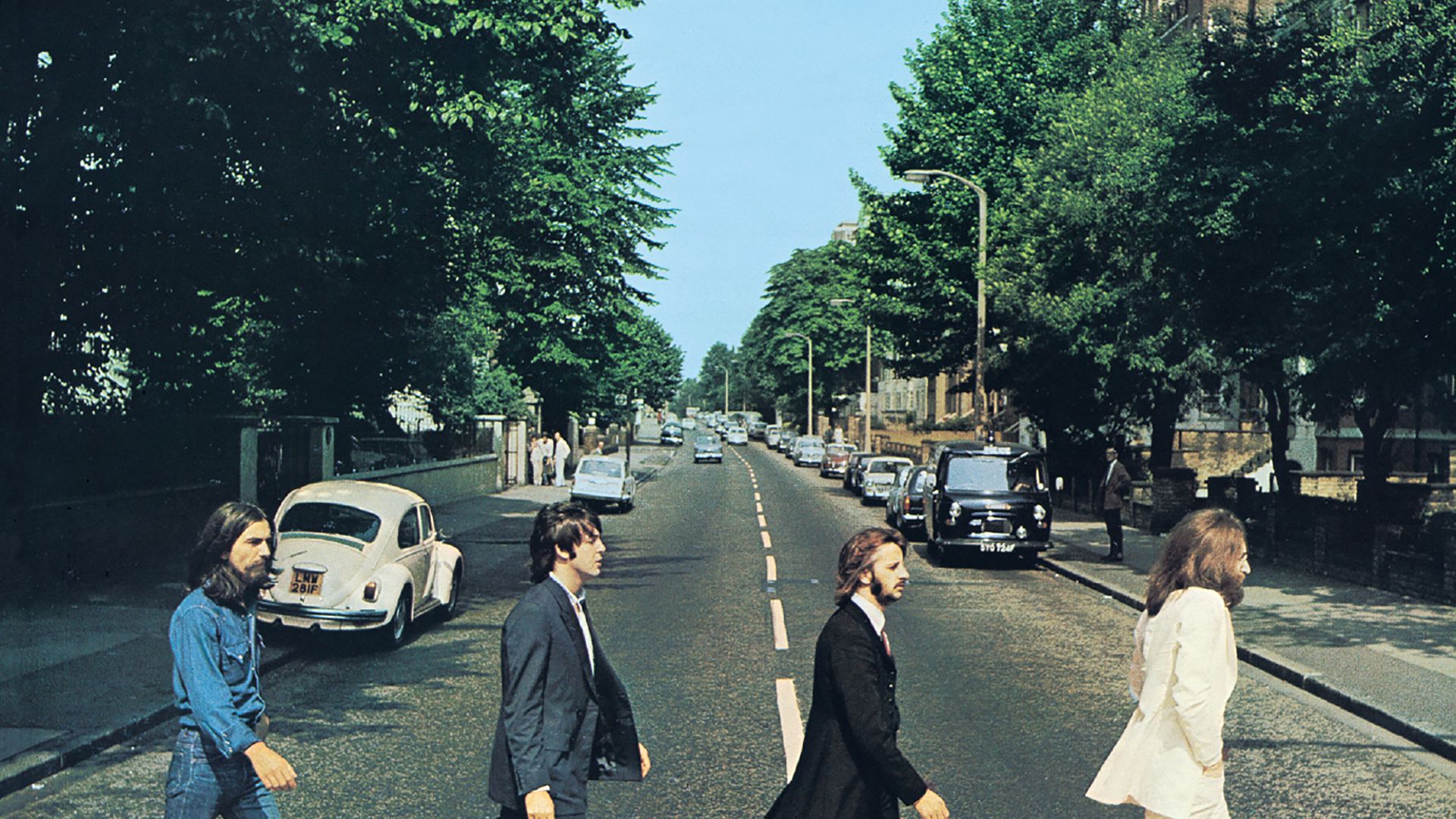 John Kosh / Iain Macmillan, Wikimedia Commons
Not Long Enough To Stay The Beatles
And that’s the part people don’t always want to hear. Even if they make that extra album, it doesn’t fix what was breaking underneath—it just delays it. They might’ve lasted a little longer…but there’s no version where they’re still rocking it in the studio in the 80s.
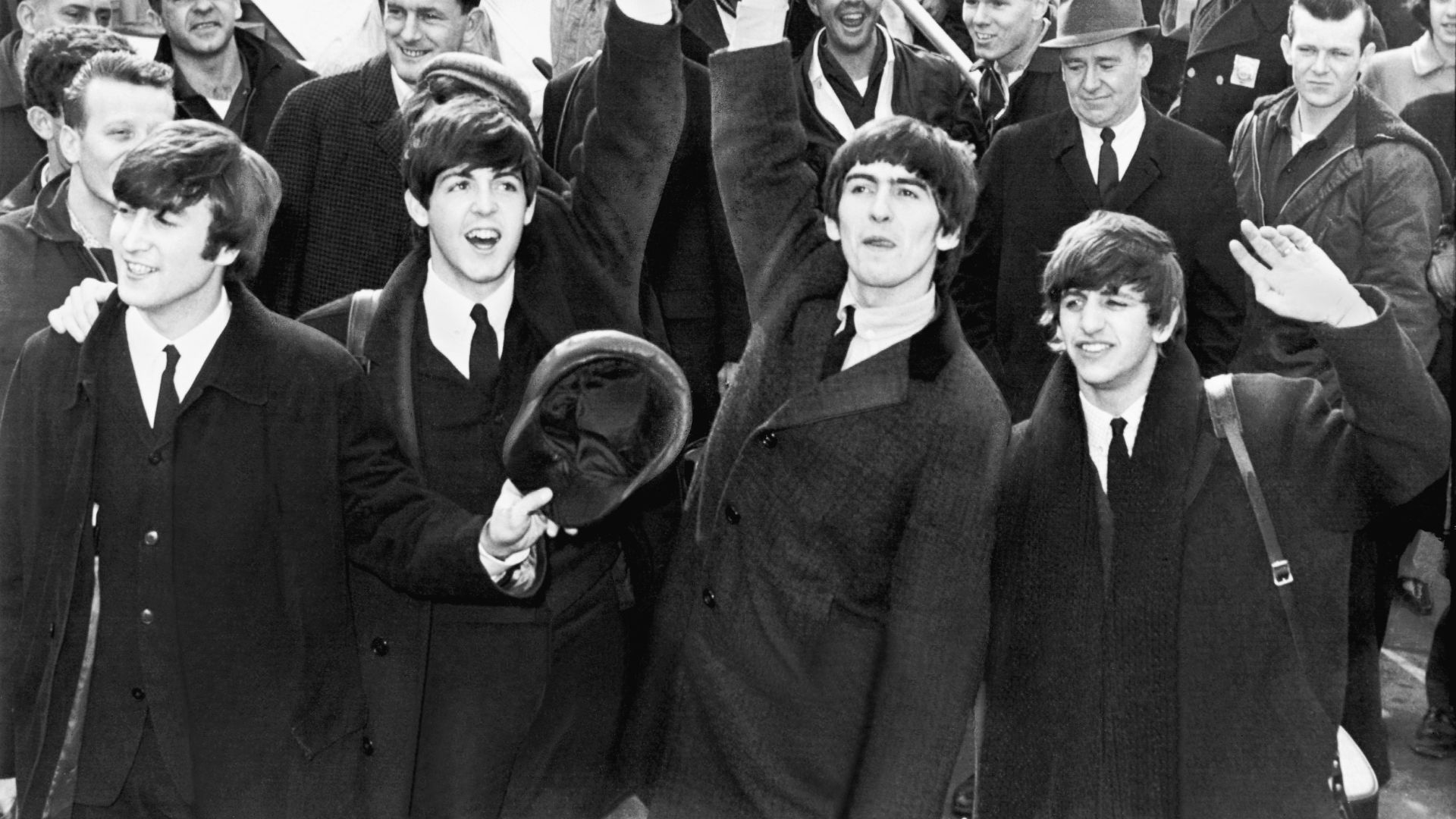 United Press International, photographer unknown, Wikimedia Commons
The Music Might Have Changed
Without Yoko’s influence, Lennon’s later Beatles-era songs, and certainly his solo work, could have taken a different tone. Less experimental. Less politically direct. But that also means we might lose songs like Imagine as we know it.
![Collectie / Archief : Fotocollectie Anefo
Reportage / Serie : [ onbekend ]
Beschrijving : John Lennon en echtgenote Yoko Ono vertrekken van Schiphol naar Wenen in de vertrekhal
Datum : 31 maart 1969
Locatie : Noord-Holland, Schiphol
Trefwoorden : echtparen, huwelijksreizen, musici, vliegvelden, zangers
Persoonsnaam : Lennon, John, Ono, Yoko
Fotograaf : Evers, Joost / Anefo
Auteursrechthebbende : Nationaal Archief
Materiaalsoort : Negatief (zwart/wit)
Nummer archiefinventaris : bekijk toegang 2.24.01.05
Bestanddeelnummer : 922-2499](https://www.factinate.com/storage/app/media/theshot/2026/4/1/177503992504315000d9ecf16d6bd5a231be77ecc7b99353aa.jpg) Joost Evers / Anefo, Wikimedia Commons
Joost Evers / Anefo, Wikimedia Commons
The Myth vs. The Reality
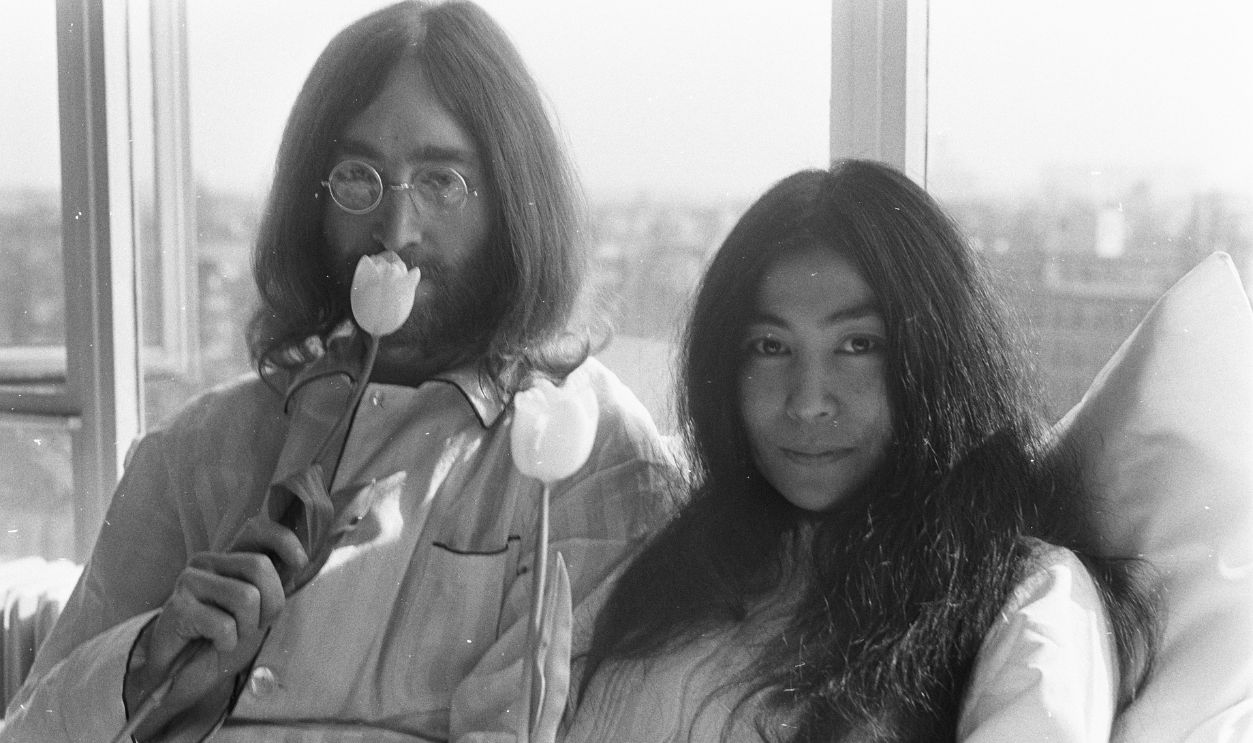
For decades, Yoko Ono has been blamed for breaking up The Beatles. It’s a simple narrative, and an easy one. But history shows it’s far more complicated. She didn’t create the cracks, she entered the picture after they had already formed.
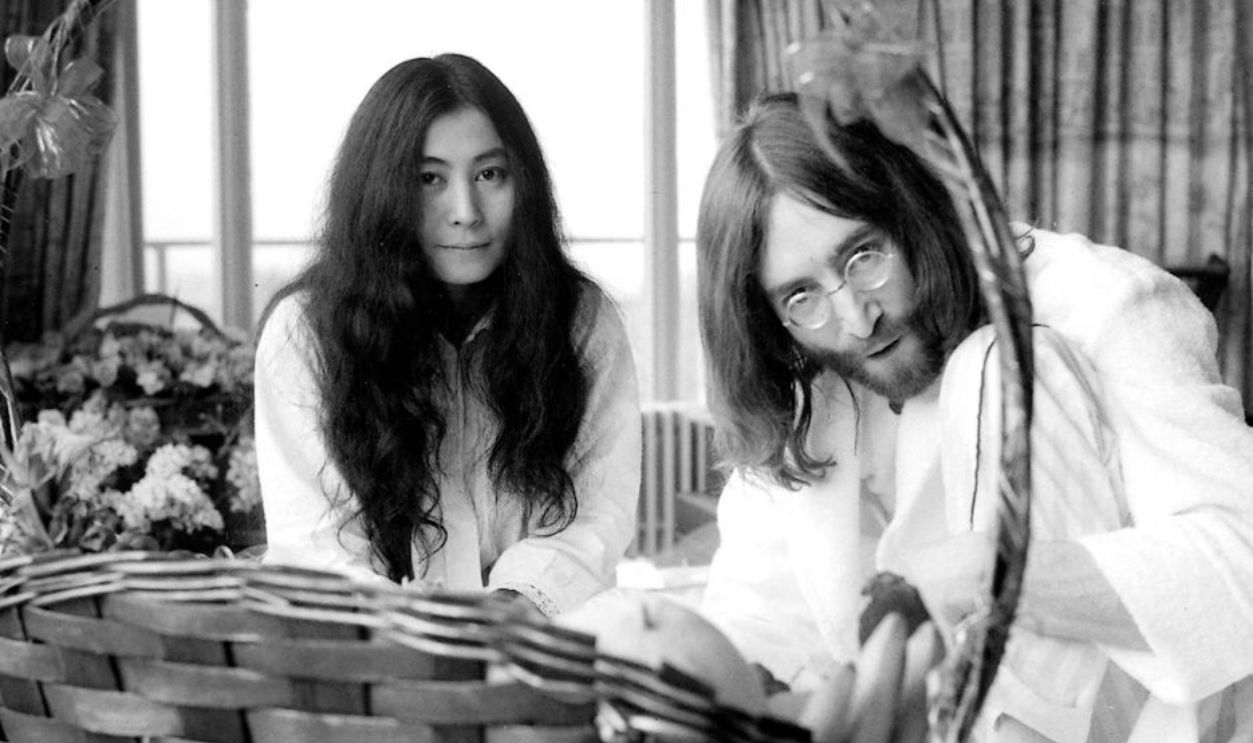
Timing Was Everything
The Beatles formed as teenagers and evolved into global icons by their late 20s. That kind of intense, shared experience isn’t built to last forever. By the late 60s, they were simply growing in different directions.
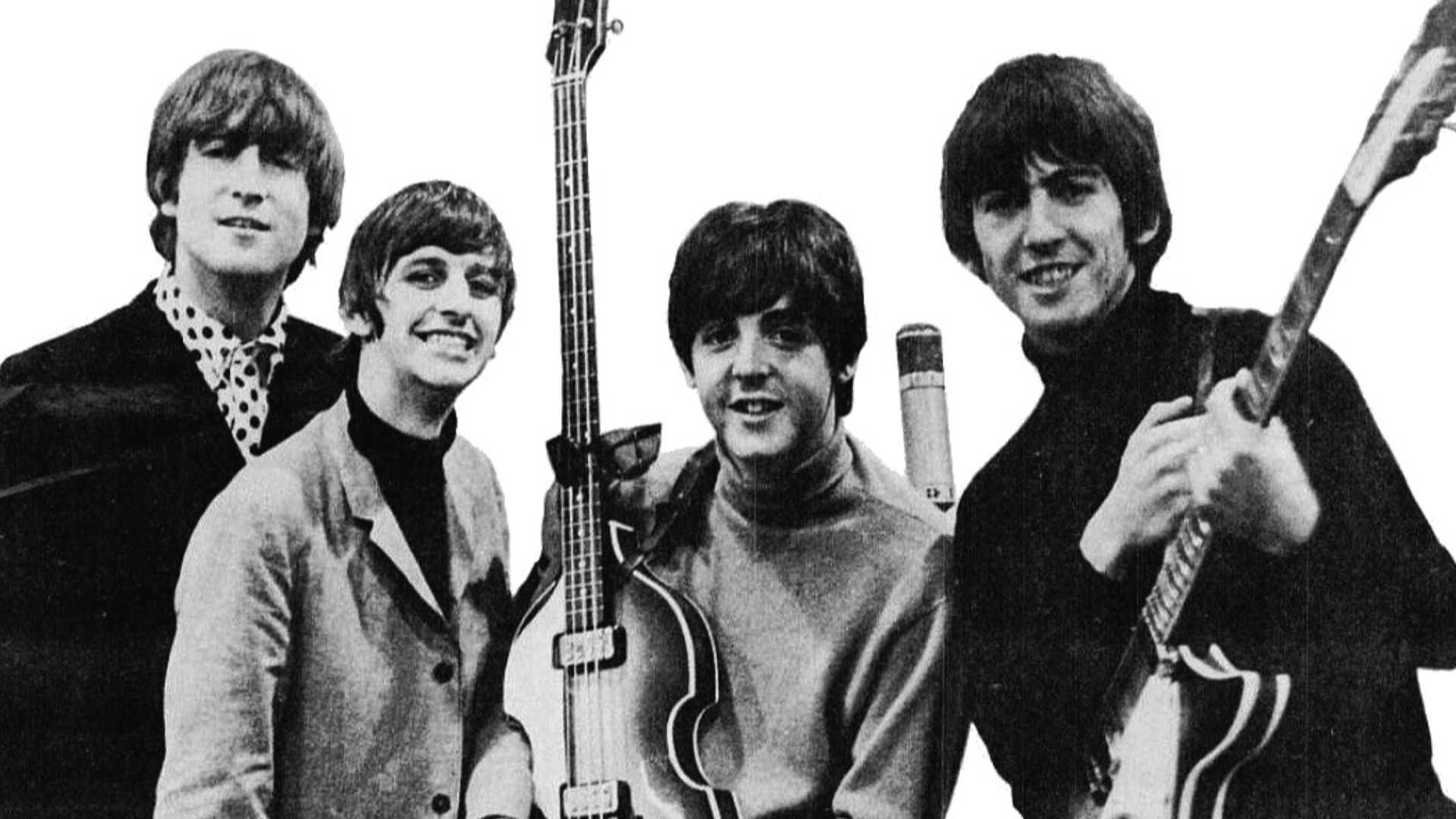
So What Really Changes?
Without Yoko, the story feels different. The tension might be less visible. The breakup might look less dramatic. But the core trajectory, four individuals outgrowing a band, likely stays the same.
 Bernard Gotfryd, Wikimedia Commons
One Meeting…Or An Inevitable Ending?
That gallery moment matters, it changed John’s life in a very real way. But The Beatles’ ending wasn’t built on a single meeting. It was the result of years of evolution, pressure, and change that no one person could stop.
The Version Of The Beatles We Never Got
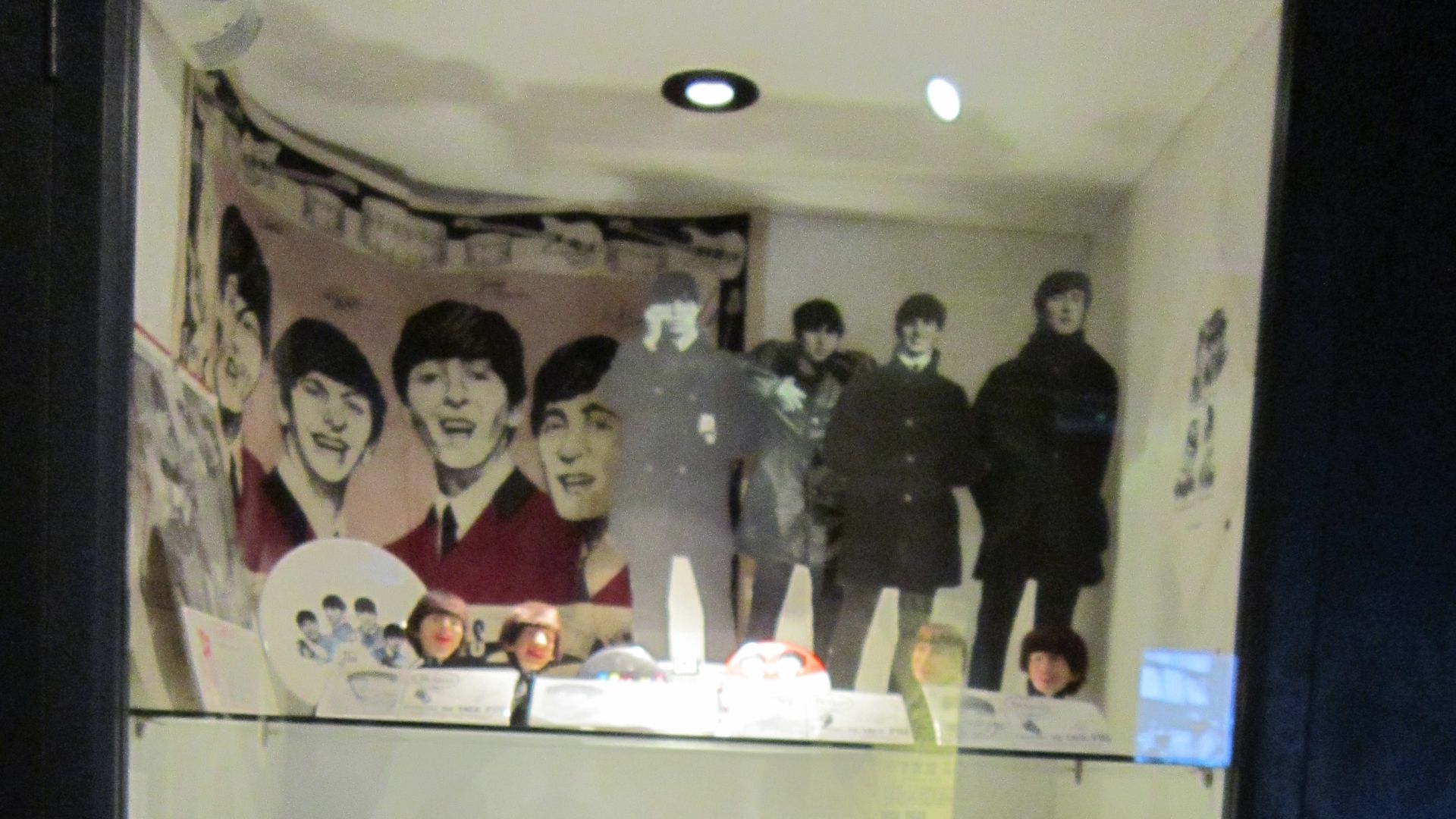
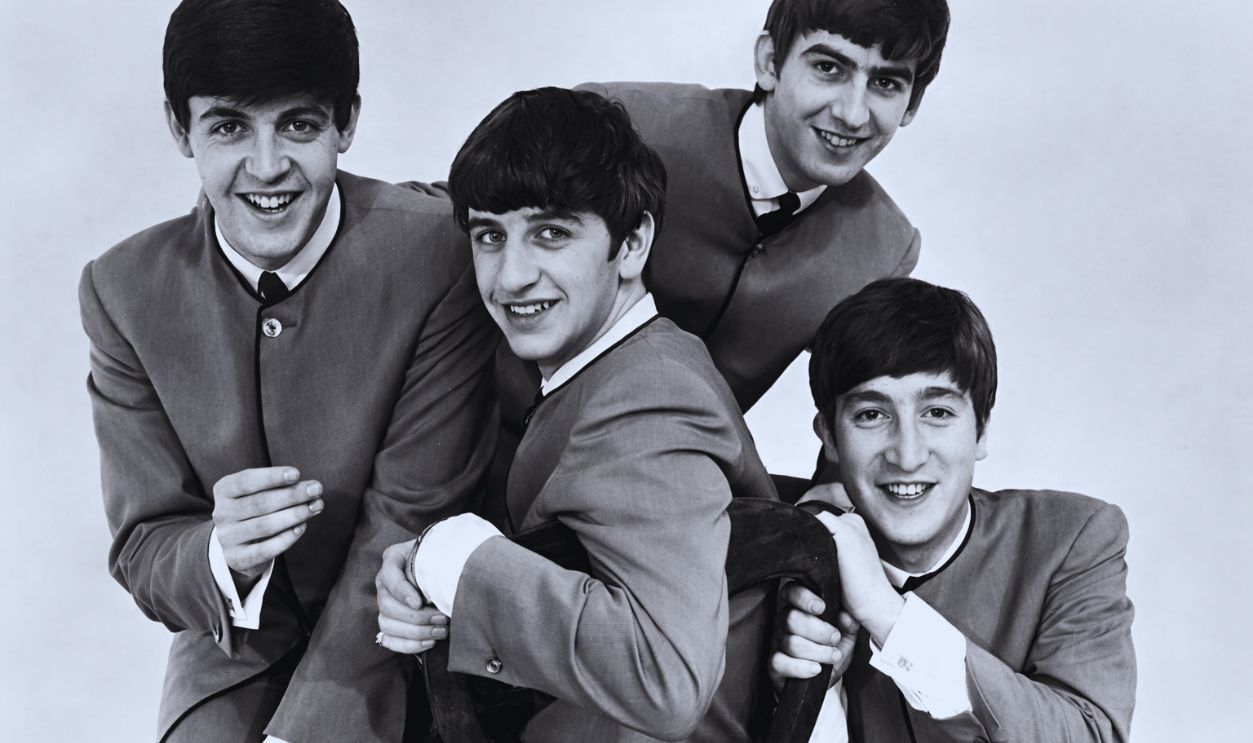
Maybe they last another album. Maybe two. Maybe the split is quieter. But eventually, the same forces catch up. And the biggest “what if” isn’t whether they meet Yoko, it’s whether The Beatles were ever meant to last at all.
 Dezo Hoffmann, Distributed by Capitol Records, Wikimedia Commons
You Might Also Like:
Ranking The Best Songs Over 10 Minutes Long Of All Time—Do You Agree?