When The Song On The Back Became The One Fans Loved Most
Before playlists and algorithms ruled the music world, the B-side was the secret playground where artists experimented, took risks, or tucked away tracks that didn’t quite fit the polished A-side release. Sometimes those songs stayed obscure. Other times, though, they quietly gained momentum, winning over fans, shaping careers, or eventually eclipsing the songs they were supposed to support. Here are 25 B-sides that proved the real magic lives on the flip side.
Bruce Springsteen – “Pink Cadillac” (1984)
Originally the B-side to “Dancing in the Dark,” this rockabilly-infused track became an underground hit with Springsteen fans. Its swaggering groove and tongue-in-cheek lyrics made it a staple at live shows, proving The Boss’ leftovers are better than most artists’ main course.
 Uhlemann, Thomas, Wikimedia Commons
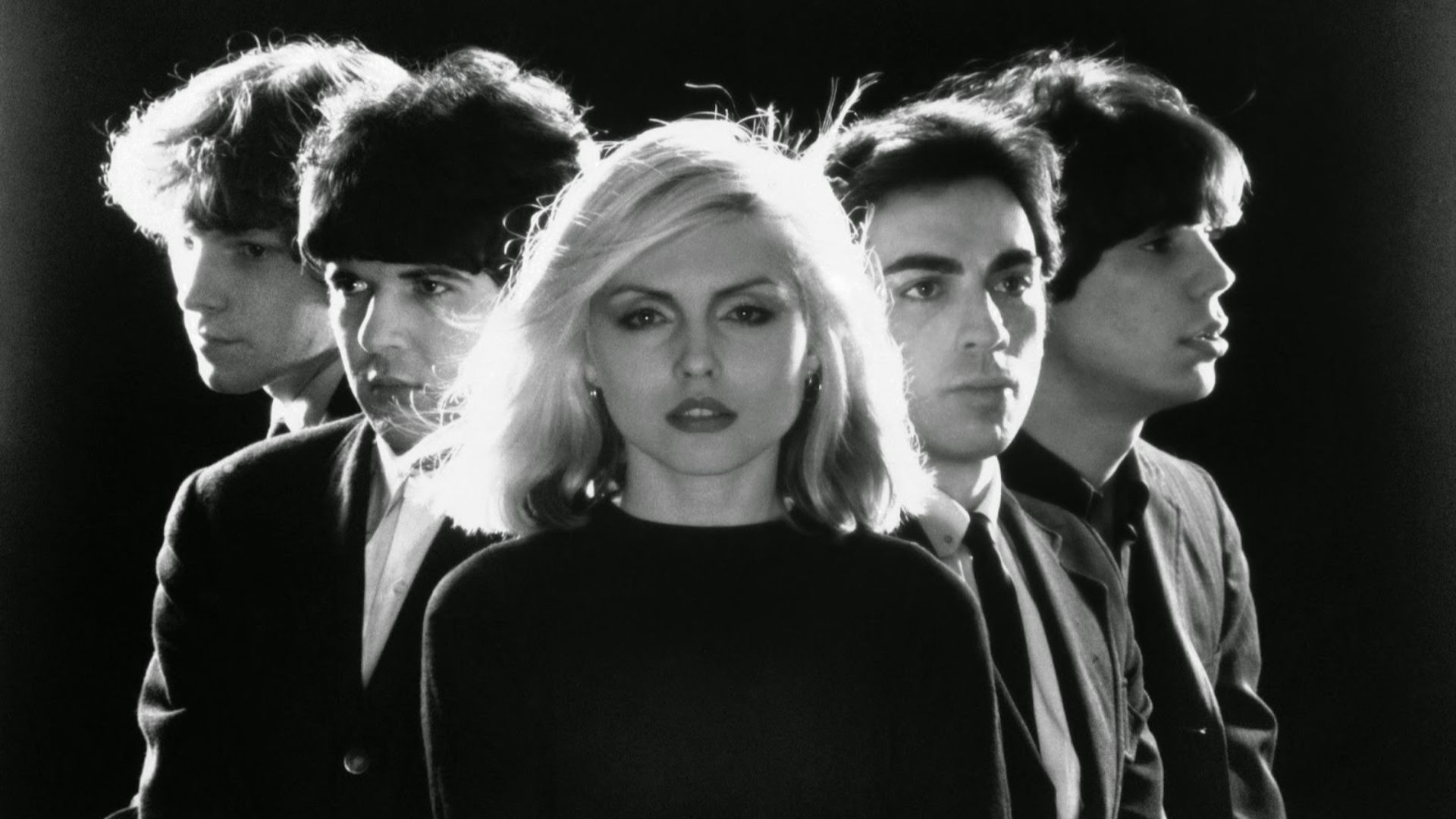
Blondie – “Fade Away And Radiate” (1978)
Tucked behind their more radio-friendly hits, this eerie, atmospheric track highlights Blondie’s art-rock leanings. With Robert Fripp’s haunting guitar work, it became a fan favorite for showing the band’s moodier, more experimental side.
 Private Stock Records, Wikimedia Commons
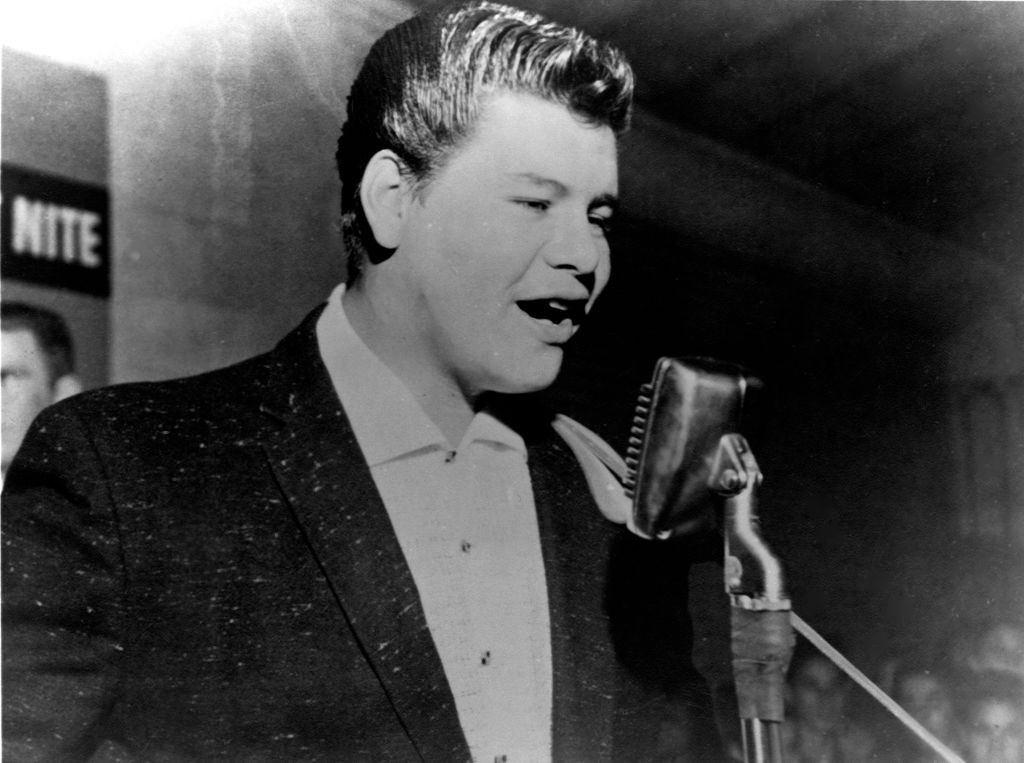
Ritchie Valens – “La Bamba” (1958)
Released behind “Donna,” this electrifying rock-and-roll adaptation of a Mexican folk song became Valens’ signature hit. Its cultural impact was massive, blending heritage and rock with groundbreaking authenticity. The track remains a timeless anthem across generations.
 Michael Ochs Archives, Getty Images
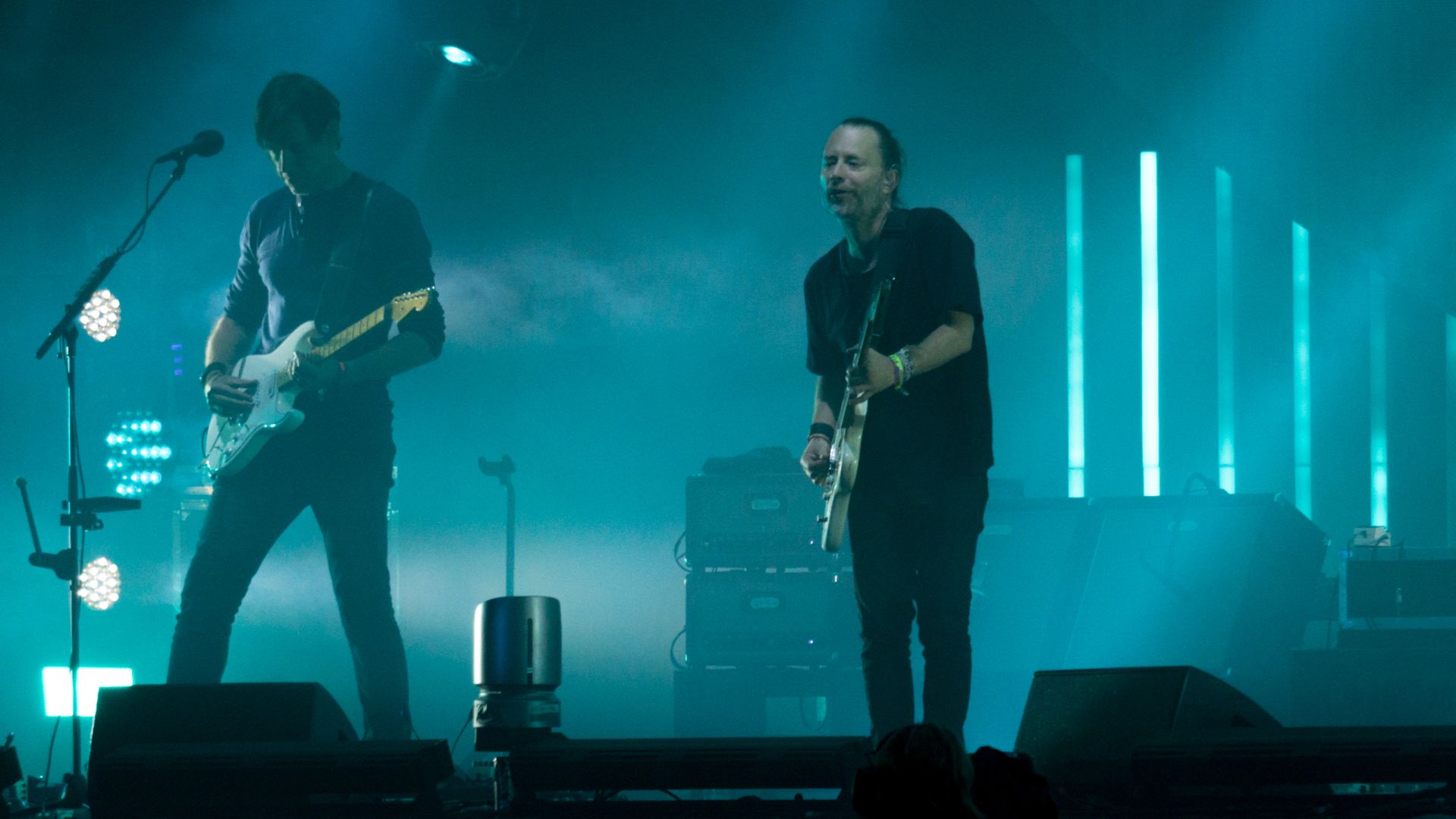
Radiohead – “Polyethylene (Parts 1 & 2)” (1997)
A fan favorite from the “Paranoid Android” single, this two-part mini-epic shifts from soft acoustic strums to explosive alt-rock energy. Many Radiohead diehards consider it one of the band’s greatest B-sides—if not one of their best songs, period.
Depeche Mode – “Dangerous” (1986)
Released as the B-side to “Personal Jesus,” “Dangerous” has become a fan-favorite staple thanks to its dark synth groove and sultry energy. It easily stands shoulder-to-shoulder with their biggest hits.
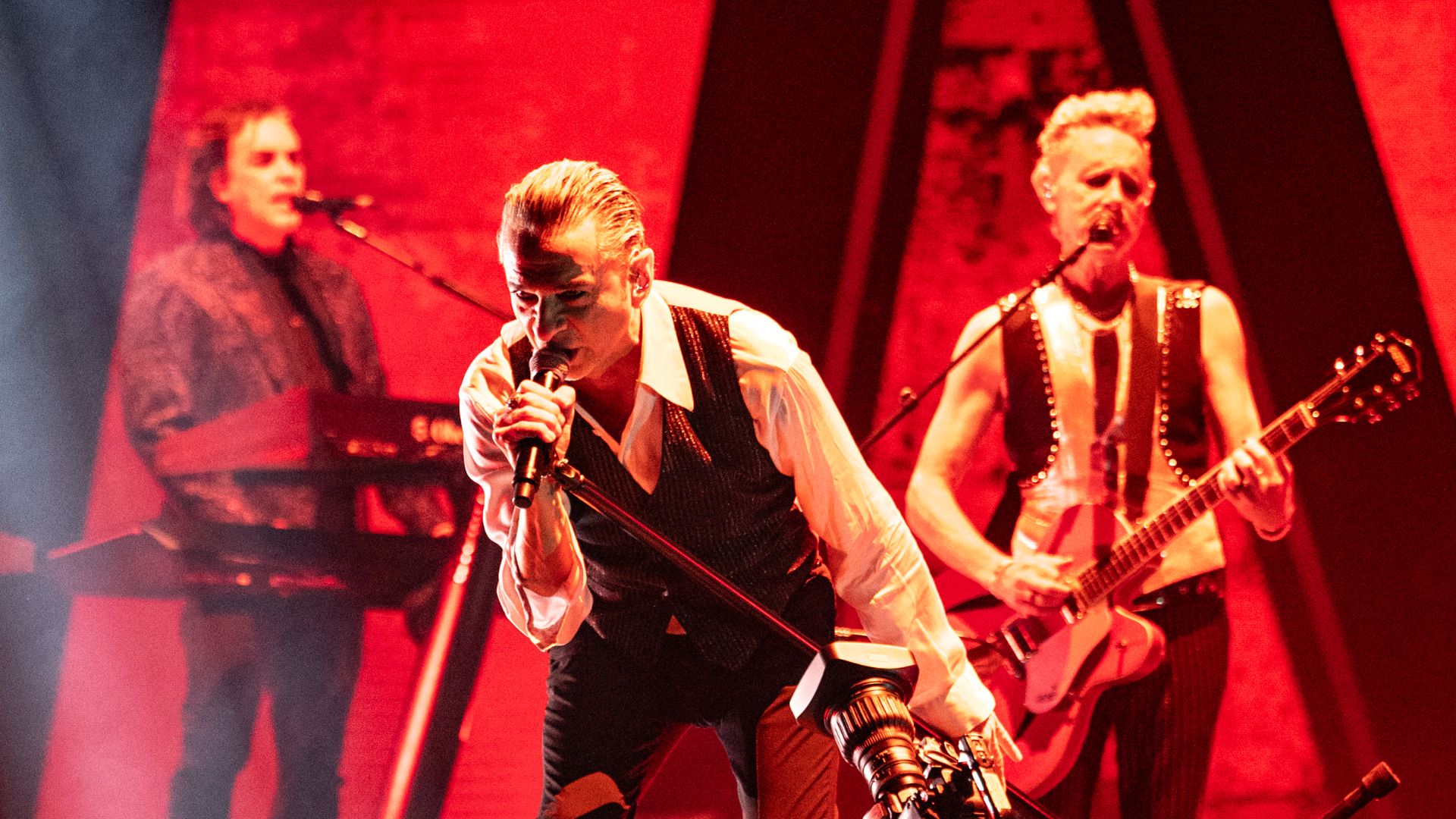 Brianhphoto, Wikimedia Commons
David Bowie – “The Man Who Sold The World” (1970)
While later made famous by Nirvana’s MTV Unplugged cover, Bowie’s original version was a B-side sleeper that fans rallied behind. Brooding, mysterious, and timeless, it’s now one of his most iconic songs.
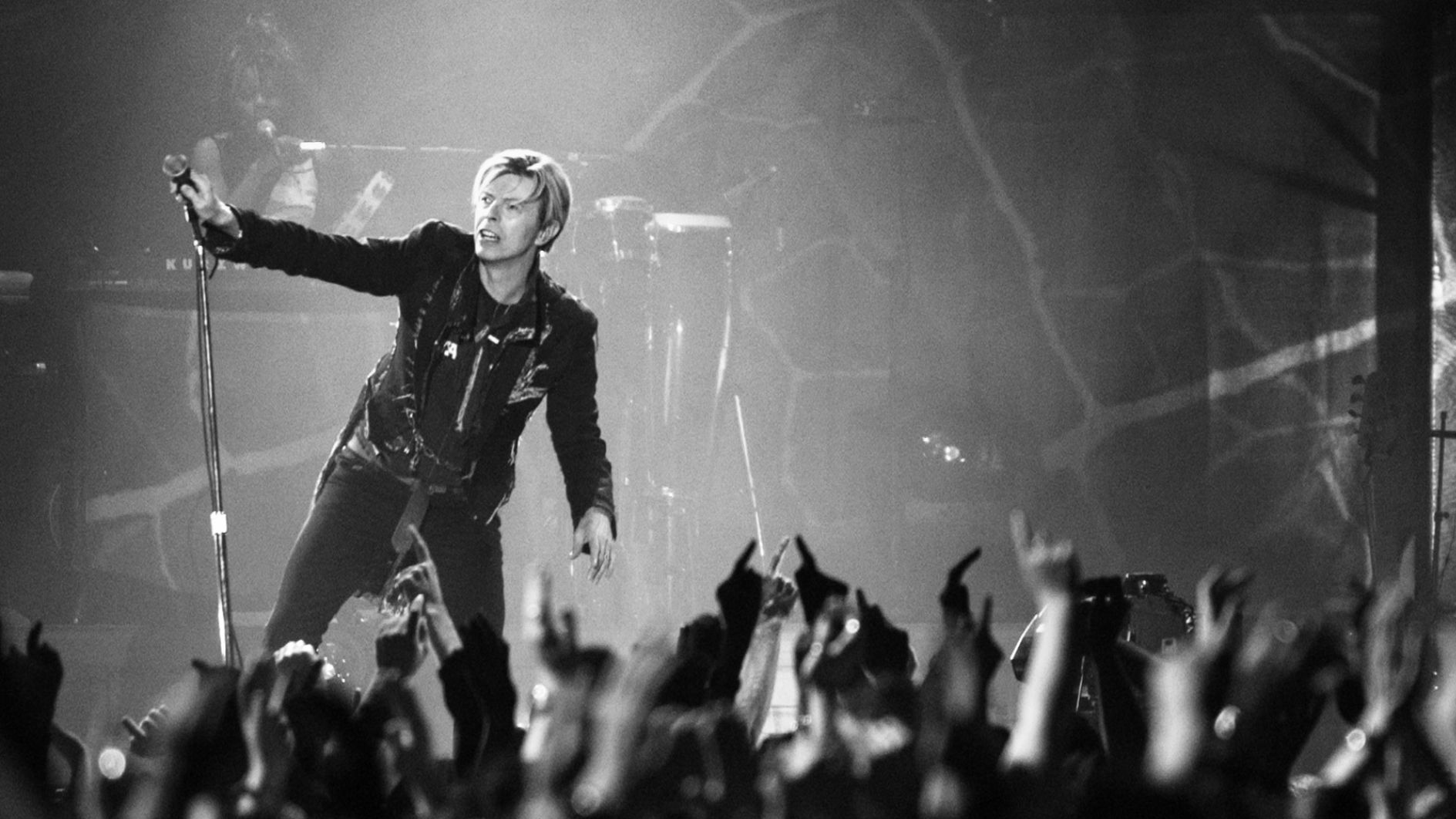 Roger Woolman, Wikimedia Commons
Crosby, Stills & Nash – “Long Time Gone” (1969)
Released as the B-side to “Suite: Judy Blue Eyes,” this fiery political track became a standout in the band’s early catalog. Its urgency and grit contrasted beautifully with their usual harmonies, cementing it as one of their most powerful songs.
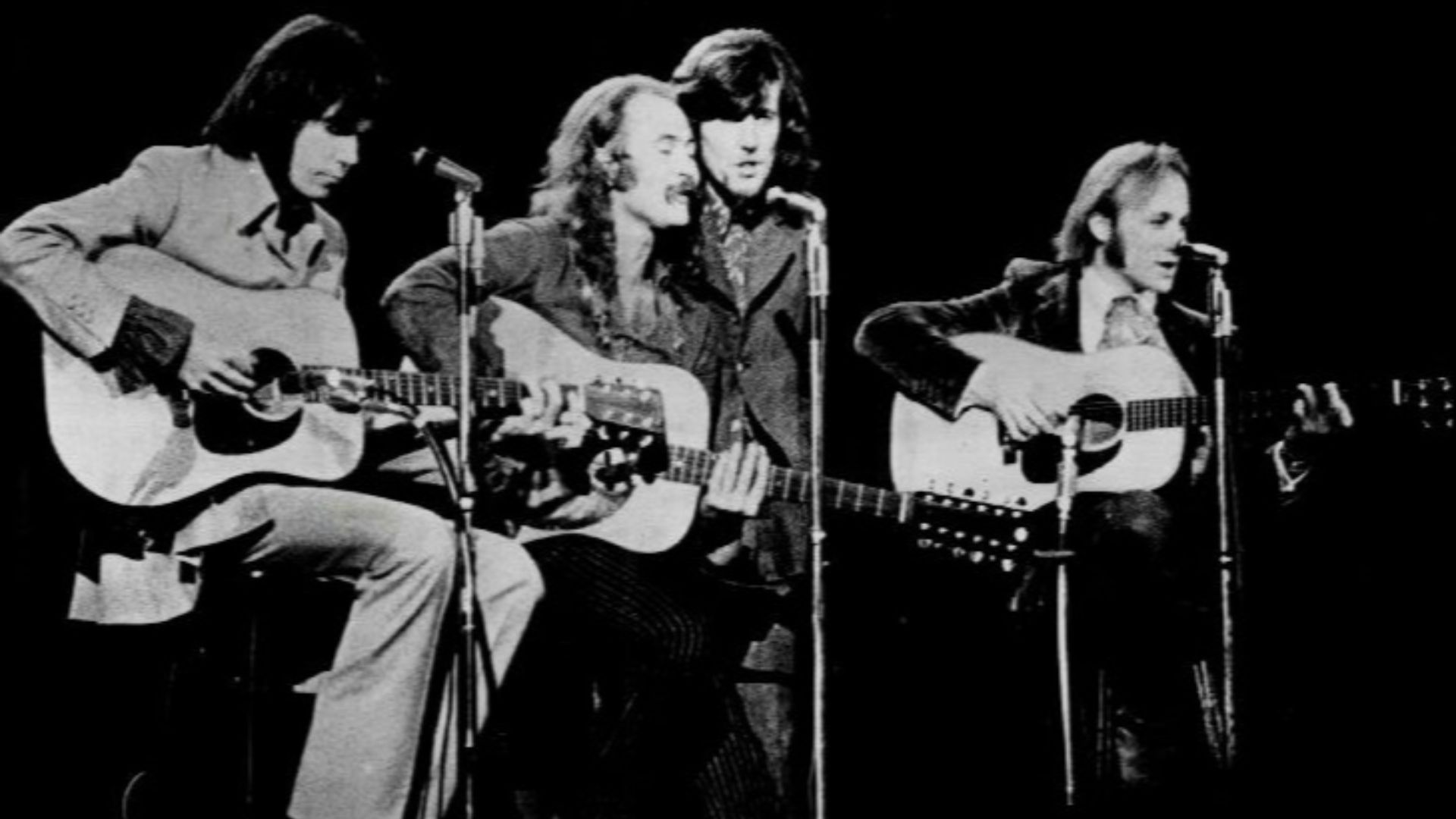 CMA-Creative Management Associates/Atlantic Records, Wikimedia Commons
The Kinks – “I’m Not Like Everybody Else” (1966)
An anthem for outsiders, originally buried as a B-side to “Sunny Afternoon.” Fans gravitated to its defiant tone, and it soon became a cult classic. It later resurfaced in film, TV, and countless playlists celebrating nonconformists everywhere.
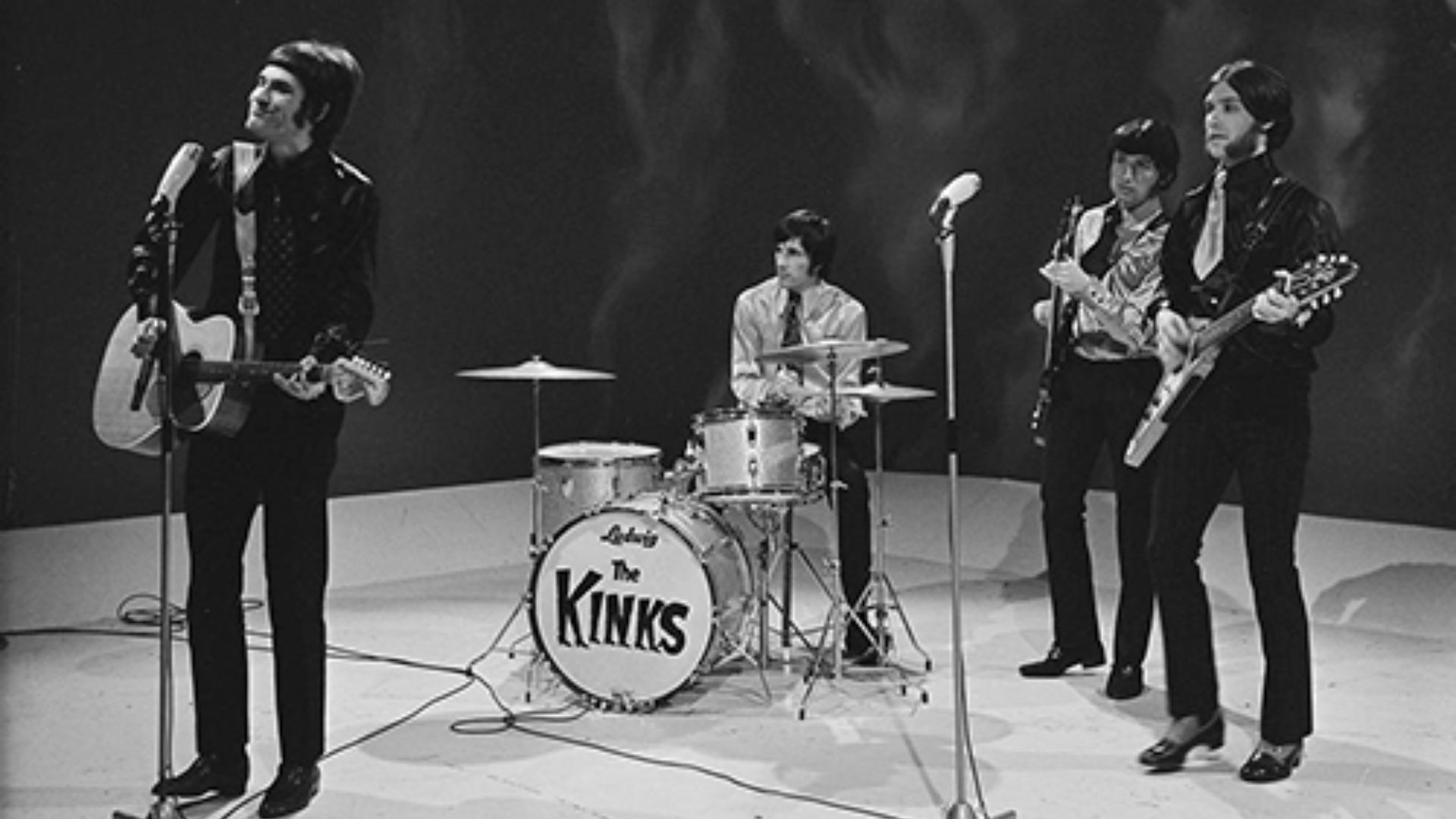 VARA. Photographer: W. Veenman, Wikimedia Commons
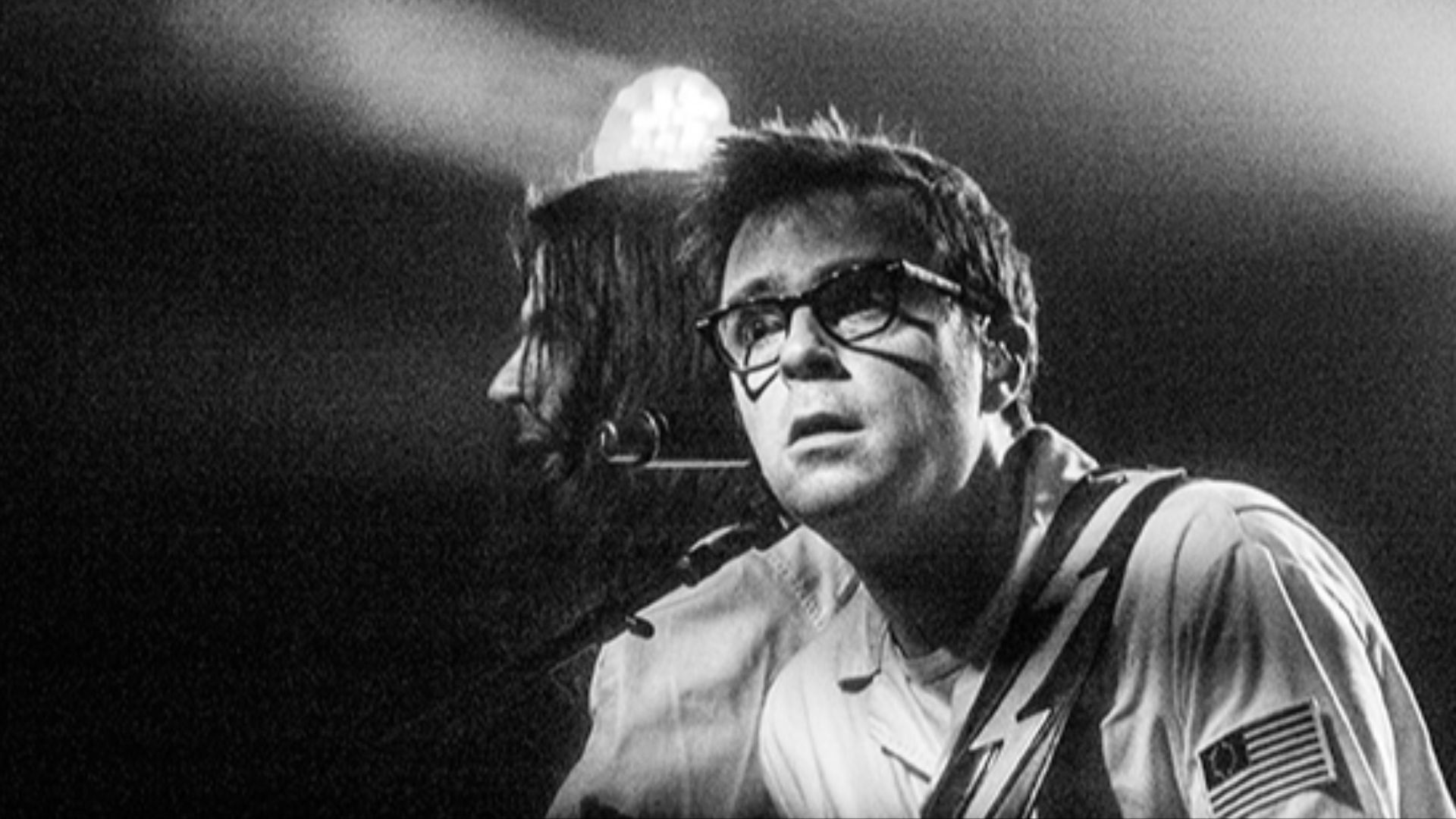
Weezer – “I Just Threw Out The Love Of My Dreams” (1996)
A rare Weezer track with lead vocals by Rachel Haden, this Pinkerton-era B-side became a deep-cut obsession for fans. Its dreamy, melancholic sound feels like a lost treasure from one of their most beloved eras.
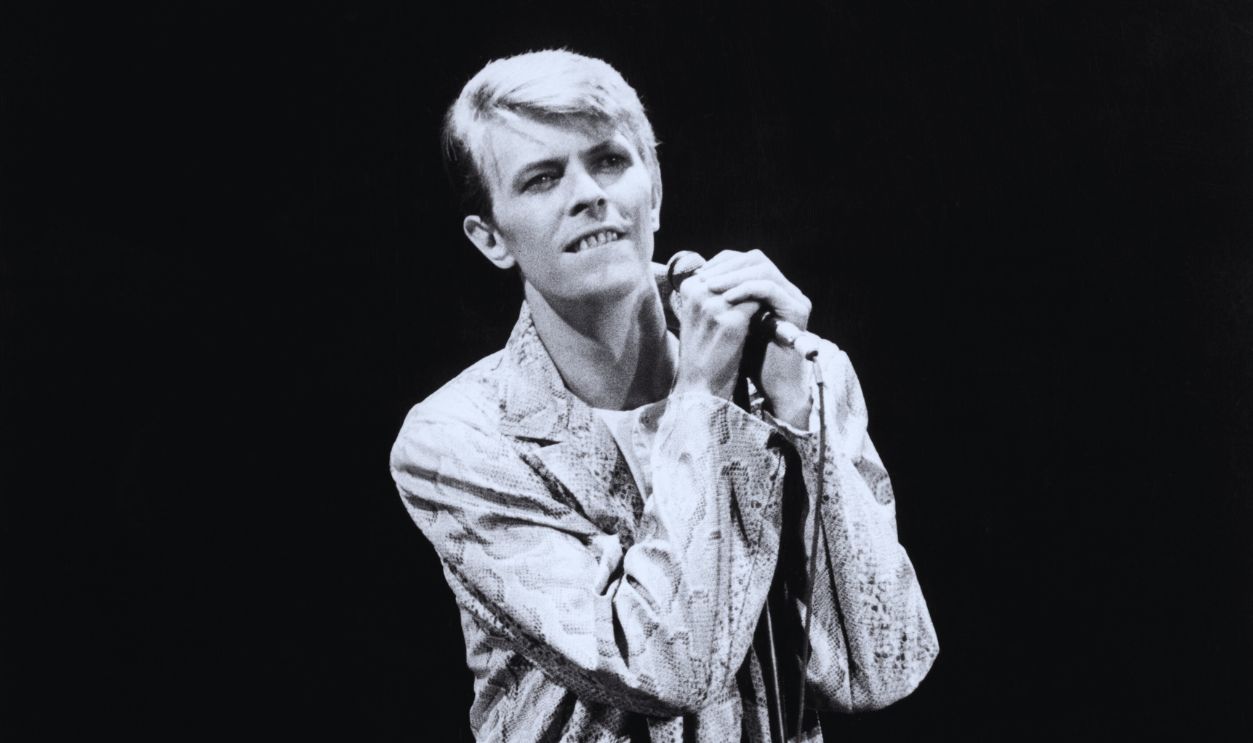
David Bowie – “Crystal Japan” (1980)
Originally released only in Japan as a B-side, this instrumental synth piece became a cult favorite thanks to its serene, otherworldly sound. It showcases Bowie’s restless creativity—and his influence on ambient and electronic music.
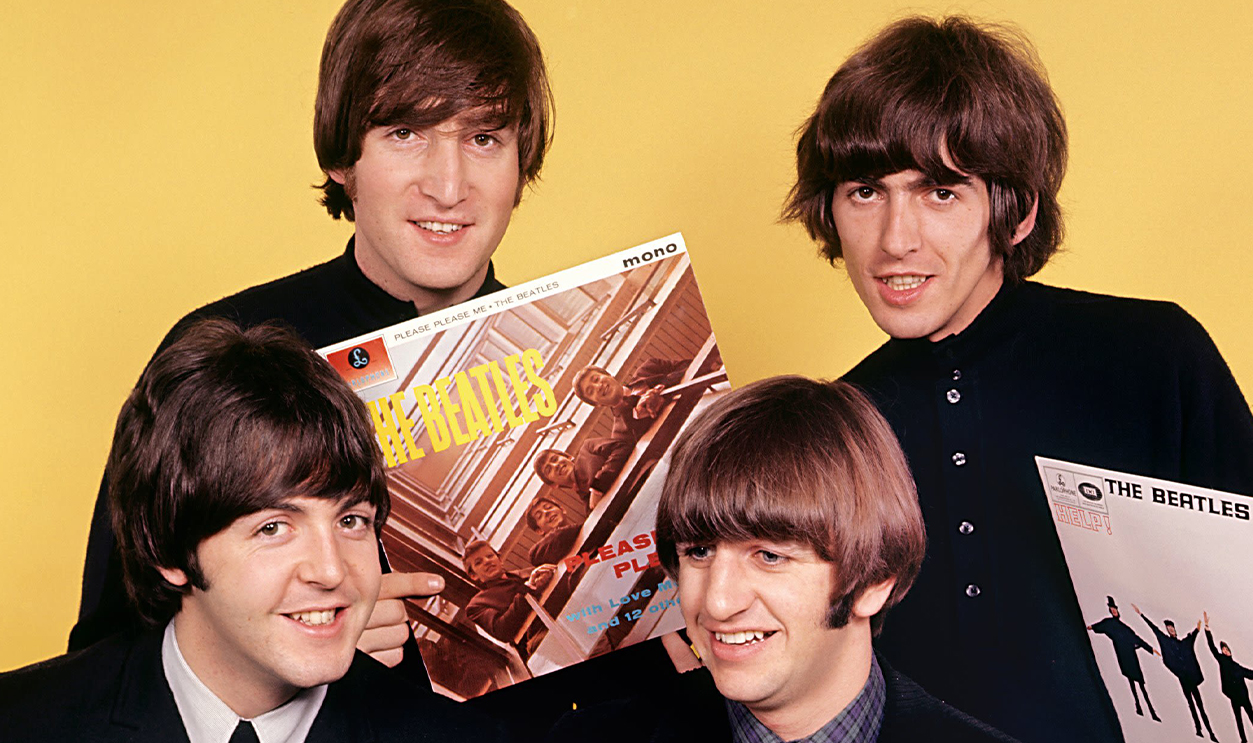
The Beatles – “I Am The Walrus” (1967)
Though not exactly obscure, this psychedelic fever dream was technically the B-side to “Hello, Goodbye.” Many fans argue it’s the stronger track, with its surreal lyrics, orchestration, and Lennon’s anarchic energy turning it into a generational anthem.
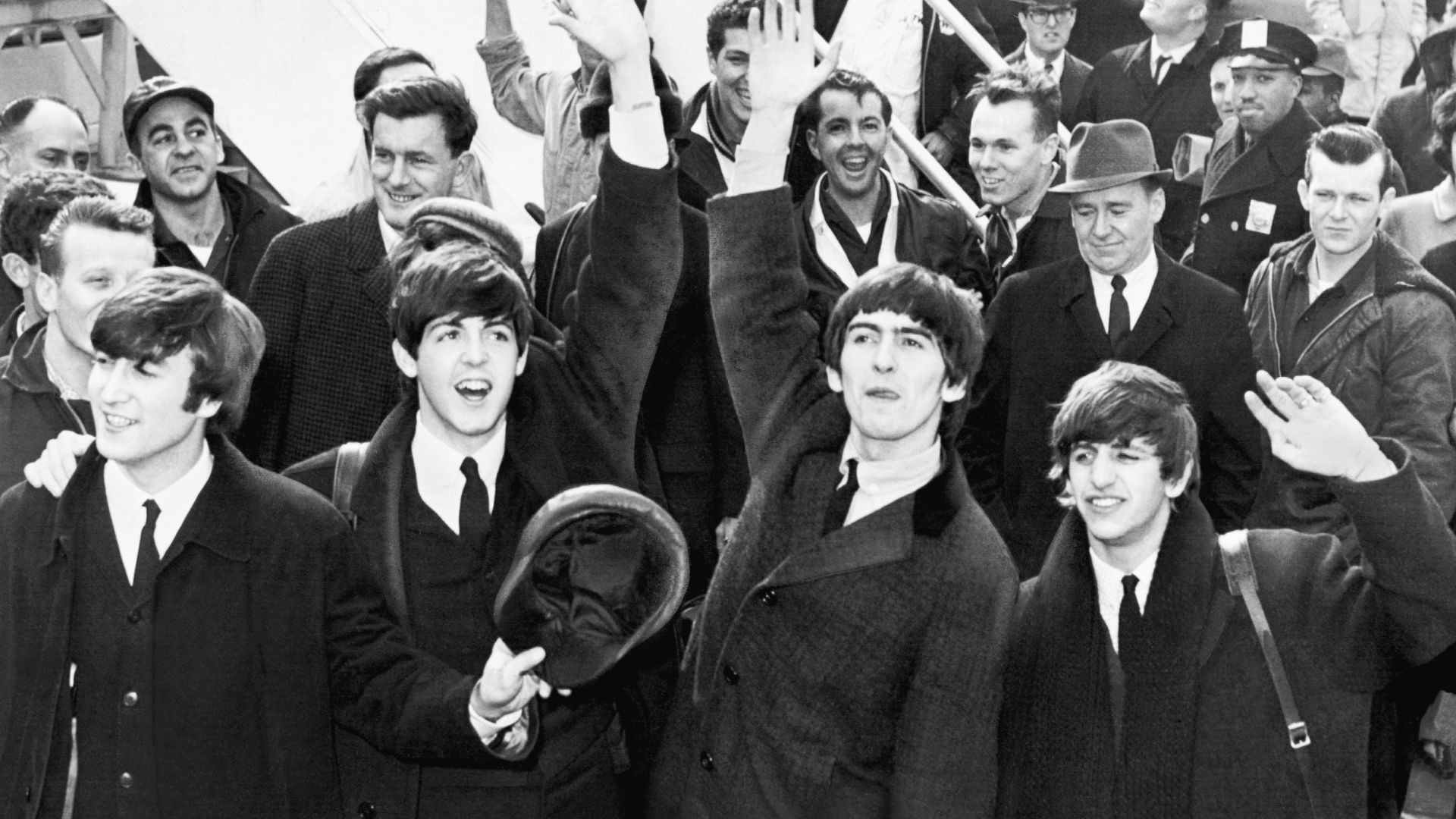 United Press International, photographer unknown, Wikimedia Commons
Oasis – “Half The World Away” (1994)
Hidden behind “Whatever,” this acoustic Noel Gallagher ballad became beloved for its melancholic warmth and introspective lyrics. Its association with The Royle Family cemented it as a cultural touchstone in the UK, far beyond its B-side origins.
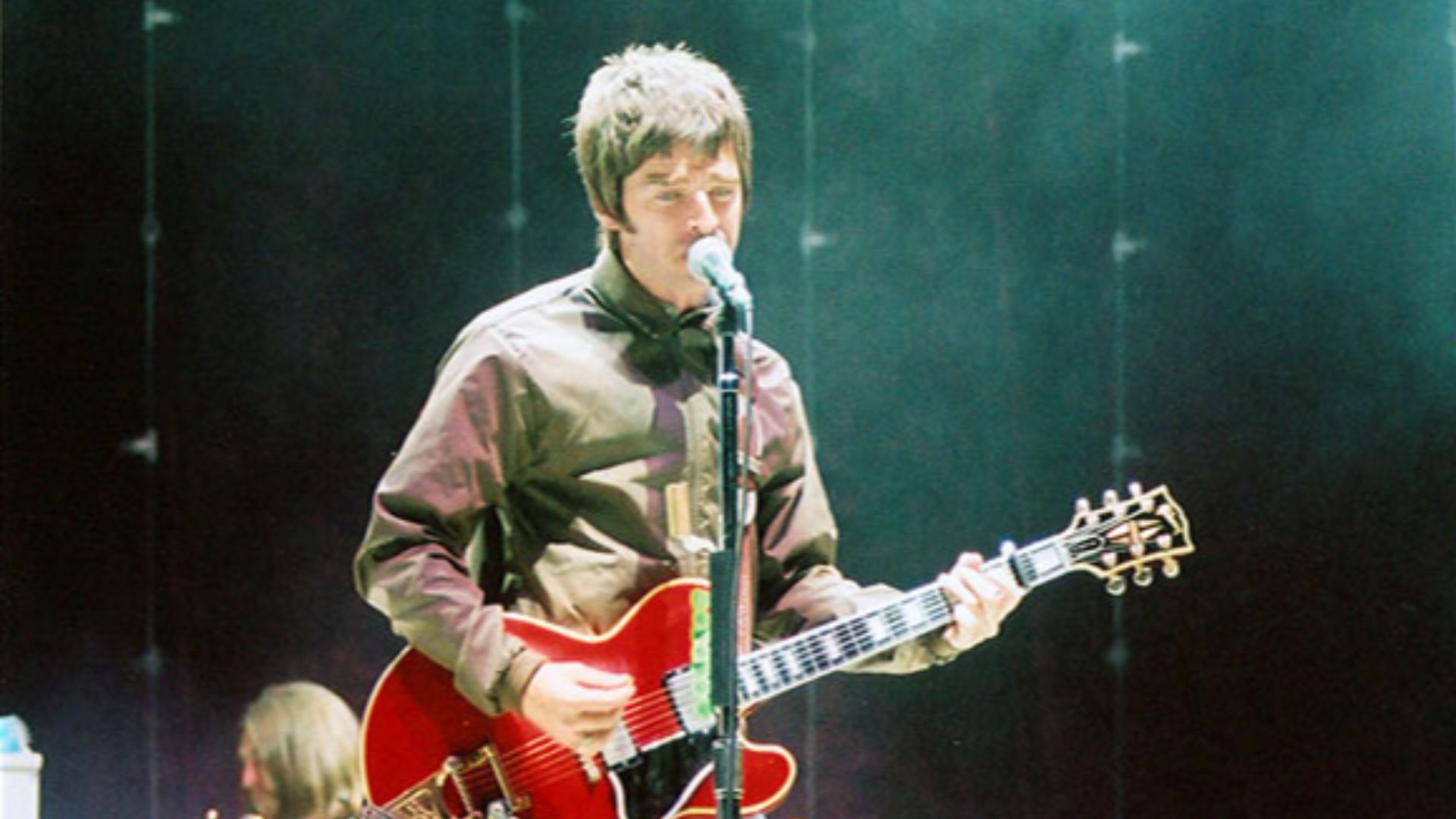 freschwill , Wikimedia Commons
Pearl Jam – “Yellow Ledbetter” (1992)
Sure, it wasn’t on any studio album—but this B-side to “Jeremy” grew into one of Pearl Jam’s most-requested live songs. Its bluesy, wandering vibe and famously indecipherable lyrics made it a fan-chanted favorite.

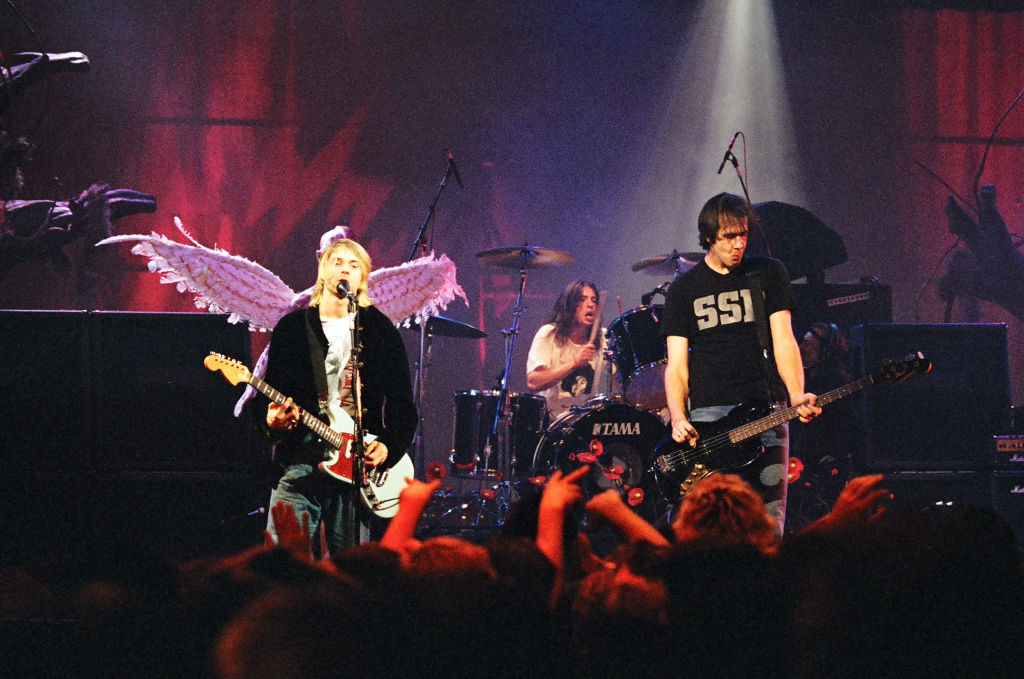
Nirvana – “Dive” (1991)
Originally a B-side to “Sliver,” this heavy, thrashing track became a beloved deep cut, showcasing the bridge between Nirvana’s punk roots and Nevermind-era polish. A ferocious fan favorite.
The Smashing Pumpkins – “Frail And Bedazzled” (1994)
A Siamese Dream-era B-side brimming with fuzzed-out guitars and dreamy melancholy. Fans adore it for capturing the quintessential Pumpkins sound—raw emotion wrapped in lush distortion.
 Sol Procter-Tarabanov, Wikimedia Commons
Prince – “Erotic City” (1984)
Released as the B-side to “Let’s Go Crazy,” this funk-driven, ultra-provocative track became a club staple and cult phenomenon. Prince’s sensual grooves and wild experimentation shine, and many regard it as one of his best dancefloor tracks.
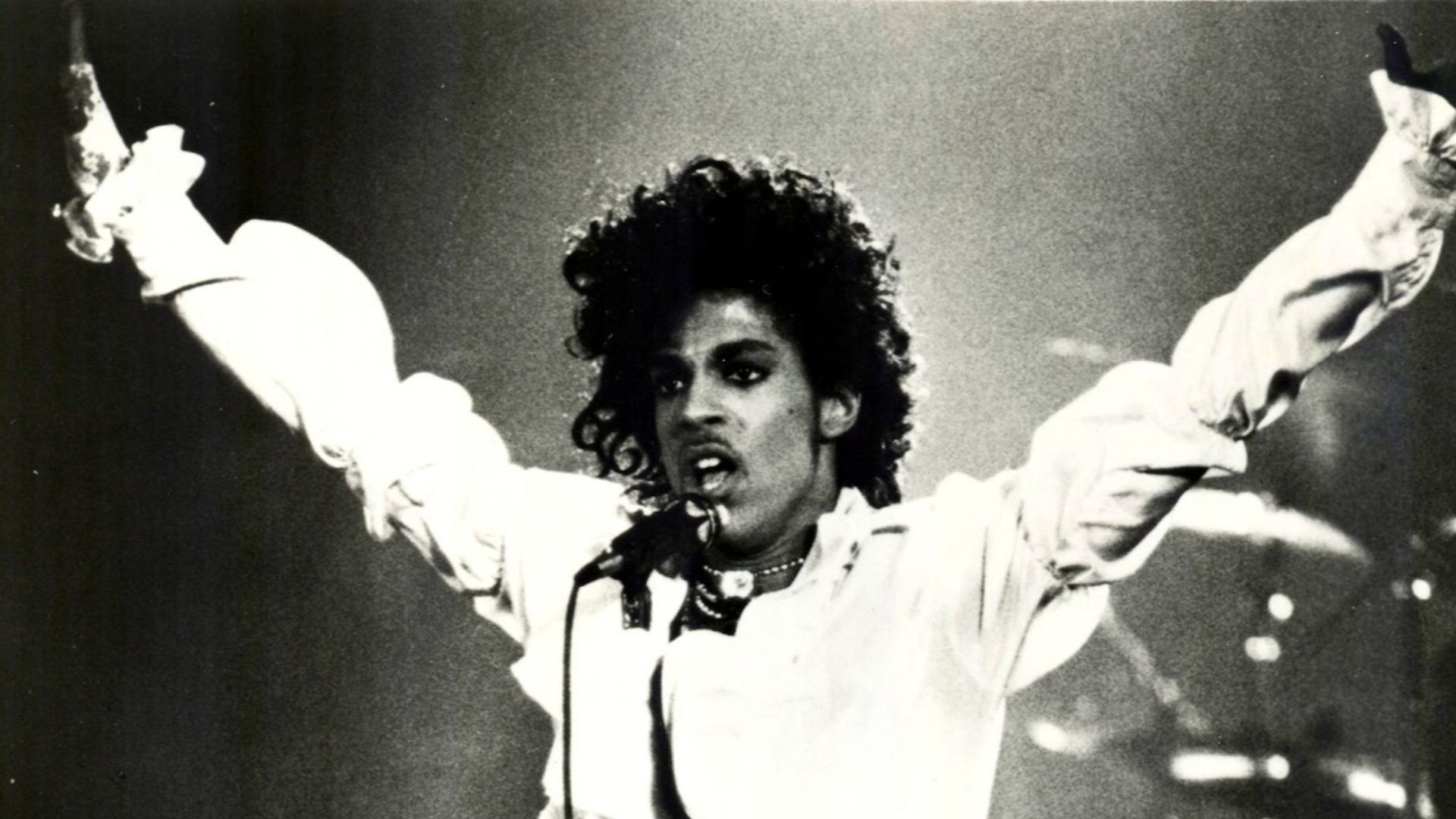 Distributed by Warner Bros., Wikimedia Commons
Aphex Twin – “Nannou” (1999)
This whimsical, music-box-like B-side became a cult favorite thanks to its delicate, childlike sound—an unexpected gem amid Aphex Twin’s usual electronic chaos. It showcases his uncanny ability to blend innocence with complexity.

Sly & The Family Stone – “Sing A Simple Song” (1968)
The B-side to “Everyday People,” this track became iconic for its drum breaks, later sampled across hip-hop. Its infectious groove and energetic vocals helped define the band’s revolutionary funk sound.
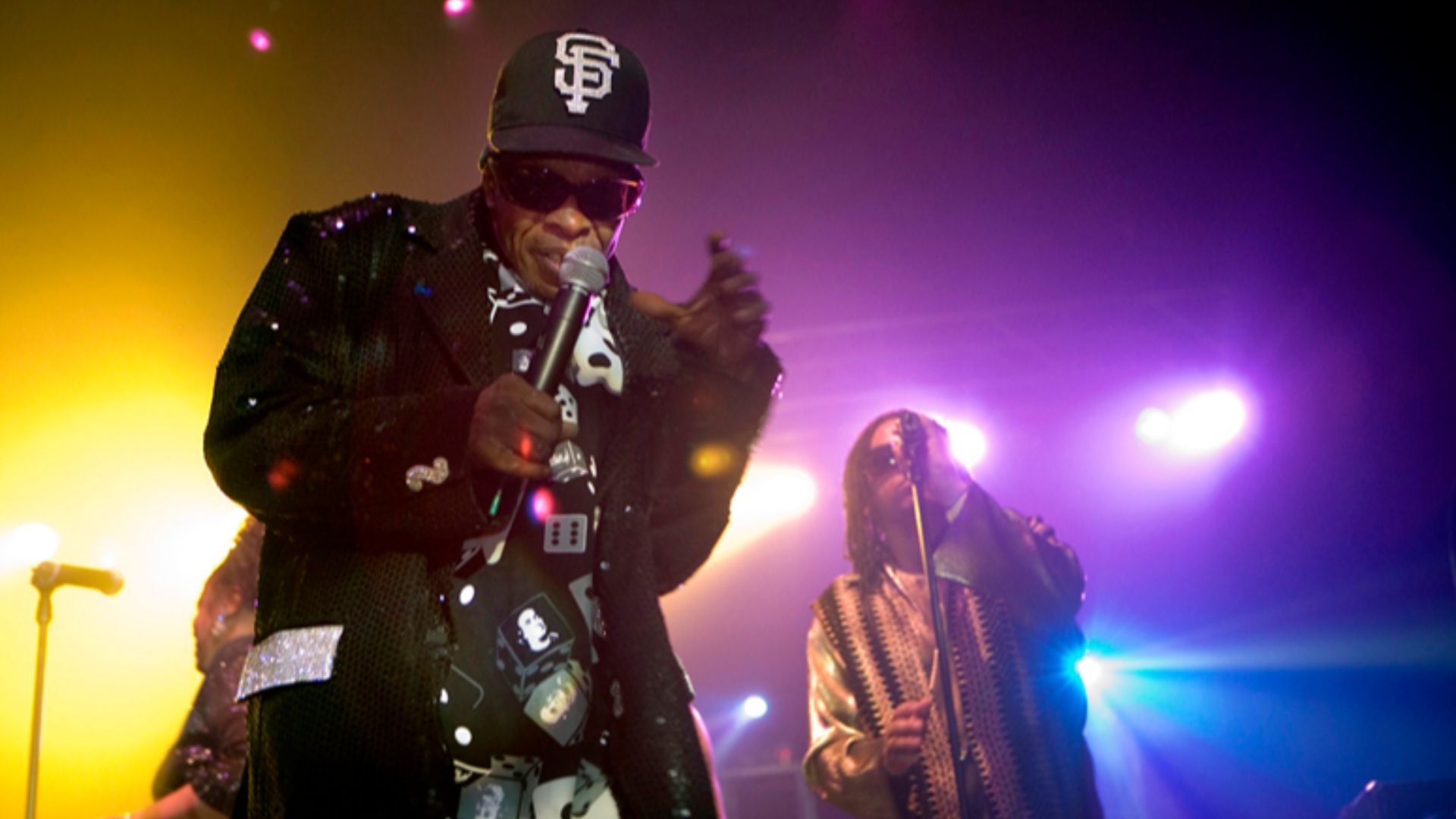 Simon Fernandez, Wikimedia Commons
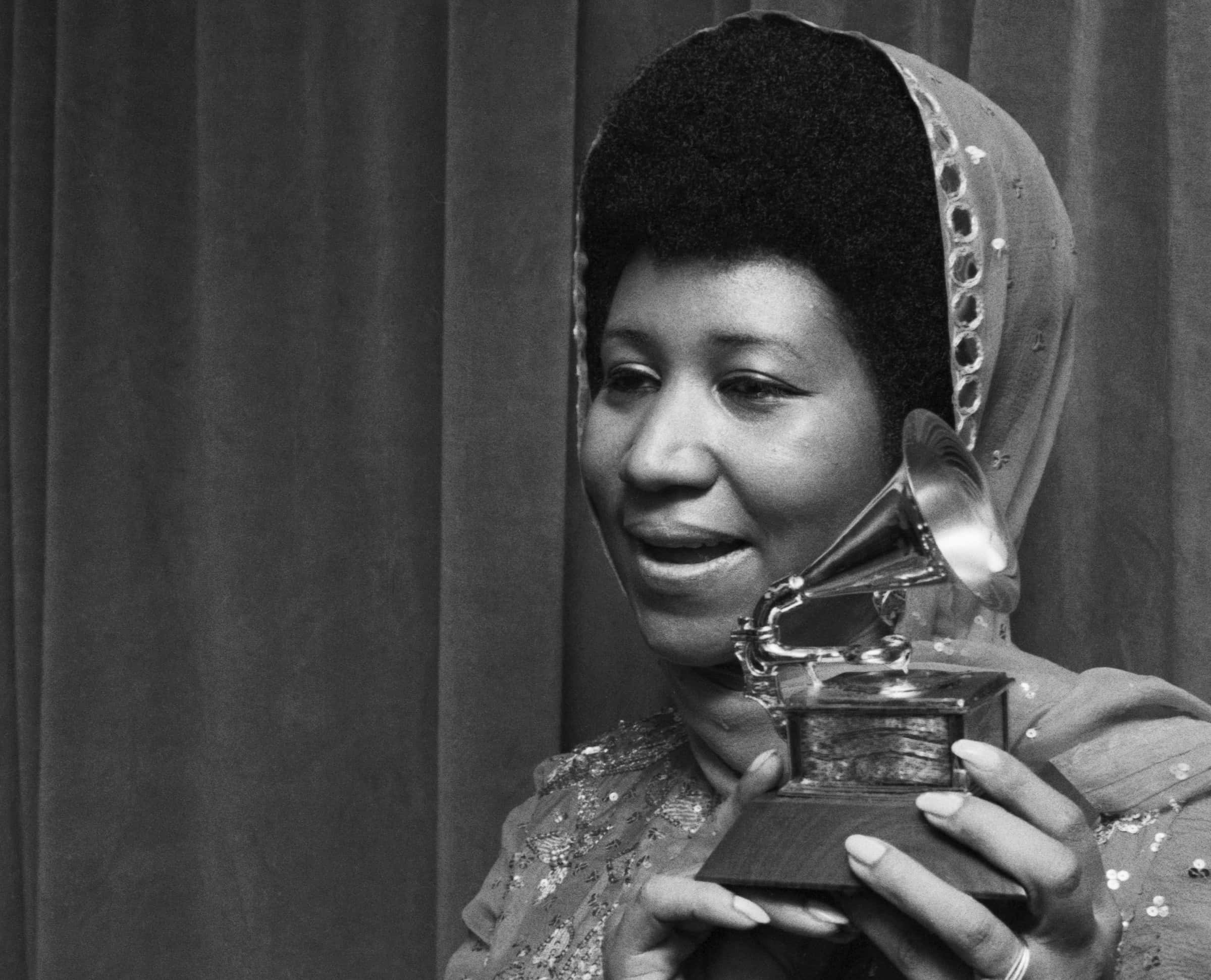
Aretha Franklin – “Do Right Woman, Do Right Man” (1967)
Originally overshadow by “I Never Loved a Man (The Way I Love You),” this soulful ballad quickly earned its own acclaim. Its emotional power, gospel roots, and empowering message secured its status as a cornerstone of Aretha’s catalogue.
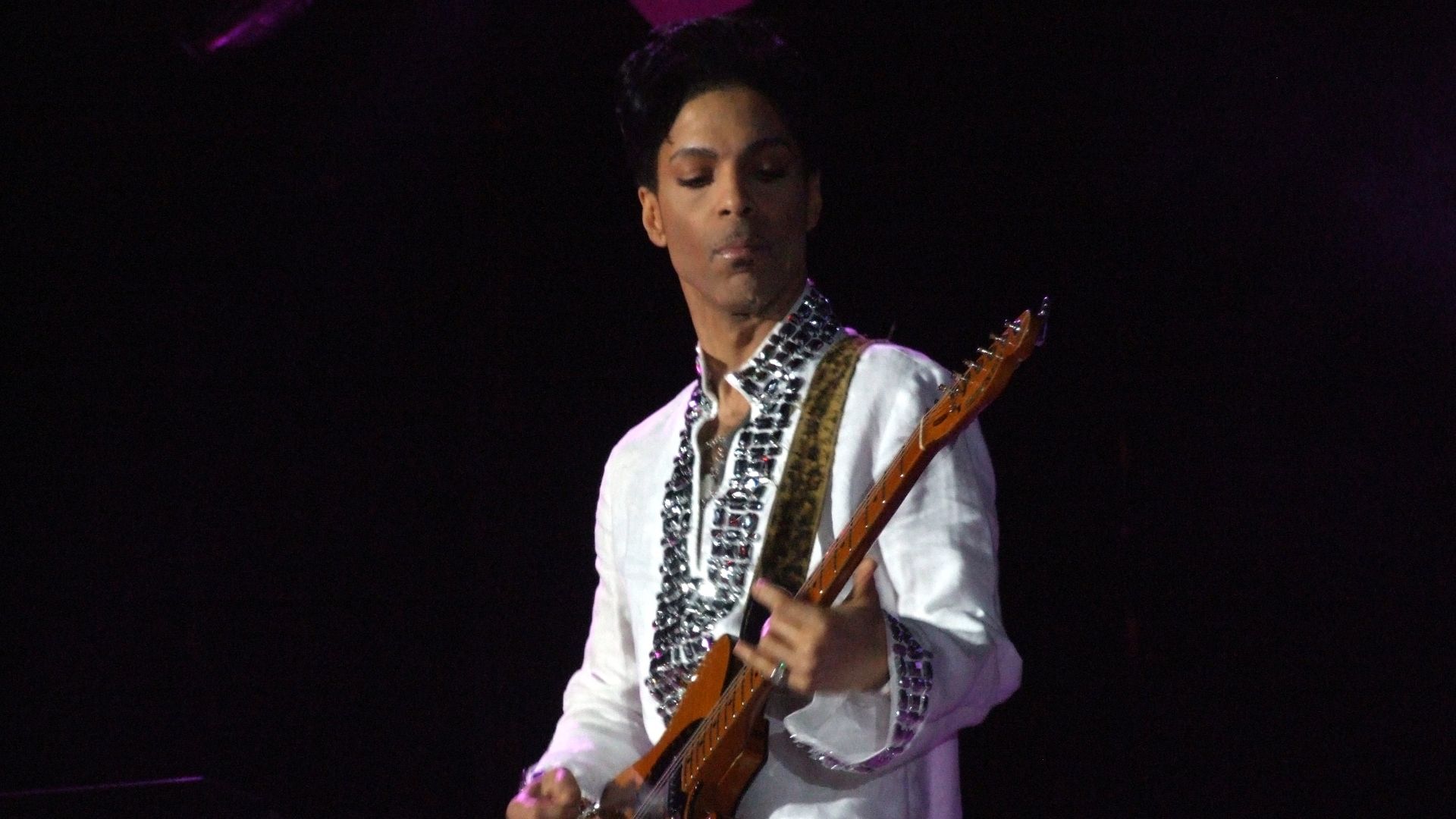
Prince – “How Come U Don’t Call Me Anymore?” (1982)
Prince again—because nobody did B-sides like him. This soulful, stripped-down piano ballad was the flip side of “1999,” and many fans consider it one of his greatest vocal performances. Alicia Keys later turned it into a hit.
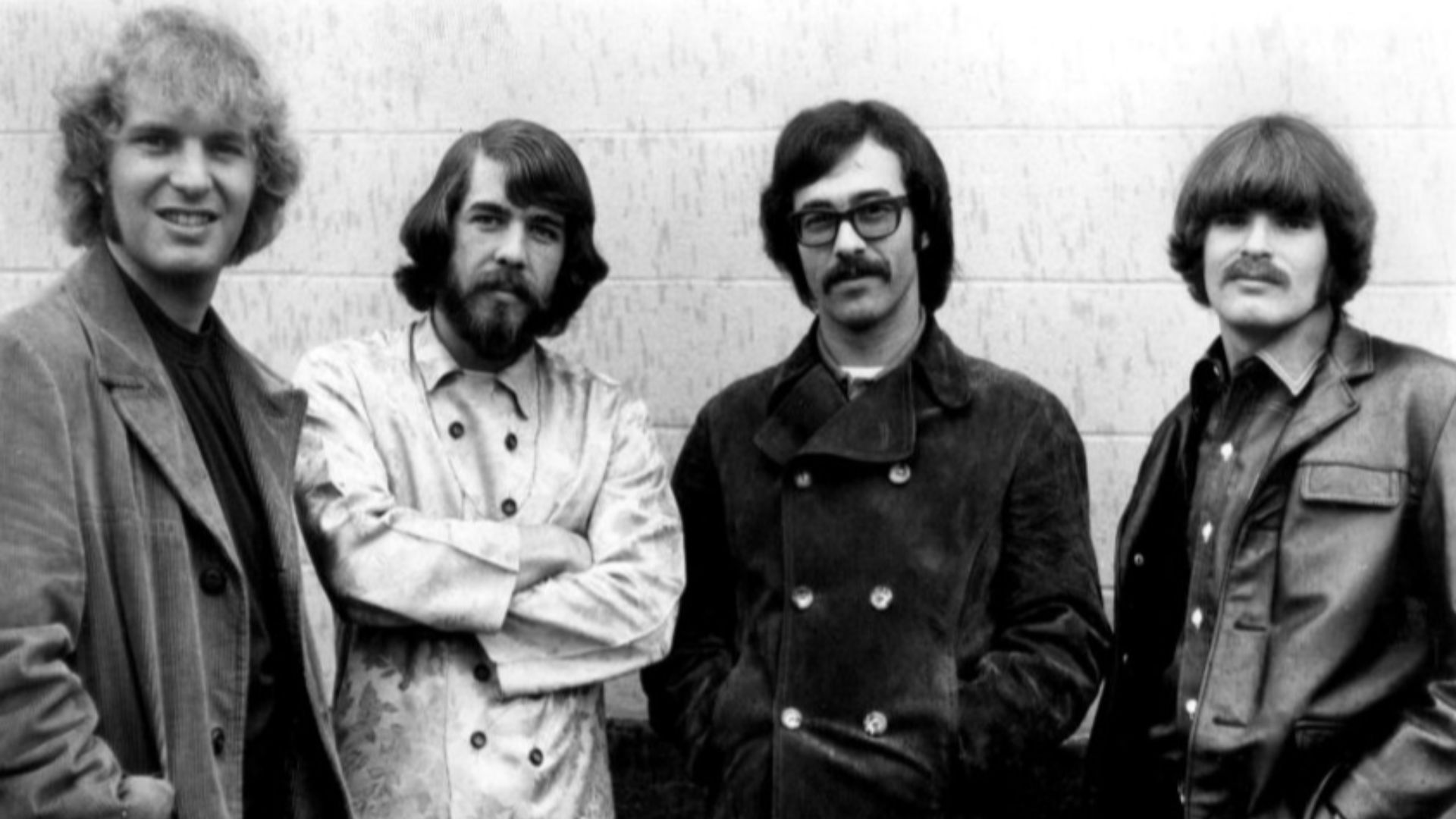
Creedence Clearwater Revival – “Born On The Bayou” (1969)
This swamp-rock masterpiece was technically a B-side to “Proud Mary,” but many fans argue it’s CCR’s finest moment. Dark, moody, and atmospheric, it showcases the band’s Southern-gothic side like nothing else.
 Fantasy Records, Wikimedia Commons
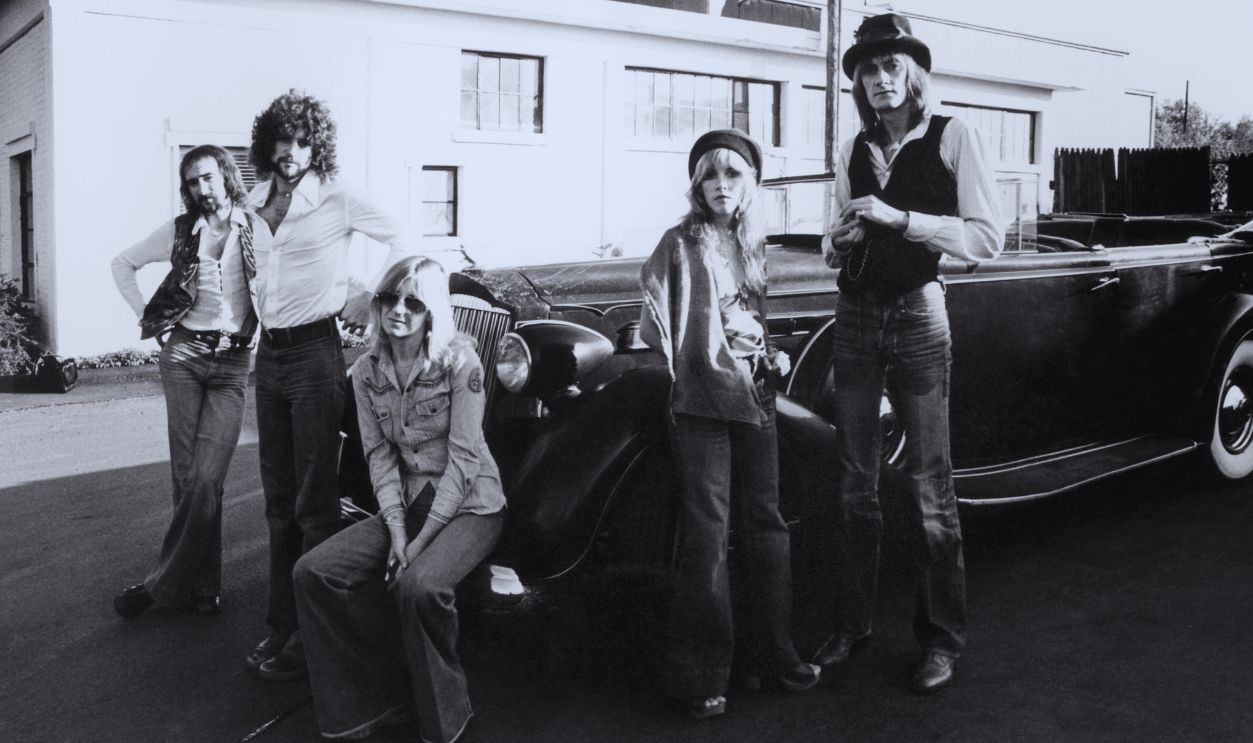
Fleetwood Mac – “Silver Springs” (1977)
Cut from Rumours and relegated to a B-side, this Stevie Nicks ballad became a fan favorite and emotional powerhouse. Its resurgence during The Dance tour cemented it as one of Fleetwood Mac’s most iconic performances.
The Velvet Underground – “Here She Comes Now” (1968)
This quiet, dreamy track was initially overshadowed by the band’s louder experiments, but fans embraced its gentle hypnotic quality. It later became a cult favorite, covered by numerous alternative bands.

Michael Jackson – “Workin’ Day And Night” (1979)
The B-side to “Don’t Stop ’Til You Get Enough,” this disco-funk whirlwind showcases Jackson’s unmatched energy. Its relentless groove and layered percussion made it a staple of his early live shows.
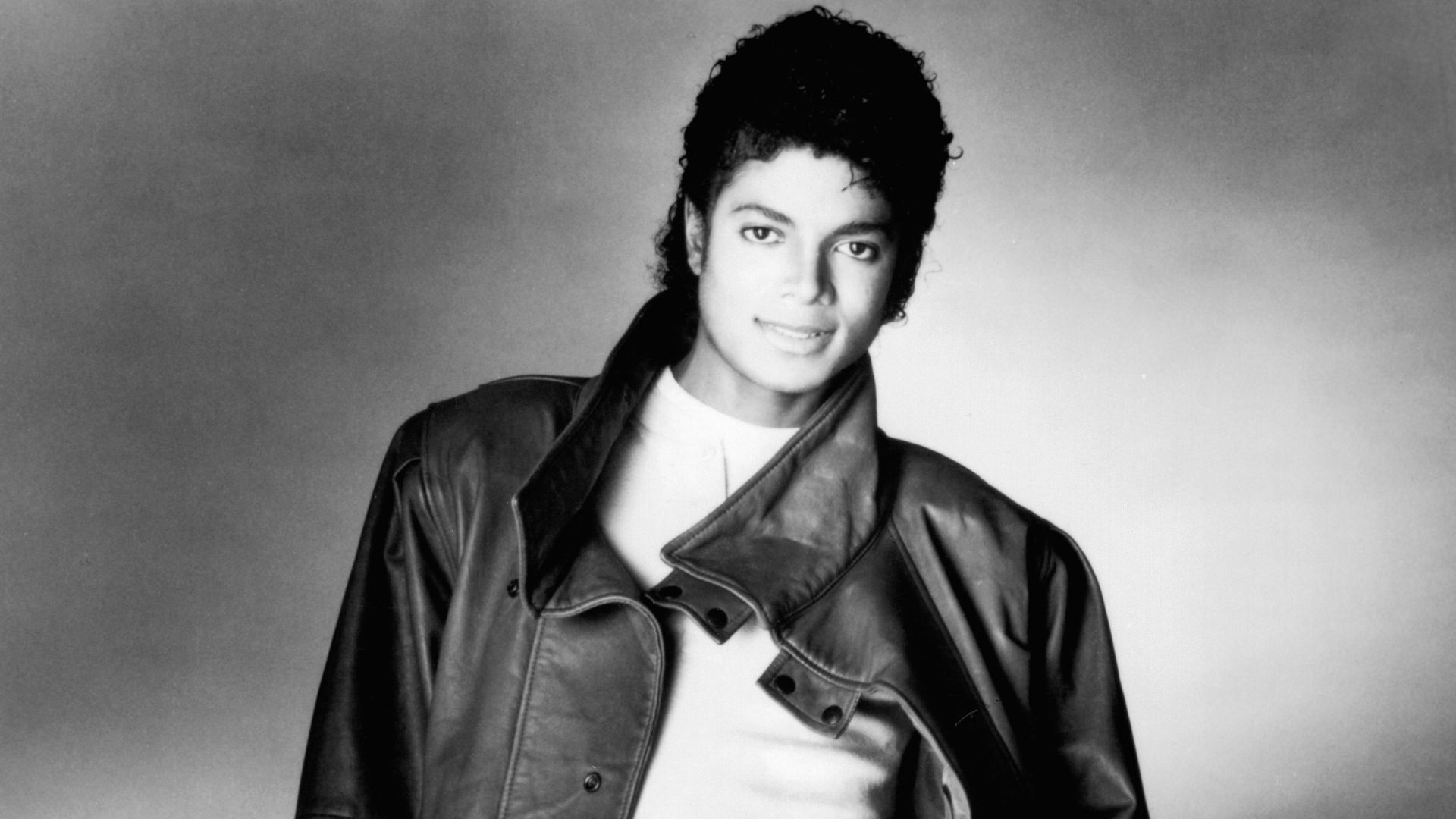 Matthew Rolston; Distributed by Epic Records, Wikimedia Commons
Led Zeppelin – “Hey, Hey, What Can I Do” (1970)
One of the band’s few non-album tracks, this B-side became a treasure among Zep fans. Its folk-rock groove and storytelling charm made it one of the most sought-after deep cuts until it finally appeared on a later box set.
 Jim Summaria, http://www.jimsummariaphoto.com/, Wikimedia Commons
You May Also Like:
The Best Beatles B-Sides Songs—Ranked
The Most Iconic Double Albums In Rock History