
Turned Up To Tough
Leather jackets and loud amps aren't tough—that's easy. Real toughness, well that's.... tough. Rock history is packed with big personalities, but only some proved they were as tough as their image suggested (or didn't suggest even).

Ozzy Osbourne (1948–2025)
Ozzy built his reputation on unpredictable, sometimes shocking live performances—including the infamous 1982 incident where he bit the head off a bat onstage, believing it was rubber. He survived a 2003 ATV crash that briefly left him clinically dead, required multiple surgeries, and later revealed a Parkinson’s diagnosis in 2020. Even as mobility became difficult, he continued recording and made select appearances before his death in 2025.
Bruce Dickinson
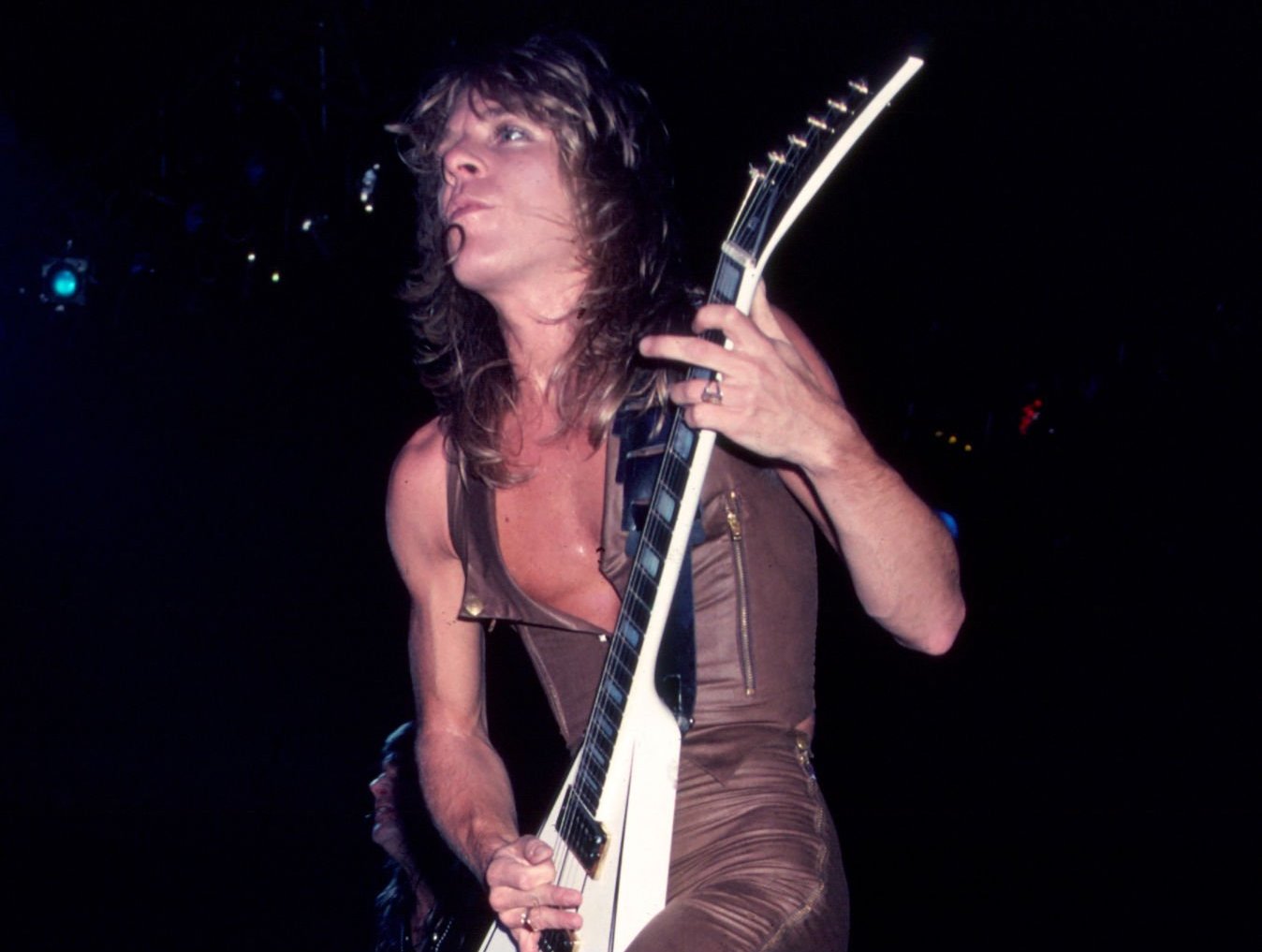
Dickinson isn’t just Iron Maiden’s singer—he’s a licensed commercial airline pilot who personally flew the band’s Ed Force One 747 during tours. He also fenced competitively at an international level. In 2015, he underwent treatment for throat cancer and returned to global touring the following year.
 Campus Party Brasil, CC BY-SA 2.0, Wikimedia Commons
Maynard James Keenan
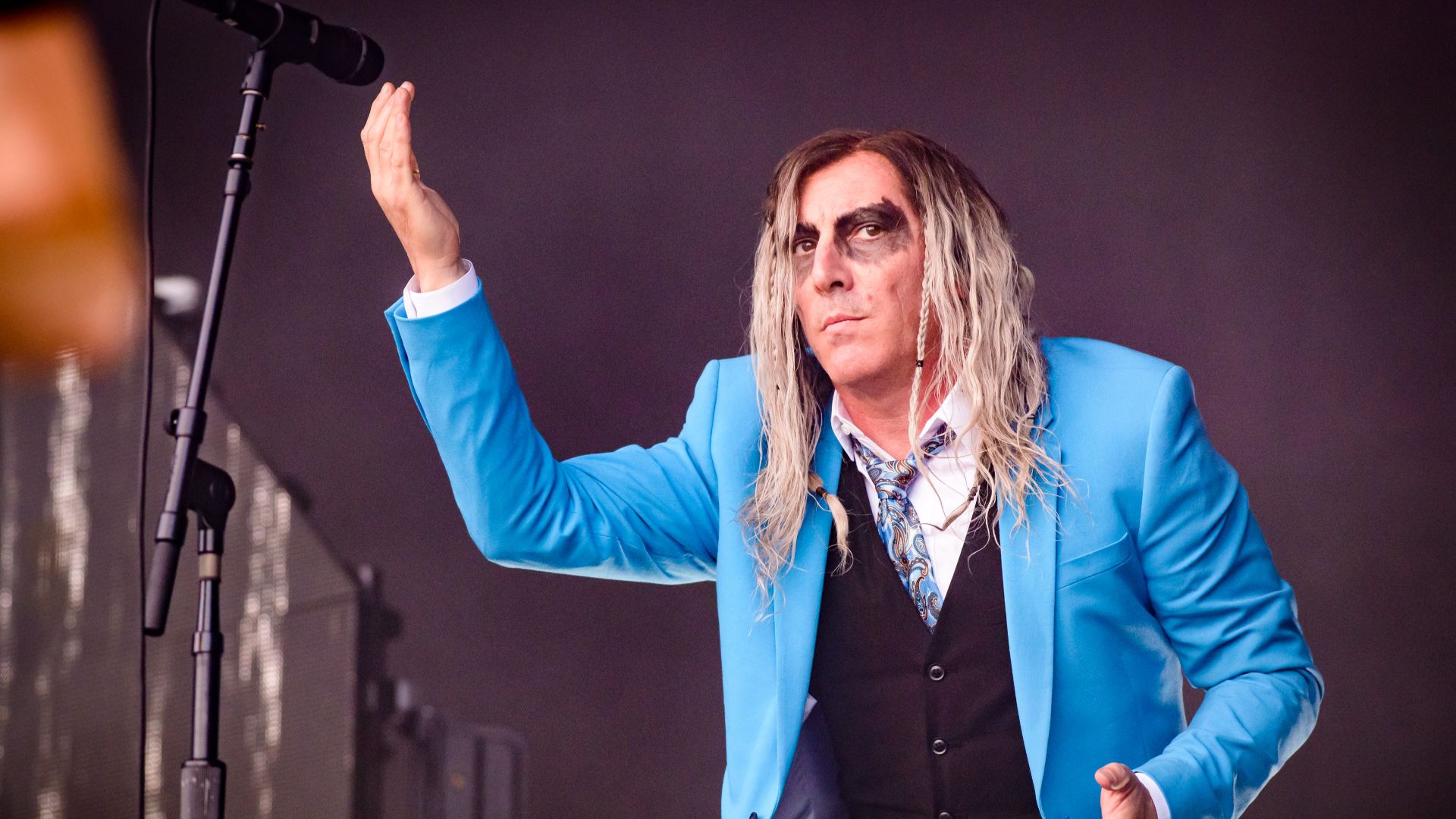
The Tool and A Perfect Circle frontman is a Brazilian jiu-jitsu black belt, earned through years of serious training. Known for measured, physically controlled performances, he balances music with winemaking and a tightly structured daily routine built around discipline.
 © Markus Felix | PushingPixels (contact me), Wikimedia Commons
James Hetfield
During a 1992 show in Montreal, a pyrotechnics malfunction left Hetfield with second-degree burns on his arm, face, and hand. The incident cut the show short and sparked unrest outside the venue. He later returned to touring. Over the years, he has also entered treatment for long-term addiction struggles while leading Metallica’s physically demanding live shows.
Dave Grohl
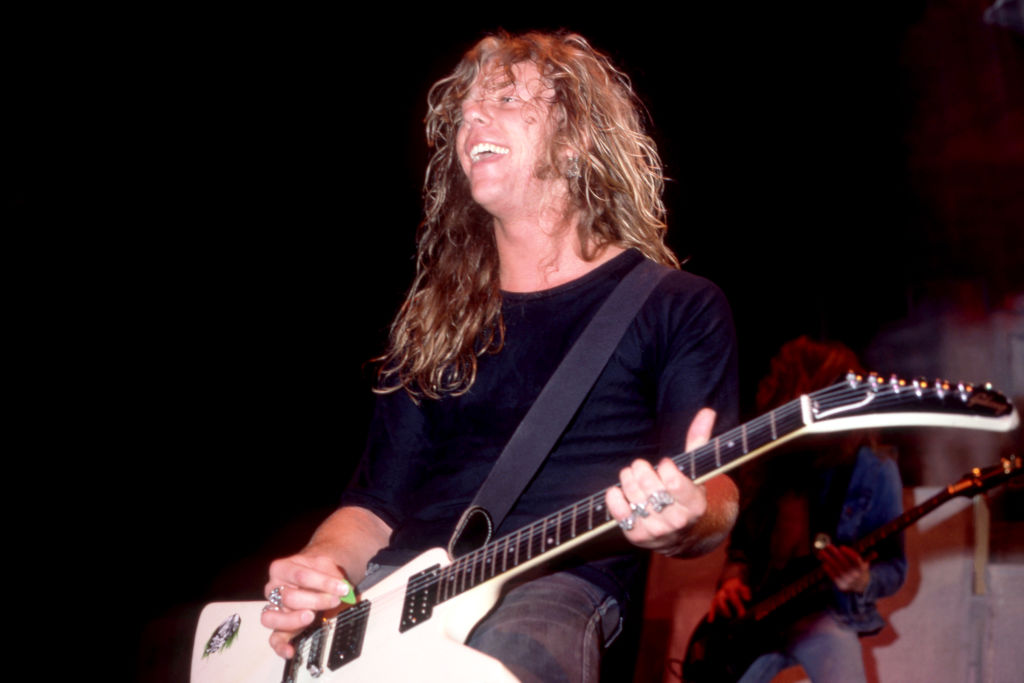
Grohl broke his leg during a 2015 show in Sweden, left briefly for medical attention, then returned to finish the concert seated. He completed the tour from a custom-built “guitar throne.” He has also rebuilt his career more than once and remained one of rock’s most visible working musicians.

Mick Mars
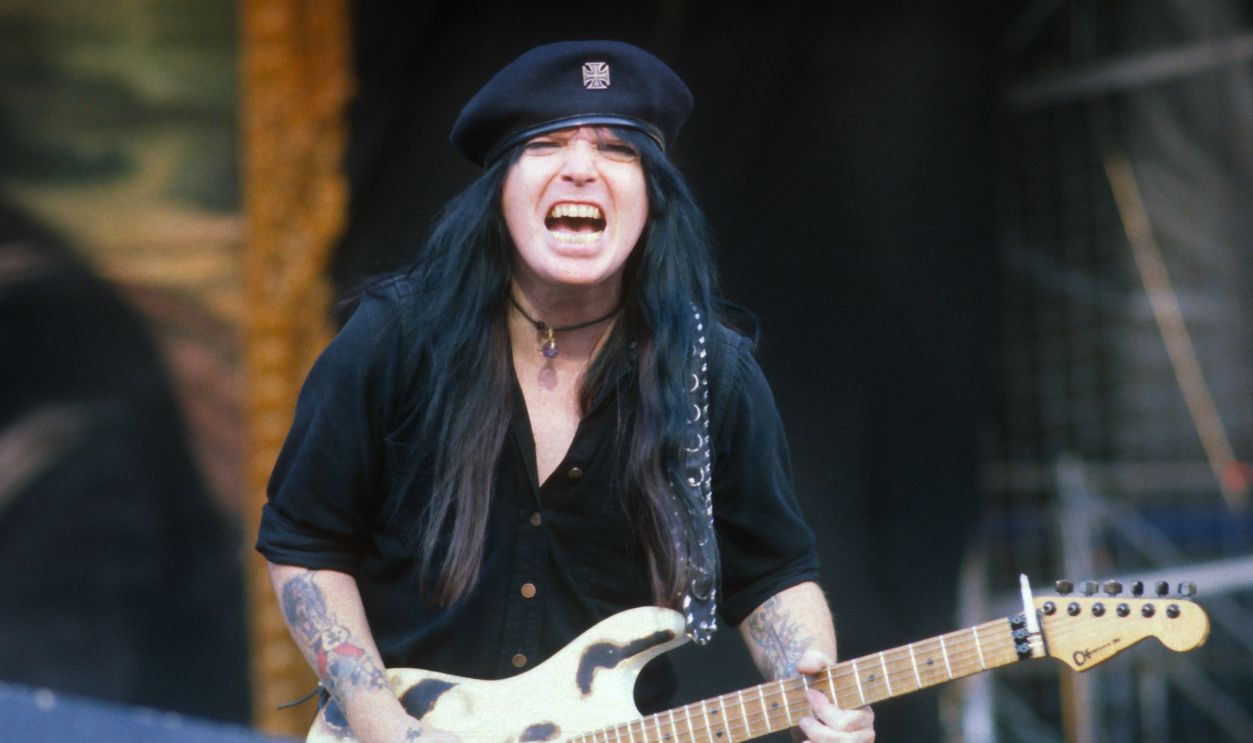
For decades, Mötley Crüe’s guitarist performed with ankylosing spondylitis, a degenerative spinal condition that can fuse vertebrae and cause chronic pain. While the band’s image centered on excess, Mars was quietly managing a serious medical condition onstage.
 Goedefroit Music, Getty Images
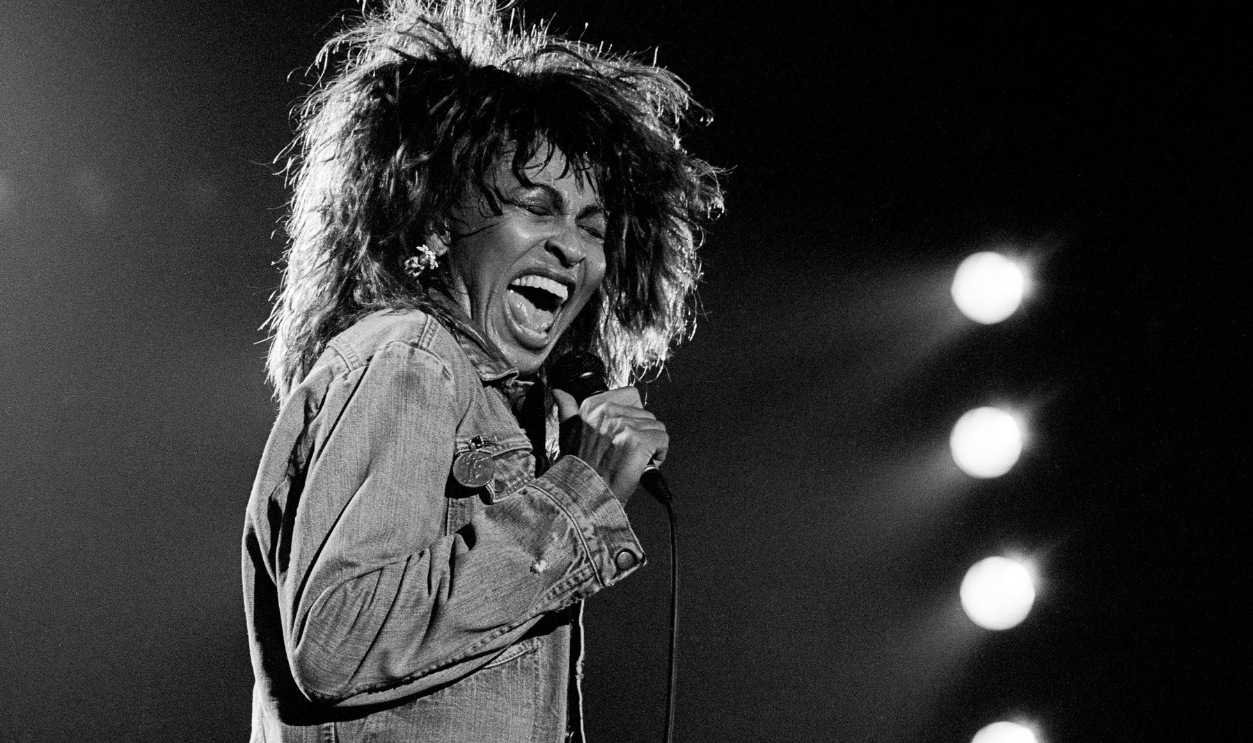
Tina Turner (1939–2023)
Turner left a violent marriage after signing away future royalties and rebuilt her career in her 40s. Her 1984 album Private Dancer sold more than 10 million copies worldwide. Her live performances were famously physical, and she maintained that intensity well into midlife. She died in 2023.
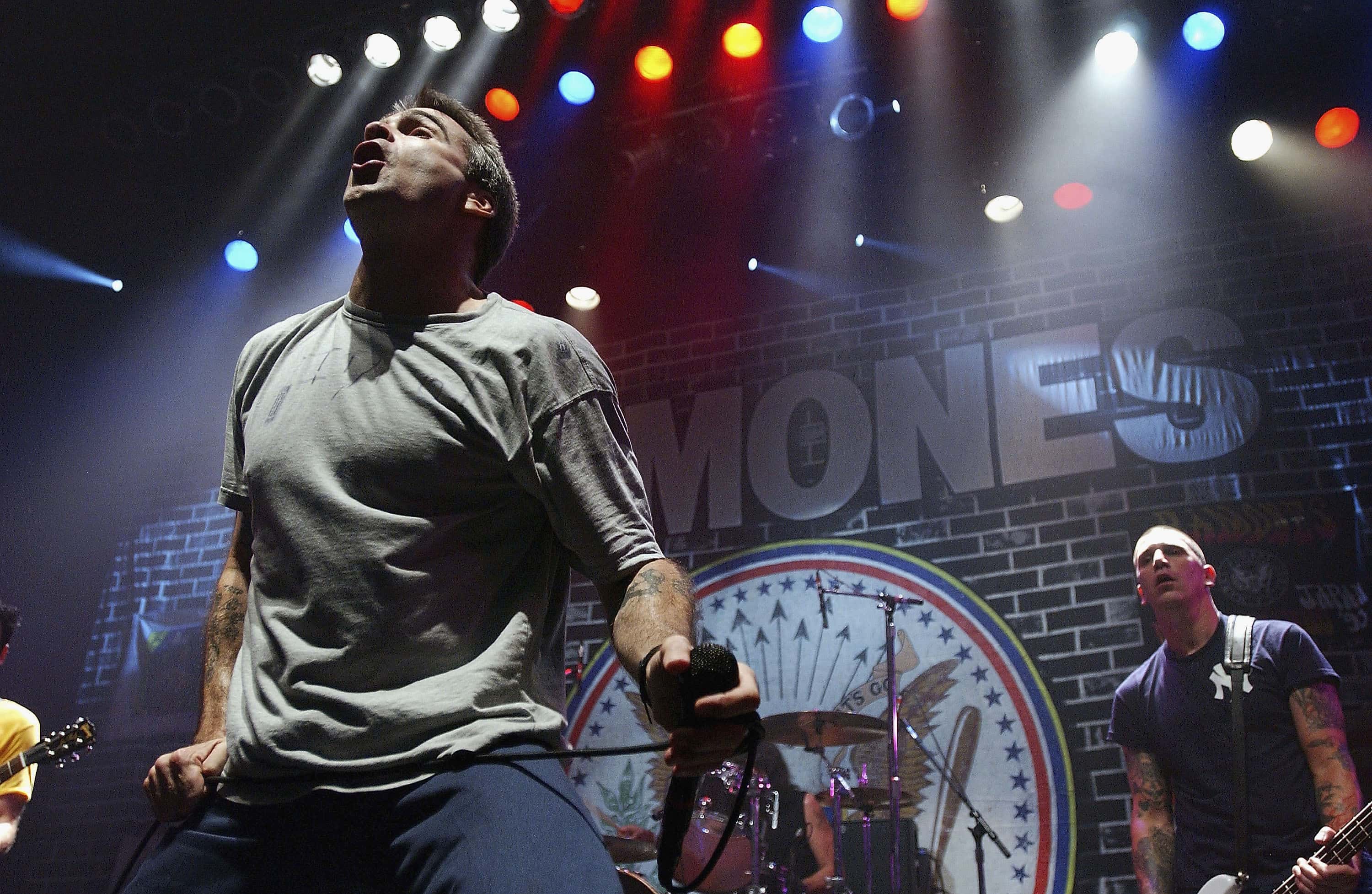
Henry Rollins
Rollins’ Black Flag performances were known for confrontations and nonstop intensity in venues that were often hostile. Offstage, he has lifted heavy weights six days a week for decades and built a strict routine centered on discipline and endurance.
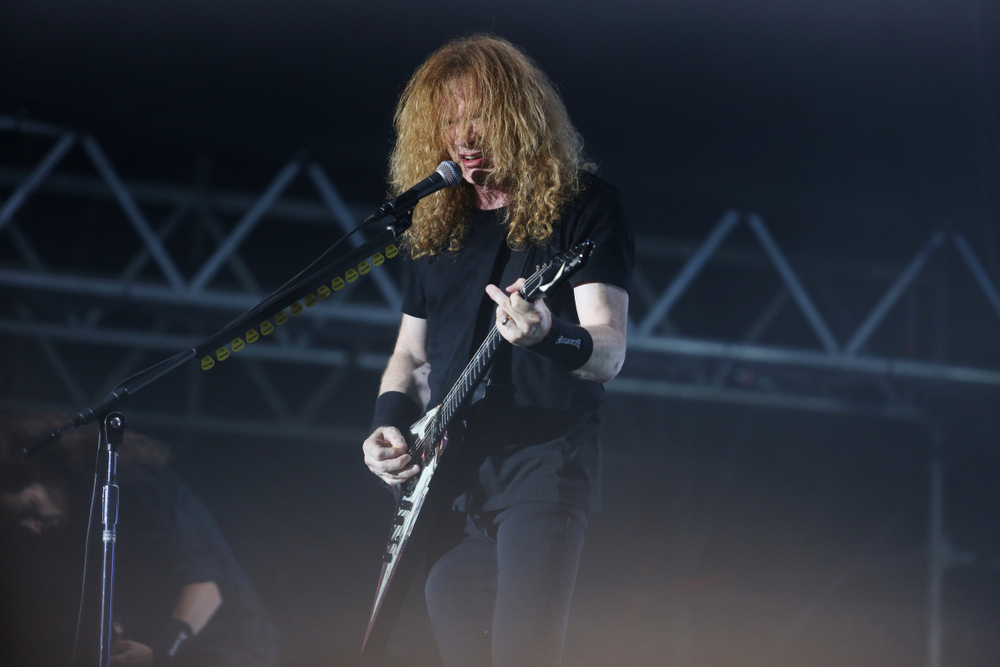
Dave Mustaine
Mustaine earned a black belt in Taekwondo and has trained consistently for years. In 2019, he revealed he had throat cancer and returned to performing after treatment. His career has included multiple reinventions and decades of high-output touring.
Iggy Pop
Iggy dislocated his shoulder onstage in the 70s and continued performing. He also cut himself with broken glass during performances and was one of the earliest mainstream artists to stage dive regularly. His shows were chaotic—but physically real.
 Original uploaded by Derzsi Elekes Andor (Transfered by Szasza), Wikimedia Commons
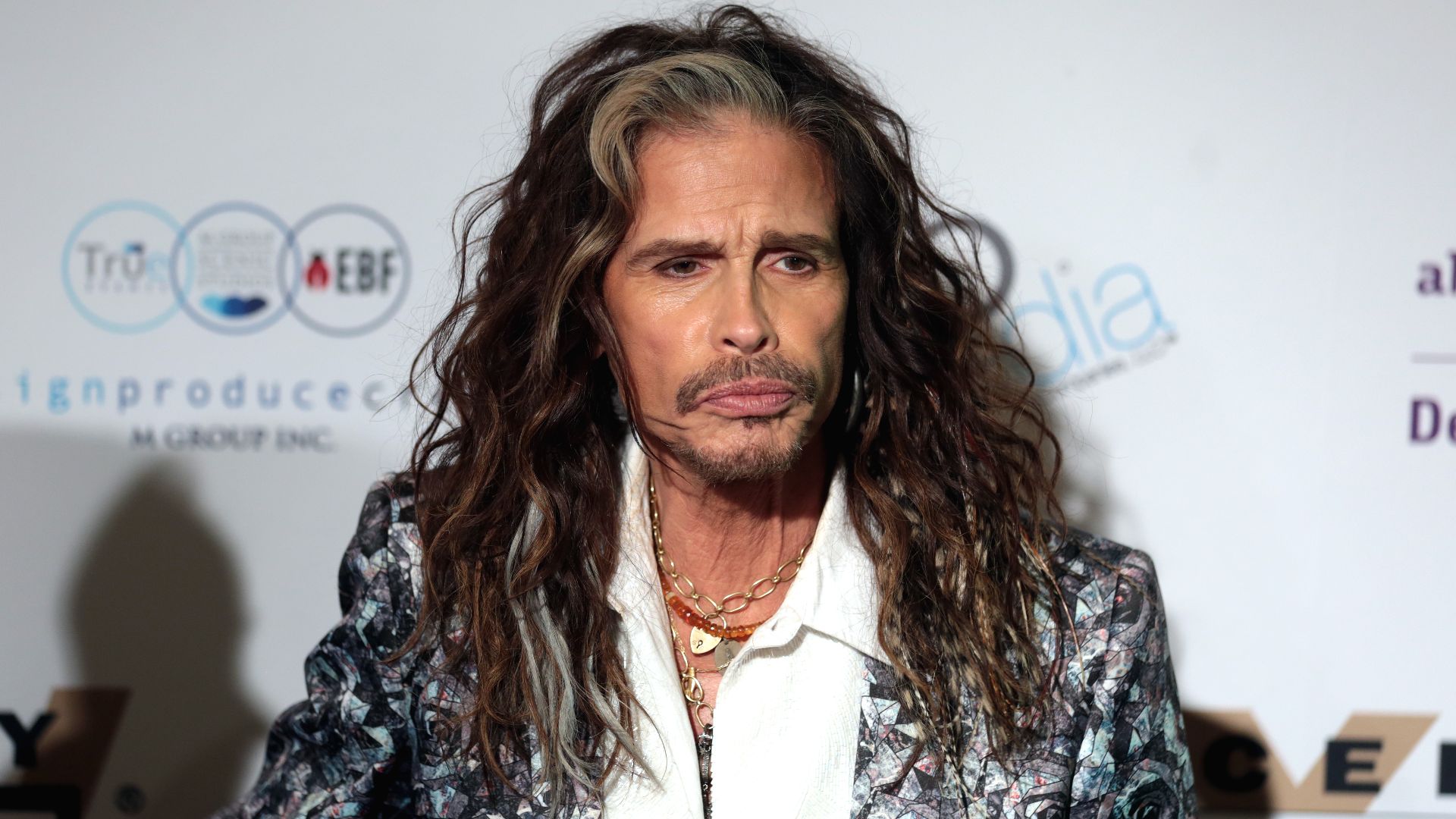
Steven Tyler
Tyler has dealt with multiple fractures and head injuries from stage falls over the years. He has also entered treatment more than once for addiction struggles while maintaining Aerosmith’s demanding performance schedule.
 Gage Skidmore from Peoria, AZ, United States of America, Wikimedia Commons
Johnny Cash (1932–2003)
Cash grew up working cotton fields during the Depression and later served in the U.S. Air Force as a Morse code interceptor stationed in Germany—where he reportedly intercepted the first U.S. signals announcing Joseph Stalin’s death. In 1967, he survived a near-fatal cave incident in Tennessee. A year later, he recorded At Folsom Prison, performing inside a maximum-security facility at a pivotal moment in his career.
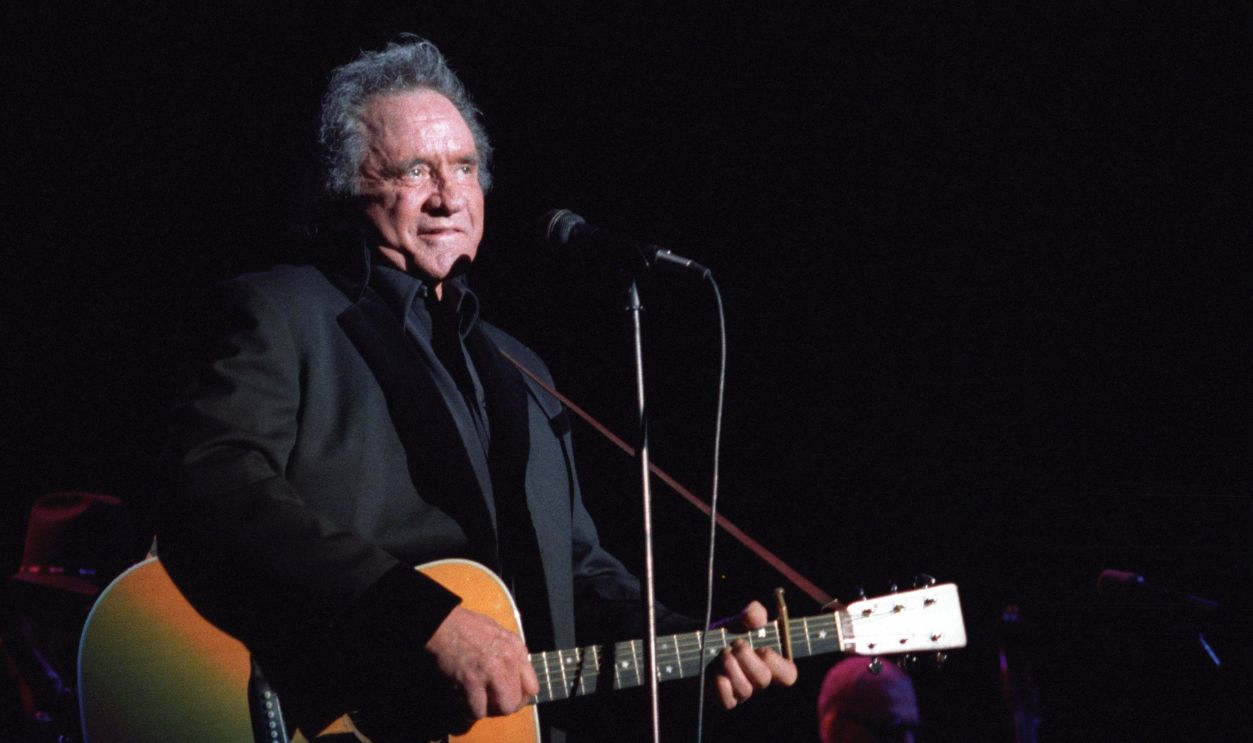
Joan Jett
After The Runaways ended, major labels rejected Jett’s early solo recordings. She co-founded Blackheart Records in 1980 to release the music independently. I Love Rock ’n Roll later hit No. 1 and solidified her footing in a male-dominated industry.

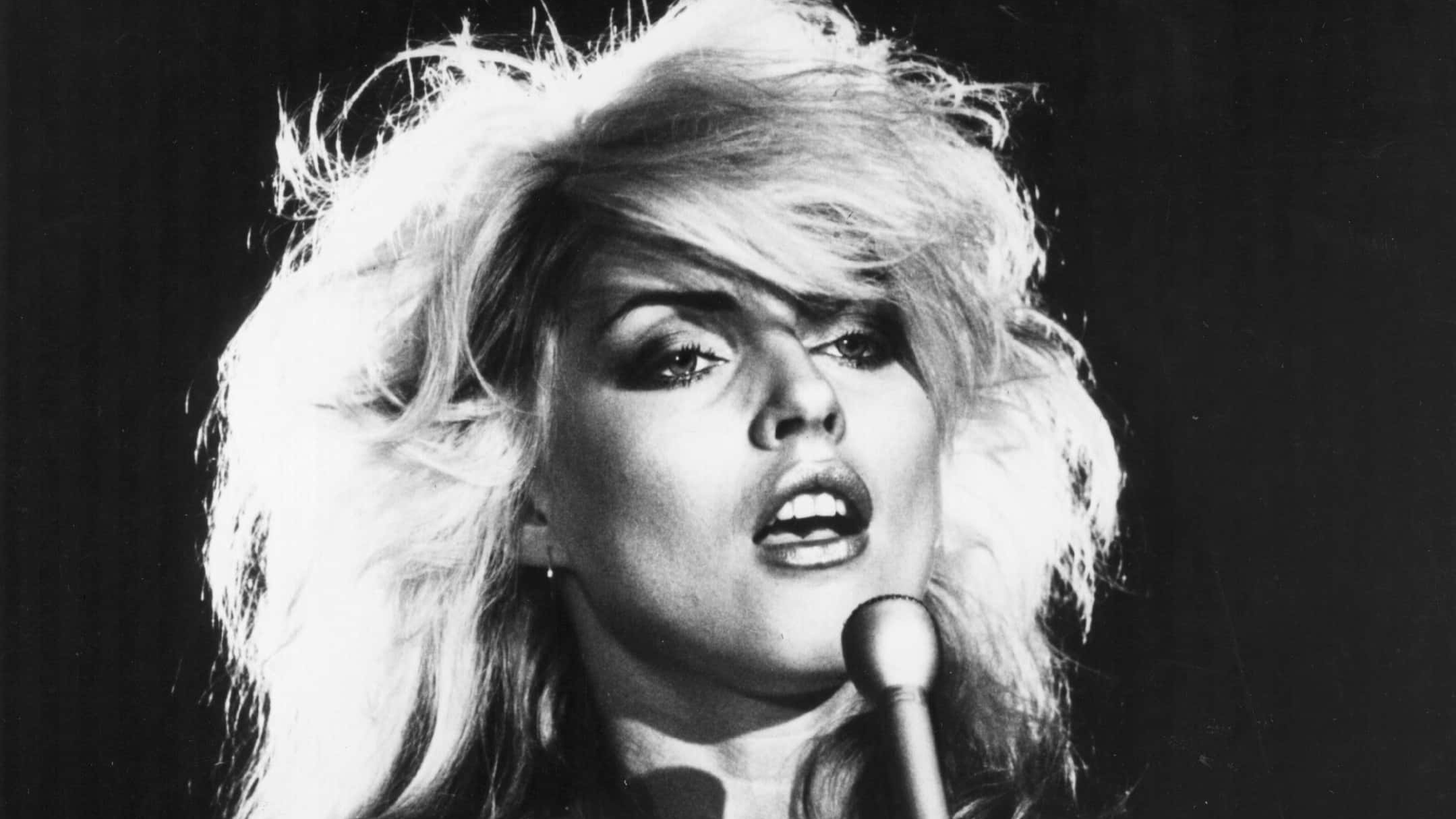
Debbie Harry
Before Blondie broke through, Harry survived a violent assault in New York in the 70s. As Blondie rose, she navigated the chaotic CBGB-era scene and later kept the band active after guitarist Chris Stein was diagnosed with pemphigus in the early 80s.
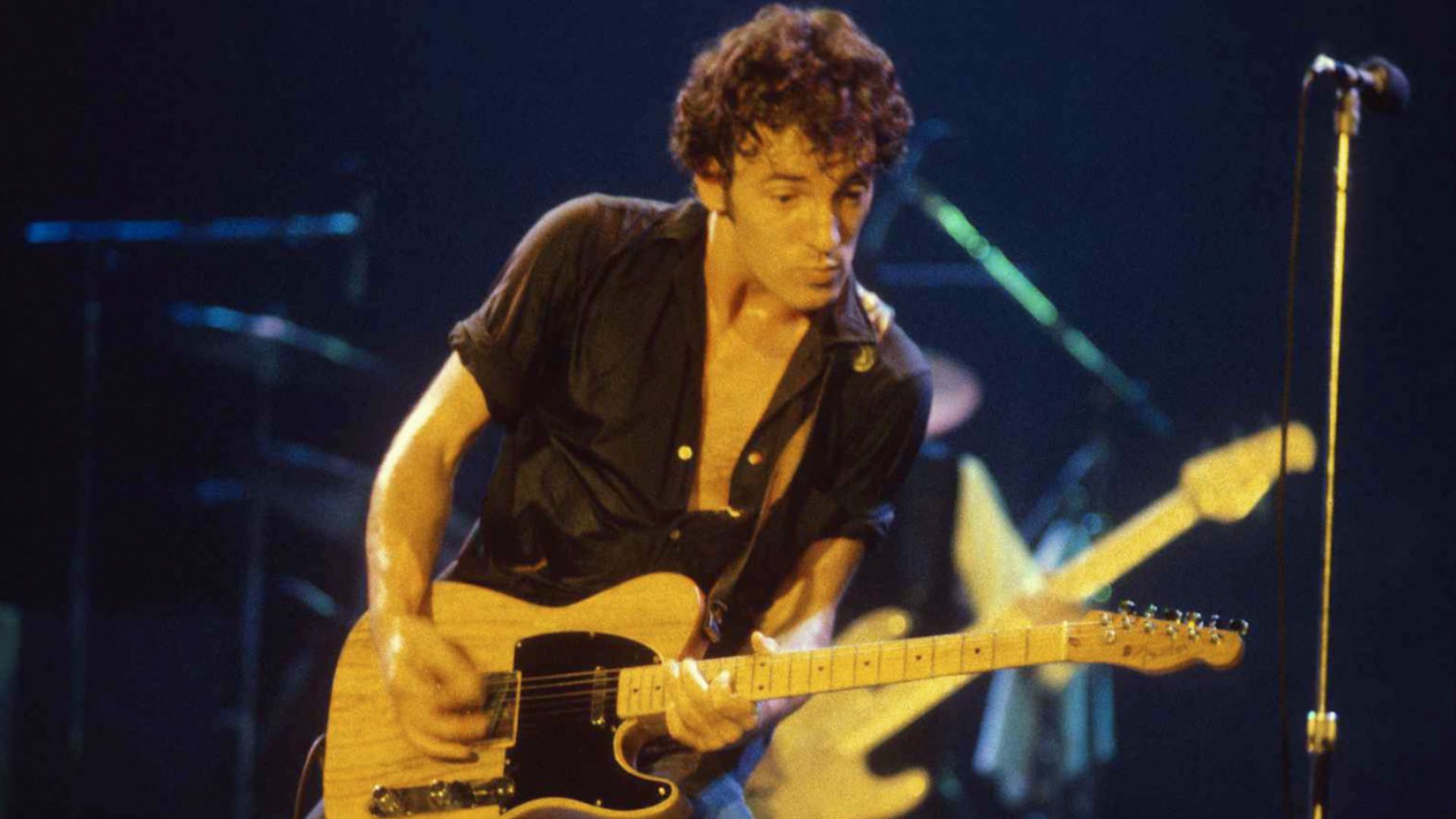
Bruce Springsteen
Springsteen built his reputation in clubs before arenas. His concerts routinely push past three hours, structured around full-band execution rather than elaborate production.
 Carl Lender, Wikimedia Commons
Ice-T
Ice-T served four years in the U.S. Army after high school, enlisting in part to support his daughter. His later move into rap-metal with Body Count brought lived experience into a heavy genre.
 Sven Mandel, CC BY-SA 4.0, Wikimedia Commons
Brian Johnson
In 2016, severe hearing issues forced Johnson to step away from AC/DC’s tour. Doctors warned of permanent loss. Using specialized in-ear technology, he returned to record and later perform with the band, including on 2020’s Power Up.
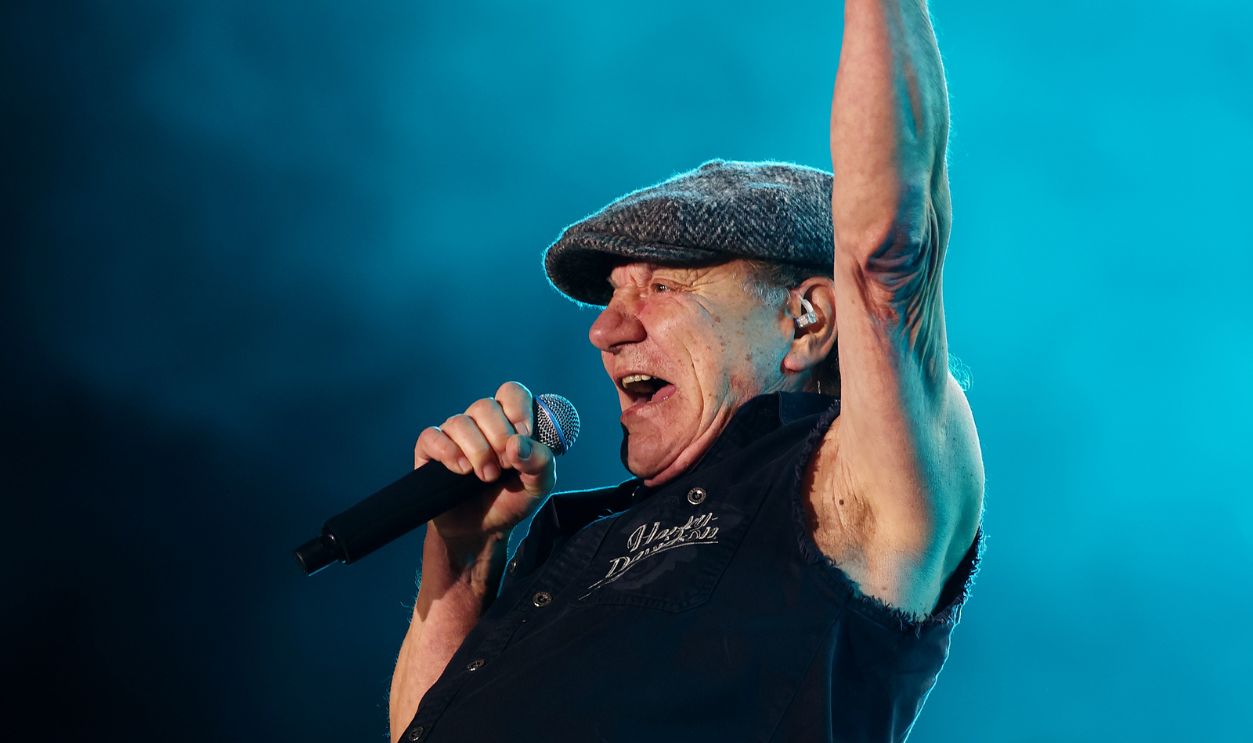
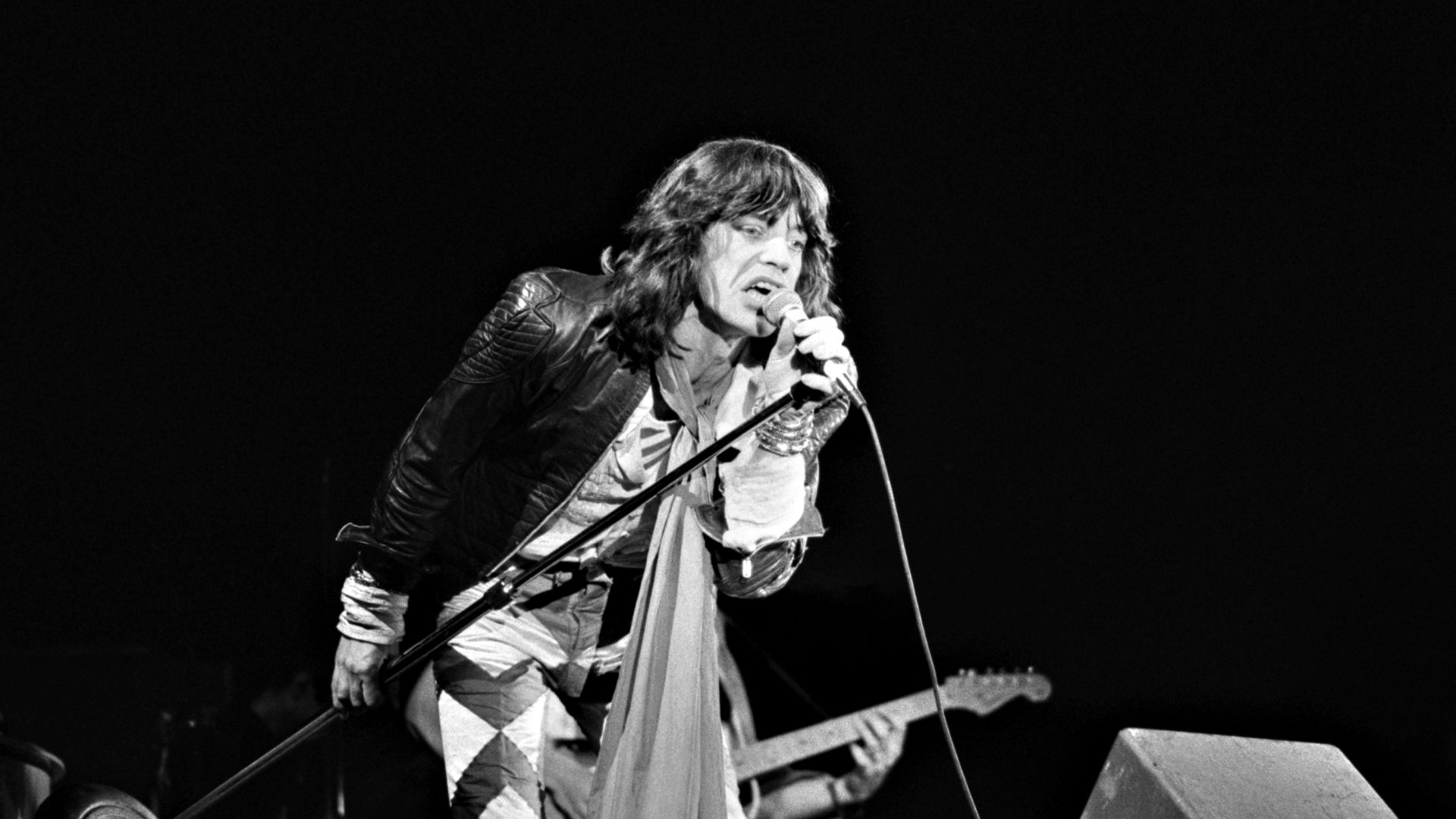
Mick Jagger
Jagger underwent a transcatheter aortic valve replacement (TAVR) procedure in 2019 and resumed rehearsals within months. He trains consistently to maintain cardiovascular endurance for Rolling Stones performances well into his 80s.
 Bert Verhoeff for Anefo, Wikimedia Commons
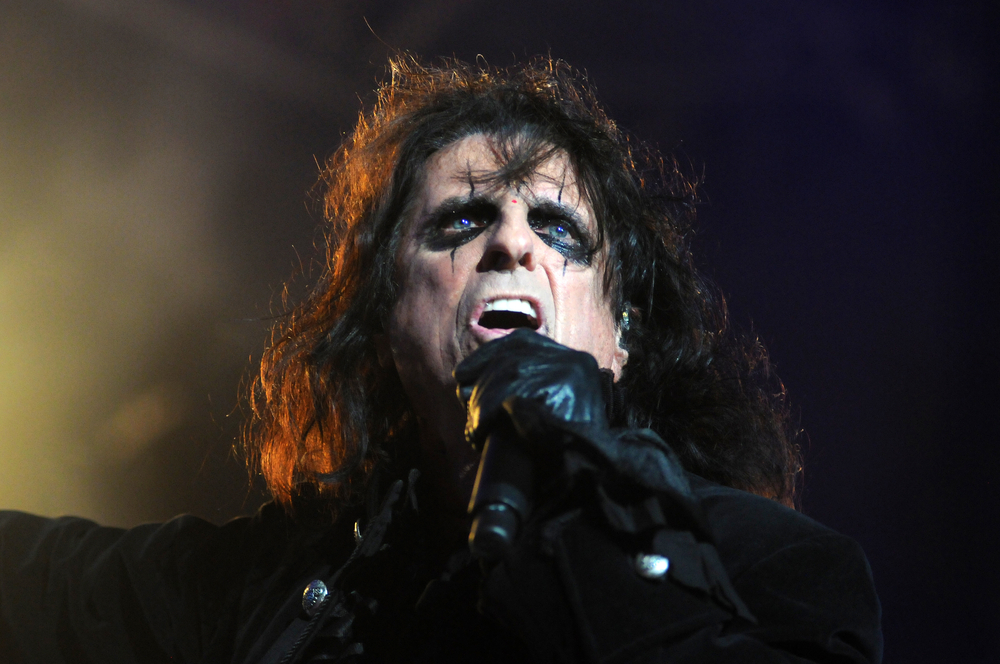
Alice Cooper
By the late 70s, Cooper voluntarily checked into a psychiatric hospital for treatment in 1977. After getting sober in the 80s, he rebuilt his career and has remained sober for decades while continuing elaborate touring productions.
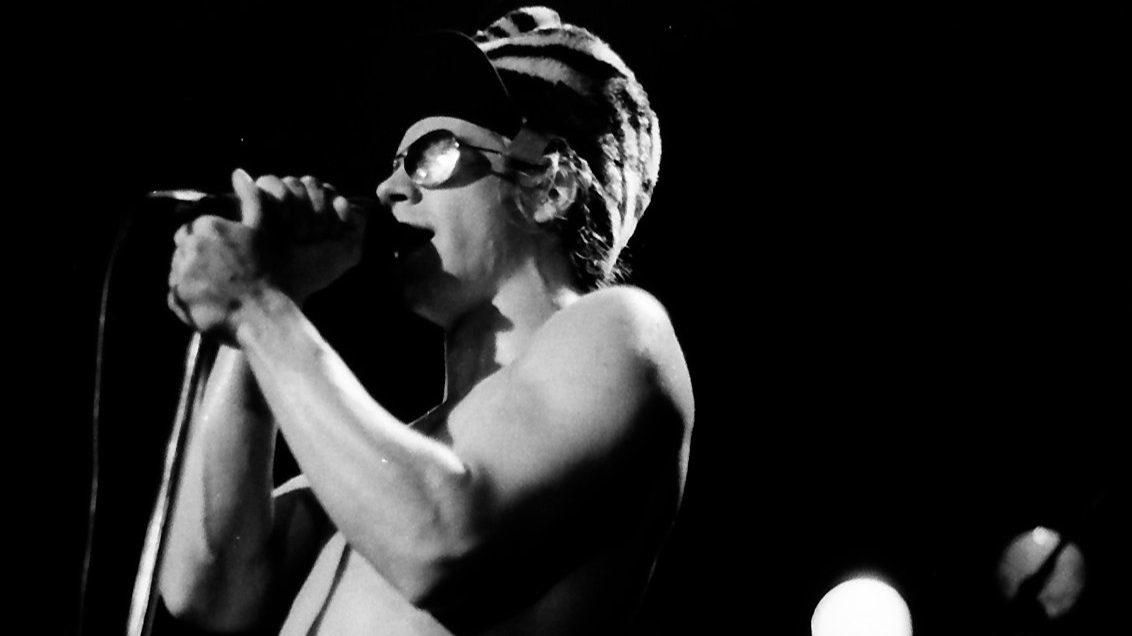
Anthony Kiedis
Kiedis has said his dependency issues began in his teens, influenced in part by his upbringing in Los Angeles. He entered rehab multiple times before stabilizing in the early 2000s. The Red Hot Chili Peppers’ live shows remain built around constant motion and vocal endurance.
 John Coffey, CC BY-SA 2.0, Wikimedia Commons
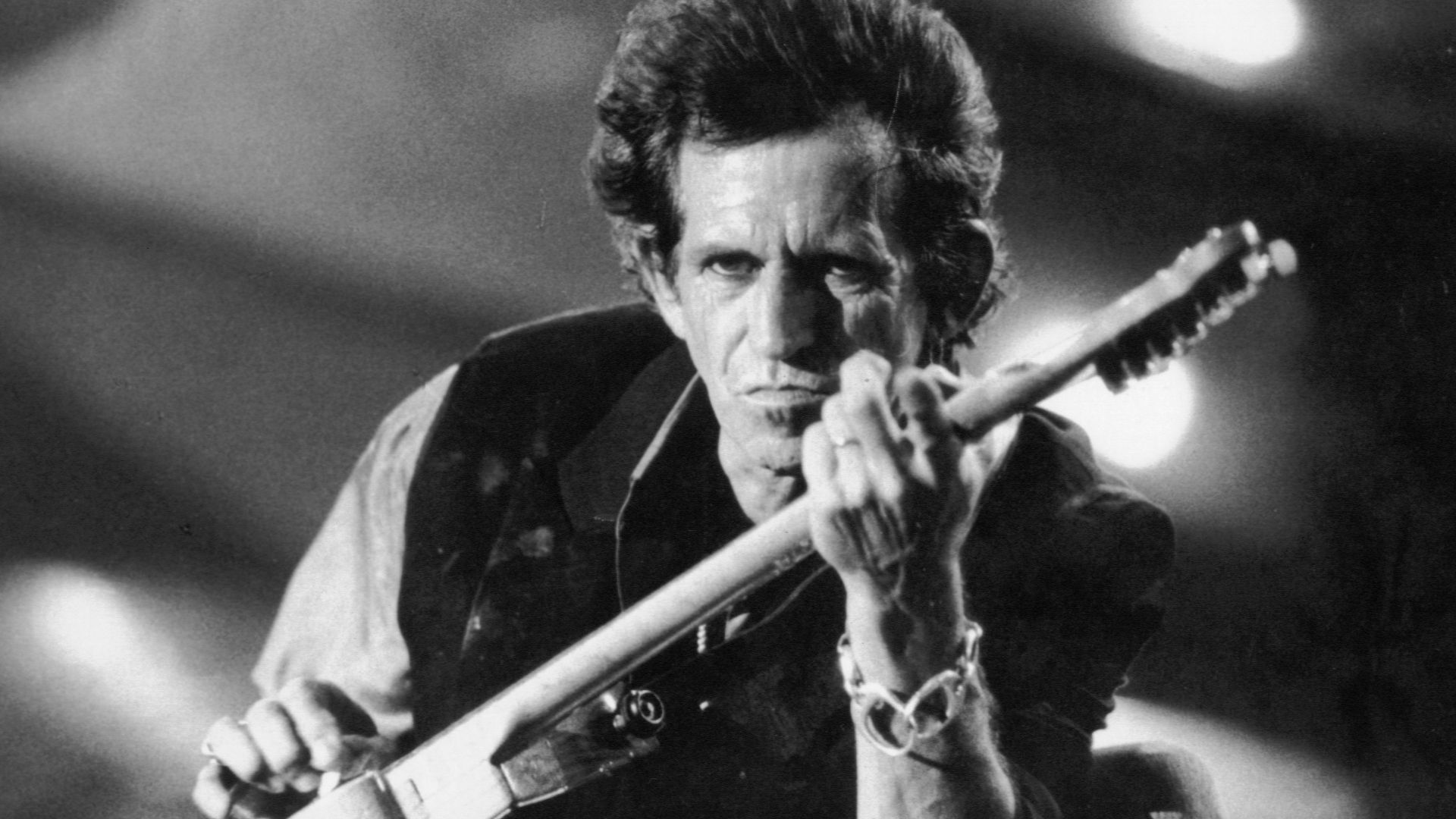
Keith Richards
In 2006, Richards suffered a head injury after falling from a tree in Fiji and underwent surgery. He returned later that year to continue touring.
 Machocarioca, Wikimedia Commons
Billy Idol
Idol nearly died in a 1990 motorcycle crash that shattered his leg. The accident halted his career momentum, but he eventually returned to recording and performing.
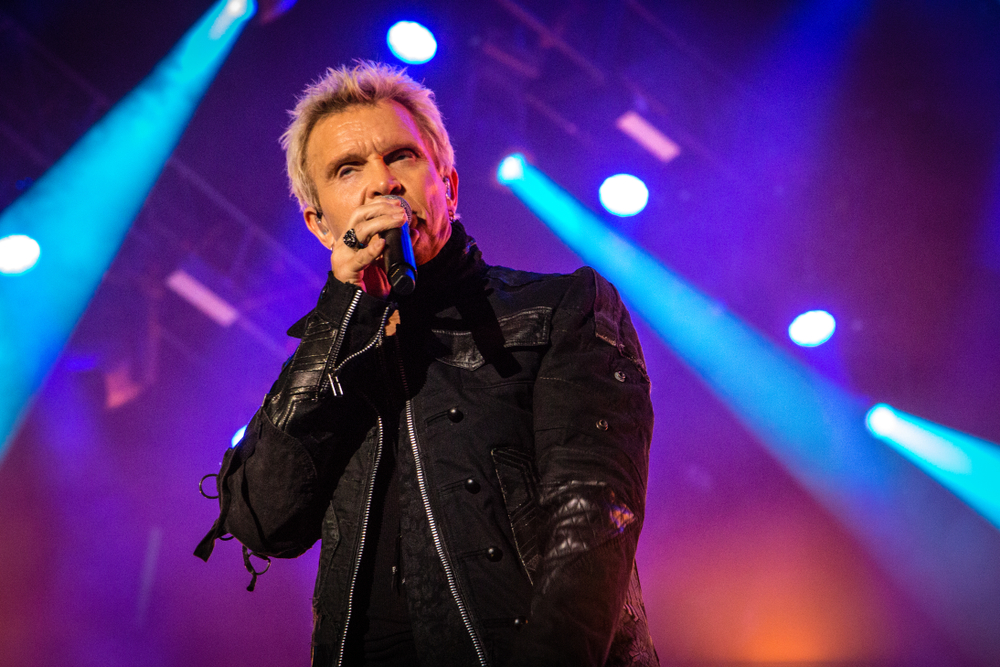 ChrisJamesRyanPhotography, Shutterstock
Corey Taylor
Slipknot’s early shows were so physically intense that injuries were common among members. Taylor has said he nearly died in 2003 before getting sober. At the same time, he led Stone Sour for nearly two decades while sustaining both careers.
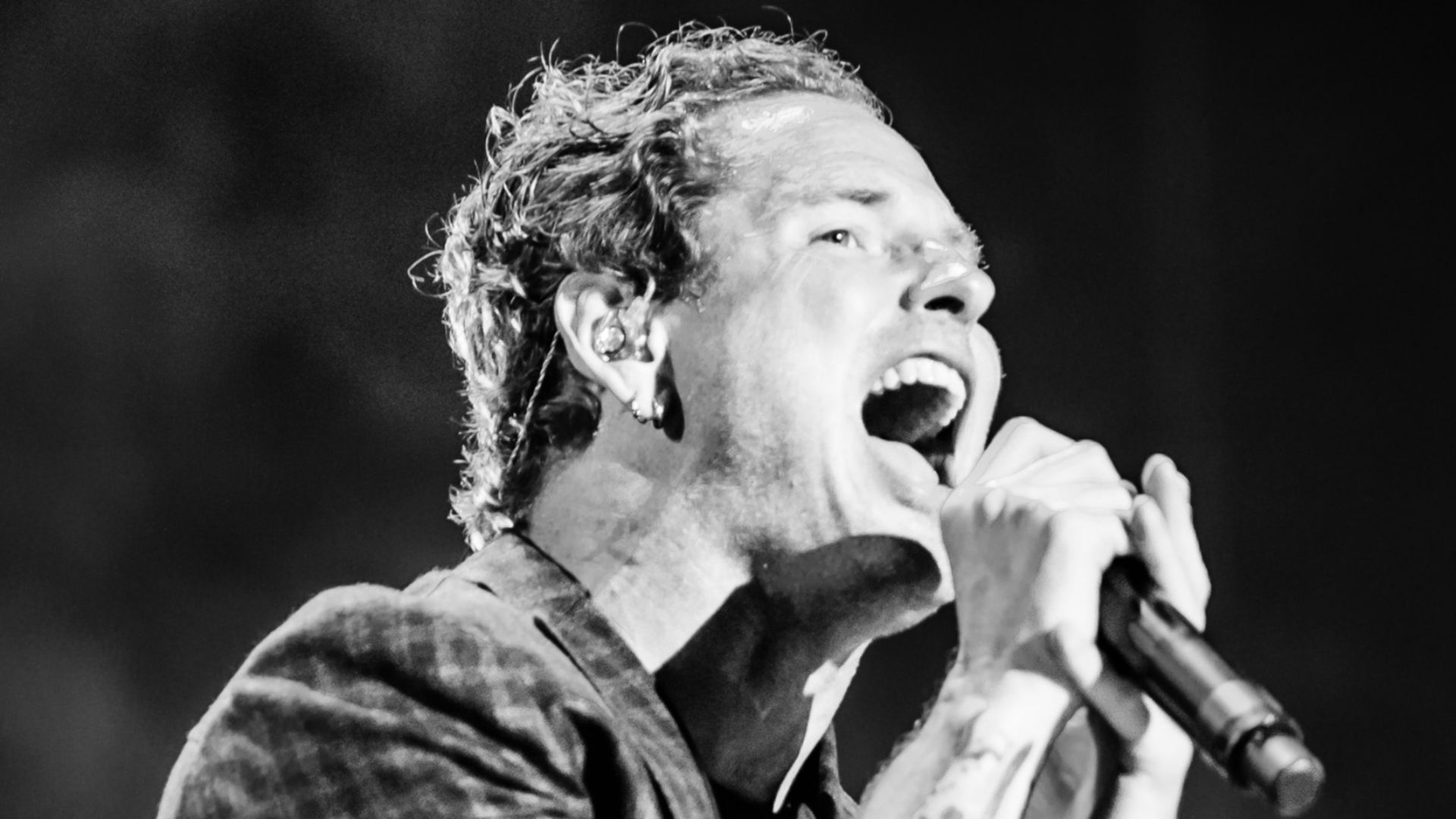 © Markus Felix | PushingPixels (contact me), Wikimedia Commons
Axl Rose
Rose has spoken about a violent childhood in Indiana and discovering later that the man he believed was his father was not. After two decades without the classic lineup, he reunited Guns N’ Roses in 2016 for the Not in This Lifetime… Tour, which grossed over $580 million worldwide.
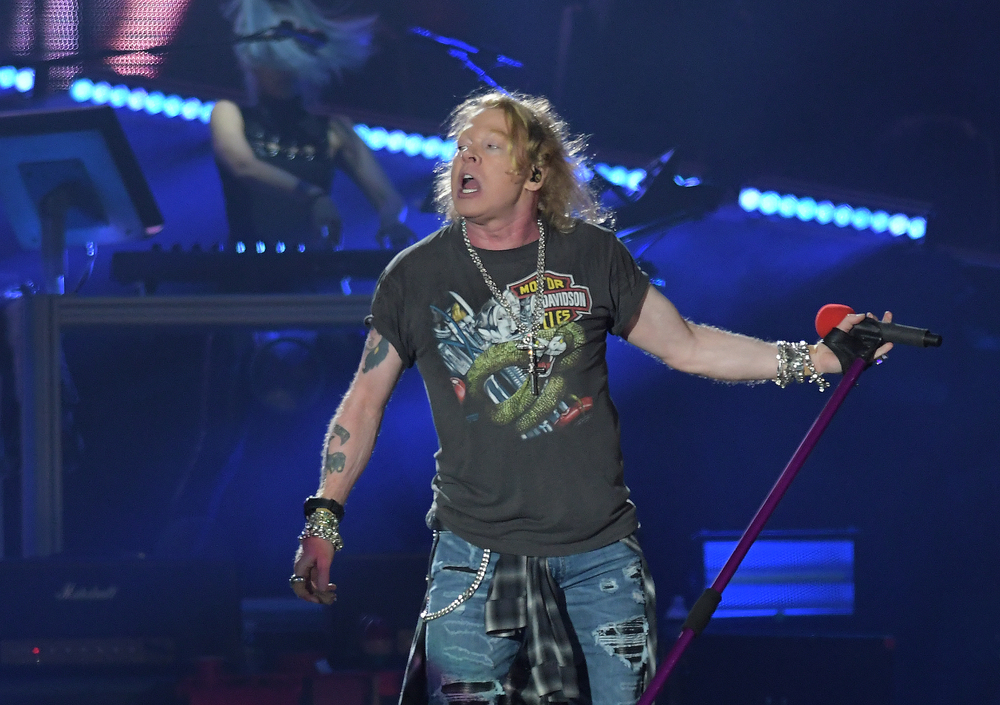
Pat Benatar
Before rock stardom, Benatar trained seriously as a coloratura soprano and initially planned a classical career. She won four consecutive Grammy Awards from 1980 to 1983 and became one of the first women regularly headlining arena rock tours.

Chrissie Hynde
Within three years of The Pretenders’ breakthrough, guitarist James Honeyman-Scott and bassist Pete Farndon both died from substance-related causes. Hynde rebuilt the band and released Learning to Crawl in 1984, keeping the name and momentum intact.

Glenn Danzig
Danzig has trained in martial arts, including Muay Thai and Brazilian jiu-jitsu, and has long maintained a serious strength-training routine. In the early hardcore scene with the Misfits, shows frequently turned violent, and he developed a reputation for physically confronting audience members when necessary.
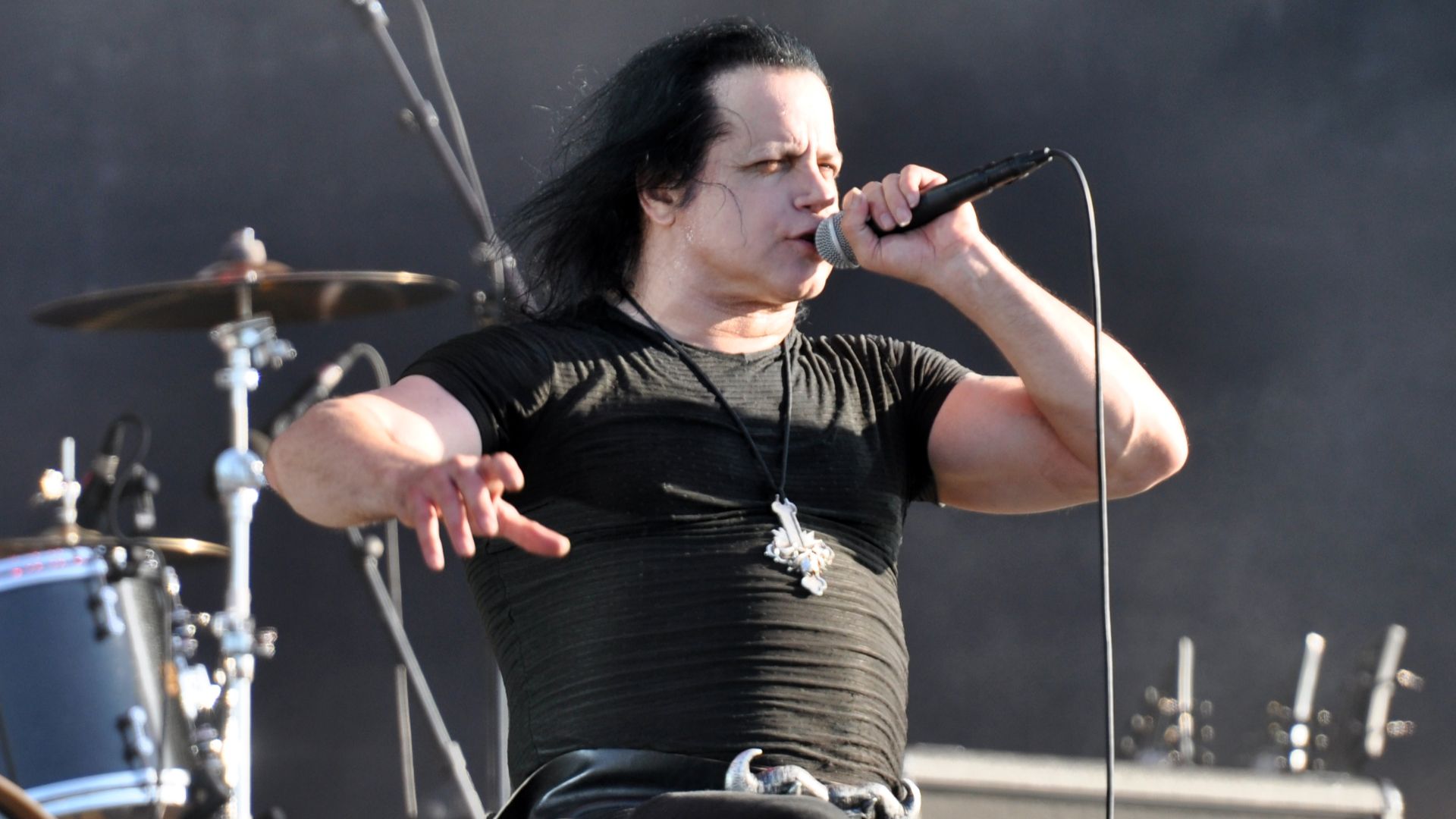 Jonas Rogowski, Wikimedia Commons
Rob Halford
Halford has fronted Judas Priest since the 70s, delivering sustained high-register vocals that few singers can match. In 1998, he publicly came out as gay—at a time when heavy metal was not widely seen as inclusive. He has maintained long-term sobriety since the mid-80s while continuing to perform at full vocal intensity into his 70s.
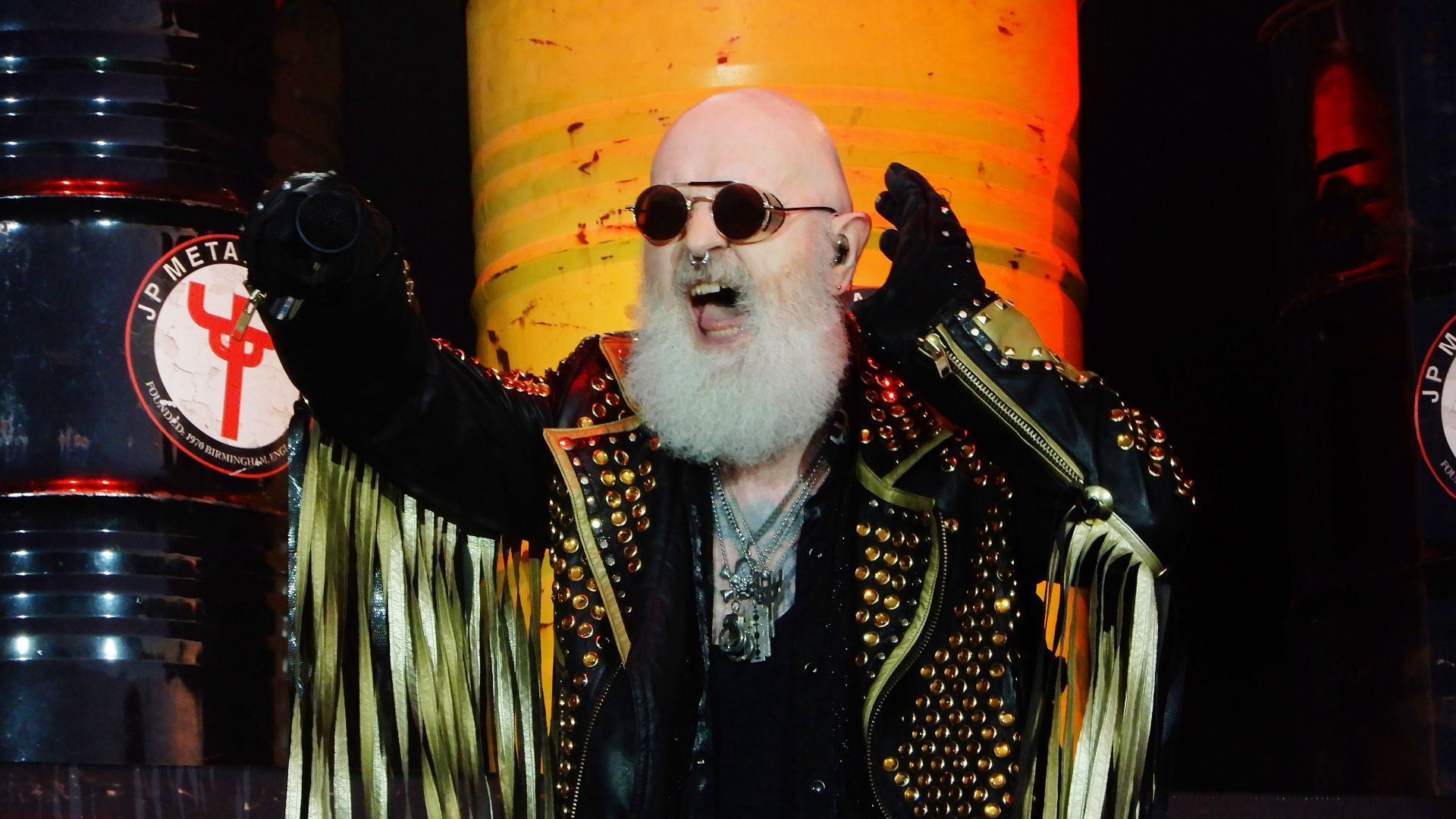 Tilly antoine, Wikimedia Commons
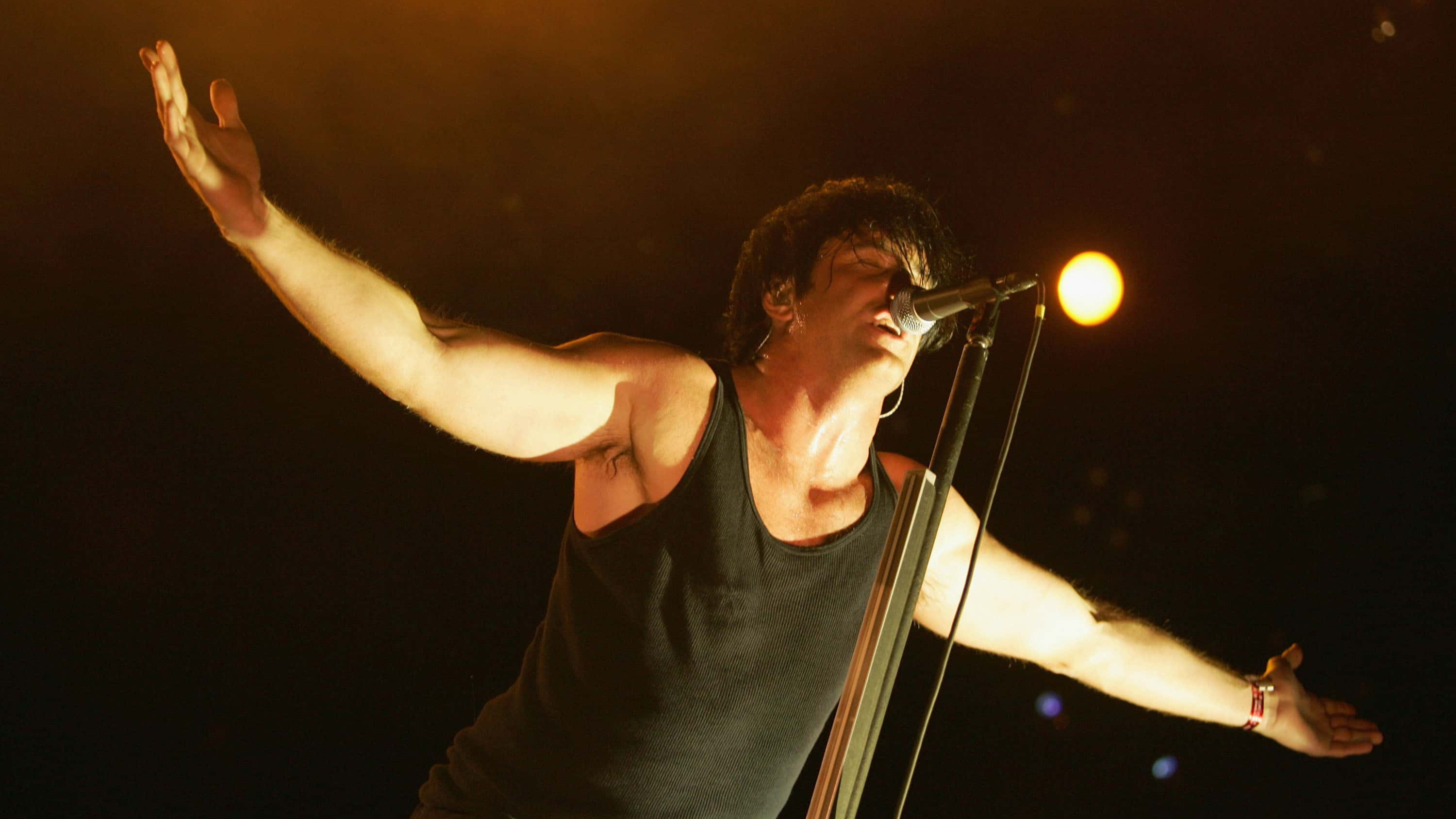
Trent Reznor
Reznor built Nine Inch Nails on confrontational, physically punishing live shows in the 90s. In 2009, he collapsed onstage in Europe from exhaustion. In the years that followed, he rebuilt his lifestyle around strict fitness and sobriety, returning leaner and more physically conditioned while continuing high-intensity performances.
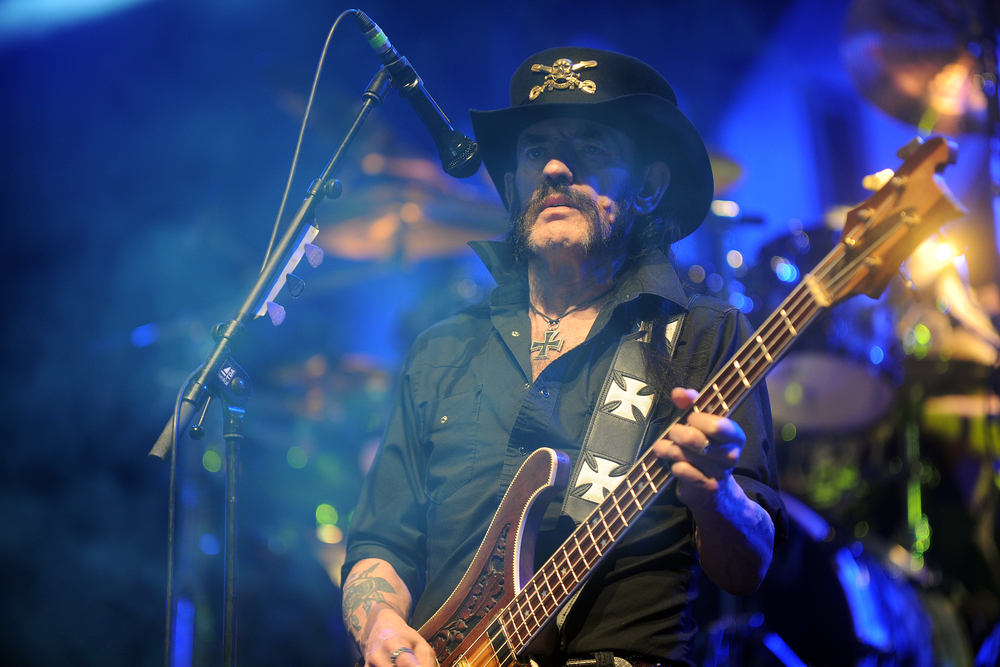
Lemmy (1945–2015)
Lemmy led Motörhead for four decades with a touring schedule that rarely slowed down. Even after being diagnosed with serious health issues late in life, he continued performing almost until his death in 2015. His endurance wasn’t polished or theatrical—it was stubborn and constant.
You Might Also Like: