When Boom-Bap Ruled The World
There’s a reason hip hop heads still argue about the 1990s like it’s a religious doctrine. This was the decade when lyricism mattered, regional sounds thrived without canceling each other out, and artists weren’t afraid to be funny, political, vulnerable, or confrontational—sometimes all in the same verse.
Below are 21 tracks that don’t just represent the decade, they define it. Not because they were popular for five minutes, but because decades later, they’re still doing the heavy lifting.
They Reminisce Over You (T.R.O.Y.)
This song didn’t just raise the bar for emotional honesty in hip hop—it quietly redefined it. Pete Rock’s mournful horn loop paired with CL Smooth’s reflective verses turned personal grief into something universal. Few tracks have ever captured nostalgia, loss and love for the culture with this much grace, and that’s why it still feels timeless instead of dated.
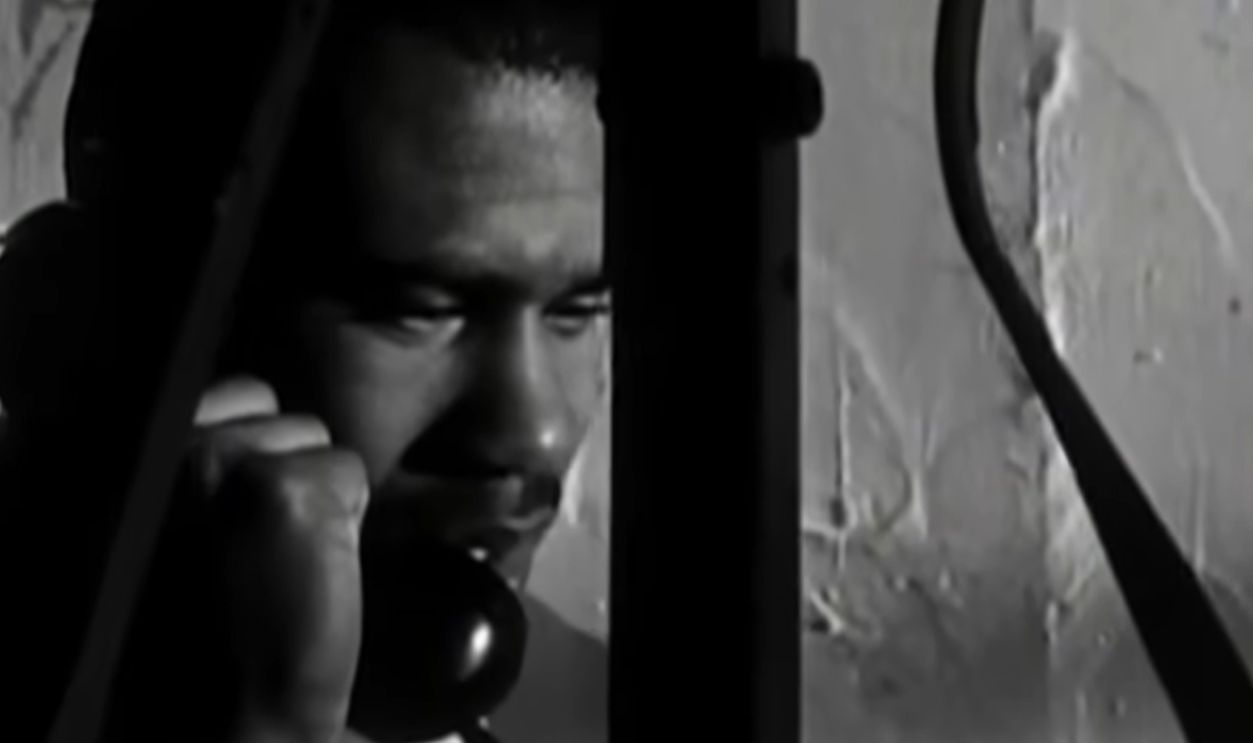 Screenshot from They Reminisce Over You (T.R.O.Y.), Elektra (1992)
C.R.E.A.M.
Four letters, one phrase, and suddenly an entire worldview had a name. Wu-Tang distilled street economics into a gritty anthem that felt both coldly observational and deeply personal. The beat is minimal, the verses are unforgiving, and the message still rings true every time someone mouths the hook without even thinking about it.
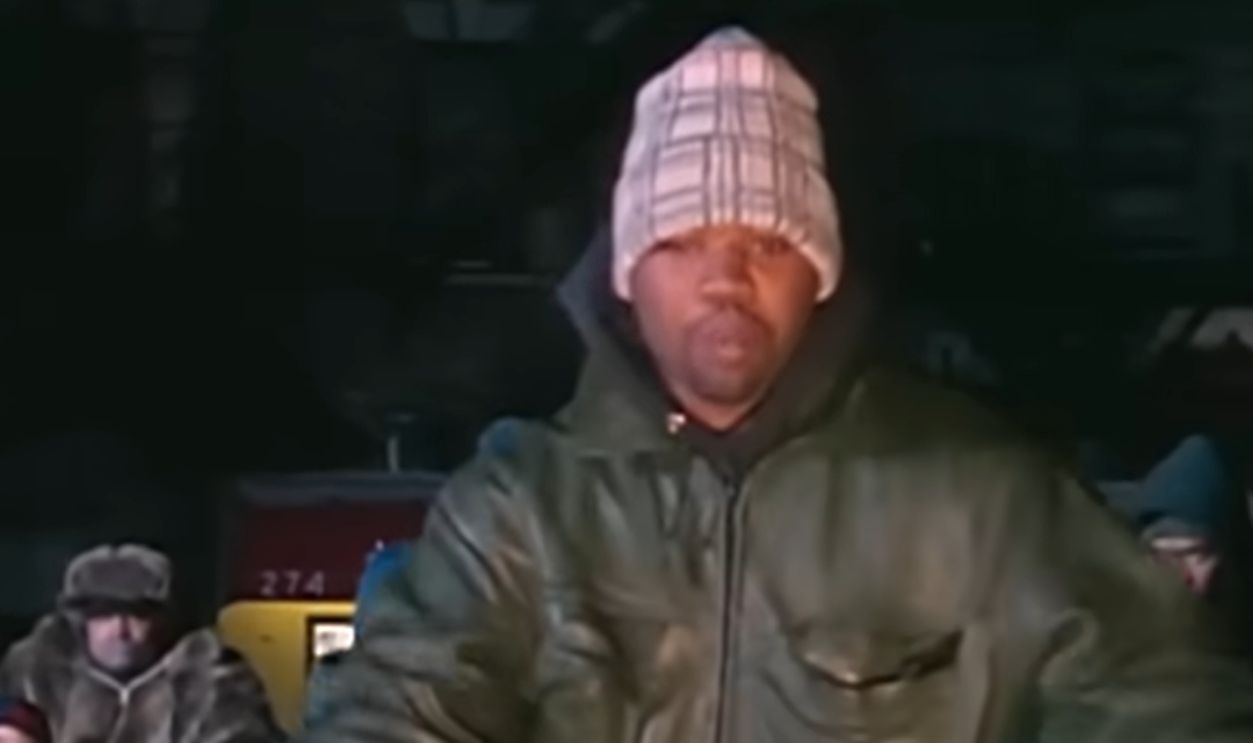 Screenshot from C.R.E.A.M., Loud (1994)
Mind Playing Tricks On Me
The Geto Boys did something radical here: they made fear the main character. This wasn’t about bravado or domination—it was about paranoia, mental strain, and the psychological cost of survival. By letting vulnerability lead the story, the song cracked open a side of hip hop that didn't get explored nearly at the time.
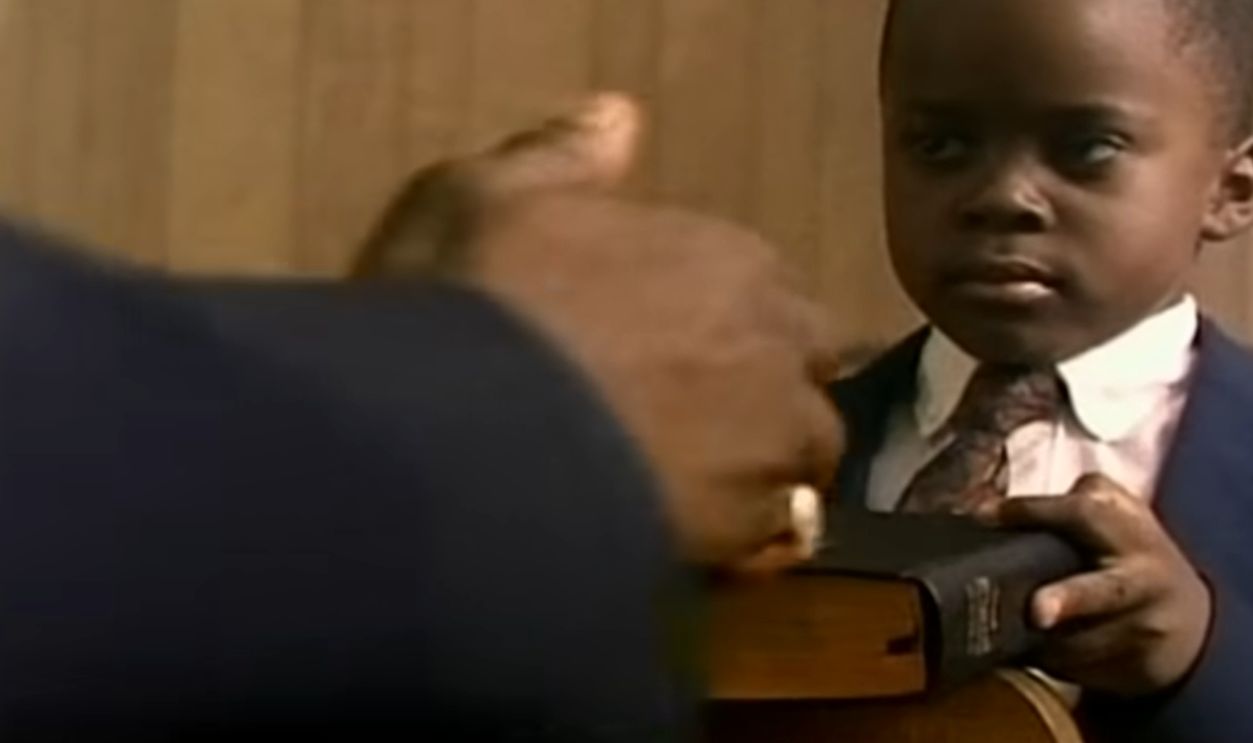 Screenshot from Mind Playing Tricks On Me, Rap-A-Lot (1991)
N.Y. State Of Mind
This track feels less like a song and more like a guided tour through Queensbridge at dusk. Nas’ imagery is so sharp it practically narrates itself, turning everyday street details into cinematic moments. It’s the kind of song that made listeners stop and say, “Wait—this is writing.”
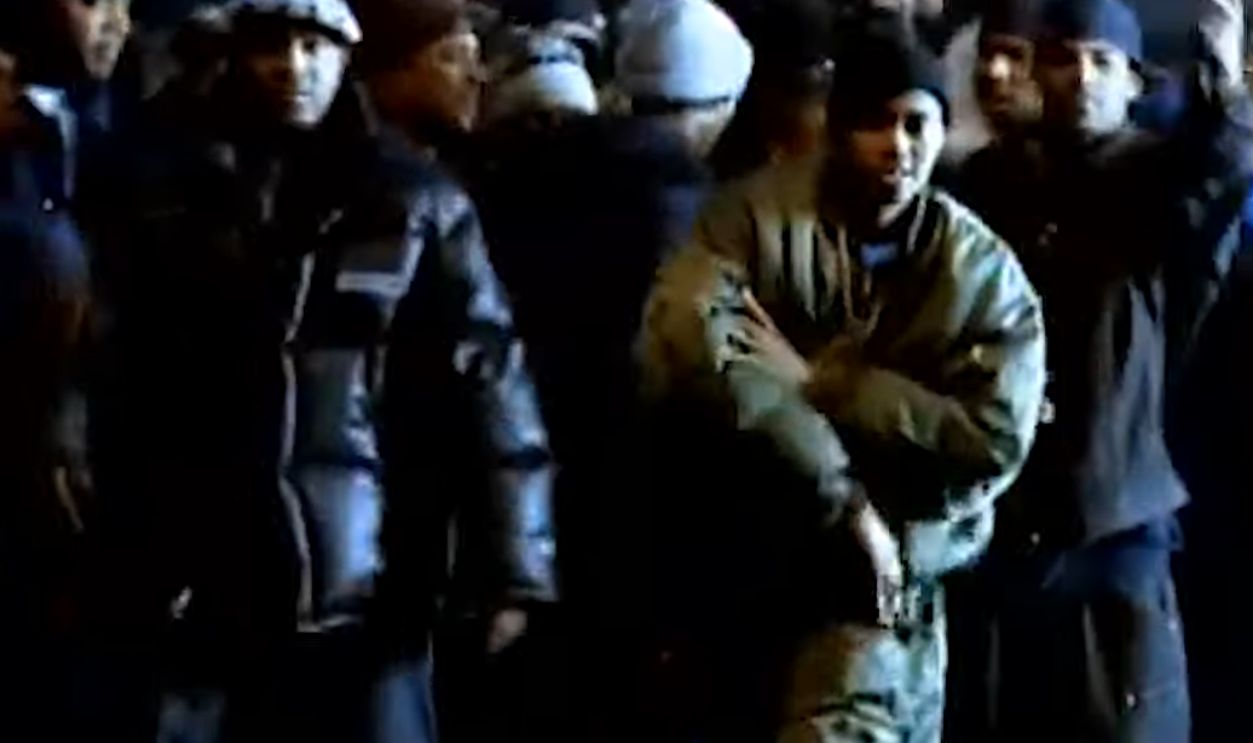 Screenshot from N.Y. State Of Mind, Columbia (1994)
Dear Mama
Tupac didn’t just write a tribute—he wrote a confession, a thank-you note, and a love letter all at once. The honesty here is disarming, especially coming from an artist often framed as confrontational. It proved that softness could coexist with strength without canceling either out.
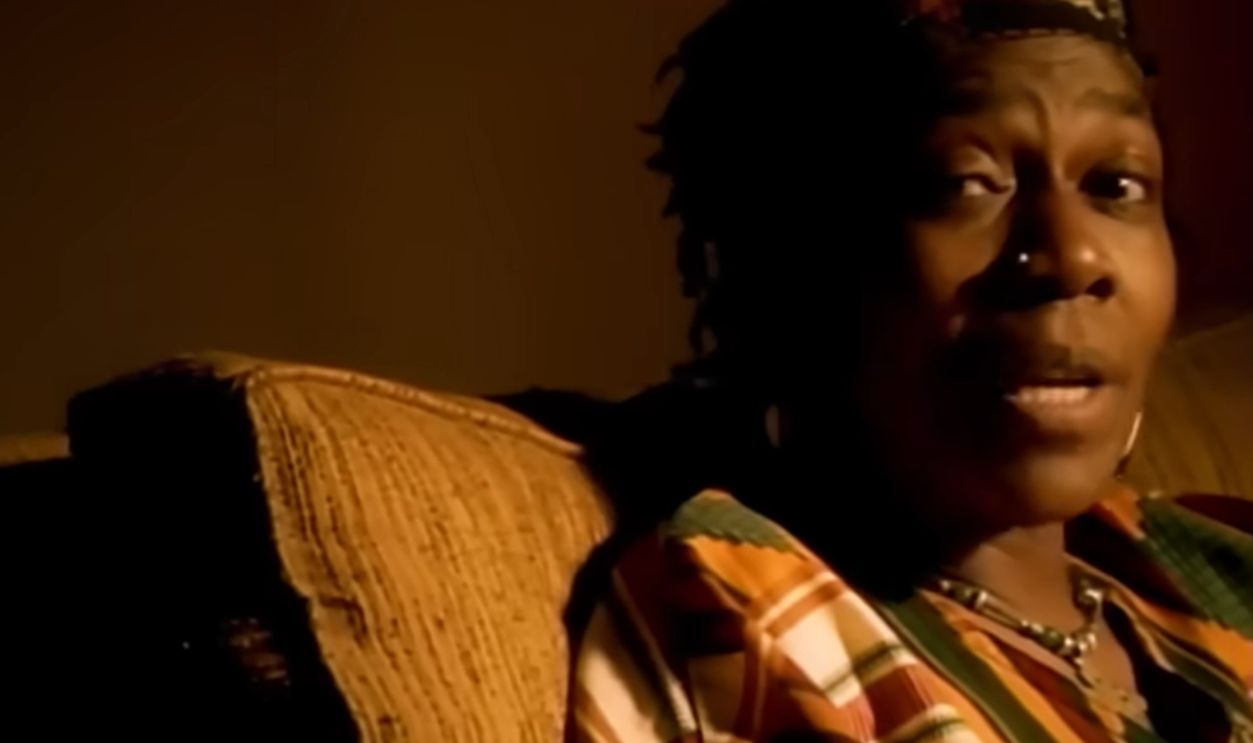 Screenshot from Dear Mama, Interscope (1995)
Mama Said Knock You Out
LL Cool J didn’t politely reassert dominance—he kicked the door down. This track is pure confidence, all muscle and momentum, reminding everyone that longevity matters just as much as buzz. It’s loud, unapologetic, and perfectly aware of its own power.
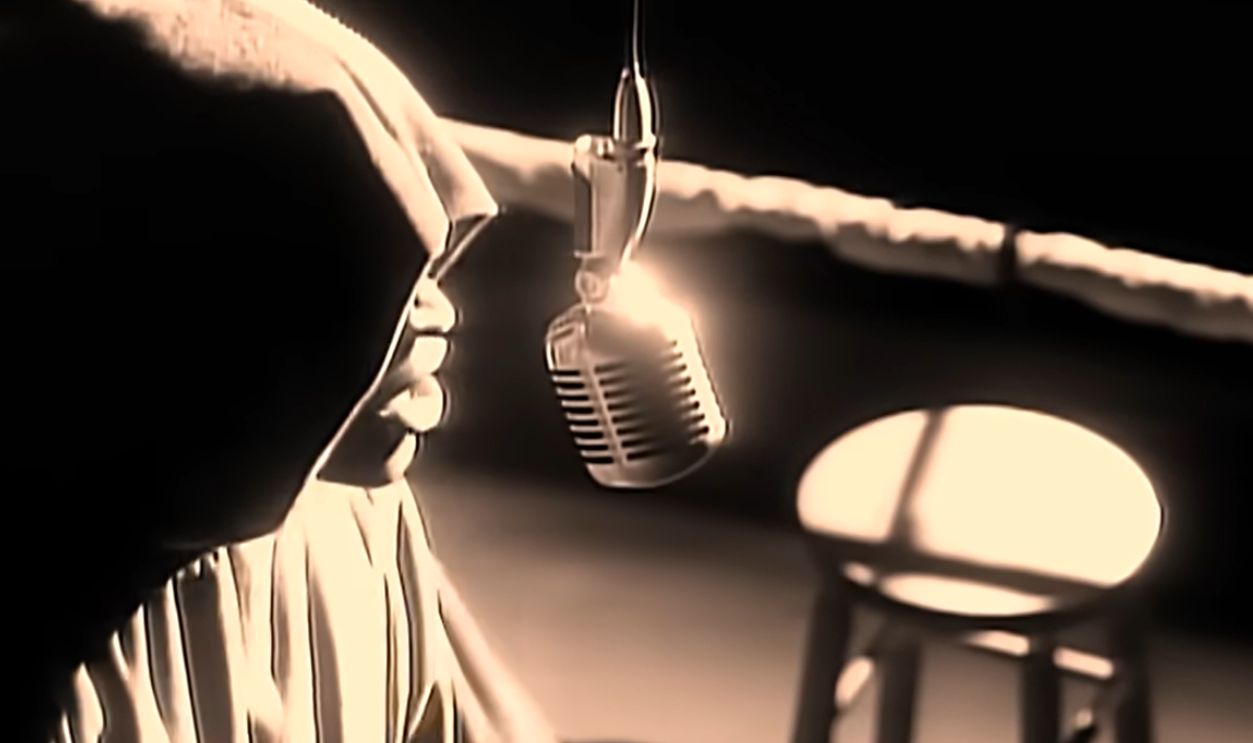 Screenshot from Mama Said Knock You Out, Def Jam (1991)
Check The Rhime
A Tribe Called Quest made sounding effortless feel like an art form. The back-and-forth between Q-Tip and Phife Dawg is playful without being sloppy, precise without feeling stiff. This song didn't chase trends-it created a lane where intelligence and fun could coexist naturally.
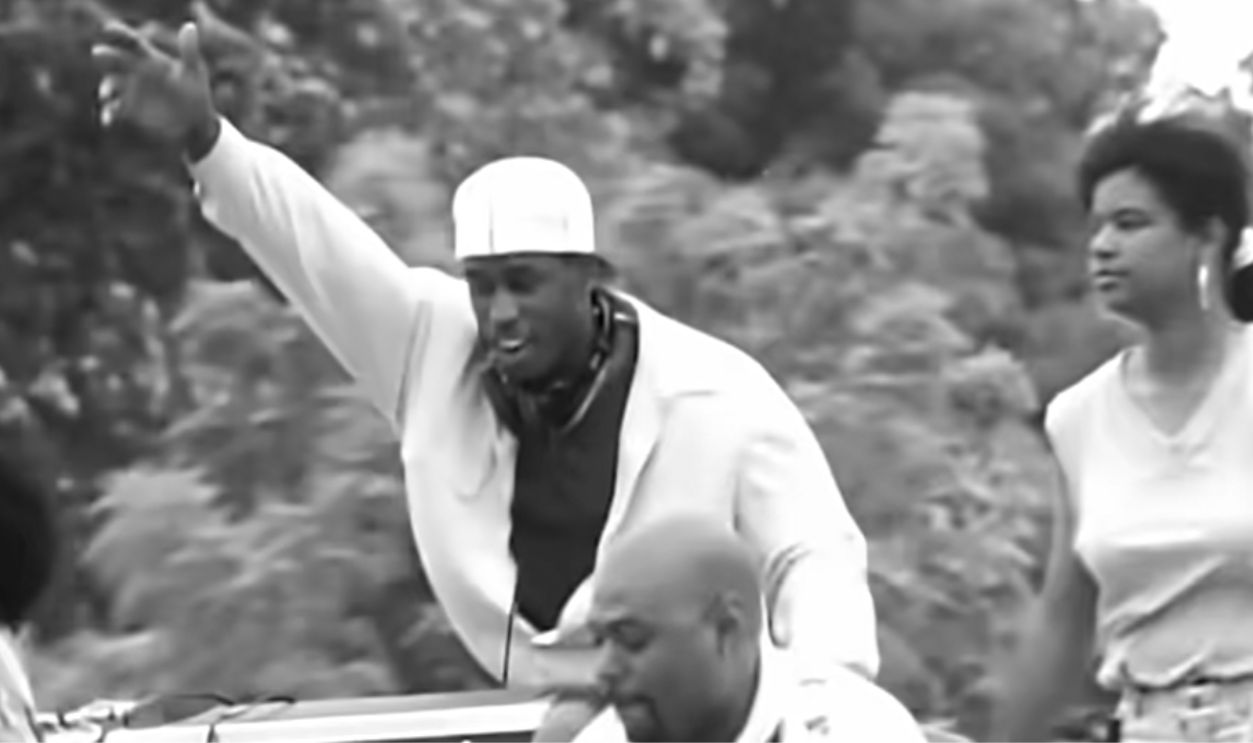 Screenshot from Check The Rhime, Jive (1991)
Passin’ Me By
Awkwardness had never sounded so relatable. The Pharcyde turned missed connections and unspoken crushes into something poetic and painfully familiar. It’s charming, self-aware, and proof that hip hop didn’t always need to posture to be compelling.
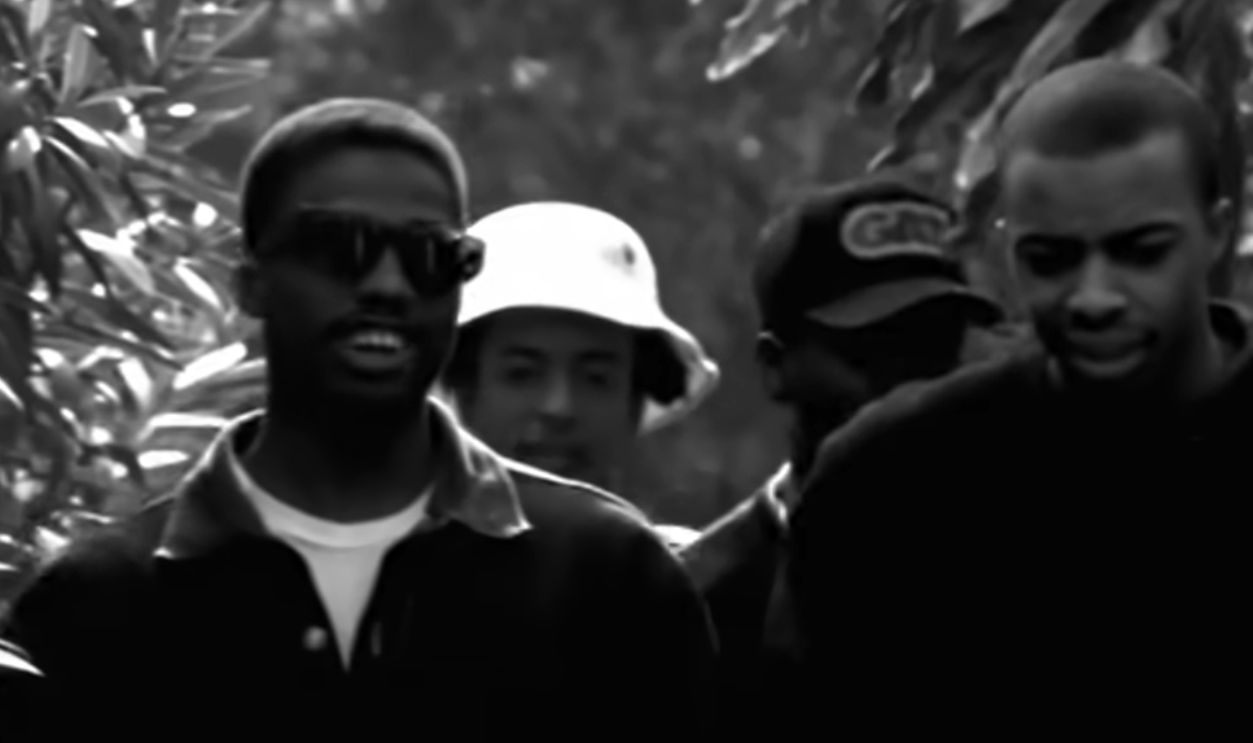 Screenshot from Passin’ Me By, Delicious Vinyl (1993)
It Was A Good Day
Ice Cube stripped everything down to a simple premise: nothing went wrong. Somehow, that was revolutionary. The song’s calm storytelling made everyday peace feel like a victory, and listeners are still debating what day he was talking about—because great songs invite obsession.
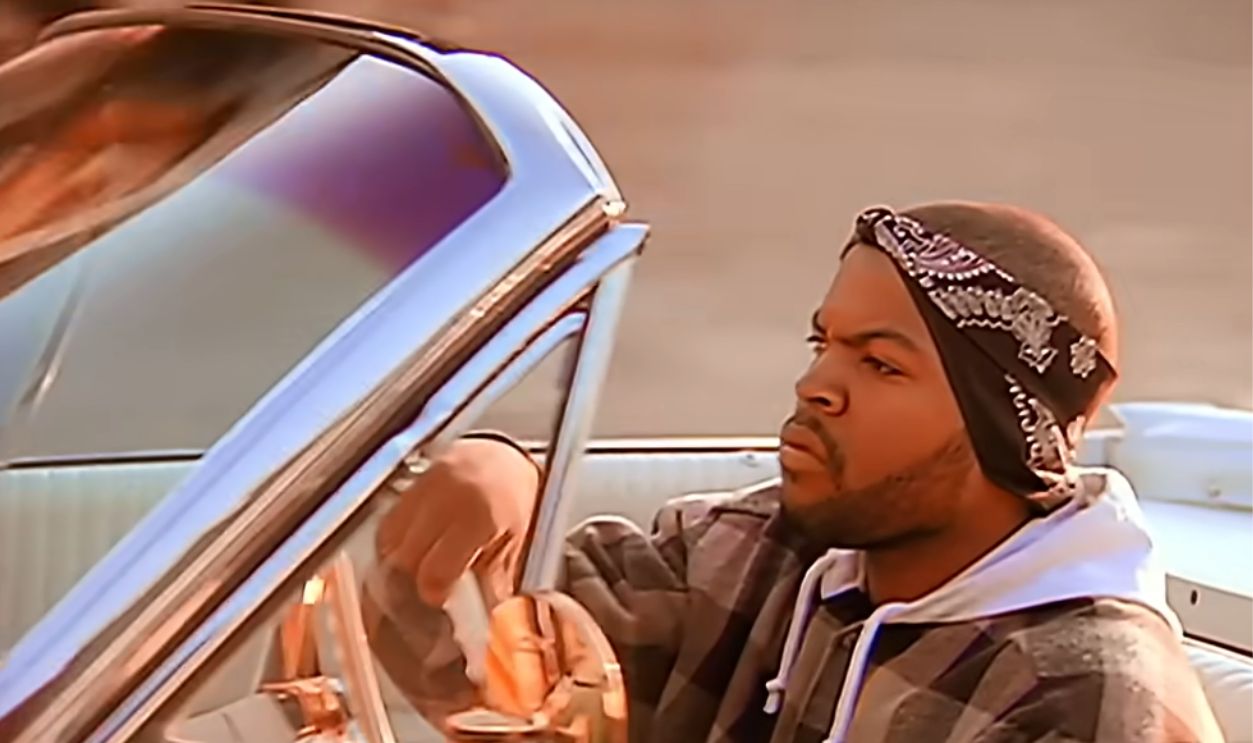 Screenshot from It Was A Good Day, Priority (1993)
Shook Ones, Pt. II
This is tension in musical form. Mobb Deep’s verses cut through the beat with a cold precision that feels almost claustrophobic. Few songs have ever captured street realism without romanticizing it quite like this, and that’s why it still sounds dangerous decades later.
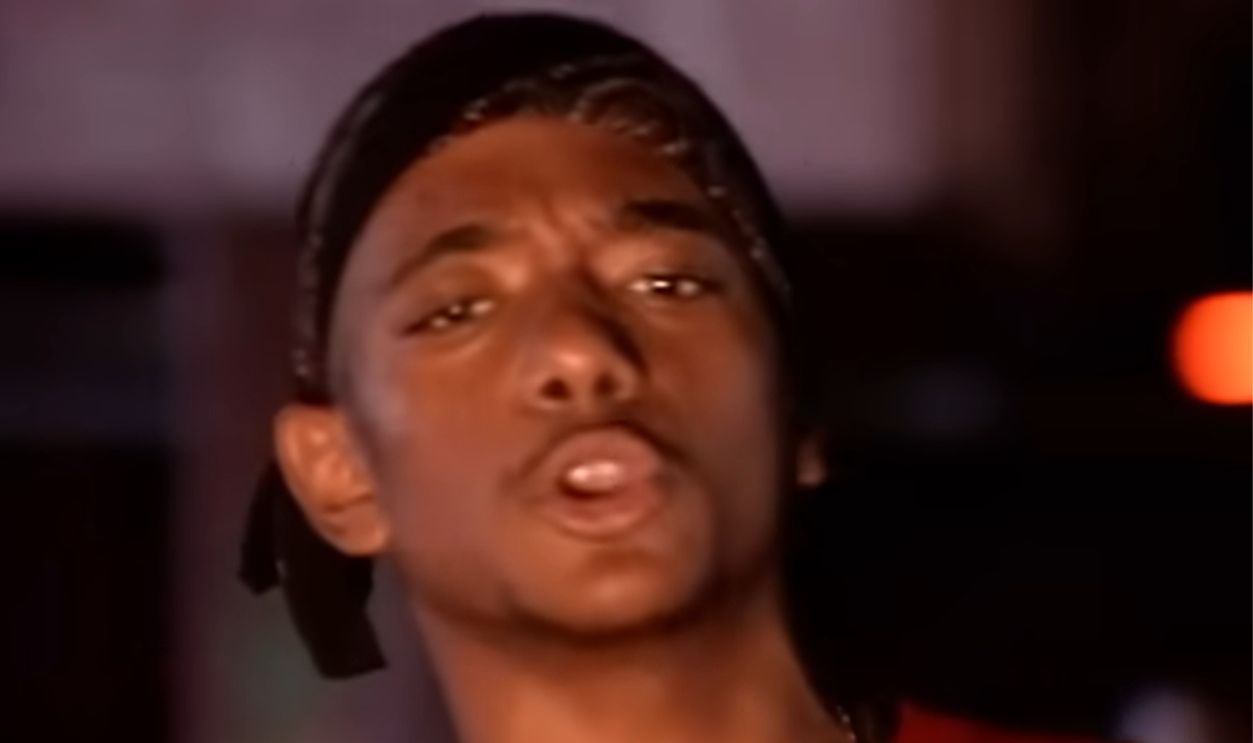 Screenshot from Shook Ones, Pt. II, Loud (1995)
Triumph
No hook. No mercy. Just a relentless parade of verses that dared you to keep up. Wu-Tang treated lyricism like a competitive sport here, turning the track into a gauntlet rather than a radio play. It’s excessive in the best possible way.
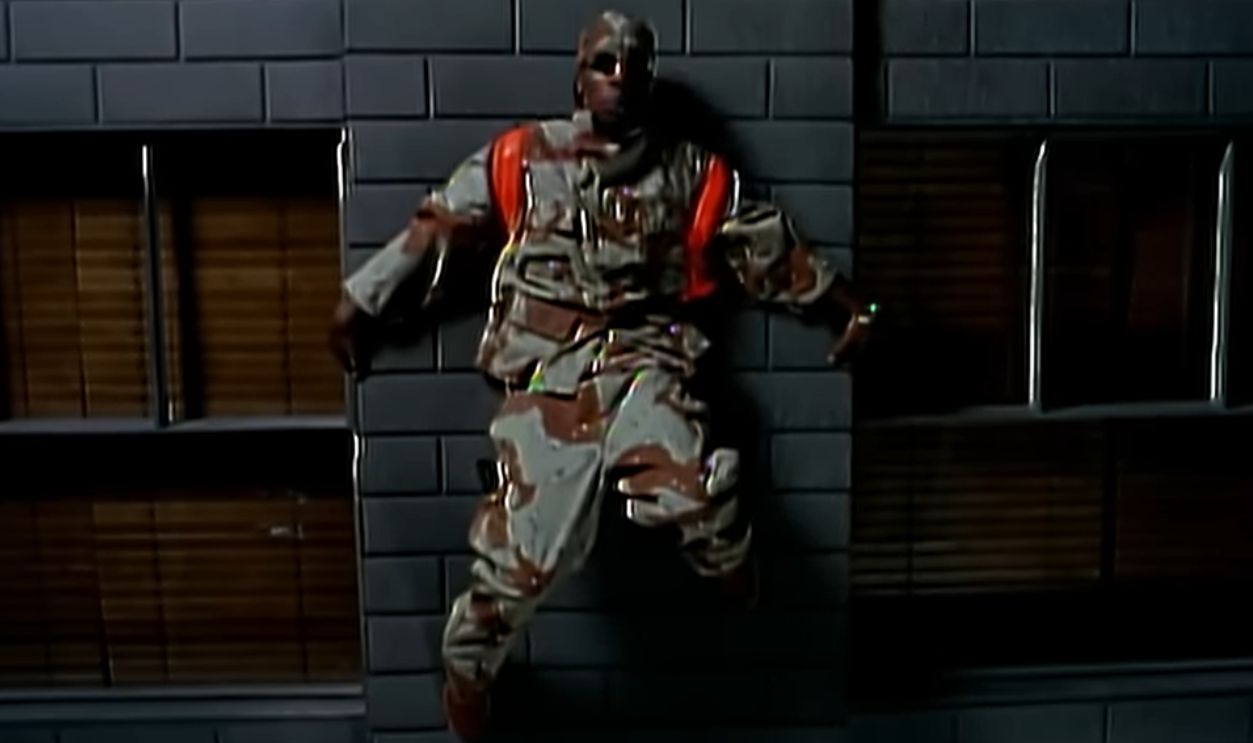 Screenshot from Triumph, Loud (1997)
I Used To Love H.E.R.
Common’s metaphor wasn’t just clever—it was surgical. By turning hip hop into a relationship, he critiqued commercialization without sounding bitter or preachy. The song asks hard questions while still sounding smooth enough to pull you in, which is a rare balance.
 Screenshot from I Used To Love H.E.R., Relativity (1994)
Juicy
This wasn’t just a success story—it was the success story. Biggie made aspiration feel accessible, grounding his rise in detail instead of fantasy. The result is a track that feels motivational without being corny, triumphant without losing authenticity.
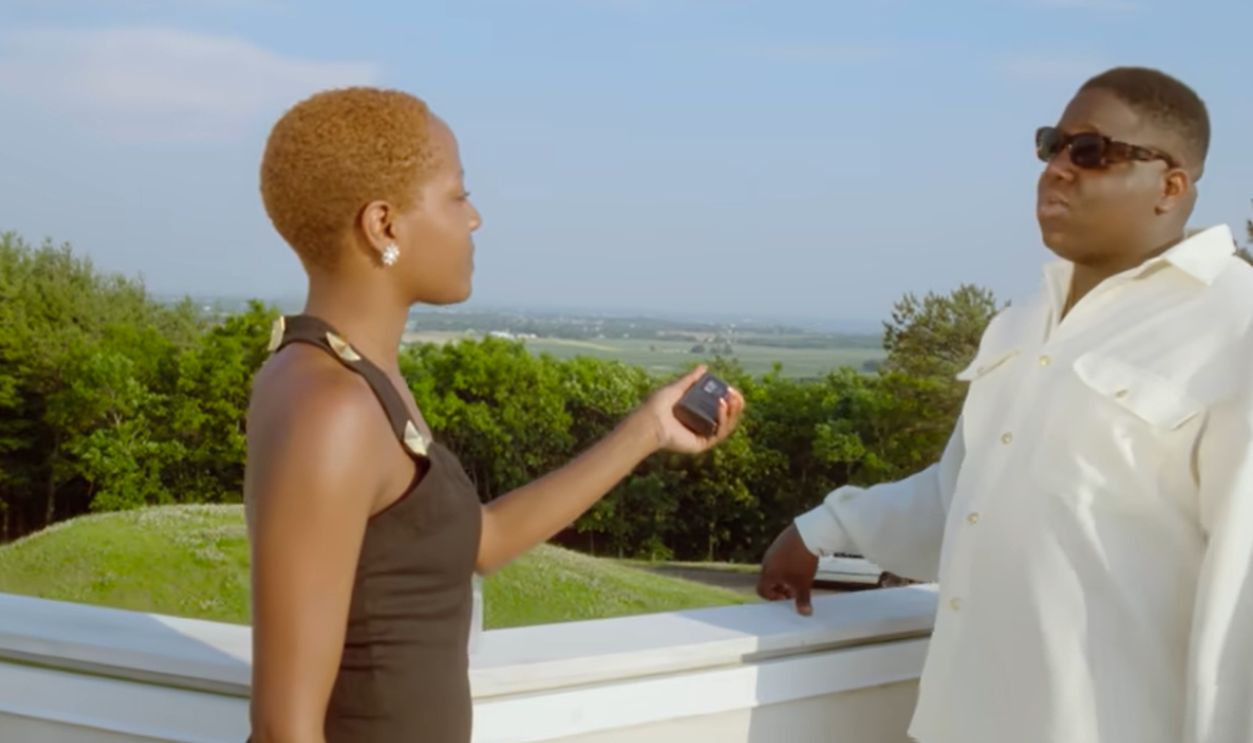 Screenshot from Juicy, Bad Boy (1994)
93 ’Til Infinity
This song floats. Souls Of Mischief delivered something effortlessly cool, where the beat feels like a breeze and the verses feel unforced. It’s the sound of youth, confidence, and possibility—captured before any of it hardens into nostalgia.
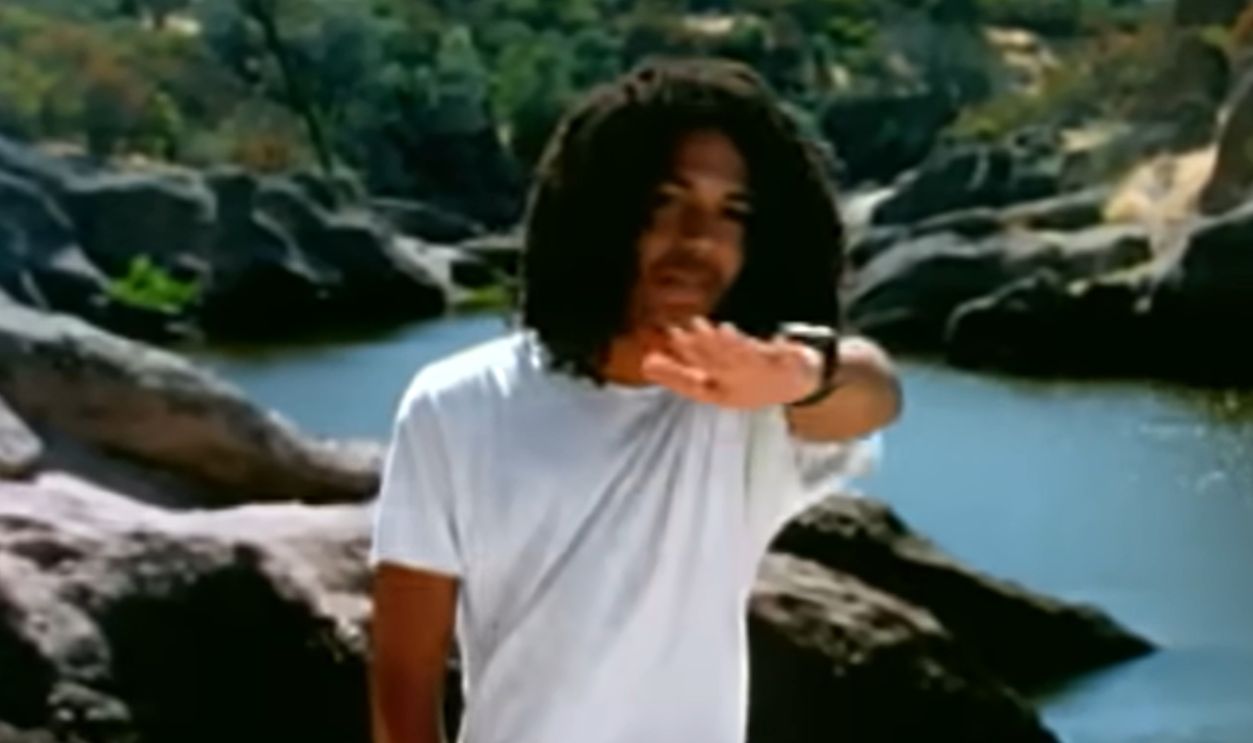 Screenshot from 93 ’Til Infinity, Jive (1993)
Mass Appeal
Gang Starr pushed back against dilution without sounding defensive. Guru’s calm authority paired with DJ Premier’s crisp production makes the message hit harder because it’s never shouted.The track stands as a reminder that staying true doesn't require yelling about it.
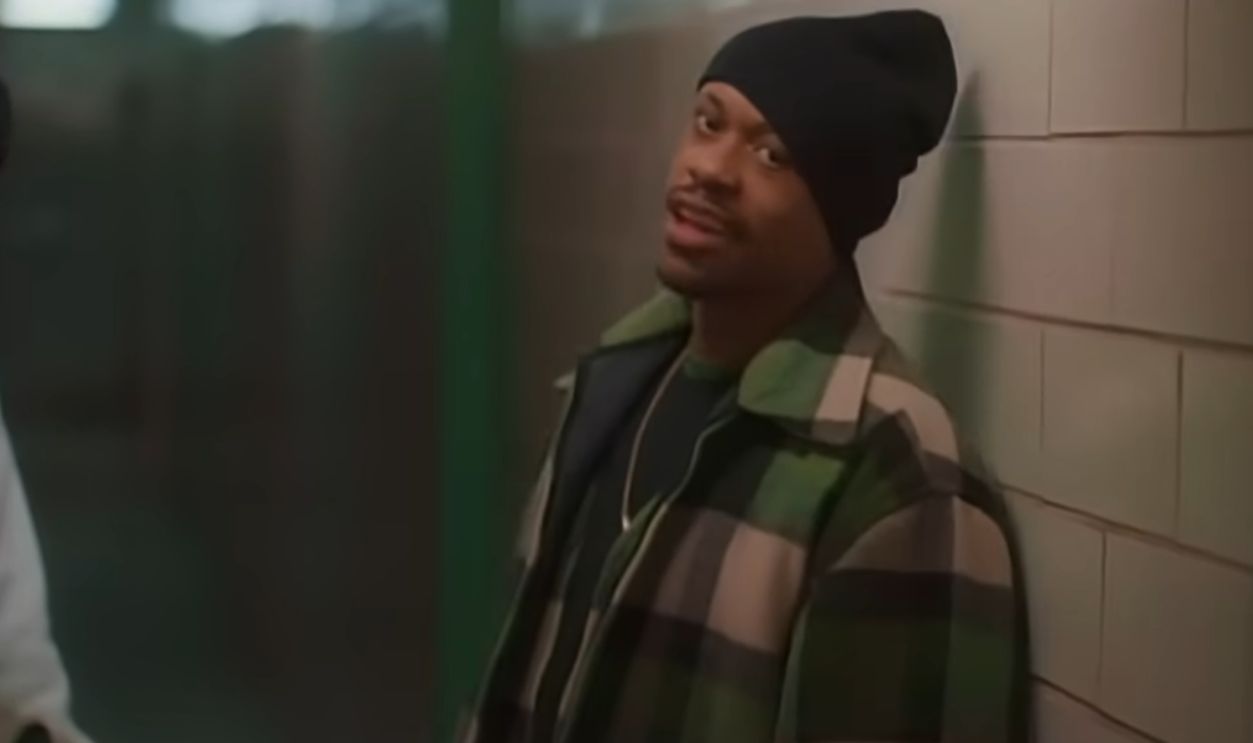 Screenshot from Mass Appeal, Chrysalis (1994)
Electric Relaxation
Smooth without being sleepy, flirty without being obvious, this song perfected laid-back confidence. A Tribe proved once again that subtlety could be just as memorable as spectacle. It’s the kind of track that sneaks up on you—and then never leaves.
 Screenshot from Electric Relaxation, Jive (1994)
Nuthin’ But A G Thang
West Coast hip hop officially stepped into the spotlight here, relaxed and unbothered. Dr. Dre’s production felt revolutionary in its simplicity, and Snoop’s debut verse sounded like he’d been doing this forever. The vibe alone changed the game.
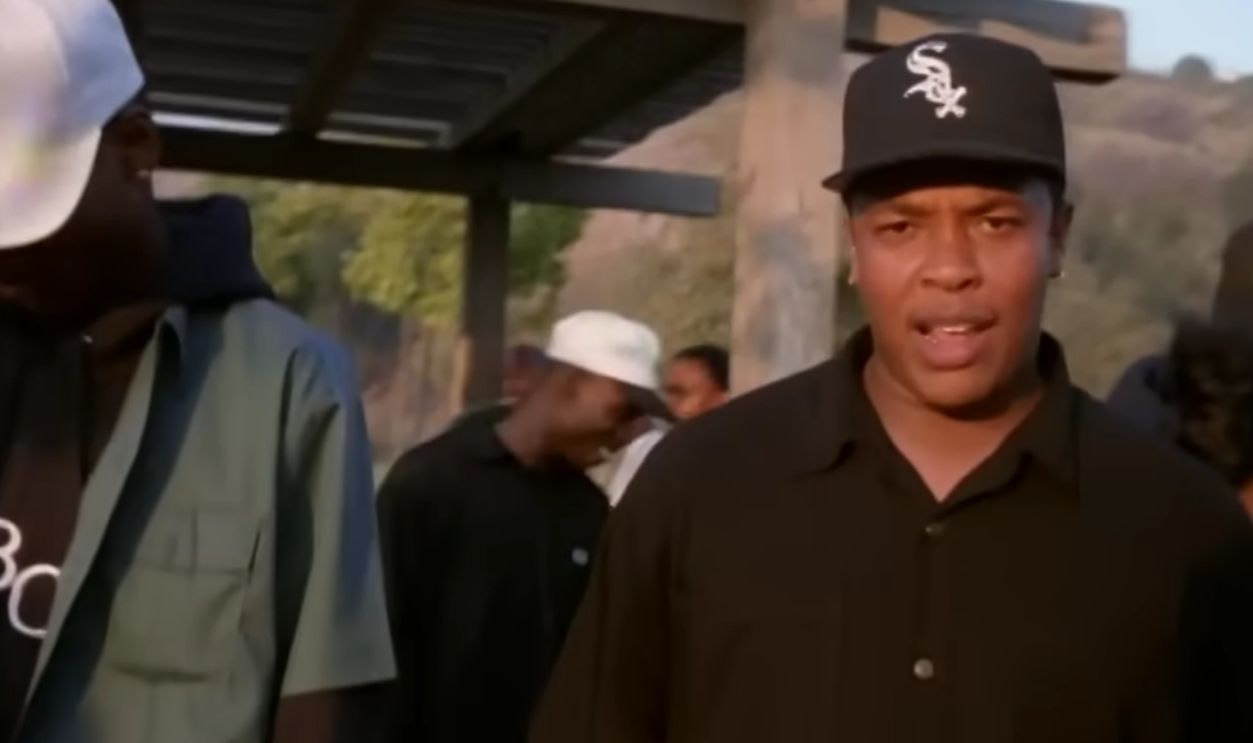 Screenshot from Nuthin’ But A G Thang, Death Row (1993)
Definition
Black Star came armed with precision and purpose. Mos Def and Talib Kweli didn’t just rap well—they meant every bar.The song feels like a mission statement for lyric-driven hip hop at a time when that felt increasingly rare.
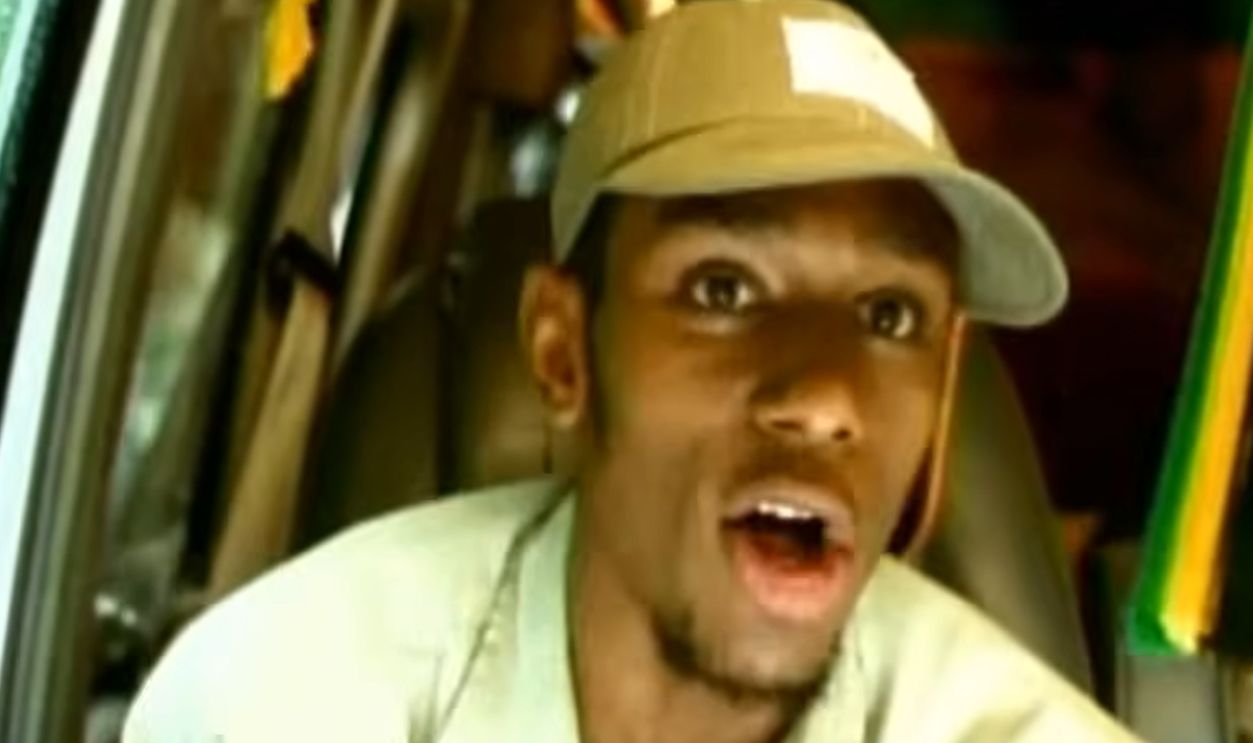 Screenshot from Definition, Rawkus (1998)
MCs Act Like They Don’t Know
KRS-One treated crowd control like a sacred skill, and this track is part sermon, part challenge. The energy is commanding without being aggressive, reminding everyone that being an MC was about responsibility, not just microphone access.
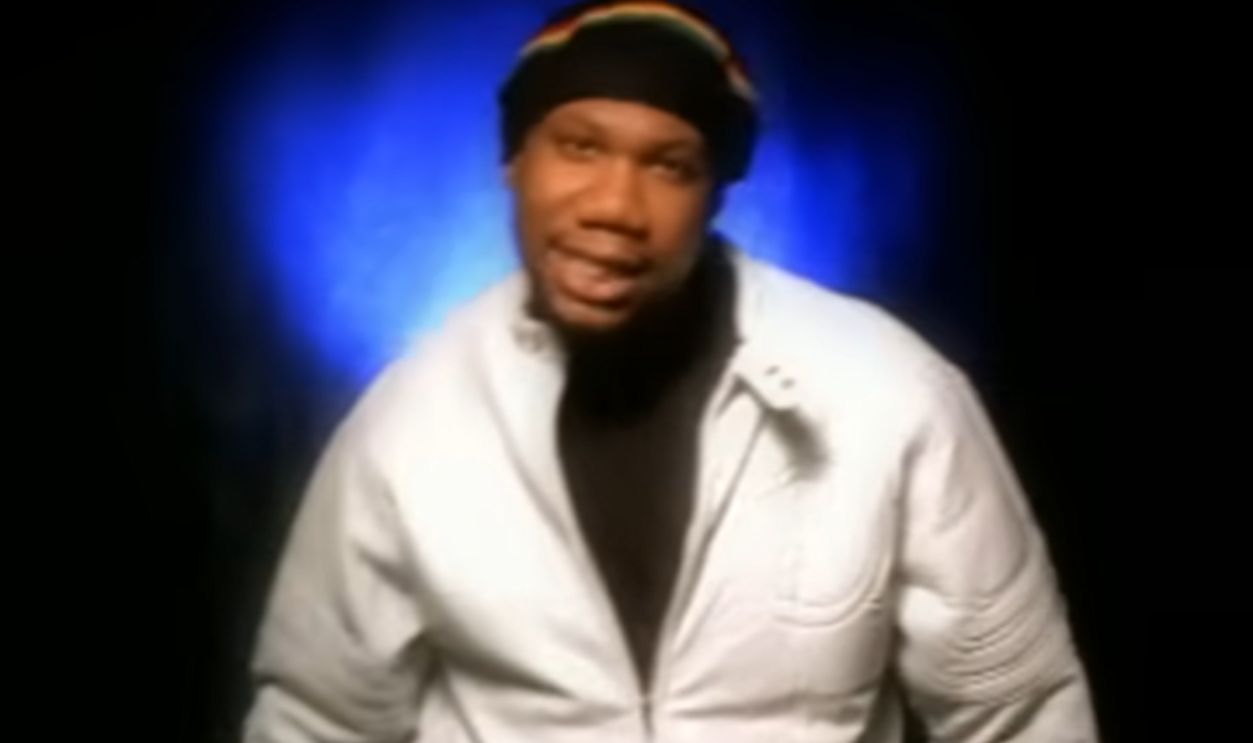 Screenshot from MCs Act Like They Don’t Know, Jive (1995)
Tha Crossroads
Bone Thugs-N-Harmony turned grief into something communal. The harmonies soften the blow, but the emotion stays raw, allowing the song to function as both memorial and comfort. It’s one of the decade’s most emotionally resonant hits.
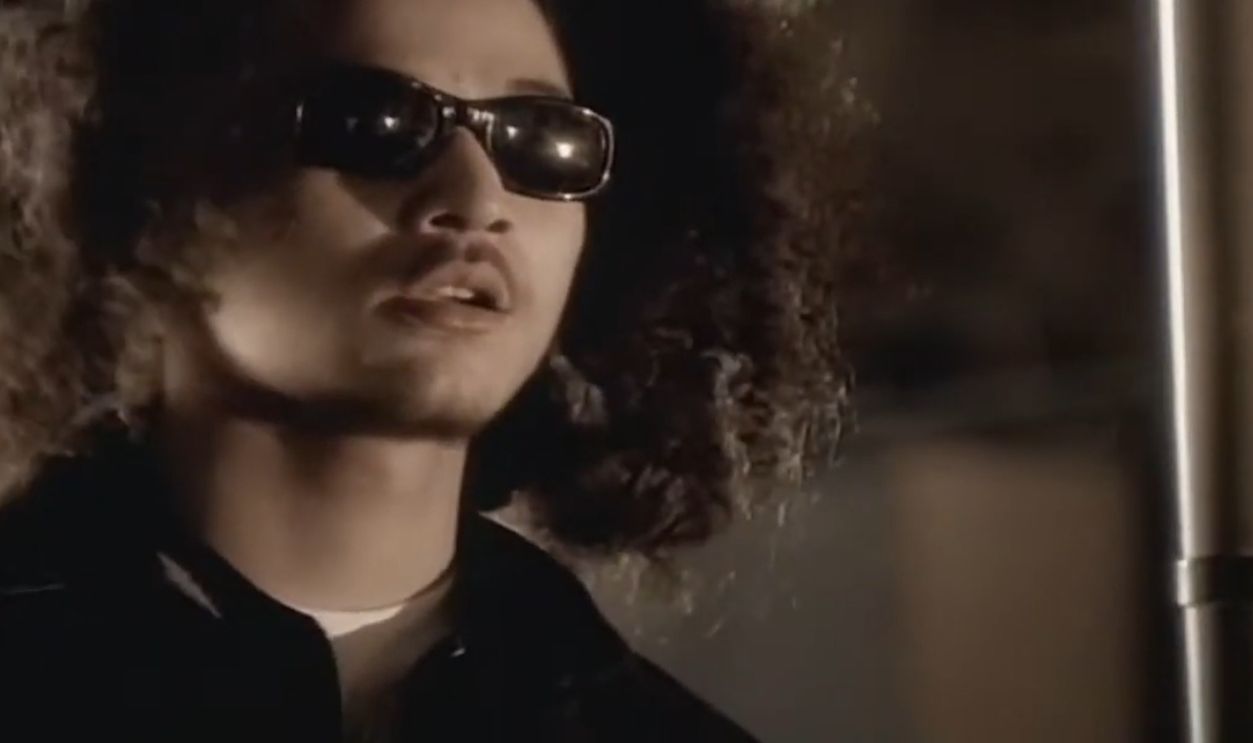 Screenshot from Tha Crossroads, Ruthless (1996)
Bonita Applebum
Playful, smooth, and effortlessly charming, this track closed the loop on what early 90s hip hop could be. It’s flirtation without excess, groove without clutter. A reminder that the best way to leave a mark is to make it simple.
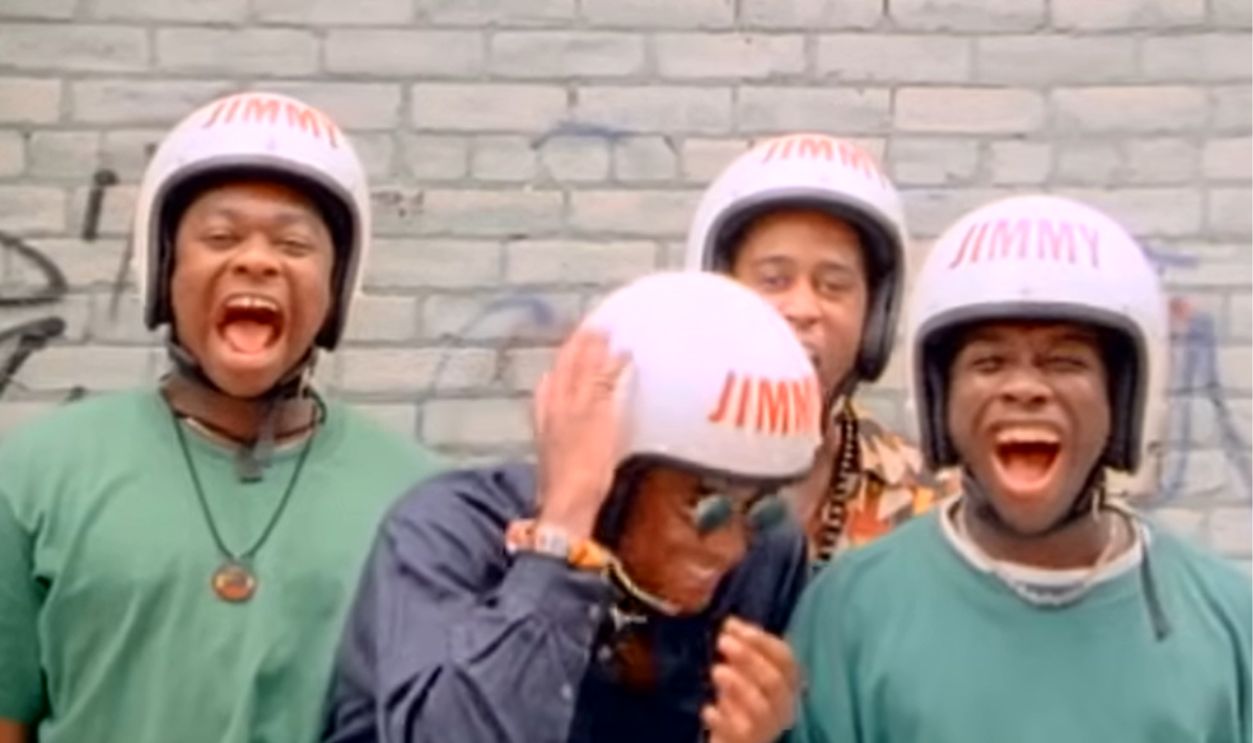 Screenshot from Bonita Applebum, Jive (1990)
You May Also Like:
Iconic Songs That Turned Nobody Singers Into Superstars
Source: 1