Career Plot Twist
Fame didn’t disappear when the radio stopped calling. It just changed rooms. A few familiar voices walked away from the stage, took unexpected seats elsewhere, and built second acts that deserve to make the highlight reel.
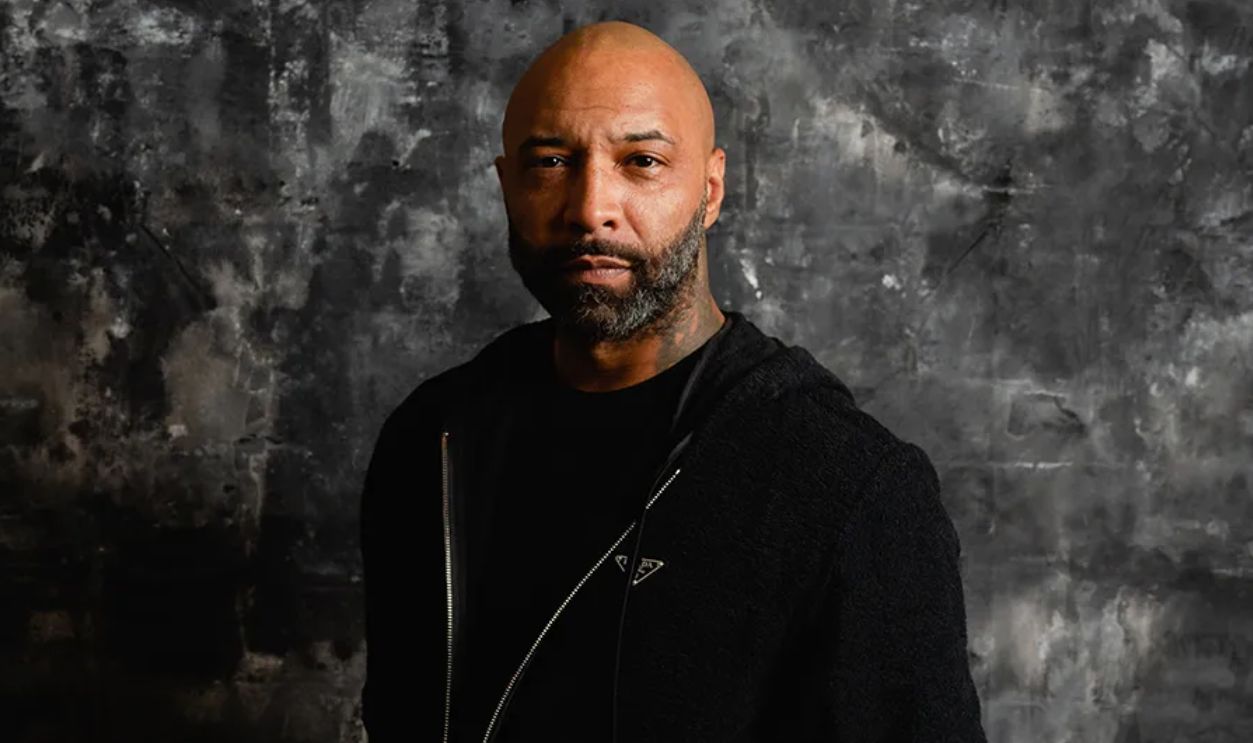
Vitamin C (Colleen Fitzpatrick)
Remember belting out "Graduation (Friends Forever)" at your high school ceremony? That saccharine-sweet anthem was the brainchild of Colleen Fitzpatrick, better known as Vitamin C. Her 2000 hit became the unofficial soundtrack to cap-and-gown moments everywhere.
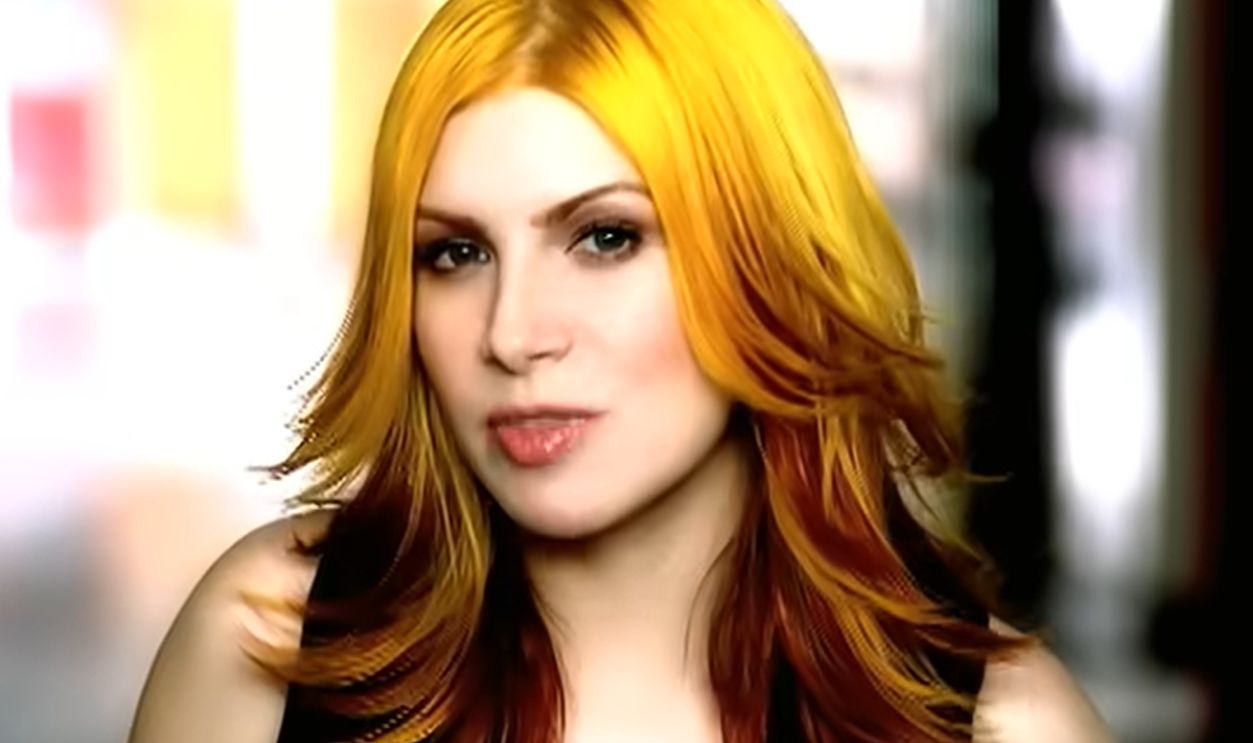 Screenshot from Graduation (Friends Forever), Elektra Records (2000)
Vitamin C (Cont.)
It peaked on the Billboard Hot 100. Well, Fitzpatrick had much bigger plans than being a one-trick pony in orange hair. Fast forward to today, and she's one of the most powerful music executives in streaming. After her pop career fizzled, Fitzpatrick pivoted hard into the corporate world.
Vitamin C (Cont.)
She first served as VP of Music at Nickelodeon in 2012, then landed at Netflix in 2019 as an executive overseeing music creative production for original series. She's the mastermind behind the music in shows like Julie and the Phantoms and has worked with everyone, even Miley Cyrus.
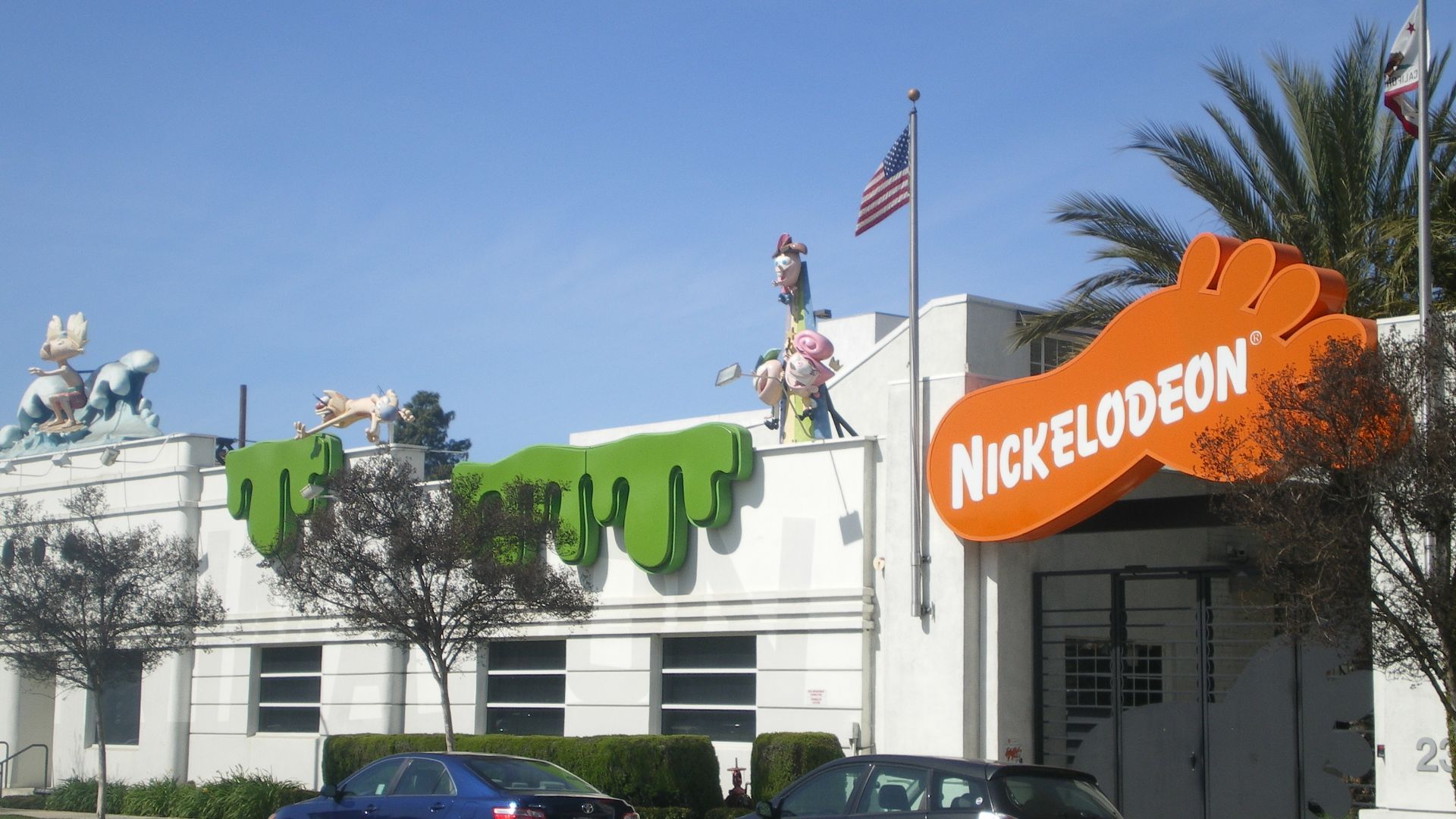 Cbl62 (talk), Wikimedia Commons
Elliot Lurie (Looking Glass)
"You're a Fine Girl" hit #1 on the Billboard Hot 100 in August 1972, selling over a million copies and becoming one of the year's most-played songs. Elliot Lurie, the song's writer and Looking Glass frontman, penned what would become a yacht rock classic.

Elliot Lurie (Cont.)
It was later immortalized when Kurt Russell's character in Guardians of the Galaxy Vol 2 called it "possibly Earth's greatest composition”. But after the band's 1974 breakup and a failed solo album, Lurie faced a harsh reality: the music industry wasn't calling back.
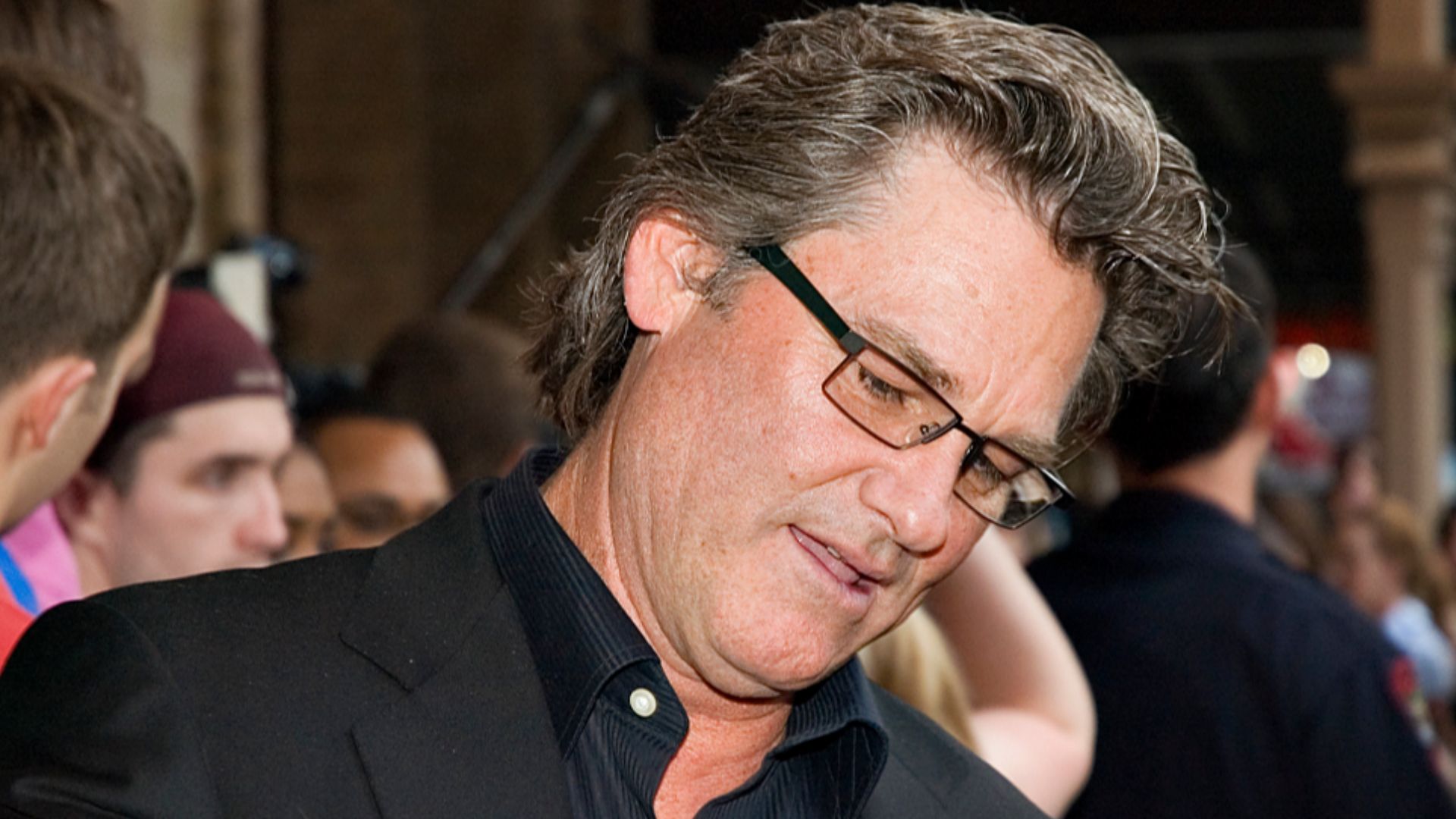 Jeff Balke. (Flickr profile)., Wikimedia Commons
Elliot Lurie (Cont.)
So he answered a different call entirely. In 1984, Lurie shifted to Los Angeles and reinvented himself as a film music supervisor, eventually becoming head of the music department at 20th Century Fox in 1985. Over the next two decades, he oversaw soundtracks for major films including Alien 3, A Night at the Roxbury, Riding in Cars with Boys, and Spanglish.

Joe Budden
Despite releasing seven more albums and joining the supergroup Slaughterhouse, Budden never recaptured that lightning-in-a-bottle moment that he did with “PumpItUp”. By 2016, he'd officially retired from rapping, apparently destined to fade into obscurity like many other one-hit wonders before him.
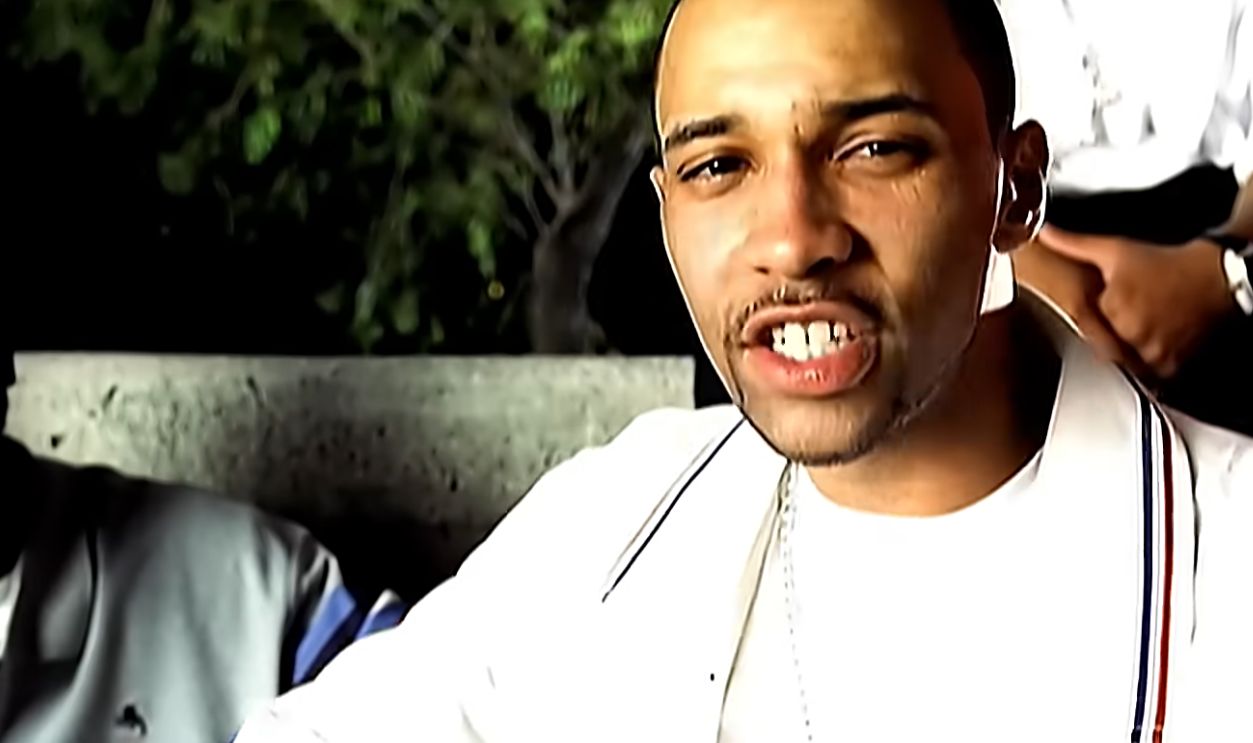 Screenshot from Pump It Up, Def Jam Recordings (2003)
Joe Budden (Cont.)
Then came the podcast revolution, and Budden became its undisputed king. "The Joe Budden Podcast," launched in 2015, turned him into a media mogul, earning over $20 million annually by 2025. 70,000 paid Patreon subscribers generated $1 million per month.
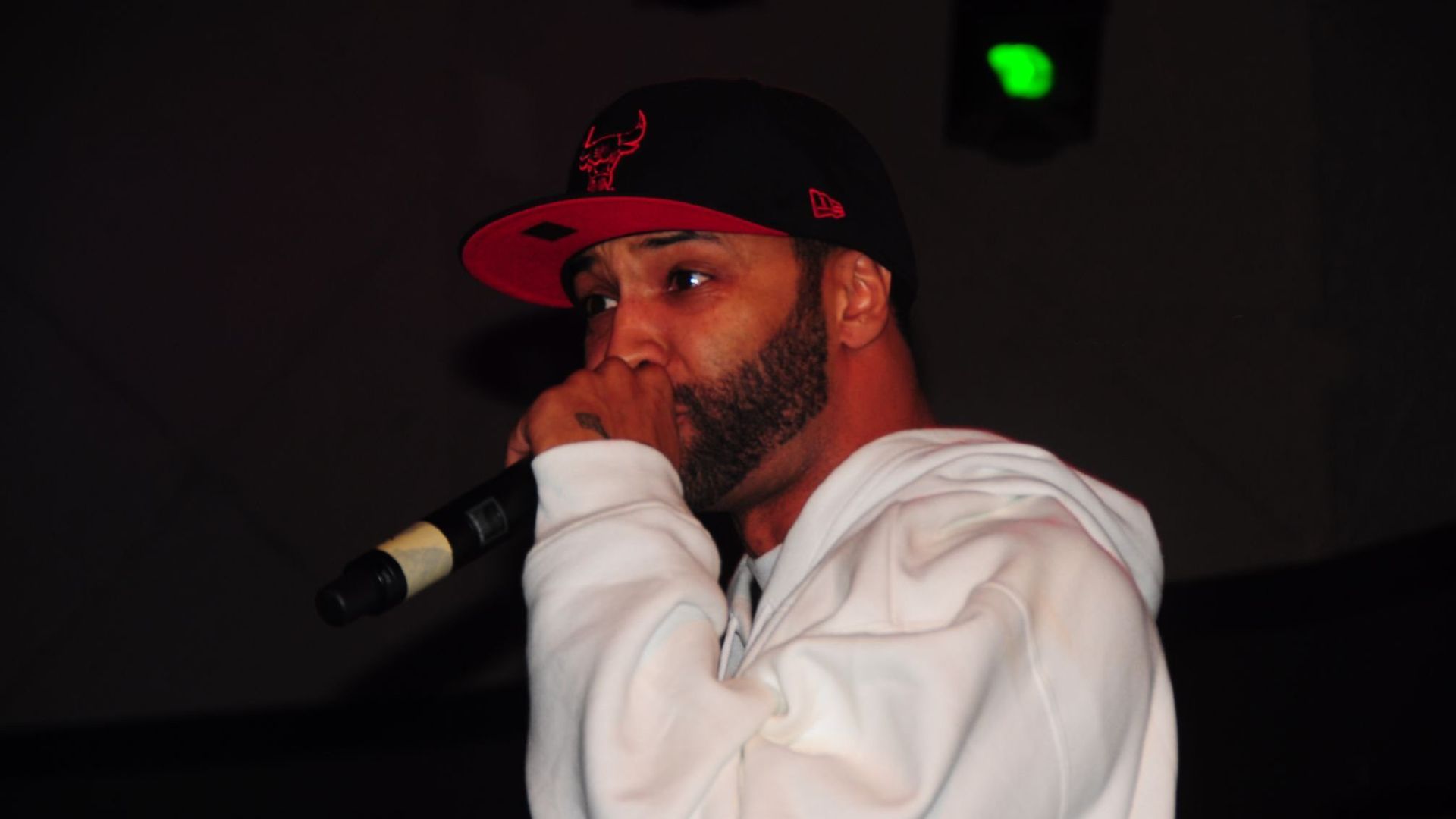 InkwellDesignGroup, Wikimedia Commons
Biz Markie
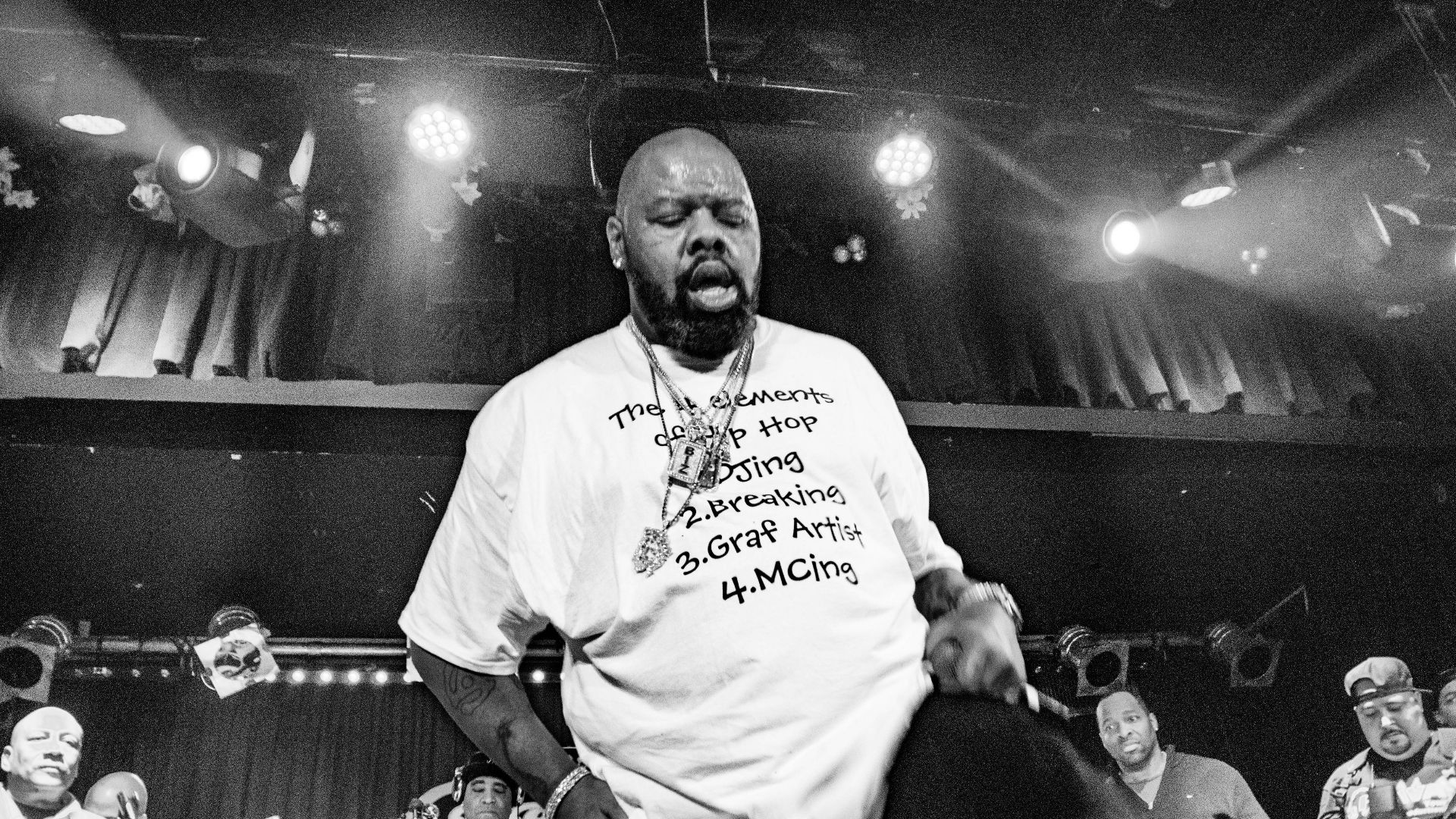
The "Clown Prince of Hip Hop" dropped "Just a Friend" in 1989, and that off-key singing hook became impossible to escape. Biz Markie's hilariously earnest delivery made the track a cultural touchstone, but his subsequent albums never matched that success.
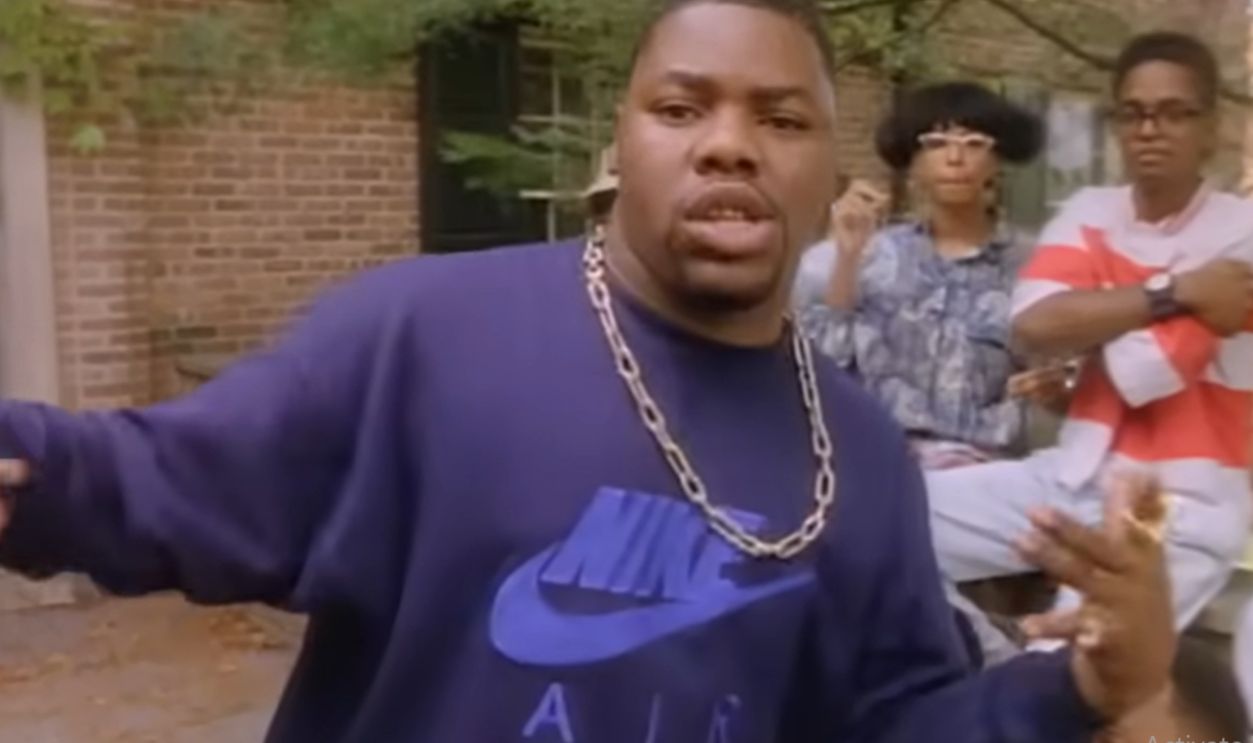 creenshot from Just a Friend, Cold Chillin' Records (1989)
Biz Markie (Cont.)
After a landmark 1991 copyright lawsuit over unauthorized sampling essentially ended his recording momentum, most artists would've disappeared into the nostalgia circuit. Instead, Biz became Hollywood's favorite beatboxing character actor. He played an alien in Men in Black II (2002) whose native language was literally beatboxing.
 https://www.flickr.com/photos/fuseboxradio/, Wikimedia Commons
Biz Markie (Cont.)
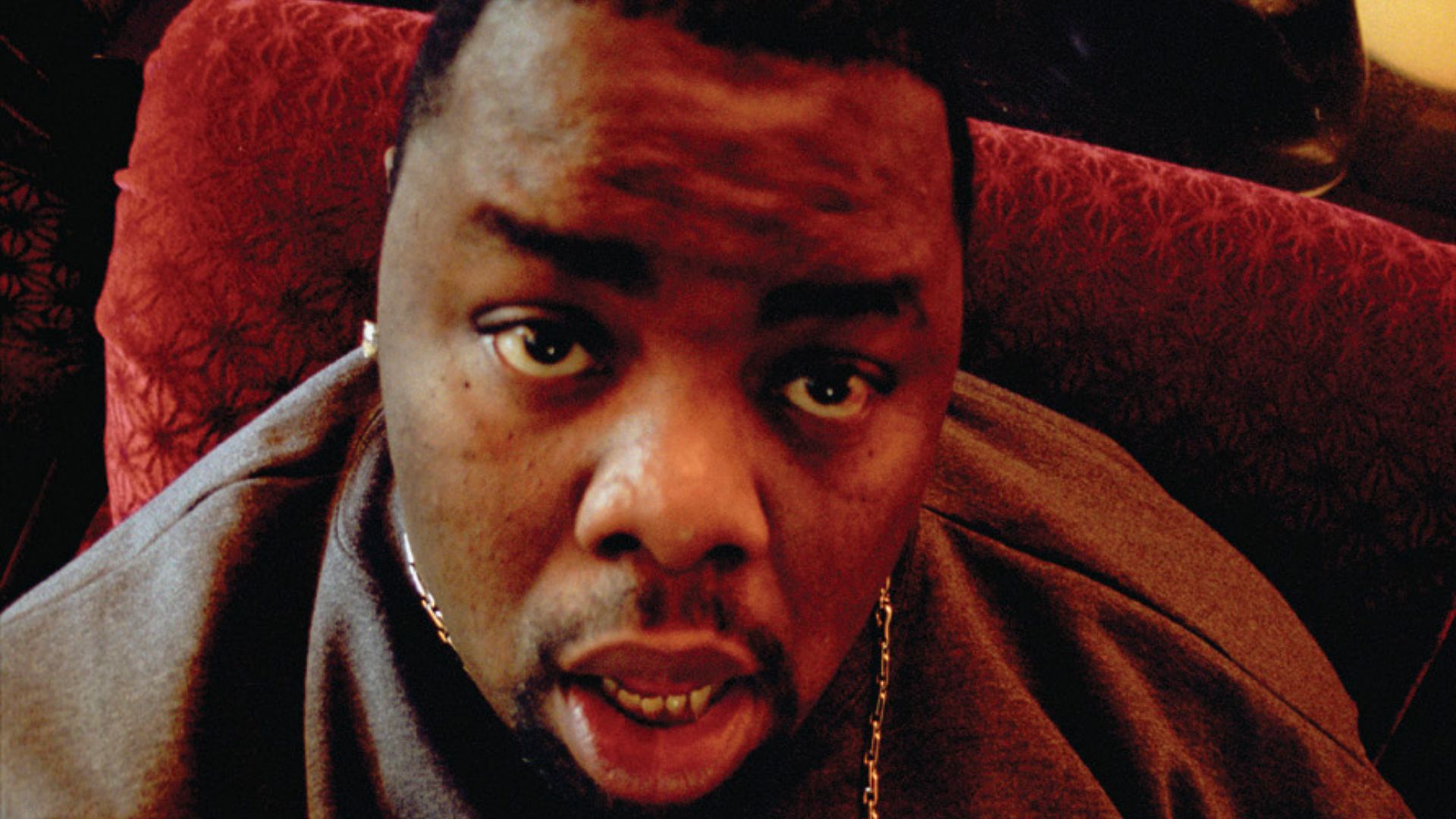
He then became a regular on Nick Cannon's Wild 'N Out and voiced characters on SpongeBob SquarePants and Adventure Time. His “Biz's Beat of the Day" segment on the children's show Yo Gabba Gabba! introduced a whole new generation to his talents.
 Mika-photography, Wikimedia Commons
David Fenton (The Vapors)
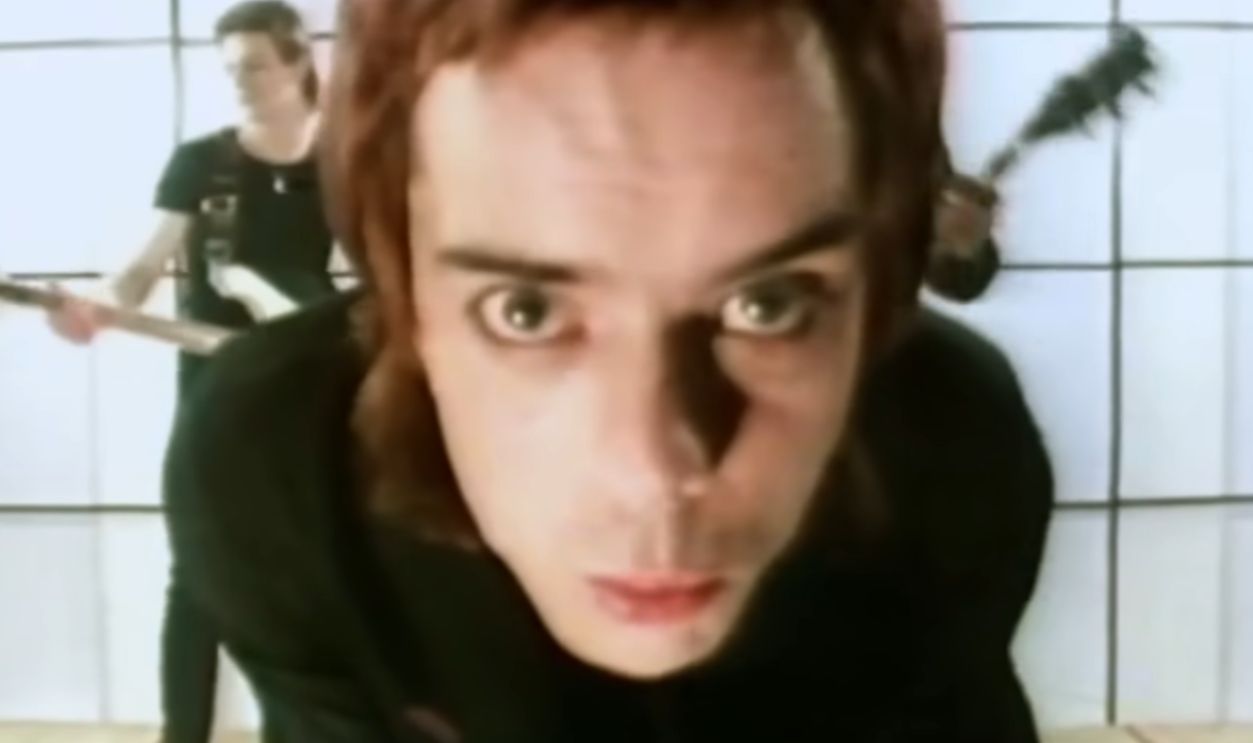
The song, "Turning Japanese’s” mysterious lyrics sparked endless speculation (David Fenton, who wrote it, still denies it's about what everyone thinks), but commercial success proved fleeting. After their second album failed and EMI showed zero support, the band split in 1982, leaving Fenton at a crossroads.
 Screenshot from Turning Japanese, United Artists Records (1980)
David Fenton (Cont.)
He chose law books over tour buses. After continuing music for another decade, Fenton joined the legal profession in the early 1990s, specializing in—wait for it—music law. From 1999 to 2016, he worked as an in-house solicitor for the Musicians' Union in London, spending 17 years protecting the rights of artists.

Matthew Wilder
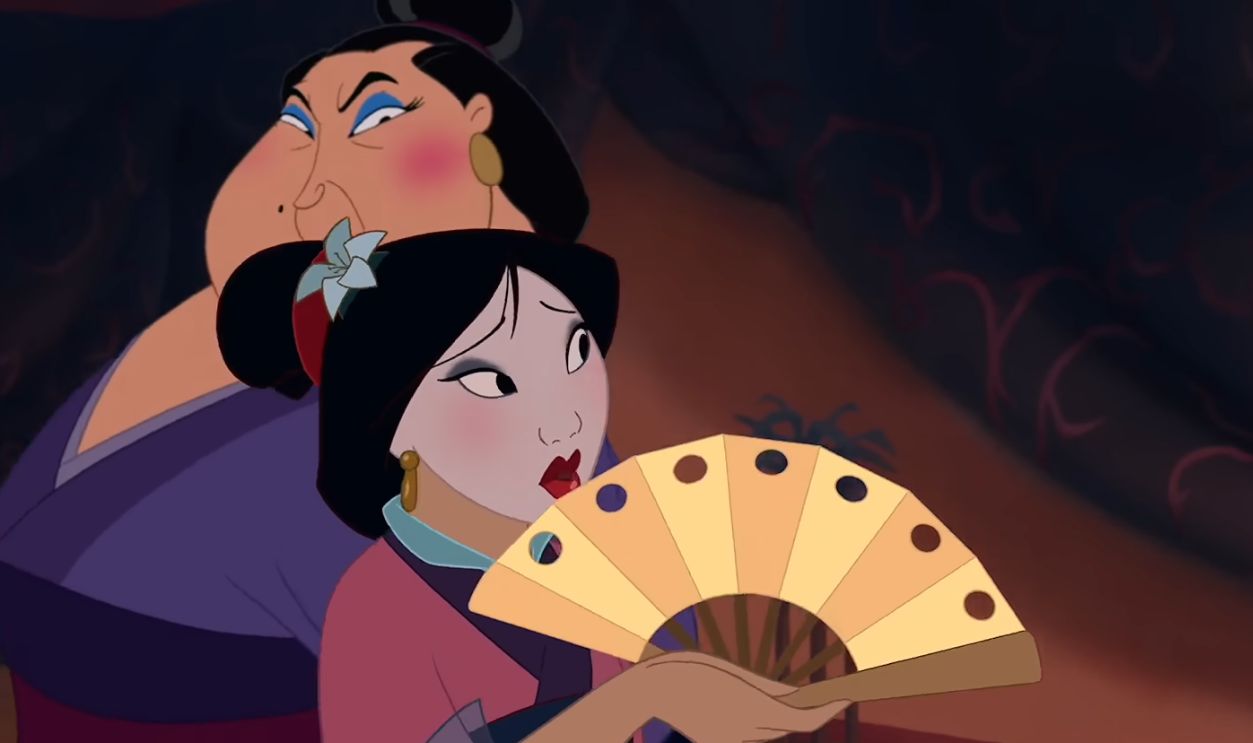
Since the late 1990s, Wilder has become one of Disney's go-to composers and producers, working his magic on everything from Mulan to The Lizzie McGuire Movie. He not only wrote and produced tracks for the 1998 animated classic Mulan but also provided the singing voice for Ling.
 Screenshot from Mulan, Walt Disney Pictures (1998)
Matthew Wilder (Cont.)
Before that, Wilder's 1983 synth-pop earworm "Break My Stride" had climbed to #5 on the Billboard Hot 100, cementing itself as an aerobics-class staple of the decade. But while his own recording career stalled after that initial burst of success, Wilder found a lucrative second life.
 Matthew Wilder, Wikimedia Commons
Gregg Alexander (New Radicals)
When "You Get What You Give" exploded onto the radio in 1998, the New Radicals seemed poised for superstardom. Instead, frontman Gregg Alexander issued a press release in 1999 announcing the band's breakup, confessing he'd "lost interest in fronting a 'One Hit Wonder'".
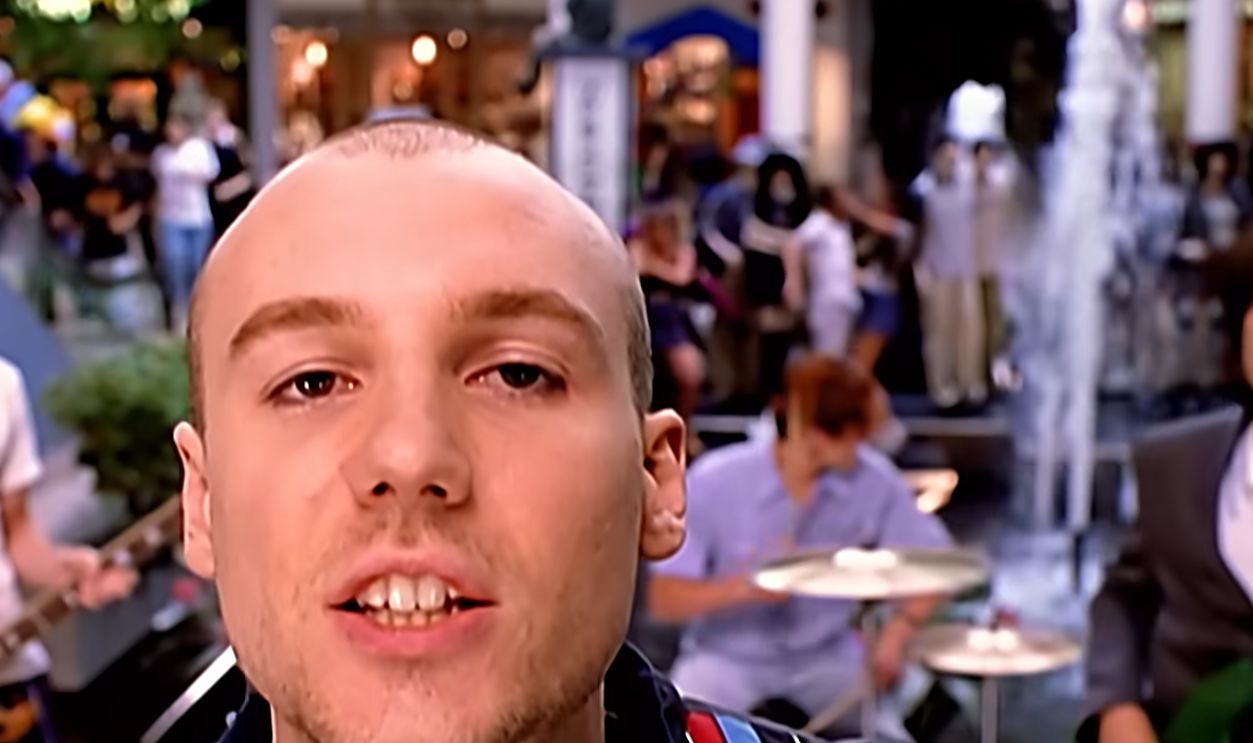 Screenshot from You Get What You Give, MCA Records (1998)
Gregg Alexander (Cont.)
He was “wearing a hat while performing so that people wouldn't see my lack of enthusiasm”. Alexander disappeared from performing but turned into one of pop music's most successful ghostwriters. He penned "Life Is a Rollercoaster" for Ronan Keating and "Murder on the Dancefloor" for Sophie Ellis-Bextor.
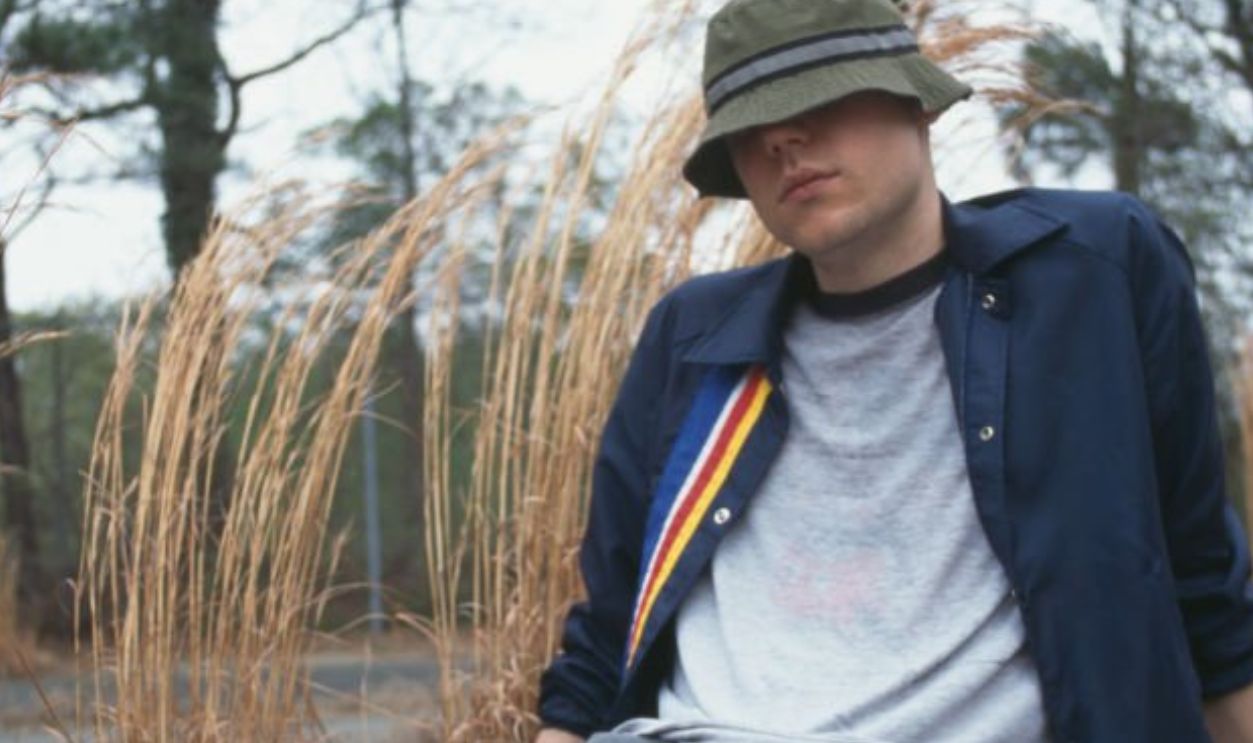 Singer and songwriter Gregg Alexander of American rock group the New Radicals, 1999.
Gregg Alexander (Cont.)
This one went viral again thanks to the 2023 film Saltburn. His work on the 2013 film Begin Again earned him an Oscar nomination for Lost Stars. In a 2018 Billboard interview, he admitted to being "a lost star, in some respects," wondering if he'd walked away from his "larger, true destiny”.
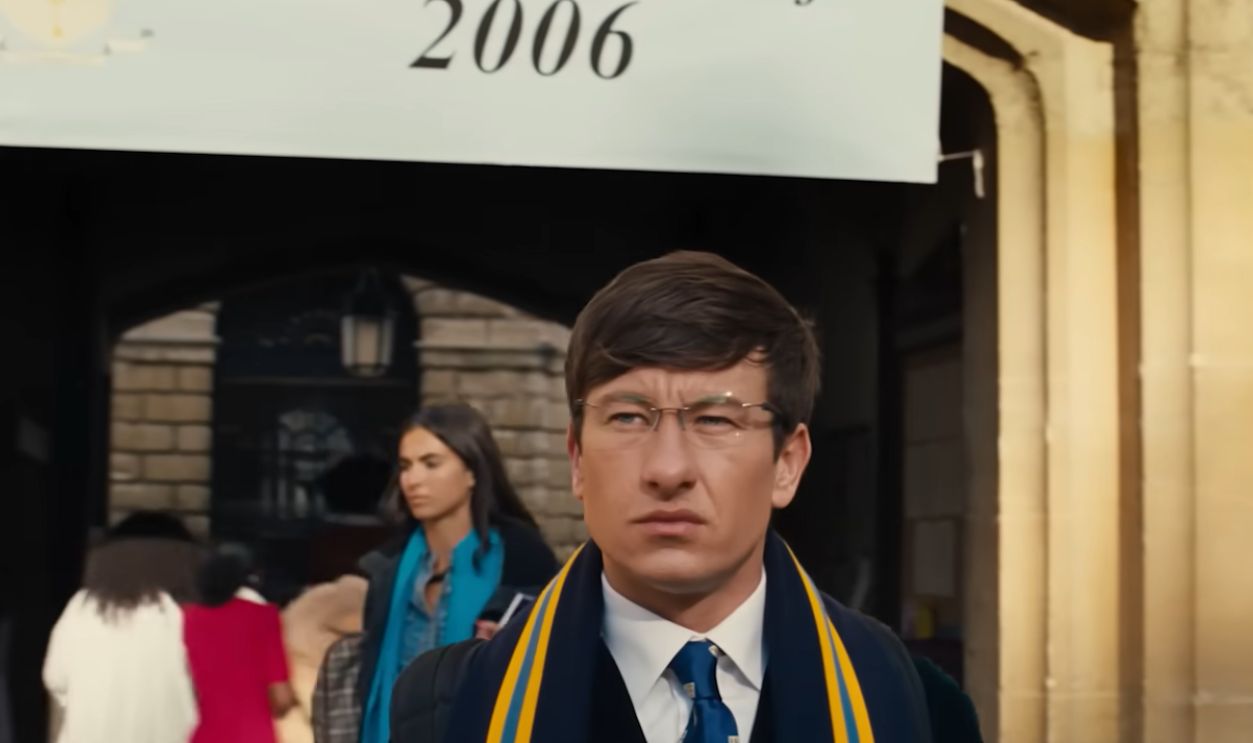 Screenshot from Saltburn, Amazon MGM Studios (2023)
Mark Mothersbaugh (Devo)
Devo's robotic new wave anthem "Whip It" cracked the Top 20 in 1980. When their record company collapsed and left them in "kind of a netherworld," as Mothersbaugh told Entertainment Weekly, he found himself with unexpected free time. His friend Paul Reubens (Pee-wee Herman) asked him to compose music for "Pee-wee's Playhouse”.
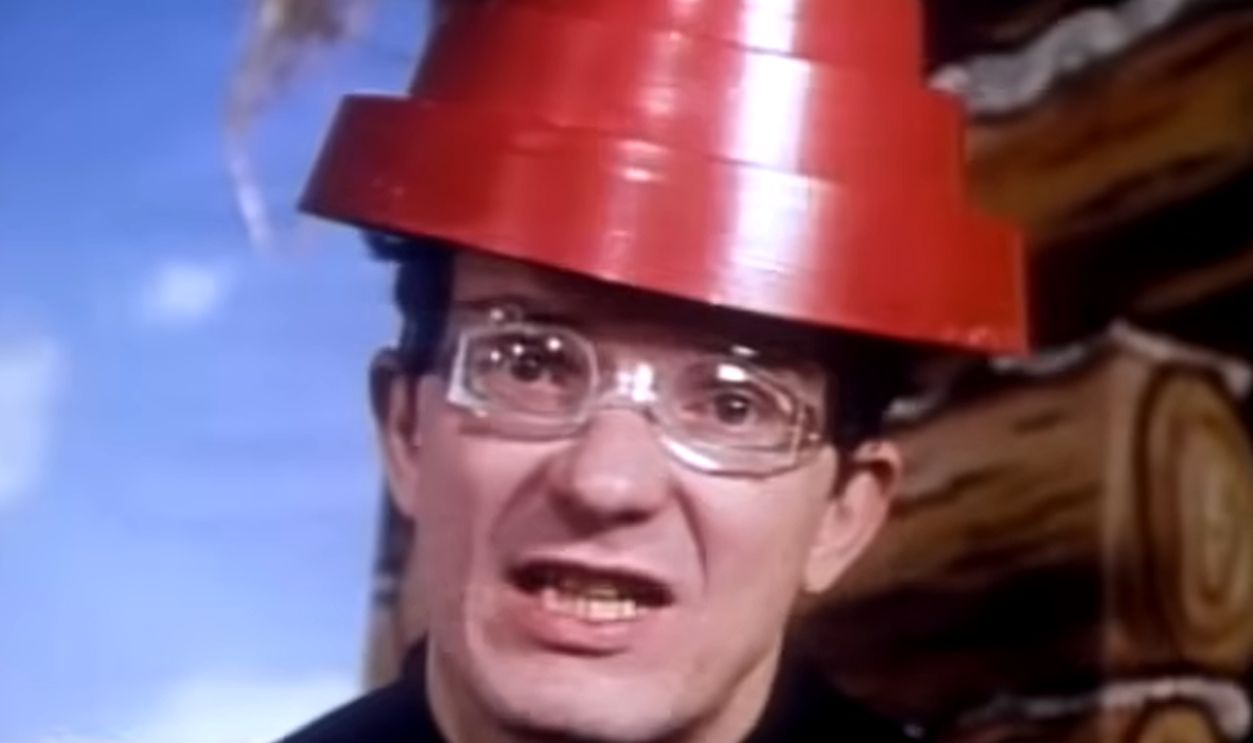 Screenshot from Whip It, Warner Bros. Records (1980)
Mark Mothersbaugh (Cont.)
And suddenly Mothersbaugh discovered a career path he'd never considered. That first TV gig led to founding Mutato Muzika in 1989, a production company that would go on to score blockbusters like The Lego Movie and Thor: Ragnarok, plus beloved shows like Rugrats (all 172 episodes).
 Frank Schulenburg, Wikimedia Commons
Mark Mothersbaugh (Cont.)
He became Wes Anderson's go-to composer, scoring Rushmore, The Royal Tenenbaums, and The Life Aquatic with Steve Zissou. Mothersbaugh also conquered the video game world with music for The Sims and Crash Bandicoot series.
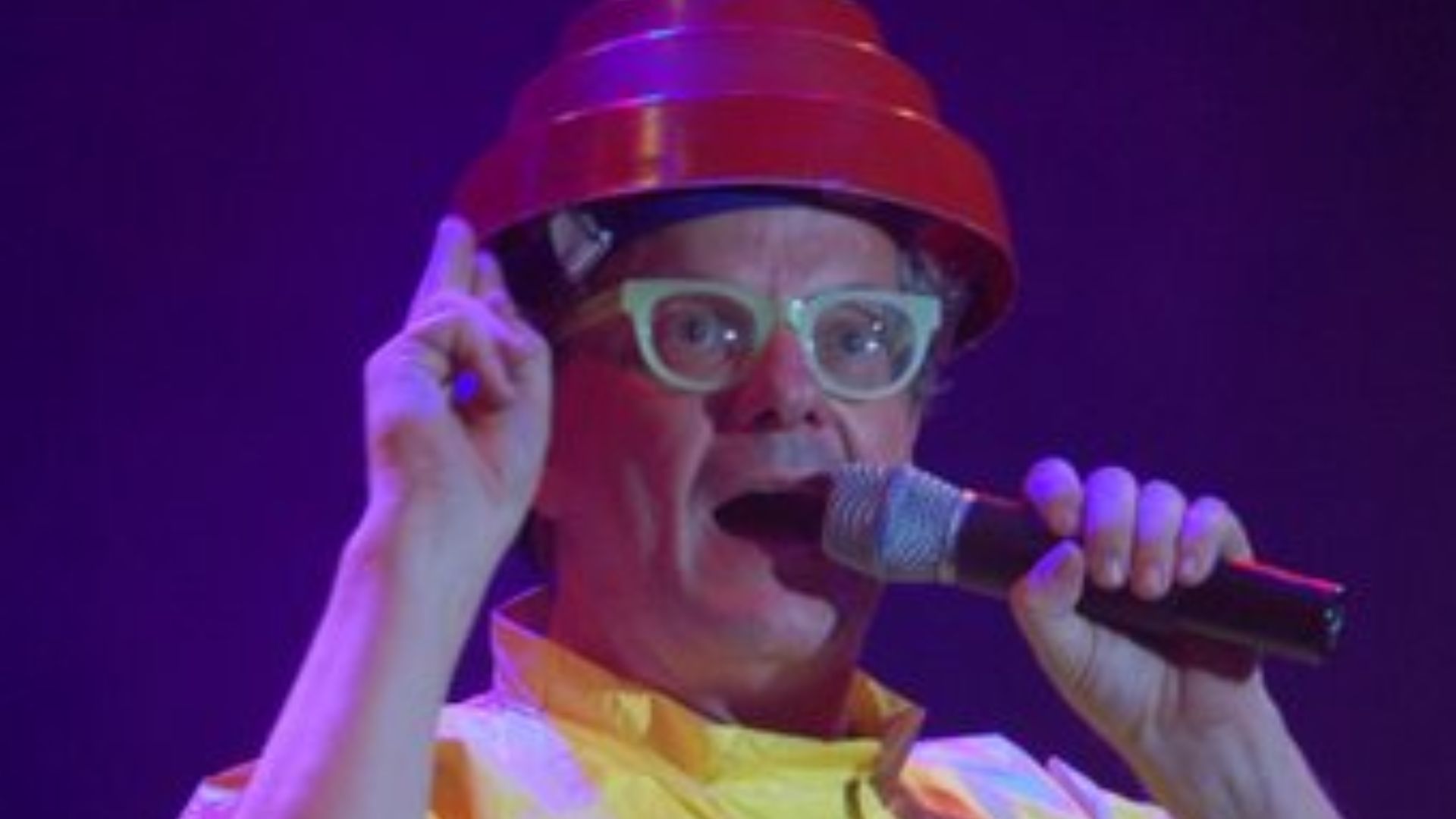 Corentin LAMY, Wikimedia Commons
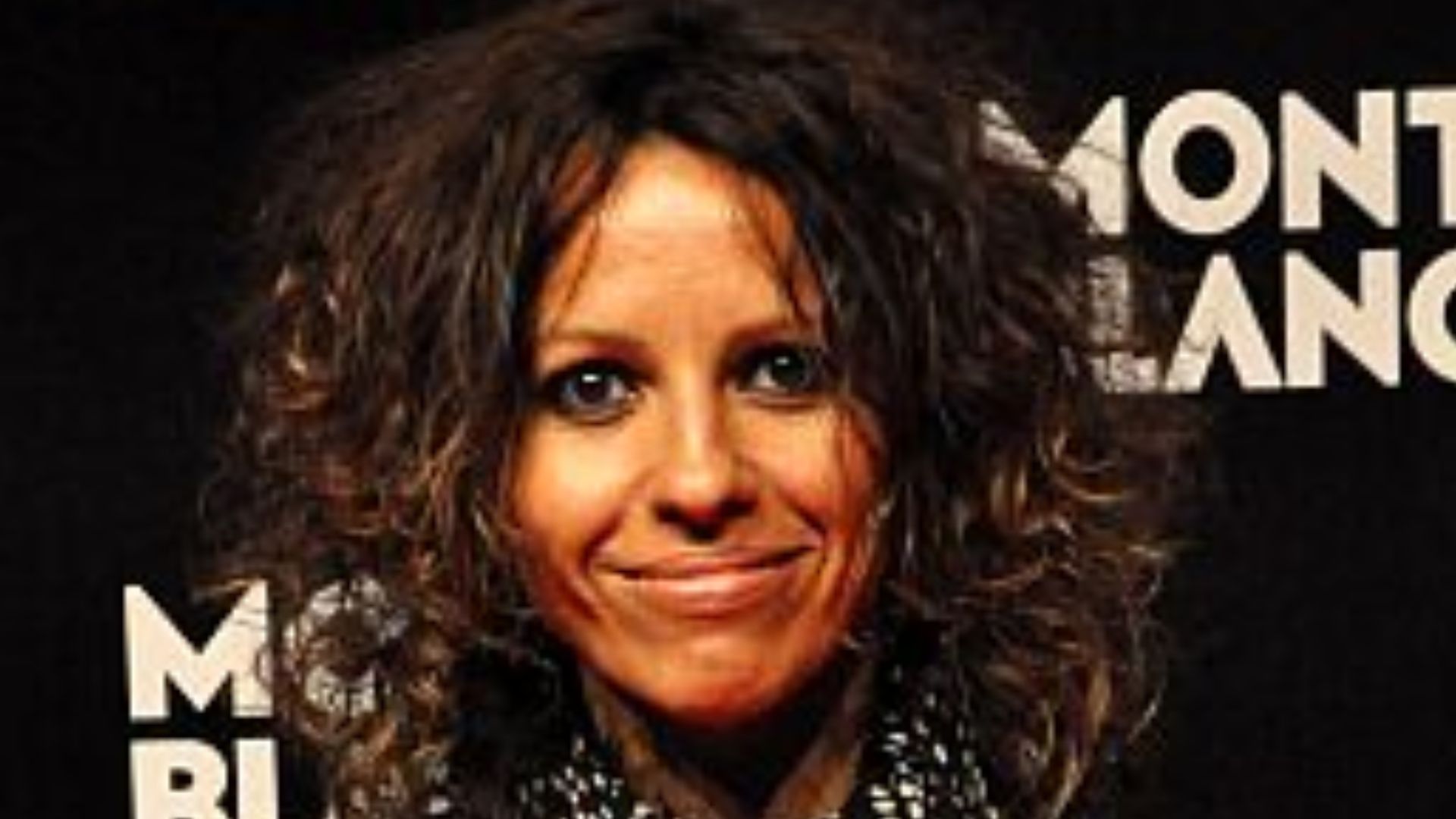
Linda Perry (4 Non Blondes)
Perry left the band 4 Non Blondes, frustrated with the industry and ready to move on. While messing around with new music software in the early 2000s and deliberately singing "every cliched line I can think of," she accidentally wrote “Get the Party Started”.
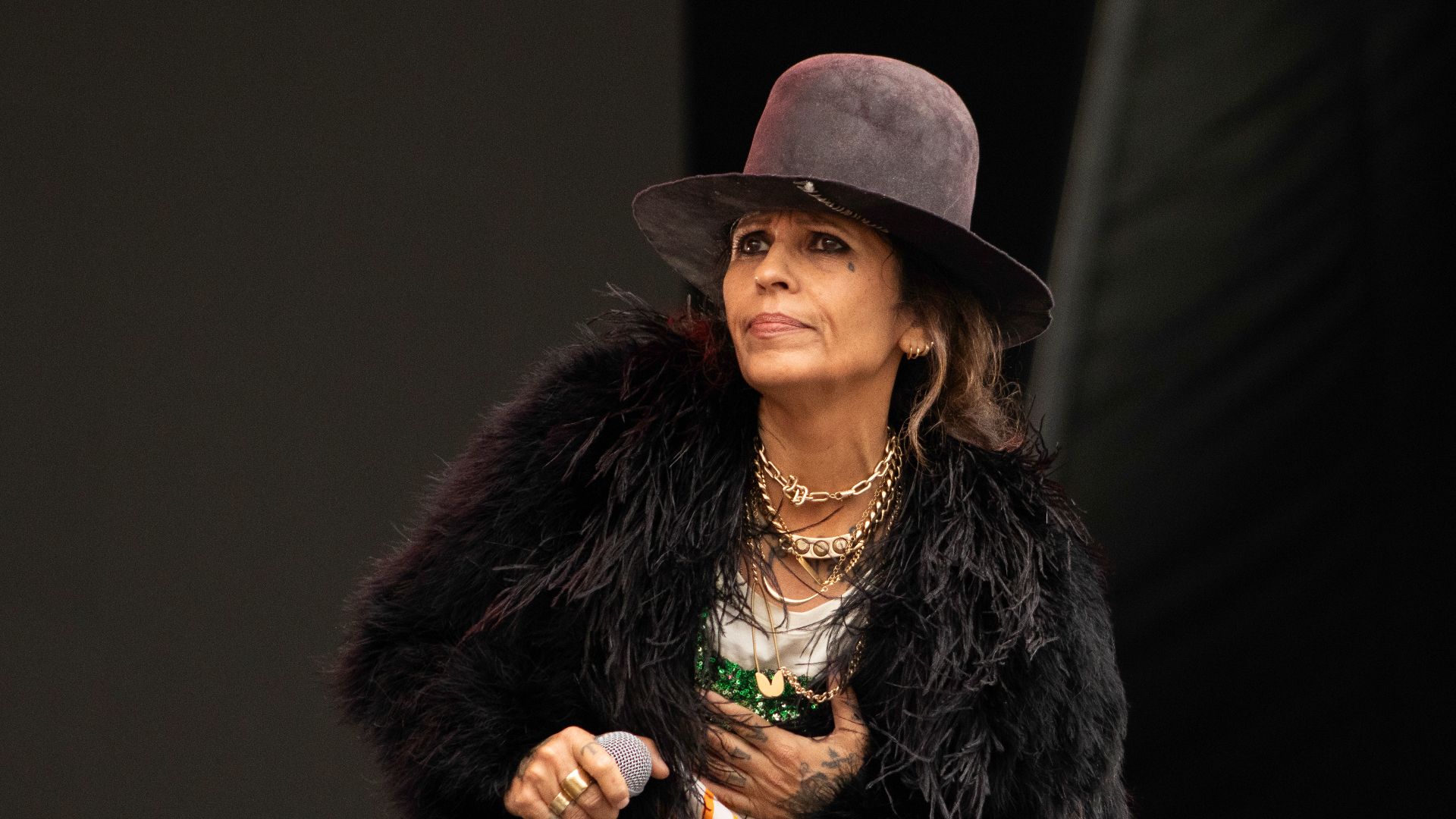 DiegoVigueras, Wikimedia Commons
Linda Perry (Cont.)
She gave it to Pink, and the song rocketed to #4 on the Hot 100. Next came "Beautiful" for Christina Aguilera, which hit #2 and won a Grammy—a song Perry initially wrote as her comeback single before deciding to gift it away.
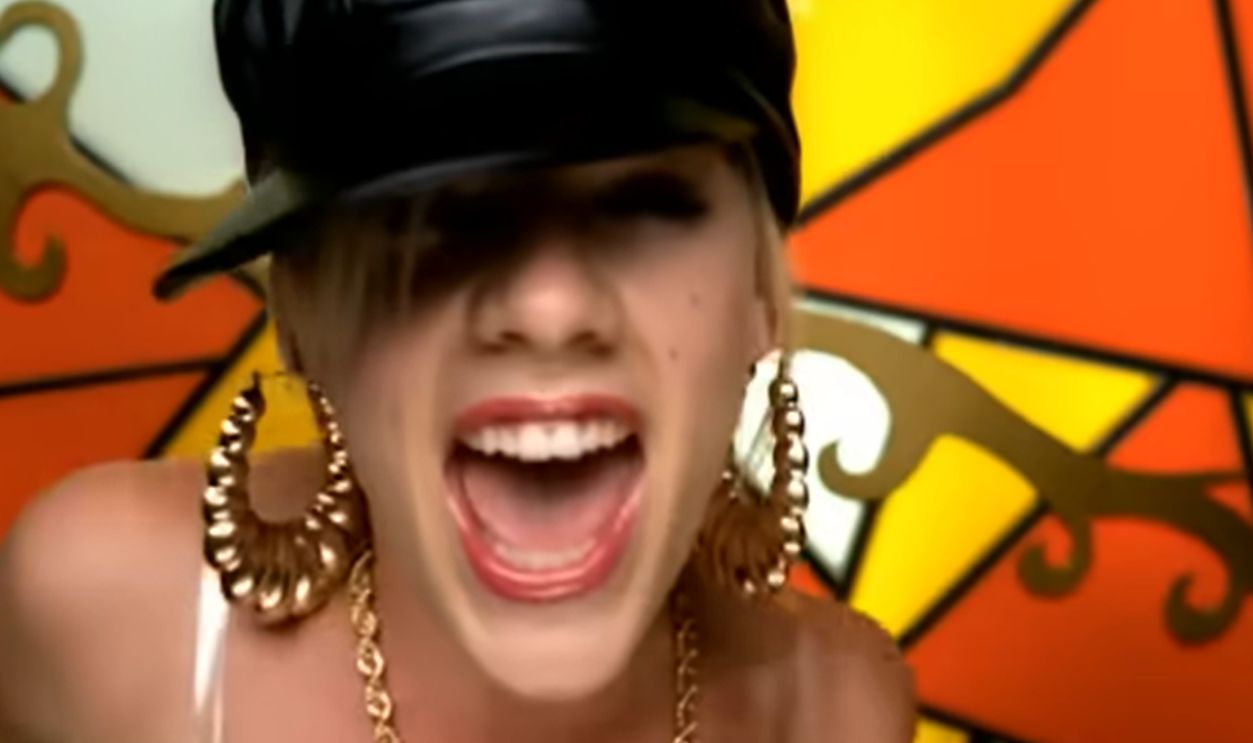 Screenshot from Get the Party Started, Arista Records (2001)
Linda Perry (Cont.)
Since then, she's founded two record labels (Rockstar Records and We Are Hear) and written hits for Gwen Stefani, Alicia Keys, and Kelly Osbourne. Perry's famously selective about who gets her songs, declaring, “I don't just give songs to people. They have to earn them”.