When Pain Turned Into Power Chords
Rock music has always had a way of confronting the darkest parts of life head-on. Some songs come from heartbreak. Others come from war, disaster, injustice, or personal loss. Instead of looking away, these artists turned real tragedies into something lasting. The result is music that feels heavier not just because of distortion or volume, but because of the truth behind it.
Don McLean – “American Pie”
“American Pie” famously references “the day the music died,” the 1959 plane crash that took the lives of Buddy Holly, Ritchie Valens, and The Big Bopper. Beyond that, the lyrics reflect cultural shifts and loss of innocence throughout the 1960s. Its storytelling feels nostalgic yet mournful.

P.O.D. – “Youth Of The Nation”
“Youth of the Nation” was written in the aftermath of the 1999 Columbine High School shooting. P.O.D. were reportedly on their way to a promotional event at a nearby school when they heard the news. The song reflects on youth violence, bullying, and isolation. Its restrained verses and explosive chorus capture confusion and grief without sensationalizing the tragedy.
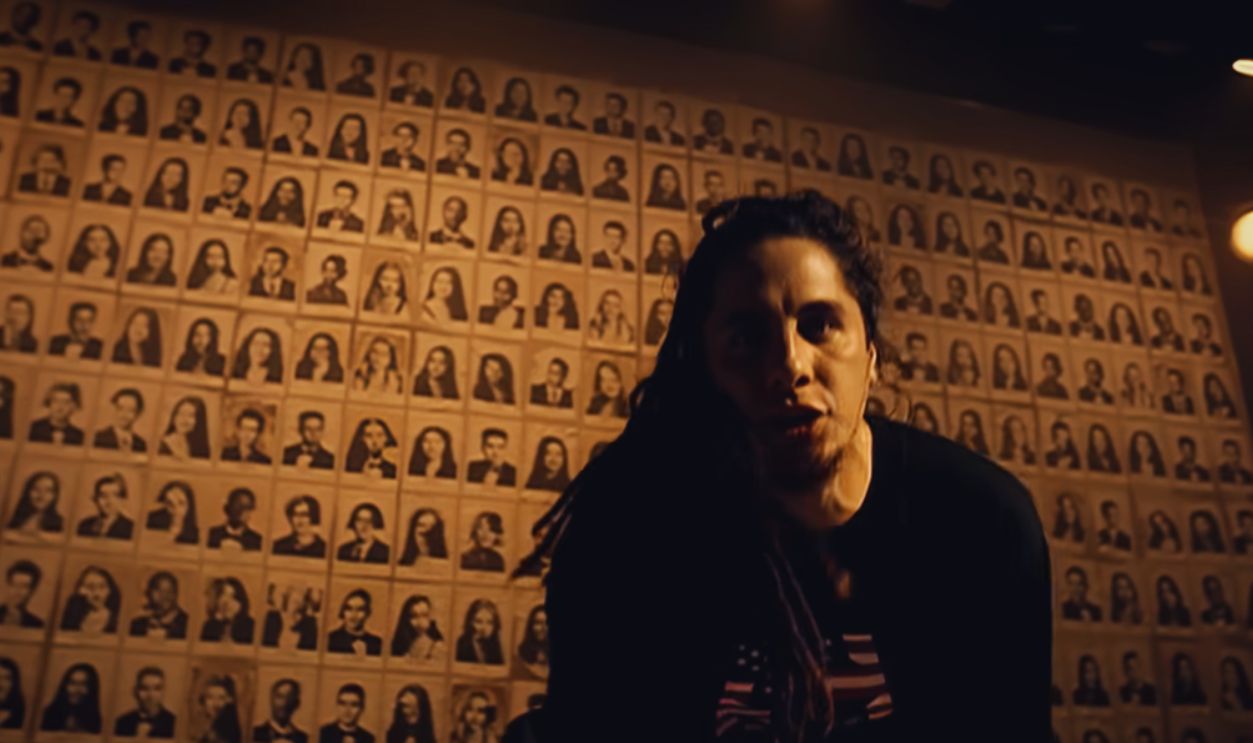 Screenshot from Youth of the Nation, Atlantic Records (2001)
Alkaline Trio – “Prevent This Tragedy”
Alkaline Trio wrote “Prevent This Tragedy” in response to the 2003 slaying of Chicago college student Katie Autry. Rather than focusing on spectacle, the song reads like a warning and a plea. Its urgent tone highlights how quickly violence can erupt and how preventable it might be with awareness and intervention.
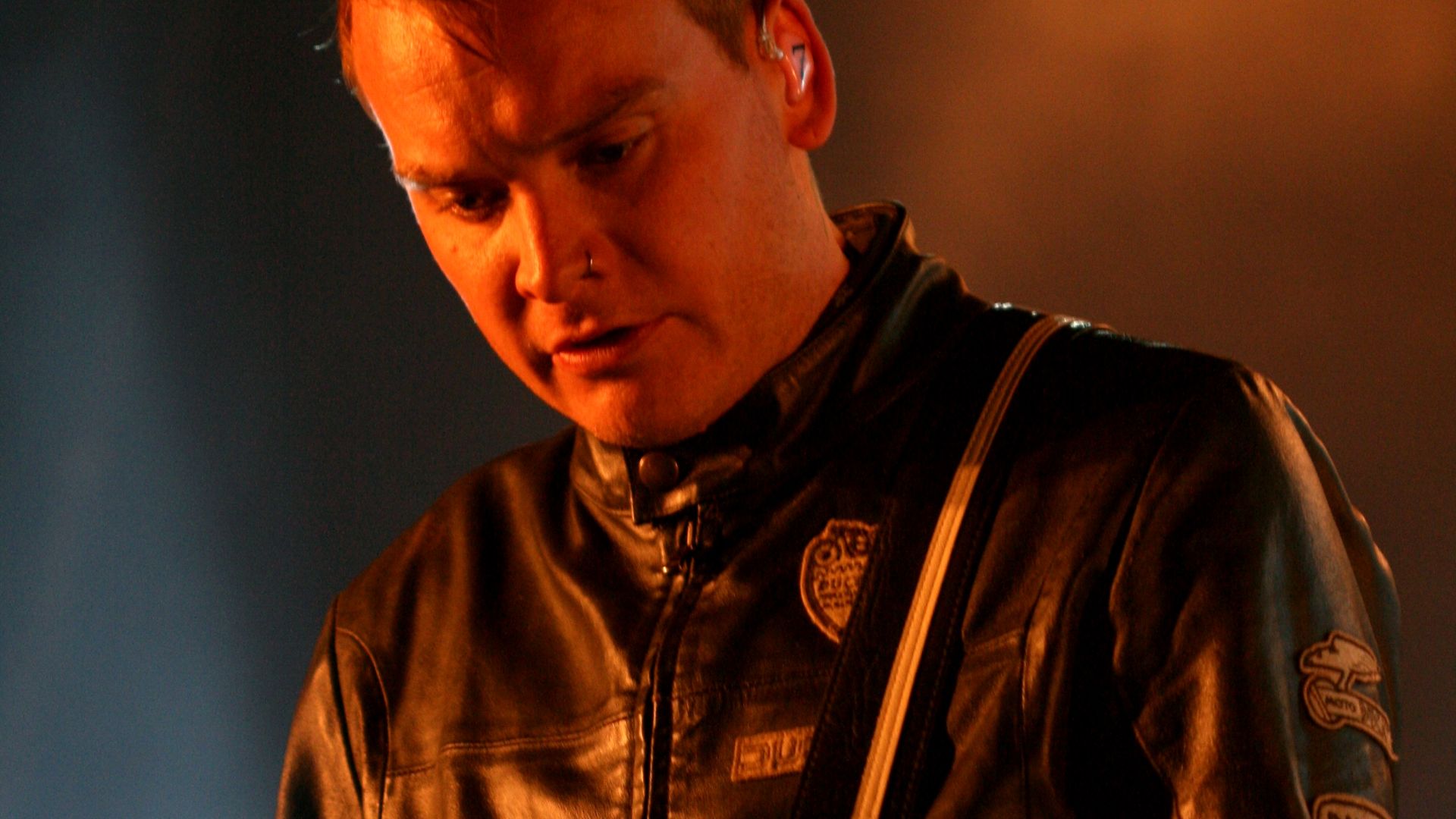 Antje Naumann (AllSystemsRed), Wikimedia Commons
Eric Clapton – “Tears In Heaven”
Eric Clapton wrote “Tears in Heaven” after the heartbreaking passing of his four-year-old son, Conor, who fell from a New York apartment building in 1991. The song is quiet, fragile, and deeply personal. Instead of dramatic instrumentation, Clapton chose simplicity, letting the lyrics carry the weight of unimaginable grief.
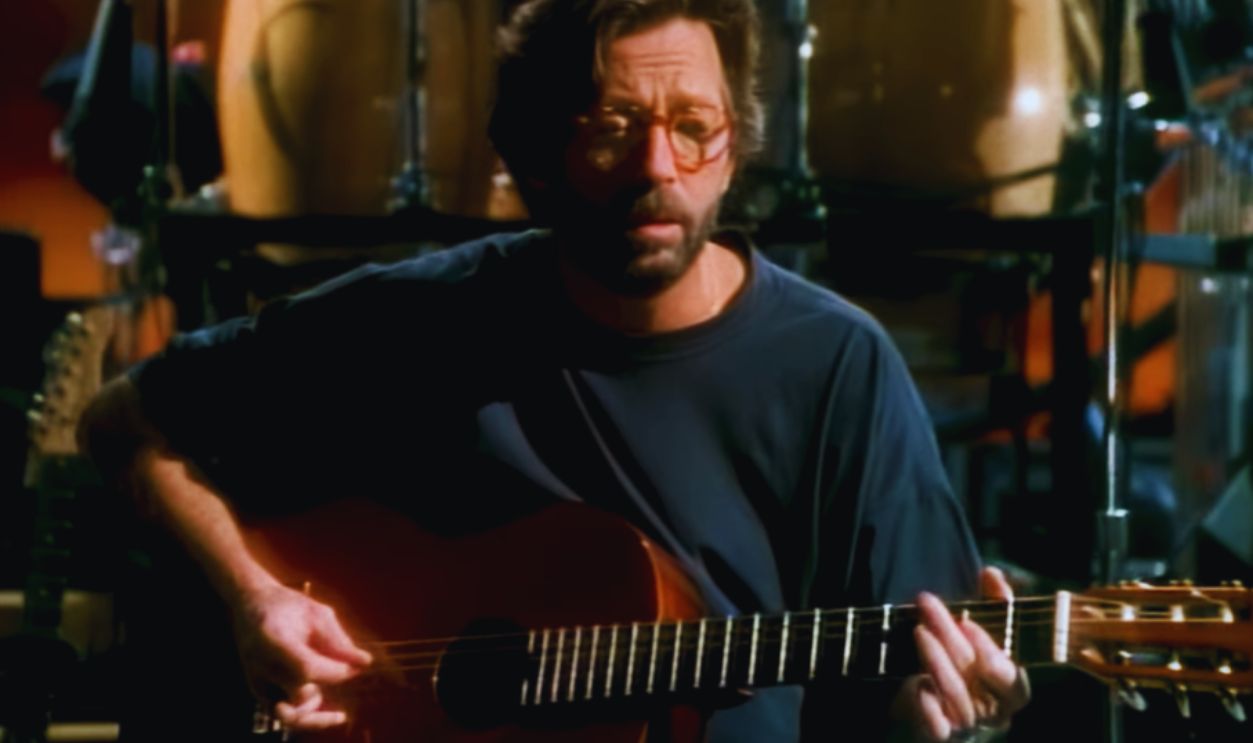 Screenshot from Tears In Heaven, Warner Bros. Records (1992)
Linkin Park – “Looking For An Answer”
After Chester Bennington’s passing in 2017, Mike Shinoda performed “Looking for an Answer” live at a tribute concert. The song grapples openly with confusion, anger, and heartbreak in the wake of suicide. It feels raw and unfinished on purpose, reflecting the emotional chaos of sudden loss.
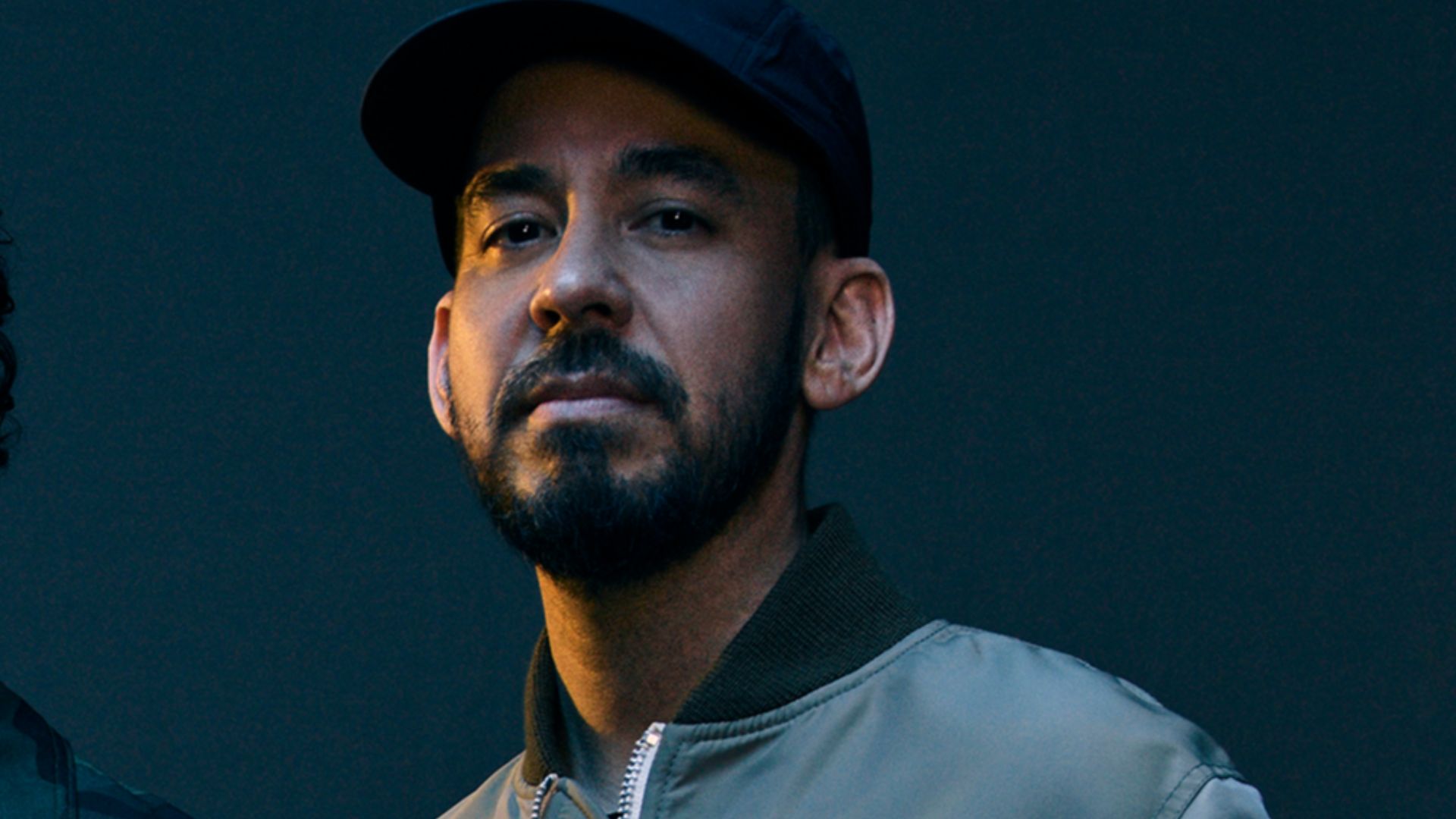 James Minchin III (rights holder), CeriRoberts (Warner Records representative), Wikimedia Commons
U2 – “Sunday Bloody Sunday”
Inspired by the 1972 Bloody Sunday massacre in Northern Ireland, where British soldiers shot unarmed civil rights protesters, U2’s anthem channels outrage and sorrow. The militaristic drumbeat sets a tense tone, while Bono’s lyrics wrestle with the cycle of violence. It became one of the band’s most politically charged songs.
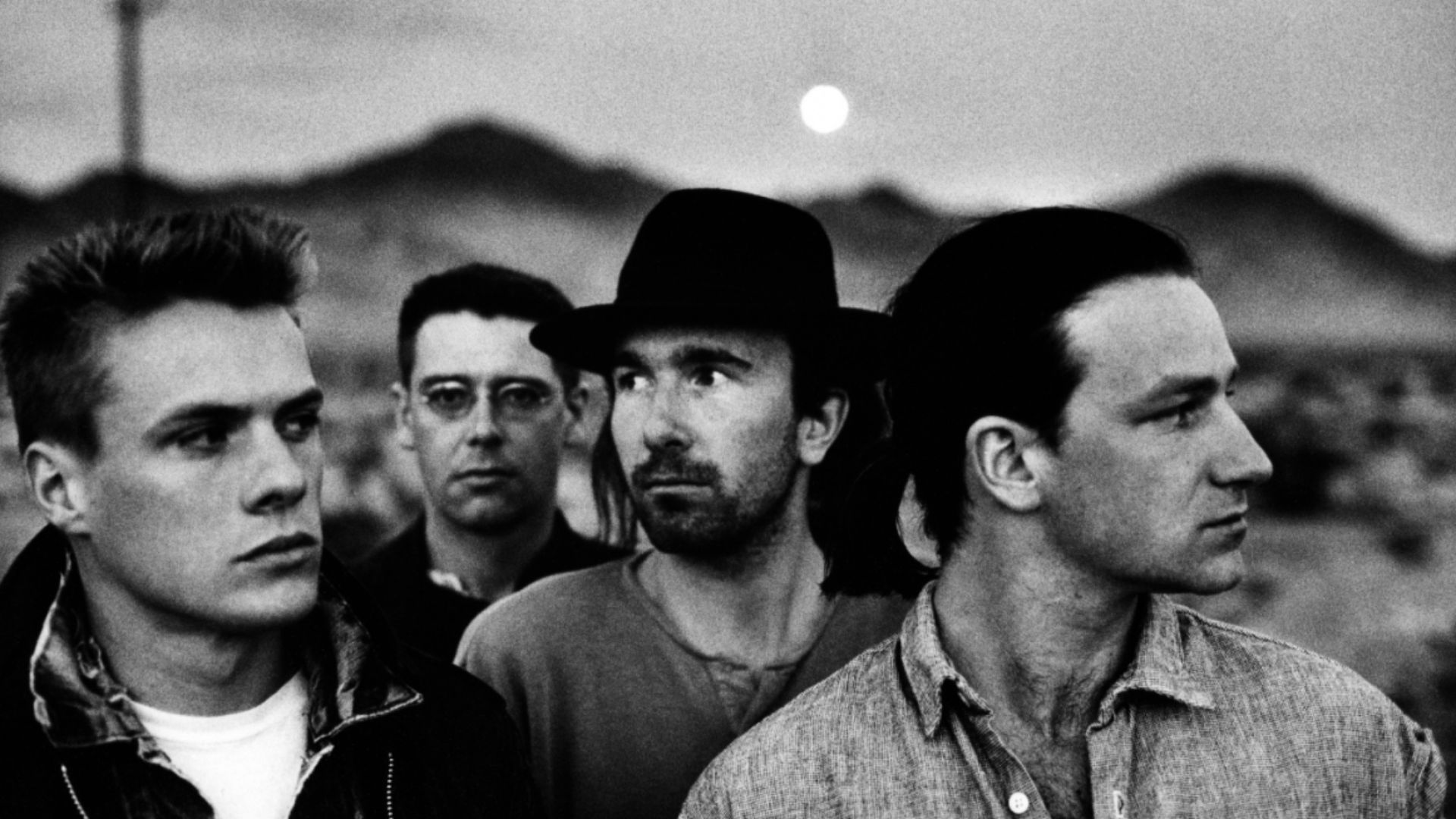 Anton Corbijn, Distributed by Island Records, Wikimedia Commons
Rush – “Manhattan Project”
Rush’s “Manhattan Project” tells the story of the development and use of the atomic bomb during World War II. Rather than glorifying scientific achievement, the song examines the moral weight behind it. Geddy Lee’s vocals and Neil Peart’s lyrics explore both the brilliance and devastation tied to the explosive's creation.
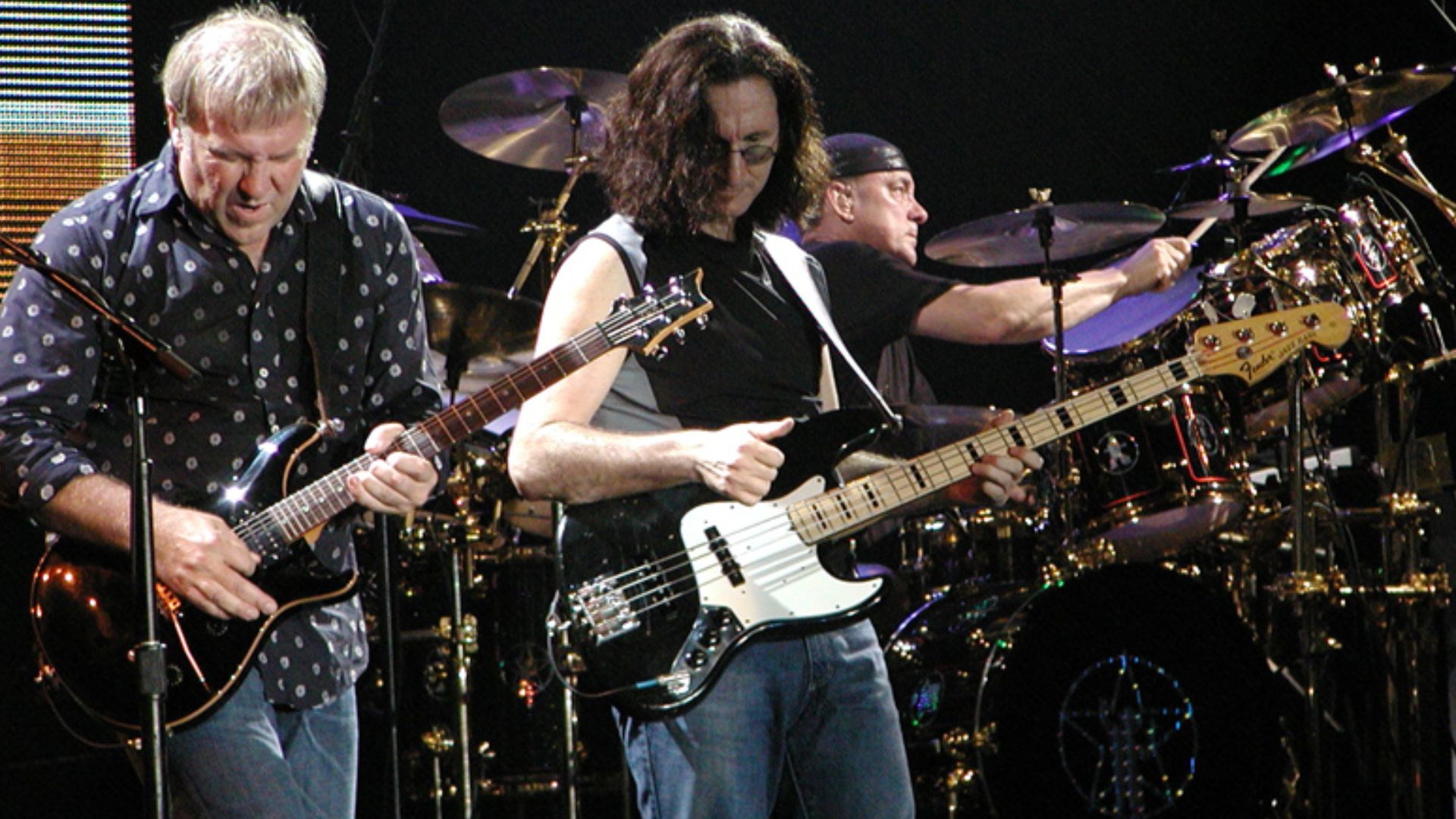 Enrico Frangi, Wikimedia Commons
Rise Against – “Hero Of War”
“Hero of War” strips back the band’s usual aggressive sound in favor of acoustic honesty. The song tells the story of a soldier disillusioned by the realities of war. Inspired by the Iraq conflict, it highlights trauma, regret, and moral conflict without turning into propaganda.
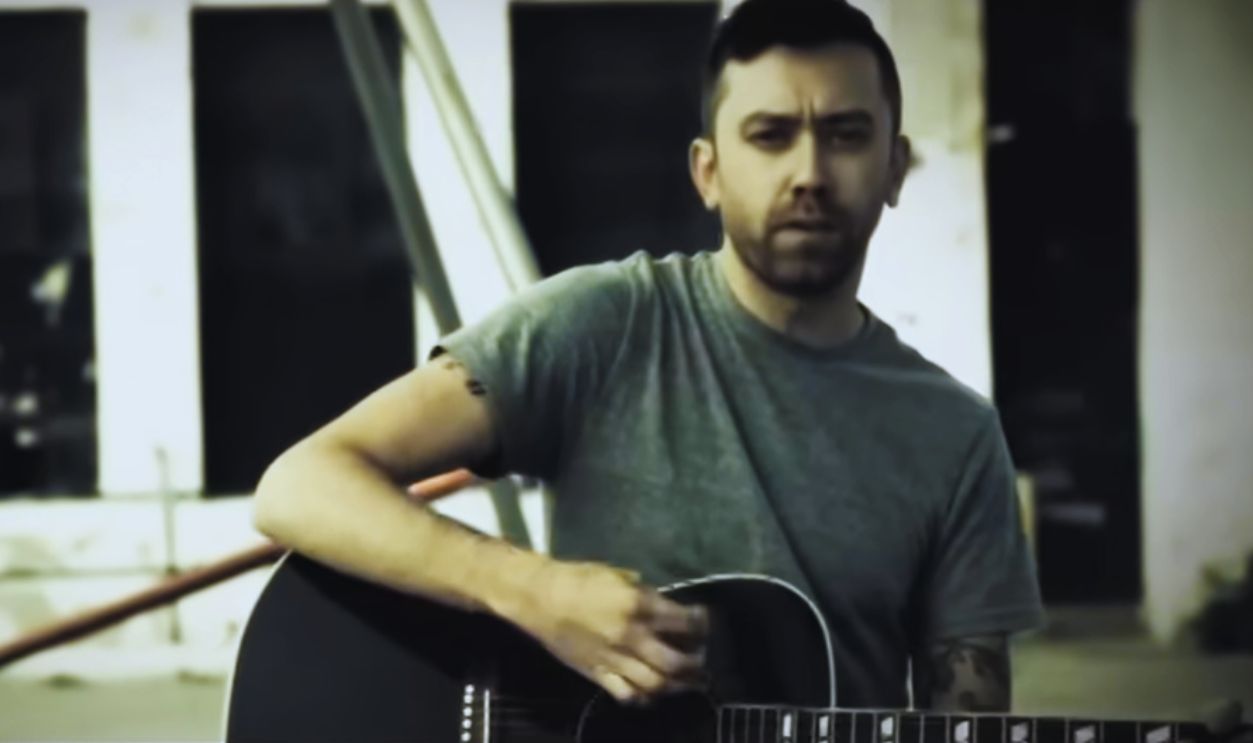 Screenshot from Hero Of War, Interscope Records (2008)
Iron Maiden – “Empire Of The Clouds”
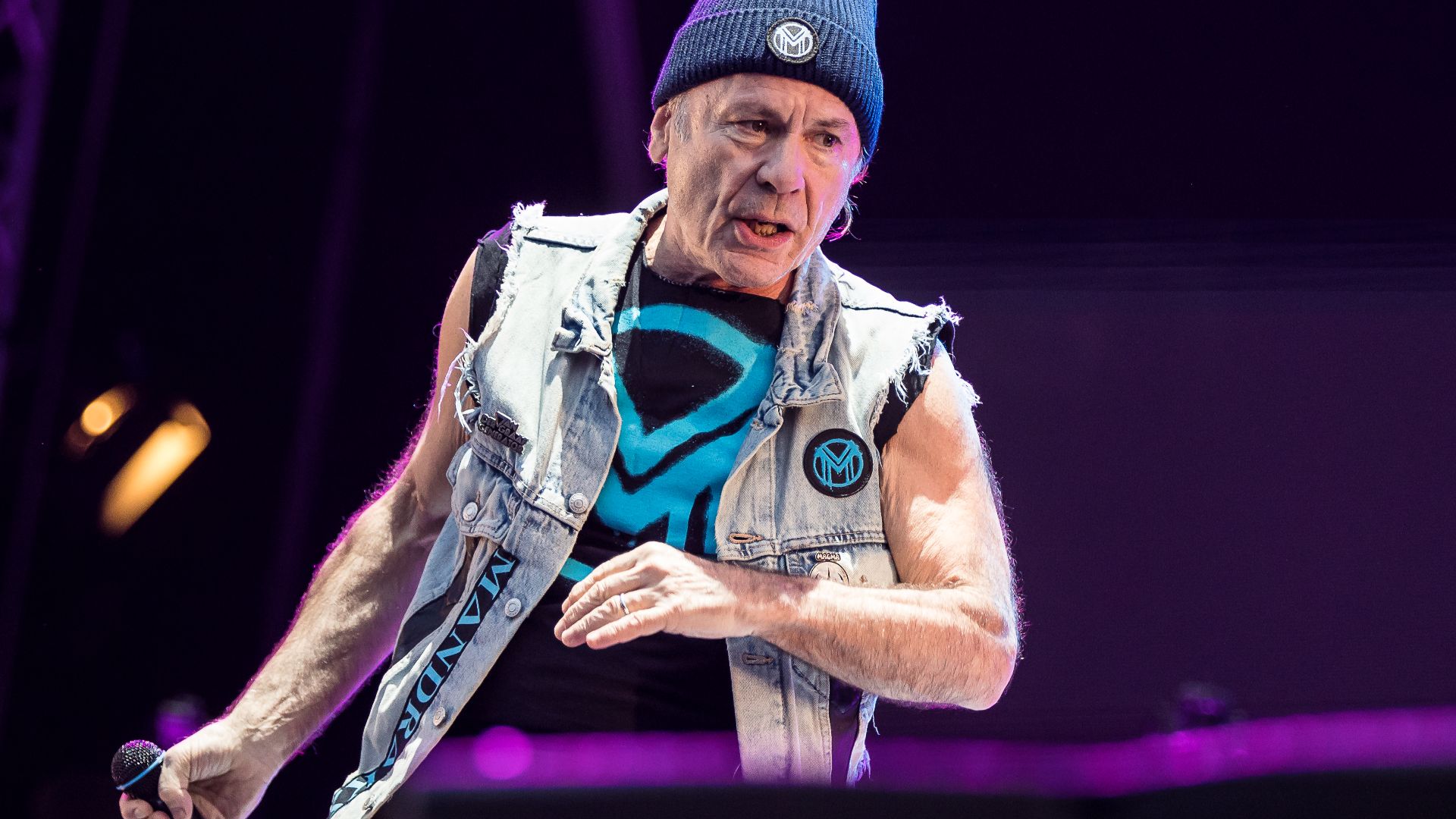
“Empire of the Clouds” recounts the tragic 1930 crash of the British airship R101. Written by Bruce Dickinson, a licensed pilot himself, the eighteen-minute epic details the ambition behind the airship and the disaster that followed. It is theatrical and grand, but rooted in historical loss.
Pearl Jam – “Jeremy”
“Jeremy” was inspired by a 1991 news story about a high school student who shot himself in front of his classmates. Eddie Vedder used the tragedy to explore themes of neglect, bullying, and isolation. The unsettling video amplified the song’s impact and made it one of Pearl Jam’s most haunting tracks.
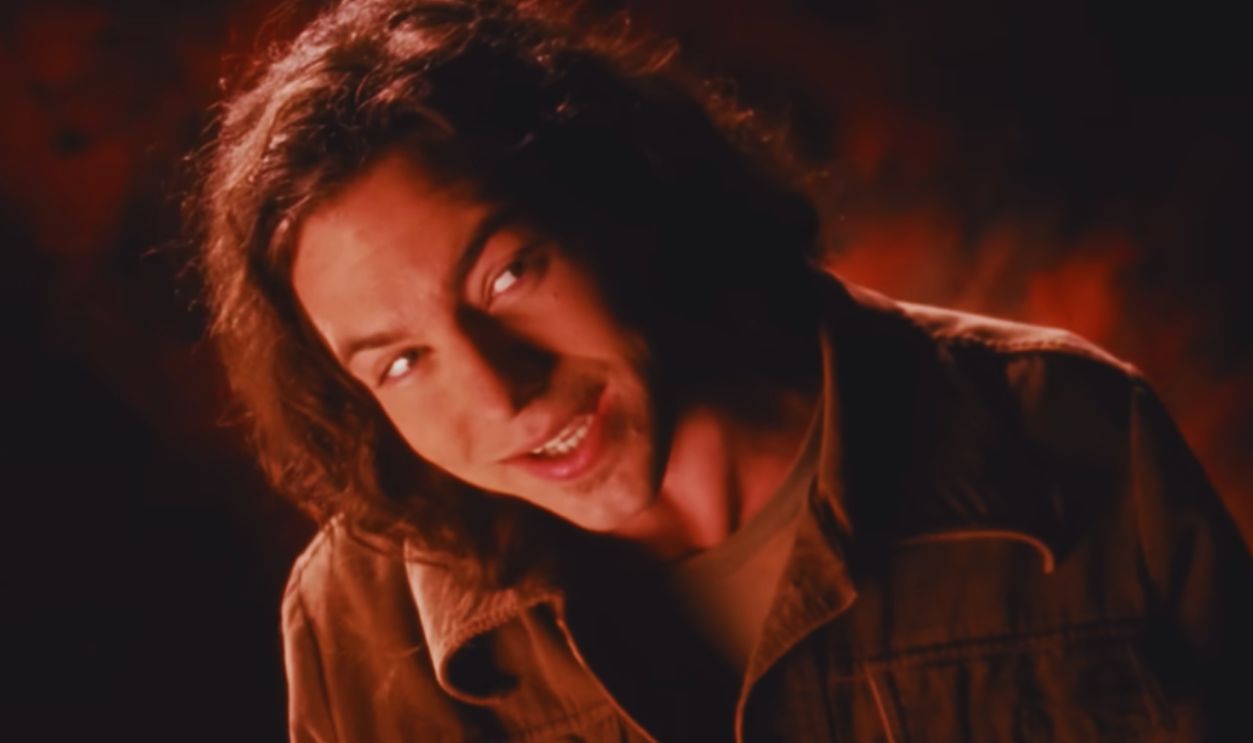 Screenshot from Jeremy, Epic Records (1992)
Exodus – “Nanking”
Thrash metal band Exodus wrote “Nanking” about the 1937 Nanjing Massacre during the Second Sino-Japanese War. The song confronts the brutality head-on, using aggressive instrumentation to match the horror of the historical events. It is not easy listening, but that discomfort reflects the subject matter.

System Of A Down – “P.L.U.C.K.”
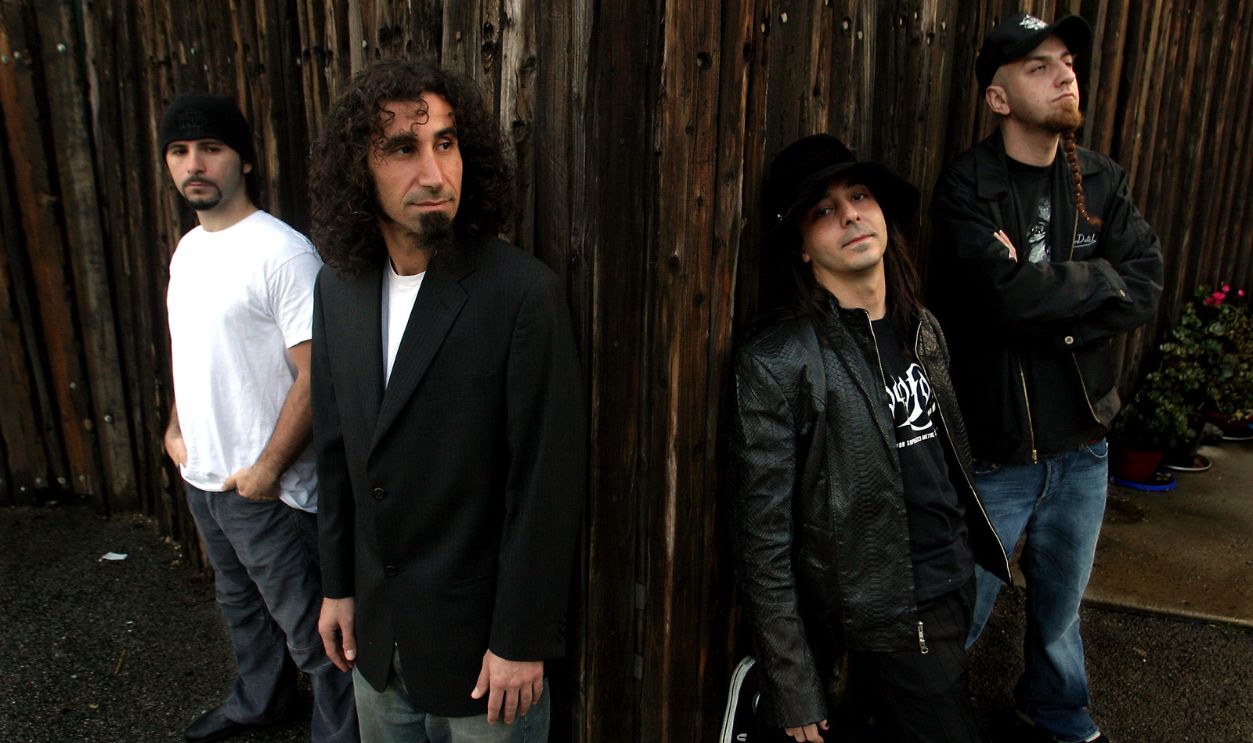
“P.L.U.C.K.” stands for “Politically Lying, Unholy, Cowardly Killers” and addresses the Armenian Genocide of 1915. As members of Armenian descent, the band used the song to protest denial and raise awareness. Its chaotic structure and furious delivery mirror the anger behind its message.
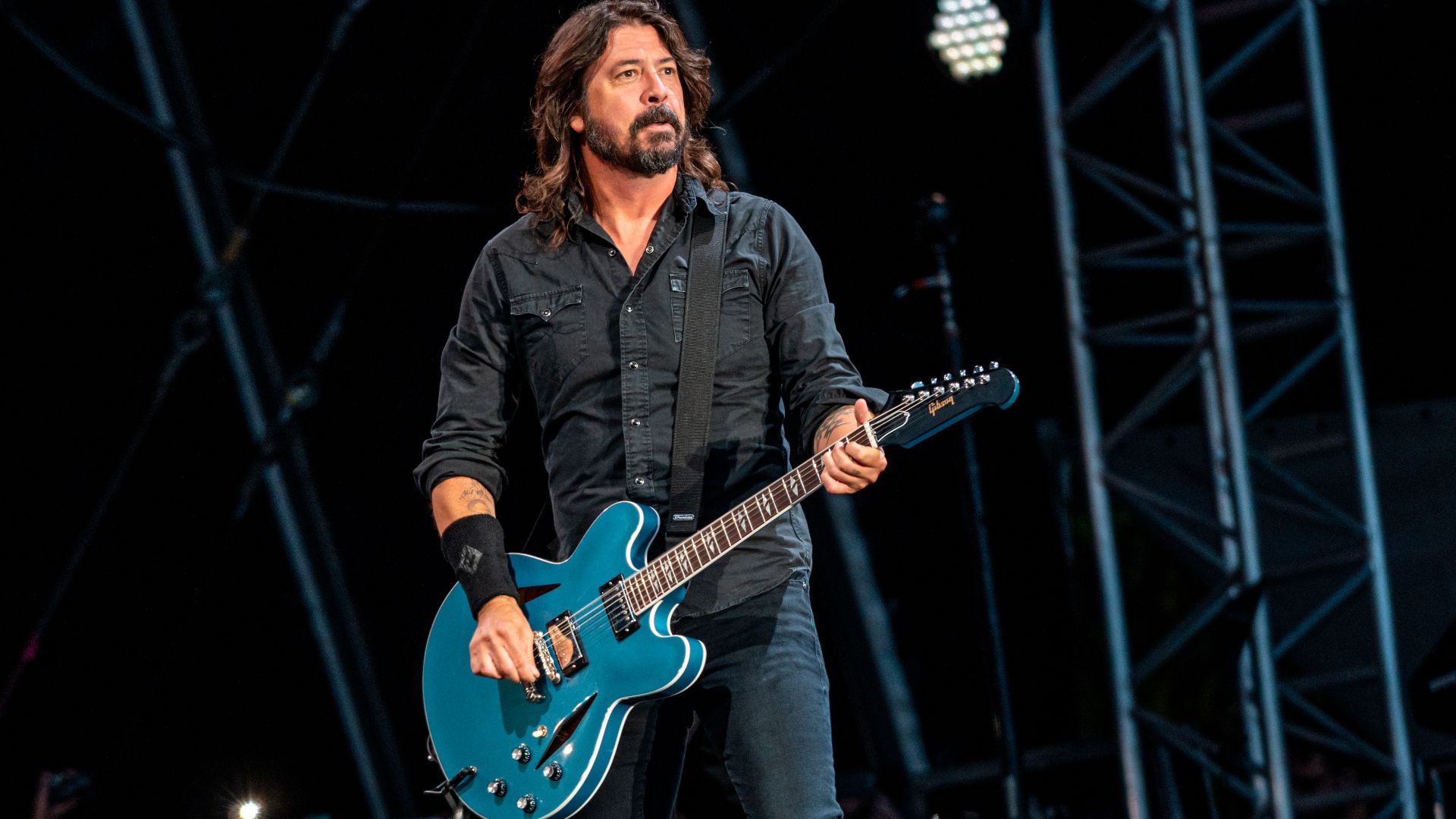
Foo Fighters – “Ballad Of The Beaconsfield Miners”
Written after two miners were trapped for fourteen days in Australia in 2006, this instrumental track was inspired by their request to hear Foo Fighters music while underground. Dave Grohl created a gentle, hopeful piece rather than something heavy. It feels reflective and quietly triumphant.
My Chemical Romance – “Skylines And Turnstiles”
Gerard Way wrote “Skylines and Turnstiles” after witnessing the September 11 attacks firsthand. The song captures shock, grief, and anger without directly referencing the event. It became the emotional foundation for the band’s early sound and marked a deeply personal beginning.

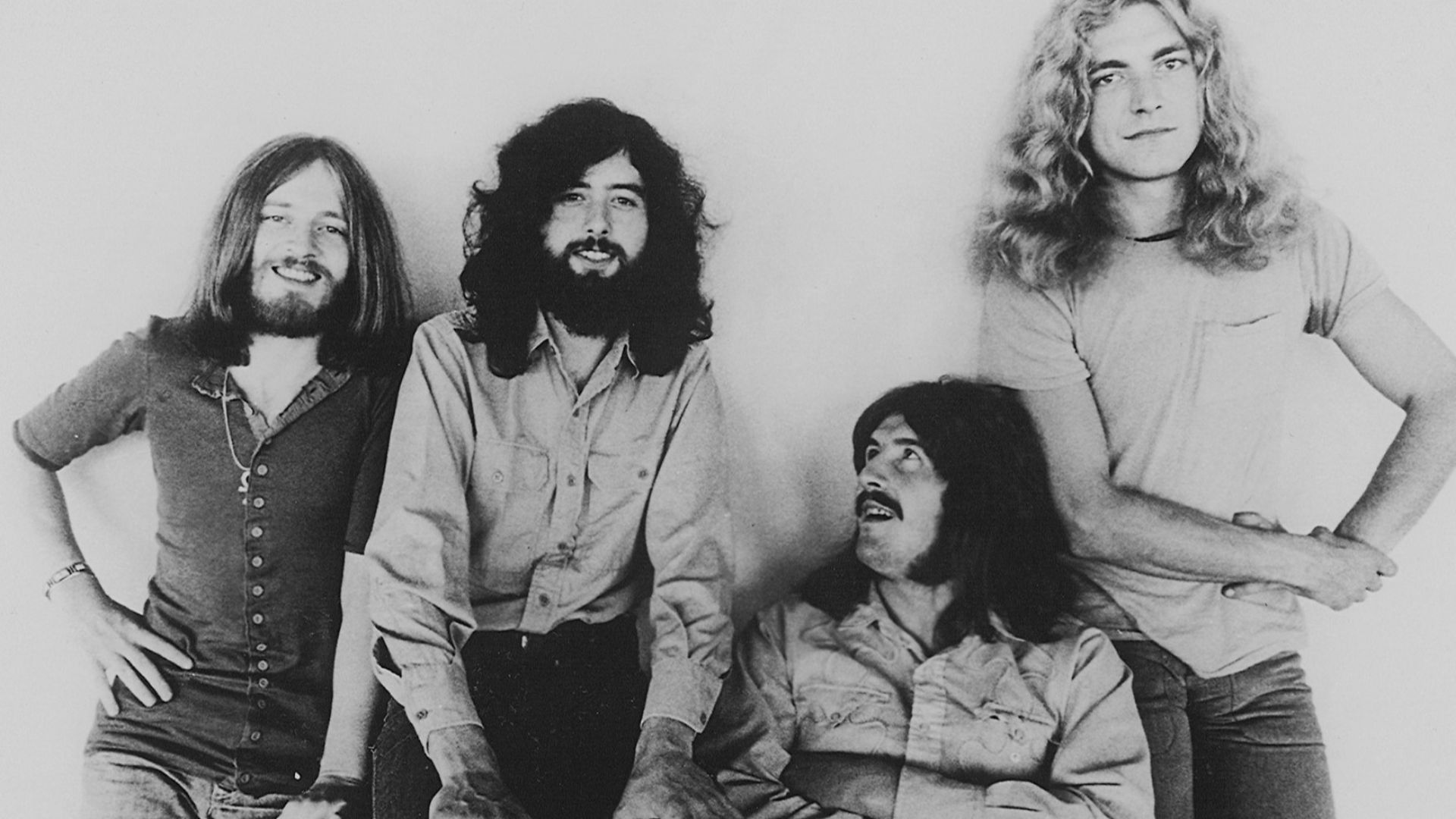
Led Zeppelin – “When The Levee Breaks”
Originally written about the Great Mississippi Flood of 1927, Led Zeppelin’s version carries that same sense of looming disaster. The thunderous drum sound gives it weight and urgency. It is blues-rooted but feels apocalyptic, capturing the fear and helplessness tied to natural catastrophe.
 Atlantic Records, Wikimedia Commons
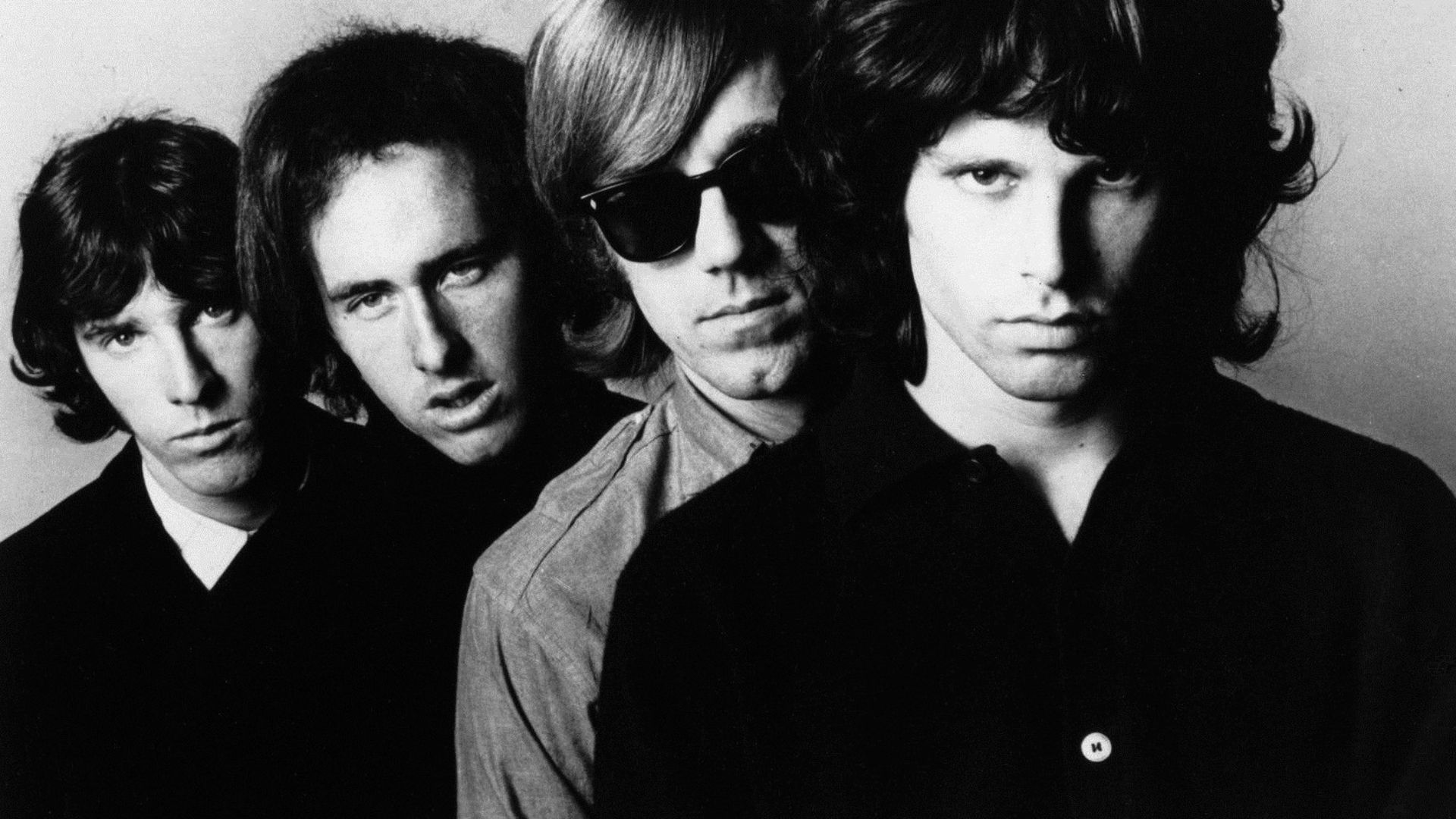
The Doors – “Riders On The Storm”
Jim Morrison drew inspiration from a real-life serial killer on a cross-country road trip, as well as a late-night thunderstorm. The song’s eerie atmosphere reflects both menace and isolation. It became Morrison’s final recording before his passing, adding another layer of haunting resonance.
 Joel Brodsky; Distributed by Elektra Records, Wikimedia Commons
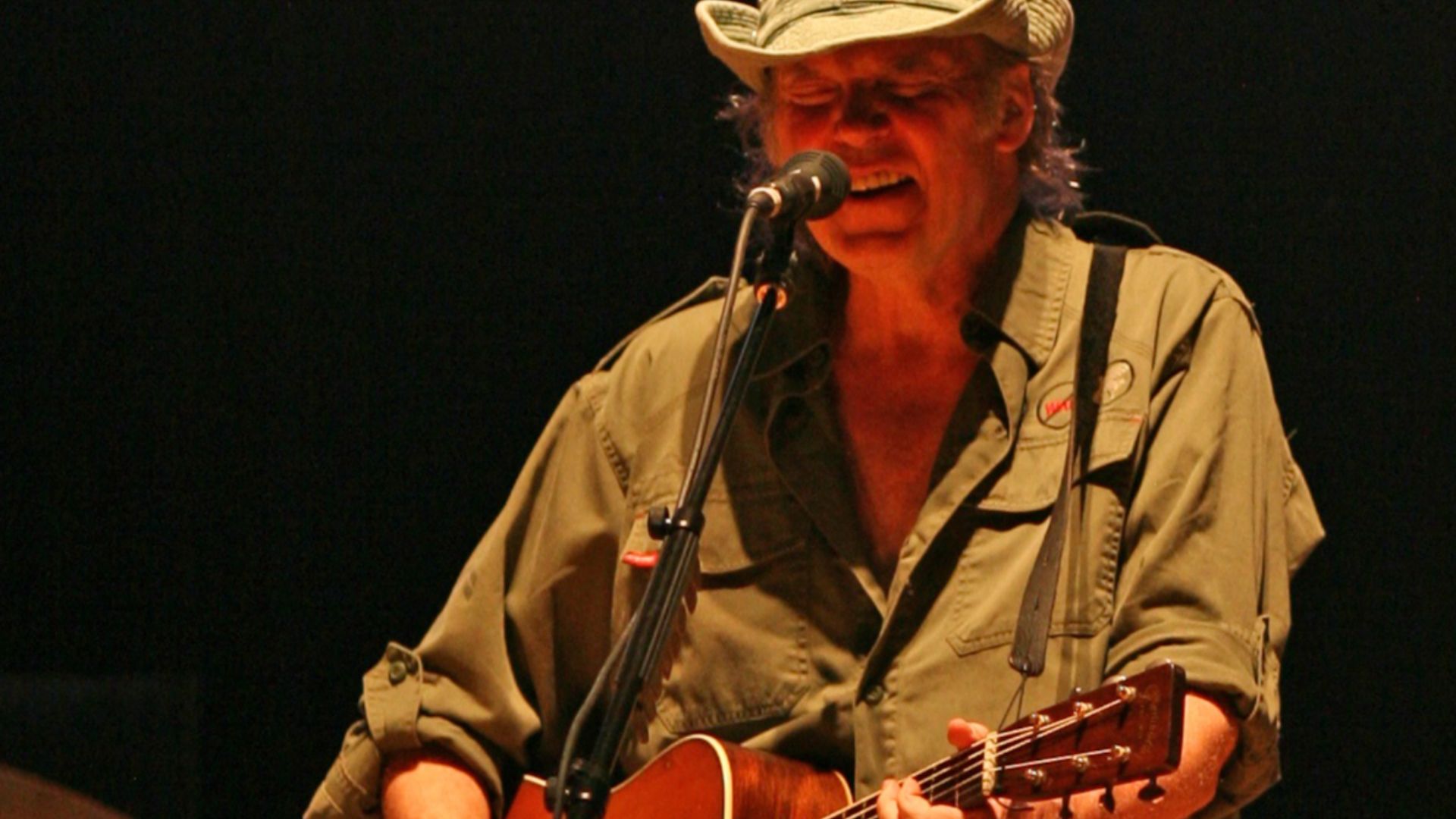
Crosby, Stills, Nash & Young – “Ohio”
Neil Young wrote “Ohio” after seeing photos from the 1970 Kent State shootings, where National Guard troops slew four student protesters. The song was recorded and released quickly, becoming an immediate protest anthem. Its raw urgency reflects the shock of the moment.
 Matthew Harris, Wikimedia Commons
Slayer – “Angel Of Death”
“Angel of Death” focuses on Third Reich doctor Josef Mengele and his horrific experiments during the Holocaust. The song sparked controversy, but Slayer insisted it was not glorification. Its relentless speed and intensity reflect the brutality of the history it depicts.
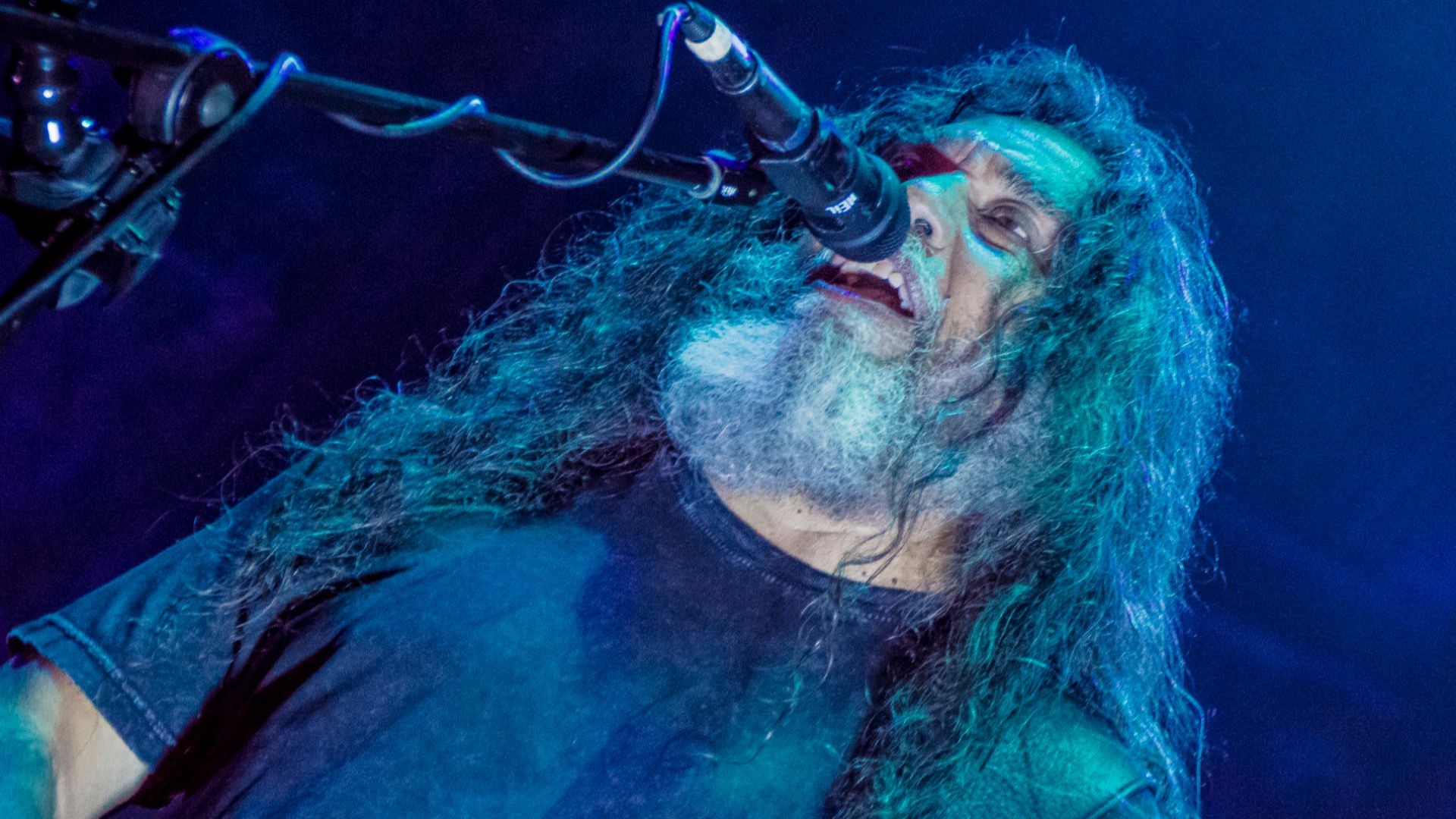 Factor Metal, Wikimedia Commons
Black Sabbath – “War Pigs”
Though not tied to one single event, “War Pigs” emerged from the Vietnam War era and channels frustration toward political leaders who send others to die. Its heavy riffs and ominous tone match its anti-war message, making it one of metal’s earliest political statements.
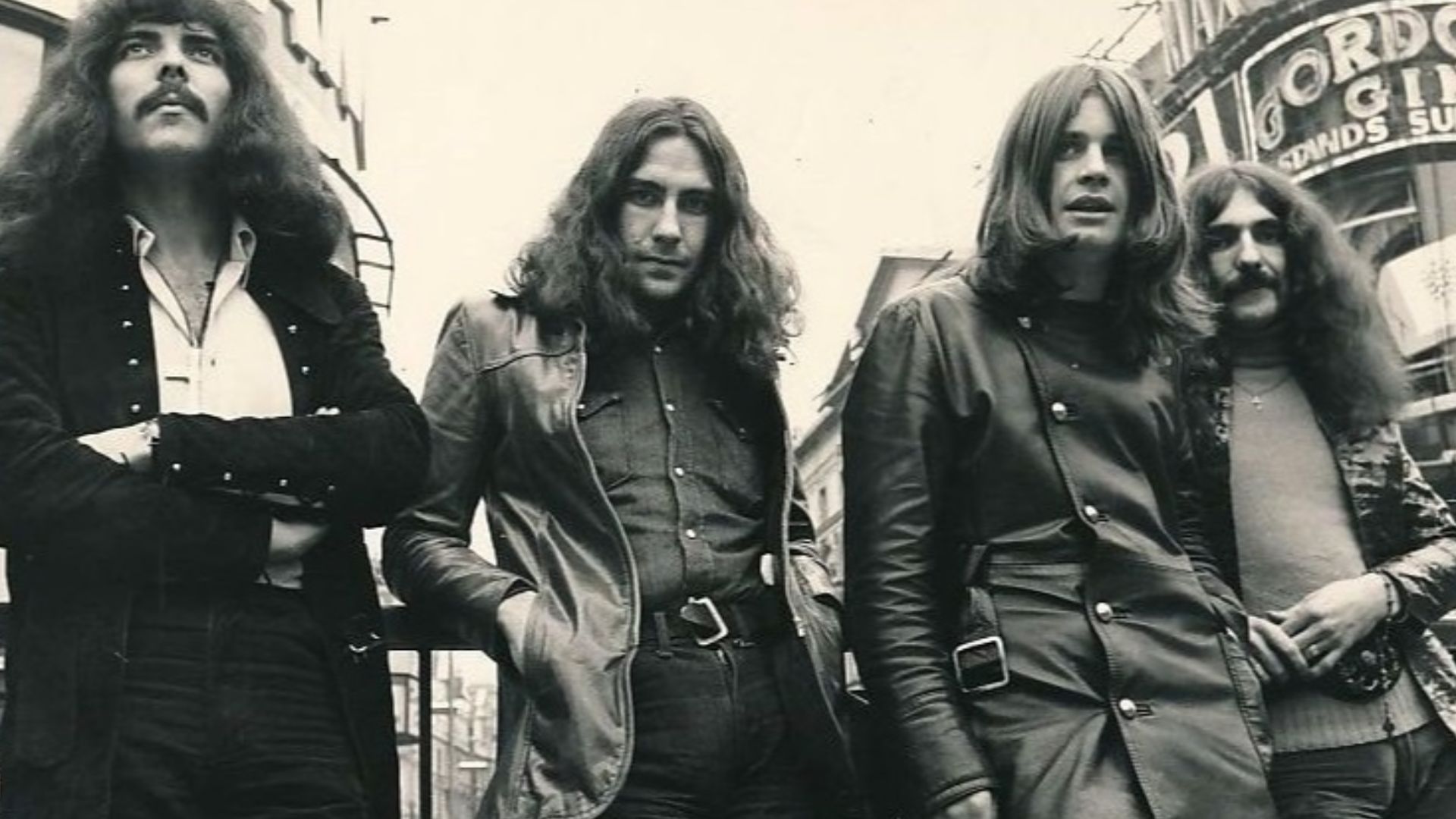 Vertigo Records, Wikimedia Commons
blink-182 – “Adam’s Song”
“Adam’s Song” addresses depression and suicidal thoughts, inspired by letters the band received from fans. Rather than glorifying despair, the song ultimately pivots toward hope. Its darker tone stood out in blink-182’s catalog and remains one of their most emotionally resonant tracks.
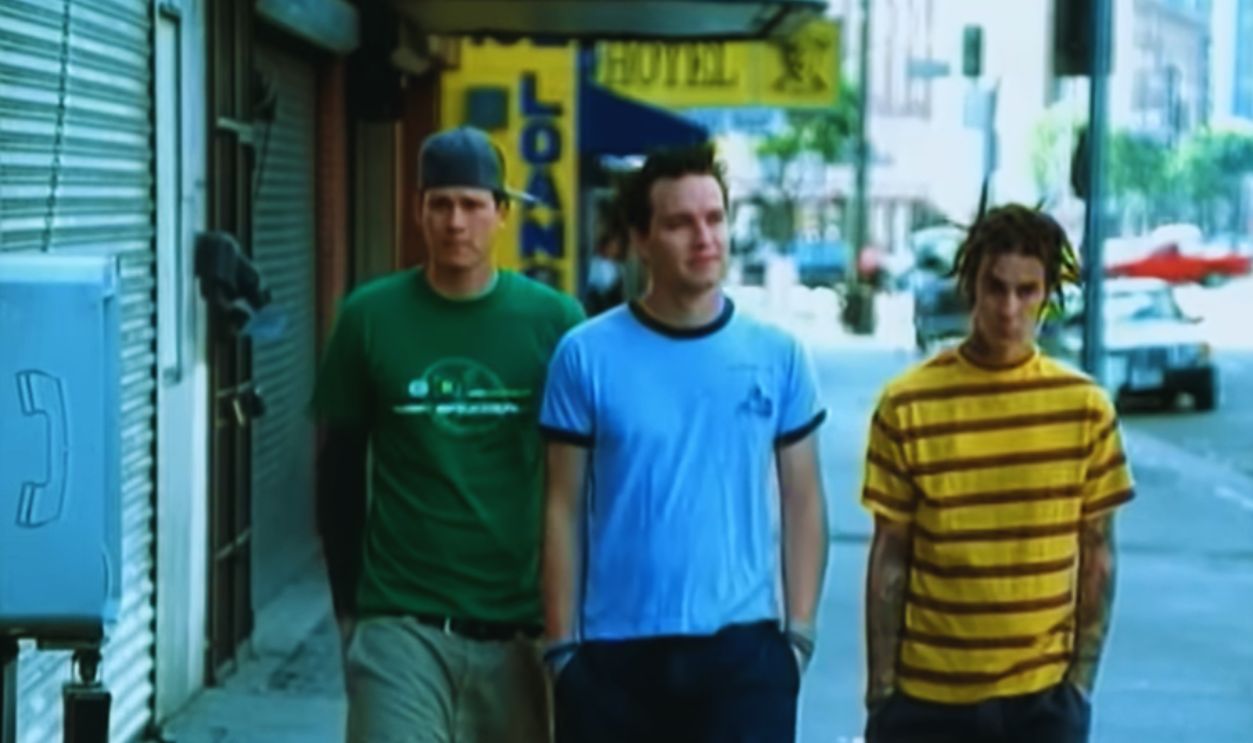 Screenshot from Adam’s Song, Universal Music Group (2000)
You May Also Like:
Everyone Knows These Disney Villains, But No One Realizes They Were Based On Real People