They Thought They’d Be Famous Forever
At one point, these bands weren’t just big—they were inescapable. Radio, MTV, malls, your friend’s older sibling’s car…you didn’t have a choice. The kind of fame where you assume (or at least they probably did) it just carries forward forever.
Fast forward to now, and ask someone born after 2000…nothing.
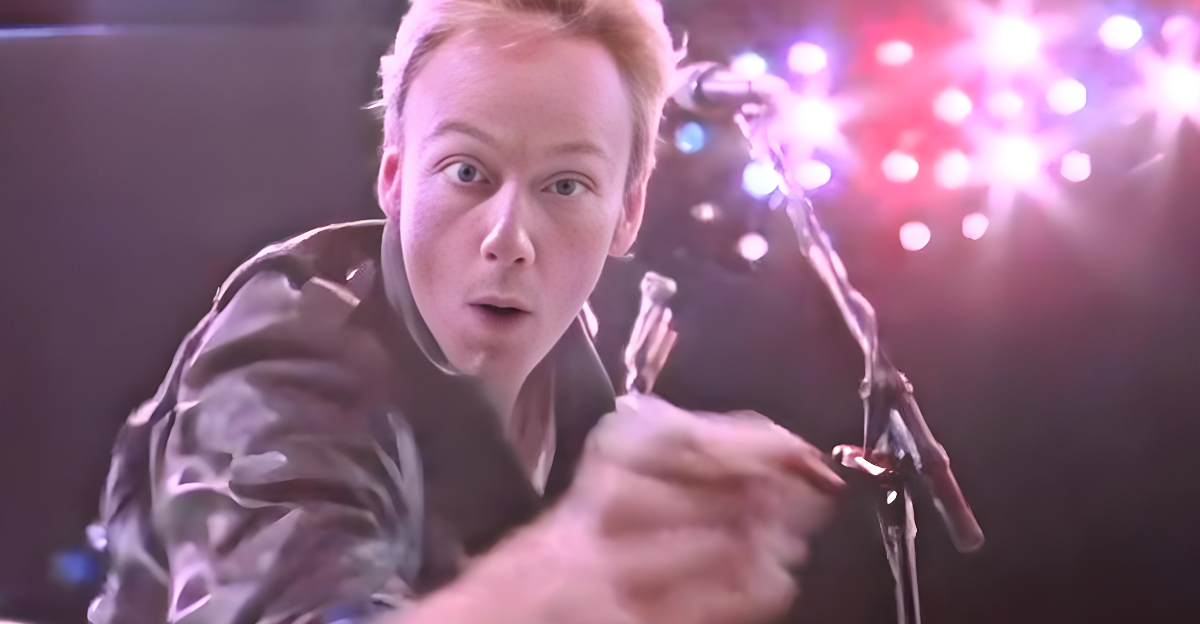
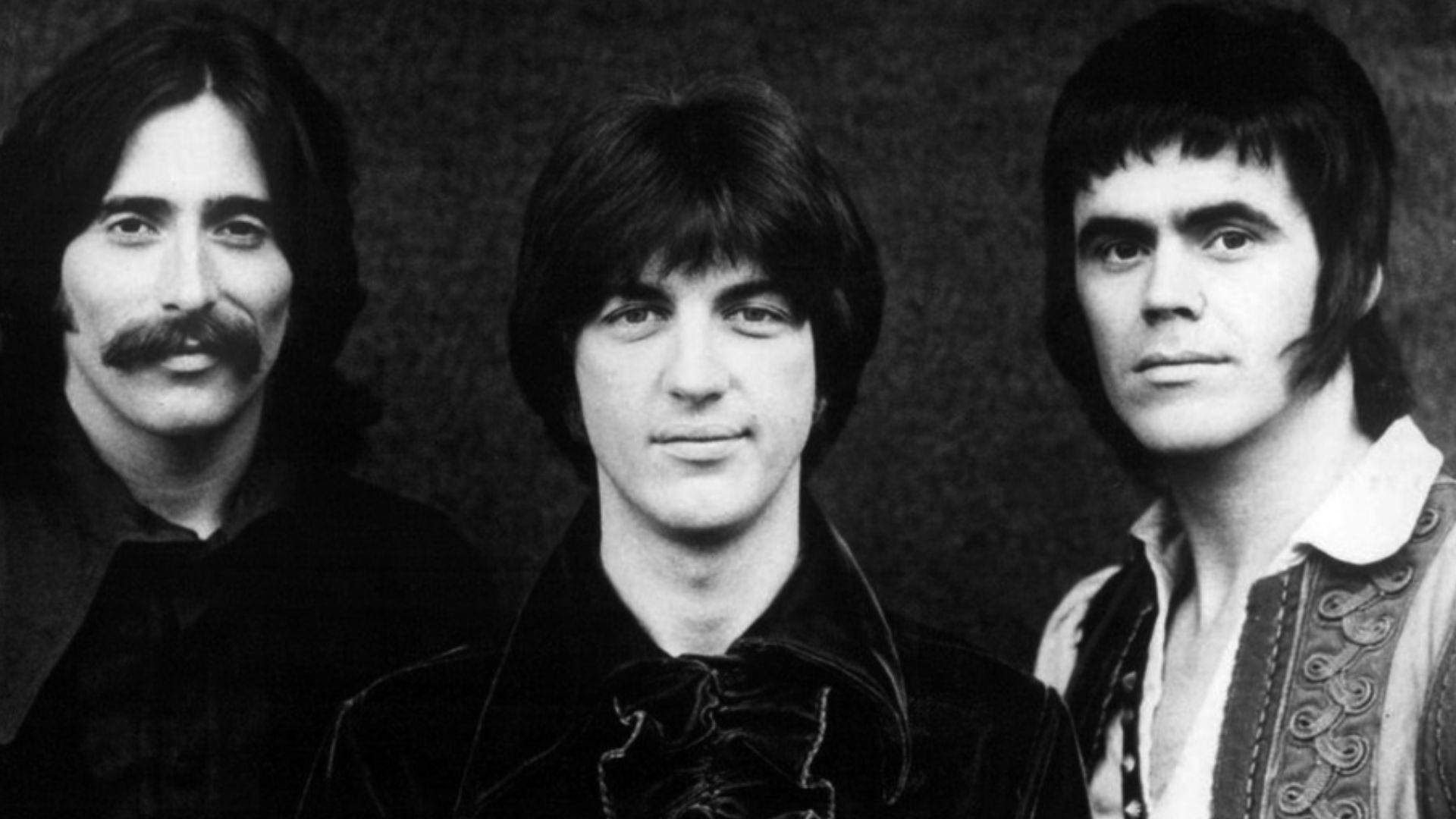
Three Dog Night
They had so many hits it almost feels made up. Multiple singers, constant chart presence, songs like Joy to the World that still show up today. And yet the band name somehow disappeared. People know the music—they just have no idea who to credit, which is kind of incredible given how big they actually were.
 Contemporary Public Relations, Wikimedia Commons
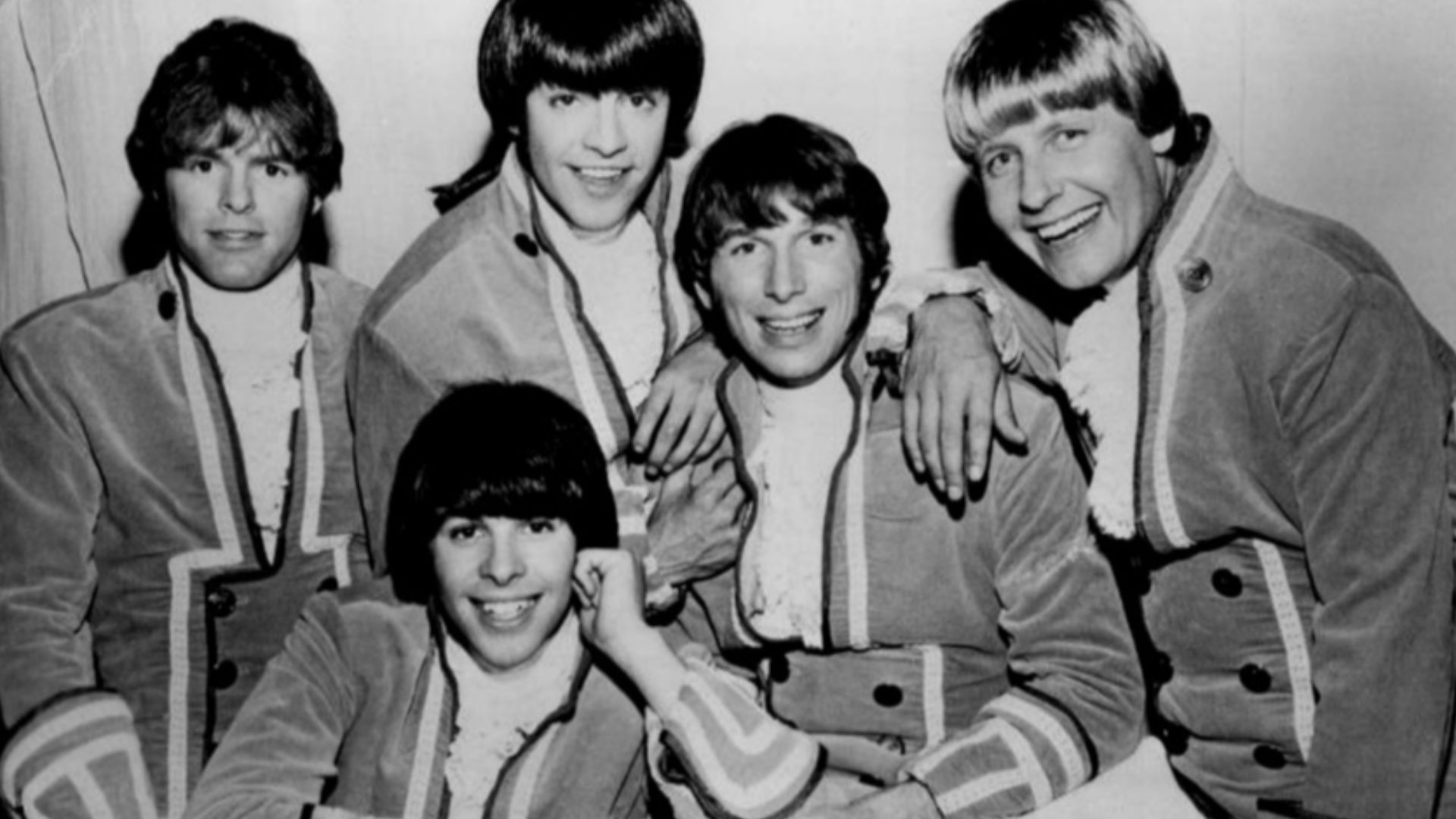
Paul Revere & the Raiders
They dressed like Revolutionary War soldiers. Not for a one-off gimmick—for the whole thing. And somehow, it worked. Hits like Kicks and Hungry, constant TV appearances, real success in the 60s. Try explaining that band to someone now and it sounds completely made up.
 Perenchio Artists (management), Wikimedia Commons
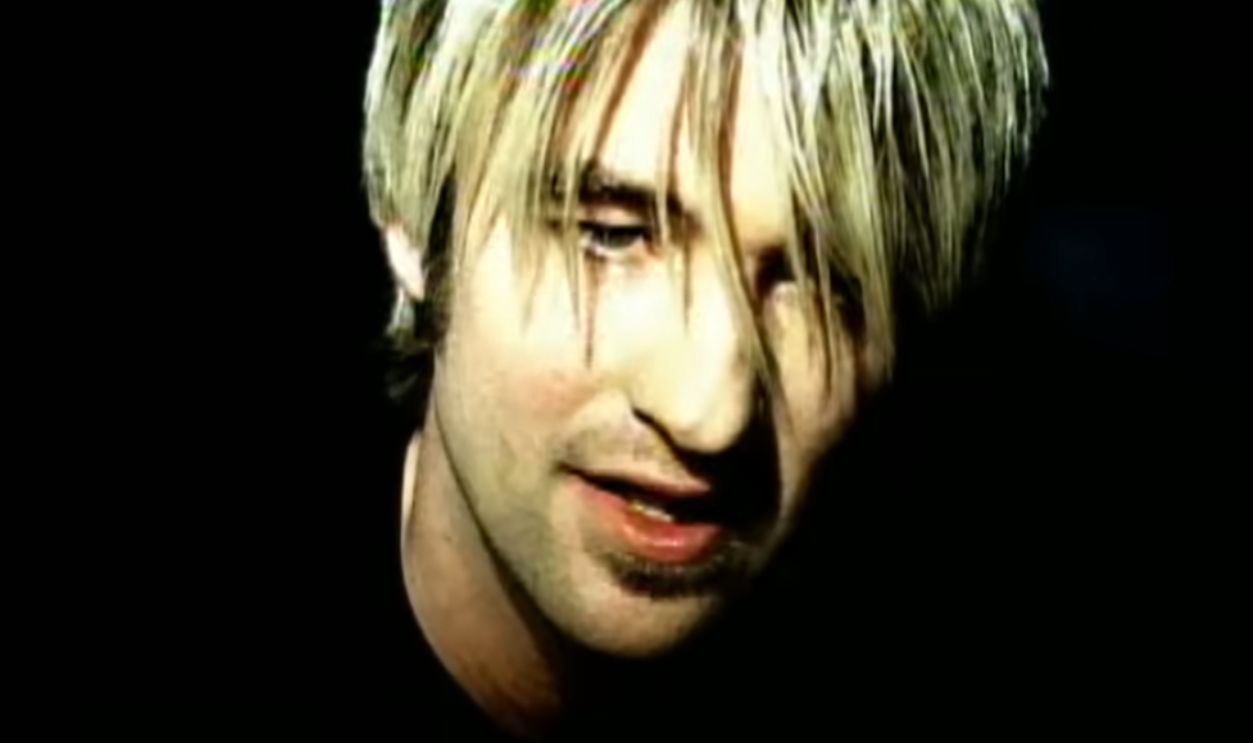
The Verve Pipe
The Freshmen was unavoidable. One of those songs that felt bigger than a typical radio hit—serious, emotional, slightly mysterious. It had that “this band is going somewhere” energy. Turns out, that somewhere was right there. No second act, no follow-up moment—just one very long shadow.
 Screenshot from The Freshmen, Sony Music Entertainment (1997)
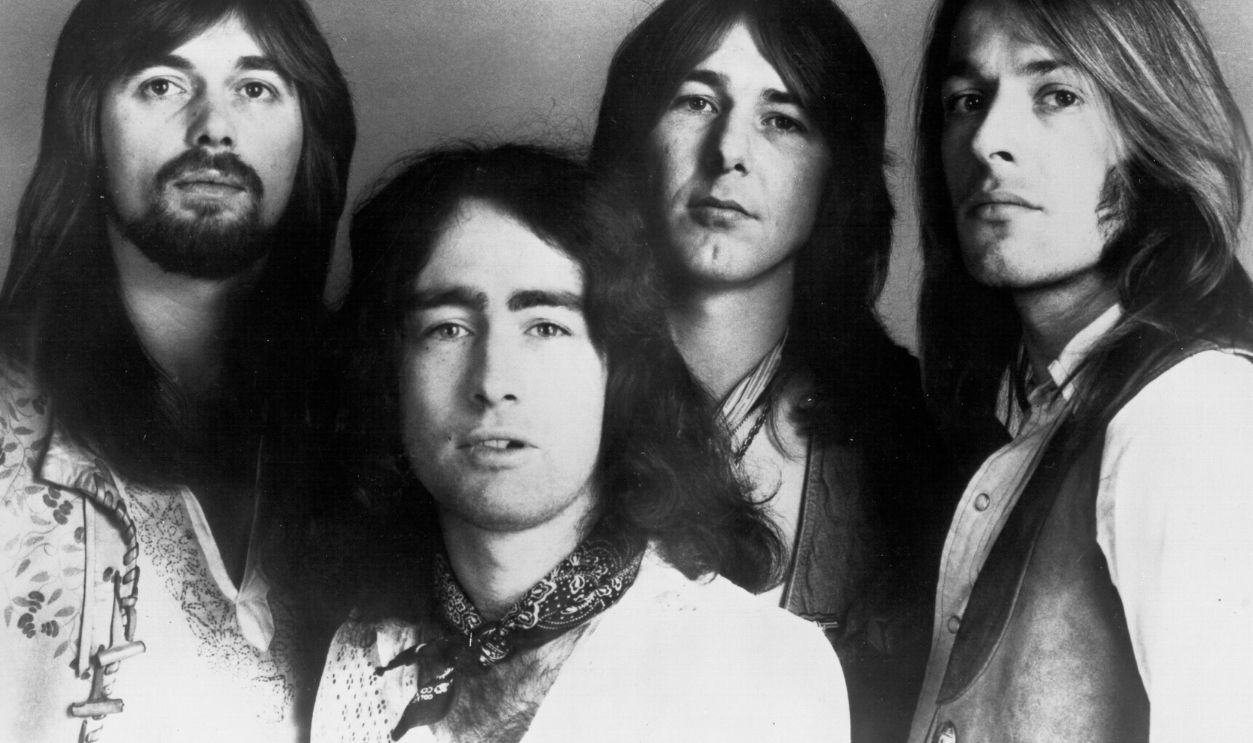
Bad Company
Not a one-hit band. Not even close. Real albums, real tours, real success. Songs like Feel Like Makin’ Love still hold up. And yet they somehow missed the cutoff into permanent recognition. They were big in a very real way…just not in the way that carried forward.
 Michael Ochs Archives, Getty Images
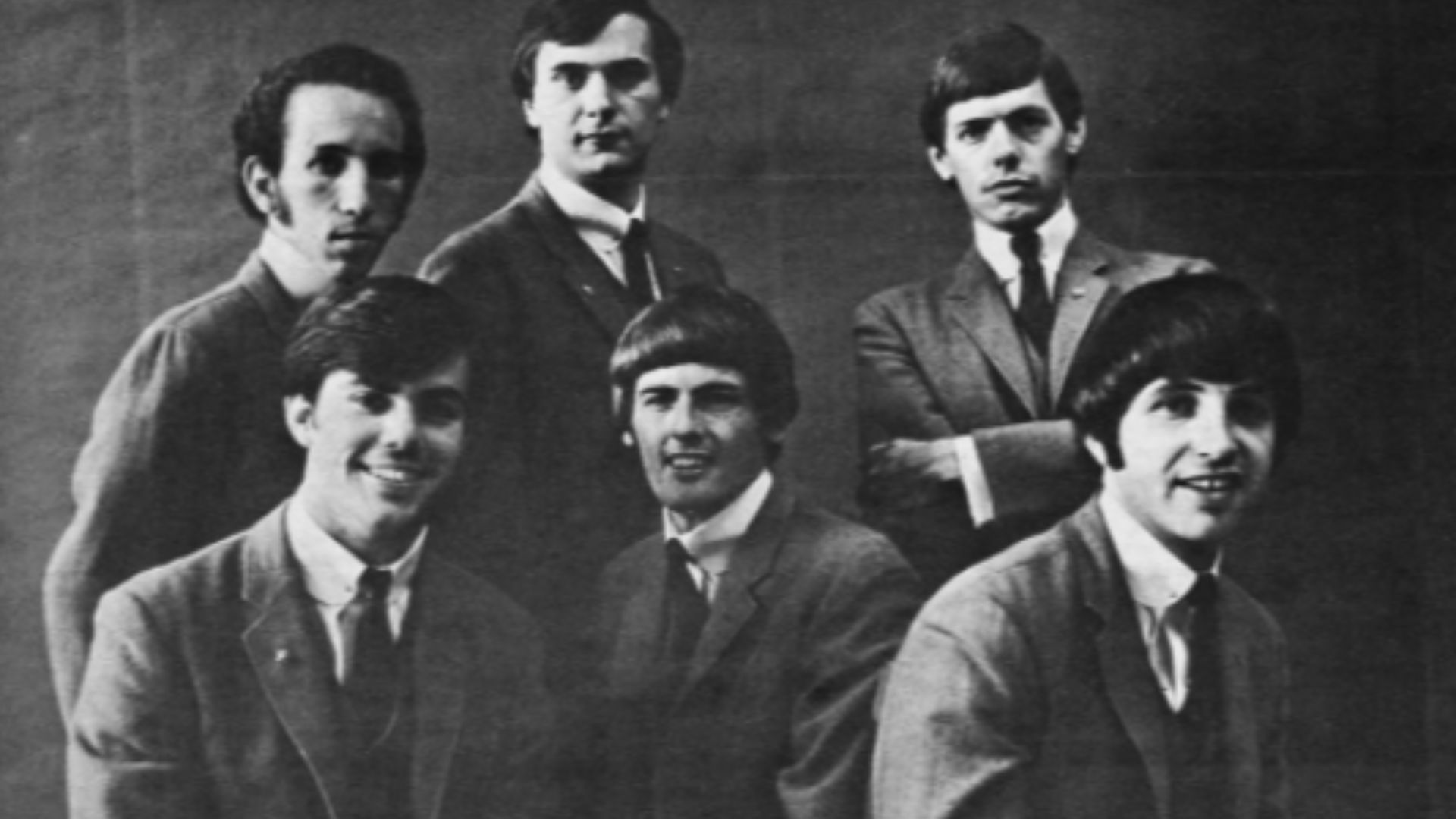
The Association
They had a run—Cherish, Windy, Never My Love—songs that were constantly on the radio in the 60s. Big hits, big exposure. But it’s the classic problem: you know the songs, you definitely do…you just couldn’t name the band if someone asked you on the spot.
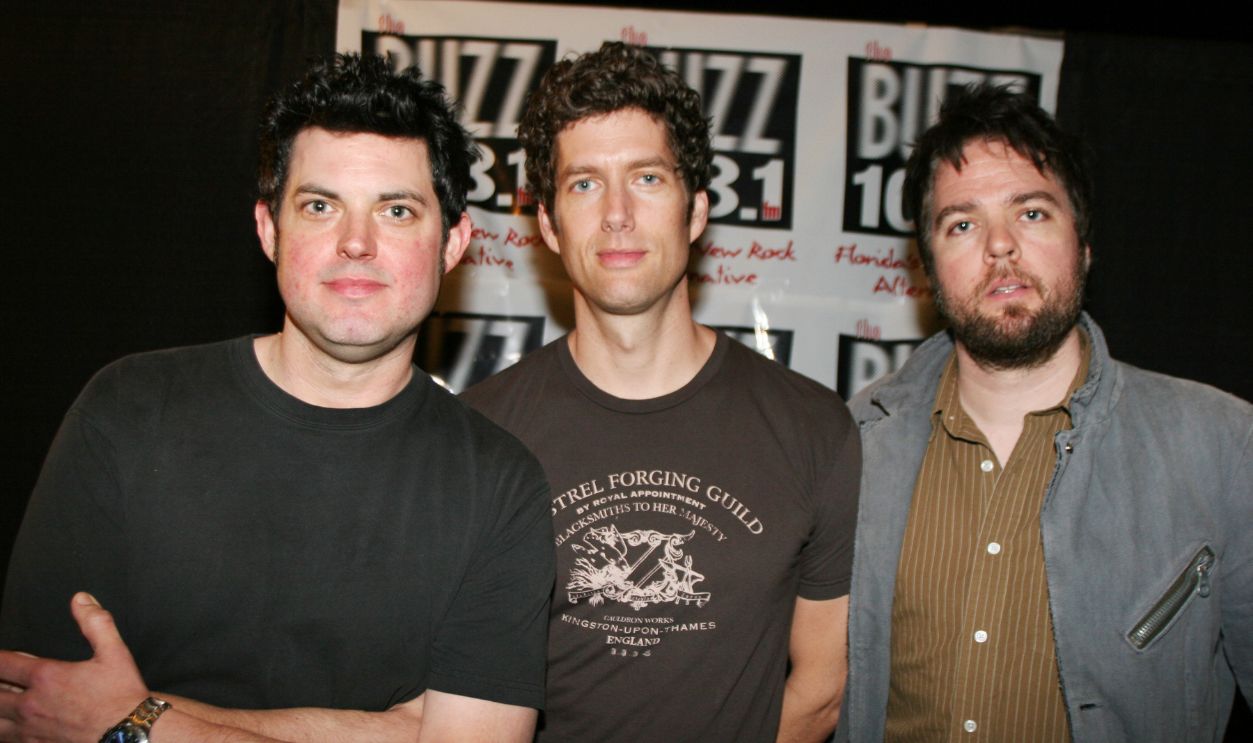
Better Than Ezra
They had a real run—Good was everywhere—and this should’ve been a pretty straightforward “solid 90s band people still remember” situation. Instead, more people probably remember the Norm Macdonald joke on SNL: “Number one…Better Than Ezra. Number two…Ezra.”
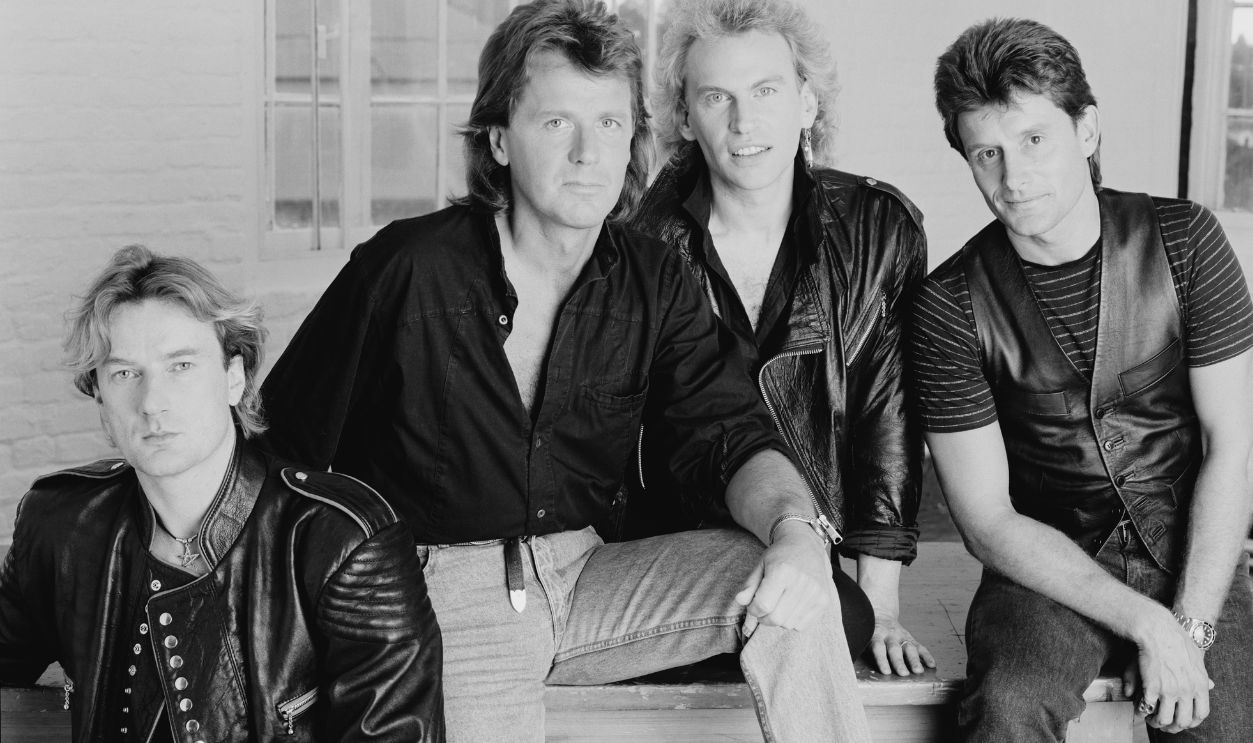
Asia
This should’ve worked long-term. A real supergroup—members from Yes, King Crimson, Emerson, Lake & Palmer. Heat of the Moment was huge. Everything lined up. And then…nothing close to that level again. For a band built to last, they ended up being surprisingly short-lived.
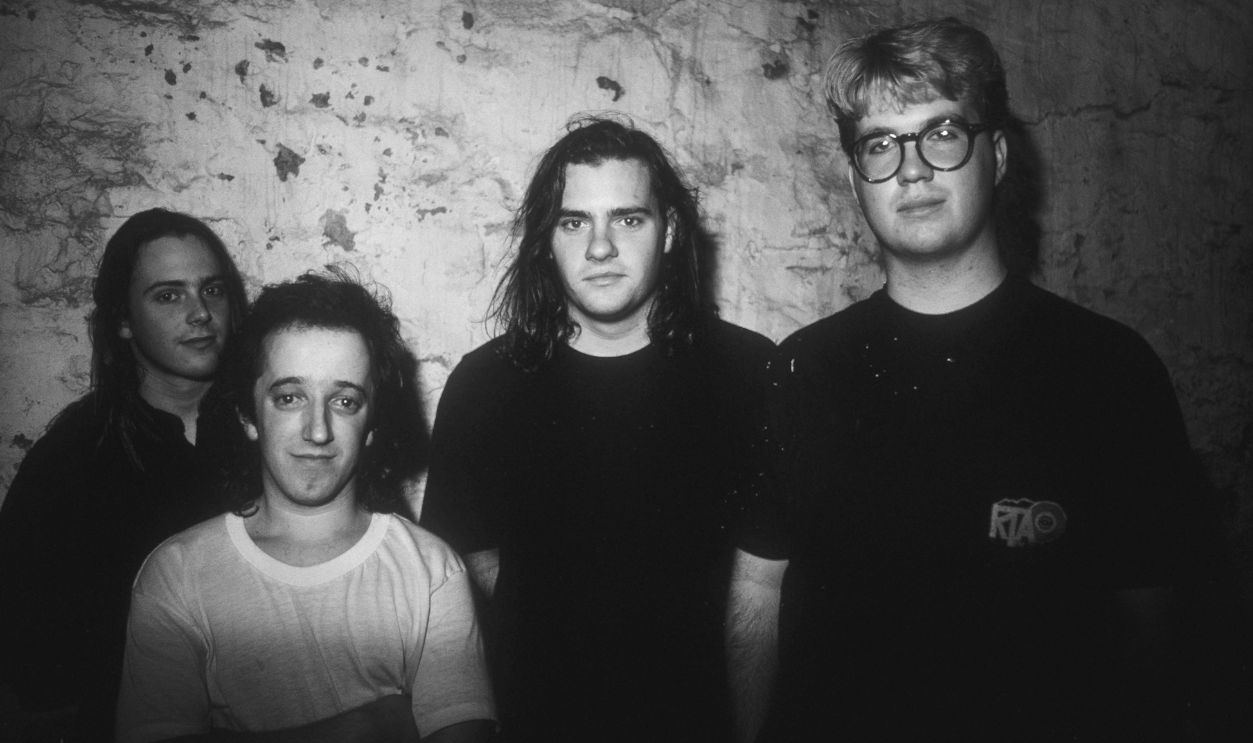
Toad the Wet Sprocket
Still sounds like a fake band name. It didn’t help then, and it definitely doesn’t help now. But they were big—Walk on the Ocean, All I Want—songs that actually held up over time. The problem is, the name never stopped sounding like a joke, and eventually that’s all people remember.
The Zombies
Time of the Season still pops up, so the music hasn’t disappeared. But the band name doesn’t carry the same weight. They actually broke up right as Odessey and Oracle started getting attention, which is about the worst timing possible if you want to be remembered long-term.
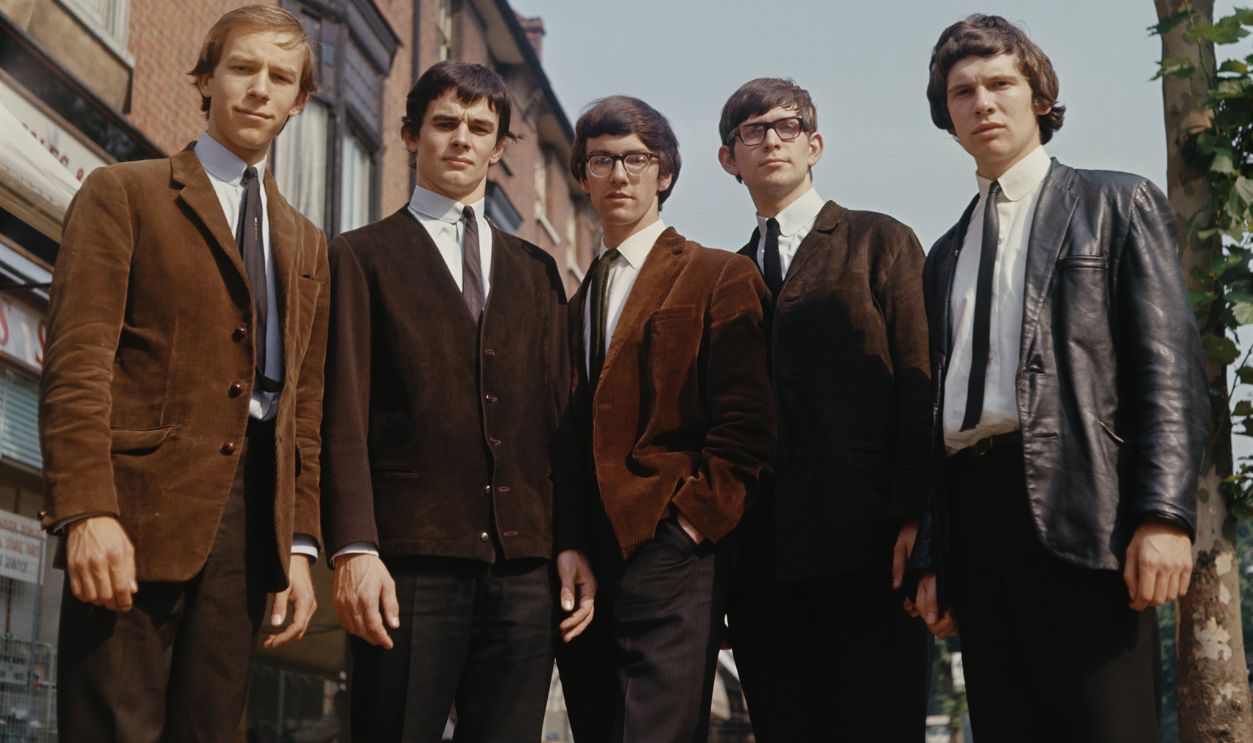 Stanley Bielecki/ASP, Getty Images
Cutting Crew
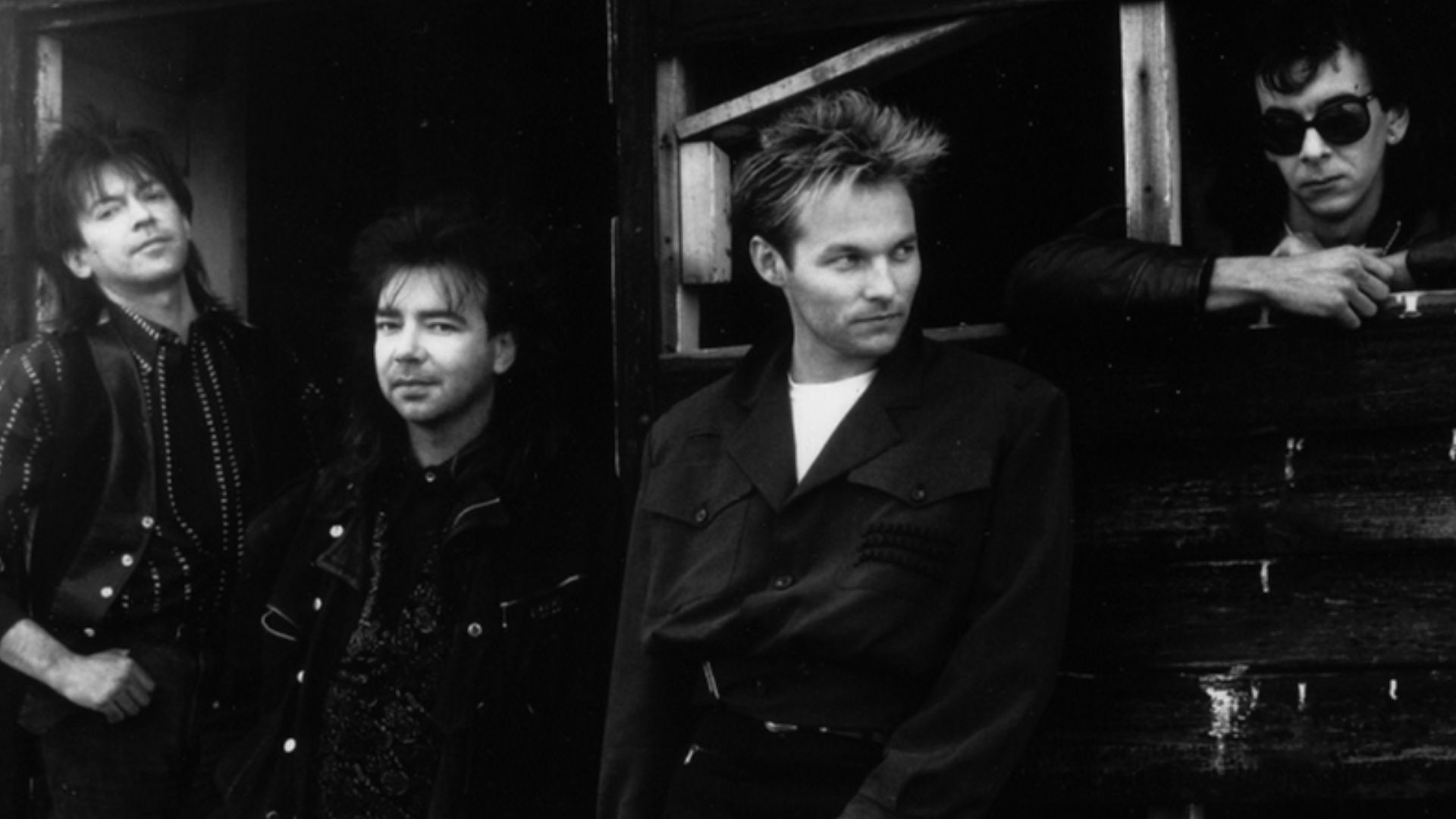
I Just Died in Your Arms is instantly recognizable. The second it starts, you’re in. Big hook, full drama, peak 80s energy. But that’s also the entire legacy. The band exists almost entirely inside that one song, with nothing else really breaking through.
The Guess Who
This great Canadian band was legitimately big. Multiple hits, real presence, and American Woman still getting played today. But here’s the issue: the song survived in all our minds, the band…not as much (unfortunately). Tell a millennial “Guess Who” sings that song and you’re heading straight into an Abbott and Costello routine…which, to be fair, they probably don’t know either.
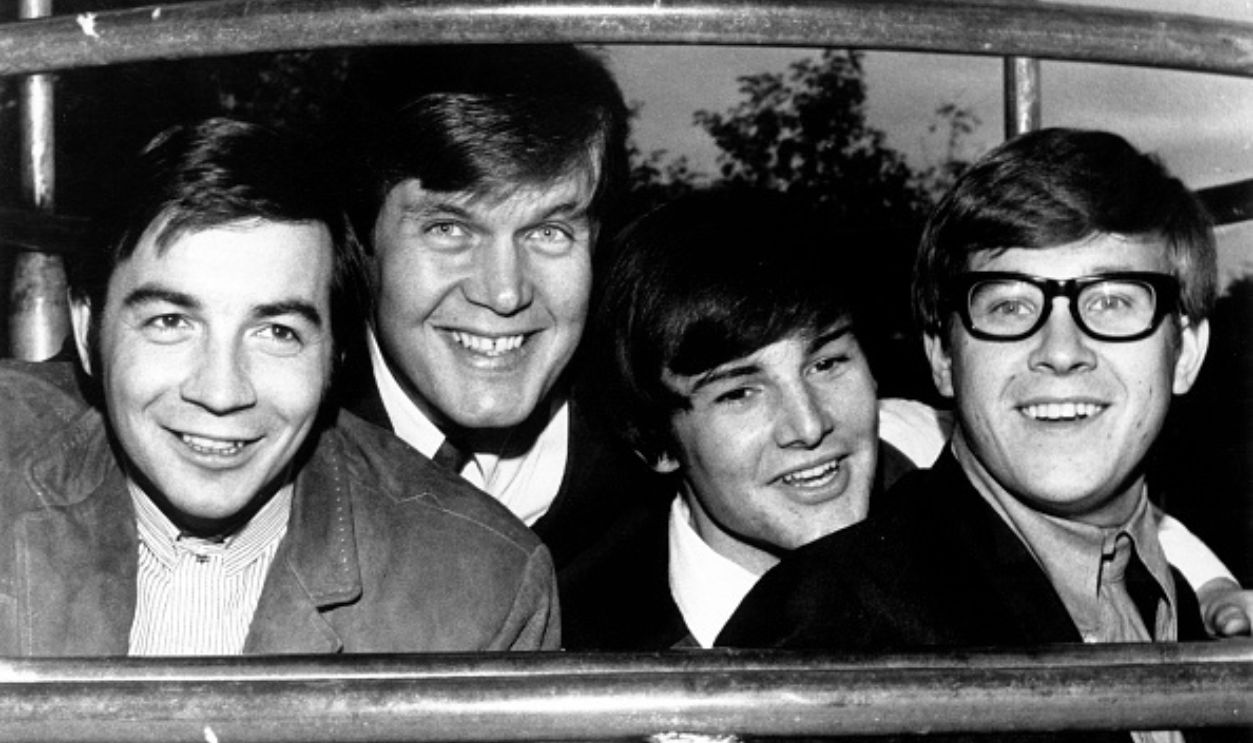 Michael Ochs Archives, Getty Images
Bachman-Turner Overdrive
This is basically The Guess Who: Part 2. Randy Bachman leaves, starts another band, and immediately scores again with You Ain’t Seen Nothing Yet. Two huge bands, same guy—and now both names get the same reaction: “I’ve heard that…somewhere.” That’s a pretty steep drop-off.
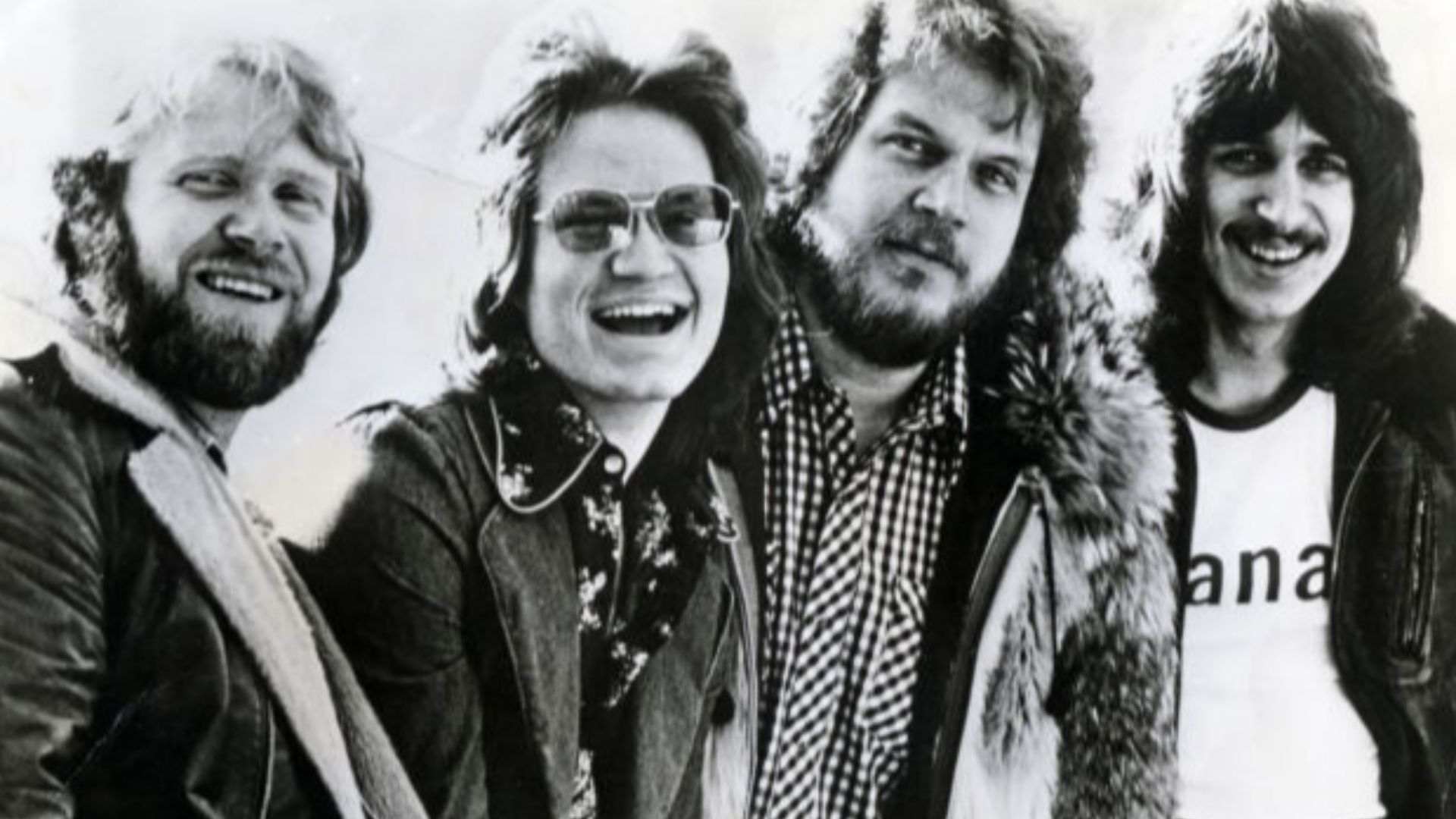 Mercury Records, Wikimedia Commons
The Grass Roots
They had real hits—Midnight Confessions, Let’s Live for Today—and a solid run in the late 60s. Not a novelty act, not a one-off. Just consistently there. And now? Completely out of the conversation unless you’re actively digging through old playlists.
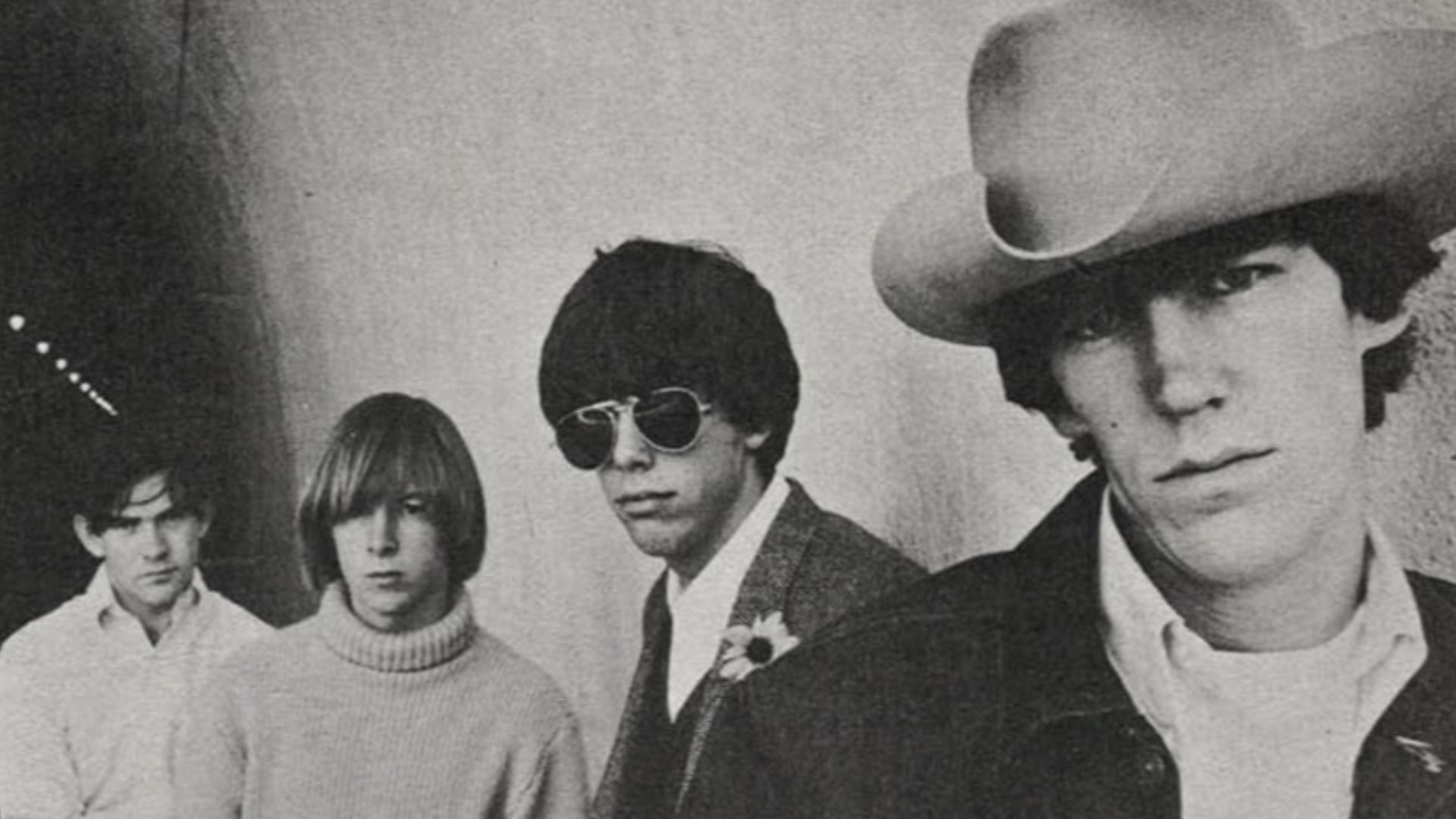 Unknown author. Modifications made by Dcameron814., Wikimedia Commons
Mr. Mister
Two number-one hits. That’s supposed to be enough. That’s the formula. Broken Wings, Kyrie—massive songs. And yet the band name barely registers now. The songs still get recognized, but the connection back to the band just never really stuck.
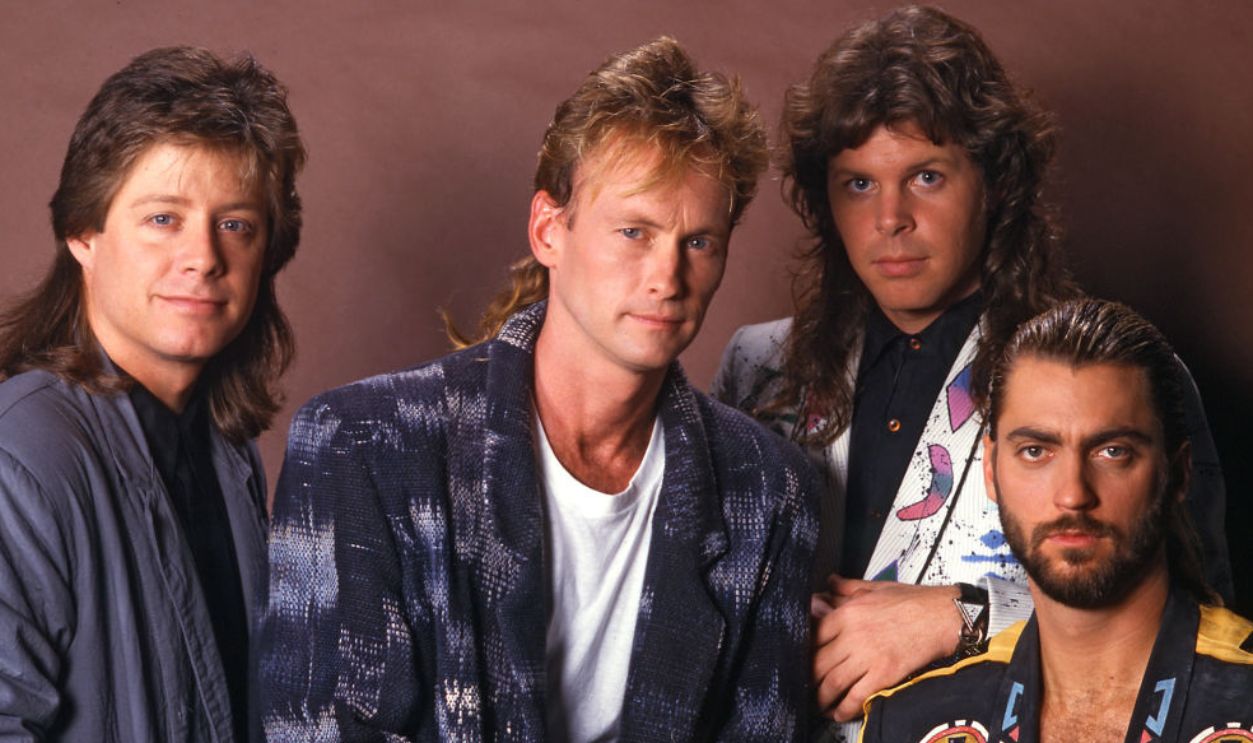 BSR Entertainment, Getty Images
Live
For a stretch, they were huge. Throwing Copper was everywhere, Lightning Crashes felt important…even if nobody could fully explain why. It had that heavy, serious energy that made it feel bigger than just a song. But that importance didn’t really carry forward.
 Screenshot from Lightning Crashes, Universal Music Group (1994)
The Fixx
They had a slightly smarter, more serious 80s sound—songs like One Thing Leads to Another stood out at the time. They weren’t just another band in the mix. But once that era ended, they didn’t quite carry forward with it, and the name faded with the sound.
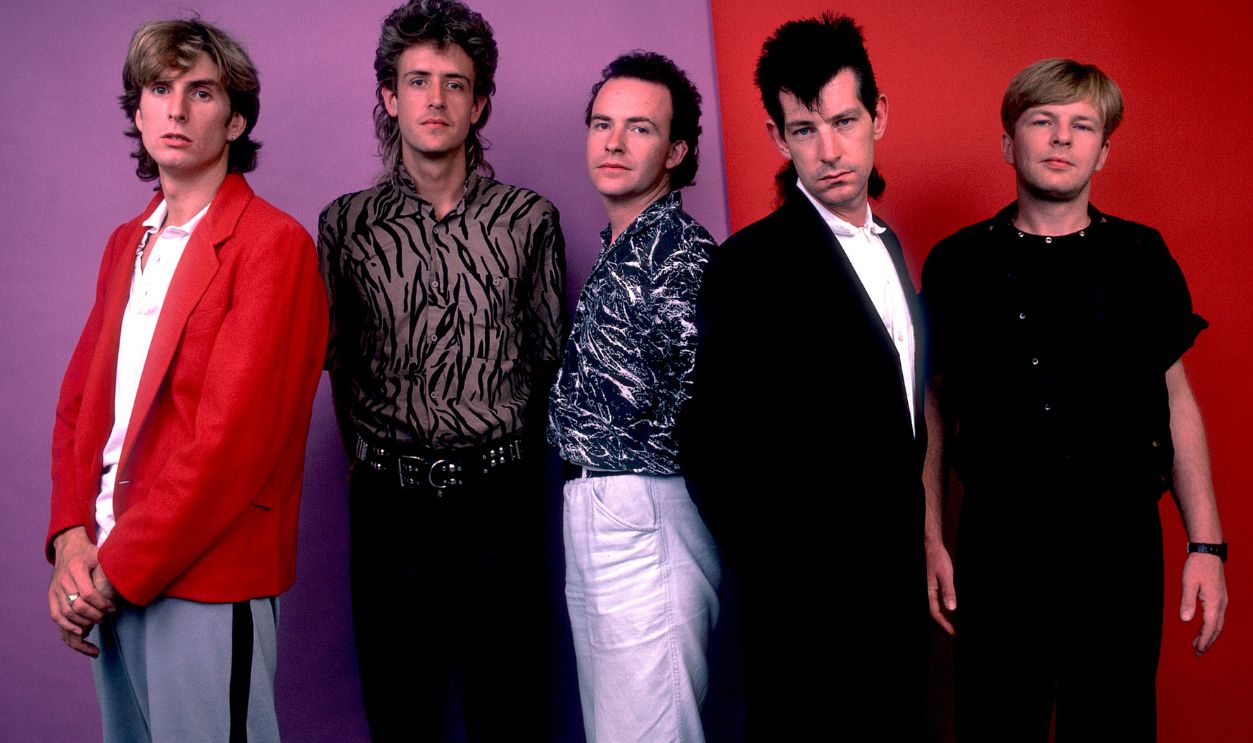
Fastball
The Way had a real story behind it, which made people pay attention in a different way. It wasn’t just background radio—it gave people something to latch onto. For a minute, it felt like the band had real momentum. Turns out, that was the peak.
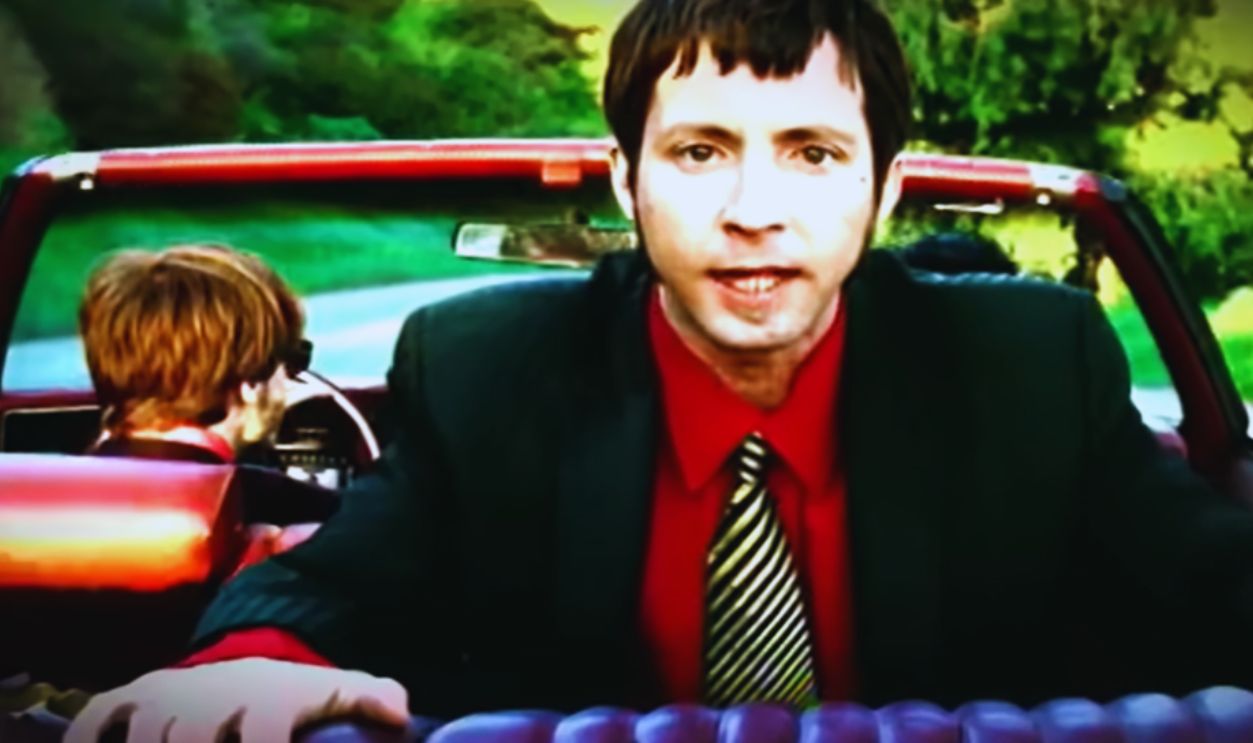 Screenshot from The Way, The Walt Disney Company (1998)
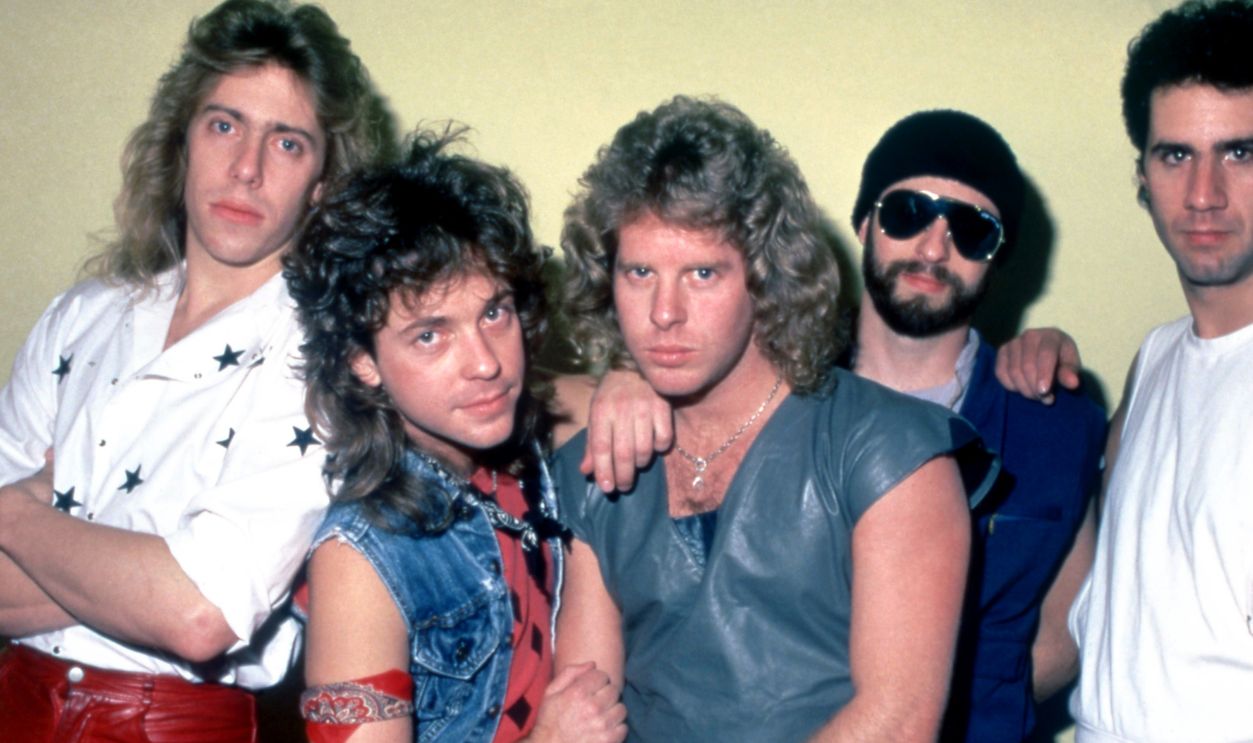
Night Ranger
“Sister Christian” still shows up all the time, and it works every time. It’s one of those songs that just clicks instantly. But the band name doesn’t carry the same recognition. It’s always a slight delay—“oh yeah…them.” That’s about where it stops.
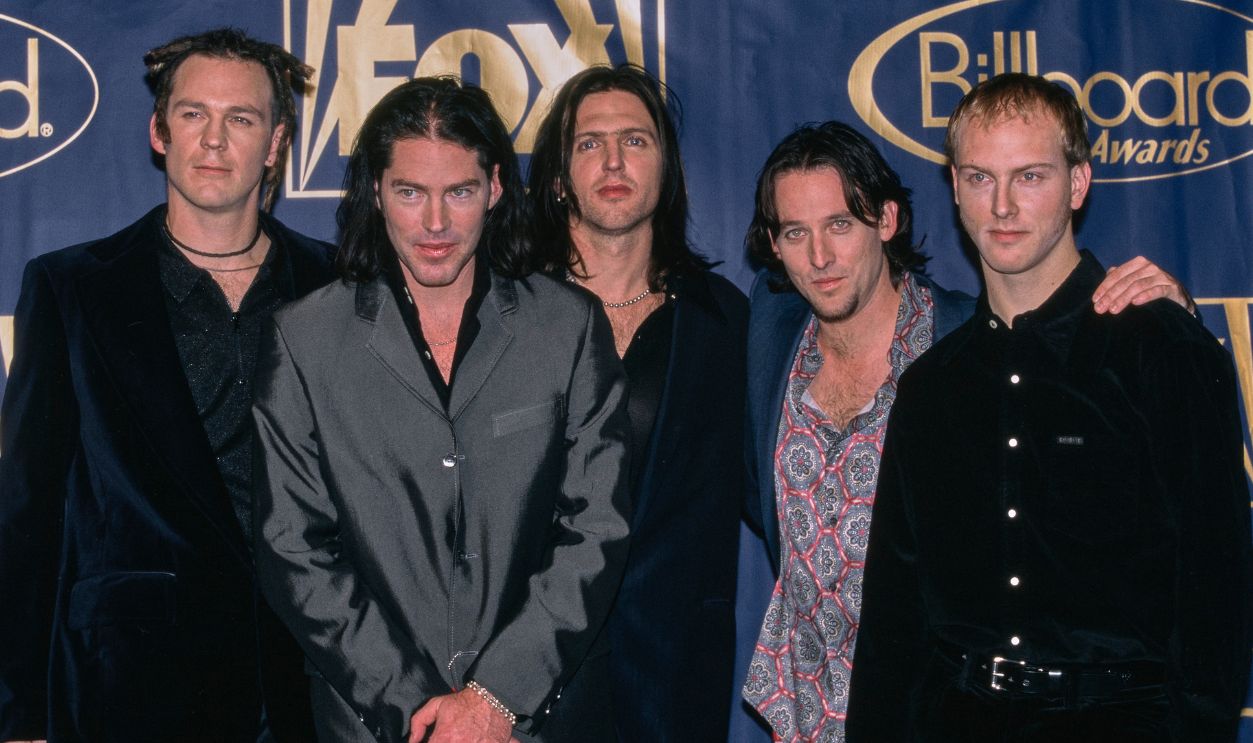
Dishwalla
Counting Blue Cars had people overanalyzing lyrics like it was a class assignment. That kind of engagement usually gives a band more staying power. It did for the song. The band itself didn’t really get the same benefit once that moment passed.
Men Without Hats
The Safety Dance is basically indestructible. You hear it and immediately recognize it. But the band name? Not even close. This might be the biggest gap here between a song everyone knows and an artist almost nobody remembers.
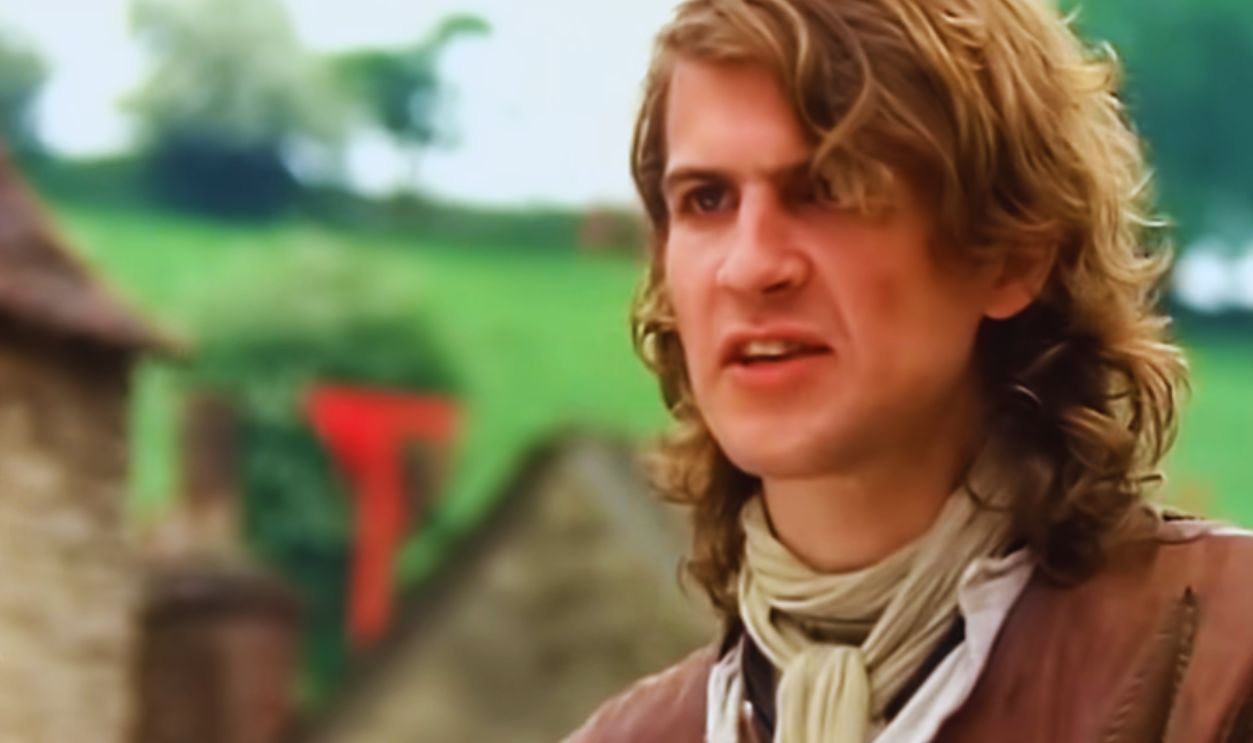 Screenshot from The Safety Dance, Universal Music Group (1982)
The Outfield
Your Love refuses to disappear. It just keeps showing up—movies, playlists, random moments where you suddenly recognize it again. But the band itself never got that same second life. The song survived perfectly fine on its own.
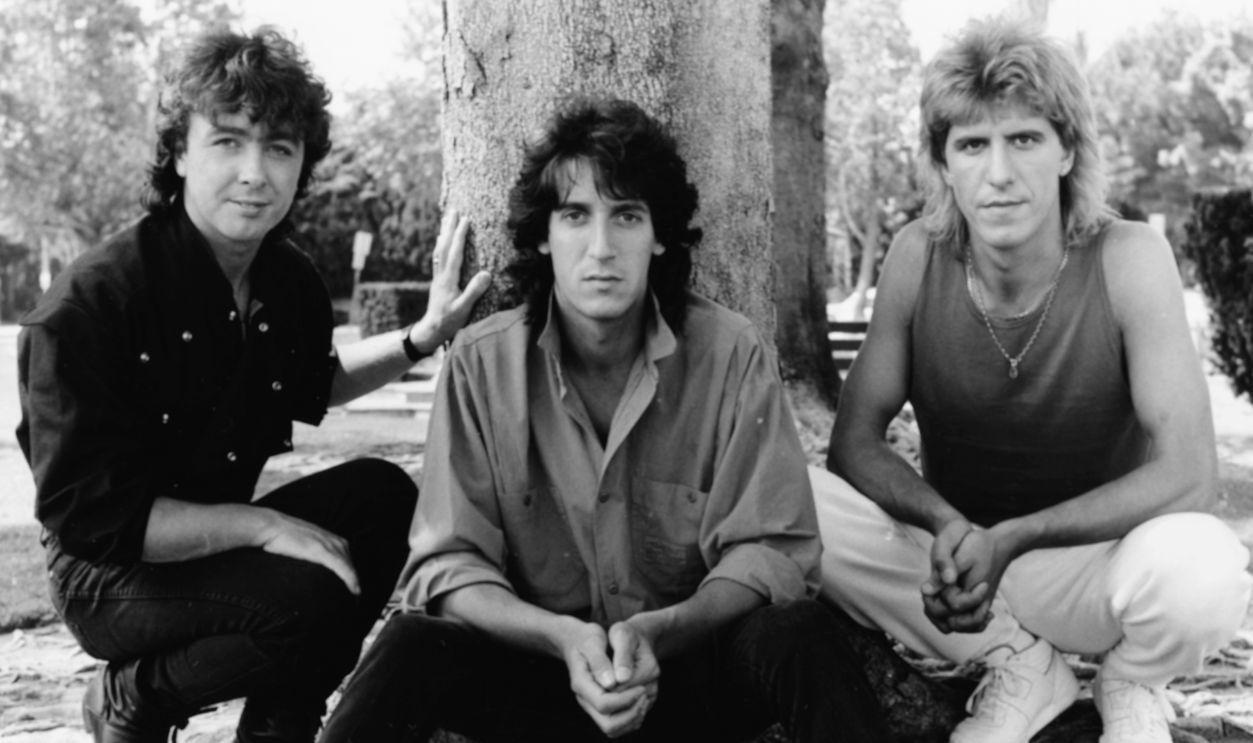
Semisonic
Closing Time might be the most famous song ever made by a band people can’t name. It’s everywhere, it’s still used constantly, and yet the connection back to Semisonic just never stuck. That’s actually impressive in a weird way.
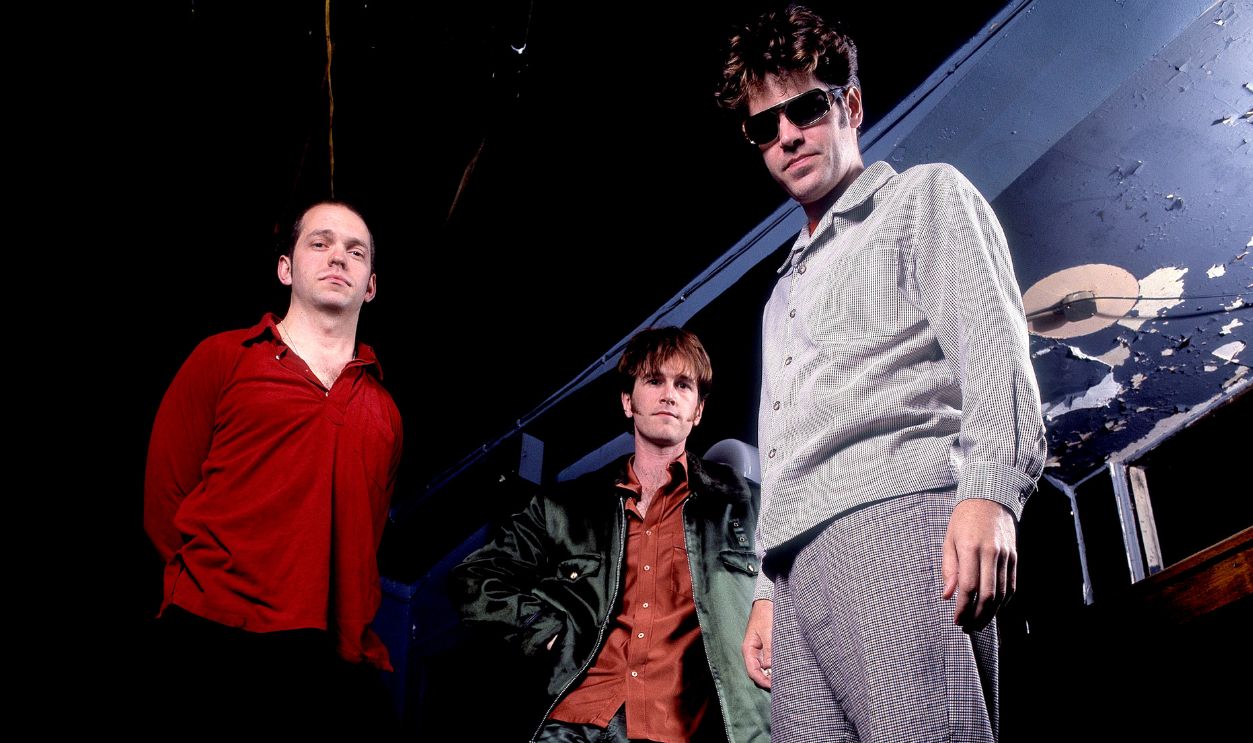
Harvey Danger
Flagpole Sitta had attitude and stood out right away—sarcastic, chaotic, very of its time. And speaking of that time…if you weren’t around for it, there’s a very good chance you have no idea how any of those words (Harvey, Danger, Flagpole, Sitta) are supposed to connect at all.
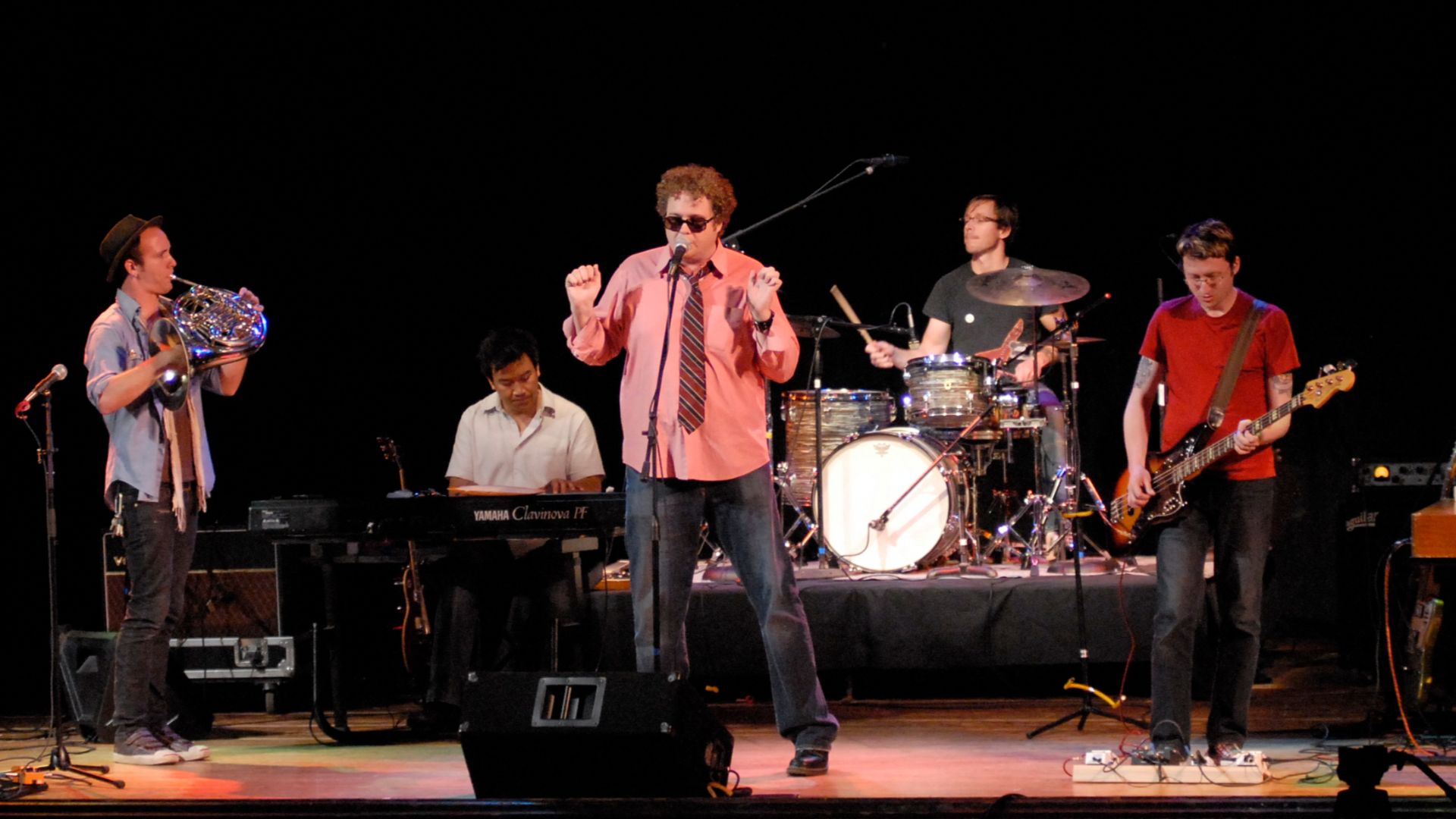 Steven Friederich, Wikimedia Commons
Spacehog
In the Meantime had a cool, different sound—big, glam, a little Bowie influence. It didn’t really match what else was happening in the 90s, which helped it stand out. But it also didn’t last long enough to turn into anything more than that one moment.
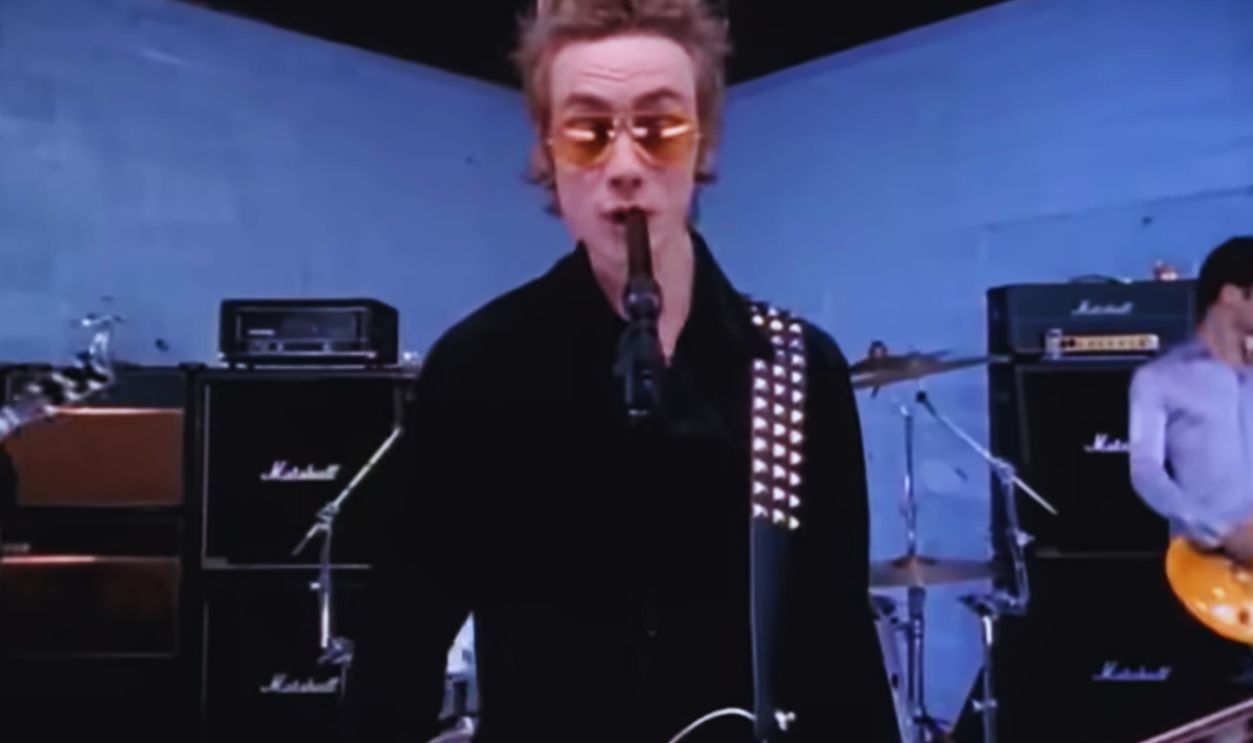 Screenshot from In the Meantime, Warner Music Group (1996)
Stroke 9
Little Black Backpack had enough radio play that it felt like step one of something bigger. Like this was the start of a real run. But like a lot of bands from that era, the follow-up never landed the same way.
You Might Also Like:
The Strangest Songs To Hit Number One On The Billboard Hot 100