When Turning The Volume Up Turned Society Upside Down
Rock music has never asked for permission. Sometimes it whispers rebellion. Sometimes it screams it through a stack of amplifiers. And every now and then, a song slips into the world thinking it’s just being catchy or honest—only to ignite outrage, bans, investigations, or full-blown moral panic. The funny thing is, most of these tracks weren’t trying to cause trouble. They just told the truth a little too loudly. These are the rock anthems that accidentally set the world on fire—and became immortal because of it.
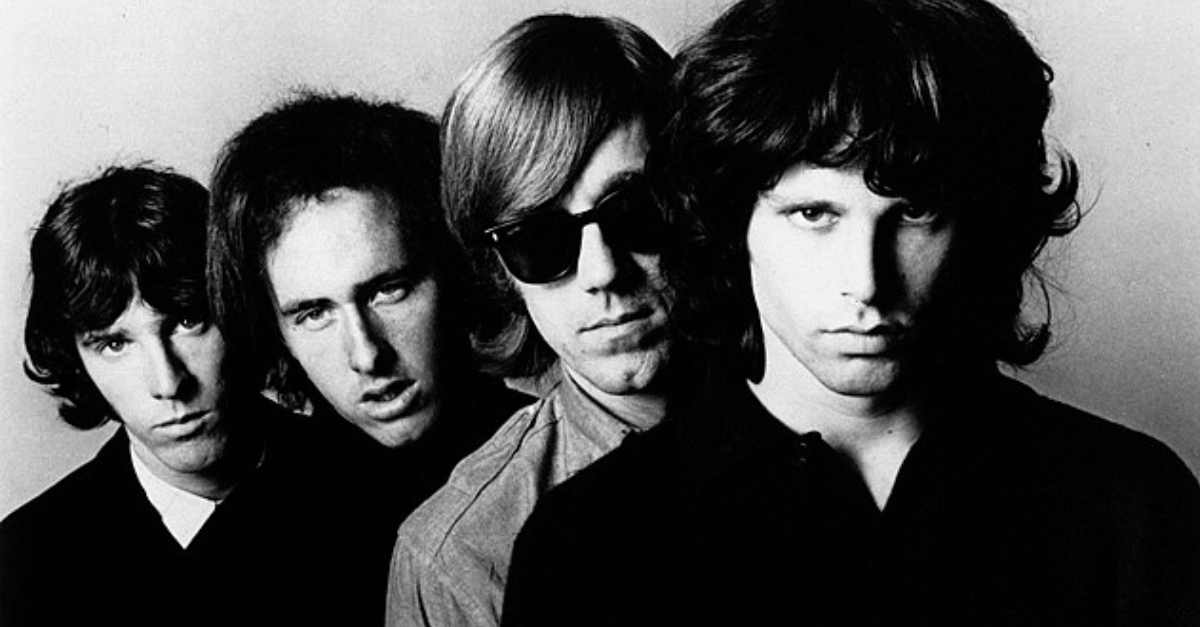
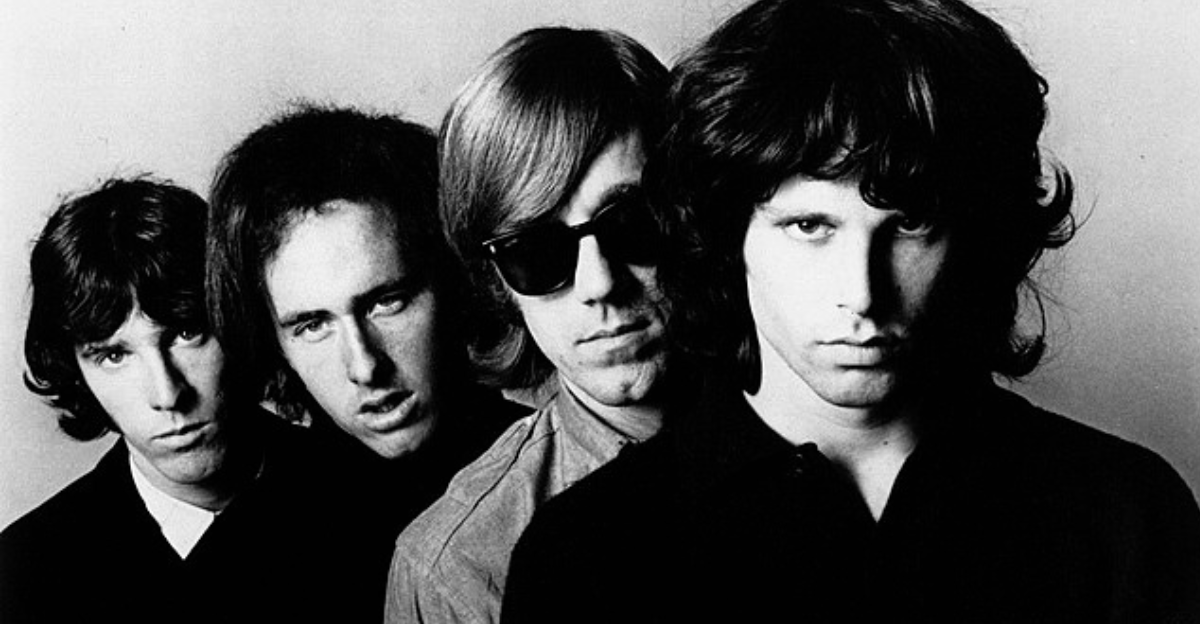 Joel Brodsky; Distributed by Elektra Records, Wikimedia Commons
The Kingsmen—Louie Louie
No song has ever caused so much chaos while saying so little. “Louie Louie” was banned and scrutinized because no one could clearly understand the lyrics, which led to wild rumors about obscene content. The panic grew so intense that authorities actually investigated the song for hidden filth, only to find…nothing. The controversy turned a messy garage-rock tune into one of the most infamous songs in music history.
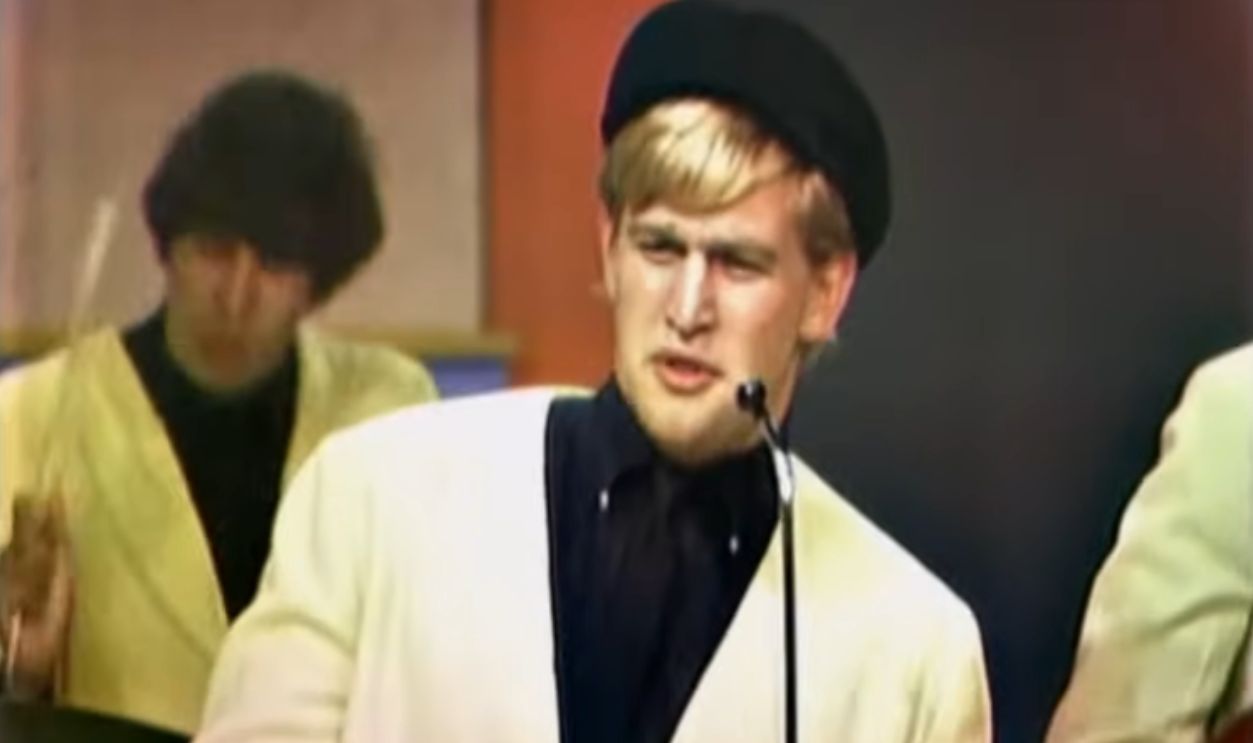 Screenshot from Louie Louie, Wand Records (1963)
The Who—My Generation
This song didn’t just annoy adults—it terrified them. Lines like “Hope I die before I get old” sounded like a declaration against tradition, manners, and authority itself. Broadcasters worried it promoted dangerous behavior or mocked disabilities due to Roger Daltrey’s stutter. Instead of silencing the youth, the backlash crowned the song as the defining anthem of teenage rebellion.
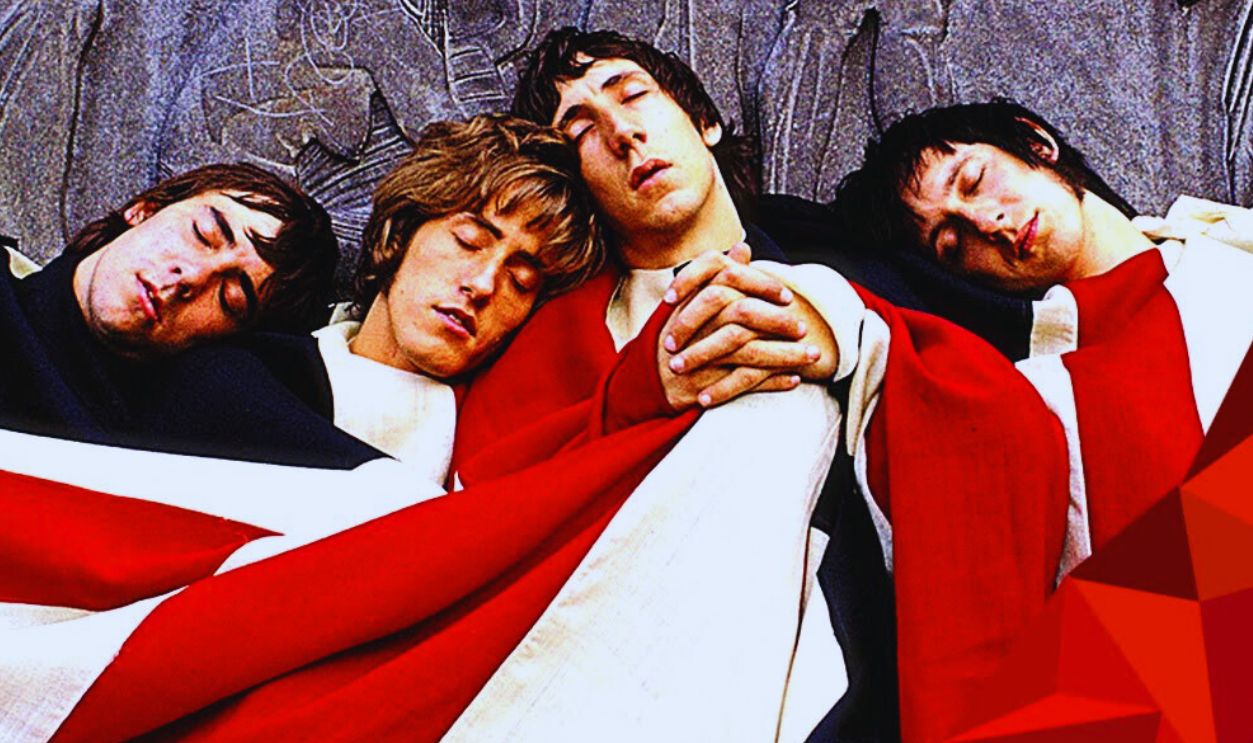 Screenshot from My Generation, Brunswick (1965)
The Beatles—A Day in the Life
What sounded like an artful, dreamlike masterpiece was treated like a dangerous drug manifesto. One vague lyric—“I’d love to turn you on”—was enough to get the song banned from radio rotation. The irony is that the controversy only elevated the track’s mystique, helping cement it as one of the most important recordings of the 20th century.
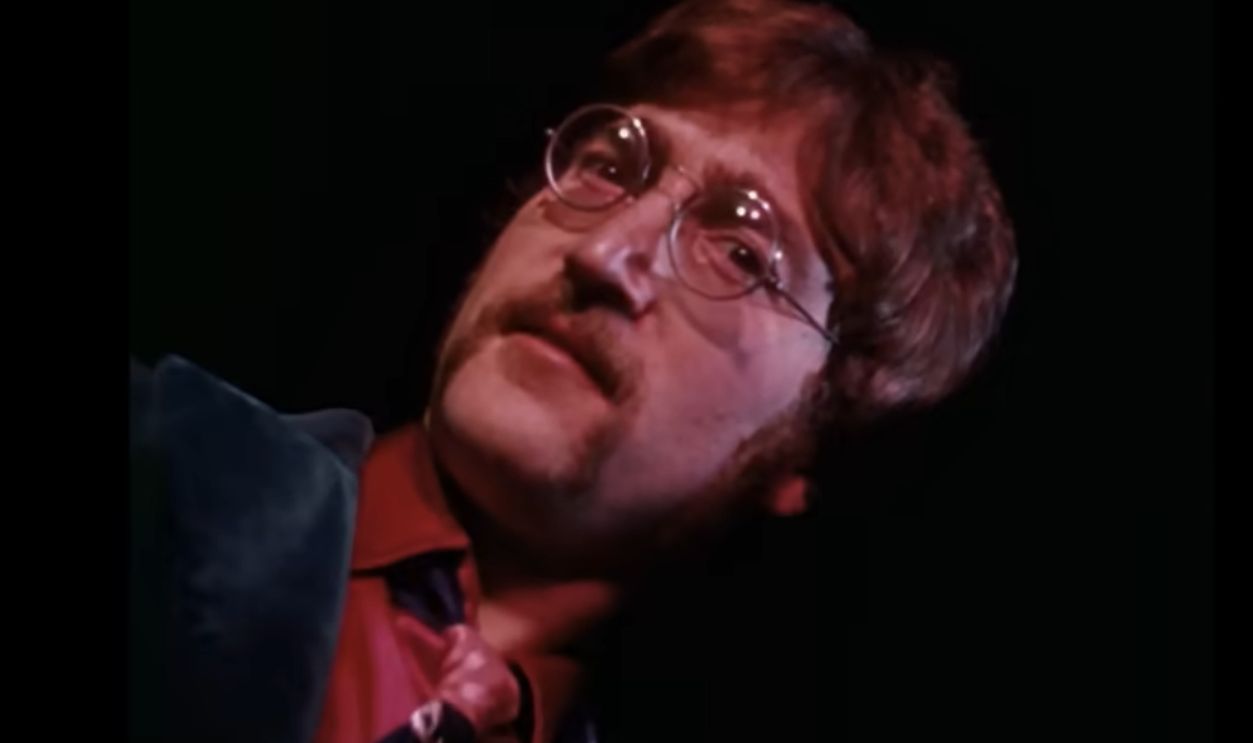 Screenshot from A Day in the Life, Capitol Records (1967)
The Rolling Stones—Let’s Spend the Night Together
A title this innocent wouldn’t raise an eyebrow today, but in the late 60s it was considered downright scandalous. Radio stations refused to play it, and TV executives demanded lyrical changes. Mick Jagger’s exaggerated, sarcastic delivery during censored performances made it clear he wasn’t thrilled about being told to behave.
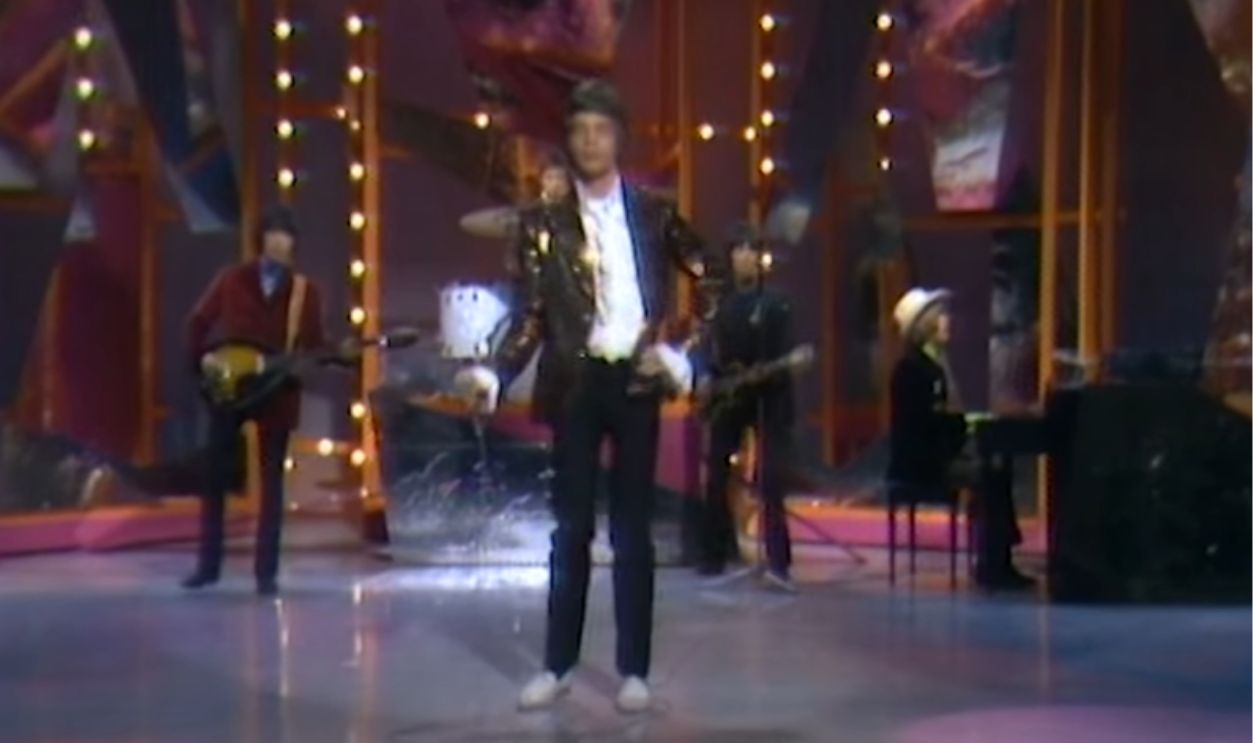 Screenshot from Let’s Spend the Night Together, London Records (1967)
The Doors—Light My Fire
Few songs glide so smoothly while causing so much anxiety. That one line—“girl, we couldn’t get much higher”—was interpreted as an open invitation to substance use. When asked to censor it for television, Jim Morrison famously didn’t. The result was fewer TV appearances and a permanent reputation as rock’s most defiant frontman.
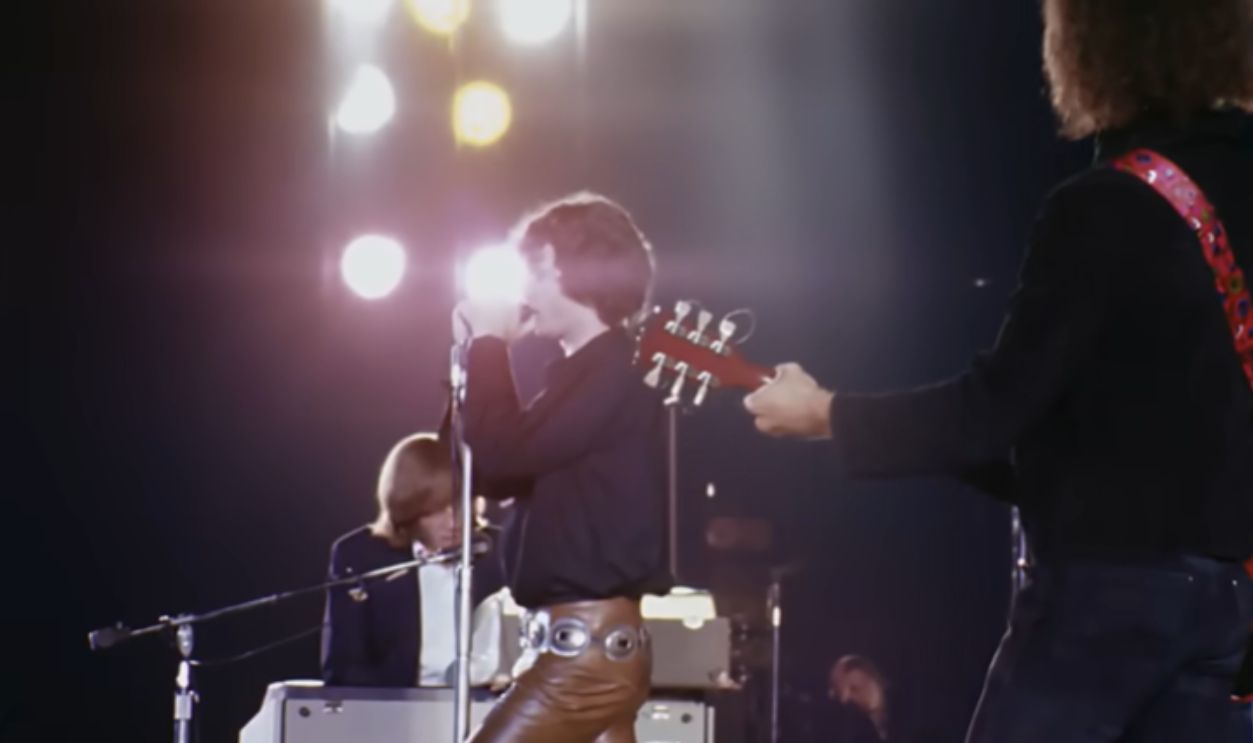 Screenshot from Light My Fire, Elektra Records (1967)
The Kinks—Lola
“Lola” was groundbreaking in its portrayal of gender fluidity, but that wasn’t even why it got banned. The BBC took issue with a brand name mentioned in the lyrics, which violated broadcasting rules. Ray Davies had to re-record a single line just to get airplay. What should’ve been a minor hit turned into a cultural milestone thanks to the fuss.
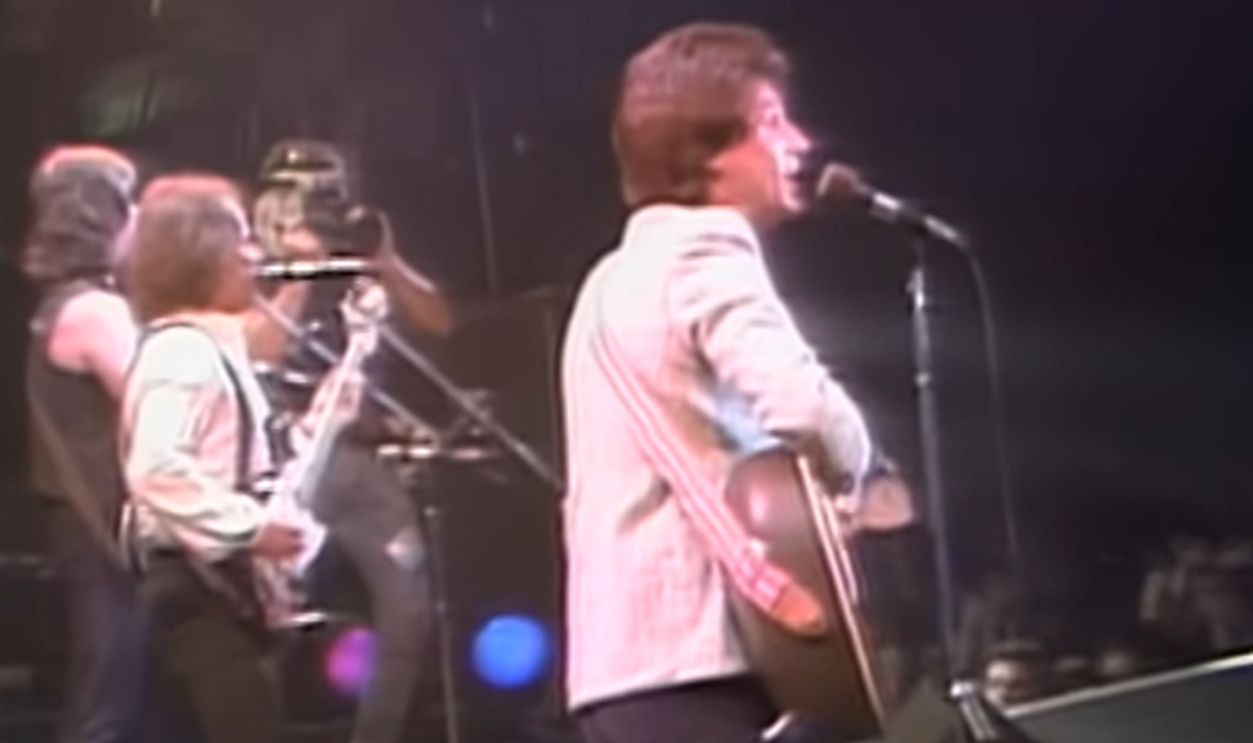 Screenshot from Lola, Pye Records (1970)
Lou Reed—Walk on the Wild Side
Soft bassline, sweet backing vocals, and lyrics that made radio executives sweat. The song openly referenced “night” work, queer identity, and underground culture, all delivered with casual confidence. Some stations refused to touch it. Others played it without realizing what they were broadcasting. Either way, it quietly changed what rock music was allowed to talk about.
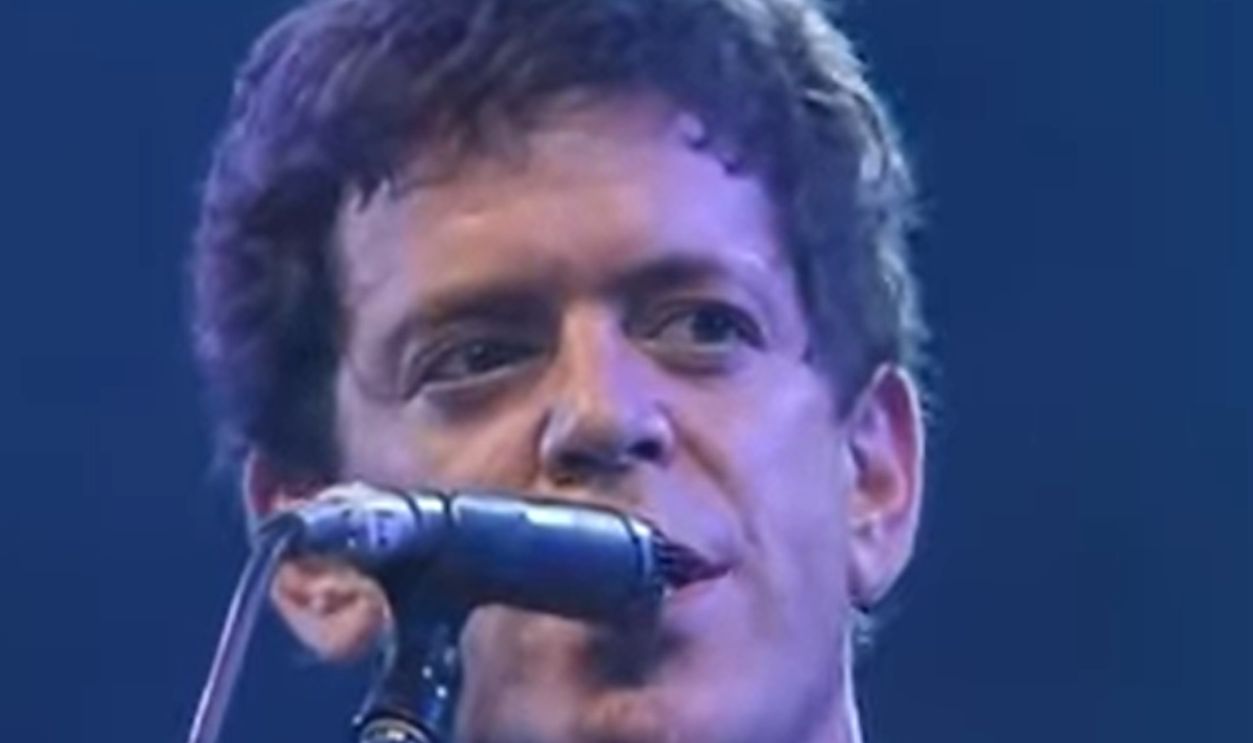 Screenshot from Walk on the Wild Side, RCA Records (1972)
The Rolling Stones—Star Star
Originally released under a far more explicit title, this song barely stood a chance. Its unapologetically crude lyrics and celebrity name-dropping ensured it would be banned almost everywhere. That only added to its reputation as one of the Stones’ most reckless moments, proof that they thrived on pushing boundaries just to see who flinched.
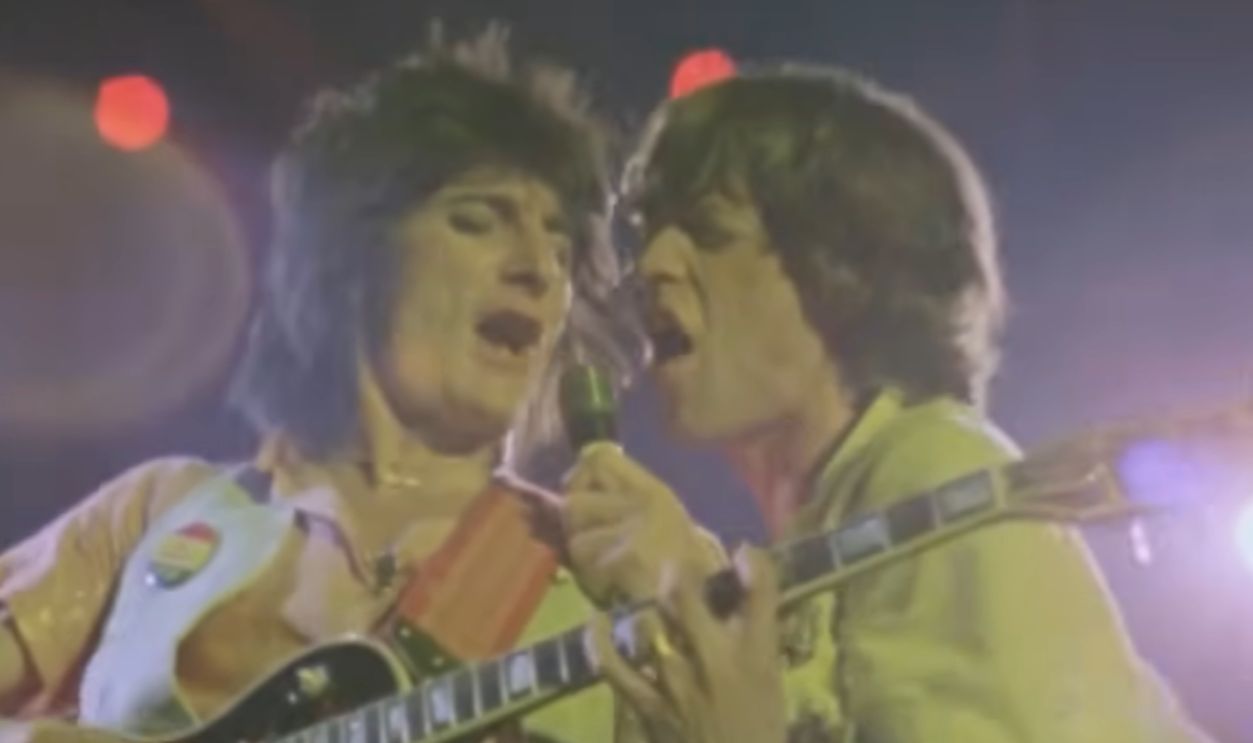 Screenshot from Star Star, Rolling Stones Records (1973)
David Bowie—The Jean Genie
Bowie’s swagger scared people more than the lyrics themselves. The song’s sensual energy, gritty attitude, and androgynous confidence made conservative broadcasters uneasy. Attempts to suppress it failed, of course, and Bowie continued reshaping rock culture with every raised eyebrow and glitter-covered sneer.
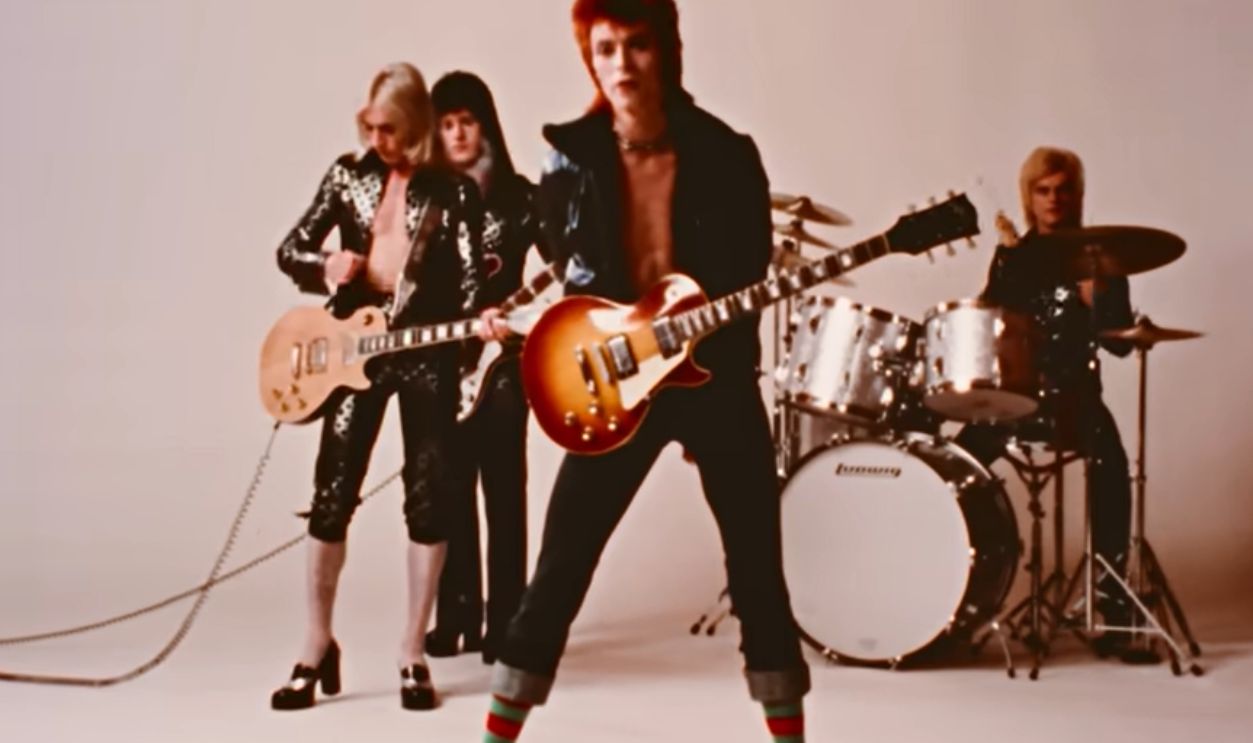 Screenshot from The Jean Genie, RCA Records (1973)
AC/DC—Highway to Hell
The title alone was enough to send moral guardians into a frenzy. Religious groups and radio stations objected loudly, assuming the song promoted something sinister. In reality, it was about the grind of touring life. The backlash only fueled its popularity, turning it into one of the most recognizable rock anthems ever recorded.
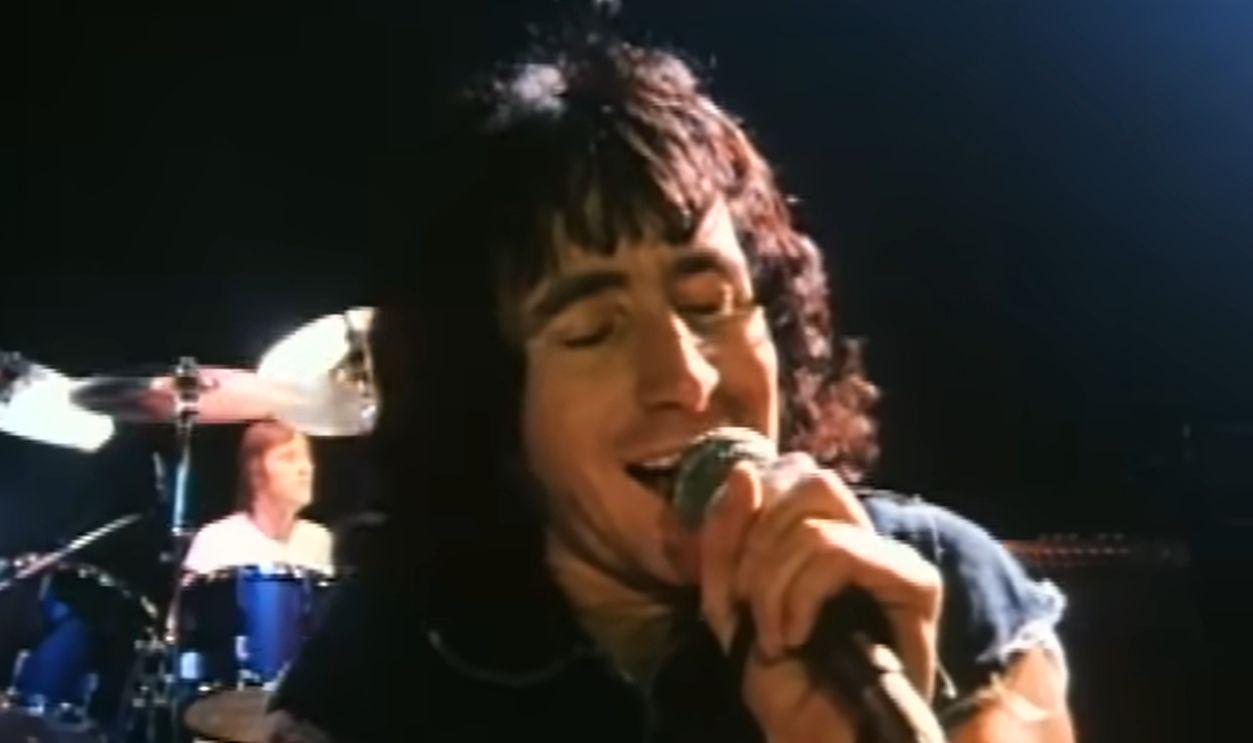 Screenshot from Highway to Hell, Atlantic Records (1979)
Frank Zappa—Bobby Brown Goes Down
Zappa never aimed to be polite, and this song proved it. Its biting satire of masculinity, fame, and American culture got it banned across the US Ironically, it became a hit elsewhere, highlighting how outrage often says more about the listener than the song itself.
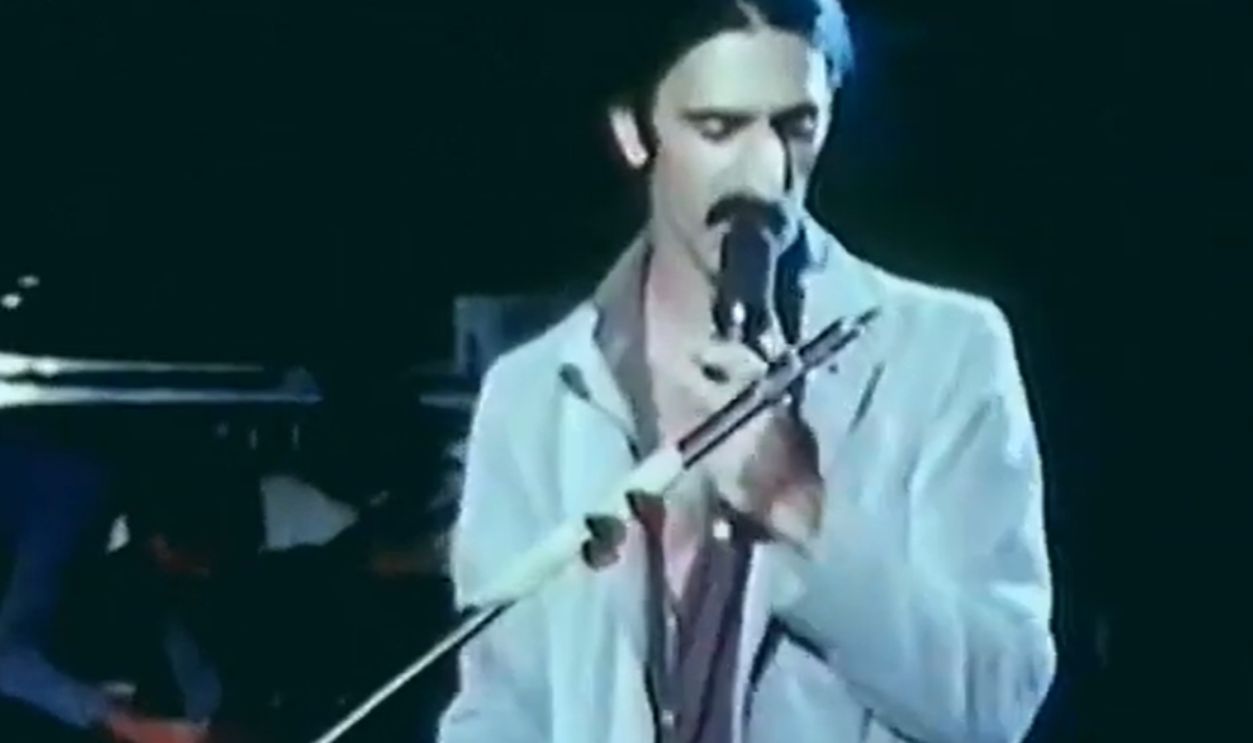 Screenshot from Bobby Brown Goes Down, Zappa Records (1979)
The Doors—The End
Dark, sprawling, and deeply unsettling, this track crossed lines radio wasn’t prepared to deal with. Its disturbing imagery and emotional intensity pushed it far outside acceptable norms. Yet it endured, proving that music doesn’t need to be comfortable to be powerful.
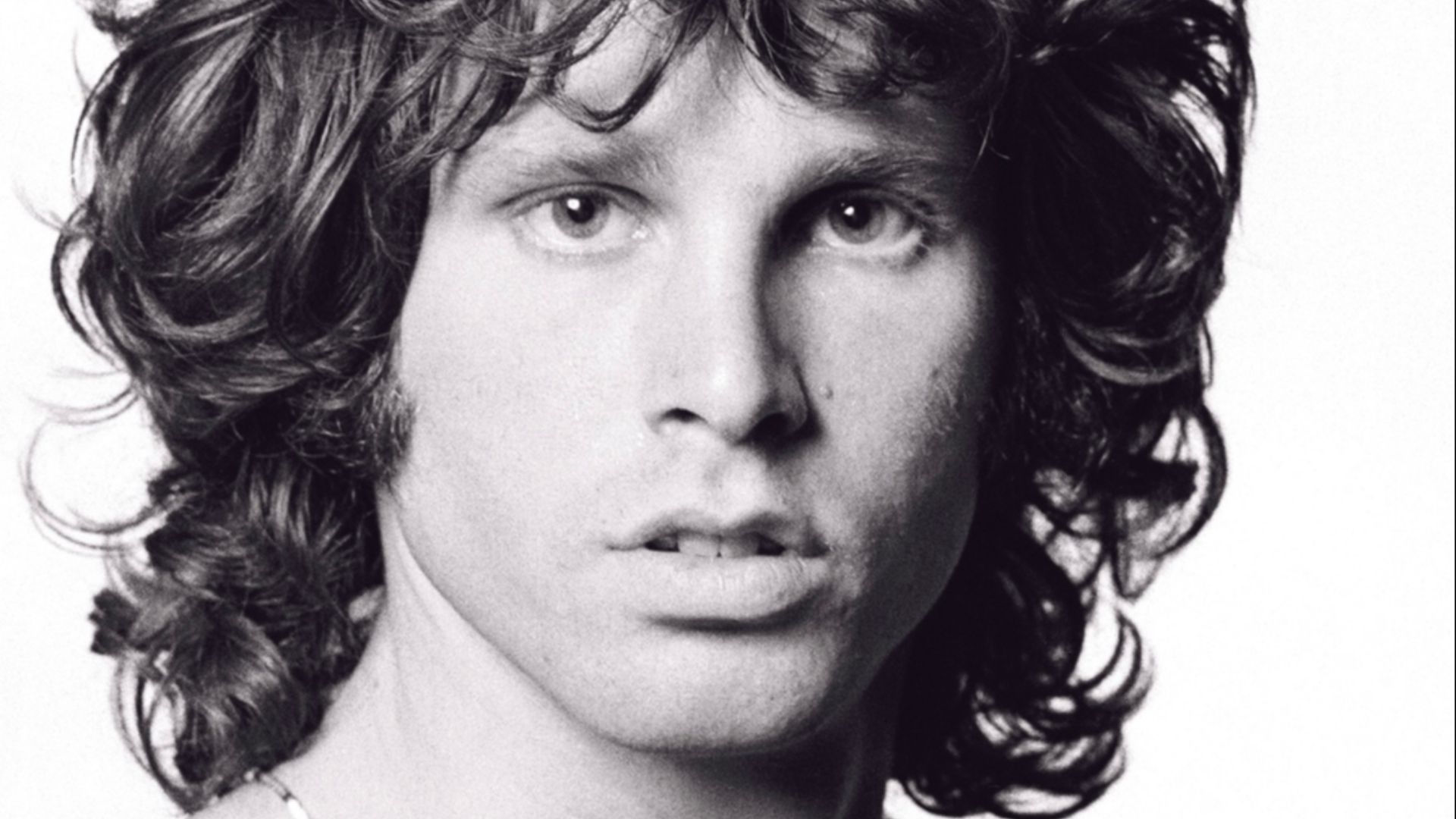 Joel Brodsky, Distributed by Elektra Records, Wikimedia Commons
Rage Against the Machine—Killing in the Name
This song wasn’t subtle, and that was the point. Its explosive chorus and unapologetic rage against authority made it an instant target for censorship. Bans followed, protests grew louder, and the song only became more essential—especially for listeners who felt ignored or oppressed.
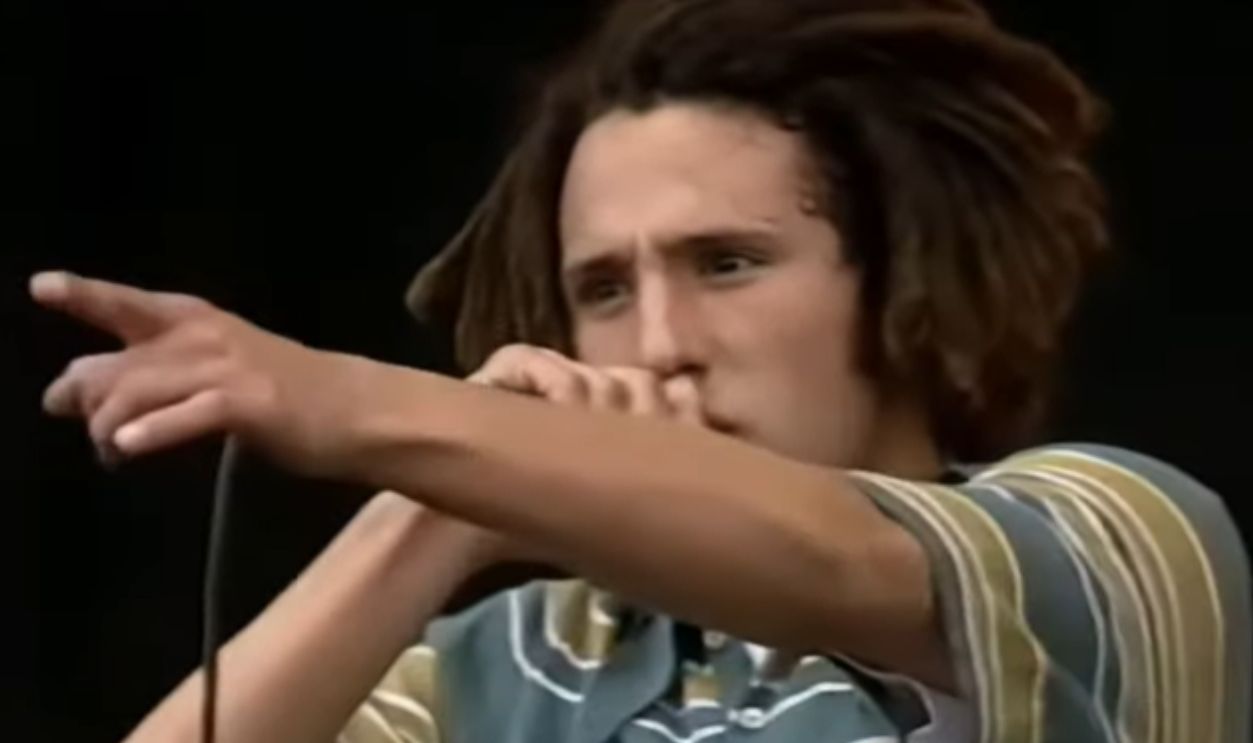 Screenshot from Killing in the Name, Epic Records (1992)
The Cramps—Human Fly
Weird, creepy, and proudly unhinged, this track had no interest in mainstream approval. Its horror-punk attitude made it radioactive to radio programmers. Underground fans, however, embraced it wholeheartedly, turning the ban into a badge of honor.
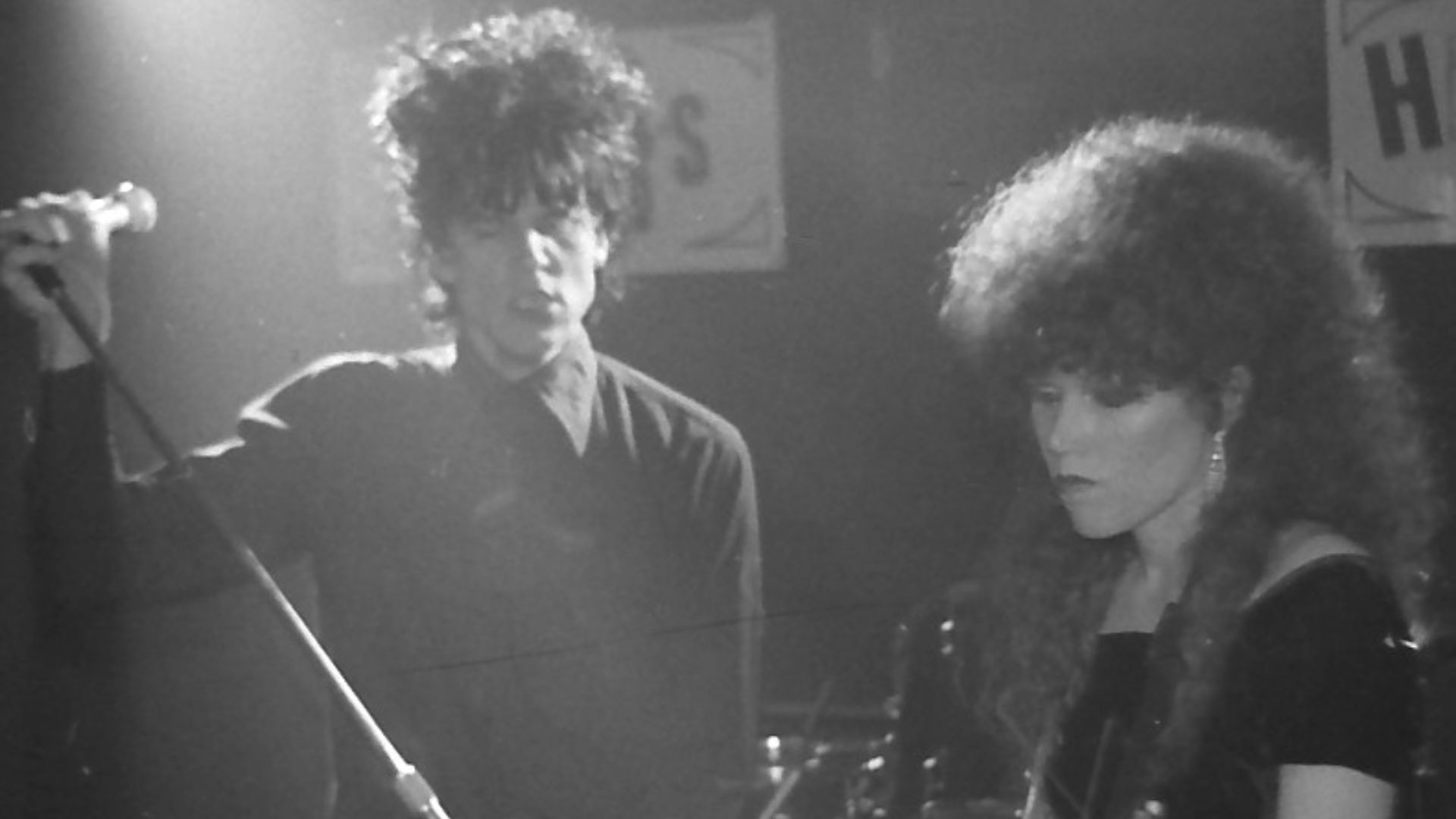 Canada Jack aka Jeremy Gilbert, Wikimedia Commons
You May also Like:
If You Know These Reggae Songs, Your Music Taste Is Elite
Source: 1