When Mentorship Turned Messy
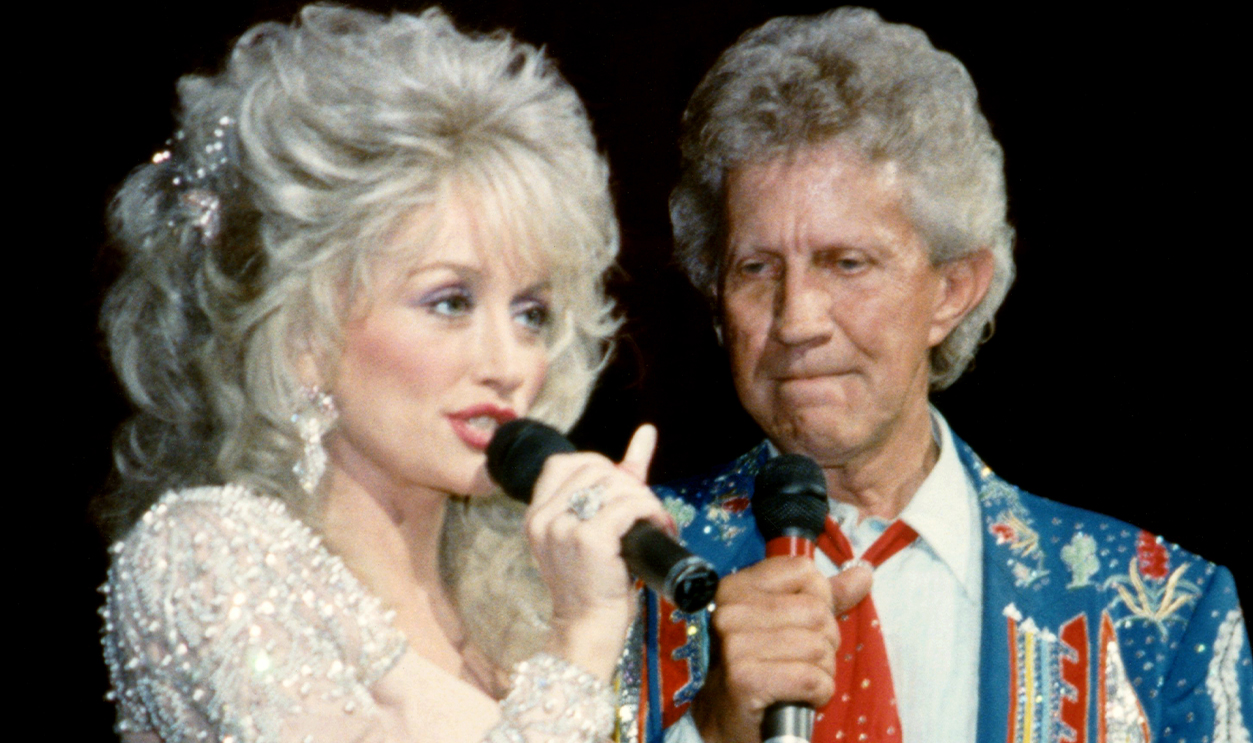
Porter Wagoner and Dolly Parton were one of country music’s most famous duos, and one of its most complicated relationships. Their partnership launched Parton’s career and brought some of the genre’s most beloved music into the world. But behind the harmonies and hit records was tension, ambition, clashing personalities, and a feud that nearly tore them apart.
An Iconic Duo Is Born
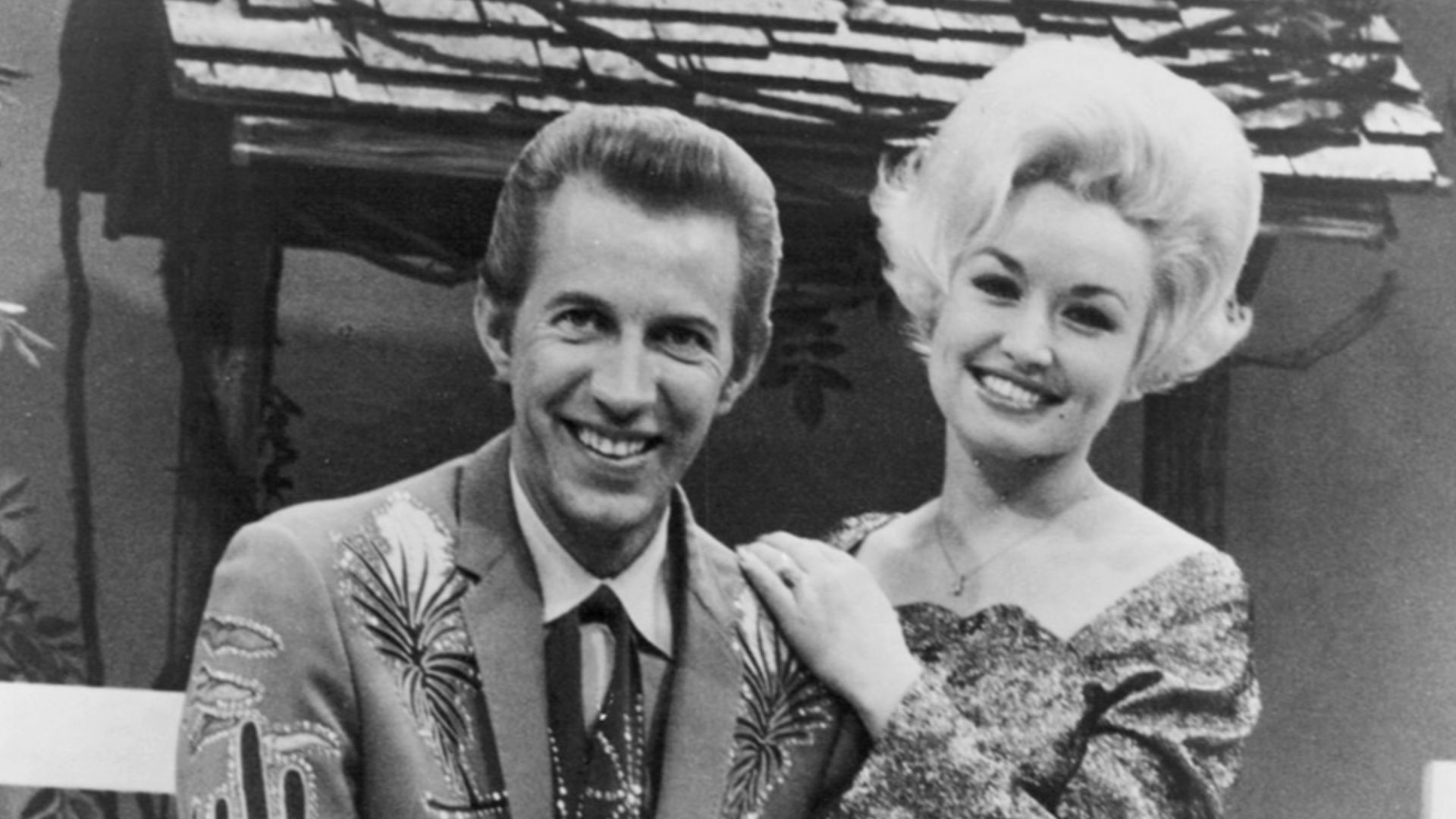
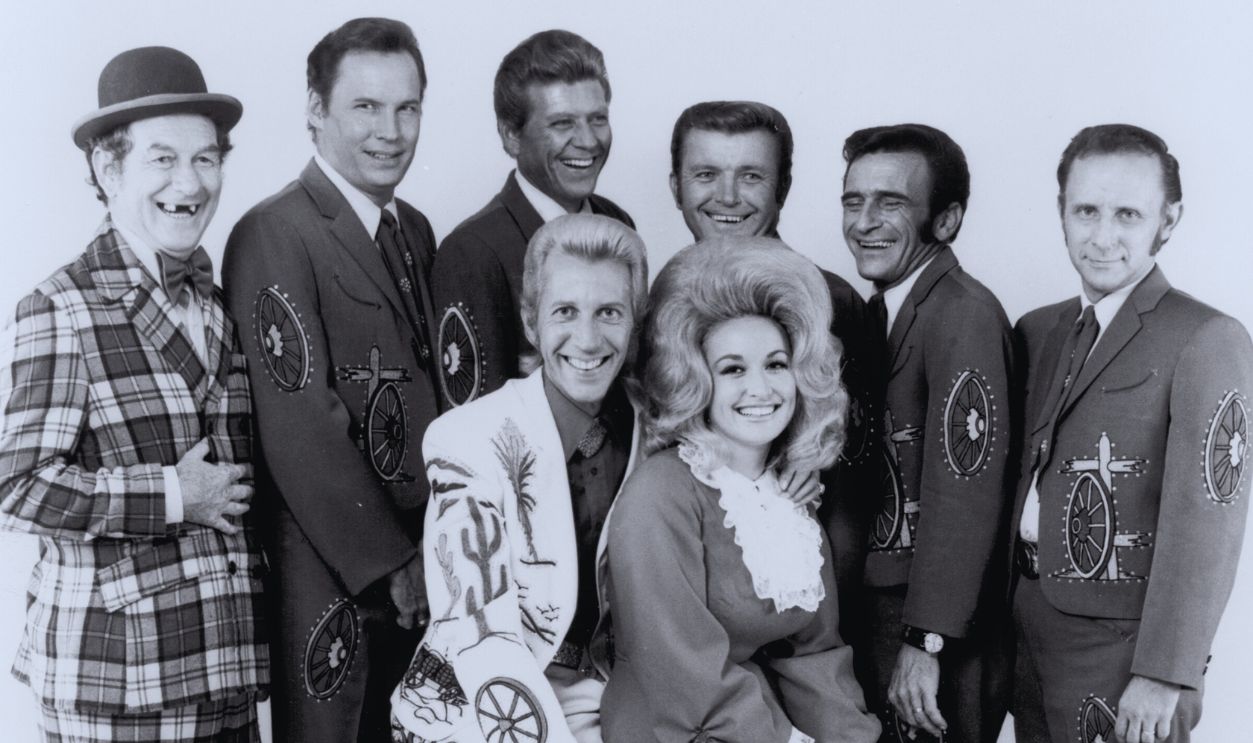
Dolly Parton got her big break in country music when she joined The Porter Wagoner Show in 1967. Wagoner, already a well-established country star with one of the most popular syndicated TV programs in the nation, had lost one of his leading female singers and was looking for a replacement. Parton’s song “Dumb Blonde” caught his ear, and he offered her a spot on the show, giving her national exposure almost overnight.
 Moeller Talent, Inc. Nashville (management), Wikimedia Commons
The Early Days On The Wagoner Show
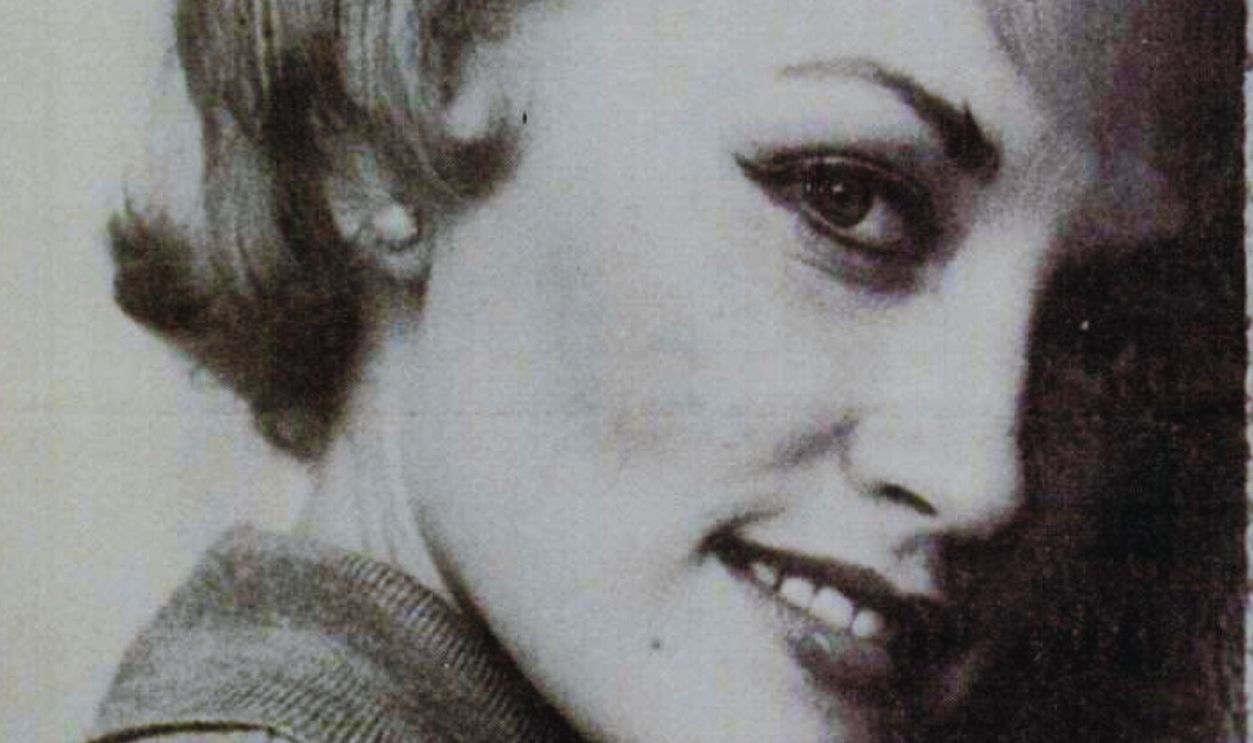
Stepping into Porter Wagoner’s world at just 21, Parton was suddenly thrust into the spotlight. Performing weekly on television and touring with Wagoner’s backing band, the Wagonmasters, she was introduced to a broad audience almost instantly. “I actually had come to Nashville to be my own star… I got a start in the big time with Porter because he had the number one syndicated show at the time,” Parton later explained. “We had a lot of duets together, but we were like oil and water, so to speak”.
Musical Chemistry And Stardom
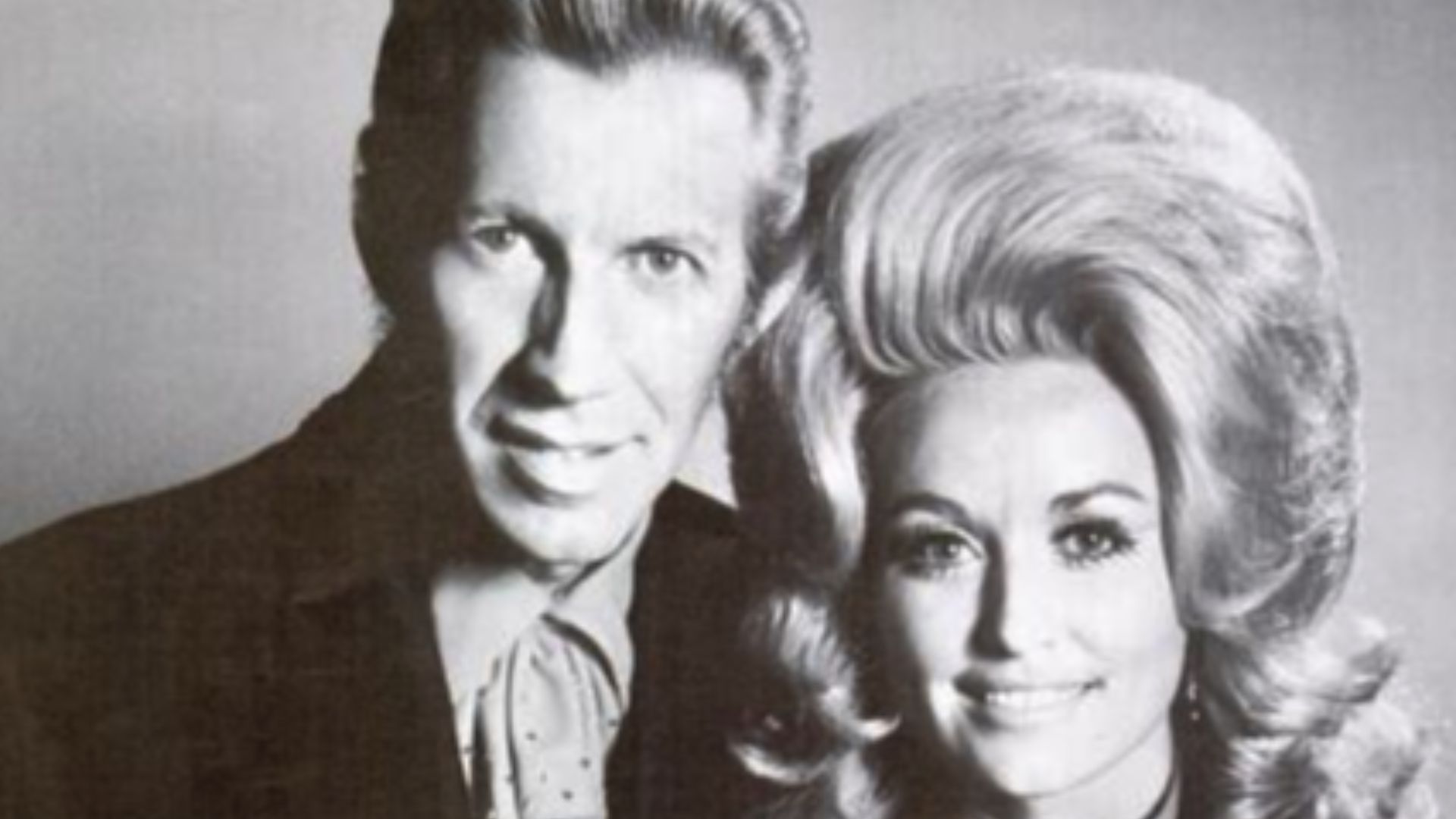
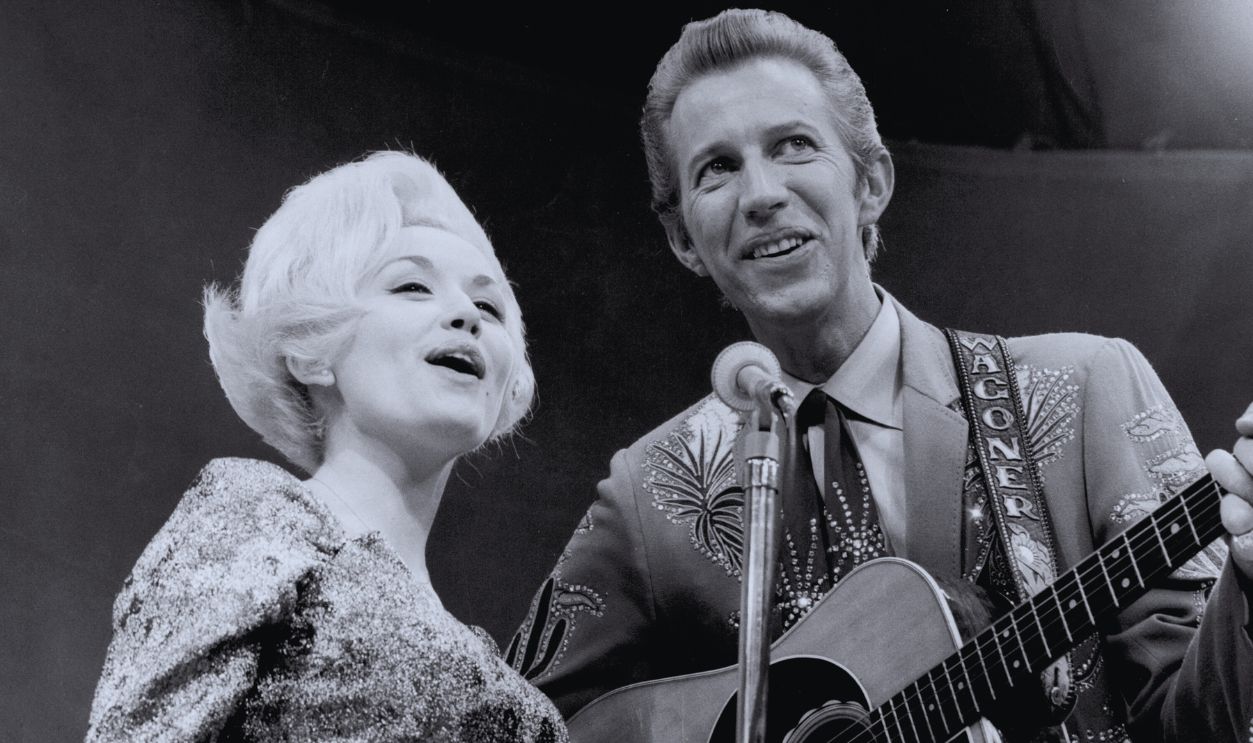
Wagoner and Parton’s musical partnership clicked. Their voices blended naturally, and audiences responded with love. Together they released multiple duet albums, and their chemistry onstage helped cement both as country music fixtures. Hits like “Please Don’t Stop Loving Me” topped the charts, and the duo became synonymous with the rich duet tradition in the genre.
Different Ambitions Behind The Scenes
Although their performances were polished, their relationship behind the curtain wasn’t always easy. Parton was ambitious and eager to develop her own music and identity as an artist. Wagoner, for his part, was protective of the show and his career system—he had made a space for Parton, and he saw himself as a mentor and guide.
 Michael Ochs Archives, Getty Images
Clashing Personalities
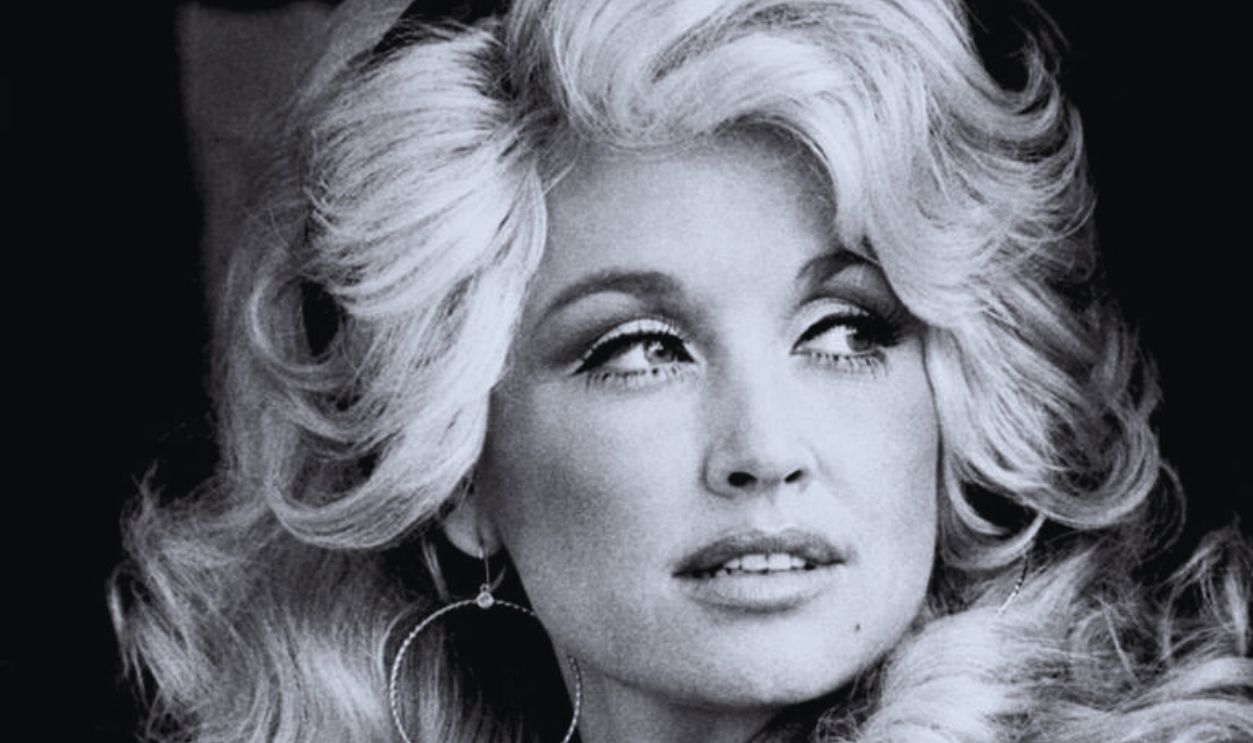
Parton later described their relationship as a mix of respect and conflict. “We got to where we argued and quarreled about personal things… Things we had no business quarreling and arguing about,” she said in reflection on their early rise. “It was beginning to tarnish a really good relationship".
 RCA Records, Wikimedia Commons
Touring And Tension
Life on the road wasn’t always glamorous. Parton recalled that touring with Wagoner involved grueling schedules and long hours together in close quarters. “It was hell … but in the early days… Porter saw to it that I had my own little bathroom,” she said, even as the constant travel wore on her.
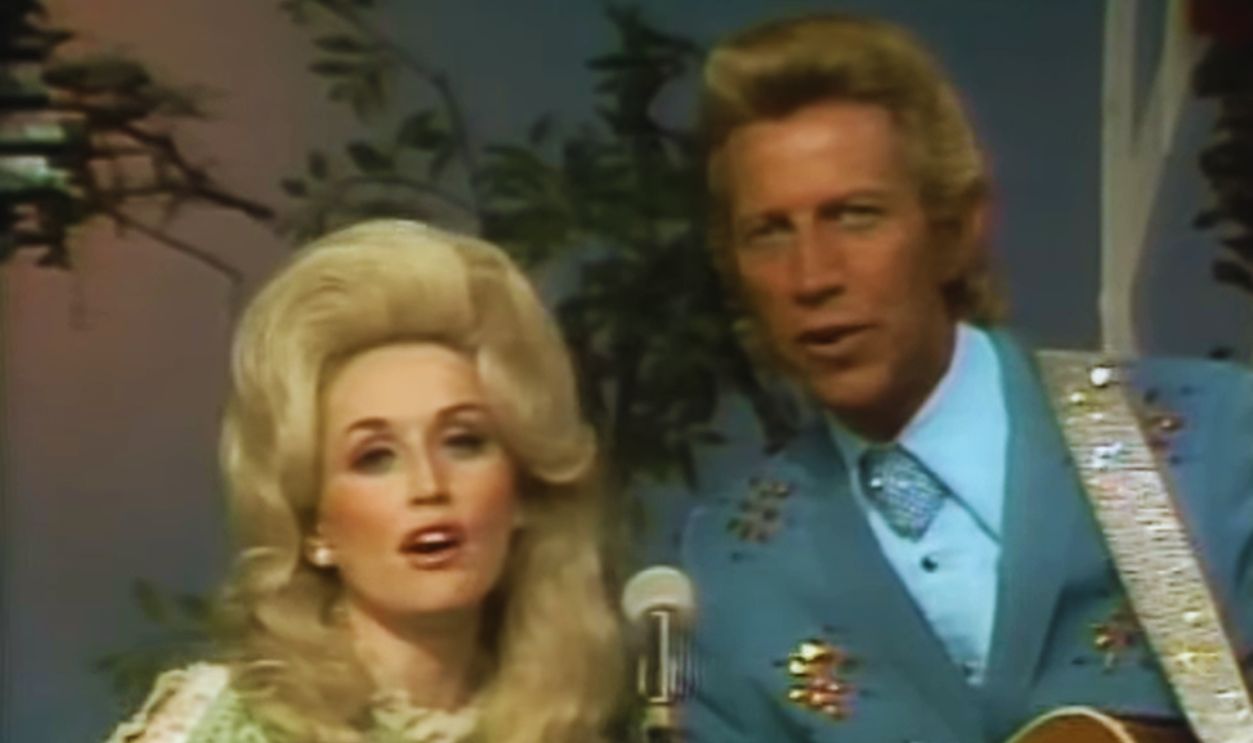 Screenshot from Dolly Parton & Porter Wagoner – Just Between You and Me, RCA Victor (1968)
Parton Wants Her Own Path
By the early 1970s, Parton’s star was rising rapidly. She wanted more artistic control and opportunities to grow beyond her role on Wagoner’s show. Wagoner wasn’t always comfortable relinquishing control, and that dynamic created a growing rift between them.
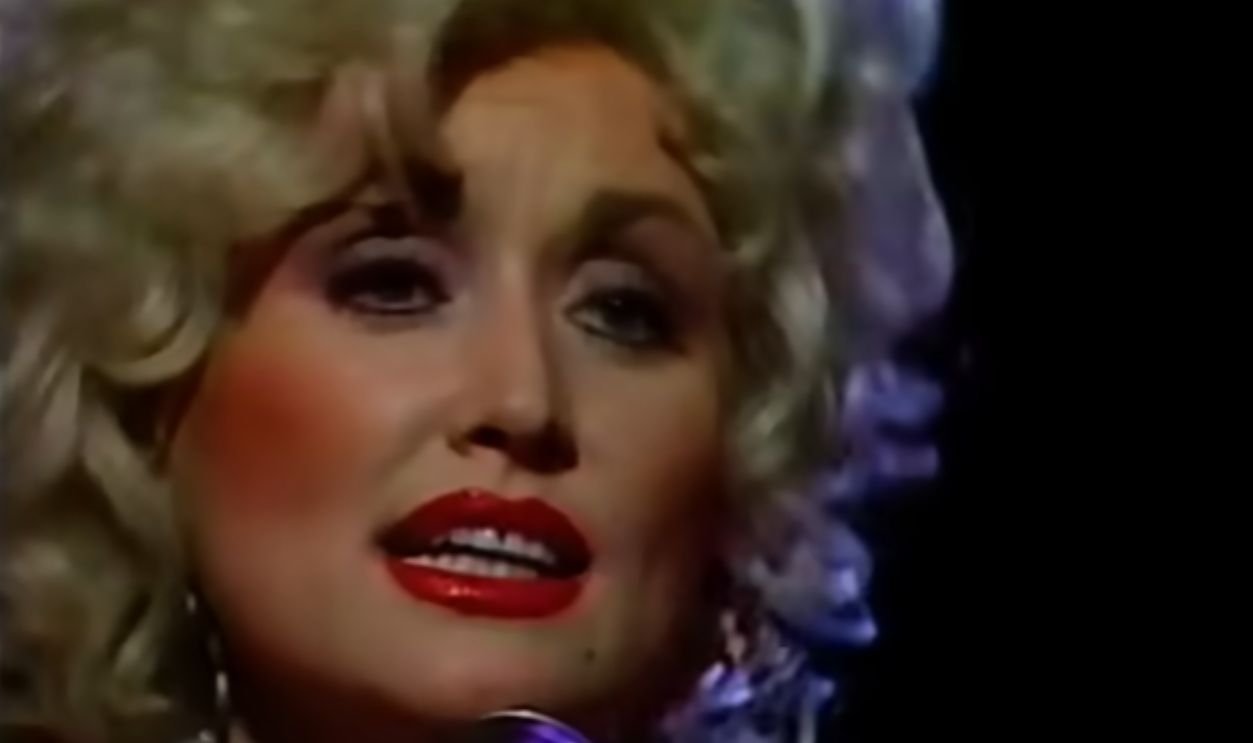 Screenshot from Dolly Parton – Coat of Many Colors, RCA Victor (1971)
The Moment Everything Changed
In February 1974, Parton and Wagoner performed a show in Tulsa. That night marked one of their most intense fights, which was loud enough to shake the walls of their motel. The next day, Parton announced she was leaving the partnership, a shock that sent ripples through the country music world.
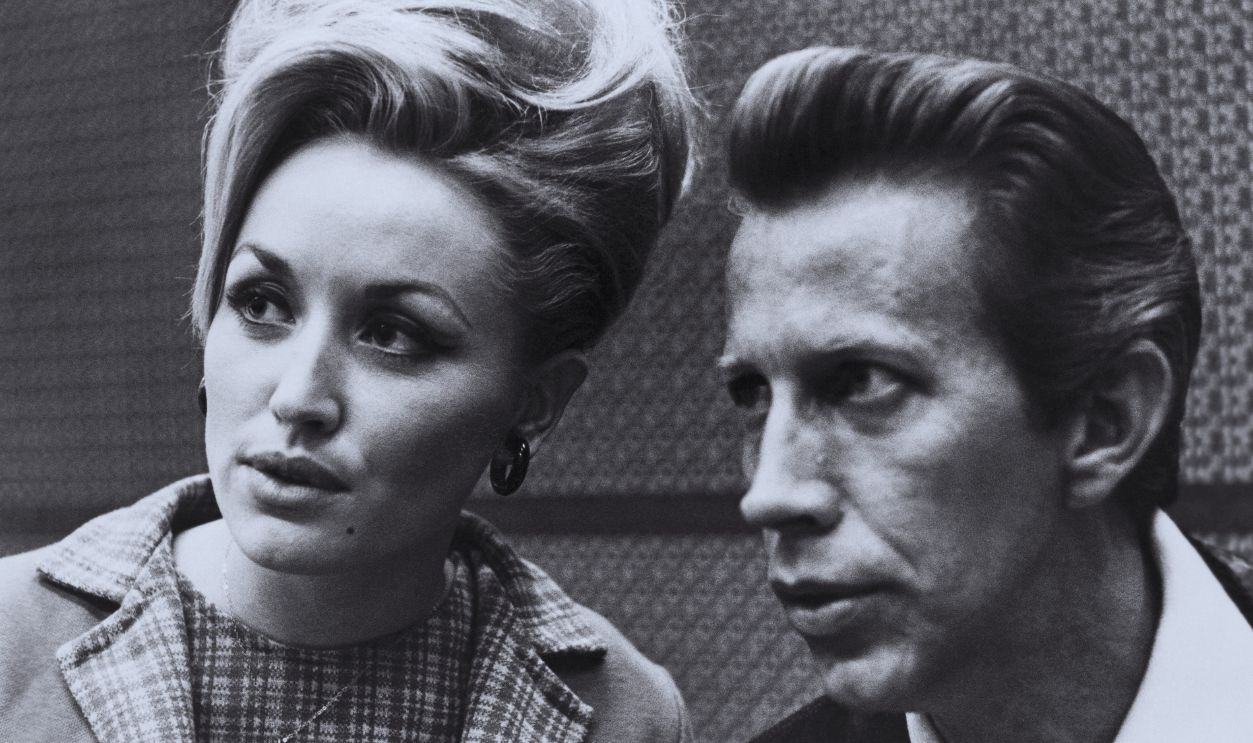 Michael Ochs Archives, Getty Images
“I Will Always Love You”
Knowing the break could damage their relationship, Parton wrote a song specifically for Wagoner: “I Will Always Love You". She explained that writing the song helped her express her gratitude even as she asserted her desire to move on. “I thought, ‘How am I gonna make him understand how much I appreciate everything, but that I have to go?’” Parton later said. “He won’t listen to me… So I went home and I thought, ‘Well, what do you do best? You write songs.’ So I sat down and wrote the song".
The Lawsuit That Followed
Despite the heartfelt gesture, Wagoner responded by suing Parton for breach of contract, claiming he was entitled to a share of her future earnings because he had made her a star. Parton settled to avoid a drawn-out court battle, later admitting she accepted the outcome knowing it allowed both of them to move forward. “I made up my mind that if he could live with it, I could live without it,” she wrote.
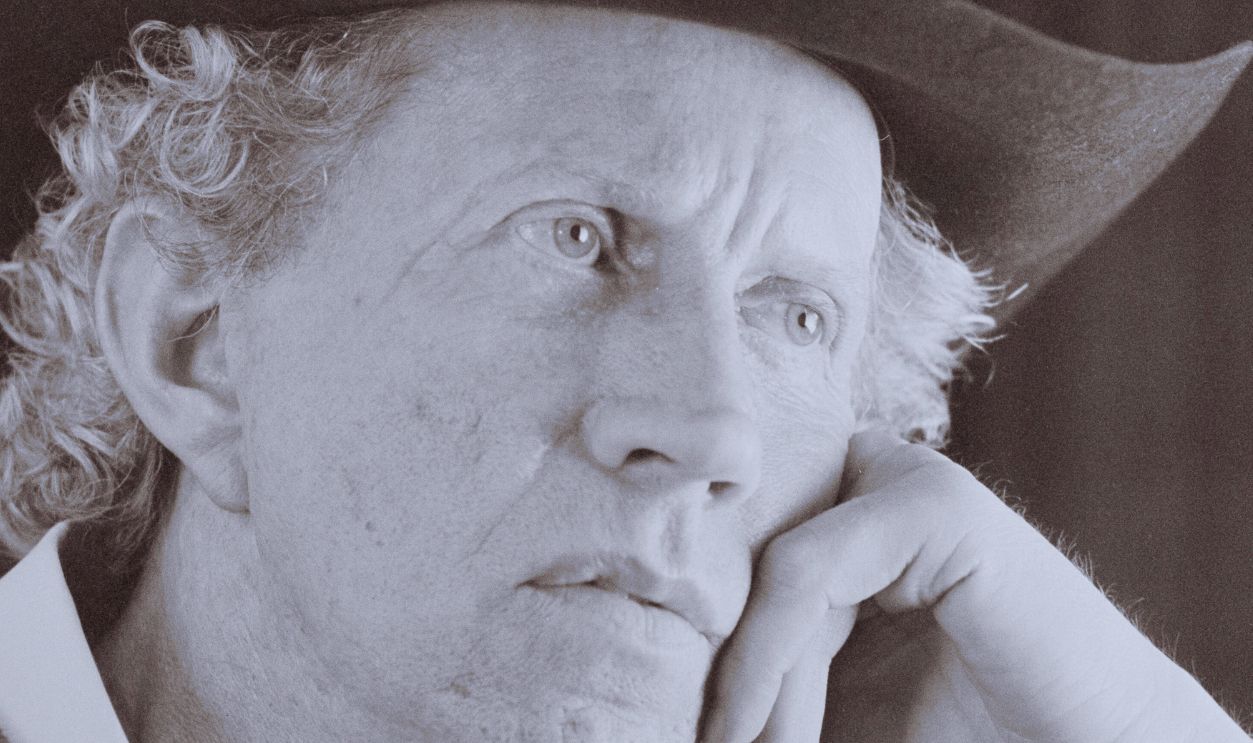
Hurt Feelings And Professional Separation
Parton later reflected that their disagreements went beyond business frustrations. They had argued about personal issues, and the fights sometimes became heated and emotional. “We didn’t get along very well, but no more his fault than mine,” she said, acknowledging that both personalities and ambitions contributed to the conflict.
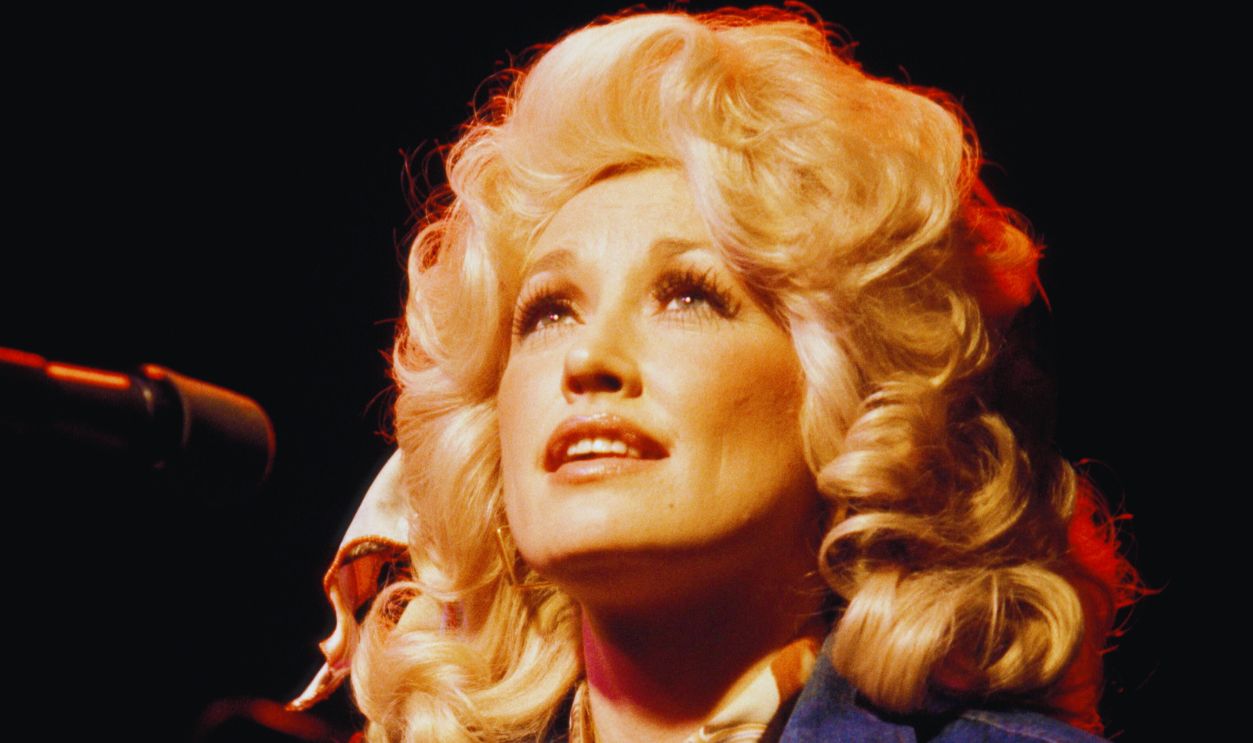 Richard E. Aaron, Getty Images
Time Begins To Heal
Despite the lawsuit and all the hard feelings, Parton never lost respect for Wagoner. In later years she acknowledged that their relationship had been a mix of good times and tension. Learning to see their past with perspective helped her let go of old resentments.
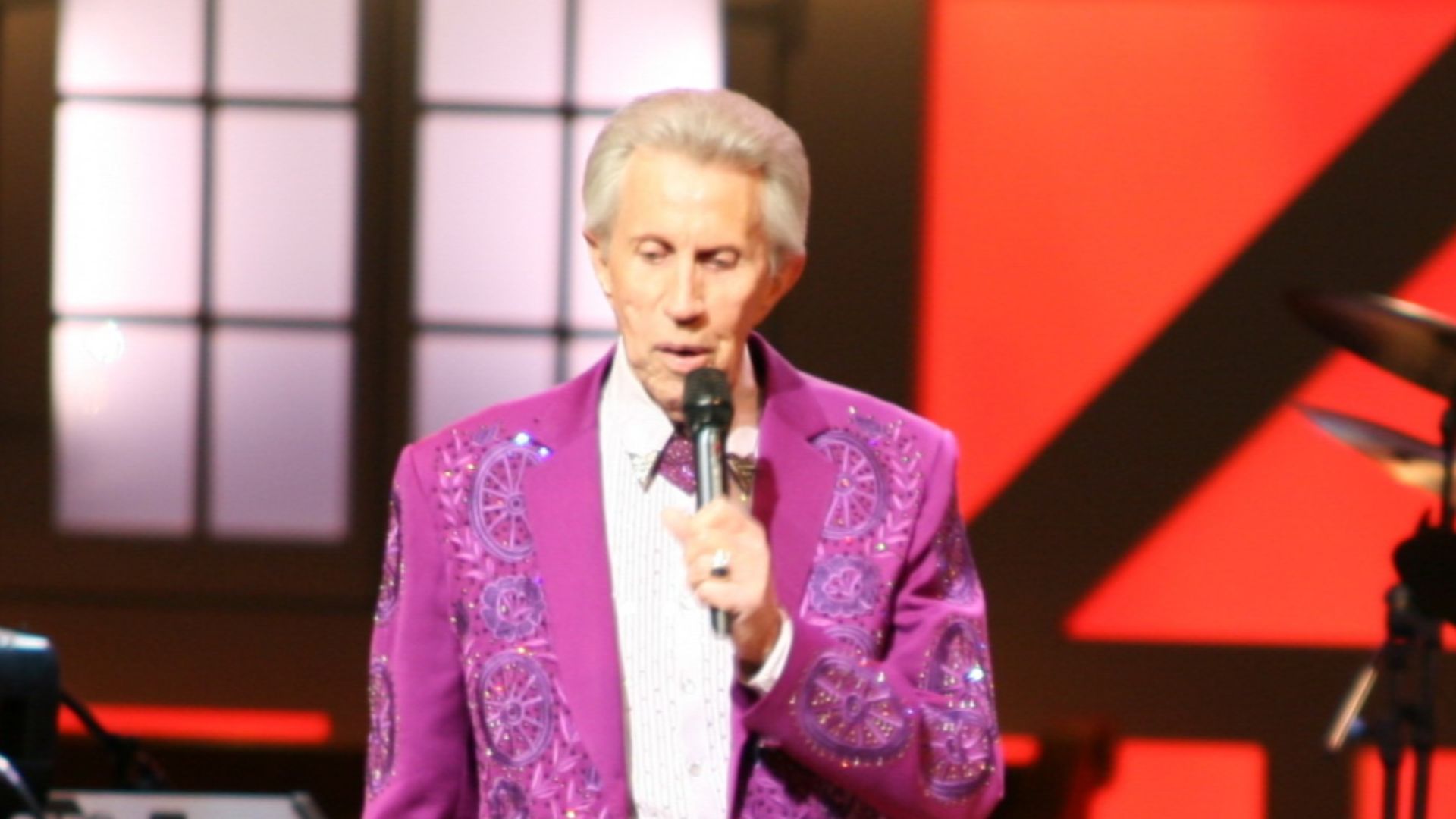 Cliff from Arlington, Virginia, USA, Wikimedia Commons
Reconciliation Over Time
By the 1980s and 1990s, Parton and Wagoner began reconnecting on more friendly terms. They weren’t the duet partners they once were, but mutual respect returned as time passed. They appeared together occasionally and spoke warmly about each other in interviews, acknowledging the shared history that defined both careers.
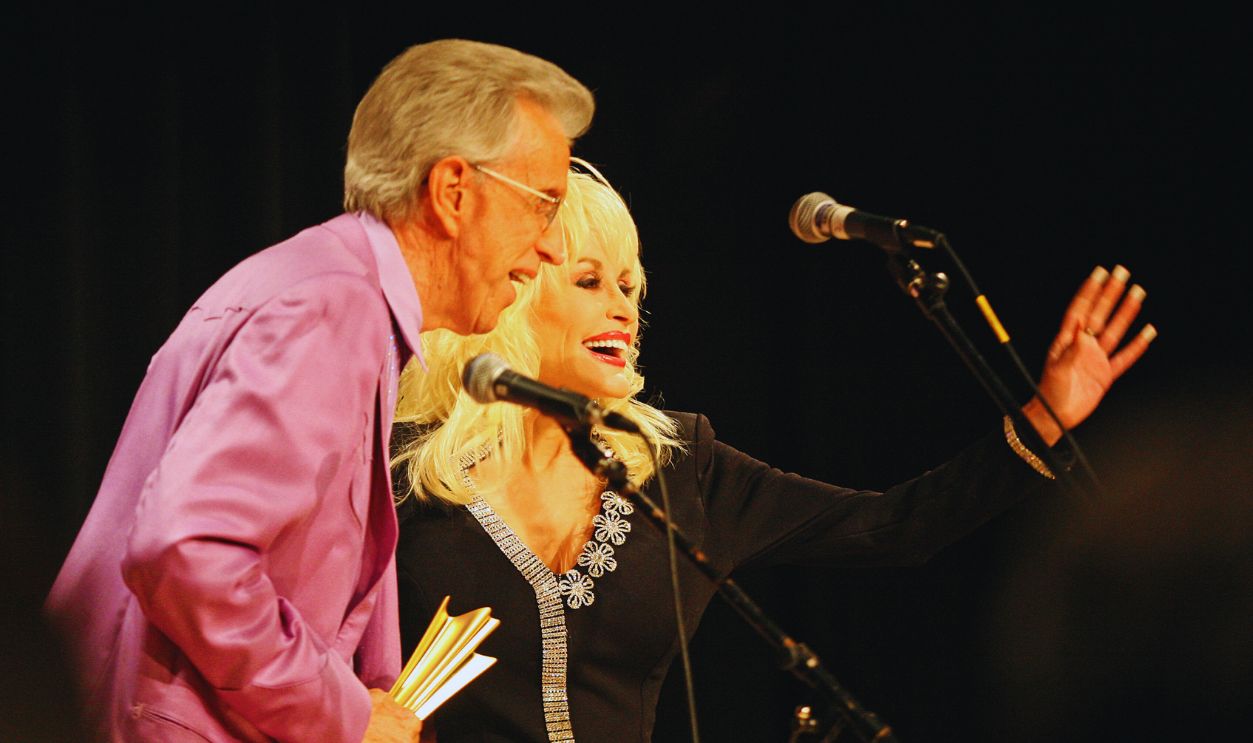
A Final Tribute Of Love
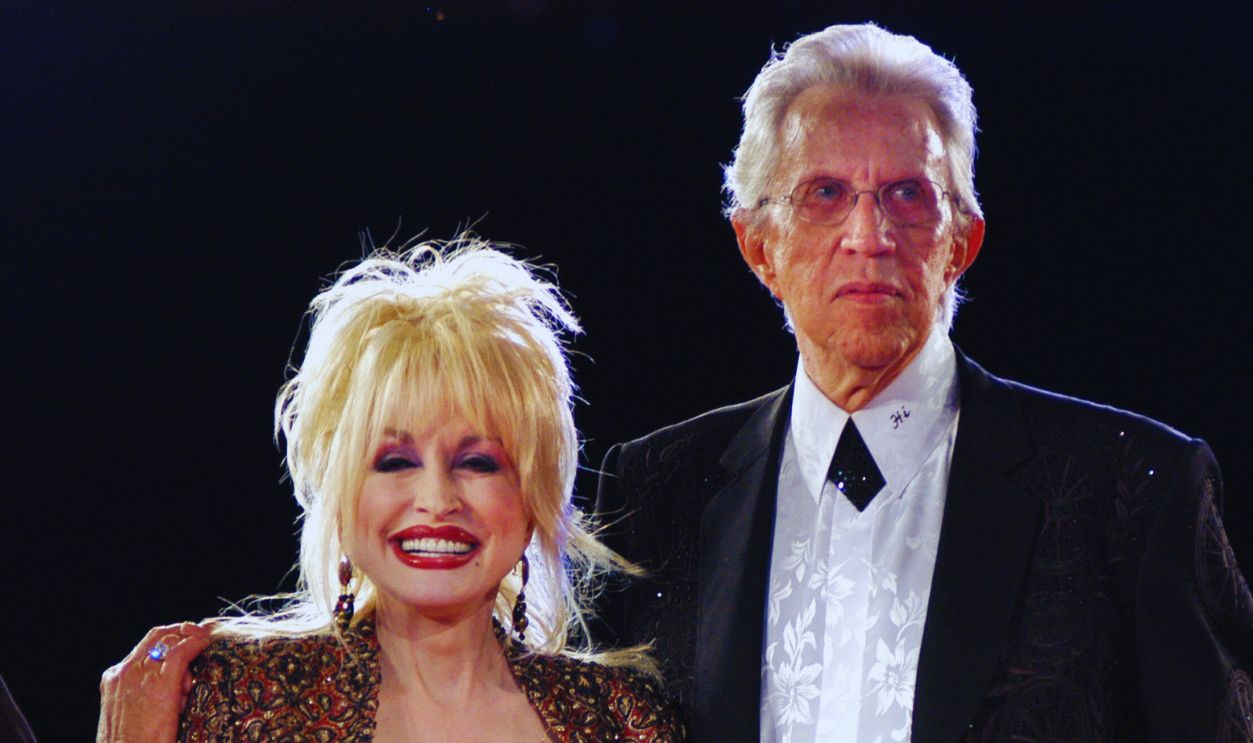
In 2007, when Porter Wagoner was hospitalized with lung cancer, Parton visited him with compassion. She stood by his side alongside his family as he passed on peacefully, showing the deep connection that had endured despite everything. Five months before his death, she even performed “I Will Always Love You” at the Grand Ole Opry as a tribute, reinforcing the respect and affection that remained.
Legacy Of Musical Collaboration
Though their personal relationship had its ups and downs, the music they made together remains a beloved chapter in country history. Their blend of voices helped shape the duet tradition in the genre and influenced countless artists who followed.
 Michael Ochs Archives, Getty Images
Parton’s Solo Stardom
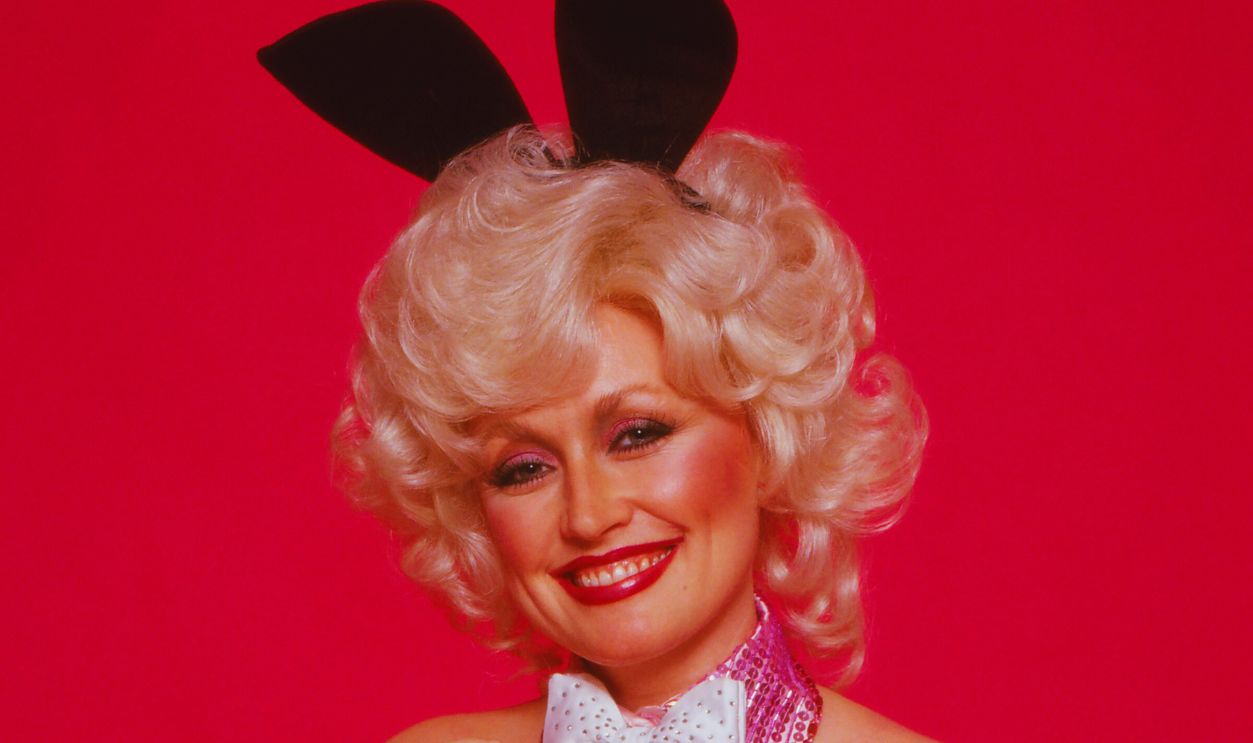
Parton’s departure from Wagoner’s show marked the beginning of her prolific solo career. Hits like “Jolene” and “Coat of Many Colors” established her as a country legend in her own right, a path she often said she needed to take to fulfill her own artistic vision.
A Relationship That Defied Labels
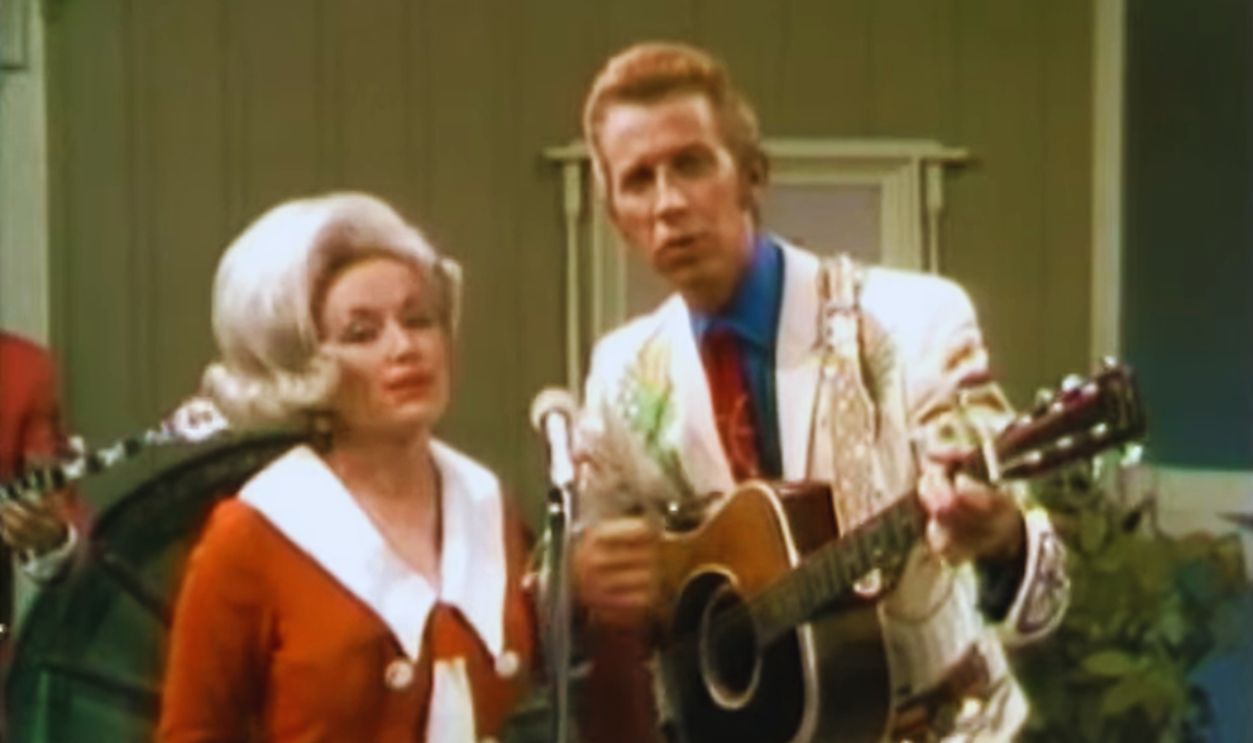
Parton always described her relationship with Wagoner as unique: filled with respect, tension, admiration, frustration, and deep connection. “We were like oil and water, so to speak,” she said, highlighting how their dynamic was both challenging and creatively fertile.
 Screenshot from Dolly Parton & Porter Wagoner – Just Between You and Me, RCA Victor (1968)
Dolly’s Lasting Gratitude
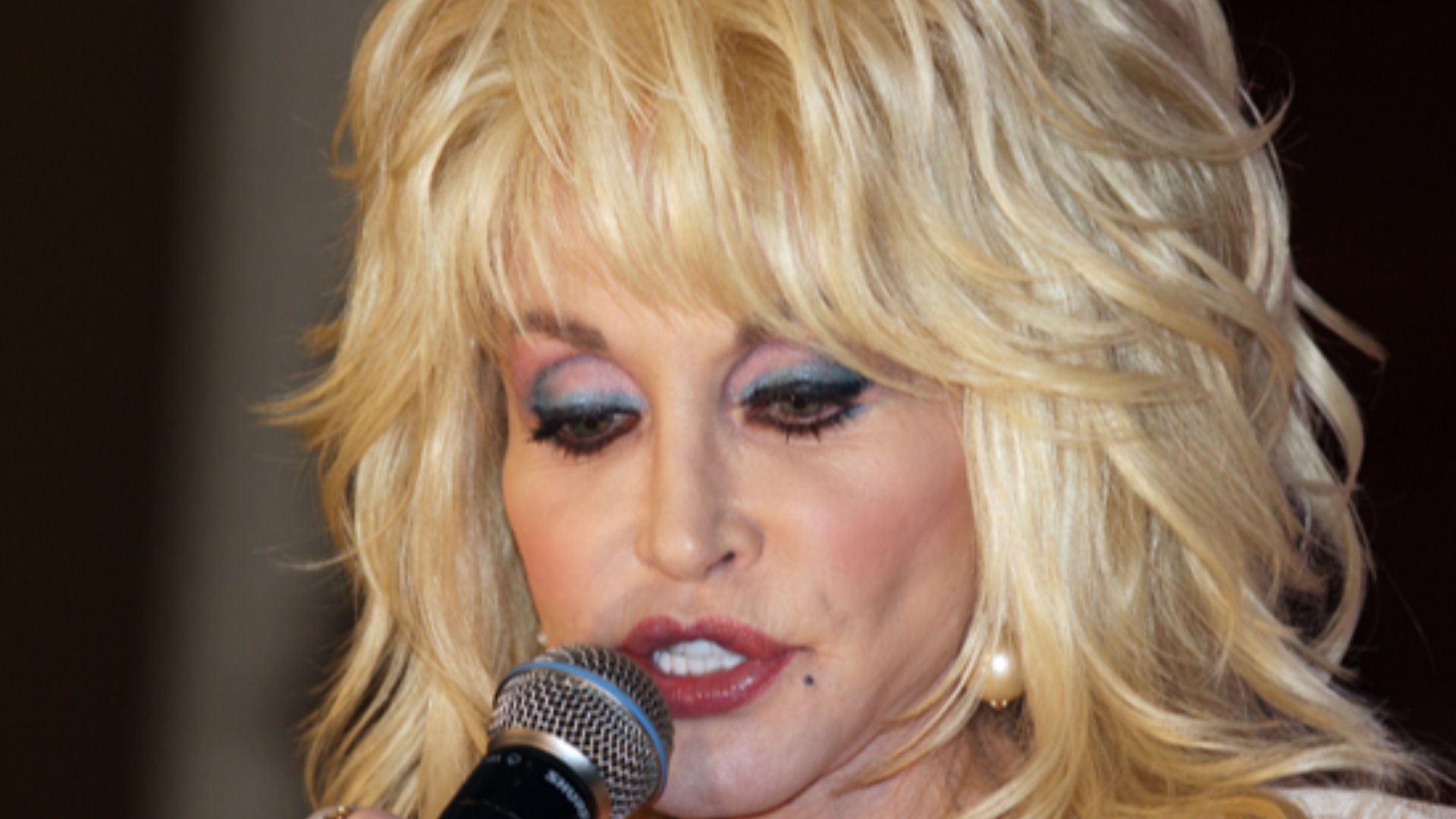
Parton has often spoken of Wagoner with affection in later years, acknowledging both the role he played in her early success and the lessons learned through their disagreements. Their story is remembered not just for its drama but for its depth and endurance.
 Eva Rinaldi, Wikimedia Commons
A Friendship Forged Over Time
In the end, what could have been an enduring feud became something richer. Parton and Wagoner found forgiveness, respect, and eventually true friendship. Their relationship is a reminder that great art often comes from imperfect people working through imperfect circumstances. Their clashes, compromises, and reconciliations created some of the world's greatest music, resonating beyond the country genre.
You May Also Like:
When Bob Dylan “went electric” in 1965, fans booed, purists fumed—and rock music changed forever.