When the Drums Fell Silent
He was the mind, the muscle, and the rhythm behind Rush—the drummer every other drummer looked up to. Then, without warning, life delivered a blow so cruel it stopped him cold. Neil Peart didn’t just lose everything he loved—he lost the will to play.
Before Rush Changed Everything
Born in Ontario in 1952, Peart grew up obsessed with rhythm. He practiced on pillows before he could afford drums, studying legends like Keith Moon and Gene Krupa. After a few failed early bands, he answered a small ad in 1974 from a Canadian group called Rush—and everything changed.
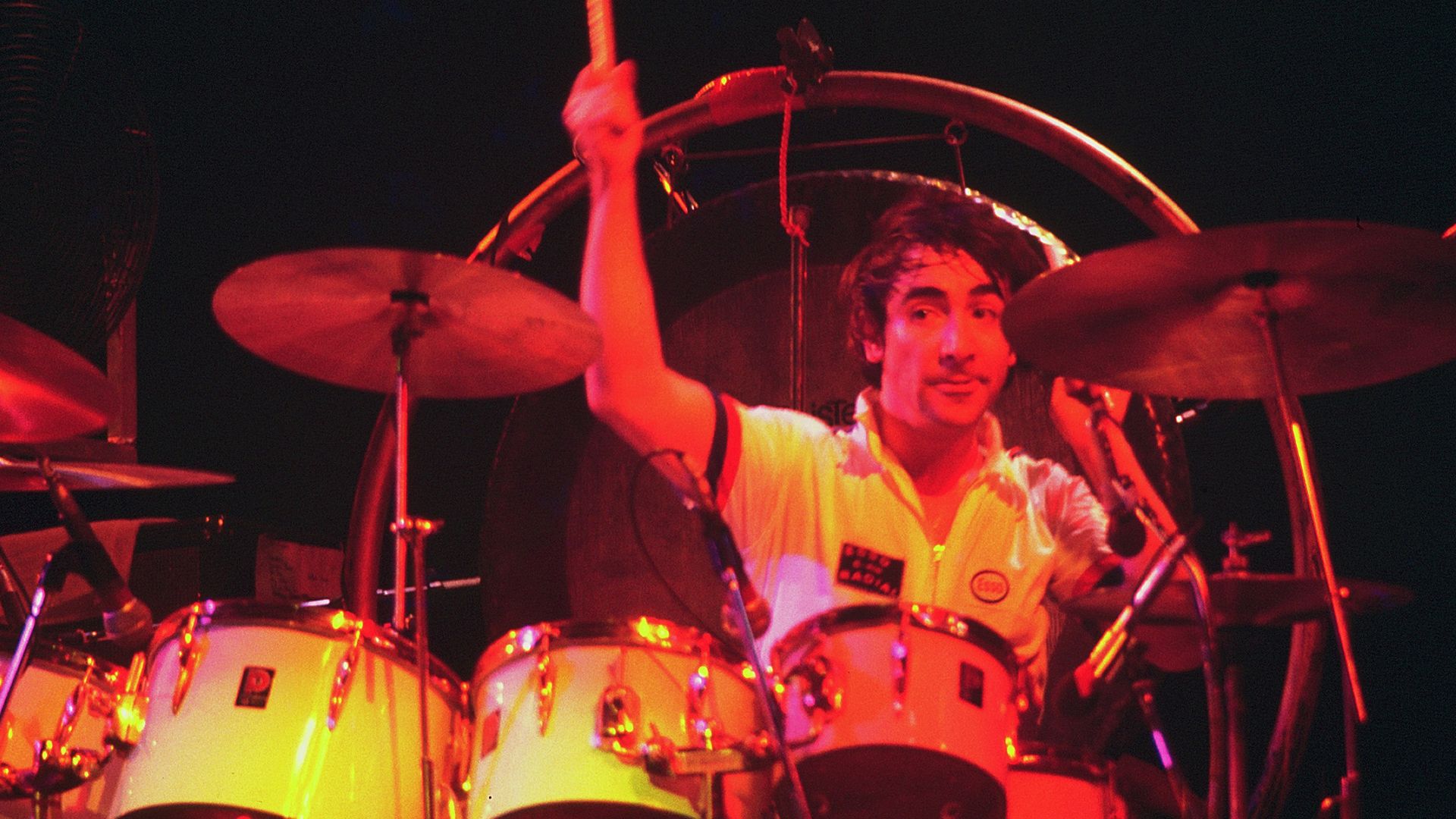 Jim Summaria, Wikimedia Commons
Joining Rush in 1974
Peart replaced original drummer John Rutsey just before Rush’s first American tour. His technical skill blew bandmates Geddy Lee and Alex Lifeson away. “We knew within one song,” Lee said later. Peart didn’t just drum—he wrote. Soon, he became the band’s lyricist, blending science fiction, philosophy, and emotion.

The Professor Behind the Kit
Fans called him “The Professor,” a nod to his intellect and precision. Songs like Tom Sawyer, Limelight, and Subdivisions weren’t just complex—they were profound. “He elevated rock drumming to an art form,” said Lifeson. Critics hailed him as “the world’s most air-drummed drummer.”
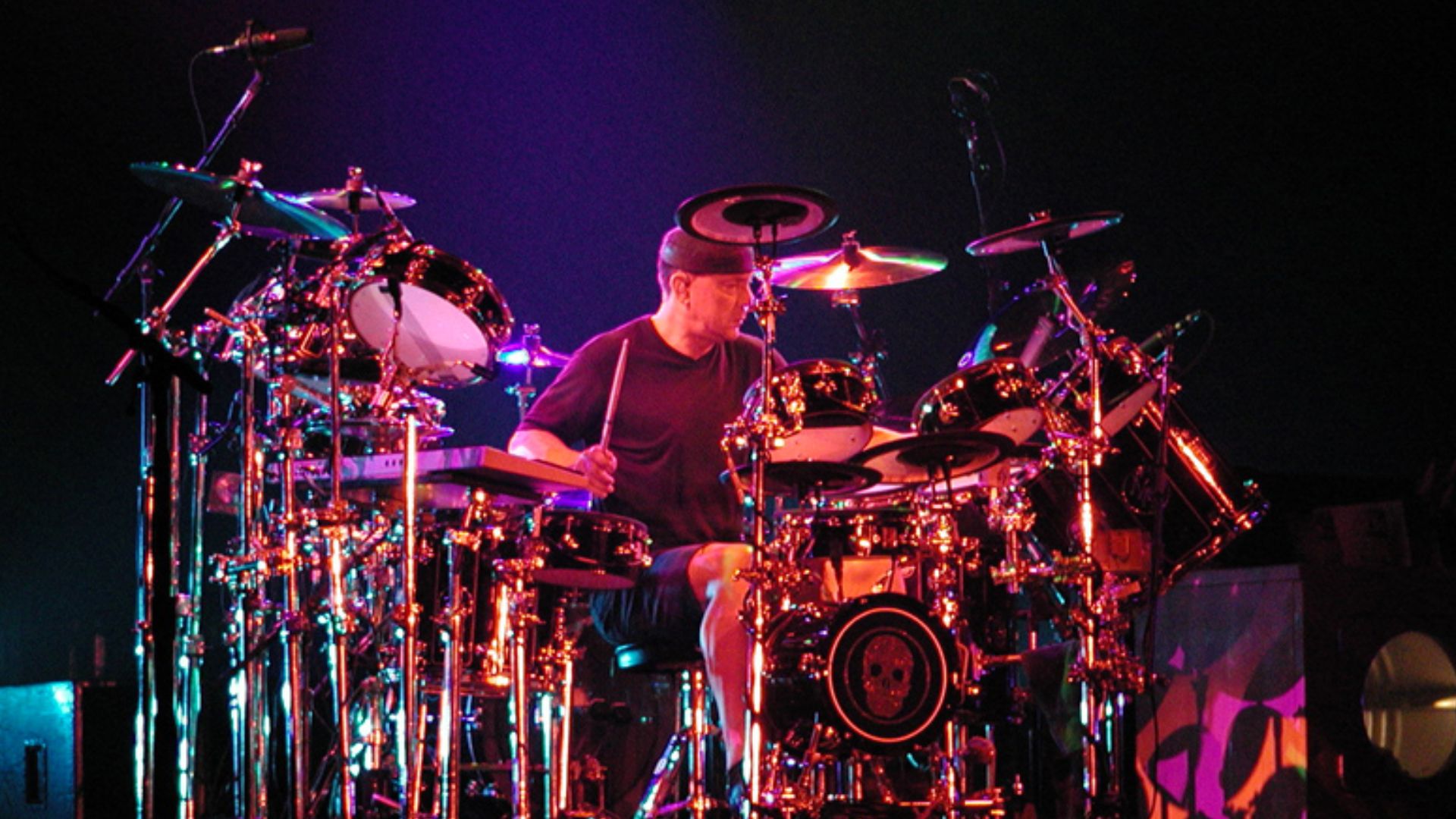 Jonasz~commonswiki, Wikimedia Commons
A Relentless Work Ethic
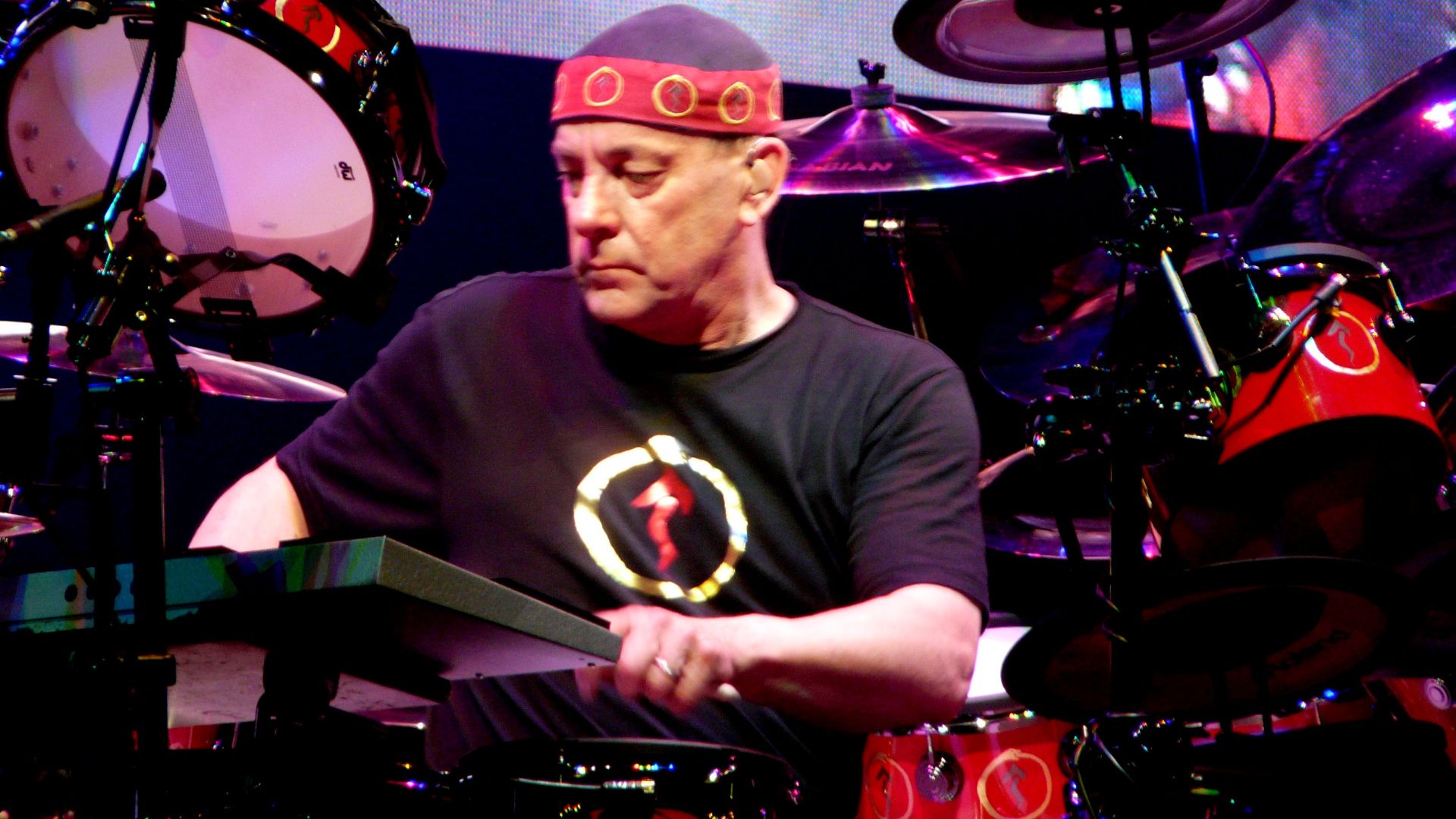
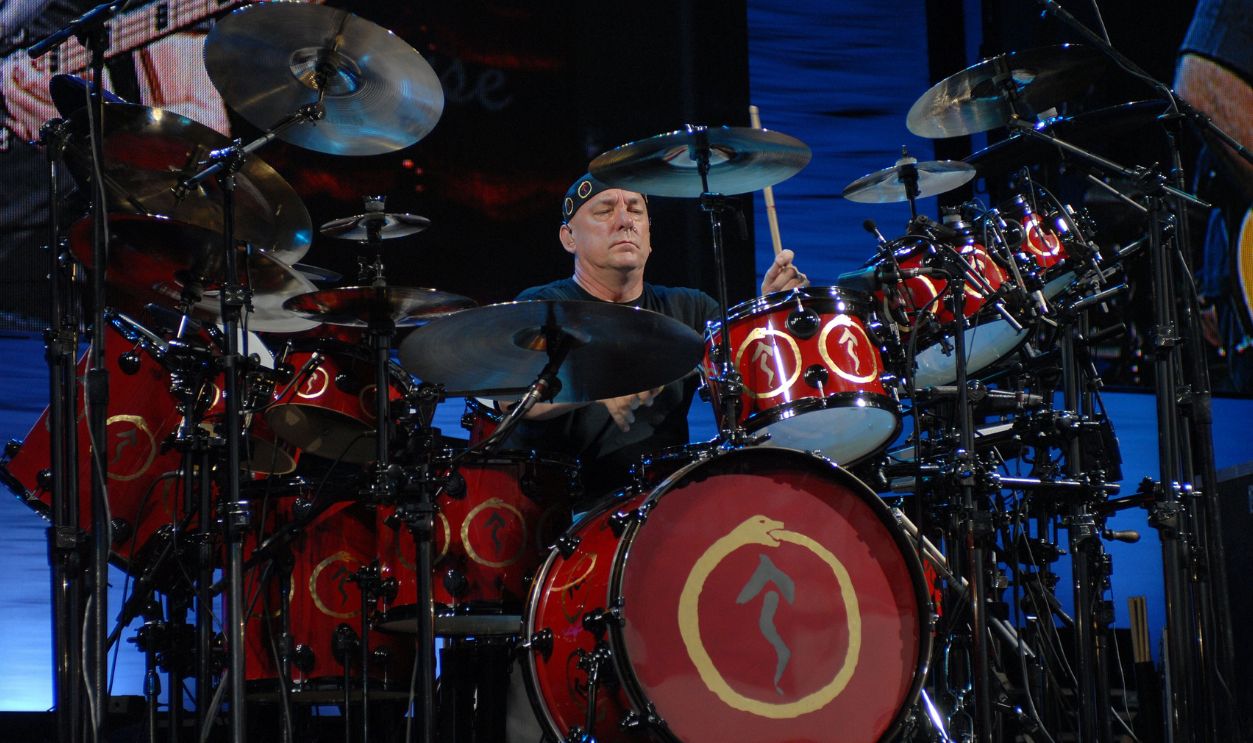
Peart’s drive was legendary. He practiced for hours even during tours, perfecting every fill and roll. His 360-degree drum kits became iconic. “Playing well isn’t good enough,” he once said. “You have to play perfectly.” For nearly 25 years, Rush was his world—and his escape.
 Matt Becker, Wikimedia Commons
Family Life and Stability
Offstage, Neil was quiet and grounded. He married Jacqueline Taylor, his longtime girlfriend, in 1975. They built a life far from the chaos of fame and raised their daughter, Selena Taylor. To friends, he was calm, thoughtful, and private—a man who found balance between rock stardom and normalcy.
Rush at Their Peak
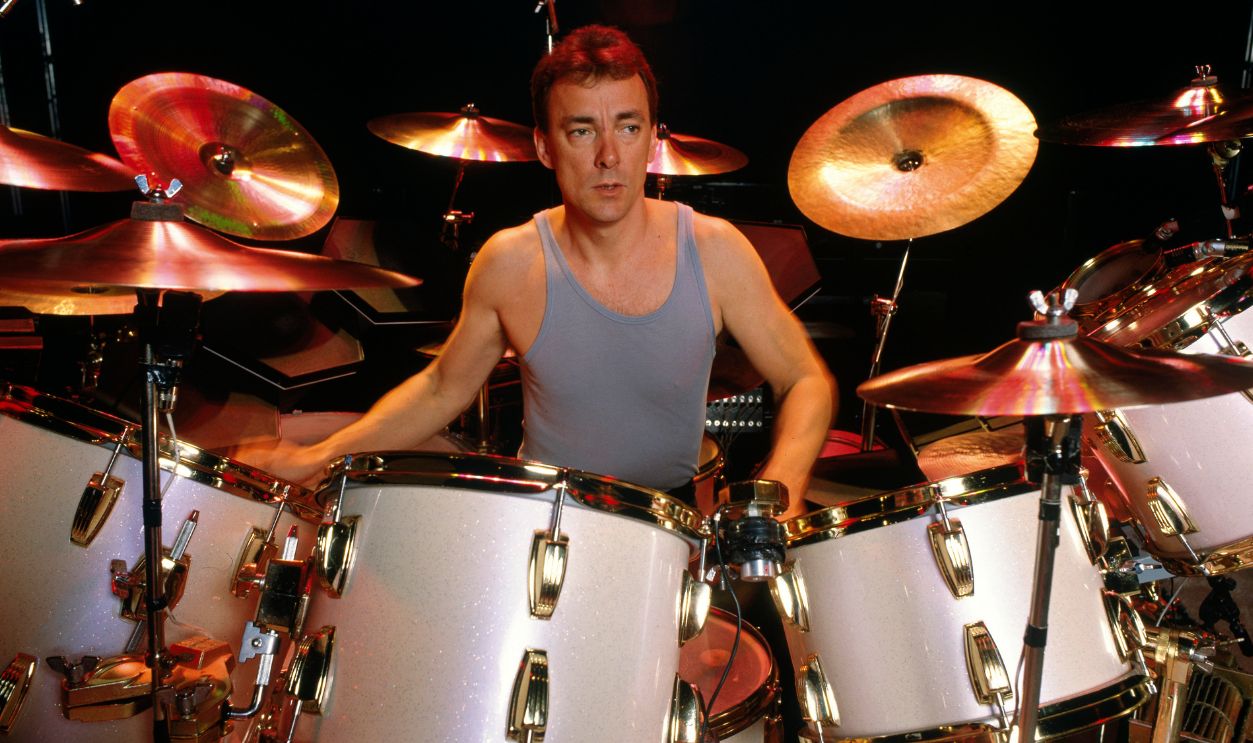
By the mid-1990s, Rush was one of the biggest progressive rock bands in the world. Albums like Moving Pictures and Roll the Bones had cemented their legacy. Peart, now in his 40s, seemed to have it all—success, family, and fulfillment. Then, in 1997, everything shattered.
 Enrico Frangi, Wikimedia Commons
The Day Everything Changed
On August 10, 1997, Peart’s 19-year-old daughter, Selena, was killed in a single-car accident on a highway outside Toronto while driving to university. The suddenness was incomprehensible. One moment, he had been a proud father planning her future—the next, he was staring into an abyss no parent should ever face.
A Father Broken by Loss
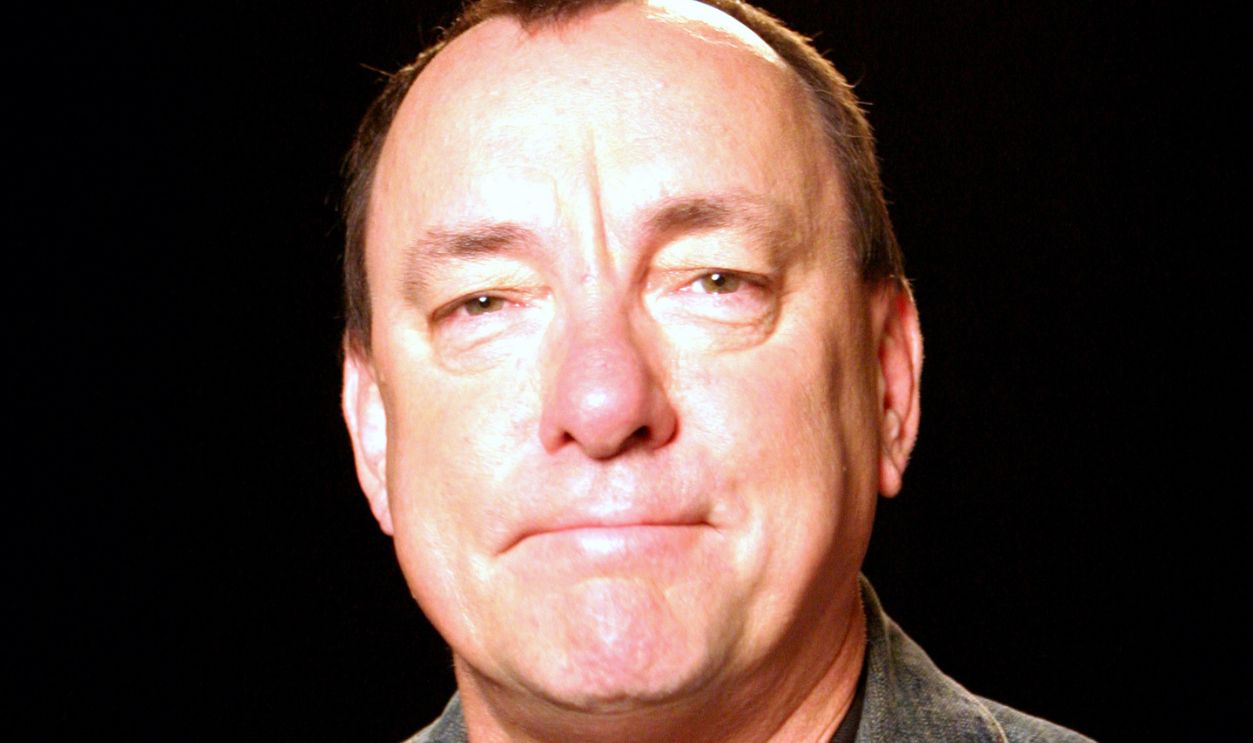
The news crushed him completely. “In an instant, my life was changed forever,” he later wrote. Peart stopped answering calls, canceled Rush’s tour, and withdrew from the public eye. Even those closest to him said it was like watching his spirit collapse. “Neil was hollow,” Geddy Lee later said. “He just… disappeared.”
Losing His Wife Just Months Later
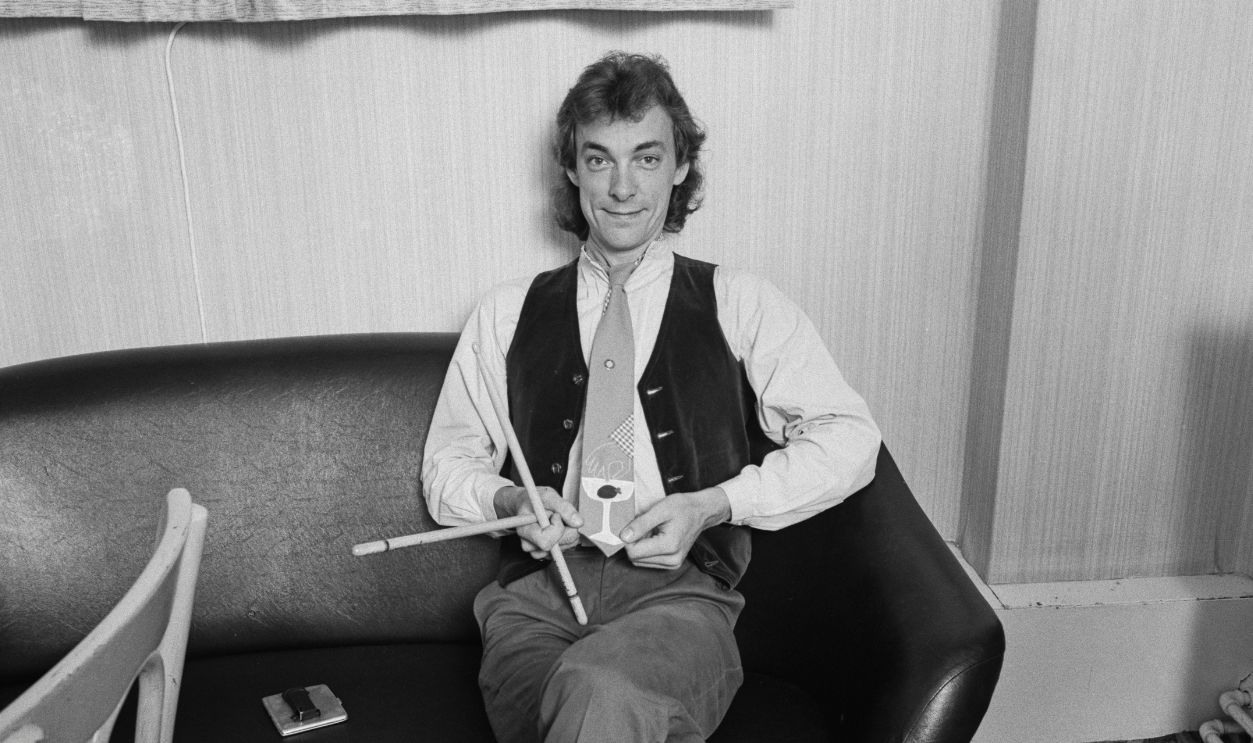
Ten months later, tragedy struck again. Jacqueline, still paralyzed by grief over Selena, became ill and was soon diagnosed with cancer. Peart watched helplessly as she faded. “She simply died of a broken heart,” he later wrote. To friends, it was clear that her will to live had left the day their daughter did.
The Breaking Point
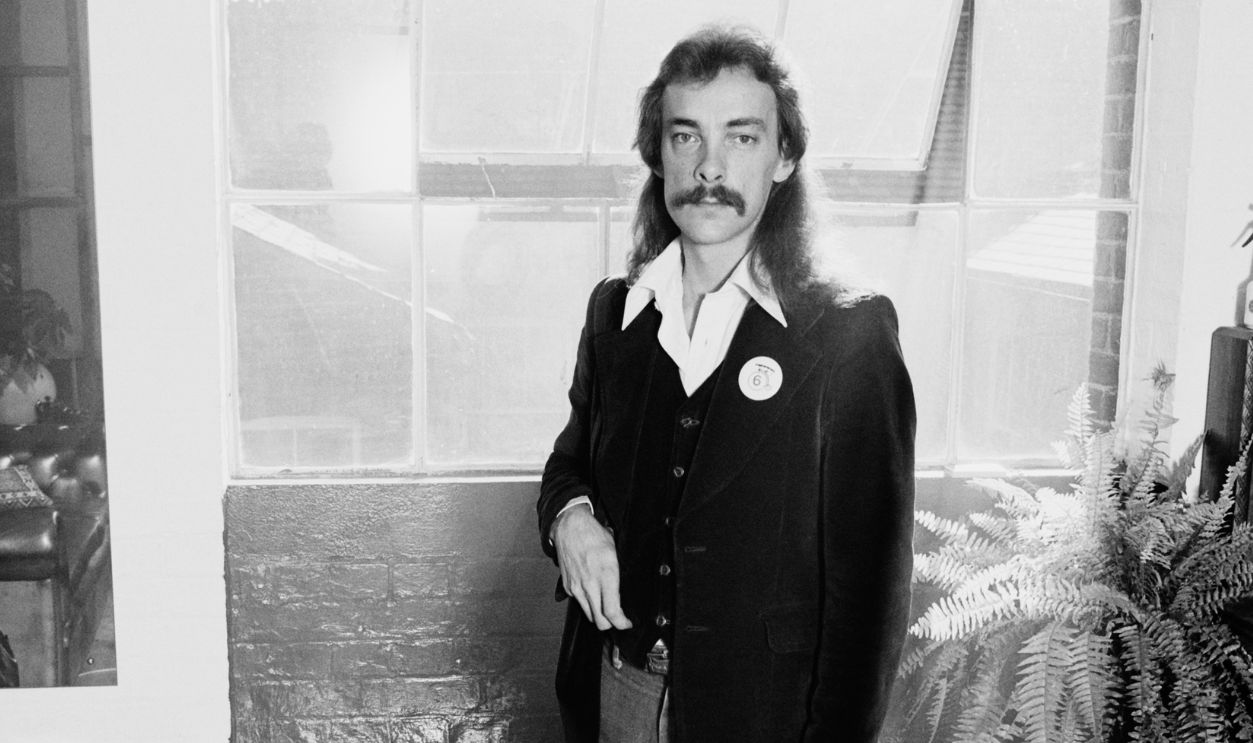
When Jacqueline passed, Peart was left entirely alone. “I felt like a ghost,” he wrote in his memoir Ghost Rider: Travels on the Healing Road. “Everything I had known and loved was gone.” The man who had once been the heartbeat of Rush could no longer find a rhythm within himself.
Disappearing Into the Wind
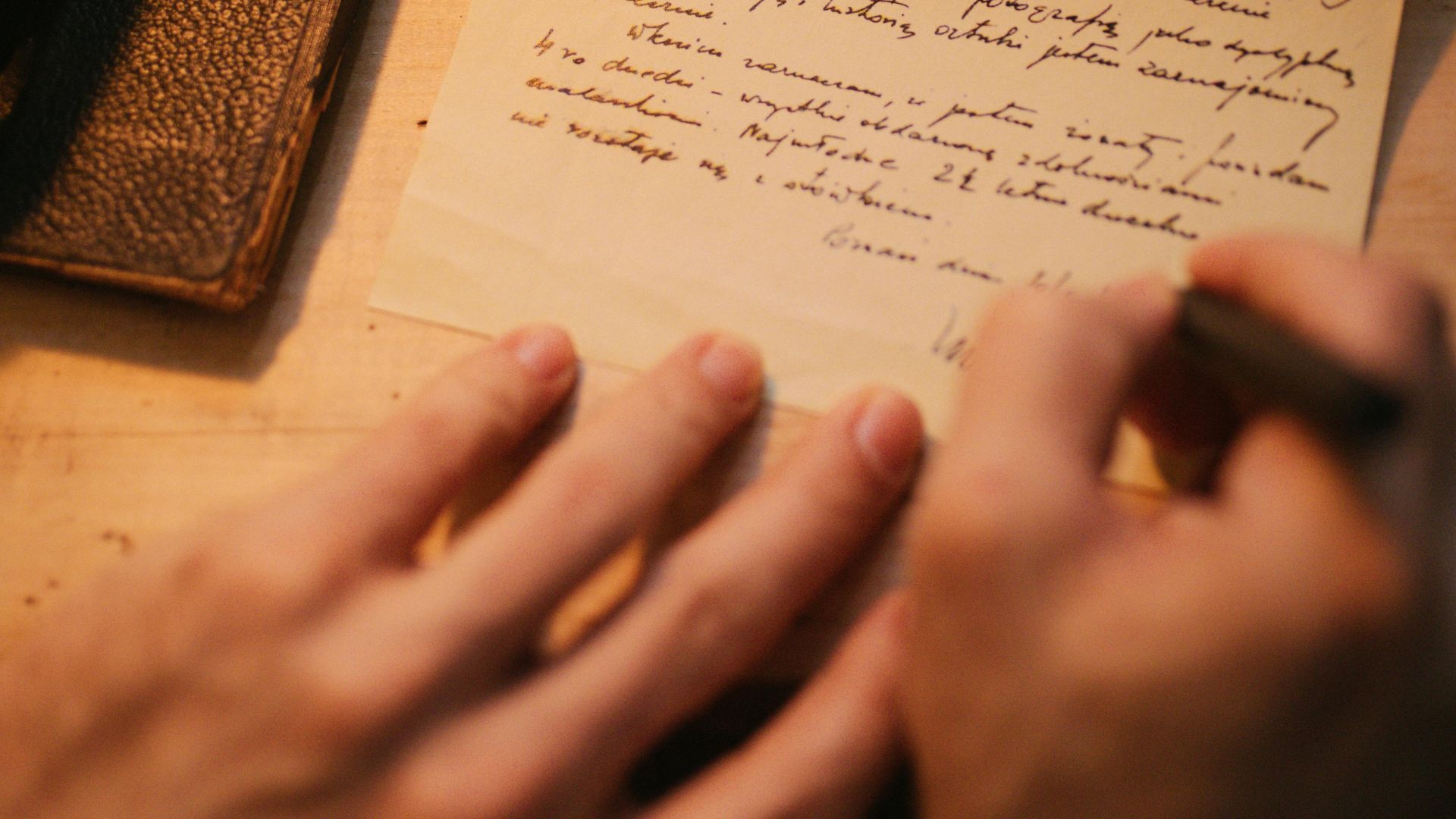
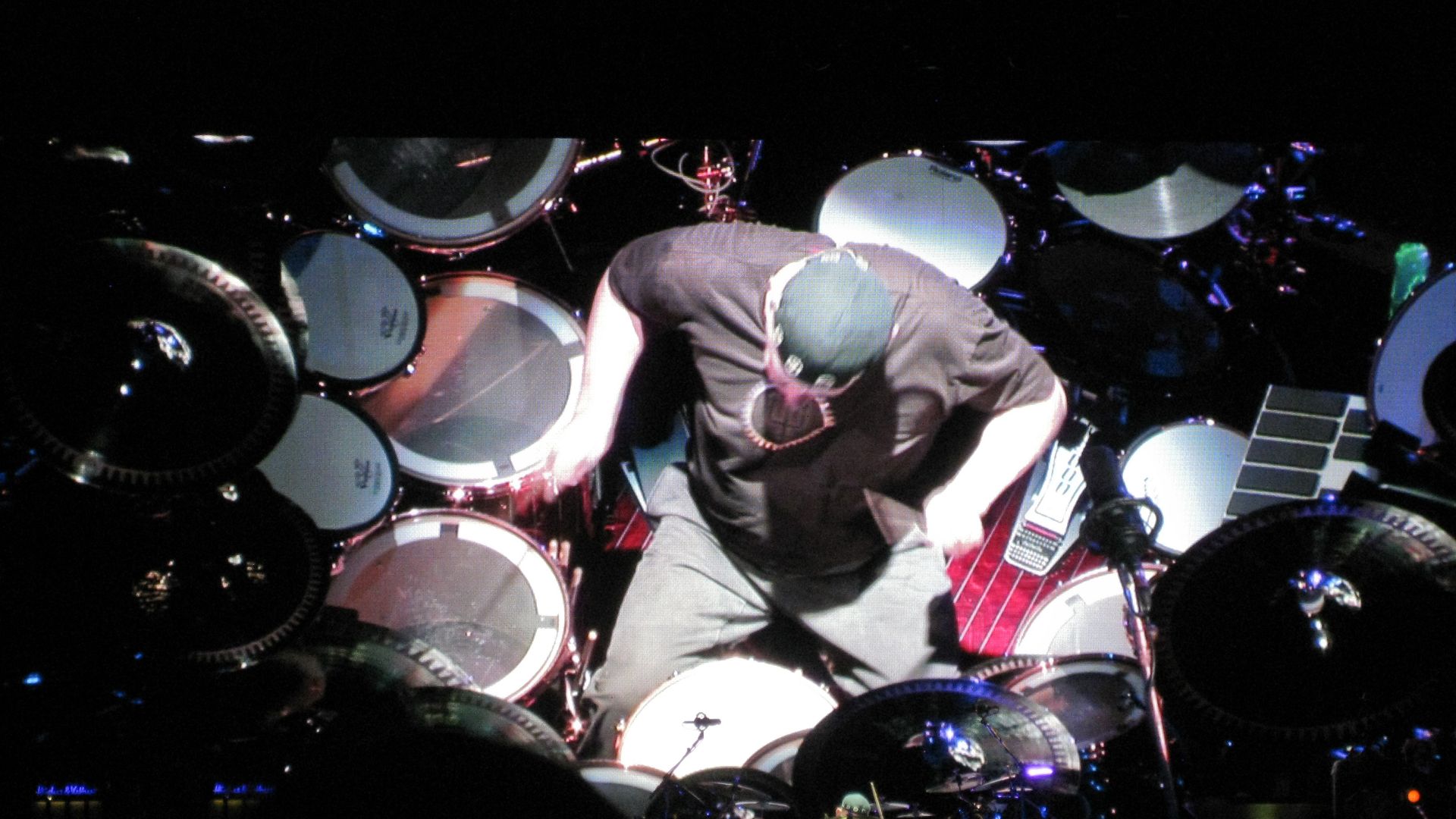
Peart told his bandmates he was leaving. “Consider me retired,” he said. Then he got on his BMW motorcycle and began riding—alone—across North America. It wasn’t a vacation. It was escape. Over the next 14 months, he rode 55,000 miles, trying to outrun his grief.
 ArtBrom from Seattle, Wikimedia Commons
The Healing Road
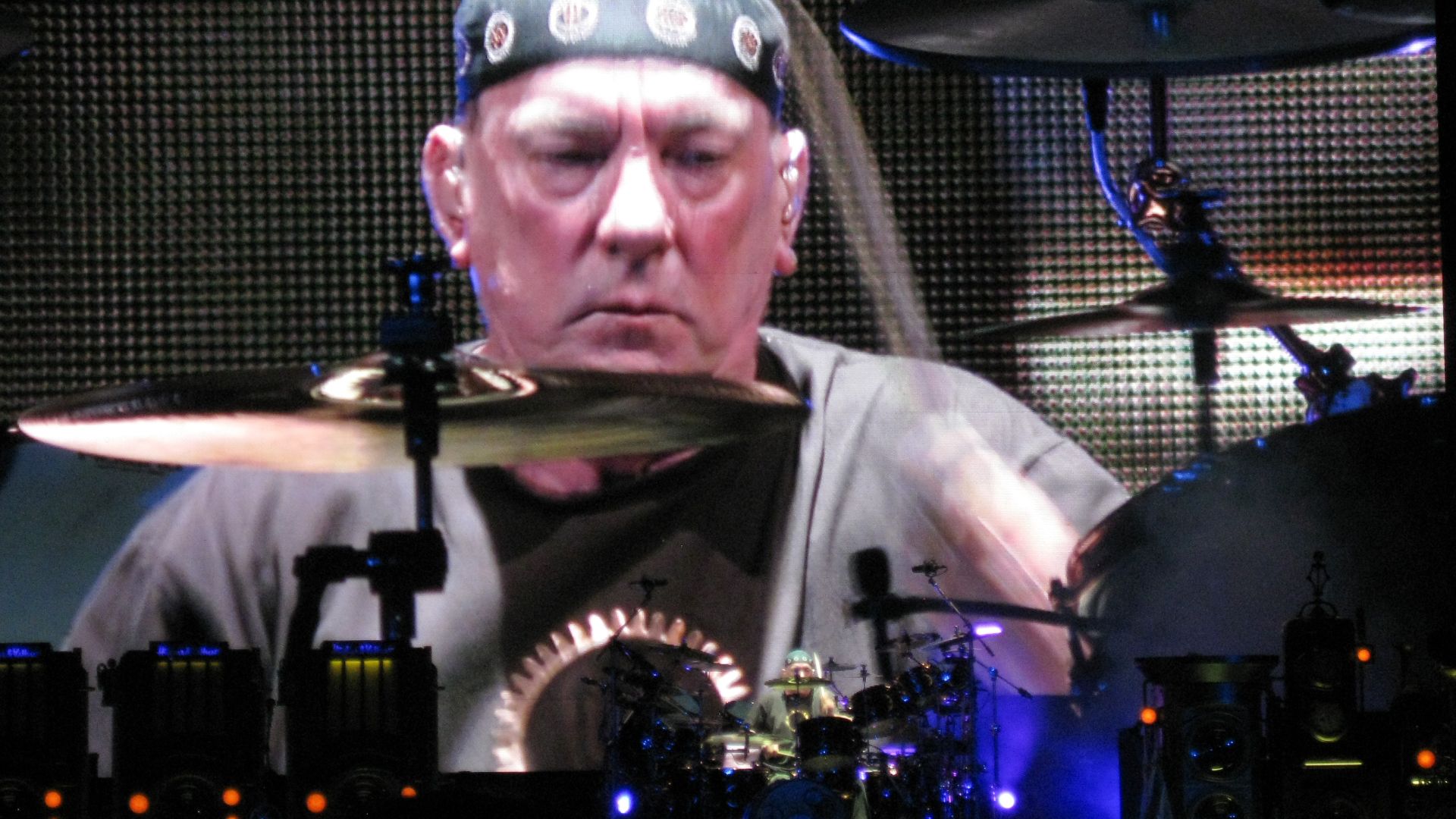
He called his trip “the healing road,” chronicling it later in Ghost Rider. From Mexico to Alaska, he kept journals describing how landscapes blurred his pain. “I was searching for reason to live,” he wrote. He rode through deserts, mountains, and storms—often crying inside his helmet.
 ArtBrom from Seattle, Wikimedia Commons
Letters to a Friend
Throughout his journey, Peart sent letters to his friend Brutus—raw, unfiltered reflections on grief. “I am gone from the world,” he confessed in one. Those letters became the emotional backbone of Ghost Rider, showing fans the man behind the music—broken but honest.

Geddy and Alex Waited
Back home, Geddy Lee and Alex Lifeson didn’t replace him. “We just waited,” said Lee. “Rush was Neil, and without him, there was no Rush.” They stayed silent, offering love and space instead of pressure. It would take nearly five years before Peart was ready to play again.
 Vtpeters (talk) (Uploads), Wikimedia Commons
A New Beginning
By the early 2000s, Peart began to heal. He remarried—photographer Carrie Nuttall—in 2000. Slowly, the idea of music returned. “If I can play again, it has to mean something,” he told Lee. In 2001, Rush reunited. Their album Vapor Trails became a testament to survival and resilience.

The Return of Rush
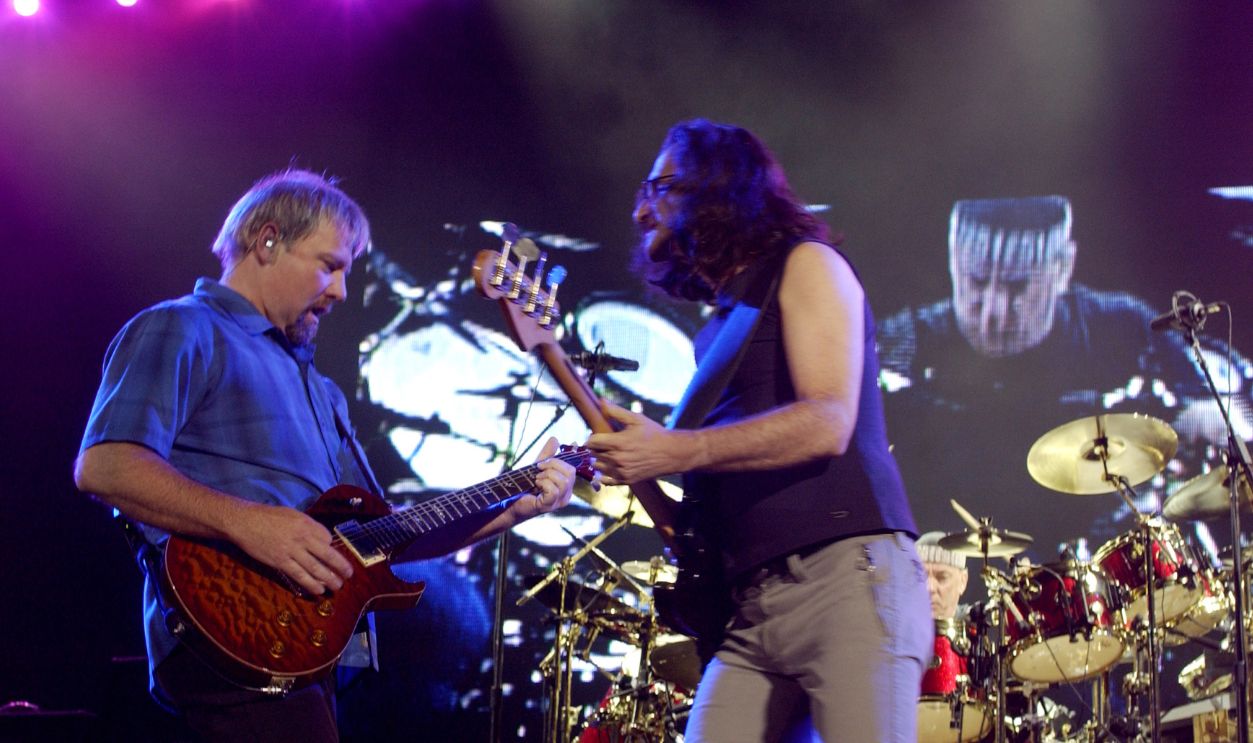
When Rush returned to the stage in 2002, the roar from the crowd was deafening. Fans knew the weight of what Peart had overcome. “That first night back,” said Lifeson, “we could all feel it—joy, relief, and gratitude.” Peart called it “the sound of life returning.”
 Annamaria DiSanto, Getty Images
Writing His Way Back
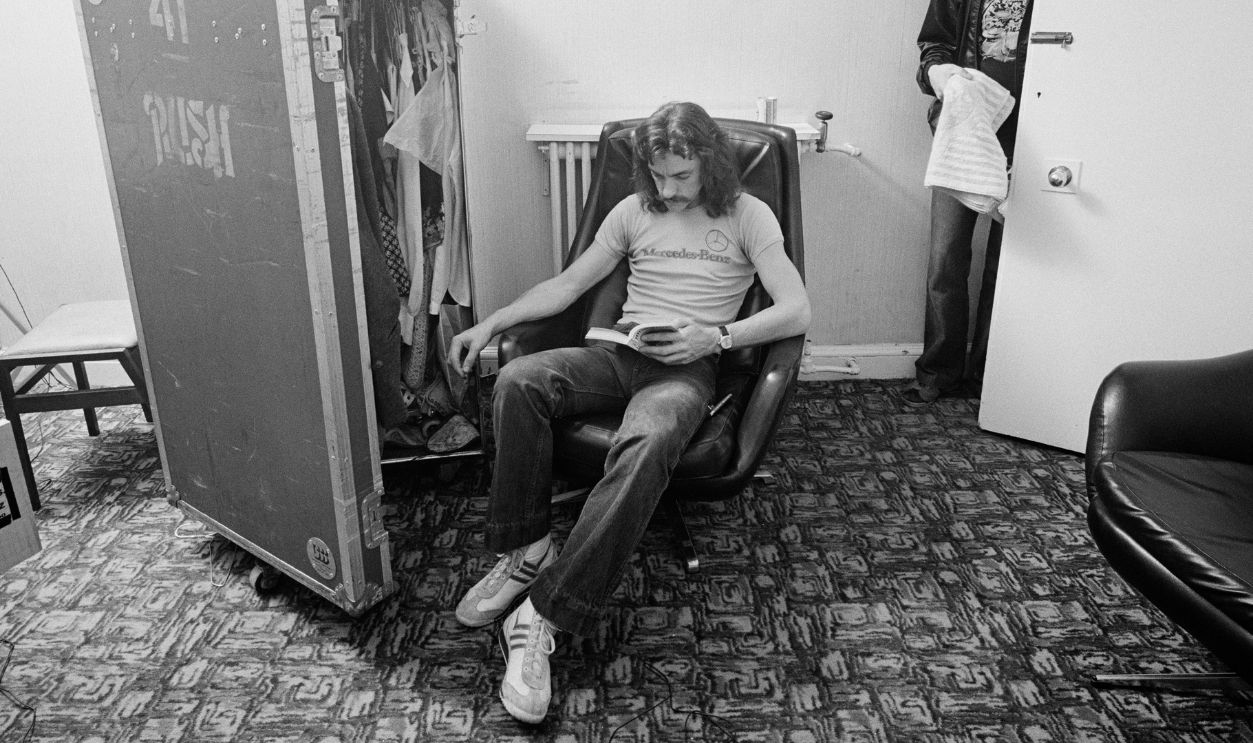
Peart continued writing books—travel journals, reflections on art, and essays on philosophy. “Writing is my way of making sense of things,” he said. His works like Traveling Music and The Masked Rider revealed a deeply introspective man who found meaning through movement.
A Changed Man
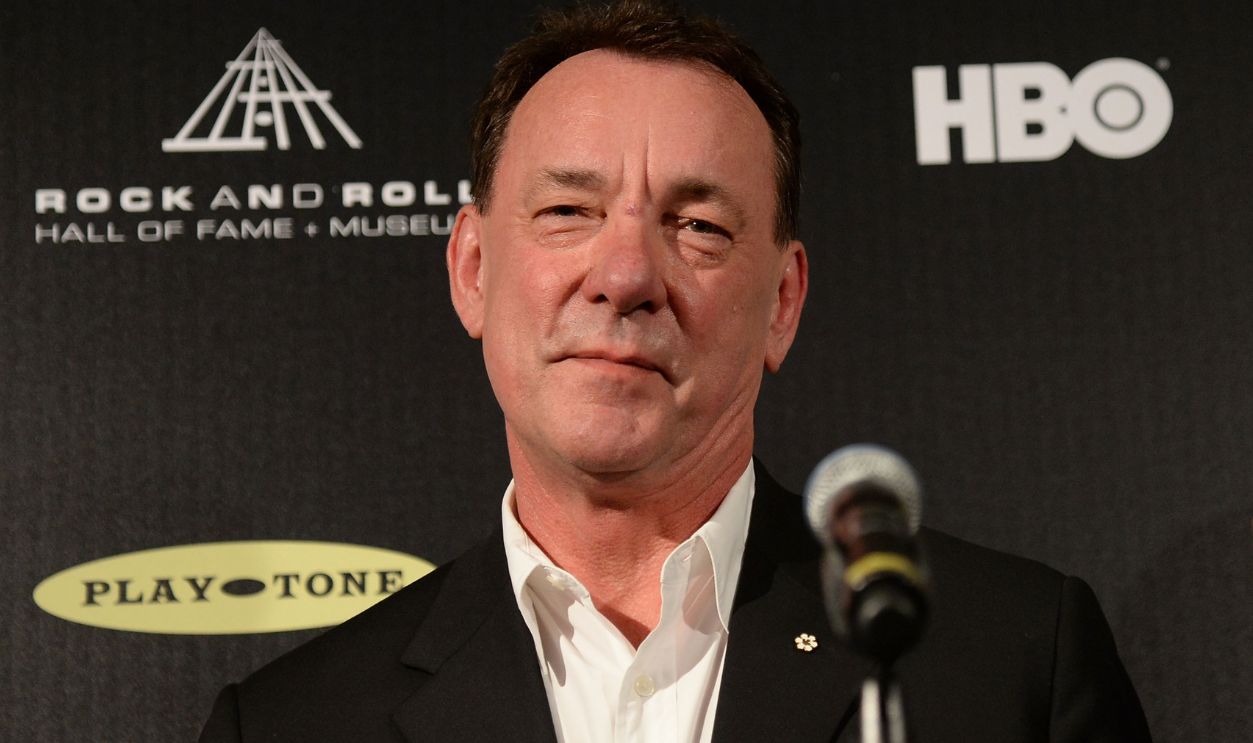
Though he smiled again, Peart was never the same. He valued privacy fiercely, avoiding interviews and celebrity. “I’ve been through hell,” he said quietly in 2015. “It gives you perspective. Fame means nothing next to love and time.” His drumming, though, remained transcendent.
The Final Tours
Rush’s R40 tour in 2015 became their farewell. Peart’s chronic tendinitis and shoulder pain made drumming physically punishing. Still, every night, he delivered perfection. “Neil would finish a three-hour show, soaked in sweat, still apologizing for missing a beat none of us heard,” said Lifeson.
 Gord Webster from Victoria, Canada, Wikimedia Commons
Officially Retired
After the tour, Peart retired from music for good. “I’m just a family man now,” he said. He wanted to focus on his wife and young daughter Olivia. For fans, it was bittersweet—but no one questioned his decision. He had given everything, and then some.

The Quiet Years
In his final years, Peart lived quietly in Santa Monica, writing and spending time with family. He avoided public appearances, content in his peace. Friends said he found joy again—reading, cycling, and watching his daughter grow. “He was finally happy,” Lee recalled.
 Pedro Szekely from Los Angeles, USA, Wikimedia Commons
The Final Battle
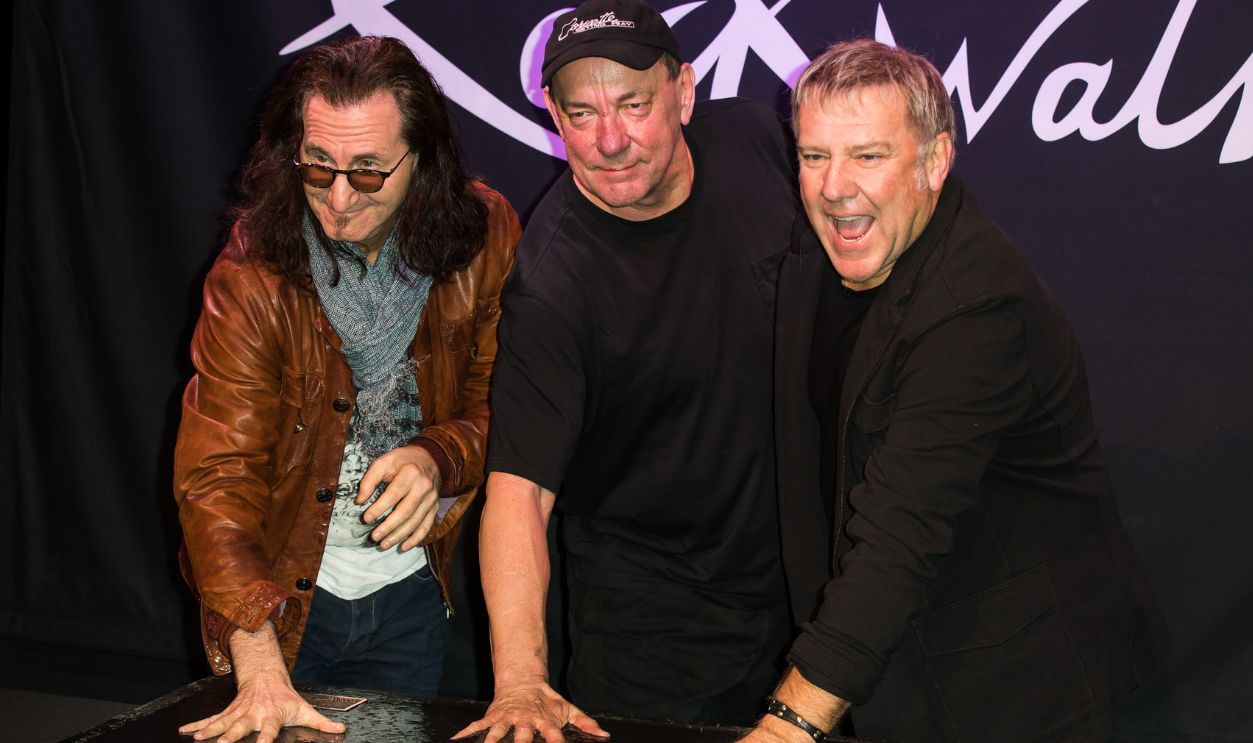
In 2016, Peart was diagnosed with glioblastoma, an aggressive brain cancer. He kept it private, fighting quietly for more than three years. When he passed on January 7, 2020, at age 67, even close friends were stunned. “He wanted his life—and death—to be his own,” said Lifeson.
The World Mourned a Genius
Fans and musicians everywhere paid tribute. Dave Grohl called him “a man who inspired every drummer who ever lived.” Stewart Copeland wrote, “He was one of the greats of all time.” But perhaps the most moving tribute came from Geddy Lee: “He was our spirit, our heartbeat.”

His Legacy Lives in Every Beat
Peart’s legacy isn’t just in the technical wizardry of YYZ or La Villa Strangiato. It’s in the emotional honesty that came through every song. He turned grief into art, silence into rhythm, and pain into poetry. Few artists ever gave more of themselves to their craft.
The Professor Forever
Even now, fans still refer to him as “The Professor.” His lessons went beyond drumming—about perseverance, integrity, and the courage to start over. “If you choose not to decide, you still have made a choice,” he once wrote. For Neil Peart, the choice to live again was the bravest of all.
 Clalansingh, Wikimedia Commons
You Might Also Like: