These Music Videos Are Impossible Not To Watch Again
A killer song is one thing, but drop a perfect dance routine on top of it, and suddenly the music video becomes a whole-body experience. The right choreography can elevate a track, turning it into a cultural moment, inspiring copycats, challenging norms, or simply getting millions of people on the floor. From slick pop moves to gritty street-style grooves, the following videos delivered dance routines that stuck with us long after the credits rolled.
MC Hammer—"U Can’t Touch This” (1990)
Energetic, bold, and highly danceable, this video helped bring hip-hop dance moves into widespread pop culture. The choreography is fun, fast-paced and instantly recognizable, making it a dance-party favorite for generations.
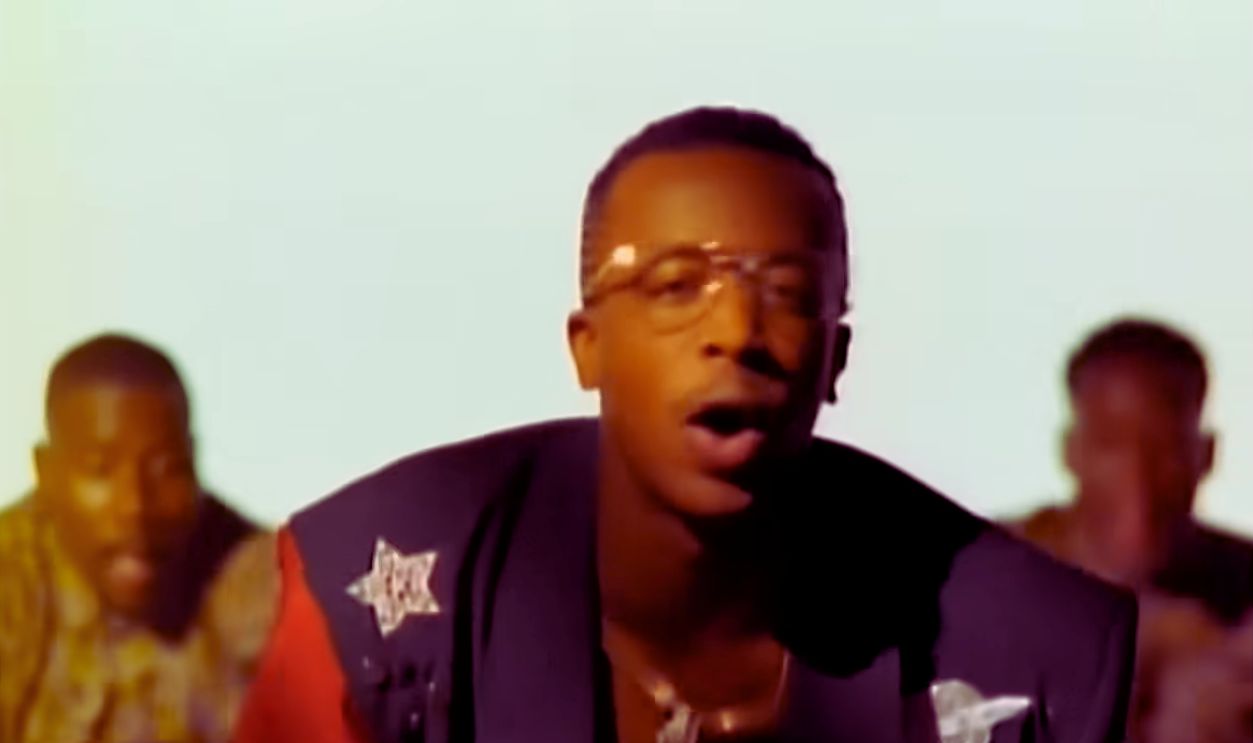 Screenshot from U Can’t Touch This, Capitol (1990)
Beyoncé—“Formation” (2016)
Polished, powerful, and politically charged, this video uses militant-style, tightly synchronized moves to convey empowerment, pride, and defiance. More than just supporting the song, the choreography amplifies its message, turning each step into a statement.
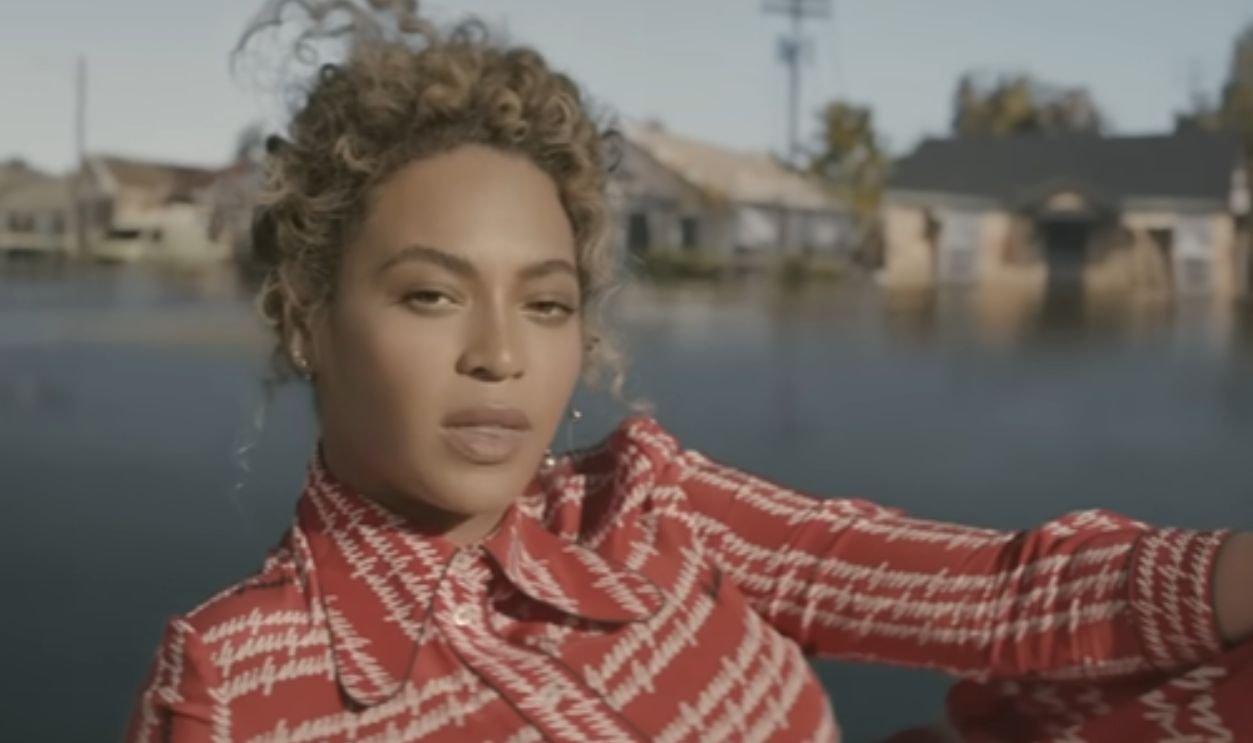 Screenshot from Formation, Columbia (2016)
Kiesza—“Hideaway” (2014)
Shot in one continuous take down a Brooklyn street, this video became instantly iconic because of how effortlessly the dancers weave in sync with the beat. The routine is clean, flowing, and irresistibly catchy—easy enough to learn, but polished enough to impress.
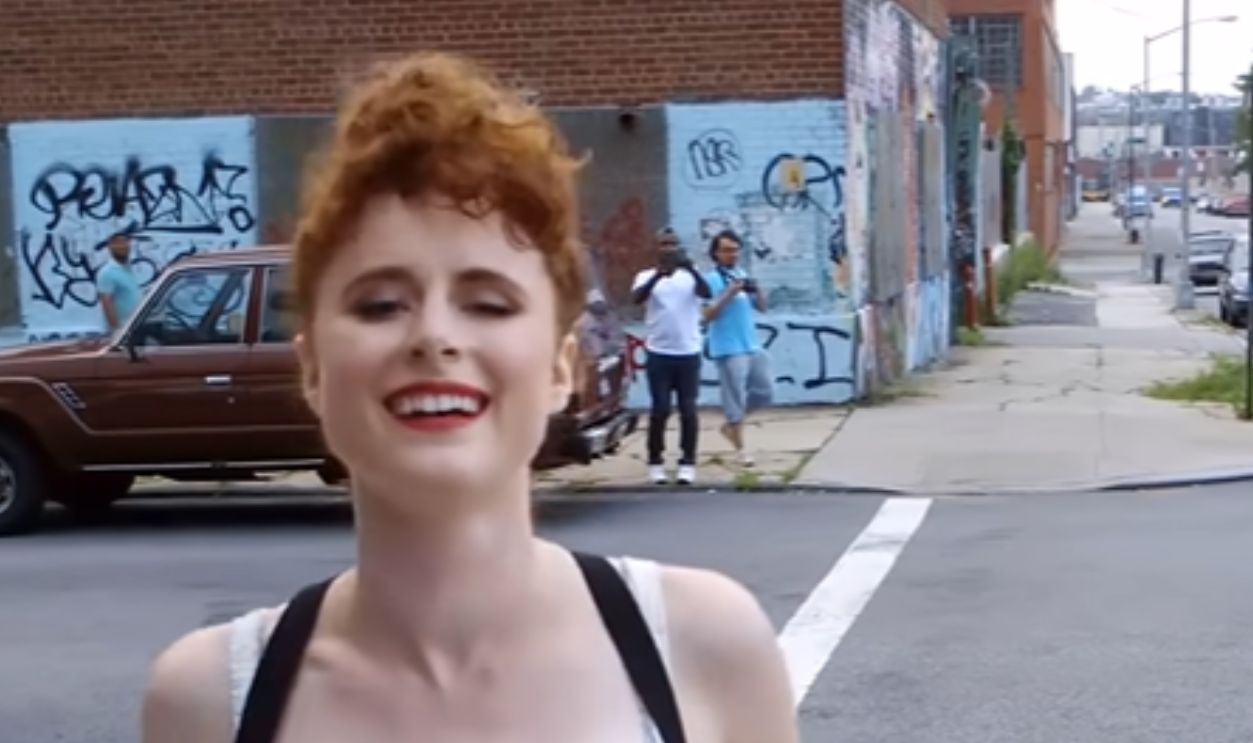 Screenshot from Hideaway, Island (2014)
Ciara—“Ride” (2010)
Riding the wave of dynamic camera work and confident swagger, the video for “Ride” locks you into a hypnotic rhythm. The choreography—tight, fluid, sometimes edgy—blends perfectly with the moody tone of the song, making the dance as emotional as the lyrics. It’s a video where movement becomes part of the storytelling, and it hits hard.
 Screenshot from Ride, LaFace (2010)
Paula Abdul—"Cold Hearted” (1989)
Classic and stylized, the choreography in this video blends sensual moves with a bold, glamorous flair. It reflects the video’s era and aesthetic, showing how dance routines in music videos have long been tools of atmosphere and attitude.
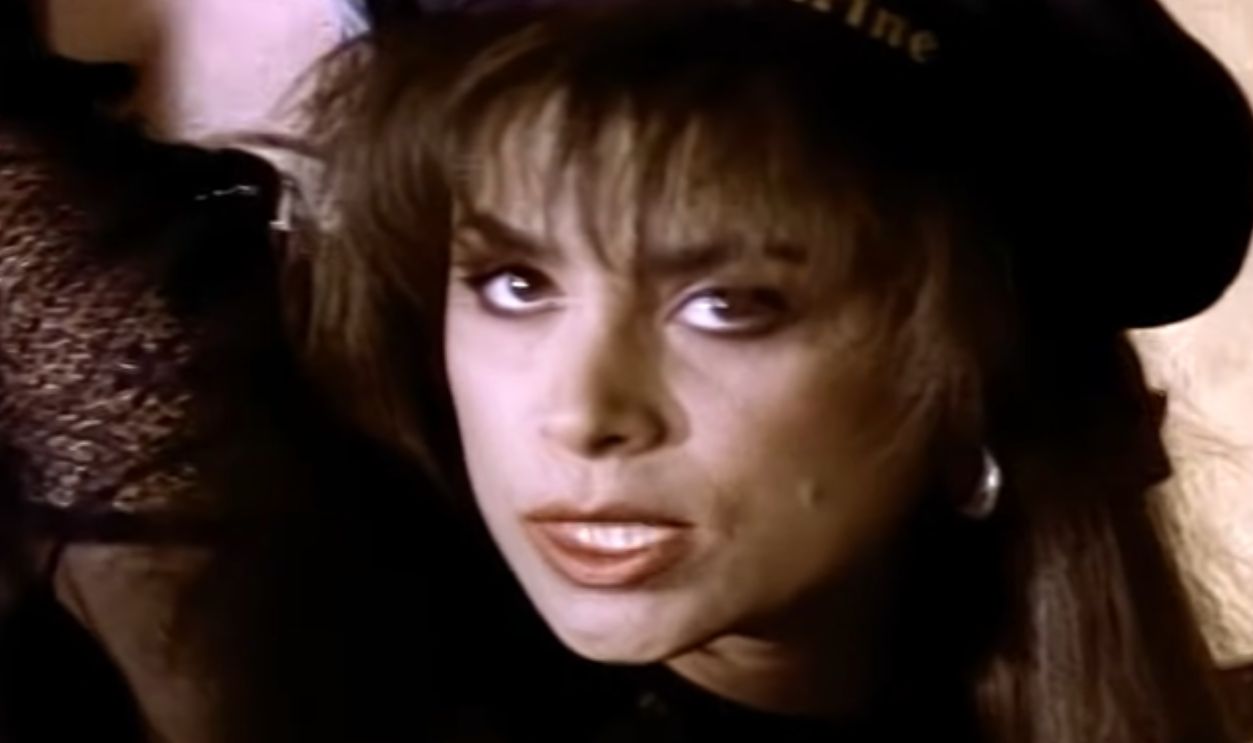 Screenshot from Cold Hearted, Virgin (1989)
Britney Spears—"Oops!... I Did It Again” (2000)
Polished pop choreography, memorable costume and set design, and playful confidence made this video a defining moment of early-2000s pop dance. It set a high standard for choreographed pop videos at the turn of the millennium.
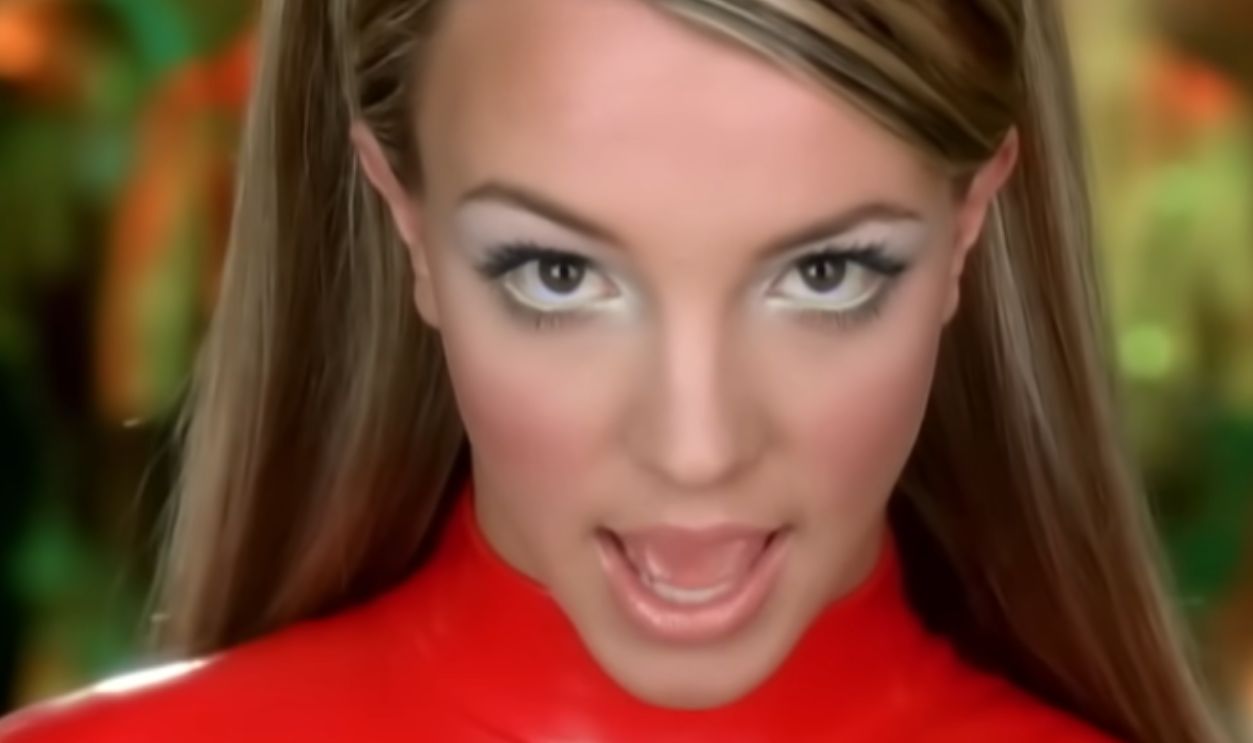 Screenshot from Oops!... I Did It Again, Jive (2000)
Normani—"Motivation” (2019)
With a breakout-ready solo turn, this video skyrocketed because of its jaw-dropping choreography. One moment near the 1:54 mark has been called “strip-club Jackie Chan [stuff]”—a blur of athleticism, rhythm, and sheer star power. It revived old-school video-dance energy and proved that a choreographed video can still define pop culture in 2019.
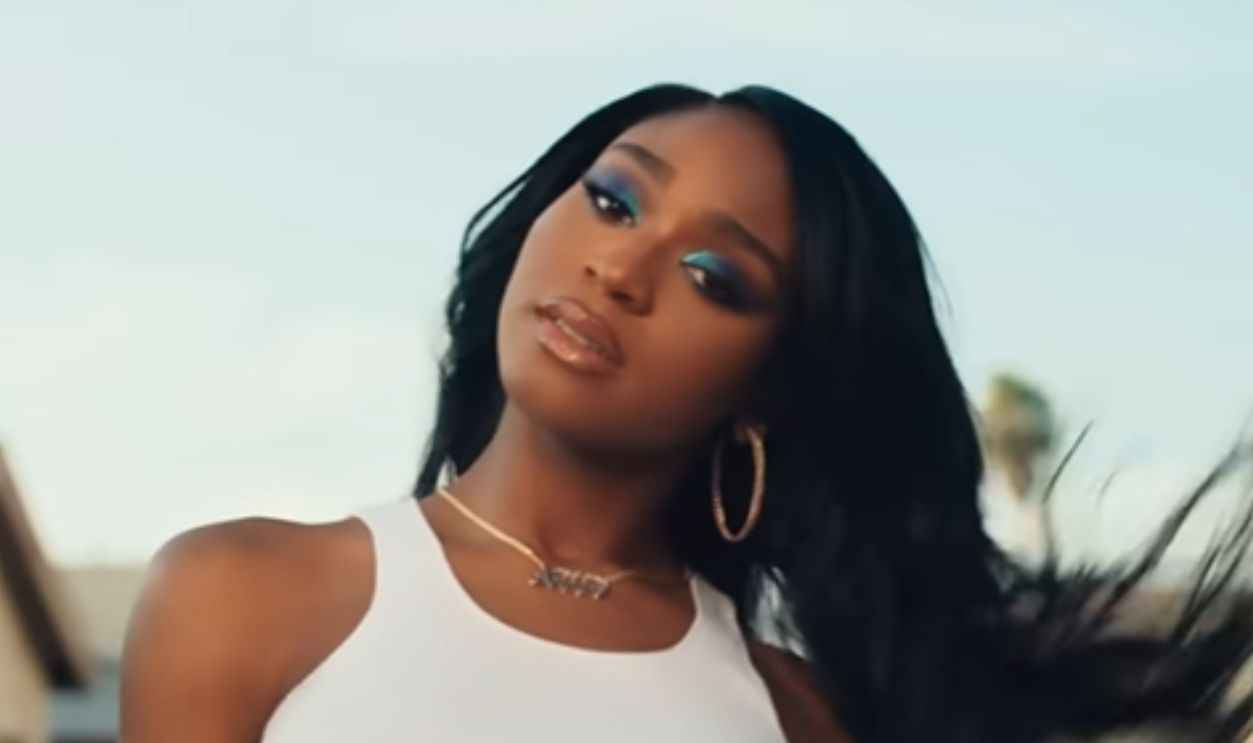 Screenshot from Motivation, RCA (2019)
Feist—“1234” (2007)
Colorful, playful, and full of group-dance fun, “1234” became a dance-video staple thanks to synchronized formations, peppy steps, and bright visuals. Watching the dancers circle, rotate, and move as one makes the video feel like a fresh breath of choreographed joy.
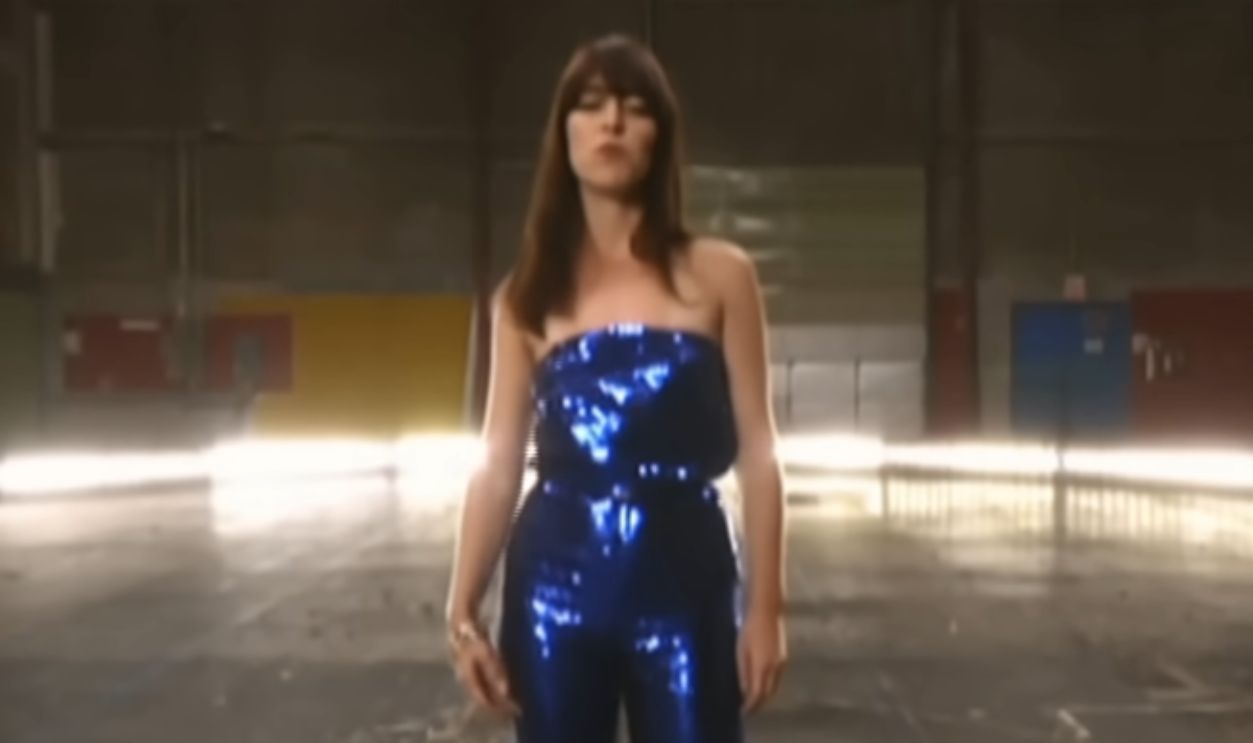 Screenshot from 1234, Interscope (2007)
Janet Jackson—"If” (1993)
Choreographed by a legendary dance director of the era, this Janet Jackson video (not the last on our list) pairs slick moves with sensuality and confidence. It helped redefine how dance and sexuality could be expressed in a mainstream video, influencing many subsequent pop and R&B routines.
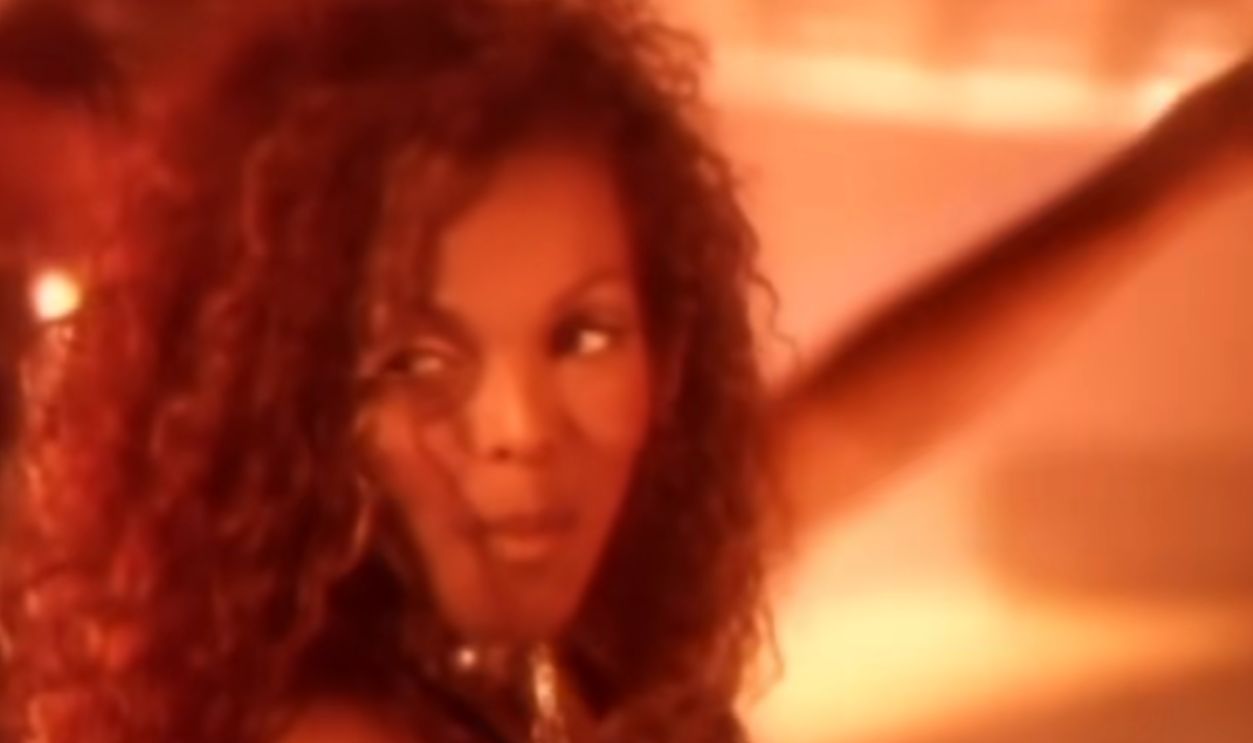 Screenshot from If, Virgin (1993)
Madonna—"Vogue” (1990)
Madonna’s tribute to ballroom culture and voguing brought underground dance to the mainstream. The video’s sleek black-and-white visuals and precise choreography transformed voguing into a global phenomenon that offered a stylish, bold vision of dance, identity, and performance art.
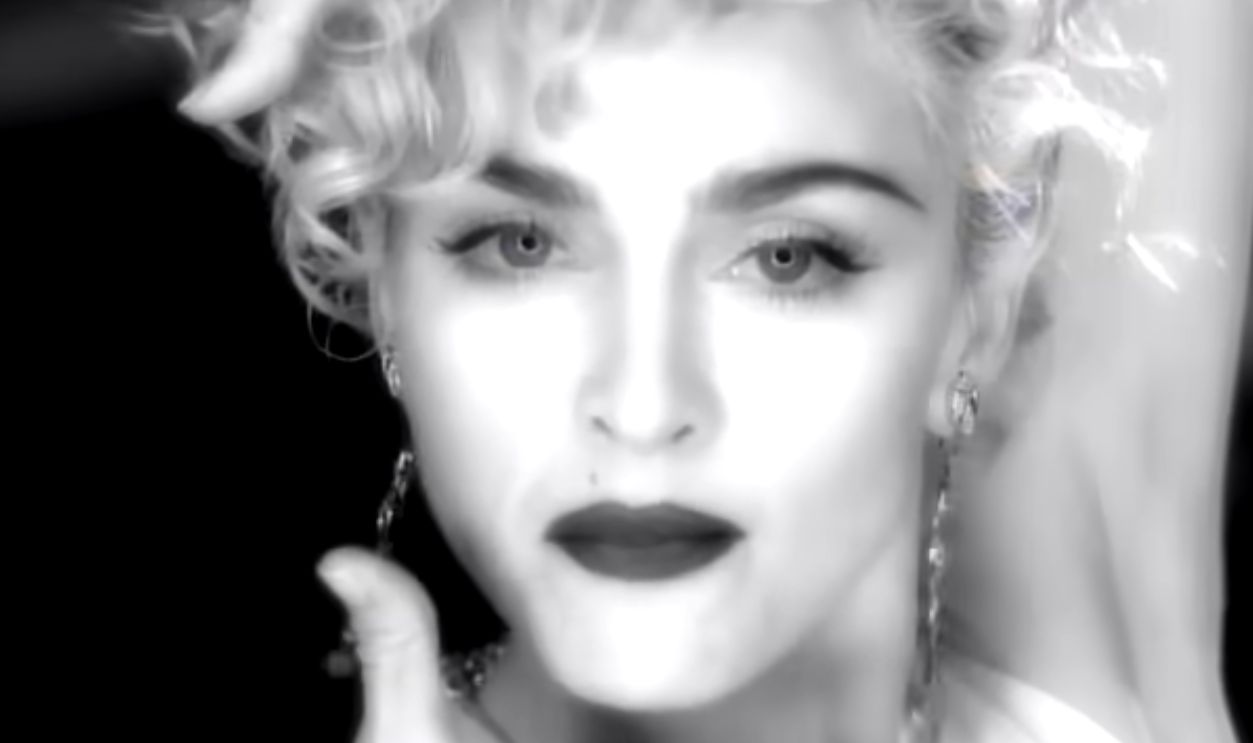 Screenshot from Vogue, Warner (1990)
Sia—"Elastic Heart” (2013)
Minimalist yet powerful: just two dancers in an enclosed space, contorting and colliding in ways that echo the song’s emotional weight. The choreography is more dance-theatre than pop routine, turning vulnerability and conflict into a visceral visual story.
 Screenshot from Elastic Heart, RCA (2013)
Michael Jackson—"Smooth Criminal” (1988)
A landmark in music-video choreography: the video combines storytelling, cinematic mood, and Michael Jackson's legendary dance moves. The “45-degree lean,” sharp group routines, and vintage-club setting made this video a masterclass in movement and showmanship.
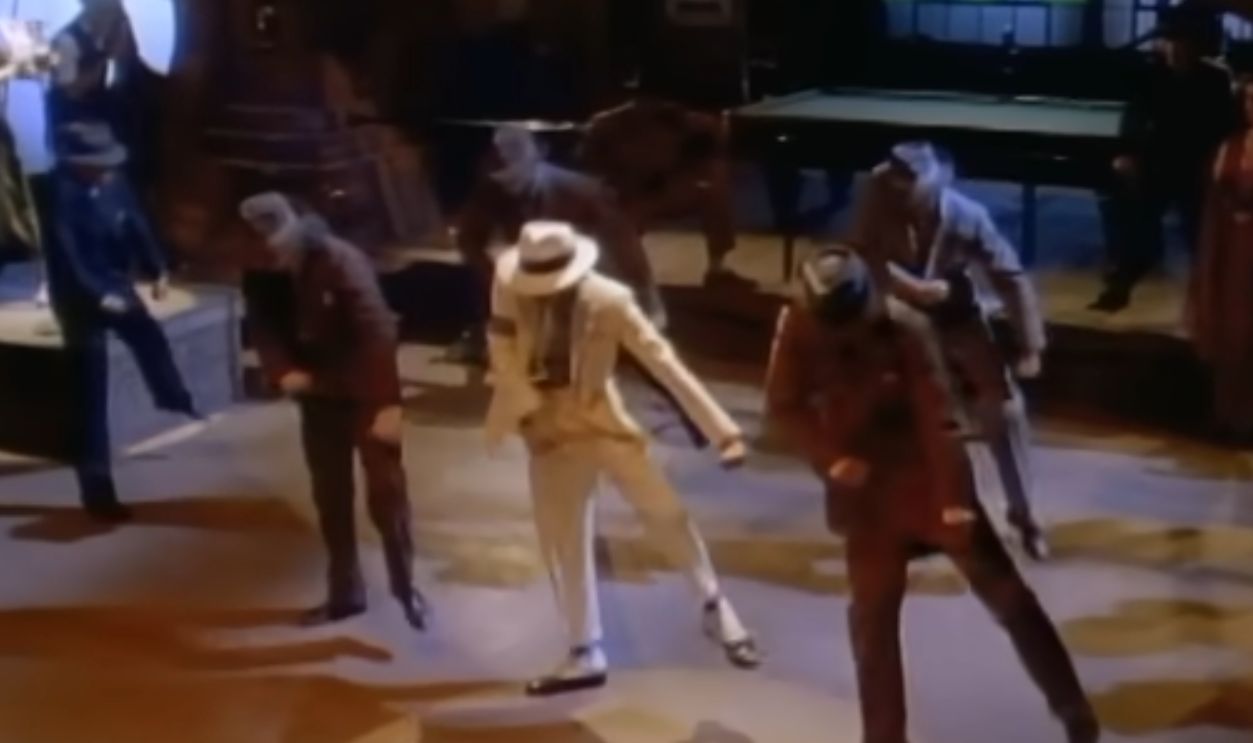 Screenshot from Smooth Criminal, Epic (1988)
Mark Ronson Ft. Bruno Mars—"Uptown Funk” (2014)
With a retro-funk groove and charismatic swagger, the dance moves in this video are infectious. The choreography is accessible (you don’t need to be a trained dancer to feel it) and the fun vibe makes you want to stand up and move.
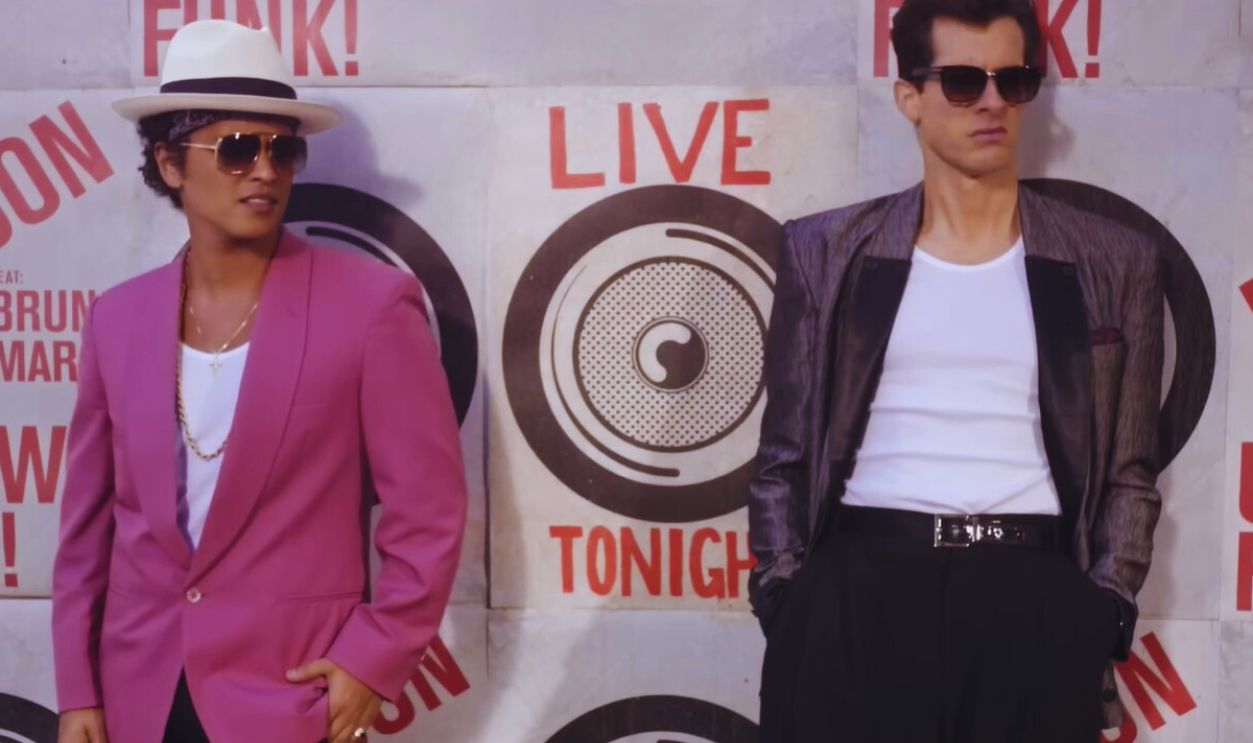 Screenshot from Uptown Funk, Columbia (2014)
Pink—"Try” (2012)
This video blends contemporary dance with dramatic storytelling, and every move feels loaded with emotion. The dance sequences are risky, raw, and intimate, bringing the song’s themes of love, pain, and resilience to life.
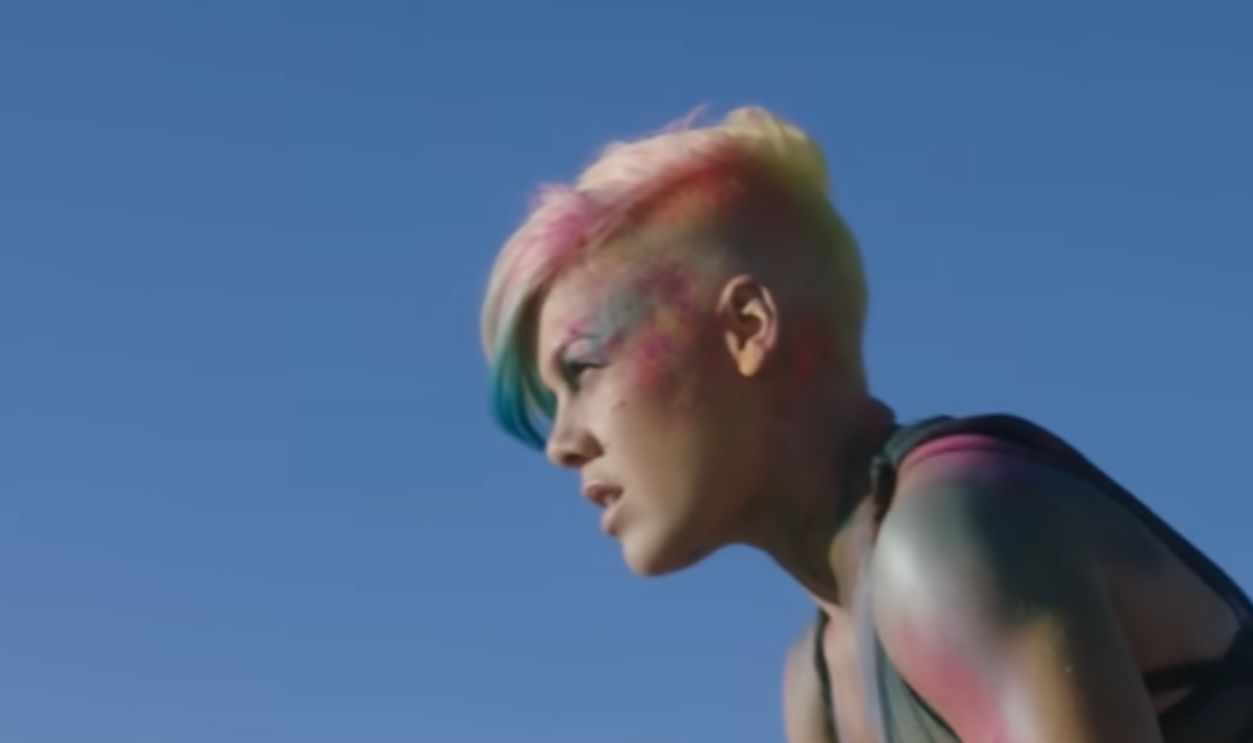 Screenshot from Try, RCA (2012)
Lady Gaga—"Bad Romance” (2009)
Bold, theatrical, and intensely choreographed, this video pairs avant-garde styling with sharp, emotional dance moves. Its choreography balances drama and precision, creating a performance that feels equal parts performance art and pop spectacle.
 Screenshot from Bad Romance, Interscope Records (2009)
Missy Elliott Ft. Ciara & Fatman Scoop—"Lose Control” (2005)
With tight, rhythmic dance sequences and a high-energy vibe, this video captures dance-floor abandon. It exemplifies how choreography and hip-hop sensibilities merged in mid-2000s videos to produce something both gritty and infectious.
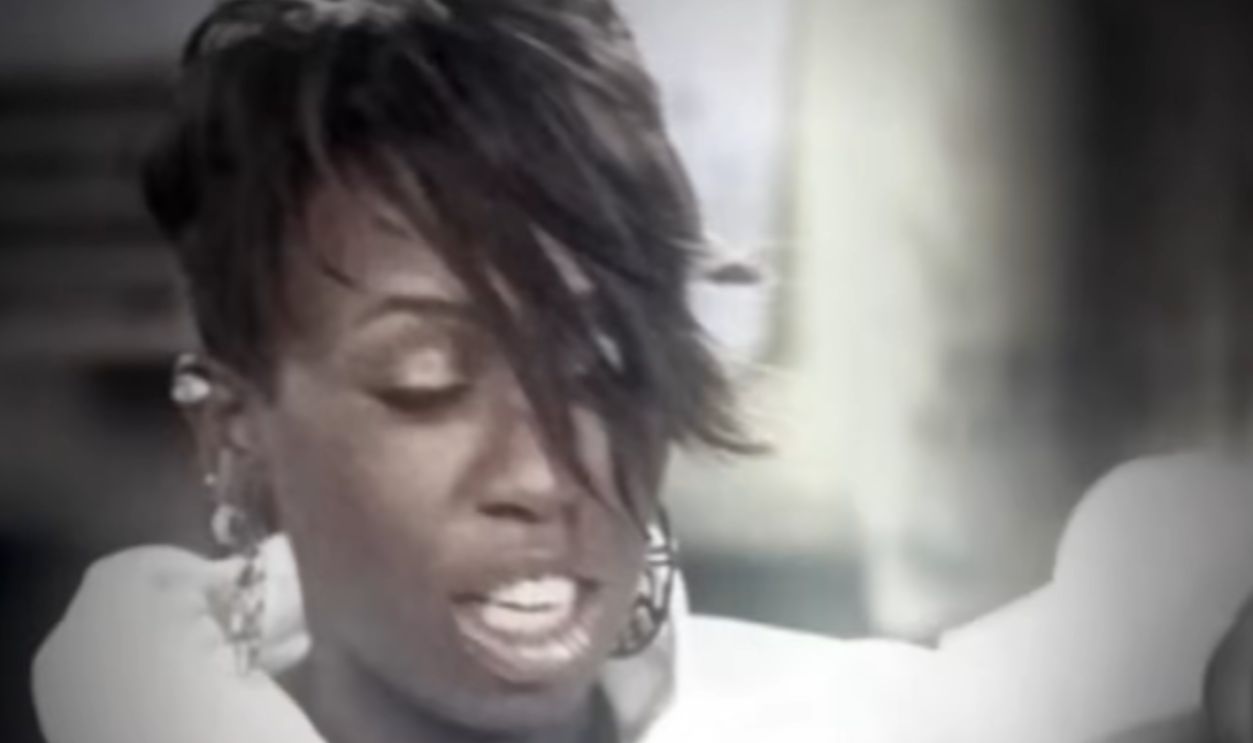 Screenshot from Lose Control, Atlantic (2005)
Backstreet Boys—"Everybody (Backstreet’s Back)” (1997)
A choreographed classic of the boy-band era: synchronized group routines, memorable steps, and theatrical flair made this video a party starter. It reminded the world how powerful a well-drilled dance troupe could be in elevating pop songs into choreography-driven icons.
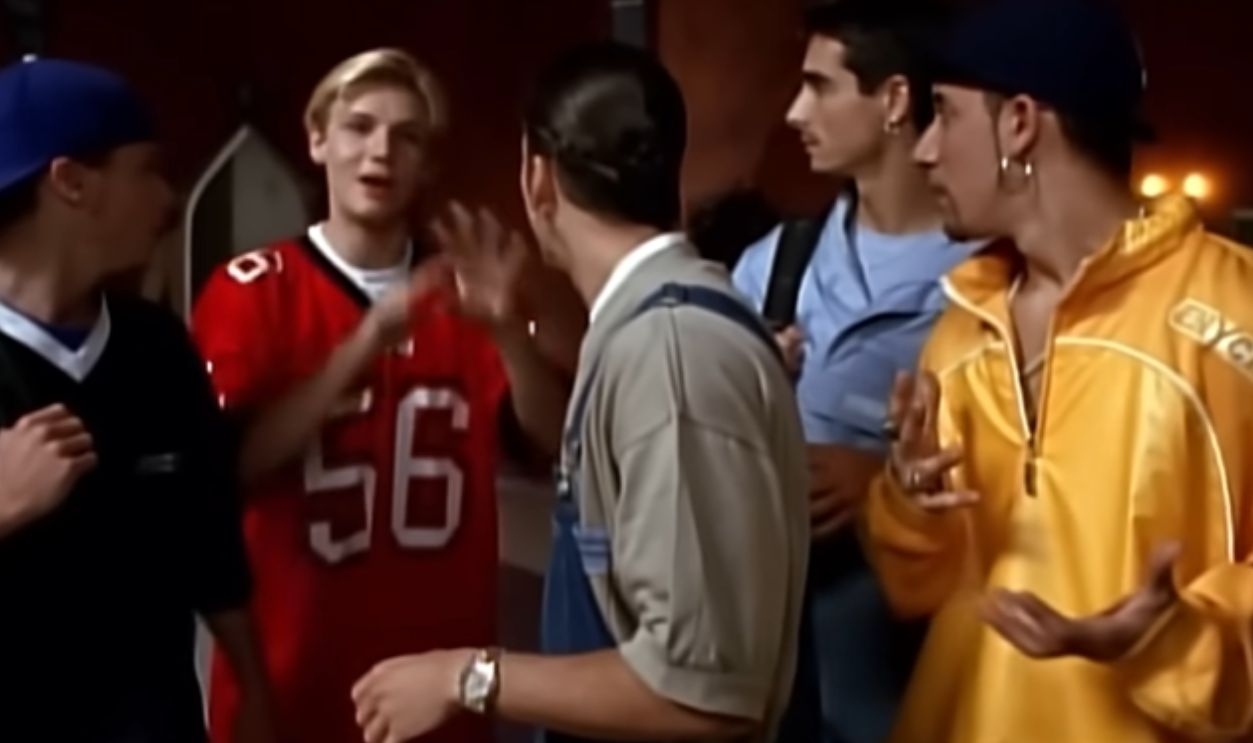 Screenshot from Everybody (Backstreet’s Back), Jive (1997)
Beyoncé—"Single Ladies (Put A Ring On It)” (2008)
Minimalist set, black outfits, and a three-woman dance lineup: the moves from this video went viral fast. Its choreography became iconic on its own, spawning countless recreations and dance challenges—a testament to how a simple, powerful routine can ignite global craze.
 Screenshot from Single Ladies (Put a Ring on It), Columbia (2008)
Janet Jackson—"Rhythm Nation” (1989)
This video married militaristic precision and social message—the synchronized marching, sharp choreography, and disciplined formations brought intensity and unity to the screen. It demonstrated how dance videos could be powerful, political, and visually striking all at once.
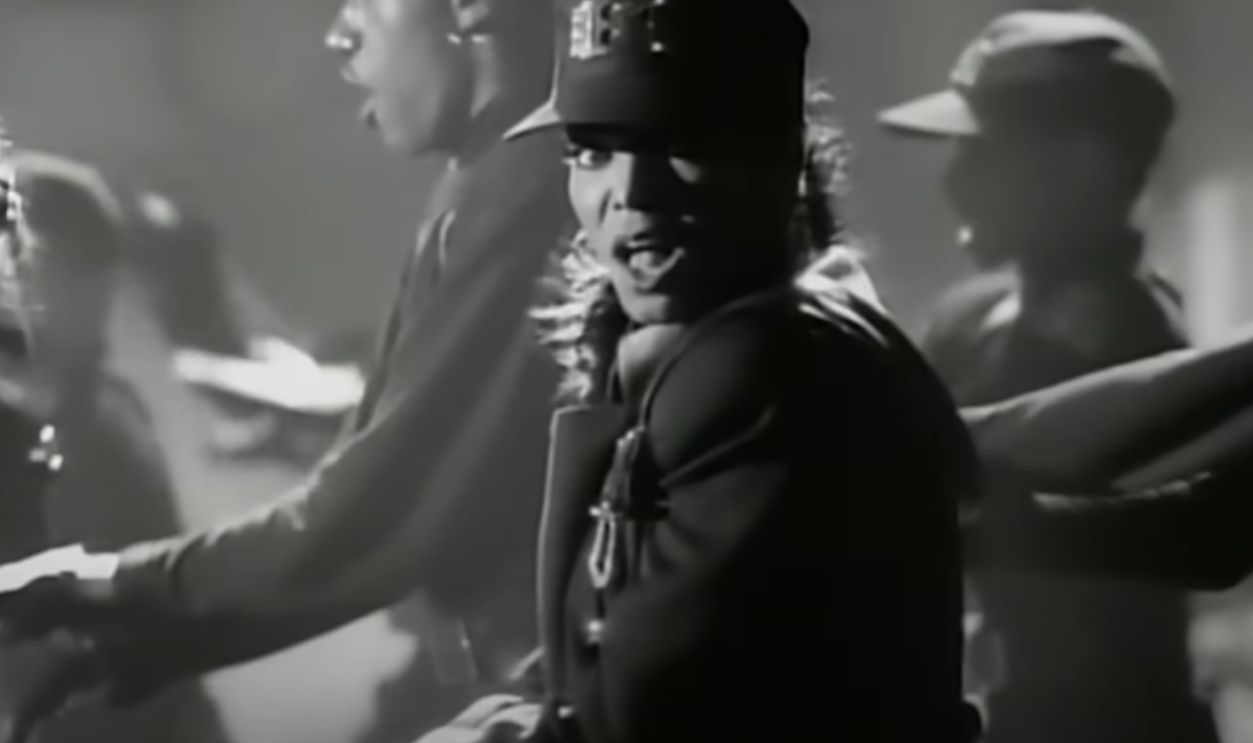 Screenshot from Rhythm Nation, A&M (1989)
Michael Jackson—"Thriller” (1983)
The granddaddy of dance-video epics: combining horror-movie vibes, group-dance zombie choreography, and cinematic storytelling, “Thriller” set the gold standard. Its influence is immeasurable—people still recreate its moves at parties, flashmobs, and Halloween events decades later.
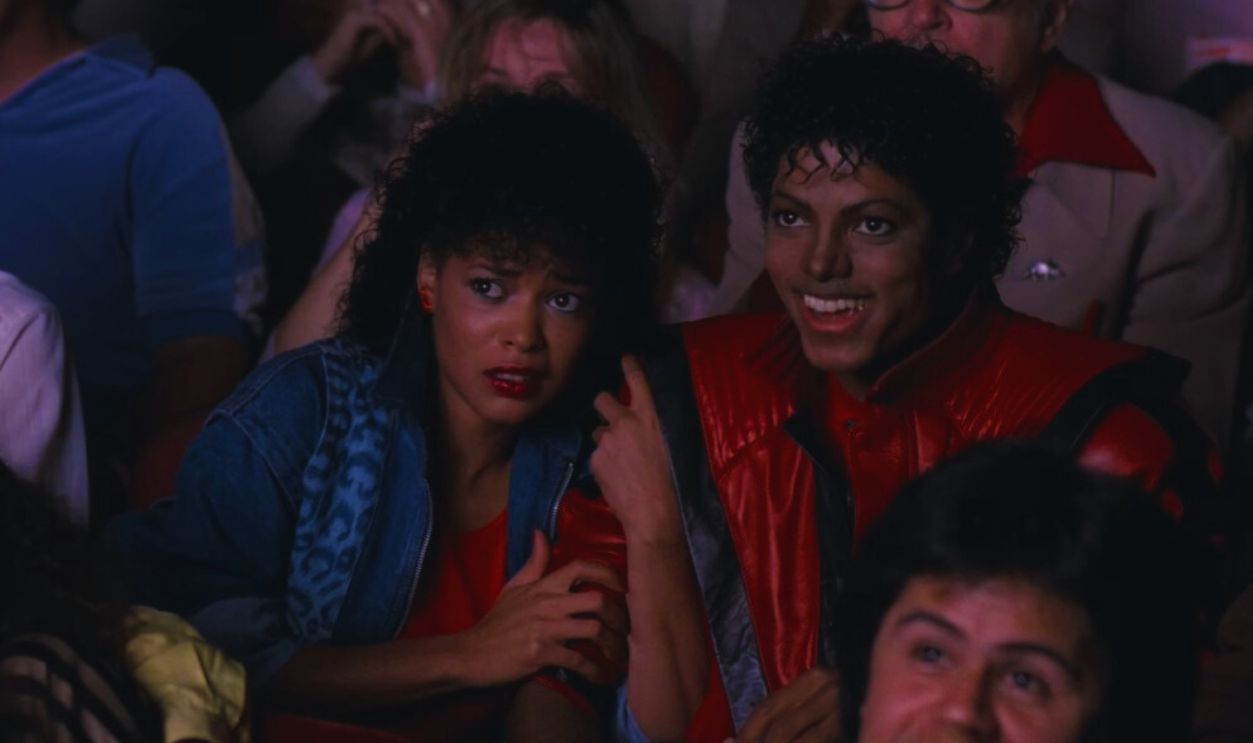 Screenshot from Thriller, Epic (1983)
You May Also Like:
The Best Dance Movies Ever Made
The Most Iconic MTV Music Videos