When Three People Make Enough Noise For Ten
Power trios are one of music’s greatest configurations: fewer people, fewer moving parts, and absolutely nowhere to hide. When a trio clicks, you feel it instantly—three musicians generating the kind of force you’d normally expect from a small army. Across rock, punk, soul, prog, hip-hop, and pop, these 30 trios proved that sometimes the most unforgettable sound comes from the simplest setup.
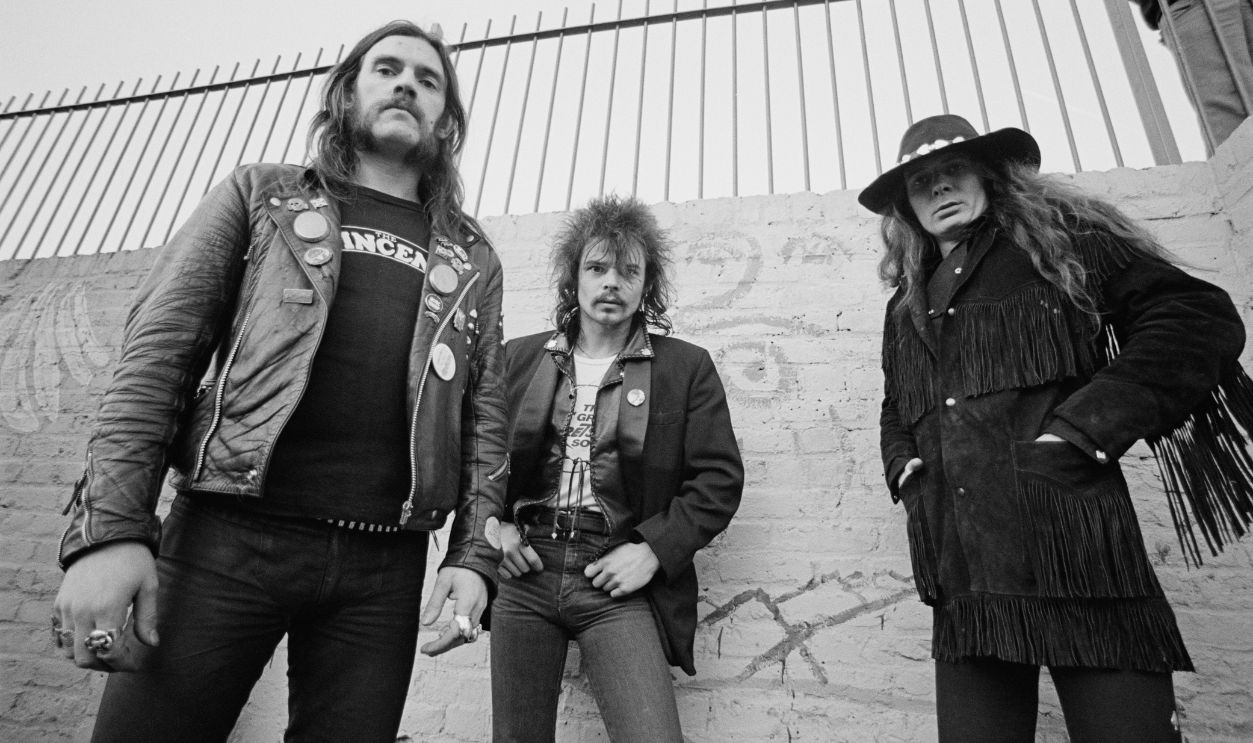
Motörhead
Lemmy, “Fast” Eddie Clarke, and Phil Taylor fused punk velocity with metal grit, creating a raw sound that practically bulldozed the late 70s rock landscape. Their breakout album Ace of Spades became a speed-metal blueprint, while their relentless touring made them legends of volume. You can hear their imprint all over bands like Metallica and Anthrax, who borrowed heavily from Motörhead’s unapologetically feral approach.
 Fin Costello, Getty ImagesSleater-Kinney
With no bass player and no interest in playing it safe, Sleater-Kinney built a jagged, fiery sound around Corin Tucker and Carrie Brownstein’s interwoven guitars and Janet Weiss’ powerhouse drumming. Albums like Dig Me Out and The Woods showcased their unmistakable blend of intimacy and fury. Their tight interplay rewrote what indie rock trios could look and sound like.
 Charlie Llewellin from Austin, USA, Wikimedia Commons
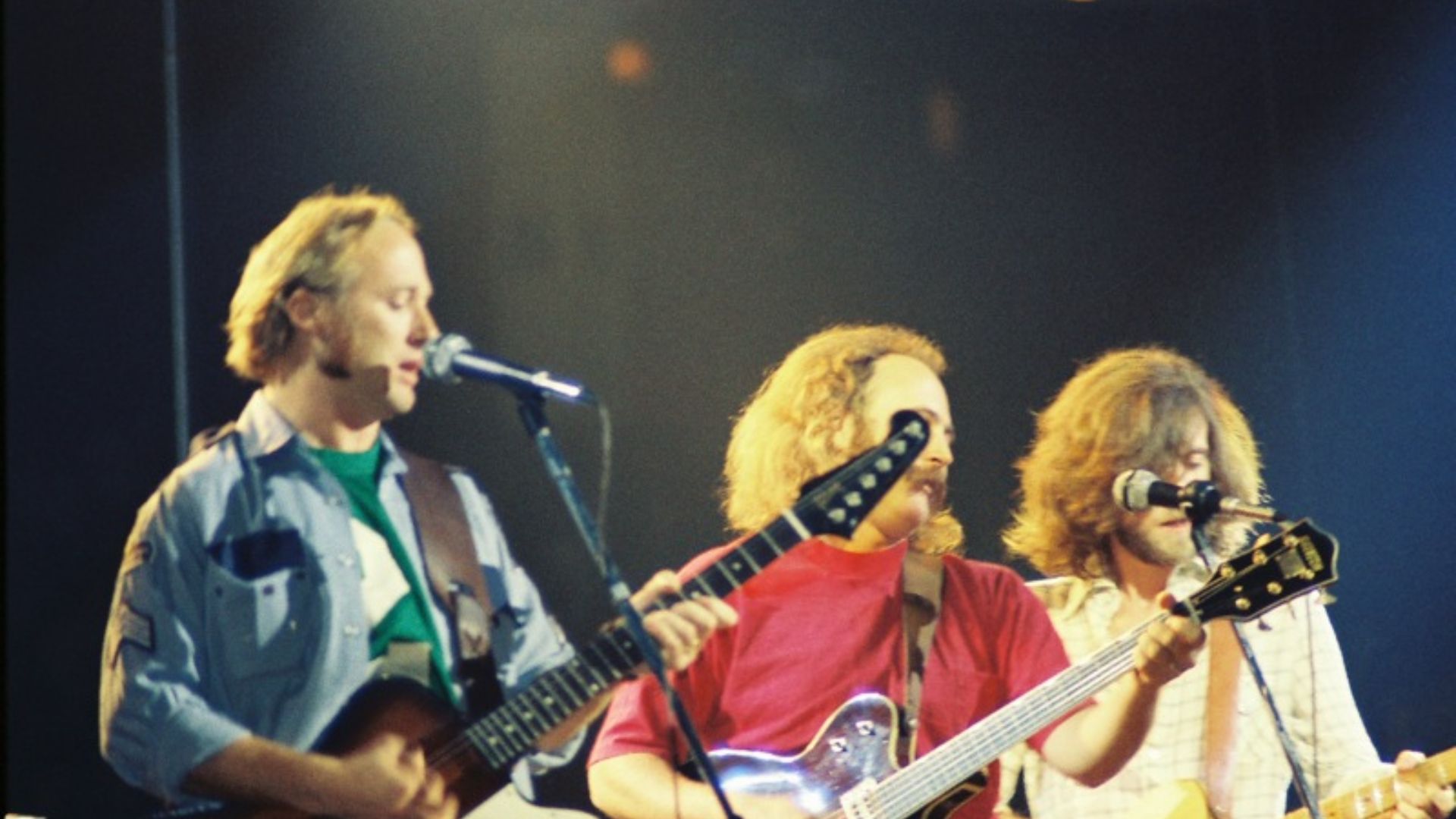
Crosby, Stills & Nash
Their strength wasn’t volume—it was the alchemy of three voices blending into one. CSN’s harmonies powered classics like “Suite: Judy Blue Eyes” and “Helplessly Hoping,” creating a folk-rock sound that became the emotional anchor of the Woodstock era. Their blend of poetic songwriting and political undercurrent helped reshape American folk for decades to come.
 Tony Morelli, Wikimedia CommonsSublime
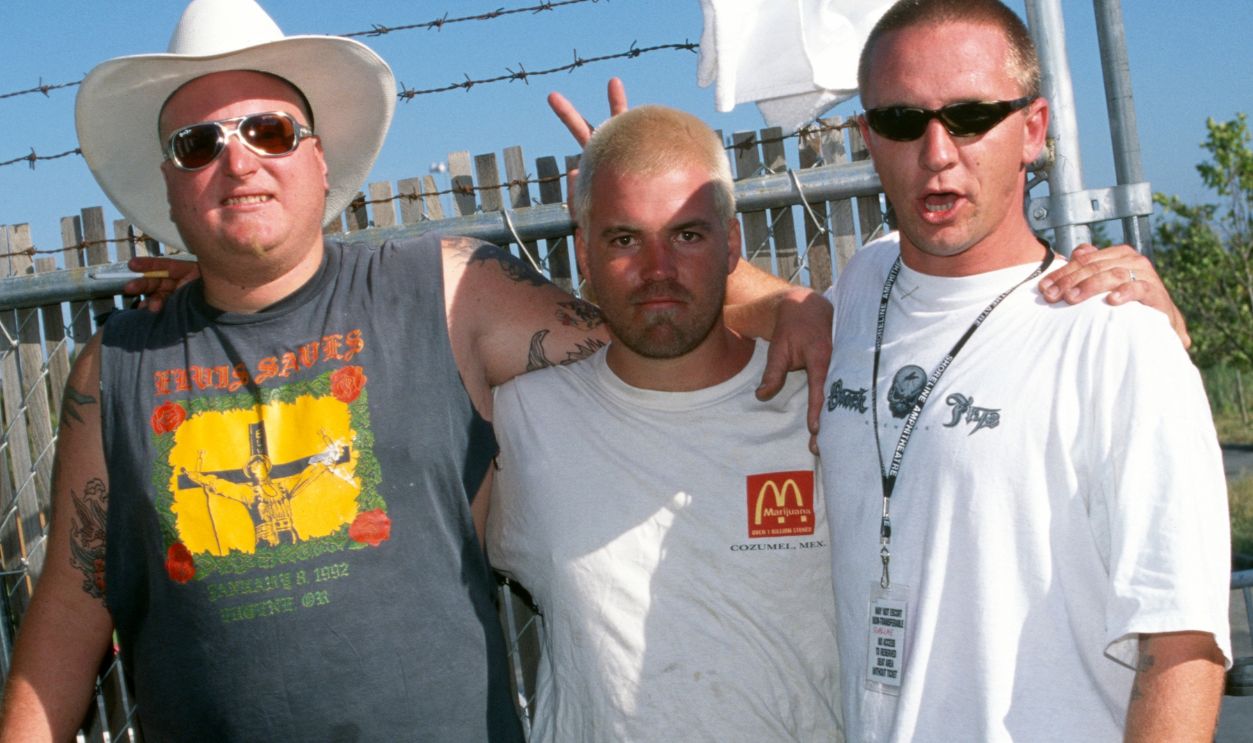
Bradley Nowell, Eric Wilson, and Bud Gaugh brought SoCal surf culture into a blender with reggae, punk, and hip-hop on breakout albums like 40oz. to Freedom and Sublime. Tracks like “Santeria” and “What I Got” introduced millions to genre fusion before it became standard. Sublime’s loose, sunburned groove made them icons of 90s alternative.
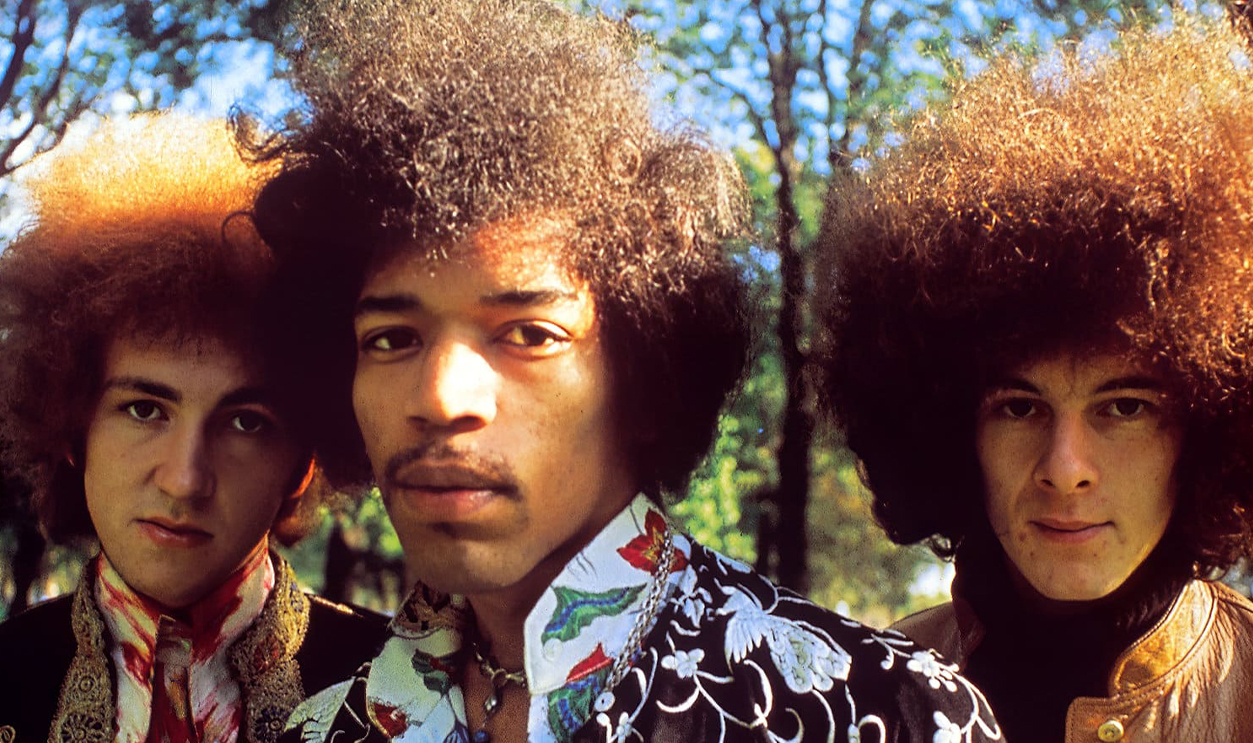
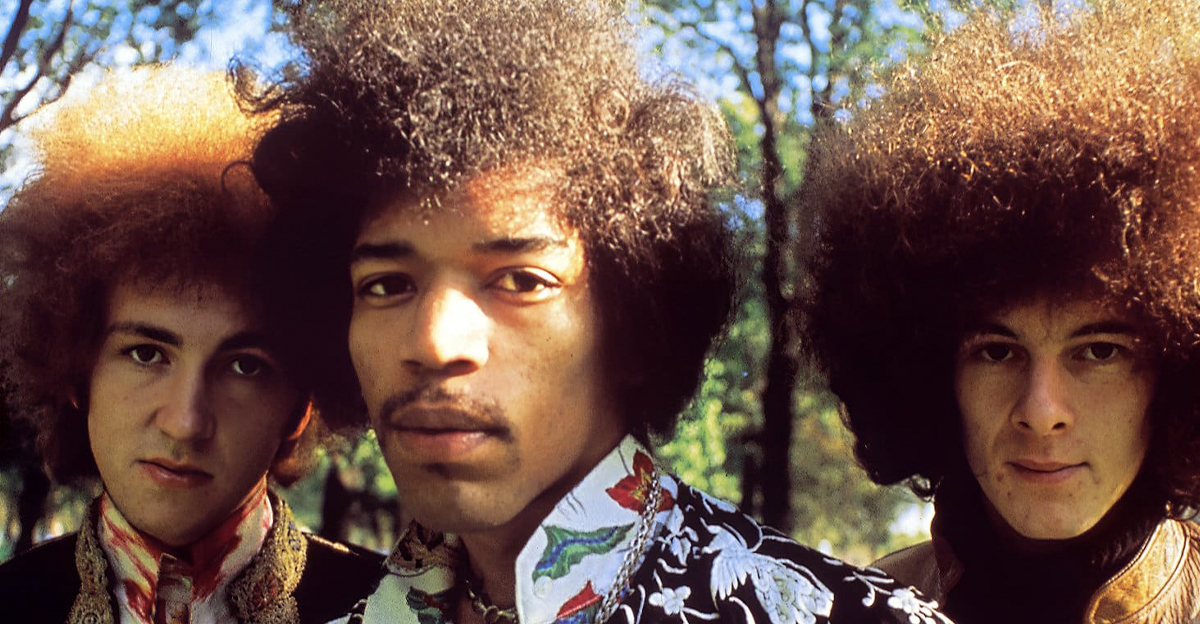
The Jimi Hendrix Experience
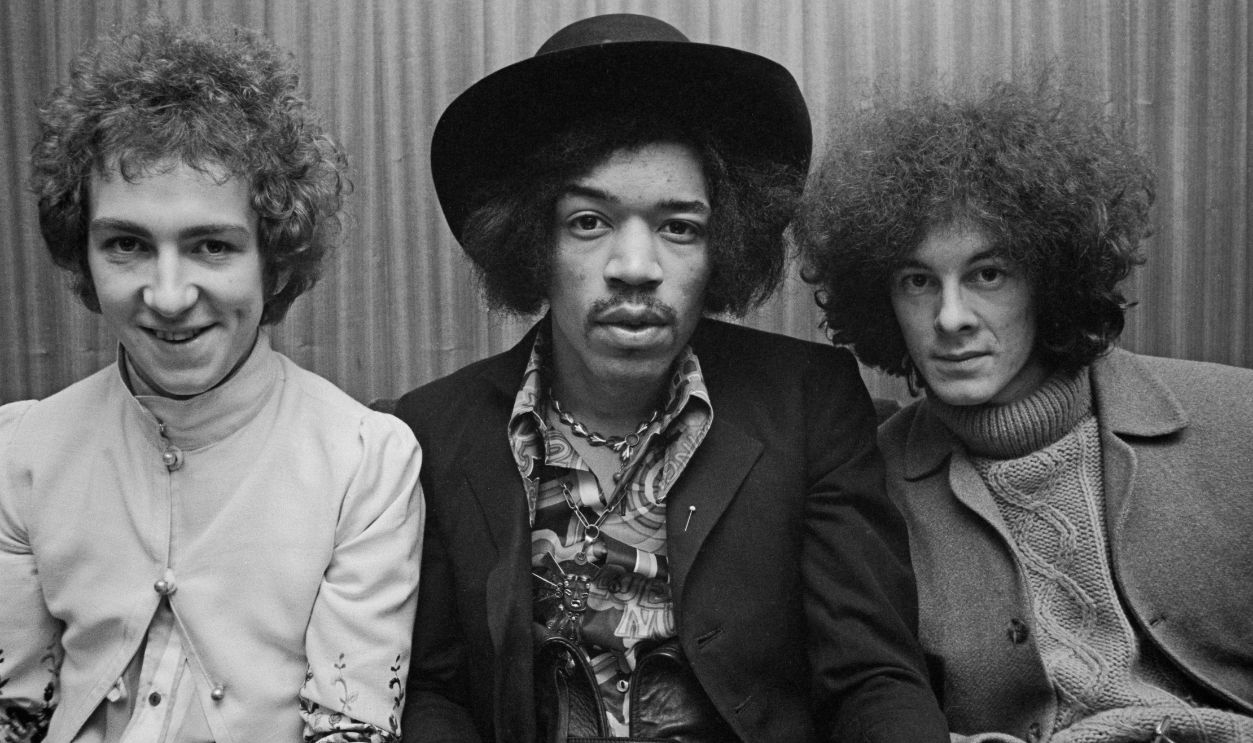
Few trios in history reshaped music as radically as Jimi Hendrix, Noel Redding, and Mitch Mitchell. The Experience exploded onto the scene with Are You Experienced, an album that rewired rock’s entire DNA with songs like “Purple Haze,” “Foxy Lady,” and “Hey Joe.” Hendrix’s guitar work—feedback-drenched, fluid, and otherworldly—became the new standard for electric expression, while Mitchell’s jazzy drumming and Redding’s steady bass grounded the chaos with surprising finesse.
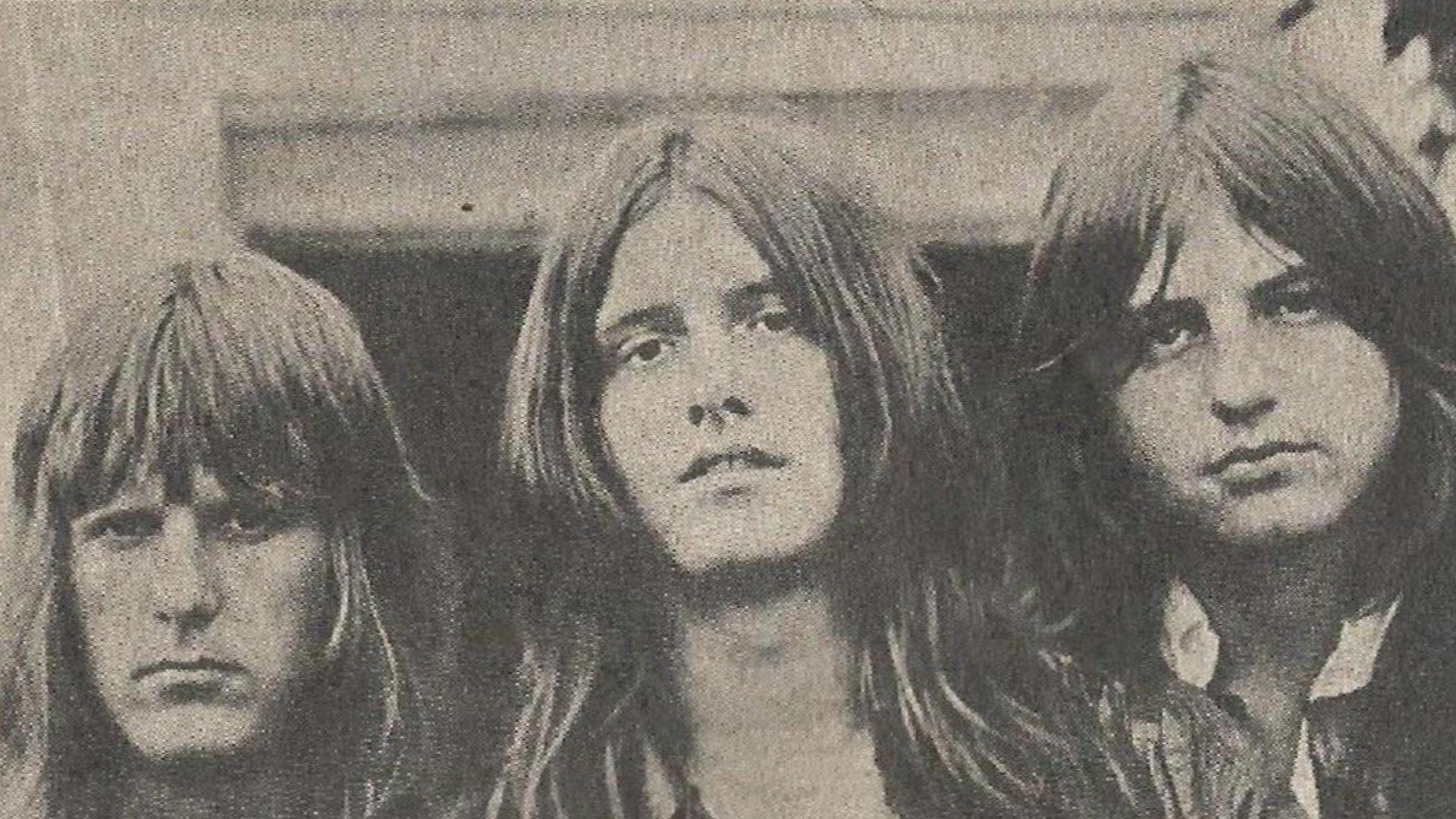
Emerson, Lake & Palmer
Prog rock rarely gets bigger—or more ambitious—than ELP. With keyboard wizard Keith Emerson driving the ship, their albums Tarkus and Brain Salad Surgery stretched rock into orchestral territory. Greg Lake’s pristine vocals and Carl Palmer’s virtuosic drumming completed the trio. Their bombastic live shows helped define prog’s over-the-top charm.
 Majalah Varianada, Wikimedia Commons
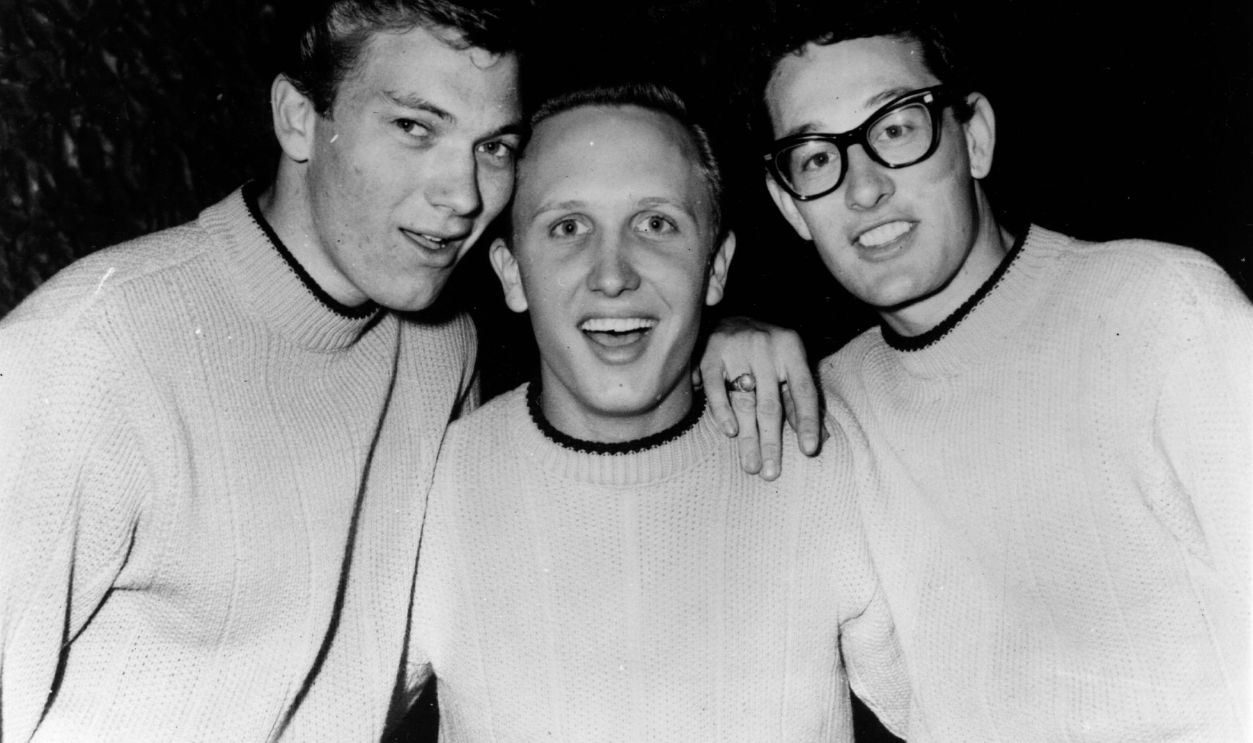
The Crickets
Buddy Holly’s band wrote the blueprint for countless rock groups that followed. With hits like “That’ll Be the Day” and “Peggy Sue,” The Crickets sharpened the idea of tight, melodic rock built on simple instrumentation. Their clean, upbeat style inspired everyone from The Beatles to The Hollies—bands who literally took their name from them.
The Ronettes
The Ronettes—Ronnie, Estelle, and Nedra—brought attitude, glamour, and a wall of harmonies to the girl-group era. Hits like “Be My Baby” and “Baby, I Love You” became timeless thanks to Ronnie Spector’s iconic voice and Phil Spector’s massive production. Their blend of confidence and vulnerability shaped generations of pop vocalists.

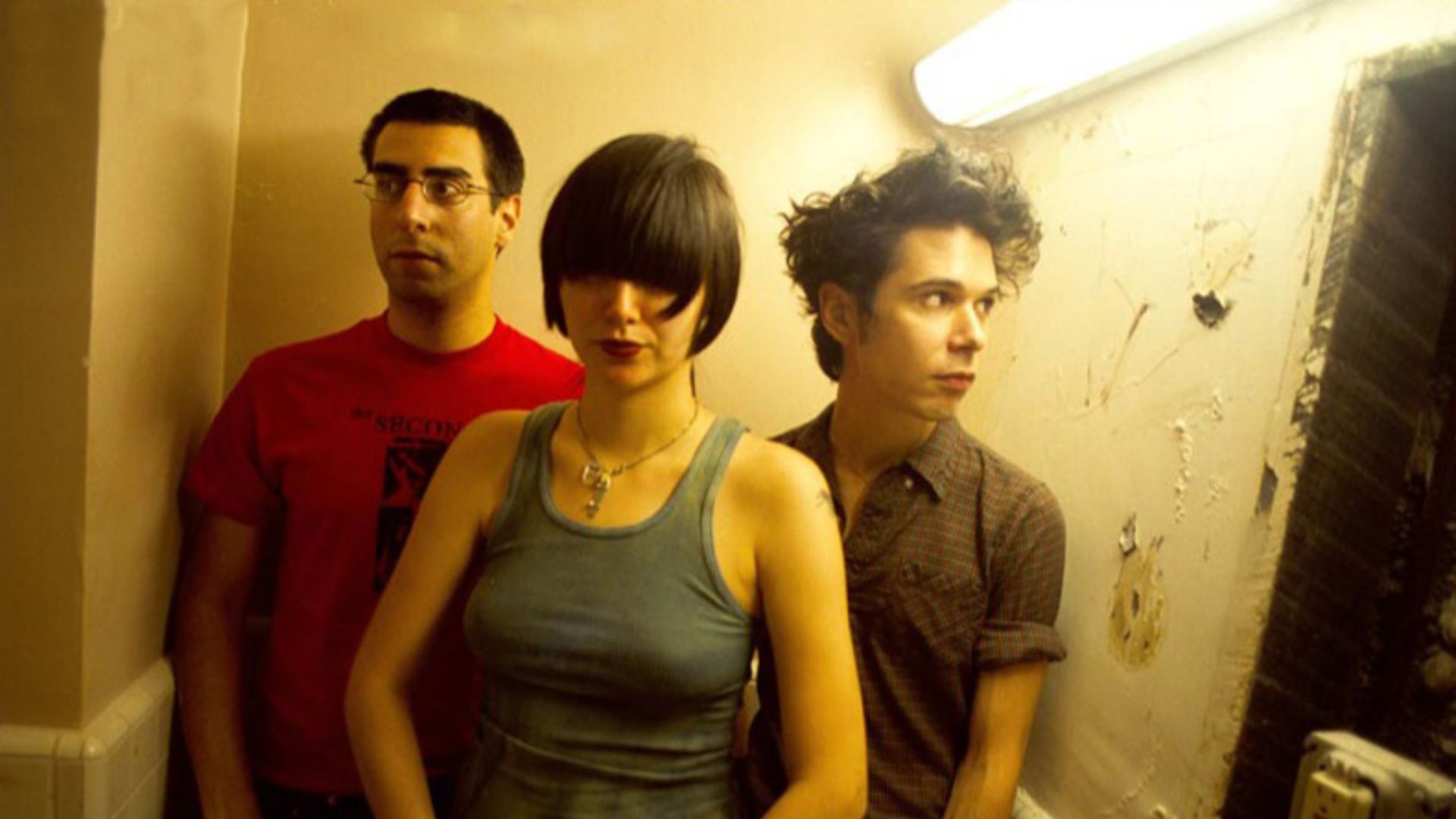
Yeah Yeah Yeahs
Karen O, Nick Zinner, and Brian Chase exploded out of the early-2000s NYC scene with angular guitars, art-punk swagger, and unforgettable stage energy. Fever to Tell gave us “Maps,” one of indie rock’s modern classics, while It’s Blitz! expanded their sonic palette. Few trios mix theatrics and intimacy as effortlessly.
 Max Knies from New York City, Wikimedia Commons
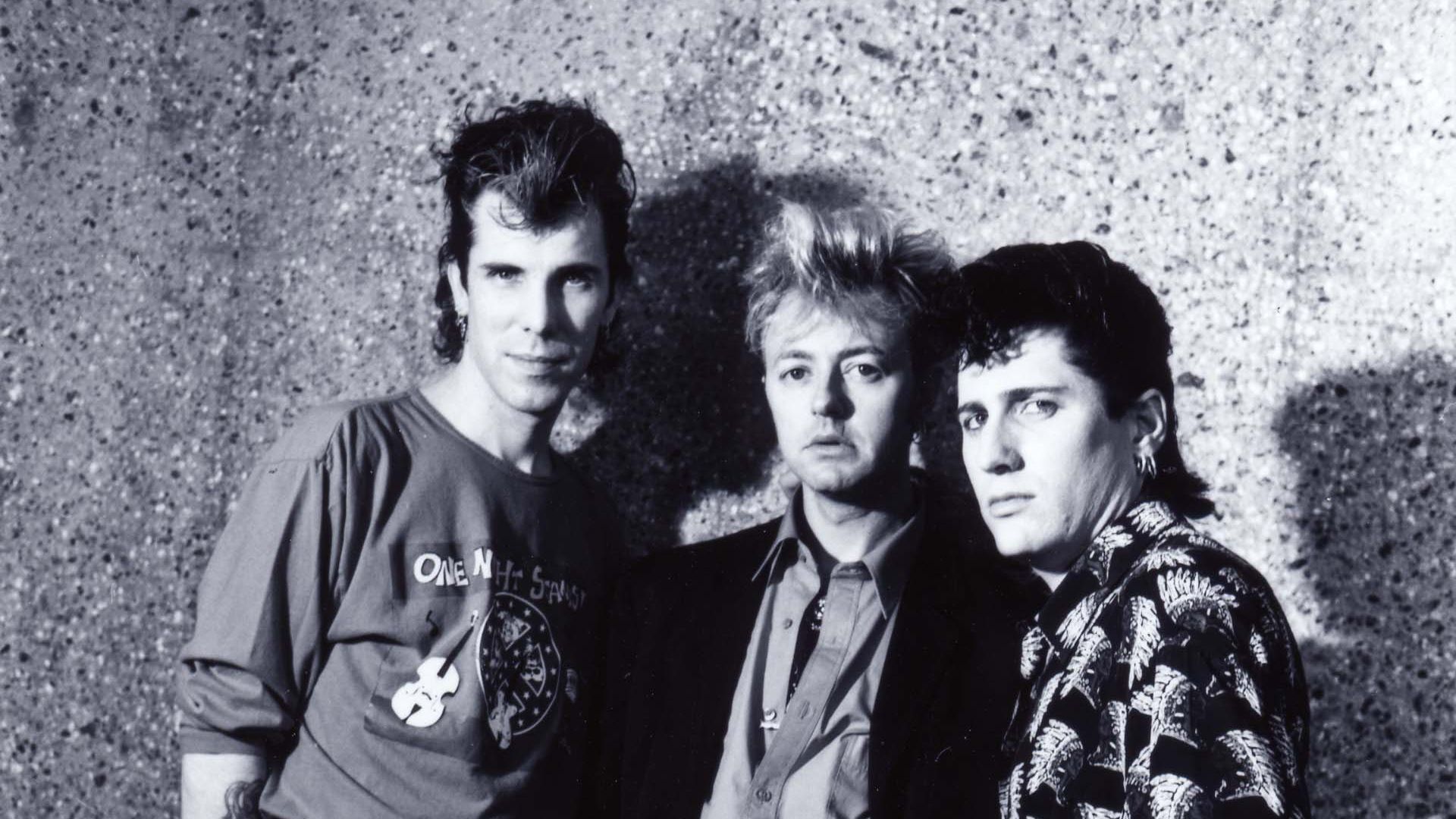
Stray Cats
Brian Setzer’s lightning-fast picking, Lee Rocker’s upright bass slaps, and Slim Jim Phantom’s stripped-down drumming revived rockabilly for the MTV era. With hits like “Rock This Town” and “Stray Cat Strut,” their retro-cool aesthetic brought old-school swagger back into pop culture. Their energetic live shows helped cement them as revival icons.
 Masao Nakagami, Wikimedia Commons
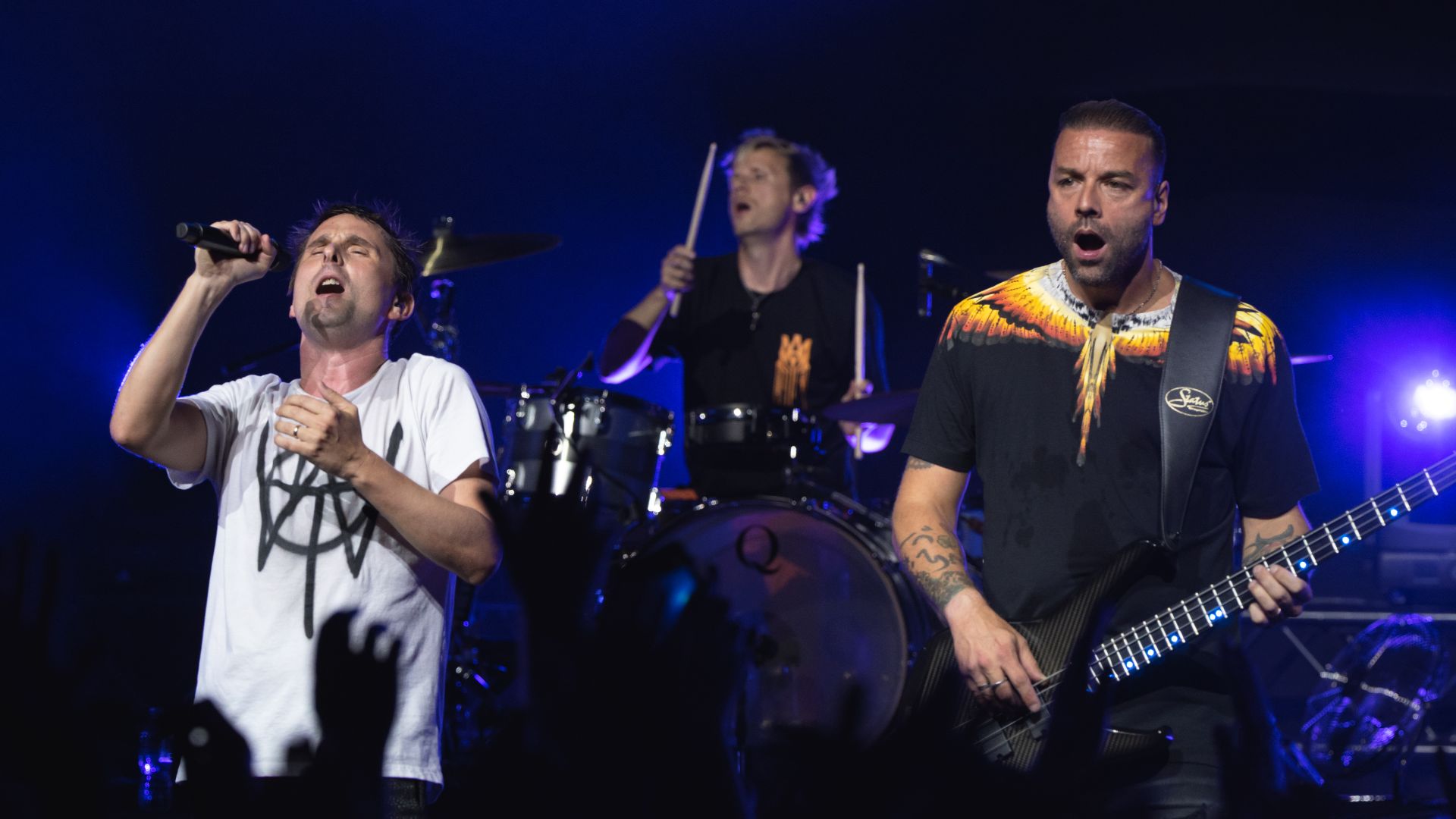
Muse
On paper a trio, in reality a sonic superstorm. Matt Bellamy’s operatic vocals and guitar theatrics, Chris Wolstenholme’s thunderous bass, and Dom Howard’s explosive drumming created arena-rock anthems like “Hysteria,” “Plug In Baby,” and “Uprising.” Albums like Black Holes and Revelations proved a trio could sound galactic.
The Supremes
Diana Ross, Mary Wilson, and Florence Ballard dominated the 60s with polished harmonies and sleek Motown charm. With hits like “Stop! In the Name of Love” and “You Can’t Hurry Love,” they helped define modern pop’s sophistication. Their success opened the door for Black female acts on mainstream charts.
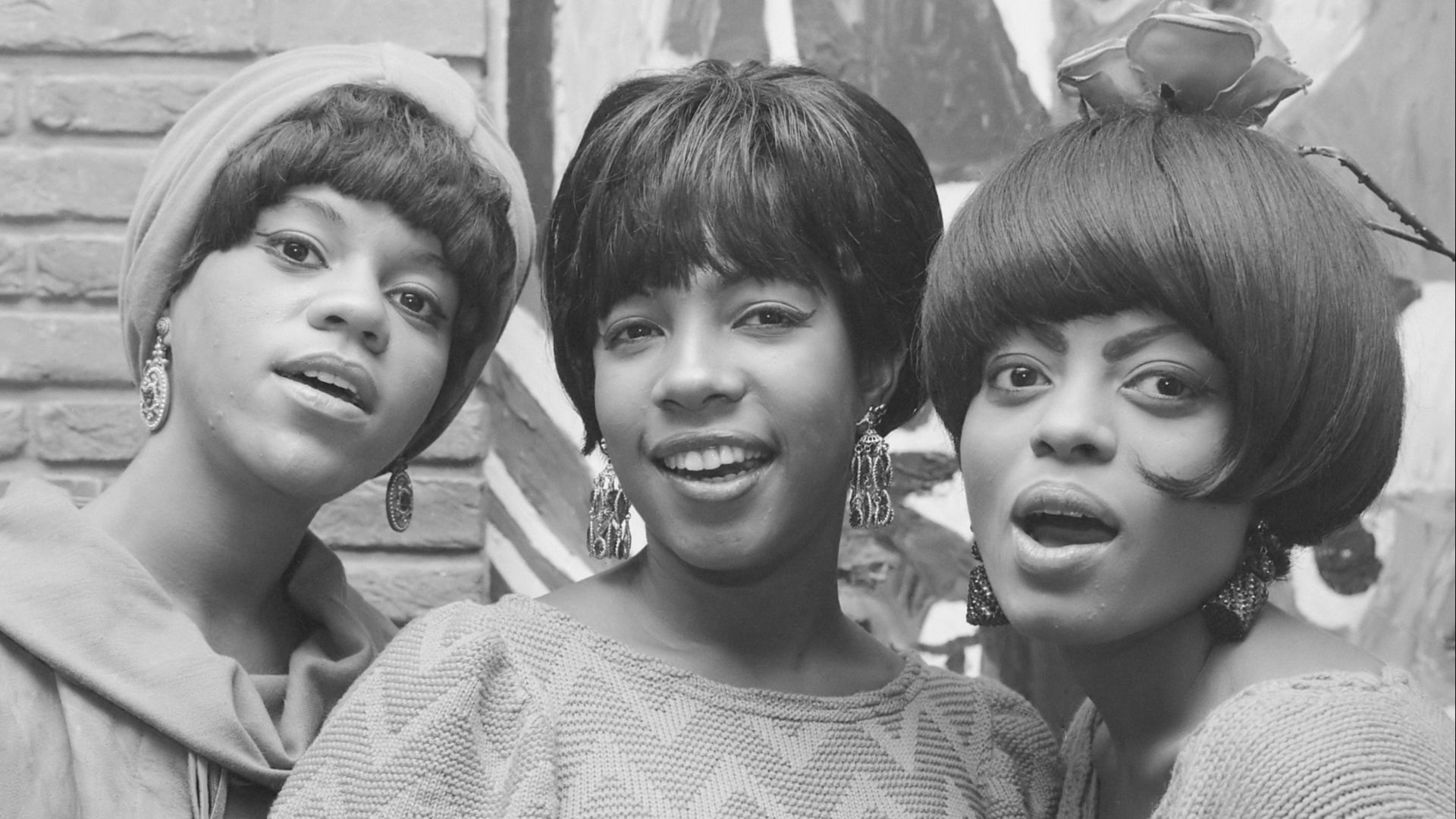 Jack de Nijs for Anefo, Wikimedia Commons
Green Day
Billie Joe Armstrong, Mike Dirnt, and Tré Cool blasted punk into prime time with Dookie, igniting a pop-punk wave that shaped the 90s and 2000s. Their later albums—American Idiot and 21st Century Breakdown—proved they could scale up theatrically while still functioning as a tight three-piece. Their chemistry remains the secret sauce.
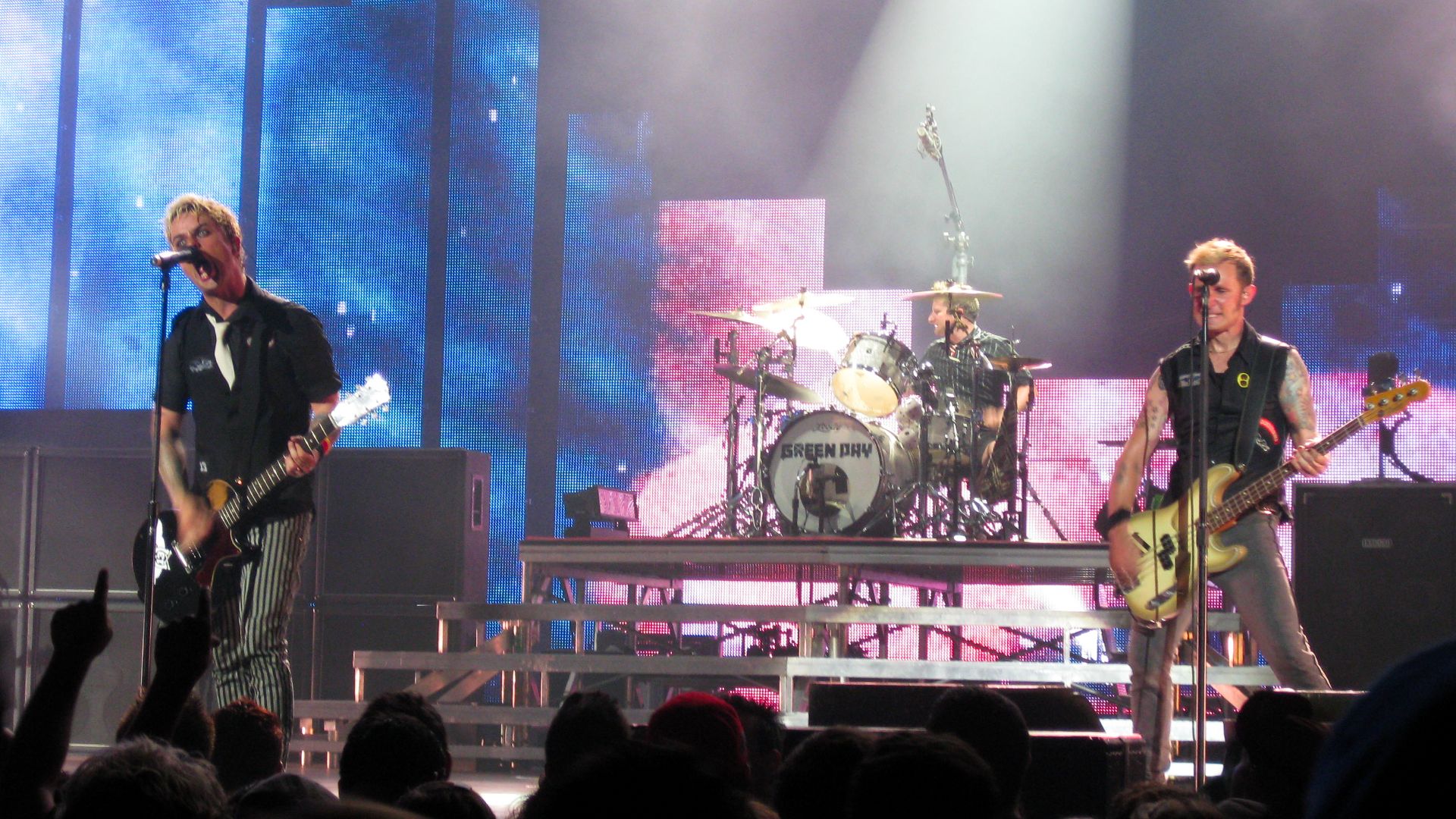 Daniel D'Auria, Wikimedia Commons
Beastie Boys
What started as a punk trio morphed into one of hip-hop’s most innovative groups. Paul’s Boutique, Ill Communication, and Check Your Head showed Ad-Rock, MCA, and Mike D blending rap, rock, jazz, and samples with mischievous brilliance. Their creativity stretched the boundaries of hip-hop’s possibilities.
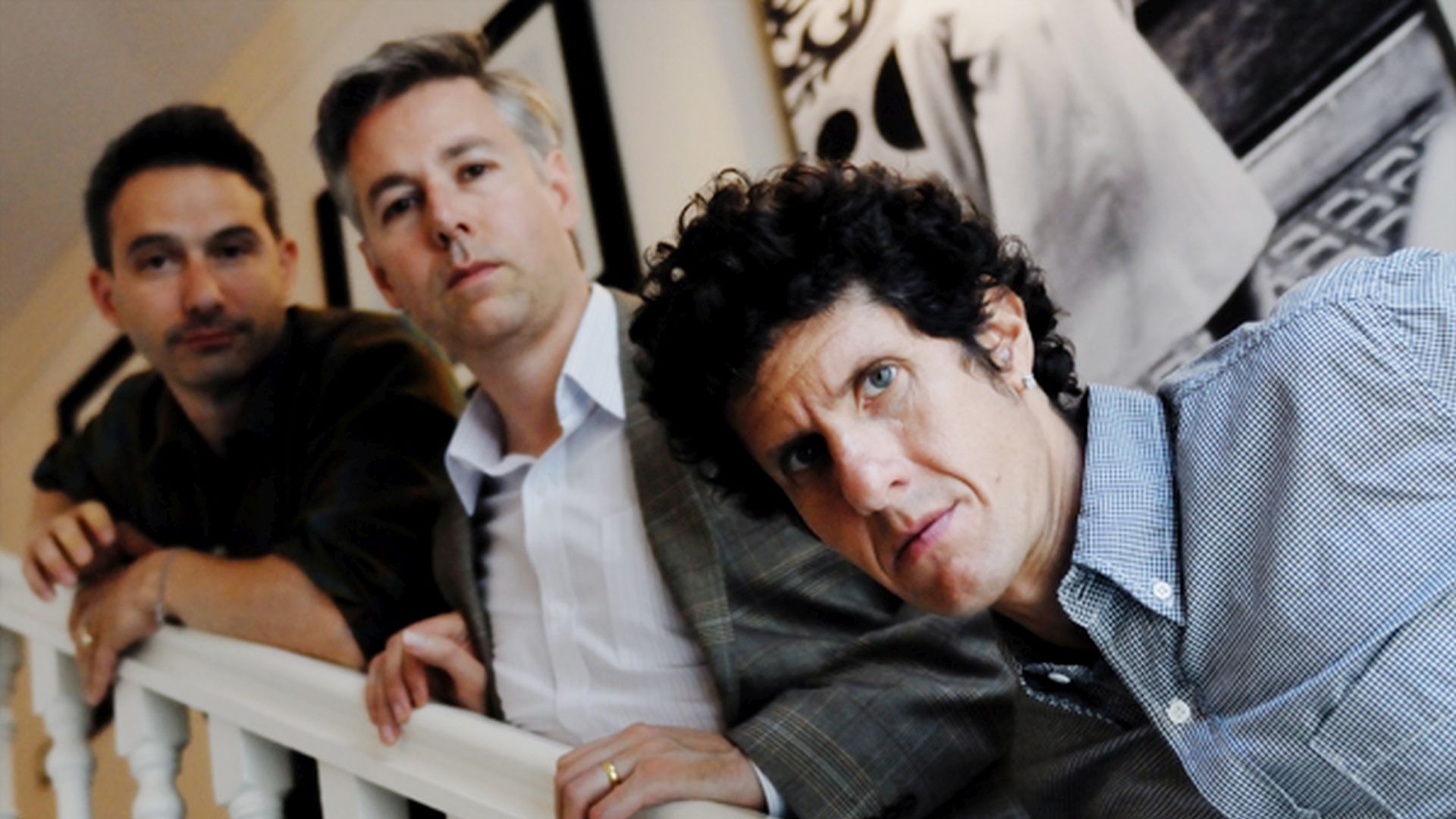 Maddy Julien, Wikimedia Commons
Grand Funk Railroad
With Mark Farner, Mel Schacher, and Don Brewer, Grand Funk became one of America’s loudest and hardest-working touring acts. Songs like “We’re an American Band” and “Closer to Home” showcased their bluesy thunder. They helped bring arena rock to the masses before it became industry standard.
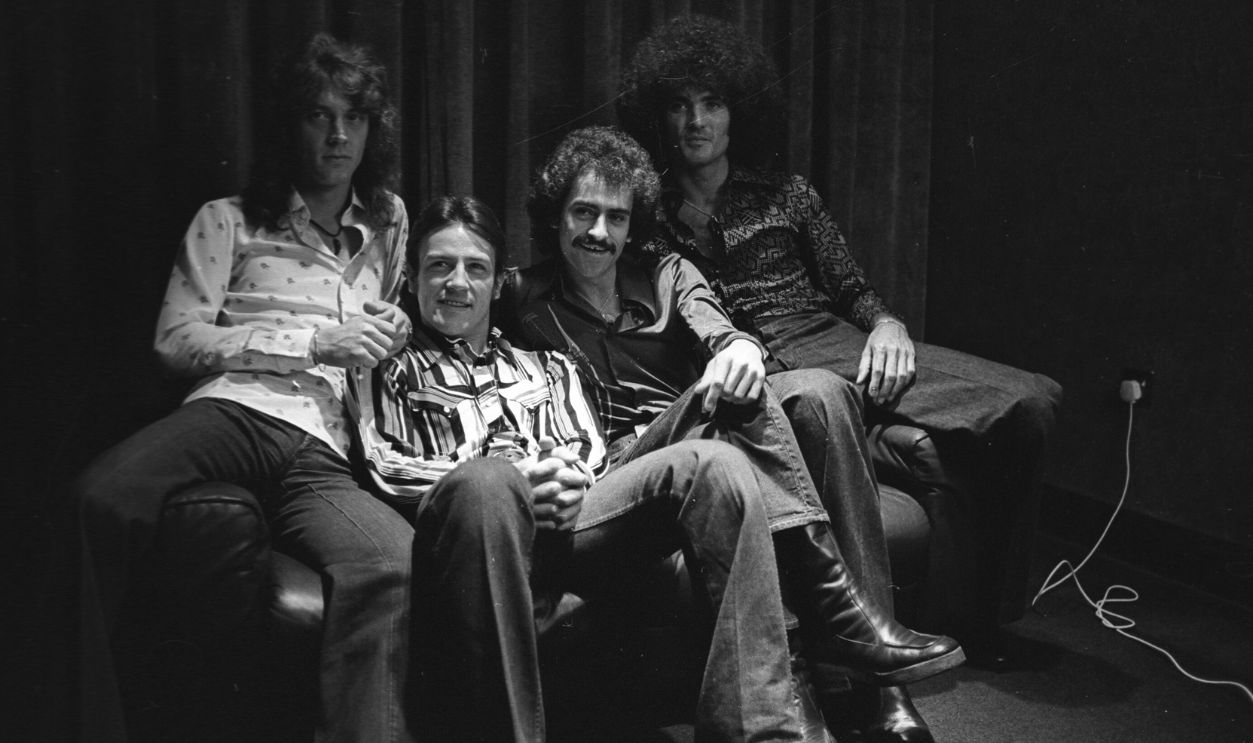 Watal Asanuma/Shinko Music, Getty Images
Peter, Paul and Mary
The trio’s warm harmonies and gentle arrangements made folk both accessible and socially relevant. Songs like “If I Had a Hammer” and “Leaving on a Jet Plane” became cultural touchstones. Their ability to balance politics with melody helped define the 1960s folk revival.
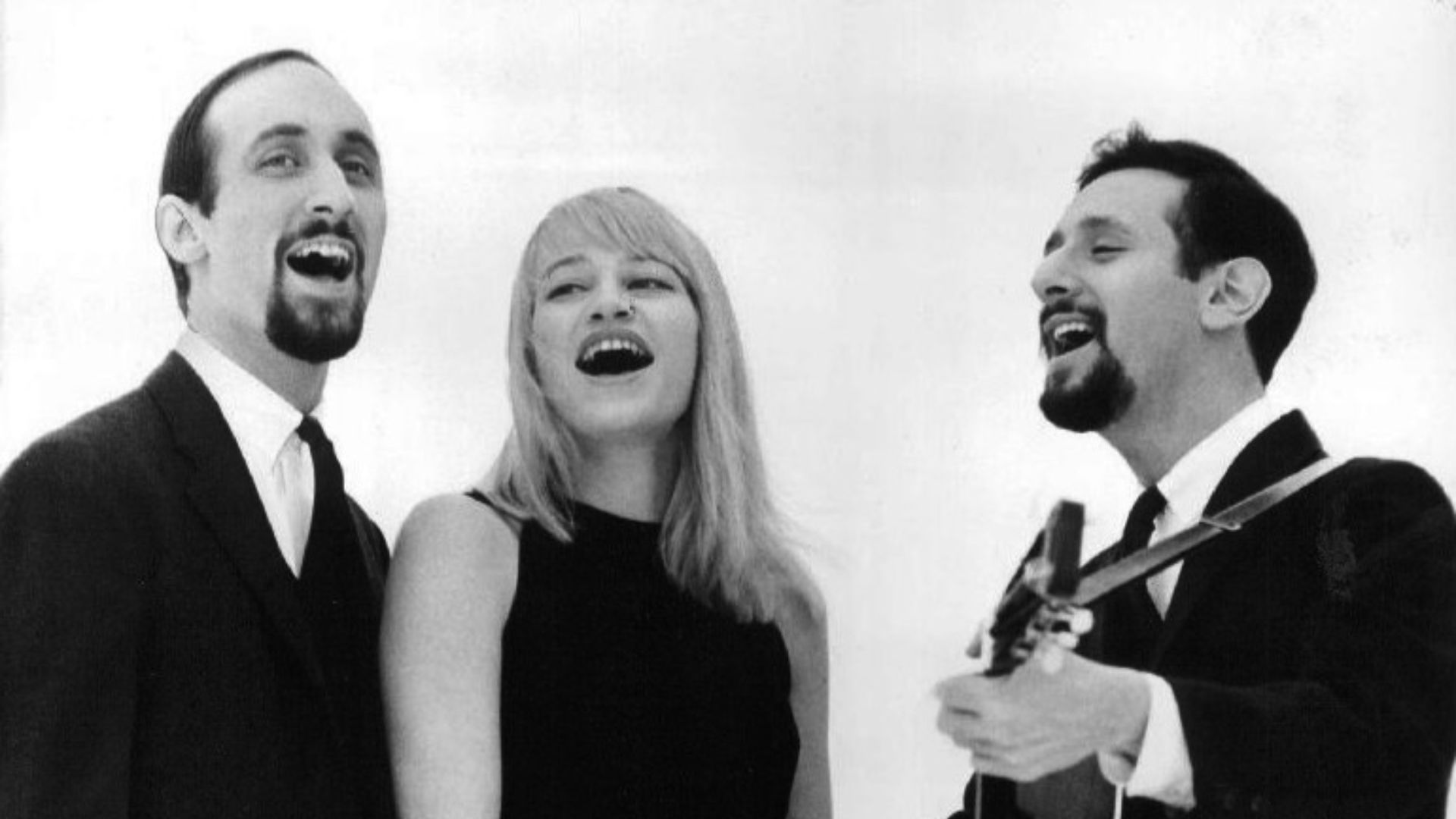 International Talent Associates (management), Wikimedia Commons
King’s X
Doug Pinnick, Ty Tabor, and Jerry Gaskill were one of rock’s best-kept secrets. Their mix of prog, metal, funk, and Beatles-style harmonies created albums like Gretchen Goes to Nebraska, beloved by musicians and cult fans alike. Bands such as Pantera and Pearl Jam cite them as unsung heroes of modern rock.
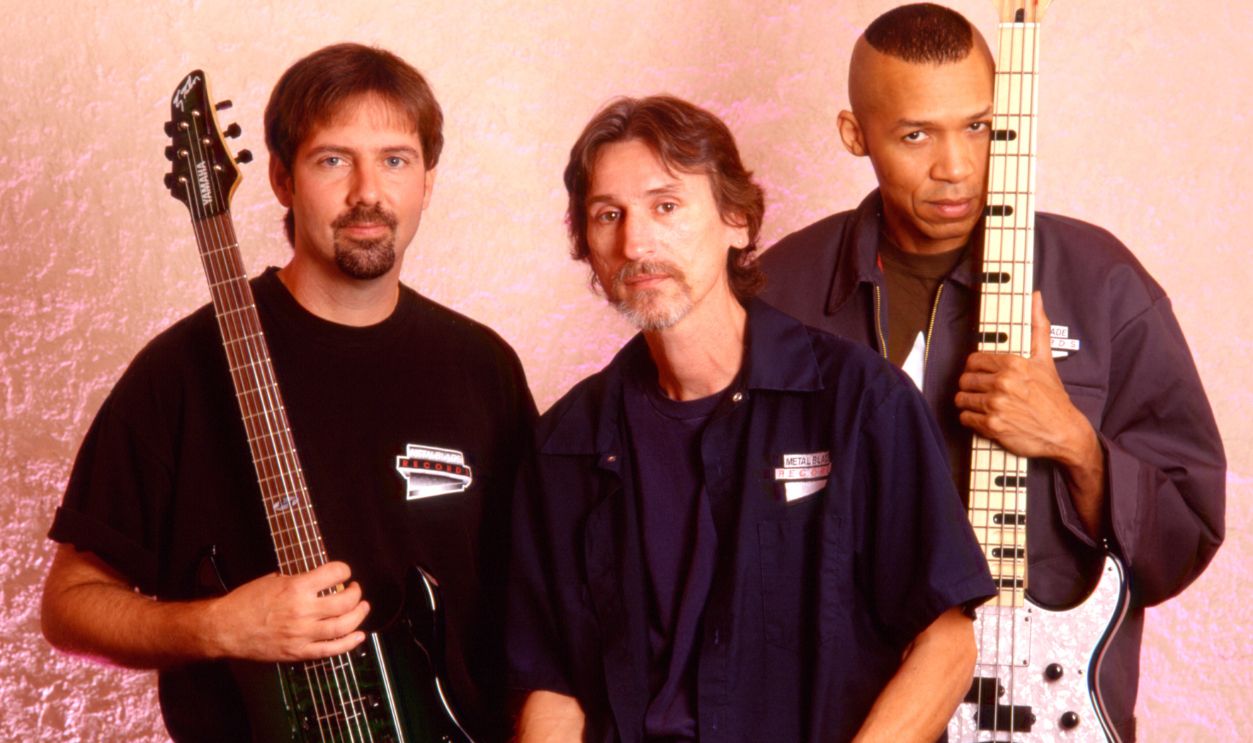 Robert Knight Archive, Getty Images
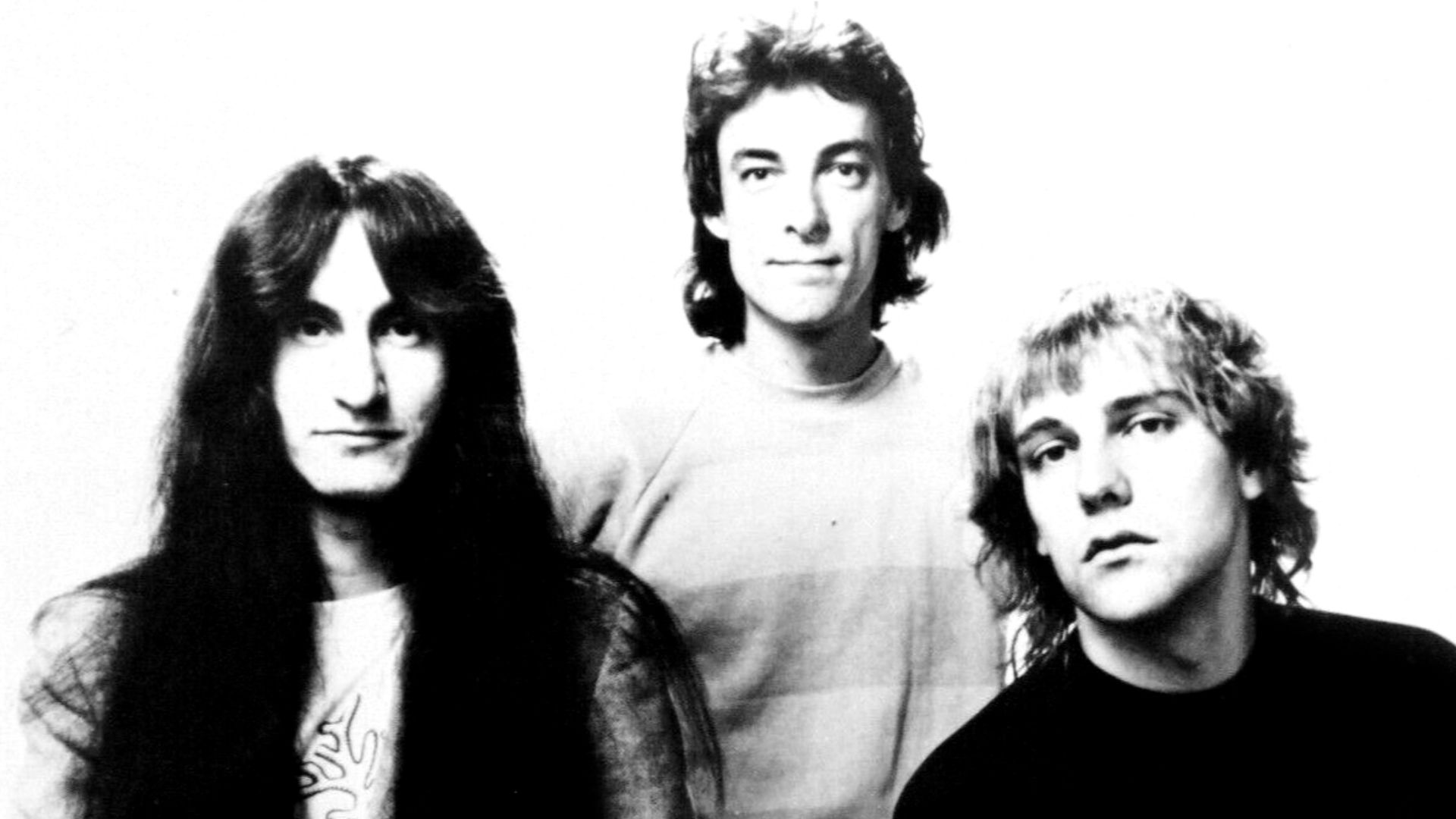
Rush
Geddy Lee, Alex Lifeson, and Neil Peart raised the bar for technical rock. Albums like 2112, Moving Pictures, and Hemispheres showed a trio capable of cinematic scale and unmatched musicianship. Their evolving sound—from prog to synth-rock to hard rock—kept them fresh for four decades.
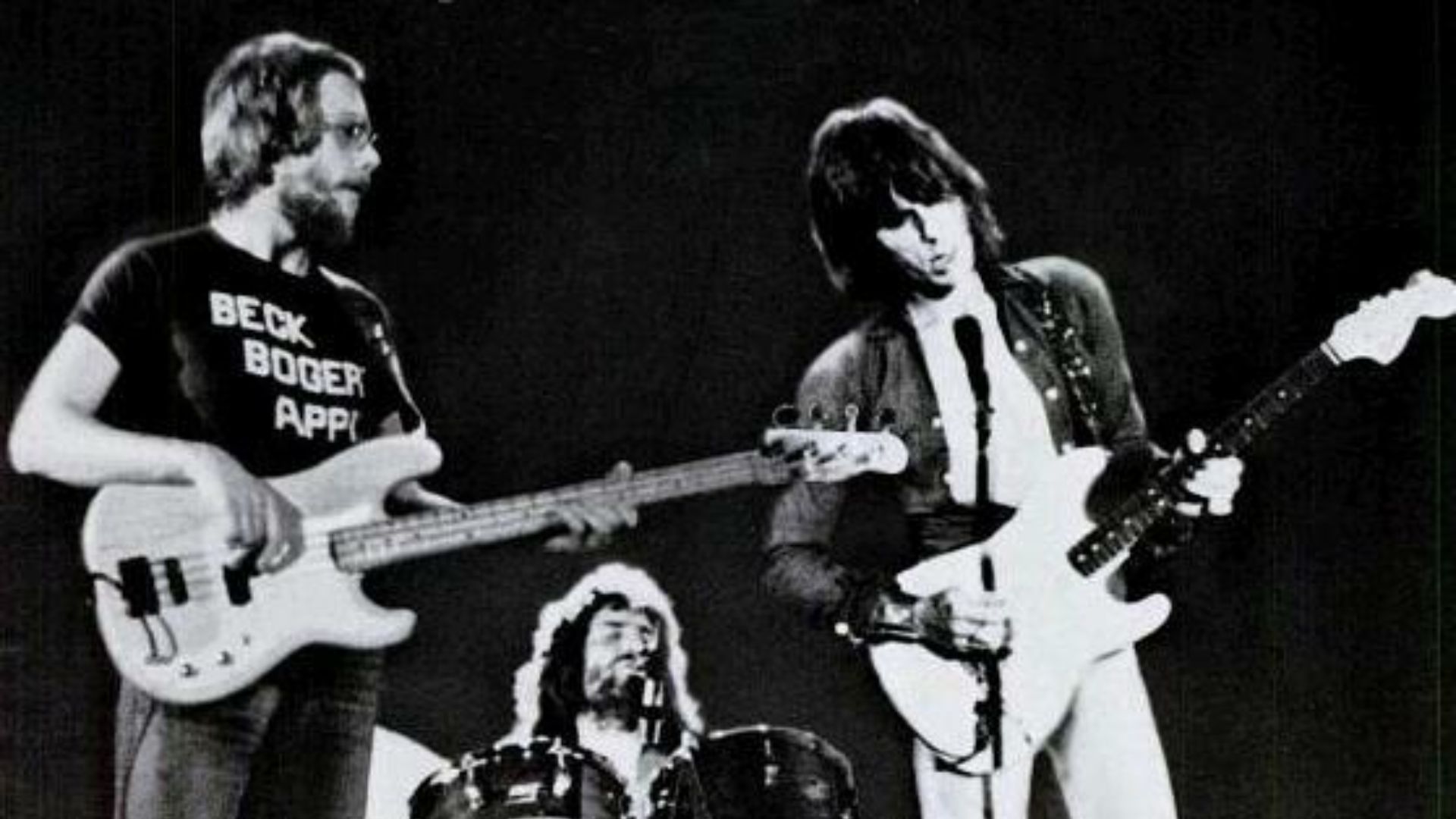
Beck, Bogert & Appice
A short-lived powerhouse, this trio combined Jeff Beck’s guitar wizardry with Tim Bogert’s muscular bass and Carmine Appice’s thunderous drumming. Their self-titled album delivered fiery blues rock and showcased telepathic musicianship. Even with one record, they became a musician’s musician trio.
 Epic Records, Wikimedia Commons
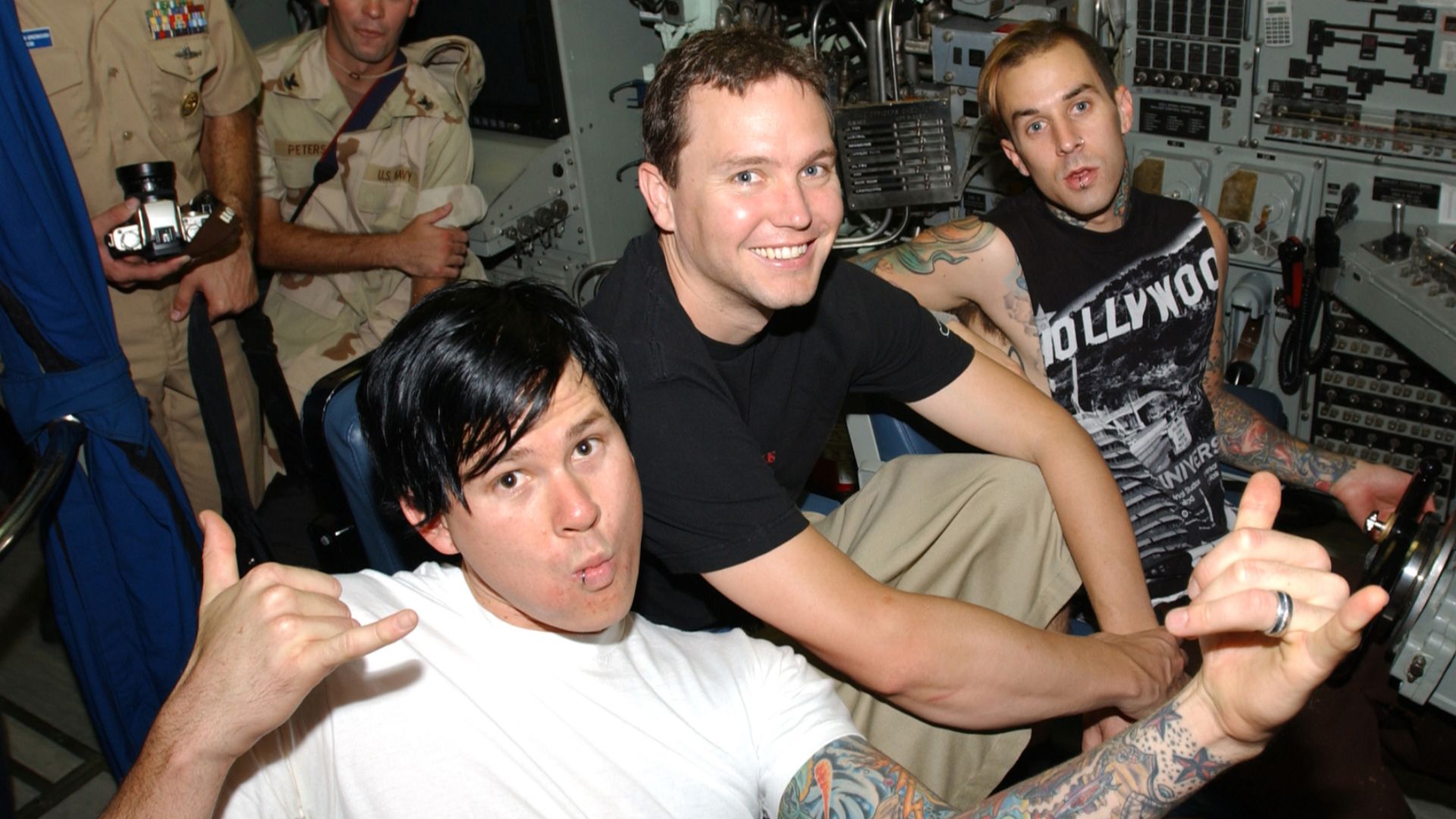
Blink-182
Tom DeLonge, Mark Hoppus, and Travis Barker helped define pop-punk’s golden age. From “All the Small Things” to “First Date,” their blend of humor, angst, and hooks dominated early-2000s rock radio. Barker’s drumming helped elevate the trio far beyond typical punk simplicity.
 Journalist 2nd Class Denny Lester, Wikimedia CommonsPrimus
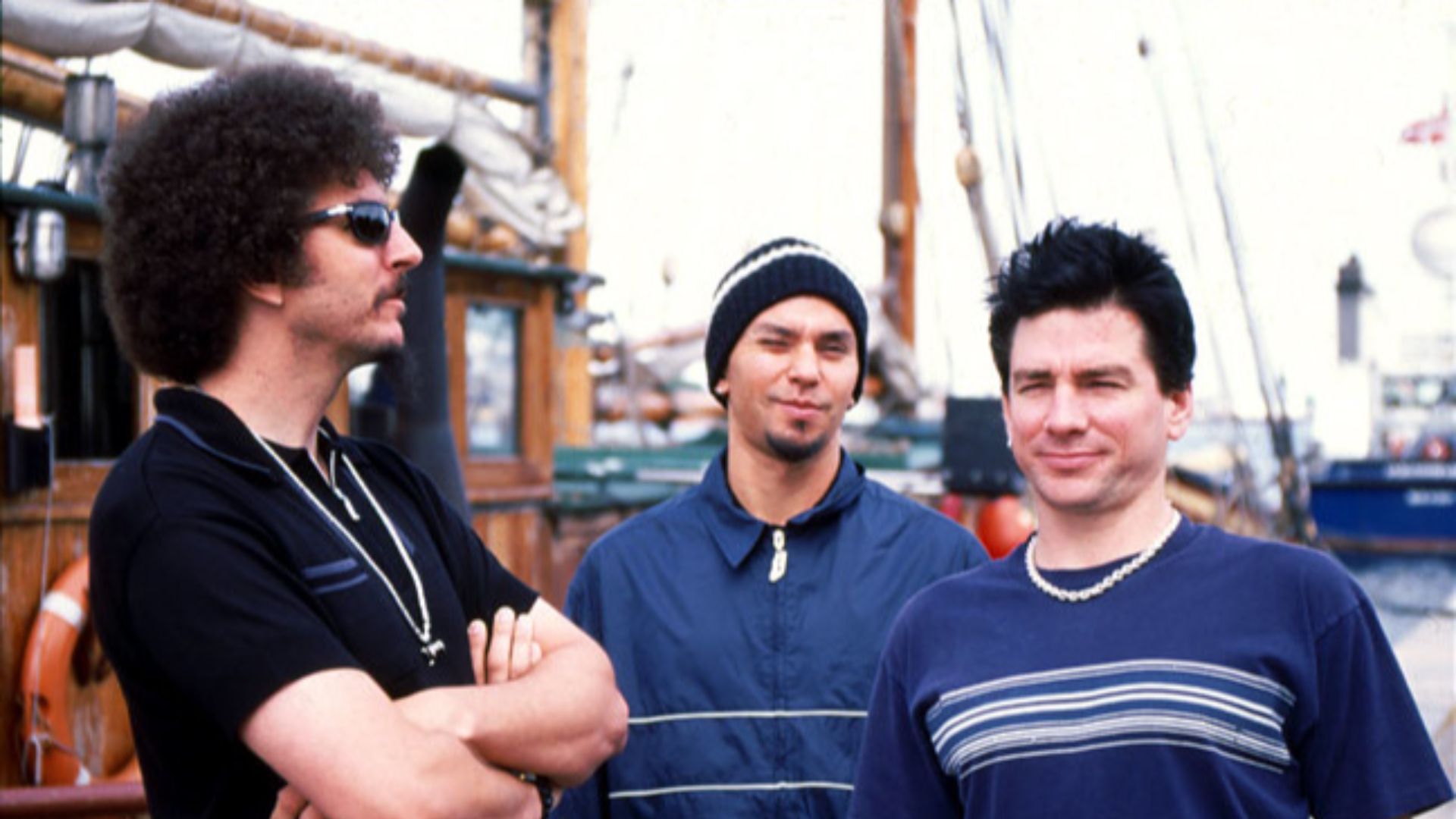
Les Claypool’s bass-driven madness, Larry LaLonde’s avant-garde guitar work, and Tim Alexander’s elastic drumming created one of rock’s oddest and most beloved trios. Albums like Sailing the Seas of Cheese and Frizzle Fry built a cult empire. Primus didn’t just bend genres—they snapped them in half.
 Frederik Dam Sunne / frederiksunne(at)gmail.com, Wikimedia Commons
The Jam
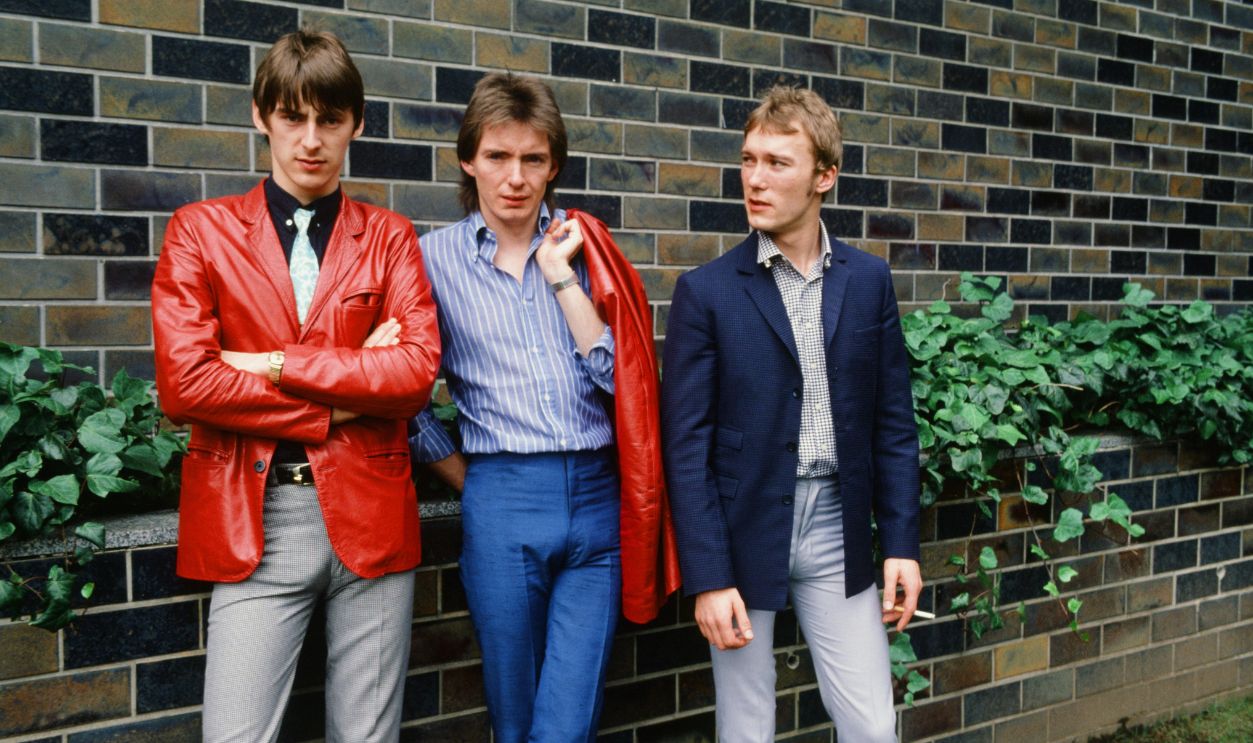
The Jam fused mod revivalism with punk urgency on albums like All Mod Cons and Sound Affects. Paul Weller’s sharp songwriting and Bruce Foxton’s melodic basslines gave the trio a muscular yet thoughtful sound. They became a cornerstone of British rock’s evolution.
 Koh Hasebe/Shinko Music, Getty ImagesGenesis
After Peter Gabriel’s departure, Genesis reinvented themselves as a trio—Phil Collins, Tony Banks, and Mike Rutherford—ushering in a sleek art-pop era with albums like Duke and Invisible Touch. Their polished production and clever songwriting made them one of the biggest bands of the 80s.
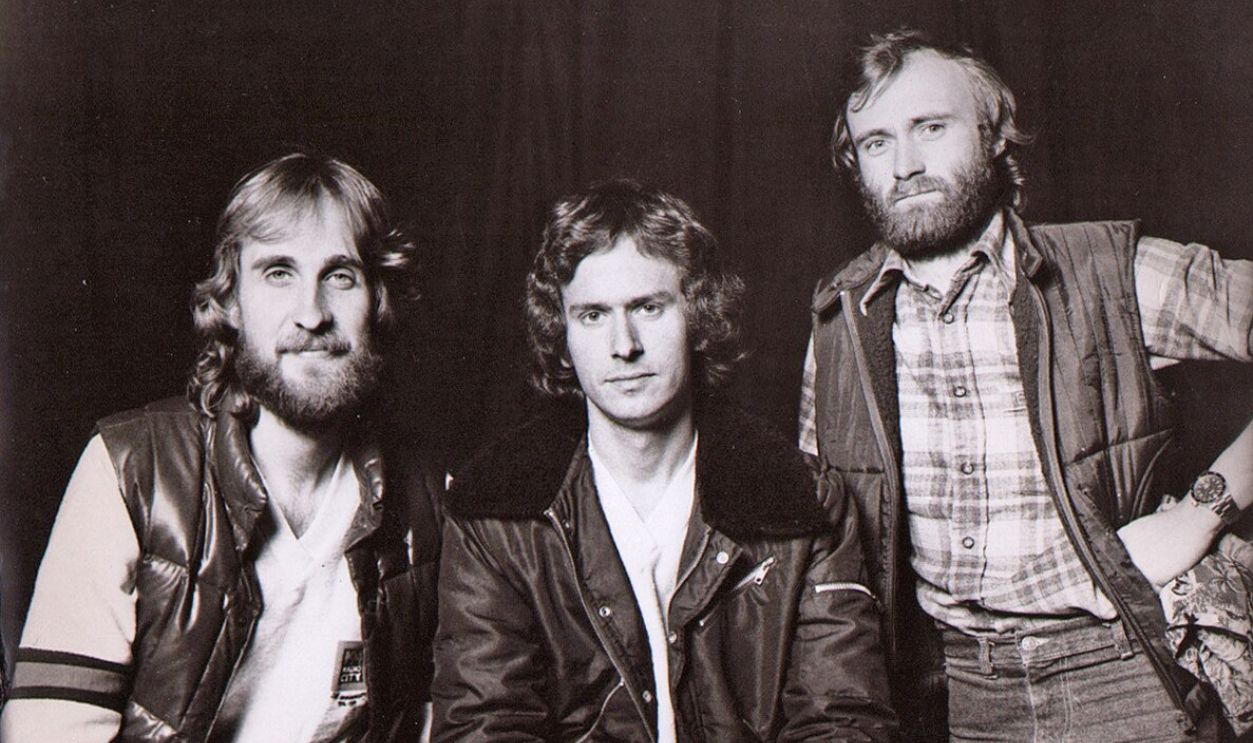 Distributed by Atlantic Records, Wikimedia Commons
Hüsker Dü
Bob Mould, Grant Hart, and Greg Norton merged hardcore intensity with melodic songwriting on albums like Zen Arcade and New Day Rising. Their raw emotional power laid the groundwork for alt-rock and emo long before those genres took shape. They remain one of punk’s most important trios.
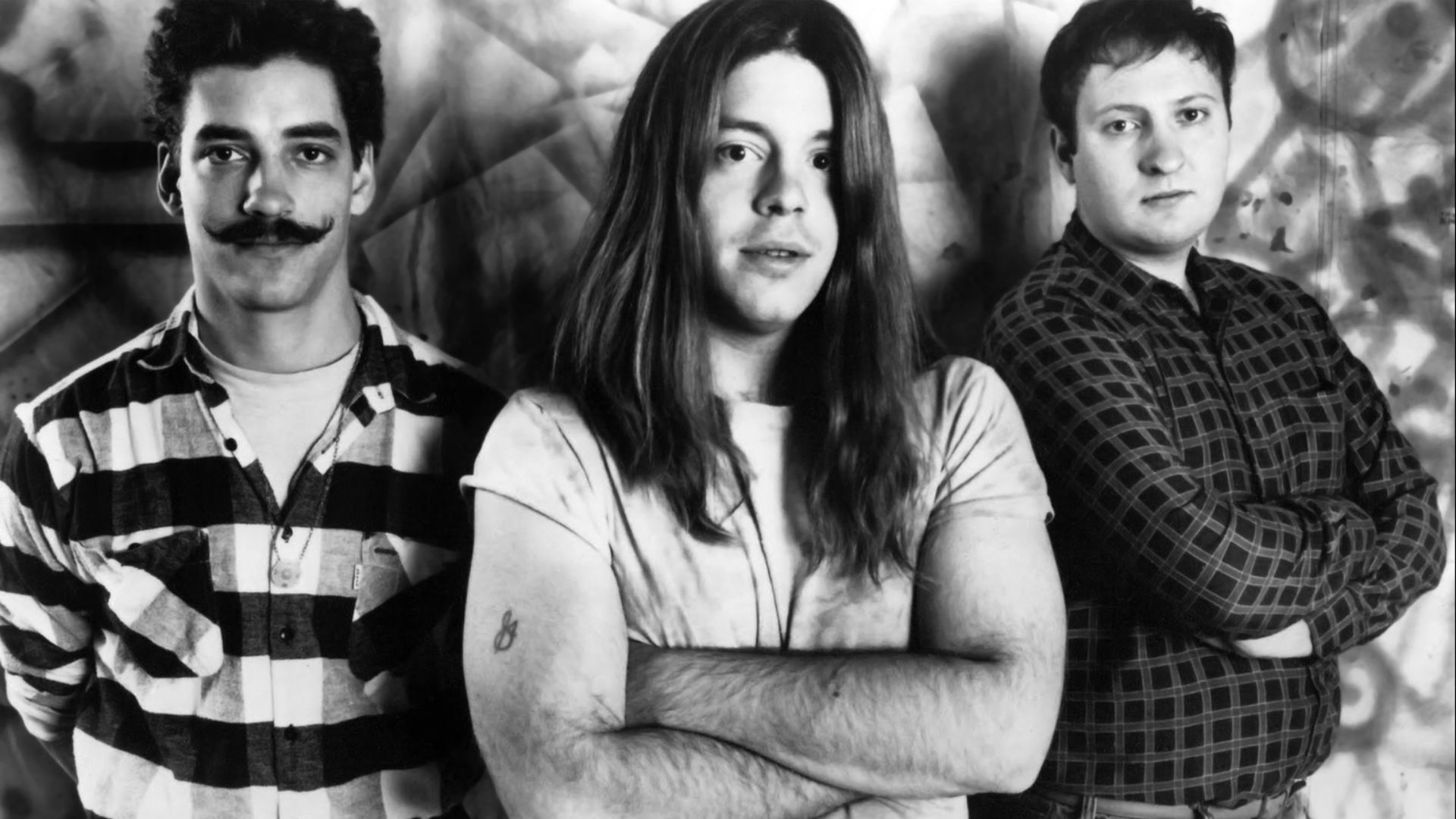 Photograph by Daniel Corrigan. Distributed by Warner Bros. Records., Wikimedia Commons
The Police
Sting, Andy Summers, and Stewart Copeland mixed reggae, punk, and new wave into a sound both tight and wildly inventive. Synchronicity and Ghost in the Machine delivered international hits while showcasing razor-sharp musicianship. Their minimalist setup left plenty of room for experimentation.
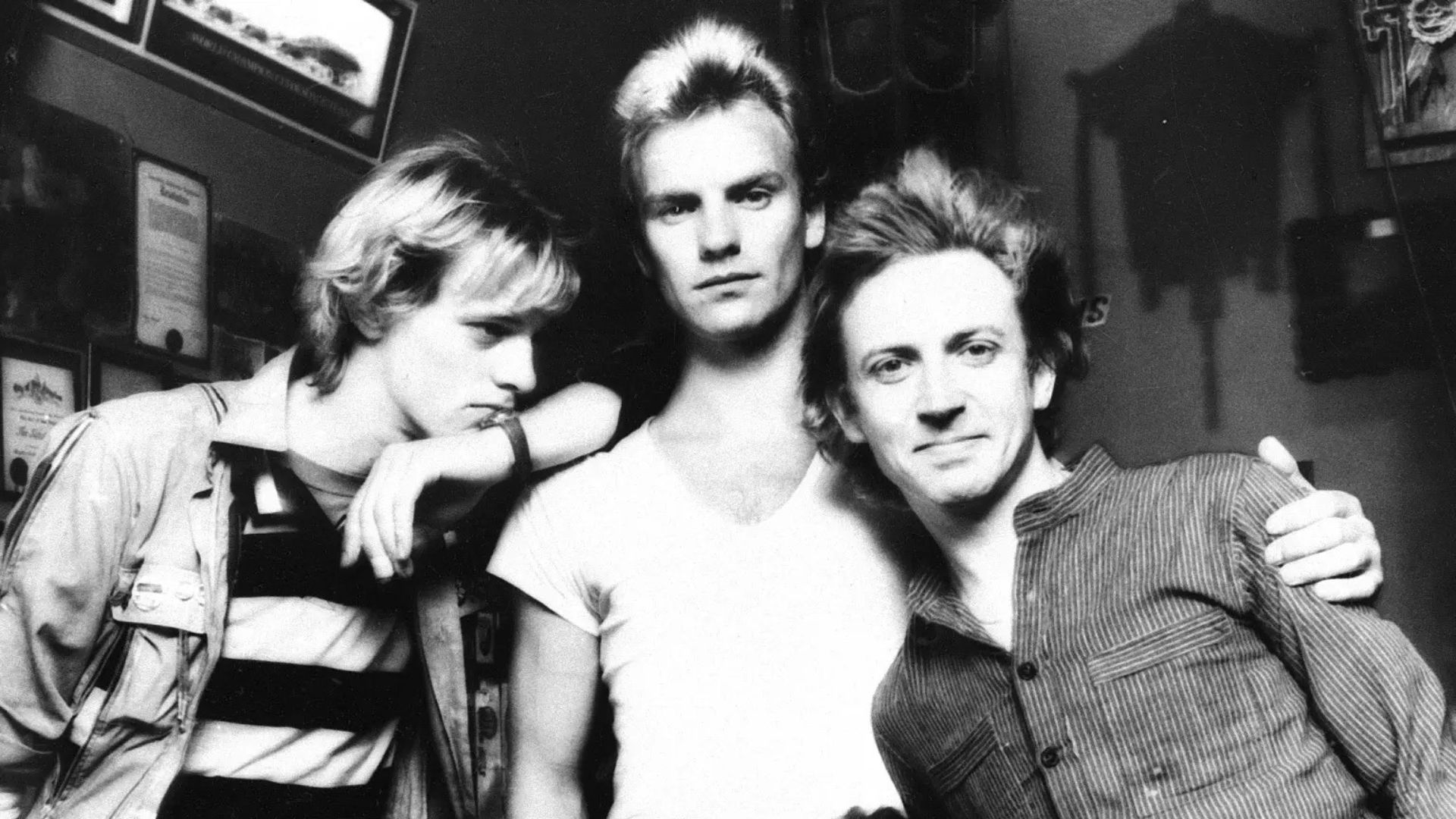 Distributed by A&M Records, Wikimedia CommonsJames Gang
Joe Walsh’s early band delivered gritty blues-rock anthems like “Funk #49” with swagger and precision. Their stripped-down sound highlighted Walsh’s guitar brilliance and rhythmic muscle. The trio format helped define Walsh’s signature style before his massive solo and Eagles success.
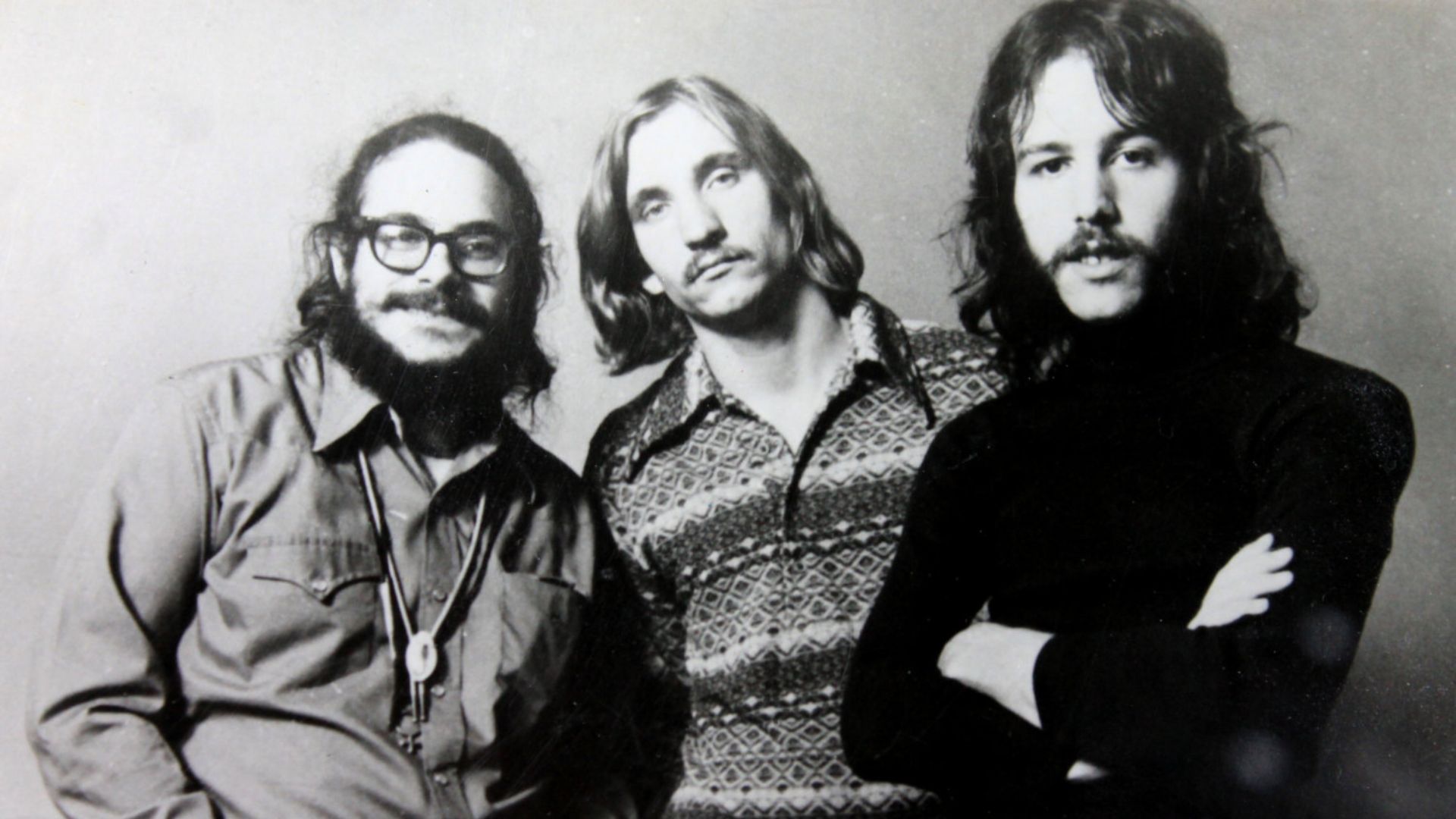 JazzFusionMaster, Wikimedia CommonsNirvana
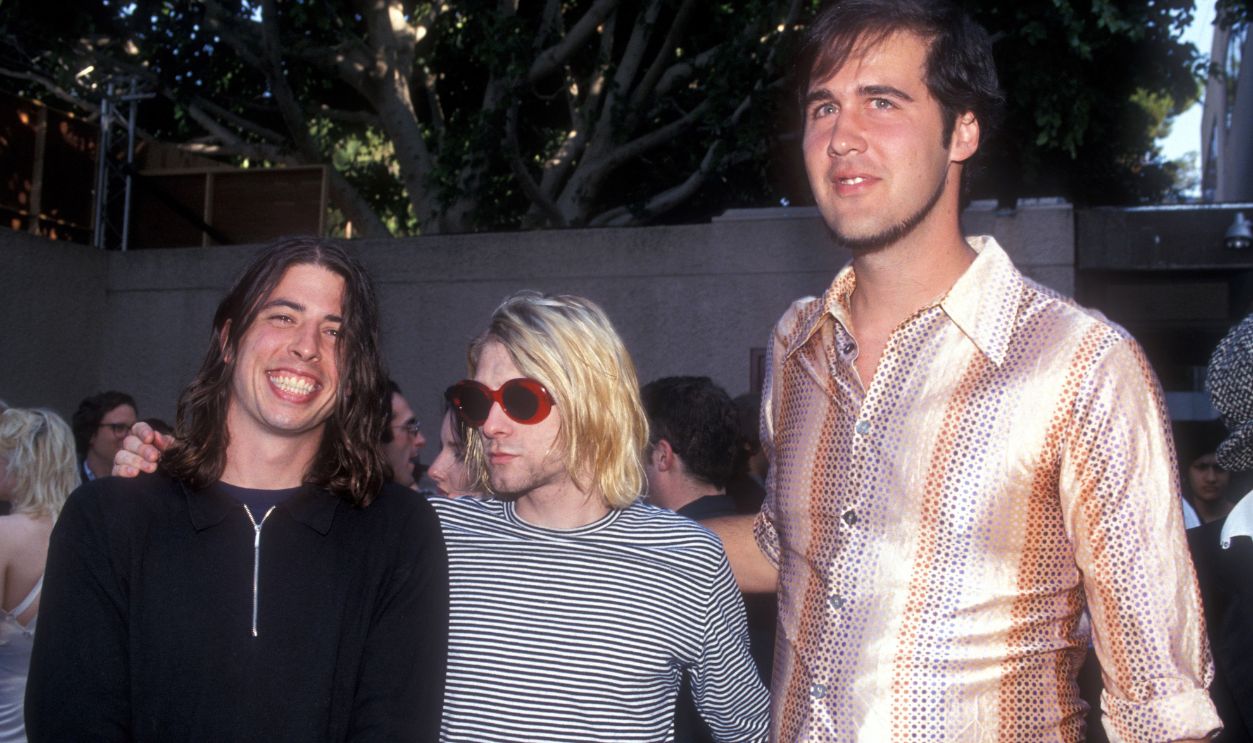
With Nevermind, Kurt Cobain, Krist Novoselic, and Dave Grohl rewrote the rules of mainstream rock. Their explosive mix of punk aggression and pop melody launched the grunge movement into global consciousness. The trio’s raw chemistry remains one of rock’s defining forces.
 Kevin.Mazur, Getty ImagesCream
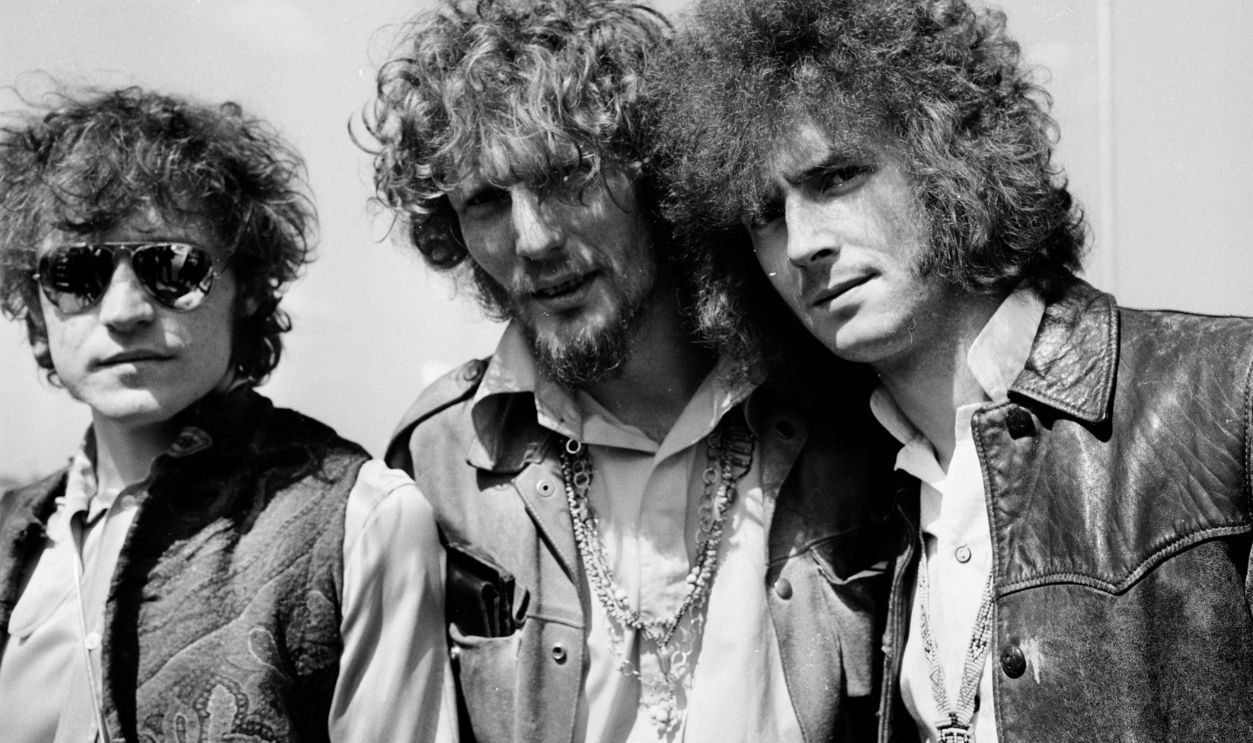
The original rock supergroup—Clapton, Bruce, and Baker—pushed blues rock into psychedelic territory on classics like Disraeli Gears and Wheels of Fire. Their intense improvisation and explosive talent made their live shows legendary. Cream proved a trio could sound thunderous and elastic.
Bee Gees
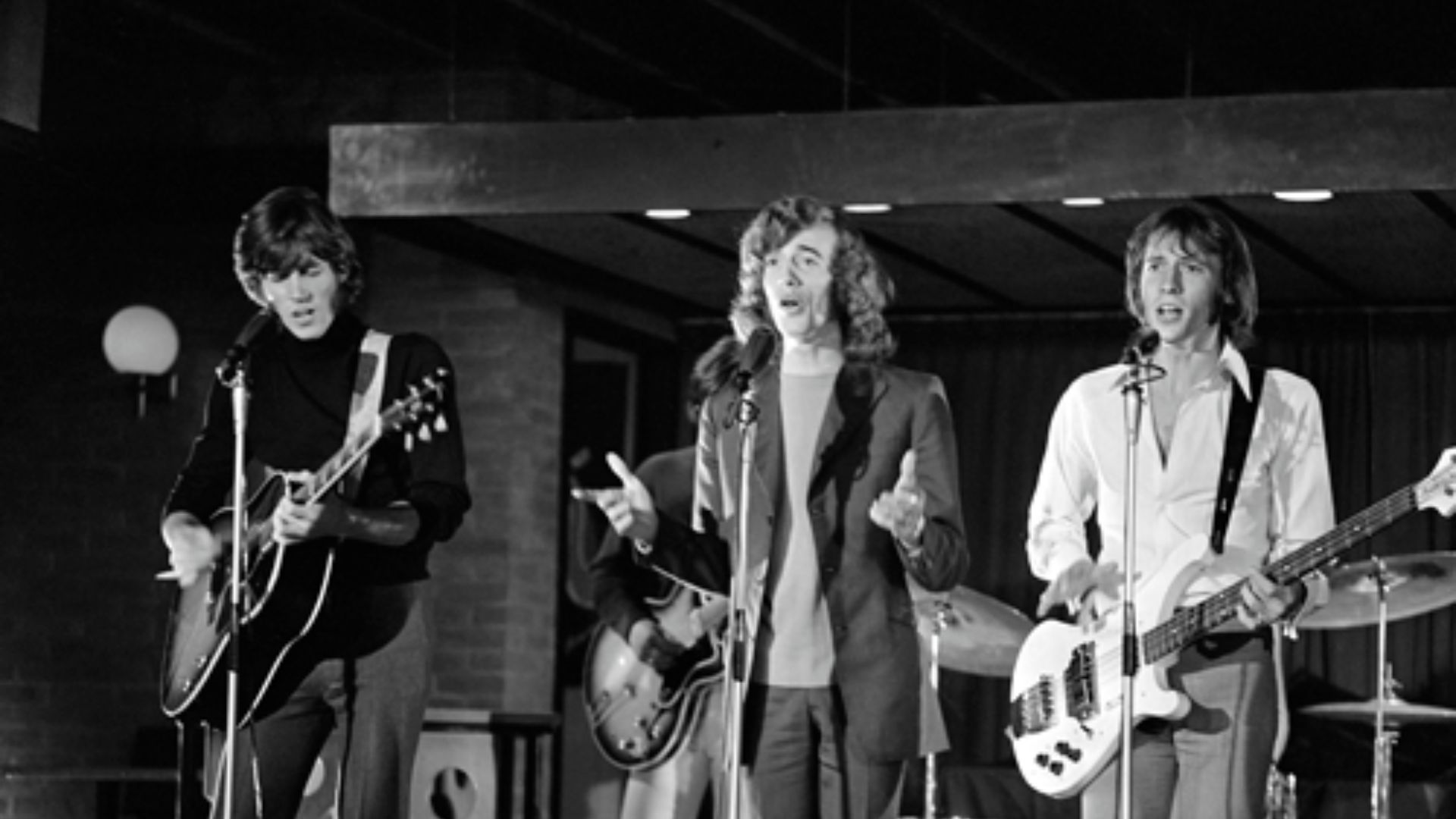
Barry, Robin, and Maurice Gibb were harmonizing geniuses whose careers moved seamlessly from psychedelic pop to disco superstardom. Saturday Night Fever made them icons, but tracks like “Massachusetts” and “Holiday” highlight their deep melodic instincts. Their versatility kept them relevant across decades.
ZZ Top
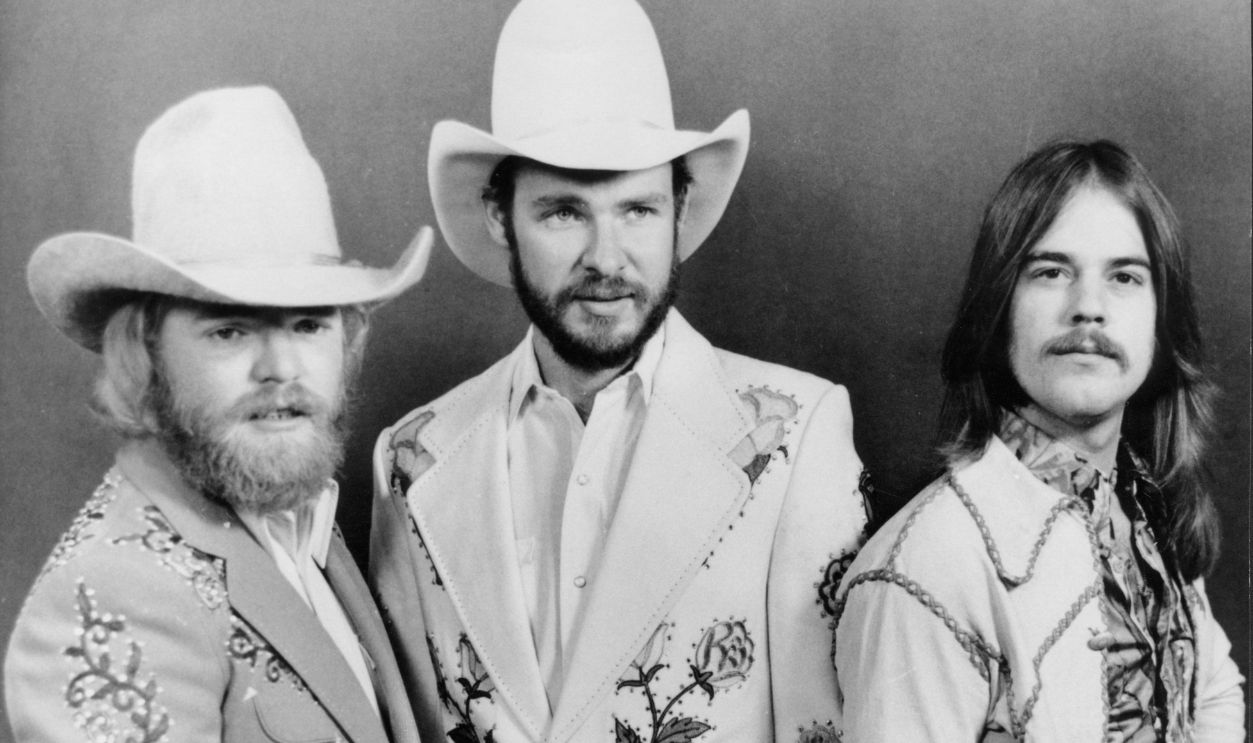
Billy Gibbons, Dusty Hill, and Frank Beard crafted a Texas blues-rock sound that was gritty, playful, and endlessly cool. Eliminator brought synths into the mix without losing their swagger, giving us hits like “Sharp Dressed Man” and “Gimme All Your Lovin’.” Few trios stayed as consistent—or as recognizable.
You May Also Like:
The Most Iconic Girl Groups Of All Time
The Best Boy Bands Of Every Era