The Tracks That Built Jazz (And Still Sound Alive Today)
Jazz is one of those genres where a single song can change everything. A new chord approach becomes the standard. A rhythmic idea becomes a whole movement. A solo becomes the blueprint for the next generation. These aren’t just “great songs” in the usual sense; they’re turning points, the kind of tracks musicians study, borrow from, and straight-up obsess over for years to come.
Miles Davis - “So What”
If modal jazz had a mission statement, it would be “So What”. Miles Davis stripped harmony down to essentials, letting improvisation breathe in wide open space. The call-and-response intro sets a relaxed but confident tone, and the solos are masterclasses in cool restraint. This track made simplicity feel revolutionary and changed how musicians approached improvisation.
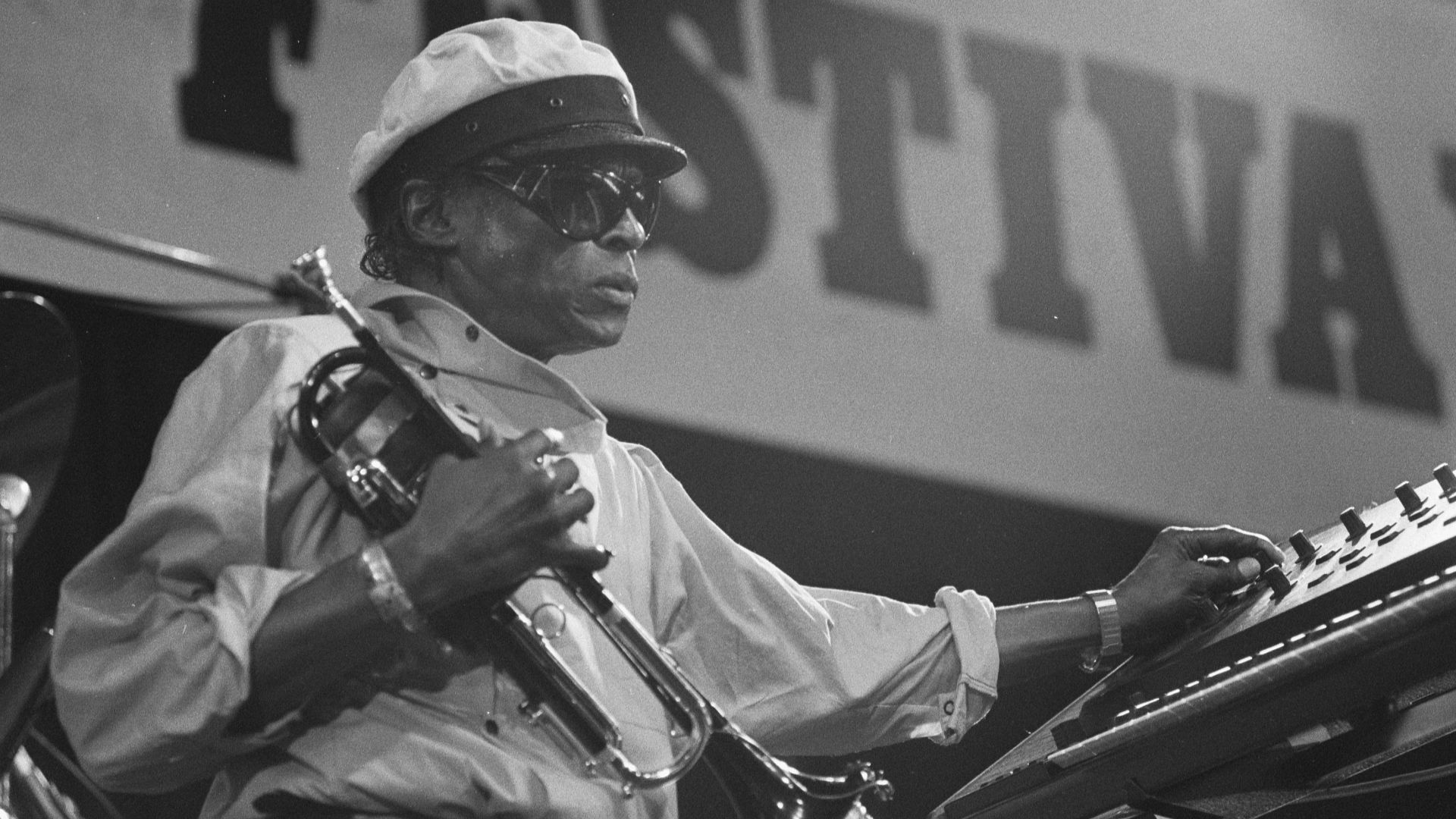 Rob Bogaerts (ANEFO), Wikimedia Commons
Duke Ellington - “Take The A Train”
This became the signature theme for Ellington’s orchestra, and for good reason. It captures the sophistication of the big band era while staying irresistibly swinging and melodic. Written by Billy Strayhorn, it also highlights Ellington’s genius for showcasing individual players within a larger ensemble sound. It’s jazz as elegance, movement, and confidence.
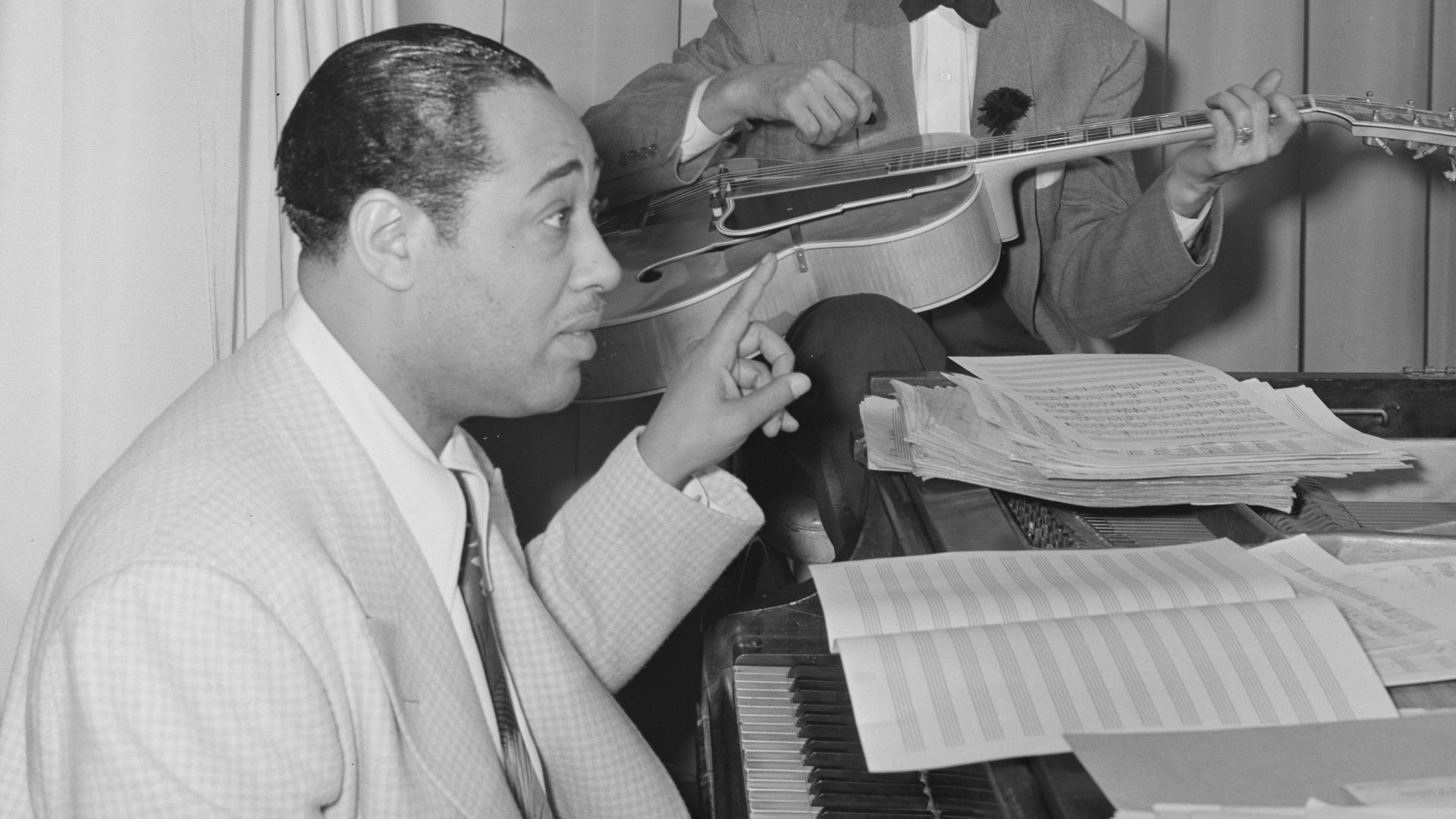 Gordon Parks, Farm Security Administration, Wikimedia Commons
Thelonious Monk - “Round Midnight”
One of the most recorded jazz standards ever, “Round Midnight” feels like a late-night confession you weren’t meant to overhear. Monk’s harmony is moody and unpredictable, but emotionally direct. The tune’s influence is huge because it helped define the sound of modern jazz ballad writing, where beauty comes from tension and unresolved feelings.
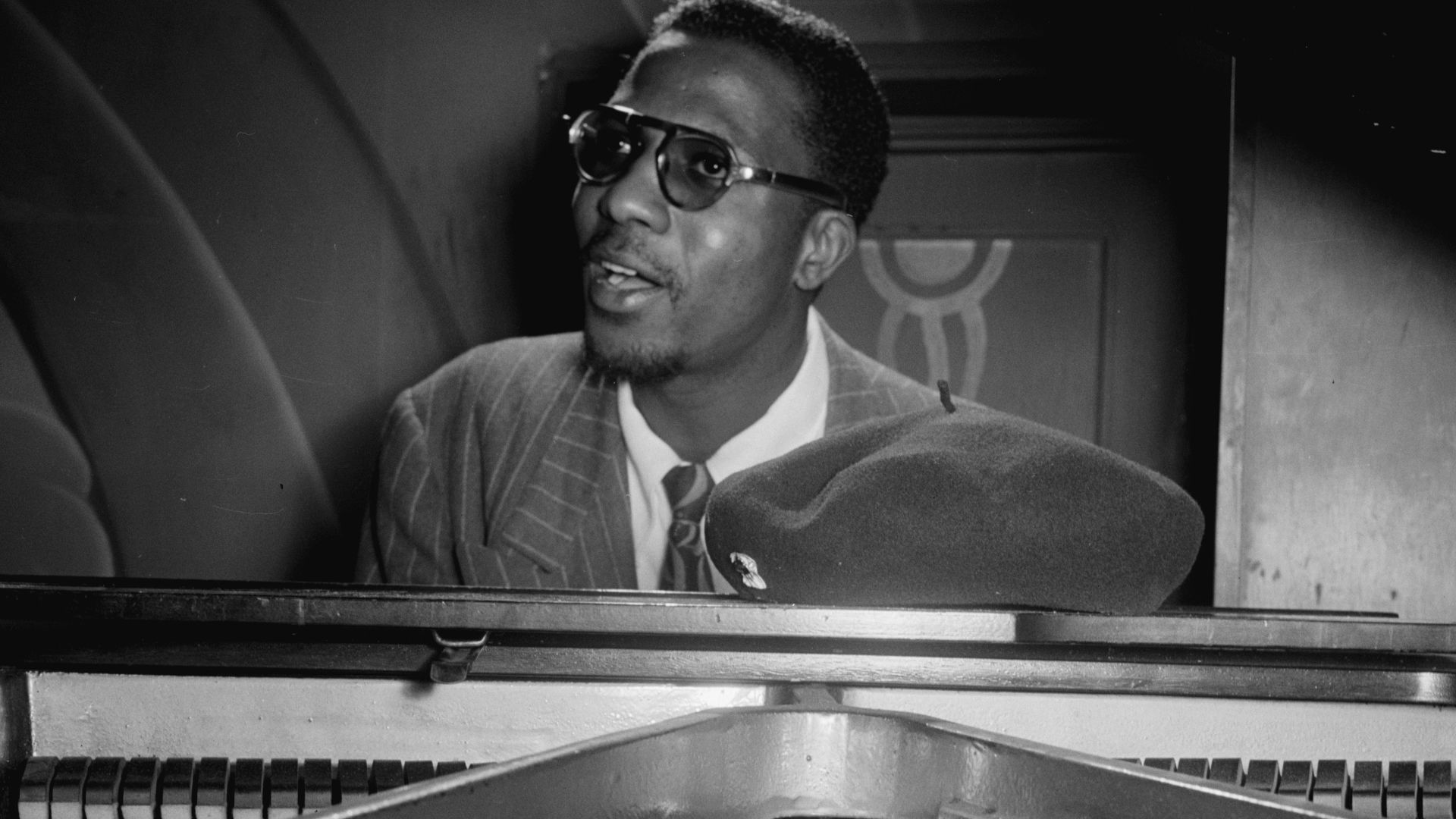 William P. Gottlieb, Wikimedia Commons
John Coltrane - “My Favorite Things”
Coltrane took a Broadway tune and turned it into a hypnotic modal workout that redefined what “covering a song” could mean. His soprano sax playing feels like a spiral, constantly circling and expanding. It also helped legitimize soprano sax in modern jazz and proved that long-form improvisation could still be totally magnetic.
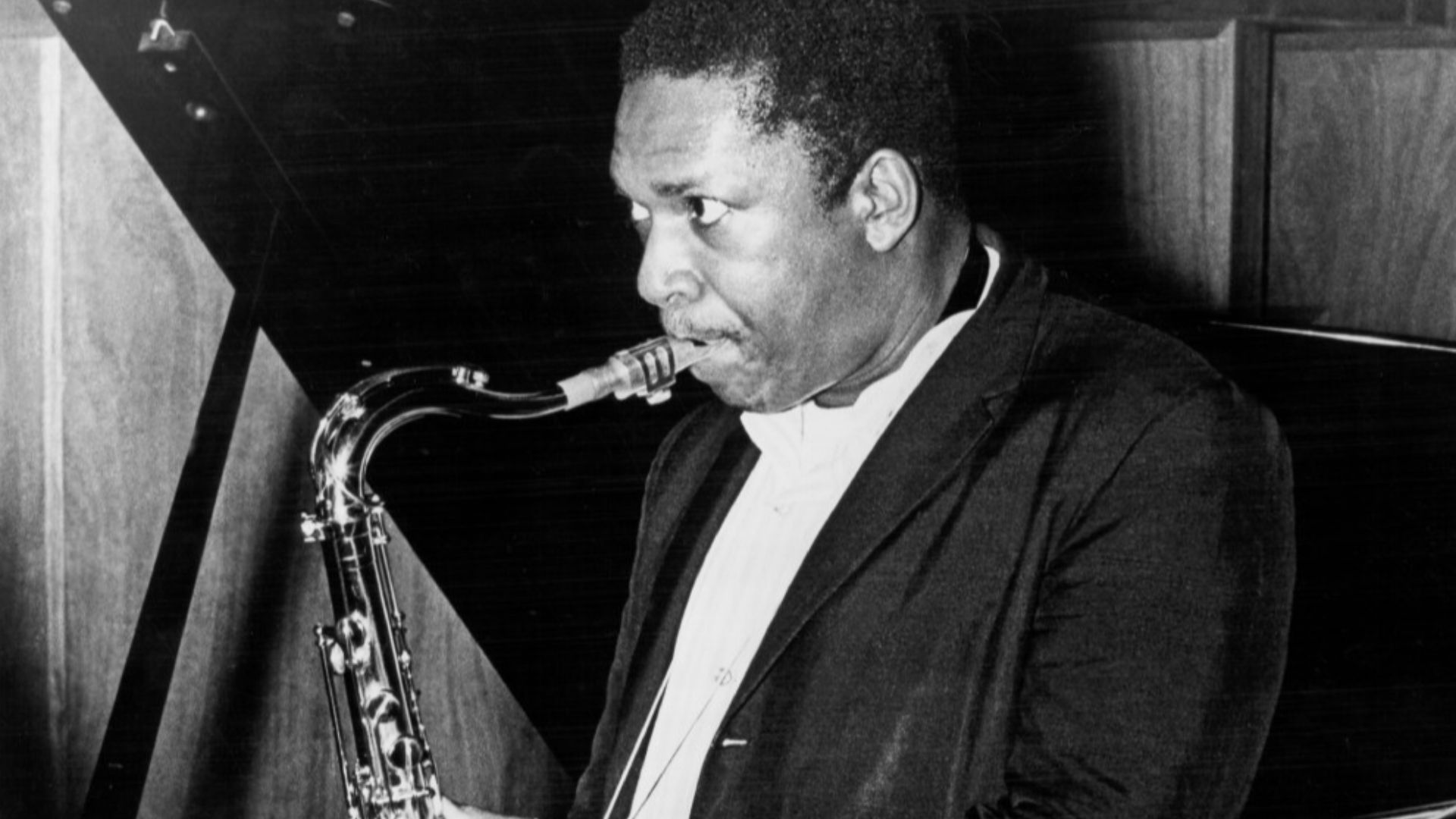 Distributed by Impulse! Records, Wikimedia Commons
Billie Holiday - “Strange Fruit”
“Strange Fruit” is one of the most important songs in American music, period. Holiday’s delivery is controlled but devastating, and the song’s imagery is brutal and unforgettable. It proved jazz could be political and confrontational without losing artistry. It also helped establish Holiday as a moral and emotional force within jazz.
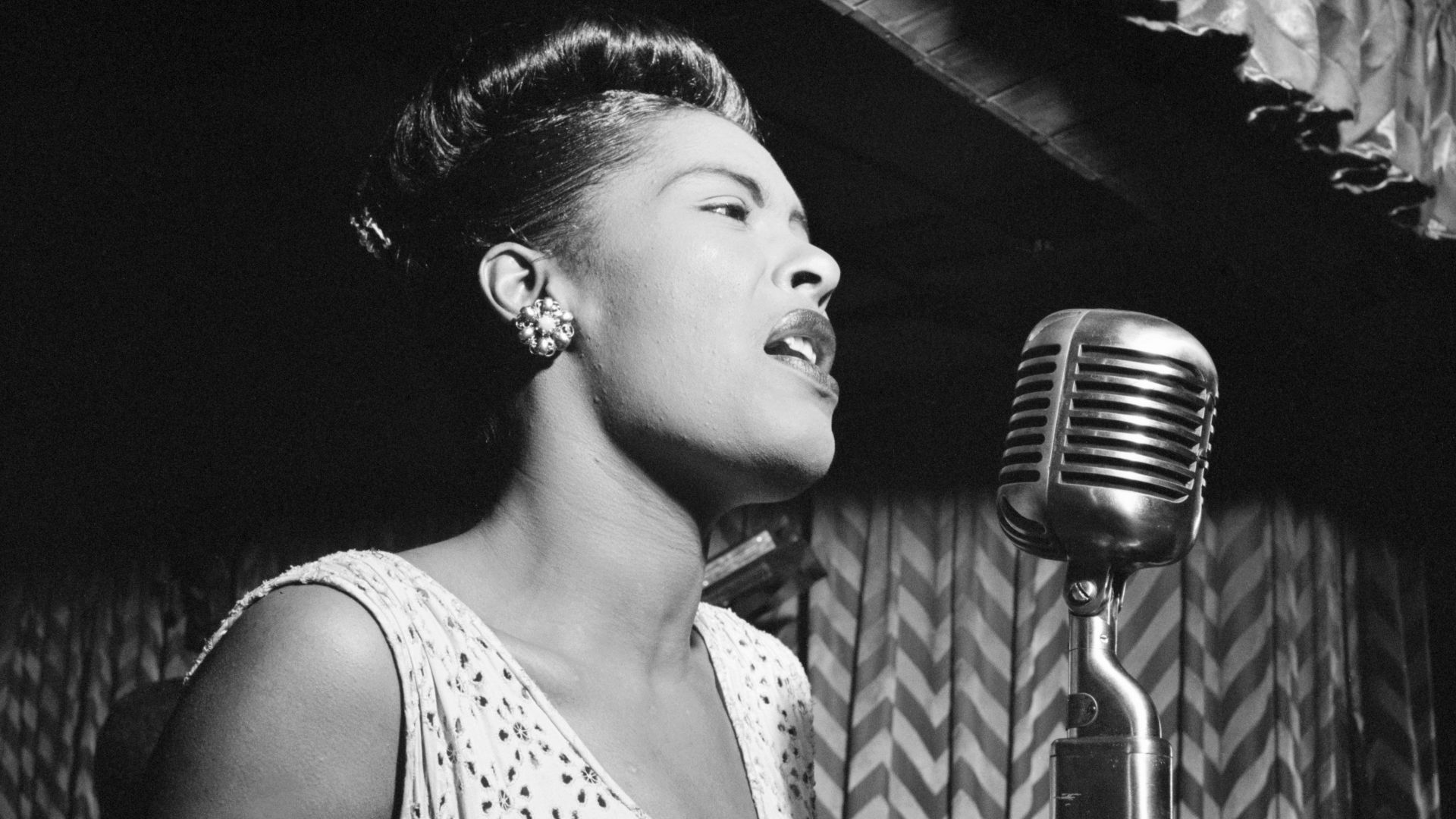 William P. Gottlieb, Wikimedia Commons
Dave Brubeck - “Take Five”
“Take Five” is the rare jazz song that became a true pop culture staple without losing its sophistication. Built around a cool, hypnotic 5/4 groove, it made odd time signatures feel effortless and accessible. Paul Desmond’s silky sax melody is instantly recognizable, and Joe Morello’s drum work helped make the track a gateway drug for non-jazz listeners.
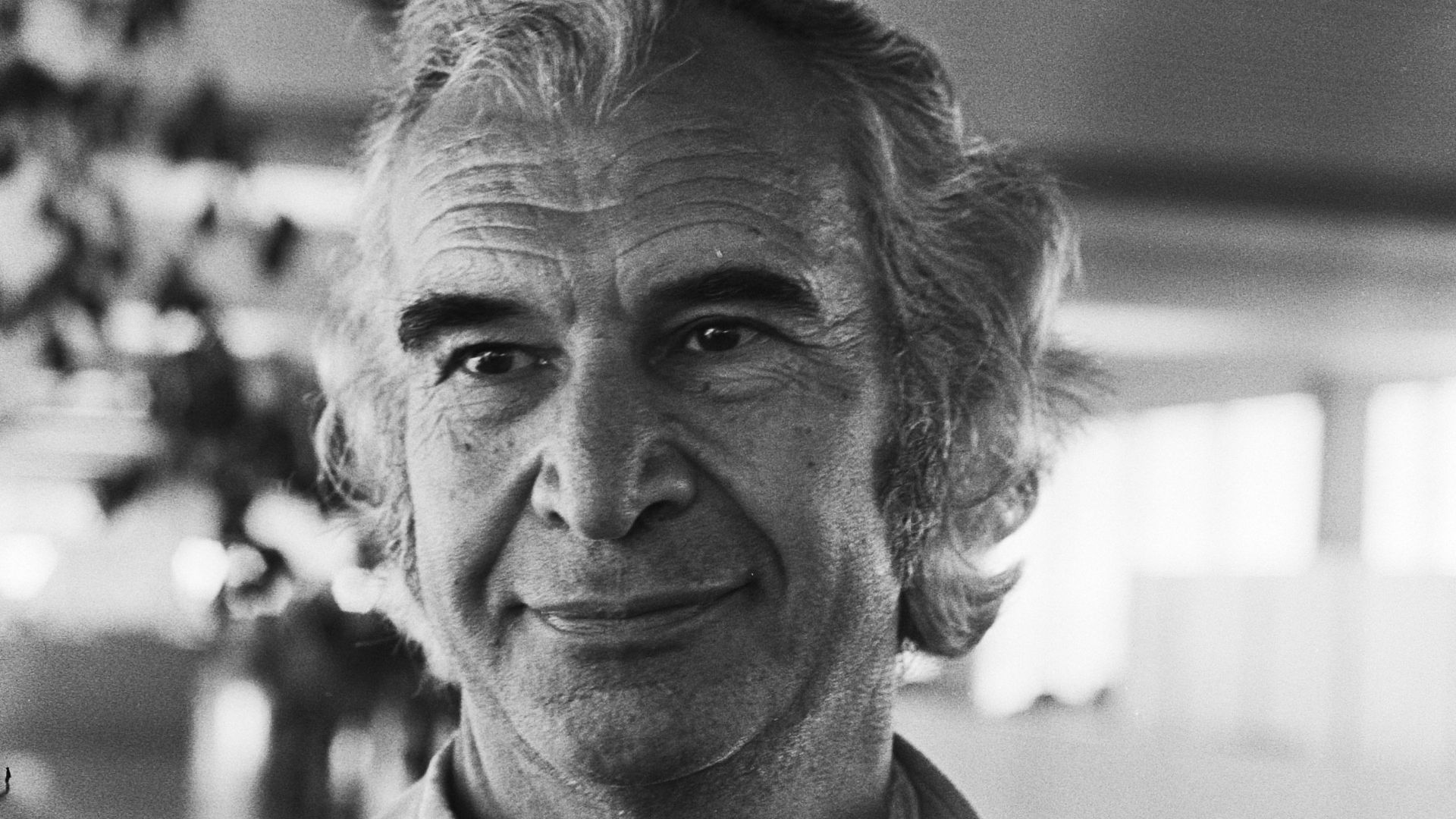 Bert Verhoeff for Anefo, Wikimedia Commons
John Coltrane - “A Love Supreme (Acknowledgment)”
This isn’t just a track, it’s a spiritual statement. “Acknowledgment” introduced jazz as a form of personal devotion, not just performance. The famous four-note motif and chanting feel ritualistic, like Coltrane is building a universe from a single cell of sound. Its influence stretches into spiritual jazz, fusion, and beyond.
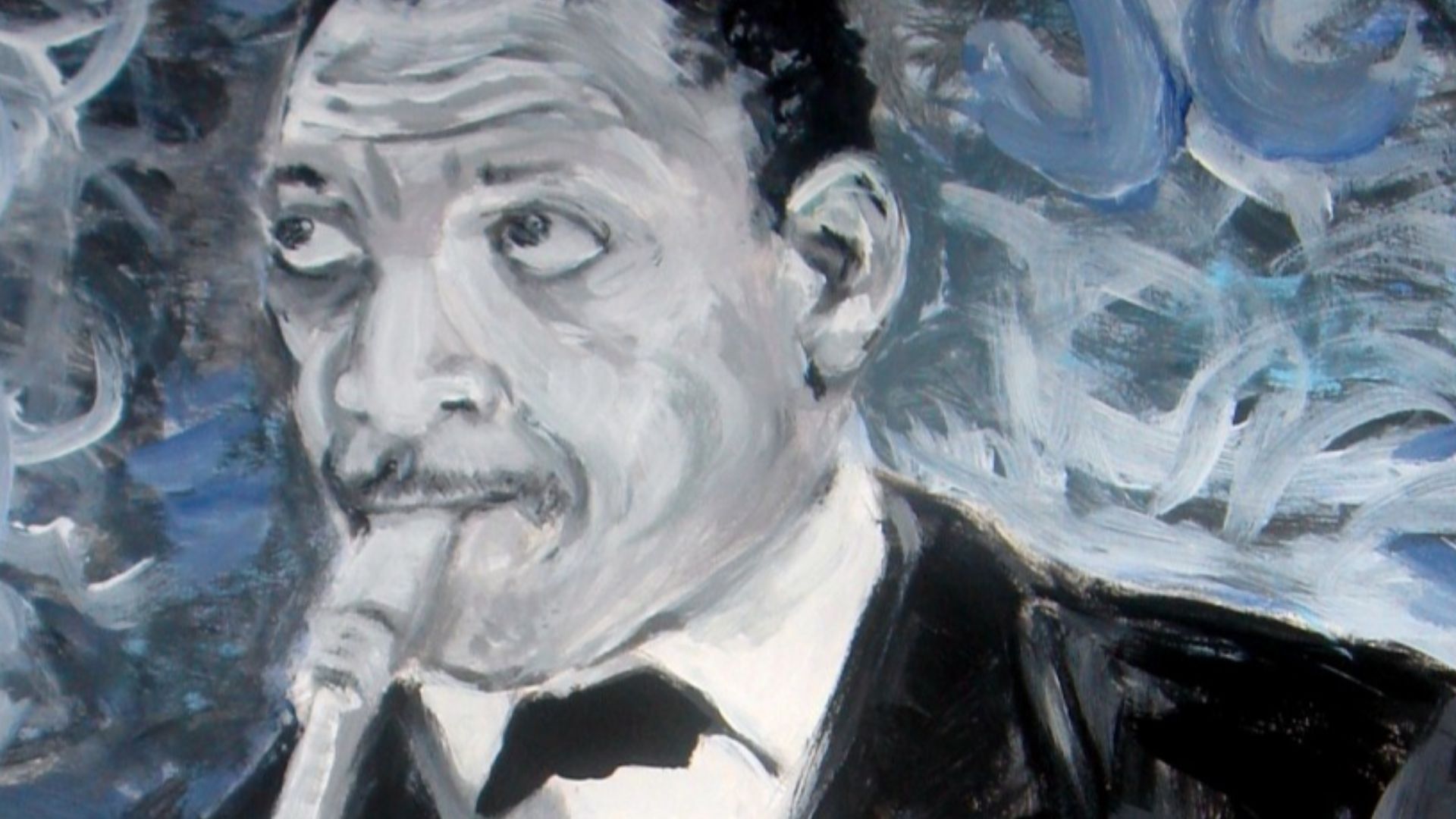 Vaghestelledellorsa, Paolo Steffan, Wikimedia Commons
Miles Davis - “All Blues”
“All Blues” is what happens when blues form meets modal imagination. The 6/8 feel gives it a rolling, hypnotic motion, while the harmony stays open enough for the soloists to paint freely. It’s endlessly replayable and endlessly studied, partly because it’s deceptively simple while still sounding sophisticated and modern.
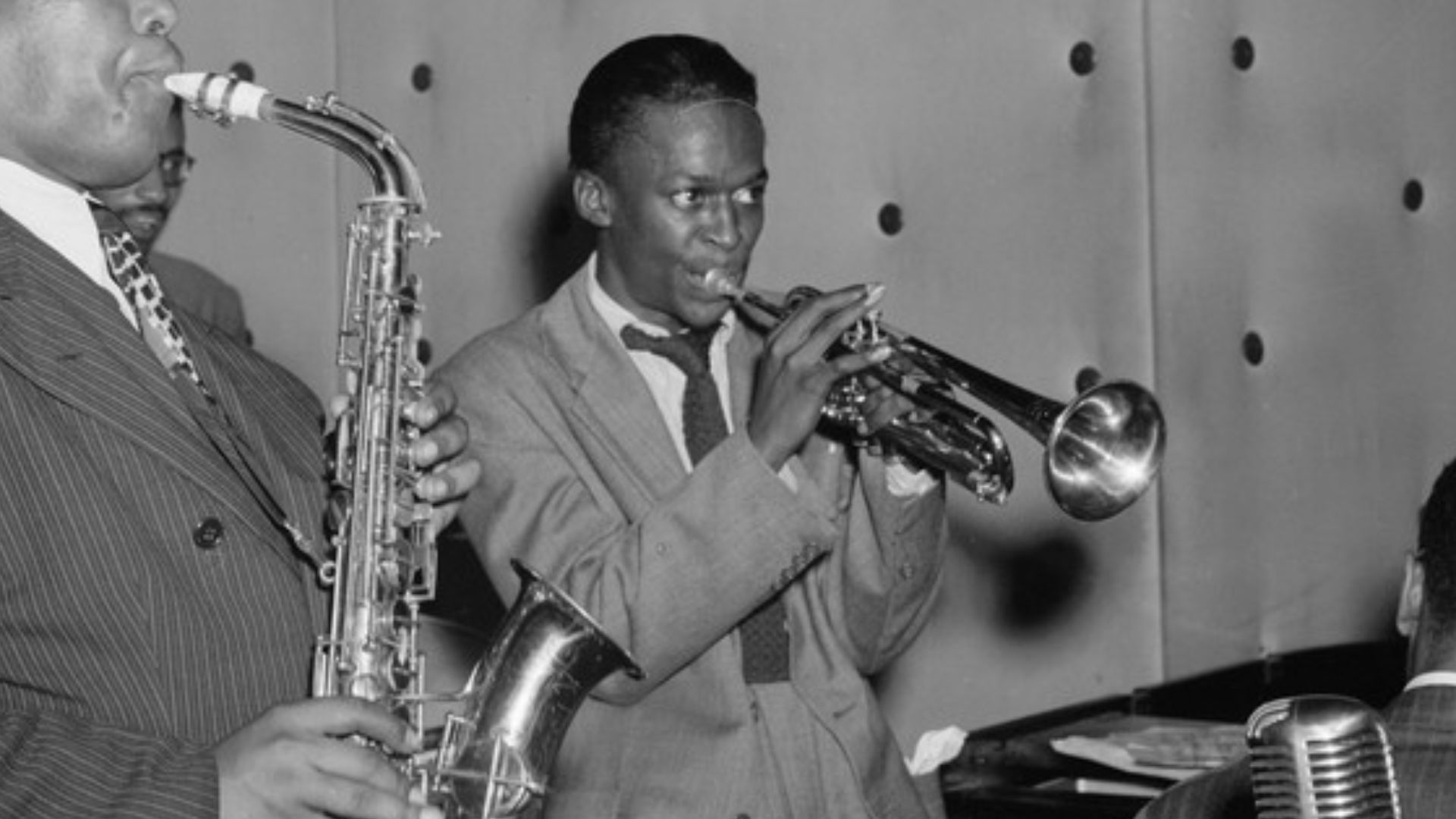 The Library of Congress, Wikimedia Commons
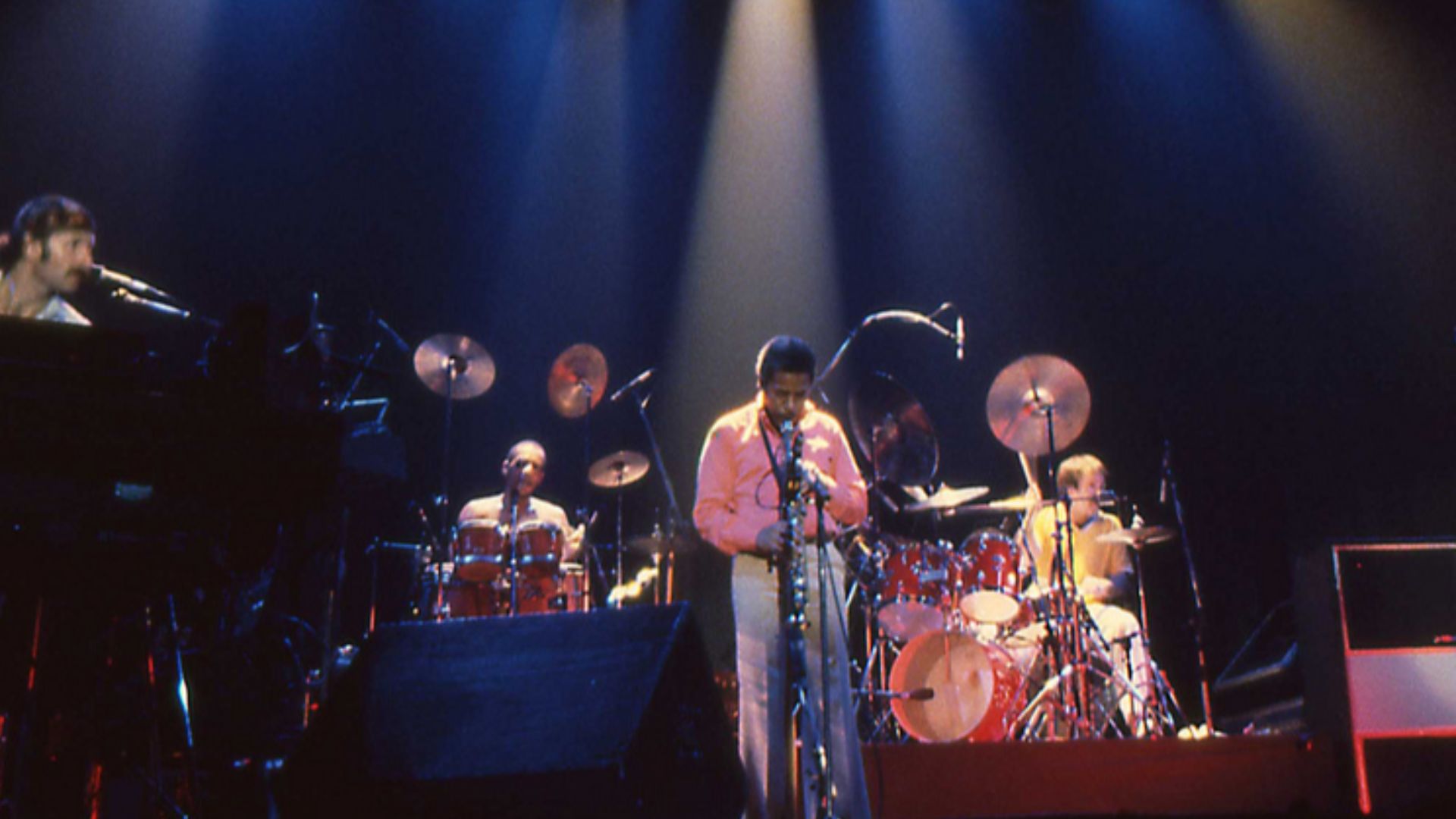
Weather Report - “Birdland”
“Birdland” is fusion at its most joyful and iconic. Joe Zawinul’s synth-driven melody is instantly memorable, and the groove is tight enough to feel like funk without losing jazz complexity. It brought jazz fusion to a broader audience and became a model for how electronic textures could live inside jazz without flattening it.
 Chris Hakkens, Wikimedia Commons
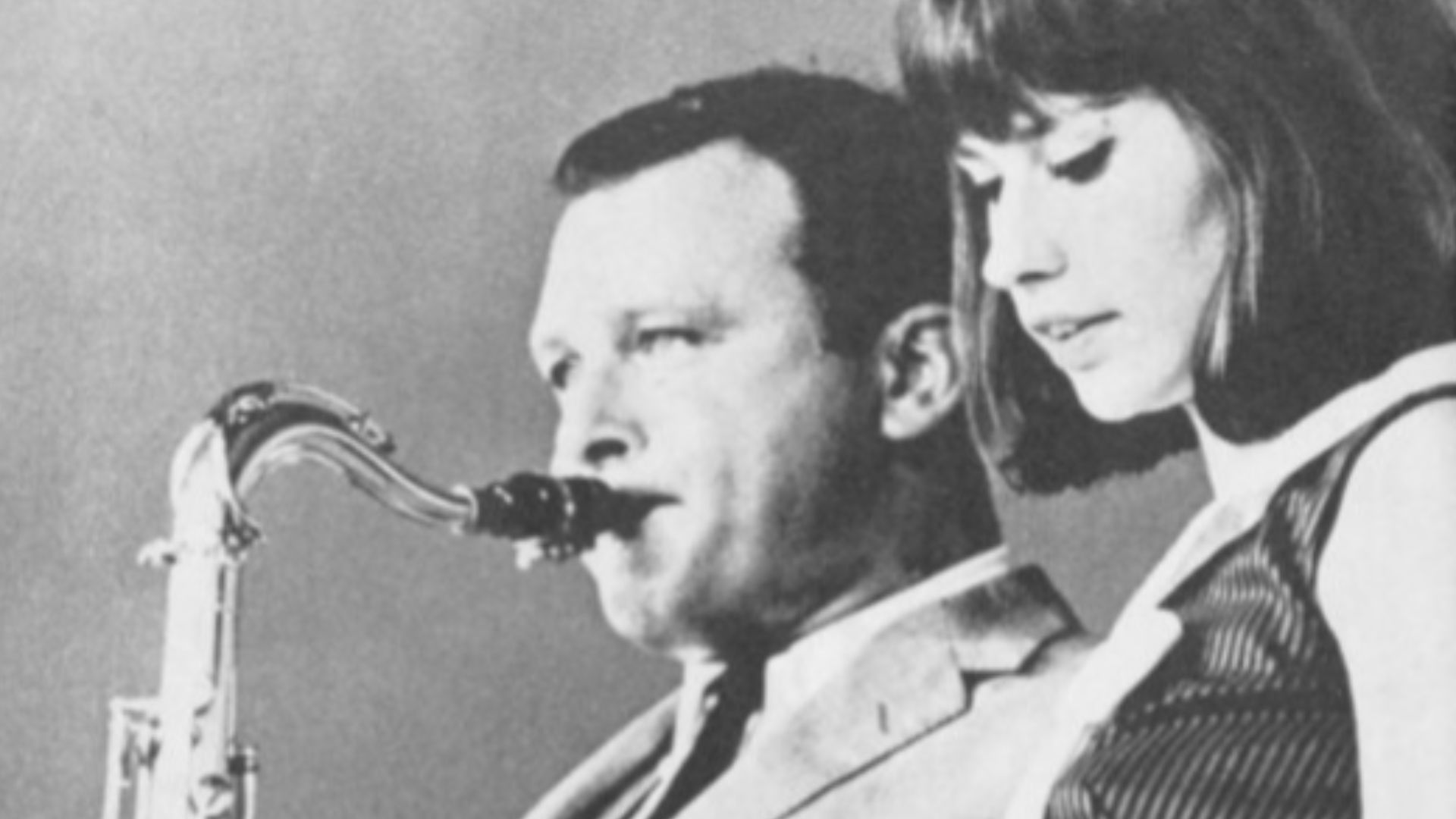
Stan Getz & Astrud Gilberto - “The Girl From Ipanema”
This track helped introduce bossa nova to the world, and it’s basically impossible to overstate its cultural reach. Getz’s sax tone is pure velvet, Astrud’s understated vocal delivery became iconic, and the rhythm is effortless. It changed jazz by showing how soft, subtle, and cool could still be globally powerful.
 Unknown photographer, Wikimedia Commons
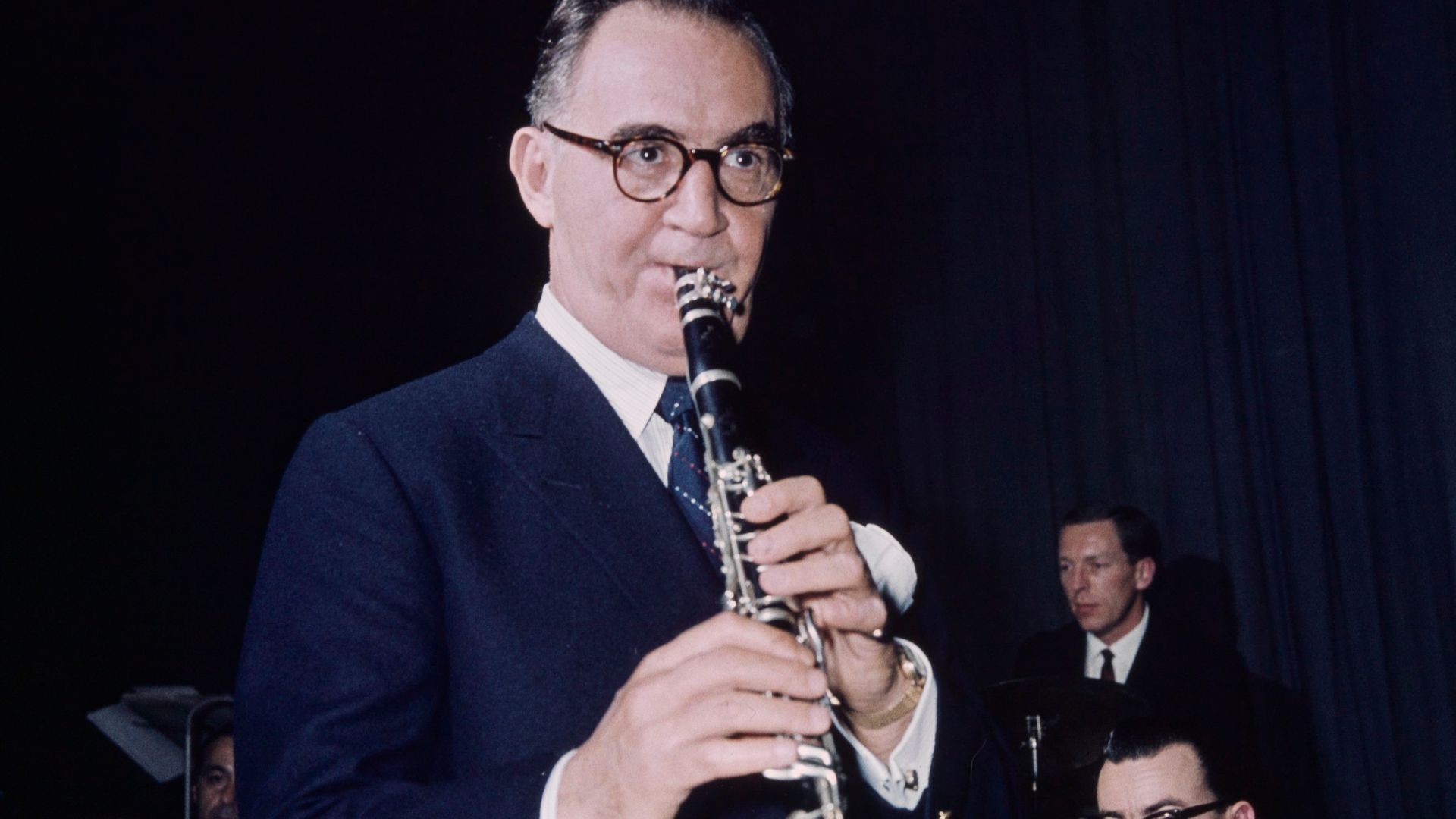
Benny Goodman - “Sing, Sing, Sing”
This is swing-era jazz turned into a full-on event. With Gene Krupa’s pounding tom-toms driving the track, “Sing, Sing, Sing” made jazz feel explosive and physical. It also became a defining big band performance piece, inspiring generations of bandleaders and drummers who wanted that same larger-than-life energy.
 Hans Gerber, Wikimedia Commons
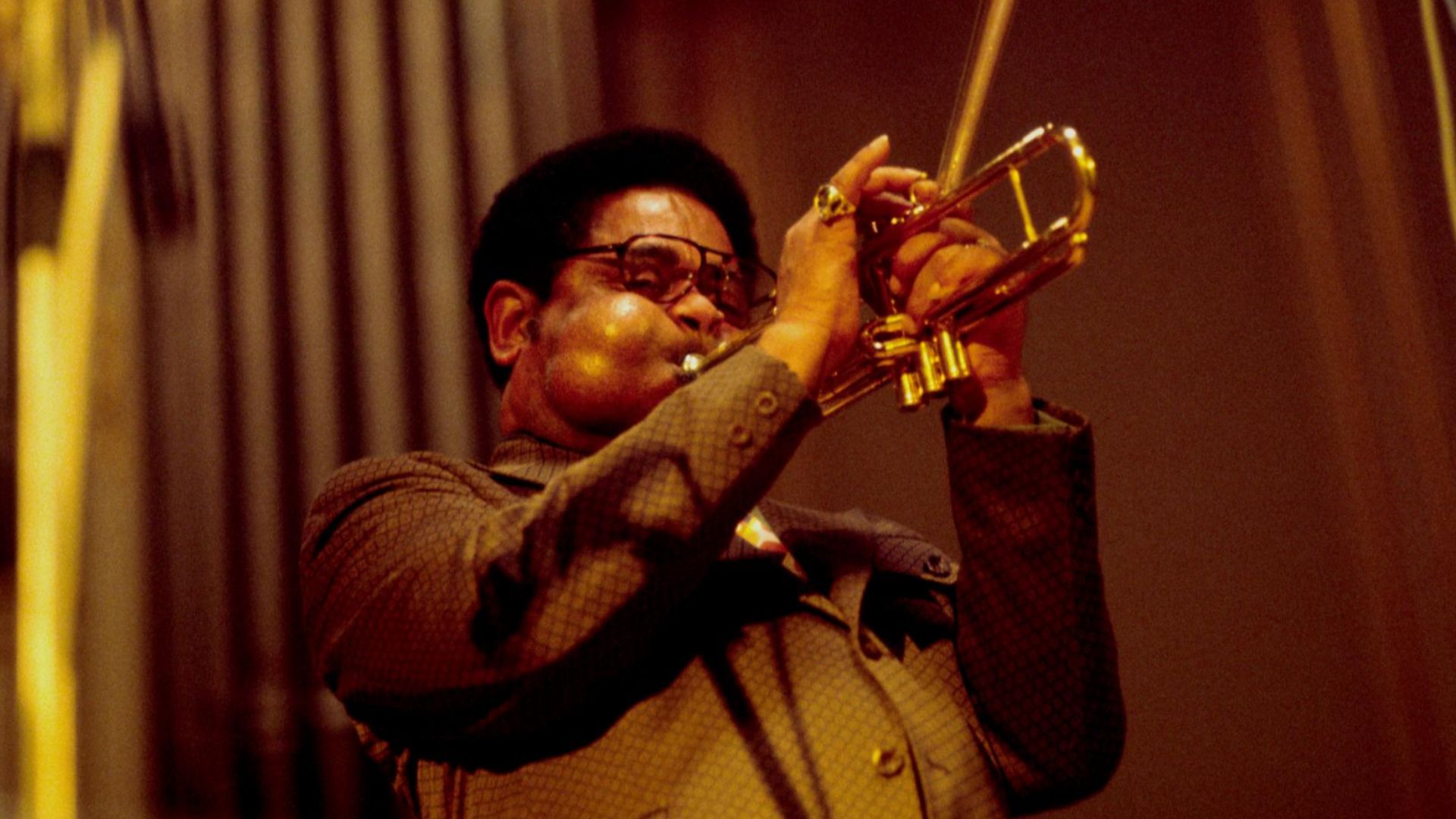
Dizzy Gillespie - “A Night In Tunisia”
This is bebop with global imagination. The rhythmic pulse and harmonic movement feel daring even now, and the melody is sharp and dramatic. It became a jam-session essential because it challenges musicians while rewarding them. Dizzy’s influence here isn’t just technical, it’s about expanding jazz’s rhythmic and cultural vocabulary.
 Heinrich Klaffs, Wikimedia Commons
John Coltrane - “Giant Steps”
This song is basically jazz’s Mount Everest. The “Coltrane changes” created a harmonic obstacle course that pushed improvisers into new territory. It influenced how musicians thought about chord movement and technique, and it’s still used as a rite of passage. Even people who don’t love it respect what it represents.
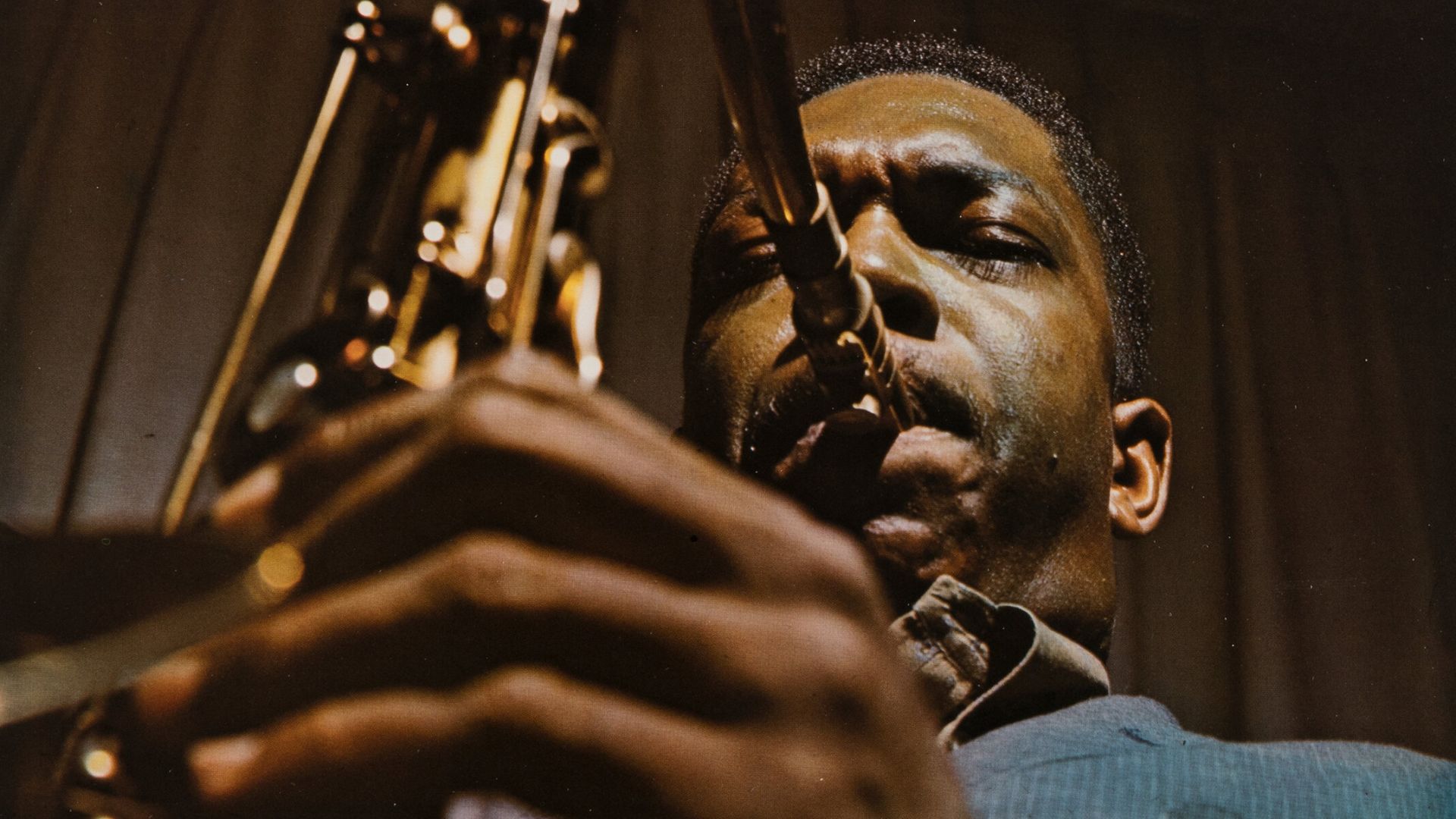 Designed by Marvin Israel, photo by Lee Friedlander, Wikimedia Commons
Dave Brubeck - “Blue Rondo à la Turk”
Brubeck loved playing with rhythm, and “Blue Rondo à la Turk” is one of his boldest statements. Inspired by Turkish street rhythms, it blends unusual meters with swinging blues sections. It made “complex” rhythms feel playful rather than academic, and helped expand jazz’s relationship with world music influences.
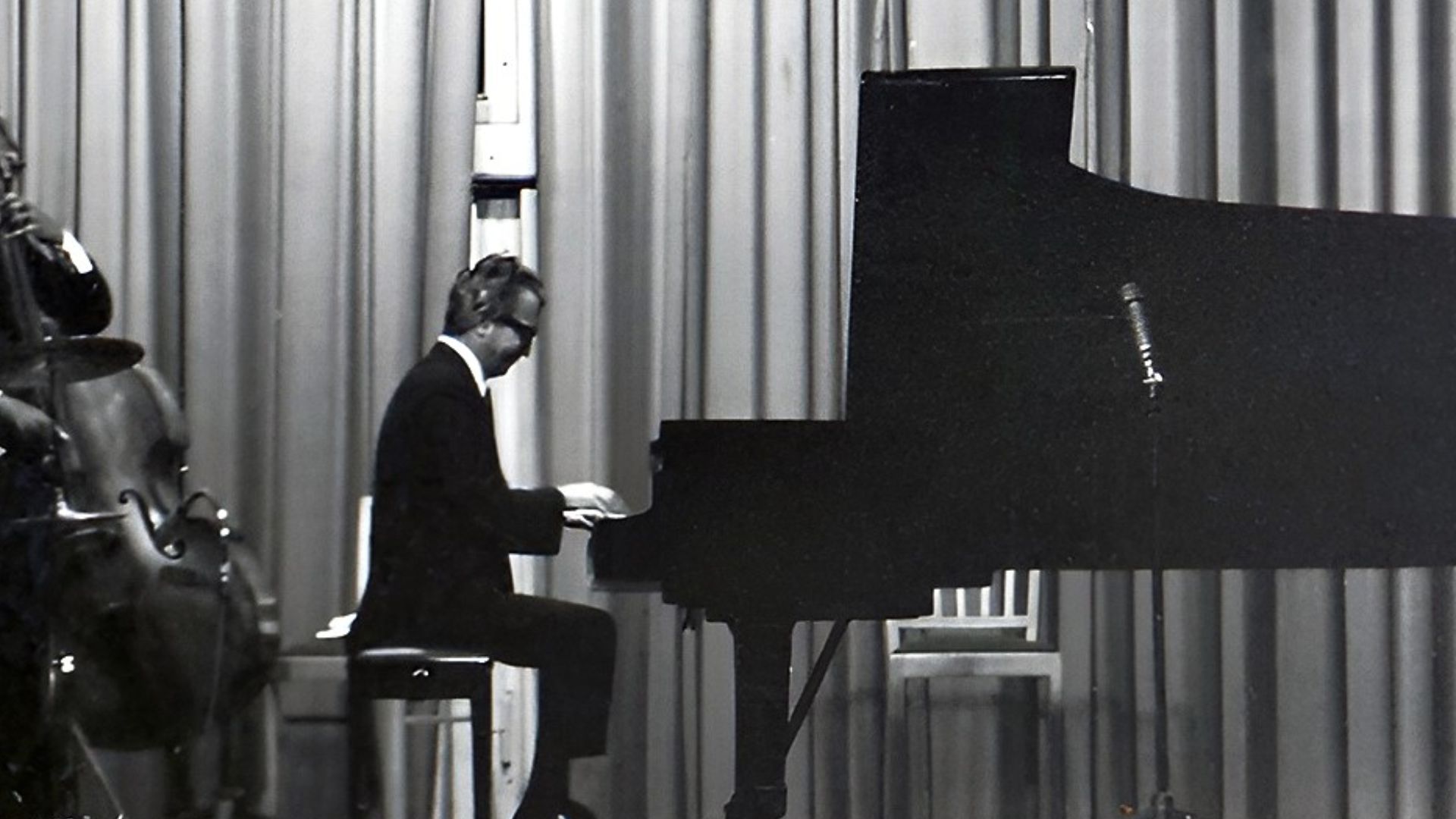 Associated Booking Corporation (management), Wikimedia Commons
Charles Mingus - “Goodbye Pork Pie Hat”
Written as a tribute to saxophonist Lester Young, this piece is grief turned into melody. Mingus mixes tenderness with tension, creating a tune that feels deeply human. It became a standard because it’s emotionally rich without being sentimental. Musicians love it because it offers space for expressive phrasing and storytelling.
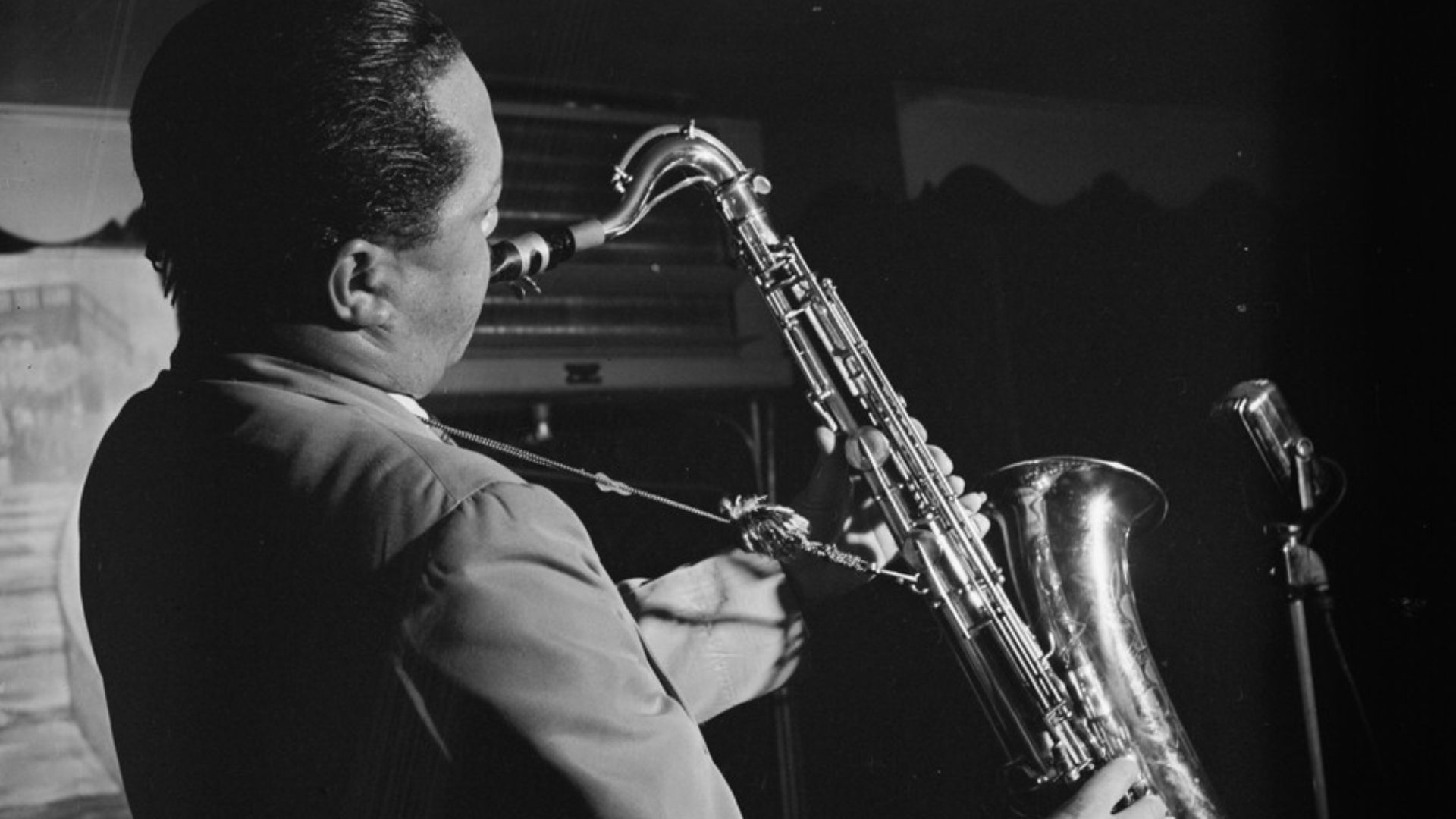 The Library of Congress, Wikimedia Commons
Oliver Nelson - “Stolen Moments”
“Stolen Moments” is the kind of tune that sounds cool and classy without trying too hard. The harmonies are rich, the melody is elegant, and it’s been covered endlessly because it sits perfectly in that sweet spot between accessible and sophisticated. It’s a cornerstone of hard bop and post-bop repertoire.

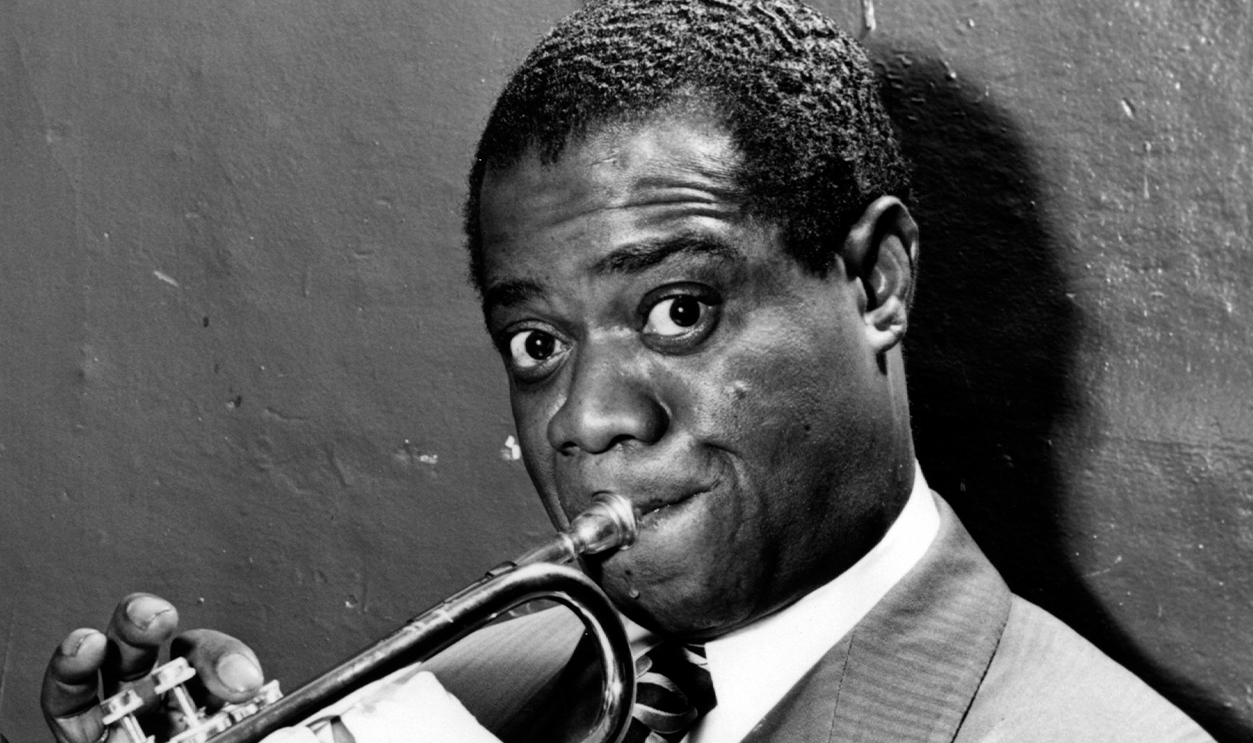
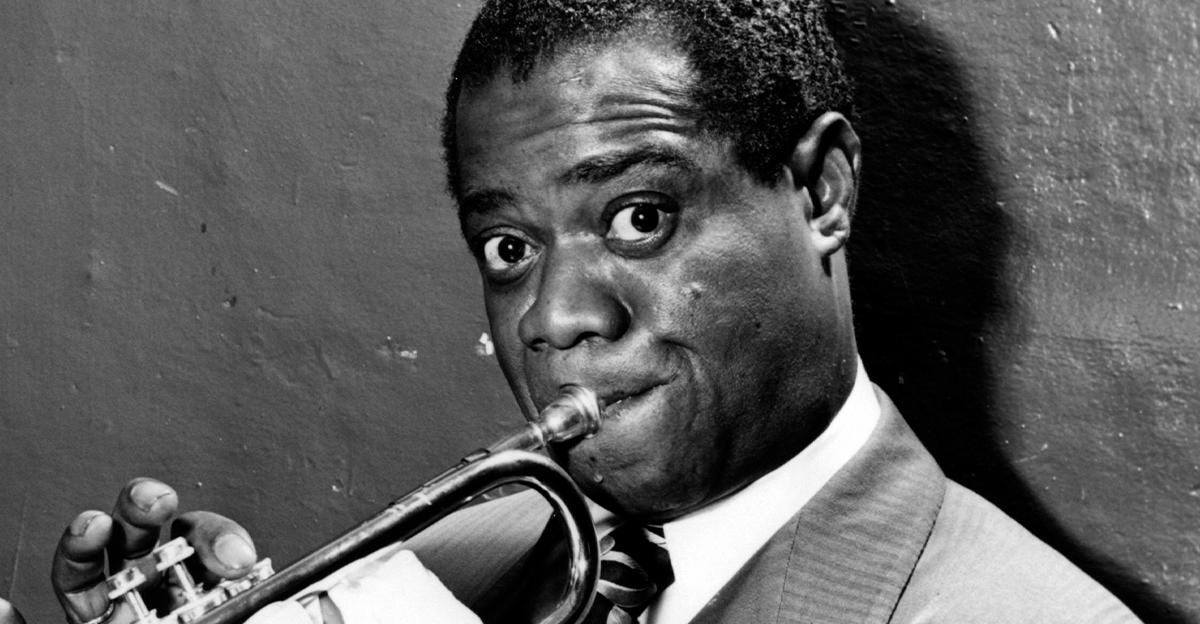
Louis Armstrong - “West End Blues”
This track is a foundational moment in jazz history. Armstrong’s opening trumpet cadenza is legendary, and his phrasing basically helped invent modern jazz soloing. It proved jazz was an art form, not just dance music. You can draw a straight line from this track to everything that followed in improvisation.
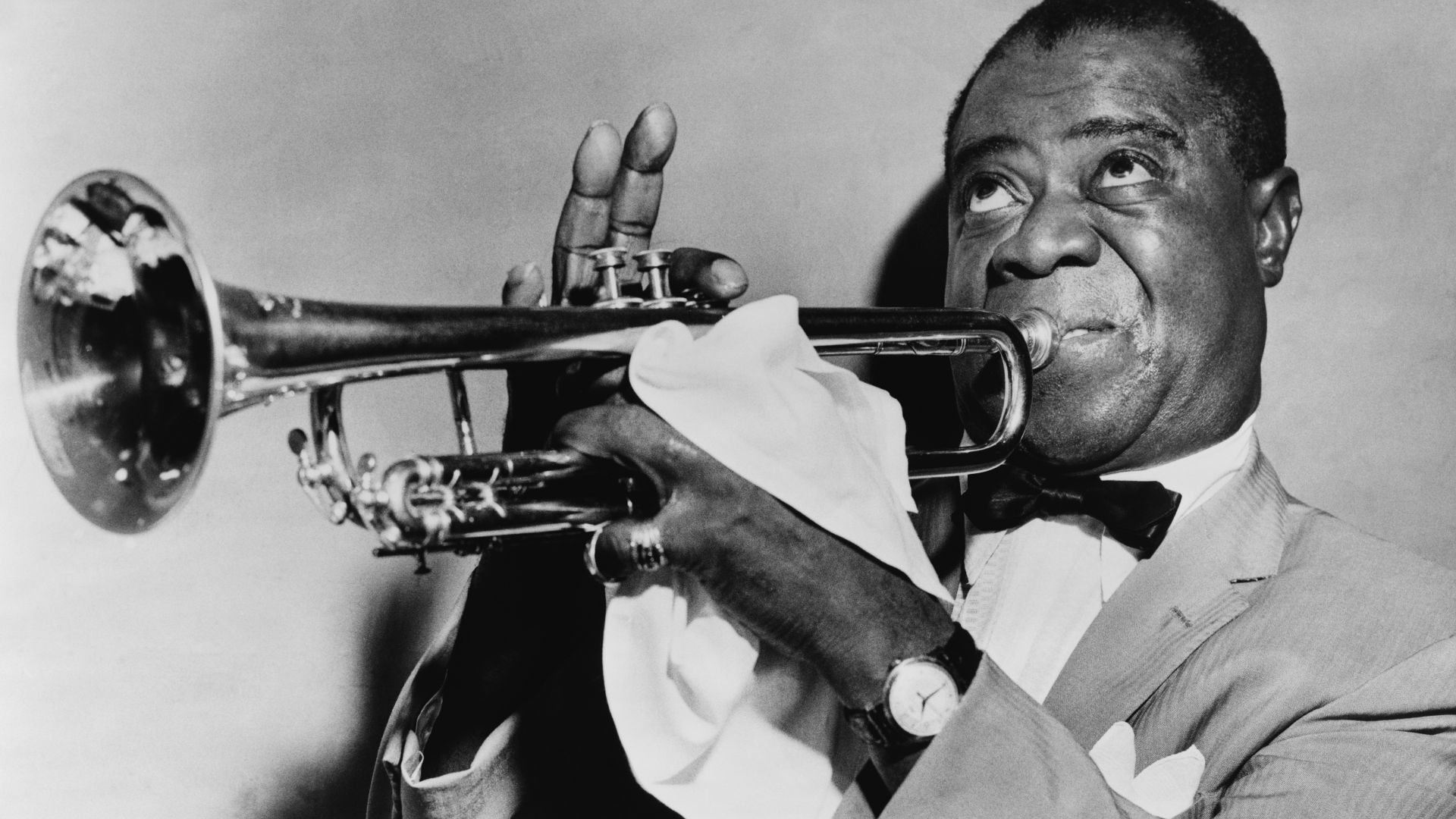 World-Telegram staff photographer, Wikimedia Commons
Billie Holiday - “God Bless The Child”
Written by Holiday herself, this song feels personal in a way few standards do. It’s not just a melody, it’s a worldview. Her phrasing is conversational and emotionally precise, and the message about independence and survival still hits hard. It helped define the idea of the jazz singer as an author, not just an interpreter.
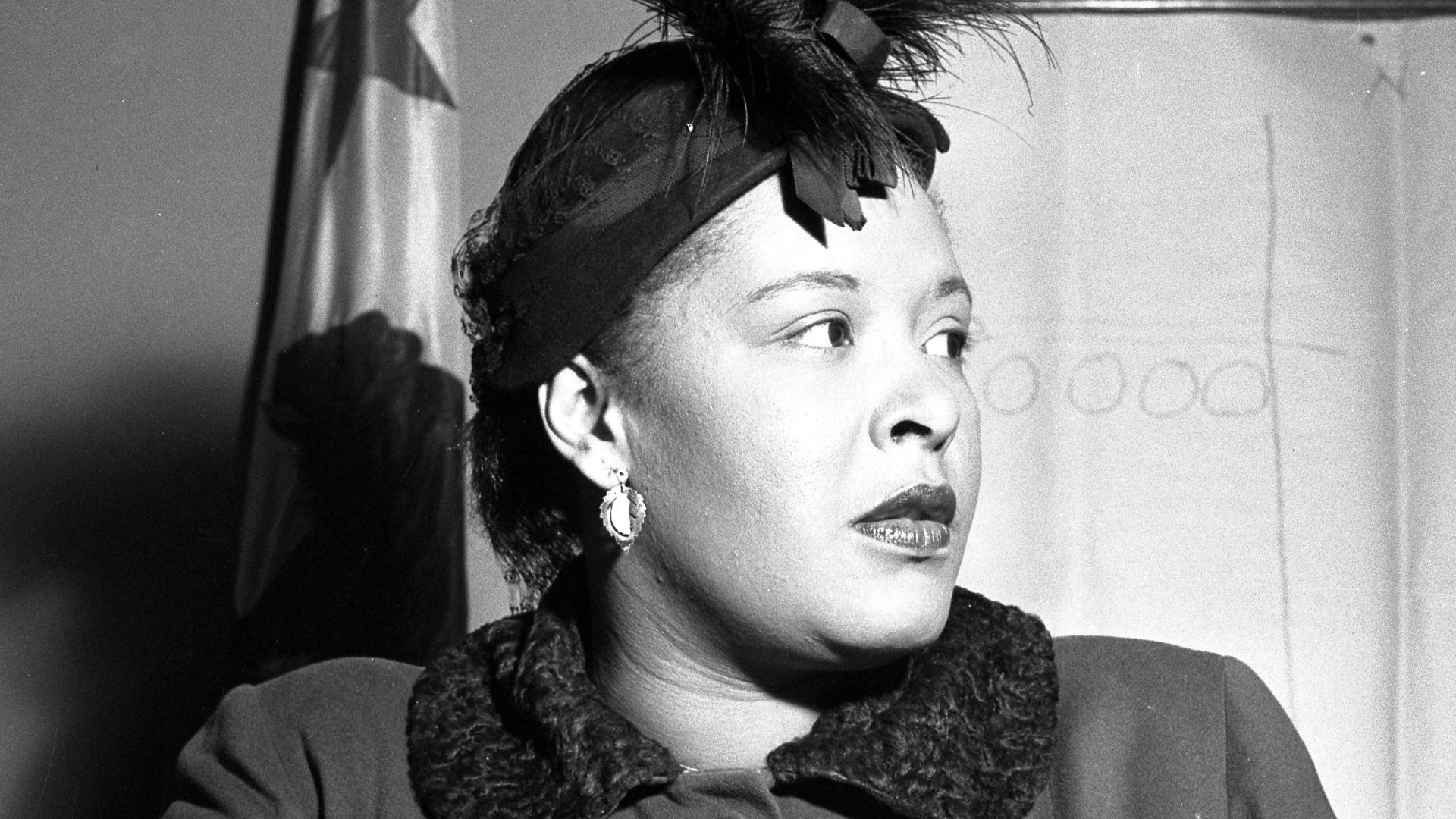 Los Angeles Daily News, Wikimedia Commons
Herbie Hancock - “Cantaloupe Island”
This is one of the most iconic jazz grooves ever. Funky, minimalist, and instantly catchy, “Cantaloupe Island” helped shape the direction of jazz in the 1960s toward more rhythmic, modern sensibilities. It later became even more famous through sampling and reinterpretation, proving its durability across generations.
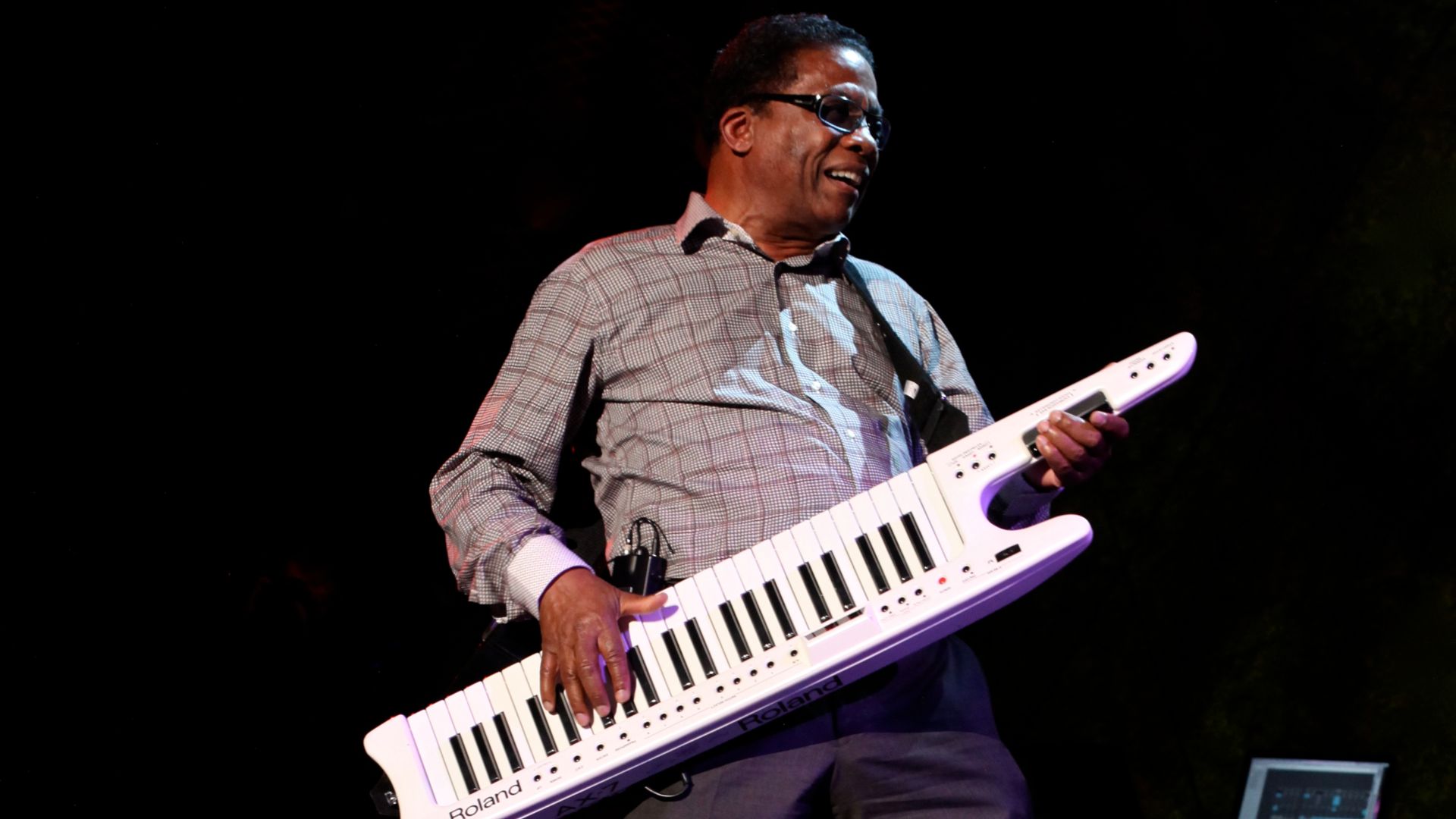 Steve Jurvetson from Los Altos, USA, Wikimedia Commons
Chet Baker - “My Funny Valentine”
Chet Baker’s version turned a show tune into a defining cool jazz statement. His trumpet tone and soft vocal delivery make the song feel fragile and intimate. It became influential because it showed how restraint could be powerful. In a genre full of virtuosity, Baker made vulnerability feel like the main event.
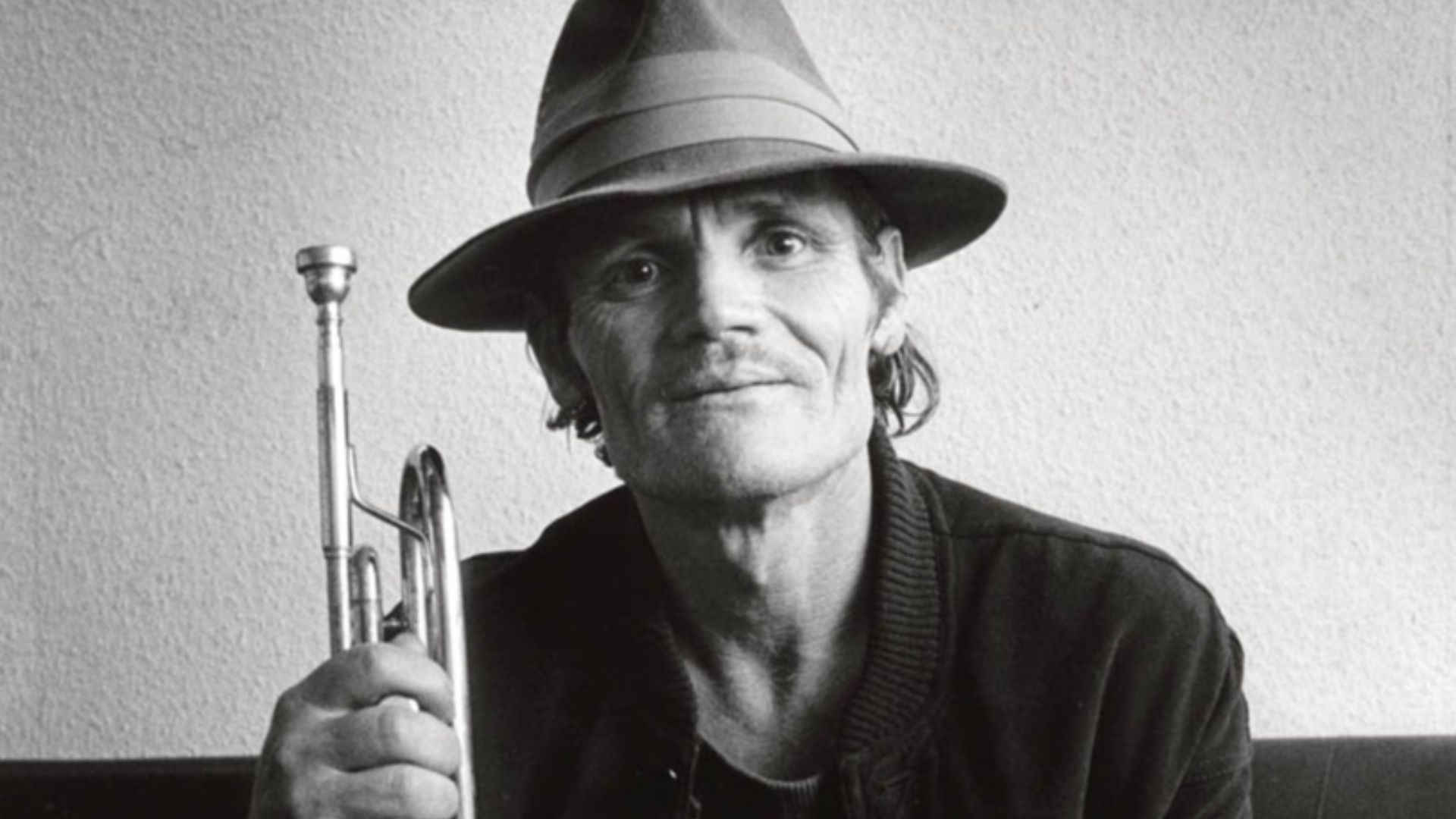 Michiel Hendryckx, Wikimedia Commons
Coleman Hawkins - “Body And Soul”
Hawkins’ 1939 recording changed the role of the saxophone overnight. Instead of sticking closely to the melody, he built a fully improvised solo that became the real centerpiece. This track helped establish the modern jazz approach where interpretation and improvisation are the main story, not the written tune.
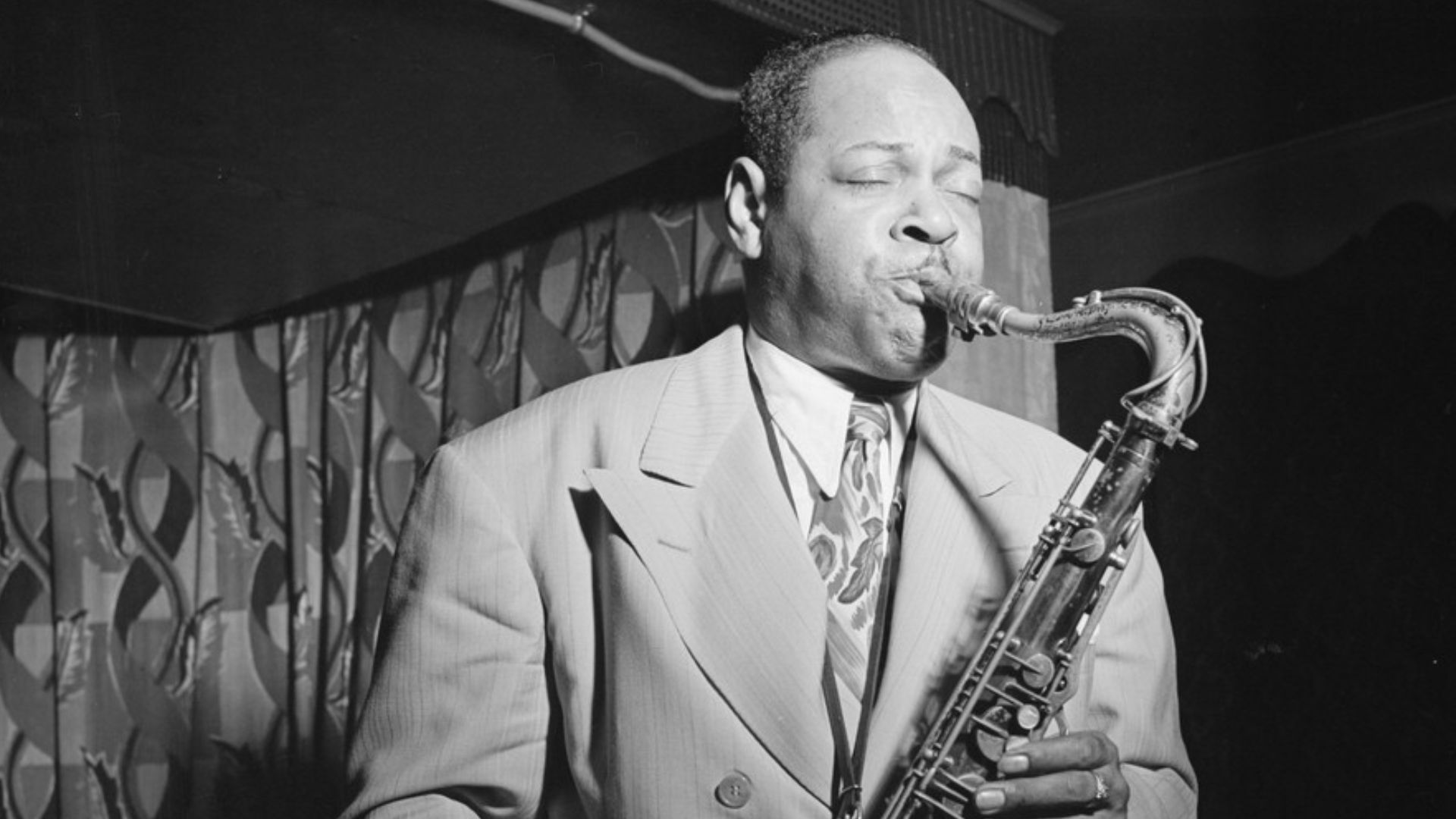 William P. Gottlieb, Wikimedia Commons
Horace Silver - “Song For My Father”
This tune is a hard bop classic with a groove you can’t ignore. Its Latin-tinged rhythm and memorable bassline made it instantly popular, and it became one of the most played jazz standards of its era. It’s influential because it proved jazz could be both sophisticated and deeply catchy.
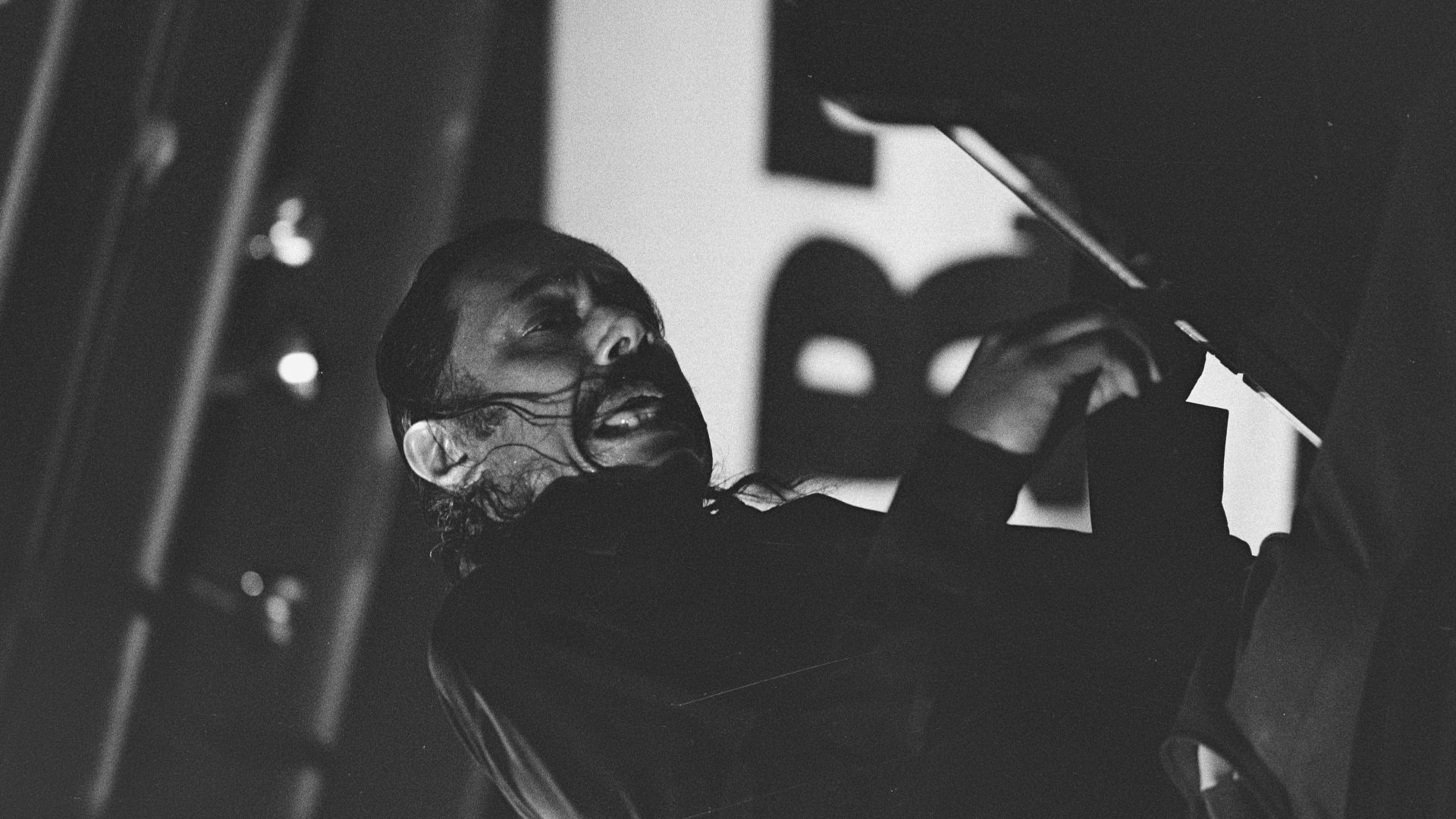 Rob Bogaerts / Anefo, Wikimedia Commons
Chick Corea - “Spain”
“Spain” is jazz fusion brilliance with classical inspiration. The opening nod to Rodrigo’s Concierto de Aranjuez sets a dramatic tone before the tune explodes into bright, rhythmic complexity. It became a standard for virtuoso players, especially pianists, because it demands technique, feel, and imagination all at once.
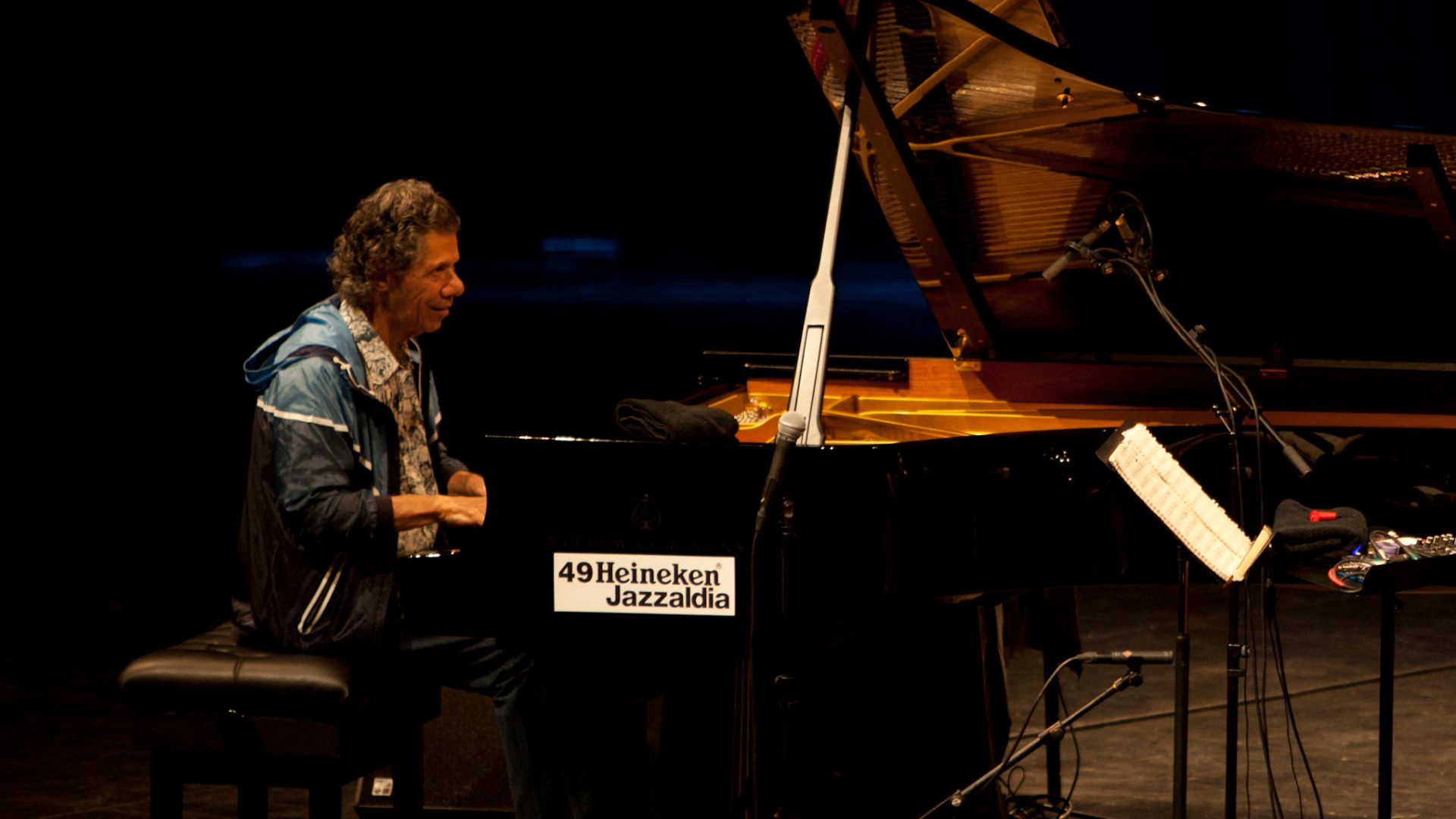 Vidartereyes, Wikimedia Commons
Miles Davis - “Blue In Green”
This track is quiet, slow-burning beauty. Often associated with Bill Evans’ harmonic touch, “Blue in Green” captures the emotional atmosphere that made Kind of Blue timeless. It influenced countless ballad players because it shows how jazz can whisper and still hit you right in the chest.
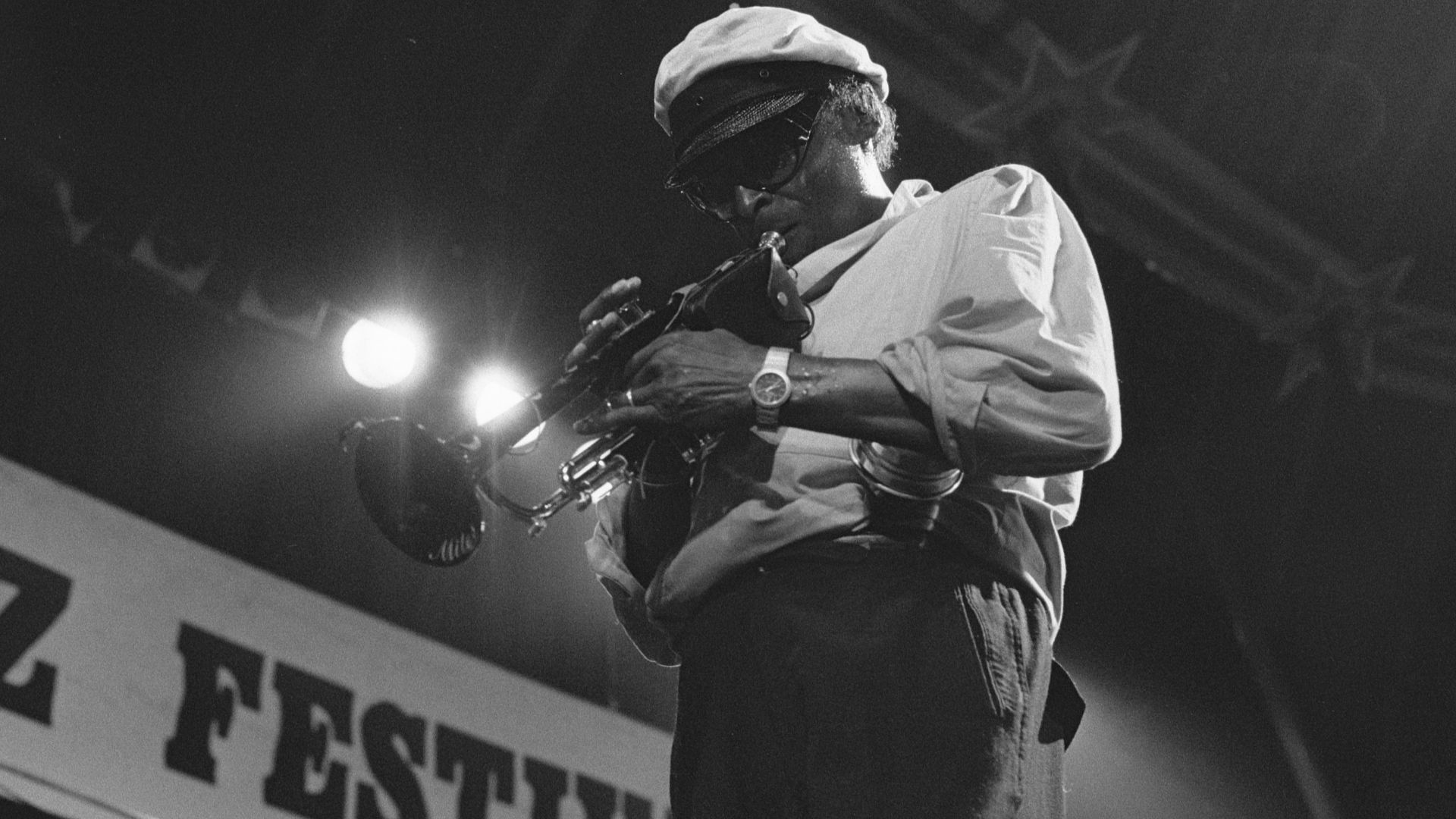 Rob Bogaerts / Anefo, Wikimedia Commons
John Coltrane - “Naima”
Named for Coltrane’s first wife, “Naima” is one of jazz’s most haunting love songs. Its harmony is rich but gentle, and the melody feels like a slow exhale. It’s become a standard because it teaches musicians something essential: you can be technically deep without ever losing emotional clarity.
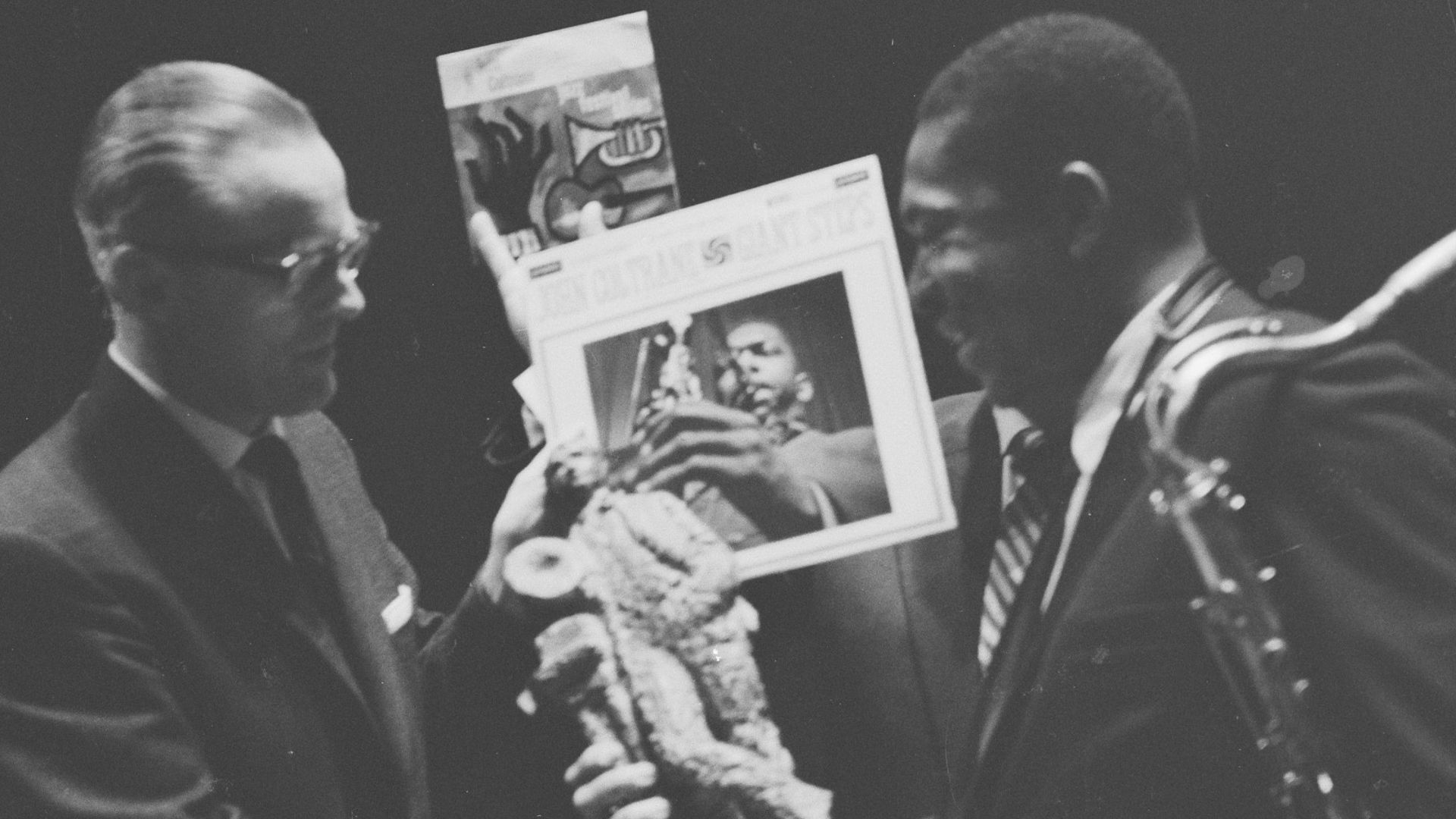 Dave Brinkman (ANEFO), Wikimedia Commons
You May Also Like:
R&B Ballads That Still Melt Hearts
If You Know These Reggae Songs, Your Music Taste Is Elite