The Voice Missing From The Room
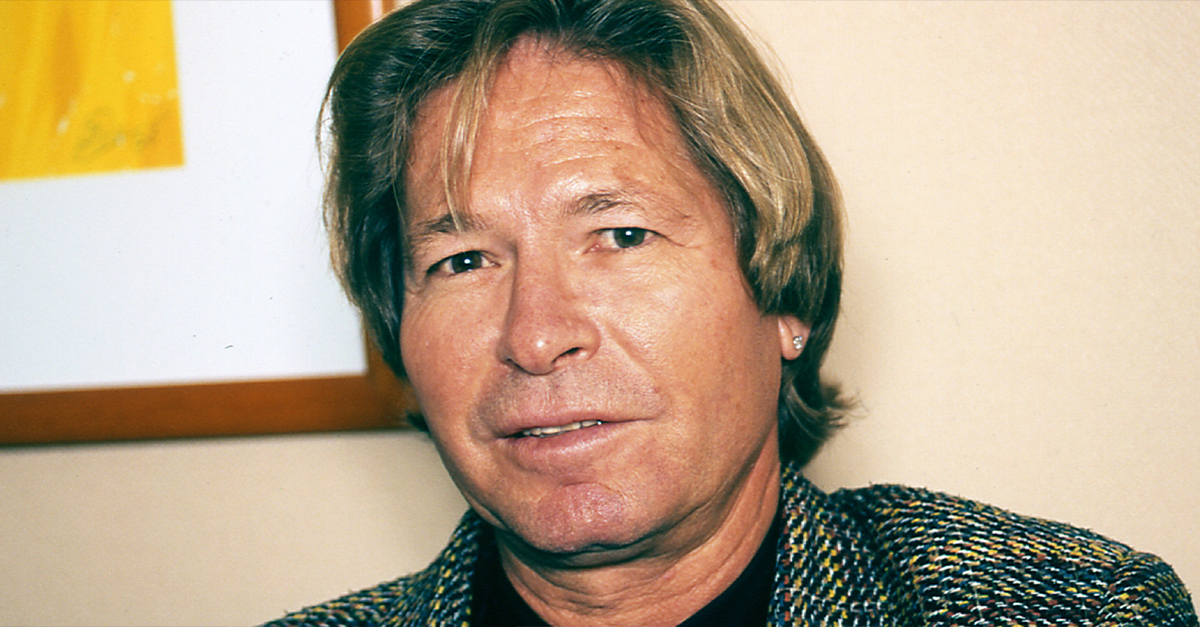
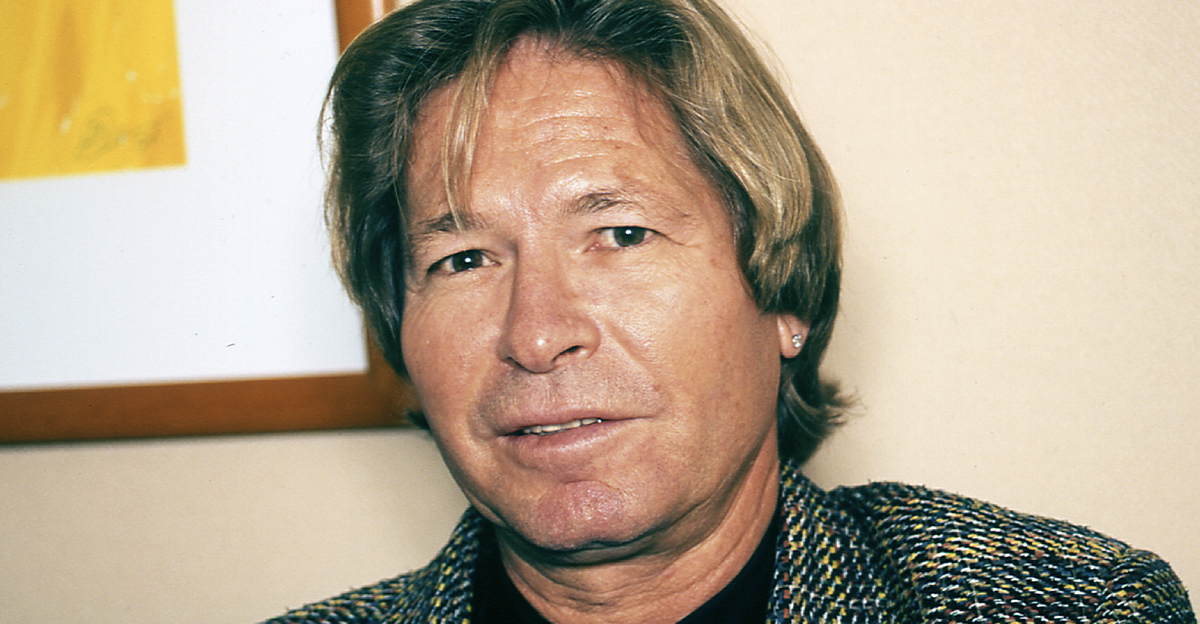
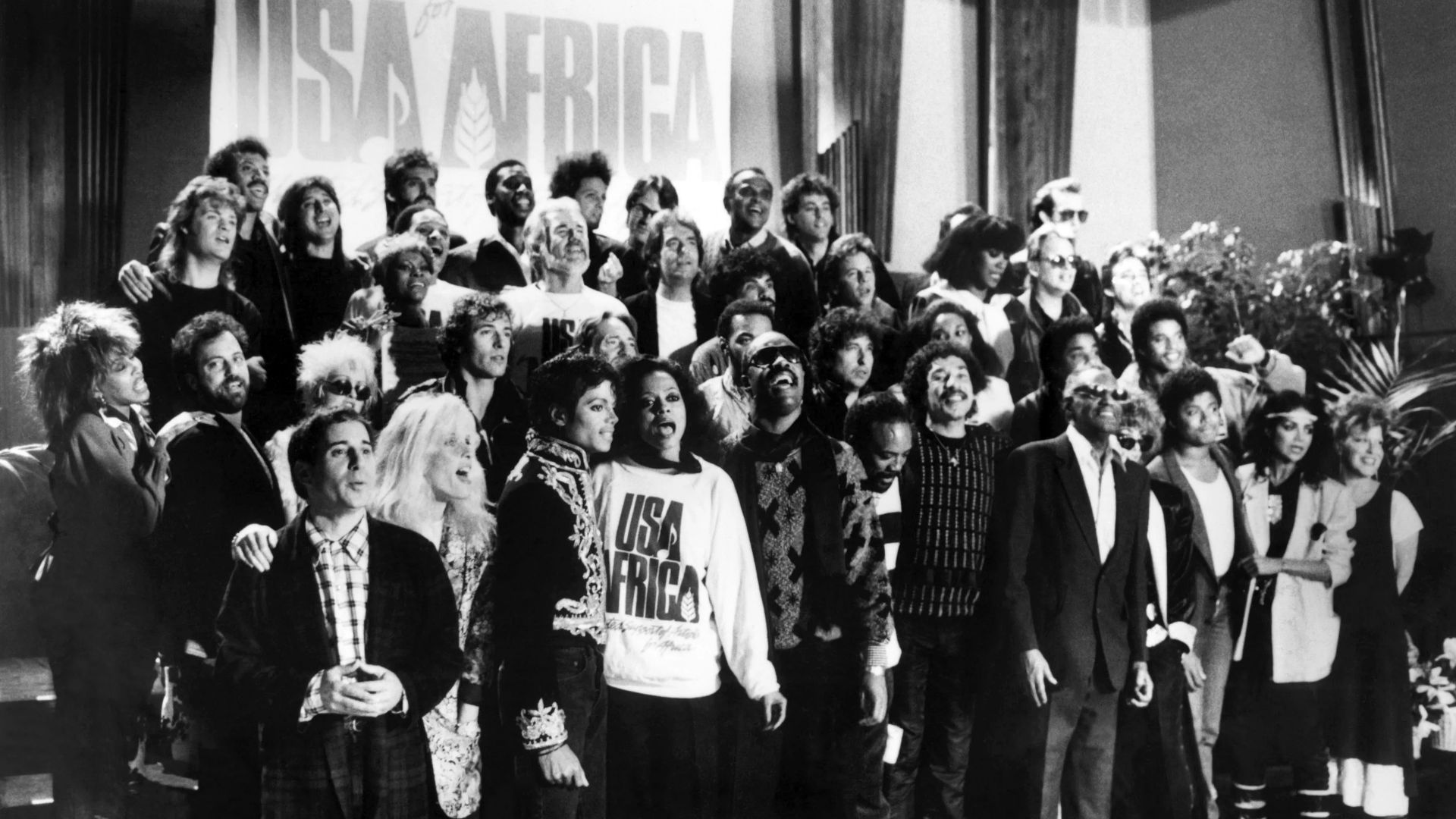
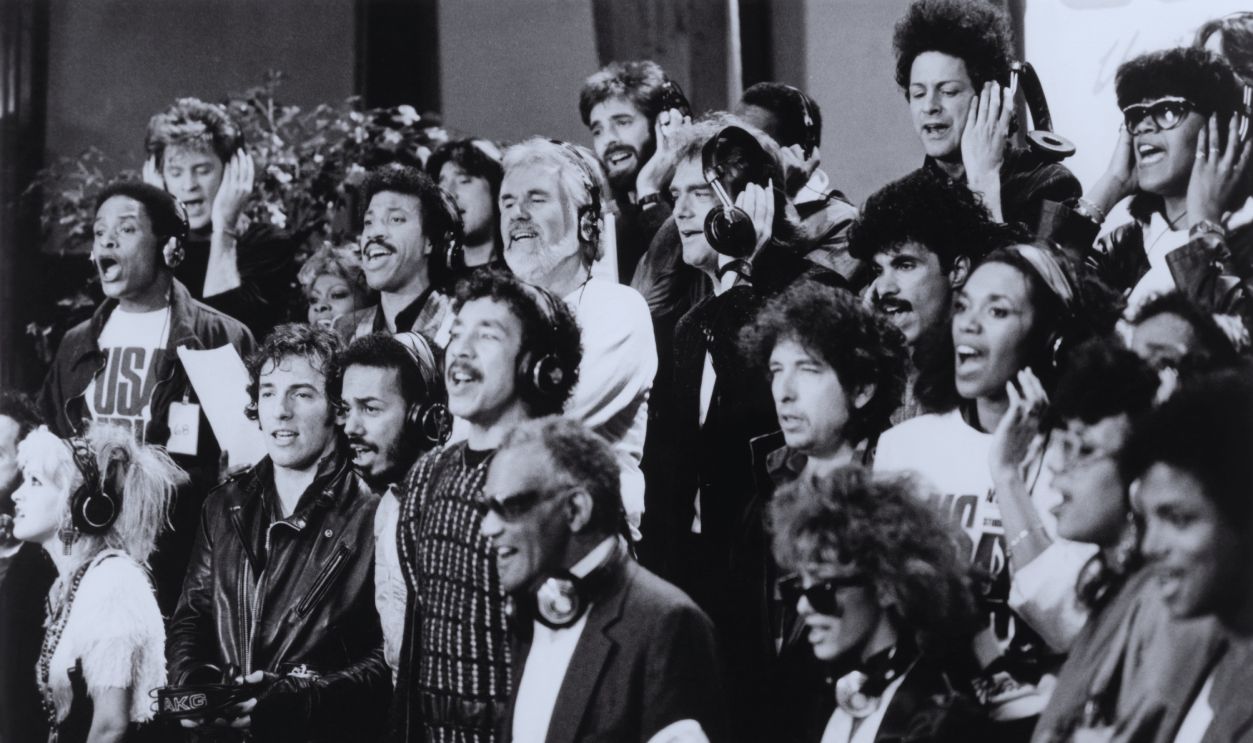
On January 28, 1985, more than 40 major performers gathered at A&M Studios in Hollywood to record “We Are the World". The room held Michael Jackson, Lionel Richie, Bruce Springsteen, Bob Dylan, Tina Turner, Ray Charles, and many more. John Denver, however, was not among them, even though the cause was one he had championed for years.
 BSR Entertainment, Getty Images
The Idea Began With Harry Belafonte
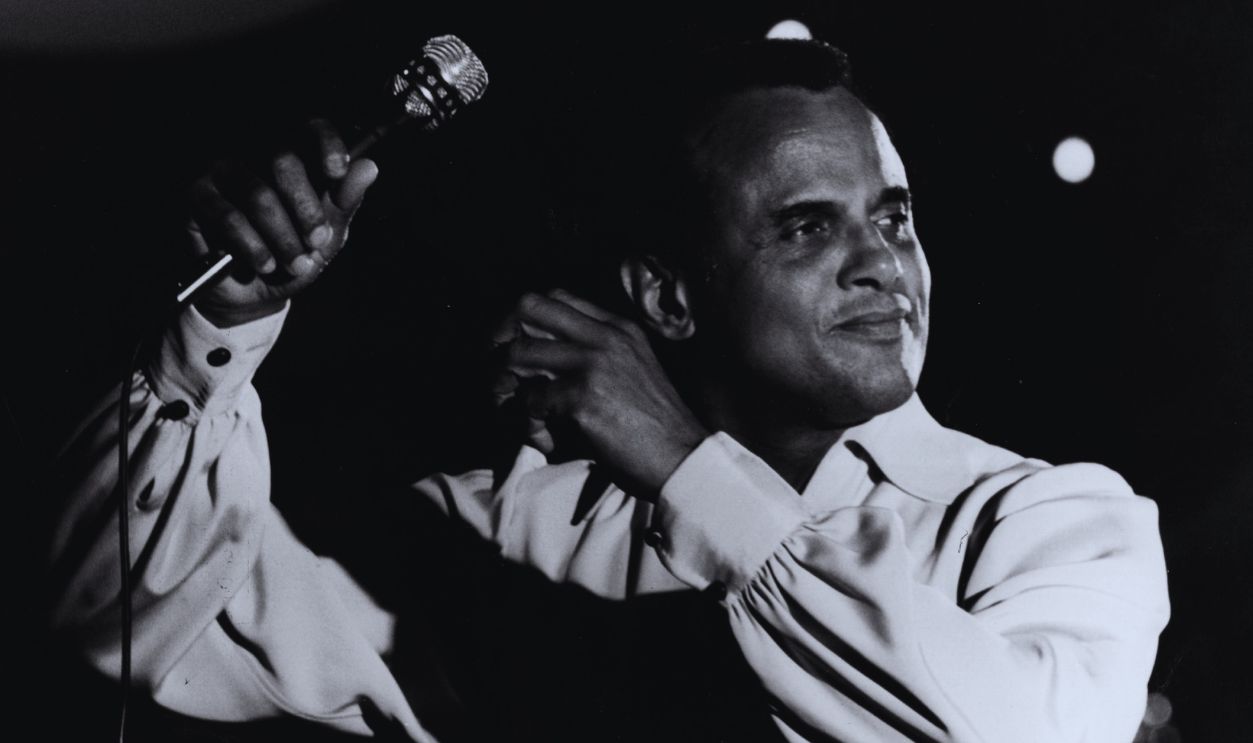
The project grew from Harry Belafonte's desire to raise money for people suffering through famine in Africa. He contacted manager Ken Kragen, who believed an American all-star single could build on the example set by Band Aid's “Do They Know It's Christmas?” The plan quickly became much bigger than either man expected.
They Built The Night Around The Stars
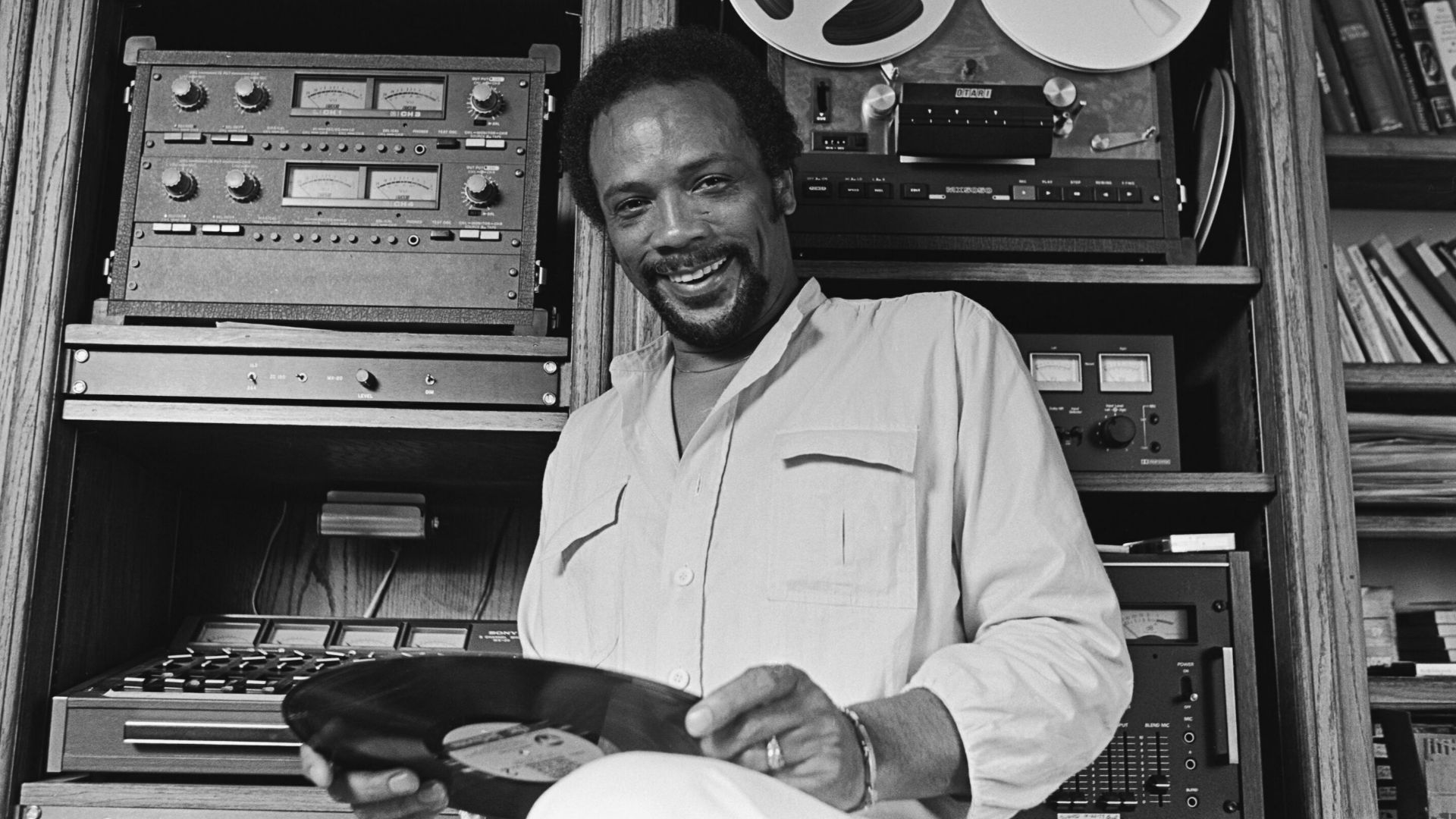
Kragen and the other organizers chose January 28 for a practical reason: many leading musicians would already be in Los Angeles for the American Music Awards. The recording began later that night at A&M Studios, giving Quincy Jones one extraordinary window to get dozens of famous singers into the same room.
 Los Angeles Times, Wikimedia Commons
The Guest List Was Never Automatic
A charity record might sound like an open invitation, but the roster was tightly controlled. Kragen later explained that organizers were trying to assemble a mix of performers who felt current, respected, and appealing to one another. That meant some willing artists were going to be left outside, no matter how sincere they were.
Denver Had Once Been Everywhere
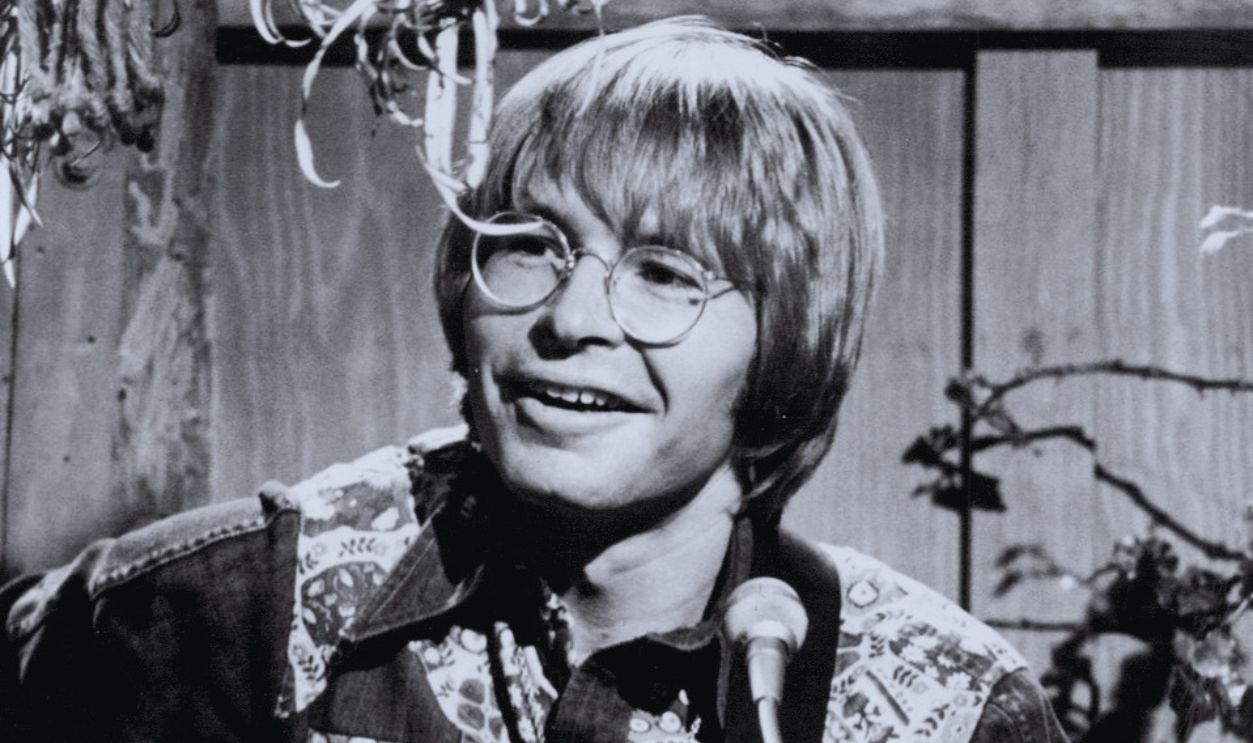
The rejection was striking because Denver was hardly an obscure figure. During the 1970s, songs such as “Take Me Home, Country Roads,” “Annie's Song,” “Sunshine on My Shoulders,” and “Thank God I'm a Country Boy” made him one of the decade's most recognizable singers. Fame, however, did not guarantee him a place in 1985.
 ABC Television, Wikimedia Commons
Hunger Was Already His Cause
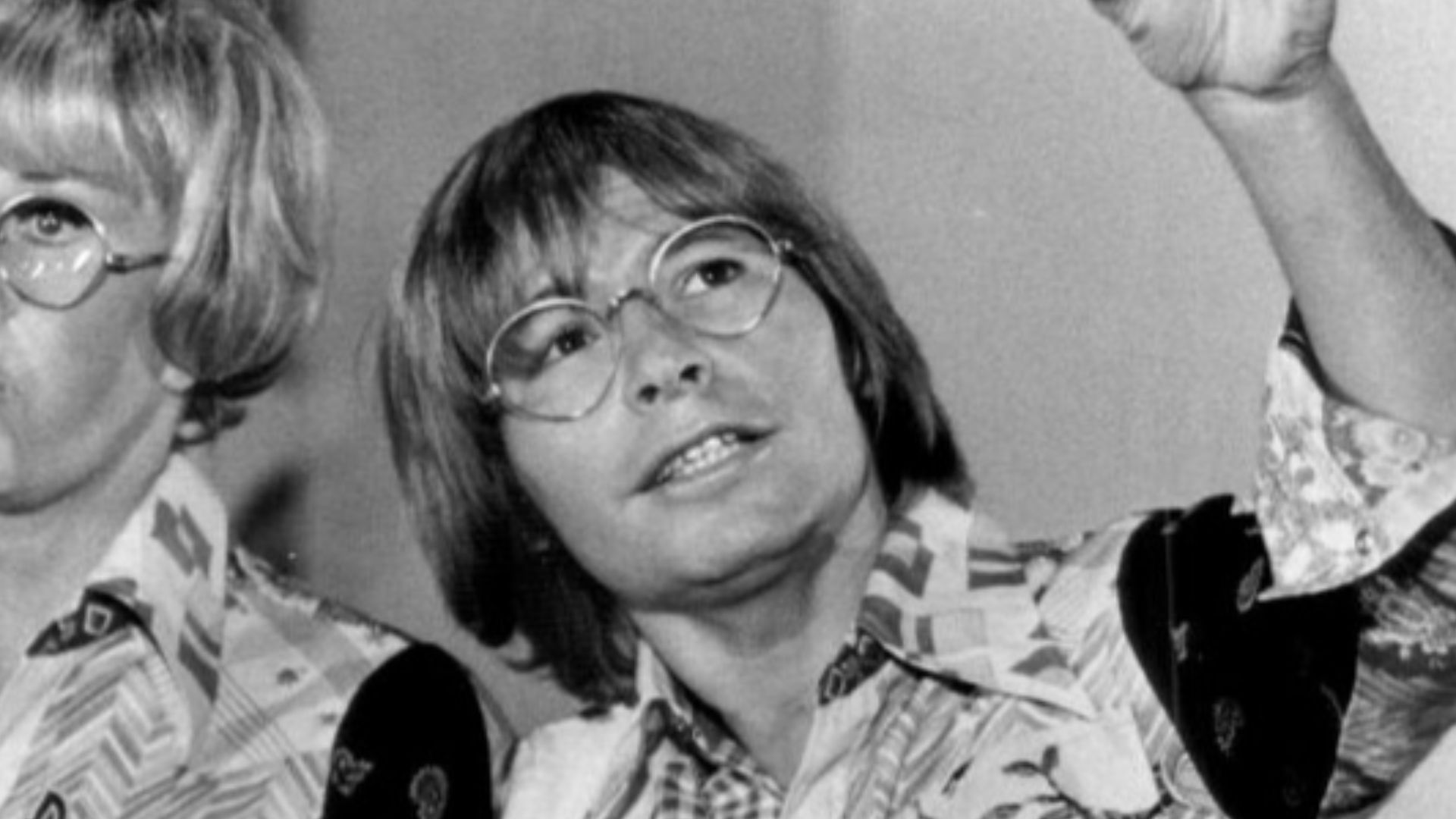
More important than Denver's record sales was his long involvement with hunger relief. His official site credits him as one of the founders of The Hunger Project, which began in 1977. Years before celebrity famine relief became one of music's biggest stories, Denver had already attached his name, time, and public platform to the issue.
 CBS Television, Wikimedia Commons
The White House Took Him Seriously
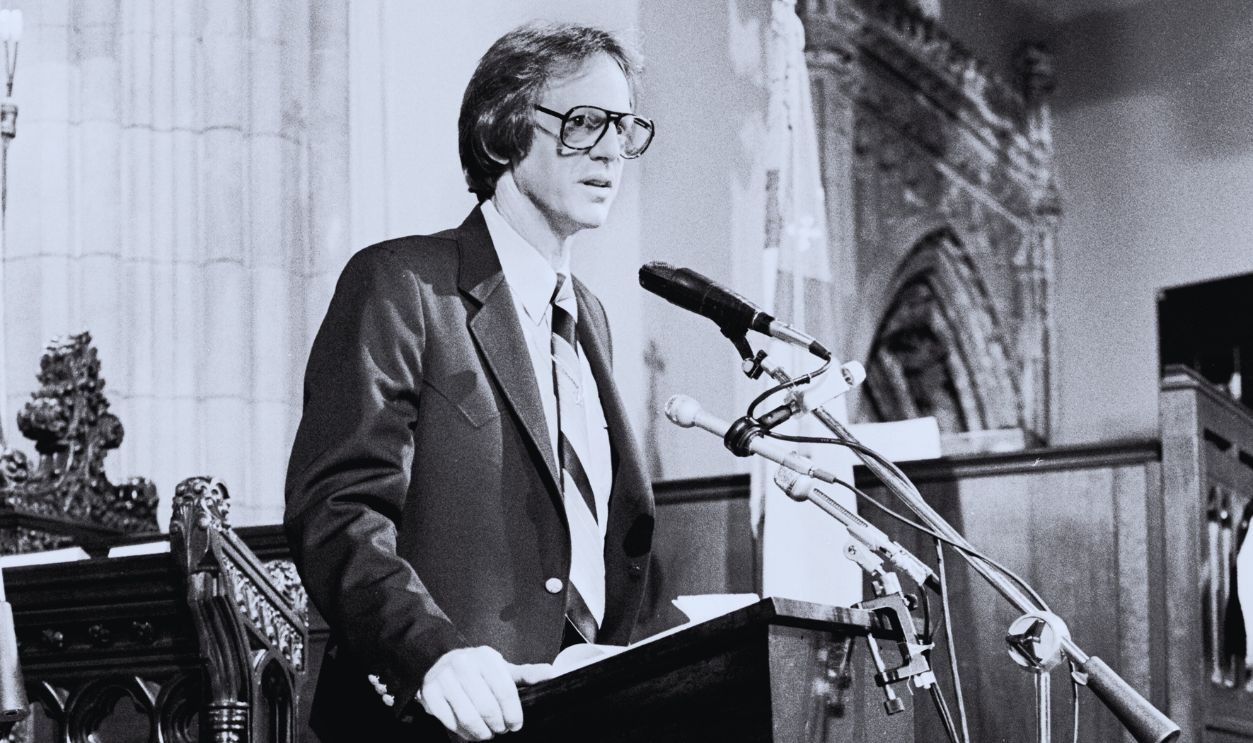
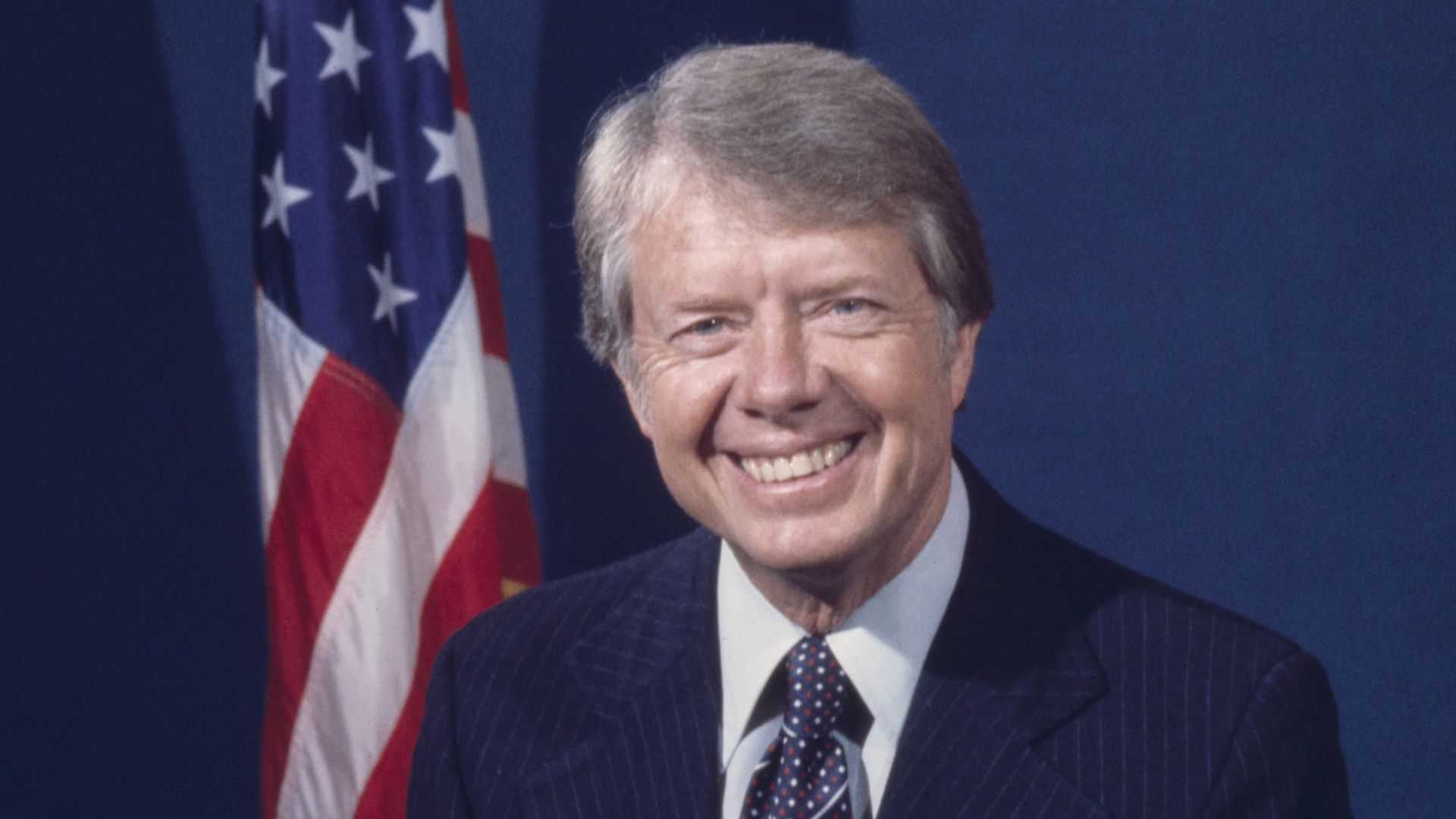
In September 1978, President Jimmy Carter appointed Denver to the Presidential Commission on World Hunger. He served alongside figures including musician Harry Chapin and Nobel laureate Norman Borlaug. The appointment showed that Denver's role had moved well beyond benefit appearances and into national policy discussions.
 Gotfryd, Bernard, photographer, Wikimedia Commons
He Wanted More Than Symbolic Activism
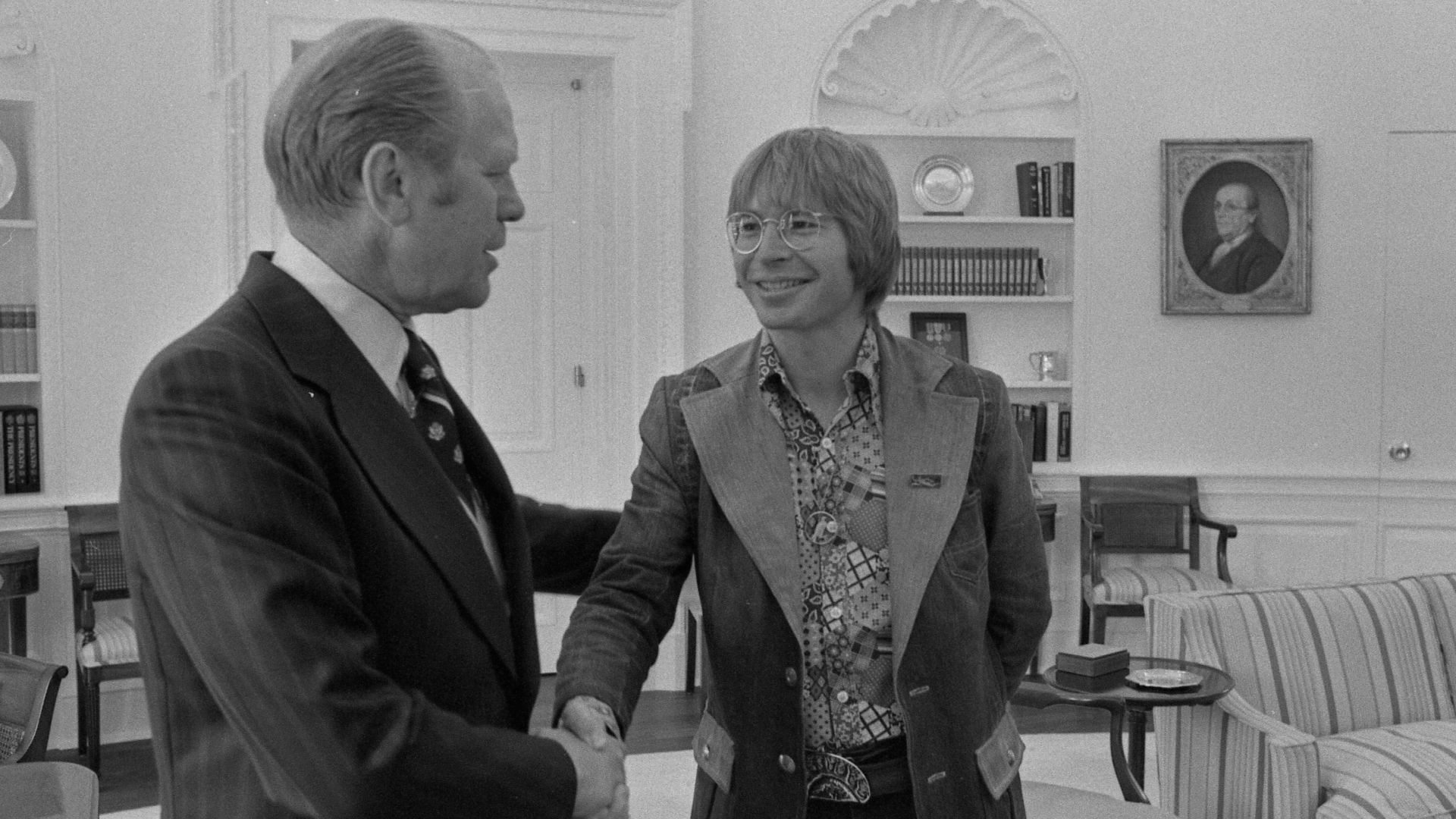
Denver also joined several commission members in urging the group to treat freedom from hunger as a moral issue and to confront the problem directly rather than from a distance. Their written principles called for accurate information, effective programs, and firsthand contact with hunger. Denver was not approaching the subject casually.
 Unknown authorUnknown author or not provided, Wikimedia Commons
Then He Went To Africa
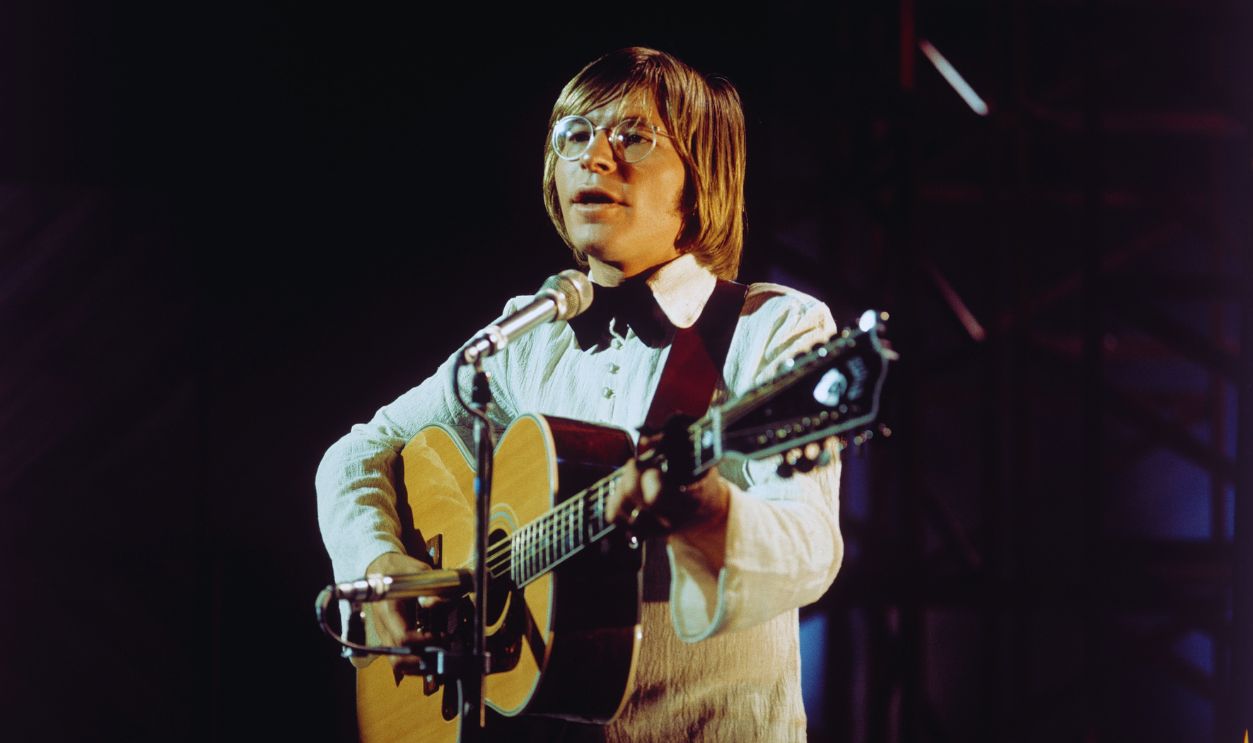
In 1984, only months before “We Are the World” was recorded, Denver spent 17 days traveling through four African countries. The trip was focused on hunger, drought, and efforts aimed at improving conditions. The Washington Post followed him in Zimbabwe as he tried to bring more American attention to what he was seeing.
He Came Back With Firsthand Knowledge
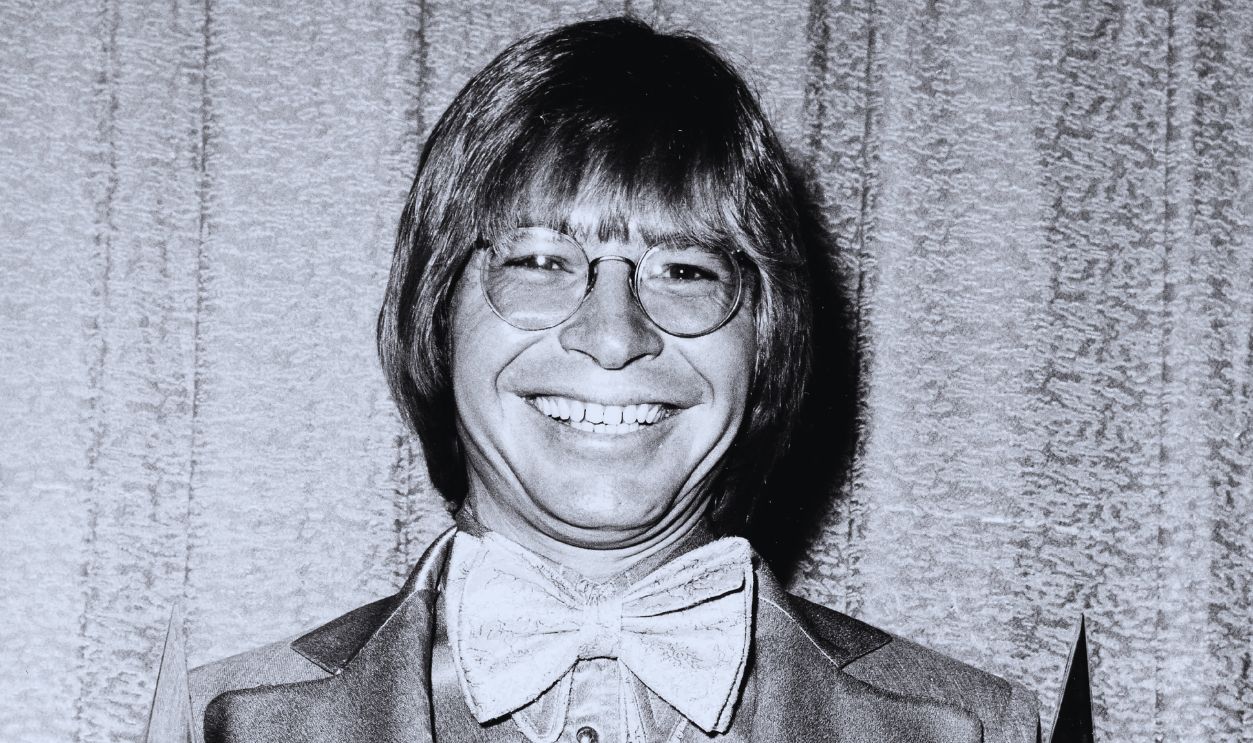
Denver's trip did not focus only on catastrophe. He also visited local projects and spoke about communities working toward greater self-reliance. That distinction mattered to him: he wanted audiences to understand both the scale of the crisis and the possibility of practical progress. By early 1985, he had recent experience with the issue the new charity single addressed.
 Universal History Archive, Getty Images
Then Everyone Wanted In
As plans for “We Are the World” spread through the music business, Kragen's manageable guest list disappeared. He told the Los Angeles Times that he first tried to stop at 15 artists, then 28, before the number reached 46. Even with that enormous roster, he said almost 50 other performers still had to be refused.
 Henry Diltz; Distributed by Columbia Records, Wikimedia Commons
Denver Asked To Take Part
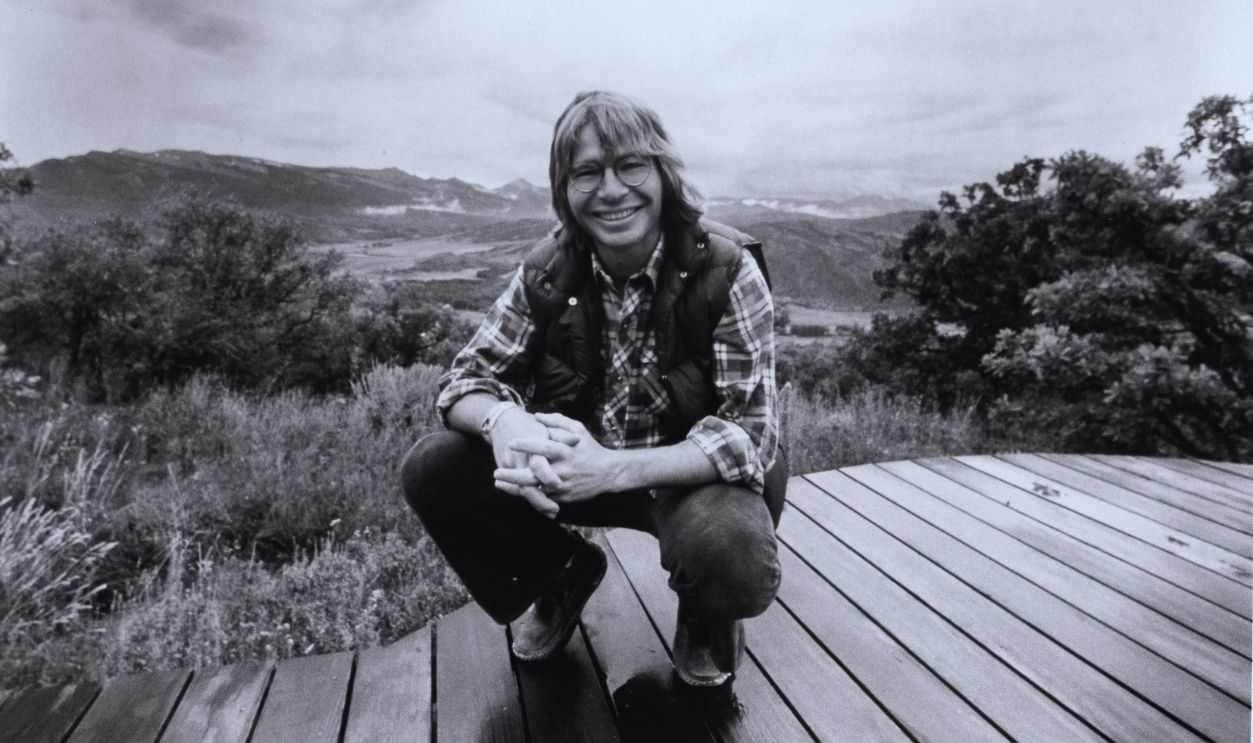
Denver was not simply forgotten while invitations went out. Accounts of the project say he wanted to participate and was turned down. Given his years of anti-hunger work and his recent trip through Africa, the request made perfect sense. Yet one of the most recognizable humanitarian musicians of the previous decade would not be in the room.
 Michael Ochs Archives, Getty Images
Kragen Knew How Awkward It Was
The decision clearly troubled Kragen. Speaking to the Los Angeles Times shortly after the recording, he singled Denver out while describing how unpleasant it was to reject well-meaning performers. He specifically pointed to Denver's years of work against world hunger, making the contradiction obvious even at the time.
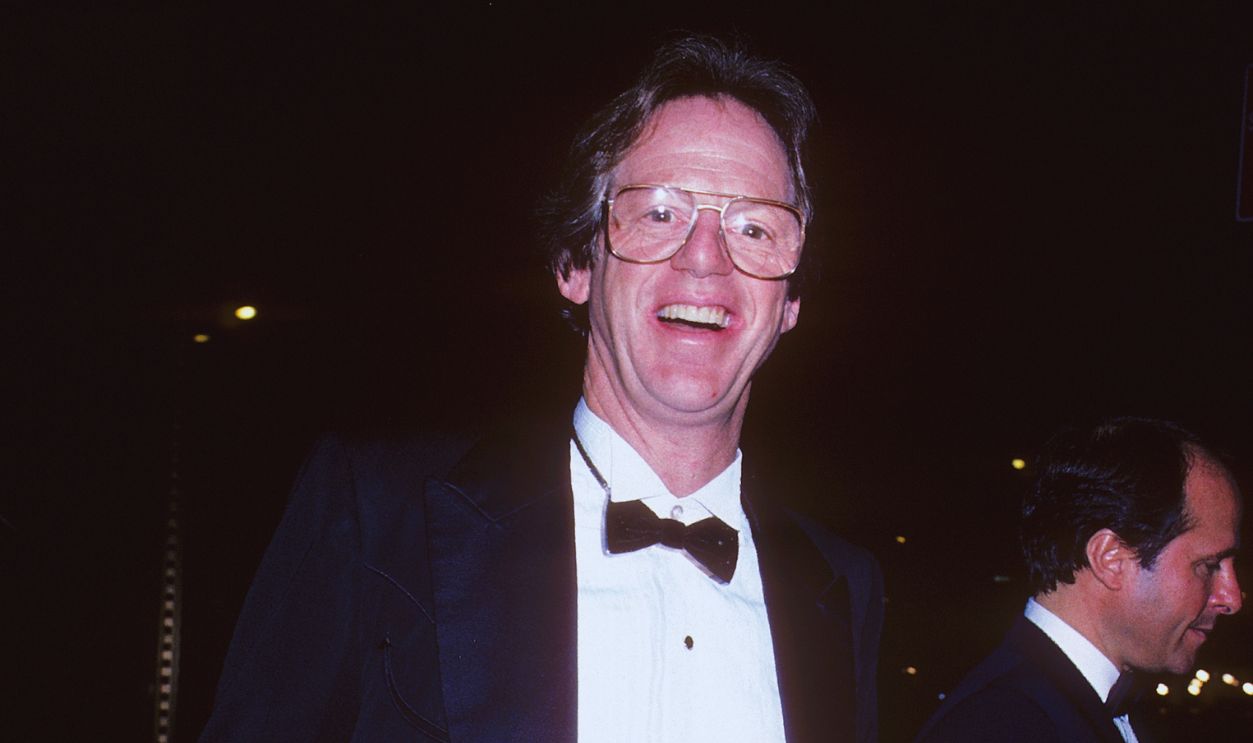
Country Music Wasn't The Problem
It would be easy to assume Denver was rejected because of his country associations, but the lineup says otherwise. Willie Nelson and Kenny Rogers both participated, alongside pop, rock, R&B, and folk stars. The issue was not that the project had shut its doors on country music. It was more personal than that.
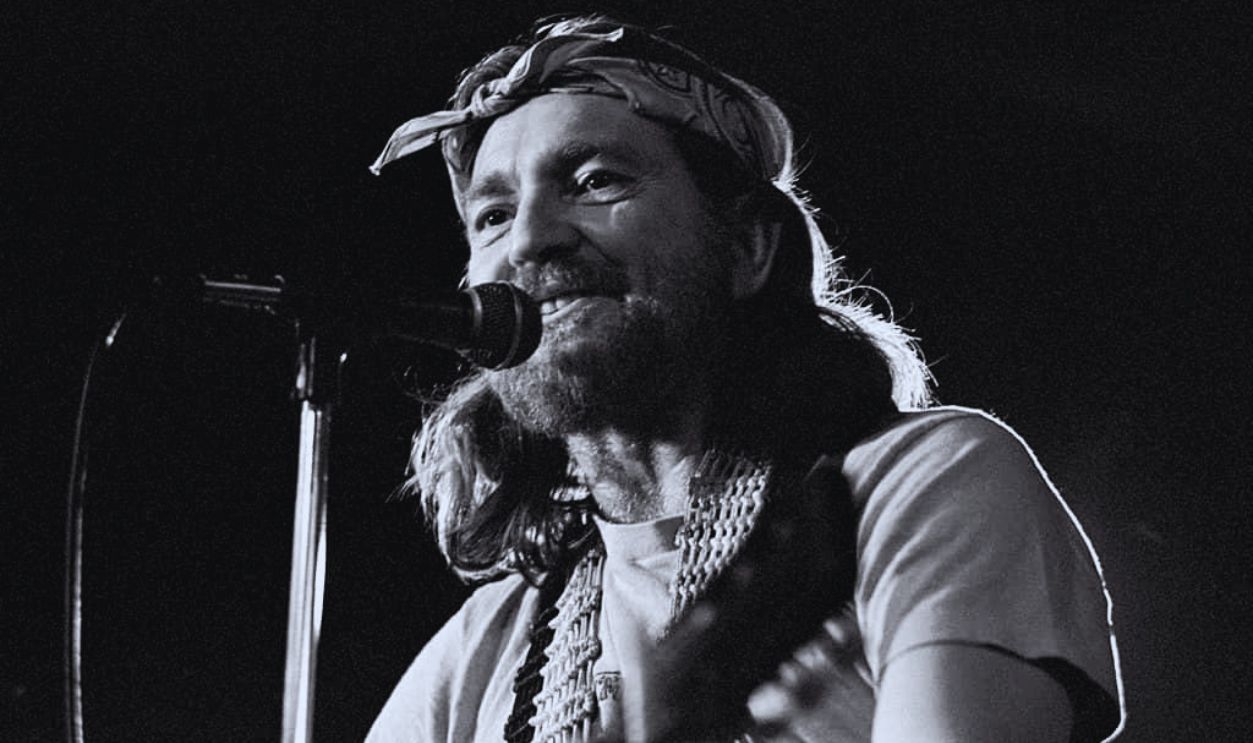
His Image Worked Against Him
Kragen later gave a more specific explanation. He recalled that some people involved believed Denver's image would weaken the recording's credibility as a pop-rock anthem. The objection, in other words, was about how Denver fit the event's musical branding, not whether he cared about hunger.
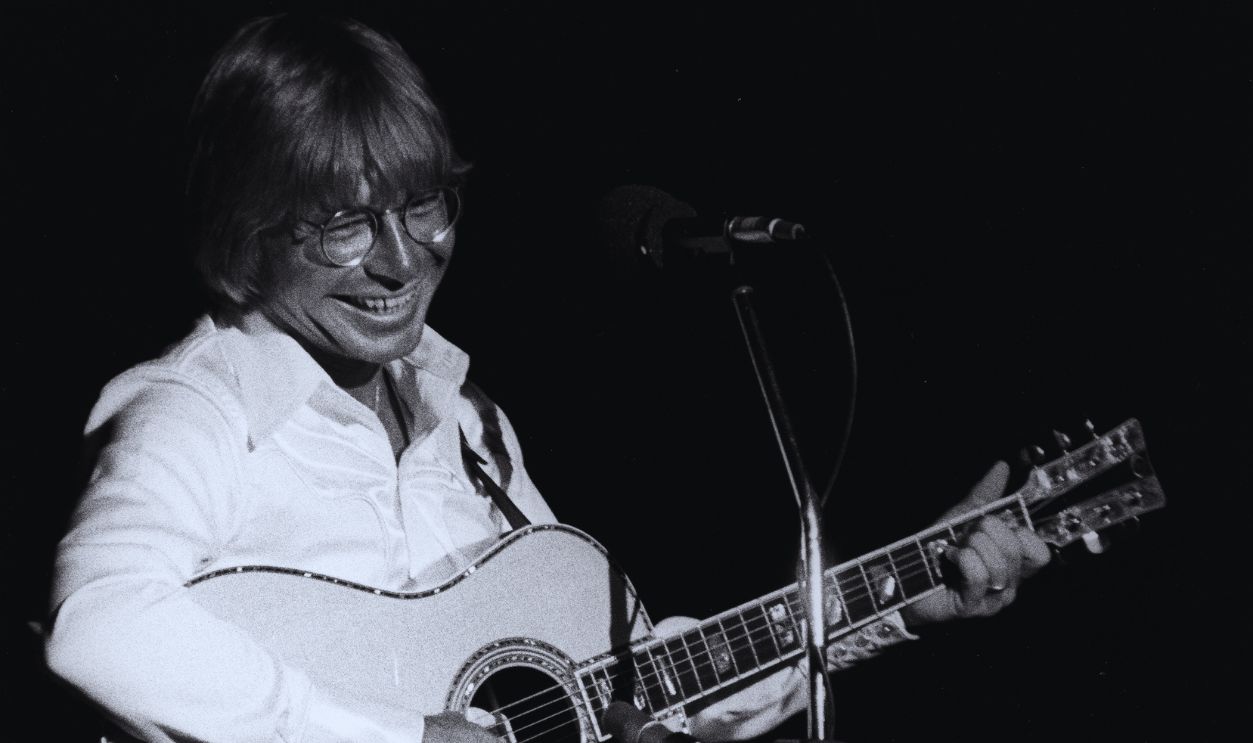 Michael Ochs Archives, Getty Images
Kragen Said He Disagreed
What makes the rejection harder to reduce to simple industry logic is that Kragen himself said he did not agree with that assessment. In a later retrospective, he called Denver the hardest person he had to turn down. The decision appears to have reflected the judgment of several people around the project rather than Kragen's personal view of Denver.
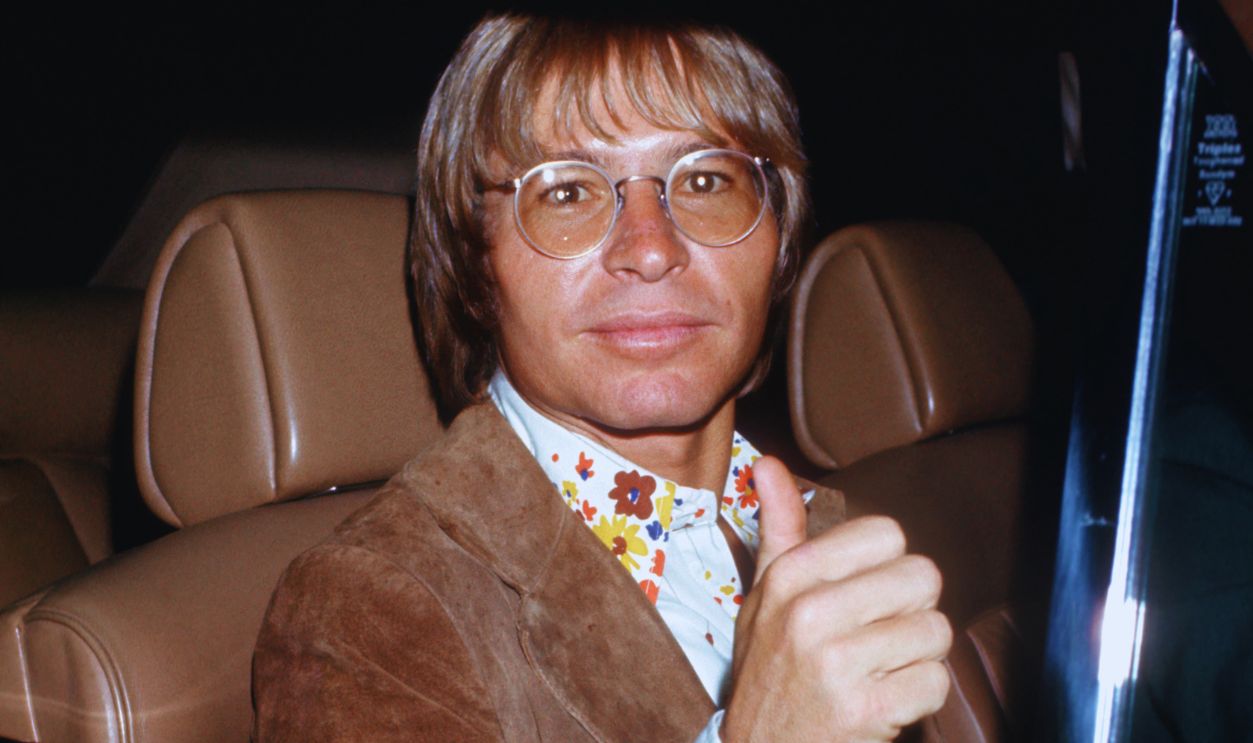 Michael Ochs Archives, Getty Images
Show Business Still Shaped The Charity
The humanitarian mission was genuine, but the organizers were also building a major pop event. Kragen acknowledged at the time that some choices were necessarily arbitrary and that the presence of certain stars helped attract others. The result was a strange collision between compassion and celebrity politics, and Denver landed on the wrong side of it.
 Mohamed Amin/Camerapix, Getty images
The Session Became Music History
Without Denver, the marathon session continued through the night. Richie and Jackson had written the song, while Quincy Jones directed a room containing an extraordinary cross-section of American music. The finished recording turned the gathering itself into part of the story, not just the song that came out of it.
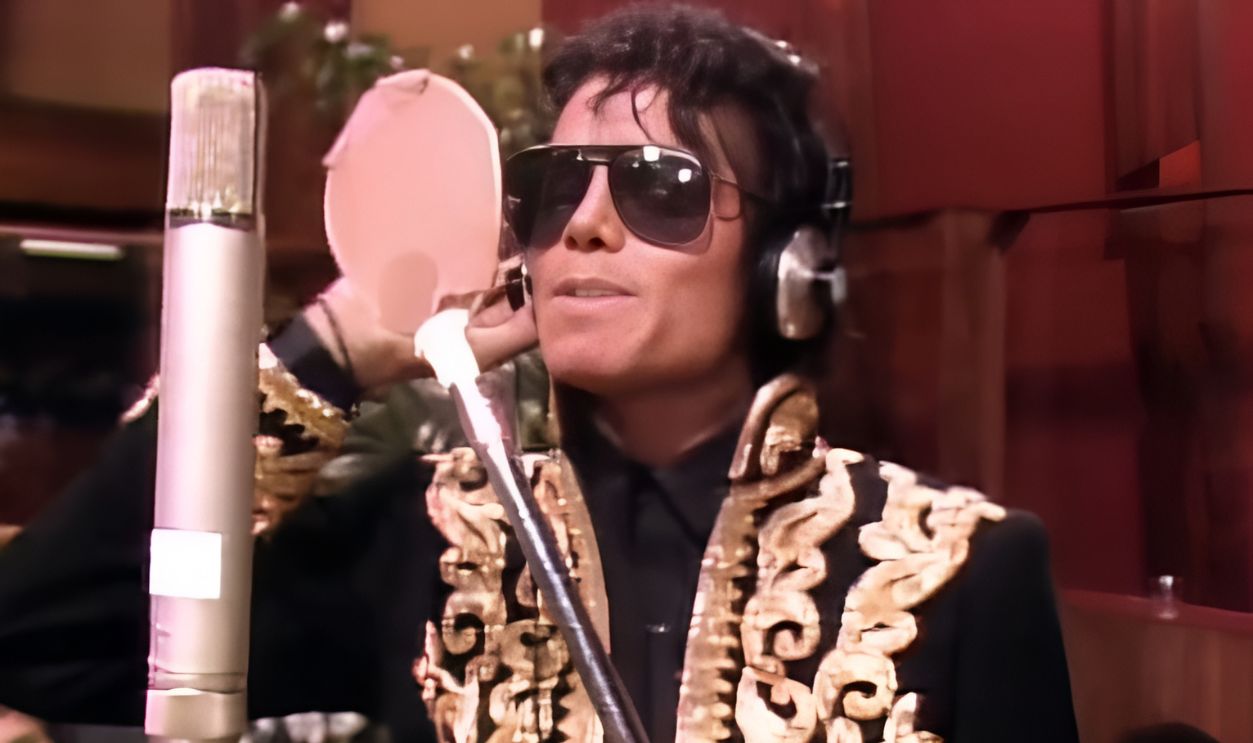 Screenshot from We Are the World, USA for Africa (1985)
“We Are The World” Became Enormous
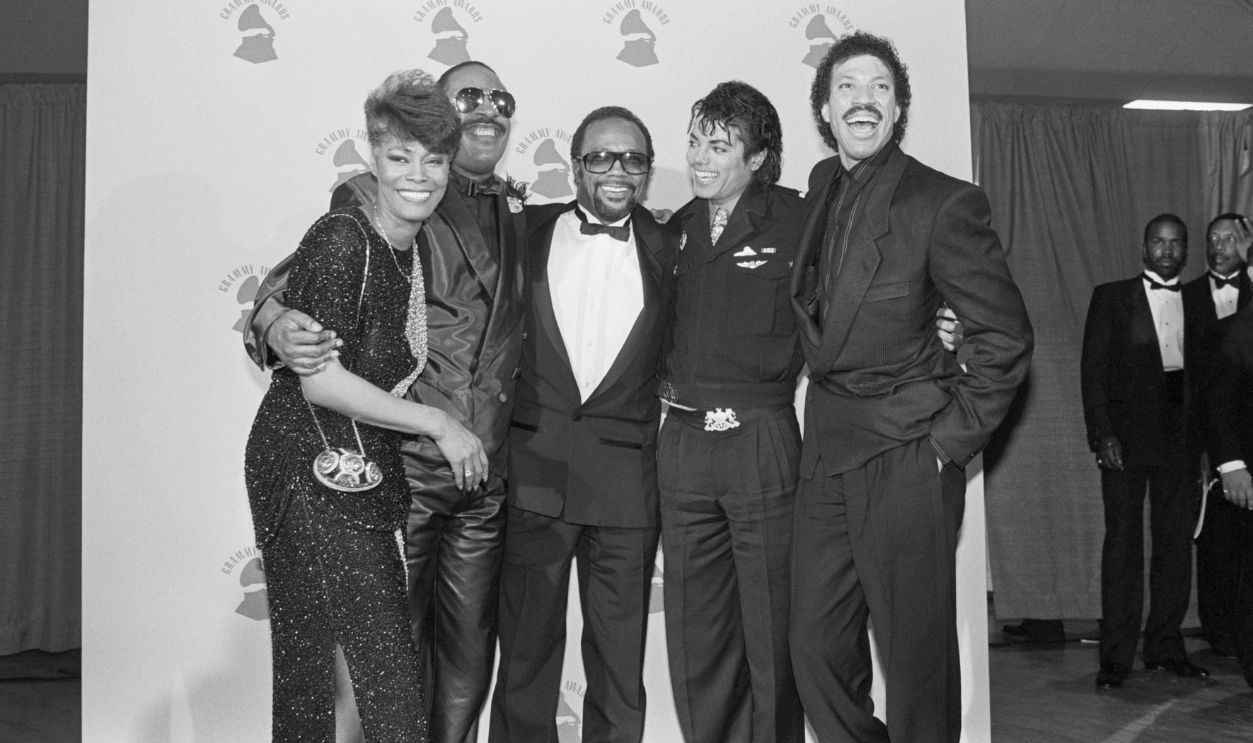
The record's impact soon dwarfed the drama surrounding its guest list. At the 1986 Grammy Awards, “We Are the World” won Record of the Year, Song of the Year, and Best Pop Performance by a Duo or Group with Vocal. The project became one of the defining charity records of its era and permanently linked pop music with the famine-relief campaign.
Denver Kept Showing Up Elsewhere
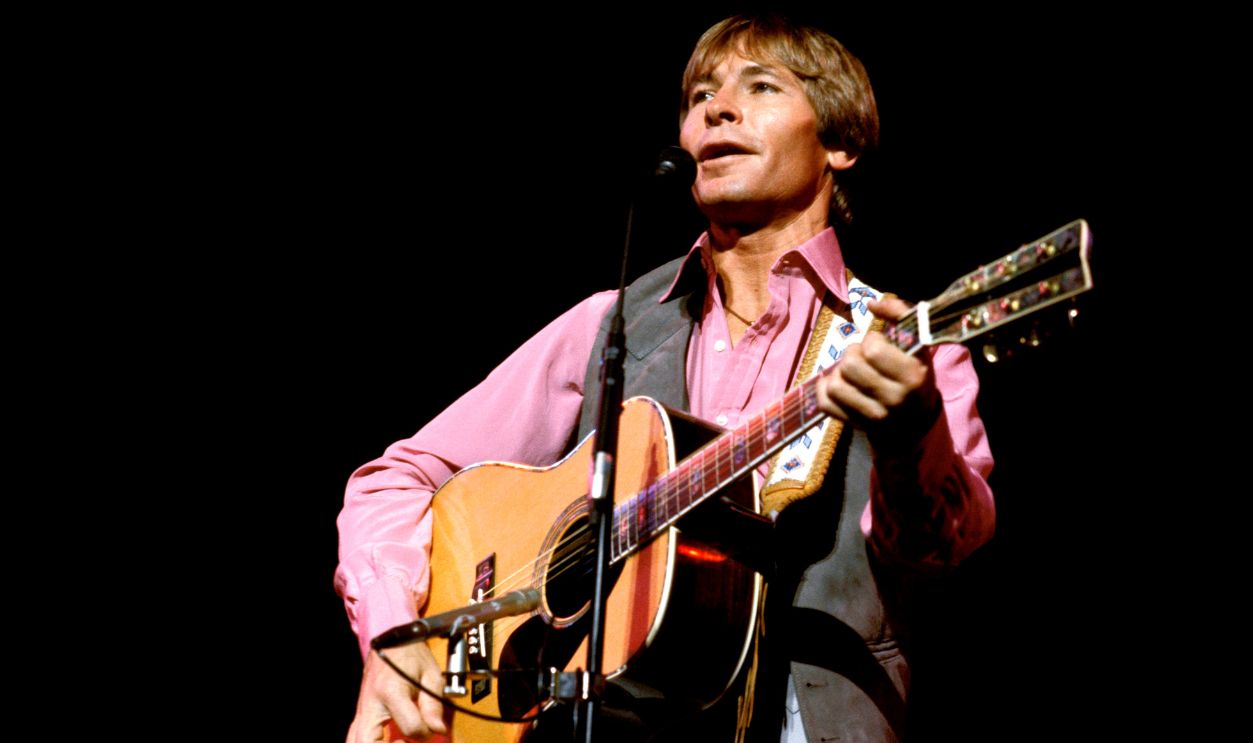
Being left out did not send Denver away from benefit work. On September 22, 1985, he performed at the first Farm Aid concert in Illinois, appearing with the Nitty Gritty Dirt Band. That event brought another huge group of musicians together, this time to raise money and attention for struggling American family farmers.
Then Came An Extraordinary Irony
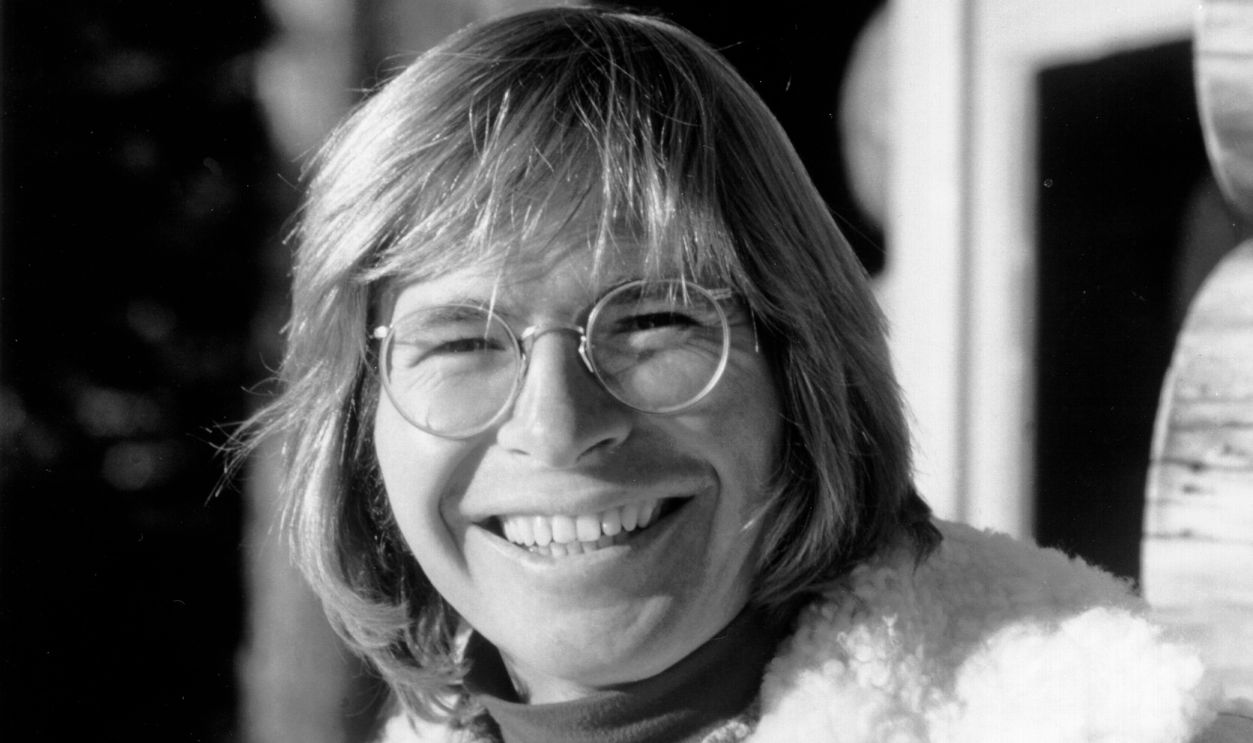
By October 1985, the contrast became almost impossible to miss. At the Presidential World Without Hunger Awards, both John Denver and USA for Africa were honored for their contributions to the fight against hunger. The singer who had been judged unsuitable for the year's biggest charity record was being recognized alongside the organization behind it.
 Michael Ochs Archives, Getty Images
The Award Cited Years Of Work
Government records from the ceremony praised Denver's long commitment to hunger issues, noting that he had drawn attention to the subject since 1977 and had traveled to Africa in 1984. He was recognized for using both his music and his firsthand experience to raise awareness. His humanitarian credentials were never the weak point in the story.
 Sherry Rayn Barnett, Getty Images
He Finally Said How Much It Hurt
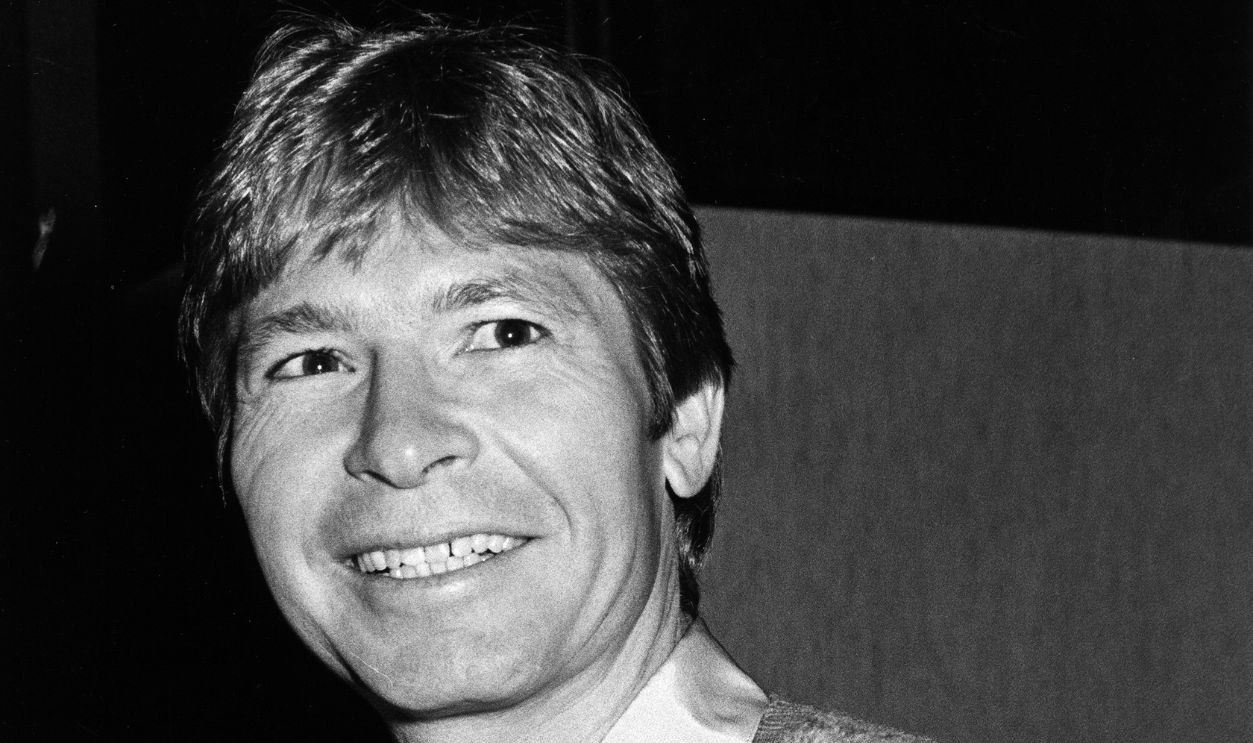
Denver did not publish his most memorable reaction until years later. His autobiography, Take Me Home, written with Arthur Tobier, appeared in 1994. Looking back on the recording session that had excluded him, Denver reduced the experience to one painful sentence: “It broke my heart not to be included".
 Sherry Rayn Barnett, Getty Images
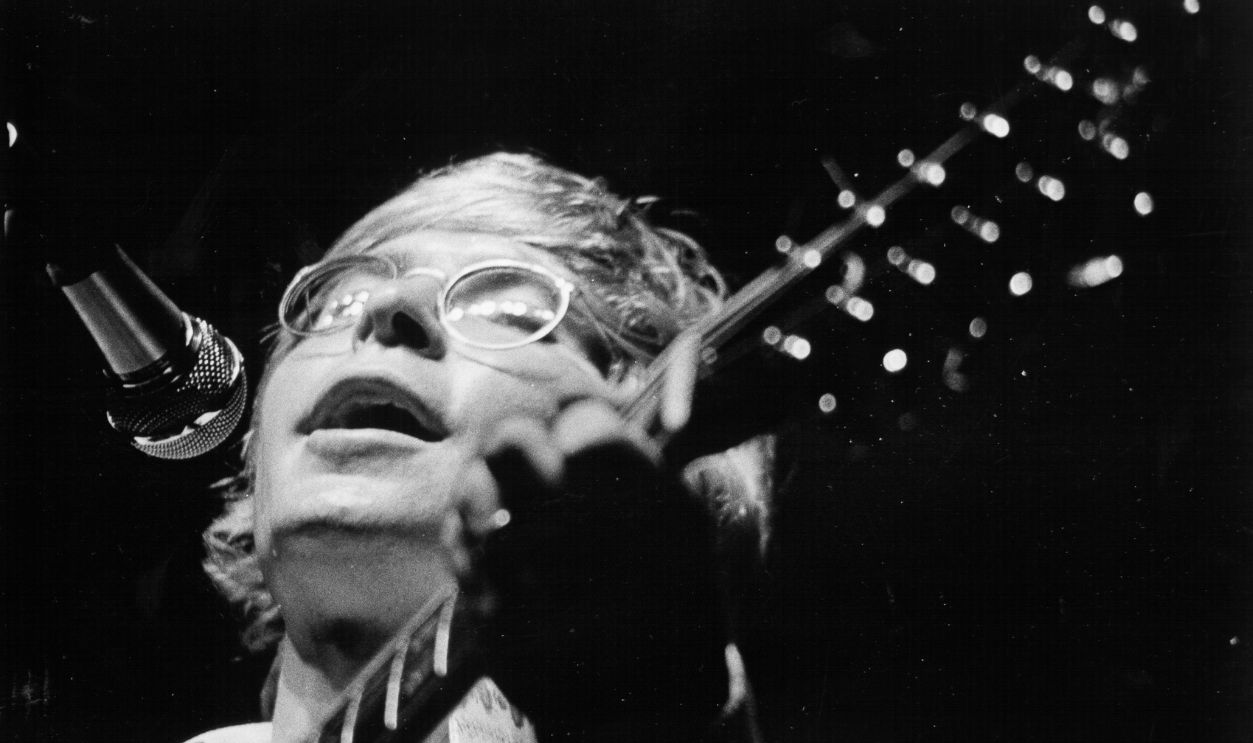
He Was Outside The Room, Not Outside The Cause
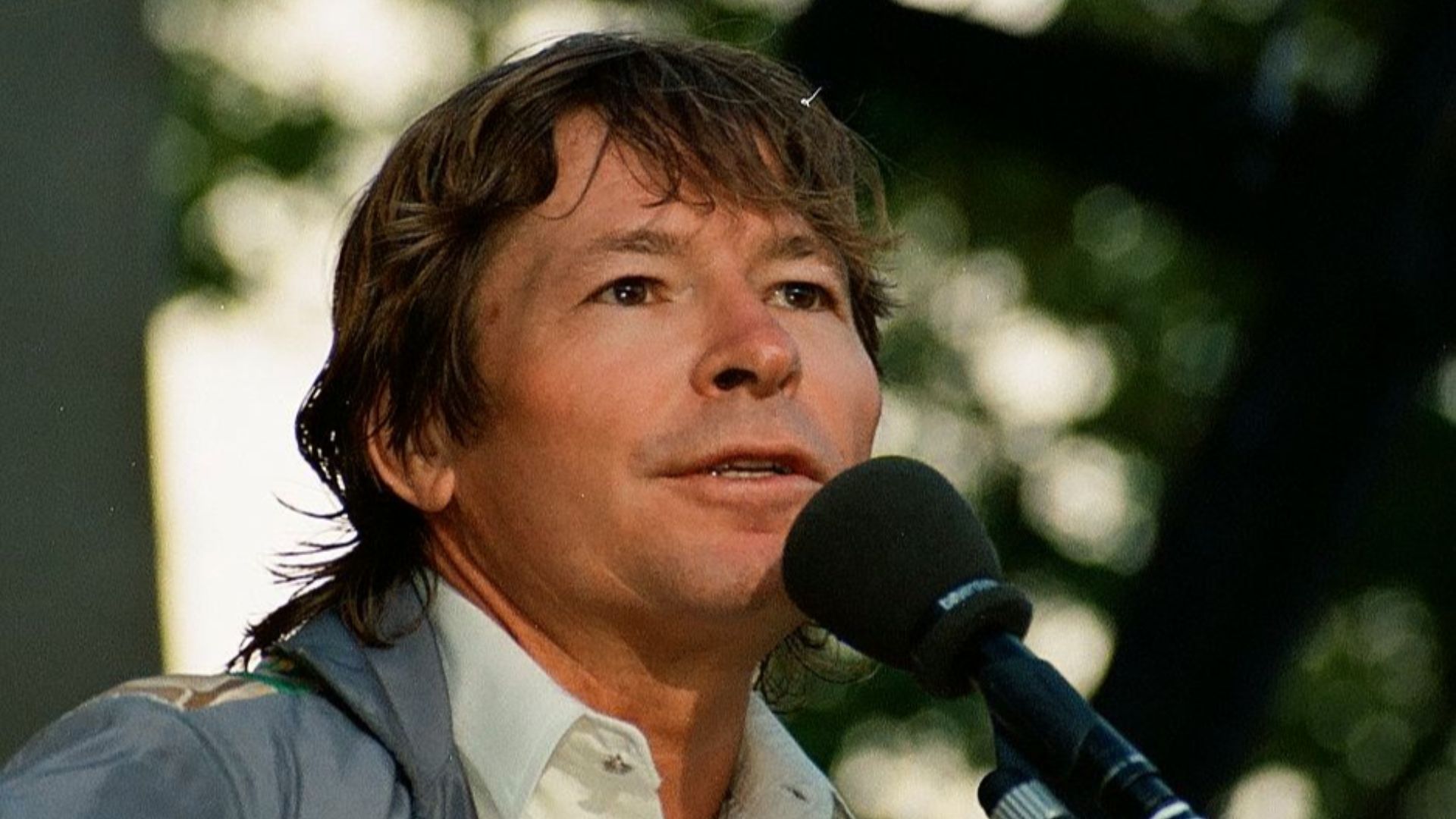
In hindsight, the snub says as much about the machinery of celebrity as it does about Denver. “We Are the World” did enormous good, and Denver's exclusion does not diminish that achievement. But his years of hunger activism make the decision especially ironic. He missed the famous recording, yet the cause behind it had already been part of his life for years.
 John Mathew Smith & www.celebrity-photos.com from Laurel Maryland, USA, Wikimedia Commons
You May Also Like:
Iconic Albums Recorded In Strange Places, And The Stories Behind Them
Famous Hollywood Marriages In The 60s That Everyone Thought Were Perfect