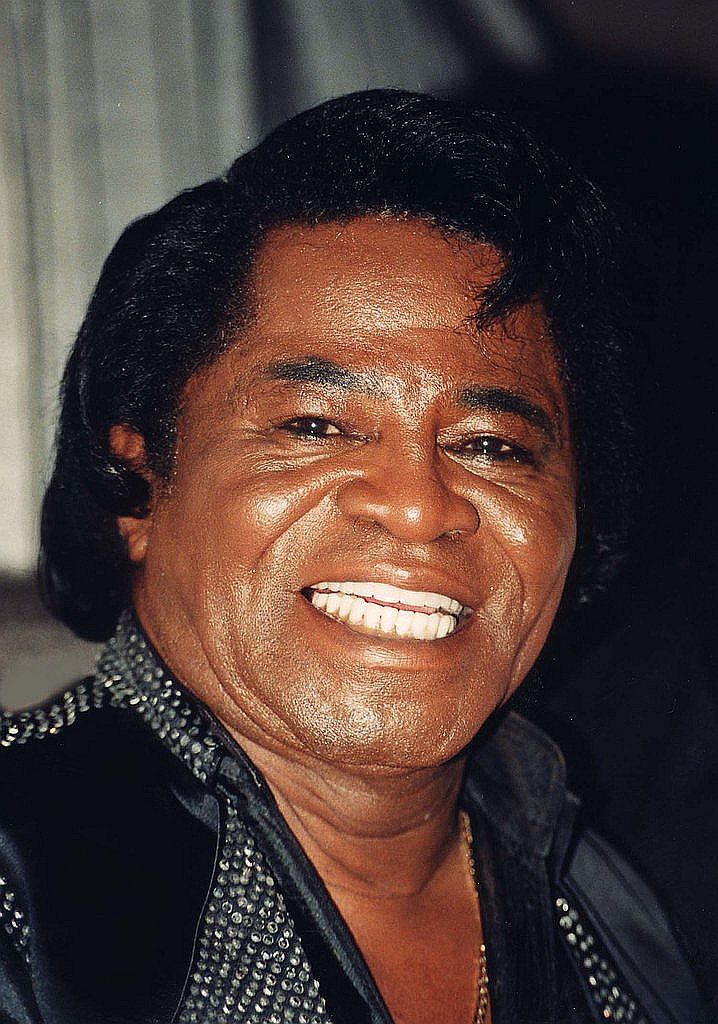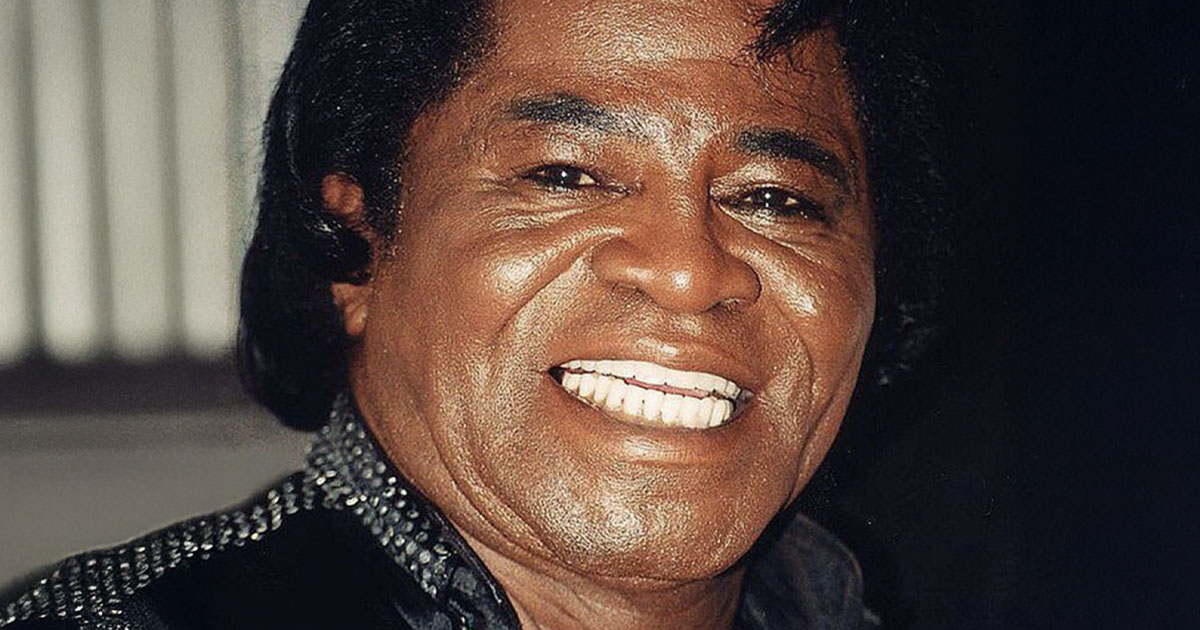
James Brown’s temper was infamous—but so was the discipline that made him the hardest working man in show business.

James Brown’s temper was infamous—but so was the discipline that made him the hardest working man in show business.


February 5, 2026 | Allison Robertson

James Brown’s temper was infamous—but so was the discipline that made him the hardest working man in show business.


When James Brown Turned Fury Into Discipline

James Brown’s temper was legendary, but it was never random. It was sharpened by hunger, fear, and survival. What the world later called “difficult,” he called discipline—and it made him the hardest working man in show business.
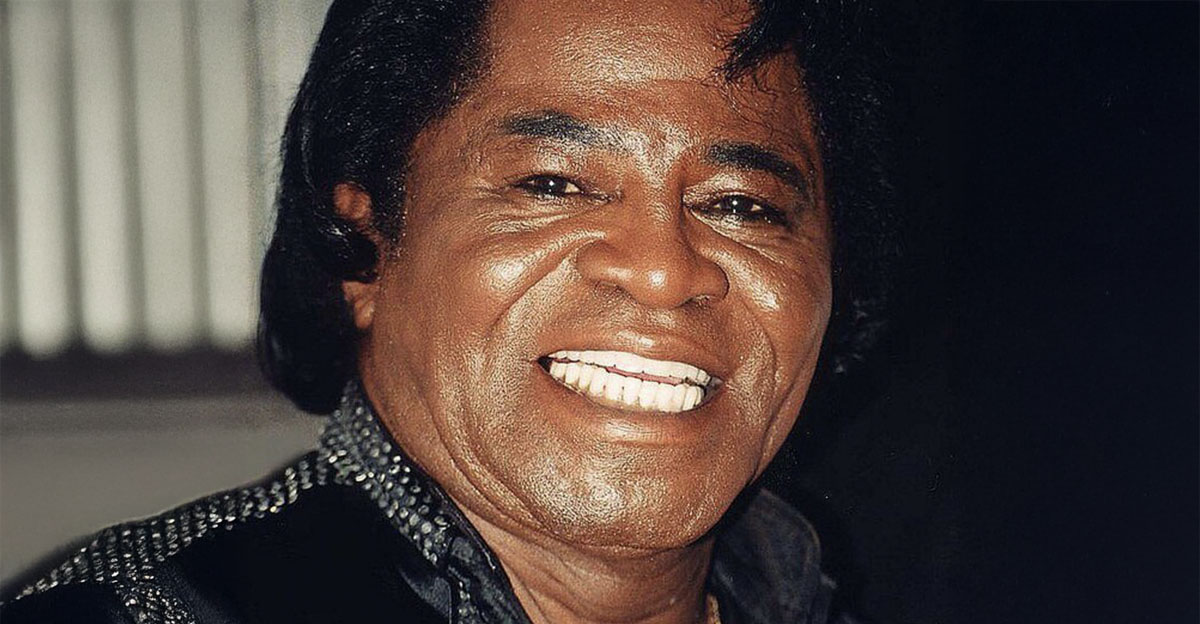
James BrownJohn Mathew Smith & www.celebrity-photos.com from Laurel Maryland, USA, CC BY-SA 2.0 , via Wikimedia Commons

Advertisement

Born Into Instability

James Joseph Brown was born on May 3, 1933, in a small wooden shack in Barnwell, South Carolina. His parents, Susie Brown and Joe Gardner, were young teenagers living in deep poverty. Their relationship was unstable from the start, and James entered a world where security was rare.
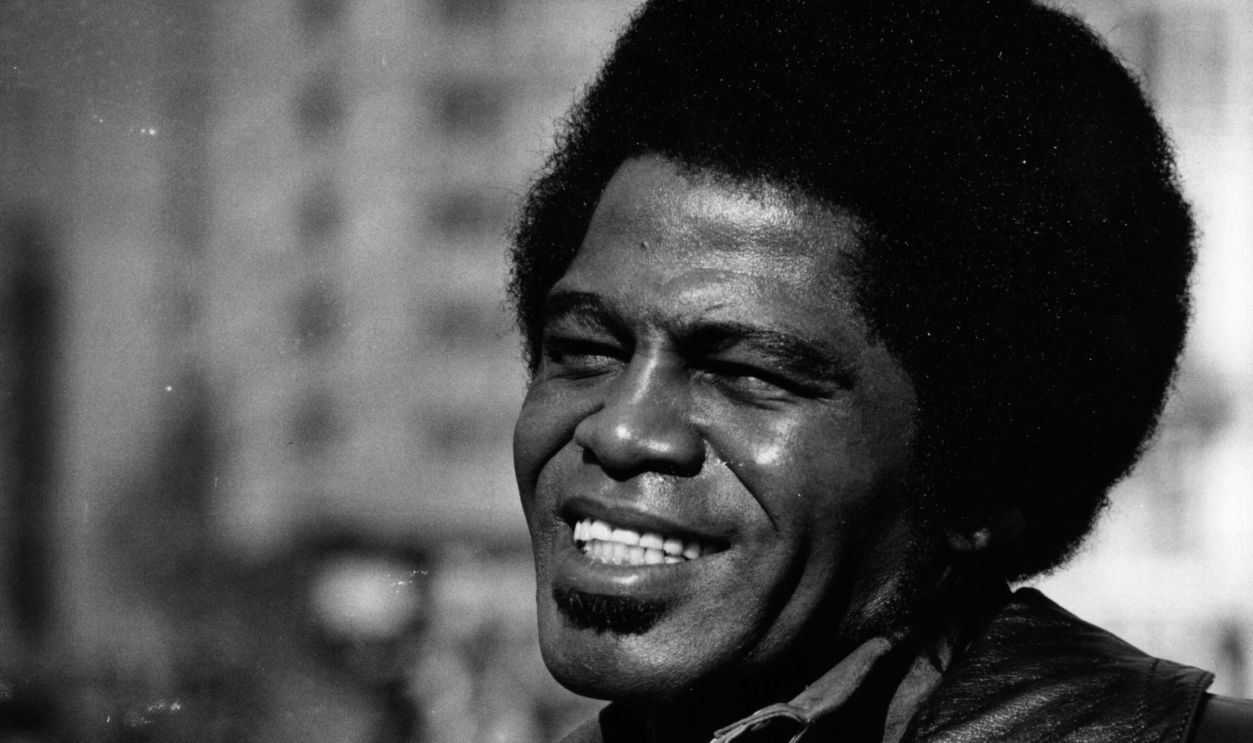
10th March 1971: Legendary soul-funk singer, songwriter James Brown.Evening Standard, Getty Images

Advertisement

A Childhood Split Apart

James’s parents separated when he was still young. His mother left the family entirely, and James would later say he rarely saw her again. That abandonment marked him deeply. “I never knew what it felt like to be taken care of,” he later said.
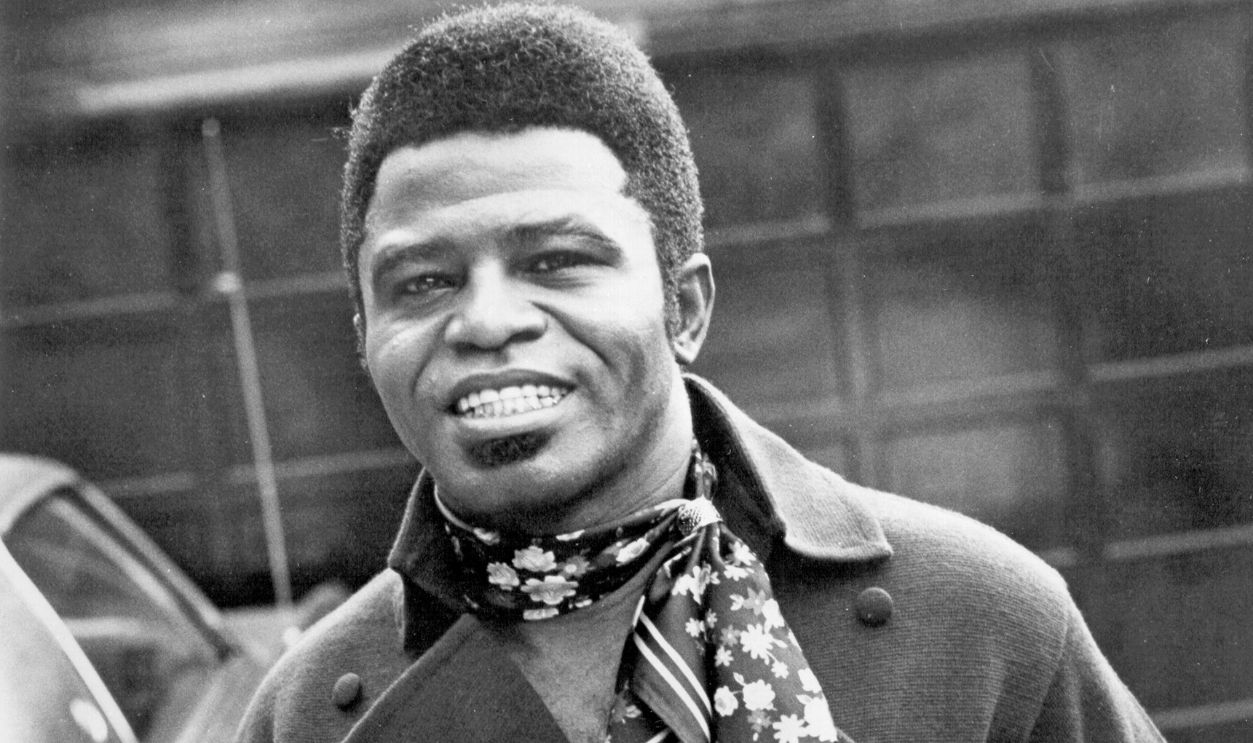
'Godfather of Soul' James Brown poses for a portrait wearing a scarf in circa 1965. Michael Ochs Archives, Getty Images

Advertisement

Growing Up With Almost Nothing

James was raised mostly by his father in Augusta, Georgia, during the Great Depression. They lived in extreme poverty. At times, James slept in abandoned buildings or friends’ homes. Hunger was constant. Stability was not.
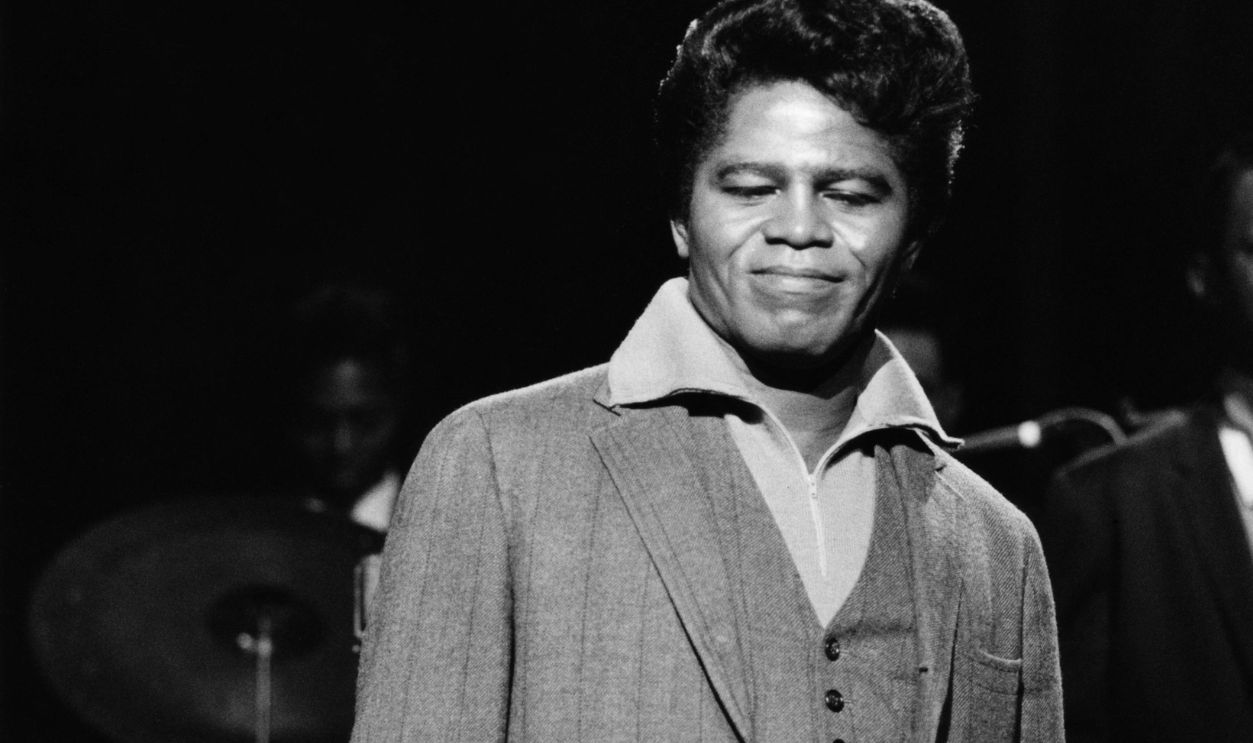
American soul singer and songwriter James Brown (1933-2006) performs live on stage with The Famous Flames, including saxophonist St. Clair Pinckney (1930-1999) behind, on the set of the Associated Rediffusion Television pop music television show Ready Steady Go! at Wembley Television Studios in London on 11th March 1966. David Redfern Premium Collection.David Redfern, Getty Images

Advertisement

Learning Toughness Early

To survive, James learned to fight, hustle, and move fast. He shined shoes, picked cotton, and performed for spare change. The streets taught him that weakness invited danger. Control became his armor.
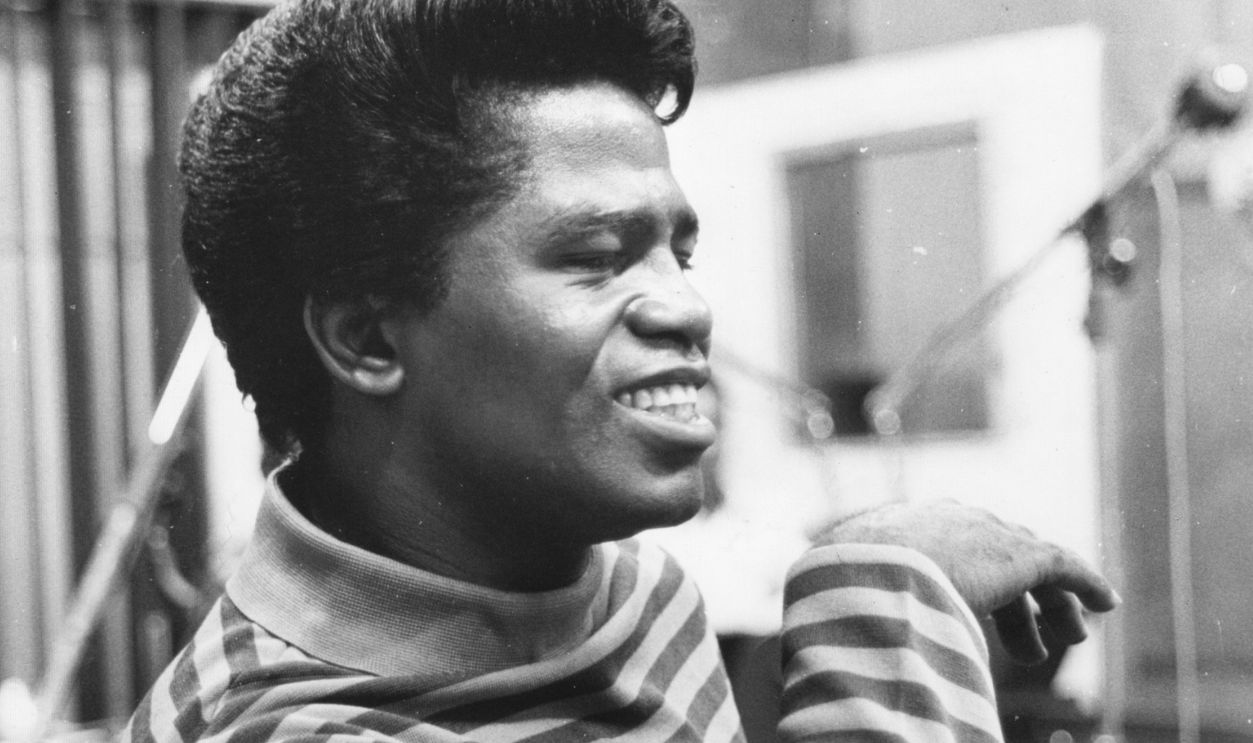
James Brown in the studio at the Gilles Petard, Getty Images

Advertisement

Trouble Finds Him Young

By his early teens, James was stealing and getting into fights. In 1949, at age 16, he was arrested for armed robbery. The crime sent him to a juvenile detention center in Toccoa, Georgia. It would change his life.
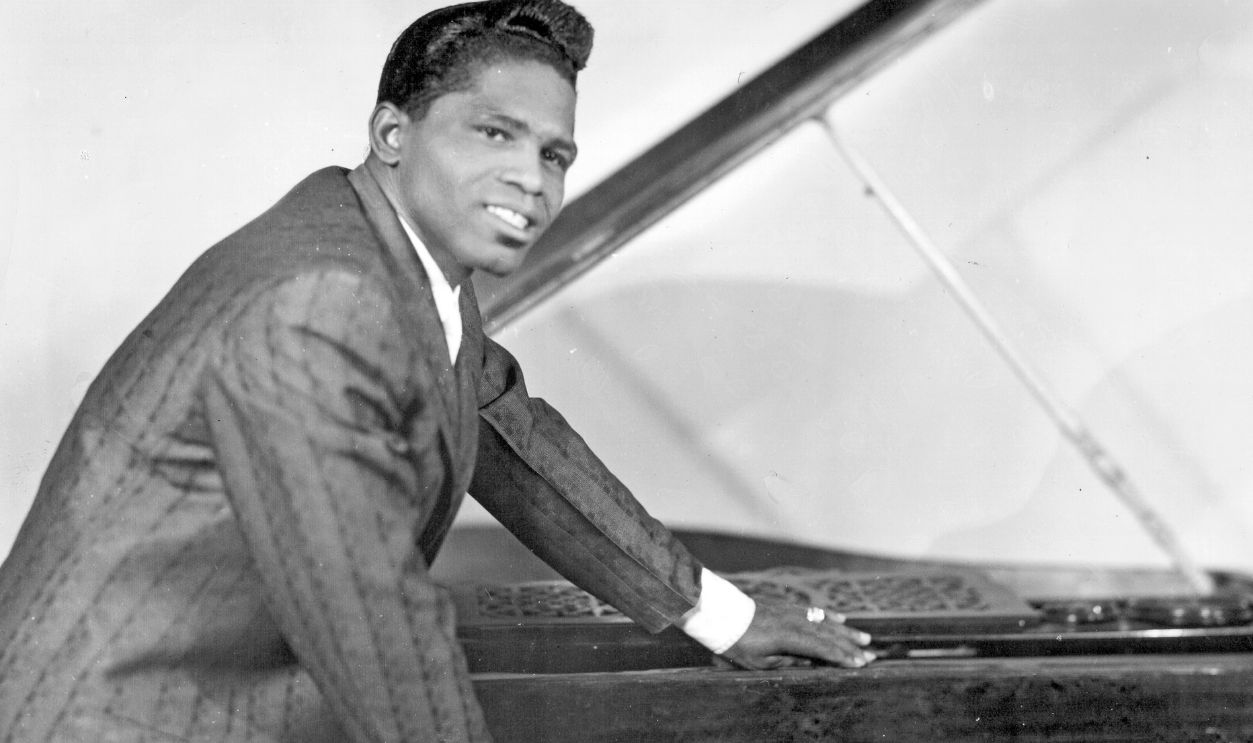
"Godfather of Soul" James Brown poses for a portrait at a piano in circa 1956 in New York, New York.Michael Ochs Archives, Getty Images

Advertisement

Prison Was Brutal—but Clarifying

Detention was harsh. James later described it as violent and unforgiving. But it also forced structure on him. He learned routines, repetition, and survival through discipline. That rhythm would follow him forever.
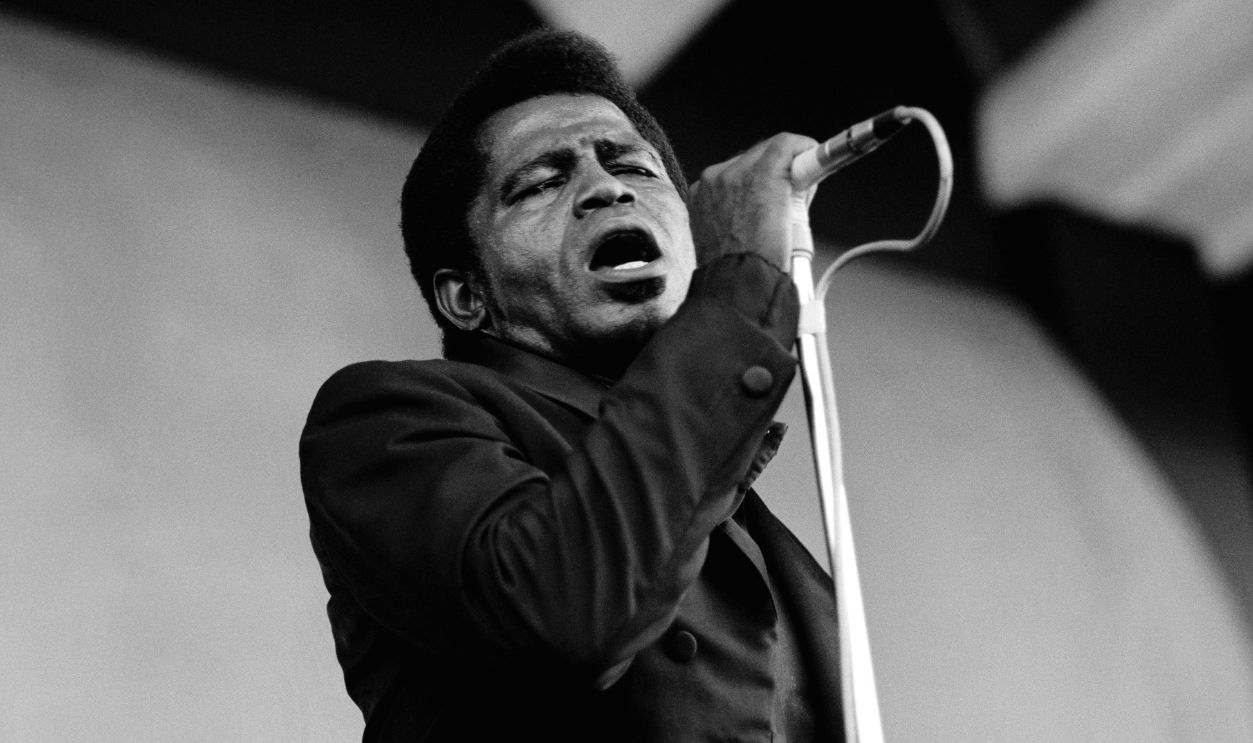
James Brown Live At 1969 Newport Jazz FestivalDavid Redfern, Getty Images

Advertisement

Music Becomes a Lifeline

While incarcerated, James joined a gospel group. Music offered something the streets never did: purpose. Fellow inmate Bobby Byrd noticed James’s voice and drive. When James was released in 1952, Byrd’s family helped him get back on his feet.
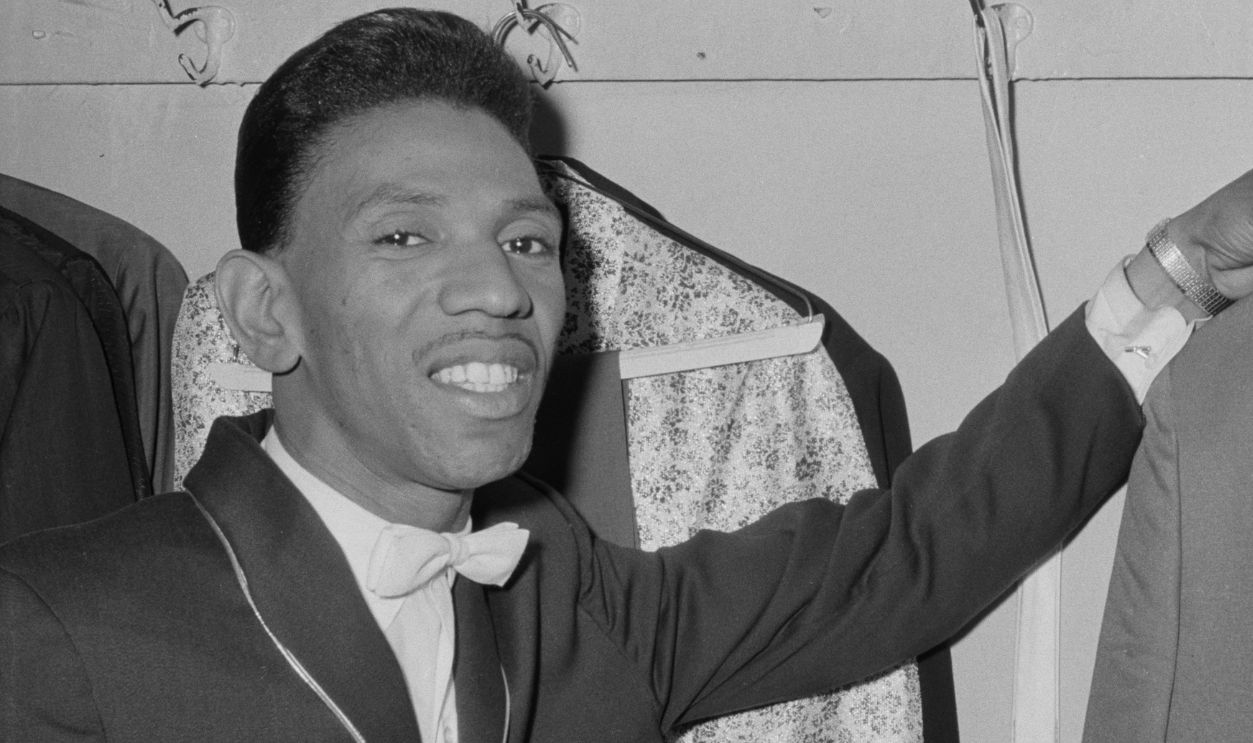
American soul singer Bobby Byrd (1934 - 2007), 1964. Michael Ochs Archives, Getty Images

Advertisement

A New Family Forms

James joined Byrd’s group, which evolved into The Famous Flames. They rehearsed relentlessly. James demanded perfection. “Practice until you get it right,” he told them. That intensity was not optional.
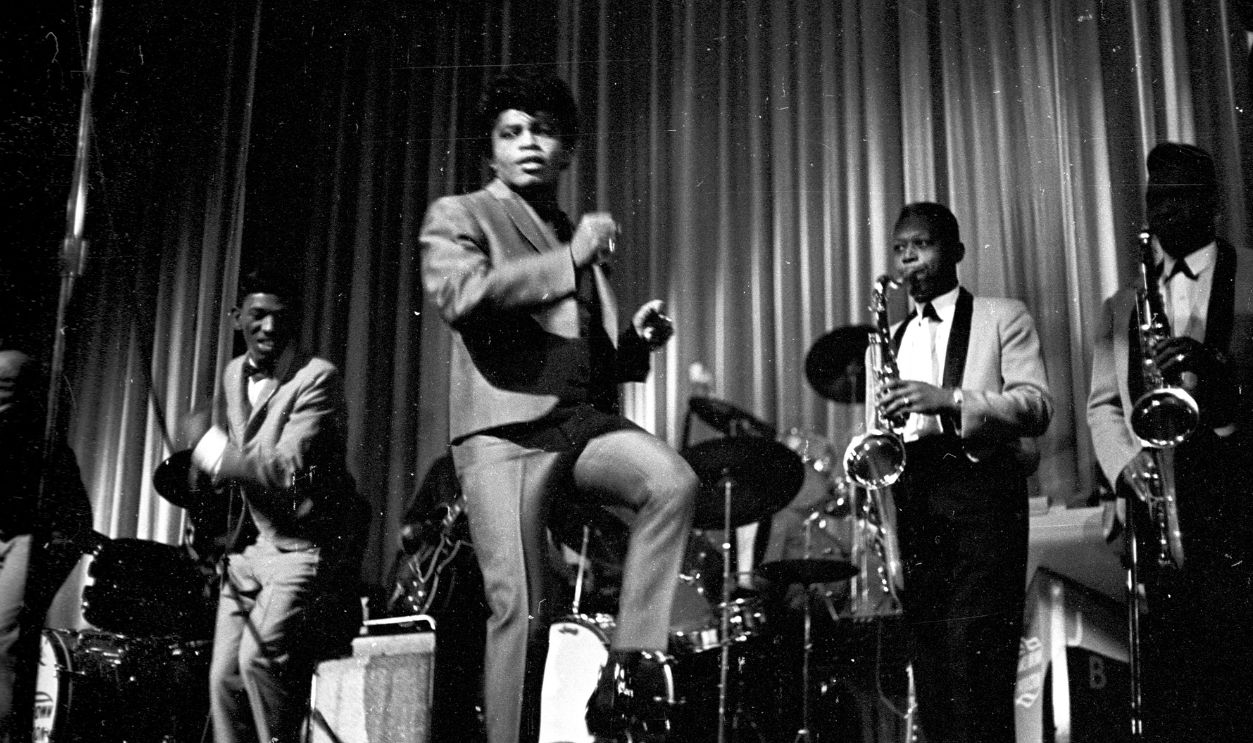
"Godfather of Soul" James Brown performs with The Famous Flames (on left, Johnny Terry, Bobby Byrd, Bobby Bennett) at the Apollo Theater in 1964 in New York, New York.Michael Ochs Archives, Getty Images

Advertisement

The Fire Behind the Temper

James Brown’s temper grew infamous, but it came from fear of slipping back into poverty. Every mistake felt like a threat. “I worked so hard because I was scared,” he later admitted. “Scared of going back.”
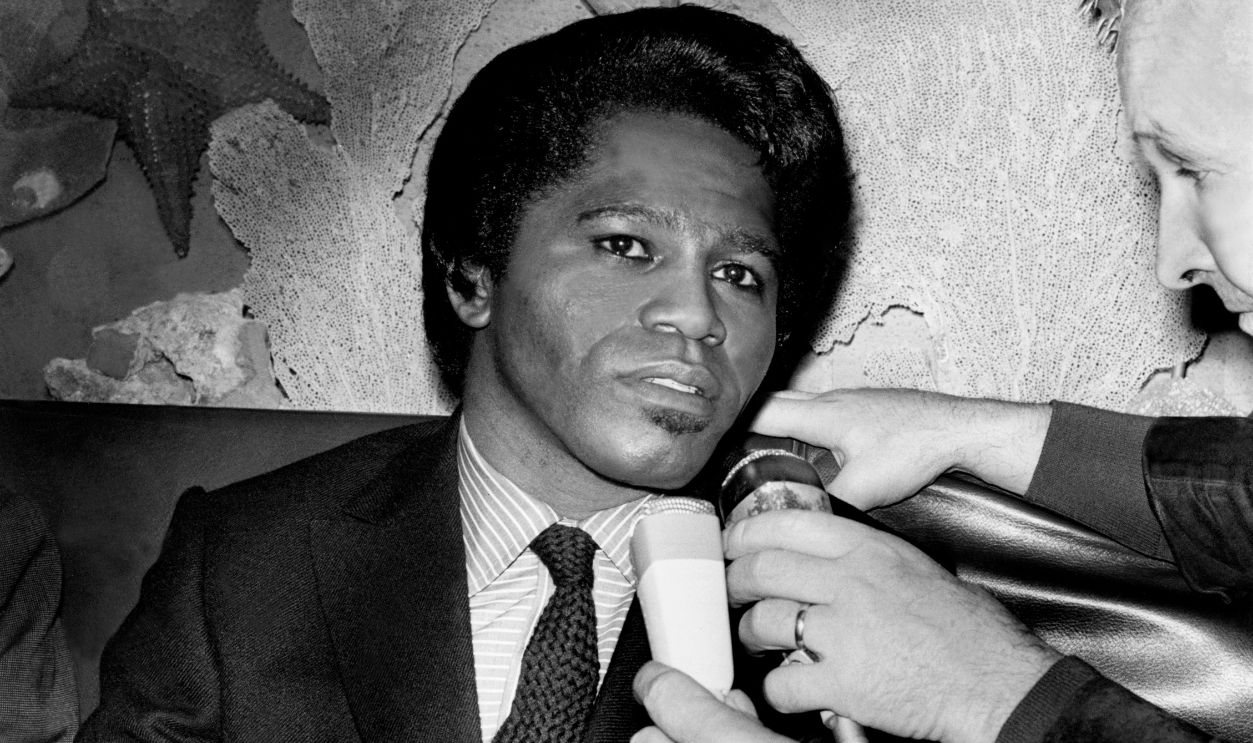
Soul Singer, In Press Conference At Arriving In Orly, Before Olympia Show. On September 20Th 1967.Keystone-France, Getty Images

Advertisement

Building a Reputation Through Work

By the late 1950s, James was performing over 300 shows a year. He fined band members for missed cues. He rehearsed endlessly. Musicians feared him—but they also knew the results were undeniable.
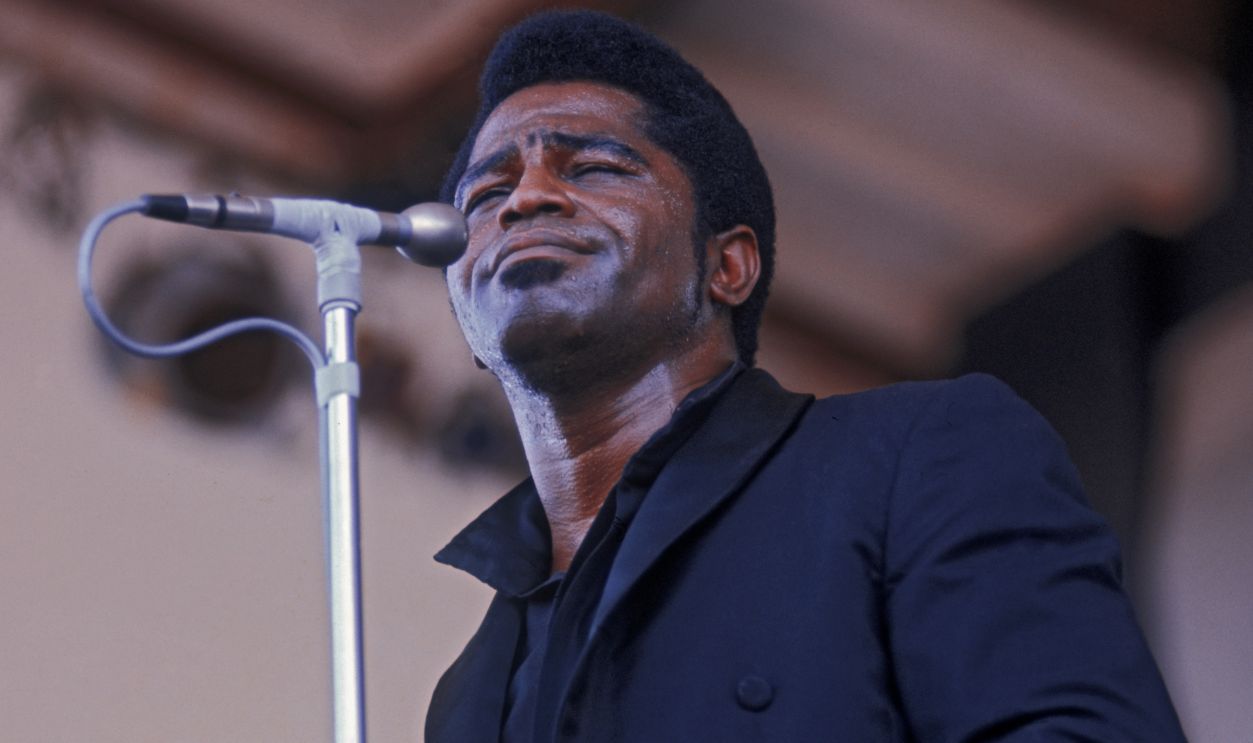
American singer, songwriter and bandleader James Brown (1933 - 2006) performing at the Newport Jazz Festival, circa 1968.Hulton Archive, Getty Images

Advertisement

A New Sound Takes Shape

Songs like “Please, Please, Please” and “Try Me” brought success, but James kept pushing. He stripped songs down to rhythm and groove. That innovation would become funk, and it would change music forever.
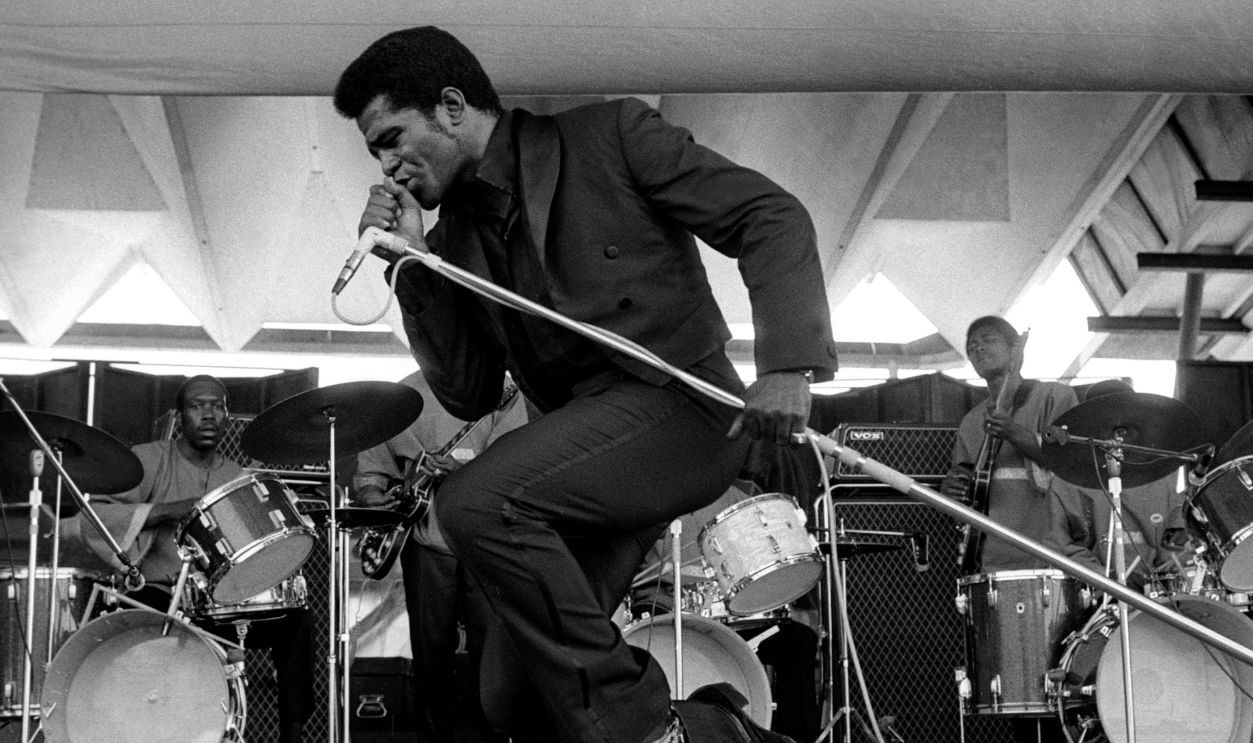
Godfather of soul James Brown performs onstage at the Newport Jazz Festival on July 6, 1969 in Newport, Rhode Island.Tom Copi, Getty Images

Advertisement

Respect Earned Through Control

Musicians like Bootsy Collins later said working for James was “terrifying and life-changing.” Collins admitted, “He taught me discipline. He taught me how to be a professional.”
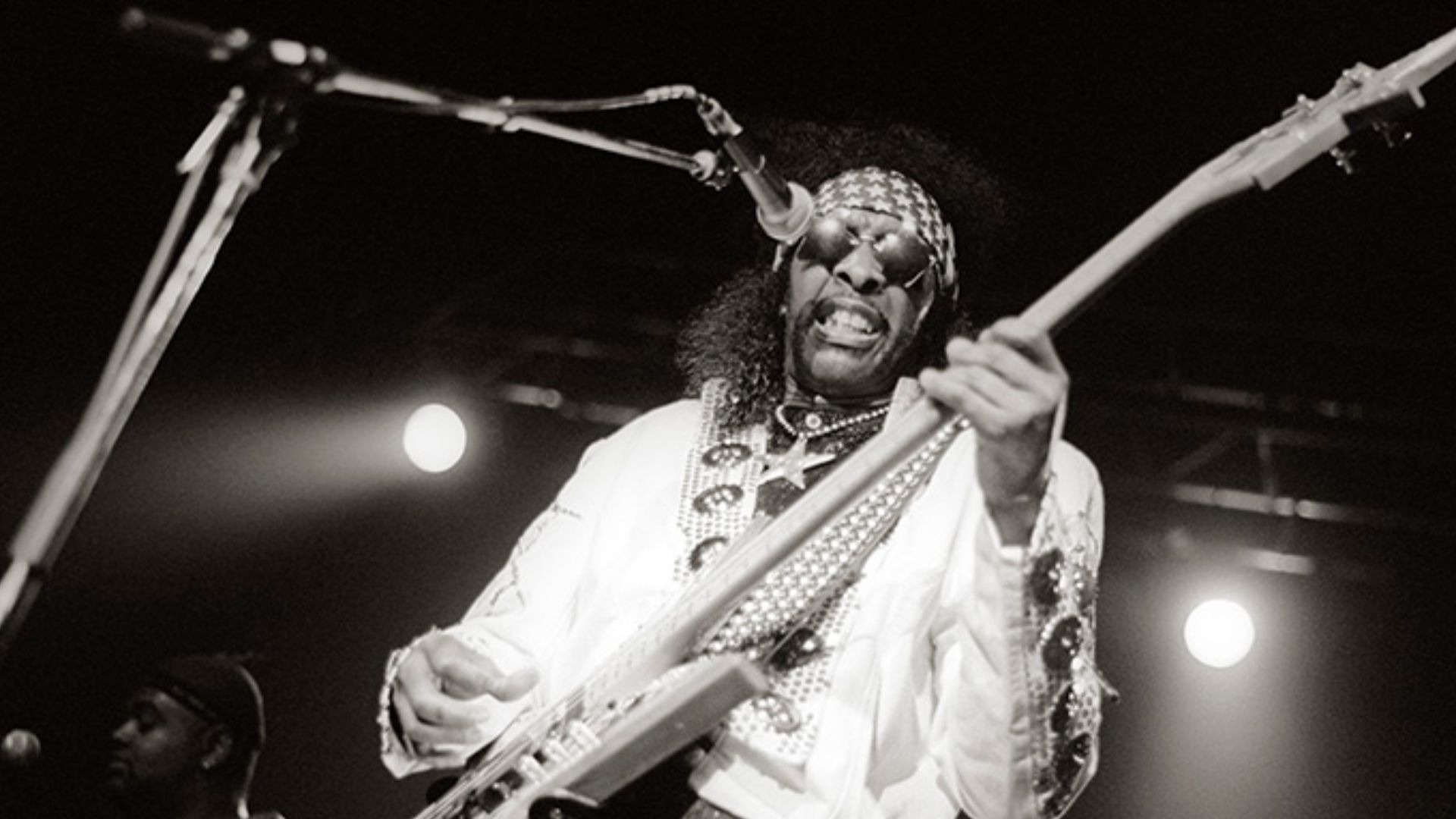
File:William „Bootsy“ Collins.jpgMikaV, Wikimedia Commons

Advertisement

A Black Man Owning His Power

In the 1960s, James Brown took control of his music, business, and image. He owned his masters. He paid his band well. He demanded respect in an industry that rarely gave it to Black artists.
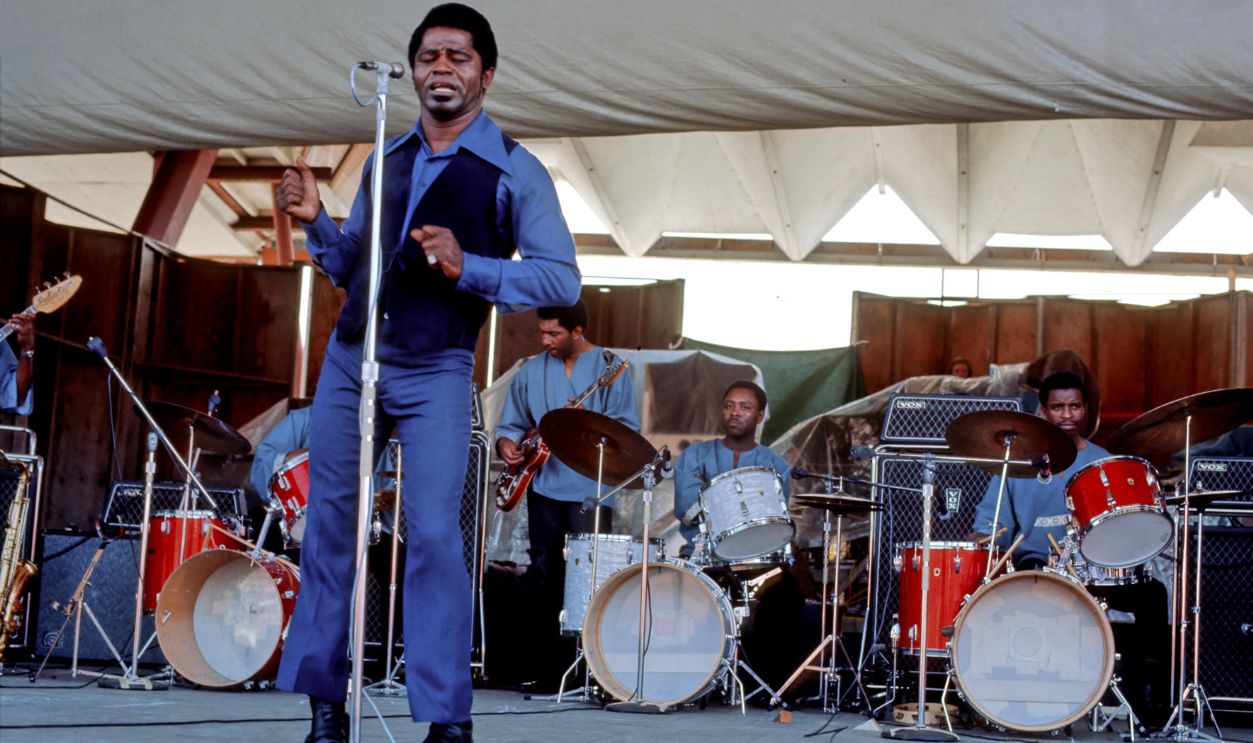
"Godfather of Soul" James Brown performs with 3 drummers at the Newport Folk Festival on July 6, 1969 in Newport, Rhode Island. The license plate reads "B Proud."Michael Ochs Archives, Getty Images

Advertisement

Say It Loud—and Mean It

In 1968, James released “Say It Loud – I’m Black and I’m Proud.” It became an anthem during the civil rights era. James was unapologetic. His pride was earned, not decorative.
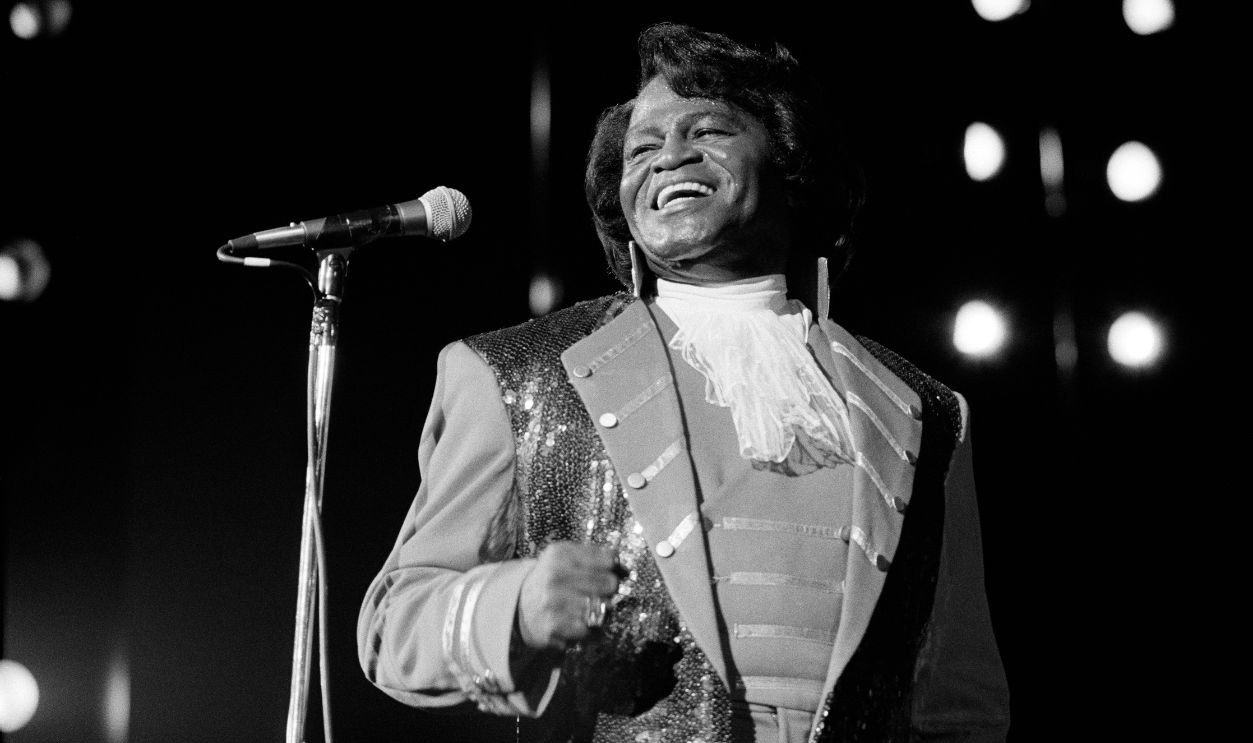
American R&B, Funk, and Soul singer James Brown (1933 - 2006) smiles as he performs onstage at the Paramount, New York, New York, February 28, 1992.Rita Barros, Getty Images

Advertisement

Anger Still Followed Him

James never fully escaped his anger. It surfaced in relationships, arrests, and confrontations. He struggled with control offstage as much as he mastered it onstage. He never denied those flaws.
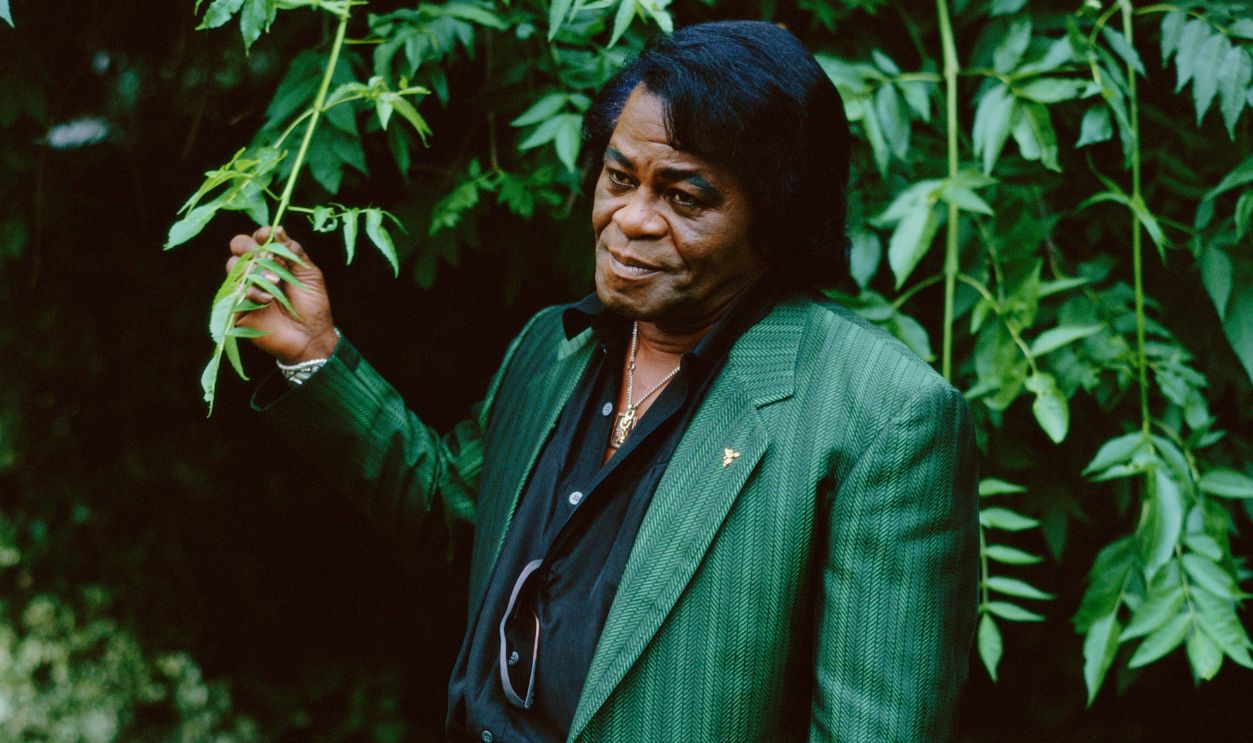
American soul singer James Brown wearing a green striped suit in a garden, 4th October 2004.Neale Haynes, Getty Images

Advertisement

Discipline Never Left

Even as fame grew, James maintained rigid routines. He rehearsed like a newcomer. He demanded excellence until the end. “You don’t get tired when you love what you do,” he once said.
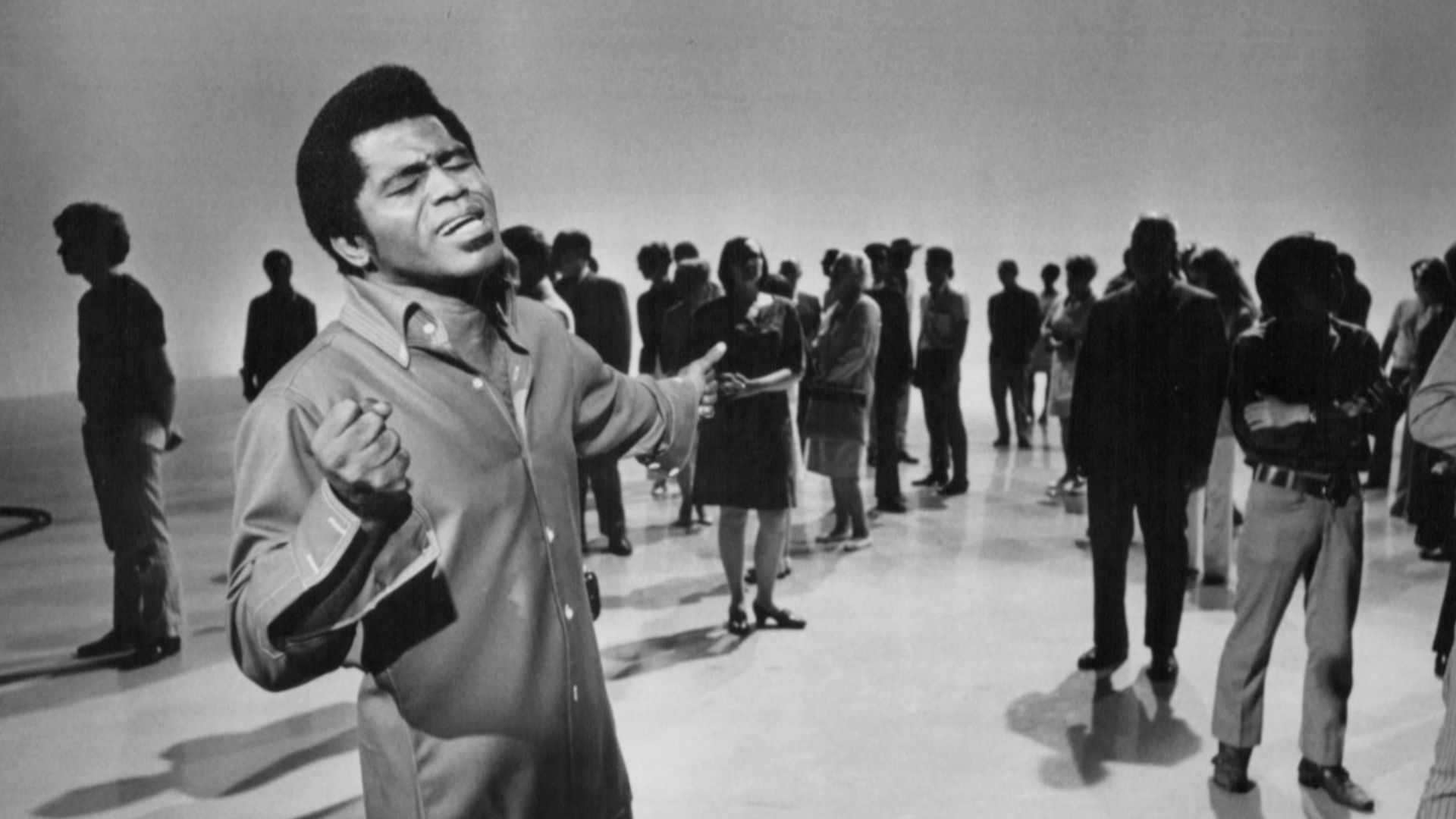
File:James Brown Music Scene 1969.jpgABC Television, Wikimedia Commons

Advertisement

Influence That Cannot Be Measured

Michael Jackson, Prince, and countless others cited James Brown as foundational. “He was everything,” Jackson said. “The reason I do what I do.”
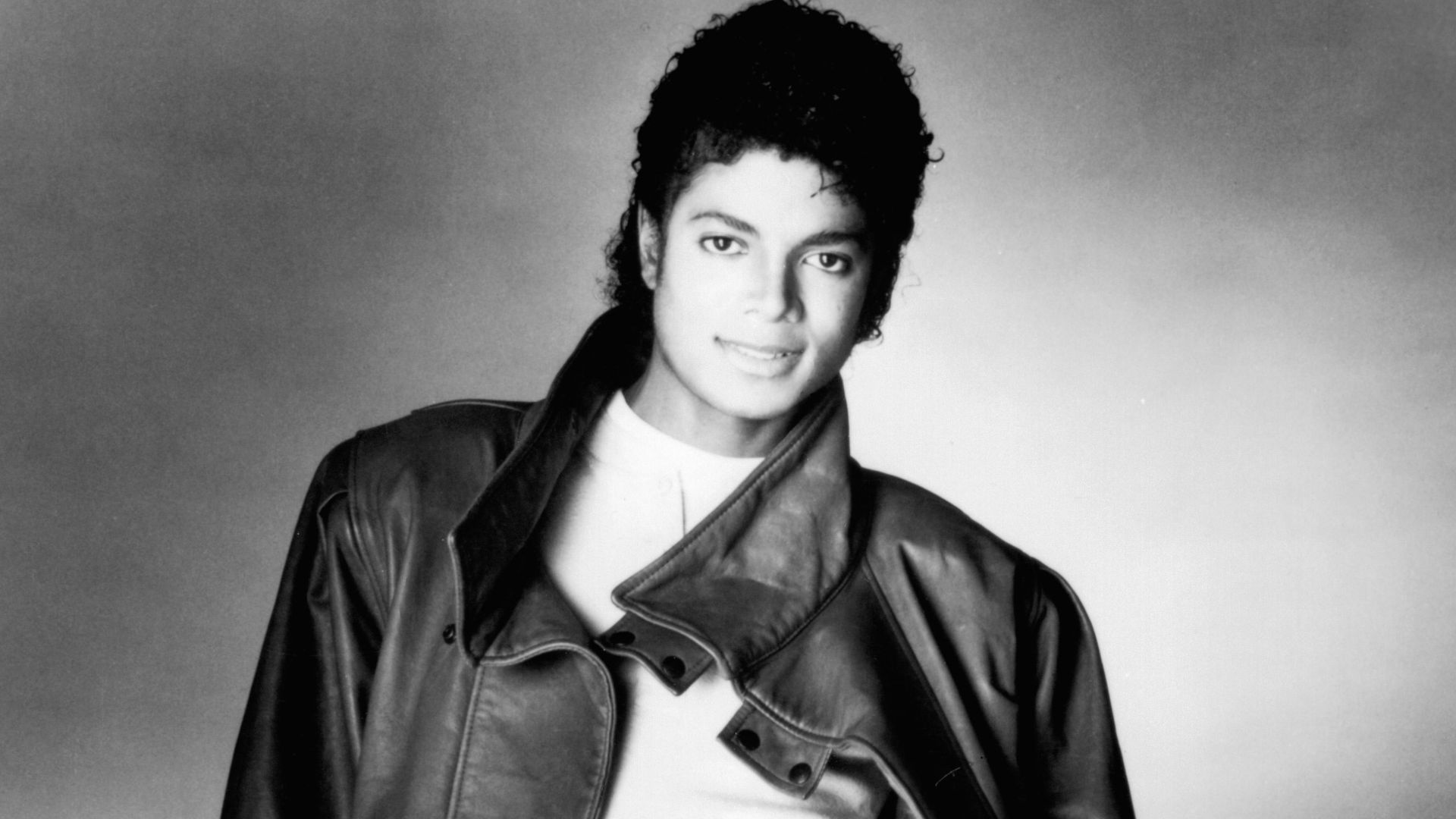
File:Michael Jackson 1983.jpgMatthew Rolston; Distributed by Epic Records, Wikimedia Commons

Advertisement

A Complicated Legacy

James Brown died on December 25, 2006, at age 73. He left behind contradictions: anger and generosity, fear and pride, control and freedom. All of it lived in his music.
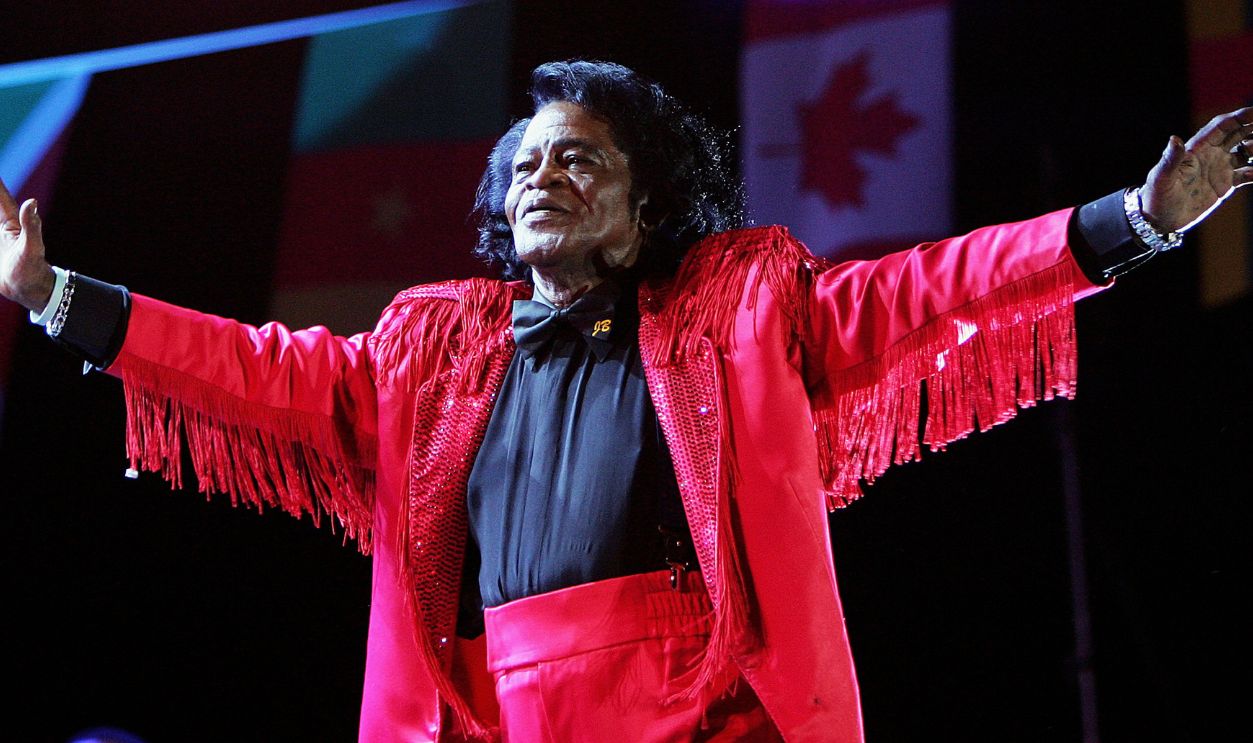
 James Brown is seen dancing on stage at the Live 8 Edinburgh concert at Murrayfield Stadium on July 6, 2005 in Edinburgh, Scotland. The free gig, labelled Edinburgh 50,000 - The Final Push, is organised by Midge Ure, alongside Geldof, and coincides with the G8 summit to raisie awareness for MAKEpovertyHISTORY. Scott Barbour, Getty Images

Advertisement

Why His Story Still Matters

James Brown was not born powerful. He built power through discipline when the world offered none. His temper made headlines, but his work ethic made history—and that is why his influence still moves the world.
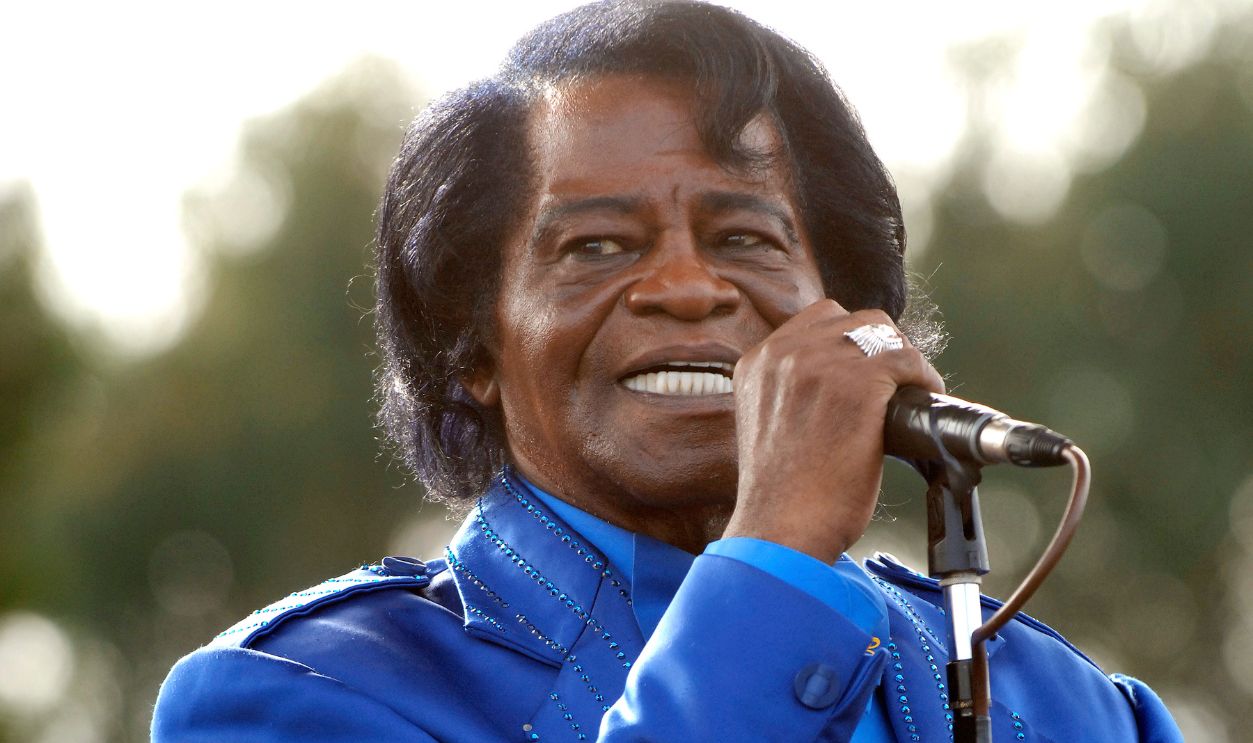
James Brown performs at Tim Mosenfelder, Getty Images

Advertisement

You May Also Like:

Aretha Franklin turned personal pain into power, transforming heartbreak into the anthem “Respect” that changed America.

Jeff Garcia stayed late at conventions just to make fans smile—the same way he had since his first stand-up set. He passed in 2025, but his generous legacy lives on.

Sources: 1, 2, 3, 4


READ MORE

Muscial group the Dixie Chicks perform live on stage
March 6, 2026 J. Clarke

When the Dixie Chicks spoke out against the Iraq conflict, country radio turned its back—but their defiance reshaped the industry.

Country music has always loved a good rebel—right up until that rebel challenges the wrong thing. In 2003, at the height of their fame, the Dixie Chicks did exactly that. One offhand comment overseas turned them from chart-topping darlings into public enemies on country radio. But what looked like career sabotage at the time would eventually become one of the most pivotal standoffs in modern music history.
Kurt Cobain of Nirvana during the taping of MTV Unplugged
March 6, 2026 J. Clarke

In the 1980s, Kurt Cobain cemented his rebellious legacy by spray painting a shocking declaration all over his home town.

Before he became the unlikely face of a global music movement, Kurt Cobain was a restless teenager in Aberdeen, Washington, armed with a guitar, a sharp tongue, and occasionally, a can of spray paint. The town was quiet, conservative, and not especially welcoming to kids who didn’t fit the mold. Cobain didn’t just fail to fit in—he actively pushed back.
Loni Anderson, The Love Boat
March 6, 2026 Jesse Singer

You Definitely Saw These Famous Actors On Both “The Love Boat” And “Fantasy Island”—You Just Forgot

There was a very specific moment every 70s and 80s TV fan experienced. You’re watching The Love Boat and then Fantasy Island and suddenly you think, “Wait… weren’t they just on the boat?” You weren’t imagining it. ABC recycled guest stars like it was part of the business model—and honestly, we loved them for it.
Tom Sizemore (1)
March 6, 2026 Sasha Wren

Tom Sizemore was a 90s action movie fixture, but he confronted a different set of challenges off set.

Tom Sizemore was one the most visible and popular action stars of the 90s, but his success didn't last.
Roscoe "Fatty" Arbuckle with his dog Luke, c. 1919
March 6, 2026 Peter Kinney

Fatty Arbuckle was at the center of Hollywood's first major scandal, and it ruined his life.

From early on, Fatty Arbuckle sadly realized how easy it was for people to make fun of him for his appearance. As he discovered a passion for performance, though, he turned his biggest insecurity into his superpower as a comedic actor, becoming one of the silent era’s most celebrated stars. However, much of his career fell into obscurity over the decades, with a far more malicious reputation taking its place. The reason? One unforgettable scandal.
Gandolfini
March 5, 2026 Penelope Singh

The Side of James Gandolfini That No One Saw

Tony Soprano walked so that Walter White, and many more empathetic antiheroes, could run. Unfortunately for James Gandolfini, the actor who brought The Sopranos’ stone-cold sociopath to life, the line between fact and fiction became alarmingly blurry.


THE SHOT

Enjoying what you're reading? Join our newsletter to keep up with the latest scoops in entertainment.

Breaking celebrity gossip & scandals

Must-see movies & binge-worthy shows

The stories everyone will be talking about

Thank you!

Error, please try again.