What A Year For Hits
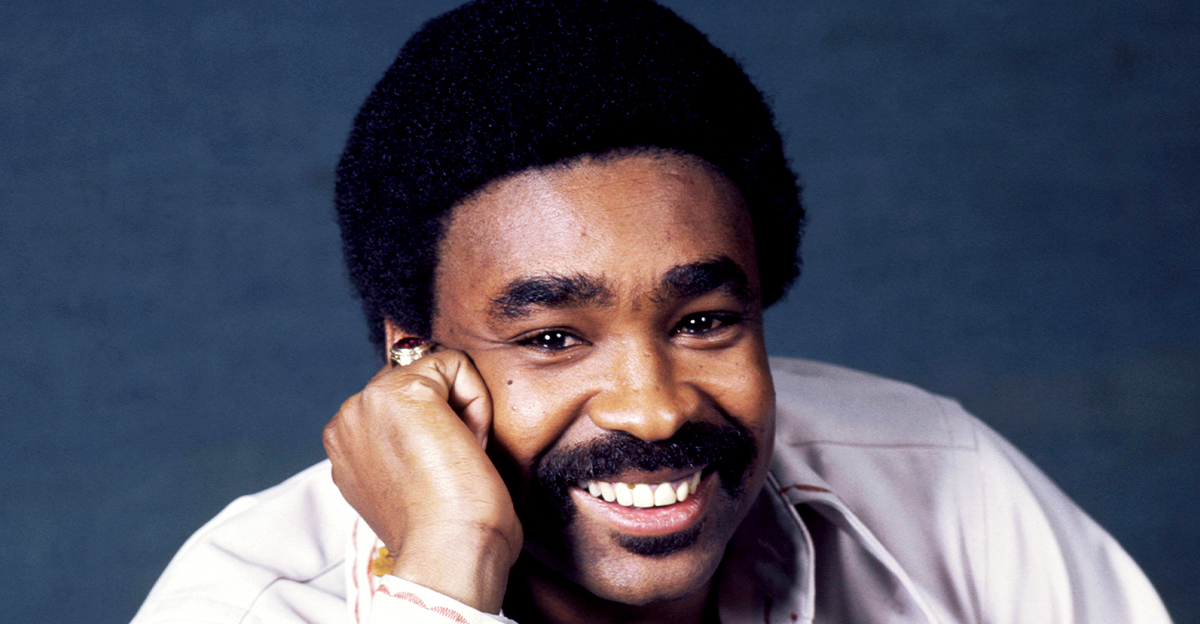
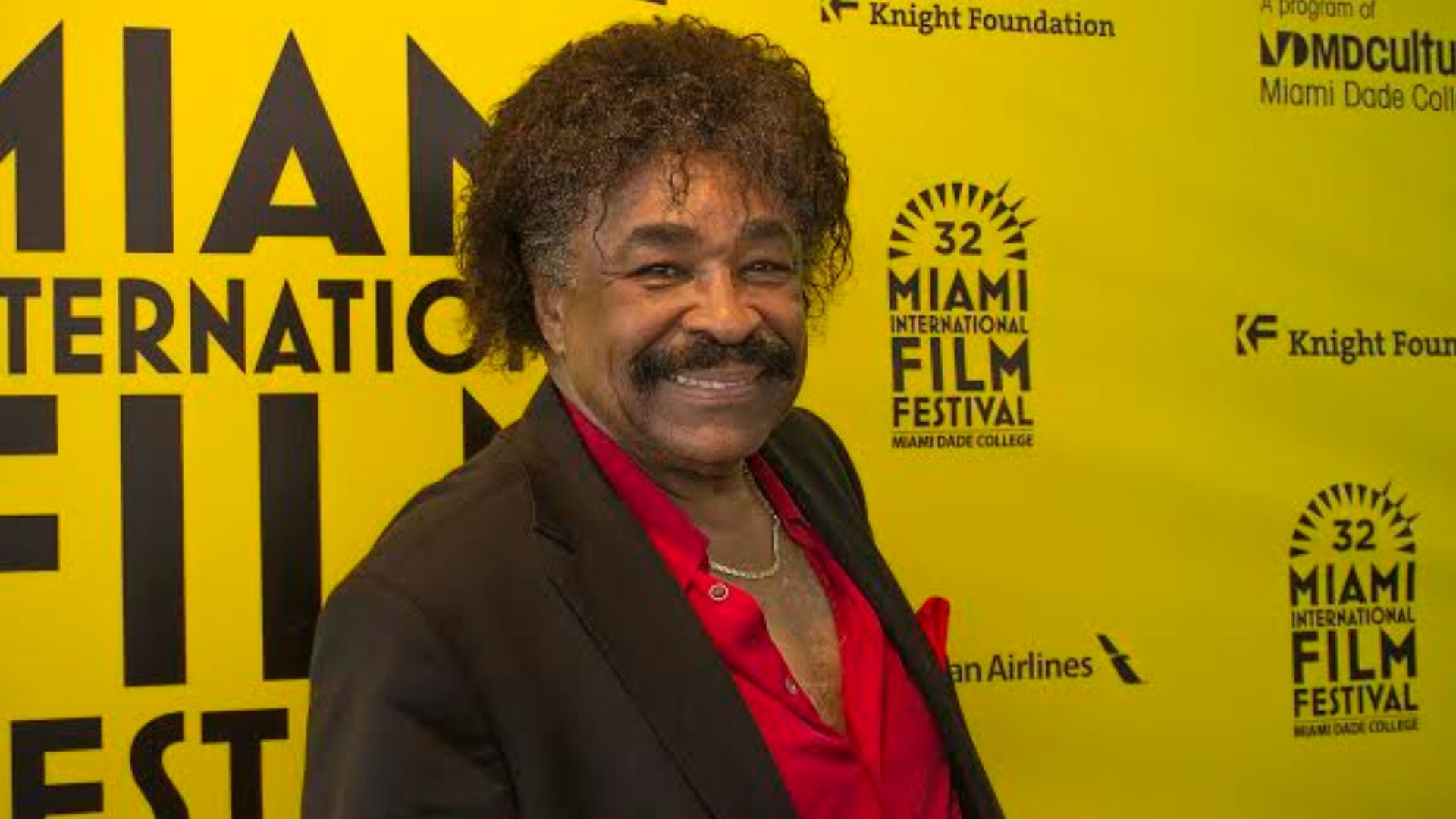
The Billboard Hot 100 changed hands at a dizzying pace in 1974. Thirty-six different songs occupied Number One during the calendar year, including one holdover from 1973. Rock, soul, country, novelty records, singer-songwriters, and an emerging disco sound by artists like George McCrae (above) all competed for America's attention.
 David Redfern/Redferns, Getty Images
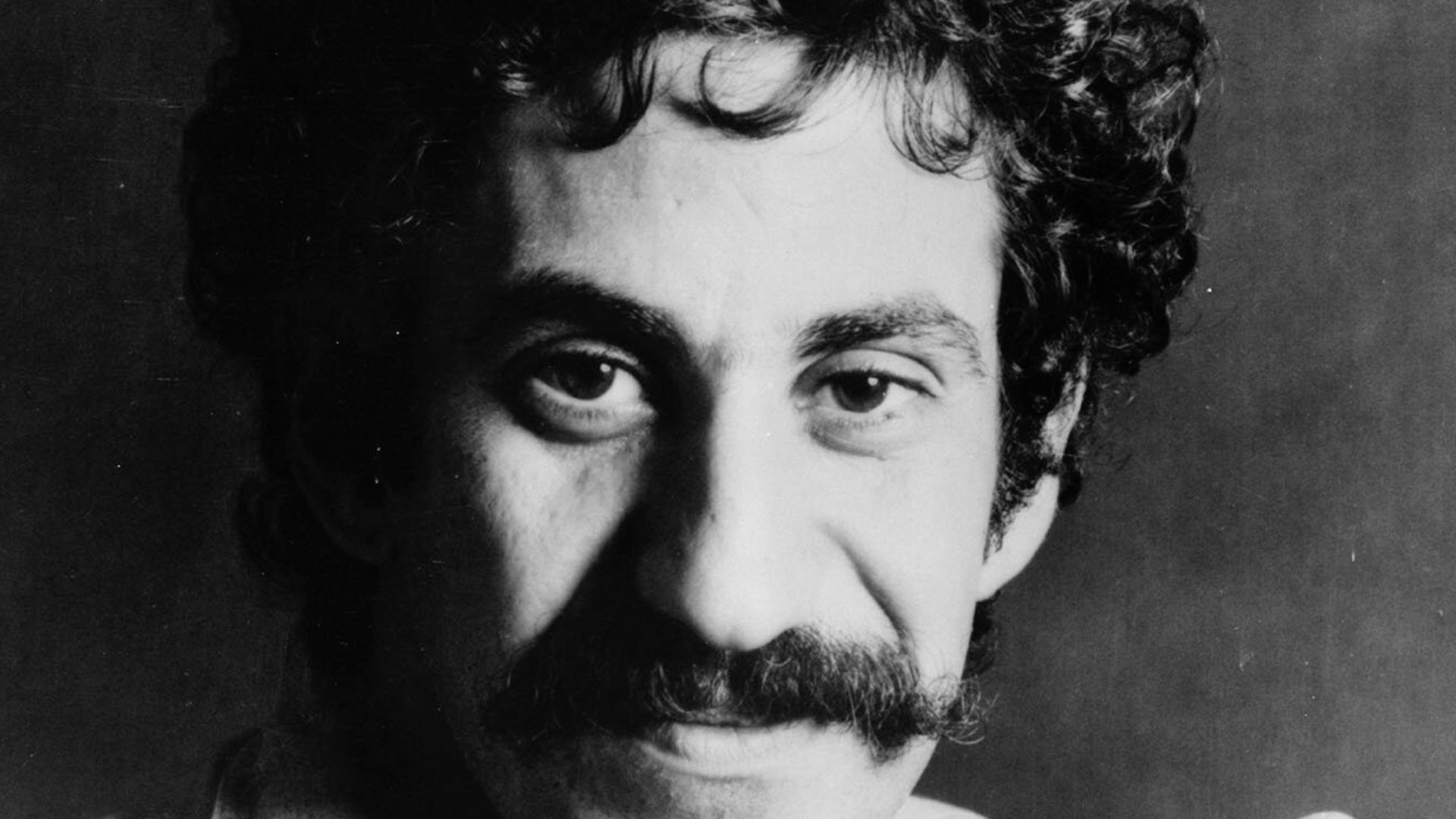
“Time In A Bottle”
Jim Croce's poignant “Time In A Bottle” began 1974 at Number One after reaching the summit on December 29, 1973. Its success was tragically posthumous: Croce had died in a plane crash the previous September, only months before one of his most enduring songs became his second chart-topper.
 ABC Records, Wikimedia Commons
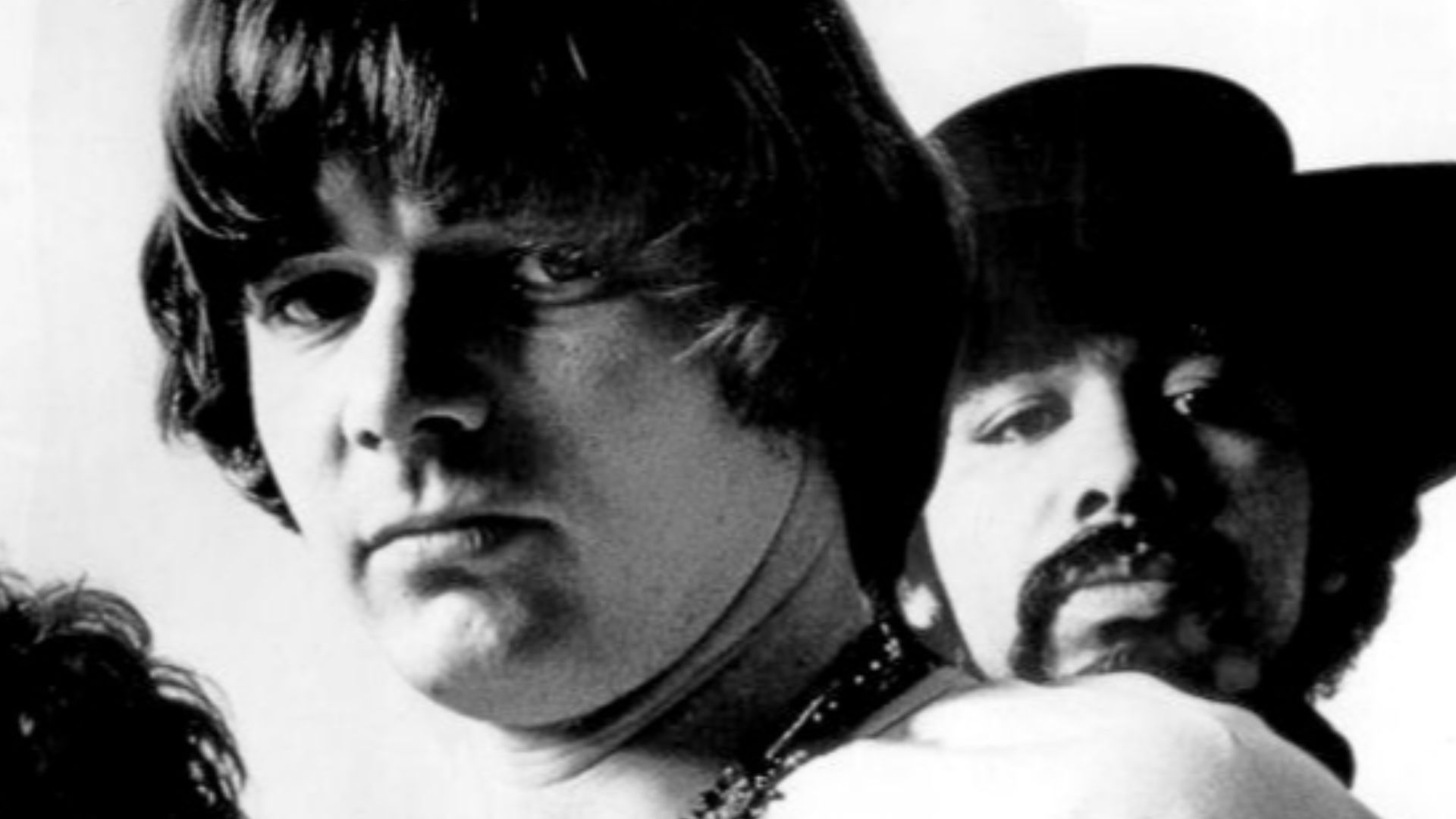
“The Joker”
Steve Miller Band took over on January 12 with “The Joker.” Built around an easygoing groove and Miller's playful lyrics, the song became the band's first Billboard Hot 100 Number One and turned Miller from an established album-rock performer into an even bigger mainstream singles star.
 Capitol Records, Wikimedia Commons
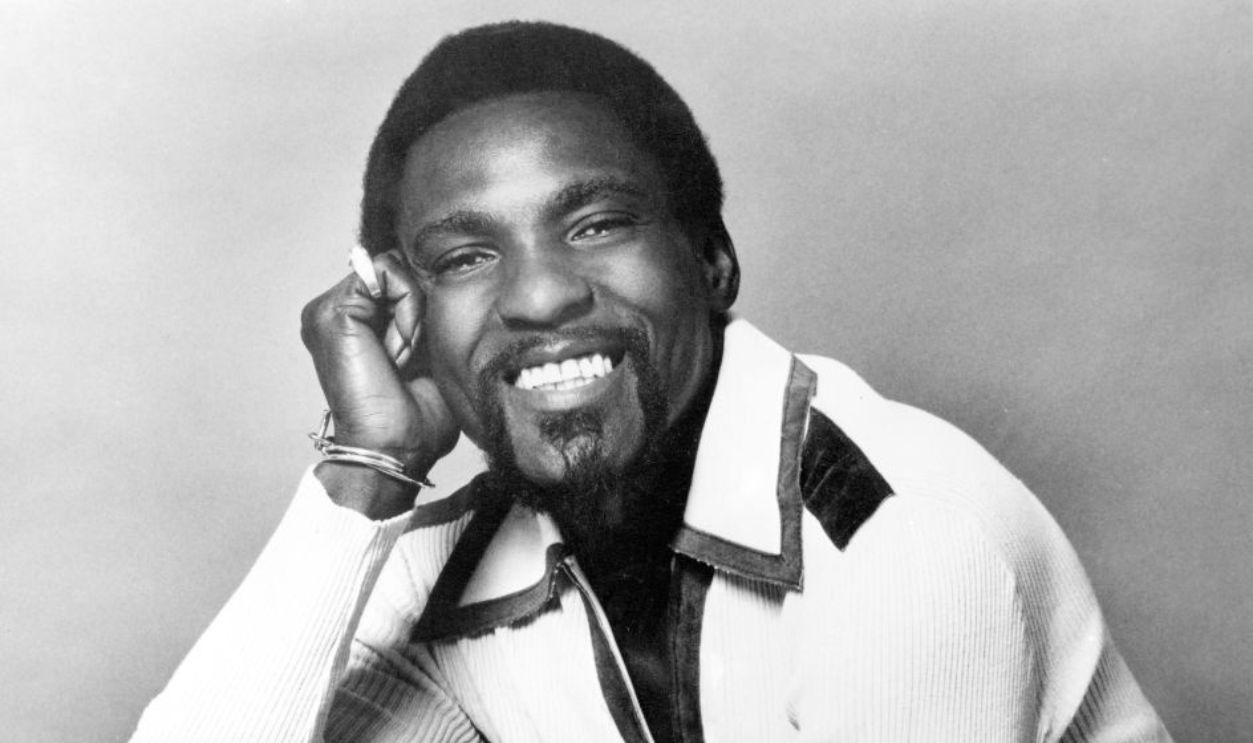
“Show And Tell”
Al Wilson's smooth “Show And Tell” reached Number One on January 19. Written by Jerry Fuller, the romantic soul ballad had previously been recorded by Johnny Mathis, but Wilson's expressive interpretation became the definitive hit and gave the Mississippi-born singer the biggest pop success of his career.
 Michael Ochs Archives, Getty Images
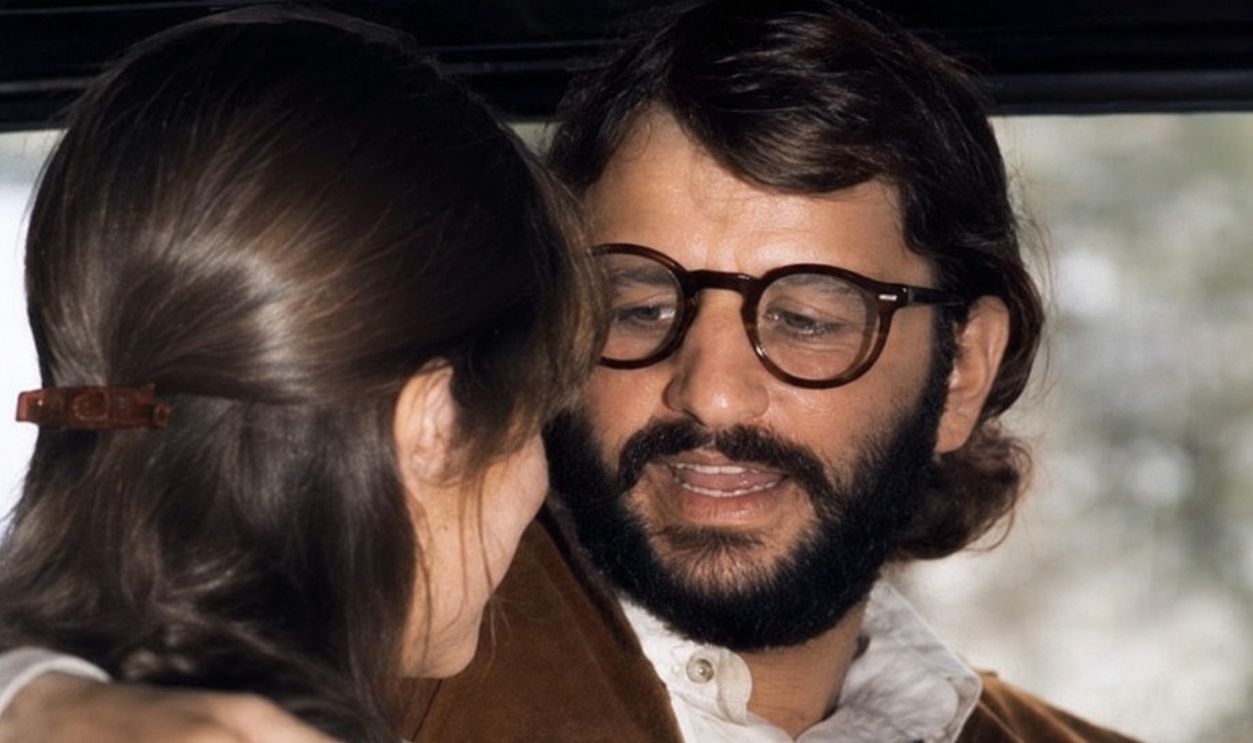
“You’re Sixteen”
Ringo Starr continued his remarkably successful early solo career when “You're Sixteen” reached Number One on January 26. The Johnny Burnette remake appeared on Starr's hugely successful Ringo album and featured contributions from fellow rock royalty, including Paul McCartney on the memorable kazoo-like solo.
 Screenshot from You're Sixteen, London (1960)
“The Way We Were”
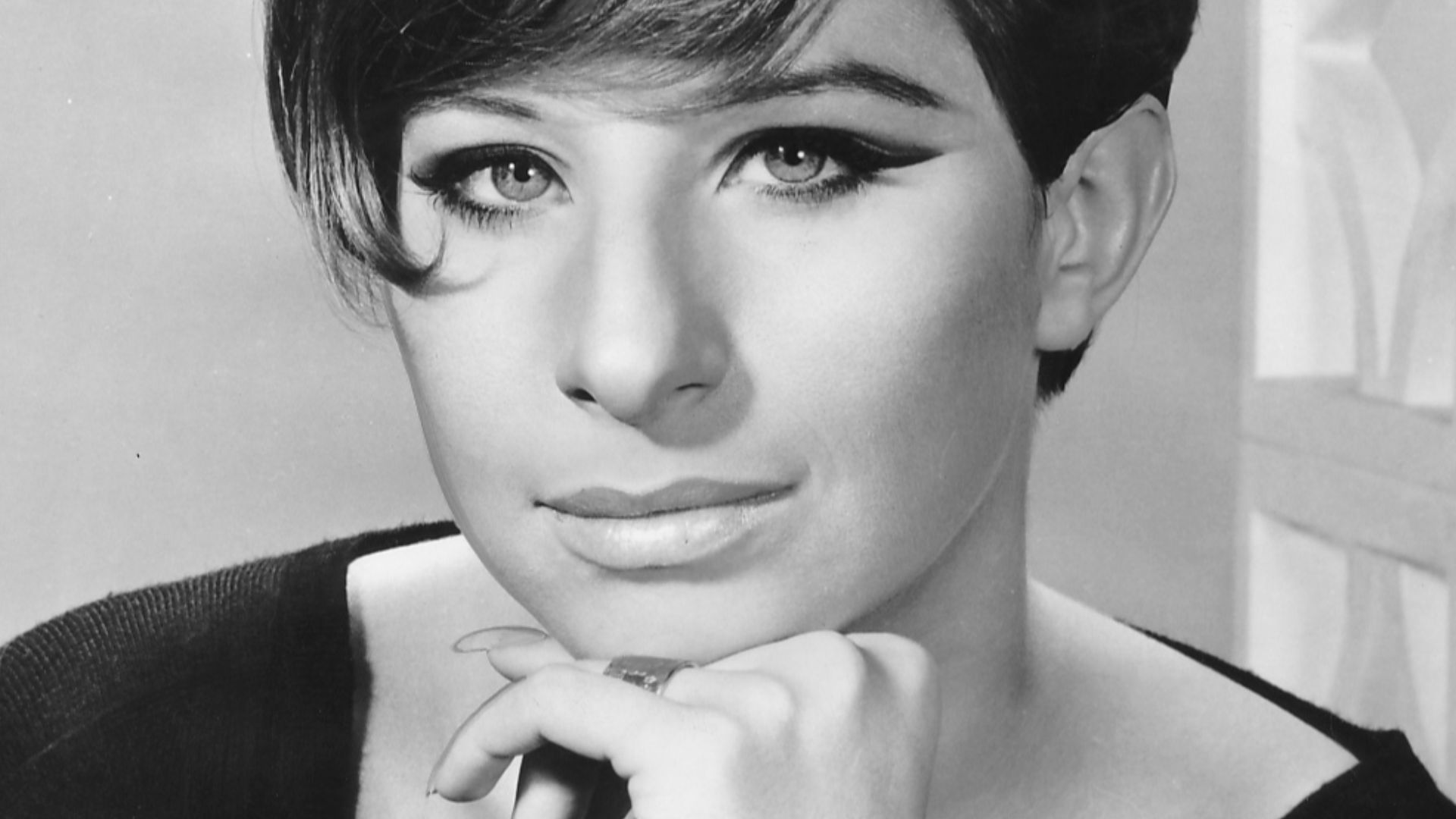
Barbra Streisand scored her first Hot 100 Number One with “The Way We Were,” the Marvin Hamlisch, Alan Bergman, and Marilyn Bergman song associated with her hit film of the same name. It ultimately accumulated three nonconsecutive weeks at Number One and became Billboard's top single of 1974.
 Unknown authorUnknown author, Wikimedia Commons
“Love’s Theme”
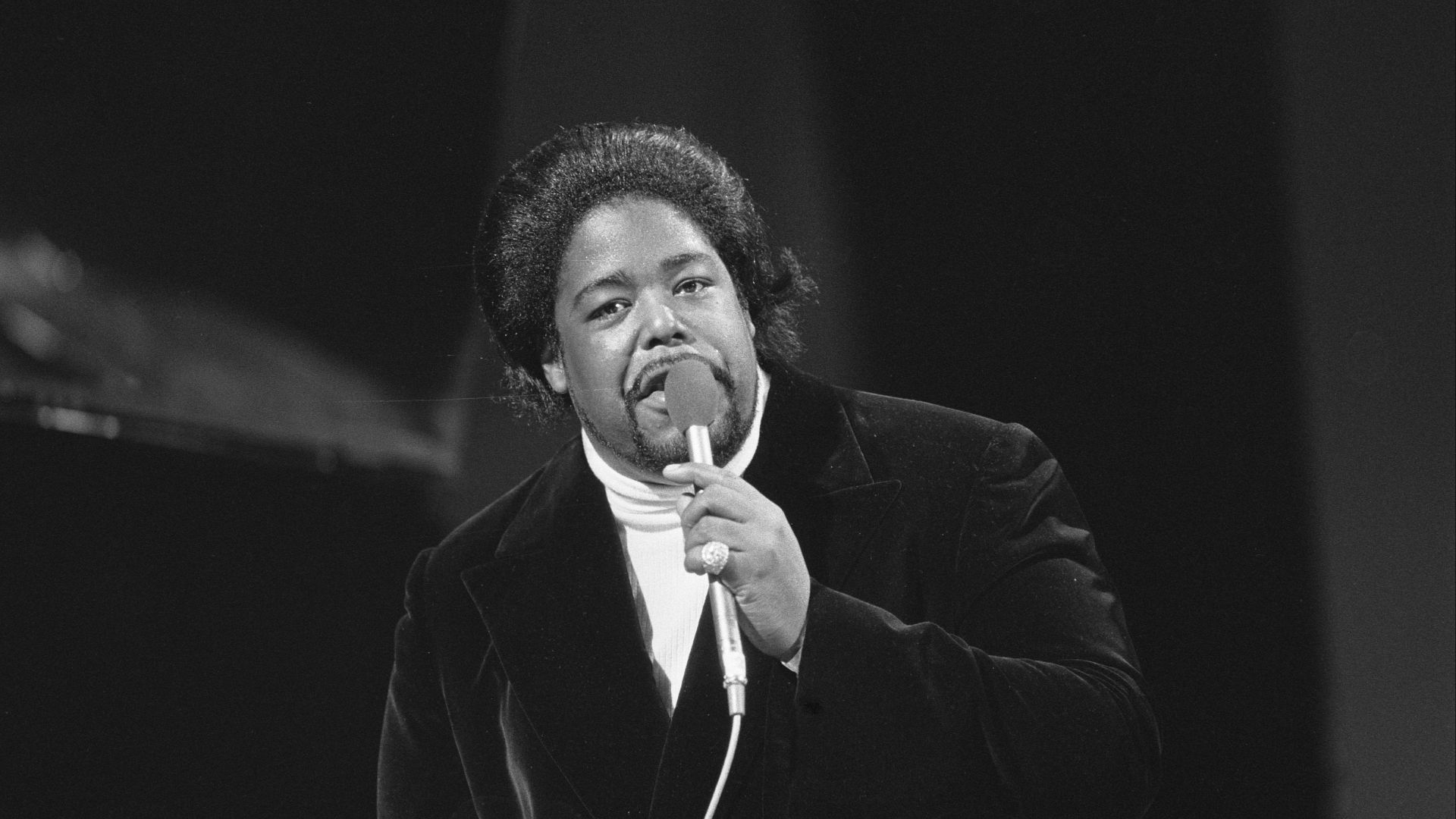
Barry White didn't sing a word on “Love's Theme,” but his fingerprints were everywhere. His lush instrumental with the Love Unlimited Orchestra interrupted Streisand's run for one week in February, combining sweeping strings with an insistent rhythm that anticipated the increasingly sophisticated dance music about to dominate the decade.
 Fotograaf Onbekend / Anefo, Wikimedia Commons
“Seasons In The Sun”
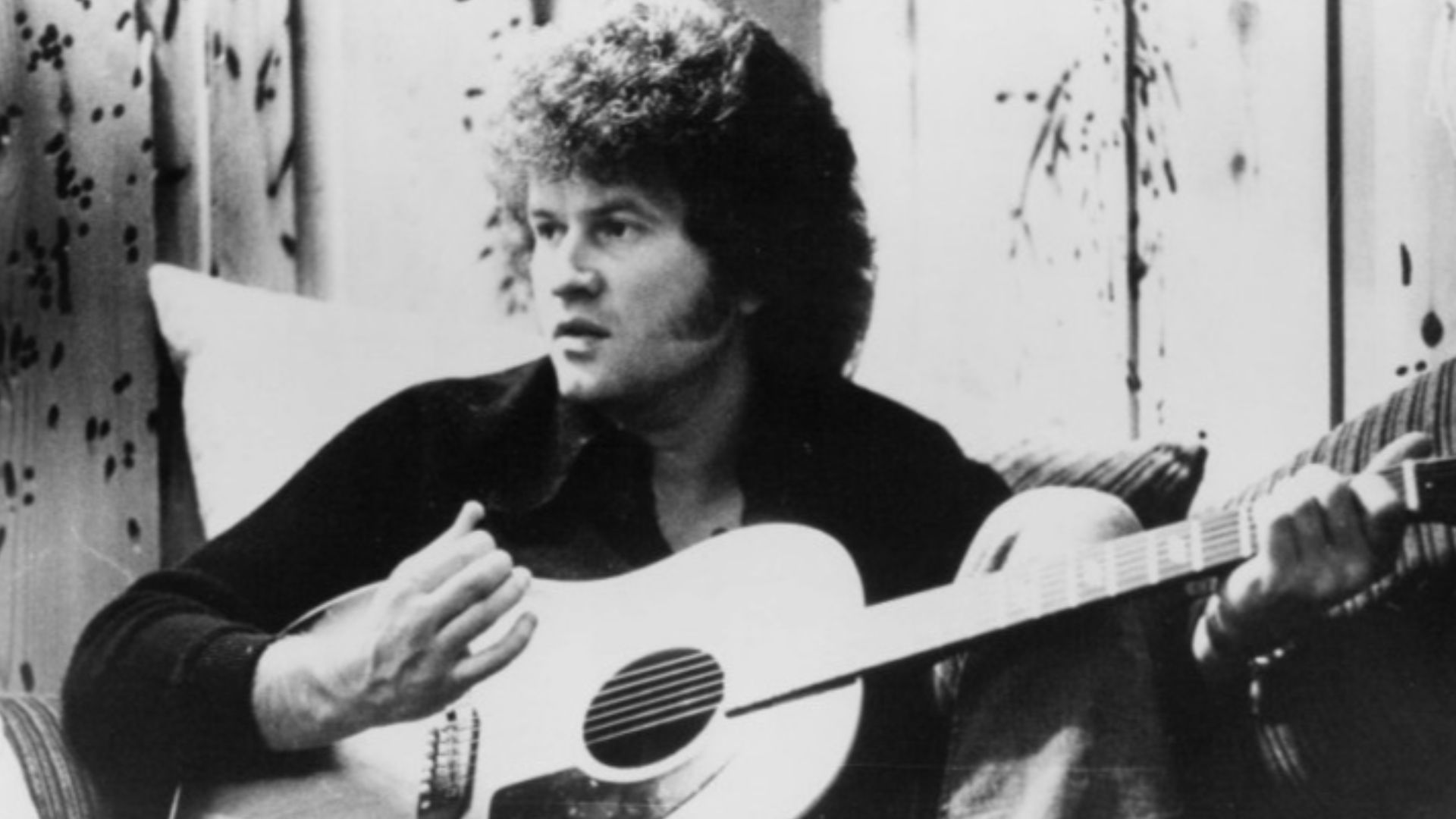
Canadian singer Terry Jacks transformed Jacques Brel's “Le Moribond” into the mournful pop smash “Seasons In The Sun.” Beginning March 2, it spent three weeks at Number One, tying the longest uninterrupted reign of any 1974 chart-topper and becoming Jacks' only American Number One.
 Bell Records, Wikimedia Commons
“Dark Lady”
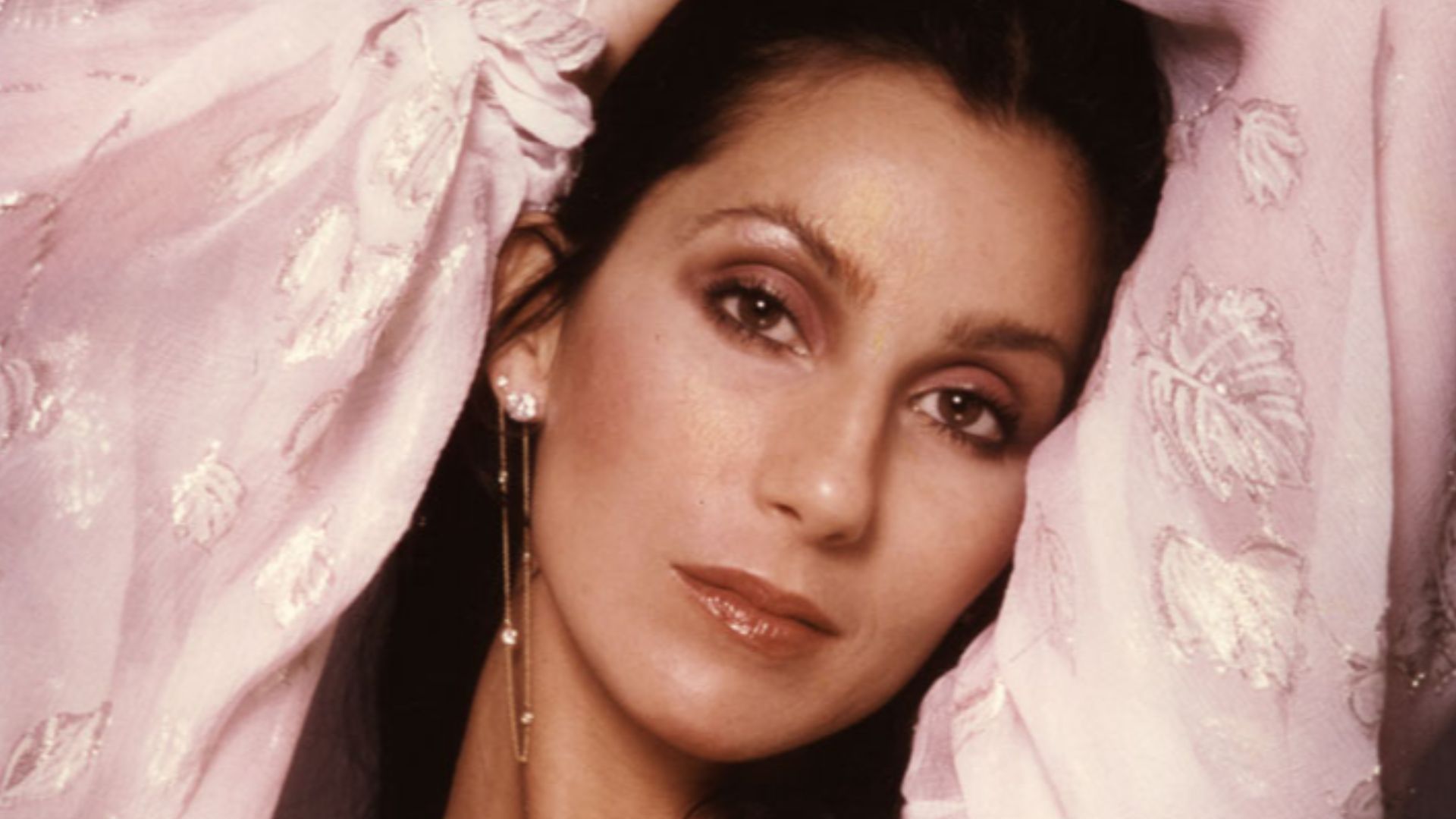
Cher's flair for dramatic story songs served her beautifully on “Dark Lady.” The supernatural tale of a fortune teller, betrayal, and murder hit Number One on March 23, giving Cher another solo chart-topper while reinforcing her ability to turn an unusually theatrical lyric into irresistible pop.
 HarryLangdon, Wikimedia Commons
“Sunshine On My Shoulders”
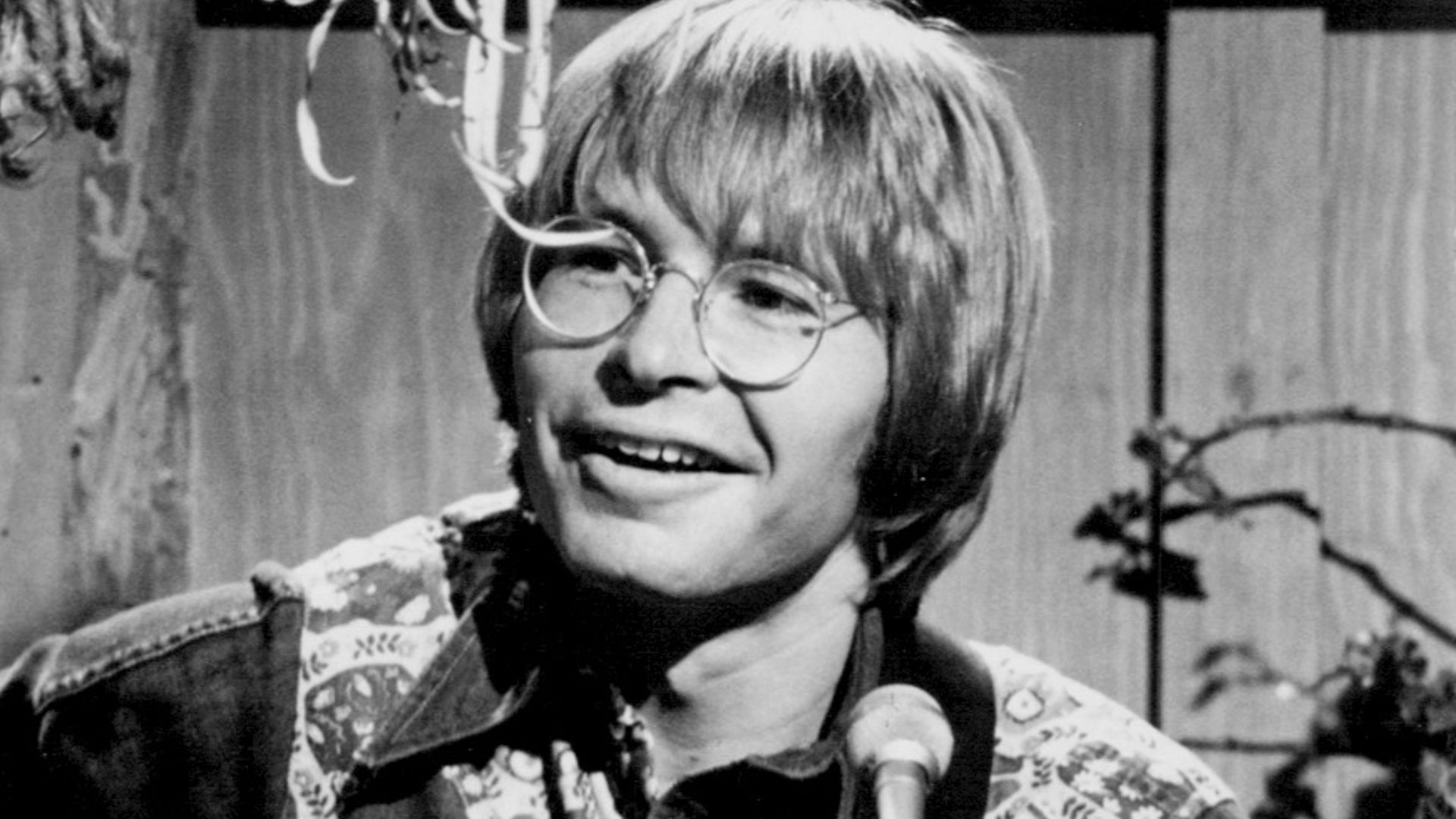
John Denver reached Number One for the first time with “Sunshine On My Shoulders” on March 30. Originally appearing on his 1971 album Poems, Prayers & Promises, the gentle celebration of sunlight and nature became a perfect showcase for Denver's warm, intimate style.
 ABC Television, Wikimedia Commons
“Hooked On A Feeling”
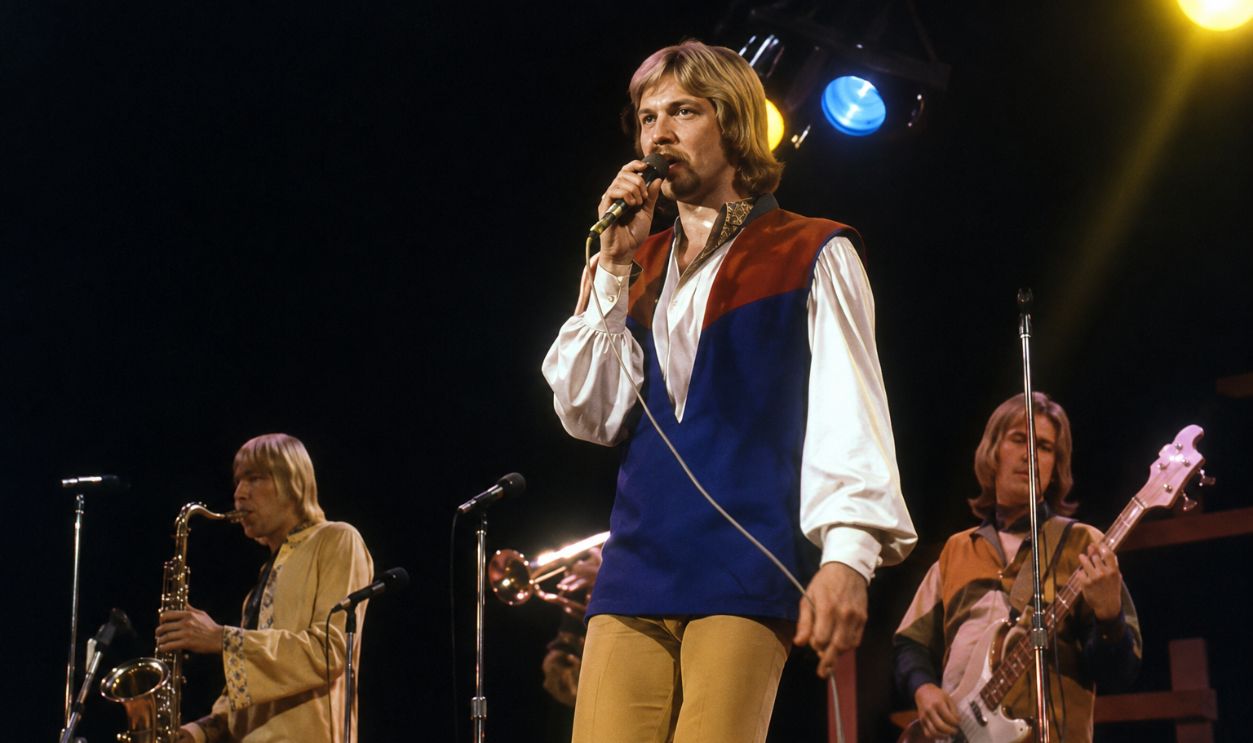
Those unforgettable “ooga-chaka” chants announced one of 1974's strangest number ones. Swedish group Blue Swede's exuberant cover of “Hooked On A Feeling,” inspired by Jonathan King's earlier arrangement of the B.J. Thomas song, reached the summit on April 6 and gave the band its signature American hit.
 Screenshot from Scepter, Hooked On A Feeling (1974)
“Bennie And The Jets”
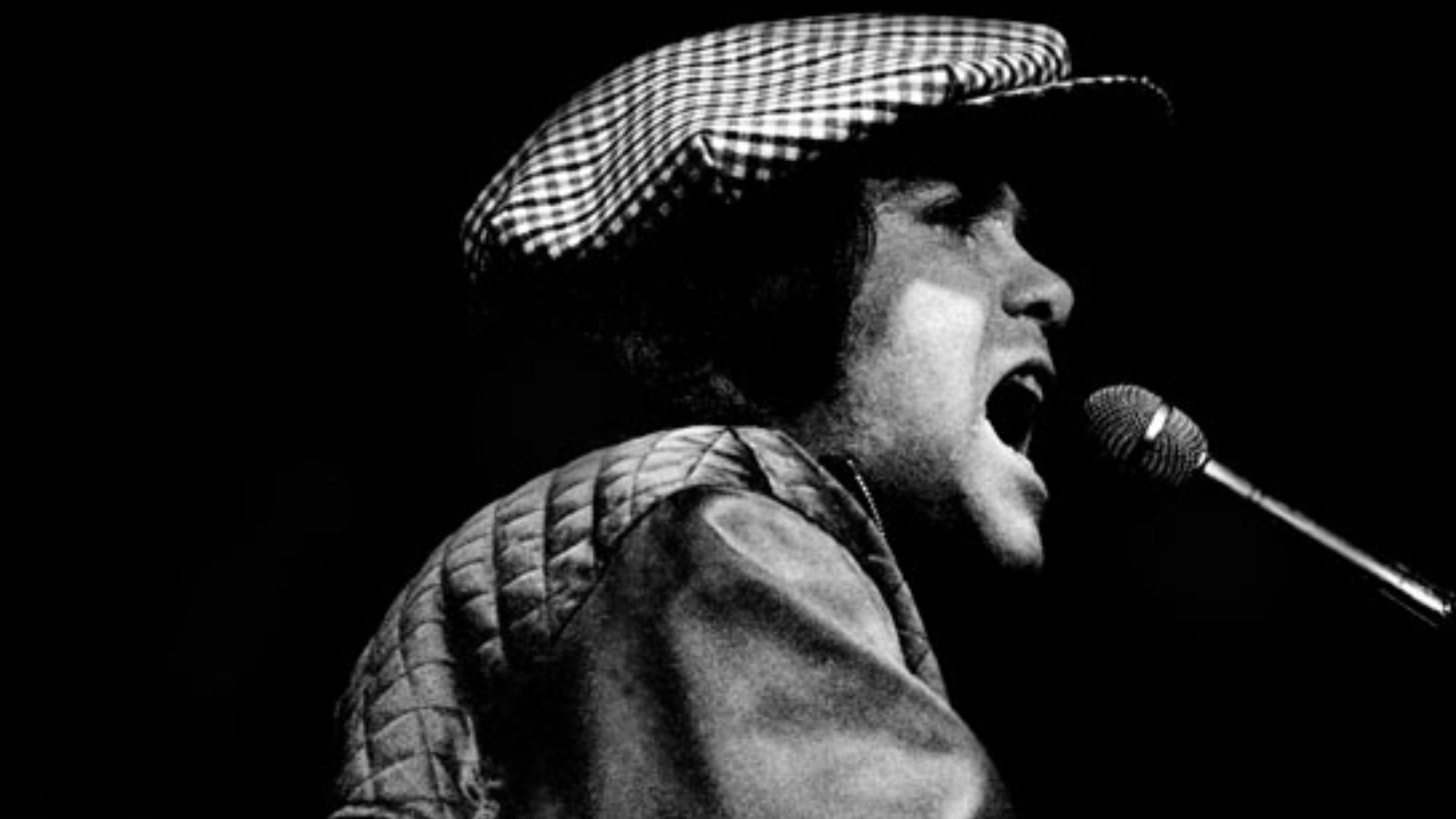
Elton John brought the deliberately eccentric “Bennie And The Jets” to number one on April 13. Despite its simulated live atmosphere and unconventional sound, the song became an enormous American hit, further cementing the Elton John and Bernie Taupin songwriting partnership as one of the decade's dominant forces.
“TSOP”
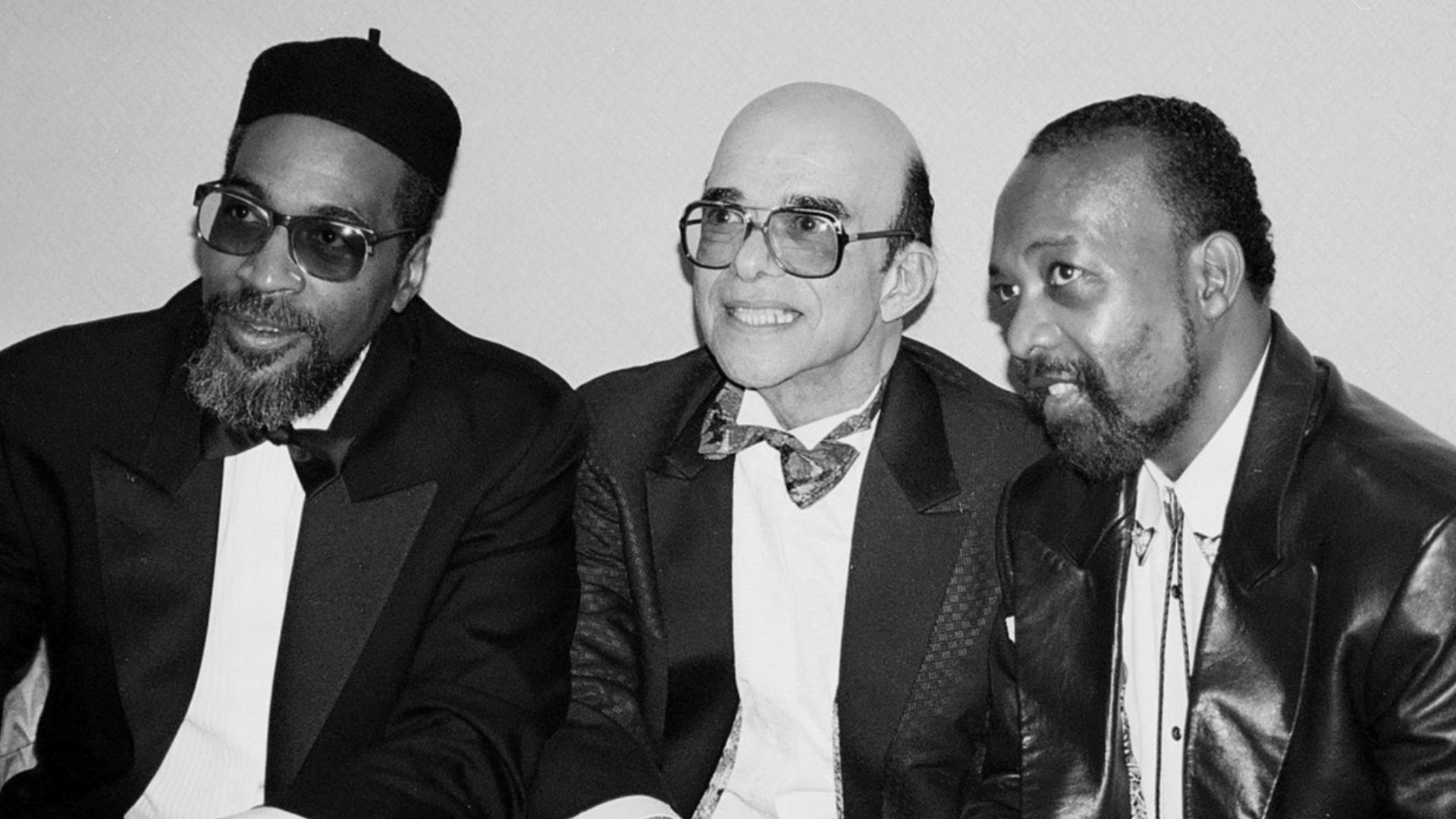
MFSB and the Three Degrees turned the theme from Soul Train into a nationwide sensation with “TSOP (The Sound Of Philadelphia).” The Gamble and Huff production spent two weeks at number one and became an exhilarating showcase for the sophisticated orchestration and dance rhythms of Philadelphia soul.
 John Mathew Smith & www.celebrity-photos.com from Laurel Maryland, USA, Wikimedia Commons
“The Loco-Motion”
Grand Funk transformed Little Eva's early-1960s dance hit “The Loco-Motion” into muscular 1970s rock. Produced by Todd Rundgren, the remake spent two weeks at number one beginning May 4, proving an old pop song could be reinvented successfully for an entirely different musical generation.

“The Streak”
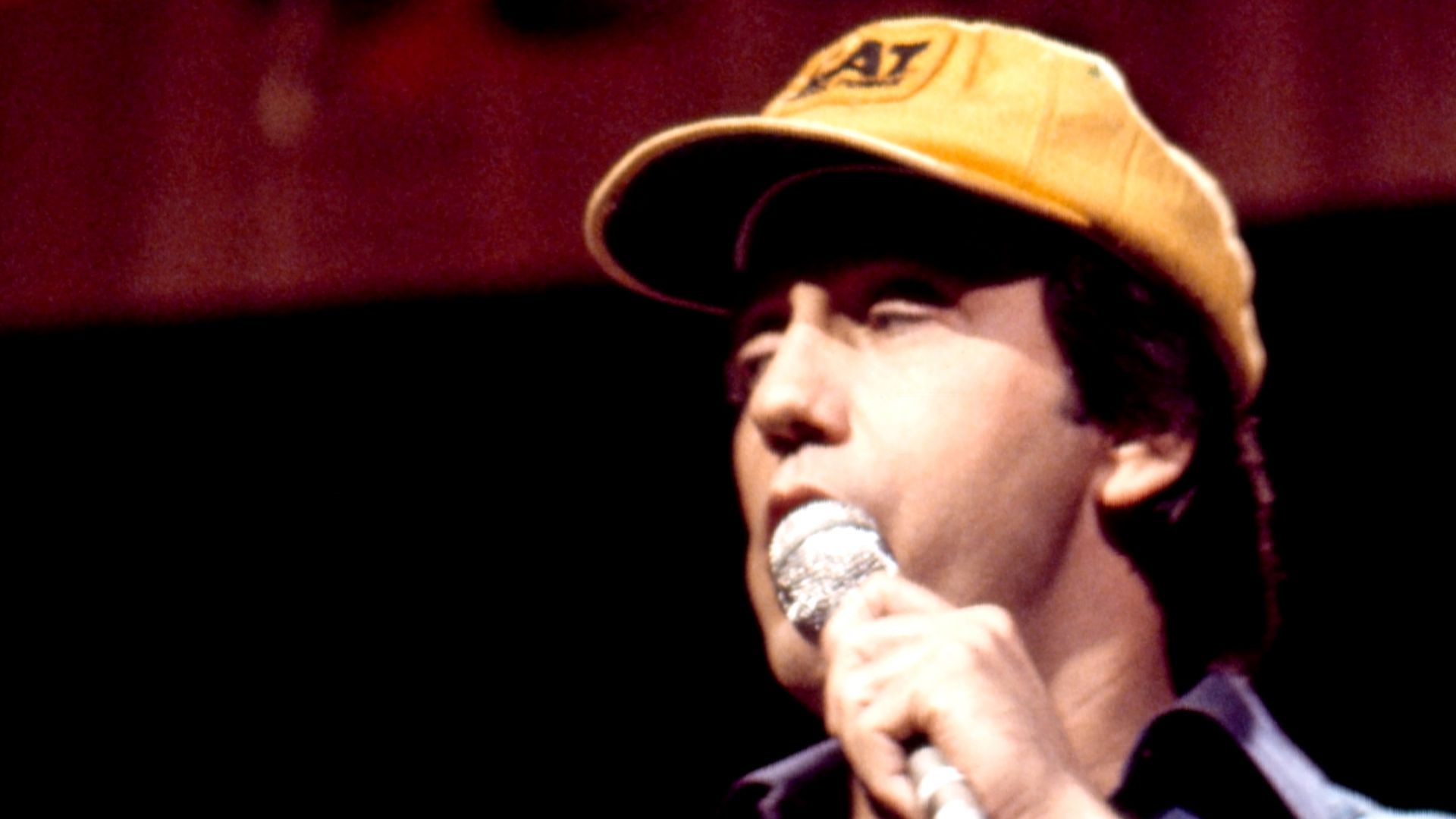
Remember streaking? Ray Stevens certainly capitalized on the craze. His comedy record “The Streak” raced to number one on May 18 and stayed there for three weeks. Few songs capture a bizarre cultural fad as completely as Stevens' breathless account of people unexpectedly running unclothed through public places.
“Band On The Run”
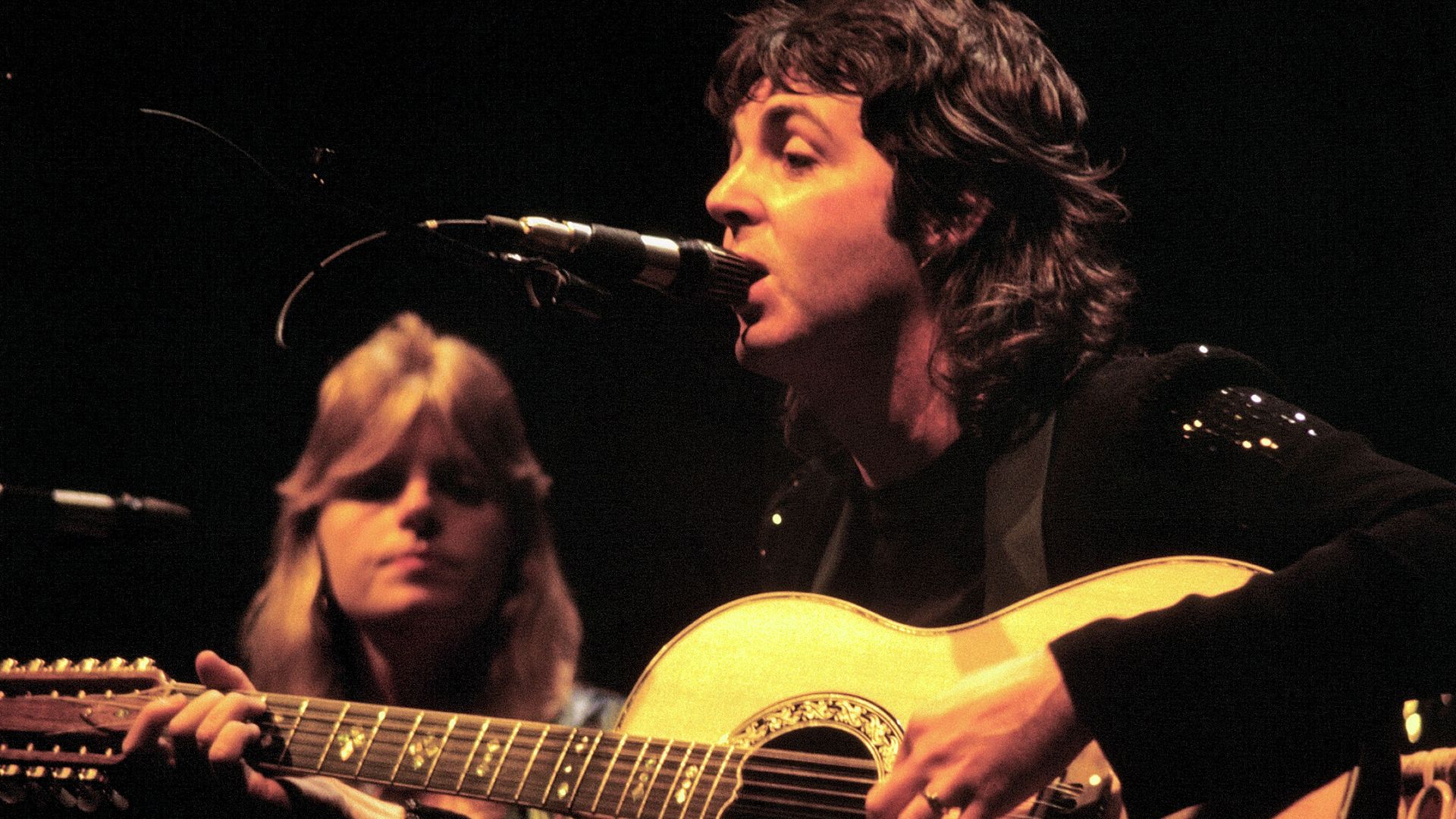
Paul McCartney and Wings reached number one on June 8 with the ambitious “Band On The Run.” Moving through several distinct musical sections, the song became one of McCartney's defining post-Beatles recordings and the centerpiece of the enormously successful album bearing the same title.
 Jim Summaria, Wikimedia Commons
“Billy Don’t Be A Hero”
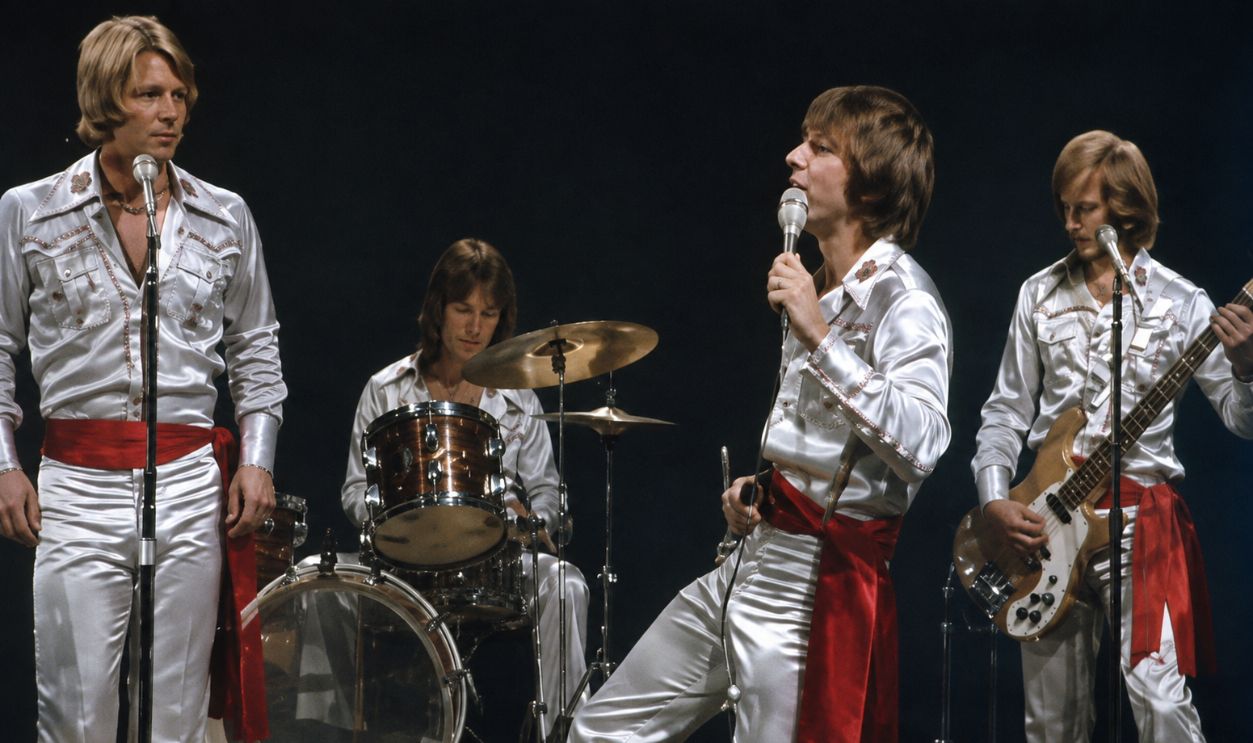
Bo Donaldson and the Heywoods topped the Hot 100 for two weeks with the antiwar-themed “Billy Don't Be A Hero.” British group Paper Lace recorded the original UK hit, but their version barely registered in America. Donaldson's recording instead became the enormous U.S. success.
 Screenshot from The House On Telegraph Hill, ABC Records (1975)
“Sundown”
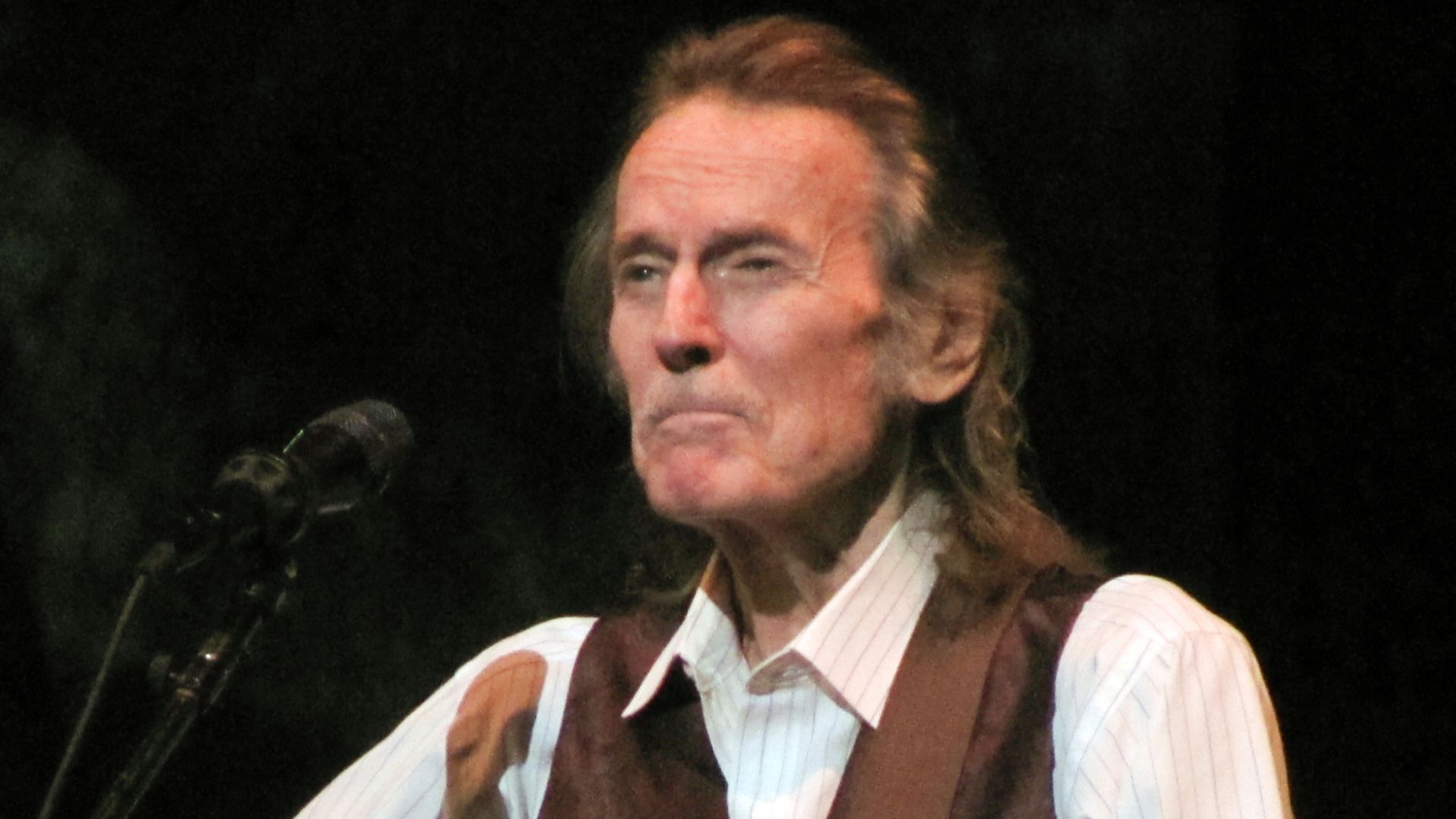
Canadian singer-songwriter Gordon Lightfoot reached the top on June 29 with “Sundown,” a brooding song inspired by jealousy and a troubled romantic relationship. Its hypnotic acoustic arrangement and ominous lyrics made it one of Lightfoot's signature recordings and his only number one on the American Hot 100.
“Rock The Boat”
Before disco had completely taken over, the Hues Corporation helped point pop music toward the dance floor. “Rock The Boat” reached number one on July 6, with its buoyant rhythm helping establish the commercial potential of the disco sound that would explode over the next several years.
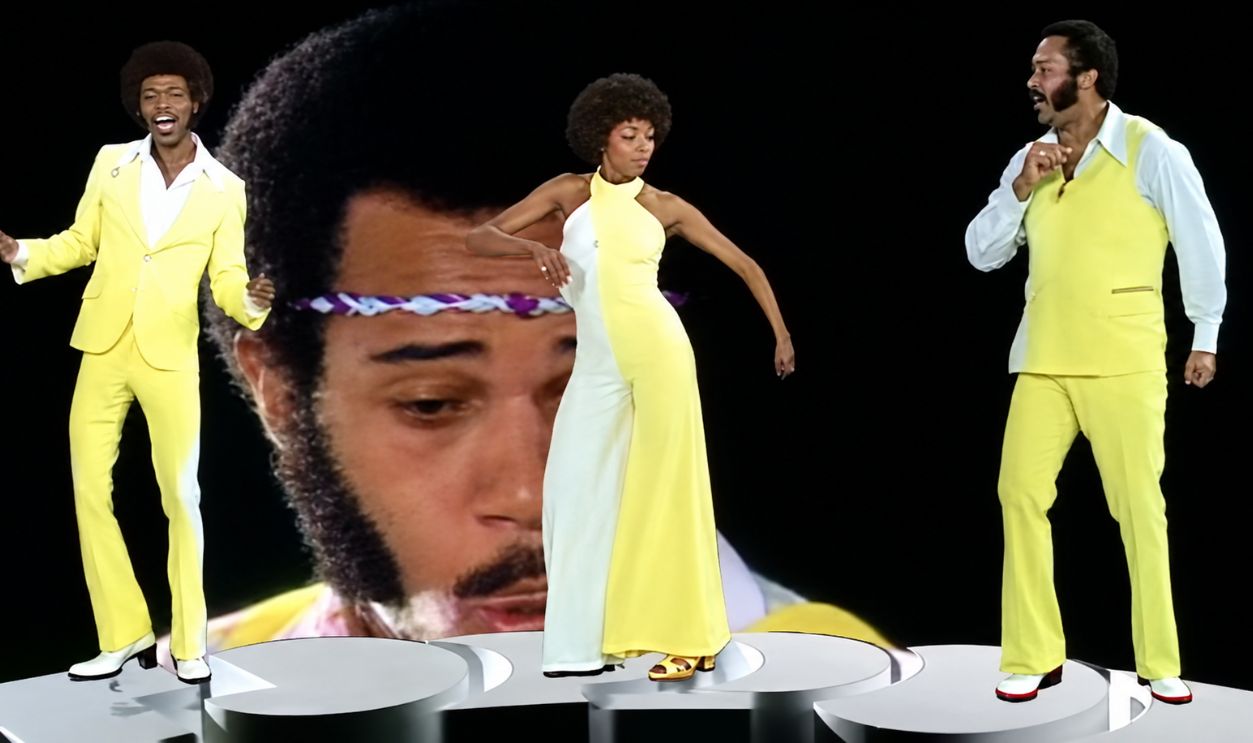 Screenshot from Rock The Boat, RCA Records (1974)
“Annie’s Song”
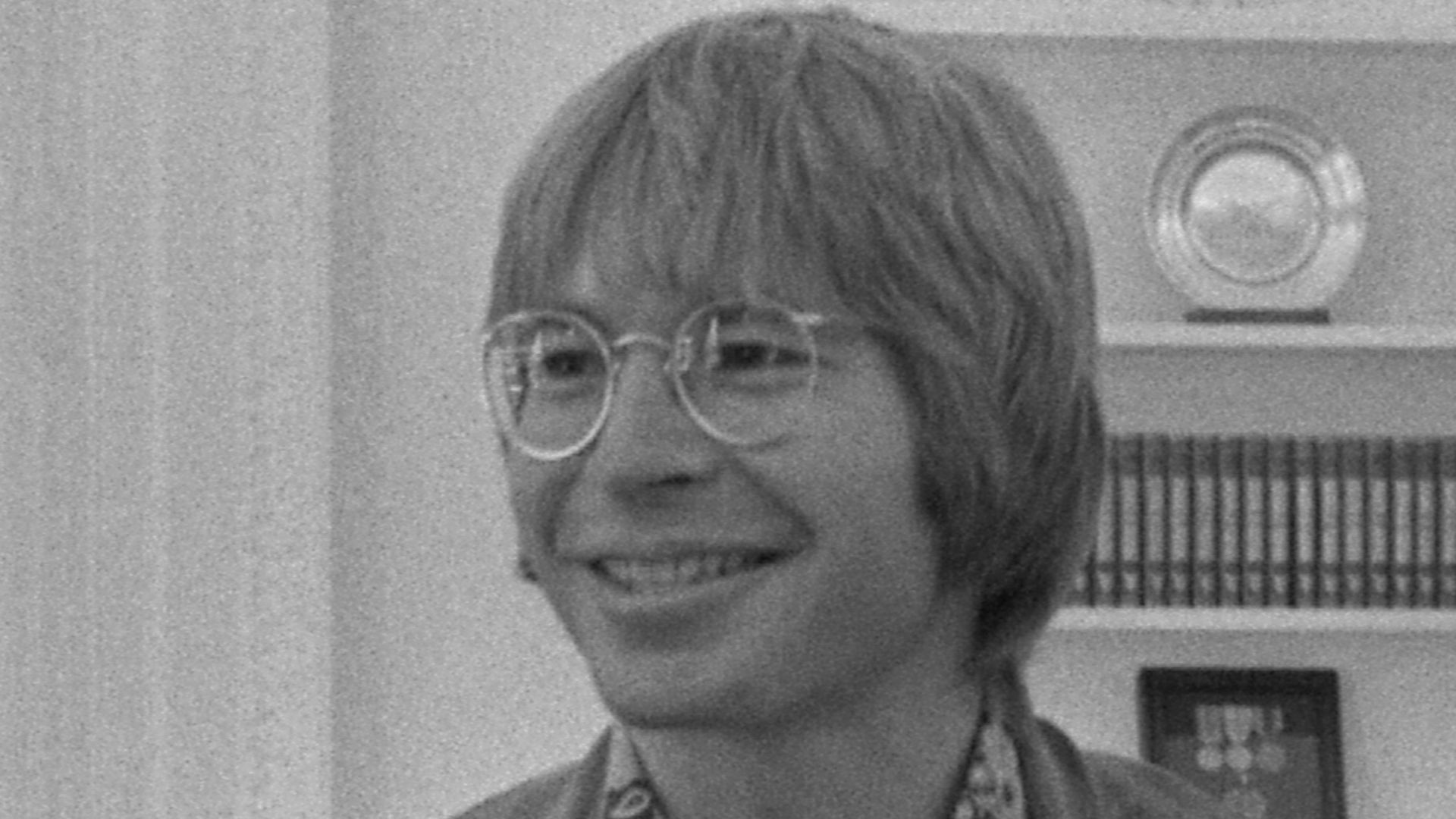
John Denver returned to number one on July 27 with the tender “Annie's Song,” written for his wife Annie Martell Denver. It made him the only artist to score two different Billboard Hot 100 Number Ones during 1974, an impressive distinction in such an unusually crowded chart year.
 Unknown authorUnknown author or not provided, Wikimedia Commons
“Feel Like Makin’ Love”
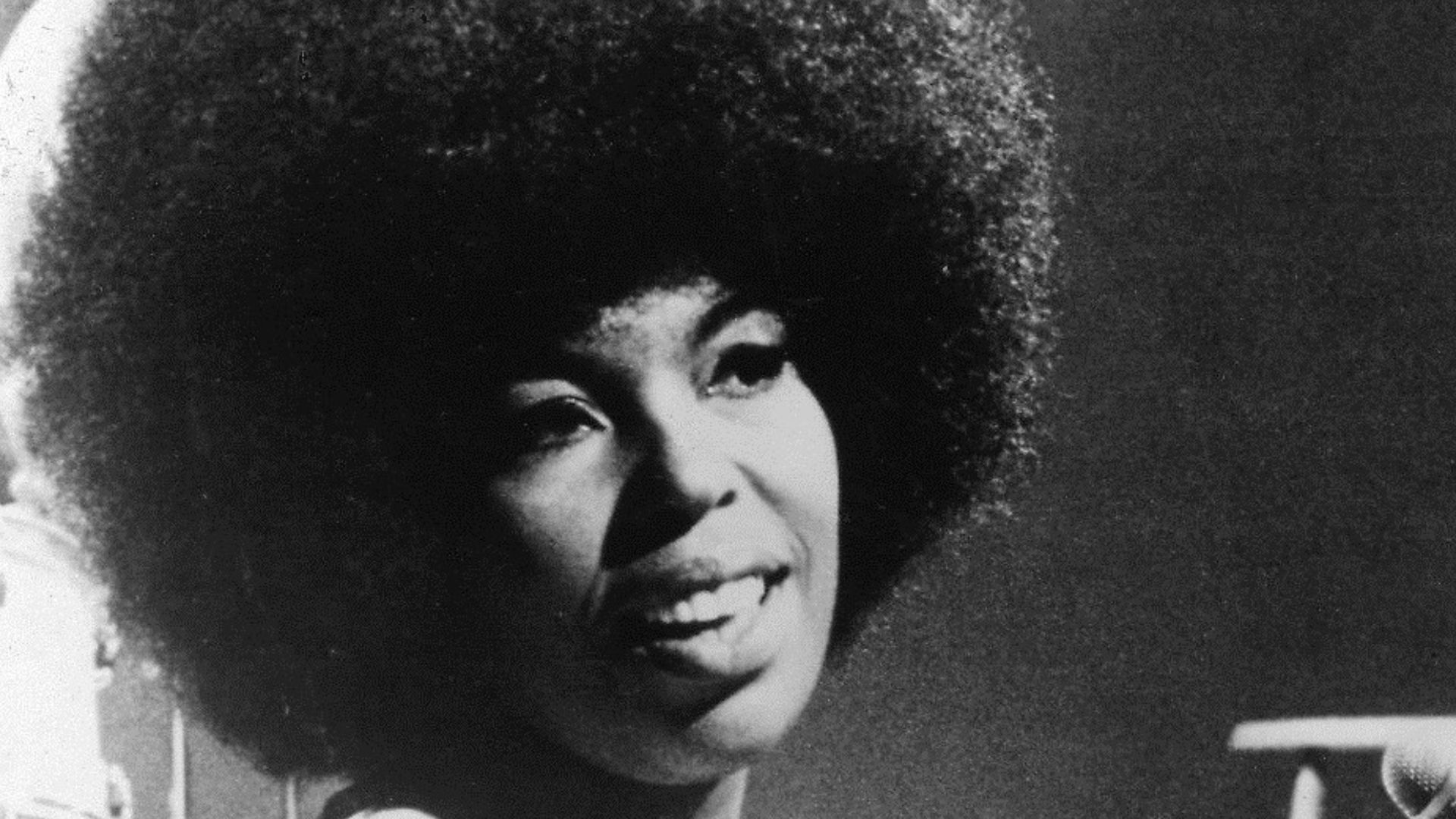
Roberta Flack's sensual “Feel Like Makin' Love” took number one on August 10. It was her third chart-topper in three years, following “The First Time Ever I Saw Your Face” and “Killing Me Softly With His Song,” confirming Flack as one of the era's premier interpreters of romantic ballads.
 CMS-Creative Management Associates/John Levy (management), Wikimedia Commons
“The Night Chicago Died”
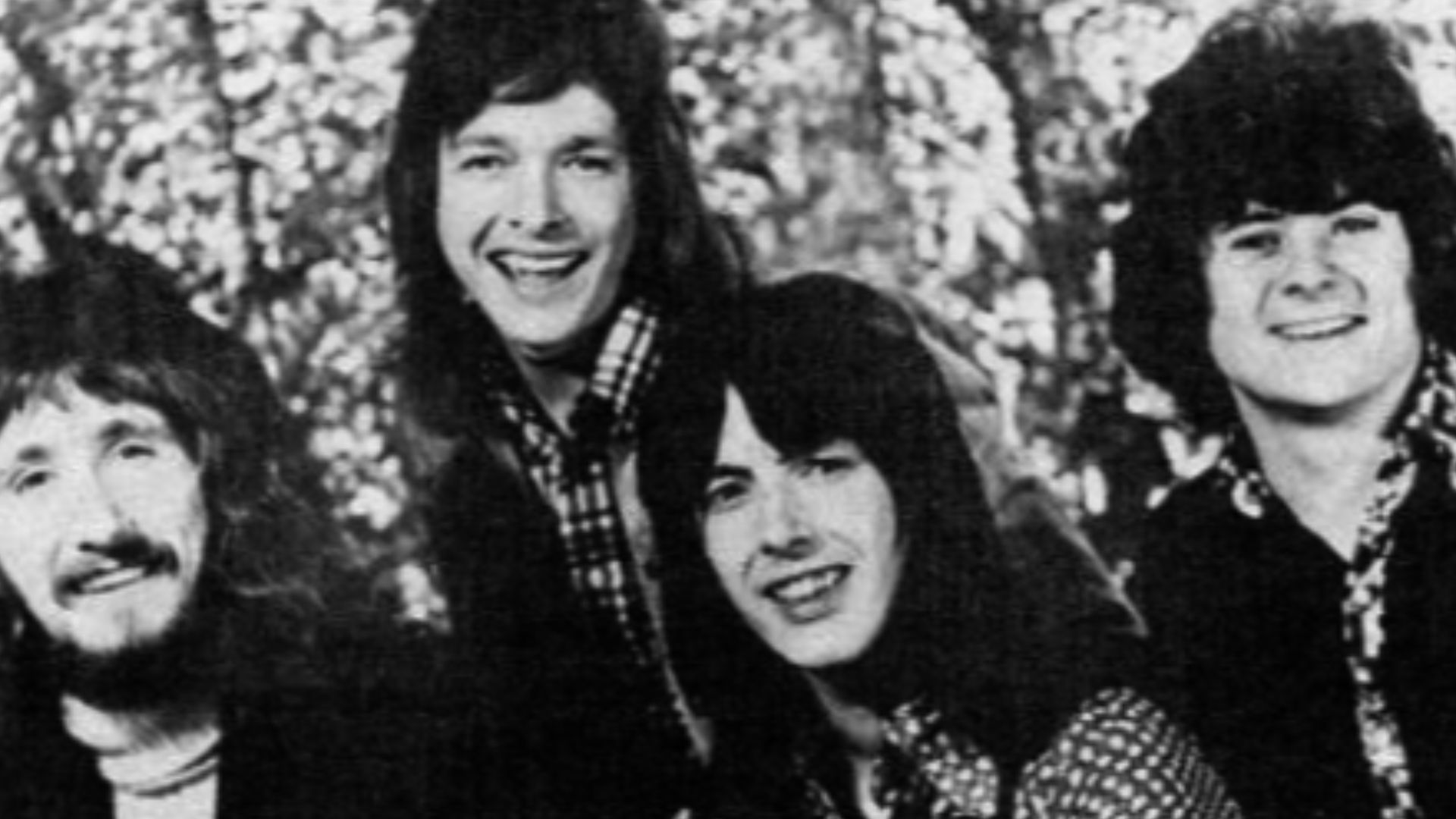
Paper Lace got its American revenge with “The Night Chicago Died.” Although the song's tale of a deadly confrontation between police and Al Capone's gang was historically fanciful, American listeners hardly cared. The British group's dramatic story song reached number one on August 17.
 Unknown authorUnknown author, Wikimedia Commons
“Having My Baby”
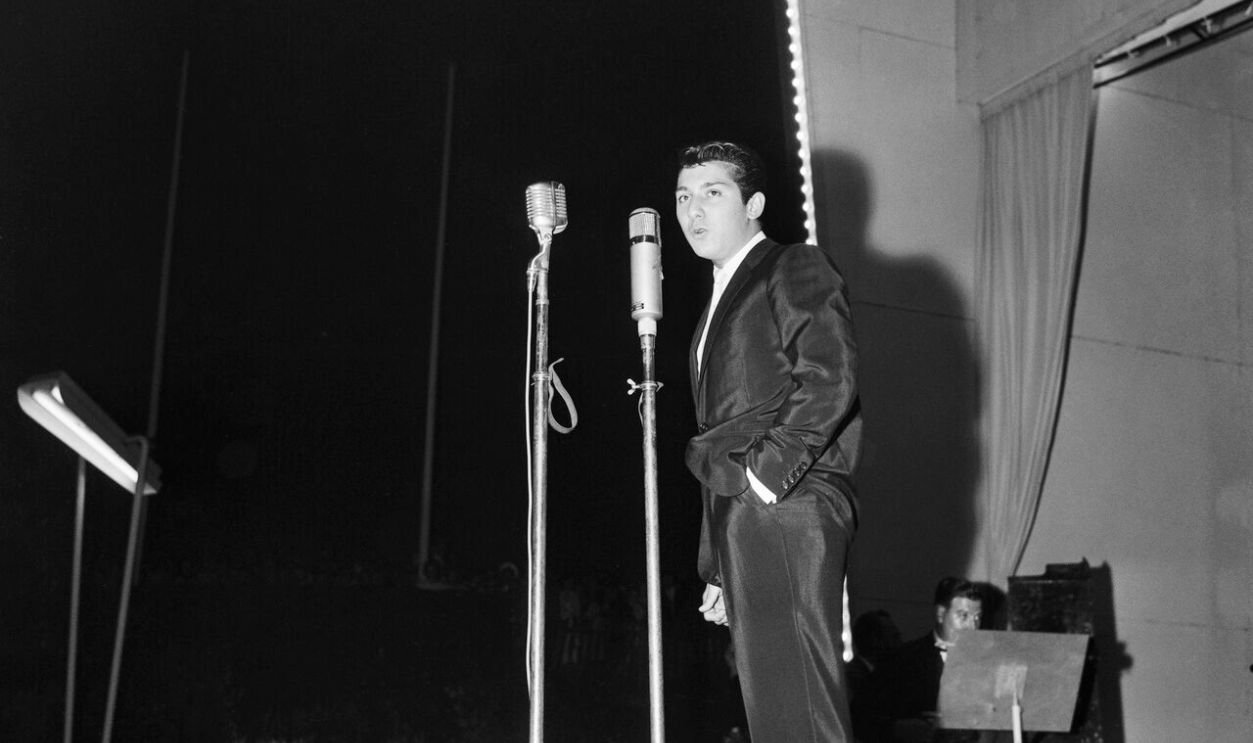
Paul Anka returned spectacularly to the top with “(You're) Having My Baby,” recorded with Odia Coates. Beginning August 24, it spent three weeks at number one. The song became a massive commercial success despite lyrics that were controversial even at the time and remain debated today.
 U. A. Saarinen, Wikimedia Commons
“I Shot The Sheriff”
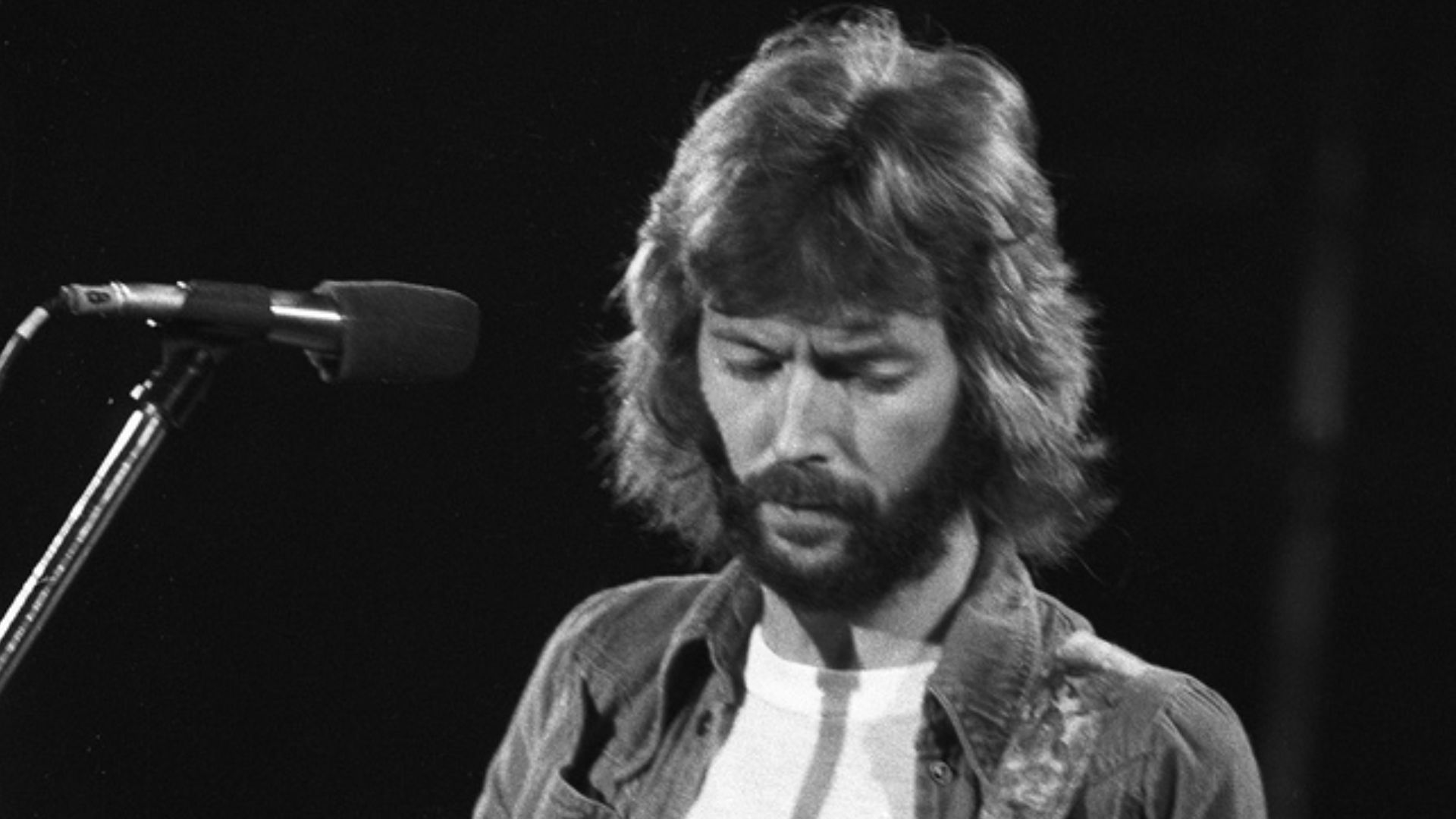
Eric Clapton gave Bob Marley's songwriting a huge American audience with his cover of “I Shot The Sheriff.” The laid-back interpretation reached number one on September 14, giving Clapton his first American chart-topper and helping introduce reggae sounds to an even broader mainstream rock audience.
 Matt Gibbons, Wikimedia Commons
“Can’t Get Enough”
After masterminding the earlier number one “Love's Theme,” Barry White finally reached the summit under his own name with “Can't Get Enough Of Your Love, Babe.” The September chart-topper perfectly showcased White's deep voice, romantic persona, orchestral arrangements, and unmistakably luxurious production style.
![Collectie / Archief : Fotocollectie Anefo
Reportage / Serie : [ onbekend ]
Beschrijving : Grand Gala du Disque Populaire ; Barry White aan piano
Datum : 1974
Trefwoorden : pianos
Persoonsnaam : Barry White
Fotograaf : Mieremet, Rob / Anefo
Auteursrechtheb](https://www.factinate.com/storage/app/media/theshot/2026/8/18/1787030489324c81e517f8b33b625d5e19b80e9d2e7b0e5b7f.jpg) Rob Mieremet / Anefo, Wikimedia Commons
Rob Mieremet / Anefo, Wikimedia Commons
“Rock Me Gently”
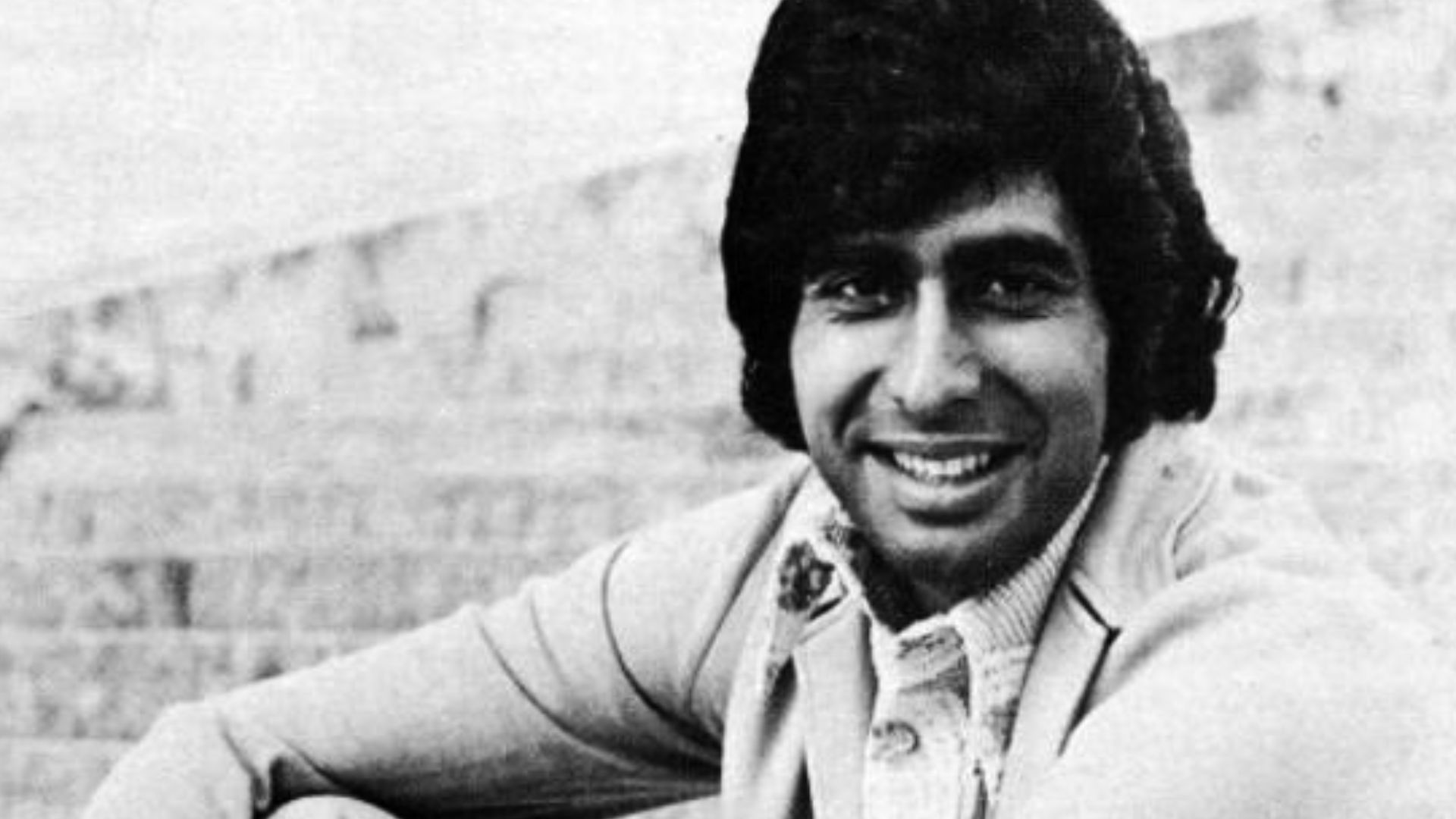
Canadian singer Andy Kim wrote and recorded “Rock Me Gently” after earlier songwriting success that included co-writing the Archies' “Sugar, Sugar.” His buoyant solo record reached number one on September 28, making Kim one of several Canadian performers who enjoyed major American chart success during 1974.
 Feld Brothers Management Corp., Wikimedia Commons
“I Honestly Love You”
Olivia Newton-John's “I Honestly Love You” spent two weeks at number one beginning October 5. The tender ballad became a defining early hit for the Australian-raised singer, years before Grease transformed her into an even bigger international superstar and changed her pop image dramatically.
![Collectie / Archief : Fotocollectie Anefo
Reportage / Serie : [ onbekend ]
Beschrijving : Aankomst zangeres Olivia Newton John op Schiphol; Olivia Newton John in de perskamer
Datum : 24 november 1978
Trefwoorden : aankomsten, zangeressen
Persoonsnaam : Ne](https://www.factinate.com/storage/app/media/theshot/2026/8/18/17870312093ca49e43cf19fcda524ed1437c7b7362a6f70f15.jpg) Bert Verhoeff for Anefo, Wikimedia Commons
Bert Verhoeff for Anefo, Wikimedia Commons
“Nothing From Nothing”
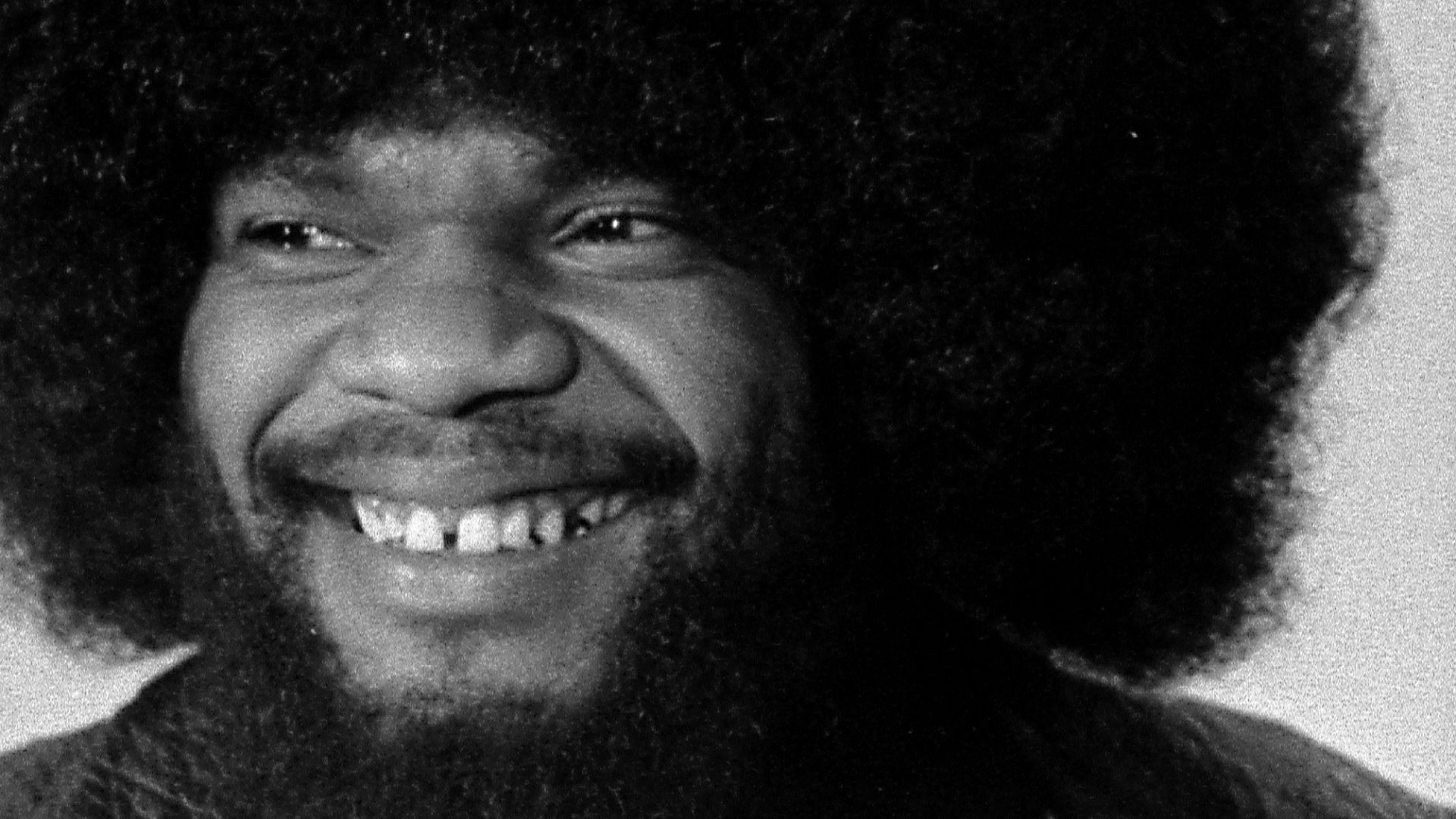
Billy Preston brought irresistible funk and exuberant piano playing to “Nothing From Nothing.” The October 19 chart-topper became Preston's second solo number one, following “Will It Go Round In Circles,” and demonstrated why the celebrated keyboardist was far more than simply a famous Beatles collaborator.
 David Hume Kennerly, Wikimedia Commons
“Then Came You”
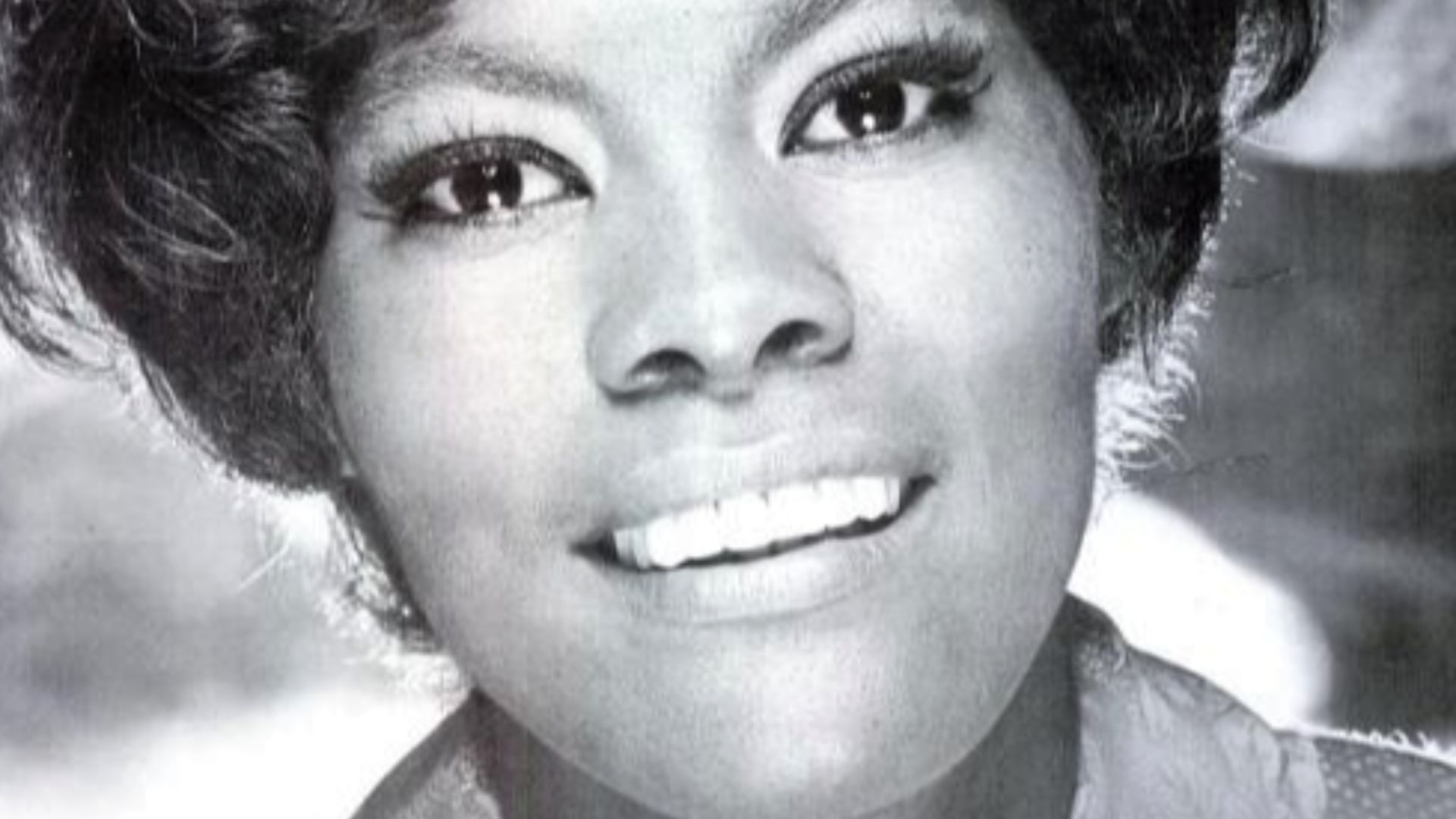
Dionne Warwick teamed with the Spinners for “Then Came You,” which reached Number One on October 26. Remarkably, despite Warwick's long run of classic recordings, it became her first Hot 100 number one. It also provided the Spinners with their first trip to the top.
 Scepter Records, Wikimedia Commons
“You Haven’t Done Nothin’”
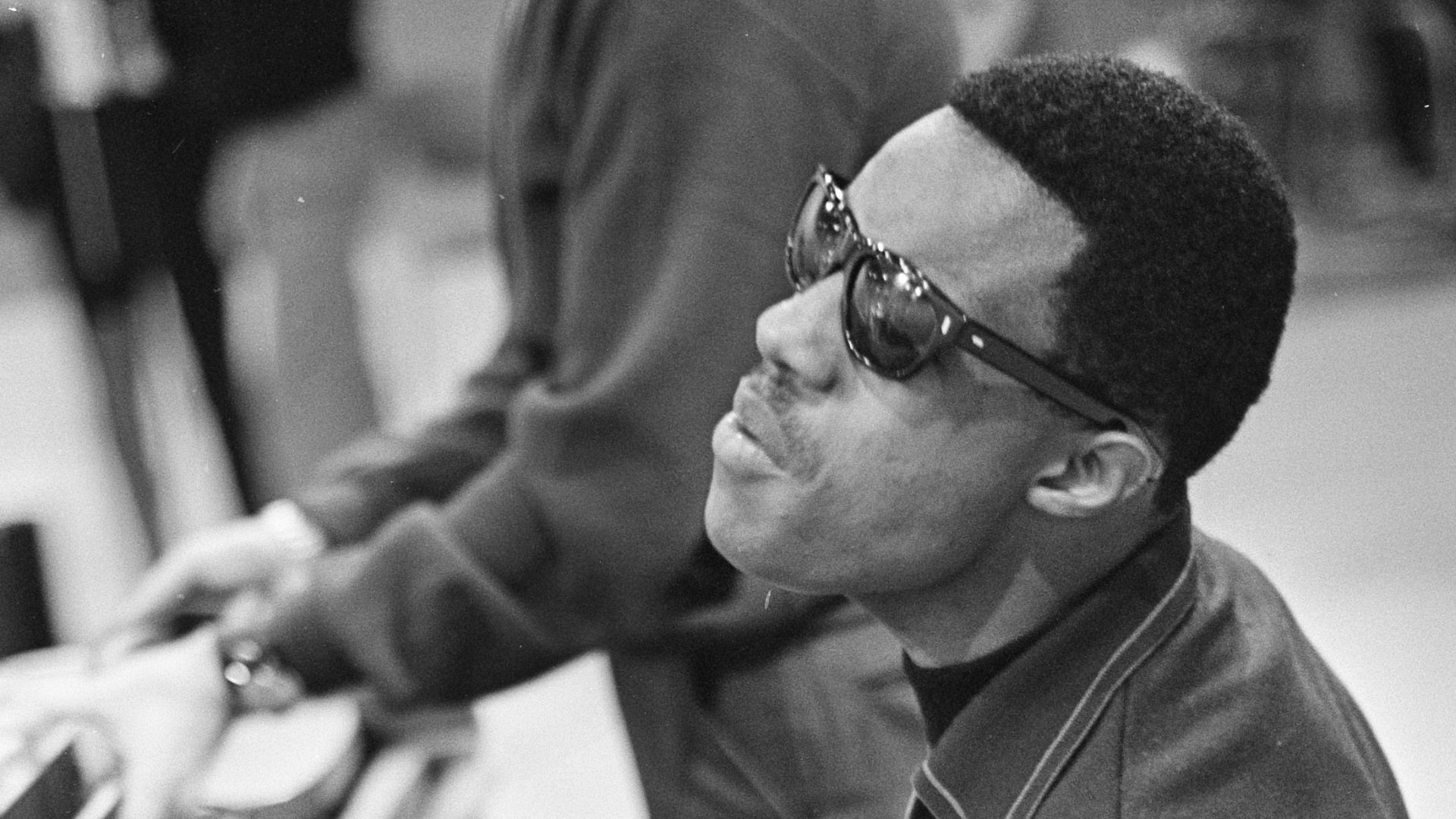
Stevie Wonder's biting “You Haven't Done Nothin'” reached number one on November 2. Featuring backing vocals from the Jackson 5, the politically charged funk track was aimed at the Nixon administration and arrived at the summit only months after Richard Nixon resigned the presidency.
 Jack de Nijs for Anefo, Wikimedia Commons
“You Ain’t Seen Nothing Yet”
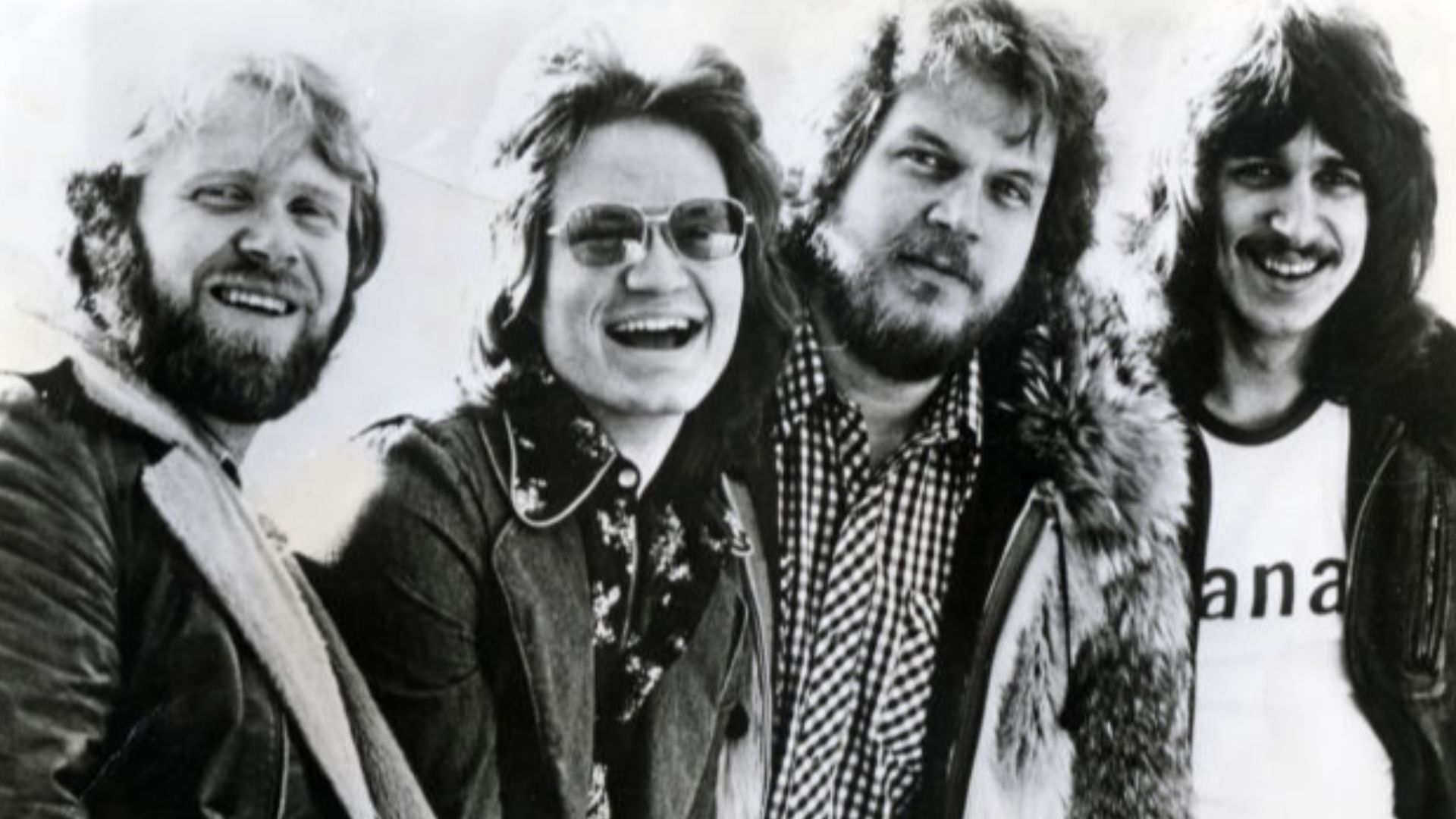
Bachman-Turner Overdrive scored its biggest American hit with “You Ain't Seen Nothing Yet.” Randy Bachman's famous stuttered vocal hook helped propel the Canadian rockers to number one on November 9, making the song an enduring staple of 1970s classic-rock radio.
 Mercury Records, Wikimedia Commons
“Whatever Gets You Thru The Night”
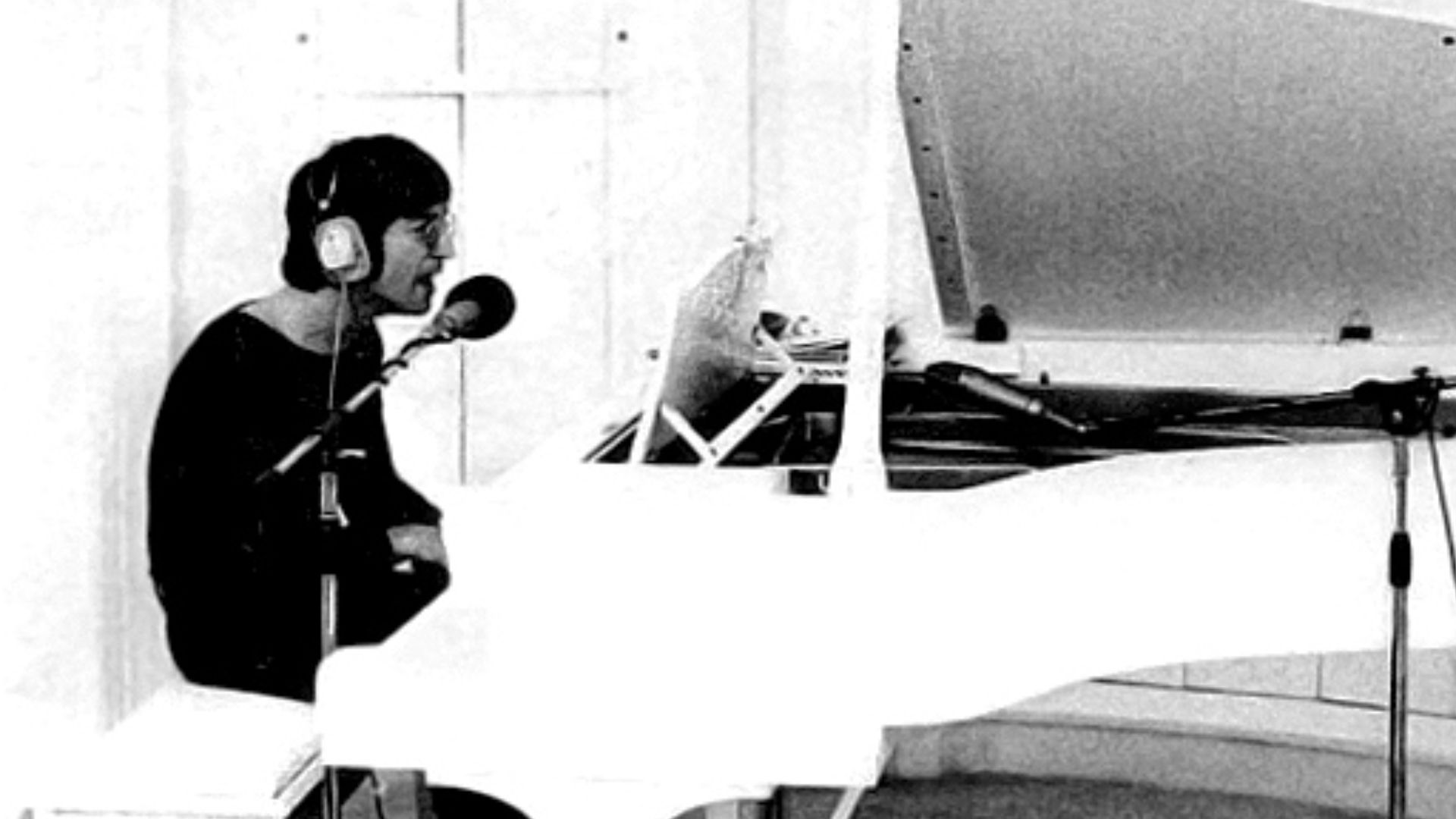
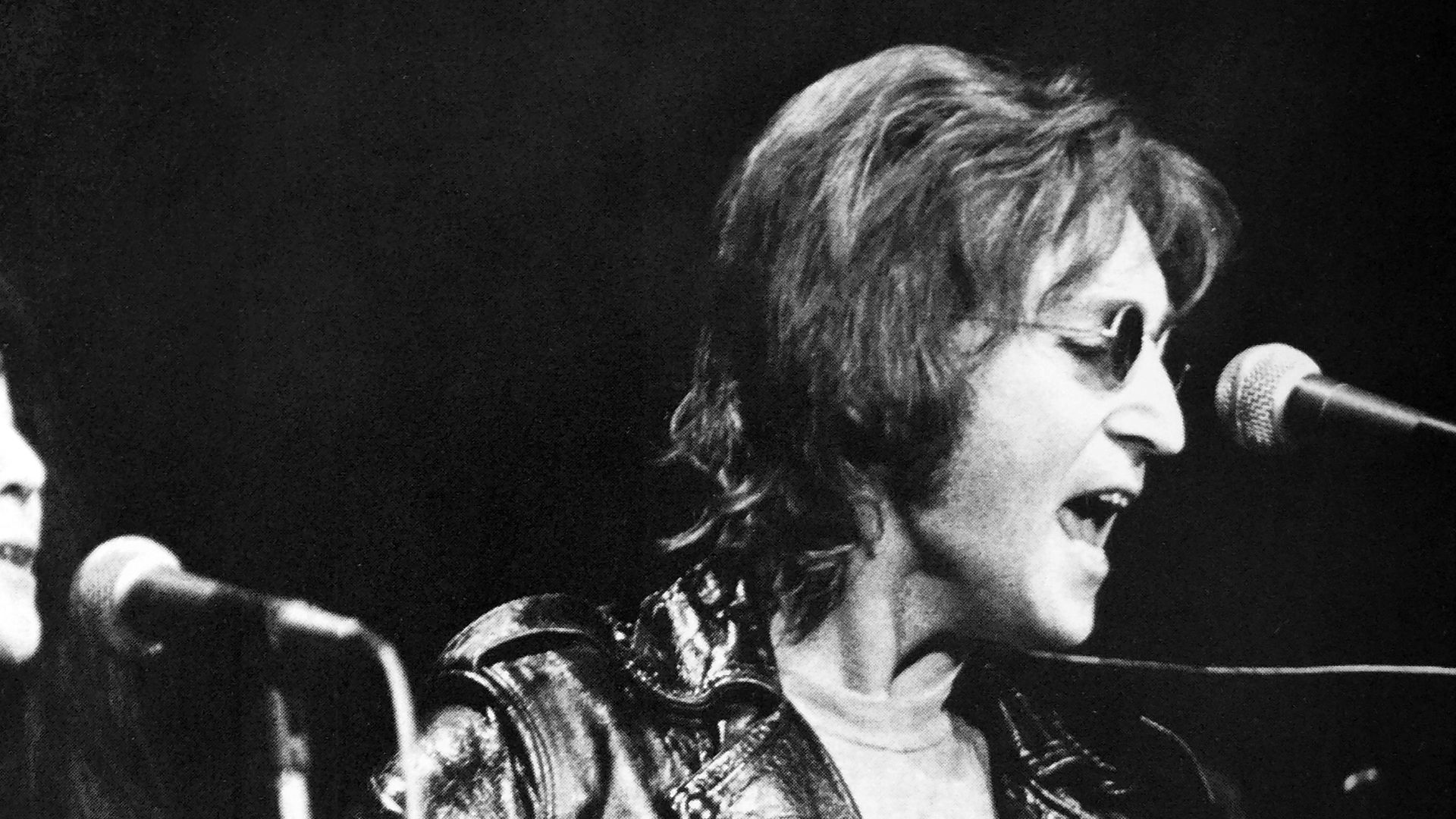
John Lennon finally achieved something his three former Beatles bandmates had already accomplished: a solo American Number One. “Whatever Gets You Thru The Night,” featuring Elton John, topped the chart on November 16 and became Lennon's only U.S. solo number one during his lifetime.
 Peter Fordham, Wikimedia Commons
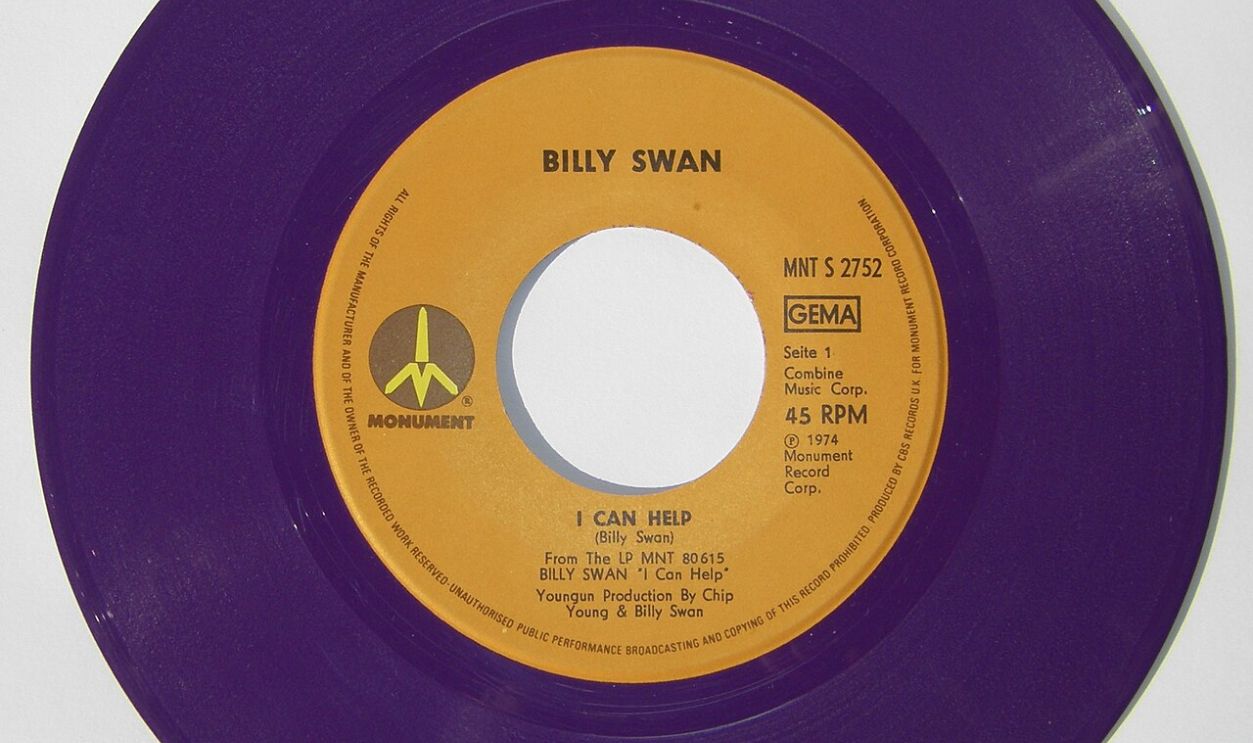
“I Can Help”
Billy Swan blended pop, country, rockabilly, and an infectious organ riff on “I Can Help.” The song began a two-week stay at number one on November 23 and also crossed over successfully to the country charts, making the Missouri-born singer's friendly, unassuming recording an unexpected international smash.
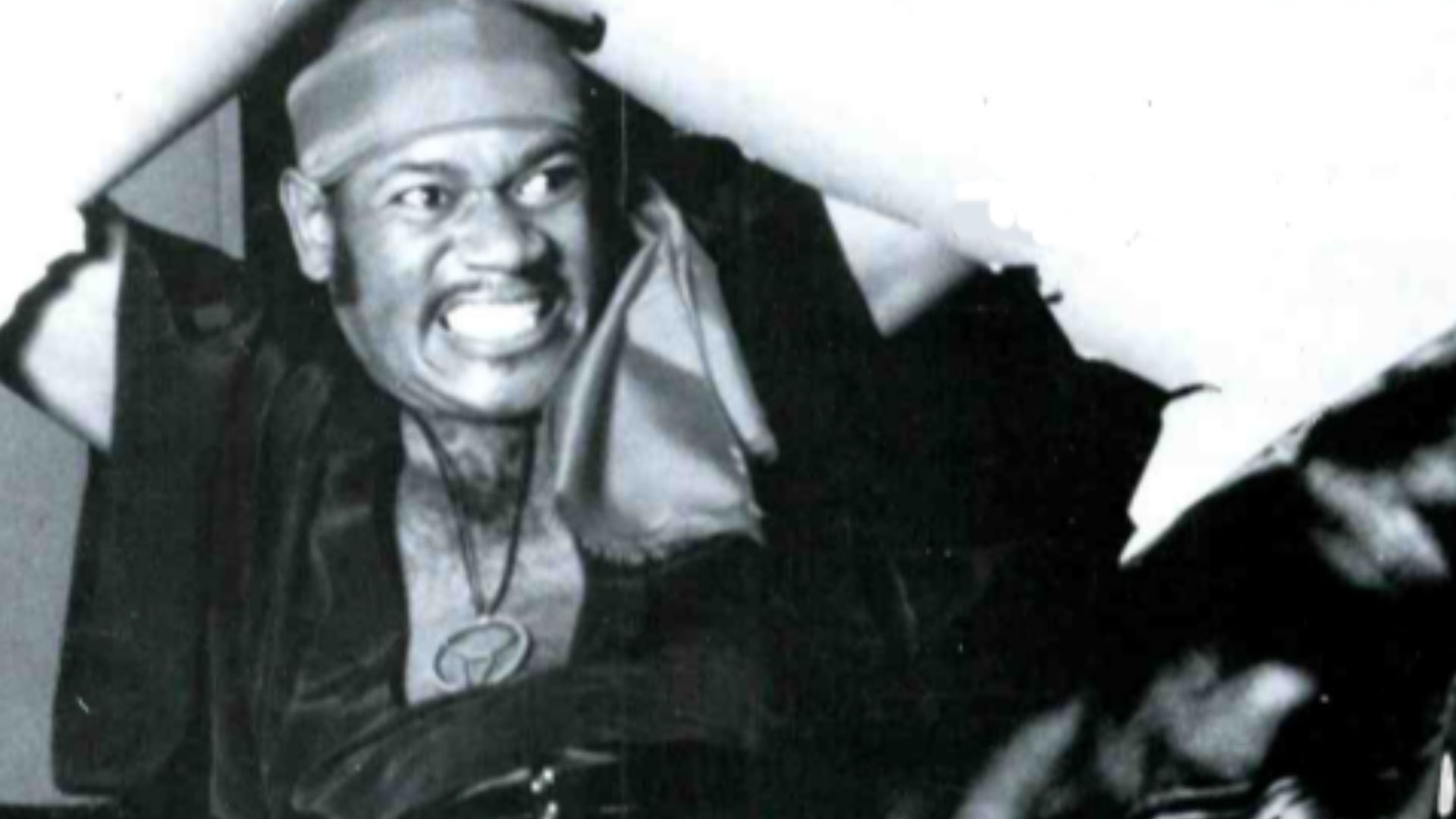
“Kung Fu Fighting”
Few novelty-flavored hits have proved as durable as Carl Douglas' “Kung Fu Fighting.” Riding enthusiasm for martial-arts movies and an absurdly catchy chorus, the Jamaican singer's record spent two weeks at number one in December and eventually became one of the era's most instantly recognizable songs.
 20th Century Records, Wikimedia Commons
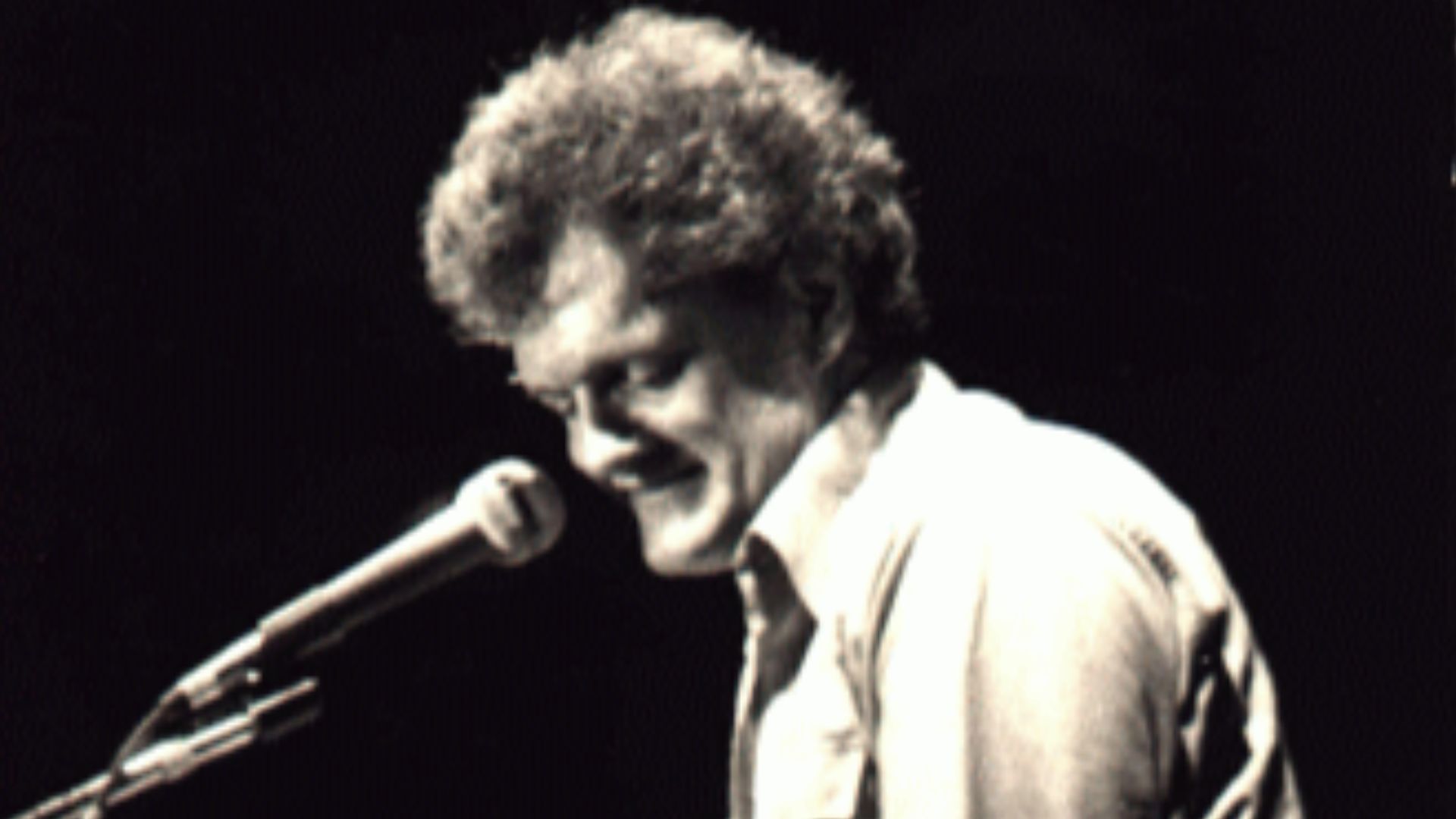
“Cat’s In The Cradle”
Harry Chapin reached number one on December 21 with “Cat's In The Cradle,” his haunting story of a father too busy for his son who eventually discovers their roles have reversed. The song became Chapin's only number one song and his most enduring recording.
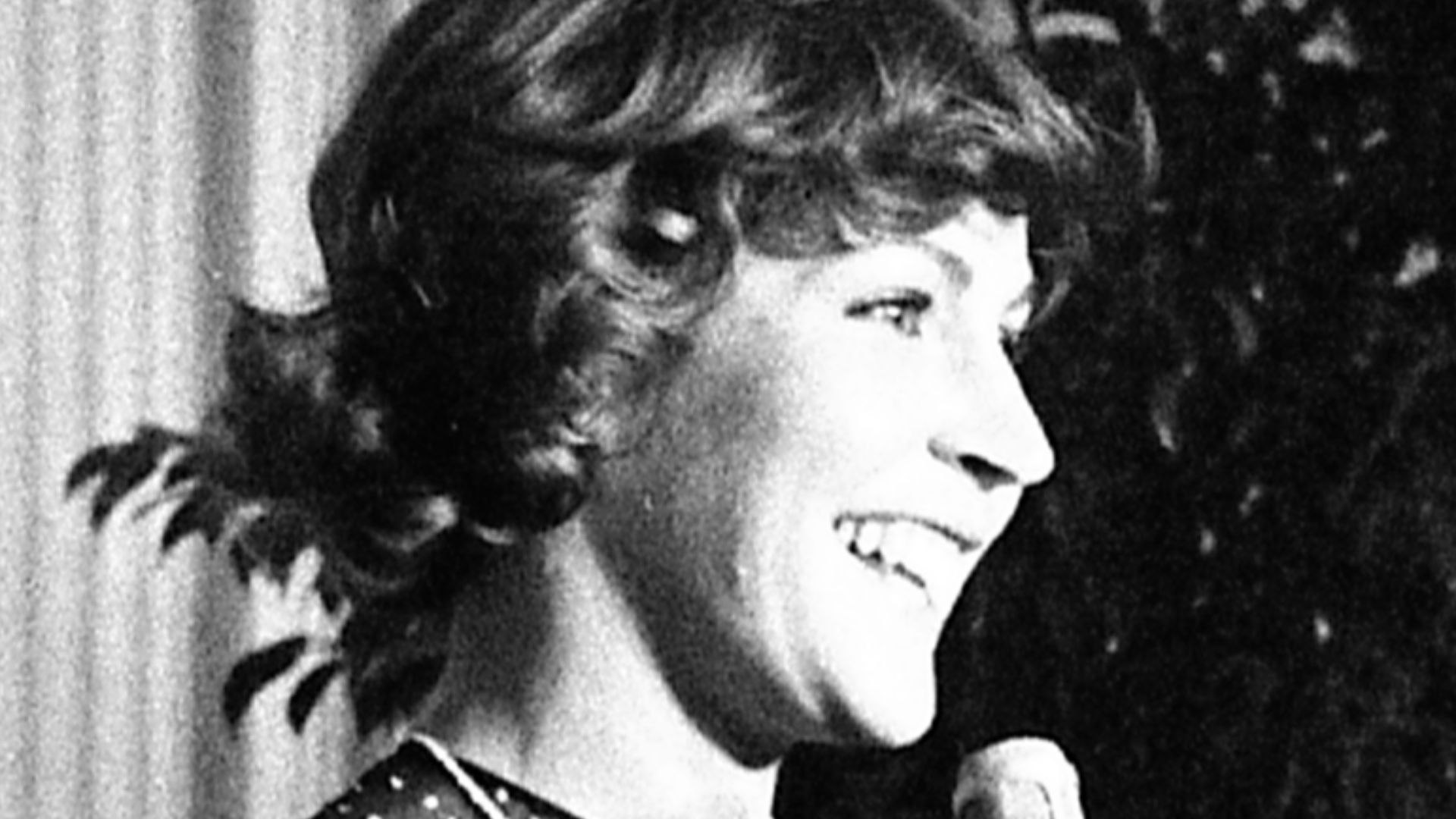
“Angie Baby”
Helen Reddy closed Billboard's 1974 calendar with one of the year's strangest hits. Written by Alan O'Day, “Angie Baby” told an eerie, ambiguous story about an isolated young woman and a disappearing neighbor. It reached number one on the chart dated December 28.
 Ricardo Thomas (Gerald R. Ford Presidential Library), Wikimedia Commons
George McCrae Was Ready
George McCrae had spent years singing, including performing with his wife Gwen, but her solo career eventually took precedence. George became her manager and was considering returning to college to study law enforcement. Then an unexpected opportunity at a Florida recording studio completely changed his future.
 MiamiFilmFestival, Wikimedia Commons
The Song Found Him
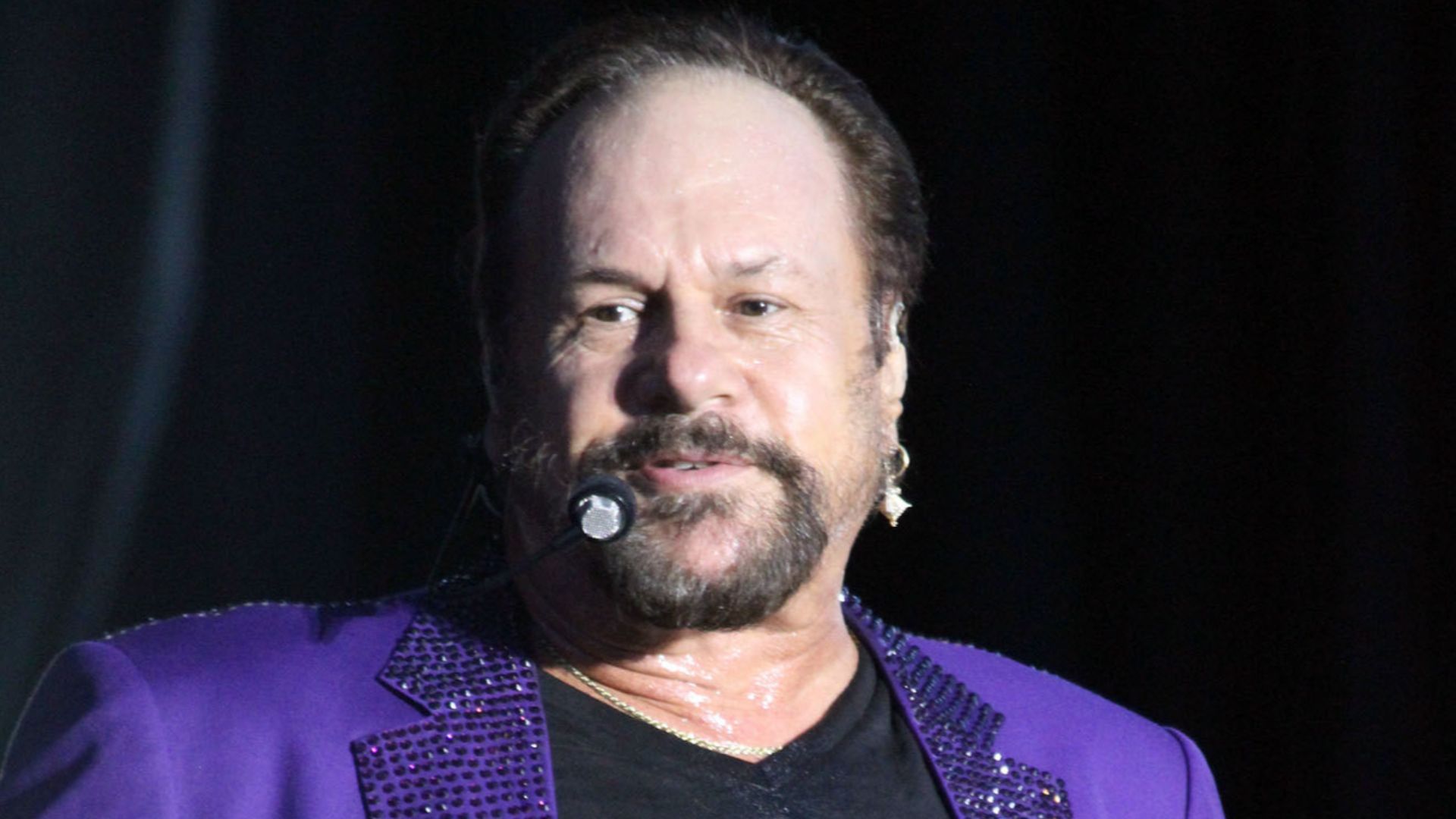
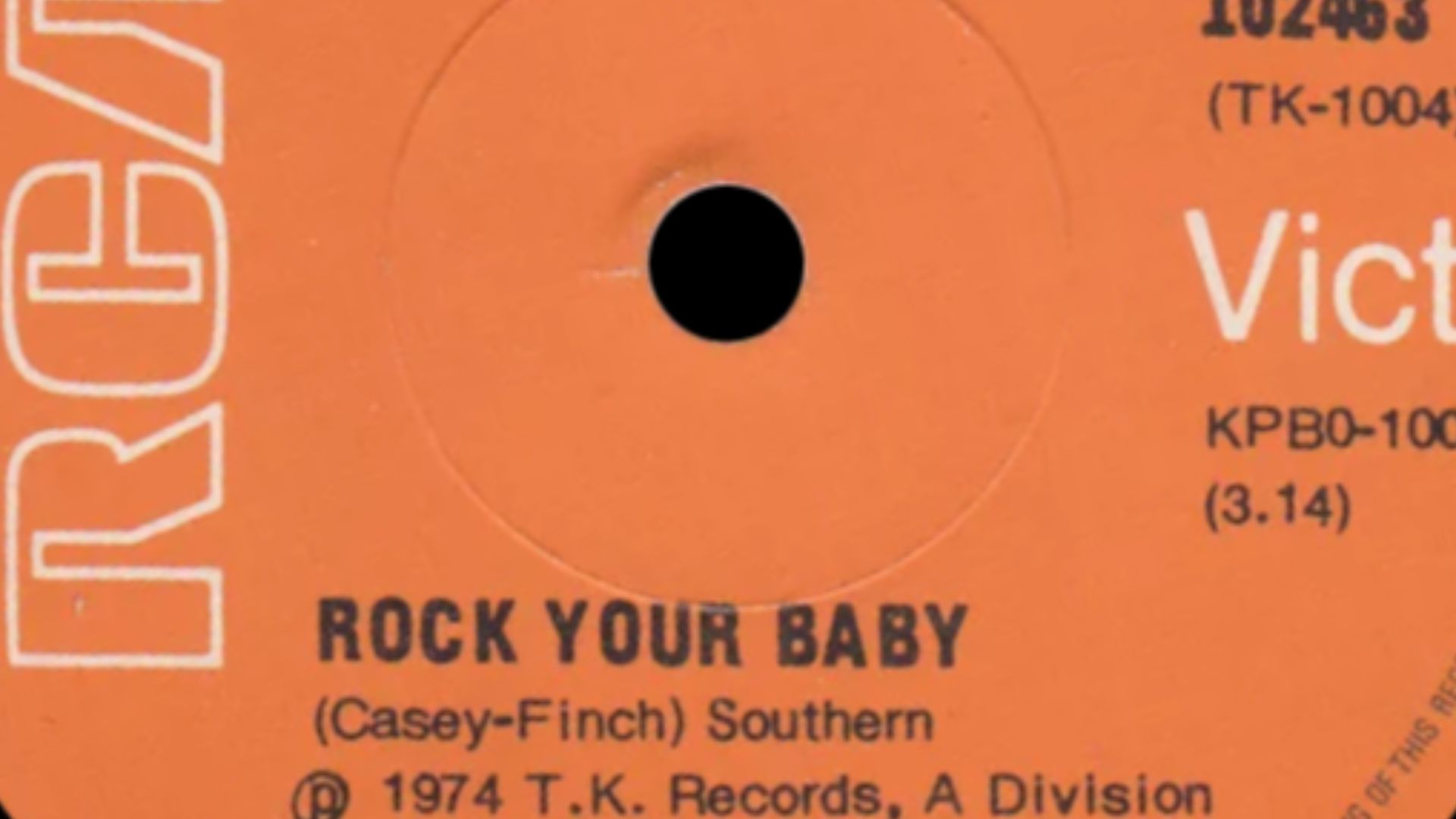
Harry Wayne Casey and Richard Finch, the future hit-making core of KC and the Sunshine Band, created the backing track that became “Rock Your Baby.” McCrae happened to be available when a singer was needed, and his distinctive high falsetto proved an extraordinary match for their infectious dance groove.
 Cornstalker, Wikimedia Commons
Made In 45 Minutes
The backing track was reportedly created as a demo in only about 45 minutes, with Casey playing keyboards, Finch handling bass and drums, and Jerome Smith contributing guitar. Its use of a rhythm machine helped give “Rock Your Baby” the futuristic pulse that made it an early disco landmark.
David Redfern/Redferns, Getty Images
“Rock Your Baby”
Released in May, “Rock Your Baby” reached number one on July 13 and remained there for two weeks. It also topped Billboard's R&B chart and spent three weeks atop the British singles chart. Worldwide physical sales ultimately exceeded 11 million copies, making McCrae an international star.
Even Lennon Loved It
Among the millions captivated by “Rock Your Baby” was John Lennon. Lennon said he would give his “eyetooth” to have written it and acknowledged its influence on “Whatever Gets You Thru The Night.” Appropriately, both songs became Billboard number ones during that remarkable year of 1974.
You May Also Like:
The Songs That Defined The Disco Era
One-Hit Wonders That Everyone In The 1970s Had To Hear—But Almost No One Would Recognize Today