Loud, Obvious, And Impossible To Ignore
In the 1970s, radio was full of songs people loved to complain about—some because they were overplayed, others because they were bold, obvious, theatrical, or even a little embarrassing. People groaned, mocked them, and secretly knew every word. Ask those same listeners today, and most would probably admit that this kind of fearless personality is exactly what modern music is missing.
“Copacabana” (Barry Manilow)
People loved to mock Copacabana for being theatrical, dramatic, and a little ridiculous. And yet—everyone knew every word. It told a full story with characters, tragedy, and a punchline ending. Modern pop barely attempts this kind of storytelling. This song didn’t worry about being subtle. It worried about being memorable.

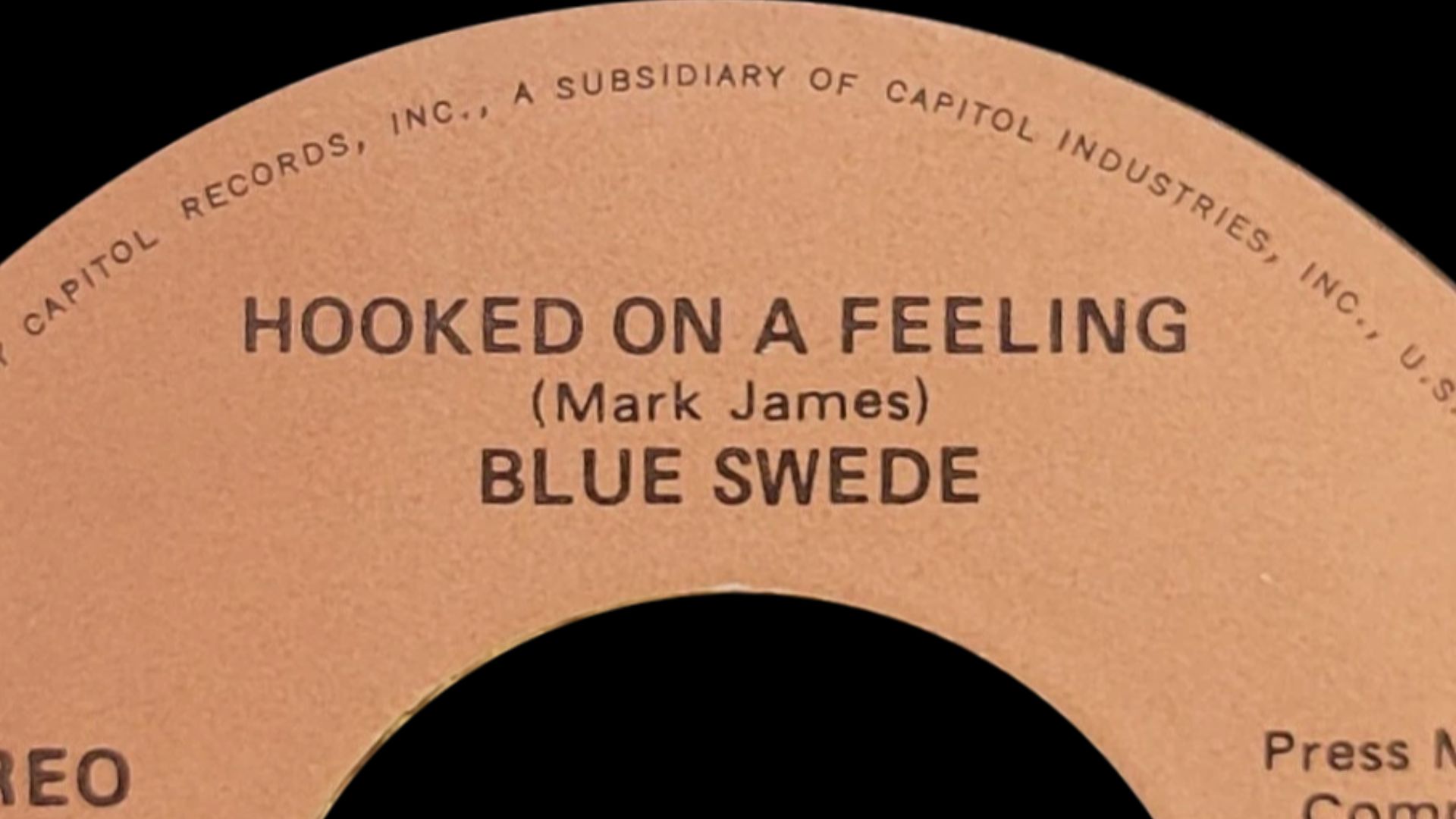
“Hooked On A Feeling” (Blue Swede)
That “ooga-chaka” intro tested everyone’s patience. And yet—once it started, you were in. Hooked On A Feeling was ridiculous, joyful, and fully committed to the bit. Today’s music often aims for effortless cool. This one chose chaos and had a blast doing it.
 EMI Records (US), Wikimedia Commons
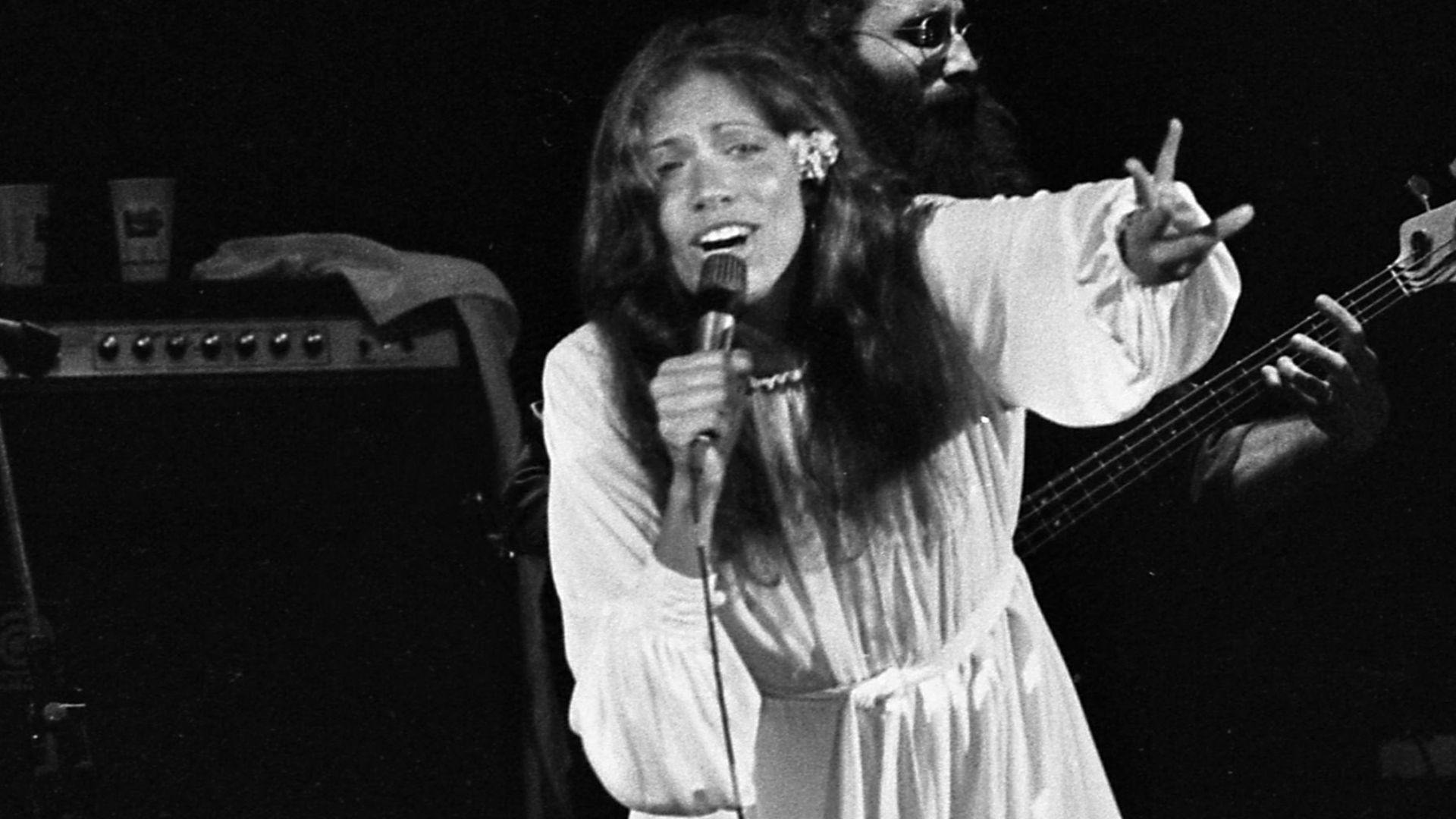
“You’re So Vain” (Carly Simon)
When You’re So Vain took over radio in 1972, the complaints weren’t about the song being bad—it was about never getting a break from it. Add in the endless guessing about who it was written about, and fatigue kicked in. People groaned, speculated anyway, and kept listening. Obsession, not dislike, fueled the backlash.
 Kathleen Ballard, Los Angeles Times, Wikimedia Commons
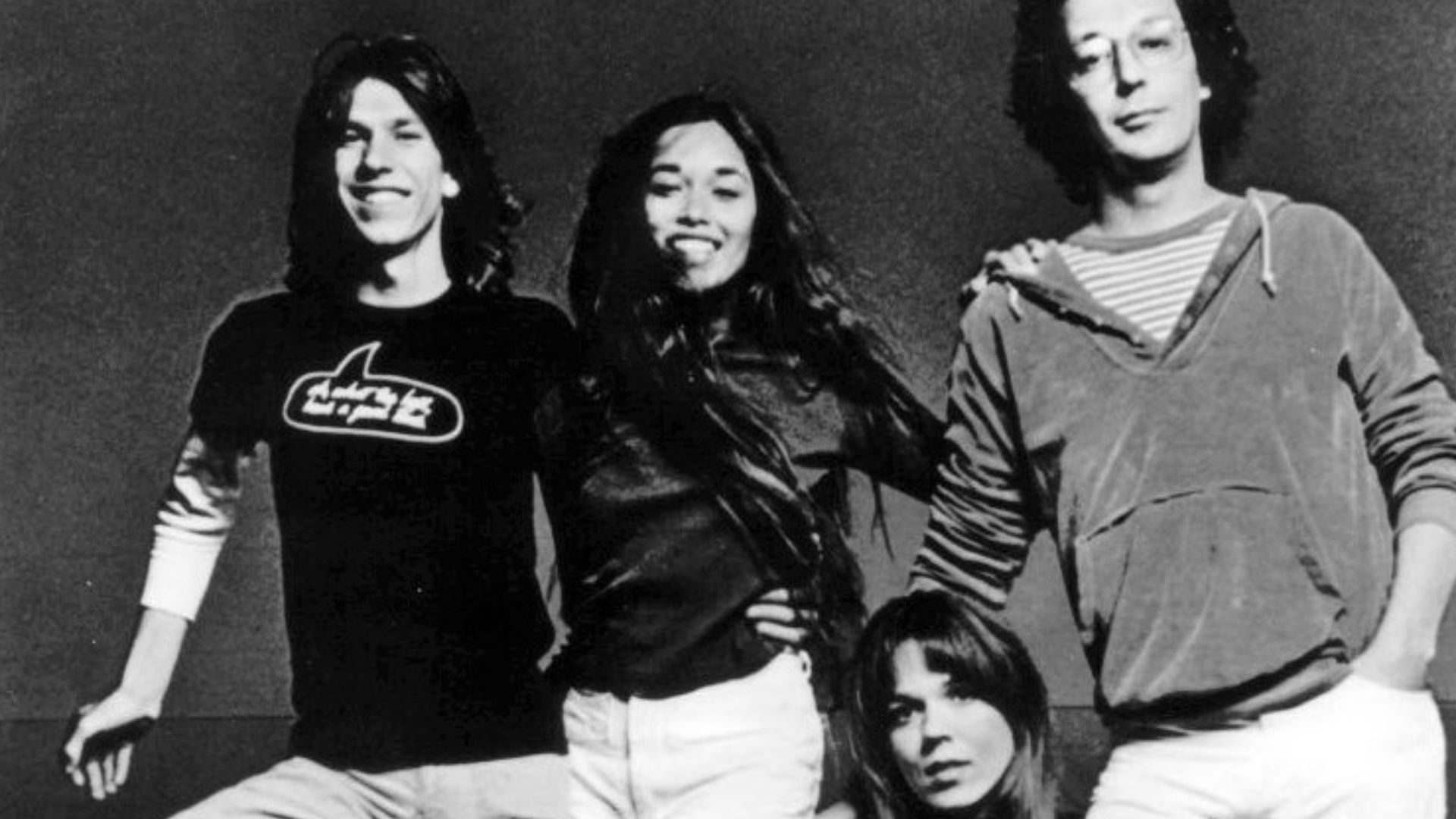
“Afternoon Delight” (Starland Vocal Band)
Too sunny. Too suggestive. Way too catchy. Afternoon Delight annoyed people instantly—and then refused to leave their heads. It leaned hard into its hook and trusted listeners to go along for the ride. Today’s songs are terrified of sounding goofy. This one sprinted toward it without hesitation.
 Windsong/RCA Records, Wikimedia Commons
“My Sharona” (The Knack)
People complained about the riff. They complained about the repetition. Mostly, they complained they couldn’t escape it. My Sharona didn’t politely ask for attention—it grabbed it. Modern radio could use a song brave enough to be this loud, this simple, and this impossible to ignore.
“Escape (The Piña Colada Song)” (Rupert Holmes)
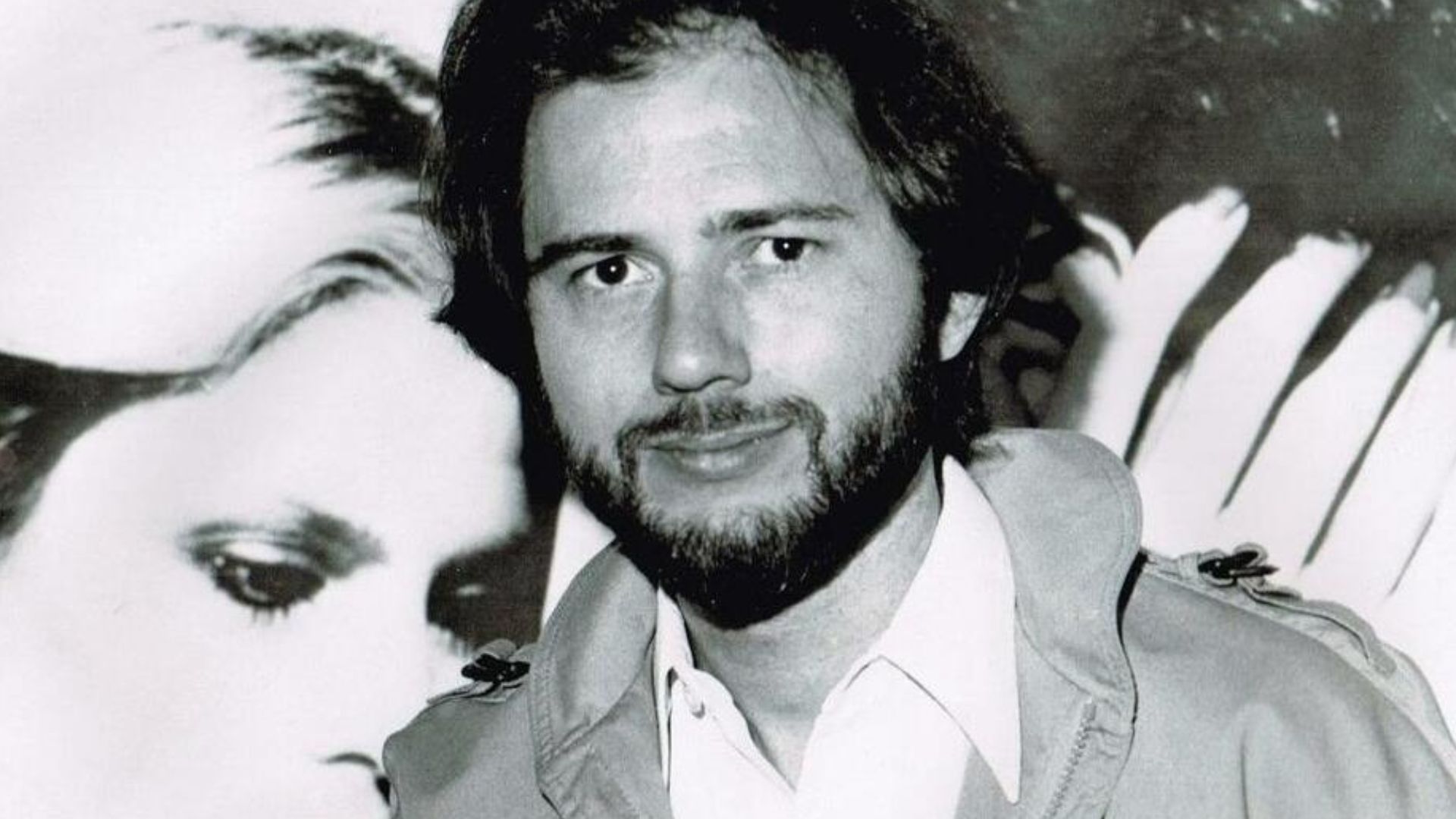
Listeners groaned when Escape came on—again—but they still listened all the way through. Why? Because it told a story with a twist you actually had to hear. Modern pop rarely rewards attention like that. This song trusted listeners to stick around.
 Infinity Records, Wikimedia Commons
“Don’t Stop ’Til You Get Enough” (Michael Jackson)
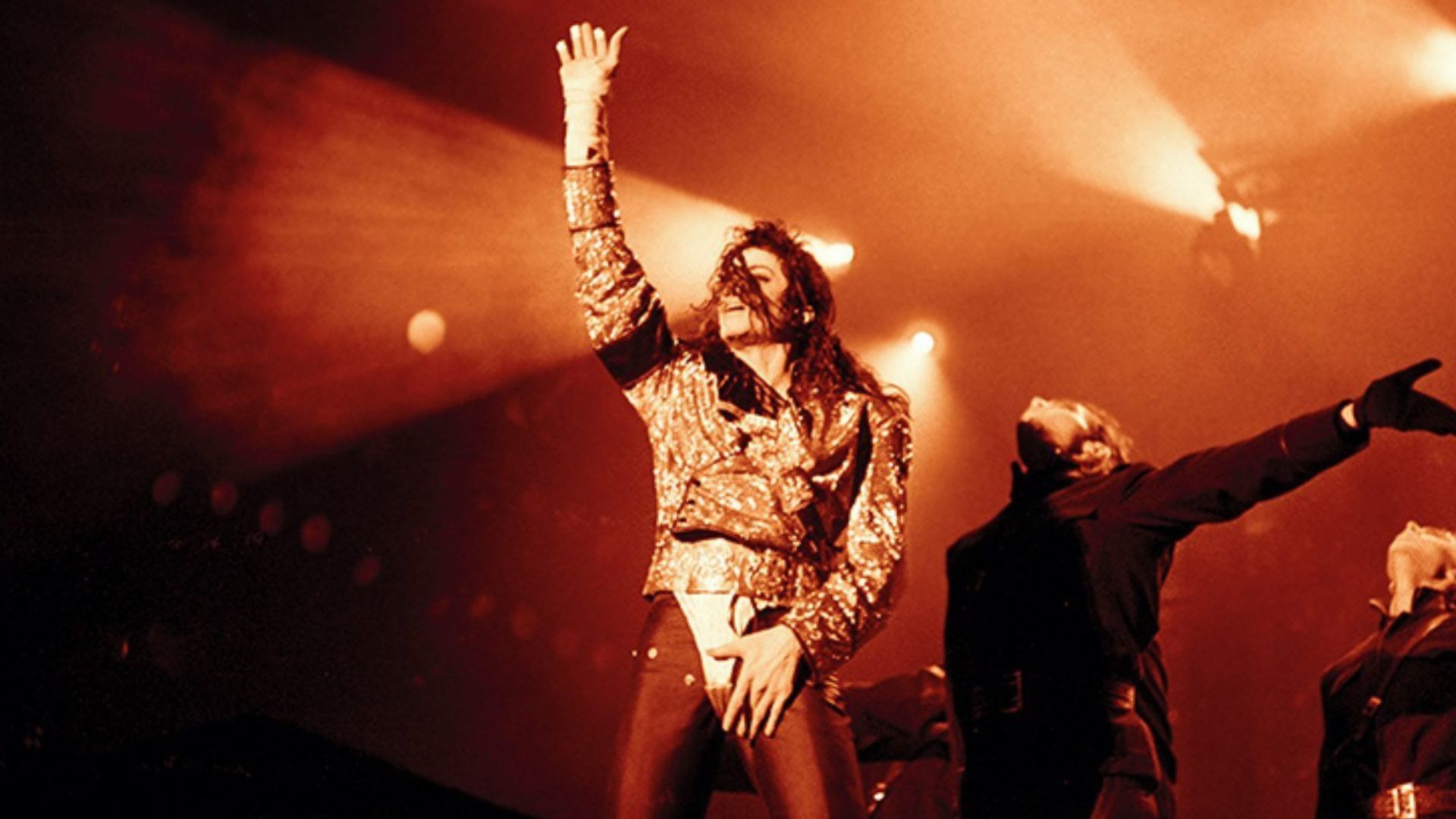
Yes, it was everywhere. Yes, people complained. But Don’t Stop ’Til You Get Enough didn’t blend into the background—it demanded movement. It was bright, confident, and impossible to sit still to. Modern hits often settle for vibe. This one demanded joy.
“We Are Family” (Sister Sledge)
People called it cheesy. DJs ignored them. We Are Family was loud, communal, and impossible not to feel. Even people pretending to hate it knew every word. Modern music rarely aims for togetherness like this—and it shows.
 Shervin Sardari - www.stage1.at, Wikimedia Commons
“Kung Fu Fighting” (Carl Douglas)
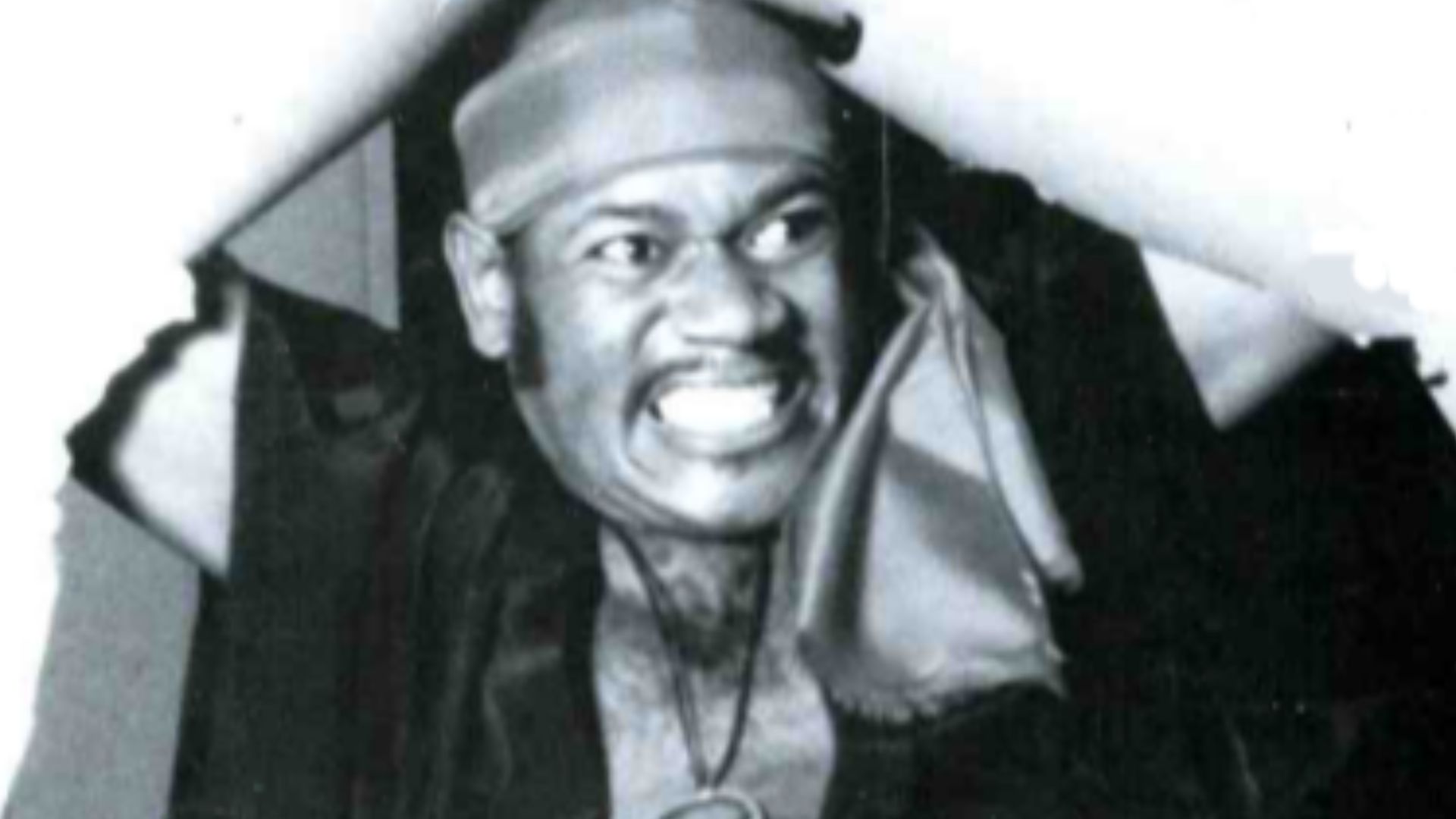
Critics called it gimmicky. Listeners rolled their eyes. And still, Kung Fu Fighting became a global hit. It was silly, catchy, and joyful across cultures. That kind of universal fun feels rare now—and a little missed.
 20th Century Records, Wikimedia Commons
“American Pie” (Don McLean)
American Pie sparked real complaints—but they were specific. People said it was too long, too symbolic, and too serious for nonstop airplay. Some stations even split it in half. And yet, listeners stayed through the whole thing. Love it or hate it, the song demanded attention—and radio let it.
 Alan Howard, Wikimedia Commons
“Brandy (You’re a Fine Girl)” (Looking Glass)
People rolled their eyes at Brandy for being soft, sentimental, and impossible to avoid. It was the kind of song people claimed to hate—while singing along anyway. The storytelling, the chorus, the emotion all hit hard. Modern music rarely allows itself to be this openly sincere.

“Dancing Queen” (ABBA)
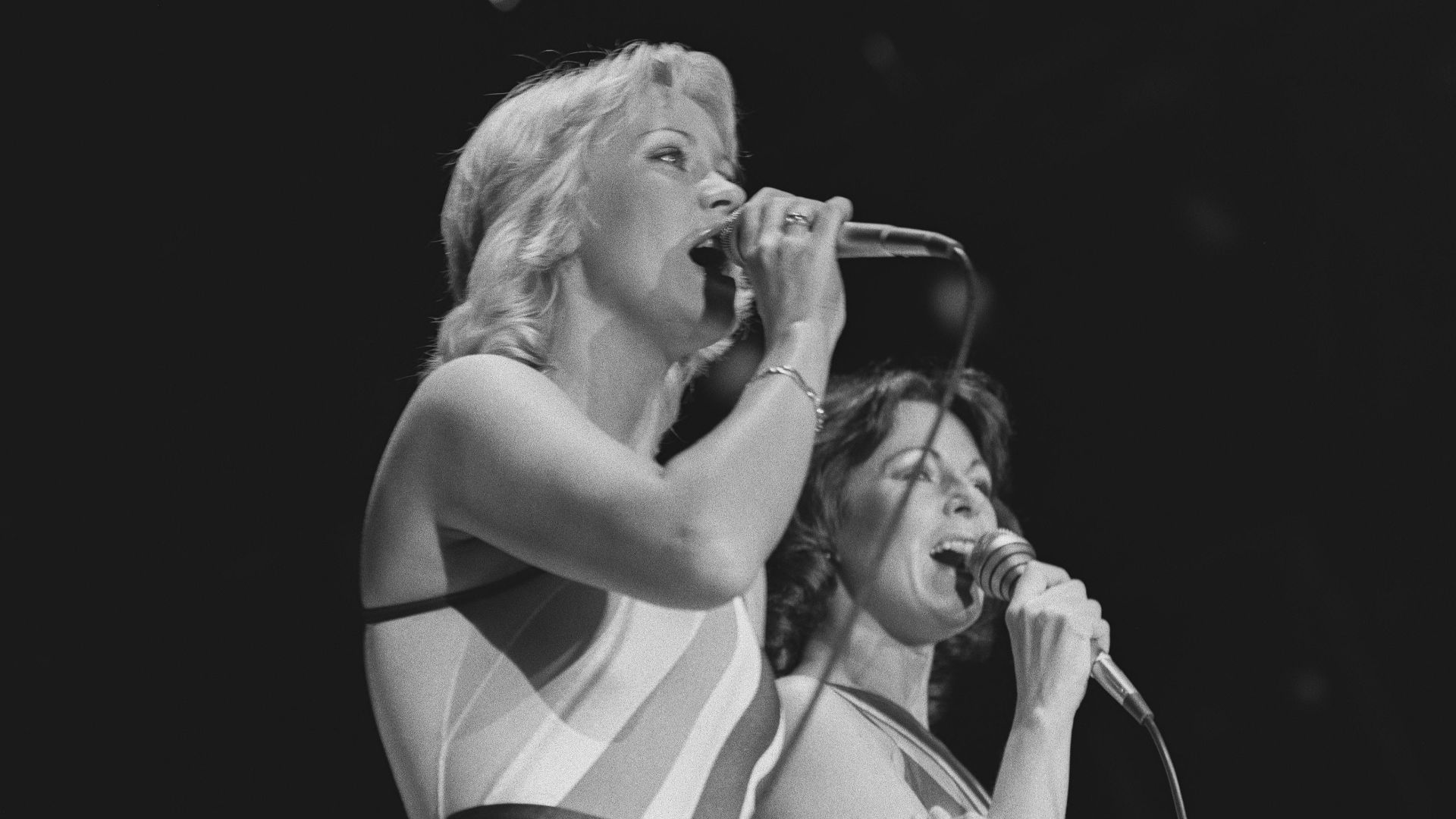
ABBA was mocked for being too polished and too happy. Dancing Queen was dismissed as shallow—until it refused to disappear. Decades later, it still fills dance floors instantly. Joy, it turns out, ages better than irony.
“The Joker” (Steve Miller Band)
Some listeners groaned at The Joker for being goofy, swagger-heavy, and everywhere all at once. The lyrics were silly. The vibe was laid-back to the point of smug. And yet—it worked. The song had personality, confidence, and zero self-consciousness. That ease feels rare now.

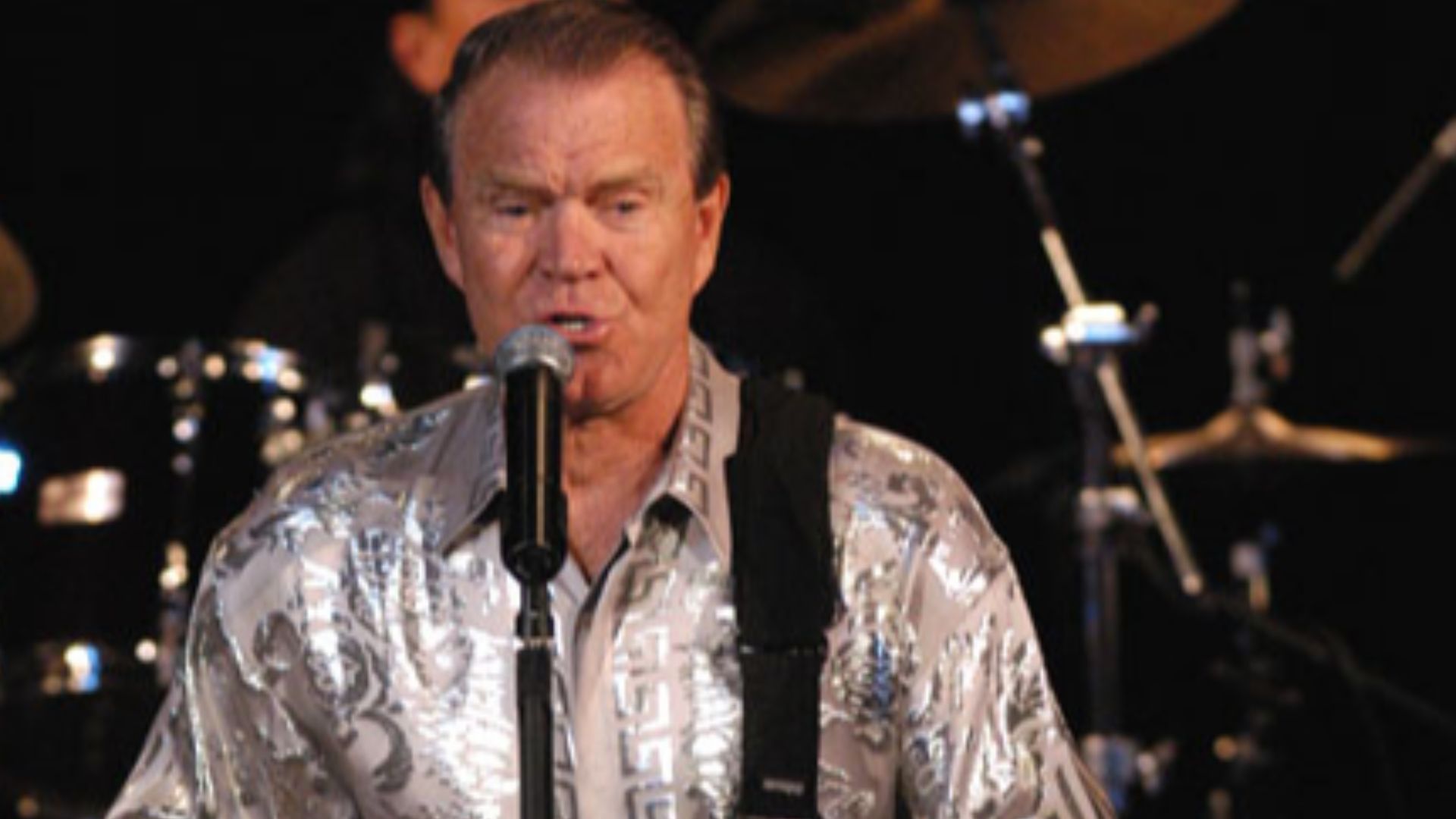
“Rhinestone Cowboy” (Glen Campbell)
Country fans complained. Pop fans complained. Rhinestone Cowboy didn’t care. It crossed genres, chased big dreams, and did it sincerely. Modern music often hides behind detachment. This song leaned all the way into feeling.
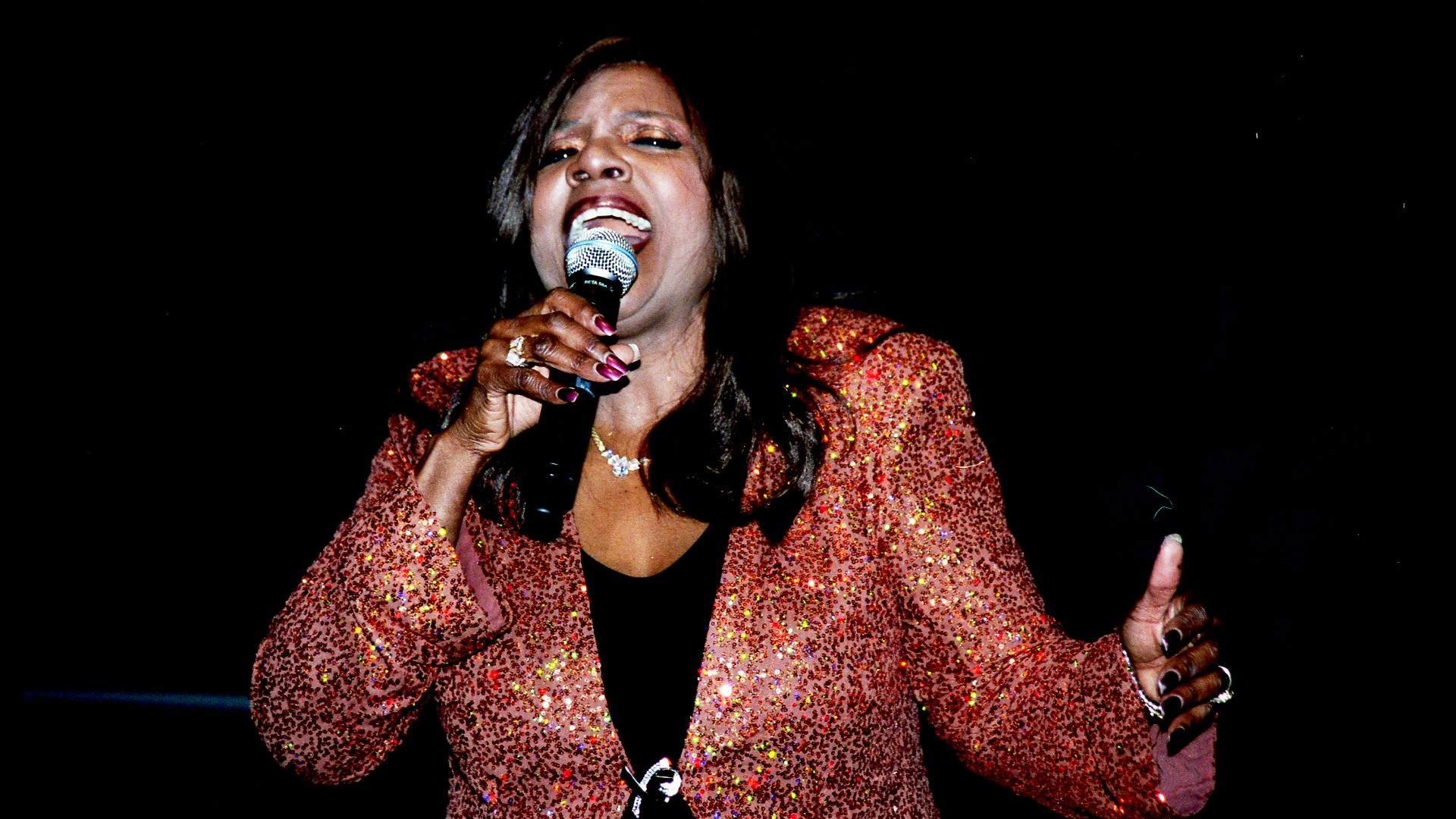
“I Will Survive” (Gloria Gaynor)
People said it was overplayed. Then they turned it up. I Will Survive became an anthem because it wasn’t subtle—it declared something. Modern hits often whisper. This one stood up straight and said exactly what it meant.
 giorgioerriquez, Wikimedia Commons
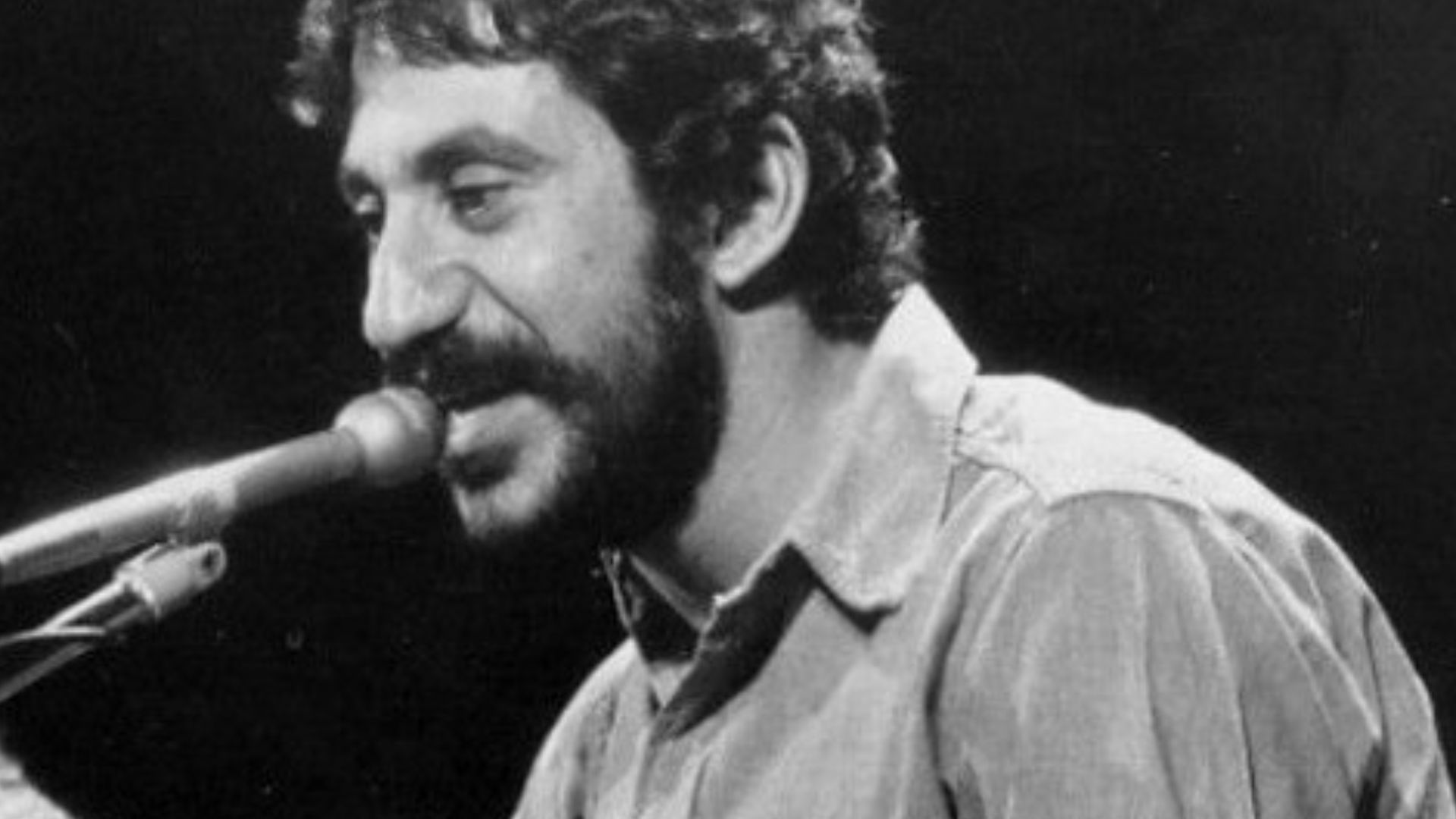
“Bad, Bad Leroy Brown” (Jim Croce)
Some listeners dismissed Bad, Bad Leroy Brown as novelty-adjacent or too cute for its own good. It didn’t matter. The characters, the rhythm, and the punchline ending made it unforgettable. Croce made storytelling feel effortless—something modern radio barely attempts anymore.
 ABC Television, Wikimedia Commons
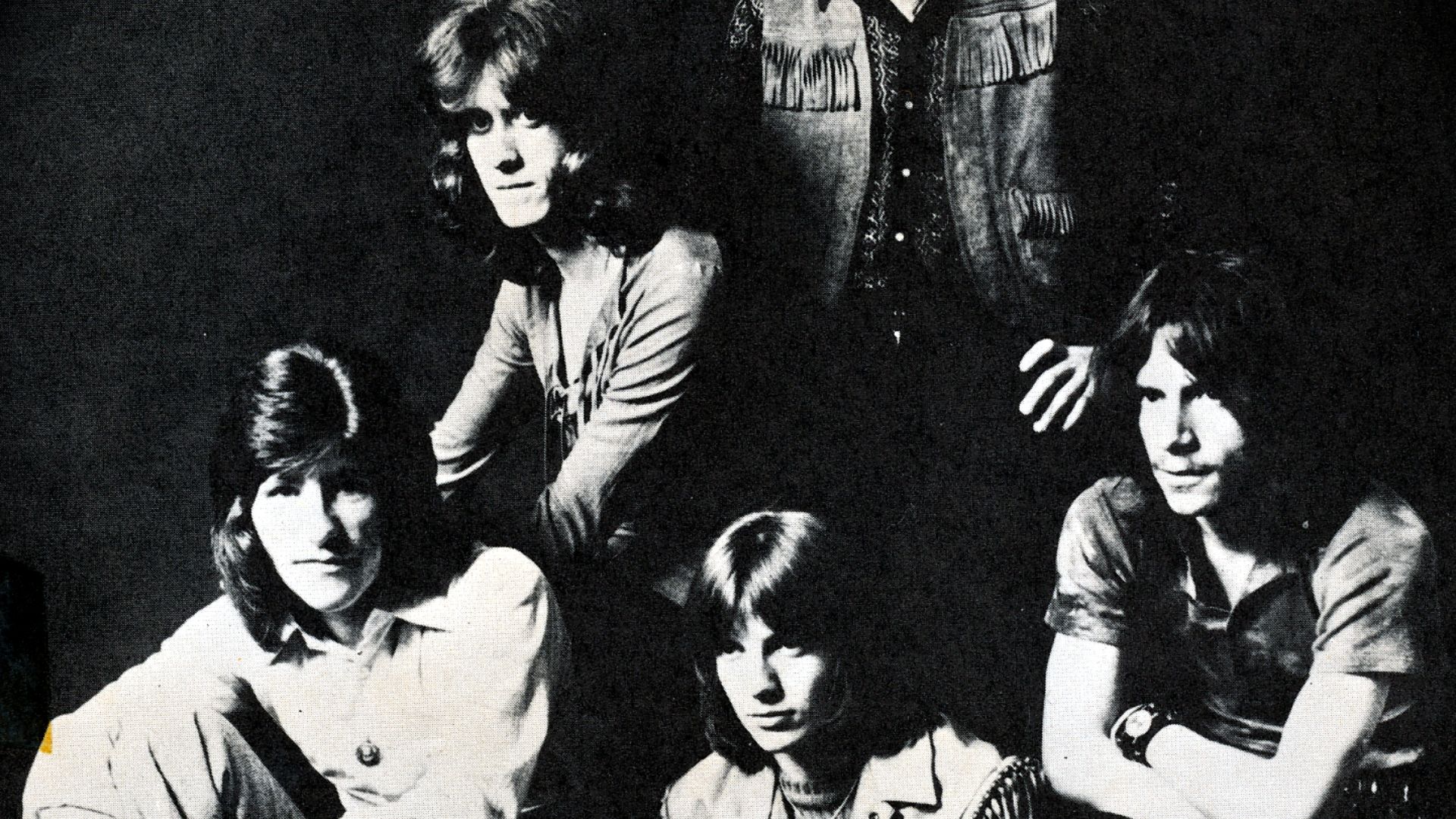
“Boogie Nights” (Heatwave)
Disco backlash was loud, and songs like Boogie Nights caught plenty of flak. But they were built for dancing, sweating, and losing track of time. Modern club music often feels restrained. This one just wanted the room to move.
 Martin H. Samuel, Wikimedia Commons
“Seasons In The Sun” (Terry Jacks)
Mocked for being sentimental and depressing, Seasons In The Sun still hit people right in the chest. It didn’t dodge emotion—it leaned straight into it. Modern pop treats sincerity like a liability. This song treated it like the point.
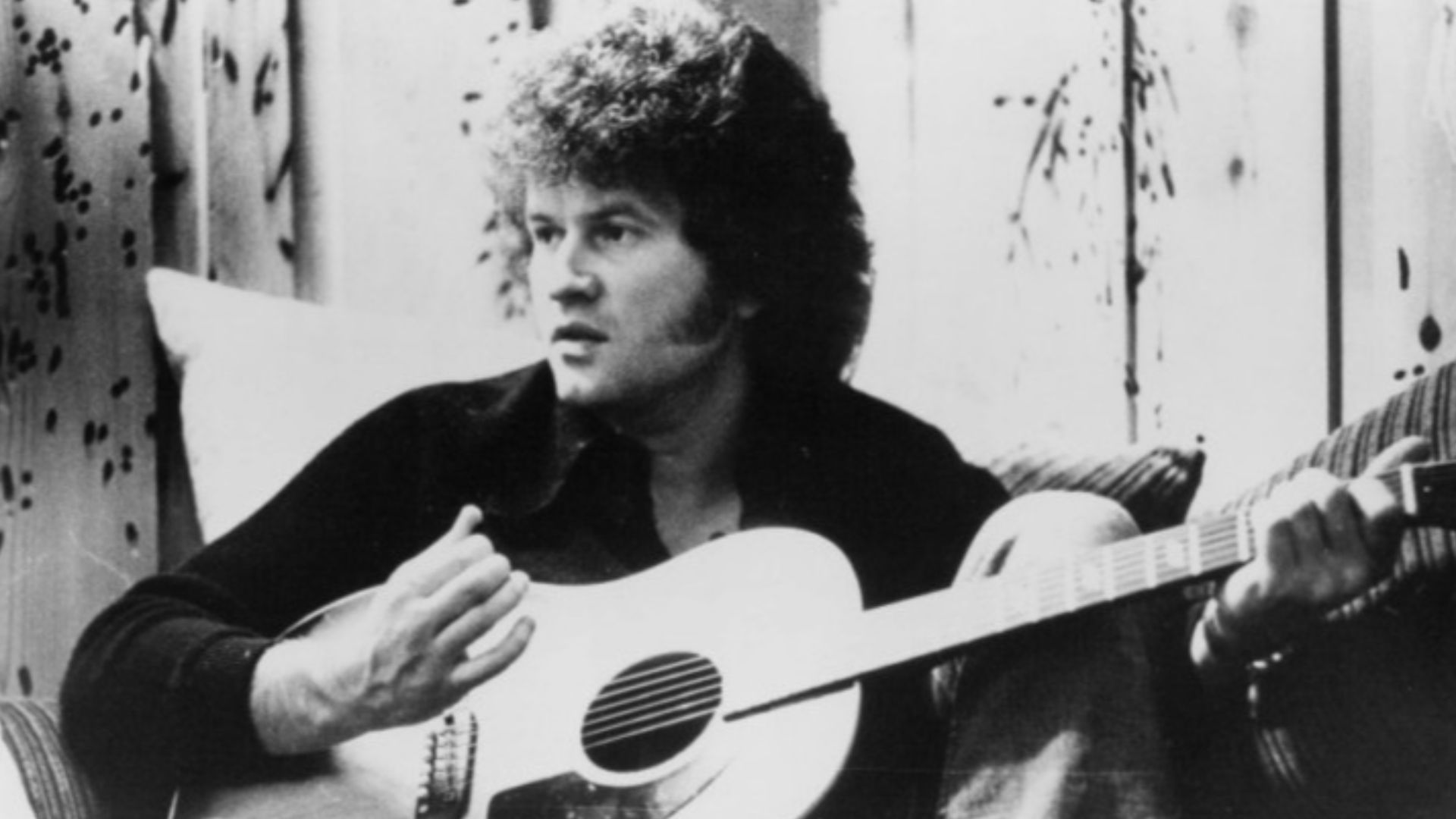 Bell Records, Wikimedia Commons
“Take Me Home, Country Roads” (John Denver)
John Denver’s earnestness was an easy punchline. Take Me Home, Country Roads was everywhere—and people pretended they were sick of it. Then they sang every word anyway. Warmth like this never actually goes out of style.
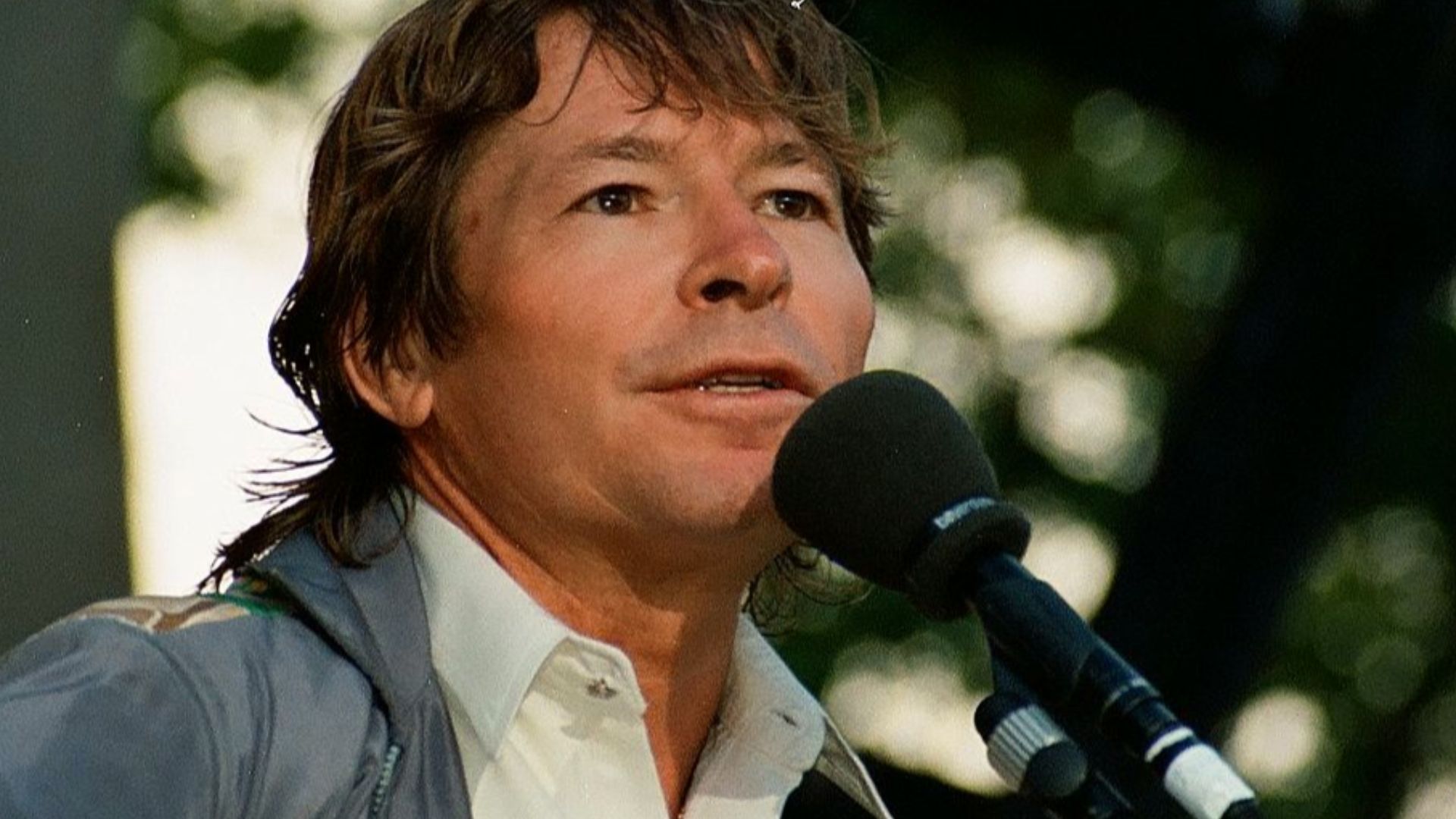 John Mathew Smith & www.celebrity-photos.com from Laurel Maryland, USA, Wikimedia Commons
“Hot Stuff” (Donna Summer)
Disco haters had opinions. Hot Stuff ignored them completely. It fused rock, pop, and dance into something bold and undeniable. Modern hits talk about breaking genres. This one actually did it.
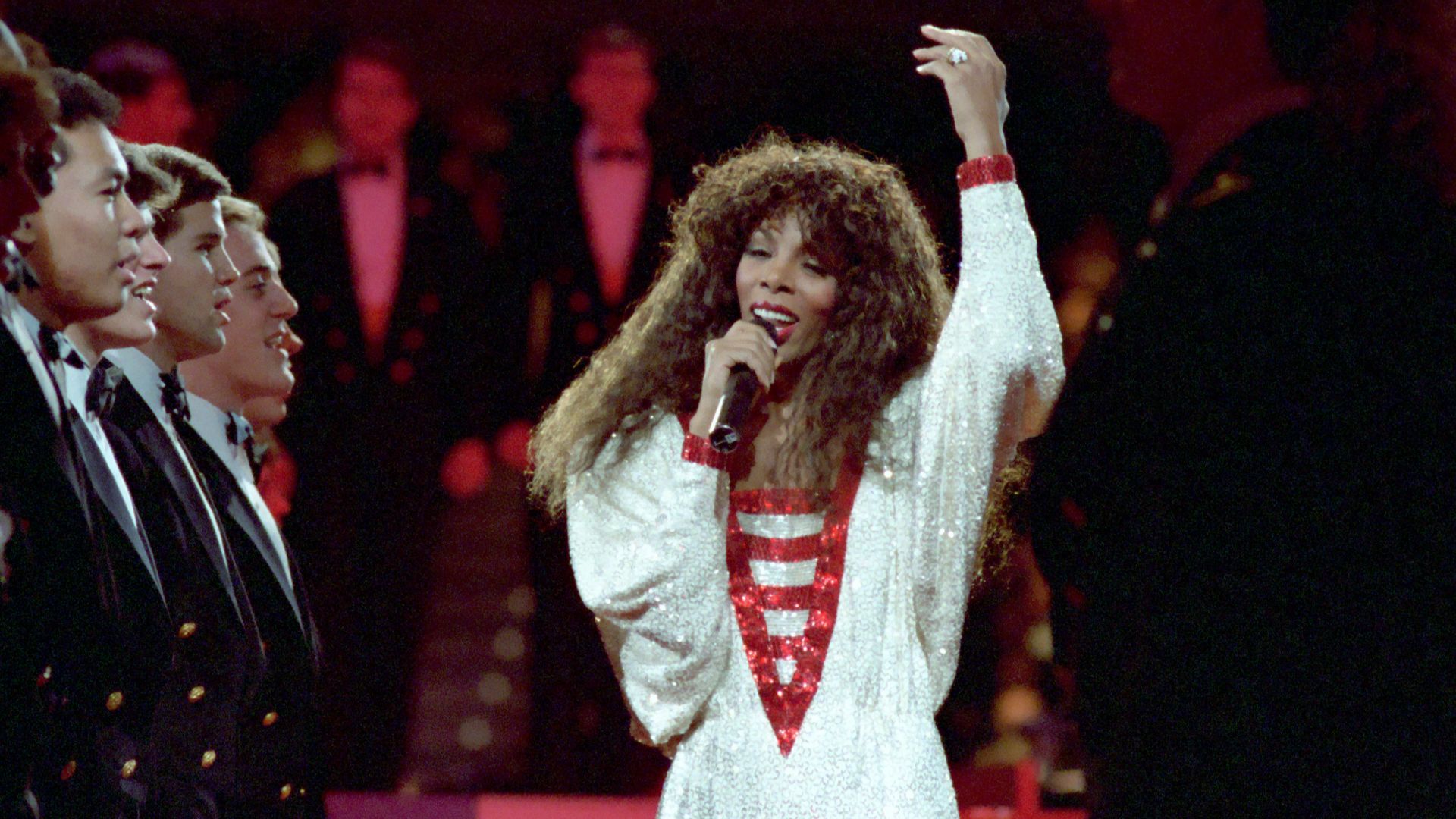
“Y.M.C.A.” (Village People)
People groaned when it started—and then stood up anyway. Y.M.C.A. was obvious, ridiculous, and unstoppable. It wasn’t trying to be cool. It was trying to be fun—and it succeeded. Little did anyone know at the time that one day, no wedding reception would feel complete without it.
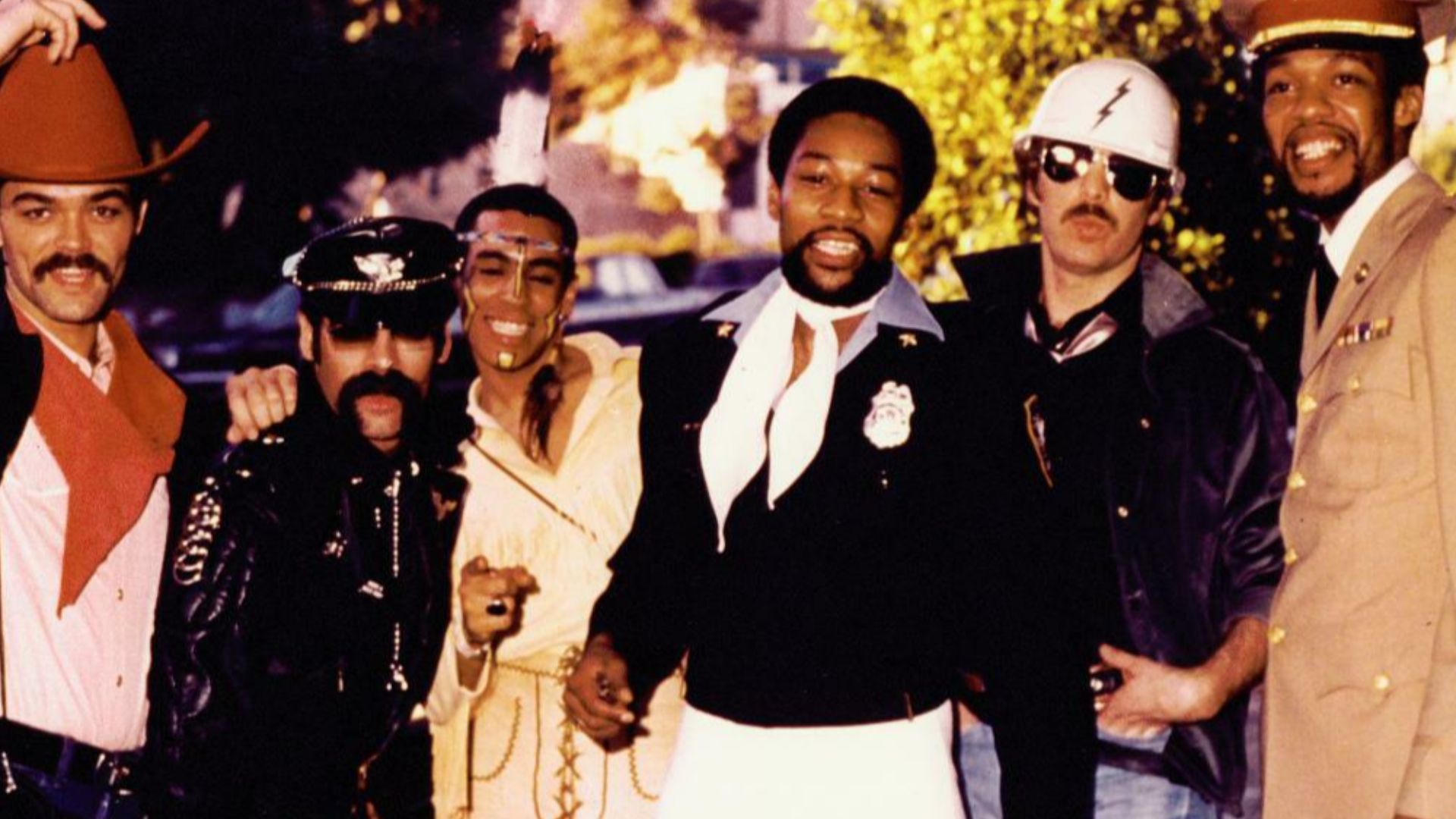 Mario Casciano, Wikimedia Commons
You Might Also Like:
These Forgotten Female Pop Stars Deserve Much More Than They Got