The Reunions That Feel Just Out Of Reach
Every few years, a reunion happens that no one thought was possible. Suddenly, old tensions don’t seem so permanent, and fans start wondering who might be next. Some bands feel one phone call away from getting back together, while others seem locked behind decades of grudges, breakups, and unfinished business. That’s exactly what makes these bands so hard to stop thinking about, and why we all wish they'd surprise us with a comeback tour.
Fugazi
Fugazi didn’t fizzle out like some bands; they chose to walk away from it all. At the height of their influence, after albums like Repeater and 13 Songs, the band stepped into an indefinite hiatus in 2003. There was no dramatic breakup, just a quiet pause rooted in their DIY philosophy. They’ve turned down massive reunion offers ever since, making their absence feel like a deliberate extension of everything they stood for.
 Tim Trentham from Austin, USA, Wikimedia Commons
Talking Heads
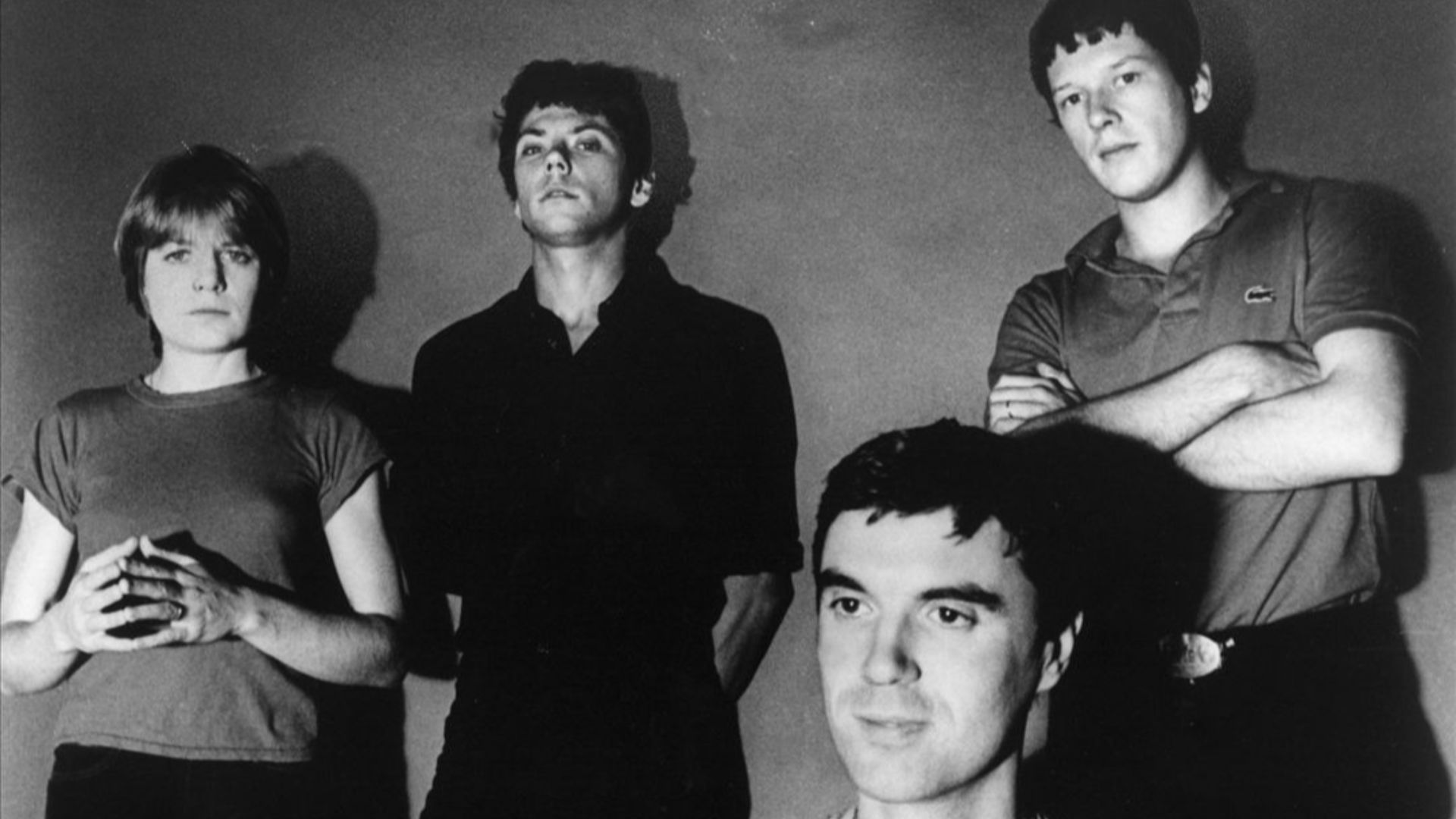
While some bands, go out with a bang, the Talking Heads quietly unraveled instead. After redefining art rock with Remain in Light, tensions grew as David Byrne took more creative control. By 1991, he announced the band’s end without telling the others first. That moment froze things in place, leaving one of the most innovative bands ever stuck in a strange mix of brilliance and unresolved frustration.
 Distributed by Sire Records, Wikimedia Commons
Beck
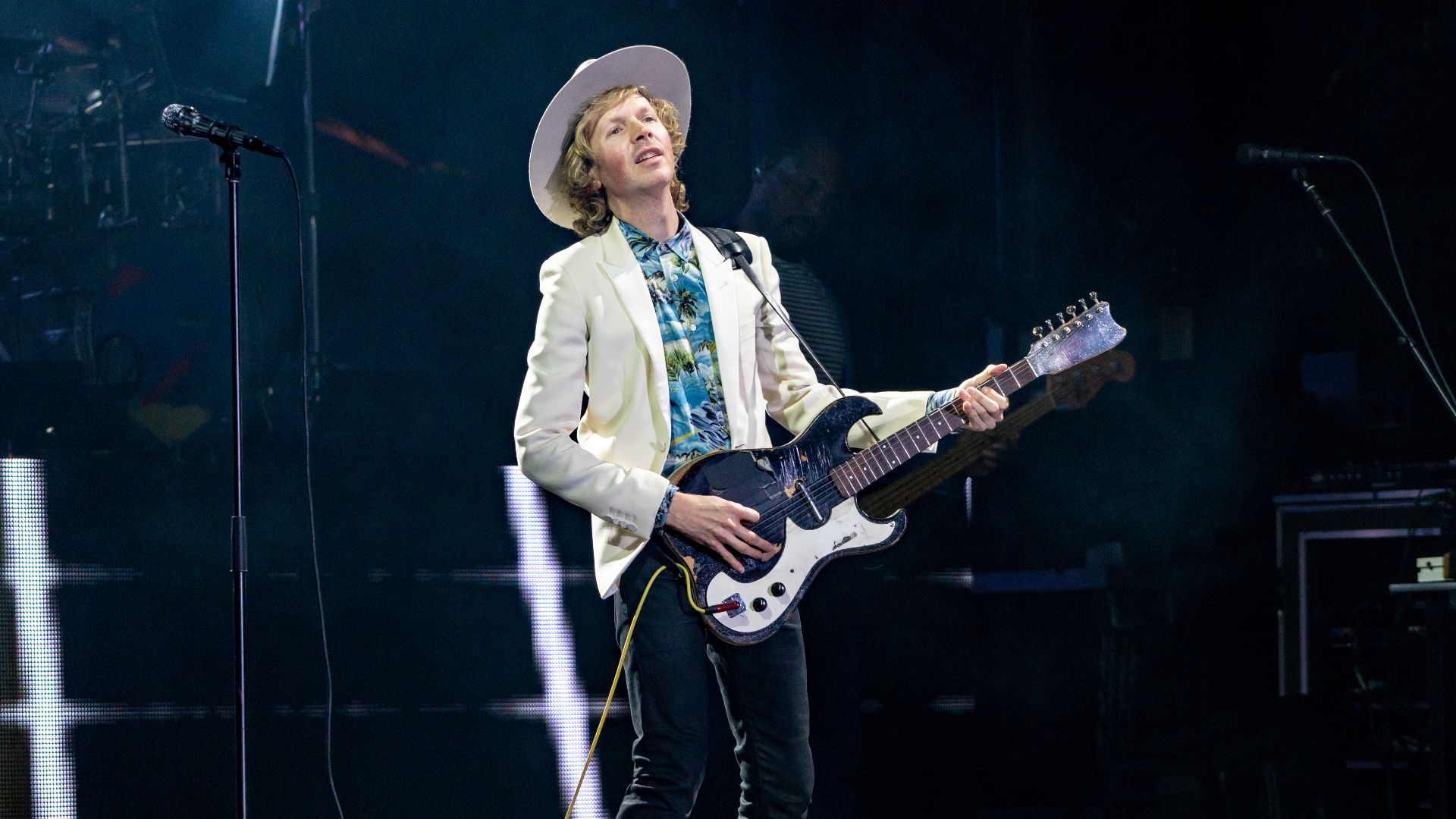
Beck never stopped making music, but he did leave entire eras behind. From the scrappy weirdness of Mellow Gold to the genre-bending brilliance of Odelay, his 90s output felt unpredictable in the best way. Over time, his sound became more polished and controlled, which is why fans still look back at that earlier chaos as something he’s never fully revisited.
The Smiths
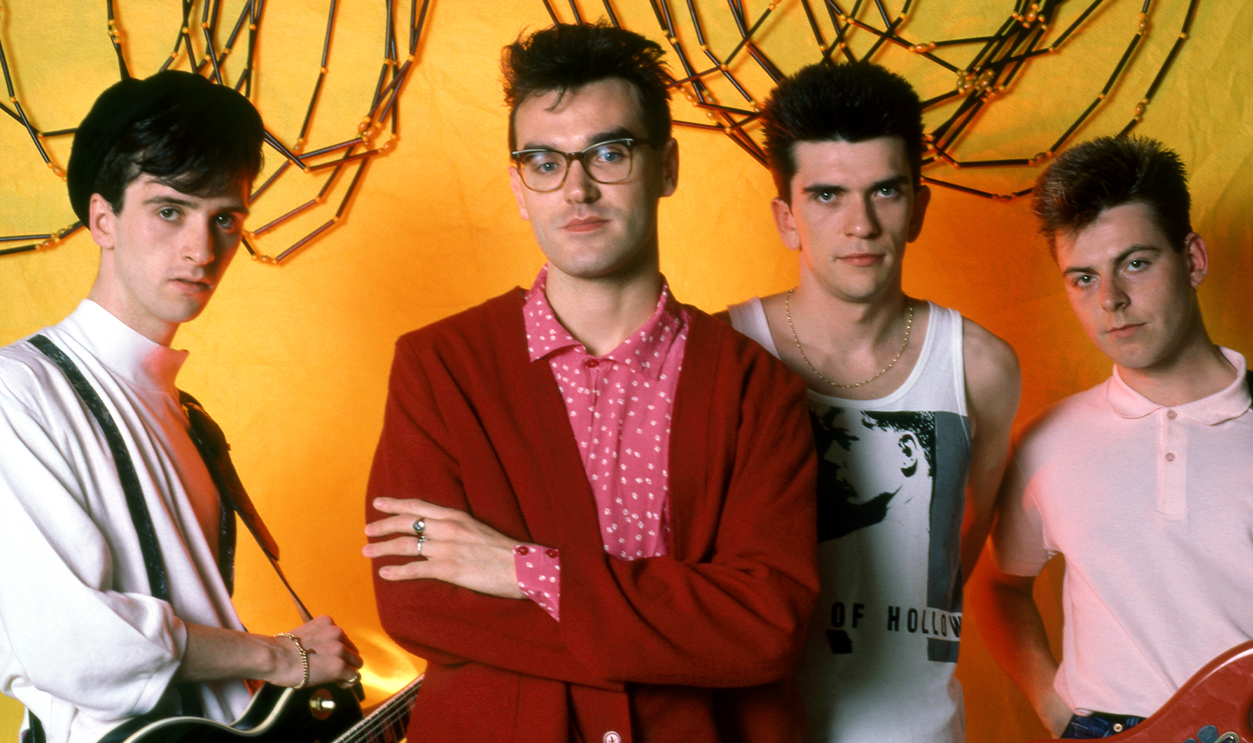
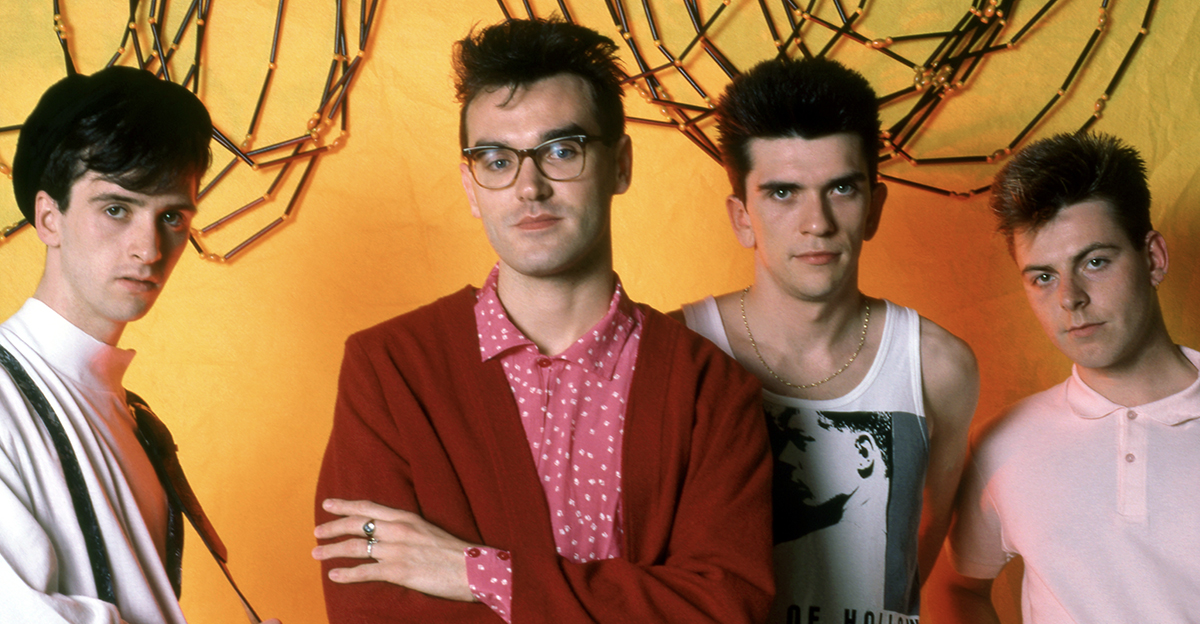
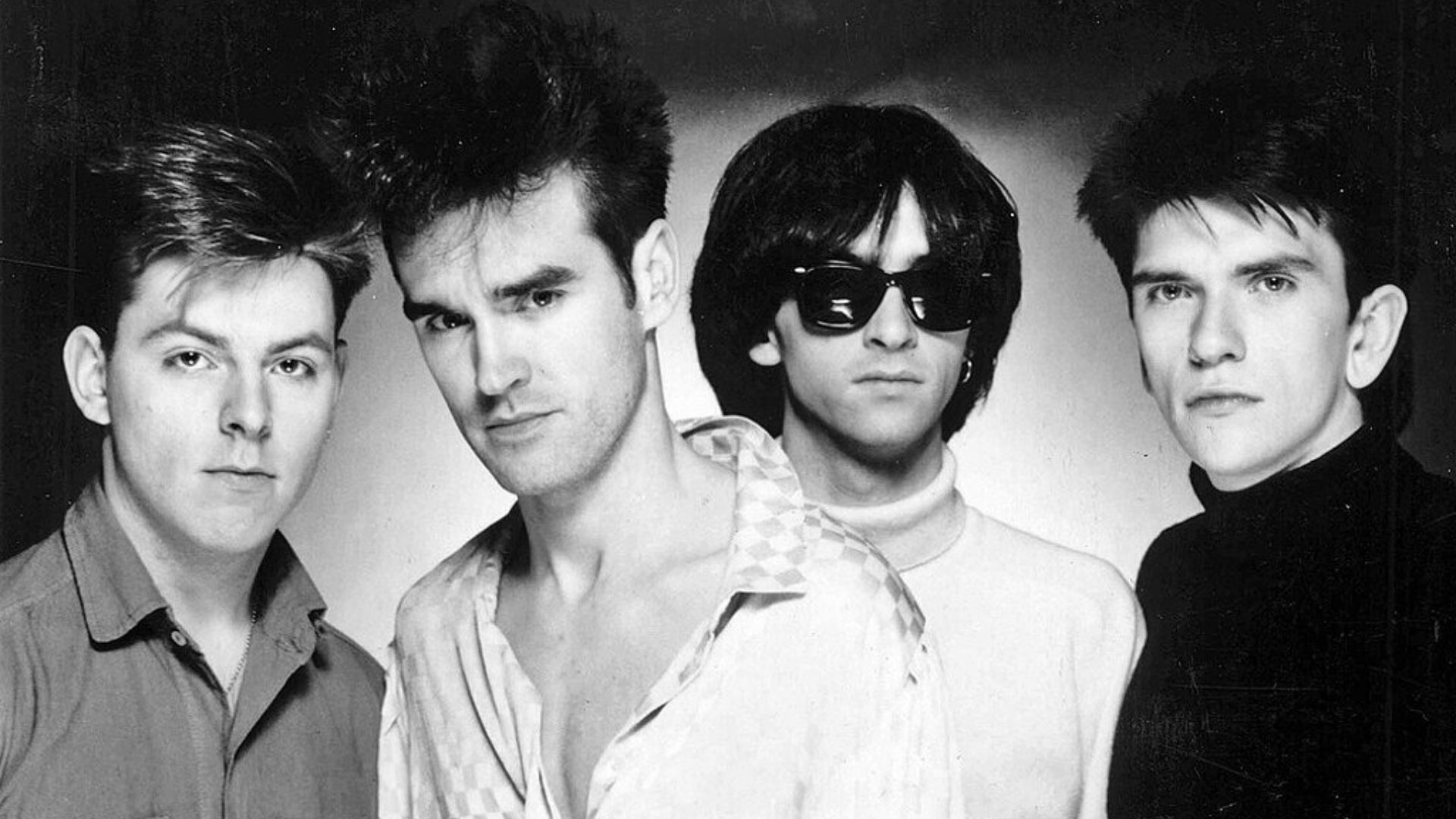
The Smiths completely snapped at the end. After just four albums, including The Queen Is Dead, the partnership between Morrissey and Johnny Marr fell apart under pressure from management issues and creative disagreements. Marr walked away in 1987, and the fallout turned into decades of lawsuits, interviews, and missed chances, leaving one of indie’s most beloved bands permanently fractured.
 Paul Cox; Distributed by Sire Records, Wikimedia Commons
Pink Floyd
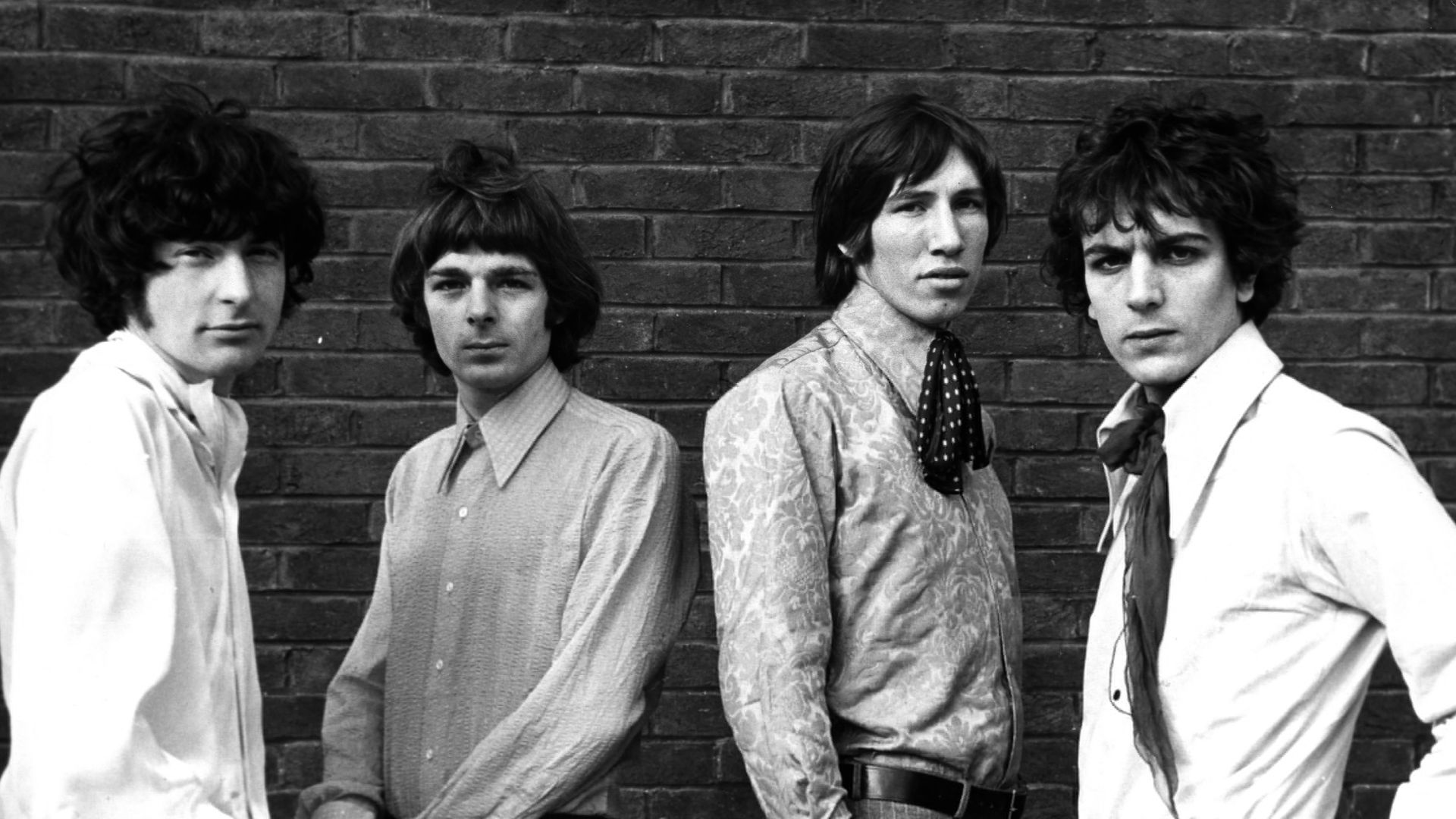
Pink Floyd’s music got bigger as the band itself fell apart. Albums like The Wall reflected growing tension, especially as Roger Waters took over creatively. By the mid-80s, the conflict turned into legal battles over the band’s name and future. Even occasional reunions haven’t erased the divide, which still lingers behind one of the most influential catalogs in rock history.
The Fugees
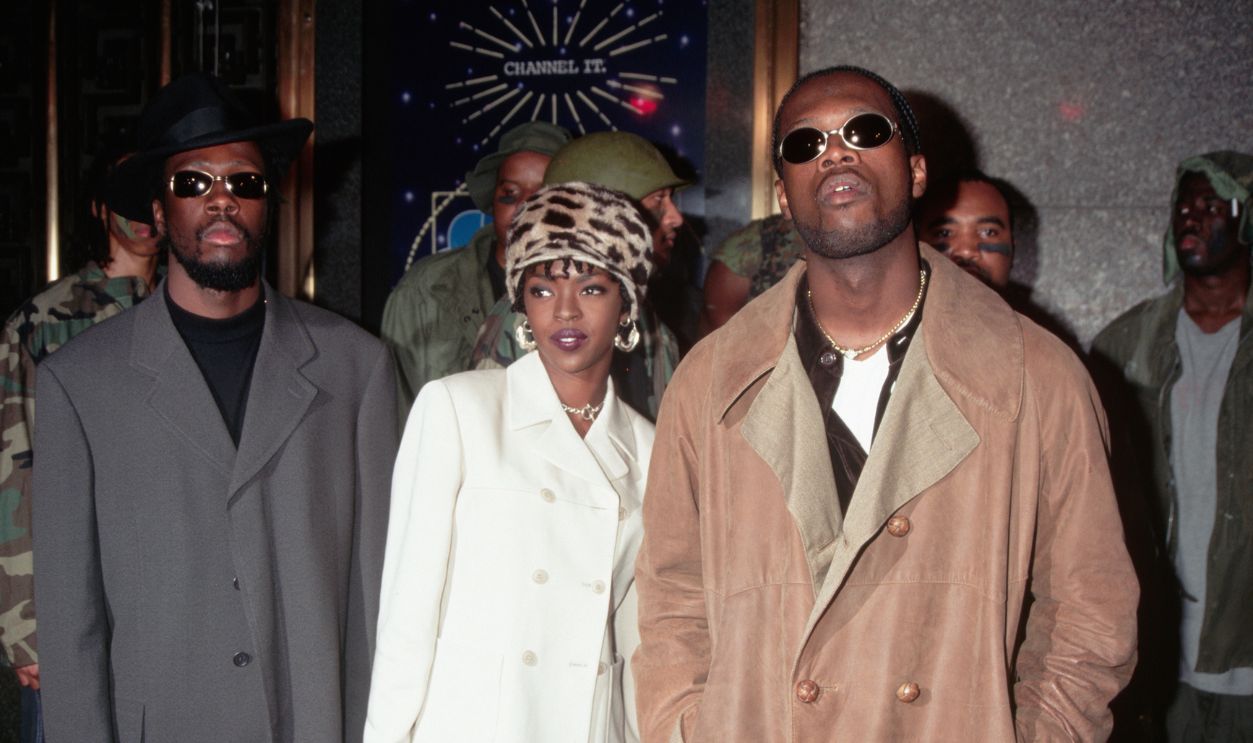
The Fugees exploded with The Score, then disappeared just as quickly. Lauryn Hill’s rise, combined with internal tension and clashing ambitions, pulled the group in different directions. Songs like “Ready or Not” and “Killing Me Softly” still define their era, but every attempted reunion has struggled to hold together, as if the chemistry only ever worked in that original moment.
R.E.M.
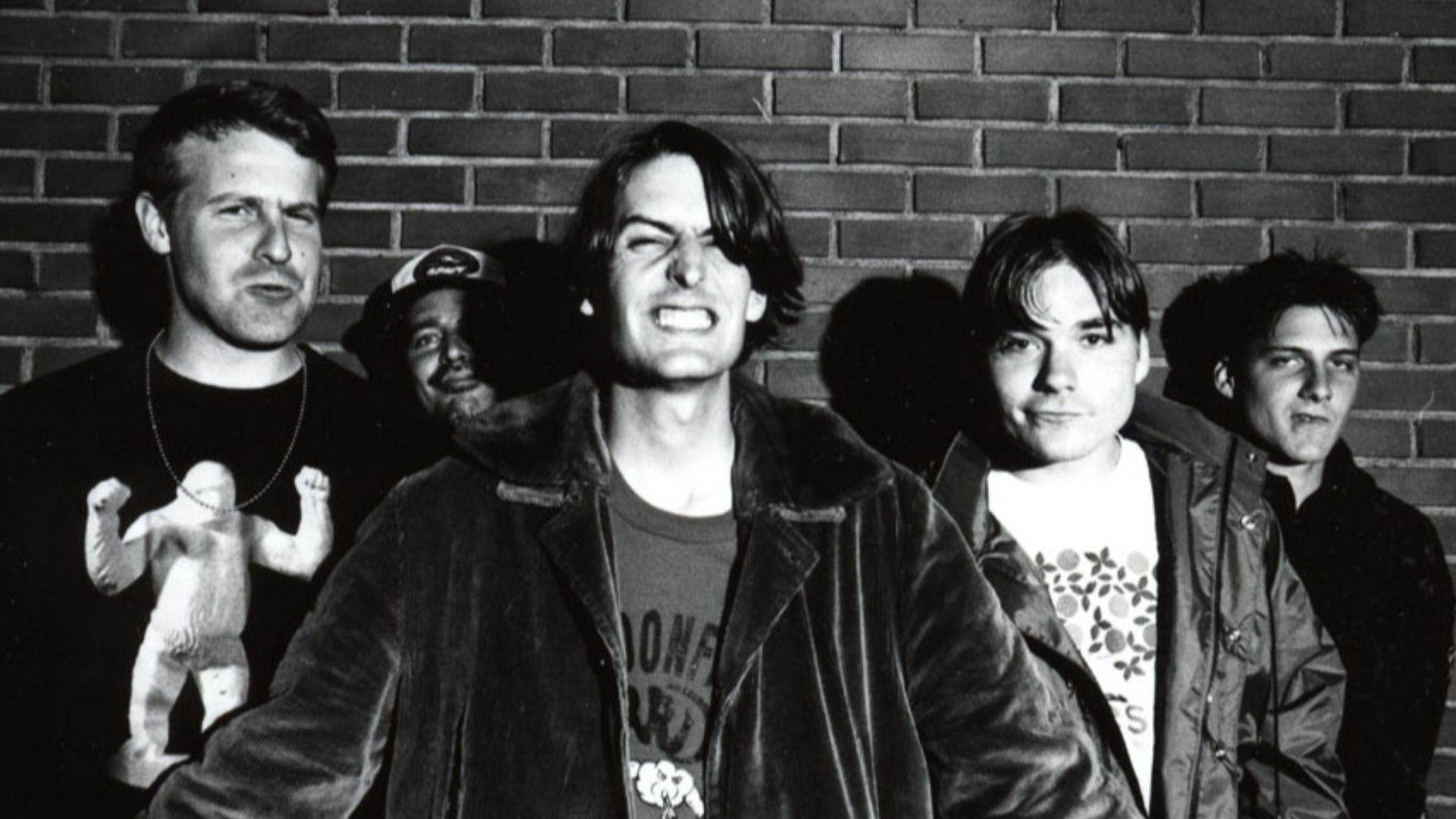
R.E.M. did something rare in the music world: they ended things cleanly. After decades of influence, from Murmur to Automatic for the People, the band chose to call it quits in 2011 without a public feud. But that calm ending came after years of subtle change, especially following drummer Bill Berry’s departure, which shifted the band’s dynamic in ways that never fully reversed.
 Masao Nakagami, Wikimedia Commons
The White Stripes
The White Stripes thrived on limitation. Just guitar, drums, and raw energy powered albums like Elephant, with “Seven Nation Army” becoming unavoidable. But behind the simplicity, the dynamic between Jack and Meg White grew more complicated over time. By 2011, the project quietly ended, leaving behind a sound that felt bigger than its stripped-down setup.
 Fabio Venni from London, UK; modified by anetode, Wikimedia Commons
The Civil Wars
The Civil Wars sounded like tension turned into music. Their debut Barton Hollow leaned into fragile harmonies and emotional restraint, but behind the scenes, that same intensity caused friction. Tours were canceled mid-run, communication broke down, and the duo eventually split, leaving behind songs that feel almost too personal to revisit.

Daft Punk
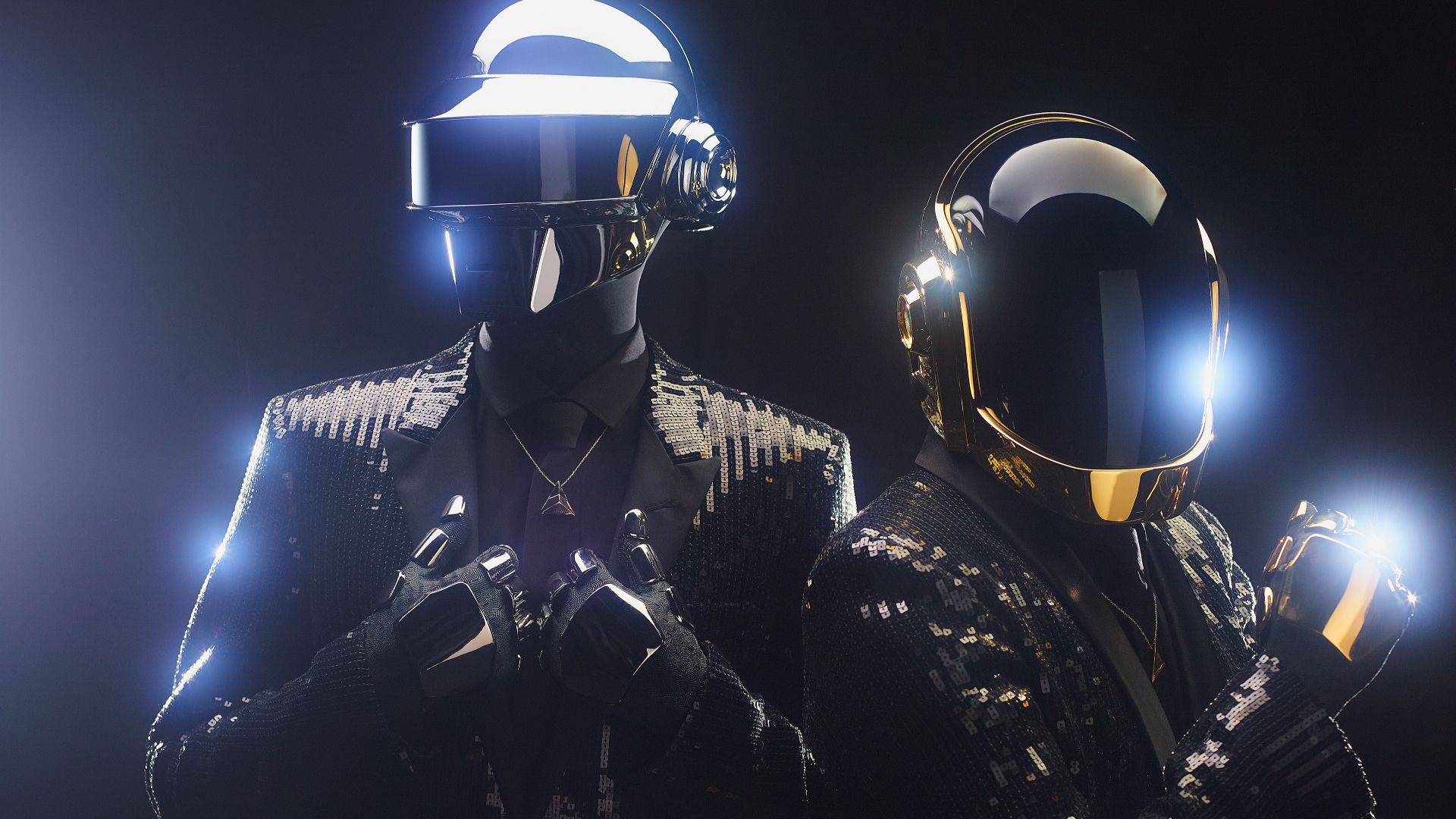
Daft Punk made mystery part of their identity. From Discovery to Random Access Memories, they constantly reshaped electronic music while staying hidden behind helmets. When they split in 2021, there was no explanation beyond a quiet farewell. That silence fit their image, but it also left a gap, since they had a habit of redefining what live music could look like.
 Sony Music Entertainment, Wikimedia Commons
Led Zeppelin
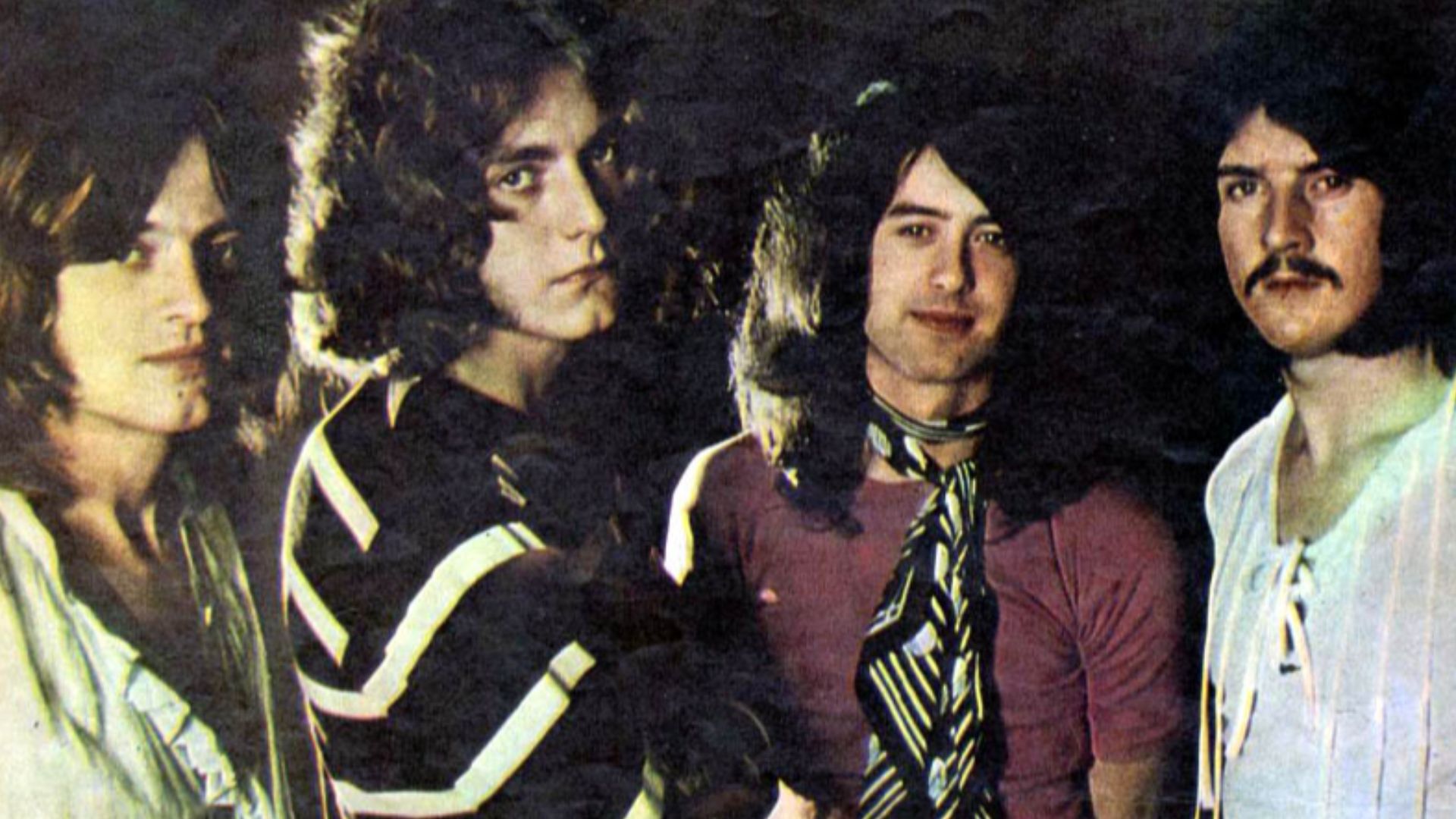
Led Zeppelin didn’t fade away; they stopped cold. After dominating the 70s with albums like Led Zeppelin IV, the band ended immediately following John Bonham’s death in 1980. Rather than continue with a replacement, they chose to walk away entirely. That decision locked their legacy in place, preserving the band as a complete, untouchable era of rock.
 Unknown authorUnknown author, Wikimedia Commons
OutKast
OutKast worked because of contrast. André 3000 pushed boundaries, while Big Boi kept things grounded, creating albums like Aquemini and Speakerboxxx/The Love Below. Over time, their creative paths drifted further apart, especially as André stepped away from traditional rap. They’ve never officially broken up, but their collaboration has become increasingly rare.
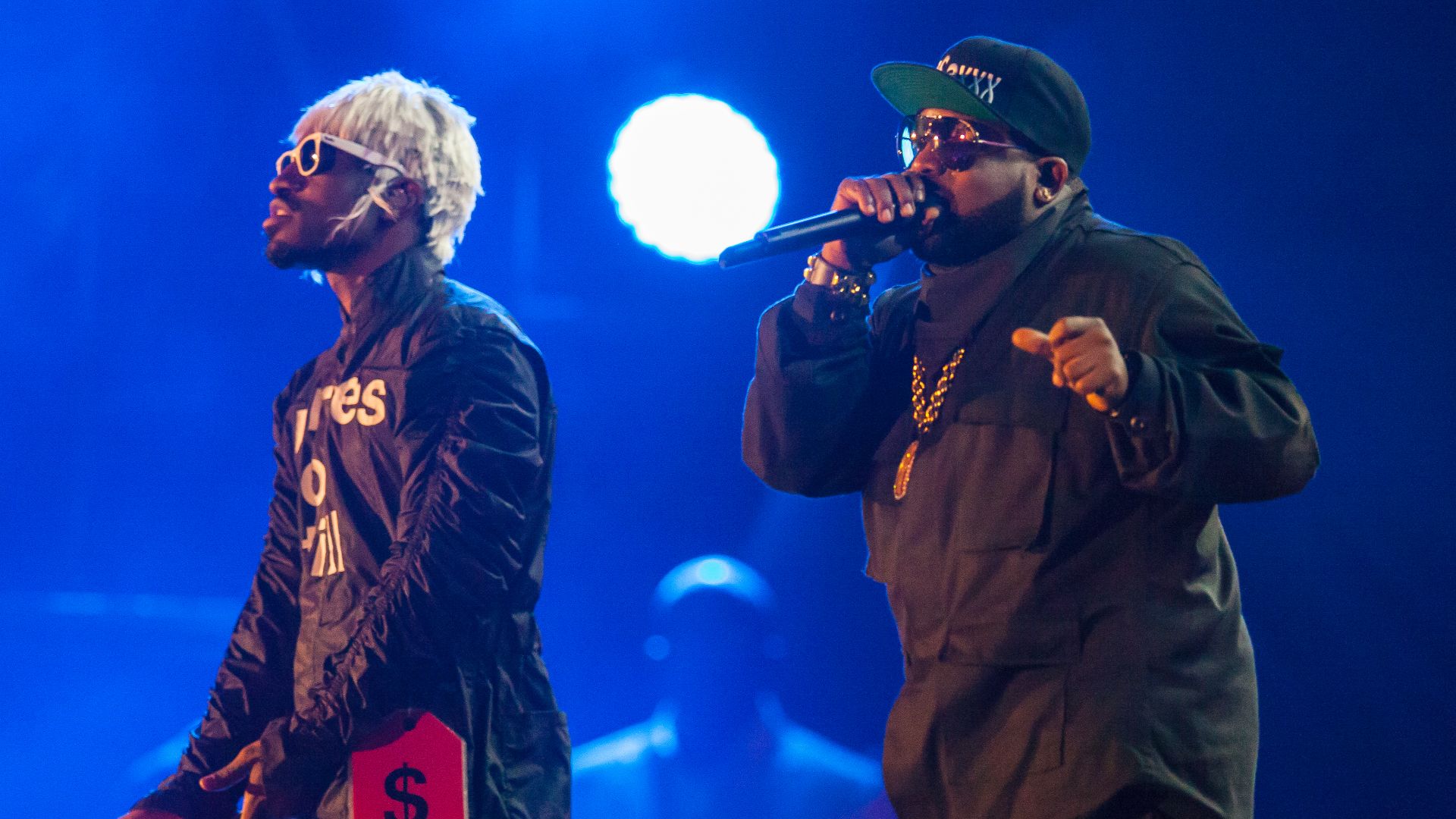 Sven Mandel, Wikimedia Commons
The Replacements
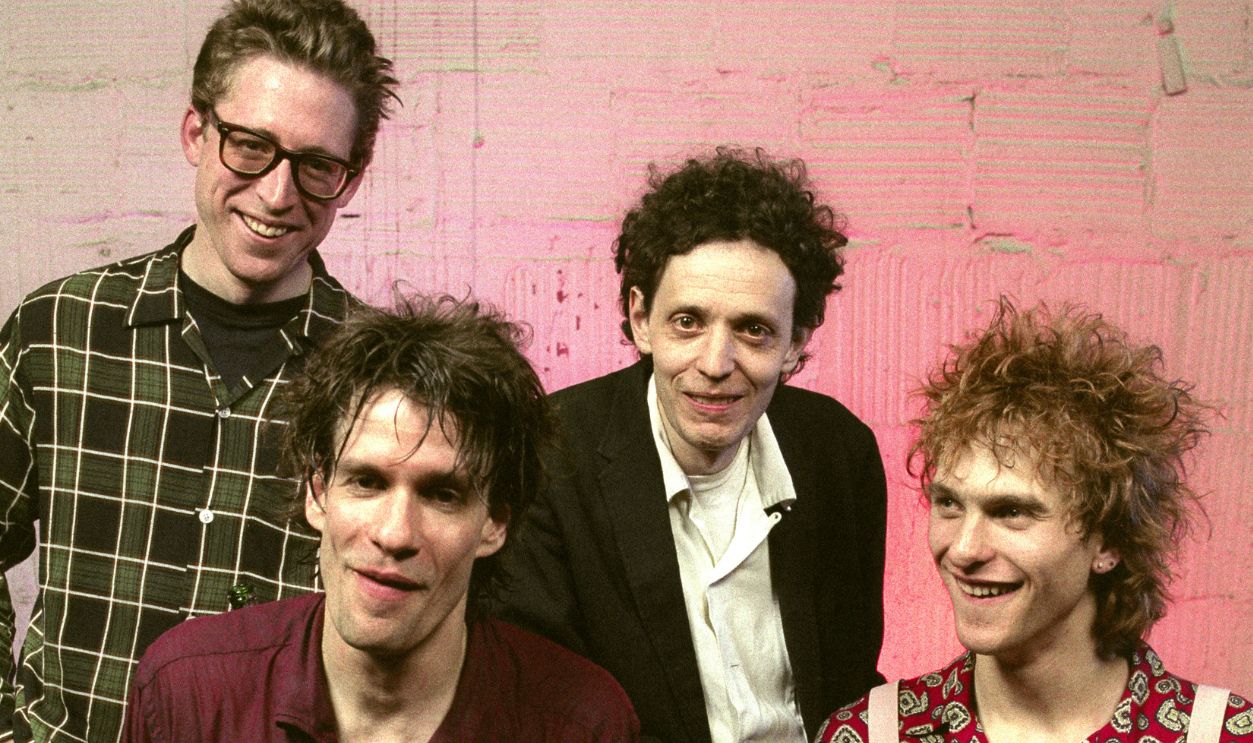
The Replacements were always on the edge of something bigger. Albums like Tim and Let It Be showed their potential, but chaotic behavior and heavy drinking kept getting in the way. They could go from brilliant to completely off the rails in a single night, and that unpredictability eventually caught up with them, leading to their breakup in 1991.
Journey
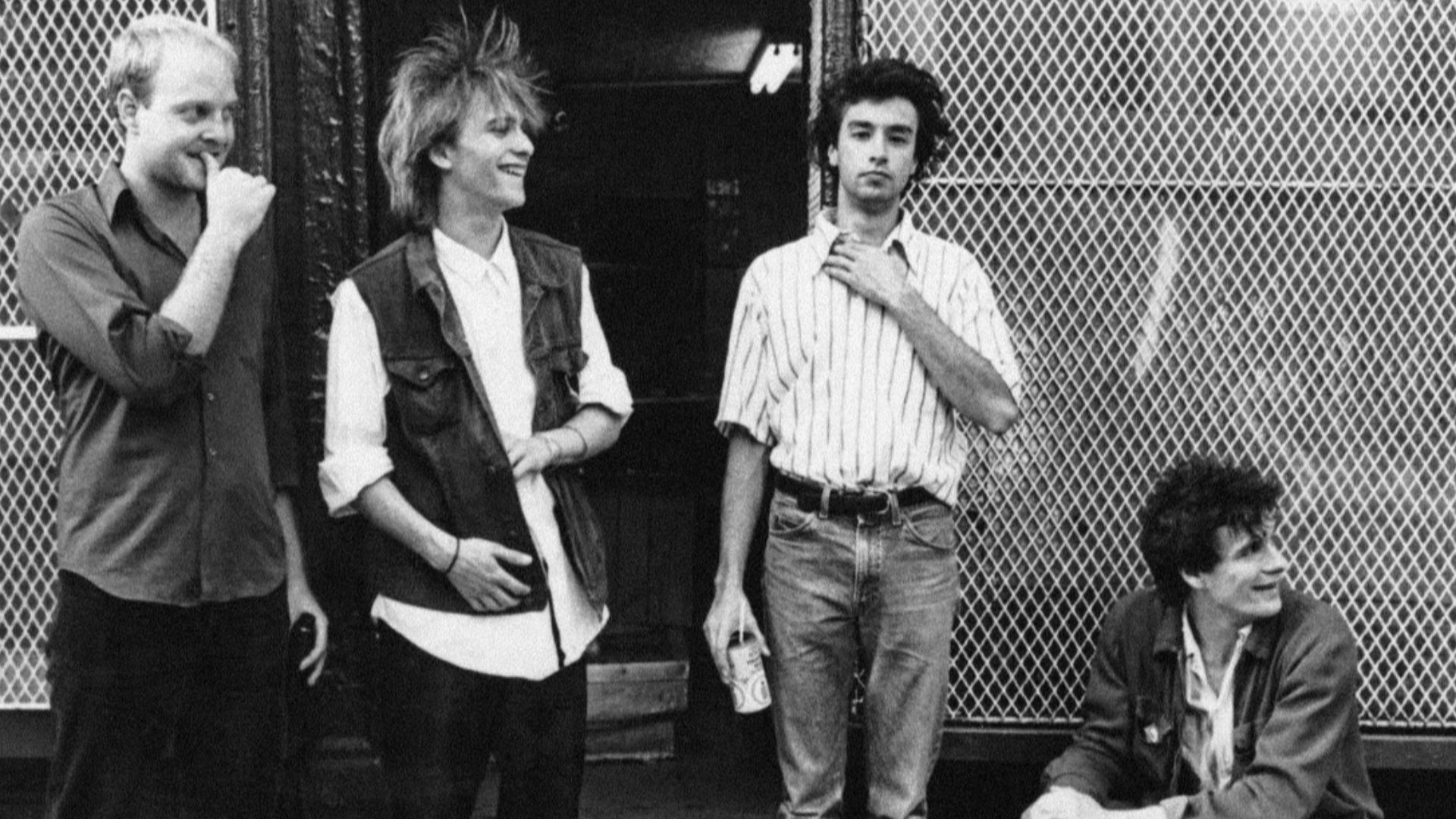
Journey became arena rock royalty with Escape and songs like “Don’t Stop Believin’.” But their success came with internal strain, especially when Steve Perry stepped away from the band. Legal disputes and shifting lineups followed, creating multiple versions of Journey over the years, none quite matching the chemistry of their original peak.
 Laura Levine, Wikimedia Commons
System Of A Down
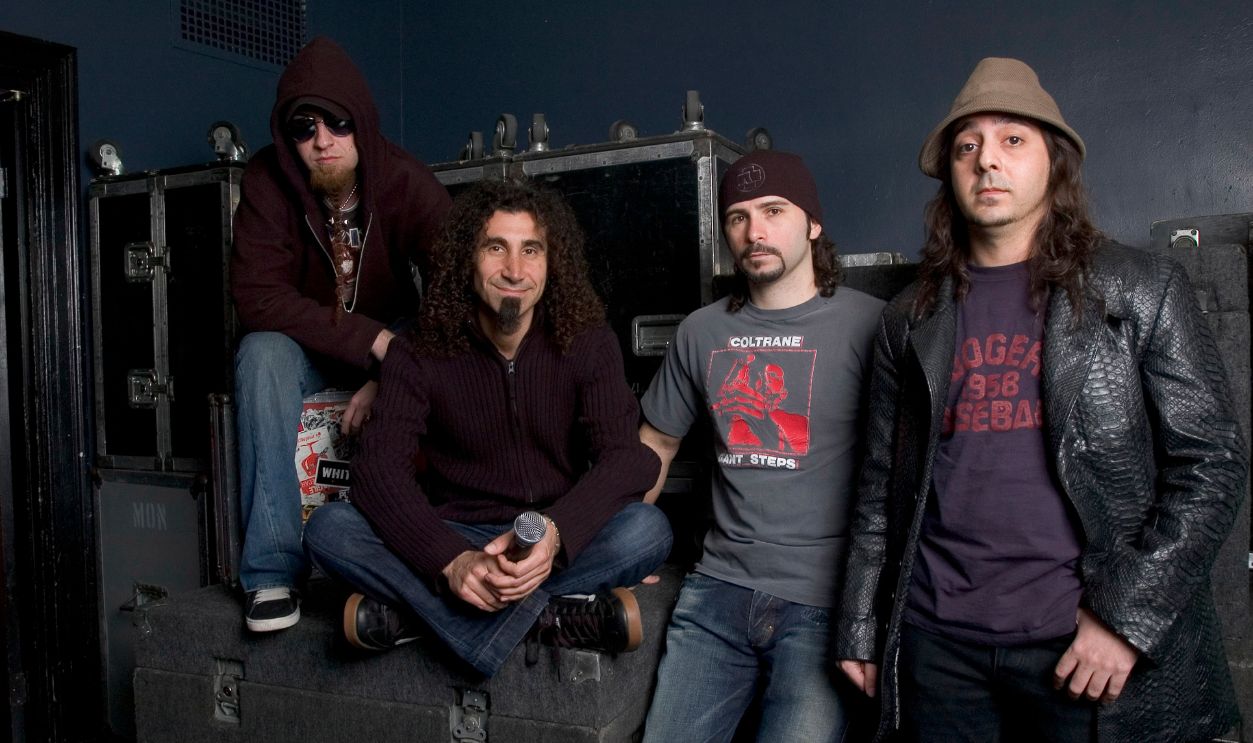
System of a Down never sounded like anyone else. Albums like Toxicity mixed political themes with chaotic, unpredictable songwriting. But that same intensity led to disagreements over direction, particularly between Serj Tankian and the rest of the band. They paused in 2006, and while they’ve played together since, new material has remained a sticking point.
Brand New
Brand New evolved far beyond their early pop-punk sound, especially on The Devil and God Are Raging Inside Me. Their later work became darker and more introspective, building a devoted following. The band had already hinted at an ending before controversy surrounding Jesse Lacey surfaced, which complicated any possibility of returning on their own terms.

The Police
The Police were massive, but they were also tense. Albums like Synchronicity turned them into global stars, but behind the scenes, Sting’s growing control created friction. Recording sessions became strained, and by the mid-80s, the band split. Their later reunion proved the music still worked, even if the dynamic hadn’t fully changed.
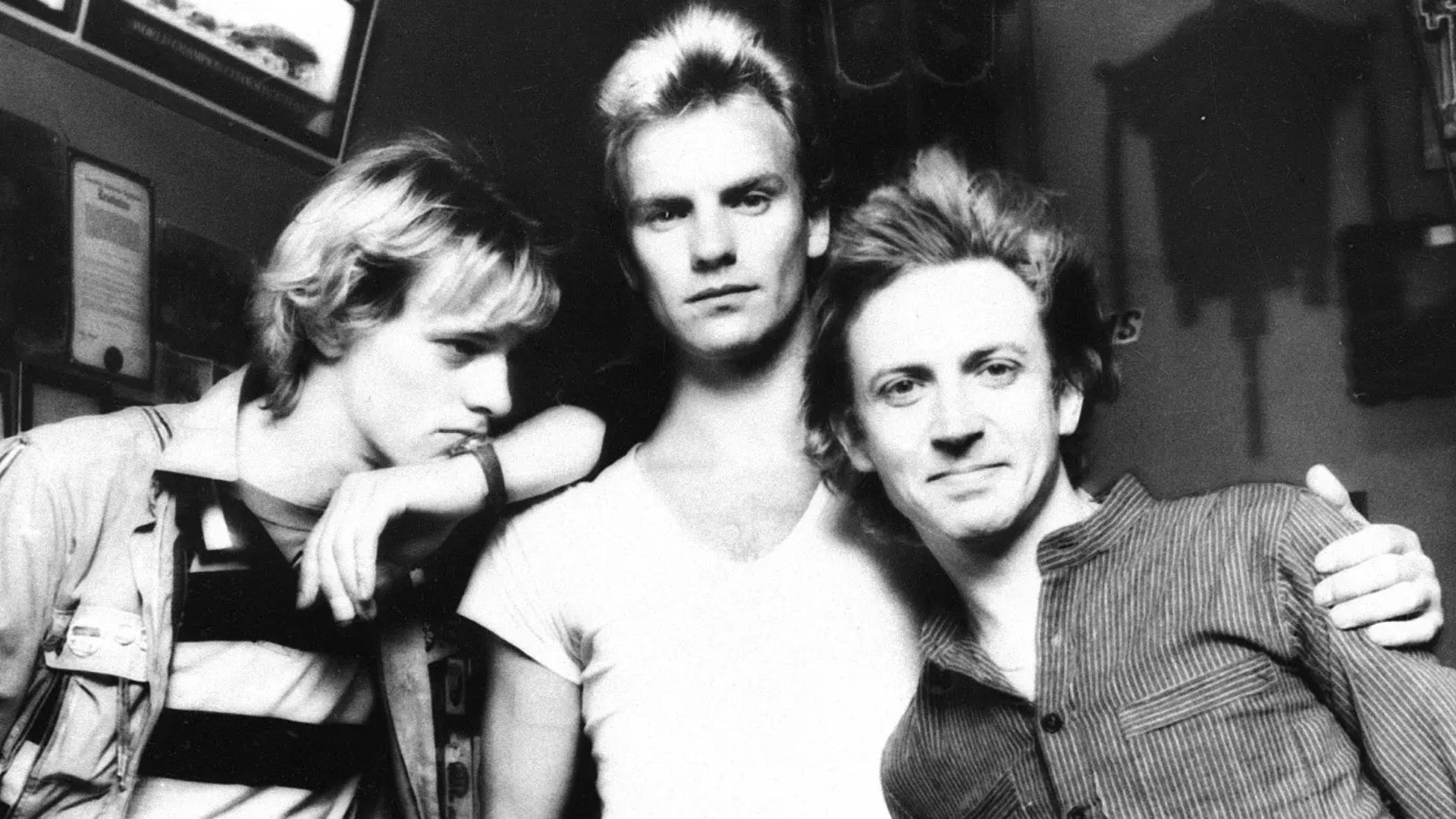 Distributed by A&M Records, Wikimedia Commons
Uncle Tupelo
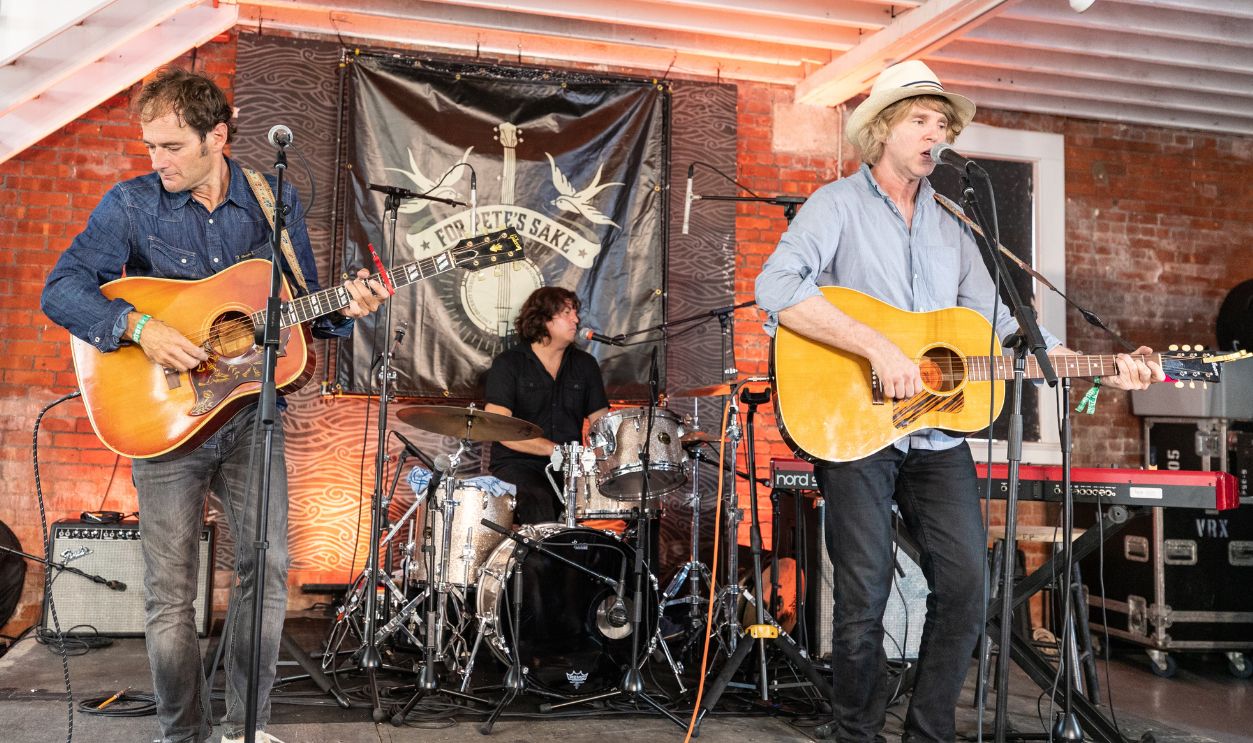
Uncle Tupelo split into two futures. With No Depression, they helped define alt-country, but tension between Jeff Tweedy and Jay Farrar made collaboration difficult. When the band ended, it immediately gave rise to Wilco and Son Volt, effectively dividing their sound into two separate directions.
Jellyfish
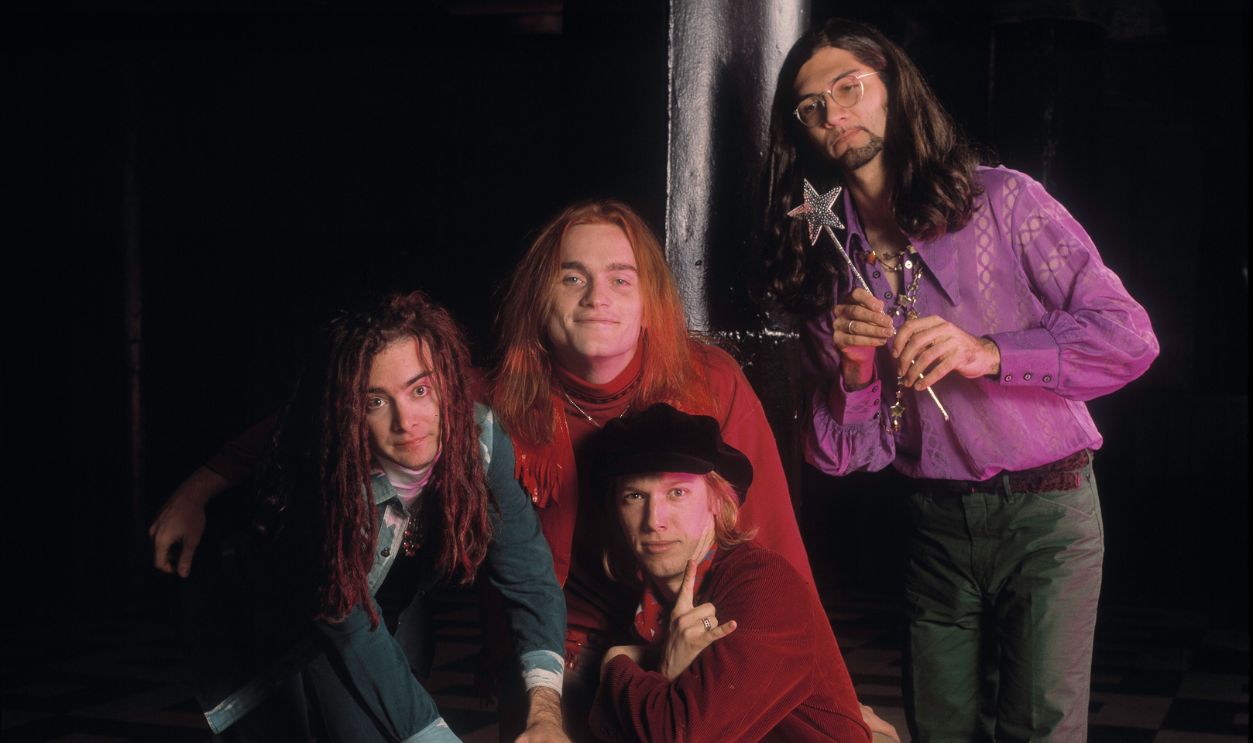
Jellyfish made pop that felt oversized and intricate. Albums like Spilt Milk were packed with layered harmonies and ambitious arrangements, but commercial success never matched the critical praise. Internal disagreements over direction, combined with the pressure of limited sales, led to their breakup, leaving behind a catalog that feels almost too polished to be overlooked.
Rush
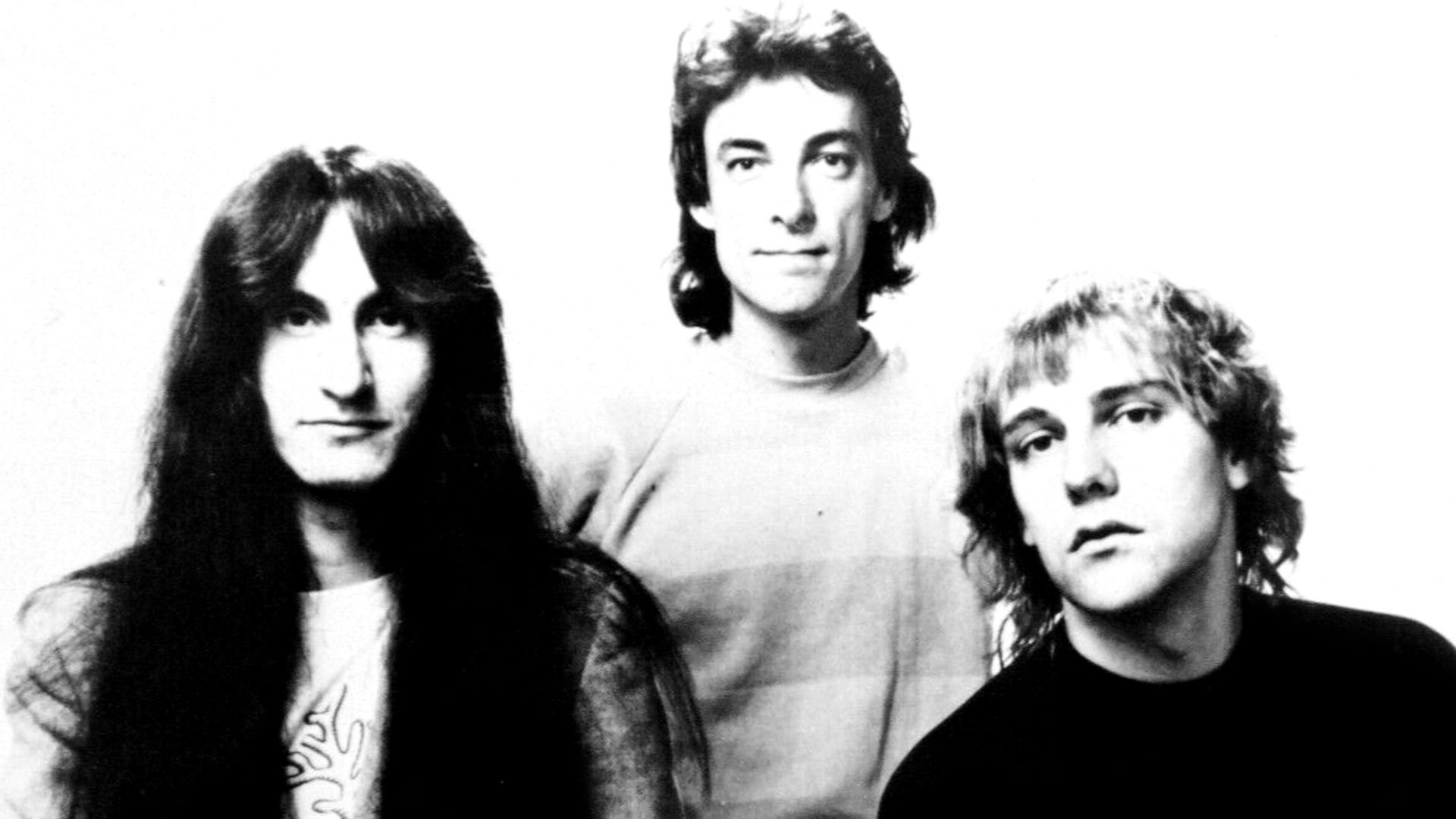
Rush built their reputation on precision. Albums like 2112 and Moving Pictures showed a band constantly pushing themselves technically and creatively. Their story changed when Neil Peart stepped away from touring due to health concerns, and his passing in 2020 closed that chapter completely. Since then, Geddy Lee and Alex Lifeson have carefully protected what the band meant.
You May Also Like:
Rock Tours That Were So Wild, You Could Never Get Away With Them Today
Everyone Thought These Artists Were Washed Up Until Their Legendary Comeback Shocked The World