A Whole Different Kind of “Who?”
Boomers sometimes wonder how millennials could miss entire eras of classic rock. Millennials wonder the same thing—just in reverse. These bands have sold out tours, racked up billions of streams, and soundtracked entire phases of millennial life. And no, they don’t sound like the Beatles. That’s kind of the point.
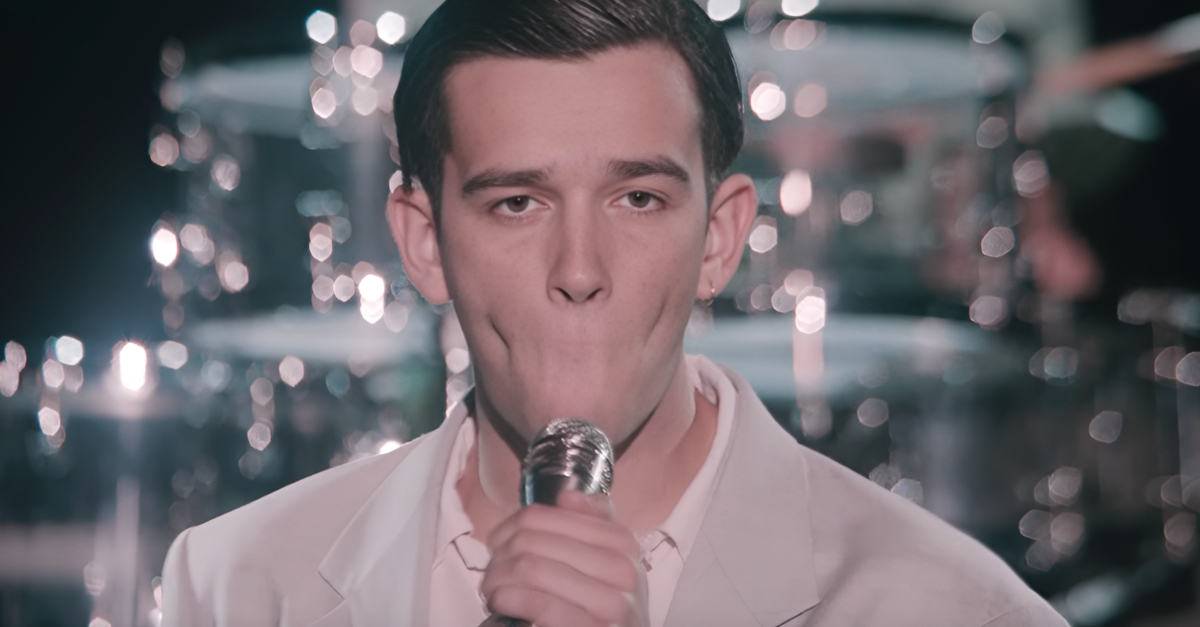
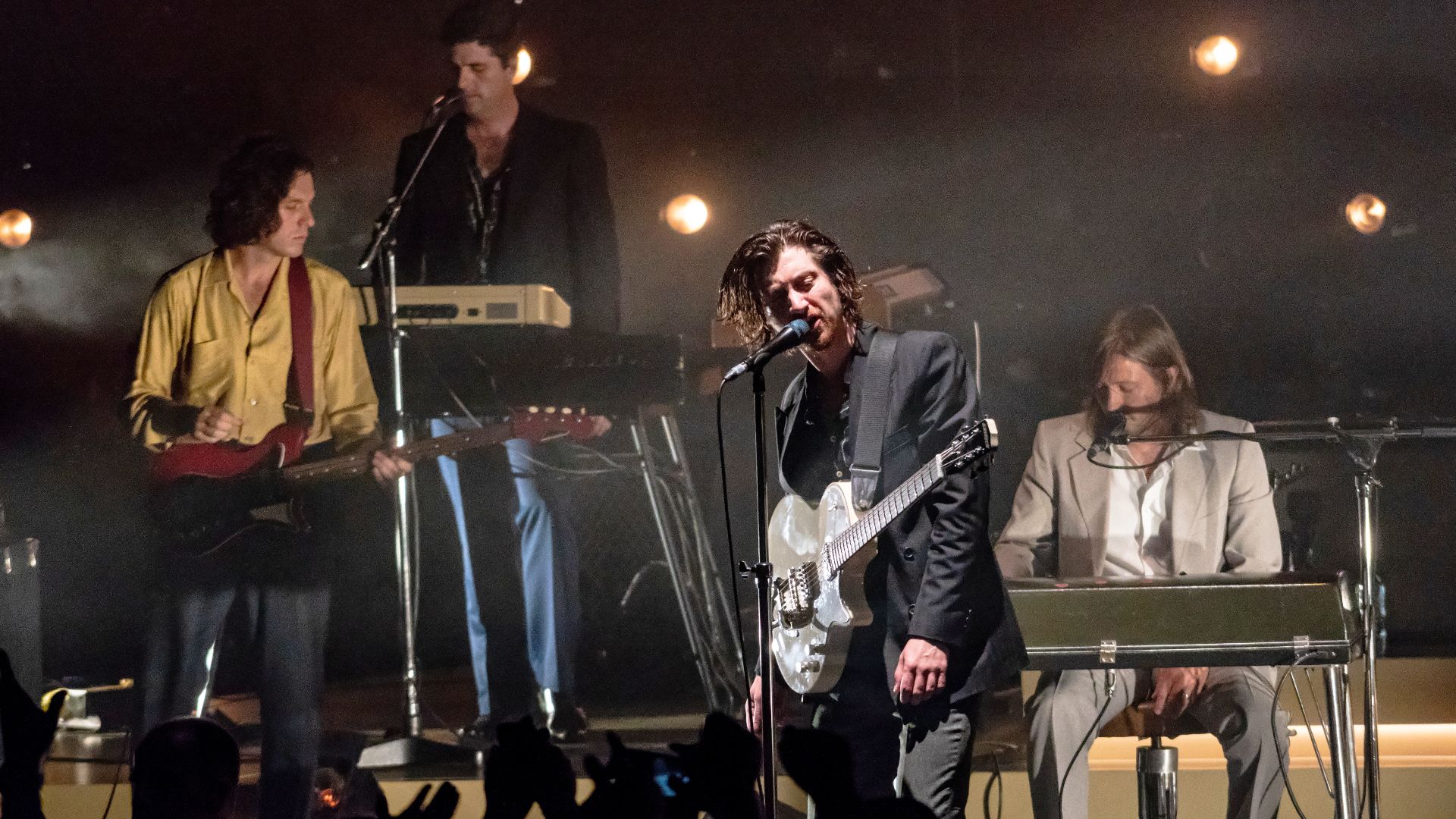
Arctic Monkeys
Arctic Monkeys were an internet-era breakout before radio fully caught up. Songs like I Bet You Look Good on the Dancefloor spread online fast, while AM later turned them into global headliners. Millennials feel like they grew up alongside the band. Boomers who missed the early wave often assume they’re much newer than they actually are.
Vampire Weekend
Bright, clever, and slightly academic, Vampire Weekend arrived sounding nothing like classic rock—or anything else. Boomers often assume the name refers to a movie, a phase, or something they should probably disapprove of before the music even starts. Songs like A-Punk and Oxford Comma quickly made them millennial staples.
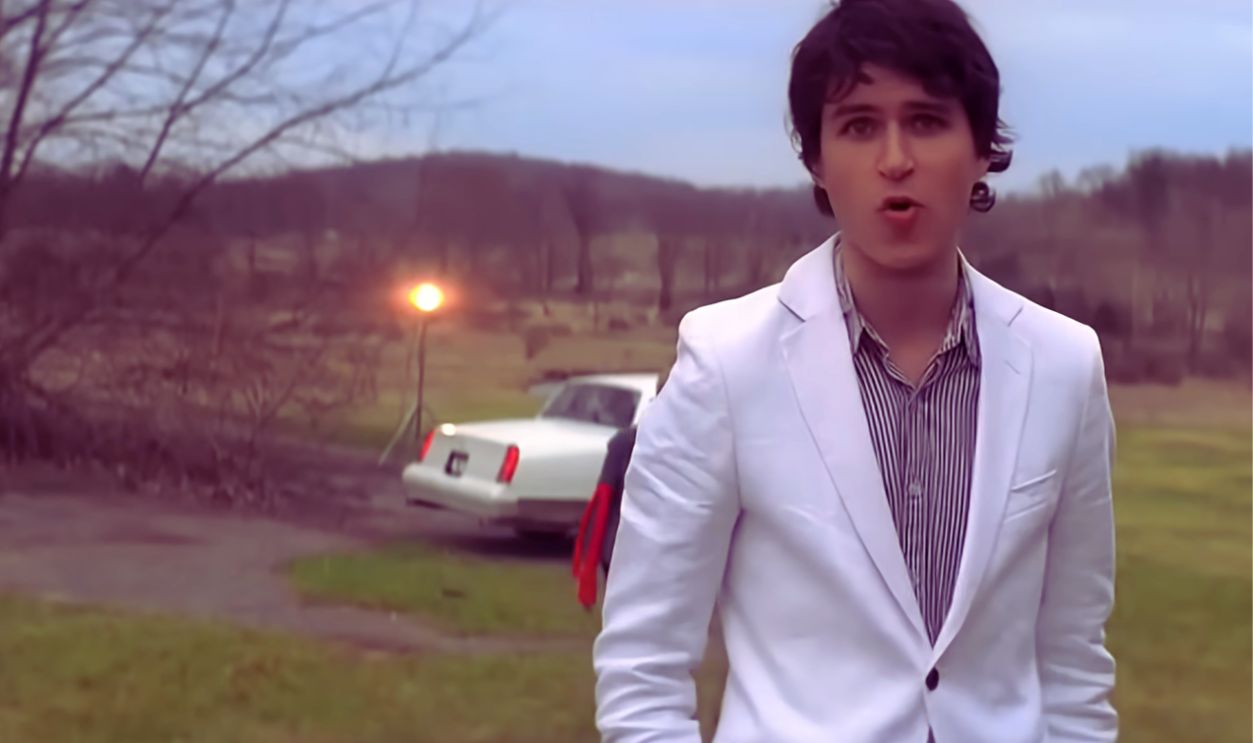 Screenshot from Oxford Comma, XL Recordings (2008)
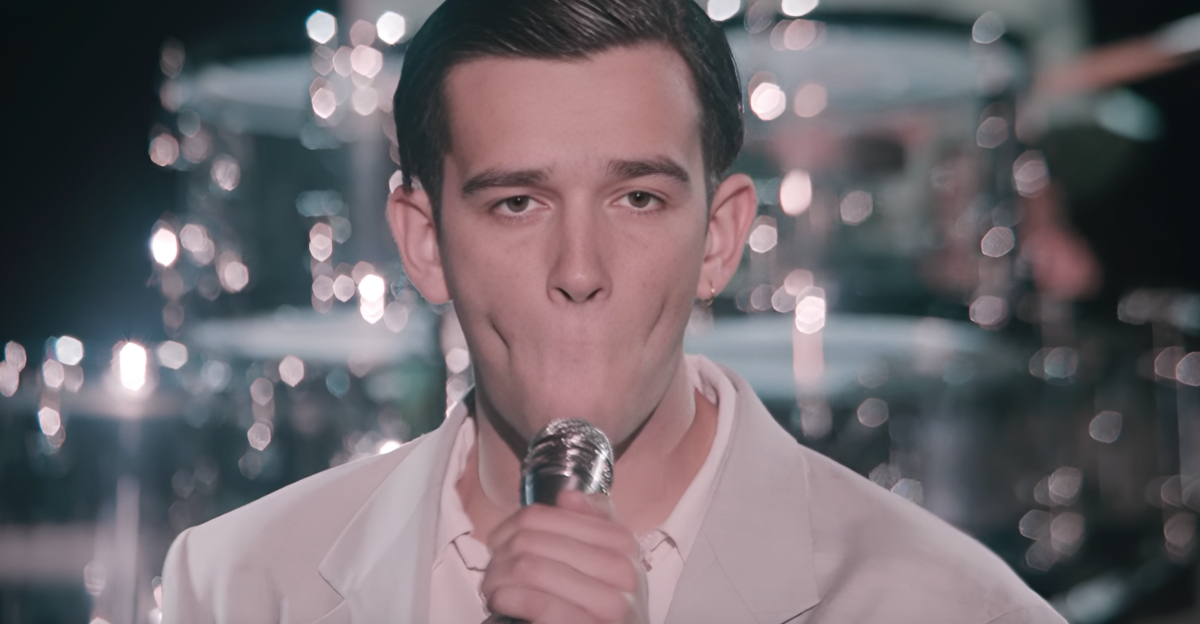
The 1975
The irony of The 1975 is that the band is named after a year Baby Boomers deeply love musically—and yet most boomers still have no idea who they are. Albums like I Like It When You Sleep, for You Are So Beautiful Yet So Unaware of It and Being Funny in a Foreign Language made them festival headliners. Boomers hear the name and expect nostalgia. Then the music starts…and the confusion begins.
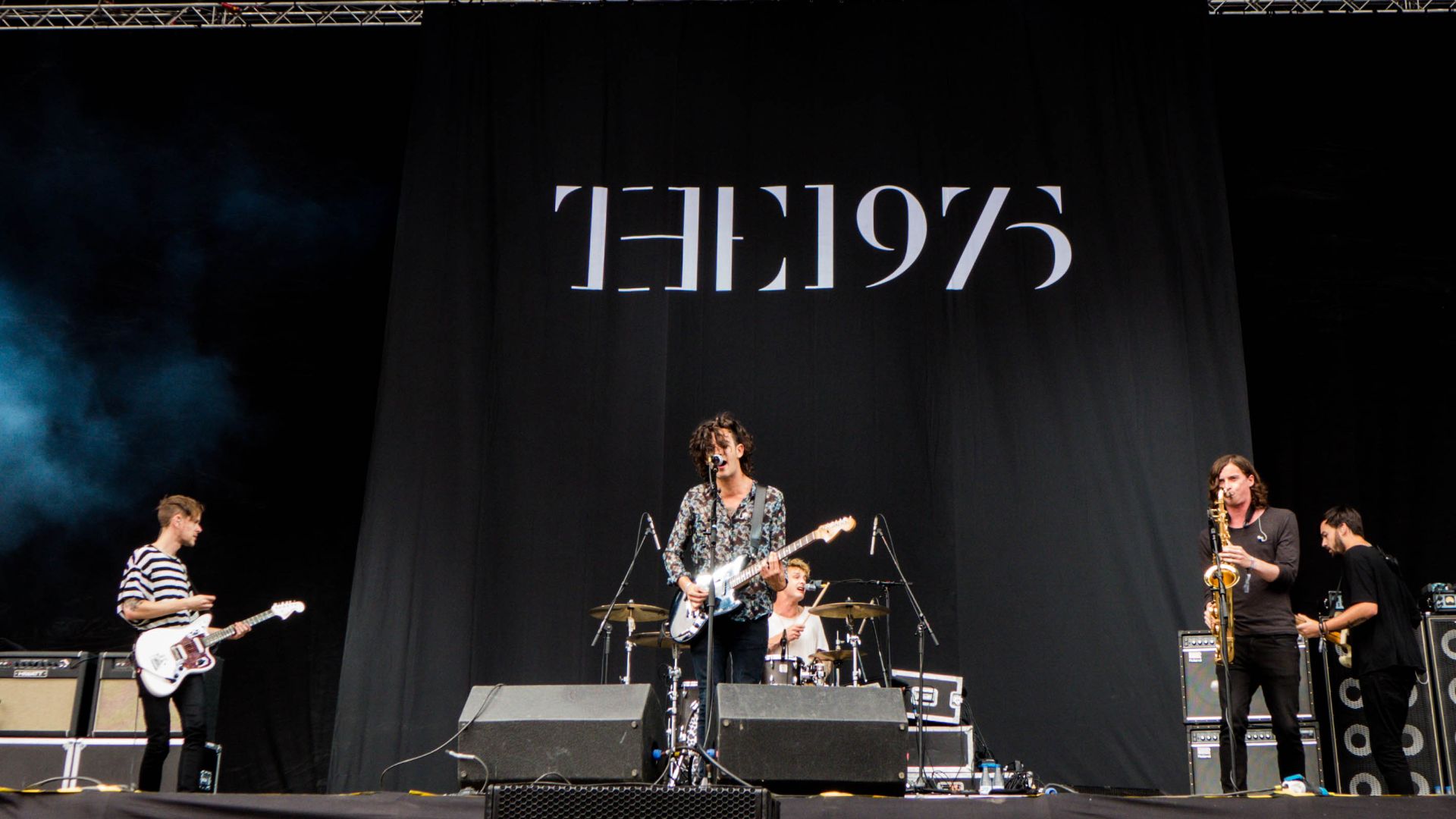 Begona from Errenteria, Espana, Wikimedia Commons
LCD Soundsystem
LCD Soundsystem makes dance music for people who overthink everything. Songs like All My Friends and Someone Great can sound repetitive to some boomers. Millennials hear lyrics about aging, insecurity, and trying to stay relevant—and recognize themselves immediately.
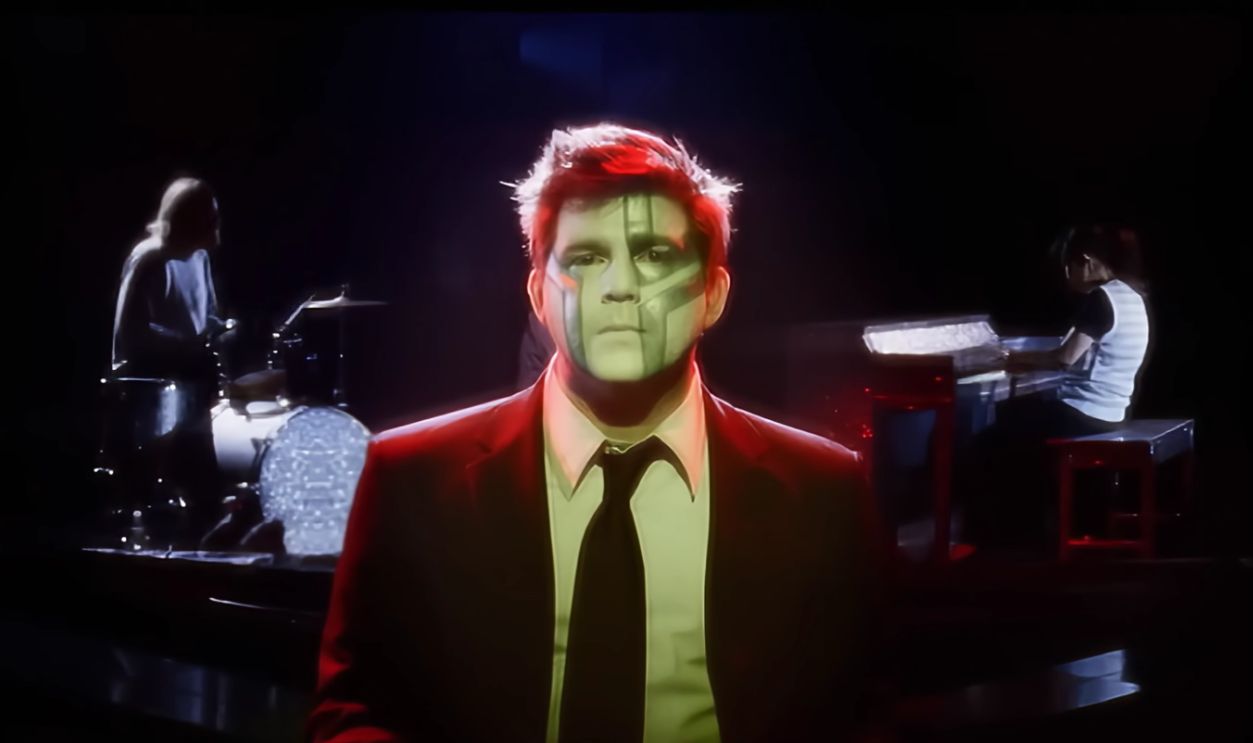 Screenshot from All My Friends, EMI (2007)
Beach House
Beach House moves slowly on purpose. Albums like Teen Dream and Bloom are hazy, atmospheric, and inward-looking. Boomers sometimes think nothing is happening. Millennials know the appeal is the mood itself, not a big hook or chorus.
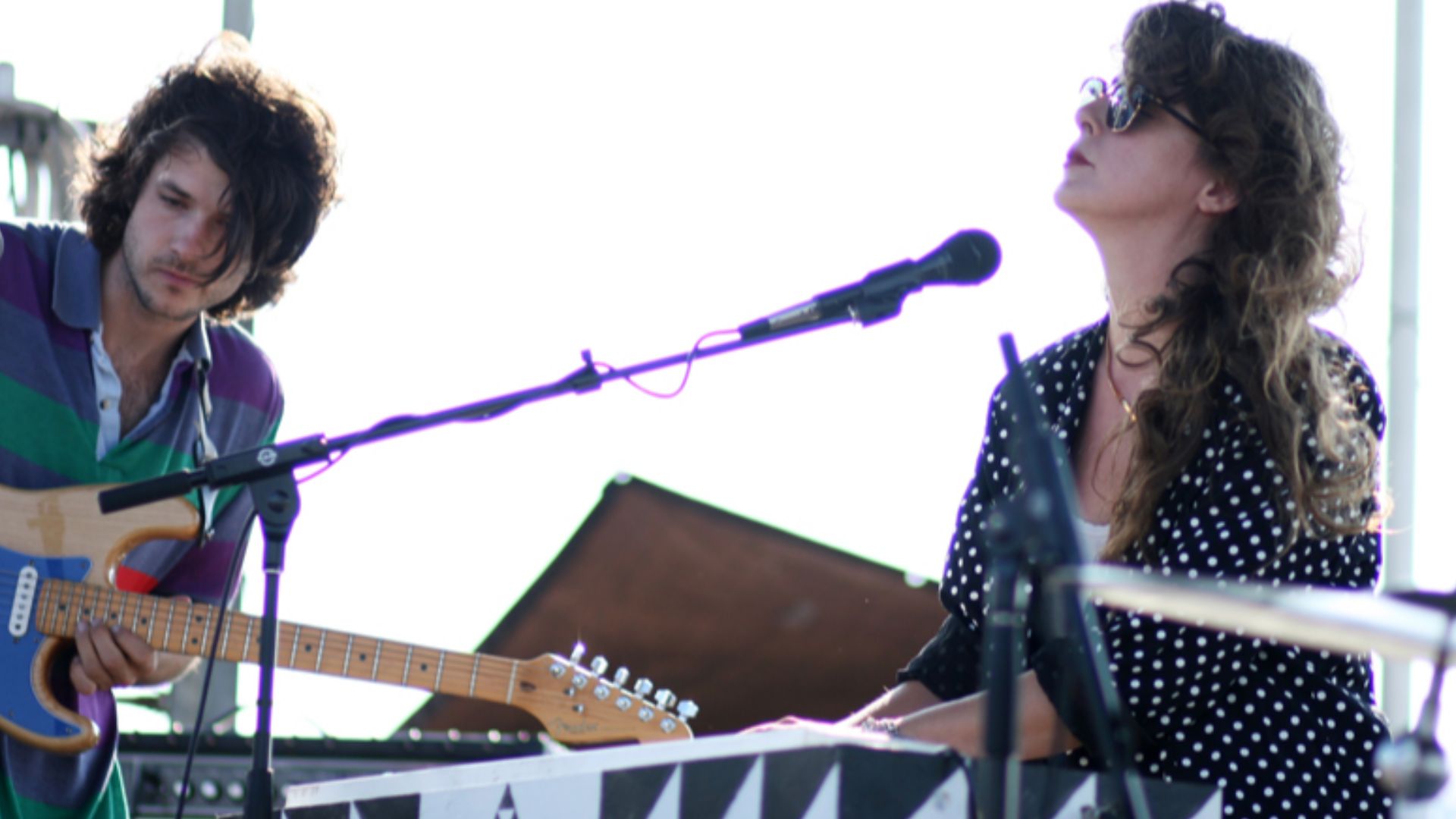 Amanda Hatfield from Park Ridge, NJ, USA, Wikimedia Commons
MGMT
For millennials, Oracular Spectacular was unavoidable. Kids, Electric Feel, Time to Pretend—they were everywhere. Boomers often missed the moment entirely. When they hear the songs later, they sound like a strange retro experiment. Millennials remember the takeover.
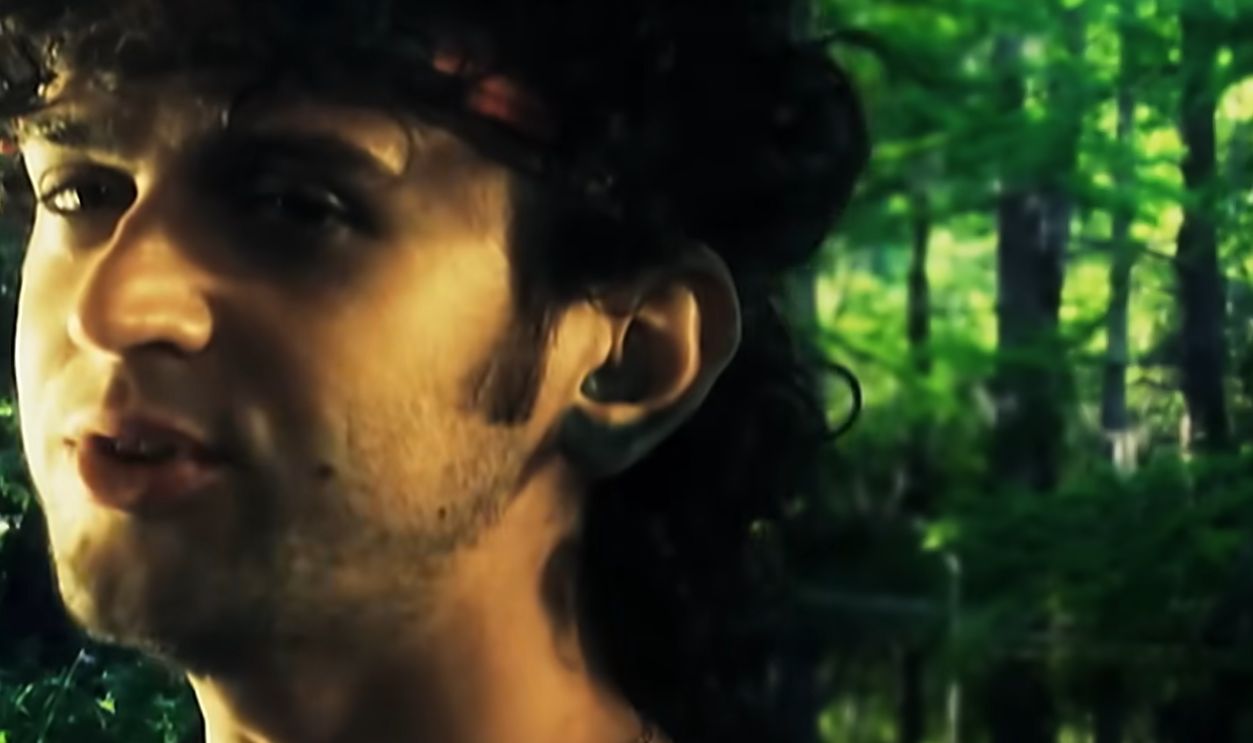 Screenshot from Electric Feel, Columbia Records (2008)
Florence + The Machine
Florence + The Machine blends massive vocals with emotional directness. Dog Days Are Over and Shake It Out turned the band into a millennial staple. Boomers usually respect the vocals but don’t always connect with the lyrics or emotional tone in the same way millennials do.
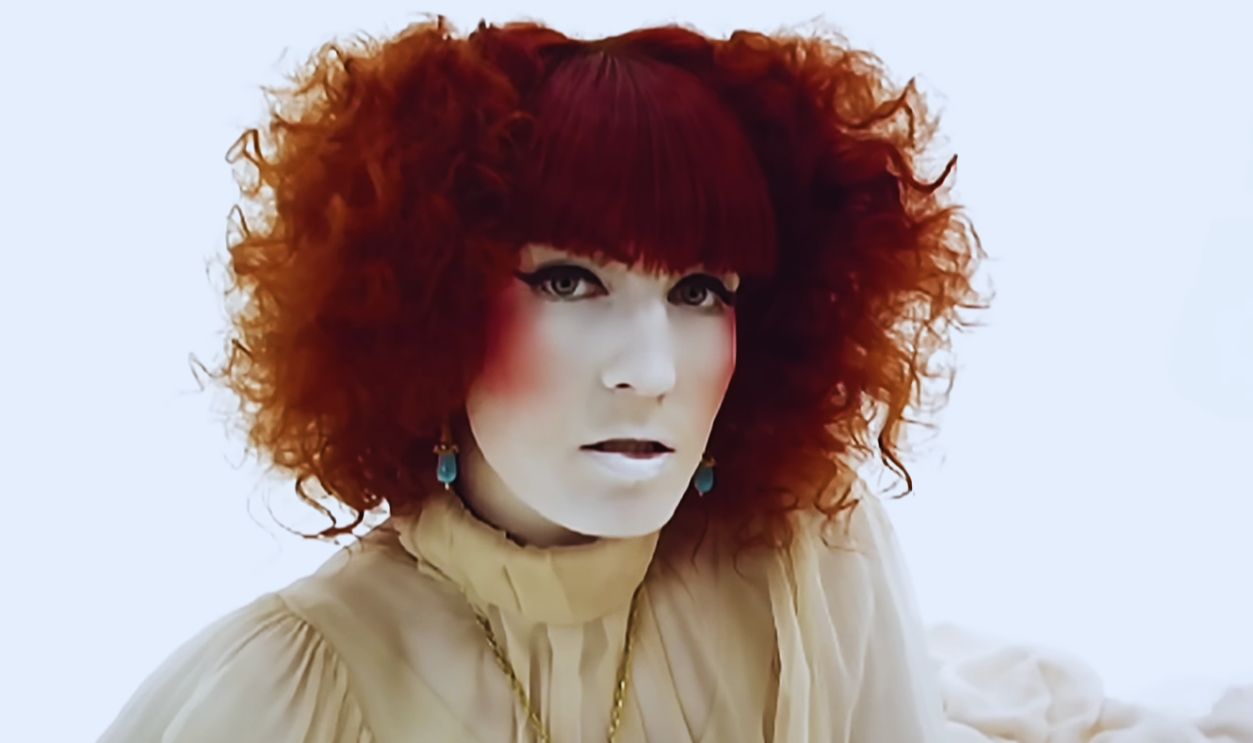 Screenshot from Dog Days Are Over, Island Records (2008)
My Chemical Romance
My Chemical Romance wasn’t just a band—it was emotional infrastructure. The Black Parade became one of the most defining albums of the 2000s. Boomers often dismissed it as a phase that would pass. Millennials remember it as survival music.
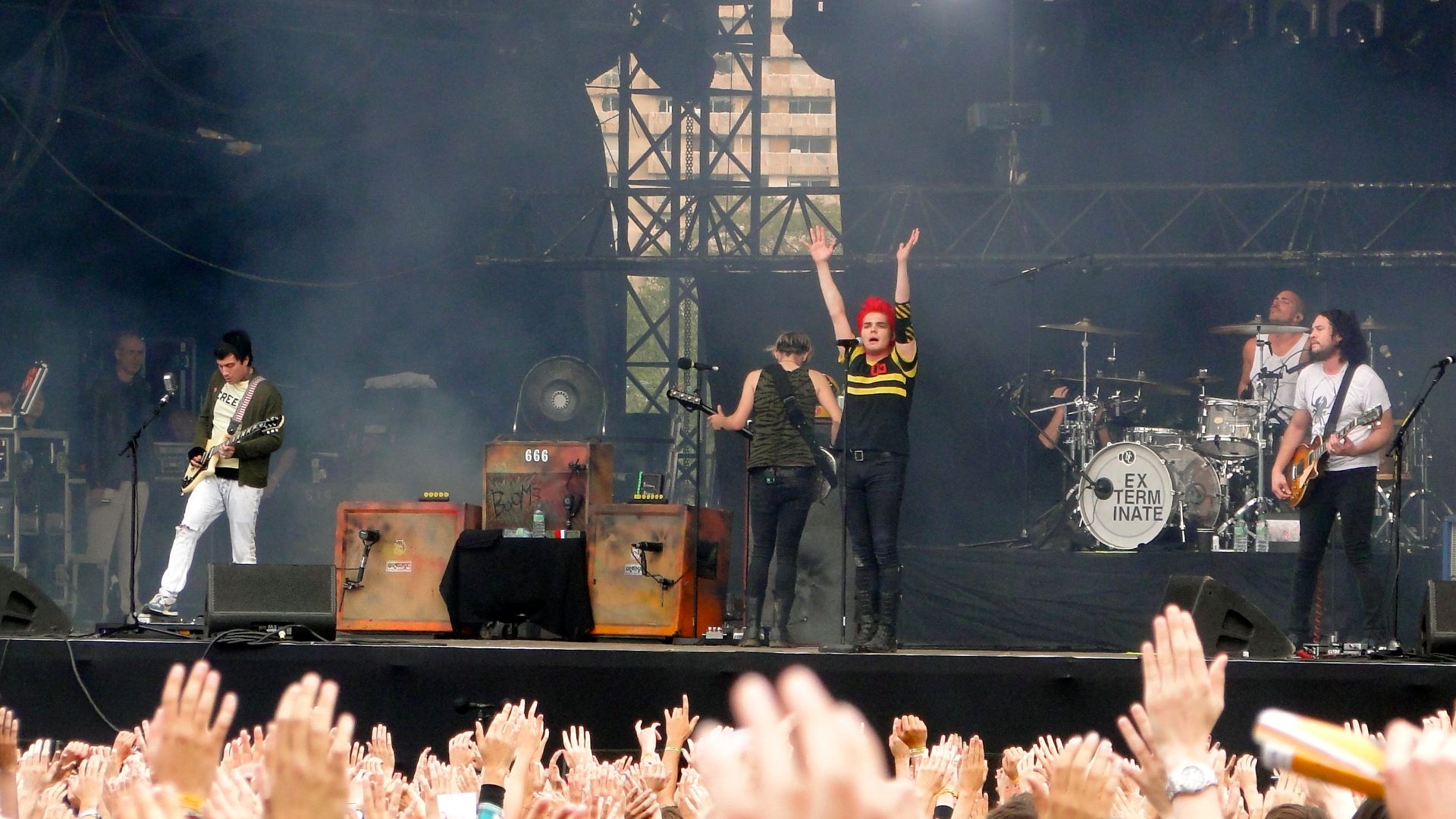 Lara Janssen, Wikimedia Commons
Foster the People
Pumped Up Kicks sounded catchy and light—until you actually listened. That contrast defined Foster the People’s appeal, especially on Torches. Boomers often hear harmless pop. Millennials remember how fast the song took over everything.
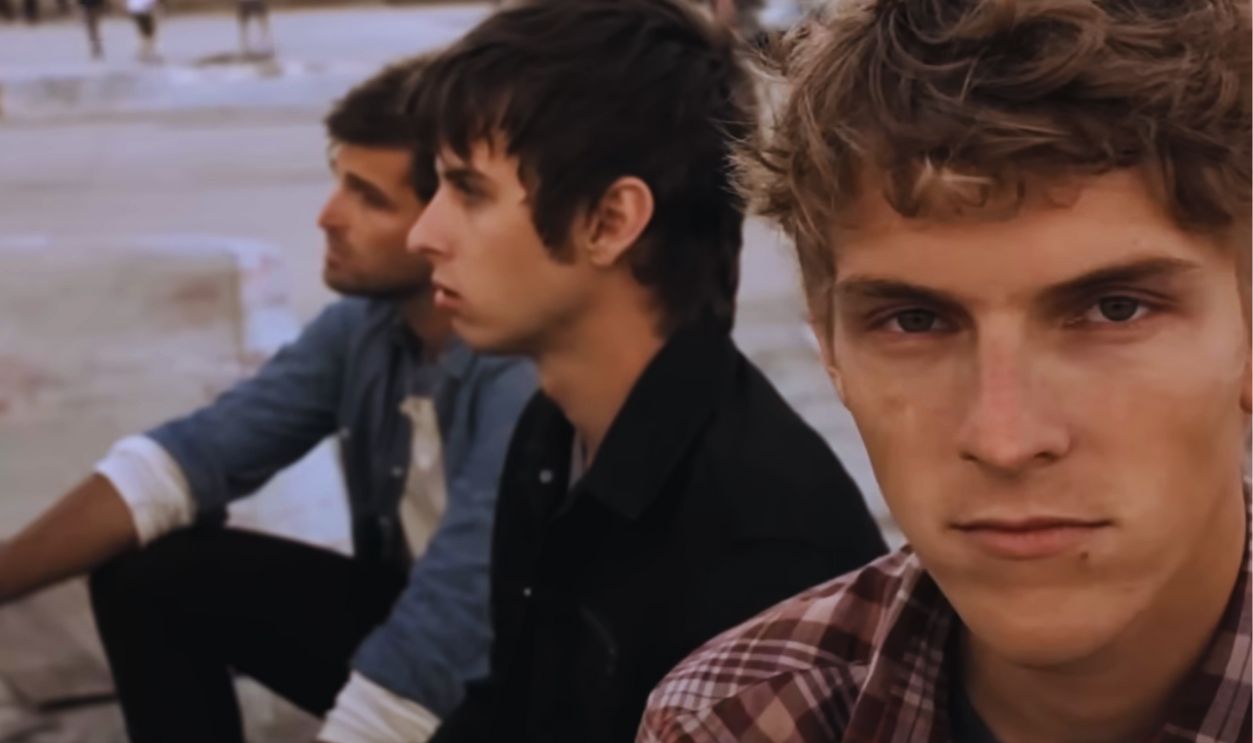 Screenshot from Pumped Up Kicks, Columbia Records (2010)
Haim
Haim blends pop instincts with real musicianship. Songs like The Wire and Don’t Save Me feel effortless without being shallow. Boomers often miss them entirely or assume they’re just another pop act. Millennials clock the difference immediately.
 Screenshot from The Wire, Polydor Records (2013)
Chvrches
Chvrches brought emotion back to synth-pop. The missing vowels alone are enough to lose a few boomers before the first song even plays. Tracks like The Mother We Share and Clearest Blue became millennial favorites.
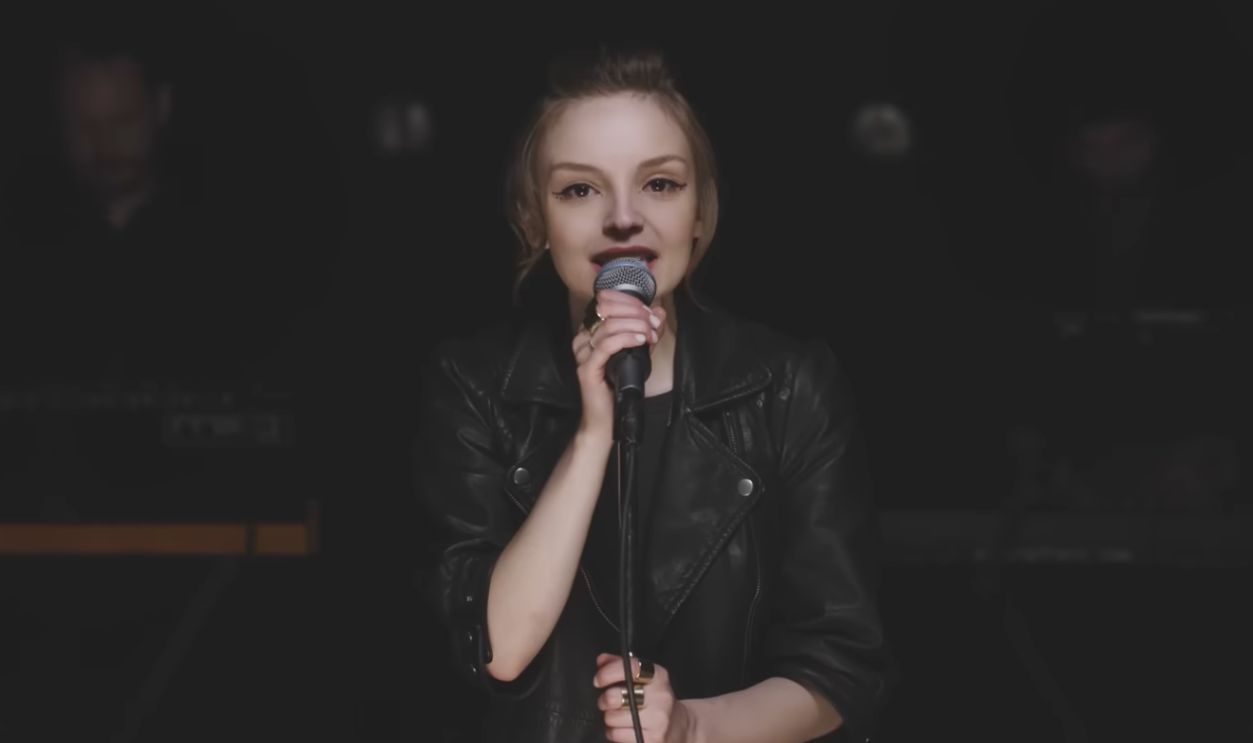 Screenshot from The Mother We Share, Virgin Records (2012)
The National
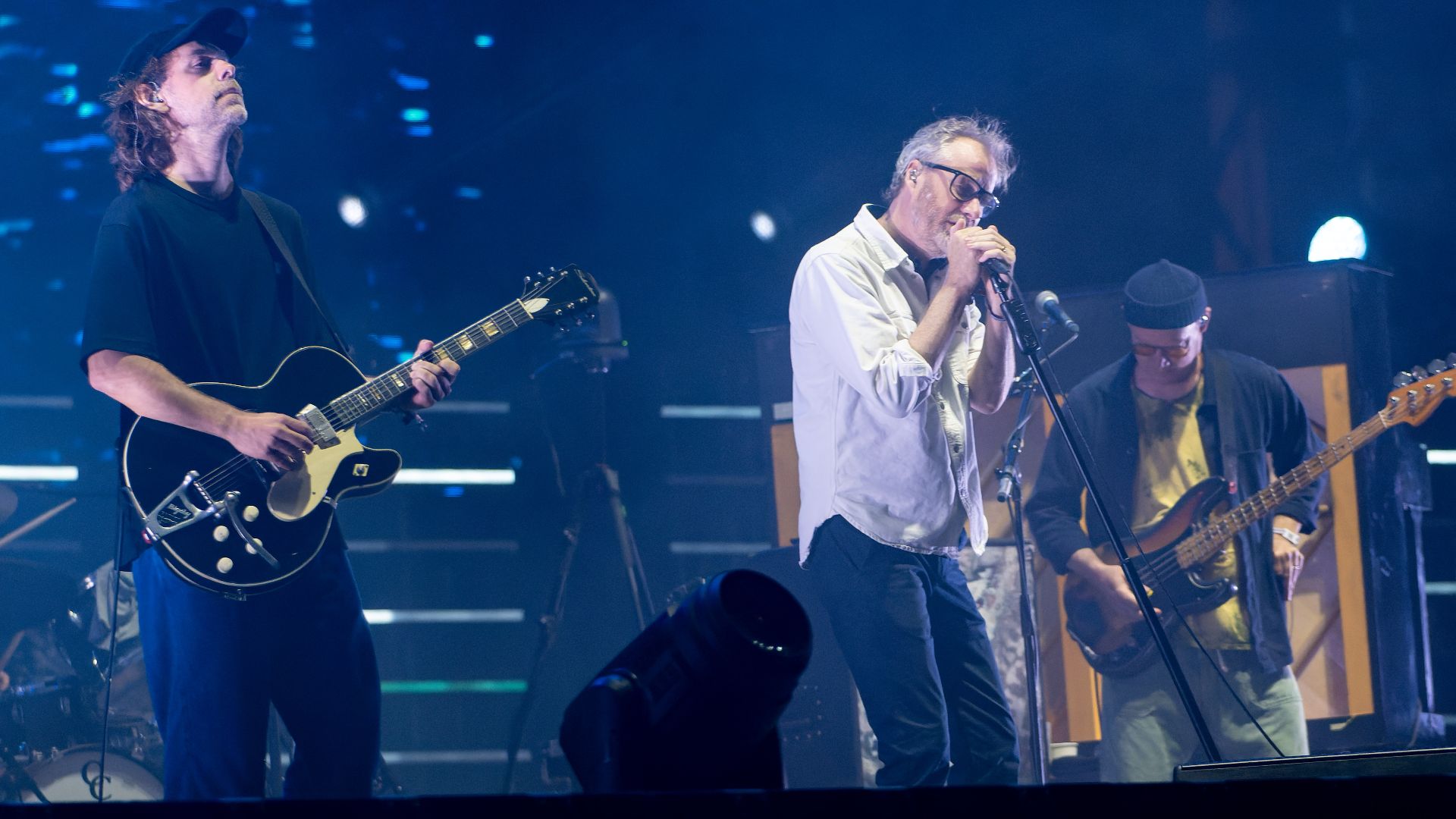
The National makes music for people who are tired, thoughtful, and quietly overwhelmed. Albums like High Violet and Trouble Will Find Me speak directly to millennial adulthood. Boomers often expect something bigger. Millennials connect with the restrained vocals and lyrics about burnout, relationships, and getting older.
Yeah Yeah Yeahs
The Yeah Yeah Yeahs thrived during the blog-era explosion. Maps became quietly iconic. Millennials grew up with them. Boomers often missed them entirely—and are surprised to learn rock kept changing outside of classic radio and mainstream playlists.
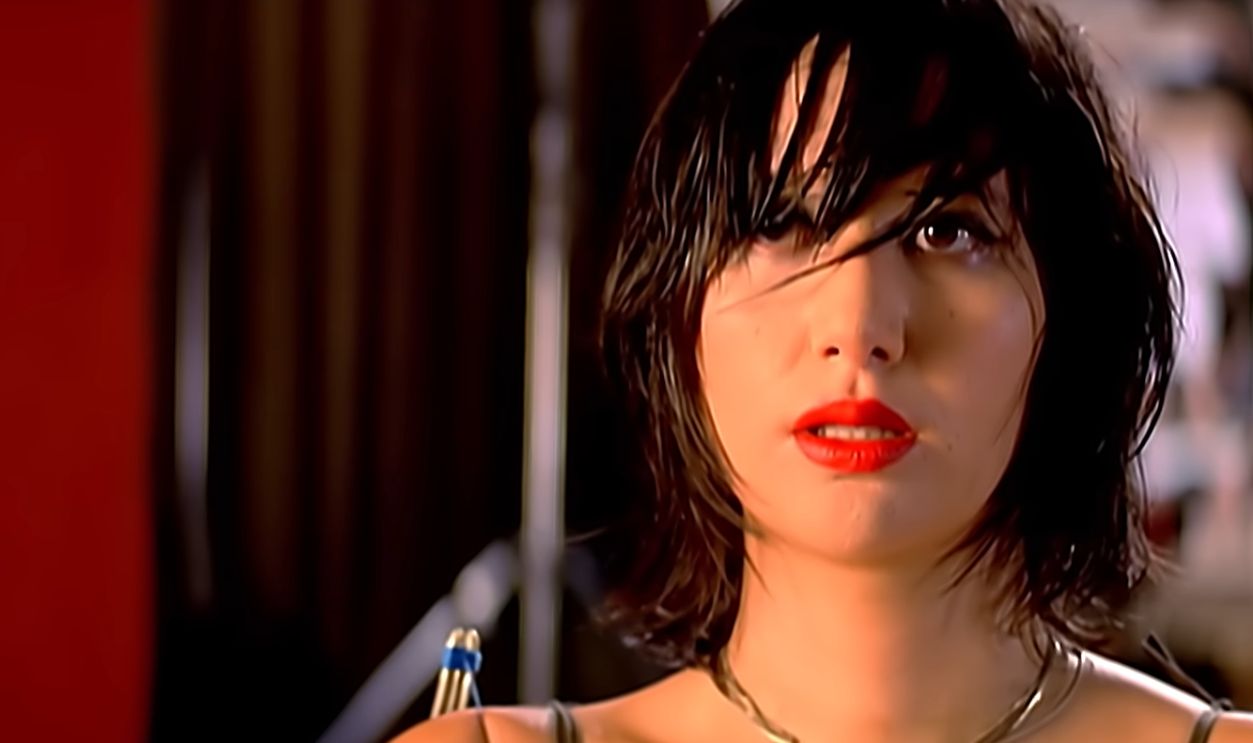 Screenshot from Maps, Interscope Records (2003)
Twenty One Pilots
Twenty One Pilots built a massive millennial fanbase largely outside traditional radio. Boomers often assume there are twenty-one pilots involved and are immediately unsure why that many would be necessary. Stressed Out alone has over a billion streams.
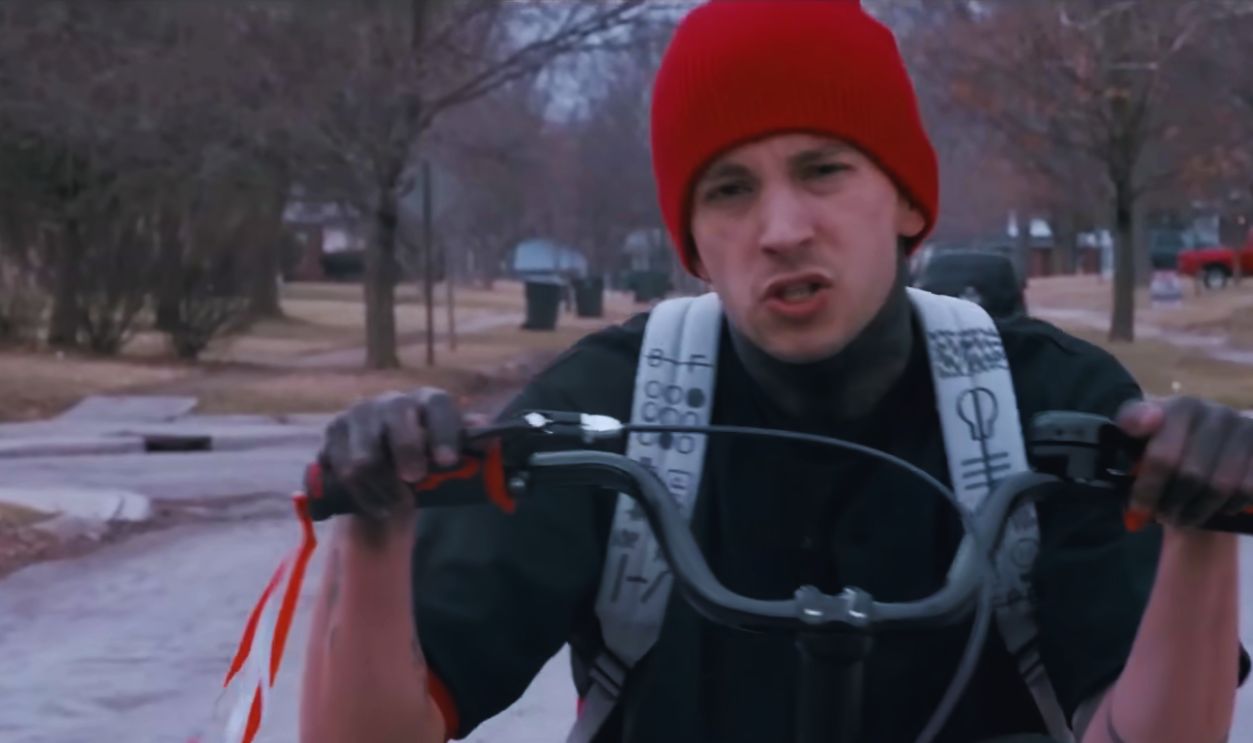 Screenshot from Stressed Out, Fueled by Ramen (2015)
Paramore
Paramore crossed genres and generations—but their emotional core hit millennials hardest. Misery Business and Ain’t It Fun became era-defining songs. Boomers sometimes recognize the name but not the impact. Millennials remember the feeling.
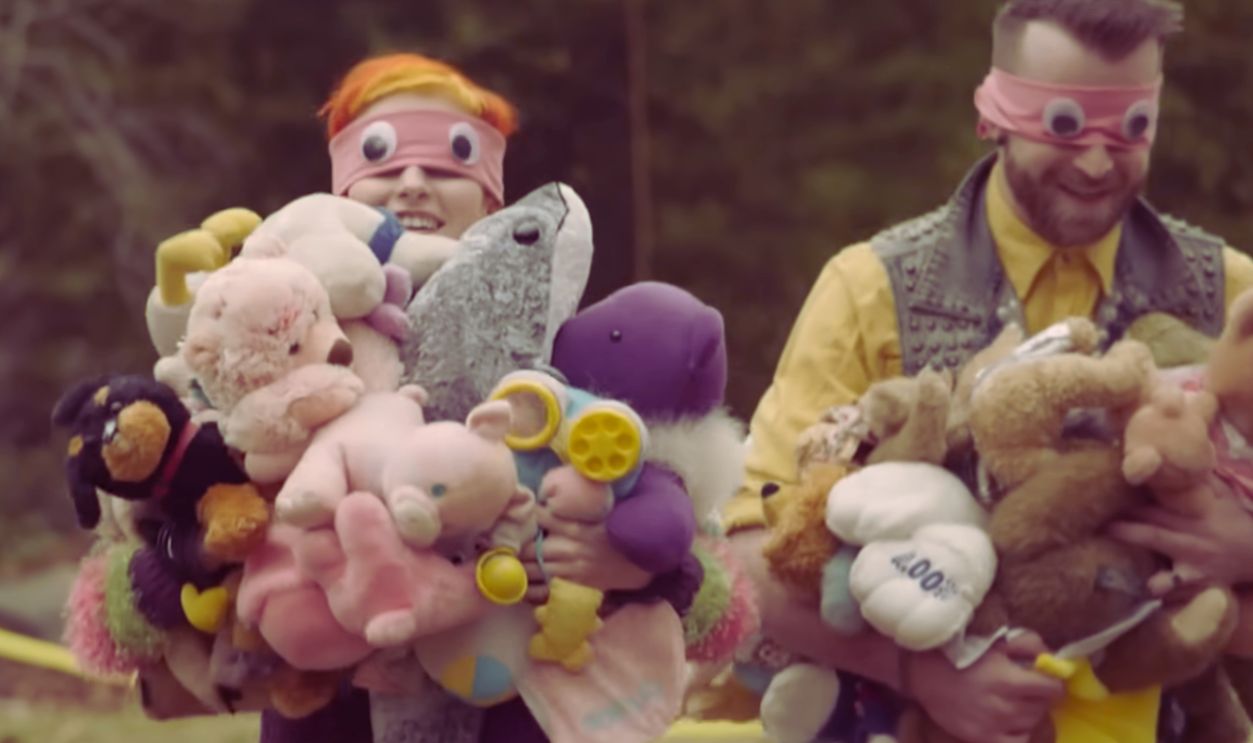 Screenshot from Ain’t It Fun, Atlantic Records (2014)
Fall Out Boy
Fall Out Boy’s early albums like From Under the Cork Tree were unavoidable for millennials. Boomers often lump them in with “that emo stuff” and move on. Millennials remember memorizing every lyric—whether they admit it or not.
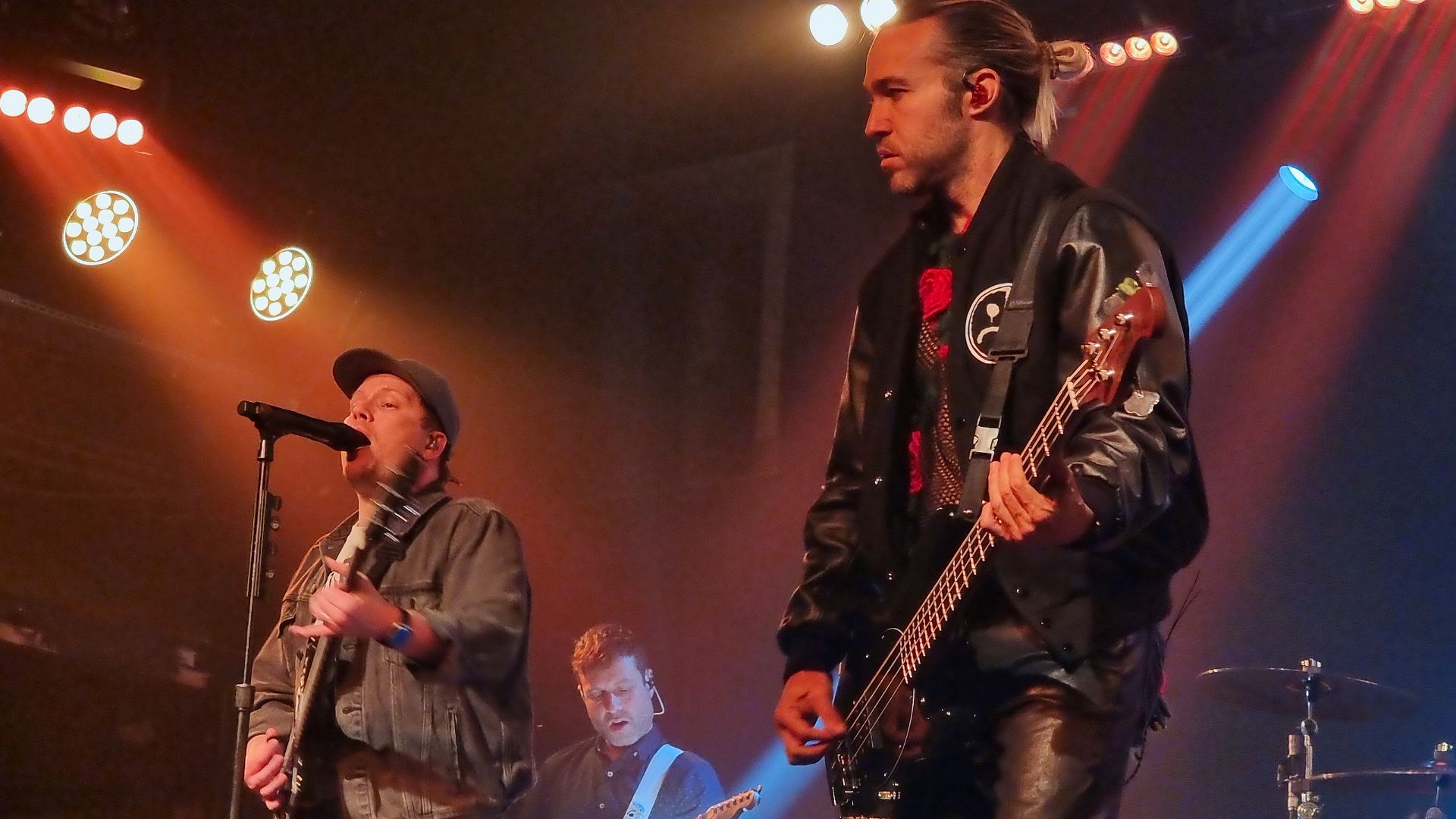 Drew de F Fawkes from Guildford, United Kingdom, Wikimedia Commons
Bring Me the Horizon
Bring Me the Horizon evolved quickly, moving from metalcore into mainstream rock and pop-leaning sounds. Boomers who stumble across them late are usually shocked. Millennials followed every reinvention in real time.
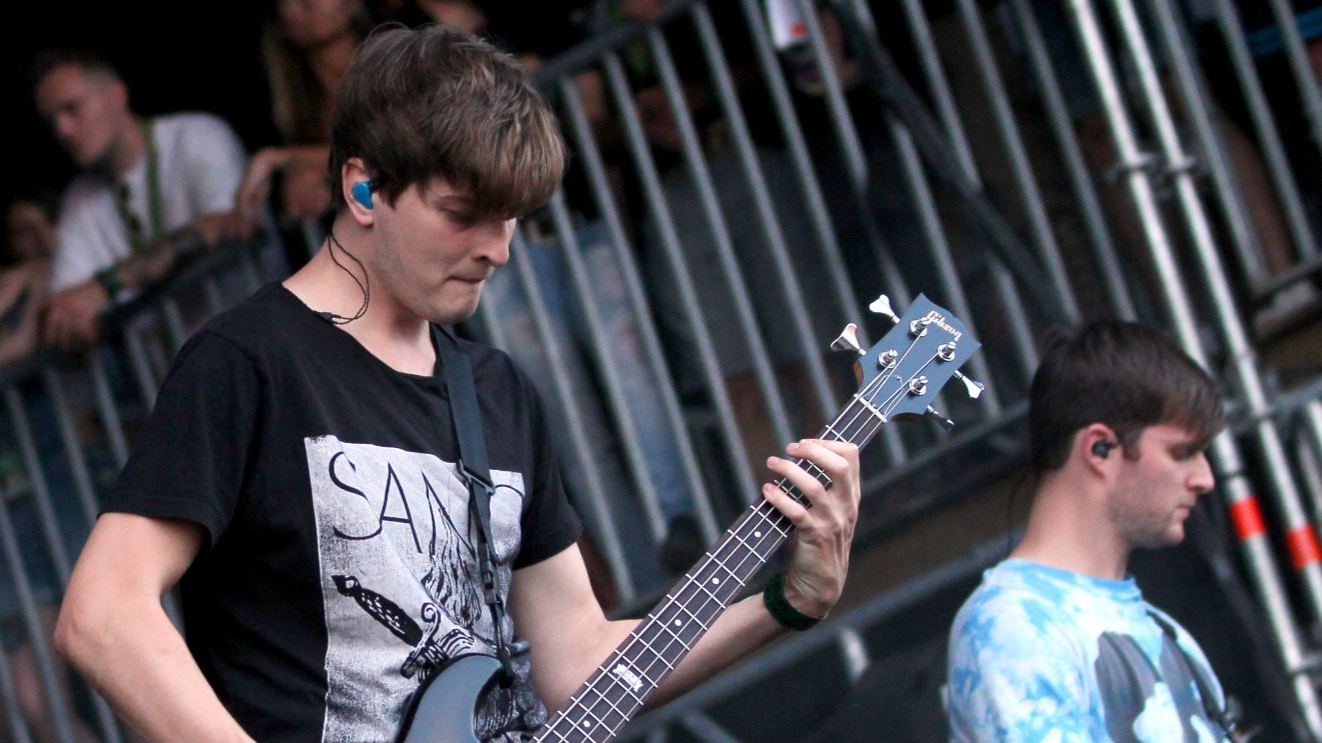 S. Bollmann, Wikimedia Commons
Glass Animals
Glass Animals’ Heat Waves became one of the most streamed songs of the decade, but the band had already been a millennial favorite. Boomers often know the song but not the band. Millennials know both—and the mood that came with it.
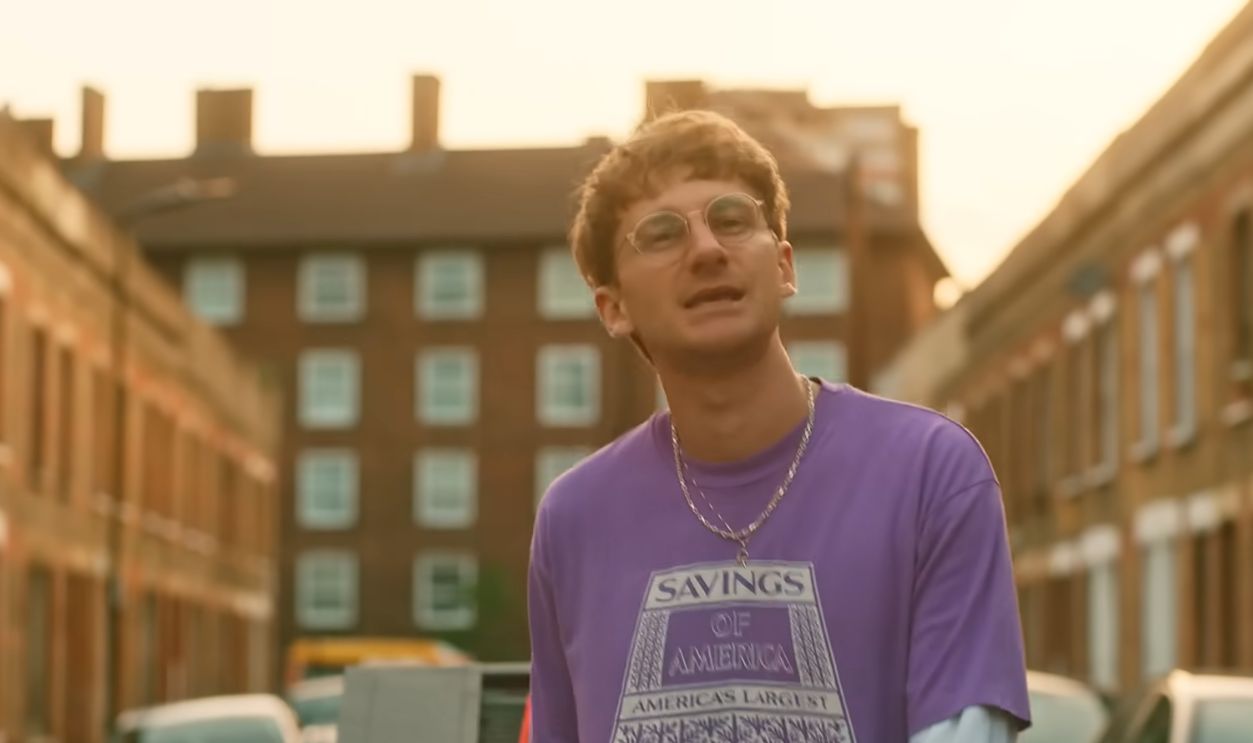 Screenshot from Heat Waves, Polydor Records (2020)
Alt-J
Alt-J sounded strange, minimal, and intentionally offbeat. Boomers encountering the name often assume it’s either a typo or a keyboard shortcut they never learned. Breezeblocks made them instantly recognizable to millennials.
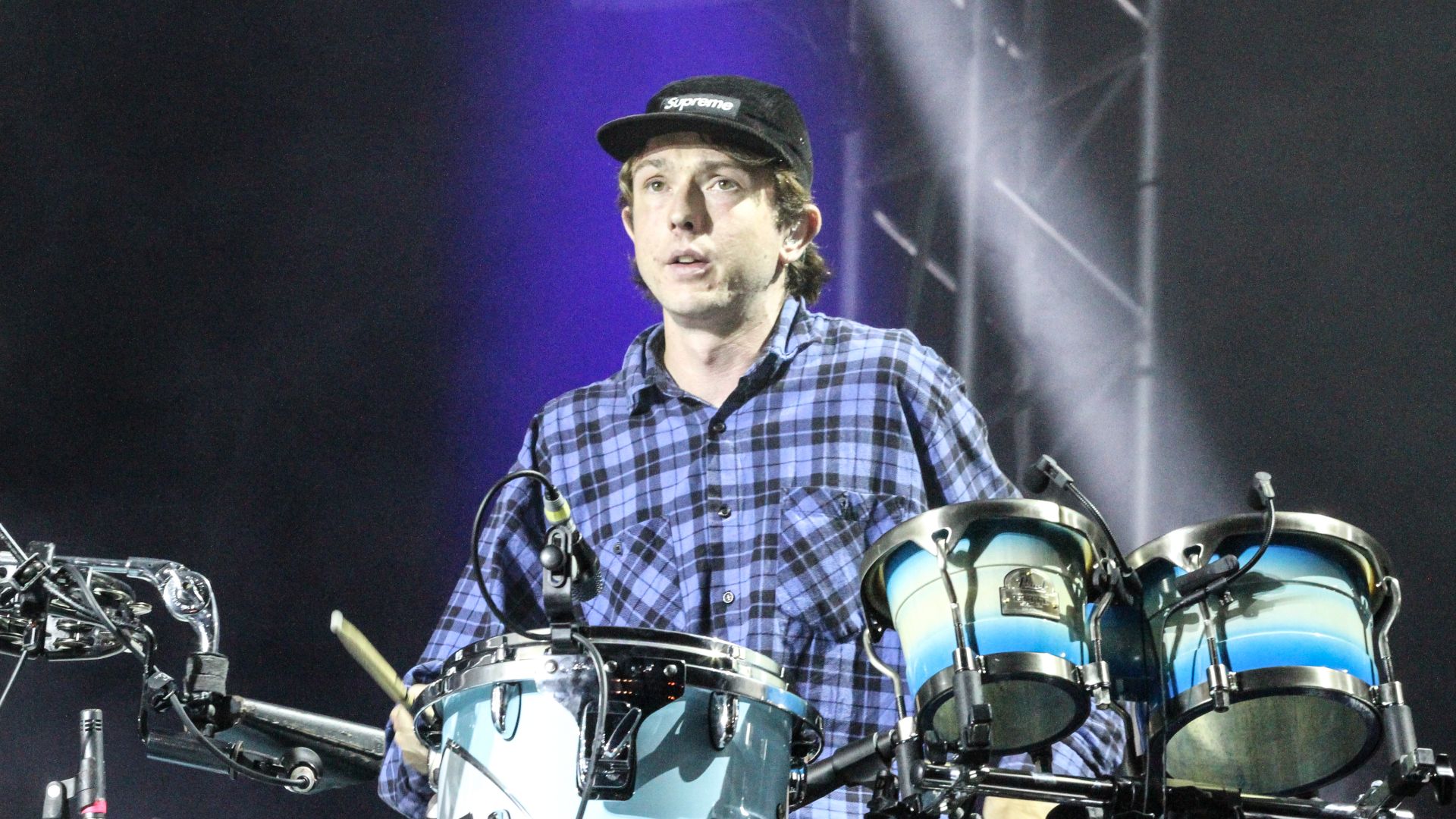 Henry Laurisch, Wikimedia Commons
Mumford & Sons
Mumford & Sons helped kick off a millennial folk revival. Little Lion Man and I Will Wait were everywhere for a while. Boomers sometimes heard echoes of older styles. Millennials remember when it briefly took over pop culture.
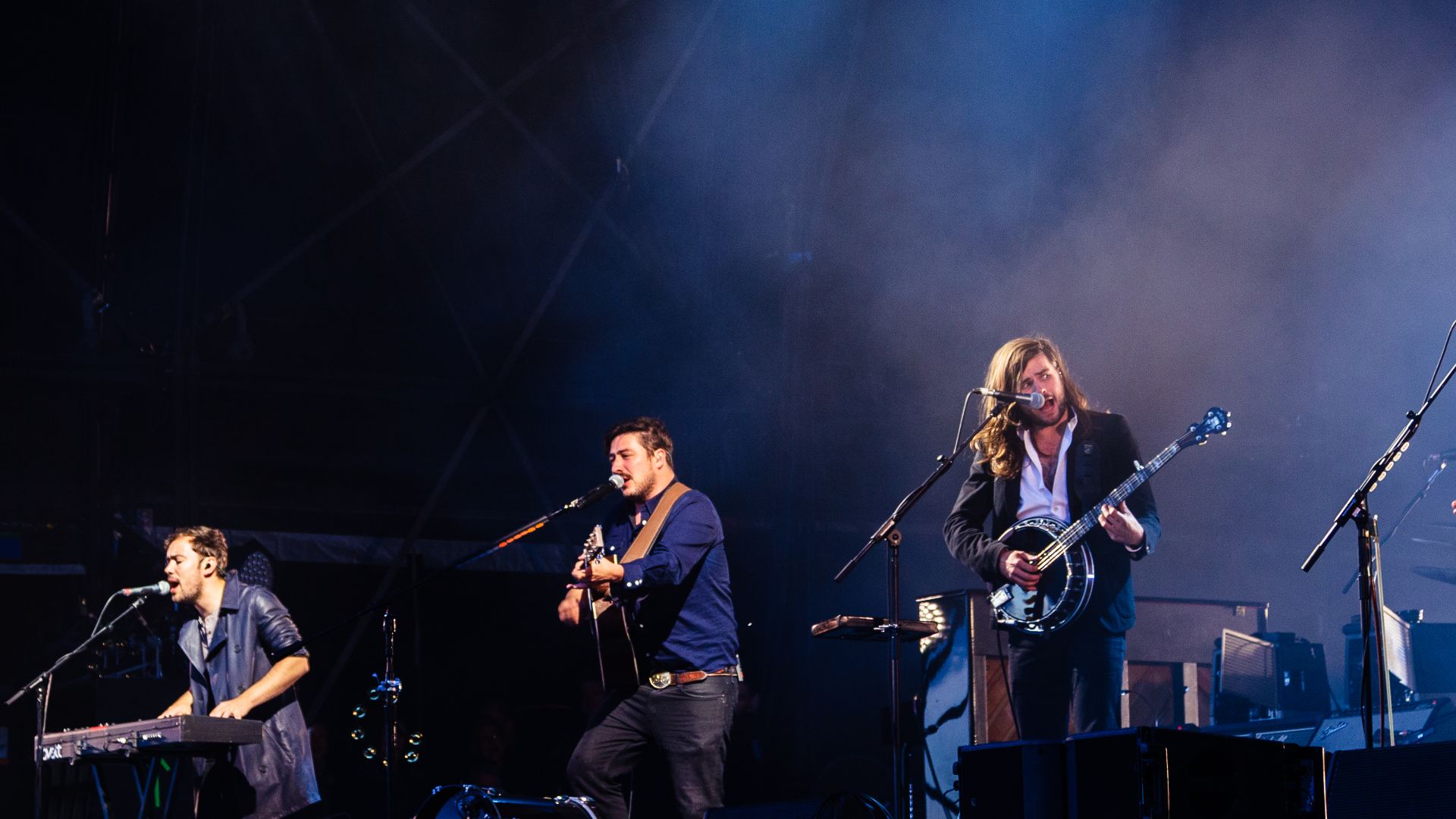 Stefan Schafer, Lich , Wikimedia Commons
Arcade Fire
Arcade Fire’s Funeral and The Suburbs became defining albums for millennial listeners. Boomers who missed the moment often don’t realize how big the band actually was. Millennials remember when everyone suddenly cared—deeply.
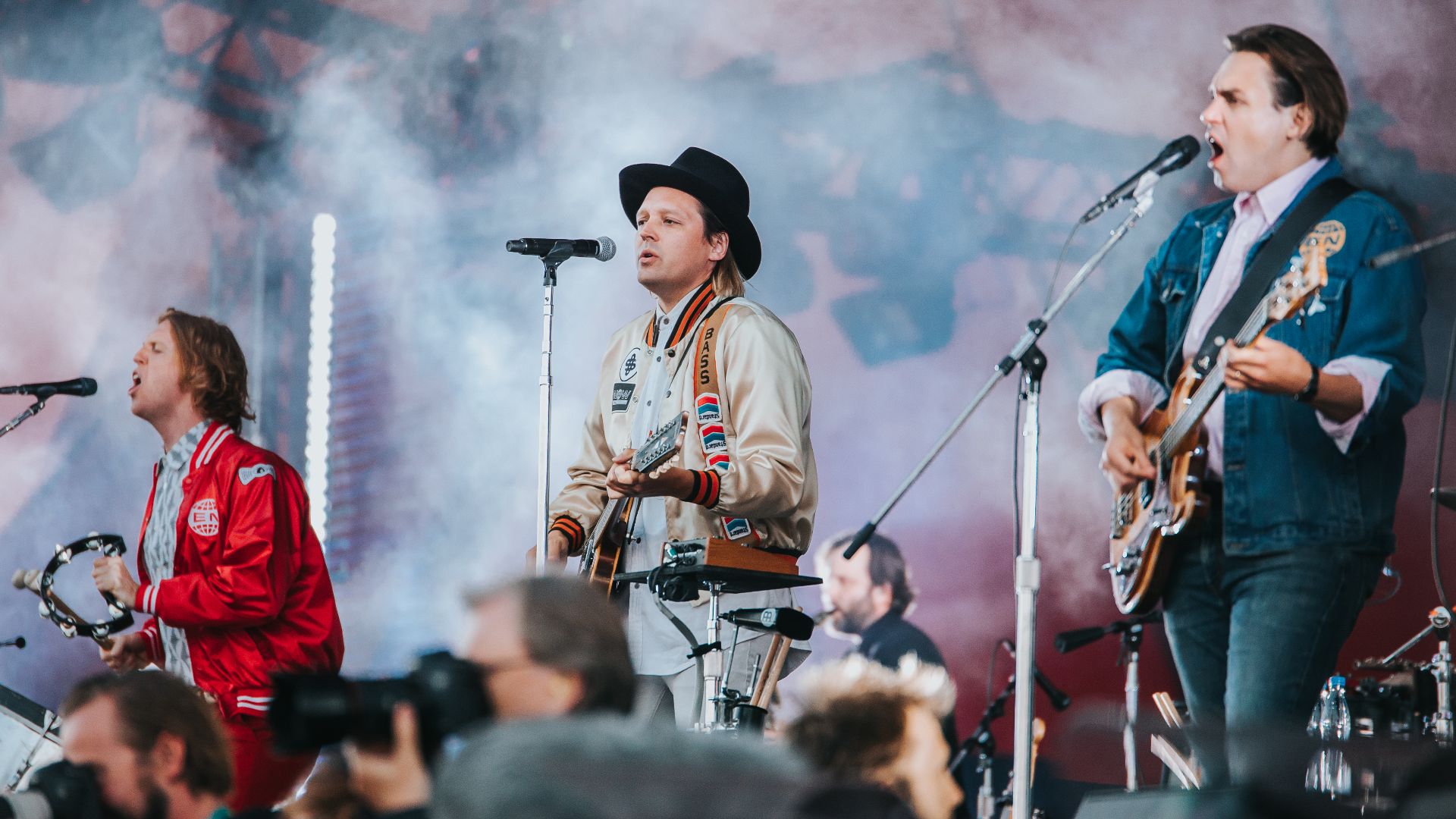 Krists Luhaers, Wikimedia Commons
Imagine Dragons
Imagine Dragons became unavoidable for millennials. To boomers, the name sounds like instructions from an elementary school art class rather than a chart-topping band. Songs like Radioactive and Demons dominated charts and streaming platforms alike.
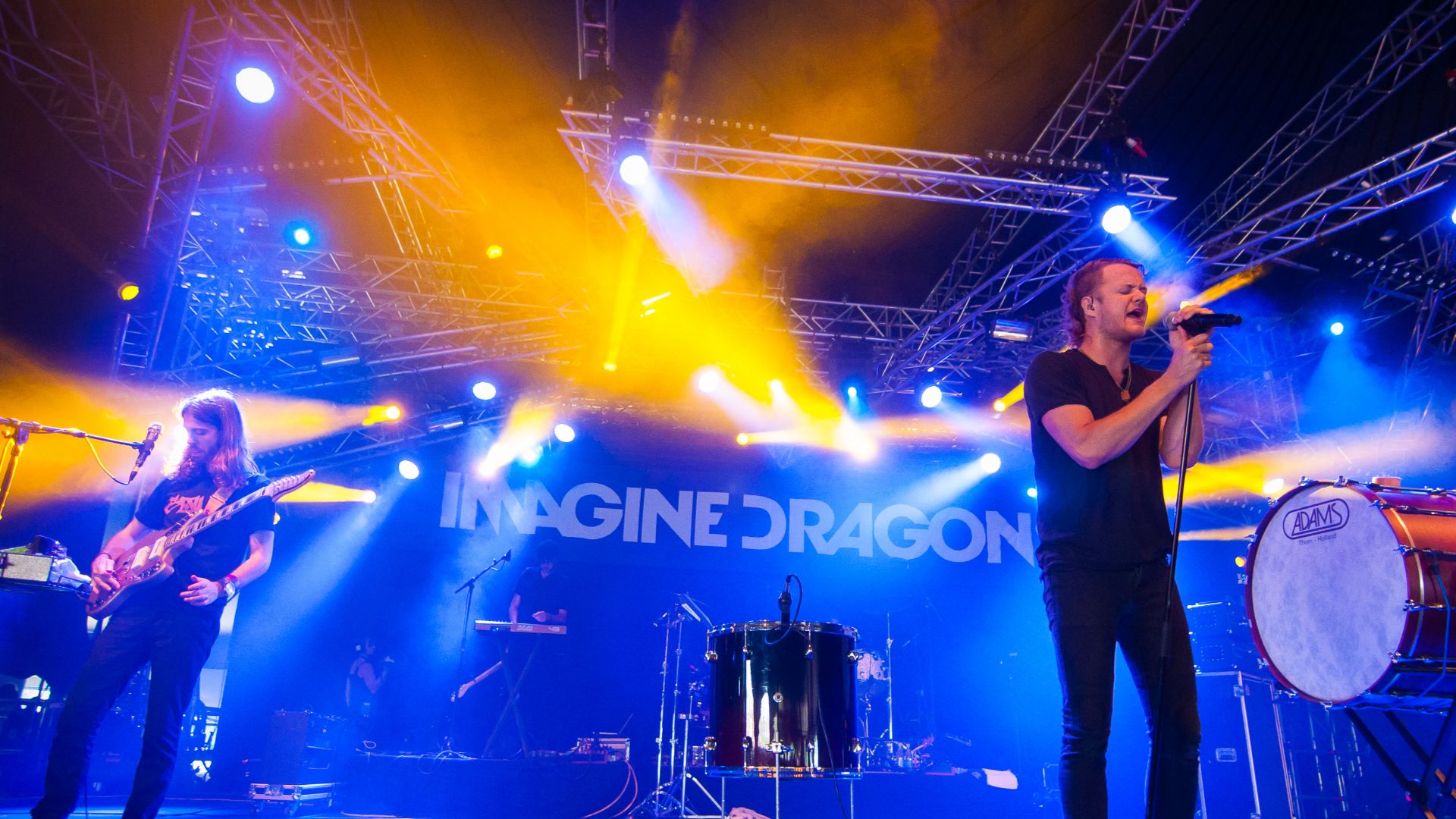 Tuomas Vitikainen, Wikimedia Commons
Linkin Park
Linkin Park bridged rock, rap, and emotional honesty in a way that hit millennials hard. Hybrid Theory and Meteora were everywhere. Boomers often saw them as loud or confusing. Millennials saw themselves in the music.
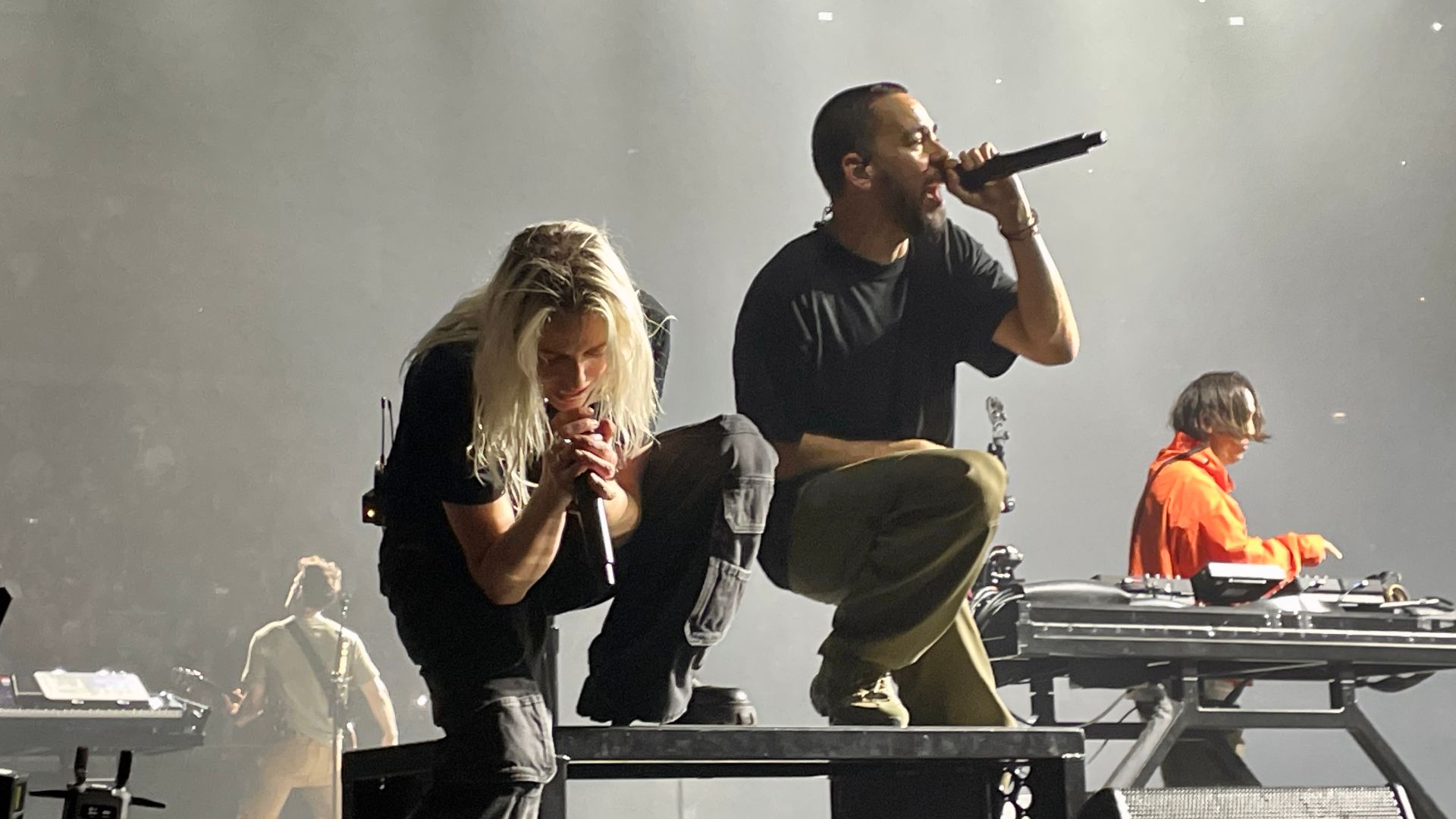 Luca Dell'Orto, Wikimedia Commons
You Might Also Like:
These Hits Prove The 90s Was The Best Decade In Hip Hop
Musicians Who Hated The Songs That Made Them Famous