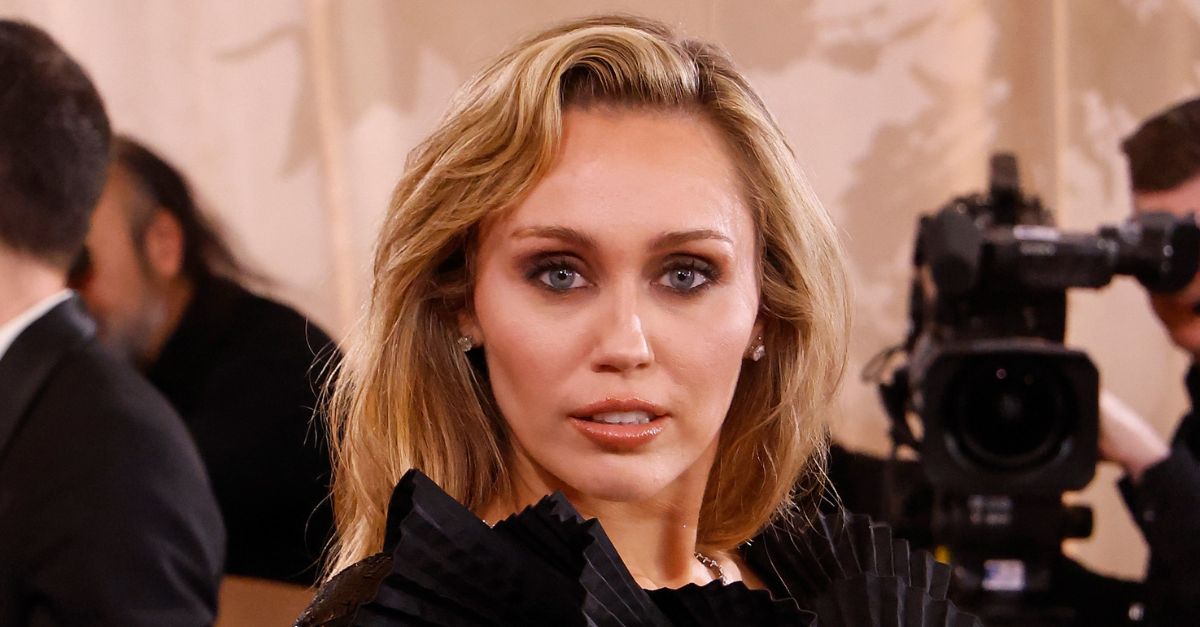
Fame Turned Sour
Success doesn't always feel like winning. Ask the artists who watch their breakthrough songs define them forever, overshadowing everything else they create. The applause becomes noise. The requests become demands
Kurt Cobain
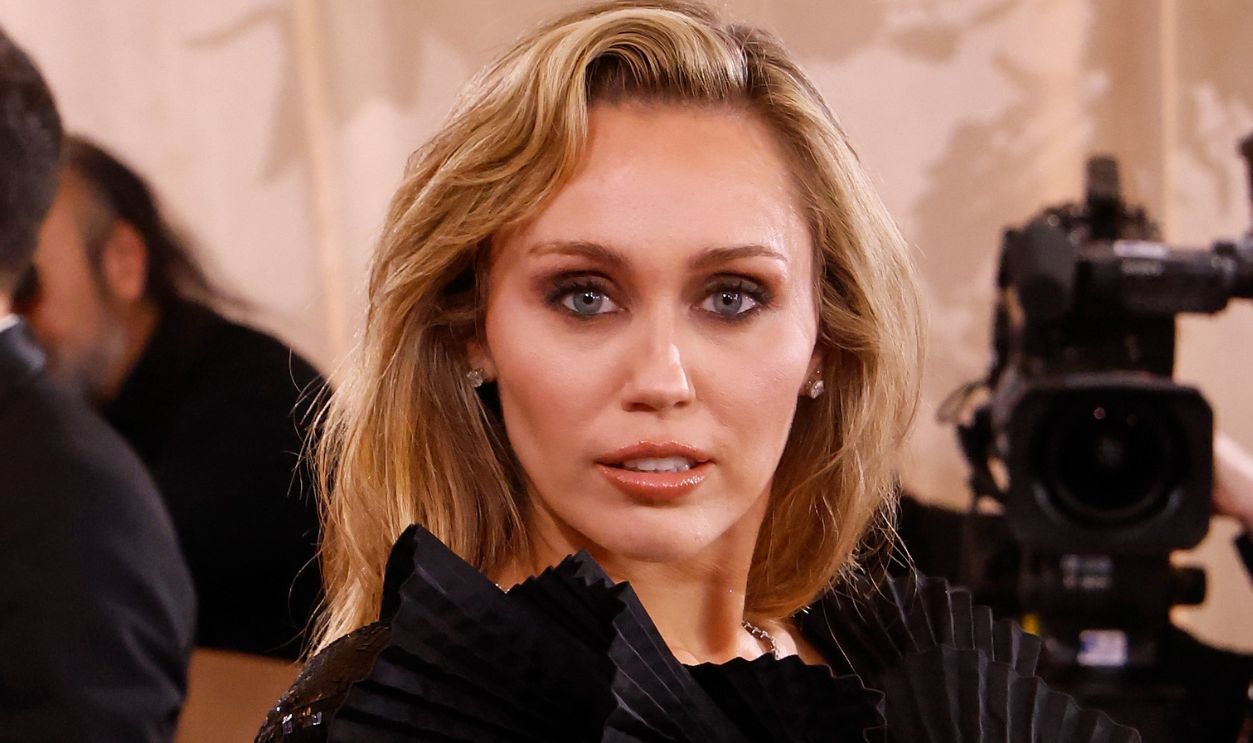
"Smells Like Teen Spirit" turned Nirvana into a global phenomenon in 1991, but Kurt Cobain quickly grew to despise it. The song became so massive that it attracted what Cobain called the "wrong type of fan"—people who missed the band's anti-establishment punk roots entirely.
Kurt Cobain (Cont.)
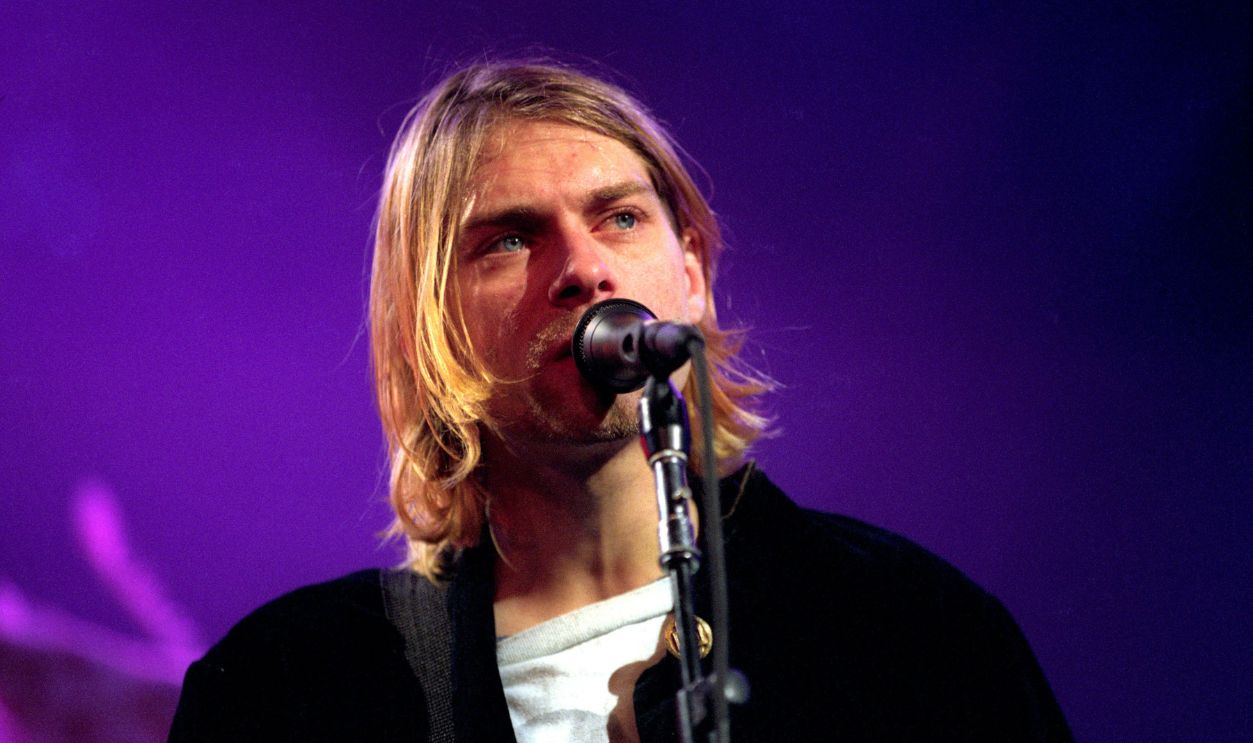
Shows turned into sing-alongs for just one track, which horrified the reluctant frontman. By 1993, Cobain was openly embarrassed about performing the anthem. He told Rolling Stone, “Everyone has focused on that song so much. The reason it gets a big reaction is people have seen it on MTV a million times”.
Thom Yorke
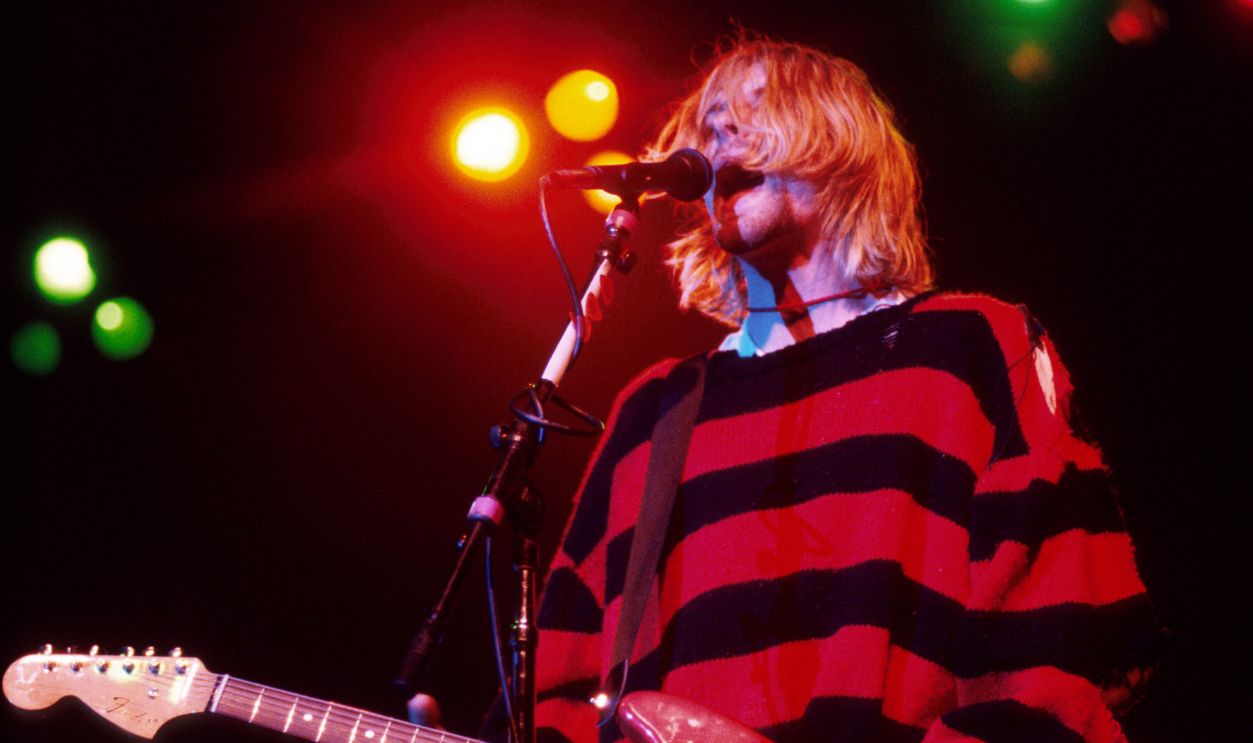
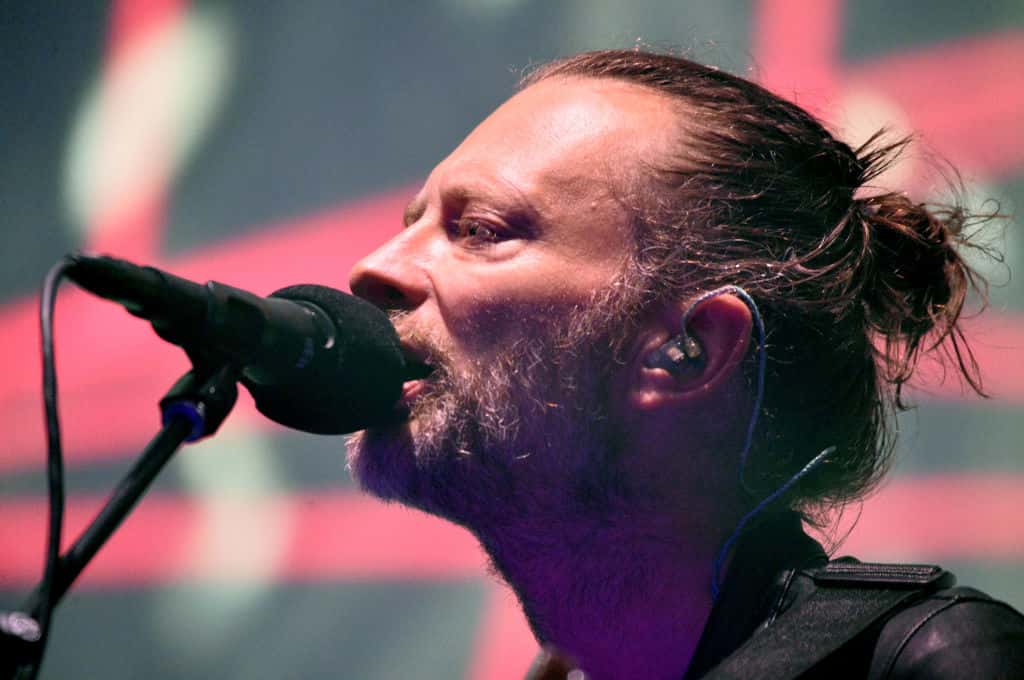
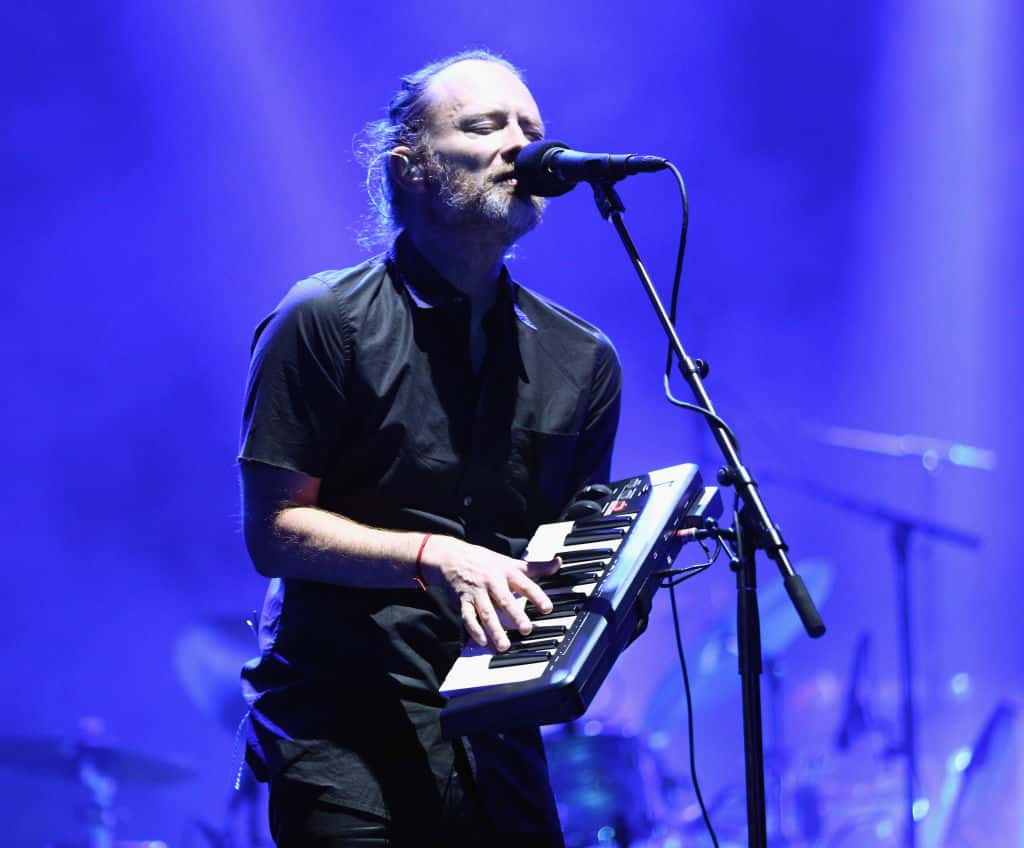
When a Montreal crowd requested "Creep" during Radiohead's 1997 OK Computer tour, Thom Yorke's response was brutal. The song that launched them to stardom in 1993 became their albatross. Yorke even claimed the band had gone to Satan to gain fame through such a radio-friendly track.
Thom Yorke (Cont.)
Guitarist Jonny Greenwood's iconic "joot joot" guitar noise—the explosive sound before each chorus—was literally his attempt to sabotage the song during recording. The band felt "Creep" attracted audiences who misunderstood them completely, forcing them to "live out the same four and a half minutes" over and over.
Robert Plant
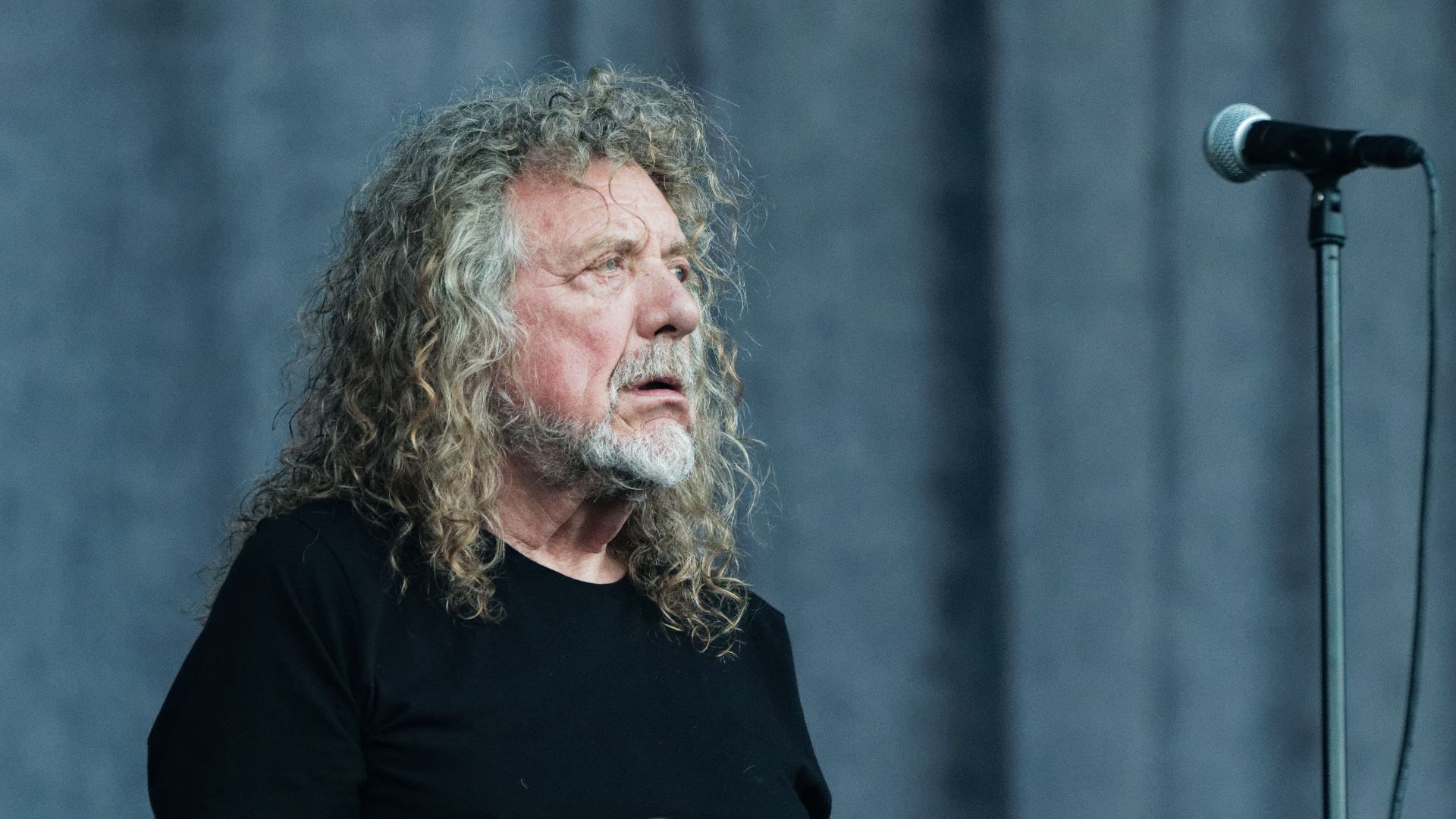
Here comes the ultimate rock irony. Robert Plant donated $10,000 to Portland's KBOO radio station in 2002—specifically because they promised never to play "Stairway to Heaven" again. The Led Zeppelin frontman became the station's most generous sponsor, essentially paying them to ban his own song.
 Thesupermat, Wikimedia Commons
Robert Plant (Cont.)
By 1977, after endless concert performances, Plant admitted, "there's only so many times you can sing it and mean it”. Plant called the 1971 masterpiece "pompous" in a 1988 interview and confessed he couldn't relate to his own lyrics anymore.

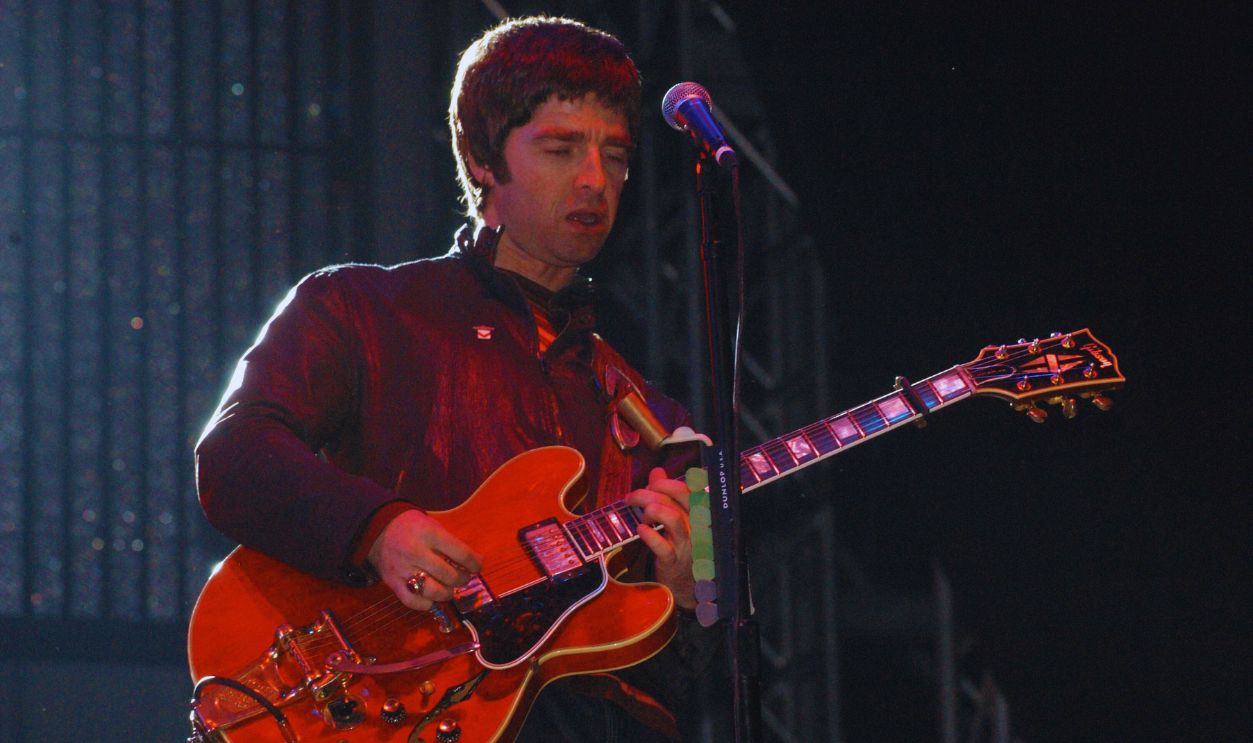
Noel Gallagher
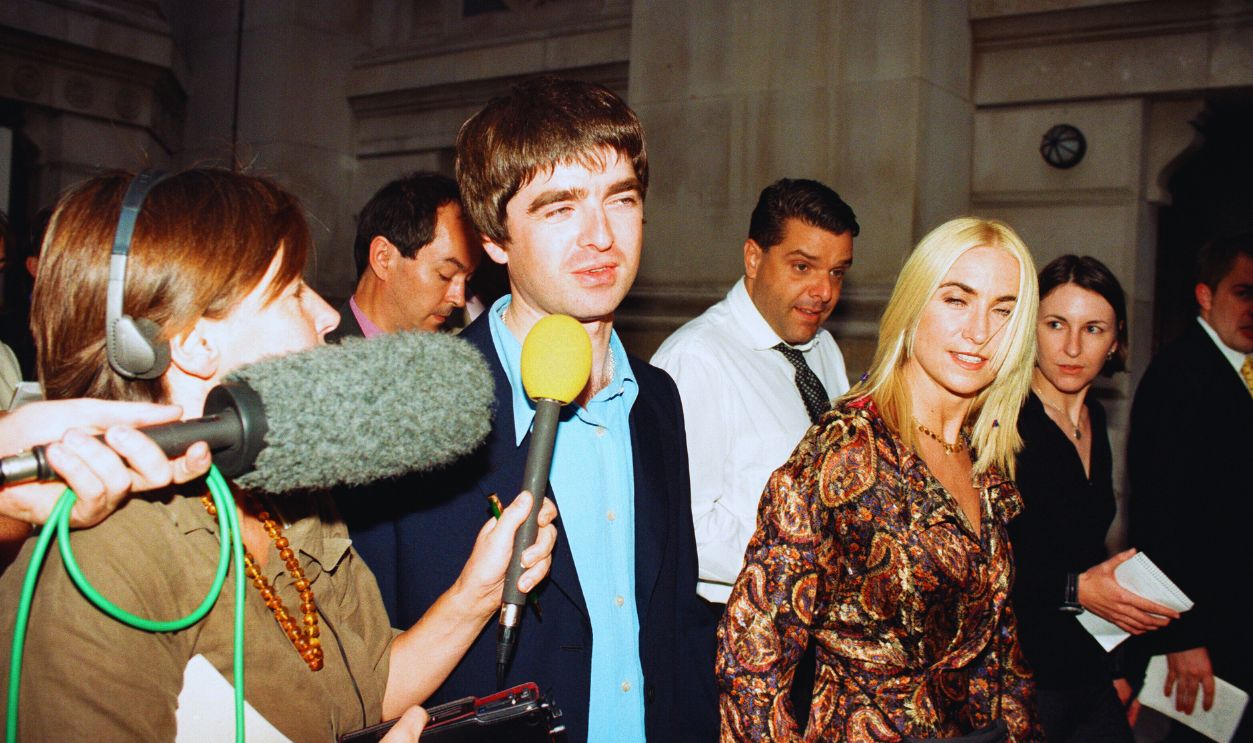
"Wonderwall" hit one billion streams and became Oasis's calling card, but songwriter Noel Gallagher wishes it hadn't. "It beggars belief," he told MOJO magazine in 2021. "'Wonderwall' is one of my least favorite songs because it's not finished”.
Noel Gallagher (Cont.)
He revealed he'd pick "Some Might Say" as the band's signature anthem if he could twist time backwards. The entire Morning Glory album disappointed him because they never did proper demos. Noel's brother Liam initially hated the track too, dismissing it as "trip-hop".
Madonna
Madonna put a literal price tag on her hatred. It was $30 million. That's what someone would need to pay her to perform "Like a Virgin" or "Holiday" again, she told Z100 FM radio in 2008. "I'm not sure I can sing [those] ever again”.
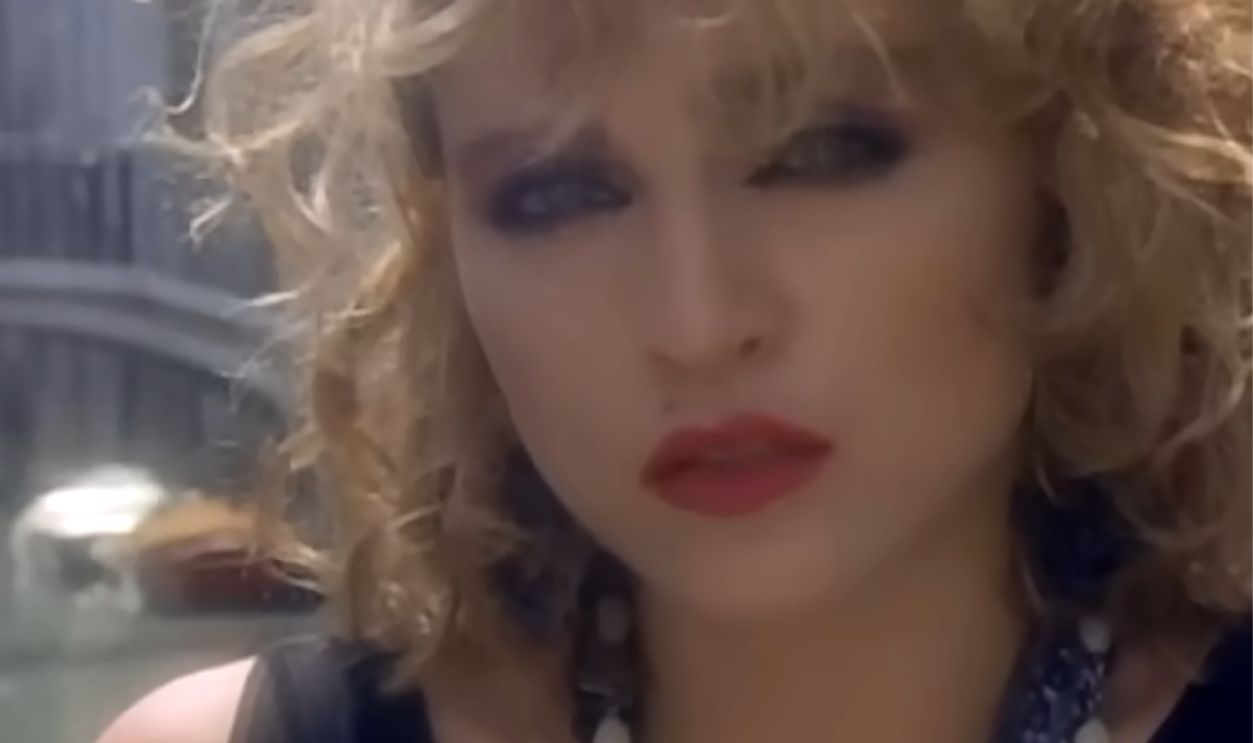 Screenshot from Like a Virgin, Warner Bros. (1984)
Madonna (Cont.)
The Queen of Pop grew particularly annoyed by "Like a Virgin" being played everywhere she went. That 1984 hit that launched her superstardom, complete with her iconic wedding-dress-and-rolling-on-the-floor VMA performance, became her personal torture. She even listed "Material Girl" as another song she never wants to hear again.
Miley Cyrus
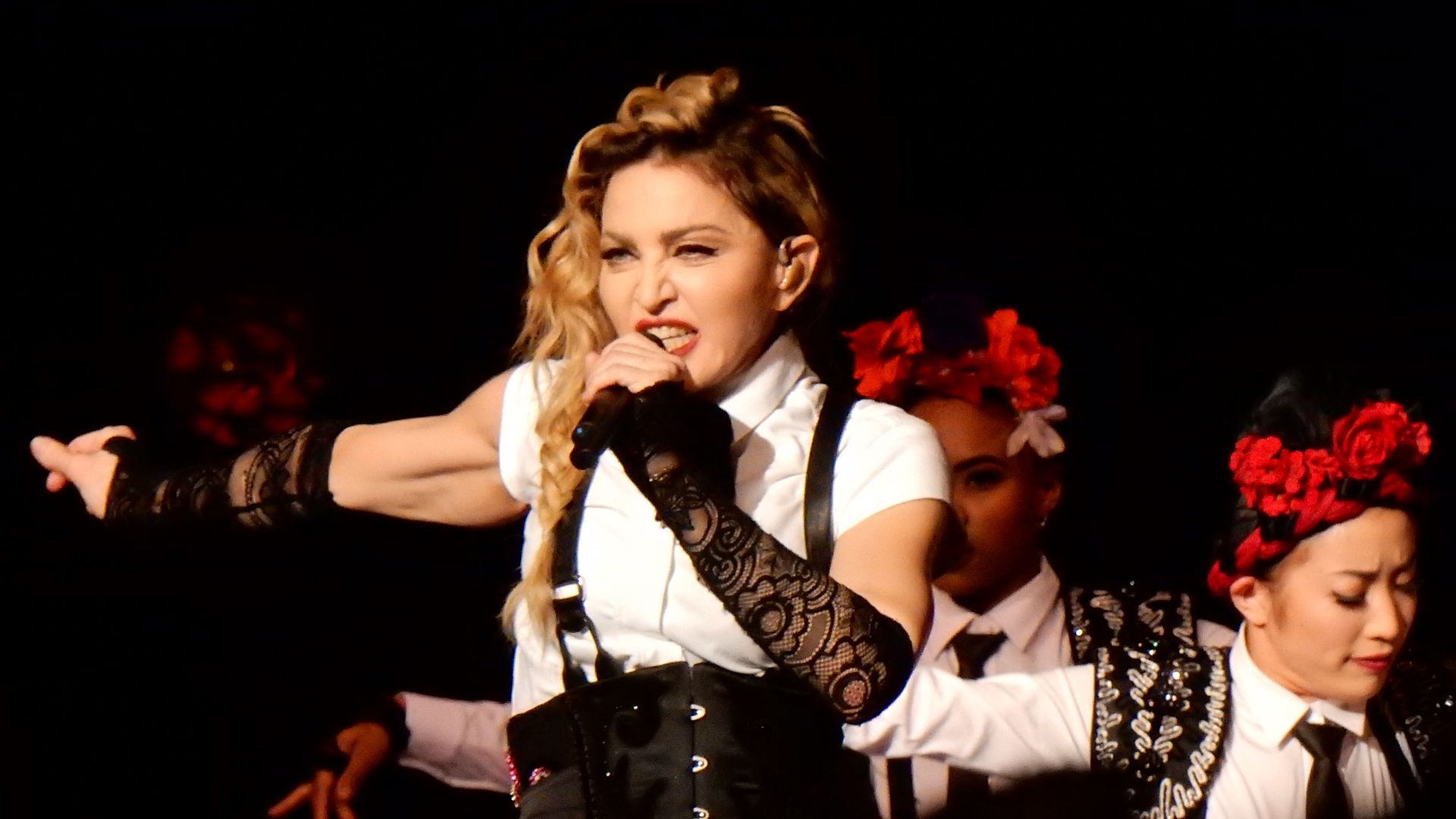
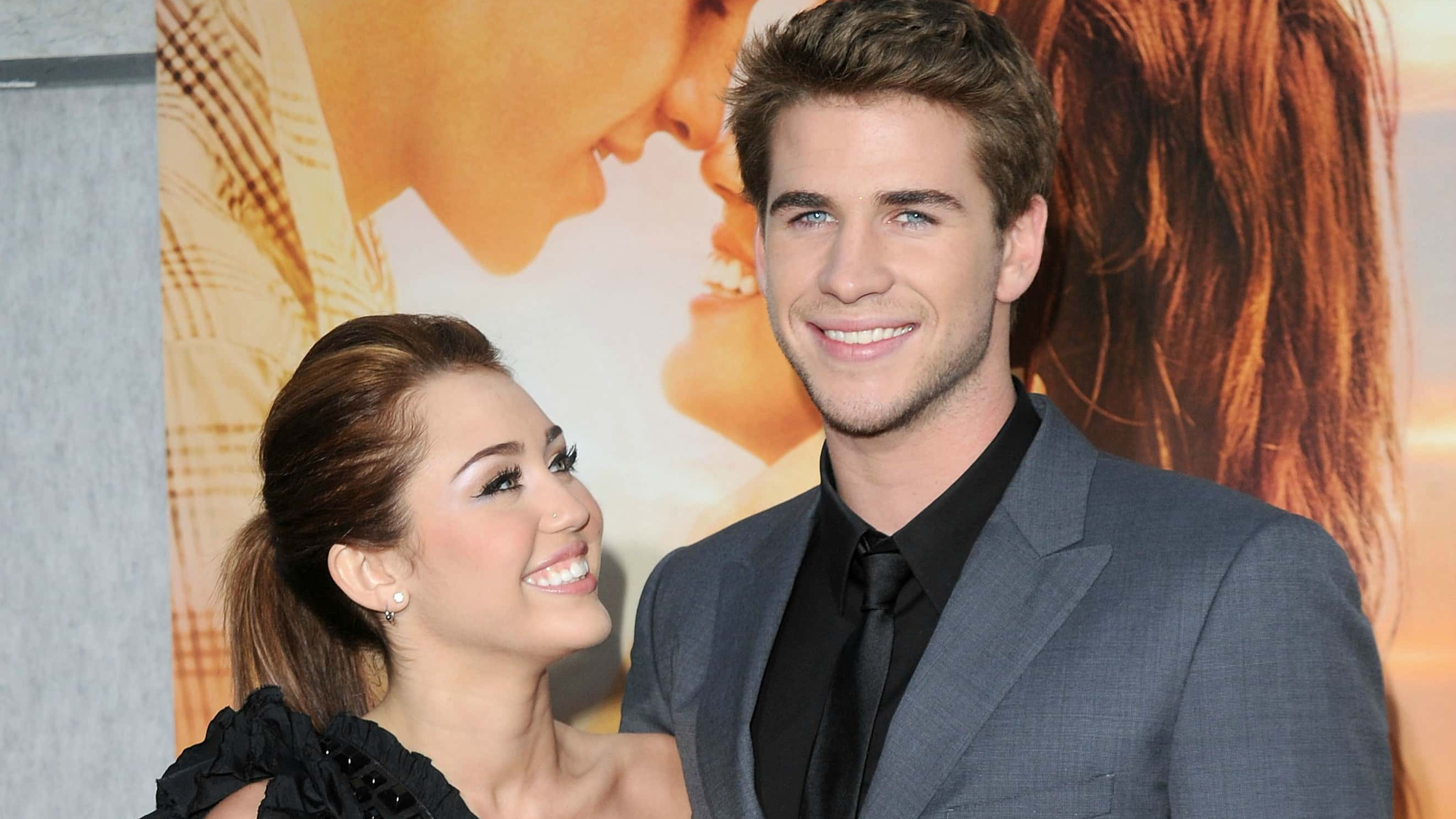
One of America's most patriotic anthems was sung by someone who didn't write it, didn't like it, and only recorded it to promote her clothing line. Miley Cyrus admitted she picked Party in the USA in 2009 because she needed something commercial, not because she connected with it.
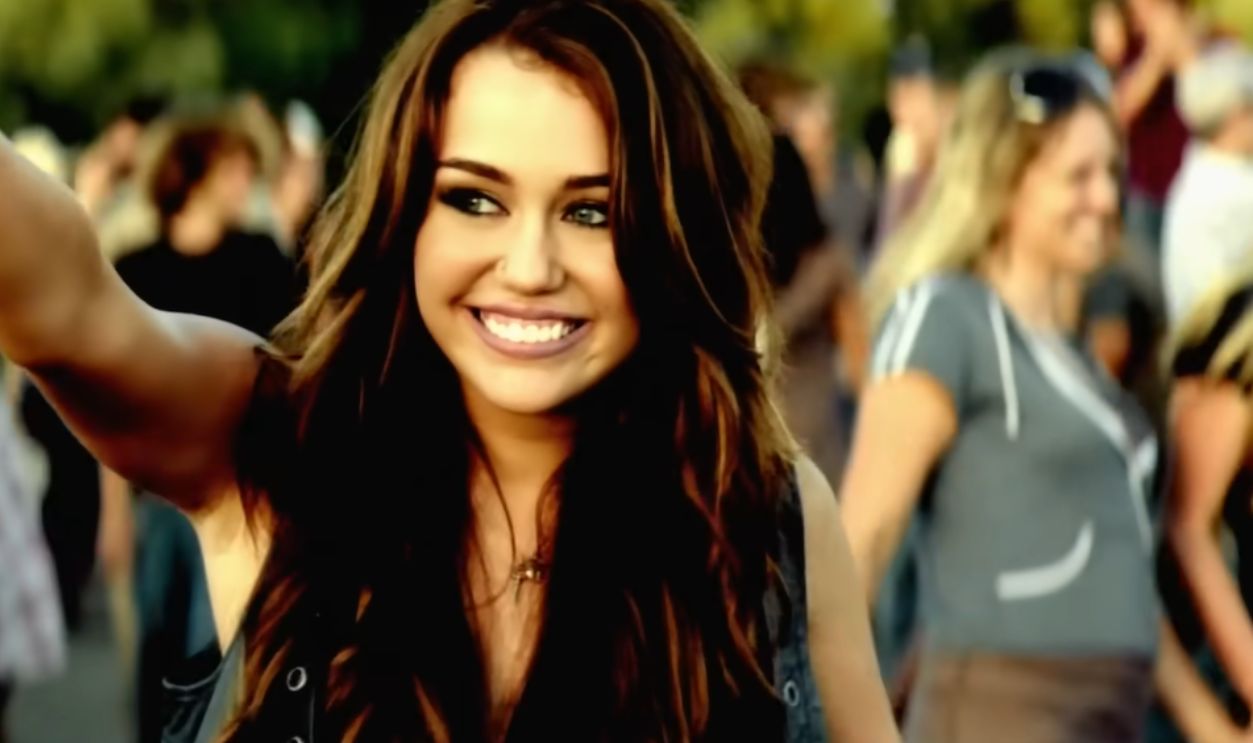 Screenshot from Party in the USA, Hollywood Records (2009)
Miley Cyrus (Cont.)
The song wasn't even her style of music, and she had zero expectations that it would become the massive hit it did. By 2019, when her then-husband Liam Hemsworth posted a video of himself singing the track, Miley's response was blunt: she hates it, but for some reason, the people love it.
Nicki Minaj
This singer went scorched earth on her own discography, targeting not one but three of her biggest hits. When asked about songs she regrets, her answer was devastating: "So much of my discography”. She singled out "Starships," "Your Love," and "Anaconda".
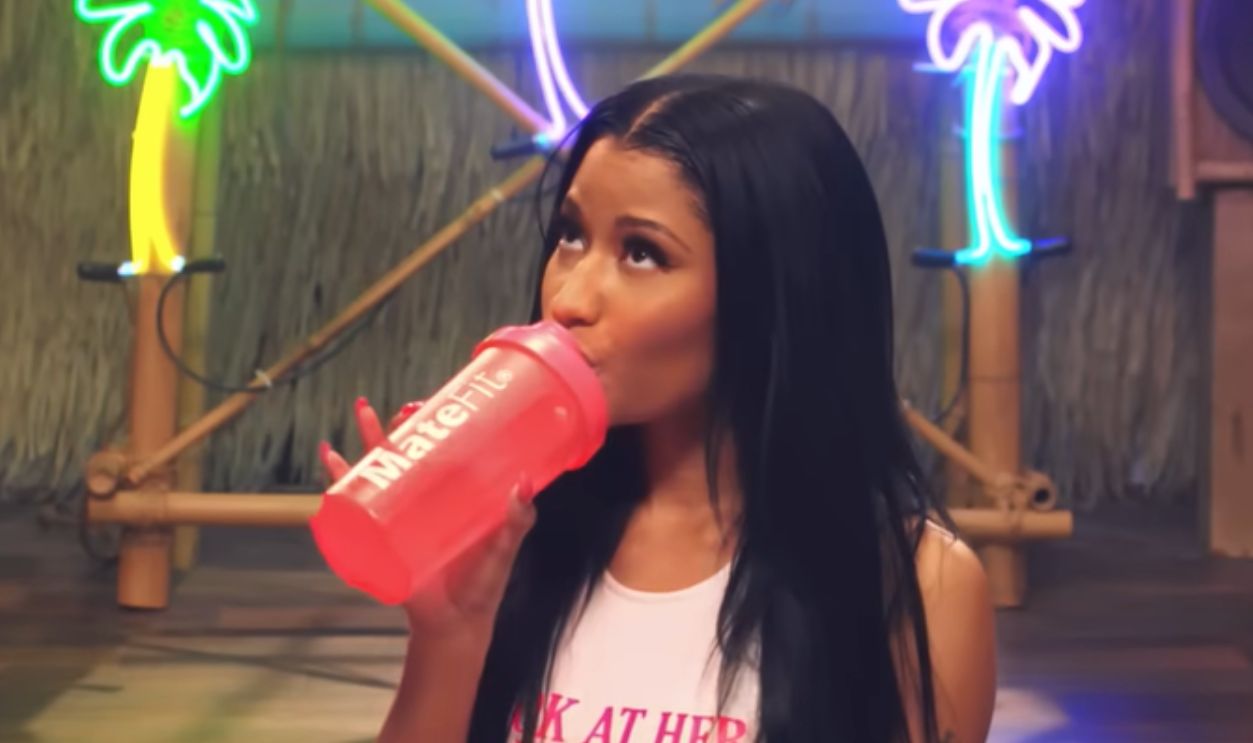 Screenshot from Anaconda, Republic Records (2014)
Nicki Minaj (Cont.)
These are all massive commercial successes that she now wishes never existed. Her assessment of "Starships" was particularly harsh as she questioned why she even made it every time she heard it. The pattern reveals deeper frustration with her early pop crossover era.

Michael Stipe
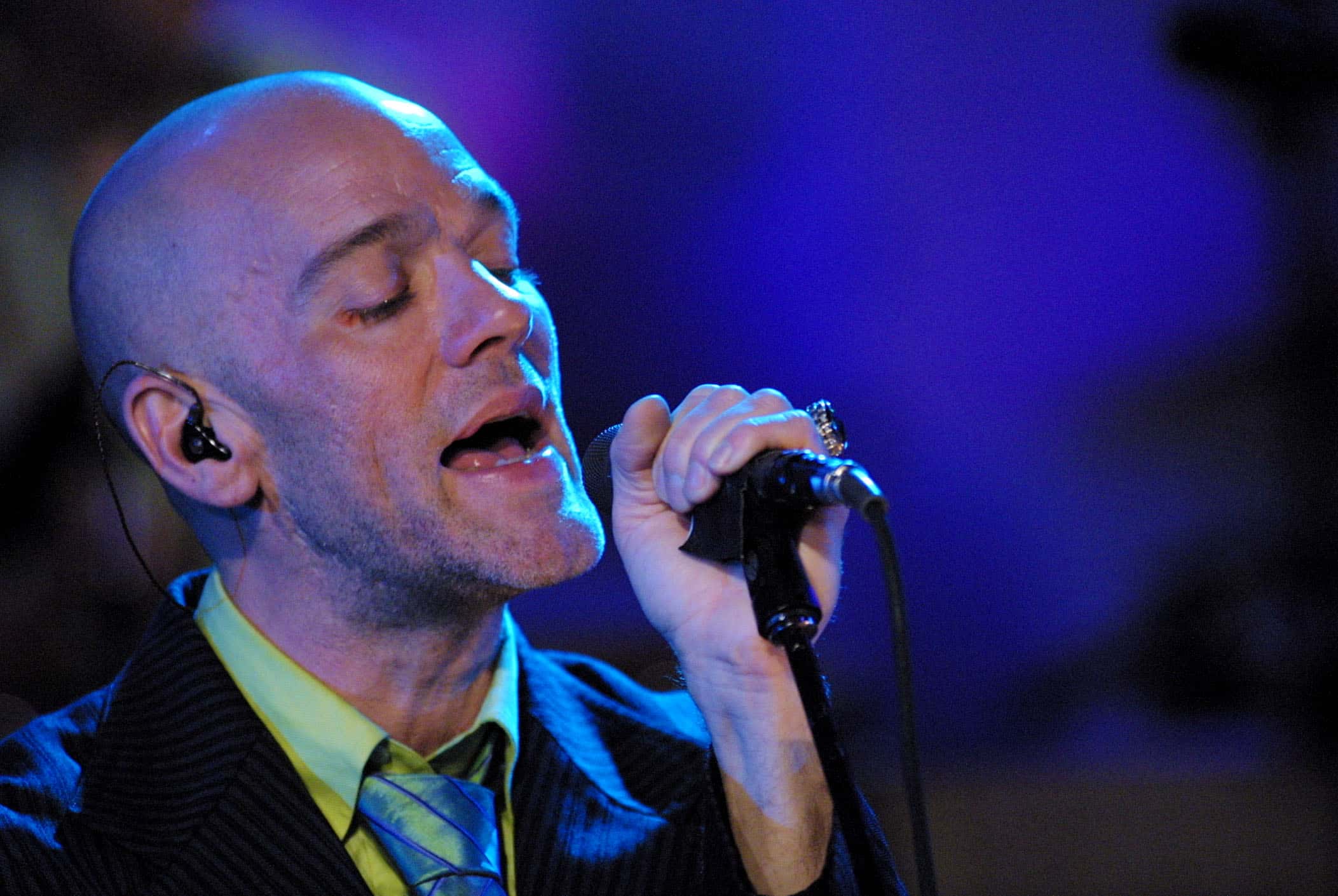
R.E.M. deliberately created “Shiny Happy People” in 1991 as a kind of joke and Michael Stipe quickly regretted it. This joke didn’t land the way they expected. The song became a massive hit, cementing an image Stipe hated: cartoonish, smiley, and unserious.
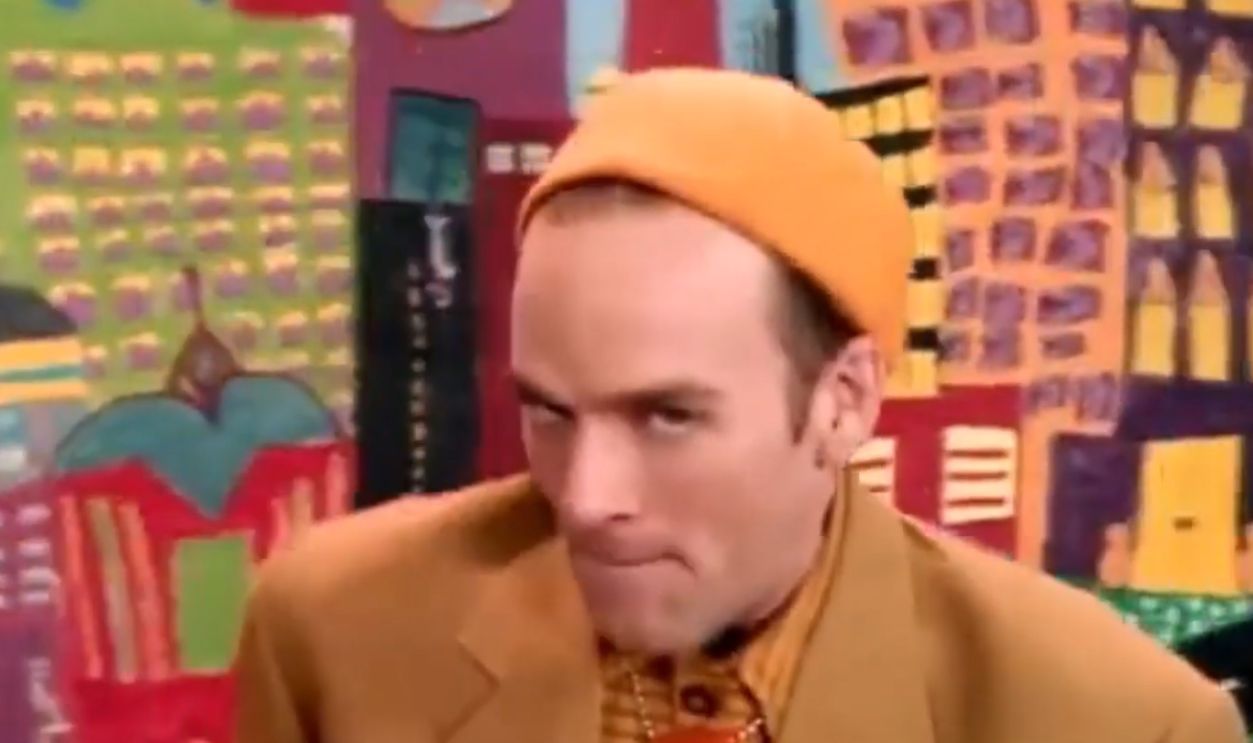 Screenshot from Shiny Happy People, Warner Bros. Records (1991)
Michael Stipe (Cont.)
Apparently, Stipe has described the song as fruity pop music written for children, calling it bubblegum nonsense with lyrics that offer no meaningful substance, even through a satirical lens. The band actively avoided playing it live whenever possible.
Lorde
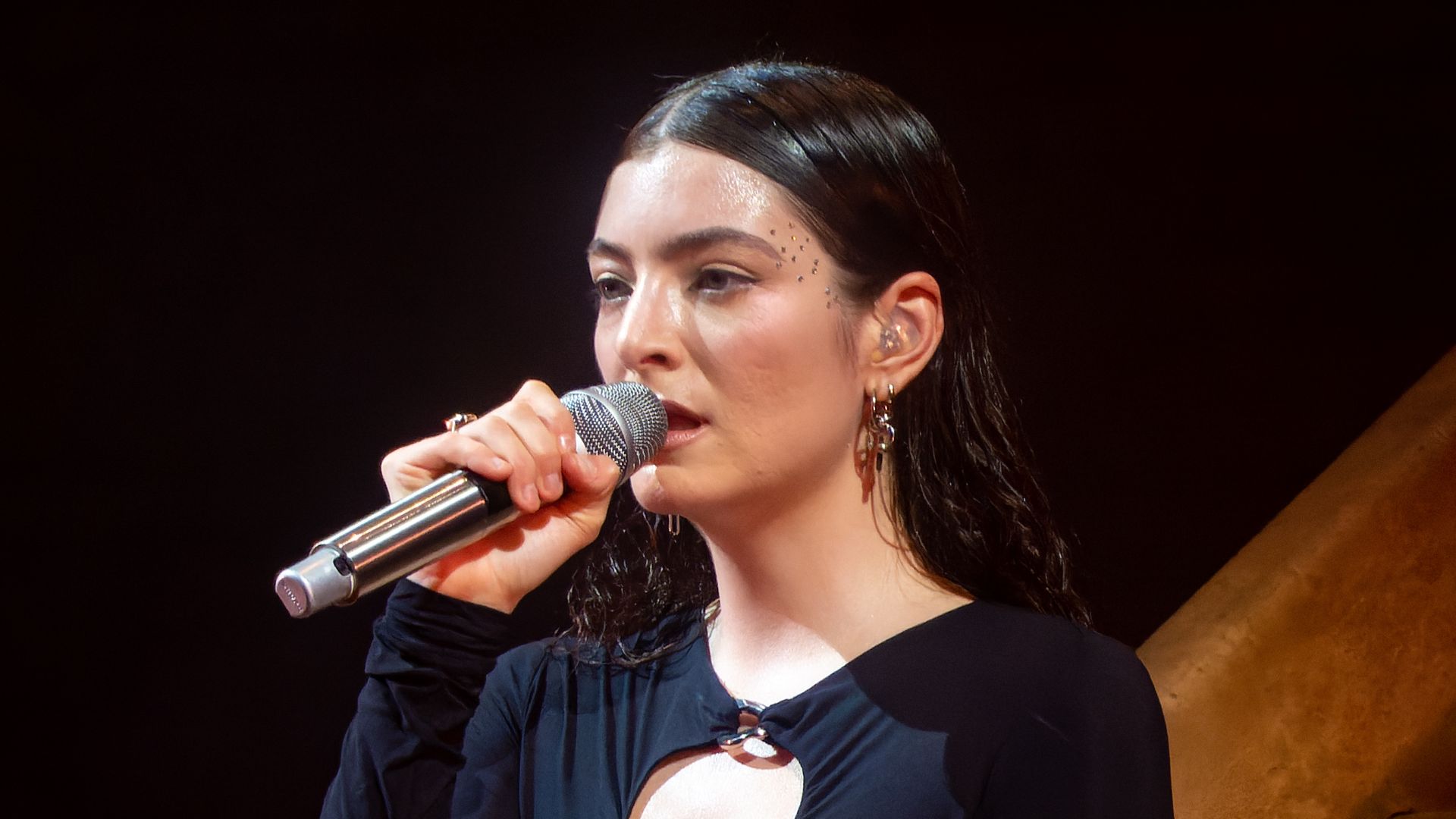
Looking back at her breakout hit "Royals" years after its 2013 release, Lorde groaned when discussing it. She called the melody inferior to what she could write at her current skill level and dismissed the song as a bit of a relic. Her mature assessment was brutally honest.
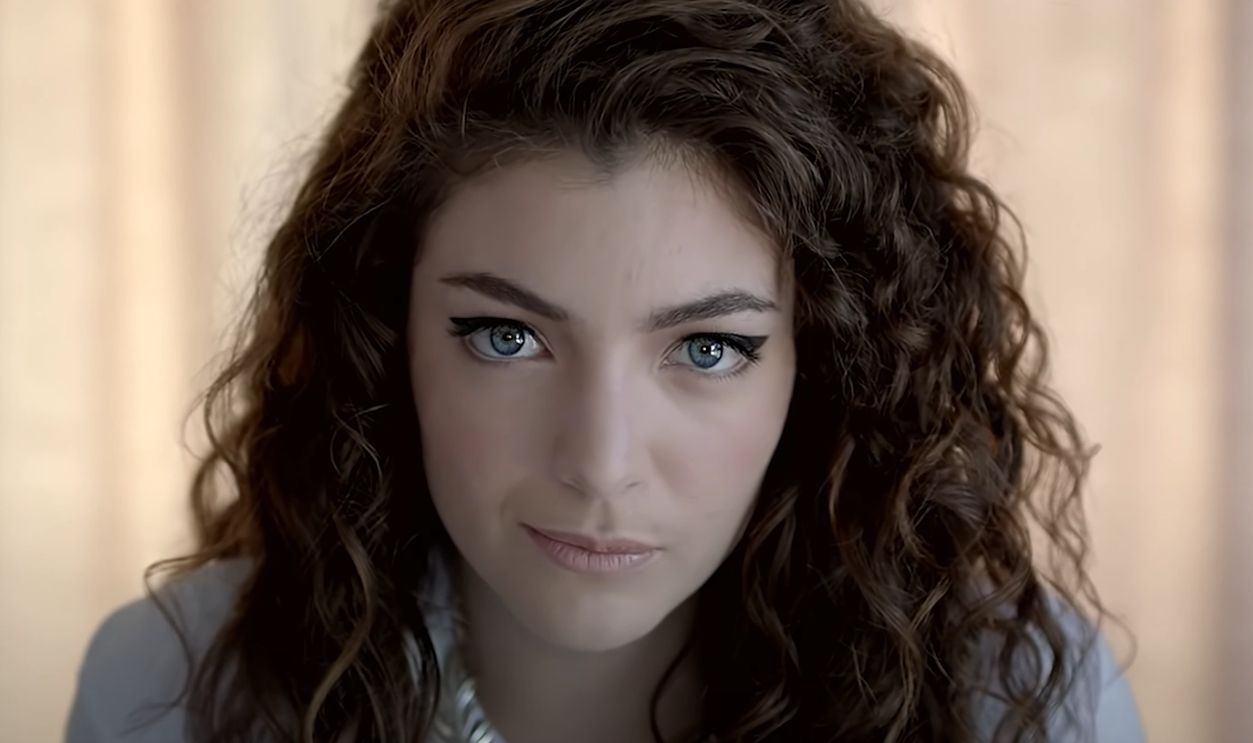 Screenshot from Royals, Universal (2013)
Lorde (Cont.)
The song that made her famous at sixteen wasn't as good as something she'd create now with more experience and artistic development. With years of growth behind her, she sees it as simplistic, frozen in time, and outpaced by her evolving songwriting instincts.
Vanilla Ice
Vanilla Ice’s complicated relationship with “Ice Ice Baby” has become pop-culture legend. The 1990 track made him the first hip-hop artist to top the Billboard Hot 100, but the success quickly turned into a burden. He grew frustrated that the song defined him.
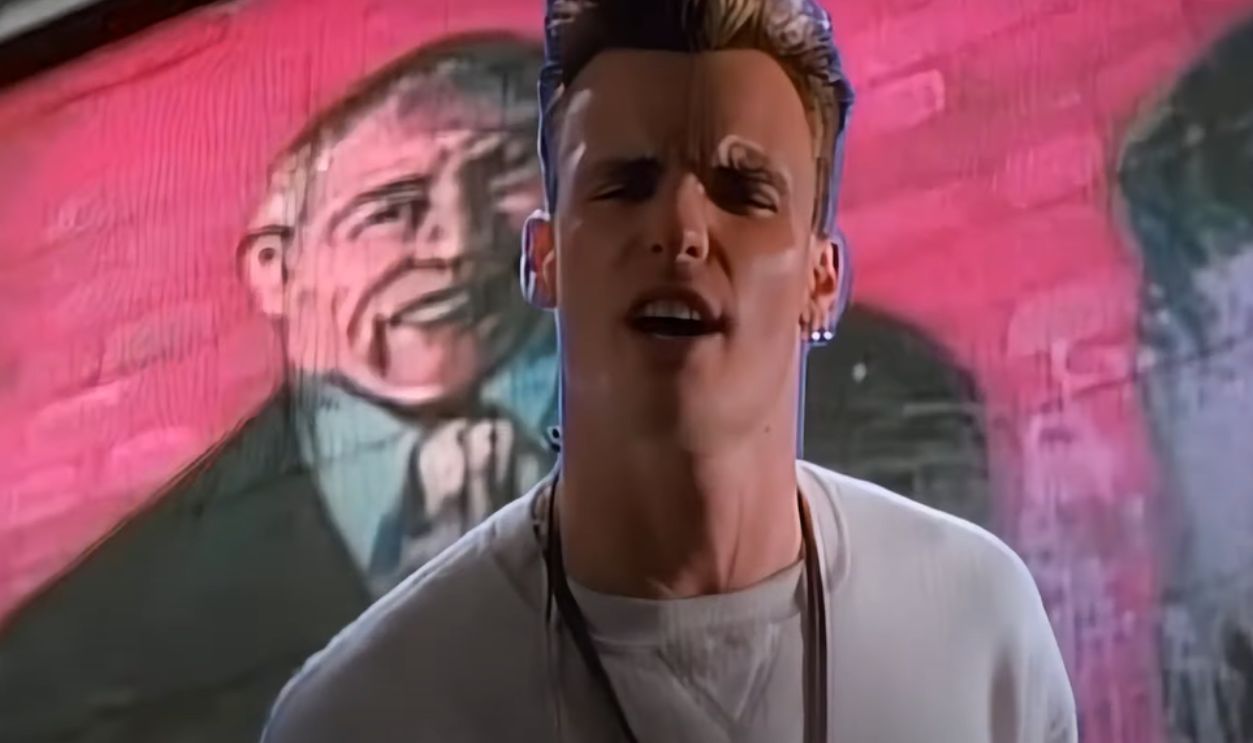 Screenshot from Ice Ice Baby, SBK Records (1990)
Vanilla Ice (Cont.)
It overshadowed his later work and locked him into a novelty image he couldn’t escape. Vanilla Ice has repeatedly said he tried to distance himself from the track in the mid-1990s, even refusing to perform it for years.
 wonker from London, United Kingdom, Wikimedia Commons
Lisa "Left Eye" Lopes
TLC's "Creep" became their first number-one hit on the Billboard Hot 100 in 1995, but member Lisa "Left Eye" Lopes fought against it from the very beginning. Her opposition wasn't about the music; it was about the message.
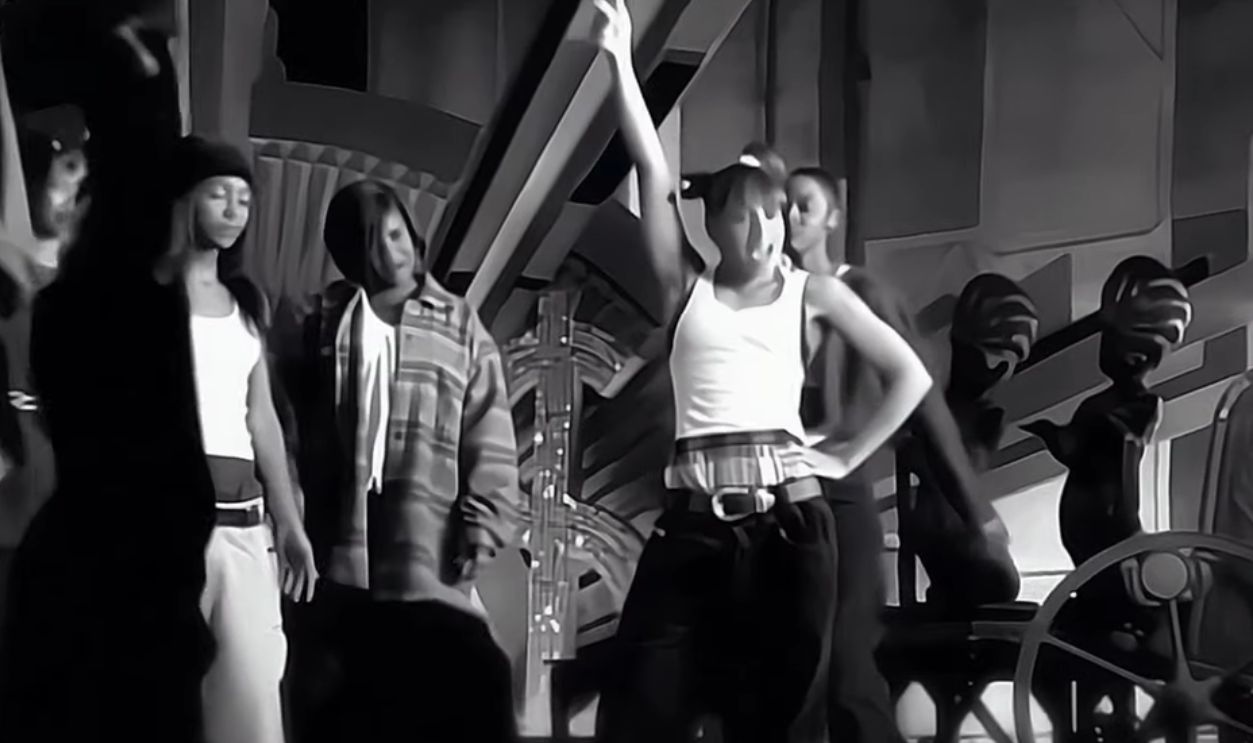 Screenshot from Creep, LaFace Records (1994)
Lisa "Left Eye" Lopes (Cont.)
The song tells the story of a woman cheating on her partner in retaliation after being cheated on first, and Left Eye found this morally wrong. She believed women should be told to leave cheating partners, not cheat back. Her protest became visible during the music video shoot.
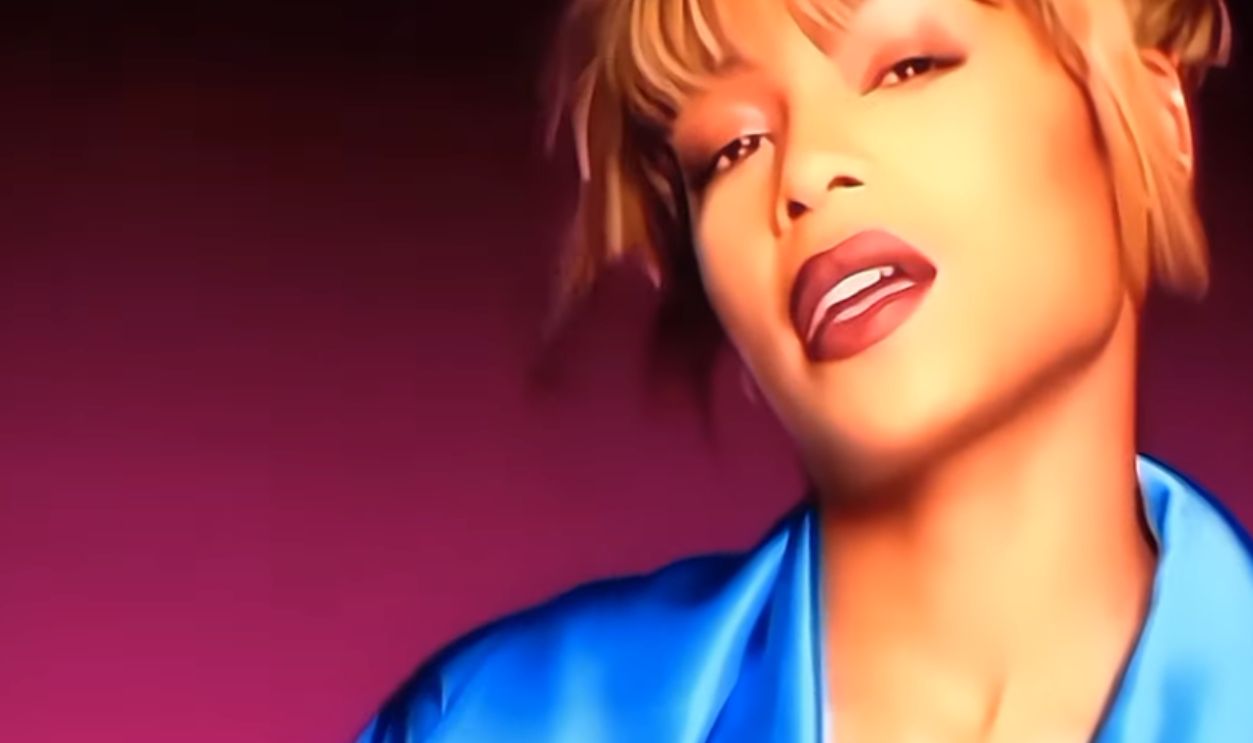 Screenshot from Creep, LaFace Records (1994)
Vanessa Carlton
A massive debut single can destroy a career as easily as launch it. Carlton became an overnight sensation with "A Thousand Miles" in 2002, but the piano-driven ballad turned into a curse that followed her everywhere. While she created numerous follow-up songs, none achieved the same lasting impact.
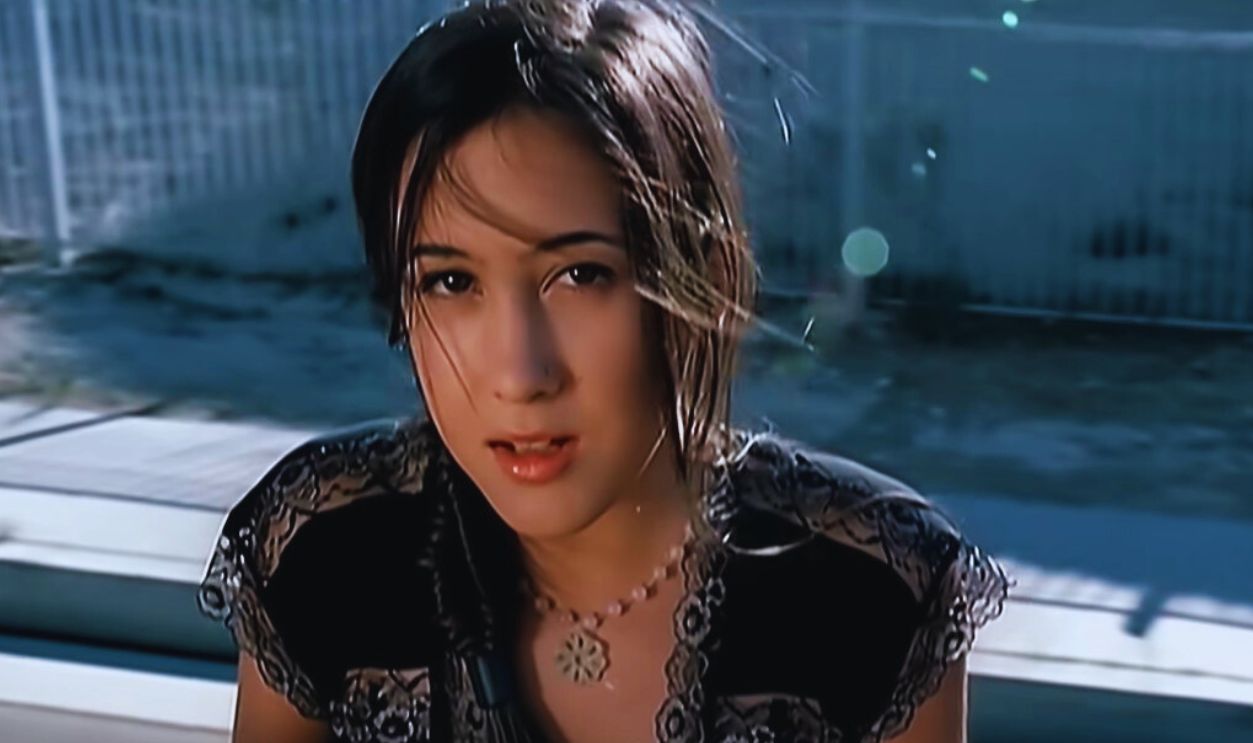 Screenshot from A Thousand Miles, A&M Records (2002)
Vanessa Carlton (Cont.)
Carlton grew to genuinely hate the song after years of touring, feeling it overshadowed her artistic evolution and trapped her in a single moment from her early twenties. The constant requests to play it over her newer material made her resent the track that should have been her greatest achievement.
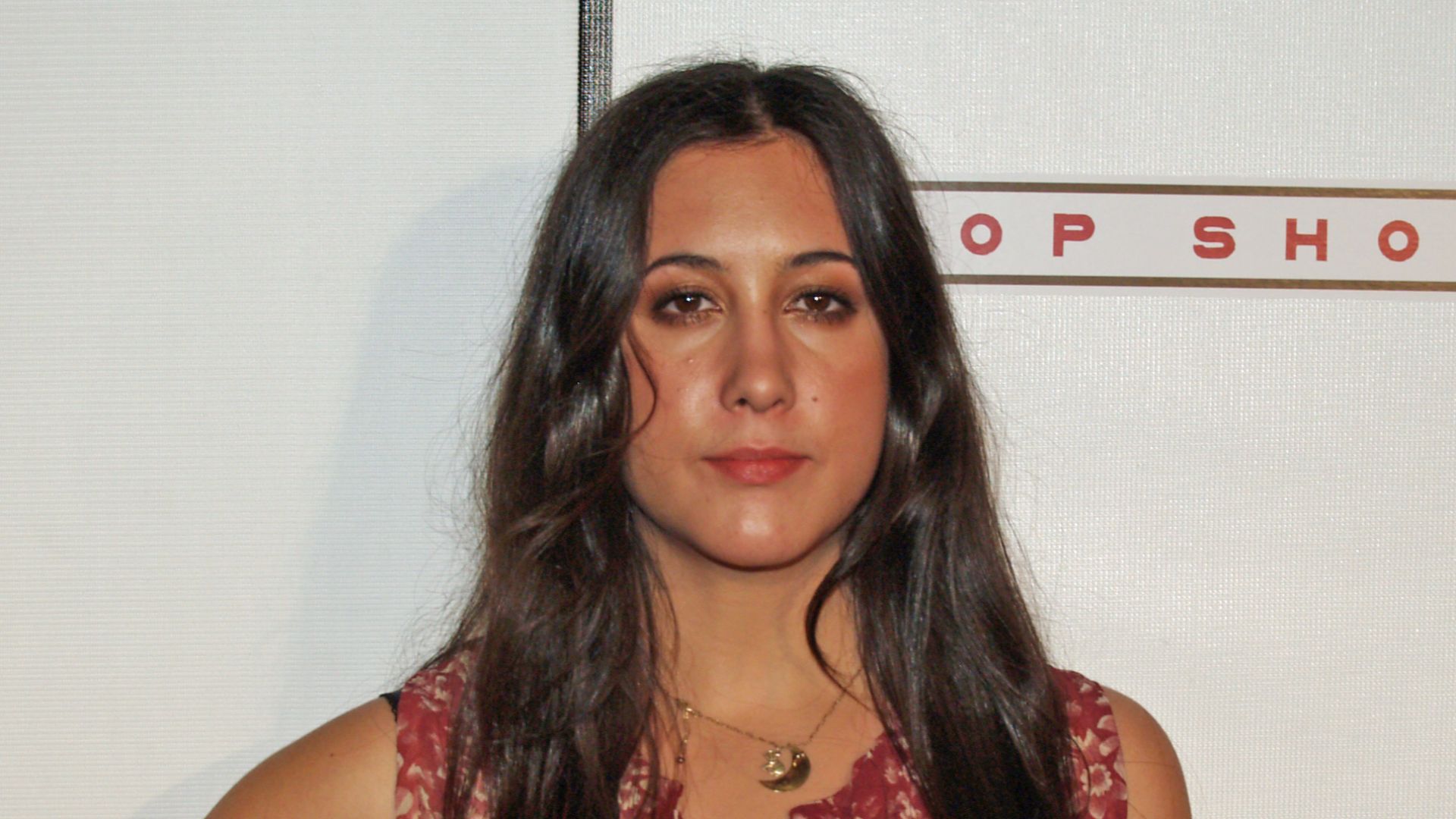 David Shankbone, Wikimedia Commons