Rock And Roll’s Messiest Masterpieces
Rock history is full of proof that great art doesn’t always come from harmony. Behind the scenes of some of the most beloved bands were power struggles, bruised egos, and bitter rivalries. Yet somehow, through all the chaos, they managed to channel that tension into unforgettable music. From explosive siblings to creative control freaks, here are 20 bands whose dysfunction only made their music more electrifying.
Beach Boys
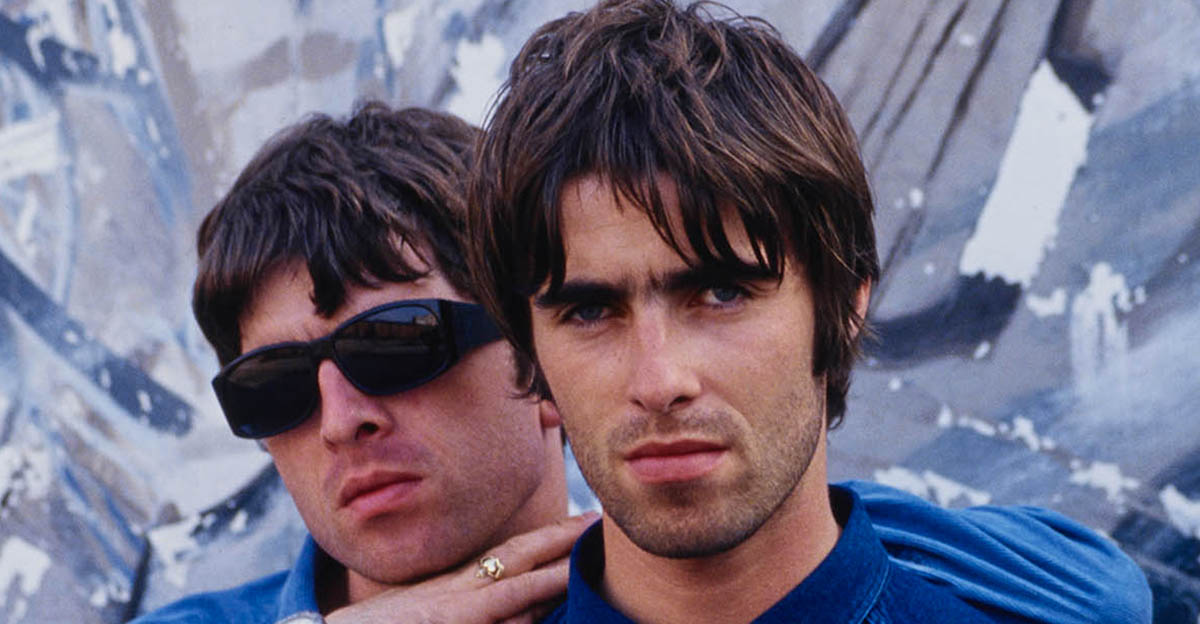
The Beach Boys’ music was pure California sunshine, but behind the bright harmonies lurked storms of resentment. Brian Wilson’s genius drove the band’s creative highs, but it also created friction with his brothers Dennis and Carl, who grew frustrated with his studio perfectionism. Mike Love clashed with Wilson over the band’s direction—Love wanted hits, Wilson wanted art. Despite lawsuits and bitter reunions, their blend of ambition and harmony gave us Pet Sounds, a cornerstone of pop music.
 Capitol Records, Wikimedia Commons
The Kinks
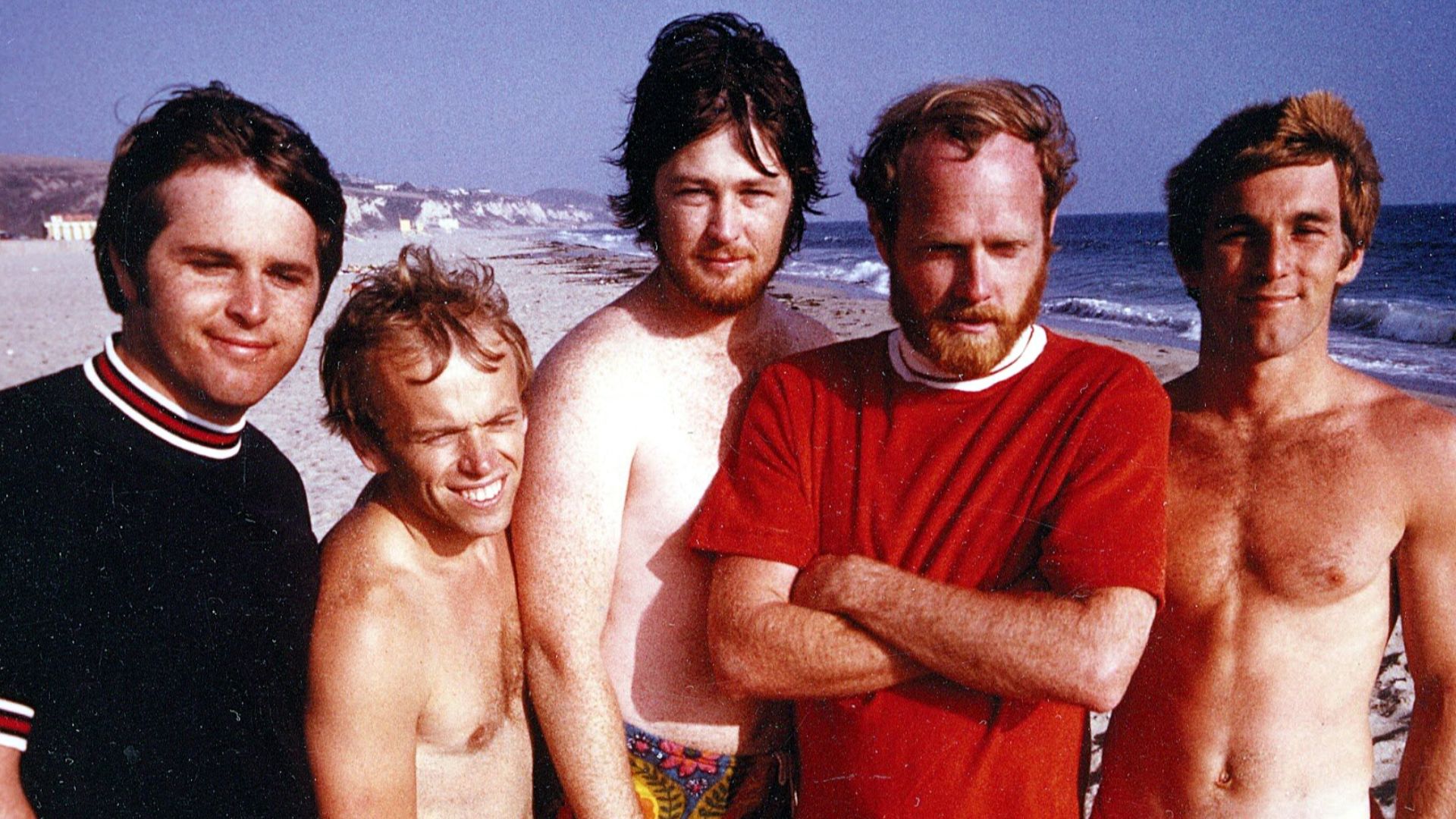
Few family feuds rocked as hard as that of Ray and Dave Davies. The brothers fought both on and off stage—fistfights during shows were not uncommon. Ray’s sharp songwriting and control often clashed with Dave’s rebellious streak, creating an explosive mix that birthed songs like “You Really Got Me” and “Lola”. The tension fueled their creativity for decades, even as their arguments nearly tore the band apart on multiple occasions.
Creedence Clearwater Revival
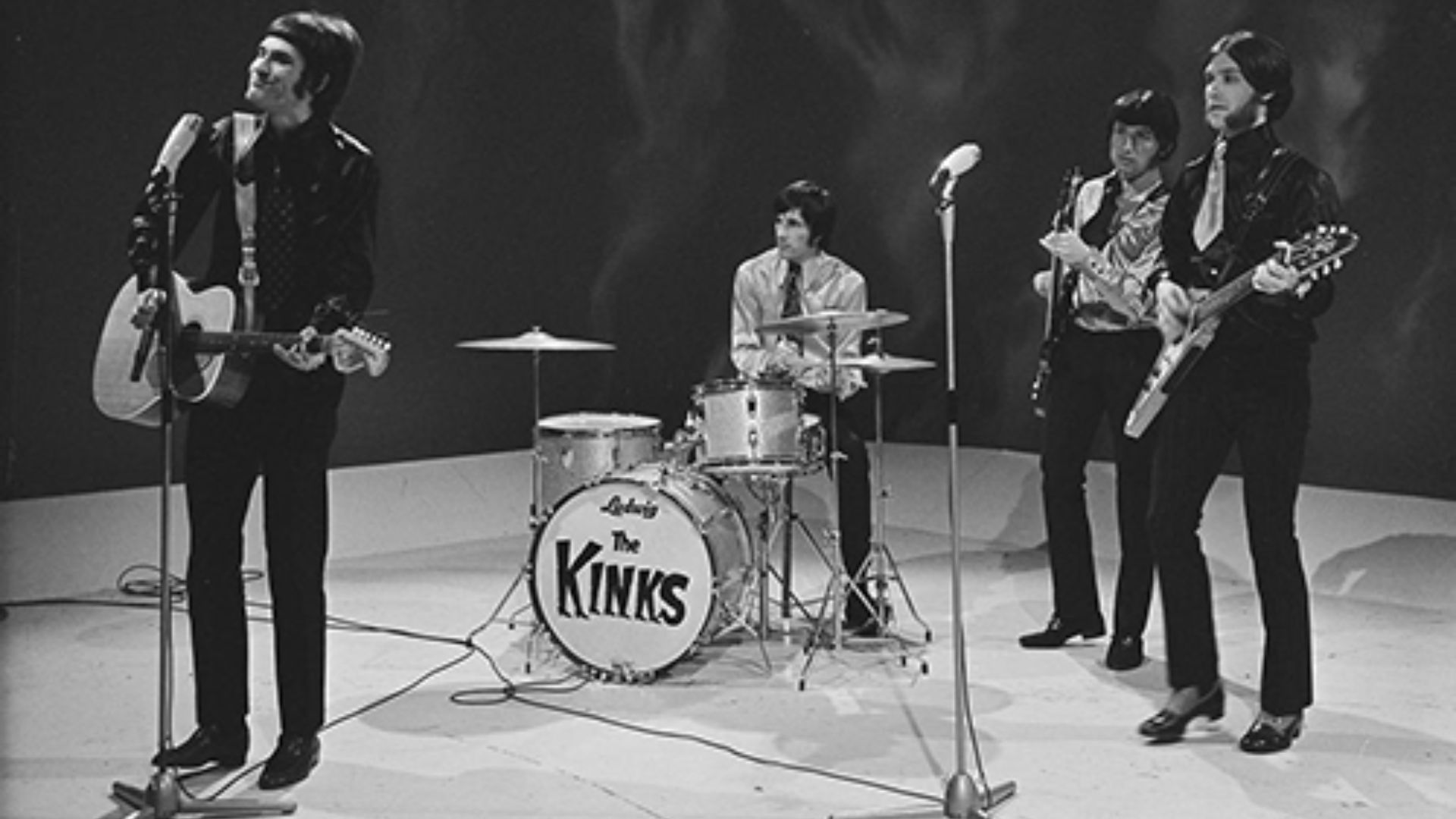
John Fogerty’s creative control was both CCR’s greatest strength and its fatal flaw. His perfectionism and refusal to share credit caused growing resentment among the other members, especially his brother Tom. Legal battles with their record label only deepened the rift. By 1972, the band imploded, but not before releasing some of the most enduring songs in American rock—“Proud Mary,” “Fortunate Son,” and “Bad Moon Rising.”
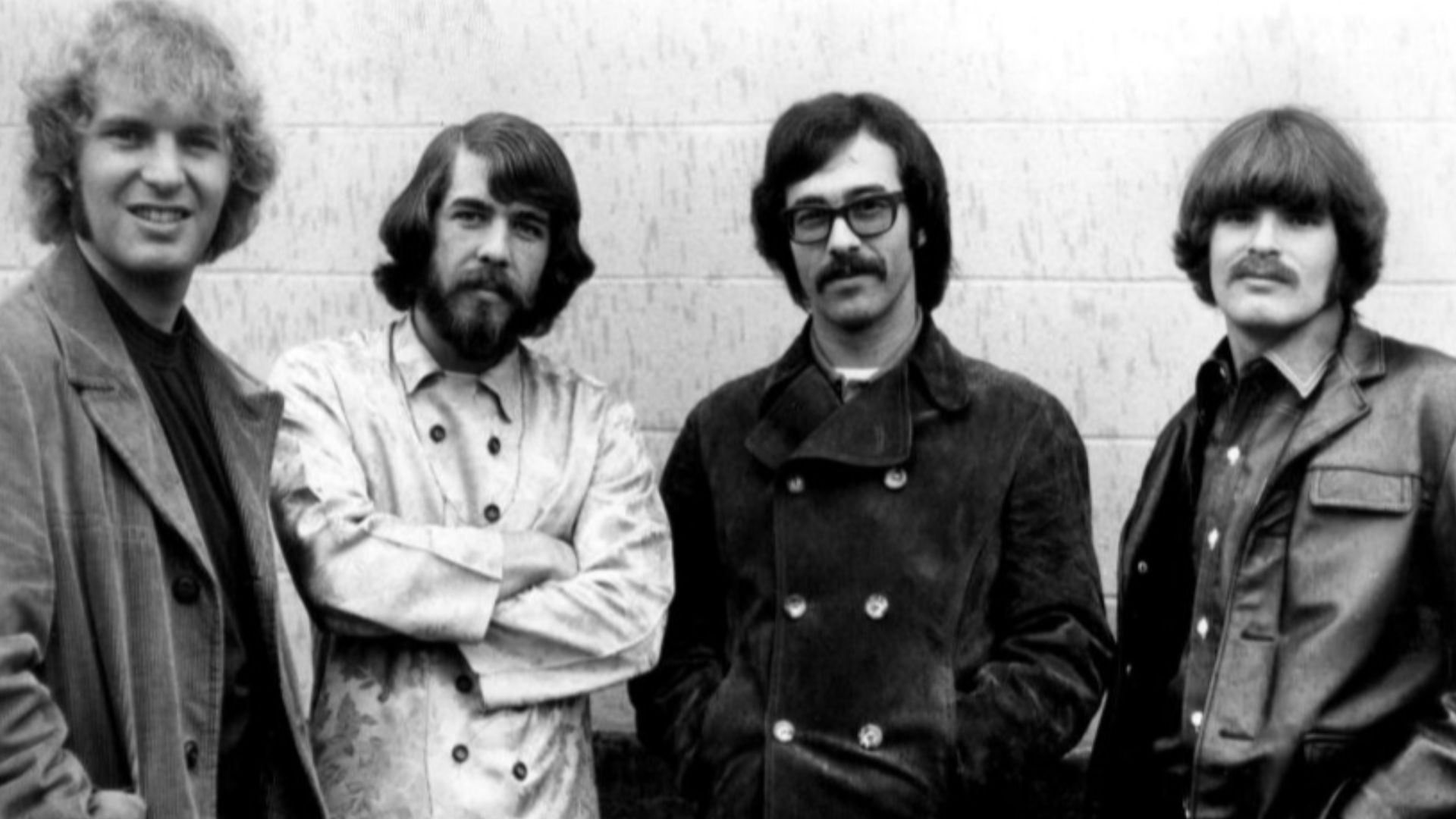 Fantasy Records, Wikimedia Commons
Simon And Garfunkel
Paul Simon and Art Garfunkel’s angelic harmonies disguised years of creative friction. Simon’s drive for control clashed with Garfunkel’s slower, more reflective approach. When Garfunkel pursued an acting career, Simon took it as betrayal. By the time Bridge Over Troubled Water won its Grammy, they were already drifting apart. Their brief reunions in later years proved that the chemistry remained—even if the friendship didn’t.
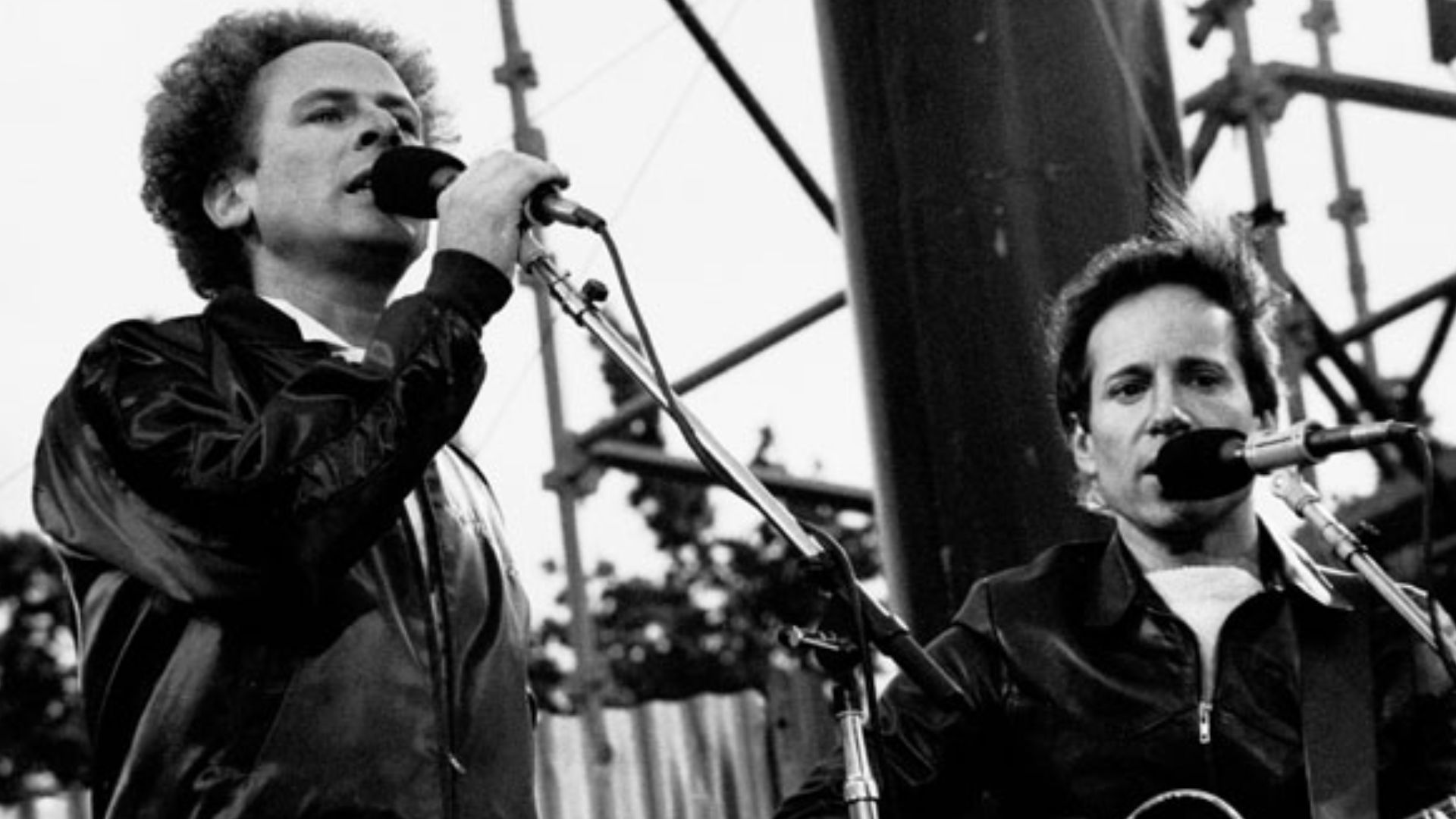 Eddie Mallin, Wikimedia Commons
Oasis
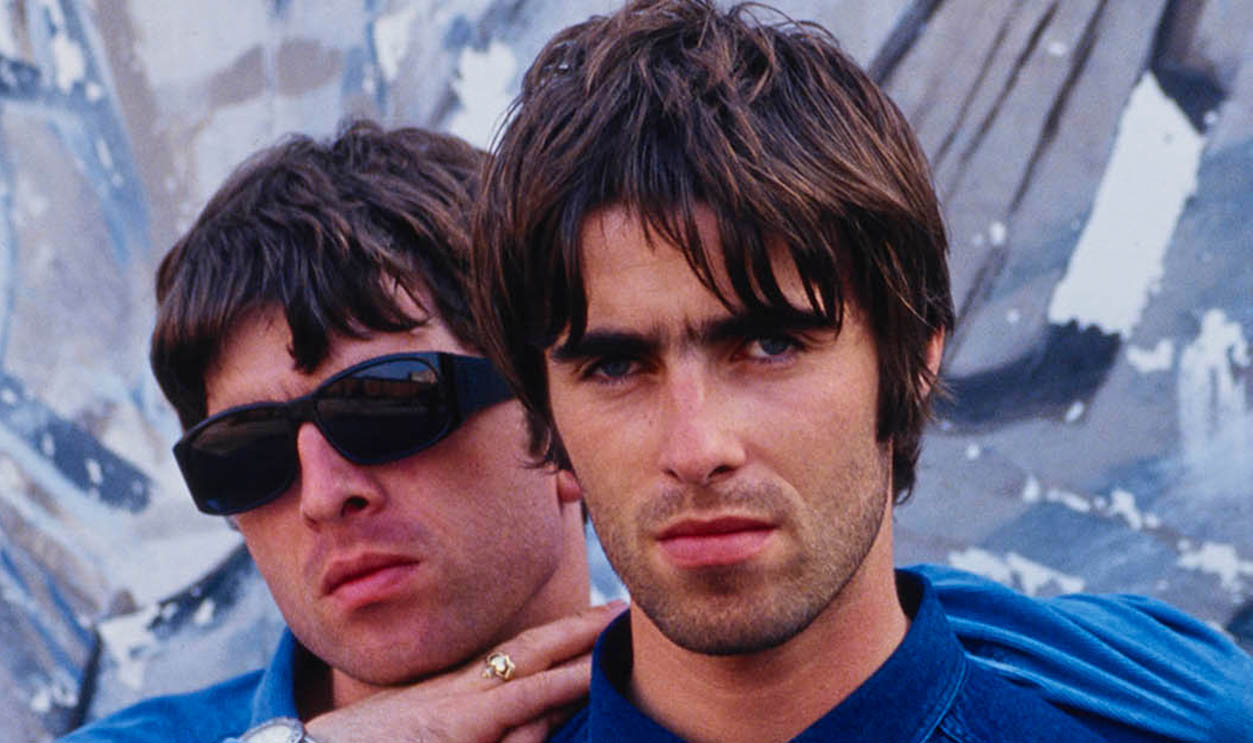
The Gallagher brothers are practically the definition of “band drama.” Liam’s volatility and Noel’s sharp tongue led to countless brawls, walkouts, and spectacular interviews. The two fought over songwriting, fame, and everything in between. But that same friction gave Oasis its swagger, its snarl, and its anthems—“Wonderwall,” “Champagne Supernova,” and “Don’t Look Back in Anger.” The band may have imploded, but Britpop never sounded the same again.
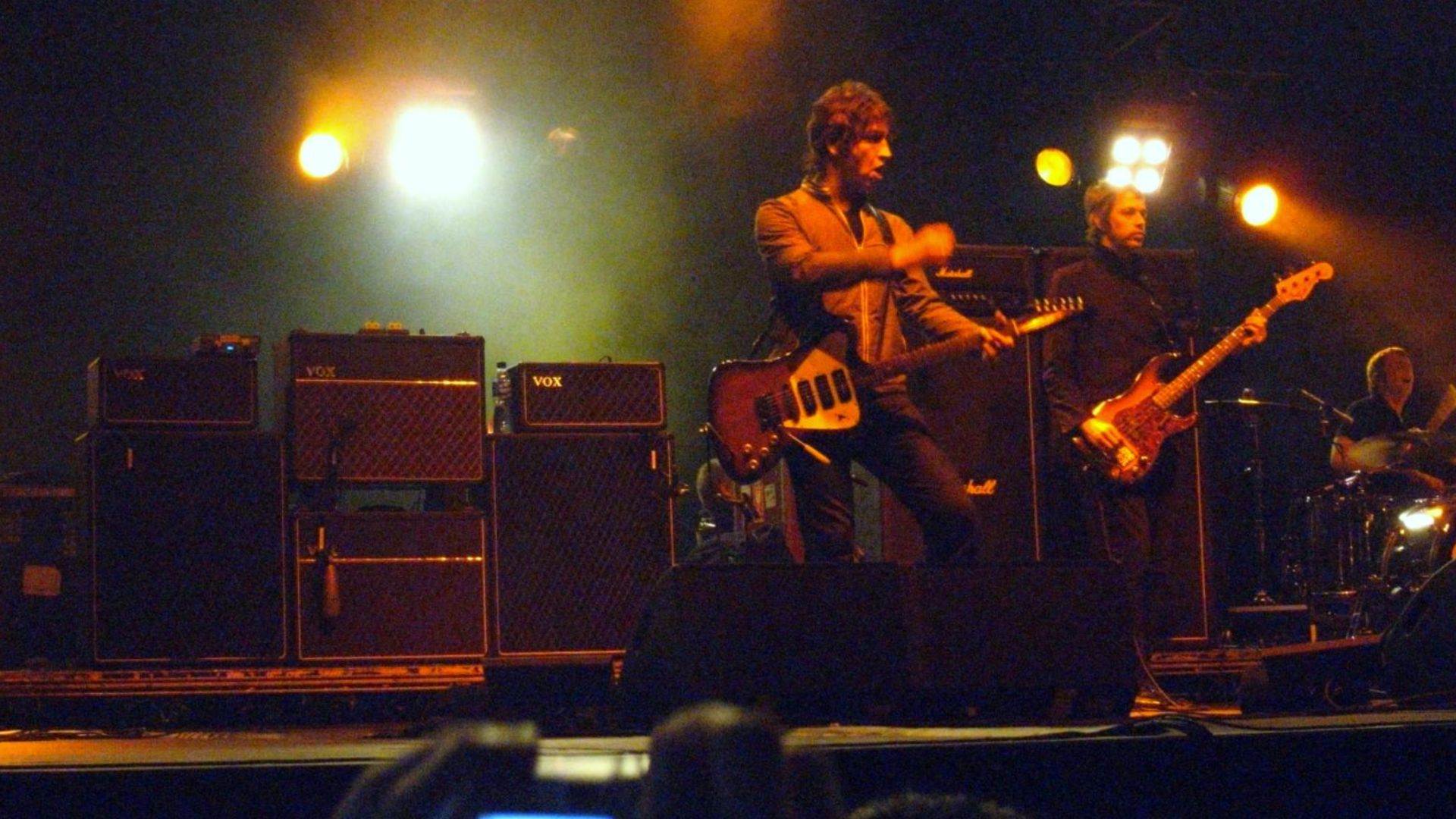
The Beatles
The Beatles’ public image was one of friendship and unity, but the final years were rife with tension. Paul McCartney’s leadership, John Lennon’s growing detachment, George Harrison’s frustration at being overshadowed, and Ringo Starr’s temporary resignation all contributed to the cracks. Add in financial disputes and Yoko Ono’s controversial studio presence, and you have a powder keg. Still, the music from that period—Abbey Road, Let It Be—was nothing short of divine.
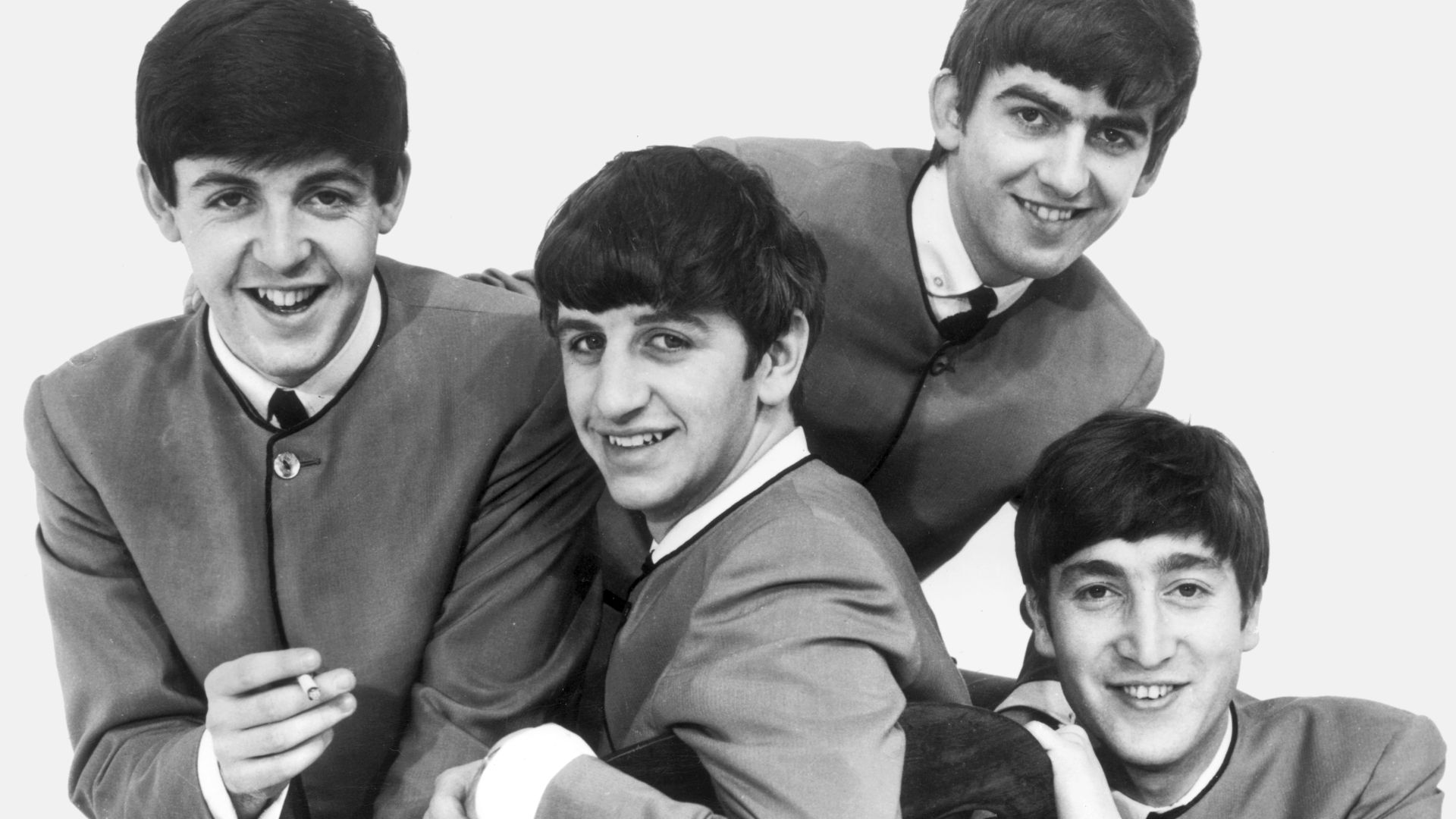 Dezo Hoffmann, Distributed by Capitol Records, Wikimedia Commons
Ramones
The Ramones’ music was simple and fast, but their relationships were anything but. Joey and Johnny Ramone clashed politically and personally—most notably when Johnny began dating Joey’s ex-girlfriend. They barely spoke offstage for decades, even while touring together. Despite the animosity, their three-chord fury helped invent punk, proving that pure disdain can sometimes sound like perfection.
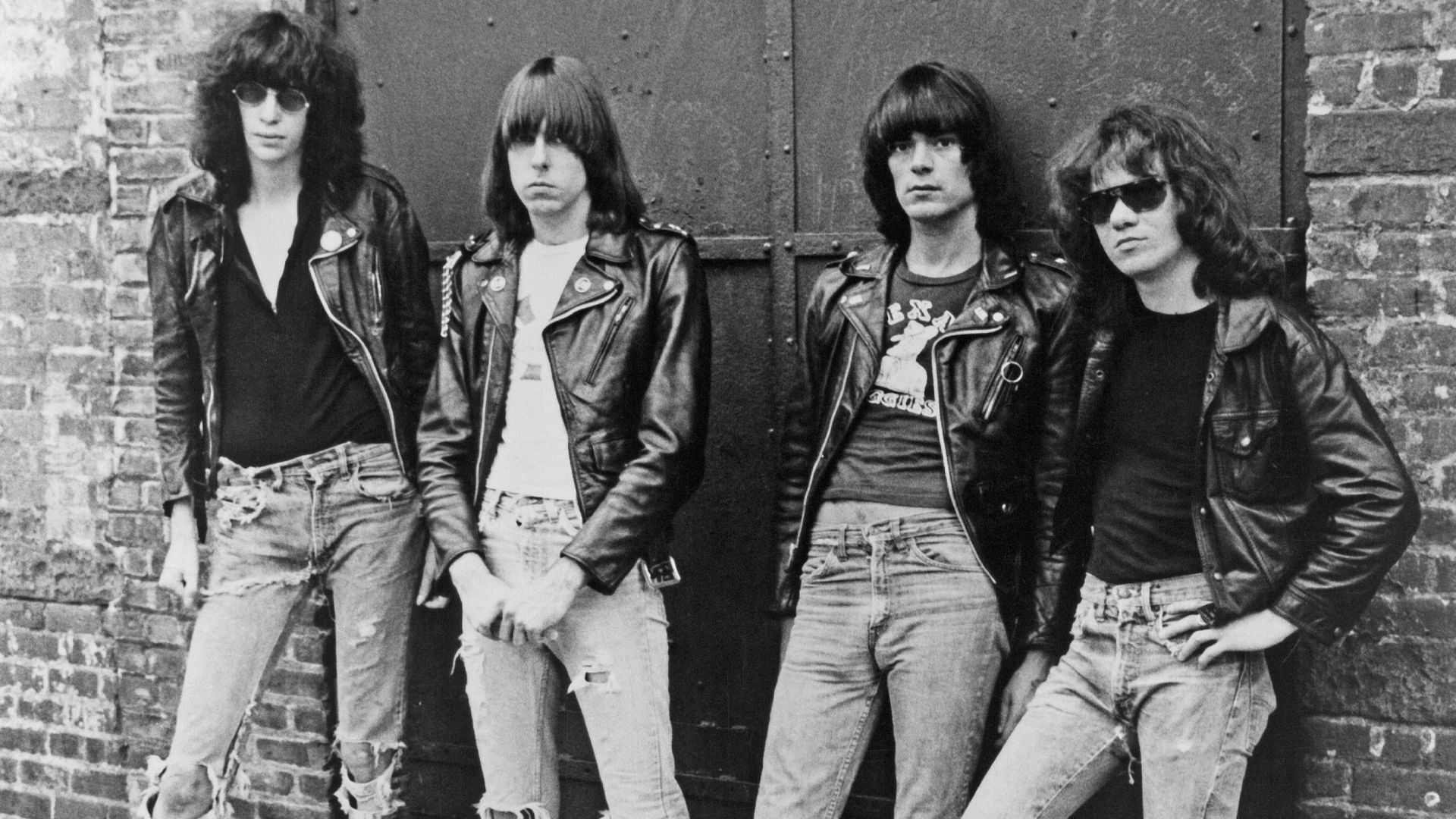 Danny Fields, Wikimedia Commons
The Smashing Pumpkins
Billy Corgan’s perfectionism and iron grip on creative control drove The Smashing Pumpkins to both greatness and collapse. He frequently clashed with James Iha, D’arcy Wretzky, and Jimmy Chamberlin over songwriting credits and direction. Chamberlin’s drug issues and Corgan’s domineering nature led to multiple implosions. Yet albums like Siamese Dream and Mellon Collie and the Infinite Sadness proved that Corgan’s chaos could yield brilliance.
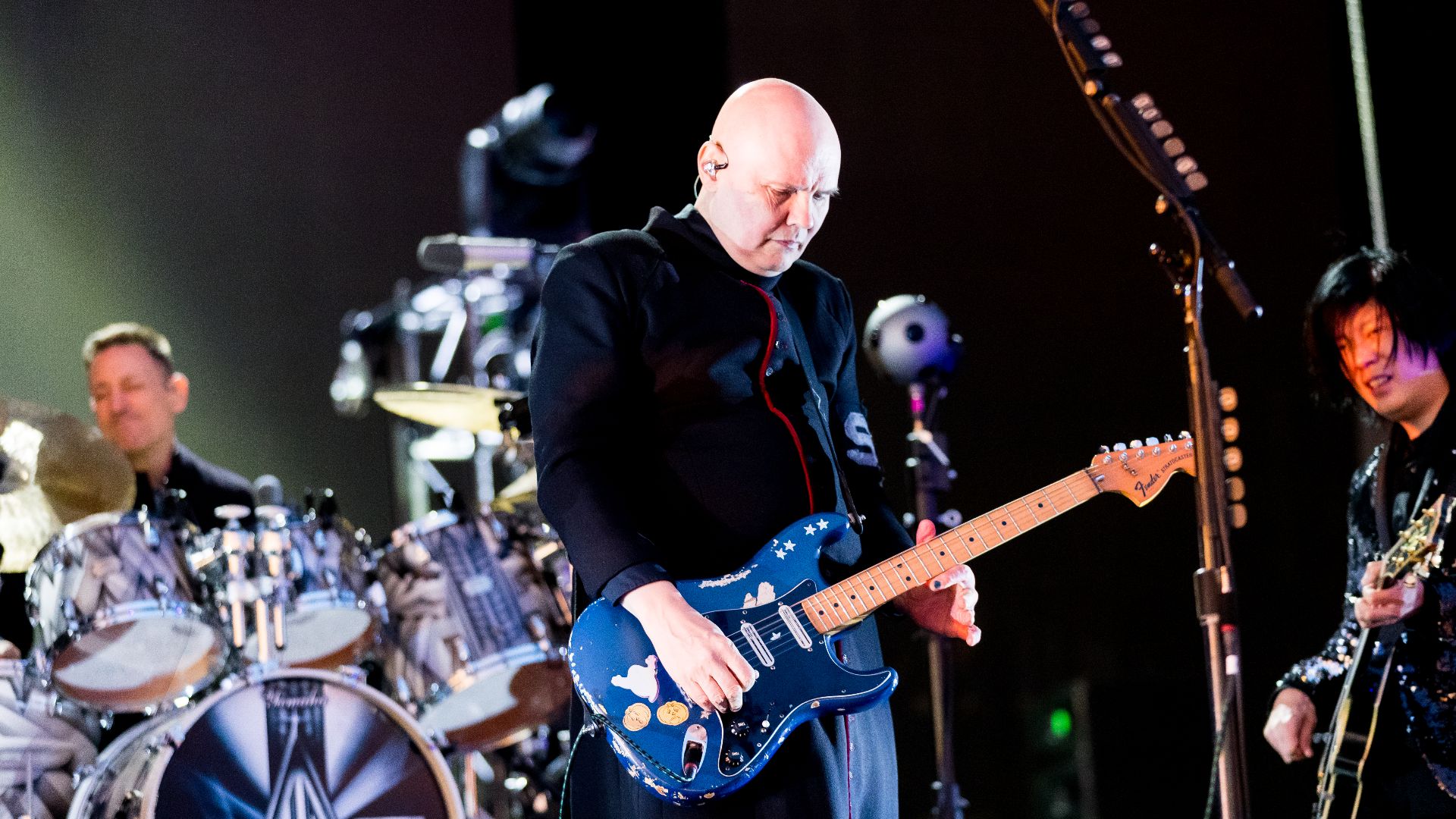 Sven Mandel, Wikimedia Commons
Mayhem
Norwegian black metal pioneers Mayhem are infamous for taking band turmoil to terrifying extremes. Internal conflict led to arson, violence, and even murder. Euronymous and Varg Vikernes’s deadly rivalry made the band a cautionary tale as much as a musical milestone. Still, Mayhem’s raw, disturbing legacy laid the foundations for black metal’s dark mythology.
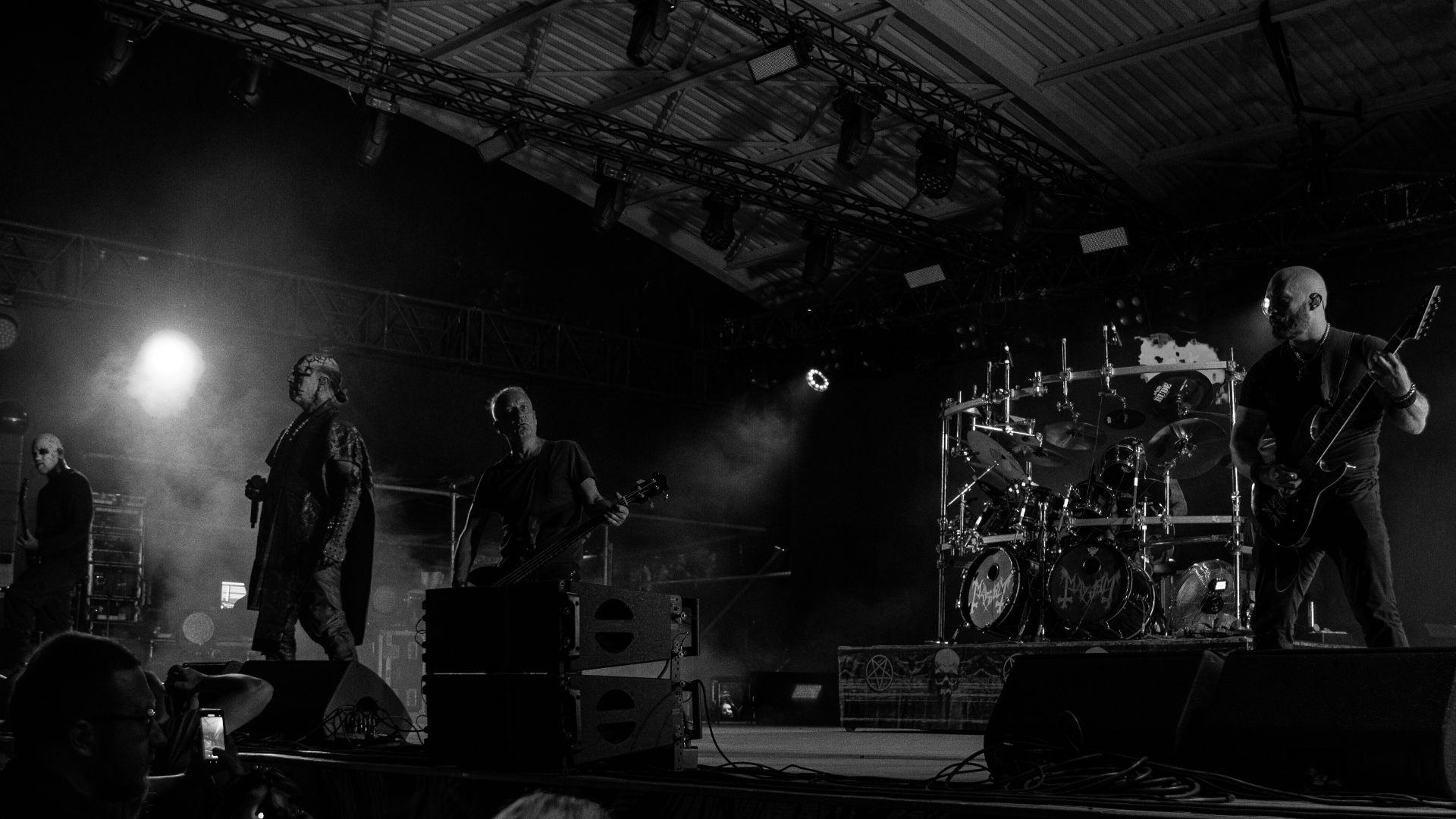 Wojciech Pędzich, Wikimedia Commons
Kiss
Behind the painted faces, Kiss was a battlefield of egos. Gene Simmons and Paul Stanley frequently feuded with Ace Frehley and Peter Criss over money, control, and creative input. Frehley’s wild lifestyle and Criss’s erratic behavior led to their departures, but not before the band created some of the most bombastic rock shows ever staged. Even at their pettiest, Kiss remained larger than life.
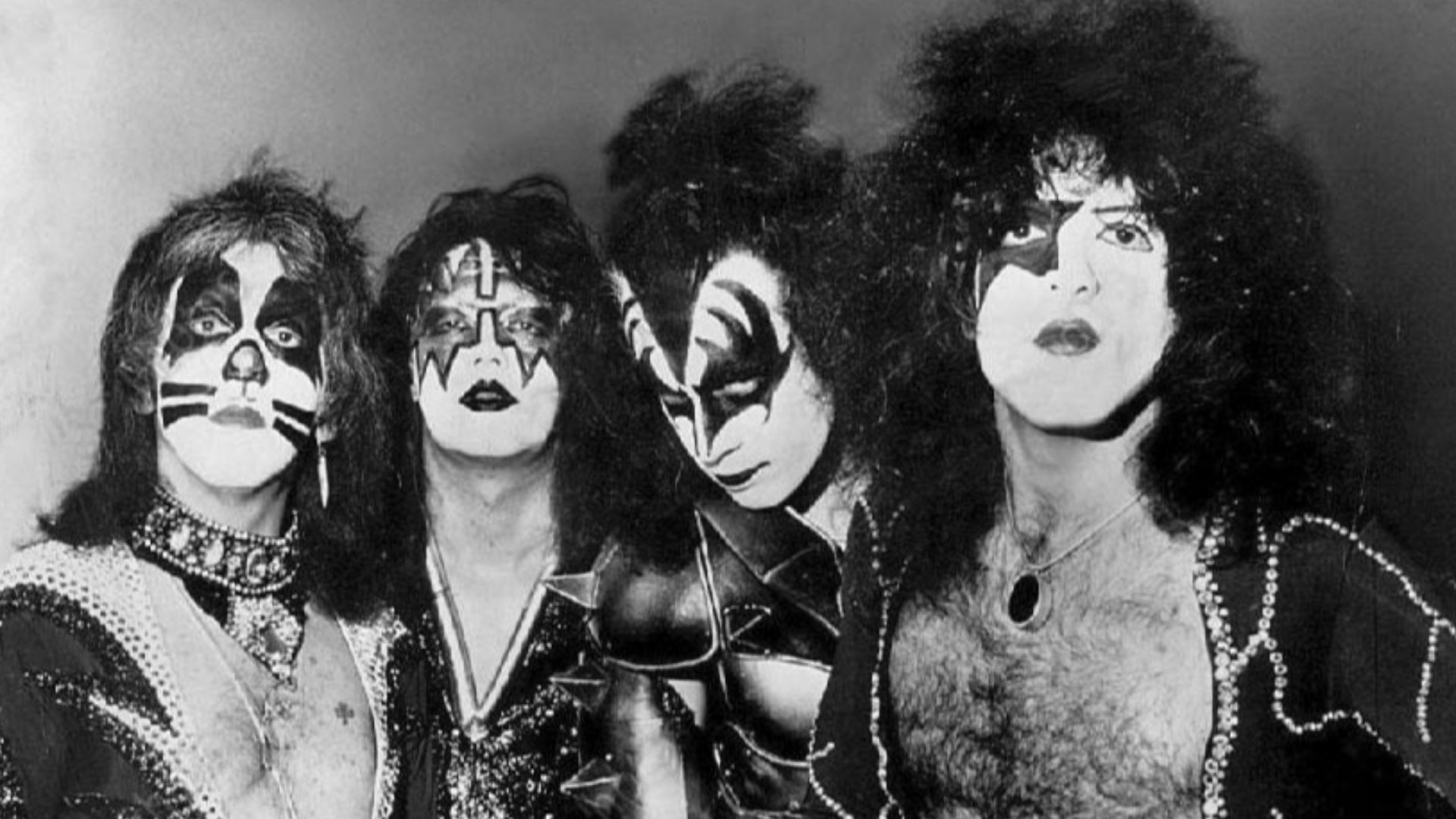 Casablanca Records, Wikimedia Commons
Van Halen
Few bands mixed brilliance and dysfunction like Van Halen. Eddie Van Halen’s obsessive musicianship clashed constantly with David Lee Roth’s flamboyant showmanship. The two couldn’t agree on the band’s future—Eddie wanted artistry, Roth wanted entertainment. Their split in 1985 was inevitable, but the chemistry that fueled “Jump” and “Panama” remains one of rock’s greatest balancing acts.
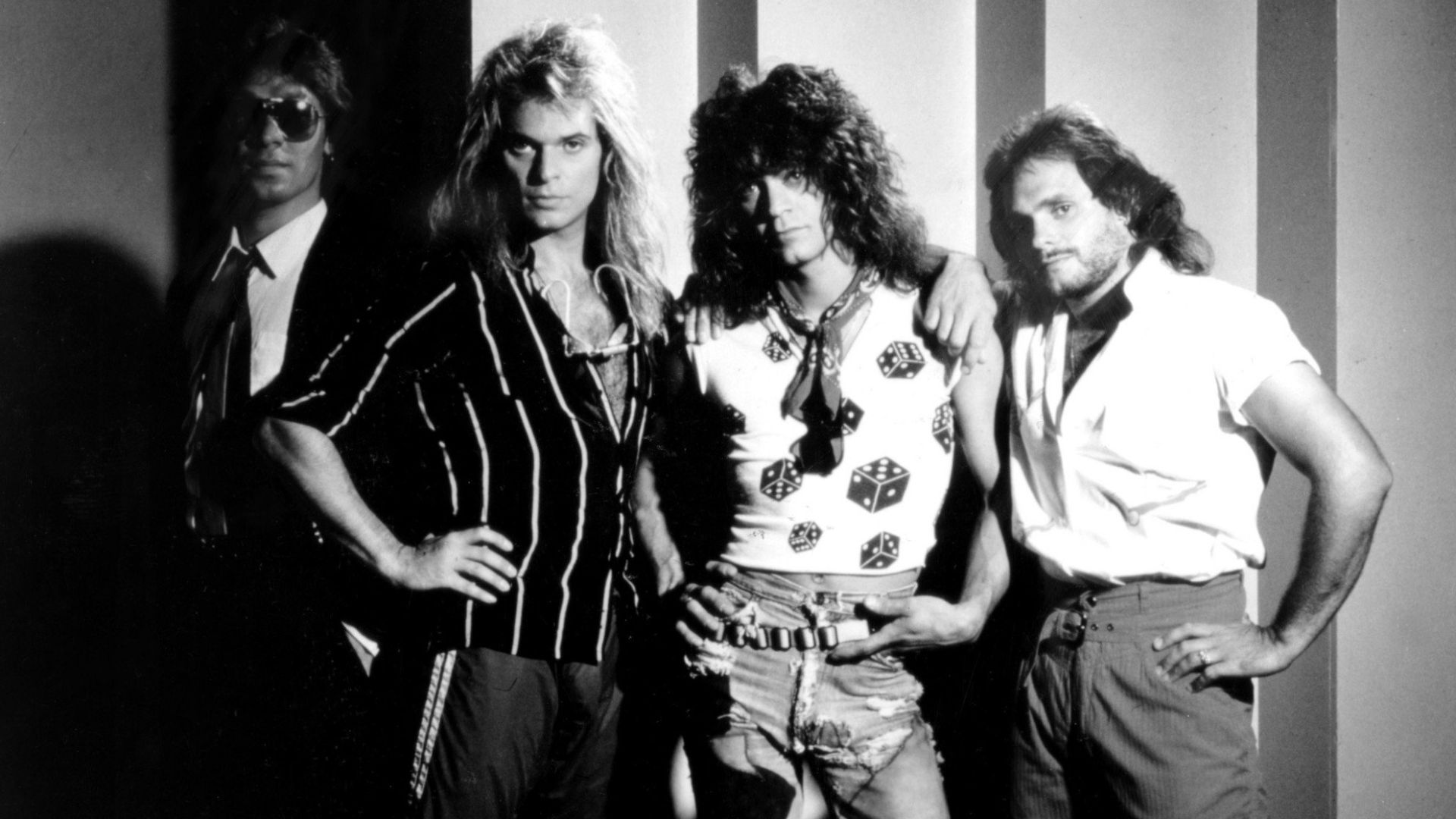 Warner Records, Wikimedia Commons
Pink Floyd
Tension became Pink Floyd’s muse. Roger Waters’s growing dominance alienated David Gilmour, Richard Wright, and Nick Mason, turning the band into a creative battleground. The making of The Wall was practically a Cold War, but out of it came one of the most iconic concept albums ever. Even their temporary reunion decades later showed that genius and animosity can coexist—barely.
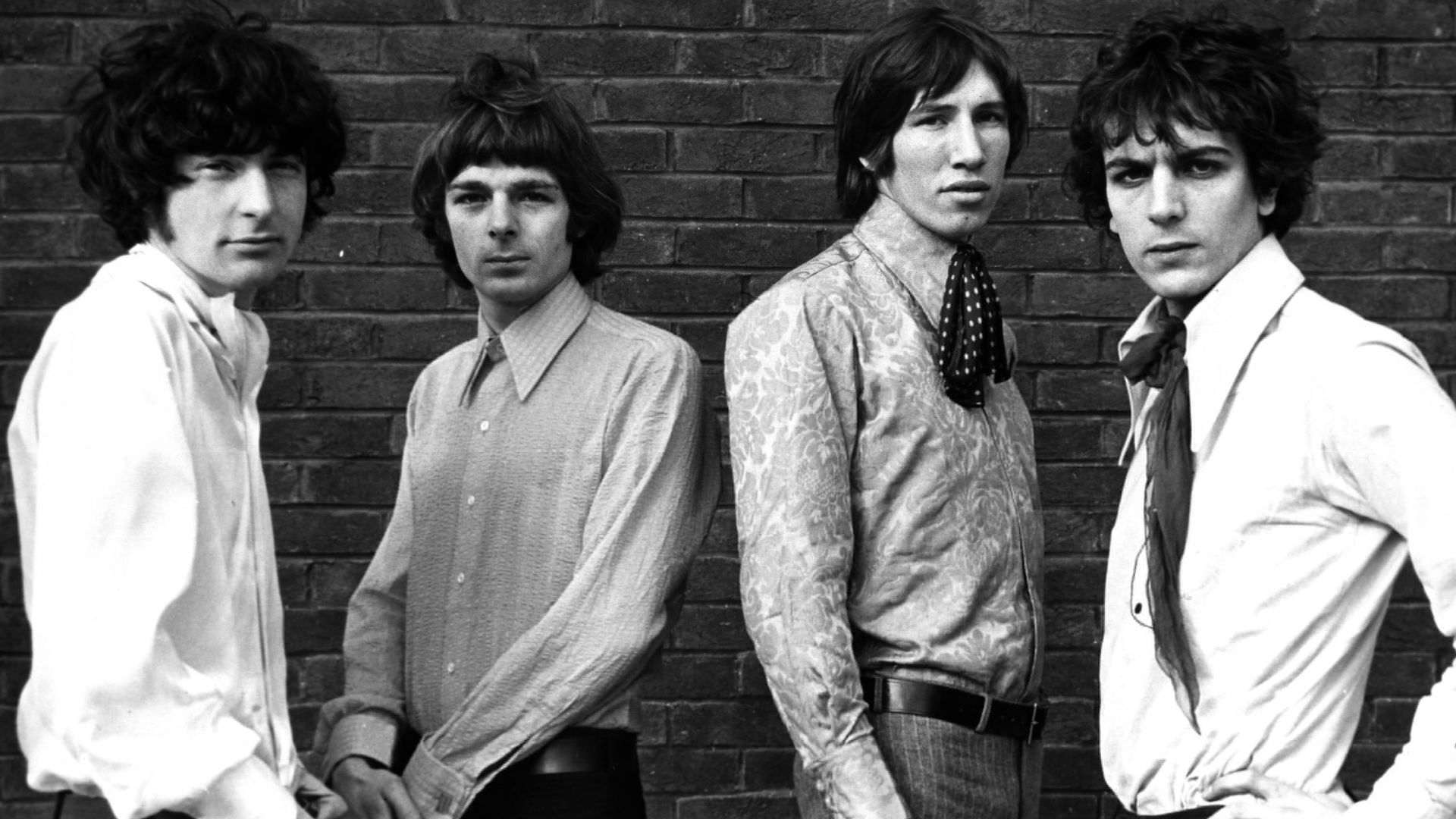
Guns N’ Roses
The chaos that defined Guns N’ Roses was both their downfall and their identity. Axl Rose’s perfectionism and volatile temper clashed with Slash and Duff McKagan’s freewheeling approach. Late arrivals, canceled shows, and long silences nearly destroyed them. Yet Appetite for Destruction and Use Your Illusion remain testaments to their combustible chemistry.
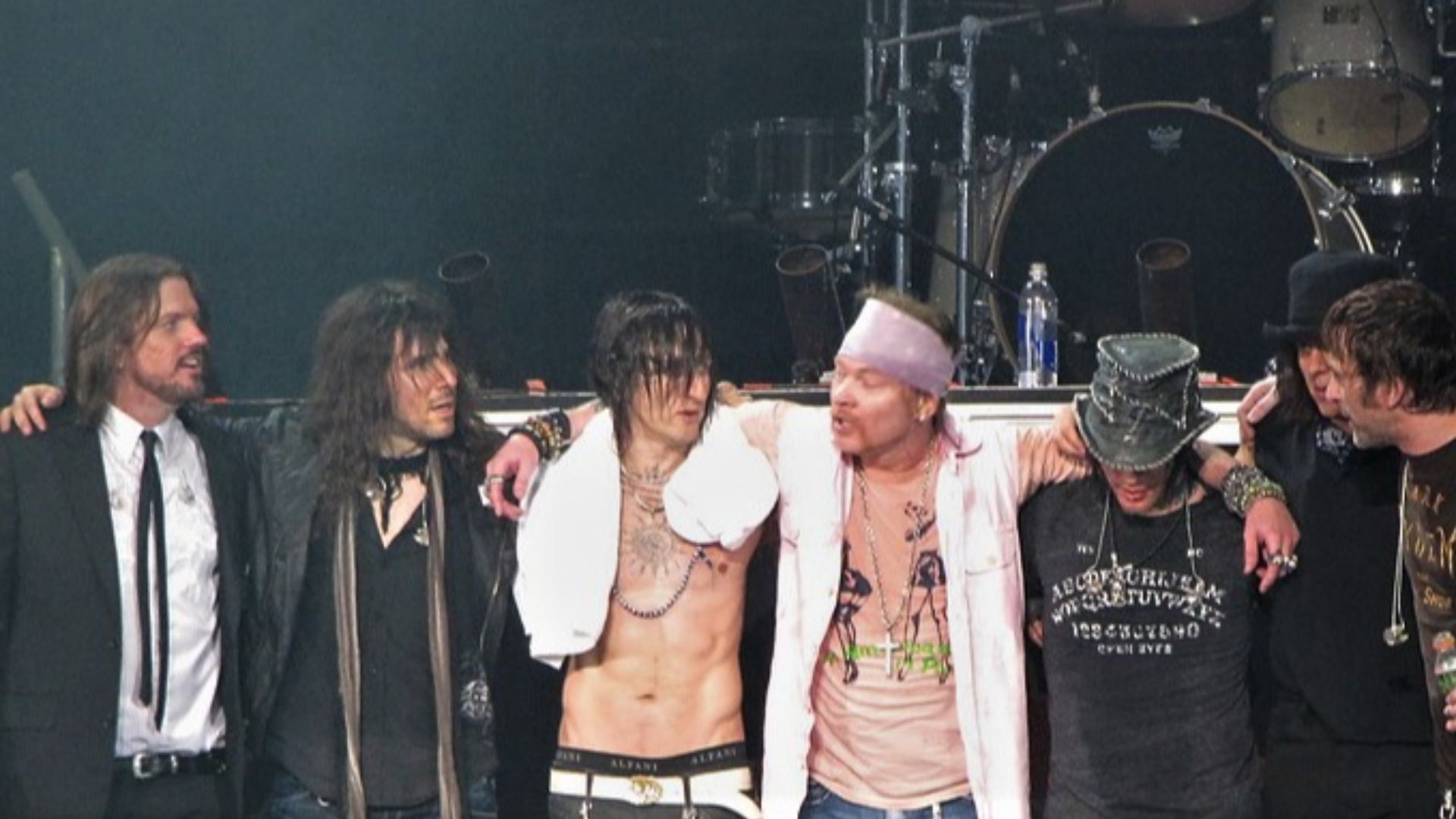
Metallica
Metallica’s internal wars were laid bare in the documentary Some Kind of Monster. James Hetfield’s struggles with addiction, Lars Ulrich’s controlling tendencies, and creative disagreements nearly tore the band apart. Yet somehow, they emerged stronger, creating some of metal’s defining records. Their survival is as legendary as their riffs.
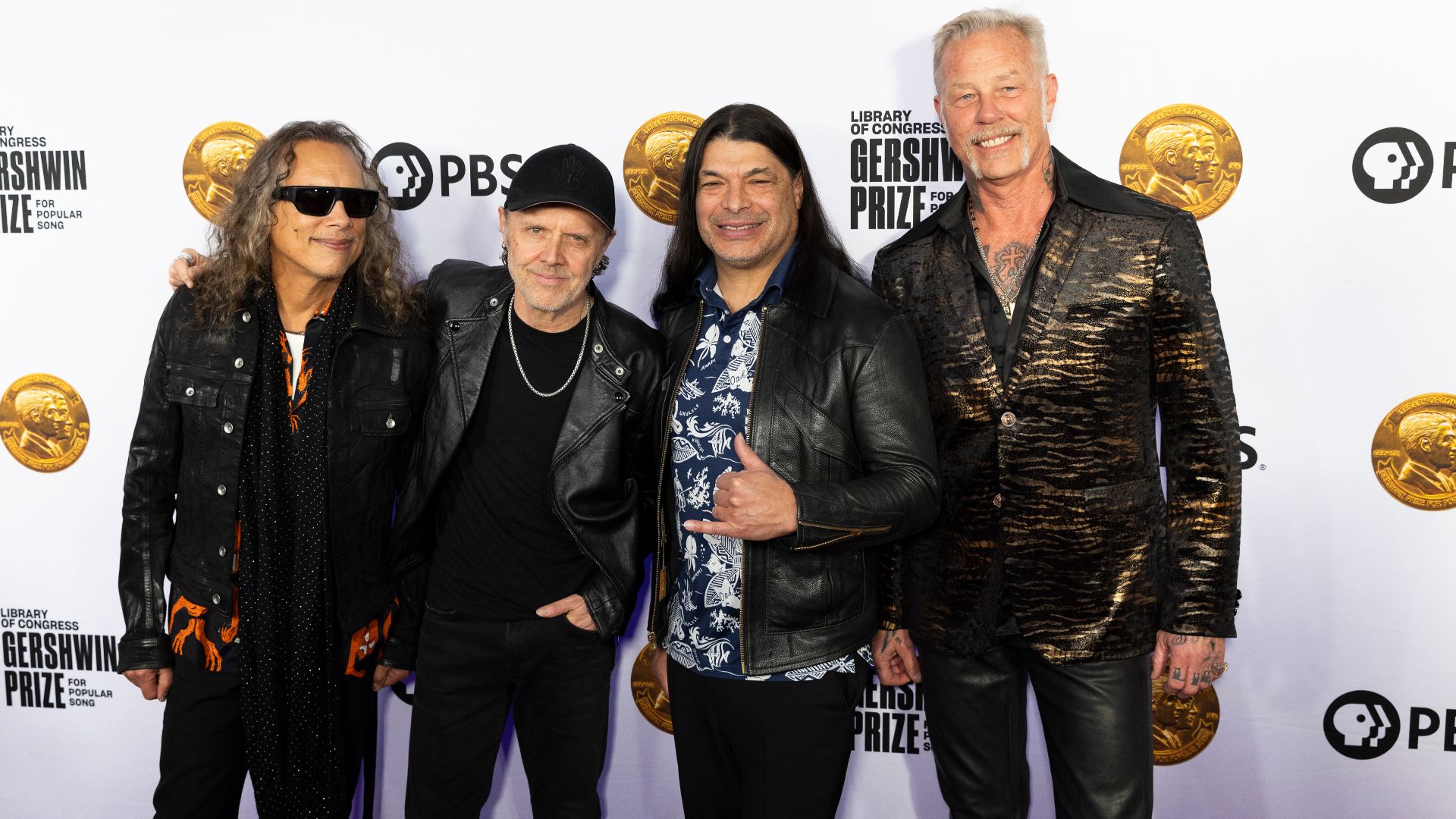 Library of Congress Life, Wikimedia Commons
The Monkees
Originally a made-for-TV band, The Monkees rebelled against their prefab image. The members fought with producers over control of their music, insisting on playing their own instruments and writing songs. Michael Nesmith’s confrontation with a producer reportedly ended with him punching a wall. That rebellion transformed them from sitcom characters into legitimate musicians with timeless hits.
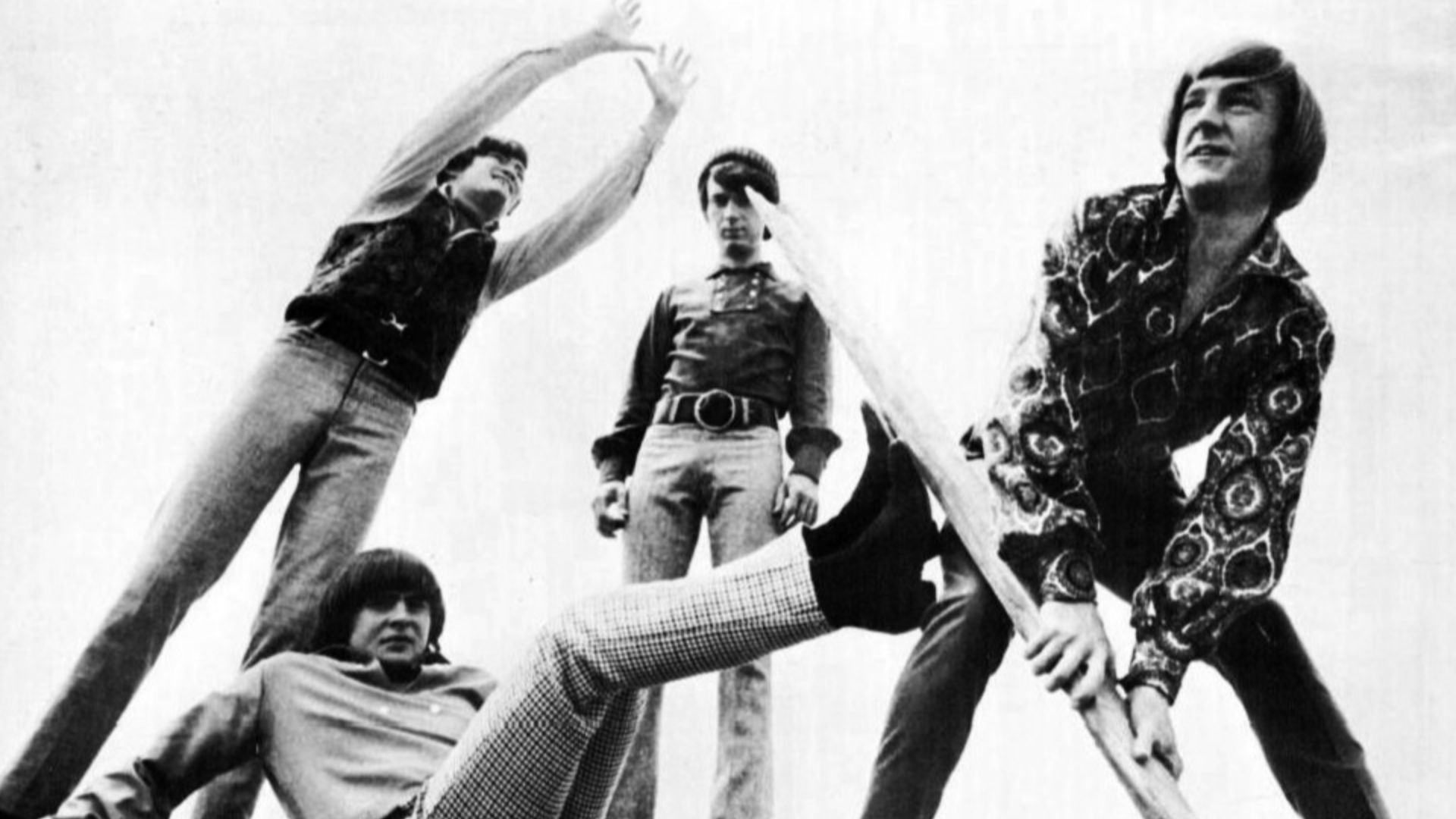 Colgems Records, Wikimedia Commons
Eagles
Don Henley and Glenn Frey’s partnership was famously combustible. They constantly clashed with bandmates Don Felder and Joe Walsh over songwriting, money, and control. Their 1980 breakup was brutal—Felder and Frey reportedly threatened each other onstage. Still, Hotel California and Desperado captured that tension and turned it into harmony, irony and all.
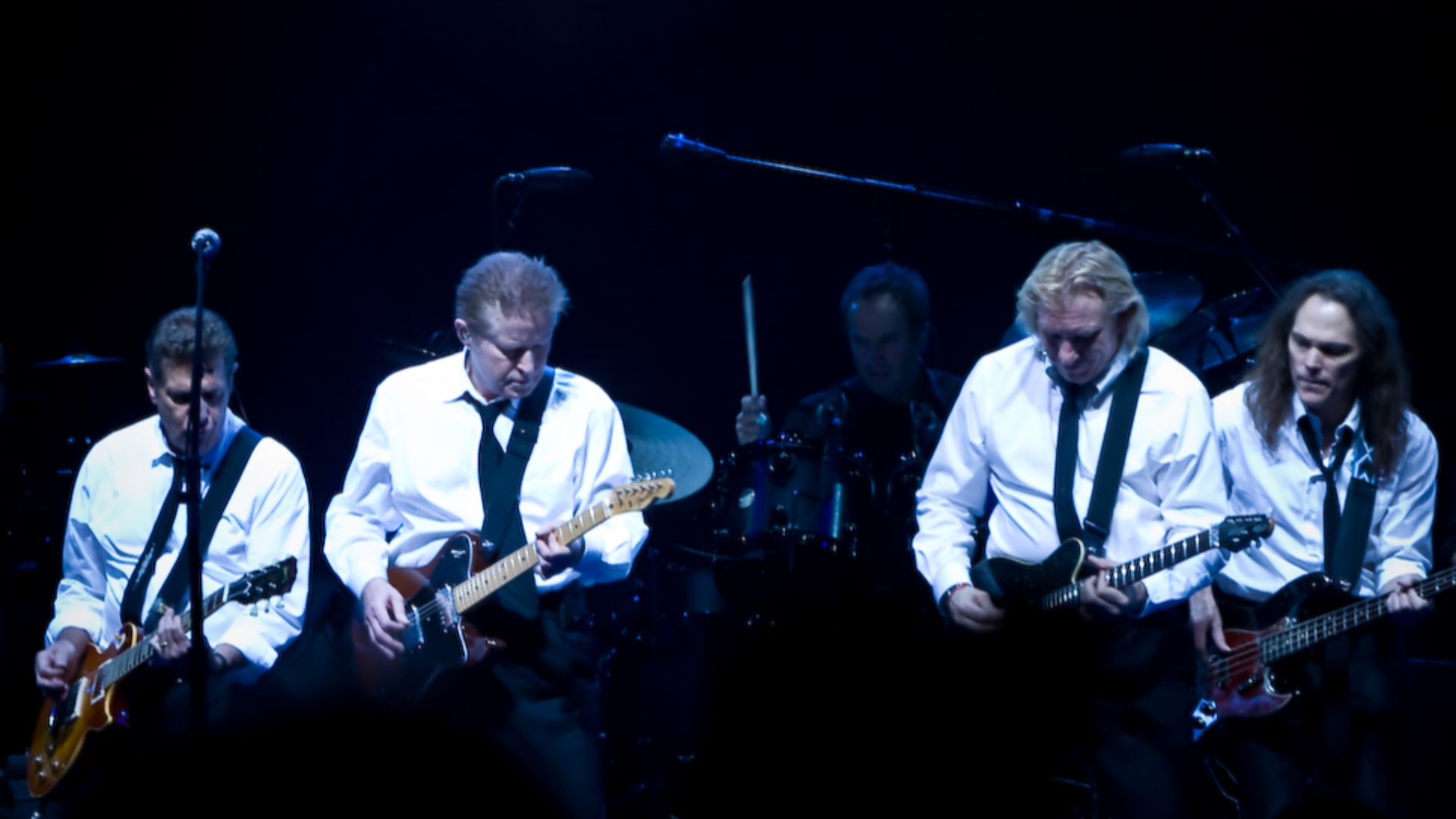 Steve Alexander, Wikimedia Commons
Pixies
Frank Black and Kim Deal’s creative tug-of-war defined the Pixies’ sound: loud, soft, unpredictable. Black’s controlling nature and Deal’s growing frustration boiled over during recording sessions, leading to their early 90s breakup. Despite the bitterness, the Pixies influenced everyone from Nirvana to Radiohead. The conflict birthed alternative rock as we know it.
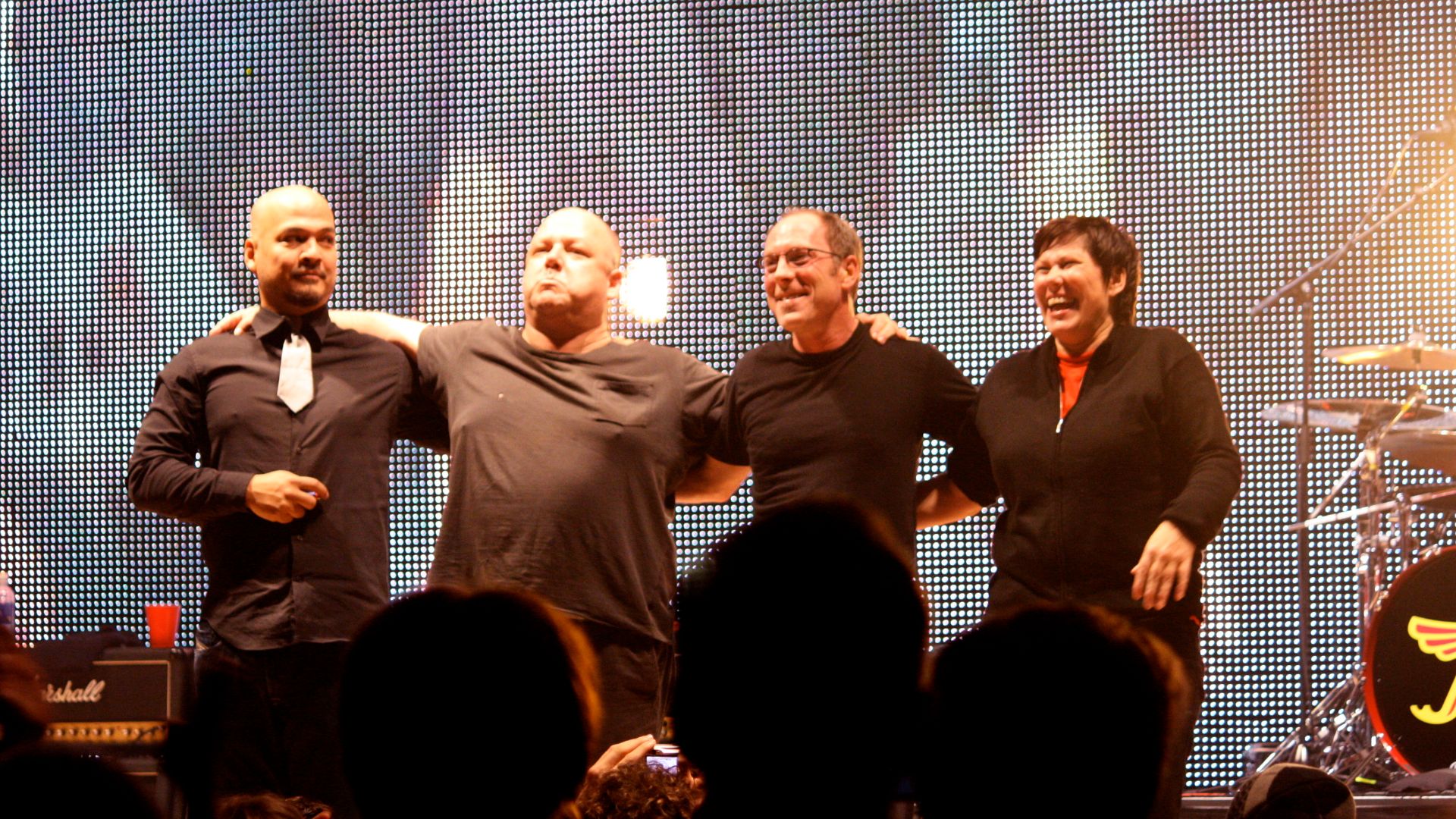 Angie Garrett (smoorenburg), Wikimedia Commons
Blink-182
Pop-punk’s golden boys were far from stable. Tom DeLonge’s UFO obsessions and creative differences with Mark Hoppus led to multiple splits. Travis Barker’s accident and later health issues further strained the group. Yet every reunion brings nostalgia and chaos in equal measure—because even when they can’t agree, they can still make fans smile.
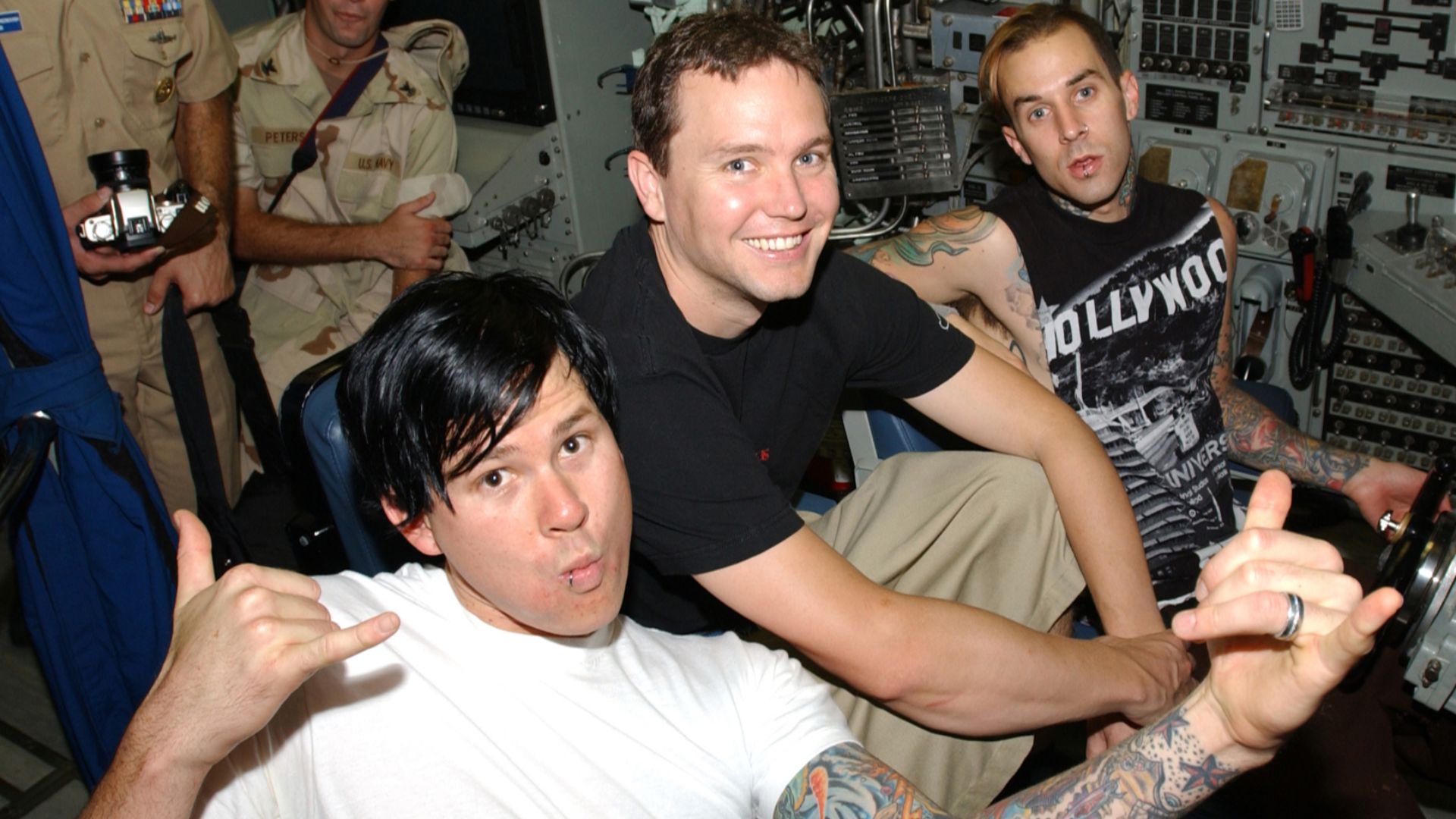 Journalist 2nd Class Denny Lester, Wikimedia Commons
The Rolling Stones
Mick Jagger and Keith Richards’ love-hate relationship is the stuff of legend. Richards resented Jagger’s “control freak” tendencies, while Jagger rolled his eyes at Keith’s excesses. Yet that friction produced timeless rock’n’roll swagger—“Gimme Shelter,” “Paint It Black,” and Exile on Main St. They bickered their way to immortality.
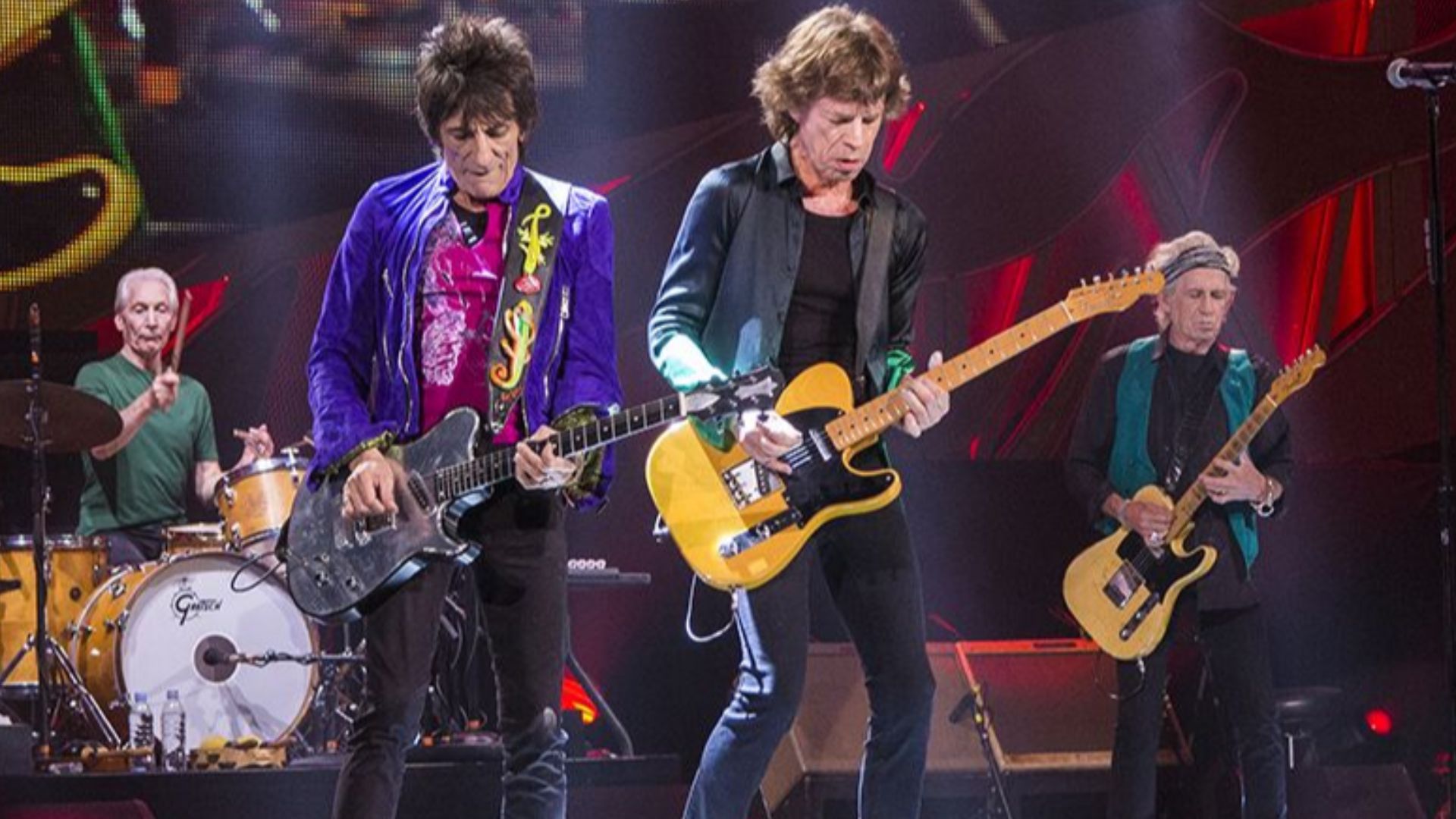 Jim Pietryga, Wikimedia Commons
Fleetwood Mac
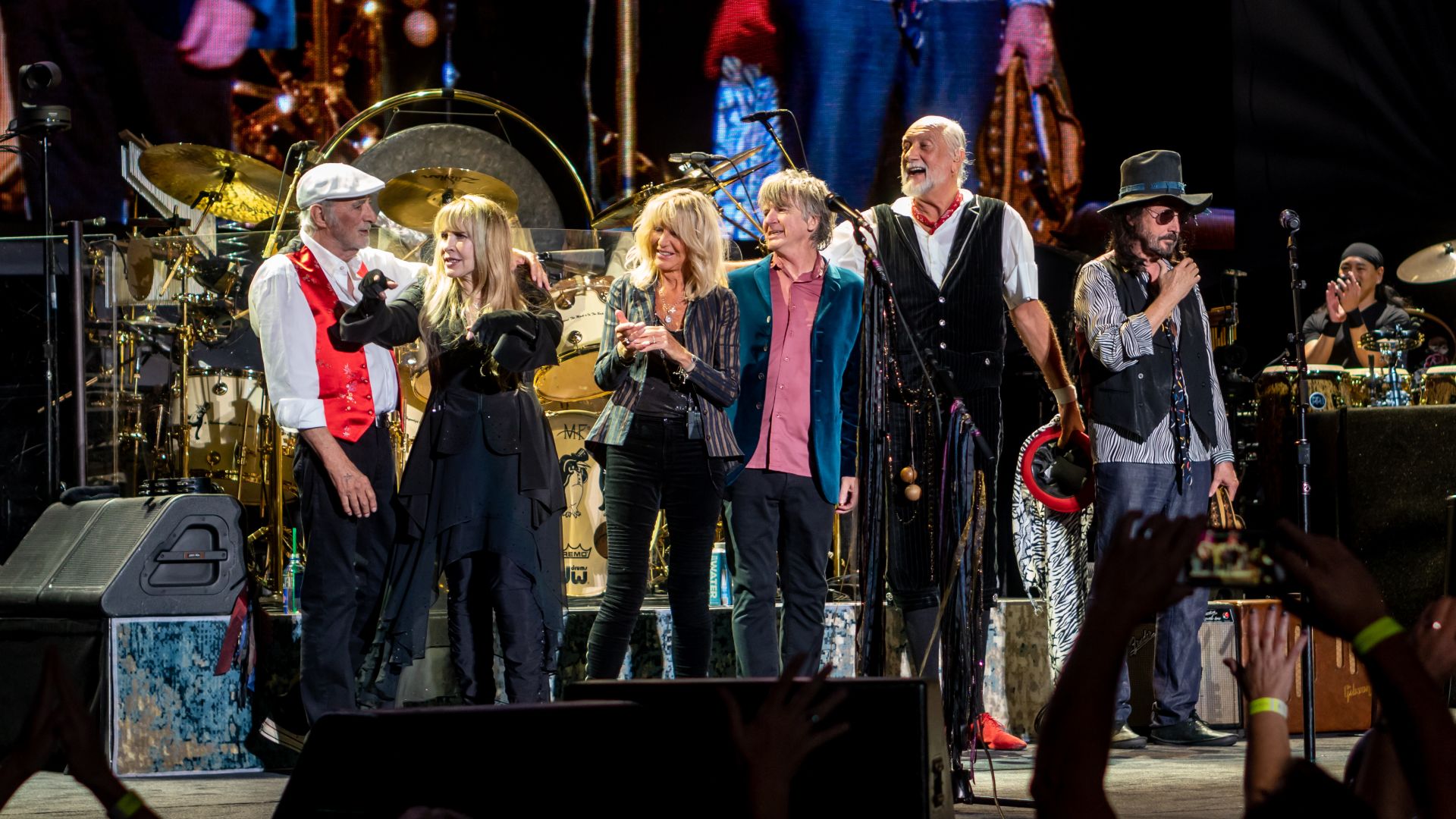
No band turned personal turmoil into art quite like Fleetwood Mac. The tangled relationships—Stevie Nicks and Lindsey Buckingham’s breakup, Christine and John McVie’s divorce, and Mick Fleetwood’s own entanglements—made Rumours a soap opera set to music. Every betrayal and heartbreak ended up in a hit song, making dysfunction sound divine.
You May Also Like:
The Best Boy Bands Of Every Era
The Most Iconic Girl Groups Of All Time