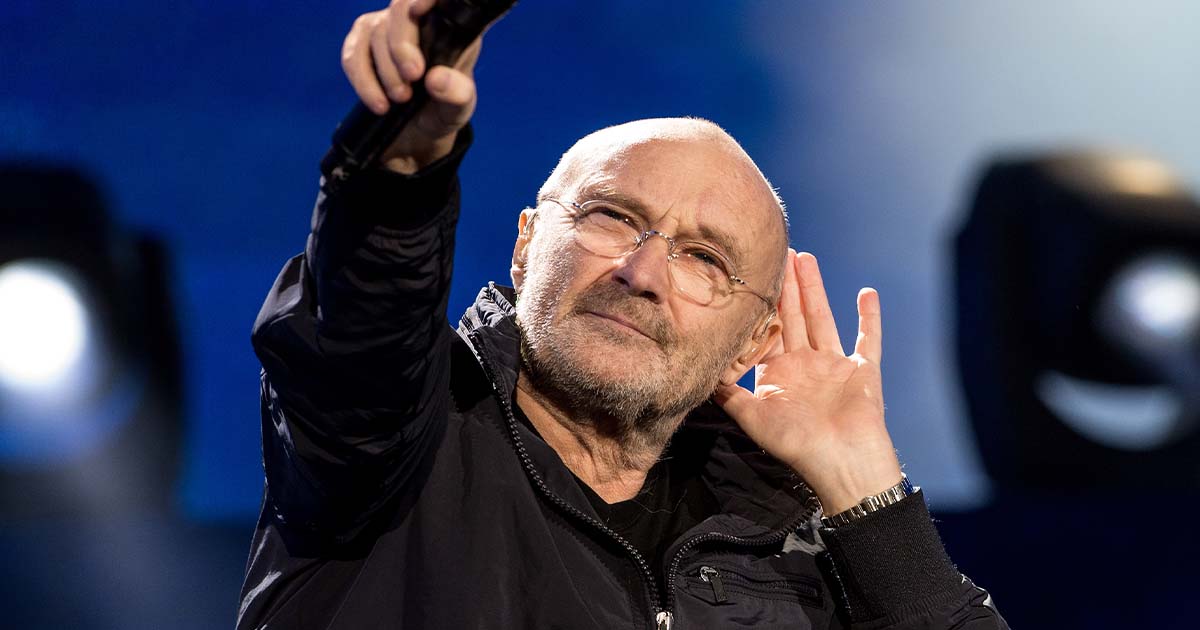
The Drummer Who Lost His Voice—And Found Something Even Stronger
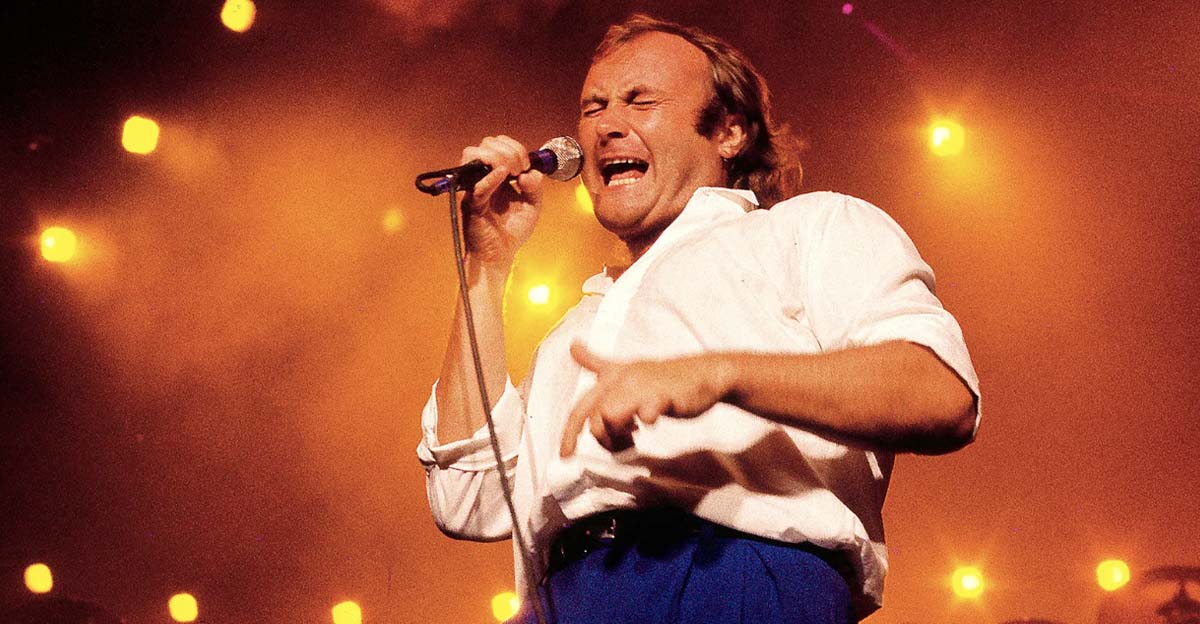
Phil Collins was born on January 30, 1951, in London. His mother ran a talent agency, so the Collins house was always full of noise and performers. Phil loved two things immediately: comedy and drums. By age five, he had a toy drum kit. By age ten, he had a real one—and never looked back.
Discovering His Rhythm Early
Phil wasn’t the type to dream about fame. He just wanted to play. He practiced constantly, banging pillows when neighbors complained. His sense of timing was uncanny even as a child. One teacher said, “Phil didn’t learn rhythm—he already had it.”
 Philippe Roos from Strasbourg, Wikimedia Commons
Joining Genesis Almost by Accident
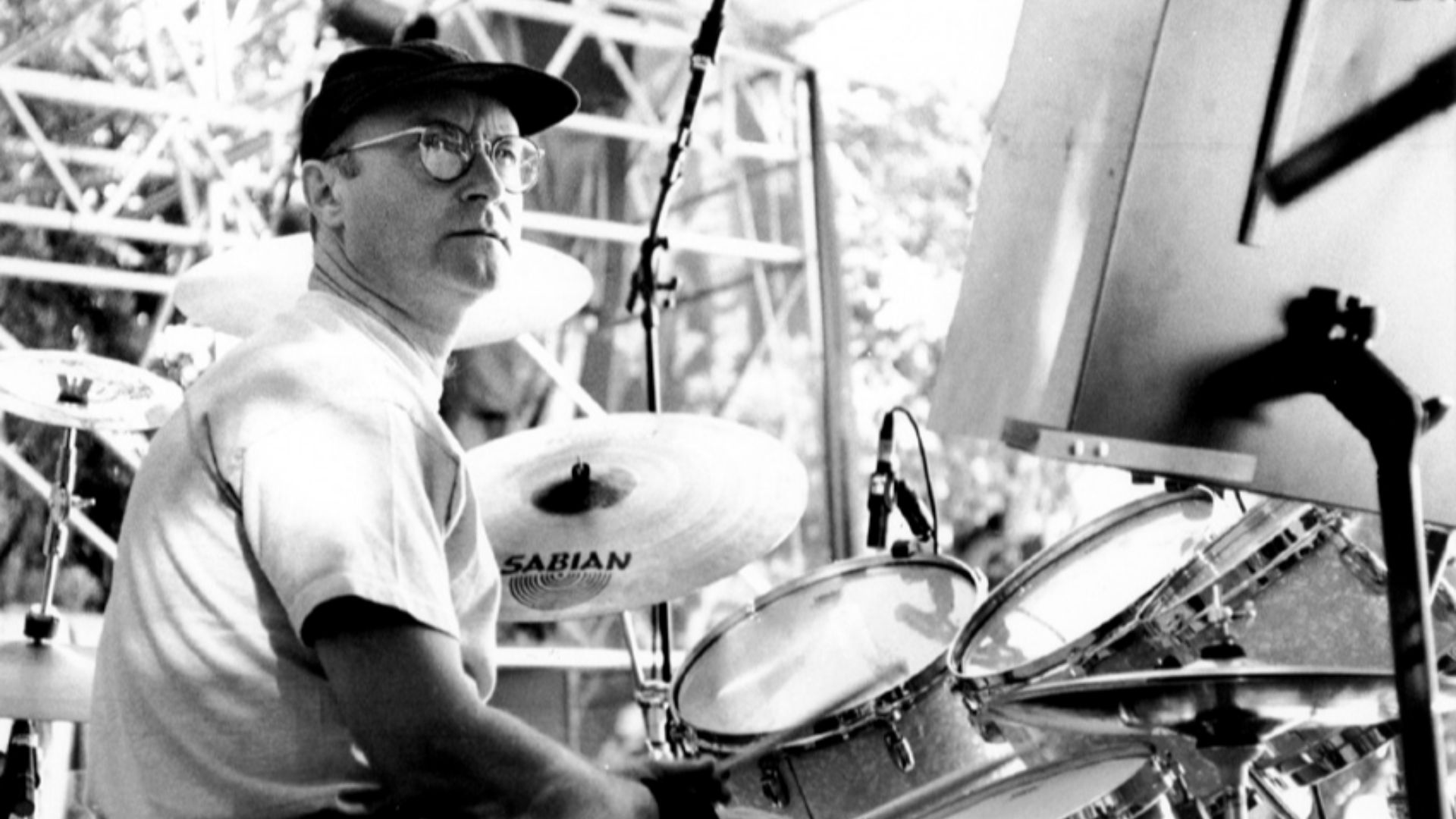
At 19, Phil auditioned for Genesis after spotting the listing in Melody Maker. He showed up early, swam in the pool, and listened to the other drummers audition through an open window—copying every piece they messed up. By the time his turn came, he nailed everything. He got the job on the spot.
 Distributed by Atlantic Records, Wikimedia Commons
The Quiet Backbone of a Prog Giant
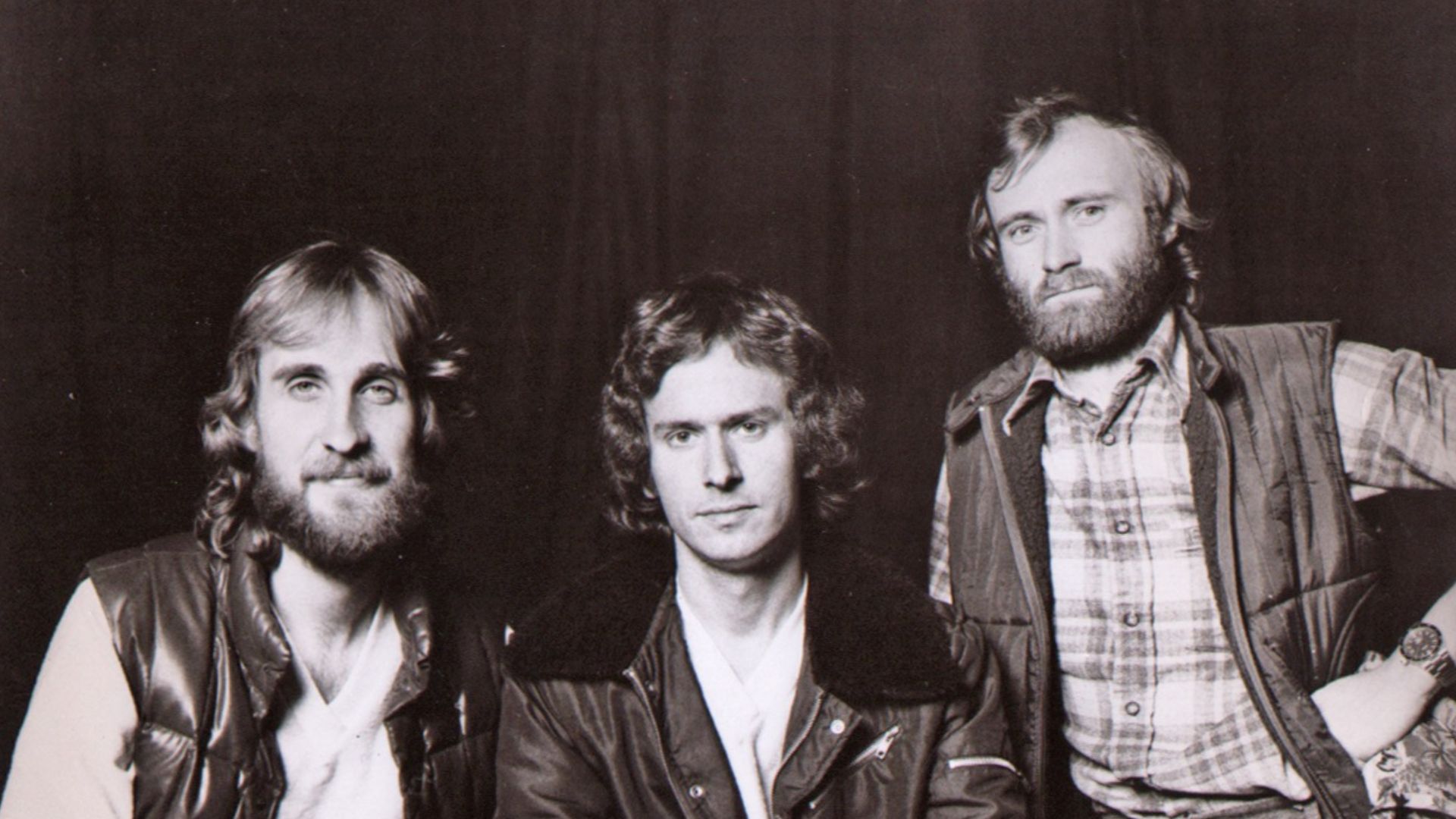
In the early ’70s, Genesis was a theatrical, experimental band fronted by Peter Gabriel. Phil stayed behind the kit, supporting the drama with complex, innovative drum work. His personality was modest, but his playing was explosive.
Becoming the Unlikely Frontman
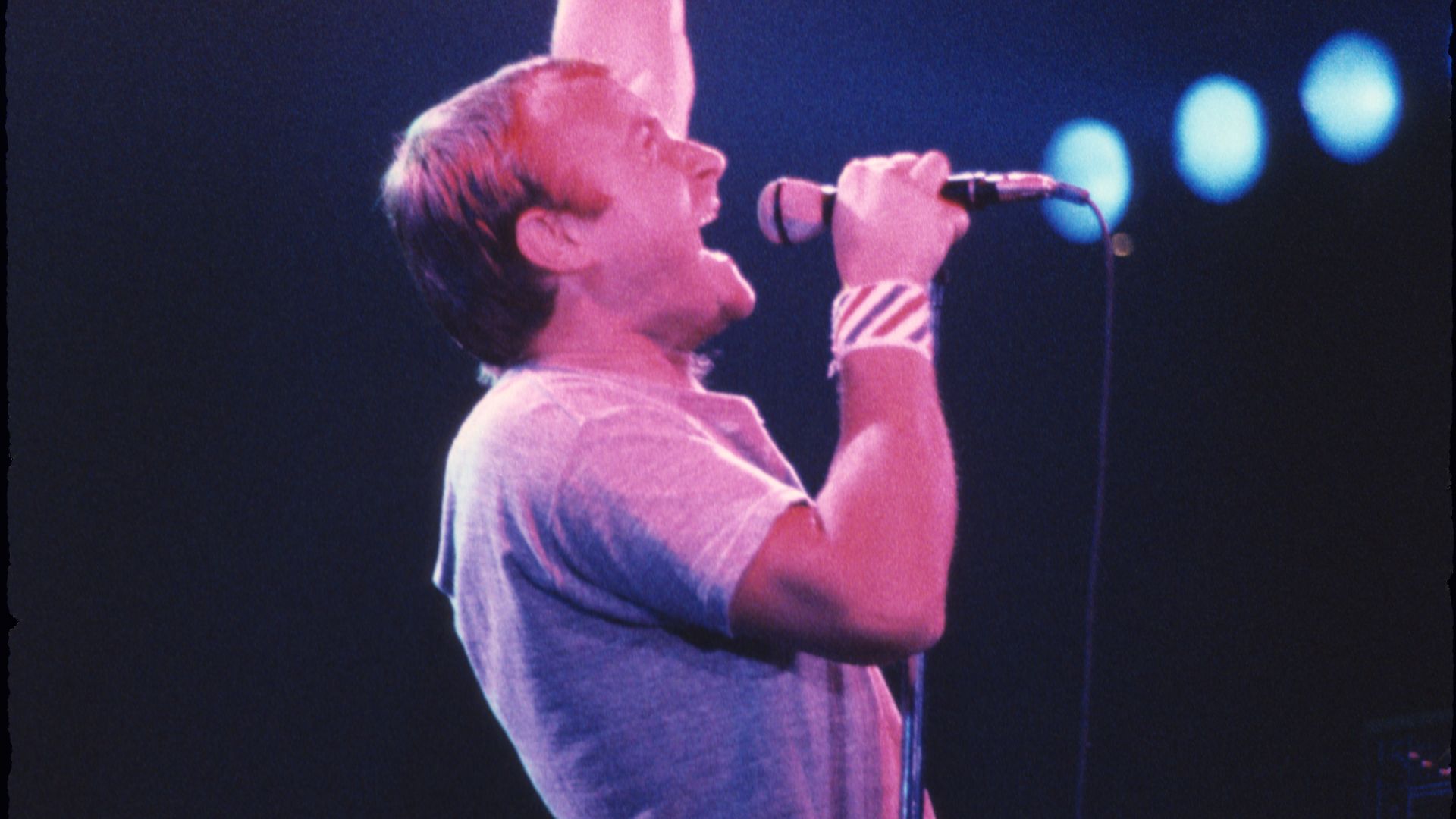
When Peter Gabriel left in 1975, the band auditioned hundreds of singers. None fit. Eventually, almost jokingly, Phil stepped up to try a few lines. The band froze. “That’s the voice,” they said. The drummer had just become the frontman—something Phil never planned on, but embraced fully.
 Philippe Roos from Strasbourg, Wikimedia Commons
The Double Life: Drummer by Night, Dad by Day
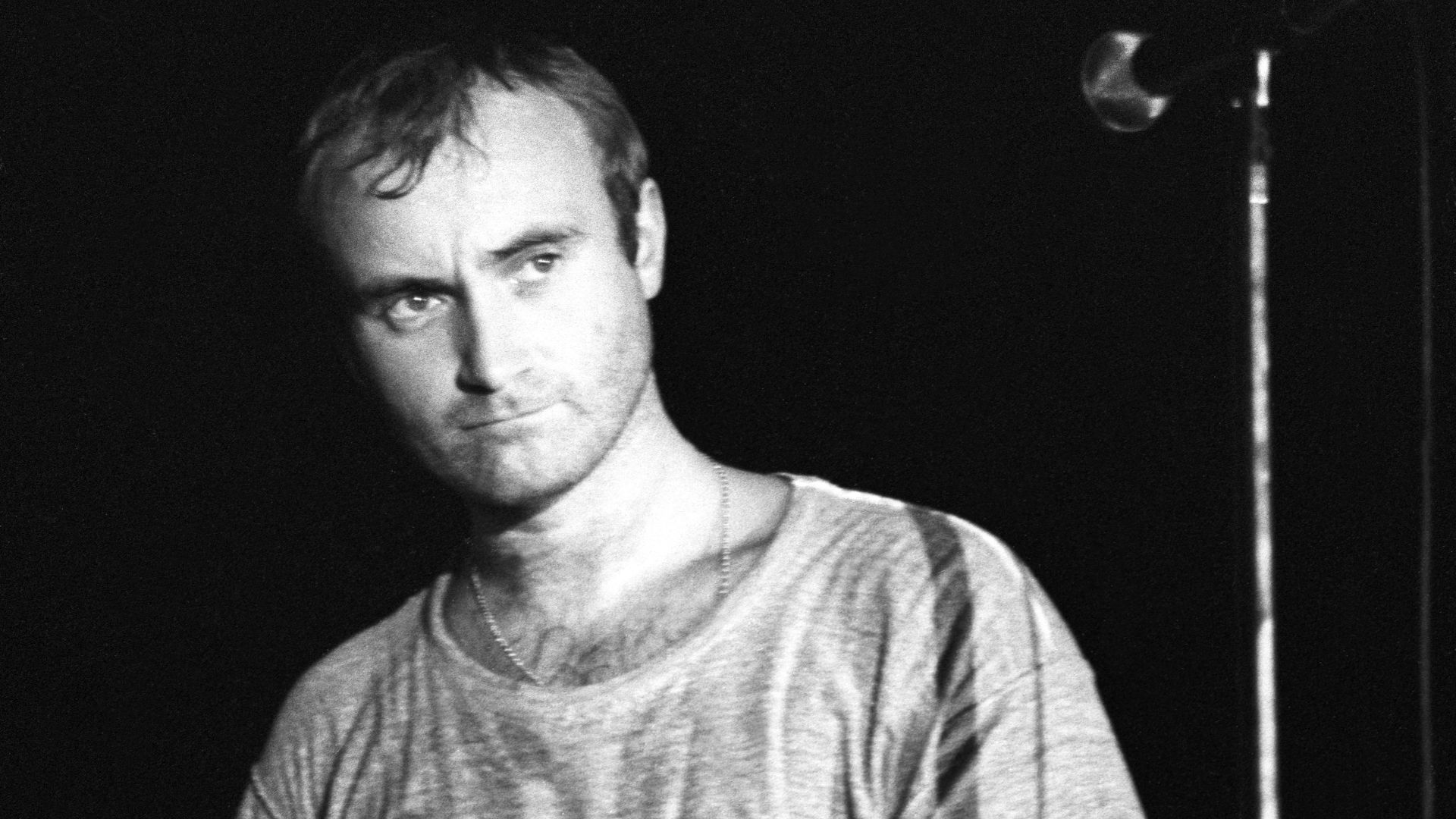
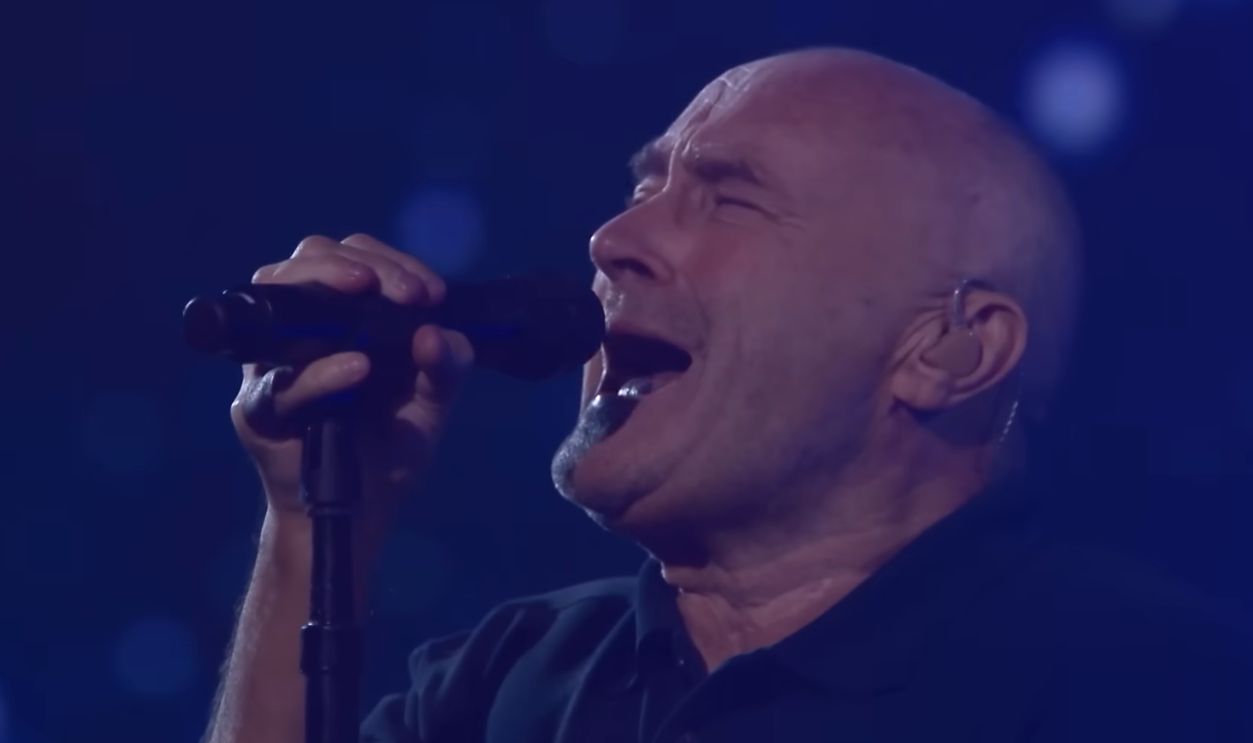
Throughout the late ’70s and early ’80s, Phil lived a double life: prog-rock frontman with Genesis, then a deeply emotional solo artist at home. His divorce inspired “In the Air Tonight,” a song dripping with raw anger and restraint. Fans connected to it immediately. Phil's vulnerability became his secret weapon.
 Screenshot from In the Air Tonight, Atlantic Records (1981)
Becoming an ’80s Powerhouse
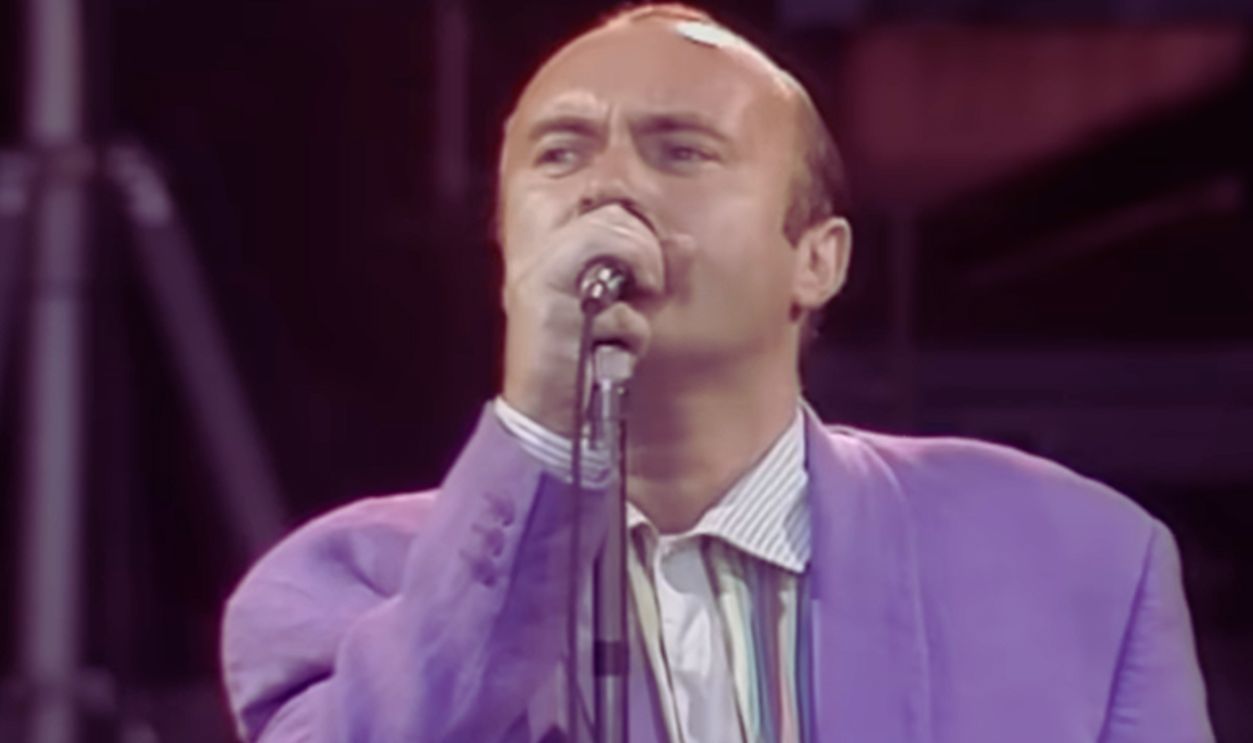
Phil’s solo career exploded: “Against All Odds,” “Easy Lover,” “One More Night,” “Sussudio.” He was everywhere—radio, MTV, film soundtracks. By 1985, he performed at both Live Aid concerts in one day, flying from London to Philadelphia on the Concorde. He was unstoppable.
 Screenshot from Against All Odds, Atlantic Records (1984)
The Unseen Toll of Success
Behind success, Phil carried deep loneliness, constant work stress, and physical strain from decades of drumming. His vertebrae compressed. His hands tingled. His voice grew raspier. But he pushed through, telling journalists, “I’ll rest someday. Just not today.”
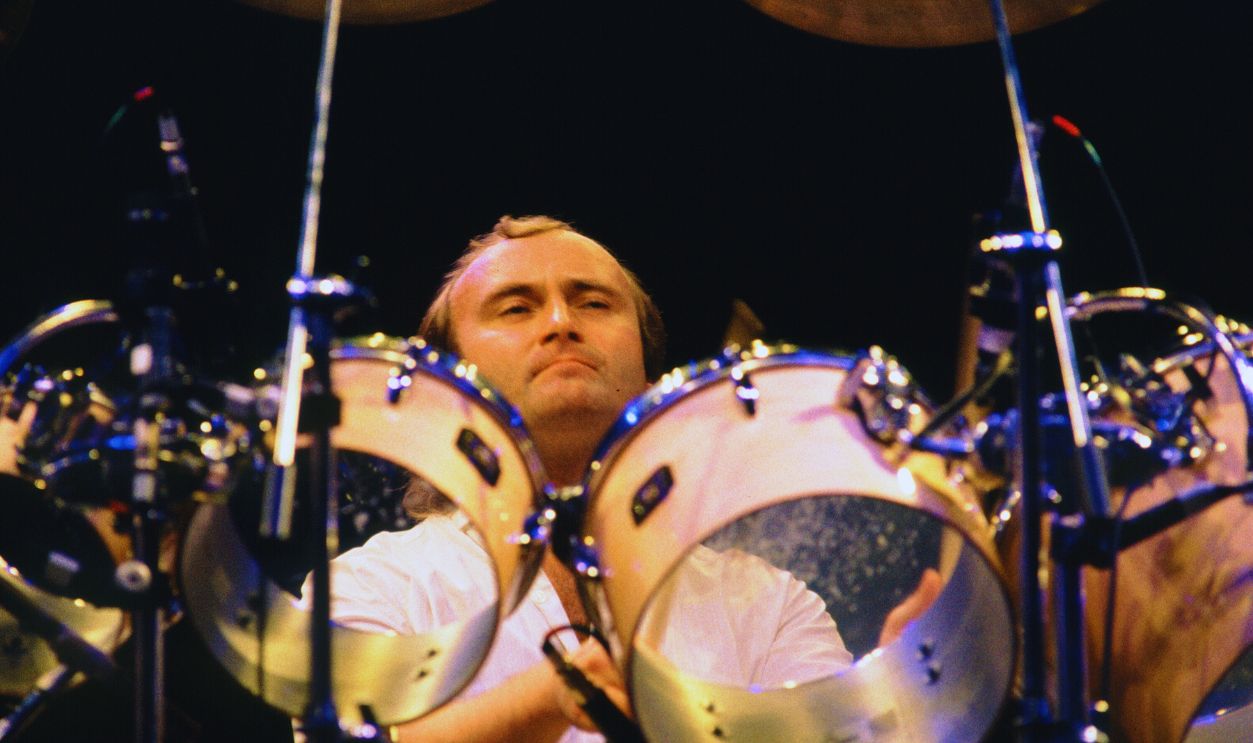
The Illness That Silenced Him
In the late 2000s, years of physical wear caught up. Phil developed nerve damage in his hands and severe problems with his spine. Then came something unimaginable: his voice began to fade. Singing became painful. High notes evaporated. Doctors warned him he might lose his ability to perform.
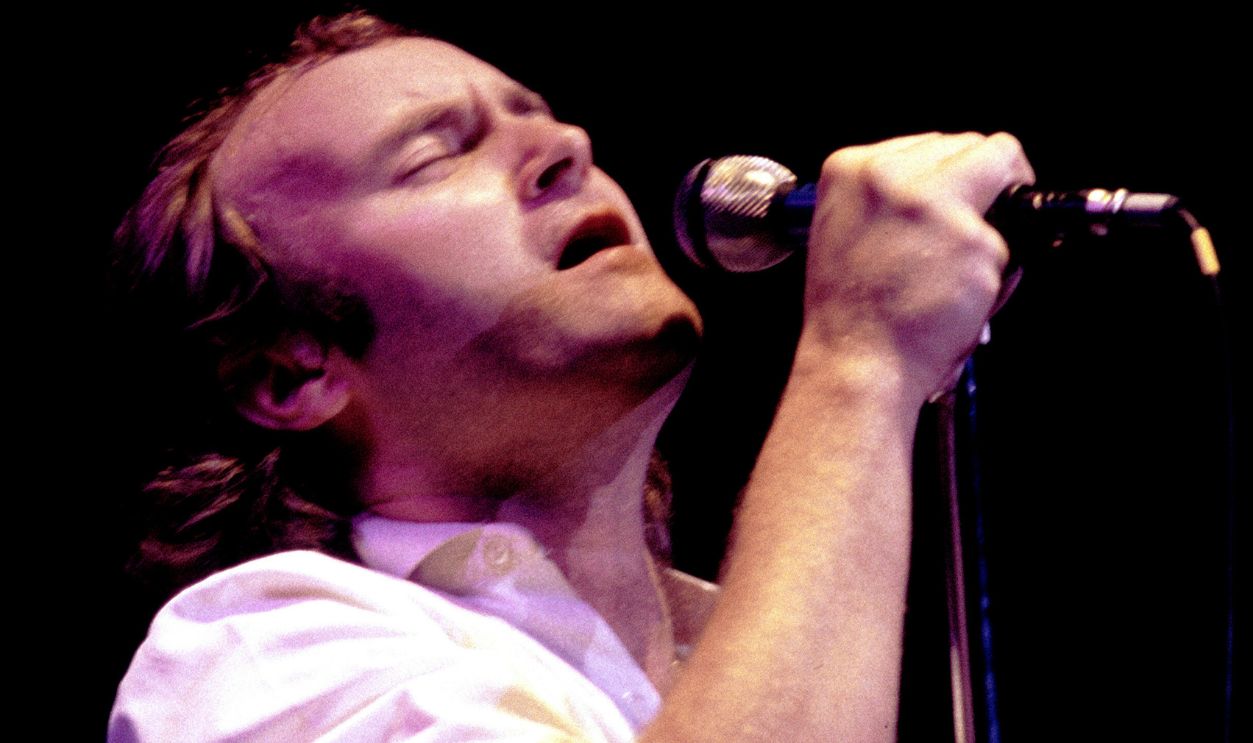
Retreating from Fame
For the first time in 40 years, Phil walked away from music. He retired quietly, saying, “My body isn’t letting me do what I love anymore.” Fans thought they’d seen the last of him. Phil thought so too.
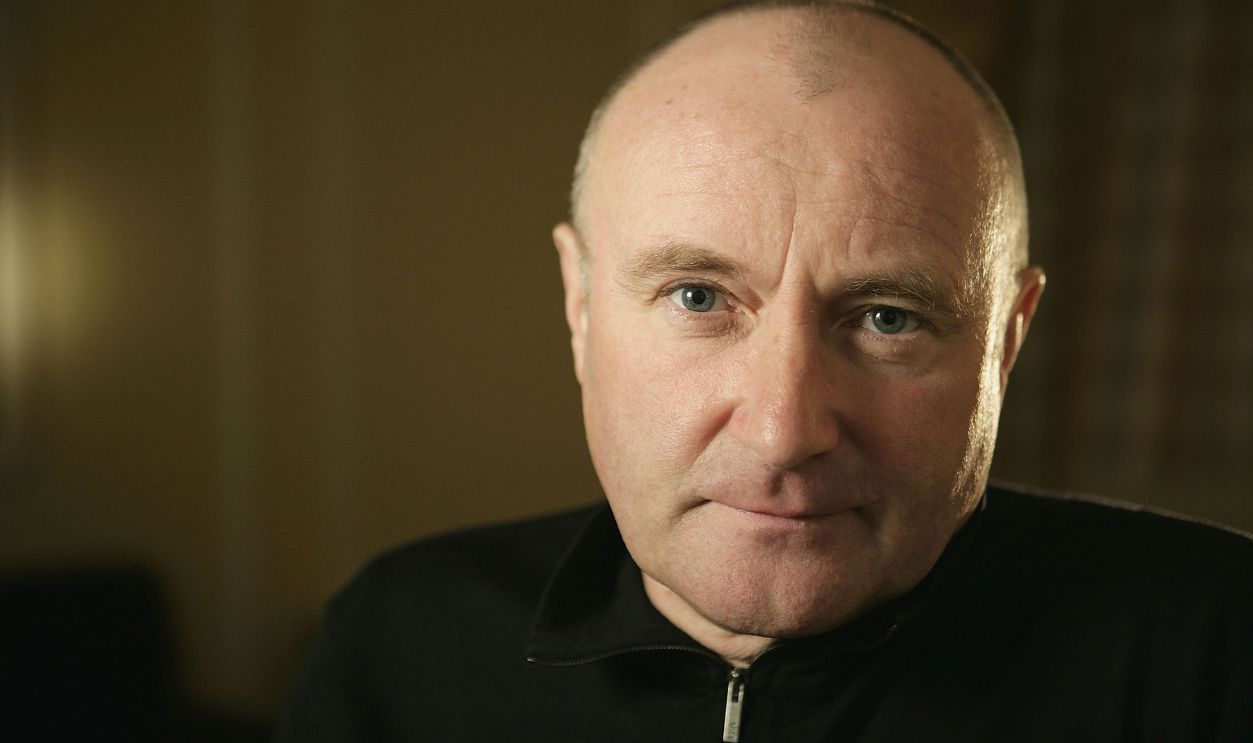
The Low Point He Didn’t Hide
Phil later admitted he hit an emotional low during this period. “You spend your whole life being one thing—then suddenly you can’t be it anymore,” he said. He felt lost, physically fragile, and unsure what the rest of his life would look like.
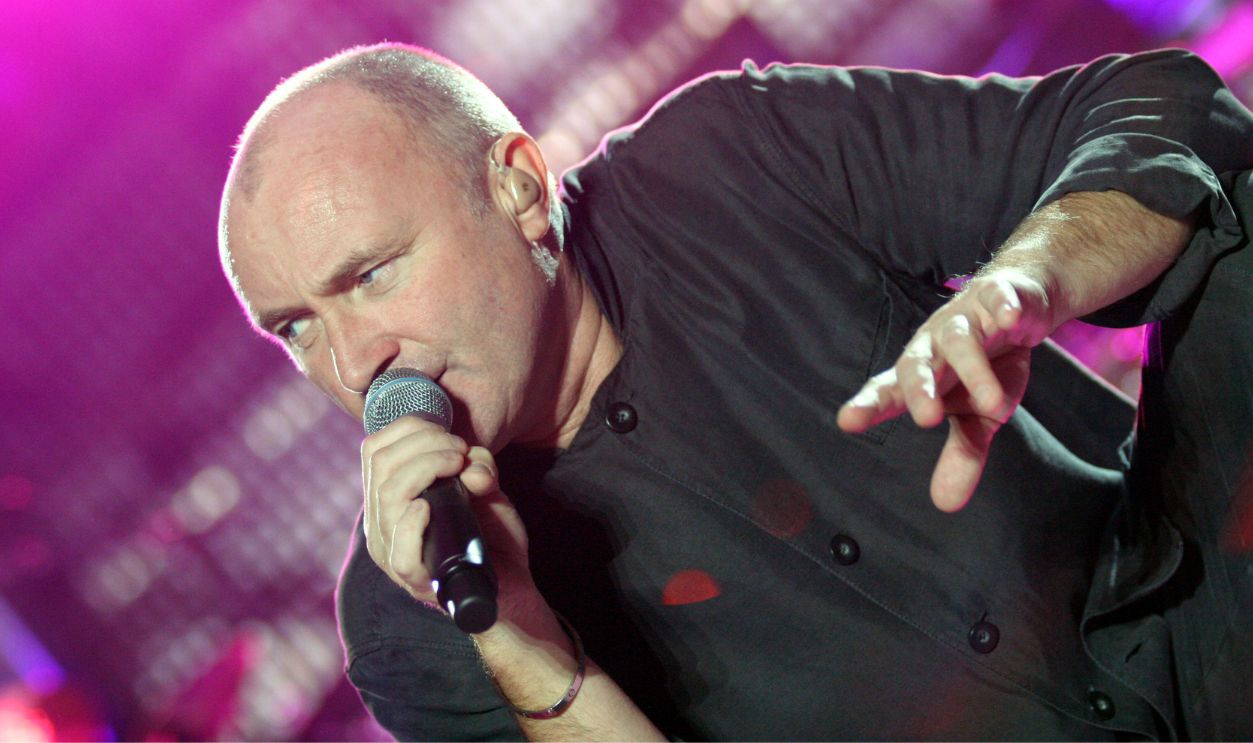
The Spark That Pulled Him Back
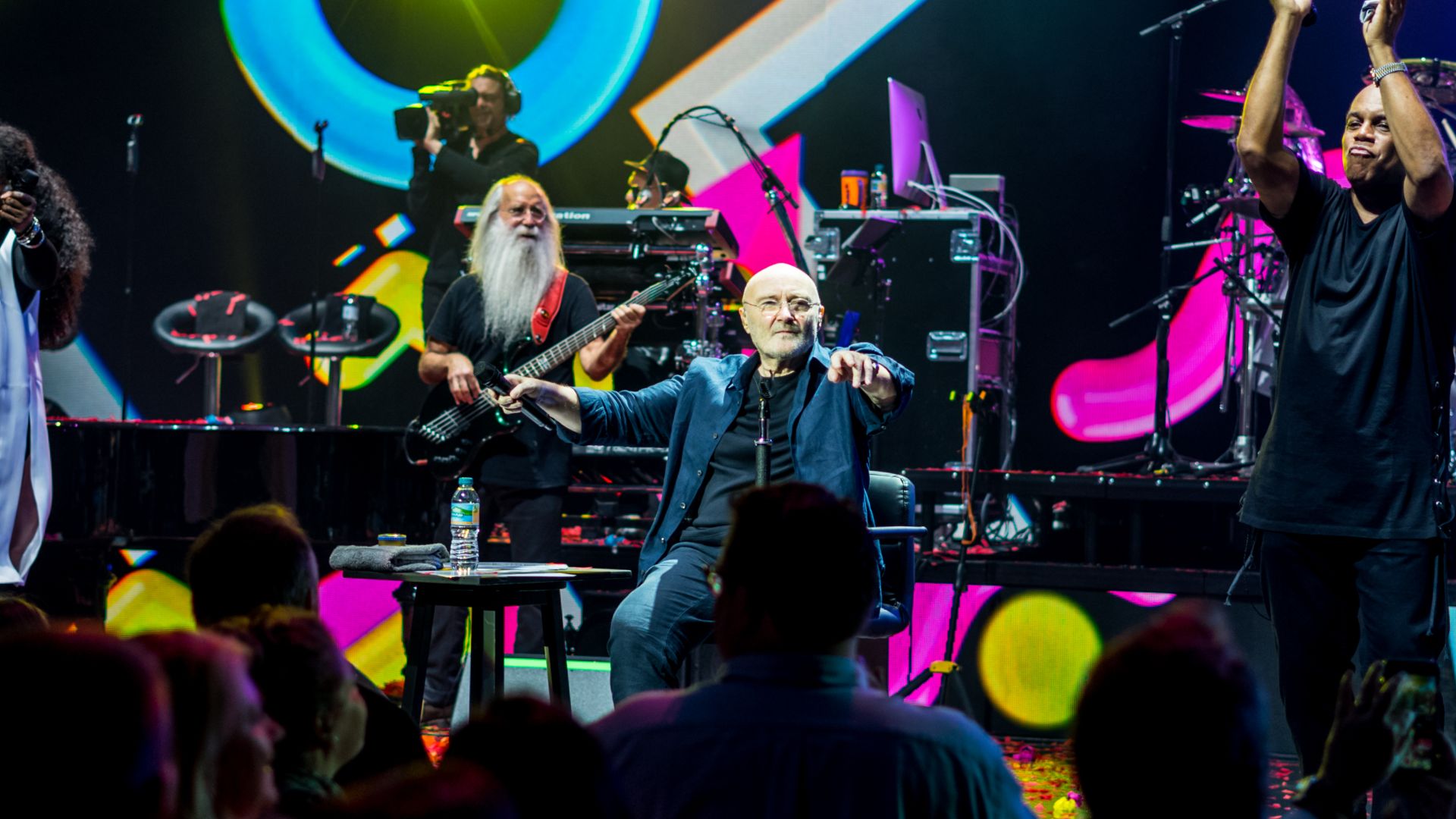
Everything changed in 2014 when his sons asked him: “Dad, will you sing again so we can see you onstage?” Phil felt something shift. He agreed—not for fame, but for family.
Accepting His New Limitations
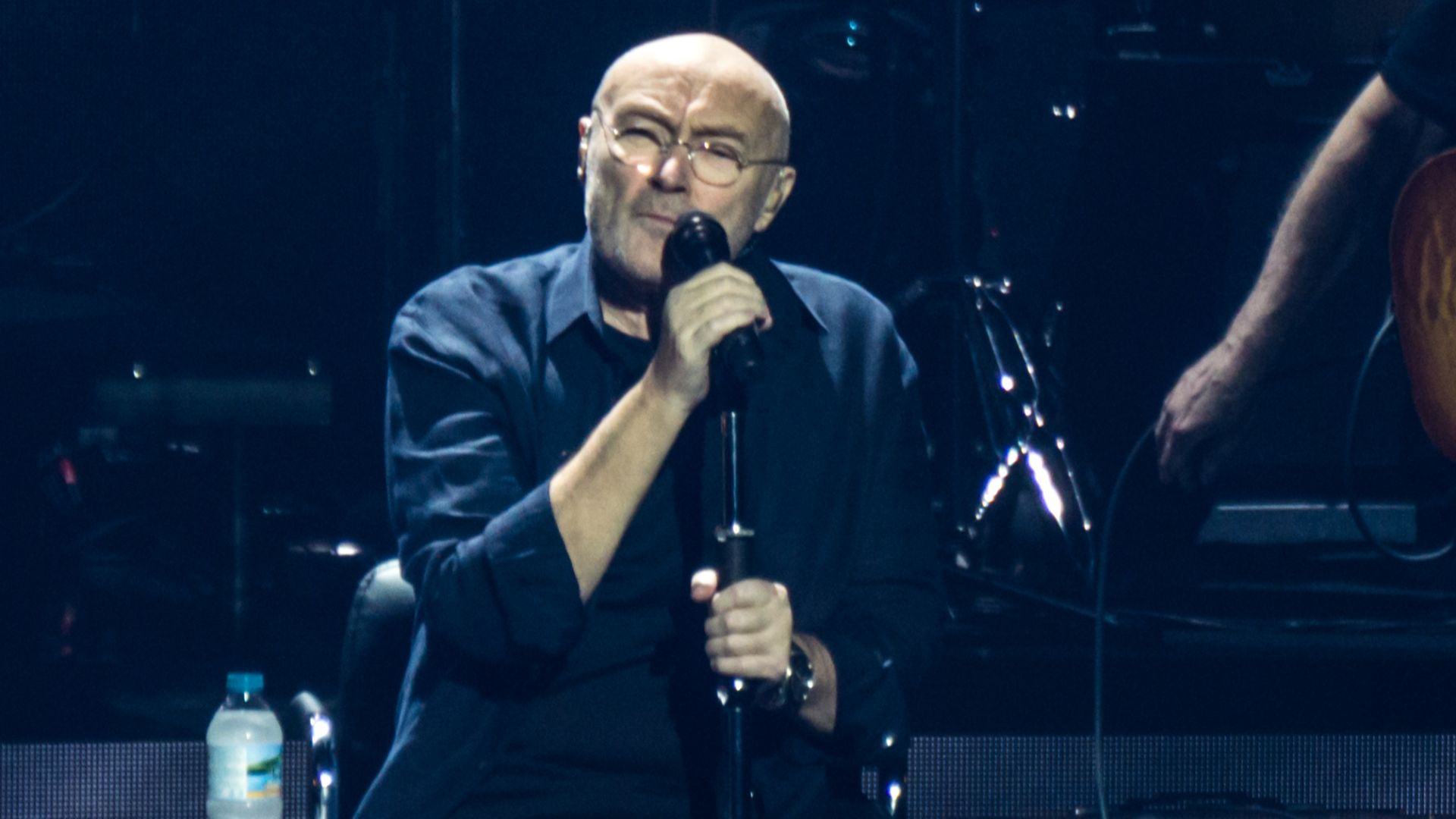
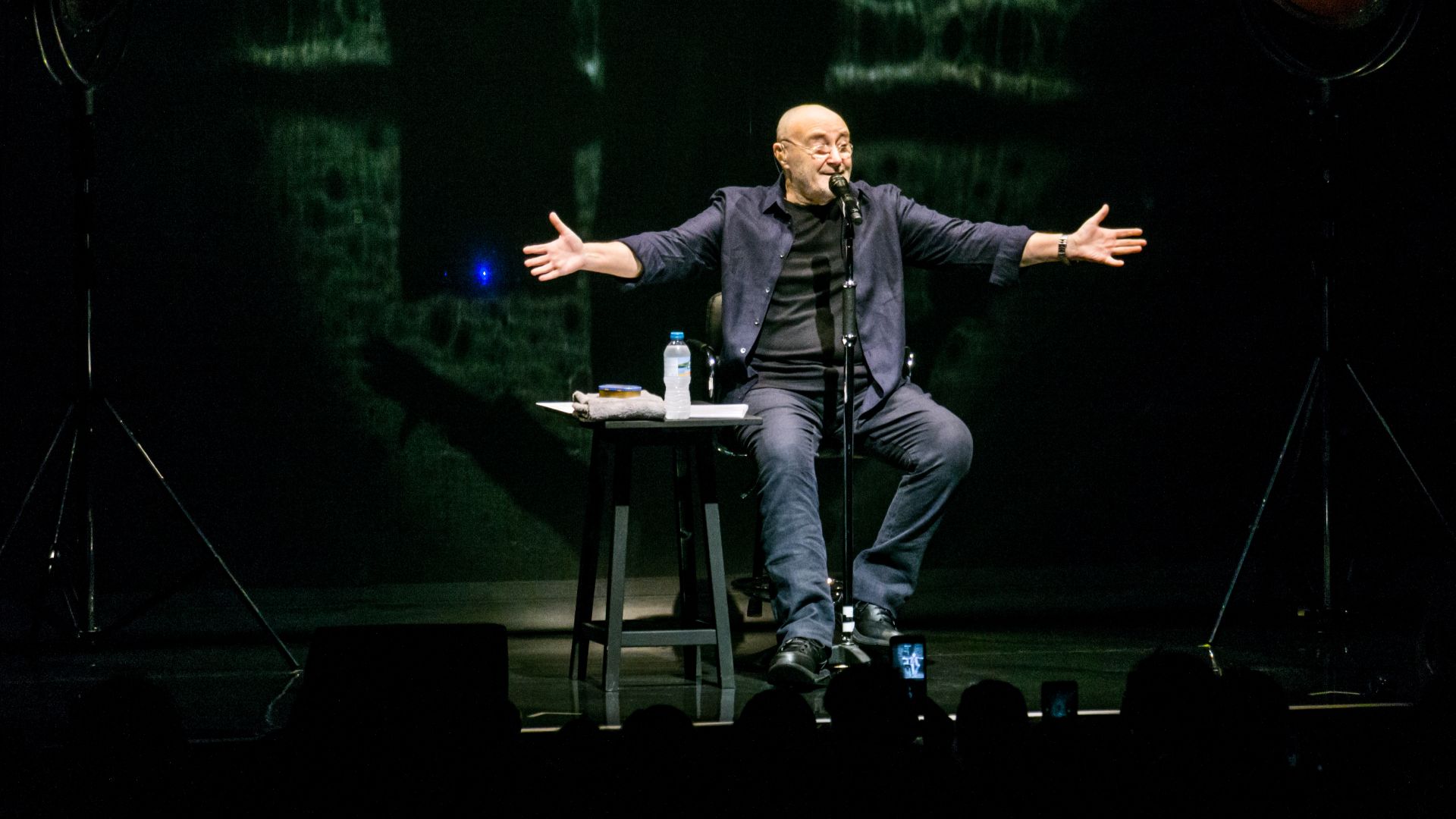
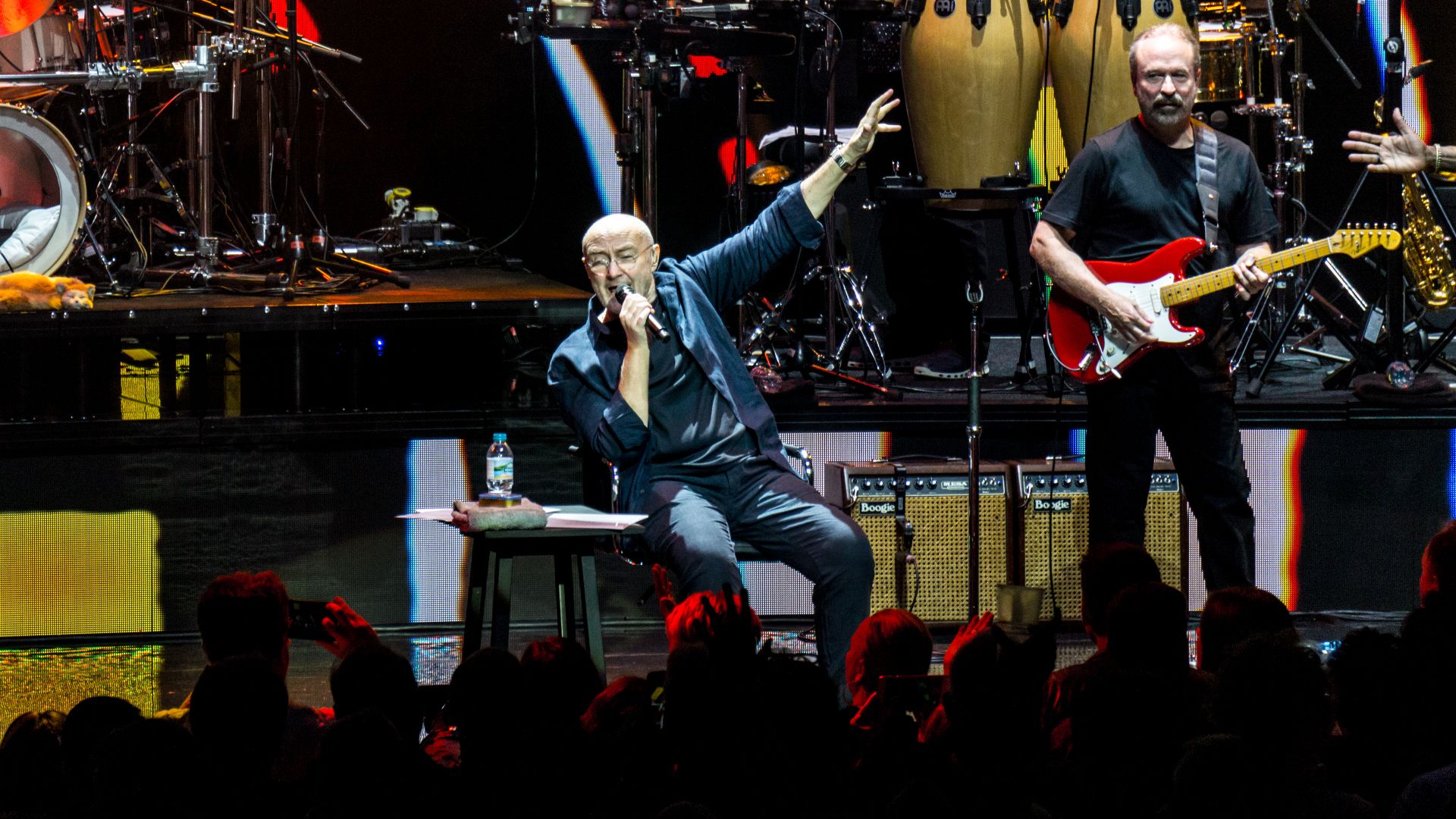
Phil returned to music slowly, cautiously. He couldn’t play drums anymore—not fully—and he couldn’t stand for long periods. He performed sitting down. His voice was softer, lower, raspy in places. He worried fans would be disappointed. Instead, audiences wept the first night he returned.
The Not Dead Yet Tour
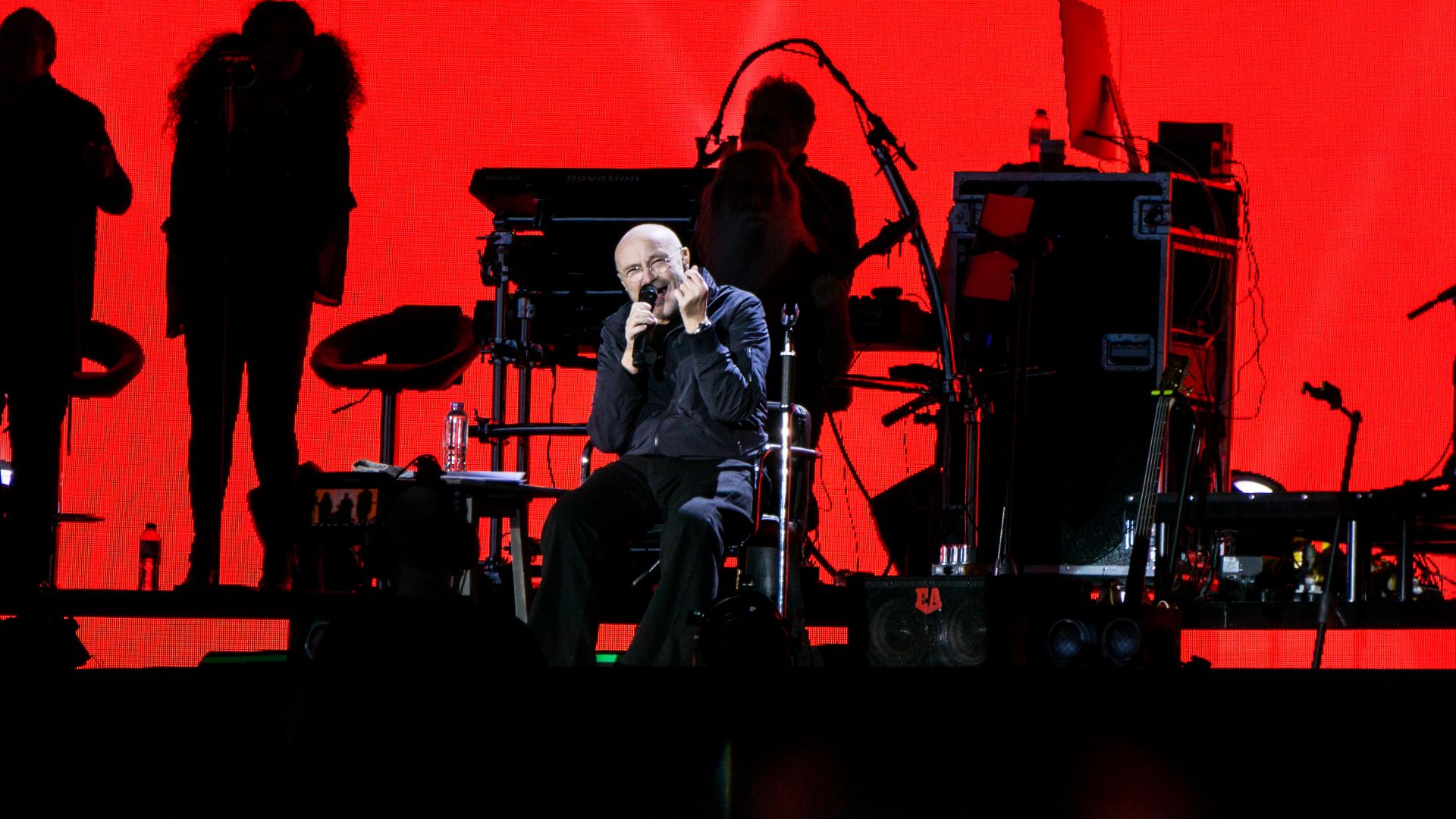
In 2017, he launched the Not Dead Yet tour—a title dripping with Phil’s dry humor. Crowds sold out instantly. Fans weren’t there to hear perfection. They were there to see a man who refused to let illness erase him. One reviewer wrote, “Phil’s voice isn’t what it was—but his heart is bigger.”
The Genesis Reunion
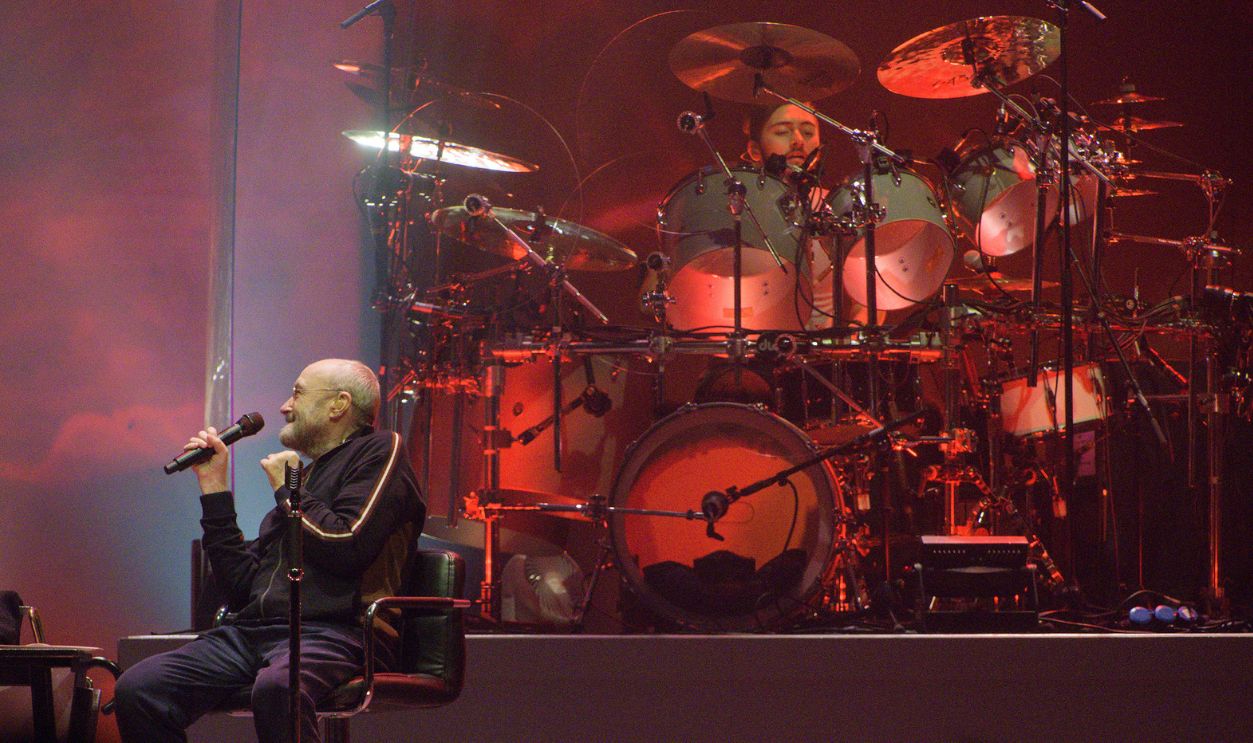
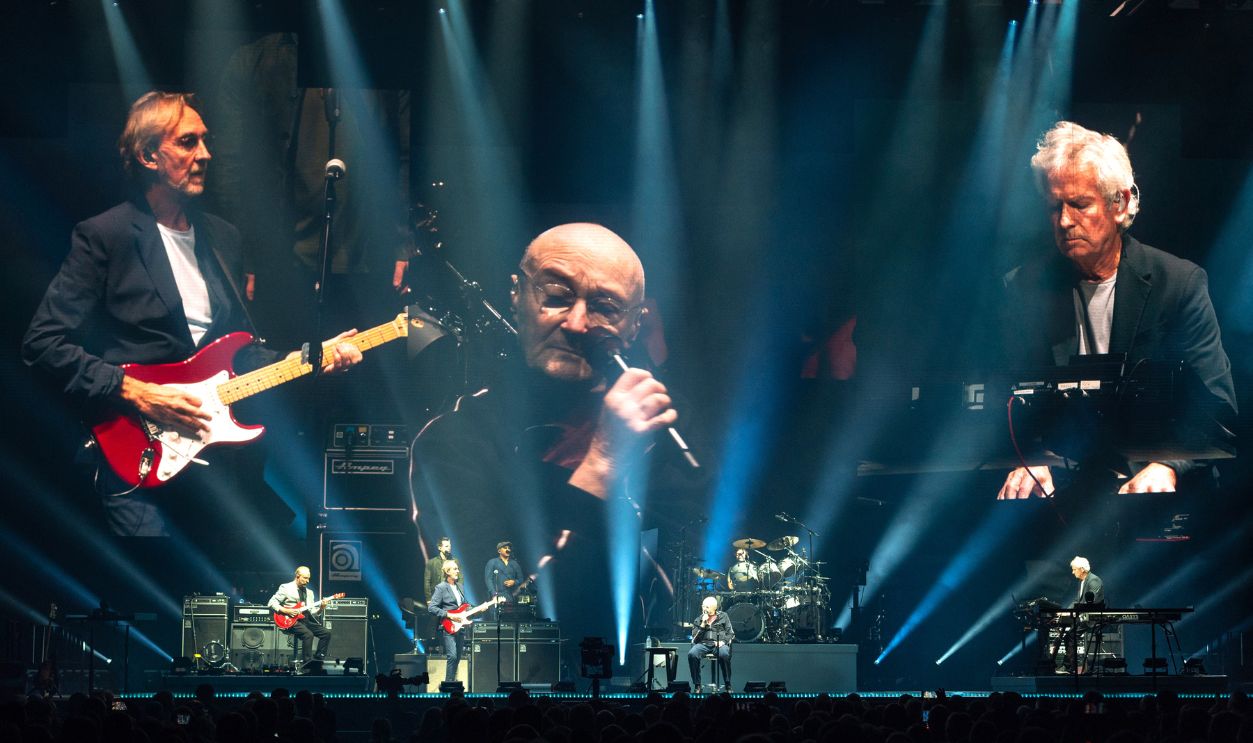
In 2021, Phil reunited with Genesis for The Last Domino? tour. His son Nic played drums because Phil physically couldn’t. Watching father and son side-by-side brought audiences to tears. Phil described it as “passing the torch while still holding it.”
Singing Through Pain—Not Around It
Every night Phil walked onstage with a cane, sat in his chair, and sang his history back to the crowd. Some songs strained his voice. Others cracked. Instead of hiding it, Phil leaned into honesty. He said, “This is what I have left—and I’m giving it to you.”
 Roberto Ricciuti, Getty Images
The Power of Vulnerability
Critics later noted that Phil’s later performances were more emotional than his flawless ’80s shows. His vulnerability, his breakability, made fans feel closer to him. He was proving something quietly profound: strength isn't the absence of weakness. It’s the courage to show up anyway.
A Legacy Bigger Than Hits
Phil Collins changed pop, rock, drumming, movie soundtracks, and stadium concerts. But his most meaningful legacy may be his resilience. He taught millions that beginnings matter—but reinvention matters more.
The Man Who Fought for His Voice
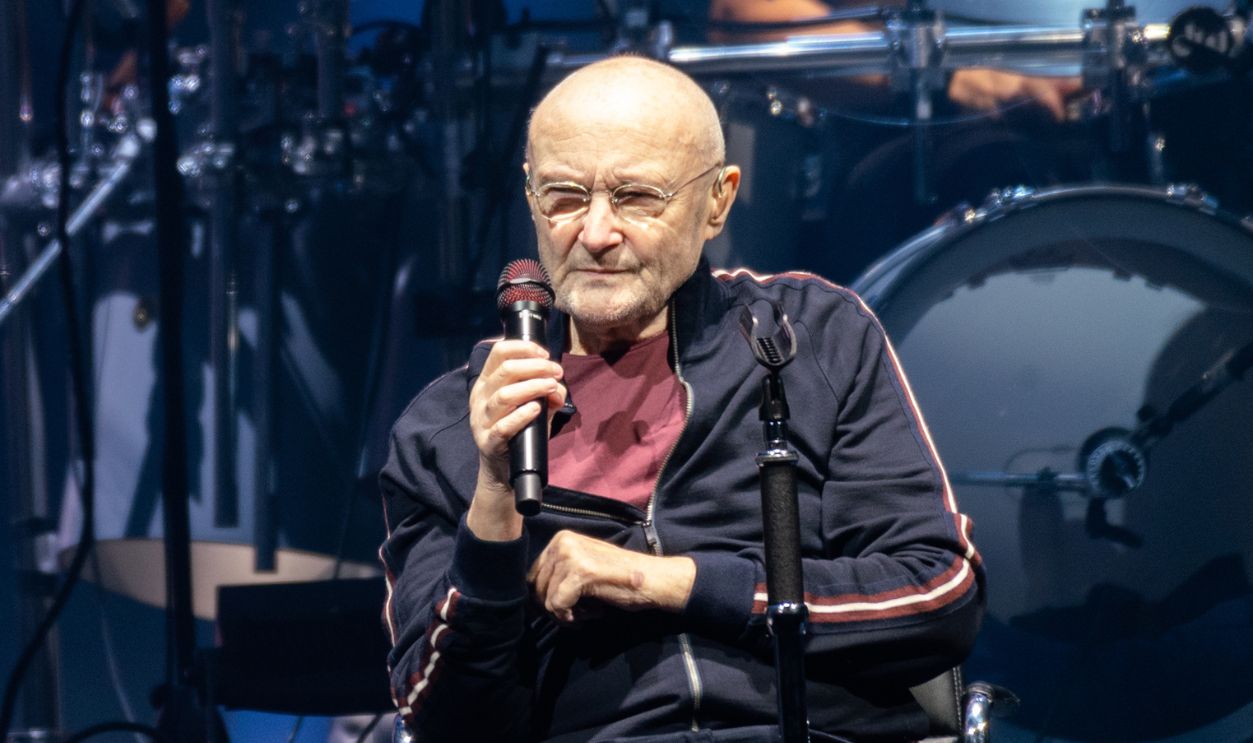
Phil never regained his old power. But he didn’t need to. Instead, he found a new voice—weathered, human, authentic. And when he sang “Take Me Home” on the final tour date, leaning heavily on his cane, audiences understood: he had been strong all along.
 Roberto Ricciuti, Getty Images
You May Also Like: