When Wooden Strings Hit With Wild Emotion
An acoustic guitar has nowhere to hide. No distortion, no effects, no walls of sound to lean on. Just wood, strings, and whatever the artist is willing to put out there. These musicians used acoustic guitars to slow things down, open things up, and get uncomfortably honest.
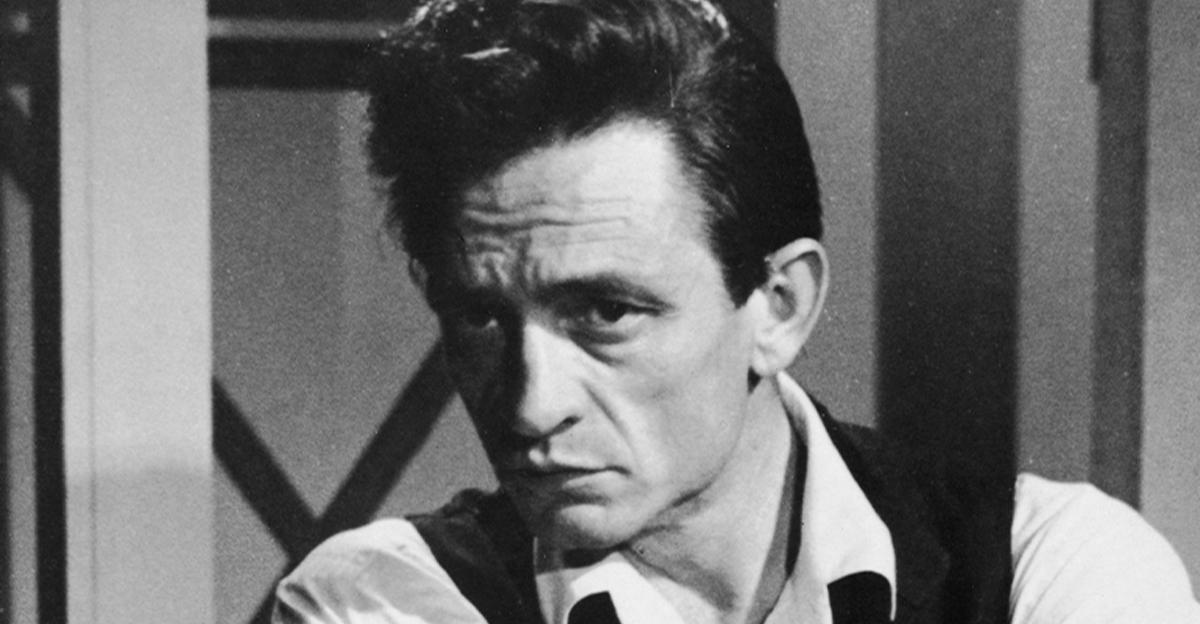
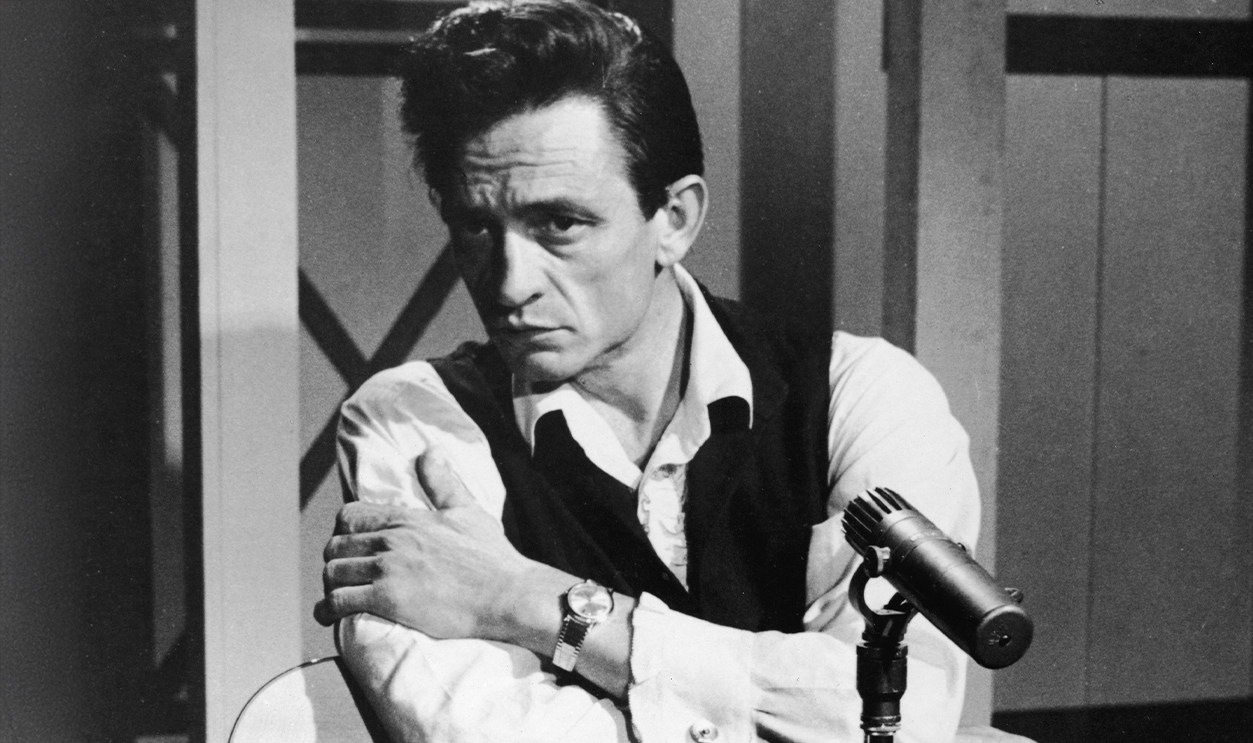
Johnny Cash
Johnny Cash didn’t need flash or fancy technique. His acoustic guitar worked like a steady pulse under stories about crime, regret, faith, and redemption. That “boom-chicka-boom” rhythm felt relentless, especially on prison songs and outlaw ballads. Cash proved that simple strumming, when paired with conviction, could feel intimidating and unforgettable.
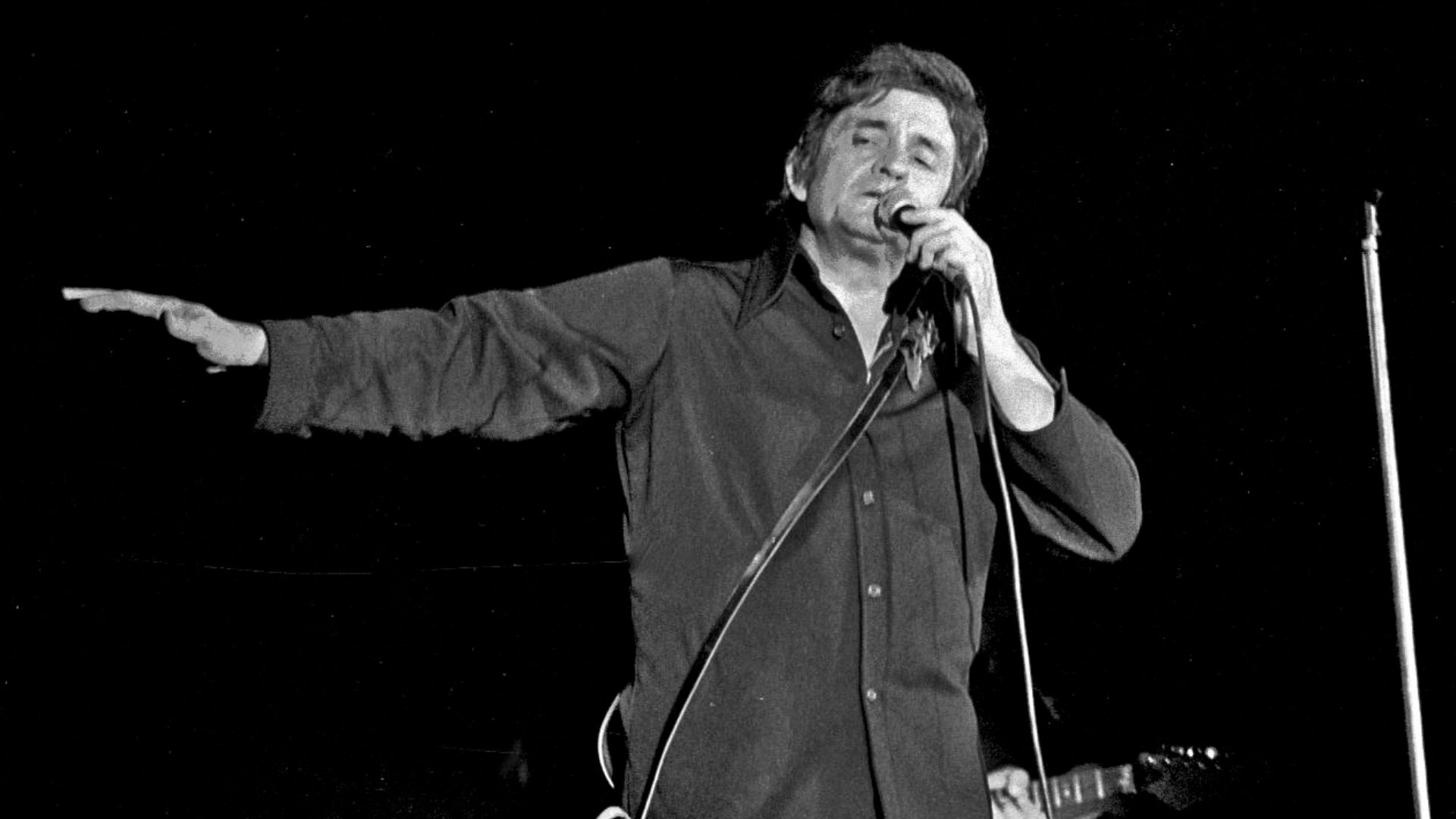 Heinrich Klaffs, Wikimedia Commons
Joni Mitchell
Joni Mitchell completely rewrote the rules for acoustic guitar. Her use of open tunings, complex chords, and jazz influences made her songs feel emotionally exposed and musically daring. On albums like Blue, the guitar doesn’t just support the lyrics, it actively challenges them, creating tension, vulnerability, and quiet intensity.
 Library of Congress Life, Wikimedia Commons
Bob Dylan
Bob Dylan used the acoustic guitar as a platform for poetic protest and folk-rooted revolution. His early albums paired biting social commentary with simple, striking strums that carried massive cultural weight. From civil rights anthems to intimate ballads, Dylan turned his acoustic playing into a vehicle for ideas that changed music and society.
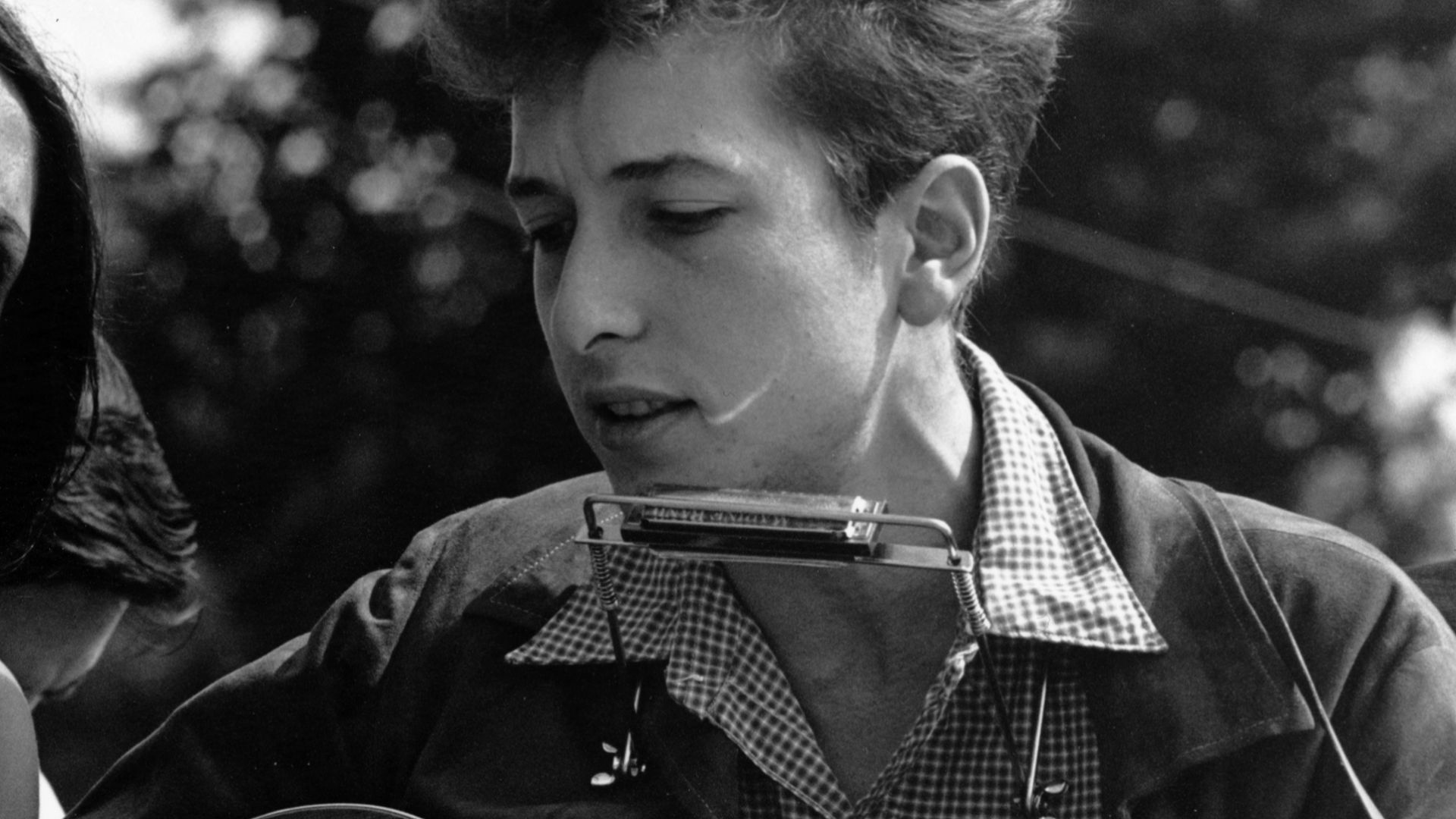 Rowland Scherman, Wikimedia Commons
Neil Young
Neil Young’s acoustic playing feels fragile and dangerous at the same time. His loose timing, open tunings, and imperfect vocals give songs like “Heart of Gold” and “Old Man” a lived-in honesty. There’s always a sense that the song could fall apart at any moment—and that tension is exactly what makes it hit so hard.
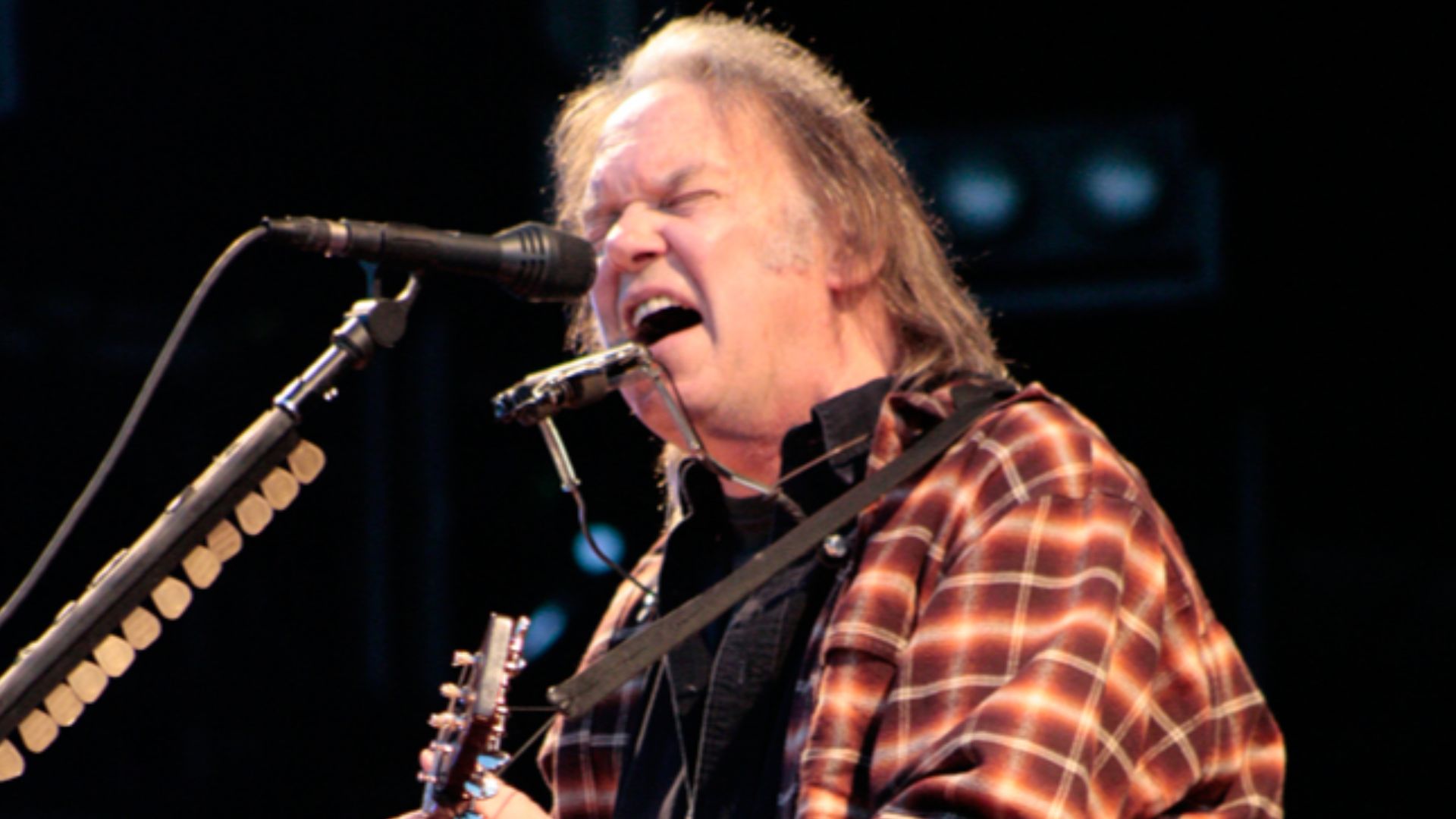 By Richard 'Tenspeed' Heaven, Wikimedia Commons
The Eagles
The Eagles often used acoustic guitars as the backbone of their sound, grounding massive harmonies and slick production. Songs like “Take It Easy” and “Hotel California” rely on acoustic rhythm to keep things human beneath the polish. Their unplugged moments gave emotional bite to music that could’ve easily felt too smooth.
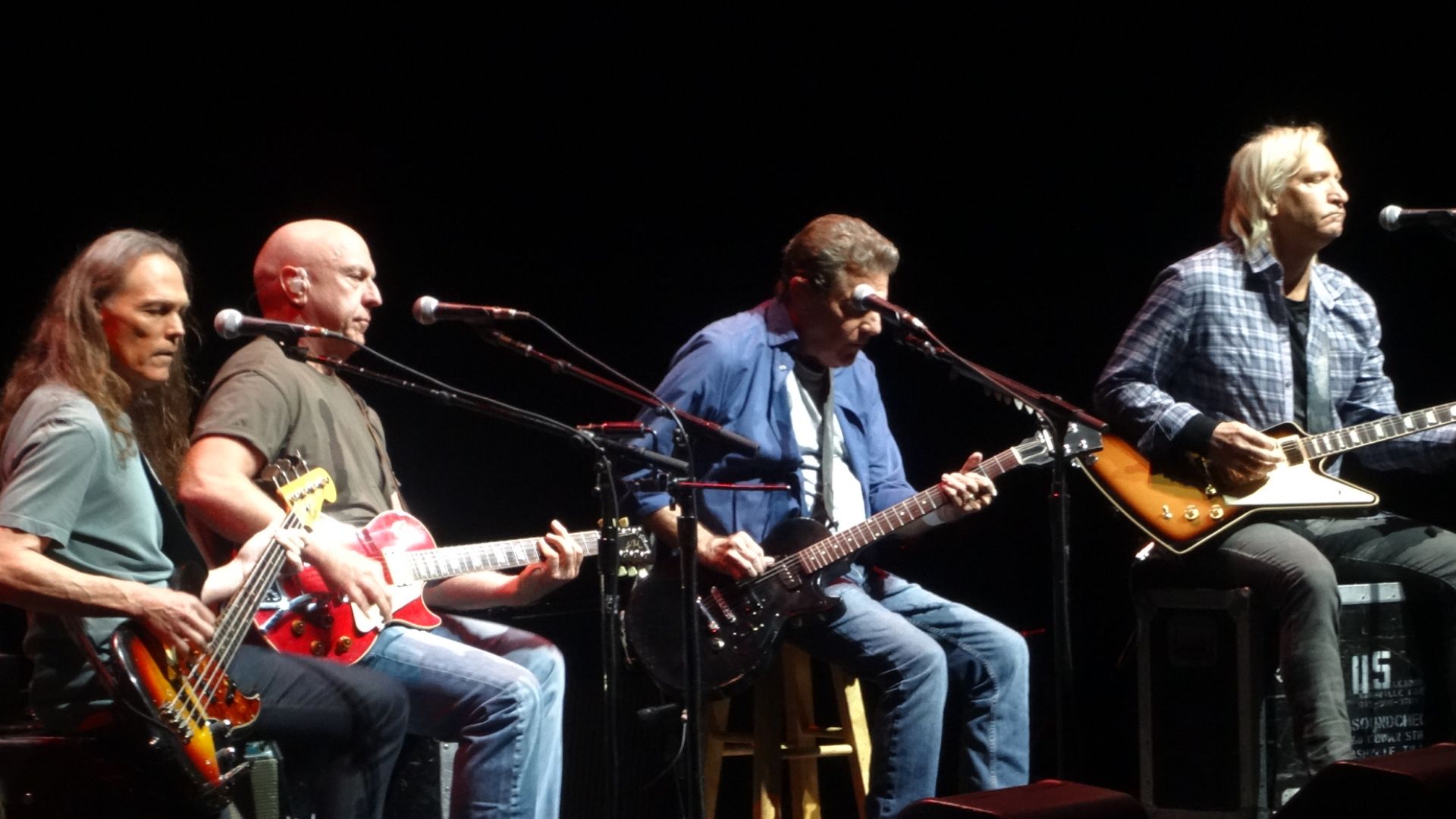 Rachel Kramer, Wikimedia Commons
James Taylor
James Taylor turned gentle fingerpicking into soulful introspection. His warm tone and smooth delivery on songs like “Fire and Rain” made the acoustic guitar feel like a trusted friend through emotional highs and lows.
 Paul Keleher, Wikimedia Commons
Simon And Garfunkel
Paul Simon’s acoustic guitar work paired perfectly with Art Garfunkel’s harmonies. The playing is clean and precise, but there’s tension beneath the beauty. Songs like “The Boxer” and “The Sound of Silence” use acoustic guitars to frame loneliness, doubt, and quiet desperation in ways that still feel haunting.
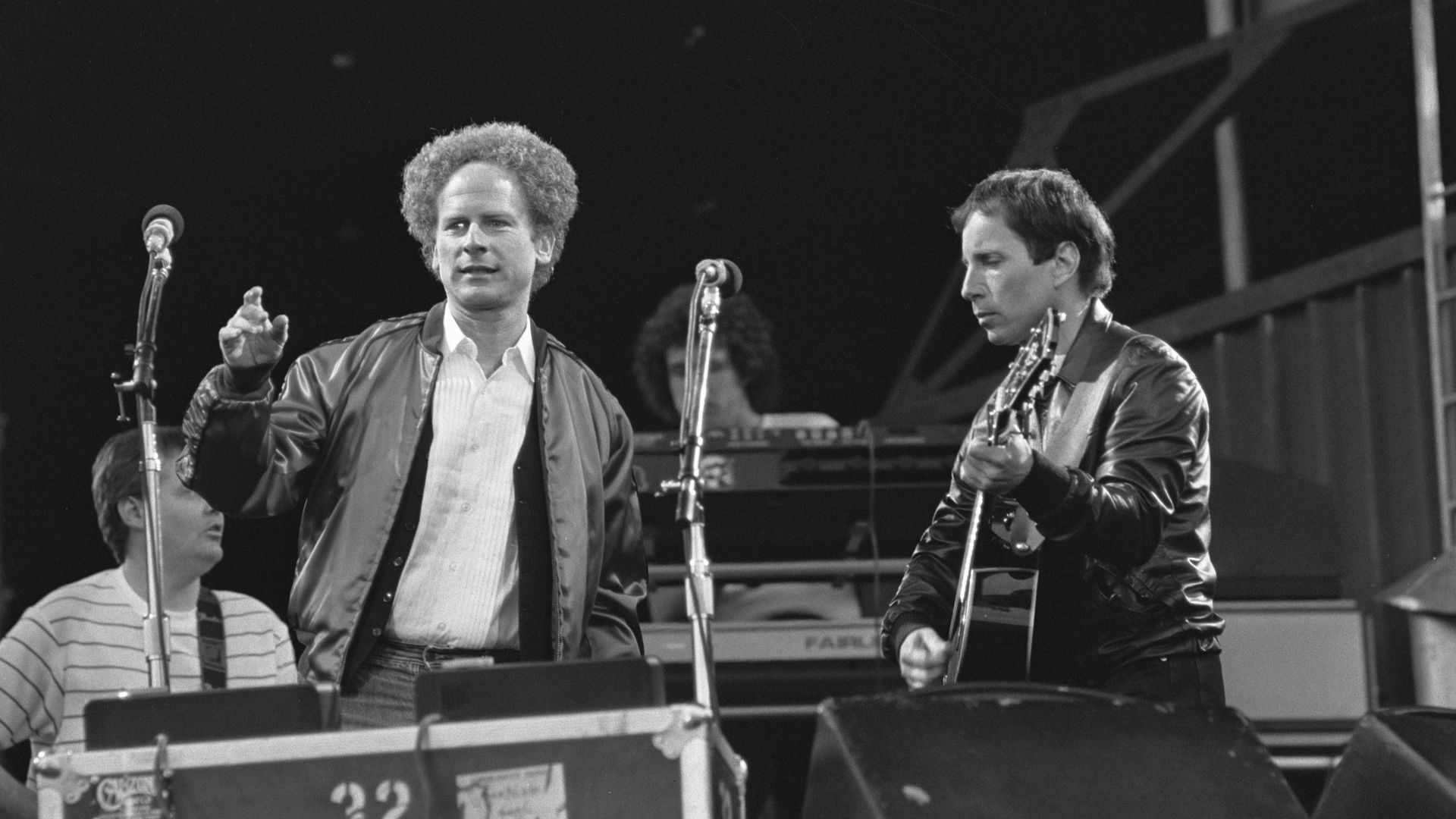 Rob Bogaerts / Anefo, Wikimedia Commons
America
America’s acoustic sound feels deceptively calm. Songs like “A Horse With No Name” use simple strumming and soft vocals, but there’s an eerie, drifting quality underneath. Their acoustic guitars often feel hypnotic rather than comforting, creating atmosphere without relying on big dynamics or heavy arrangements.
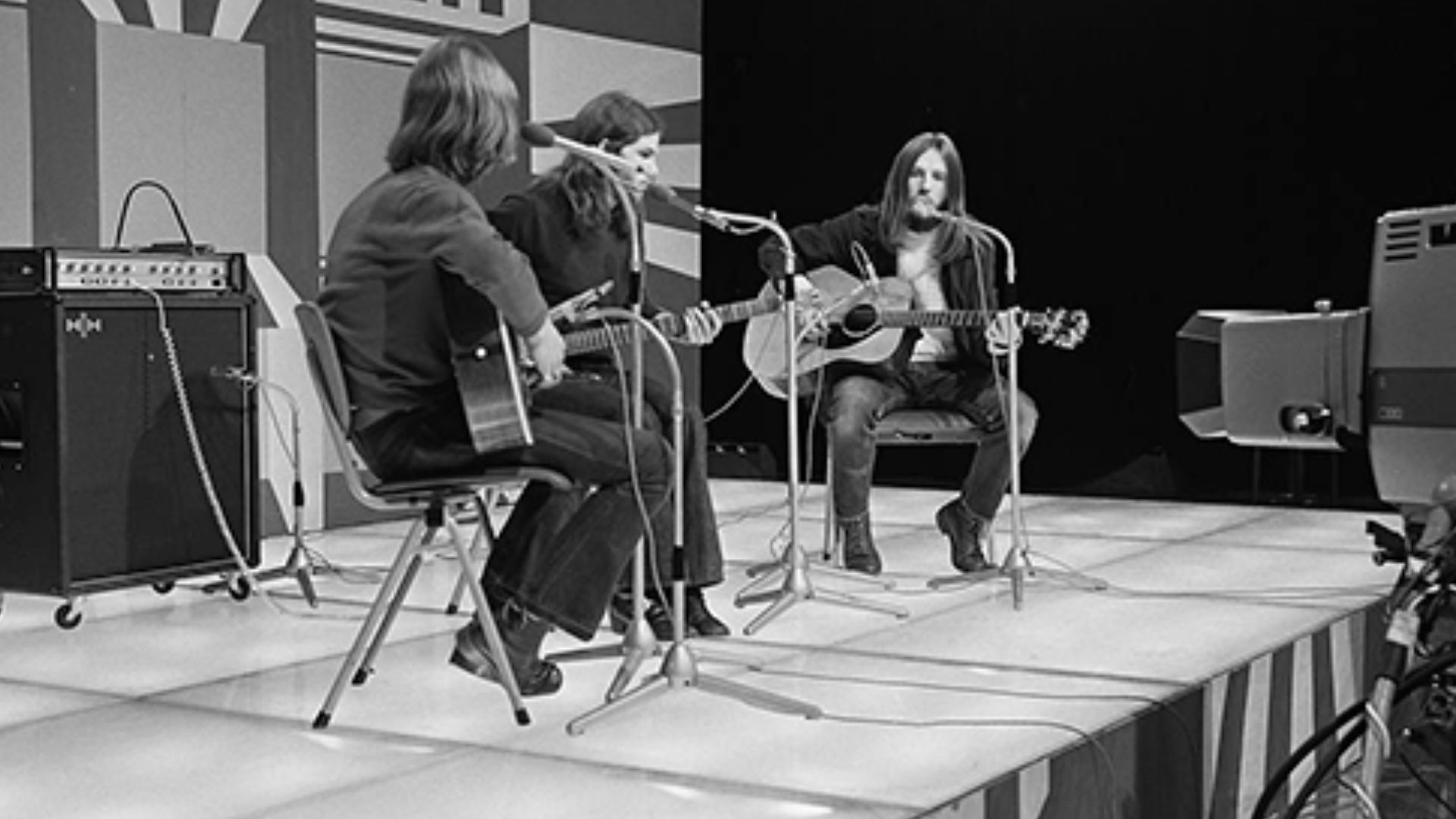
Crosby & Nash
Crosby and Nash leaned heavily on acoustic guitars to support their intricate harmonies. The playing itself is understated, but the emotional impact is huge. Their songs feel thoughtful and sometimes uneasy, using acoustic textures to explore uncertainty, politics, and personal reflection.
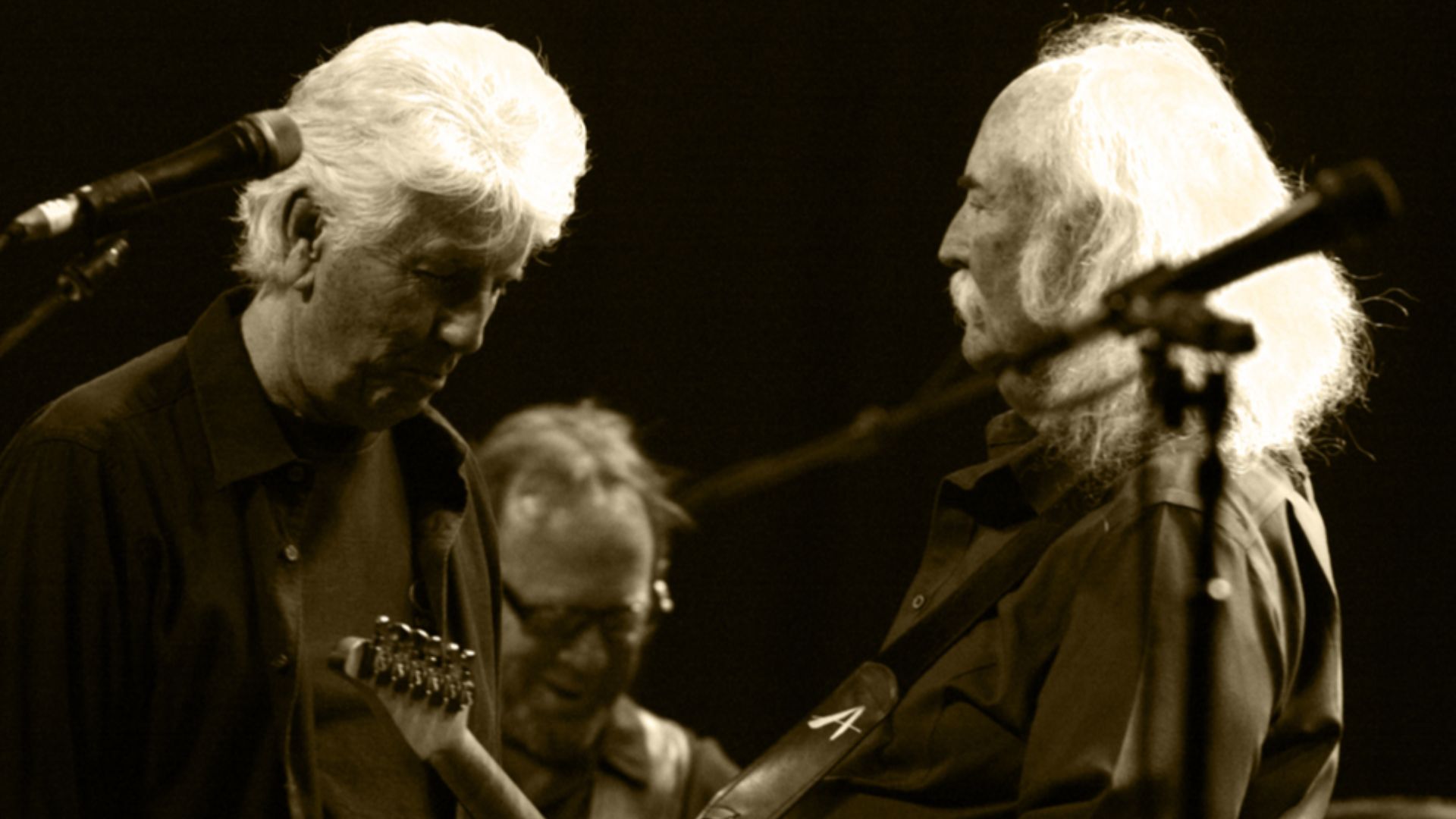 Eva Rinaldi from Sydney, Australia, Wikimedia Commons
Tommy Emmanuel
Tommy Emmanuel turns an acoustic guitar into a full-on spectacle. Using percussive hits, lightning-fast fingerpicking, and fearless dynamics, he makes the instrument sound like a full band. His playing is intense, physical, and unpredictable.
 Martin Rulsch, Wikimedia Commons, Wikimedia Commons
Carole King
Carole King’s acoustic guitar work feels warm and conversational, like someone talking straight to you. On Tapestry, the guitar supports deeply personal songwriting without drawing attention to itself. From her honesty, her songs feel emotionally exposed in a way that still resonates decades later.
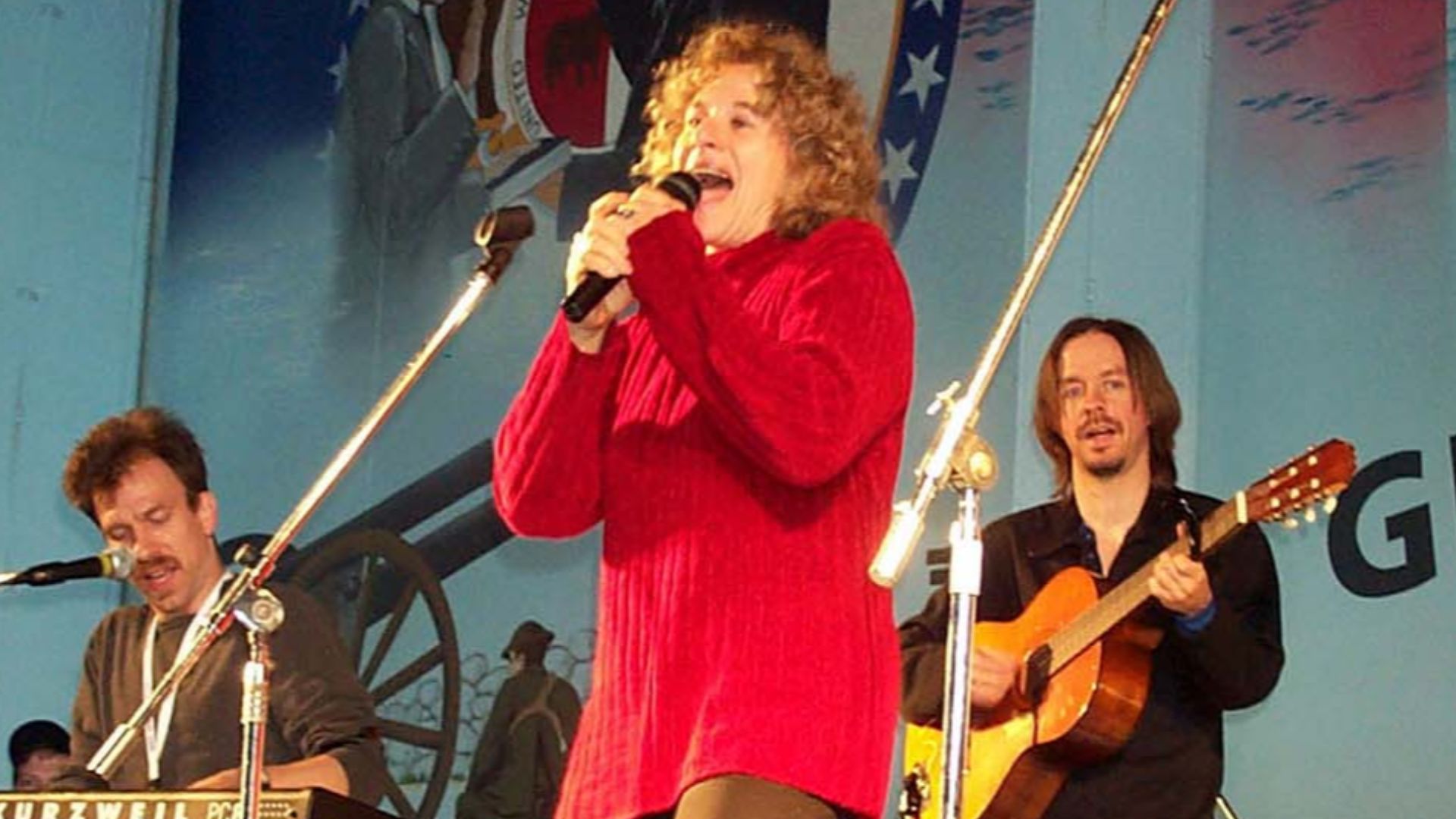 Linda D. Kozaryn, Wikimedia Commons
Dave Matthews Band
The Dave Matthews Band blends acoustic jangle, jazz harmonies, and improvisational energy into rock-tinged grooves. Matthews’ rhythmic acoustic strumming forms the backbone of songs like “Crash Into Me,” anchoring complex arrangements while keeping intimacy and dynamic tension at the forefront.

Nick Drake
Nick Drake’s acoustic guitar work feels fragile, eerie, and deeply personal. His use of alternate tunings and intricate fingerpicking creates a floating, almost ghostly sound. Songs like “Pink Moon” feel quietly dangerous, as if you’re overhearing something you weren’t meant to hear.
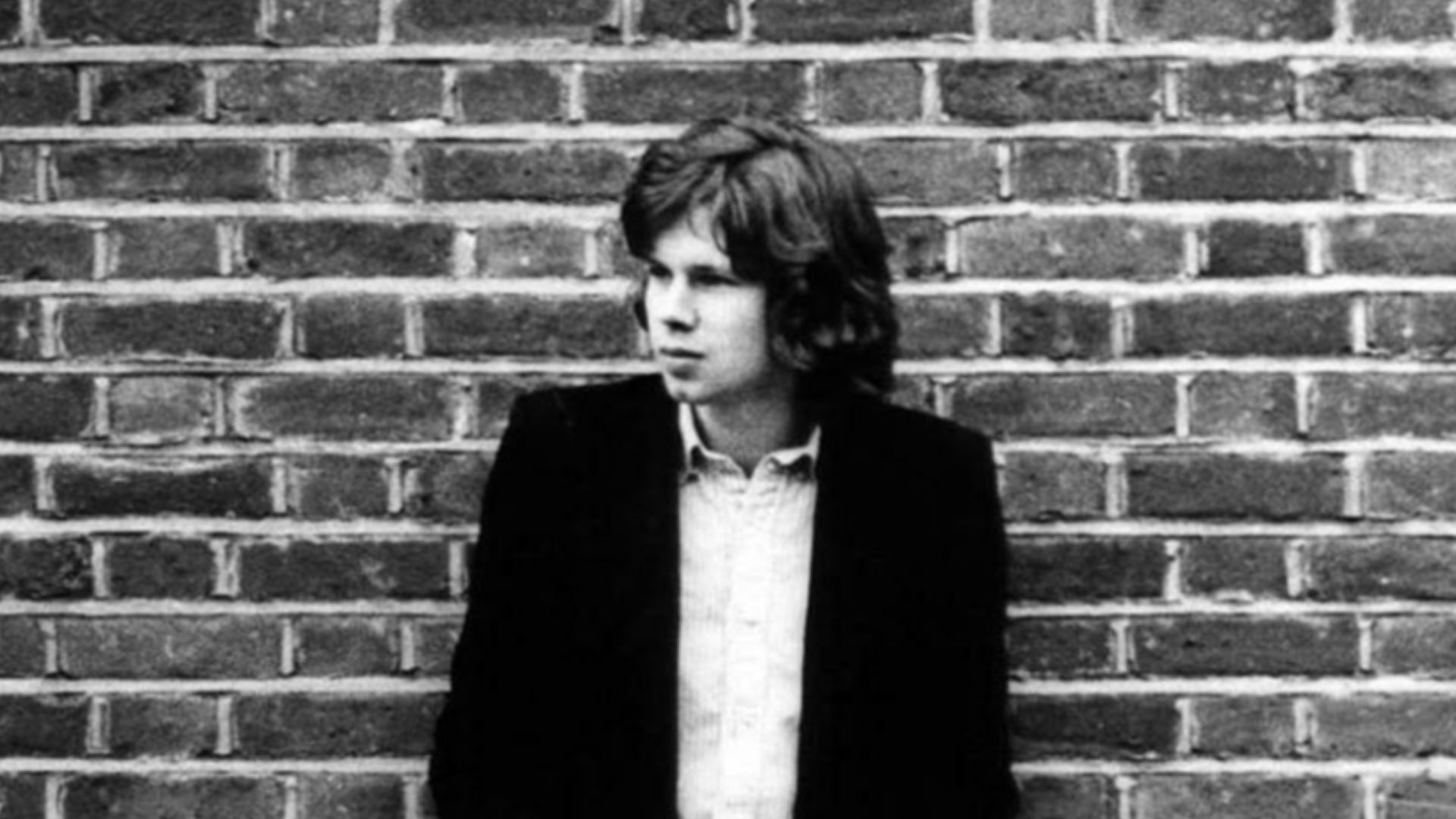 Keith Morris, Wikimedia Commons
Elliott Smith
Elliott Smith used acoustic guitar to expose every crack in his emotions. His fingerpicking is delicate, often layered, and intentionally understated. That softness makes his lyrics hit harder, turning small moments into emotional gut punches. His music feels close, vulnerable, and unsettling in the best way.

John Denver
John Denver’s acoustic work blended folk, country, and pop with an easygoing sincerity. His warm voice and melodic strumming on songs like “Take Me Home, Country Roads” made the acoustic guitar feel like a bridge to nature, nostalgia, and heartfelt simplicity.
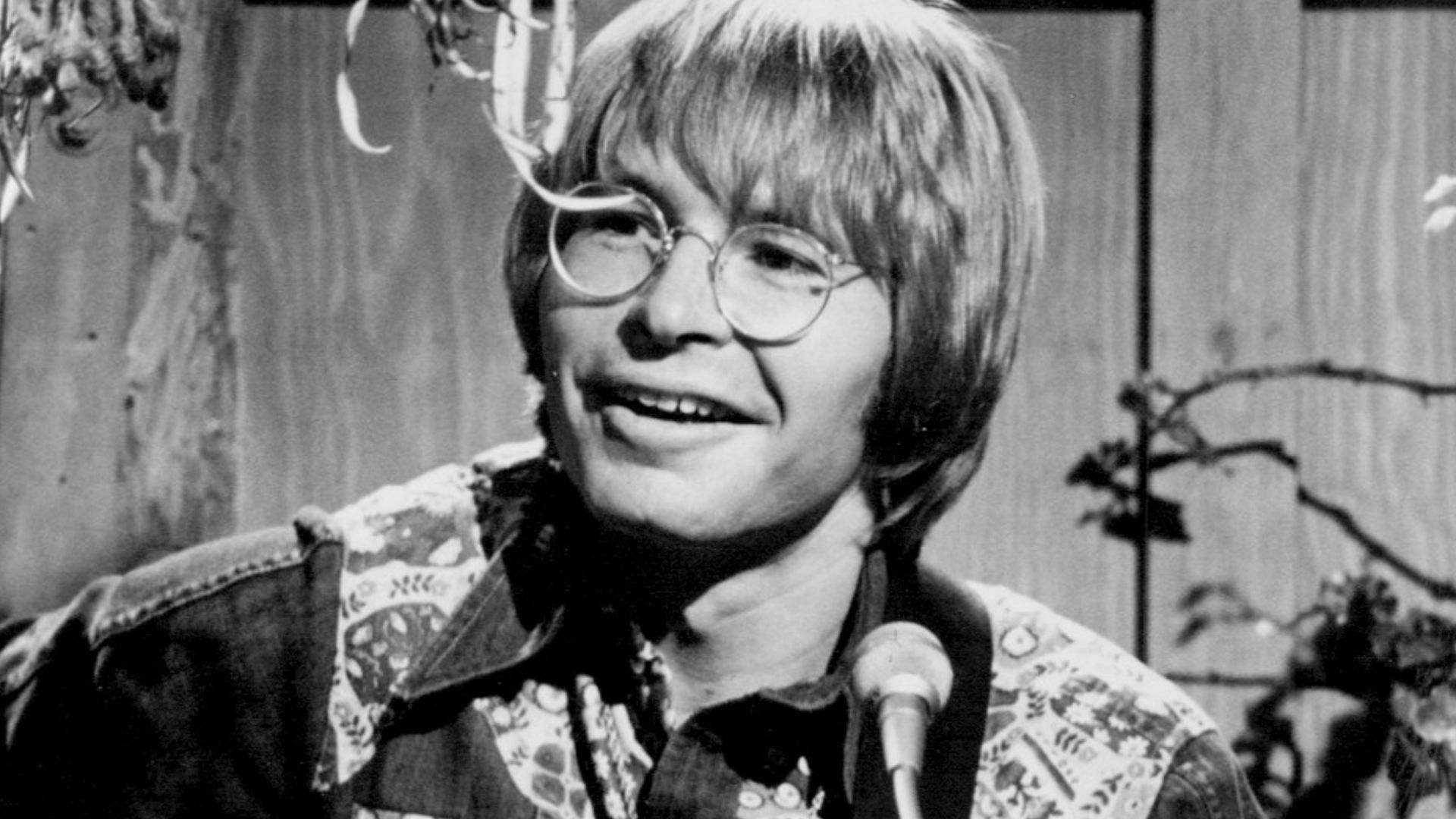 ABC Television, Wikimedia Commons
Jack Johnson
Jack Johnson’s acoustic style borrows from surf culture and gentle grooves. His laid-back strumming and storytelling lyrics feel relaxed but emotionally perceptive. Though mellow, his work underscores how acoustic guitars can carry rhythm, mood, and introspection all at once, especially in modern singer-songwriter landscapes.
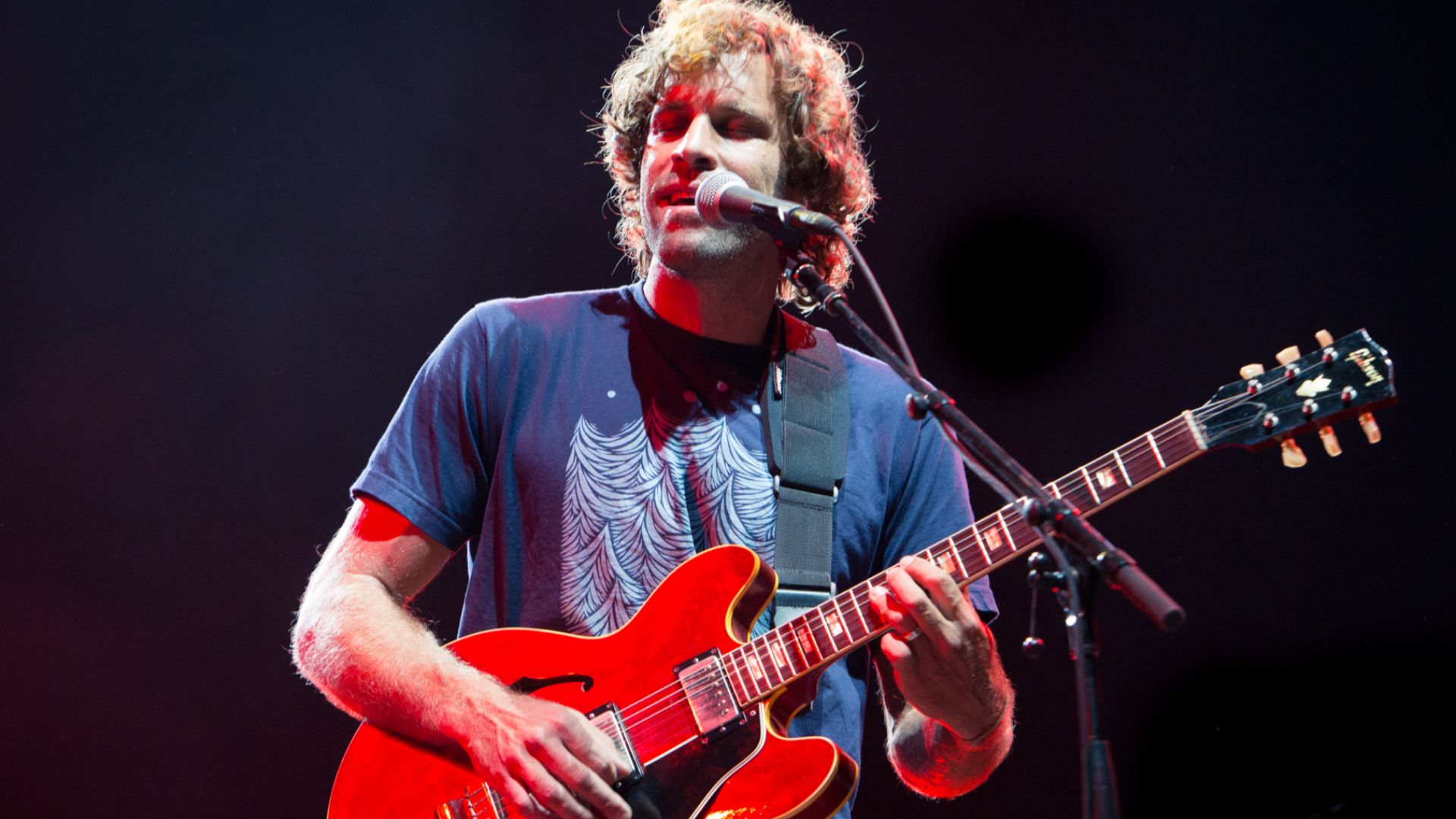 Caitlyn Ridenour, Wikimedia Commons
Eric Clapton
Clapton’s acoustic work revealed a stripped-down honesty that electric blues sometimes hid. On Unplugged, his fingerstyle playing brought new emotional weight to familiar songs. Tracks like “Tears in Heaven” feel fragile and exposed, proving that restraint and precision can hit harder than sheer volume.

Joan Baez
Joan Baez used the acoustic guitar as a platform for conviction. During the folk revival, her acoustic performances carried political and social weight, proving that quiet songs could still challenge the status quo.

Iron & Wine
Iron & Wine thrives in understatement. Sam Beam’s soft fingerpicking and hushed delivery make his acoustic songs feel intimate and slightly unsettling. The danger comes from how close everything feels—as if the song could disappear if you breathe too loudly.
 Andy Witchger, Wikimedia Commons
Django Reinhardt
Django Reinhardt made acoustic guitar sound dangerous through sheer defiance. After a fire left him with two badly injured fingers on his fretting hand, he reinvented his technique and played almost entirely with just two fingers. His speed, precision, and fearless improvisation turned limitation into legend.
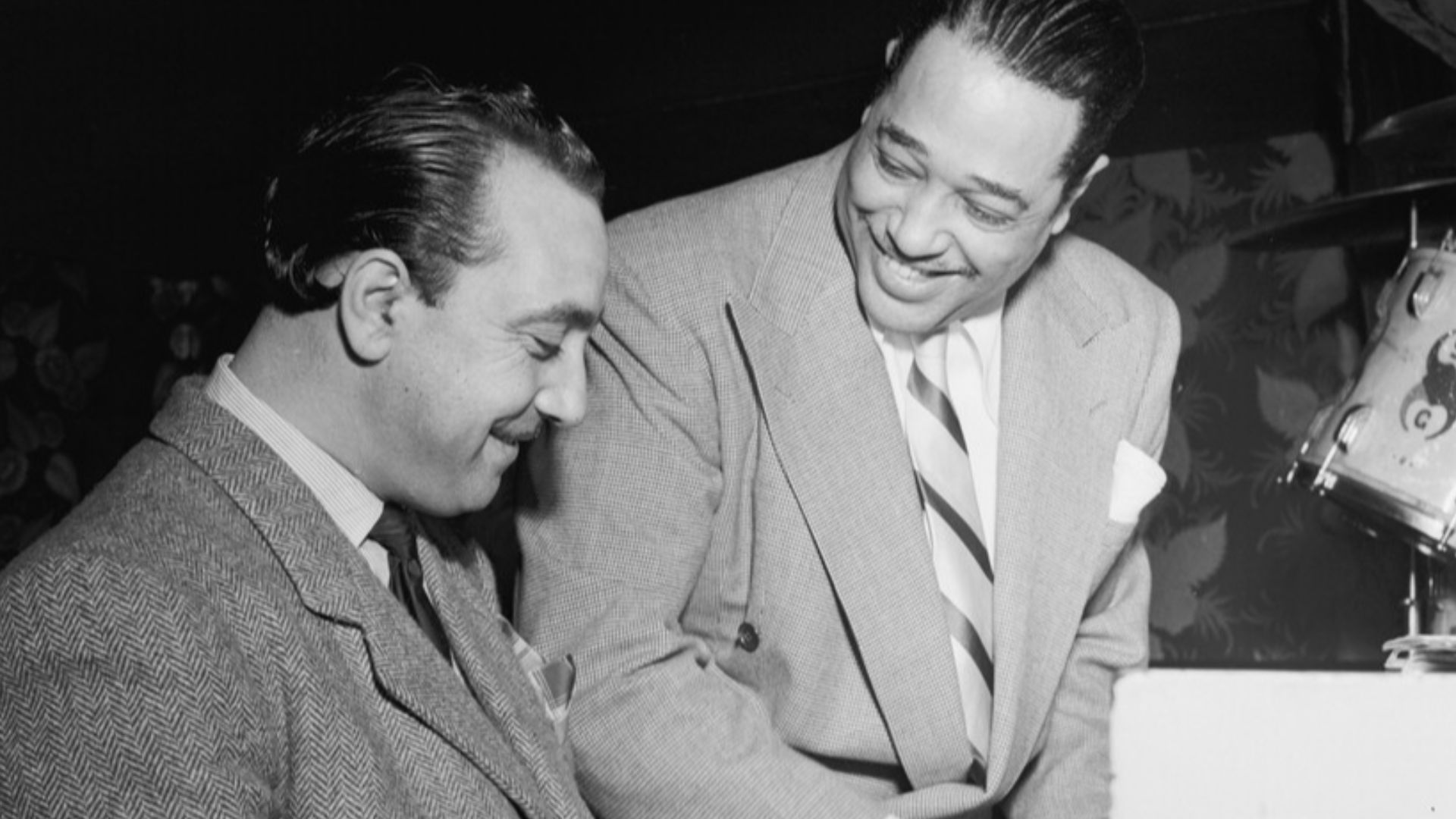 The Library of Congress, Wikimedia Commons
You May Also Like:
The Most Iconic Guitarists Of All Time, Ranked
Songs With Face-Melting Guitar Solos
Source: 1