
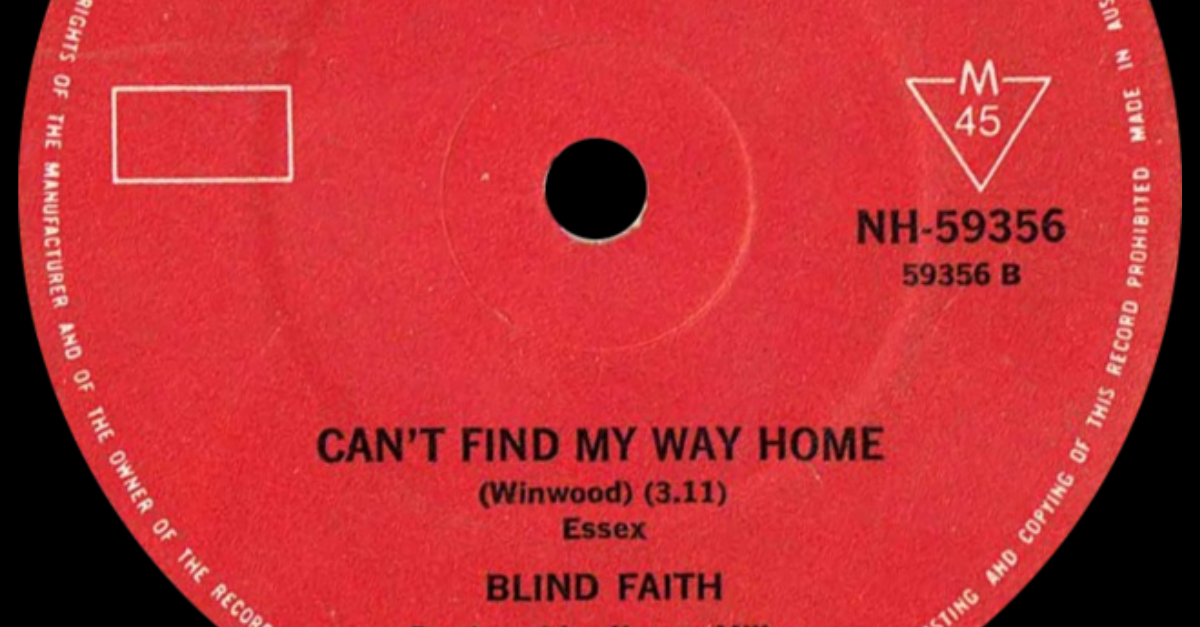
A Lightning-In-A-Bottle Legacy
Some bands spend years building a catalog filled with multiple great albums—while others drop one perfect record and then pretty much disappear. And the 1960s? It might be the greatest decade ever for these one-album wonders. How many do you remember?
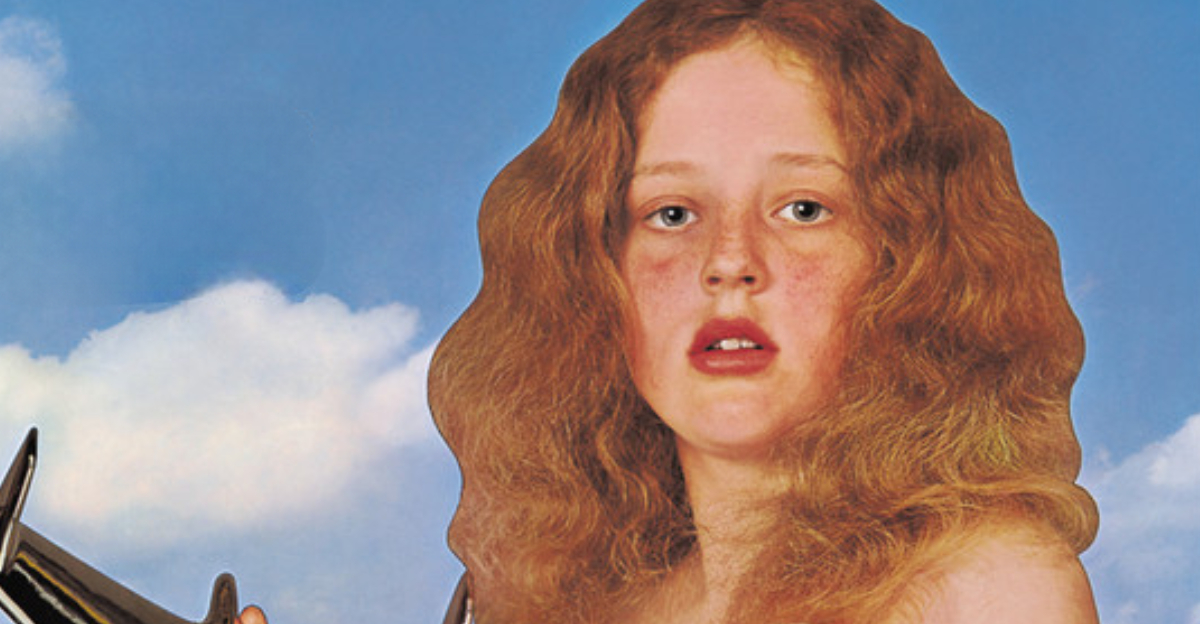
The Zombies: "Odessey and Oracle" (1968)
The band actually broke up before the album came out. Rod Argent later said they “had no idea anyone would ever hear it.” When Time of the Season became a surprise smash a year later, the album finally charted—peaking at #95 on the Billboard 200. The Zombies were already gone, leaving behind one of the most gorgeous baroque-pop albums ever made.
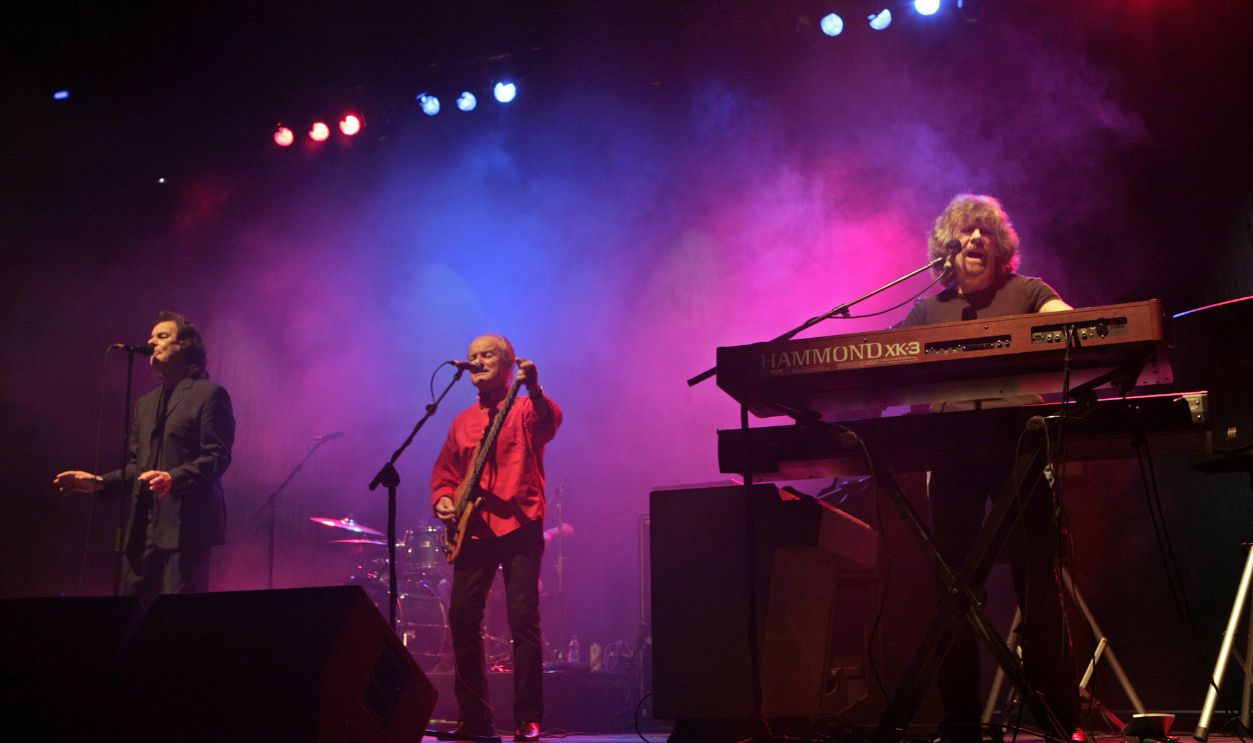
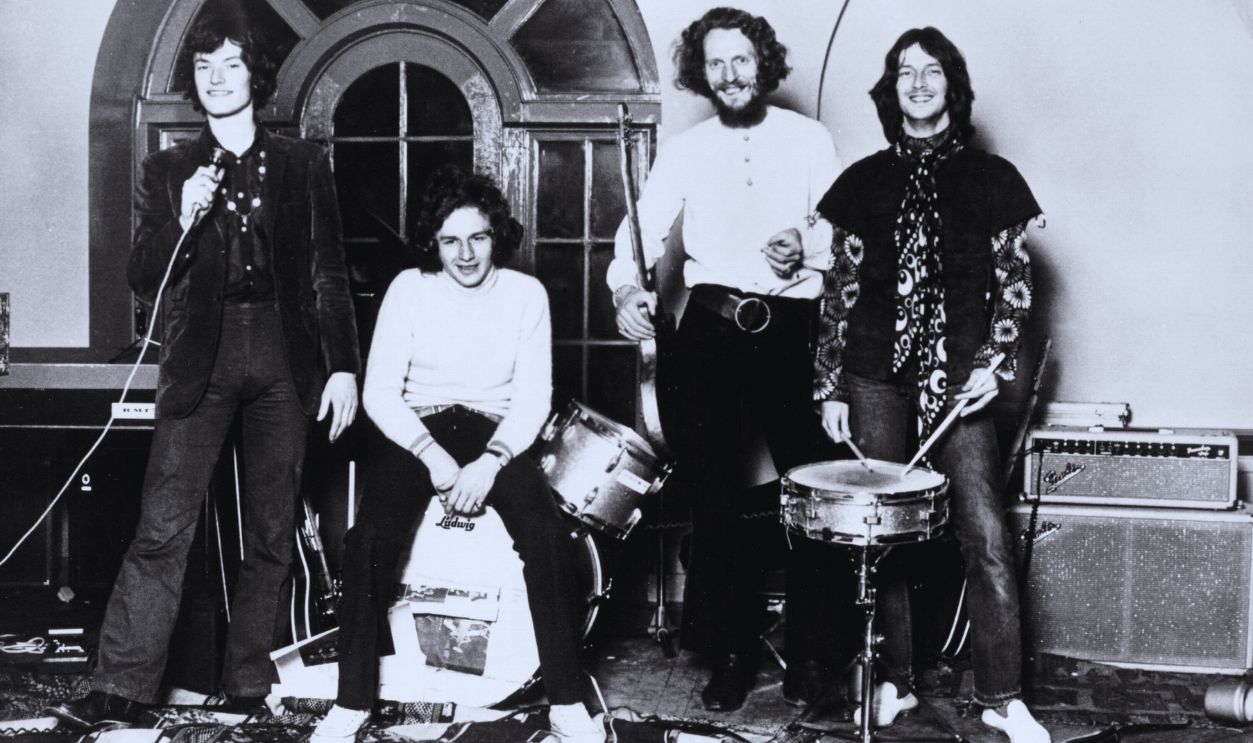
Blind Faith: "Blind Faith" (1969)
Eric Clapton admitted the supergroup was “doomed from the start,” even though critics loved their sound. Despite the chaos, the album was a massive success, debuting at #1 on both the Billboard 200 and the UK Albums Chart. Still, tensions between Ginger Baker and Steve Winwood, plus instant overhype, crushed them almost immediately. Their lone album remains a near-perfect snapshot of late-’60s rock ambition.
 Michael Ochs Archives, Getty Images
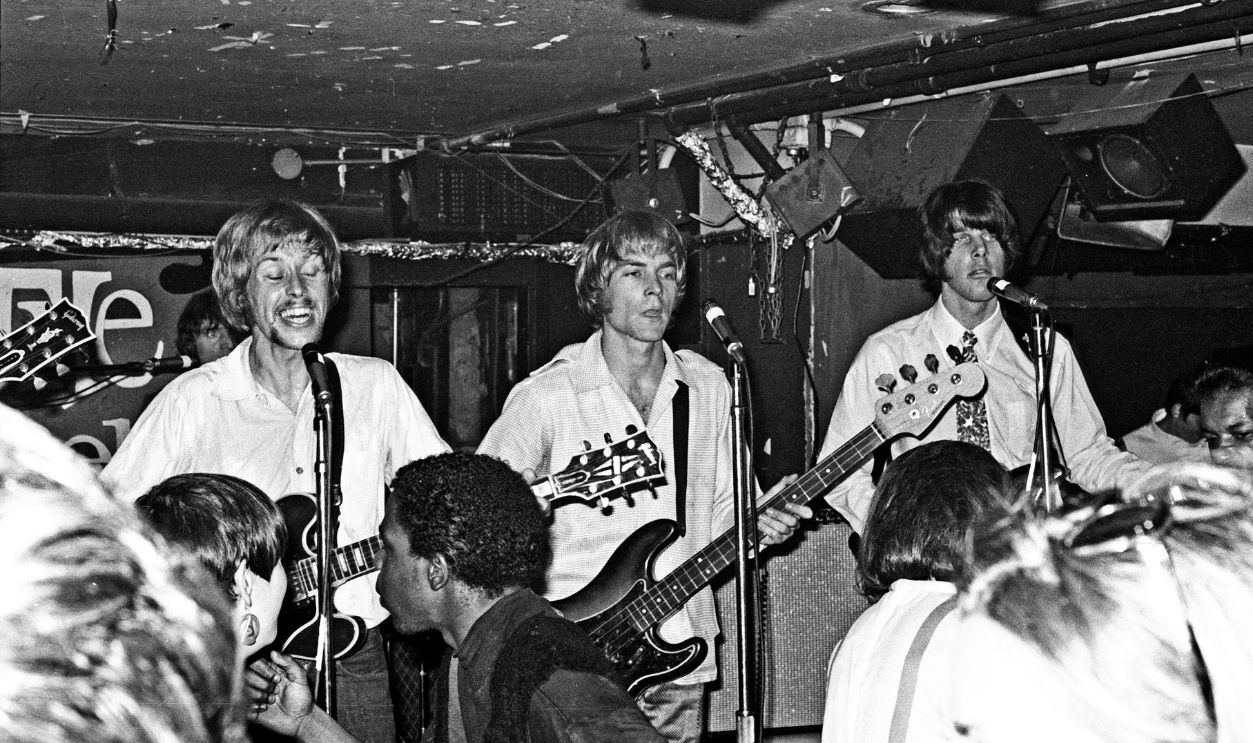
Moby Grape: "Moby Grape" (1967)
Critics raved instantly—Rolling Stone said the band had “more talent than almost any group in America.” Despite disastrous label decisions (five singles released on the same day), the album still managed to reach #24 on the Billboard 200. Lawsuits and internal turmoil derailed them soon after. Their first album, tight and electric, is still considered one of the decade’s best debuts.
 Michael Ochs Archives, Getty Images
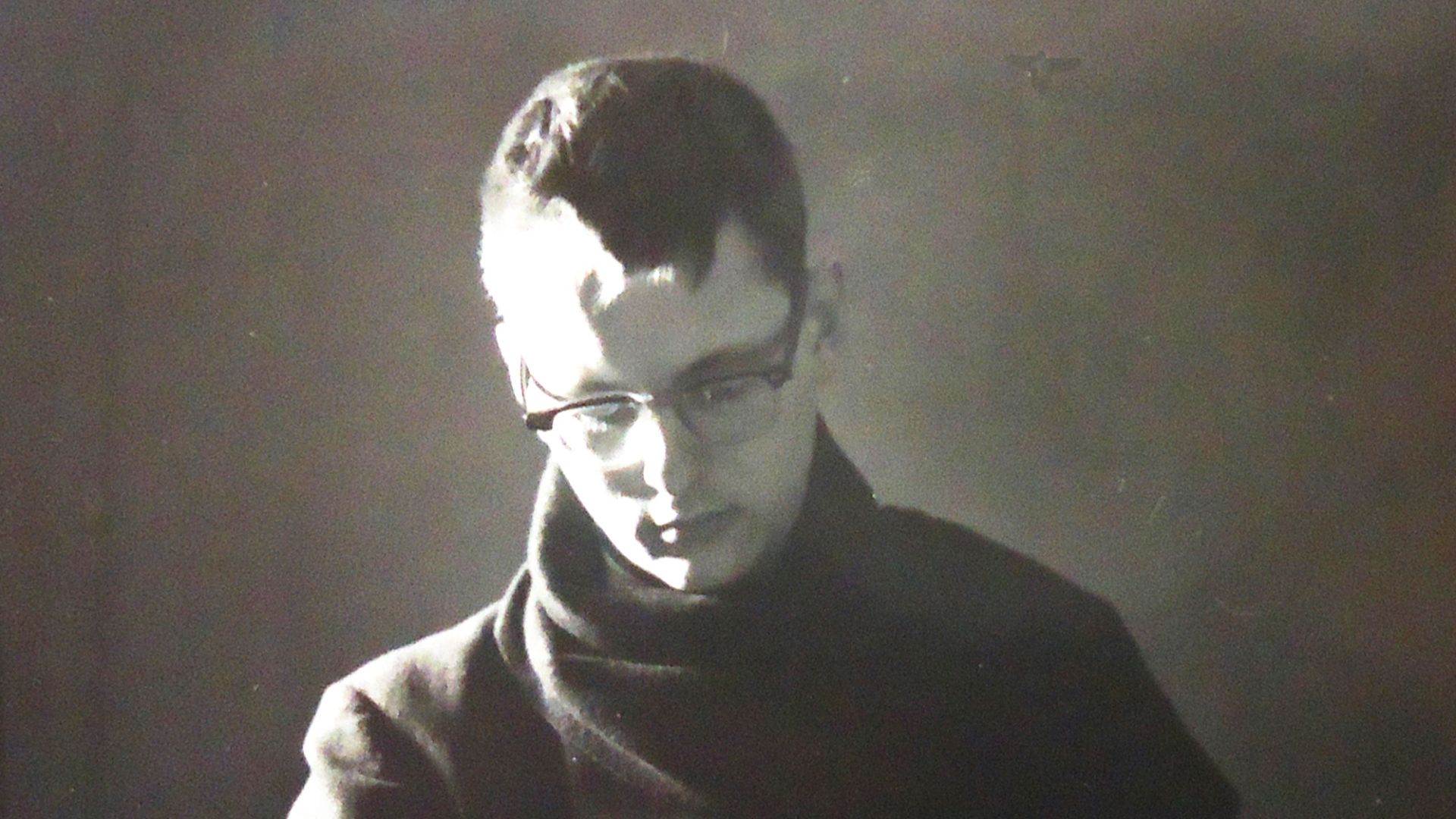
The United States of America: "The United States of America" (1968)
Leader Joseph Byrd fused early electronics with rock, creating a sound decades ahead of its time. Columbia Records hated how experimental it was, tensions erupted, and the group collapsed. Today the album is celebrated as one of psych-rock’s boldest, most prophetic statements.
 Ravenrose327, Wikimedia Commons
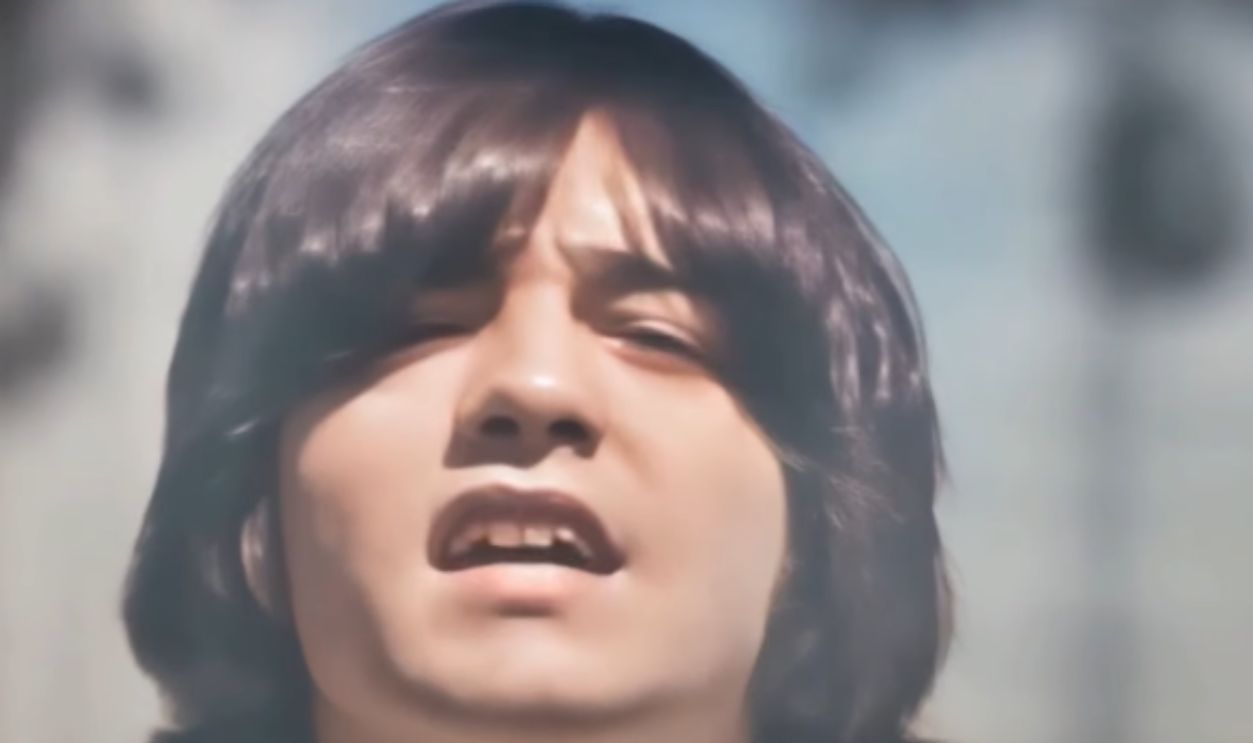
The Left Banke: "Walk Away Renée/Pretty Ballerina" (1967)
The band’s baroque pop brilliance came from Michael Brown, who clashed constantly with the rest of the group. After the hits Walk Away Renée and Pretty Ballerina, the band fell apart almost instantly. Brown later said the group had become “impossible to keep together,” but the music remains timeless.
 Screenshot from Walk Away Renee / Pretty Ballerina, Smash Records (1967)
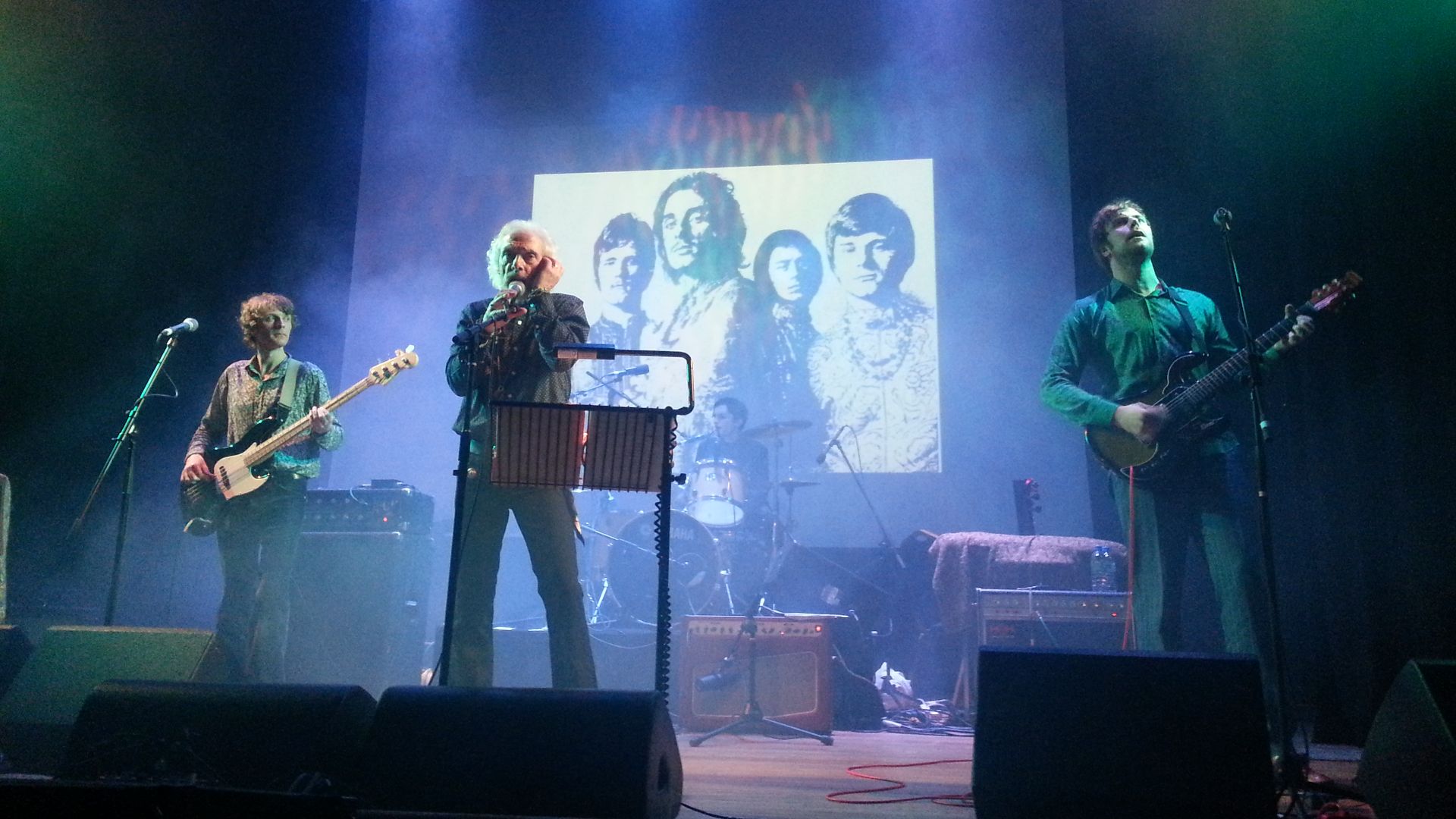
Kaleidoscope (UK): "Tangerine Dream" (1967)
This British psych band delivered one stunning album full of shimmering guitars and dreamy storytelling. Critics adored it, but the band couldn’t capture commercial momentum. Over time, Tangerine Dream became a cult classic—an album fans still describe as “a dream preserved on tape.”
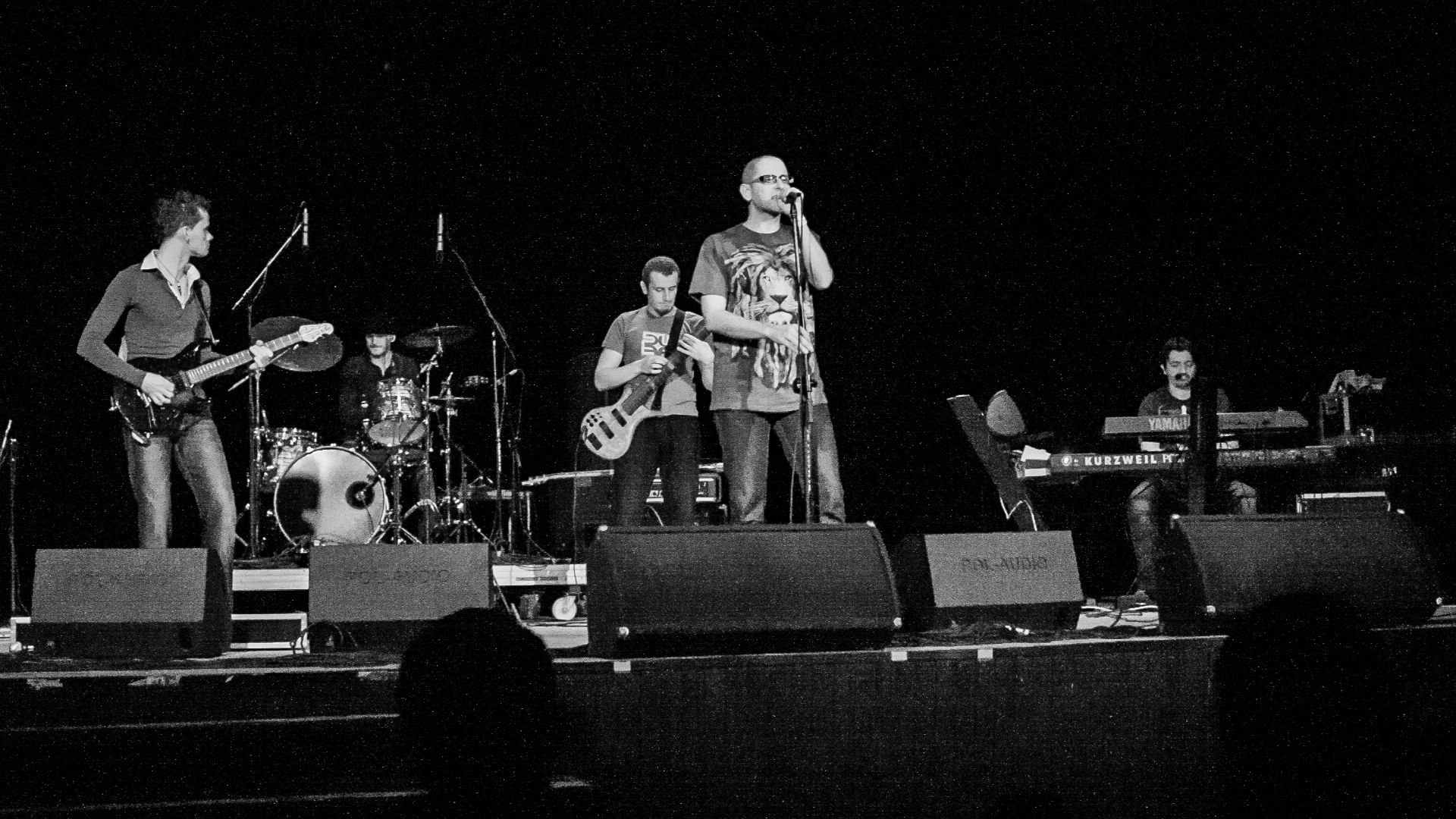
The Millennium: "Begin" (1968)
With elaborate harmonies and sunshine-pop production, Begin was one of the most expensive albums Columbia funded at the time. It flopped badly. Curt Boettcher, the group’s creative engine, said they were “just too soft for the moment.” The band dissolved, leaving one flawless pop artifact behind.
 Robert Drózd, Wikimedia Commons
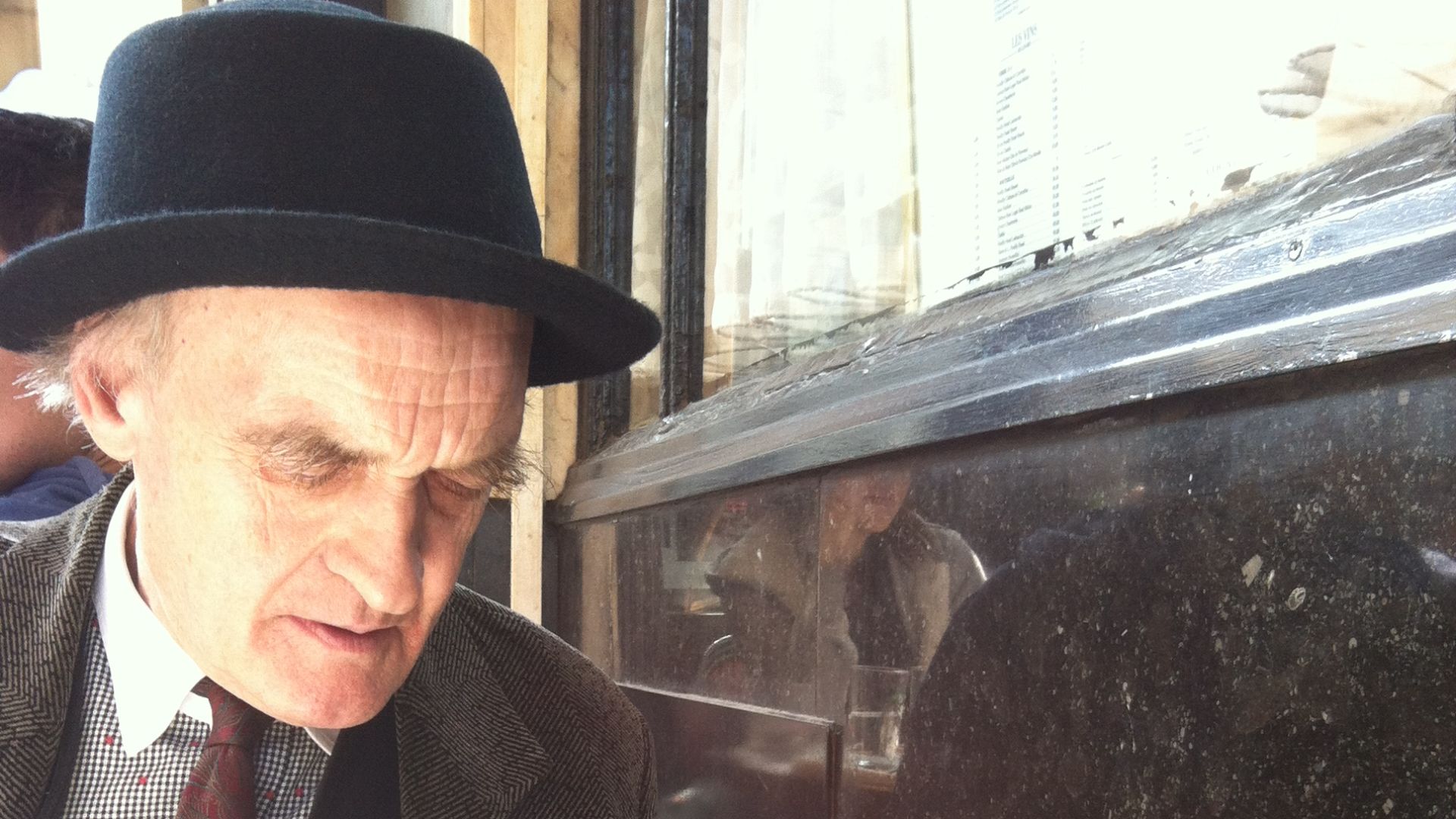
Mighty Baby: "Mighty Baby" (1969)
The band blended psych rock with spiritual overtones, earning glowing reviews but little commercial traction. Guitarist Martin Stone later recalled they felt “totally out of step” with mainstream rock. Their debut’s mystical, improvisational feel helped it become a prized cult favorite long after they vanished.
Tomorrow: "Tomorrow" (1968)
Featuring future Yes guitarist Steve Howe, this album was a burst of psychedelic creativity. Howe called the group “a laboratory” for ideas he’d later explore in prog rock. Despite critics’ praise, sales were dreadful, and the band split quickly—leaving one wildly inventive record behind.
 Screenshot from Tomorrow, Parlophone (1968)
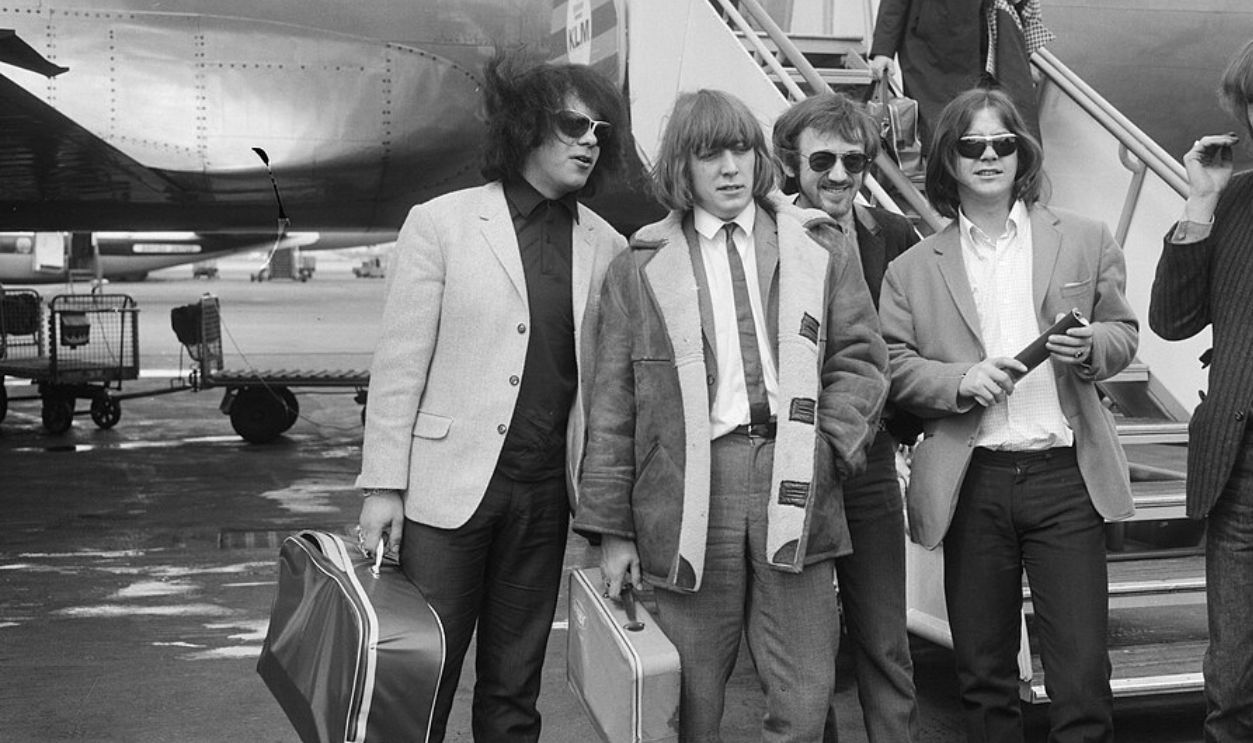
The Pretty Things: "S.F. Sorrow" (1968)
Often cited as the first rock opera, it arrived before The Who released Tommy. Frontman Phil May later said they watched the album “sink without a trace” thanks to label chaos and poor promotion. Only decades later did S.F. Sorrow get credited as a masterpiece.
 Joop van Bilsen, Wikimedia Commons
Silver Apples: "Silver Apples" (1968)
Using oscillators in place of guitars, the duo pioneered electronic rock long before it was fashionable. Critics were fascinated, but radio and labels didn’t know what to do with them. Drummer Danny Taylor later said they “felt like aliens.” Their debut became a cornerstone for electronic music.
 Screenshot from Silver Apples, Kapp Records (1968)
The Monks: "Black Monk Time" (1966)
American GIs stationed in Germany accidentally invented proto-punk. Bassist Eddie Shaw said they wanted to create music that was “anti-Beatles.” Audiences were baffled, the band split quickly, and decades later the album became revered as one of the earliest blueprints for punk and garage rock.
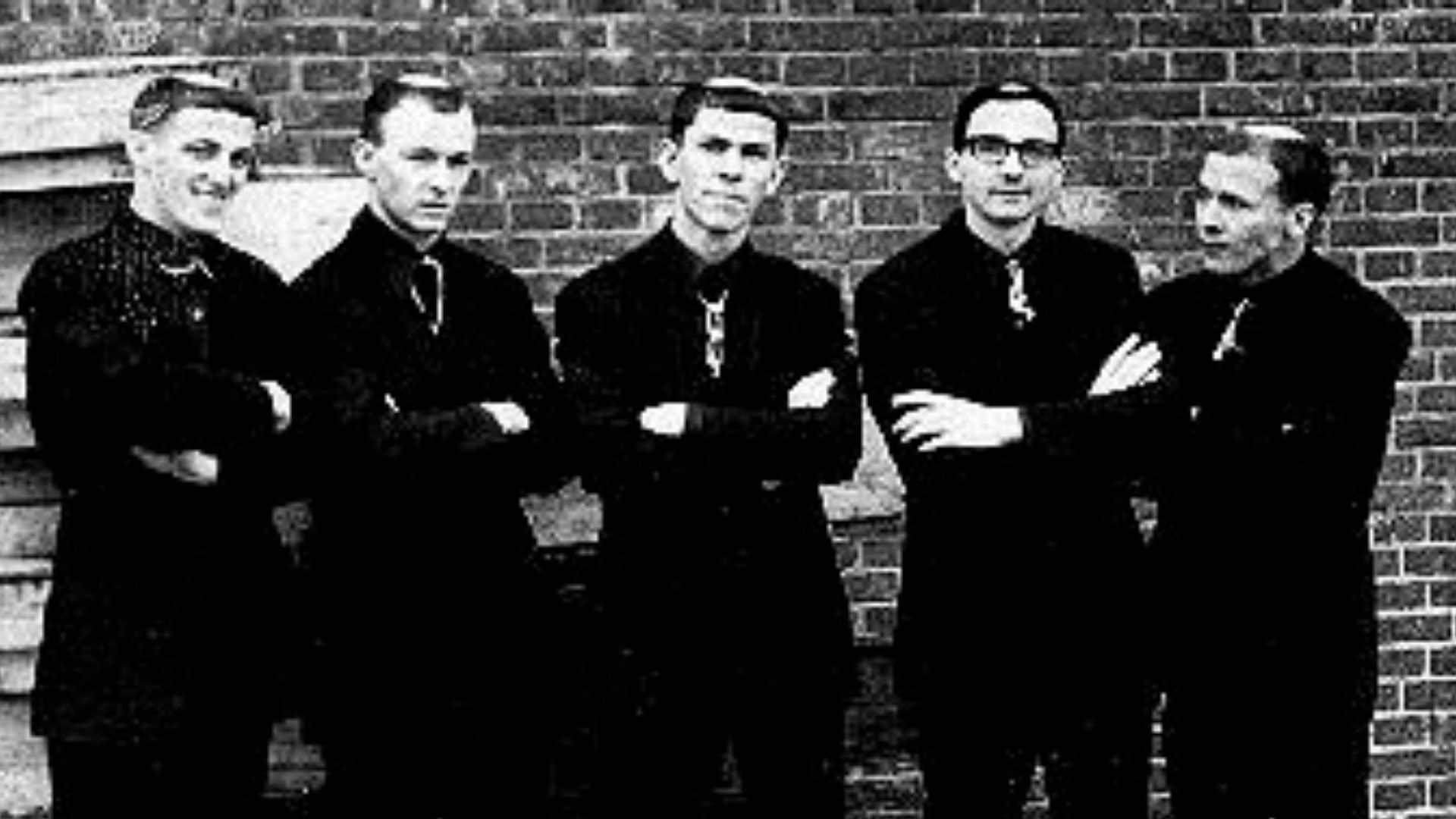 Larry Clark, Wikimedia Commons
Love: "Forever Changes" (1967)
While Love recorded more albums, this was their one undeniable masterpiece. Arthur Lee later said he sensed the band was “falling apart” during recording—yet they somehow captured magic. Its orchestration, surreal lyrics, and fragile beauty made it a slow-burn classic long after the band imploded.
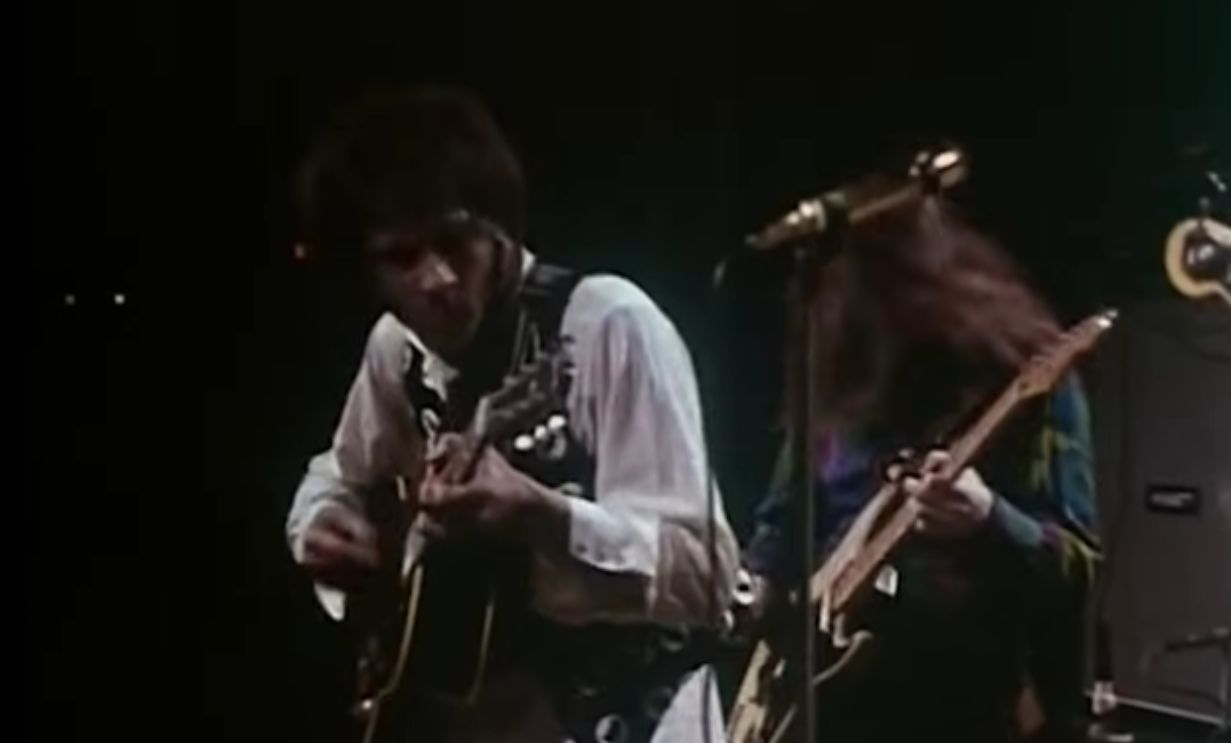 Screenshot from Forever Changes, Elektra Records (1967)
The Balloon Farm: "A Question of Temperature" (1968)
Their lone album produced a fuzz-rock hit that scraped the charts, but internal disagreements and label trouble ended the band almost immediately. Over time, the album developed a cult following for its perfect snapshot of garage rock sliding into psychedelia.
 Screenshot from A Question of Temperature, The Balloon Farm, Laurie Records (1968)
The Paupers: "Magic People" (1967)
Toronto’s psychedelic hopefuls opened for Jefferson Airplane and earned huge buzz. But management problems and disastrous touring luck crushed their momentum. Drummer Skip Prokop later said the band “never recovered from the setbacks.” Still, their debut remains a vibrant burst of late-’60s creativity.
 Michael Ochs Archives, Getty Images
Skip Spence: "Oar" (1969)
A solo project from the Moby Grape co-founder, recorded after a period of severe mental health struggles. Producer David Rubinson said Spence “did it all alone, and it was genius.” The album was ignored on release but later became a cult masterpiece Spence never got to follow up.
 Michael Ochs Archives, Getty Images
The Outsiders (NL): "CQ" (1968)
Not to be confused with the U.S. band—this Dutch group delivered a brilliant, jagged proto-punk album that critics later called “decades ahead of its time.” It barely sold on release. The band fractured soon after, leaving CQ to become a cult essential for garage-psych fans.
 Screenshot from C.Q., The Outsiders (NL), Polydor (1968)
Sagittarius: "Present Tense" (1968)
A studio-constructed sunshine-pop project from Gary Usher, featuring Curt Boettcher’s signature dreamlike harmonies. The album was praised for its craft but failed commercially. Usher later admitted the project was “too ambitious to survive,” leaving behind one immaculate slice of orchestrated pop.
 reenshot from Present Tense, Sagittarius, Columbia Records (1968)
The Litter: "Distortions" (1967)
Known for its ferocious fuzz-guitar tone, Distortions became a garage-rock holy grail. The band never managed to follow its energy or hype, splintering shortly after. Over time, collectors turned the album into one of the most sought-after 1960s fuzz-rock artifacts.
 Screenshot from Action Woman, Scotty (1967)
July: "July" (1968)
One of the strangest and most psychedelic albums of the decade—filled with swirling production and surreal songwriting. It tanked commercially, and the band dissolved quietly. Today, July is considered a psych-rock essential and regularly appears on “lost classics” lists.
The Free Spirits: "Out of Sight and Sound" (1967)
Often cited as the first jazz-rock band, they featured future guitar legend Larry Coryell. The album blended free-jazz chaos with pop melodies—too weird for radio, too catchy for jazz fans. The band broke up almost immediately, but the album’s influence lingered.
 ABC Records, Wikimedia Commons
The Human Expression: "The Human Expression" (1967)
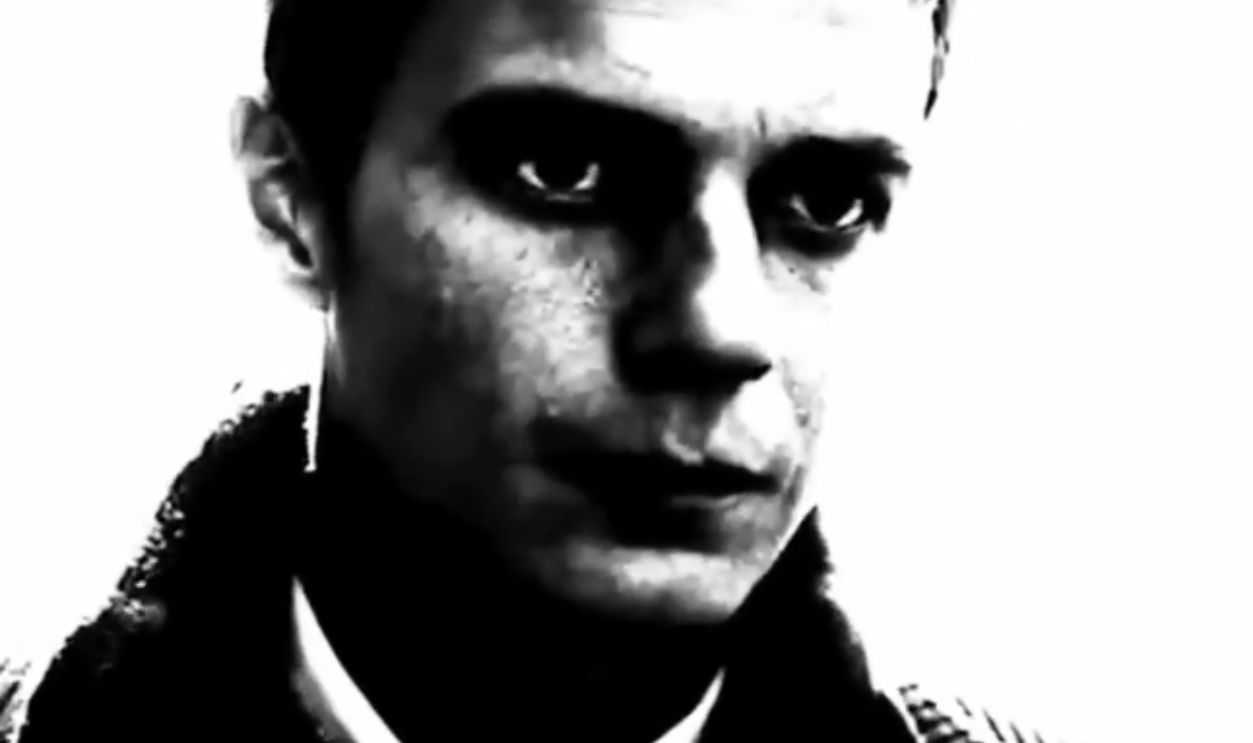
This Los Angeles garage-psych group released only one album before vanishing. Their track Love at Psychedelic Velocity later became a cult favorite. Songwriter Jim Quarles said they were “kids in over our heads,” but their lone album still feels like a lost gem.
 Screenshot from The Human Expression, Accent Records (1967)
The Misunderstood: "Before the Dream Faded" (1966)
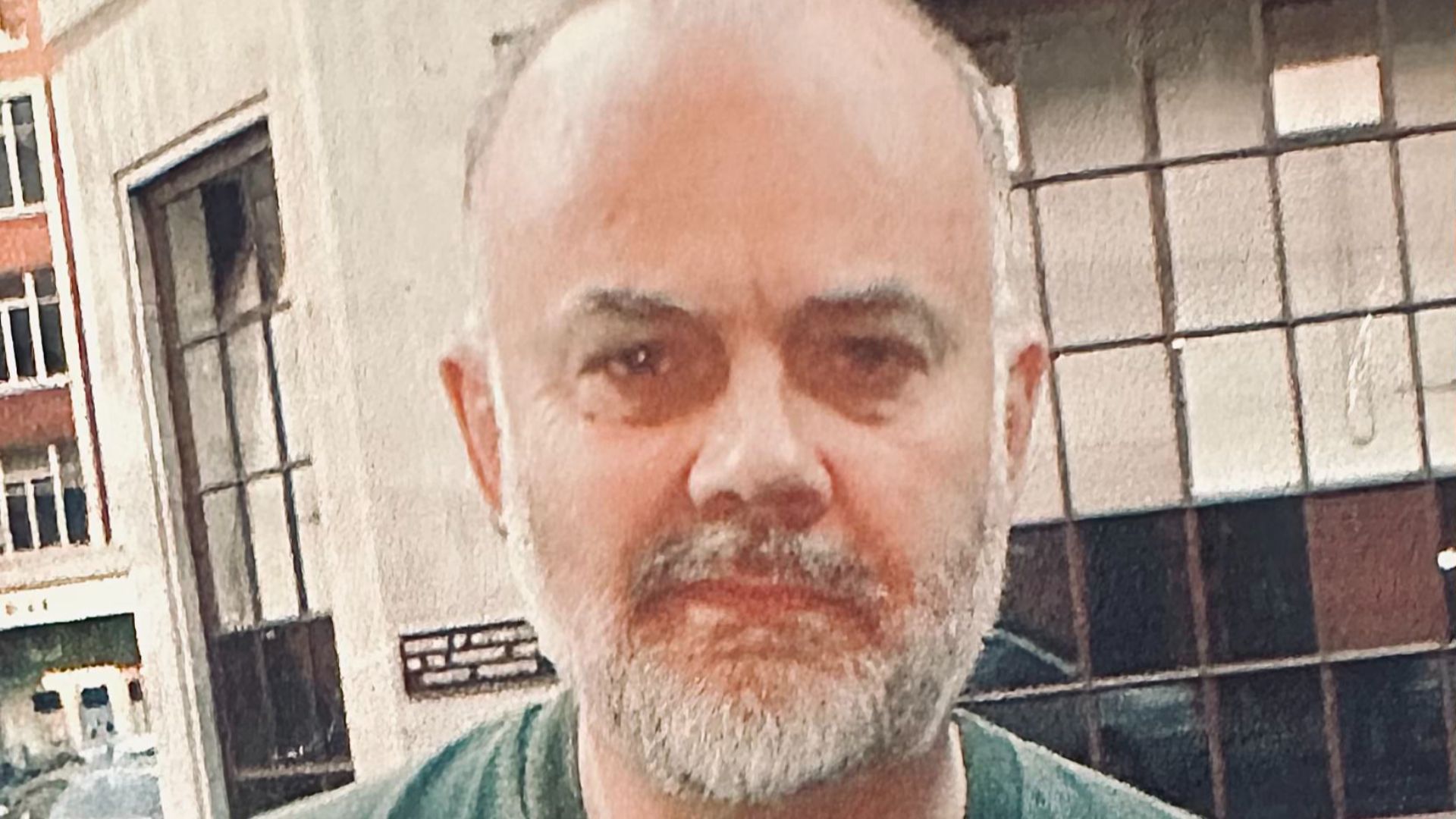
Championed by legendary DJ John Peel, the band seemed poised for stardom until visa issues forced members to leave the UK. Their lone album became a psychedelic landmark, with Peel calling them “the greatest band the world never heard.”
 Paulmatthewkelly, Wikimedia Commons
The Beau Brummels: "Triangle" (1967)
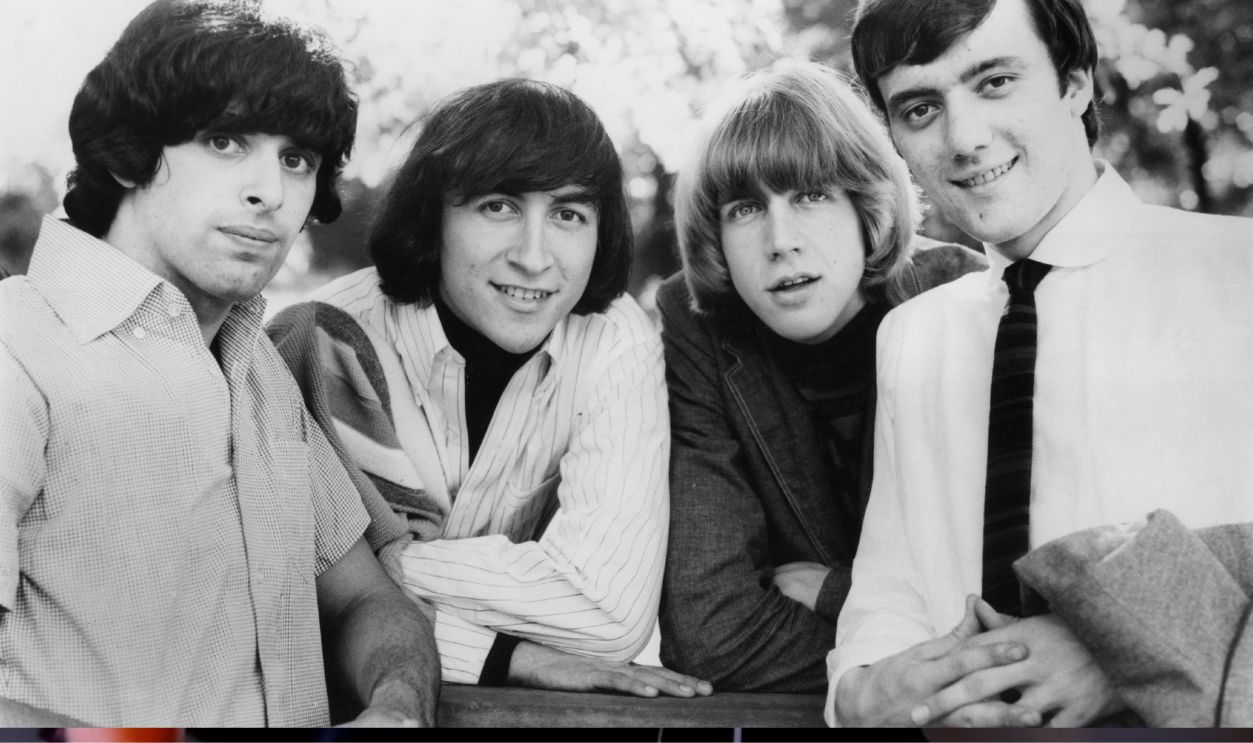
Yes, they had earlier hits—but Triangle was their one undeniable masterpiece, a haunting folk-psychedelic album made as the band was falling apart. Critics later called it “a lost masterpiece of American pop.” The lineup dissolved soon after, leaving this as their last great moment.
 Michael Ochs Archives, Getty Images
The Sons of Adam: "The Sons of Adam" (1966)
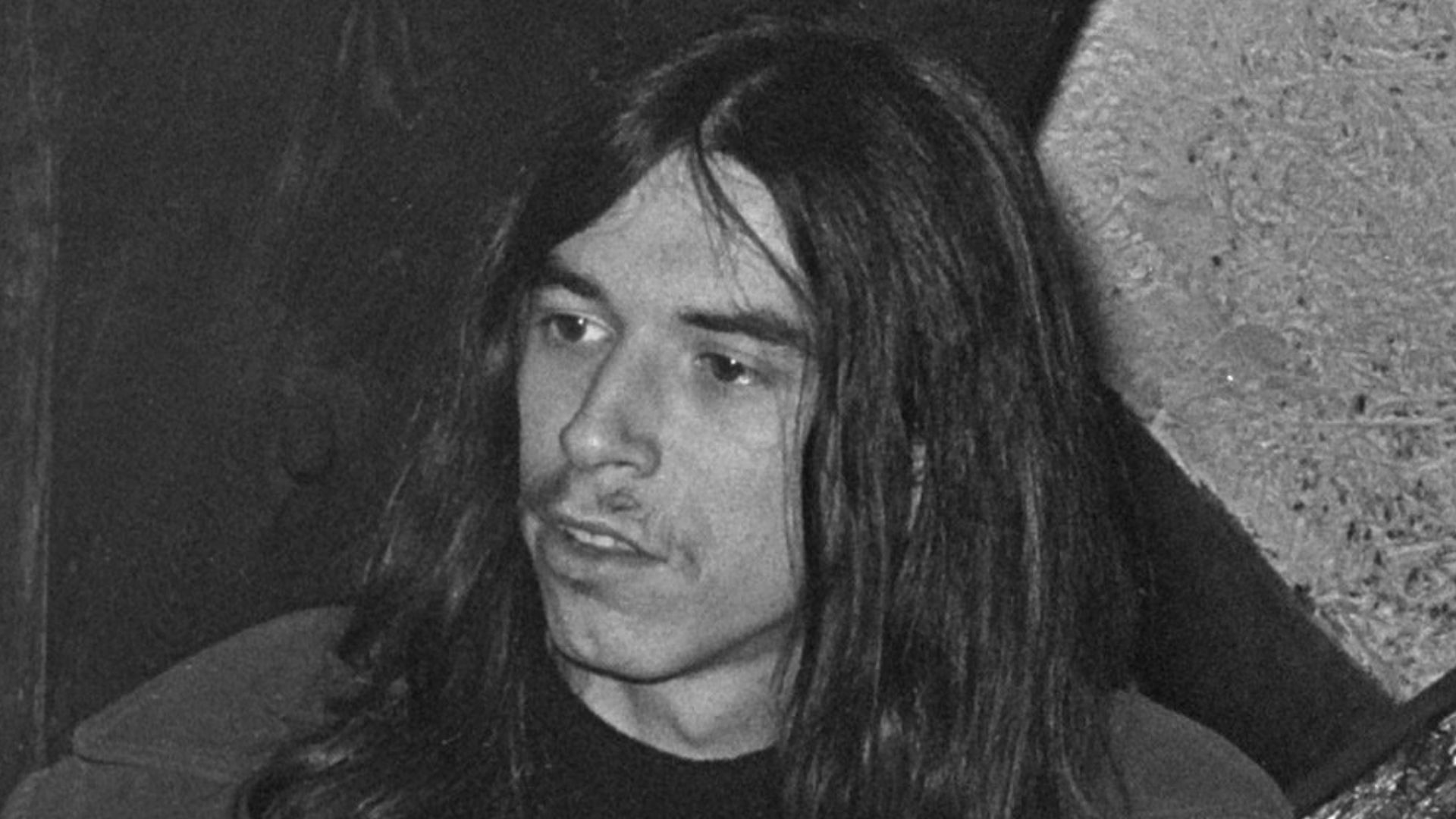
Produced by Arthur Lee of Love, this fierce garage-rock band showed serious promise before internal problems halted them. Guitarist Randy Holden went on to join Blue Cheer, but their lone album remains their only finished legacy.
 Jack de Nijs for Anefo, Wikimedia Commons
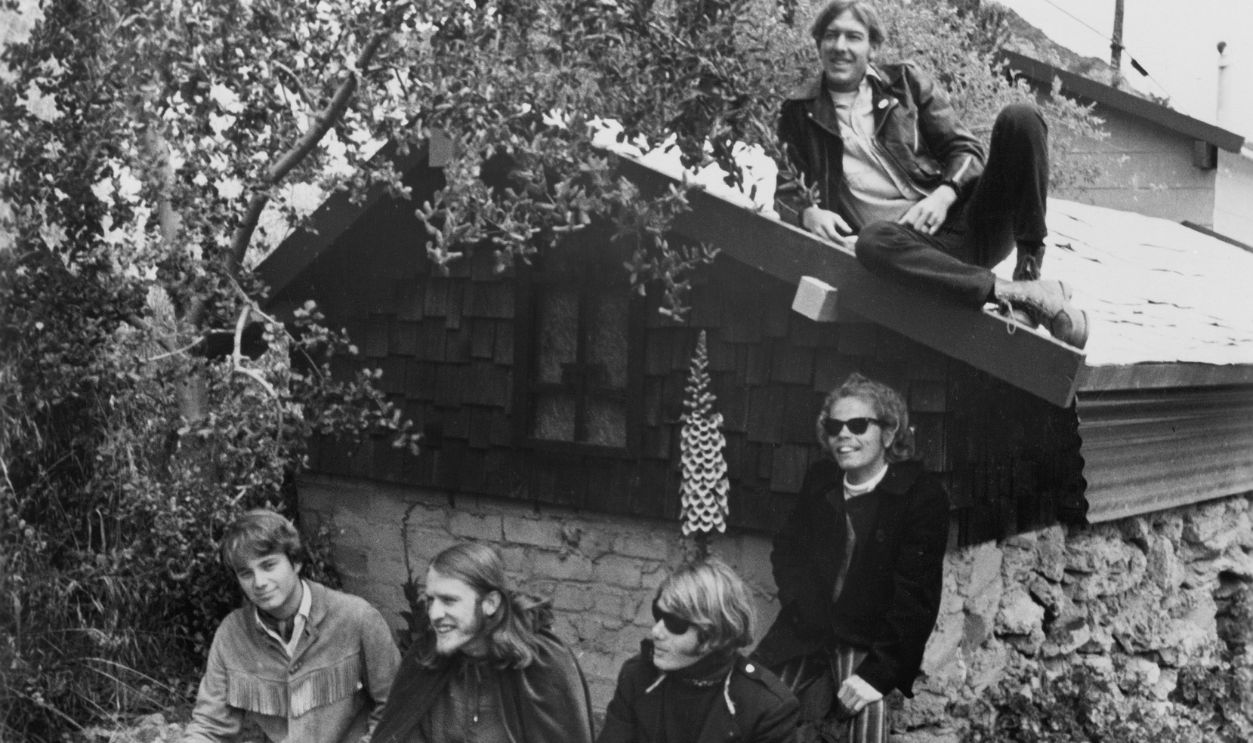
Frumious Bandersnatch: "Frumious Bandersnatch" (1967)
A Bay Area cult favorite whose lone psychedelic EP became legendary among collectors. Members later joined Journey and the Steve Miller Band, but this brief, shimmering record is all that remains of the band itself
 Michael Ochs Archives, Getty Images
You Might Also Like:
These Rock And Roll Lyrics Are So Bad We Don’t Know How Anyone Ever Liked Them
,_Viv_Prince_(drummer),_Bestanddeelnr_917-6655.jpg)