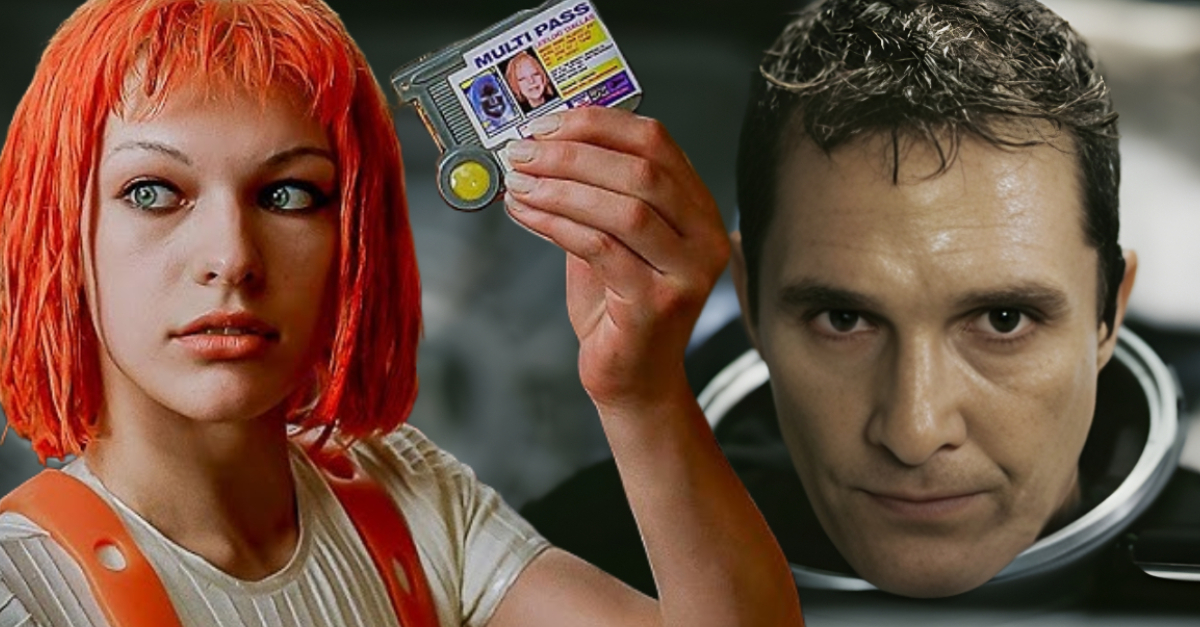
A Divisive Deep Dive
Every sci-fi fan has that one movie they pretend to love because everyone else calls it a masterpiece. But talk to the genre purists—the tech-obsessed, lore-picking, physics-correcting diehards—and they’ll tell you the uncomfortable truth: some “classics” just don’t hold up under fandom-level scrutiny. Do you agree?
 Avatar (2009)
Hardcore fans argue Avatar is visually stunning but relies on the safest plot imaginable. Many compare it to FernGully, Pocahontas, or “literally every chosen-one jungle story ever.” Fans insist that once you remove the CGI, the movie loses most of its magic.
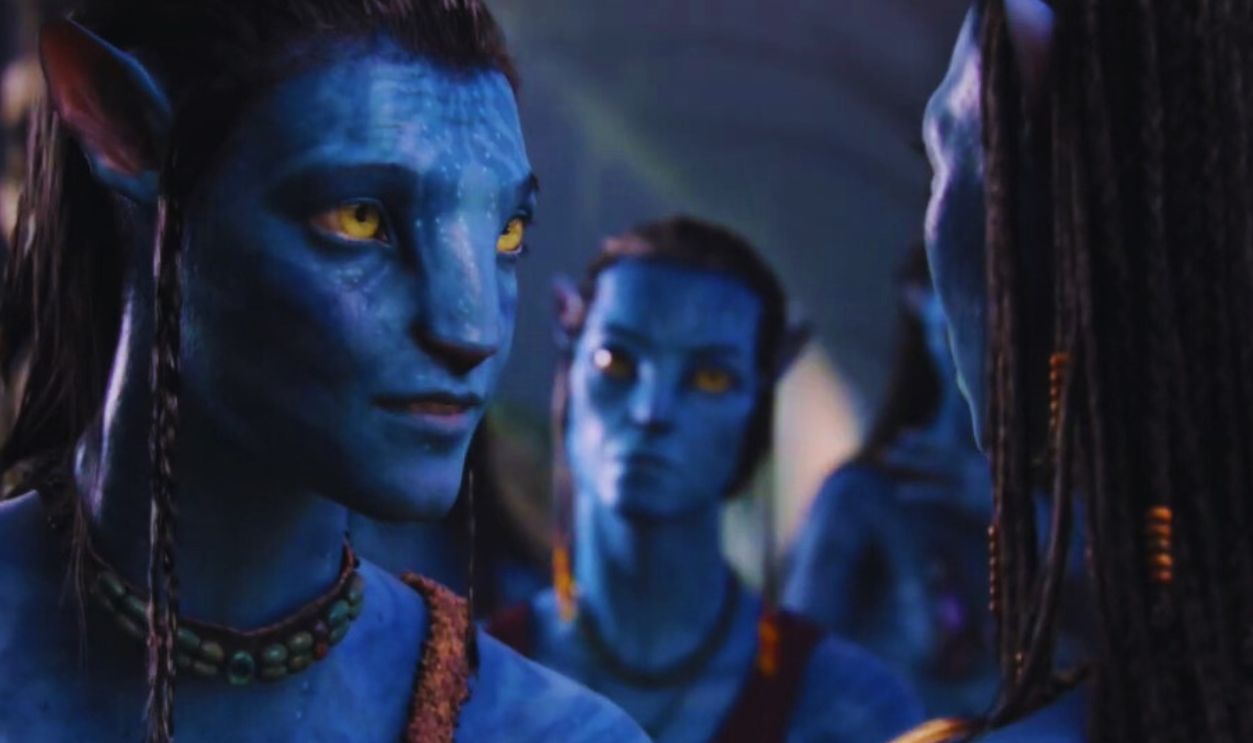 Screenshot from Avatar, 20th Century Fox (2009)
Star Wars: Episode I – The Phantom Menace (1999)
Even lifelong Star Wars fans admit this one tests their loyalty. The pod race? Incredible. Darth Maul? Legendary. Everything else? A little rough. Hardcore fans say it feels more like a galactic policy seminar than an epic adventure—and no amount of nostalgia fully saves it.
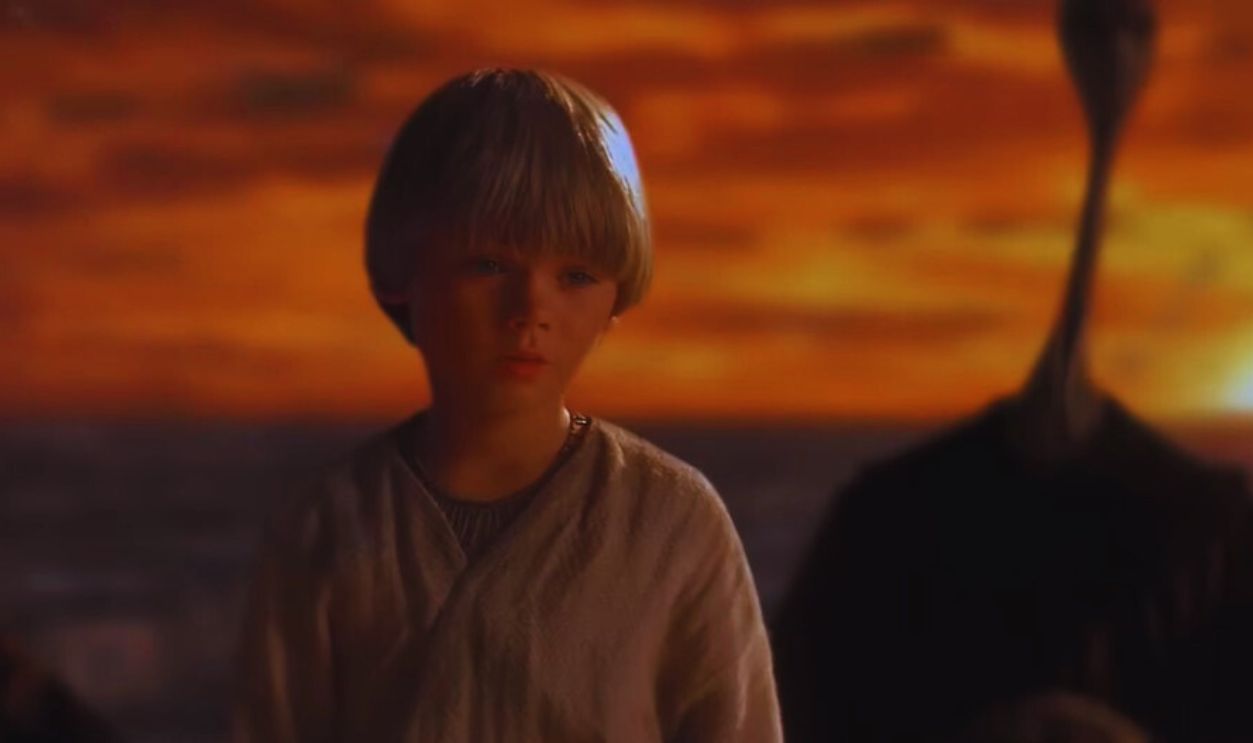 20th Century Fox, Star Wars: Episode I – The Phantom Menace (1999)
Interstellar (2014)
A gorgeous cosmic opera with an ending that still starts arguments at conventions. Hardcore viewers say the film takes “love conquers spacetime” a bit too literally, and the science gets surprisingly flexible. It’s either a masterpiece or a three-hour emotional sledgehammer.
 Screenshot from Interstellar, Paramount Pictures (2014)
Star Trek: The Motion Picture (1979)
A film so slow even the Enterprise seems bored. Fans appreciate the ambitious scope, but many say it feels like a two-hour starship glamour reel with a plot drifting somewhere behind it. Great ideas, but the pacing is a commitment.
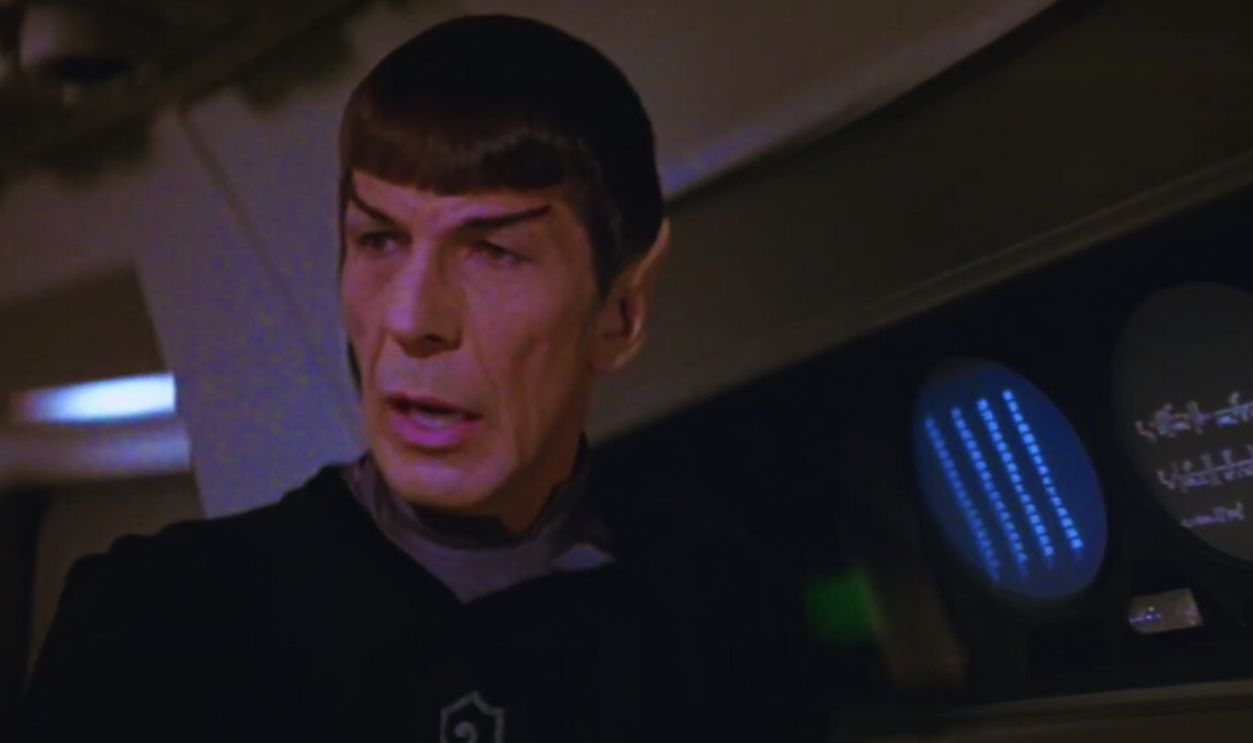 Screenshot from Star Trek: The Motion Picture, Paramount Pictures (1979)
The Matrix Reloaded (2003)
Hardcore fans love the action but still roll their eyes at the franchise’s sudden obsession with dense philosophy lectures. The car chase is iconic; the Architect speech is infamous. Many say it tries so hard to sound profound that it forgets to stay coherent.
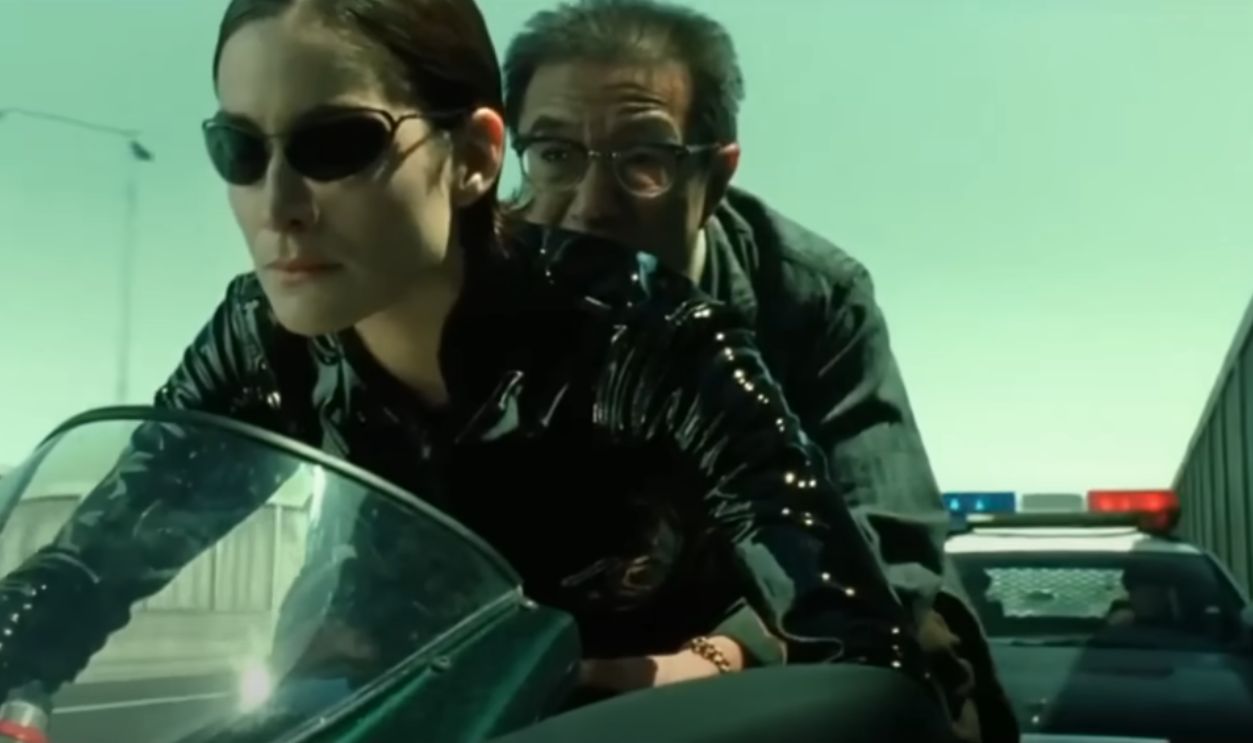 Warner Bros., The Matrix Reloaded (2003)
The Black Hole (1979)
A fascinating oddball that swings between family-friendly adventure and cosmic nightmare. Sci-fi fans love the ambition but admit the tone is all over the place. And that ending? Still debated—half brilliant, half “what were they smoking?”
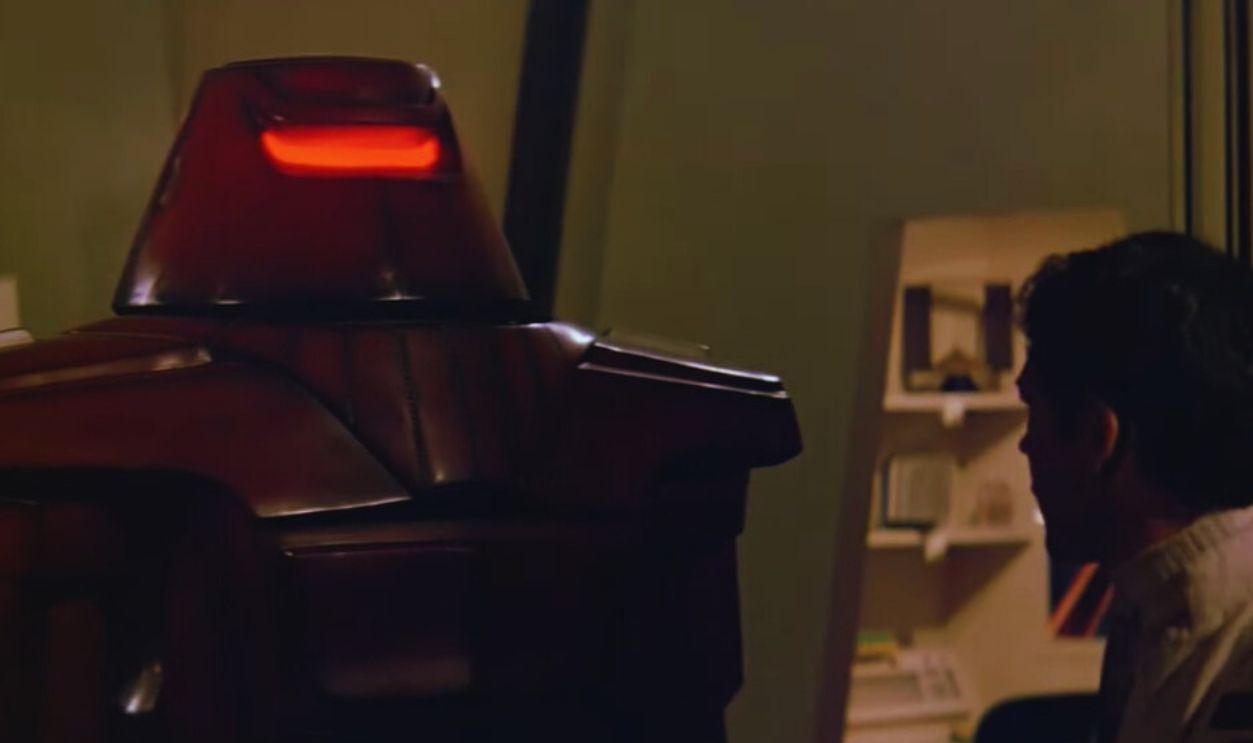 Screenshot from The Black Hole, Walt Disney Productions (1979)
Tron (1982)
A groundbreaking concept that hardcore fans say plays better in history books than on screen. The digital world is iconic, the aesthetic unforgettable—but the story feels thin and the performances oddly stiff. It’s cool, but not exactly gripping.
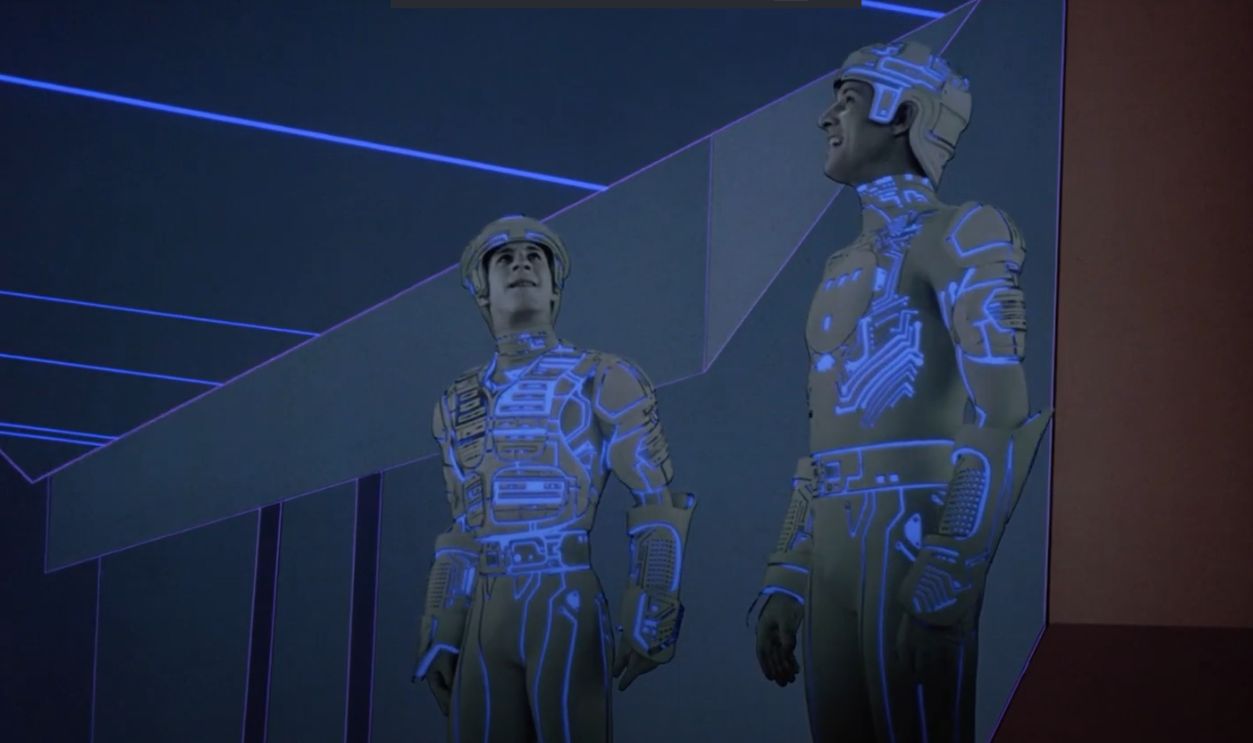 Screenshot from Tron, Walt Disney Productions (1982)
Solaris (1972)
A film students worship and casual fans bounce off instantly. Hardcore purists admire its dreamlike depth, but almost everyone agrees: it is sloooow. Brilliant? Yes. Rewatchable? Only if you’re in the mood for a three-hour existential therapy session.
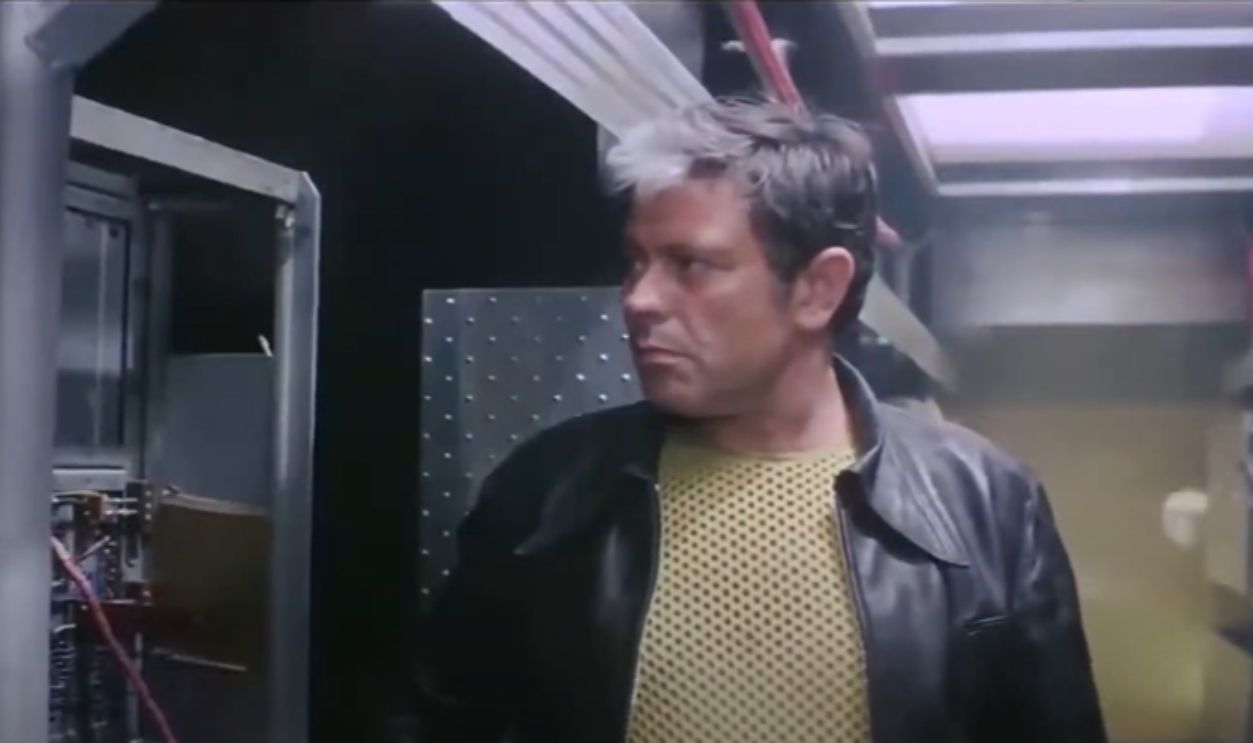 Screenshot from Solaris, Mosfilm (1972)
The Day the Earth Stood Still (1951)
A genre landmark—just not the flawless masterpiece some claim. Many sci-fi fans feel its message is delivered with the subtlety of a space laser, and the pacing reflects another era. Important? Absolutely. Perfect? Not quite.
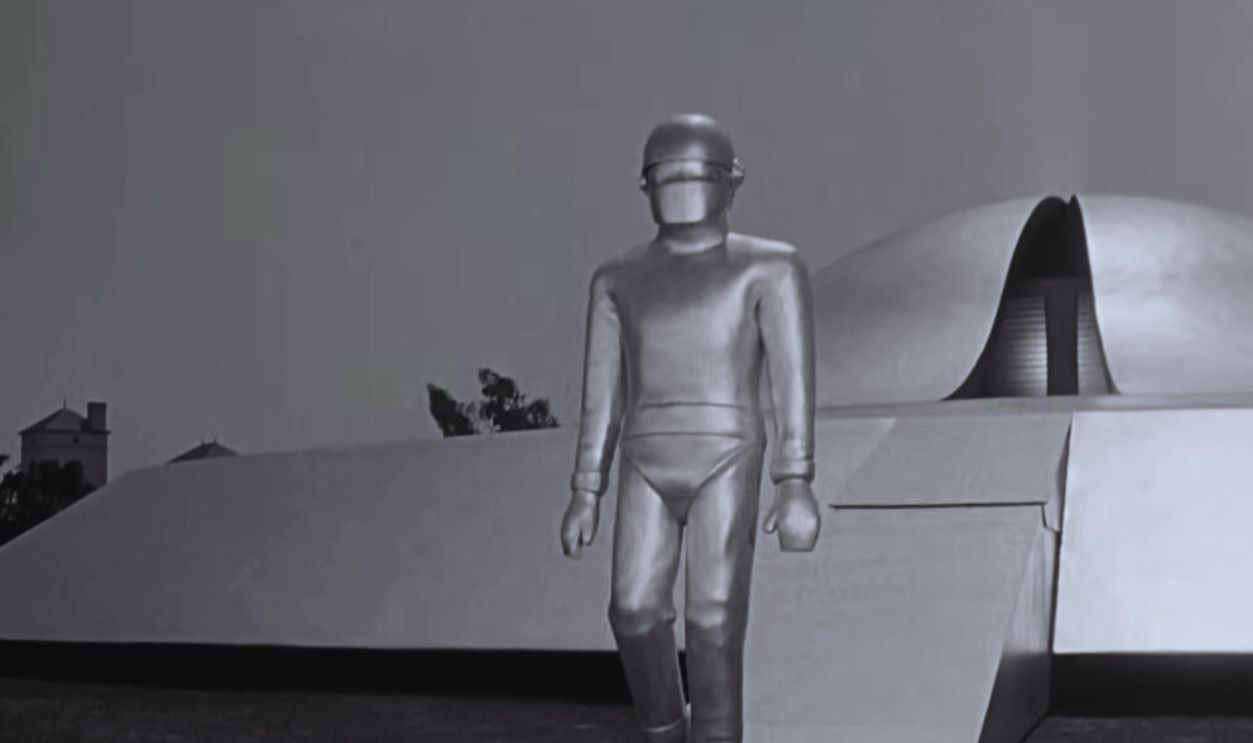 Screenshot from The Day the Earth Stood Still, 20th Century Fox (1951)
War of the Worlds (2005)
A big, loud thrill ride—but hardcore fans argue it dodges the heavier themes that defined the original story. And that ending? One of the most divisive in modern sci-fi. Some call it hopeful; others call it Spielberg playing it safe.
 Screenshot from War of the Worlds, Paramount Pictures (2005)
Inception (2010)
A blockbuster crowd-pleaser, but fans who obsess over logic say the dream rules shift whenever the plot needs them to. The spinning top debate is iconic, but many insist the film creates complexity through exposition—not actual depth.
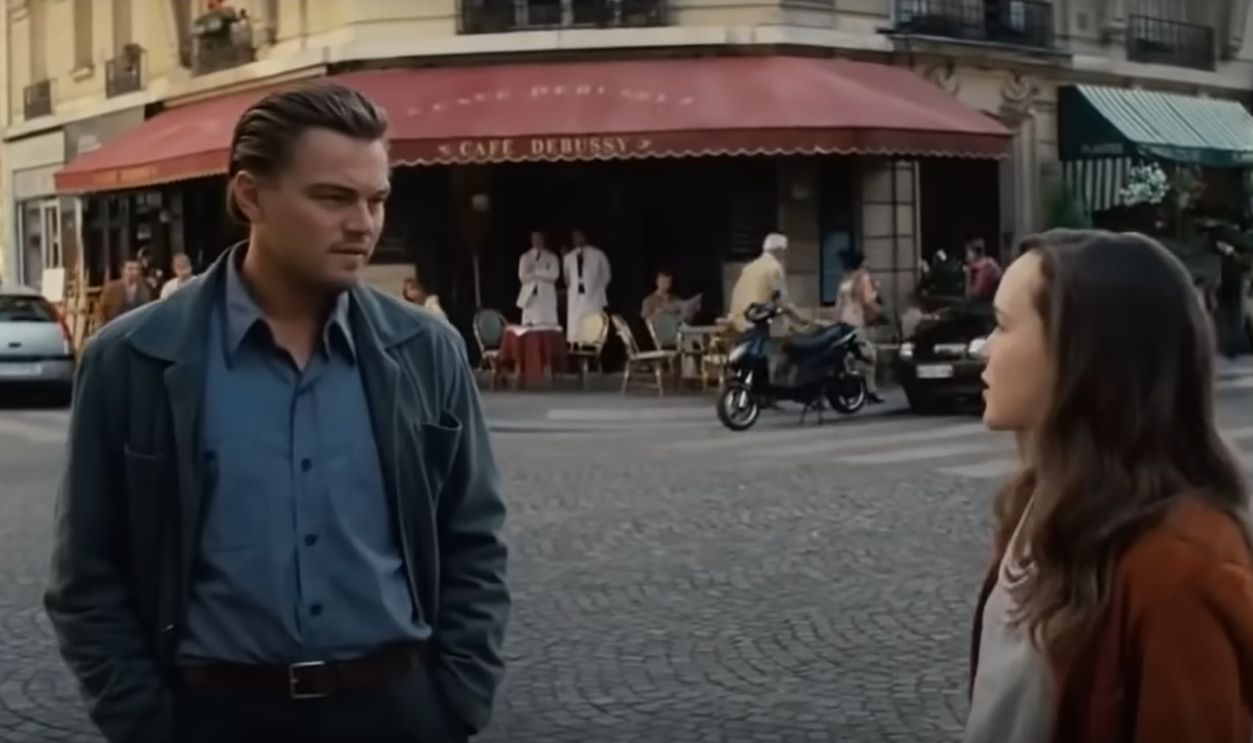 Screenshot from Inception, Warner Bros. Pictures (2010)
Blade Runner (1982)
An atmospheric masterpiece to some, an overlong mood piece to others. Hardcore fans admit it’s stunning—but also admit it can feel cold, cryptic, and slow. It’s the rare sci-fi classic people love… while also warning newcomers to be patient.
 Screenshot from Blade Runner, Warner Bros. (1982)
A.I.: Artificial Intelligence (2001)
A movie forever torn between Kubrick’s bleakness and Spielberg’s sentimentality. Hardcore fans still argue about which half works better. The long epilogue remains one of sci-fi’s most controversial endings—some cry, some sigh, and some insist it should’ve ended 20 minutes earlier.
 Screenshot from A.I.: Artificial Intelligence, Warner Bros. Pictures (2001)
Contact (1997)
Sci-fi fans appreciate its ambition but still debate the slow pacing and surprisingly soft payoff. The final encounter is thoughtful, but many say it feels anticlimactic after all the buildup. It’s a smart film—just not the universally beloved classic it’s sometimes labeled as.
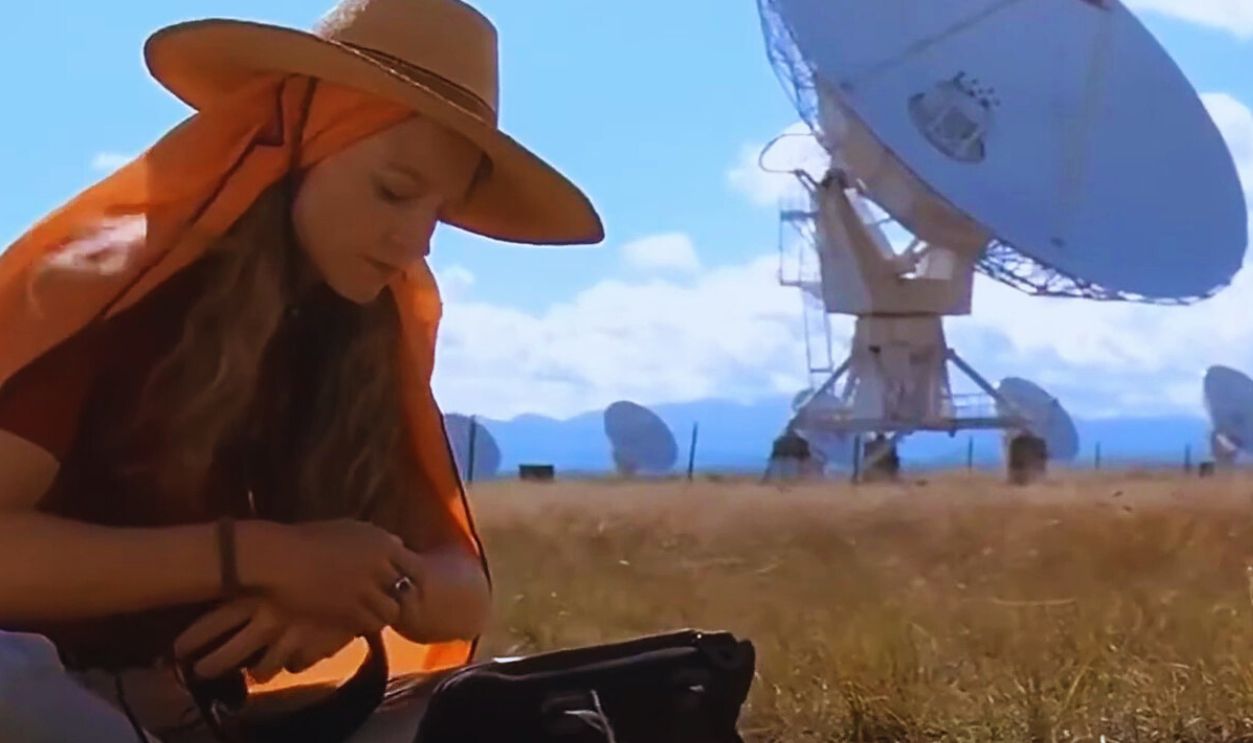 Screenshot from Contact, Warner Bros. Pictures (1997)
Stargate (1994)
Loved for its vibe, not its depth. Hardcore sci-fi fans argue the movie barely scratches the surface of its own mythology—leaving the TV shows to clean things up. It’s fun, goofy sci-fi adventure, but “classic”? Maybe more in memory than in execution.
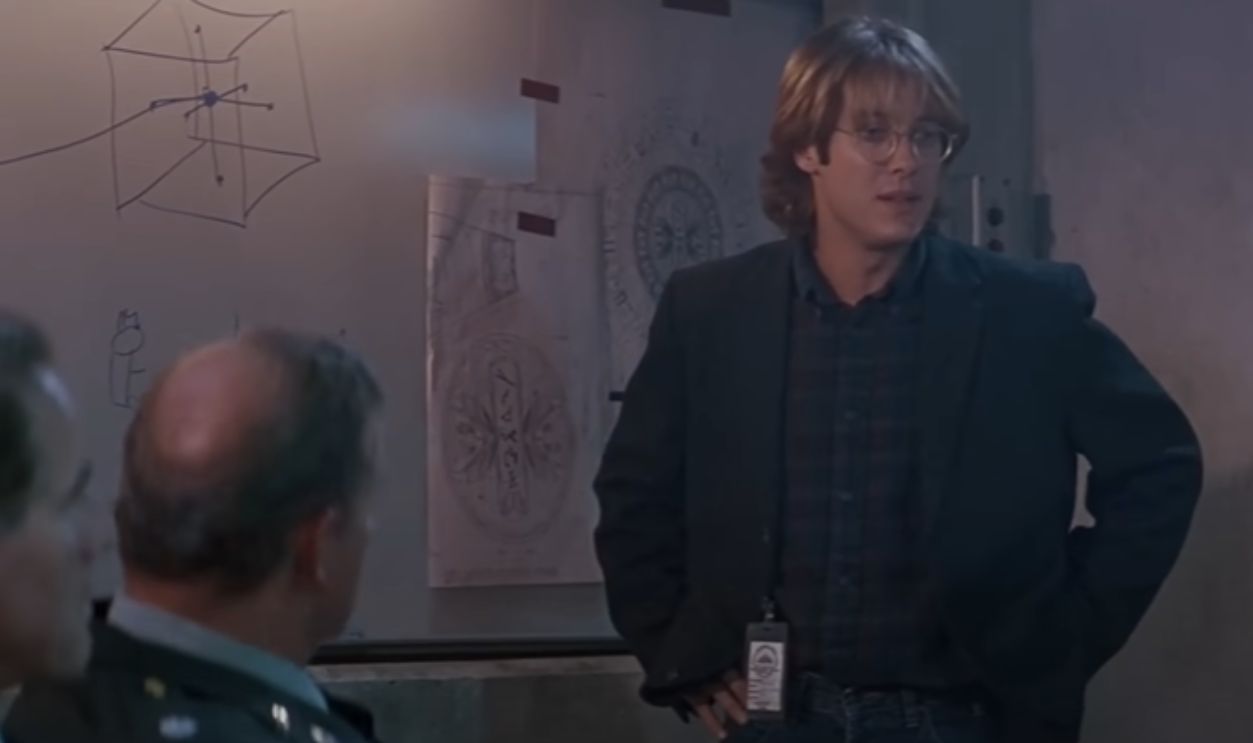 Screenshot from Stargate, Metro-Goldwyn-Mayer (1994)
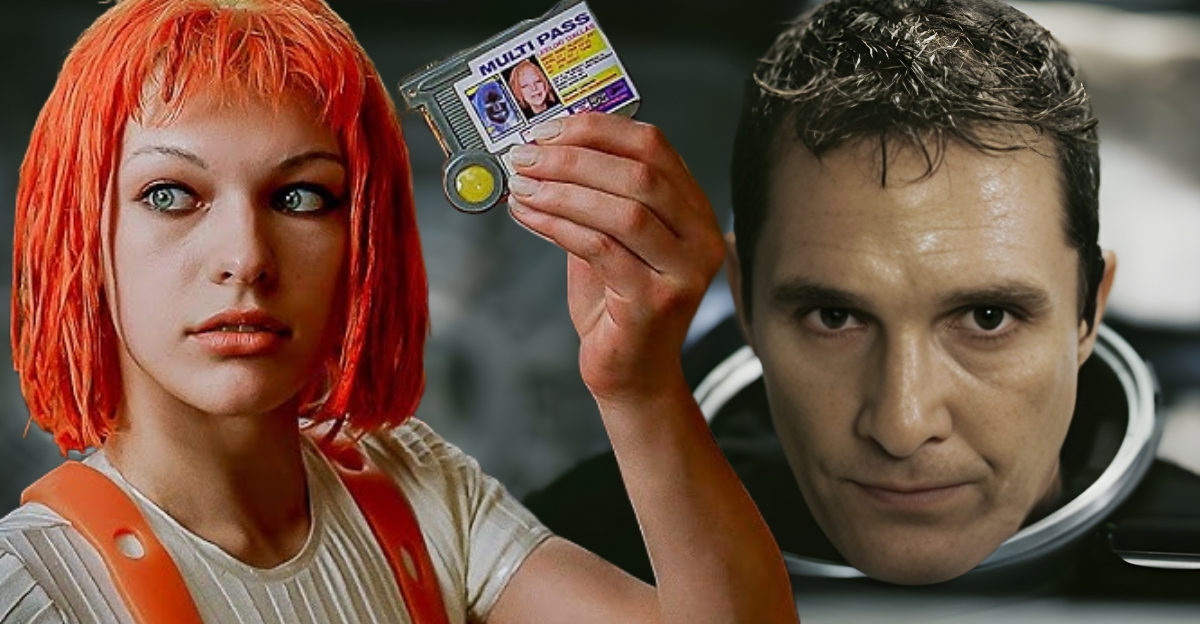
The Fifth Element (1997)
Wild, ridiculous, visually electric—and completely divisive. Hardcore fans split between “genius fever dream” and “chaotic nonsense.” The tonal whiplash is part of the charm for some and a dealbreaker for others.
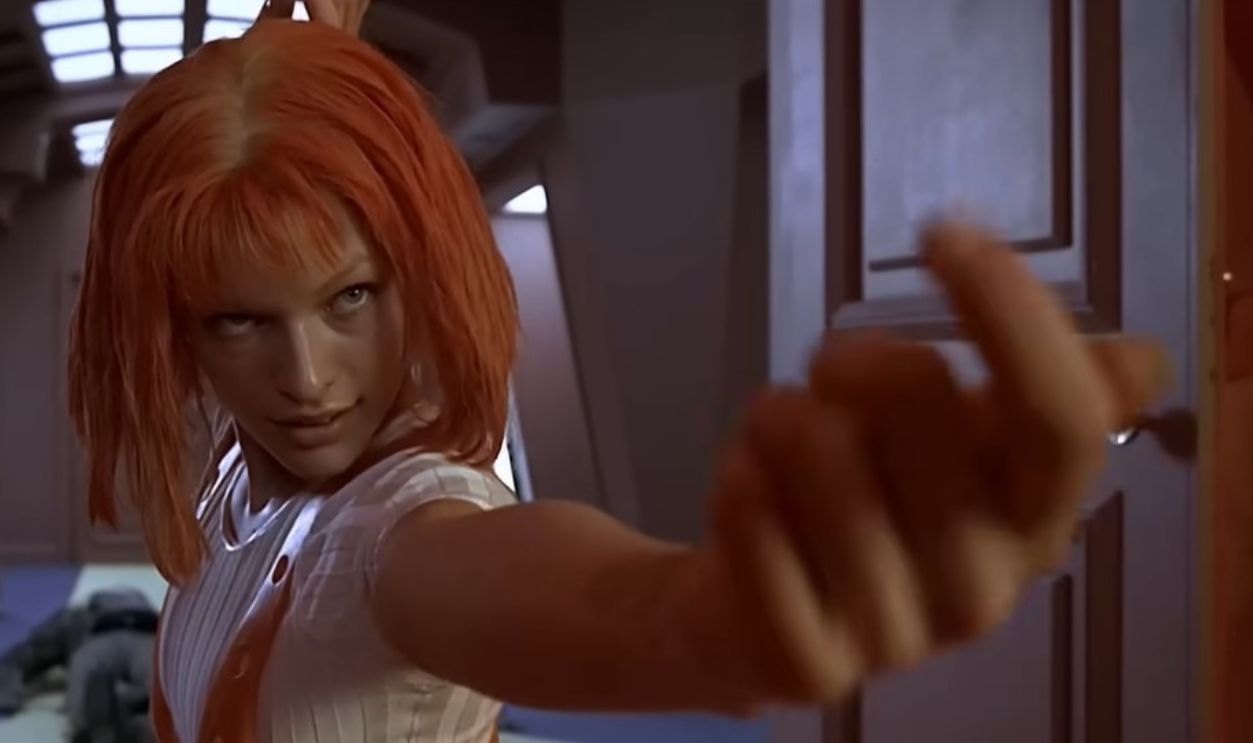 Screenshot from The Fifth Element, Columbia Pictures (1997)
E.T. the Extra-Terrestrial (1982)
A beloved childhood fantasy, but sci-fi purists argue it’s more fairy tale than futuristic storytelling. The emotional beats land, but many fans say its classic status comes from nostalgia more than genre strength.
 Screenshot from E.T. the Extra-Terrestrial, Universal Pictures (1982)
Looper (2012)
A clever premise that hardcore fans love poking holes in. The film openly shrugs at its own time-travel rules, which drives detail-obsessed viewers nuts. Many argue it builds an incredible setup but dodges the most interesting questions.
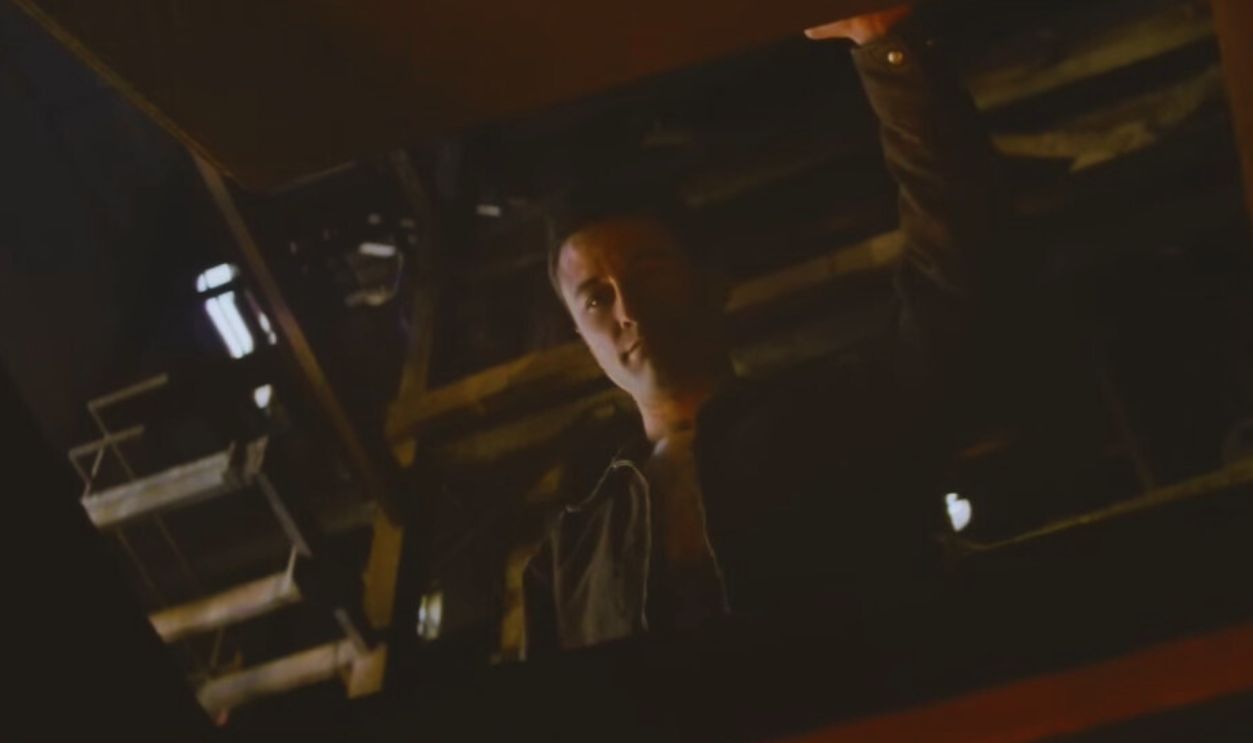 Screenshot from Looper, TriStar Pictures (2012)
Minority Report (2002)
A stylish ride with worldbuilding that falls apart the moment you analyze it too seriously. Hardcore fans enjoy the tech and themes but argue the pre-crime logic collapses under basic scrutiny.
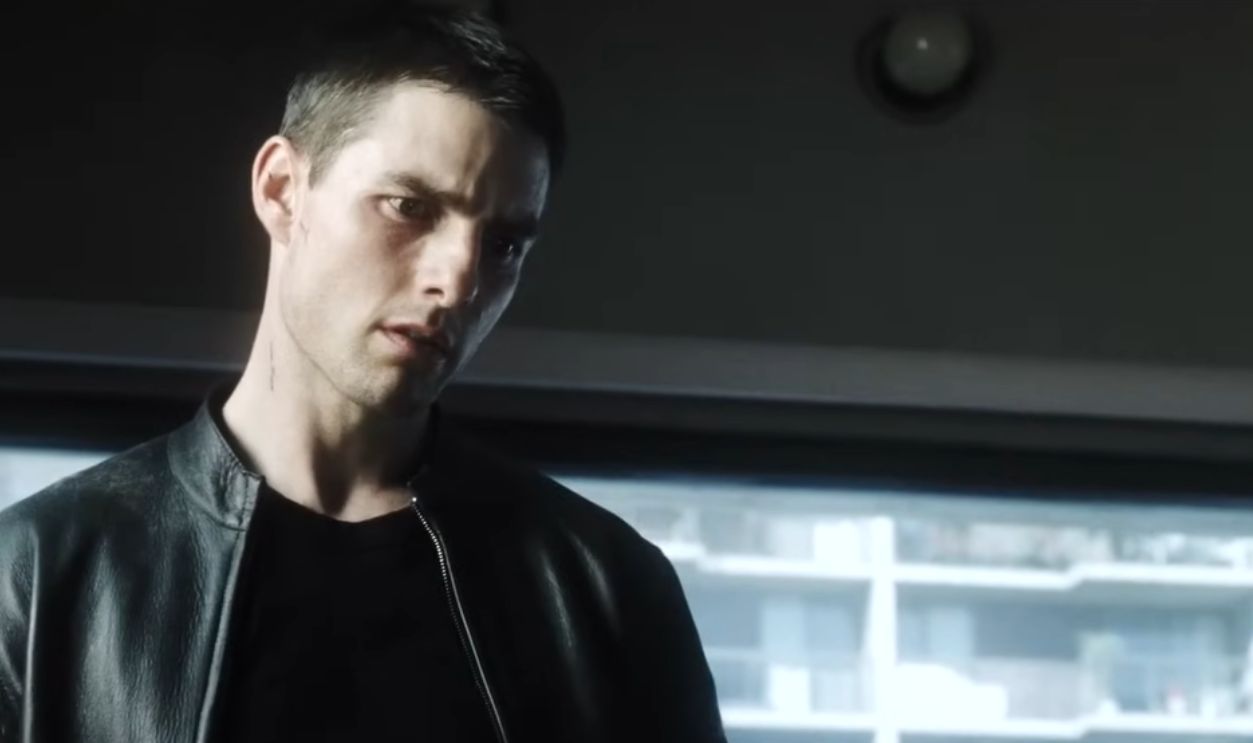 Screenshot from Minority Report, 20th Century Fox (2002)
The Rocketeer (1991)
A charming throwback—just not the airtight sci-fi classic some remember. Fans love the retro feel, but many argue the story is simple and the pacing wobbly. It’s cute, it’s fun, but it’s also a little shallow.
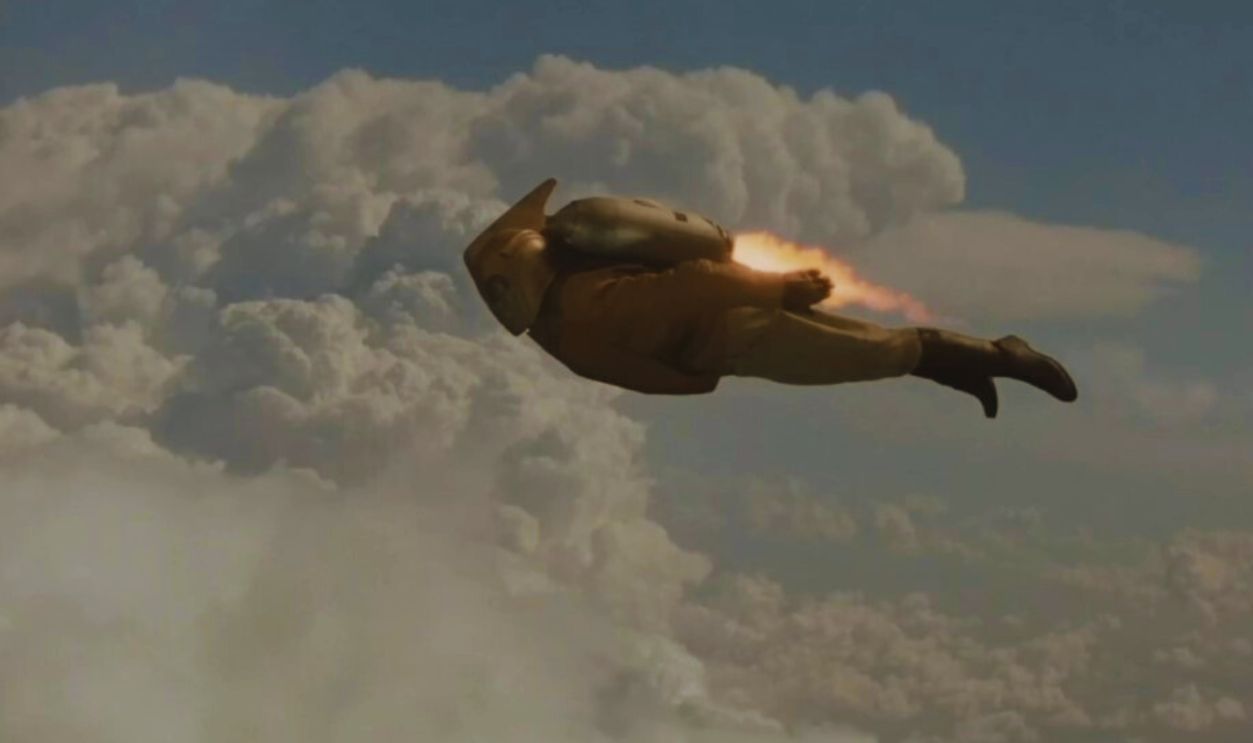 Screenshot from The Rocketeer, Walt Disney Pictures (1991)
Pacific Rim (2013)
Giant robots punching giant monsters? Fantastic. The dialogue and characters? Less so. Hardcore fans adore the spectacle but argue the writing feels like an afterthought. The drift concept sounds smart until you try to explain it out loud.
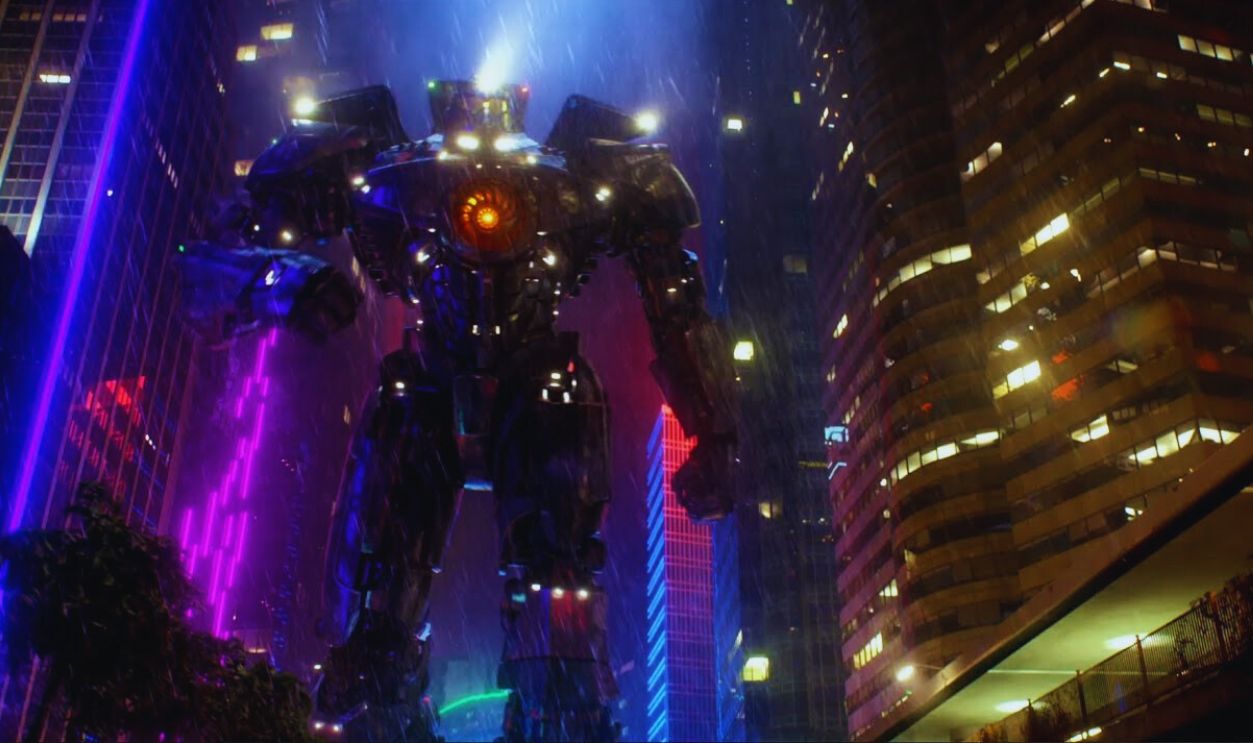 Screenshot from Pacific Rim, Warner Bros. Pictures (2013)
Prometheus (2012)
A gorgeous film that sparks endless debates. Hardcore fans praise the ambition but roast the baffling character decisions. Its mythology hints at huge ideas but explains almost none of them.
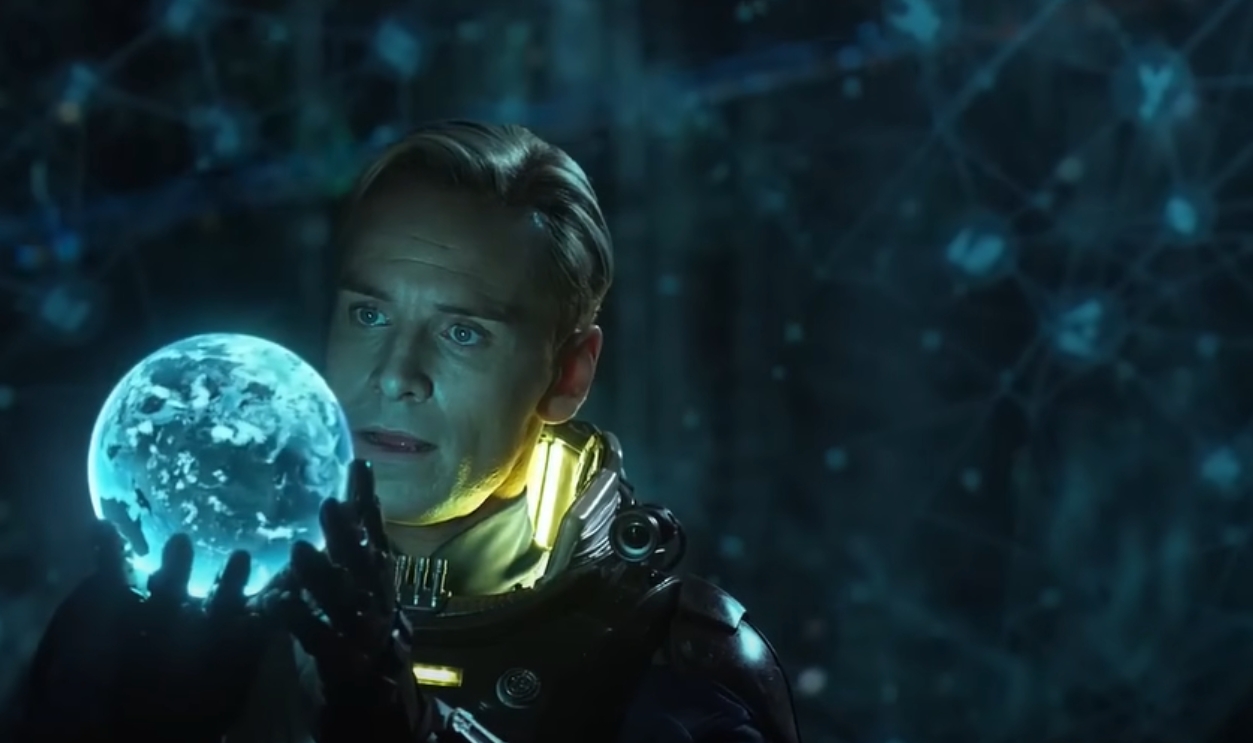 Screenshot from Prometheus, 20th Century Fox (2012)
Soylent Green (1973)
A classic with a famous twist—but fans argue the drama leading up to it is clunky and overly theatrical. Hardcore viewers say it’s more message than movie, and its “shocking reveal” overshadows storytelling that hasn’t aged especially well.
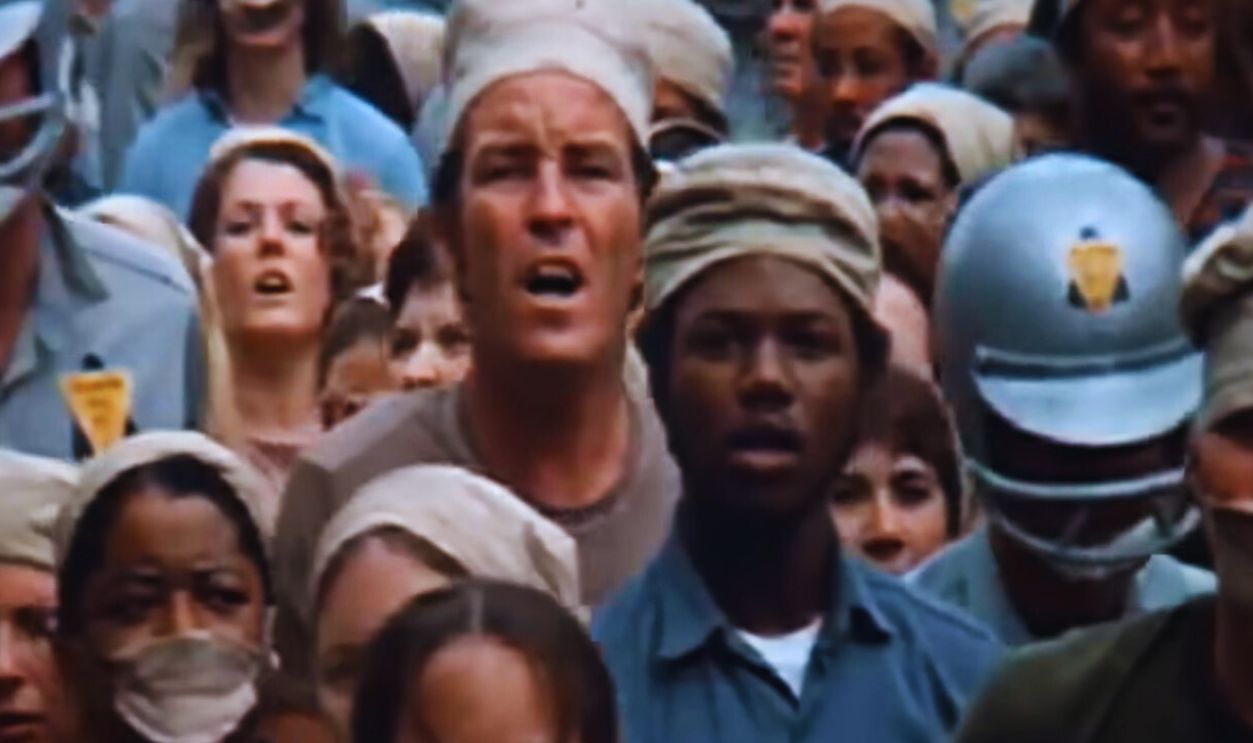 Screenshot from Soylent Green, Metro-Goldwyn-Mayer (1973)
Sunshine (2007)
A brilliant, hypnotic sci-fi film… until the third act. Hardcore fans still fight about the genre shift that comes out of nowhere, turning cerebral tension into something totally different.
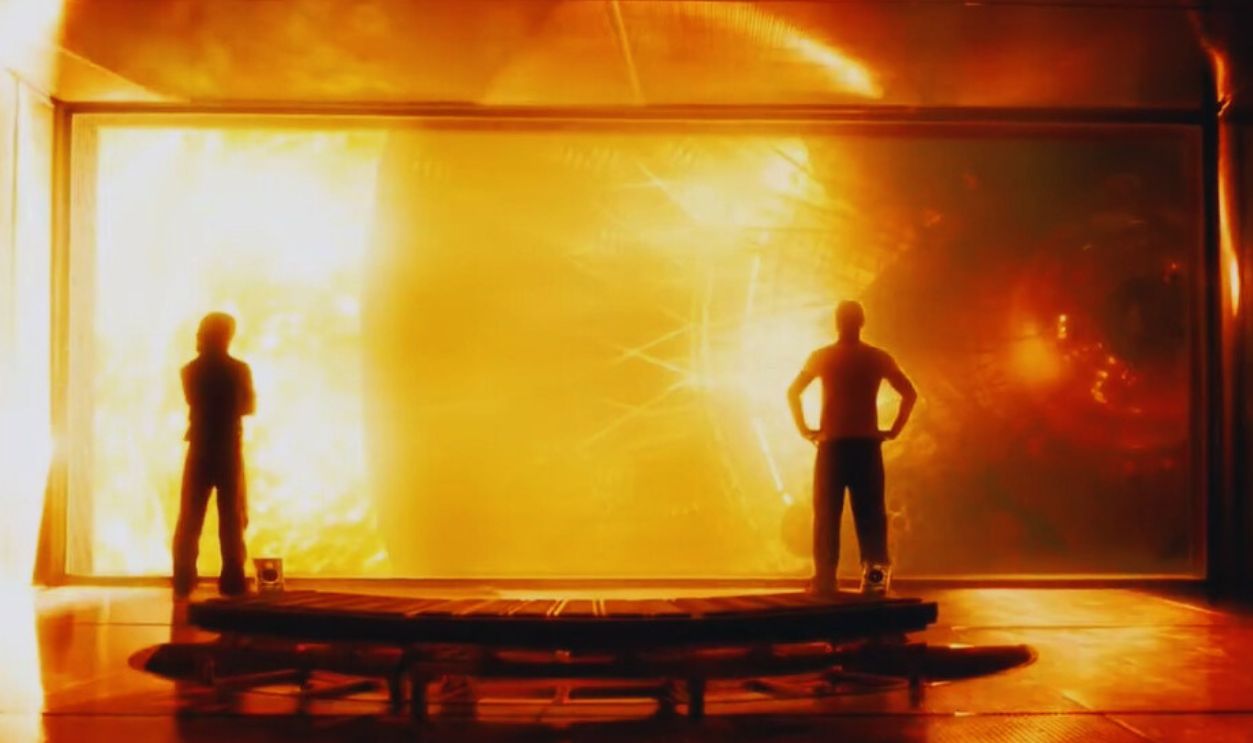 Screenshot from Sunshine, Fox Searchlight Pictures (2007)
Oblivion (2013)
A beautiful movie that hardcore fans say borrows a little too much from earlier classics. The world design is stunning, but the story feels familiar enough that fans can predict twists before they happen.
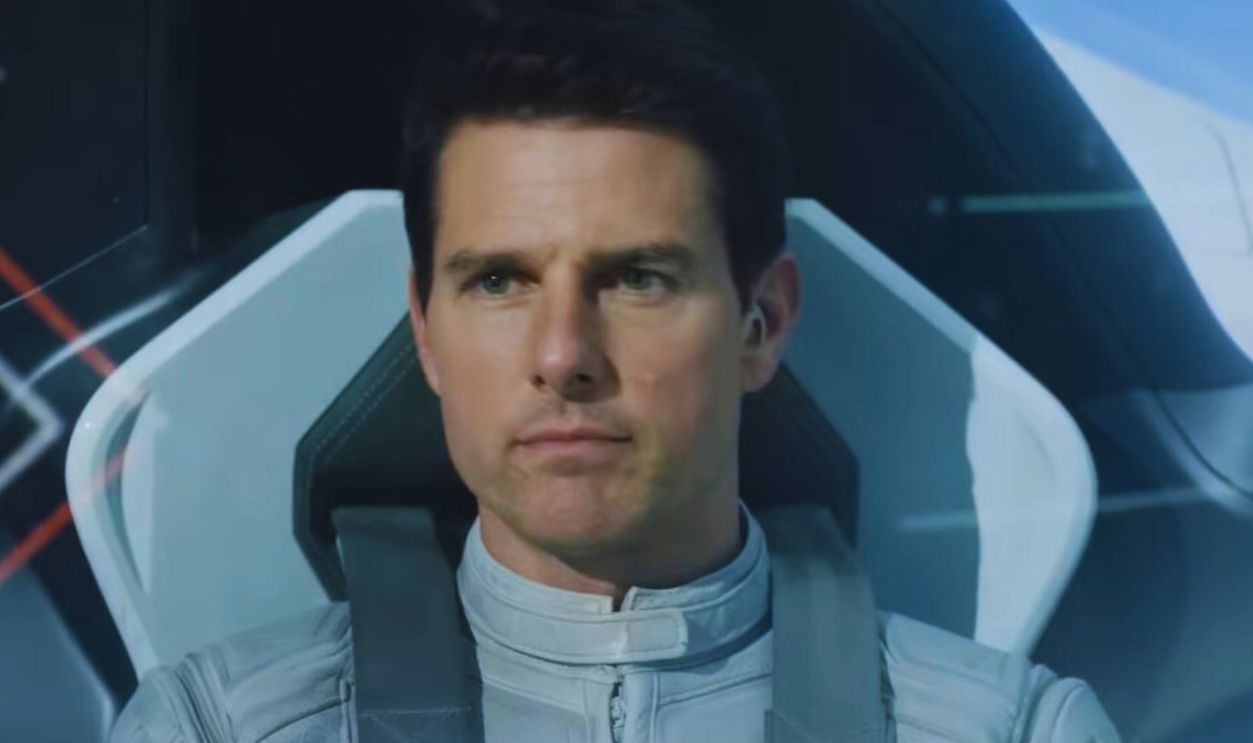 Screenshot from Oblivion, Universal Pictures (2013)
I, Robot (2004)
A slick Will Smith blockbuster that Asimov fans consider borderline blasphemous. Hardcore purists argue the movie trades the author’s philosophical depth for chase scenes and quips.
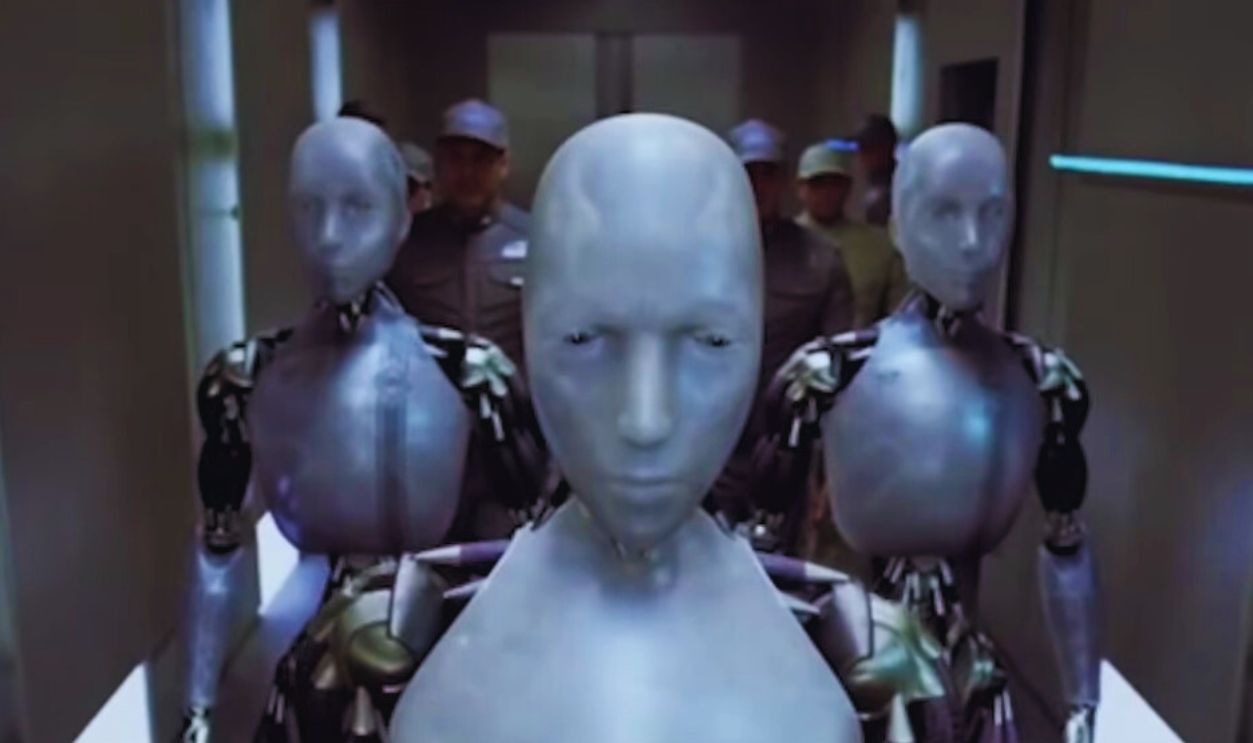 Screenshot from I, Robot, 20th Century Fox (2004)
You Might Also Like:
Fans Will Claim That These Are The Worst Superhero Casting Choices, But We're Not So Sure
The Underappreciated Writers Behind Your Favorite TV Shows
Quiz: Can You Match the Quote to the Movie?
Sources: 1, 2, 3