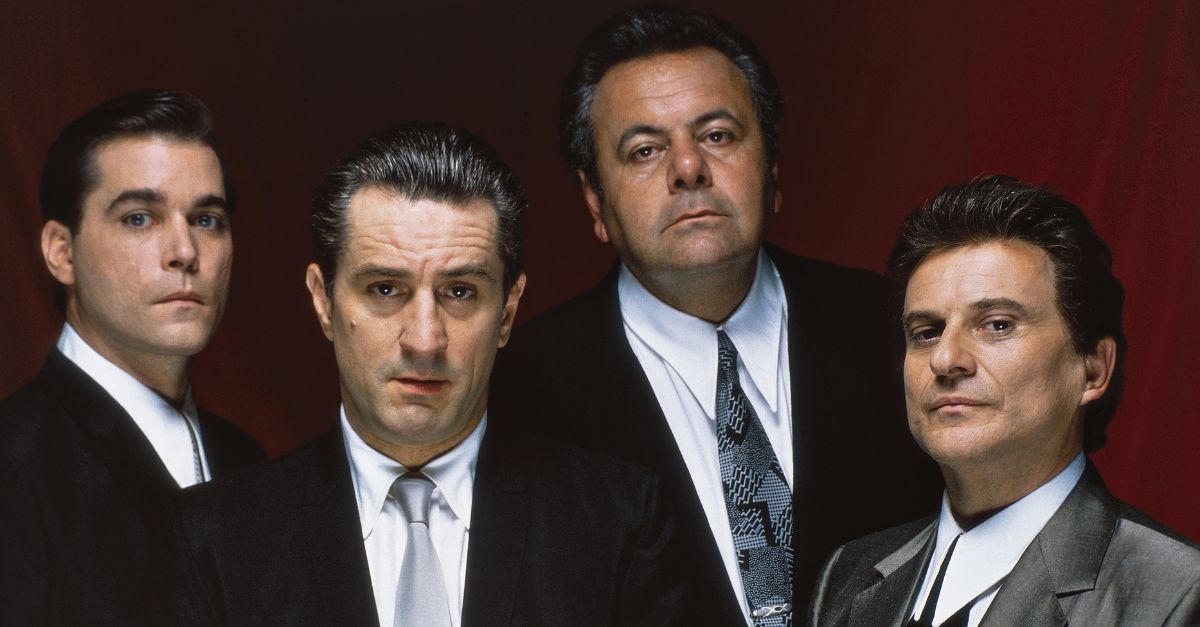
Timeless Movie Magic
You know a film's truly special when you've seen it ten times and still find yourself reaching for it on a lazy Sunday. The magic lies in how these stories hold up under scrutiny.
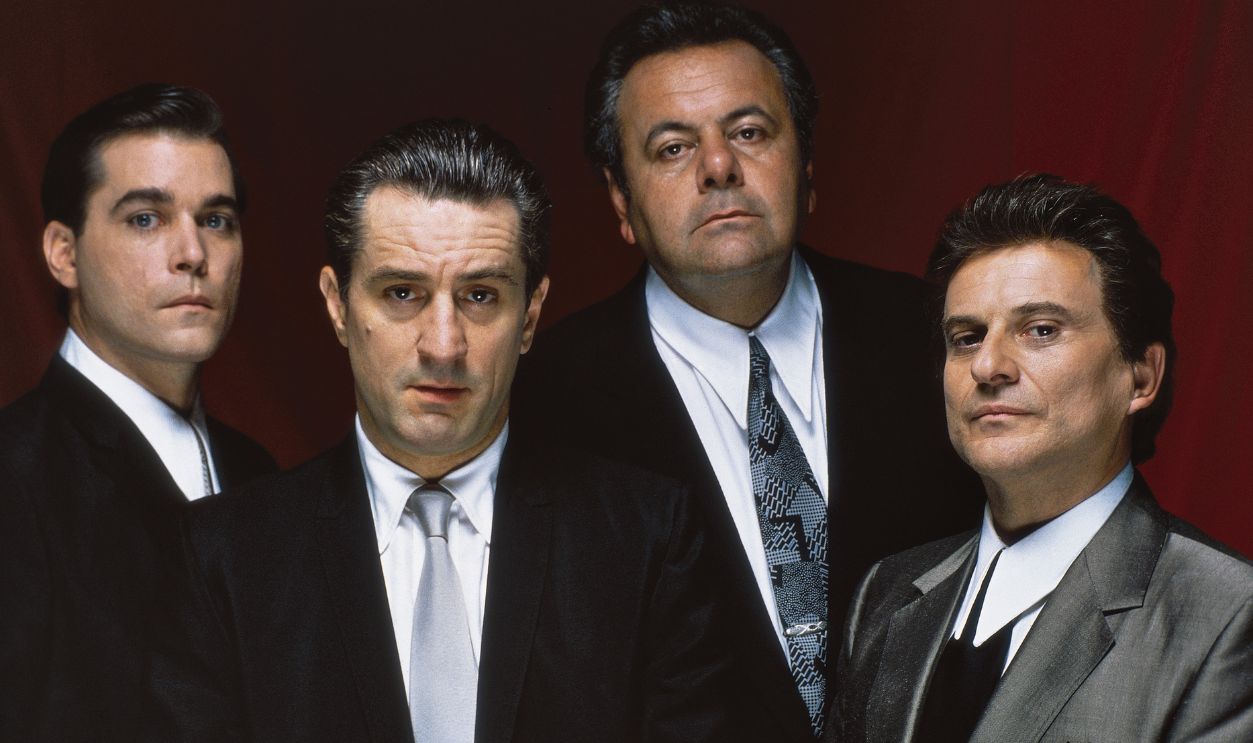 Sunset Boulevard, Getty Images
The Shawshank Redemption (1994)
Here's the thing about The Shawshank Redemption—it flopped at the box office. Hard. But then something magical happened through VHS rentals and cable TV reruns: people discovered it, told their friends, and it snowballed into one of the highest-rated films on IMDb's Top 250.
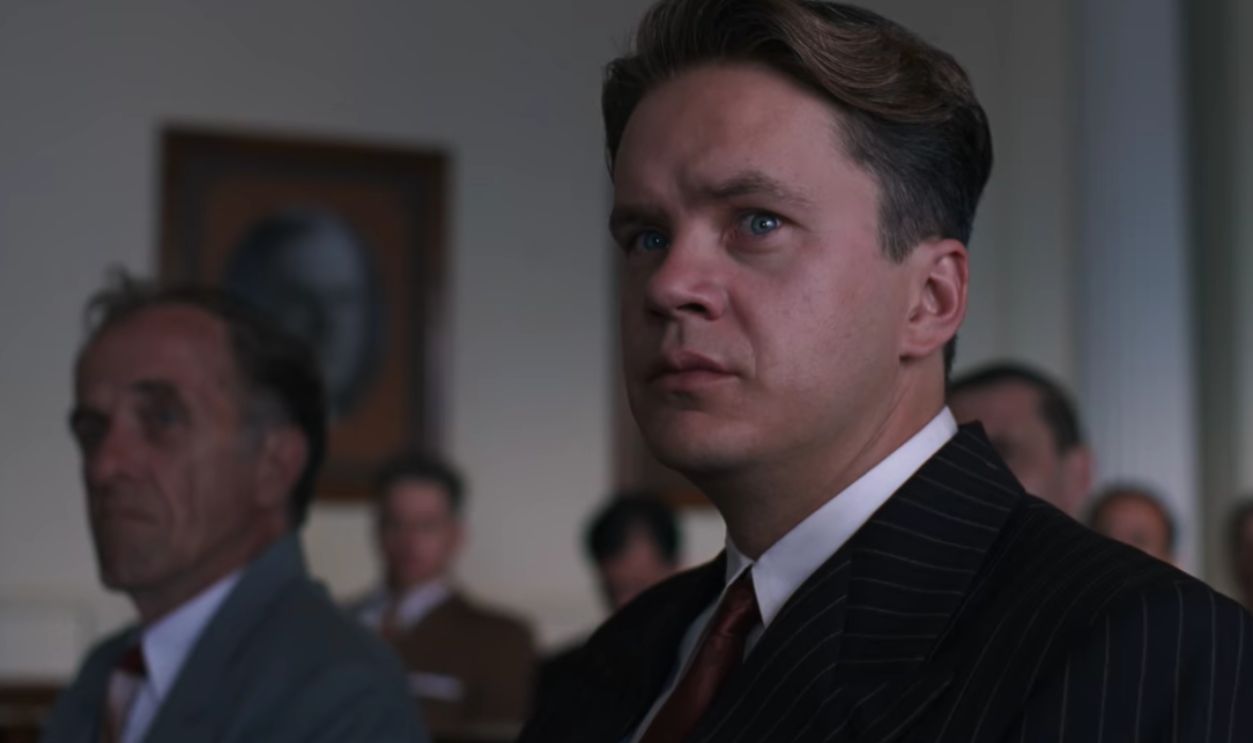 Screenshot from The Shawshank Redemption, Columbia Pictures (1994)
The Shawshank Redemption (Cont.)
Based on Stephen King's novella Rita Hayworth and Shawshank Redemption from his Different Seasons collection, this prison drama about hope and friendship hits differently every time you watch it. That iconic scene where Morgan Freeman and Tim Robbins toss a baseball across the prison yard took nine hours to film.
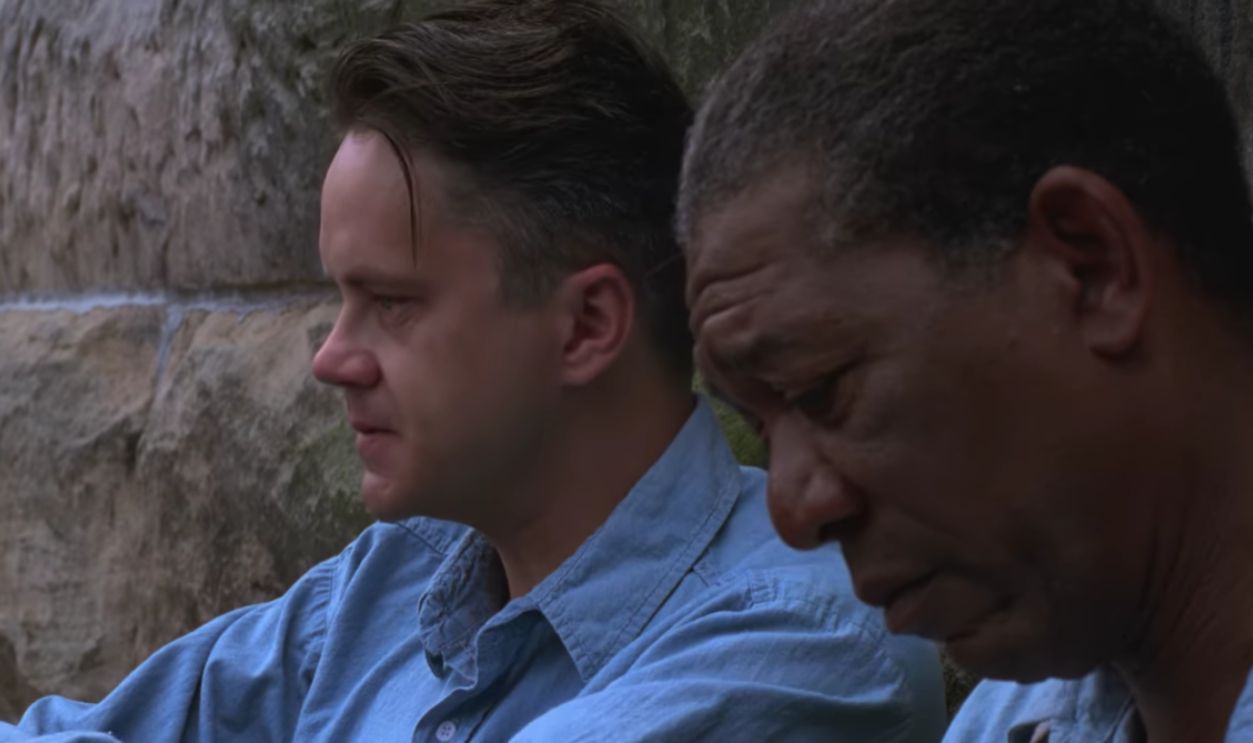 Screenshot from The Shawshank Redemption, Columbia Pictures (1994)
The Princess Bride (1987)
William Goldman wrote The Princess Bride as a bedtime story for his daughters before turning it into a novel, and that warmth radiates through every frame of Rob Reiner's adaptation. It's a film that refuses to pick a lane, equal parts swashbuckling adventure, genuine romance, laugh-out-loud comedy, and fairy-tale magic.
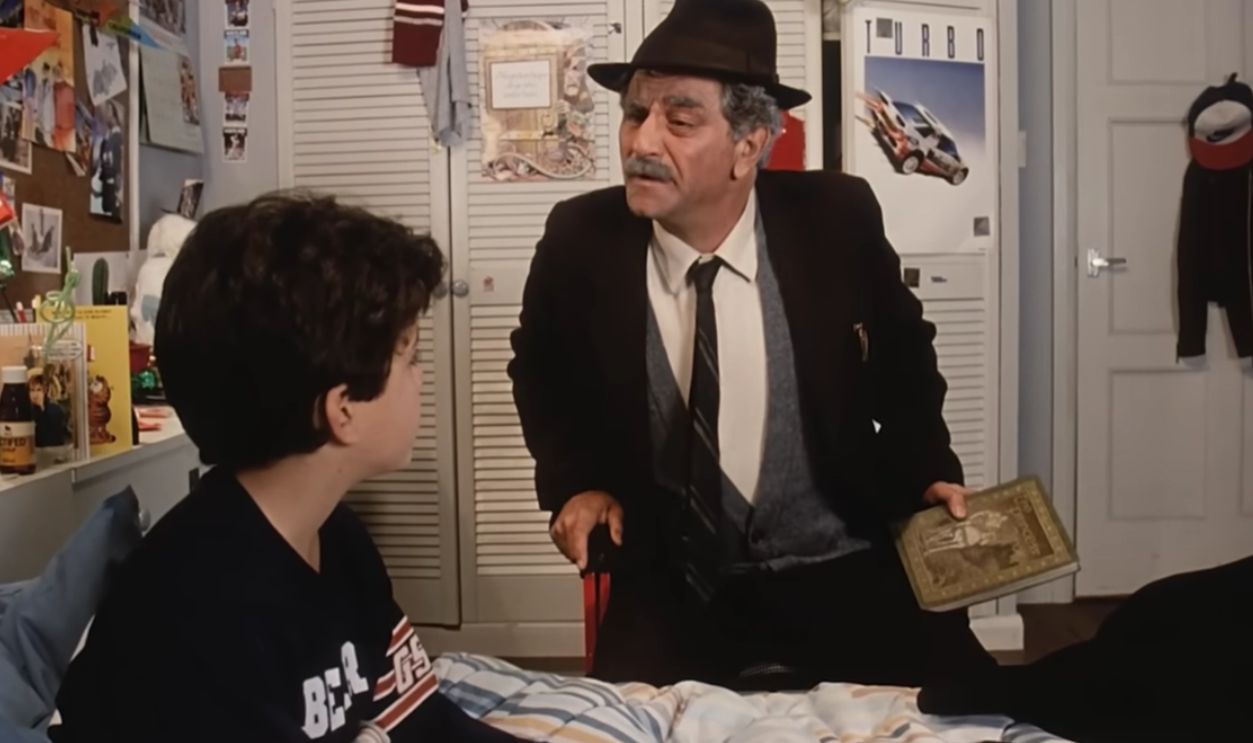 Screenshot from The Princess Bride, 20th Century Fox (1987)
The Princess Bride (Cont.)
The quotable dialogue has become the stuff of legend, but here's what makes it truly rewatchable: Mandy Patinkin channeled his grief over his father's cancer demise into Inigo Montoya's famous revenge speech. That raw emotion beneath the entertainment gives the film unexpected depth.
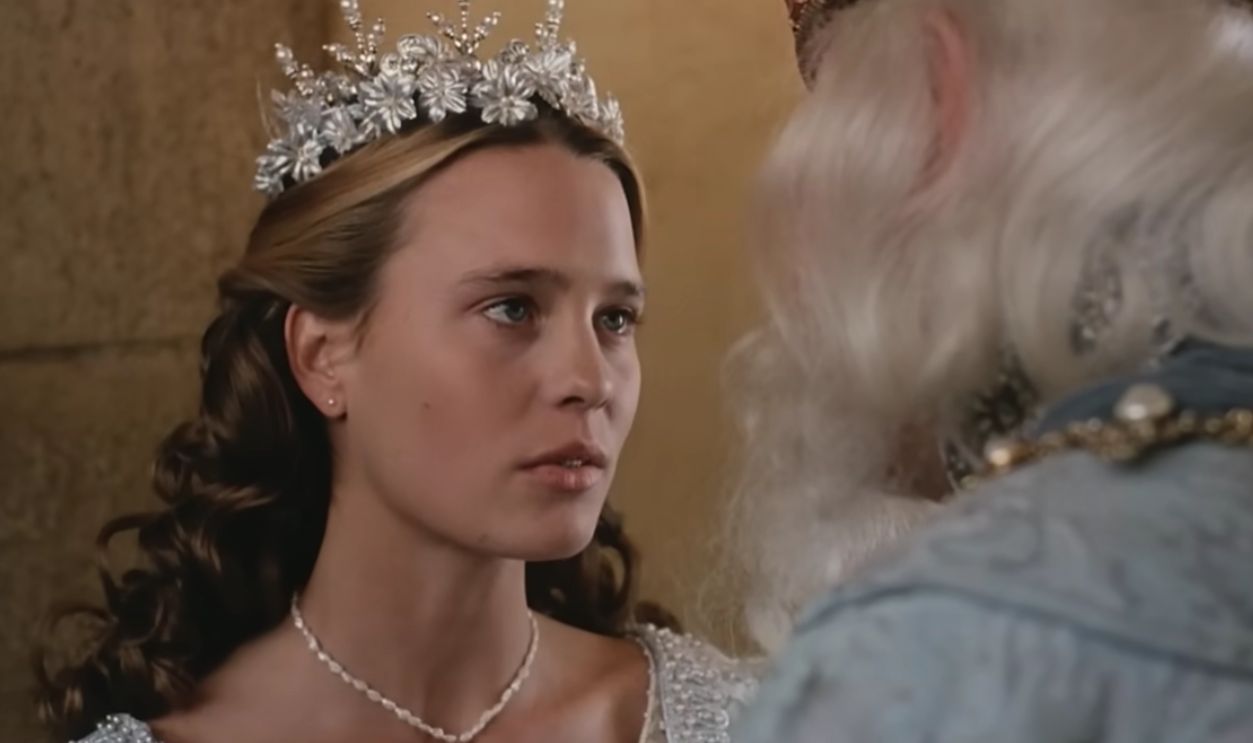 Screenshot from The Princess Bride, 20th Century Fox (1987)
Groundhog Day (1993)
What keeps you coming back isn't just the humor. It's the philosophical depth about self-improvement and what it means to become a better person. Filmed in Woodstock, Illinois (standing in for Punxsutawney, Pennsylvania), near Murray's actual hometown, the movie layers comedy with genuine character growth.
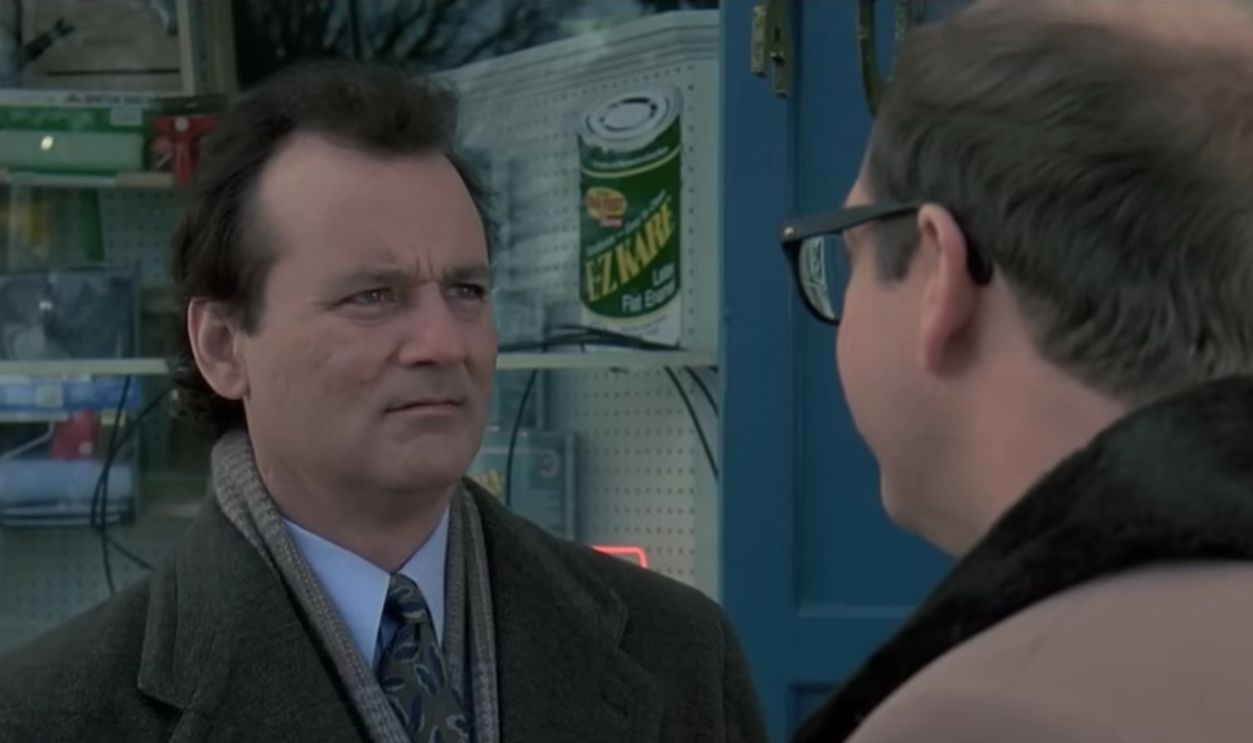 Screenshot from Groundhog Day, Columbia Pictures (1993)
Groundhog Day (Cont.)
Bill Murray reliving the same day over and over sounds like a nightmare premise, yet Groundhog Day turned the time loop into cinema gold. Director Harold Ramis suggested Phil Connors might be trapped for 30 to 40 years, though detailed scene analysis puts it closer to 34 years of repeated Februaries.
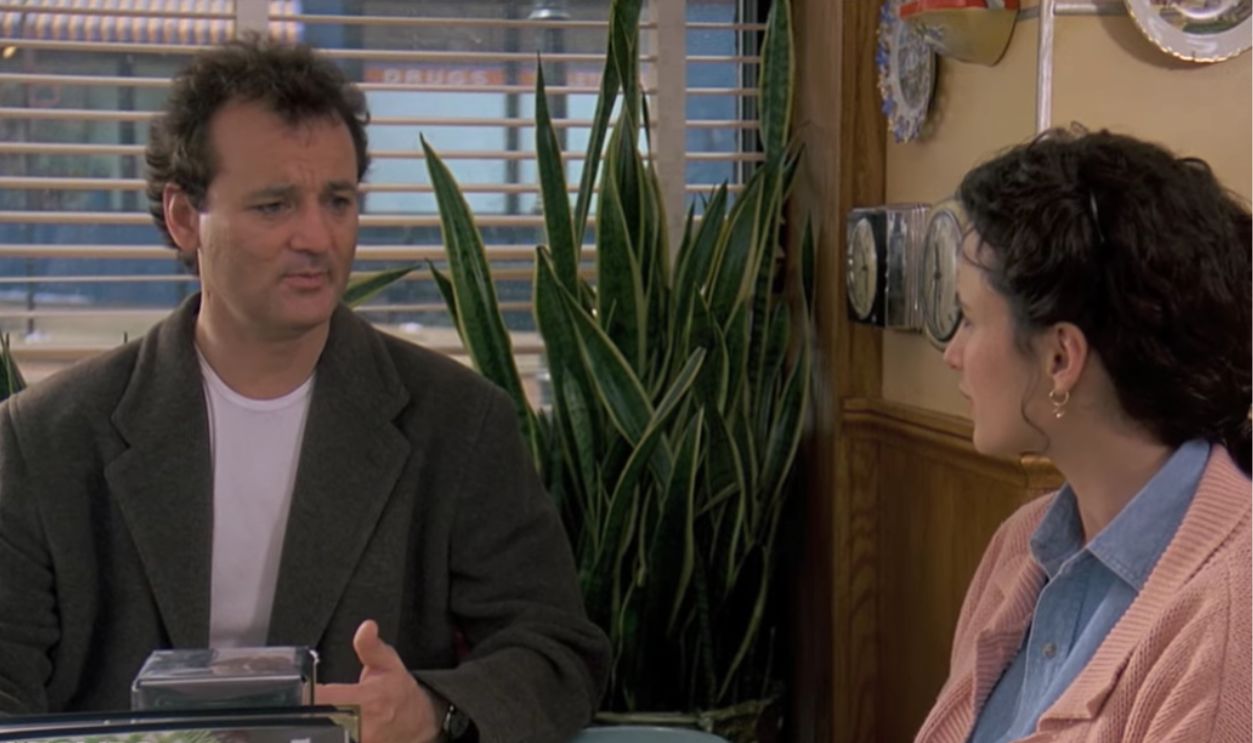 Screenshot from Groundhog Day, Columbia Pictures (1993)
Back To The Future (1985)
The DeLorean DMC-12 wasn't just any car. Those futuristic gull-wing doors made it the perfect time machine, and ironically, the car's creator, John DeLorean, sent a thank-you letter to the filmmakers for immortalizing his vehicle, which had stopped production just before the movie's release.
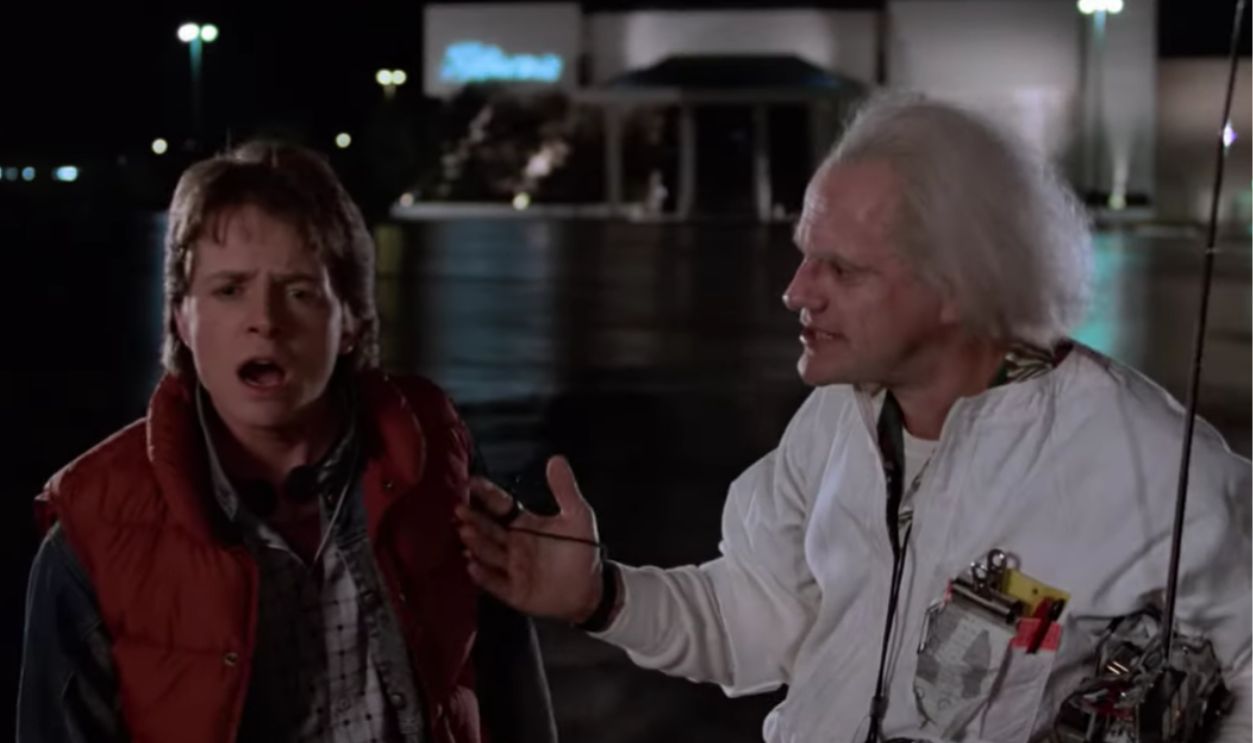 Screenshot from Back to the Future, Universal Pictures (1985)
Back To The Future (Cont.)
This Steven Spielberg-produced adventure became a cultural phenomenon that defined 1980s nostalgia. Here's a wild production fact: Michael J Fox wasn't the original Marty McFly. Eric Stoltz filmed for weeks before being replaced because his performance was too serious for the film's comedic tone.
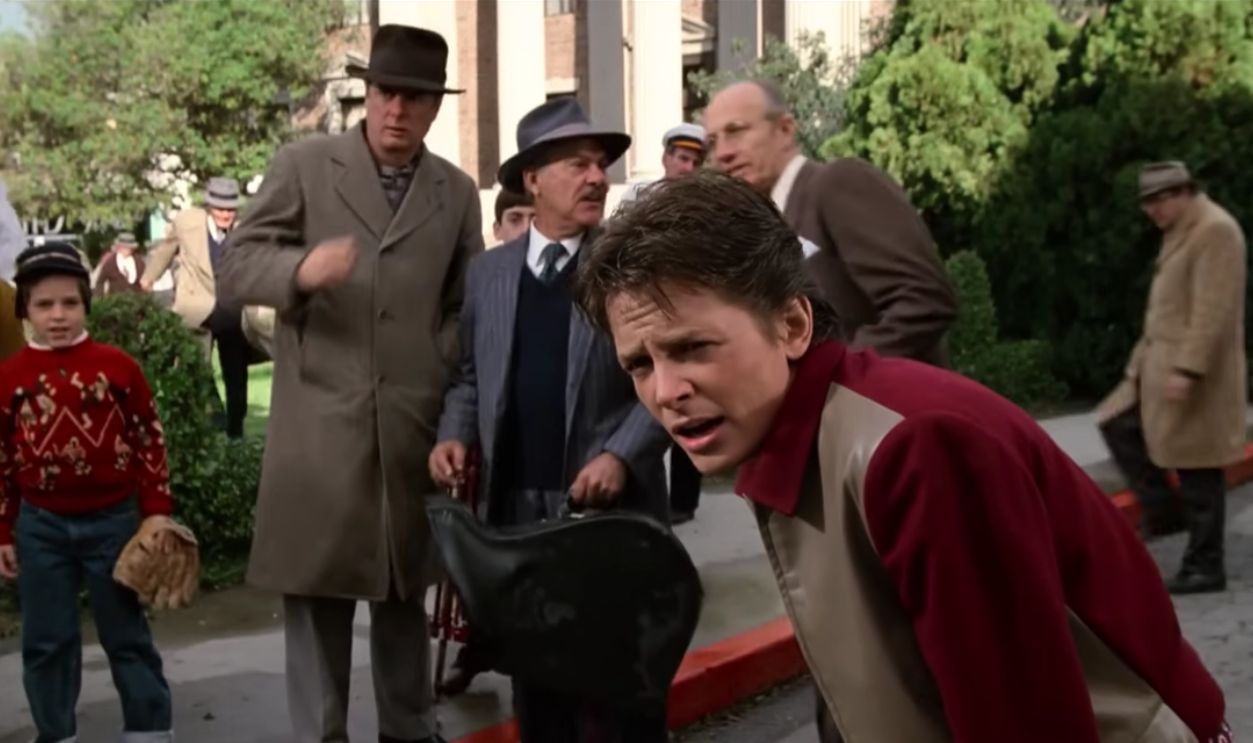 Screenshot from Back to the Future, Universal Pictures (1985)
Pulp Fiction (1994)
Quentin Tarantino's non-linear masterpiece won the Palme d'Or at Cannes and scored multiple Oscar nominations, including Best Picture. It revolutionized independent cinema in the 1990s. The interwoven storylines, the dance at Jack Rabbit Slim's, that infamous adrenaline shot scene: they're burned into film history.
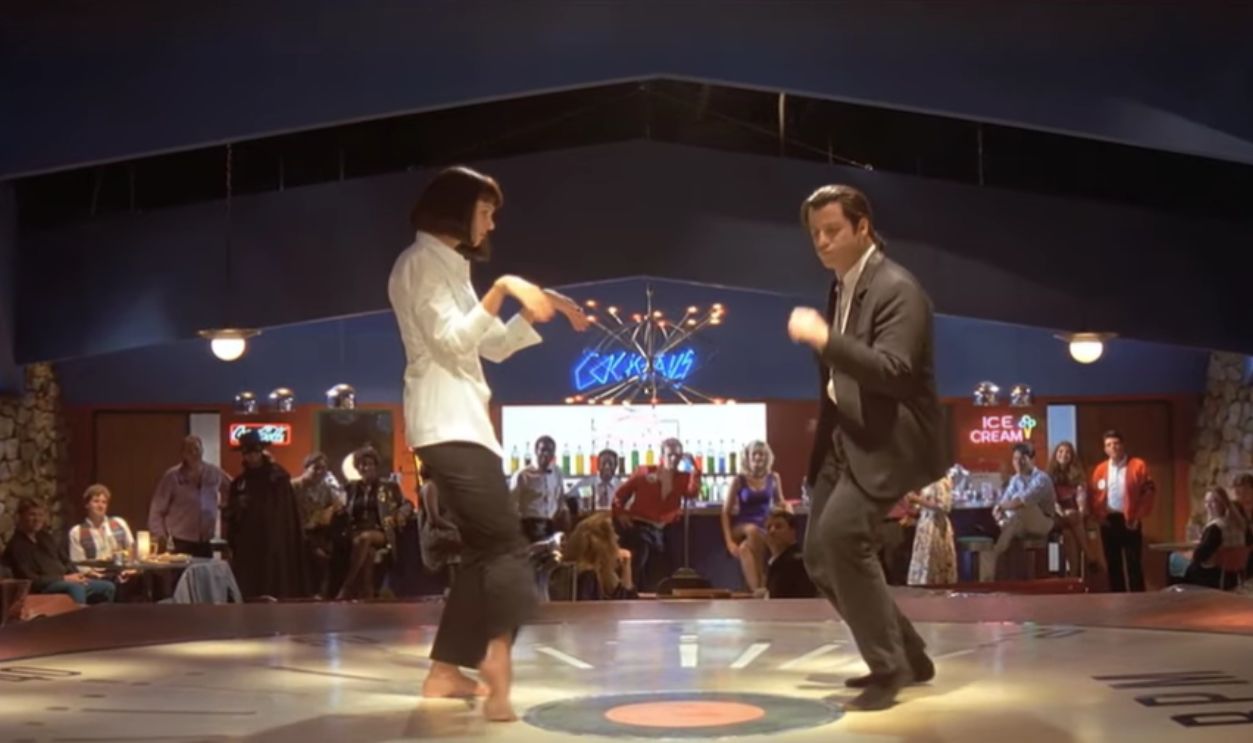 Screenshot from Pulp Fiction, Miramax Films (1994)
Pulp Fiction (Cont.)
But here's the genius move that keeps people watching: Tarantino deliberately left the glowing briefcase unexplained, sparking decades of fan theories about what's actually inside. Every viewing offers a chance to catch new connections between the scrambled timeline or notice fresh details in the dialogue.
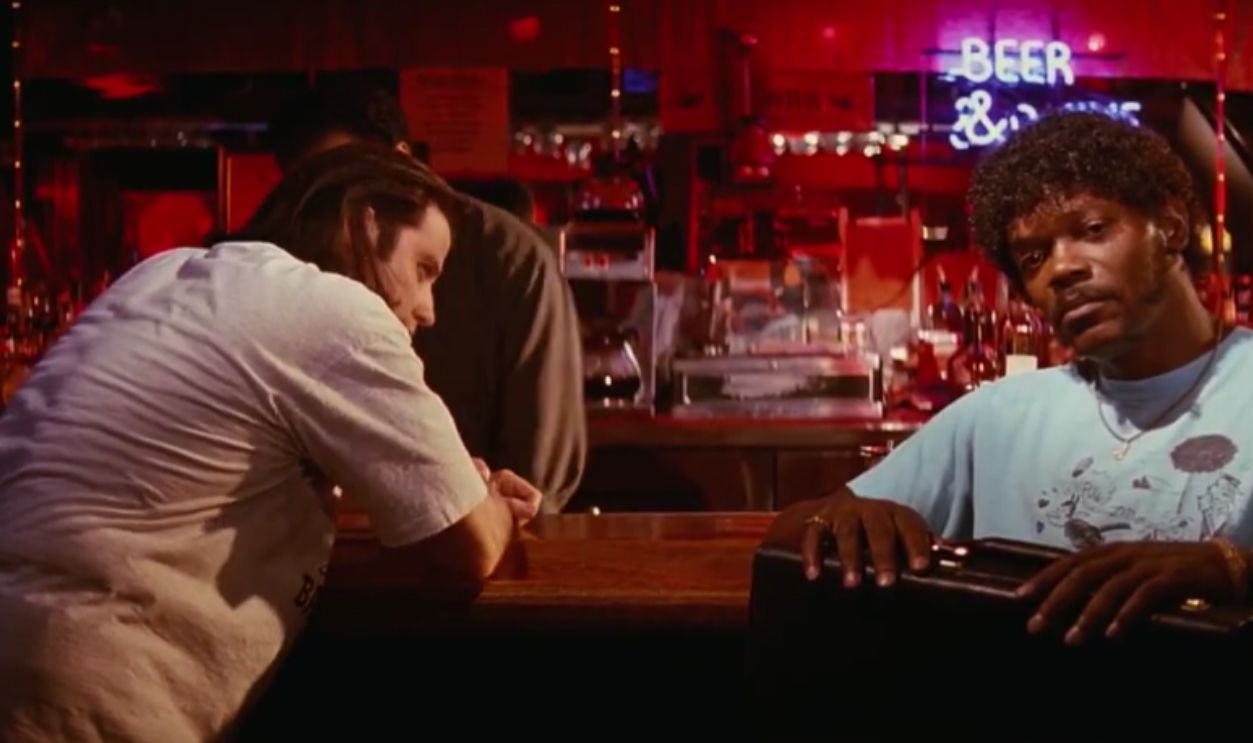 Screenshot from Pulp Fiction, Miramax Films (1994)
The Big Lebowski (1998)
The Coen Brothers created a box office disappointment that ultimately became a cult phenomenon so massive it spawned annual Lebowski Fest celebrations. The film's eccentric characters, dream sequences, and endlessly quotable dialogue reward repeated viewings with layers you miss the first time around.
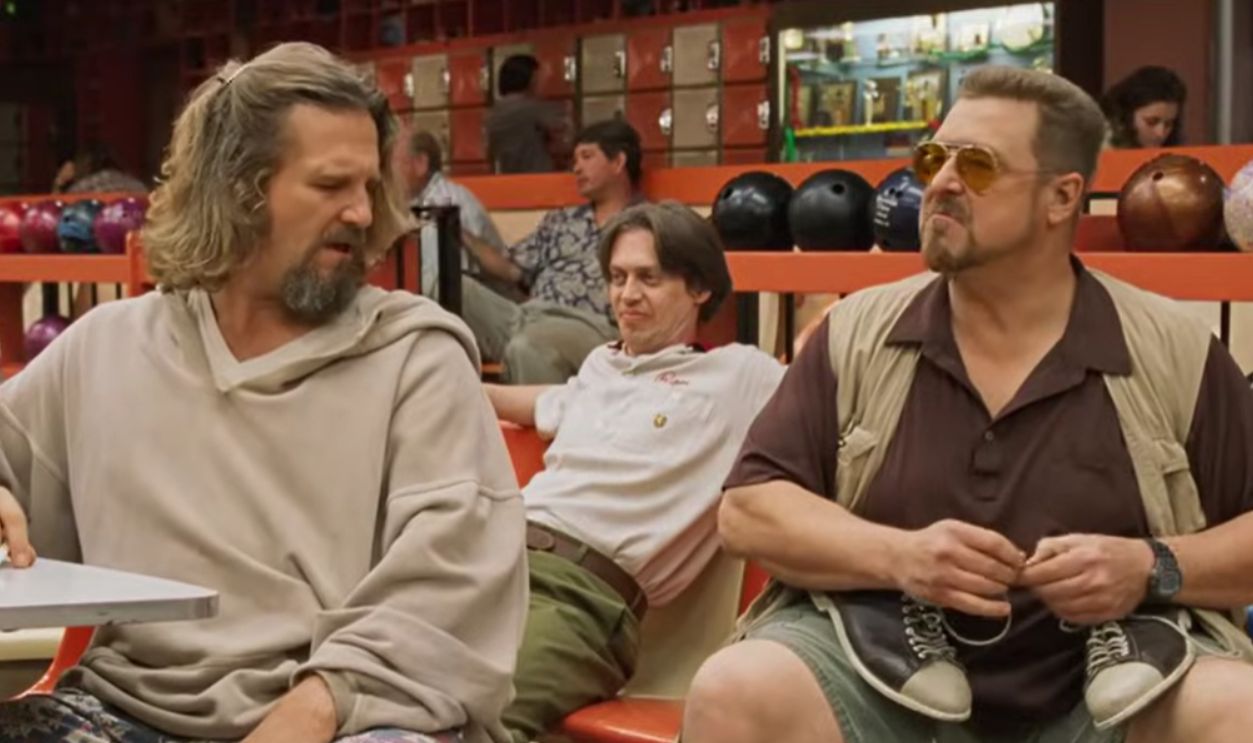 Screenshot from The Big Lebowski, Universal Pictures (1998)
Goodfellas (1990)
Martin Scorsese's camera glides through the Copacabana in one unbroken three-minute tracking shot, and you're hooked. Based on Nicholas Pileggi's book Wiseguy about real mobster Henry Hill, this crime epic moves with such energetic pacing that each rewatch feels like discovering it fresh.
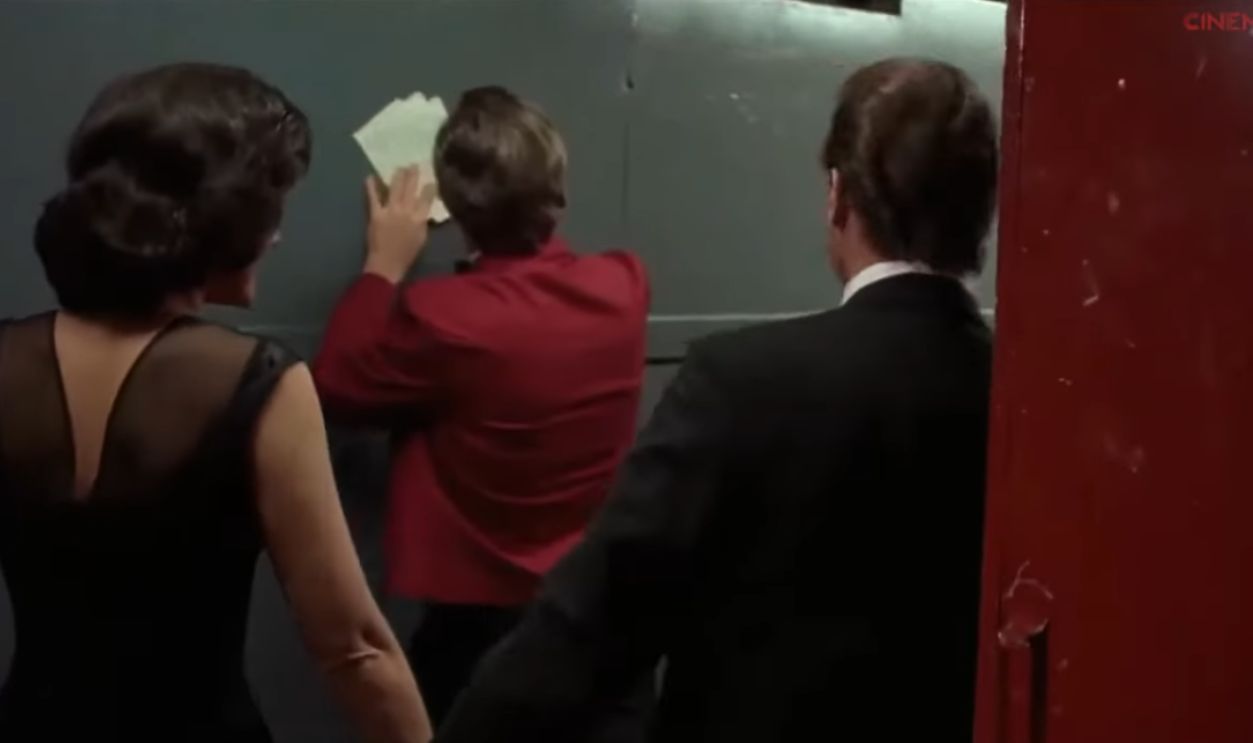 Screenshot from Goodfellas, Warner Bros. Pictures (1990)
Goodfellas (Cont.)
Well, Joe Pesci deservedly bagged an Oscar for playing the volatile Tommy DeVito, and that legendary "Funny how?" scene where he confronts Henry wasn't even in the script. Pesci improvised it based on a real incident from his life.
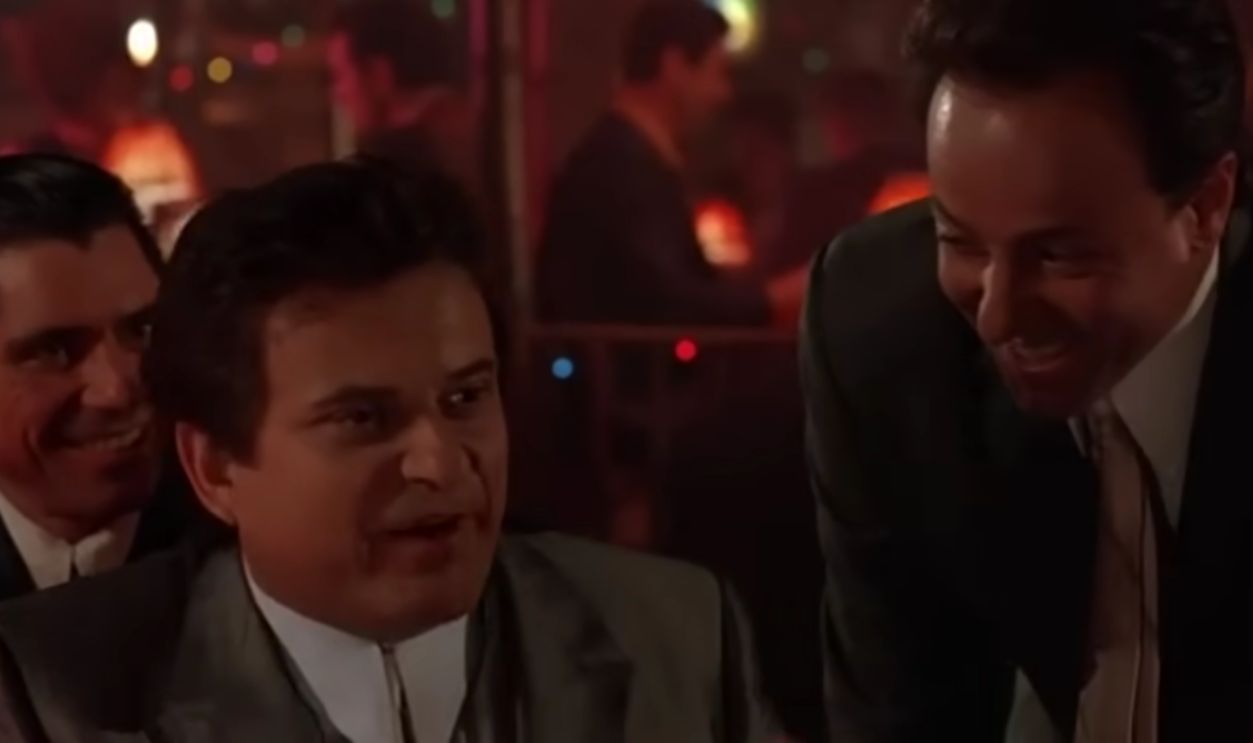 Screenshot from Goodfellas, Warner Bros. Pictures (1990)
The Matrix (1999)
Forget what you thought was possible with visual effects—the Wachowskis' "bullet time" innovation changed action cinema forever. The Matrix didn't just win four Oscars, including Best Visual Effects; it introduced philosophical questions about reality wrapped in leather coats and jaw-dropping fight sequences.
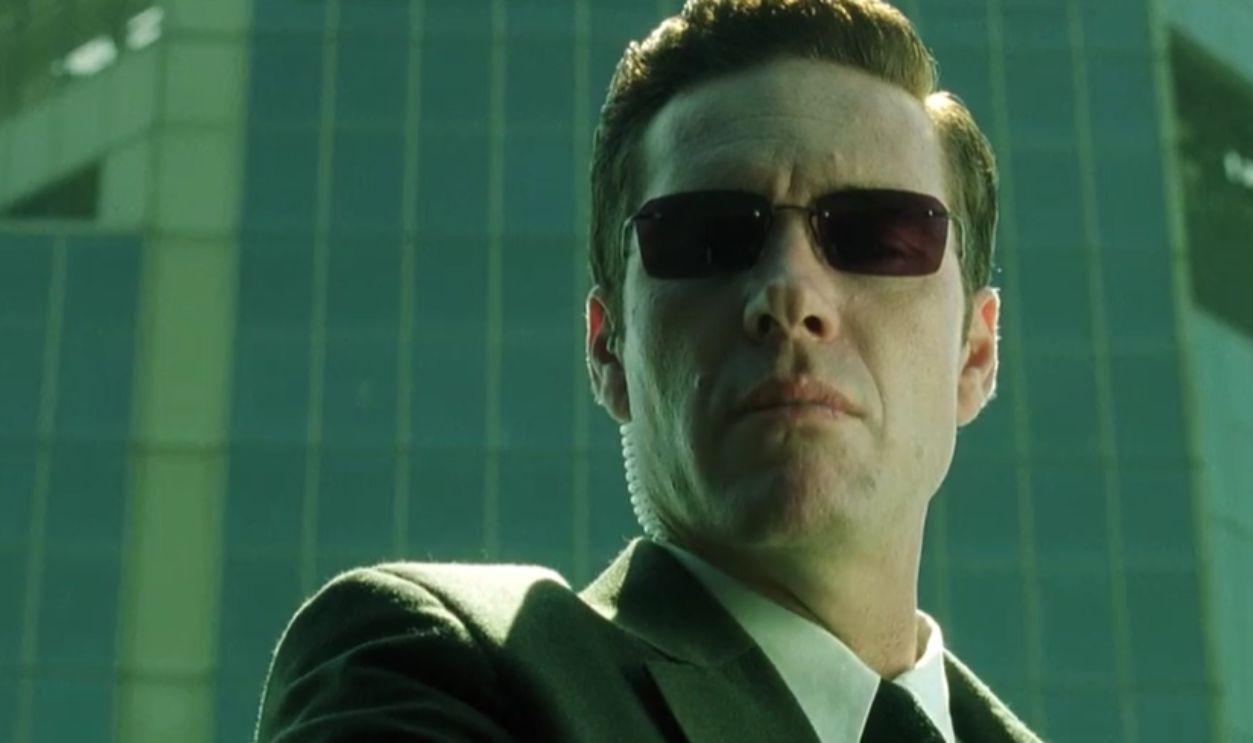 Screenshot from The Matrix, Warner Bros. Pictures (1999)
The Matrix (Cont.)
The lobby shootout, the rooftop helicopter escape, Neo dodging bullets in that iconic lean-back pose: these scenes reward obsessive rewatching for details you didn't catch before. Keanu Reeves later paid millions from his Matrix sequel earnings directly to the visual effects and costume teams.
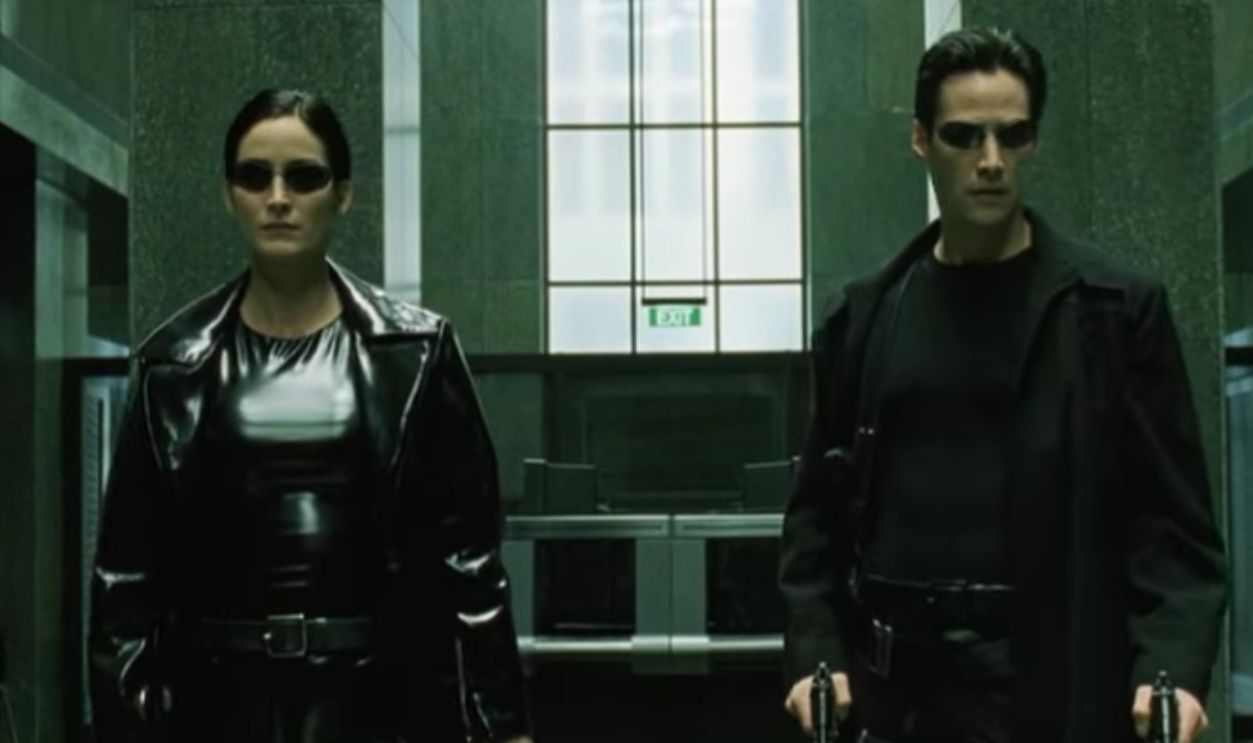 Screenshot from The Matrix, Warner Bros. Pictures (1999)
Jurassic Park (1993)
Steven Spielberg faced a nightmare when the mechanical T rex kept malfunctioning, but those technical problems forced creative solutions that made cinematic history. The groundbreaking blend of CGI dinosaurs and animatronics became the blueprint for blockbuster filmmaking.
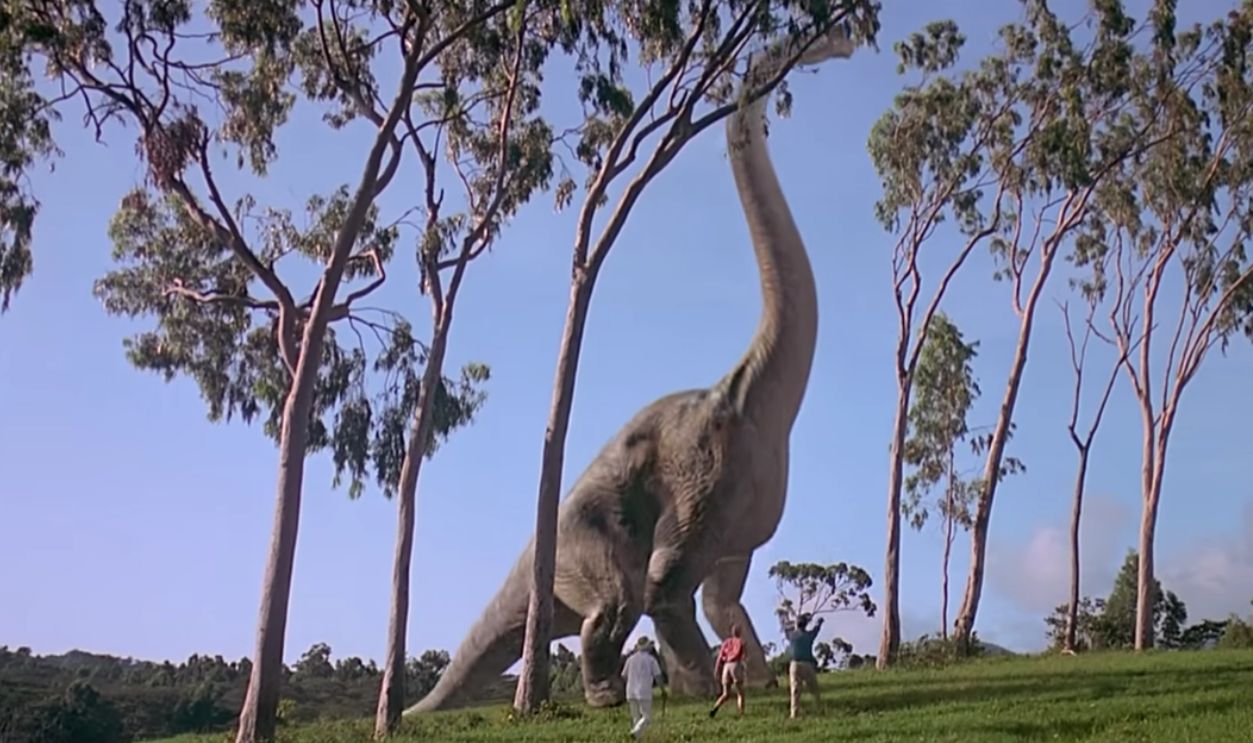 Screenshot from Jurassic Park, Universal Pictures (1993)
Jurassic Park (Cont.)
It is said that the velociraptor's menacing bark came from mixing recordings of tortoises mating, geese, dolphins, and baby elephants. Jurassic Park became a massive box office hit and launched a franchise, but the original's combination of wonder, terror, and technical innovation keeps audiences coming back.
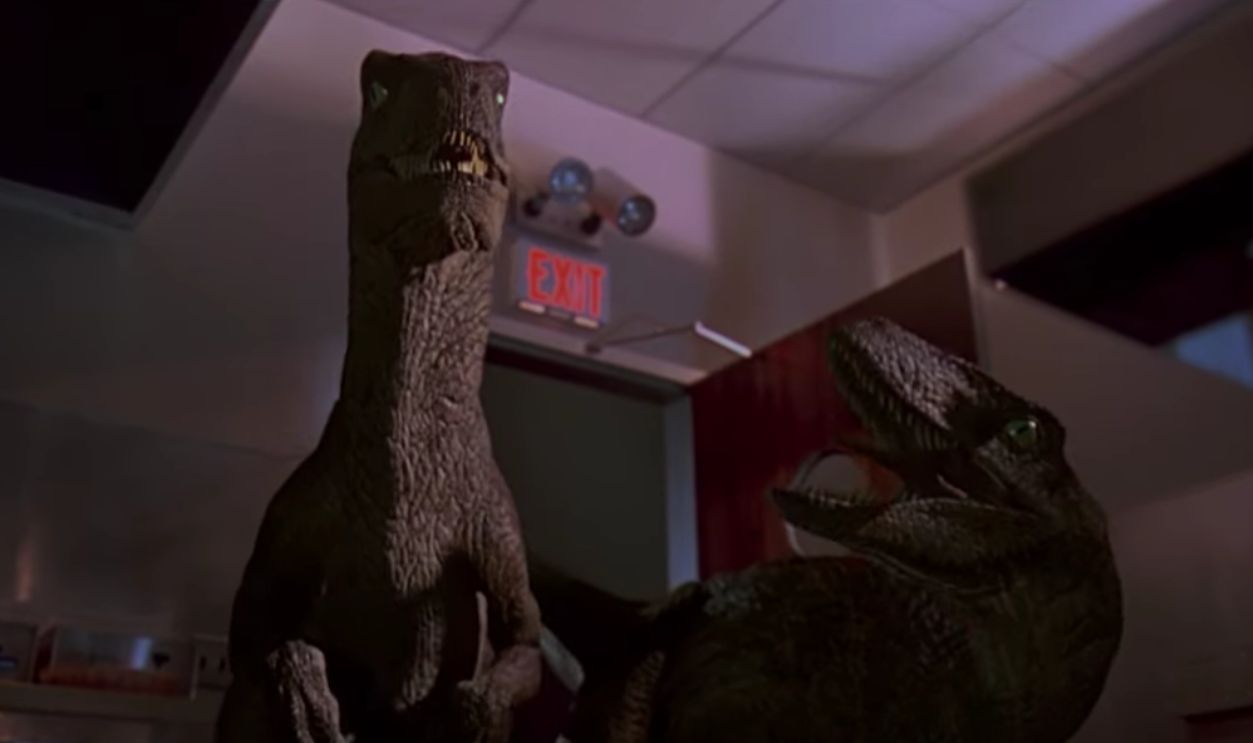 Screenshot from Jurassic Park, Universal Pictures (1993)
Die Hard (1988)
Die Hard balances thrills with personality in ways that keep you invested, no matter how many times you've seen McClane crawl through those air ducts or utter his famous catchphrase. Bruce Willis was just a TV actor from Moonlighting when he landed the role of John McClane.
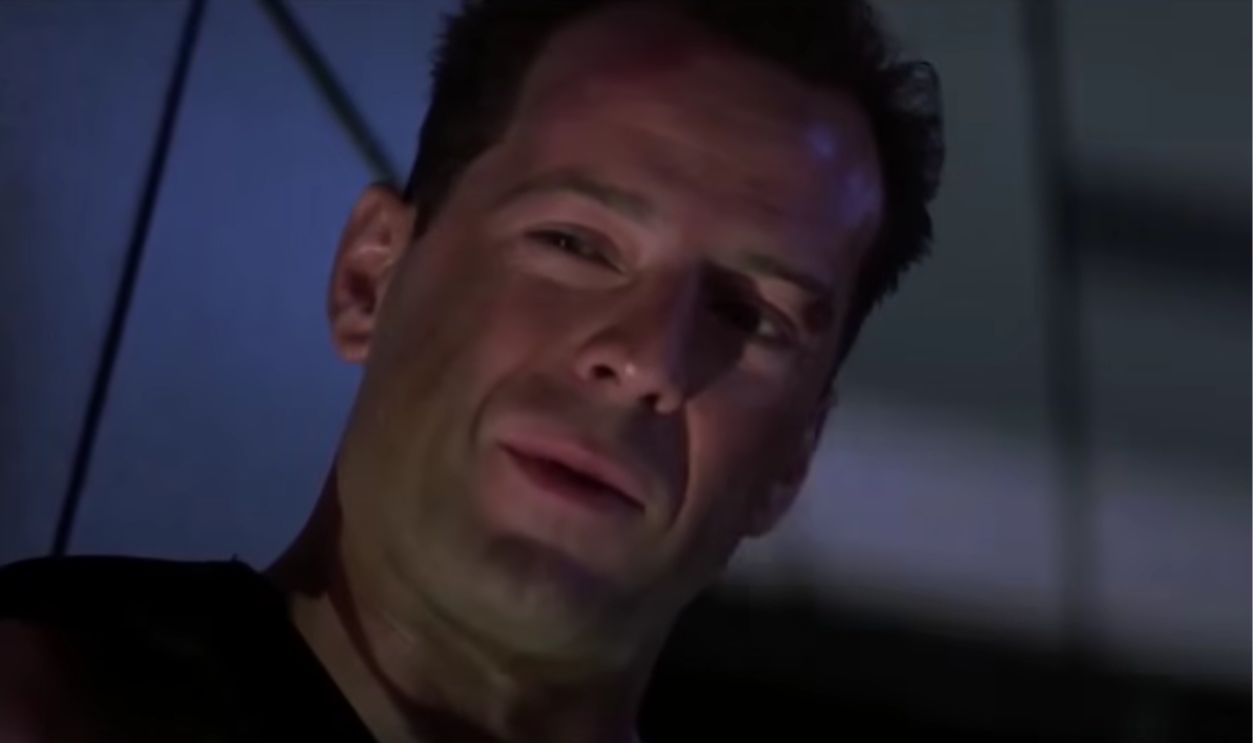 Screenshot from Die Hard, 20th Century Fox (1988)
Die Hard (Cont.)
This casting choice was considered incredibly risky for a major action lead. That gamble paid off spectacularly, redefining the entire action genre. John McTiernan's direction turned a simple premise into the template every action film since has borrowed from (hello, "Die Hard on a blank").
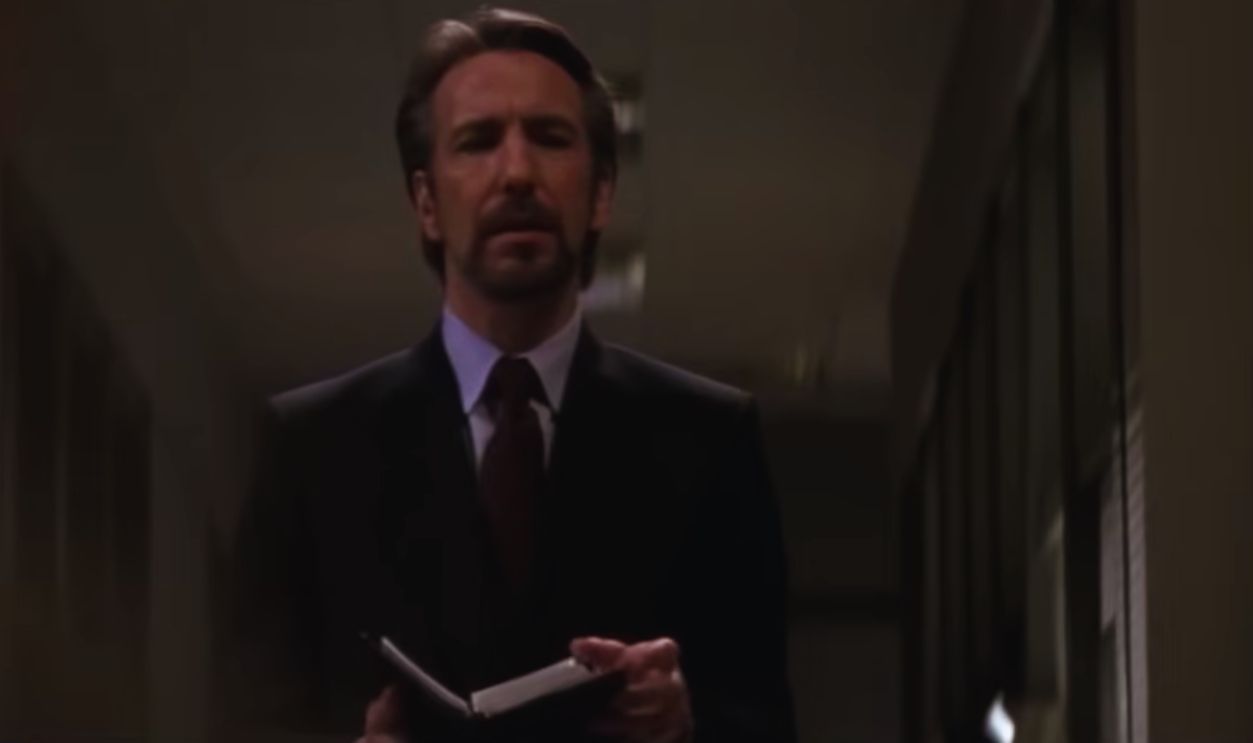 Screenshot from Die Hard, 20th Century Fox (1988)
Forrest Gump (1994)
This life-intersecting-with-history kind of performance swept six Academy Awards, including Best Picture, Best Director for Robert Zemeckis, and Best Actor. But the real technical magic was how they inserted Hanks into actual historical footage.
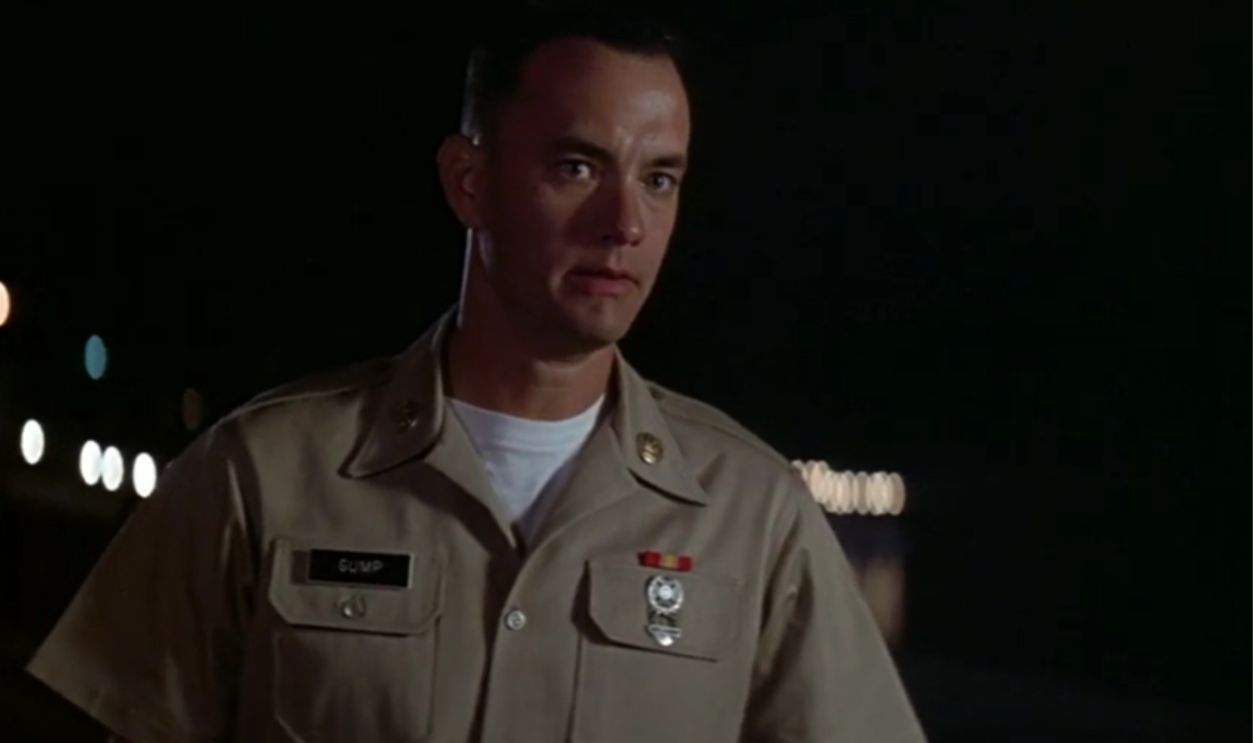 Screenshot from Forrest Gump, Paramount Pictures (1994)
Forrest Gump (Cont.)
The film follows Forrest from the 1950s through the 1980s, touching every major American moment along the way with heart and unexpected wisdom. "Life is like a box of chocolates; you never know what you're gonna get" became one of cinema's most quoted lines.
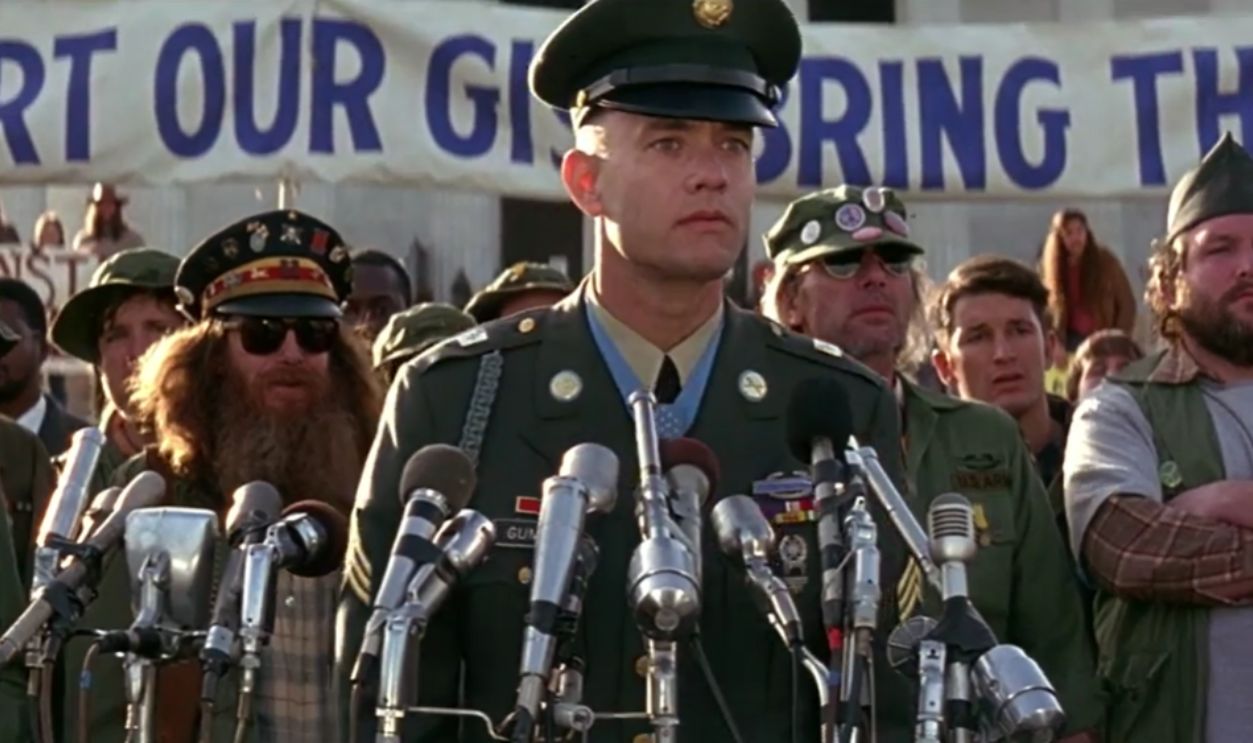 Screenshot from Forrest Gump, Paramount Pictures (1994)
The Dark Knight (2008)
Heath Ledger locked himself in a hotel room for weeks, filling a notebook with the Joker's thoughts, jokes, clippings, and even photos of hyenas to develop that chaotic psyche. The result was a transformative, posthumous Oscar-winning performance that elevated superhero cinema.
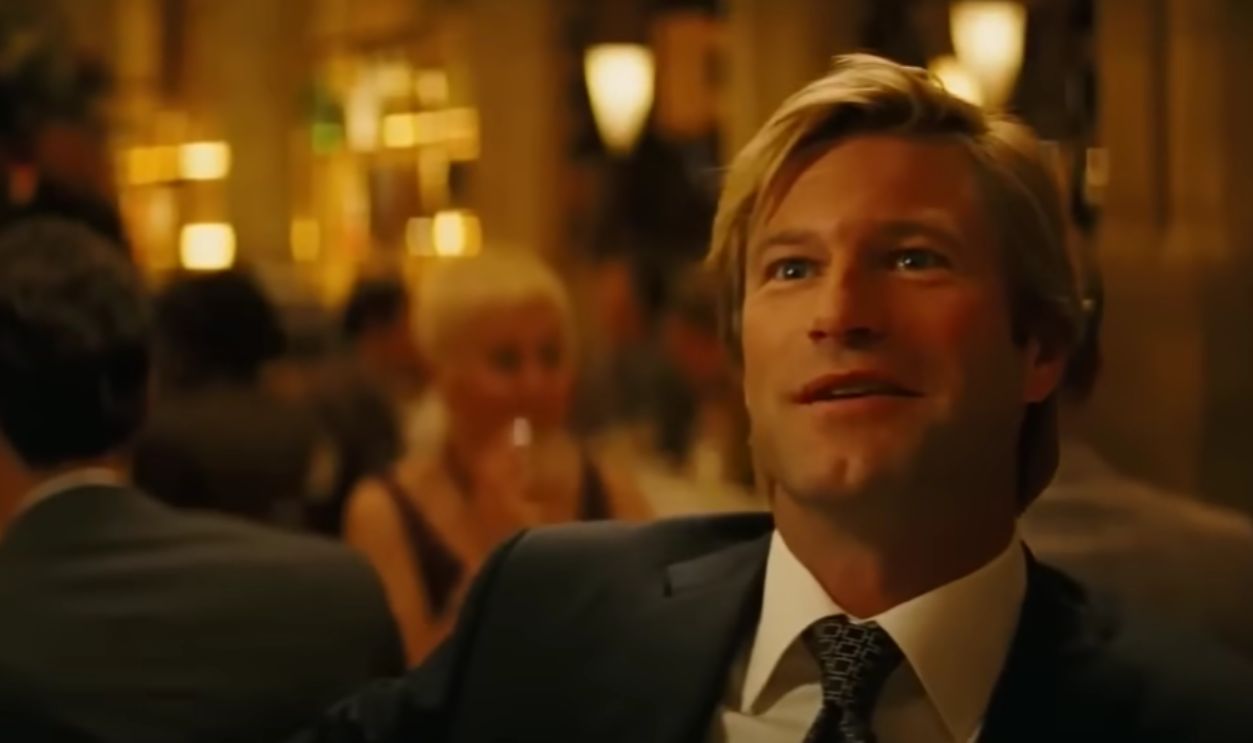 Screenshot from The Dark Knight, Warner Bros. Pictures (2008)
The Dark Knight (Cont.)
All those complex plot layers, IMAX sequences, and philosophical questions about chaos versus order reward multiple viewings. You catch new details in Ledger's mannerisms, notice setup-payoff moments you missed, and appreciate how The Dark Knight transcends its genre to become a landmark film about morality itself.
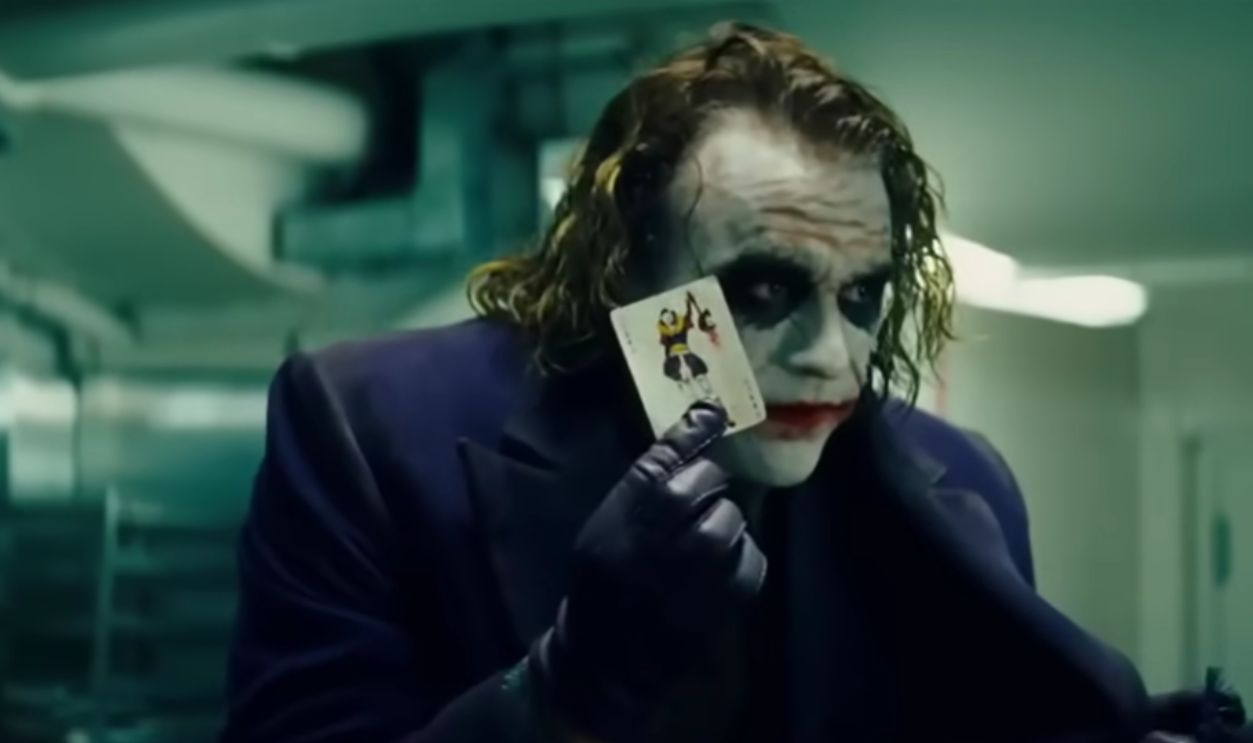 Screenshot from The Dark Knight, Warner Bros. Pictures (2008)
Inception (2010)
What if you could steal ideas from dreams? Leonardo DiCaprio leads here as a thief navigating dreams within dreams within dreams. The intricate plot demands your full attention every single time. Besides, the spinning top in the final shot became cinema's most debated ending.
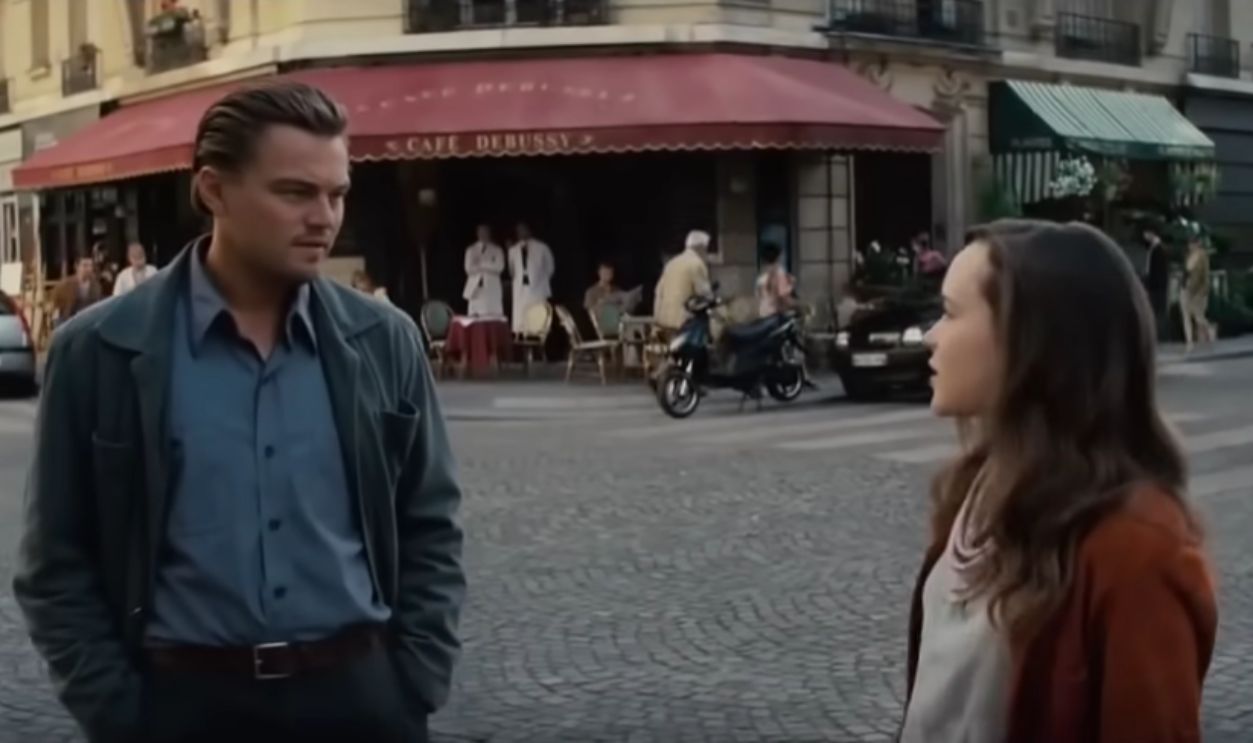 Screenshot from Inception, Warner Bros. Pictures (2010)