Great Start
These movies came out swinging. For a few minutes—sometimes even 10 or 20—everything worked, and it looked like you were in for something great. Then the rest of the movie happened...
“When a Stranger Calls” (1979)
The opening 23 minutes of When a Stranger Calls are so good they have almost become more famous than the movie itself. Carol Kane plays a babysitter receiving increasingly disturbing phone calls, leading to the unforgettable warning that the calls are coming from inside the house. Then the film jumps ahead seven years and becomes a much more ordinary thriller.
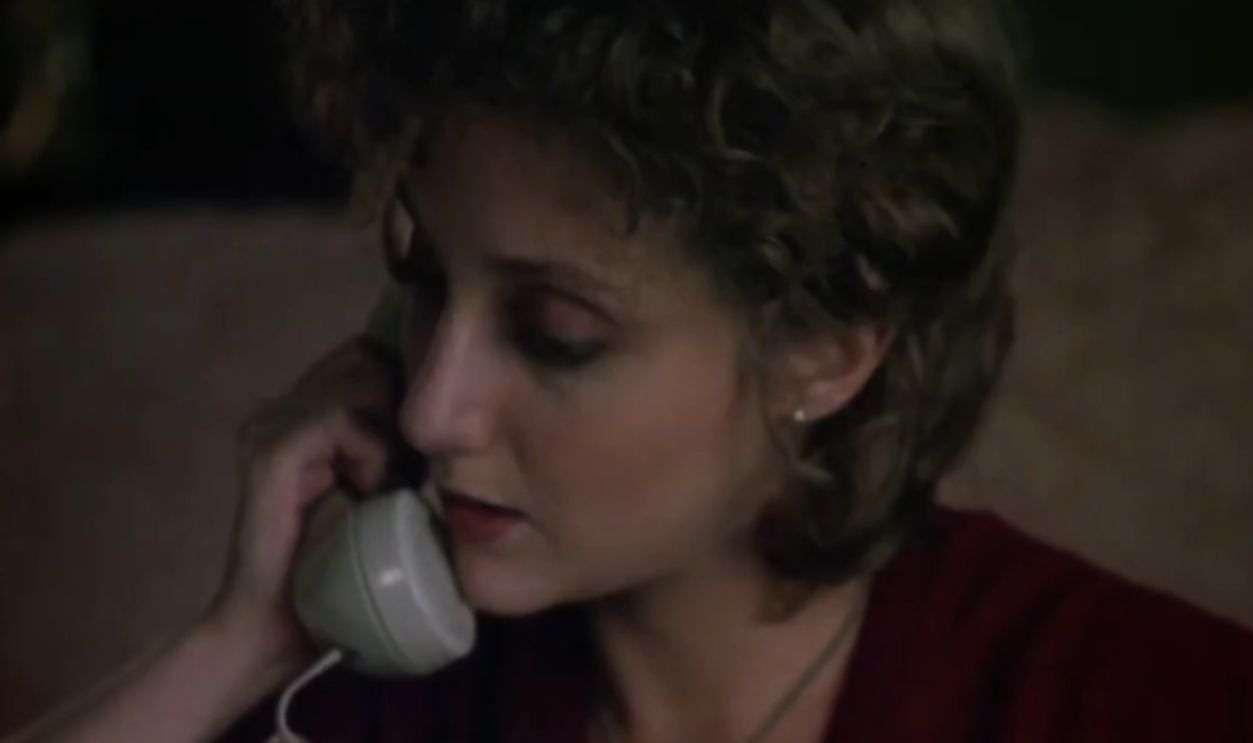 Screenshot from When A Stranger Calls, Columbia Pictures (1979)
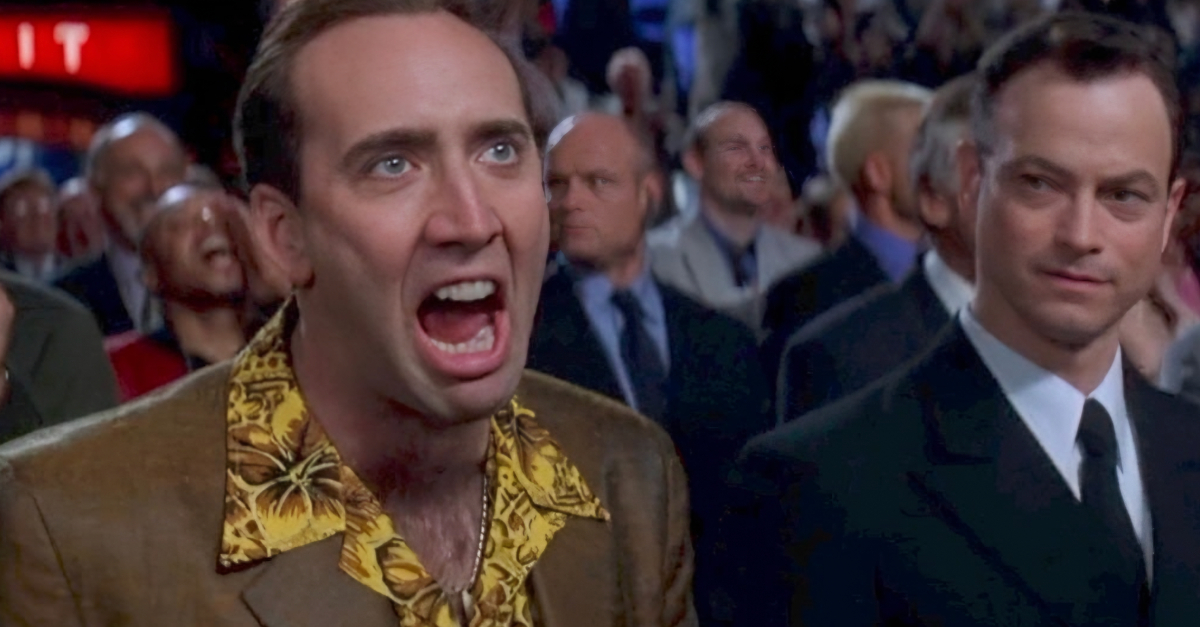
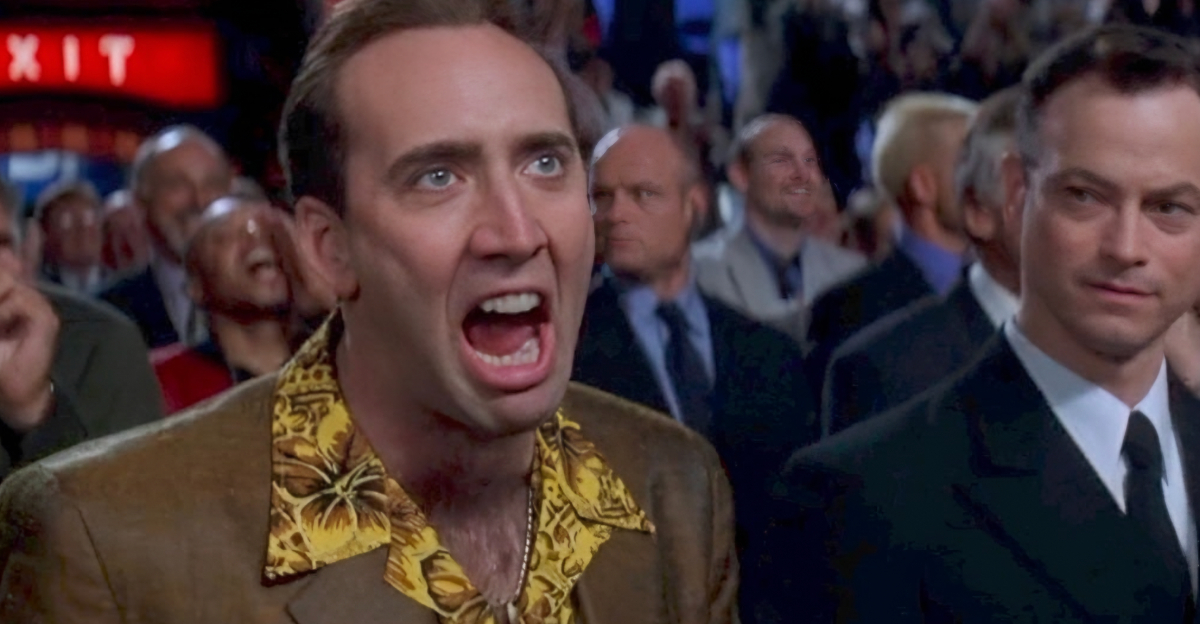
“Snake Eyes” (1998)
Brian De Palma opens Snake Eyes with Nicolas Cage tearing through an Atlantic City arena during a championship boxing match in a sequence designed to look like one enormous tracking shot. Roger Ebert wrote “terrific opening!” in his notes—then called everything that followed a “downhill slog.” Honestly, we could have just used that as the title of this article.
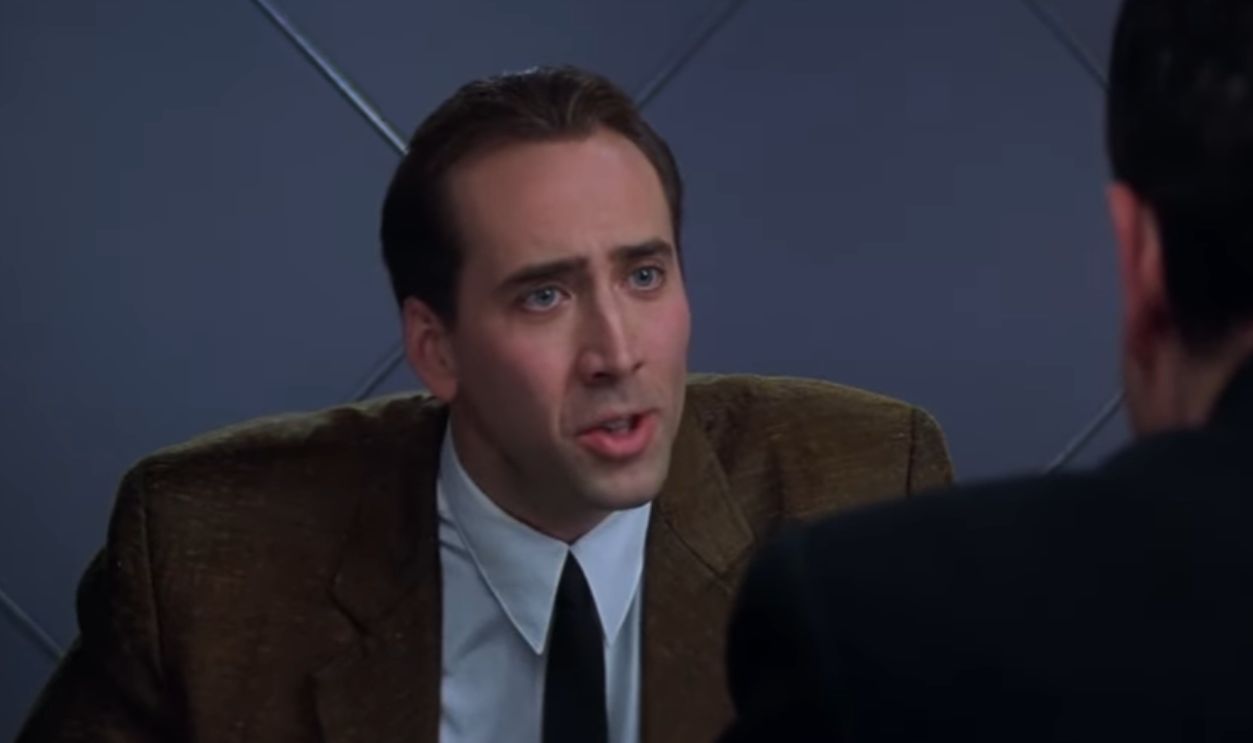 Screenshot from Snake Eyes, Paramount Pictures (1998)
“The Swarm” (1978)
A military team arrives at a supposedly secure missile base and discovers that nearly everyone inside is dead. Helicopters are sent to investigate, only to encounter the mysterious force responsible. It begins like a tense 70s conspiracy thriller. Then Michael Caine starts arguing with enormous clouds of bees, and one of the decade’s most notorious disaster movies becomes even more notorious.
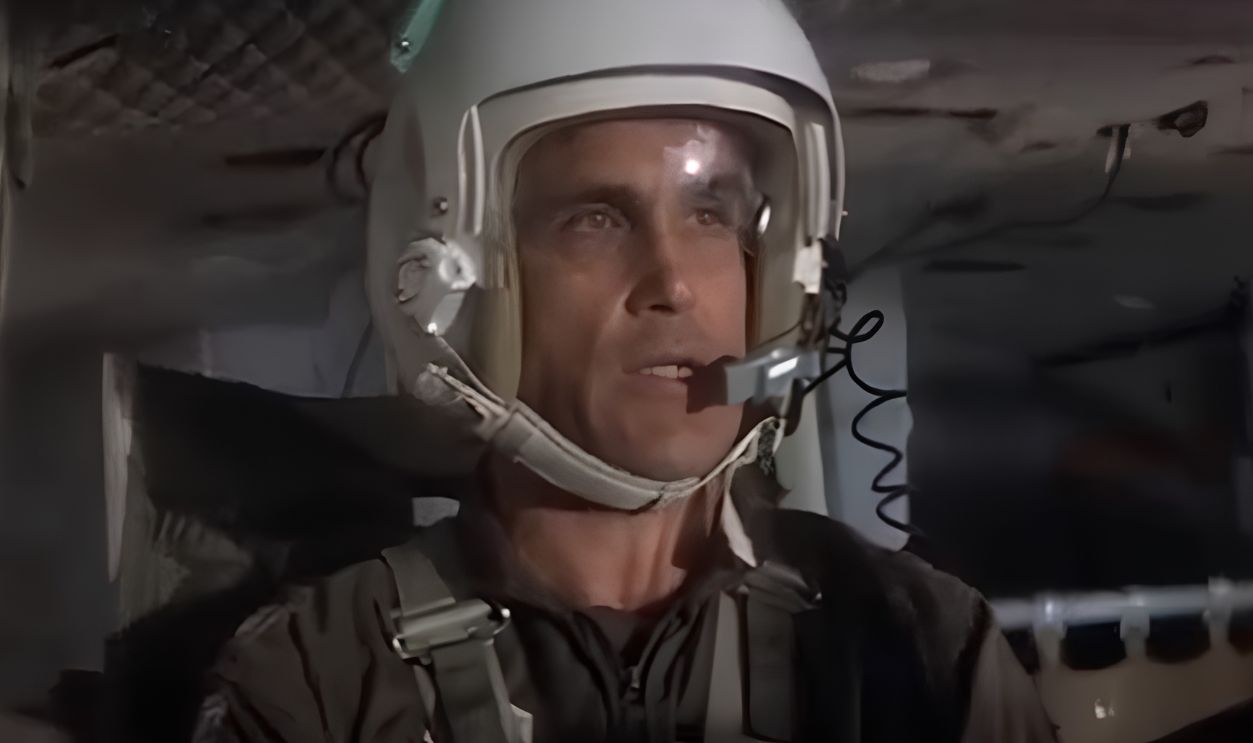 Screenshot from The Swarm, Warner Bros. Discovery (1978)
“Cobra” (1986)
Sylvester Stallone enters a supermarket hostage situation wearing sunglasses, chewing on a match, and looking like he already knows exactly how the scene will end. It is ridiculous in all the right ways and promises a gloriously over-the-top action movie. Then Cobra settles into a repetitive chase involving a criminal cult that never becomes remotely as interesting as Stallone’s sunglasses.
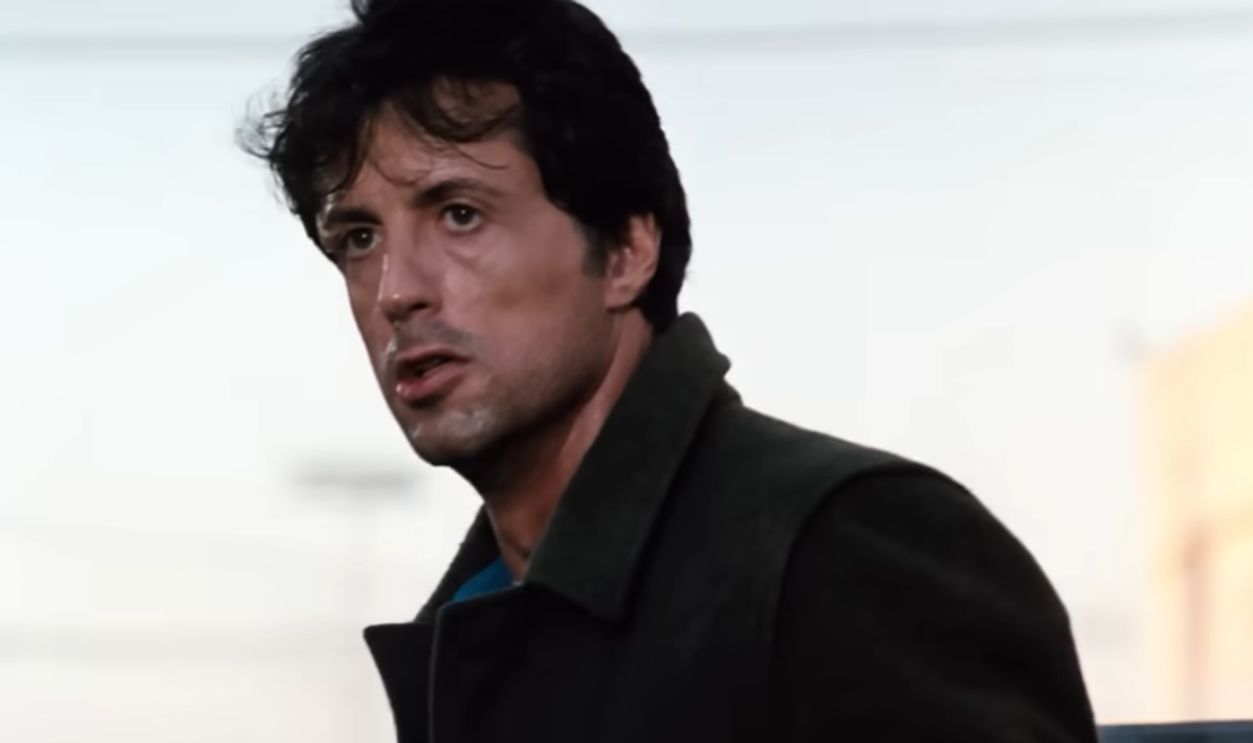 Screenshot from Cobra, Warner Bros. (1986)
“Ghost Ship” (2002)
Nobody remembers most of Ghost Ship, but nearly everyone remembers that opening. A glamorous dance aboard a luxury ocean liner turns into one of the most shocking scenes in horror history when a wire slices across the dance floor. It is stylish, horrifying, and way better than the generic ghost story that follows.
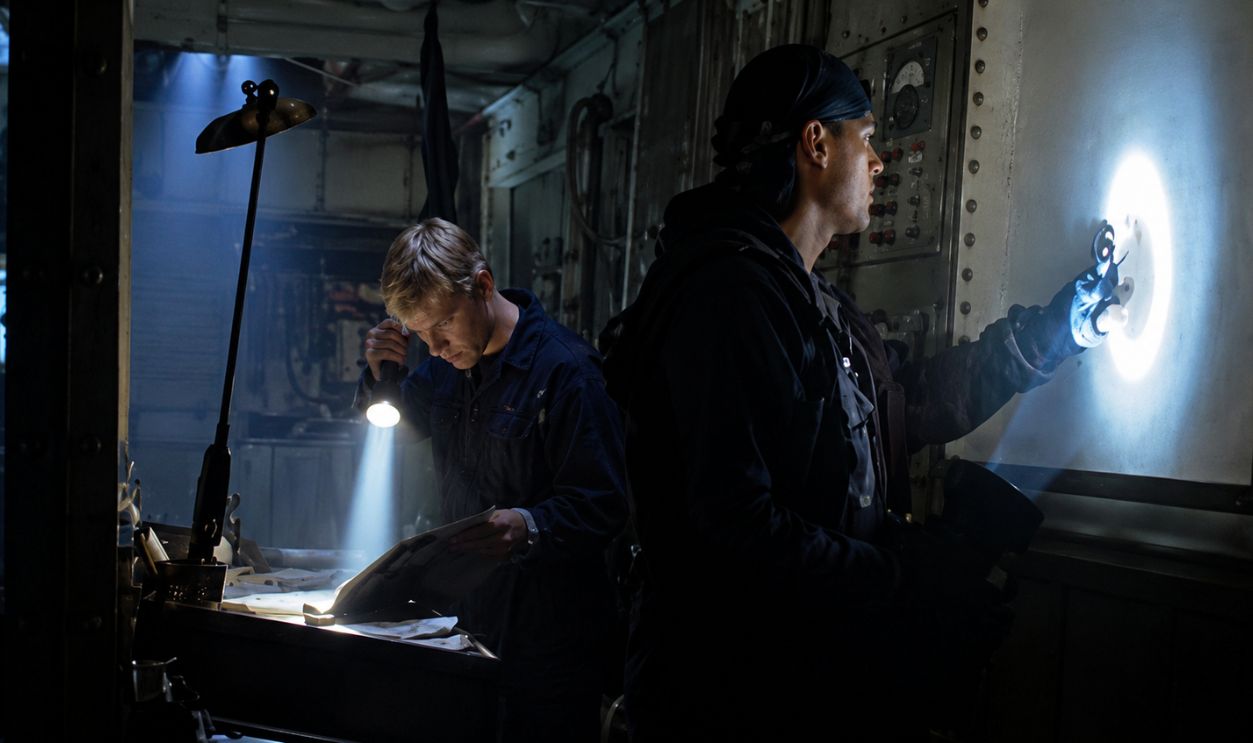 Screenshot from Ghost Ship, Warner Bros. Picture (2002), Enhanced
“X-Men Origins: Wolverine” (2009)
The opening credits follow Logan and Victor as they fight side by side through the Civil War, both World Wars, and Vietnam. It is exciting, emotional, and tells decades of story without slowing down. Then the actual movie starts and somehow turns Wolverine, Gambit, and Deadpool into a collection of missed opportunities.
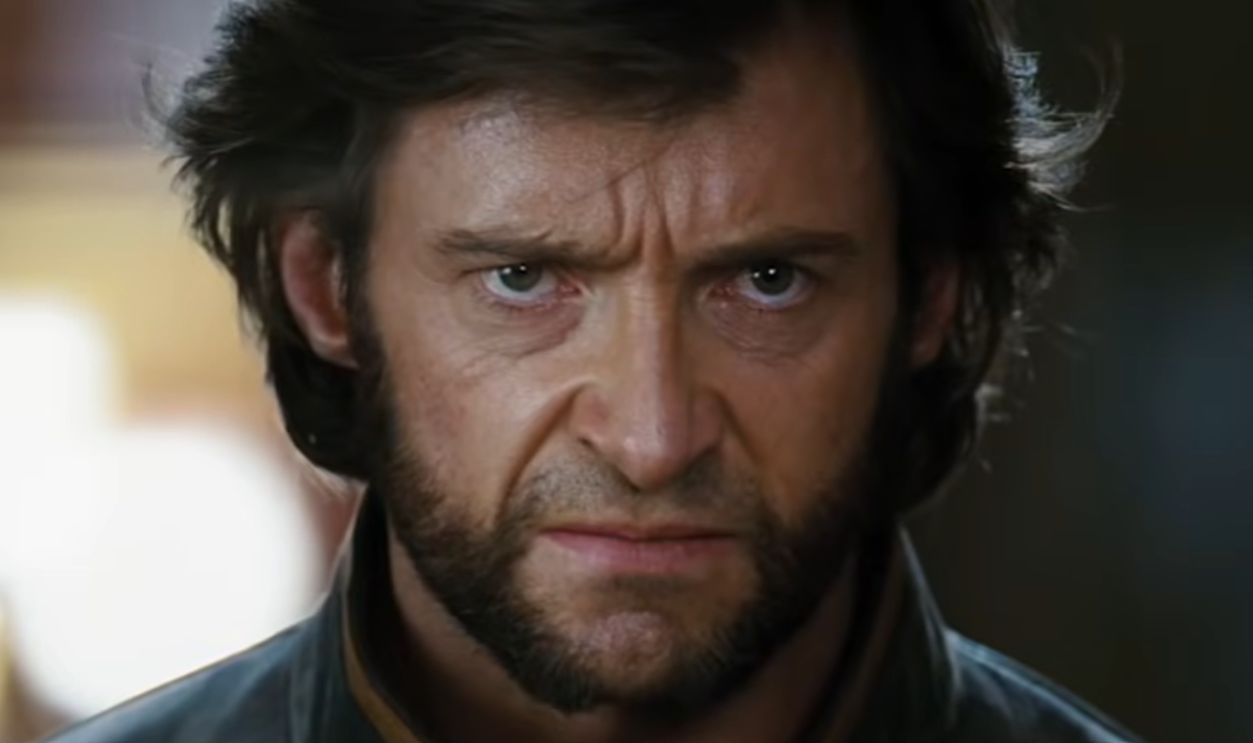 Screenshot of X-Men Origins: Wolverine, Twentieth Century Fox (2009)
“Rollercoaster” (1977)
The early amusement-park sequence is genuinely frightening. Families climb aboard, the tension quietly builds, and the coaster is sent flying off its track in a disaster that feels disturbingly real. Then the film slows down and becomes a much less exciting game between George Segal and a bomber whose personality never comes close to matching his opening stunt.
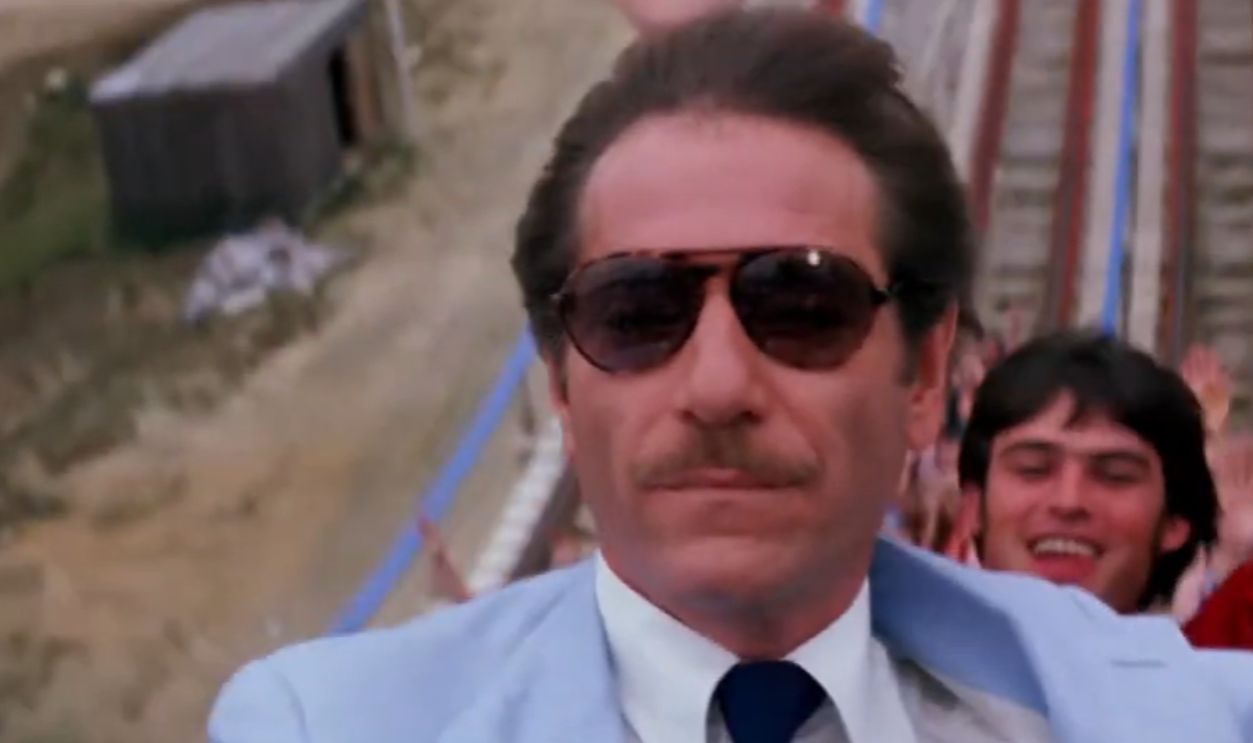 Screenshot from Rollercoaster, Universal Pictures (1977)
“The Bonfire of the Vanities” (1990)
Remember that terrific tracking shot Brian De Palma used to open Snake Eyes? Well, he had already tried the trick here, following Bruce Willis from an underground garage, through elevators and hallways, and into a packed awards ceremony. Once again, De Palma absolutely nails the entrance. Unfortunately, the movie waiting on the other side is one of Hollywood’s most infamous big-budget misfires.
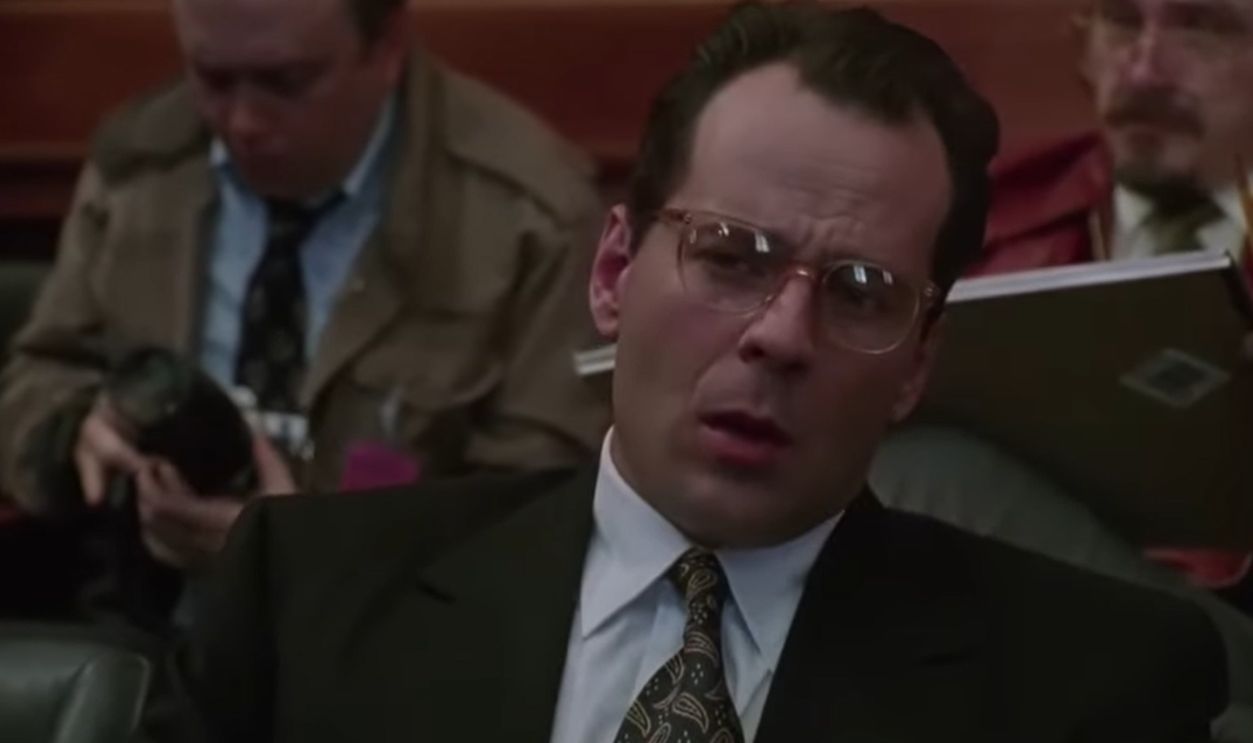 Screenshot from The Bonfire of the Vanities, Warner Bros. Pictures (1990)
“Spectre” (2015)
James Bond moving through Mexico City during the Day of the Dead celebration is exactly how a Bond movie should begin. The long tracking shot, collapsing building, and helicopter fight promise something huge. Unfortunately, the rest of Spectre spends far too much time explaining that every previous Daniel Craig adventure was apparently connected because Blofeld had childhood issues.
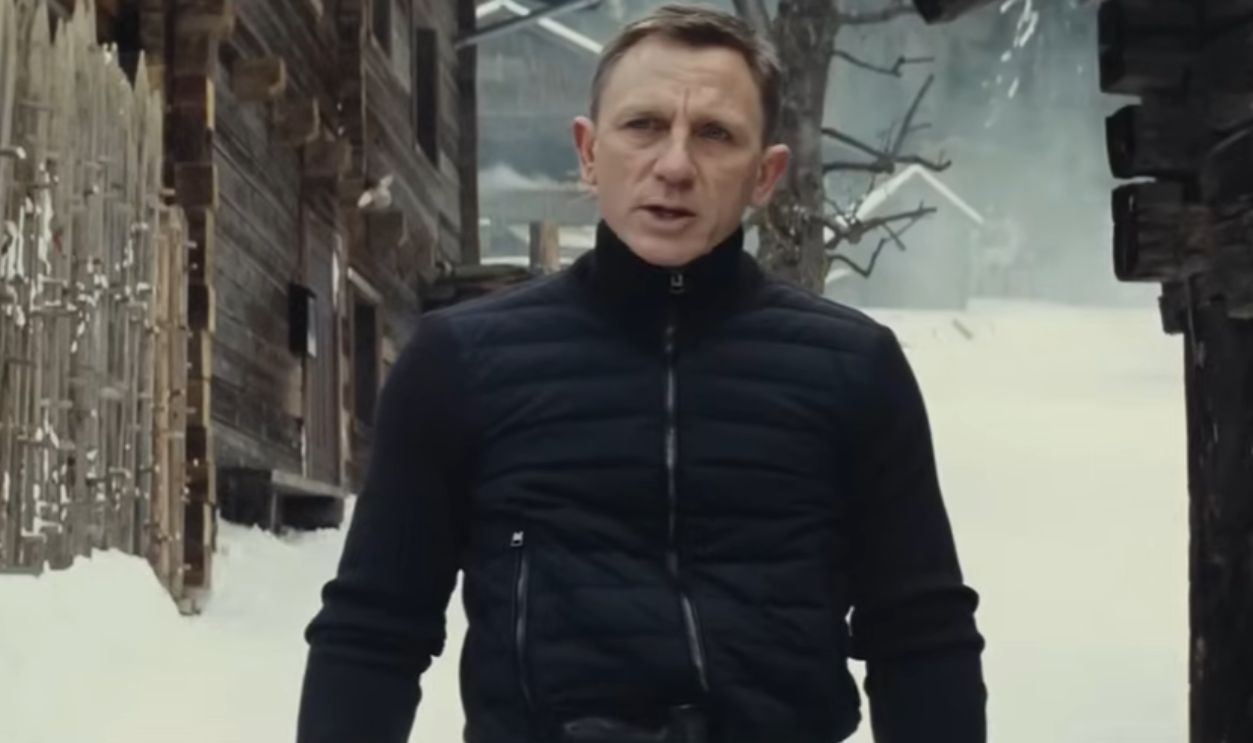 Screenshot from Spectre, Columbia Pictures (2015)
“Valerian and the City of a Thousand Planets” (2017)
The opening montage shows humanity slowly making contact with alien civilizations while David Bowie’s Space Oddity plays. It is beautiful, optimistic, and makes the universe feel enormous. Then the film hands that universe to two leads with less romantic chemistry than most people have with the employee checking their receipt at Costco.
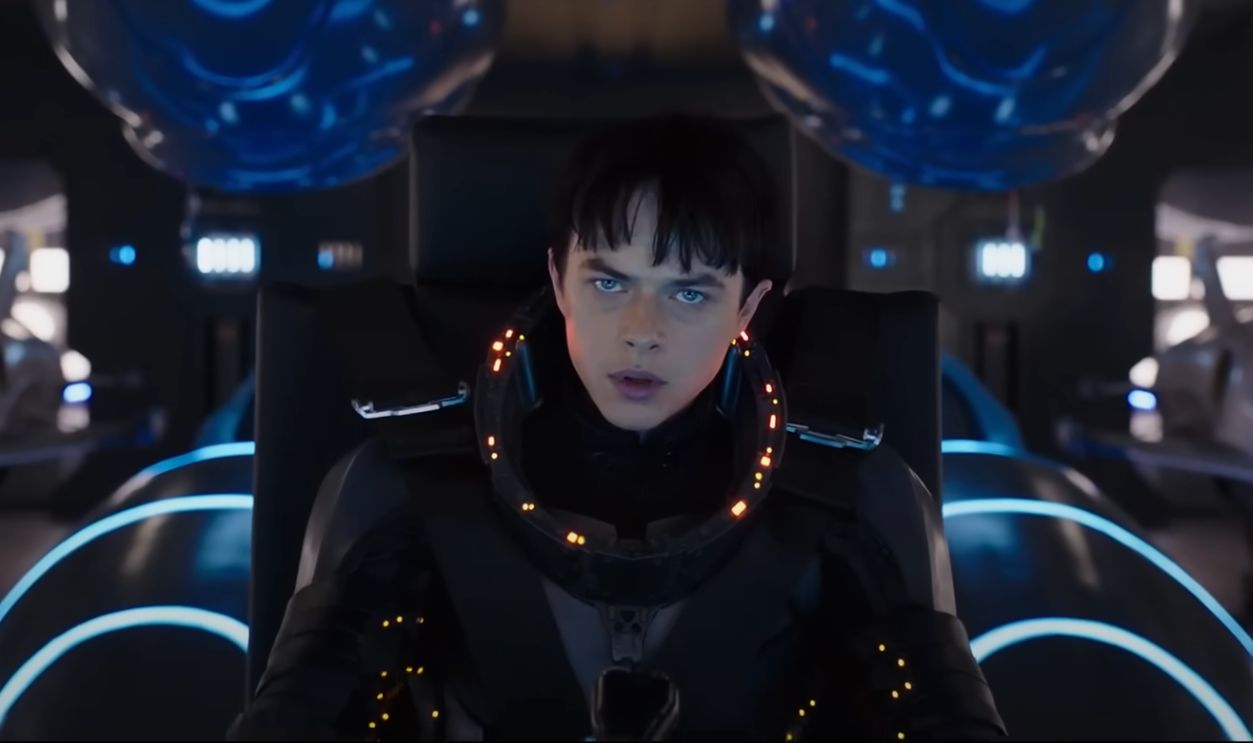 Screenshot from Valerian and The City Of A Thousand Planets, Buena Vista International (2017)
“The Cassandra Crossing” (1976)
An armed attack on the U.S. mission at an international health organization in Geneva leaves one fleeing attacker exposed to a deadly infection before he boards a passenger train. It is a fast, tense setup packed with international intrigue. Then the train becomes a rolling collection of increasingly ridiculous decisions, despite a cast that includes Sophia Loren, Richard Harris, Ava Gardner, Burt Lancaster, and Martin Sheen.
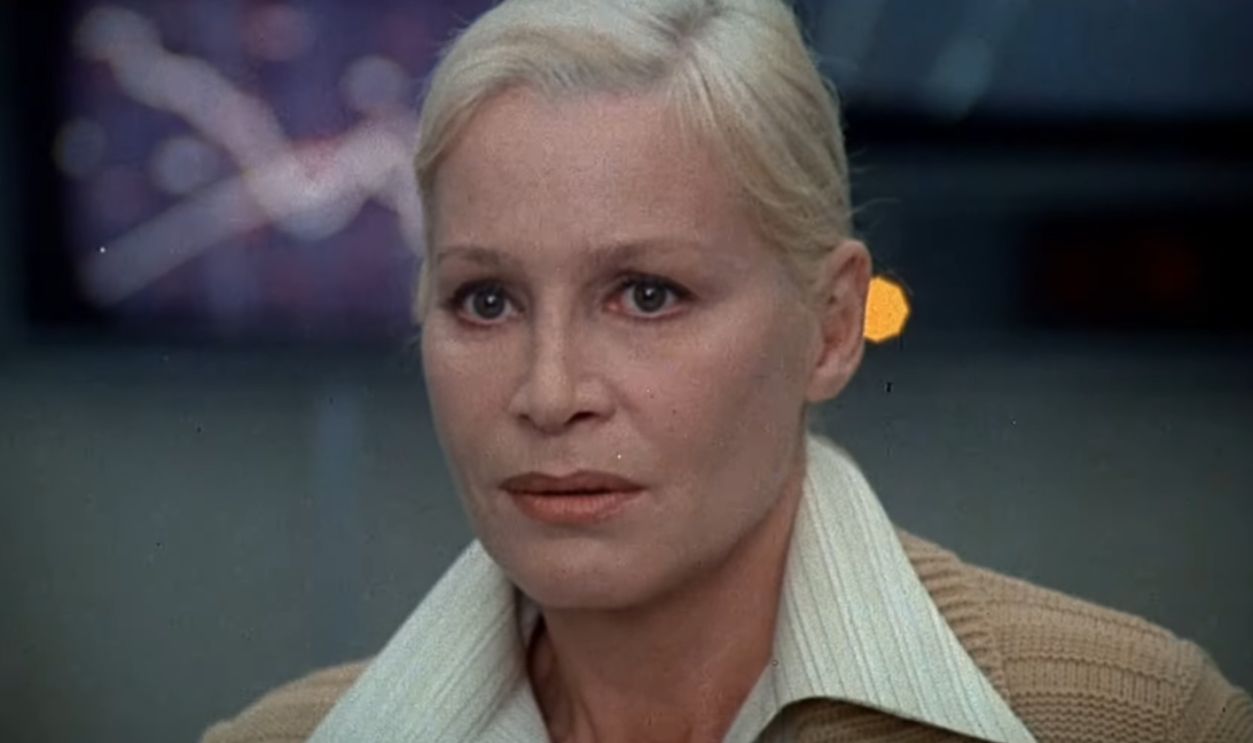 Screenshot from The Cassandra Crossing, ITV plc (1976)
“Friday the 13th” (2009)
The reboot basically gives viewers an entire miniature Friday the 13th movie before the title even appears. Jason tears through a group of campers with speed and efficiency, and the movie seems ready to deliver a genuinely intense update. Then a second group arrives, and everything becomes much more familiar and much less interesting.
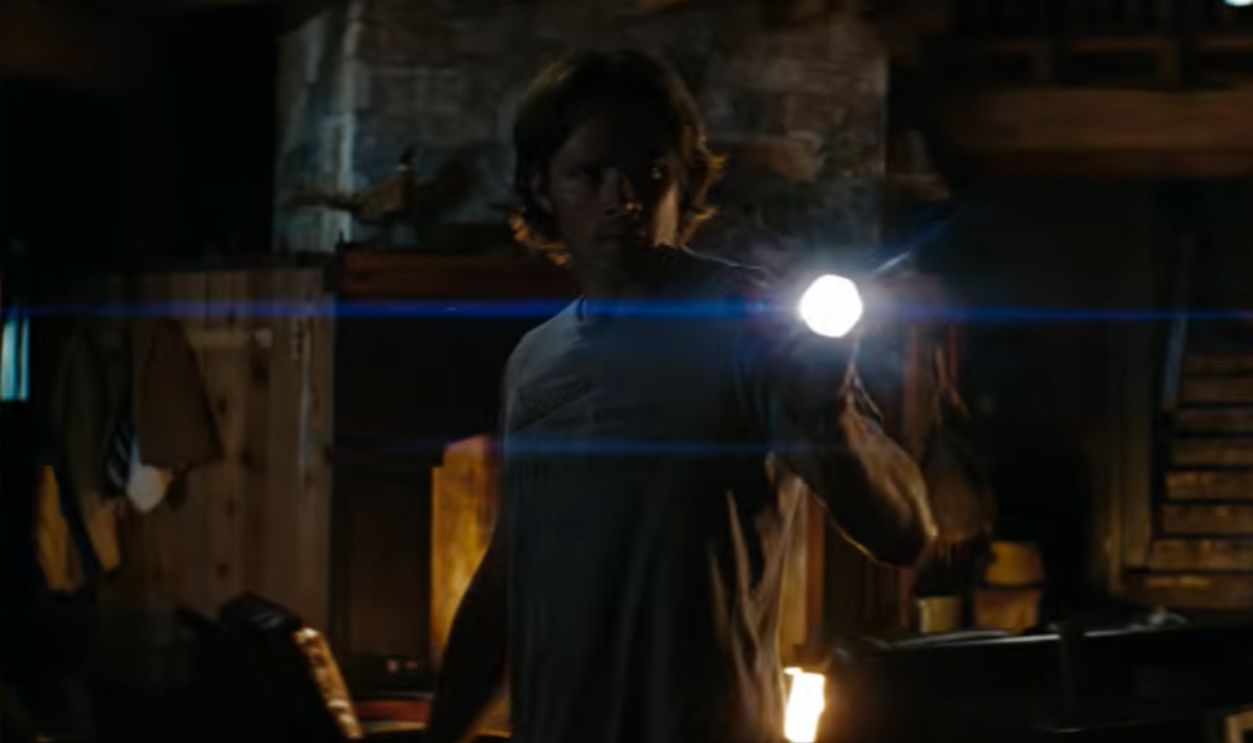 Screenshot from Friday the 13th, Warner Bros. Pictures (2009)
“Mortal Kombat” (2021)
The film begins in 17th-century Japan, where Hanzo Hasashi faces Bi-Han in a beautifully shot and surprisingly emotional sequence. For a few minutes, it feels like someone finally figured out how to make a great Mortal Kombat movie. Then Cole Young shows up, and viewers spend the rest of the film wondering why he exists.
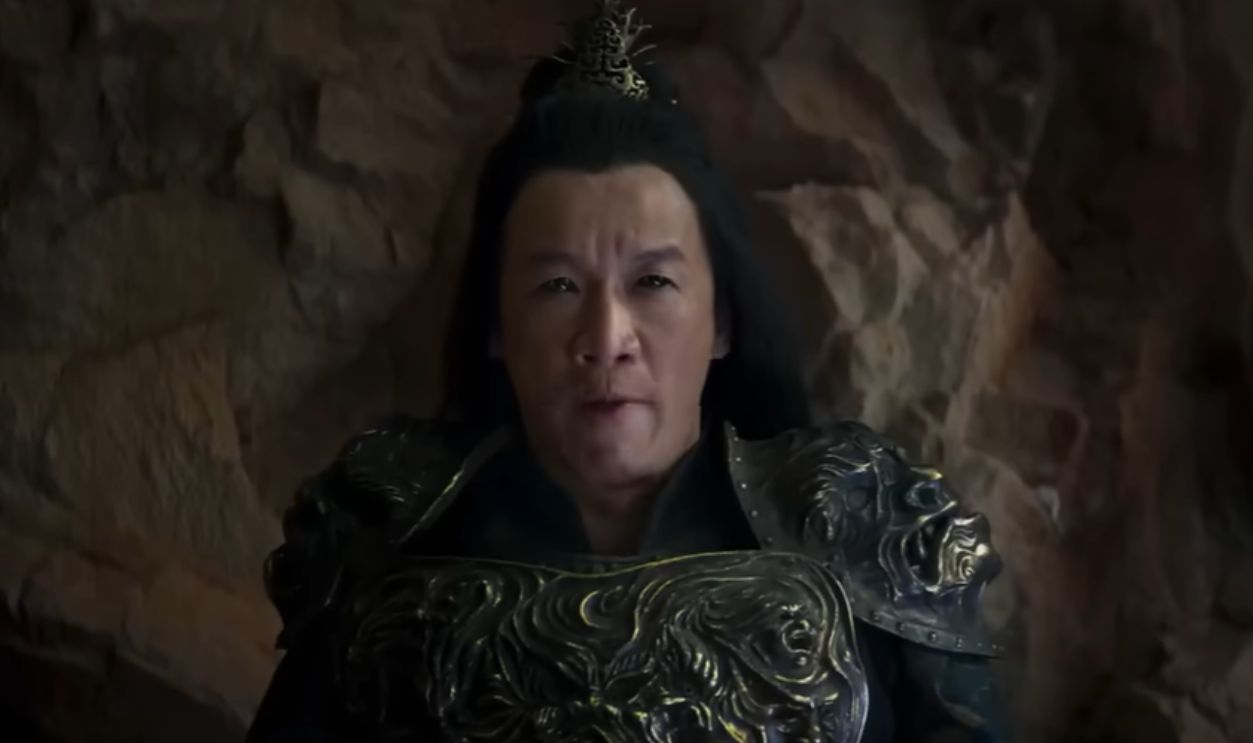 Screenshot from Mortal Kombat, Warner Bros. Pictures (2021)
“Orca” (1977)
A diver is threatened by a great white shark until an orca charges into the scene and completely destroys it. As opening statements go, that is pretty clear: forget the shark from Jaws because this whale is tougher. Then Orca becomes an increasingly strange revenge melodrama about an animal with better planning skills than most human movie villains.
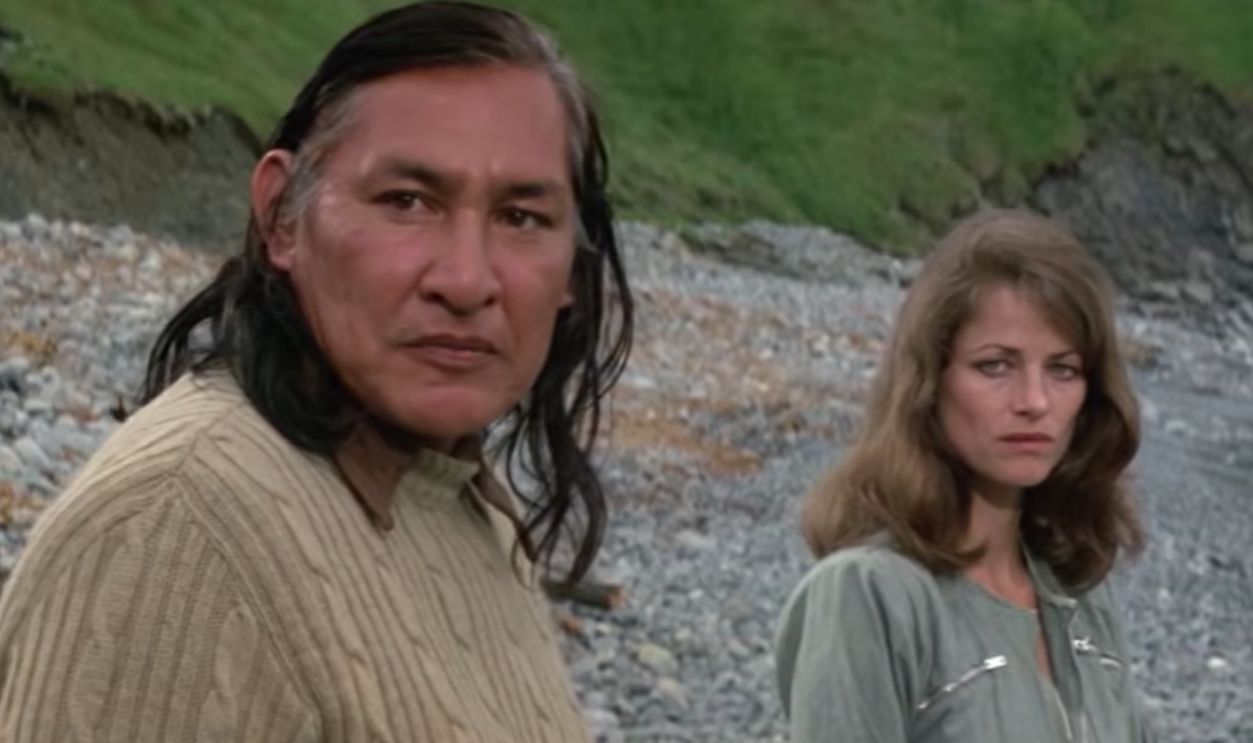 Screenshot from Orca, Paramount Pictures (1977)
“6 Underground” (2019)
Michael Bay opens 6 Underground with a wildly excessive car chase through Florence involving sports cars, motorcycles, collapsing scaffolding, and enough property damage to bankrupt a small European nation. It is ridiculous, but it moves. After that, the film keeps the noise and loses any remaining ability to explain what is happening.
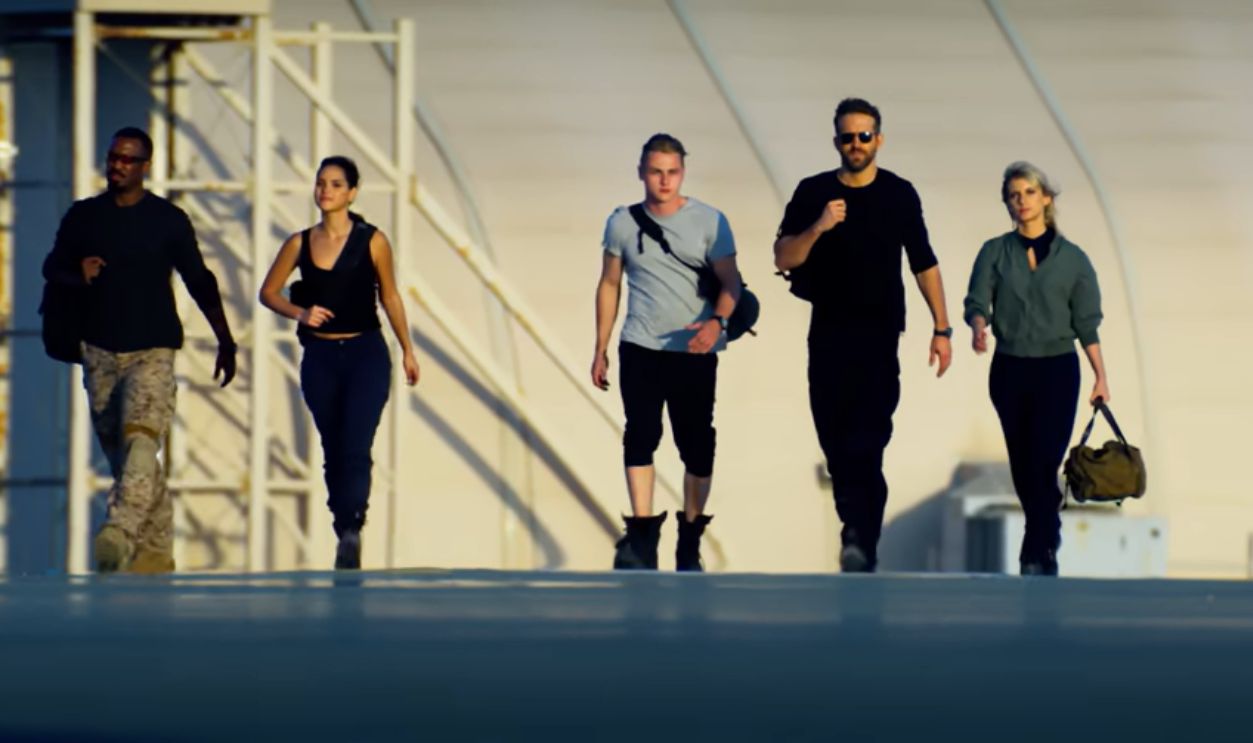 Screenshot from 6 Underground, Netflix (2019)
“The Happening” (2008)
People suddenly freezing in Central Park is genuinely eerie. Construction workers begin falling from rooftops, panic spreads, and the cause remains terrifyingly unclear. It is one of M. Night Shyamalan’s most unsettling openings. Then the threat turns out to involve angry plants, Mark Wahlberg talks to a plastic plant, and the tension quietly leaves the building.
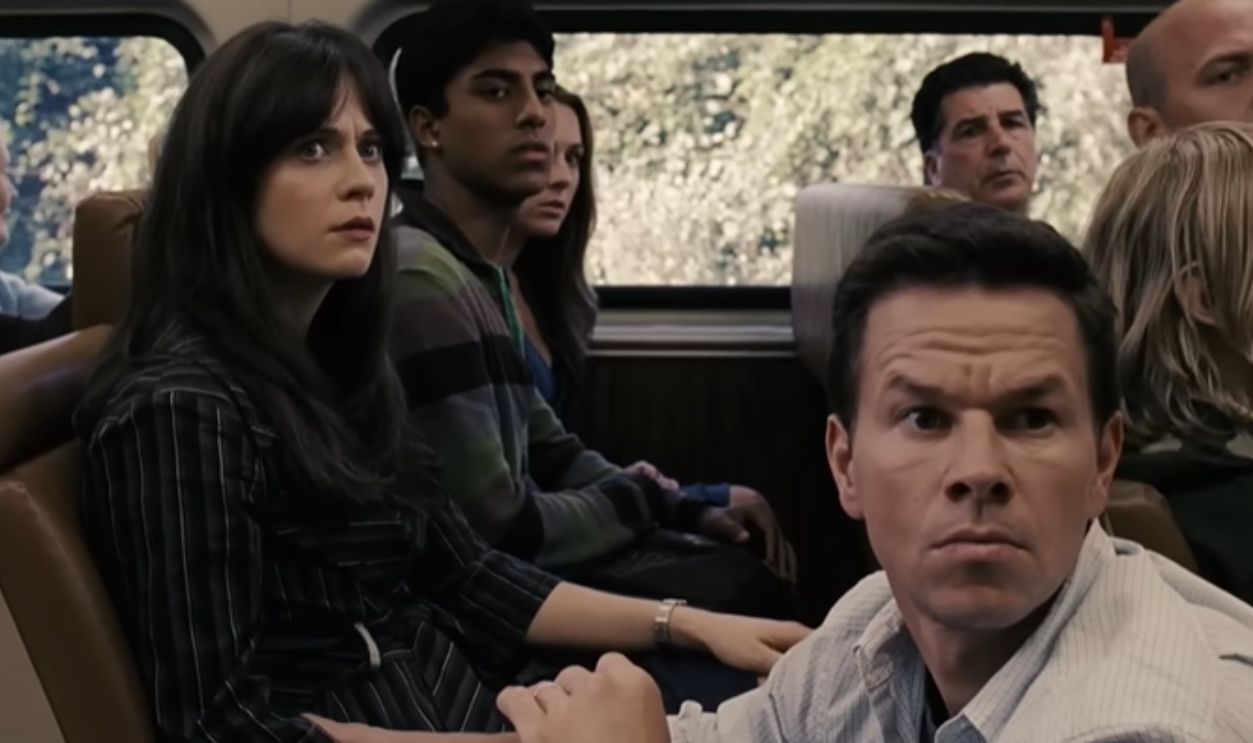 Screenshot from The Happening, 20th Century Fox (2008)
“Damnation Alley” (1977)
The opening scenes inside a missile base build toward a nuclear exchange that throws the planet completely off balance. It promises a huge, grim post-apocalyptic adventure. Then George Peppard and Jan-Michael Vincent climb into the Landmaster and begin crossing a wasteland filled with giant insects, questionable effects, and very little of the movie that opening seemed to promise.
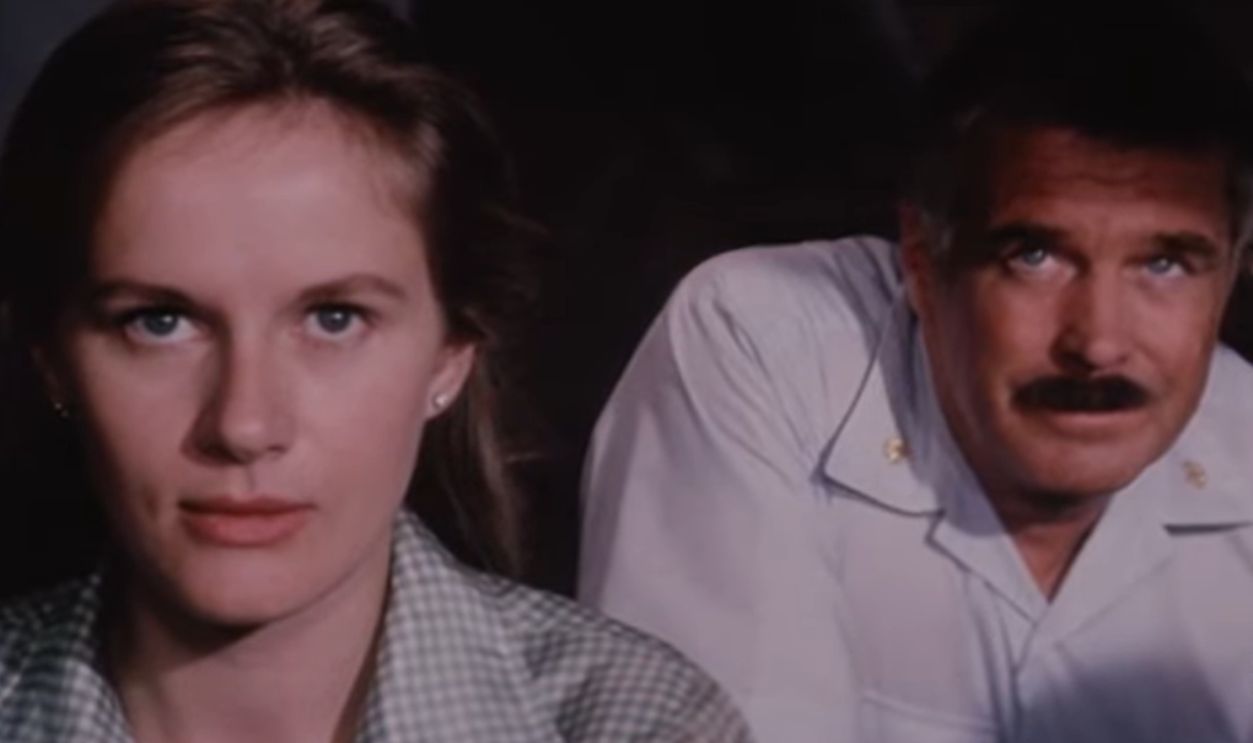 Screenshot from Damnation Alley, The Walt Disney Company (1977)
“Knowing” (2009)
A frightened schoolgirl fills a page with numbers during a classroom time-capsule project in 1959. Decades later, those numbers appear to predict major disasters. It is an excellent setup for a dark mystery. Unfortunately, Knowing eventually trades its unsettling puzzle for glowing strangers, biblical imagery, and an ending that feels imported from another movie.
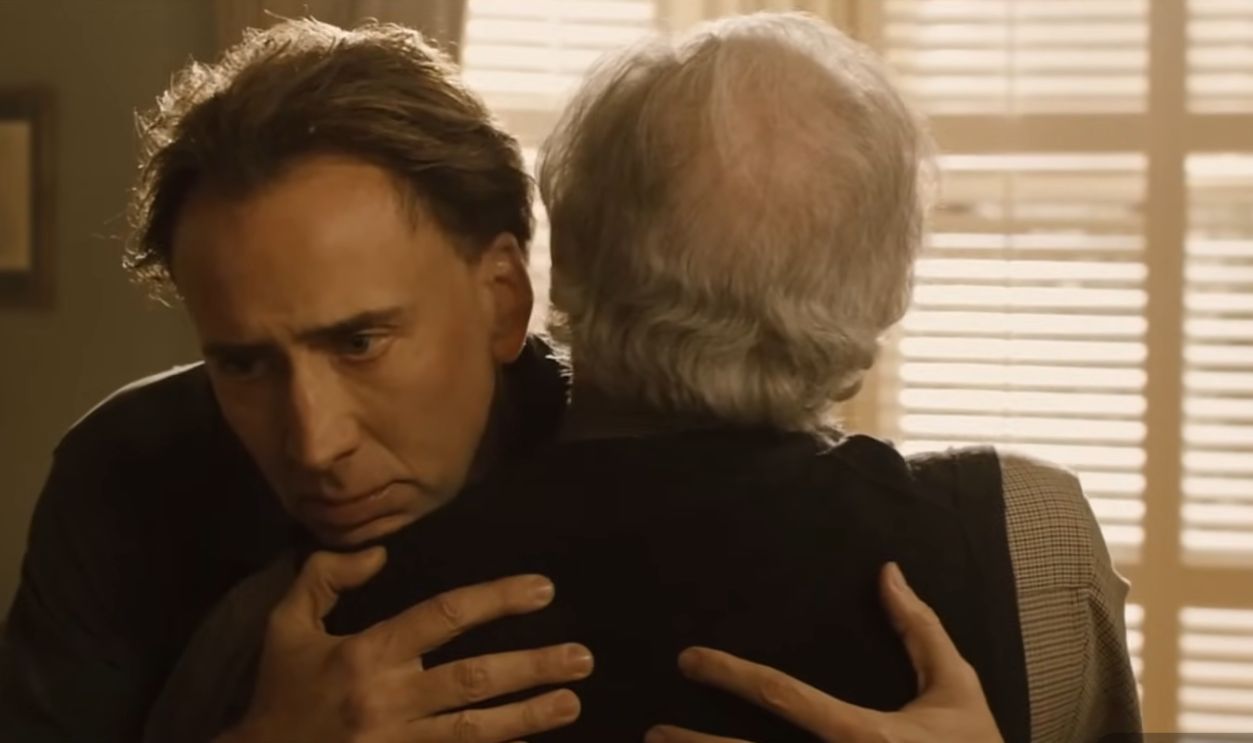 Screenshot from Knowing, Summit Entertainment (2009)
“Sucker Punch” (2011)
The nearly wordless opening of Sucker Punch, set to a haunting version of Sweet Dreams, is visually striking and emotionally brutal. Zack Snyder establishes an entire tragic backstory with barely any dialogue. Then the film becomes a series of increasingly elaborate fantasy sequences that look incredible but somehow make the story feel less interesting every time.
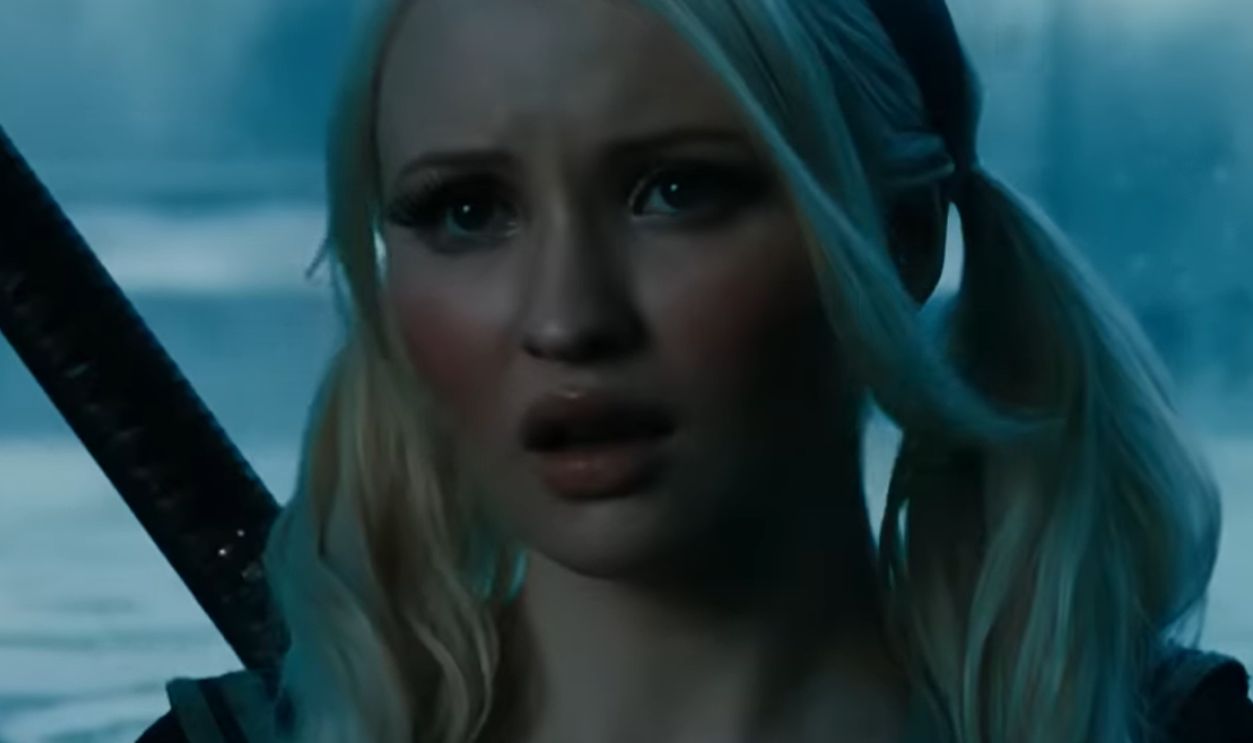 Screenshot from Sucker Punch, Warner Bros. Pictures (2011)
“Van Helsing” (2004)
The black-and-white prologue looks like a loving tribute to the classic Universal monster movies. Frankenstein’s creature comes to life, Dracula appears, villagers storm a burning windmill, and everything feels wonderfully old-fashioned. Then color arrives, the computer effects take over, and the film begins throwing monsters at the screen like it is clearing out a warehouse.
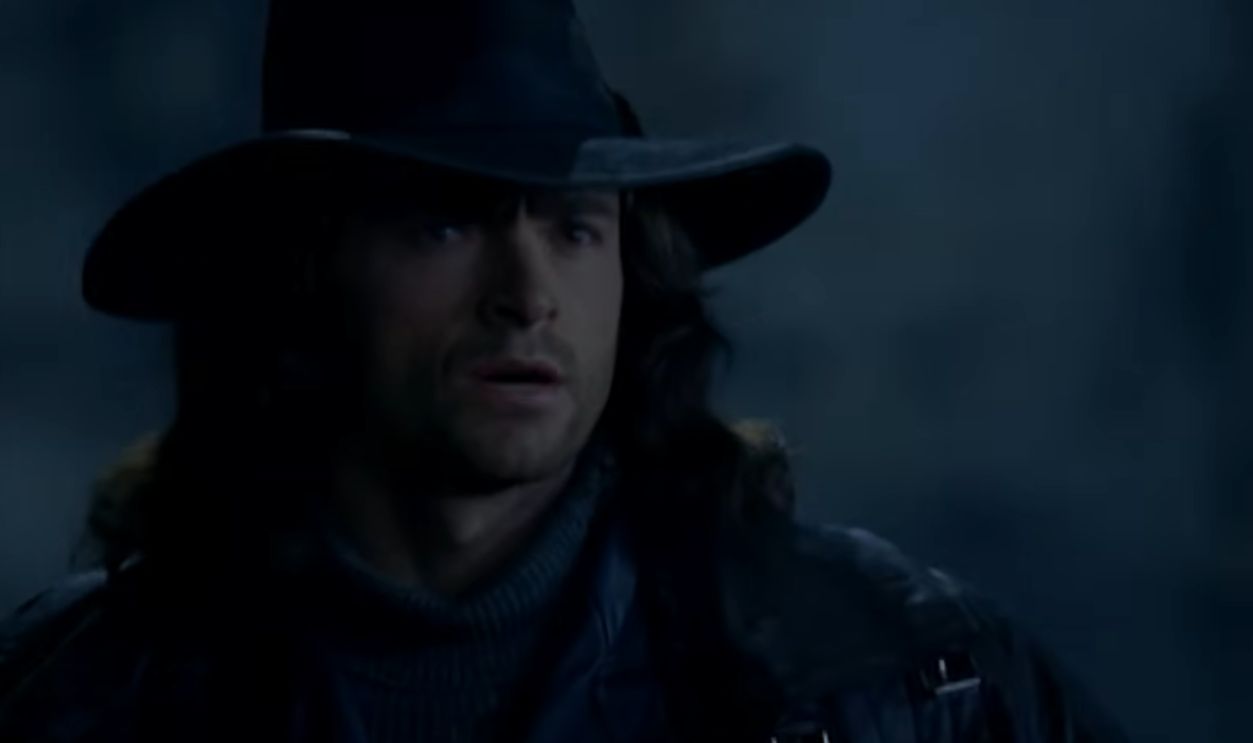 Screenshot from Van Helsing, Universal Pictures (2004)
“Prophecy” (1979)
A search team moves through the Maine wilderness at night and discovers that something large and vicious is hunting in the darkness. It is atmospheric, mysterious, and genuinely creepy. Then the creature is revealed as a mutated bear, and John Frankenheimer’s environmental horror movie becomes best remembered for a sleeping bag flying through the air.
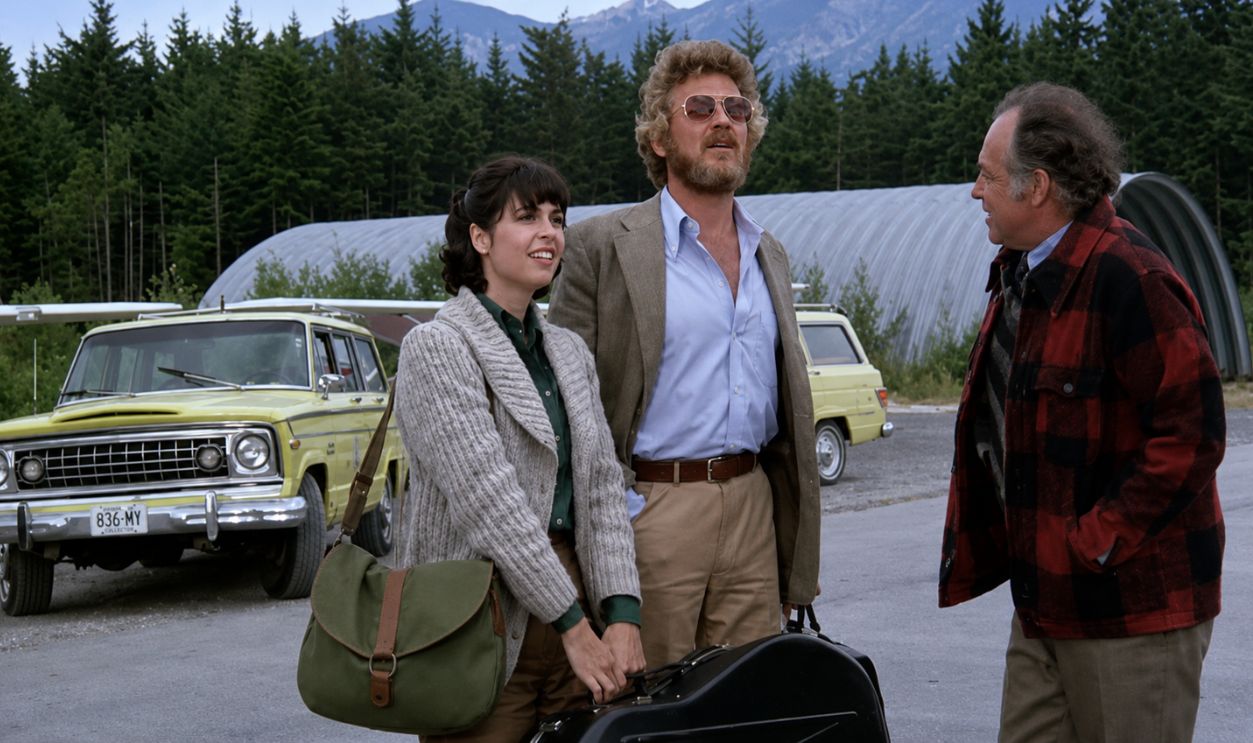 Screenshot from Prophecy, Paramount Pictures (1979), Enhanced
“Urban Legend” (1998)
A young woman stops at a gas station during a storm, only to have the attendant behave so strangely that she assumes he is dangerous. He is actually trying to warn her about the person hiding in her back seat. It is a clever, tense opening. The rest is basically Scream with fewer good jokes.
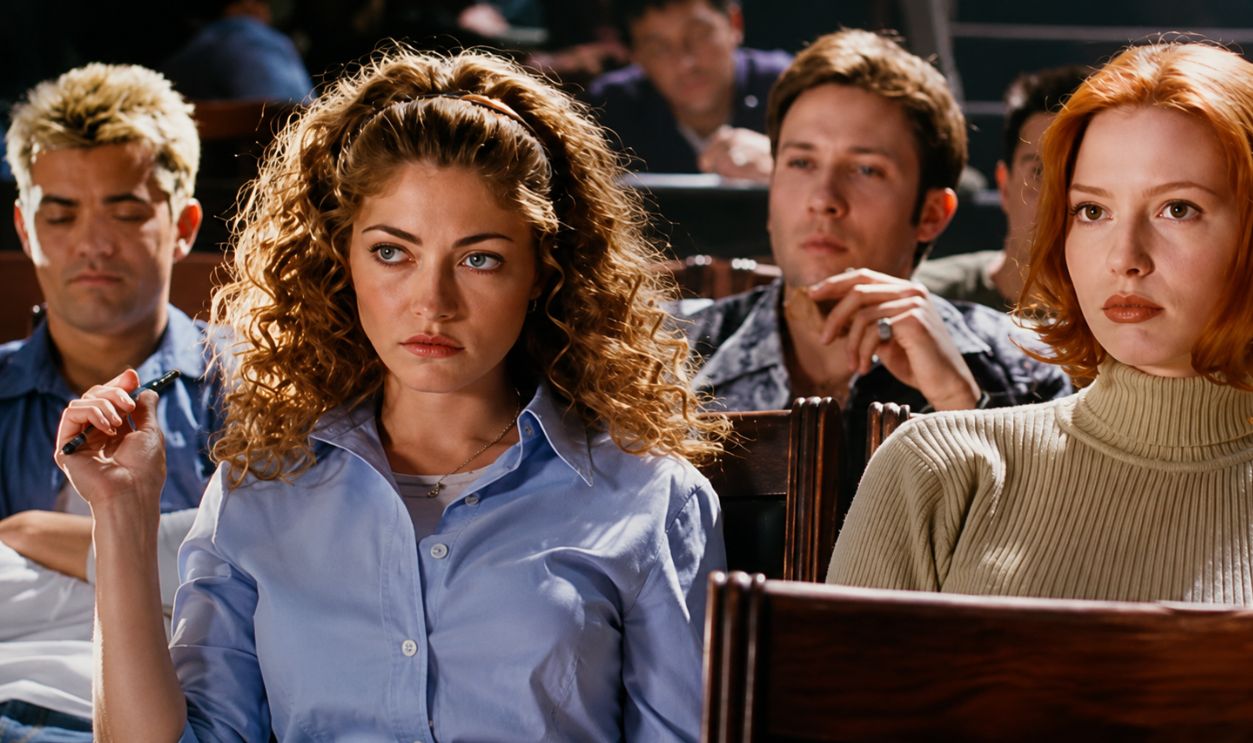 Screenshot from Urban Legend, Sony Pictures Releasing (1998), Enhanced
“Phantoms” (1998)
Two sisters arrive in a small Colorado town and find it almost completely deserted. Food has been left behind, phones are still ringing, and something clearly terrible has happened. The eerie setup suggests a great mixture of The Thing and Invasion of the Body Snatchers. Then the explanations begin, and every answer makes the mystery less interesting.
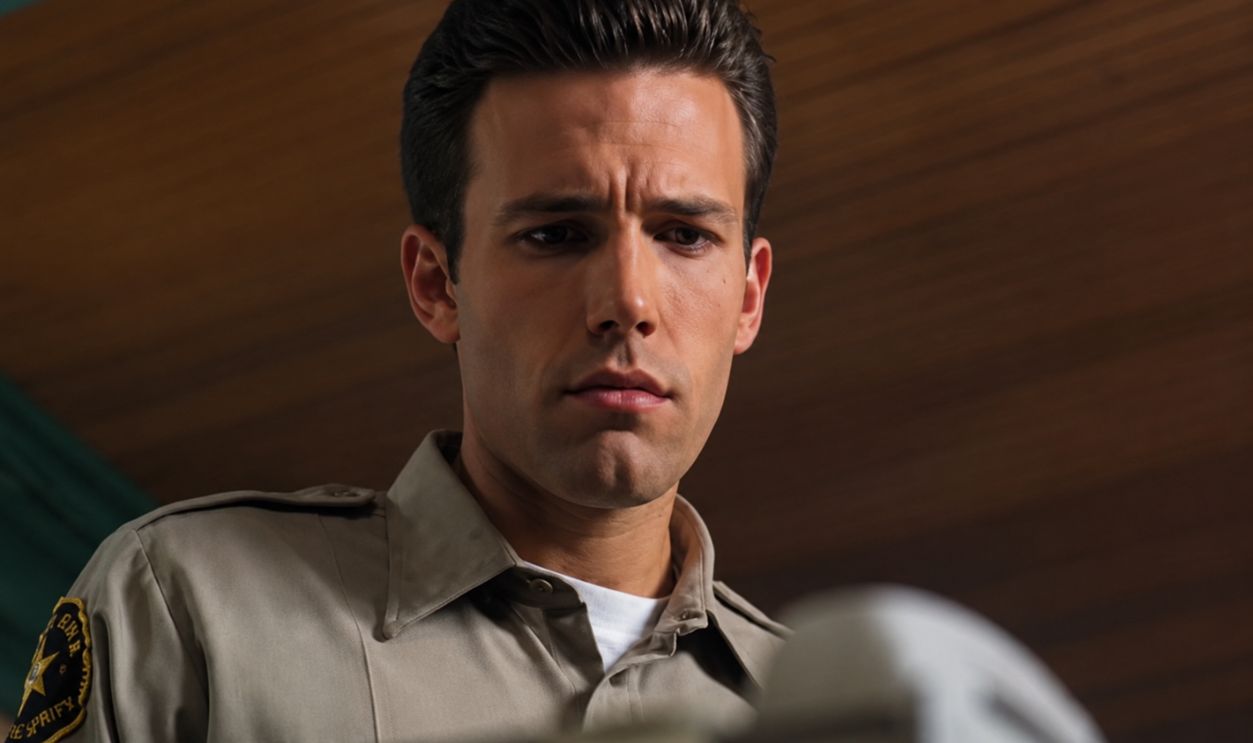 Screenshot from Phantoms, Dimension Films (1998), Enhanced
“Darkness Falls” (2003)
The opening sequence turns the Tooth Fairy into something genuinely frightening. A young boy is warned never to look at her, breaks the rule, and spends the night hiding from a creature that cannot enter the light. It is a terrific horror setup. Then the grown-up characters discover that flashlights are apparently the entire plot.
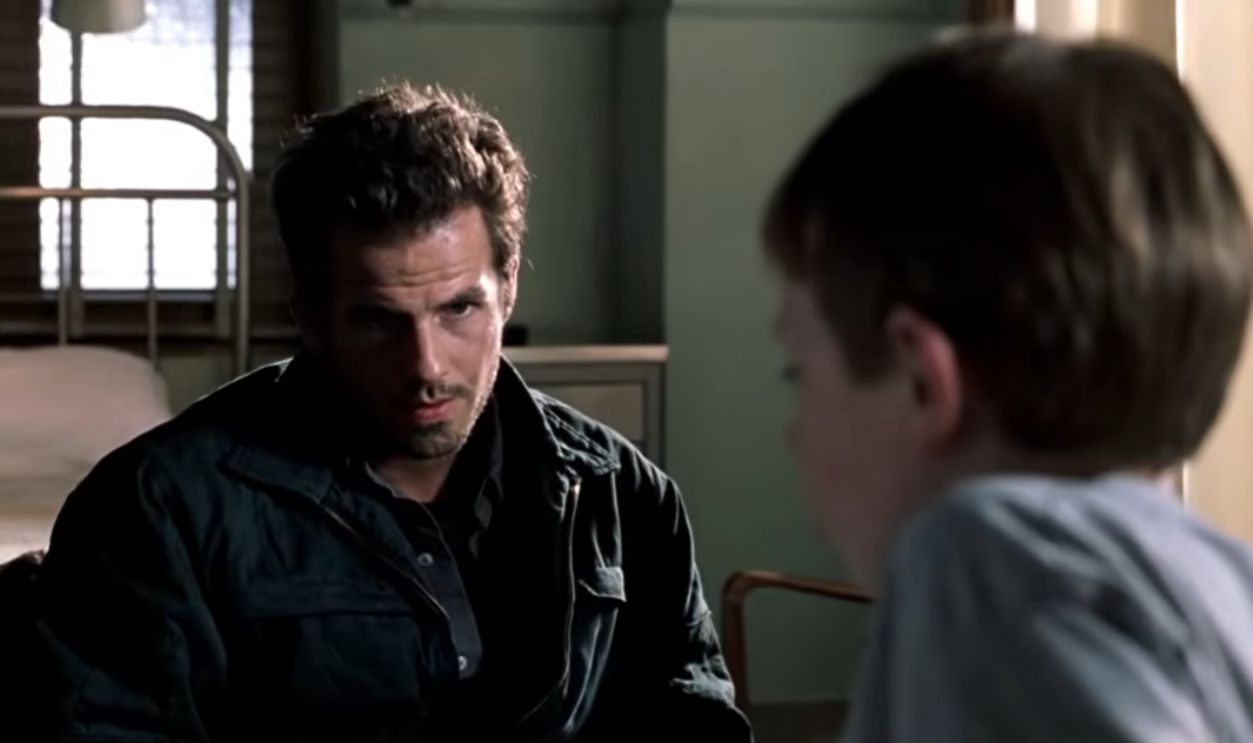 Screenshot from Darkness Falls, Sony Pictures Releasing (2003)
“Thirteen Ghosts” (2001)
The remake begins with a chaotic attempt to capture a massive ghost known as the Juggernaut inside a junkyard. Strange machines, psychic equipment, and a team of terrified assistants make the supernatural world feel dangerous and elaborate. Then everyone moves into a glass house and starts making exactly the decisions horror characters should never make.
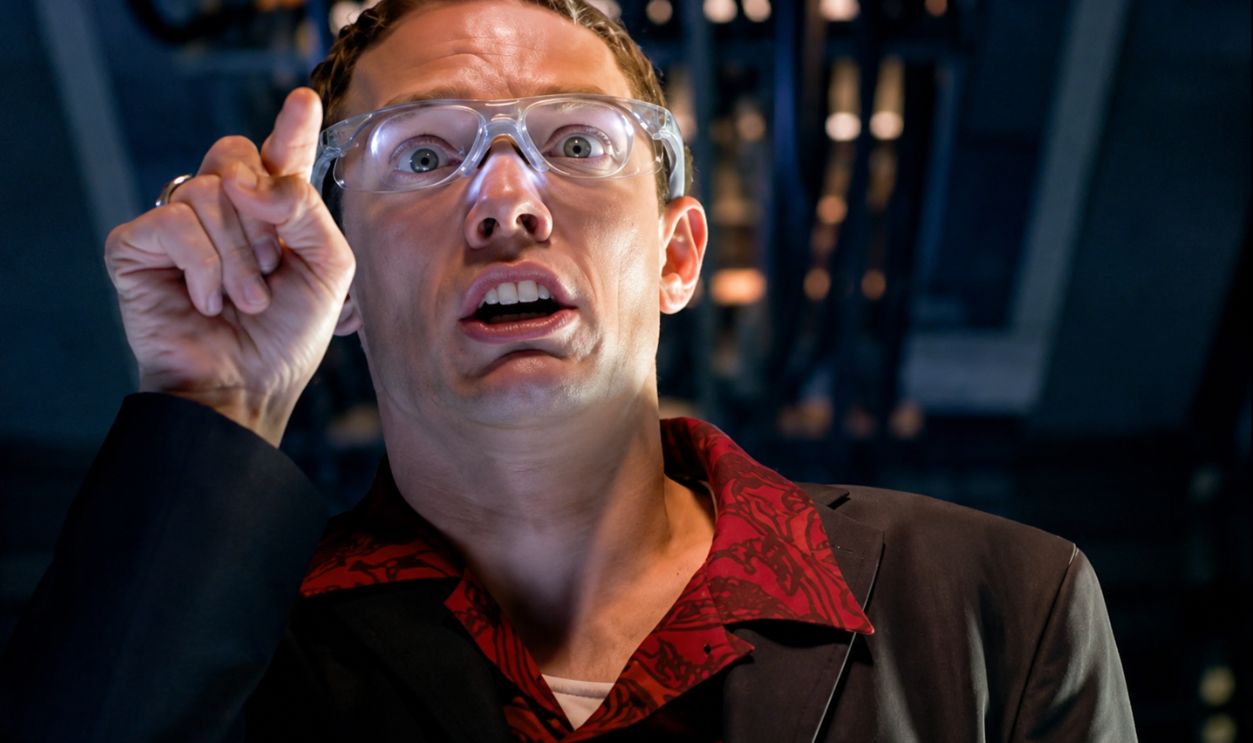 Screenshot from Thirteen Ghosts, Warner Bros. Pictures. (2001), Enhanced
“Jason Goes to Hell: The Final Friday” (1993)
Jason walks into what appears to be another routine cabin attack, only to discover that the woman inside is part of an FBI trap. Lights switch on, agents surround him, and the franchise finally catches Jason by thinking ahead. It is a fantastic surprise. Then Jason becomes an evil force that jumps between bodies. Sure. Why not?
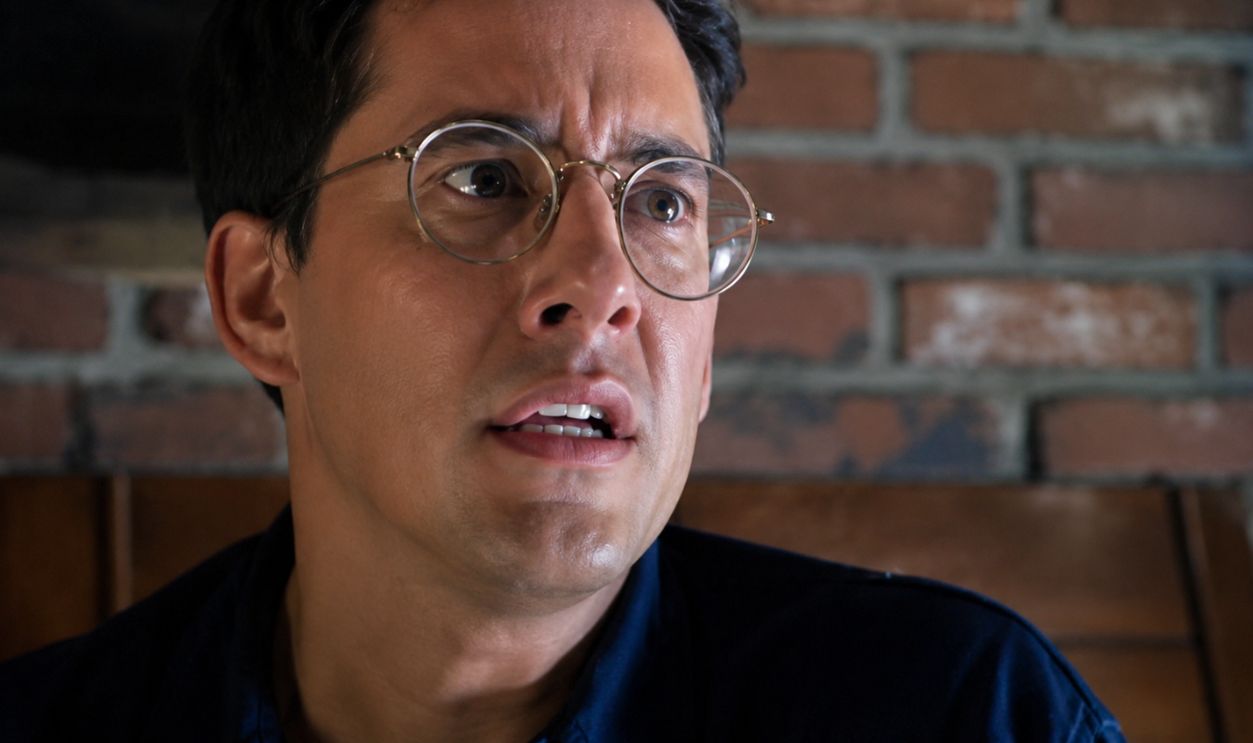 Screenshot from Jason Goes to Hell: The Final Friday, New Line Cinema (1993), Enhanced
“Terminator Genisys” (2015)
The film begins by recreating the final battle against Skynet and the arrival of the original Terminator in 1984. Then an older version of Arnold Schwarzenegger steps out and ruins the machine’s evening. It is nostalgic, clever, and briefly promising. After that, the timeline becomes something even Doc Brown would refuse to explain.
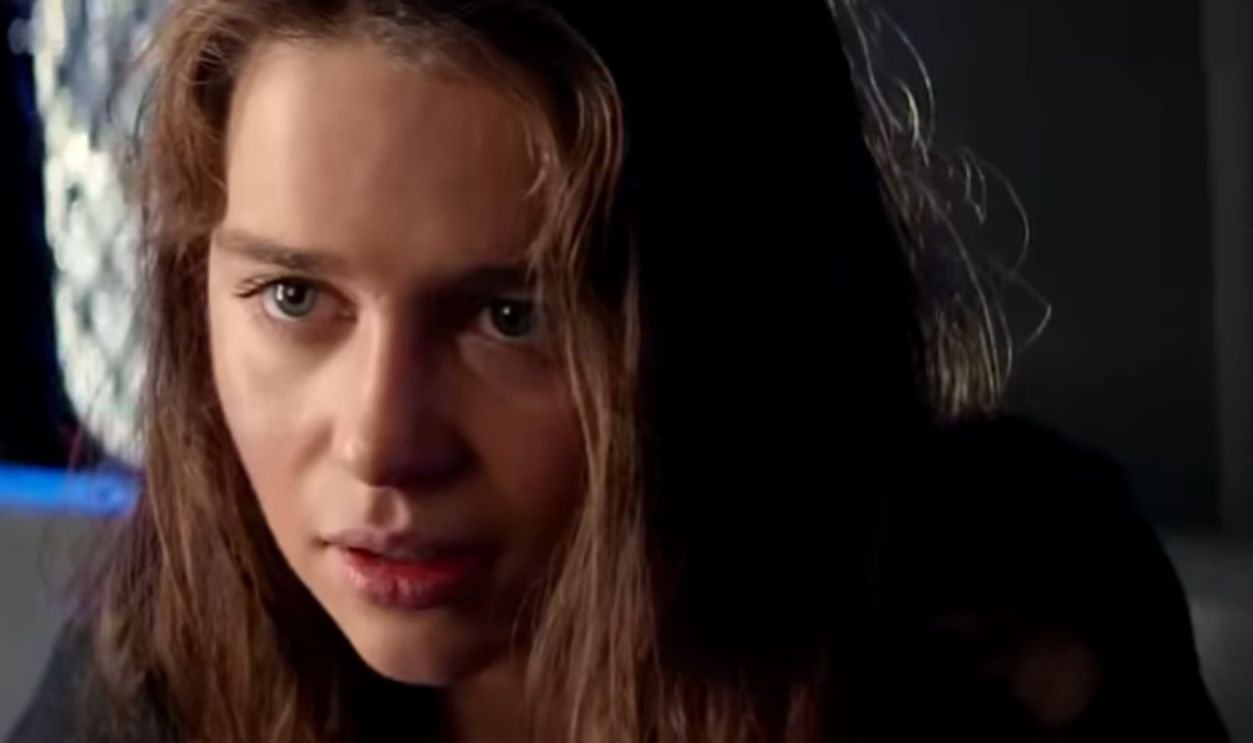 Screenshot from Terminator Genisys, Paramount Pictures (2015)
“Jurassic World: Fallen Kingdom” (2018)
A nighttime team returns to the abandoned island to recover genetic material from the Indominus rex. A storm rolls in, the Tyrannosaurus appears, and the Mosasaurus delivers the final surprise. It is moody, tense, and everything a dinosaur movie should be. Later, dinosaurs are being auctioned inside a mansion because apparently that was the next logical step.
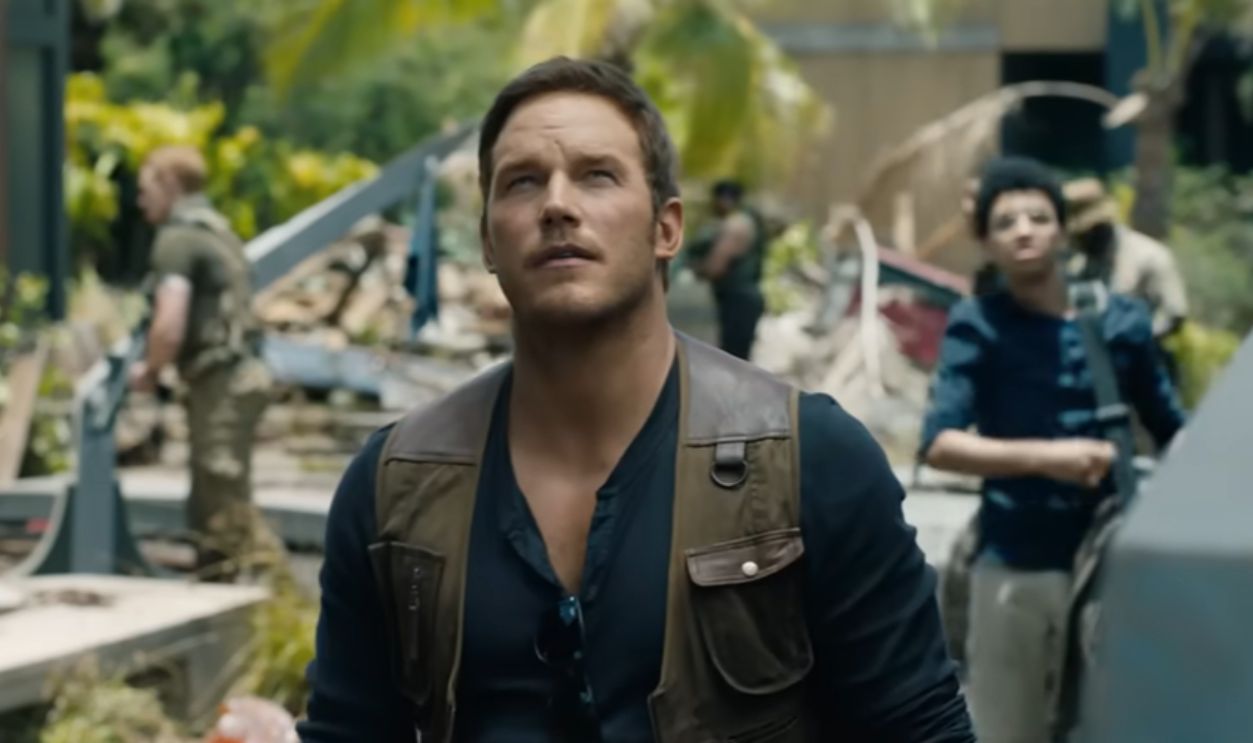 Screenshot from Jurassic World: Fallen Kingdom, Universal Pictures(2018)
“Batman v Superman: Dawn of Justice” (2016)
Watching the destruction of Metropolis from Bruce Wayne’s perspective is a fantastic idea. Superman and Zod crash through buildings while Bruce races through the streets helping frightened employees. It immediately explains why he sees Superman as a threat. Then the film adds dream sequences, government hearings, a jar of urine, and the most controversial use of the name Martha ever filmed.
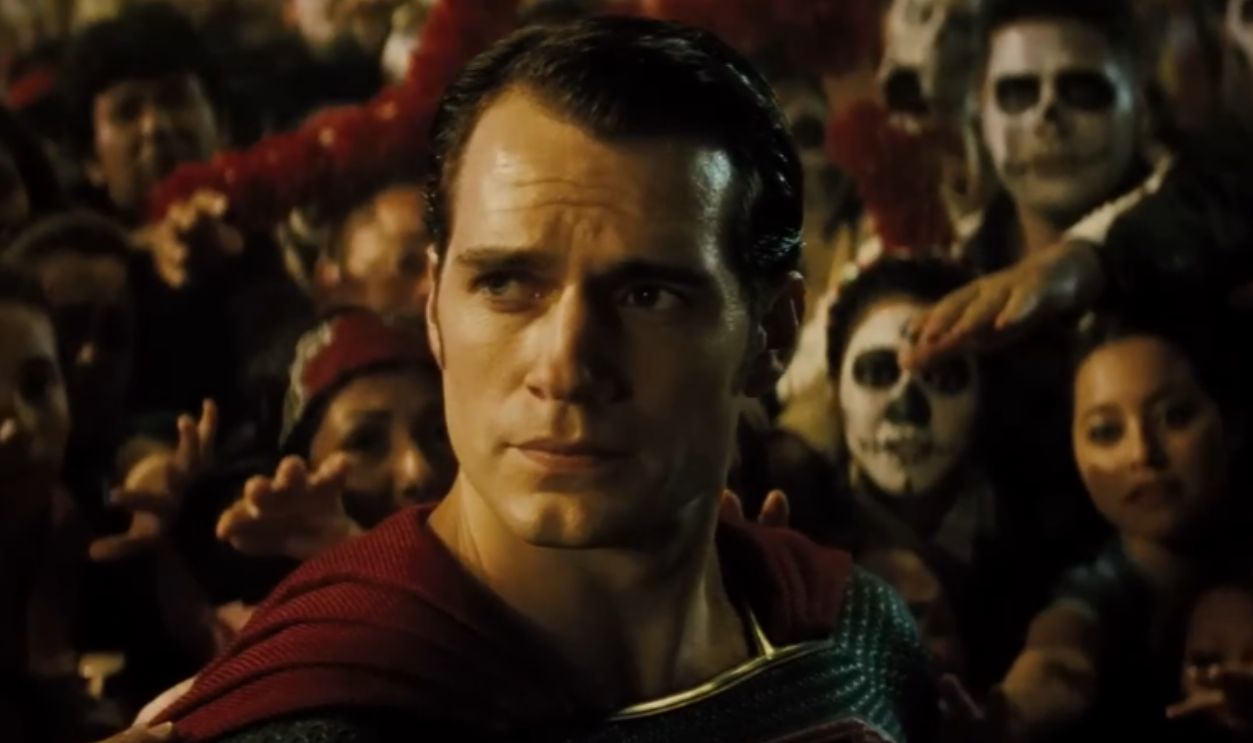 Screenshot from Batman v Superman: Dawn of Justice, Warner Bros. Pictures (2016)
“Die Another Day” (2002)
Bond infiltrating North Korea, racing across a minefield in hovercrafts, and being captured is a strong beginning. The title sequence then shows him enduring months of imprisonment instead of the usual silhouettes and champagne. It feels darker and more dangerous. Eventually, the film introduces an invisible Aston Martin, gene therapy that turns Colonel Moon into Gustav Graves, and an orbital superweapon.
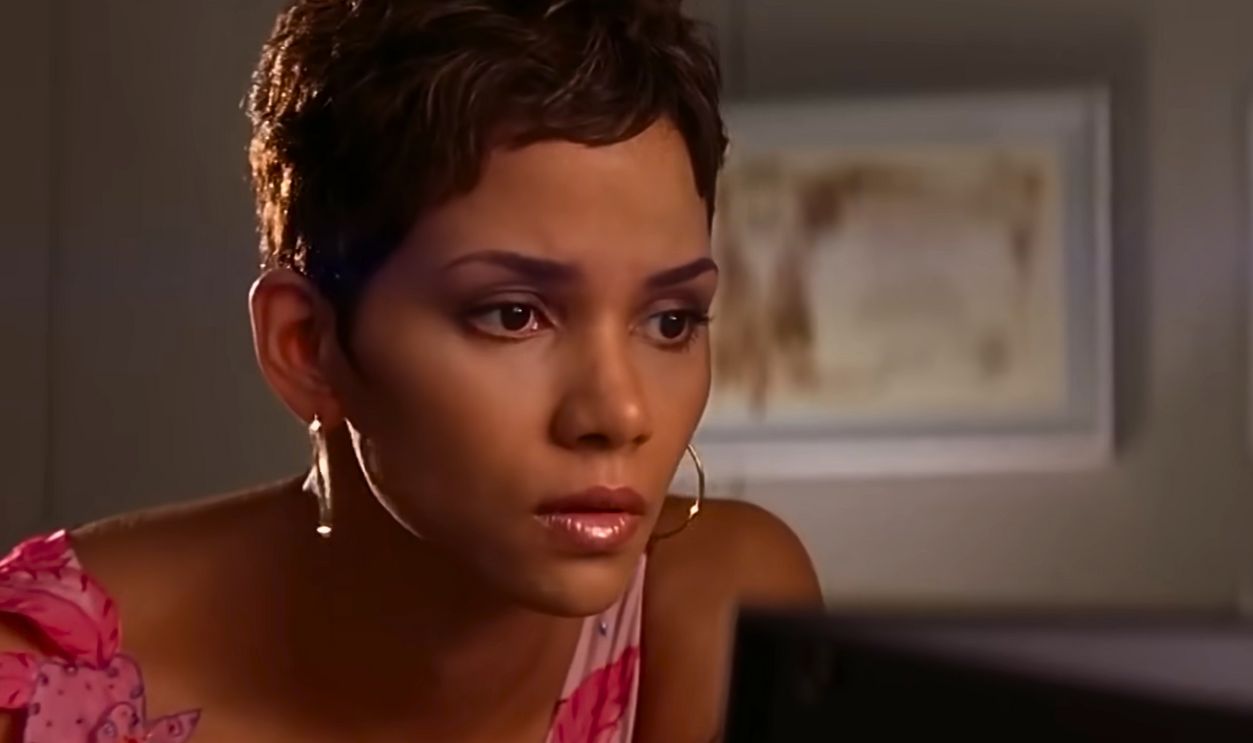 Screenshot From Die Another Day, 20th Century Studios (2002)
“Moonfall” (2022)
The opening space-shuttle sequence is genuinely effective. A mysterious swarm attacks the crew, one astronaut is lost, and Brian Harper—the only conscious witness—flies the damaged shuttle home only to be blamed for the disaster. It creates a solid science-fiction mystery. Then the Moon turns out to be an enormous artificial structure, gravity stops following rules, and a Lexus commercial becomes part of the escape plan.
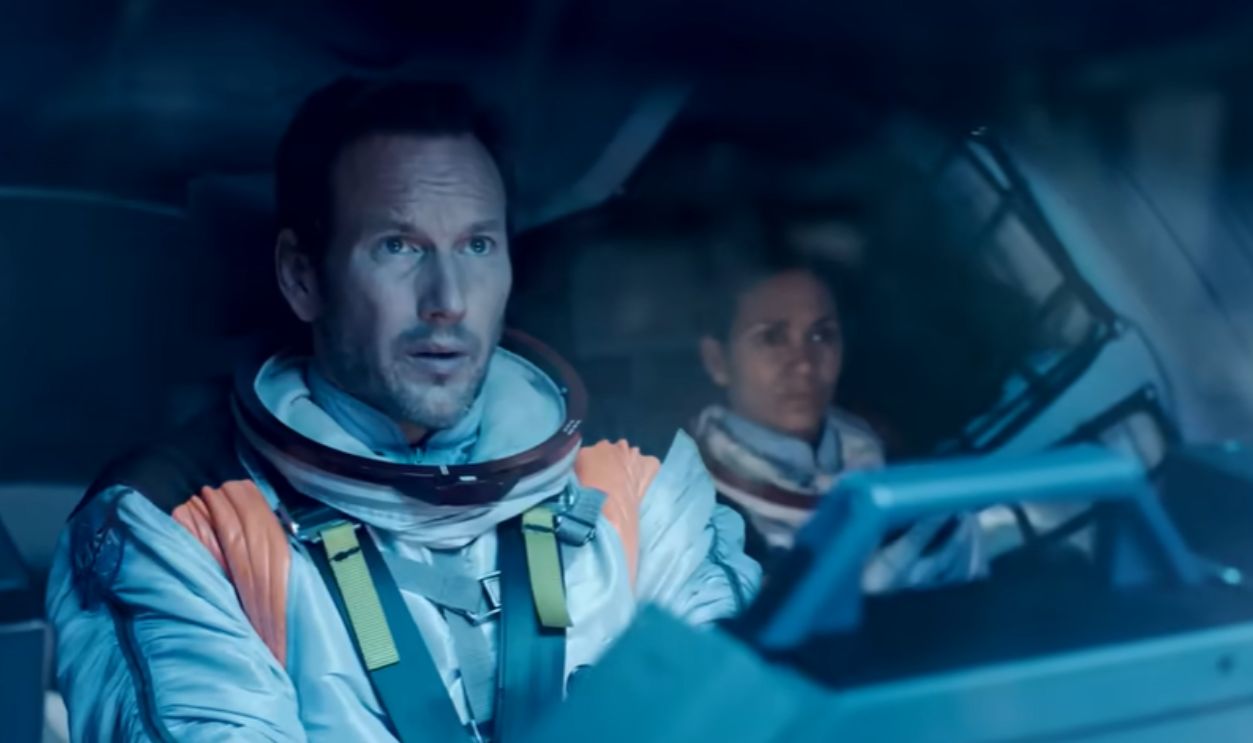 Screenshot from Moonfall, Lionsgate (2022)
“Swordfish” (2001)
John Travolta calmly discusses how Hollywood ruins movies while sitting inside a café surrounded by police. Moments later, the film unleashes an enormous slow-motion explosion that sends people, cars, and thousands of metal ball bearings flying through the air. It is audacious and unforgettable. The rest of Swordfish never comes close to matching its own opening argument.
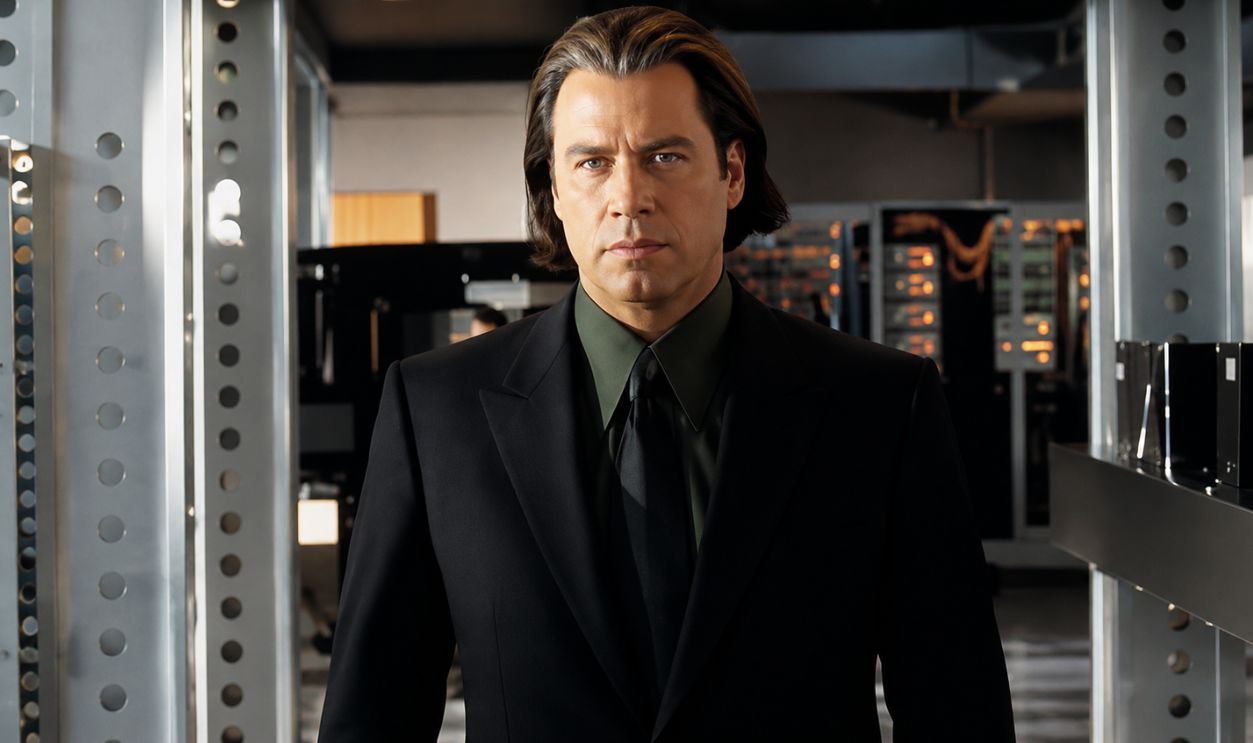 Screenshot from Swordfish, Warner Bros. Pictures (2001), Enhanced
“The Keep” (1983)
German soldiers arrive at an ancient fortress in Romania and discover metal crosses embedded inside its walls. When one soldier removes a cross while searching for hidden silver, something terrifying is released. The atmosphere, strange imagery, and Tangerine Dream score promise a dark supernatural classic. Then the story becomes so chopped up and confusing that the movie feels like several missing reels were replaced with fog.
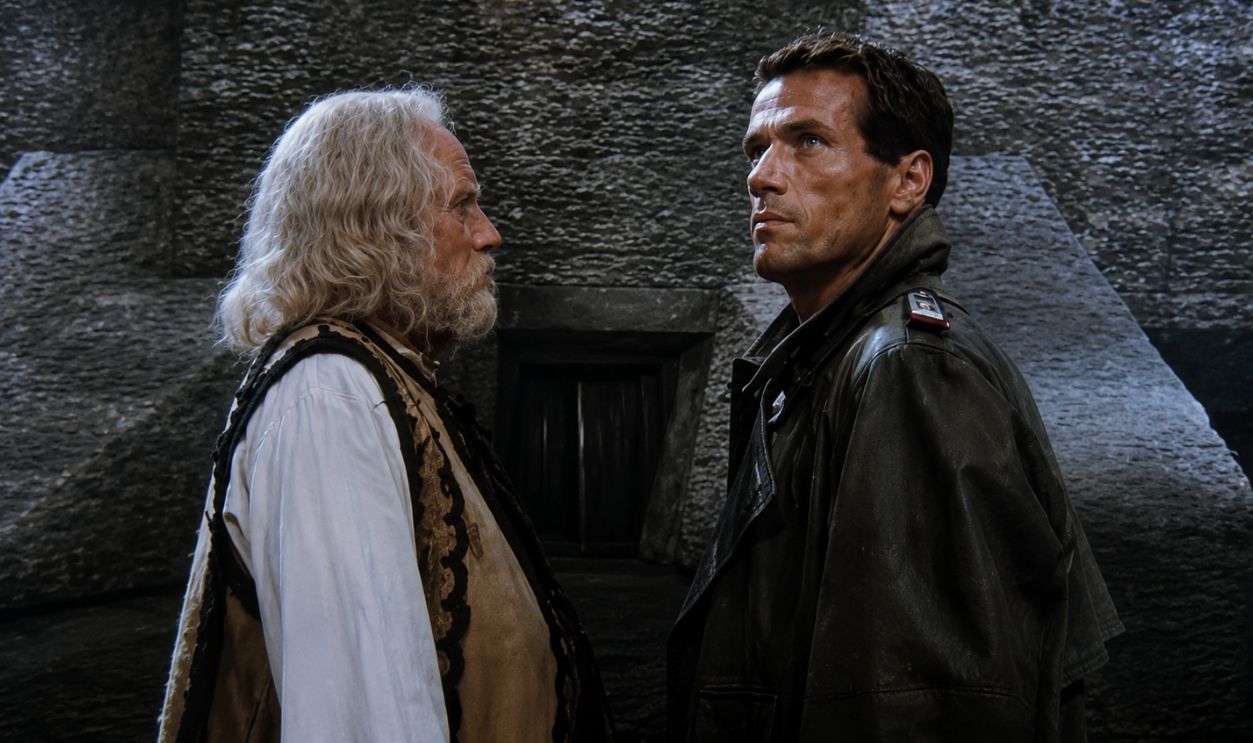 Screenshot from The Keep, Paramount Pictures (1983), Enhanced
“Jaws: The Revenge” (1987)
The opening attack takes place in Amity during Christmas, with Sean Brody heading into the dark harbor to clear a log from a buoy. The cold weather, flashing lights, and familiar music create a surprisingly effective sequence. Then the shark follows his family to the Bahamas because it apparently understands geography, airline travel, and the importance of holding a grudge.
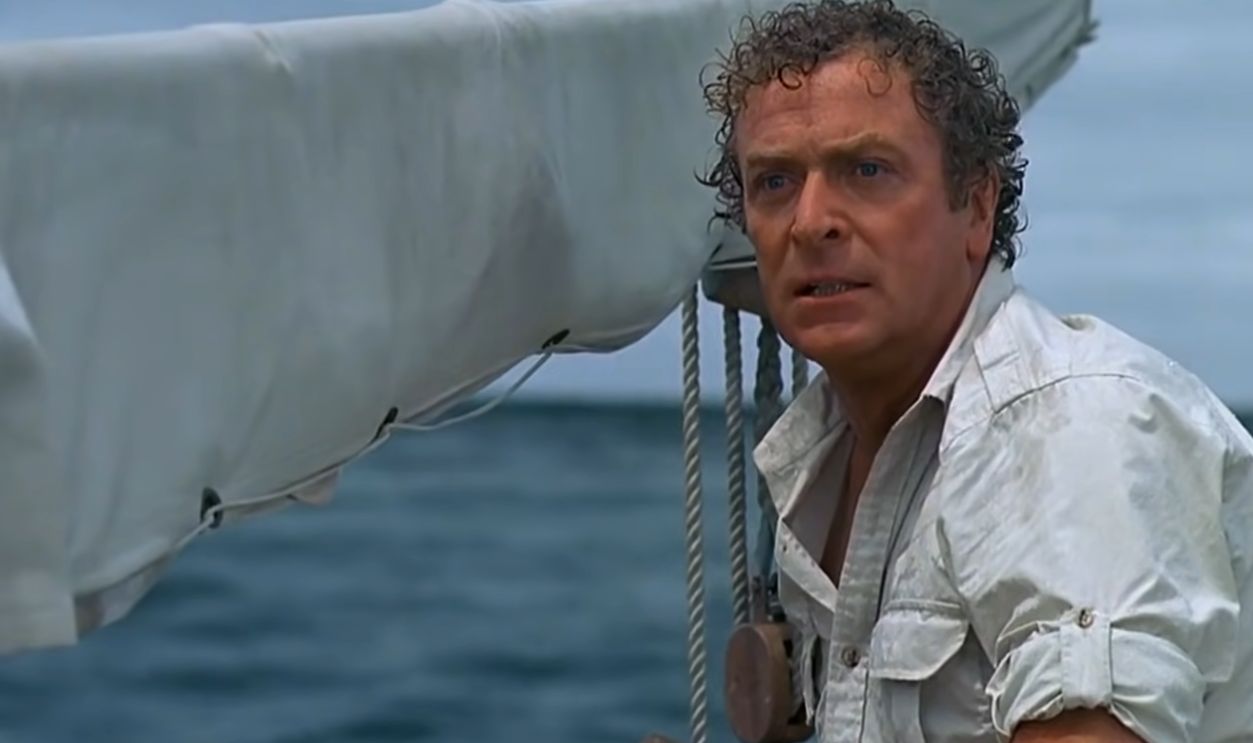 Screenshot from Jaws: The Revenge, Universal Pictures (1987)
“Lost in Space” (1998)
The opening space battle gives Matt LeBlanc’s Major West a surprisingly exciting introduction and makes the movie look ready to become the 90s answer to Star Wars. Once the Robinson family leaves Earth, the energy gets lost alongside them as the film piles on family drama, confusing time travel, and an extremely questionable space monkey.
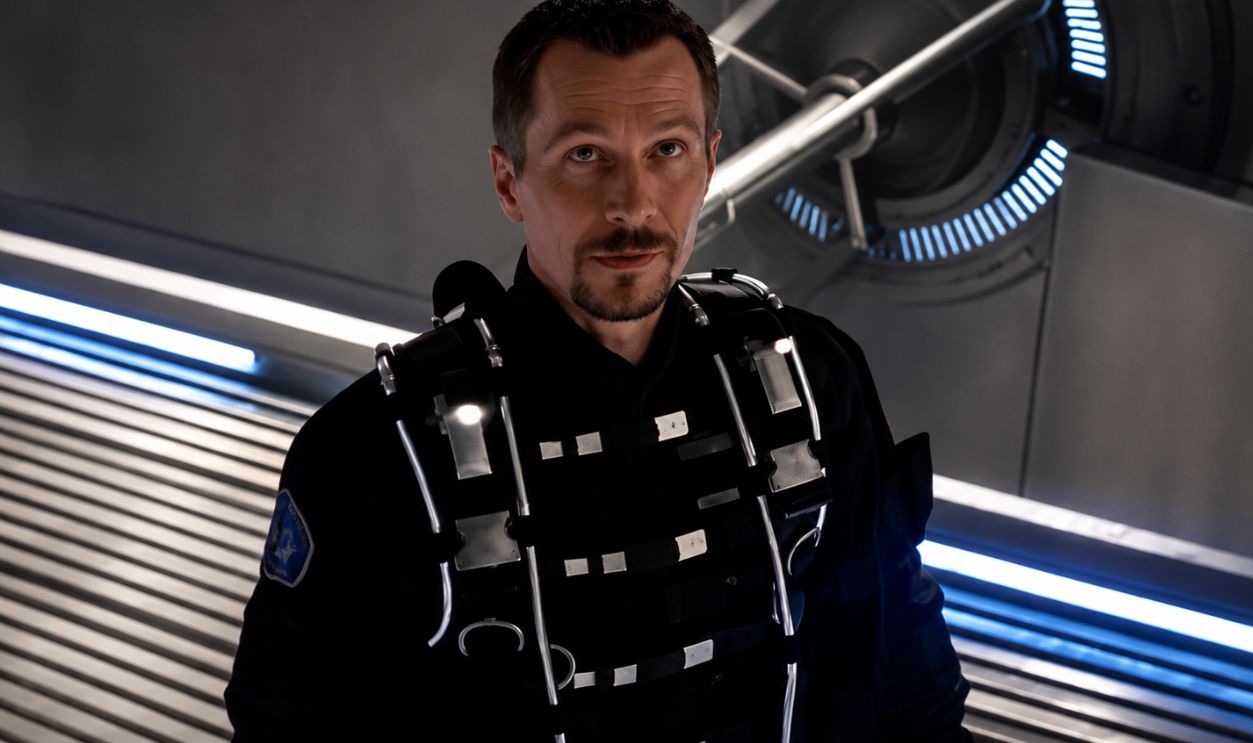 Screenshot from Lost in Space, New Line Cinema (1998), Enhanced
“Virus” (1999)
The opening aboard the Mir space station and a Russian research ship is big, mysterious, and surprisingly effective. A strange energy force moves through the computers, attacks the crew, and leaves the ship seemingly abandoned, promising a nasty combination of Alien and The Terminator. Then the remaining characters board the ship and begin making decisions that suggest the computer virus may not be the biggest problem.
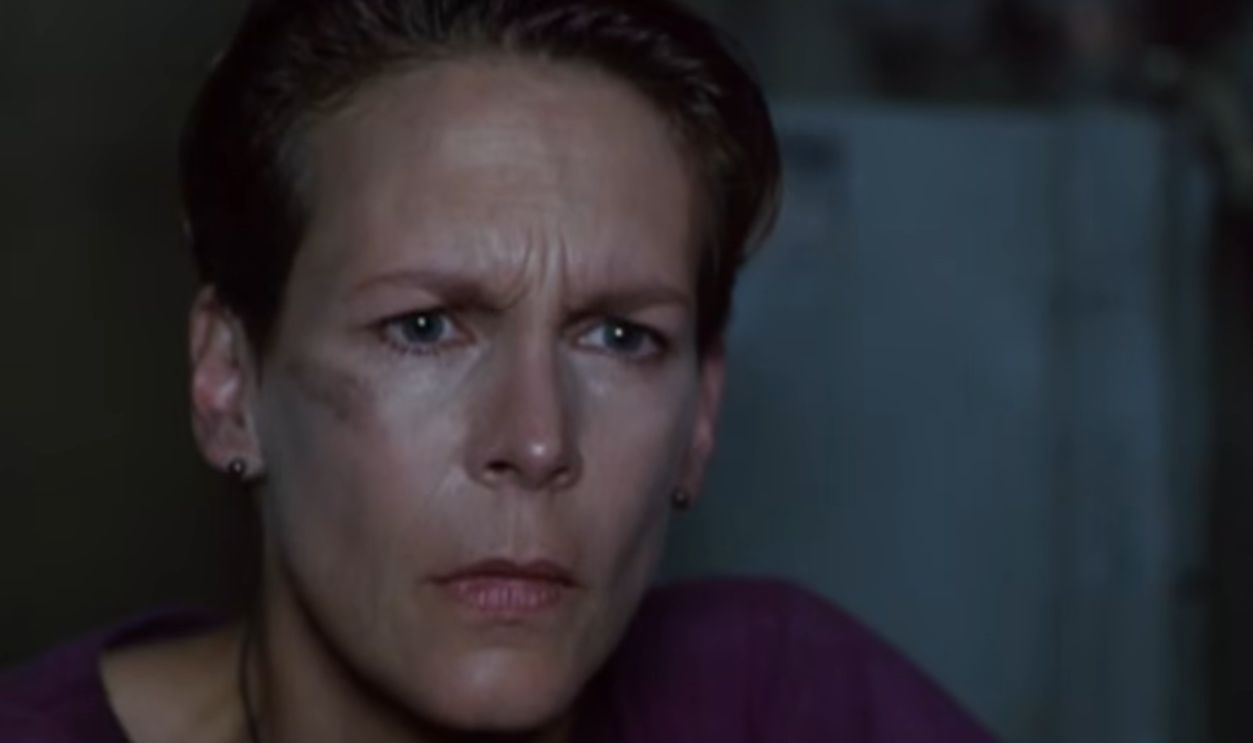 Screenshot from Virus, Universal Pictures (1999)
You Might Also Like:
27 Movies That Prove The Original Is Always Better Than The Remake
Gene Wilder and Richard Pryor Had Perfect On-Screen Chemistry—And Plenty of Off-Screen Tension