When Movies Stop Playing It Safe And Start Saying Something
Every few years, someone declares that cinema is dead. And every time, movies like these quietly prove them wrong. Arthouse films don’t exist to please algorithms or launch sequels—they exist to explore ideas, emotions, and images that don’t fit neatly into boxes. These are the movies that remind you film isn’t just content. It’s craft, risk, obsession, and sometimes beautiful confusion.
Breathless
Jean-Luc Godard’s Breathless feels like a movie that knows it’s breaking rules and is having fun doing it. The jump cuts, the loose structure, the casual cool—it all adds up to a film that feels alive in a way most movies don’t. It didn’t just influence cinema; it rewired it. Even today, it feels rebellious without trying too hard.
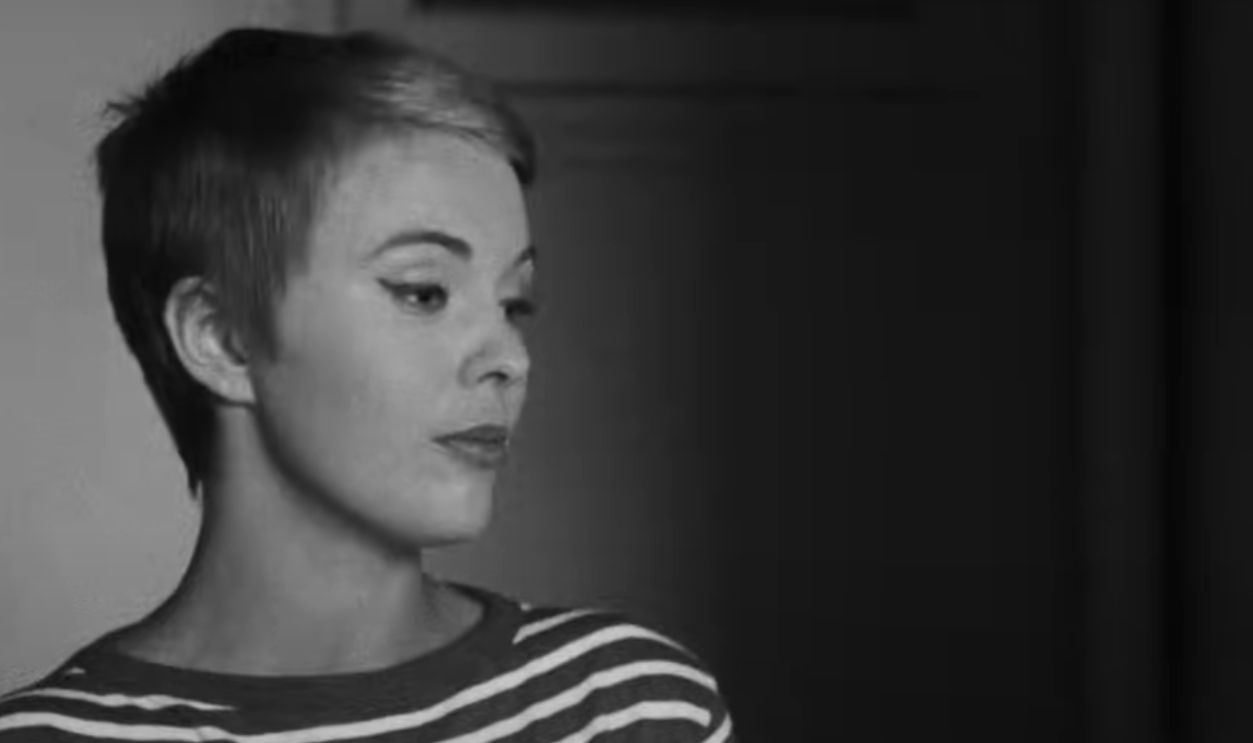 Screenshot from Breathless, Les Films Impéria (1960)
The Seventh Seal
A knight plays chess with Death, and somehow it works. The Seventh Seal tackles faith, fear, and the meaning of existence without losing its sense of drama or dark humor. Ingmar Bergman turned philosophical dread into something visually unforgettable. It’s heavy, sure—but it’s the kind of heavy that sticks with you.
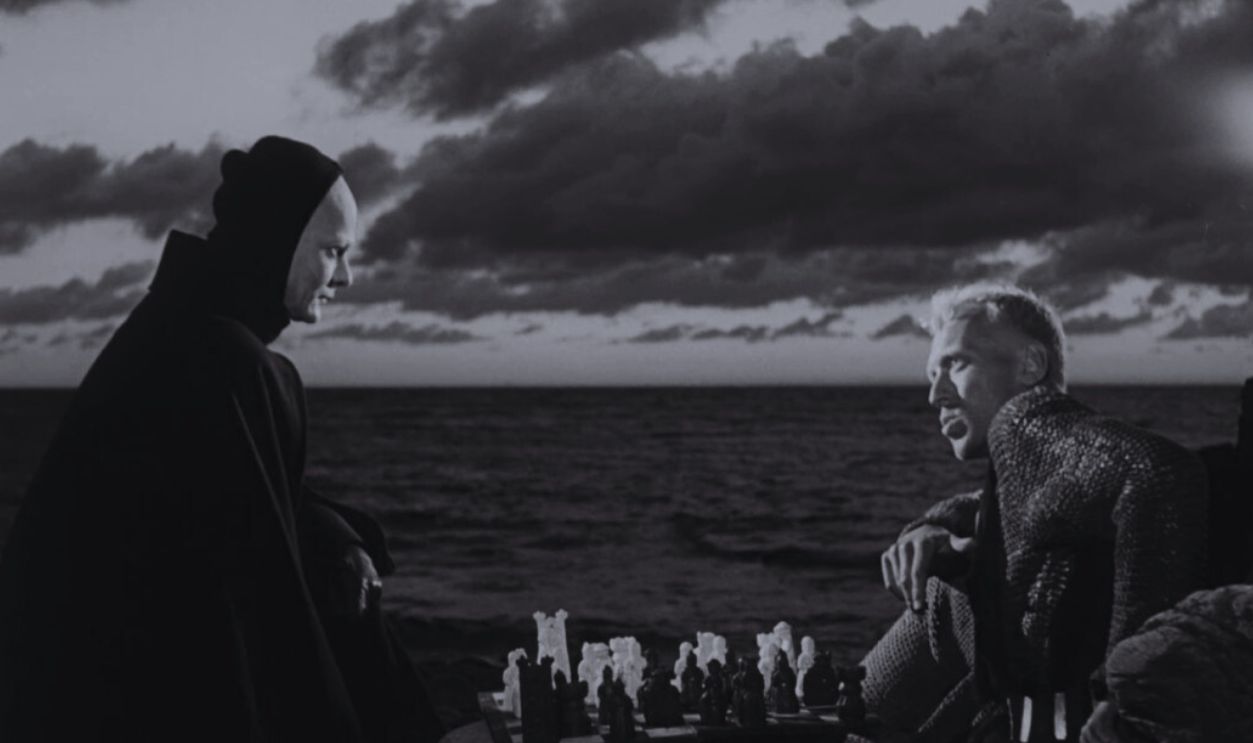 Screenshot from The Seventh Seal, Svensk Filmindustri (1957)
The Tree of Life
Terrence Malick’s The Tree of Life isn’t interested in holding your hand. It jumps from childhood memories to the creation of the universe like that’s a totally normal thing to do. The result is less a traditional movie and more a cinematic meditation. You don’t just watch it—you experience it.
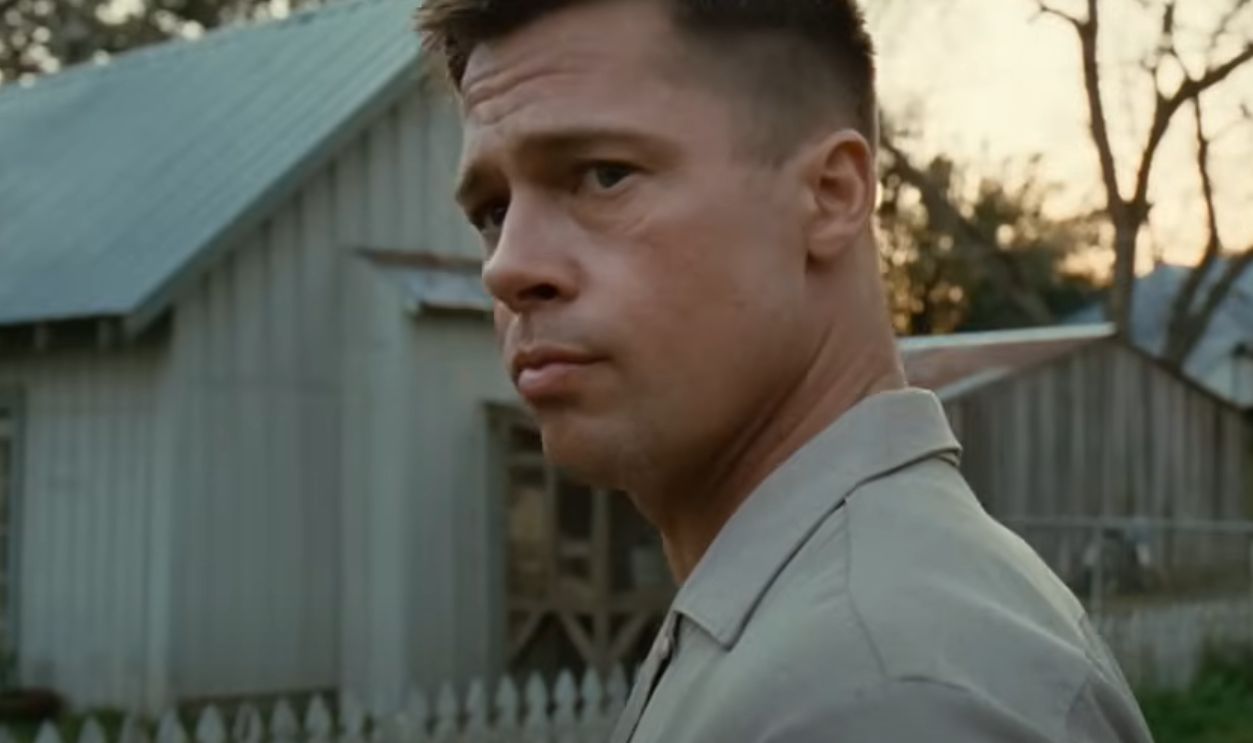 Screenshot from The Tree of Life, Fox Searchlight Pictures (2011)
Holy Motors
Trying to explain Holy Motors usually makes it sound fake. A man moves through a series of identities, genres, and realities, all loosely connected and deeply strange. It’s playful, haunting, and wildly unpredictable. This is cinema embracing its own weirdness and loving every minute of it.
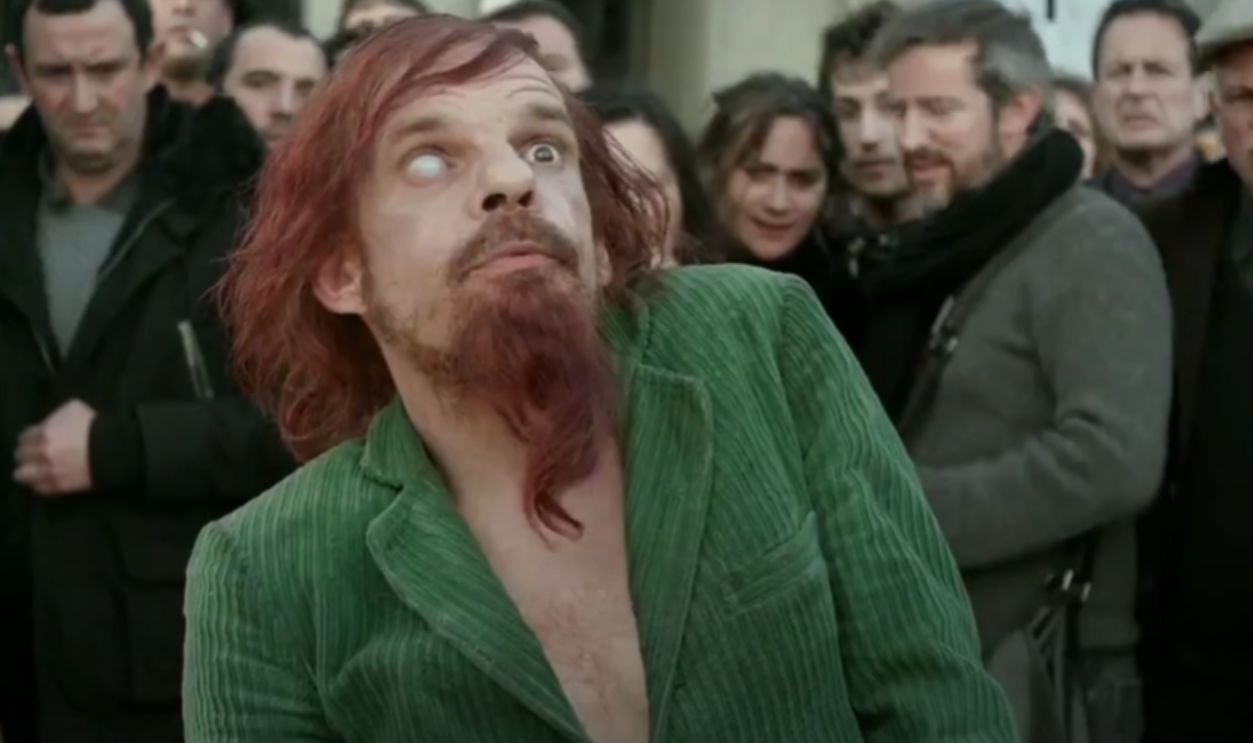 Screenshot from Holy Motors, Films Distribution (2012)
It’s Such A Beautiful Day
Don Hertzfeldt proves that simple drawings can carry devastating emotional weight. It’s Such a Beautiful Day explores mortality, memory, and mental decline with surprising warmth and humor. It sneaks up on you, then completely wrecks you. Few films say so much with so little.
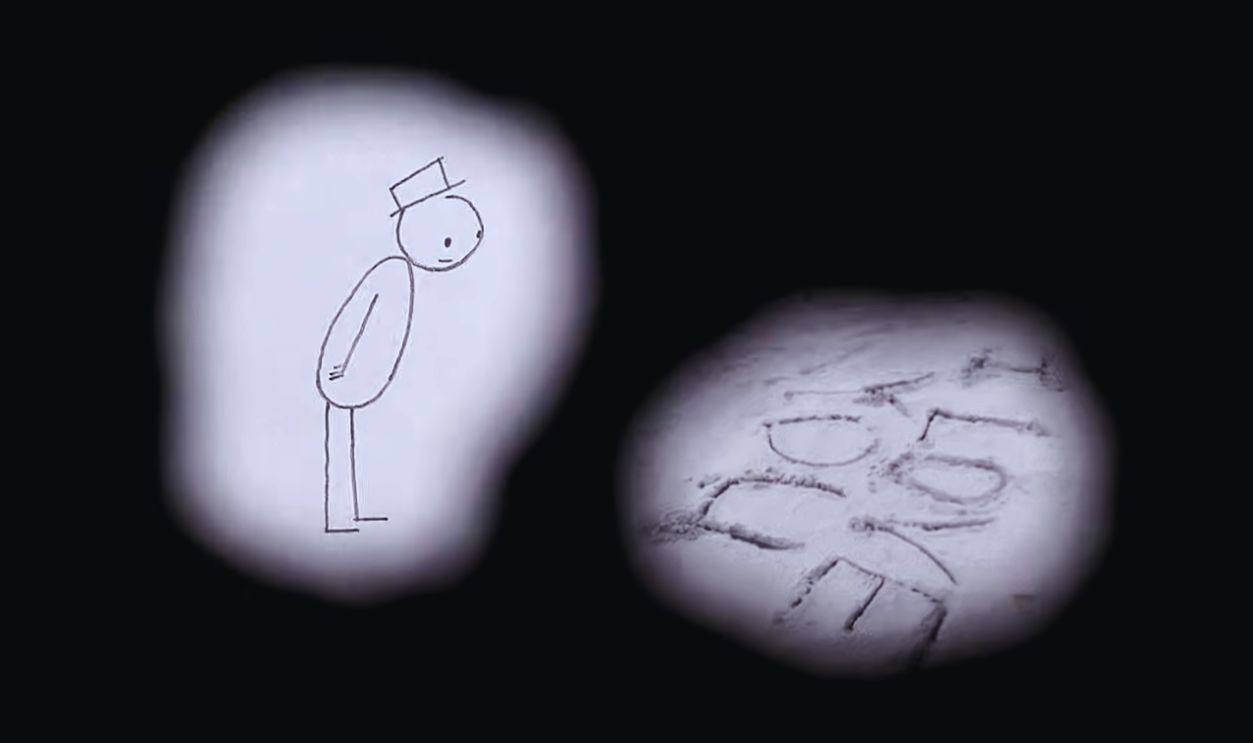 Screenshot from It’s Such a Beautiful Day, Bitter Films (2012)
Synecdoche, New York
Charlie Kaufman’s Synecdoche, New York is about trying to capture life through art—and failing in increasingly painful ways. Time collapses, reality bends, and the line between creator and creation disappears. It’s messy, overwhelming, and deeply human. Watching it feels like staring into someone else’s existential spiral.
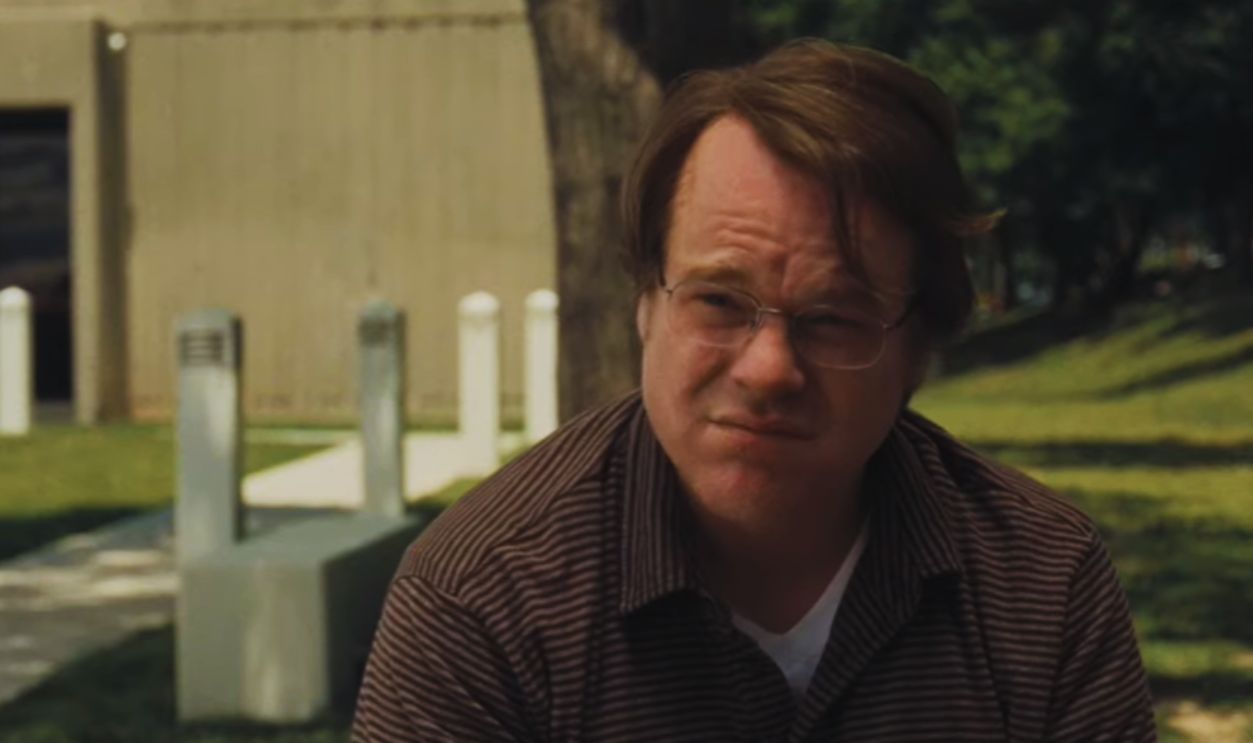 Screenshot from Synecdoche, New York, Sony Pictures Classics (2008)
Koyaanisqatsi
No dialogue, no characters, no traditional story—and yet Koyaanisqatsi says more than most films with three acts and a hero. Through images and music alone, it reflects on humanity’s relationship with technology and nature. It’s proof that cinema doesn’t need words to make a point.
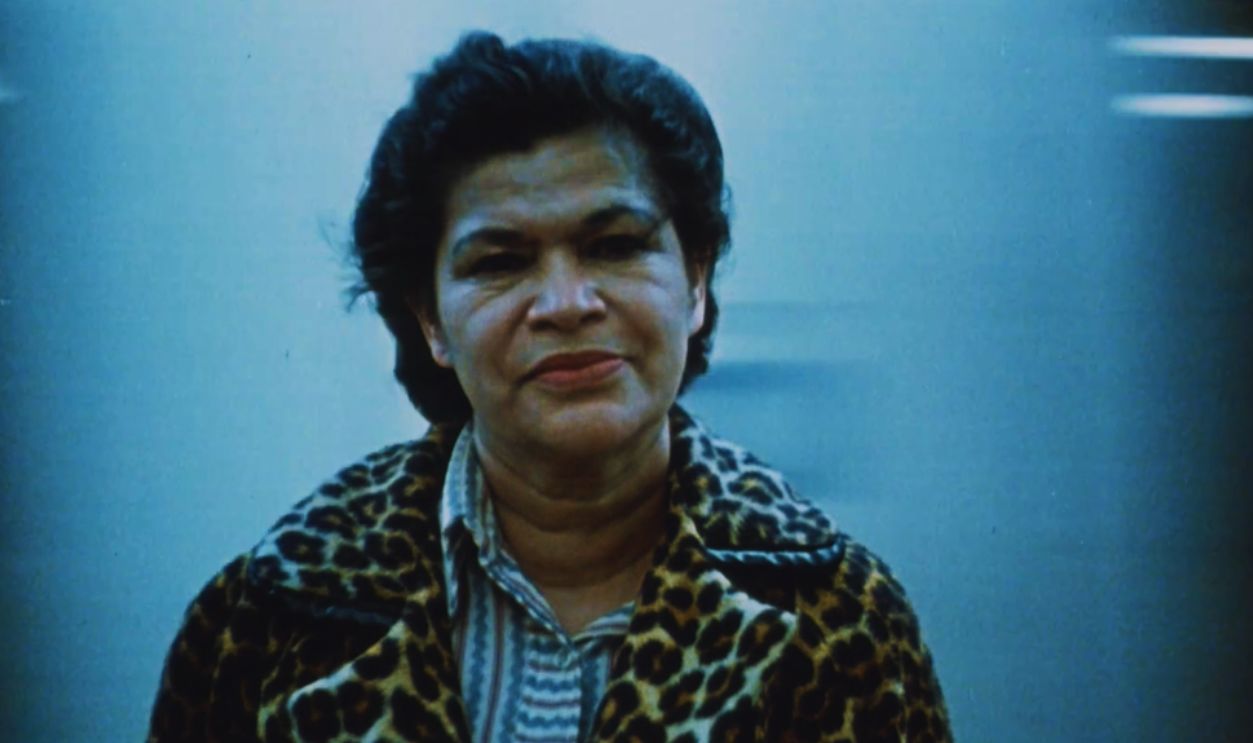 Screenshot from Koyaanisqatsi, New Yorker Films (1982)
The Conformist
The Conformist looks gorgeous and feels deeply uncomfortable, which is exactly the point. Bernardo Bertolucci explores how fear and insecurity can turn ordinary people toward authoritarianism. Every shot is meticulously composed, making the film as visually seductive as it is morally chilling.
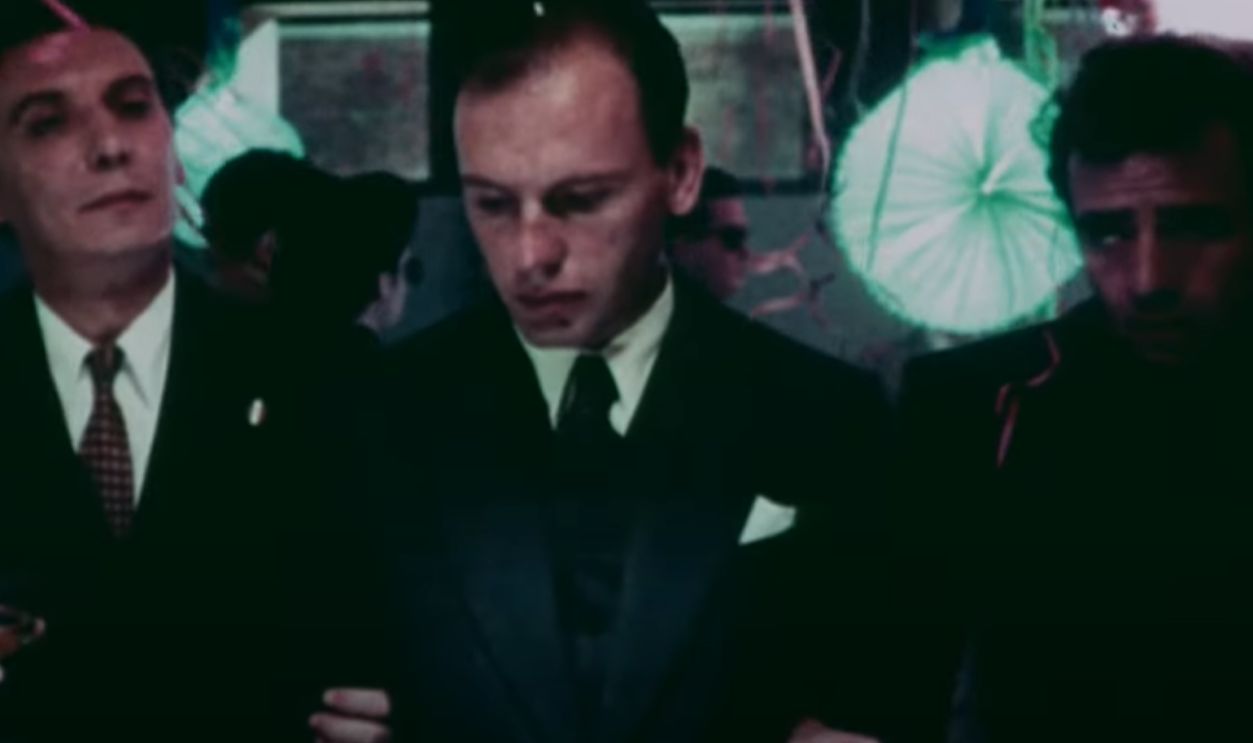 Screenshot from The Conformist, Mars Film (1970)
Children Of Paradise
This film understands romance in all its messiness. Children of Paradise weaves together love, jealousy, performance, and regret over an epic runtime that somehow never drags. It’s theatrical in the best way, celebrating art while exposing the emotional costs behind it.
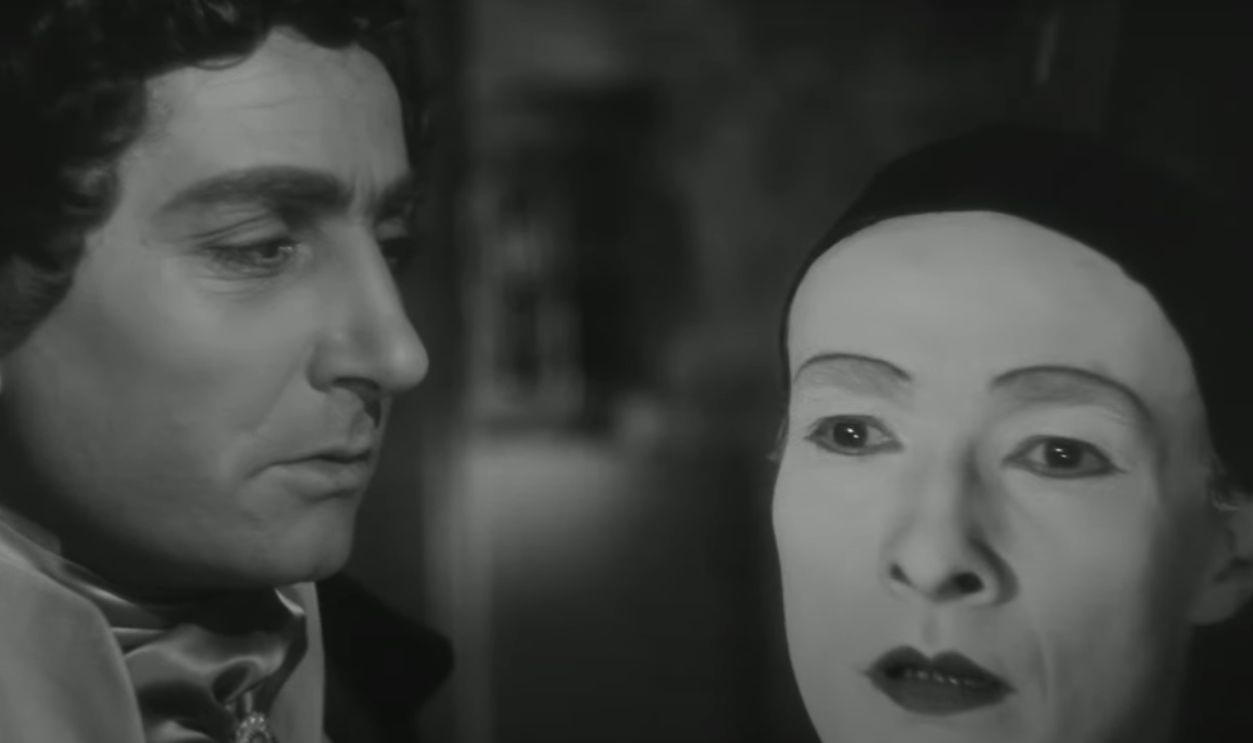 Screenshot from Children of Paradise, Pathé (1945)
8½
Creative block has never looked this stylish. Federico Fellini’s 8½ turns a director’s inner chaos into a playful, self-aware spectacle. Dreams bleed into reality, memories interrupt the present, and nothing quite settles into place. It’s cinema reflecting on itself—and enjoying the reflection.
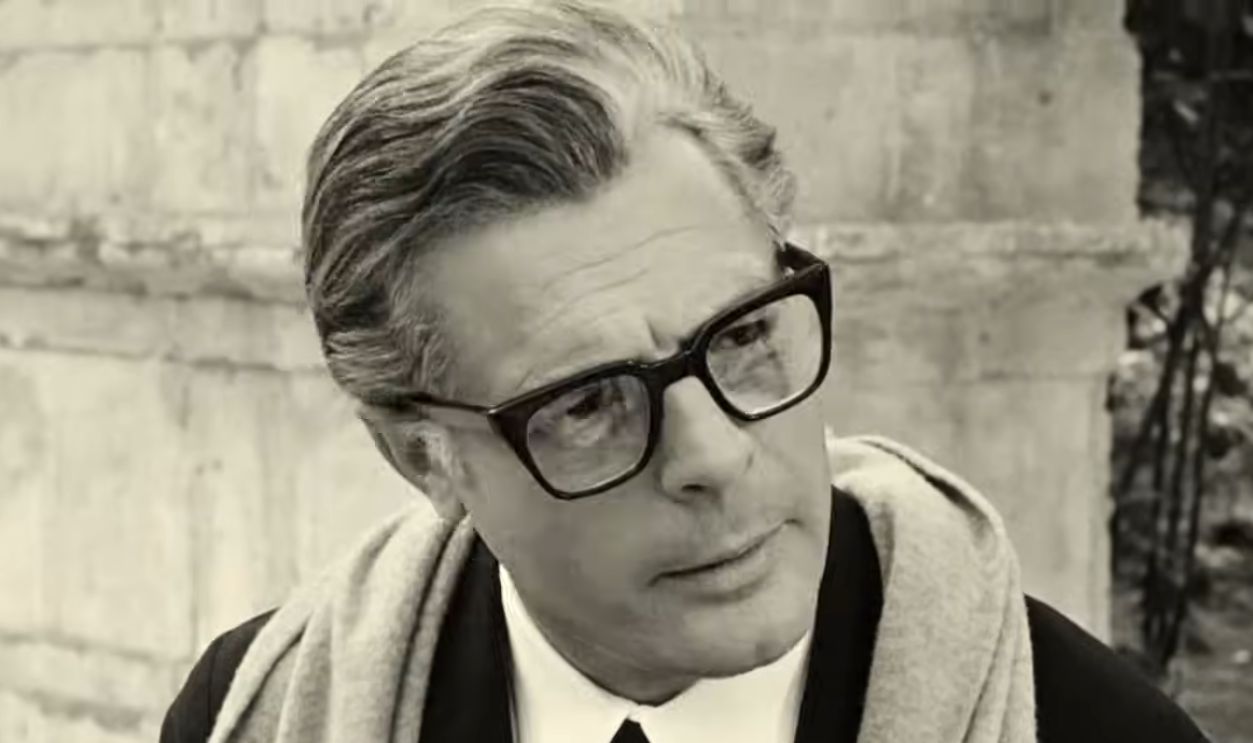 Screenshot from 8½, Columbia Pictures
Stalker
Stalker asks you to slow down and sit with uncertainty. Andrei Tarkovsky’s hypnotic journey into the mysterious Zone isn’t about answers—it’s about questions. Desire, faith, and doubt quietly bubble beneath the surface. It’s demanding, but the payoff is deeply unsettling in the best way.
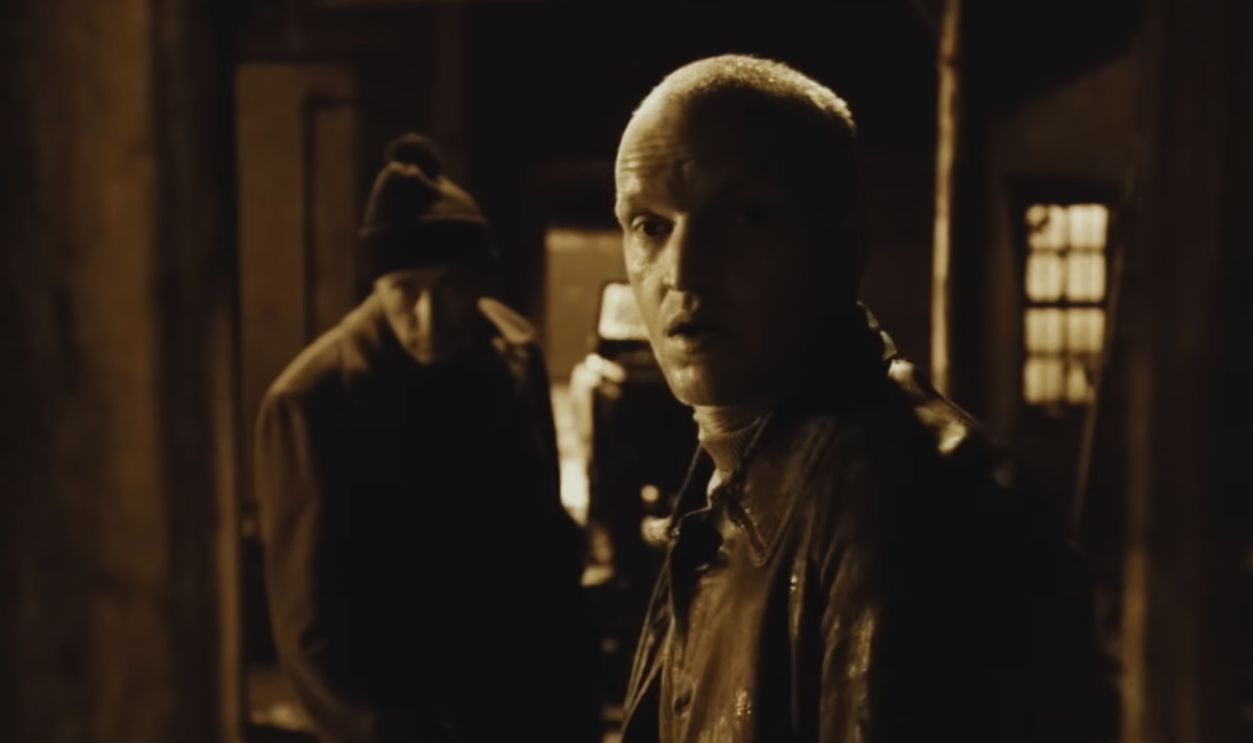 Screenshot from Stalker, Mosfilm (1979)
Beau Travail
Claire Denis turns routine, discipline, and restraint into something oddly beautiful in Beau Travail. The film speaks more through movement than dialogue, building tension through glances and gestures. And that final scene? It’s one of the most unexpected emotional releases in modern cinema.
 Screenshot from Beau Travail, Pyramide Films (1999)
Come And See
This is not an easy watch, and it’s not meant to be. Come and See refuses to soften the horrors of war, instead forcing the audience to confront them head-on. It’s brutal, exhausting, and unforgettable. Cinema rarely feels this raw or this necessary.
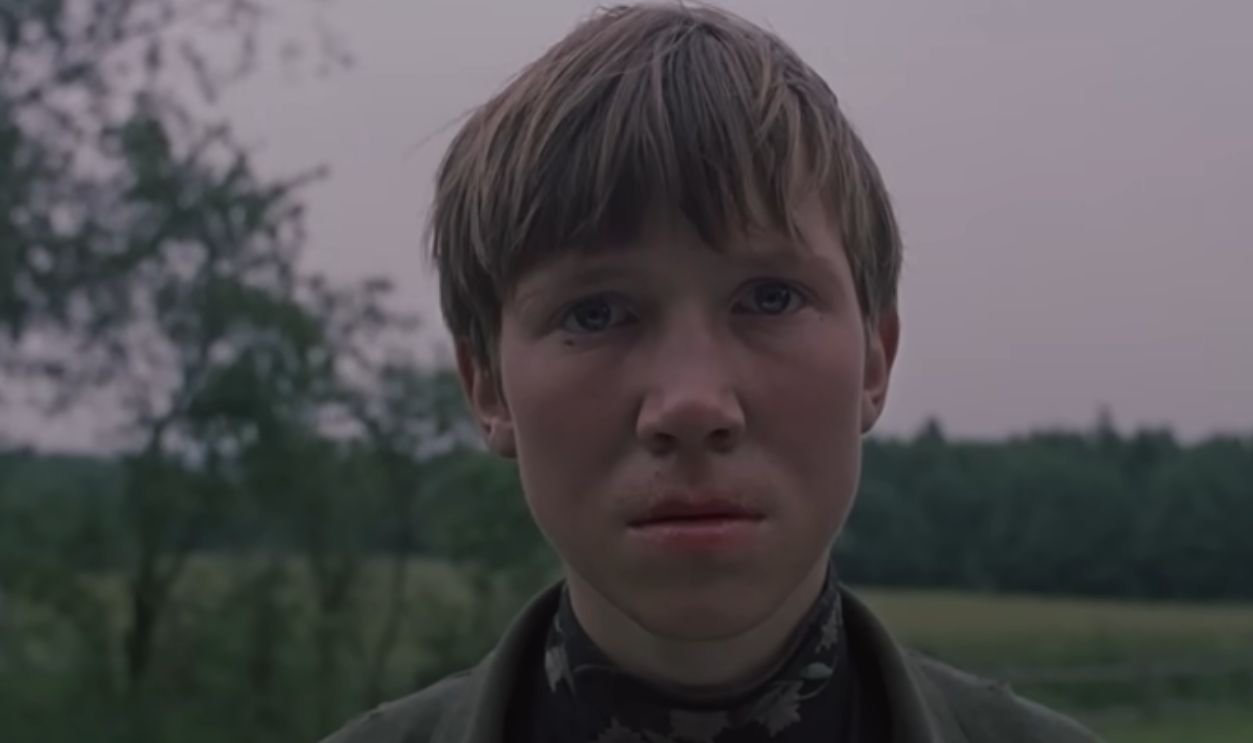 Screenshot from Come and See, Belarusfilm (1985)
Ran
Akira Kurosawa’s Ran takes Shakespearean tragedy and blows it up to an operatic scale. The colors, the landscapes, the choreography of chaos—it’s all breathtaking. But beneath the spectacle is a deeply personal story about power, pride, and destruction. Big cinema with real emotional weight.
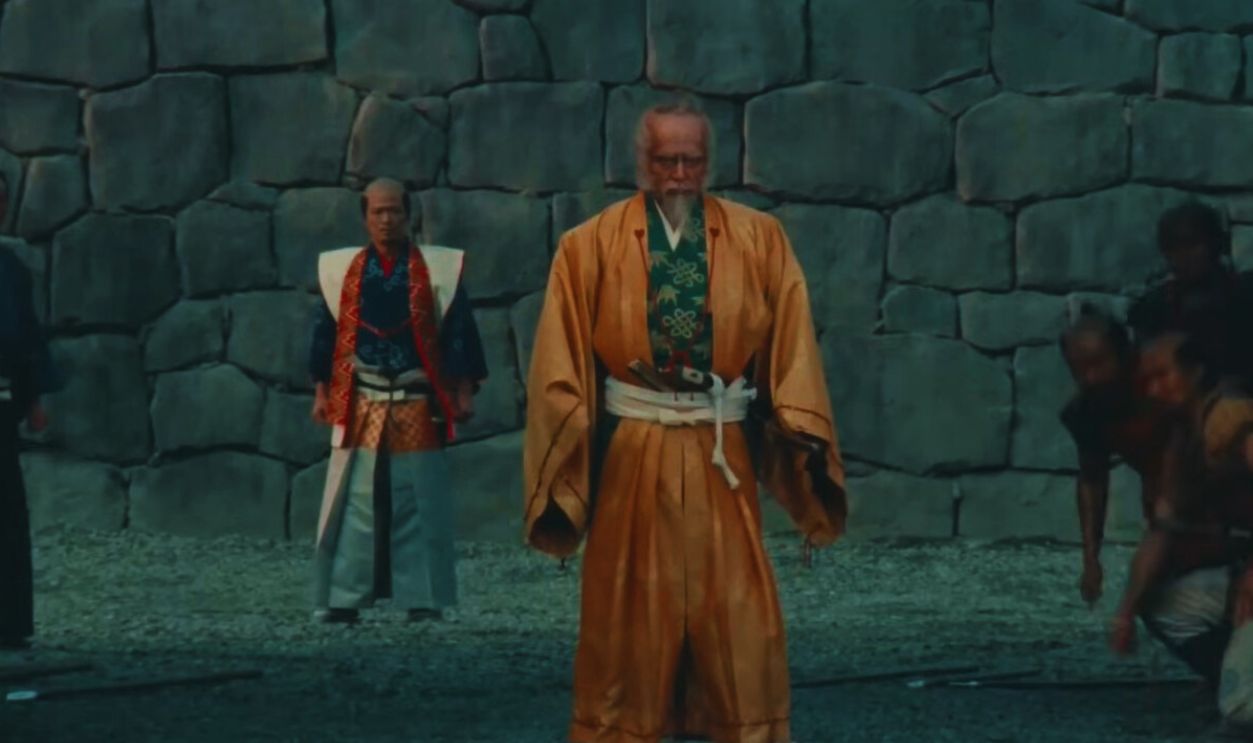 Screenshot from Ran, Greenwich Film Productions (1985)
Being John Malkovich
Only an arthouse film would ask, “What if you could crawl into an actor’s mind?” and actually pull it off. Being John Malkovich is funny, unsettling, and strangely sad. It uses absurdity to explore identity and obsession, proving weird ideas can still say something meaningful.
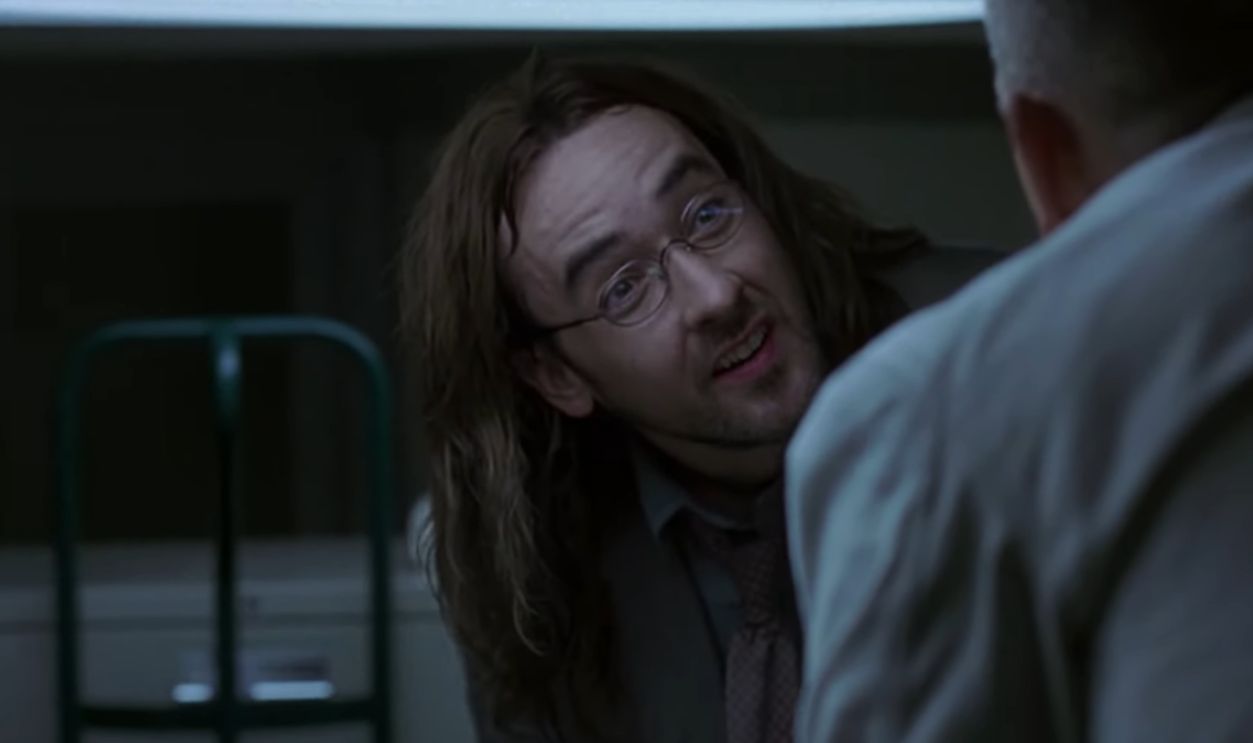 Screenshot from Being John Malkovich, USA Films (1999)
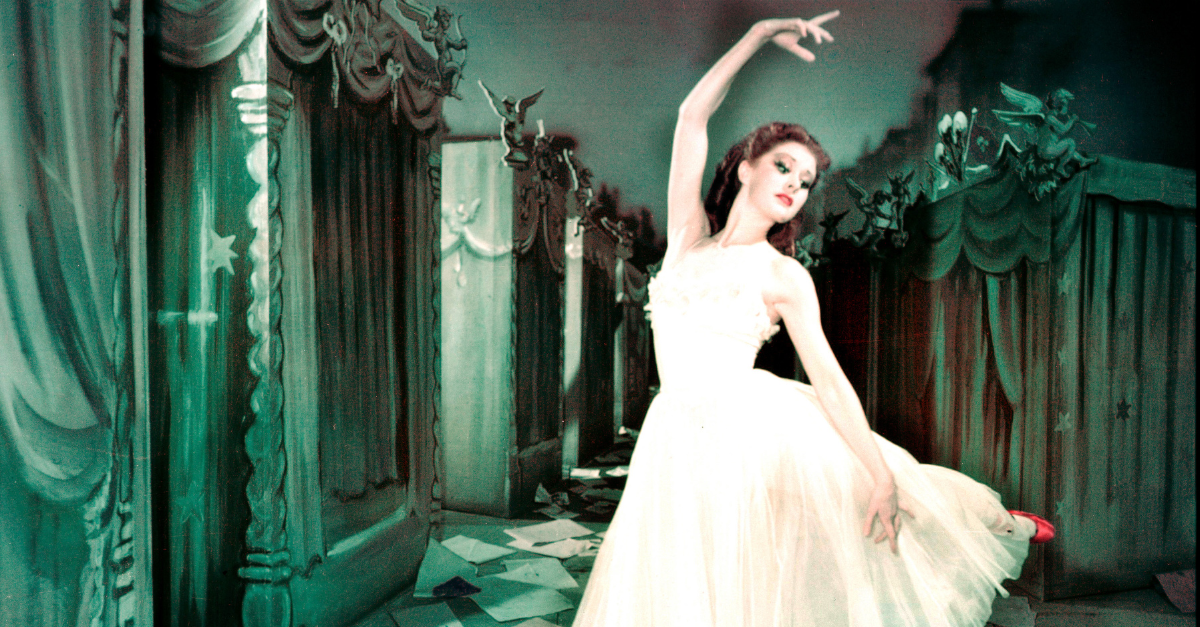
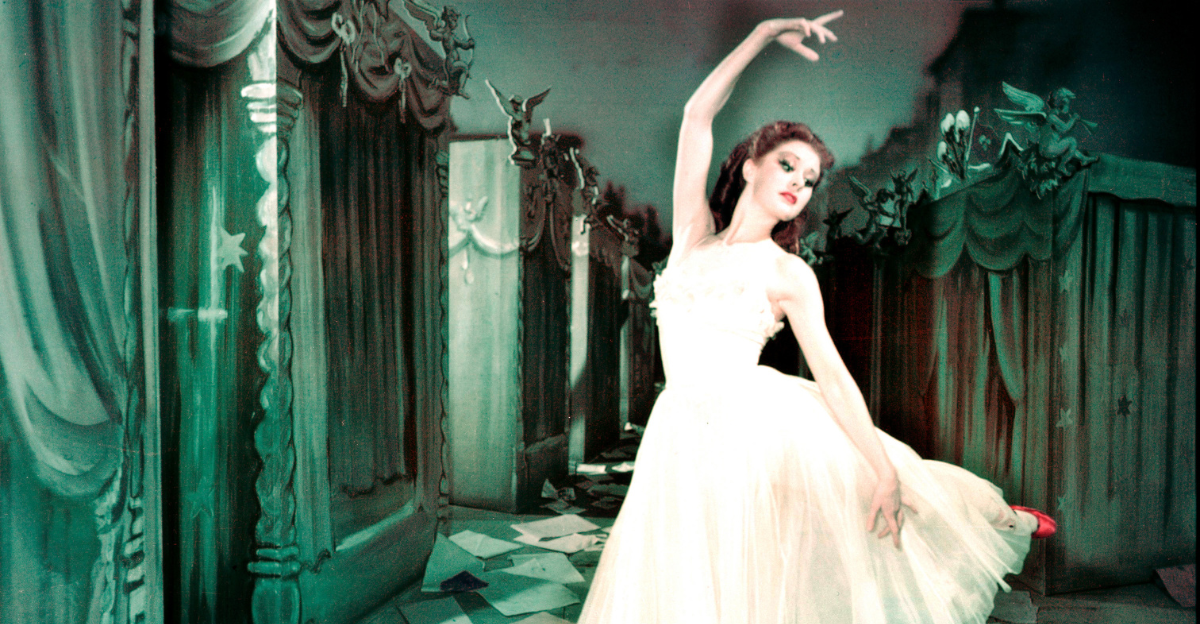
The Red Shoes
The Red Shoes is obsessed with art, ambition, and sacrifice—and it wants you to feel that obsession too. Blending ballet and cinema, it creates moments that feel almost otherworldly. It’s beautiful, intense, and emotionally ruthless. Art, according to this movie, demands everything.
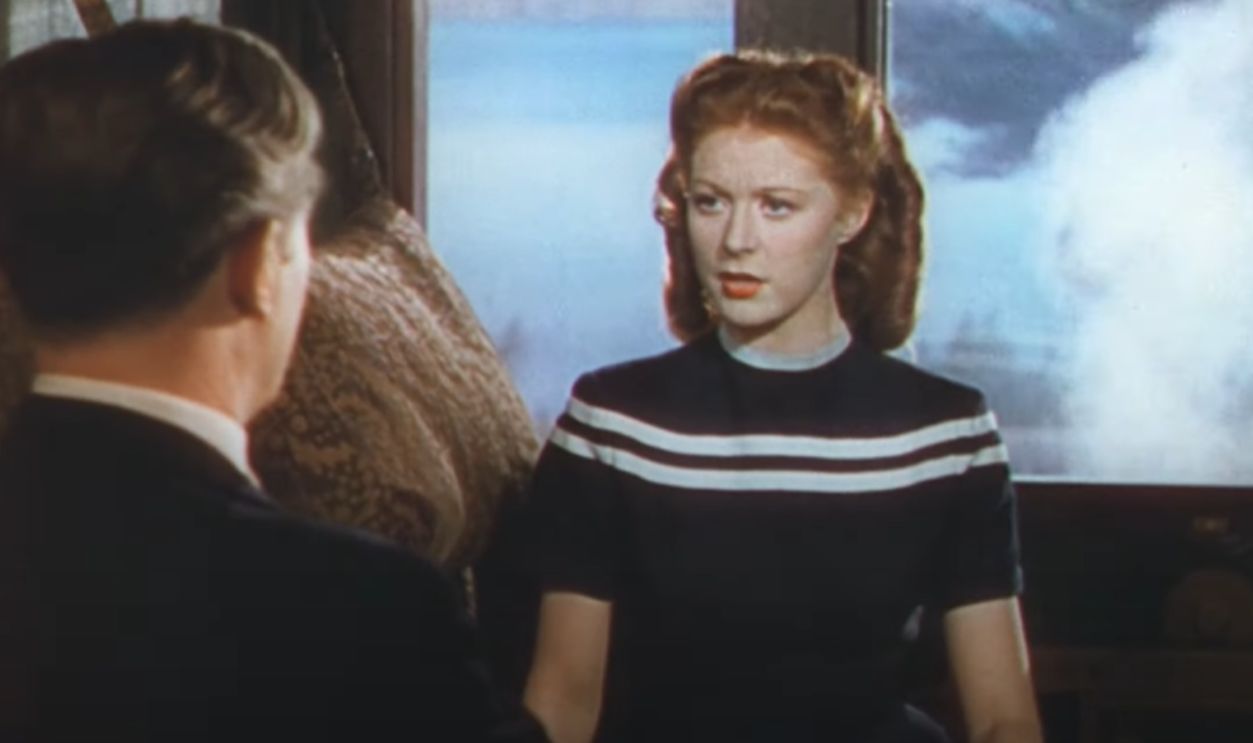 Screenshot from The Red Shoes, Eagle‑Lion Films (1948)
Persona
Few films are as intimate—or as unnerving—as Persona. Ingmar Bergman strips storytelling down to faces, voices, and fractured identity. As two women begin to merge emotionally and psychologically, the film becomes unsettling in quiet, unexpected ways. It’s minimal, but never simple.
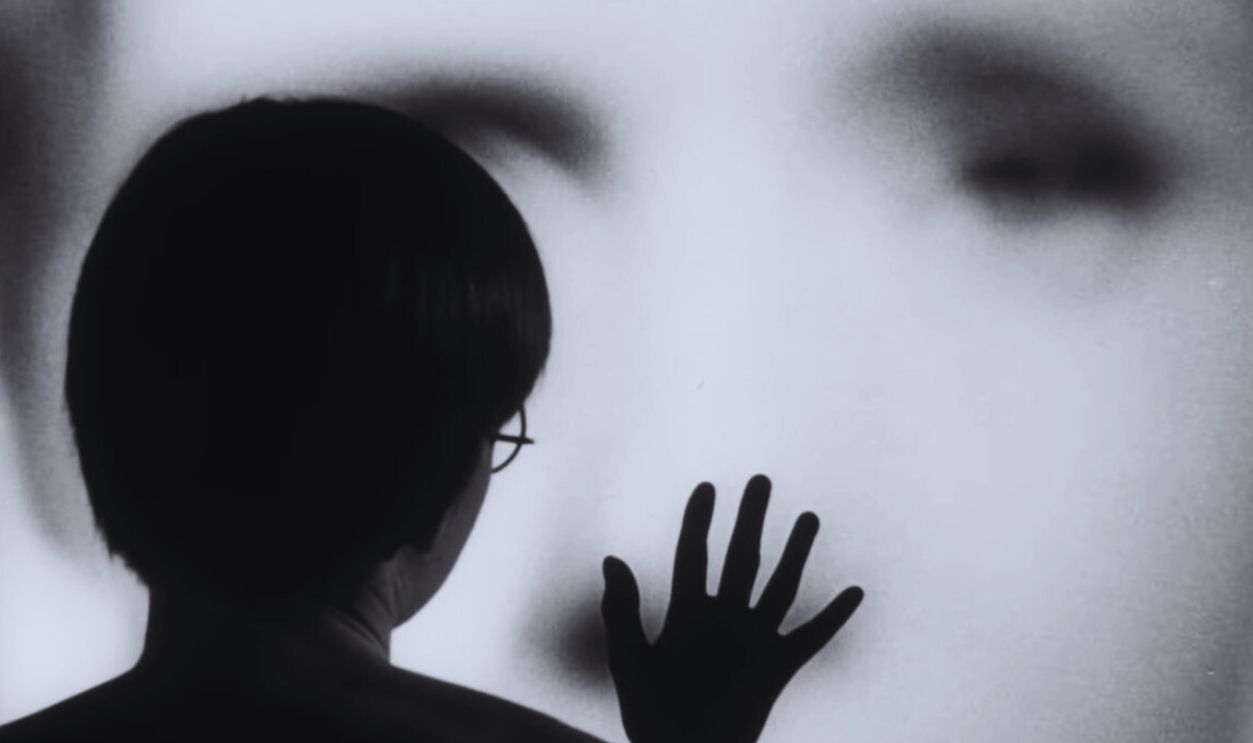 Screenshot from Persona, Svensk Filmindustri (1966)
The Passion Of Joan Of Arc
Silent films don’t get much more powerful than this. The Passion of Joan of Arc uses close-ups to capture suffering, conviction, and spiritual intensity with startling immediacy. Nearly every frame feels confrontational. It’s a reminder that cinema found its voice long before sound arrived.
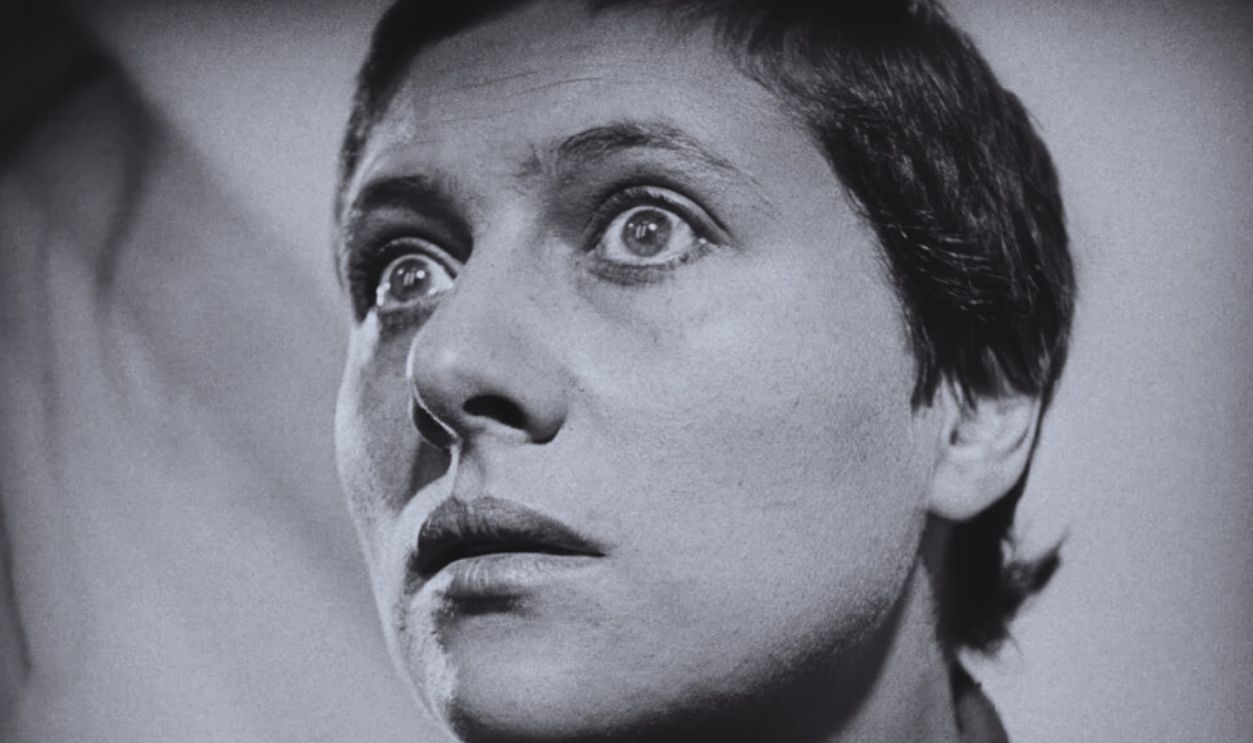 Screenshot from The Passion of Joan of Arc, Société Générale des Films (1928)
Taxi Driver
Taxi Driver lives in that uncomfortable space between arthouse introspection and mainstream filmmaking. Martin Scorsese builds a portrait of loneliness and obsession that feels disturbingly intimate. The film doesn’t excuse its protagonist—but it doesn’t look away either. That tension is exactly what makes it endure.
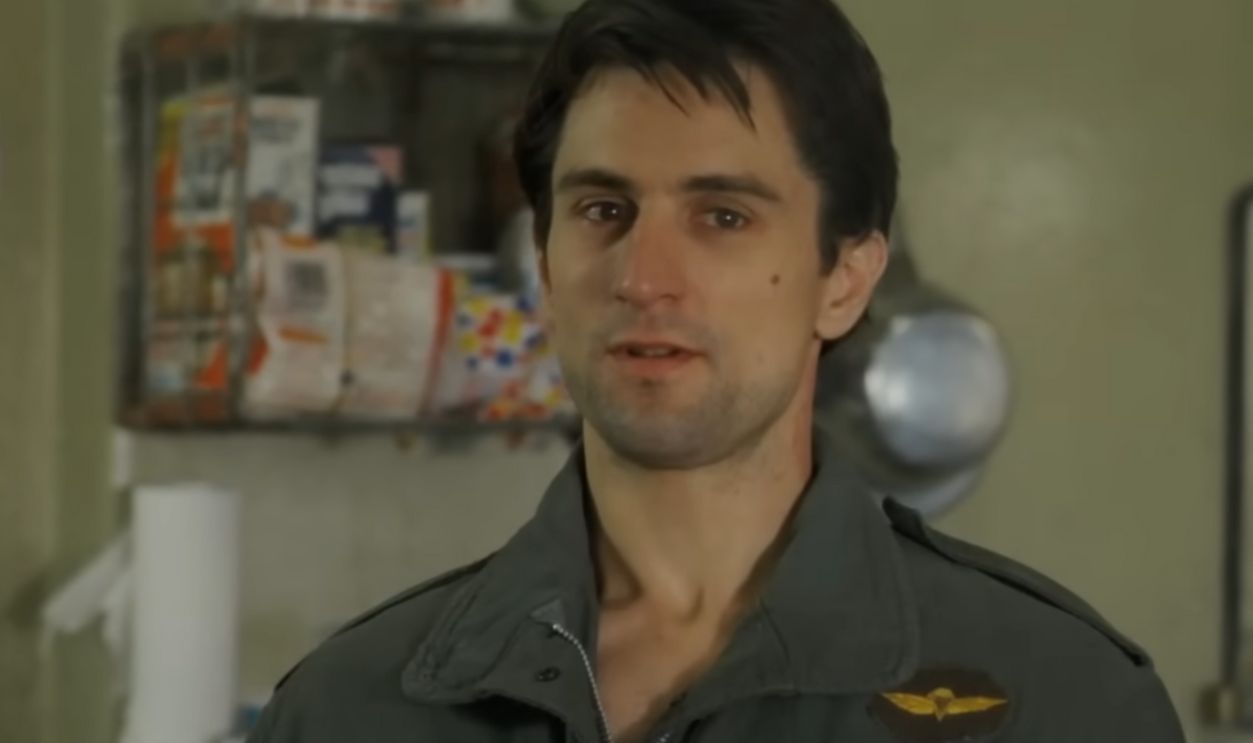 Screenshot from Taxi Driver, Columbia Pictures (1976)
The Double Life Of Véronique
Krzysztof Kieślowski’s The Double Life of Véronique feels like a whisper rather than a statement. Two women, unknowingly connected, drift through parallel lives shaped by intuition and emotion. It’s delicate, mysterious, and emotionally rich without ever spelling things out.
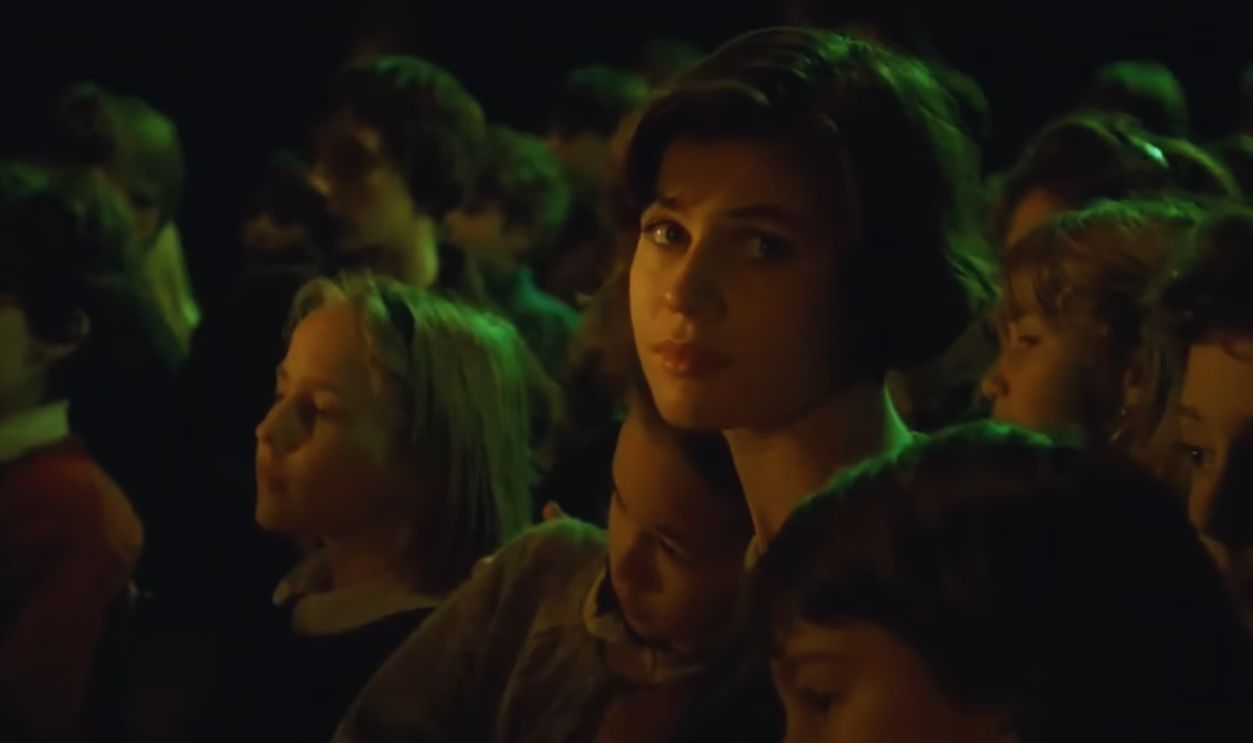 Screenshot from The Double Life of Véronique, Miramax Films (1991)
Mulholland Drive
David Lynch’s Mulholland Drive pulls the rug out from under reality and never fully puts it back. Hollywood dreams curdle into nightmares as identity and memory collapse. It’s haunting, confusing, and endlessly rewatchable. Few films trust atmosphere and feeling this completely.
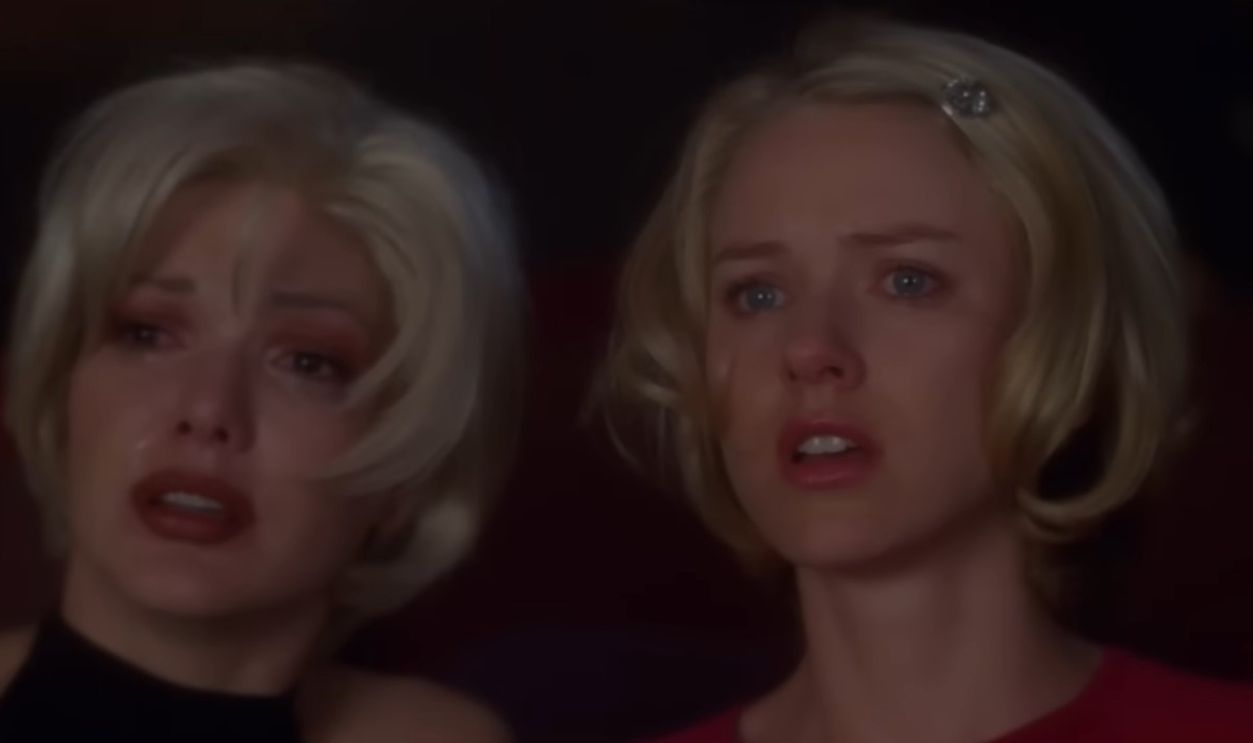 Screenshot from Mulholland Drive, Universal Pictures (2001)
You May Also Like:
Before The New Millennium: The Greatest Movies Of 1999
Unlikely Movie Heroes That Prove You Don’t Have To Be An Avenger To Save The World
These are the best romantic French films you can stream with subtitles today.
Source: 1