Wait, That's Not How It Ended!
You know that feeling when you rewatch a movie and something seems different? Sometimes, it really is. Filmmakers have altered endings after theatrical premieres, occasionally while their movies were still playing in cinemas. Other films acquired alternate finales through director's cuts, international releases, or DVD extras. Some changes were tiny, while others completely rewrote a character's fate. And a few original endings have become remarkably difficult to find. Spoilers ahead, because we're revisiting the final moments of some very famous movies.
 Screenshot from The Butterfly Effect, Amazon Prime Video
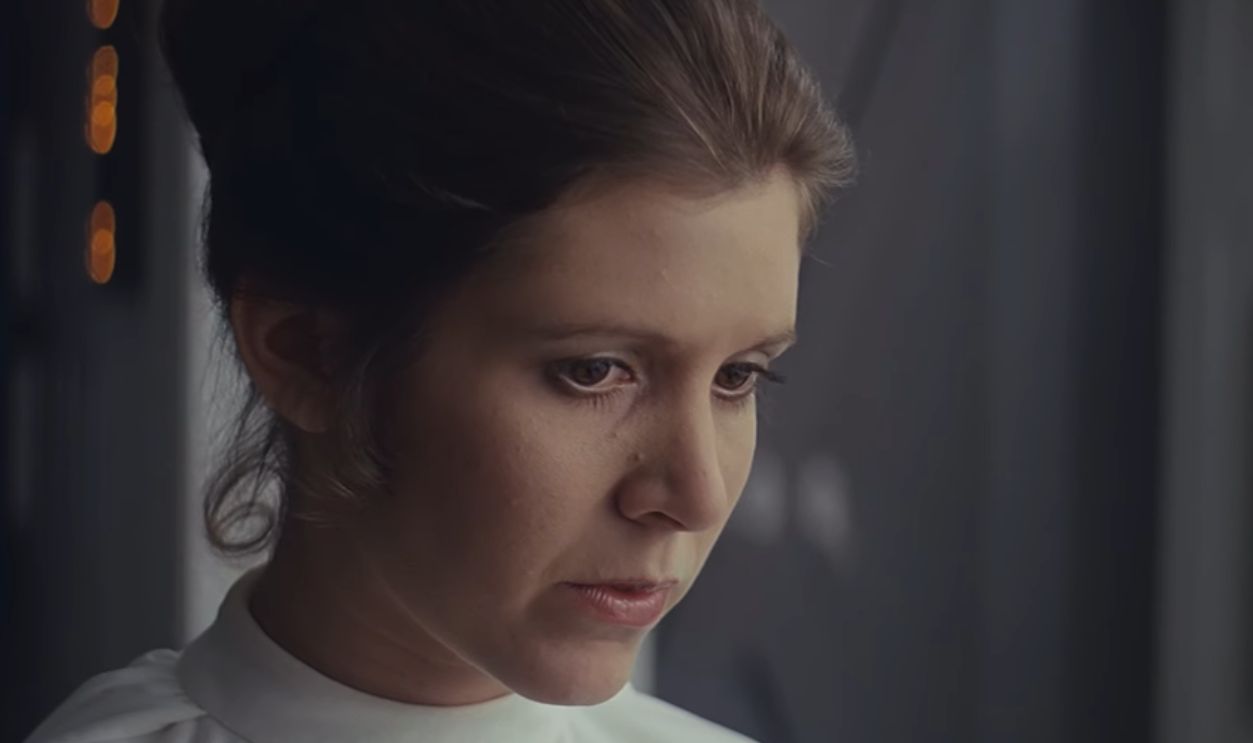
The Empire Strikes Back (1980)
George Lucas wasn't finished tinkering when The Empire Strikes Back premiered. After the initial 70mm release, three additional effects shots were created for the wider 35mm release, clarifying the final sequence around the Millennium Falcon and Rebel medical frigate.
 Screenshot from The Empire Strikes Back, Lucasfilm (1980)
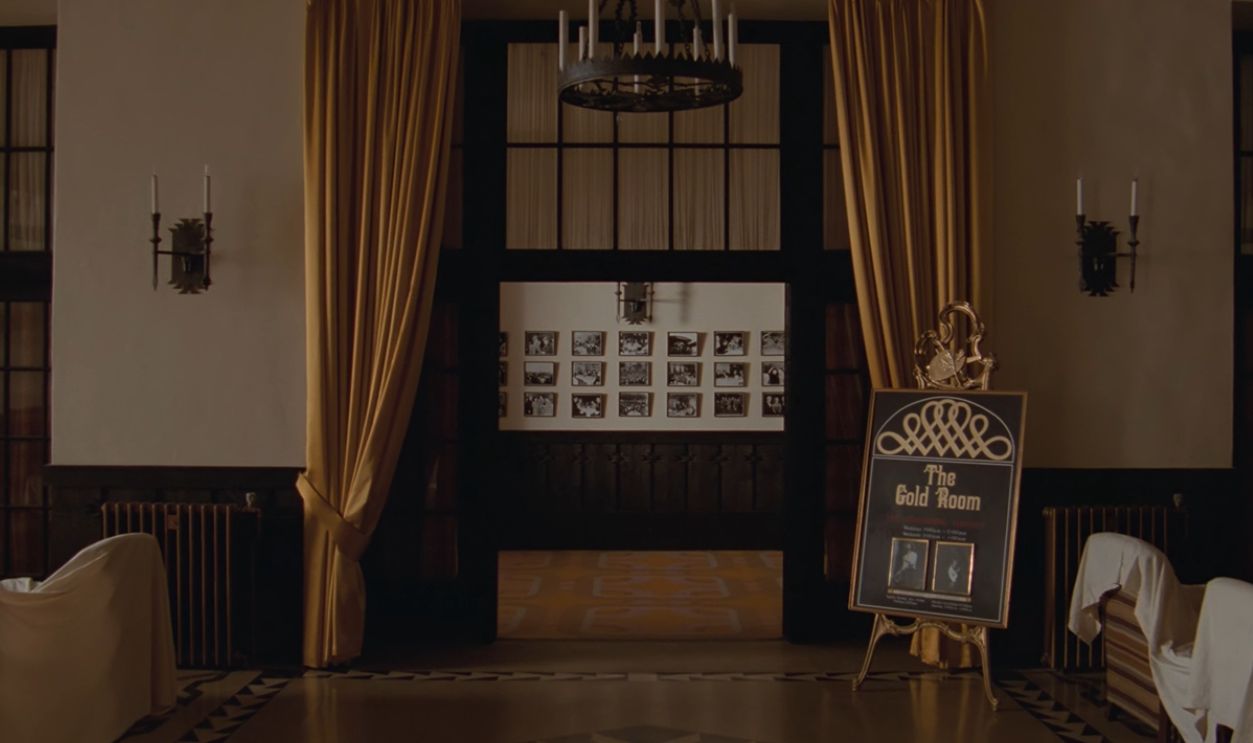
The Shining (1980)
Stanley Kubrick originally included a hospital scene showing Wendy and Danny recovering after escaping the Overlook Hotel. Shortly after the American premiere, he ordered the scene removed from theatrical prints. Today, the film ends with that mysterious hotel photograph.
 Screenshot from The Shining, Warner Bros. Pictures (1980)
Blade Runner (1982)
The original theatrical ending sent Deckard and Rachael driving into a beautiful countryside, accompanied by explanatory narration. The 1992 director's cut removed that optimistic escape, ending instead with elevator doors closing. Suddenly, their future became considerably more uncertain.
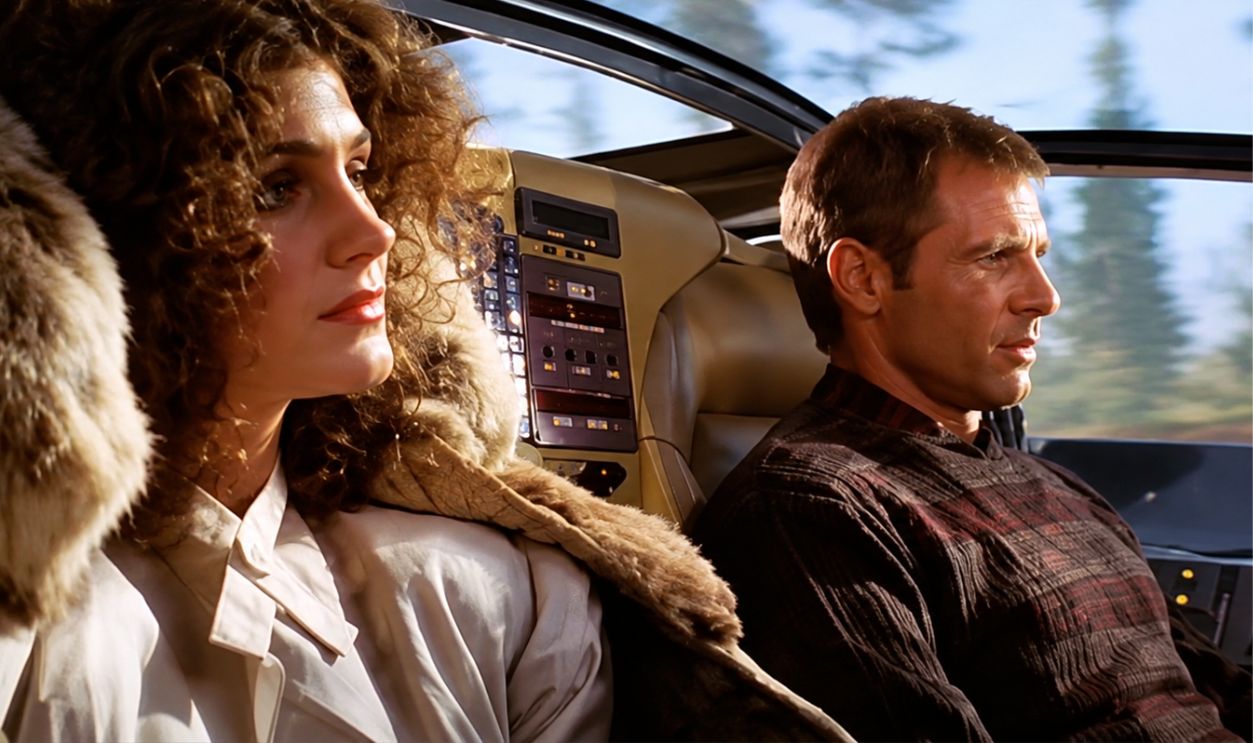 Screenshot from Blade Runner, Warner Bros. (1982), Enhanced
Return Of The Jedi (1983)
Remember the Ewoks celebrating to “Yub Nub”? That was the original 1983 finale. For the 1997 Special Edition, George Lucas replaced the song with “Victory Celebration” and expanded the festivities. Later editions also changed Anakin Skywalker's appearance as a Force ghost.
 Screenshot from Return of the Jedi, 20th Century Fox (1983)
The Exorcist (1973)
The original ending left Father Dyer standing alone near the Georgetown steps. When The Exorcist returned to theaters in 2000, the extended version restored a conversation between Dyer and Detective Kinderman, offering a noticeably more reassuring farewell.
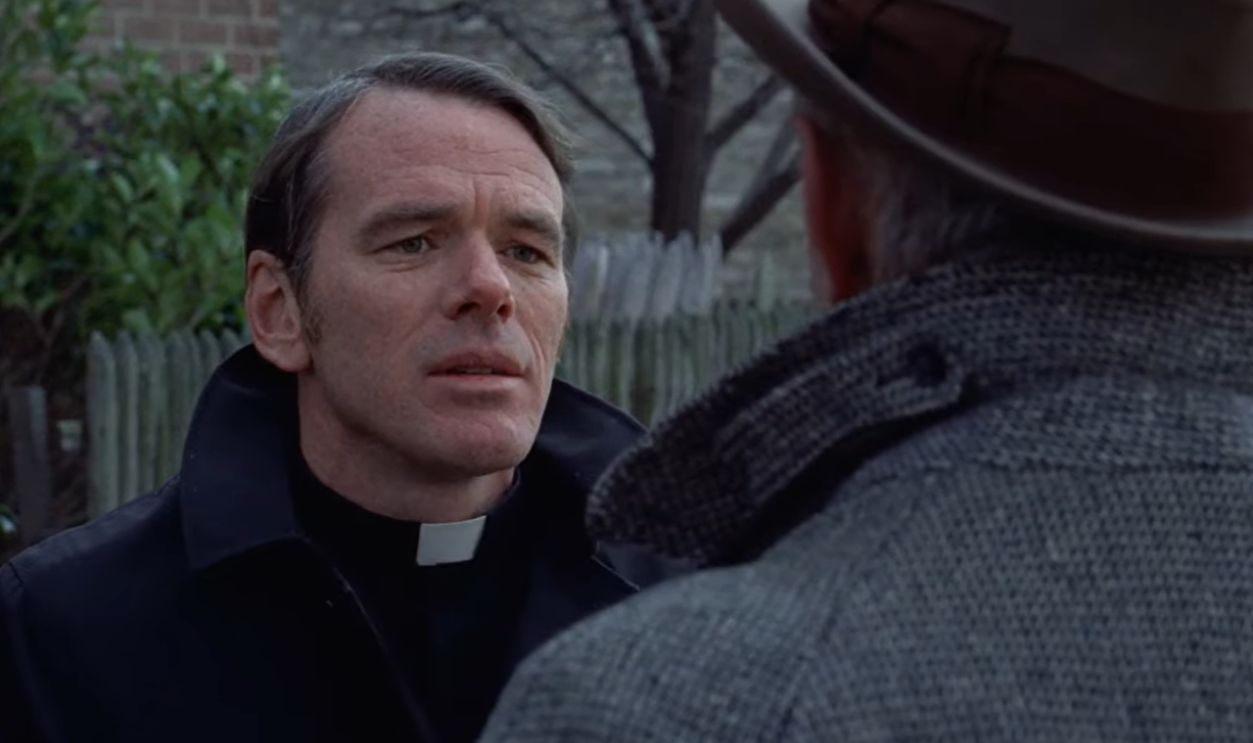 Screenshot from The Exorcist, Warner Bros. Pictures (1973)
The Godfather Part III (1990)
The theatrical version concludes with an elderly Michael Corleone dying alone. Francis Ford Coppola's 2020 recut, The Godfather, Coda, rearranges the conclusion and omits that explicit final moment. Michael's punishment becomes less literal and more emotionally lingering.
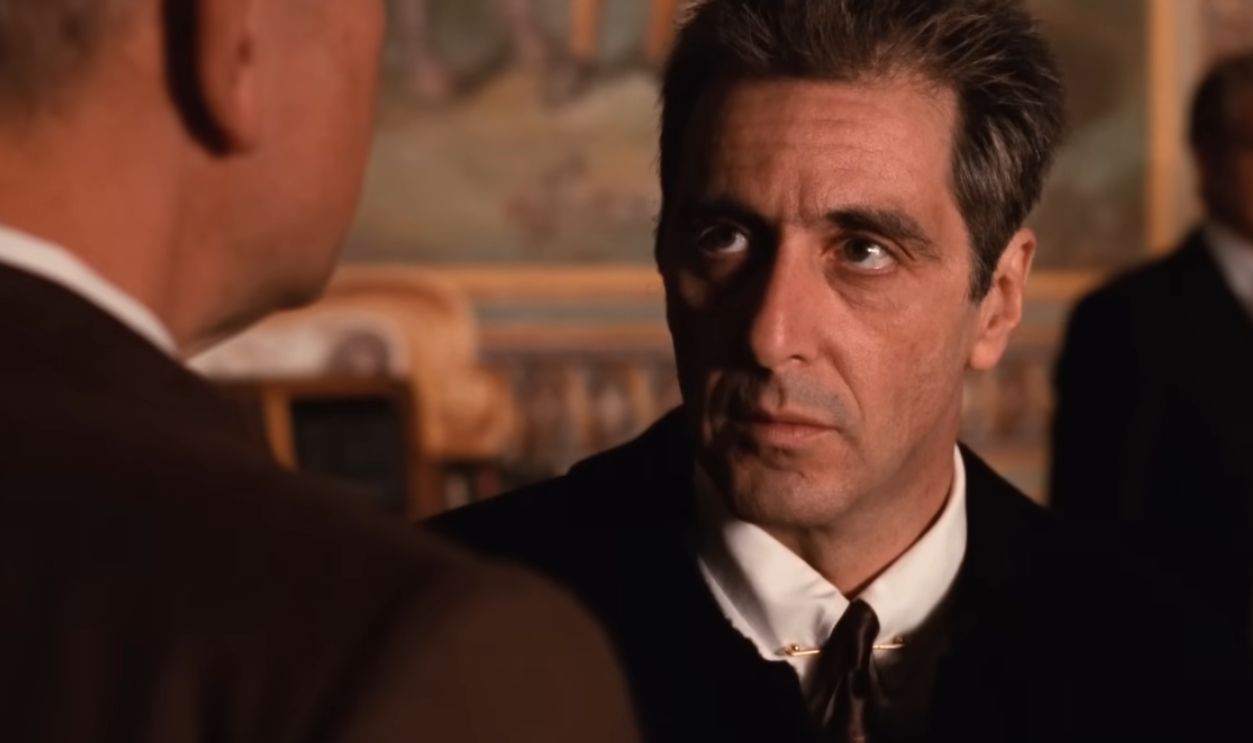 Screenshot from The Godfather Part III, Paramount Pictures (1990)
Brazil (1985)
Terry Gilliam's ending reveals that Sam Lowry's wonderful escape is an illusion while he remains captive. Universal also prepared a shortened television version, nicknamed “Love Conquers All,” that removes this devastating revelation and substitutes an apparent happy ending.
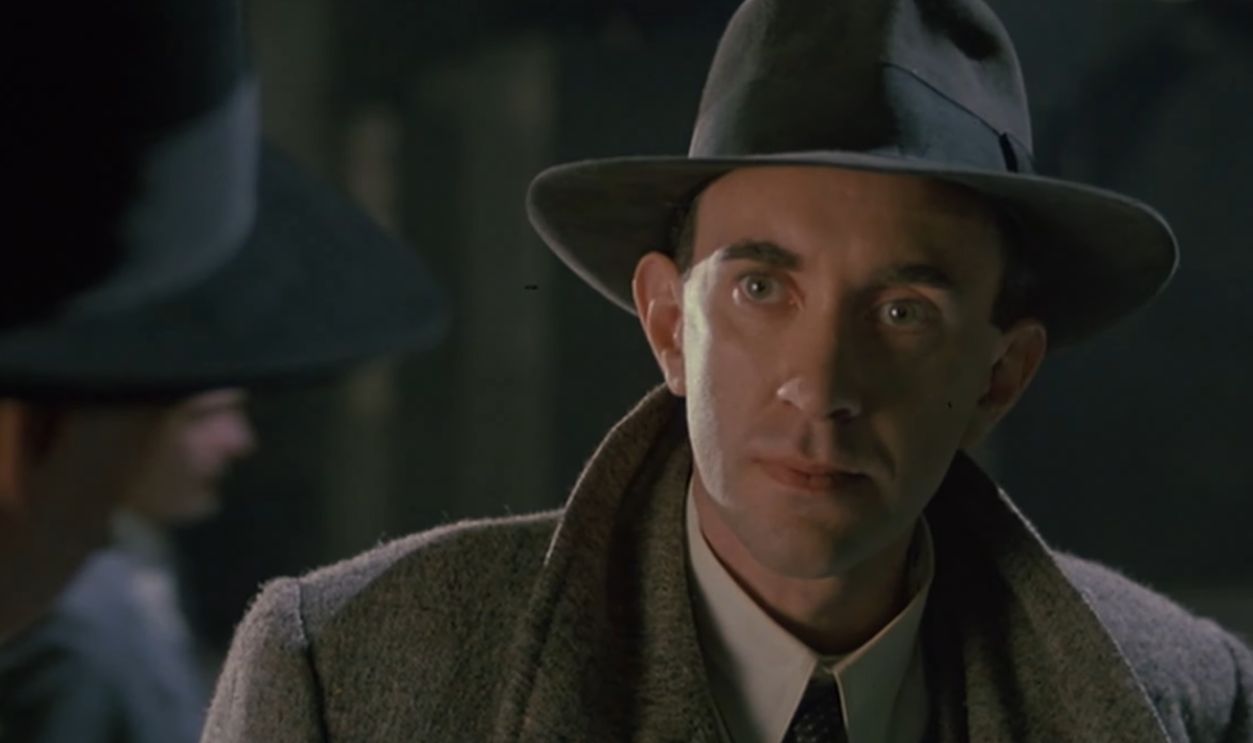 Screenshot from Brazil, Embassy International Pictures (1985)
Close Encounters Of The Third Kind (1977)
Steven Spielberg originally left the inside of the alien mothership unseen. The 1980 Special Edition took audiences aboard, adding an elaborate interior sequence near the conclusion. Spielberg later removed that material from his preferred 1998 version.
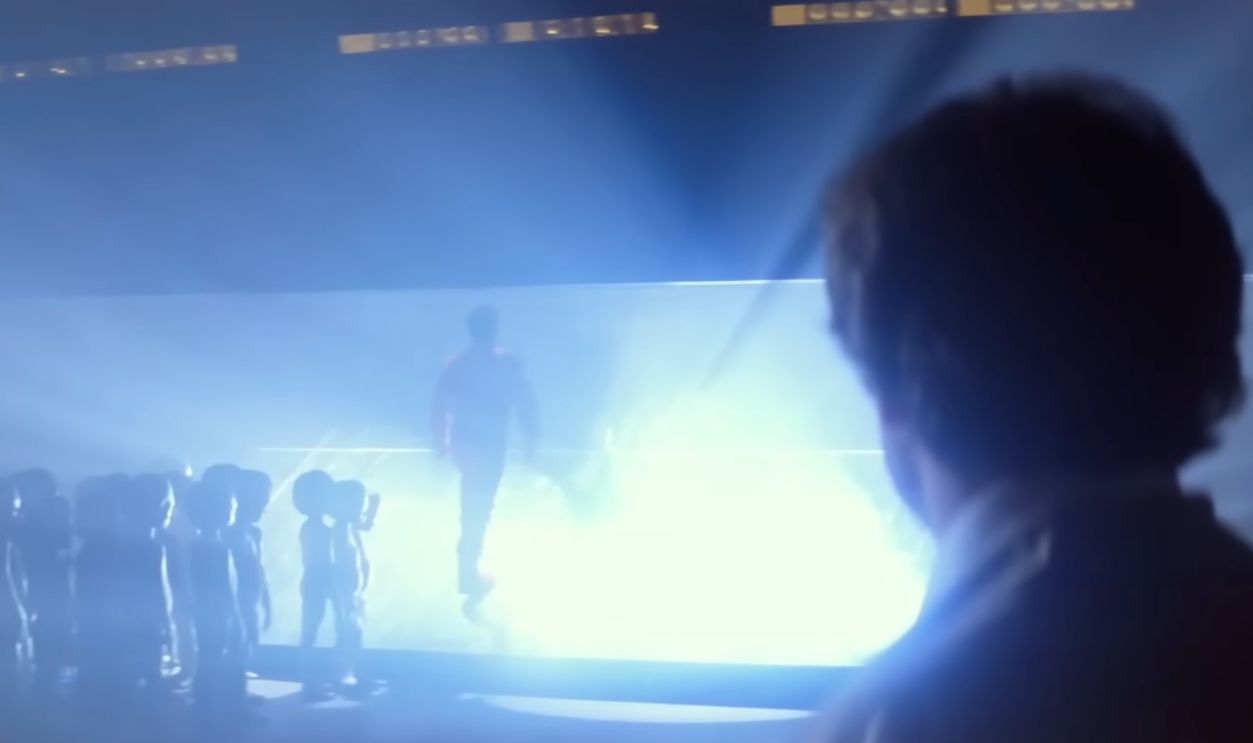 Screenshot from Close Encounters of the Third Kind, Columbia Pictures (1977)
Superman II (1980)
The theatrical film ends with Superman making Lois forget his identity through a kiss. In 2006, Superman II: The Richard Donner Cut restored a completely different solution: Superman reverses time by flying around Earth, changing the story's final outcome.
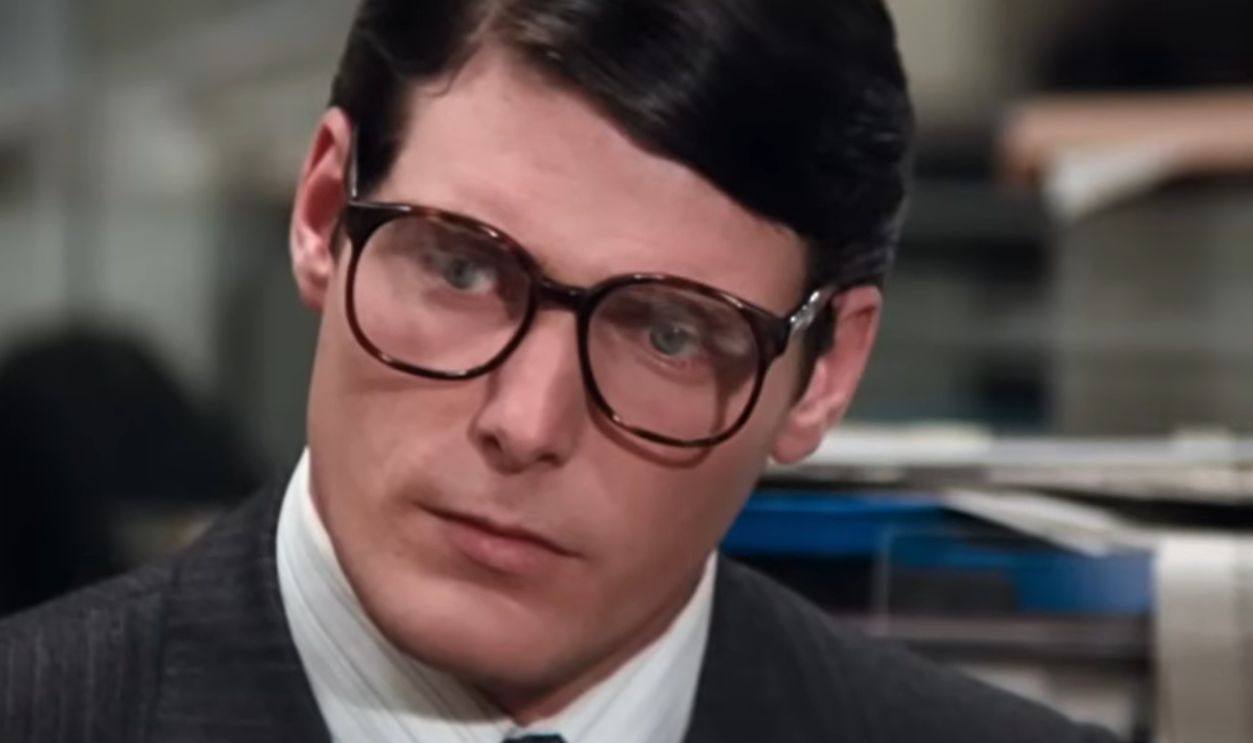 Screenshot from Superman II, Warner Bros. Pictures (1980)
Alien 3 (1992)
In the theatrical ending, Ripley falls into molten metal as an alien bursts from her chest. The 2003 Assembly Cut changes this moment substantially. She still sacrifices herself, but the creature never visibly emerges, leaving the conclusion quieter and less sensational.
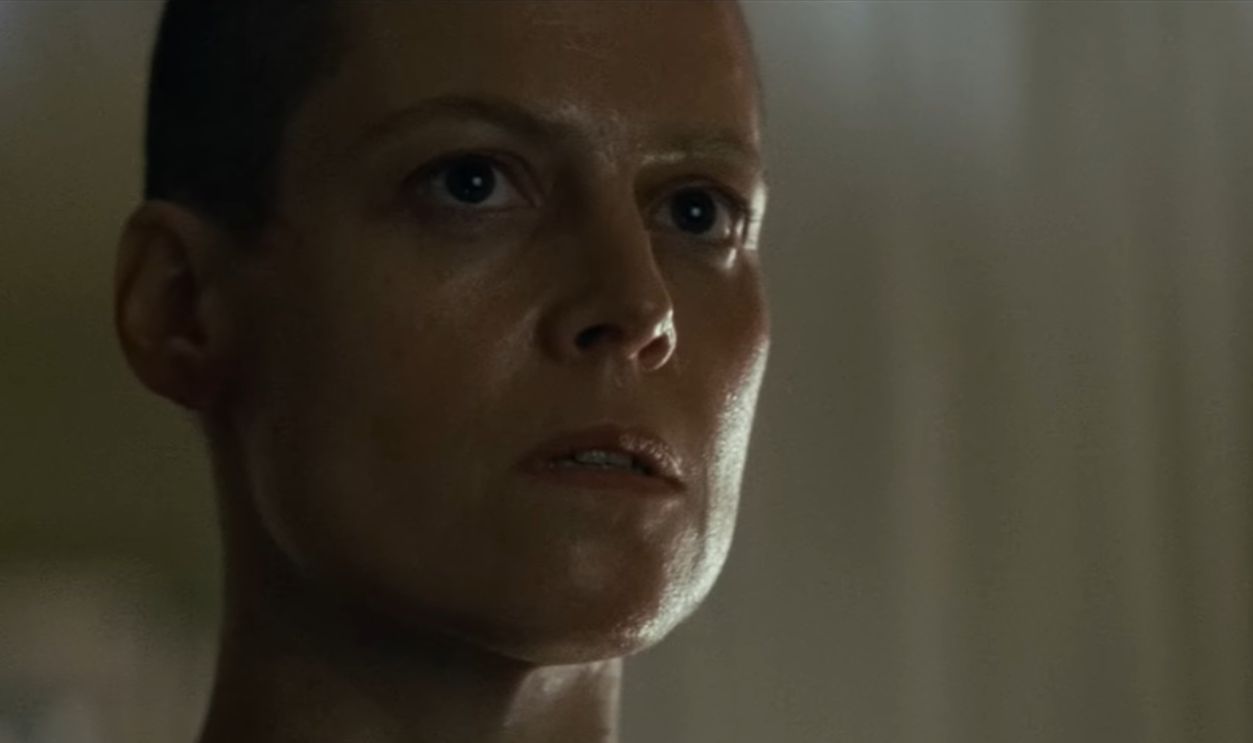 Screenshot from Alien 3, 20th Century Fox (1992)
Alien Resurrection (1997)
The theatrical version ends with Ripley's ship approaching Earth. An extended version released on home video goes further, showing the survivors standing amid a devastated Paris. The additional footage turns their long-awaited return into a much gloomier sight.
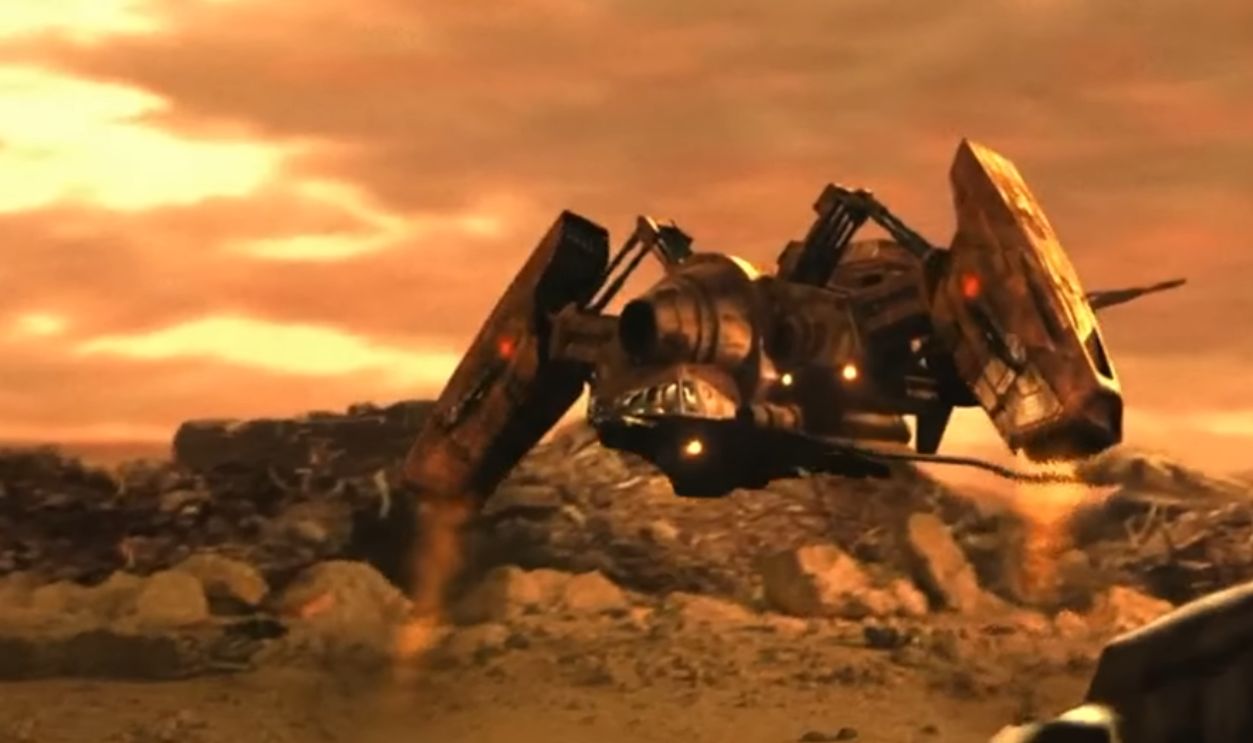 Screenshot from Alien Resurrection, 20th Century Fox (1997)
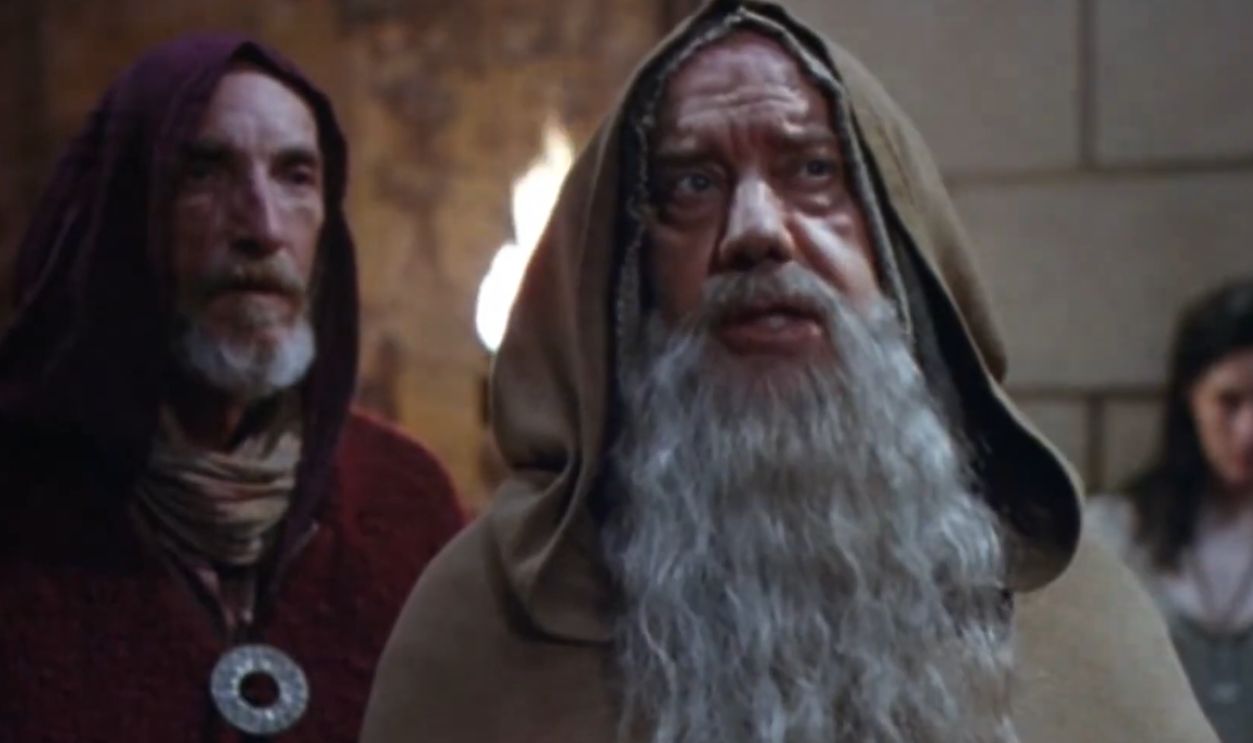
Army Of Darkness (1992)
Ash famously returns to his department-store job and battles another Deadite in the American theatrical ending. An alternative ending, preserved in other releases, has him miscalculate a sleeping potion and awaken centuries too late in a ruined future.
 Screenshot from Army of Darkness, Renaissance Pictures (1992)
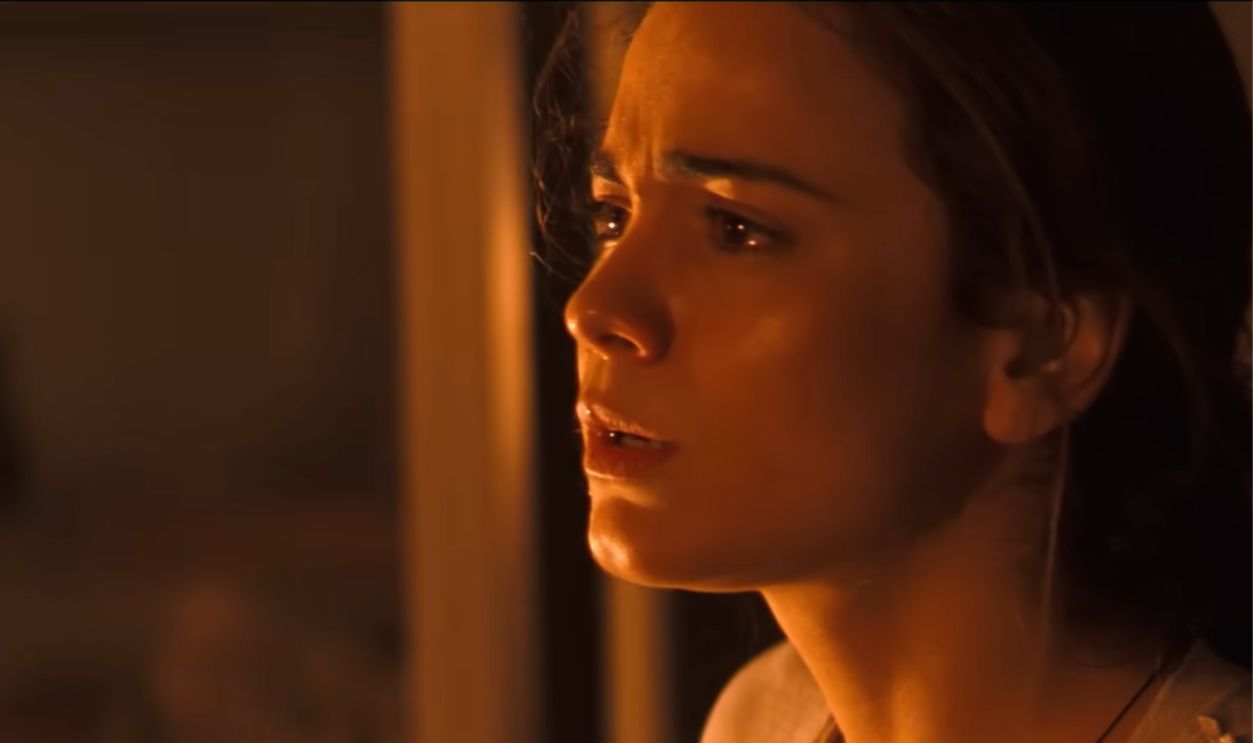
I Am Legend (2007)
The theatrical ending has Robert Neville sacrifice himself to destroy the attacking Darkseekers. A later DVD alternative reveals that their leader wants his captured companion returned. Neville releases her and survives, fundamentally changing the film's treatment of its supposed monsters.
 Screenshot from I Am Legend, Warner Bros. Pictures (2007)
The Descent (2005)
British audiences originally watched Sarah discover that her escape from the cave was only a hallucination. The subsequent American theatrical release eliminated that final revelation, leaving her apparently outside. One version offered relief; the other took it away.
 Screenshot from The Descent, Celador Films (2005)
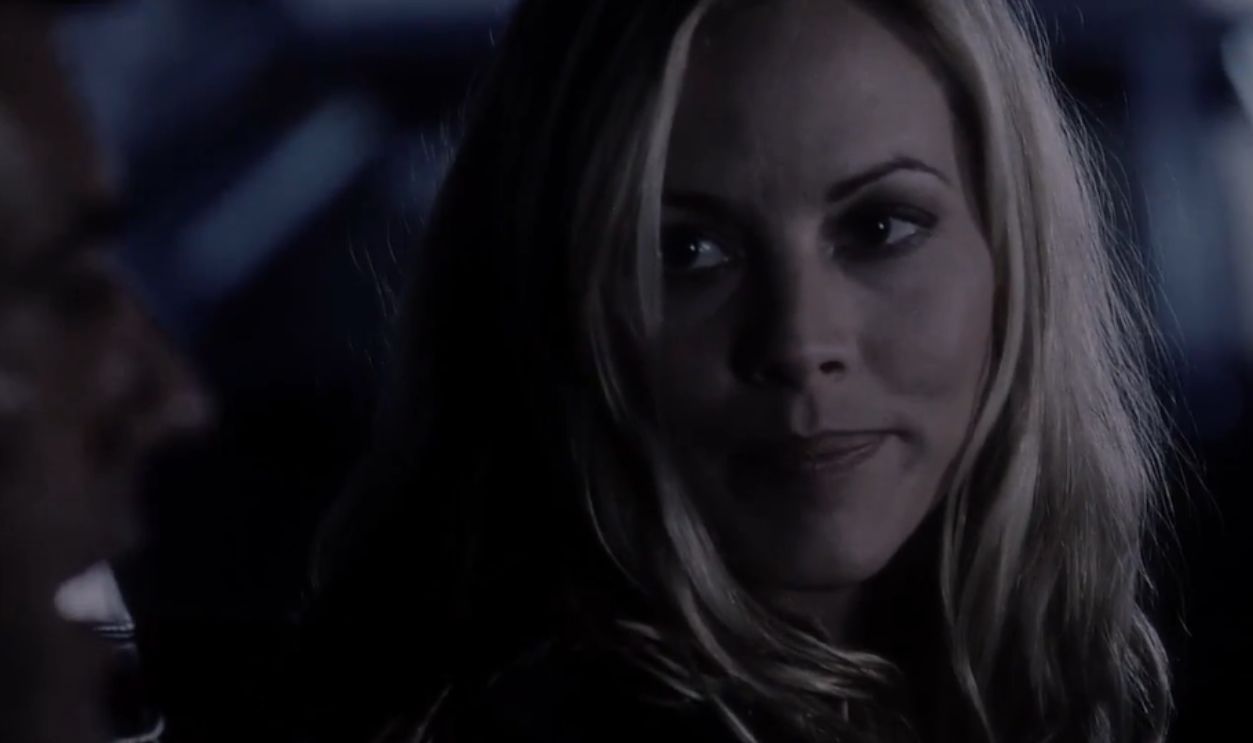
Payback (1999)
The theatrical Payback climaxes with Porter confronting an organized-crime boss played by Kris Kristofferson. Director Brian Helgeland's later Straight Up edition removes that character entirely and restores a different final confrontation, substantially rebuilding the film's last act.
 Screenshot from Payback, Paramount Pictures (1999)
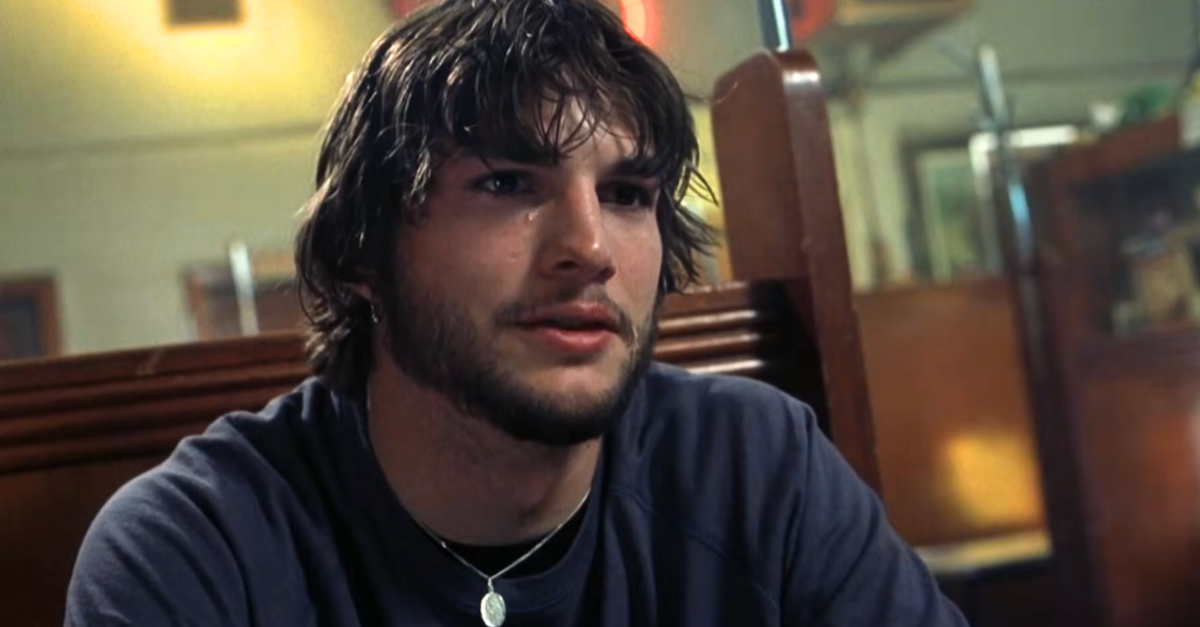
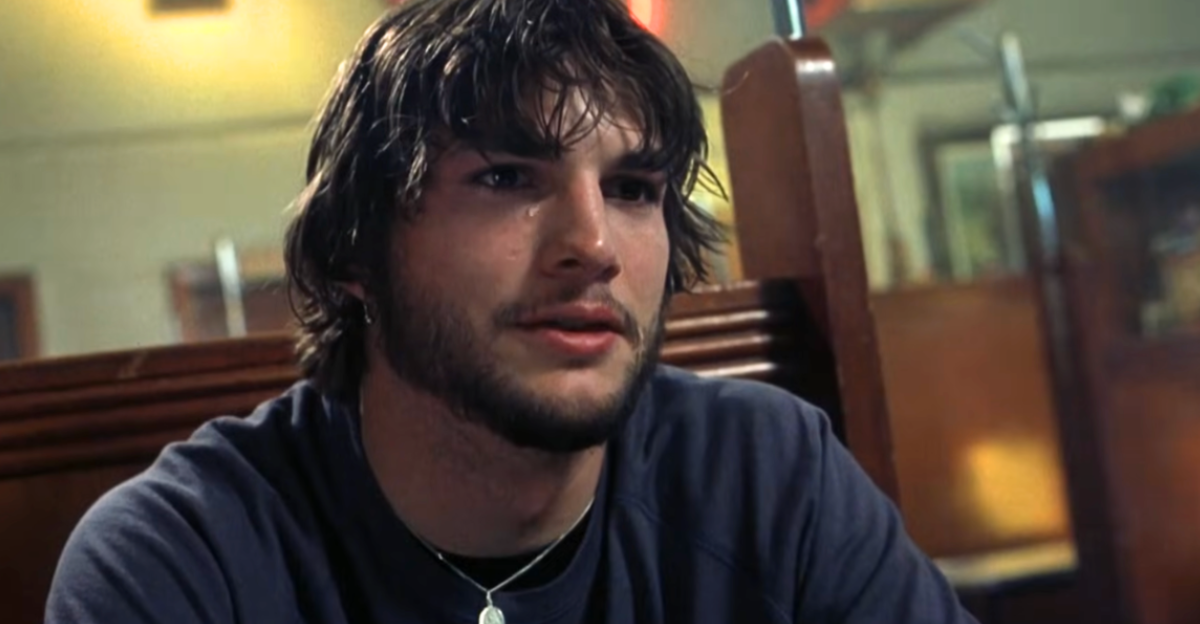
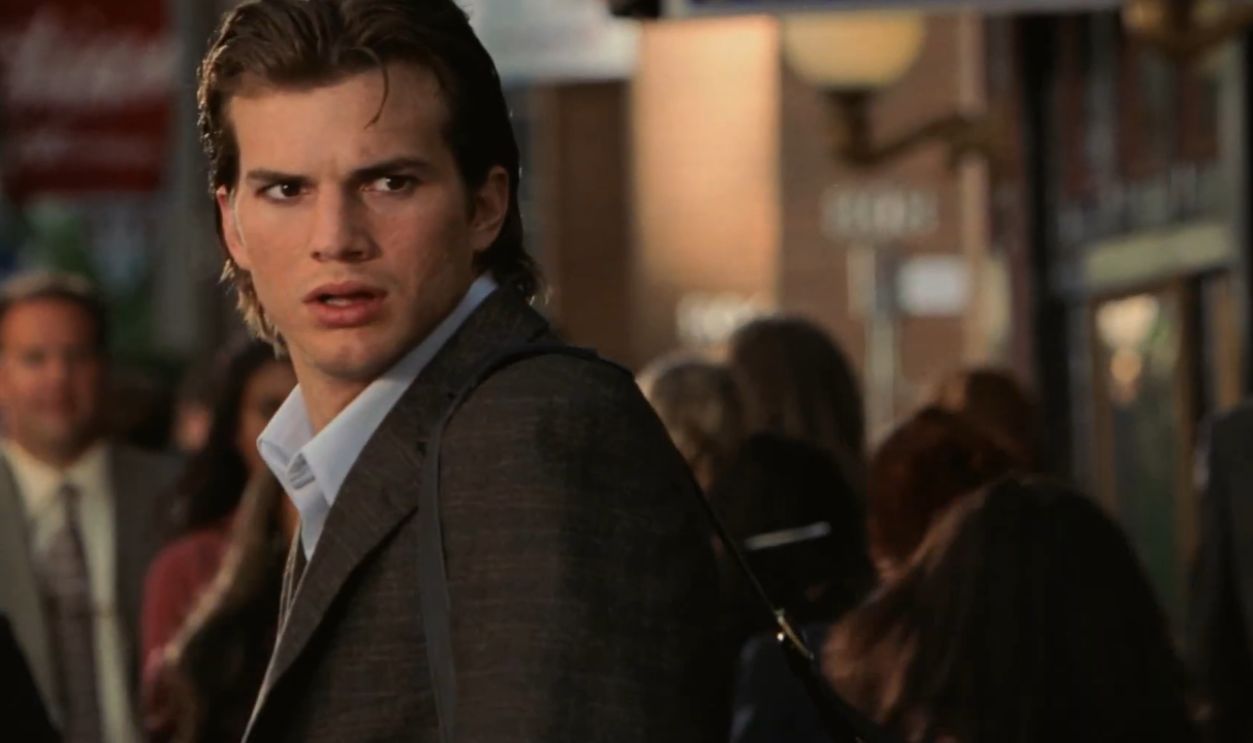
The Butterfly Effect (2004)
In the theatrical ending, Evan changes the past so he and Kayleigh never become close. The director's cut, released for home viewing, takes a much darker route: Evan travels back to before his birth and prevents his own existence.
 Screenshot from The Butterfly Effect, New Line Cinema (2004)
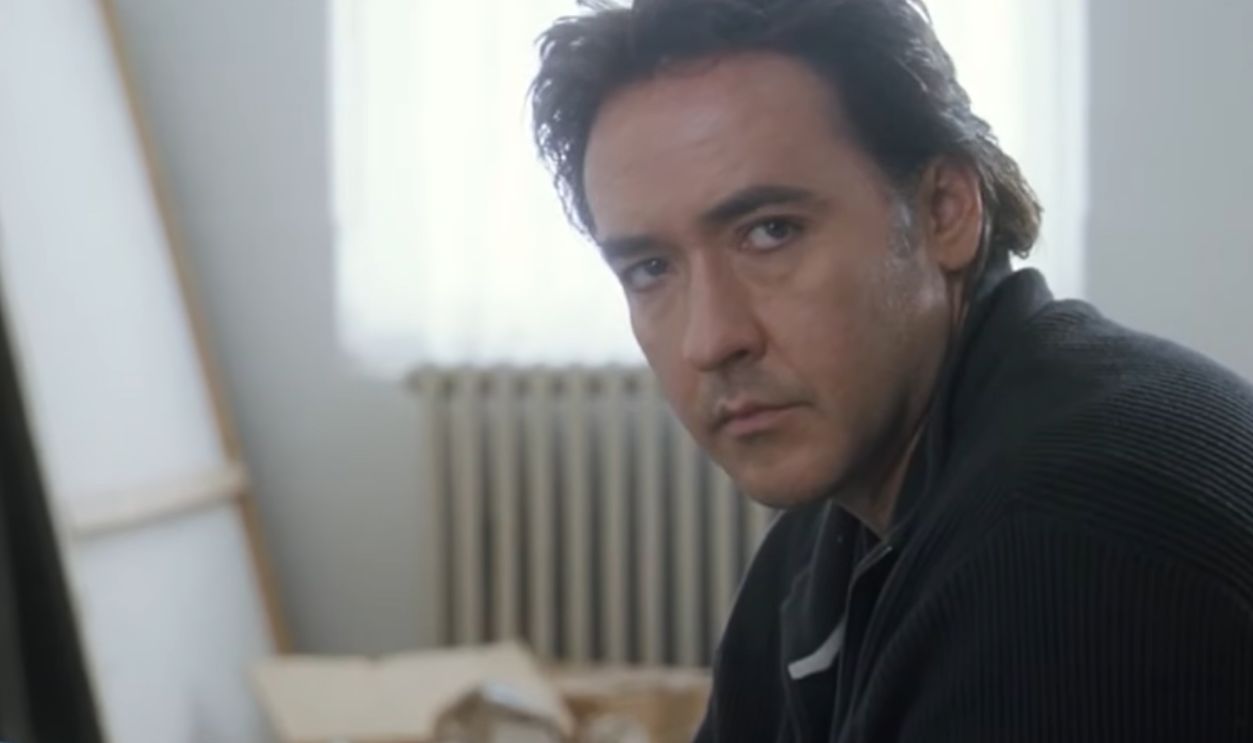
1408 (2007)
The theatrical ending lets Mike Enslin escape the burning hotel room, with a recording suggesting his daughter really contacted him. Another home-video cut has Mike perish in the fire, then briefly appear as a ghost. That's quite a different checkout.
 Screenshot from 1408, Dimension Films (2007)
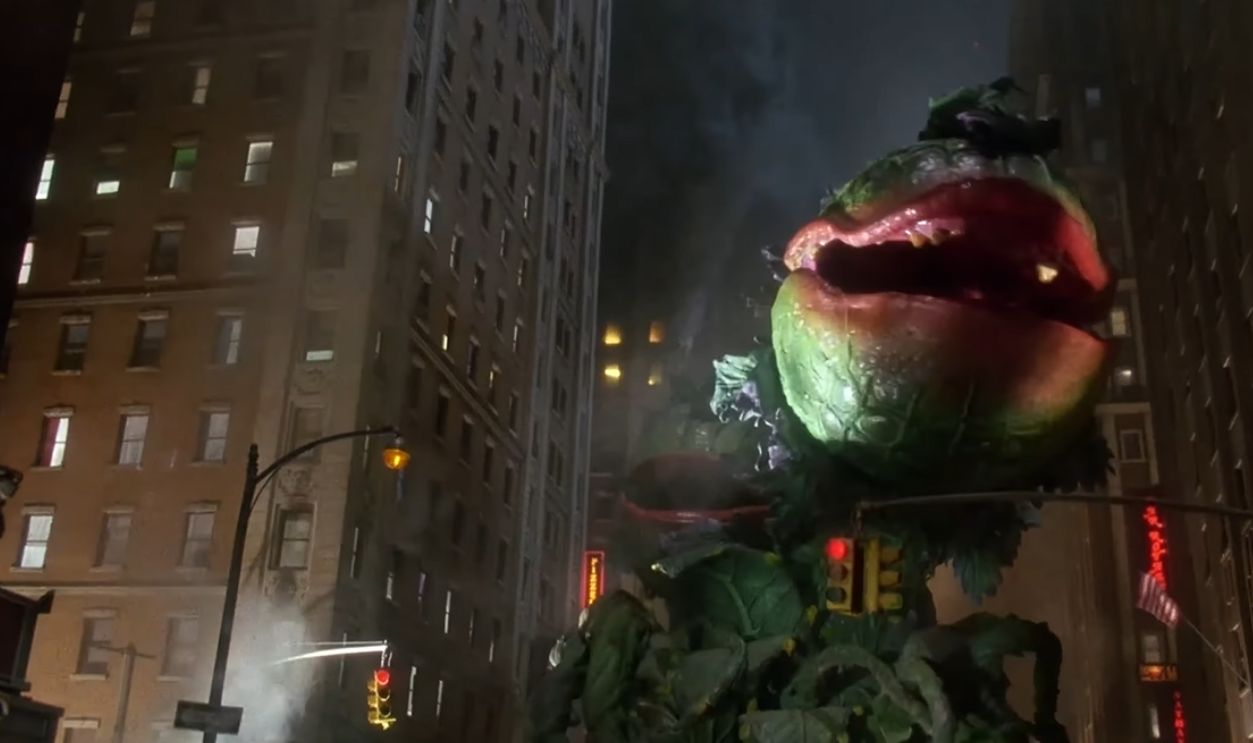
Little Shop Of Horrors (1986)
The theatrical musical lets Seymour defeat Audrey II and marry Audrey. Frank Oz's restored 2012 director's cut brings back an elaborate finale in which both characters are consumed and enormous plants conquer the world. The happy ending was never guaranteed.
 Screenshot from Little Shop of Horrors, Warner Bros. Pictures (1986)
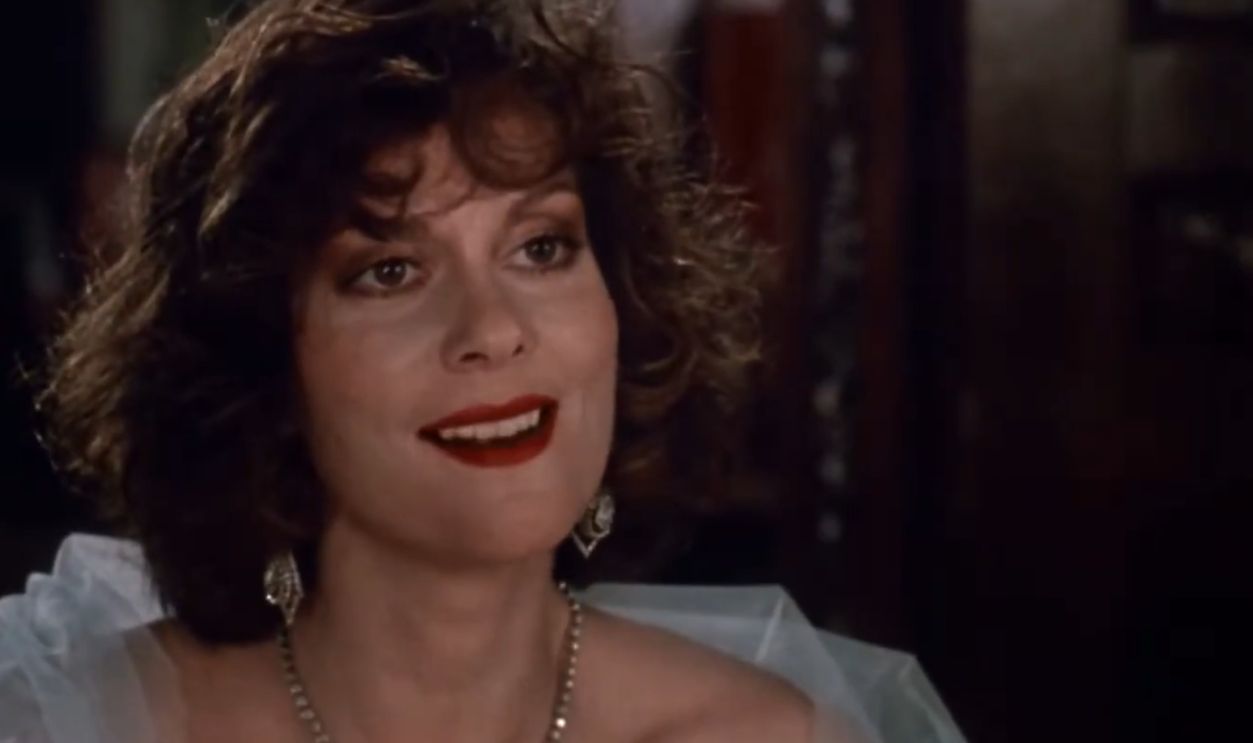
Clue (1985)
Moviegoers originally encountered three different endings distributed among theaters, each identifying a different culprit. The home-video version presented all three consecutively, turning the mystery into a sequence of competing explanations. Your original ending depended on your cinema.
 Screenshot from Clue, Paramount Pictures (1985)
28 Days Later (2002)
In July 2003, while 28 Days Later was still playing in American theaters, distributors added a previously discarded ending after the credits. Instead of Jim's hopeful survival, viewers could watch him die in a hospital.
 Screenshot from 28 Days Later, Fox Searchlight Pictures (2002)
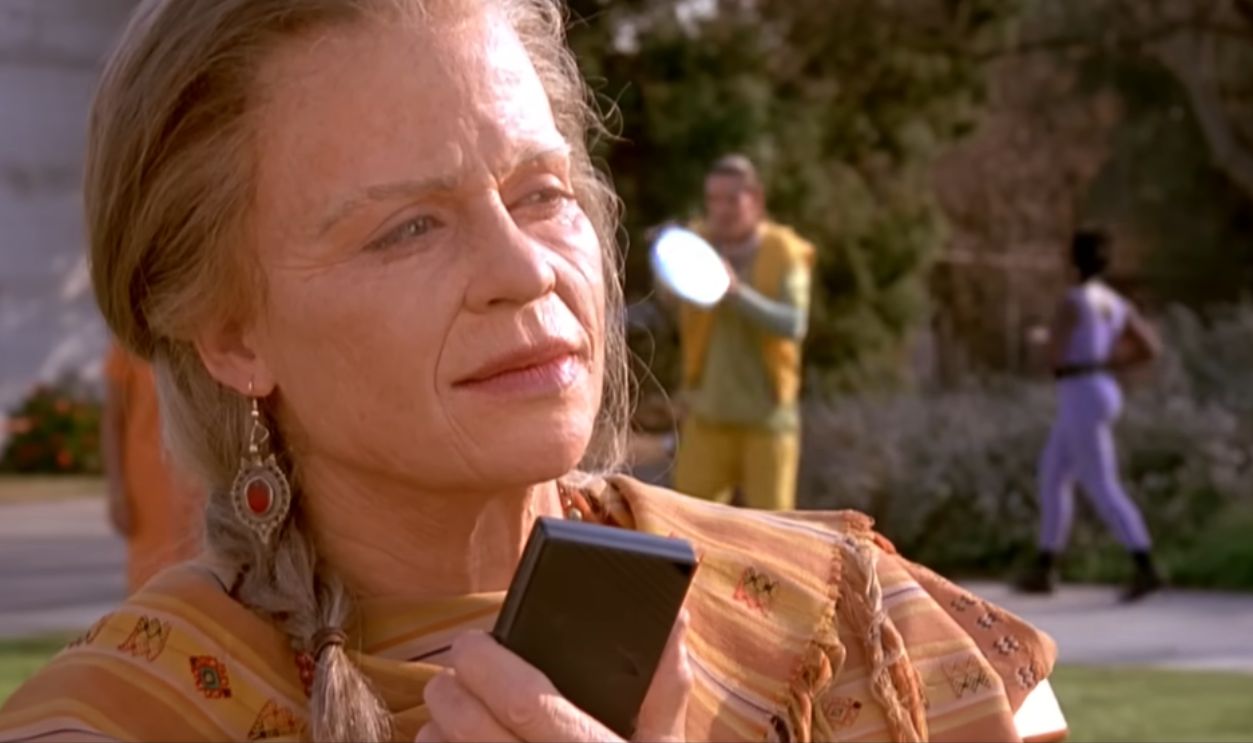
Terminator 2: Judgment Day (1991)
The theatrical film closes on a dark highway, leaving humanity's future uncertain. A later extended home-video edition made an alternate ending available, showing an elderly Sarah Connor in 2029, where Judgment Day never happened and John became a senator.
 Screenshot from Terminator 2: Judgment Day, TriStar Pictures (1991)
Scott Pilgrim Vs. The World (2010)
The theatrical ending sends Scott through a doorway with Ramona Flowers. An alternative included with the home release pairs him with Knives Chau instead. Director Edgar Wright explained that the filmmakers ultimately reconsidered which relationship best reflected Scott's growth.
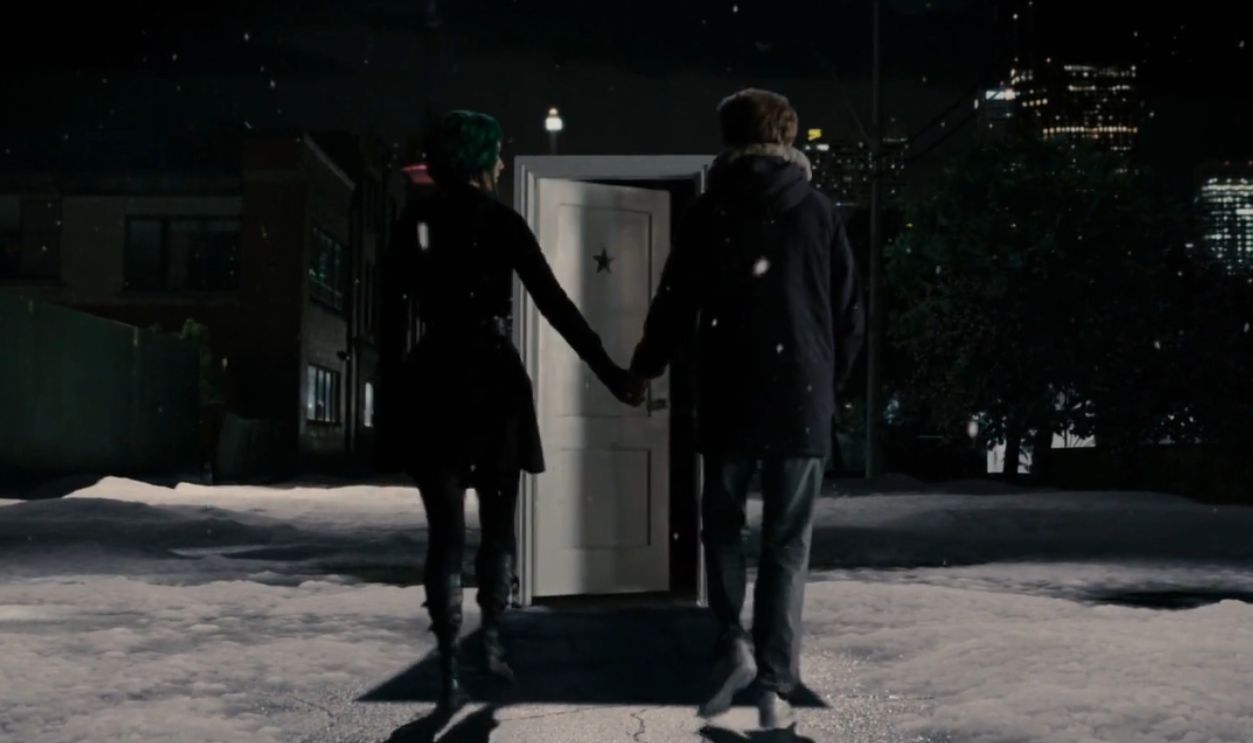 Screenshot from Scott Pilgrim vs. the World, Universal Pictures (2010)
Get Out (2017)
The theatrical ending delivers unexpected relief when Rod arrives to rescue Chris. Jordan Peele's alternate ending, released as a home-video extra, replaces that rescue with Chris being arrested and imprisoned. It transforms the final surprise from hopeful to devastating.
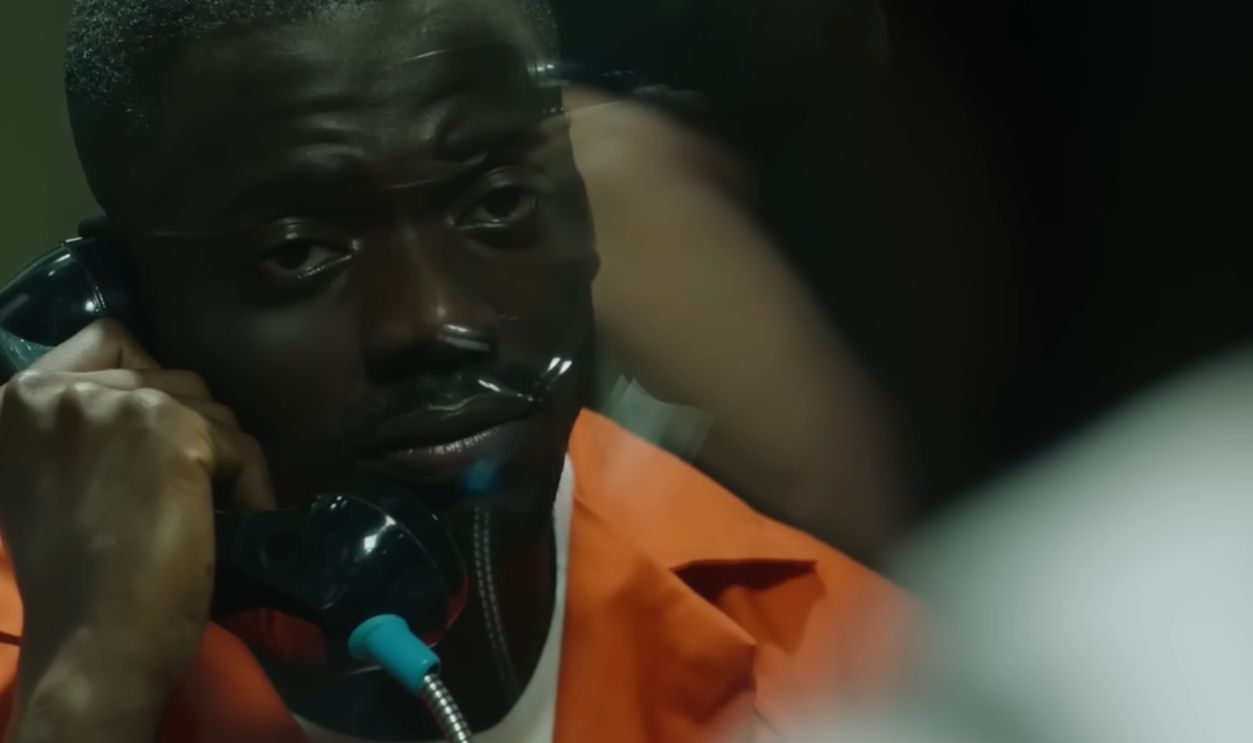 Screenshot from Get Out, Universal Pictures (2017)
The Abyss (1989)
The theatrical film concludes with underwater beings rescuing Bud and lifting the enormous platform. James Cameron's 1993 Special Edition restores an additional storyline involving gigantic ocean waves and humanity's nuclear tensions, giving the extraterrestrials' intervention much greater significance.
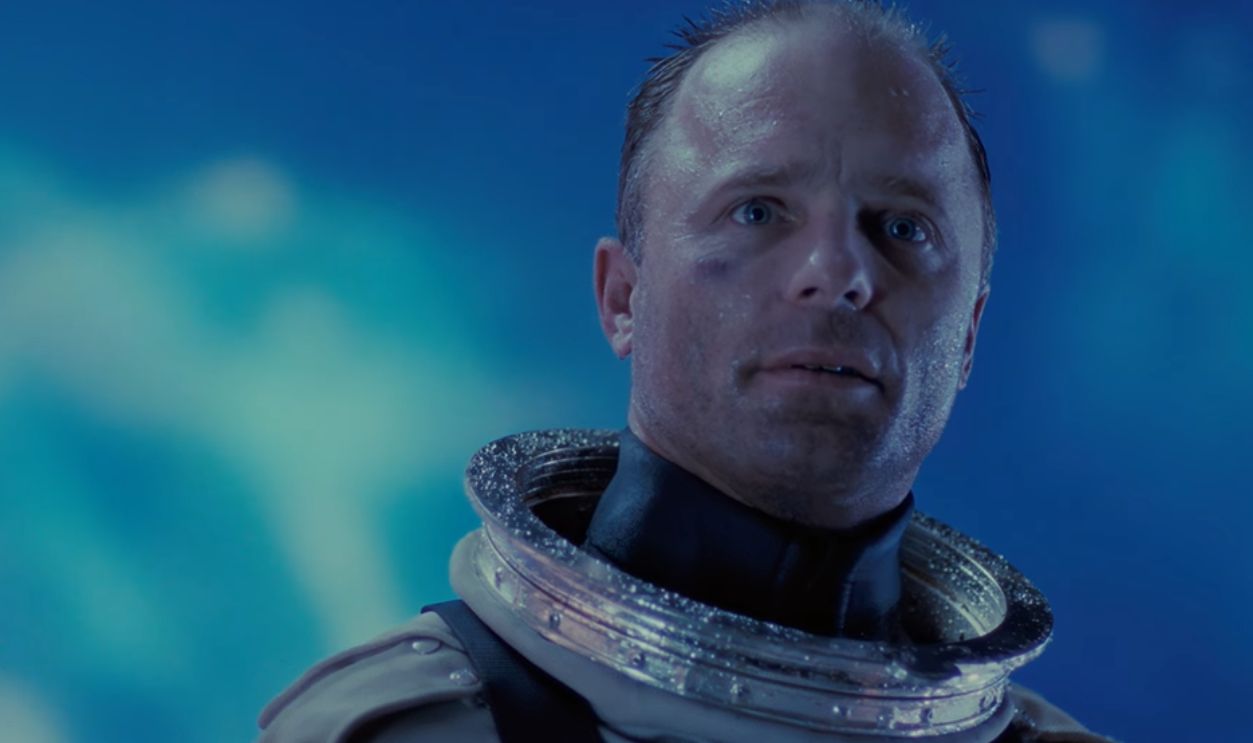 Screenshot from The Abyss, 20th Century Fox (1989)
Titanic (1997)
Rose secretly drops the Heart of the Ocean into the sea in the familiar finale. A previously unseen alternative, released on DVD in 2005, has Brock Lovett witness her decision, briefly handle the necklace, and finally understand her reasoning.
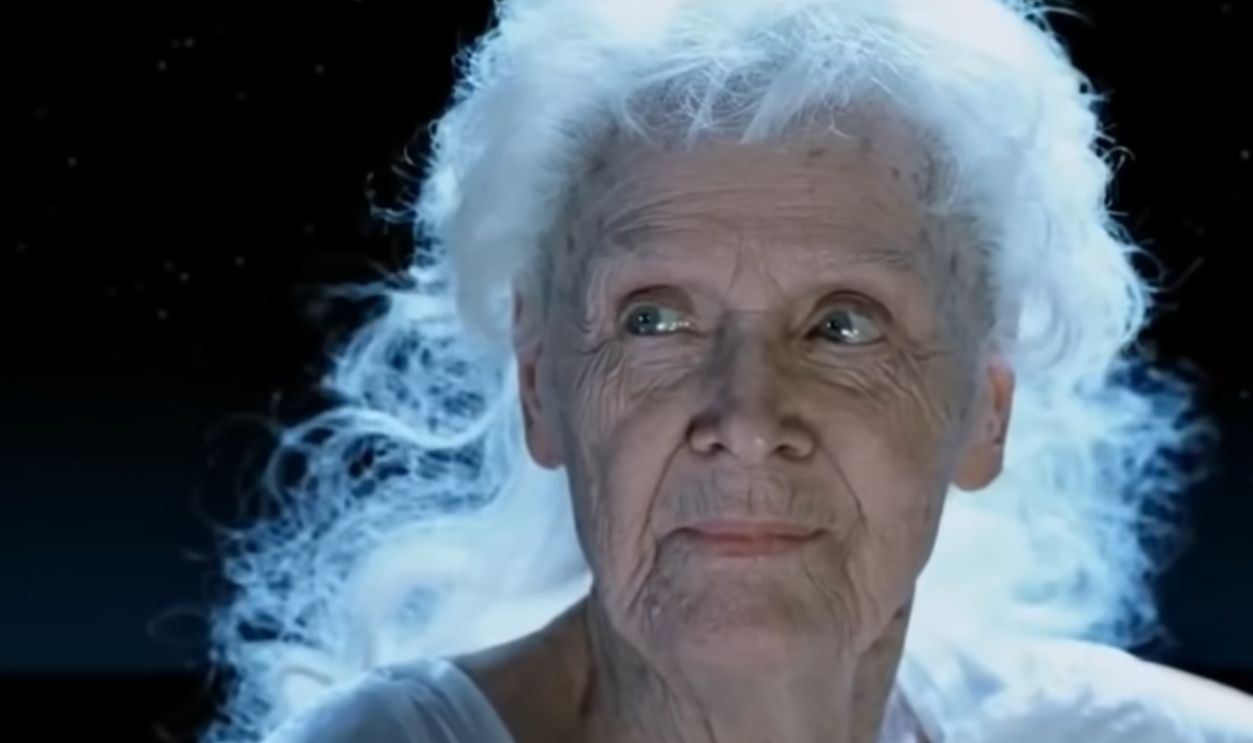 Screenshot from Titanic, Paramount Pictures (1997)
Justice League (2017)
The 2017 theatrical film concludes after Steppenwolf's defeat and the heroes' renewed partnership. Zack Snyder's 2021 version offers a dramatically different climax and extended epilogue, including the Flash reversing catastrophe and a disturbing vision of a possible future.
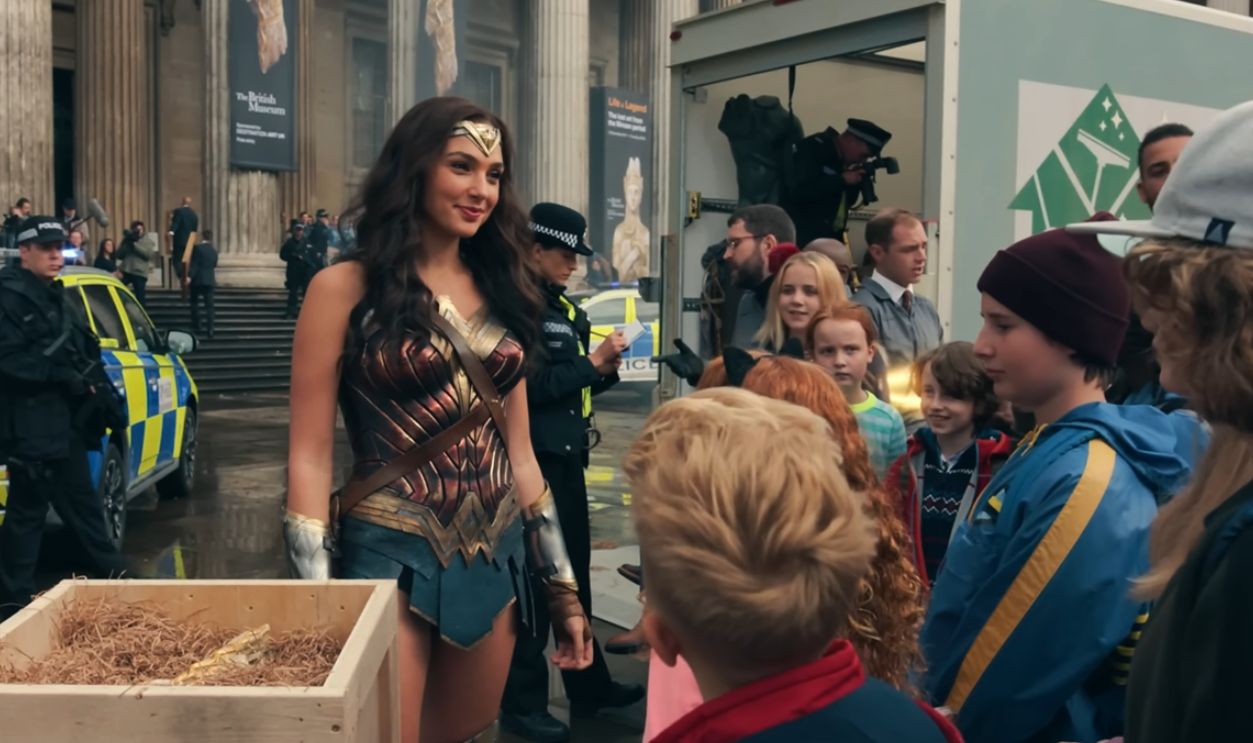 Screenshot from Justice League, Warner Bros. Pictures (2017)
Final Destination (2000)
The theatrical ending leaves Alex alive temporarily before Carter meets a spectacular fate in Paris. An alternative ending, later made available to viewers, instead has Alex sacrifice himself to save Clear, who is pregnant with his child.
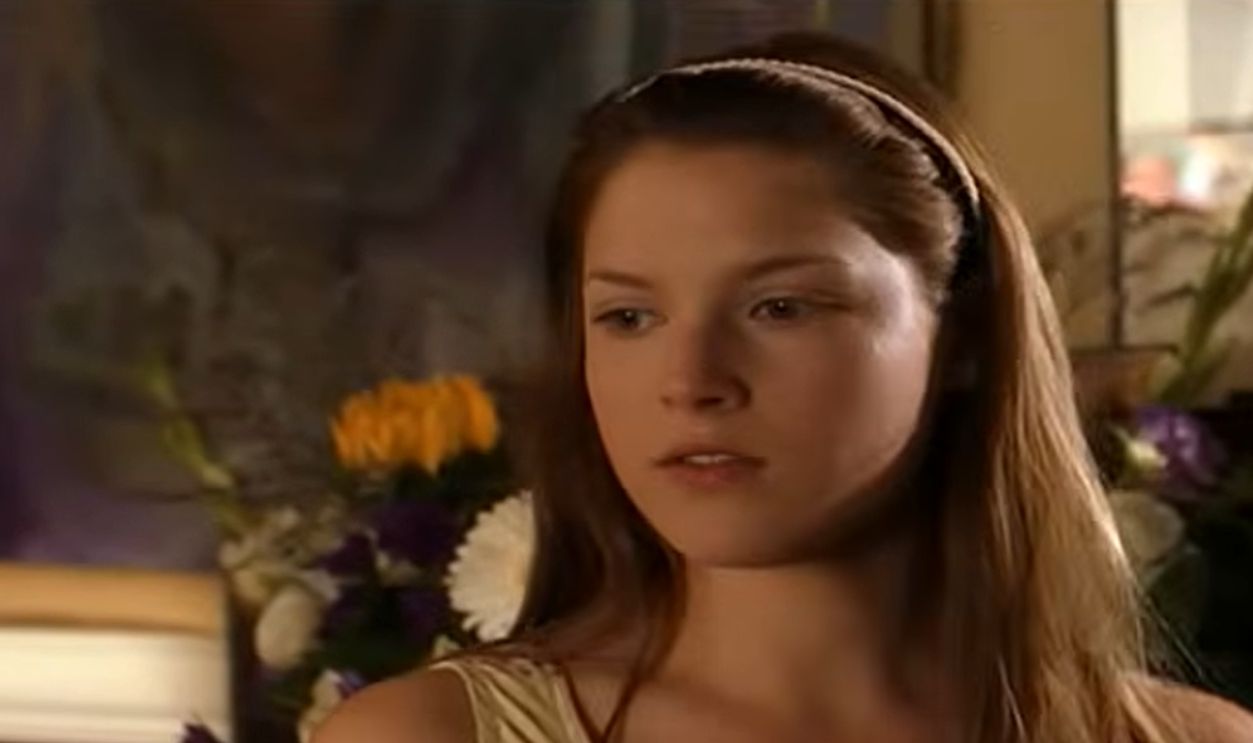 Screenshot from Final Destination, New Line Cinema (2000)
You May Also Like:
Why Horror Movies Never Win Oscars
Sources: 1, 2, 3, 4, 5, 6, 7, 8, 9, 10, 11, 12, 13, 14, 15, 16, 17, 18, 19, 20, 21, 22, 23, 24, 25, 26, 27