And the Oscar Didn’t Go To…
The Oscars are supposed to be the “best of the best,” but sometimes they miss. Big time. Performances, films, directors that critics and audiences love, but Oscar voters either ignore or undervalue. Here are some of the most jaw-dropping Oscar snubs ever (yes, people still talk about them).
Do The Right Thing (1990) — No Best Picture Nomination
Spike Lee’s Do the Right Thing is now widely considered one of America’s greatest films. It confronted race, power, community, and tension in a single sweltering day in Brooklyn. But at the 1990 Oscars, it wasn’t even nominated for Best Picture (it did get nominations in Original Screenplay and Supporting Actor). Instead, Driving Miss Daisy took Best Picture. Many feel Lee’s film was too provocative for the Academy then.
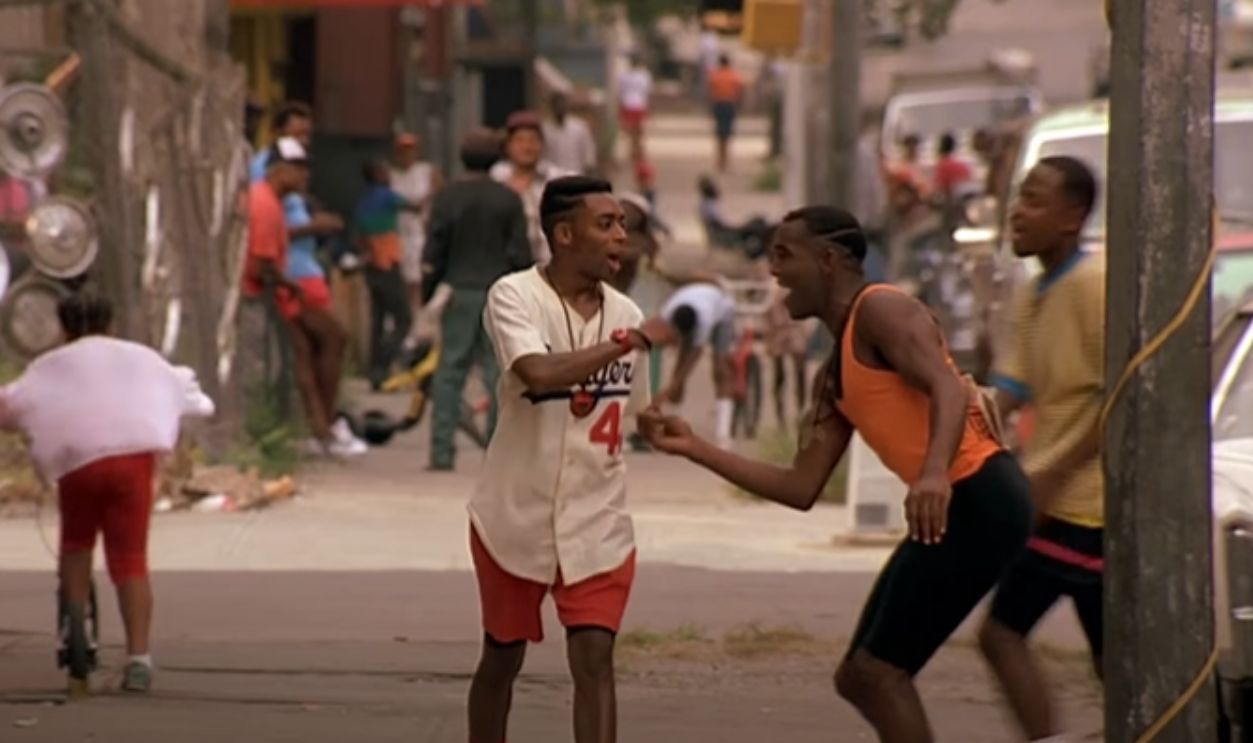 Universal Pictures, Do the Right Thing (1989)
Marilyn Monroe, Some Like It Hot (1959) — Best Actress
Marilyn Monroe gives a comedic tour de force as Sugar Kane Kowalczyk in Some Like It Hot, balancing sweetness, charm, and comedic vulnerability. It was a critical and popular hit. She was nominated in multiple categories, but didn’t win Best Actress. Instead, Simone Signoret won that year for Room at the Top. Many think Monroe’s performance deserved more Oscar love.
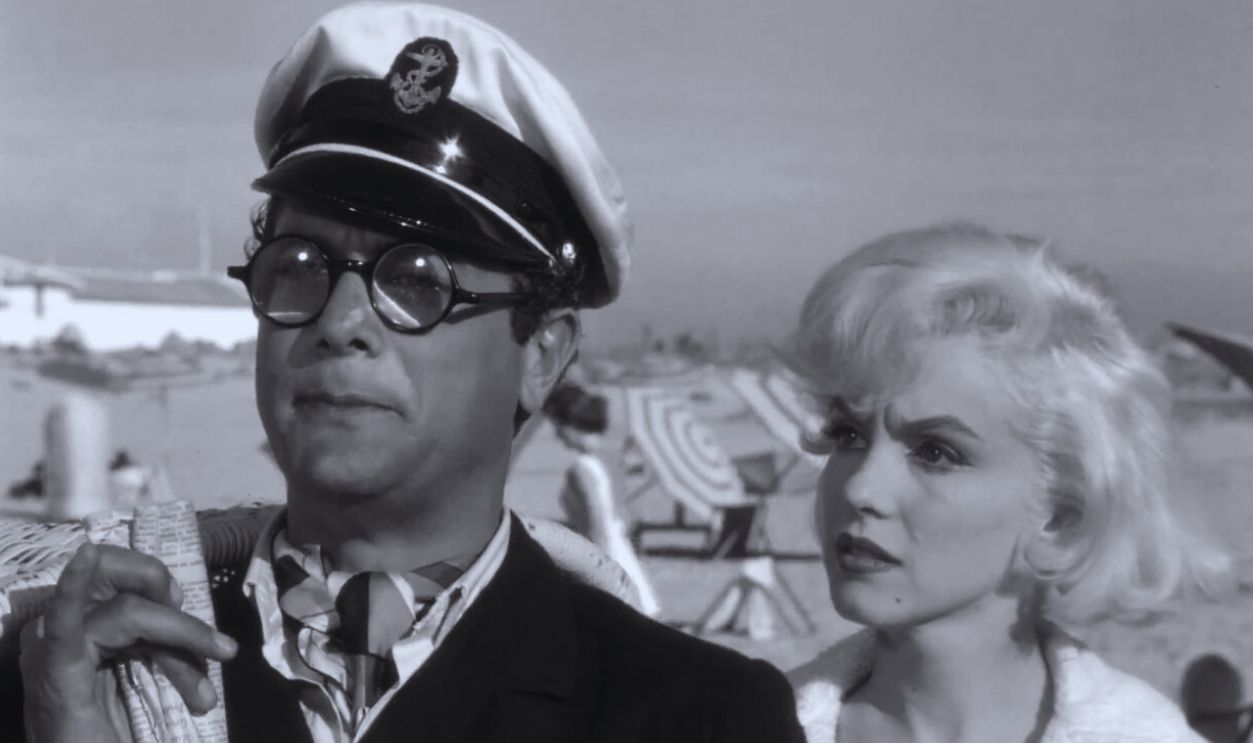 United Artists, Some Like It Hot (1959)
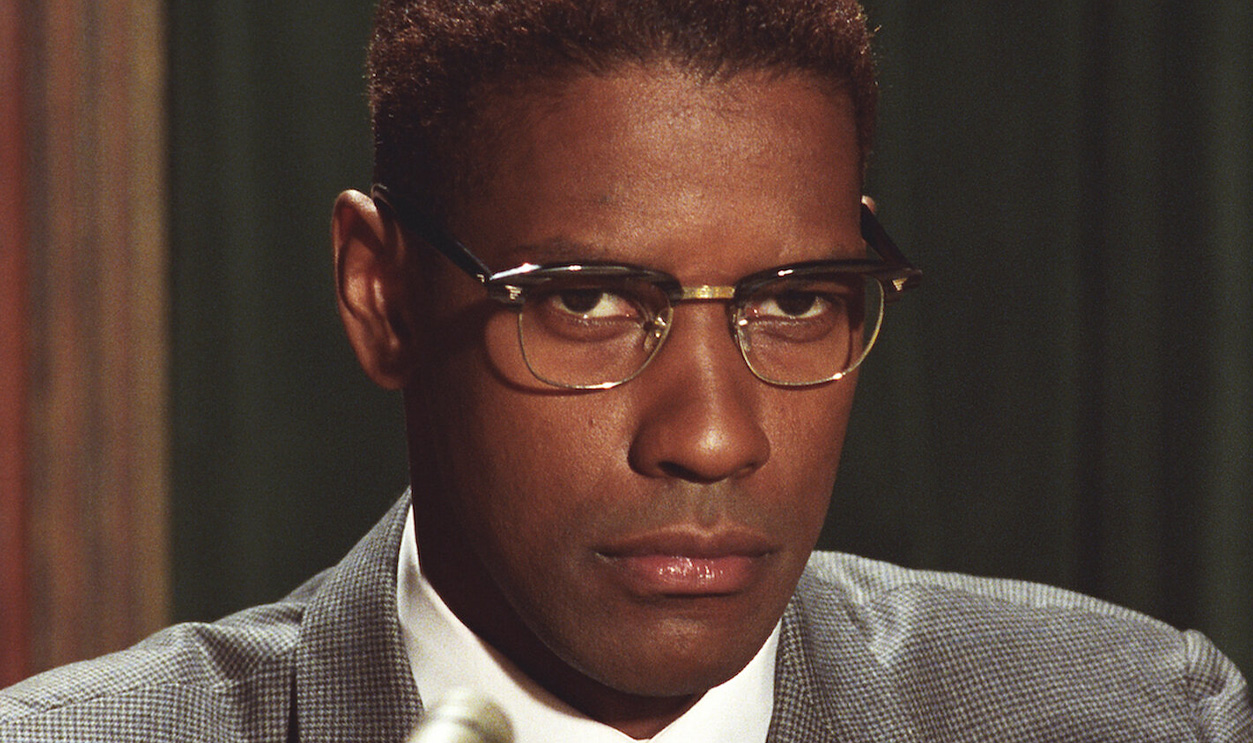
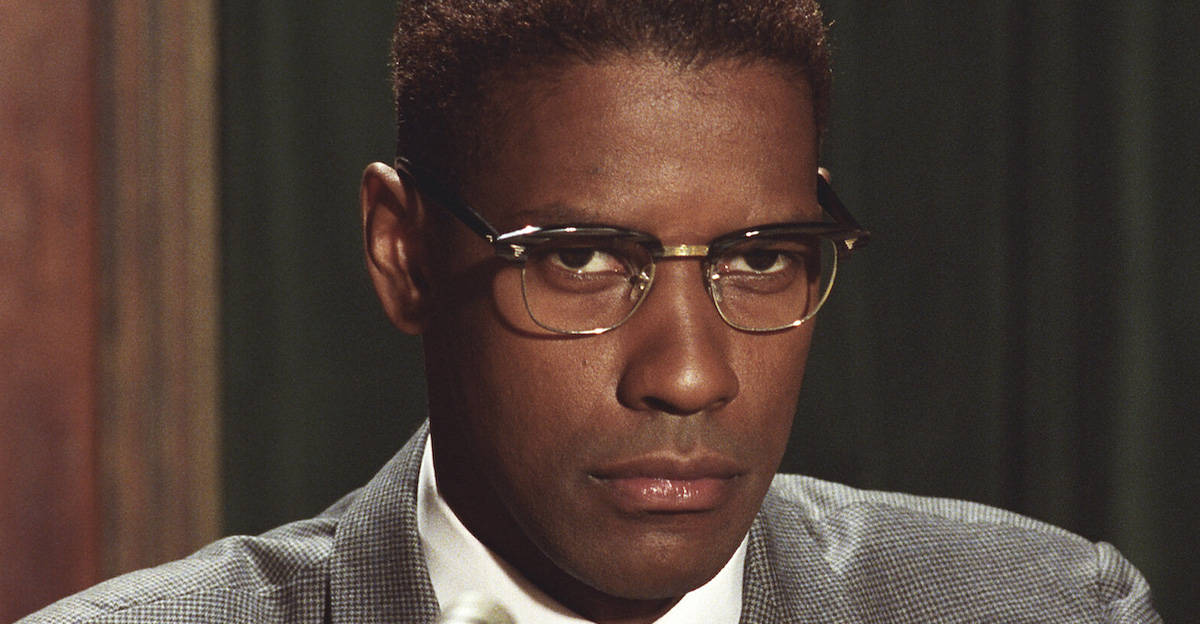
Denzel Washington, Malcolm X (1993) — Best Actor
Washington’s towering portrayal of Malcolm X is still hailed as one of the greatest biopic performances of all time. Critics raved, audiences were floored, but the Oscar went to Al Pacino for Scent of a Woman—a win widely viewed as a career “make-up” prize. In hindsight, Washington’s loss feels like one of the Academy’s biggest misses.
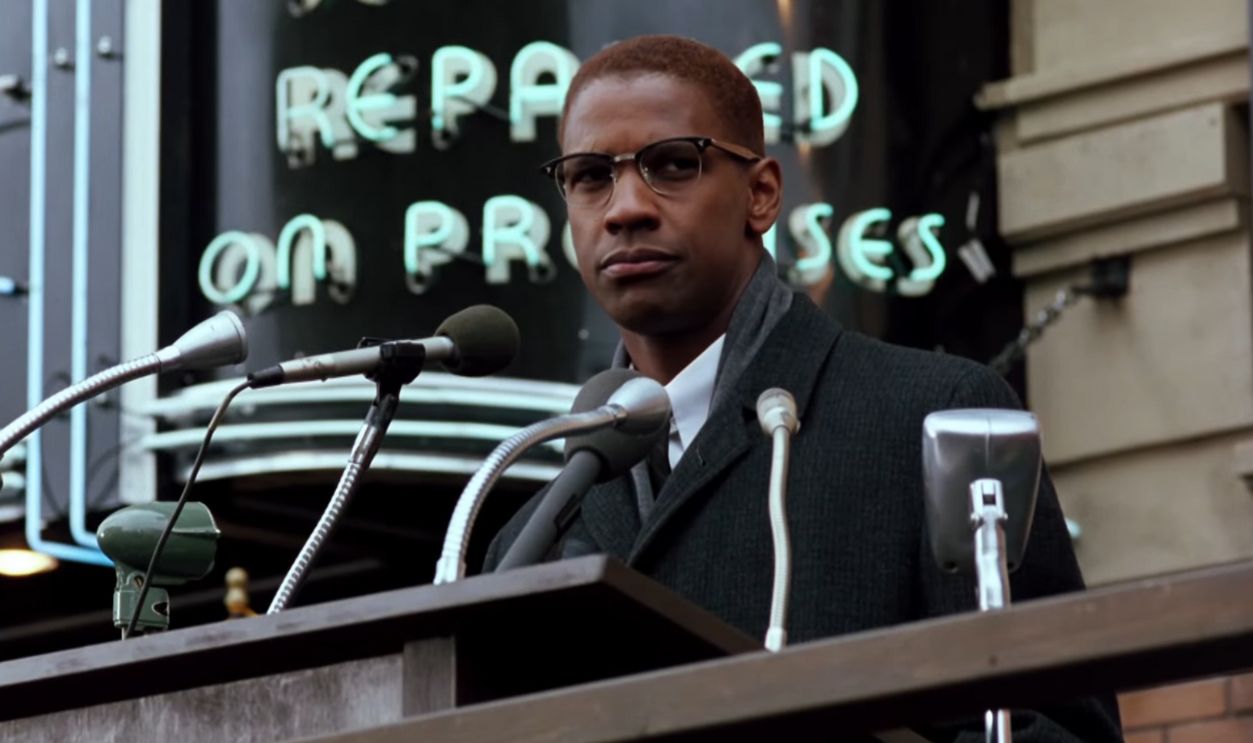 Warner Bros. Pictures, Malcolm X (1992)
The Dark Knight (2009) — No Best Picture Nomination
Christopher Nolan’s superhero epic broke box office records and redefined comic book movies as serious cinema. Heath Ledger won a posthumous Oscar, but the film itself was left out of Best Picture contention. Instead, Slumdog Millionaire won. The backlash was so intense that the Academy expanded the Best Picture category the following year.
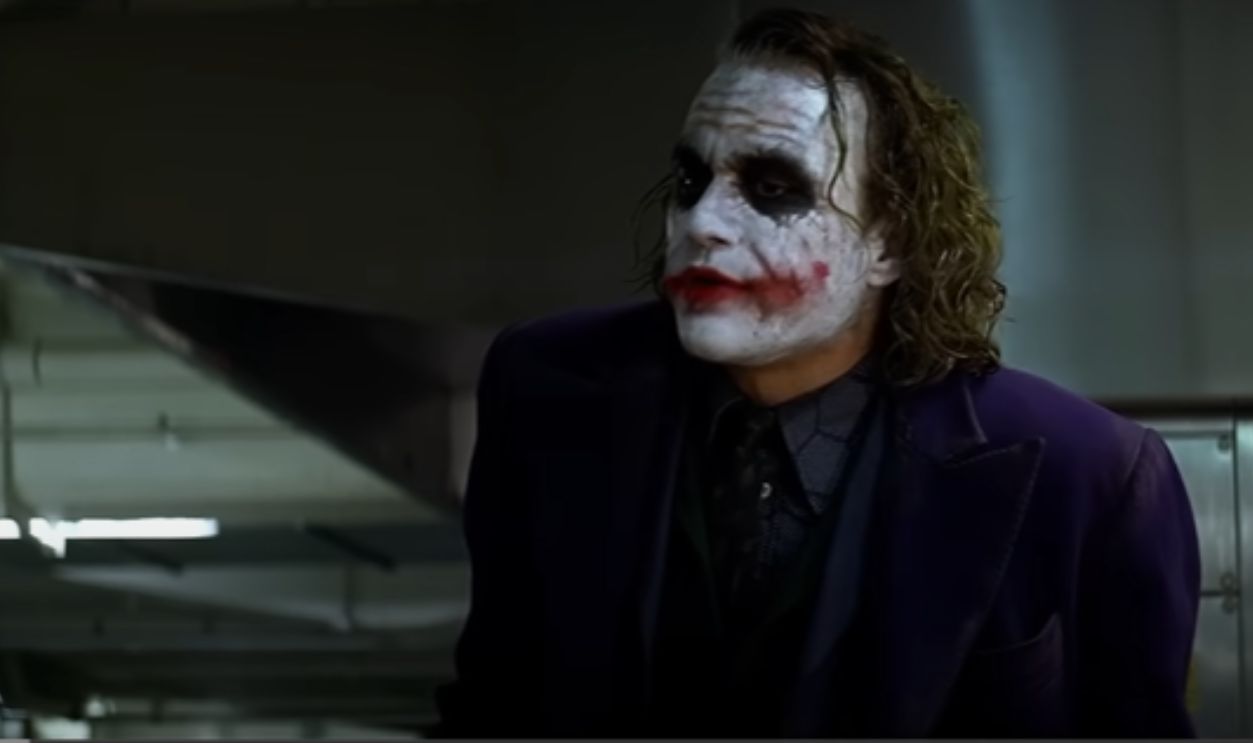 Warner Bros. Pictures, The Dark Knight (2008)
Glenn Close, Fatal Attraction (1988) — Best Actress
As Alex Forrest, Close gave one of the most chilling performances of the ’80s, redefining the thriller genre. The film was a smash hit, and her work terrified audiences into locking their doors. Yet she lost to Cher in Moonstruck. It was a tough year, but many believe Close’s raw, unsettling turn should have triumphed.
 Paramount Pictures, Fatal Attraction (1987)
Barbra Streisand, The Prince Of Tides (1992) — Best Director
Streisand directed this romantic drama, which received seven Oscar nominations including Best Picture. Yet she was conspicuously snubbed for Best Director. The omission fueled conversations about Hollywood’s sexism, especially since her directorial choices were central to the film’s success. That year, Jonathan Demme won for The Silence of the Lambs.
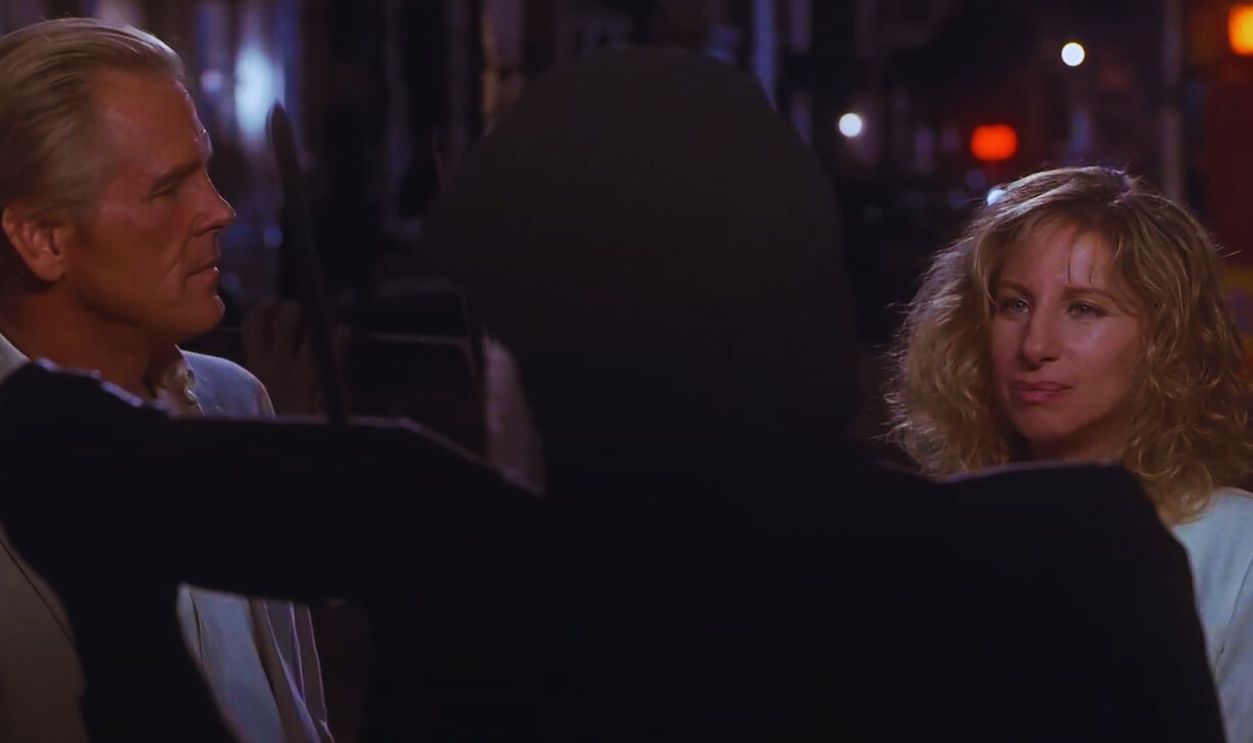 Columbia Pictures, The Prince of Tides (1991)
Brokeback Mountain (2006) — Best Picture
Ang Lee’s moving love story between two cowboys was both a critical darling and a cultural landmark. Lee won Best Director, but the film lost Best Picture to Crash, one of the most controversial upsets in Oscar history. Many believe prejudice among voters played a role, and the choice is still debated nearly two decades later.
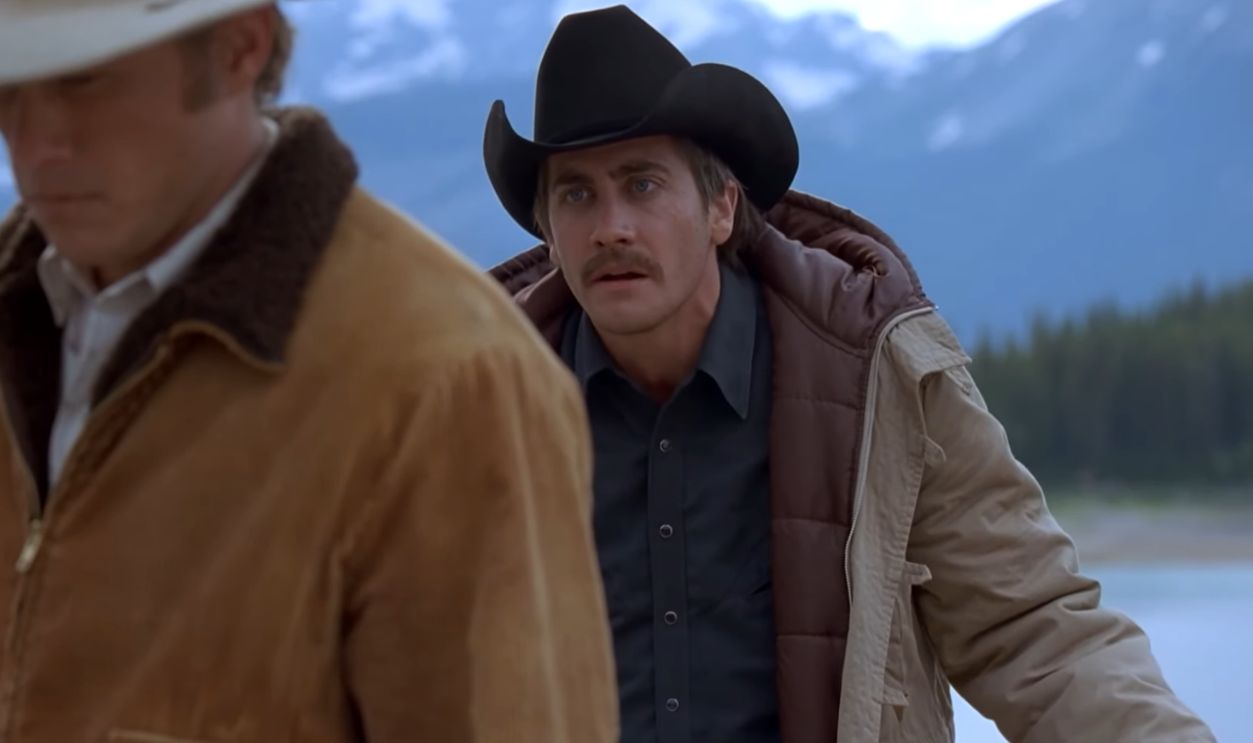 Focus Features, Brokeback Mountain (2005)
Song Kang-ho, Parasite (2020) — Best Supporting Actor
Parasite swept the Oscars, winning Best Picture and making history. But not a single actor was nominated, a shocking oversight given Song Kang-ho’s deeply affecting performance as the struggling family’s father. Many critics had him pegged for a Supporting Actor nod, but instead, Brad Pitt took home the award for Once Upon a Time in Hollywood.
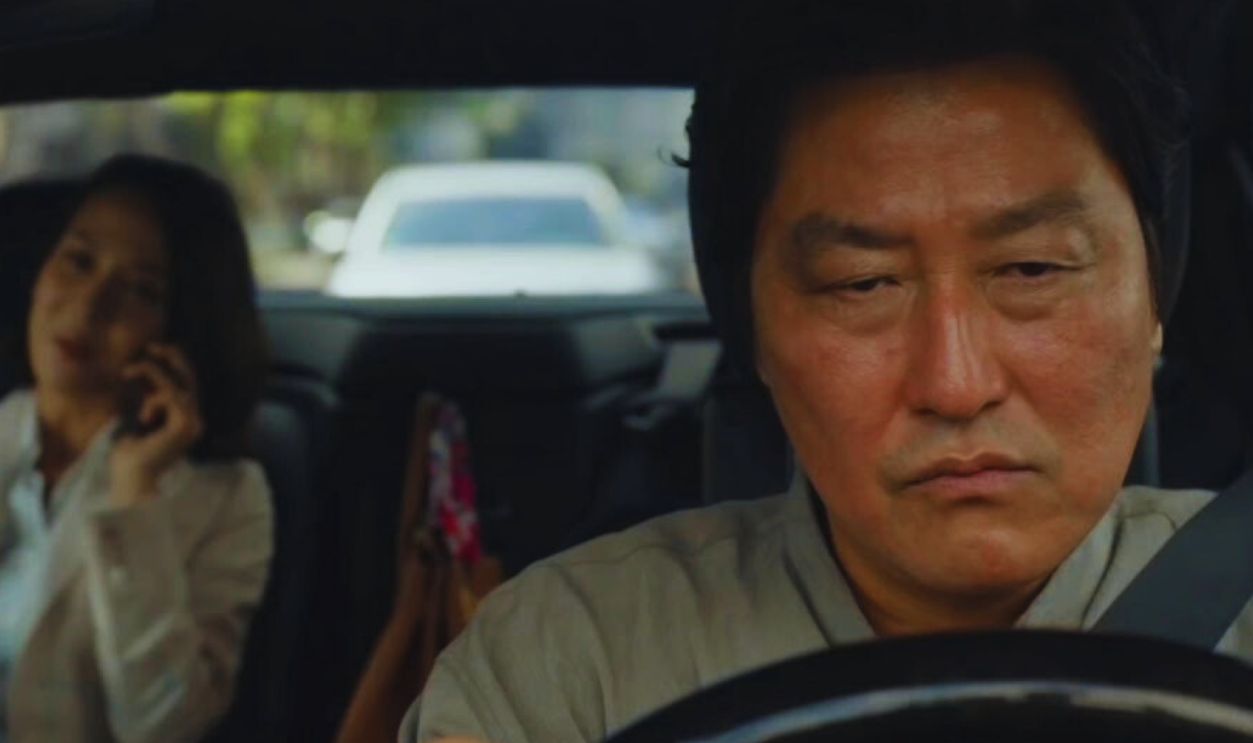 CJ Entertainment, Parasite (2019)
Alfred Hitchcock, Vertigo (1959) — Best Director
Now hailed as one of the greatest films ever made, Vertigo was met with mixed reviews at release—and Hitchcock wasn’t even nominated for Best Director. The snub stings even more considering he never won a competitive Oscar despite his legendary career. That year, Vincente Minnelli won for Gigi.
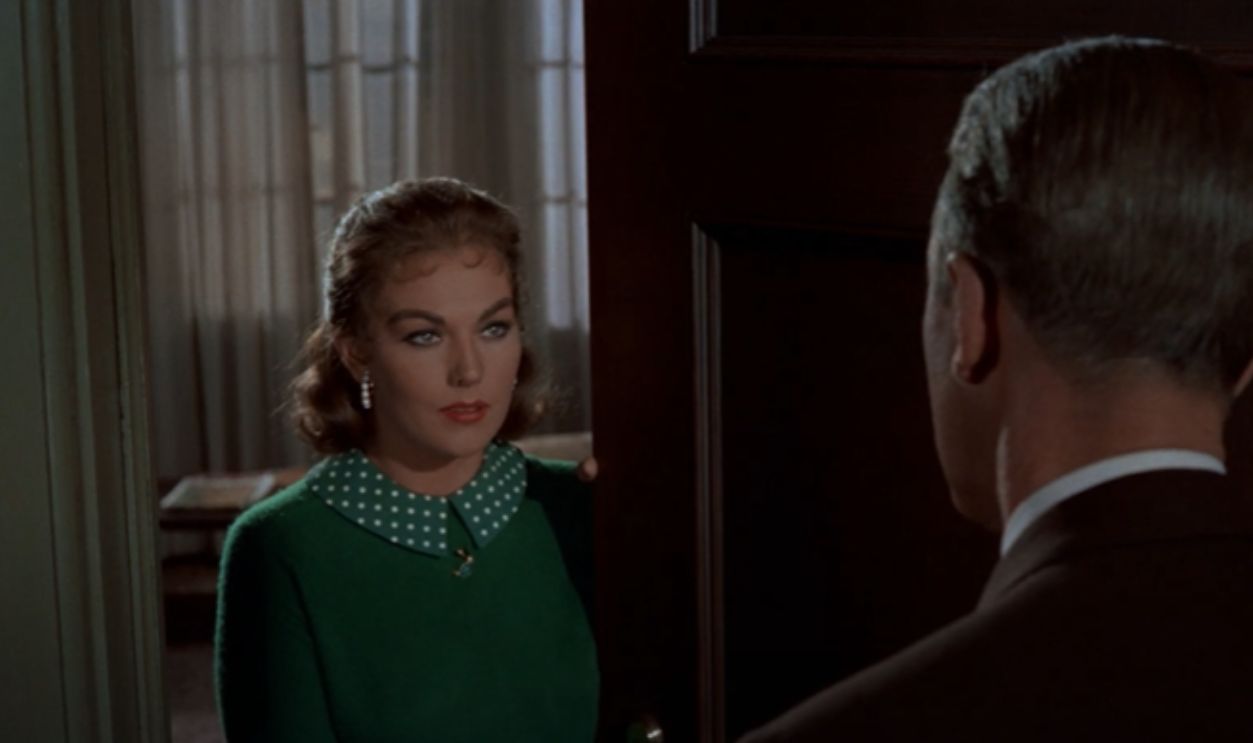 Paramount Pictures, Vertigo (1958)
Pulp Fiction (1995) — Best Picture
Quentin Tarantino’s stylish, groundbreaking crime drama redefined independent cinema and won the Palme d’Or at Cannes. But at the Oscars, it lost to Forrest Gump. Both films are classics, but many film lovers argue Pulp Fiction’s impact on modern filmmaking makes its Best Picture loss one of the Academy’s most glaring snubs.
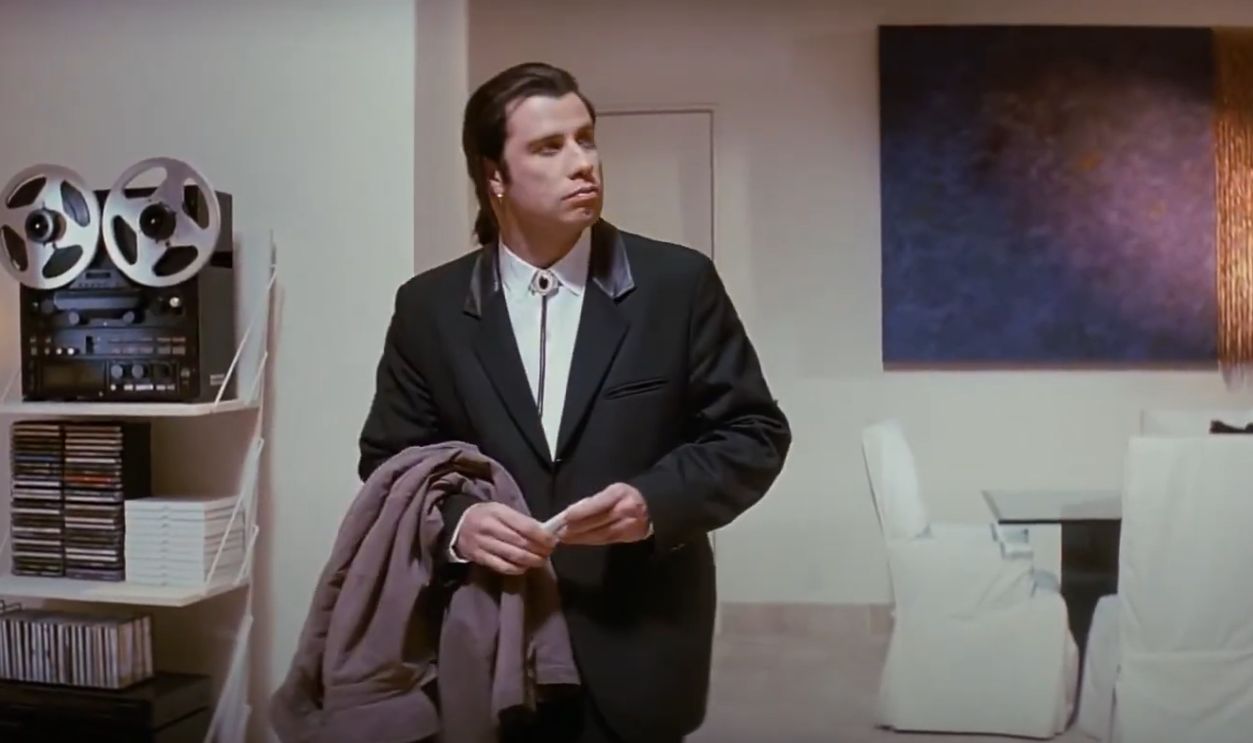 Miramax Films, Pulp Fiction (1994)
David Oyelowo, Selma (2015) — Best Actor
Oyelowo’s mesmerizing portrayal of Dr Martin Luther King Jr was widely acclaimed, but he was left off the Best Actor ballot. The omission became part of the #OscarsSoWhite controversy, highlighting the Academy’s lack of recognition for Black talent. That year, Eddie Redmayne won for The Theory of Everything.
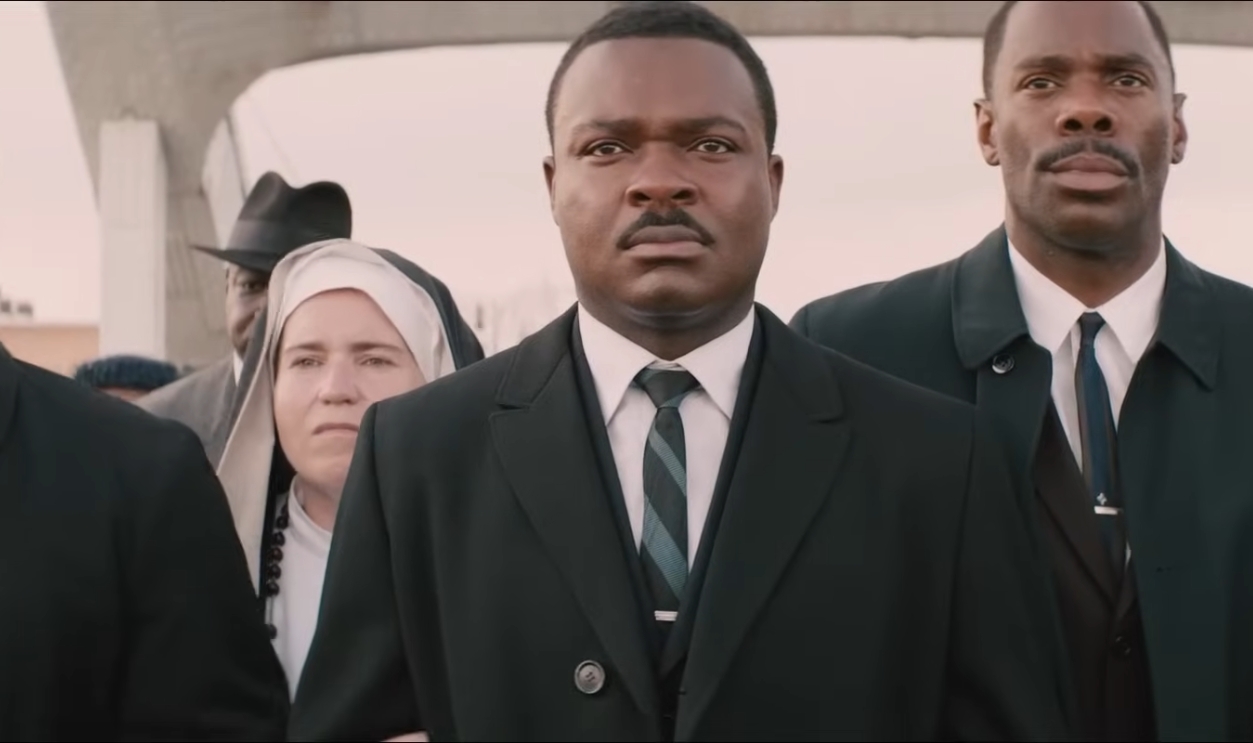 Paramount Pictures, Selma (2014)
In The Mood For Love (2001) — Best Picture
Wong Kar-wai’s visually stunning and emotionally devastating romance is considered one of the greatest films of the 21st century. Yet it wasn’t nominated for Best Picture—or even Best Foreign Language Film. The Oscars completely overlooked it, a decision that feels baffling given its enduring critical acclaim.
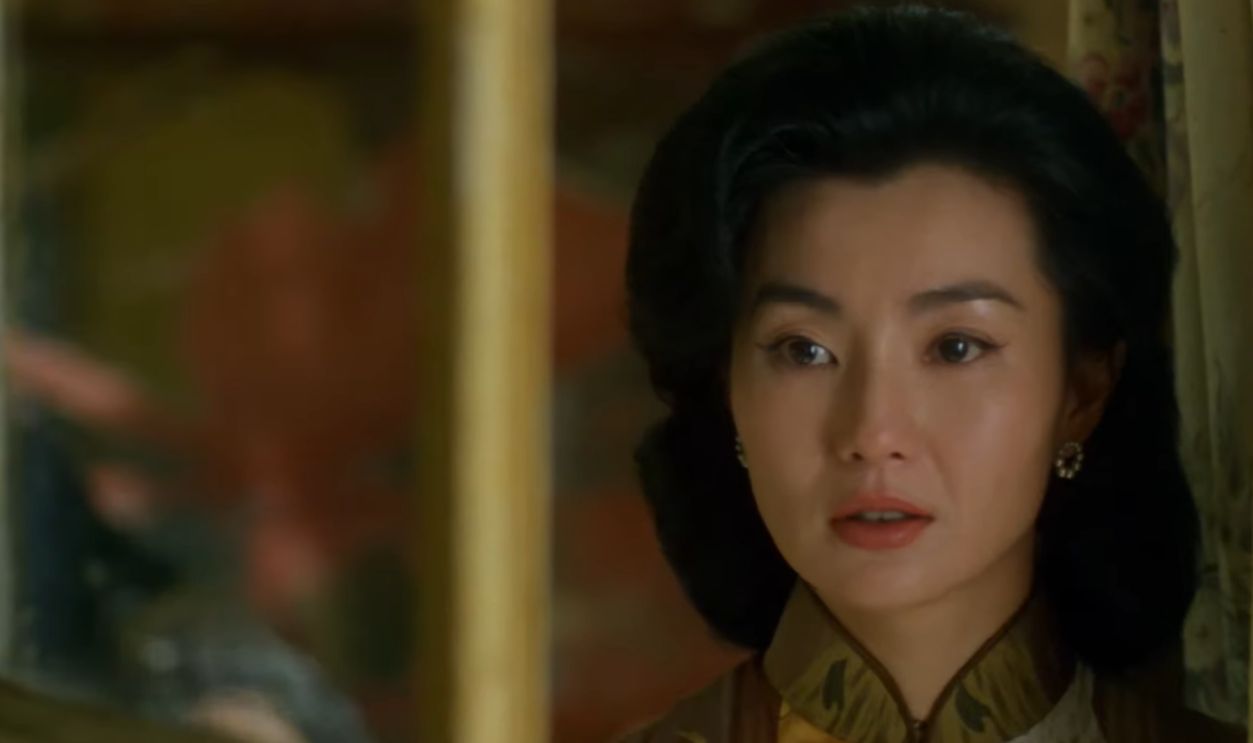 USA Films, In the Mood for Love (2000)
Charlie Chaplin, City Lights (1931) — Best Actor
Chaplin’s silent masterpiece is still beloved for its humor, pathos, and unforgettable ending. Yet Chaplin himself was not nominated for Best Actor, even though his Tramp character carried the entire film. The Academy was infatuated with sound films at the time, leaving one of cinema’s greatest performances unrecognized.
 United Artists, City Lights (1931)
2001: A Space Odyssey (1969) — Best Picture
Stanley Kubrick’s sci-fi landmark won for Visual Effects but wasn’t nominated for Best Picture. The Academy favored the musical Oliver! that year, a choice that now feels head-scratching. 2001 revolutionized the genre, influencing generations of filmmakers, while Oliver! has faded from the cultural conversation.
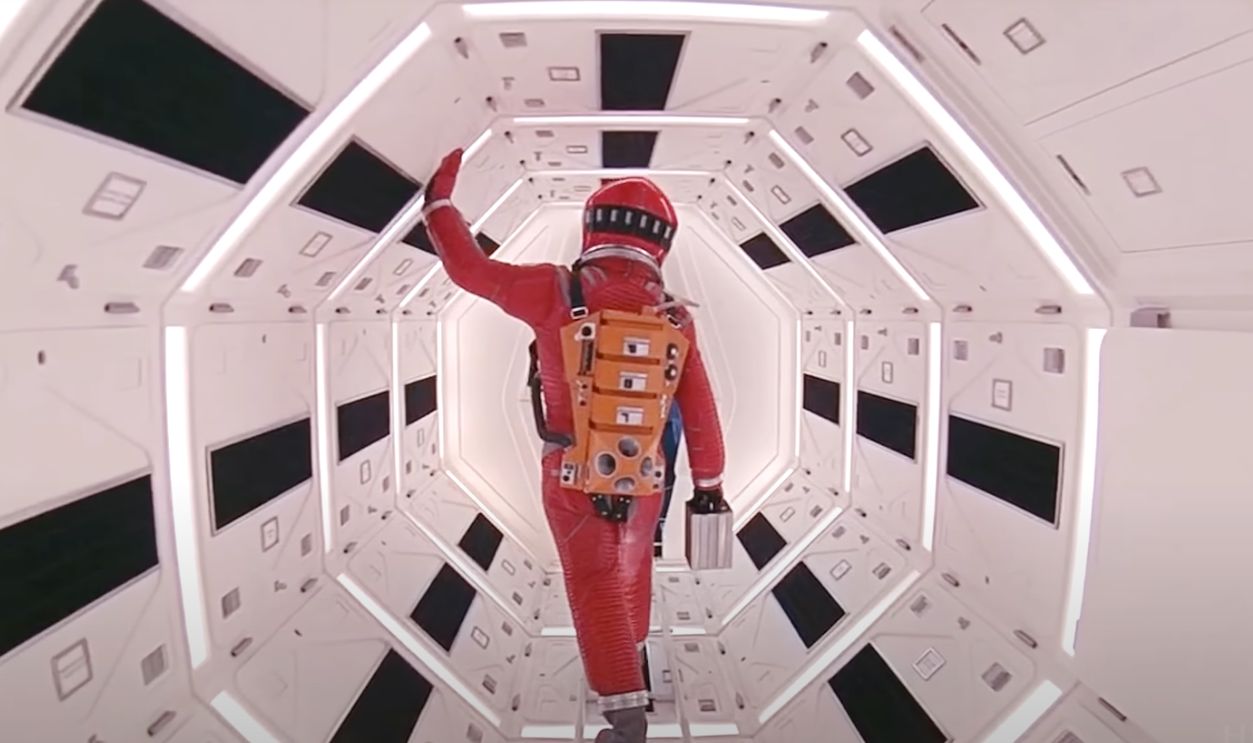 Metro-Goldwyn-Mayer, 2001: A Space Odyssey (1968)
Ben Affleck, Argo (2013) — Best Director
Argo won Best Picture, but Affleck himself wasn’t even nominated for Best Director—a shocking omission since his steady hand was central to the film’s success. The snub became a headline during awards season, though Affleck still got the last laugh when the film triumphed. Ang Lee won Director for Life of Pi.
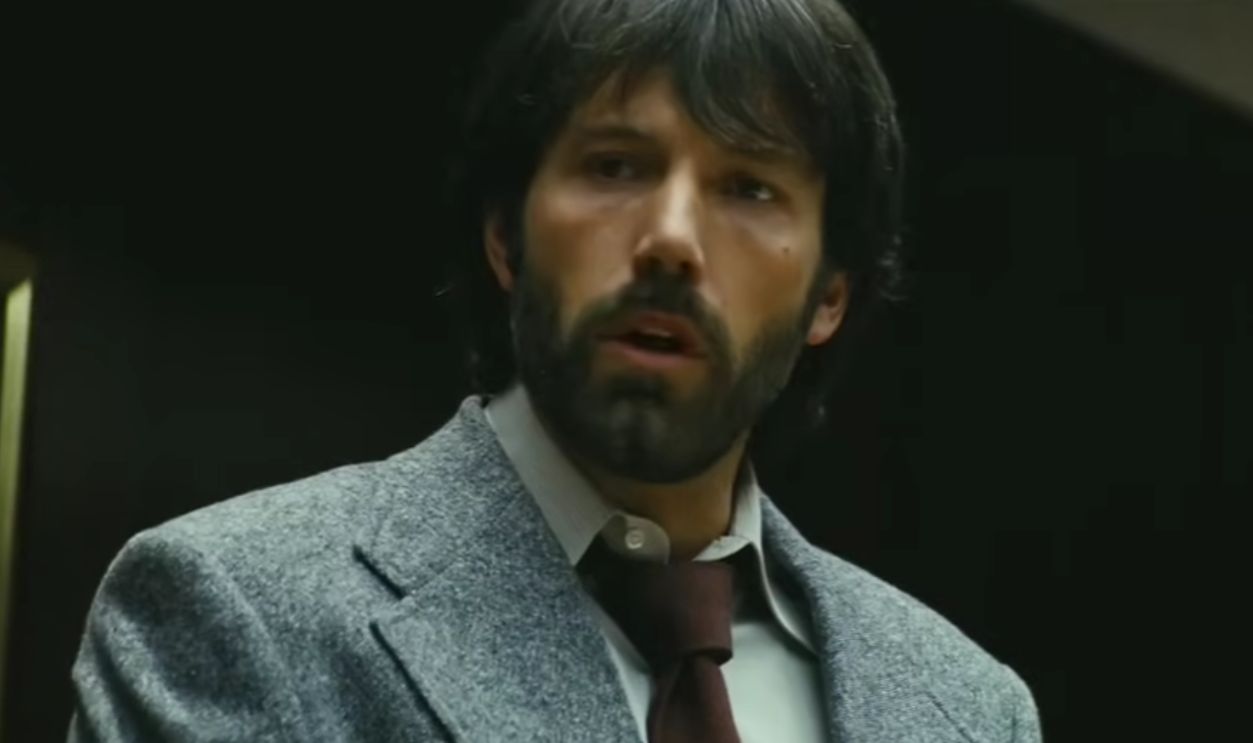 Warner Bros. Pictures, Argo (2012)
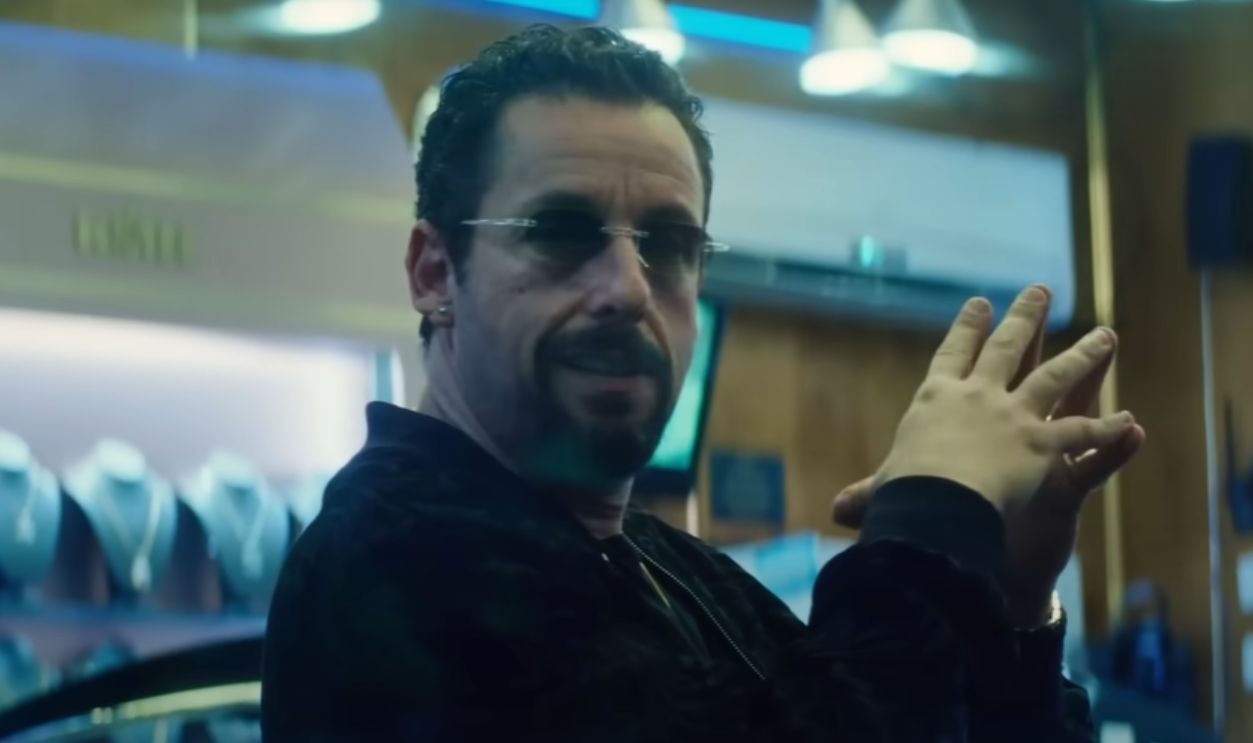
Adam Sandler, Uncut Gems (2020) — Best Actor
Sandler shocked critics and audiences with his intense, career-best performance as a desperate New York jeweler. Despite rave reviews and awards buzz, he wasn’t nominated. Fans were outraged, and Sandler himself joked he’d make a terrible movie to get revenge. Joaquin Phoenix won that year for Joker.
Pam Grier, Jackie Brown (1998) — Best Actress
Grier’s commanding comeback role in Tarantino’s Jackie Brown earned her a Golden Globe nomination and critical acclaim. Many expected her to land an Oscar nod, but she was overlooked. Instead, Helen Hunt won for As Good as It Gets. For Grier, it was a missed opportunity for long-deserved recognition.
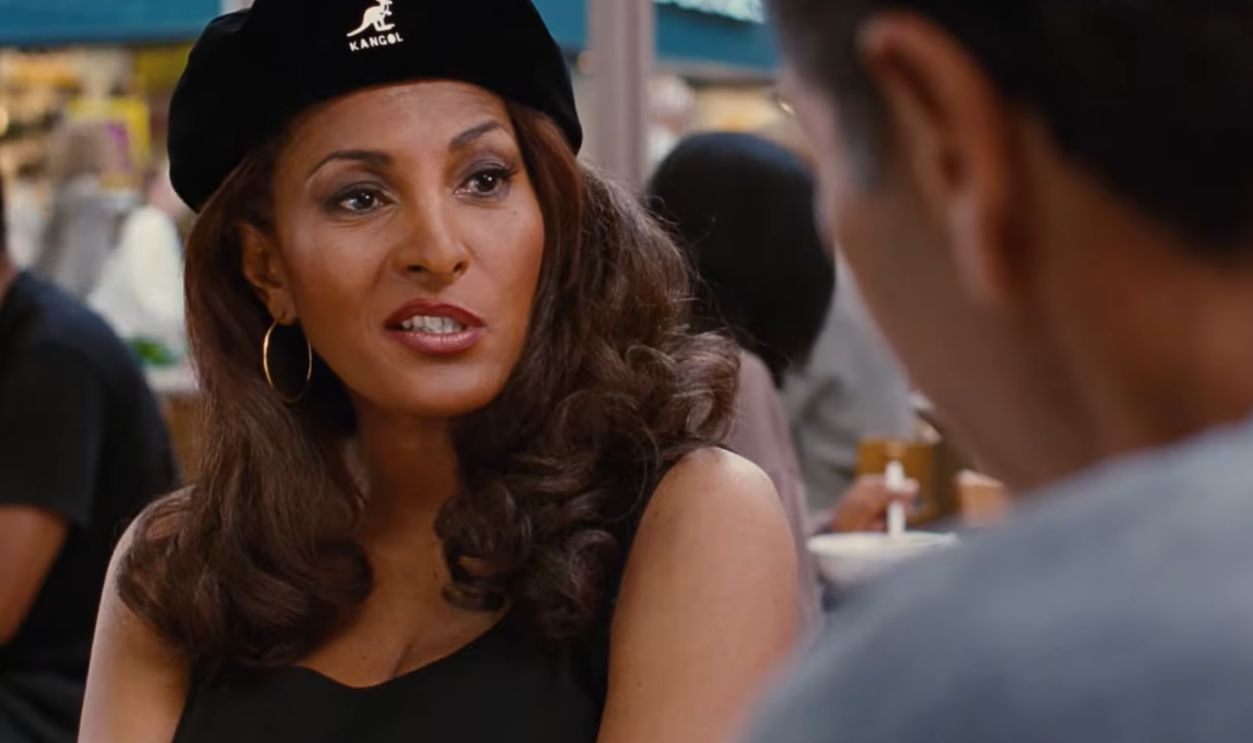 Miramax Films, Jackie Brown (1997)
“We Don’t Talk About Bruno” (2022) — Best Original Song
Disney’s viral hit from Encanto topped charts worldwide, but it wasn’t even submitted for Oscar consideration. The studio pushed “Dos Oruguitas” instead, hoping for a more traditional emotional ballad win. The result? “Bruno” was performed on the telecast but couldn’t win. The award went to Billie Eilish’s “No Time to Die”.
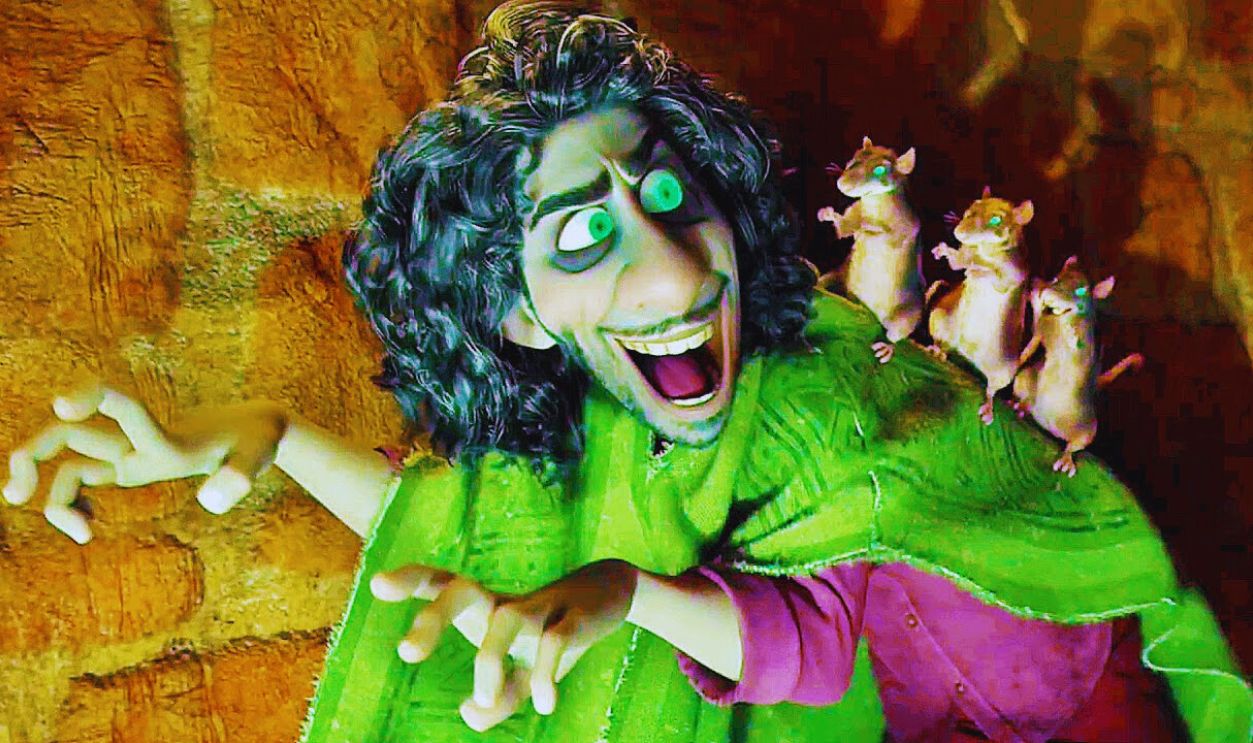 Walt Disney Studios Motion Pictures, Encanto (2021)
Jennifer Lopez, Hustlers (2020) — Best Supporting Actress
J.Lo’s dazzling performance as Ramona, a scheming stripper-turned-mastermind, was hyped as a near-lock for an Oscar nomination. Critics raved, and she scored nods from the Golden Globes and SAG. But when Oscar nominations dropped, she was nowhere to be found. Laura Dern ultimately won for Marriage Story.
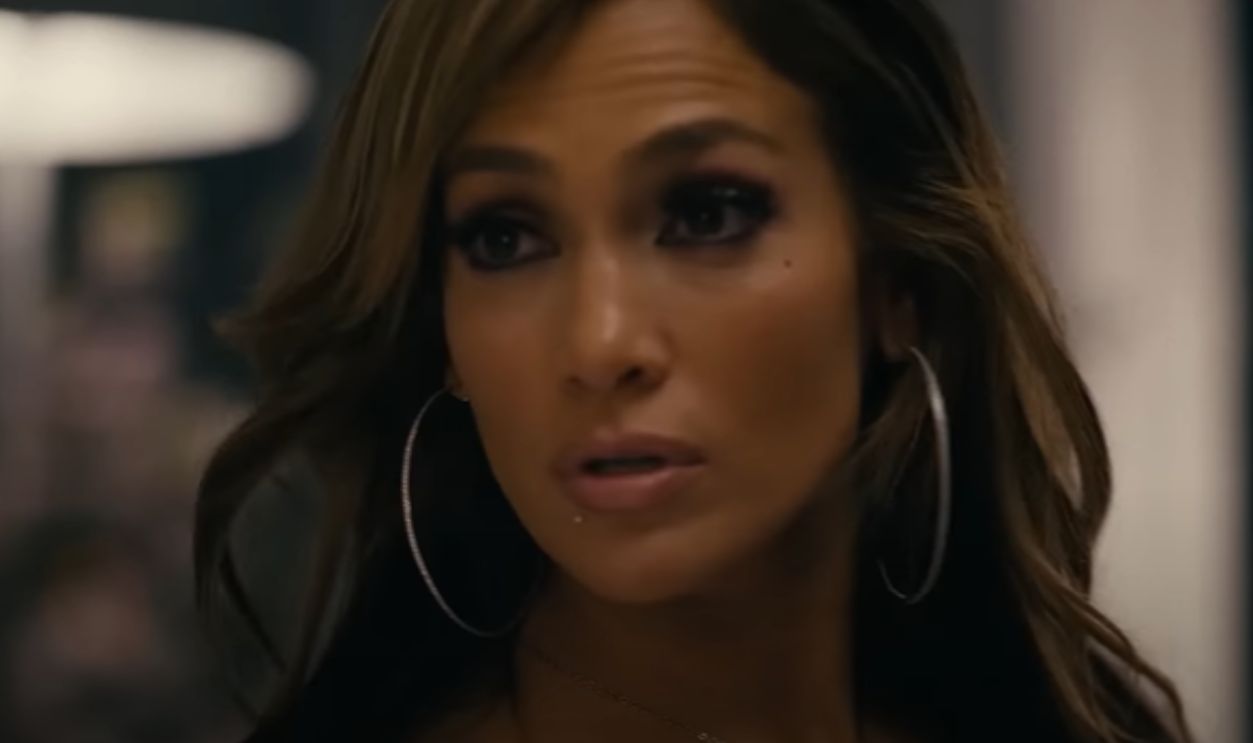 STX Entertainment, Hustlers (2019)
Roma (2019) — Best Picture
Alfonso Cuarón’s semi-autobiographical masterpiece was the critics’ darling and looked destined for Best Picture. But in a shocking upset, Green Book won instead. The choice divided Hollywood, with many seeing it as the Academy defaulting to a safer, more conventional film over a groundbreaking Netflix-backed international feature.

Martin Scorsese, Taxi Driver (1977) — Best Director
Scorsese’s gritty masterpiece earned nominations for Best Picture, Actor, and Supporting Actress—but not Best Director. The omission baffled critics and has since become legendary. That year, Rocky took home both Best Picture and Best Director, leaving Scorsese empty-handed for one of his most influential films.
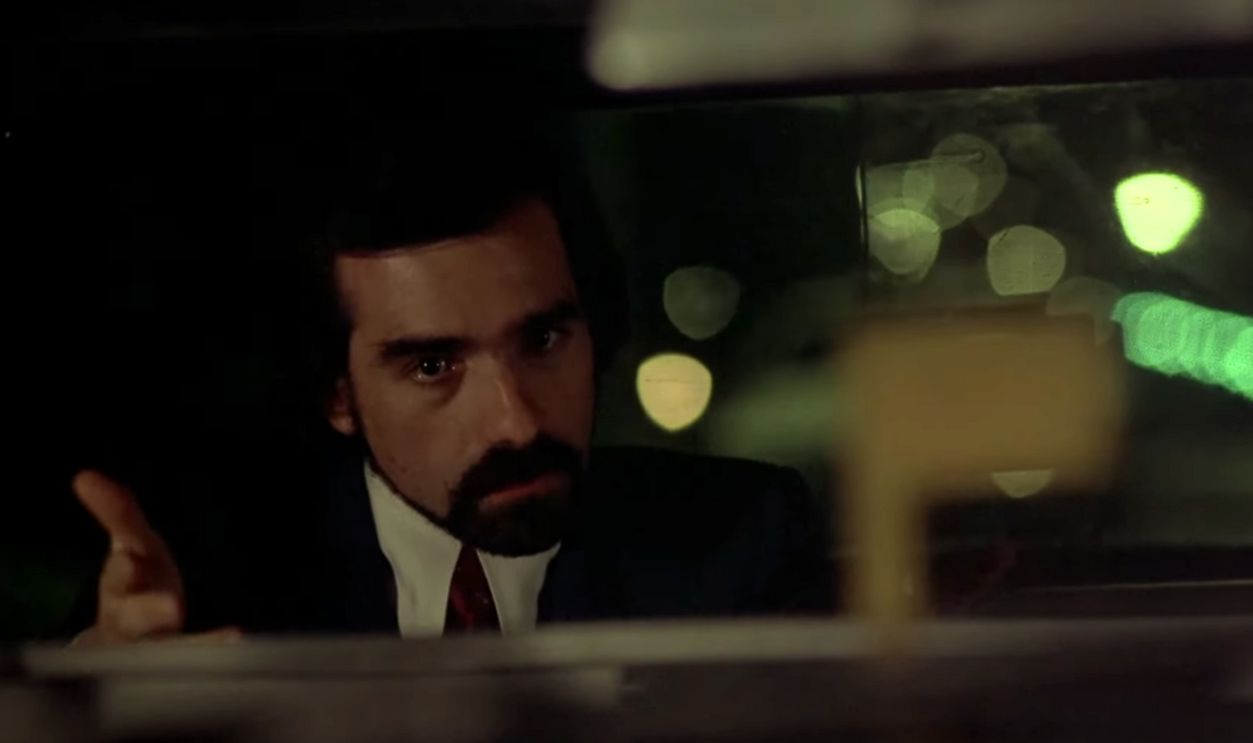 Columbia Pictures, Taxi Driver (1976)
Hoop Dreams (1995) — Best Documentary Feature
This powerful chronicle of two Chicago teens chasing basketball stardom was hailed as one of the greatest documentaries ever made. Yet it wasn’t even nominated. The snub was so shocking it forced the Academy to revamp its documentary branch voting system. To this day, critics cite it as one of Oscar’s worst oversights.
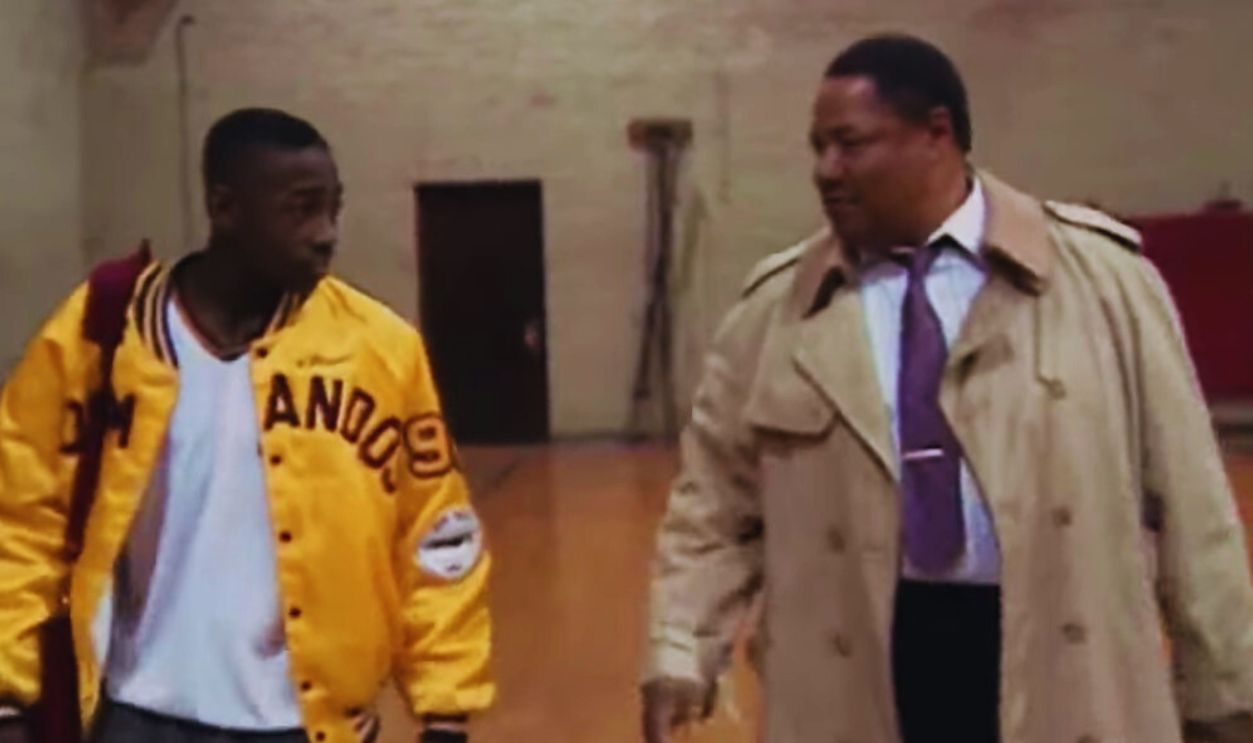 Fine Line Features, Hoop Dreams (1994)
Jim Carrey, The Truman Show (1999) — Best Actor
Carrey’s moving performance as a man unknowingly living in a reality TV show stunned audiences who were used to his slapstick comedy. He won a Golden Globe but failed to land an Oscar nod. Instead, Roberto Benigni won for Life is Beautiful. The snub reinforced the Academy’s resistance to honoring comedic actors in serious roles.
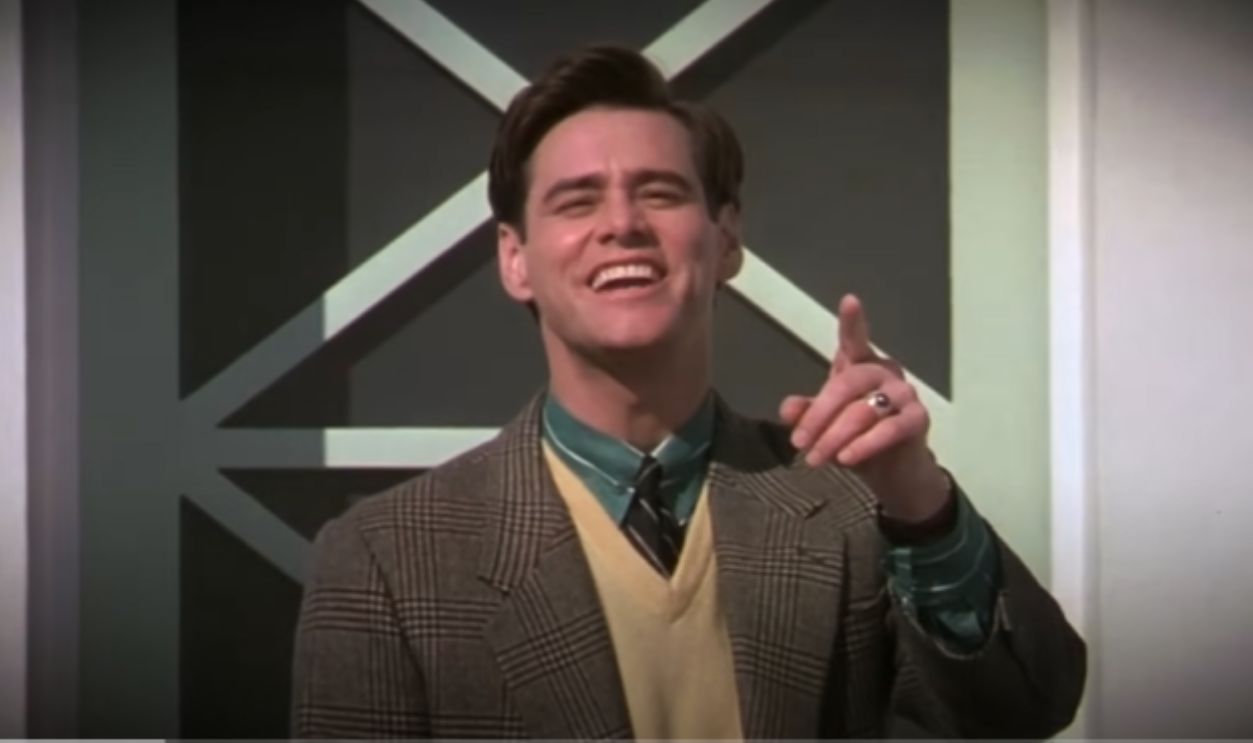 Paramount Pictures, The Truman Show (1998)
Lauren Bacall, The Mirror Has Two Faces (1997) — Best Supporting Actress
After decades in Hollywood, Bacall was heavily favored to finally win an Oscar for her role as Barbara Streisand’s mother. When Juliette Binoche’s name was read for The English Patient, the room gasped. It remains one of Oscar’s most dramatic upsets, and Bacall never got another chance.
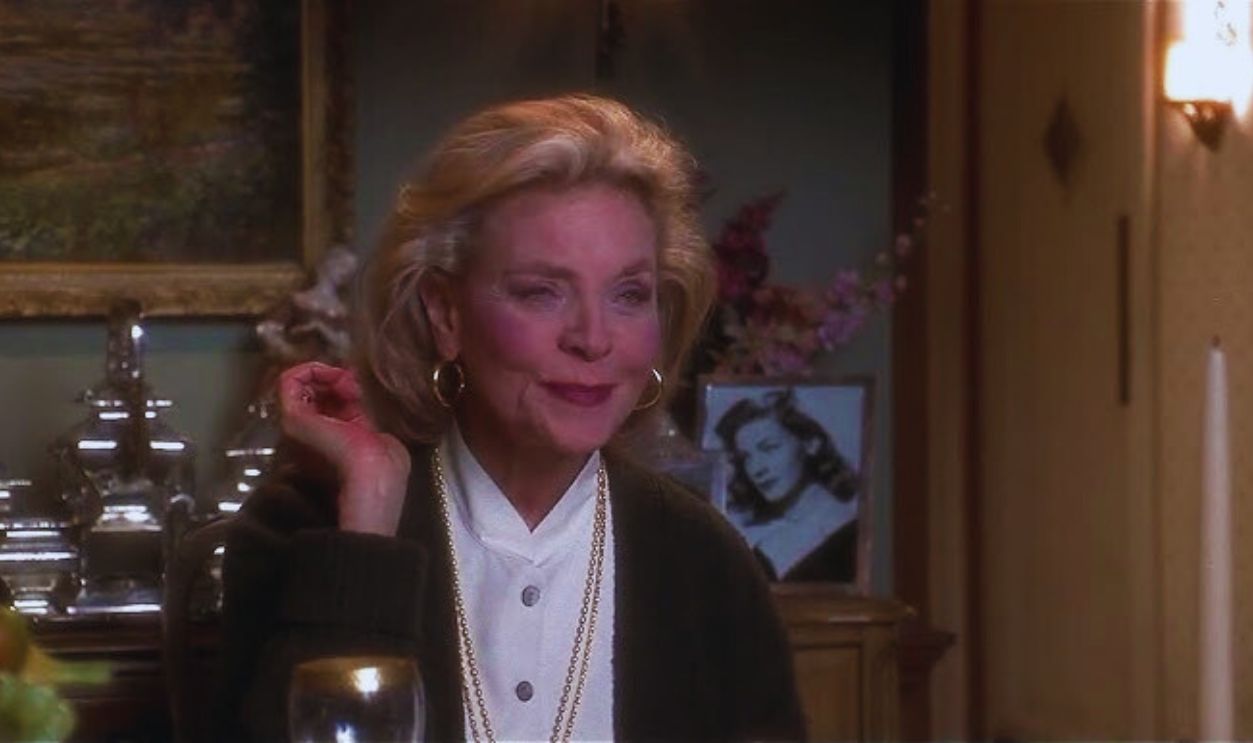 Warner Bros. Pictures, The Mirror Has Two Faces (1996)
The Color Purple (1986) — Best Picture
Steven Spielberg’s adaptation of Alice Walker’s novel was nominated 11 times, including Best Picture, yet won zero Oscars. It remains tied for the record for most nominations without a win. The Best Picture award went to Out of Africa, but The Color Purple’s legacy and cultural impact far outweigh its Oscar shutout.
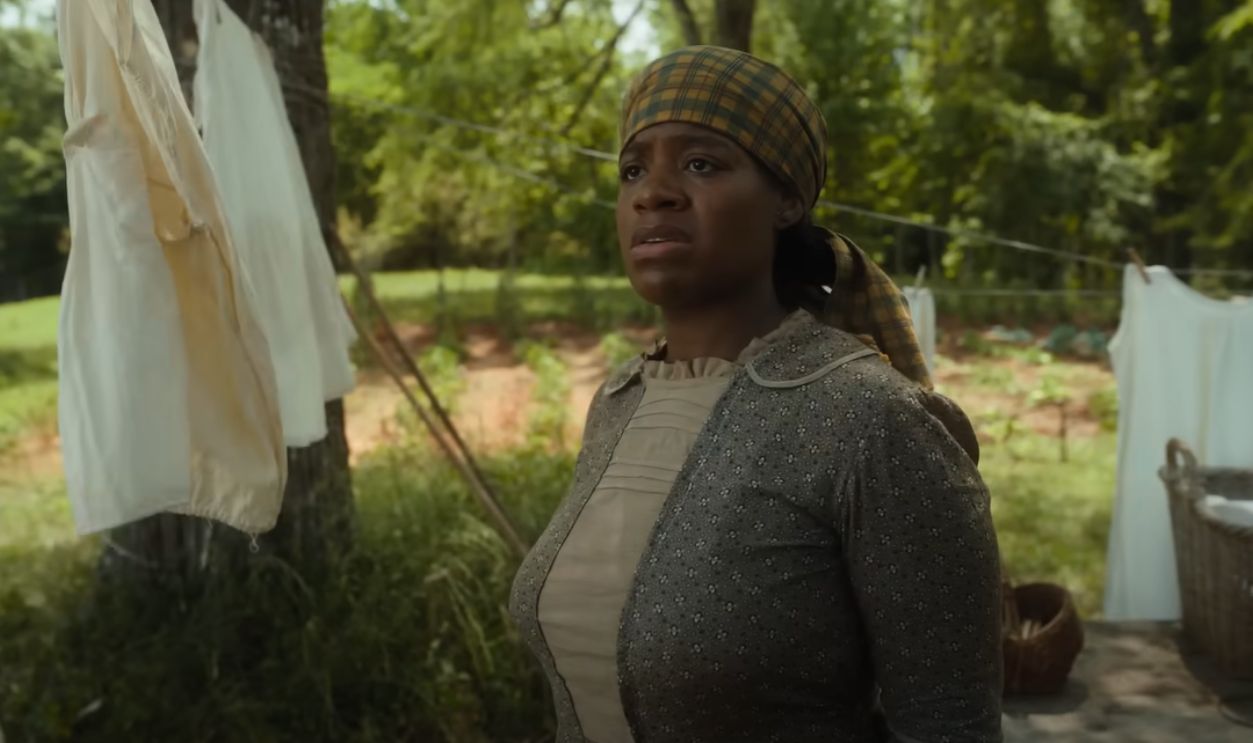 Warner Bros. Pictures, The Color Purple (1985)
You May Also Like:
Child Actors Who Should Have Won The Oscar But Lost
Actors Who Have Won An Oscar, Emmy, And Tony
Actors Who Have Somehow Never Won An Oscar
Sources: 1