When Great Horror Gets Left Behind
The 1970s are often hailed as a golden age of horror, but the spotlight of that acclaim usually falls on a small handful of classics like The Exorcist (1973) and Halloween (1978). But beyond those giants there’s a deeper catalog of unsettling, inventive films that never got their due. Whether overshadowed or misunderstood, these movies remain eerie, daring, and absolutely worth rediscovering today. How many of these do you remember?
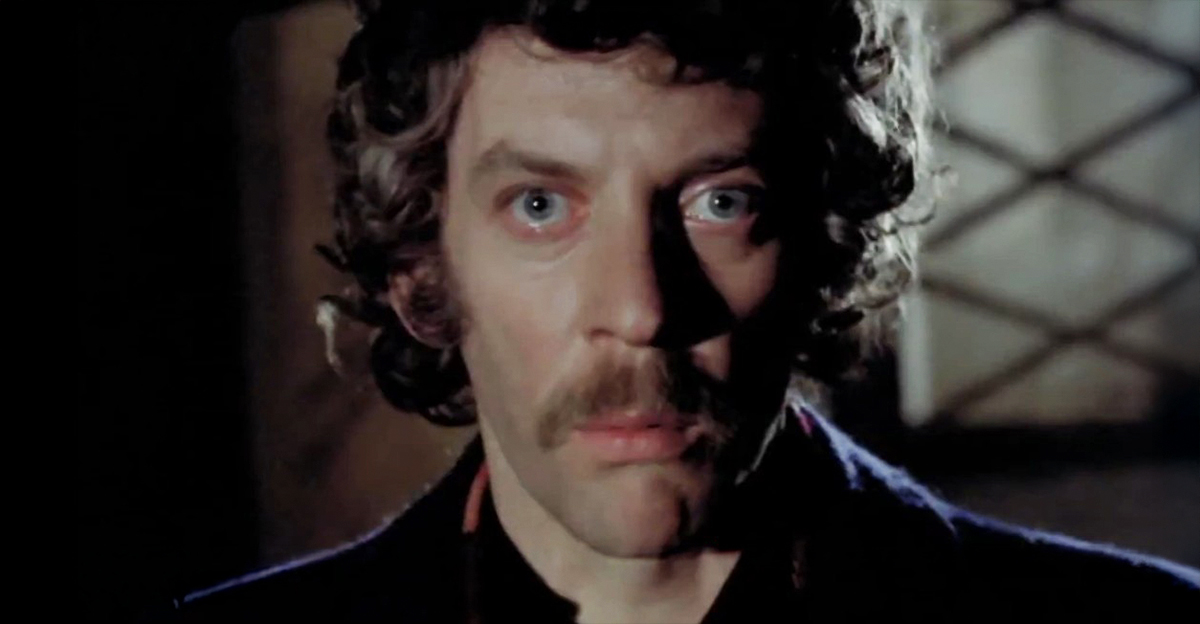
Let’s Scare Jessica To Death
Let’s Scare Jessica to Death (1971), directed by John D. Hancock and starring Zohra Lampert, delivers a haunting portrait of a woman unsure if she is losing her mind or being stalked by a vampire. Its subtle, ambiguous storytelling builds a sense of dread without relying on the same old traditional scares.
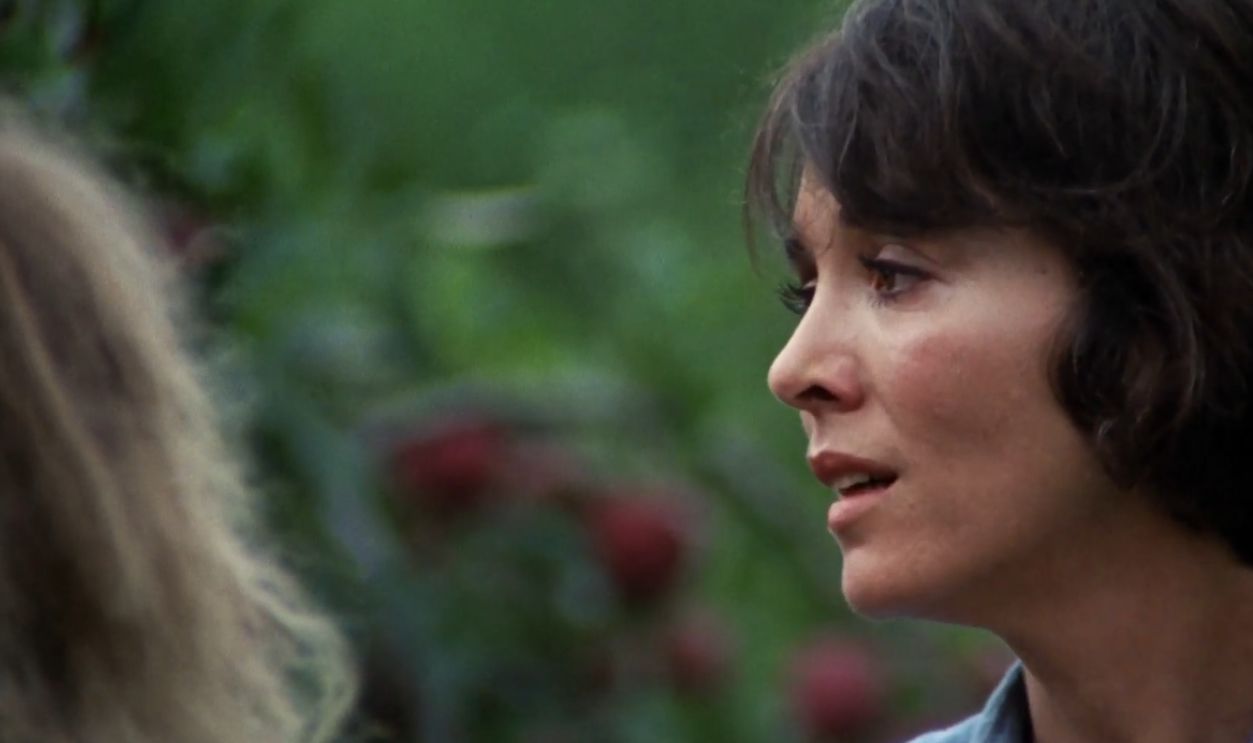 Screenshot from Let’s Scare Jessica to Death, Paramount Pictures (1971)
The Sentinel
The Sentinel (1977), directed by Michael Winner and starring Cristina Raines, follows a woman who discovers her apartment may be a gateway to hell. Its strange imagery and unsettling tone helped it stand out from most other films at the time, even if it never achieved mainstream popularity. The film featured a noteworthy cast, including John Carradine, Ava Gardner, Eli Wallach, and Christopher Walken.
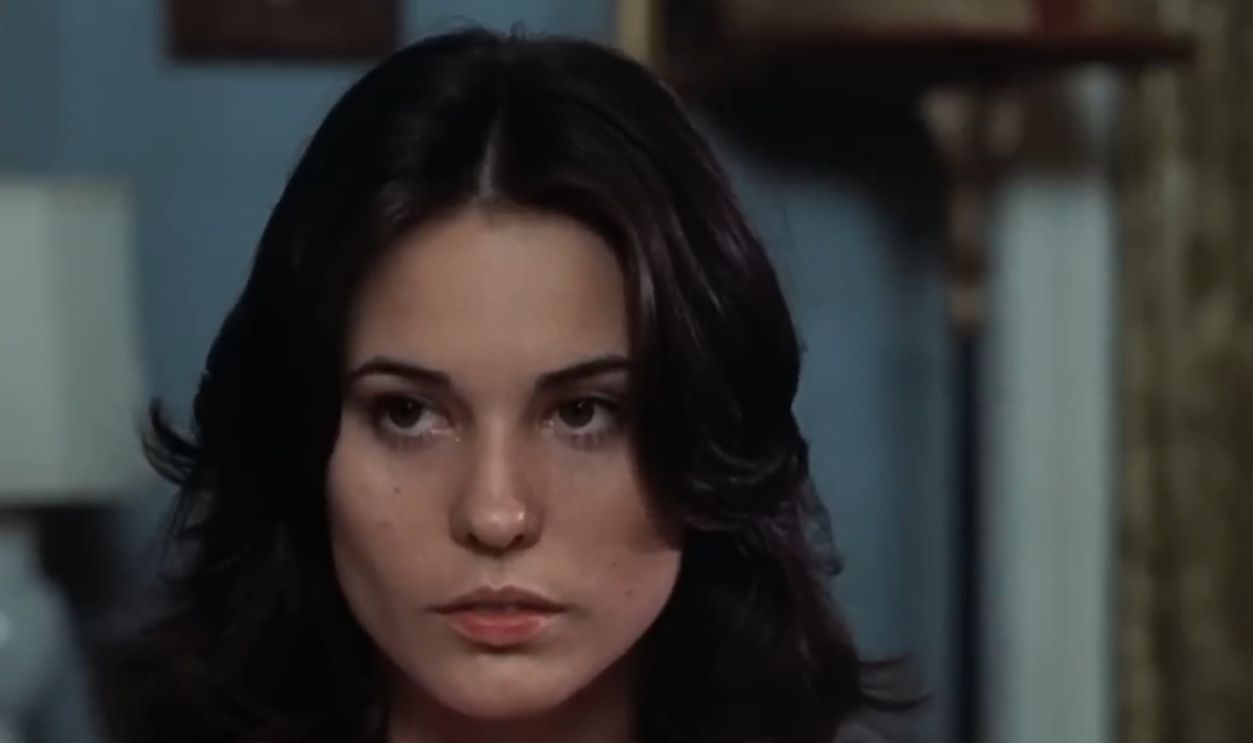 Screenshot from The Sentinel, Universal Pictures (1977)
Alice, Sweet Alice
Alice, Sweet Alice (1976), directed by Alfred Sole and starring Linda Miller, is a proto-slasher steeped in religious imagery and family tension. Influenced by Hitchcock and the Nicholas Roeg film Don’t Look Now, this film was released before the 80s boom in slasher flicks. Alice was influential in the genre but never received the widespread recognition it deserved.
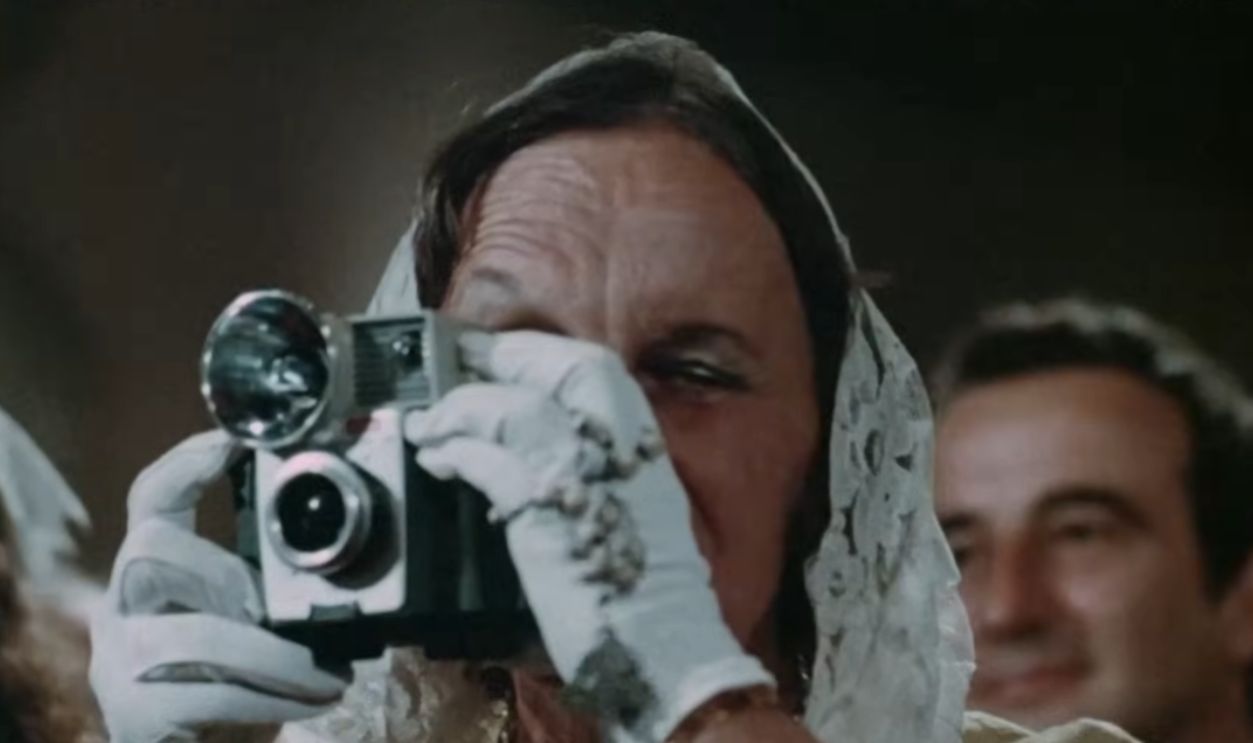 Screenshot from Alice, Sweet Alice, Allied Artists Pictures (1976)
Burnt Offerings
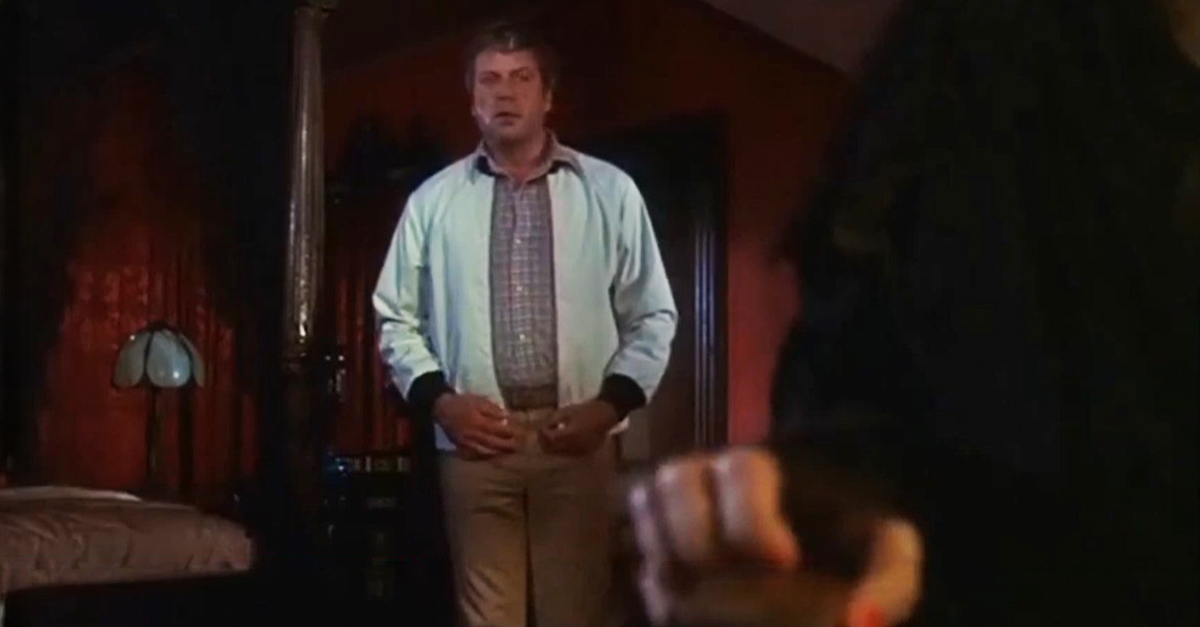
Burnt Offerings (1976), directed by Dan Curtis and starring Karen Black, Oliver Reed, and Bette Davis. This film sees a ramshackle summer home turned into a sinister force that feeds on its occupants. Its slow-building dread makes it deeply unsettling and ripe for rediscovery.
 Screenshot from Burnt Offerings, United Artists (1976)
Martin
Martin (1977), directed by George A. Romero and starring John Amplas, questions whether its protagonist is truly a vampire or simply delusional. The film’s litany of horrifying events and its grounded, psychological approach set it apart from traditional horror and makes it one of Romero’s most overlooked, and most disturbing works.
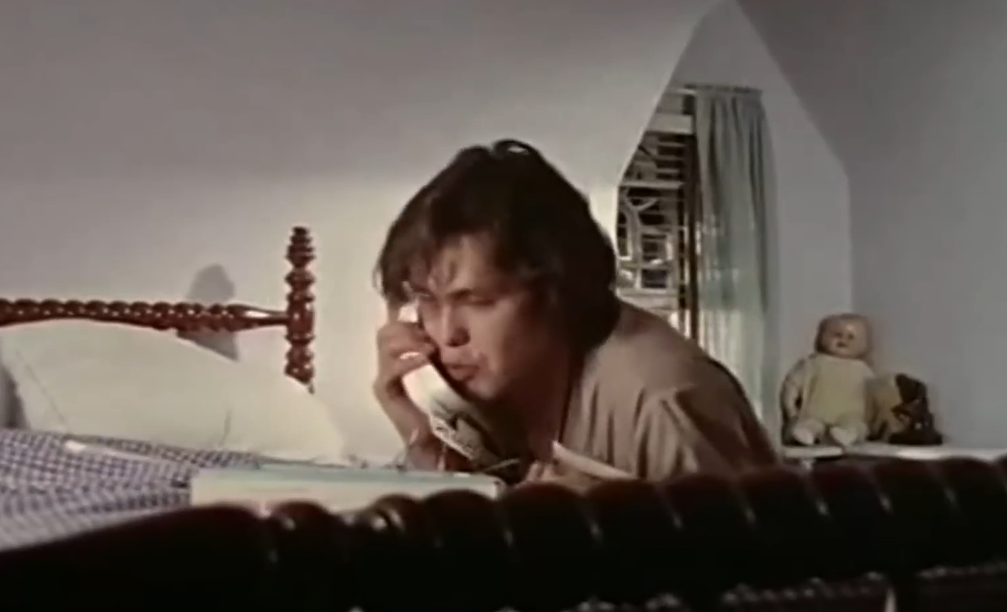 Screenshot from Martin, Libra Films International (1977)
The Brood
The Brood (1979), directed by David Cronenberg and starring Samantha Eggar with Oliver Reed, explores trauma through horrifying physical manifestations. The film’s blend of emotional intensity and grotesque imagery made it divisive at the time but influential in hindsight.
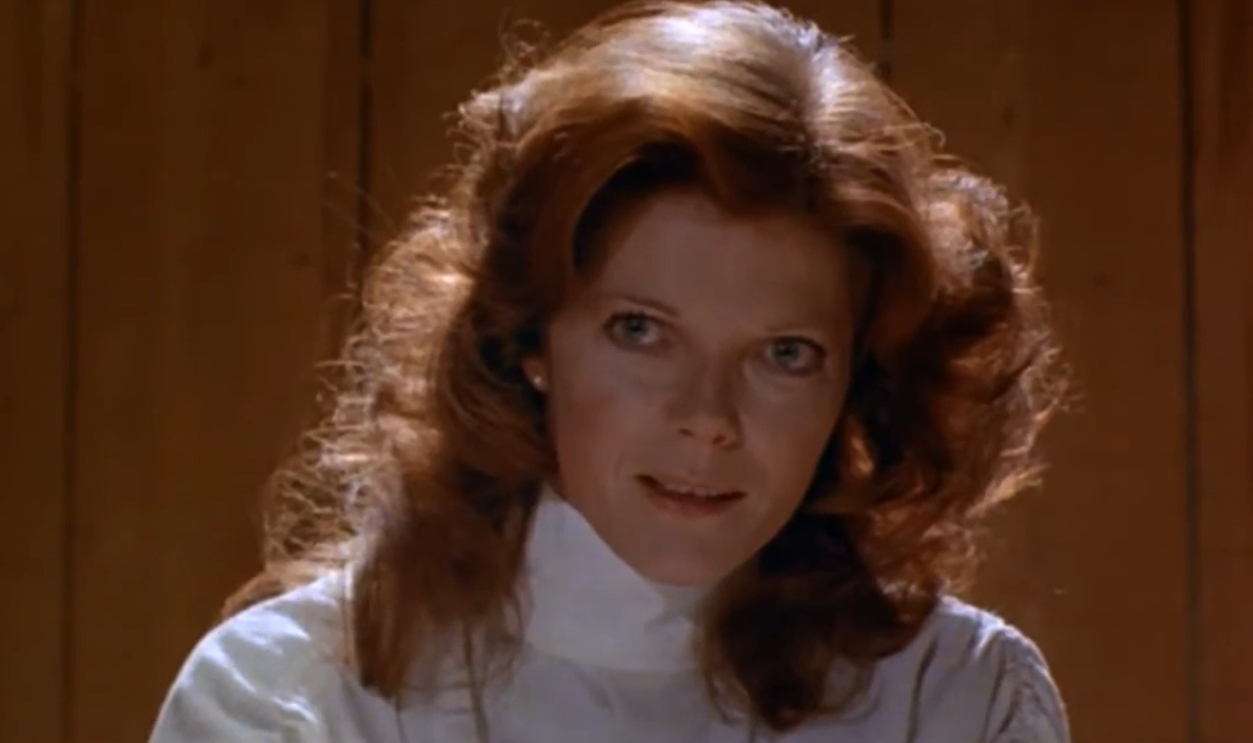 Screenshot from The Brood, Warner Bros. Discovery (1979)
The Legend Of Hell House
The Legend of Hell House (1973), directed by John Hough and starring Roddy McDowall, pits a team of investigators against a malevolent haunted house. Its tension between science and the supernatural creates a gripping and underrated horror experience. Based on the novel by Richard Matheson.
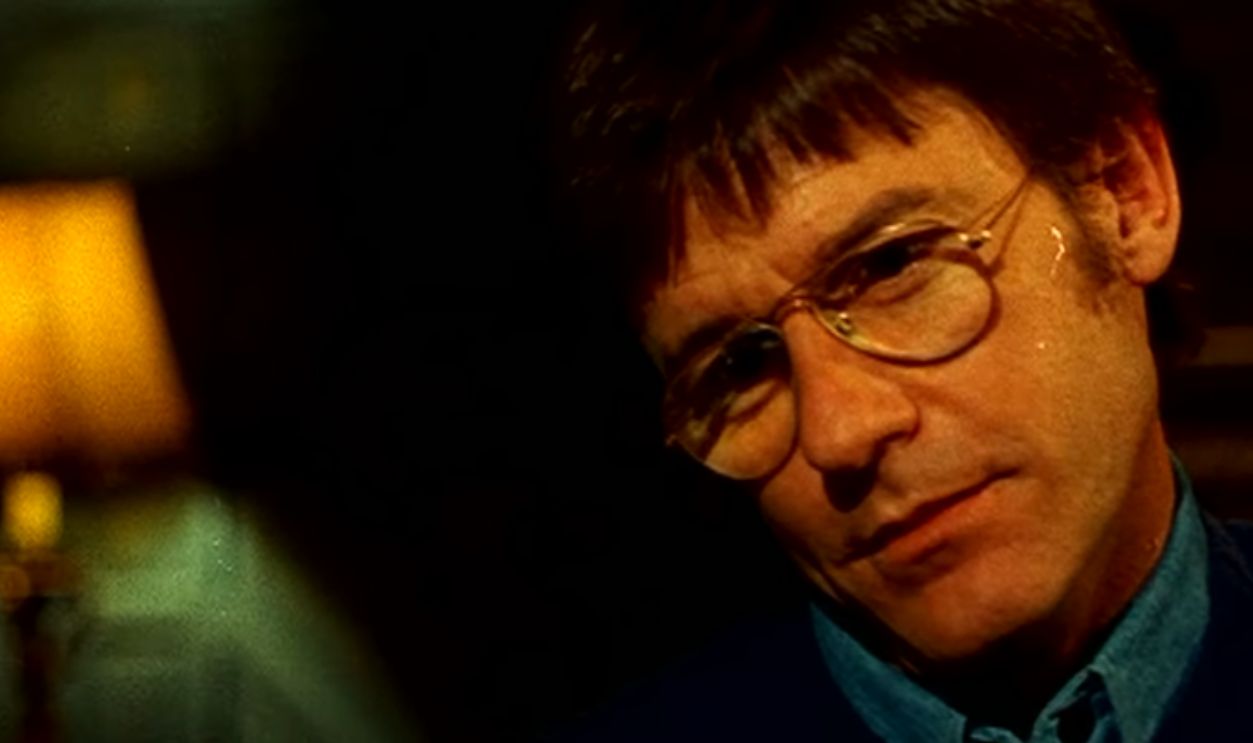 Screenshot from The Legend of Hell House, 20th Century Fox (1973)
The Witch Who Came From The Sea
The Witch Who Came from the Sea (1976), directed by Matt Cimber and starring Millie Perkins, blends psychological horror with surreal storytelling. The brutality of some of its scenes led to the film being censored before its uncut version was released in 2006.
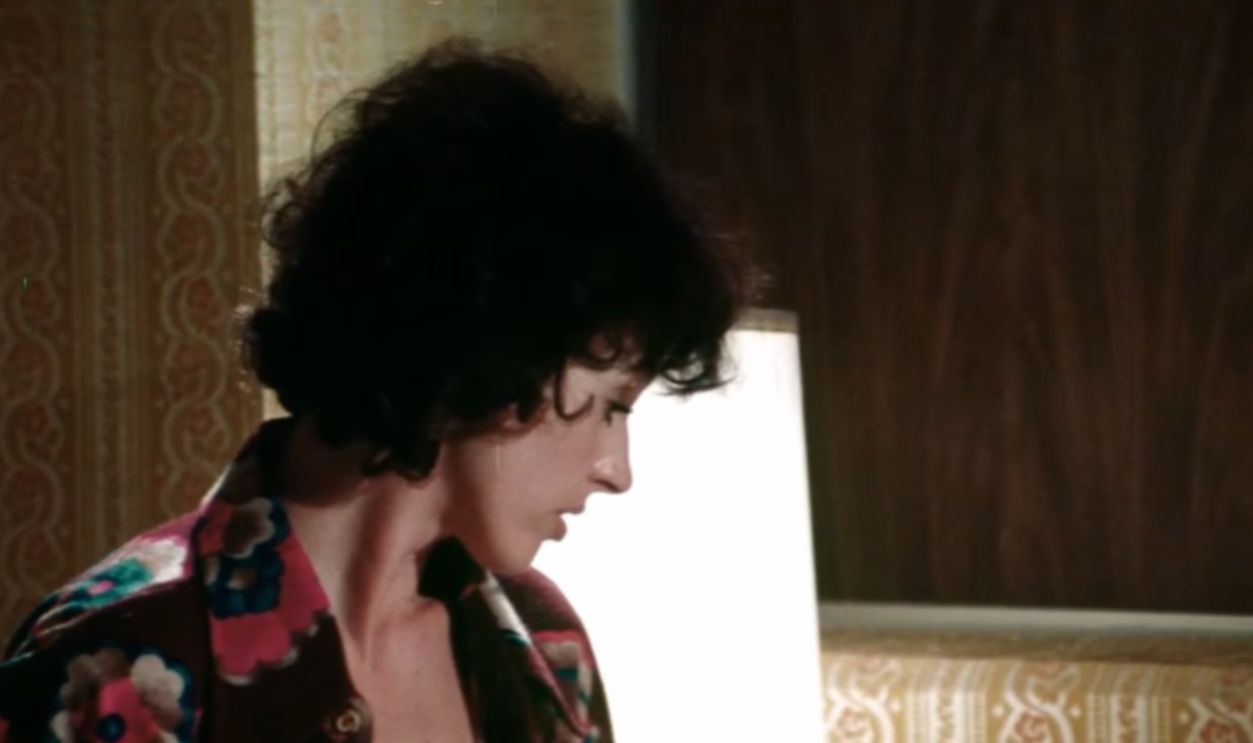 Screenshot from The Witch Who Came from the Sea, Ryko Distribution/Wea (1976)
Messiah Of Evil
Messiah of Evil (1973), directed by Willard Huyck and Gloria Katz and starring Marianna Hill and Michael Greer, this film presents a seaside town gripped by an eerie cult-like presence. Its fragmented narrative enhances its dreamlike terror.
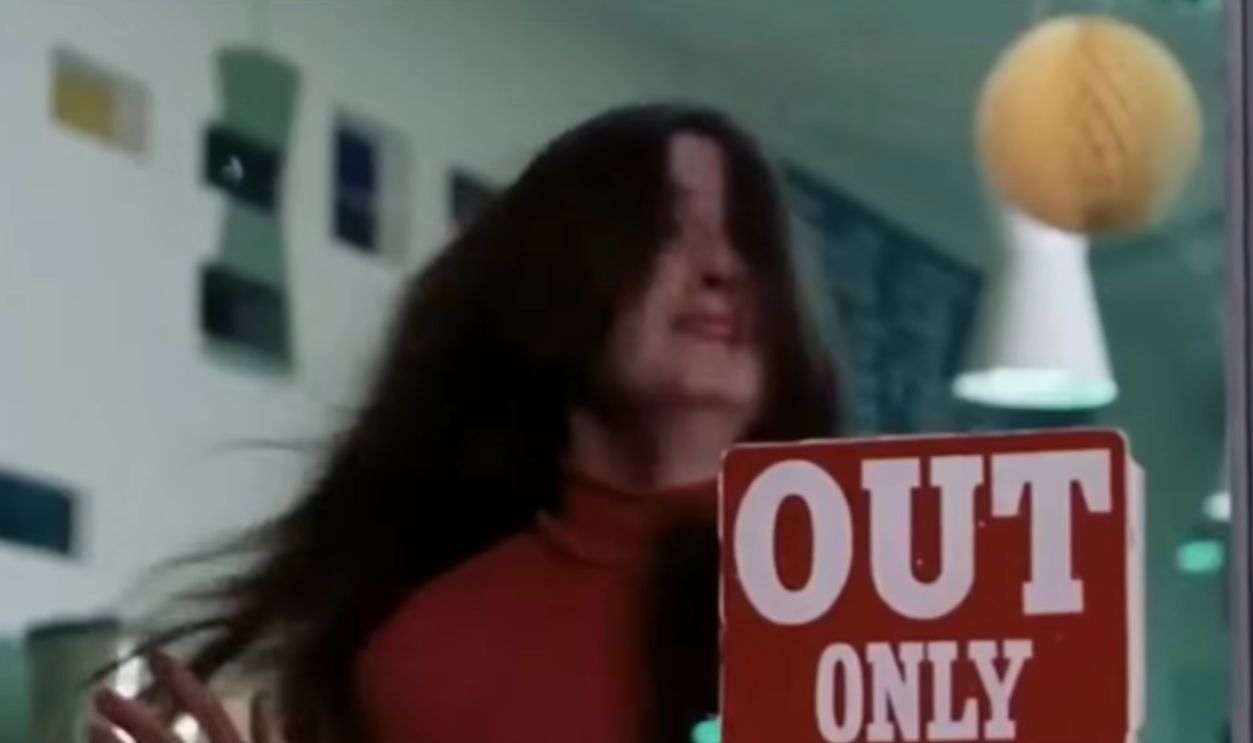 Screenshot from Messiah of Evil, Radiance Films (1973)
Tourist Trap
Tourist Trap (1979), directed by David Schmoeller and starring Chuck Connors, mixes slasher elements with supernatural horror involving wax mannequins in a run down museum. Its eerie premise and unsettling execution make it a unique but underseen entry in late 1970s horror.
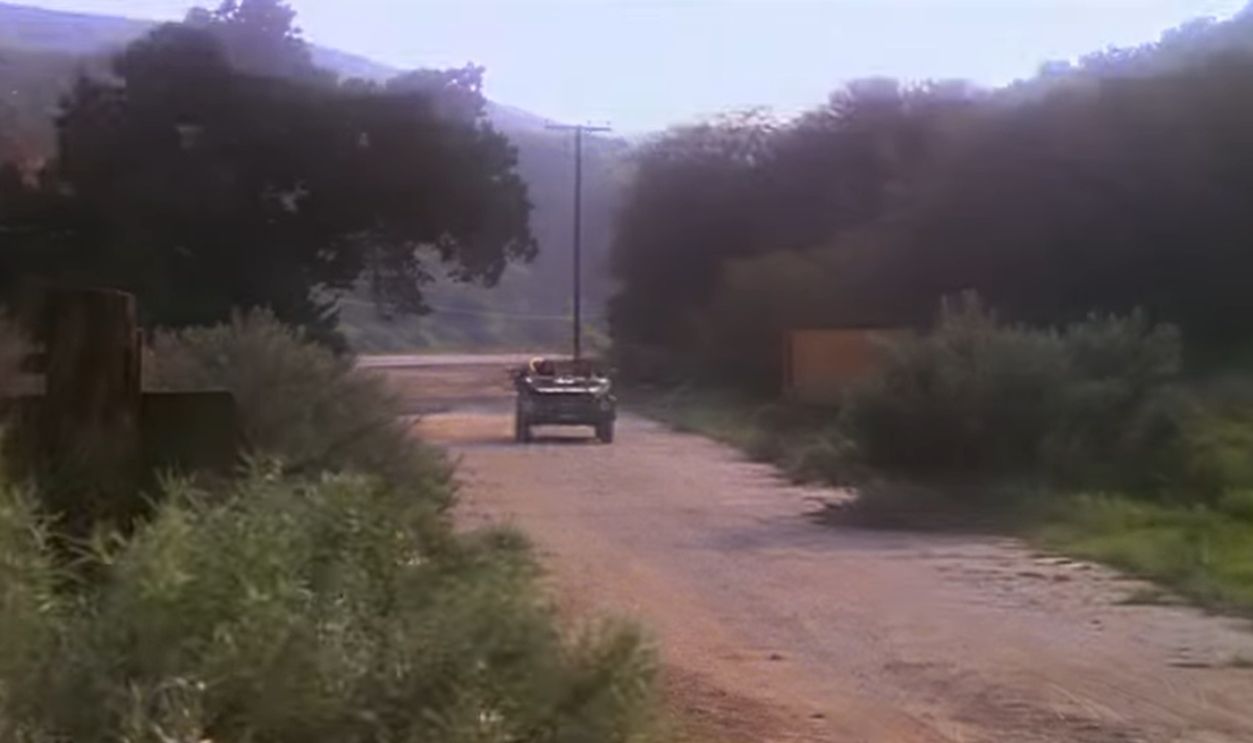 Screenshot from Tourist Trap, Compass International Pictures(1979)
Deranged
Deranged (1974), directed by Jeff Gillen and Alan Ormsby and starring Roberts Blossom, offers a disturbing take on the crimes of Ed Gein. Its blend of dark humor and horror makes for an unsettling viewing experience.
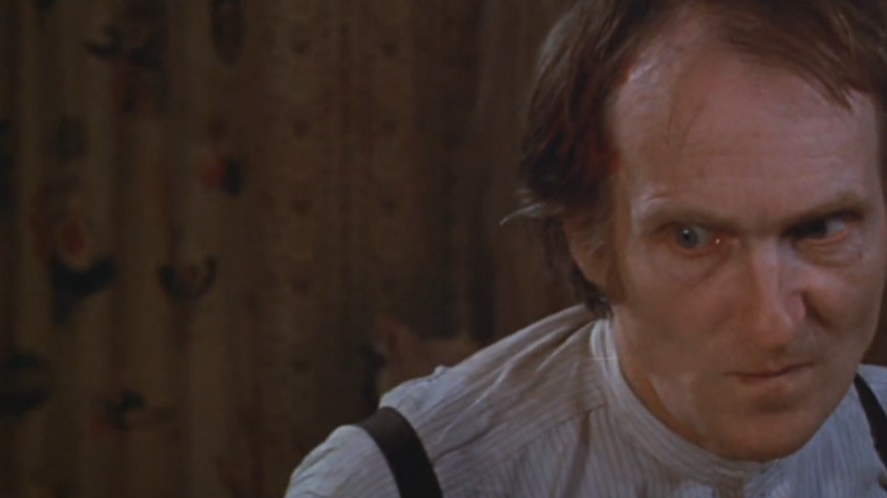 Screenshot from Deranged, American International Pictures (1974)
The House That Vanished
The House That Vanished (1973), directed by Dougie Camfield and starring Lynn Frederick, follows a model who witnesses a murder in an abandoned house in the woods, but can’t find the location of the house again. Its unusual narrative structure adds to the film’s eerie appeal.
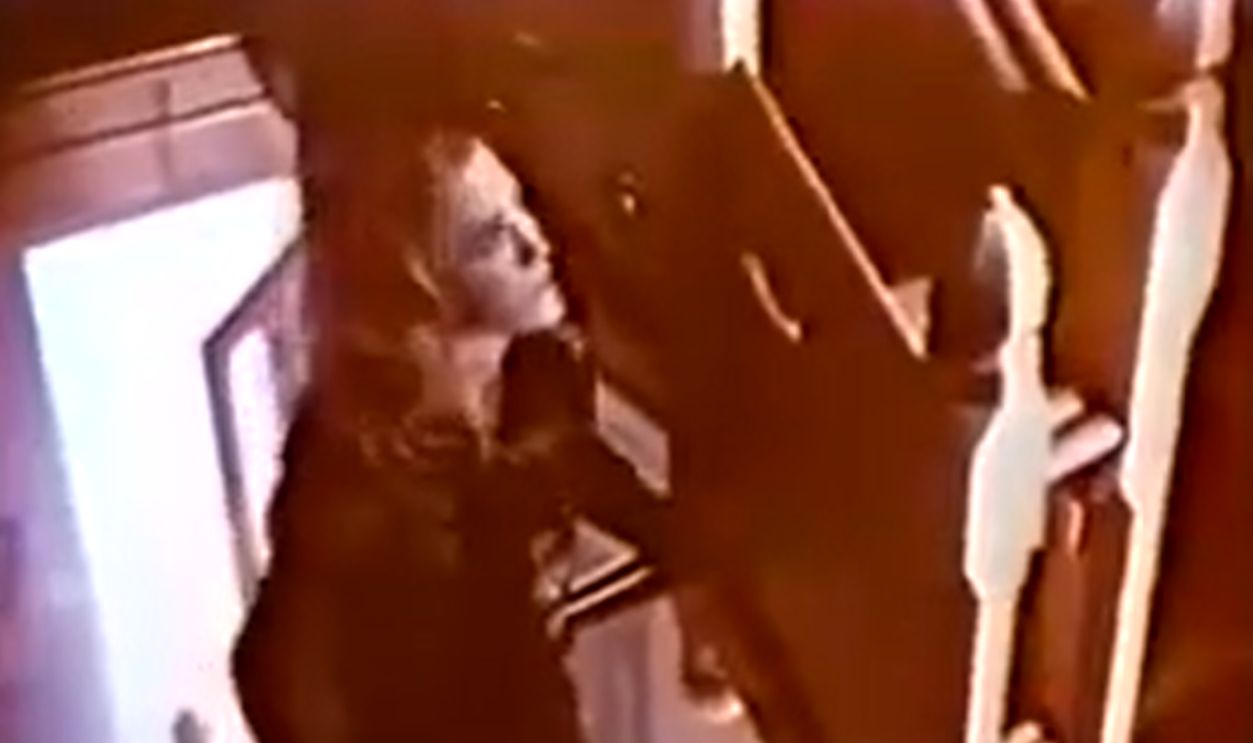 Screenshot from The House That Vanished, American International Pictures(1973)
Scream And Scream Again
Scream and Scream Again (1970), directed by Gordon Hessler and starring Vincent Price, Christopher Lee, and Peter Cushing, blends horror and science fiction in a story told through three different narrative threads. The film puzzled and frightened audiences upon its release.
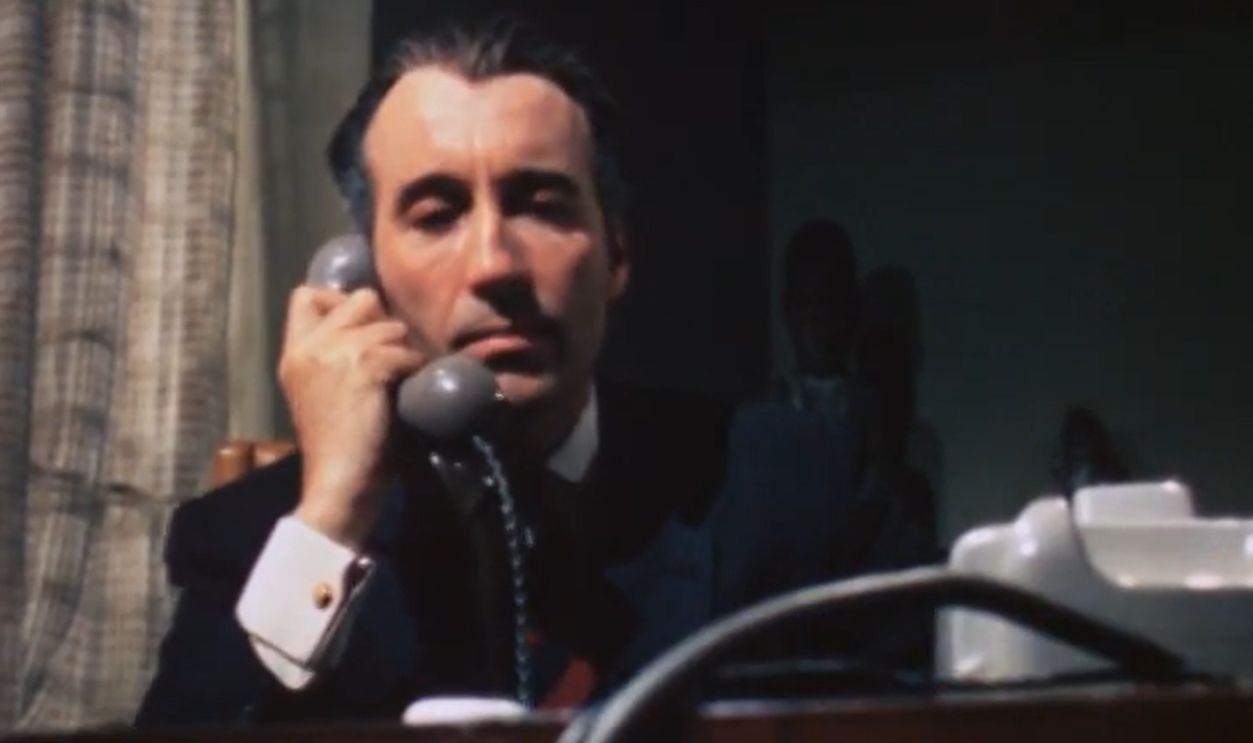 Screenshot from Scream and Scream Again, American International Pictures (1970)
Valerie And Her Week Of Wonders
Valerie and Her Week of Wonders (1970), directed by Jaromil Jireš and starring Jaroslava Schallerová, is a surreal exploration of gothic horror and fantasy. Its dreamlike imagery makes it one of the most unusual films of the decade.
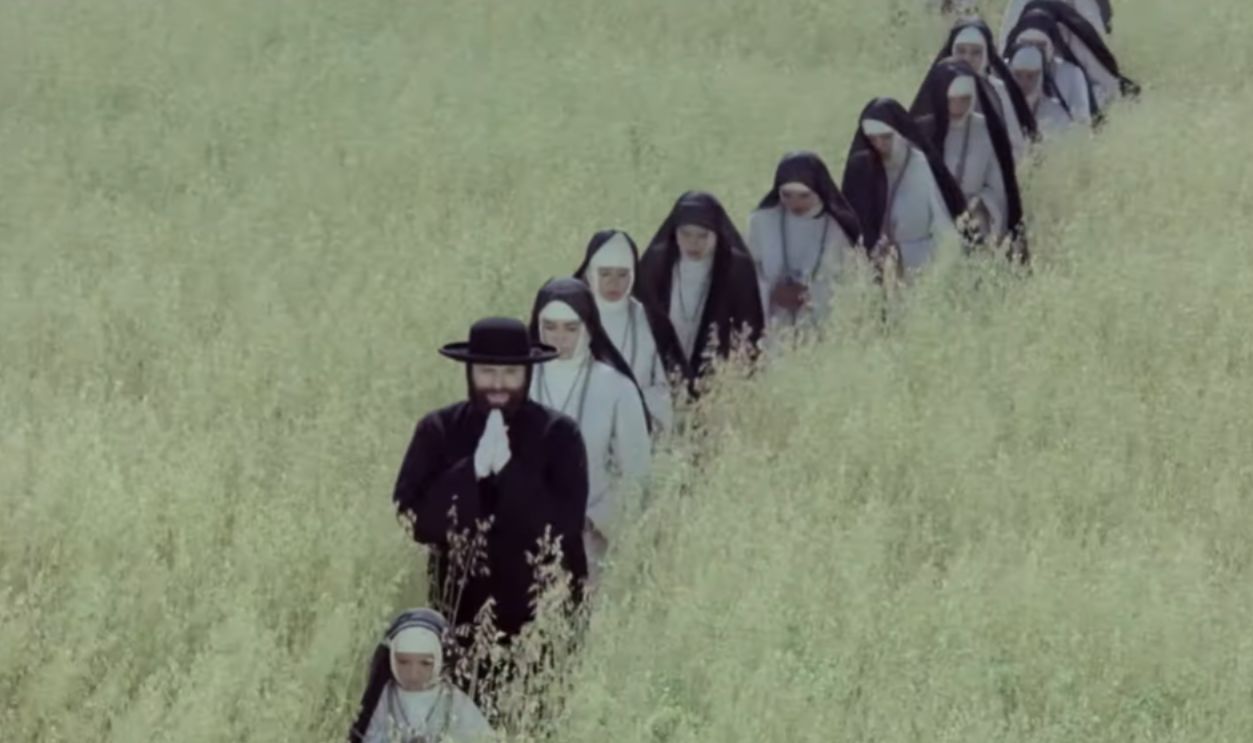 Screenshot from Valerie and Her Week of Wonders, Janus Films (1970)
Don’t Go In The House
Don’t Go in the House (1979), directed by Joseph Ellison and starring Dan Grimaldi, presents a disturbing character study of a man driven to violence by childhood trauma. Its grim tone makes it a difficult but memorable watch.
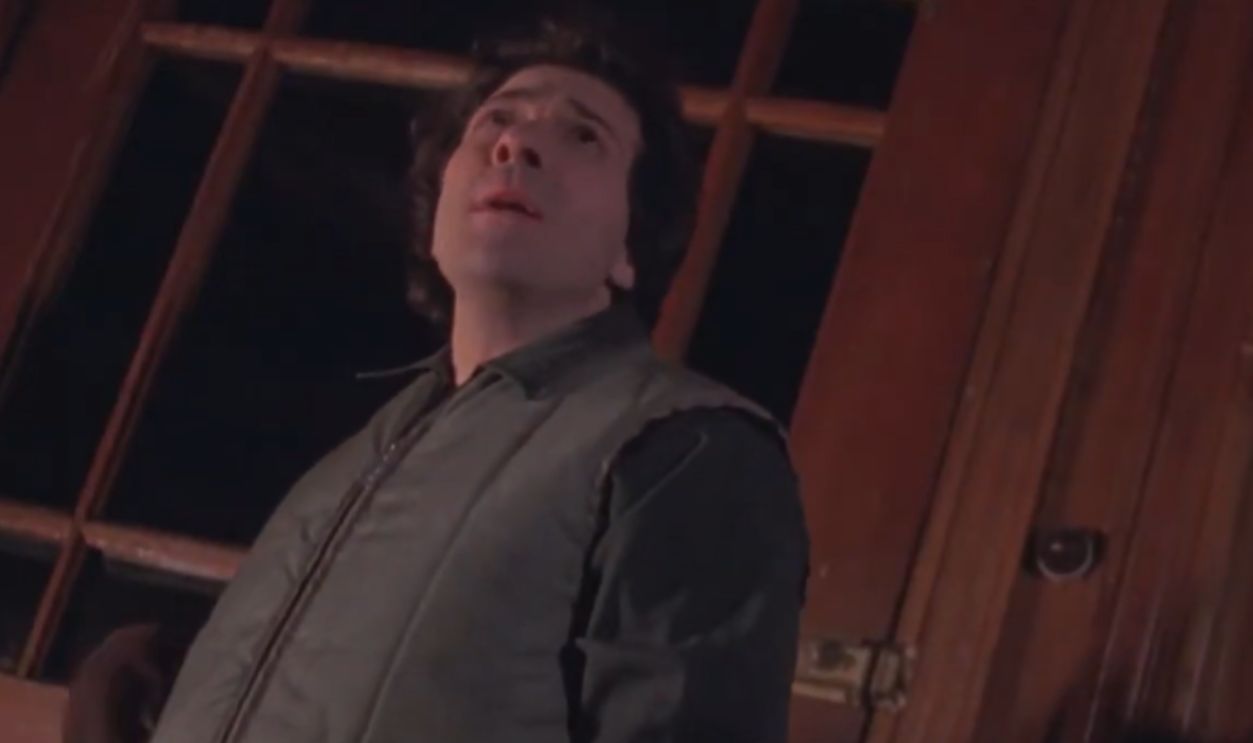 Screenshot from Don’t Go in the House, Film Ventures International (1979)
Alucarda
Alucarda (1977), directed by Juan López Moctezuma and starring Tina Romero, is a chaotic and visually intense take on demonic possession. Its extreme imagery and religious themes helped it gain critical respect and cult status over time.
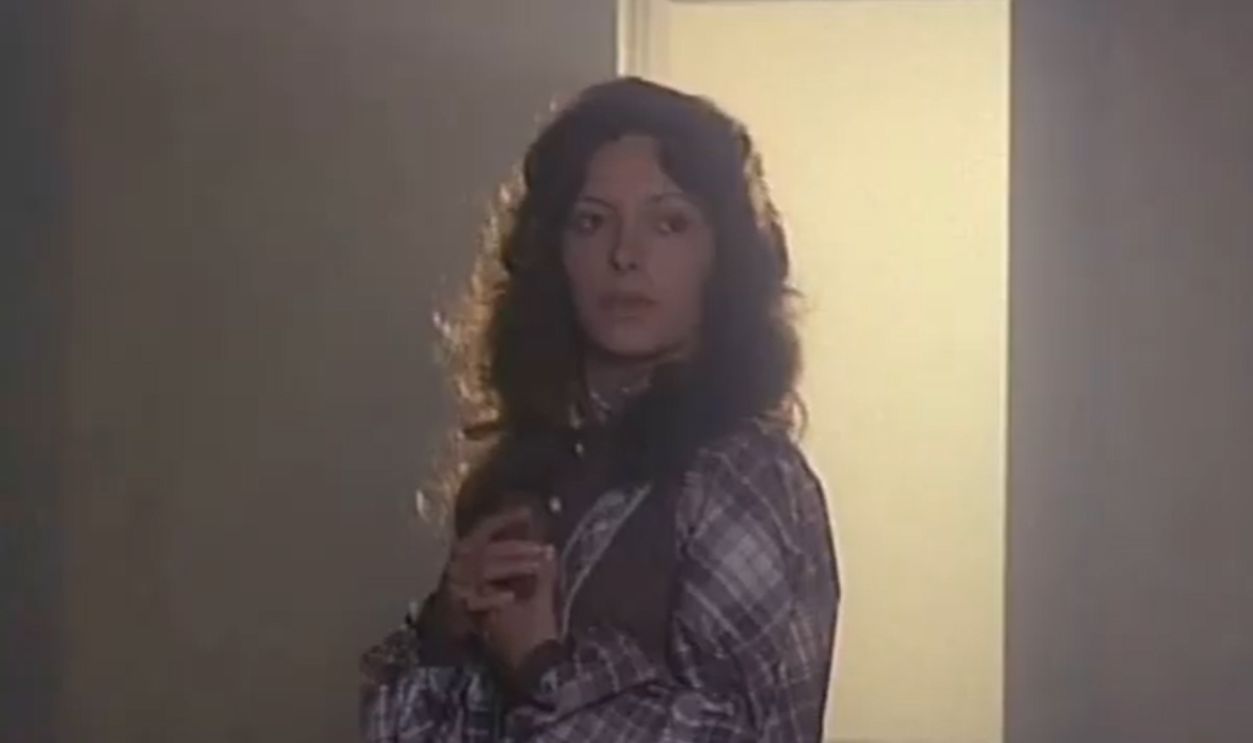 Screenshot from Alucarda, Yuma Films (1977)
Beyond The Darkness
Beyond the Darkness (1979), directed by Joe D'Amato and starring Kieran Canter, dives into taboo territory with shocking imagery. Its blend of horror and exploitation pushed boundaries that limited its mainstream acceptance.
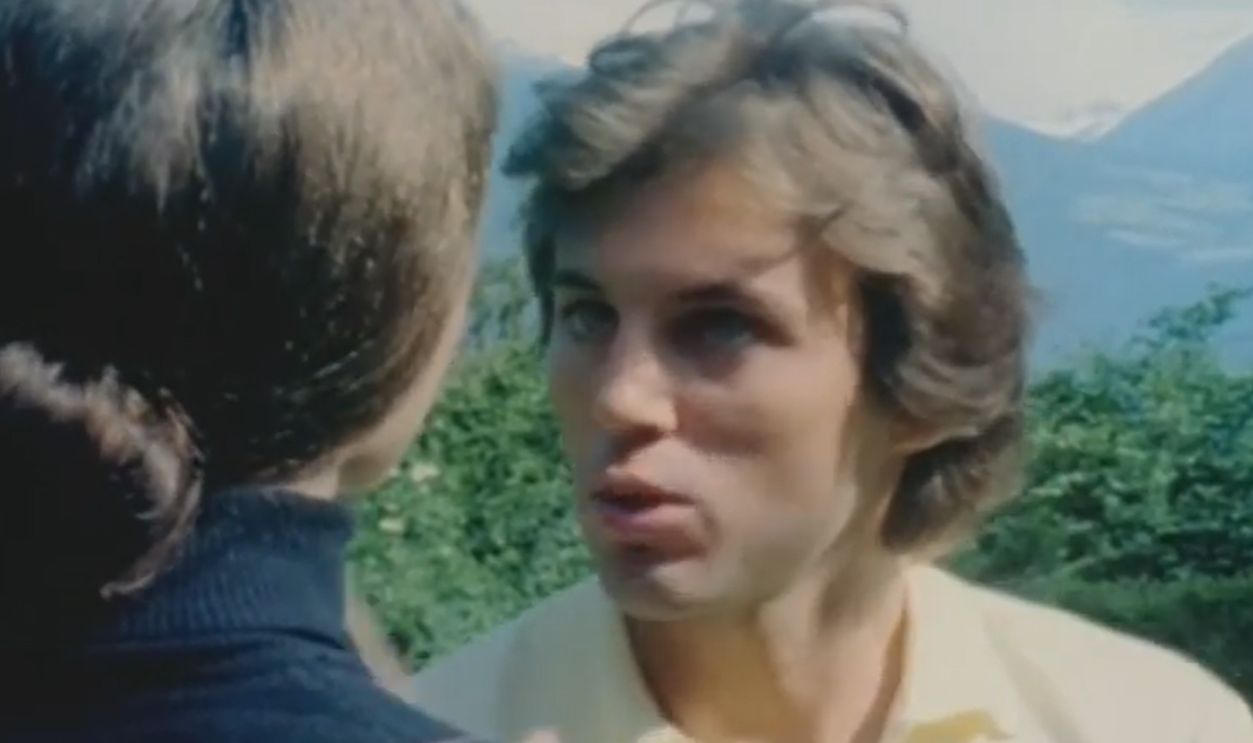 Screenshot from Beyond the Darkness, Severin Films (1979)
The Baby
The Baby (1973), directed by Ted Post and starring Anjanette Comer, offers a deeply unsettling premise involving manipulation and control involving an adult with a mental impairment who is the “baby” of the film. Its bizarre tone and shocking twists have helped it gain a cult following.
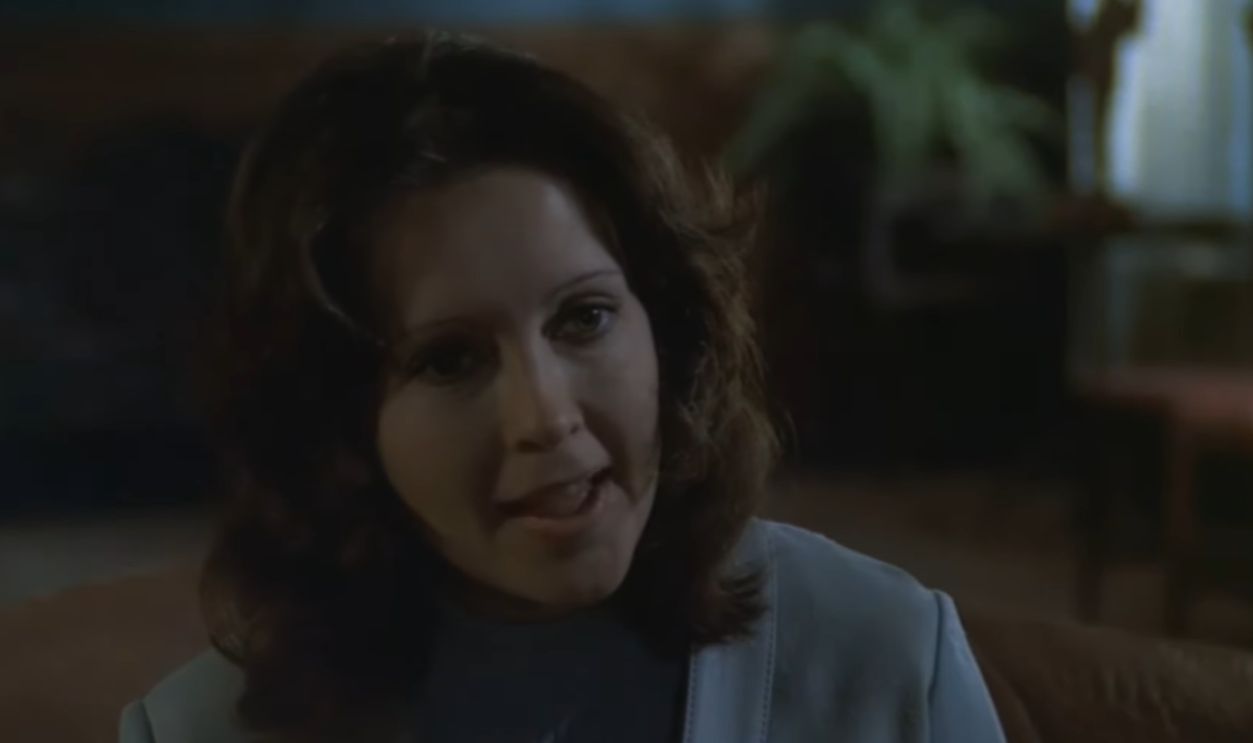 Screenshot from The Baby, Scotia International (1973)
Season Of The Witch
Season of the Witch (1972), directed by George A. Romero and starring Jan White, explores suburban anxiety through occult obsession, witchcraft, and adulterous affairs. Its quieter, more introspective tone made it easy to overlook upon release.
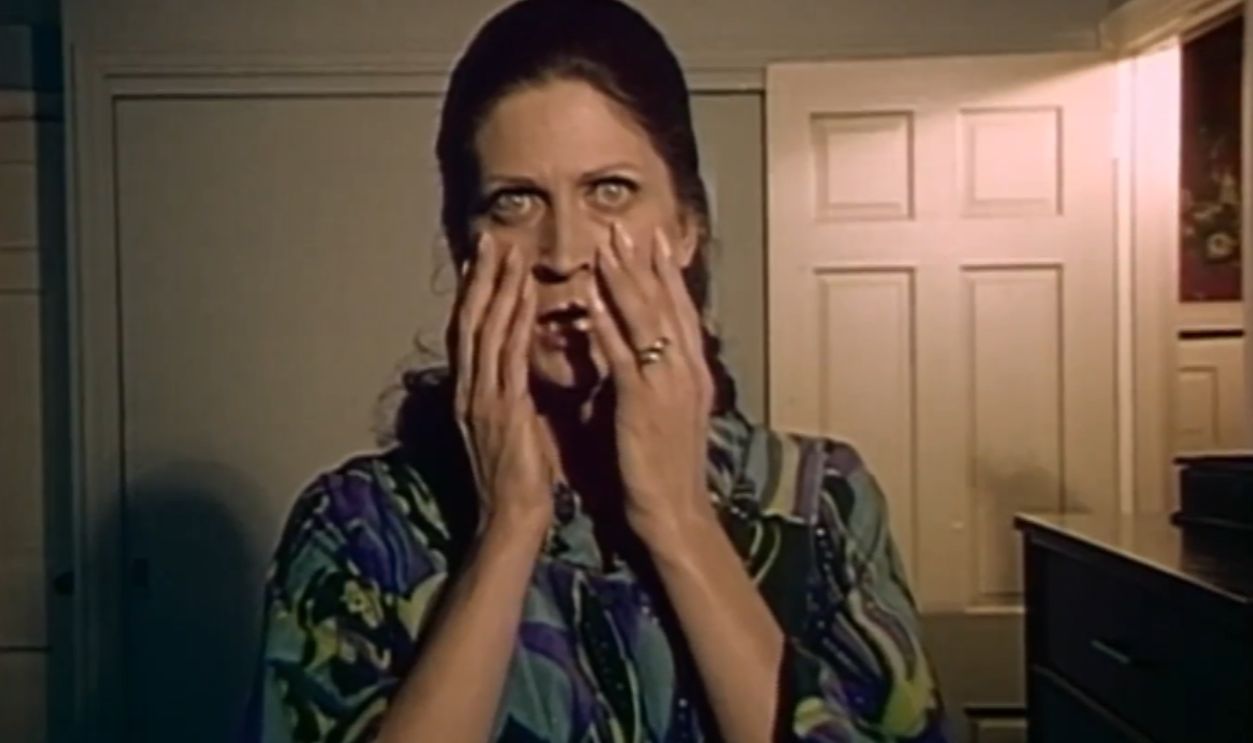 Screenshot from Season of the Witch, Joseph Green Pictures (1972)
The Tenant
The Tenant (1976), directed by Roman Polanski, follows a man whose new apartment begins to warp his identity and sanity. Polanski also stars in the lead role, delivering a deeply unsettling psychological performance. The film’s slow descent into paranoia makes it unforgettable, but it has been overshadowed by more accessible horror hits of the decade.
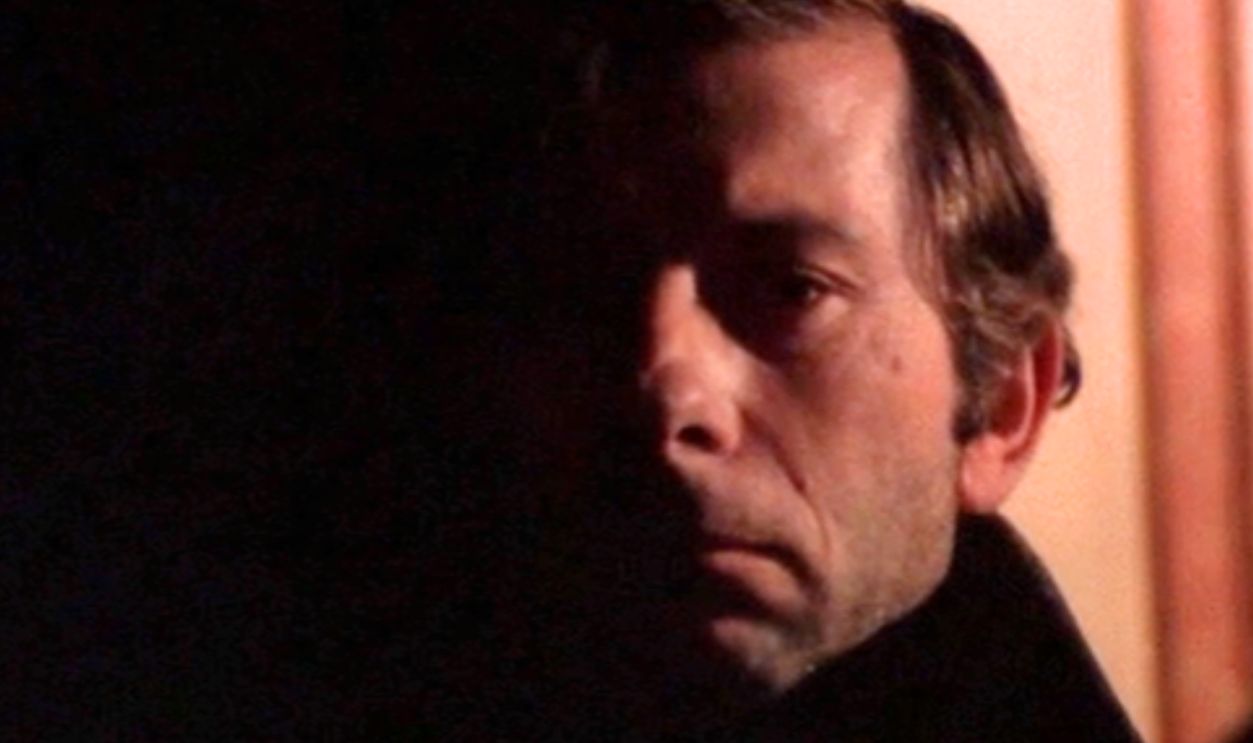 Screenshot from The Tenant, Paramount Pictures (1976)
Don’t Look Now
Don’t Look Now (1973), directed by Nicolas Roeg and starring Donald Sutherland and Julie Christie, this film adaptation of a Daphne du Maurier novella is a haunting meditation on grief set in a misty Venice. The film builds dread through eerie visions and fragmented storytelling, culminating in one of the most shocking endings in 1970s cinema.
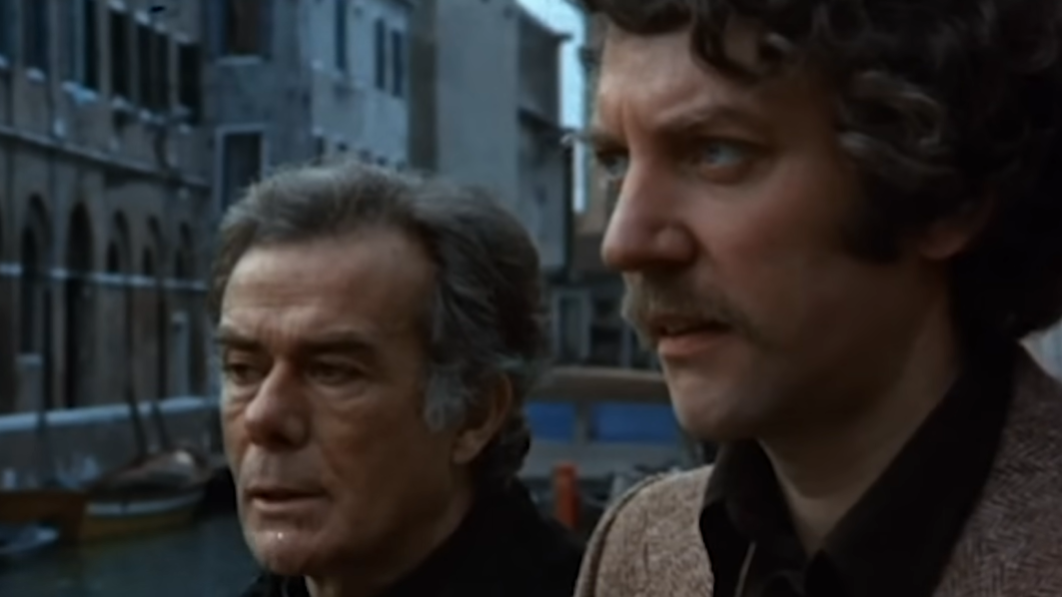 Screenshot from Don’t Look Now, Paramount Pictures (1973)
Suspiria
Suspiria (1977), directed by Dario Argento and starring Jessica Harper, dazzles with its bold colors and surreal horror as a ballet academy hides a sinister secret. Its emphasis on atmosphere and sensory overload over traditional narrative kept it on the fringes for years before it ever gained widespread appreciation.
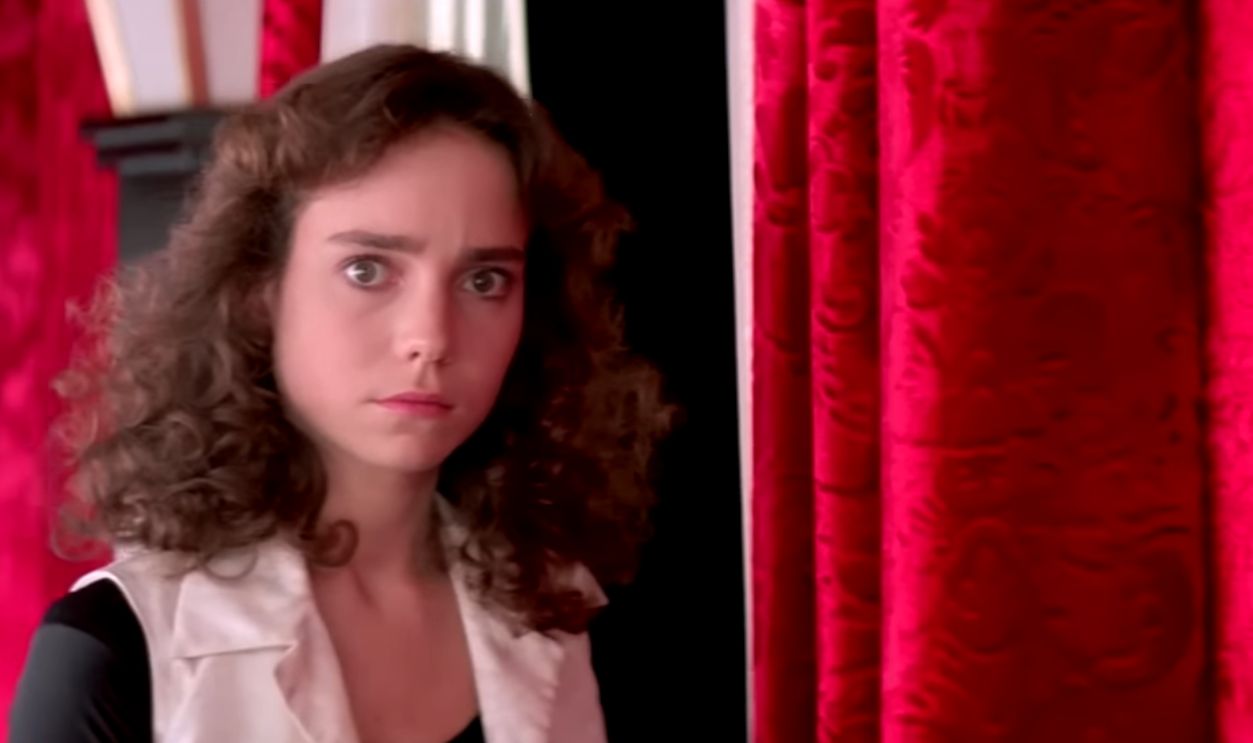 Screenshot from Suspiria, International Classics (1977)
Picnic At Hanging Rock
Picnic at Hanging Rock (1975), directed by Peter Weir and featuring Rachel Roberts, blends mystery and gothic horror in a chilling tale of missing schoolgirls. Its dreamlike pacing and refusal to spoon-feed clear answers to the audience create a lingering unease that has helped it endure as a haunting cult favorite.
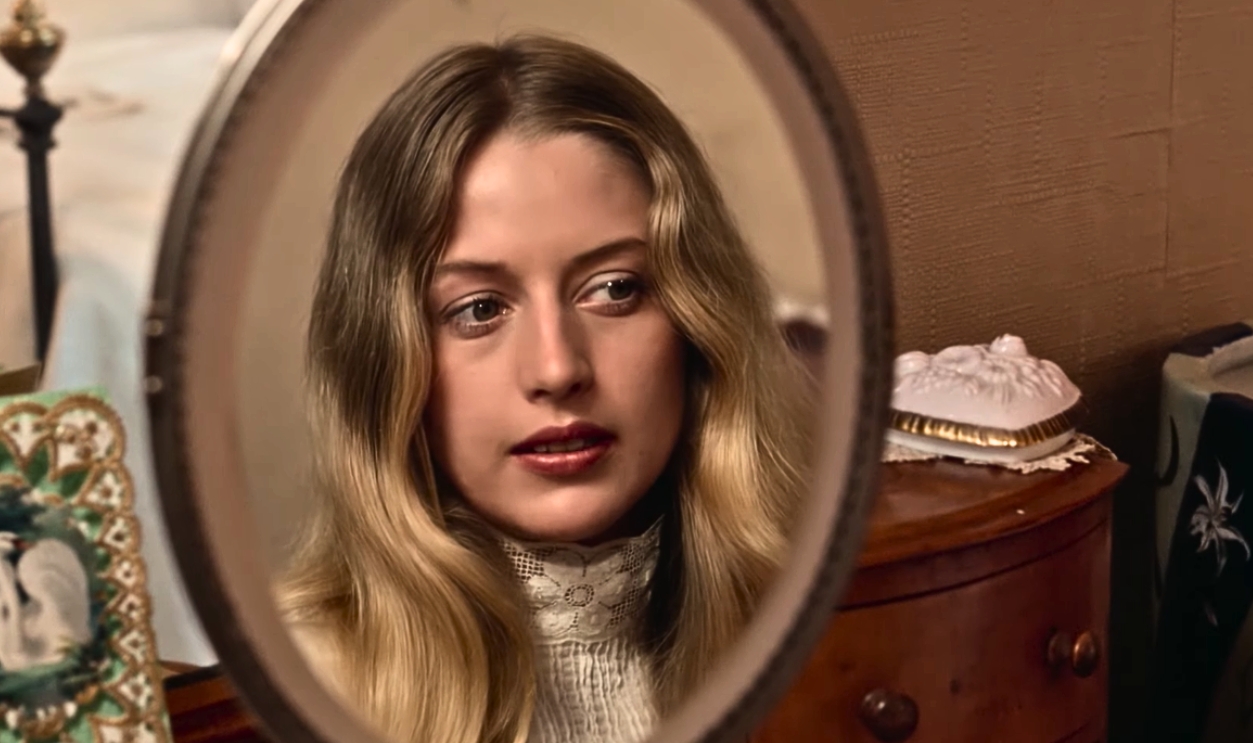 Screenshot from Picnic at Hanging Rock, Madman Entertainment (1975)
Wake In Fright
Wake in Fright (1971), directed by Ted Kotcheff and starring Gary Bond, is a psychological nightmare set amid the isolation of the Australian outback. The plot’s descent into moral collapse feels deeply disturbing, and its long absence from circulation only added to its reputation as a lost classic.
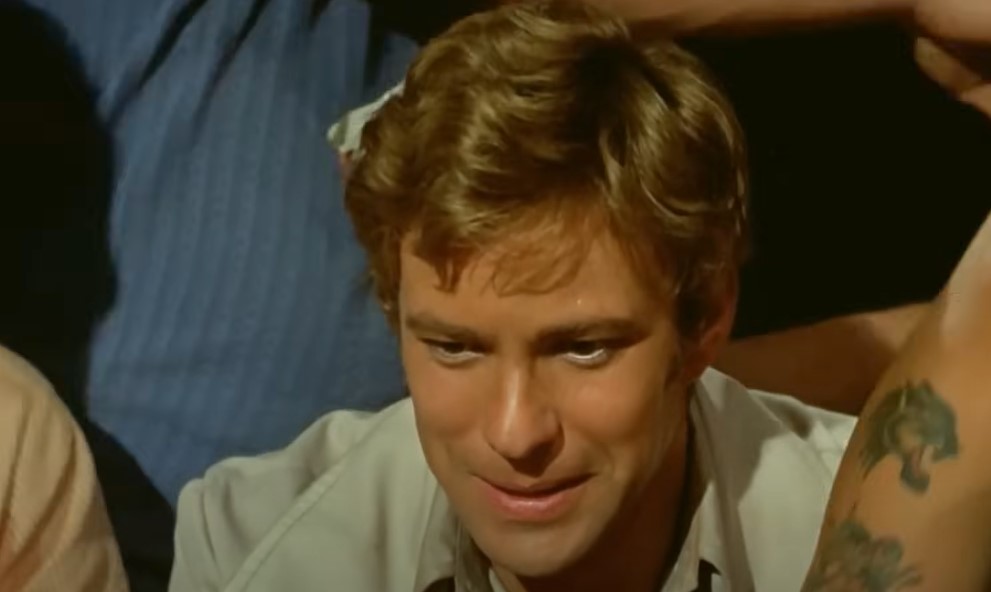 Screenshot from Wake in Fright, Madman Entertainment (1971)
Forgotten Nightmares Worth Rediscovering
The 1970s produced far more than their fair share of horror classics that have since been largely forgotten. These overlooked films reveal a decade willing to experiment, disturb, and challenge audiences in unexpected ways. For modern viewers, they offer something rare: horror that feels unpredictable, personal, and deeply unsettling long after the credits have rolled by and the screen has faded to a black faintly humming void.
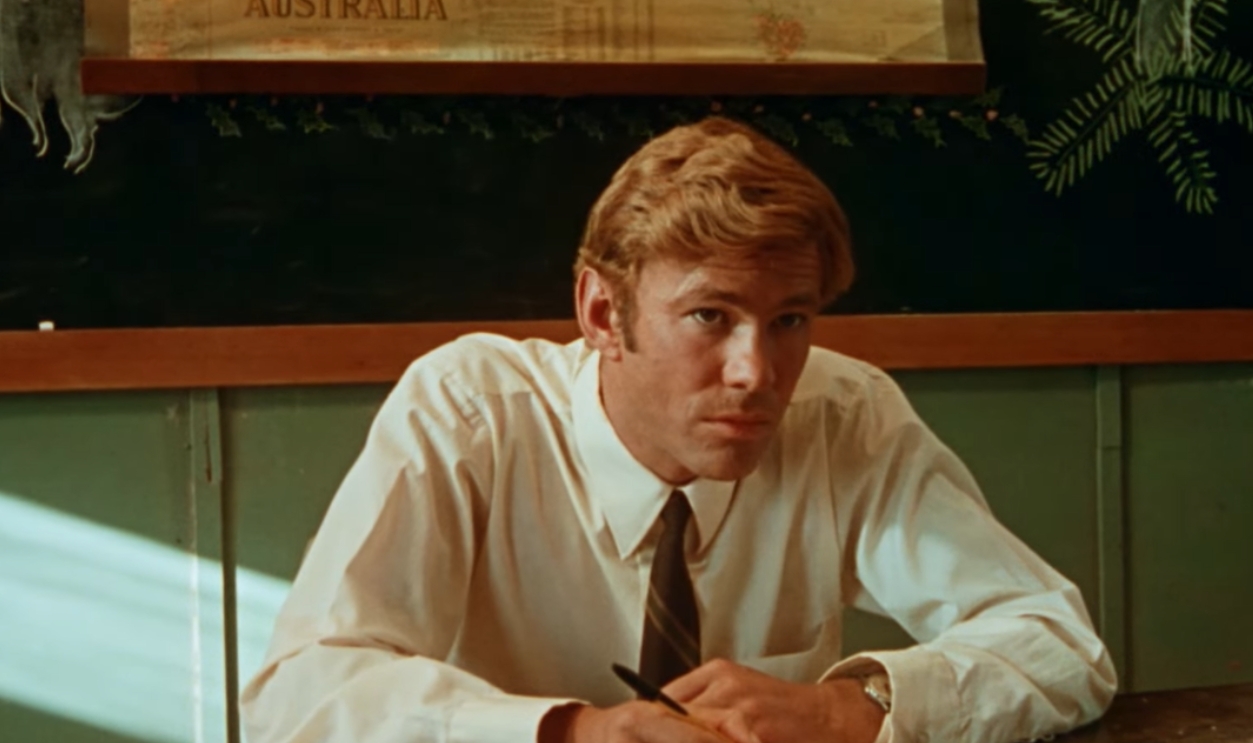 Screenshot from Wake in Fright, Madman Entertainment (1971)
You May Also Like:
Best Picture Winners You've Probably Never Heard Of
The Definitive Ranking Of Every Stephen King Movie