Cinematic Disasters Of The '80s
Neon lights, synth music, and outrageous storylines weren’t enough to save every 1980s release. Some films aimed for greatness but tumbled into absurdity, earning a permanent spot on the list of Hollywood’s most spectacular failures.
Heaven’s Gate (1980)
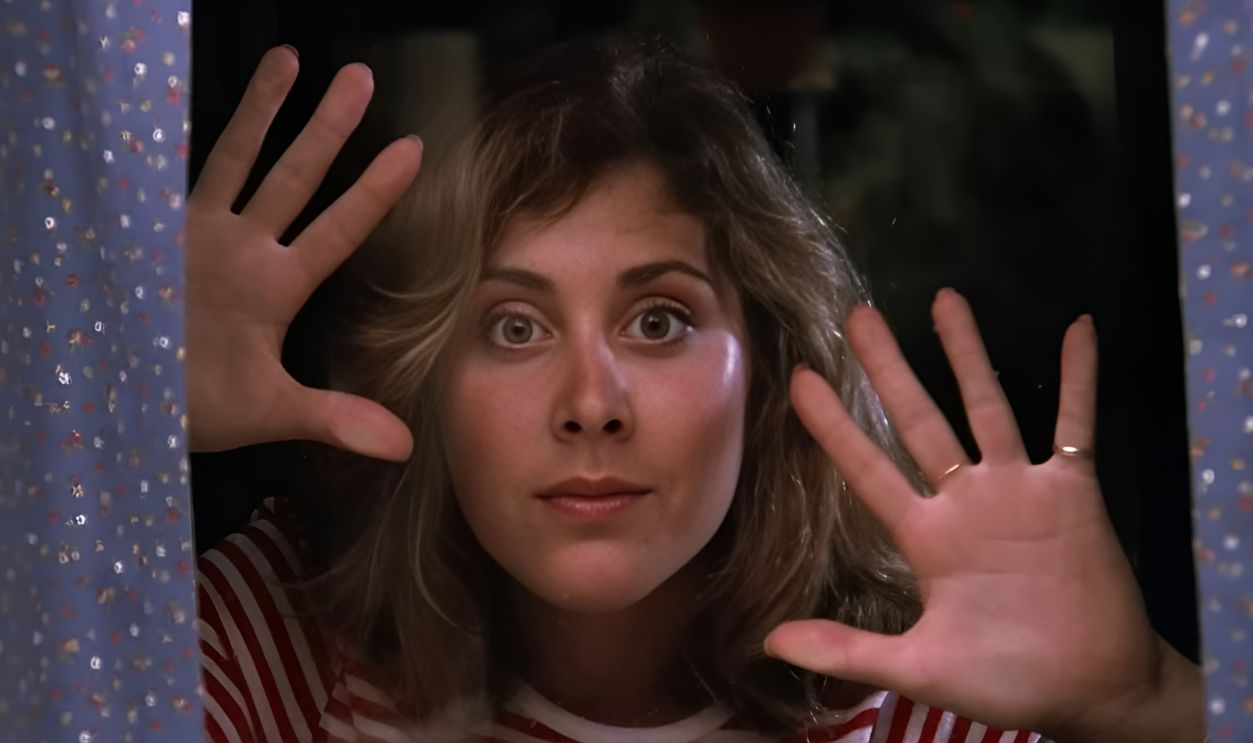
Michael Cimino’s western ballooned to a $44 million budget and debuted with a nearly five-hour cut. Critics reacted harshly, edits followed, and the box office collapse bankrupted United Artists. The film dramatizes the Johnson County War and is now dissected in film schools.
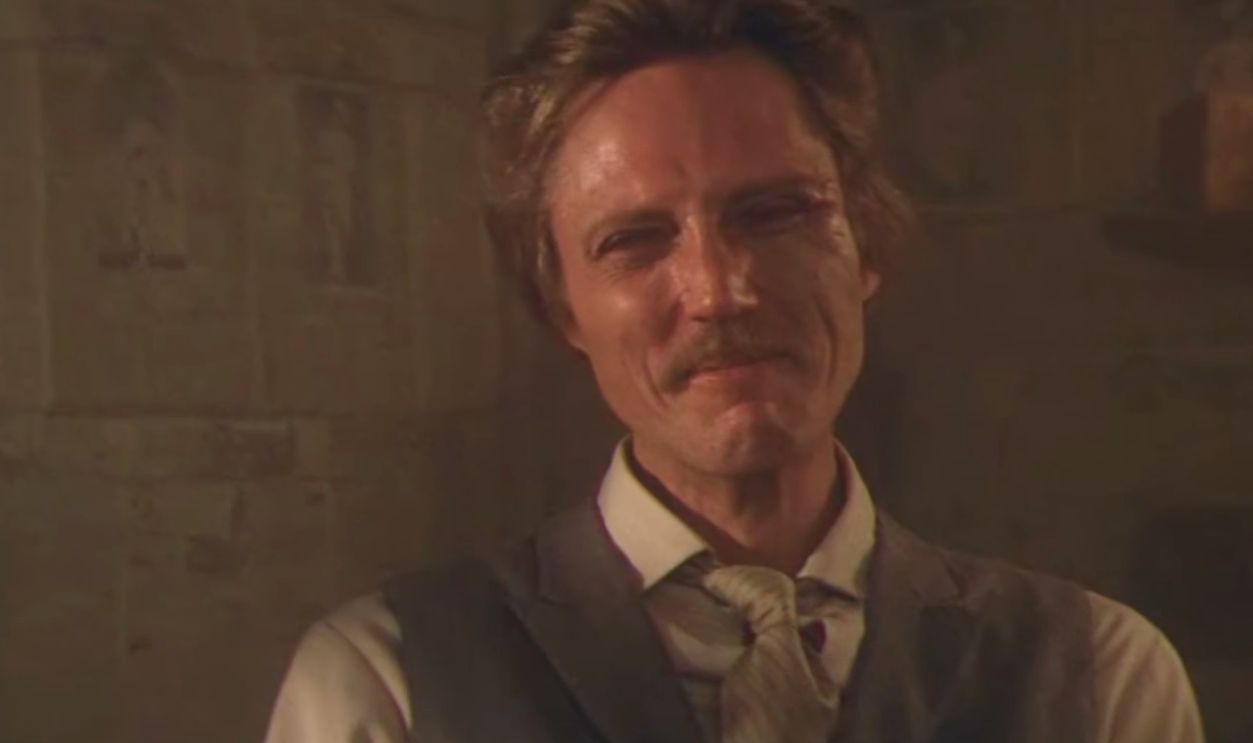 Screenshot from Heaven’s Gate, United Artists (1980)
Xanadu (1980)
Starring Olivia Newton-John, this glossy musical fantasy struggled with critics but later found devoted fans. Its influence even sparked the Golden Raspberry Awards. While the movie faltered, Electric Light Orchestra’s soundtrack thrived, supporting a plot about a muse helping open a roller disco.
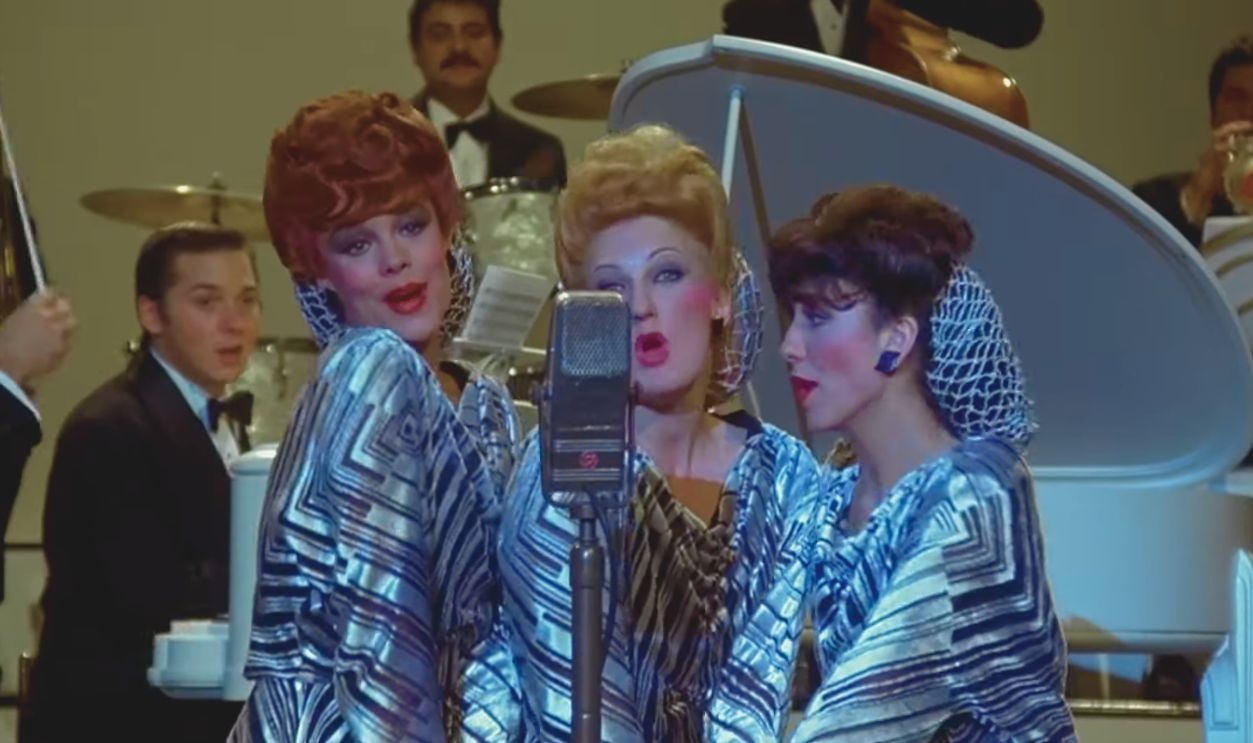 Screenshot from Xanadu, Universal Pictures (1980)
The Apple (1980)
This sci-fi musical imagined a dystopian future where a young couple challenges a corrupt music industry. Cannon Films aimed for a futuristic rock opera, but audiences laughed instead, even booing it at Cannes. Those same flaws later secured its reputation as a camp classic.
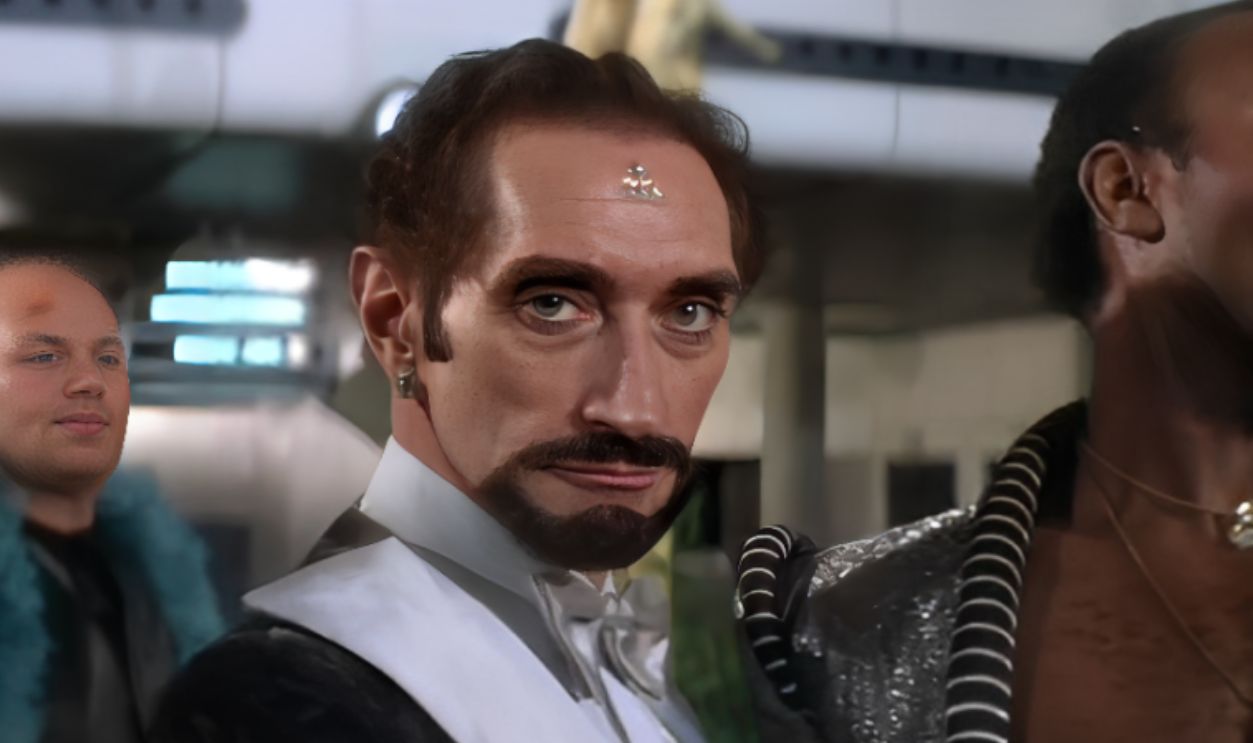 Screenshot from The Apple, Cannon Films (1980)
Can’t Stop The Music (1980)
This flashy pseudo-biopic follows a songwriter bringing the Village People together on the road to fame. Released as disco faded, it struggled badly, won the first Razzie for Worst Picture, and featured an early role from Bruce Jenner, now Caitlyn Jenner.
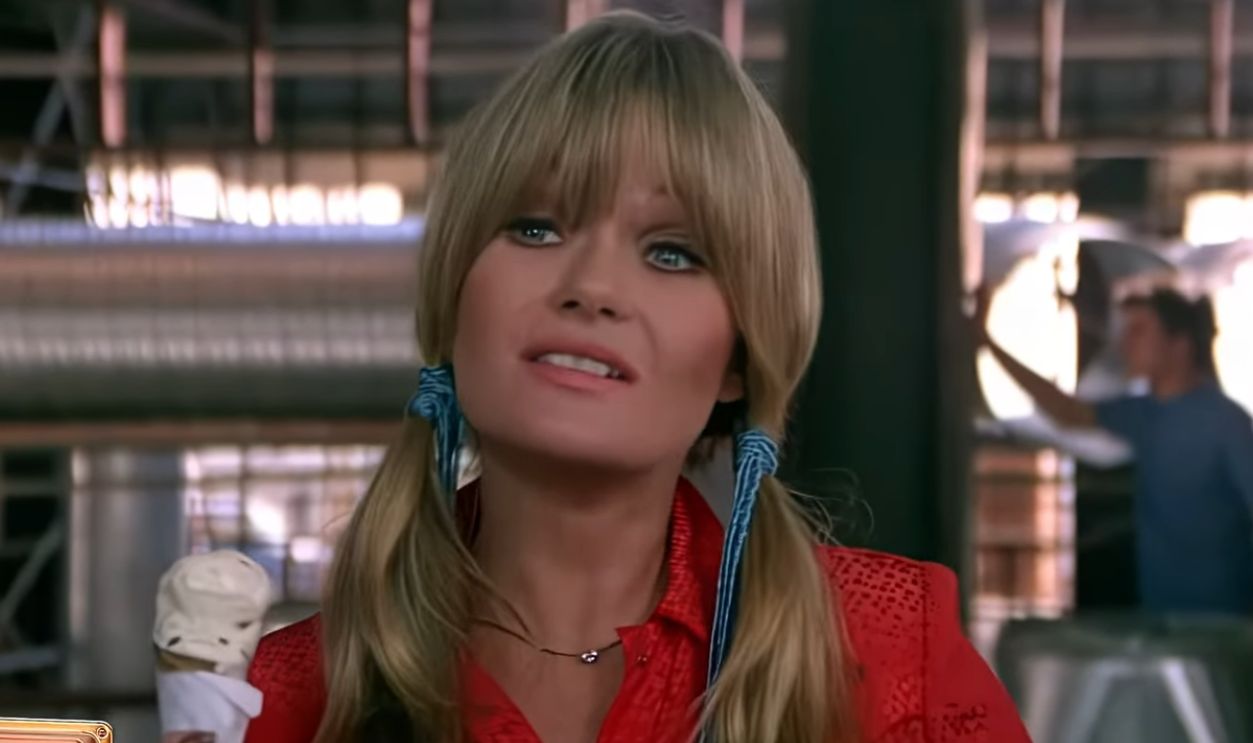 Screenshot from Can’t Stop The Music, Associated Film Distribution (1980)
The Legend Of The Lone Ranger (1981)
Intended to reintroduce the Lone Ranger, the film explored his beginnings in the Wild West. Critics disliked the script and performances, especially since Klinton Spilsbury’s voice was fully replaced. Despite the promotion, box office returns disappointed, alongside disputes involving the original star Clayton Moore.
 Screenshot from The Legend Of The Lone Ranger, Universal Pictures (1981)
Mommie Dearest (1981)
Mommie Dearest dramatizes Christina Crawford’s memories of growing up under Joan Crawford’s roof. While meant to be a serious portrait, exaggerated moments drew unintended laughs. Faye Dunaway’s portrayal became legendary, and the film collected several Razzies, highlighted by Worst Actress.
 Screenshot from Mommie Dearest, Paramount Pictures (1981)
Tarzan, The Ape Man (1981)
This version of Tarzan, the Ape Man, reframed the classic tale through Jane’s eyes as she travels to Africa. Featuring Bo Derek under John Derek’s direction, it sparked backlash for its sensual tone, earned six Razzie nods, yet still found box office success.
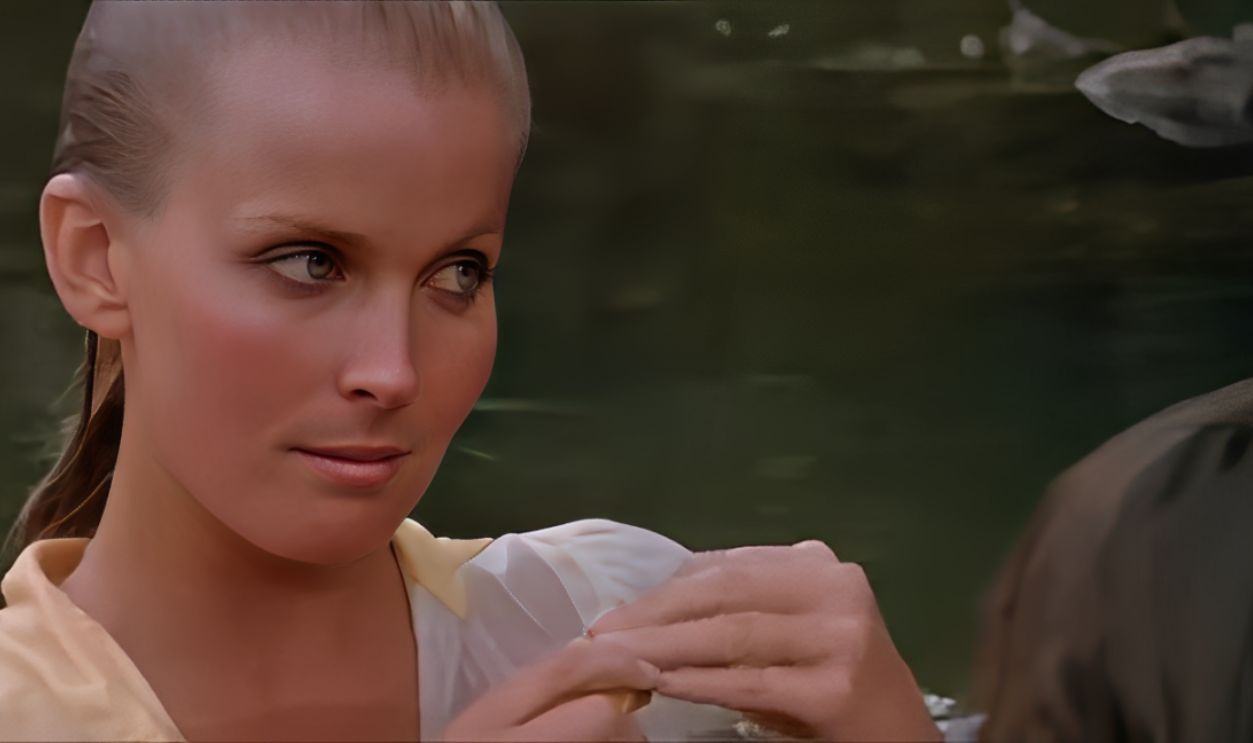 Screenshot from Tarzan, The Ape Man, United Artists (1981)
Inchon (1981)
Set during the Korean War, Inchon dramatizes the Battle of Inchon with sweeping ambition. Backed by Unification Church funding, the $46 million production collapsed financially, grossing under $2 million. Laurence Olivier’s turn as General MacArthur remains one of its few talking points.
 Screenshot from Inchon, Metro-Goldwyn-Mayer (1981)
The Pirate Movie (1982)
Centered on a teenager who imagines herself inside a swashbuckling musical fantasy, The Pirate Movie spoofs classic opera. Starring Kristy McNichol and Christopher Atkins, it flopped with critics but later became a favorite among audiences who enjoy delightfully flawed musicals.
 Screenshot from The Pirate Movie, 20th Century Fox (1982)
Megaforce (1982)
Hal Needham’s Megaforce promised bold military spectacle but delivered unintentional camp. Barry Bostwick’s spandex-clad hero leads an elite force against a dictator using futuristic gear. Rather than thrilling viewers, the plot inspired widespread mockery from critics and moviegoers.
 Screenshot from Megaforce, 20th Century Fox (1982)
Howard The Duck (1986)
This unusual sci-fi comedy stars a humanoid duck battling an alien menace after landing on Earth. Produced by George Lucas, the $37 million film earned only slightly more worldwide. Its awkward tonal mix confused audiences, but later attracted fans who embraced its flaws.
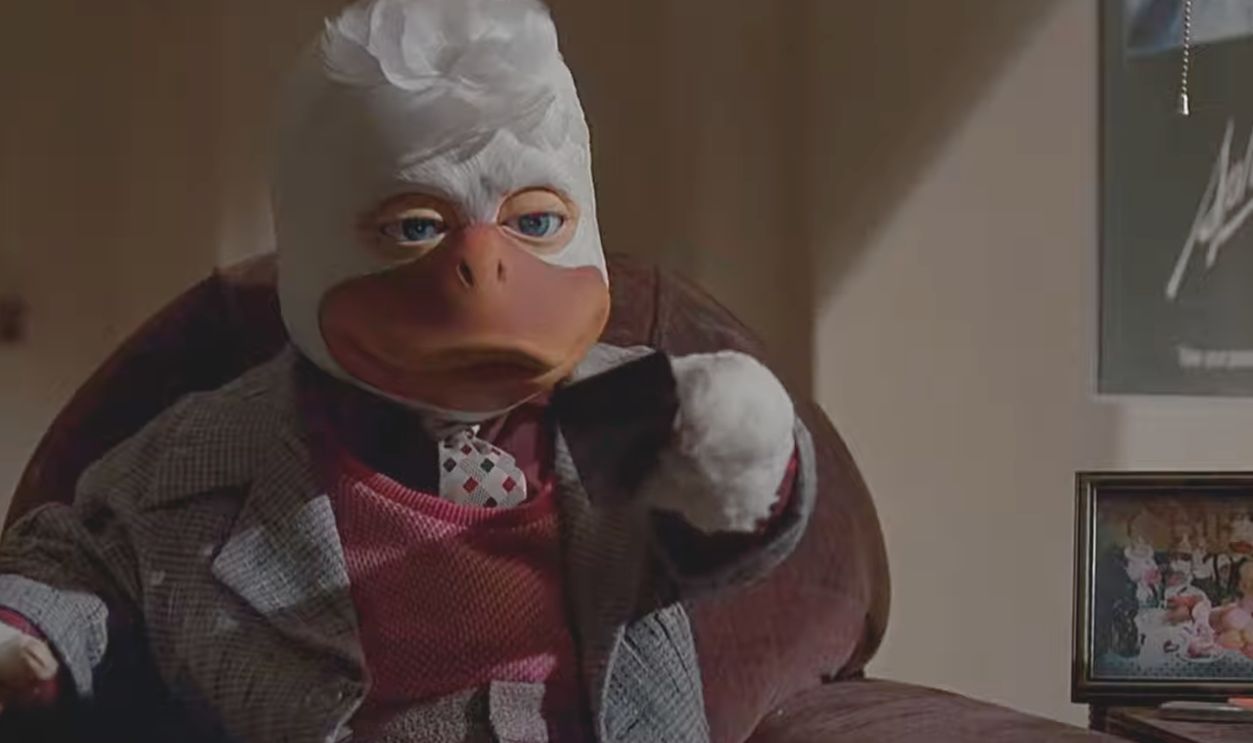 Screenshot from Howard The Duck, Universal Pictures (1986)
Jaws: The Revenge (1987)
The fourth entry in the franchise sends the Brody family to the Bahamas, where a great white shark appears to seek vengeance. The implausible plot drew heavy mockery, earned a Razzie Worst Picture nomination, and holds a Rotten Tomatoes score below 10%.
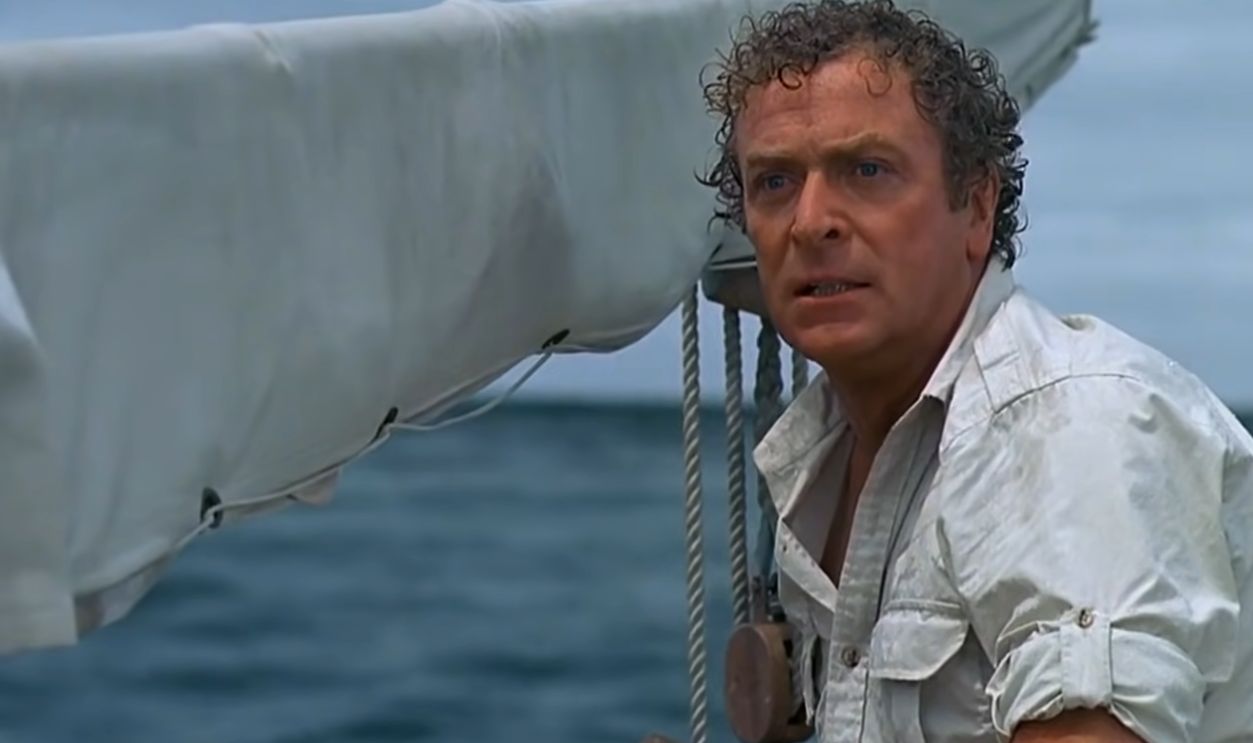 Screenshot from Jaws: The Revenge, Universal Pictures (1987)
Superman IV: The Quest For Peace (1987)
With its budget cut from $36 million to $17 million, this sequel suffered from visibly weak effects. Christopher Reeve helped write the story, but later regretted it. The mocked villain, Nuclear Man, and poor box office returns shelved the franchise until 2006.
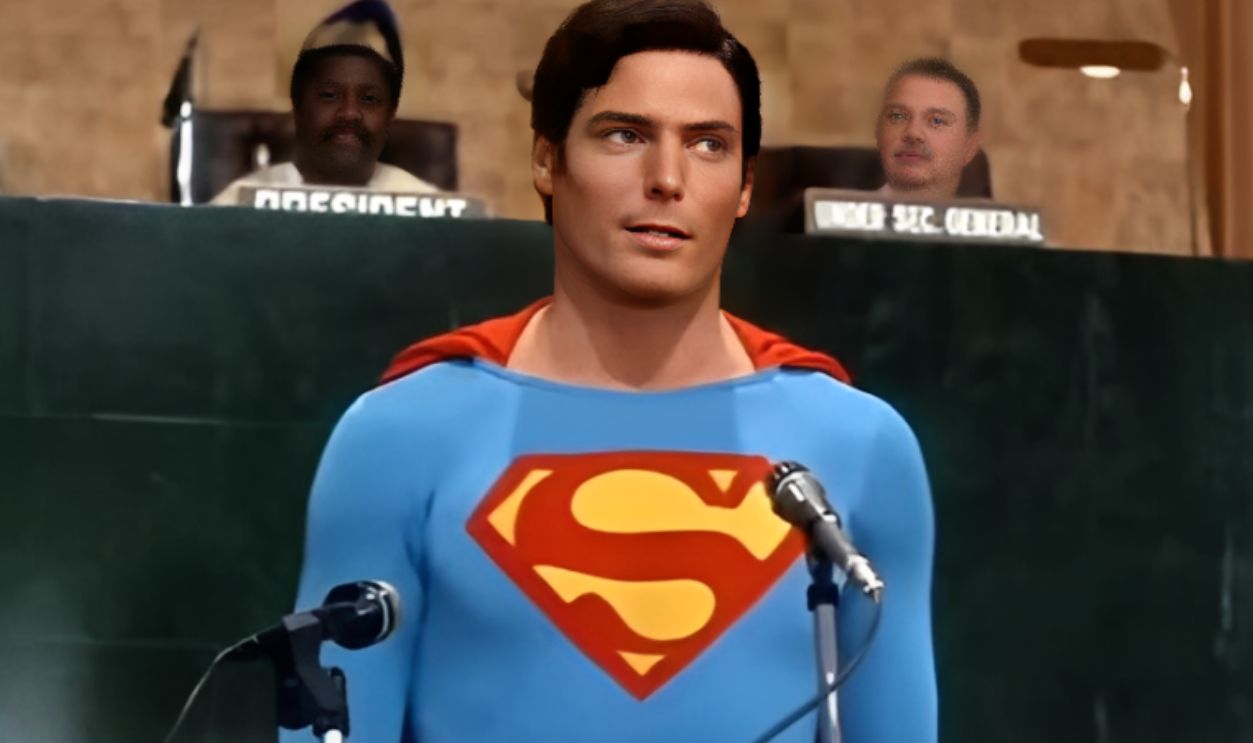 Screenshot from Superman IV: The Quest For Peace, Warner Bros. (1987)
Ishtar (1987)
What began as a quirky comedy about untalented musicians spiraled into disaster. Featuring Warren Beatty and Dustin Hoffman, Ishtar faced production turmoil in the desert, an inflated budget, and weak box office returns, ultimately turning its name into shorthand for major studio flops.
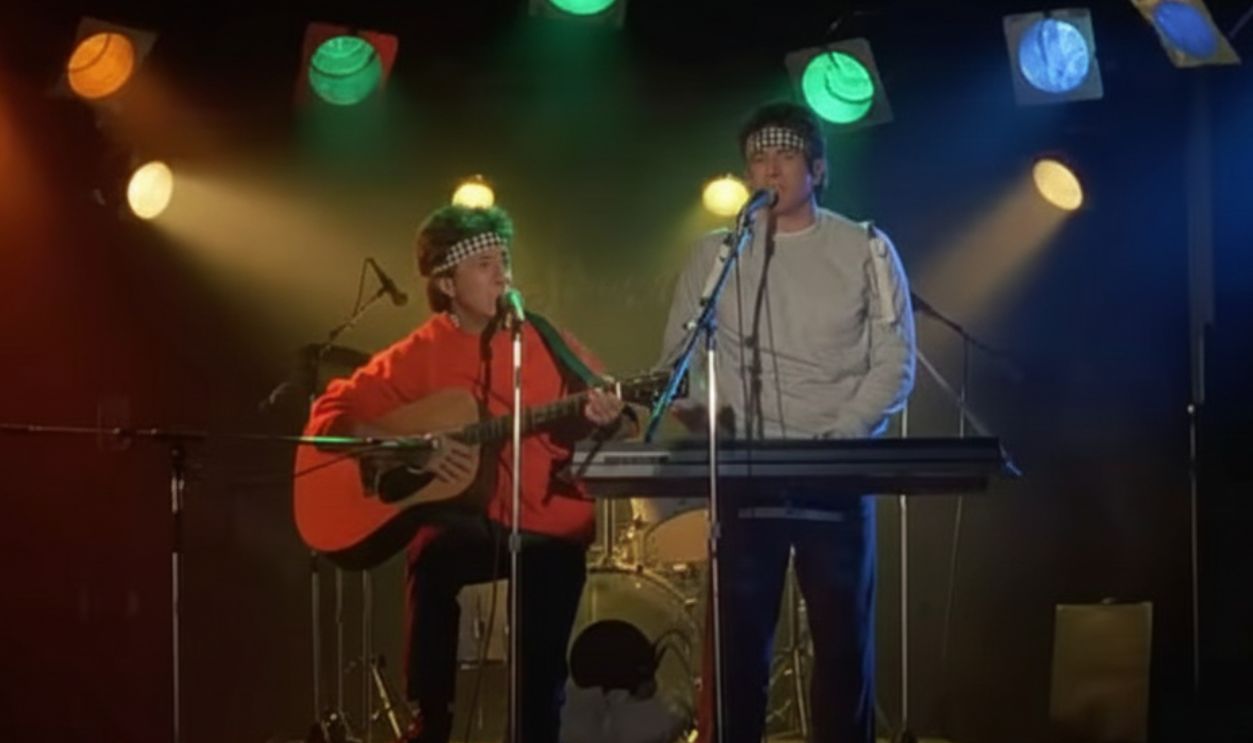 Screenshot from Ishtar, Columbia Pictures (1987)
Mac And Me (1988)
Mac and Me tells the story of a stranded alien befriending a young boy while authorities give chase. Seen as an E.T. imitation, the film became notorious for heavy product placement. Paul Rudd later revived interest by repeatedly joking about the wheelchair scene.
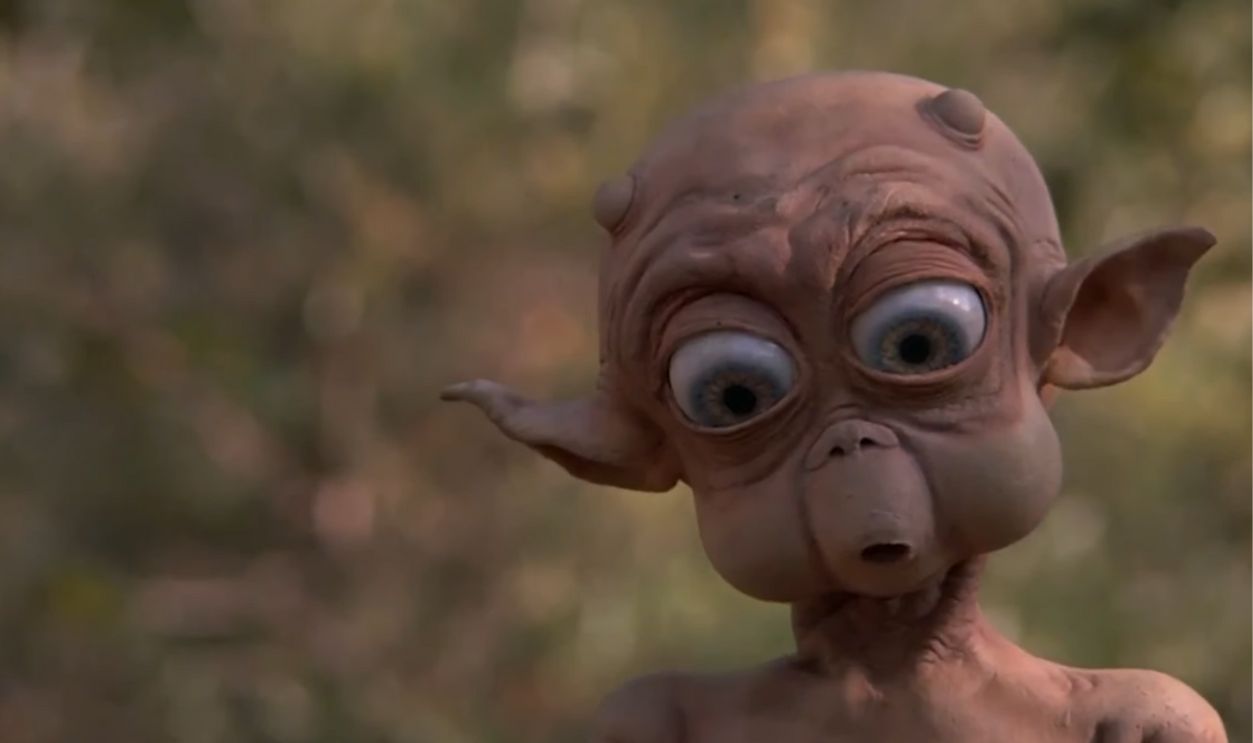 Screenshot from Mac And Me, Orion Pictures (1988)
The Garbage Pail Kids Movie (1987)
Inspired by the popular trading cards, this film shocked audiences with disturbing makeup effects. Following bizarre kids trying to fit into society, it was labeled grotesque and unwatchable by critics. Today, its reputation is cemented by a 0% Rotten Tomatoes score.
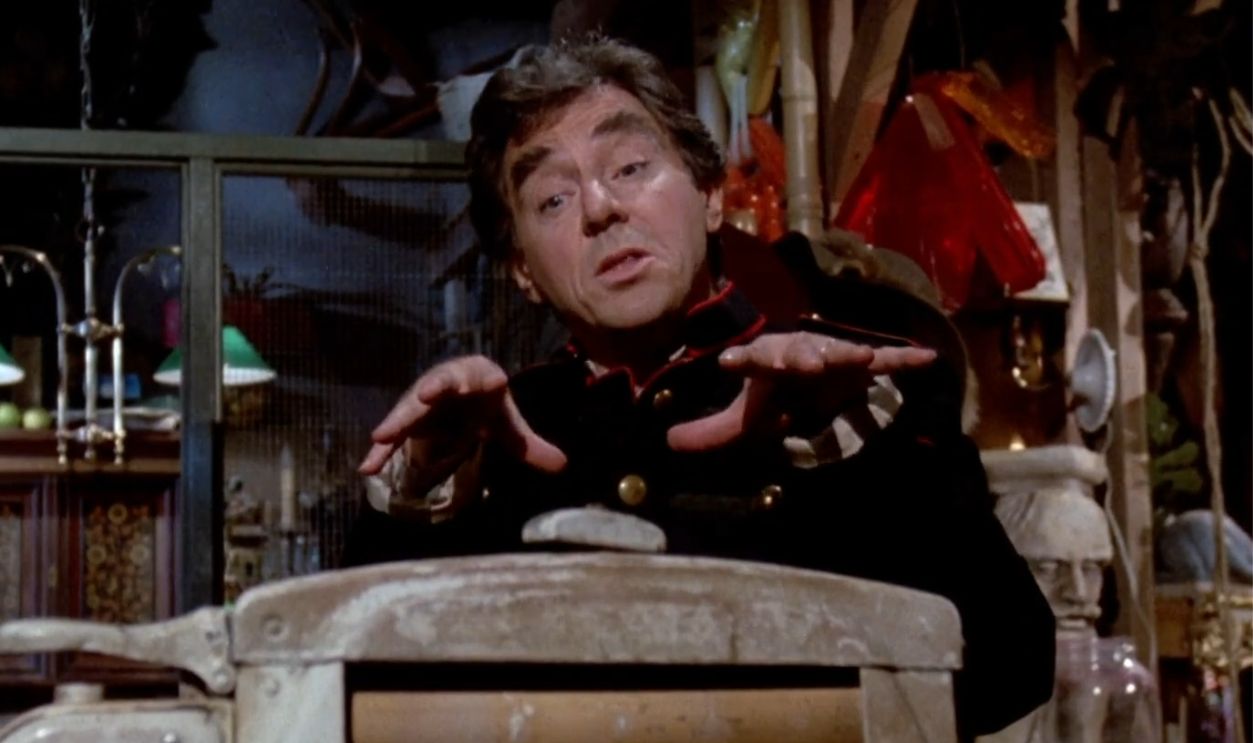 Screenshot from The Garbage Pail Kids Movie, Atlantic Releasing Corporation (1987)
Gymkata (1985)
Gymkata features Kurt Thomas competing in a deadly tournament to earn U.S. support. The combination of gymnastics and karate was widely mocked. The “Village of the Crazies” scene stood out for absurdity, making the film a cult favorite among fans of bad movies.
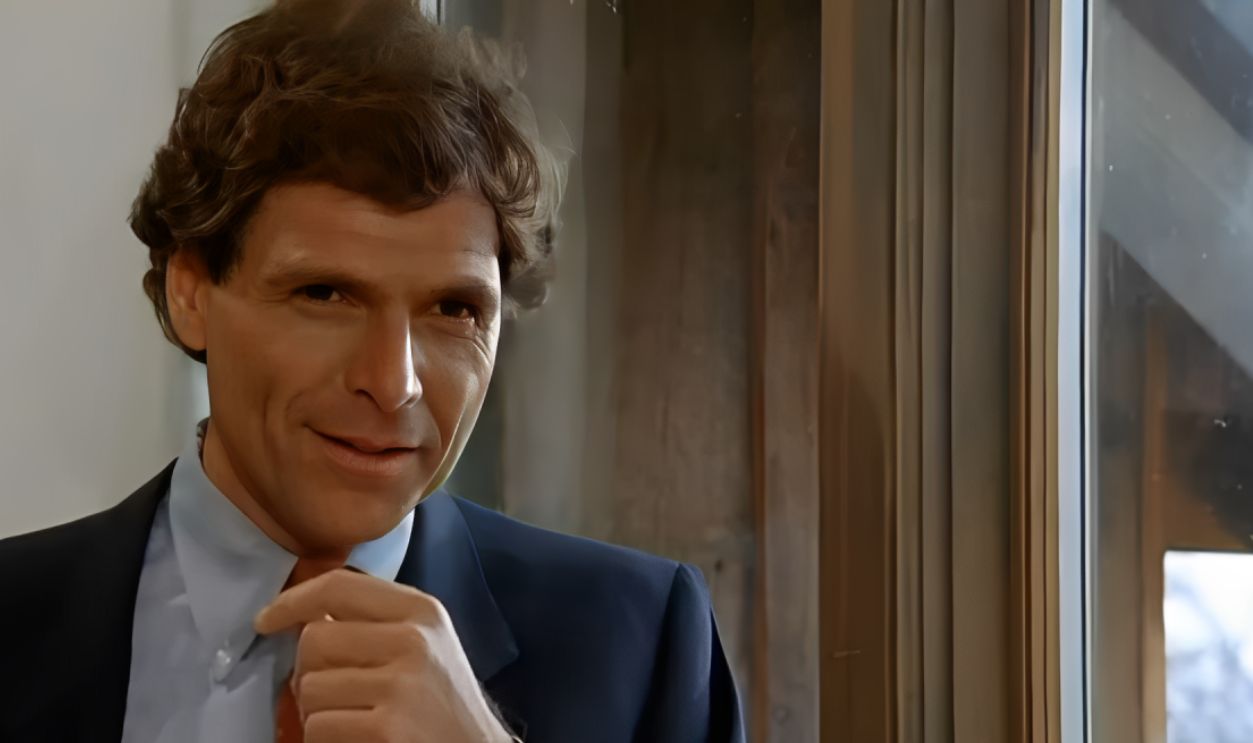 Screenshot from Gymkata, MGM/UA Entertainment Co. (1985)
The Lonely Lady (1983)
Based on Harold Robbins’ novel, The Lonely Lady tells the story of a woman trying to succeed in Hollywood while confronting exploitation. Critics disliked the exploitative themes, Pia Zadora earned a Worst Actress Razzie, and the film failed commercially, even with provocative promotion.
 Screenshot from The Lonely Lady, Universal Pictures (1983)
Revolution (1985)
Revolution stars Al Pacino as a fur trapper drawn into the American Revolutionary War to protect his son. The film had a poor script and uneven accents, and it failed at the box office. Pacino later disowned the movie.
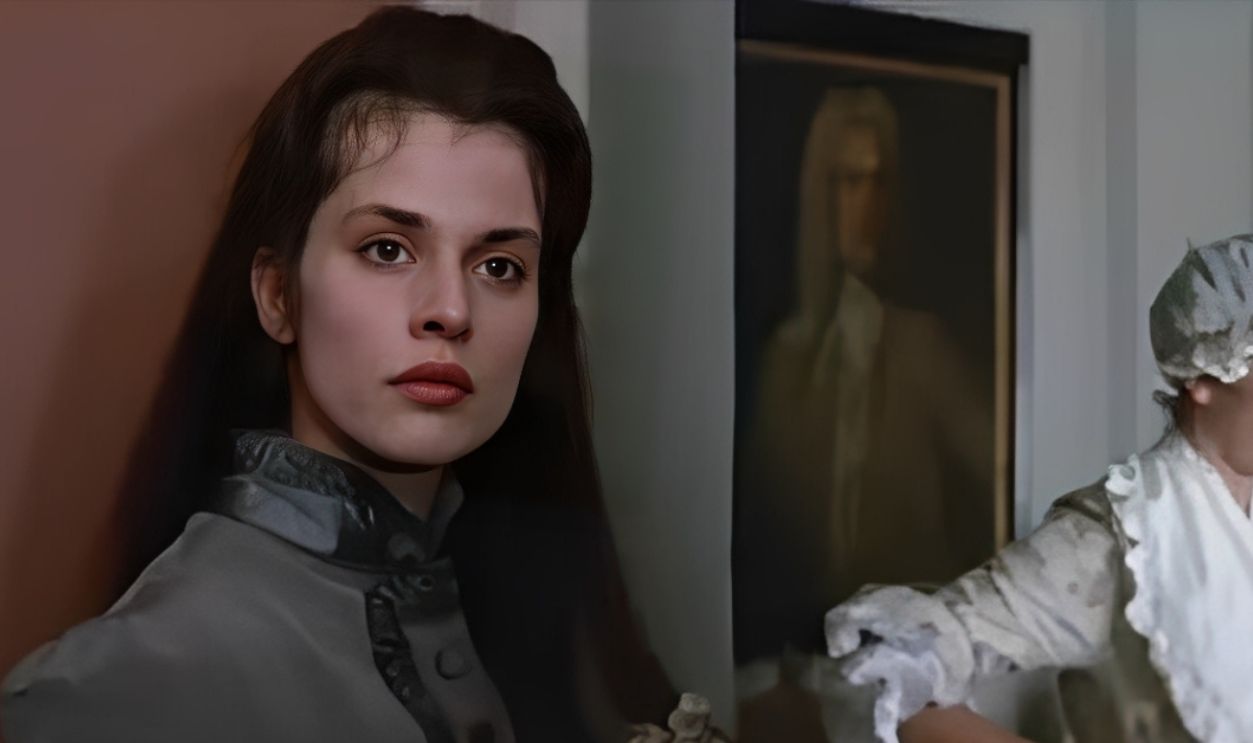 Screenshot from Revolution, Warner Bros (1985)
Krull (1983)
A prince must rescue his bride from an alien invader using the mystical Glaive in Krull. The $30 million fantasy adventure combines sci-fi elements, though critics mocked the weapon’s impracticality. Elaborate sets and costumes fill the screen, even as the box office fell short.
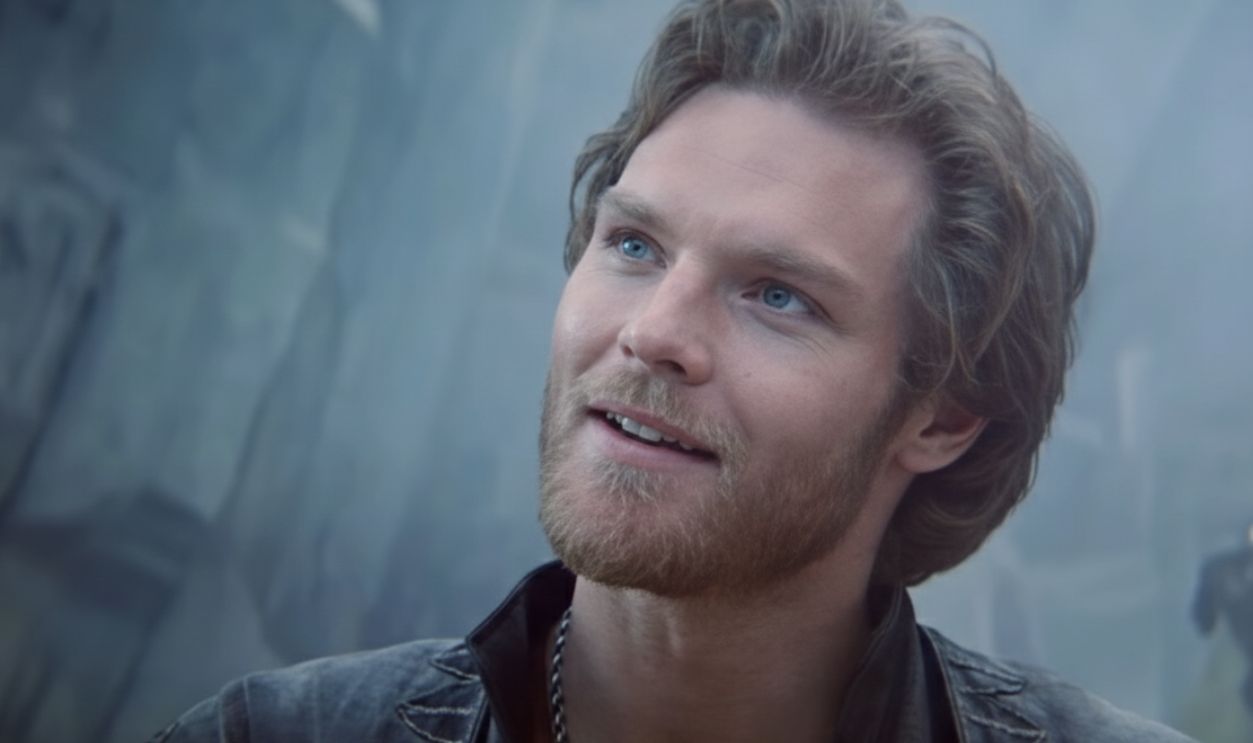 Screenshot from Krull, Columbia Pictures (1983)
The Last Dragon (1985)
The Last Dragon follows a Harlem fighter chasing the legendary “Glow”. Critics noted weak acting and campiness. Produced by Berry Gordy, the movie combines martial arts with music, highlighting the hero’s personal growth and his struggle to achieve mastery.
 Screenshot from The Last Dragon, Tri-Star Pictures (1985)
The Forbidden Zone (1980)
In The Forbidden Zone, a family enters a parallel dimension ruled by a queen. The film’s surreal black-and-white style and Danny Elfman’s musical score stand out. Critics found offensive stereotypes, but the narrative’s oddities and strange visuals give the movie its unique character.
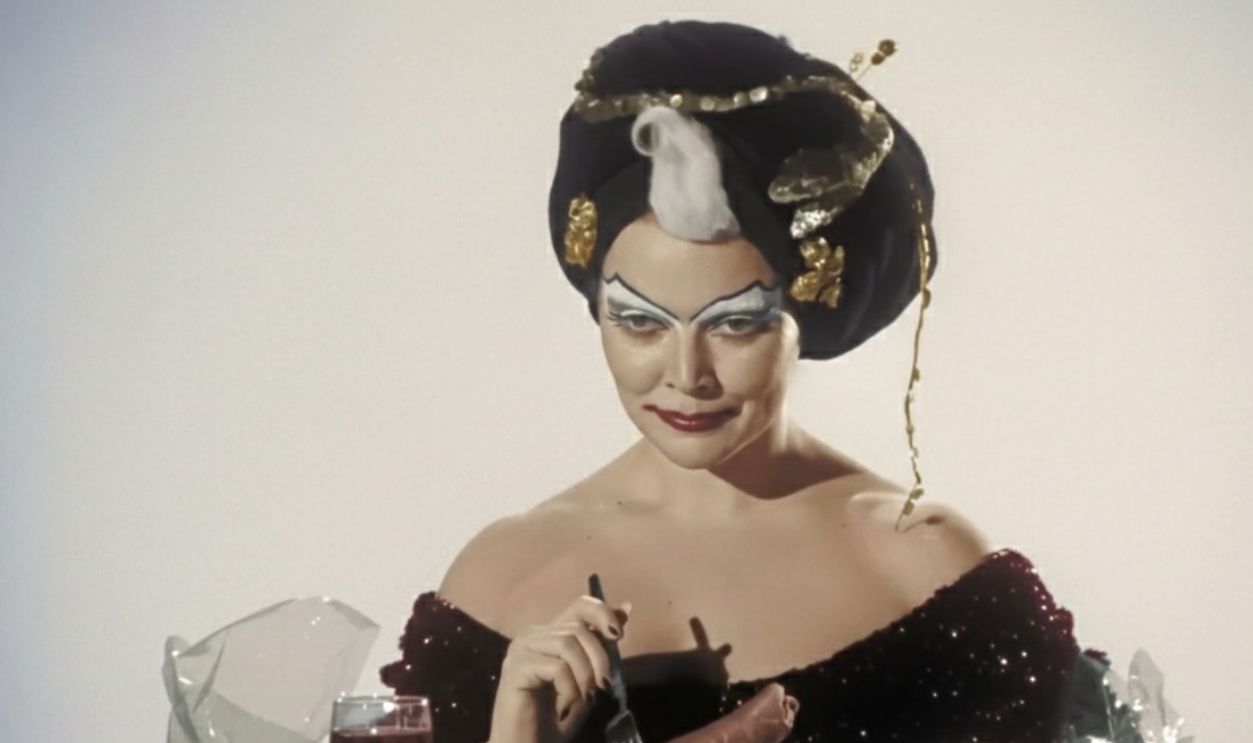 Screenshot from The Forbidden Zone, The Samuel Goldwyn Company (1980)
The Beast Within (1982)
The horror of The Beast Within begins when a teenager discovers a horrifying family secret that triggers monstrous changes. Critics found the plot confusing, and the grotesque transformations became infamous. The film later attracted a cult following among horror enthusiasts.
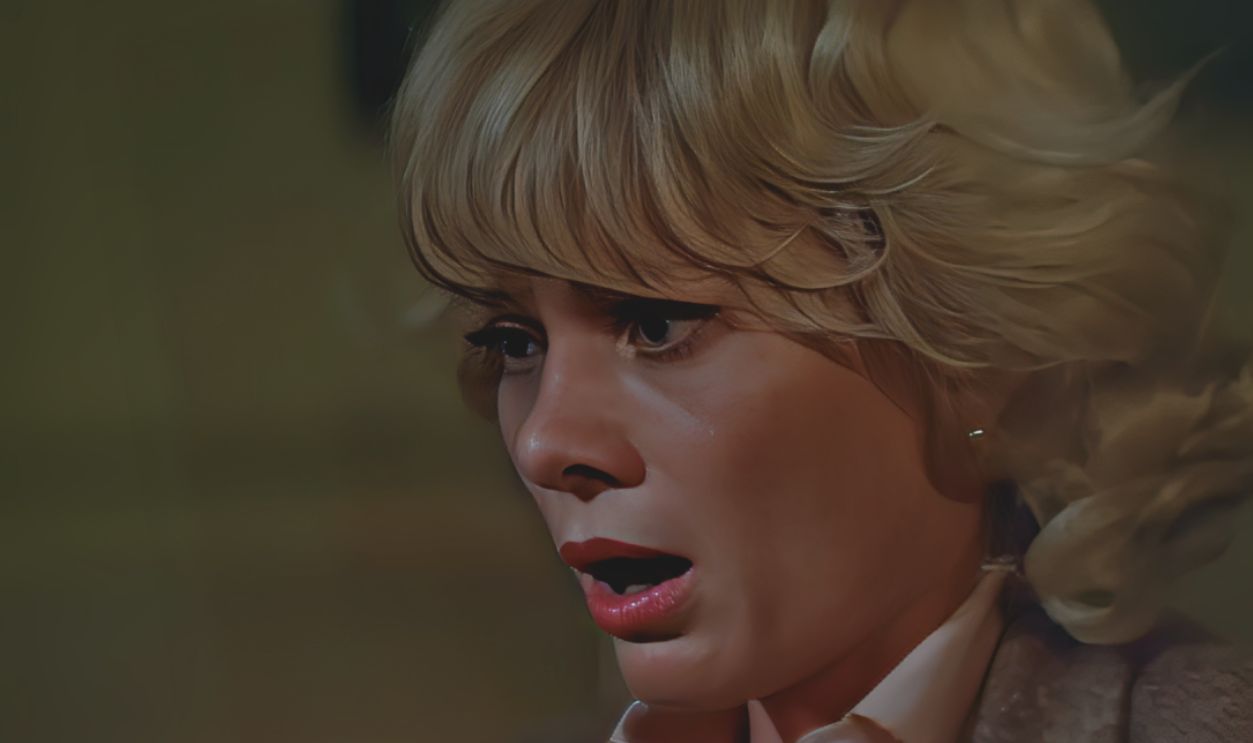 Screenshot from The Beast Within, United Artists (1982)
The Man Who Loved Women (1983)
Burt Reynolds stars in Blake Edwards’ The Man Who Loved Women, a remake of a French classic. The movie tracks a womanizer reflecting on past affairs while in therapy. Criticism focused on shallow relationships, and it underperformed at the box office.
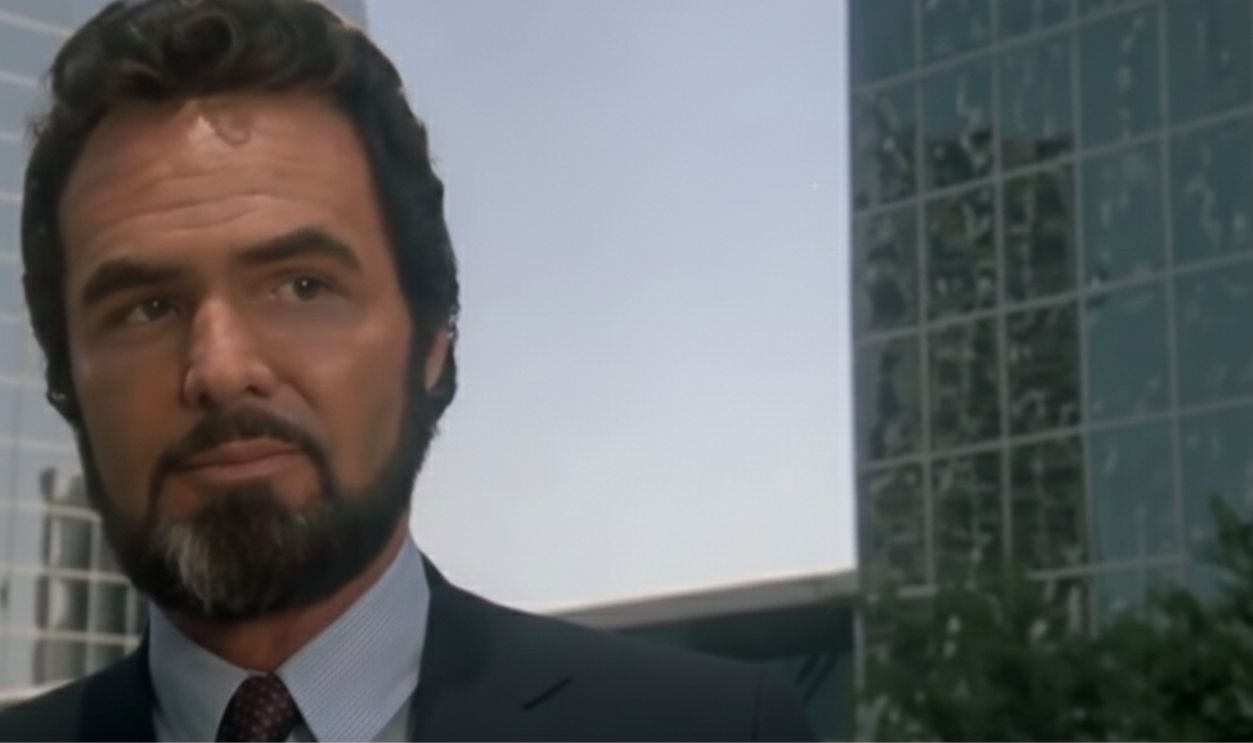 Screenshot from The Man Who Loved Women, Columbia Pictures (1983)
The Adventures Of Hercules (1985)
The Adventures of Hercules continues the story of Lou Ferrigno’s heroic battles against gods and monsters. As a sequel to the criticized Hercules (1983), its low-budget effects were mocked by reviewers, giving it a reputation as entertaining camp rather than serious fantasy.
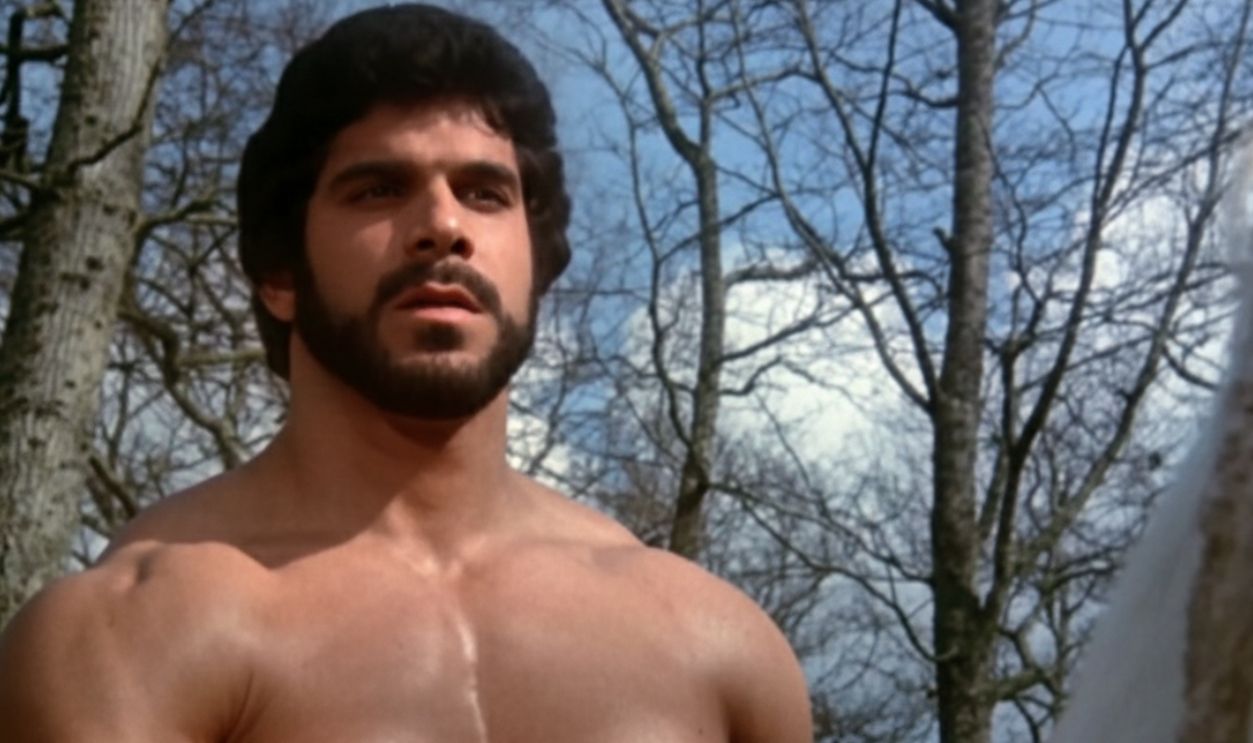 Screenshot from The Adventures Of Hercules, Cannon Films (1985)
Red Sonja (1985)
Intended as a spin‑off from the Conan franchise, Red Sonja starred Brigitte Nielsen alongside Arnold Schwarzenegger. Despite the star power, critics panned its weak script and uneven performances. The film grossed under $7 million against a much higher production budget.
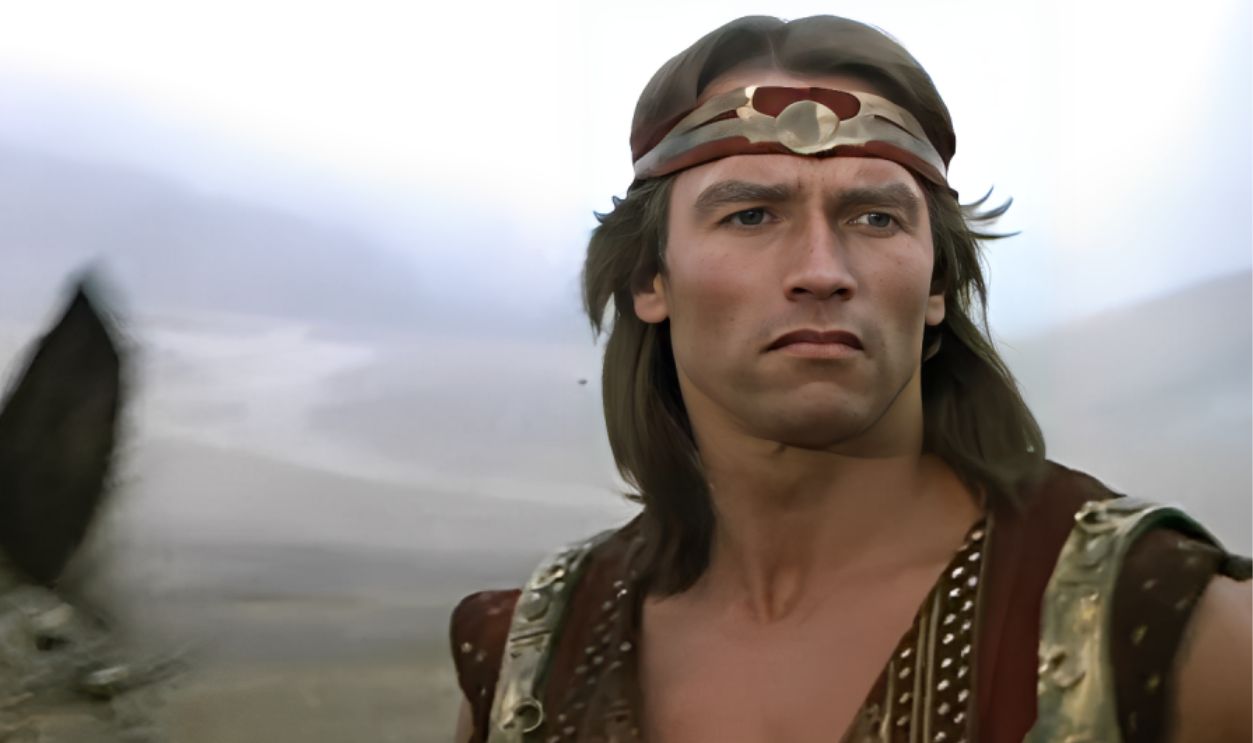 Screenshot from Red Sonja, MGM/UA Entertainment Company (1985)
The Harlem Globetrotters On Gilligan’s Island (1981)
The stranded castaways meet the Harlem Globetrotters, who help save the island from developers in this TV movie. The crossover was absurd, and it failed to revive the Gilligan’s Island brand. Today, it is remembered as kitsch television.
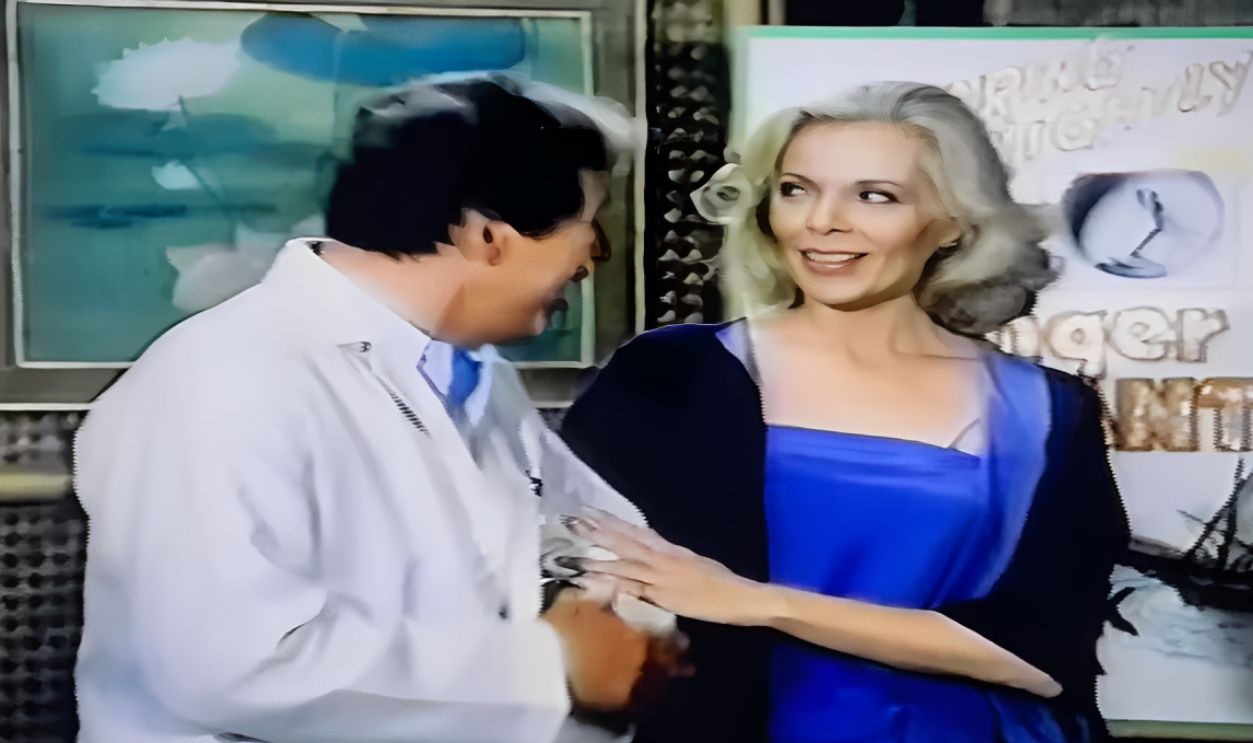 Screenshot from The Harlem Globetrotters On Gilligan’s Island, NBC (1981)
American Justice (1986)
Directed by Gary Grillo, American Justice stars Jameson Parker, Jack Lucarelli, and Gerald McRaney in a story about a sheriff facing both criminals and corrupt officials. The movie’s formulaic plot drew harsh criticism, and its limited release flopped at the box office.
 Screenshot from American Justice, The Movie Store (1986)
The Cannonball Run II (1984)
Eccentric drivers hit the road again in this movie, competing in a chaotic cross-country race. The sequel boasted a star-studded cast but suffered from a weak storyline. Multiple Razzie nominations highlighted its shortcomings, and the box office didn’t match the original’s success.
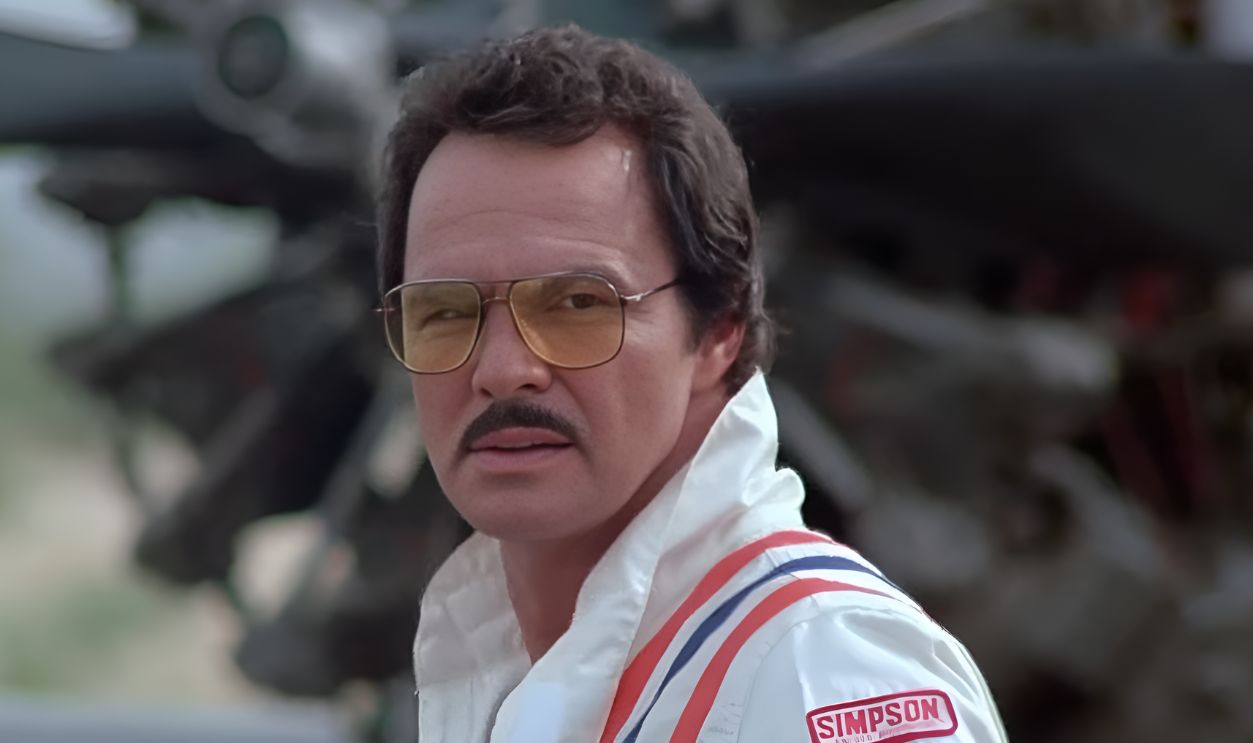 Screenshot from The Cannonball Run II, Warner Bros. Pictures (1984)
The Big Red One (1980)
Samuel Fuller’s war epic, The Big Red One, tracks soldiers battling across Europe under a hardened sergeant. Its pacing and editing drew criticism, and the initial release was poorly received. Later restorations improved appreciation for the gritty depiction of WWII combat.
 Screenshot from The Big Red One, United Artists (1980)
The Island (1980)
Michael Caine stars as a journalist uncovering modern pirates in the Caribbean in The Island. Critics called the story dull and implausible. Despite the high-profile cast, the thriller failed at the box office and drew ridicule for its over-the-top pirate premise.
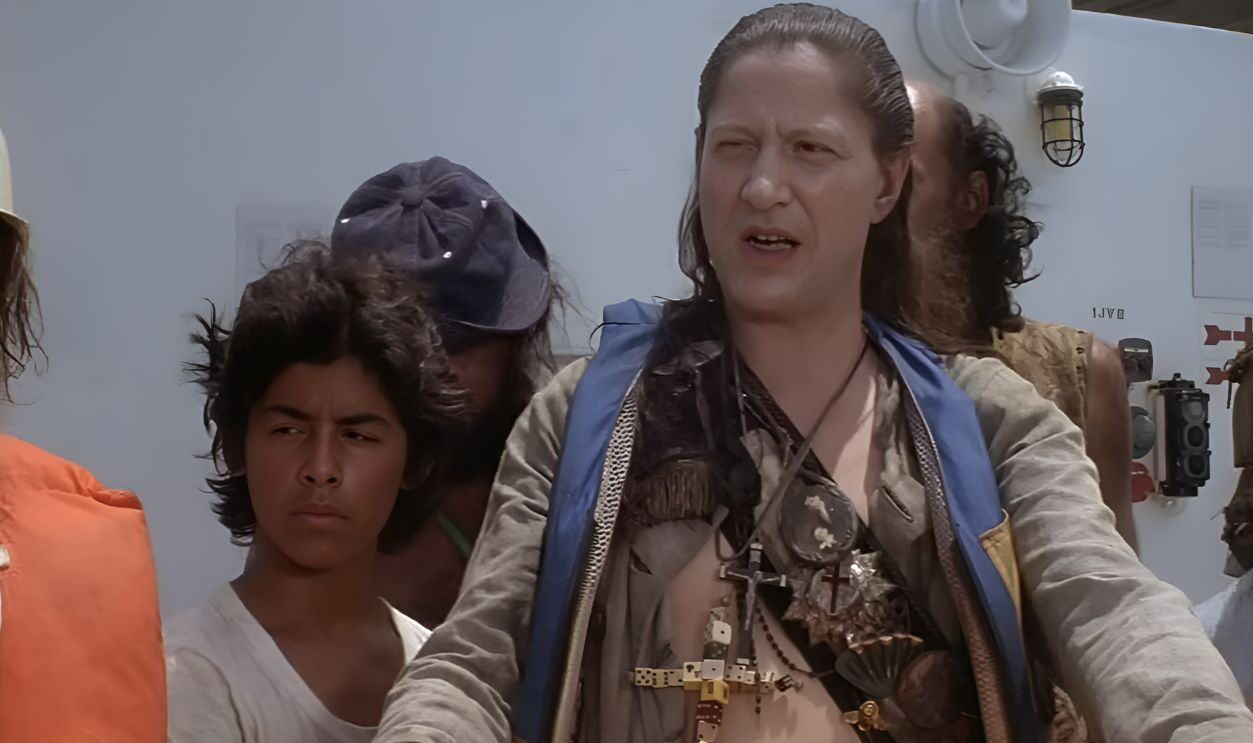 Screenshot from The Island, Universal Pictures (1980)
The Fan (1981)
Lauren Bacall stars as a Broadway diva whose biggest problem isn’t the spotlight—it’s a dangerously obsessed admirer. Critics rolled their eyes at the cliche-filled plot, and the film struggled at the box office. Later suspense hits like Misery made it feel even smaller in hindsight.
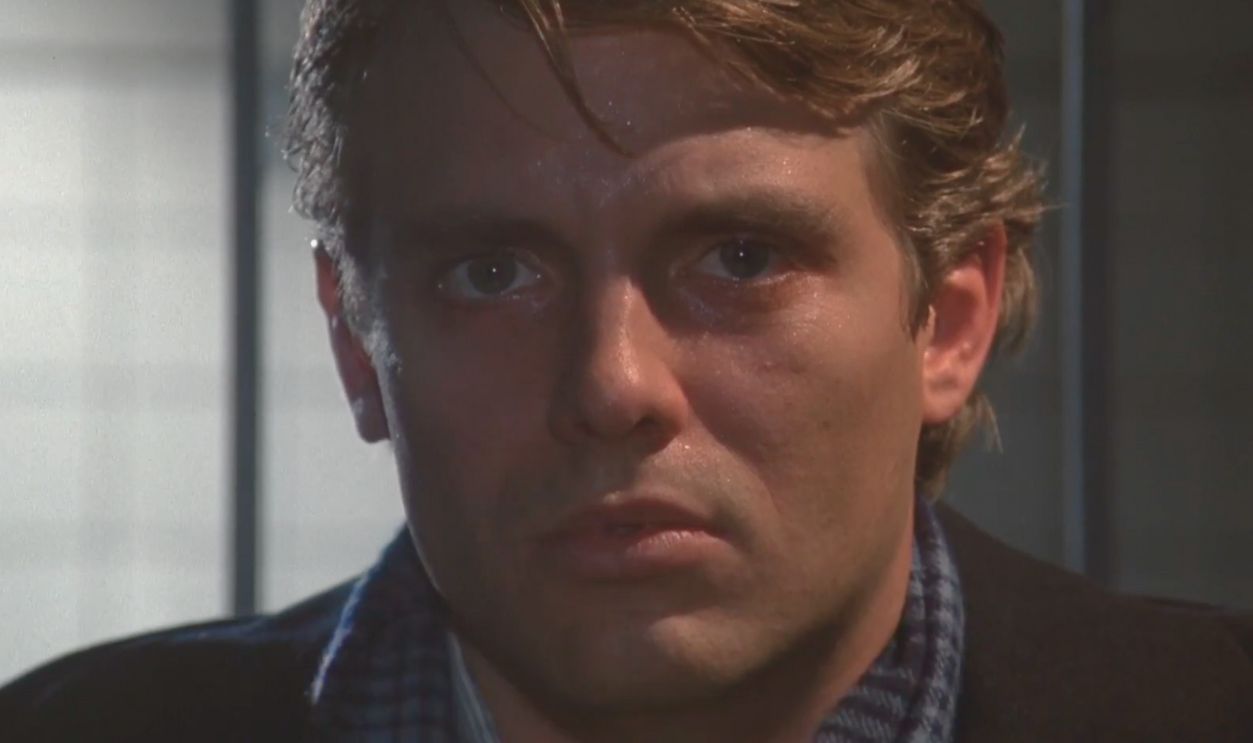 Screenshot from The Fan, Paramount Pictures (1981)
The Lonely Guy (1984)
Steve Martin takes on single life in Manhattan in The Lonely Guy, a comedy about navigating lonely nights and awkward dates. The script felt thin to critics, and theatergoers didn’t show up in droves. Even star power couldn’t rescue its box office disappointment.
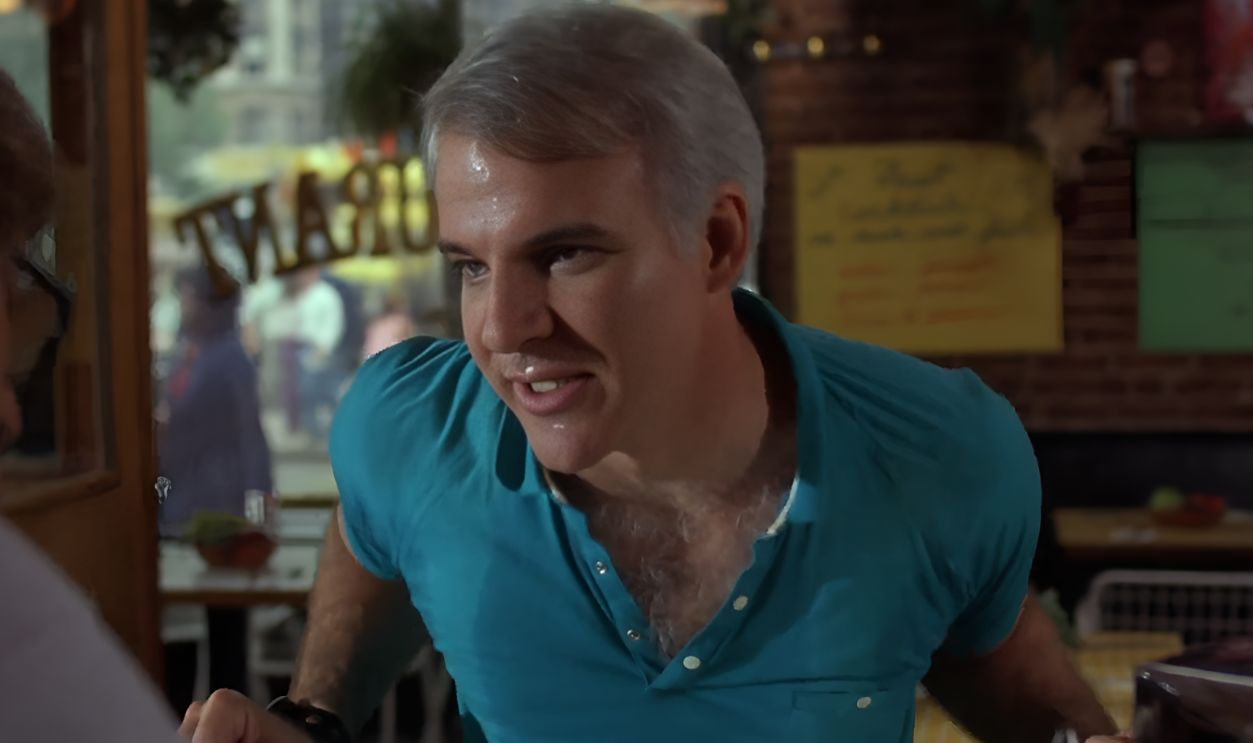 Screenshot from The Lonely Guy, Universal Pictures (1984)
The Heavenly Kid (1985)
A teen returns from the afterlife to guide a struggling high schooler in The Heavenly Kid. Acting and dialogue left critics unimpressed, and box office numbers were dismal. Still, its mix of teen comedy with supernatural intervention gave it a unique, offbeat flair.
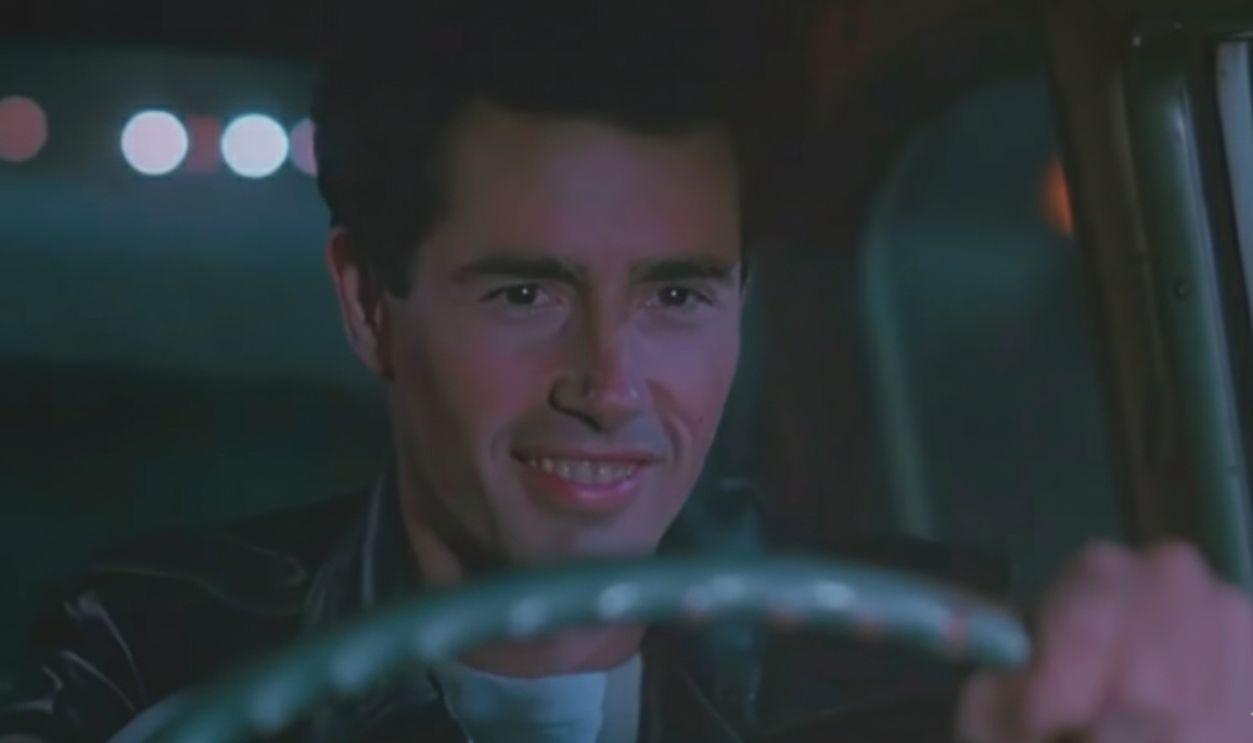 Screenshot from The Heavenly Kid, Orion Pictures (1985)
The Ice Pirates (1984)
Set in a futuristic universe, The Ice Pirates follows rogues fighting over dwindling supplies of water. Robert Urich and Mary Crosby lead the cast, but critics mocked cheap special effects and the infamous “space herpes” subplot. Despite flaws, its campiness earned a quirky fan following.
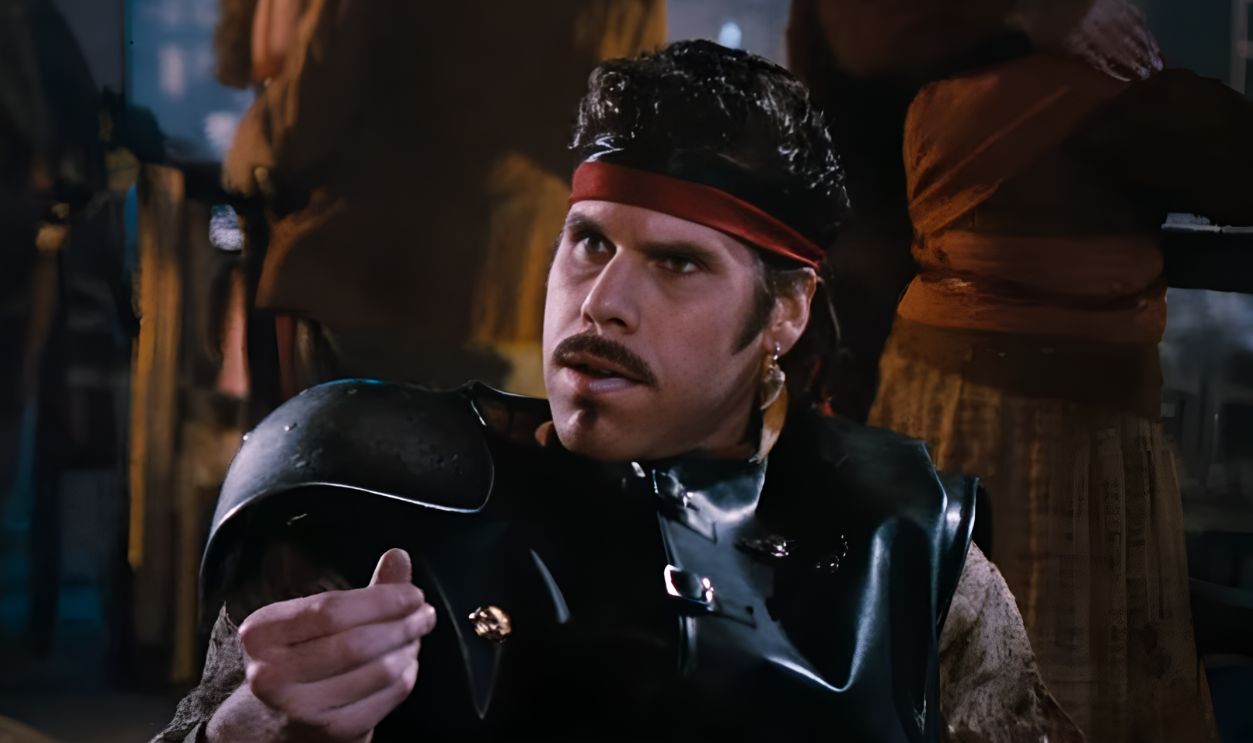 Screenshot from The Ice Pirates, MGM/UA Entertainment Co. (1984)
The Slumber Party Massacre (1982)
The Slumber Party Massacre focuses on a slumber party invaded by a drill-wielding killer. Though critics disliked the exploitative content, the unusual choice of a female director and the ensuing sequels gave it a memorable, if controversial, spot in 80s horror.
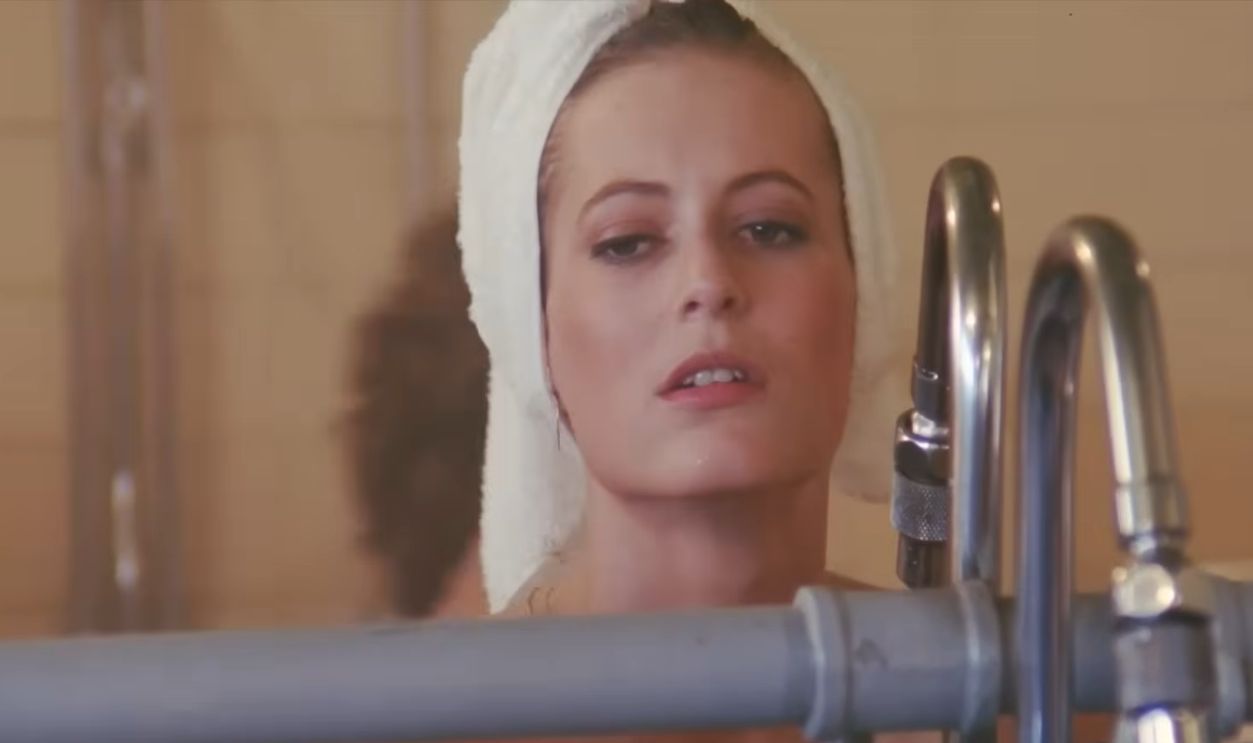 Screenshot from The Slumber Party Massacre, New World Pictures (1982)
The Toxic Avenger (1984)
A bullied janitor transforms into a deformed superhero after falling into toxic waste in The Toxic Avenger. Low-budget gore and crude humor earned harsh criticism, yet it became a Troma Entertainment cult classic, spawning sequels and merchandise.
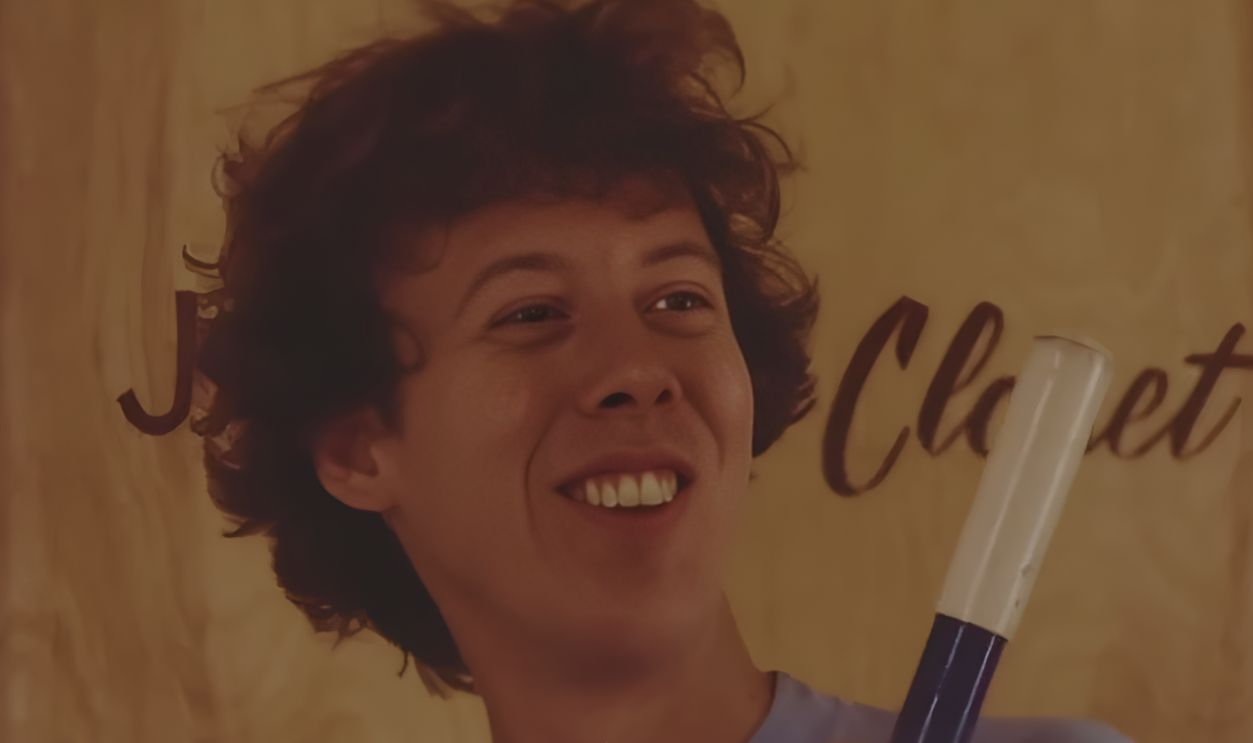 Screenshot from The Toxic Avenger,Troma Entertainment (1984)
The Stuff (1985)
In The Stuff, an addictive dessert turns deadly. Larry Cohen’s direction couldn’t save the film from criticism about its inconsistent tone, and it didn’t make a huge splash financially. Still, the bizarre concept lingered in pop culture, attracting a dedicated fanbase over time.
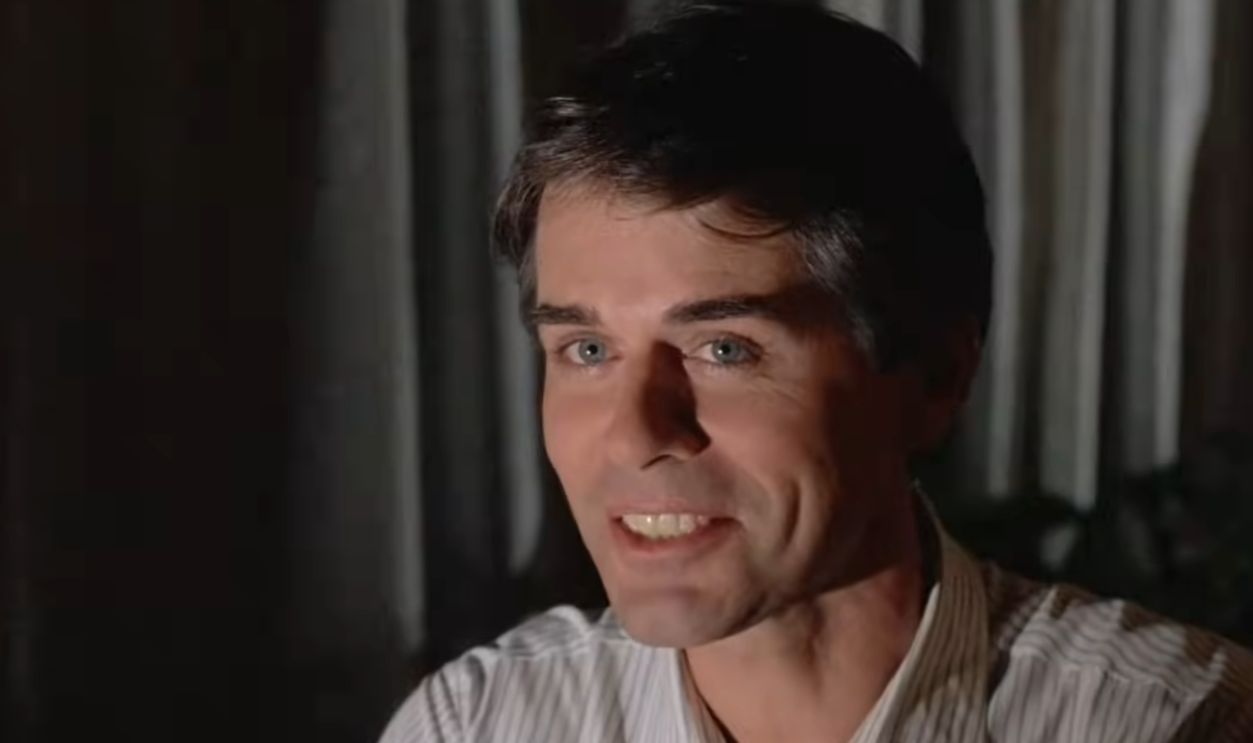 Screenshot from The Stuff, New World Pictures (1985)
The Hitcher (1986)
Rutger Hauer stars in The Hitcher, where a young man is terrorized by a psychotic hitchhiker on an empty highway. The excessive violence wasn't everyone's cup of tea, and, as expected, the film underperformed at the box office, but its tension and Hauer’s performance later earned it cult status.
 Screenshot from The Hitcher, TriStar Pictures (1986)
The Keep (1983)
In The Keep, a mysterious fortress becomes the site of a supernatural threat after Nazi soldiers occupy it. Michael Mann’s direction couldn’t overcome the incoherent story or limited special effects, yet the film’s haunting visuals later attracted cult admiration.
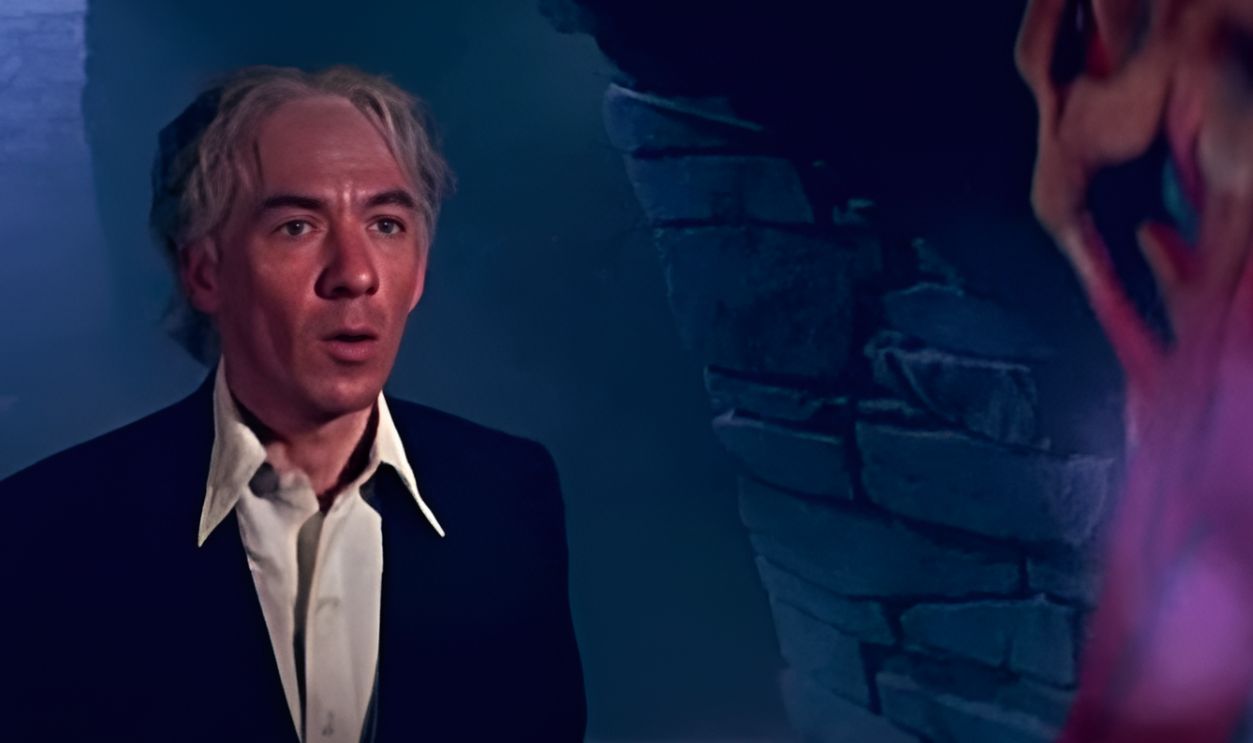 Screenshot from The Keep, Paramount Pictures (1983)
The Hunger (1983)
The Hunger follows a couple of vampires, with David Bowie leading the cast. Box office returns were disappointing, and critics argued that the substance suffered under the film’s stylized presentation. However, its haunting soundtrack and elegant visuals left a memorable mark in cinematic style.
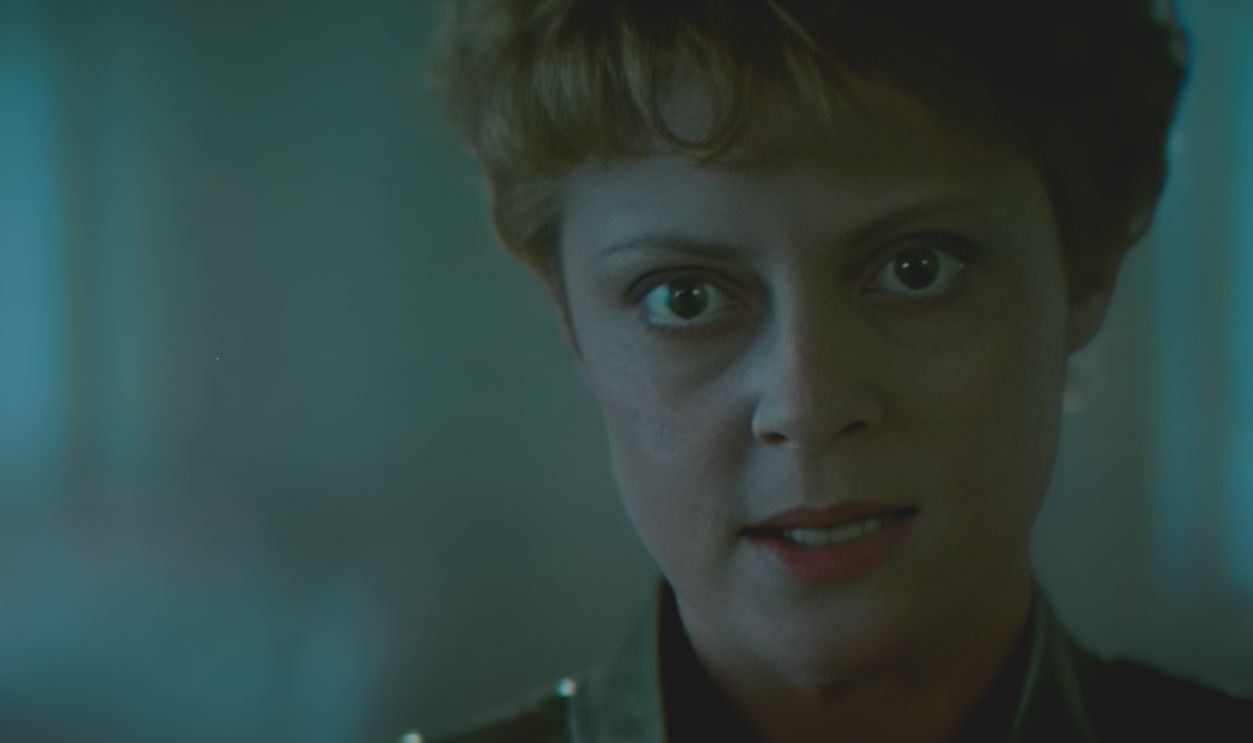 Screenshot from The Hunger, MGM/UA Entertainment Co. (1983)
The Entity (1982)
A woman is terrorized by an invisible supernatural force in The Entity, a horror film based on an alleged true story. Critics called it exploitative, and its box office performance was modest. The film later sparked discussions in paranormal circles for its chilling premise.
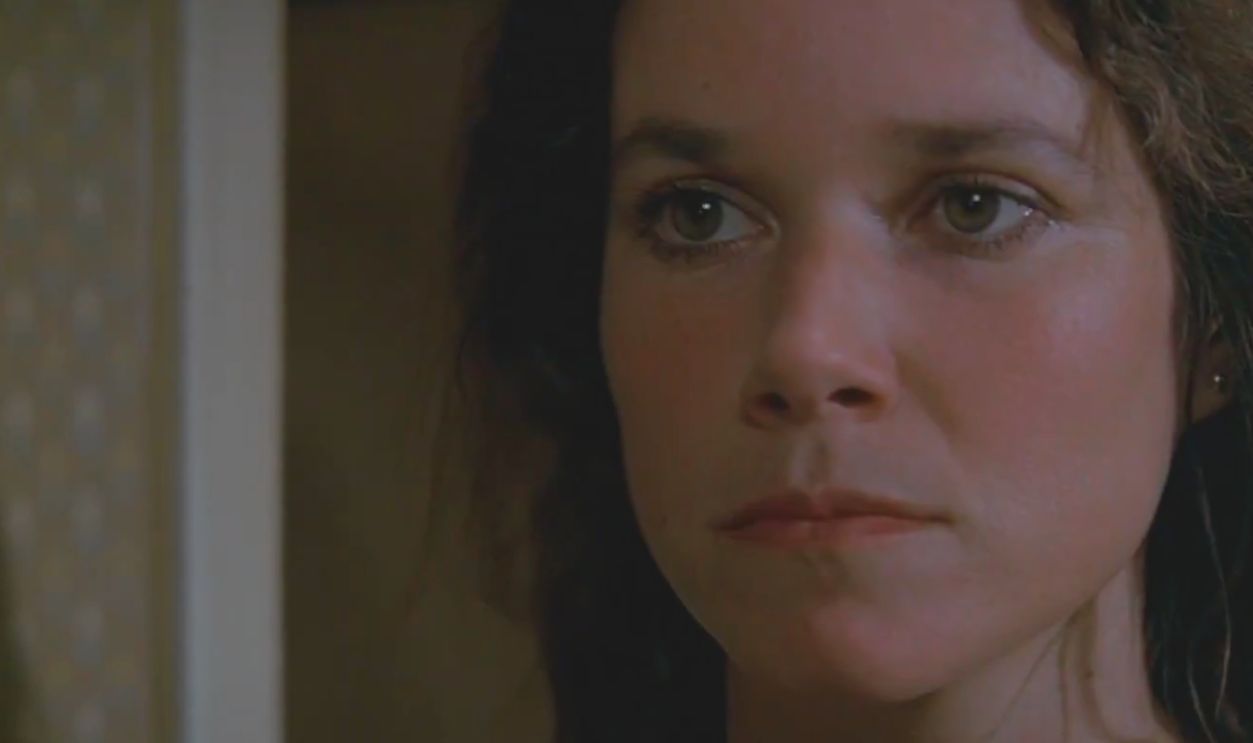 Screenshot from The Entity, 20th Century Studios (1982)
The Wraith (1986)
Critics slammed the confusing plot of The Wraith, starring Charlie Sheen as a mysterious driver exacting revenge. It didn’t perform well at the box office, but fans found the supernatural car sequences and '80s flair entertaining in home-video viewings.
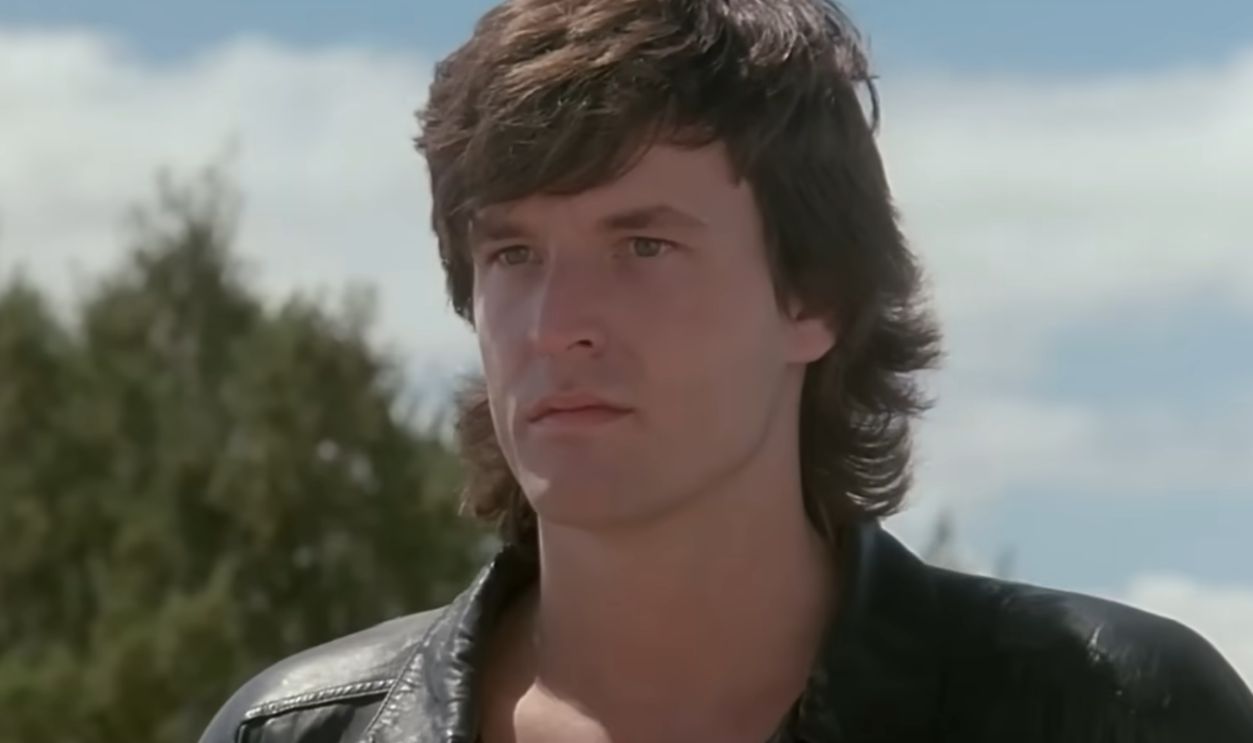 Screenshot from The Wraith, New Century Vista Film Company (1986)
Ninja III: The Domination (1984)
This bizarre mash‑up of martial arts and supernatural horror follows a woman possessed by a ninja’s spirit. Reviewers dismissed the movie’s incoherent plot and campy tone, though it later gained cult status among fans of “so bad it’s good” cinema.
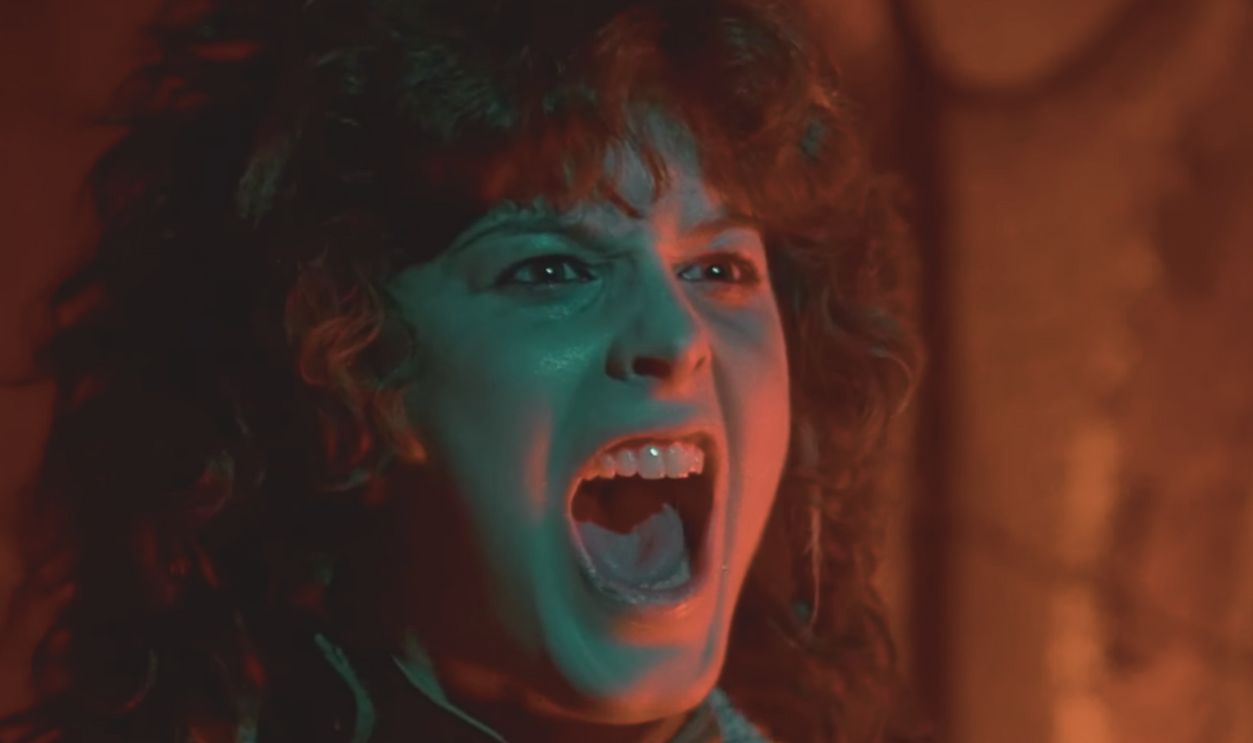 Screenshot from Ninja III: The Domination, Cannon Film Distributors (1984)