When Gravity Just Isn’t Enough
There comes a point where Earth feels a little…limited. Same skies, same rules, same gravity dragging you back down. That’s when space movies step in—offering bigger stakes, stranger worlds, and the kind of existential dread that only the vacuum of space can deliver. From quiet, introspective journeys to full-blown cosmic chaos, these films remind us that once you leave Earth behind, anything can happen. And honestly, that’s kind of the point.
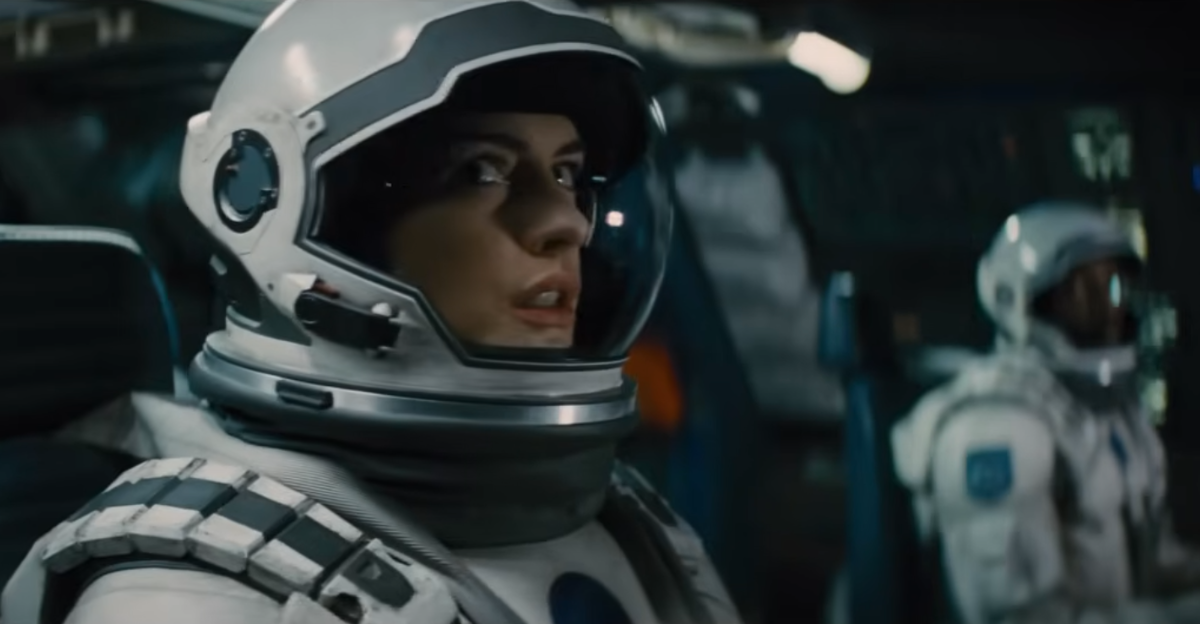 Screenshot from Interstellar, 2014, Prime Video
2001: A Space Odyssey
Stanley Kubrick didn’t just make a space movie—he made the space movie. It’s slow, hypnotic, and occasionally baffling, but that’s exactly why it works. Watching it feels less like following a story and more like drifting through a cosmic thought experiment. By the time it ends, you may not have all the answers, but you’ll definitely feel like you’ve been somewhere far beyond Earth.
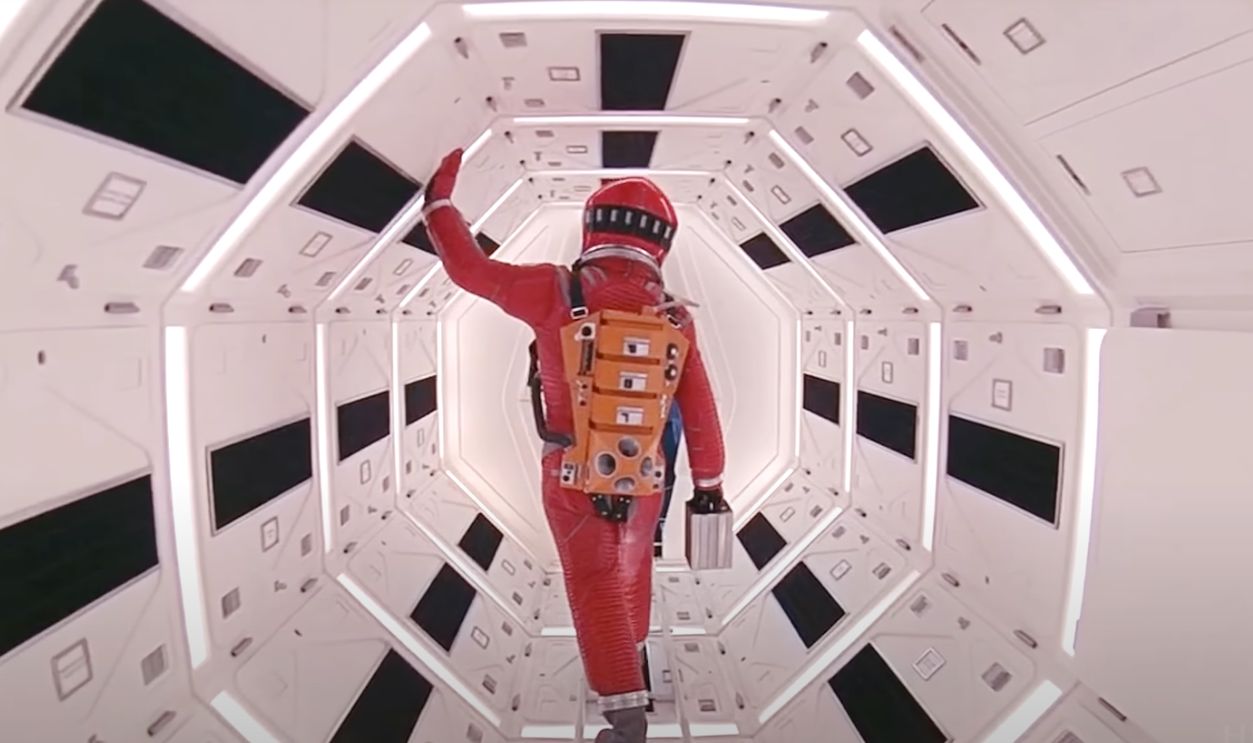 Screenshot from 2001: A Space Odyssey, Metro-Goldwyn-Mayer (MGM) (1968)
Alien
Space is already terrifying, so naturally someone thought it needed a monster. Alien takes the isolation of deep space and cranks it into pure nightmare fuel. The Nostromo feels claustrophobic despite the vast emptiness outside, and that tension never lets up. It’s proof that leaving Earth doesn’t just mean adventure—it can mean something far worse.
 Screenshot from Aliens, Brandywine Productions / 20th Century Fox (1986)
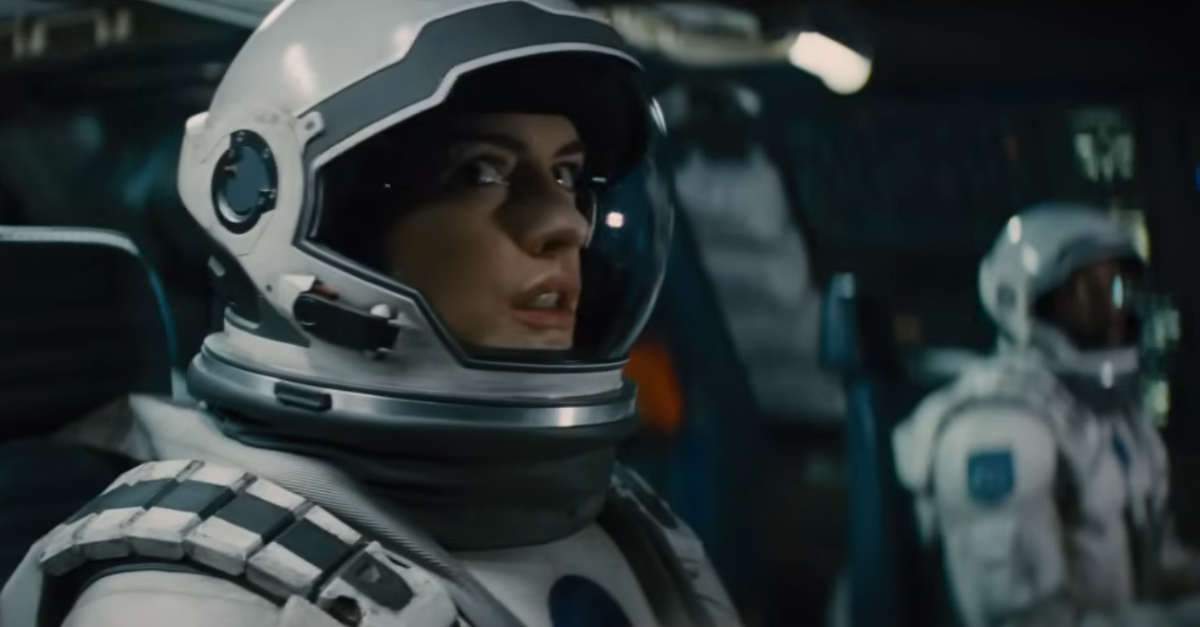
Interstellar
Christopher Nolan turned space travel into an emotional gut punch. Yes, there are wormholes and black holes, but at its core, this is a story about time, love, and impossible choices. The visuals are stunning, but it’s the human stakes that really pull you in. By the end, you’ll be thinking about space differently—and maybe time itself, too.
 Screenshot from Interstellar, Paramount Pictures (2014)
Star Wars
Few movies made space feel this alive and chaotic. Instead of sterile ships and quiet isolation, Star Wars throws you into a galaxy bursting with personality. It’s less about the science and more about the adventure, and that’s exactly why it works. Sometimes escaping Earth just means trading it for a universe where anything goes.
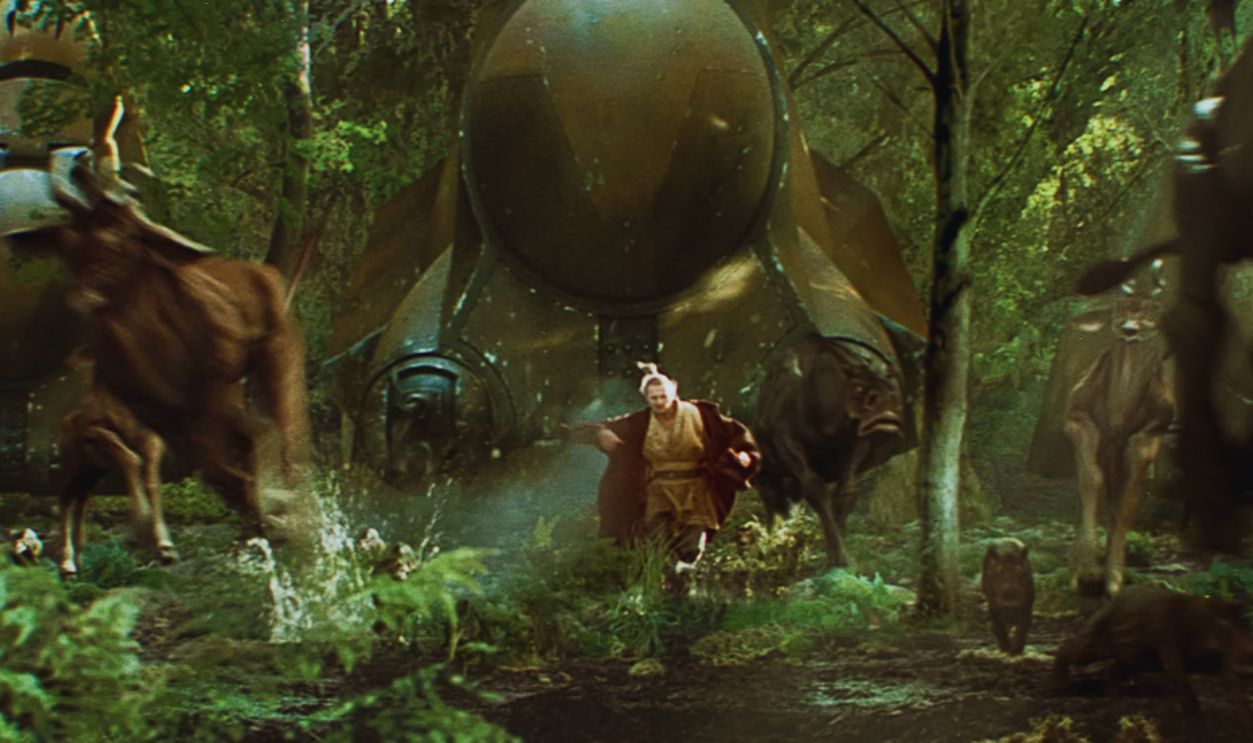 Screenshot from Star Wars: Episode I – The Phantom Menace, Lucasfilm Ltd. / 20th Century Fox (1999)
The Empire Strikes Back
The sequel that somehow made everything bigger and darker. It expands the galaxy while digging deeper into its characters, proving space stories don’t have to stay light. The emotional weight here hits just as hard as the spectacle, making it one of the most unforgettable journeys off Earth ever put on screen. Also, it gave us one of the most famous twists in movie history.
 Screenshot from Star Wars: Episode V – The Empire Strikes Back, Lucasfilm (1980)
Gravity
This is what space would actually feel like if everything went wrong. Gravity strips things down to survival, focusing on one person trying to make it back home. The silence, the spinning, the sheer vulnerability—it’s all deeply unsettling. You’ll never look at orbit the same way again.
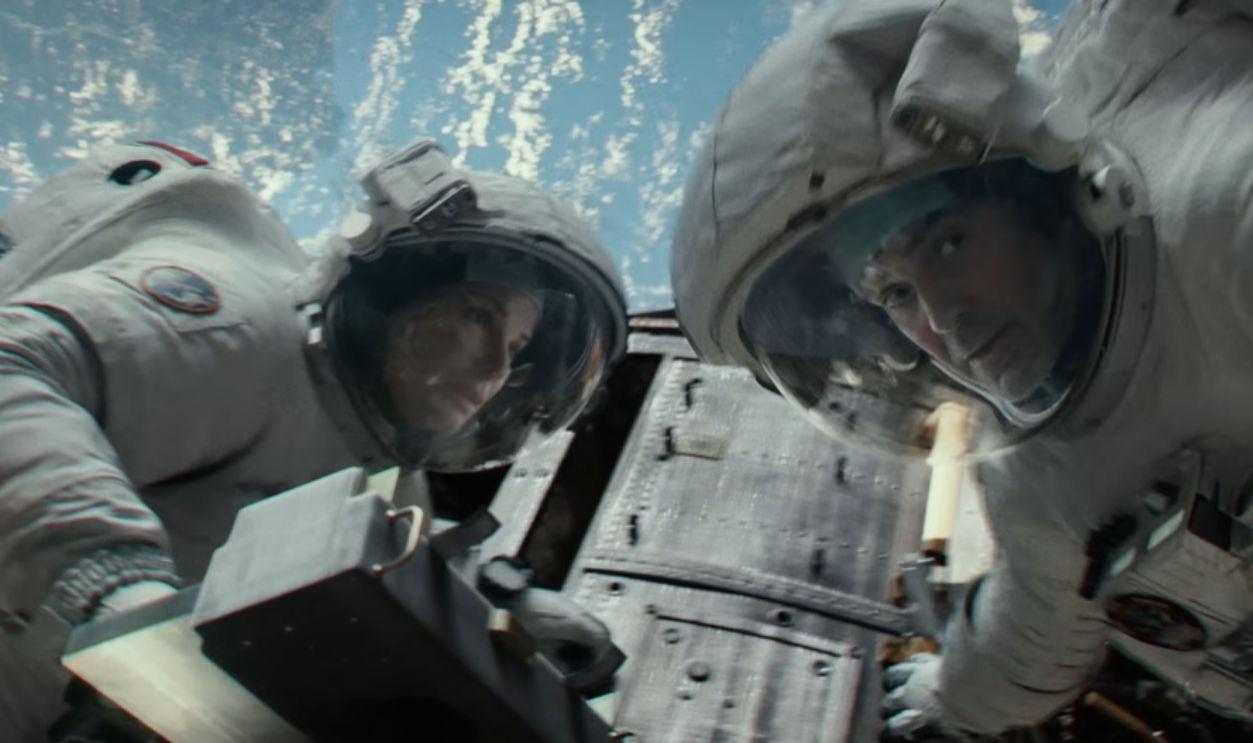 Screenshot from Gravity, Warner Bros. Discovery (2013)
Apollo 13
Sometimes the most gripping space stories are the real ones. Apollo 13 turns a failed mission into a masterclass in tension and ingenuity. You know how it ends, but that doesn’t make the journey any less stressful. It’s a reminder that space doesn’t care how prepared you are.
 Screenshot from Apollo 13, Universal Pictures (1995)
Solaris
Not all space movies are about action—some are about what space does to your mind. Solaris leans into that, exploring memory, grief, and the unknown. It’s quiet and haunting, the kind of film that lingers long after it’s over. If Earth feels complicated, space might be even worse.
 Screenshot from Solaris, Mosfilm / Creative Unit of Writers and Cinema Workers (1972)
The Right Stuff
Before space became routine, it was pure chaos and bravery. The Right Stuff captures that early era with humor, intensity, and a sense of awe. It’s as much about the people as it is about the missions. Watching it makes you appreciate just how wild those first steps into space really were.
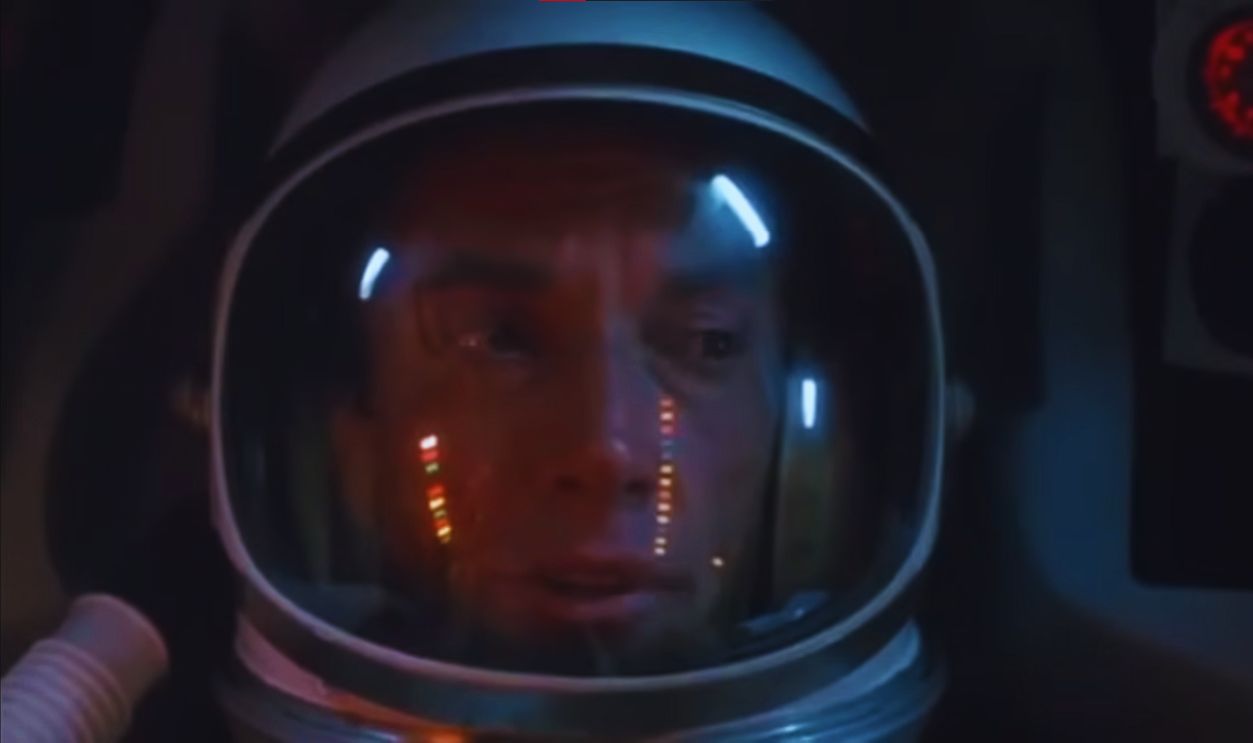 Screenshot from The Right Stuff, The Ladd Company / Warner Bros. Pictures (1983)
Blade Runner
Technically more grounded on Earth, but its world feels so detached it might as well be another planet. The futuristic setting blurs the line between human and machine in a way that feels eerily cosmic. It’s less about space travel and more about existential drift. Sometimes the distance from Earth is emotional, not physical.
 Screenshot from Blade Runner, Warner Bros (1982)
Moon
A quiet, deeply personal take on isolation in space. Moon focuses on one man nearing the end of his solitary mission—and things start to unravel quickly. It’s intimate in a way most space films aren’t, trading spectacle for introspection. By the end, it raises questions you won’t shake off easily.
 Screenshot from Moon, Sony Pictures Classics (2009)
The Martian
What if space tried to kill you, and you just…refused? The Martian turns survival into a surprisingly upbeat challenge. It’s smart, funny, and grounded in problem-solving rather than panic. Watching it makes you think maybe, just maybe, humans belong out there.
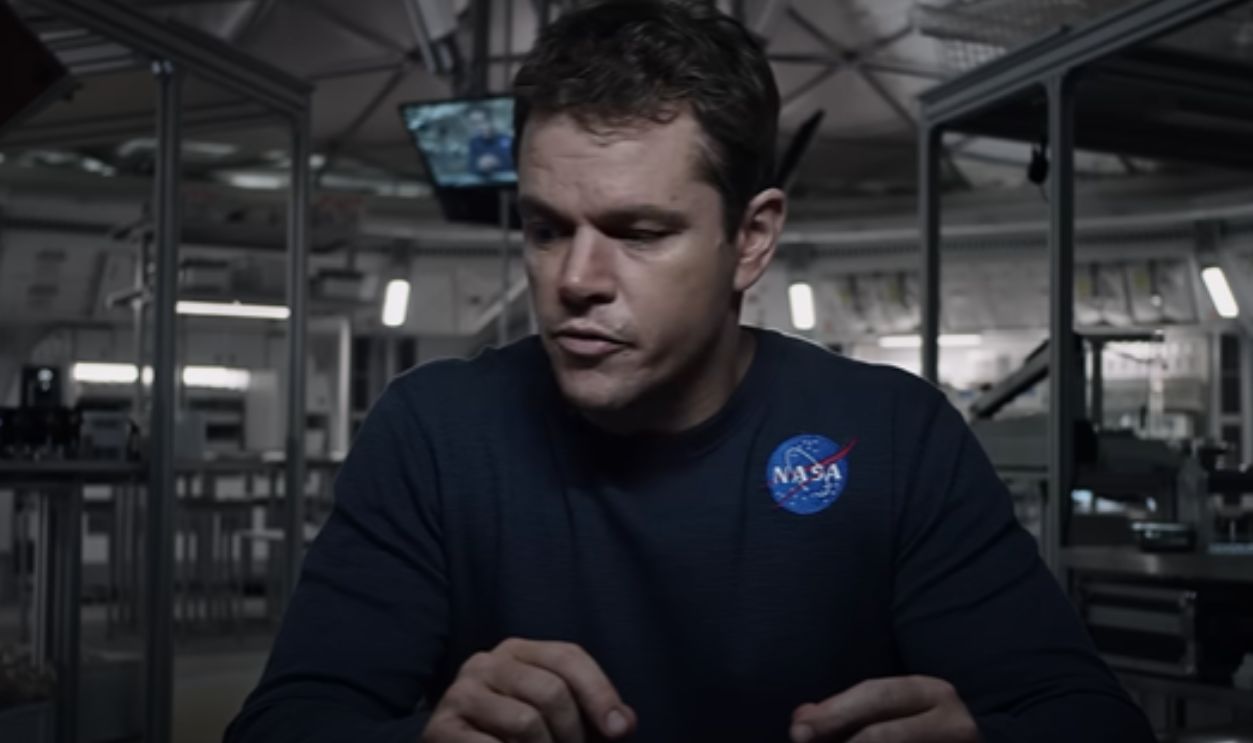 20th Century Fox, The Martian (2015)
Close Encounters of the Third Kind
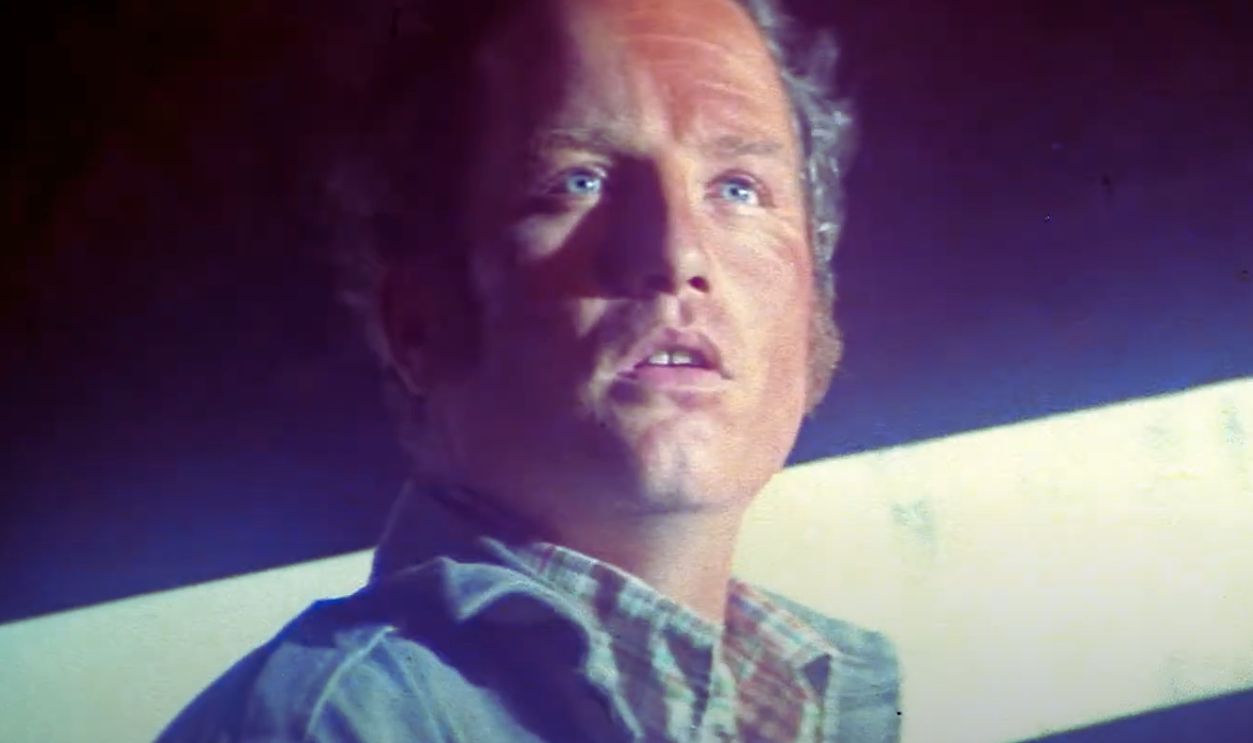
Not all space stories happen in space itself. This one brings the mystery to Earth, focusing on humanity’s obsession with what’s out there. It captures that sense of wonder better than almost anything else. It’s less about aliens and more about the irresistible pull of the unknown.
Ad Astra
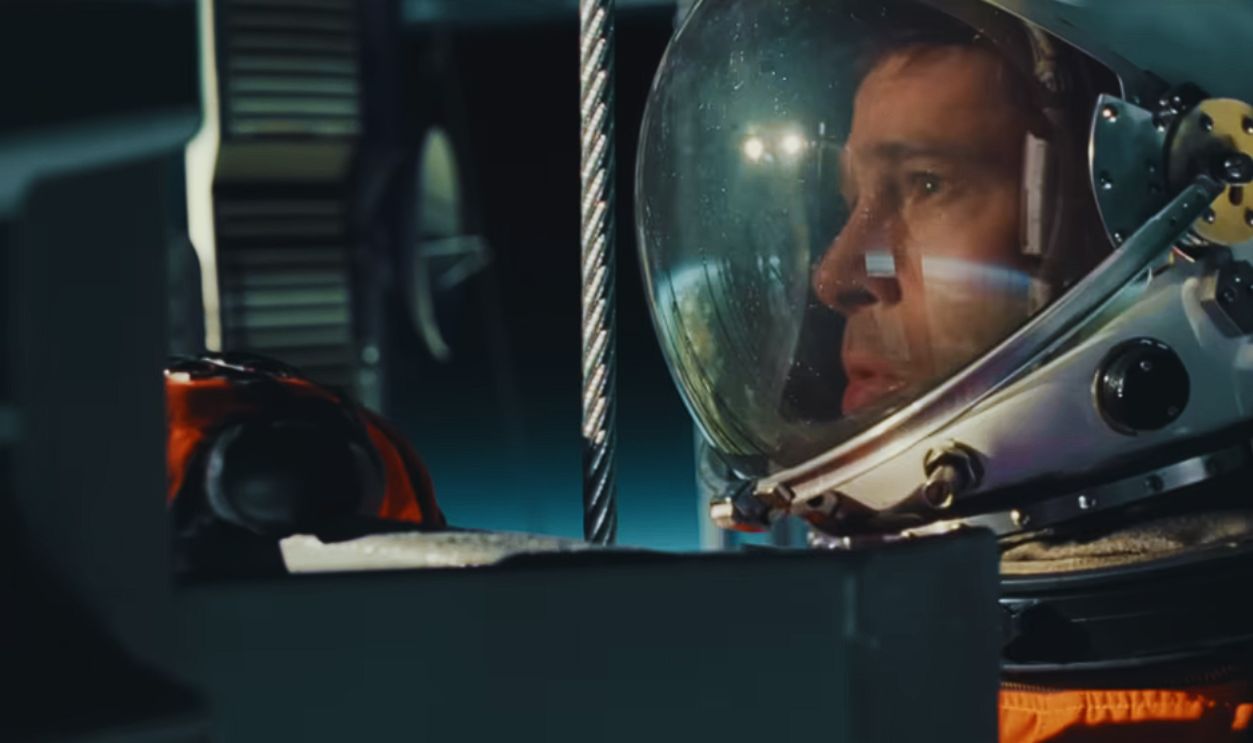
Brad Pitt drifting through space sounds peaceful until it absolutely isn’t. Ad Astra is quiet, introspective, and a little unsettling. It uses space as a backdrop for a deeply personal journey about connection and distance. The farther it goes, the more isolated it feels.
Sunshine
A mission to reignite the sun sounds simple enough—until everything starts to fall apart. Sunshine blends hard sci-fi with psychological horror in a way that keeps you off balance. The visuals are gorgeous, but there’s always something uneasy lurking beneath. It’s the kind of movie that gets darker the closer you get to the light.
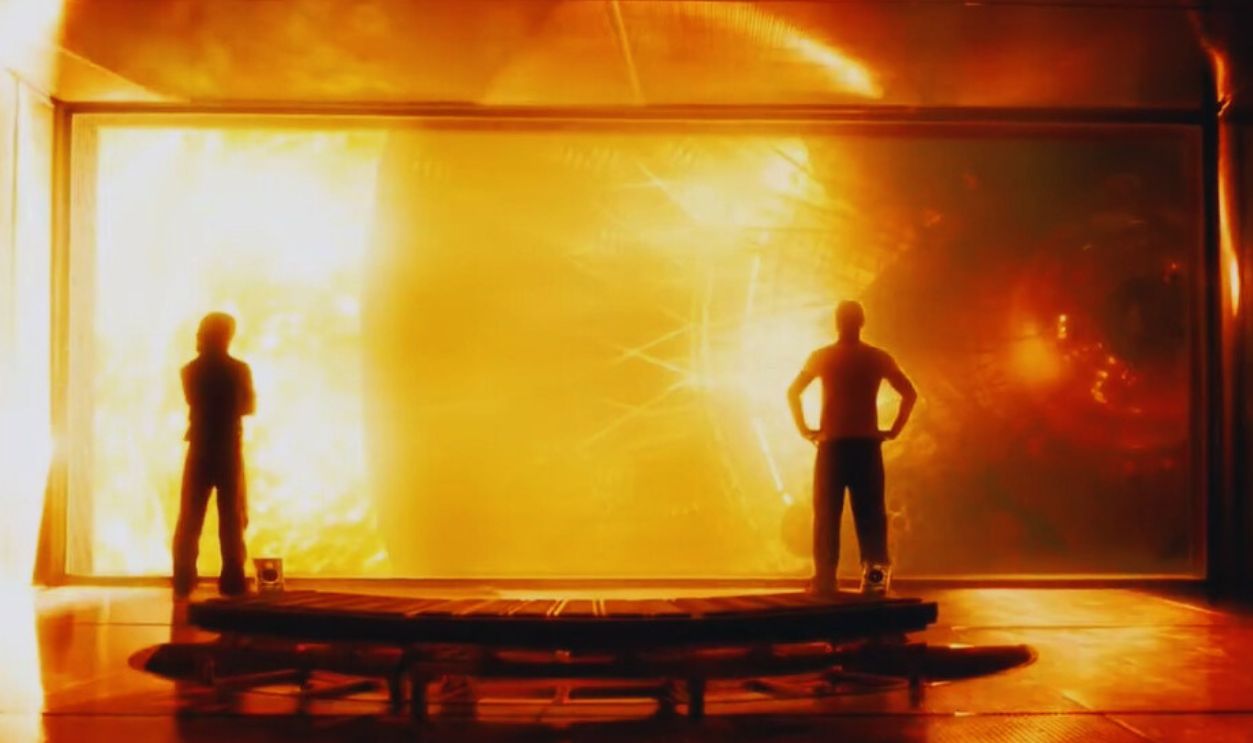 Screenshot from Sunshine, Fox Searchlight Pictures (2007)
Wall-E
Yes, it’s animated—but it’s also one of the most effective space stories out there. The opening stretch alone captures loneliness in a way few films manage. Then it expands into something hopeful and surprisingly emotional. Sometimes leaving Earth is the only way to realize what we’ve done to it.
 Screenshot from WALL-E, Pixar Animation Studios / Walt Disney Pictures (2008)
First Man
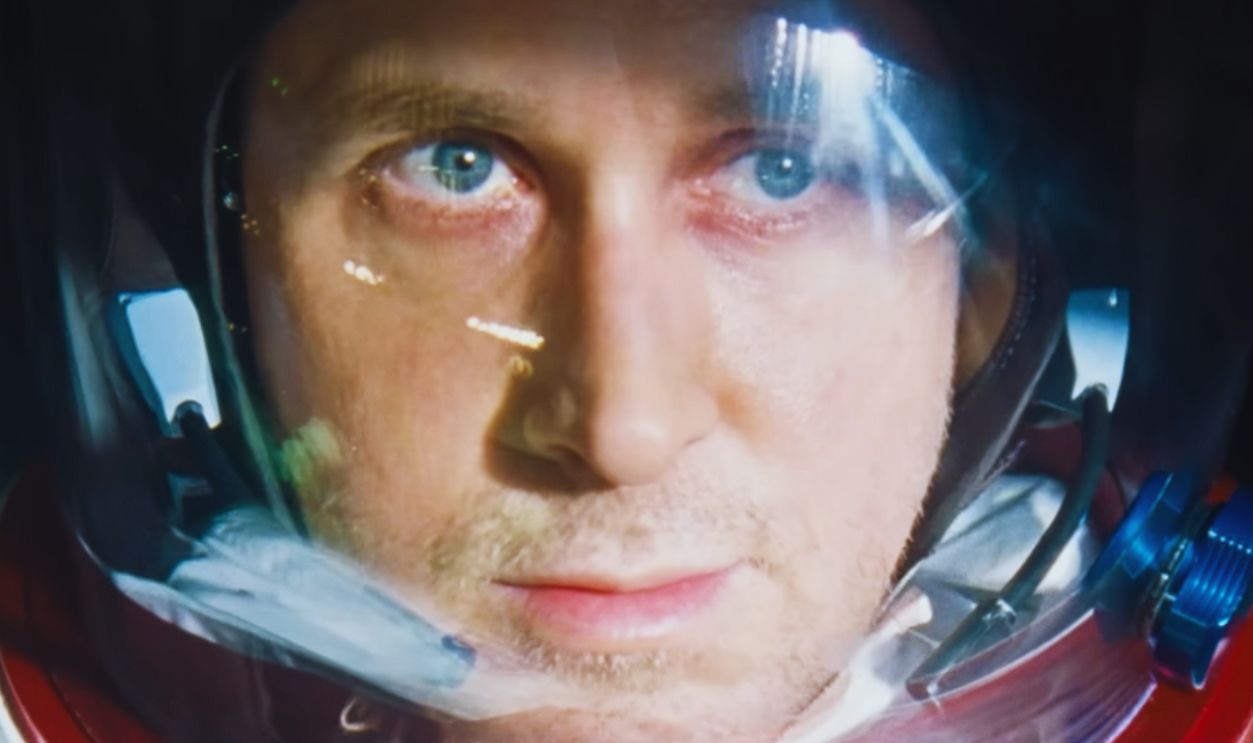
Space travel isn’t always heroic—it’s often terrifying and deeply personal. First Man strips away the spectacle to focus on Neil Armstrong’s experience. The missions feel dangerous in a very real, grounded way. It reminds you that every giant leap came with real risk.
Guardians of the Galaxy
Not every trip to space has to be serious. Guardians of the Galaxy leans into humor, music, and chaos. It’s colorful, weird, and endlessly entertaining. It proves that space can be just as fun as it is dangerous, especially when you’re traveling with a talking raccoon.
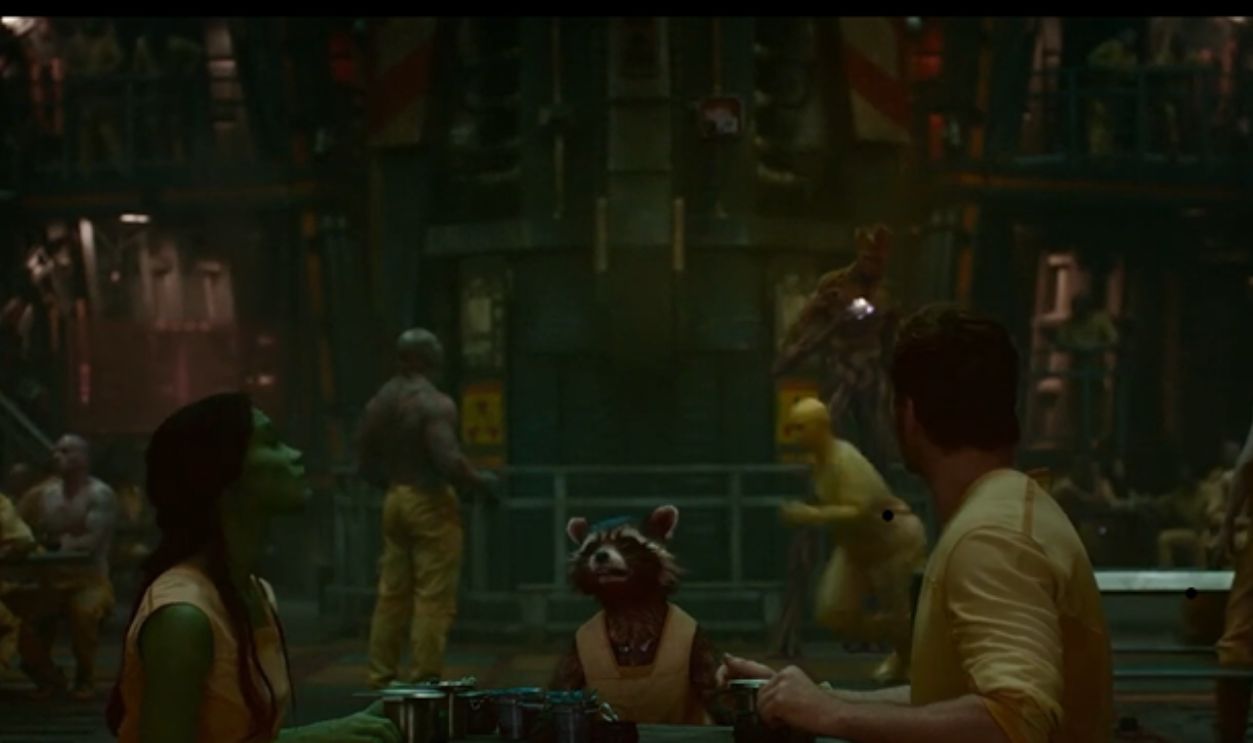 Screenshot from Guardians of the Galaxy, Marvel Studios / Walt Disney Studios (2014)
Contact
What if we actually heard something from out there? Contact explores that question with intelligence and patience. It’s more about belief and discovery than action. The result is a thoughtful look at what finding life beyond Earth would really mean.
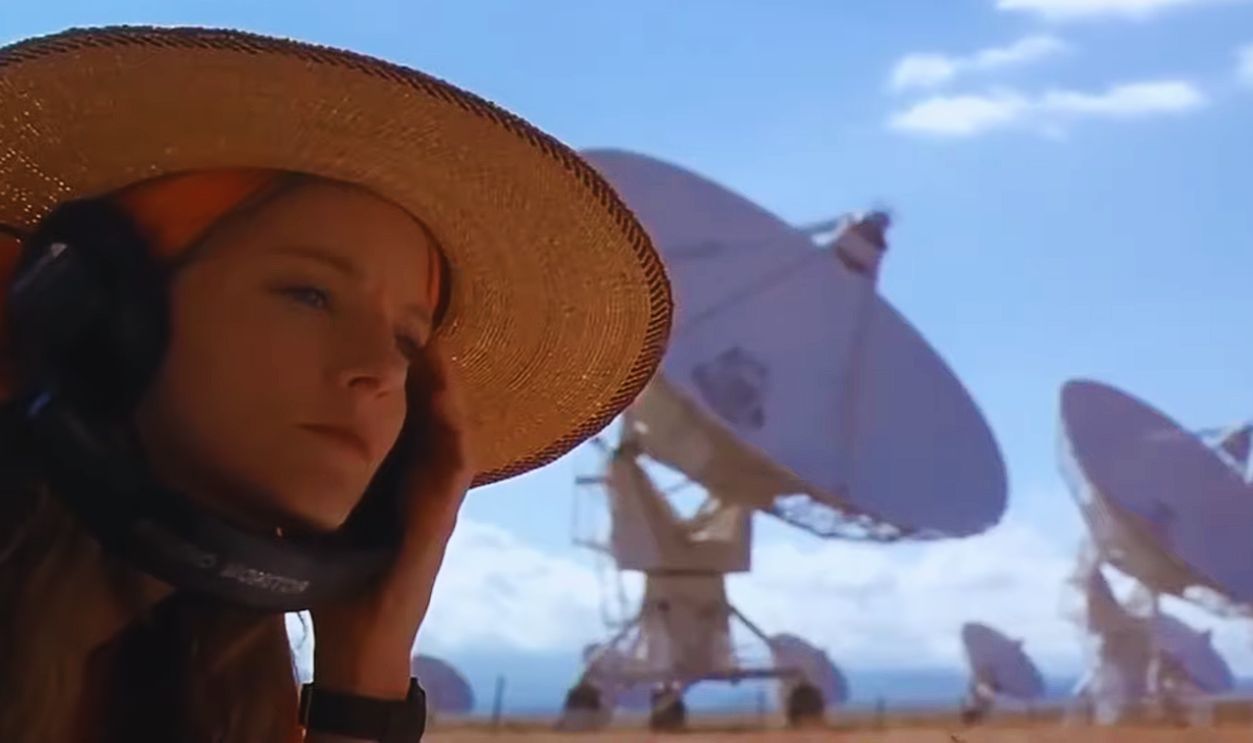 Screenshot from Contact, SouthSide Amusement Co. / Warner Bros. Pictures (1997)
Event Horizon
Some doors in space should stay closed. Event Horizon takes the idea of deep space exploration and twists it into something horrific. It’s intense, unsettling, and not for the faint of heart. If you thought space was empty, this movie will change your mind.
 Screenshot from Event Horizon, Paramount Pictures (1997)
Star Trek II: The Wrath of Khan
Few space movies balance action and character this well. It’s a story about rivalry, aging, and consequences, all wrapped in a sci-fi adventure. The stakes feel personal even when the setting is vast. It’s a reminder that even in space, it always comes back to people.
 Screenshot from Star Trek II: The Wrath of Khan, Paramount Pictures (1982)
You May Also Like:
Can You Name Every Best Picture Winner From 2004 To 2025?
Think You Remember The Top Movies Of 1975? Let’s See!
Shady Facts About Eddie Mannix, Old Hollywood’s Notorious Fixer
Source: 1