Movies That Never Leave The Room
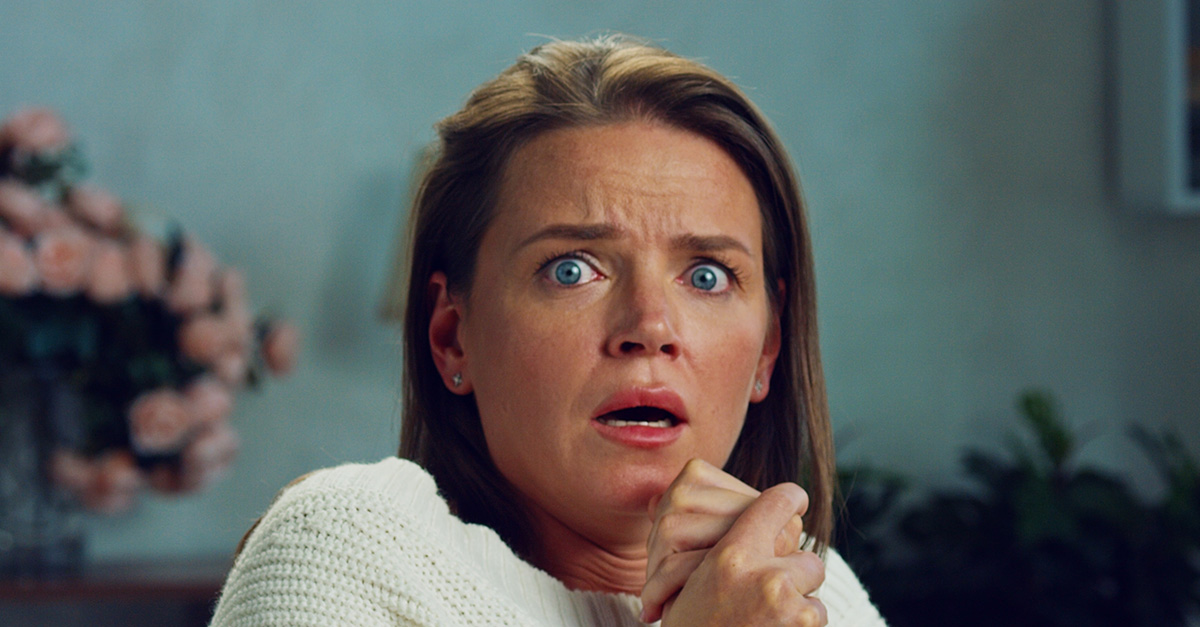
Sometimes the scariest place in cinema is the room you can’t leave. These single-location (or nearly so) thrillers squeeze unbearable tension from four walls, a locked door, and a ticking clock—proving you don’t need globe-trotting set pieces or special effects to make palms sweat. Below, enjoy 25 edge-of-your-seat “one room” bangers, sandwiched by a quick intro and a final send-off to add to your late-night watchlist.
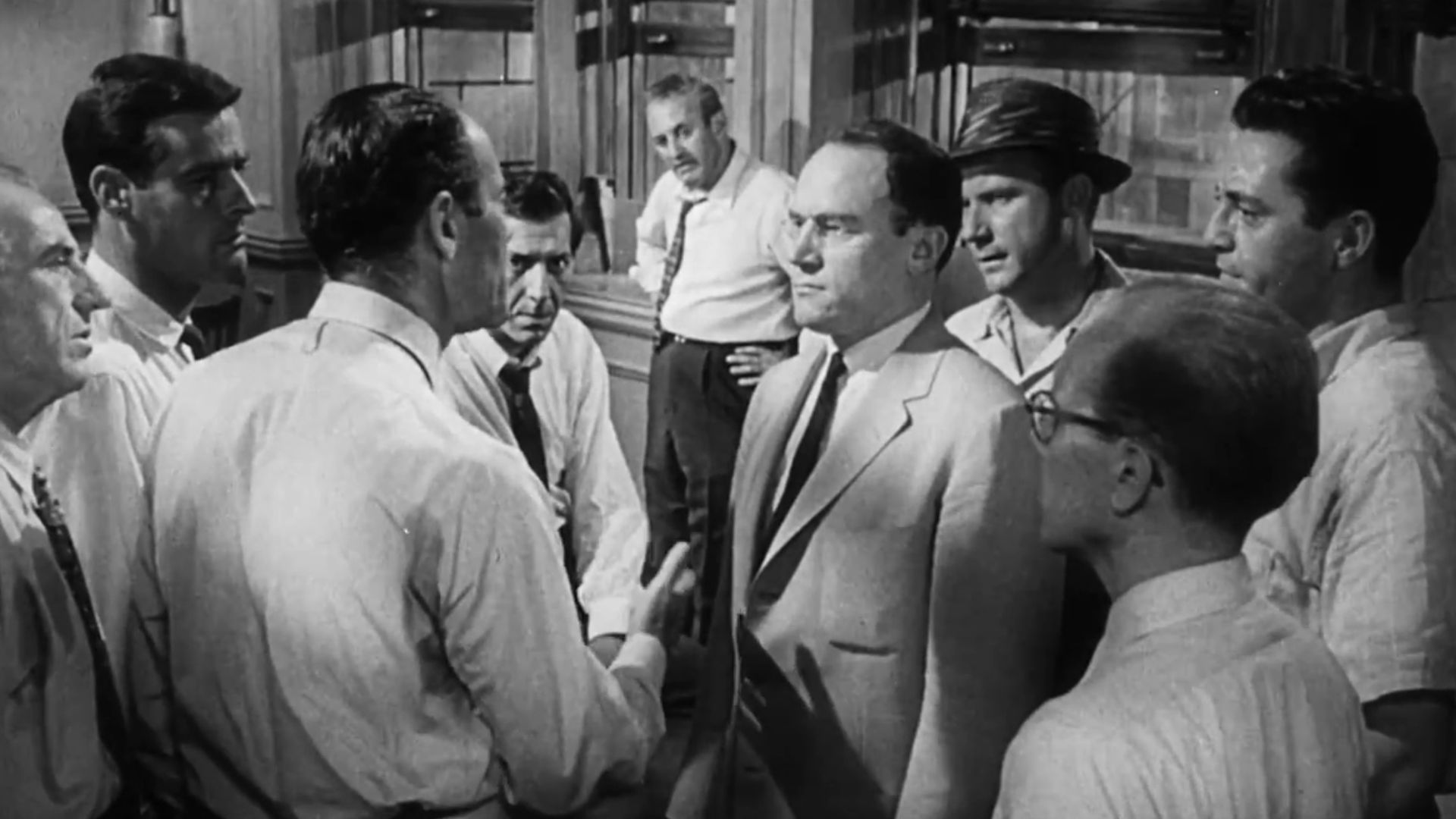
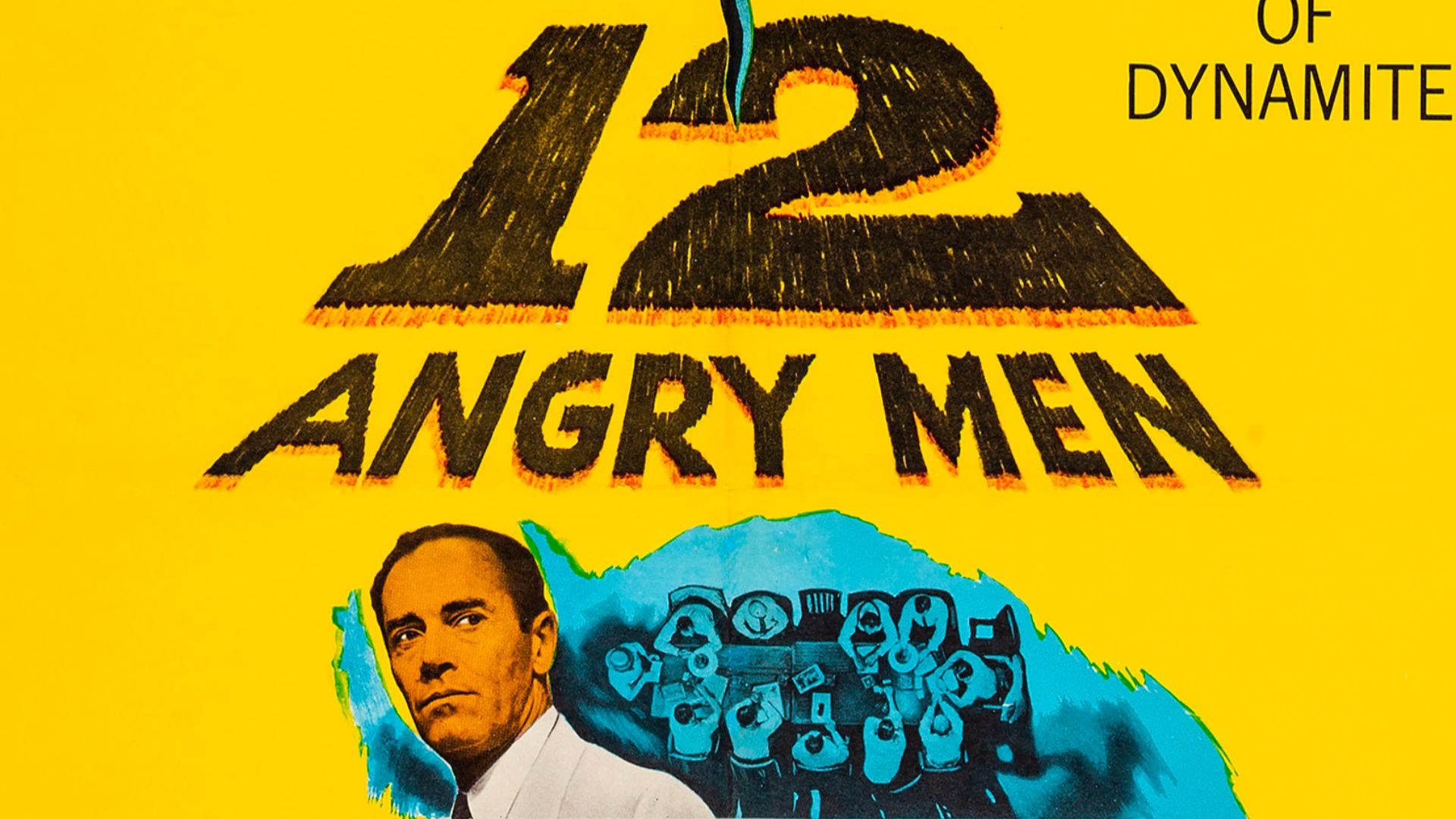
12 Angry Men (1957)
Sidney Lumet’s landmark chamber piece turns a sweltering jury room into a battlefield of reason and prejudice. Its “stark simplicity” is its genius: the camera never leaves the room where twelve men debate a life-or-death verdict, and the rising temperature mirrors the moral heat of the arguments. With Henry Fonda anchoring the ensemble, it’s as gripping as any modern thriller—proof that words alone can feel like gunfire.
Rope (1948)
Hitchcock’s audacious “real-time” experiment unfolds entirely in a sleek Manhattan apartment where two killers host a dinner party—over a hidden corpse. The master uses ingenious camera tricks and long takes to build suffocating suspense, as the city skyline dims outside the window. It’s a sophisticated dance of guilt and arrogance, turning one elegant room into the stage for a philosophical duel about morality and power.
 Trailer screenshot, Wikimedia Commons
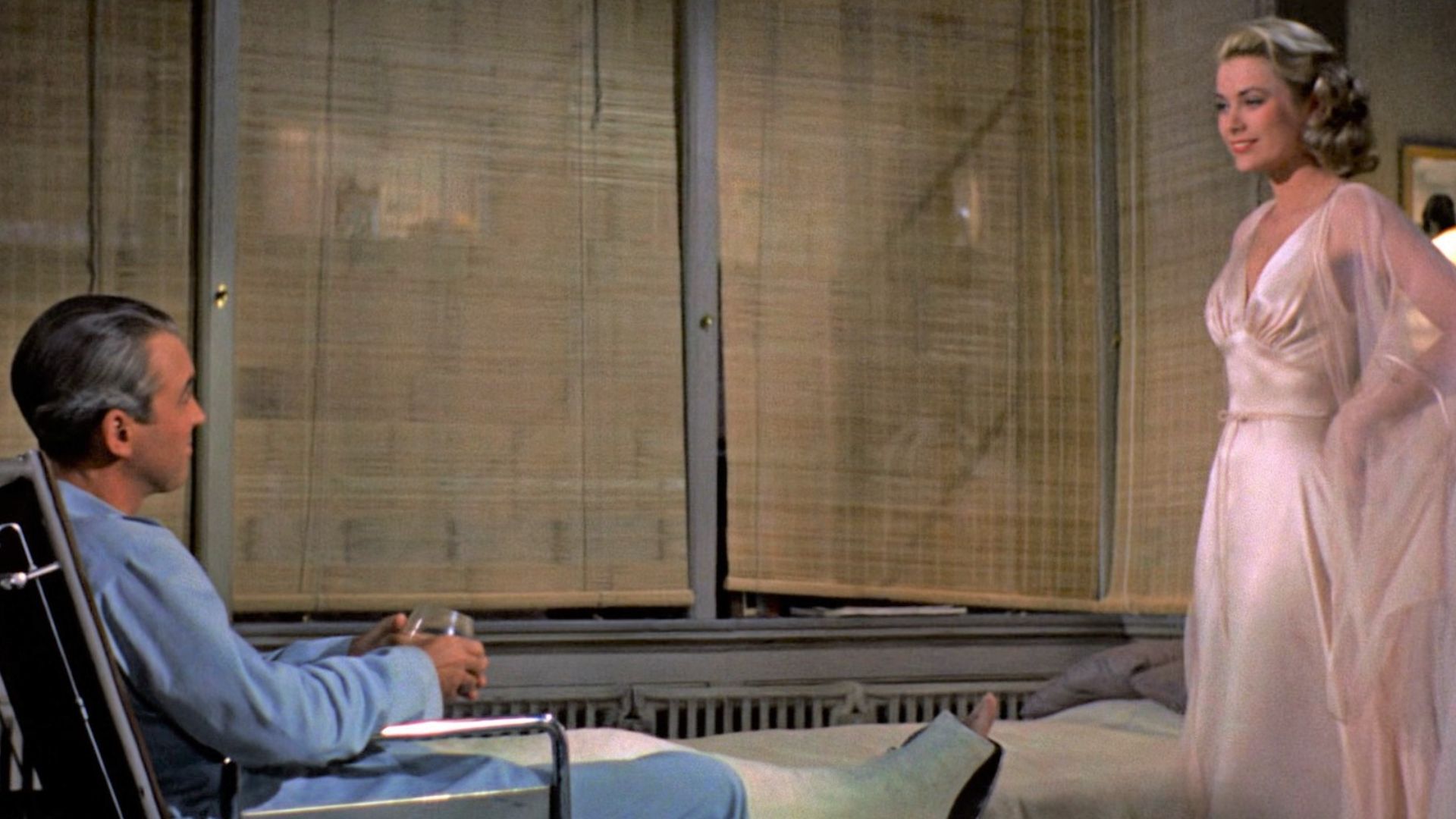
Rear Window (1954)
Confined by a broken leg, a photographer peers from his apartment into a courtyard—and maybe into a murder. Hitchcock once again crafts a masterclass in perspective: the camera never leaves Jeff’s room or his line of sight, making us complicit voyeurs. Each neighboring window becomes a story, a puzzle piece, and a mirror of obsession. It’s not just a thriller—it’s a study of curiosity turned dangerous.
 Trailer screenshot, Wikimedia Commons
Lifeboat (1944)
Survival shrinks to a few wooden planks and fraying nerves in this WWII-era Hitchcock gem. The film corrals a group of shipwreck survivors into one lifeboat, their clashing values and fragile alliances tested by thirst, storms, and a mysterious passenger. Within that tiny space, questions of class, trust, and morality explode like cannon fire. It’s remarkable how much cinematic tension fits into a few square feet of deck.
 20th Century Fox, Wikimedia Commons
Buried (2010)
The bravest bottle movie of them all: Ryan Reynolds, a lighter, a phone—and a coffin. Rodrigo Cortés stages 90 minutes of breathless, pitch-black suspense entirely inside a box. Every flicker of flame feels monumental, every vibration of the phone a lifeline. The sound design and camera movements turn the claustrophobia into a living presence, making this minimalistic thriller feel vast in emotional scope.
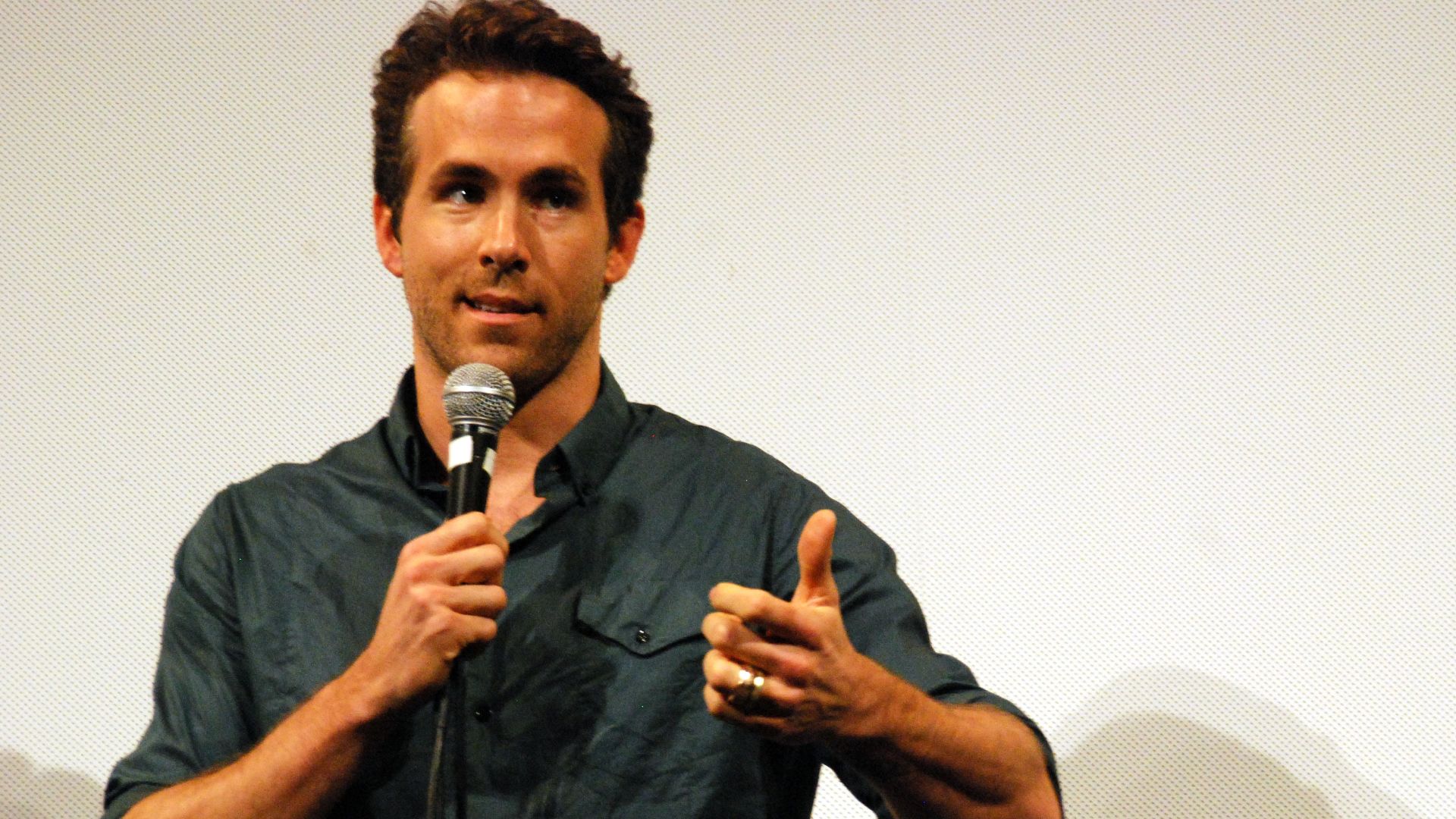 Chris Jackson, Wikimedia Commons
Phone Booth (2002)
Colin Farrell’s slick publicist answers a ringing payphone—and finds a sniper on the line. Joel Schumacher’s lean, high-concept thriller unfolds in what’s basically a glass cage in the middle of New York City. The film’s real-time structure ratchets up the anxiety as Farrell’s arrogant character unravels under moral pressure. With Kiefer Sutherland’s voice oozing menace, it’s proof a single block can feel like the world’s smallest prison.
 gdcgraphics, Wikimedia Commons
Locke (2013)
Tom Hardy carries the entire movie from behind the wheel of a car, driving through the night while his personal and professional life collapses via phone calls. Director Steven Knight turns Bluetooth chatter into emotional warfare, using the confined car as a metaphor for control slipping away. Hardy’s performance is mesmerizing—one man, one vehicle, and an unspooling sense of inevitability that feels utterly cinematic.
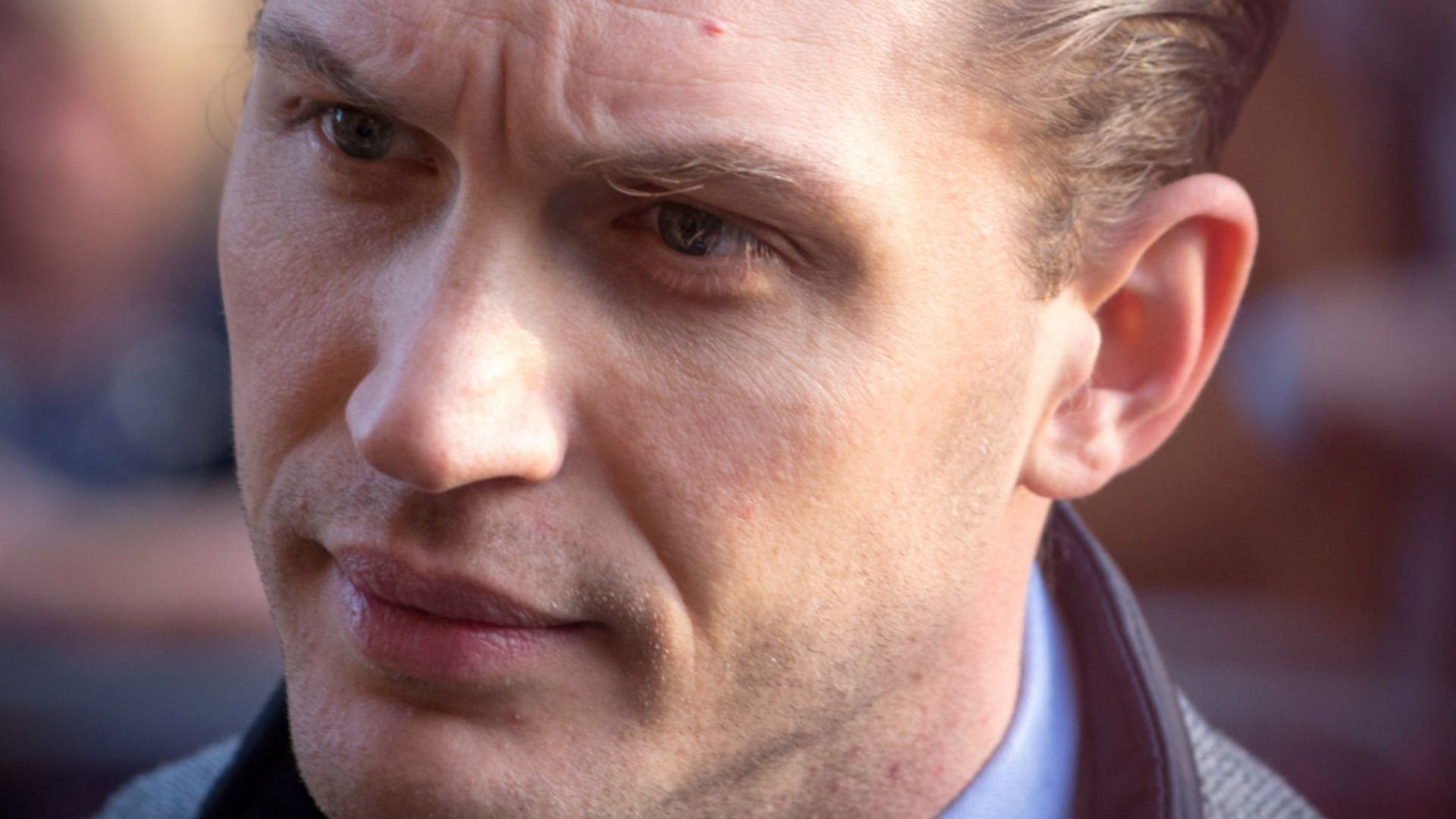 Tim Cornbill, Wikimedia Commons
The Guilty (2018)
A disgraced cop, a headset, and a desperate call from a kidnapped woman. Set entirely in a Danish emergency dispatch room, this minimalist thriller proves that what you don’t see can be scarier than what you do. The film’s razor-sharp script and nerve-rattling sound design make every silence deafening. As the officer’s own demons emerge, the small space becomes a moral crucible with chilling consequences.
 Olivier Bruchez from Lausanne, Switzerland, Wikimedia Commons
The Invitation (2015)
Grief curdles into paranoia during a dinner party that never stops tightening the screws. Karyn Kusama’s slow-burn masterpiece traps us in a sleek Hollywood Hills home where something is terribly off. Every toast, every sideways glance adds to the dread, until civility shatters into chaos. By the time the final reveal hits, you’ll swear you’ve been holding your breath the whole time.

Coherence (2013)
A comet passes overhead, and reality fractures in one ordinary suburban house. James Ward Byrkit’s micro-budget marvel turns a casual dinner party into a quantum nightmare, blending sci-fi and paranoia with astonishing ingenuity. The improvised dialogue and handheld camerawork lend raw immediacy as the characters—and audience—struggle to discern which reality is real. It’s brainy, eerie, and unforgettable.
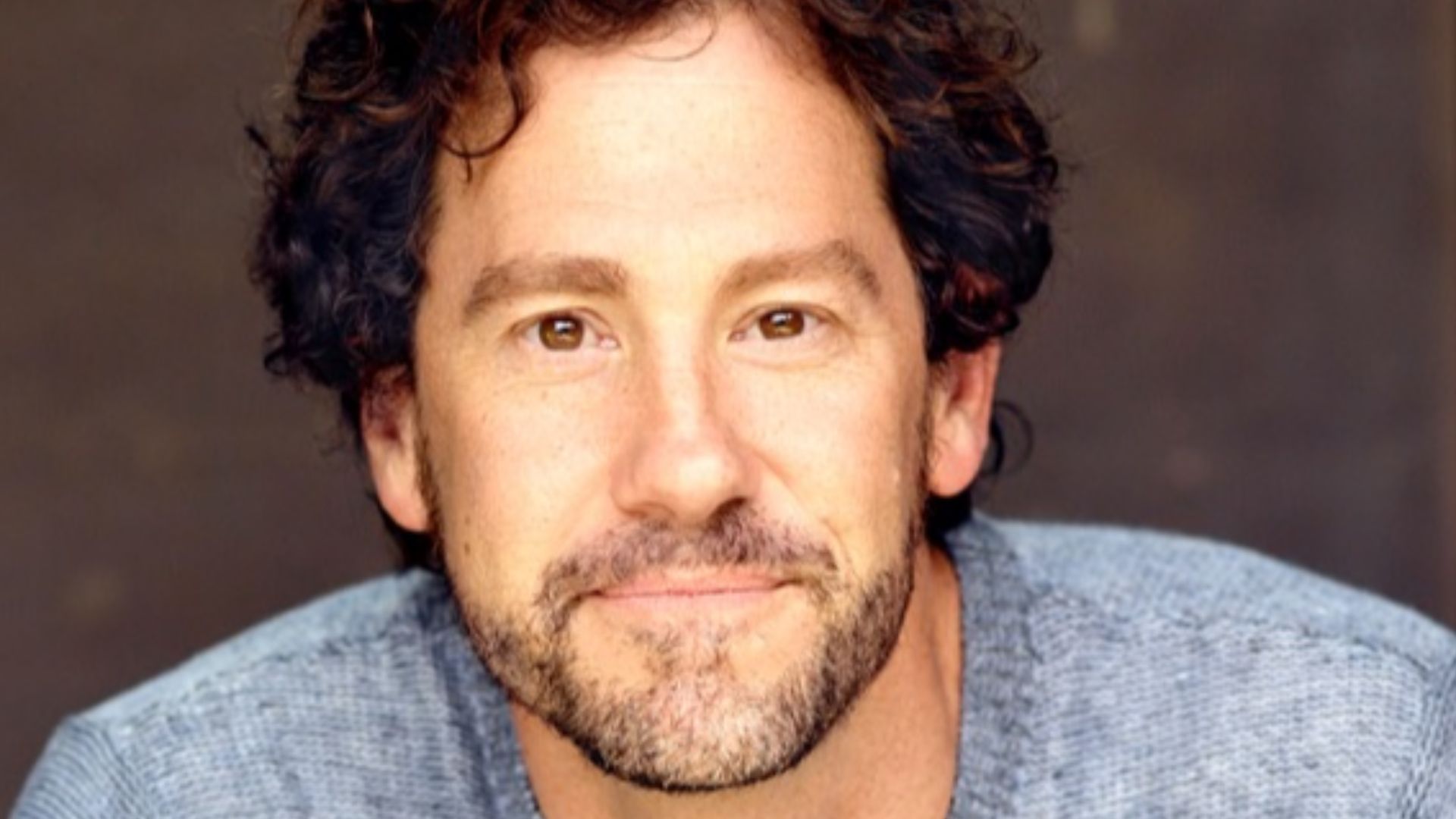 BNSupernova, Wikimedia Commons
Cube (1997)
Strangers wake up in a deadly maze—thousands of color-coded rooms, one endlessly reused set. Vincenzo Natali’s cult classic mixes math, philosophy, and splatter to craft a nightmarish metaphor for bureaucracy and survival. Each room hides traps and tests, turning logic into life insurance. The claustrophobic design and clinical lighting make every corridor feel both infinite and inescapable.
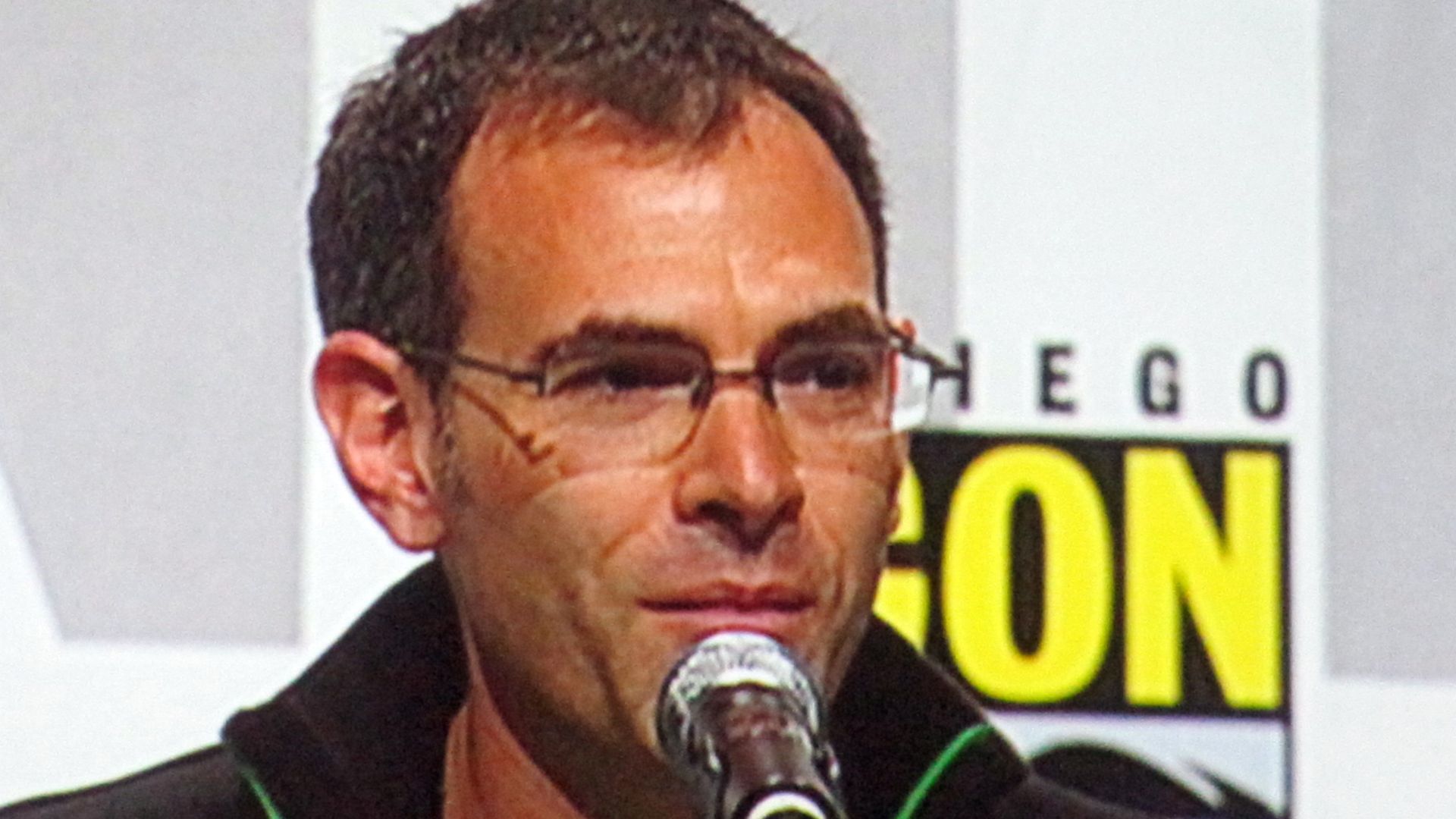 BrokenSphere, Wikimedia Commons
Exam (2009)
Eight candidates. One windowless room. A job interview that mutates into psychological warfare. This British thriller’s premise is deceptively simple, but its execution is fiendishly clever. As time runs out, alliances form and fracture while cryptic rules taunt them toward self-destruction. Director Stuart Hazeldine wrings corporate dread and existential anxiety from fluorescent lights and human desperation.
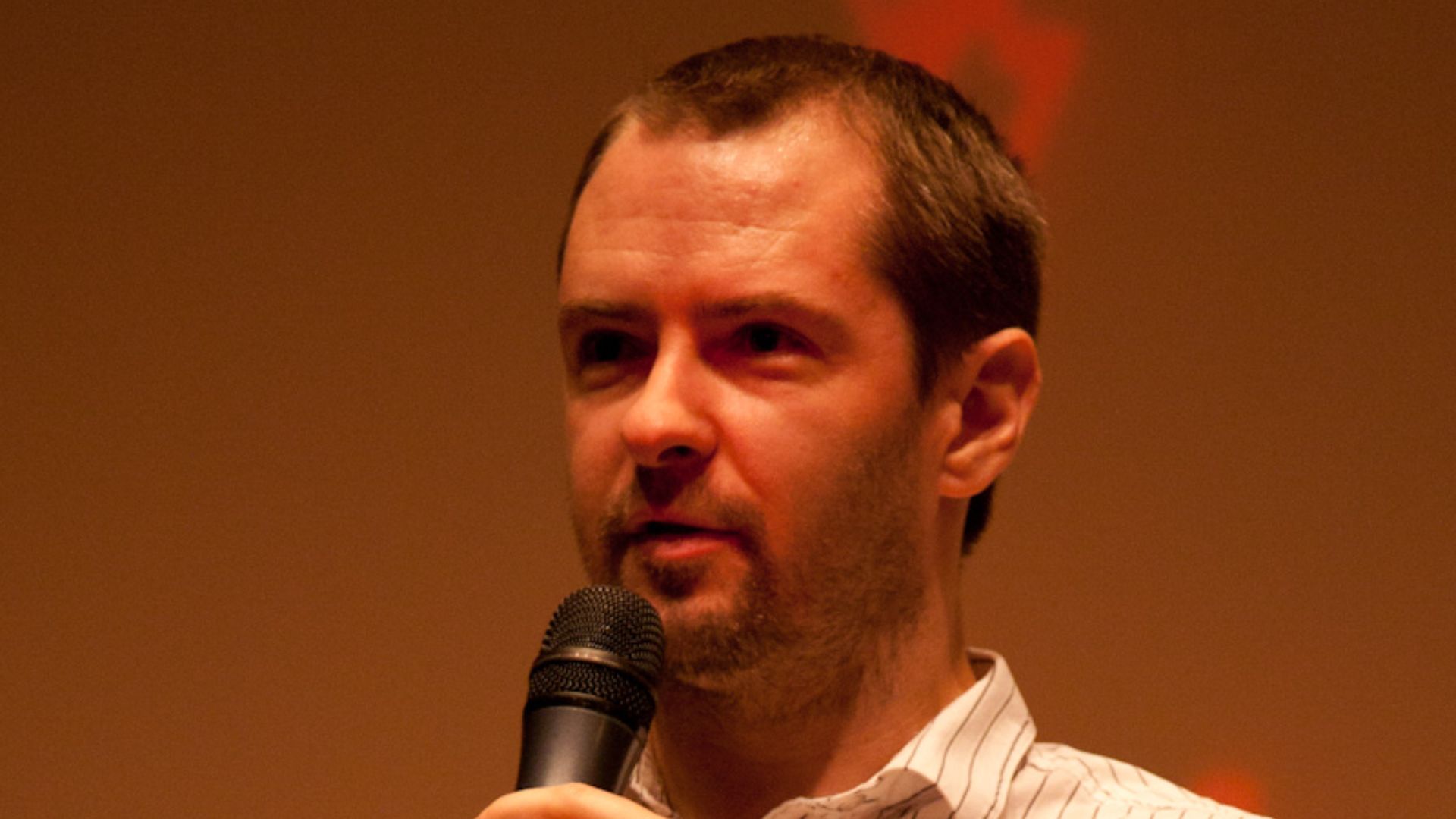
Devil (2010)
Five strangers trapped in a stalled elevator—and one of them might be the Devil. Produced by M. Night Shyamalan, this tight, atmospheric story takes a banal modern setting and makes it hellish. With every blackout, paranoia surges and secrets spill. The confined space turns into a spiritual courtroom, pitting guilt and fear against supernatural suspicion, all while the world watches from security cameras.
 diginmag - Photo by Cindy Maram for Dig In Magazine www.diginmag.com, Wikimedia Commons
Oxygen (2021)
Mélanie Laurent wakes inside a cryogenic pod with her oxygen levels dropping fast. Alexandre Aja crafts a near-future survival story that feels both terrifyingly intimate and sleekly futuristic. Confined to a coffin-like capsule, Laurent delivers an astonishingly physical performance, battling panic, memory loss, and an uncooperative AI. Every beep of the monitor feels like a countdown to oblivion.

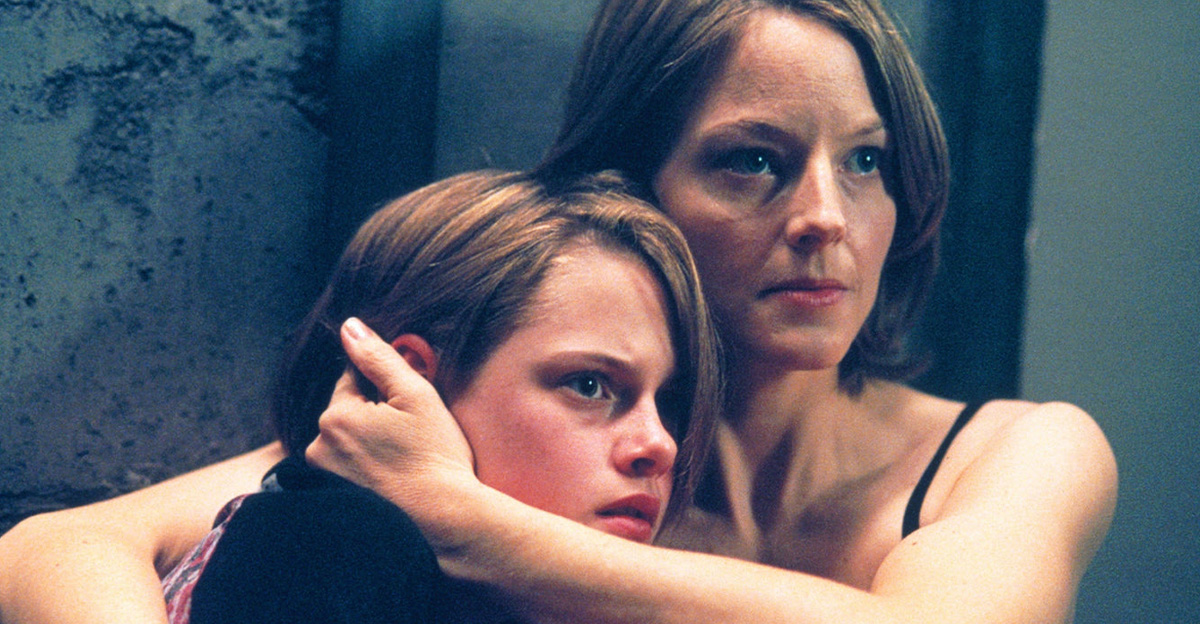
Panic Room (2002)
Home invasion, meet airtight safe room. David Fincher transforms a Manhattan brownstone into a claustrophobic maze, staging precision-tooled suspense with his trademark precision. Jodie Foster and a young Kristen Stewart outwit burglars from a steel vault, as Fincher’s gliding camera explores walls like veins. It’s polished, propulsive, and relentless—proof that luxury can become a prison in seconds.
 Elen Nivrae from Paris, France, Wikimedia Commons
Hush (2016)
A deaf writer alone in the woods faces a masked intruder who thinks silence means weakness. Mike Flanagan’s home-invasion horror strips dialogue to a minimum, relying on visual storytelling and inventive sound design. The film flips its premise brilliantly, turning sensory limitation into strategy. Tense, clever, and refreshingly empathetic, it redefines “quiet horror” in every sense.
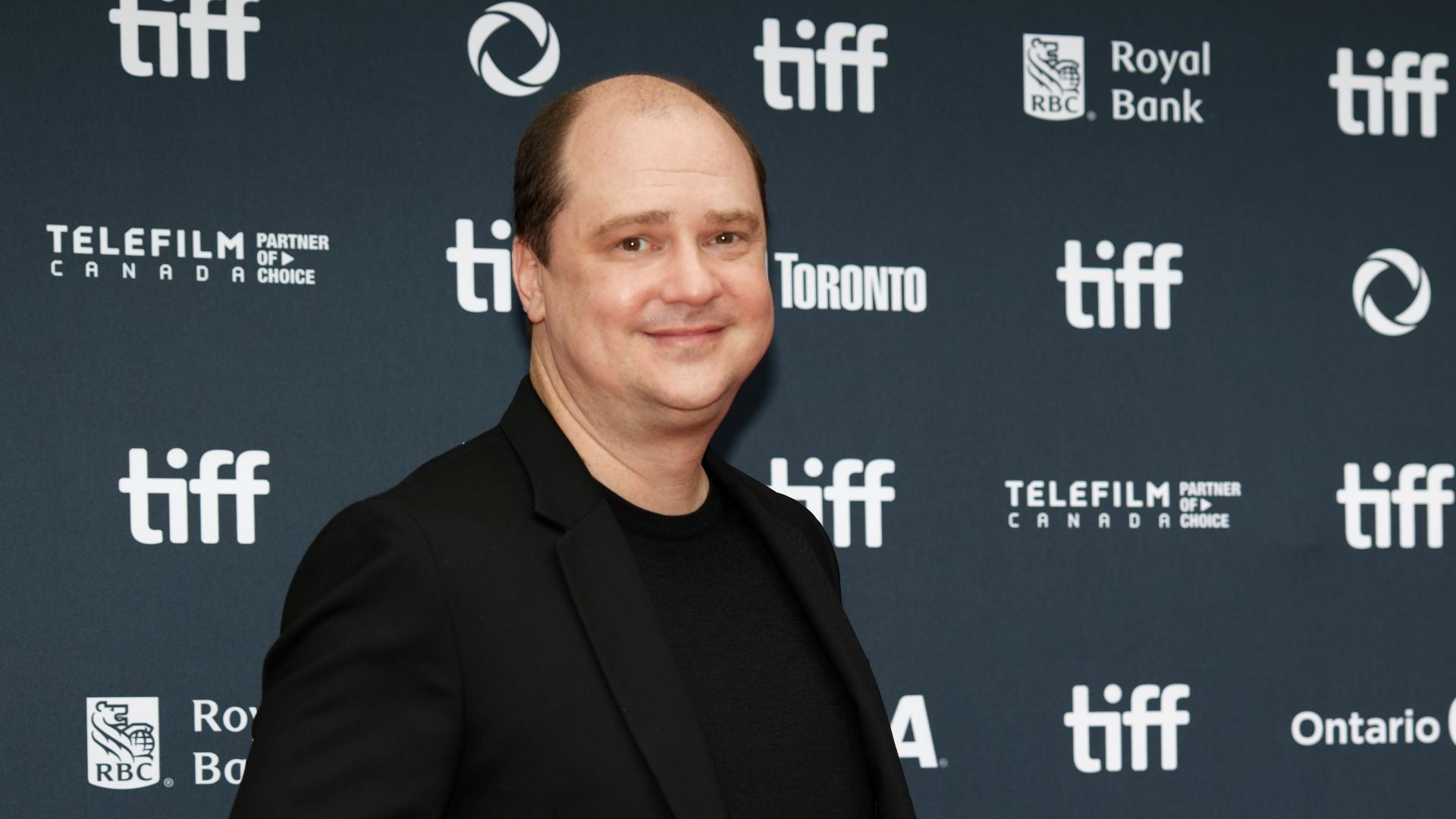 Kevin Payravi, Wikimedia Commons
Green Room (2015)
A punk band witnesses a murder in a neo-Nazi club and barricades themselves backstage. Jeremy Saulnier’s brutal siege thriller traps its characters—and viewers—in sweat, blood, and feedback. Patrick Stewart plays against type as a chillingly calm villain, while the violence lands with horrifying realism. It’s as raw and unflinching as punk itself, vibrating with the dread of imminent collapse.
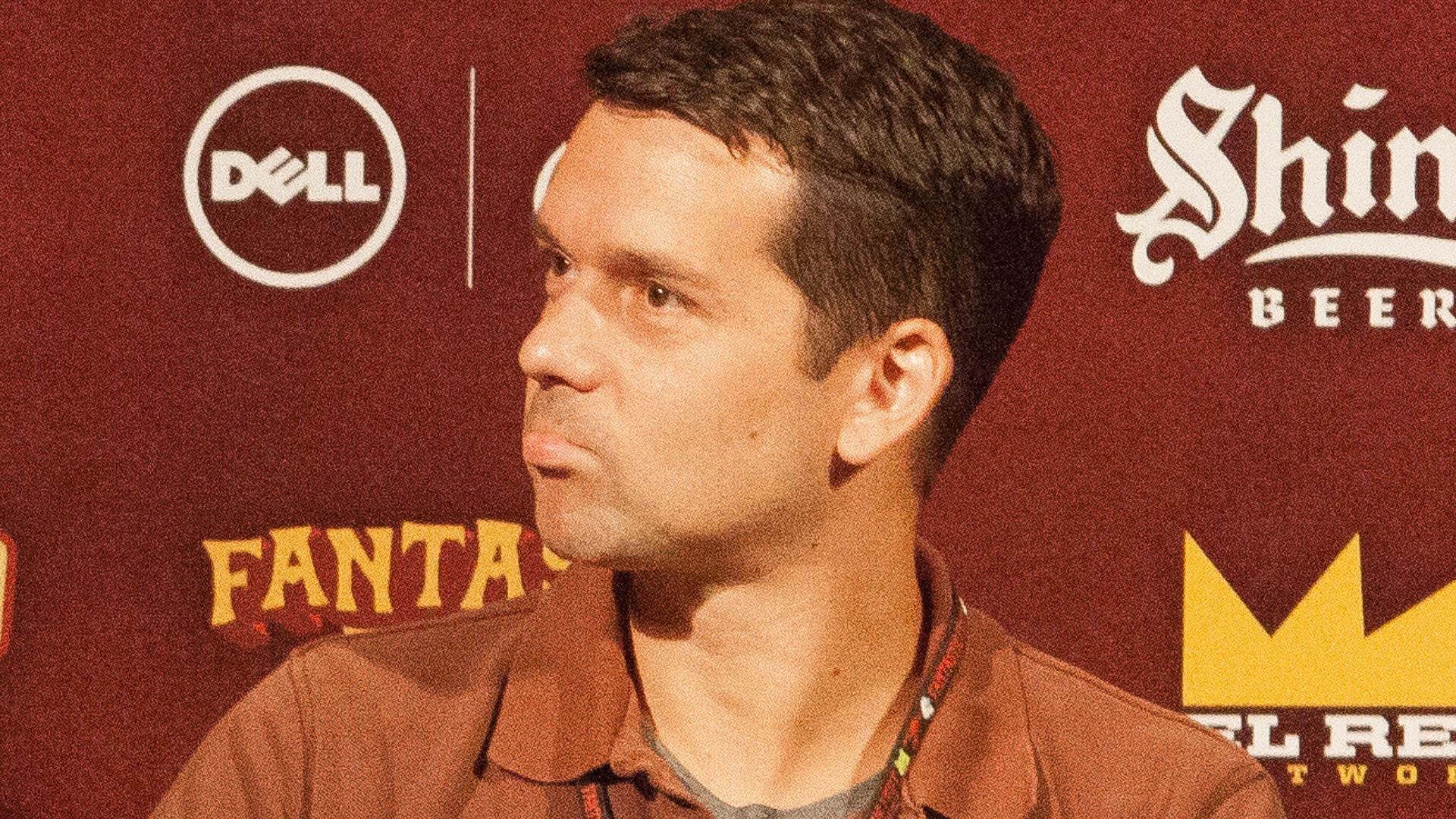 anna Hanks from Austin, Texas, USA, Wikimedia Commons
The Hateful Eight (2015)
A blizzard corrals bounty hunters, outlaws, and liars into Minnie’s Haberdashery, where Quentin Tarantino plays Agatha Christie with gunpowder. The 70mm cinematography luxuriates in details—the creaking floorboards, the twitch of suspicion—but the real fireworks come from the dialogue. As tempers rise and coffee boils, the cabin becomes a blood-soaked theater of mistrust and revenge.
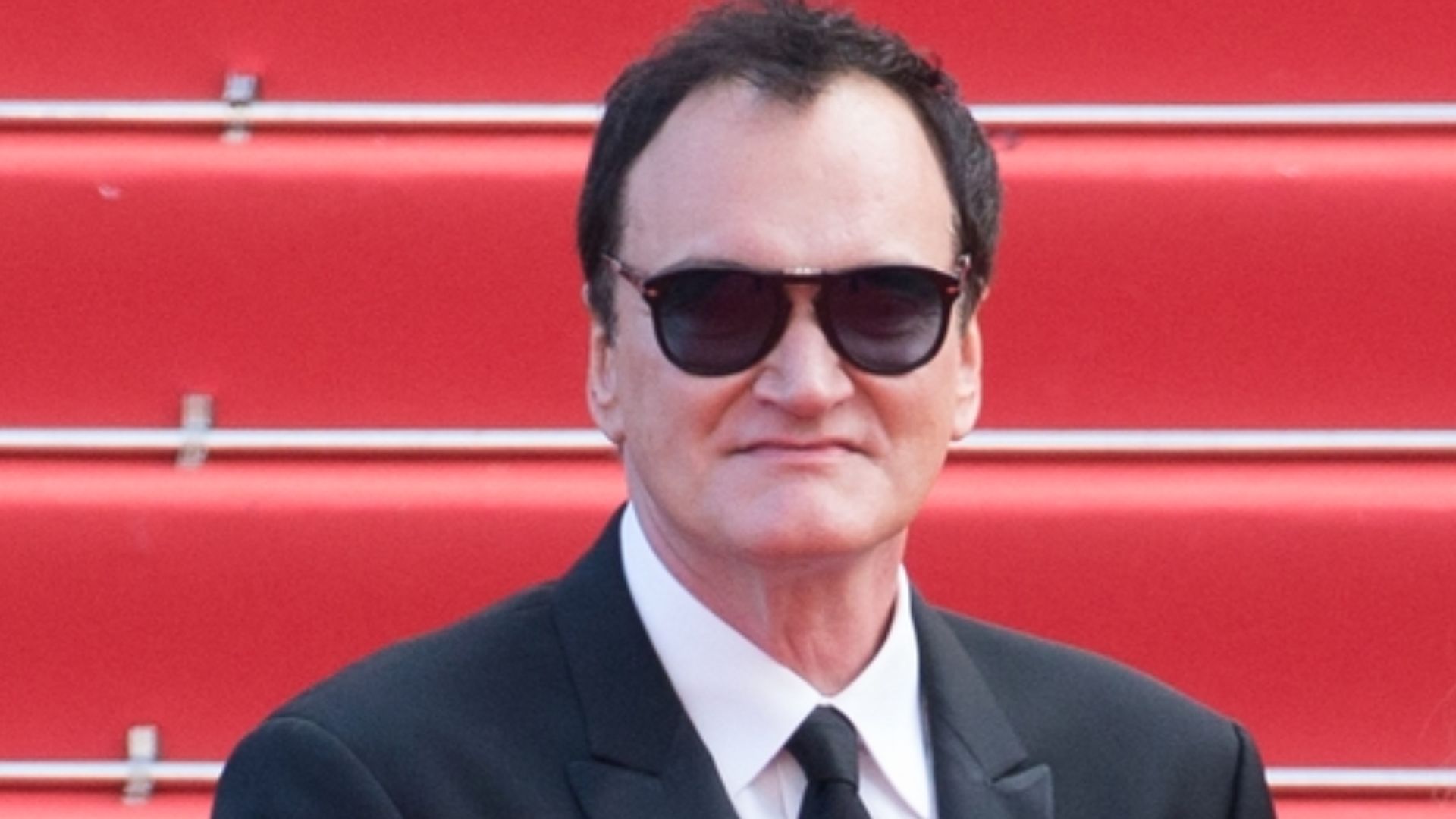 https://www.flickr.com/photos/146461623@N05, Wikimedia Commons
The Disappearance of Alice Creed (2009)
A kidnapping meticulously planned—and rapidly undone—inside a single, soundproofed apartment. Three actors, three betrayals, and no wasted moment. Director J. Blakeson’s taut thriller constantly reshuffles its power dynamics, forcing you to question who’s truly in control. The set’s bleak minimalism turns into psychological terrain, every corner a potential reversal.
 Ian Smith from London, England, Wikimedia Commons
Circle (2015)
Fifty strangers, one dark chamber, and a deadly vote every two minutes. This stripped-down sci-fi allegory uses a minimalist set and moral panic to explore how humans judge each other when survival’s at stake. Every round of elimination reveals new layers of prejudice, manipulation, and fear. It’s 12 Angry Men by way of a dystopian game show, and it’s hauntingly effective.
 David Shankbone, Wikimedia Commons
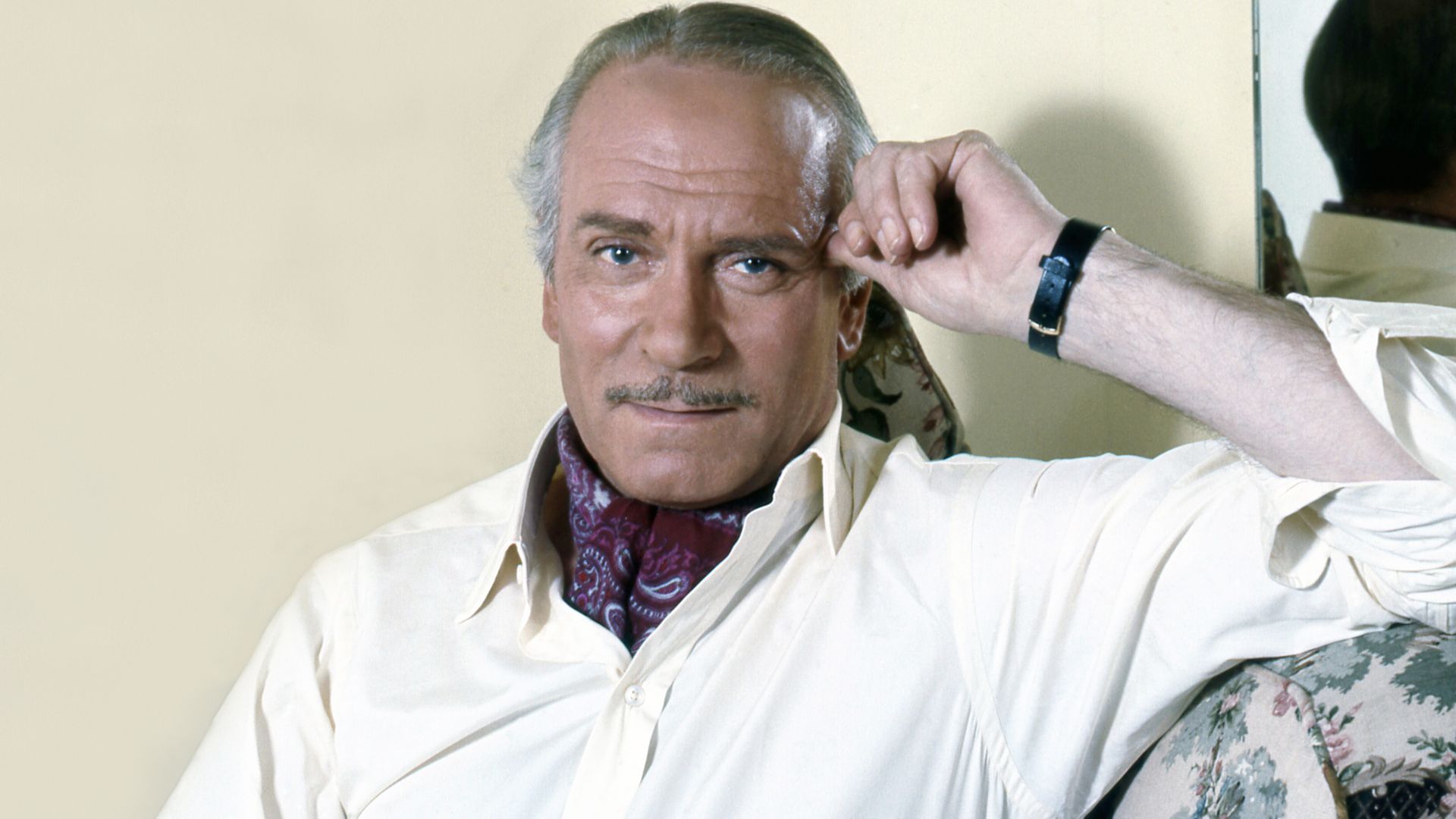
Sleuth (1972)
Laurence Olivier and Michael Caine duel in a mansion designed for gamesmanship, masks, and deception. What begins as a polite conversation spirals into theatrical warfare, complete with costumes and deadly pranks. Director Joseph L. Mankiewicz turns their intellectual sparring into pure cinematic tension, showing how wit can be as lethal as any weapon. It’s deliciously malicious fun.
 Allan warren, Wikimedia Commons
Pontypool (2008)
At a small-town radio station, reports of a language-based plague trickle in—and words themselves become weapons. The film traps its trio of broadcasters behind soundproof glass as chaos rages outside. By limiting perspective to what they can hear, director Bruce McDonald transforms an unseen epidemic into an auditory nightmare. It’s one of the smartest “bottle horrors” ever made.
 Josh Jensen from Toronto, Ontario, Canada, Wikimedia Commons
Host (2020)
A Zoom séance goes horrifically wrong, and suddenly social distancing isn’t nearly far enough. Conceived and filmed during lockdown, Rob Savage’s 57-minute fright fest uses familiar digital spaces to terrifying effect. Webcam glitches, frozen screens, and floating faces create an eerie, hyper-modern haunting. It’s the most relatable horror film of the pandemic era—and one of the most inventive.
 Dublin International Film Festival, Wikimedia Commons
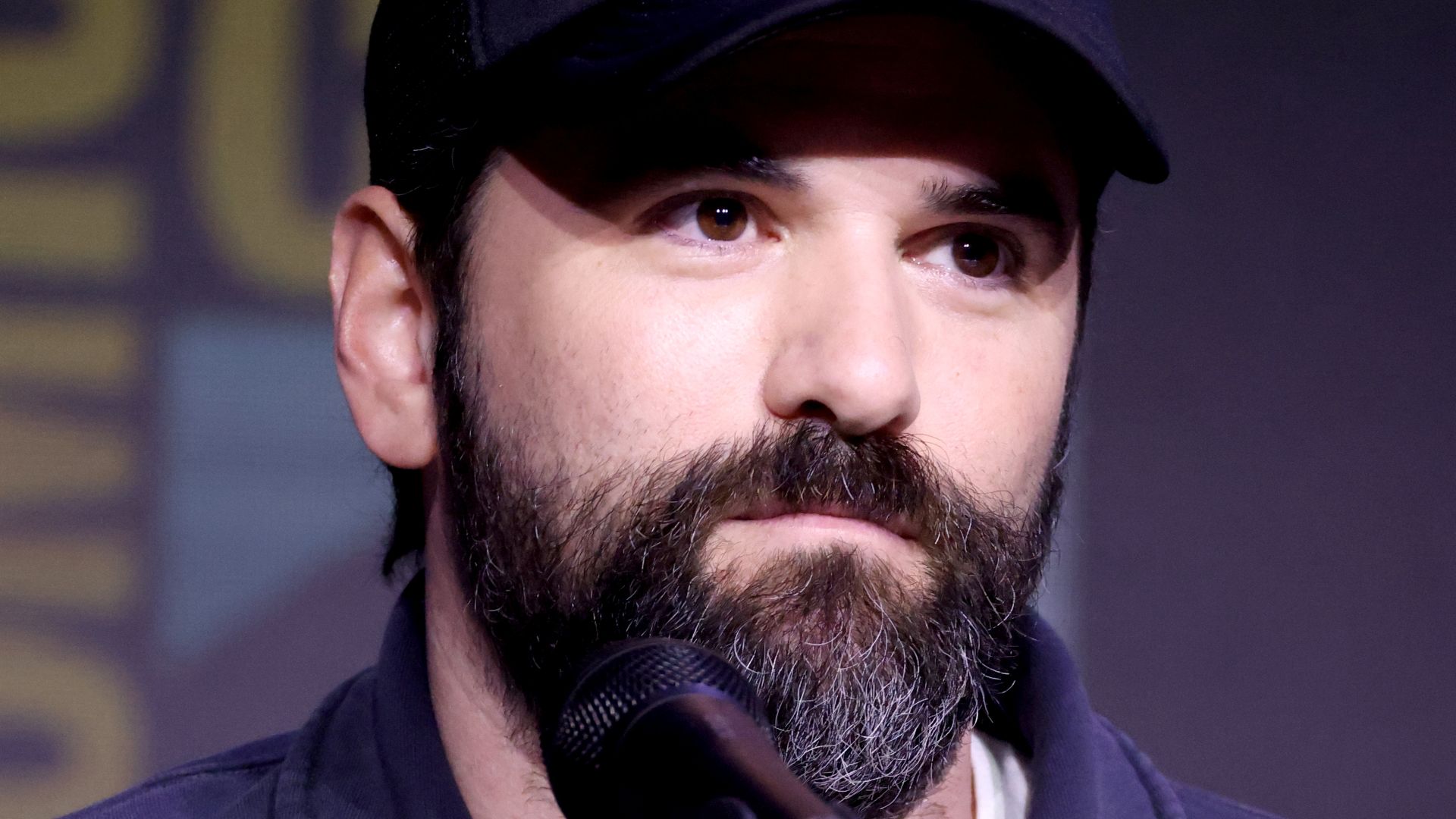
10 Cloverfield Lane (2016)
Waking up in an underground bunker with a paranoid doomsday prepper is bad; realizing he might be right is worse. Dan Trachtenberg’s contained thriller fuses psychological terror with sci-fi mystery, letting tension simmer in every corner of the concrete shelter. John Goodman’s unnerving performance blurs the line between protector and captor, and the final act flips expectations in thrilling fashion.
 Gage Skidmore, Wikimedia Commons
Saw (2004)
Two men chained in a filthy bathroom, a tape recorder between them, and a sadistic puzzle to solve. James Wan’s low-budget debut birthed a horror empire from one disgusting set. What it lacks in polish, it more than makes up for in ingenuity and dread. Its grimy atmosphere, shocking twists, and existential stakes still make it a landmark in confined-space terror.
 Gage Skidmore, Wikimedia Commons
Final Cut: Four Walls, Infinite Panic
From juries and phone calls to coffins and bunkers, these movies prove constraint is the mother of suspense. By stripping away spectacle, they force us into proximity with fear—of strangers, of friends, and of ourselves. Whether you’re drawn to cerebral puzzles or pure panic, “one room” thrillers remind us that the smallest spaces can contain the biggest nightmares. So dim the lights, lock the door, and let the walls close in.
 Illustrator unknown, Wikimedia Commons
You May Also Like:
You're Forced To Choose One Movie Duo To Watch Forever, Which Of These Iconic Ones Do You Choose?
American Remakes Of Foreign Films That Got It Wrong
Every Film Fan Needs To Check These Iconic Black & White Movies Off Their List