When The Headlines Became Hollywood
The 1970s were filled with movies inspired by real events, from notorious fugitives and political scandals to rock concerts and international crises. Some dramatized headlines that were still fresh in the public's memory, while others revisited stories from decades earlier. For Baby Boomers, many of these films brought familiar events, personalities, and controversies to the big screen. Younger viewers might be surprised to discover just how much real history inspired them. (Above: Goldie Hawn in 'Sugarland Express')
The French Connection (1971)
William Friedkin's Oscar-winning thriller starred Gene Hackman as Jimmy "Popeye" Doyle, a fictionalized version of real New York detective Eddie Egan. The story drew on a major investigation from the early 1960s involving smuggling from France to America. Its legendary car chase was invented for the movie, but the international trafficking network and investigation behind the story were real.
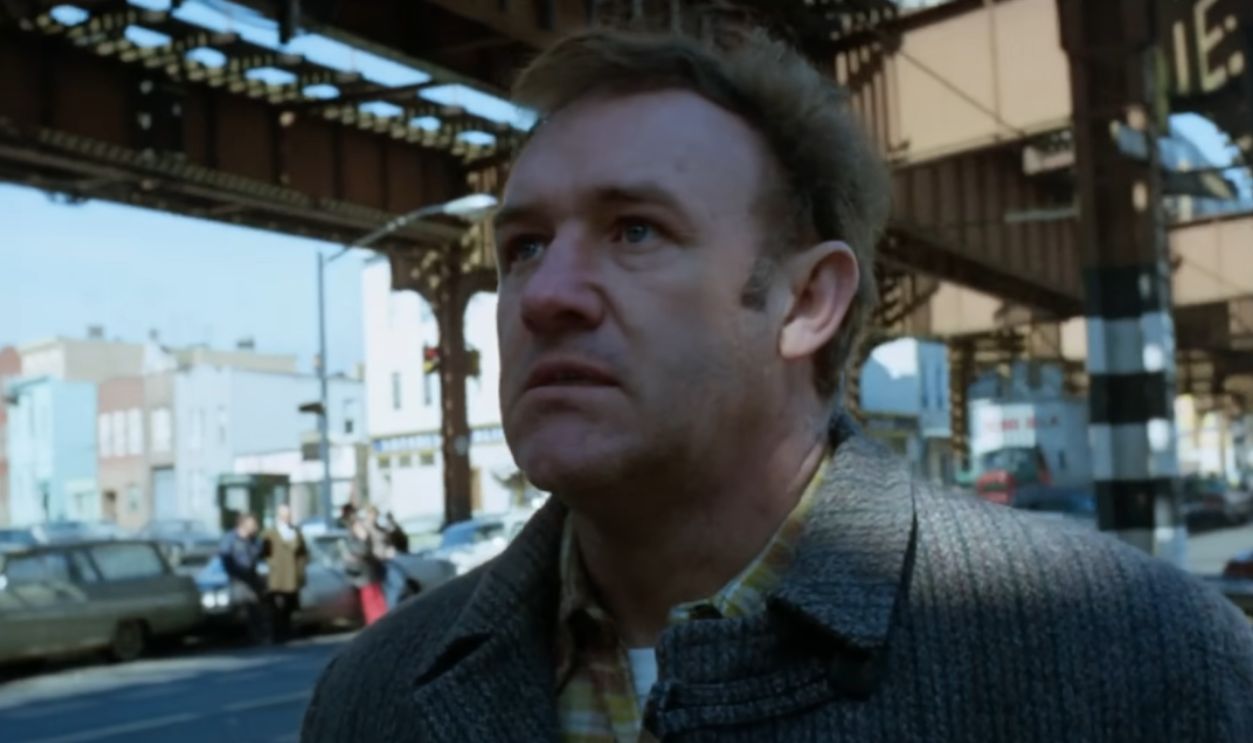 Screenshot from The French Connection, 20th Century-Fox (1971)
The Valachi Papers (1972)
Charles Bronson portrayed Joseph Valachi, the Mafia informant whose 1963 testimony helped introduce Americans to the inner workings of the mob. Valachi's revelations before a Senate committee attracted enormous publicity, including discussion of the secretive organization known as Cosa Nostra. Based on Peter Maas's book, the film dramatized the life of a man whose testimony changed public understanding of the American Mafia.
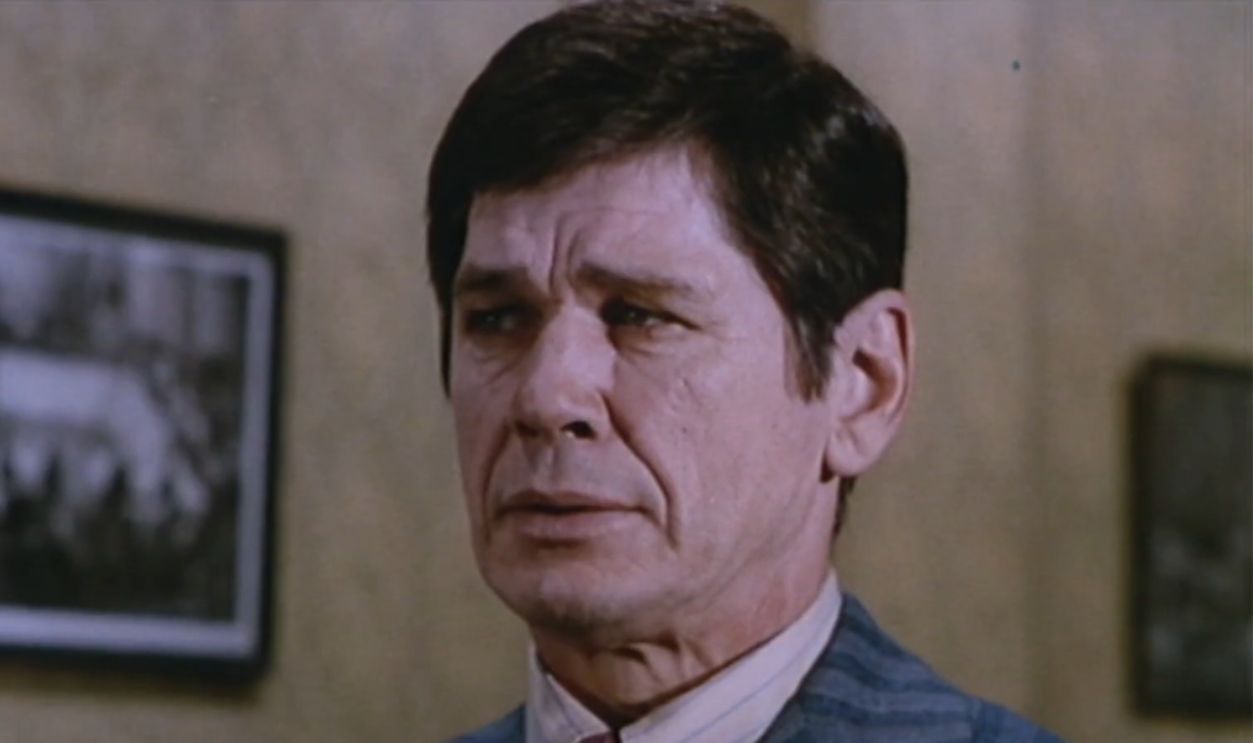 Screenshot from The Valachi Papers, Columbia Pictures (1972)
Serpico (1973)
Al Pacino played Frank Serpico, the real New York City law enforcement officer who risked his career exposing corruption within the NYPD. Serpico's experiences helped bring attention to the scandal that led to the Knapp Commission investigation in the early 1970s. Directed by Sidney Lumet, the film portrayed the isolation and danger faced by an officer who refused to accept bribes while colleagues looked the other way.
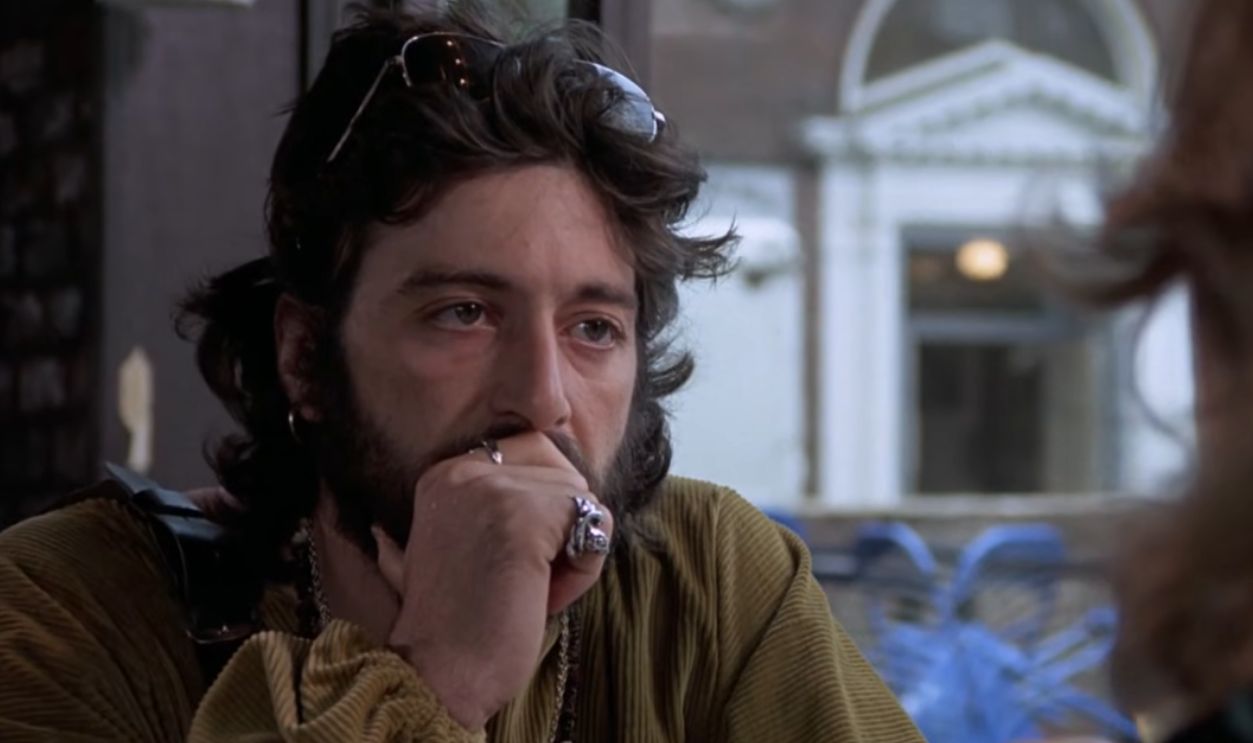 Screenshot from Serpico, Paramount Pictures (1973)
Walking Tall (1973)
Joe Don Baker portrayed Buford Pusser, the former wrestler who became sheriff of McNairy County, Tennessee, and gained national attention for his confrontations with organized crime and corruption. Pusser's reputation for carrying a large wooden club helped make him a folk hero. The movie heavily dramatized his experiences, but audiences in the 1970s were familiar with the real lawman's controversial career.
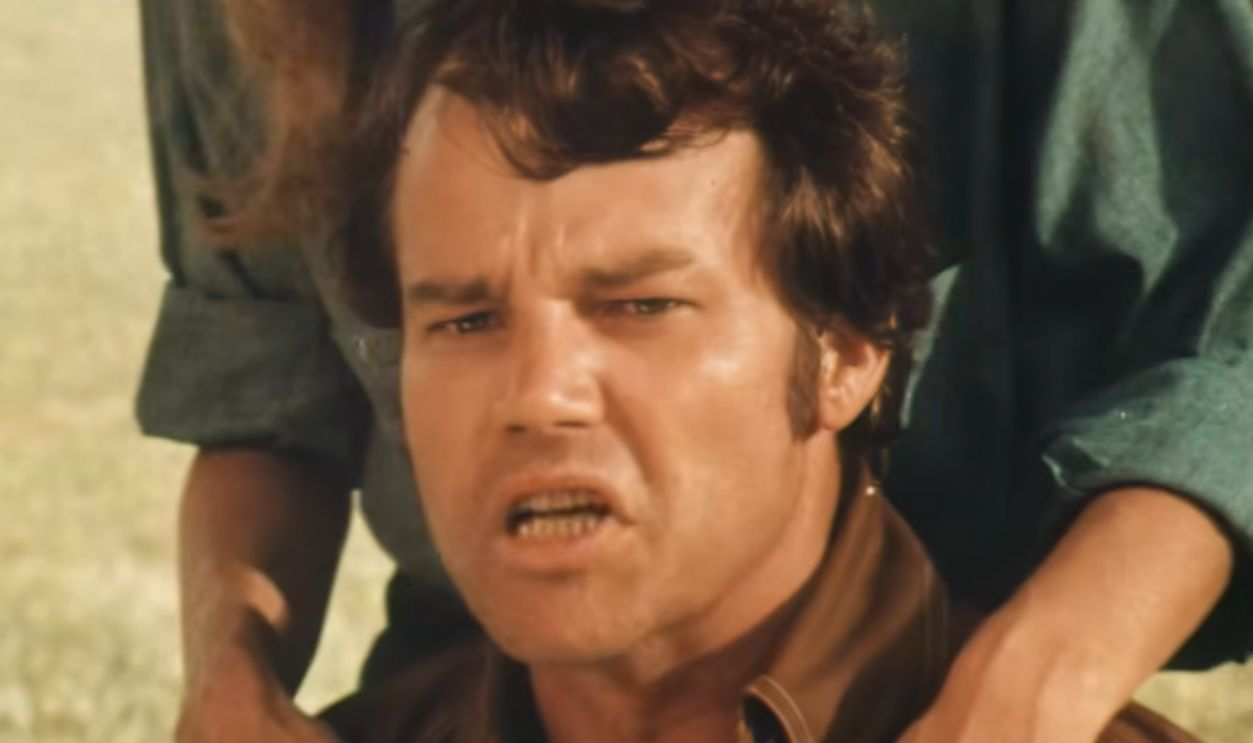 Screenshot from Walking Tall, Cinerama Releasing Corporation (1973)
Badlands (1973)
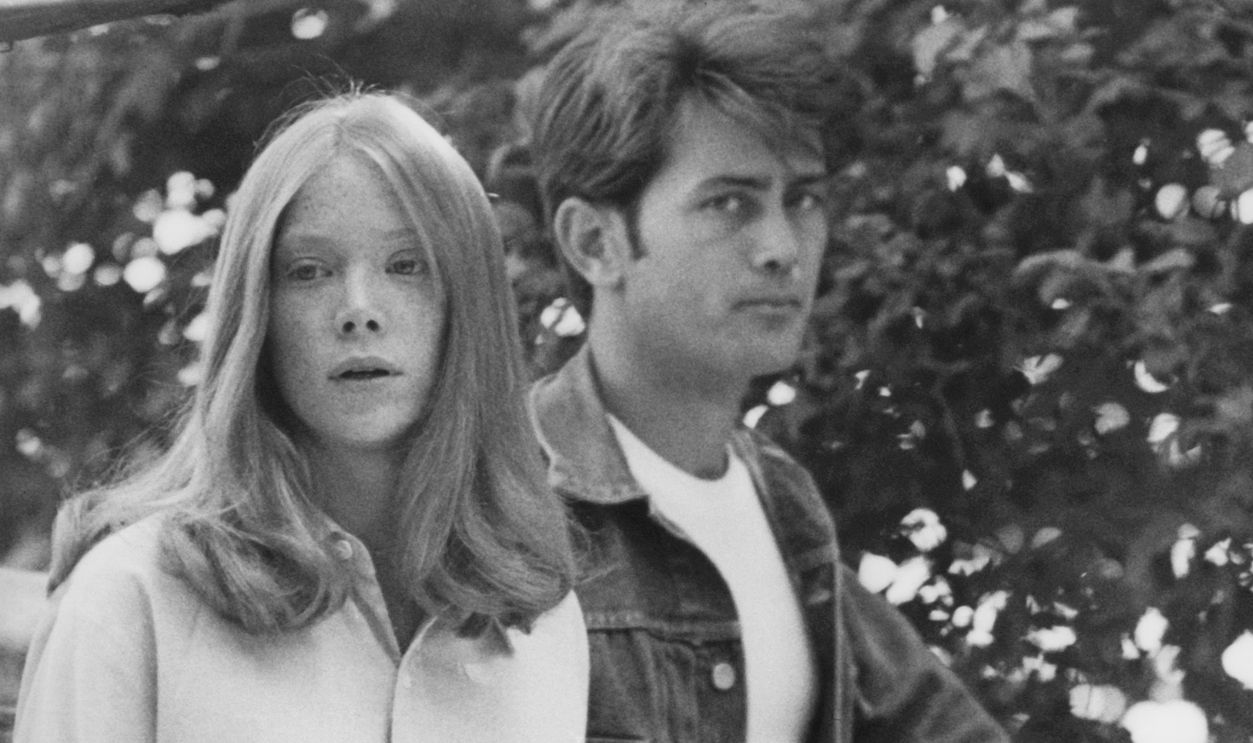
Terrence Malick's acclaimed drama starred Martin Sheen and Sissy Spacek as young lovers who embark on a violent journey across the American Midwest. Their characters were loosely inspired by Charles Starkweather and Caril Ann Fugate, whose 1958 spree terrified Nebraska and Wyoming. The real slayings received enormous national publicity, making the case particularly memorable to Baby Boomers who had grown up during the 1950s.
The Sugarland Express (1974)
Steven Spielberg's first theatrical feature starred Goldie Hawn and William Atherton as a couple who take a law enforcement officer captive while attempting to reunite with their child. The film was inspired by a May 1969 incident in Texas involving Robert and Ila Faye Dent, who abducted a highway patrolman and led police on an extended pursuit. However, the movie's central storyline about recovering a child from foster care was invented by the filmmakers.
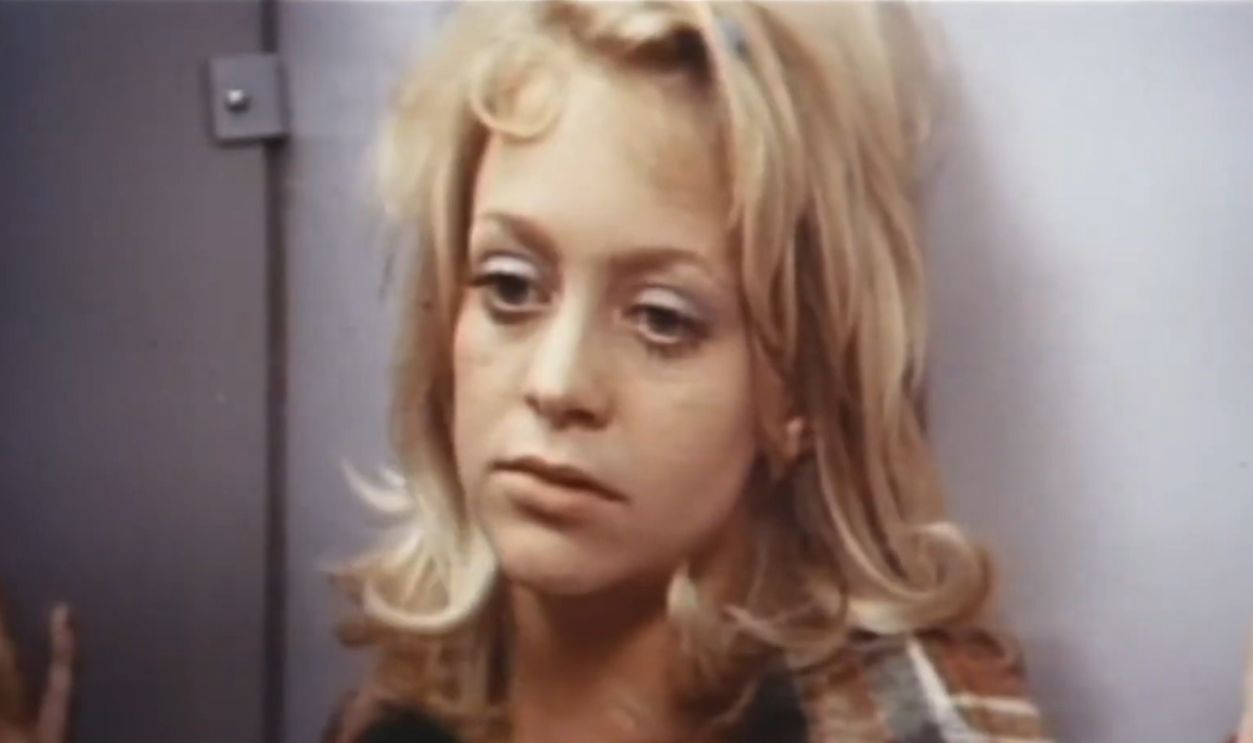 Screenshot from The Sugarland Express, Universal Pictures (1974)
Lenny (1974)
Dustin Hoffman portrayed comedian Lenny Bruce, whose confrontations with censorship authorities made him one of the most controversial entertainers of the early 1960s. Bruce faced repeated arrests and prosecutions over his nightclub performances before dying in 1966. Directed by Bob Fosse, the film explored how his relentless attacks on social hypocrisy transformed American comedy while destroying much of his personal life.
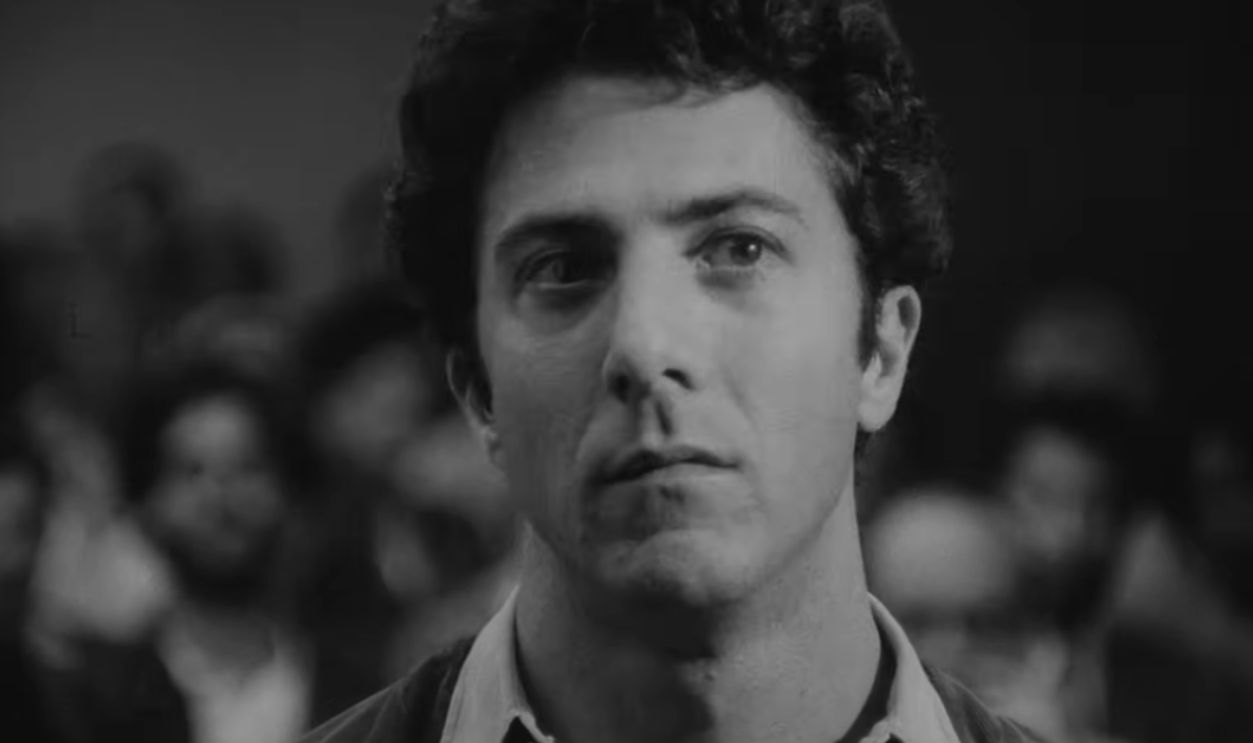 Screenshot from Lenny, United Artists (1974)
Dog Day Afternoon (1975)
Al Pacino starred as Sonny Wortzik, a desperate bank robber whose disastrous Brooklyn holdup becomes a televised spectacle. The film was inspired by John Wojtowicz's real August 1972 robbery, which involved hostages, police negotiations, and a motive connected to his partner's gender-affirming surgery. Sidney Lumet's gripping drama recreated an event that many moviegoers remembered watching unfold on the evening news.
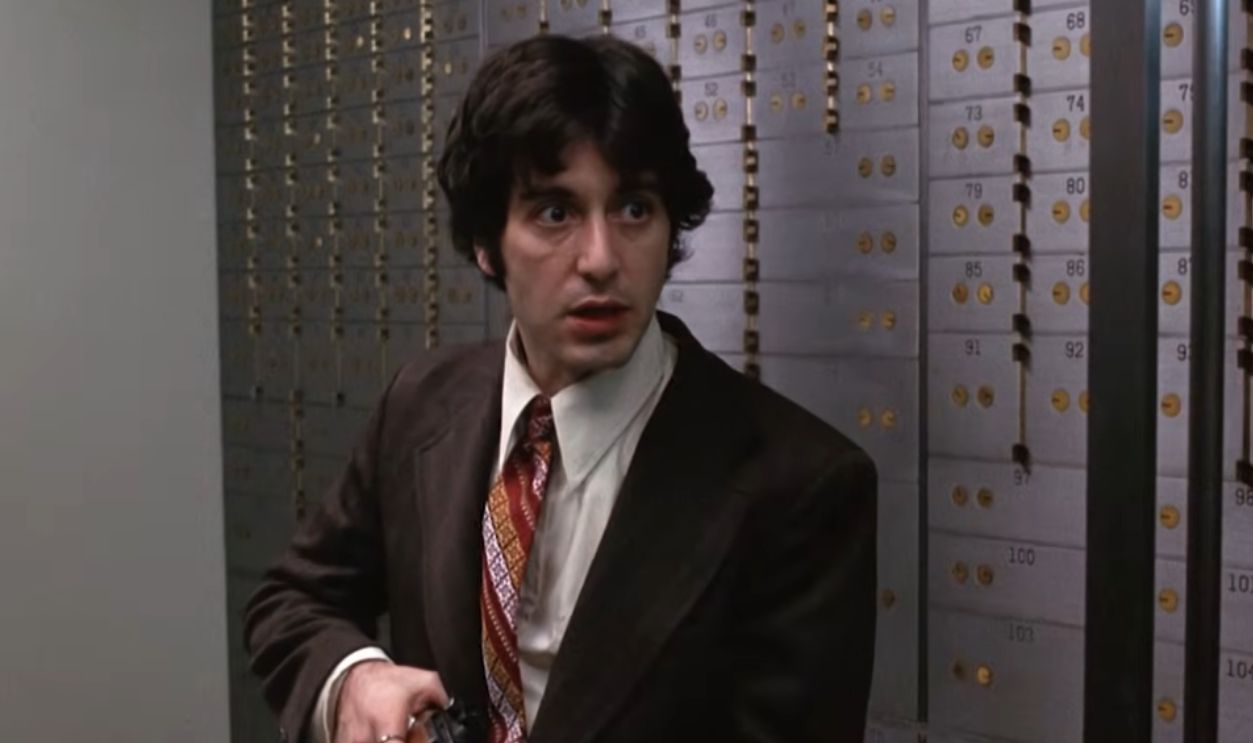 Screenshot from Dog Day Afternoon, Warner Bros. Pictures (1975)
The Other Side Of The Mountain (1975)
Marilyn Hassett portrayed Jill Kinmont, a promising American skier whose career ended after a devastating accident at California's Snow Cup competition in January 1955. Kinmont was left paralyzed but eventually built a new life as an educator. The film became an unexpected box-office success, introducing younger audiences to a sporting tragedy that many Baby Boomers remembered from their childhood.
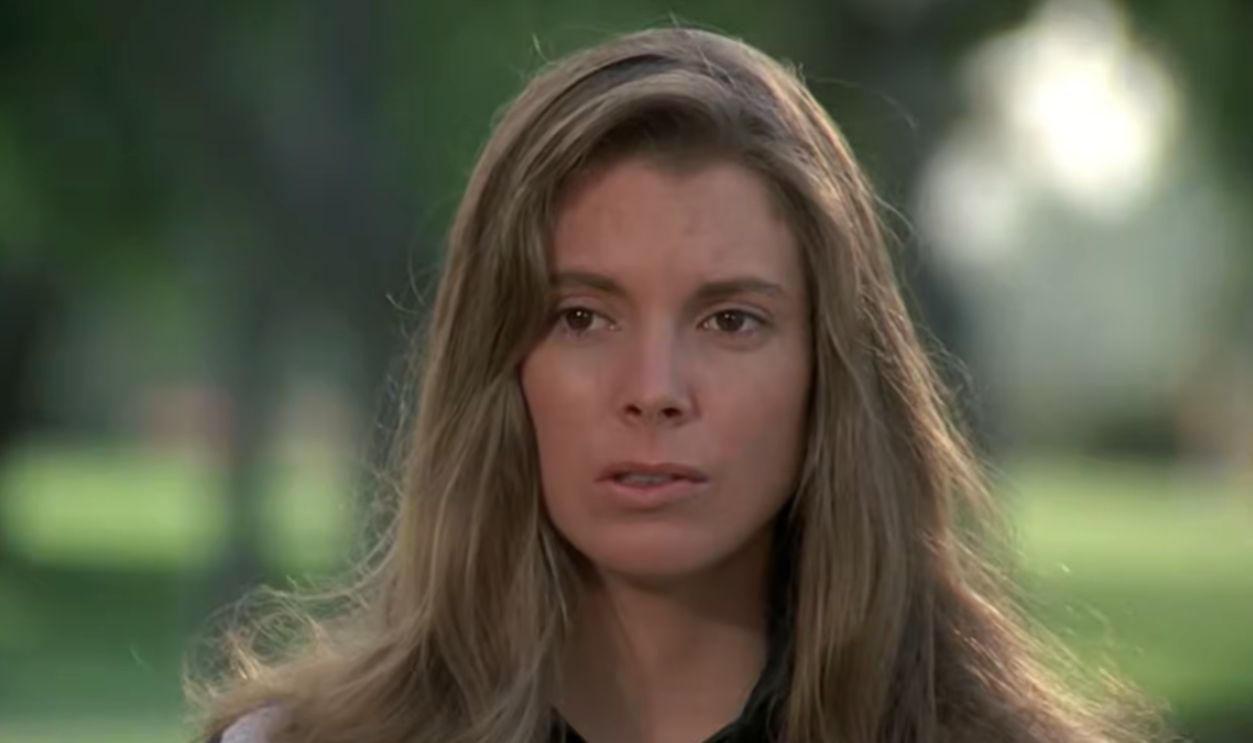 Screenshot from The Other Side of the Mountain, Universal Pictures (1975)
All The President's Men (1976)
Robert Redford and Dustin Hoffman portrayed Washington Post reporters Bob Woodward and Carl Bernstein as they investigated the Watergate scandal. Their reporting helped expose the political abuses that ultimately contributed to President Richard Nixon's resignation in August 1974. For moviegoers in 1976, the events were extraordinarily fresh. The film turned a national political trauma into one of Hollywood's greatest investigative thrillers.
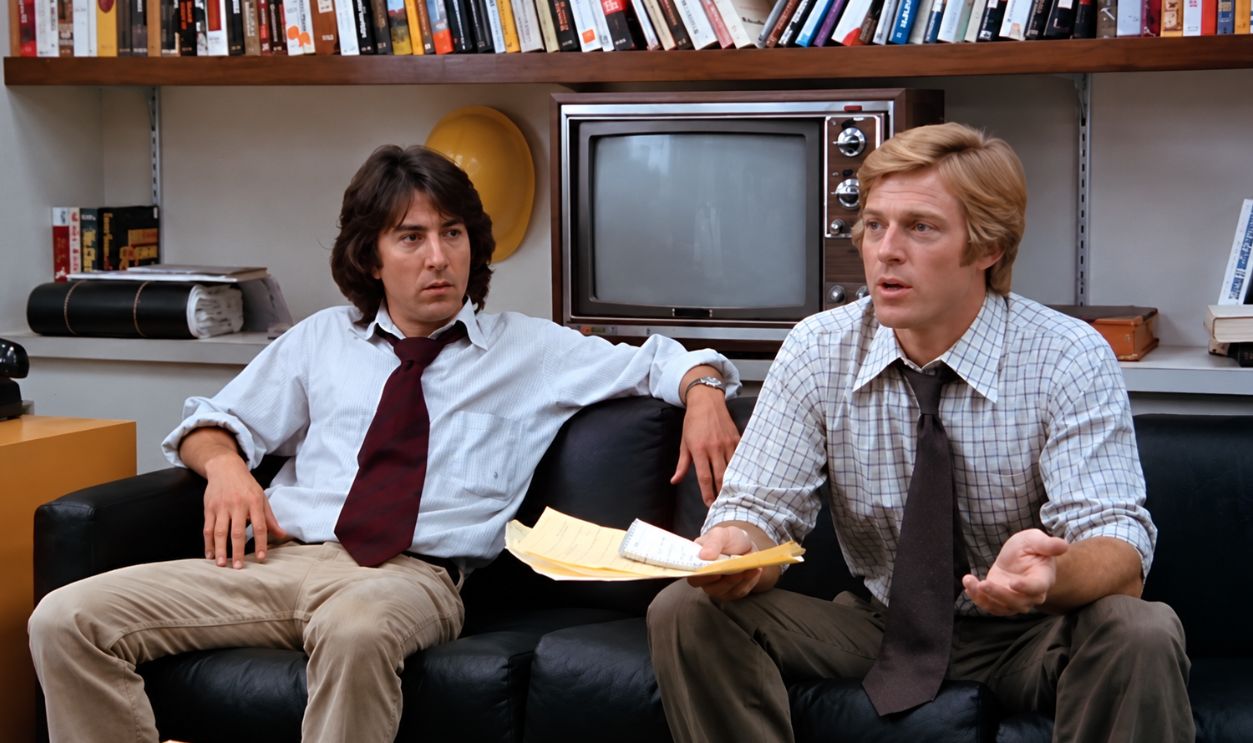 Screenshot from All the President’s Men, Warner Bros. Pictures (1976), Enhanced
Helter Skelter (1976)
This two-part television movie recreated the investigation and prosecution of Charles Manson and his followers after the horrifying Tate-LaBianca slayings of August 1969. Steve Railsback portrayed Manson, while George DiCenzo played prosecutor Vincent Bugliosi. Based on Bugliosi's bestselling book, the production revisited a case that had dominated American headlines and permanently changed the public's perception of the late-1960s counterculture.
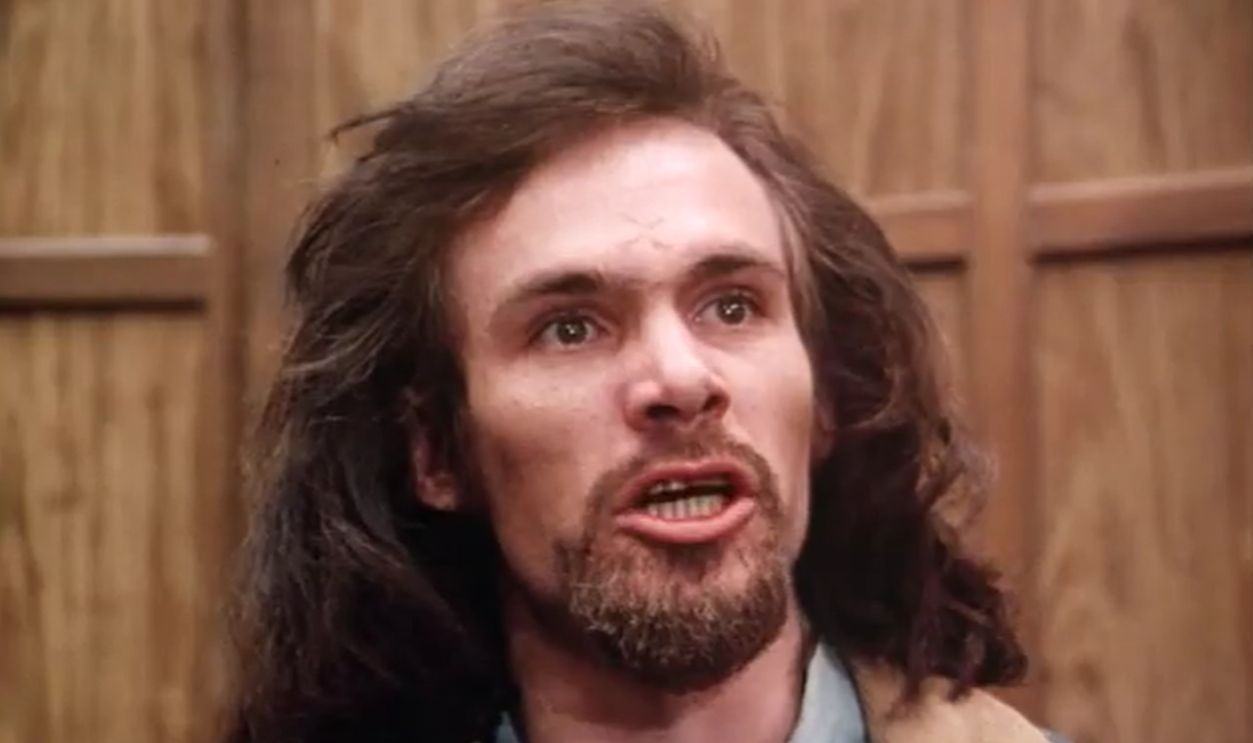 Screenshot from Helter Skelter, CBS (1976)
Bound For Glory (1976)
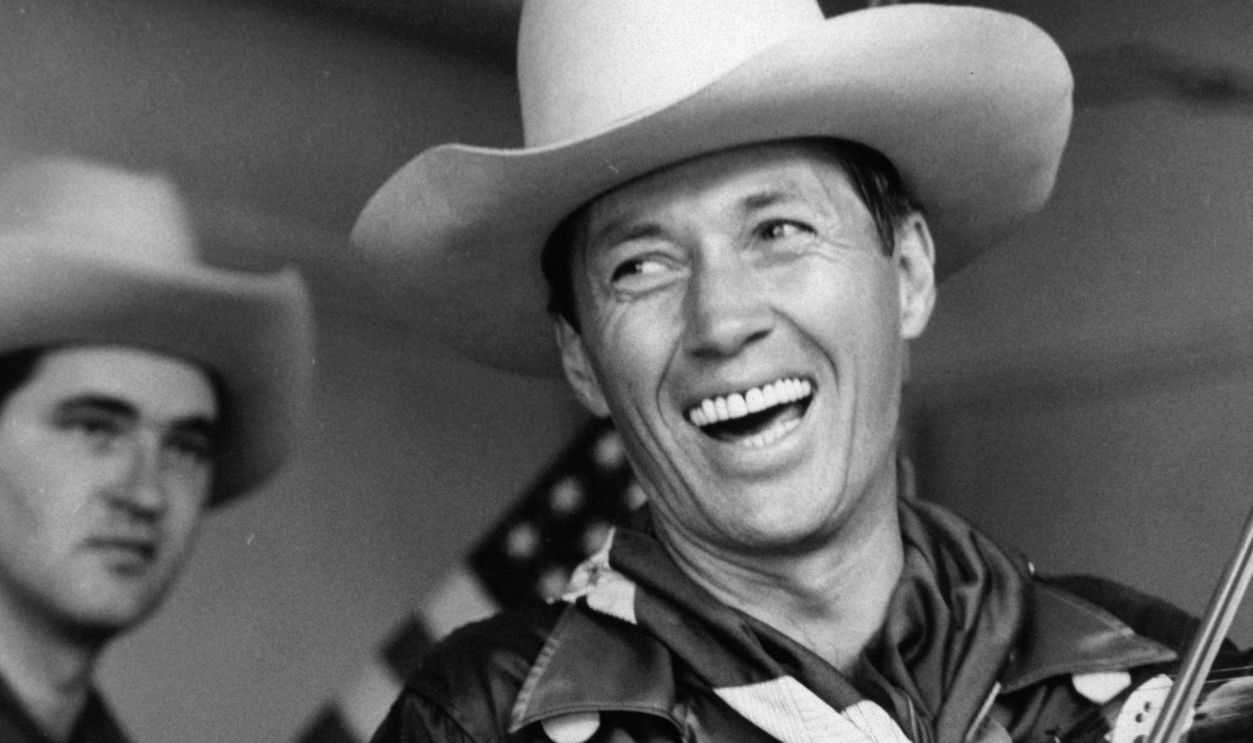
David Carradine starred as folk singer Woody Guthrie in Hal Ashby's biographical drama about Depression-era America. The film followed Guthrie's travels among migrant workers and struggling families during the Dust Bowl years. Although its events predated most Baby Boomers' births, Guthrie's music and political influence remained familiar to their generation through the folk revival of the 1950s and 1960s.
21 Hours At Munich (1976)
William Holden starred in this television dramatization of the attack on Israeli athletes during the 1972 Munich Olympics. Members of the Palestinian militant group Black September captured Israeli team members, triggering a disastrous rescue attempt. Eleven Israeli athletes and coaches lost their lives, along with a West German police officer. The tragedy unfolded before a horrified international television audience, making it one of the most shocking events in Olympic history.
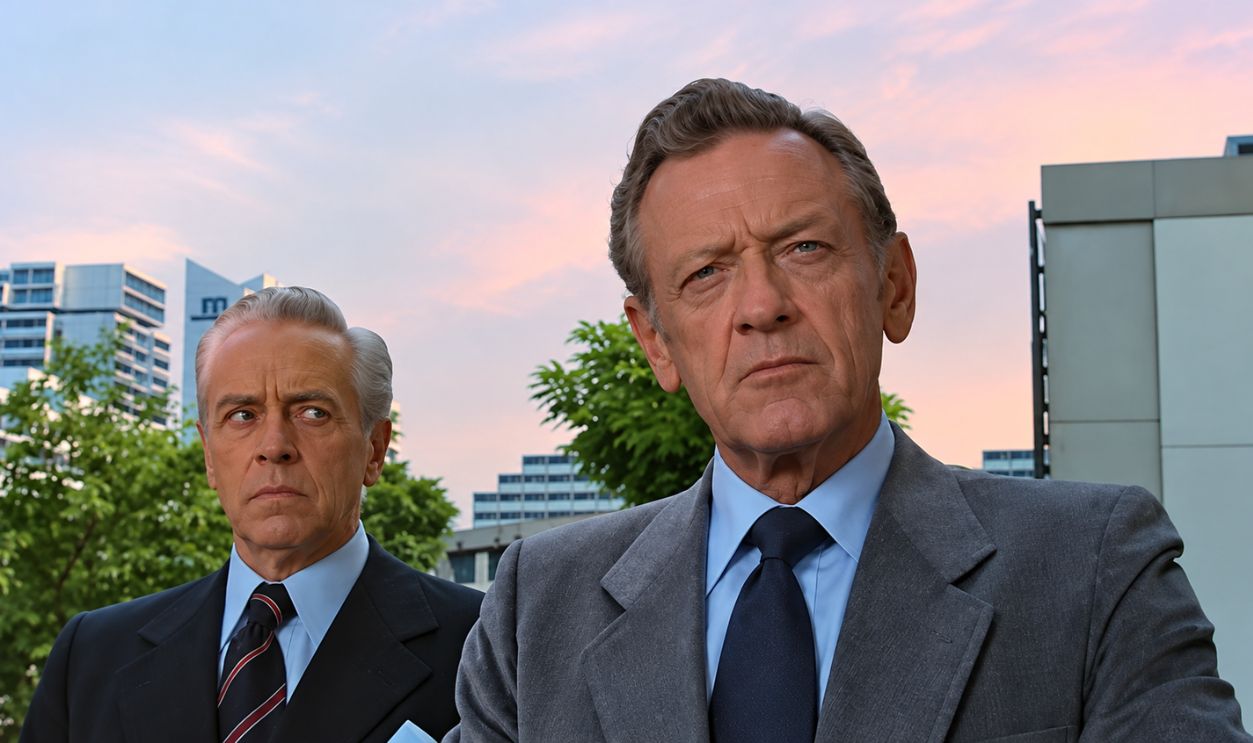 Screenshot from 21 Hours at Munich, ABC (1976), Enhanced
Gimme Shelter (1970)
The Rolling Stones' disastrous December 1969 concert at Altamont Speedway was supposed to celebrate the peace-and-love generation. Instead, chaos erupted, and 18-year-old Meredith Hunter was slain by a member of the Hells Angels, who had been recruited to provide security. Albert and David Maysles and Charlotte Zwerin documented the chaos, creating a disturbing record of how quickly the idealism of the 1960s could unravel.
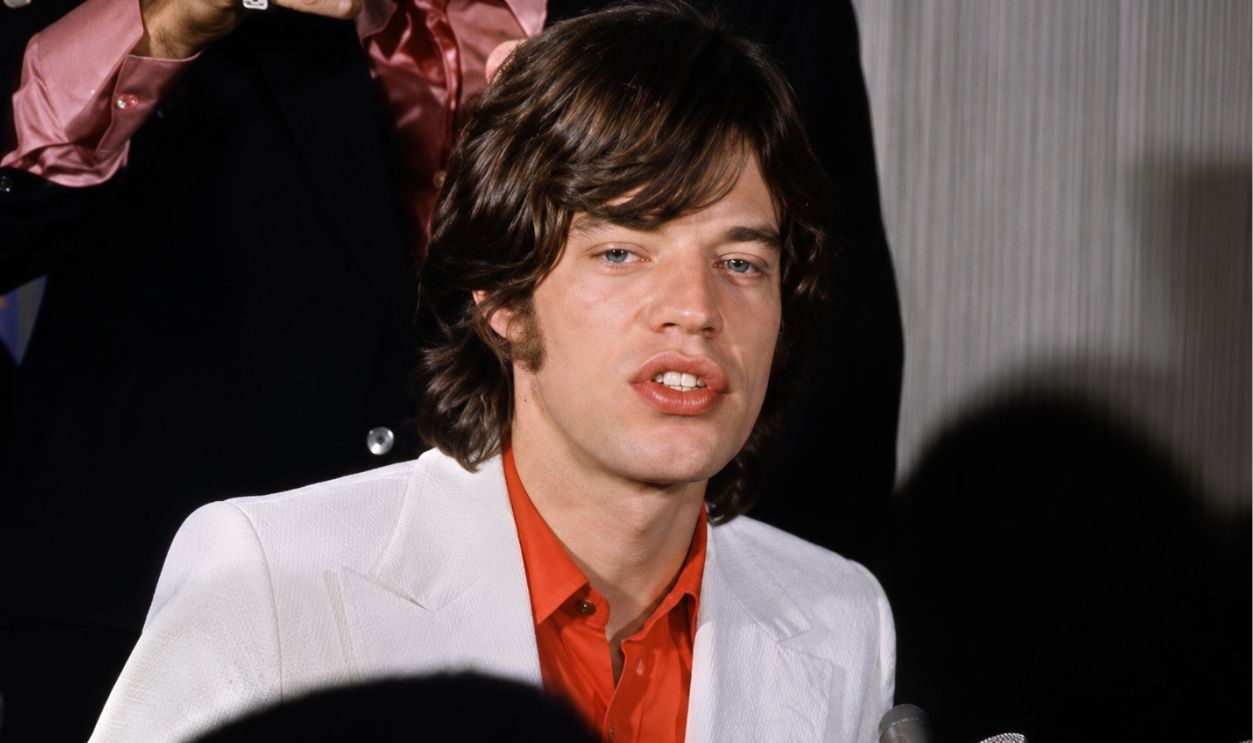 Screenshot from Gimme Shelter, Cinema 5 Distributing (1970), Enhanced
Raid On Entebbe (1977)
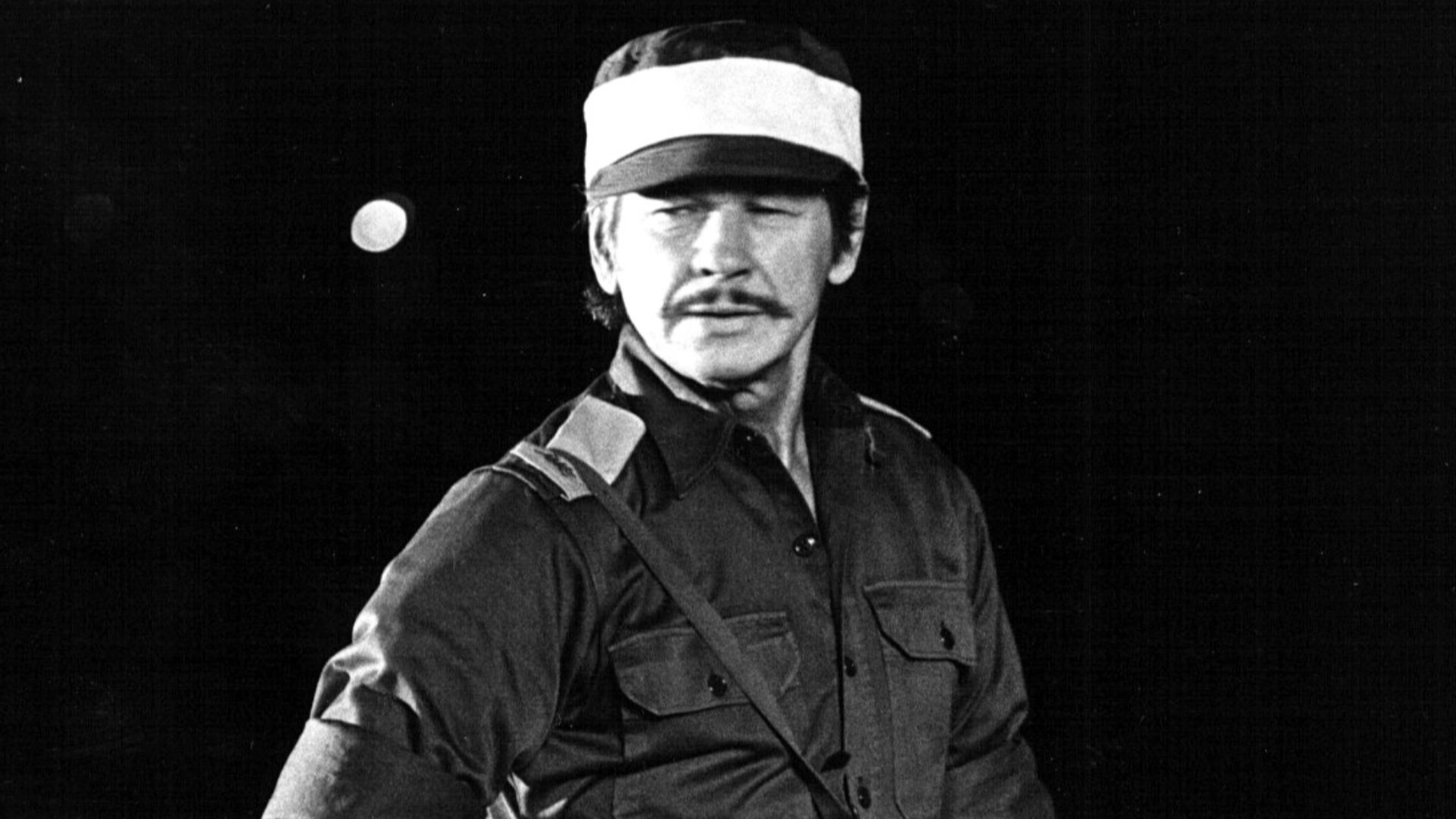
Peter Finch, Charles Bronson, and Yaphet Kotto starred in this television film about Israel's daring July 1976 rescue of airline passengers held hostage at Uganda's Entebbe Airport. Israeli commandos flew thousands of miles to free the captives from a hijacked Air France aircraft. The successful operation became international news, while the death of commander Yonatan Netanyahu added a tragic dimension to an extraordinary military mission.
MacArthur (1977)
Gregory Peck portrayed General Douglas MacArthur in this biographical drama examining his leadership during World War II and the Korean War. The film explored his clashes with President Harry Truman, who dismissed him from command in April 1951. Many older Baby Boomers remembered the controversy from childhood, when MacArthur's return to America and his famous farewell address attracted enormous public attention.
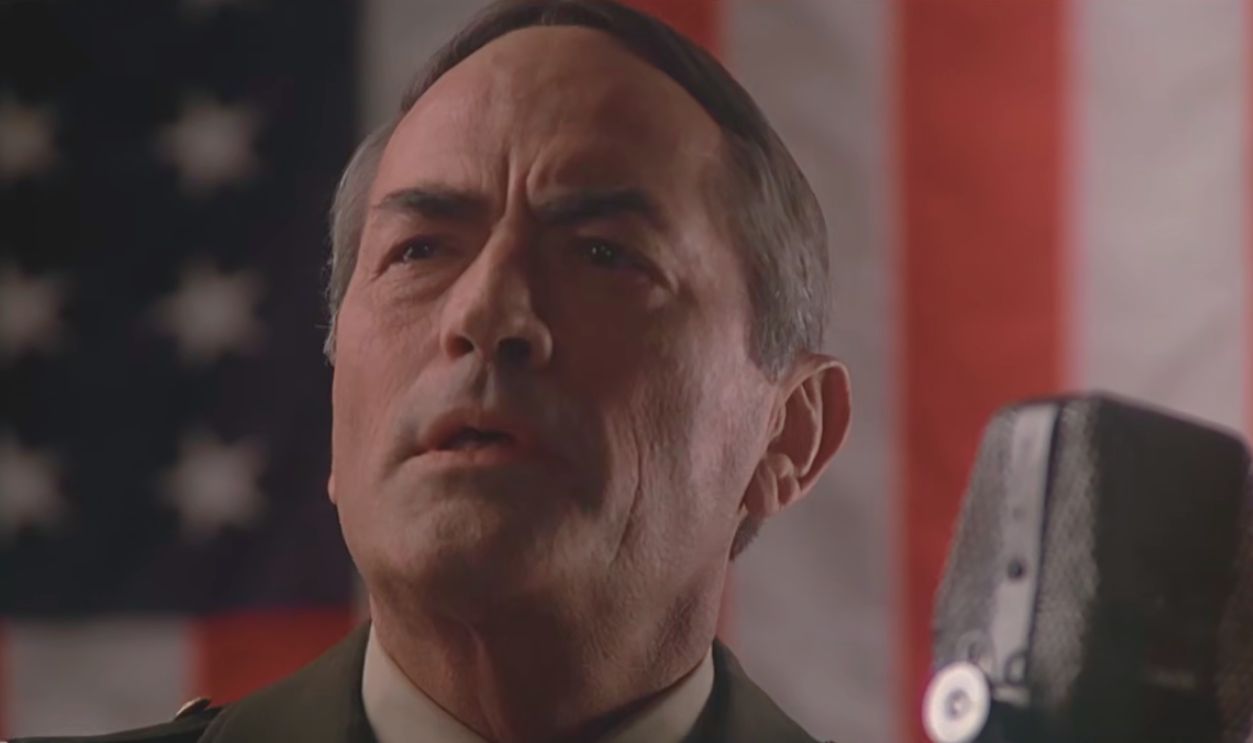 Screenshot from MacArthur, Universal Pictures (1977), Enhanced
The Buddy Holly Story (1978)
Gary Busey earned an Oscar nomination for portraying Buddy Holly, the pioneering rock musician whose career ended in a February 1959 plane crash. Holly lost his life alongside Ritchie Valens and J.P. Richardson, better known as the Big Bopper. The tragedy devastated young rock-and-roll fans, many of whom were Baby Boomers. Although the film altered important biographical details, it captured the excitement surrounding Holly's brief career.
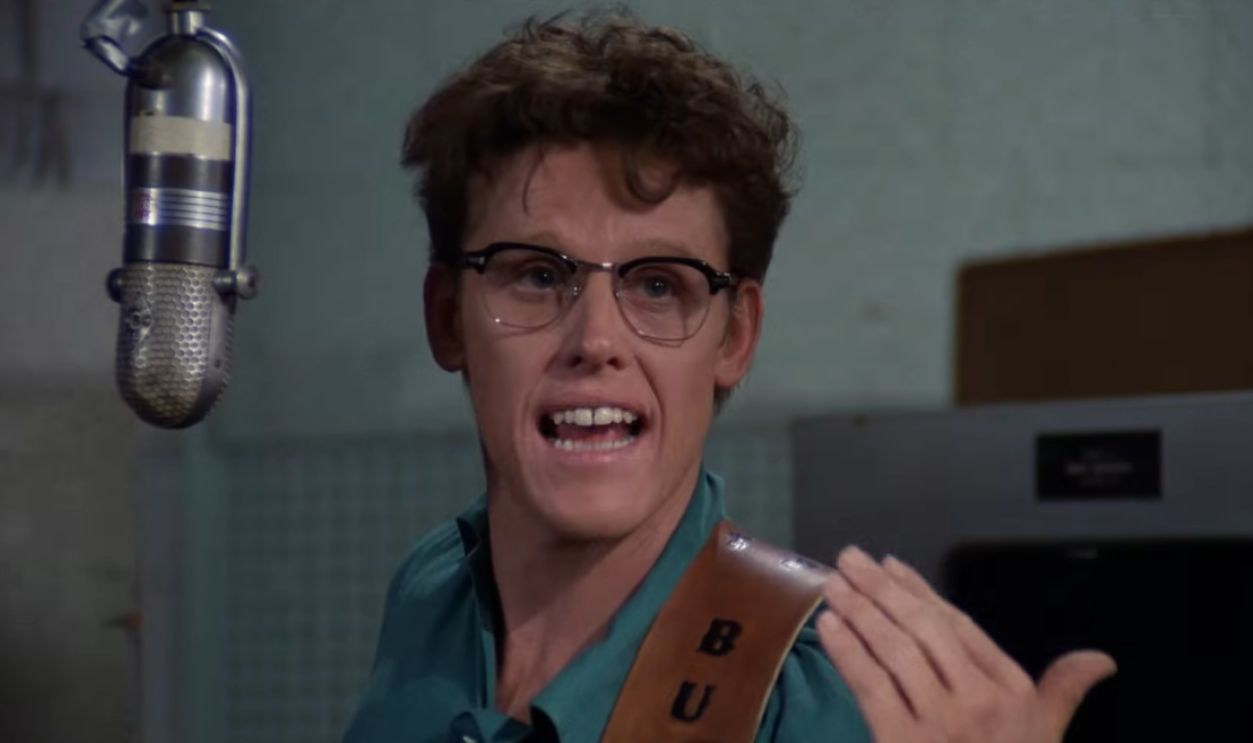 Screenshot from The Buddy Holly Story, Columbia Pictures (1978)
American Hot Wax (1978)
Tim McIntire played Alan Freed, the influential radio disc jockey who helped popularize rock and roll during the 1950s. Directed by Floyd Mutrux, the movie recreated Freed's battles with broadcasters, authorities, and conservative critics who regarded the new music as dangerous. It also featured appearances by Chuck Berry and Jerry Lee Lewis. Freed's career was ultimately damaged by the payola scandals that erupted in 1959.
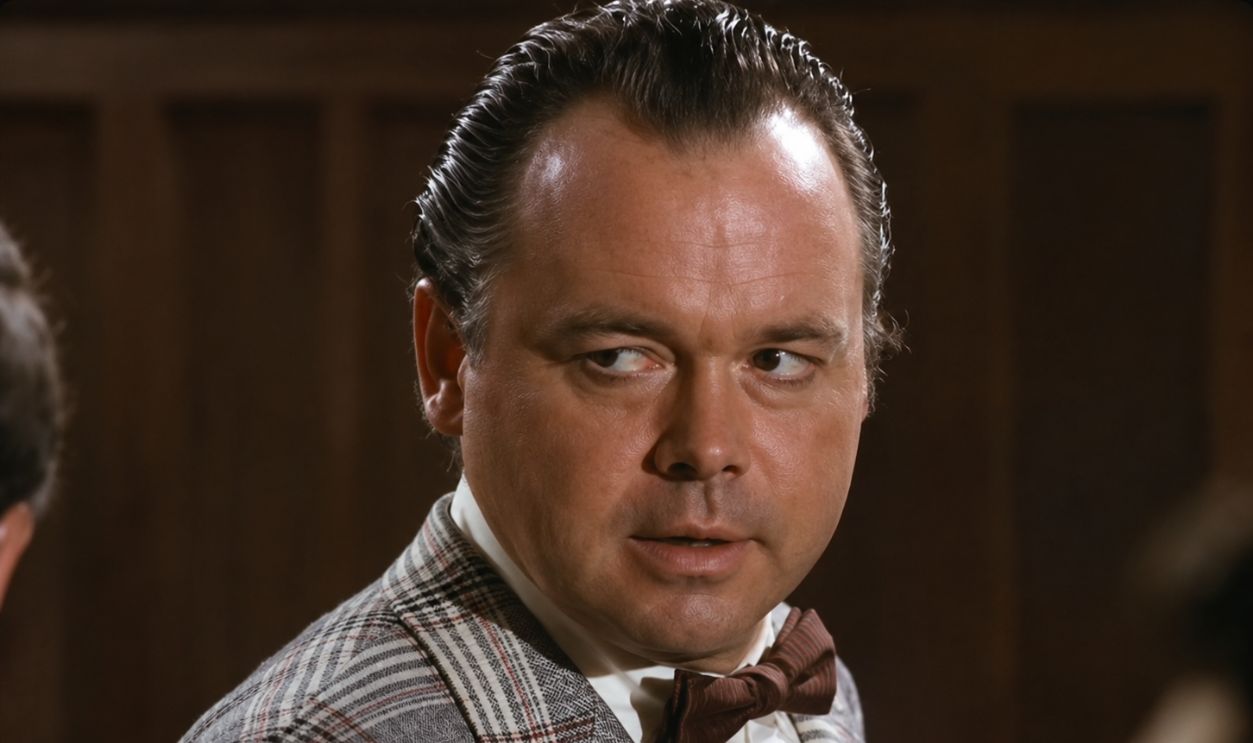 Screenshot from American Hot Wax, Paramount Pictures (1978), Enhanced
The Brink's Job (1978)
Peter Falk starred as Tony Pino, the mastermind behind the spectacular January 1950 robbery of Brink's headquarters in Boston. The thieves escaped with more than $2.7 million in cash, checks, and securities, making it one of America's most notorious robberies. Directed by William Friedkin, the movie turned the extraordinary heist into a comedy. The real investigation continued for years before authorities finally cracked the case.
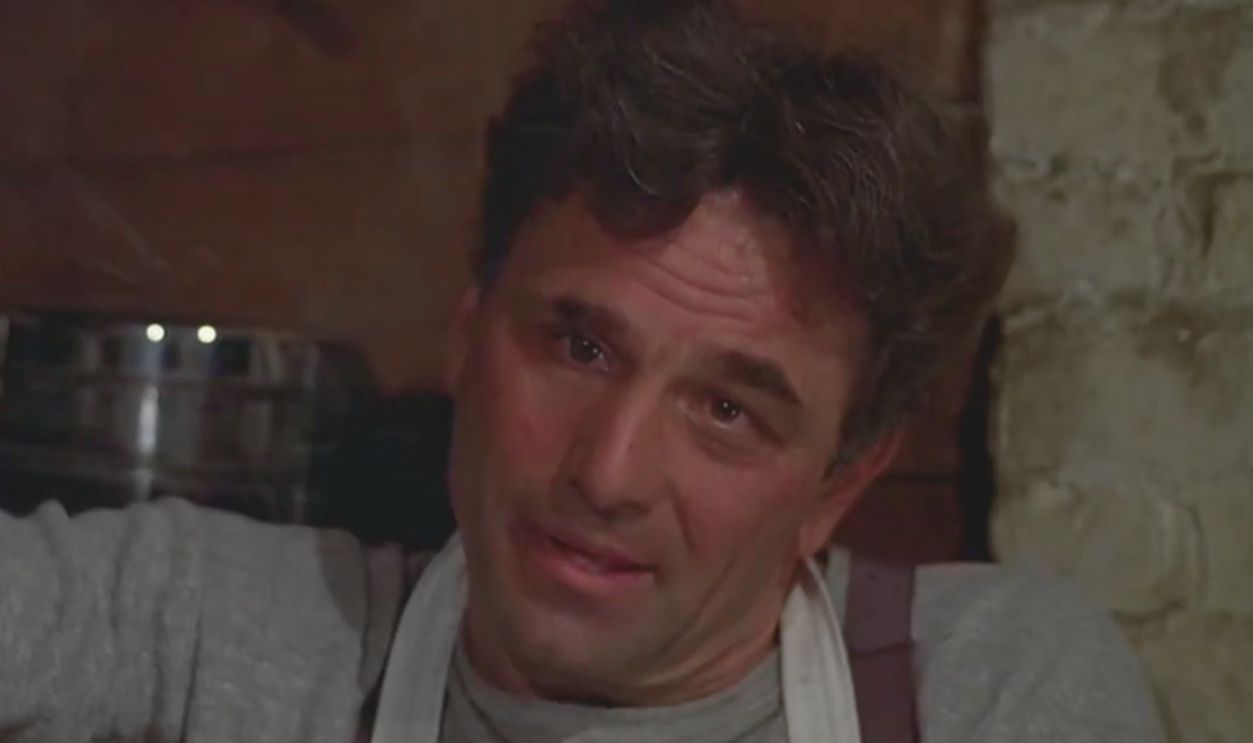 Screenshot from The Brink's Job, Universal Pictures (1978), Enhanced
Midnight Express (1978)
Brad Davis portrayed Billy Hayes, an American arrested in Turkey in 1970 while attempting to smuggle banned substances out of the country. Hayes's imprisonment and eventual escape became the basis for this disturbing drama, directed by Alan Parker. The film was a major success, although Hayes later criticized its exaggerated portrayal of Turkish people and its departures from his actual experiences.
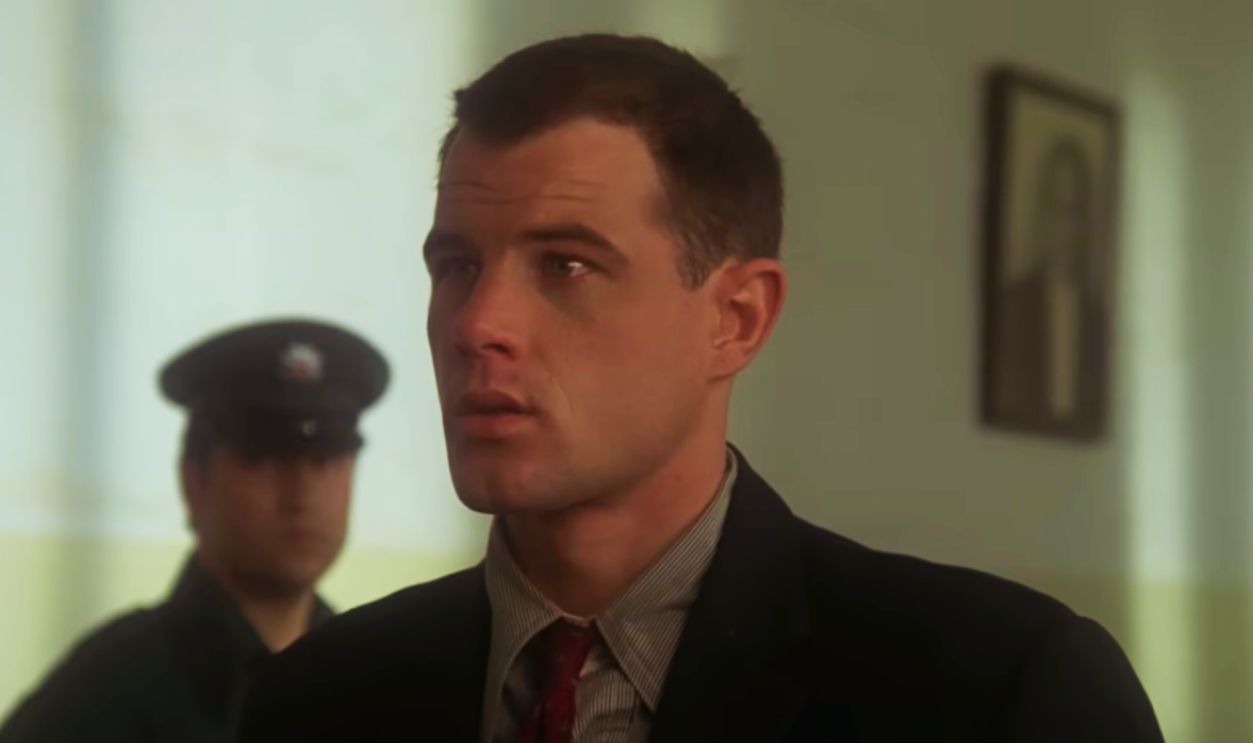 Screenshot from Midnight Express, Columbia Pictures (1978), Enhanced
The Last Waltz (1978)
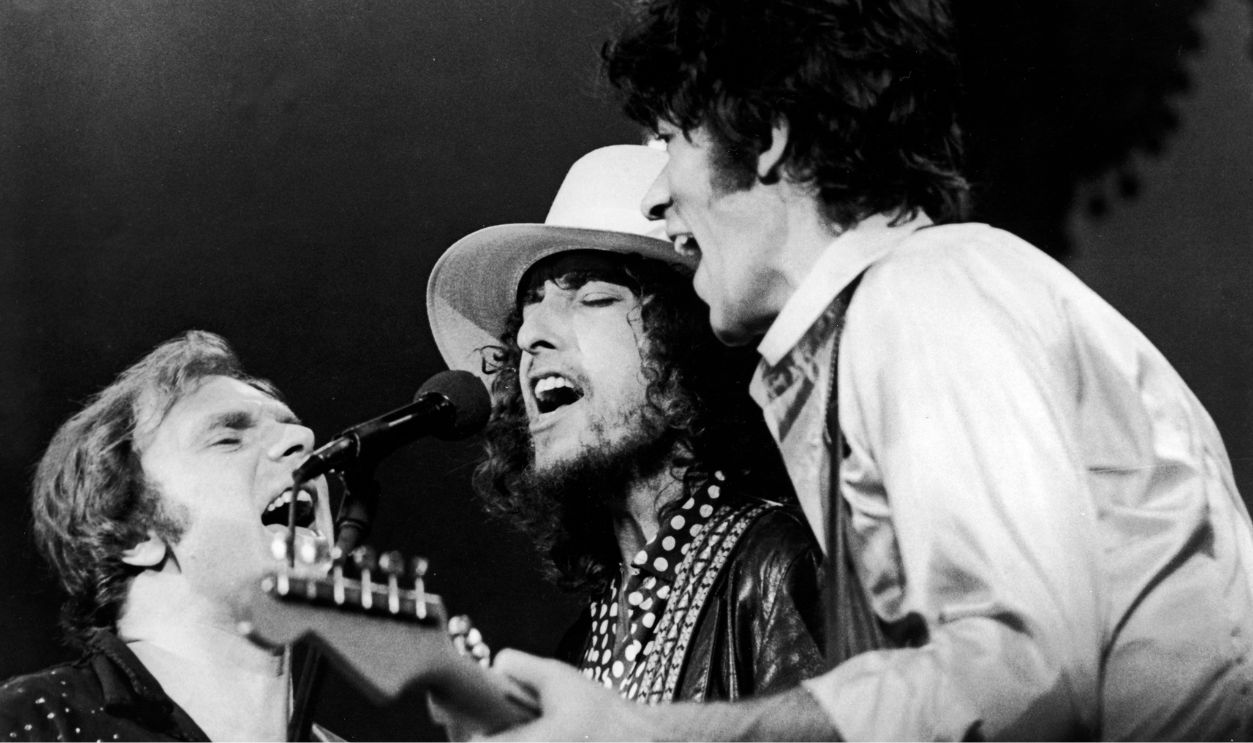
Martin Scorsese documented The Band's celebrated Thanksgiving 1976 farewell concert at San Francisco's Winterland Ballroom. The extraordinary lineup included Bob Dylan, Neil Young, Joni Mitchell, Eric Clapton, Van Morrison, and Muddy Waters. For Baby Boomers who had followed these musicians throughout the 1960s and 1970s, the concert marked the end of a remarkable musical era. Today, the film preserves a gathering that would be almost impossible to recreate.
Norma Rae (1979)
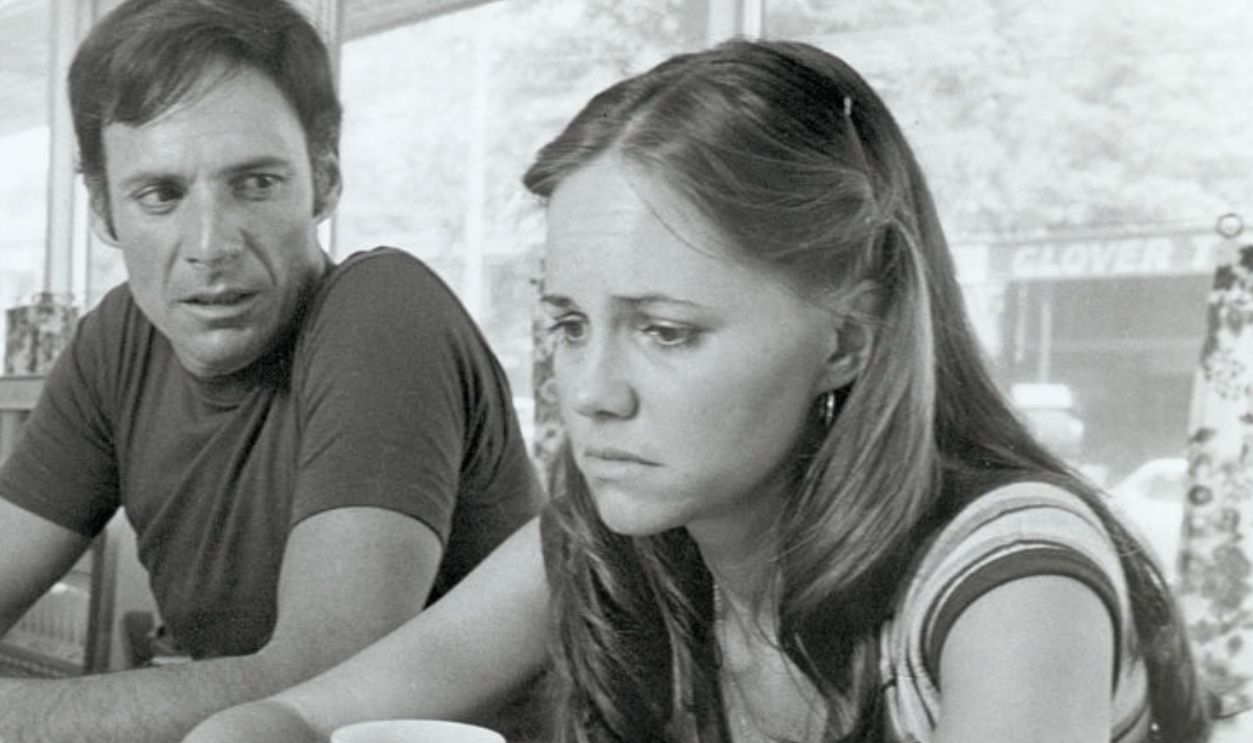
Sally Field won an Academy Award for portraying a Southern textile worker who challenges her employer by organizing a labor union. The story was inspired by Crystal Lee Sutton, whose activism at a J.P. Stevens textile plant in North Carolina became a symbol of the American labor movement. The unforgettable scene in which Field's character raises a sign reading "UNION" was based on a real act of workplace defiance.
The Onion Field (1979)
James Woods, John Savage, and Franklyn Seales starred in this grim crime drama based on the March 1963 abduction of two Los Angeles police officers. One officer, Ian Campbell, was gunned down in an onion field near Bakersfield, California, while his partner, Karl Hettinger, escaped. Based on Joseph Wambaugh's nonfiction bestseller, the film revisited a shocking incident that raised lasting questions about law enforcement procedures, justice, and survivor trauma.
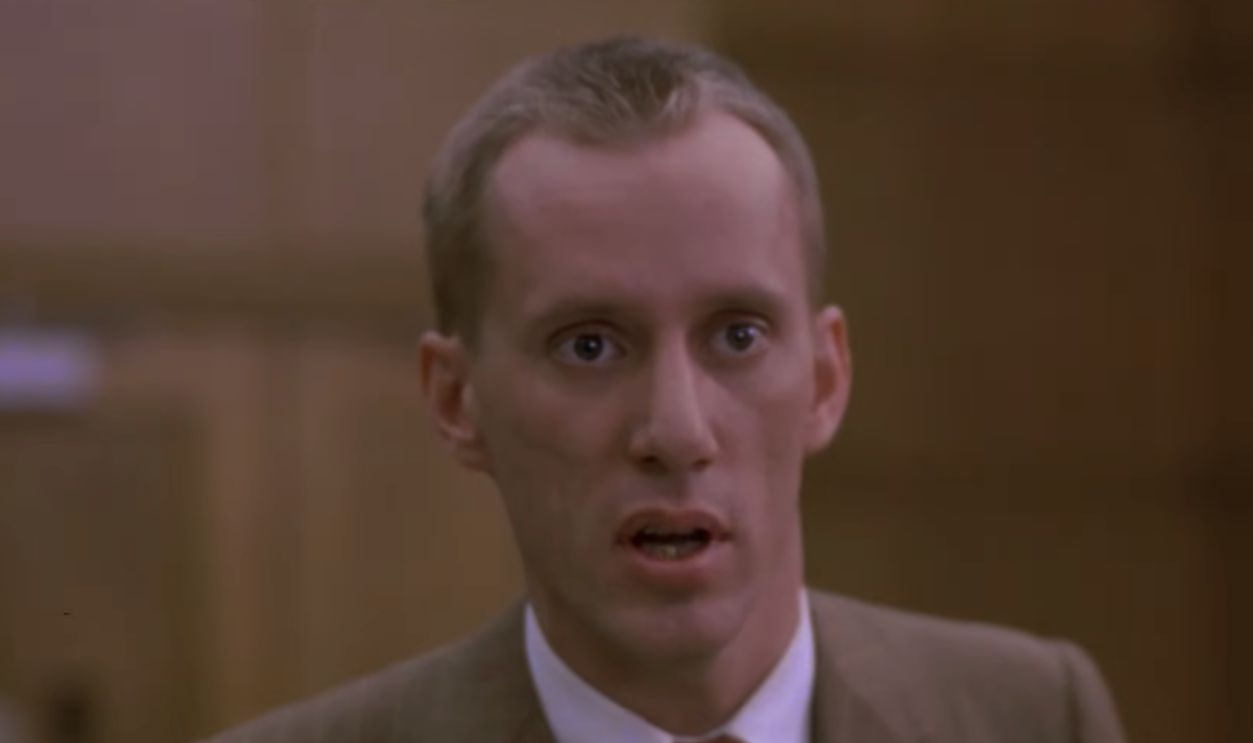 Screenshot from The Onion Field, AVCO Embassy Pictures (1979)
The Deadly Tower (1975)
Kurt Russell portrayed Charles Whitman, the former Marine who climbed the University of Texas tower in August 1966 and opened fire on people below. The onslaught claimed the lives of 14 people that day, including an unborn child, and shocked the nation. The television film recreated a tragedy that many Baby Boomers remembered from news coverage.
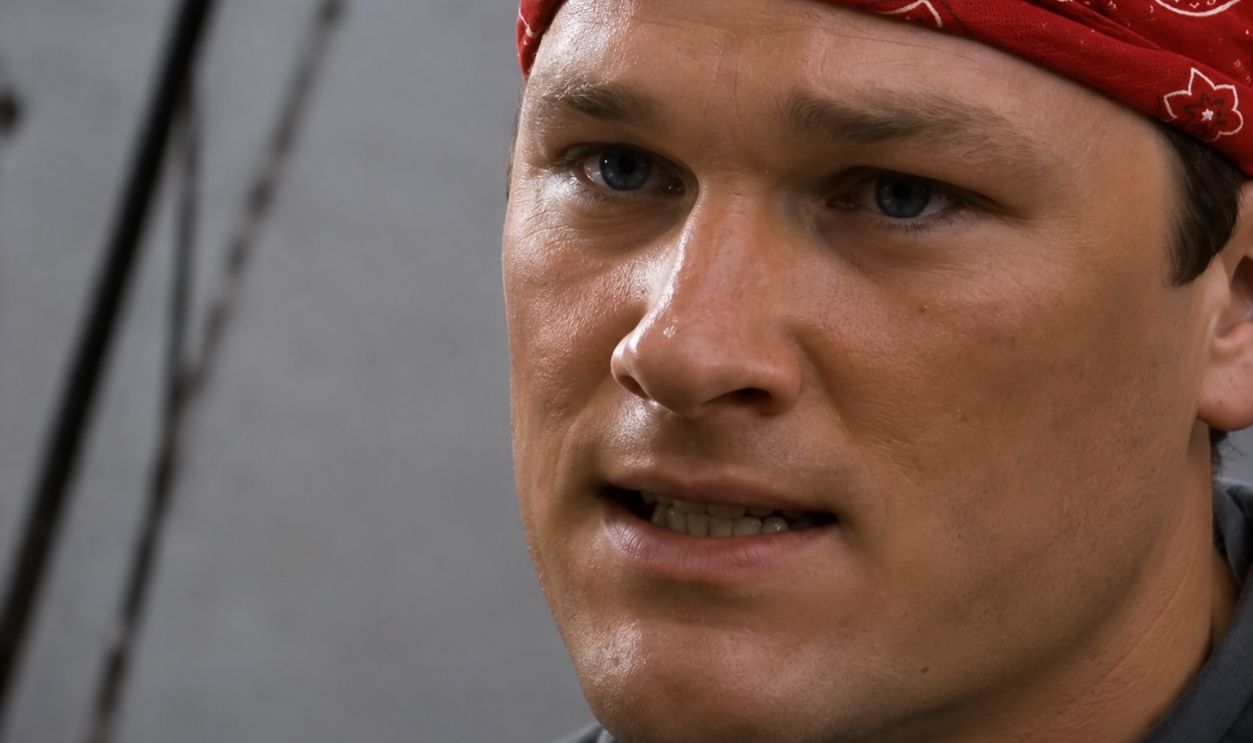 Screenshot from The Deadly Tower, NBC (1975) , Enhanced
The Missiles Of October (1974)
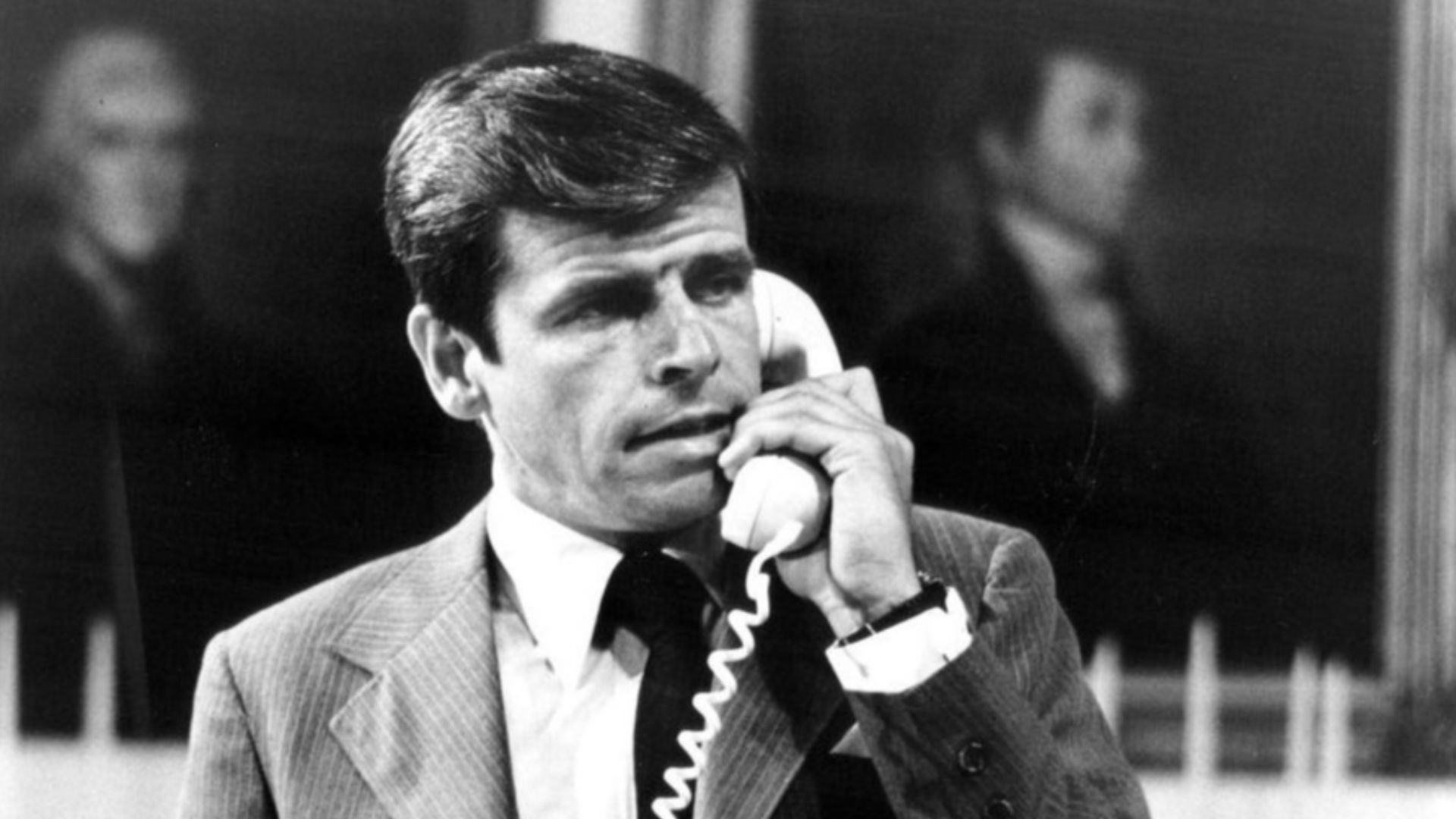
William Devane portrayed President John F. Kennedy in this television dramatization of the 1962 Cuban Missile Crisis. Martin Sheen played Attorney General Robert Kennedy. The film reconstructed the tense confrontation between the United States and Soviet Union that brought the world dangerously close to nuclear war. This is an especially strong choice because older Baby Boomers vividly remember the original crisis.
The Last American Hero (1973)
Jeff Bridges played a character based on Junior Johnson, the legendary NASCAR driver who began his career transporting moonshine in North Carolina. The film drew on Tom Wolfe's celebrated writing about Johnson, whose transformation from bootlegger to racing star embodied a fascinating chapter of American automotive history.
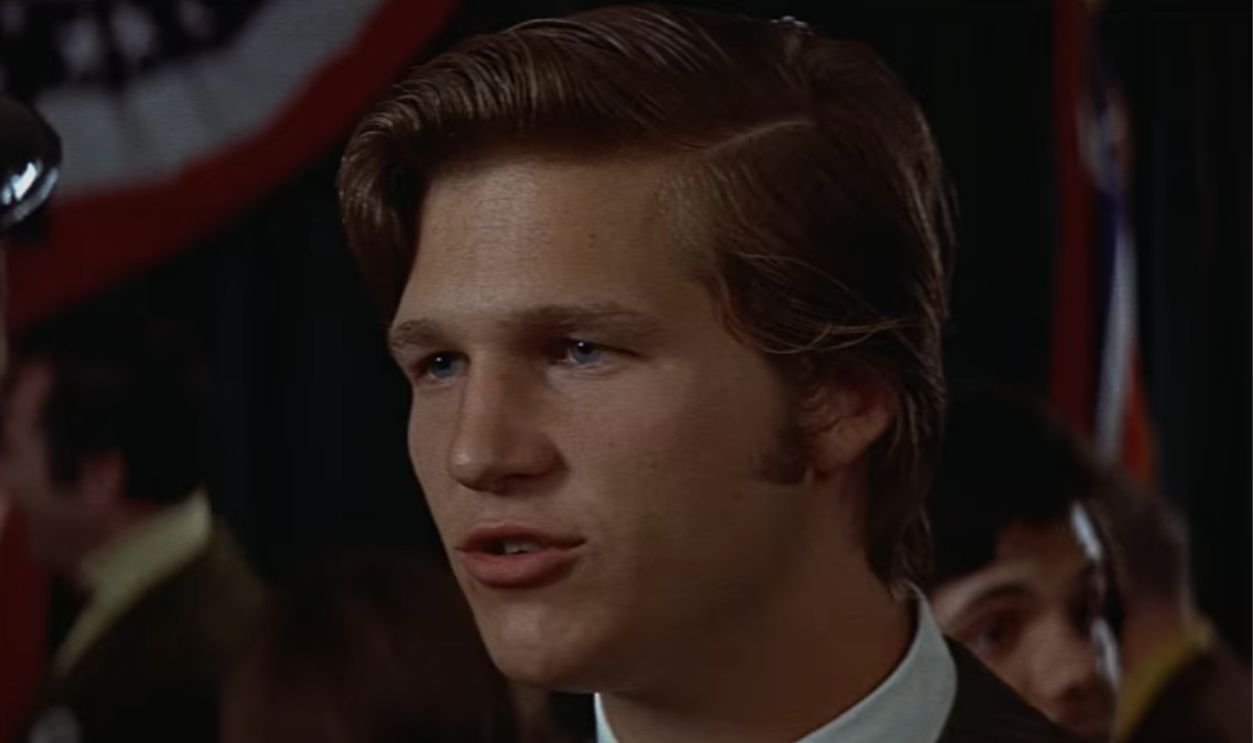 Screenshot from The Last American Hero, 20th Century-Fox (1973)
Harlan County, U.S.A. (1976)
Barbara Kopple's Oscar-winning documentary followed Kentucky coal miners and their families during a bitter 1973–1974 strike against the Eastover Mining Company. Unlike the concert documentaries, this film captured an actual labor struggle involving dangerous working conditions, physical confrontations, and the fight for union recognition. It is an excellent example of an event that received considerable contemporary attention but is less familiar today.
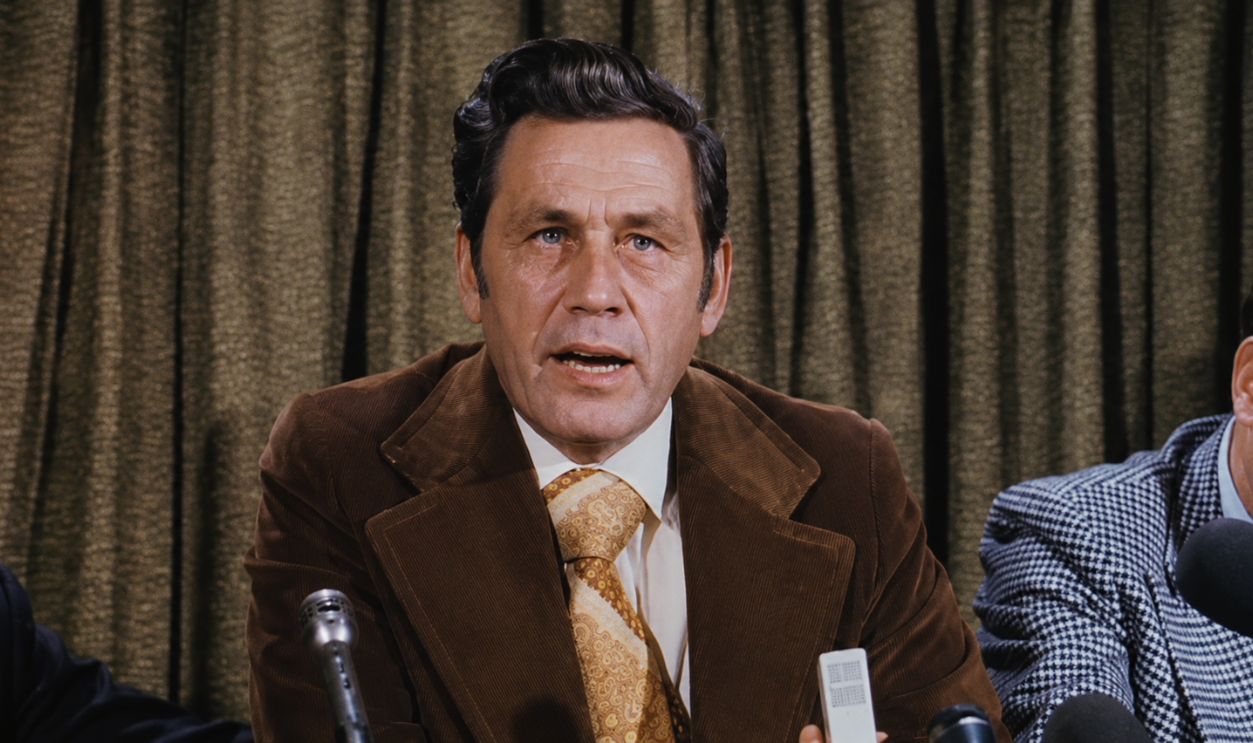 Screenshot from Harlan County, U.S.A., Cinema 5 Distributing (1976), Enhanced
Attica (1980)
This television drama, starring Charles Durning, dramatized the 1971 uprising at New York's Attica Correctional Facility. The confrontation ended when authorities retook the prison; 43 people lost their lives. The uprising became a defining controversy over prison conditions, the government's response, and civil rights during the early 1970s.
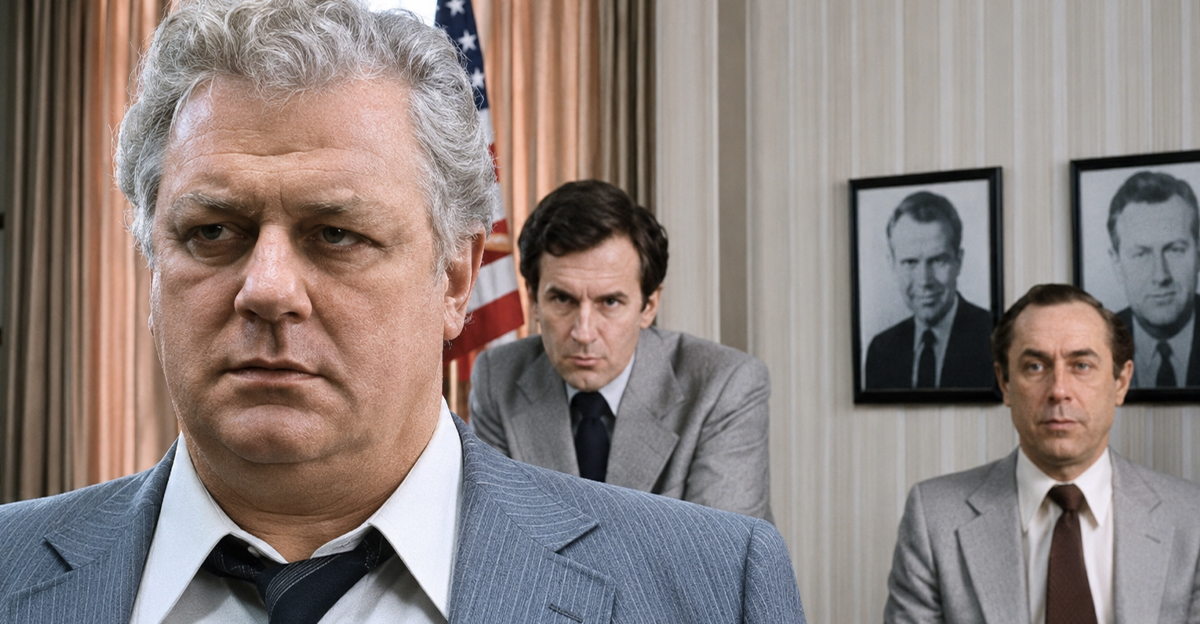 Screenshot of 'Attica', (1980), ABC Television, (enhanced)
Woodstock (1970)
The 1969 Woodstock Music and Art Fair became the defining concert of the counterculture generation, attracting hundreds of thousands of people to a muddy farm in upstate New York. Michael Wadleigh's Oscar-winning documentary captured performances by Jimi Hendrix, Janis Joplin, The Who, and others. For Baby Boomers, it preserved a cultural milestone they had just experienced, whether in person or through television and newspapers.
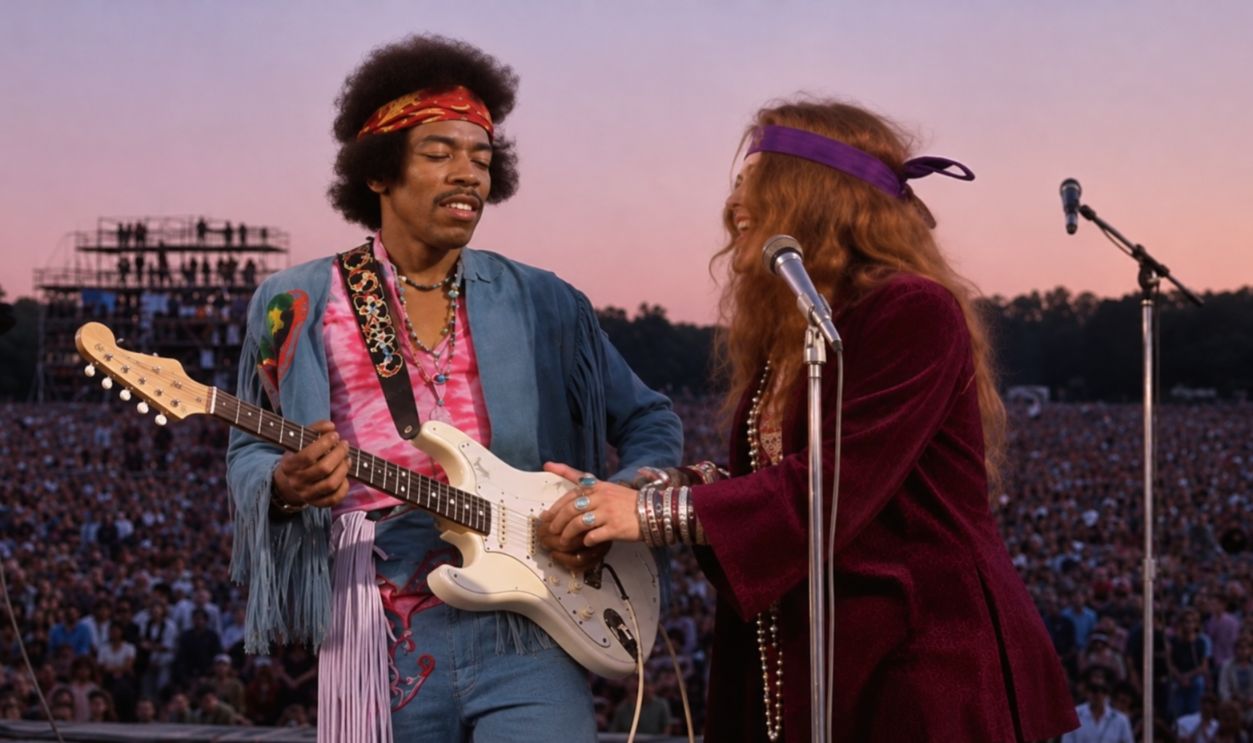 Screenshot from Woodstock, Warner Bros. Pictures (1970), Enhanced
You May Also Like:
1970s Movie Stars Who Never Got Another Role As Big As Their Breakthrough
1960s Movies That Started Like Old Hollywood And Ended Like The 1970s
50s Monster Movies That Are Better Than Everybody Thinks. How Many Do You Remember?
Sources: 1, 2, 3, 4, 5, 6, 7, 8, 9, 10, 11, 12, 13, 14, 15, 16, 17, 18, 19, 20