You Changed It To That?
Some movies leave you staring at the screen, wondering how anyone thought that was a good ending. Well, sometimes the people who made them didn’t think so either.
These movies had earlier or alternate conclusions that offered something much more interesting—and would’ve made the movie so much better.
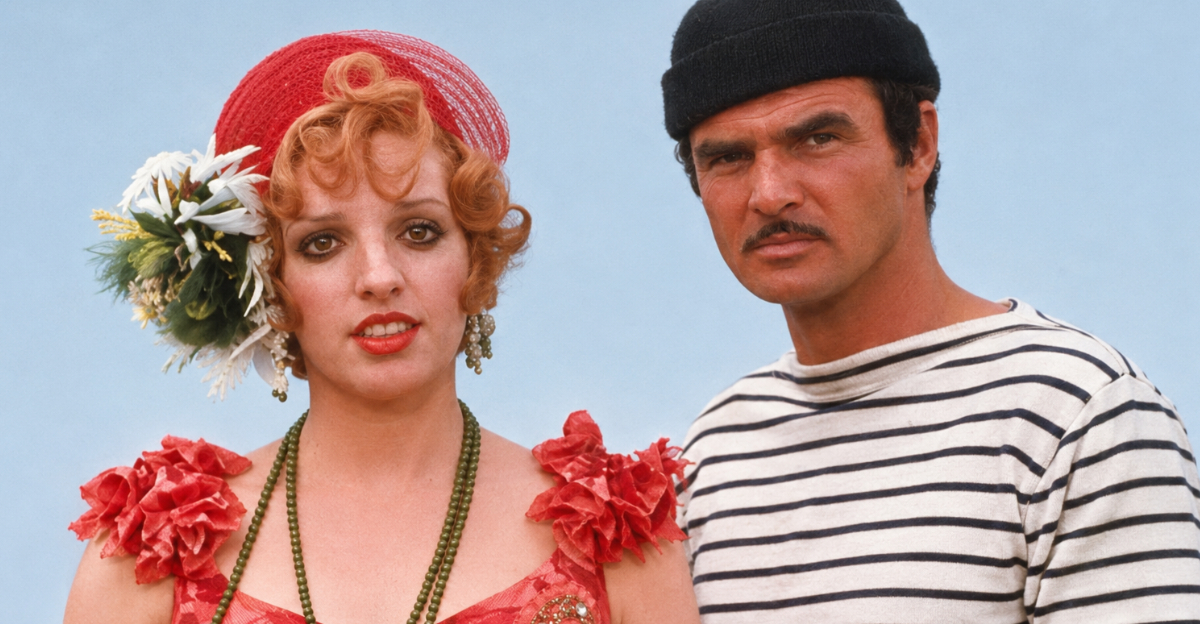
"Oliver's Story" (1978)
Making a sequel to "Love Story" without Ali MacGraw was already going to be difficult. Ryan O’Neal returned as Oliver, a widower struggling to move forward while becoming involved with Candice Bergen’s wealthy Marcie. But the movie ends with Oliver alone on a bridge. After watching him struggle through another romance, audiences were left watching him struggle some more.
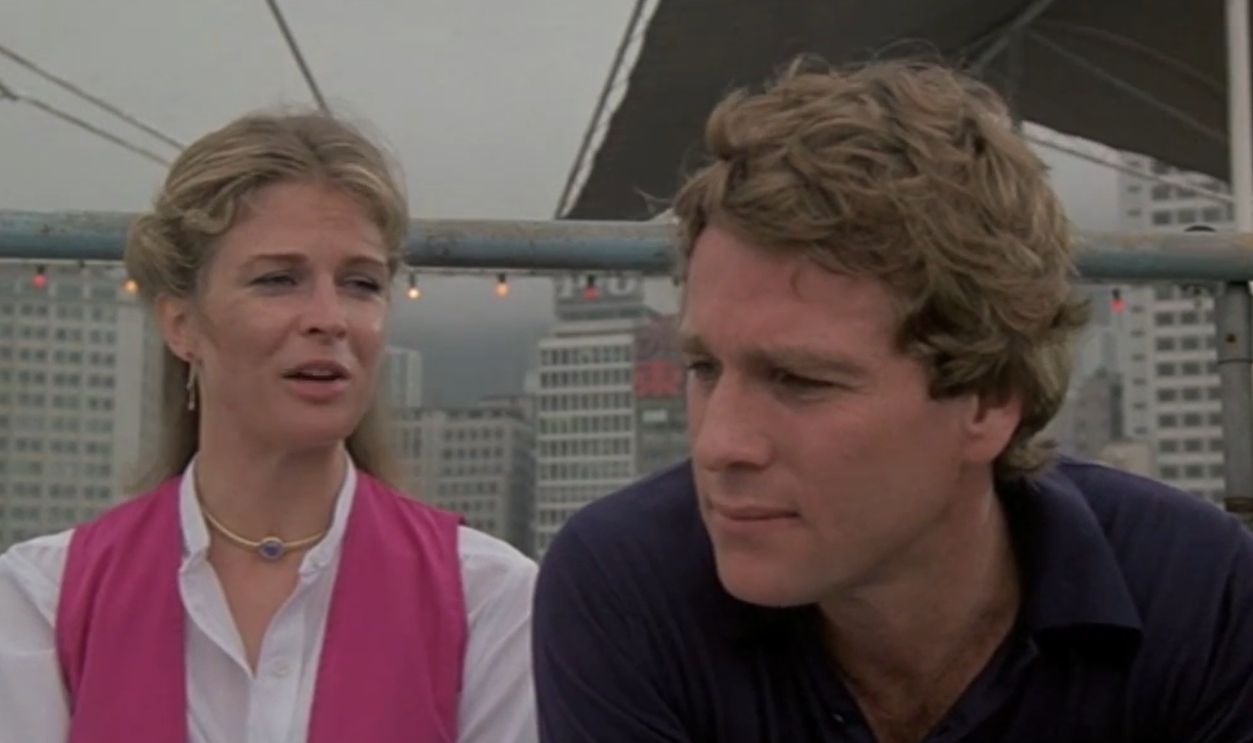 Screenshot from Oliver's Story, Paramount Pictures (1978)
He Was Actually Supposed To Move On
The original ending brought Oliver back to Joanna, played by Nicola Pagett. That would have given his journey a clear destination: finally allowing himself to love again. According to contemporary reporting, the filmmakers worried audiences wouldn’t accept him choosing Pagett after Bergen. So they removed the romantic resolution. Apparently, Oliver finding happiness depended on whom executives thought he should find attractive.
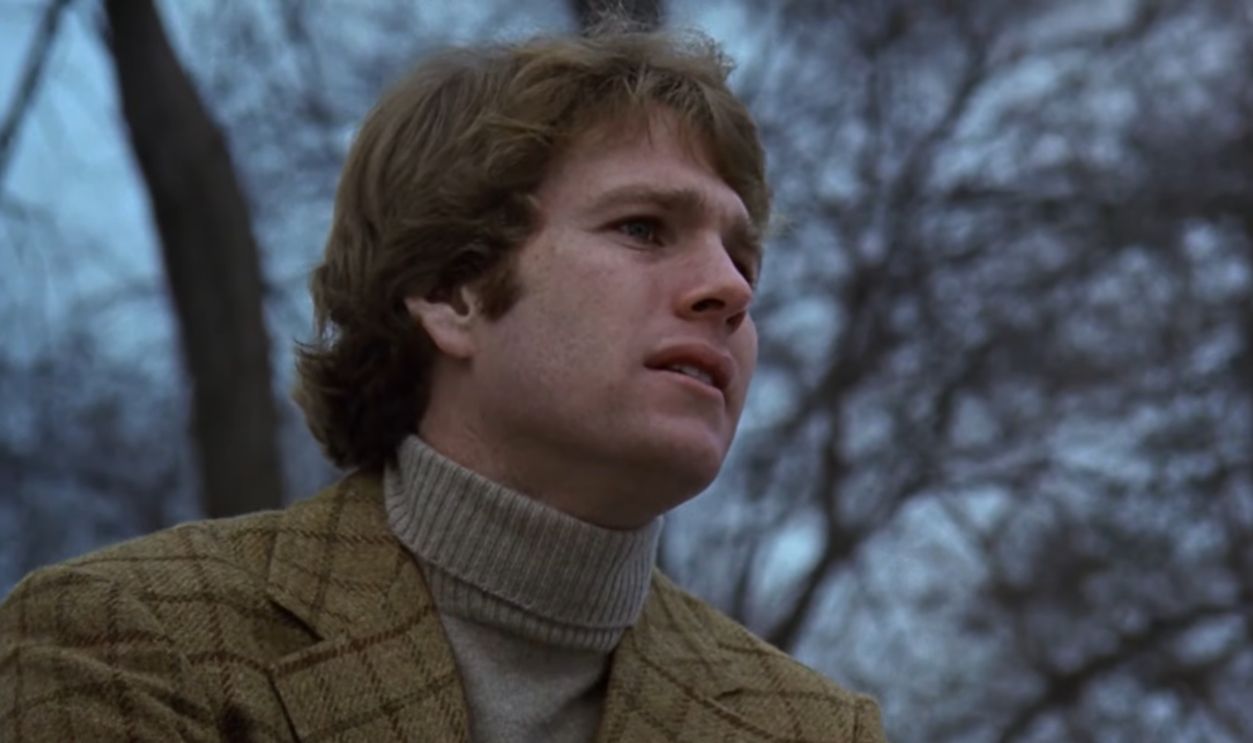 Screenshot from Love Story, Paramount Pictures (1970)
"Hell in the Pacific" (1968)
Lee Marvin and Toshiro Mifune play enemy servicemen stranded together during World War II. Neither speaks the other’s language, and survival gradually forces them to cooperate. It’s a compelling setup. But one version ends with an abrupt explosion that apparently finishes them both off. After all that time watching their relationship develop, the movie practically blows its own story away.
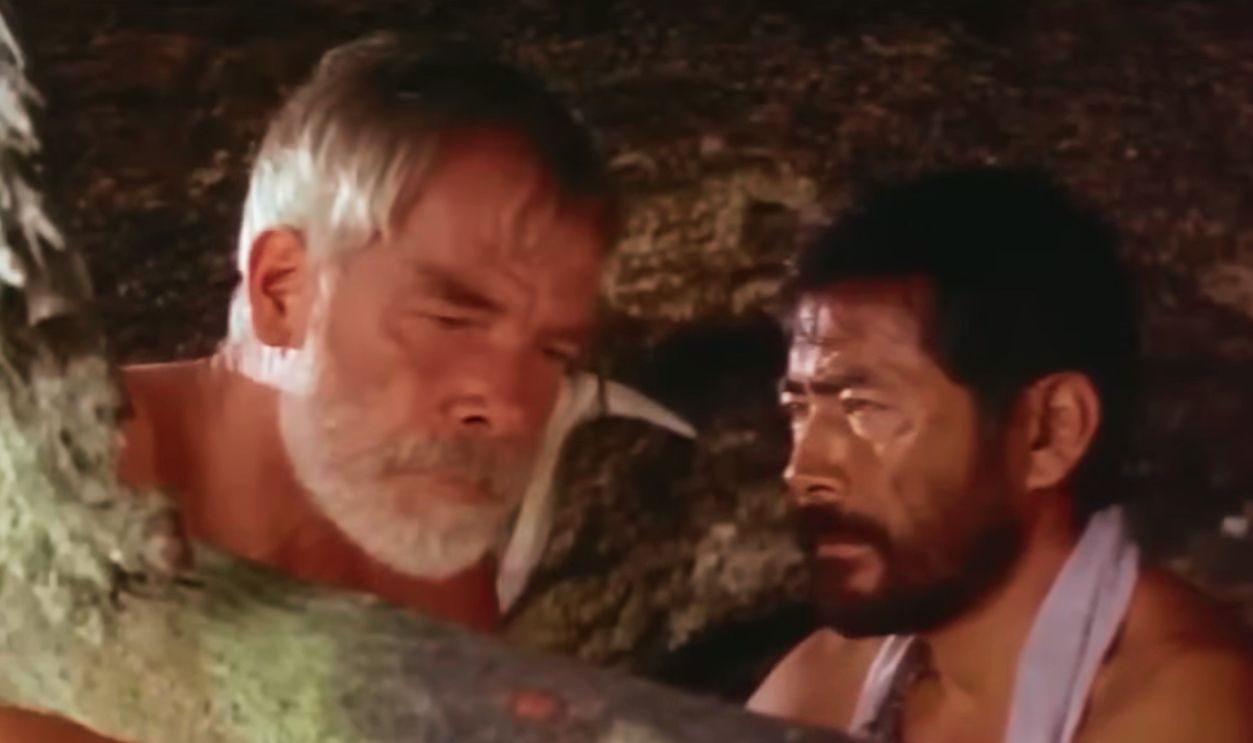 Screenshot from Hell in the Pacific, Cinerama Releasing Corporation (1968)
They Originally Just Walked Away
John Boorman’s original ending let the men separate after their fragile understanding broke down. They had learned to cooperate without escaping the hostility that divided them. Producer Henry G. Saperstein substituted an explosion in some prints, and Boorman objected. The quieter ending left something uncomfortable to think about. The replacement mostly left viewers wondering where that explosion came from.
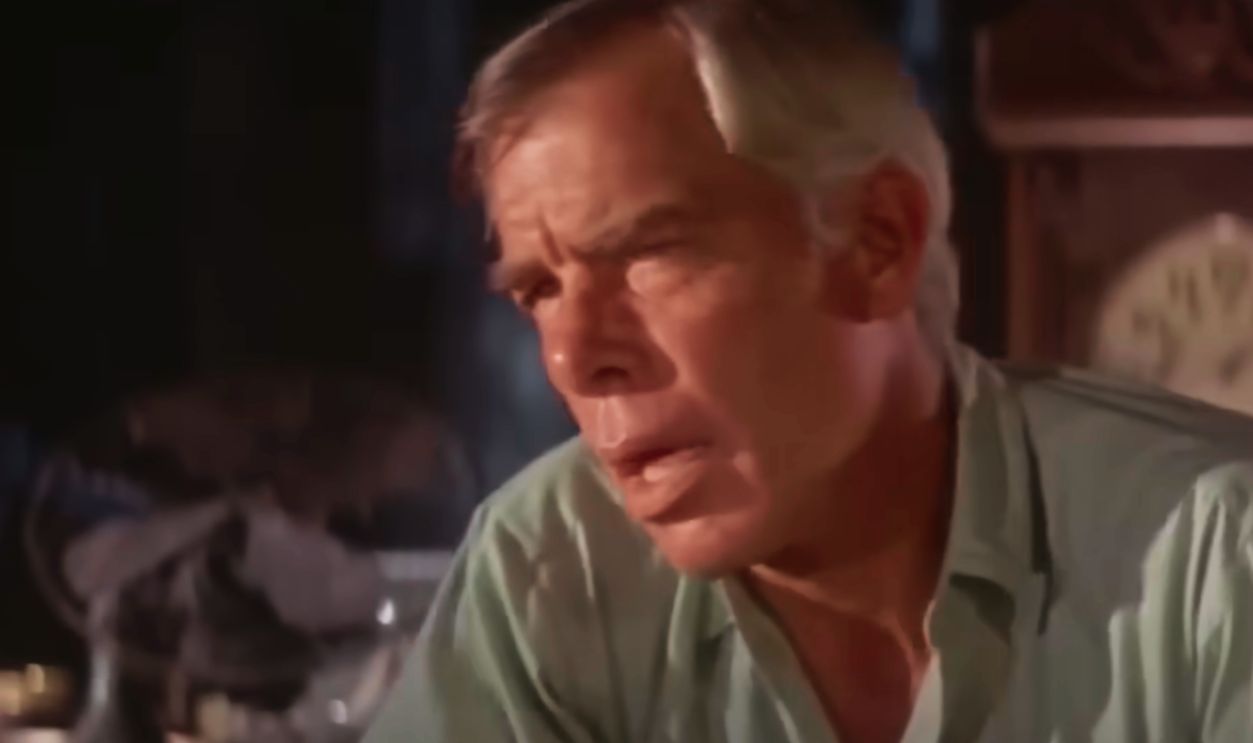 Screenshot from Hell in the Pacific, Cinerama Releasing Corporation (1968)
"Lucky Lady" (1975)
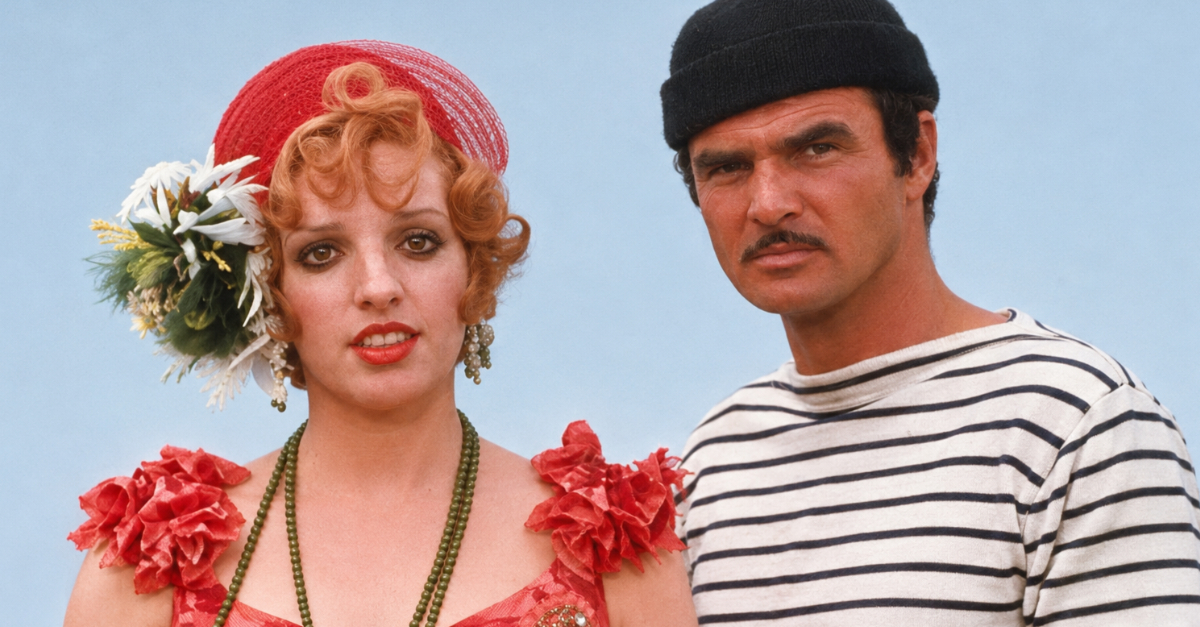
Liza Minnelli, Burt Reynolds, and Gene Hackman ought to have been enough to make this Prohibition-era adventure work. Instead, the movie struggles to balance comedy, romance, and danger. Its ending went through several revisions before the trio were allowed to sail away together. That’s pleasant enough. But pleasant wasn’t what the writers originally had in mind.
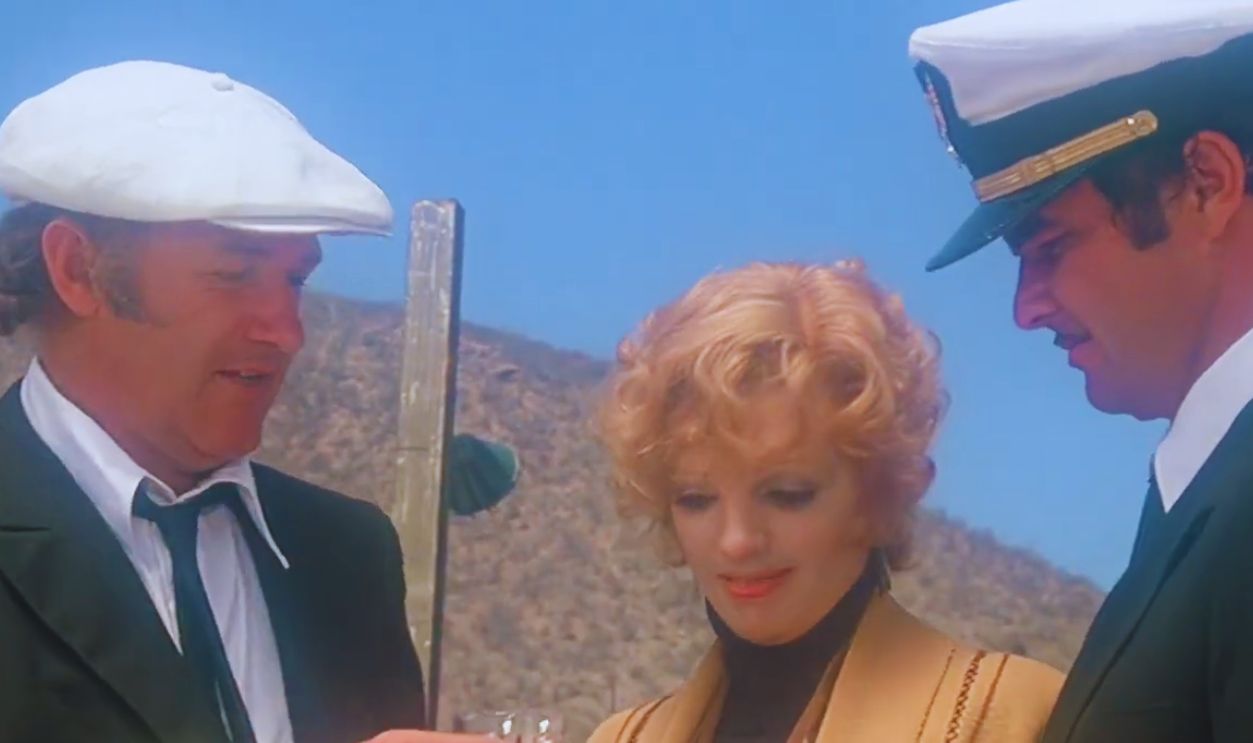 Screenshot from Lucky Lady, 20th Century Fox (1975)
Minnelli Was Supposed To Be Left Behind
The original ending had Reynolds’s and Hackman’s characters lose their lives. Years later, Minnelli’s Claire would remember them while trapped in a comfortable but unfulfilling marriage. That gave the romance a lasting cost. Director Stanley Donen felt the darker ending no longer suited the film’s comic tone, but Reynolds complained that the change had cost Minnelli an Academy Award.
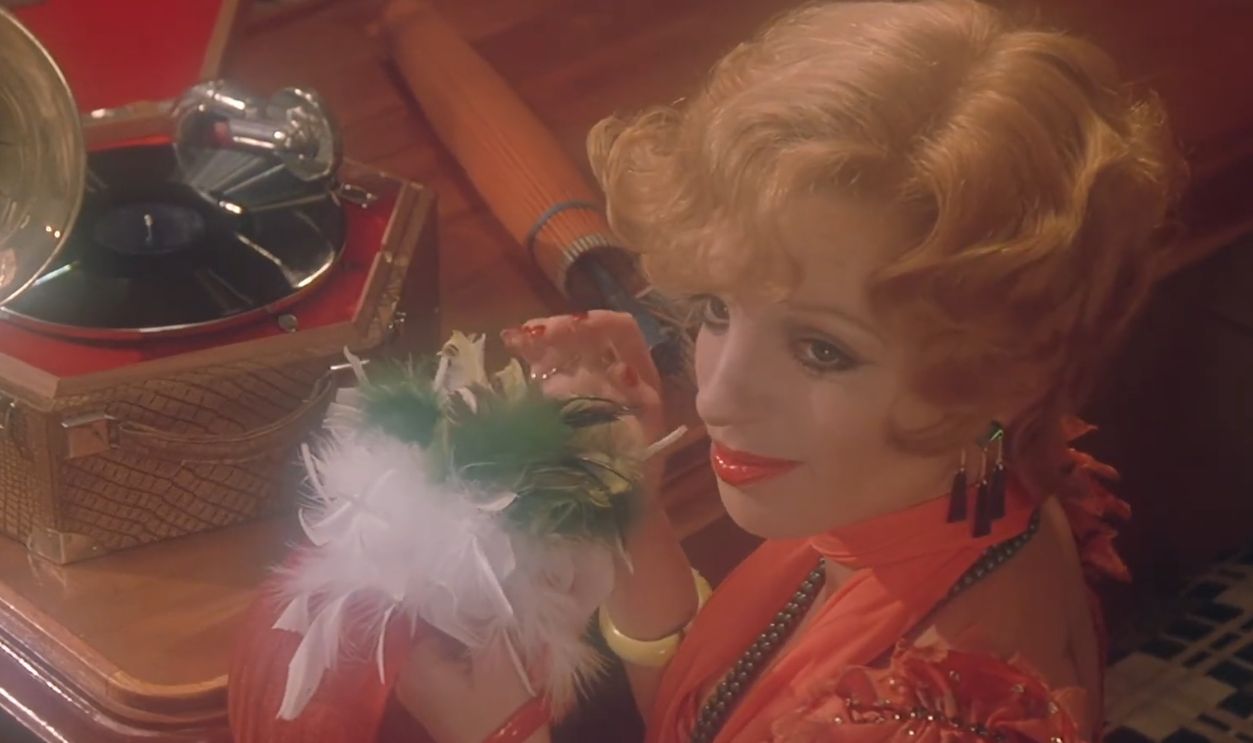 Screenshot from Lucky Lady, 20th Century Fox (1975)
"Countdown" (1968)
Before "MASH" and "Nashville," Robert Altman directed this space-race drama starring James Caan and Robert Duvall. Caan’s astronaut reaches the Moon, but finding the shelter that will keep him alive becomes the final challenge. The released ending lets him spot its beacon. After a movie that spends considerable time discussing danger, the conclusion offers some welcome reassurance.
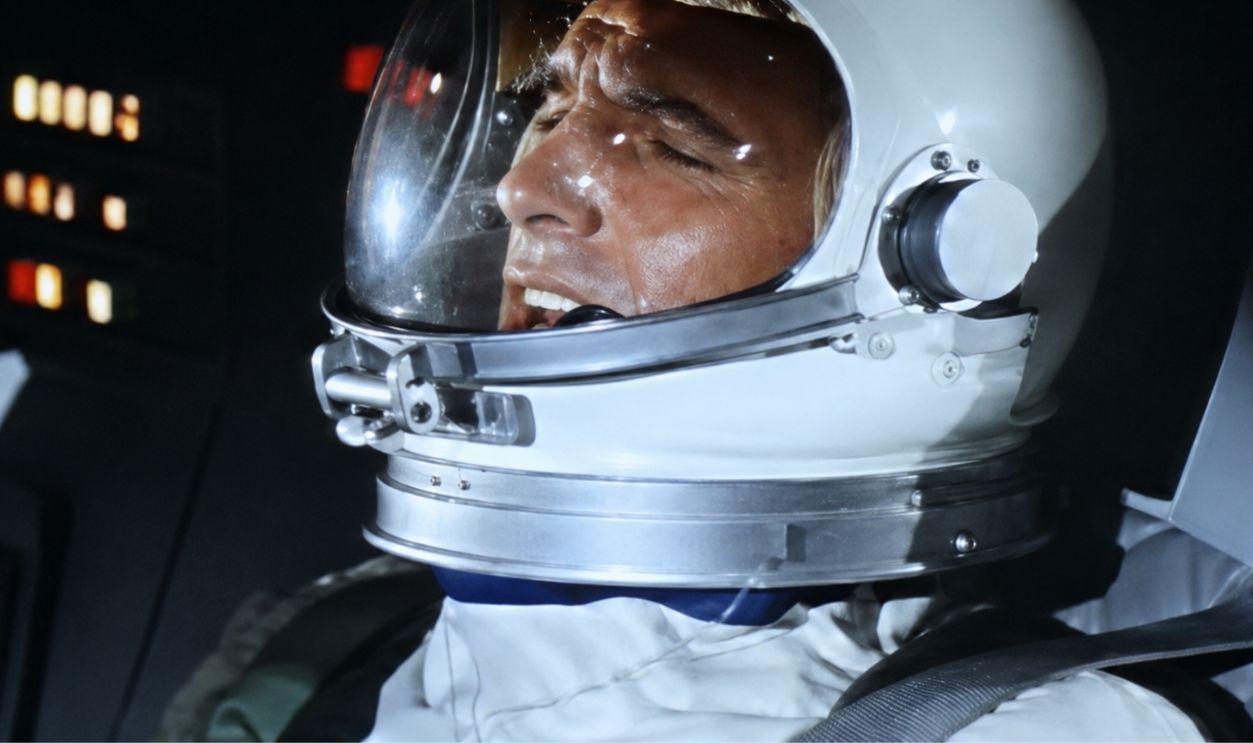 Every Alfred Hitchcock Cameo (with time stamps) by Daniel Cheetham
Altman Had Something Much Bleaker In Mind
According to Altman, his ending left the astronaut searching with limited life support and little reason to expect survival. He said the studio rewrote it. Producer accounts disputed aspects of his story, but Altman’s intended uncertainty offered a stronger final question: what if reaching the Moon meant never getting home?
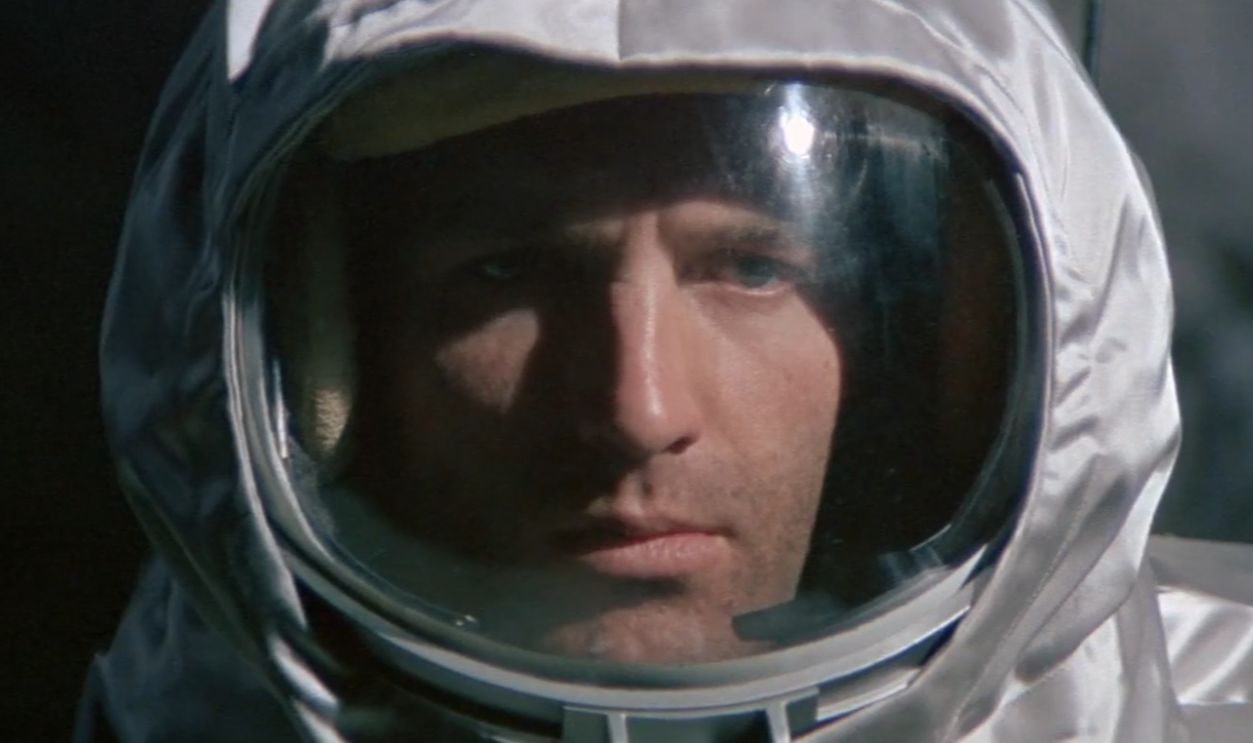 Screenshot from Countdown, Warner Bros. Entertainment (1968)
"Wild Rovers" (1971)
William Holden and Ryan O’Neal play cowboys whose attempt to improve their lives through a bank robbery leads toward tragedy. Blake Edwards wanted the consequences to hurt. MGM shortened the movie and added a return to earlier footage of the men enjoying themselves. Apparently, even a disastrous decision needed to end with a reminder of the good times.
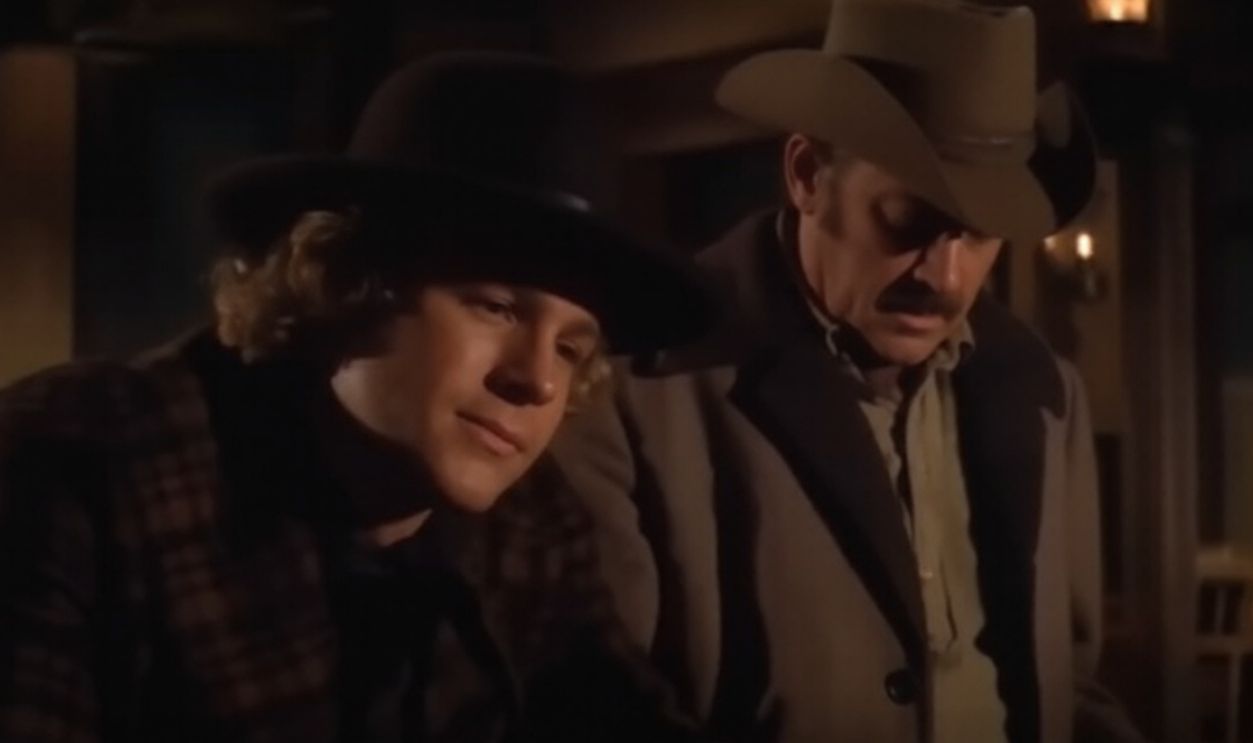 Screenshot from Wild Rovers, Metro Goldwyn Mayer (1971), Enhanced
The Studio Softened The Final Blow
The added footage reprises a horse-breaking sequence, with O’Neal’s character dancing in the snow. It doesn’t undo what happened, but it changes the feeling audiences leave with. Edwards disapproved of the shortened version. Ending on the consequences themselves would have let his Western’s tragedy land without immediately asking viewers to look back at a happier moment.
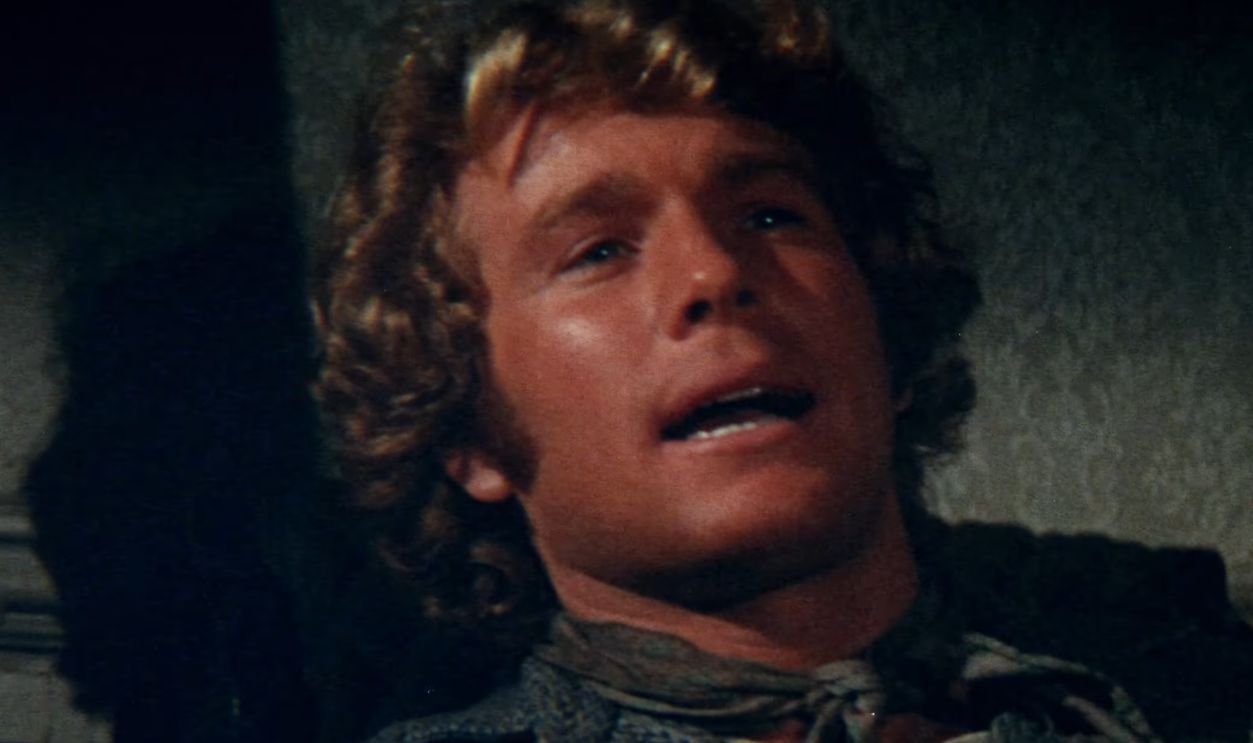 Screenshot from Wild Rovers, Metro Goldwyn Mayer (1971)
"To the Devil a Daughter" (1976)
Christopher Lee plays an excommunicated priest whose followers have terrible plans for a young woman played by Nastassja Kinski. Richard Widmark stands in their way, setting up what should be quite a confrontation. Instead, Widmark throws a blood-soaked stone at Lee’s head. Lee falls down. After all that buildup, the movie barely seems interested in finishing its own story.
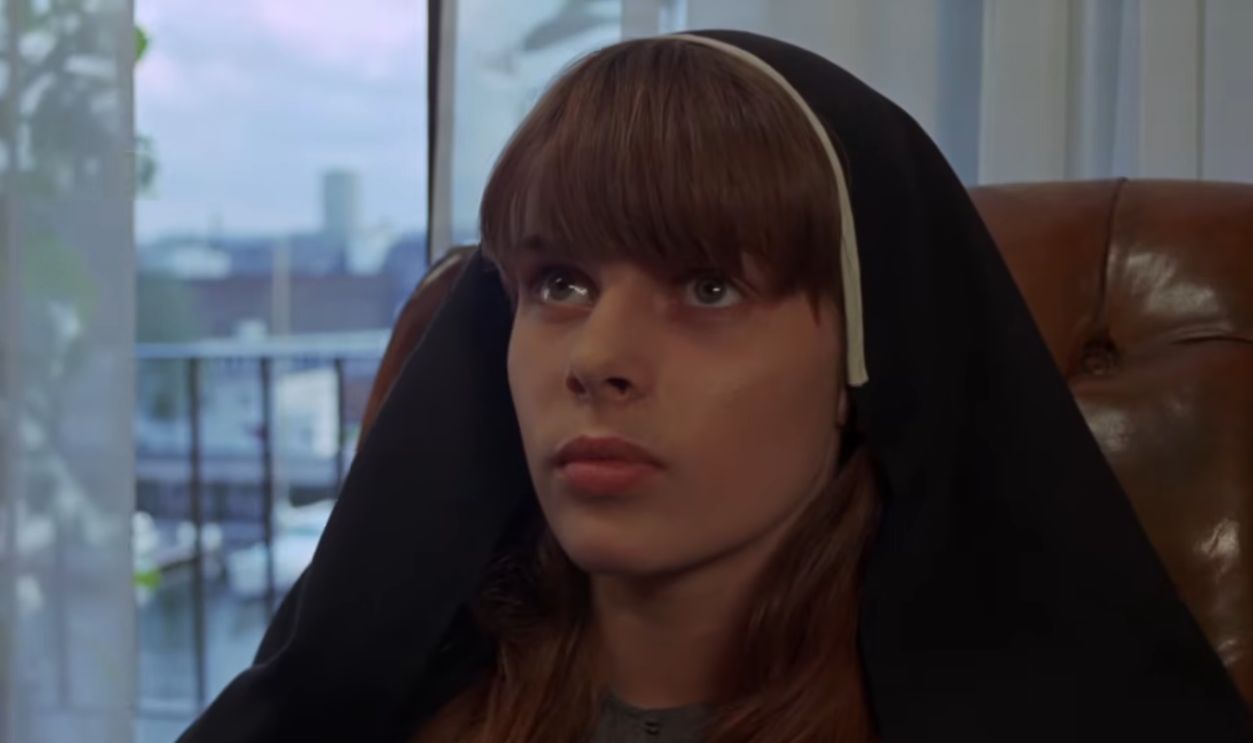 Screenshot from To the Devil a Daughter, EMI Films (1976)
It Wasn't Supposed To Stop There
The earlier climax called for Lee’s character to be struck by lightning. Production accounts describe that ending being discarded because it resembled his demise in "Scars of Dracula." Fair enough, perhaps. But replacing a supernatural villain’s spectacular downfall with a remarkably effective thrown stone feels like solving one problem by handing the audience a much bigger one.
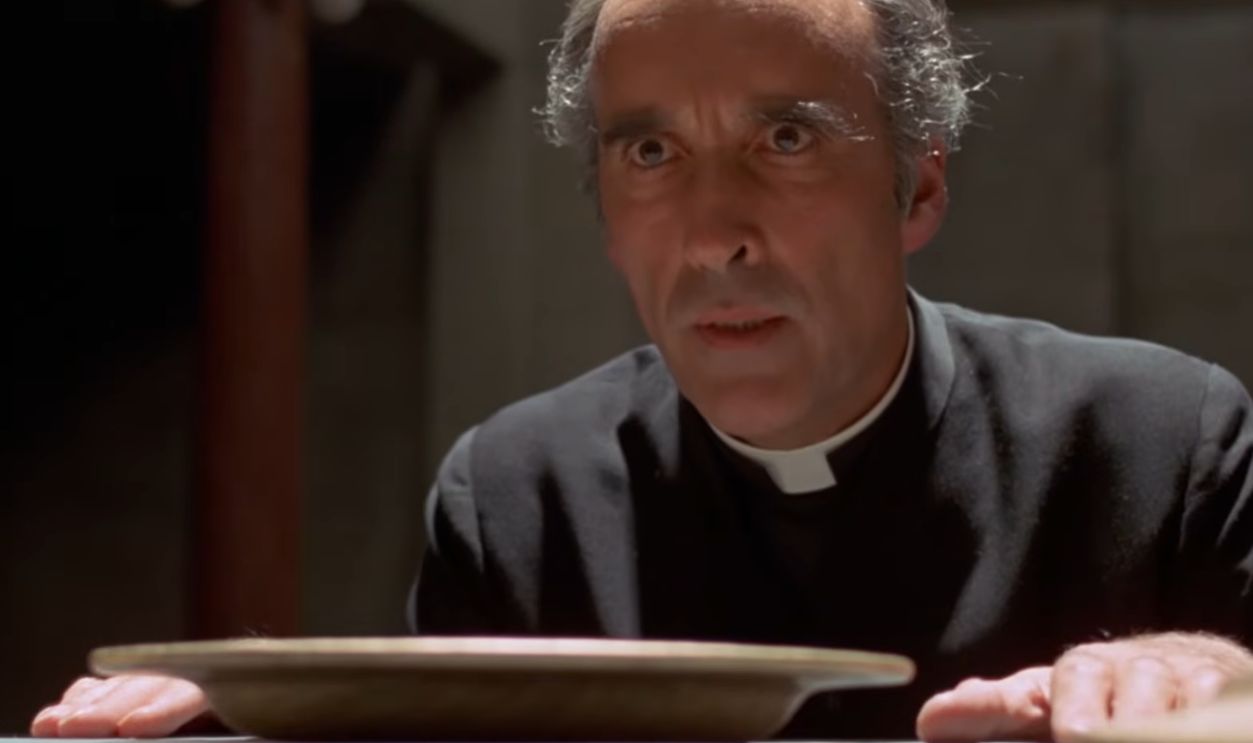 Screenshot from To the Devil a Daughter, EMI Films (1976)
"Topaz" (1969)
Alfred Hitchcock’s Cold War thriller has enough betrayals and competing loyalties to promise a substantial final confrontation. Its different release versions offered different answers. One lets the exposed traitor leave for Moscow. Another implies he takes his own life offscreen. Neither gives the two principal rivals the sort of direct showdown Hitchcock originally arranged for them.
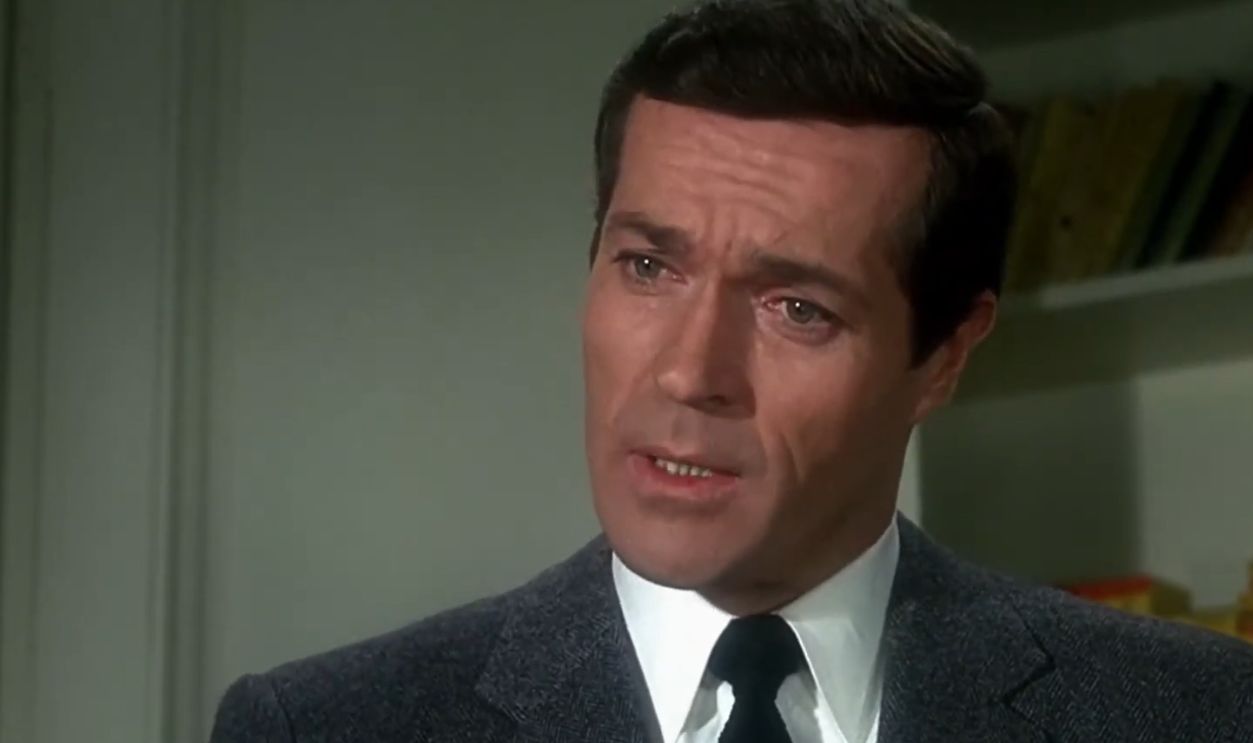 Screenshot from Topaz, Universal Pictures (1969)
Hitchcock Had Booked A Stadium
The original ending brought the rivals to an empty soccer stadium for a duel, only for a Soviet marksman to silence the traitor. Preview audiences disliked it. Hitchcock actually preferred the later airport ending, but the duel still offered something the offscreen conclusion lacked: a direct confrontation, followed by a reminder that neither rival controlled the outcome.
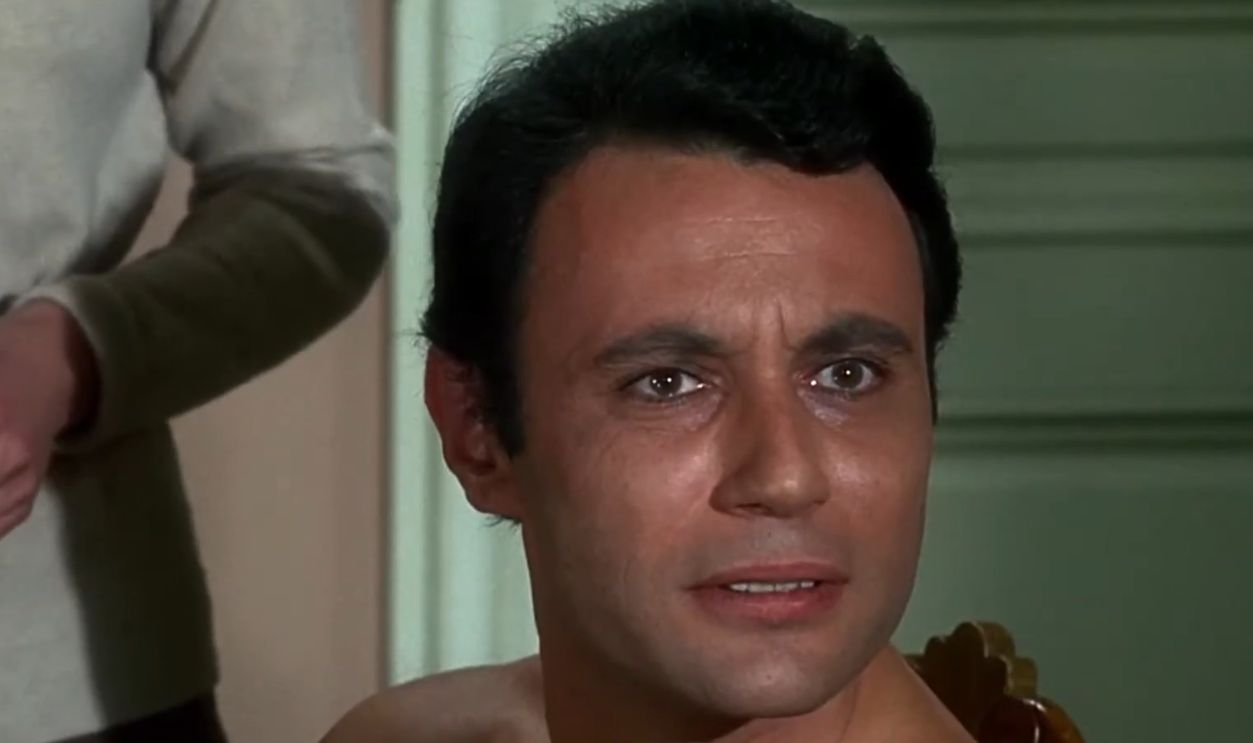 Screenshot from Topaz, Universal Pictures (1969)
"A Minute to Pray, a Second to Die" (1968)
Alex Cord plays Clay McCord, an outlaw troubled by physical attacks that make his dangerous life even more precarious. An offer of amnesty promises a way out. In the shortened American version, he receives his pardon and rides away. For a story filled with distrust and ruthless opportunists, that departure makes turning over a new leaf look surprisingly straightforward.
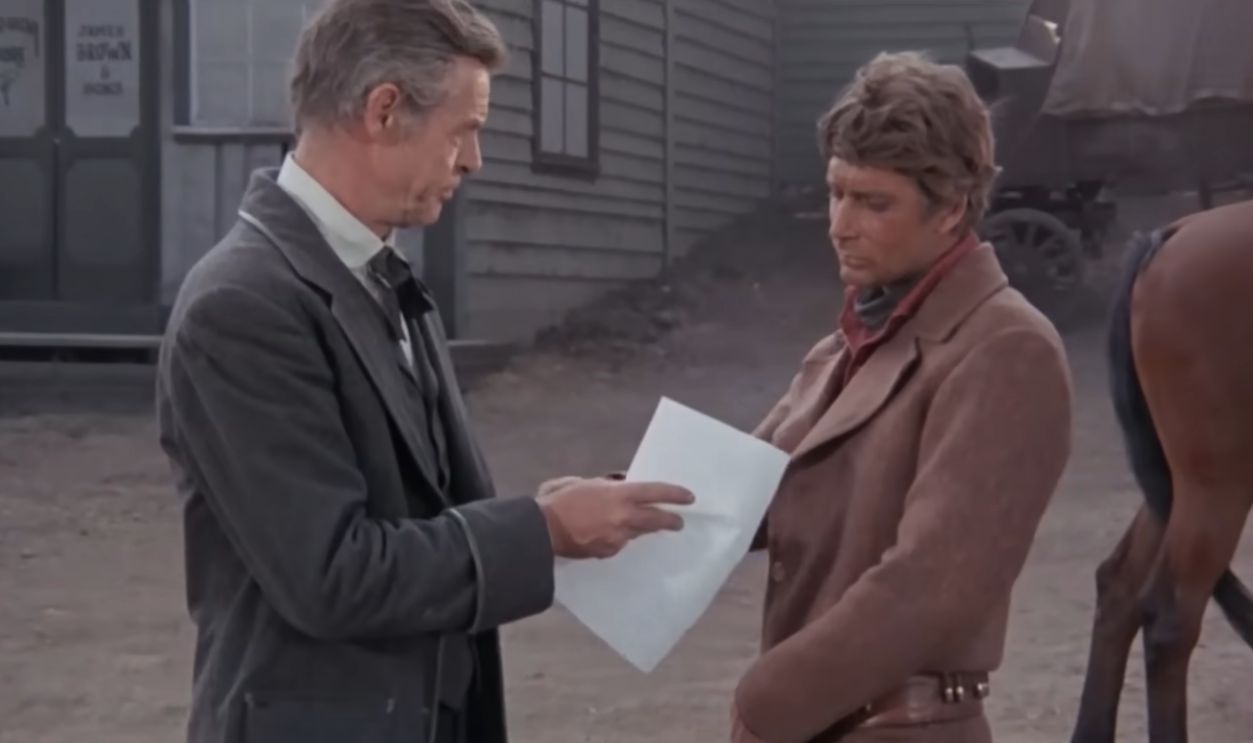 Screenshot from A Minute to Pray, a Second to Die, Cinerama Releasing Corporation (1968)
His Pardon Couldn't Save Him
The original extended ending follows McCord beyond that departure, into an ambush by bounty hunters. Having surrendered his weapons, he cannot protect himself. The bitter final irony comes when his attackers discover that his pardon means there is no reward to collect. Cutting that conclusion removed the very thing that made his apparent fresh start so devastating.
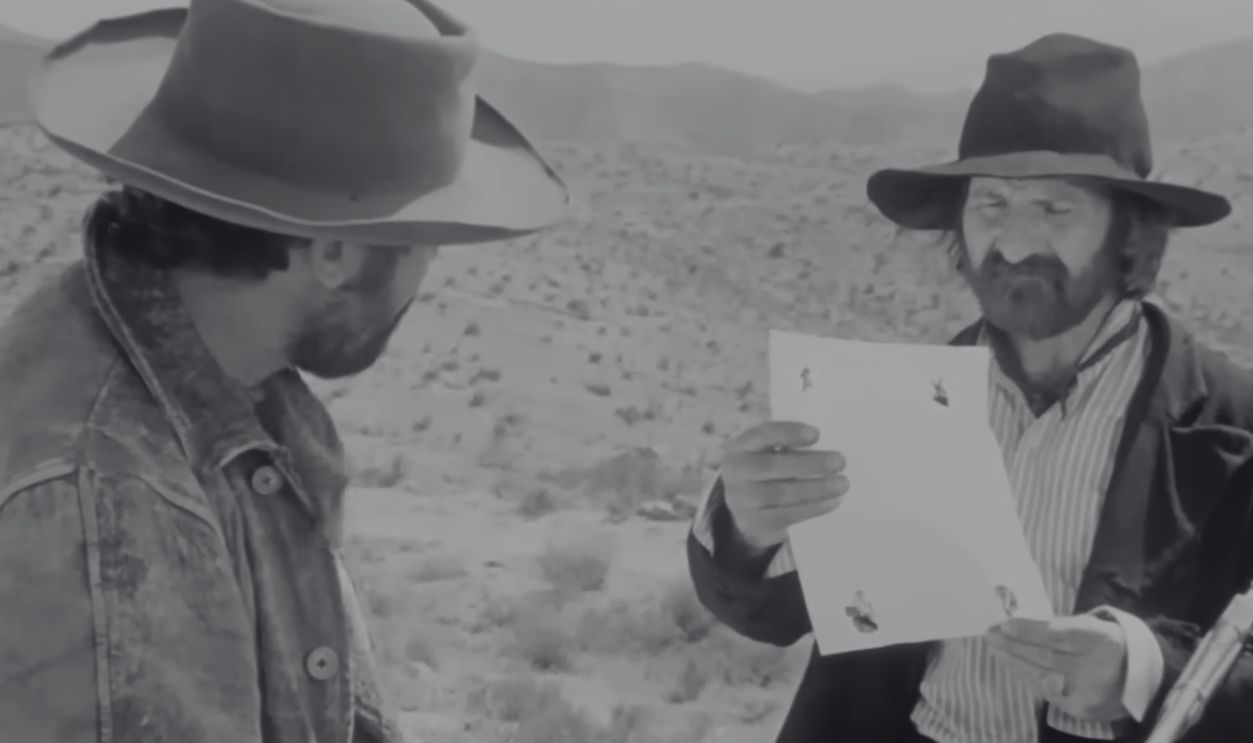 Screenshot from A Minute to Pray, a Second to Die, Cinerama Releasing Corporation (1968)
"Conquest of the Planet of the Apes" (1972)
This one has its defenders, but the theatrical ending makes a remarkably sudden turn. After Caesar leads an uprising against humanity’s brutal treatment of apes, the story brings him to the edge of revenge. Then he changes direction and calls for compassion. A nice sentiment, certainly. Whether the movie has earned that change is another question.
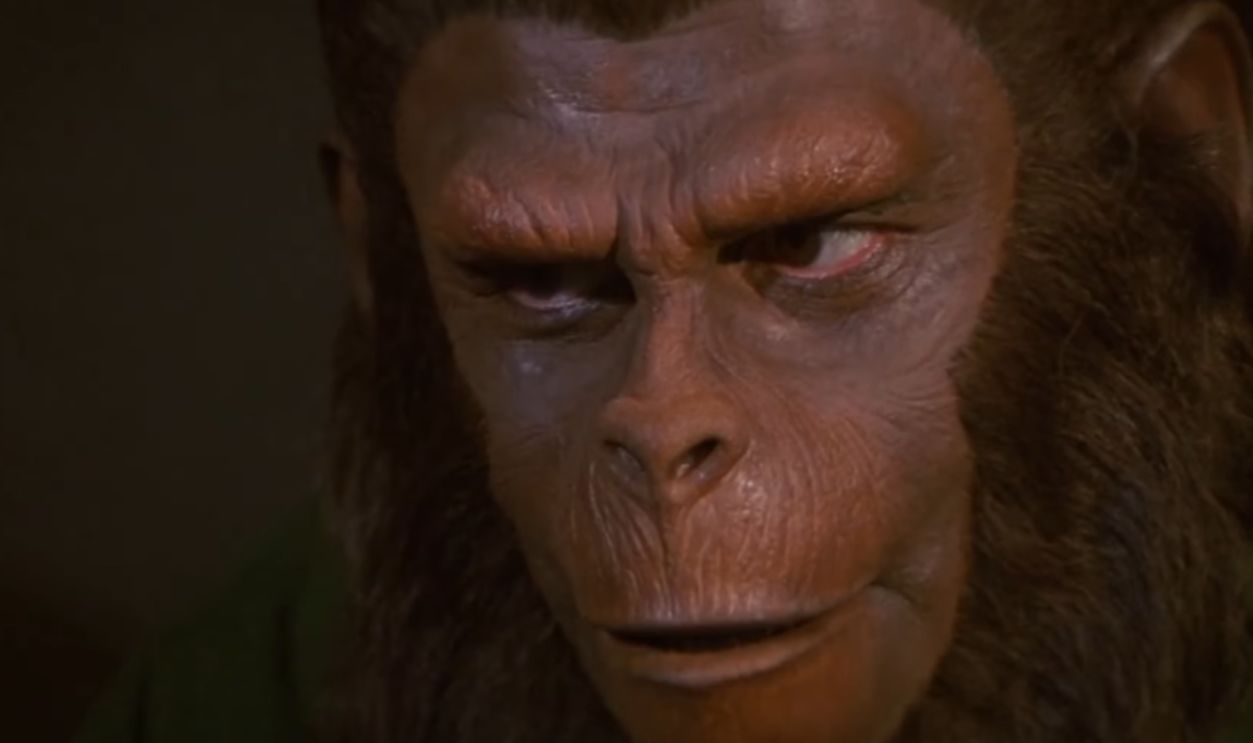 Screenshot from Conquest of the Planet of the Apes, 20th Century Fox (1972)
Caesar Originally Meant What He Said
The original ending followed Caesar’s fury through to its disturbing conclusion. Governor Breck wasn’t spared, and Caesar’s speech announced a merciless new order. The softened version added dialogue and reworked existing footage to pull him back. Keeping the original would have made the victory frightening as well as satisfying. Cheering for Caesar wouldn’t have felt quite so comfortable.
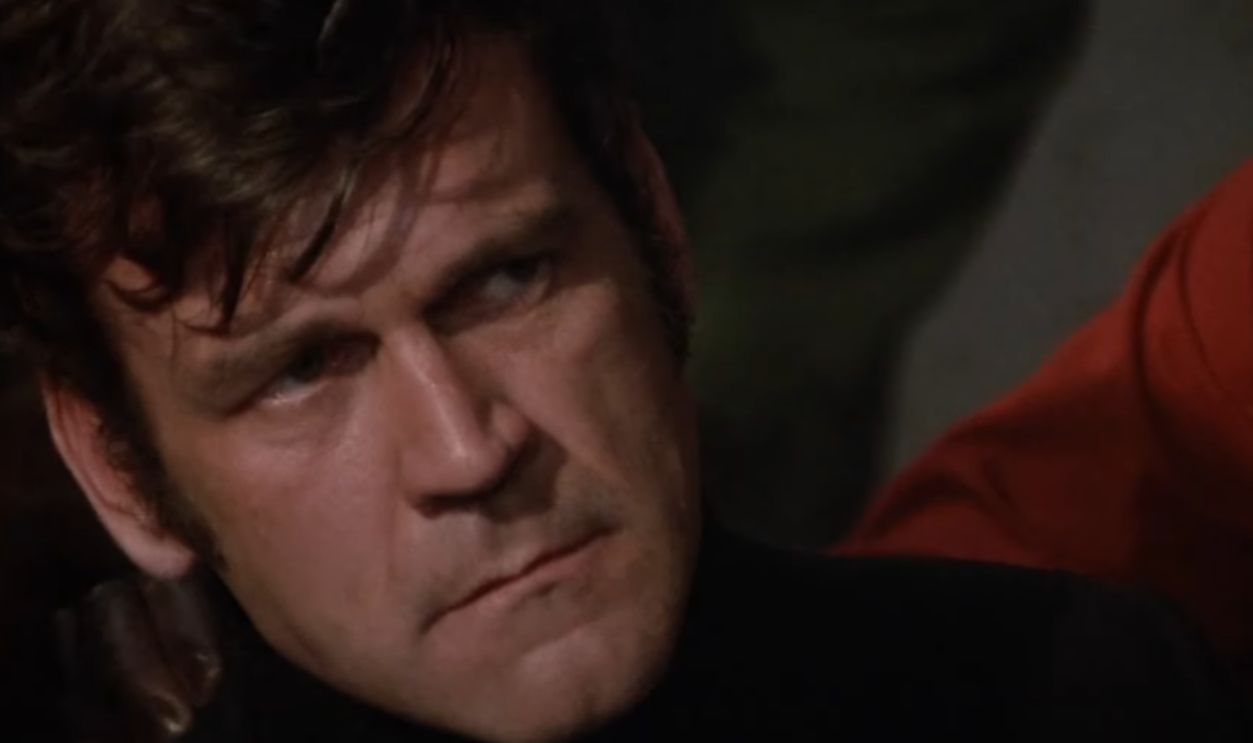 Screenshot from Conquest of the Planet of the Apes, 20th Century Fox (1972)
"Phase IV" (1974)
Saul Bass’s only feature as director follows scientists confronting ants that have developed a collective intelligence. It’s stranger and more ambitious than an ordinary creature feature, although its slow pace won’t win everyone over. The released ending suggests that the surviving humans are becoming part of the ants’ plans. Then it stops just as the biggest implications are opening up.
 Screenshot from Phase IV, Paramount Pictures (1974)
They Cut Out The Payoff
Bass had filmed a surreal final montage exploring humanity’s place in this emerging world. Paramount removed it before release, leaving audiences with a much smaller glimpse of where the story was going. The sequence resurfaced decades later. Whatever anyone thinks of the rest of the movie, cutting that ending meant removing some of the most imaginative material Bass had created.
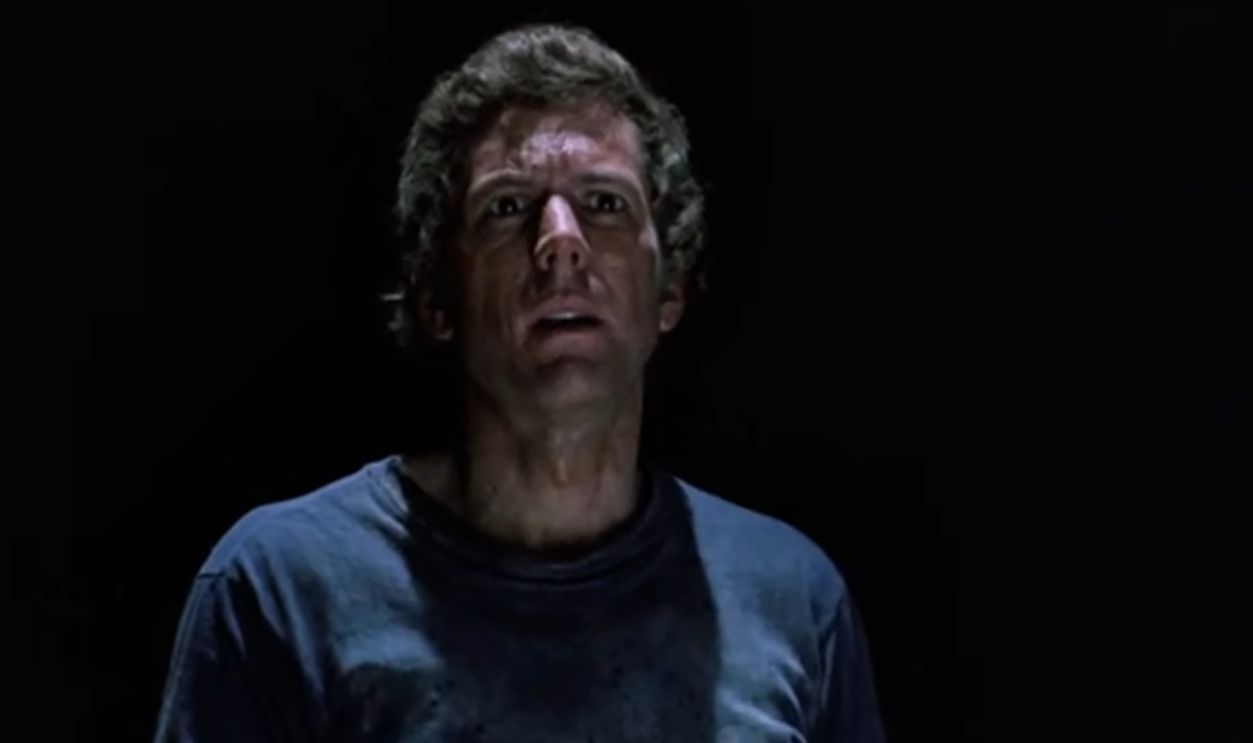 Screenshot from Phase IV, Paramount Pictures (1974)
Somebody Thought This Was An Improvement
An ending can make the previous two hours feel worthwhile—or make you wonder why you bothered.
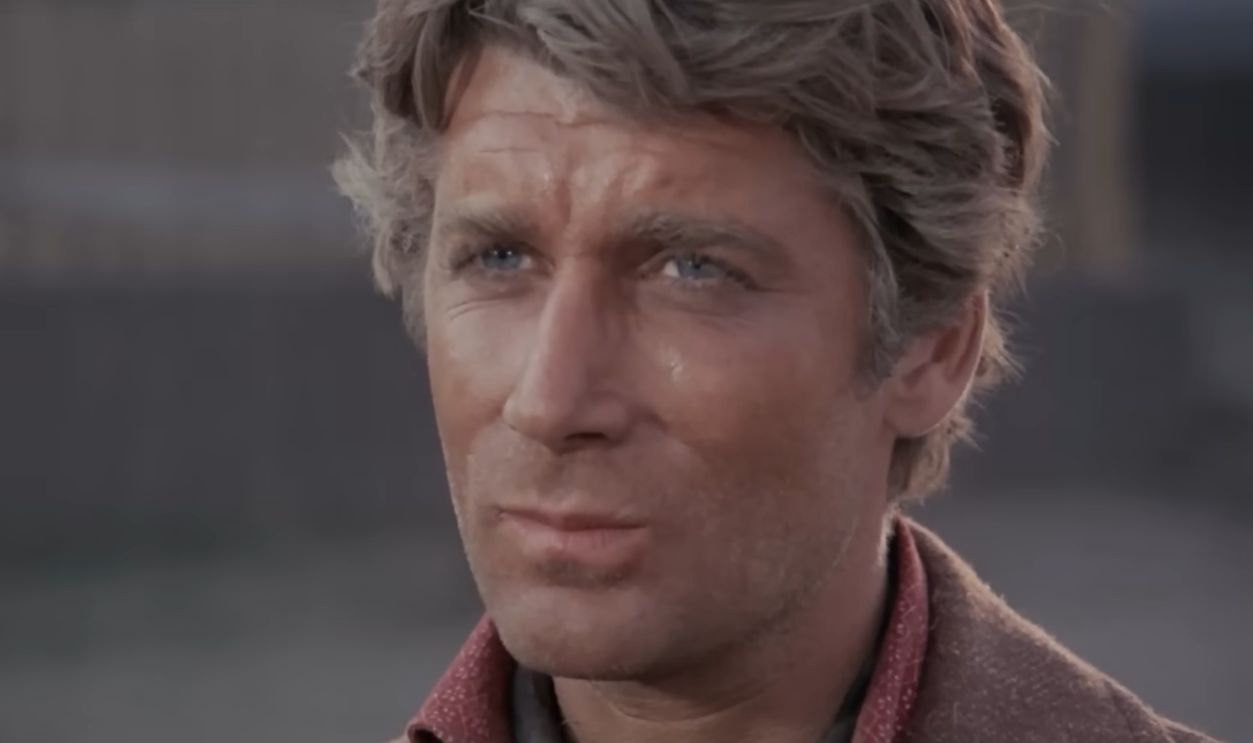 Screenshot from A Minute to Pray, a Second to Die, Cinerama Releasing Corporation (1968)
You Might Also Like:
Very Good Movies With Very Little Dialogue (If Any)
Movie Props That Were Worth Almost Nothing During Filming But Eventually Sold For Fortunes