The Badge Came With Latitude
The movie detective changed dramatically during the 1970s. Polite procedure gave way to battered sedans, questionable interrogations, unauthorized pursuits, informants, fistfights and detectives who treated direct orders as suggestions. Some were corrupt, others merely obsessive, but nearly all operated with a freedom that would make a modern police supervisor reach for the disciplinary paperwork.
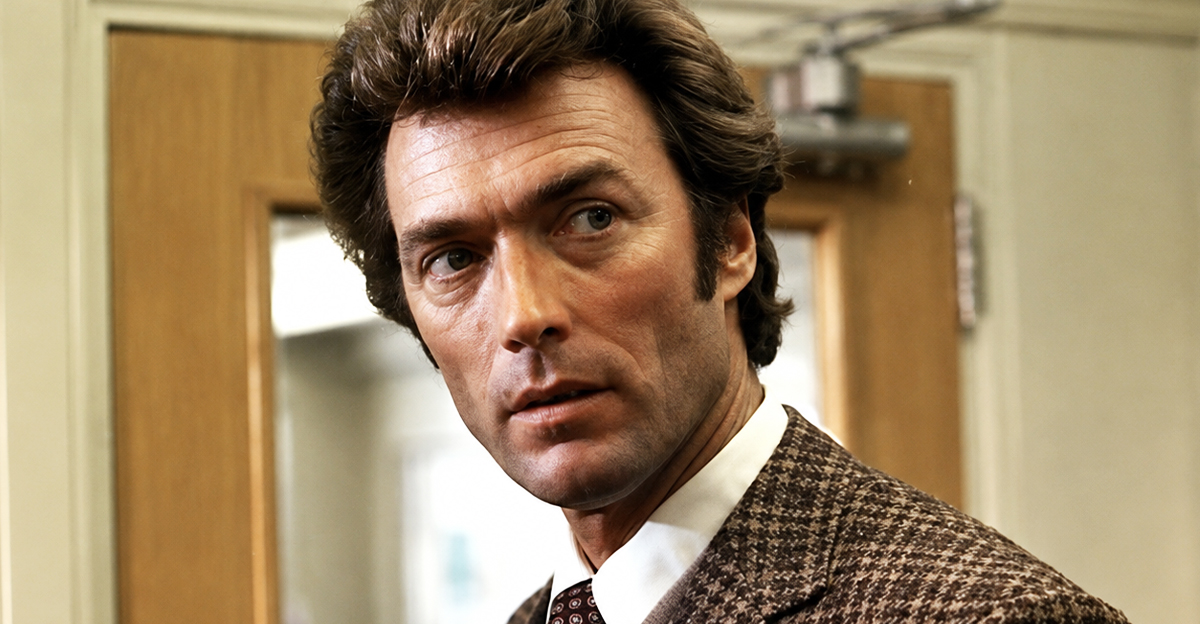
 Screenshot of Clint Eastwood in 'Dirty Harry', (1971), Warner Bros
Grave Digger Jones
Godfrey Cambridge played Harlem detective Grave Digger Jones in Ossie Davis' Cotton Comes to Harlem (1970), alongside Raymond St. Jacques, Calvin Lockhart and Redd Foxx. Grave Digger and his partner investigate stolen money by intimidating suspects and generally turning Harlem upside down. Their aggressive methods are part police procedural, part hard-boiled comic mayhem.
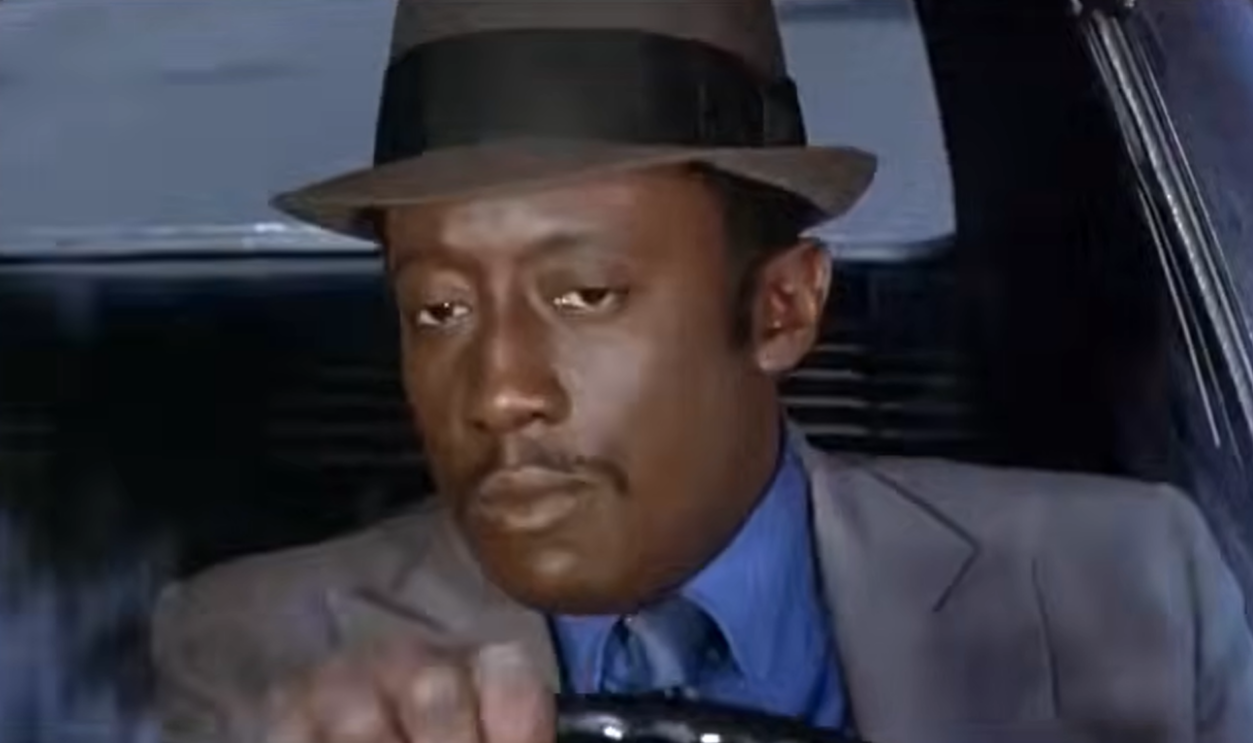 Screenshot from Cotton Comes to Harlem, United Artists (1970)
Coffin Ed Johnson
Raymond St. Jacques' Coffin Ed Johnson makes Grave Digger look only slightly less intimidating. Chester Himes created the pair, and Davis' adaptation embraced their reputation as tough Harlem detectives willing to get physical. St. Jacques and Cambridge proved popular enough to return in Come Back, Charleston Blue (1972).
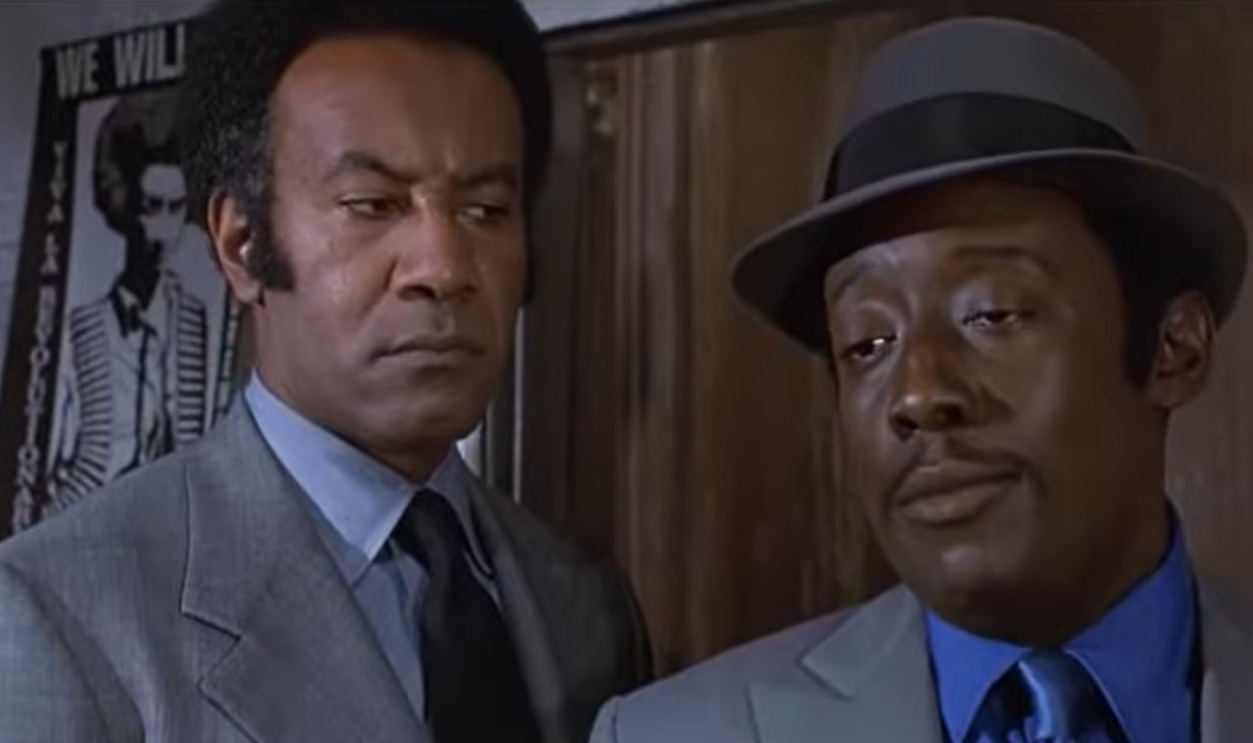 Screenshot from Cotton Comes to Harlem, United Artists (1970)
Jimmy "Popeye" Doyle
Gene Hackman's Popeye Doyle in William Friedkin's The French Connection (1971) practically defined the decade's obsessive movie detective. Working a complex case with Roy Scheider's Buddy Russo, Doyle tails suspects, conducts rough searches and commandeers a civilian's car for a spectacular pursuit beneath an elevated train. His fixation eventually contributes to a disastrous friendly-fire shooting.
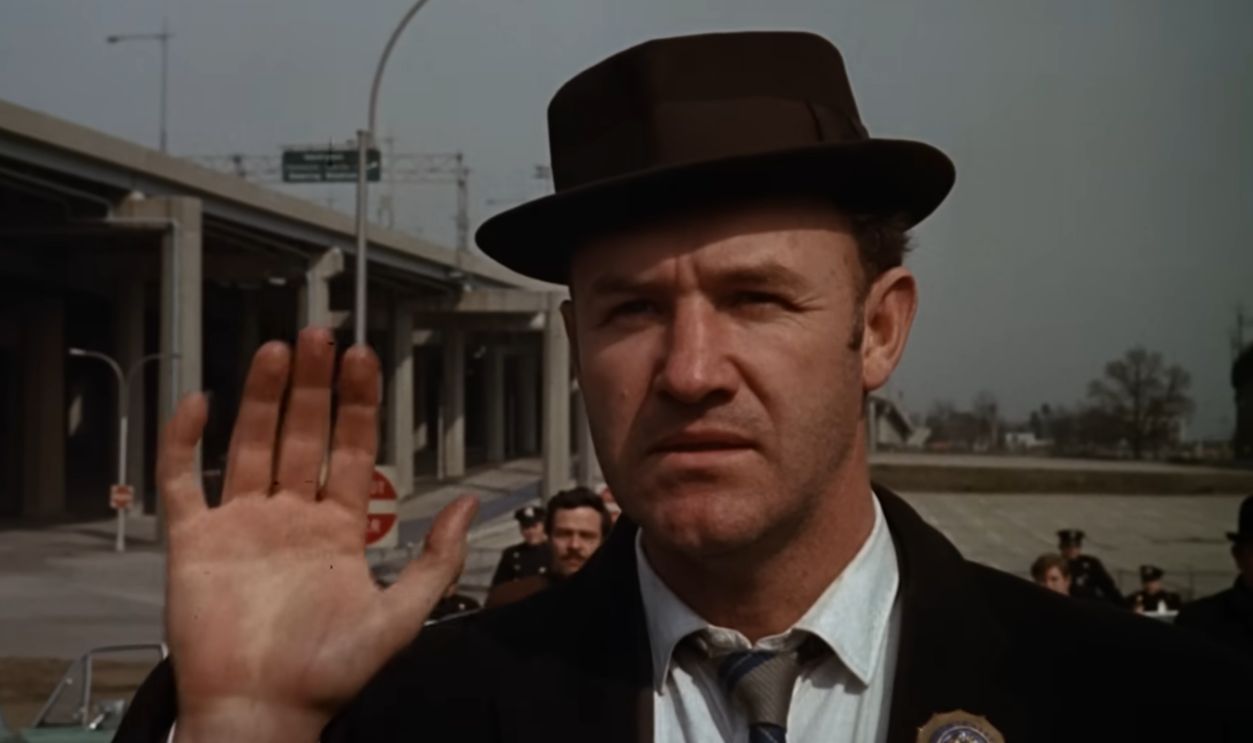 Screenshot from The French Connection, 20th Century Fox (1971)
Buddy "Cloudy" Russo
Roy Scheider's Buddy Russo is calmer than Popeye in The French Connection (1971), but "calmer than Popeye Doyle" leaves considerable room for unconventional police work. Russo participates in the aggressive surveillance, raids and searches as the partners pursue Fernando Rey's Alain Charnier. Hackman's Doyle was based largely on NYPD detective Eddie Egan, while Scheider's Russo was based on Egan's real-life partner Sonny Grosso.
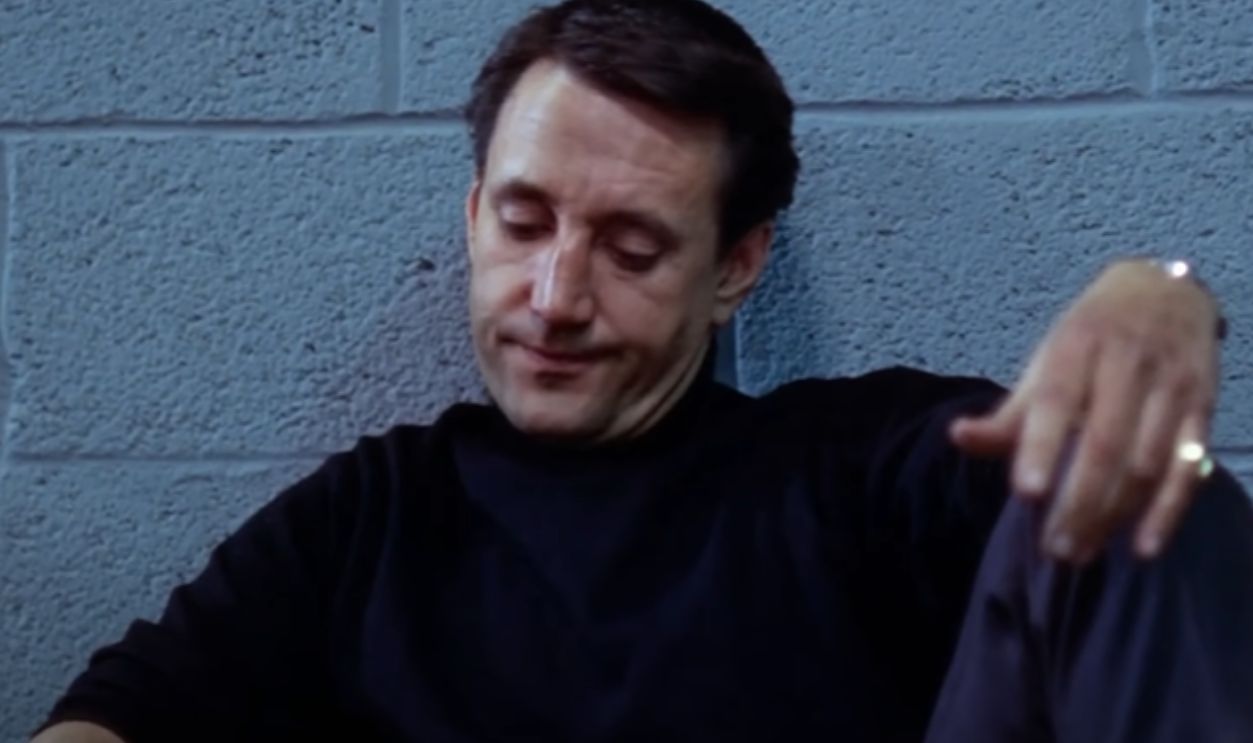 Screenshot from The French Connection, 20th Century Fox (1971)
Harry Callahan
Then came the detective who turned ignoring procedure into a personal philosophy. Clint Eastwood's Inspector Harry Callahan pursues the Scorpio killer in Don Siegel's Dirty Harry (1971), using illegal means to extract information from the wounded suspect and repeatedly placing himself in extraordinarily dangerous situations. The movie explicitly makes legal procedure an obstacle between Harry and the man he knows is guilty.
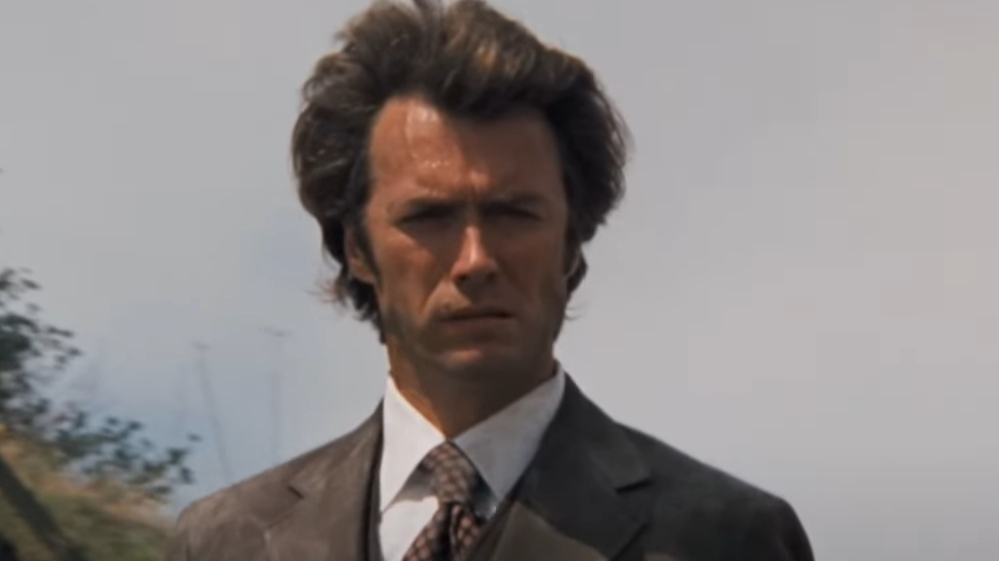 Screenshot from Dirty Harry, Warner Bros. Pictures (1971)
Captain Frank Mattelli
Anthony Quinn's Frank Mattelli in Barry Shear's Across 110th Street (1972) represents an uglier version of old-school policing. Investigating a murderous Harlem robbery alongside Yaphet Kotto's Lieutenant Pope, Mattelli is violent with suspects, openly racist and, most damagingly, revealed to have accepted gambling payoffs. Pope is essentially the new professional cop forced to work beside the old system.
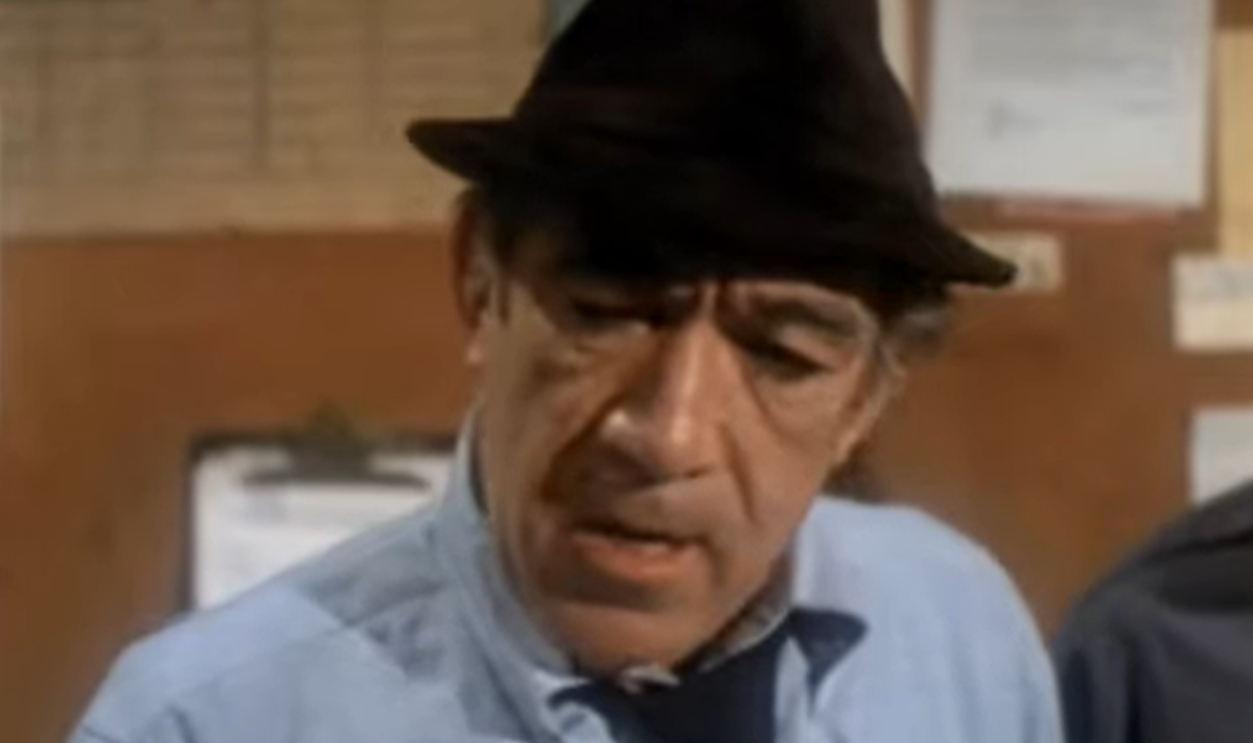 Screenshot from Across 110th Street, United Artists (1972)
Eddie Ryan
Robert Duvall's Eddie Ryan in Howard W. Koch's Badge 373 (1973) was inspired by real NYPD detective Eddie Egan, who also helped inspire Popeye Doyle. Ryan is suspended after a suspect falls to his death during a police scuffle. When his former partner is slain, however, suspension doesn't stop Ryan from launching his own increasingly personal investigation.
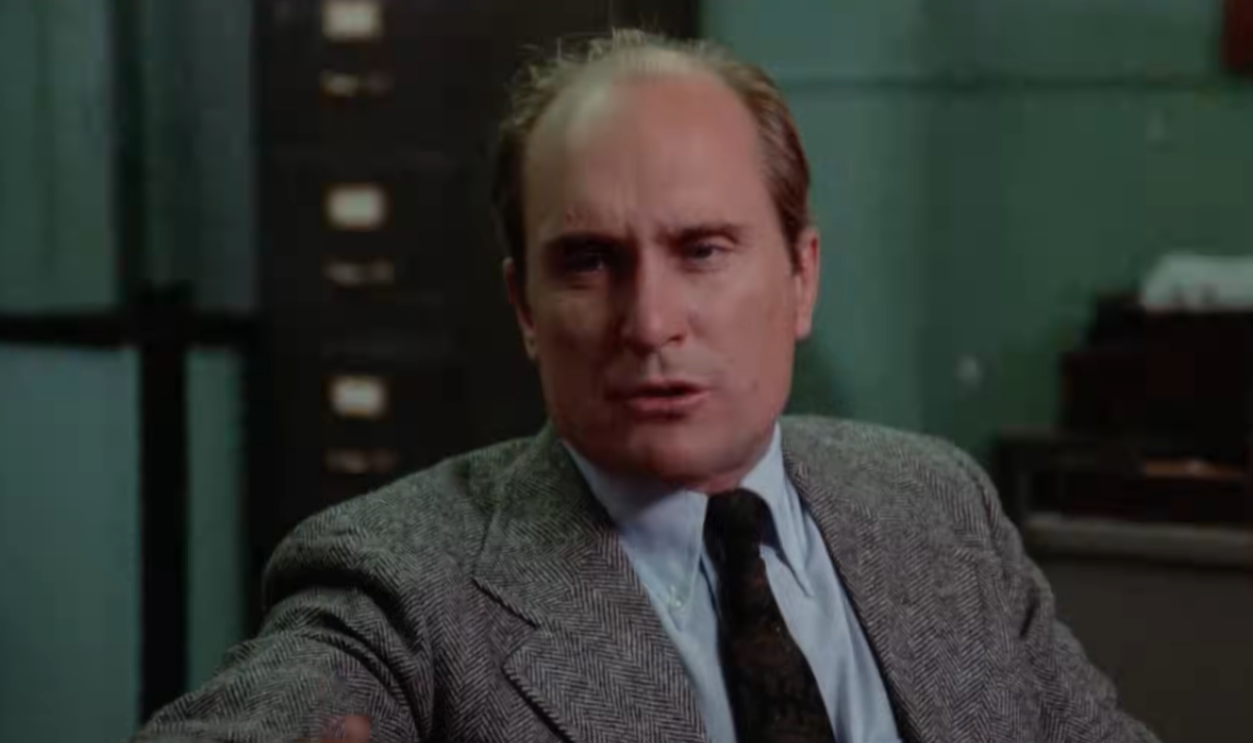 Screenshot from Badge 373, United Artists (1973)
Lou Torrey
Charles Bronson is Lou Torrey and Michael Winner directed The Stone Killer (1973). Martin Balsam, Norman Fell, Ralph Waite and Stuart Margolin are all legit co-stars. Torrey begins the movie as a New York police lieutenant. After killing an armed thief in self-defense, a controversy over police brutality erupts and Torrey resigns from the NYPD and takes a police job in Los Angeles. Two years later, his investigation leads him into the Mafia conspiracy.
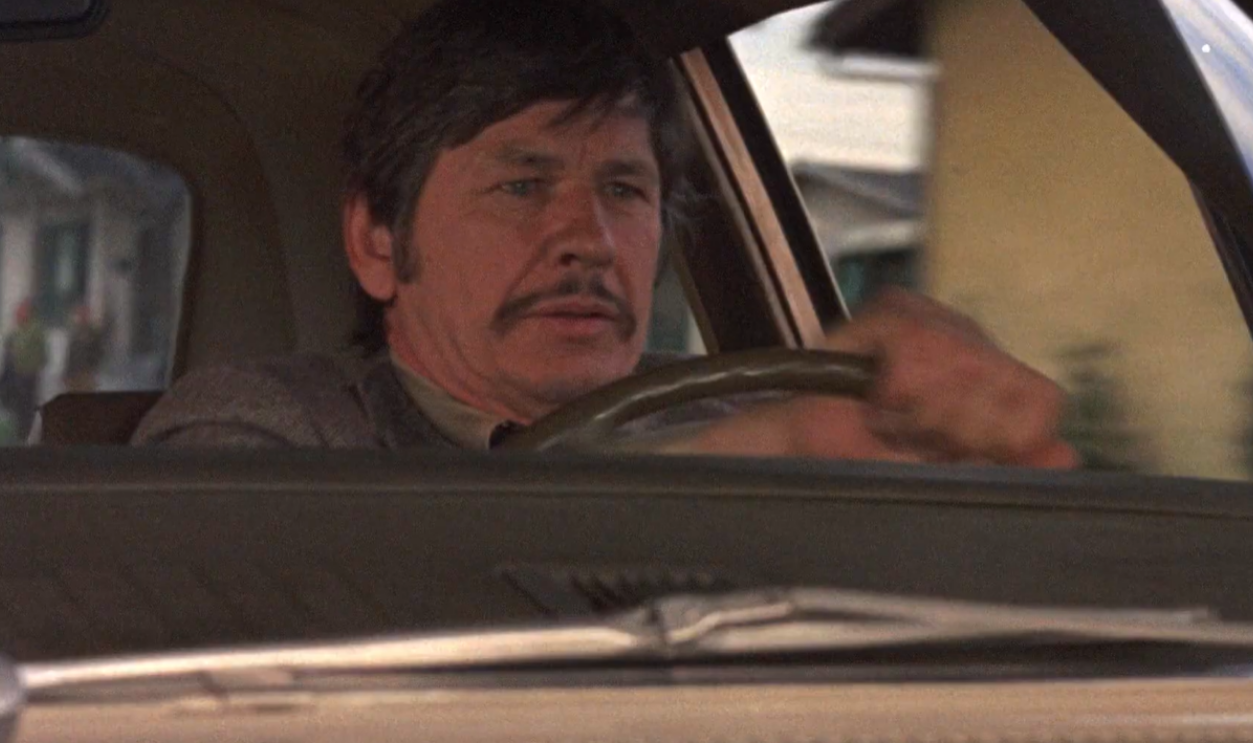 Screenshot from The Stone Killer, Columbia Pictures (1973)
Buddy Manucci
Roy Scheider graduated to leading man as Detective Buddy Manucci in Philip D'Antoni's The Seven-Ups (1973). Manucci leads an elite plainclothes unit deliberately targeting bad guys whose offenses could bring sentences of seven years or more. Their methods are explicitly described as unorthodox, and the opening operation involves elaborate disguises before the squad tears apart a criminal front.
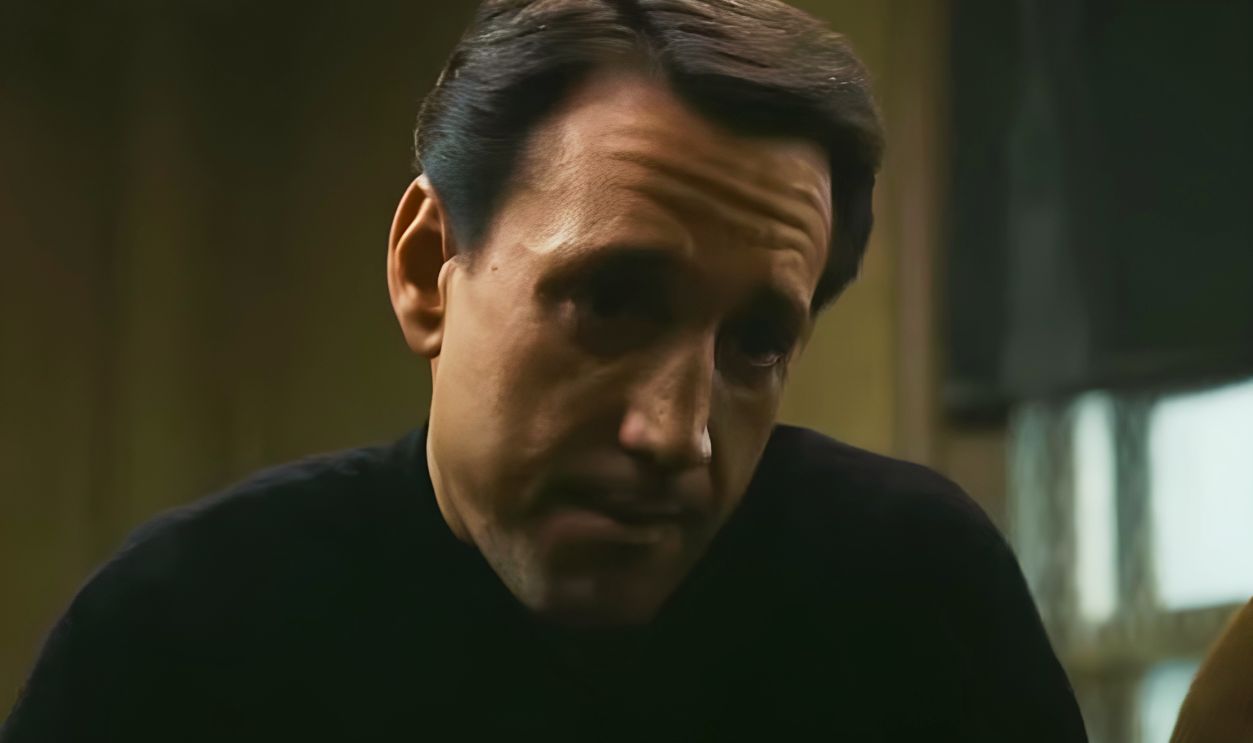 Screenshot from The Seven-Ups, The Walt Disney Company (1973)
Jake Martin
Walter Matthau's Detective Sergeant Jake Martin is a bitter, obsessive homicide veteran in Stuart Rosenberg's The Laughing Policeman (1973). When his partner is slain on a bus, Martin becomes consumed by discovering why he was aboard. The investigation pulls him back toward an earlier case that he had never managed to solve.
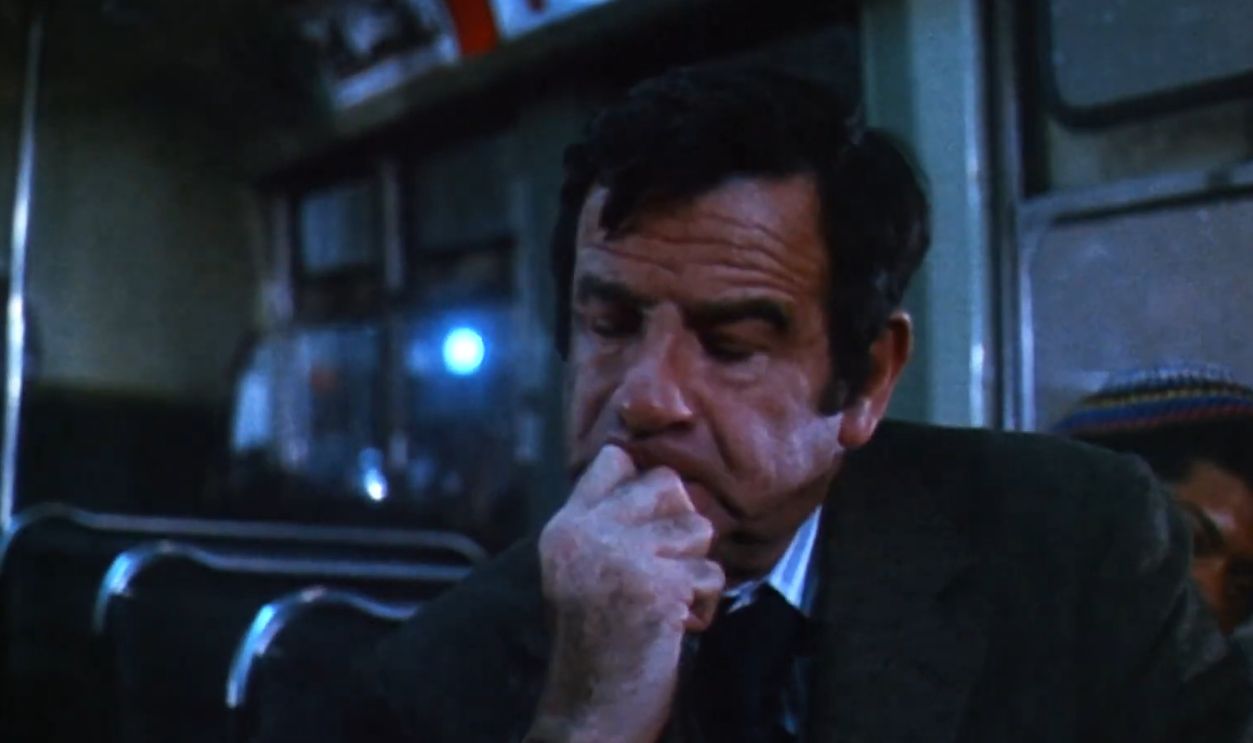 Screenshot from The Laughing Policeman, 20th Century Fox (1973)
Leo Larsen
Bruce Dern supplies the volatility in The Laughing Policeman (1973) as Inspector Leo Larsen, Martin's new partner. Larsen is impulsive where Matthau is exhausted, creating a pairing in which restraint isn't exactly abundant. Their interrogations and excursions through San Francisco's underworld capture the rough-edged 1970s procedural at its least concerned with bedside manner. Larsen is indeed impulsive and brutal, and both he and Martin eventually defy Lieutenant Steiner's order to stop pursuing their suspect.
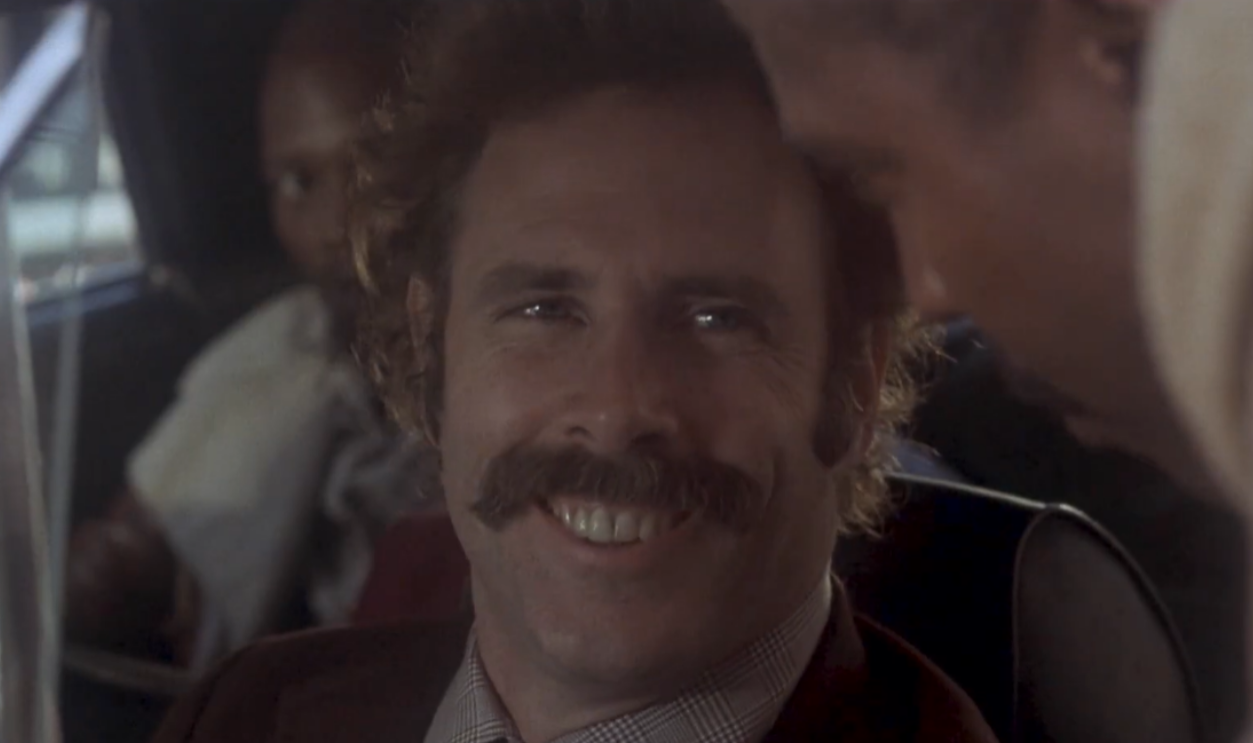 Screenshot from The Laughing Policeman, Warner Bros. (1973)
Michael Keneely
Elliott Gould played LAPD vice detective Michael Keneely in Peter Hyams' Busting (1974), opposite Robert Blake and Allen Garfield. Keneely and his partner are ordered to back away from crime boss Carl Rizzo but refuse. Instead, they harass Rizzo and his family while pursuing him despite pressure from their own compromised department.
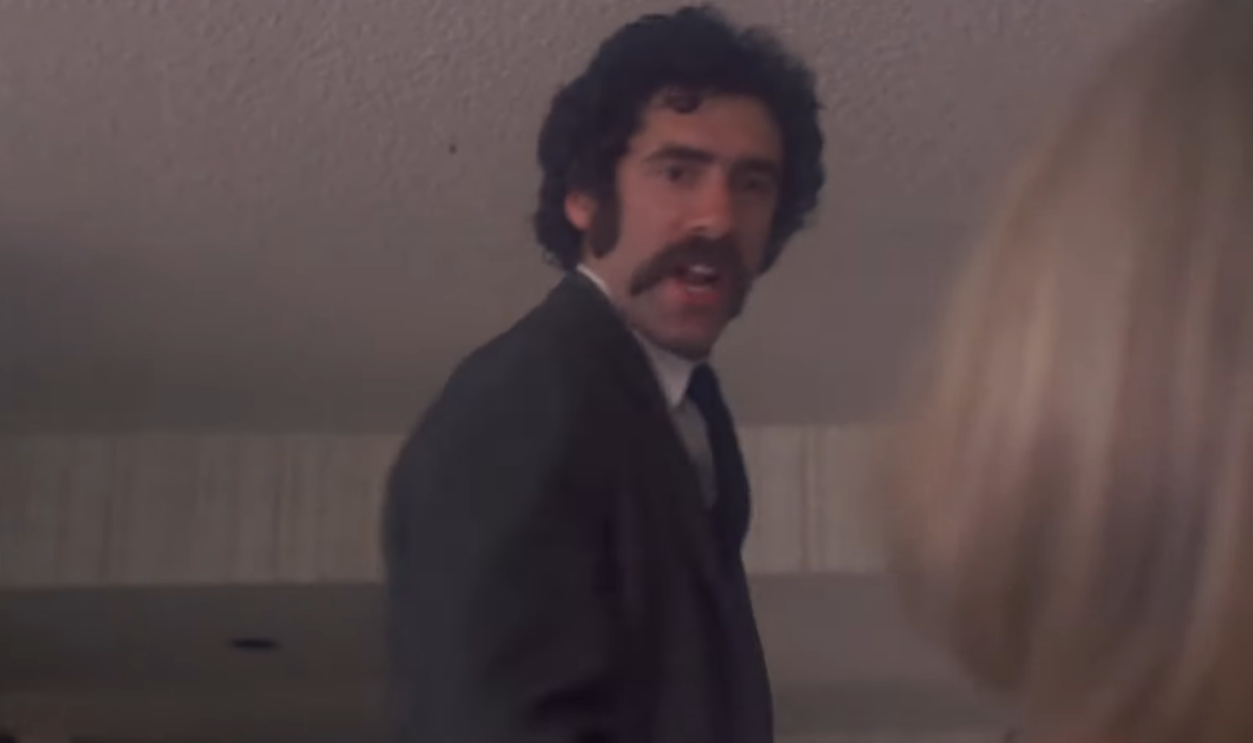 Screenshot from Busting, Metro-Goldwyn-Mayer (1974)
Patrick Farrell
Robert Blake's Patrick Farrell completes the rogue partnership in Busting (1974). Farrell and Keneely conduct raids, ignore orders and keep pursuing Rizzo after their superiors try to bury the investigation. The movie's officers are ostensibly fighting corruption, but their idea of ethical police work includes tactics that would generate their own substantial misconduct investigation today.
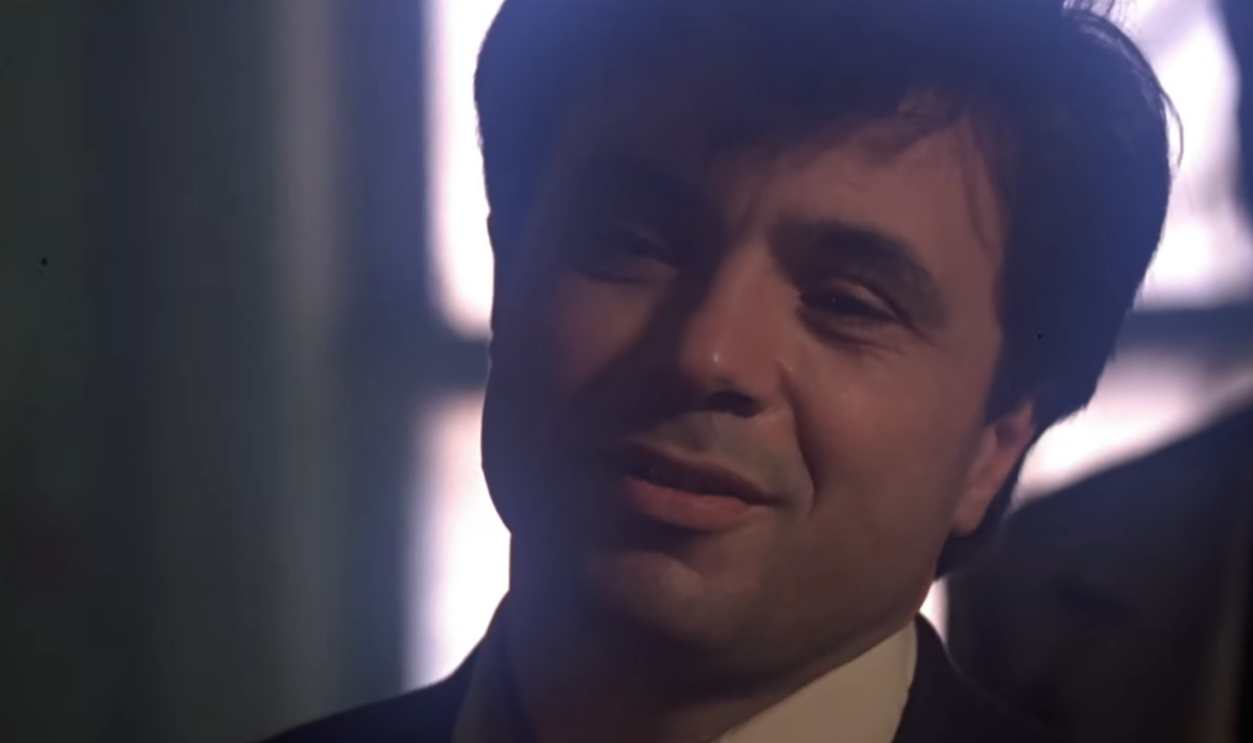 Screenshot from Busting, Metro-Goldwyn-Mayer (1974)
Freebie
James Caan's character in Richard Rush's Freebie and the Bean (1974) is so casual about police ethics that his nickname comes from accepting gratuities. A San Francisco intelligence detective, Freebie spends the movie pursuing racketeer Red Meyers alongside Alan Arkin's Bean while gunfire, wrecked vehicles and wildly excessive behavior accumulate around them.
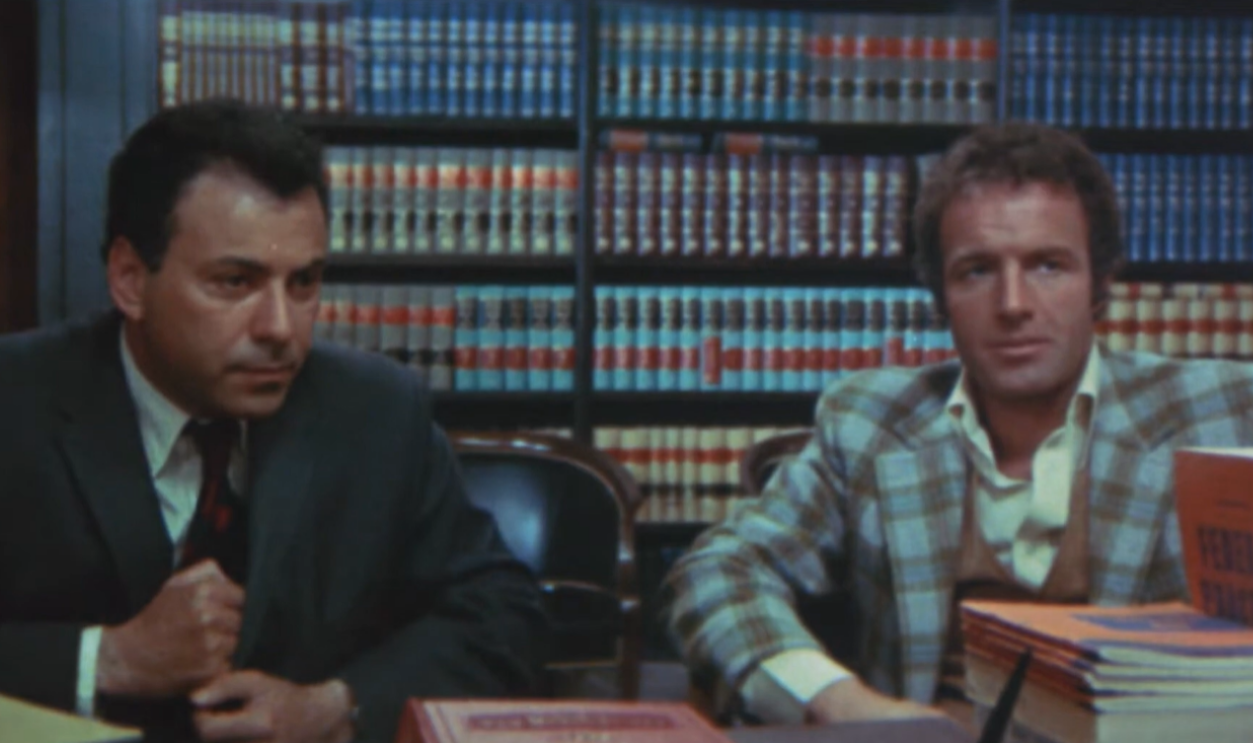 Screenshot from Freebie and the Bean, Warner Bros. (1974)
Bean
Alan Arkin's Bean is hardly the responsible adult in Freebie and the Bean (1974). At one point, after an arrested man taunts the detectives, Bean has Freebie stop the car, removes the prisoner's handcuffs and pretends to fight him before beating him with a nightstick. That's less "unorthodox detective work" than a civil-rights lawsuit waiting to happen.
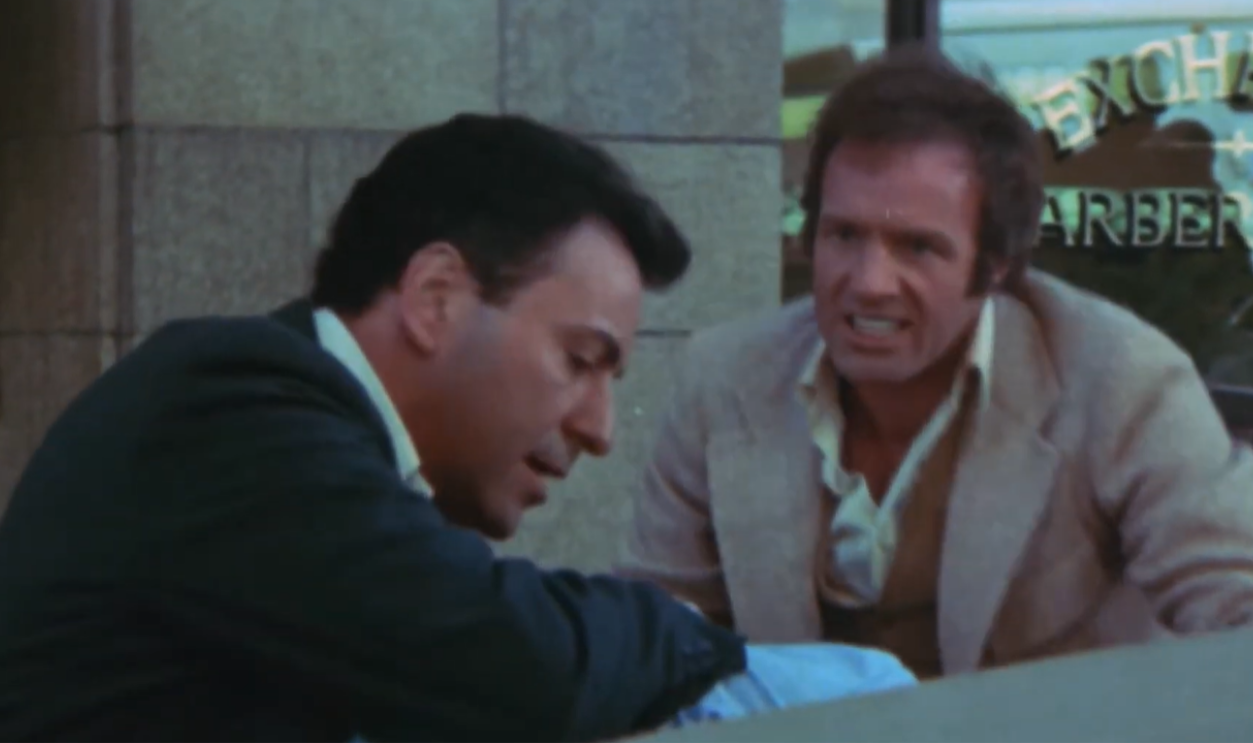 Screenshot from Freebie and the Bean, Warner Bros. (1974)
Lon "McQ" McHugh
John Wayne entered Dirty Harry territory as Seattle police lieutenant Lon "McQ" in John Sturges' McQ (1974), alongside Eddie Albert, Diana Muldaur, Colleen Dewhurst and Al Lettieri. Investigating his partner's murder, McQ clashes with his department and pursues the case with the sort of independent, armed determination Wayne usually brought to Western lawmen.
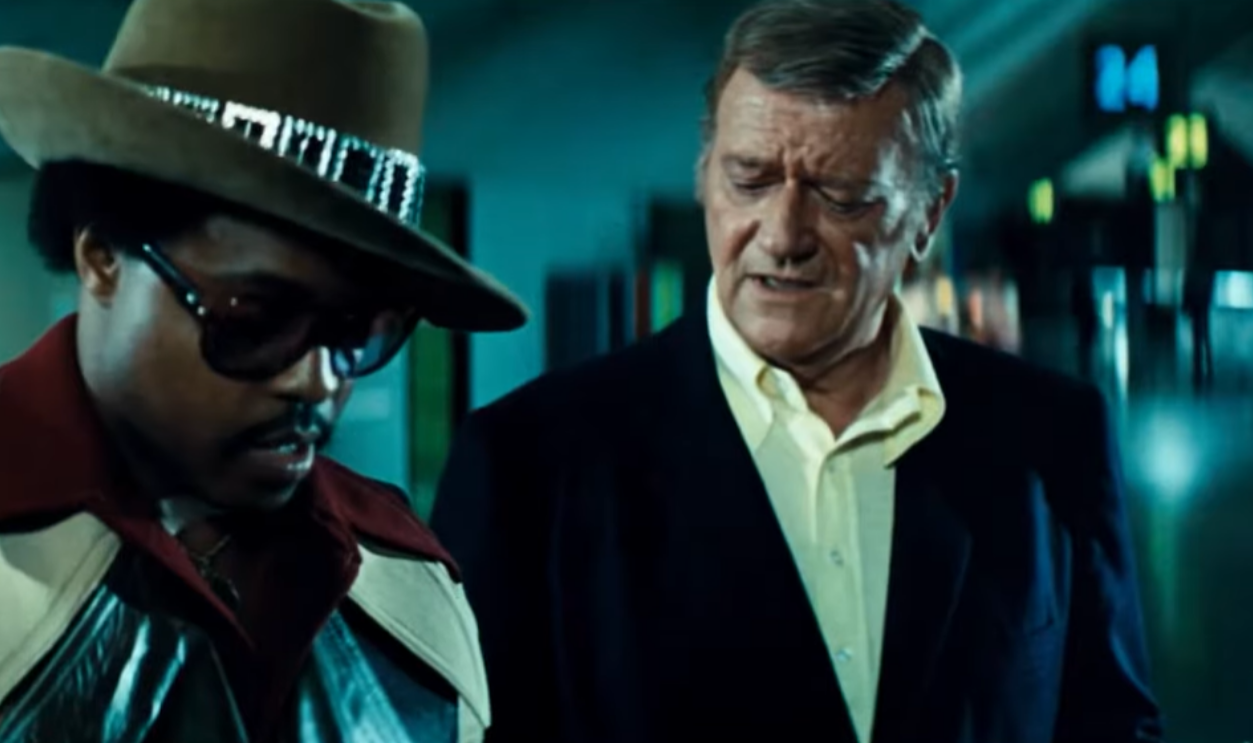 Screenshot from McQ, Warner Bros. (1974)
Zachary Garber
Walter Matthau's Lieutenant Zachary Garber in Joseph Sargent's The Taking of Pelham One Two Three (1974) is actually more competent than rogue. But his sarcastic manner, improvisational command style and willingness to cut through hierarchy make him quintessentially 1970s. He matches wits with Robert Shaw's subway hijacker while the city scrambles to deliver a $1 million ransom. This is the tamest example on our list, as Garber is more sarcastic than rule-breaking, but check the movie out and see what you think.
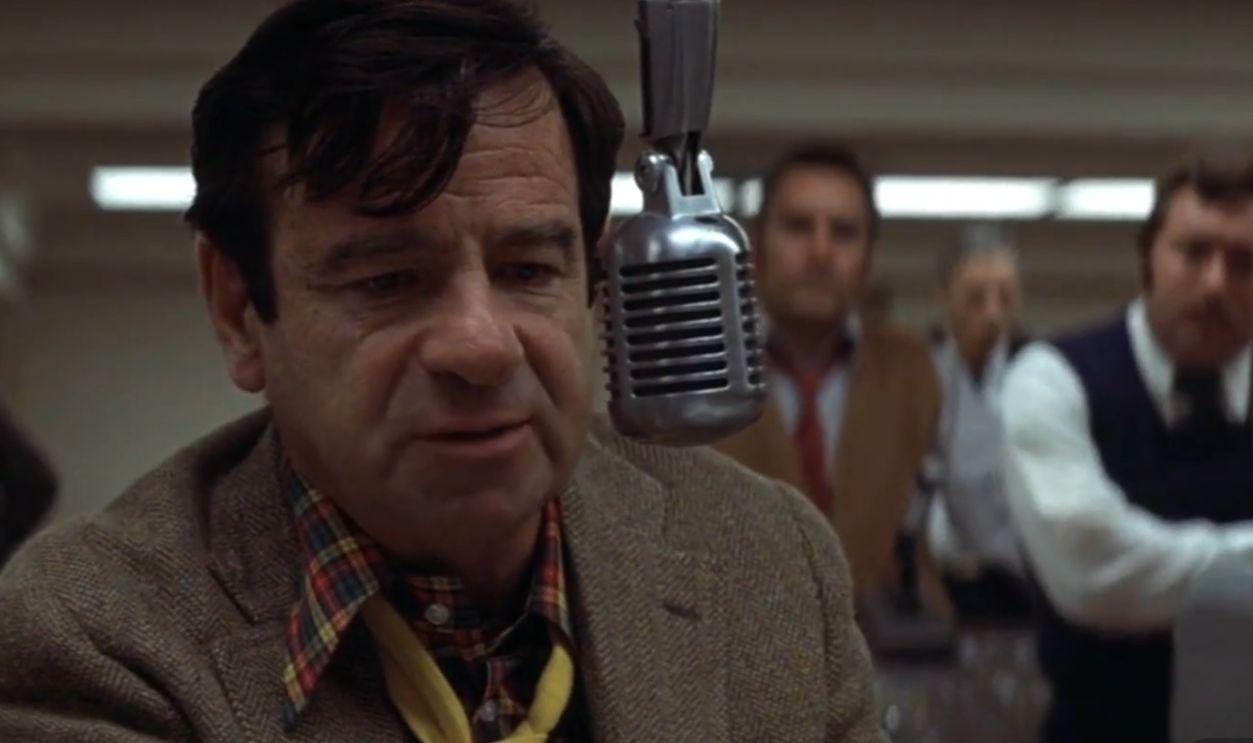 Screenshot from The Taking of Pelham One Two Three, United Artists (1974)
Patty Butler
Susan Blakely's Patty Butler in Milton Katselas' Report to the Commissioner (1975) demonstrates how far undercover operations could go in a 1970s detective movie. Her undercover operation goes so far that she becomes the live-in girlfriend of suspected drug kingpin Stick Henderson, played by Tony King. TCM describes her assignment as going "way beyond the rule book."
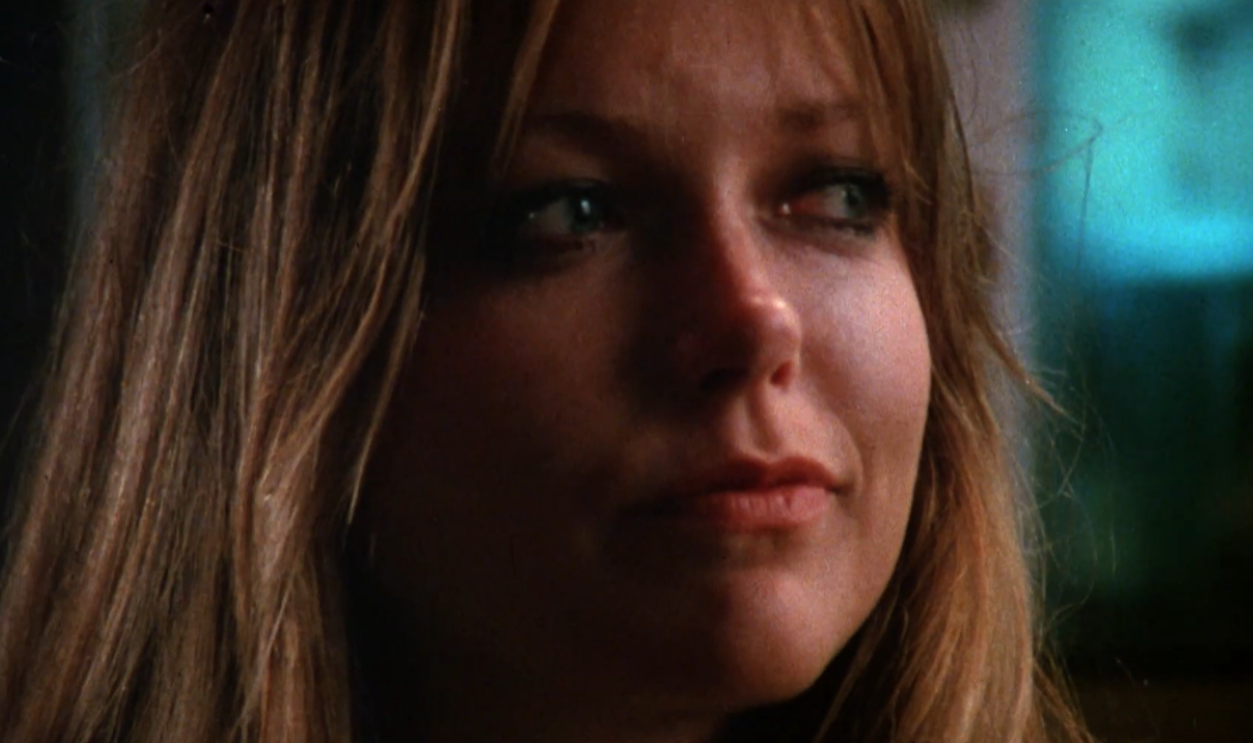 Screenshot from Report to the Commissioner, United Artists (1975)
Bo Lockley
Michael Moriarty's rookie detective Bo Lockley gets trapped inside that disastrous operation in Report to the Commissioner (1975). His superiors deliberately send him looking for the supposedly missing Butler without telling him she's undercover. Lockley ignores instructions, finds her and precipitates a shootout in which he accidentally kills her, after which the department attempts to protect itself. Lockley isn't really the rule-breaker here as much as his superiors are, but we like Michael Moriarty so we're including him on the list.
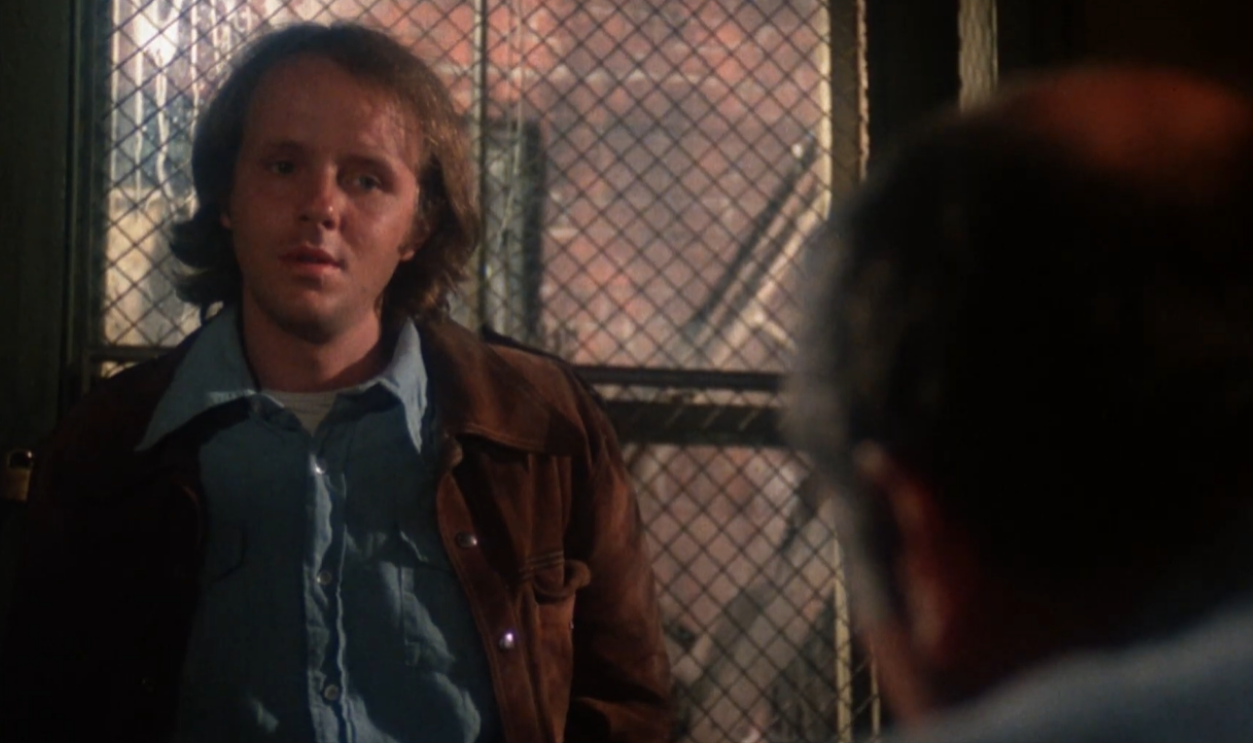 Screenshot from Report to the Commissioner, United Artists (1975)
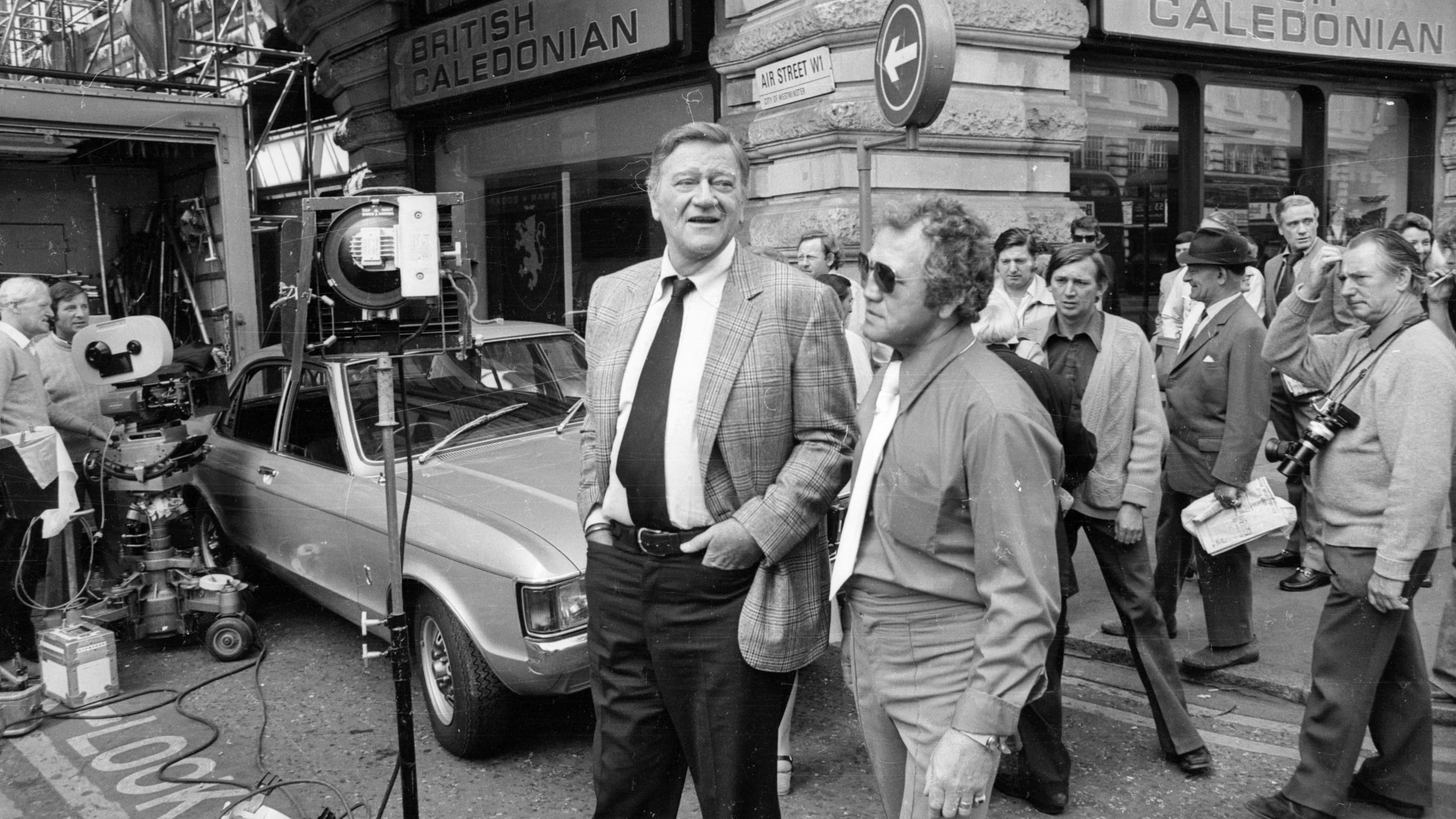
Jim Brannigan
John Wayne took his American-cop routine overseas in Douglas Hickox's Brannigan (1975). Chicago Police Lieutenant Jim Brannigan arrives in London to retrieve mobster Ben Larkin, played by John Vernon, and immediately clashes with Richard Attenborough's Commander Swann. British procedure isn't going to prevent Brannigan from pursuing criminals the Chicago way.
Jean Letellier
Jean-Paul Belmondo brought the reckless-detective formula to Paris in Henri Verneuil's Fear Over the City (1975), released in America as The Night Caller. Commissioner Jean Letellier pursues a serial killer with Inspector Moissac, played by Charles Denner, while Belmondo performs spectacular physical pursuits across rooftops and moving vehicles. It was Belmondo's first role as a police officer.
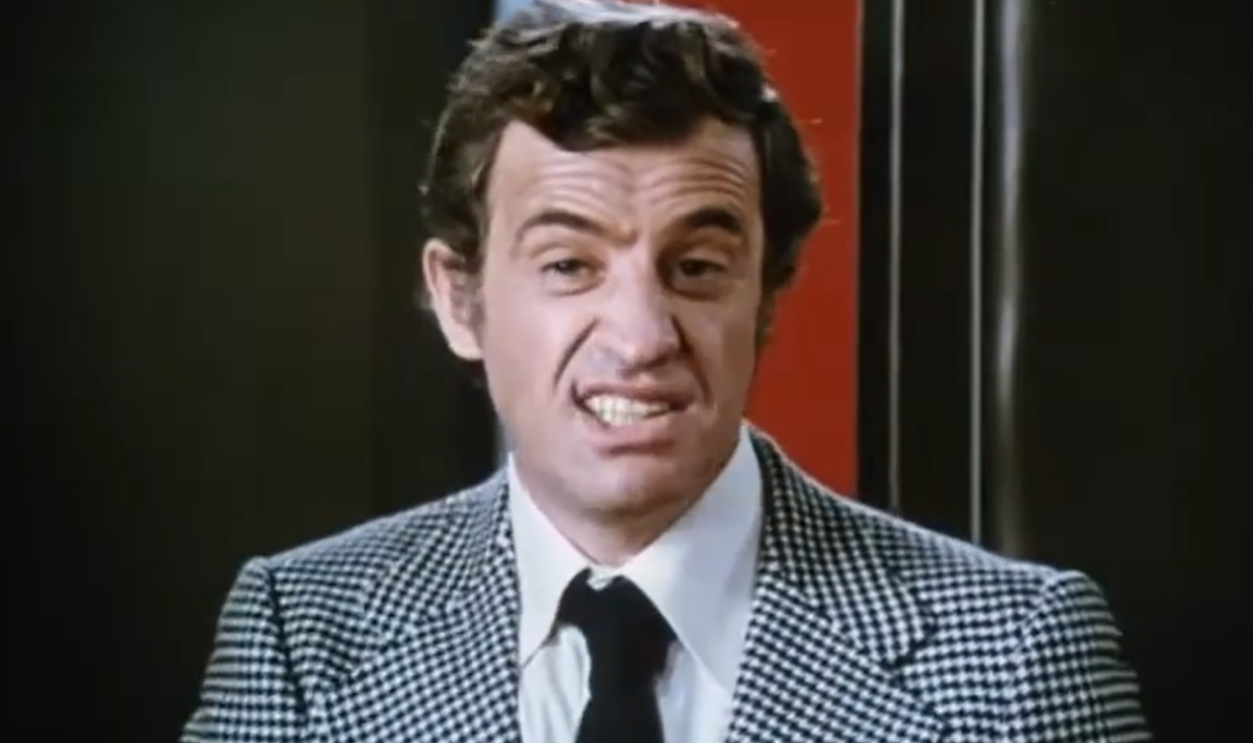 Screenshot from Fear Over the City, Gaumont (1975)
The Rules Were The Villain
What's striking about these movies is how often procedure itself becomes an antagonist. Popeye Doyle, Harry Callahan, Buddy Manucci and Keneely and Farrell aren't merely detectives who occasionally make mistakes. Many of these movies repeatedly suggest that rules, supervisors, prosecutors and courts are preventing determined policemen from doing what needs to be done. Keep in mind that several films on the list, particularly Across 110th Street (1972) and Report to the Commissioner (1975), are actually critical of police misconduct and institutional corruption.
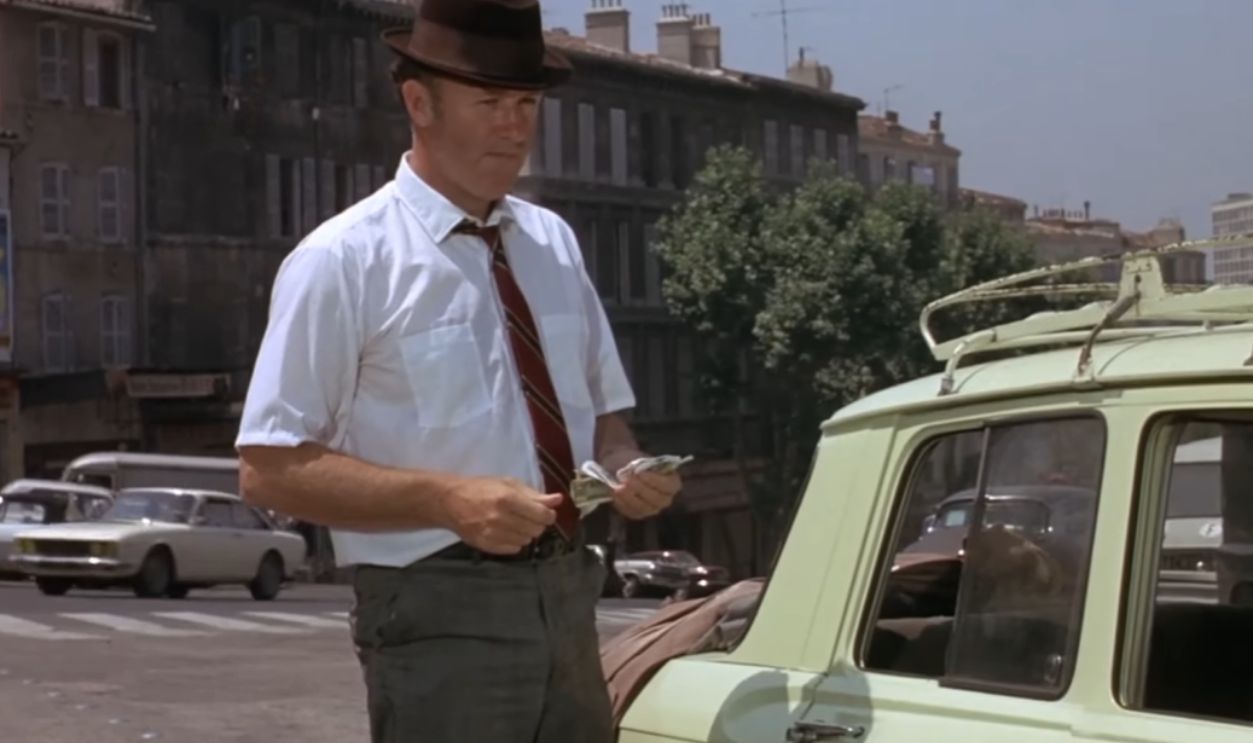 Screenshot from The French Connection II, 20th Century Fox (1975)
Not Every Movie Approved
That doesn't mean the films necessarily endorse everything their detectives do. Across 110th Street (1972) deliberately contrasts Mattelli's racism, violence and corruption with Pope's more professional approach, while Report to the Commissioner (1975) depicts a police hierarchy whose deception produces catastrophe. The decade's movies could criticize the same institutional culture they exploited for excitement.
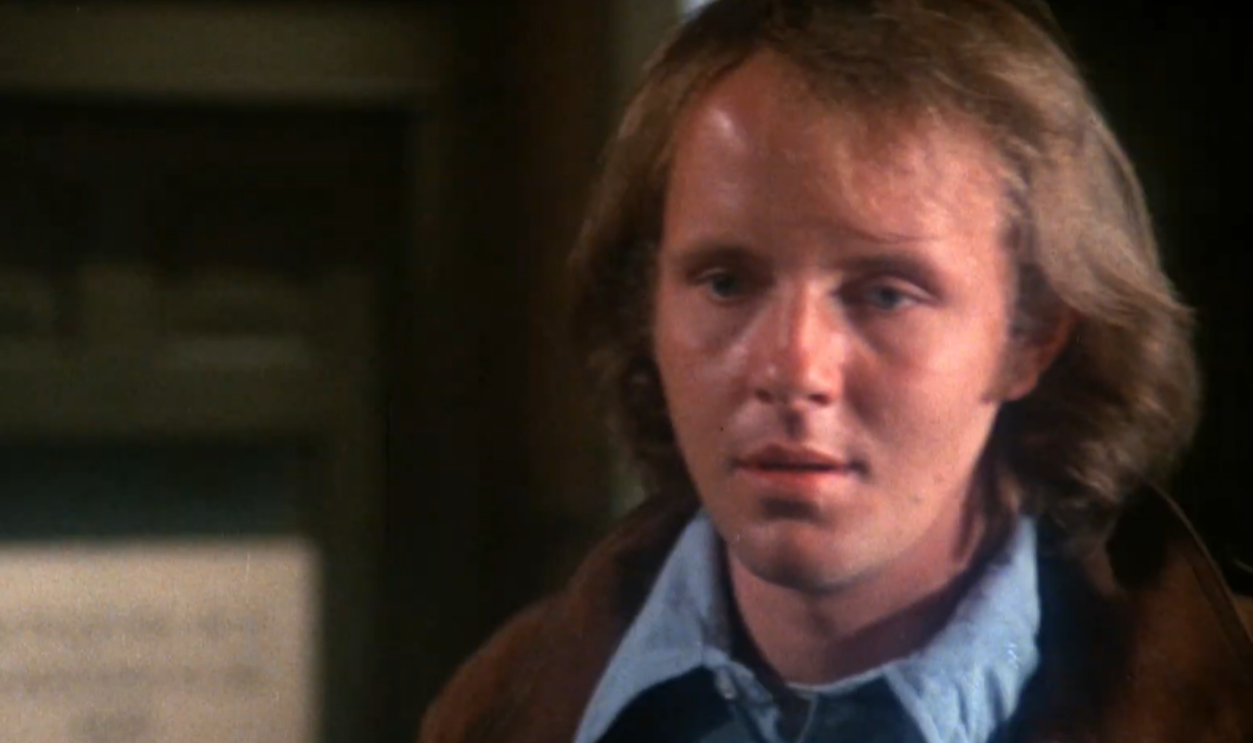 Screenshot from Report to the Commissioner, United Artists (1975)
The Detective Had Changed
By the end of the decade, the cinematic detective had been thoroughly reinvented. The immaculate investigator solving a puzzle had given way to an angry urban professional whose personal obsession often mattered more than departmental policy. Modern audiences may recoil at the interrogations and collateral damage, but that unpredictability is exactly what made the 1970s movie detective unforgettable.
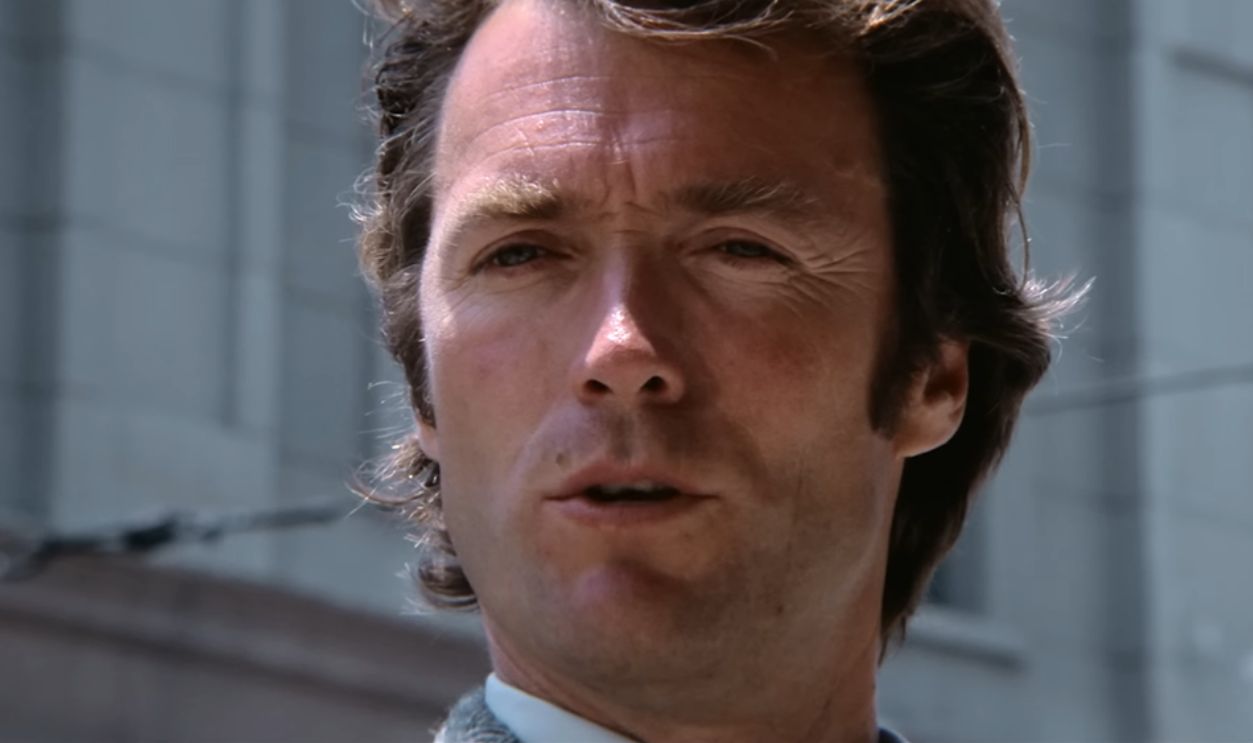 Screenshot from Dirty Harry, Warner Bros. (1971)
You May Also Like:
The Best TV Detectives Ranked—What Do You Think?
The Best Detective Shows To Stream
Sources: 1, 2, 3, 4, 5, 6, 7, 8, 9, 10, 11, 12, 13, 14, 15, 16, 17, 18