Where Do I Even Start?
The 1940s were filled with romance films that felt elegant without being stiff. The dialogue moved quickly, the chemistry felt genuine, and even heartbreak carried a strange warmth. If you’re trying to get into classic movies, romance from this era is one of the best possible starting points.
Did we miss any must-see films?
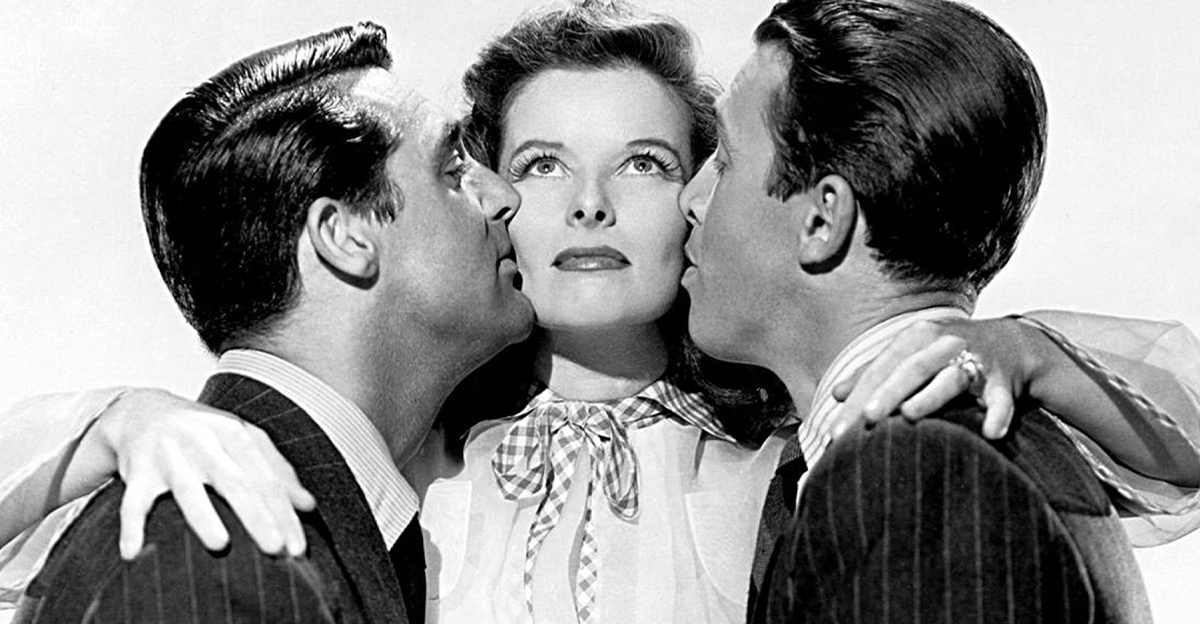 Donaldson Collection, Getty Images
Casablanca (1942)
If you only watch one romance from the 1940s, make it Casablanca. Humphrey Bogart and Ingrid Bergman create one of cinema’s most unforgettable love stories, balancing longing, sacrifice, and wartime tension without ever feeling overly sentimental.
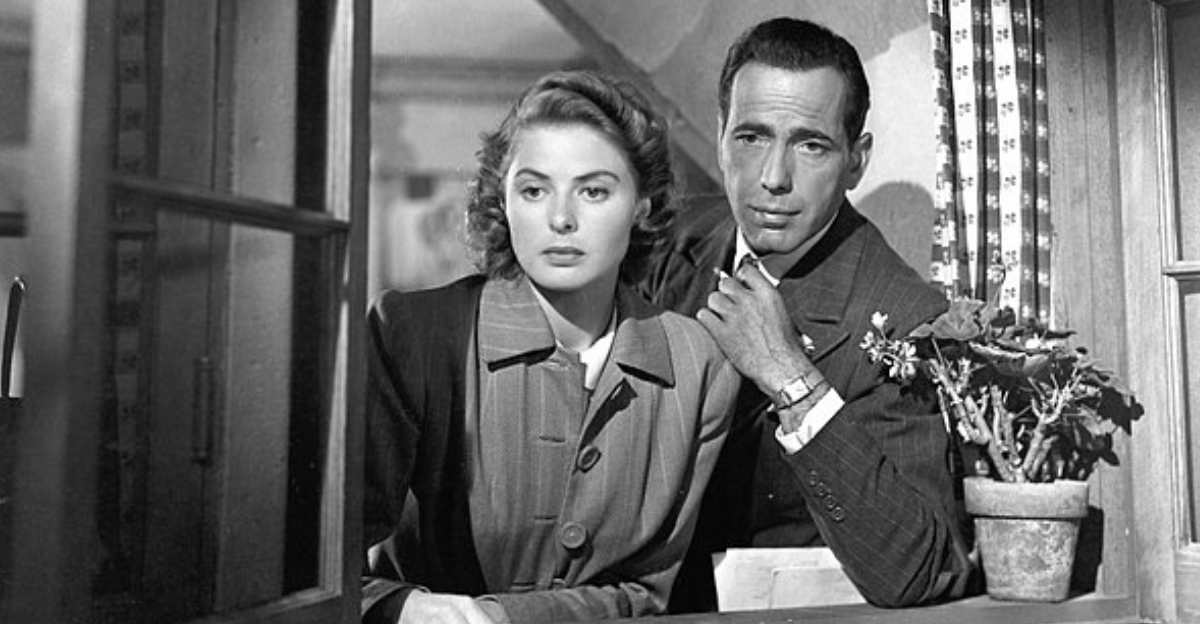 Warner Bros. Pictures, Wikimedia Commons
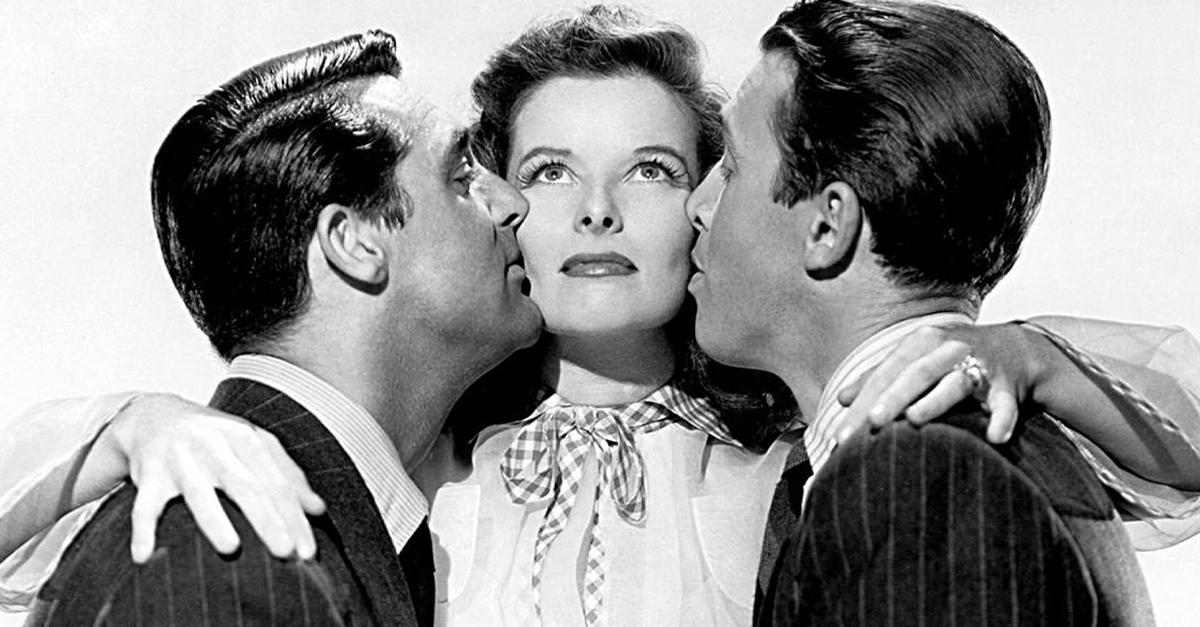
The Philadelphia Story (1940)
Technically released in 1940, The Philadelphia Story blends romance and sharp comedy perfectly. Katharine Hepburn, Cary Grant, and James Stewart turn a messy love triangle into something witty, charming, and surprisingly modern.
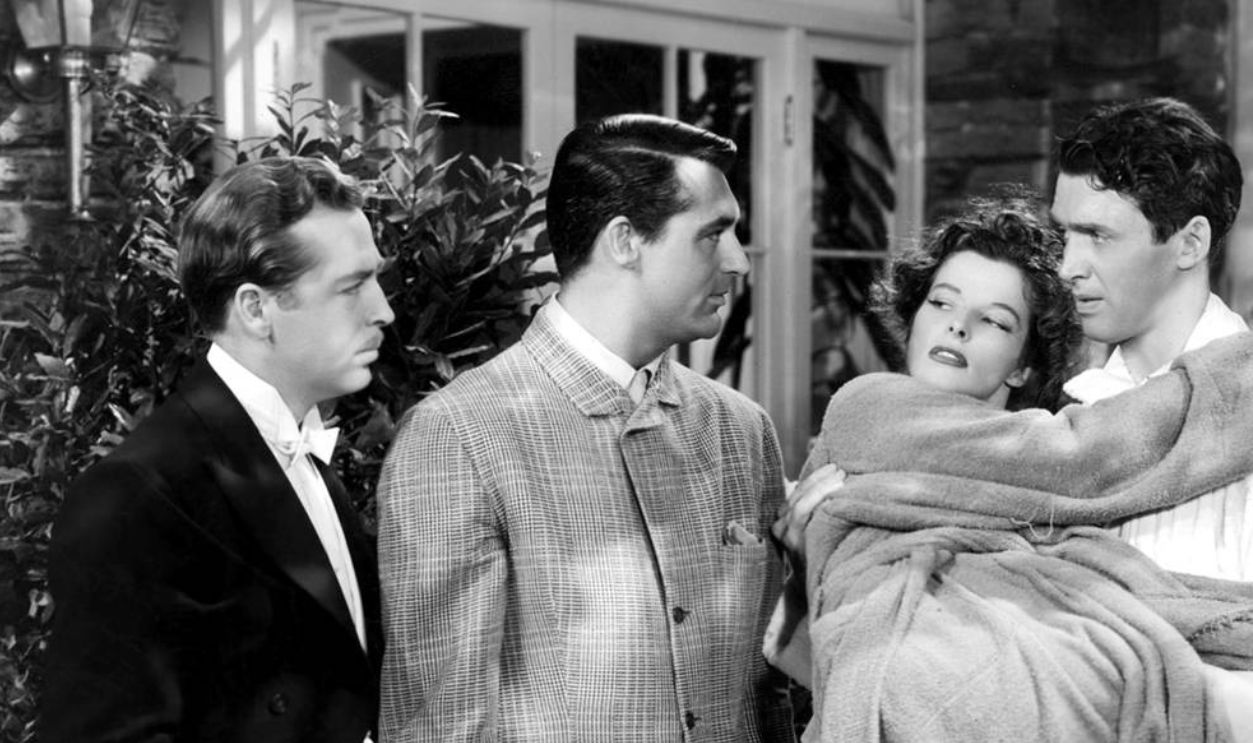 Deems Taylor, Wikimedia Commons
Brief Encounter (1945)
This British romance feels quiet compared to Hollywood classics, but that’s part of its power. Two married strangers meet accidentally and slowly fall in love, creating a deeply emotional story built almost entirely on restraint and longing.
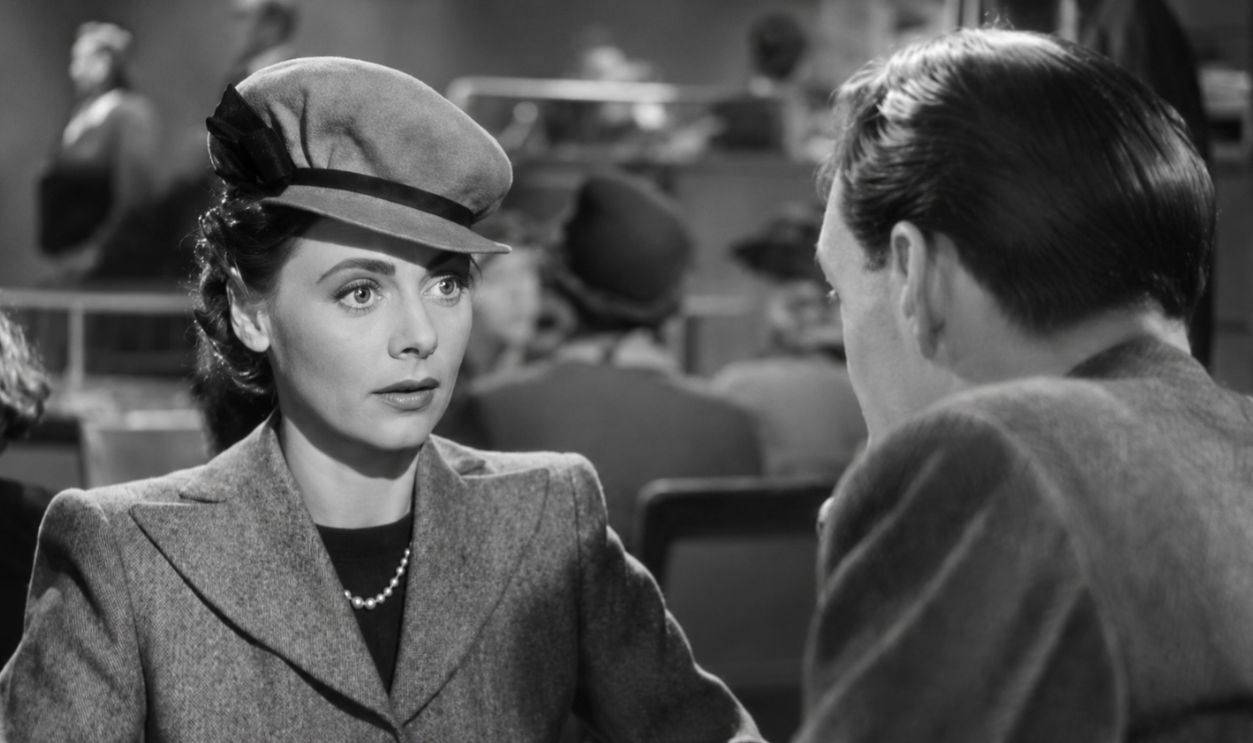 Screenshot from Brief Encounter, Eagle-Lion Distributors (1945), Modified
Notorious (1946)
Alfred Hitchcock made thrillers, but Notorious is also an incredible romance. Cary Grant and Ingrid Bergman play lovers trapped between espionage and mistrust, and the emotional tension feels just as important as the suspense.
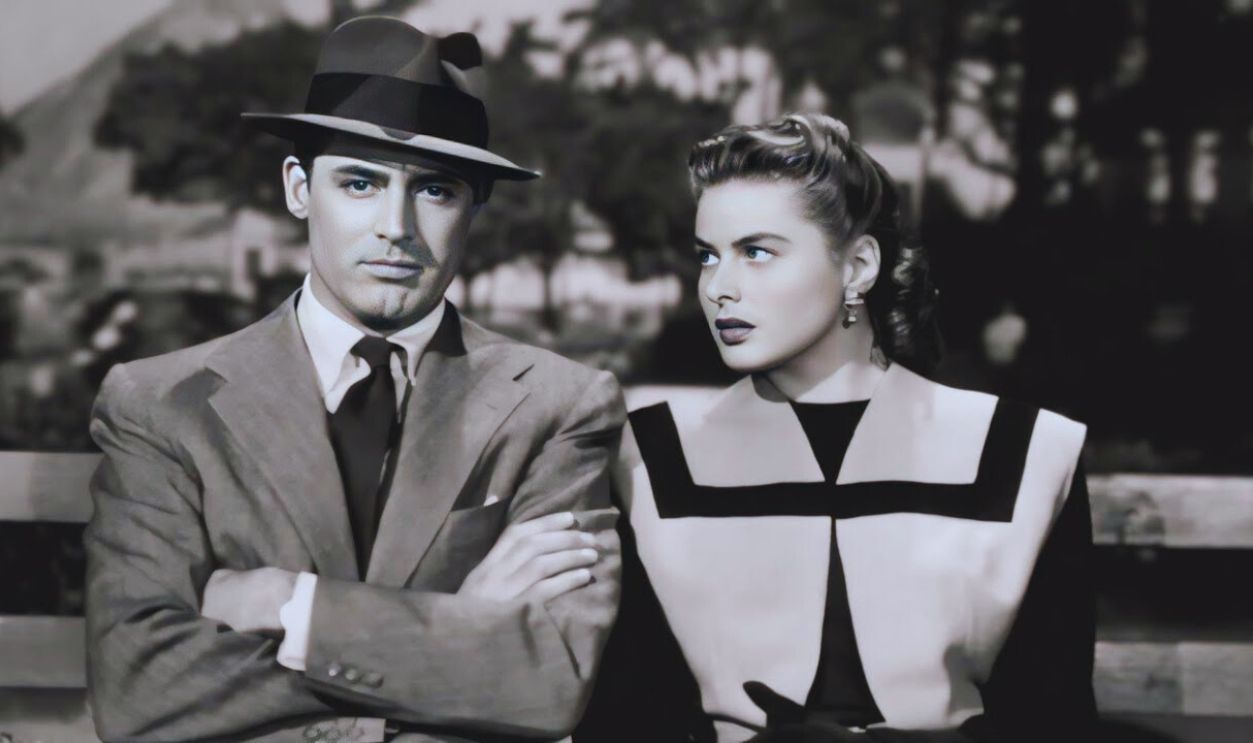 RKO Radio Pictures, Notorious (1946)
Now, Voyager (1942)
Bette Davis delivers one of the best performances of the decade in Now, Voyager. It’s a romance about self-worth and emotional transformation, following a shy woman slowly rebuilding her confidence and independence.
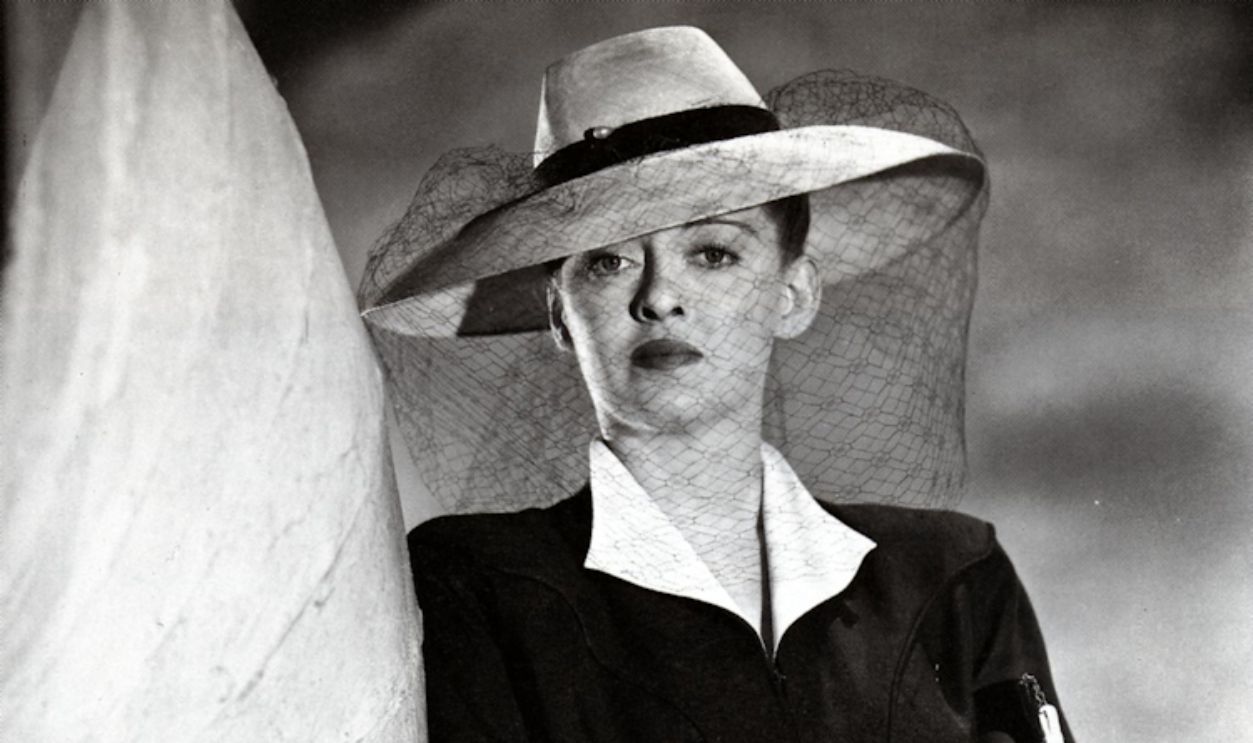 Unknown Photographer, Wikimedia Commons
Laura (1944)
Part romance, part noir mystery, Laura follows a detective who becomes obsessed with the portrait of a seemingly murdered woman. Starring Gene Tierney, the atmosphere is dreamy, strange, and surprisingly romantic in an unconventional way.
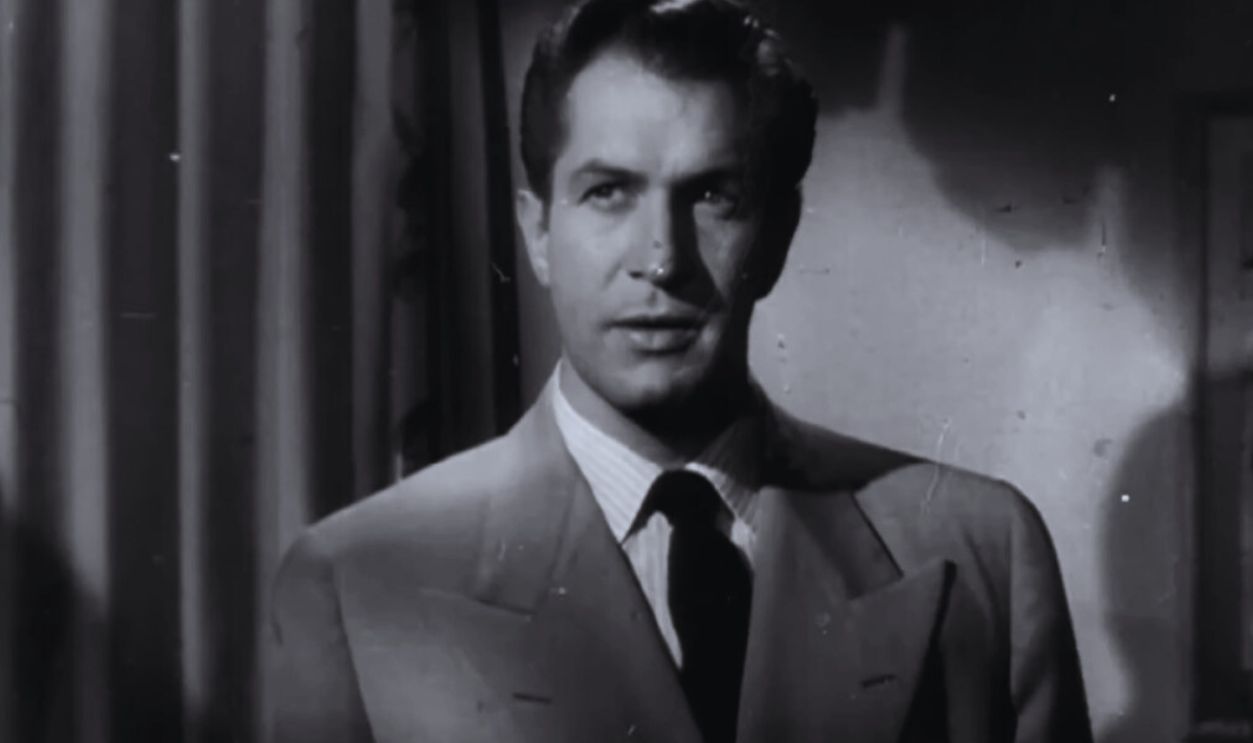 20th Century Fox, Laura (1944)
Rebecca (1940)
Although released in 1940, Rebecca still feels timeless. Joan Fontaine plays a young woman overwhelmed by her husband’s lingering connection to his late wife, creating a romance filled with insecurity, mystery, and emotional tension.
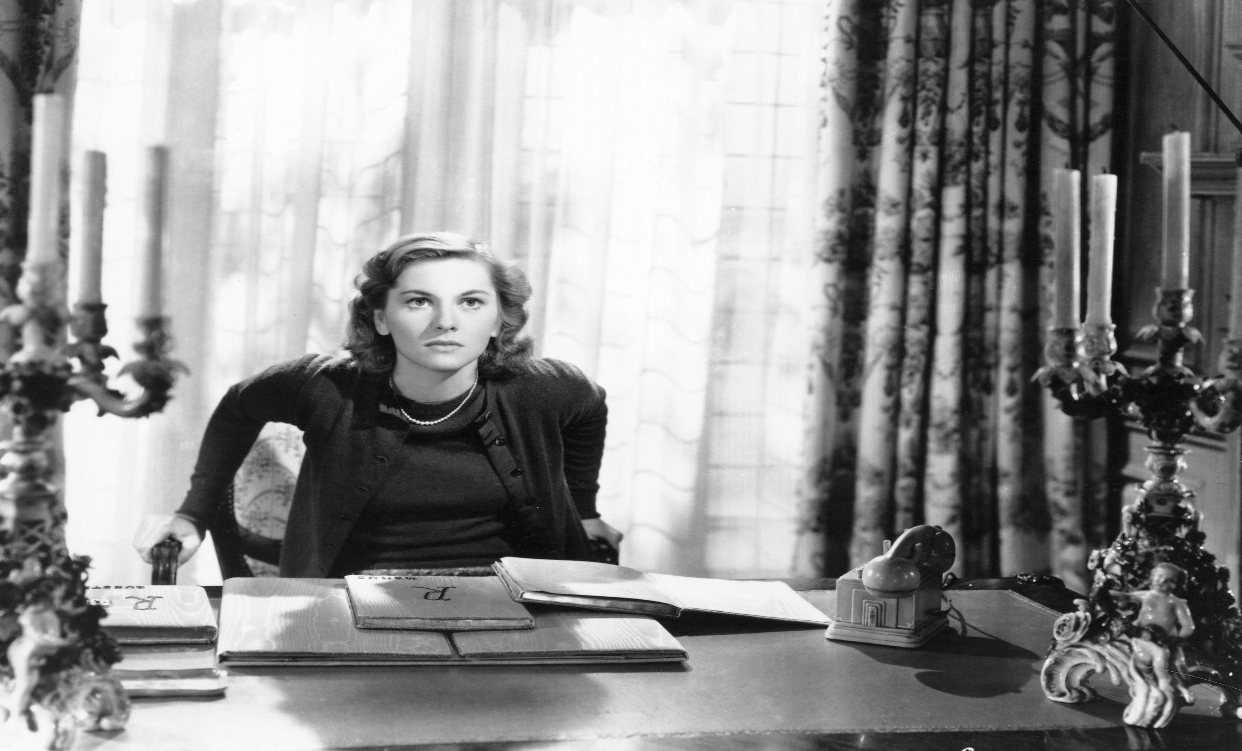 Macfadden Publications, Inc.; Selznick International Pictures, United Artists, Wikimedia Commons
Meet Me in St. Louis (1944)
This musical romance feels warm and nostalgic without becoming overly sweet. Judy Garland’s performance anchors the film, and “Have Yourself a Merry Little Christmas” remains one of the decade’s most memorable moments.
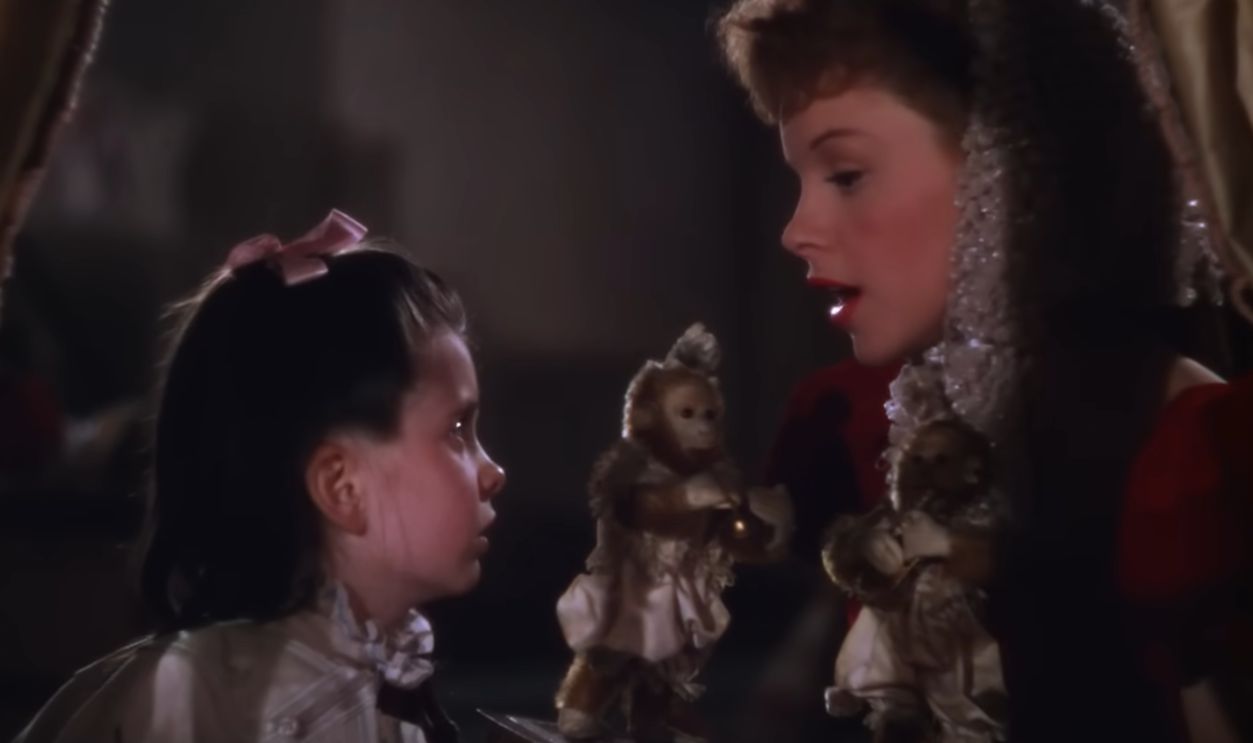 Screenshot from Meet Me in St. Louis, Metro-Goldwyn-Mayer (1944)
The Shop Around the Corner (1940)
Long before You’ve Got Mail, there was The Shop Around the Corner. Two coworkers constantly irritate each other while unknowingly falling in love through anonymous letters. The humor and chemistry still hold up beautifully. Plus, it stars one of the era's most dynamic duos—Jimmy Stewart and Margaret Sullivan.
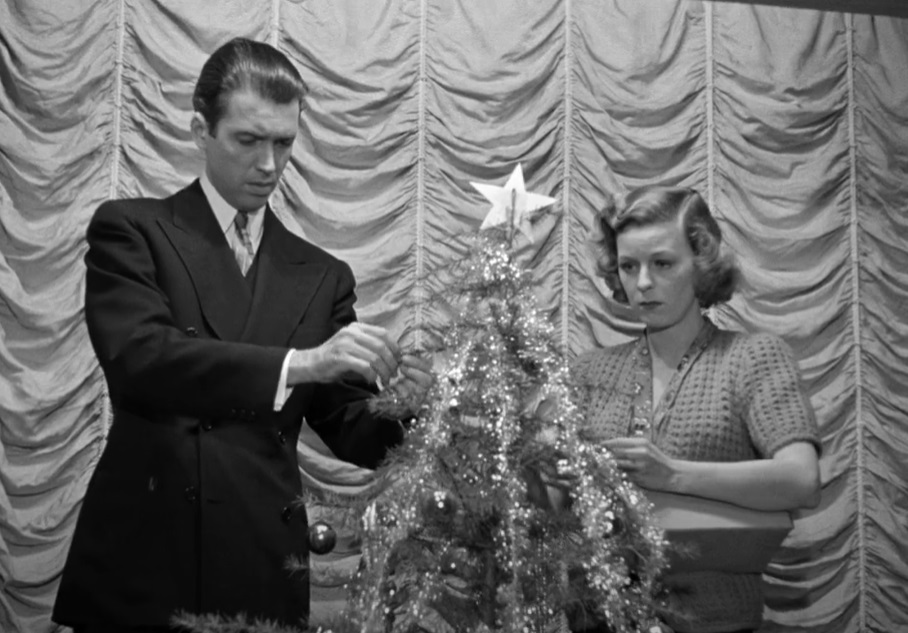 MGM, The Shop Around the Corner (1940)
Random Harvest (1942)
This romantic drama leans heavily into melodrama, but in the best way possible. Ronald Colman plays a man suffering from memory loss after WWI, creating a sweeping love story filled with heartbreak and rediscovery.
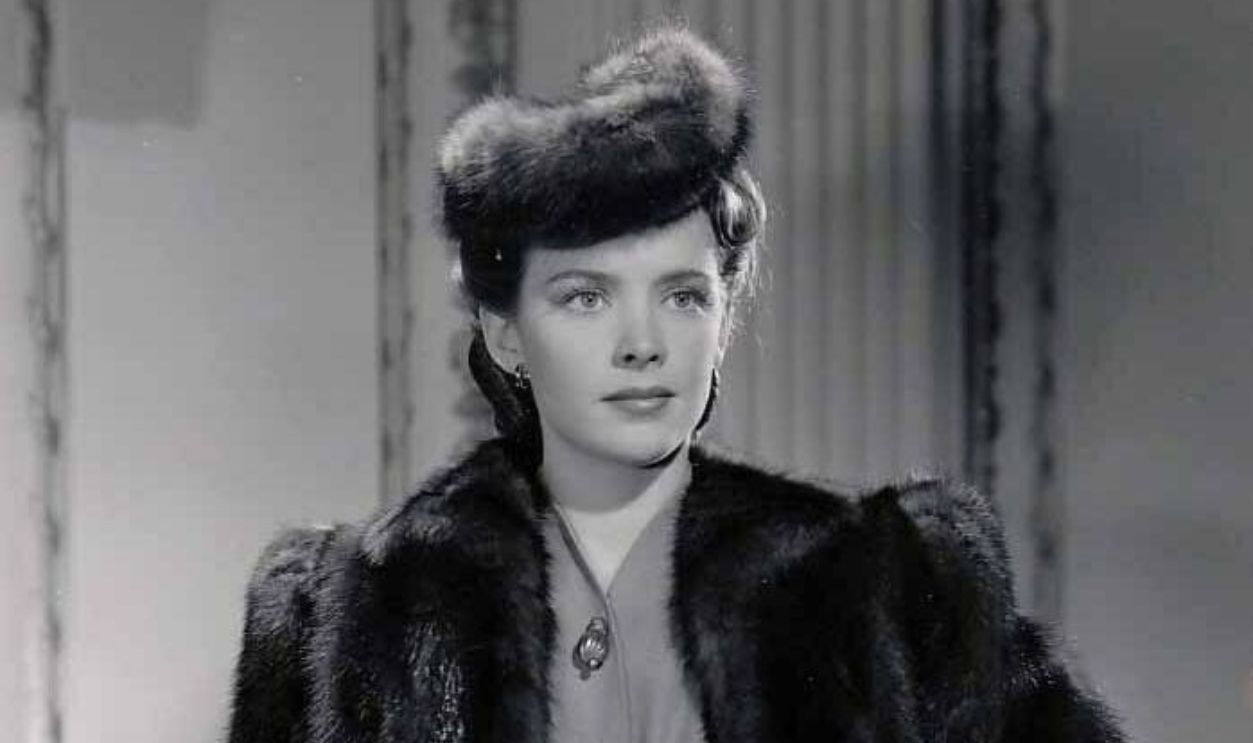 Unknown; MGM portrait, Wikimedia Commons
Mildred Pierce (1945)
While often remembered as a noir film, Mildred Pierce also explores complicated romantic relationships and emotional sacrifice. Joan Crawford’s performance gives the story surprising depth and emotional intensity.
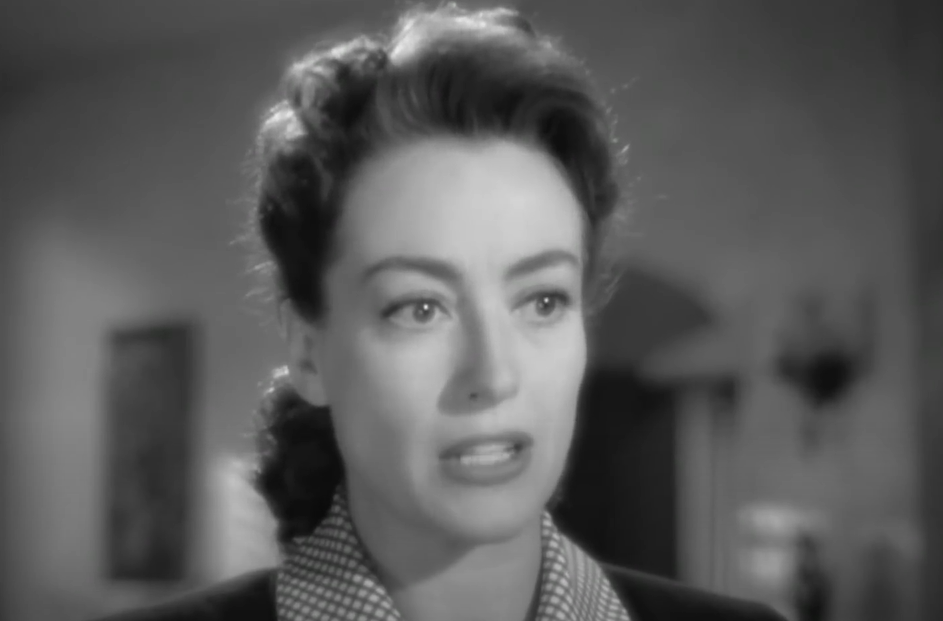 Warner Bros., Mildred Pierce (1945)
Since You Went Away (1944)
This wartime drama focuses on families and relationships during WWII. The romance unfolds slowly against the backdrop of separation and uncertainty, which gives the emotional moments extra weight. Some familiar stars include Shirley Temple and Claudette Colbert.
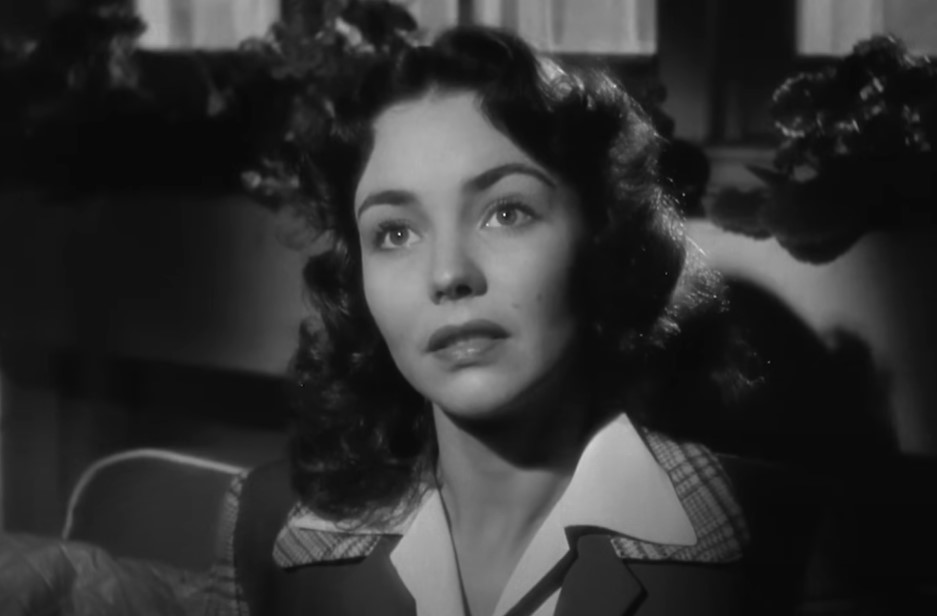 Selznick International Pictures, Since You Went Away (1944)
To Have and Have Not (1944)
Humphrey Bogart and Lauren Bacall’s chemistry became legendary for a reason. Their flirtation feels effortless, confident, and modern in a way that still surprises first-time viewers today. It was also the set upon which they first met, so you can feel the real-life romance building alongside the film's plot.
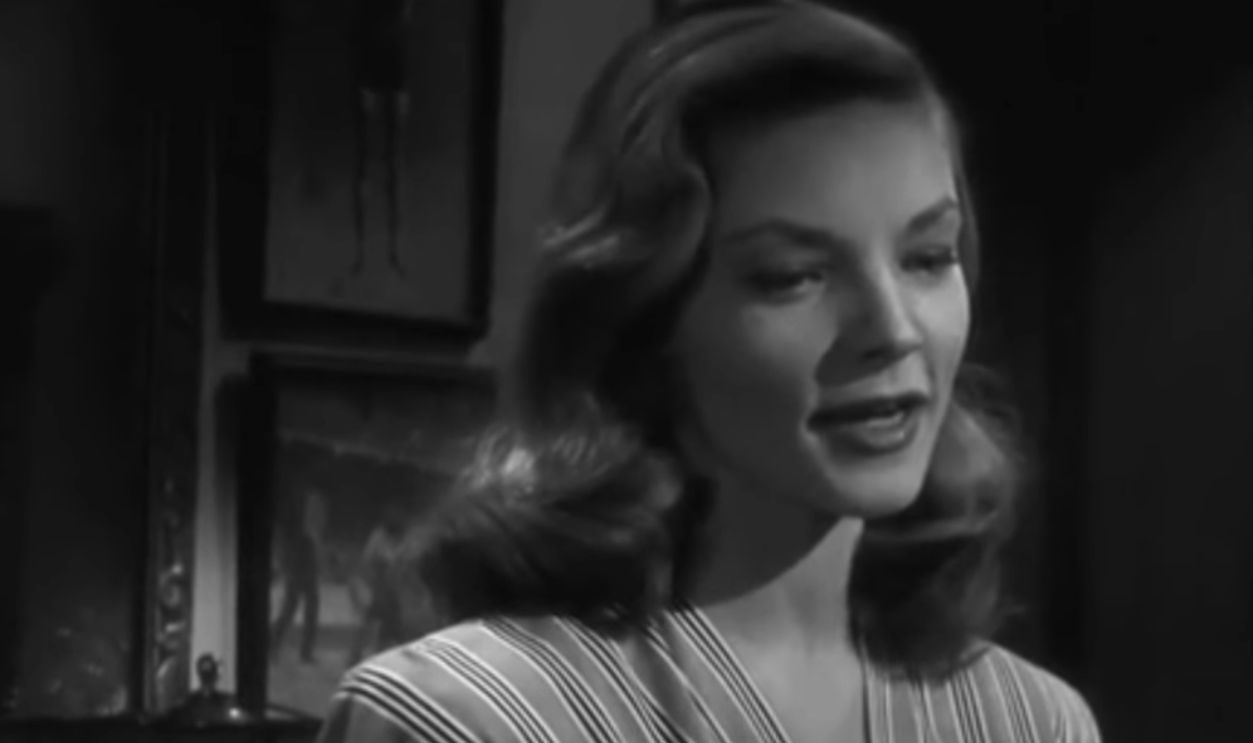 Warner Bros, To Have And Have Not (1944)
Gilda (1946)
Gilda mixes romance, jealousy, and noir tension into something unforgettable. Rita Hayworth’s screen presence alone makes the movie worth watching, but the emotional conflict gives it lasting power.
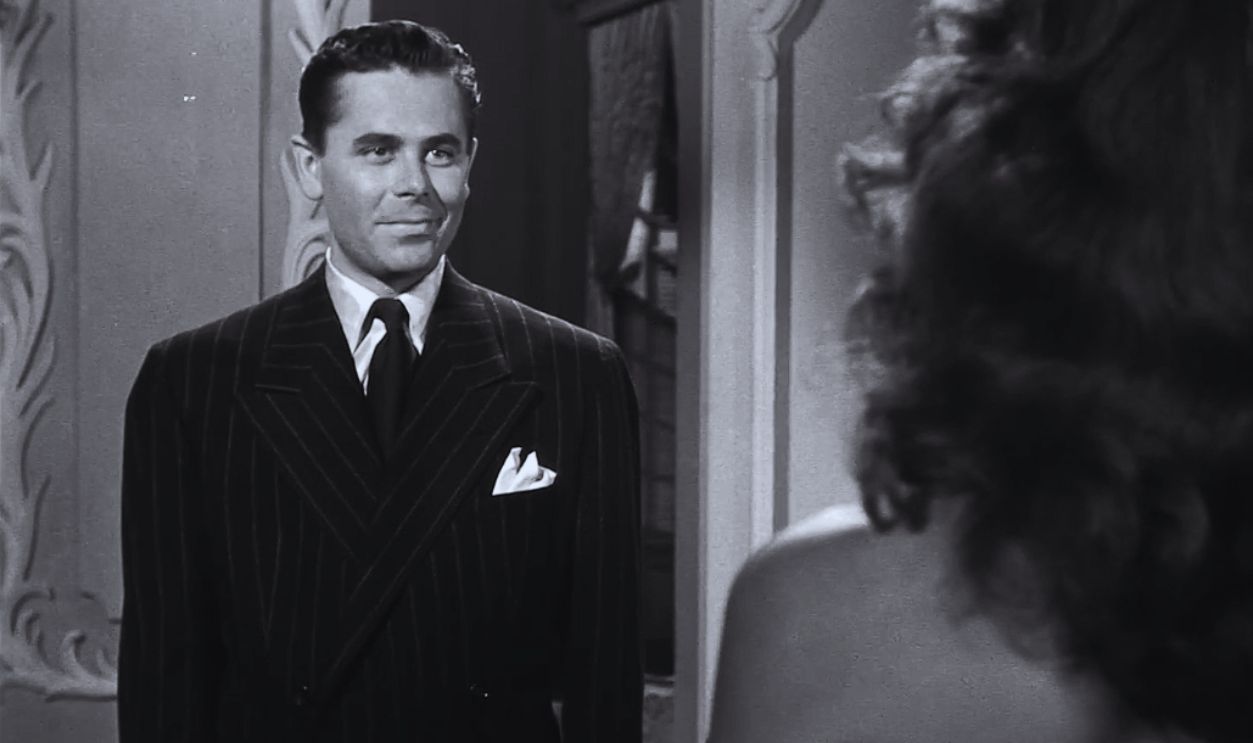 Screenshot from Gilda, Columbia Pictures (1946)
The Ghost and Mrs. Muir (1947)
This film combines romance with fantasy in an unexpectedly moving way. Gene Tierney plays a widow who forms a connection with the ghost haunting her seaside home, and somehow it works beautifully.
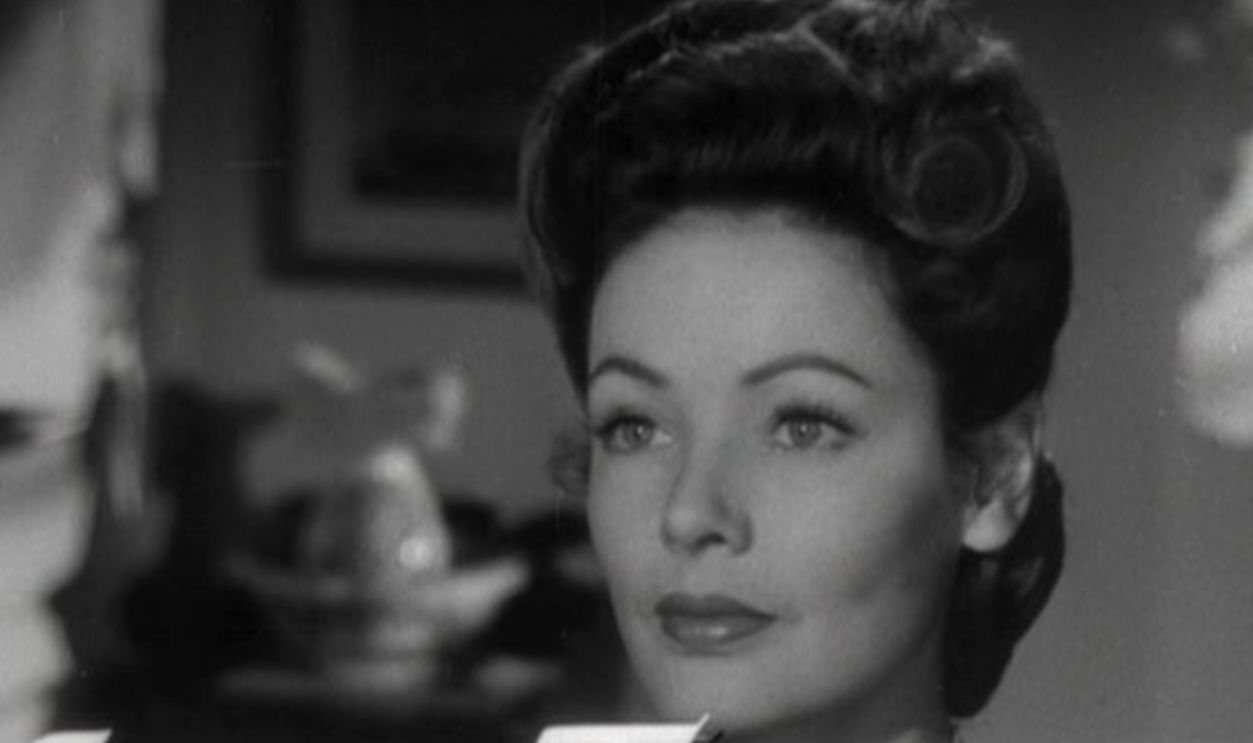 Trailer screenshot, Wikimedia Commons
Leave Her to Heaven (1945)
This Technicolor romance looks glamorous on the surface, but it slowly reveals something darker underneath. The movie blends obsession, beauty, and psychological tension in a way that feels surprisingly modern.
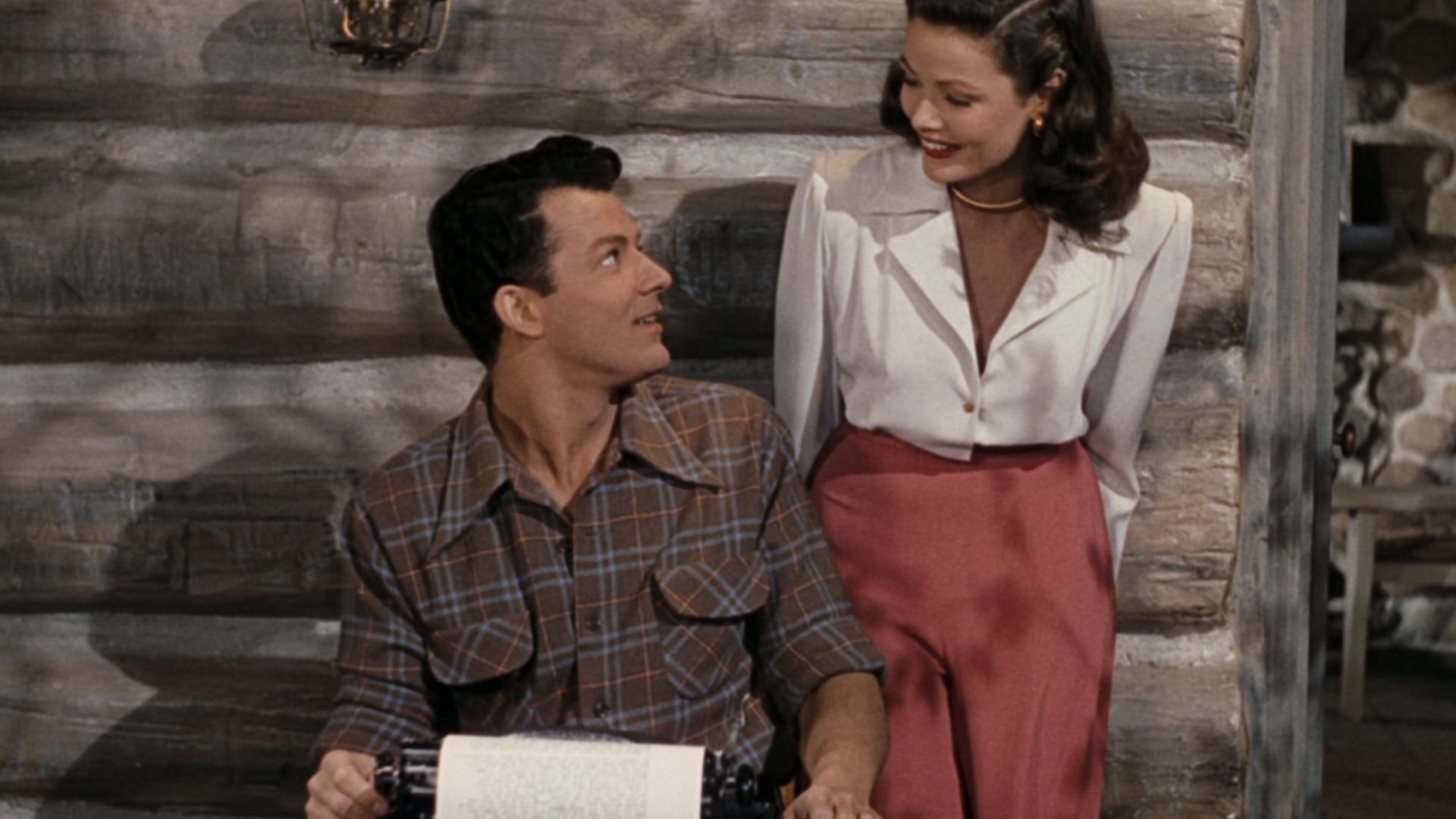 Leave Her to Heaven (The Criterion Collection) screenshot, Wikimedia Commons
A Matter of Life and Death (1946)
This British fantasy romance follows a pilot who survives an accident and falls in love while literally arguing with the afterlife over whether he should still be alive. It’s imaginative, emotional, and visually stunning.
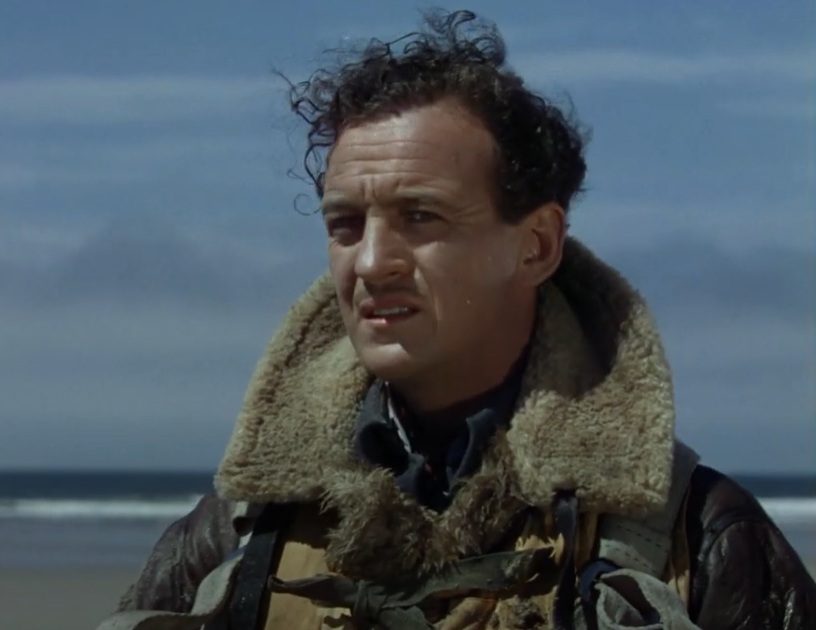 The Archers, A Matter of Life and Death (1946)
Roman Holiday’s Roots Started Here
Roman Holiday came later, but many of its romantic DNA traces back to the 1940s. Watching films from this era helps you see where later romantic classics borrowed their charm, pacing, and emotional style.
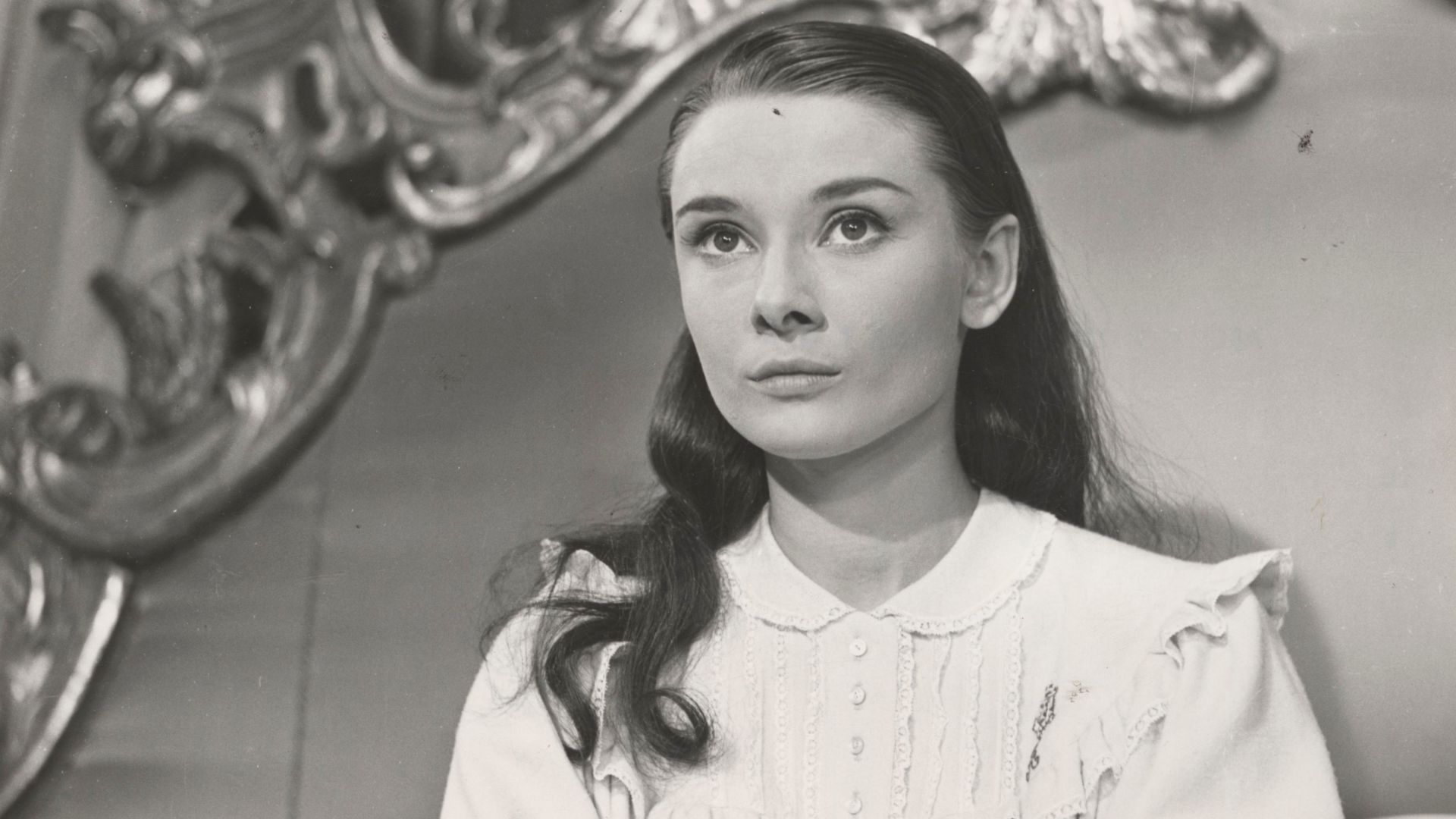 Unknown authorUnknown author, Wikimedia Commons
Why These Movies Still Work
The best romances from the 1940s feel emotionally sincere without trying too hard. They rely on chemistry, dialogue, and atmosphere instead of spectacle, which is why many still feel fresher than modern romances.
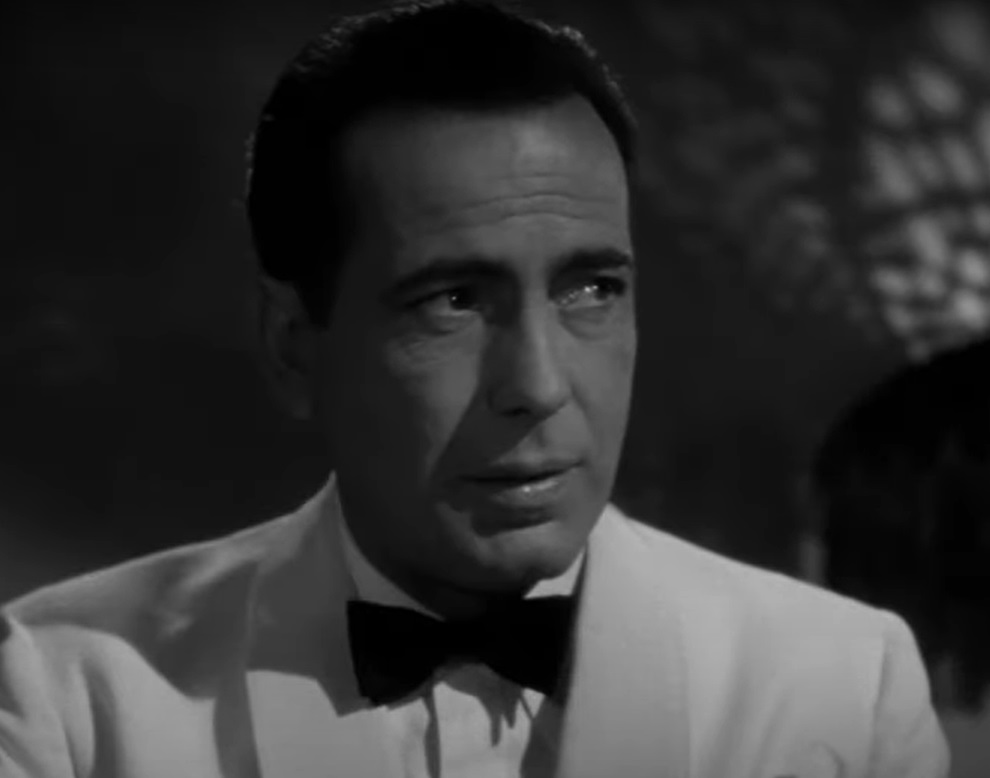 Warner Bros., Casablanca (1942)
The Bottom Line
If you’re new to classic movies, 1940s romance is an ideal gateway. Start with Casablanca or Brief Encounter, then branch outward. Once the rhythm clicks, you may realize these films feel less “old” than you expected.
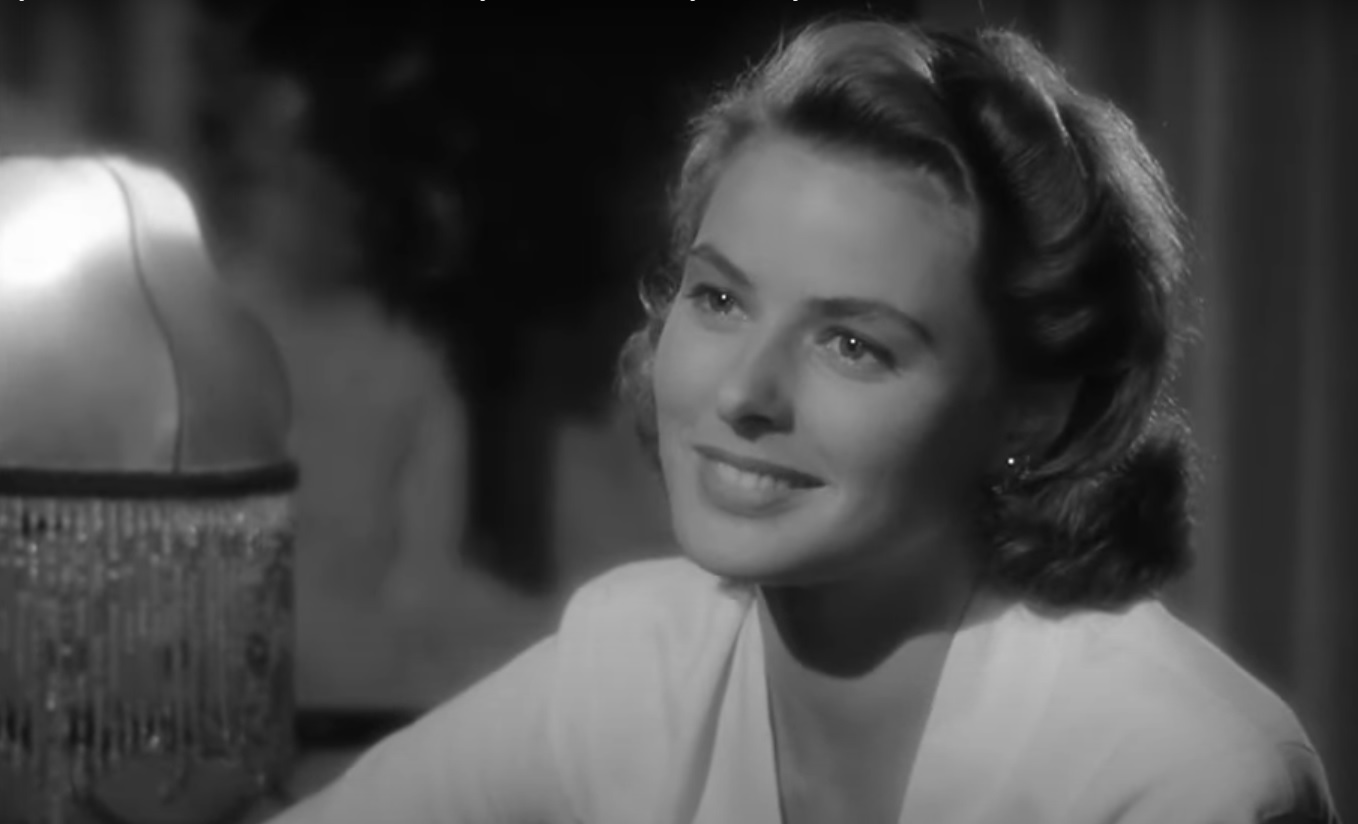 Warner Bros. Casablanca (1942)
You May Also Like:
Who needs new movies when you can just rewatch these classics over and over?
Old Hollywood Scandals That Would Have Blown Up The Internet If They Happened Today