
A Chaotic Genius
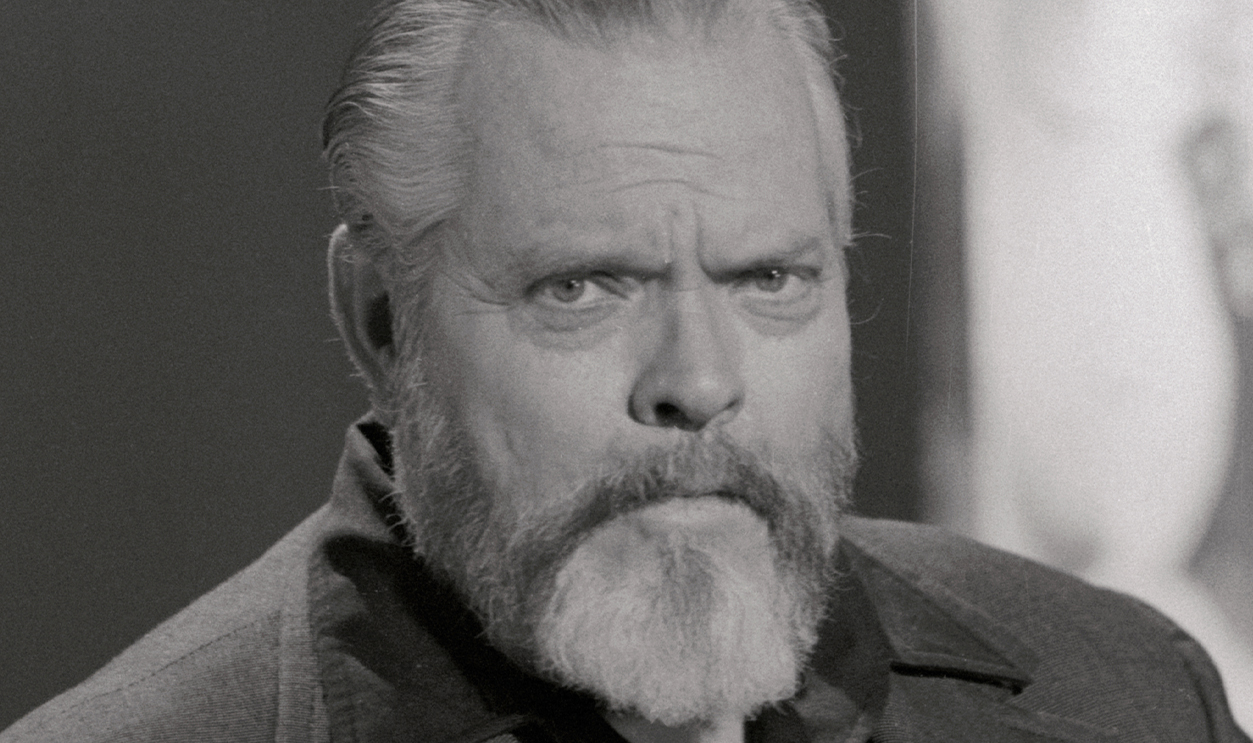
Despite creating what many consider the greatest film of all time, not all of Orson Welles’ projects were immediate successes. However, whether or not his films were hits during his time, he never seemed to care as long as they were something he was proud of. Fighting against the standards of film and society at large, he lived doing exactly what he wanted—especially in his personal life.
1. His Family Was Broken
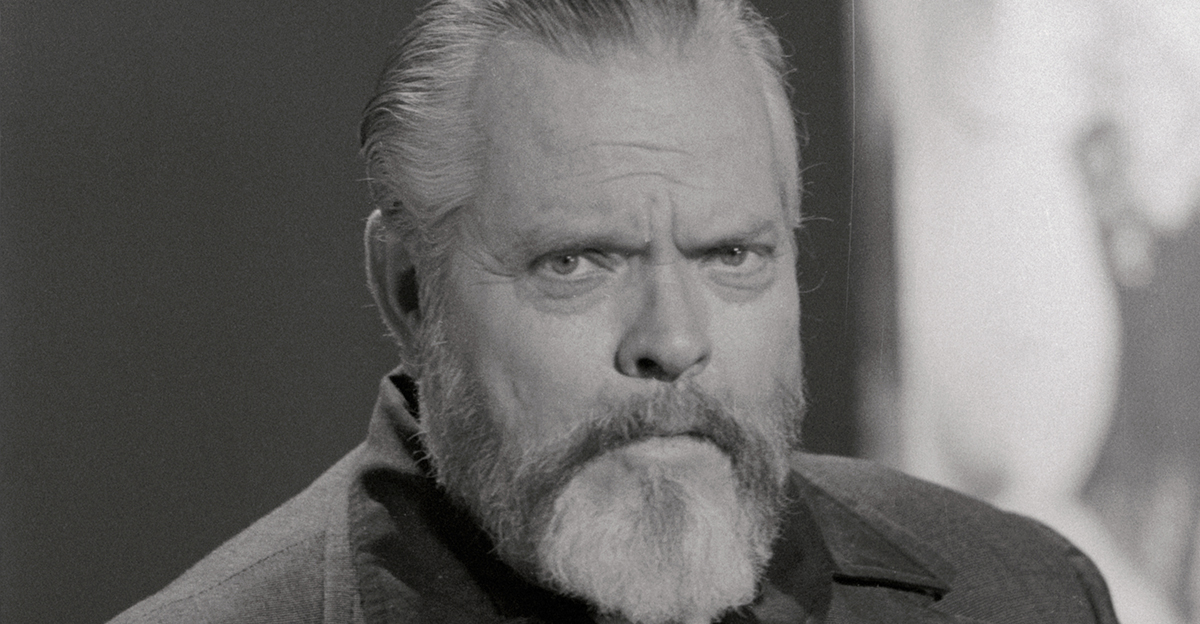
Beginning his career at a young age, Orson Welles often displayed the confidence of a more experienced man. This isn’t surprising, though, as he had no choice but to grow up more quickly than most, especially since his family was in disarray. Born in 1915, Welles was only four years old when his parents separated.
Unfortunately, his parental issues weren’t where his hardships ended.
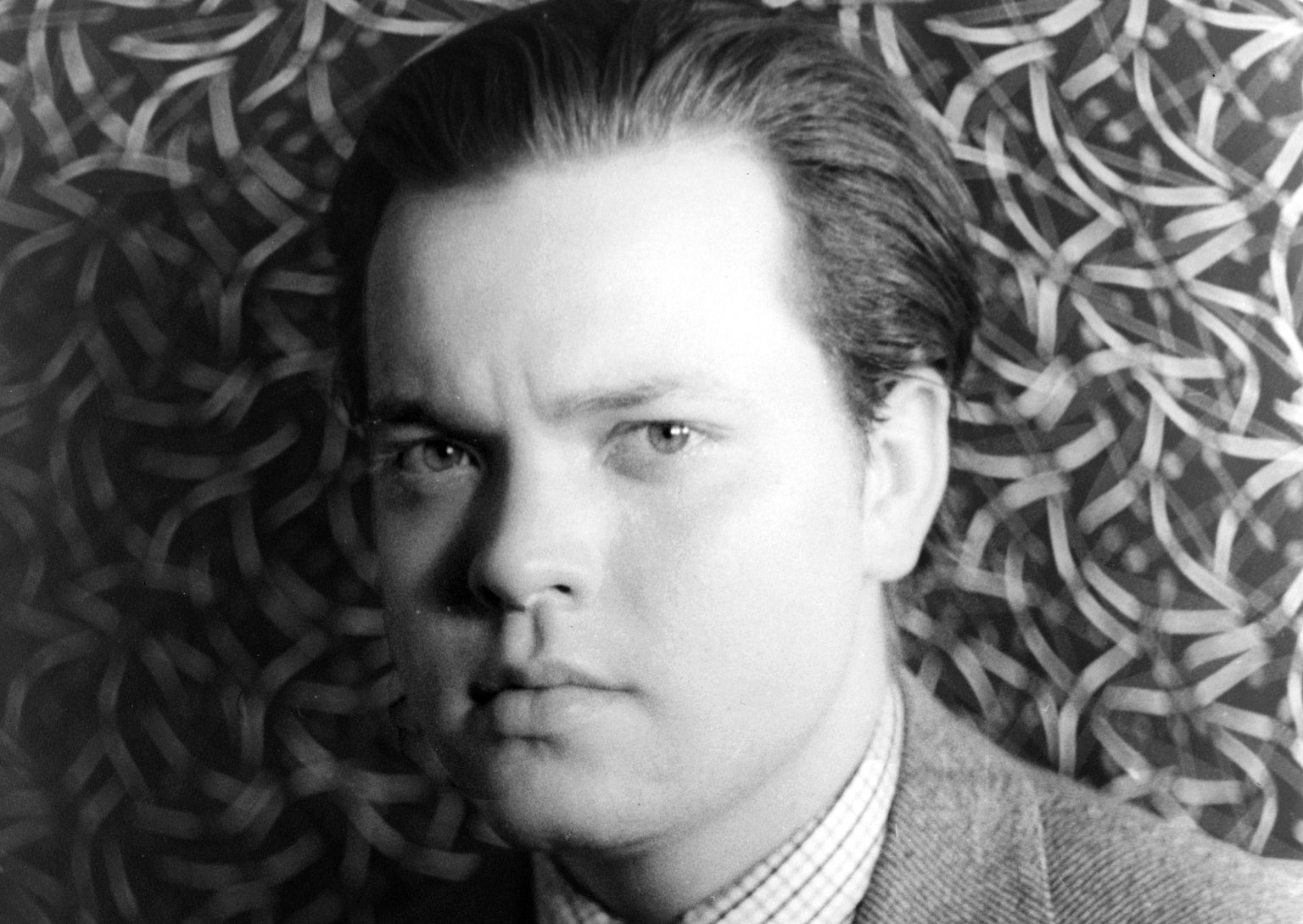 Carl Van Vechten, Wikimedia Commons
2. He Was Born Sick
Throughout his life, Orson Welles found himself plagued with health problems, but these didn’t come out of nowhere. As soon as he came into this world, he began to suffer from asthma and backaches caused by spinal abnormalities, and he would quickly develop other illnesses, including malaria and measles.
To make matters worse, he wasn’t the only one in his family with poor health.
 Macfadden Publications, Wikimedia Commons
3. They Continued To Suffer
While Welles was no stranger to life’s troubles, his older brother, Richard, had a more difficult time with his mental health, resulting in him spending most of his time institutionalized. Sadly, life continued to hit the family even harder, and when Welles was nine years old, his mother lost her life to hepatitis.
Welles had little time to mourn, as he had other complications to distract him.
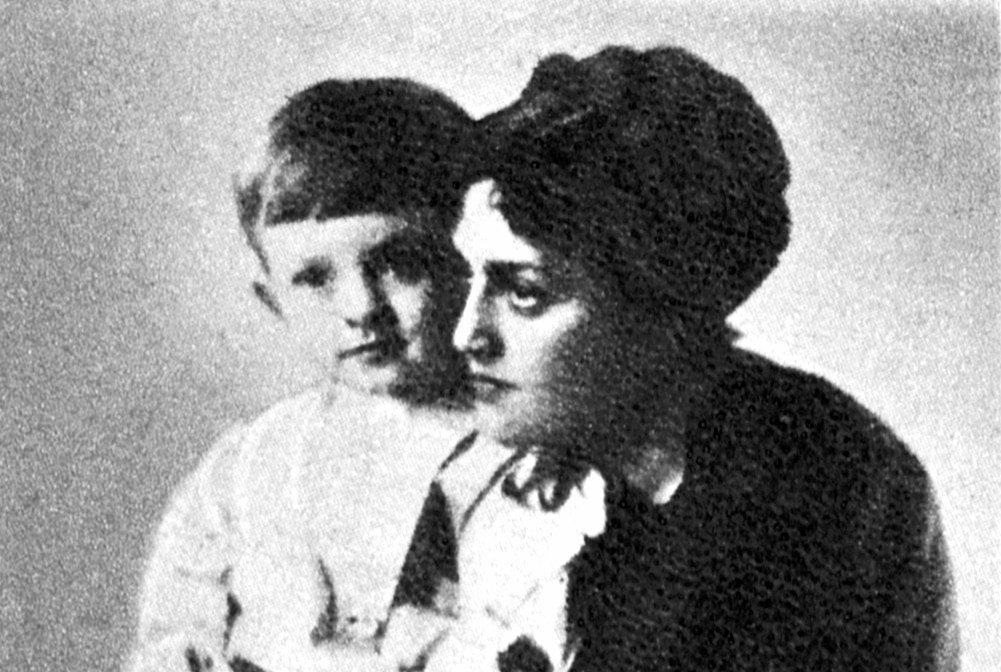 Macfadden Publications, Wikimedia Commons
4. He Had To Take Charge
With his mother gone, Orson Welles had no choice but to live with his father in Chicago—but this was far from the comfort it should have been. His father had turned to drinking excessively, and the two spent much of their time on the road between his various business schemes. As biographer Frank Brady wrote, “Some observers wondered who took care of whom”.
Regrettably, the two of them would not end on good terms.
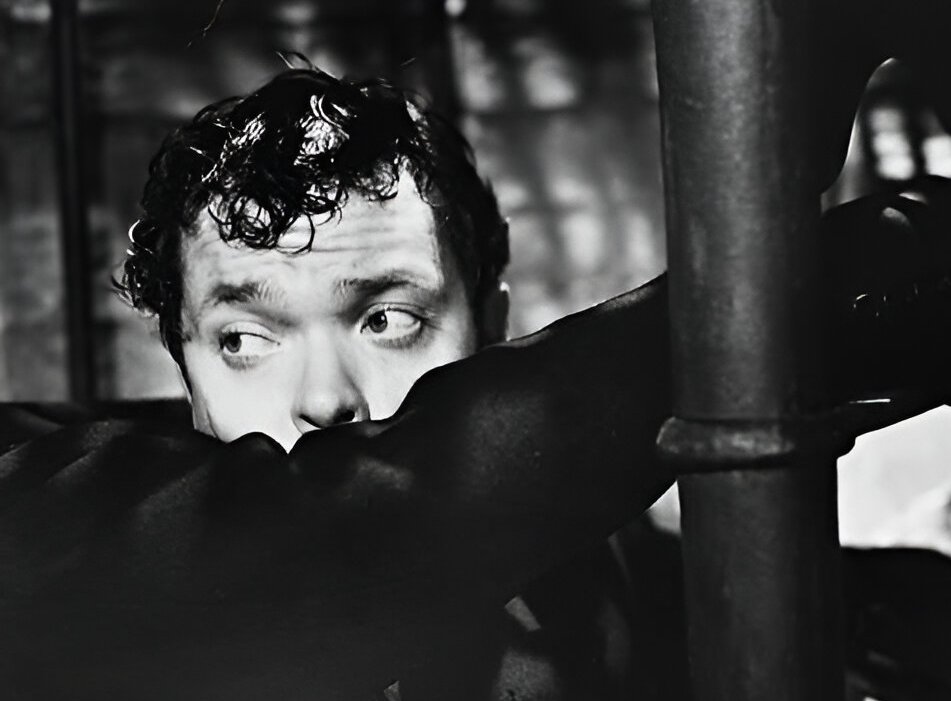 Unknown author, Wikimedia Commons
5. He Regretted His Words
By the time he was 15, Welles had become fed up with his father’s drunken antics and issued an ultimatum, promising that he wouldn’t see him again unless he stopped drinking. This was more true than Welles intended, as his father perished from heart and kidney failure shortly after this confrontation. Later in life, Welles revealed that he never truly forgave himself for what he said.
In the wake of this loss, Welles wanted to get some distance and perspective.
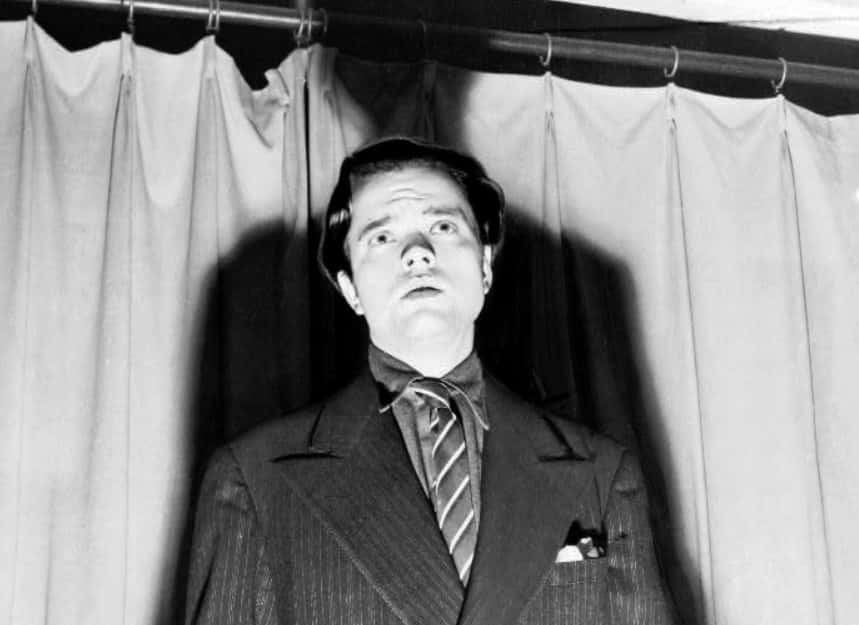 Associated Press, Picryl
6. He Took A Vacation
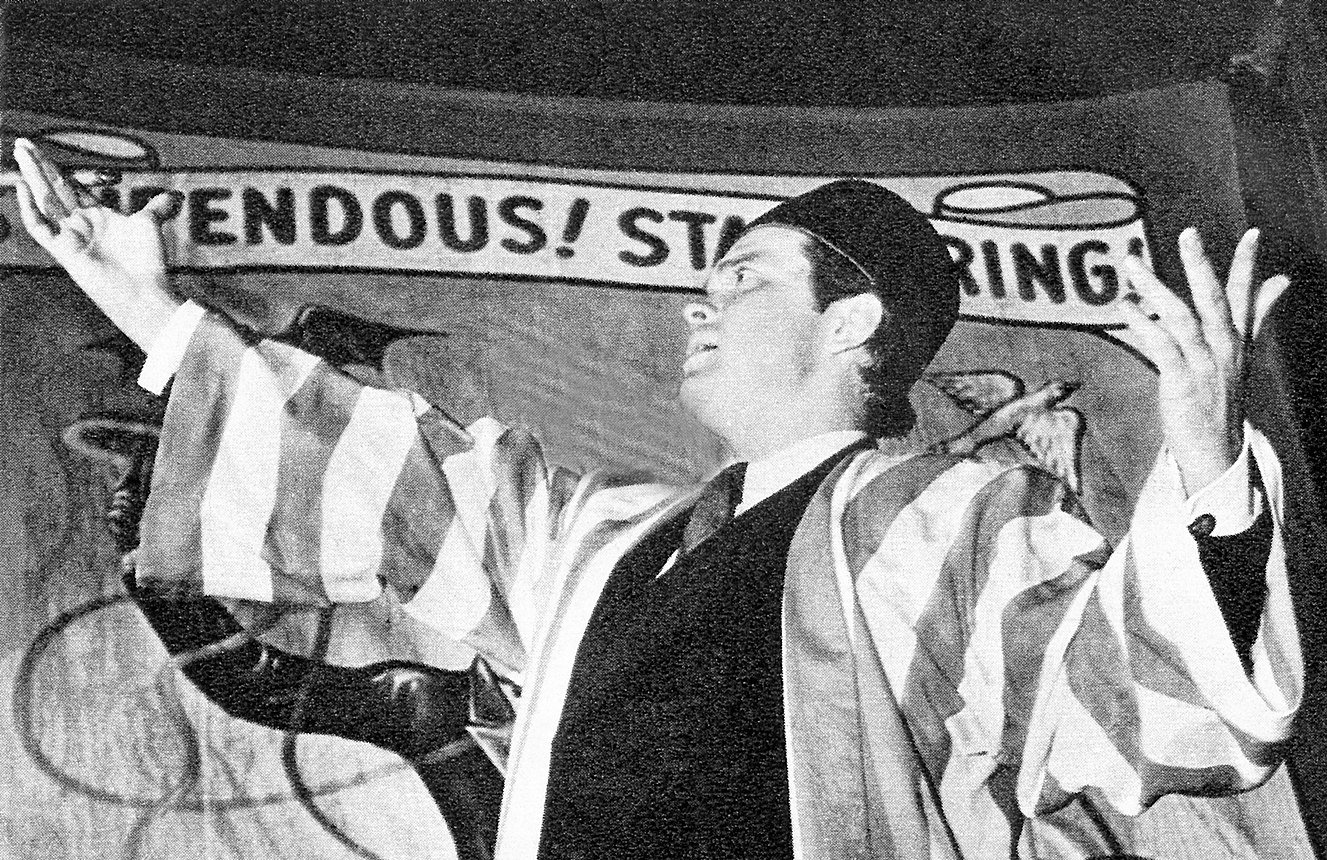
Orson Welles had shown a passion for creative endeavors early on, often organizing productions in school, so instead of going straight to college, he embarked on a painting trip through Europe. Feeling drawn into Dublin’s Gate Theatre one day, his previous theatrical experience pushed him to simply declare to the manager that he was a star from Broadway.
Shockingly, this turned out to be the right course of action.
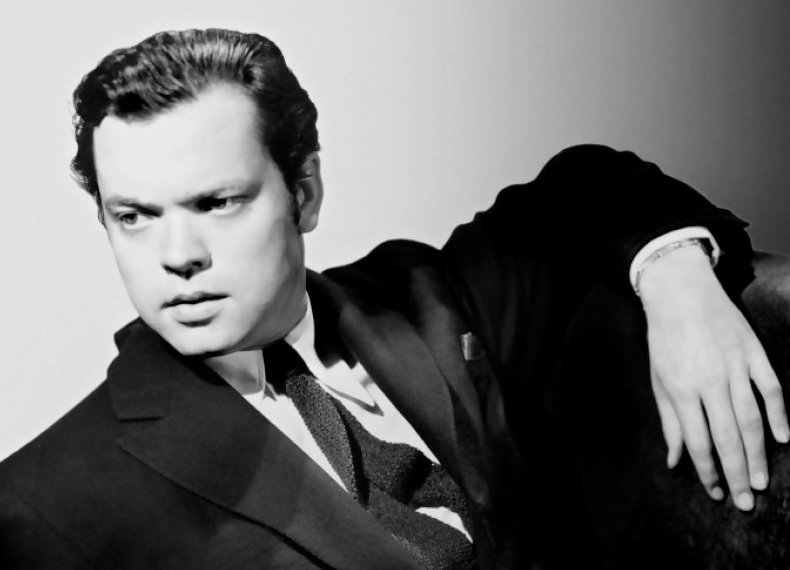
7. He Spoke It Into Being
Needless to say, despite how convincing Welles may have sounded at the time, the Gate Theatre’s manager didn’t believe that the 16-year-old was a Broadway star. However, he did find Welles' boldness refreshing, and after an equally impressive audition, he gave the budding entertainer his first role in the stage adaptation of Jud Süß.
Luckily, this wasn’t an instance of only 15 minutes of fame.
 Cowles Communications, Wikimedia Commons
8. He Made Some Contacts
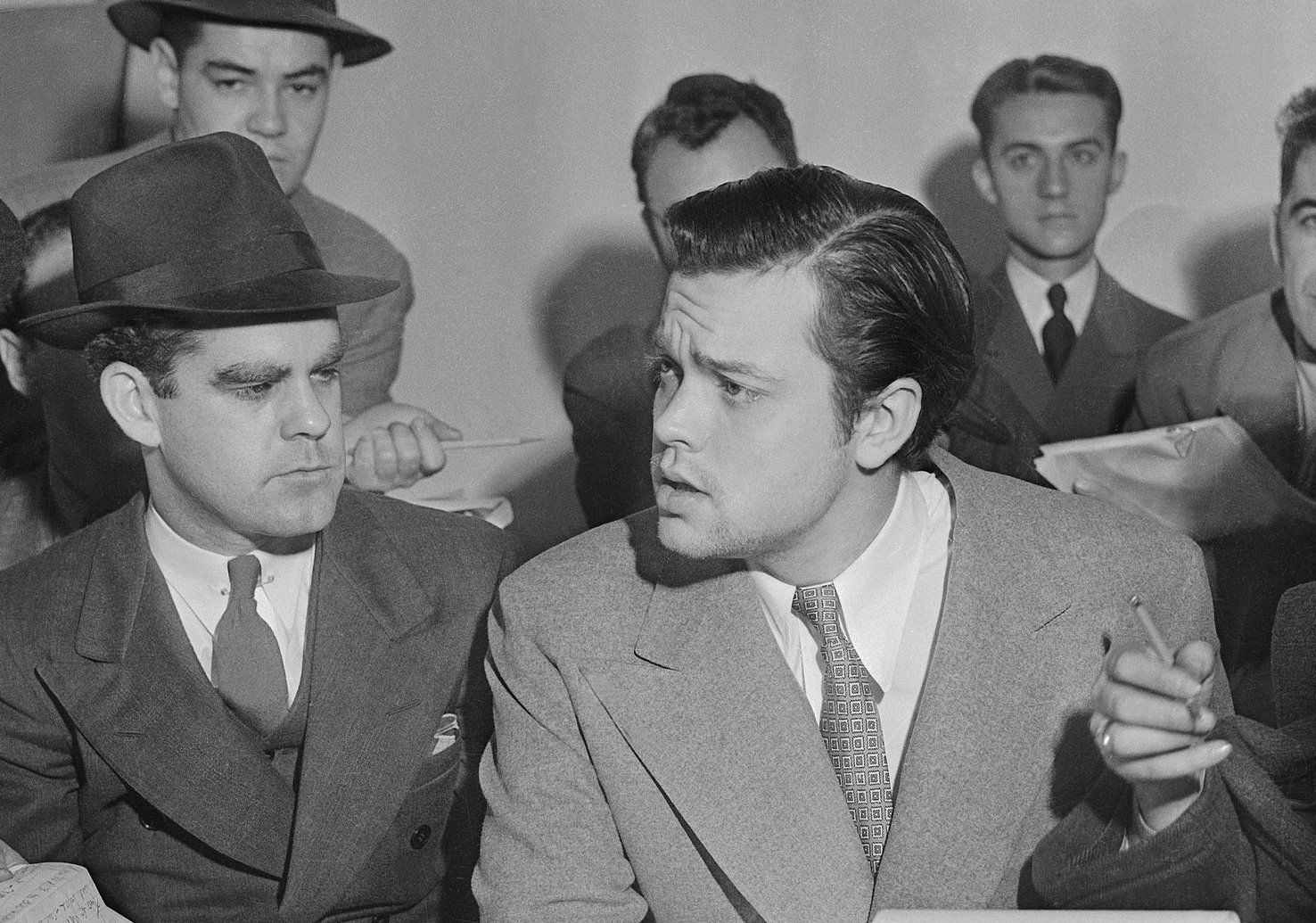
Orson Welles performed in several other productions at the Gate Theatre, but his failure to get a work permit landed him right back in the US. He wasn’t about to give up on his passion, though, and began networking as much as he could. This paid off when, through a chain of introductions in 1933, he met director Guthrie McClintic, who signed Welles to a contract.
Of course, this wasn’t the only important encounter he had.
 Acme News Photos, Wikimedia Commons
9. He Met Someone
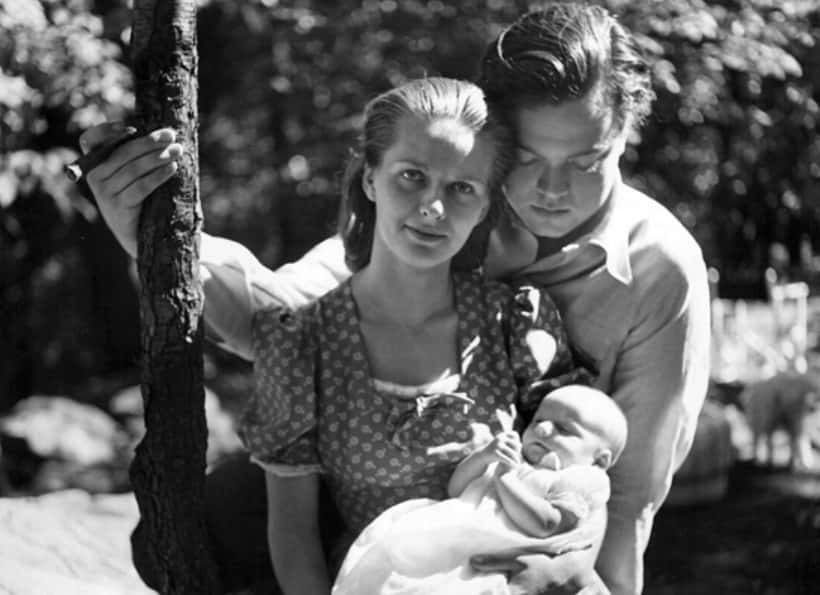
While Welles' fame may have stemmed from his filmmaking, his love life also became the stuff of gossip, starting with his first marriage. Eloping in 1934 with actress Virginia Nicolson, Welles discovered how challenging he found the concept of committing to one person. So, after Virginia gave birth to one of his children and discovered his frequent infidelity, she divorced him just six years later.
Meanwhile, he suddenly found himself with more work than he could keep up with.
 Macfadden Publications, Wikimedia Commons
10. He Was All Over The Place
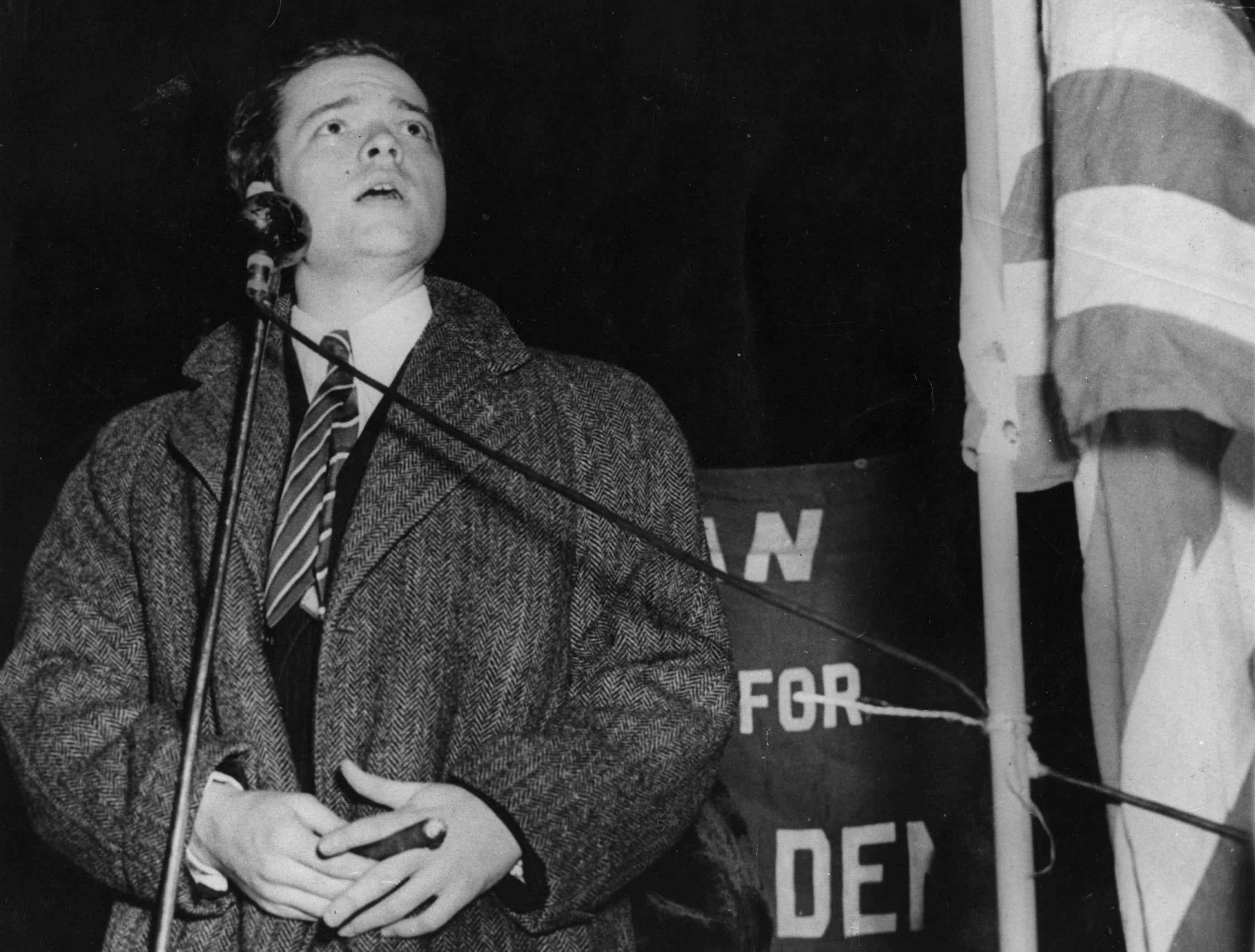
By the end of 1935, Orson Welles had transitioned from performing in a few shows to working on several productions simultaneously, serving as writer, director, and producer. Not only that, but he had also broken into the radio scene through sheer tenacity, taking as many hosting gigs as he could until he was earning a weekly sum of about $2,000.
Nonetheless, he never let any of this burn him out.
11. He Was Committed To His Work
Unlike many in business, Orson Welles never seemed to have trouble finding work or getting his name out there, which helped him especially in 1935. Witnessing his talent and passion, producer John Houseman asked him to join the Federal Theatre Project, and Welles happily accepted. He was so emphatic about it that he began using the majority of his own funds to make sure his productions ran smoothly.
With this being the case, he felt confident in making his shows fit his vision.
12. He Made Some Changes
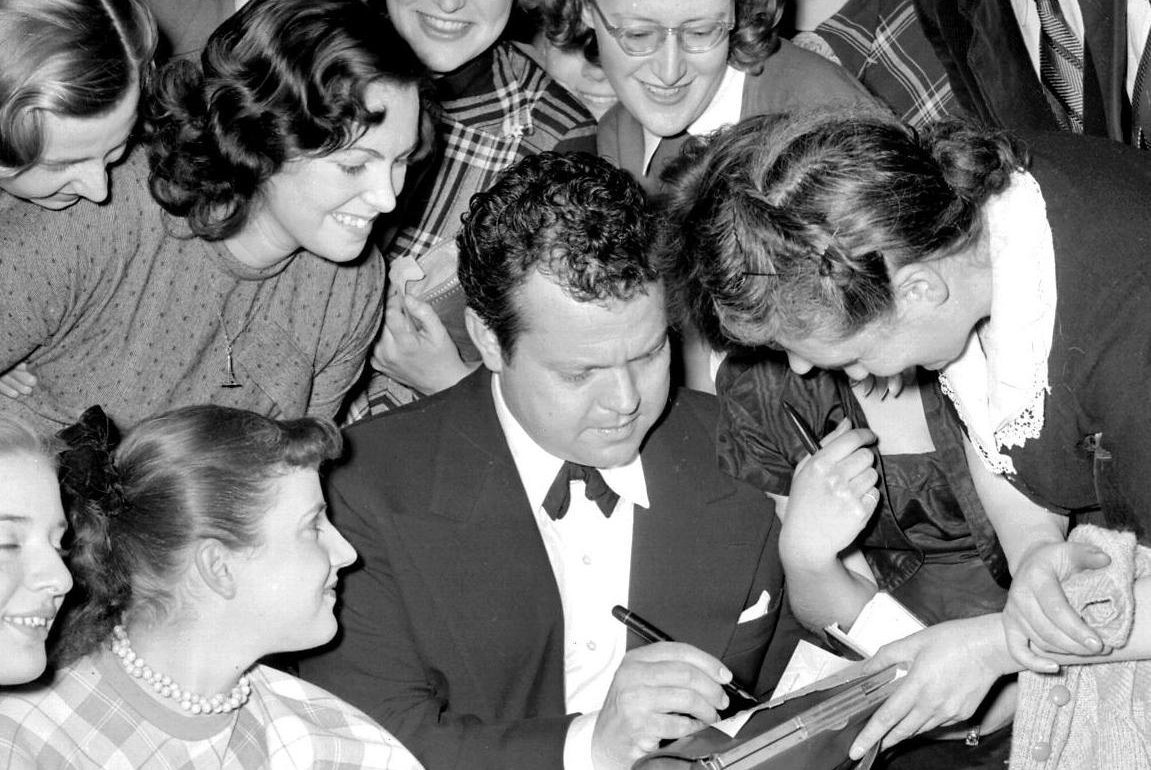
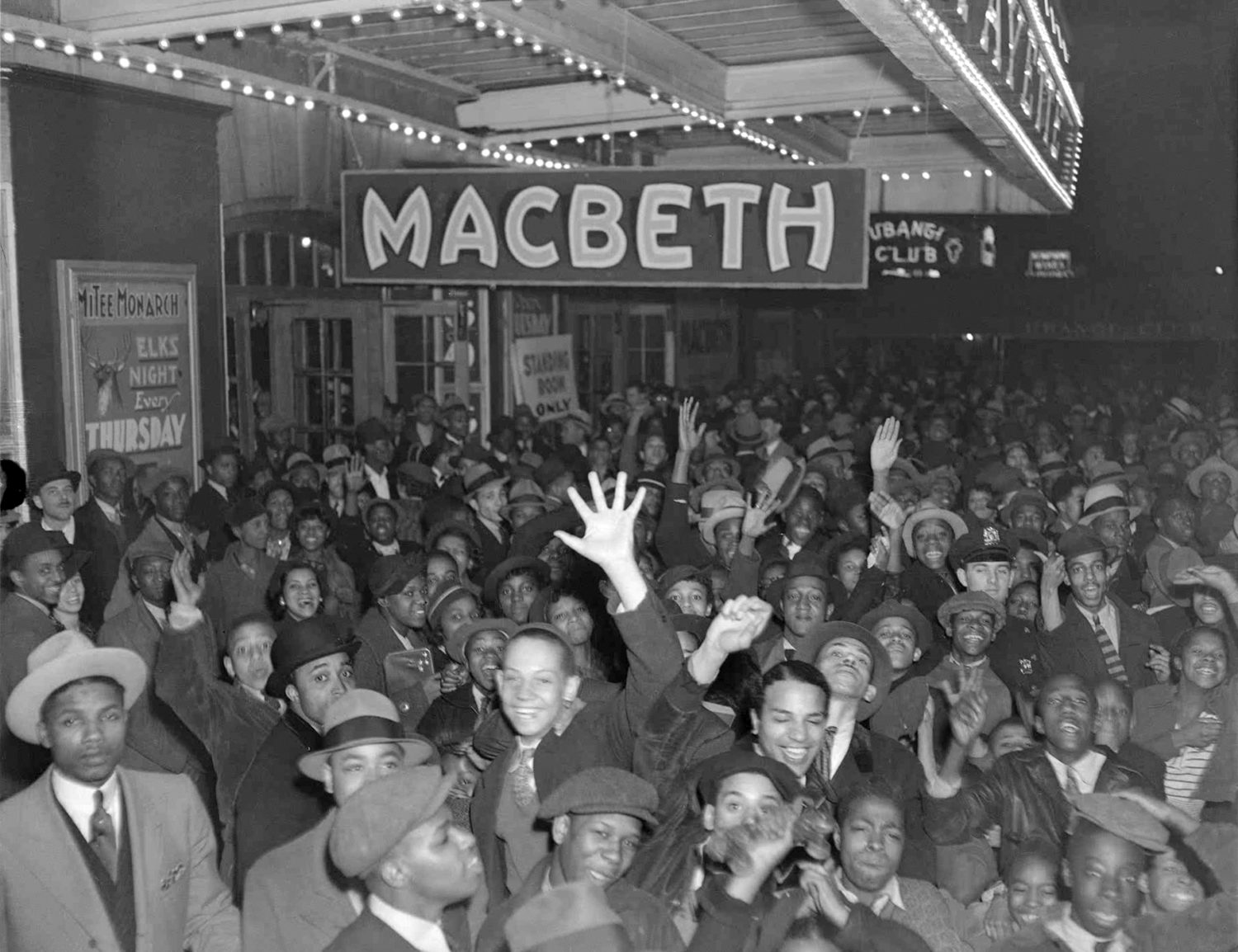
Joining the Federal Theatre Project, Orson Welles took the helm of one of his most ambitious projects yet—directing an adaptation of Macbeth with an all-African-American cast. If this wasn’t progressive enough for 1930s America, Welles transformed the story, placing it in a mythical land and using Haitian Vodou instead of witchcraft.
Soon, he would have a strong enough reputation to start a troupe of his own.
 Federal Theatre Project, Wikimedia Commons
13. He Made His Own Group
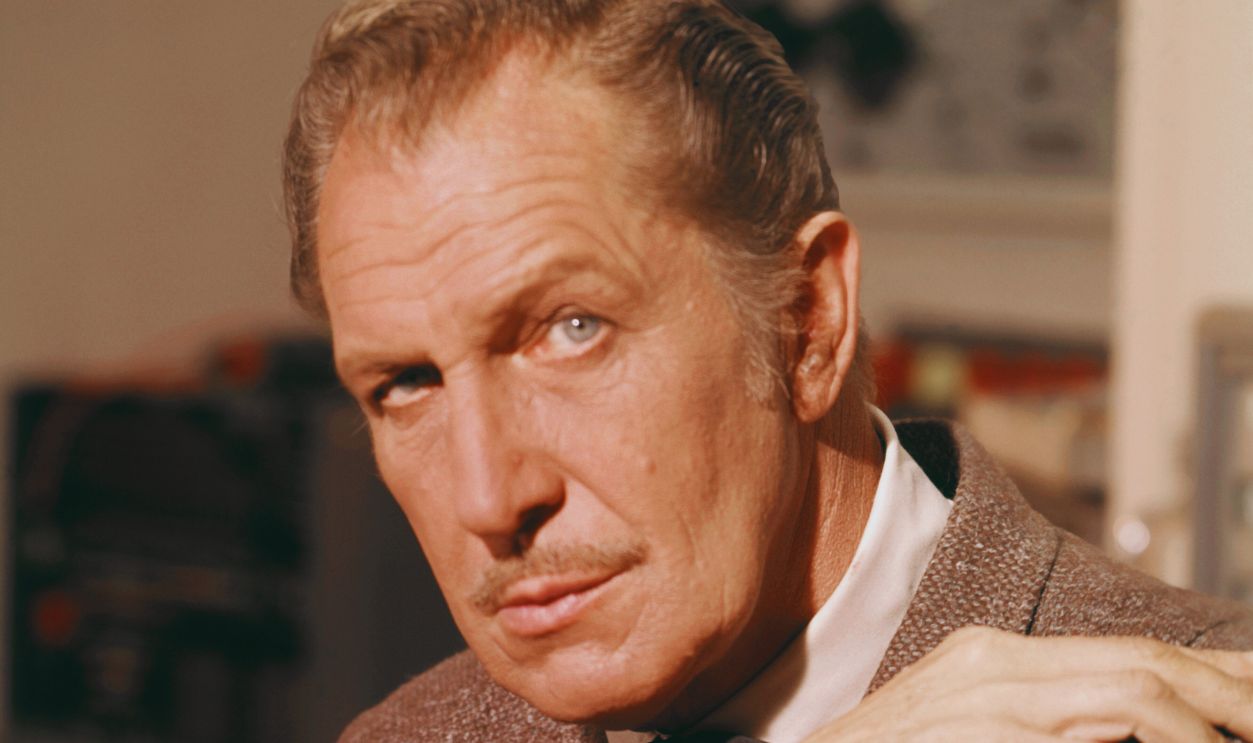
Welles spent a good three years with the Federal Theatre Project, but if there was one thing he always strived for, it was full creative control over his work. To this end, he finally took the plunge and established his own repertory company, the Mercury Theatre. This original company included several stars-to-be, such as Geraldine Fitzgerald and Vincent Price.
As expected, he refused to hold back in any of his productions.
14. He Sent A Strong Message
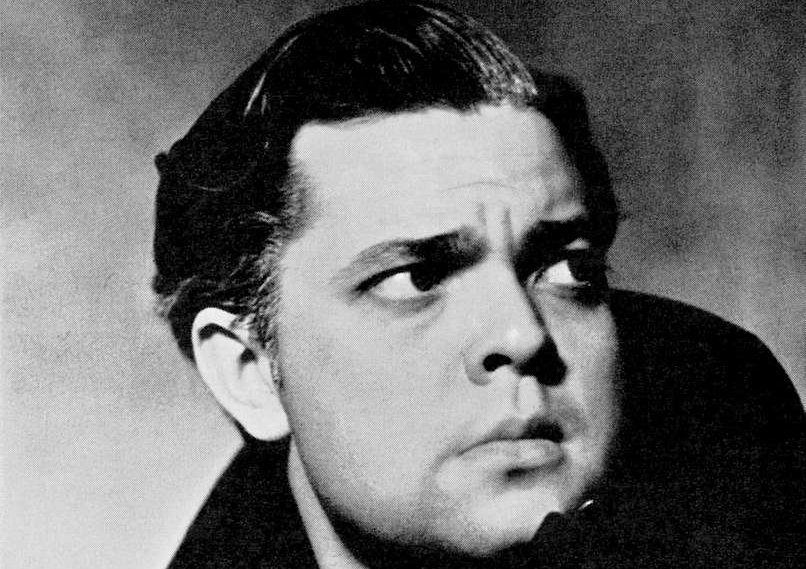
To mark the opening of his brand new theatre company, Welles needed a characteristically punchy production, so he once again turned to the bard himself. Adapting Shakespeare’s Julius Caesar as Mercury Theatre’s first show, he changed it by putting the cast in modern dress and writing the story to have a mainly anti-fascistic theme.
He also received an exciting new opportunity in another medium.
15. They Brought Him On
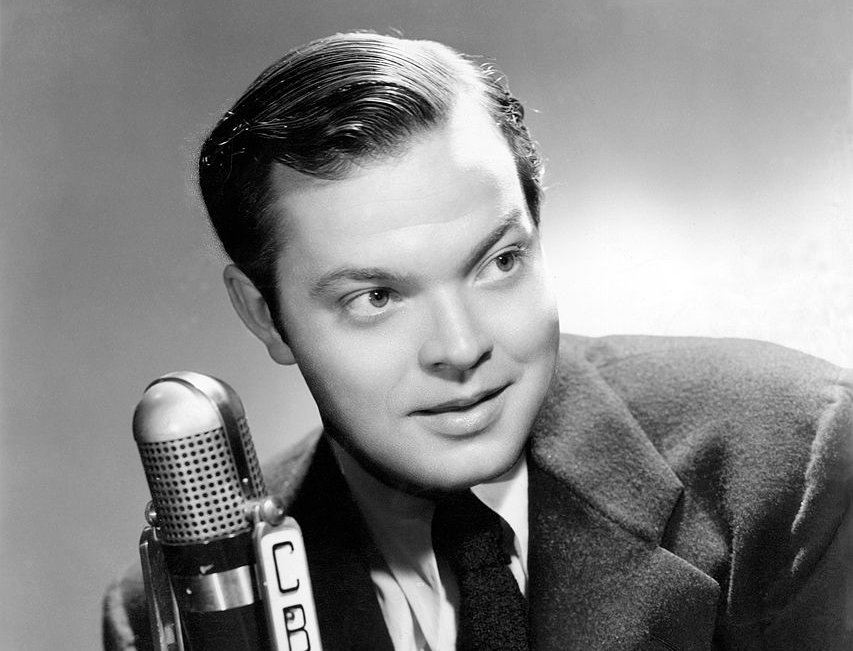
Just like his version of Macbeth, Orson Welles' production of Caesar turned out to be an immediate success, proving he knew exactly what he was doing with the new company. This garnered the interest of CBS Radio, which approached Welles with an offer for Mercury Theatre to create a new weekly show. This project would adapt classic literary works into radio plays for each episode, hosted by Welles himself.
This led to one of his most popular urban legends.
16. They Didn’t Know What To Believe
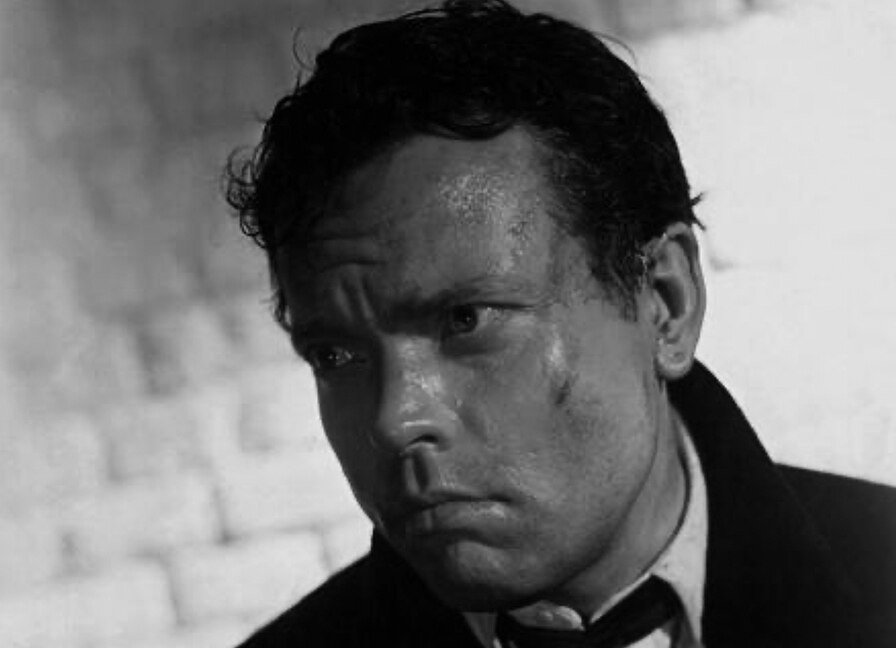
Possibly the most famous story about Welles came from one of his radio plays, specifically the episode adapting HG Wells’ The War of the Worlds. According to the popular version of events, many terrified listeners believed the episode was a real news broadcast, informing them of a real-life alien invasion.
Even while maintaining all these projects, he still had time for a love life.
 Unknown author, Wikimedia Commons
17. He Met His Crush
Before Welles and his ex-wife, Virginia, had officially become divorced, he had already moved on, and with someone he was already familiar with. One of his favorite actresses in his youth had been Dolores del Río, making their chance meeting in 1939 seem all the more like fate, since the two fell in love.
This wasn’t the only part of his life looking up.
 Bain Collection, Wikimedia Commons
18. He Secured The Best Contract
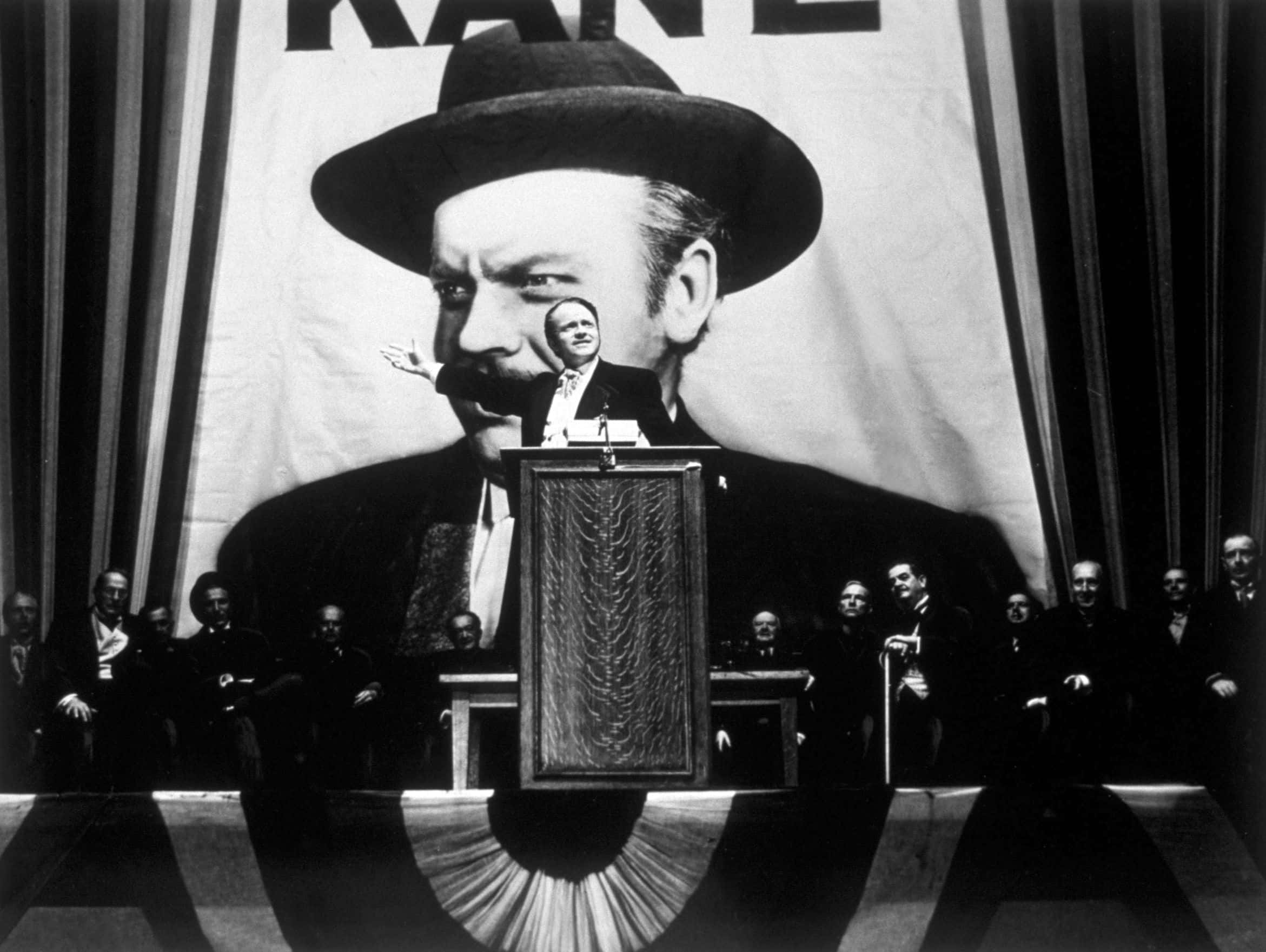
Proving such an impressive success again with CBS Radio, Welles got an offer from another big-time company, RKO Radio Pictures, and this one was a whopper. Not only did he sign on to write, direct, produce, and act in two films, but the contract also gave him final cut on the projects. Although he failed to get the studio interested in his first two pitches, they finally approved his third proposal—a film titled Citizen Kane.
However, there was one man who despised this project.
19. He Was Outraged
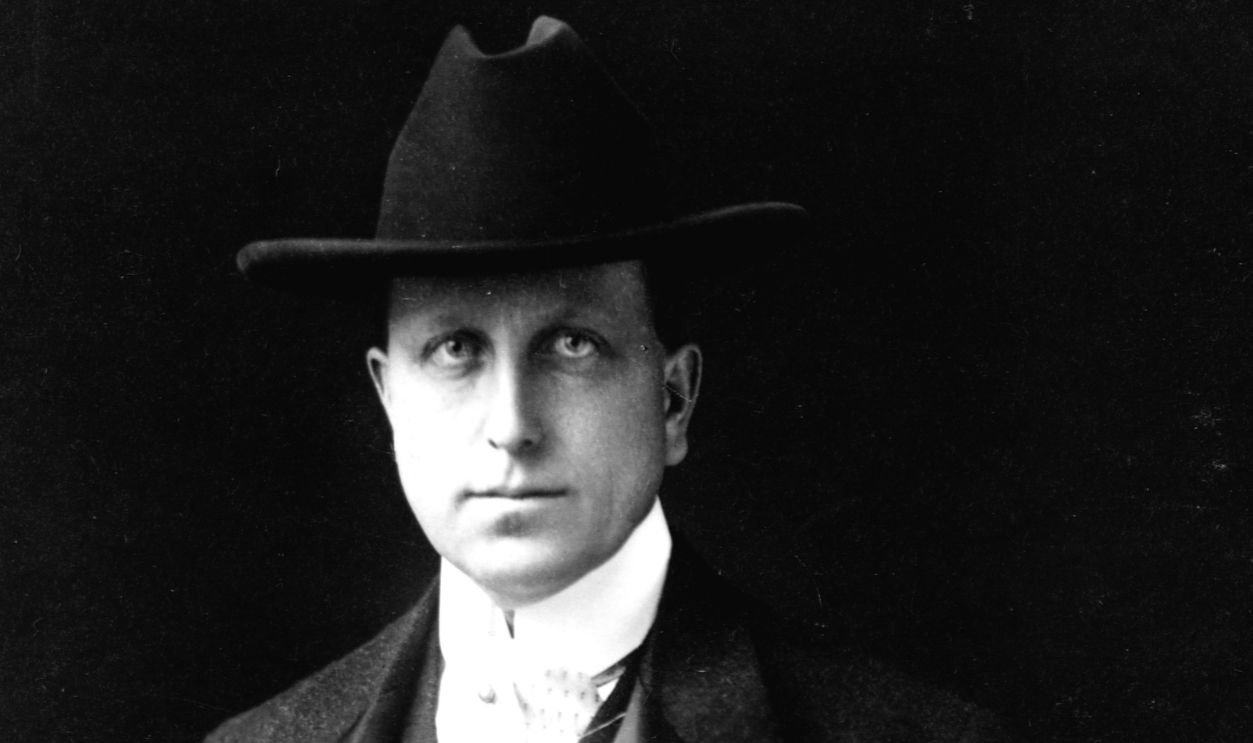
Working with screenwriter Herman J Mankiewicz, Welles developed the initial concept for Citizen Kane, centered around the titular mogul, Charles Foster Kane. As Mankiewicz later revealed, he took inspiration from real-life newspaper tycoon William Randolph Hearst, who wasn’t happy about it. Since the story didn’t exactly paint him in an admiring light, Hearst tried everything to get the project scrapped.
Fortunately, Hearst was very much in the minority.
 Library of Congress, Getty Images
20. They Thought It Was Brilliant
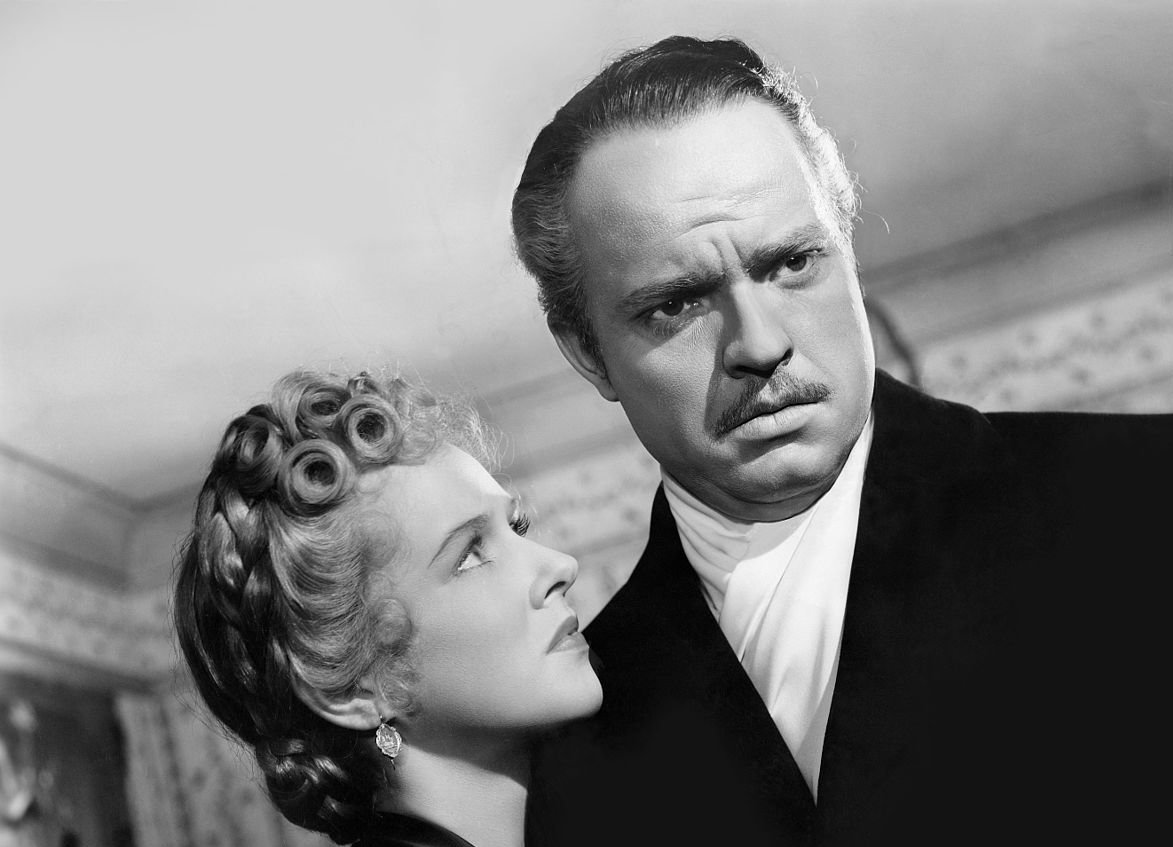
Released in 1941, no one could call Citizen Kane a box-office success—largely due to its limited release—but it was still clear that Welles had created something truly amazing. It received nothing but applause from critics, and both the New York Film Critics Circle and the National Board of Review voted it as the greatest film of the year.
This skyrocketed Welles into even more significant circles.
 RKO Radio Pictures, Wikimedia Commons
21. He Did His Part
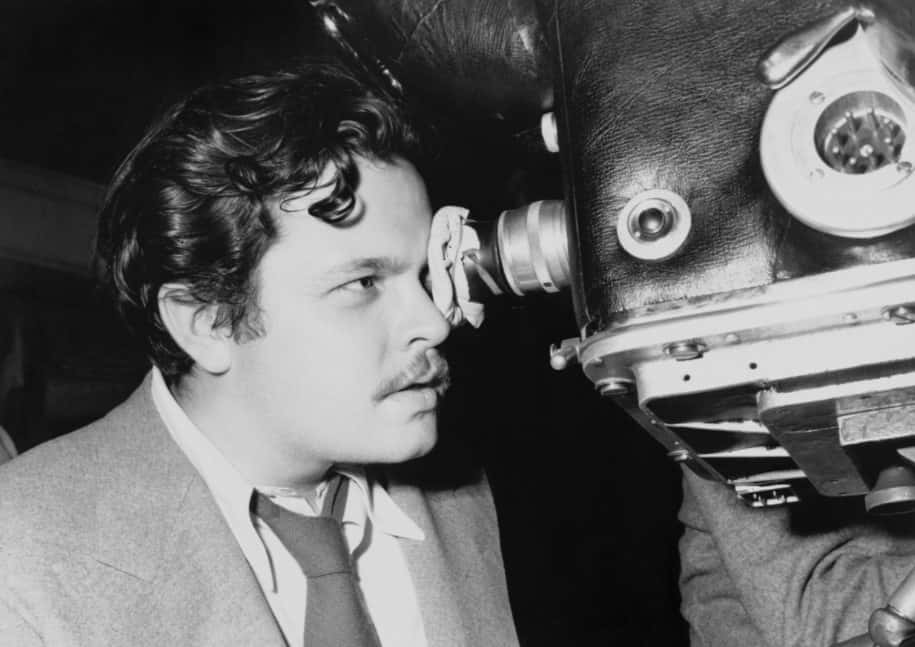
Due to Welles' growing fame and humanitarian mindset, he was chosen to be a goodwill ambassador during WWII. Though his peace-keeping mission had a darker side (more on that later), diplomacy wasn’t the extent of his philanthropic efforts. Welles spent over six months in South America, trying and failing to create a film for RKO before a change in leadership at the studio resulted in his firing. Still wanting to do some good, Welles returned to the US in 1942 and produced the I Pledge America War Bond drive, which ran coast-to-coast for about seven hours—two of which he emceed.
While he enjoyed his spotlight, there were some things he chose to keep much more private.
 RKO Radio Pictures, Wikimedia Commons
22. They Kept Things Low-Key
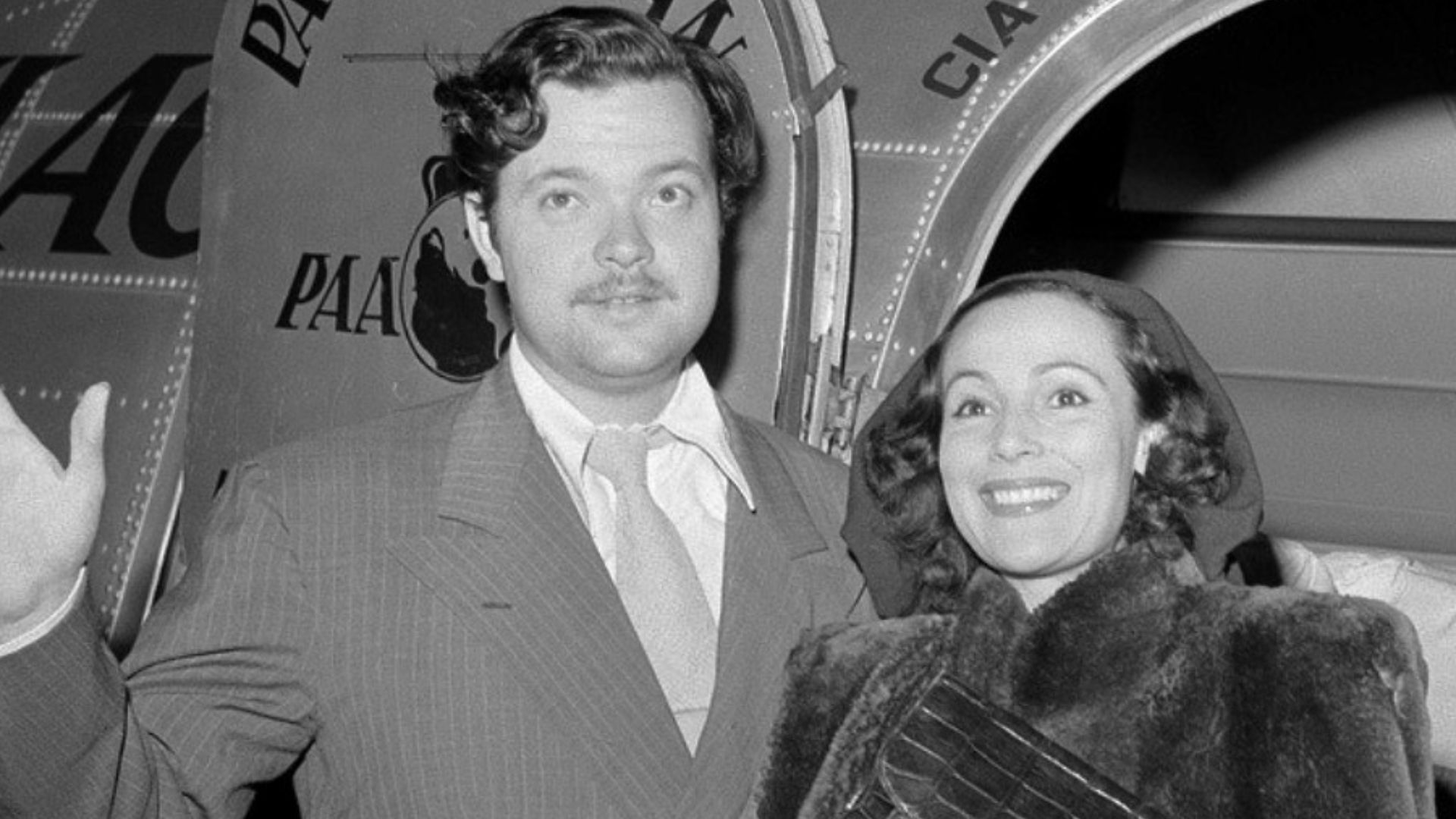
Welles had quickly become a household name in America, but he and Dolores del Río intentionally kept their relationship behind closed curtains. Even so, as she was also in the industry, they did appear in public at least once and even worked together on the 1943 spy noir Journey into Fear.
Unfortunately, he hadn’t changed some of his more damaging habits.
 photograph of a newspaper, Wikimedia Commons
23. He Wouldn’t Behave
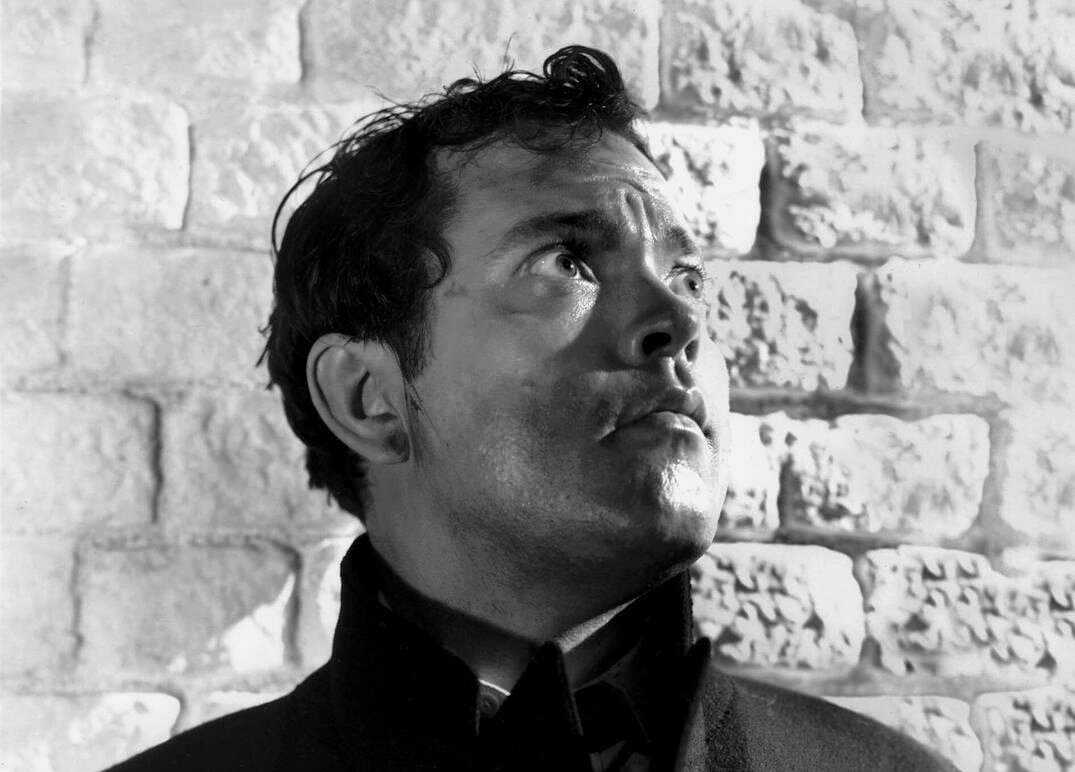
Despite entering a relationship with an actress he had long been in love with, Welles couldn’t stop himself from returning to his philandering ways, eventually driving Dolores away. As they kept their relationship private, it's unclear when they broke up, but she returned to her home country of Mexico in 1943.
Unsurprisingly, it was only a matter of time before his family grew.
 Unknown author, Wikimedia Commons
24. He May Have Become A Father
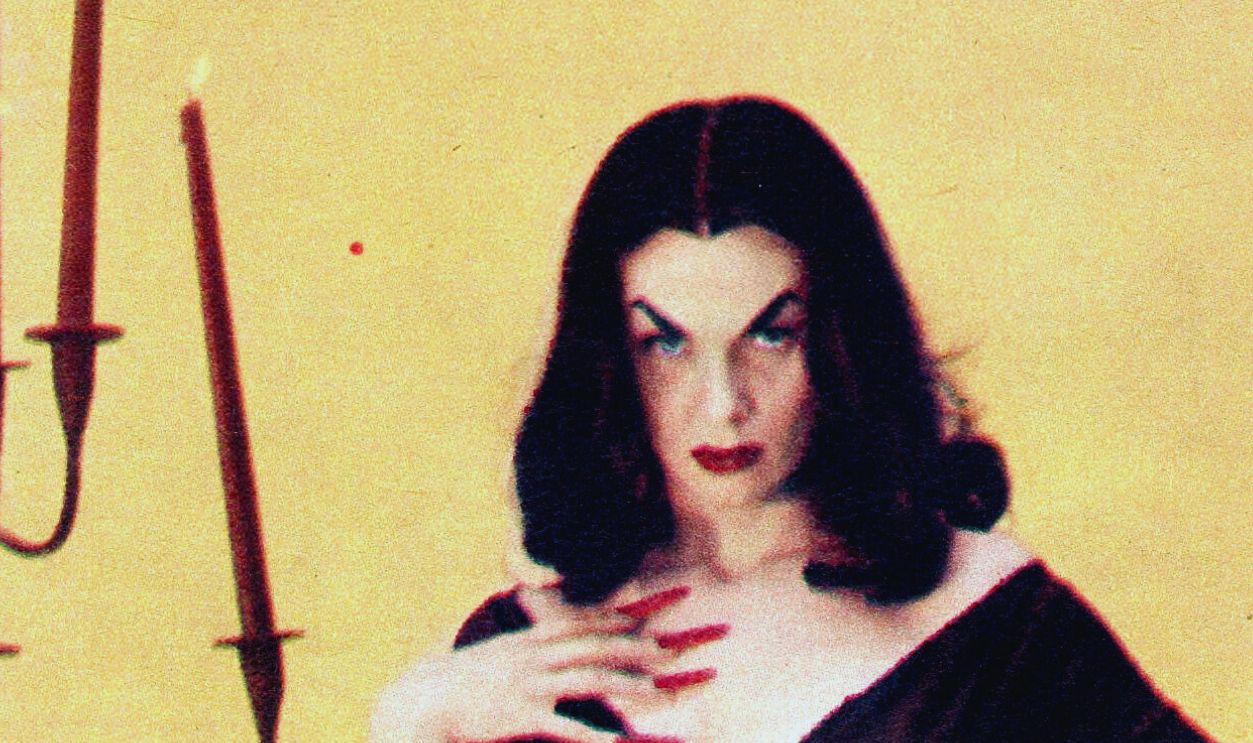
Over the following years, Welles continued to see several women at a time, but one of these relationships may have resulted in an unexpected addition to his family. According to a biography of actress Maila Nurmi, while she and Welles were dating in the 1940s, she became pregnant with his child and ultimately gave it up for adoption.
In the meantime, he had met the next love of his life.
25. He Married A Second Time
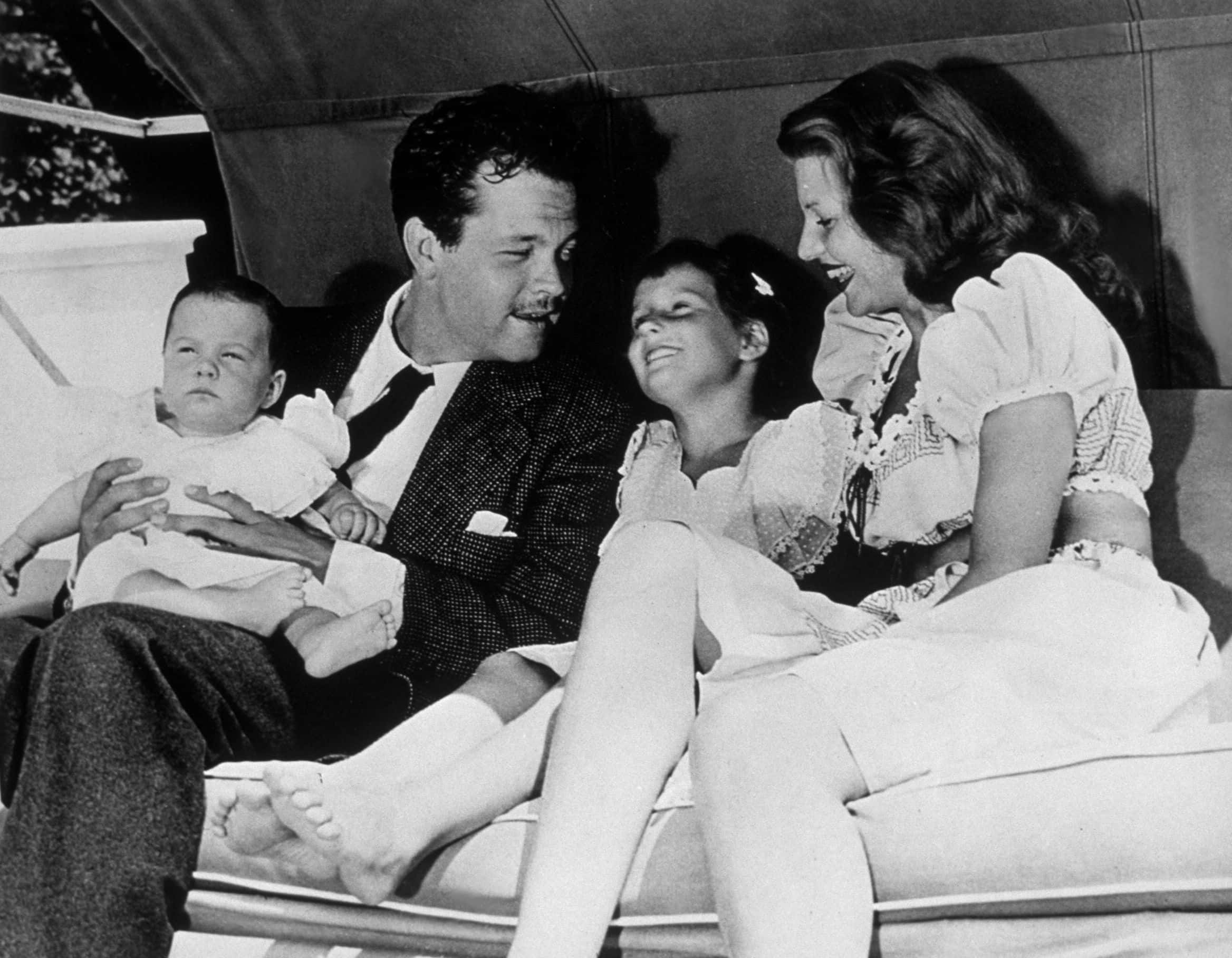
Repeating the pattern of his previous relationship, Welles began seeing the woman who would become his next wife while he was still involved with Dolores del Rio. Nonetheless, he and actress Rita Hayworth continued their relationship, and he would later state that she was “one of the dearest and sweetest women that ever lived”.
Sadly, she had to deal with the same problems as his other partners.
26. She Couldn’t Tame Him
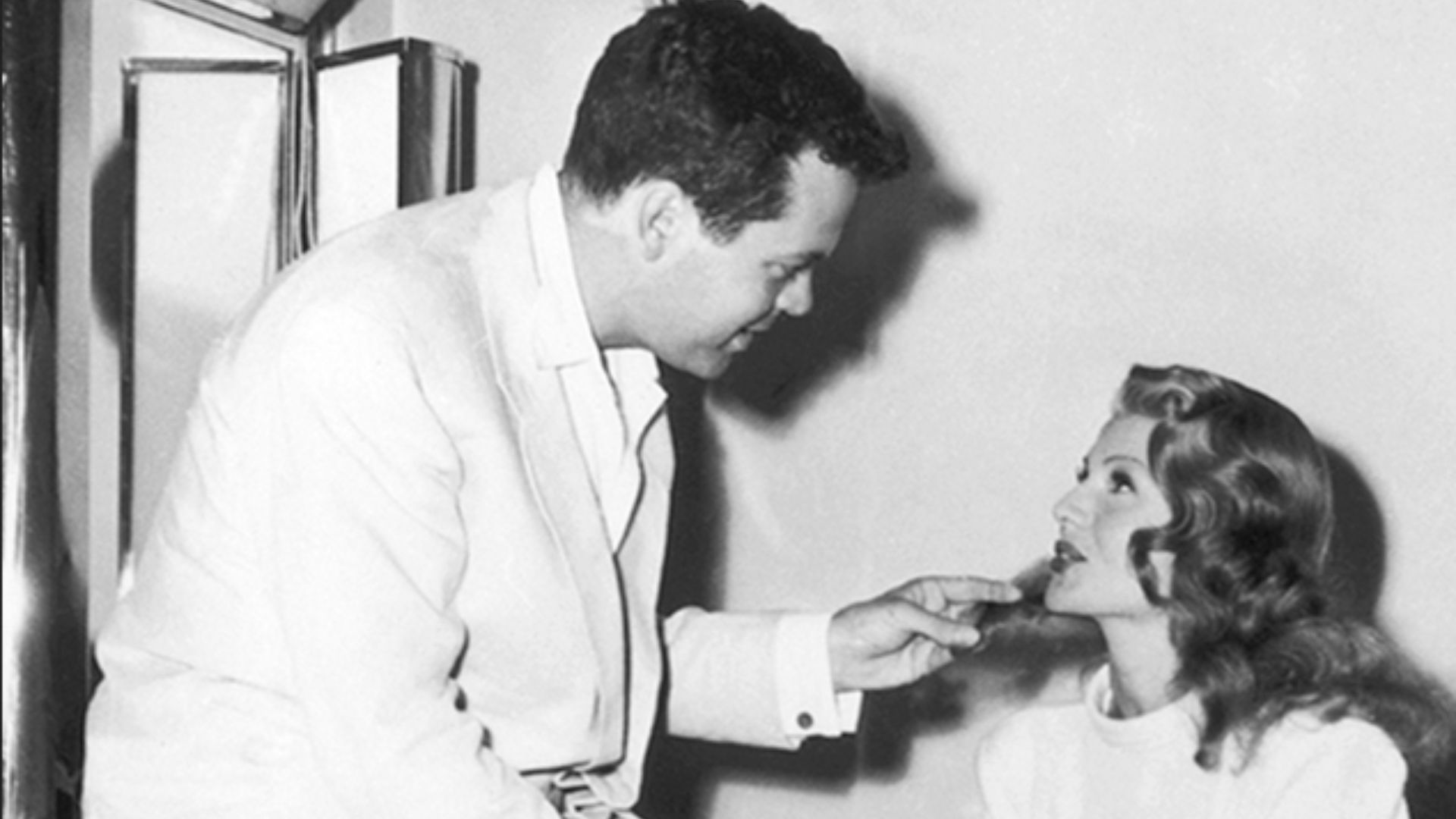
Starting his relationship with Rita Hayworth through infidelity, Welles never stopped being unfaithful, and it took Rita about five years to become fed up with his behavior. As she later explained, just because he agreed to marry her, it didn’t mean he was anywhere close to settling down. According to her, Welles admitted that he regretted the whole thing, which led to their divorce in 1947.
Of course, none of these personal issues impeded his genius.
 Liberty Magazine Inc.; no photographer credited, Wikimedia Commons
27. He Had A Brand New Idea
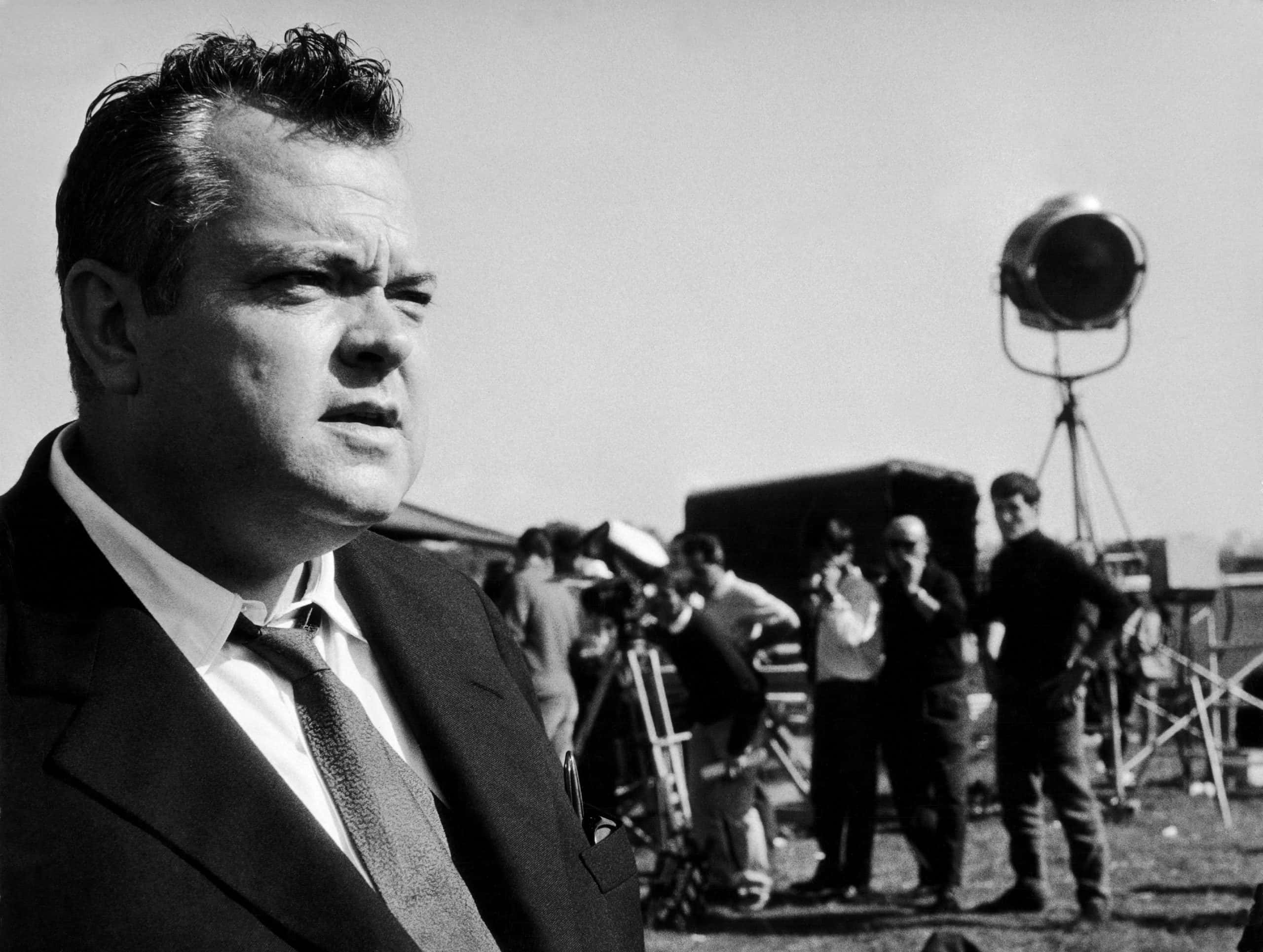
By the 1940s, Welles had accumulated enough wealth to fund the projects he wanted to do, even when it came to one of the greatest spectacles he could imagine. In partnership with the War Assistance League of Southern California, Welles organized and directed The Mercury Wonder Show for Service Men. Similar to a circus, the show even featured Welles performing magic, and donated its proceeds to the WAL.
Nonetheless, some naysayers doubted his allegiances.
28. They Grew Suspicious Of Him
Back when Citizen Kane released, one of William Randolph Hearst’s attempts to lash out at Welles was to question why the filmmaker hadn’t been drafted. Taking the film’s anti-capitalist message into account, some jumped on the bandwagon and vocalized their concerns about Welles' patriotism. In reality, though, the army declared Welles medically unfit for duty in 1943, much to his disappointment.
Still, he remained a staunch supporter of America’s welfare.
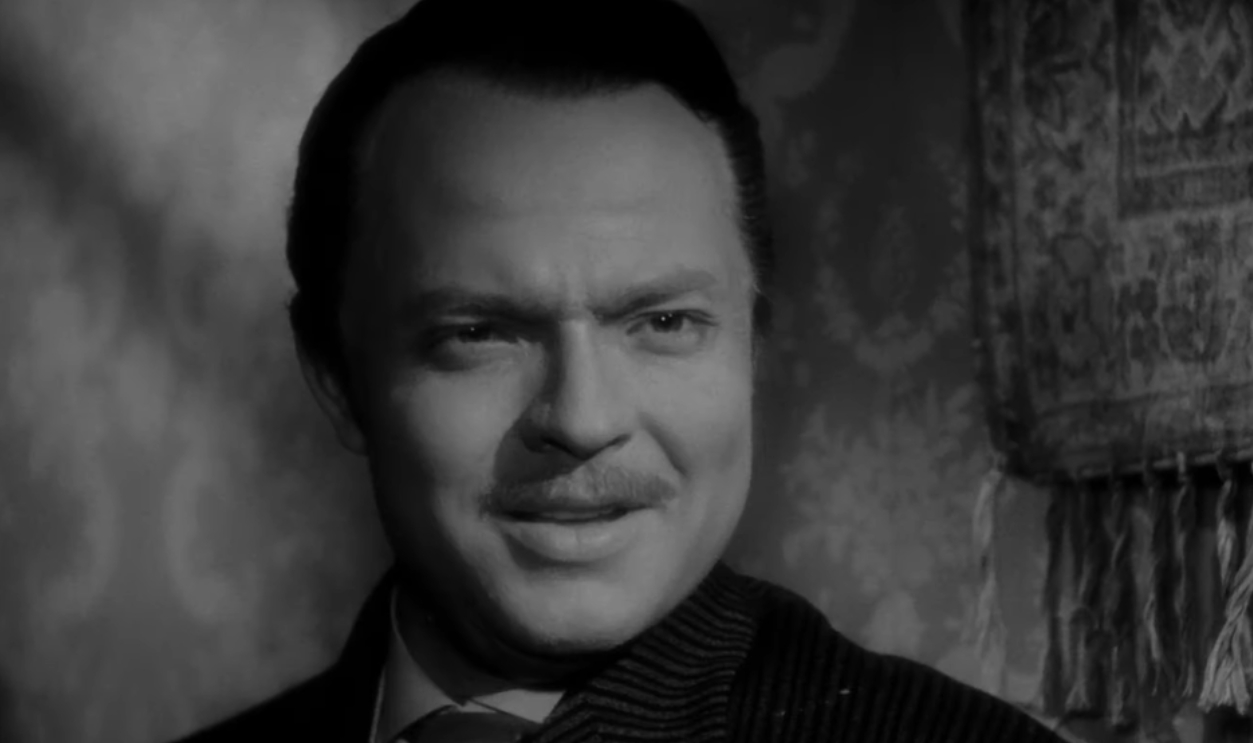 Screenshot from Citizen Kane, RKO Radio Pictures (1941)
29. He Would Not Mourn Him
Throughout FDR’s time as president, he had always been able to count on Welles as one of his greatest advocates, even if the filmmaker didn’t agree with all the president’s choices. Still, when Roosevelt passed in 1945, and the Blue-ABC network asked Welles to pay him homage, he couldn’t refuse. However, his message was that there was no time or use for tears, and that Americans should instead keep the late president’s vision alive.
At the same time, his political affairs didn’t get in the way of his art.
 Vincenzo Laviosa, Wikimedia Commons
30. He Wanted To Prove Himself
Welles' next film in 1945 did not come from his brilliant mind, but it was one he became involved with solely by chance. After John Huston became unavailable to direct The Stranger due to entering the service, producer Sam Spiegel asked Welles to step up. Welles happily accepted the challenge, wanting to show that—for once—he could stay under budget and on schedule.
Fortunately, this didn’t affect his creative freedom.
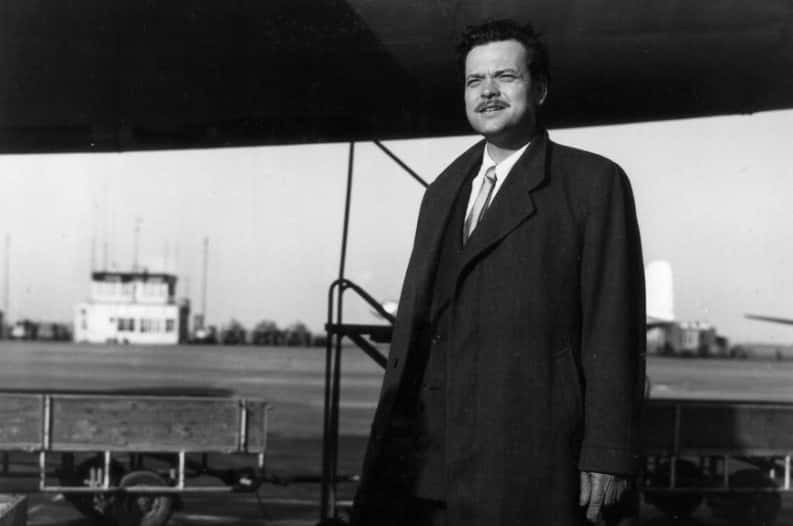
31. He Made An Authentic Film
Although Welles barely had time to sit and relax over the past decade, he hadn’t actually directed a film for about four years, but this hadn’t made him rusty. The Stranger follows an investigator trying to find a German fugitive and, in an effort to portray the true horrors of WWII, Welles included real documentary footage of Germany’s concentration camps.
As expected, all of this care and ingenuity paid off.
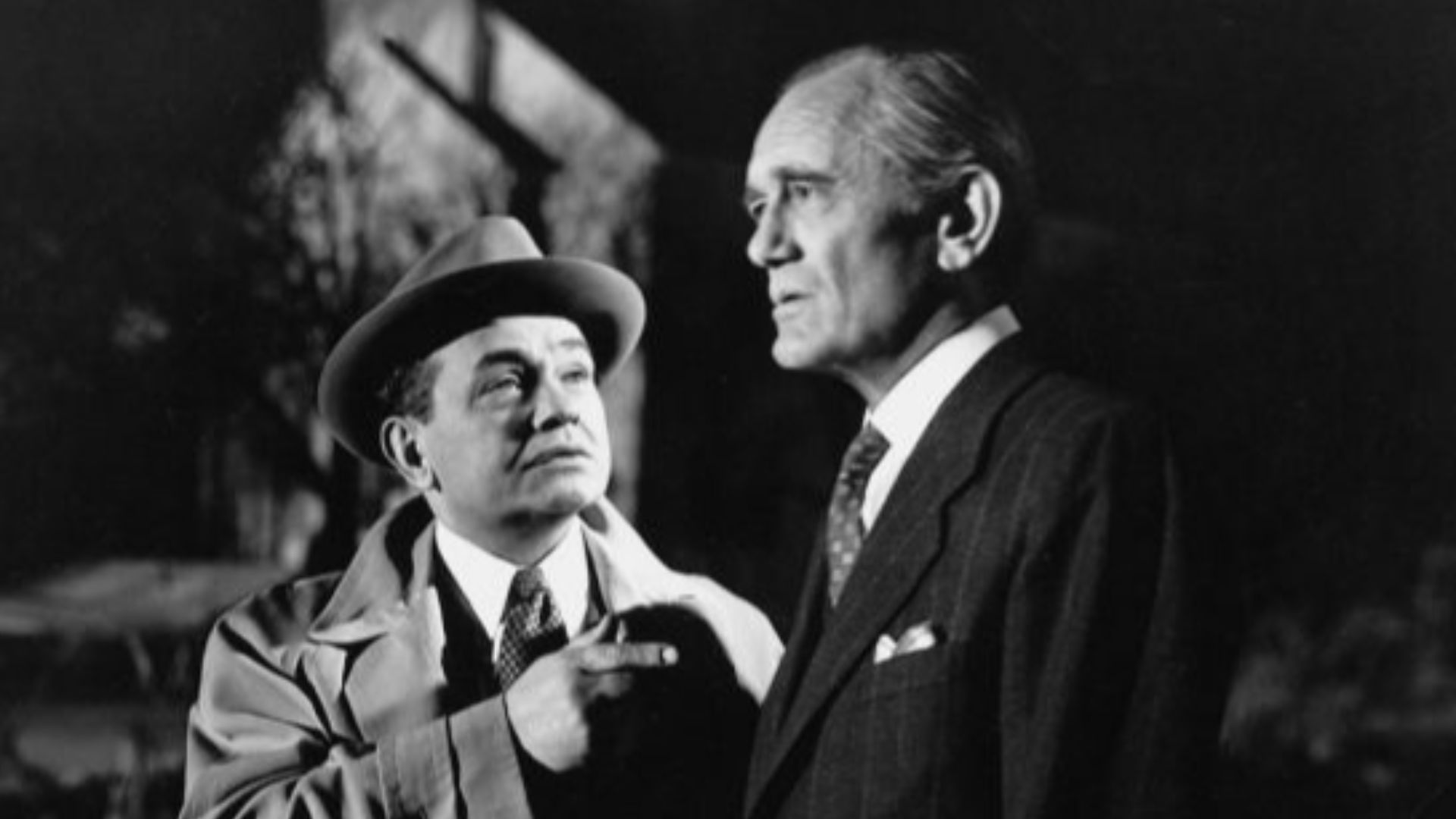 film screenshot, Wikimedia Commons
32. He Released A Massive Hit
In the end, Welles succeeded in filming The Stranger under budget and ahead of schedule, and proved that doing so did not inhibit his ability to create a masterpiece. In fact, while most of his greatest works were largely celebrated by critics alone, The Stranger found enormous success at the box office—earning more than triple the film’s cost to make.
Naturally, he would soon embark on his next great experiment.
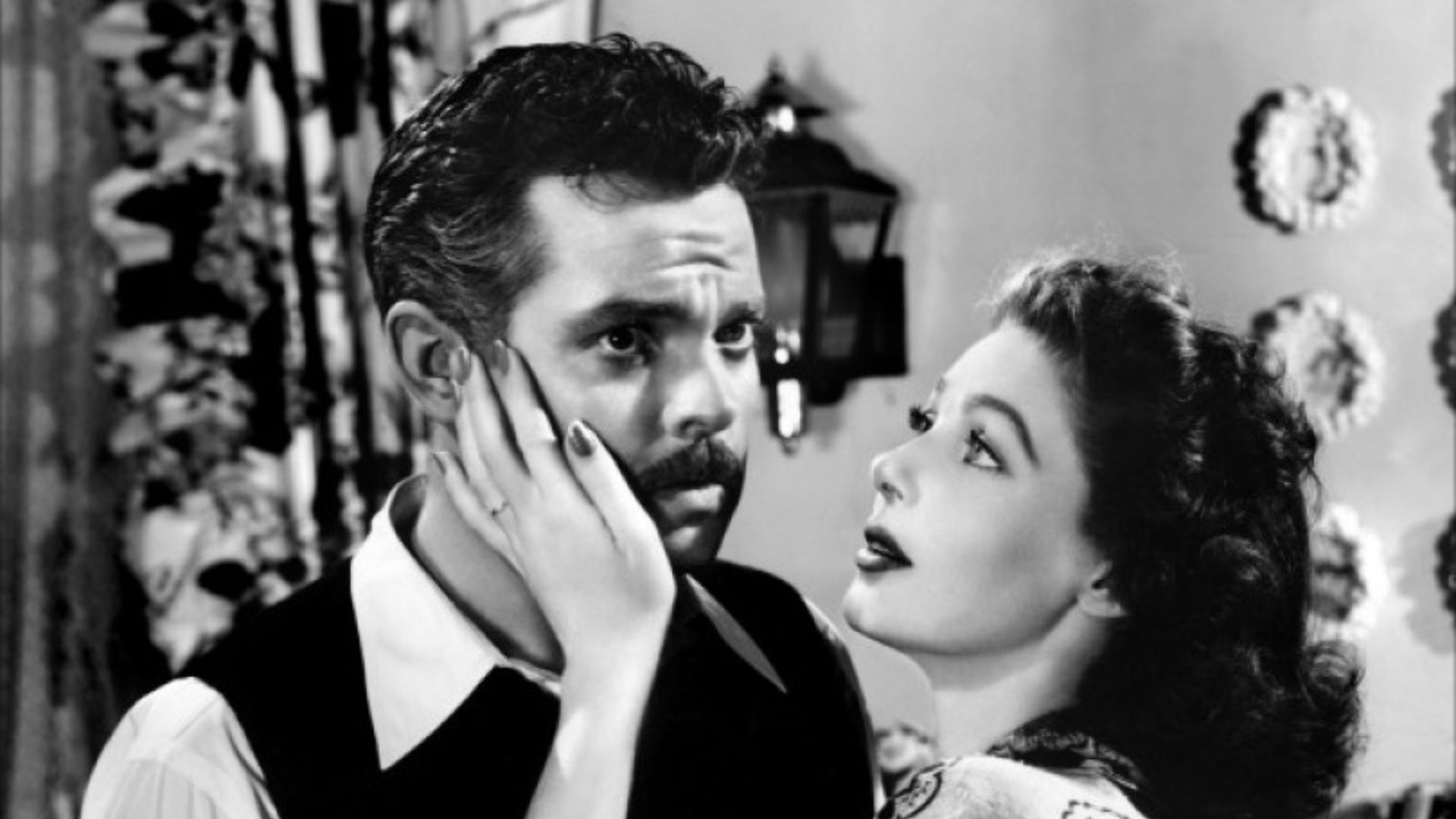 RKO Pictures, Wikimedia Commons
33. He Took Another Challenge
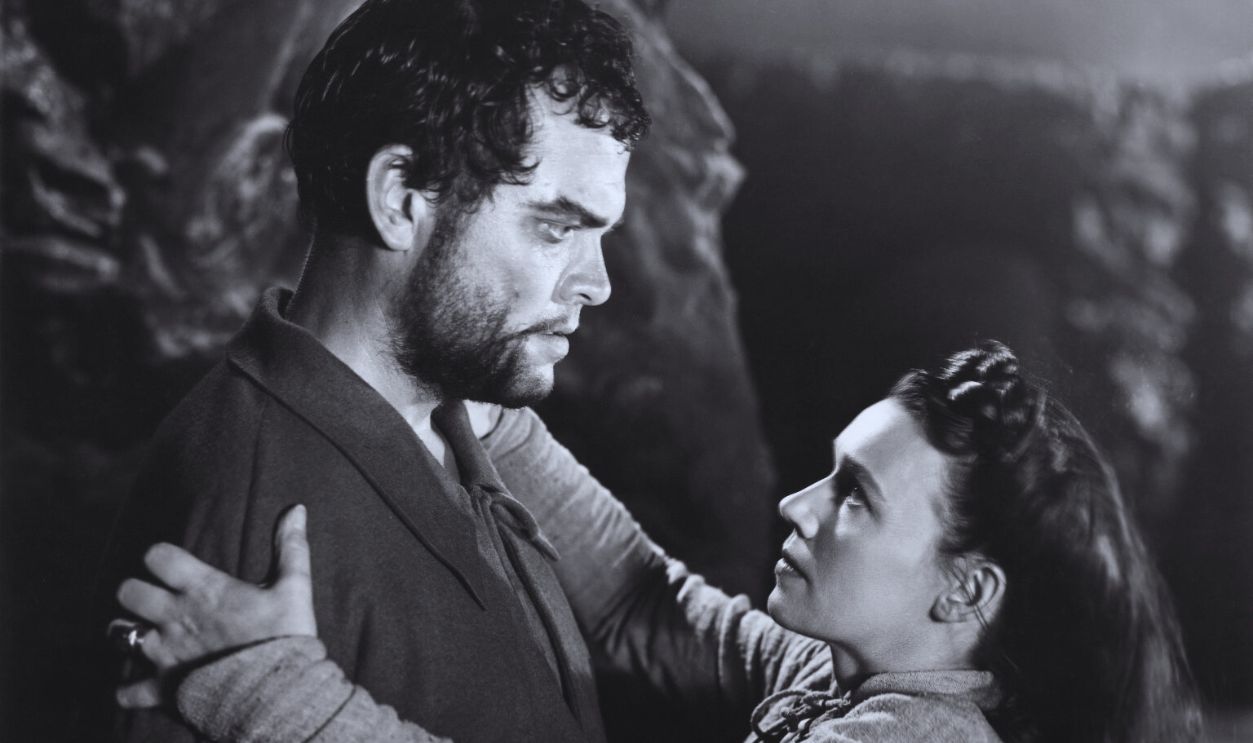
Near the end of the 1940s, Welles revisited one of his first claims to fame and filmed another adaptation of Shakespeare’s Macbeth. While he took some inspiration from his previous production, most of his changes were in line with the film’s low budget. This wasn’t an issue for Welles, and in fact, he wanted to prove he could make an epic film with few resources.
Suddenly, his streak of genius seemed to run out.
 Orson Welles, Wikimedia Commons
34. He Had Mixed Reactions
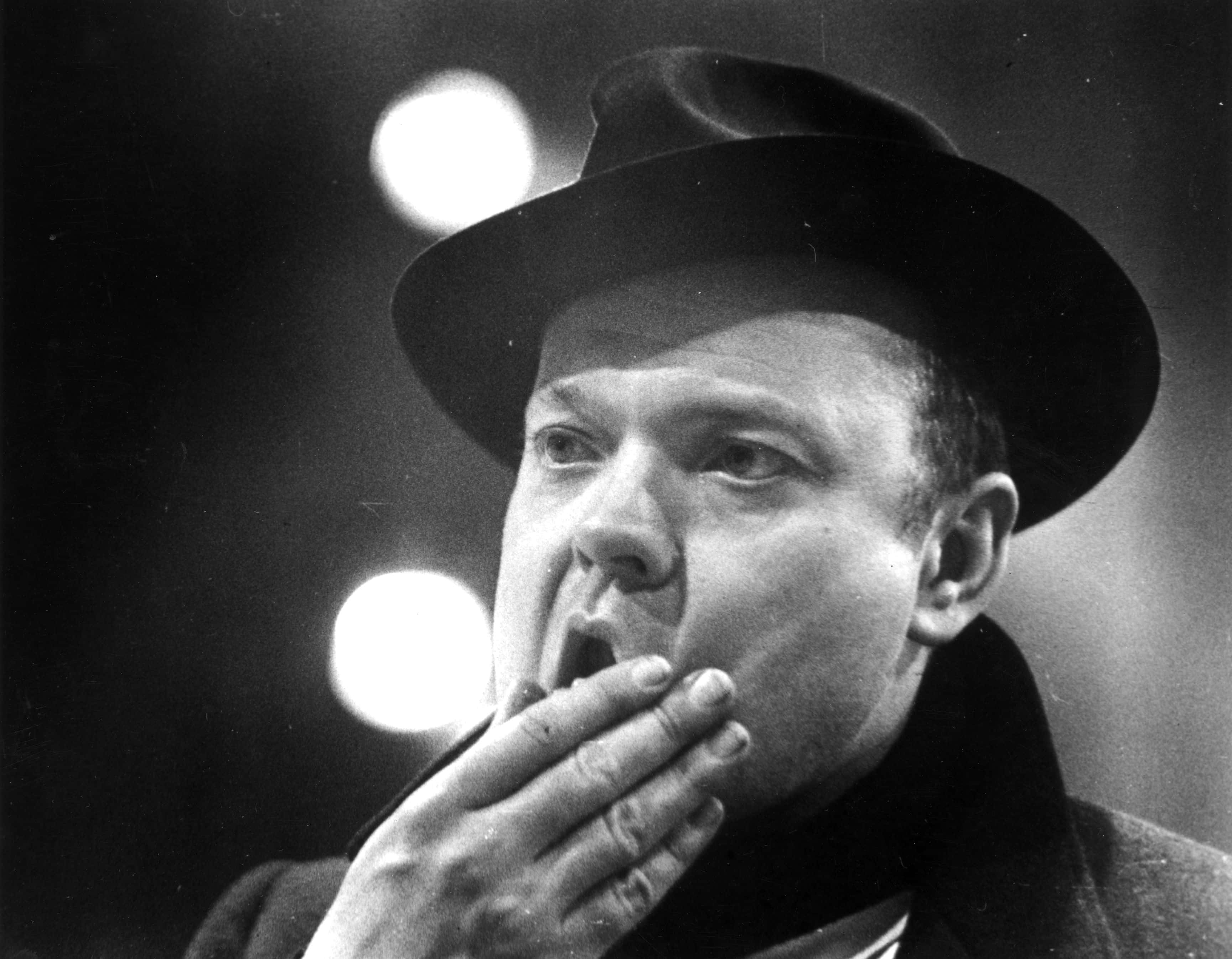
Although audiences had loved Orson Welles' initial stage adaptation of Macbeth all those years ago, there was no such enthusiasm for his 1948 film—at least in America. While many in the US saw the film as nothing but a failure, viewers in Europe developed a unique fondness for it, praising its willingness to depart from the source material.
Understandably, he decided to expand his horizons once again.
35. He Traveled Abroad
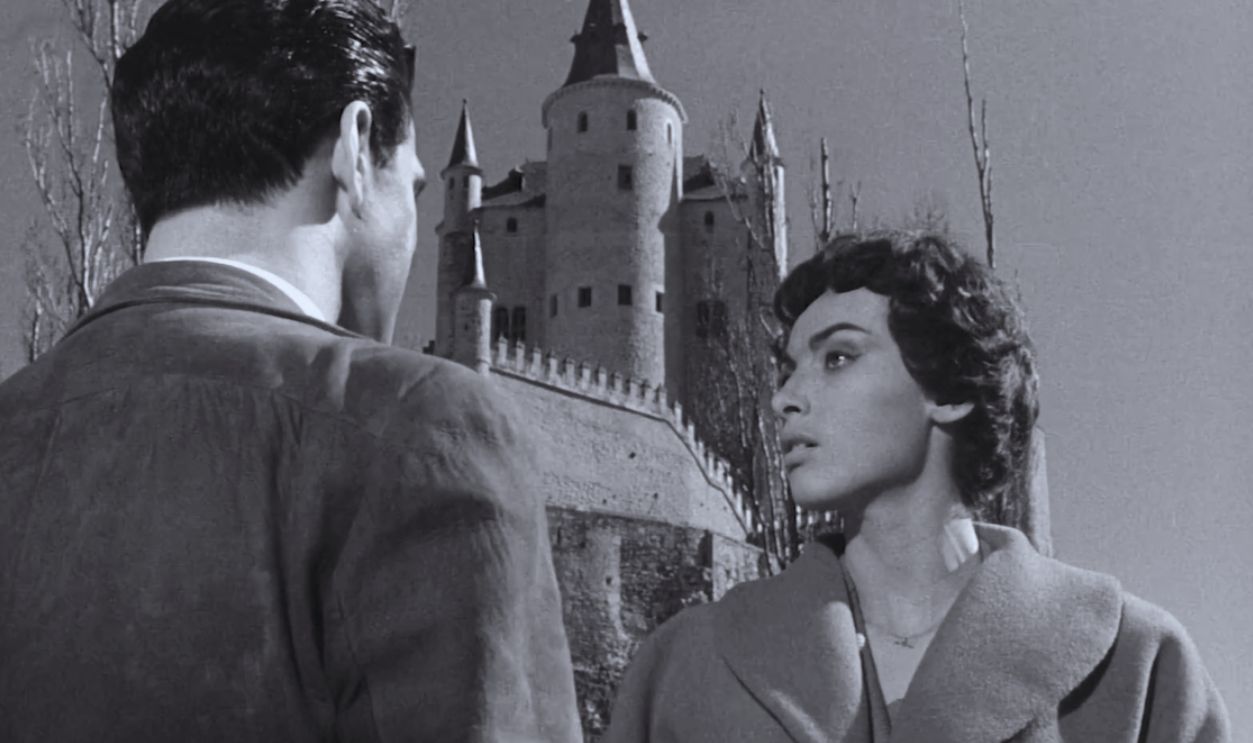
As his career progressed into the 1950s, Welles took his artistic vision to Europe once again, working on several films as he moved from country to country. Fortunately, he was able to redeem himself with his 1955 film Confidential Report, which was filmed in Spain, Italy, Germany, and France on a low budget, and still managed to become a classic.
This also resulted in his latest whirlwind romance.
 Screenshot from Confidential Report, Republic Pictures (1955)
36. They Worked Together
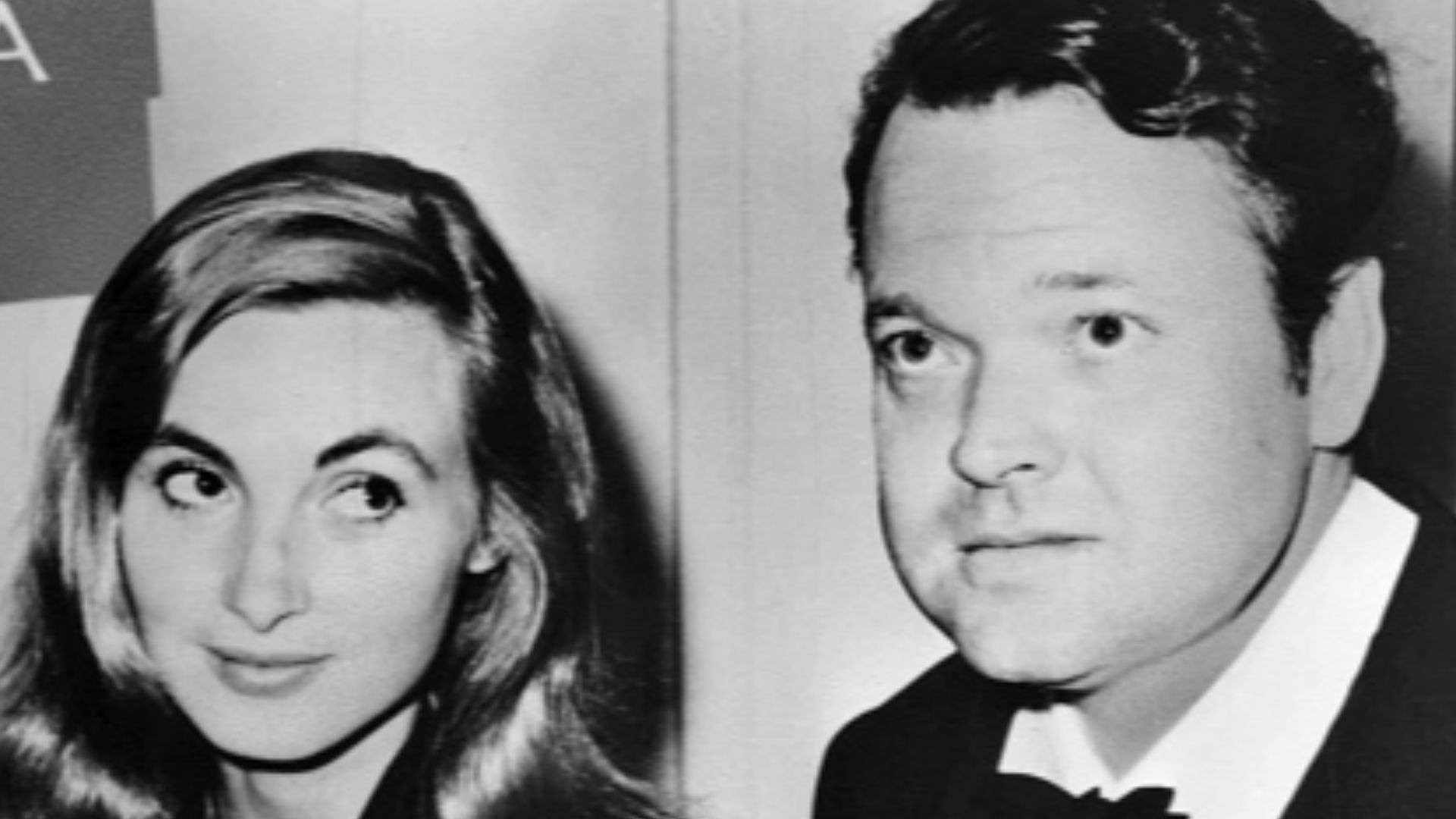
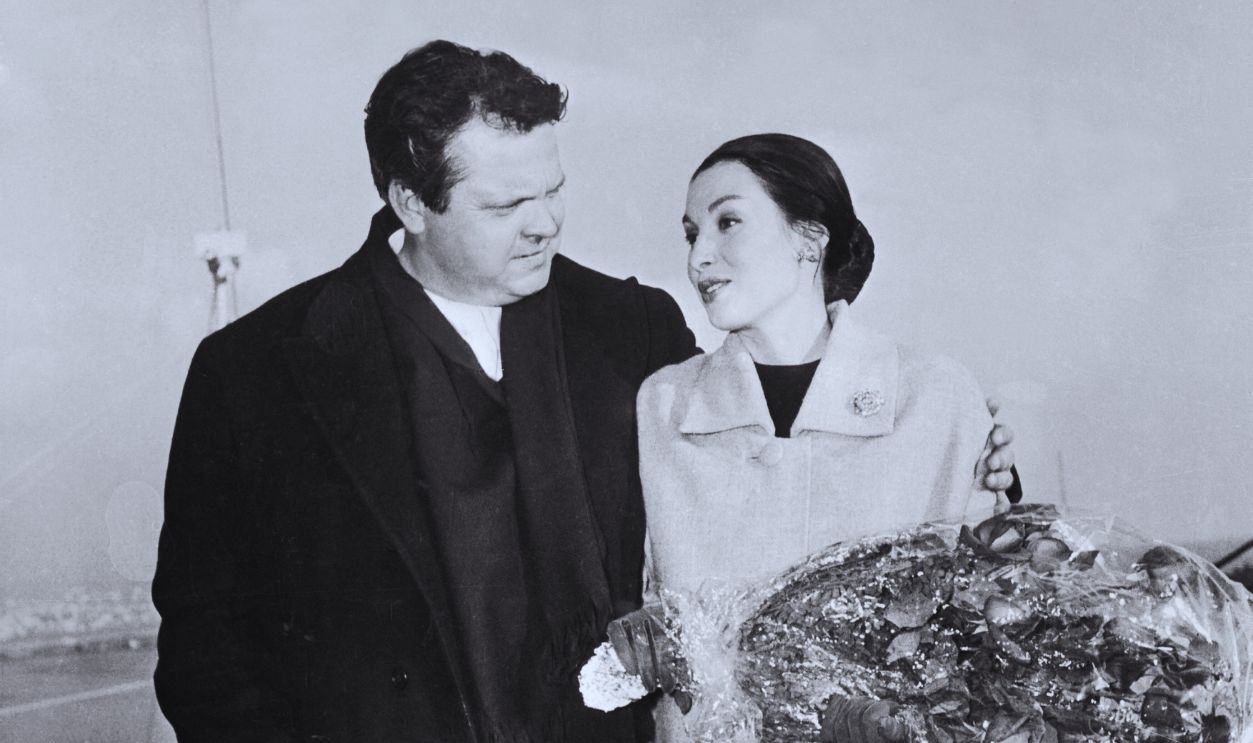
As the female lead of his latest film, Italian aristocrat and actress Paola Mori spent a lot of time with Welles and soon fell in love with him. This time around, Welles' newest partner seemed like a perfect match for him, especially since Paola was already married. Eventually, under pressure from her parents, she left her husband and took Welles in holy matrimony in May 1955.
Behind the scenes, though, their relationship was more unclear.
 Associated Press, Wikimedia Commons
37. They Had Conflicting Accounts
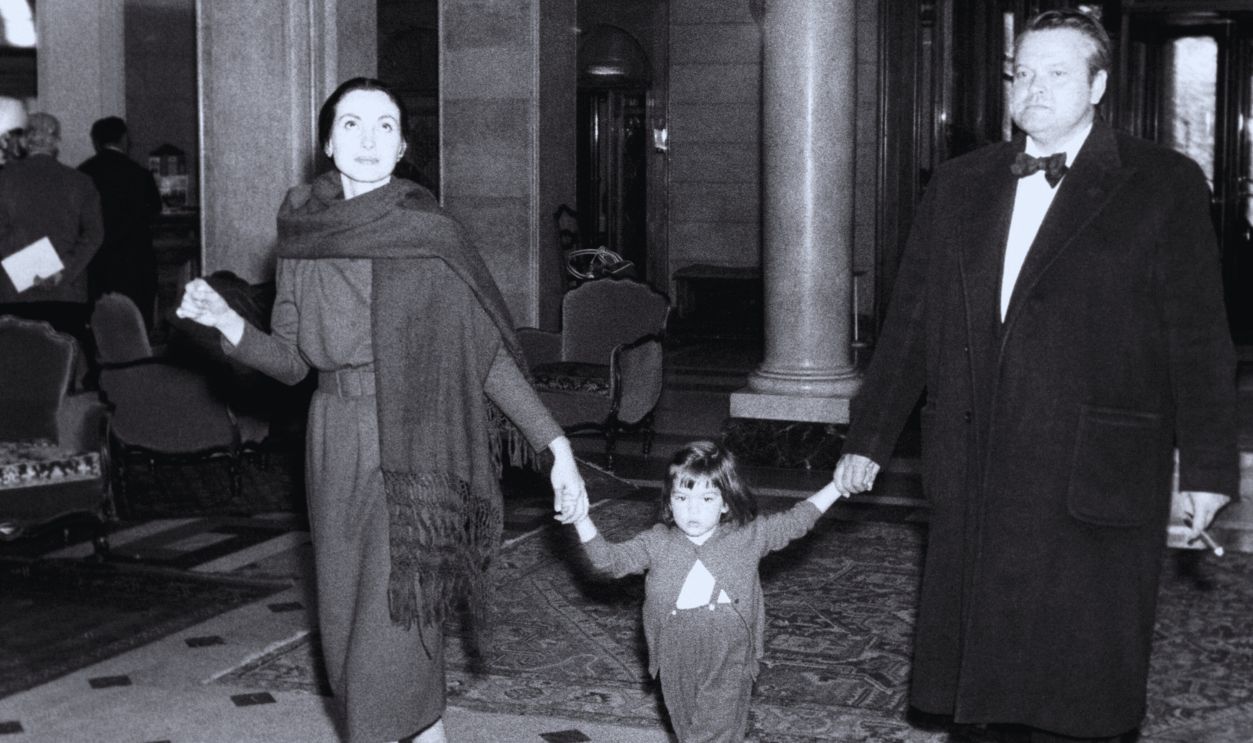
Unlike his previous marriages, Welles' union with Paola was meant to last, as they remained married for the rest of his life. However, it's unknown if they were truly content together, especially since others claimed the opposite. Welles' long-time cameraman, Gary Graver, later stated that the couple had become estranged for decades, but their daughter, Beatrice, asserted that their relationship had been healthy and loving.
Of course, Beatrice wasn’t Welles' only child—even aside from those he didn’t acknowledge.
38. He Made A Few Families
In 1955, Paola gave birth to her and Welles' daughter Beatrice, who then became the filmmaker’s third child in as many marriages—at least on paper. With his first wife, Welles had welcomed a daughter named Christopher, and Rita Hayworth gave birth to yet another daughter in 1944, named Rebecca.
This doesn’t account for the children he never knew about, though.
 Mondadori Portfolio, Getty Images
39. He Found Out The Truth
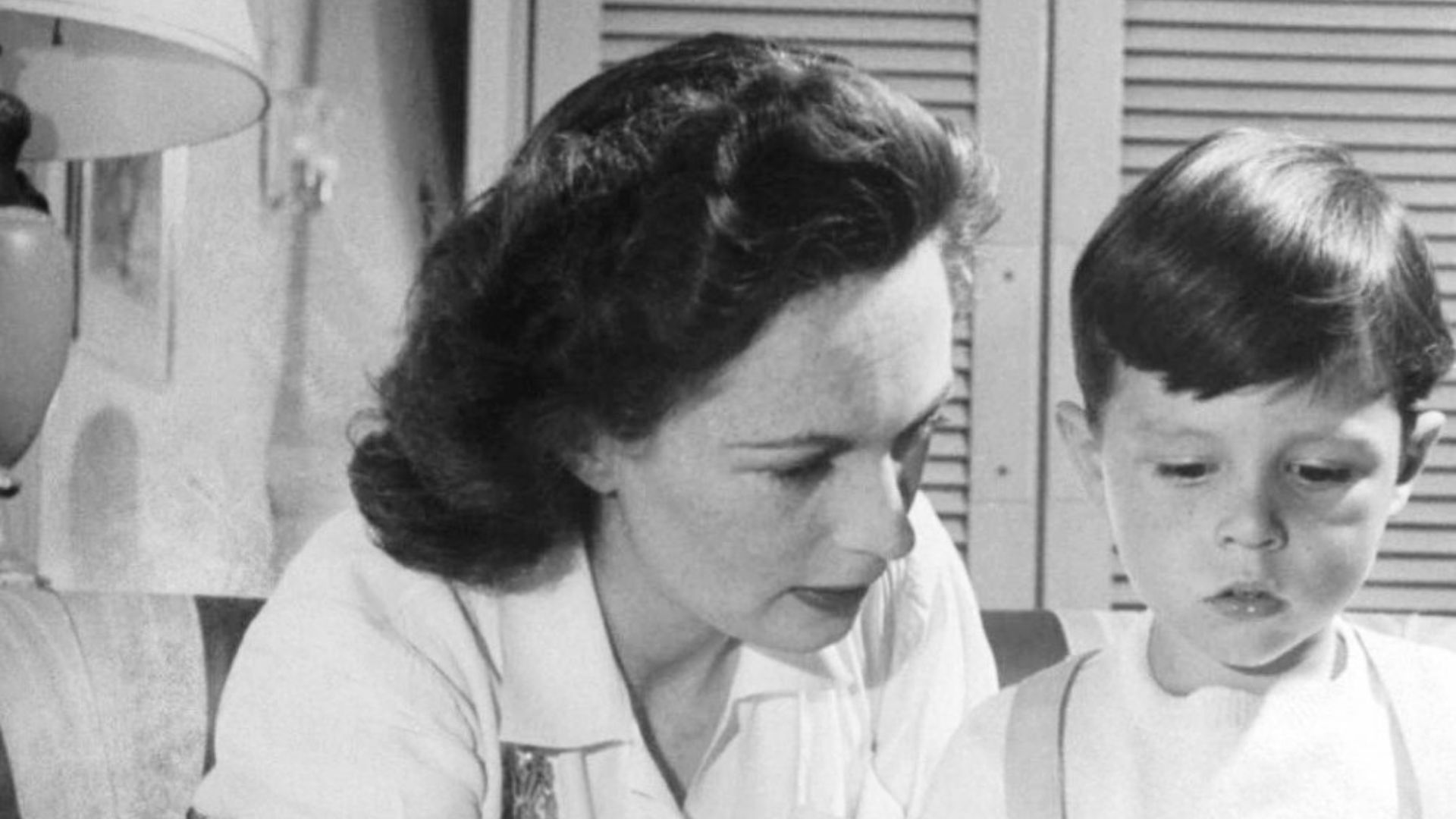
While Welles apparently never discovered this, he may have had a son in 1940, at least according to director Michael Lindsay-Hogg. In Michael’s words, his mother, Geraldine Fitzgerald, let slip that she had engaged in an affair with Welles and that the filmmaker was actually his father. While she immediately walked back on this statement and tried to convince her son it wasn’t true, he couldn’t shake the feeling that there was more to it.
As fate would have it, he found himself in a fortunate situation.
 Time Inc.; photograph by Marie Hansen (1918–1969) ([1]), Wikimedia Commons
40. He Spent Time With Him
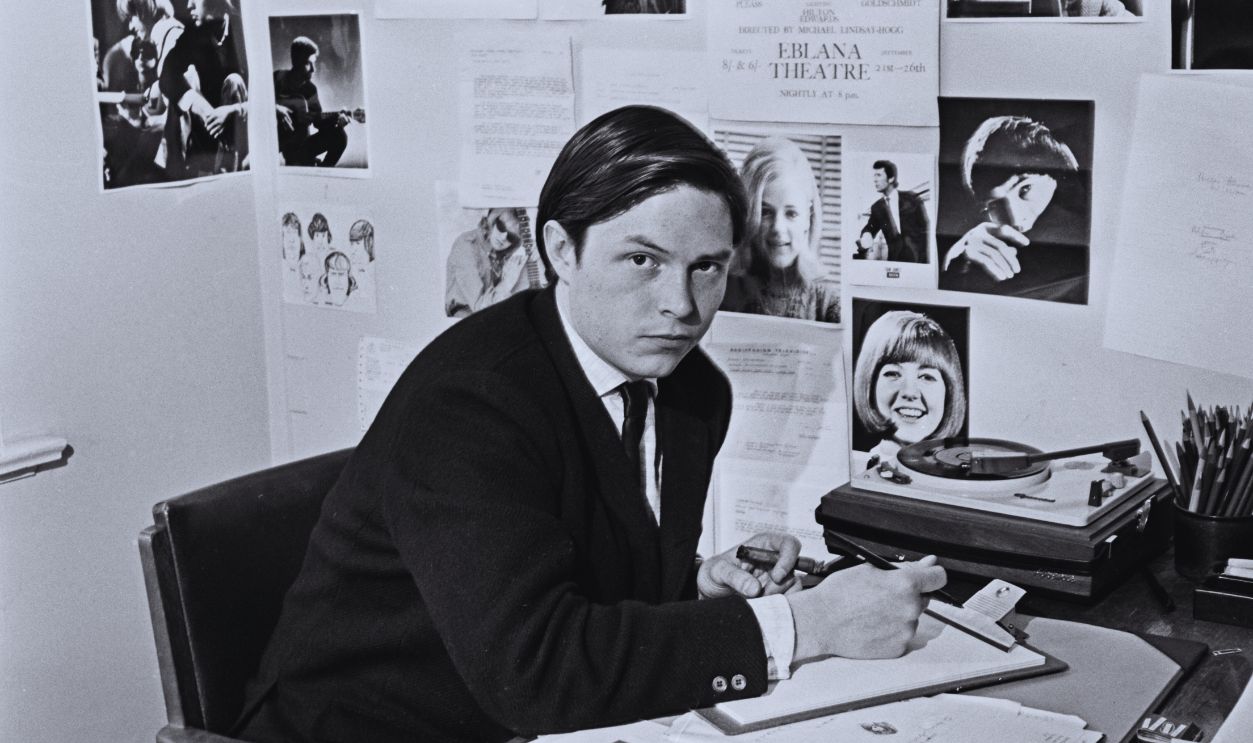
If Orson Welles was in fact his father, Michael certainly took after him, as he also went on to work in the theater and even brushed shoulders with the man himself. Michael worked with his supposed father several times, but never voiced his suspicions to Welles, as he wasn’t sure at the time. However, he confirmed his theory when a friend of his mother’s told him that Geraldine confided in her that Welles was his father.
Still, Welles' children weren’t the only part of him to live on.
 Evening Standard, Getty Images
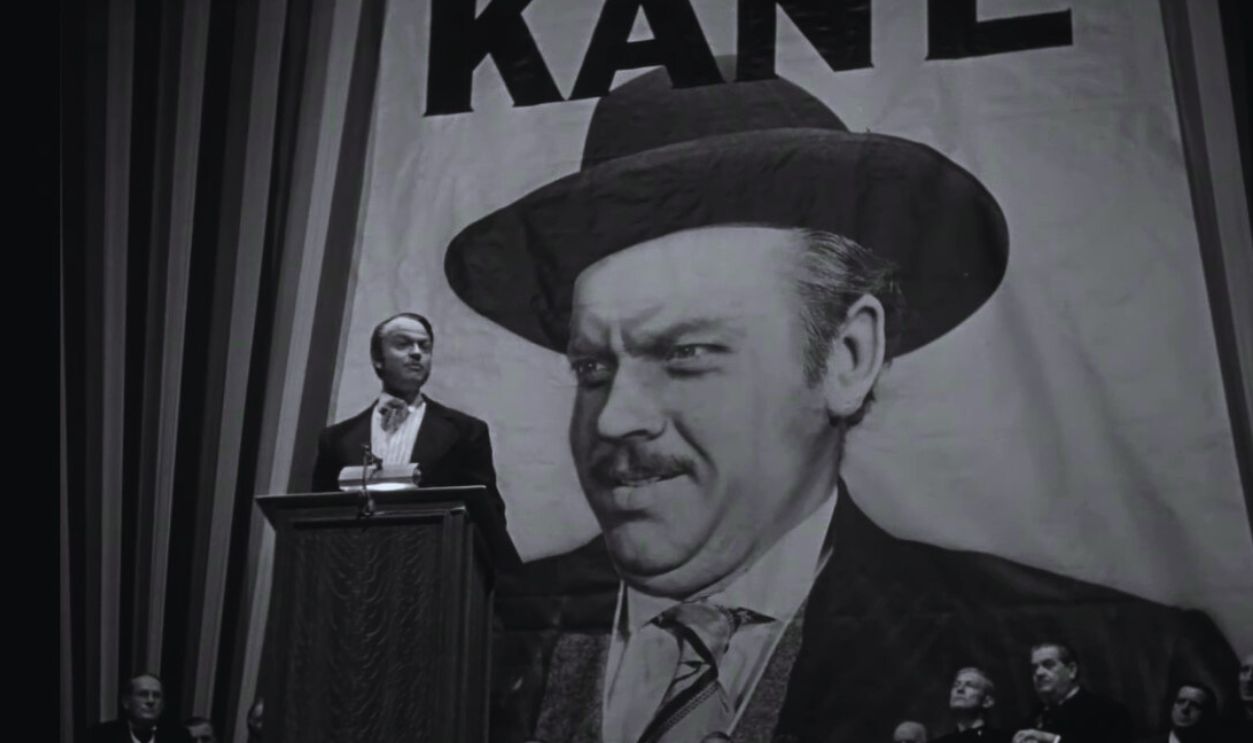
41. He Created A Masterpiece
Out of all of Welles' projects, Citizen Kane became the movie most widely associated with his name, even though it was far from a box office hit upon its release. Fortunately, after airing on TV in the 1950s, the film had another run in theaters and gained exposure to a larger audience. Thanks to this, Citizen Kane survived as an integral piece of cinema, often hailed as the greatest film in history.
At the same time, he never called it his best film.
 Screenshot from Citizen Kane, RKO Radio Pictures (1941)
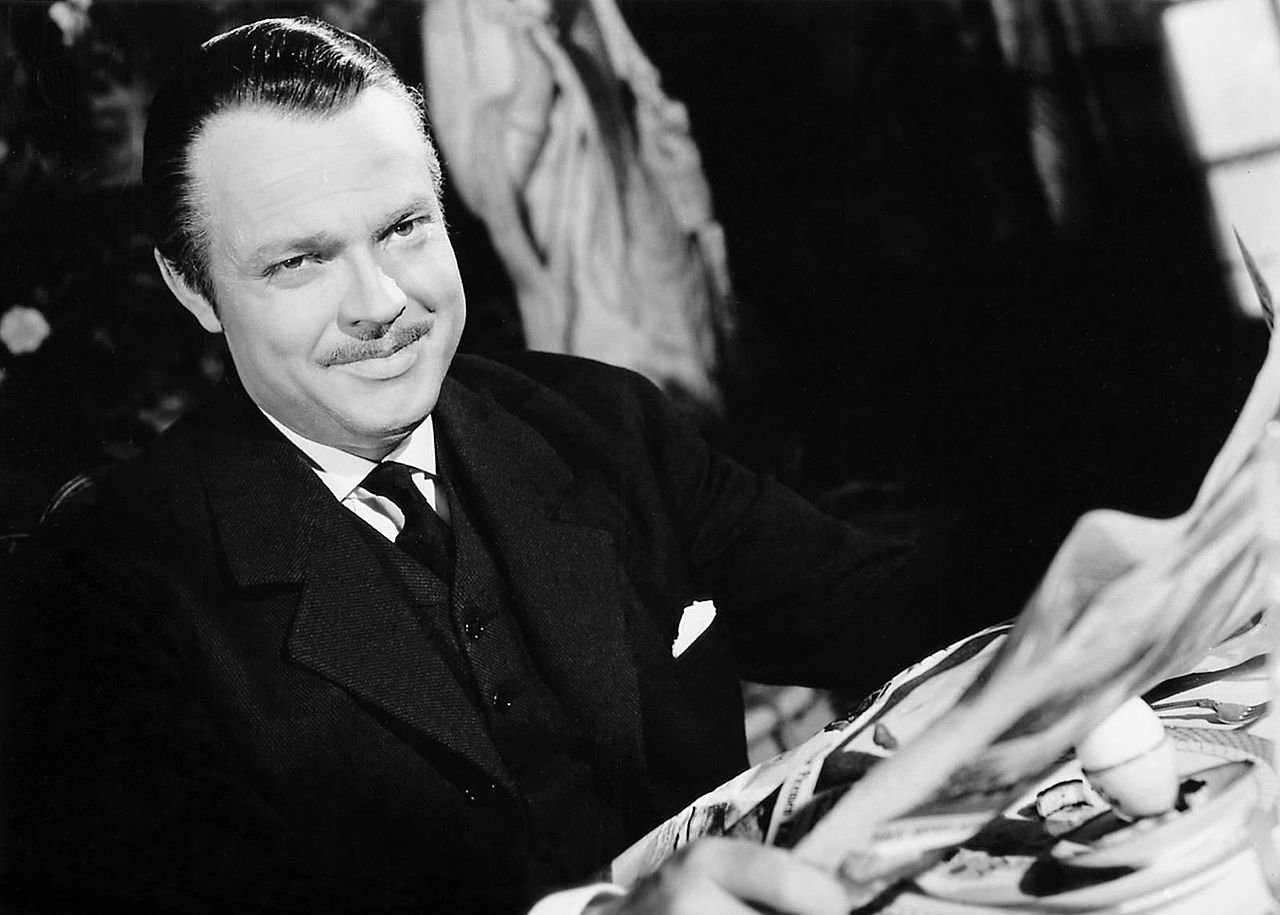
42. He Was Proud Of His Work
Taking on another adaptation in the 1960s, Welles developed the film version of Franz Kafka’s classic novel, The Trial. Like Citizen Kane, this film flopped at the box office, but unlike his masterpiece, critics couldn’t seem to decide whether The Trial was brilliant or a misfire. This didn’t matter to Welles, though, and he happily referred to it as the best film he had ever made.
Meanwhile, he continued to prove that some patterns never change.
 RKO Radio Pictures, Wikimedia Commons
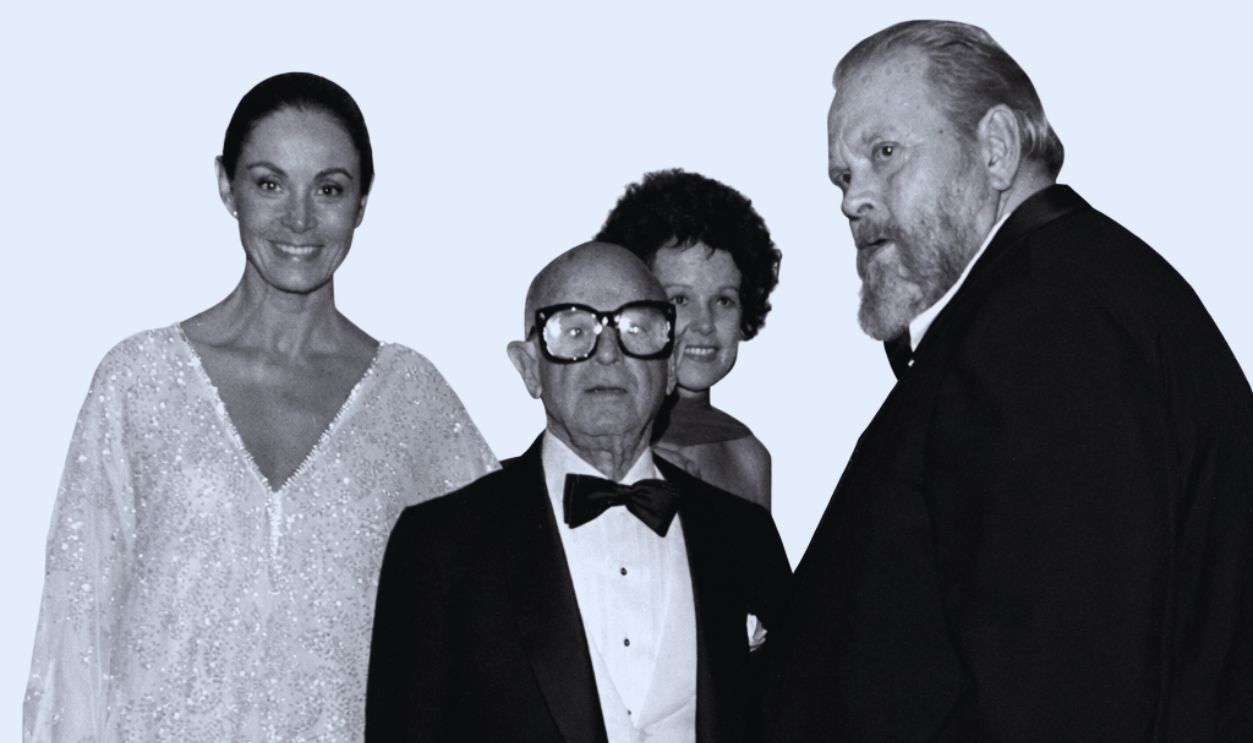
43. He Met Another Woman
Welles worked with many talented individuals and built long-lasting friendships with some of his colleagues, one of which turned into his longest relationship—not counting his wife. While in Croatia to film The Trial, Welles met an actress named Olga Palinkaš, and the two hit it off. Meeting once more in 1966, they began to collaborate on several projects, and Welles even came up with what became her stage name: Oja Kodar.
As one might expect, their relationship wasn’t strictly professional.
 Variety, Getty Images, Modified
44. They Were Inseparable
When Welles saw Oja four years after their first meeting, he surprised her with a letter he had been holding on to. While it’s unclear what exactly the letter contained, it was enough to convince Oja to be his life-long partner—in more ways than one. For the next 20 years, despite Welles still being married to Paola Mori, he and Oja never separated.
While they were romantic, Oja was still eager to help Welles professionally.
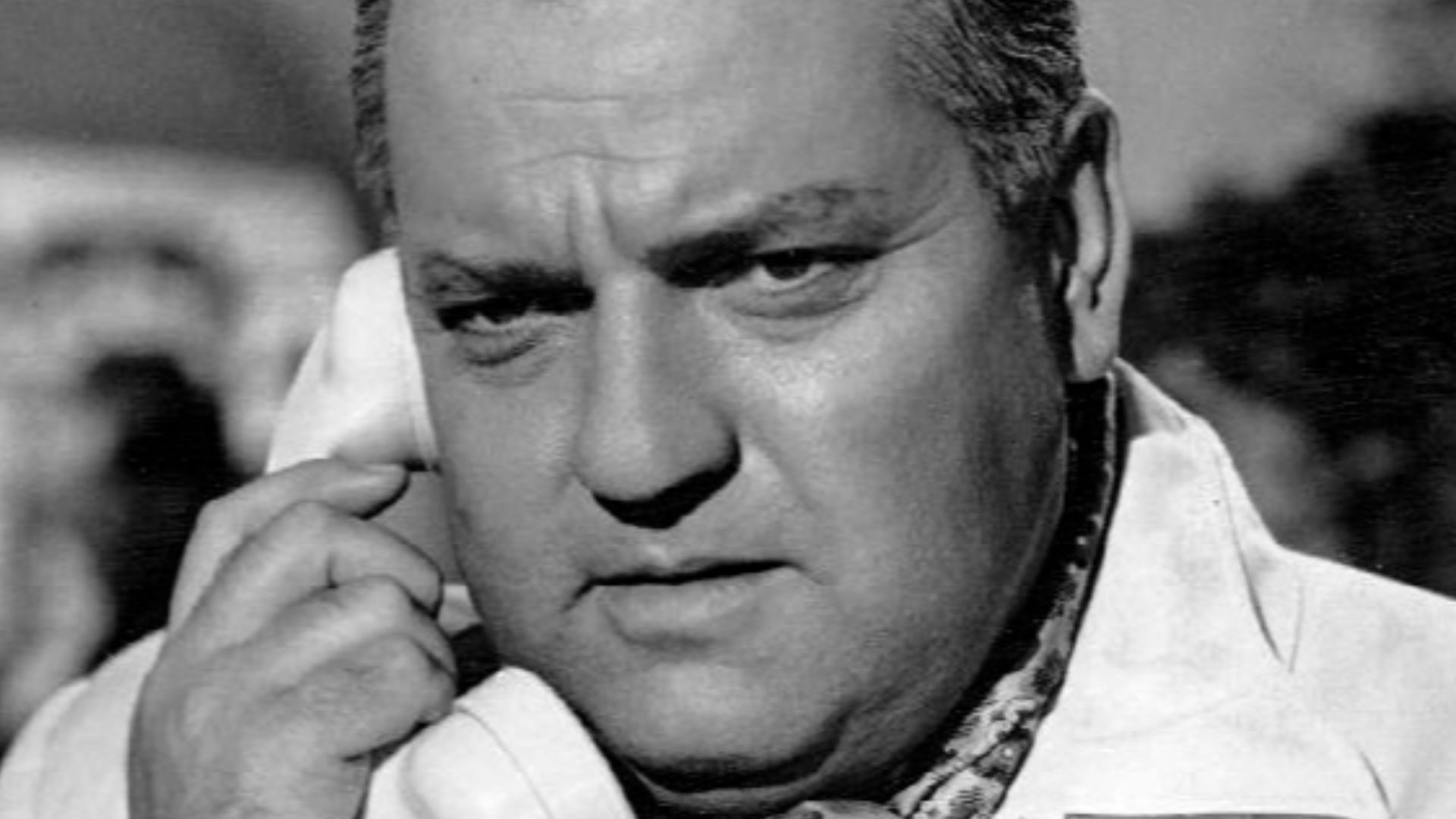
45. They Continued To Work Together
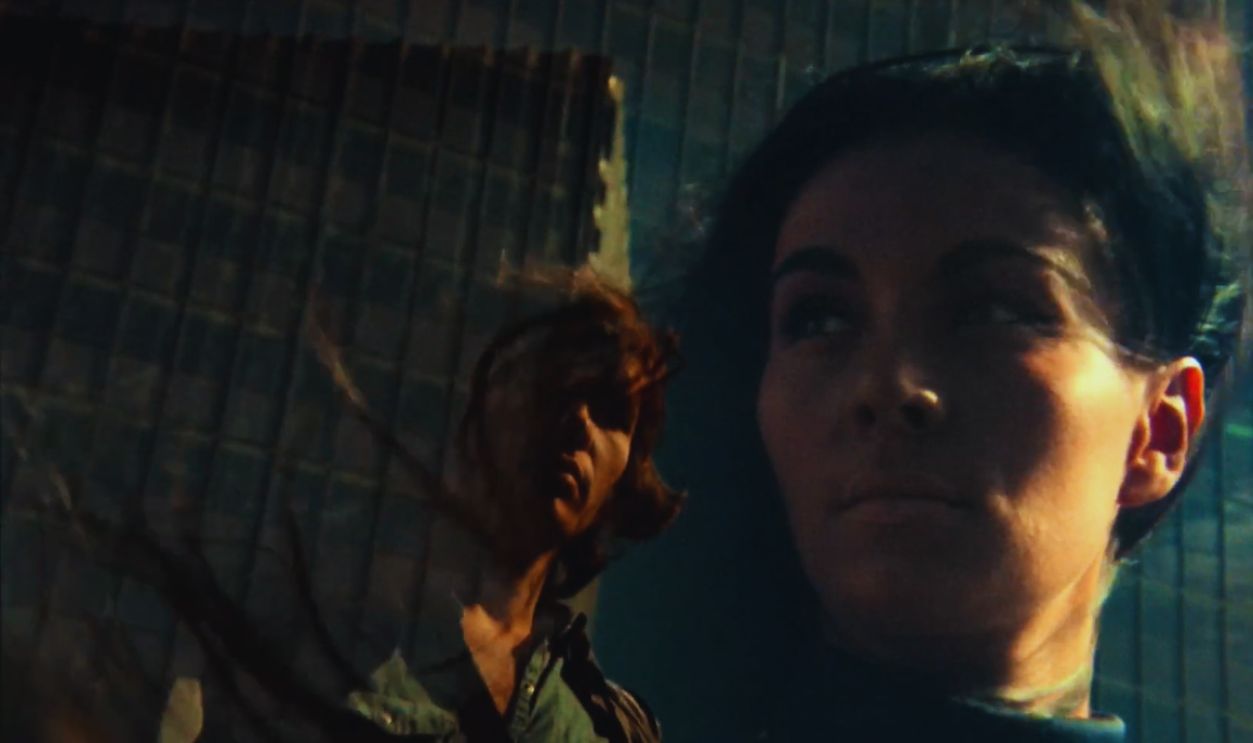
Orson Welles continued to be a filmmaker for the rest of his life, and during his latter years, he devoted his attention on and off to The Other Side of the Wind. Filming for this project took about six years in the 1970s, and as he had a new creative partner, he shared the writing credit with Oja.
Naturally, it was only a matter of time before their secret came out.
 Screenshot from The Other Side of the Wind, Netflix (2018)
46. She Threw Him Out
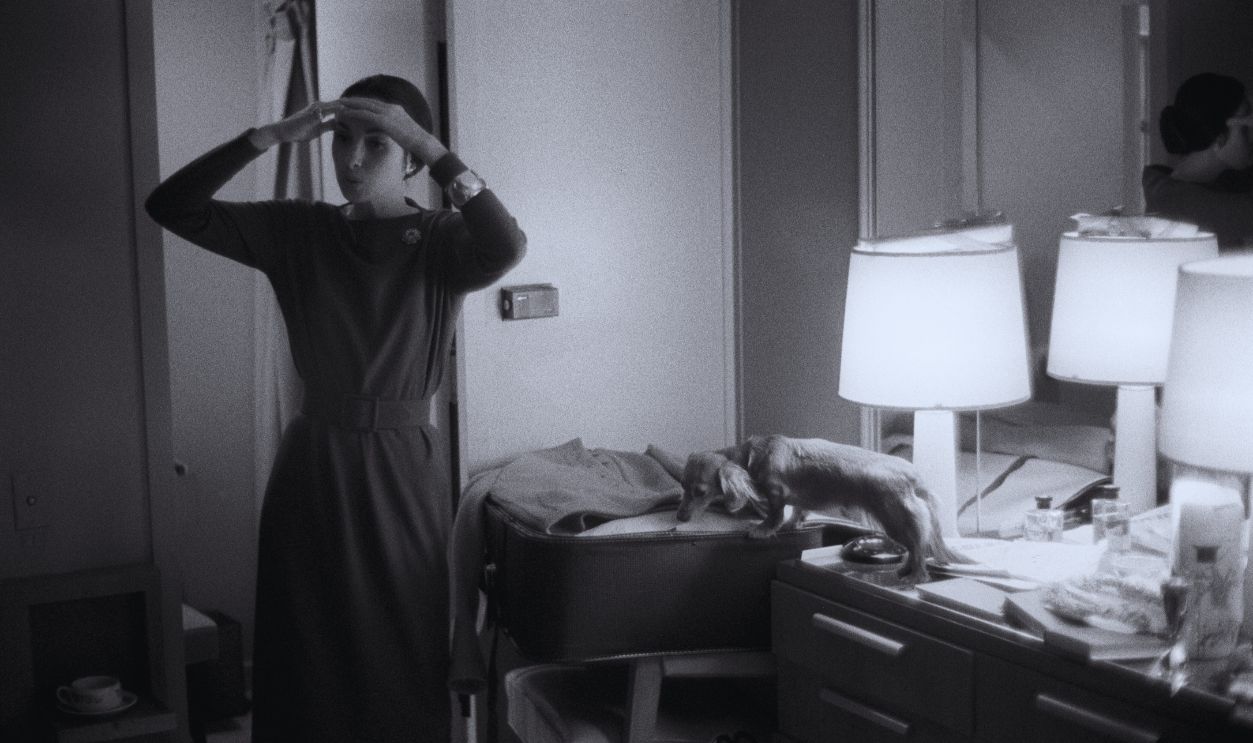
While Paola certainly knew that Welles had a history of being unfaithful, her fears weren’t confirmed until 1984, when she discovered the true nature of his relationship with Oja. Although they remained married, Paola couldn’t bear to be around Welles and kicked the filmmaker out, leaving him to spend the rest of his life living with Oja.
Sadly, he and Paola would never truly work everything out.
 Mondadori Portfolio, Getty Images
47. He Still Had Big Plans
Although Welles slowed down a bit as he grew older, he likely never envisioned a time when he would not be a filmmaker. Even by the age of 70, he was planning a TV special he wanted to produce called Orson Welles' Magic Show—but it wasn’t meant to be. After returning home on October 9, 1985, Welles spent the whole night working on the special, only for his chauffeur to find him in the morning, having passed from a heart attack.
While he was a cinematic giant, it’s important to remember that he had other passions.
 Universal Pictures, Wikimedia Commons
48. He Fought For His Beliefs
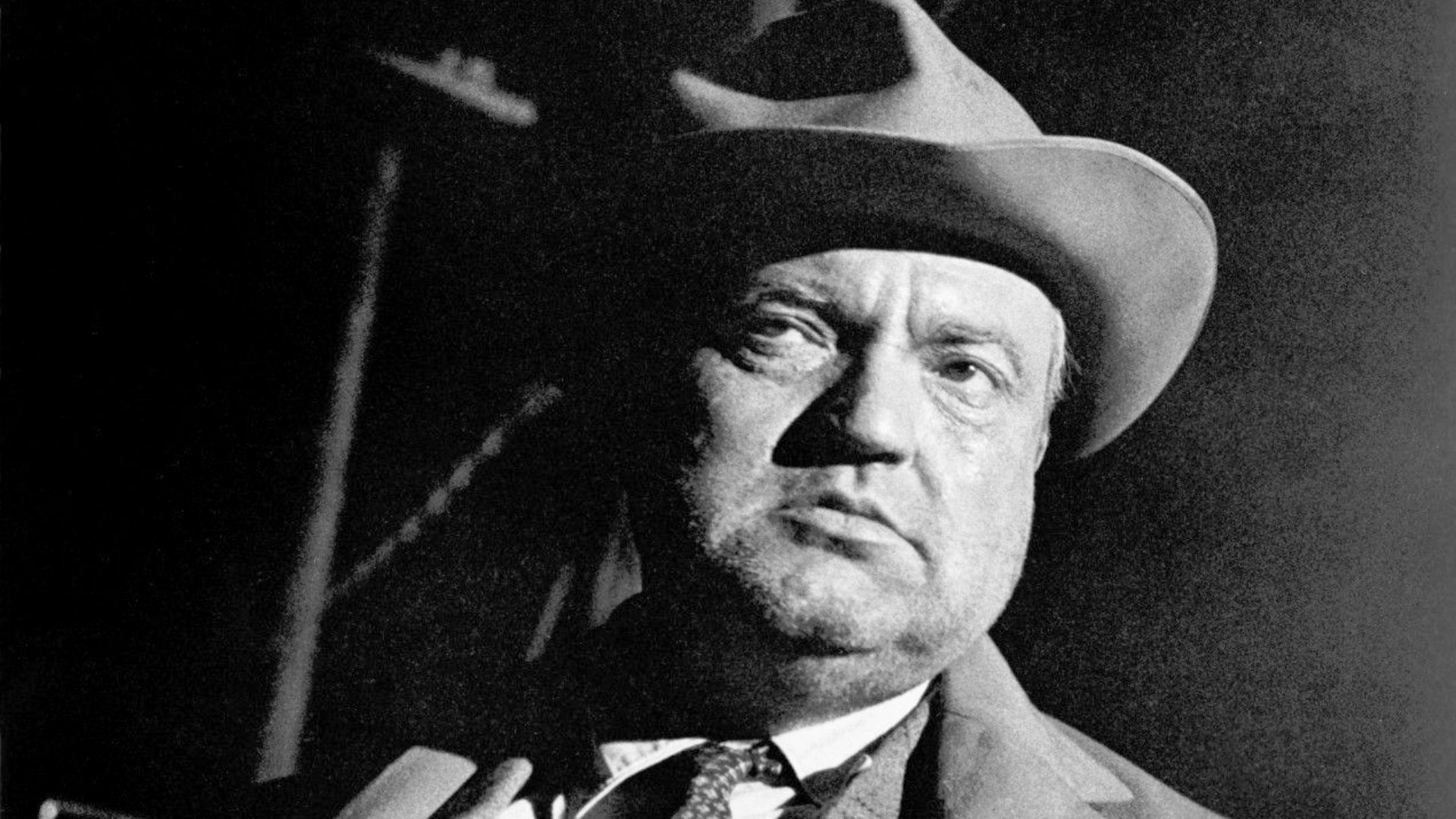
Orson Welles was never shy about his opinions and how he thought the world should change, and his beliefs were plain to see in the kinds of stories he told. While he typically supported the American Left, he always preferred to refer to his political alignment as simply progressive, publicly standing against issues like racism and capitalism.
Still, that doesn't mean he was above getting his hands a little dirty.
 Los Angeles Times, Wikimedia Commons
49. They Sent Him Away
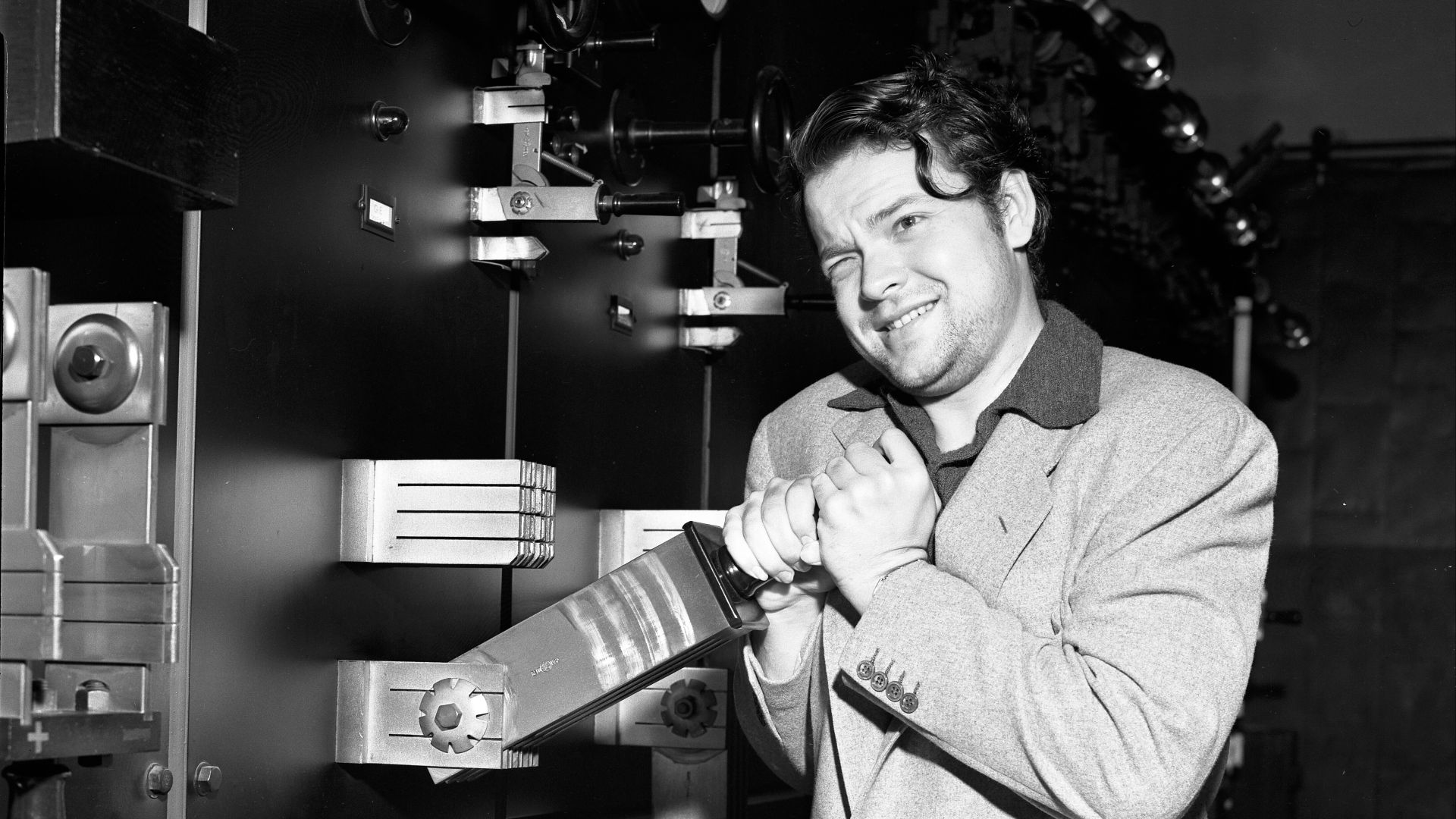
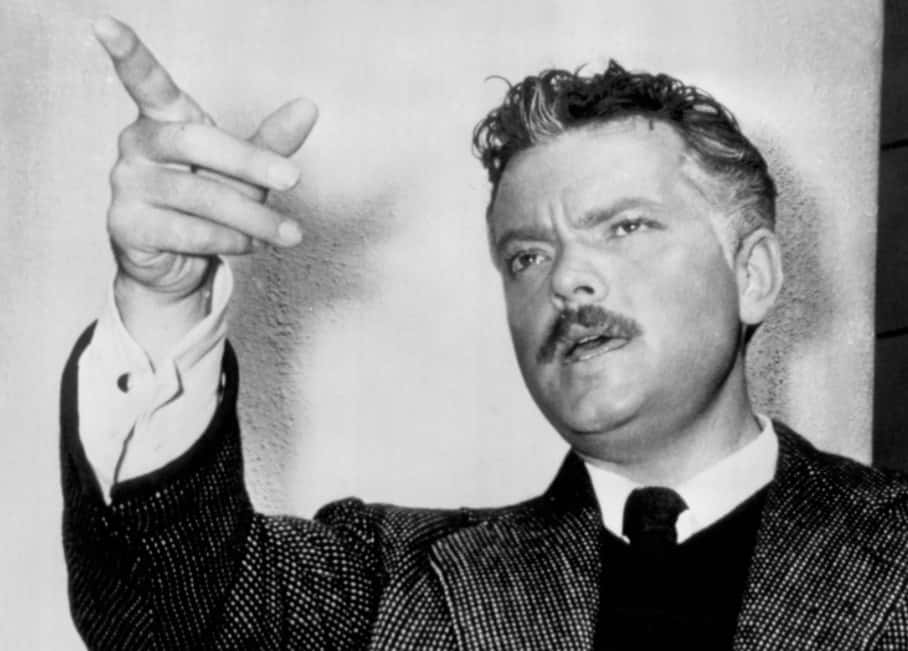
Let's go back to WWII for a moment. At the time, he seemed like the perfect choice to act as a diplomatic agent outside the US to combat the troubles of WWII. As America’s Coordinator of Inter-American Affairs, Nelson Rockefeller picked Welles to travel to Latin America as a goodwill ambassador, hoping to fight the impact of the Axis Powers. In addition to spreading diplomacy, Welles was also supposed to gather intelligence for the American government.
Ultimately, though, history will always remember him for his profound impact on the world of film.
 Associated Press, Wikimedia Commons
50. He Became A Legend
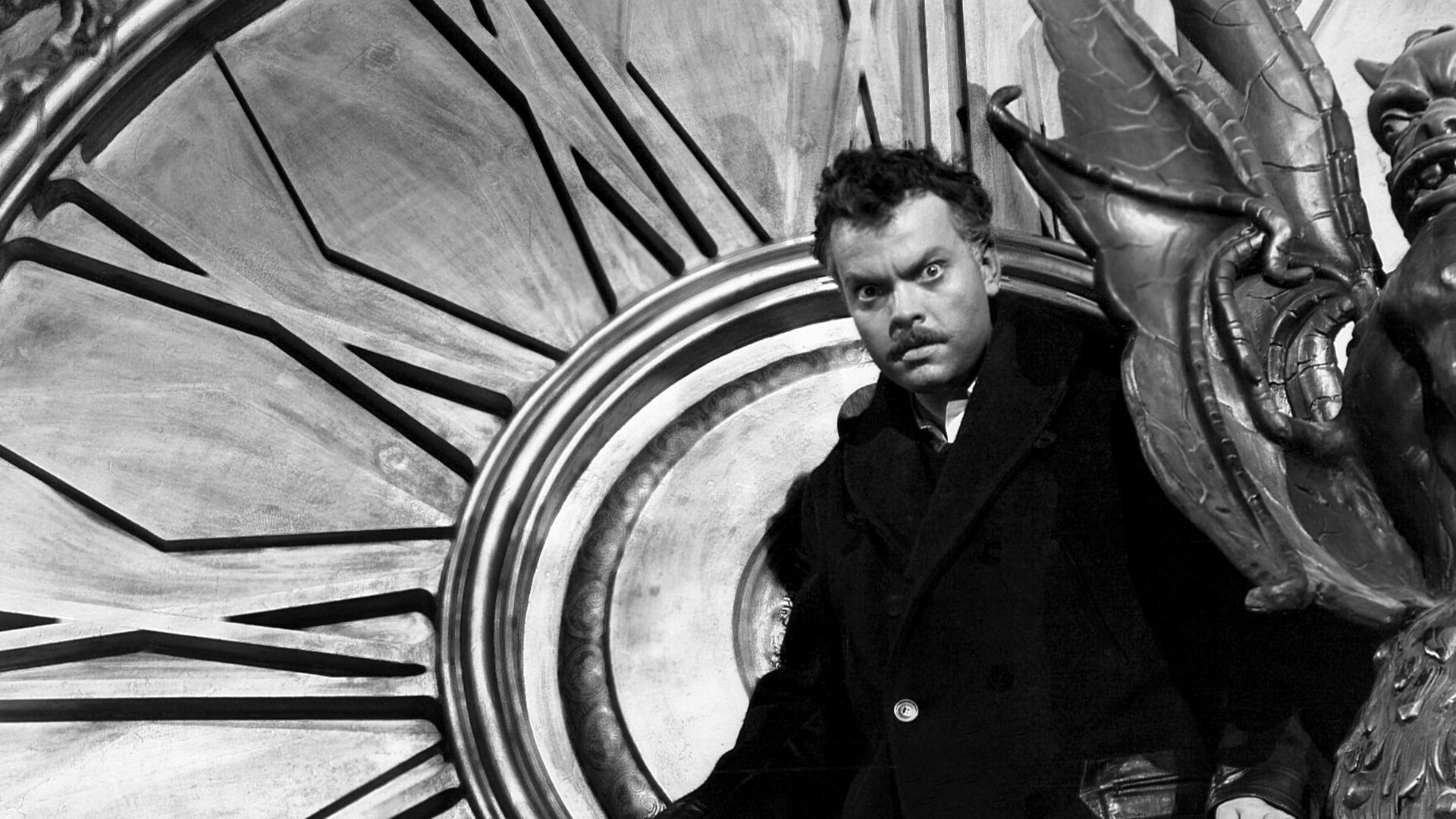
With his undeniably unique style of filmmaking and willingness to take risks regardless of the outcome, Orson Welles redefined what it meant to be an auteur. Even during his time, he was known throughout the industry for his brash attitude and larger-than-life presence. Using techniques that implemented long takes, dramatic lighting, and distinct camera angles, he revolutionized the medium of cinema and cemented his legacy.
 Unknown authorUnknown author, Wikimedia Commons
You May Also Like:
William Randolph Hearst Was The Real Citizen Kane
The Real Vampira Lived A Dark And Desperate Life




_(cropped).jpg)


.jpg)


