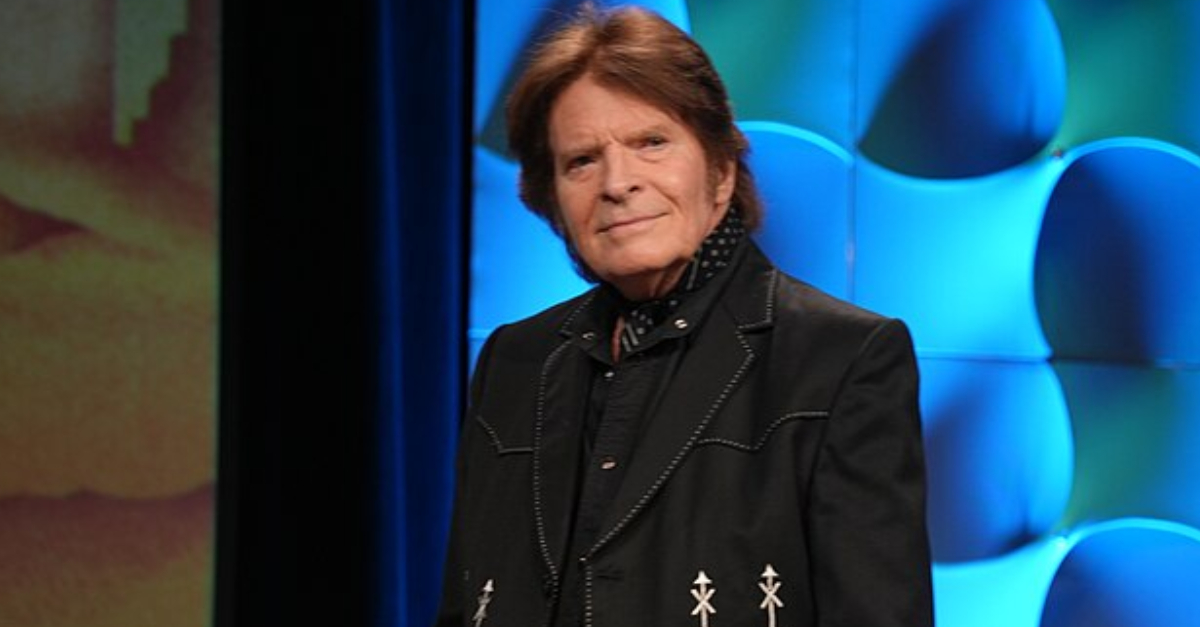
Why John Fogerty Stopped Playing the Hits
John Fogerty was the creative force behind Creedence Clearwater Revival—writing, singing, and producing nearly all CCR's hits. So, when he stopped performing the band’s songs, fans were kinda confused. But his decision wasn’t wrapped up in ego or fatigue—it was about control, ownership, and a music-business deal that completely changed his life.
Creedence Begins
Creedence Clearwater Revival began in El Cerrito, California, with brothers John and Tom Fogerty and their friends Stu Cook and Doug Clifford. Their mix of rock, country, and blues created one of the most recognizable sounds of the late 1960s.
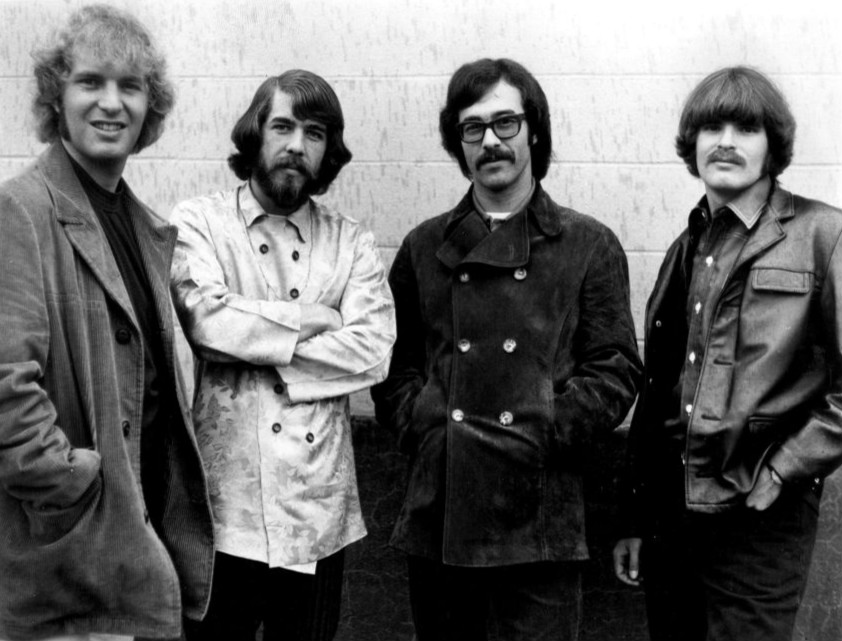 Fantasy Records, Wikimedia Commons
A Sudden Rise to Fame
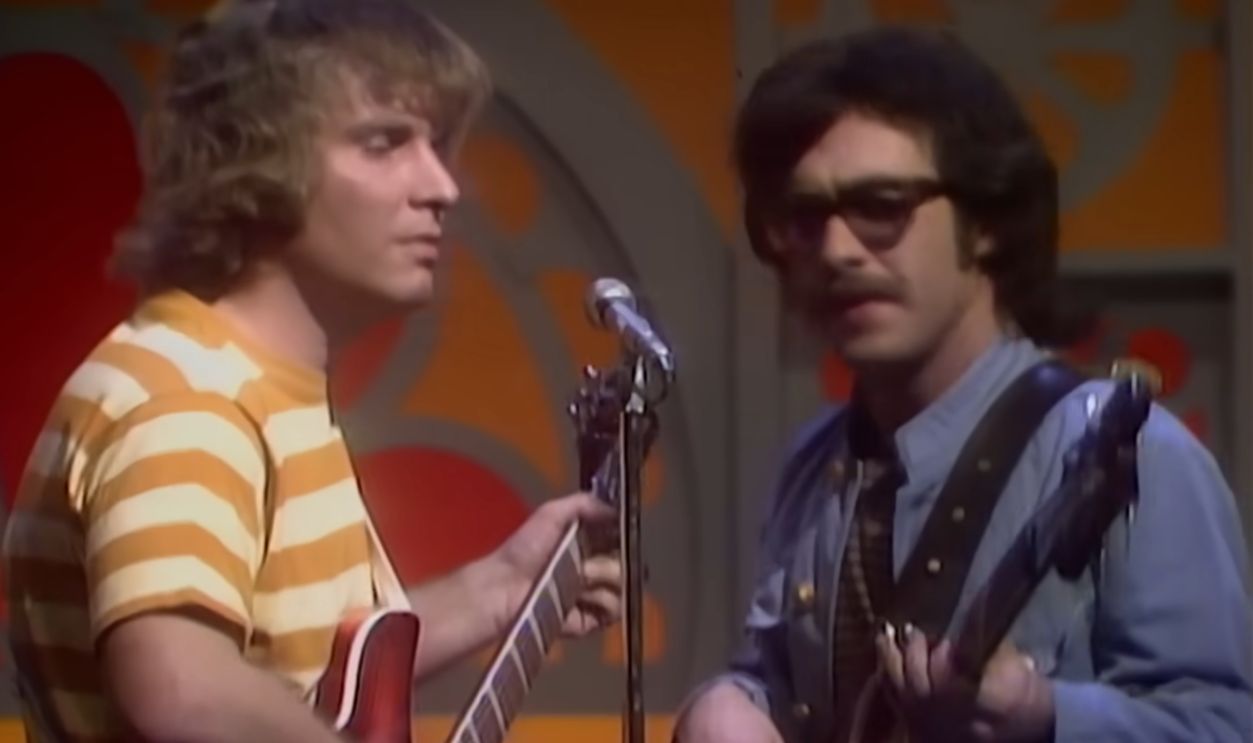
From 1968 to 1970, CCR became one of America’s biggest bands. They often put out two albums a year filled with hits like Proud Mary, Bad Moon Rising, and Fortunate Son. Their music reached around the world, and they even performed at Woodstock in 1969.
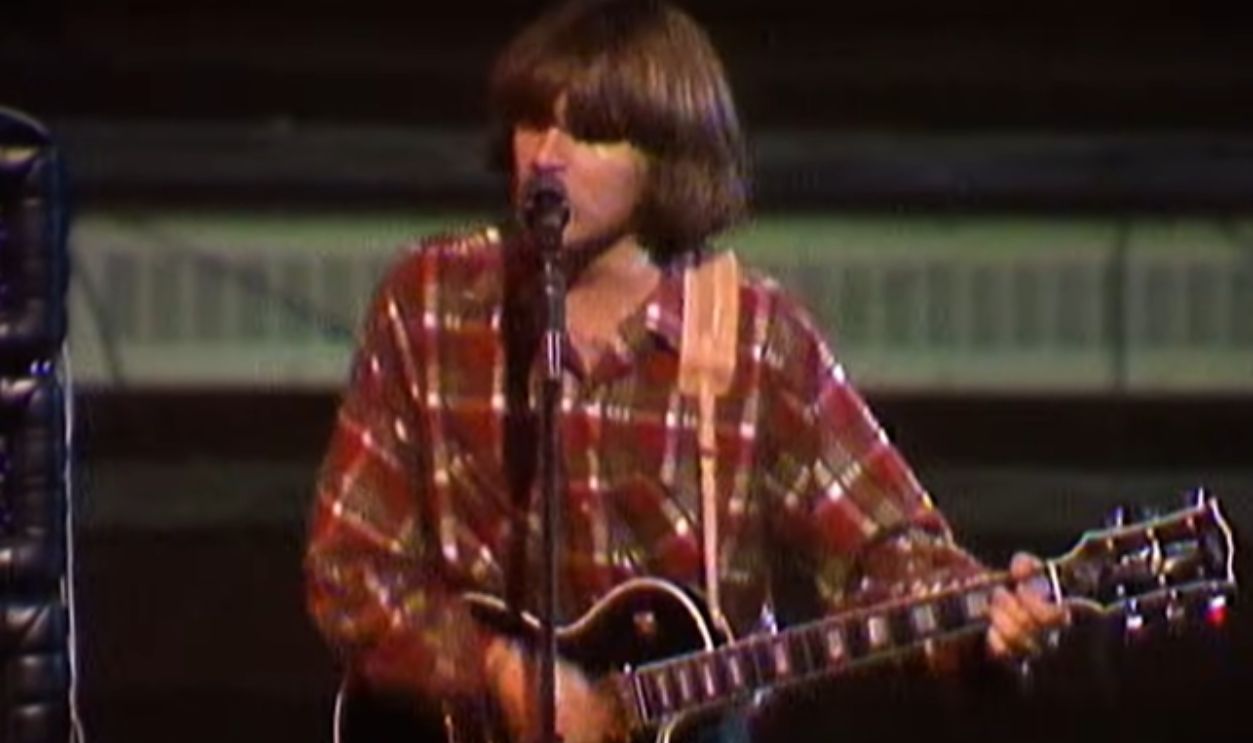
John’s Role
Fogerty’s leadership was clear. He wrote almost every song, arranged the music, and produced the albums. While his control kept the band focused, it also (as you might imagine) created friction among members who wanted more creative input.
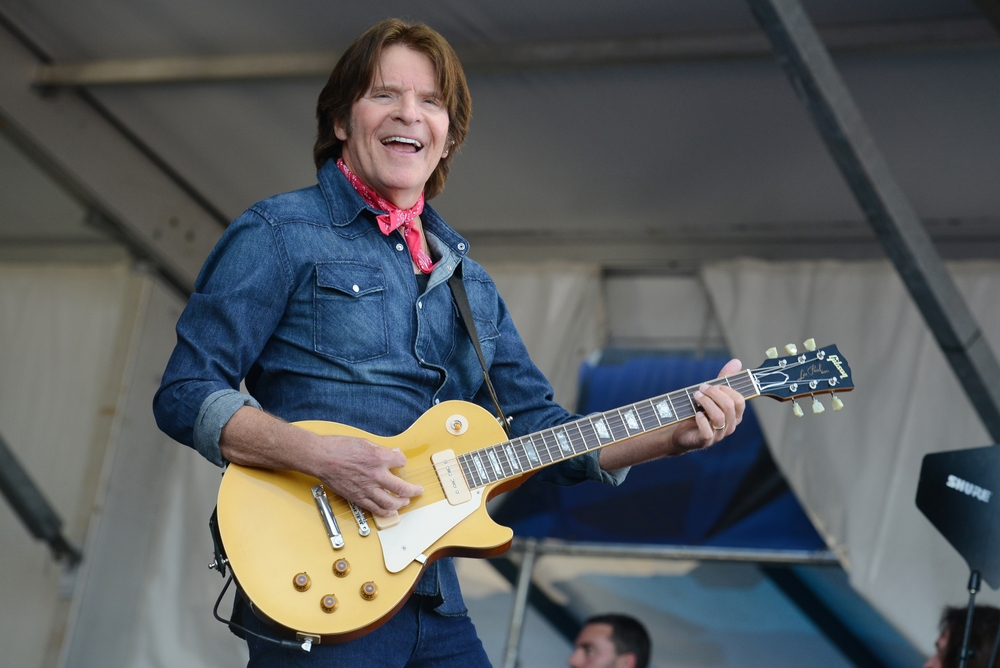
Early Contract Problems
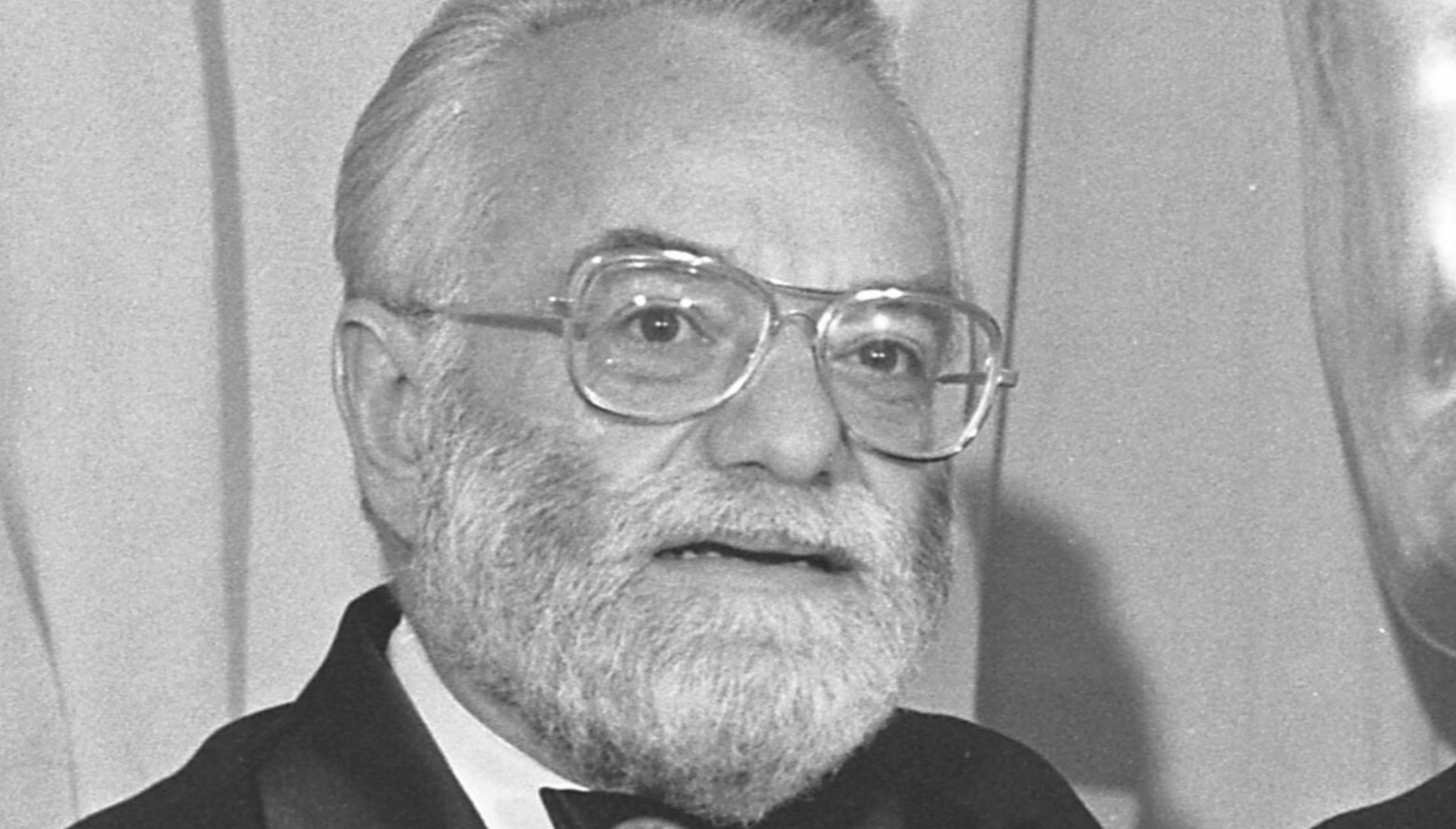
Before they found success, CCR signed with Fantasy Records, owned by Saul Zaentz. The deal might've seemed fair at the time, but it granted Fantasy ownership of the band’s recordings and publishing rights. As their success grew, Fogerty realized just how much leverage he had lost with contract.
 Los Angeles Times, Wikimedia Commons
Rising Tensions
By the early 1970s, disagreements about songwriting, money, and management became common. Tom Fogerty left the group in 1971. John tried to keep the band together, but communication had broken down.
The Final Album
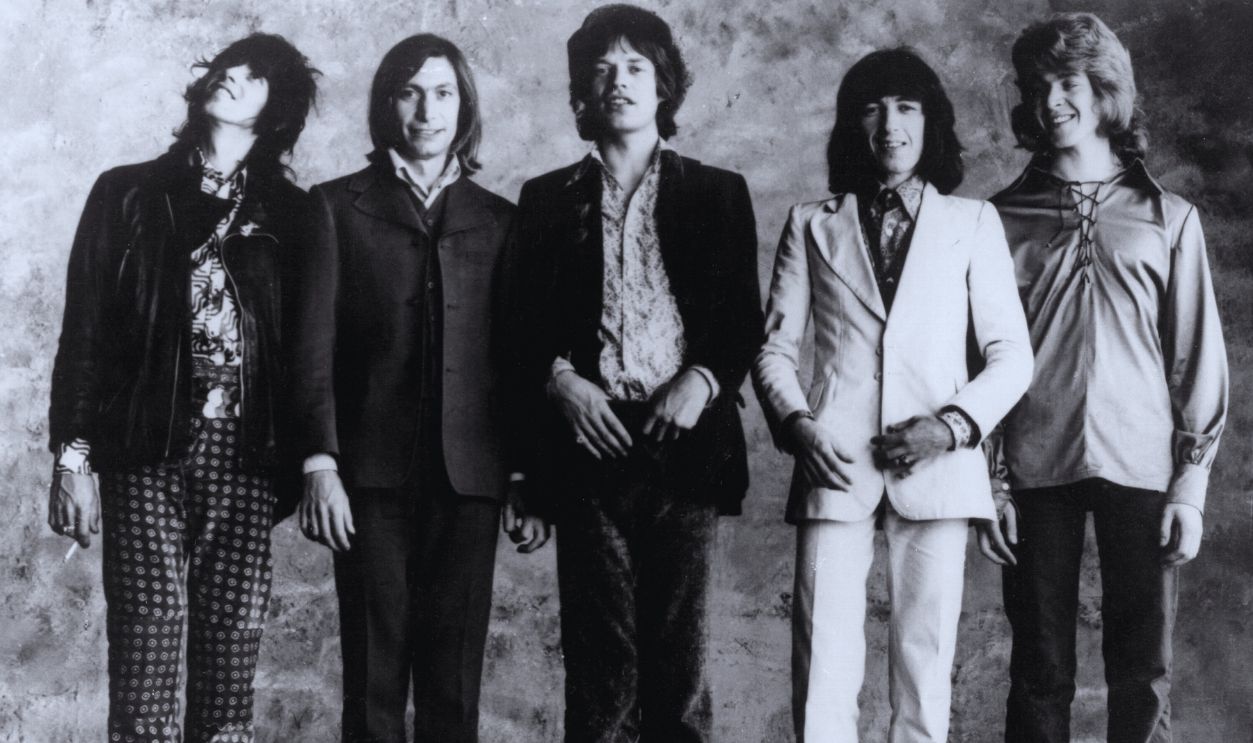
CCR’s last album, Mardi Gras (1972), gave Cook and Clifford songwriting duties for the first time. Critics were harsh. Rolling Stone described it as “the worst album by a major rock band.” That was it. The group officially disbanded later that year.
 Michael Ochs Archives, Getty Images
After the Breakup
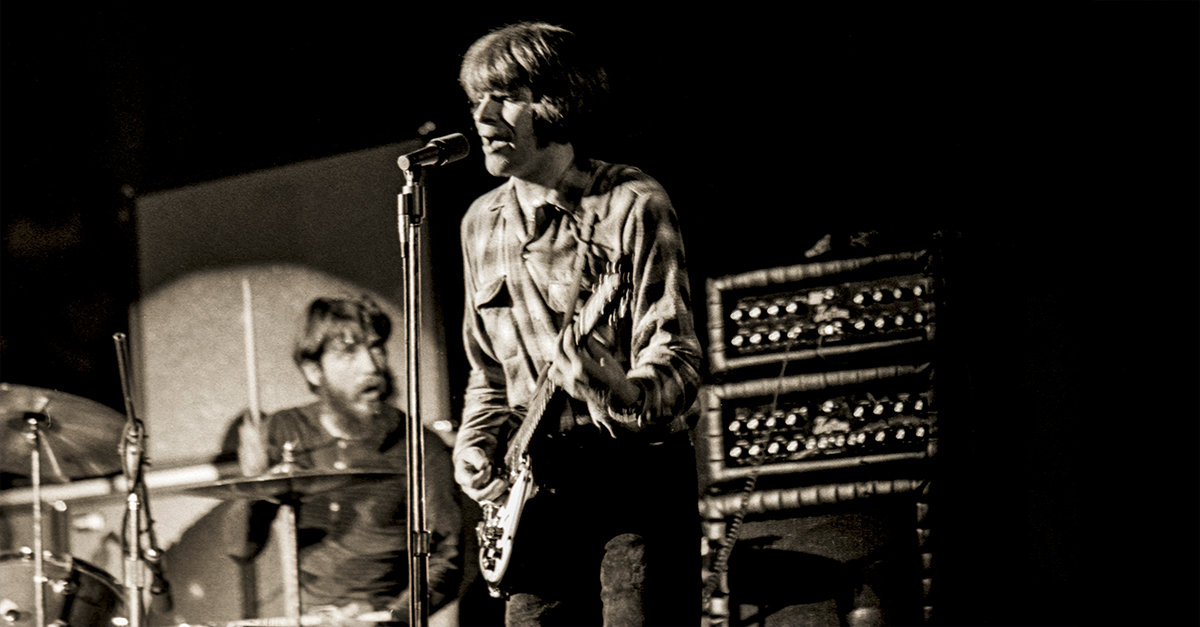
When CCR ended, Fogerty discovered how restrictive his Fantasy deal really was. He didn’t own the publishing rights to his own songs, meaning the label—and not him—profited from nearly all Creedence hits. Yup!
Refusing to Play Creedence Songs
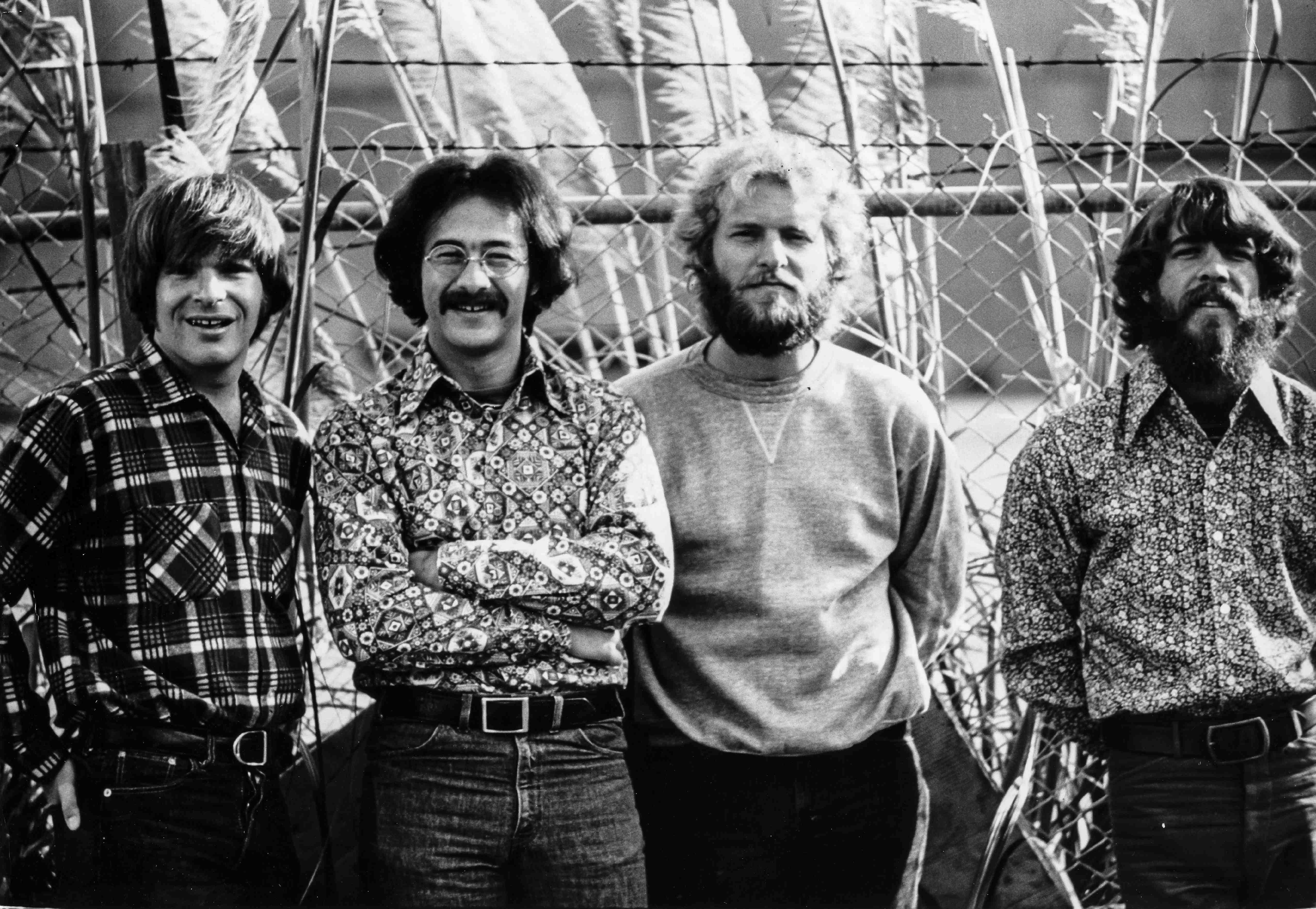
In protest, Fogerty stopped performing CCR material for years—saying it was just too painful to play songs that had been taken from him legally. Many fans didn’t understand the decision, but Fogerty saw it as a stand for artistic fairness.
 Universal History Archive, Getty Images
The Legal Battle Begins
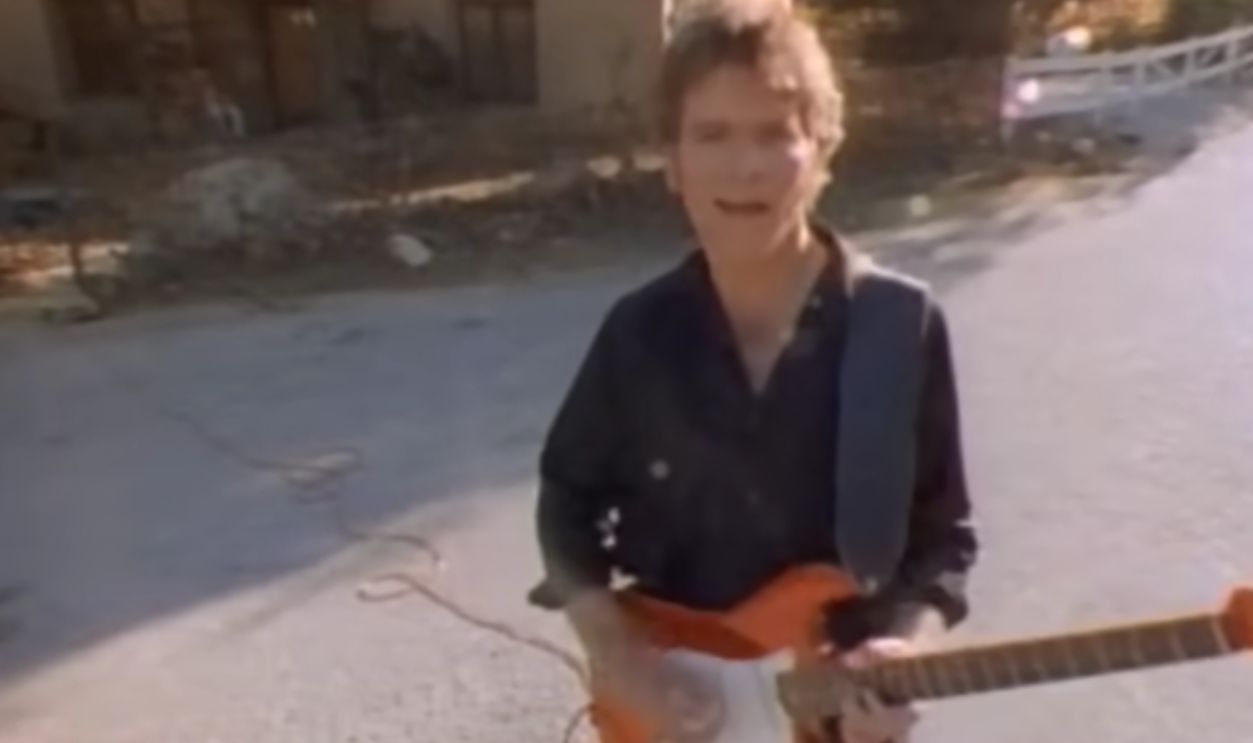
The tension between Fogerty and Fantasy Records continued for decades. In 1985, Saul Zaentz sued him for alleged plagiarism, claiming his solo song The Old Man Down the Road sounded too much like CCR’s Run Through the Jungle. He was literally being sued for sounding too much like himself!
 John Fogerty - The Old Man Down The Road, John Fogerty
Proving His Case in Court
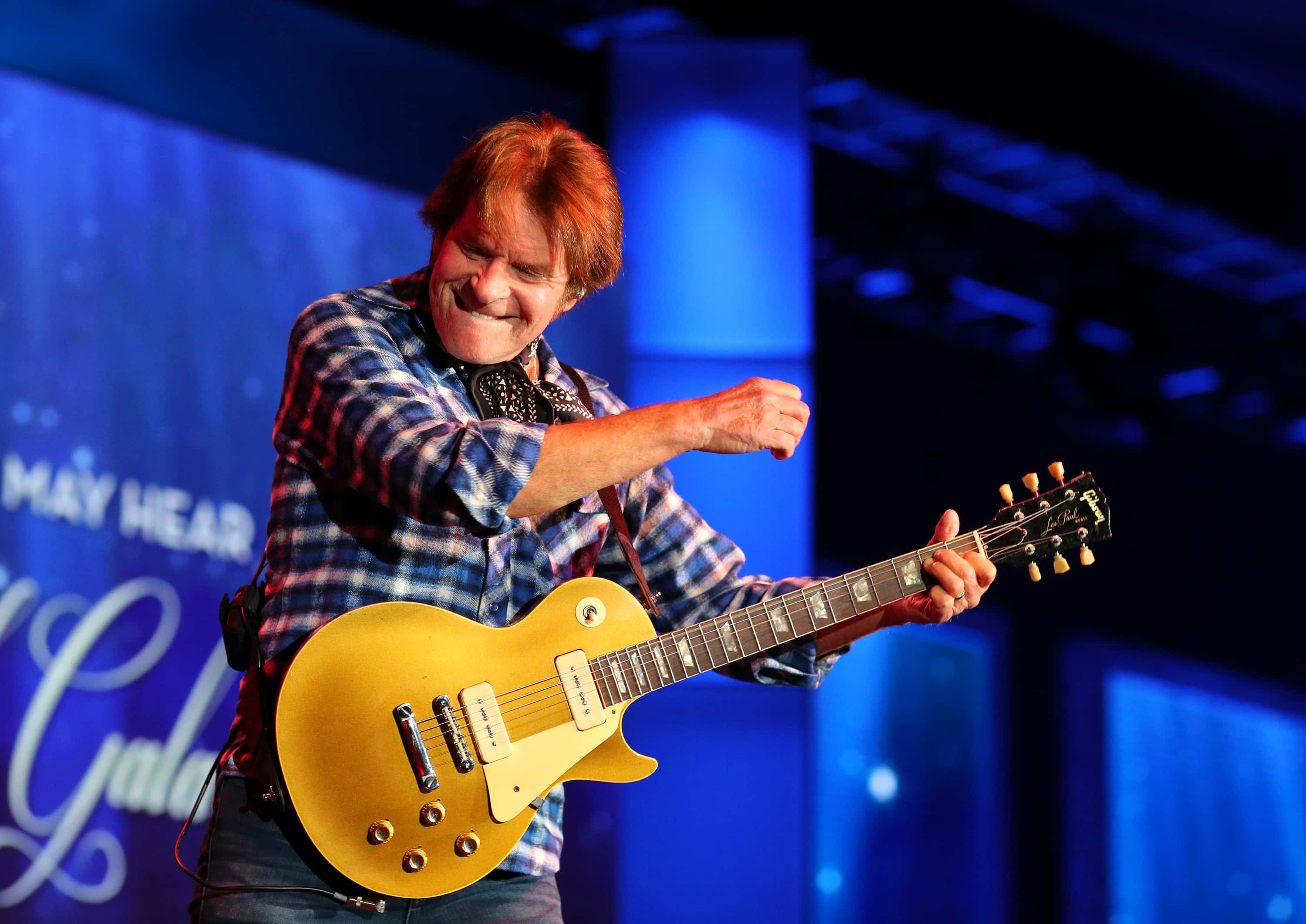
Fogerty brought his guitar to court and demonstrated that he wrote both songs. The court ruled in his favor. The case became one of the most famous examples of an artist being accused of copying their own work.
The Supreme Court Ruling
In 1994, the U.S. Supreme Court ruled that Fogerty could recover his attorney’s fees, confirming his victory. The decision became a landmark for artists defending themselves against wrongful copyright claims.

Family Strain
John and Tom Fogerty’s relationship never recovered after the band’s breakup. Tom died in 1990, and John later expressed regret that they never reconciled. The family divide became one of the most painful legacies of the CCR story.
 Creedence Clearwater Revival Proud Mary on The Ed Sullivan Show, The Ed Sullivan Show
Why Fans Were Confused
For years, concertgoers expected to hear Creedence classics, only to find them missing from Fogerty’s shows. He focused on his solo material, explaining that performing Creedence songs would only benefit the company that took them from him.

A New Start
Fogerty’s solo career brought renewed success. His 1985 album Centerfield went multi-platinum, and songs like The Old Man Down the Road reestablished him as a major artist. But despite the success, his ownership battle continued.
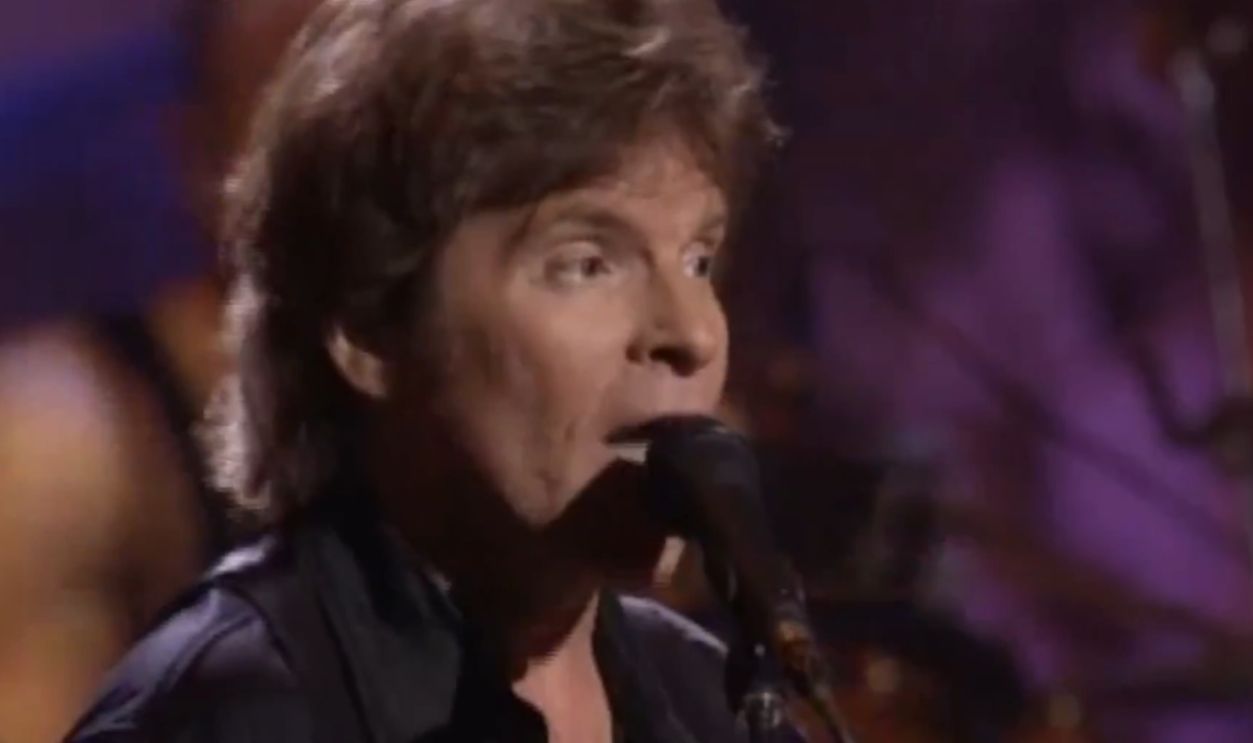 John Fogerty's Jukebox - "The Old Man Down The Road", John Fogerty
Decades of Dispute
Fogerty’s dispute with Fantasy Records lasted for decades. When Fantasy was sold to Concord Records, his catalog remained out of his hands. The fight over his music became one of rock’s longest-running legal battles.
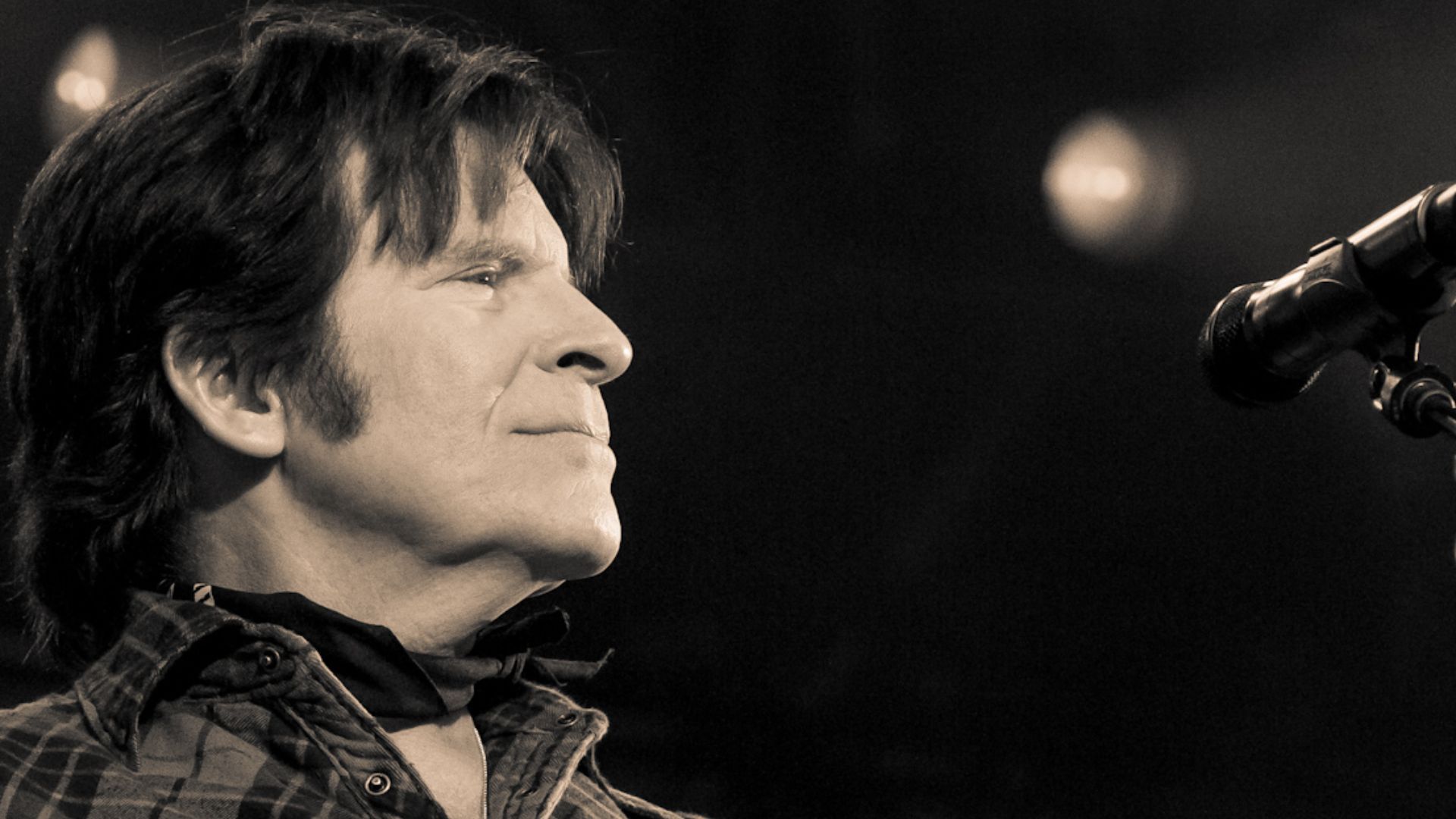 Jorund F Pedersen, Wikimedia Commons
Gradual Reconciliation with His Music
Over time, Fogerty began performing Creedence songs again. He said he wanted to reconnect with the fans who had supported him for decades. “The fans own those songs now,” he explained in interviews.
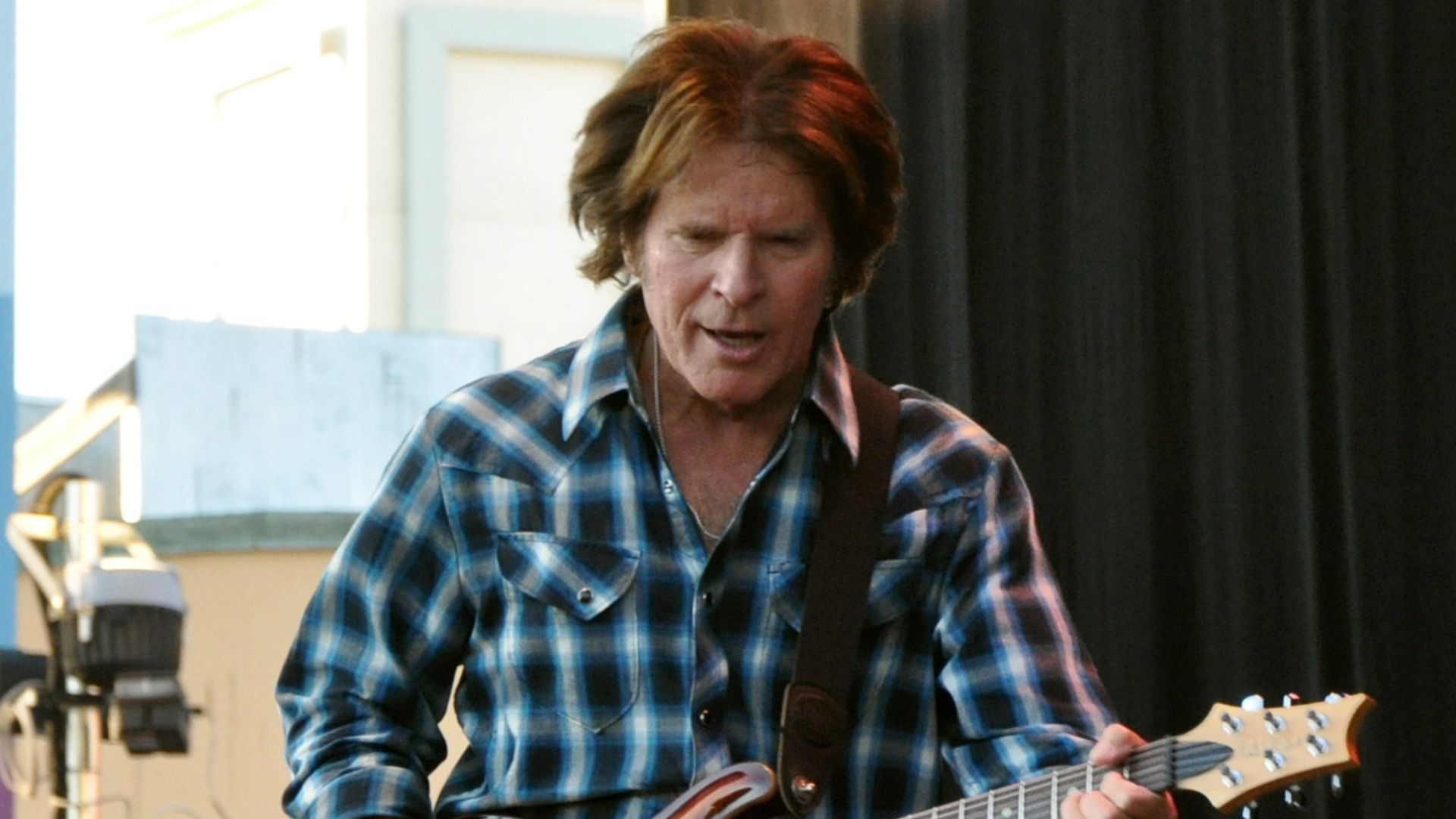 Janwikifoto, Wikimedia Commons
Regaining Control
In 2023, after more than fifty years, Fogerty regained a majority interest in the global publishing rights to his Creedence Clearwater Revival catalog. He described it as “the final piece of the puzzle” in reclaiming his legacy.
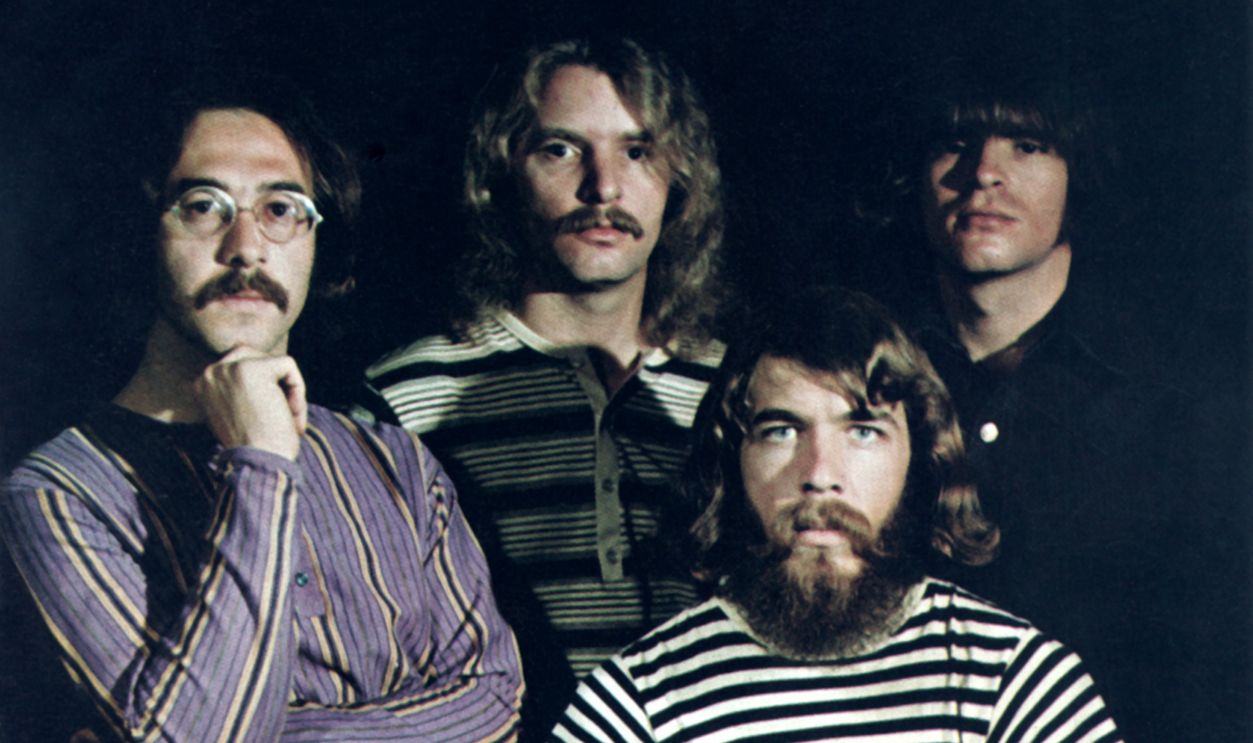 Michael Ochs Archives, Getty Images
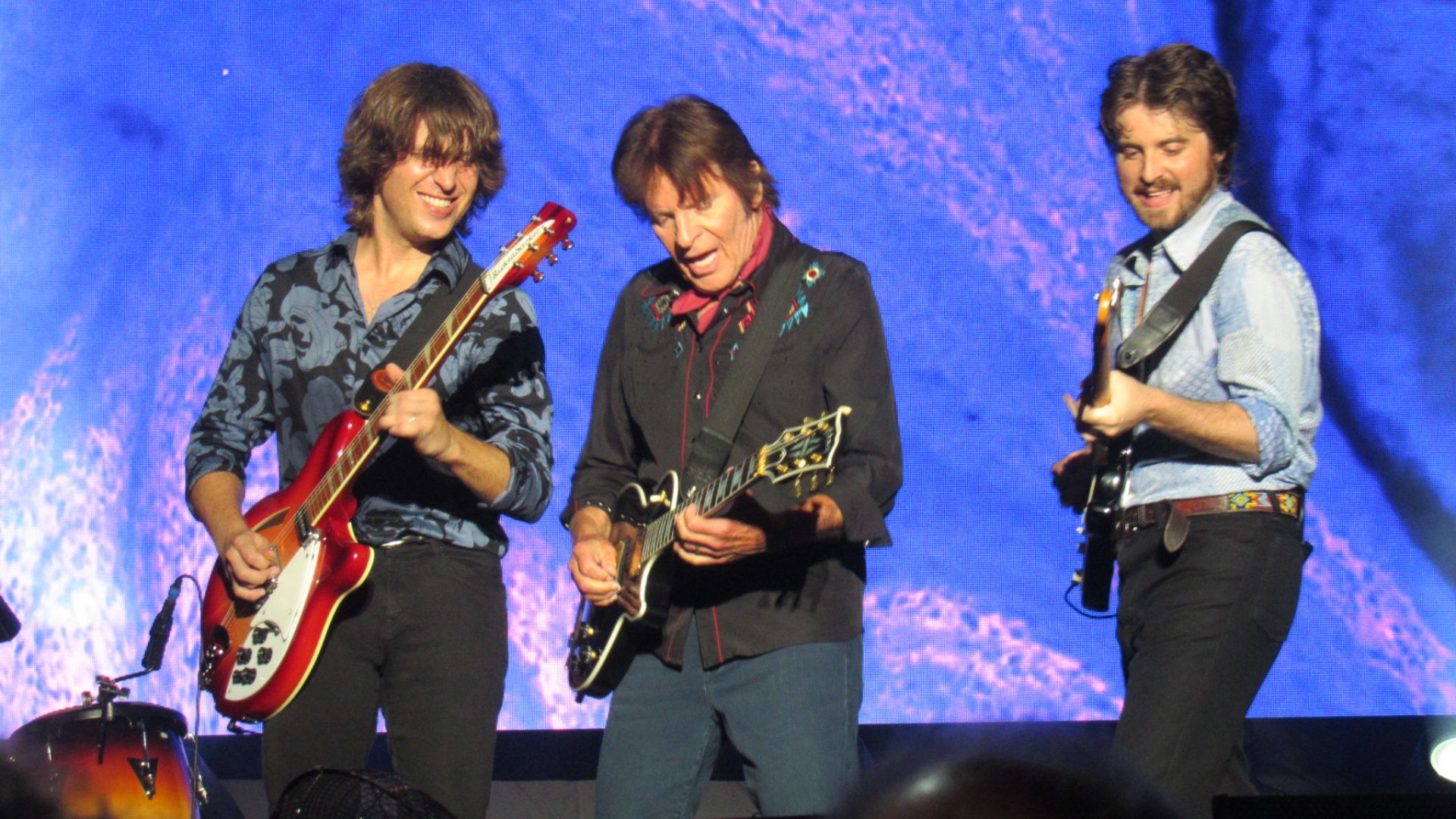
Performing with His Sons
Today, Fogerty performs with his sons Shane and Tyler. Together, they play Creedence classics with pride instead of frustration. “It finally feels right,” Fogerty said in 2023.
No Reunion at the Hall of Fame
When CCR was inducted into the Rock and Roll Hall of Fame in 1993, Fogerty declined to perform with his former bandmates. He felt that too much conflict and history made a reunion impossible.
 Marco Rosanova, Wikimedia Commons
Reflecting on the Past
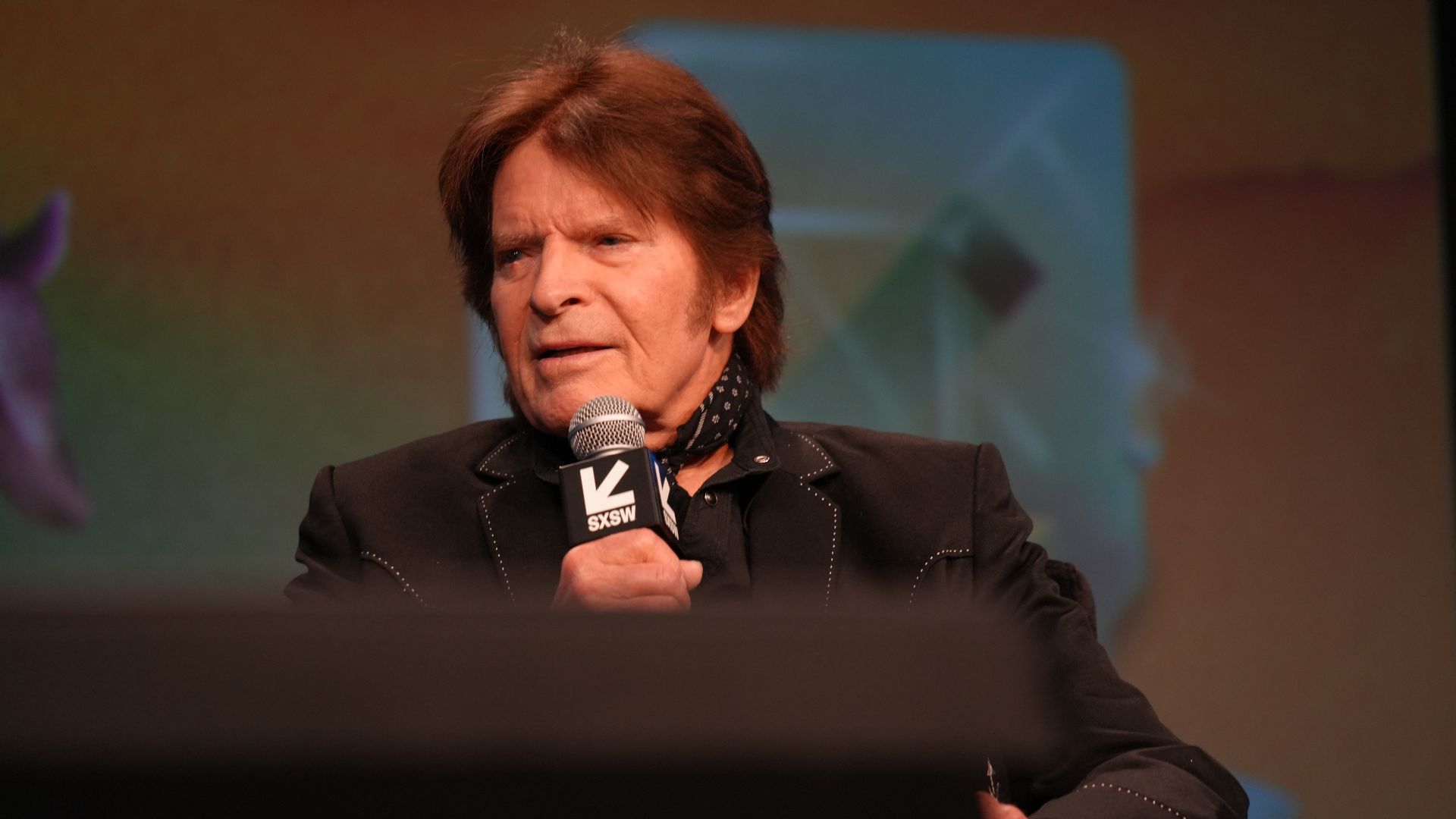
In interviews, Fogerty has been open about the lessons he learned. He admitted that understanding contracts and publishing came too late, and he now encourages young artists to take ownership seriously from the start.
A Lifetime Achievement
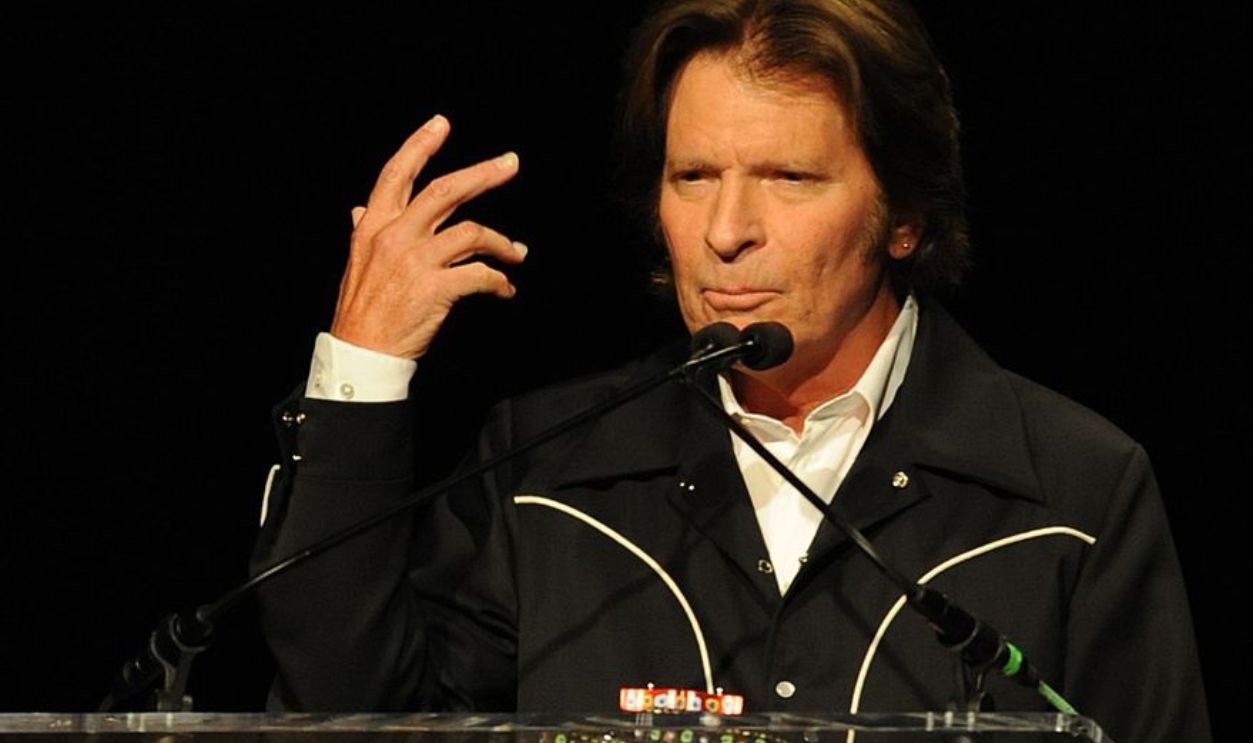
Though Creedence never won a Grammy during their active years, Fogerty later received several awards for his solo work and songwriting. He eventually earned a Lifetime Achievement Award, recognizing his influence on American rock.
Lessons for Artists
Fogerty often tells young musicians to pay close attention to publishing rights and legal details. His experience is now used as a case study in music law courses, showing how creative control can be lost through early contracts.
 Janwikifoto, Wikimedia Commons
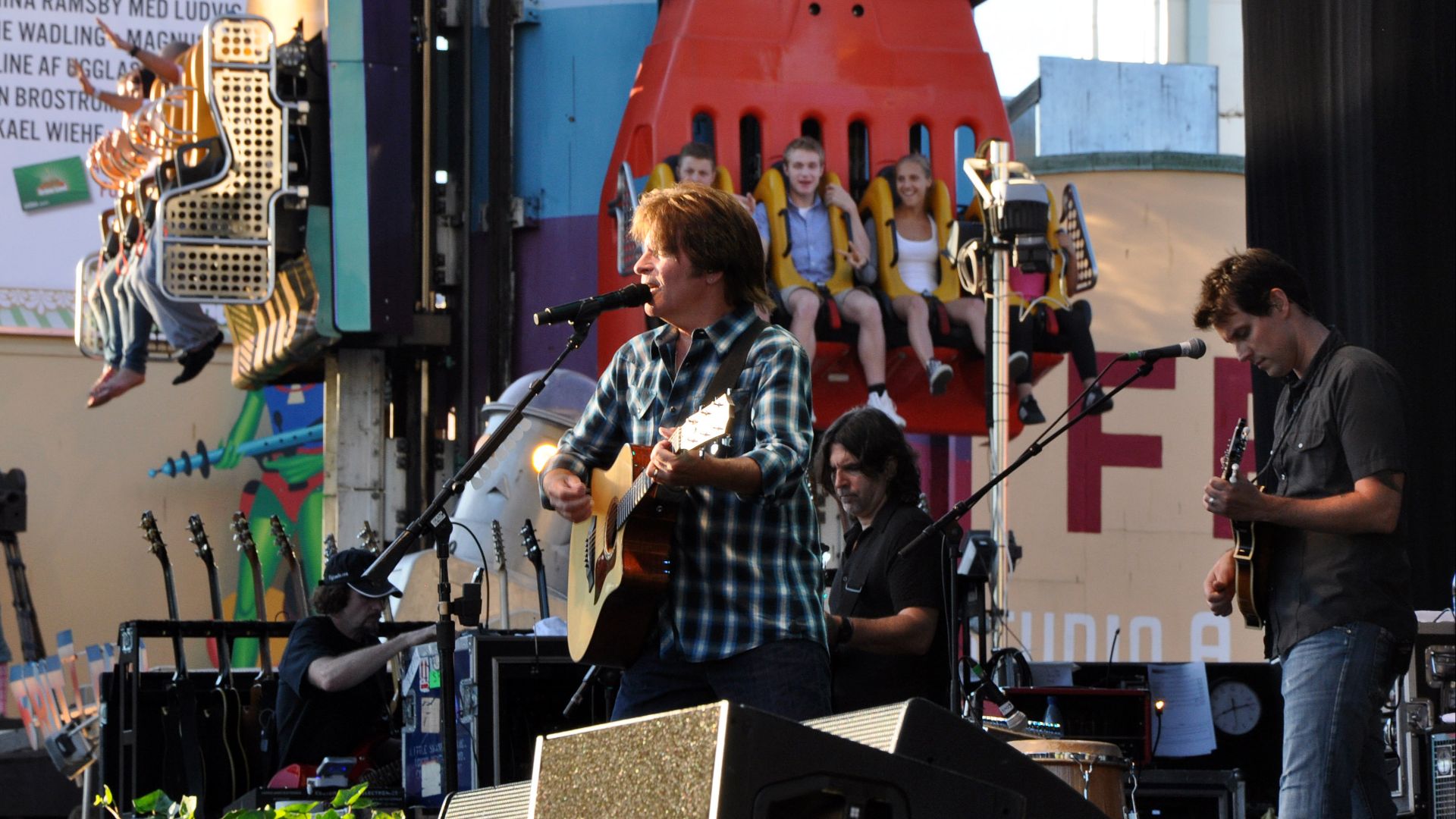
Fogerty Today
Now in his 80s, Fogerty continues to tour and advocate for artist rights. His story remains one of the most widely cited examples of how musicians can lose—and eventually reclaim—their work.

What His Story Represents
John Fogerty’s journey is about creative ownership, perseverance, and justice. When he stopped playing Creedence songs, it was a statement. When he played them again, it was a resolution.

You Might Also Like:
Everyone Hears These Popular Lyrics Wrong
These Song Covers Put The Original Version To Shame