The Hollywood Queen Behind Lily Munster
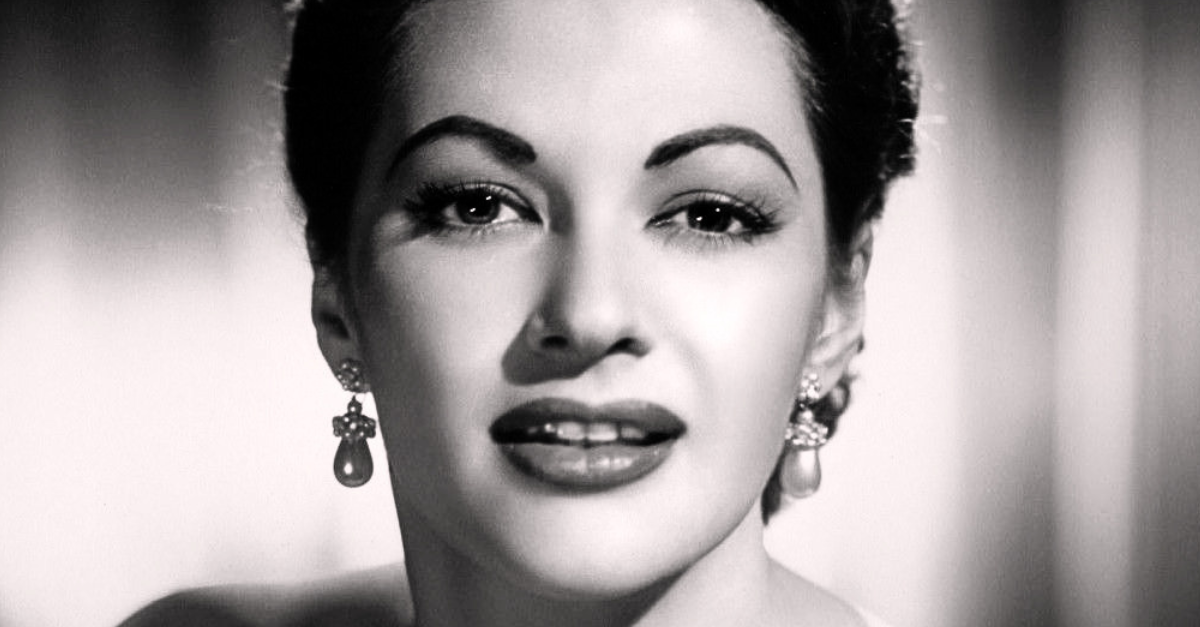
She was the mother every monster loved. But long before Yvonne De Carlo became television's unforgettable Lily Munster, she had been one of Hollywood's glamorous leading ladies, and the difficult circumstances that brought her to that famous television household were far more complicated than most viewers ever imagined.
 Unknown Author / Wikimedia Commons
She Wasn't Born Yvonne De Carlo
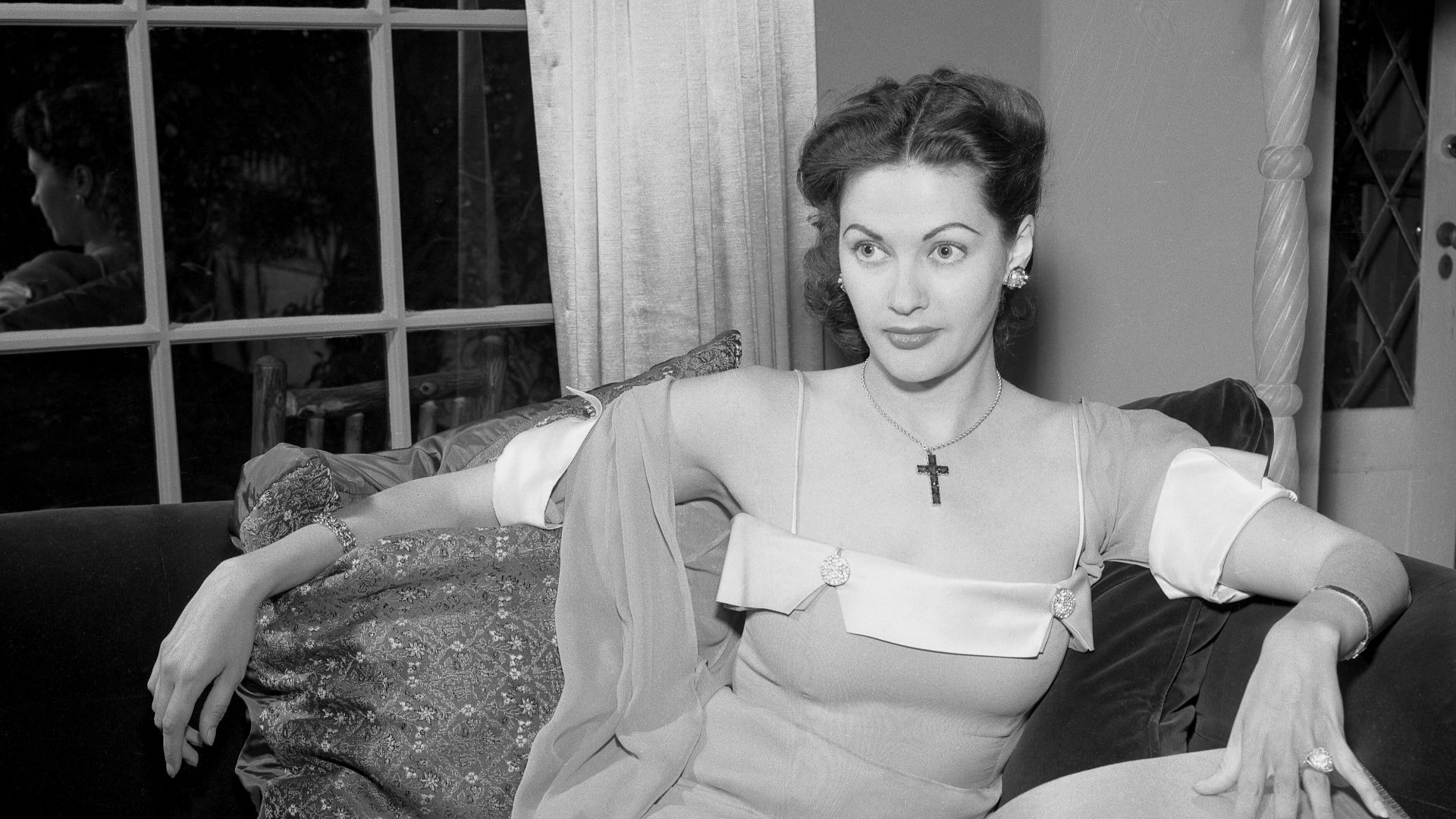
The future Hollywood star was born Margaret Yvonne Middleton in Vancouver, British Columbia, on September 1, 1922. Her father abandoned the family when she was young, leaving her mother to raise her under financially difficult circumstances. Despite those challenges, De Carlo's mother recognized her daughter's potential and encouraged her to pursue dancing, acting, and other performing arts from an early age.
 R. L. Oliver, Los Angeles Times, Wikimedia Commons
Her Mother Had Hollywood Dreams
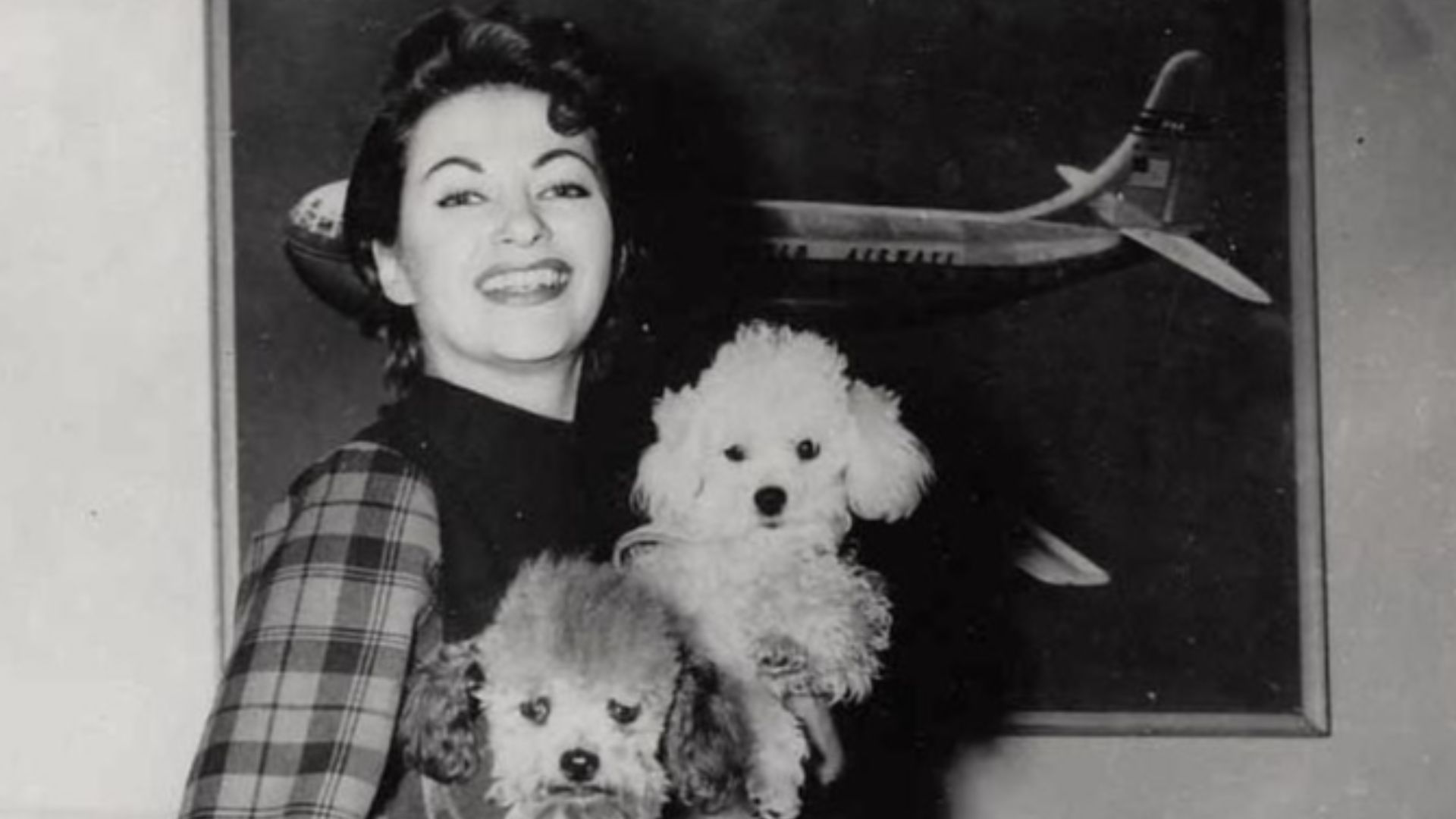
De Carlo's mother believed her daughter could become a successful entertainer and enrolled her in dance and drama classes. As a teenager, De Carlo developed the performance skills that would eventually become essential to her Hollywood career. In 1940, she moved to Los Angeles with her mother, hoping to find opportunities in an industry already filled with aspiring young actresses.
 Unknown authorUnknown author, Wikimedia Commons
She Started Out Dancing In Nightclubs
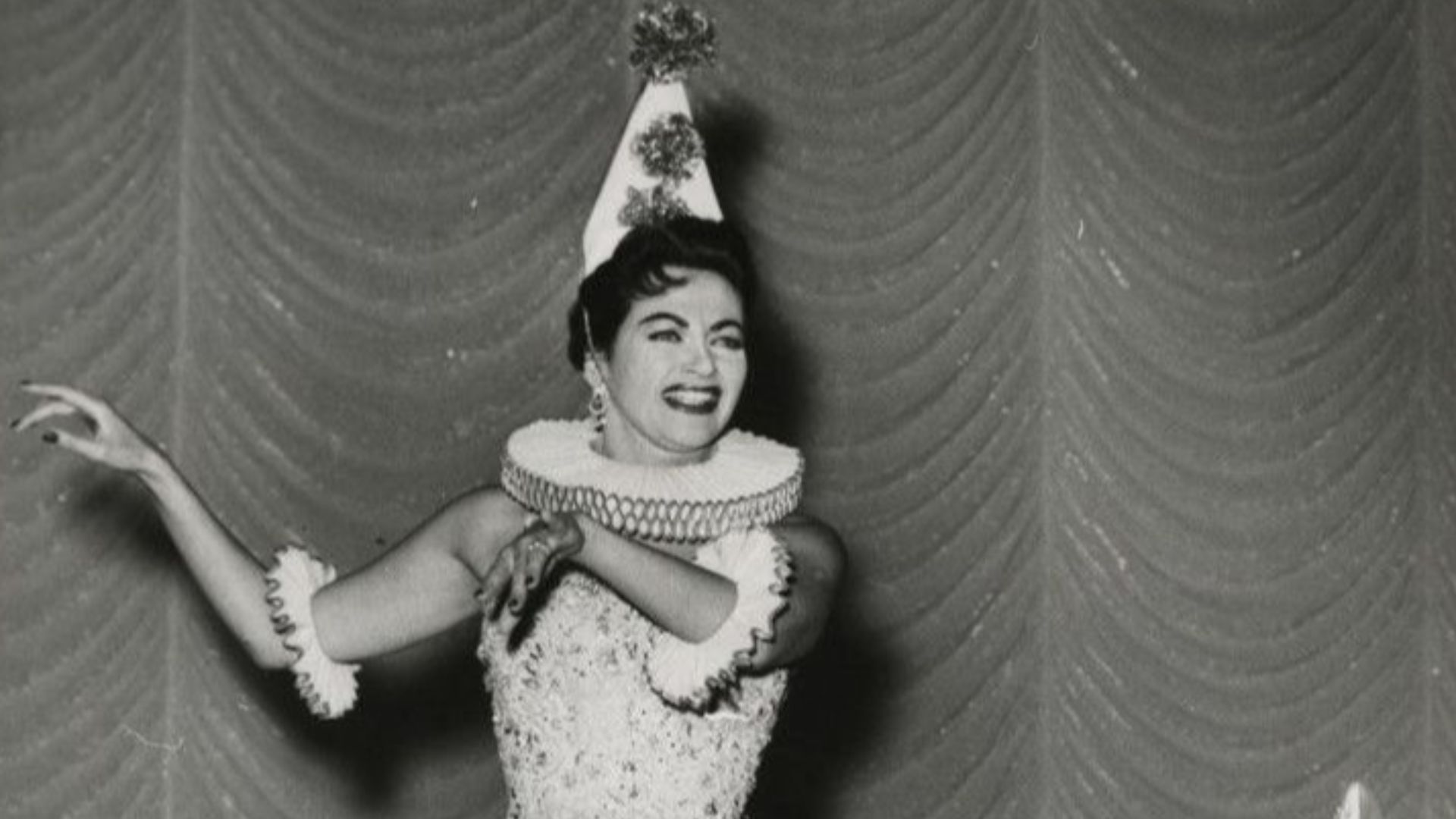
Breaking into Hollywood proved considerably more difficult than the young performer expected. De Carlo supported herself by dancing in nightclubs while pursuing auditions and small movie appearances during the day. Her work brought her into contact with bandleader Artie Shaw, who recognized her ambition and reportedly helped support her while she sought opportunities at the major studios.
 Unknown authorUnknown author, Wikimedia Commons
Hollywood Barely Noticed Her At First
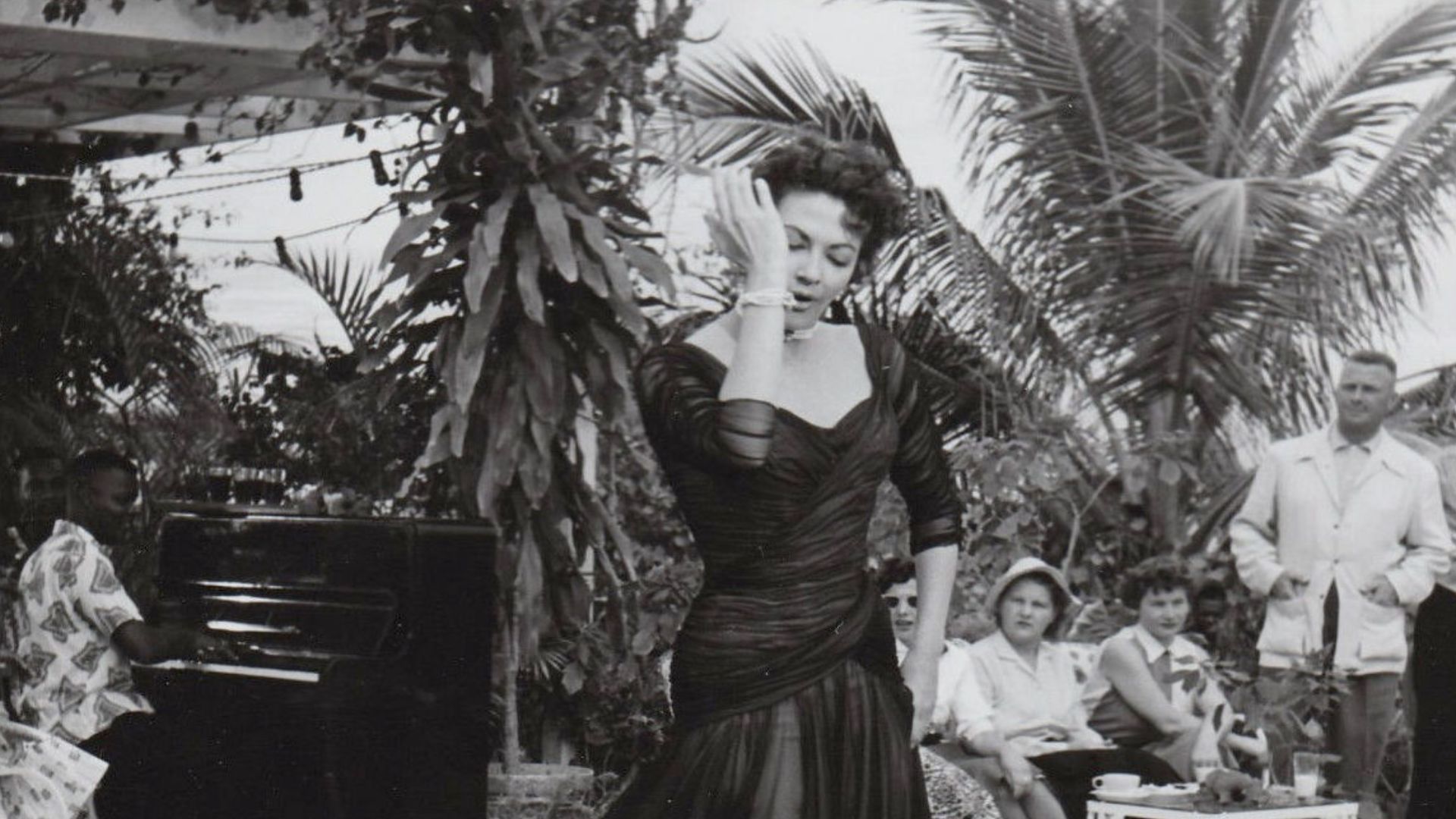
De Carlo began appearing in movies during the early 1940s, frequently receiving tiny parts that offered little opportunity to demonstrate her abilities. Her early credits included This Gun for Hire, Road to Morocco, and For Whom the Bell Tolls, although audiences had little reason to recognize her name. Like countless aspiring performers, she spent years waiting for a substantial role that might finally distinguish her from the competition.
 Unknown authorUnknown author, Wikimedia Commons
A New Name Helped Create A Star
The actress eventually abandoned the name Margaret Middleton in favor of Yvonne De Carlo, incorporating her mother's maiden name into her professional identity. The change gave her a distinctive Hollywood name that suited the adventurous characters studios frequently wanted her to portray. As her screen appearances gradually increased, the young performer began attracting attention for her appearance, dancing ability, and confident presence.
 Unknown authorUnknown author, Wikimedia Commons
Universal Launched A Search For Its Next Leading Lady
In 1944, Universal began searching for an actress to star in the upcoming Technicolor adventure Salome, Where She Danced. According to the American Film Institute, the production conducted an extensive search that invited photographers, theatrical organizations, and other groups to recommend promising women. De Carlo eventually secured the leading role, receiving the opportunity she had spent years trying to obtain.
 CBS Television, Wikimedia Commons
Salome Finally Made Her Famous
Released in 1945, Salome, Where She Danced featured De Carlo as a performer whose adventures took her through Europe and the American West. Critics were largely unimpressed with the extravagant production, but audiences responded enthusiastically enough to make it a commercial success. Almost overnight, the actress who had struggled to attract Hollywood's attention became a leading lady with a recognizable name.
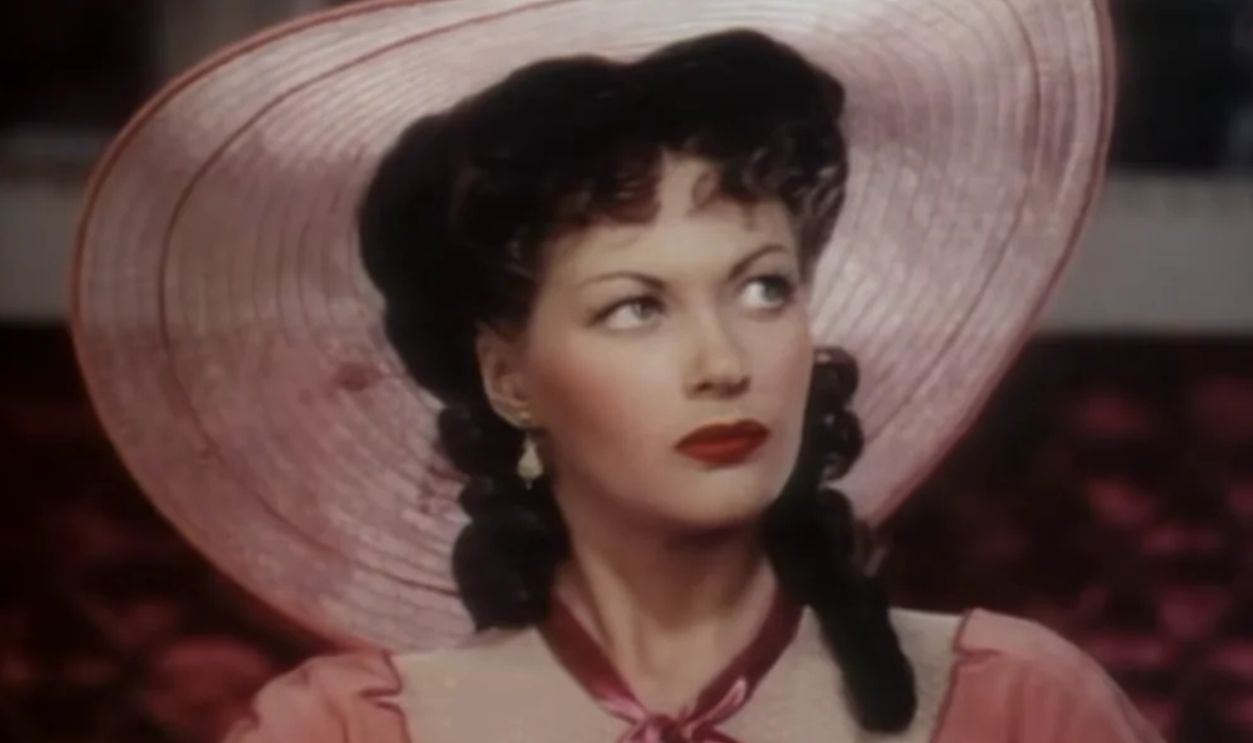 Screenshot from Salome, Where She Danced (1945), Columbia Pictures
She Became Hollywood's Adventure Queen
Following her breakthrough, Universal cast De Carlo in a succession of colorful westerns, historical adventures, and elaborate costume productions. Films including Frontier Gal and Song of Scheherazade allowed her to demonstrate her ability to carry major productions. Her distinctive appearance and screen confidence became valuable assets, although the industry's enthusiasm for similar characters would eventually limit the opportunities available to her.
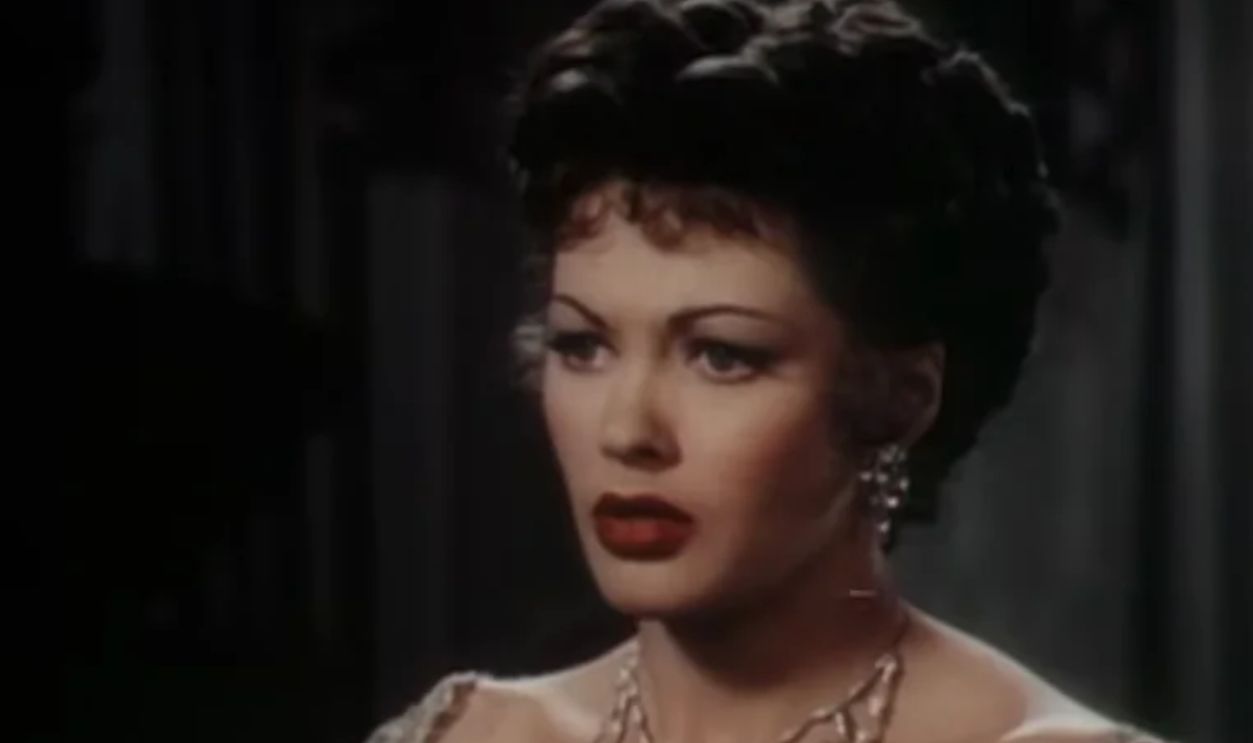 Screenshot from Salome, Where She Danced (1945), Columbia Pictures
Her Glamorous Image Became A Trap
De Carlo was increasingly associated with exotic costumes, romantic adventures, and characters whose appearances mattered more than their personalities. The roles made her popular, but they didn't always provide the dramatic opportunities she wanted. As Hollywood continued offering similar productions, De Carlo struggled to escape the image that had originally helped establish her career.
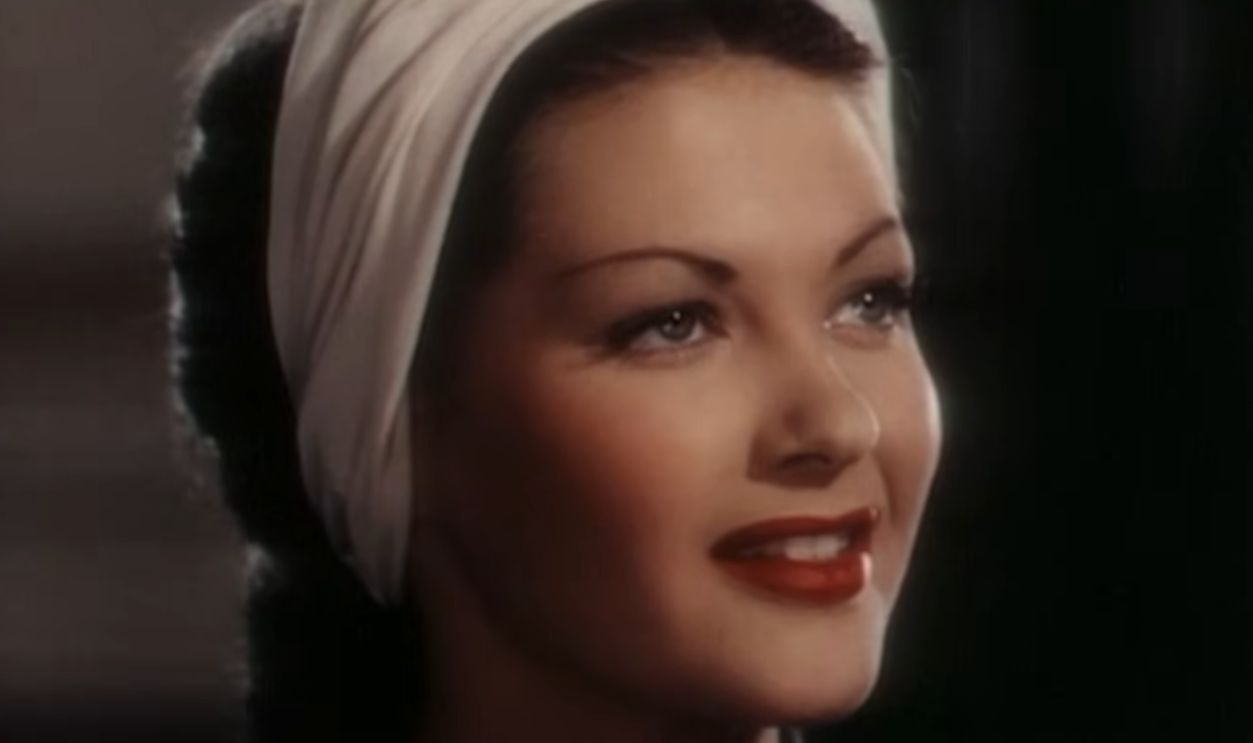 Screenshot from Salome, Where She Danced (1945), Columbia Pictures
Burt Lancaster Helped Reveal Her Dramatic Talent
In 1947, De Carlo appeared in Brute Force, a serious prison drama directed by Jules Dassin and starring Burt Lancaster. She portrayed Gina, an Italian woman whose past was revealed through a prisoner's recollections. The film allowed her to participate in a darker, more demanding production than many of the colorful adventures associated with her early career.
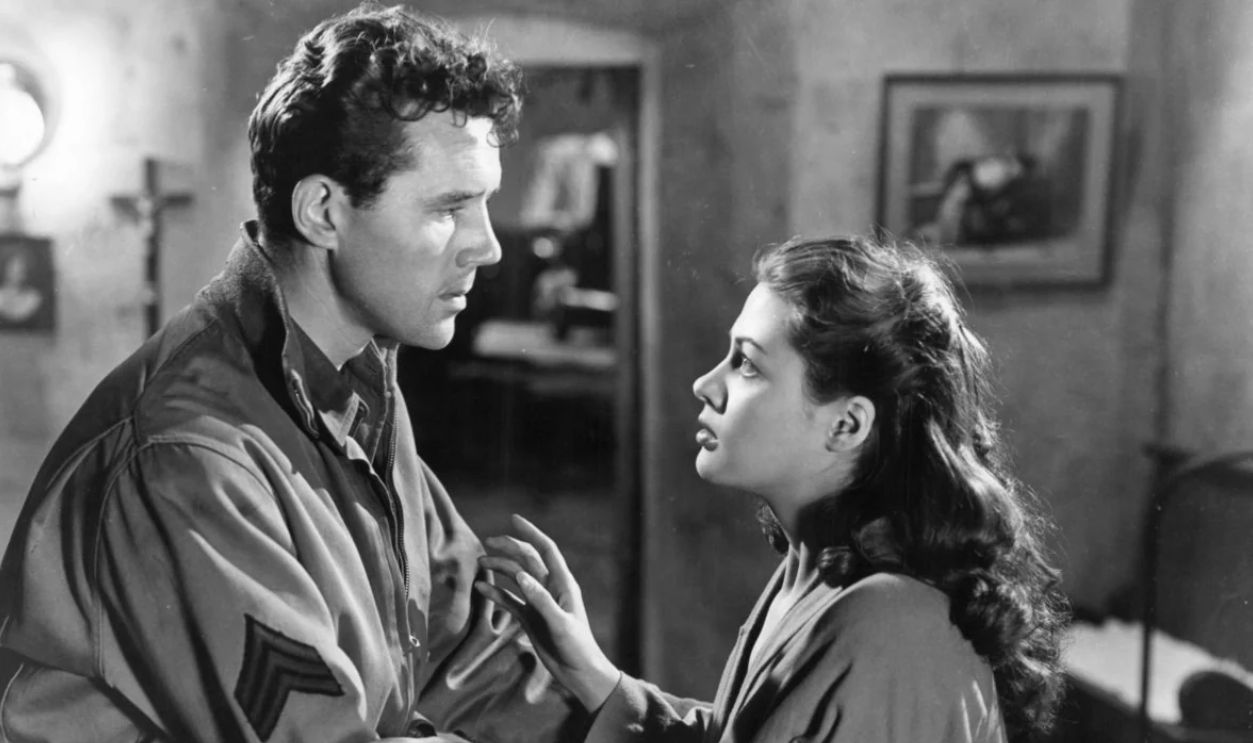
Criss Cross Showed Her Most Dangerous Side
Two years later, De Carlo reunited with Lancaster for the 1949 crime drama Criss Cross, directed by Robert Siodmak. She played Anna Dundee, a complicated woman caught between her former husband and a dangerous gangster. Her performance demonstrated that she could portray a morally ambiguous character within a tense psychological story, rather than simply appearing as the glamorous attraction in an adventure film.
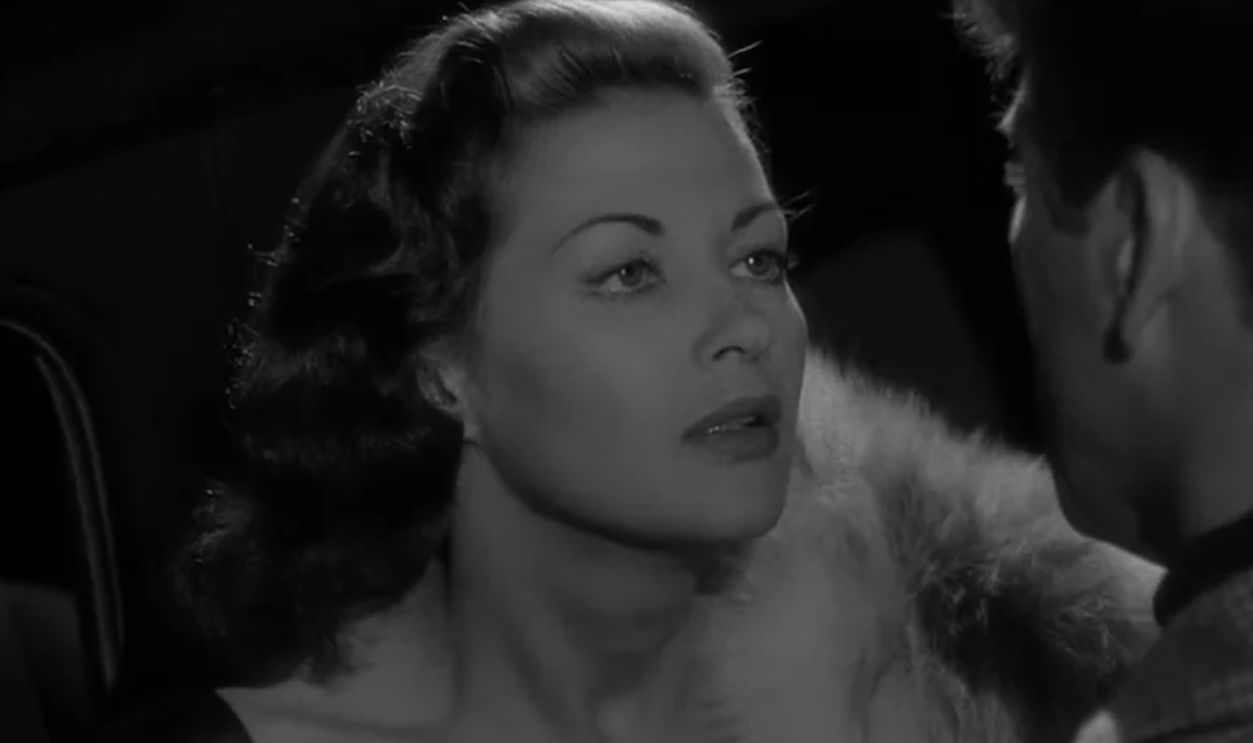 Screenshot from Criss Cross (1949), Universal-International Pictures
Tony Curtis Made An Appearance In Her Movie
One surprising detail about Criss Cross is that it featured a young Tony Curtis in a brief, uncredited appearance. Curtis played a man who dances with De Carlo during a nightclub sequence, years before becoming a major Hollywood star himself. The scene became a fascinating footnote in film history, bringing together two performers whose careers would develop in very different directions.
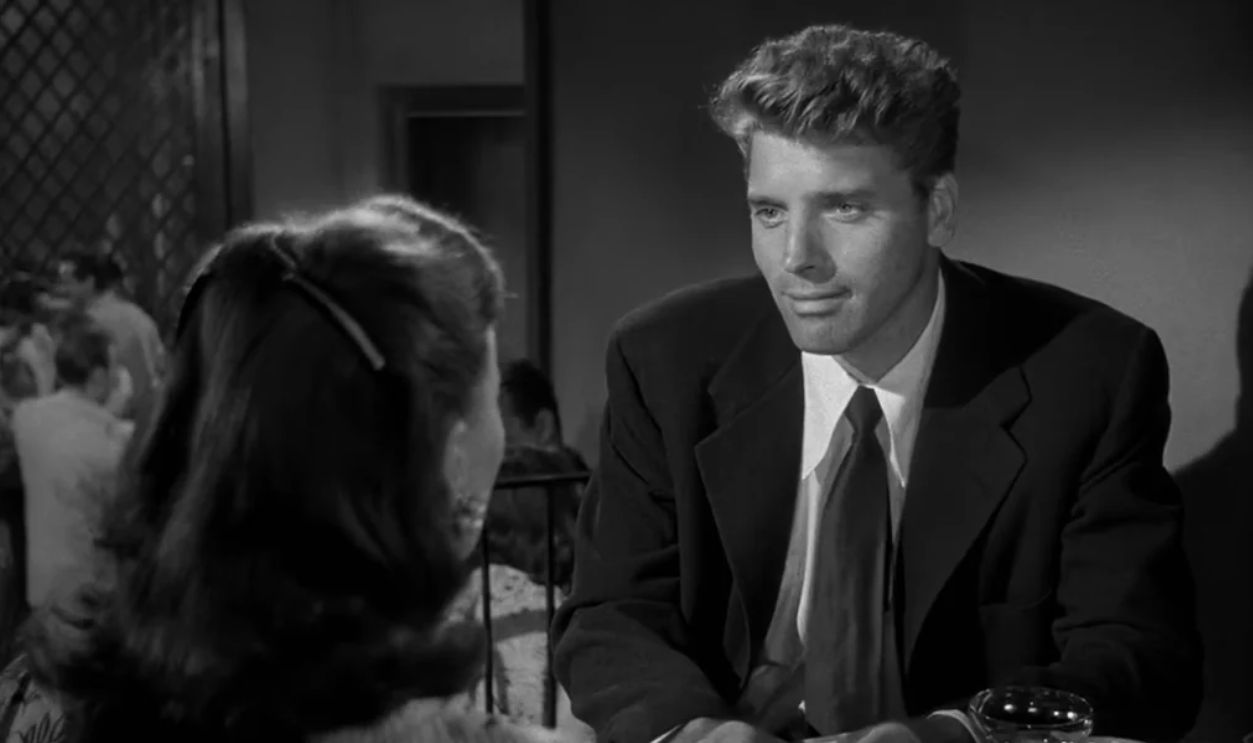 Screenshot from Criss Cross (1949), Universal-International Pictures
She Was More Versatile Than Hollywood Realized
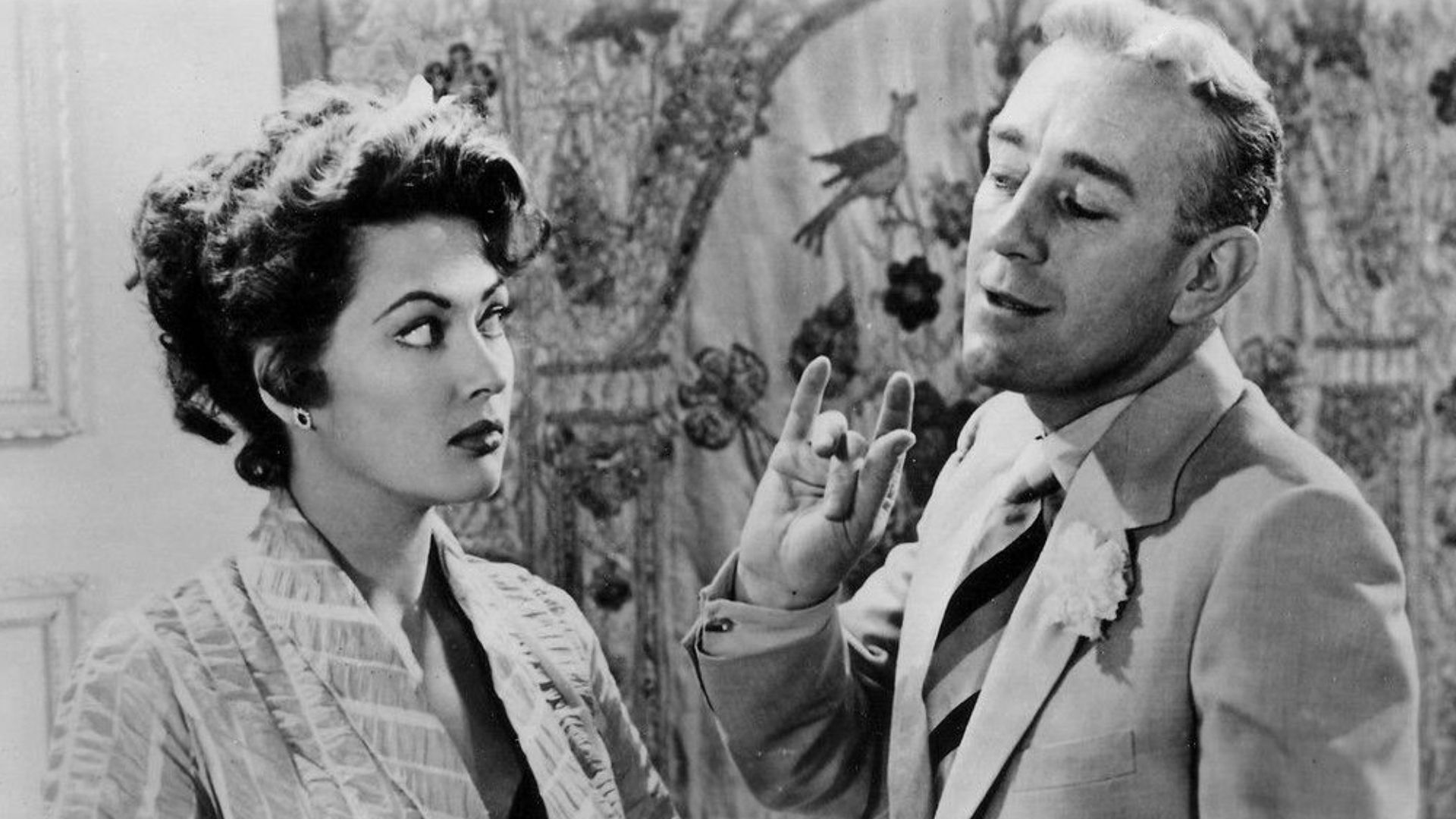
By the early 1950s, De Carlo had demonstrated that she could handle drama, action, and comedy, although studios continued emphasizing her glamorous image. In the 1953 British comedy The Captain's Paradise, she appeared opposite Alec Guinness in a story about a ship captain juggling two very different households. Her lively performance revealed an entertaining sense of humor that audiences would later recognize in The Munsters.
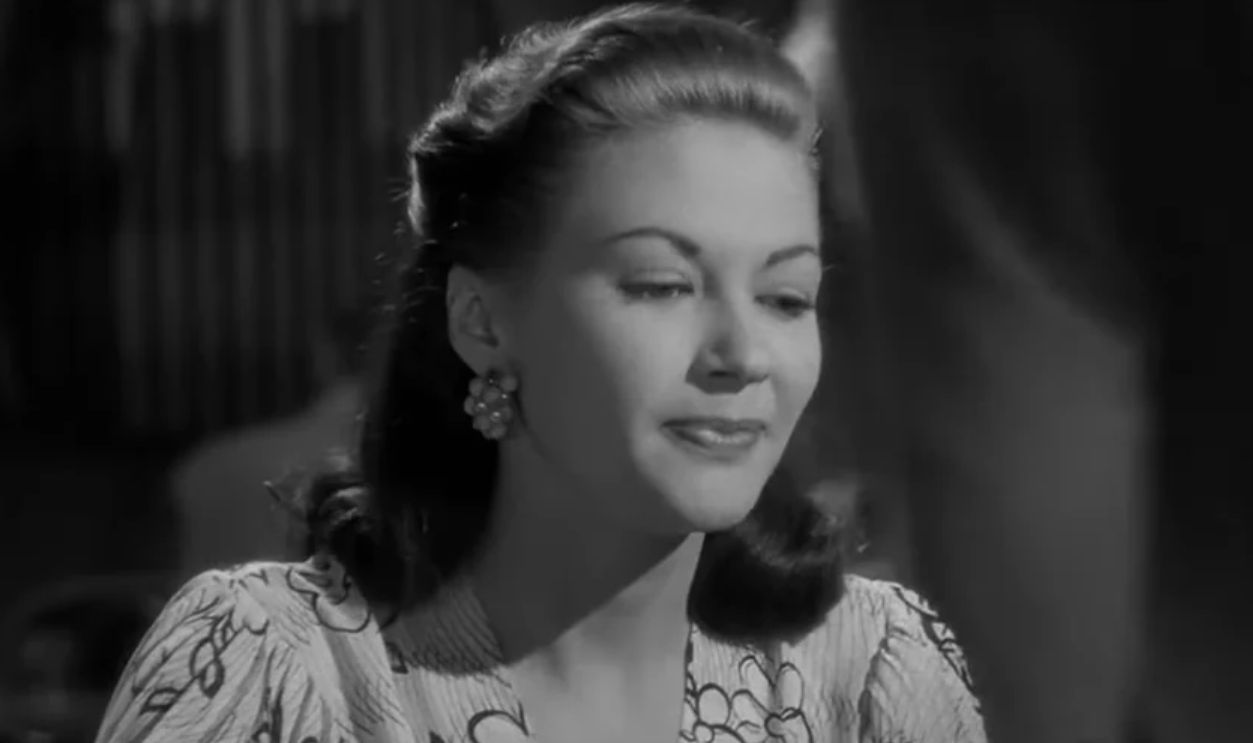 Screenshot from Criss Cross (1949), Universal-International Pictures
Cecil B. DeMille Saw Something Nobody Expected
De Carlo's career took another important turn when legendary director Cecil B. DeMille considered her for The Ten Commandments. After watching her portray a gentle character in the 1953 film Sombrero, DeMille recognized qualities that differed from her established screen image. He selected her to play Sephora, the wife of Moses, giving her one of the most prestigious roles of her movie career.
The Ten Commandments Put Her Among Hollywood Royalty
Released in 1956, The Ten Commandments became one of Hollywood's most spectacular historical productions. De Carlo appeared alongside Charlton Heston, Yul Brynner, Anne Baxter, and Edward G. Robinson in a massive biblical epic filmed partly in Egypt and the Sinai Peninsula. The production's enormous scale and prestigious cast placed her in a considerably different environment from the modest adventures that had dominated portions of her career.
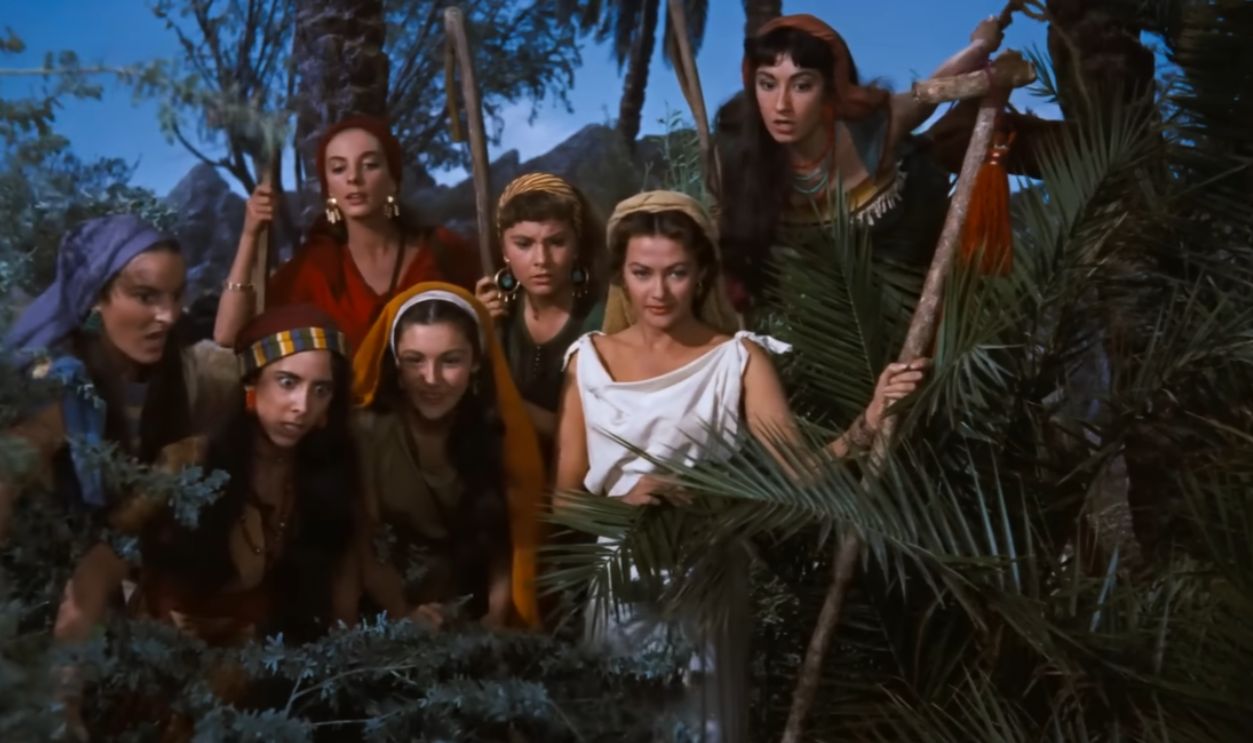 Screenshot from The Ten Commandments (1956), Paramount Pictures
She Finally Escaped Her Old Image
As Sephora, De Carlo portrayed a compassionate and dignified woman whose relationship with Moses formed an important part of the film's story. The role required a more restrained performance than the elaborate characters for which she had become famous. For an actress who had spent years trying to demonstrate her dramatic ability, appearing in a major DeMille production represented a particularly meaningful achievement.
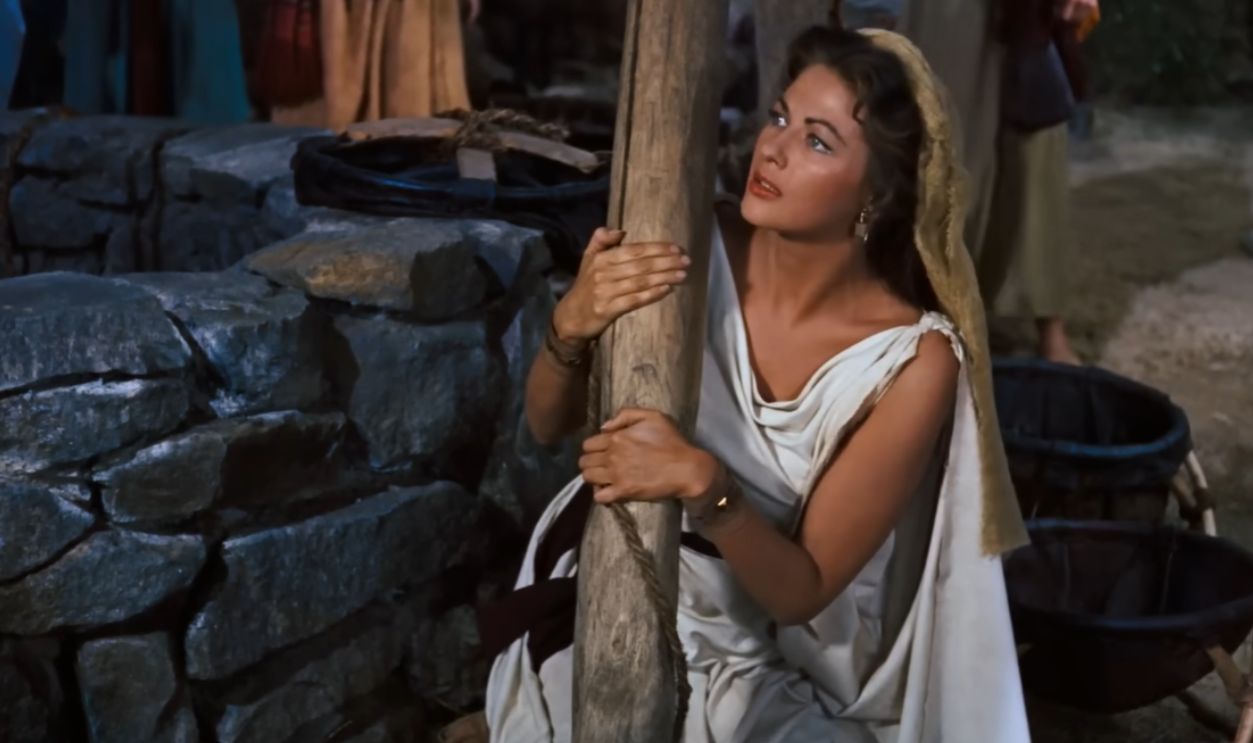 Screenshot from The Ten Commandments (1956), Paramount Pictures
She Went On To Work With Clark Gable
Following The Ten Commandments, De Carlo appeared opposite Clark Gable and Sidney Poitier in the 1957 drama Band of Angels. She portrayed Amantha Starr, a young woman whose understanding of her family background changes dramatically after her father's death. The film tackled difficult questions about slavery and identity, offering De Carlo another substantial dramatic role during a period when Hollywood was increasingly exploring socially challenging subjects.
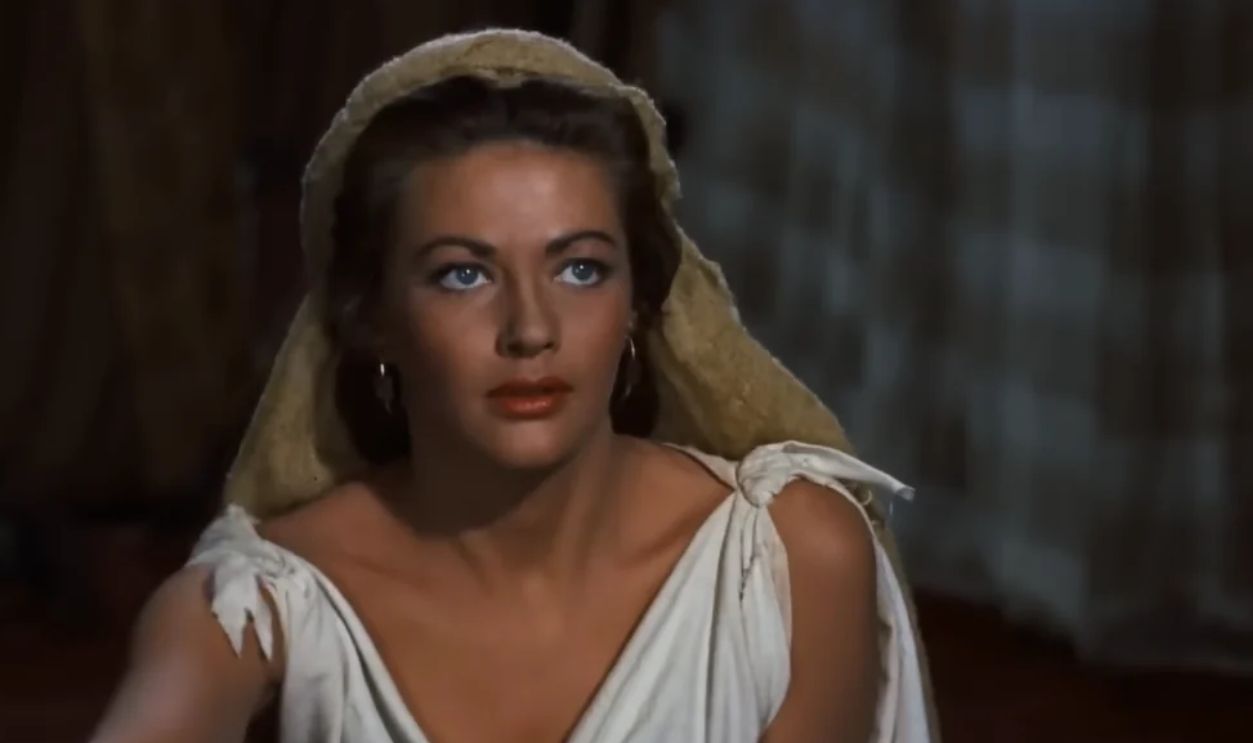 Screenshot from The Ten Commandments (1956), Paramount Pictures
Her Movie Stardom Began To Fade
Despite appearing in major productions with celebrated leading men, De Carlo struggled to maintain her position among Hollywood's most prominent actresses. By the end of the 1950s, the elaborate costume adventures that had supported much of her career were becoming less reliable sources of employment. She continued acting, but substantial movie opportunities were no longer arriving with the consistency she had enjoyed during her earlier years.
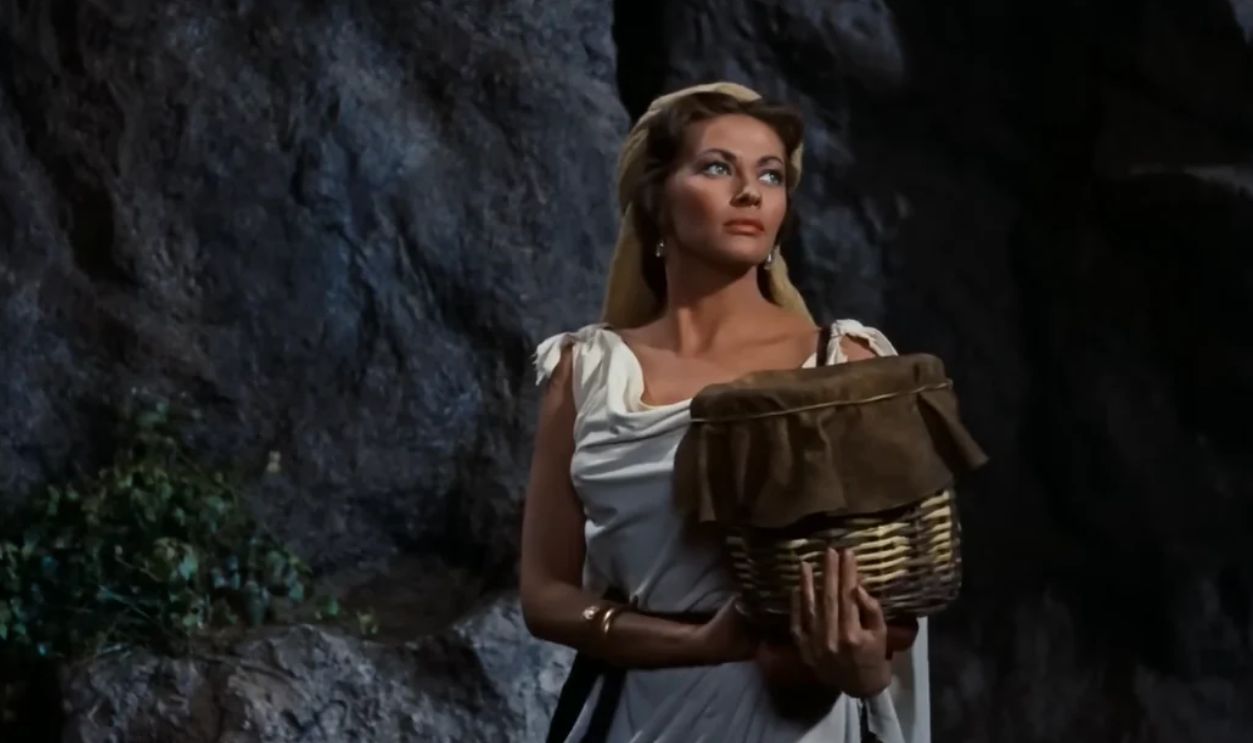 Screenshot from The Ten Commandments (1956), Paramount Pictures
Then Her Husband Suffered A Devastating Accident
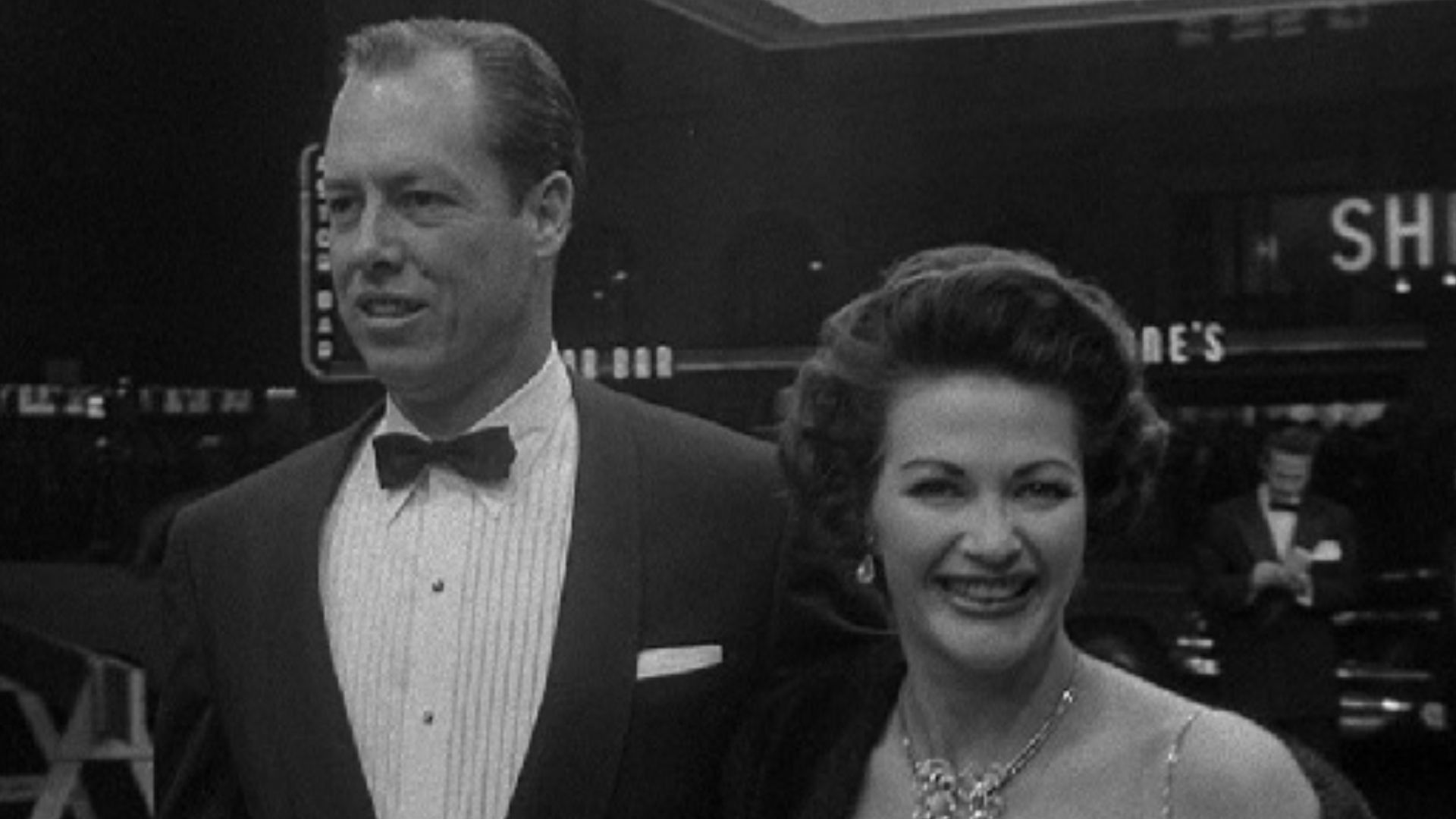
De Carlo had married stunt performer Robert Morgan in 1955, and the couple started a family while continuing their careers in Hollywood. In 1962, Morgan suffered a catastrophic injury while working on the western epic How the West Was Won. During a dangerous stunt involving a moving train, he was thrown beneath the vehicle, leaving him with life-changing injuries.
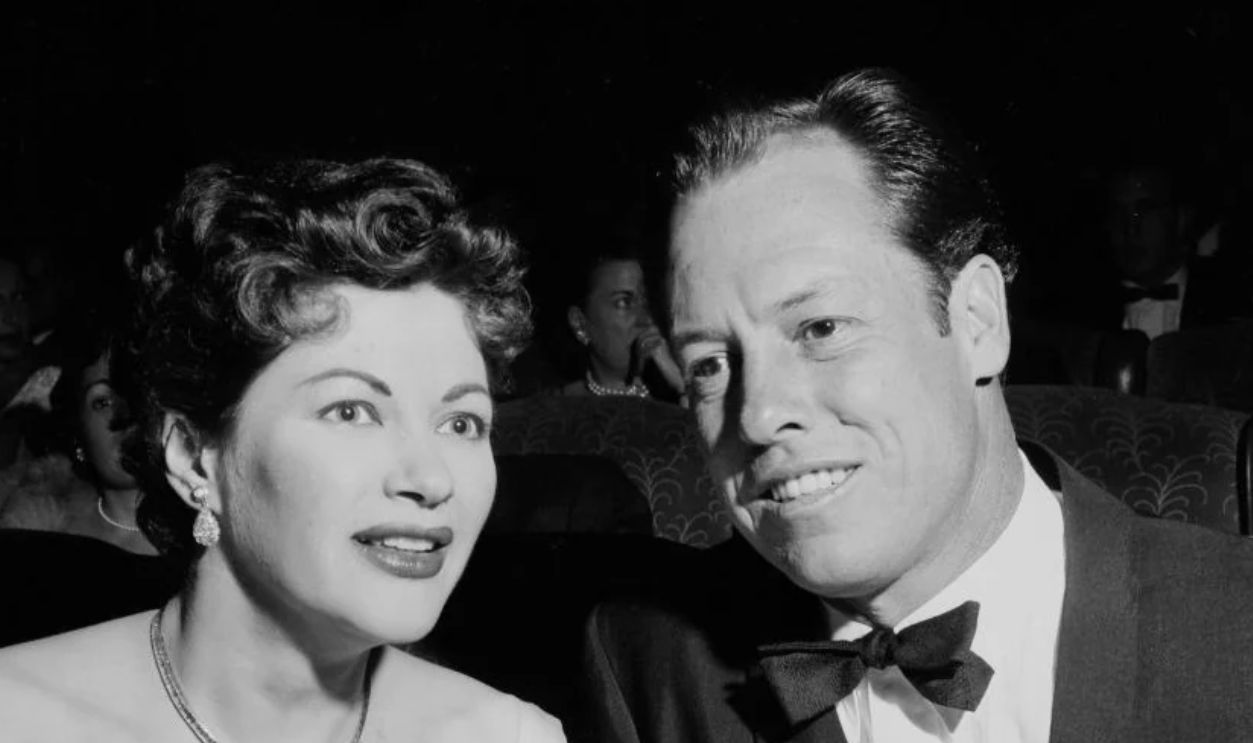 Michael Ochs Archives, Getty Images
The Accident Changed Their Entire Family
Morgan lost a leg and sight in one eye as a result of the accident. De Carlo temporarily stepped away from acting to help care for him, placing additional pressure on a household already facing an uncertain professional future. The situation transformed what had once been a glamorous Hollywood marriage into a family confronting serious medical and financial challenges.
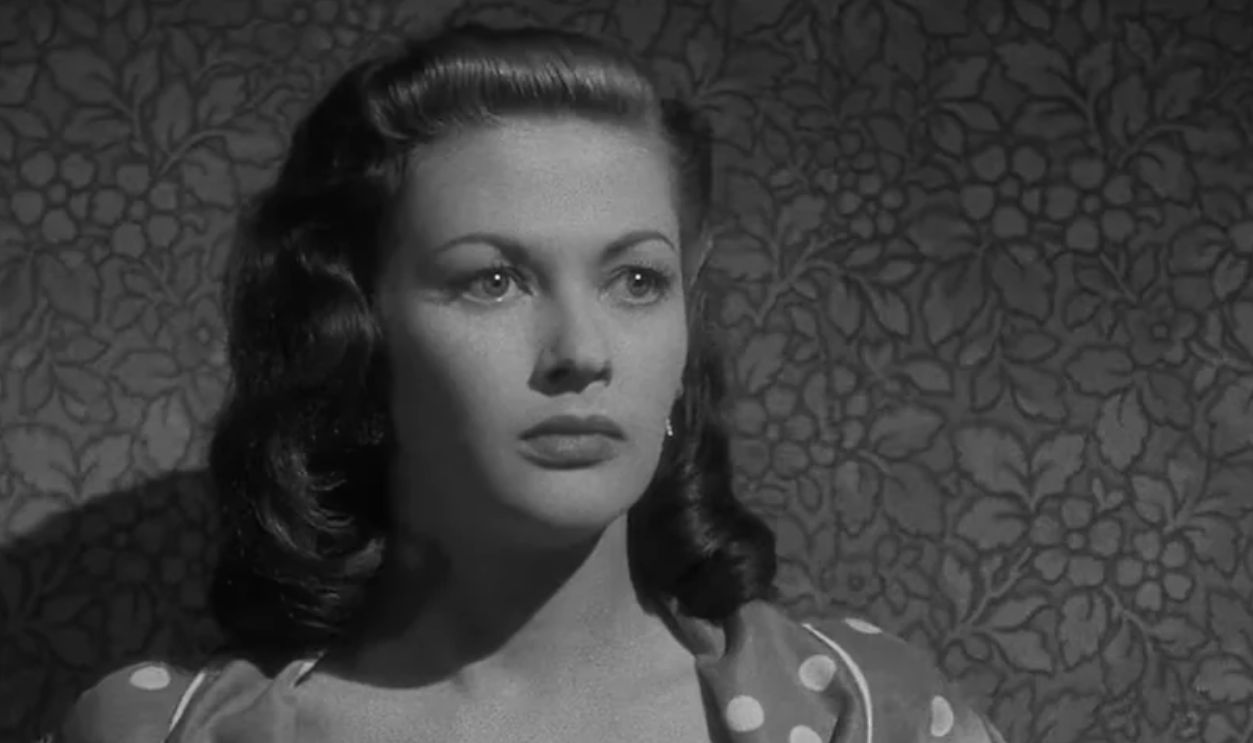 Screenshot from Criss Cross (1949), Universal-International Pictures
Her Hollywood Career Couldn't Support The Bills
As Morgan recovered, the couple faced substantial medical expenses while De Carlo's movie opportunities remained limited. The financial security she had once enjoyed as a leading lady was increasingly difficult to maintain. By the early 1960s, steady employment had become particularly important, creating circumstances that made an unusual television offer far more attractive than it might have been during her years of movie stardom.
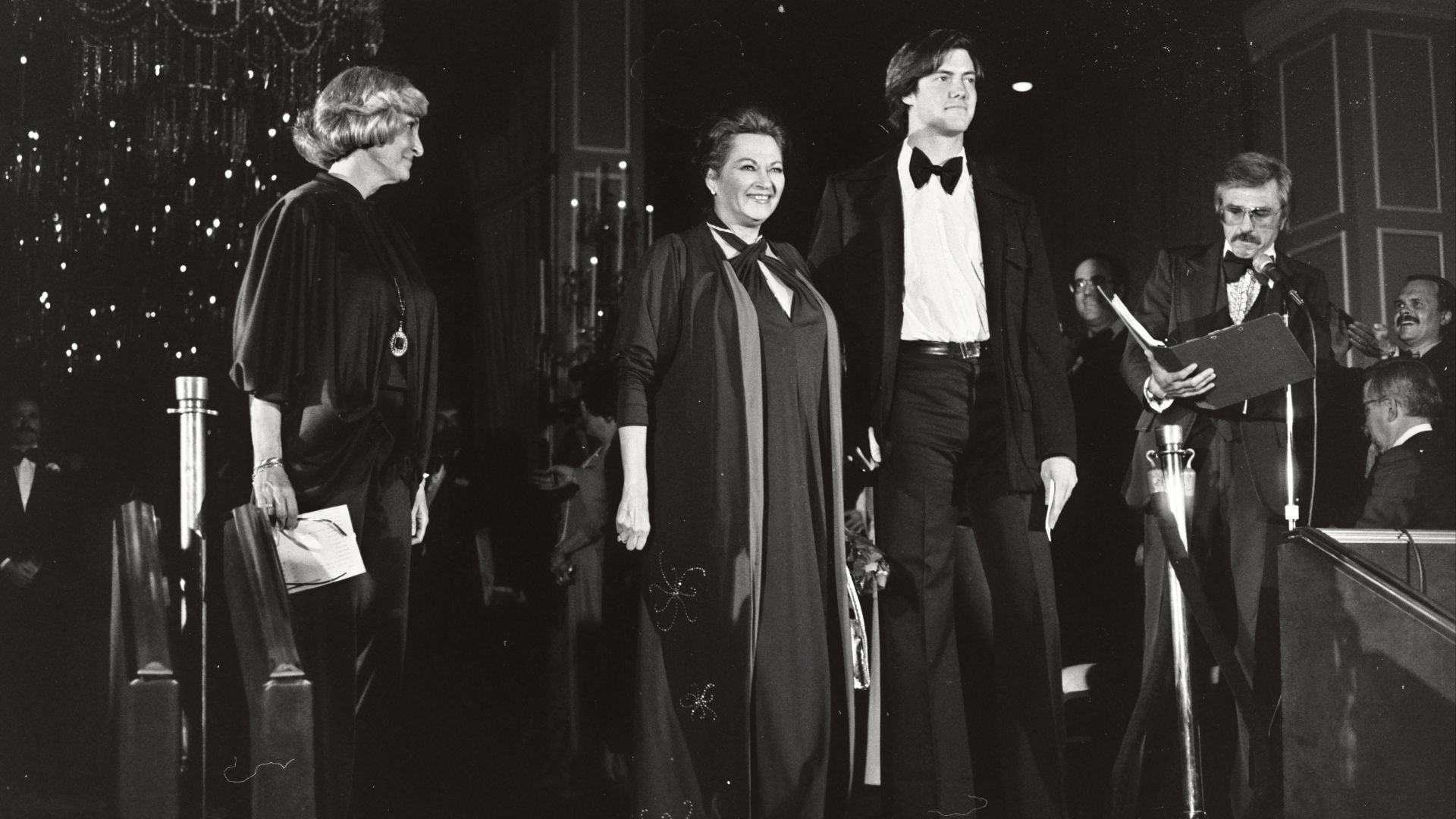
A Strange New Sitcom Came Calling
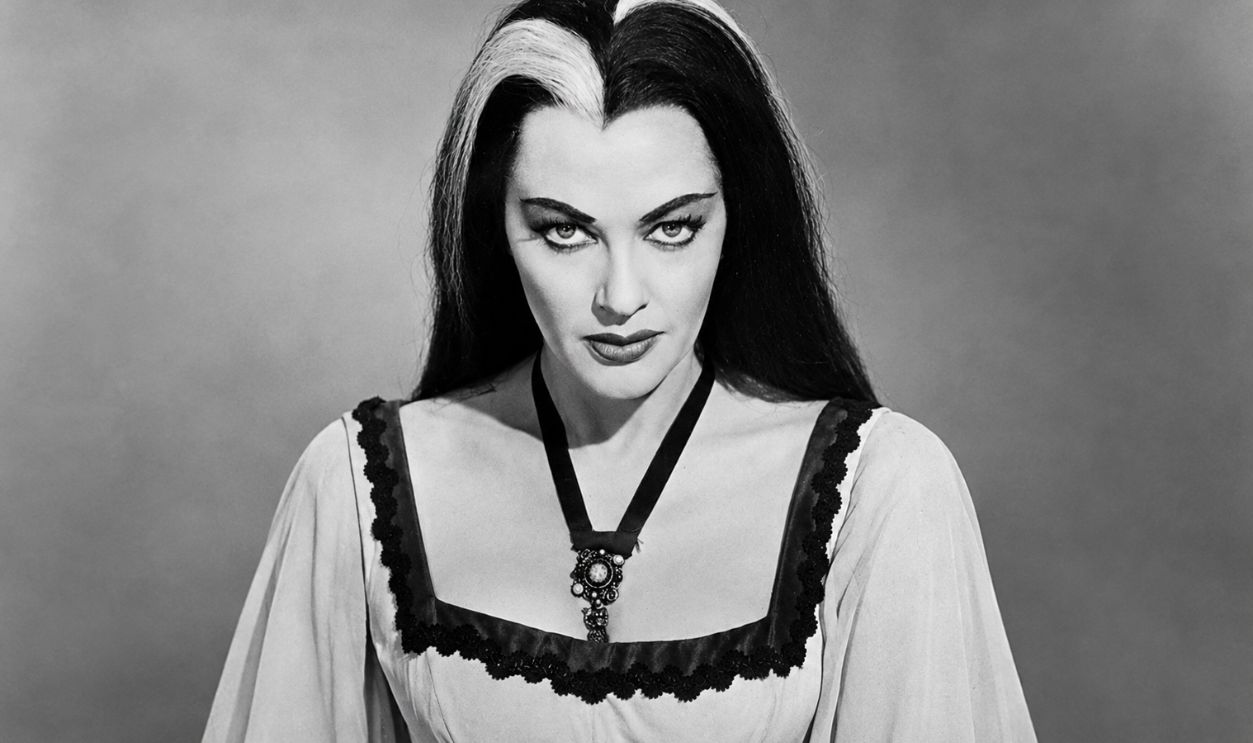
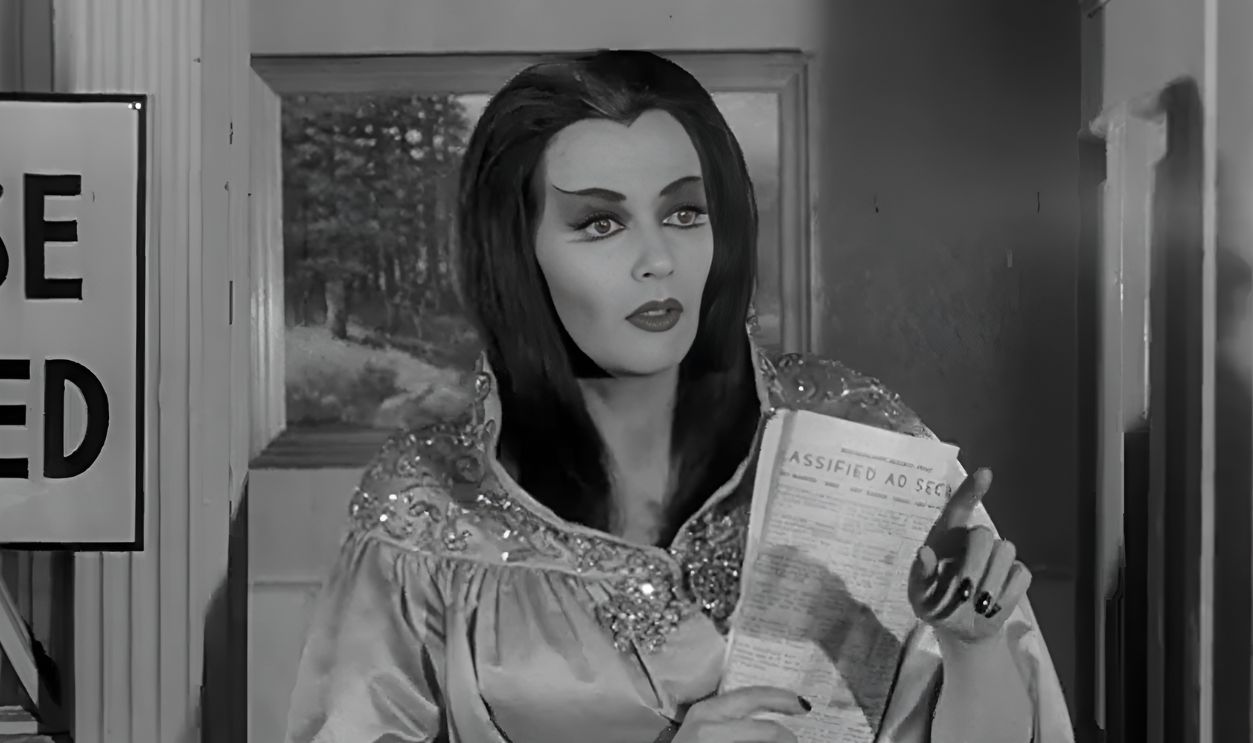
In 1964, Universal was preparing The Munsters, a television comedy about a friendly family whose appearance resembled characters from classic horror movies. The producers needed someone to portray Lily, the elegant mother of the unusual household. De Carlo initially worried that accepting such a role might damage whatever remained of her established movie-star image, but the promise of regular television work was difficult to ignore.
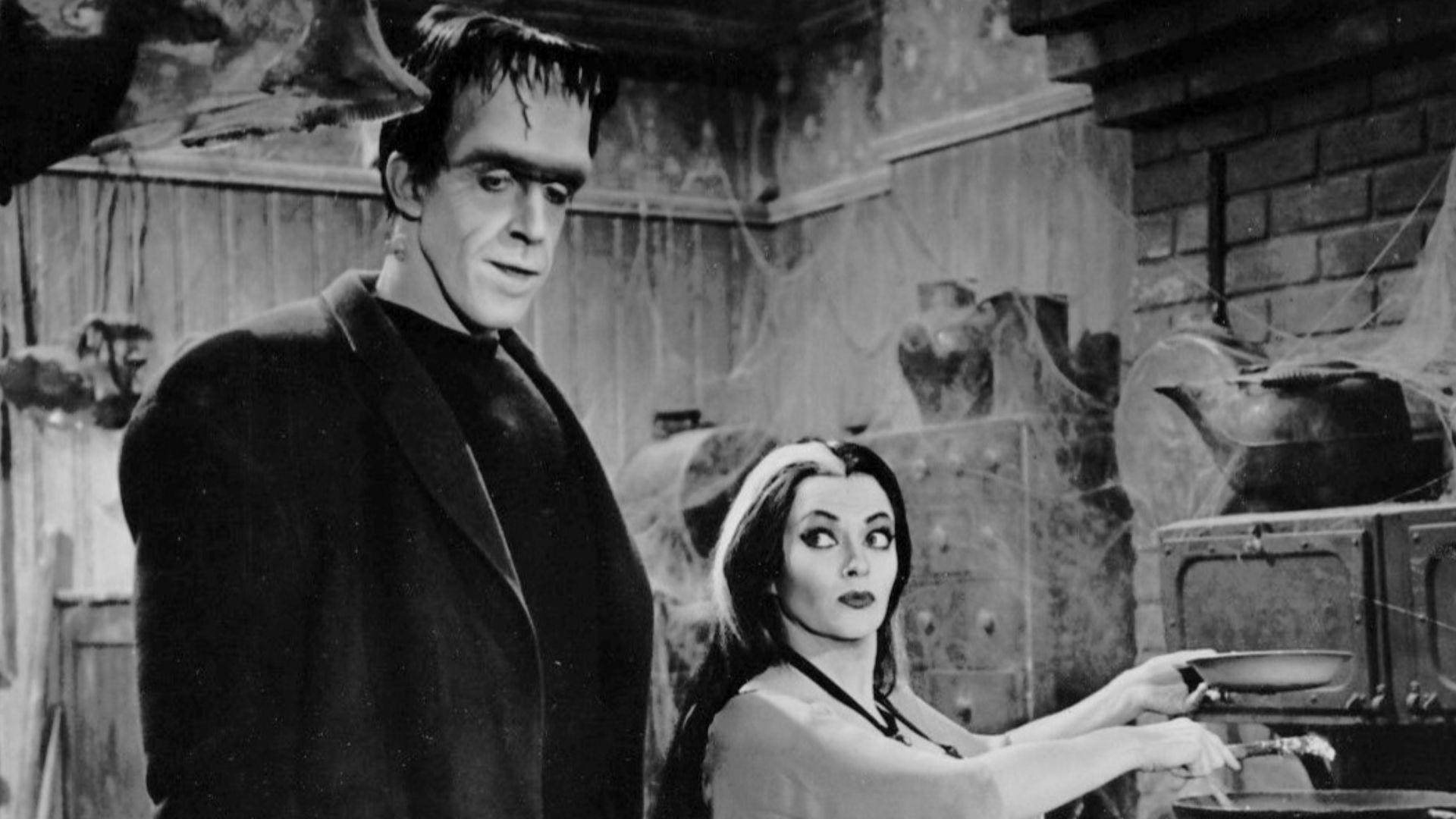 CBS Television, Wikimedia Commons
She Wasn't Sure About Becoming A Monster
De Carlo was reportedly concerned when she learned that Lily would require elaborate makeup and a supernatural appearance. According to a later account of her career, she agreed to participate in a screen test despite her reservations, hoping to discover whether the role was right for her. Her decision would ultimately introduce her to an entirely new audience, although neither she nor the producers could have predicted how enduring the character would become.
 Screenshot from The Munsters, CBS (1964–1966), Modified
Her Co-Stars Initially Underestimated Her
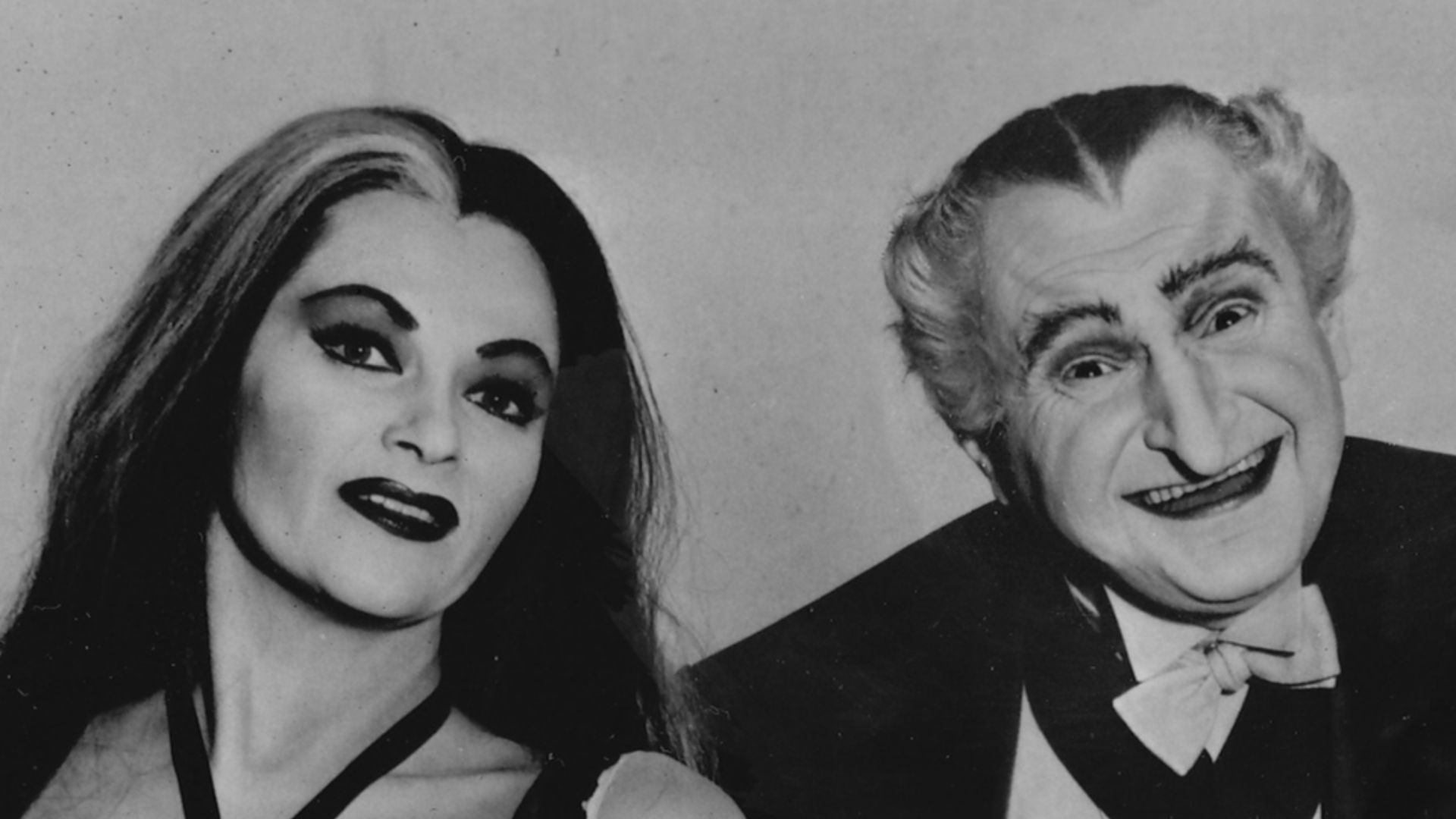
When De Carlo joined The Munsters, Fred Gwynne and Al Lewis were already established performers with substantial stage and television experience. According to television producer Kevin Burns, the two actors initially questioned whether a glamorous Hollywood leading lady would fit comfortably into their comedy ensemble. Their concerns quickly disappeared when De Carlo demonstrated her professionalism and natural comic ability, helping establish a warm working relationship among the cast.
 CBS Television Network., Wikimedia Commons
Lily Munster Became Her Most Famous Character
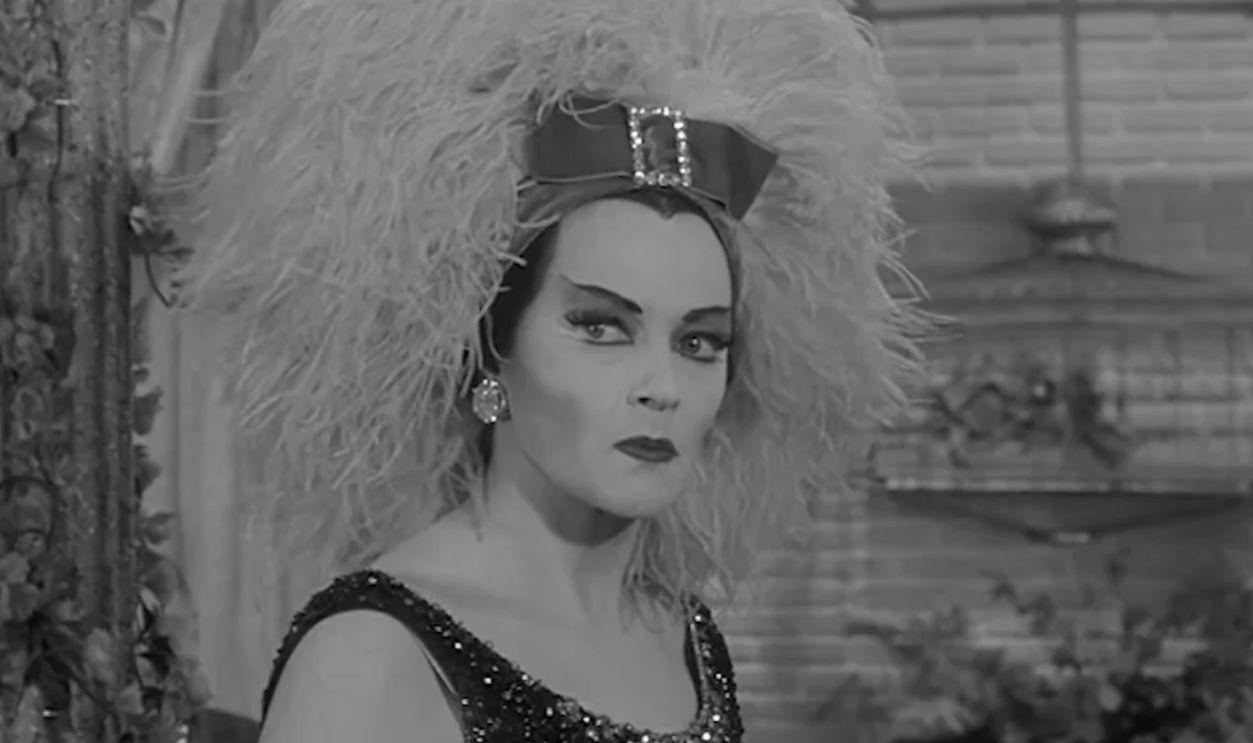
The Munsters premiered on CBS on September 24, 1964, with De Carlo playing the devoted wife of Herman Munster and mother of young Eddie. Alongside Gwynne, Lewis, Butch Patrick, and Beverley Owen, later replaced by Pat Priest, she helped create a household that looked frightening but behaved like an affectionate American family. Lily's combination of elegance, dry humor, and maternal patience quickly became essential to the show's appeal.
 Screenshot from The Munsters, CBS (1964–1966), Modified
She Based Lily On A Silent-Film Comedian
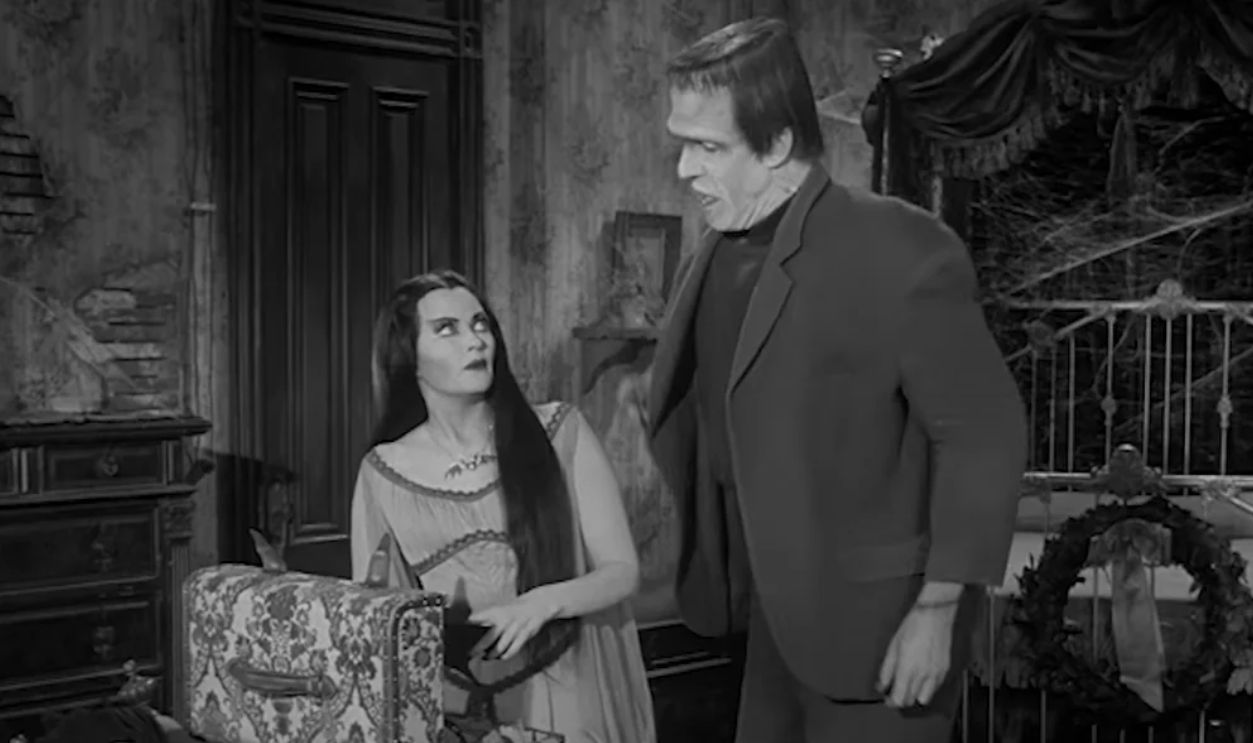
Rather than approaching Lily as a conventional horror character, De Carlo drew inspiration from silent-screen comedian ZaSu Pitts. Her restrained expressions and understated reactions helped make Lily particularly funny when surrounded by the increasingly ridiculous behavior of her family. De Carlo also embraced the elaborate makeup and costumes, discovering that the role offered considerably more creative possibilities than she had initially expected.
 Screenshot from The Munsters, CBS (1964–1966), Modified
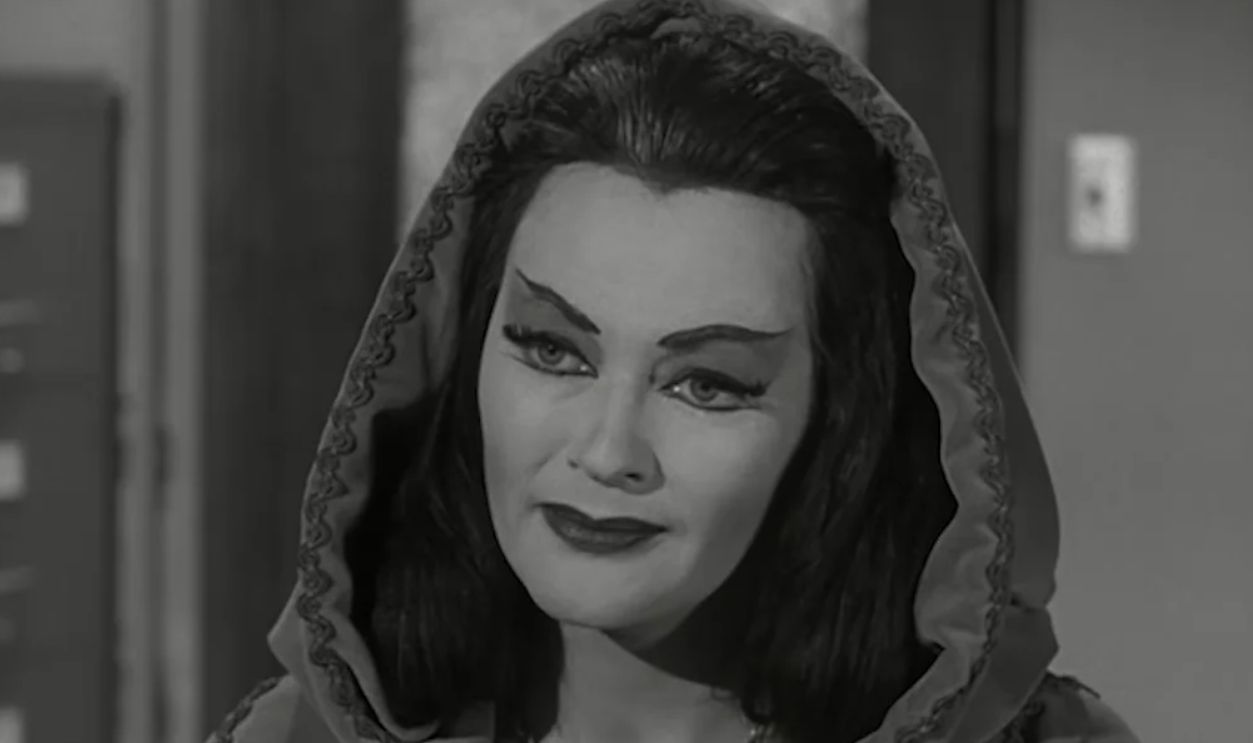
The Munsters Only Lasted Two Seasons
Despite its enduring reputation, The Munsters ran for just two seasons, ending in September 1966. The series produced 70 episodes before CBS canceled it, although its popularity in reruns would eventually introduce the characters to generations of viewers who had missed the original broadcasts. For De Carlo, the television role had provided the financial stability she desperately needed while also transforming her public image.
 Screenshot from The Munsters, CBS (1964–1966), Modified
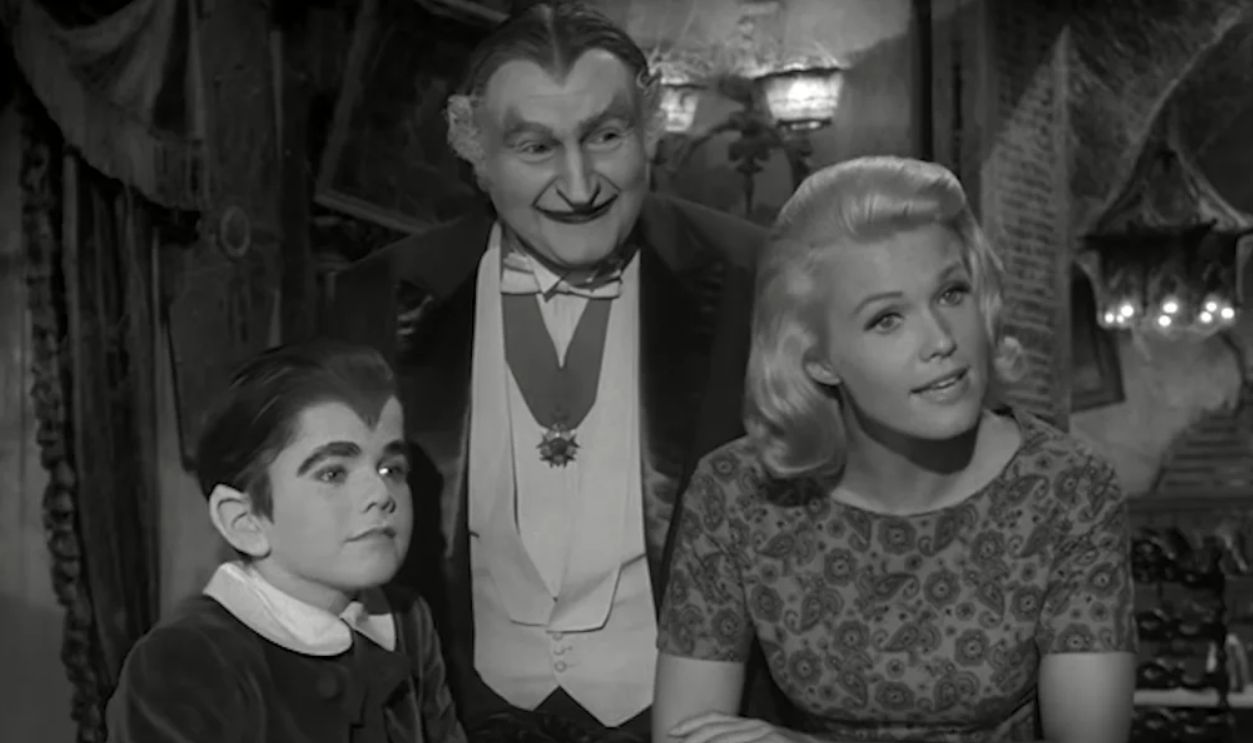
The Munster Family Even Made A Movie
Before the sitcom disappeared completely, Universal reunited much of the original cast for the 1966 feature film Munster, Go Home!. The production followed the unusual family as they traveled to England after Herman inherited a British estate, and it presented the familiar characters in color. Although the movie failed to revive the canceled series, it helped extend the characters' popularity and gave De Carlo another opportunity to portray the woman who had unexpectedly rescued her career.
 Screenshot from The Munsters, CBS (1964–1966), Modified
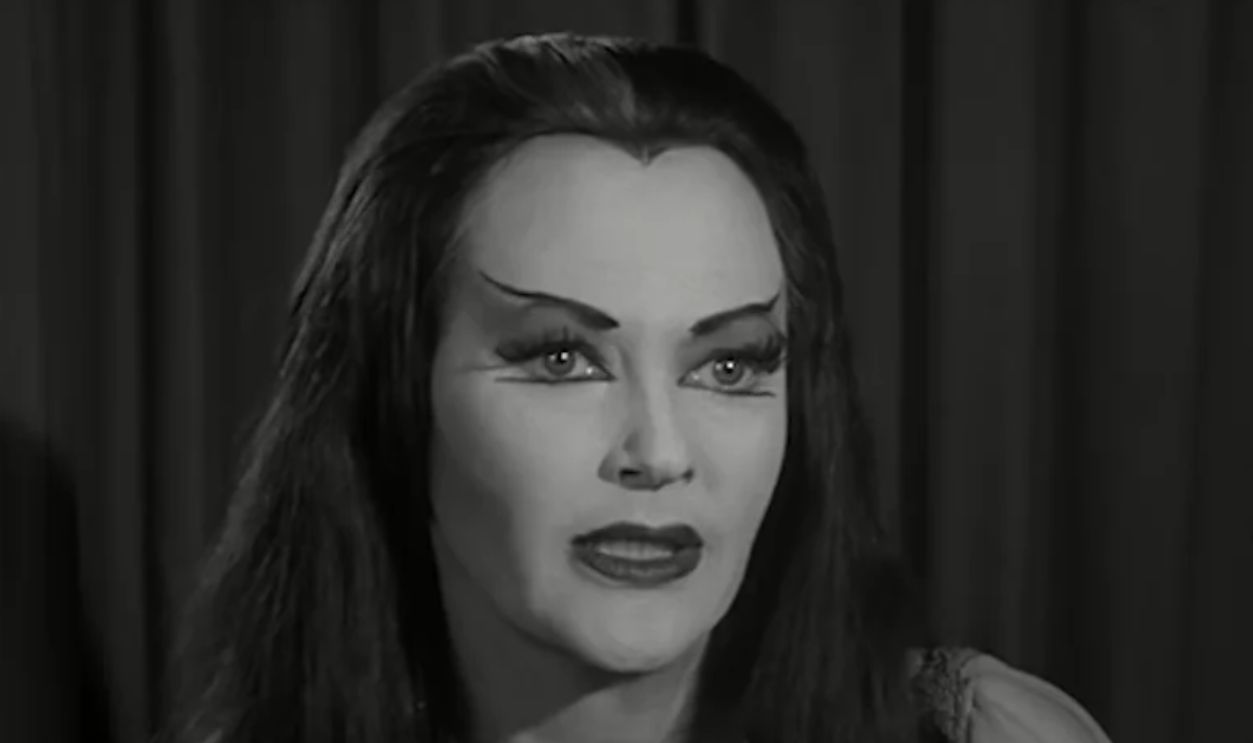
Broadway Gave Her An Incredible Second Comeback
In 1971, De Carlo joined the original Broadway production of Stephen Sondheim's Follies, playing Carlotta Campion, a former performer reflecting on her eventful career. During the musical's development, Sondheim wrote "I'm Still Here," a showstopping number that suited De Carlo's voice and unusual professional history. The song became one of the production's most celebrated moments, giving the former movie star another major achievement long after Hollywood had stopped treating her as a leading lady.
 Screenshot from The Munsters, CBS (1964–1966), Modified
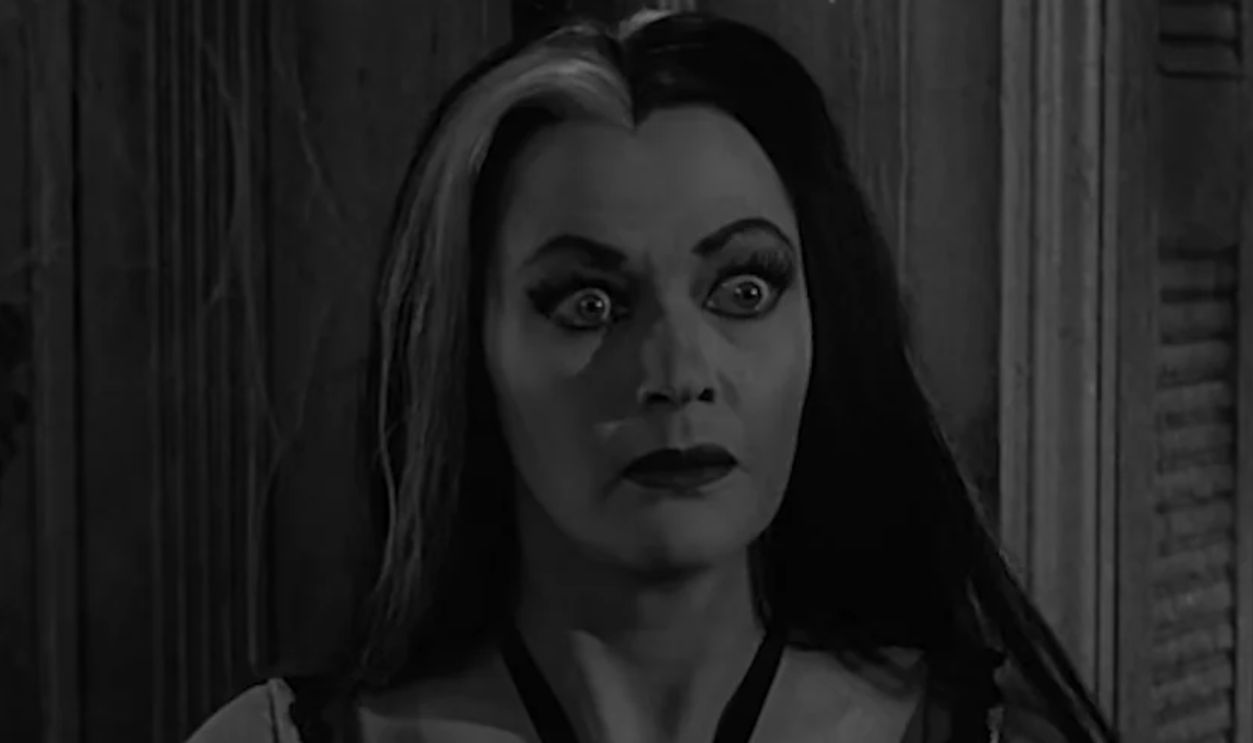
The Fallen Movie Star Had The Last Laugh
De Carlo continued appearing in movies and television programs for decades, including the acclaimed 1977 miniseries Roots and the 1991 comedy Oscar. Yet it was Lily Munster who remained her most recognizable character, something De Carlo eventually welcomed because the series had given her a new audience and renewed professional opportunities. When she died on January 8, 2007, at age 84, she left behind an extraordinary career spanning Hollywood adventures, serious dramas, television comedy, and Broadway, proving that her supposed downfall had actually led to one of entertainment's most memorable reinventions.
 Screenshot from The Munsters, CBS (1964–1966), Modified
You May Also Like
How These Bands Came Up With Their Names
Celebrity Kids Who Dropped Their Famous Last Names
Names that most people today haven't heard of, but were once bigger than presidents.