Hollywood Expected Women To Play A Part Offscreen Too
Old Hollywood didn't just have rules for women onscreen. Actresses were expected to be glamorous, agreeable, marriageable, and careful not to threaten the men running the studios. Plenty complied. Others made a different choice. They built careers, guarded their independence, walked away when necessary, and refused to make men the center of their stories.
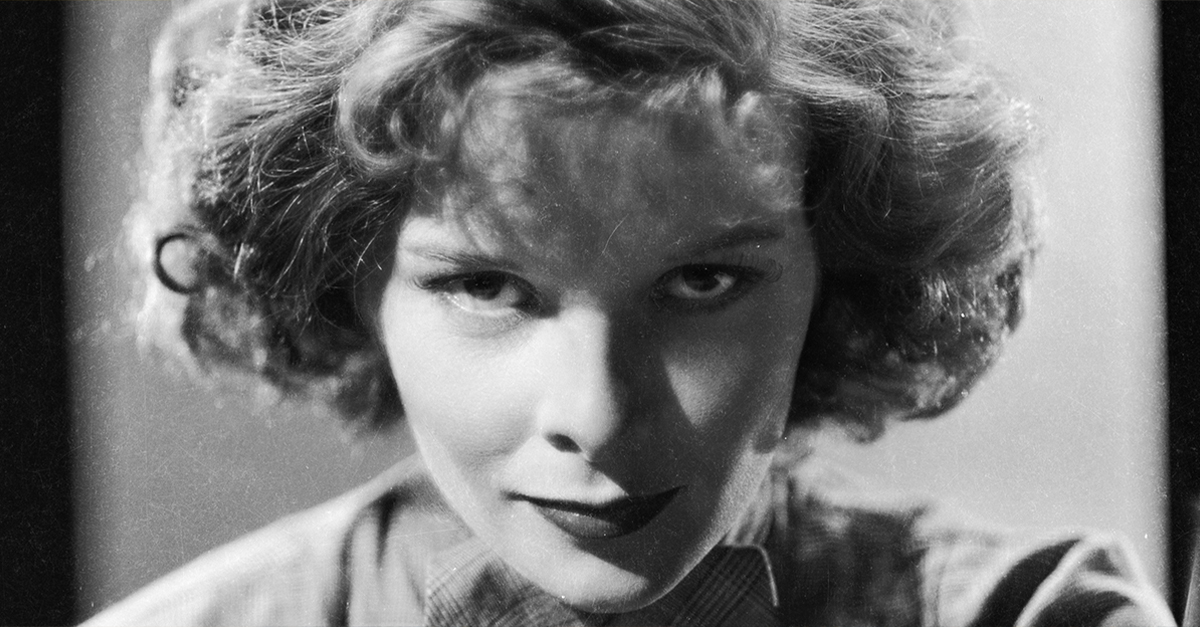
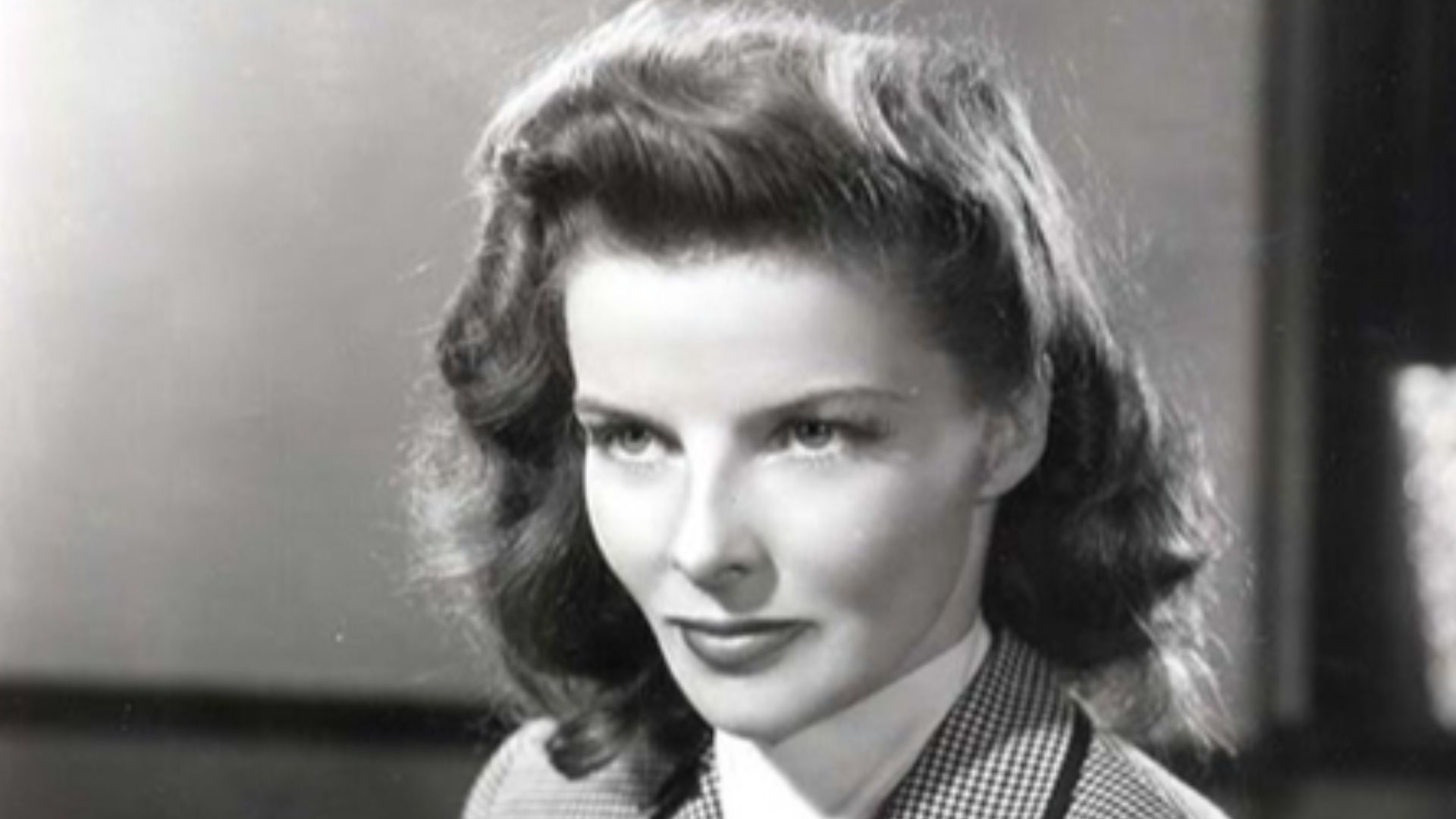
Katharine Hepburn Refused To Become Mrs. Anybody
Katharine Hepburn married once, divorced in 1934, and never married again. Just as importantly, she refused Hollywood's preferred version of femininity. She wore trousers, avoided the publicity machine, bought herself out of RKO, and later controlled the screen rights to The Philadelphia Story, engineering one of Hollywood's greatest comebacks herself.
 Metro-Goldwyn-Mayer (work for hire), Wikimedia Commons
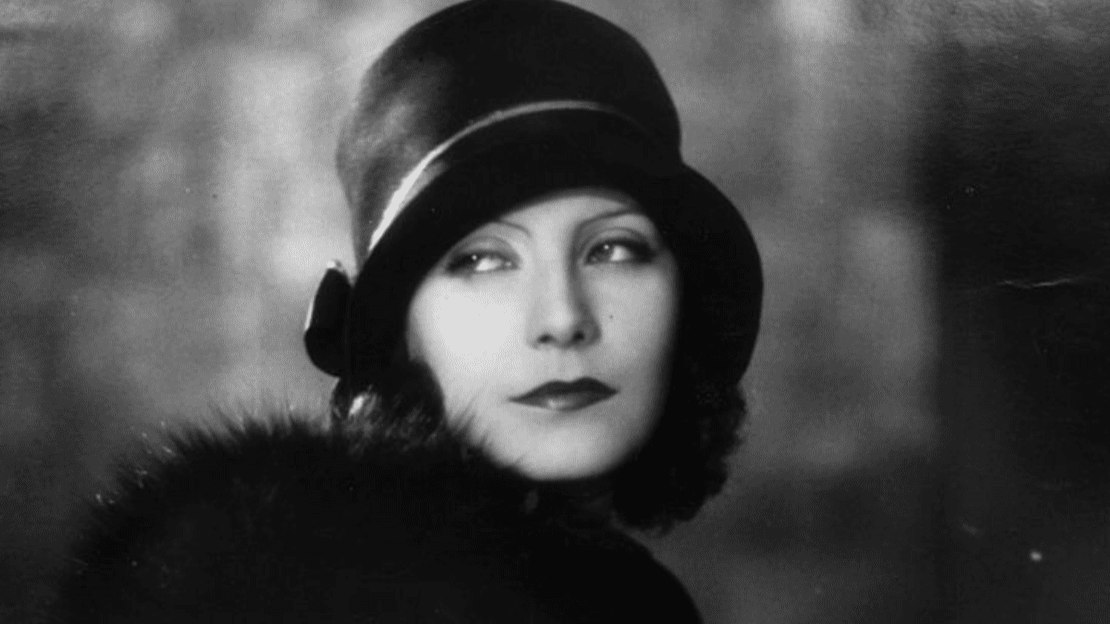
Greta Garbo Never Needed The Wedding
Greta Garbo had romances, including a highly publicized relationship with John Gilbert, but she never married. When Hollywood became exhausting, she simply stopped. After Two-Faced Woman in 1941, Garbo left movies in her 30s and spent the rest of her life fiercely protecting a privacy that MGM could no longer package and sell.
Mae West Wrote The Men Into Her Story
Mae West didn't wait for male writers to invent a persona for her. She wrote stage material, adapted her own work for Hollywood, helped shape her screenplays, and turned female sensual confidence into a lucrative brand. Even when censors hacked away at her innuendo, West somehow remained unmistakably in command of the joke.
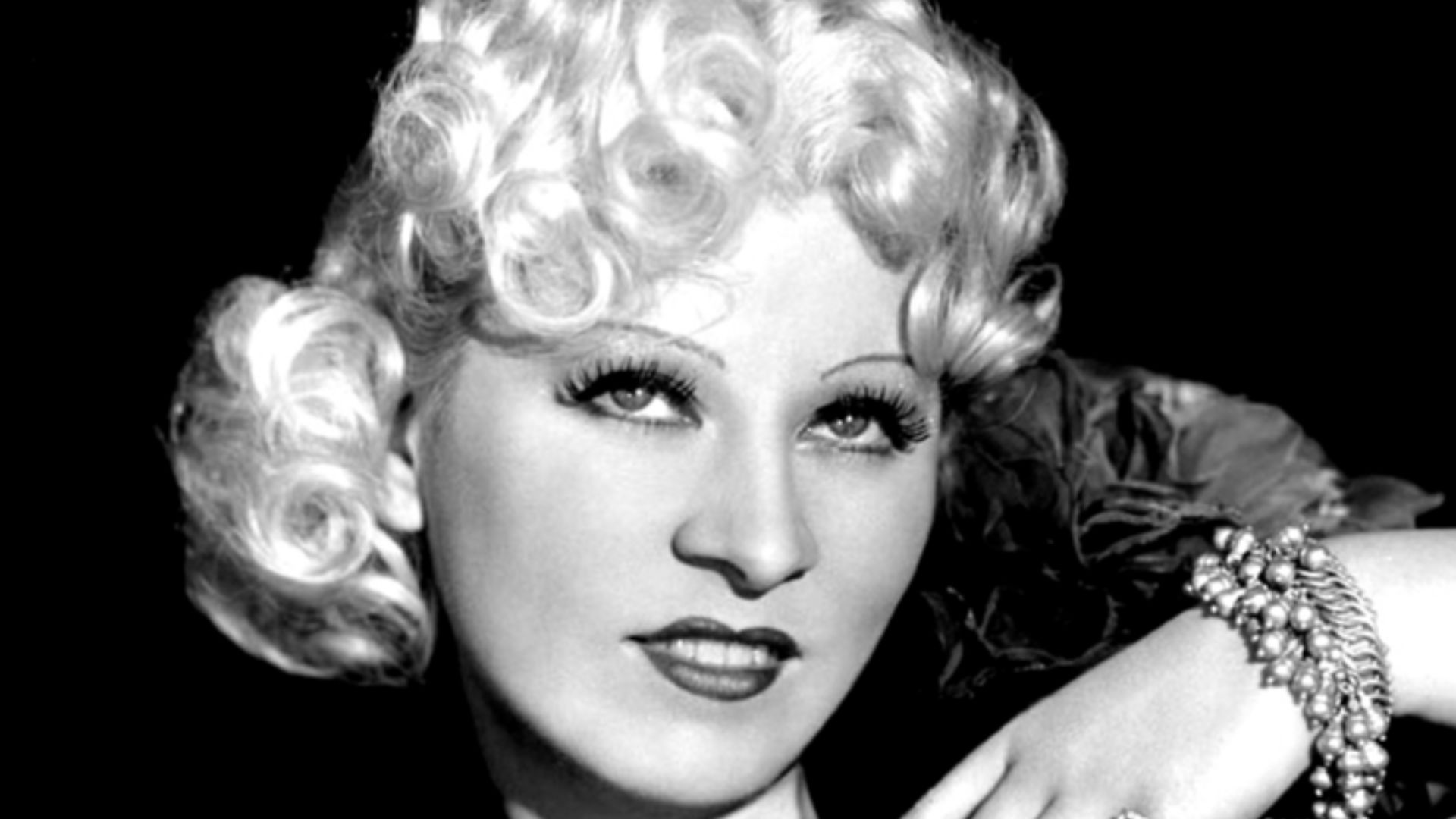 Paramount Pictures, Wikimedia Commons
Bette Davis Took Her Own Studio To Court
Warner Bros wanted Bette Davis to accept the roles it handed her. Davis wanted better material. In 1936, she went all the way to court trying to escape her contract rather than keep playing parts she considered beneath her. She lost the case, but the fight revealed something essential: Davis would risk her career before quietly surrendering control of it.
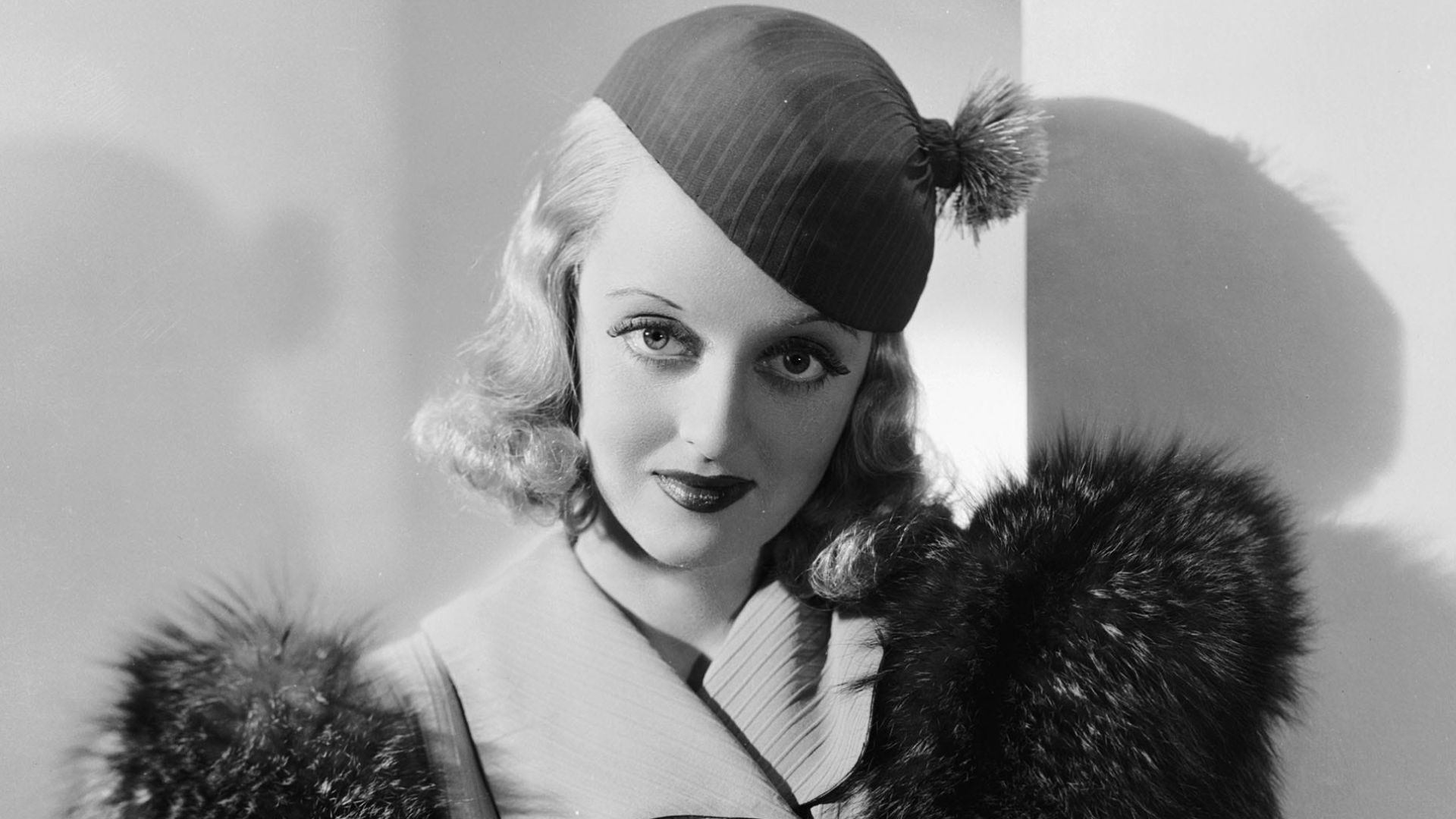 Unknown authorUnknown author, Wikimedia Commons
Mary Pickford Became The Boss
Mary Pickford was marketed as “America's Sweetheart,” but behind the curls was an exceptionally tough businesswoman. She formed her own corporation, negotiated contracts that gave her unusual creative authority, and eventually co-founded United Artists. Pickford wasn't simply one of Hollywood's biggest stars. She helped create a company designed to free stars from studio control.
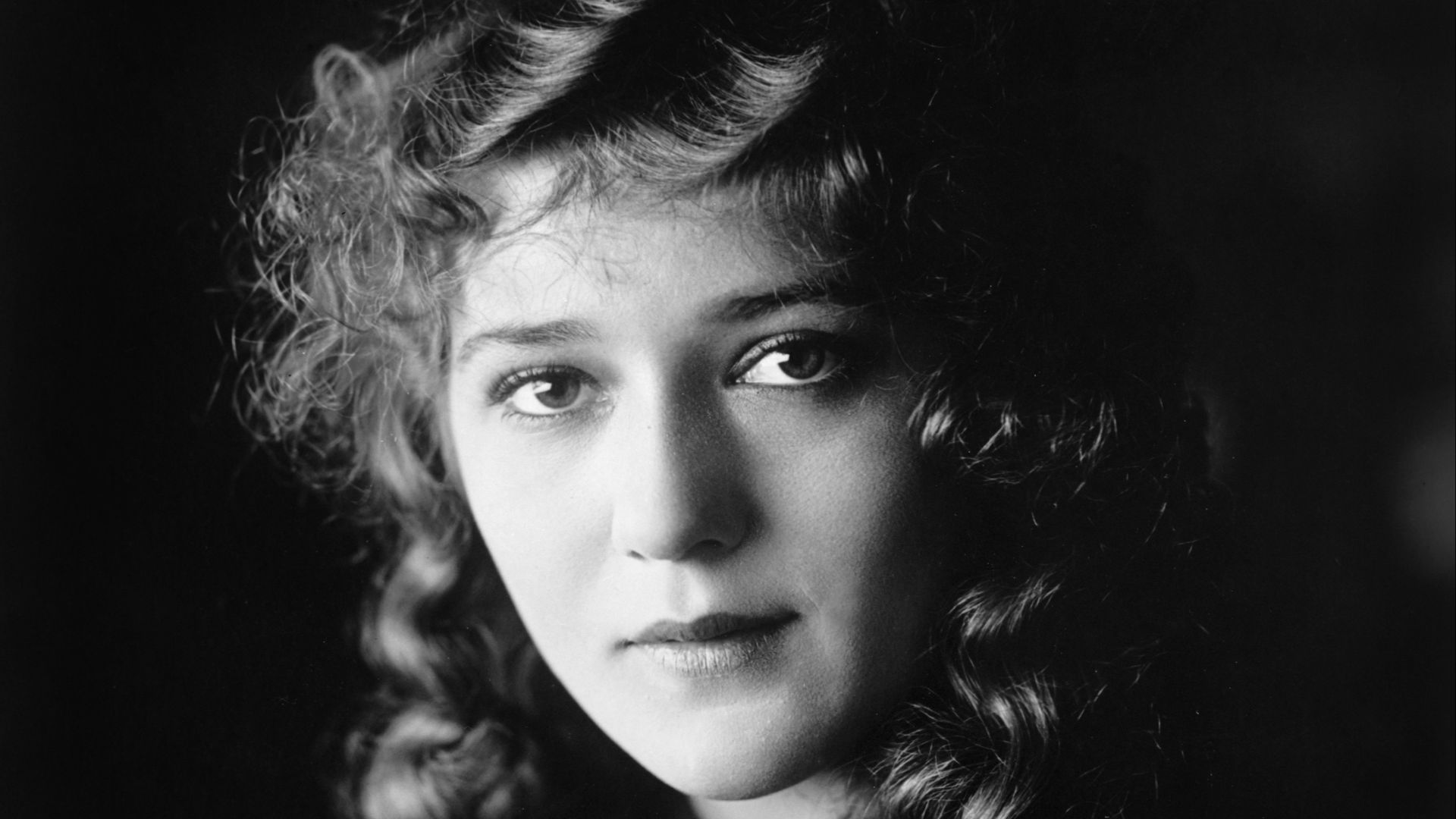 Rufus Porter Moody, Wikimedia Commons
Alice Guy-Blaché Ran Her Own Film Company
Alice Guy-Blaché was directing movies before Hollywood had even become Hollywood. After moving to the United States, she became president and chief director of the Solax Film Company. At a time when business was overwhelmingly treated as male territory, she openly argued that women belonged there too and spent years proving it behind the camera.
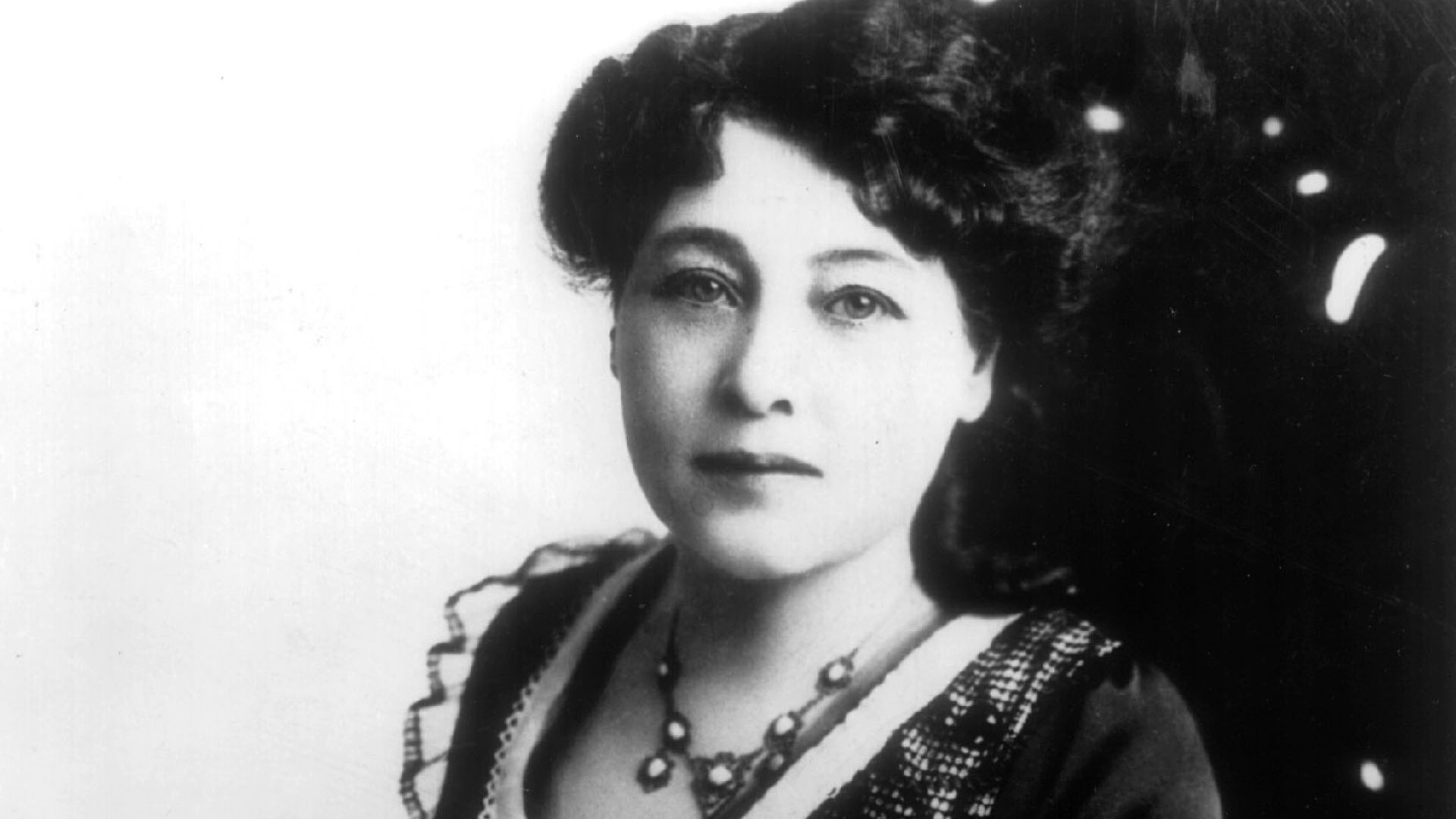 Apeda Studio New York, Wikimedia Commons
Lois Weber Put Her Own Name On The Company
Lois Weber became one of silent cinema's most important directors, then founded Lois Weber Productions in 1917. Her films tackled contraception, poverty, women's work, marriage, and changing sensual expectations. Instead of waiting for male producers to decide what subjects mattered, Weber built a company that let her put those questions onscreen herself.
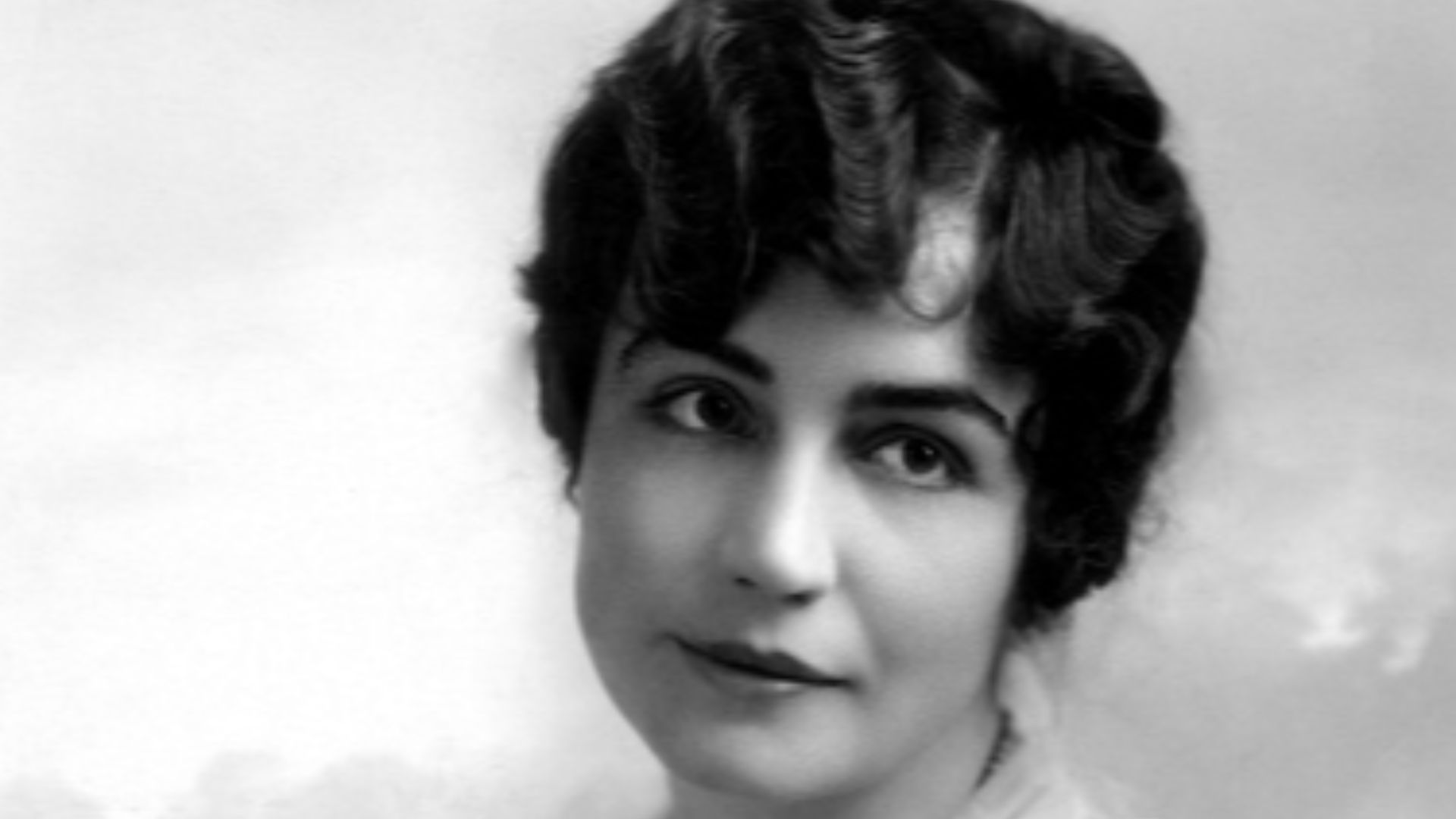
June Mathis Became One Of Hollywood's Most Powerful Executives
June Mathis began as an actress, decided writing interested her more, and rose astonishingly fast. By 1920, she headed Metro's scenario department and became the studio's first female executive. She championed The Four Horsemen of the Apocalypse and pushed for Rudolph Valentino, exercising influence usually reserved for men at the top.
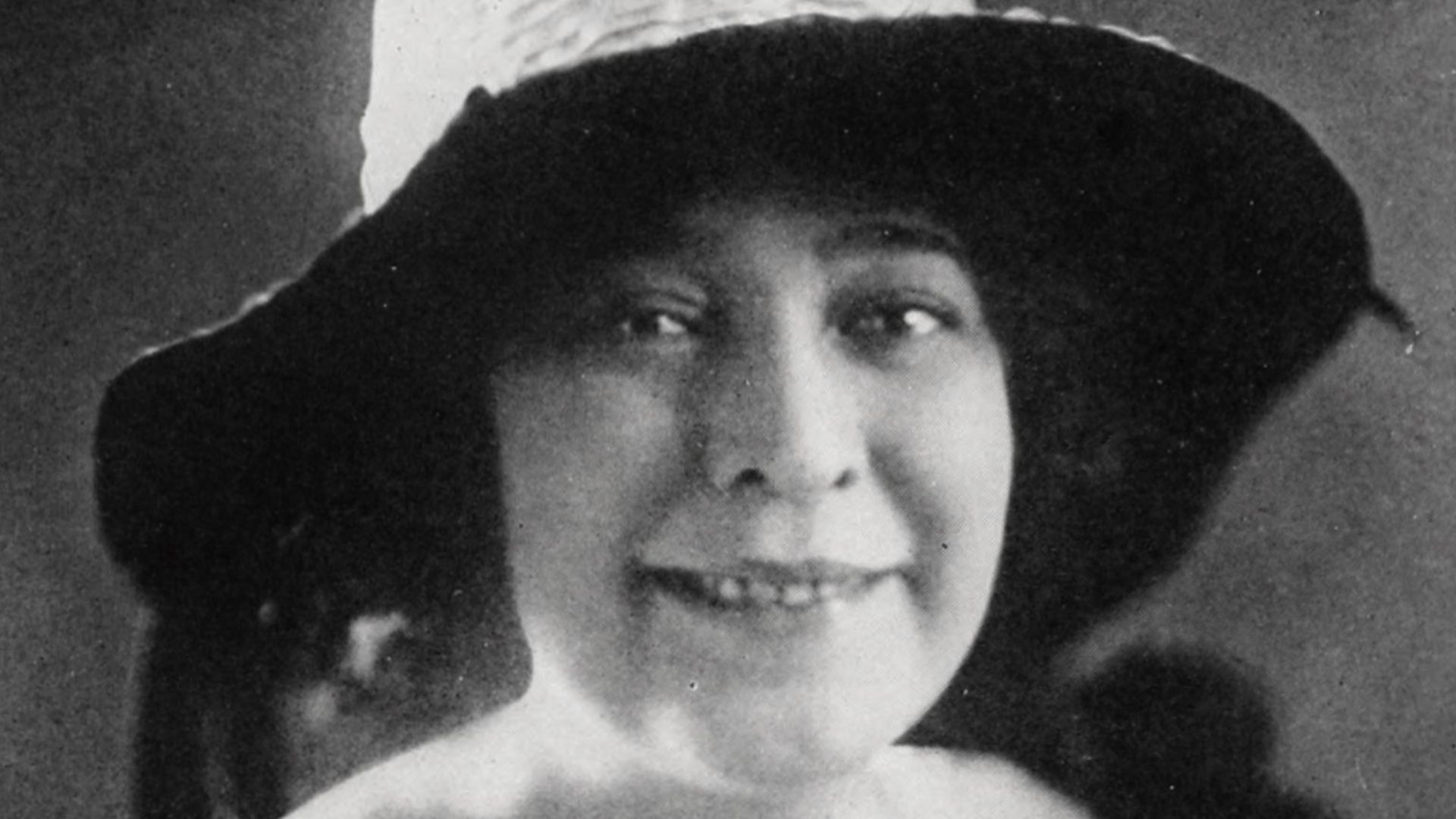
Gloria Swanson Wanted More Than Stardom
Gloria Swanson became one of silent Hollywood's biggest stars, but celebrity alone never satisfied her. At the height of her fame, she left Paramount for United Artists and began independently producing her own films. Later, she pursued business ventures well beyond Hollywood, proving she had never intended to live on screen alone.
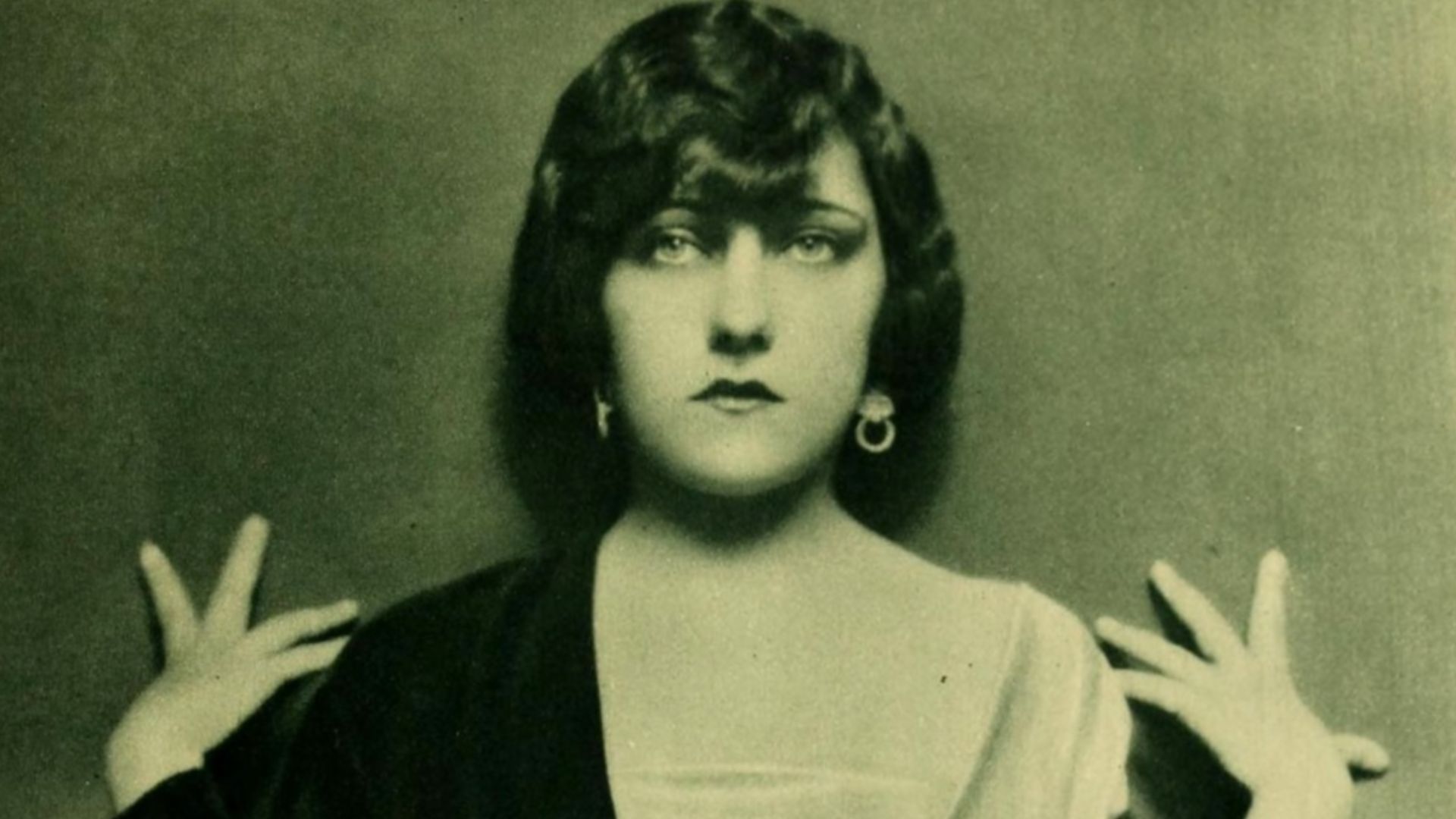 Edward Thayer Monroe, Wikimedia Commons
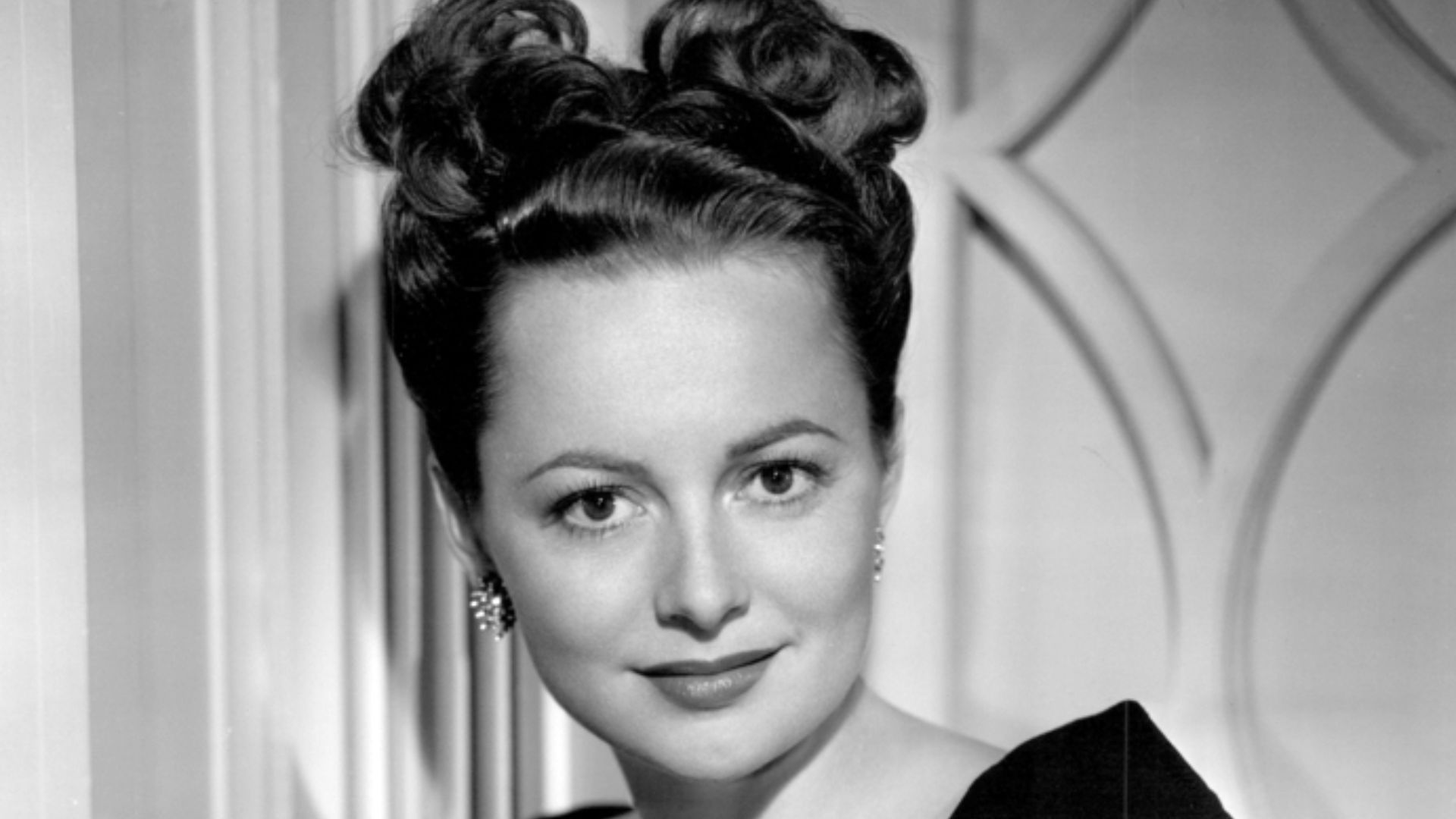
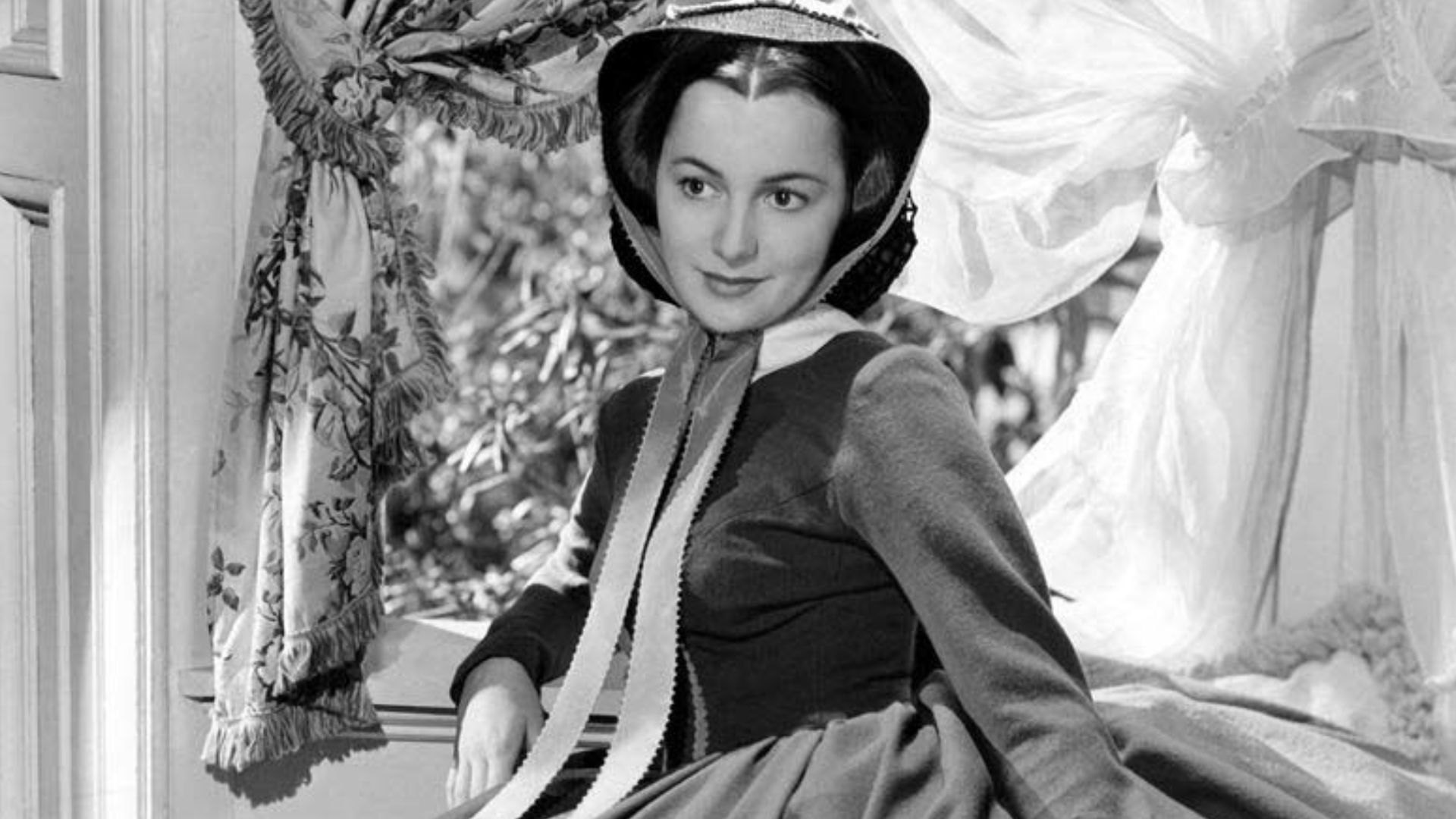
Olivia De Havilland Fought The System And Won
Olivia de Havilland became tired of Warner Bros suspending her whenever she rejected a role and then adding that suspended time onto her contract. Instead of accepting it, she sued. In 1944, she won a landmark decision limiting the power studios could exercise over performers. Her rebellion permanently changed Hollywood employment law.
 Unknown authorUnknown author, Wikimedia Commons
Ida Lupino Stopped Waiting For Good Roles
Ida Lupino knew exactly what happened when actresses depended entirely on studios for interesting work: they waited. So she moved behind the camera. Lupino co-founded an independent production company and directed films dealing with pregnancy, violence, illness, and social stigma. She didn't just ask Hollywood for better stories about women. She made them herself.
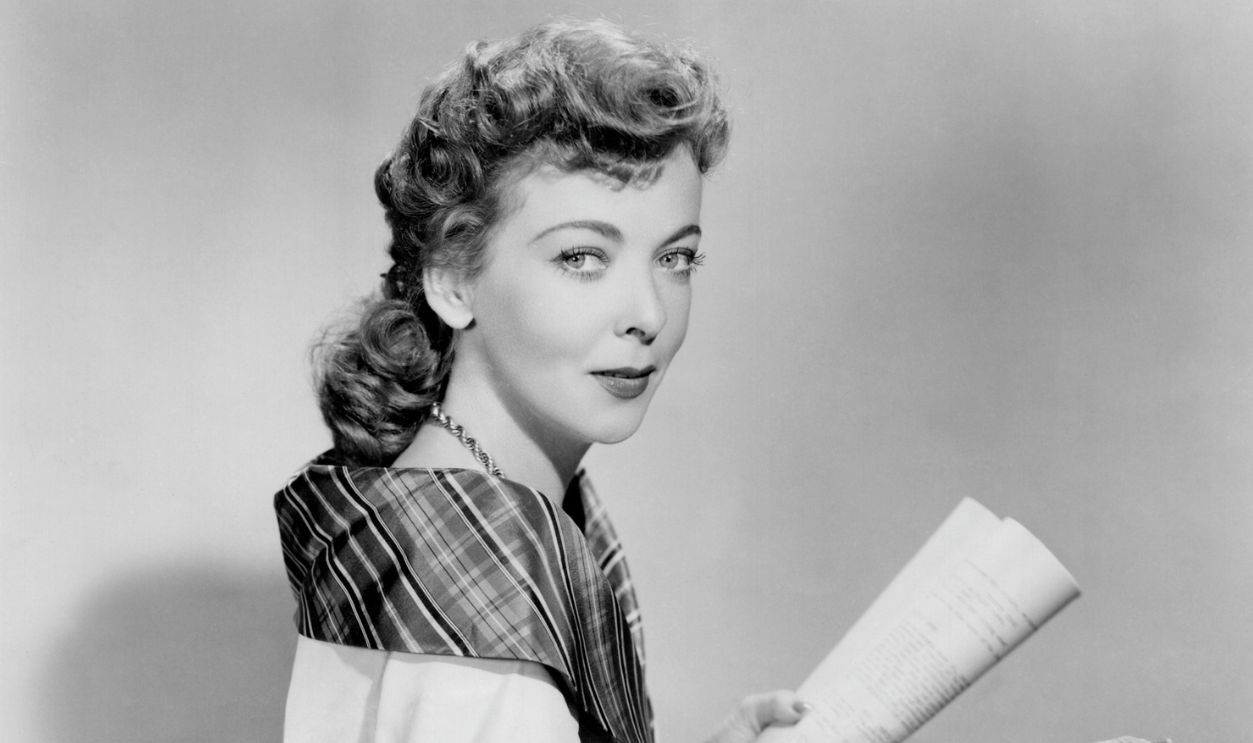 De Carvalho Collection, Getty Images
Dorothy Arzner Demanded The Director's Chair
Dorothy Arzner entered Hollywood as a typist and worked her way through editing and screenwriting. When Paramount wouldn't give her the directing opportunity she wanted, she threatened to leave for Columbia. The strategy worked. Arzner became the rare woman directing major studio films during an era when that door was almost entirely closed.
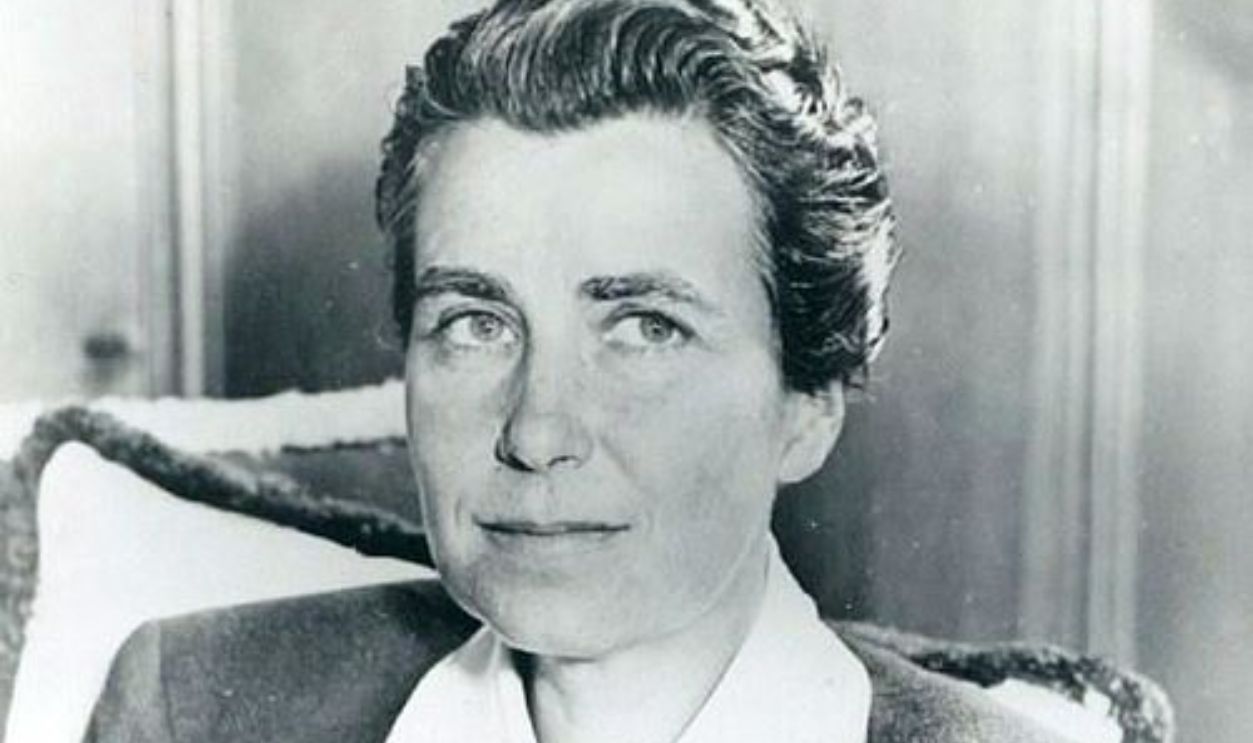 Unknown authorUnknown author, Wikimedia Commons
Anna May Wong Refused To Stay In Hollywood's Box
Hollywood wanted Anna May Wong to keep playing stereotypes while white actresses received the leading roles she deserved. Wong eventually left for Europe, where she found more substantial opportunities. She later returned, continued challenging degrading portrayals, and built an international career despite an industry determined to define Asian women through somebody else's gaze.
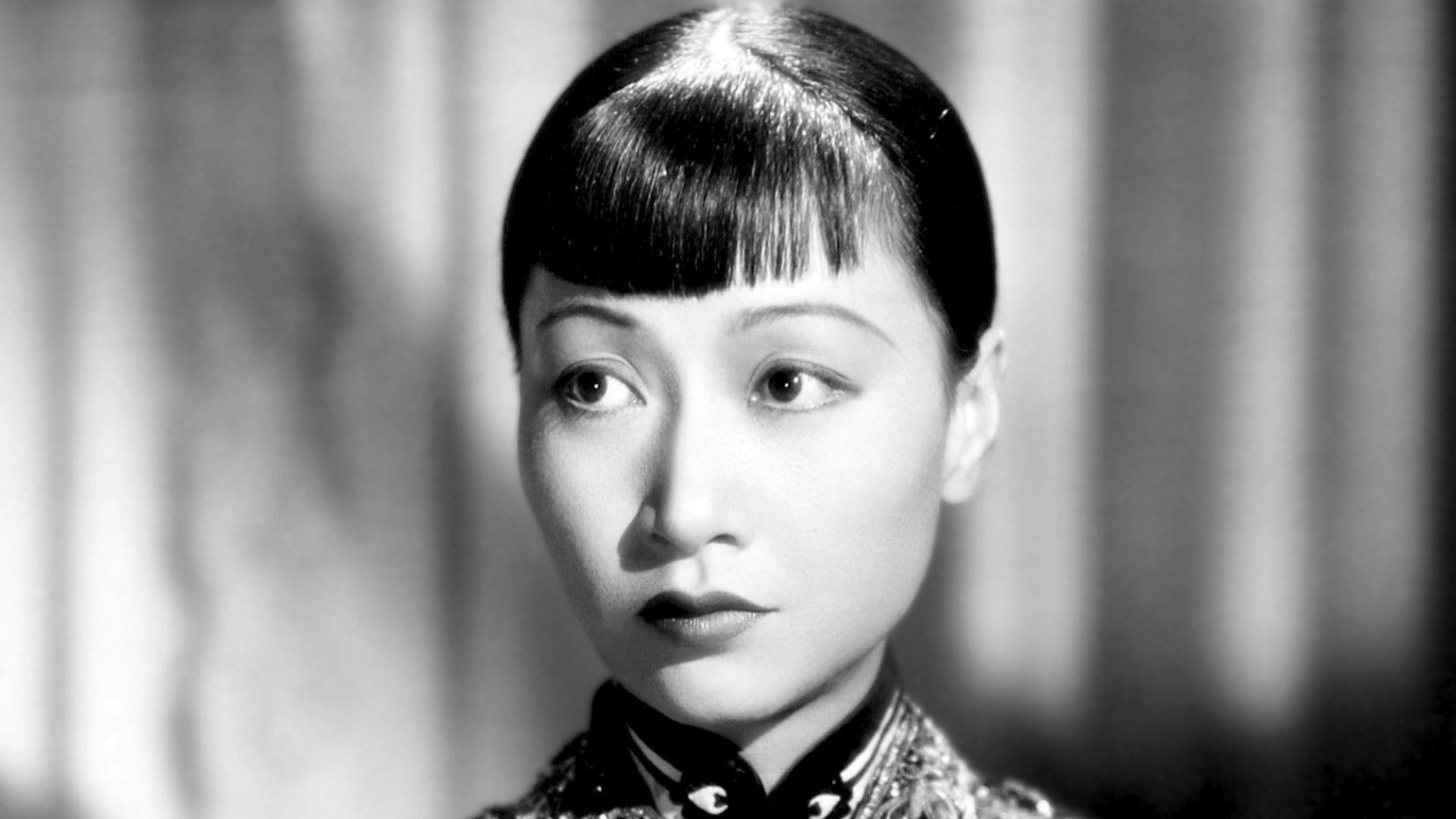 Eugene Robert Richee, Wikimedia Commons
Louise Brooks Chose Freedom Even When It Cost Her
Louise Brooks understood that Hollywood contracts could own an actor's time as thoroughly as any marriage could. When Paramount demanded a salary cut, she refused. She also declined to return for dialogue work on The Canary Murder Case. Her stubborn independence damaged her Hollywood career, but Brooks would later make clear that obedience was never worth that price to her.
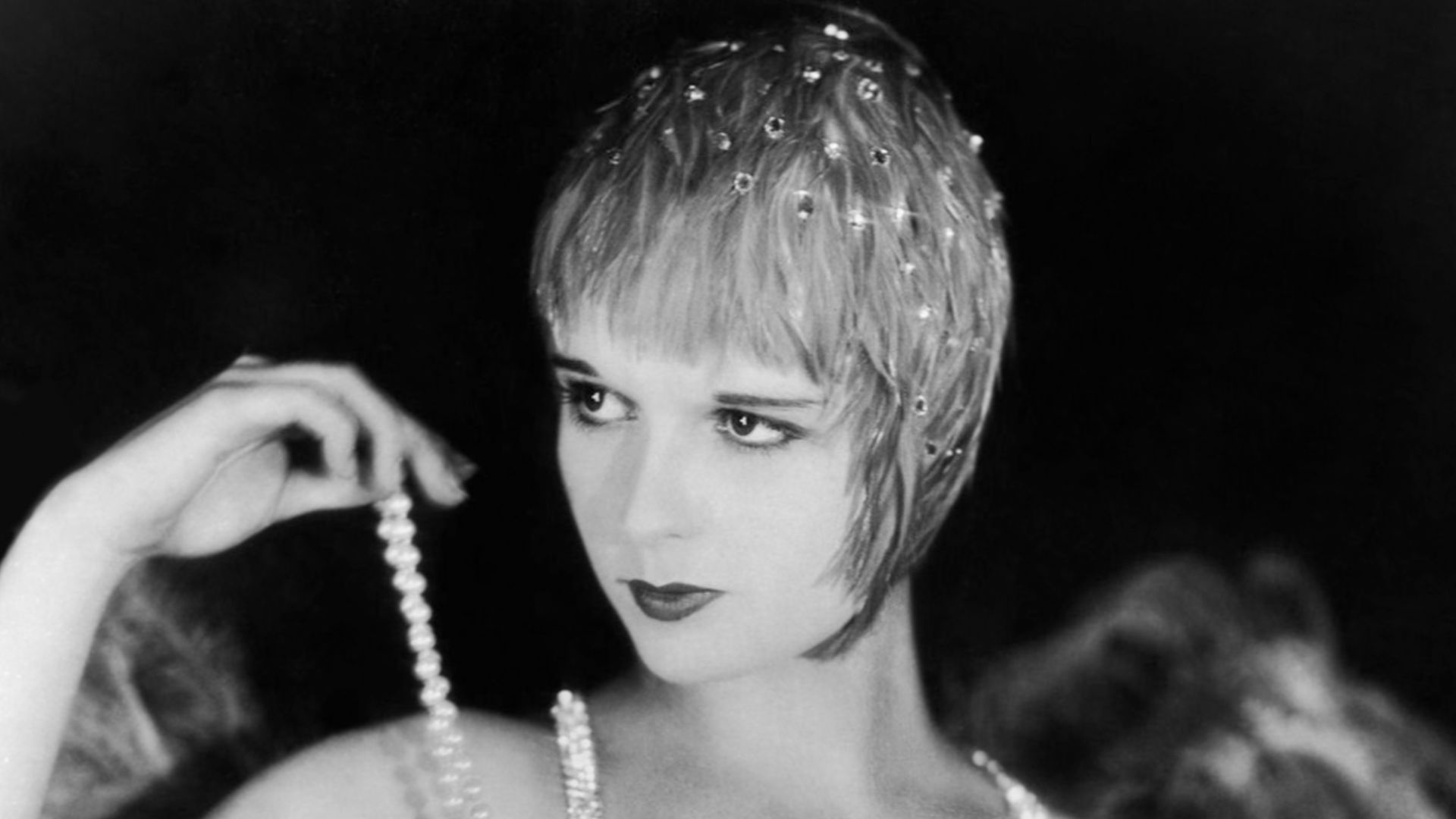 Employee(s) of Paramount Pictures, Wikimedia Commons
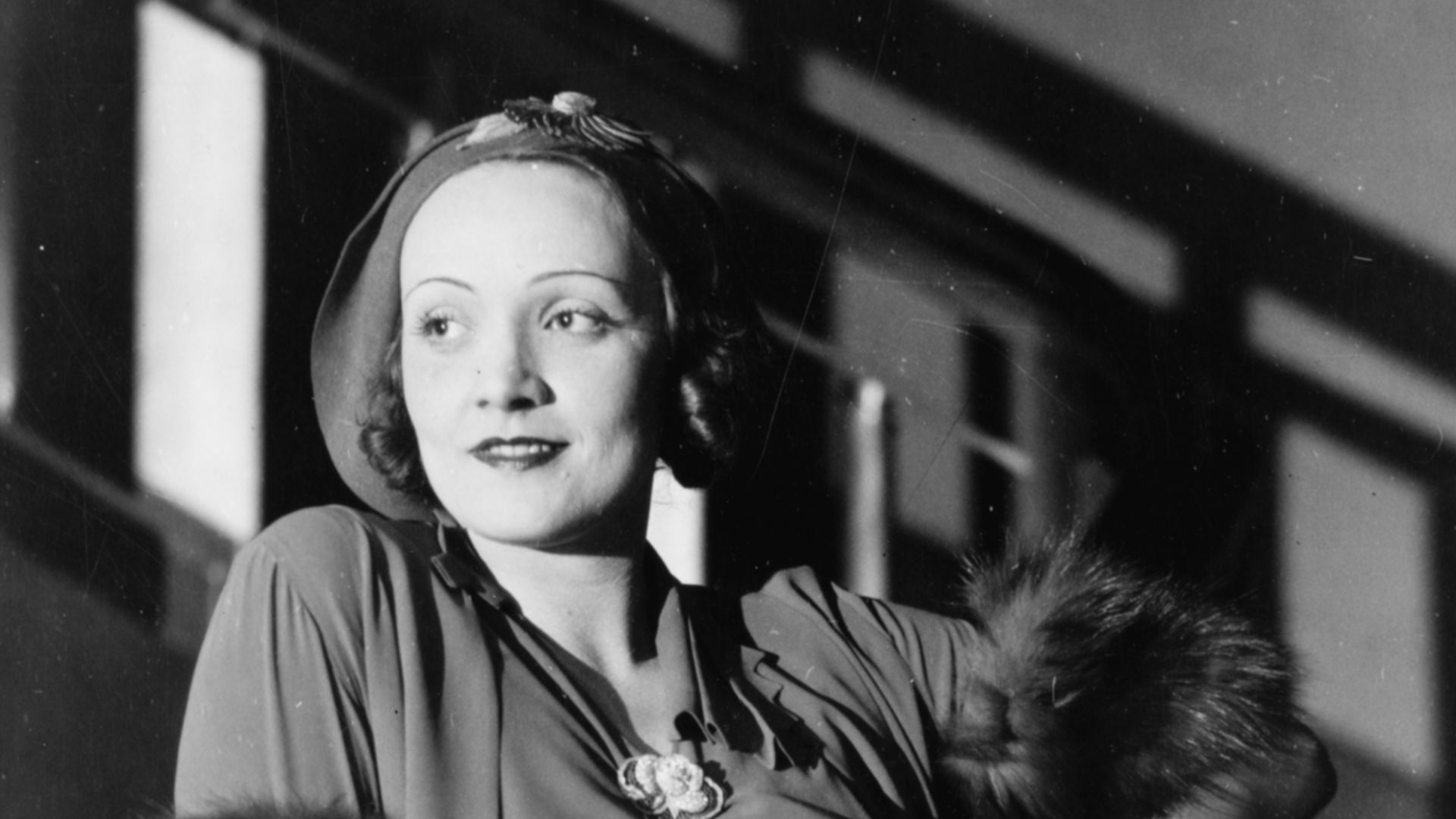
Marlene Dietrich Made Her Own Rules
Marlene Dietrich married Rudolf Sieber in 1923, but the couple spent much of their lives apart while remaining legally married. Her identity never shrank into conventional domesticity. Dietrich became one of Hollywood's highest-paid stars, played boldly with masculine fashion, traveled constantly, and built a public image based on autonomy rather than respectability.
 George Grantham Bain Collection (Library of Congress), Wikimedia Commons
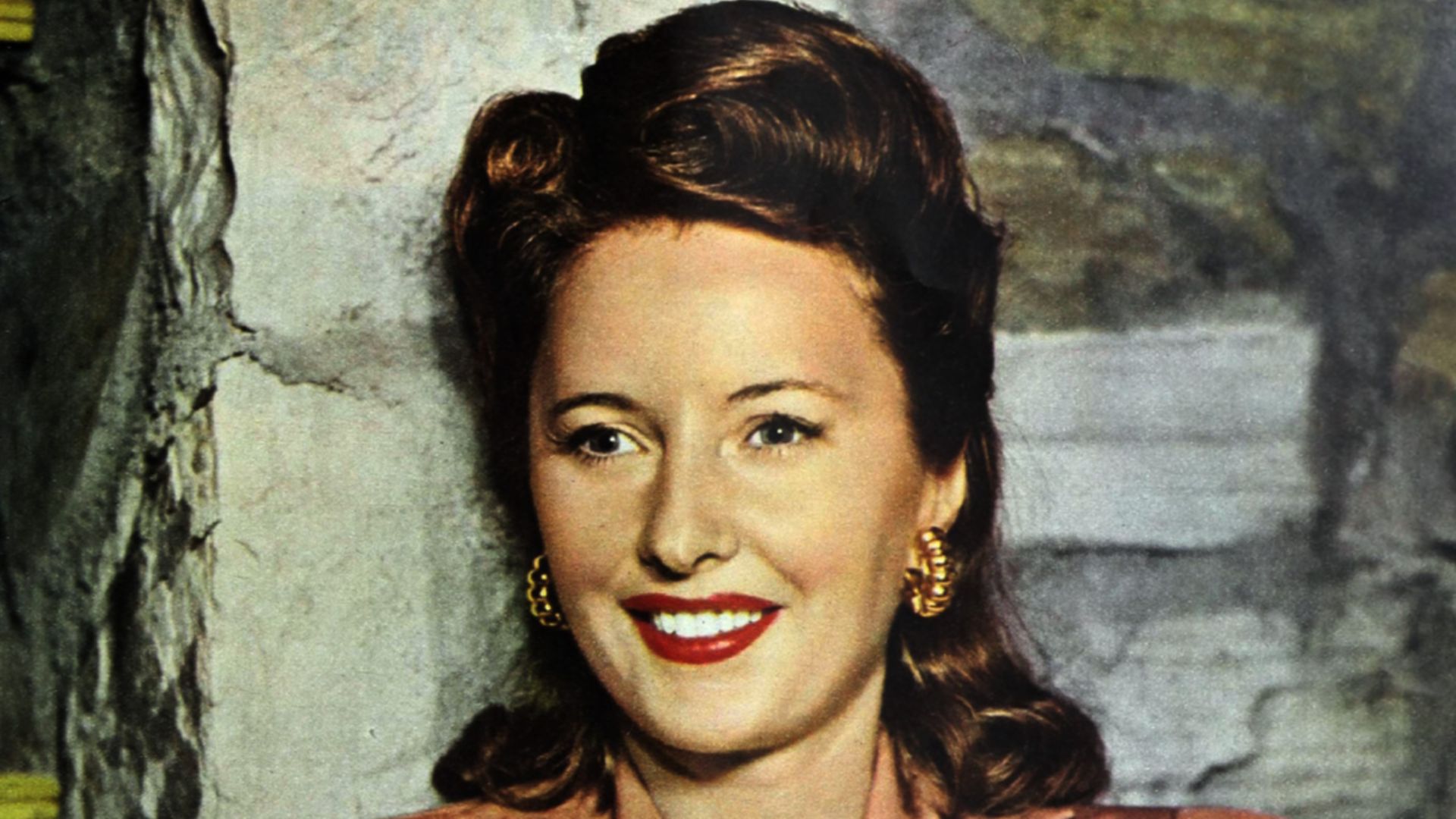
Barbara Stanwyck Kept Choosing Work
Barbara Stanwyck married twice, first to Frank Fay and later to Robert Taylor. After her divorce from Taylor in 1951, she never married again. Her professional life, meanwhile, kept going for decades. Film noir, westerns, melodrama, and television gave Stanwyck something far more durable than another attempt at the domestic ideal: work she could command.
 Macfadden Publications-page 2., Wikimedia Commons
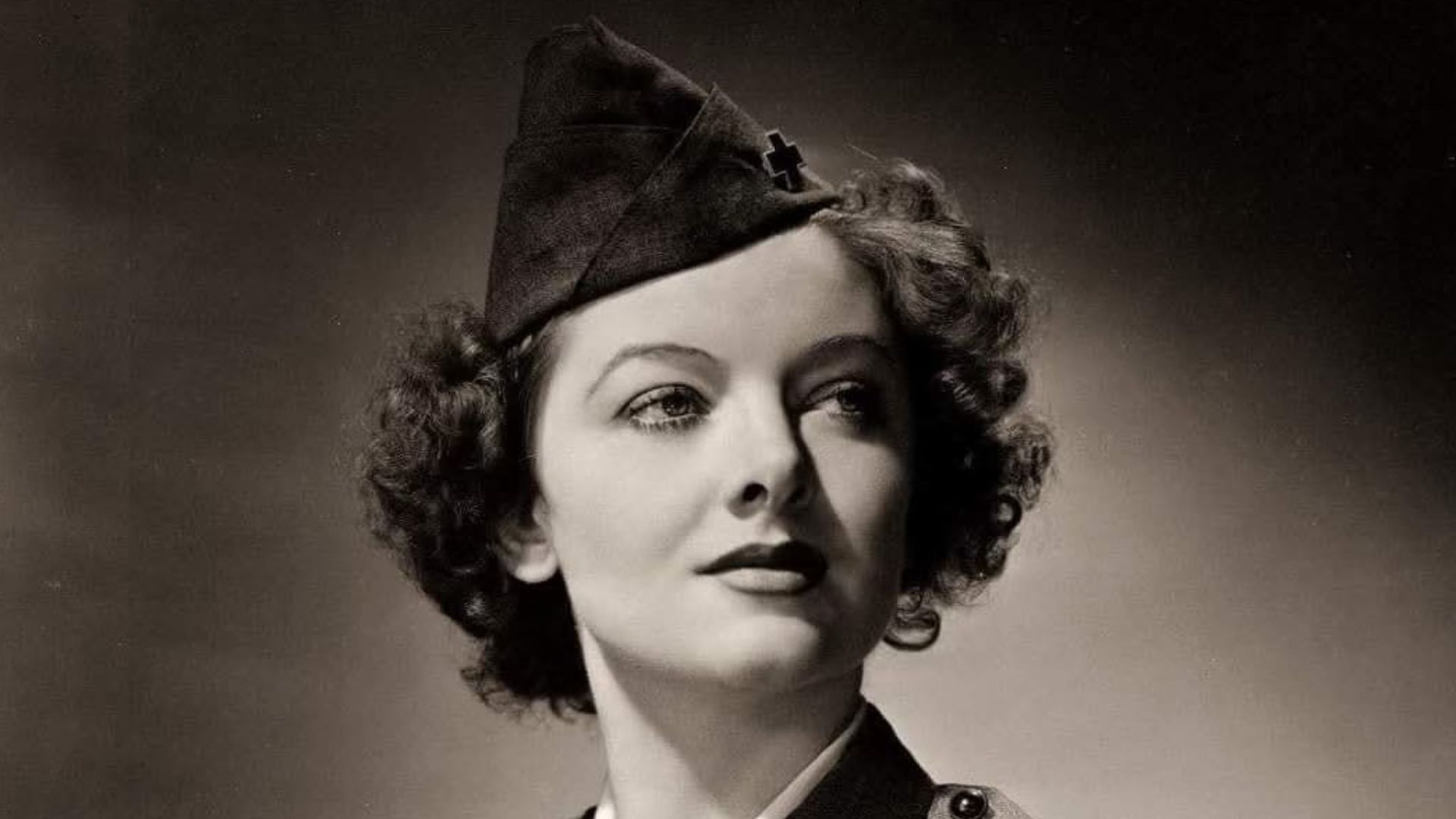
Myrna Loy Wasn't Actually Hollywood's Perfect Wife
Myrna Loy became famous for playing sophisticated wives, especially opposite William Powell in The Thin Man films. Real life looked different. Loy married and divorced four times and had no children. She later joked about the disconnect herself. Away from Hollywood romance, she devoted enormous energy to wartime relief, humanitarian work, and politics.
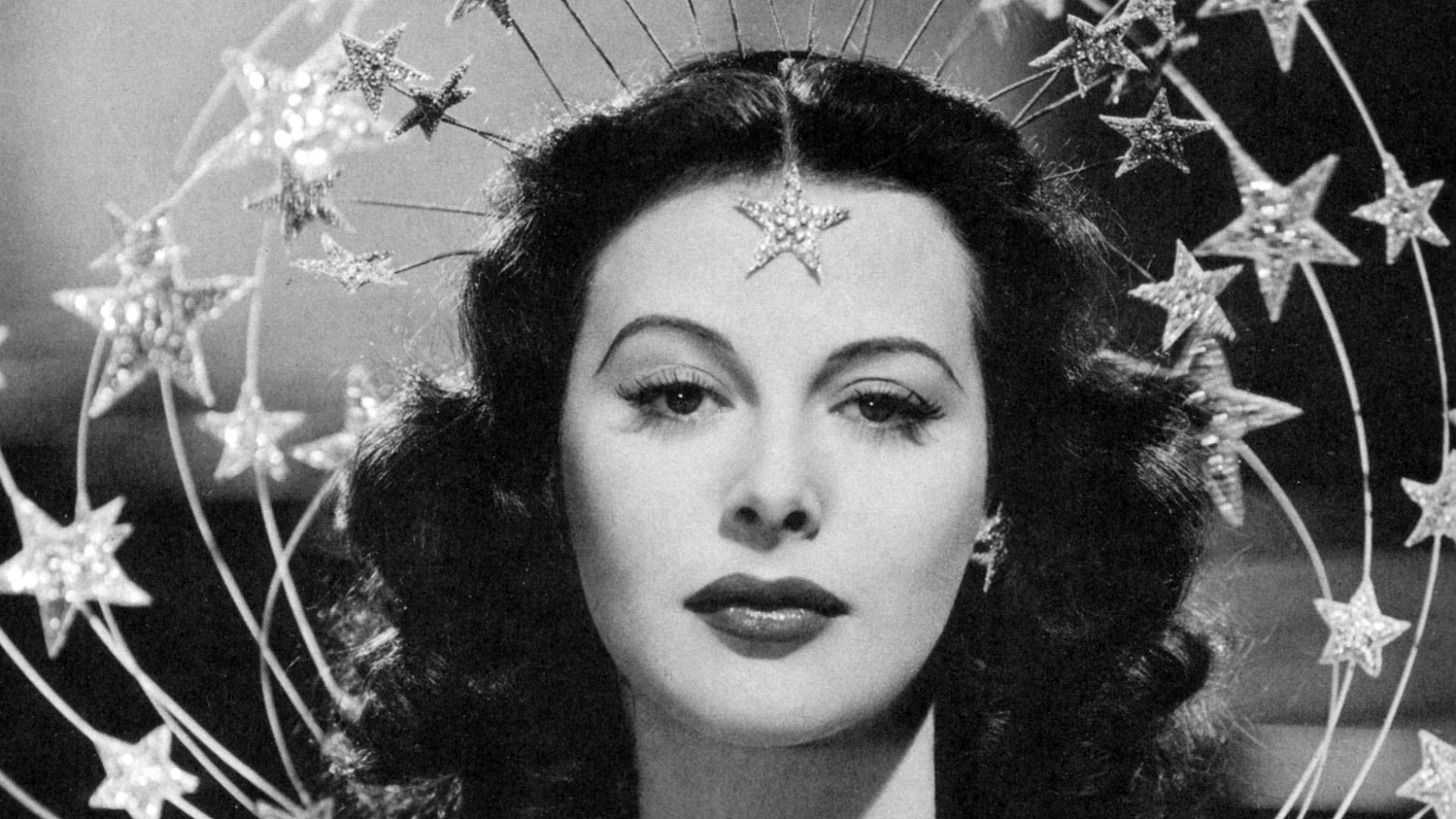
Hedy Lamarr Had Better Things To Do Than Just Be Beautiful
Hollywood treated Hedy Lamarr's face as her greatest asset. Lamarr knew better. In her spare time, she invented. During WWII, she and composer George Antheil developed a frequency-hopping communications system intended to prevent enemy interference with radio-controlled torpedoes. Her ideas mattered far beyond the glamorous image studios sold.
 Unknown authorUnknown author, Wikimedia Commons
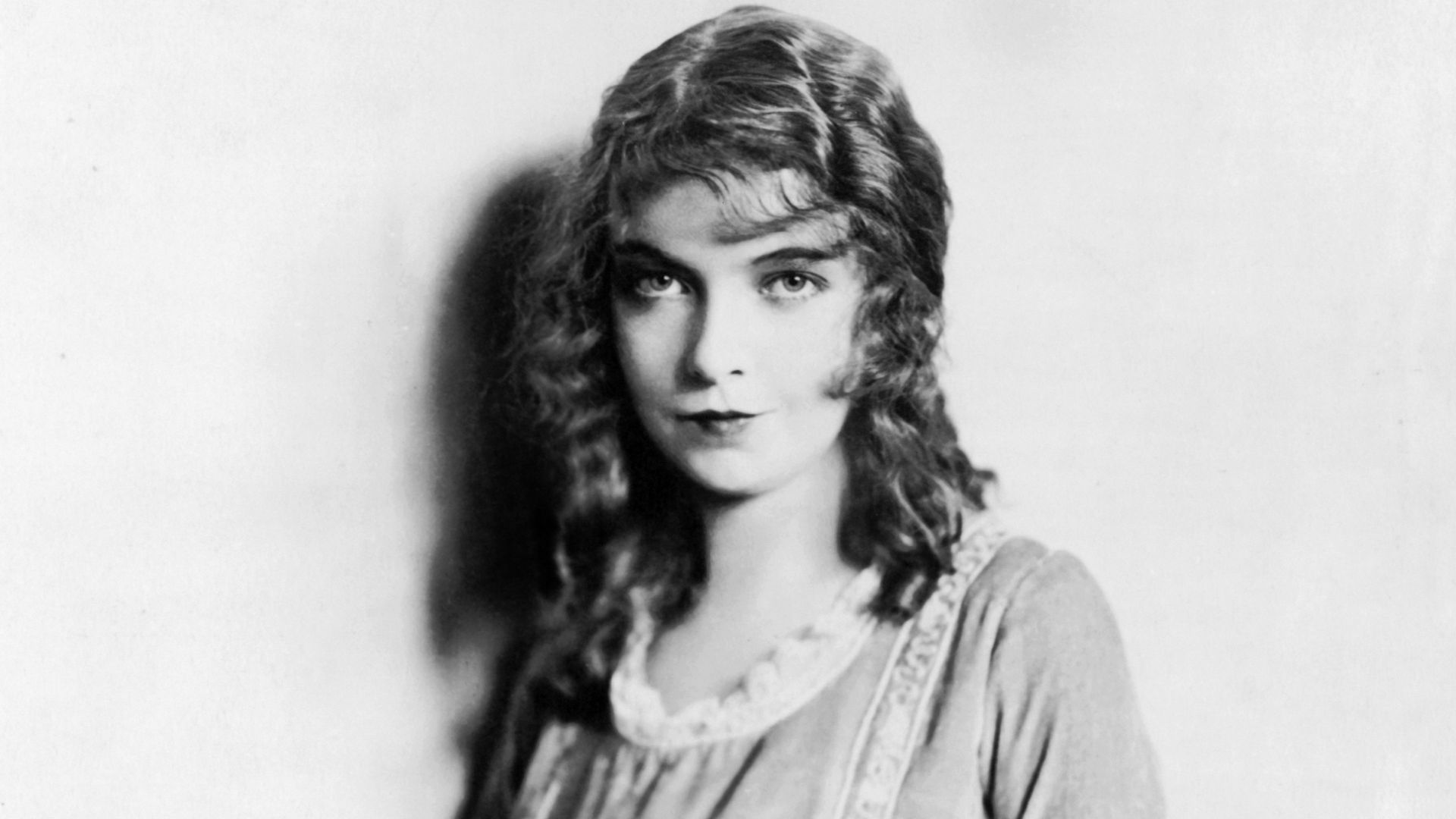
Lillian Gish Decided A Husband Would Take Too Much Time
Lillian Gish never married, despite living to 99 and maintaining one of the longest acting careers in film history. Her explanation was remarkably practical: she believed being a successful wife was a full-time job, and acting already demanded that commitment. Instead, Gish gave decades to movies, theater, television, and preserving film history.
 Trialsanderrors, Wikimedia Commons
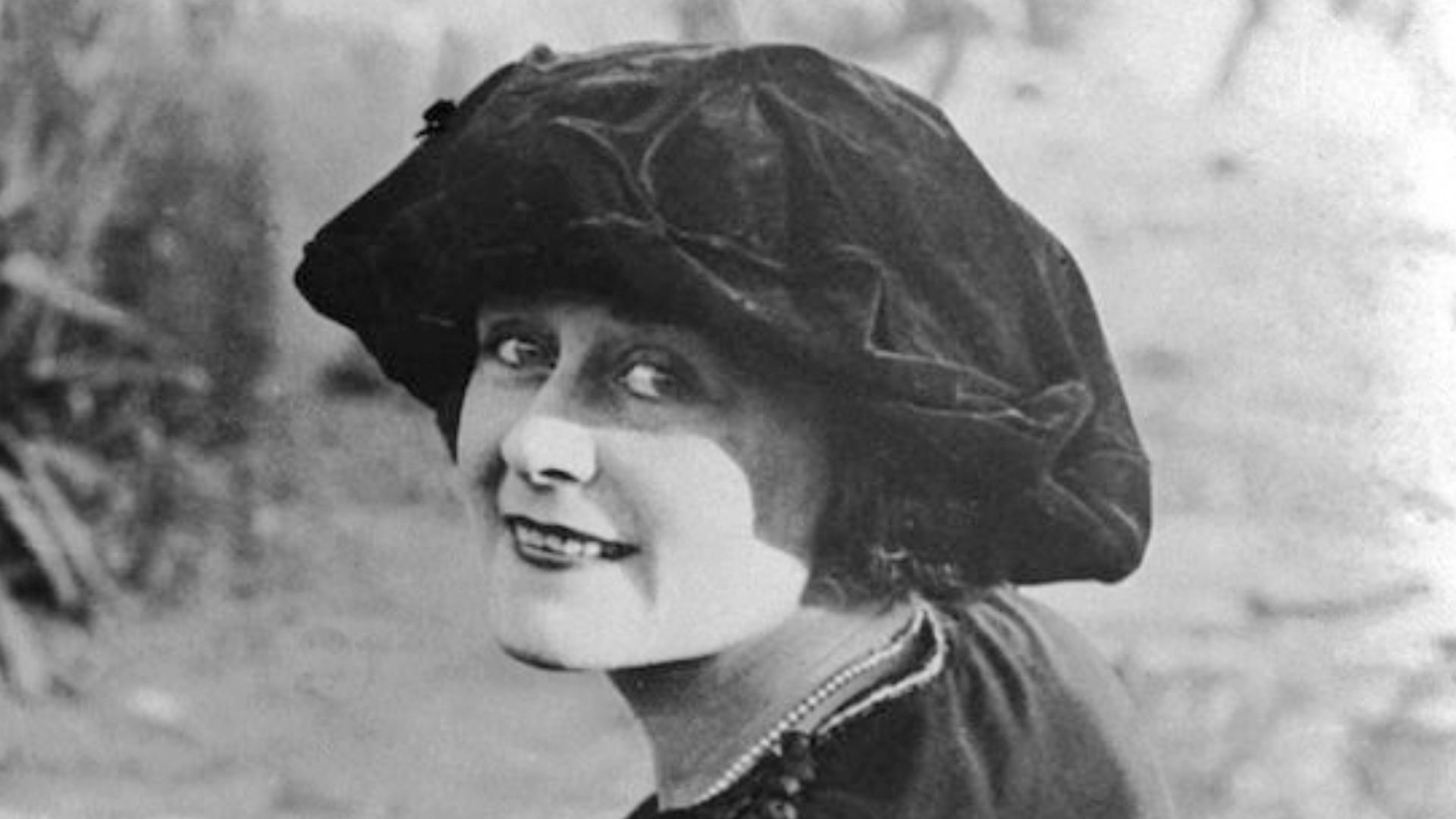
Frances Marion Wrote Her Way To The Top
Frances Marion proved that a woman didn't have to be standing in front of the camera to wield enormous power in early Hollywood. She wrote more than 100 produced films and became the first screenwriter to win two Academy Awards. While studios were filled with male executives, Marion built a career based on something they desperately needed: stories that worked.
Tallulah Bankhead Wasn't Built For Respectability
Tallulah Bankhead came from a prominent political family, but conventional respectability never suited her. Her marriage to actor John Emery lasted only a few years, ending in divorce in 1941. She never remarried. Bankhead instead poured herself into theater, film, radio, and a famously uninhibited public persona that made domestic expectations seem almost beside the point.
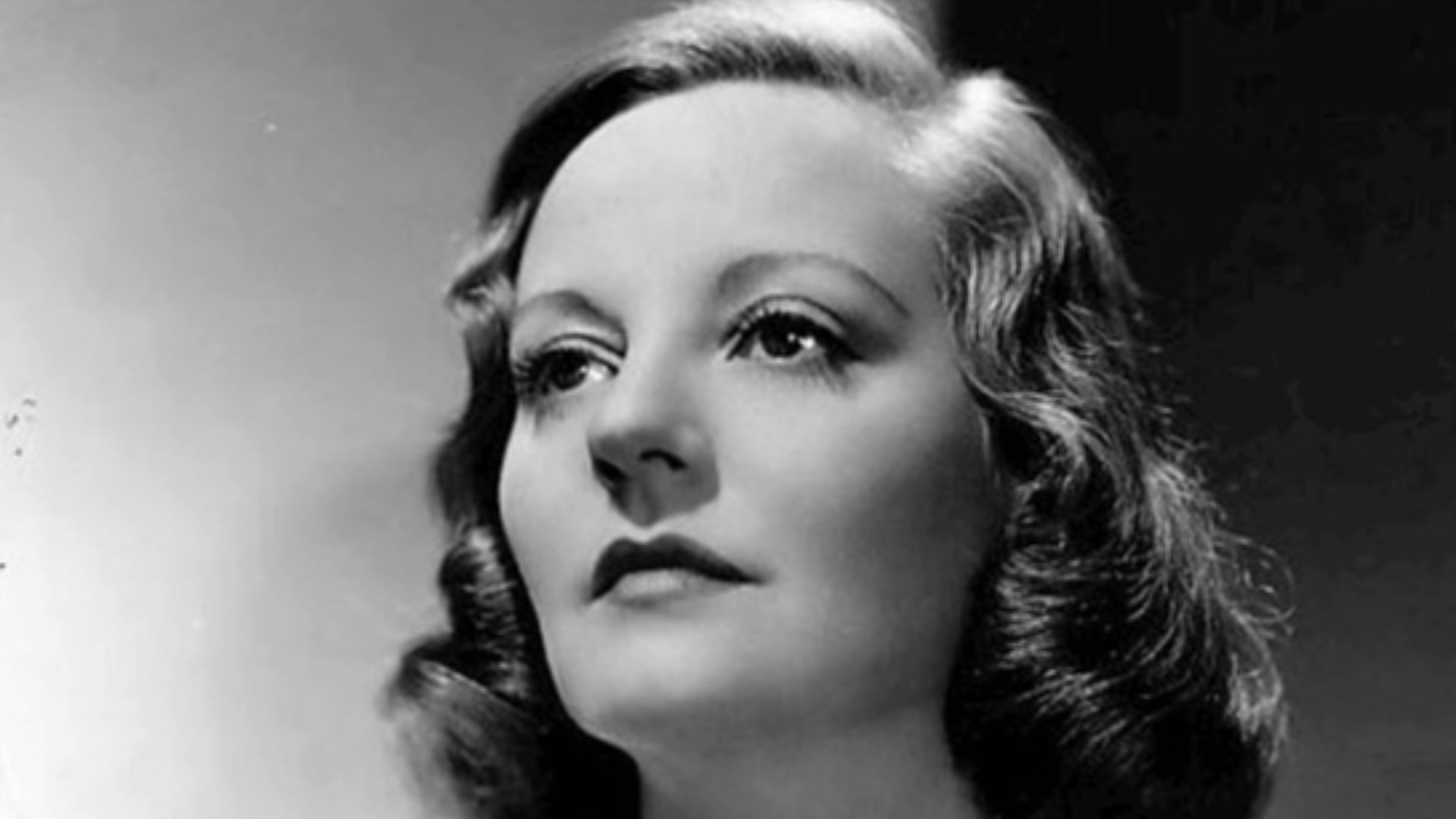 Photo by Vandamm, New York, Wikimedia Commons
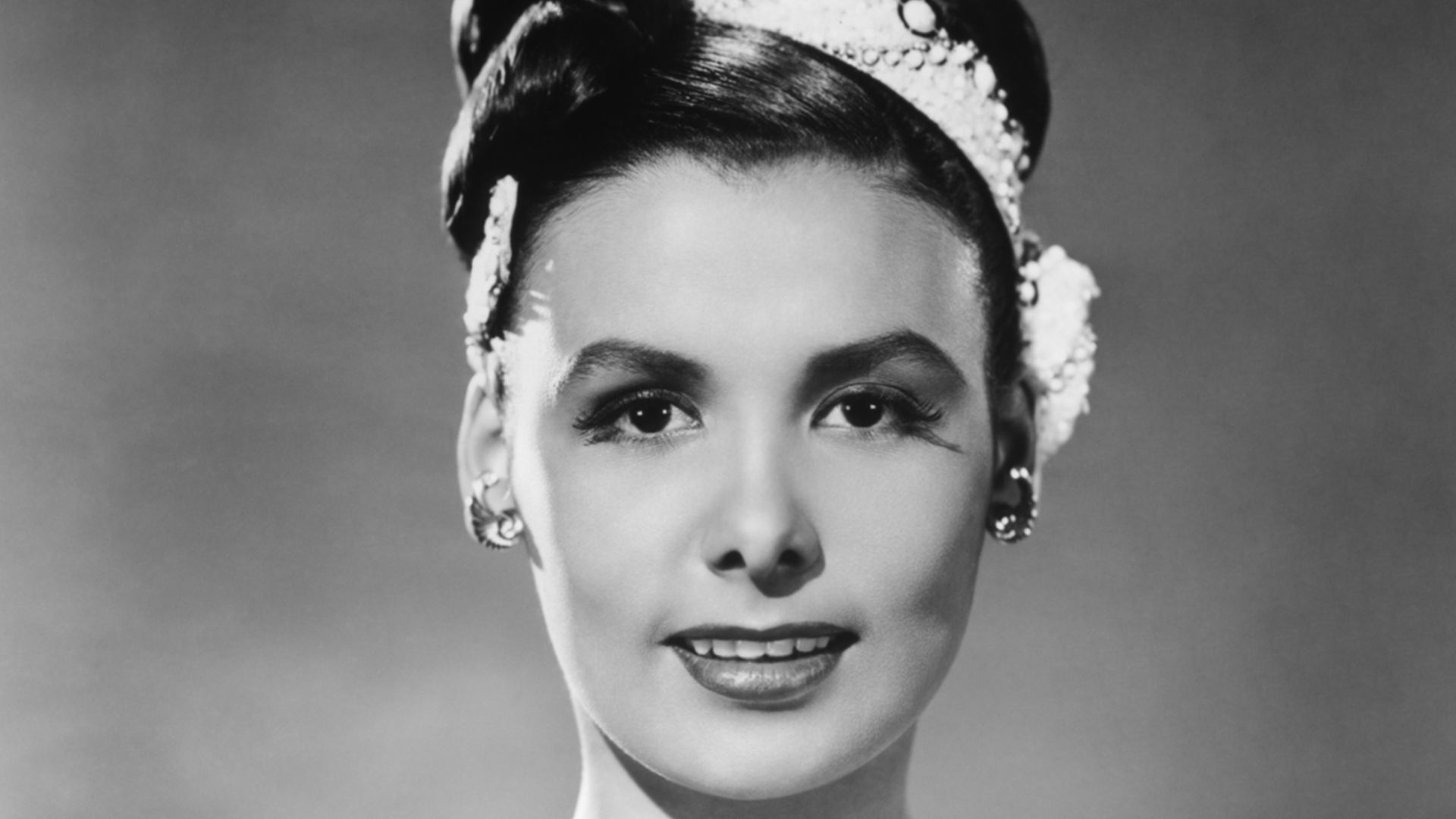
Lena Horne Wouldn't Be Grateful For Bad Roles
Lena Horne became one of the first Black performers signed to a long-term contract by a major Hollywood studio, but she refused to quietly accept the industry's racism. She challenged degrading roles, protested discriminatory treatment of Black officers, paid her own way to entertain them, and eventually made civil rights activism inseparable from her public life.
 Studio publicity still, Wikimedia Commons
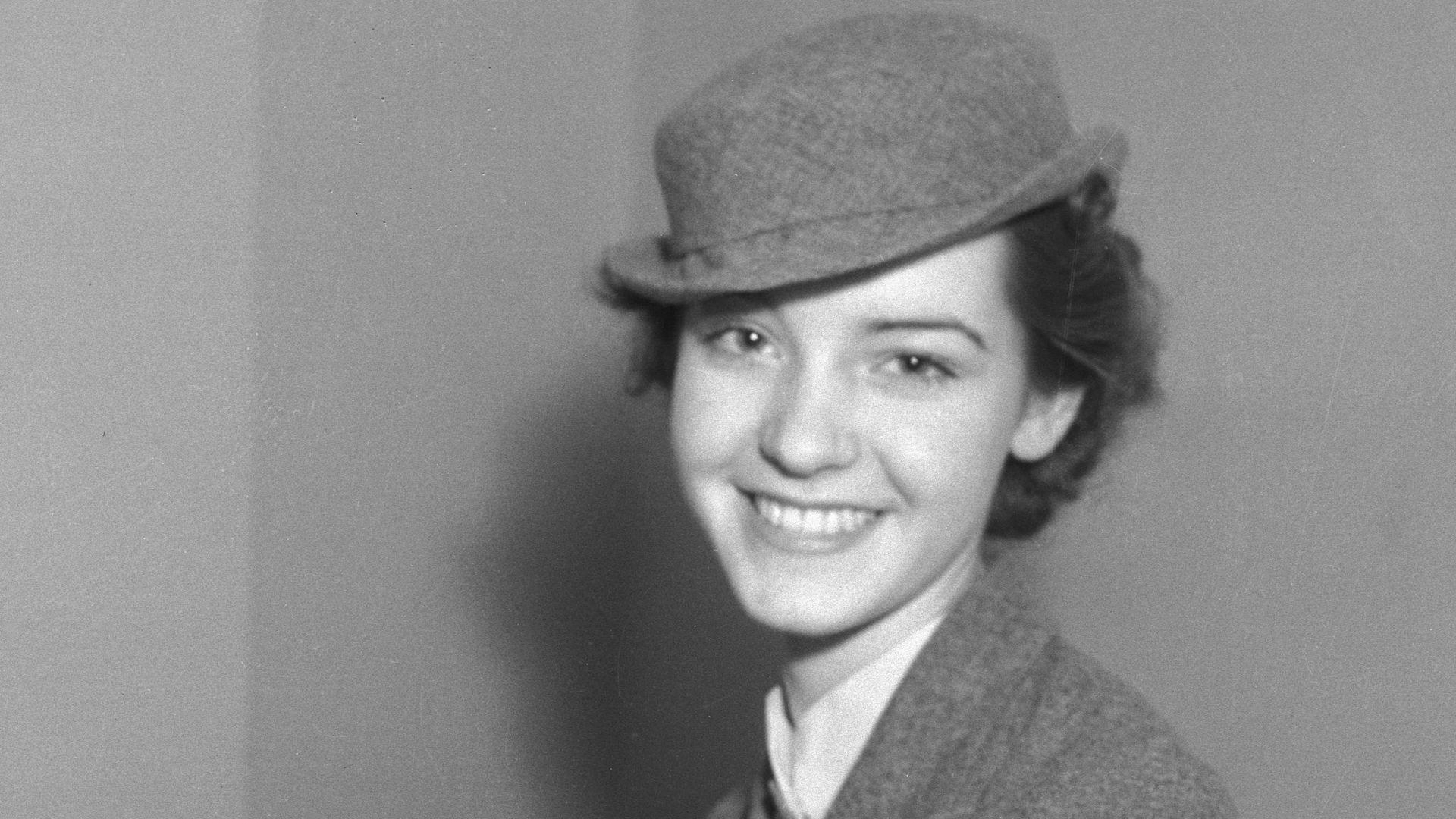
Marsha Hunt Chose Her Principles Over Hollywood Approval
Marsha Hunt had already built a substantial screen career when her political activism helped land her on Hollywood's blacklist. Instead of retreating into silence, she expanded her humanitarian work. The industry that once dictated whether she could work gradually became less central to her life than the causes she believed were worth defending.
 Los Angeles Daily News, Wikimedia Commons
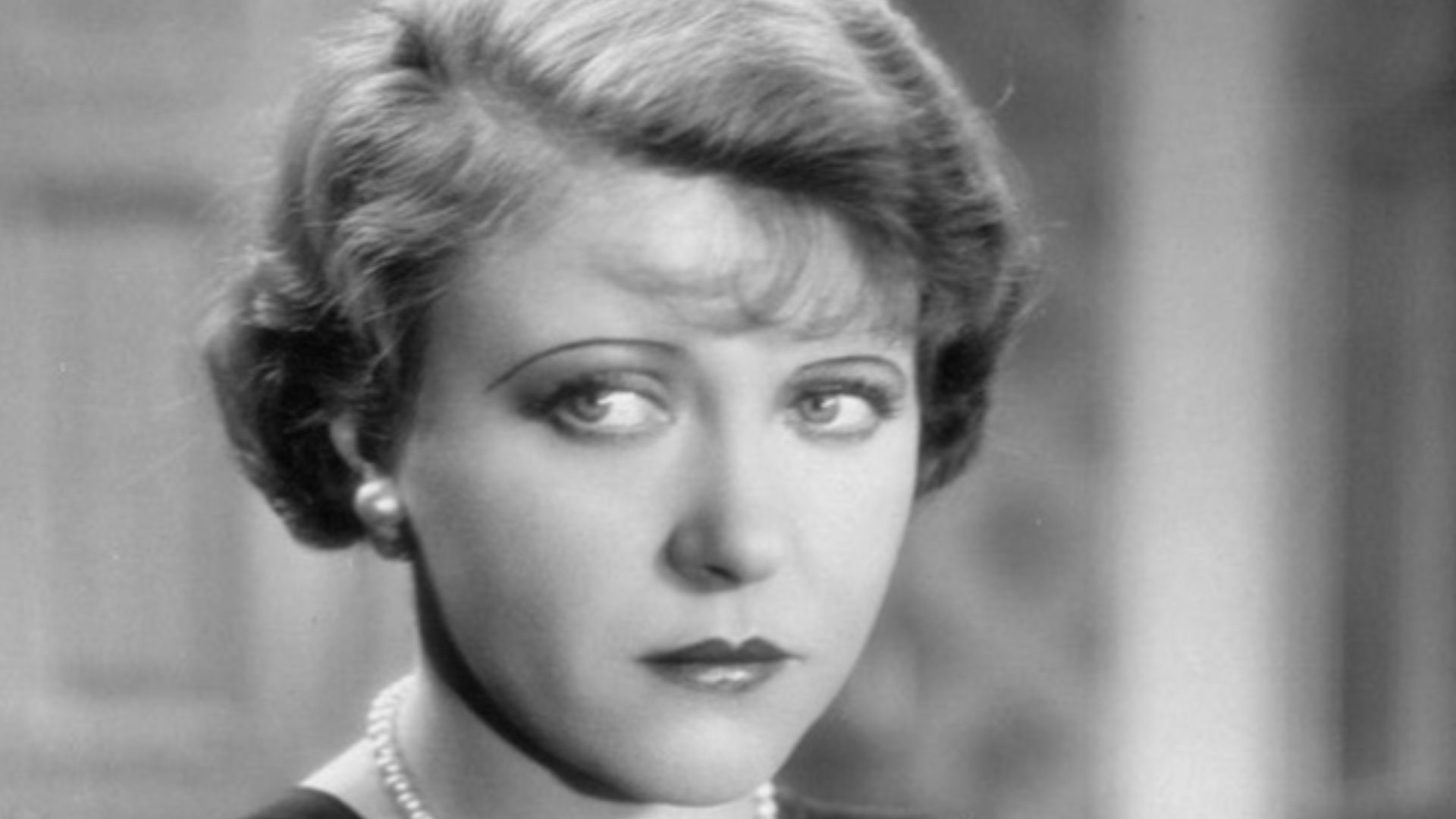
Ruth Chatterton Didn't Stop At Being A Movie Star
Ruth Chatterton became one of the highest-profile actresses of the early sound era, but acting was only one chapter. She was also an accomplished aviator and later a successful novelist. Chatterton married three times, yet her life never settled into a single prescribed role. When one career stopped satisfying her, she simply found another.
 Paramount Pictures, Wikimedia Commons
They Didn't Need A Leading Man To Finish The Story
Old Hollywood loved endings in which the heroine finally found the right man. Real life gave many of its most fascinating women a different script. They founded companies, sued studios, directed movies, invented technology, flew airplanes, fought racism, wrote films, and simply walked away when something no longer served them. The romance was optional. The life wasn't.
 Selznick International Pictures; Fred Parrish, photographer, Wikimedia Commons
You May Also Like:
Actors Rumored To Be The Next James Bond
The Hollywood Superstars Who Owe Their Careers To Other Famous Actors
The Original Lolita’s Disturbing Backstory
Sources: 1, 2, 3, 4, 5, 6, 7, 8, 9, 10, 11, 12, 13, 14, 15, 16, 17, 18, 19, 20, 21, 22, 23, 24