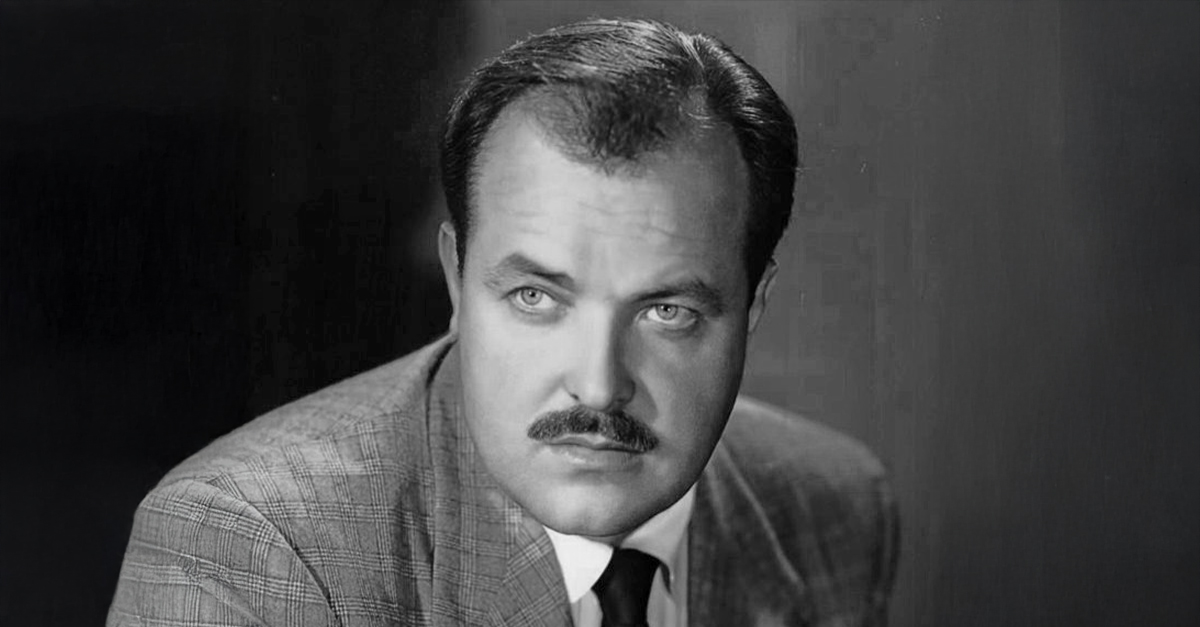
More Than One Career
William Conrad became a television star in the early 70s as private detective Frank Cannon, but that success was only one chapter in an amazingly versatile five-decade career. Before viewers knew his face, Conrad had been a fighter pilot, radio voice actor, film noir bad guy, narrator, director, and producer. His journey began way back in 1920 in Kentucky.
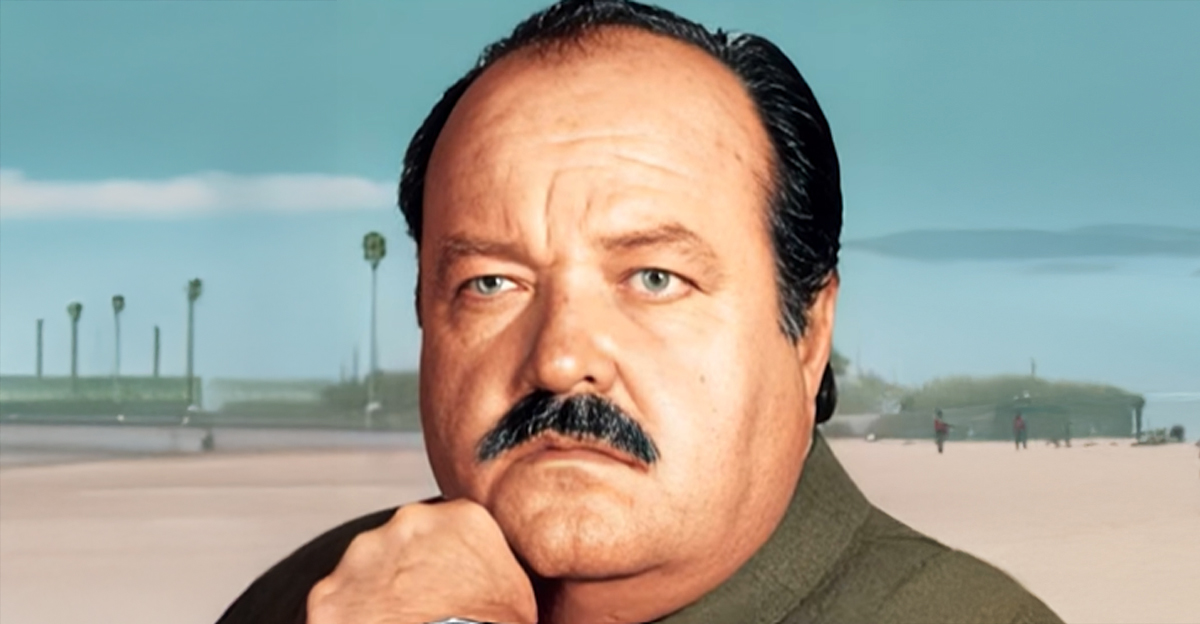
Growing Up With Movies
Born John William Cann Jr. in Louisville, Kentucky, on September 27, 1920, Conrad was raised by parents who owned a movie theater. He grew up watching films before his family moved to Southern California, where the future star attended Excelsior Union High School in Norwalk. Radio soon beckoned.
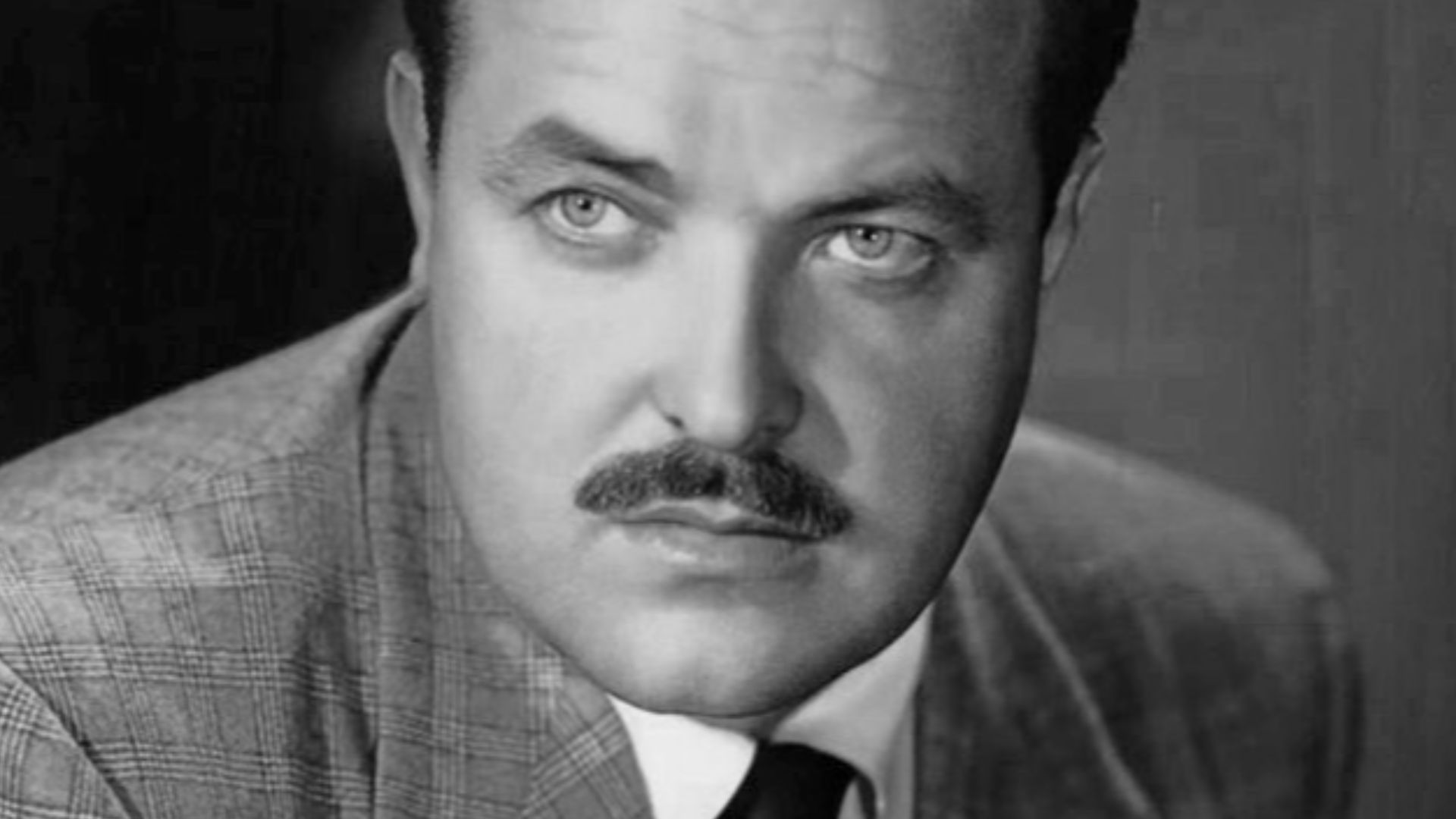
Finding His Voice
Conrad studied drama and literature at Fullerton College in Orange County, California. His professional career began at Los Angeles radio station KMPC, where he worked as an announcer, writer, and director. By age 22, he was producing and acting in the horror anthology The Hermit’s Cave. Then war intervened.
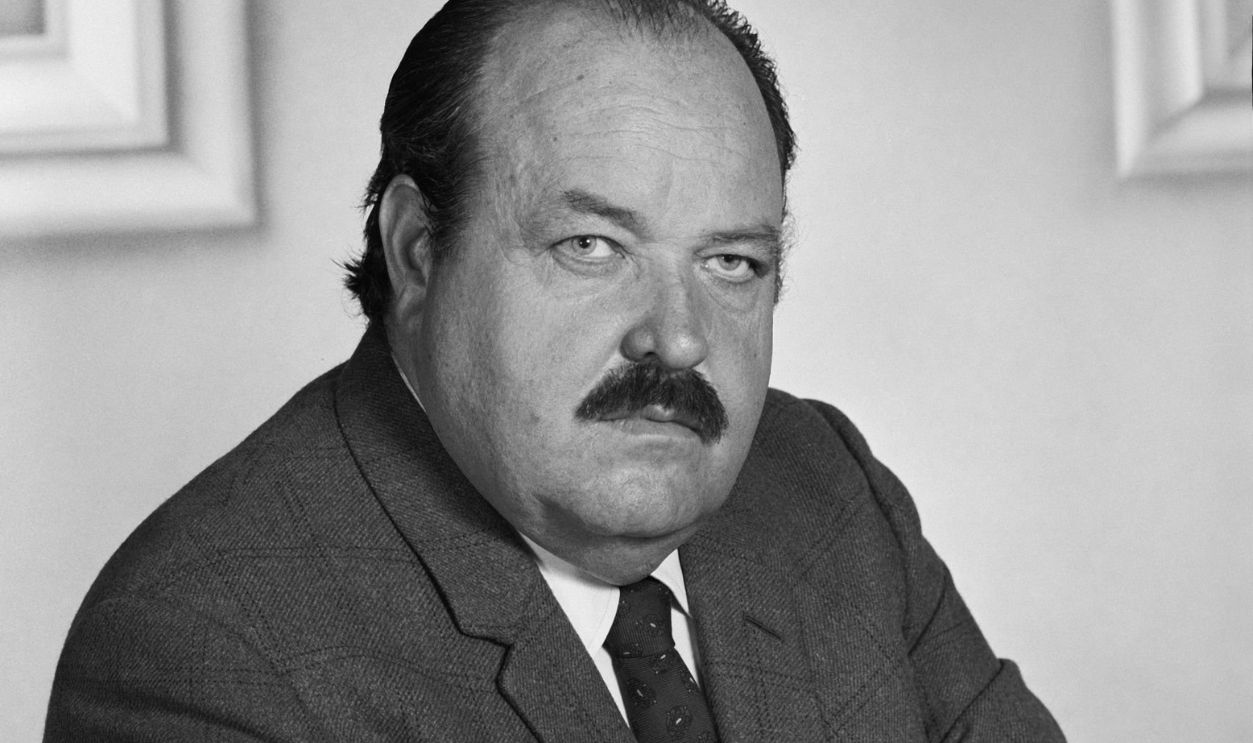 CBS Photo Archive, Getty Images
War And Marriage
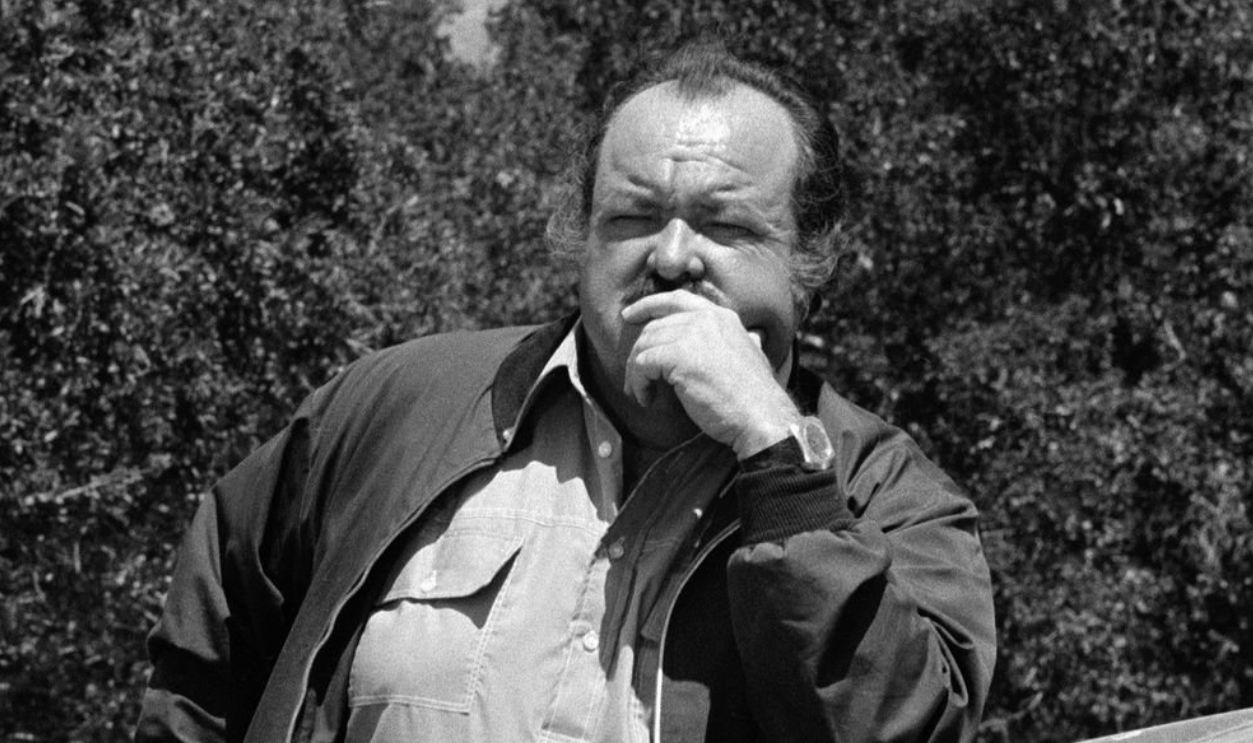
During World War II, Conrad served as a fighter pilot in the United States Army Air Forces. On the same day he was commissioned at Luke Field in 1943, he married June Nelson of Los Angeles. Military service would also keep him connected to broadcasting while his radio career waited.
 CBS Photo Archive, Getty Images
Captain William Conrad
Conrad rose to the rank of captain before leaving military service. Alongside his flying duties, he worked as a producer-director for the Armed Forces Radio Service, combining his military responsibilities with the broadcasting skills he had developed before the war. Civilian radio soon reclaimed that unmistakable voice.
 CBS Photo Archive, Getty Images
Thousands Of Radio Roles
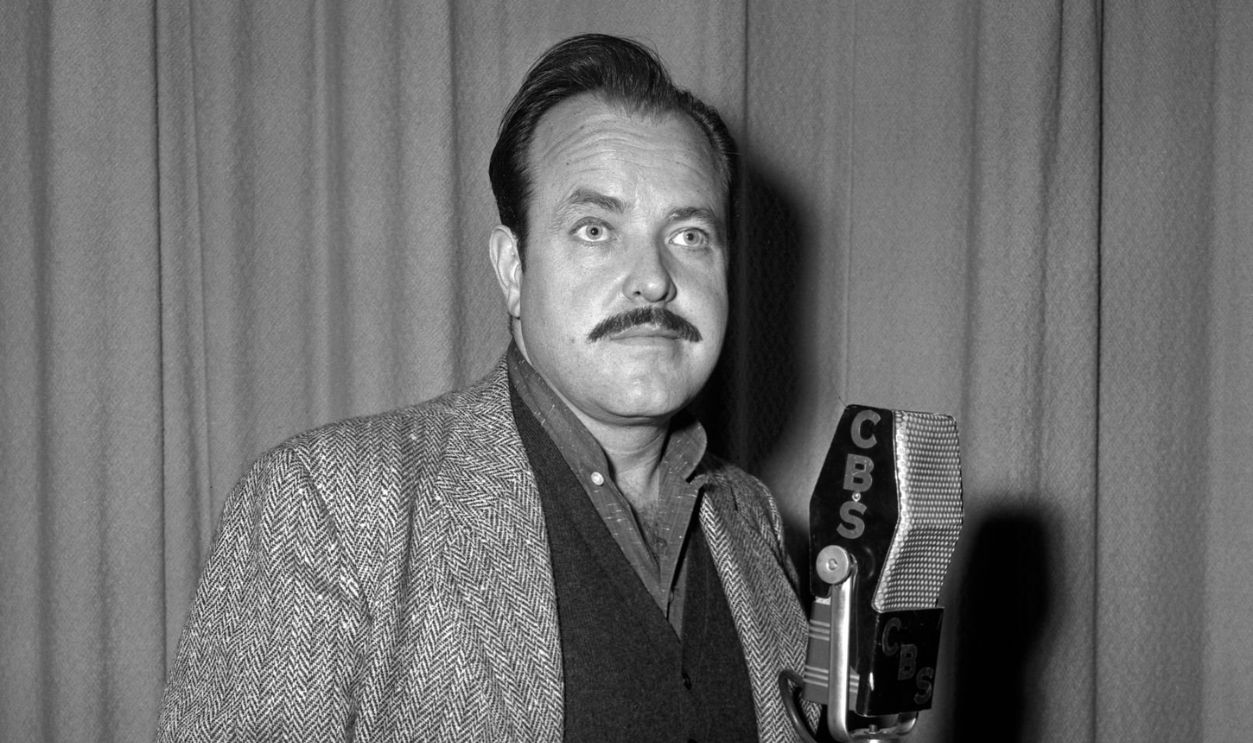
Conrad estimated that he performed more than 7,500 radio roles during his remarkable broadcasting career. His workload made his voice one of the medium’s most familiar sounds. Espionage, adventure, crime, comedy, and drama all called on his talents, and his list of credits grew at an astonishing pace.
 CBS Photo Archive, Getty Images
Radio’s Busiest Voice
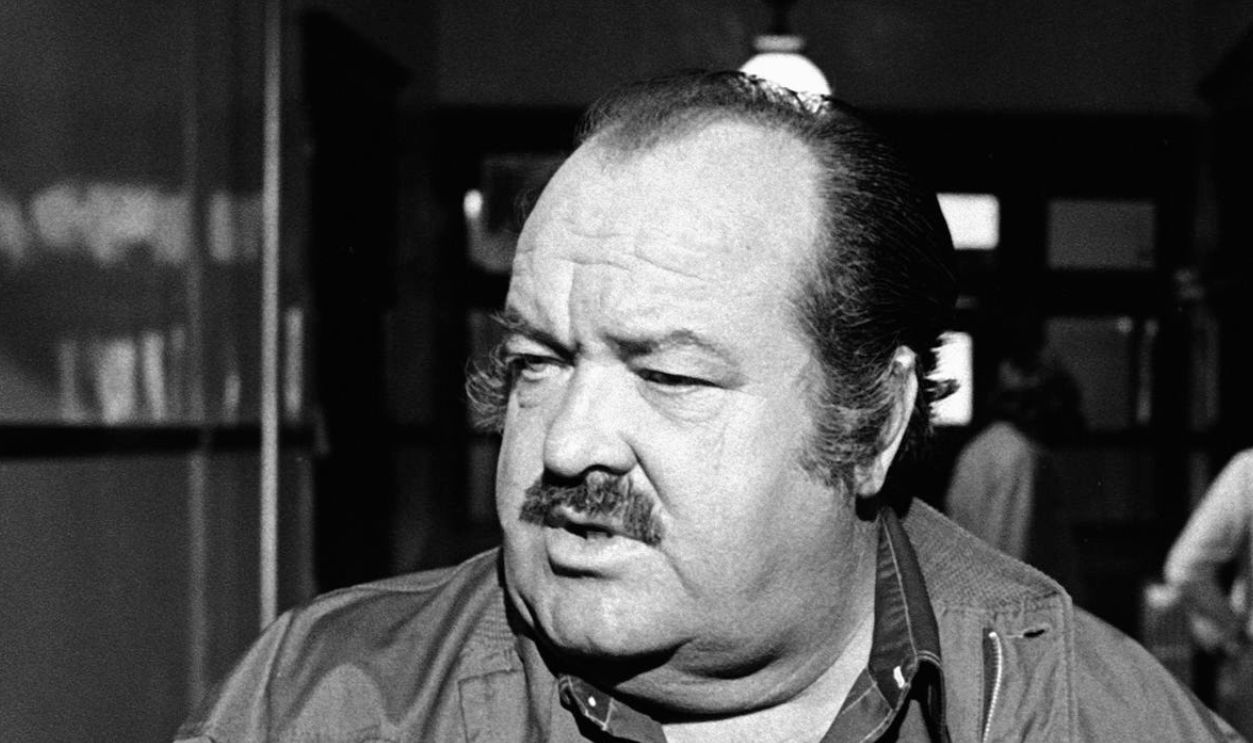
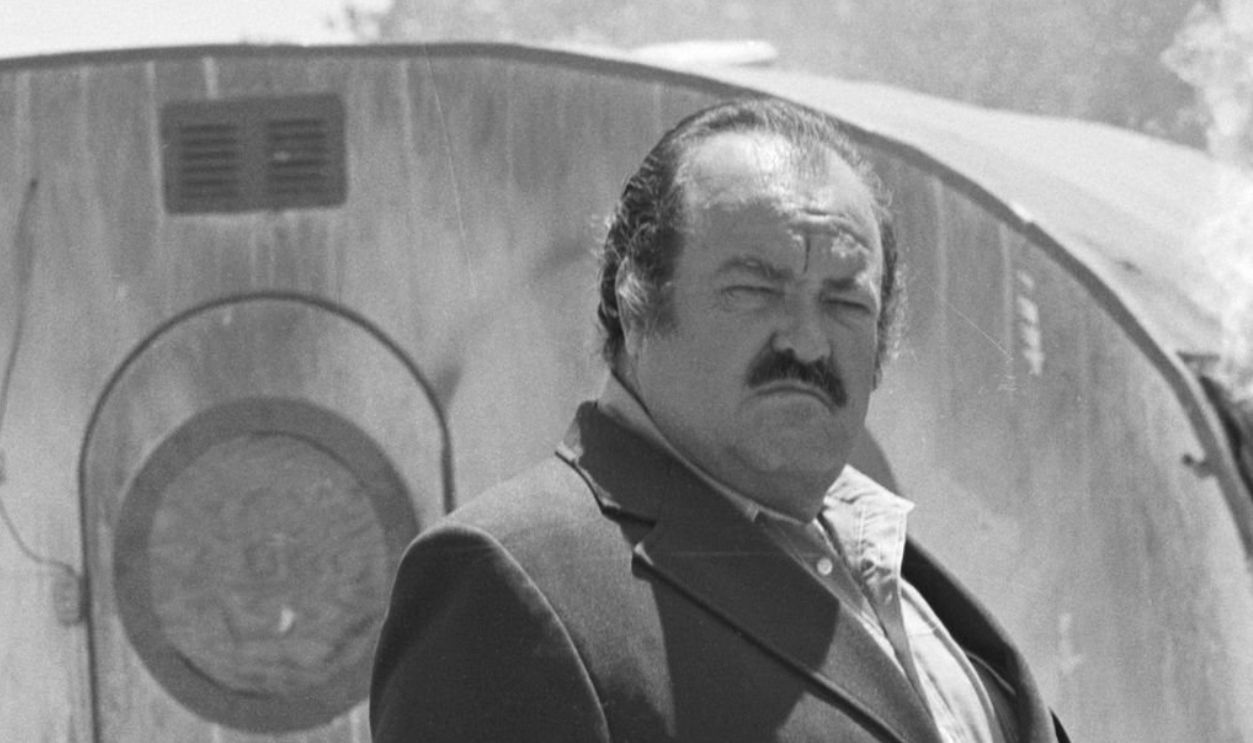
Conrad worked on The Man Called X, Favorite Story, The Count of Monte Cristo, The Voyage of the Scarlet Queen, The Green Lama, Night Beat, and Hollywood Star Playhouse. He also became the voice of the high-adventure anthology Escape, but crime dramas offered equally memorable opportunities.
 CBS Photo Archive, Getty Images
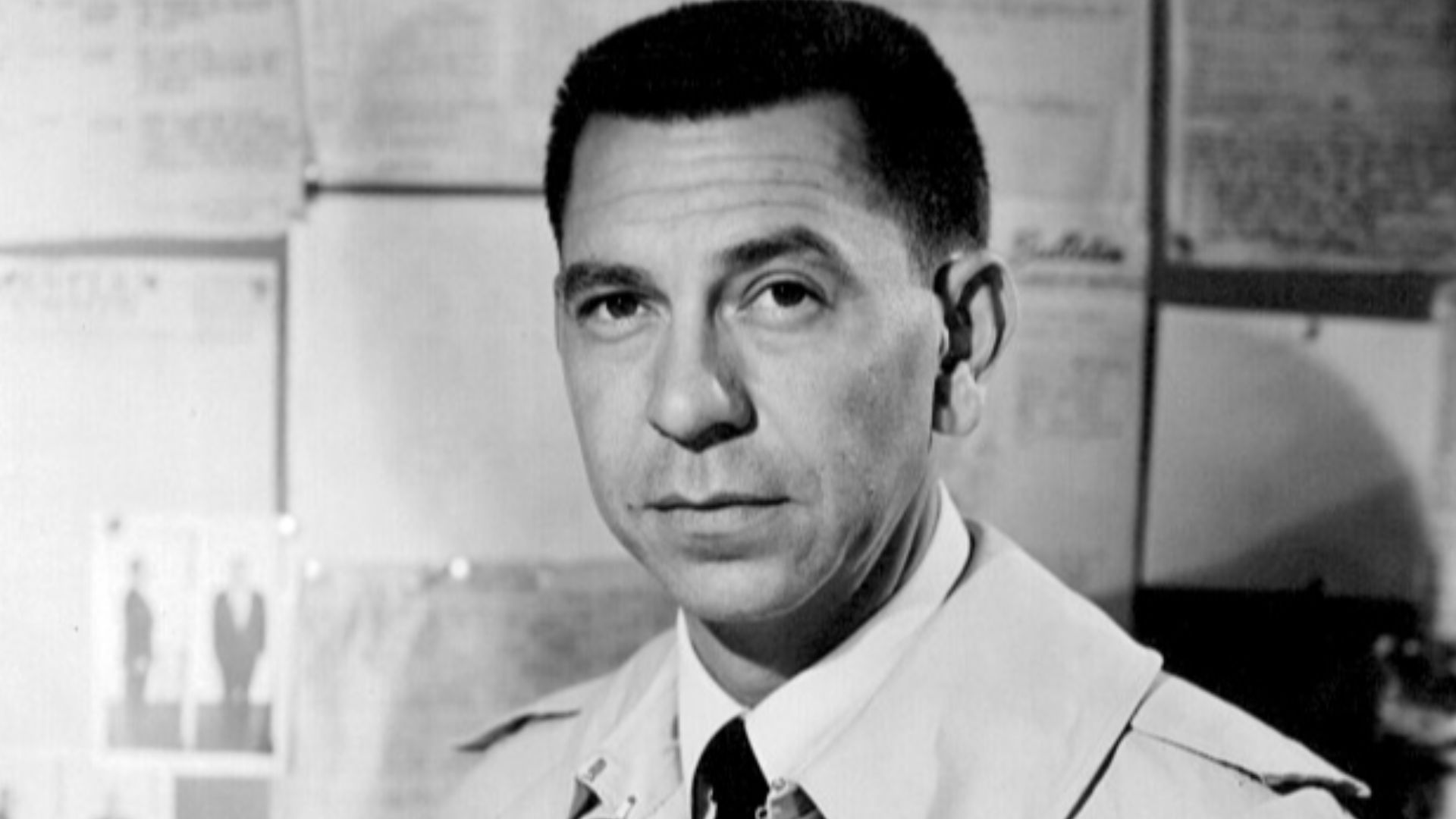
Enter Jack Webb
Conrad played the menacing policeman Warchek in Jack Webb’s Johnny Modero: Pier 23 and joined the casts of Webb’s radio crime dramas Dragnet and Pete Kelly’s Blues. He also played Walter Burns opposite Dick Powell’s Hildy Johnson in the radio adaptation of The Front Page. Hollywood was listening too.
 NBC Television, Wikimedia Commons
A Menacing Film Debut
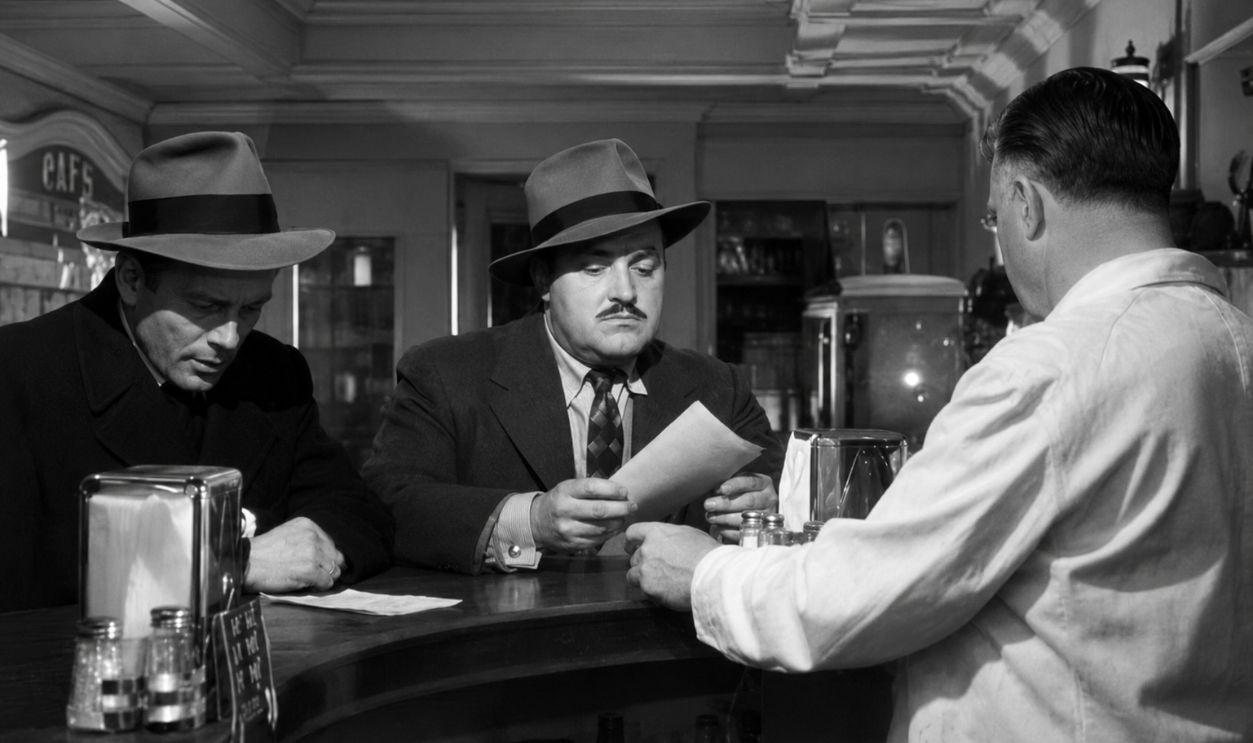
Conrad’s first credited film role made immediate use of his intimidating presence. In The Killers (1946), he played Max, one of two gunmen sent after Burt Lancaster’s doomed Swede. Conrad’s quiet menace dominates the opening diner sequence before Lancaster even appears. More hard-edged roles followed.
 Screenshot from The Killers, Universal Pictures (1946), Enhanced
A Noir Fixture
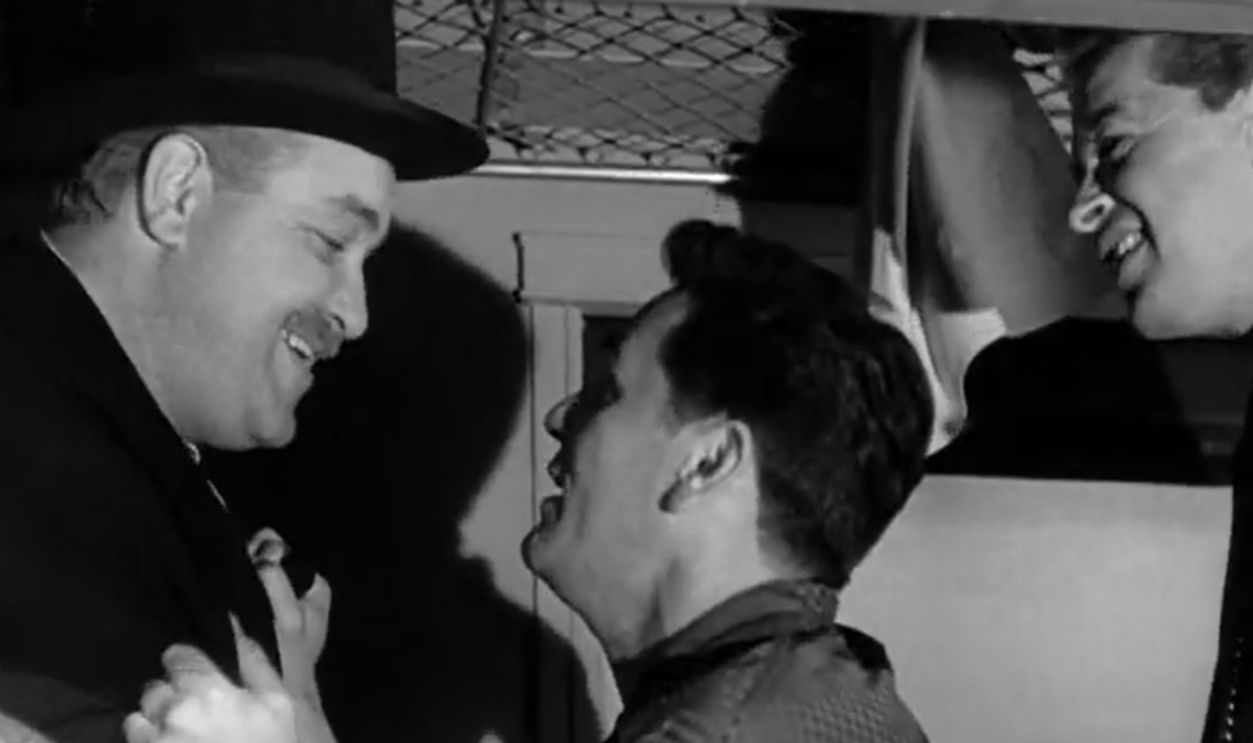
Conrad appeared in Body and Soul (1947), Sorry, Wrong Number (1948), and Joan of Arc (1948), moving easily among crime pictures and historical drama. His imposing presence often made him a natural choice for threatening characters, even as radio remained the center of his career.
 Screenshot from Body and Soul, United Artists (1947)
A Disreputable Bookie
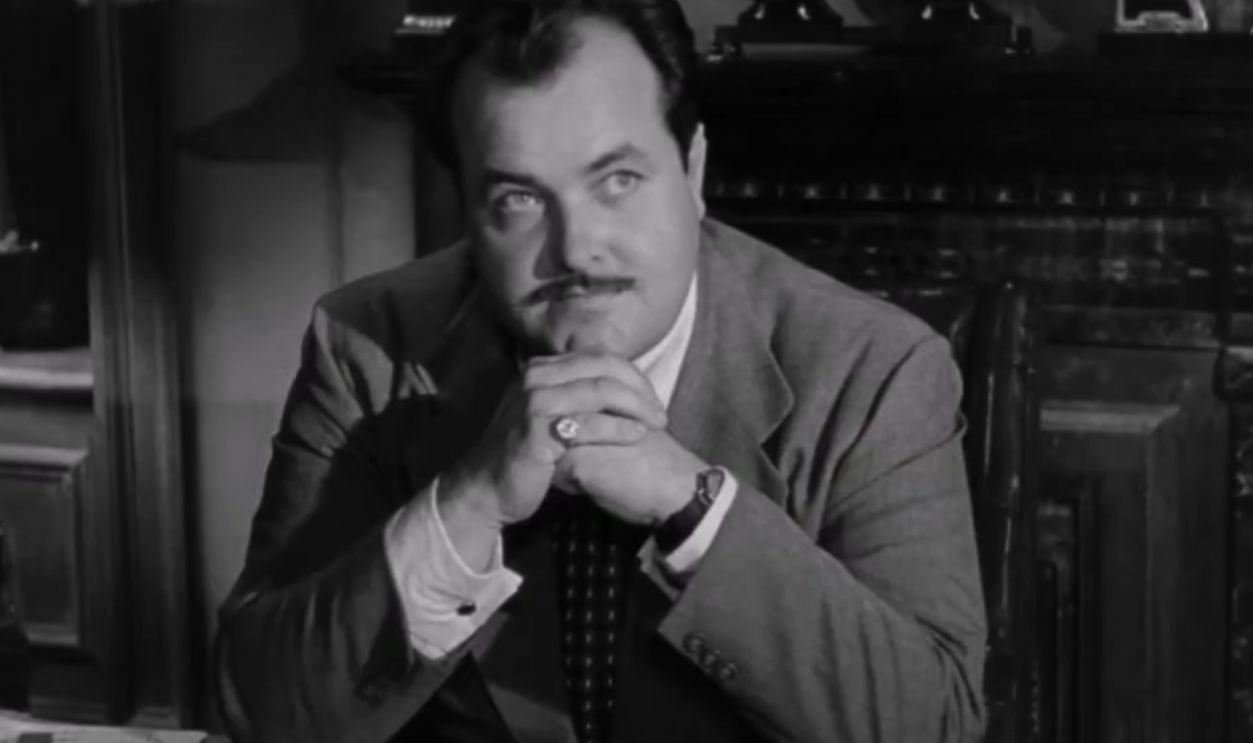
One of Conrad’s juicier film roles came in Cry Danger (1951), starring Dick Powell and Rhonda Fleming. Conrad played bookie Louie Castro, a thoroughly disreputable figure who complicates Powell’s life and absorbs several beatings along the way. Meanwhile, his greatest radio role was about to arrive.
 Screenshot from Cry Danger, RKO Pictures (1951)
Becoming Matt Dillon
Conrad’s deep, resonant voice won him the role of Marshal Matt Dillon on CBS Radio’s Gunsmoke in 1952. Producers initially resisted because Conrad already appeared everywhere and his voice was so familiar. His audition changed their minds, making him the definitive Dillon for radio listeners.
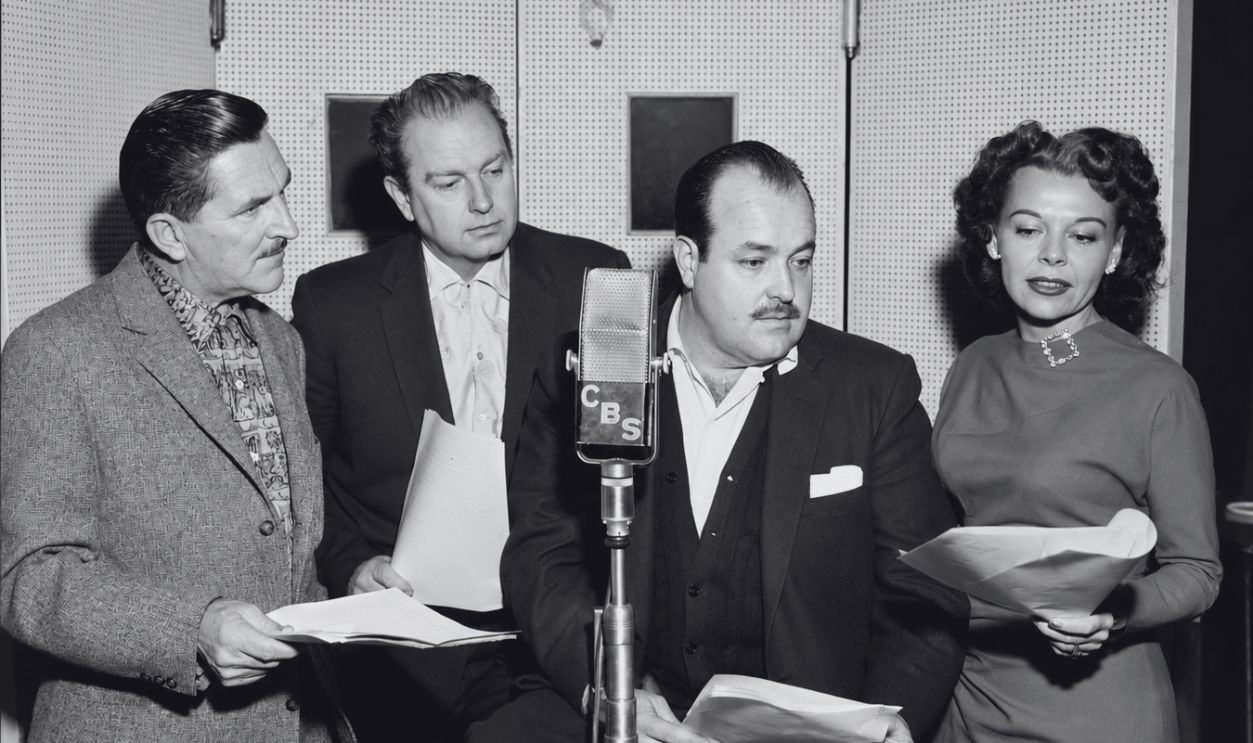 CBS Photo Archive, Getty Images, Enhanced
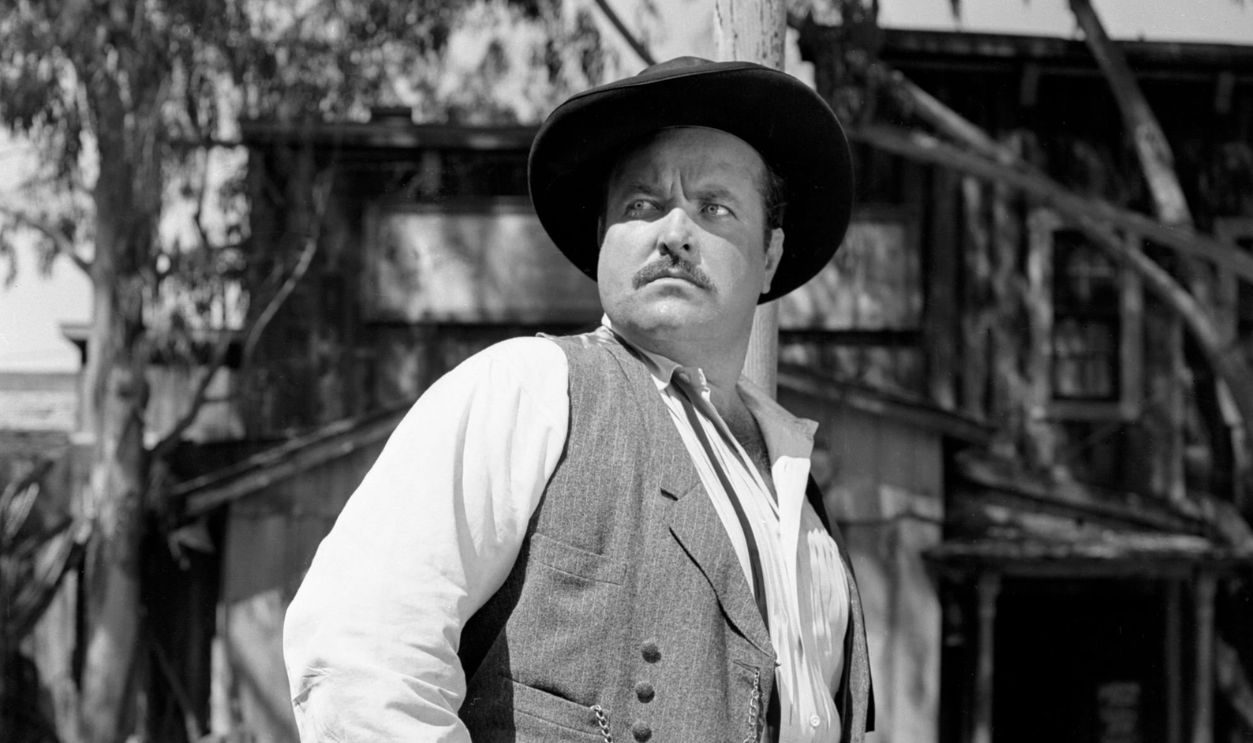
Nine Years In Dodge
Conrad played Matt Dillon throughout the radio series’ nine-year run and even wrote the June 1953 episode “Sundown.” The adult, gritty Western eventually produced 480 radio episodes, with Conrad giving Dillon a dry, wry authority. But television executives had a different vision for Dodge City.
 CBS Photo Archive, Getty Images
Television Passed Him Over
When Gunsmoke moved to television in 1955, CBS executives refused to cast Conrad or his radio costars despite a campaign urging them to reconsider. James Arness became television’s Matt Dillon, while Conrad continued the radio role until 1961. The setback did not slow his remarkable broadcasting work.
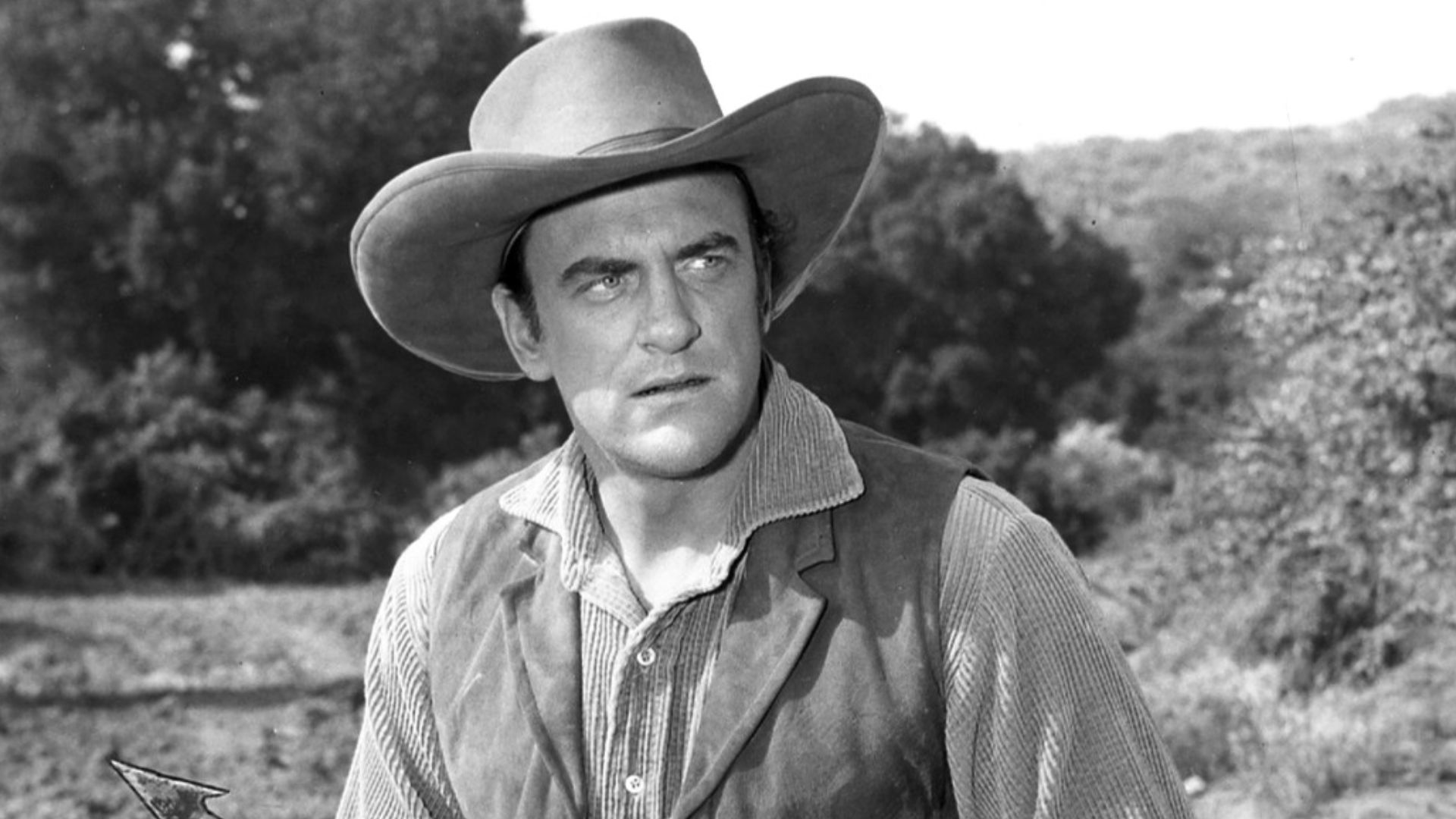 CBS Television, Wikimedia Commons
One Man, Every Part
Conrad’s radio credits also included Yours Truly, Johnny Dollar, Lux Radio Theatre, Fibber McGee and Molly, and Suspense. In the 1956 Suspense episode “The Wax Works,” he performed every role himself. Contract restrictions sometimes even forced the ubiquitous actor to use the pseudonym Julius Krelboyne.
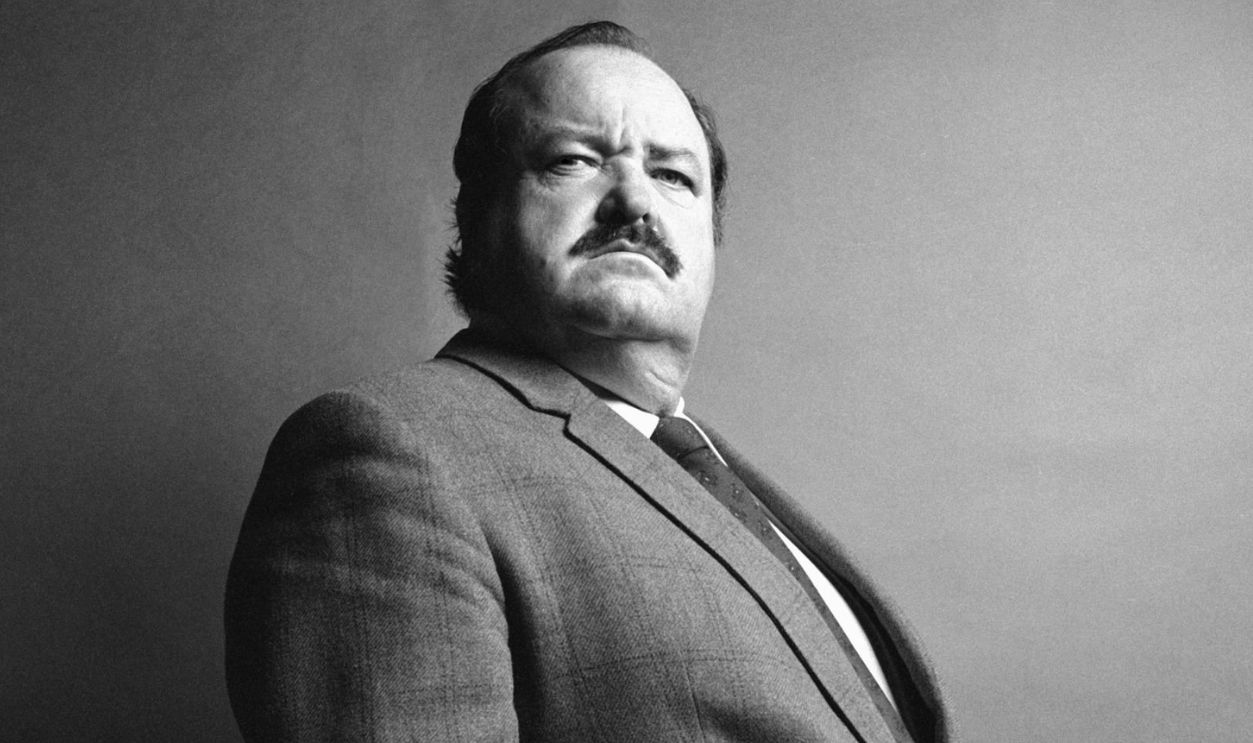 CBS Photo Archive, Getty Images
Announcing A Dystopian Classic
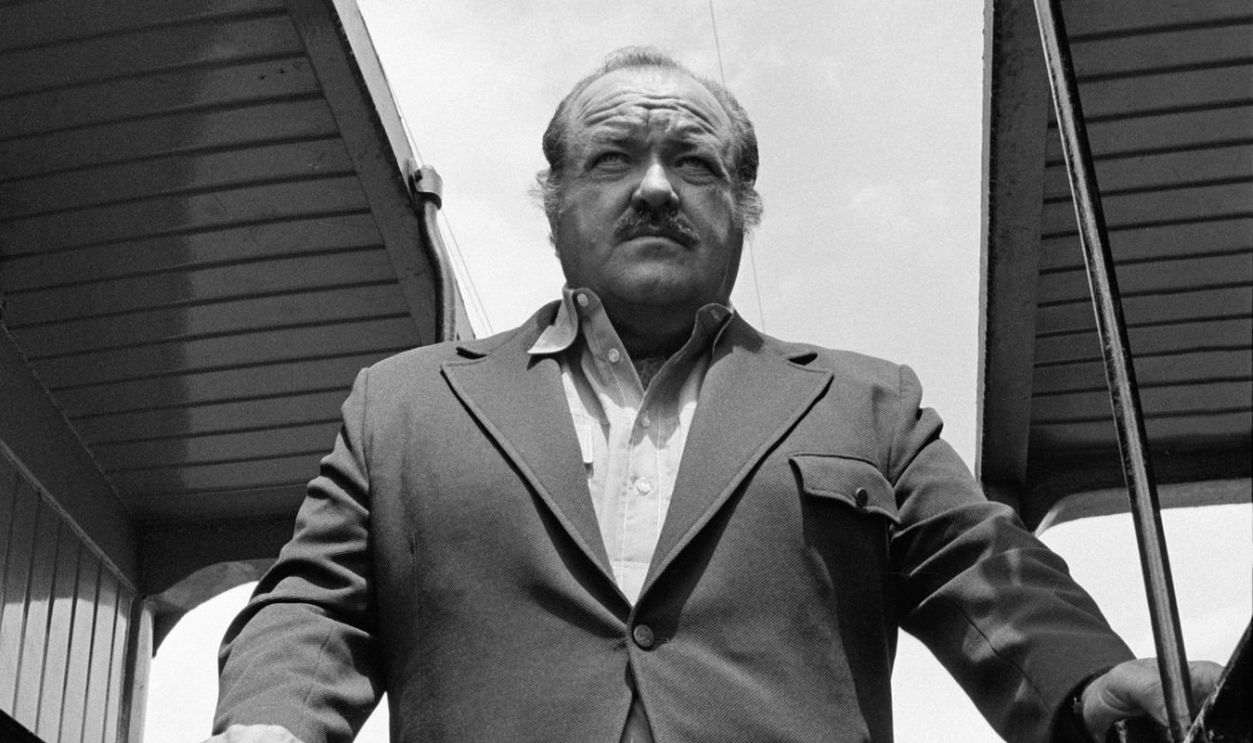
In January 1956, Conrad served as announcer for the debut of The CBS Radio Workshop, a two-part adaptation of Aldous Huxley’s Brave New World, narrated by Huxley himself. Conrad subsequently delivered celebrated performances for the experimental series, then added directing to his increasingly crowded résumé.
 CBS Photo Archive, Getty Images
A New Chapter At Home
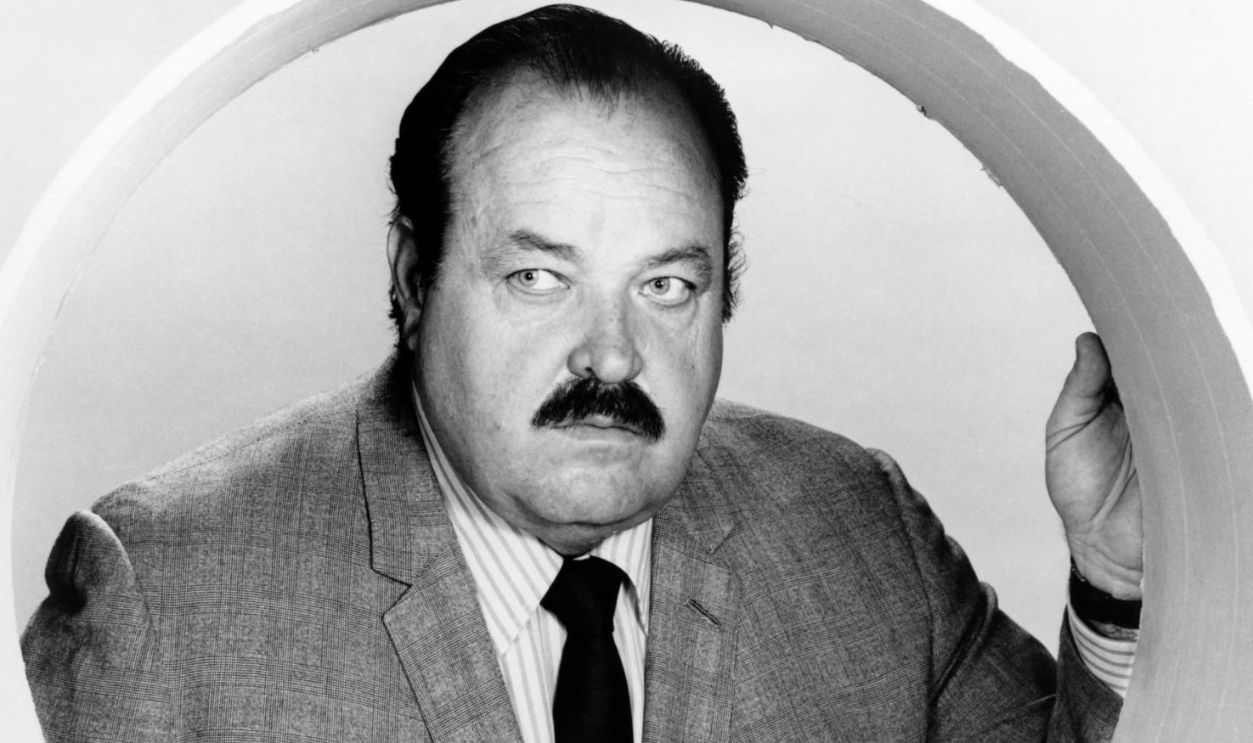
Conrad’s marriage to June Nelson ended in divorce in 1957. That same year, he married former fashion model Susan Randall. The couple had one son, Christopher, and remained married until Randall’s death in 1979, as Conrad’s career moved from radio toward directing, producing, and television stardom.
 Silver Screen Collection, Getty Images
Radio Gives Way
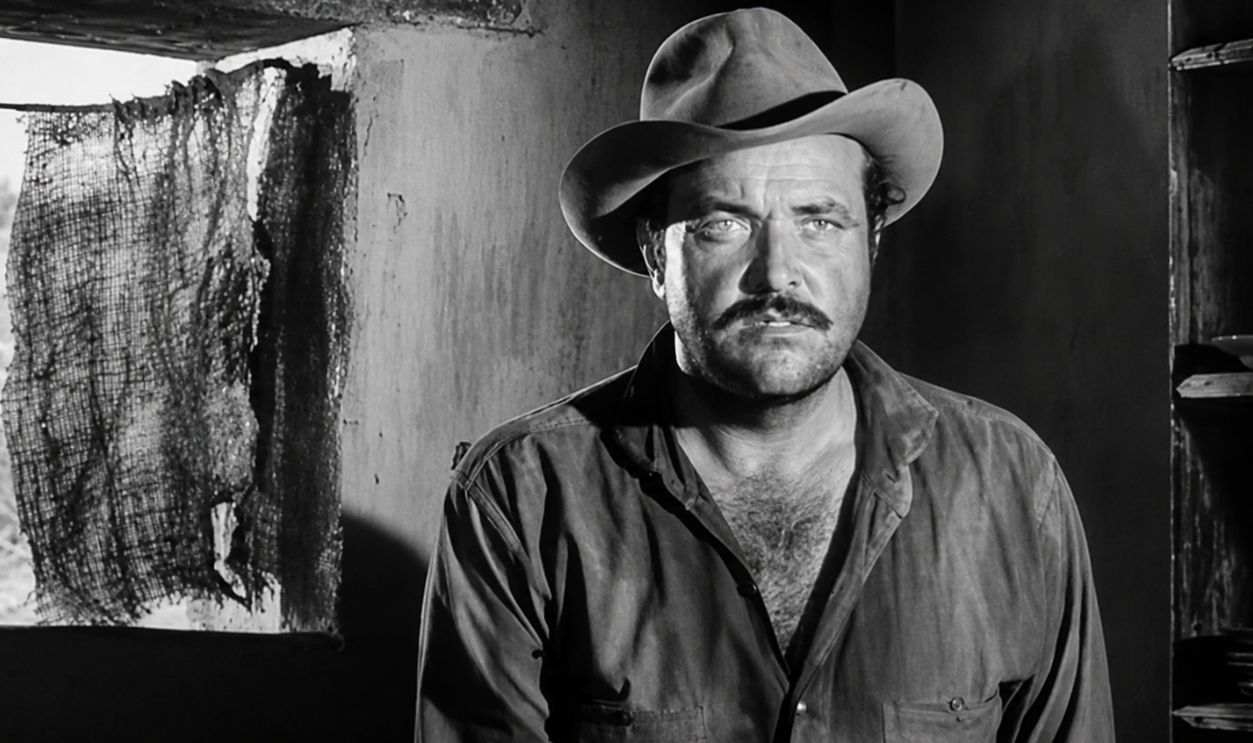
As radio drama declined and Conrad found fewer substantial screen roles during the 1950s, he began shifting toward production and directing. He still appeared in films including The Naked Jungle (1954), The Ride Back (1957), and Jack Webb’s newspaper drama -30- (1959). Television offered another outlet.
 Screenshot from The Ride Back, United Artists (1957)
The Voice Gets Playful
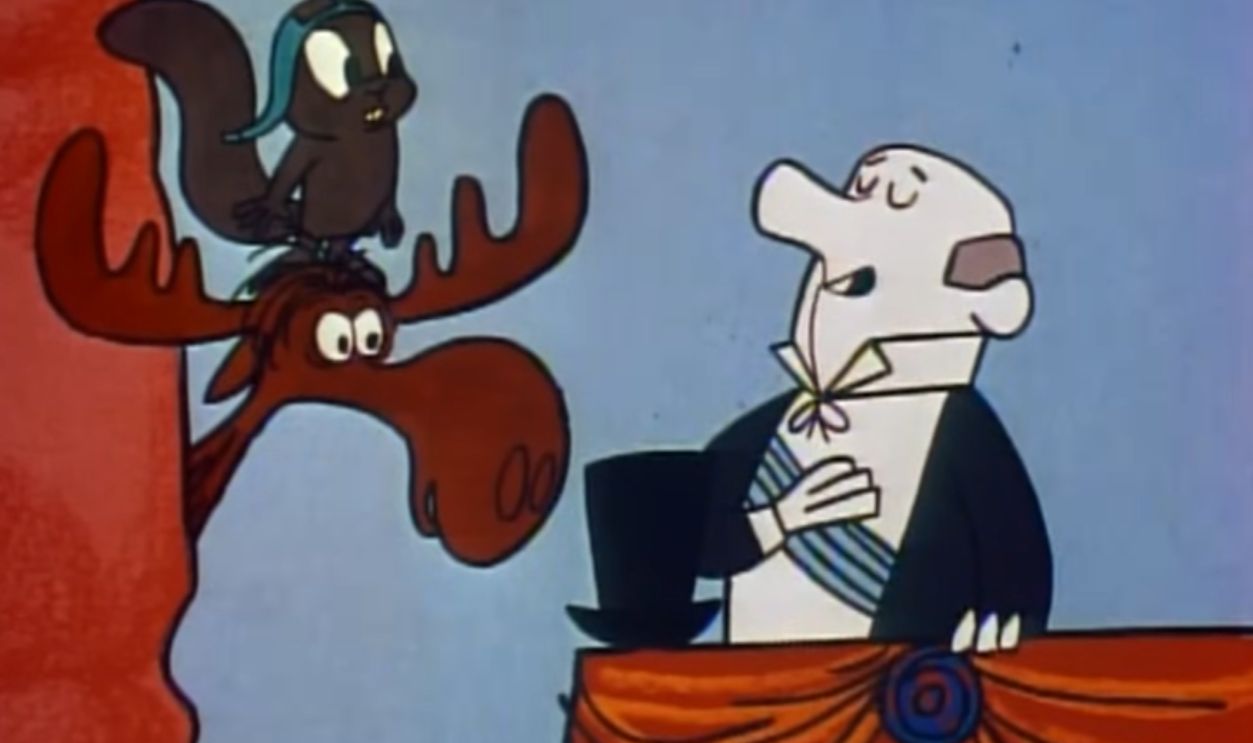
Beginning in 1959, Conrad narrated Jay Ward’s Rocky and Bullwinkle cartoons under the credit Bill Conrad. Instead of his familiar rumbling baritone, he adopted a brisk, high-pitched nasal voice suited to the show’s mock urgency. It proved that his famous instrument could be surprisingly funny.
 Screenshot from Rocky and Bullwinkle, WildBrain (1959-1964)
Behind The Camera
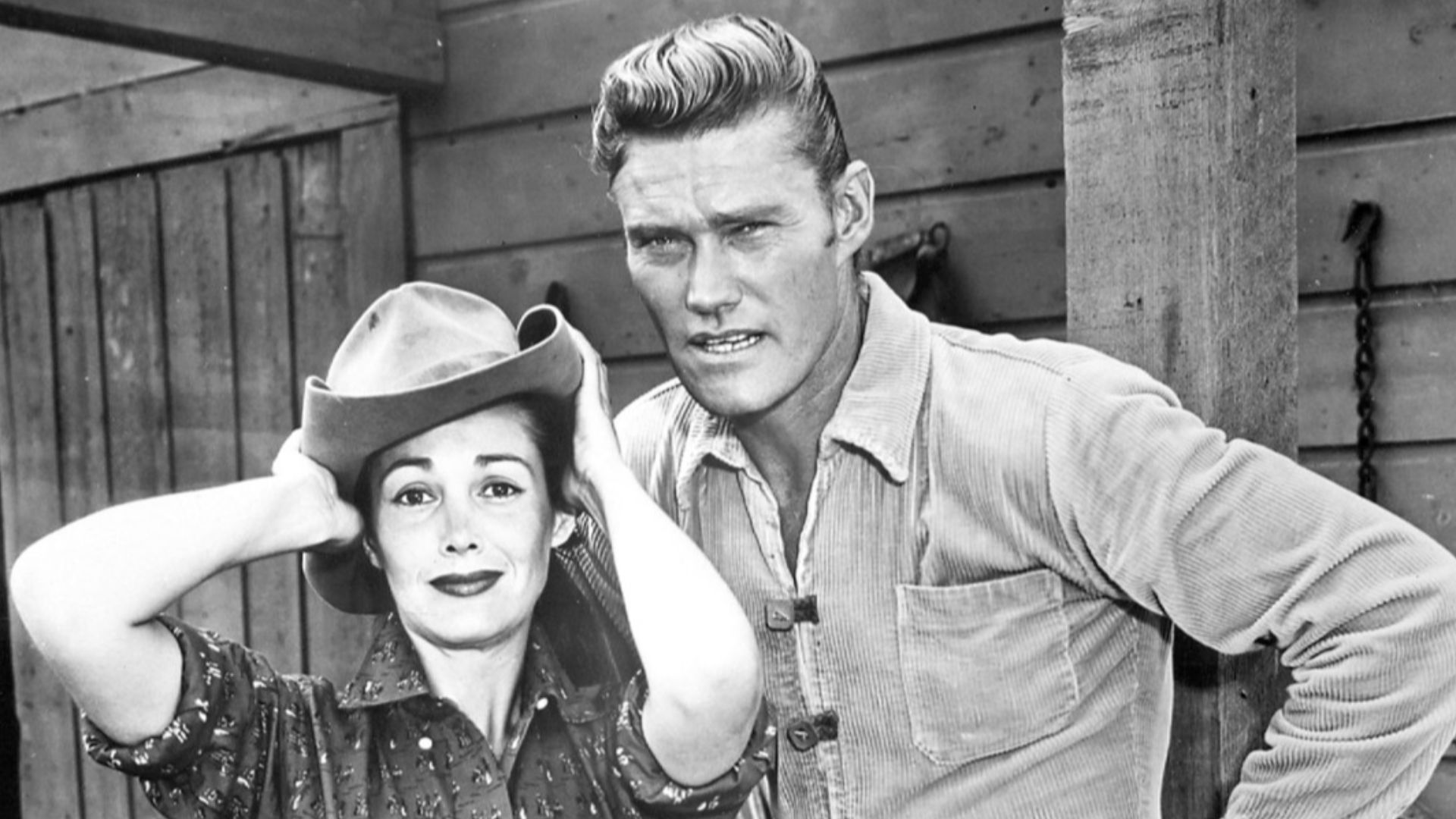
Conrad built an extensive television directing résumé, working on series including The Rifleman, Bat Masterson, Route 66, Have Gun, Will Travel, 77 Sunset Strip, Temple Houston, and Ripcord. In 1961, he moved deeper into film production and directing at Warner Bros.
 ABC Television, Wikimedia Commons
Narrating A Disaster
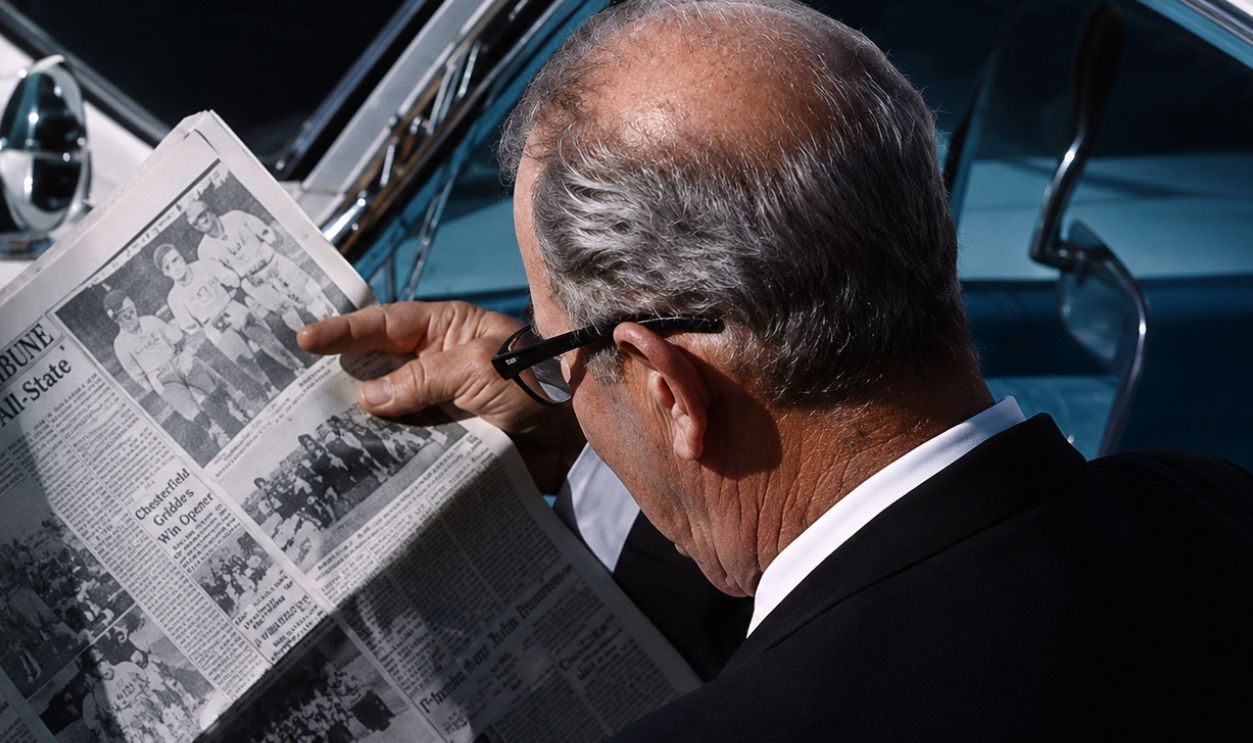
Conrad narrated Design for Disaster, a documentary produced by the Los Angeles City Fire Department about the devastating November 1961 Bel Air wildfire. The fire had gutted neighborhoods and at the time was considered the worst conflagration in Los Angeles history. Soon, another dramatic narration made his voice unavoidable on television.
 Screenshot from Design for Disaster, Los Angeles Fire Department (1962), Enhanced
The Fugitive’s Voice
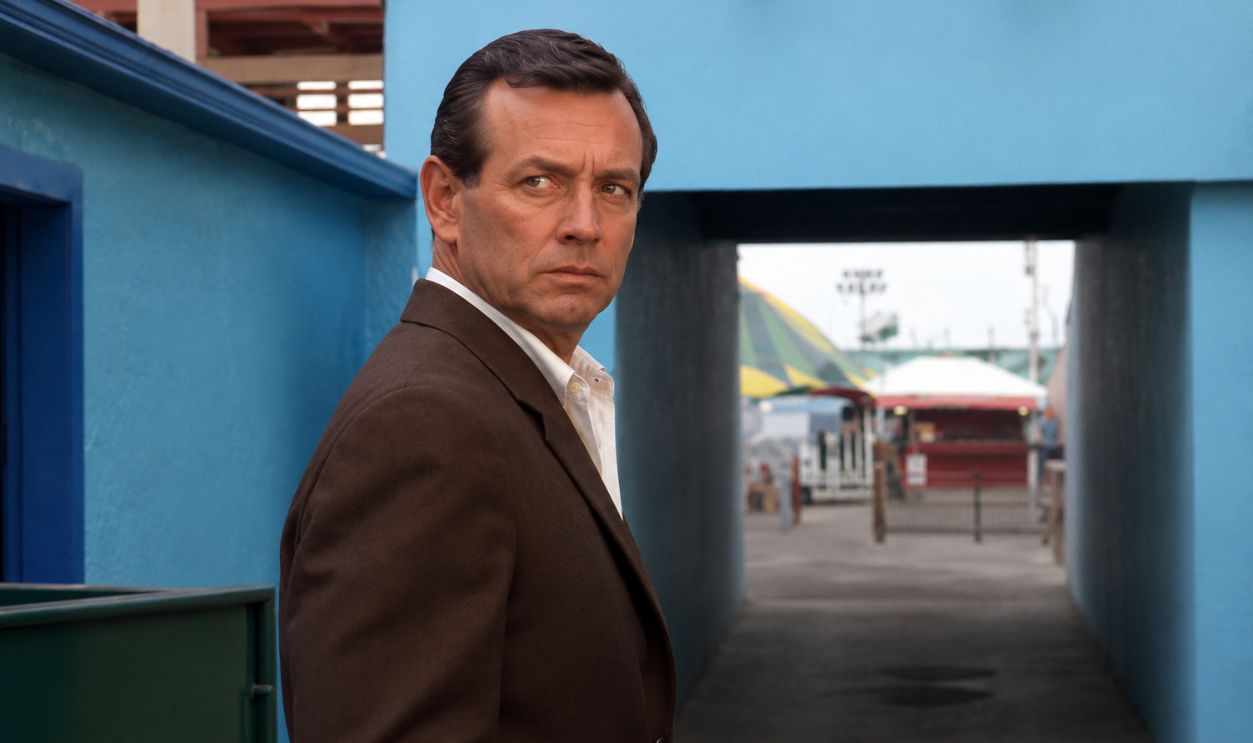
From 1963 through 1967, Conrad supplied the familiar narration for the ABC drama The Fugitive, starring David Janssen. His grave, urgent delivery perfectly suited the story of a hunted man. At the same time, Conrad was pursuing a very different ambition behind the camera: directing feature films.
 Screenshot from The Fugitive, United Artists Television (1963-1967), Enhanced
Three Films, One Year
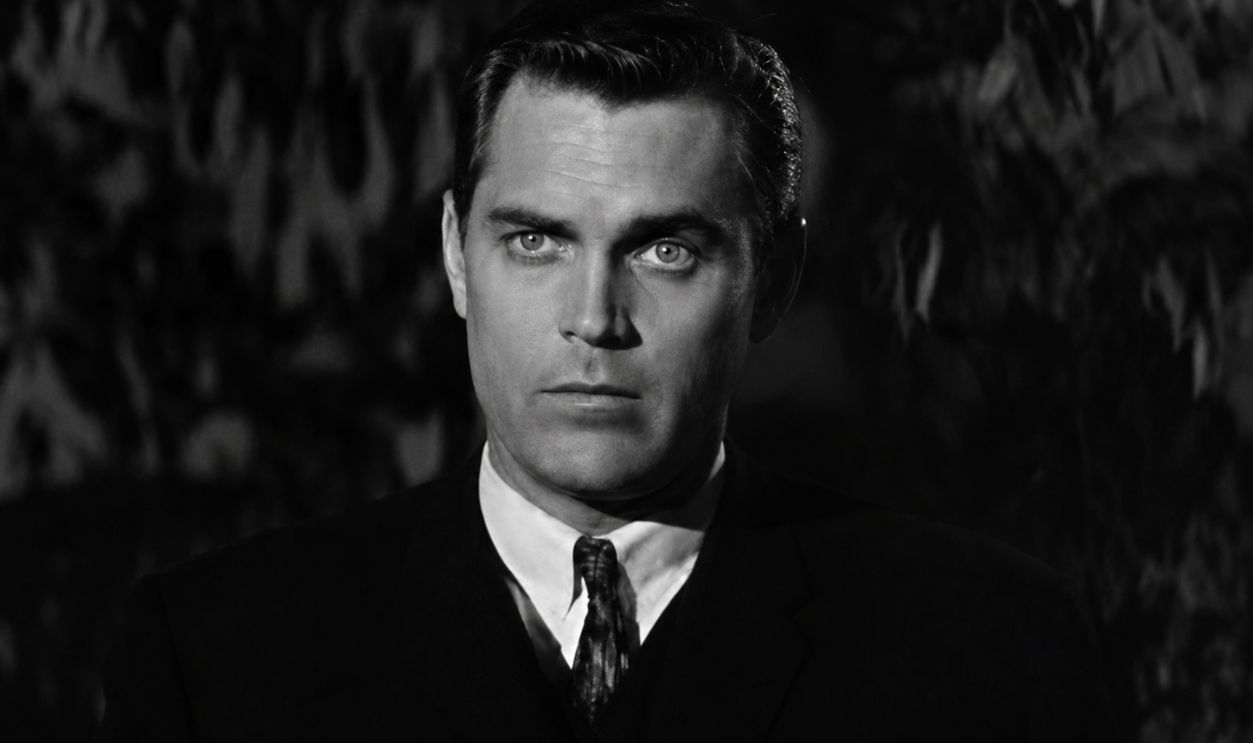
Conrad had an extraordinary burst of filmmaking activity in 1965, producing and directing Two on a Guillotine (1965), My Blood Runs Cold (1965), and Brainstorm (1965). The three offbeat thrillers appeared in a single year, demonstrating that Conrad’s ambitions extended far beyond acting and narration.
 Screenshot from Brainstorm, Warner Bros. (1965), Enhanced
A Science-Fiction Gamble
Conrad served as executive producer of Countdown (1968), a science-fiction thriller starring James Caan and Robert Duvall. The film marked Robert Altman’s major studio feature debut as a director. Conrad’s career behind the camera was substantial, but an unexpected opportunity soon returned him to the spotlight.
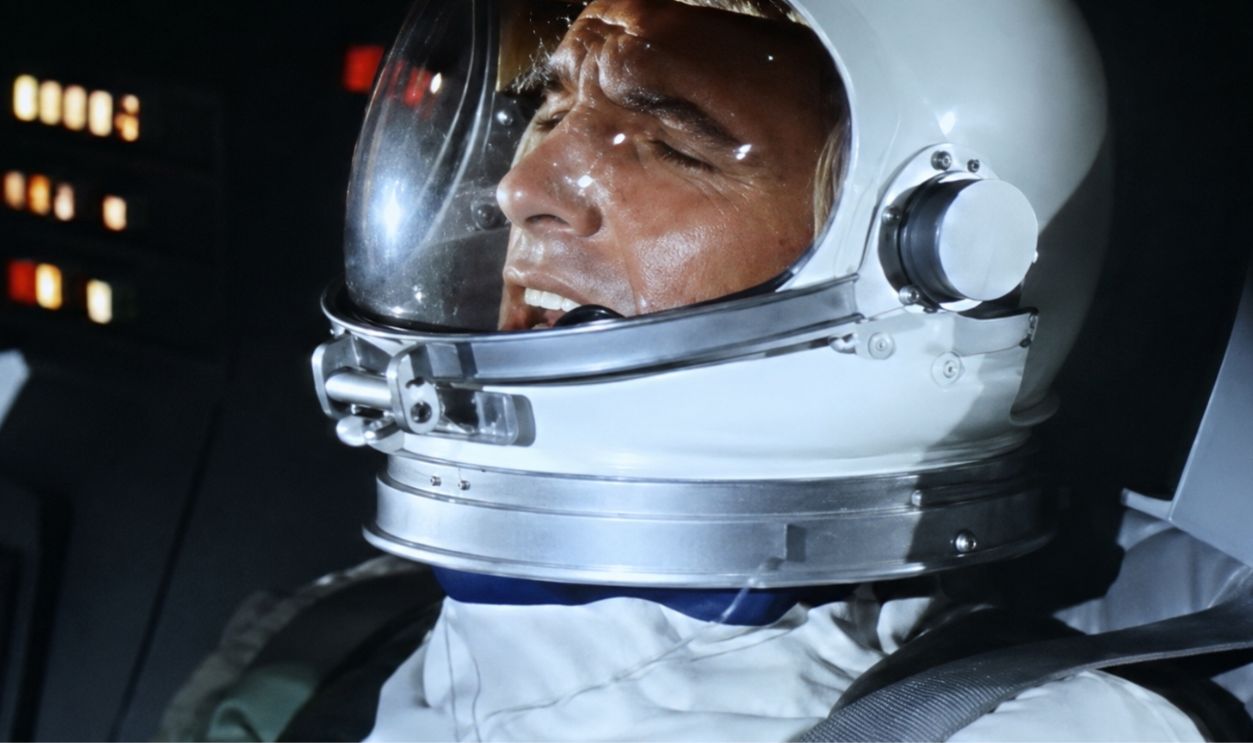 Screenshot from Countdown, Warner Bros. Entertainment (1968), Enhanced
Cannon Changes Everything
In 1971, Conrad finally became a television leading man as private detective Frank Cannon. The CBS series Cannon ran until 1976, putting Conrad at the center of 120 episodes. After decades as a voice, supporting actor, and filmmaker, he had become an unmistakable television star.
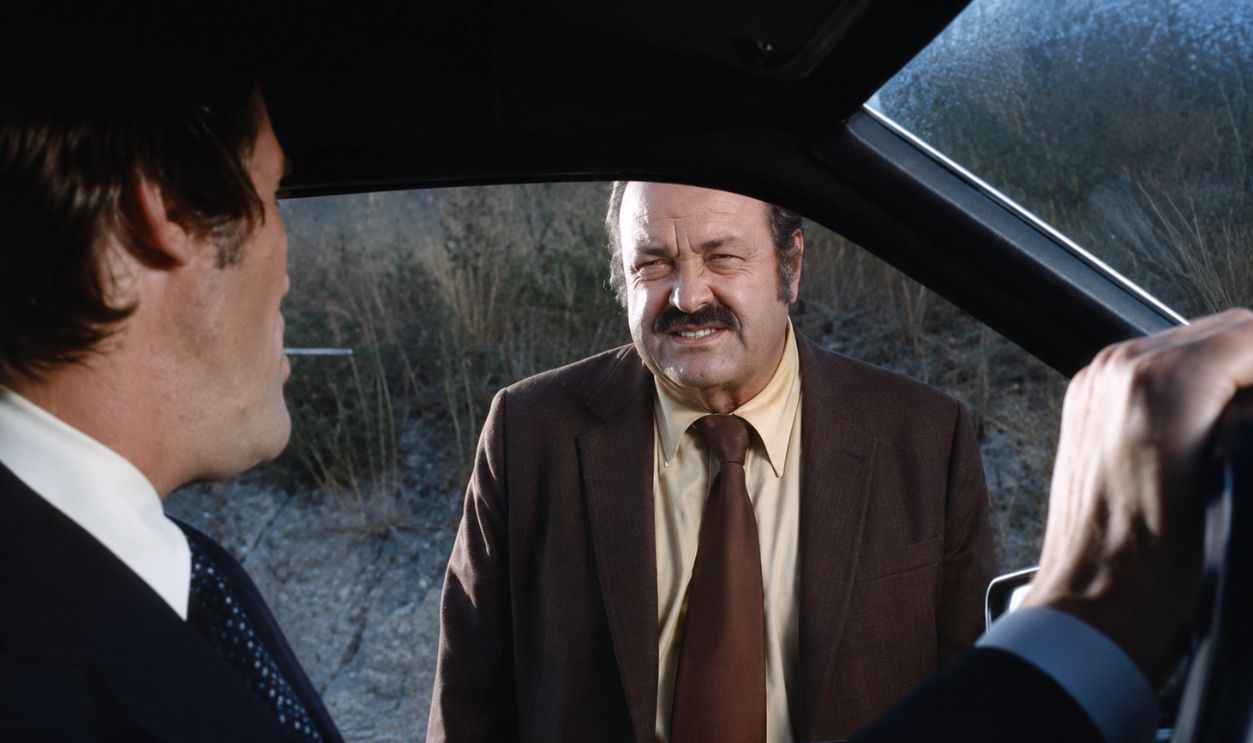 Screenshot from Cannon, CBS (1971-1976)
Turning Size Into Strength
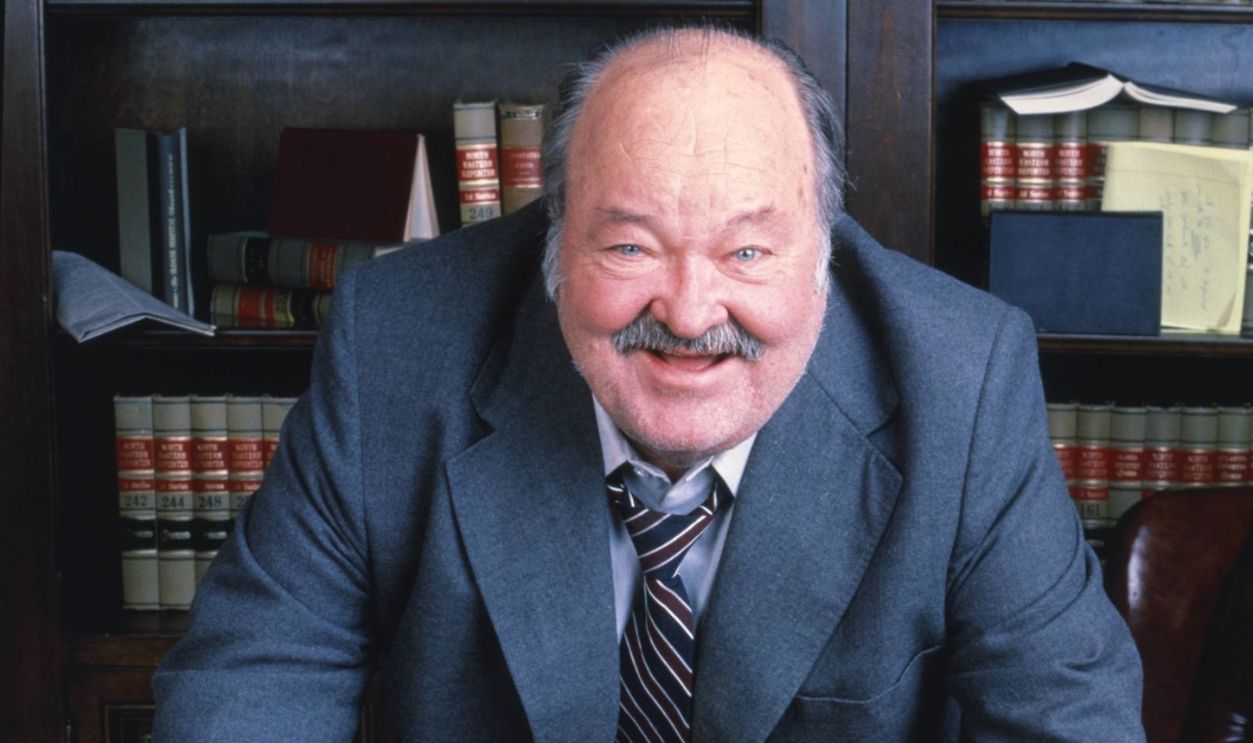
Conrad’s weight sometimes limited the roles Hollywood was willing to offer him, but he eventually made his distinctive appearance part of his screen persona. While starring in Cannon, he weighed 230 pounds and later reached 260 or more, becoming an unconventional but unmistakable television leading man.
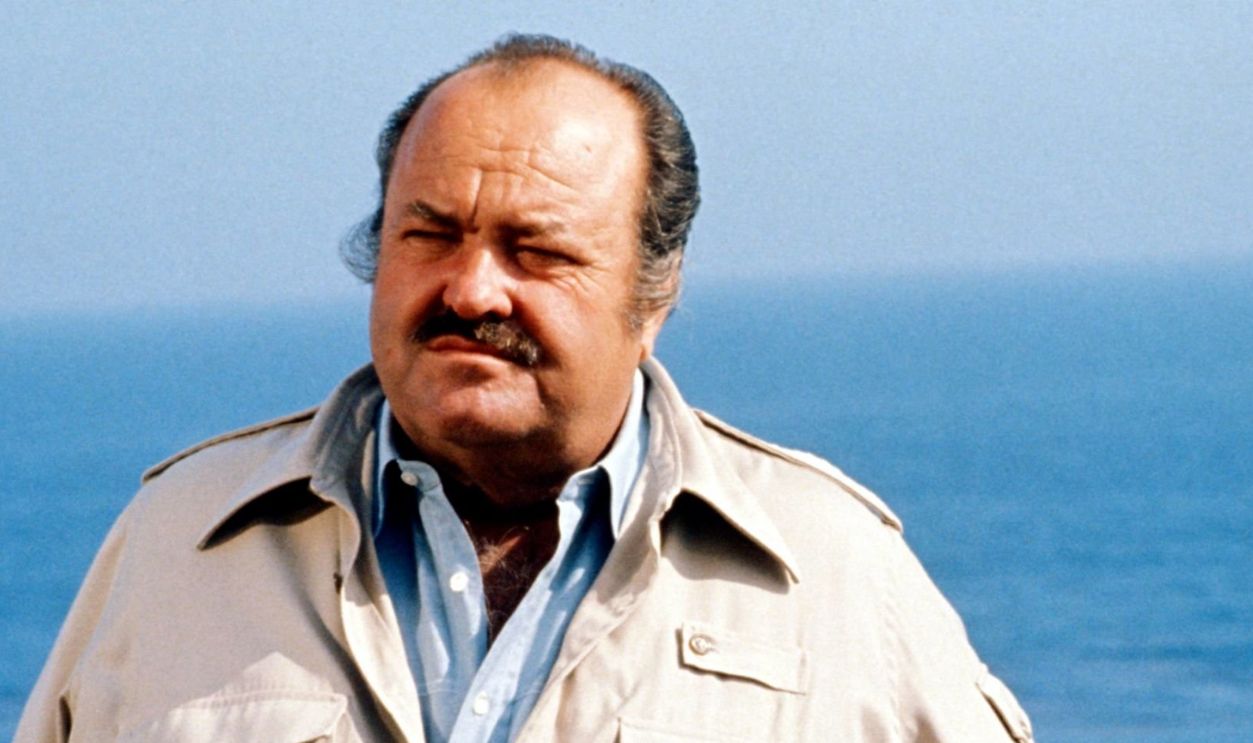 Silver Screen Collection, Getty Images
A Record-Setting Fisherman
Conrad was also an avid outdoorsman and accomplished light-tackle fisherman. On May 23, 1972, in Mexico’s Yucatán Channel, he caught a 62-pound, 4-ounce sailfish using thread-like six-pound-test line. His skill with light tackle was notable enough to be documented by Field & Stream magazine.
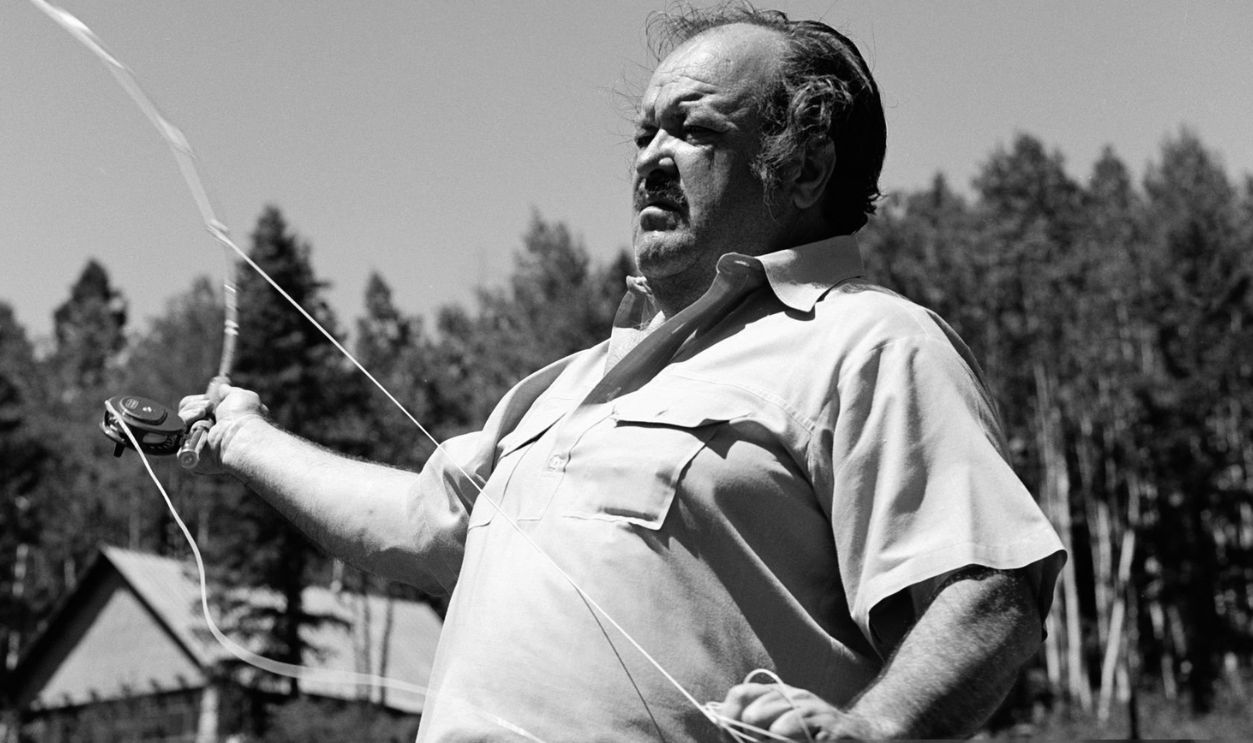 CBS Photo Archive, Getty Images
Exploring The Animal Kingdom
While Frank Cannon made Conrad’s face famous, his voice remained busy. From 1973 to 1978, he narrated Wild, Wild World of Animals, as his commanding delivery combined with the show’s distinctive music and presentation style to create one of the most memorable nature shows ever made. It was one of several major narration jobs that kept Conrad’s original calling central to his career.
 Screenshot from Wild, Wild World of Animals, Time-Life Television (1973-1978), Enhanced
Selling With That Voice
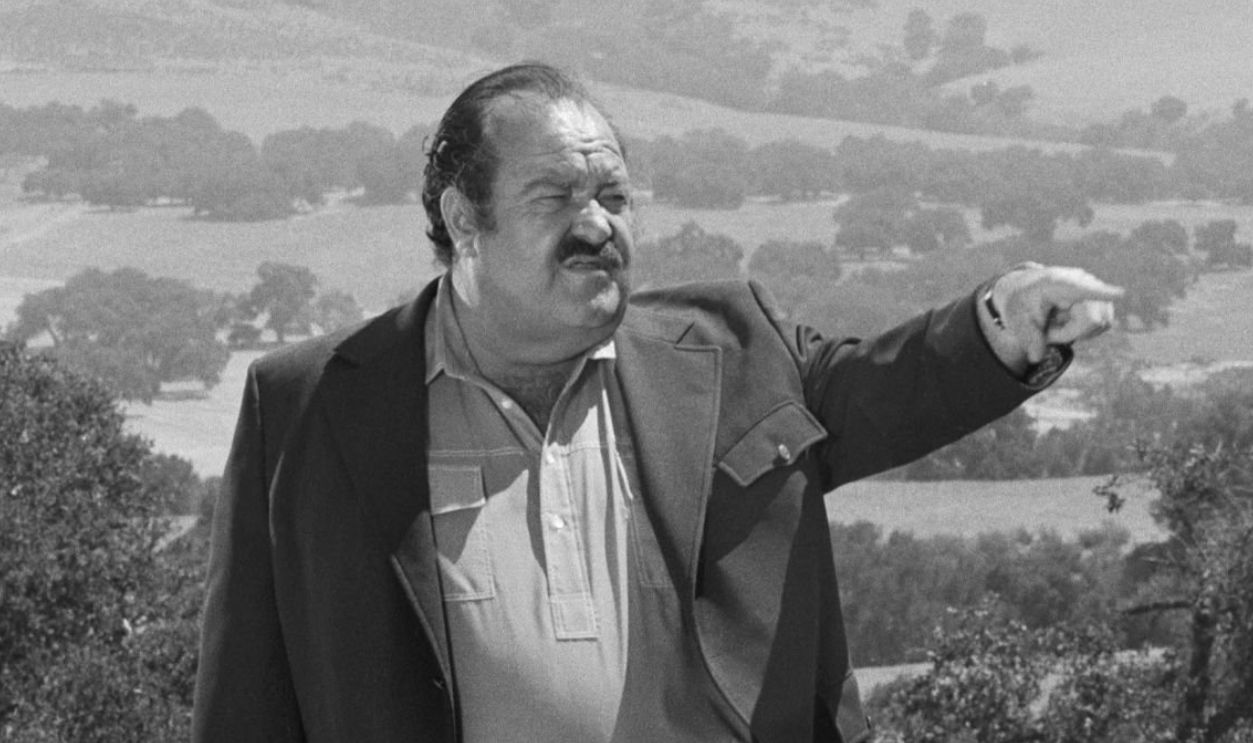
Conrad’s voice and authority also made him a natural fit for advertising. During the 1970s and 1980s, he appeared in and narrated several First Alert smoke-alarm commercials, serving as the host and explaining why the devices were necessary. Even between dramatic roles, that unmistakable voice kept working.
 CBS Photo Archive, Getty Images
Another Television Act
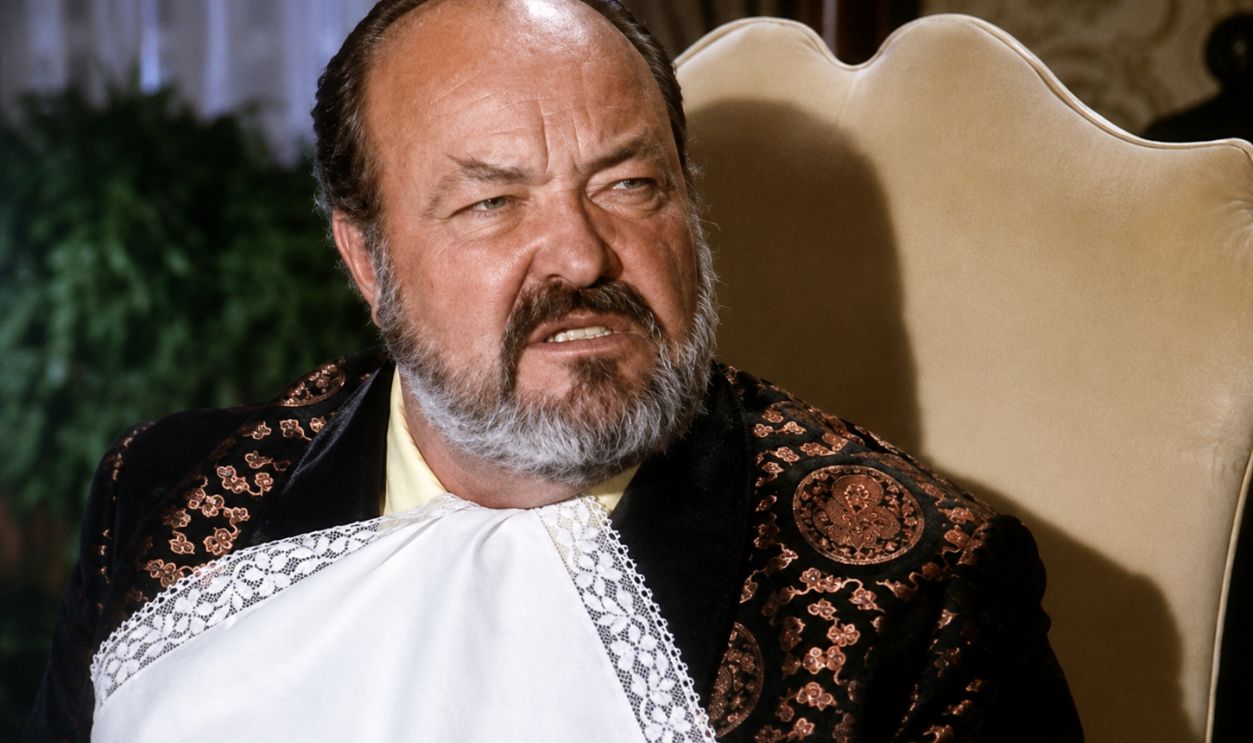
Conrad continued acting and narrating after Cannon. He starred as Rex Stout’s brilliant detective in Nero Wolfe in 1981, then turned in a memorable guest-starring role as aging District Attorney Jame McShane in a two-part episode of Matlock in 1986. In fact, his Matlock role was so memorable that producers though they could make a show out of it, which led to Conrad’s next long-term TV project: Jake and the Fatman.
 Screenshot from Nero Wolfe, Paramount Television (1981), Enhanced
Jake And The Fatman
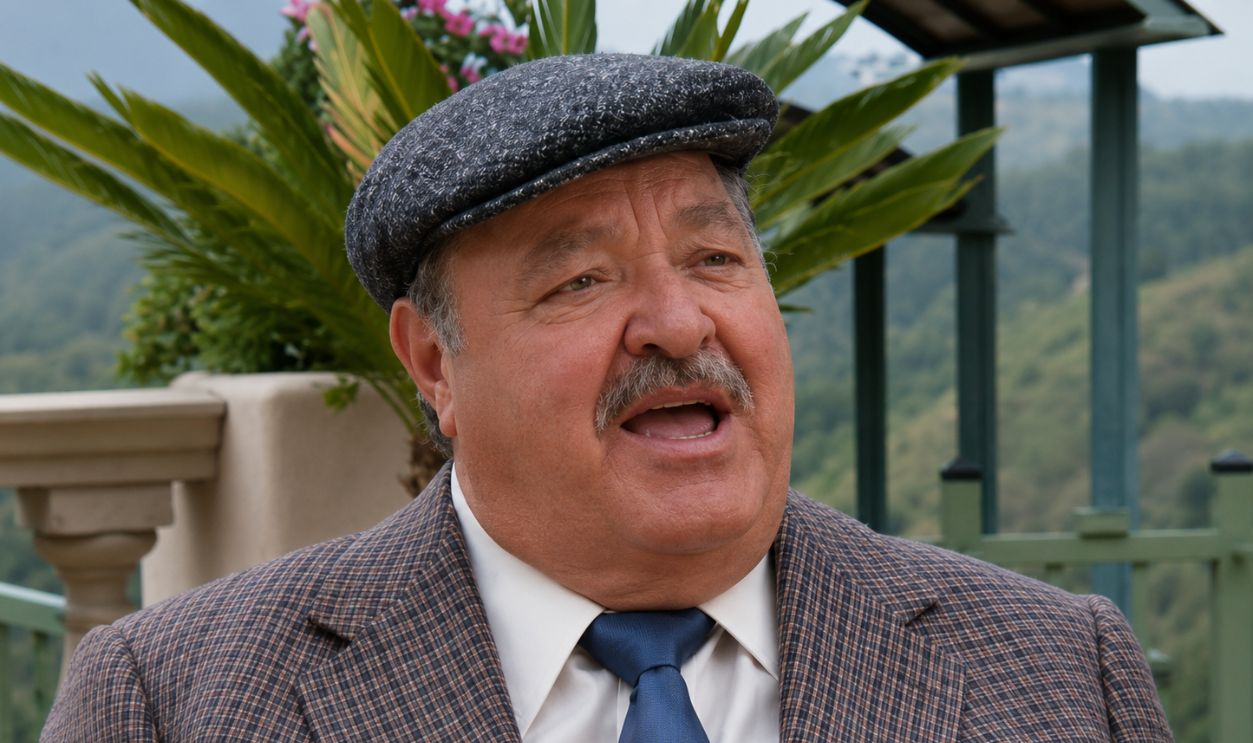
In 1987, Conrad began another major television run as district attorney Jason Lochinvar “J. L., Fatman” McCabe in Jake and the Fatman. Starring opposite Joe Penny, Conrad remained with the legal drama until 1992, giving him another long-running television success late in his career.
 Screenshot from Jake And The Fatman, CBS Television Network (1987-1992)
Final Years And Loss
Conrad’s final years capped a career spanning radio, movies, television, directing, producing, and narration. He died of a heart attack in Los Angeles on February 11, 1994, at age 73. The honors that followed would fittingly recognize the medium where his extraordinary career first exploded.
The Voice Lives On
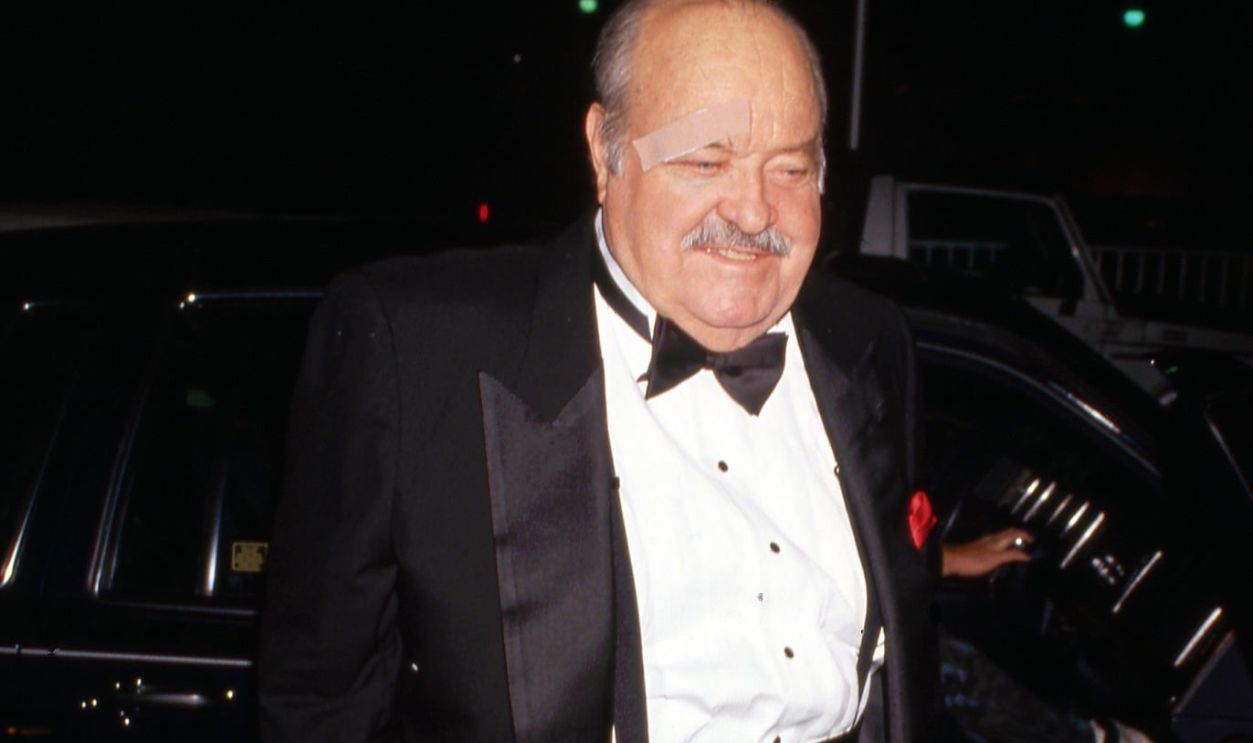
William Conrad was posthumously inducted into the National Radio Hall of Fame in 1997 and also entered the Broadcasting and Cable Hall of Fame. Cannon made his face famous, but his legacy reaches much further, through thousands of radio performances, memorable films, television narration, directing, and production.
 Silver Screen Collection, Getty Images
You May Also Like:
How Kojak's Telly Savalas turned a difficult childhood into television stardom.
David Soul: The Singer Who Helped Make Starsky & Hutch A TV Legend
The Long Career and Too-Short Life of TV’s Fugitive, David Janssen