A Calm, Cool Exterior
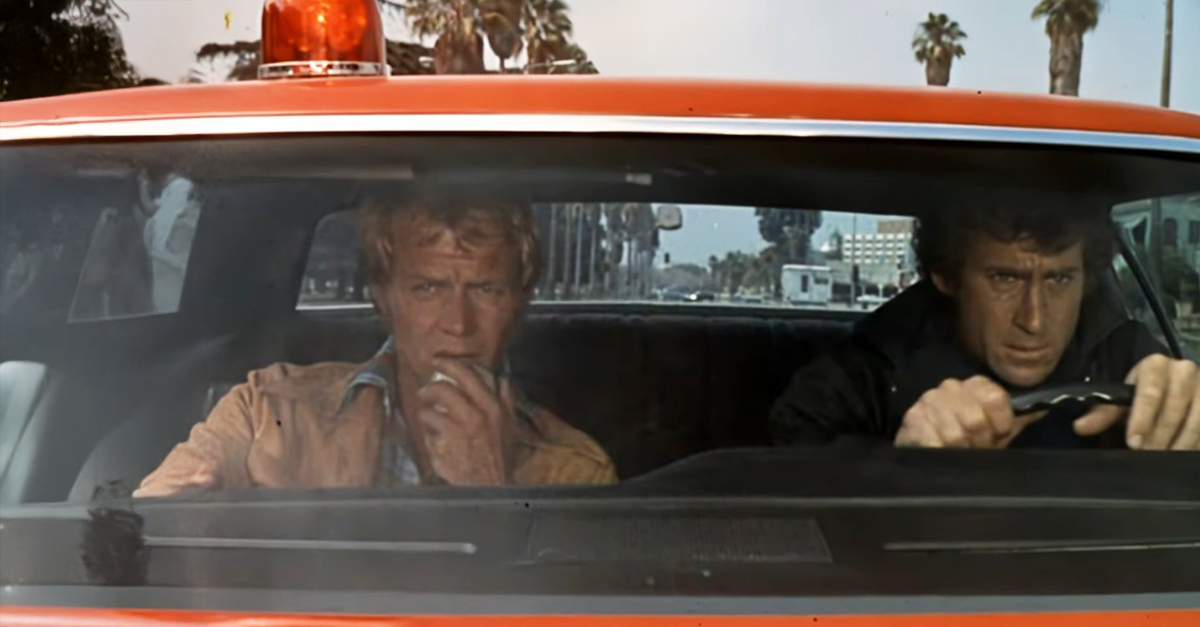
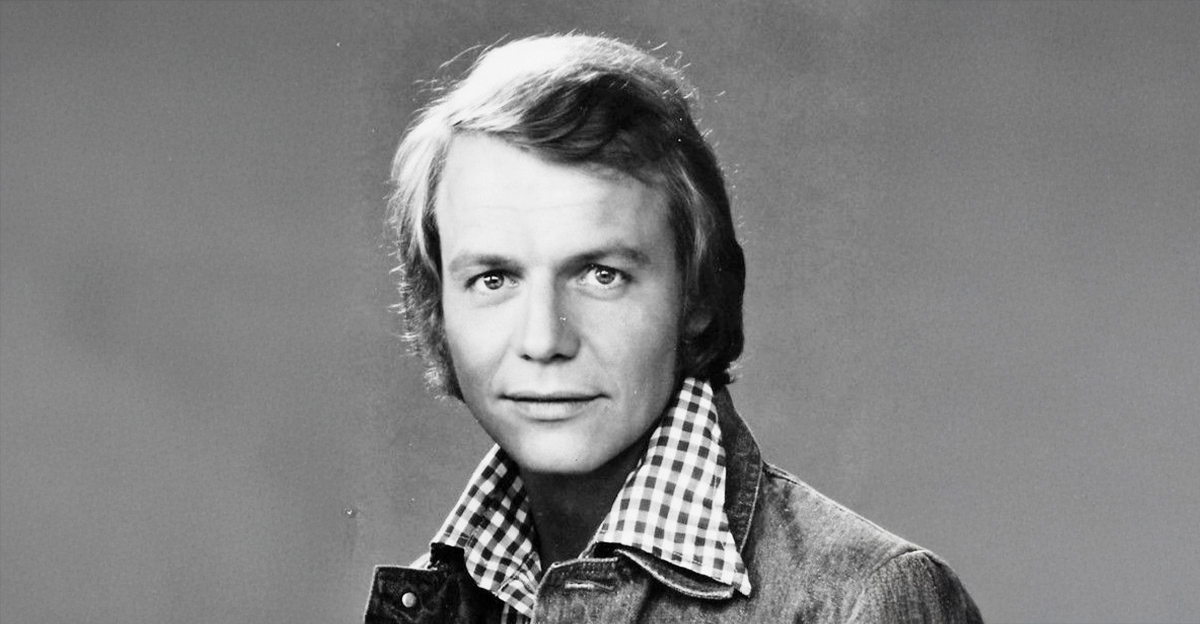
David Soul was the living embodiment of calm, control, and quiet confidence as Detective Hutch on TV's Starsky & Hutch. But behind that composed screen presence was a life marked by deeply personal struggles. From his early days as an up-and-coming actor to his 70s success as a chart-topping music success, Soul’s life story was a full-throttle ride of unpredictable twists and turns.
 ABC Photo Archives/Disney General Entertainment Content via Getty Images
Preacher’s Son With A Restless Childhood
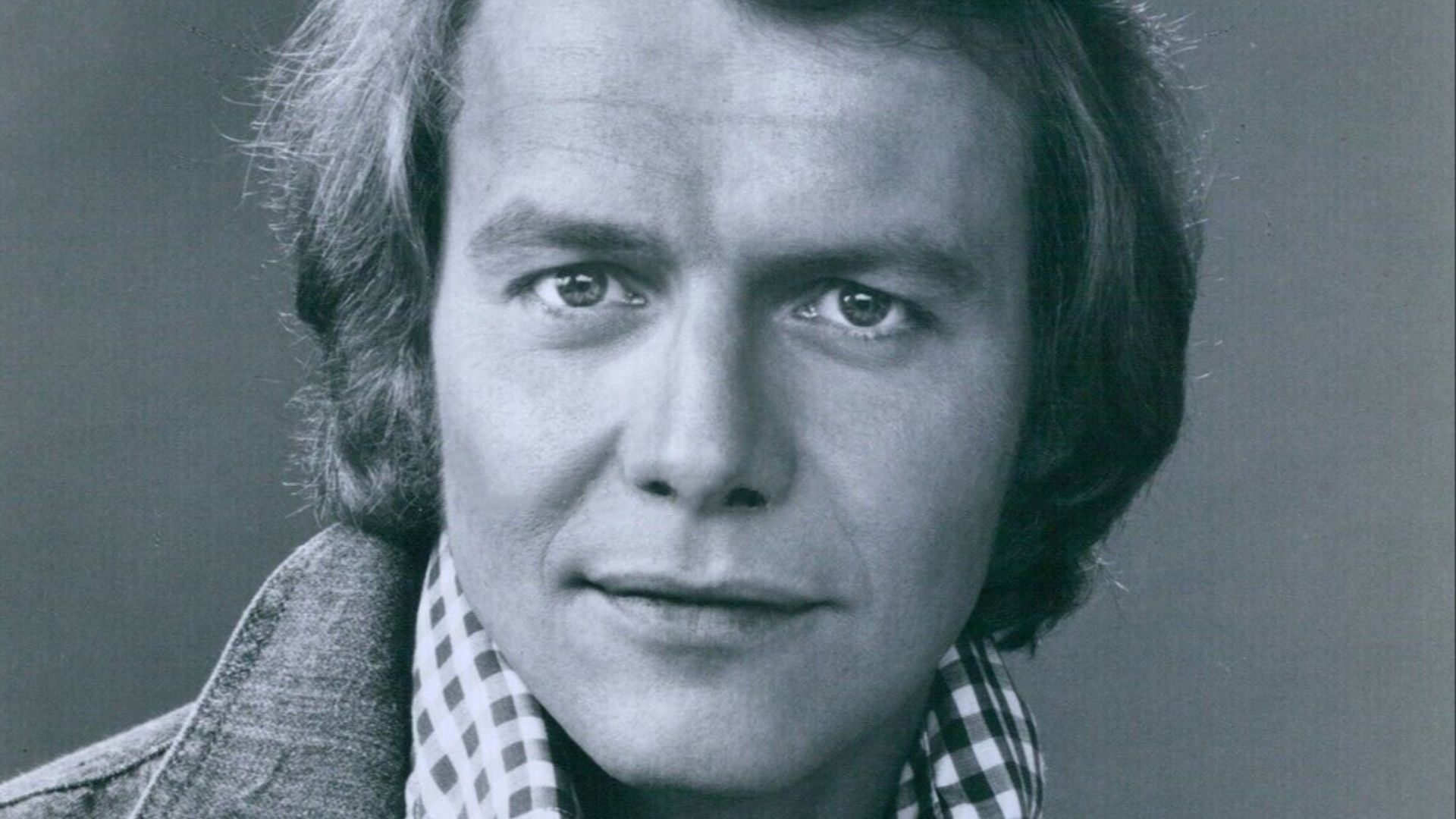
David Soul was born David Richard Solberg on August 28, 1943, in Chicago. His father was a Lutheran minister and professor, which meant that the family moved around a lot during his childhood. Growing up across the United States and Europe exposed David to different cultures early.
 ABC Television, Wikimedia Commons
Finding Himself In Mexico
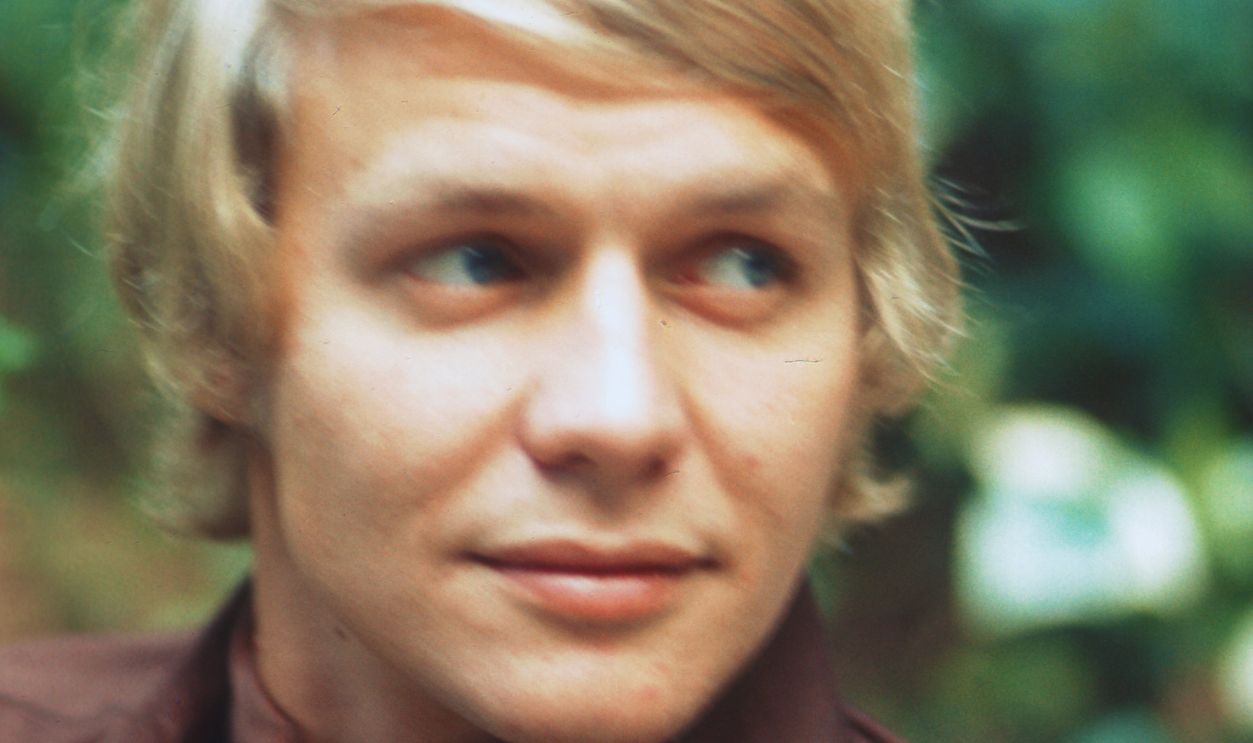
After David graduated from high school in Sioux Falls, South Dakota, the Solbergs lived for a time in Mexico. There David first seriously explored music. Immersing himself in local culture, he performed folk songs and developed a passion for singing that would later become a major part of his career. That early musical spark spilled over into an interest in acting. He was eager to take his first steps toward performing professionally.
 Michael Ochs Archives, Getty Images
First Stage Roles
Solberg found one of his first meaningful acting opportunities at Minneapolis’s Firehouse Theater. There, he immersed himself in stage work and tackled material by Bertolt Brecht among others. He travelled with the company for a performing stint in New York. The experience was a serious grounding in performance and sharpened Solberg’s acting skills.
Starting A Family
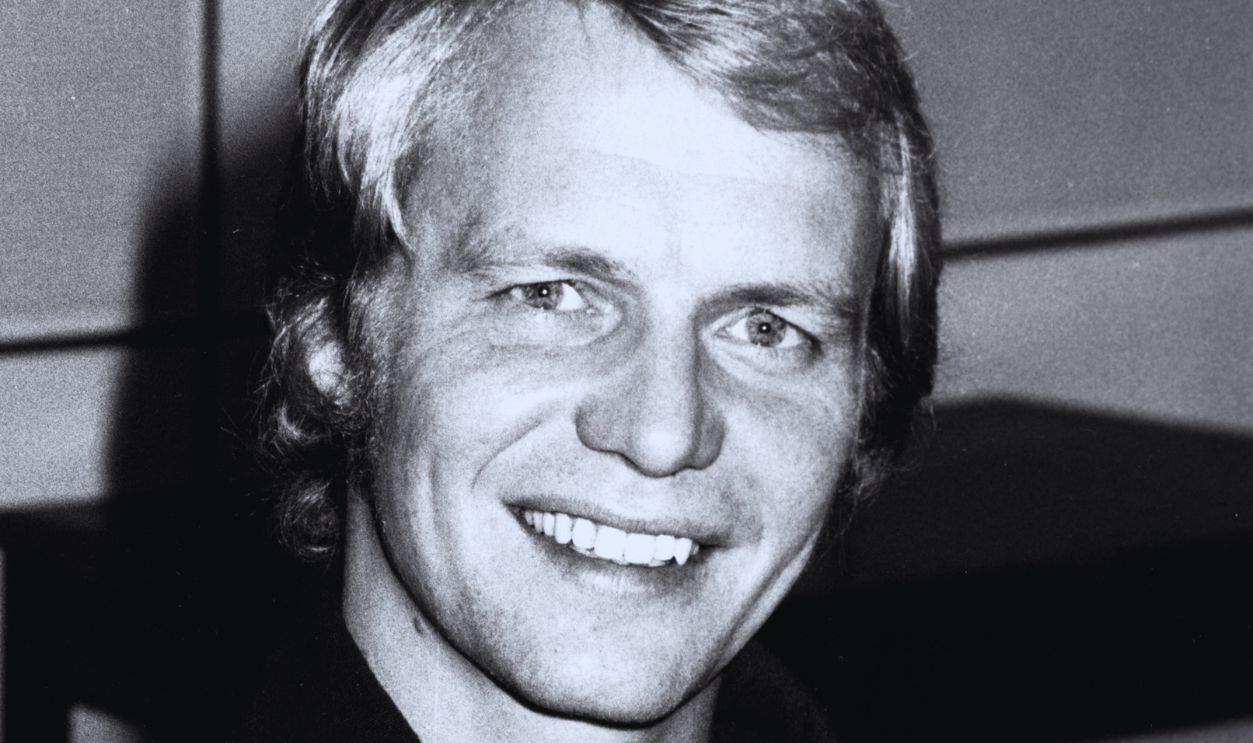
Soul’s first marriage was to Mirriam Russeth in 1964. The relationship was part of his early adult life before his rise to major fame, but it didn’t last. The couple had one child before divorcing in 1965.
The Masked Singer On Television
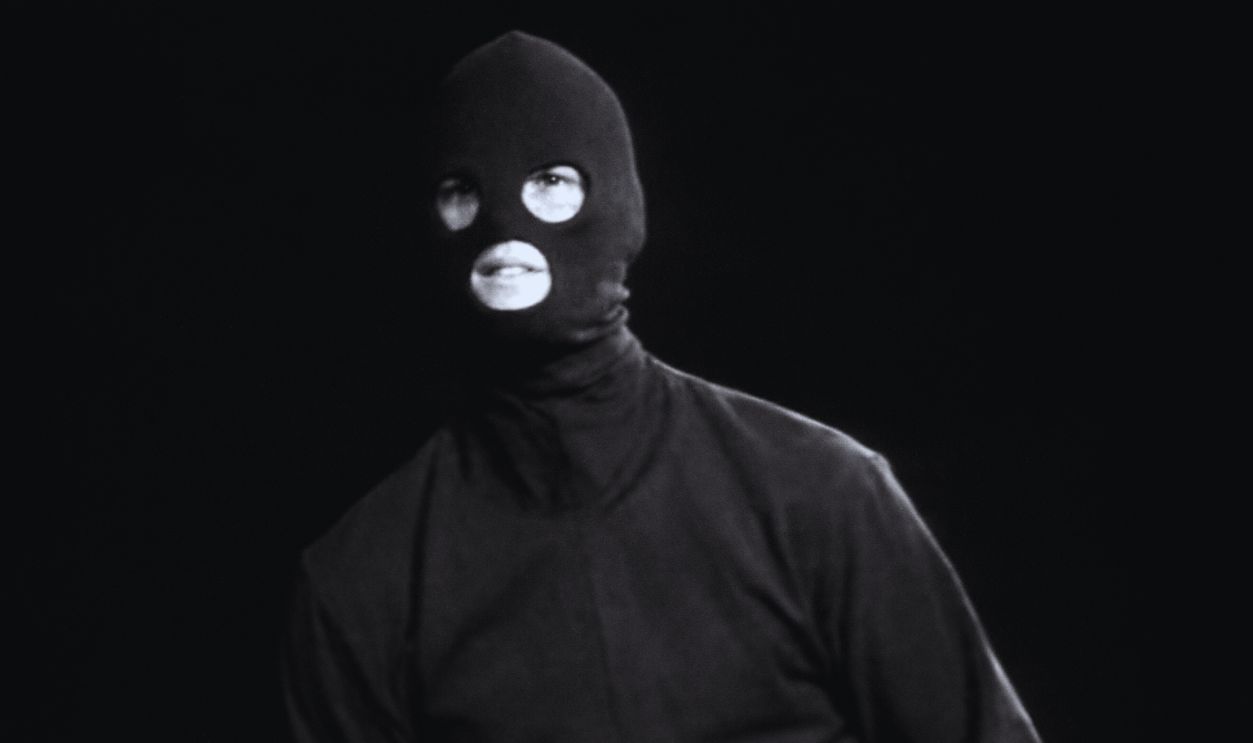
After changing his last name from Solberg to Soul, David’s first notable break came in the mid-60s when he appeared on The Merv Griffin Show. Performing as “The Covered Man,” he sang with a mask on to avoid being judged on appearance. The gimmick worked, drawing attention to his singing voice and opening the door to more traditional acting opportunities.
Early Acting Roles Begin To Stack Up
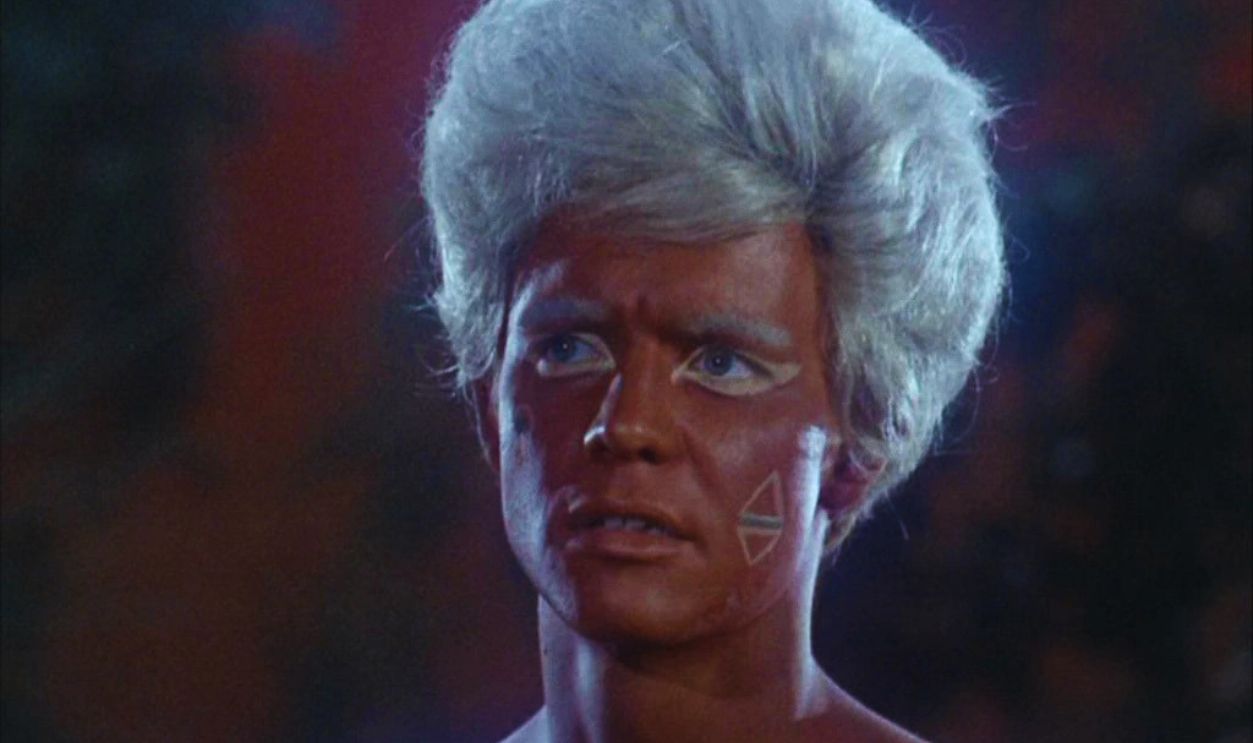
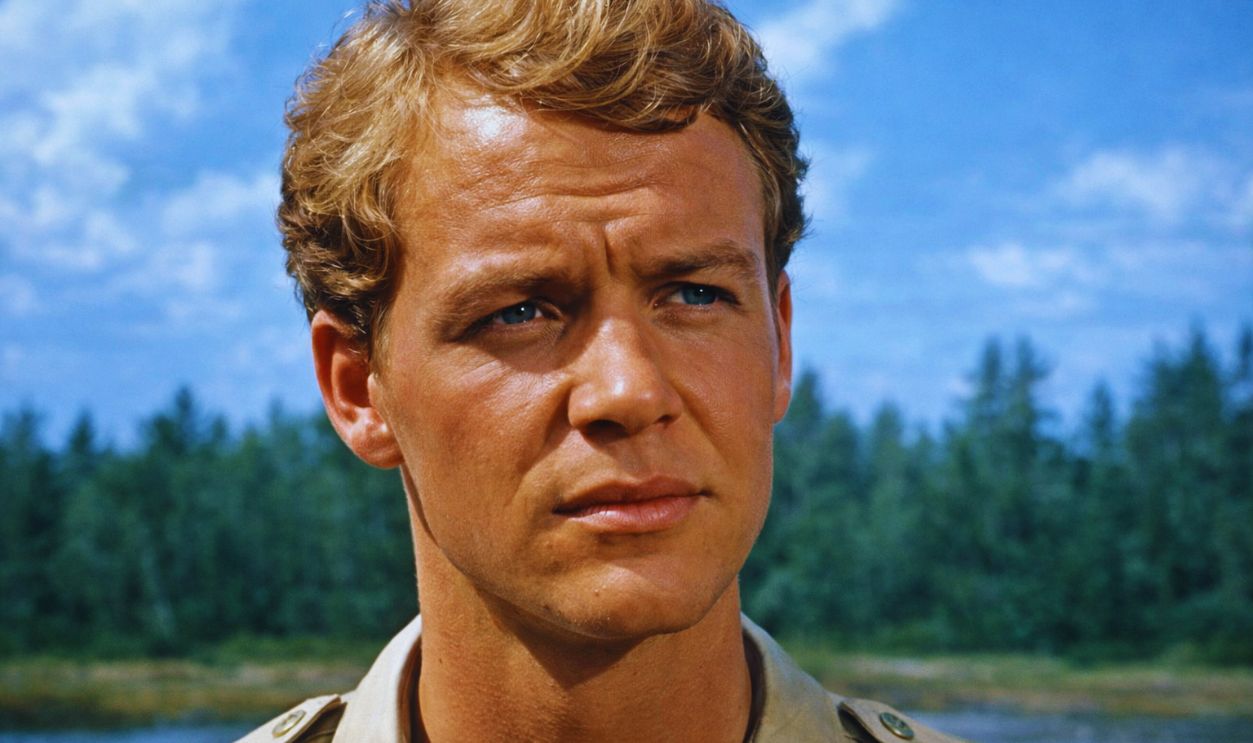
After this early TV exposure, Soul started landing small acting roles in popular series of the late 60s. He appeared in I Dream of Jeannie, Flipper, Star Trek and Here Come the Brides, slowly building credibility as a working actor. These early parts gave him good experience and positioning for a more meaningful breakthrough.
 Screenshot from Star Trek, Desilu Productions / Paramount Television / CBS Studios (1966-1969)
A Step Toward Recognition In Film
By the early 1970s, Soul was transitioning into film work. His growing résumé and on-screen presence caught the attention of casting directors looking for reliable supporting actors. That momentum led directly to a role that would bring him wider recognition and change his career trajectory.
 Screenshot from Flipper, Ivan Tors Films / MGM Television (1964-1967)
Second Marriage: Karen Carlson
His second wife was actress Karen Carlson, whom he met on the set of Here Come the Brides. Their marriage as busy actors coincided with his growing fame, placing additional pressure on the relationship. The demands of his career and personal struggles eventually lead to their separation and divorce in 1977.
Magnum Force Changes Everything
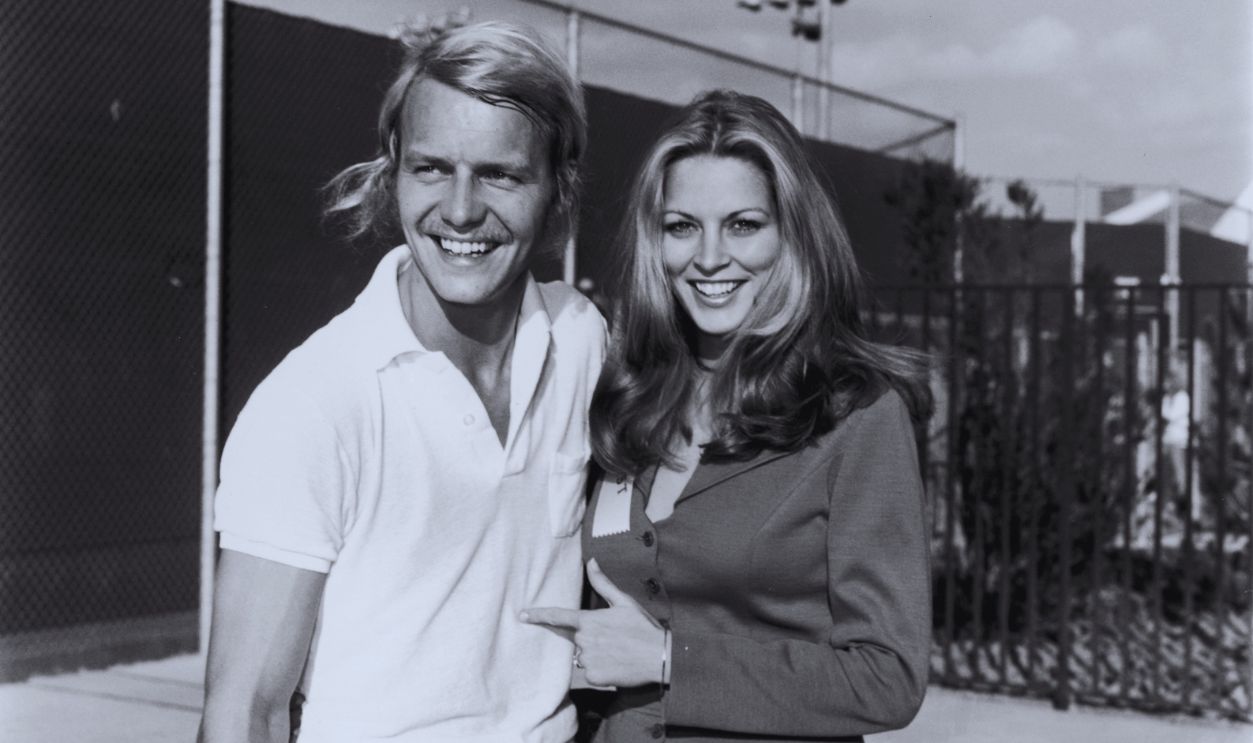
In 1973, Soul appeared in Magnum Force, the sequel to Dirty Harry starring Clint Eastwood. He played one of a group of rogue motorcycle cops, hammering across a performance as an all-American “law and order” type with an undercurrent of menace. The role significantly raised Soul’s profile and put him on the radar for television stardom.
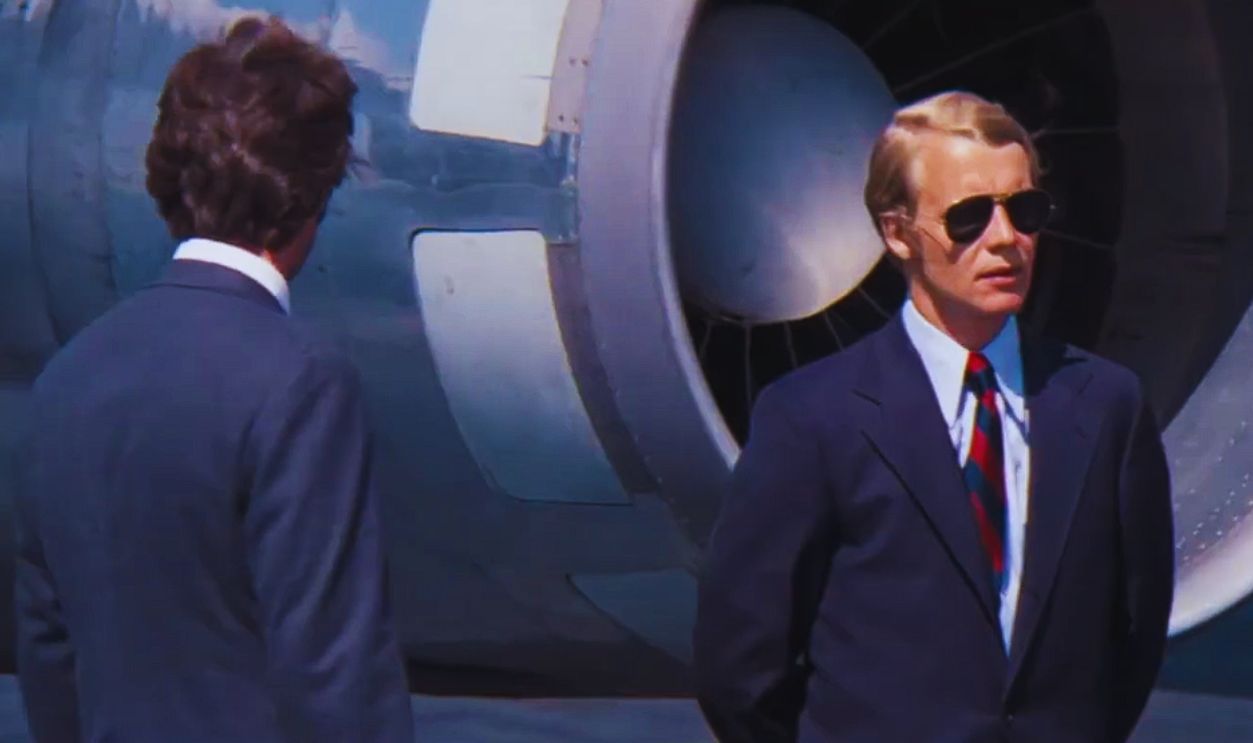 Screenshot from Magnum Force, The Malpaso Company / Warner Bros. (1973)
Landing The Role Of Hutch
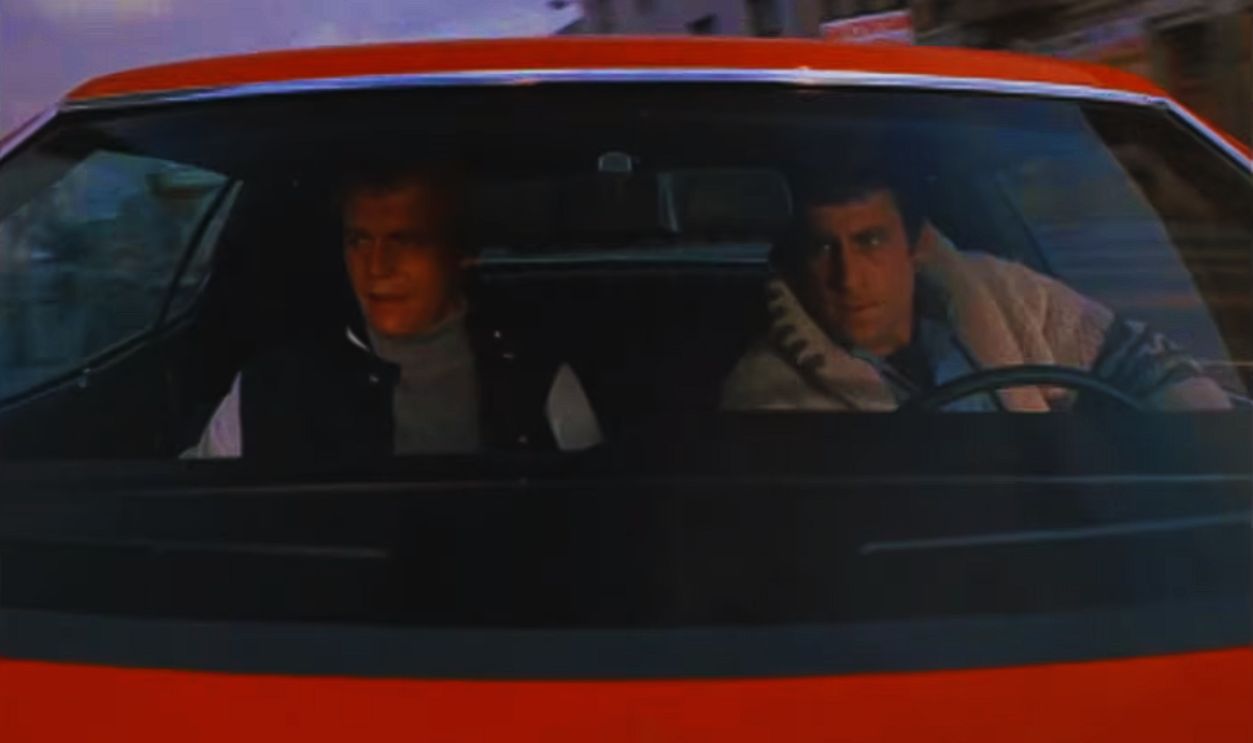
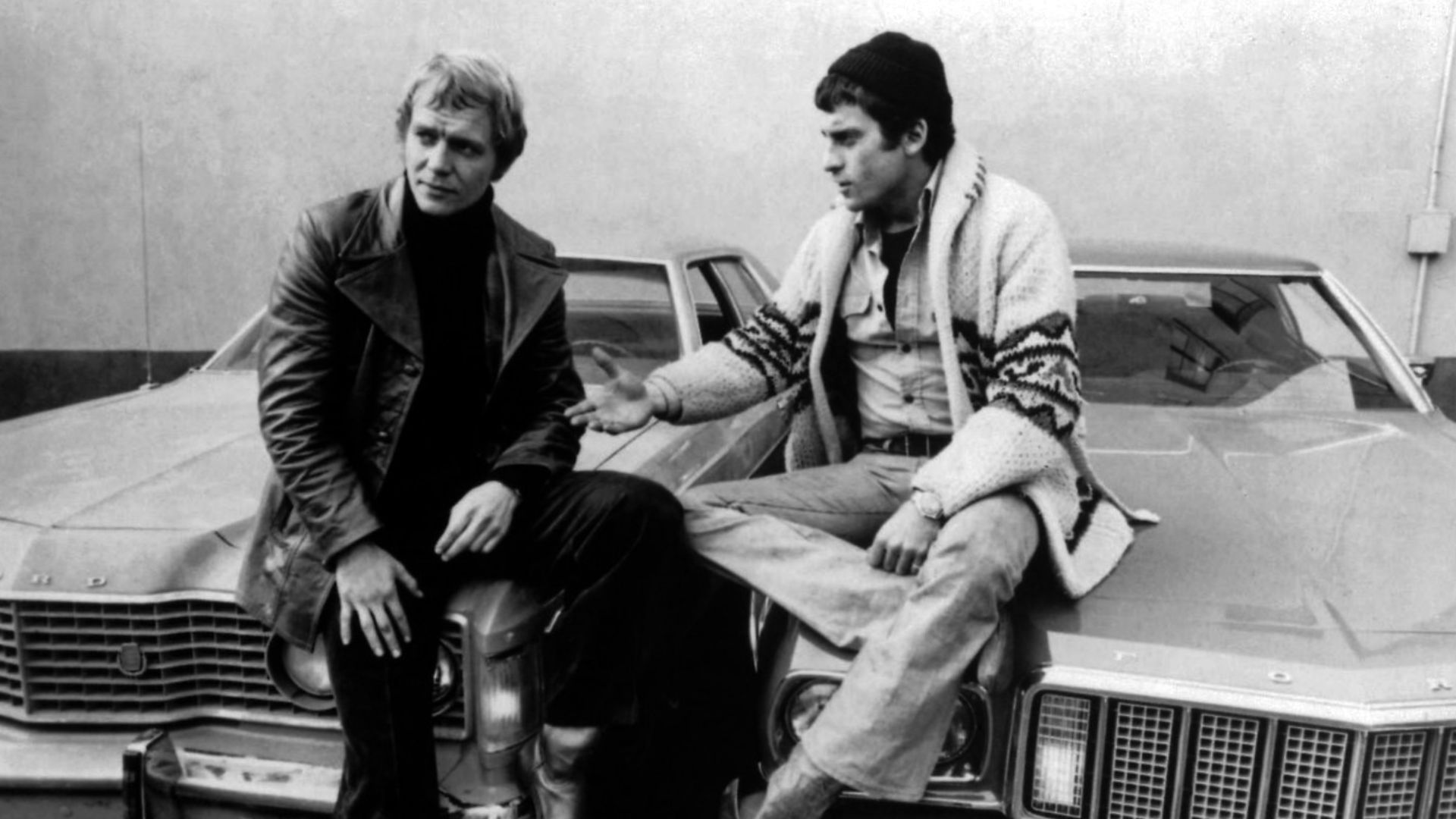
Soon after Magnum Force, Soul was cast as Detective Ken “Hutch” Hutchinson in Starsky & Hutch. The role paired him with Paul Michael Glaser, forging the dynamic partnership that would define the show. This casting decision would be the most important turning point in Soul’s career.
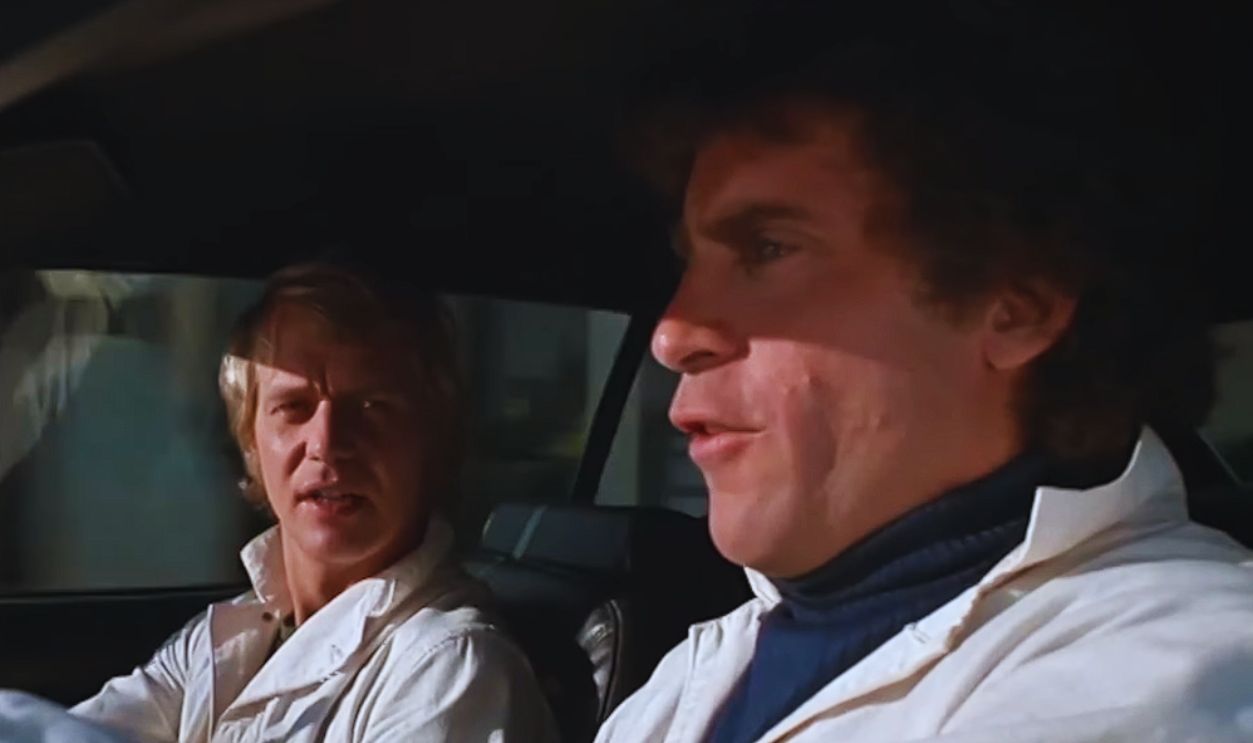
Building Chemistry With Paul Michael Glaser
Soul’s working relationship with Paul Michael Glaser was central to the show’s appeal. The two actors developed a natural on-screen rapport that translated into believable friendship. Off screen, their friendship was more complicated, but professionally, the chemistry was undeniable.
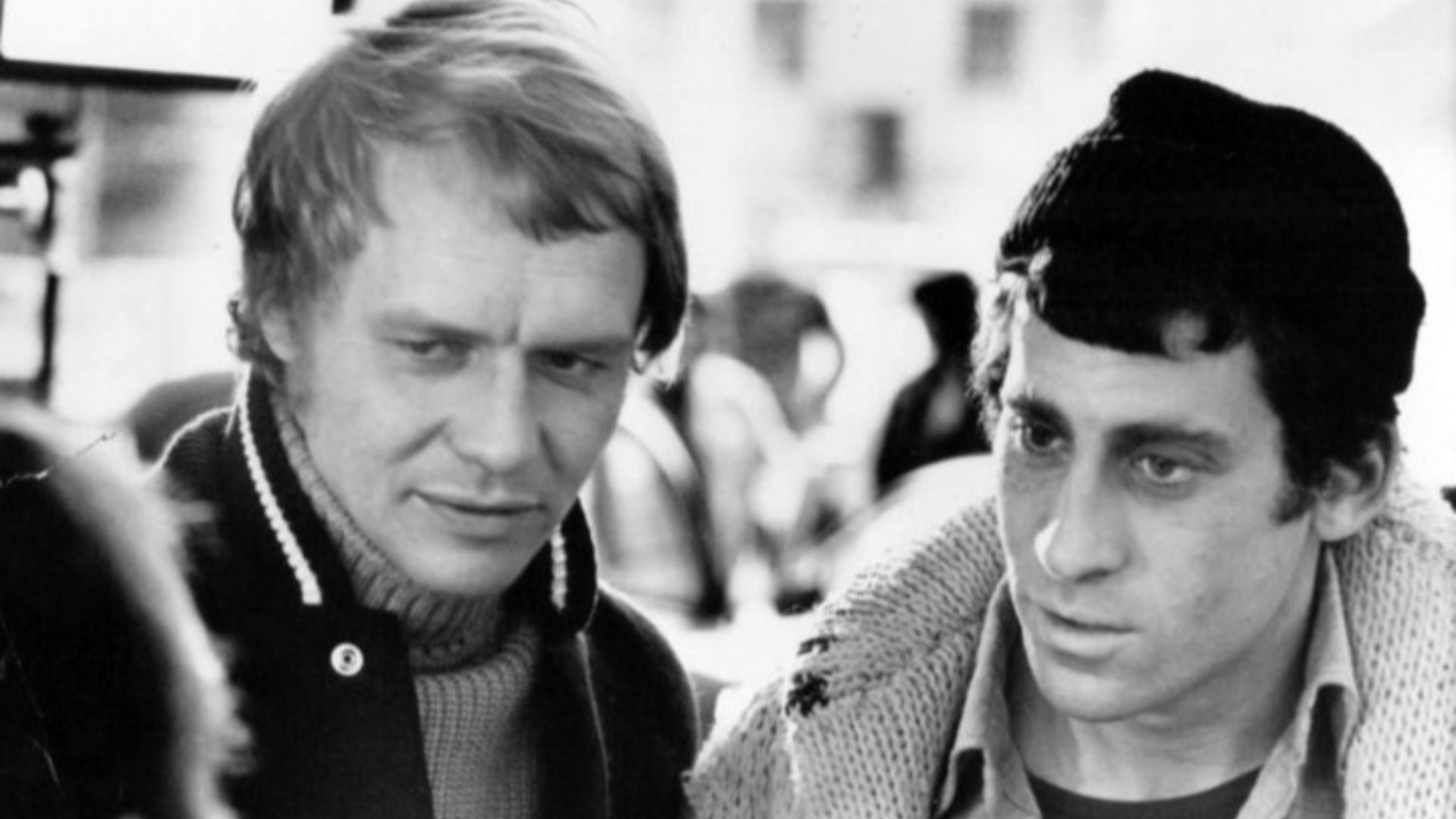 ABC Television, Wikimedia Commons
A Cultural Hit
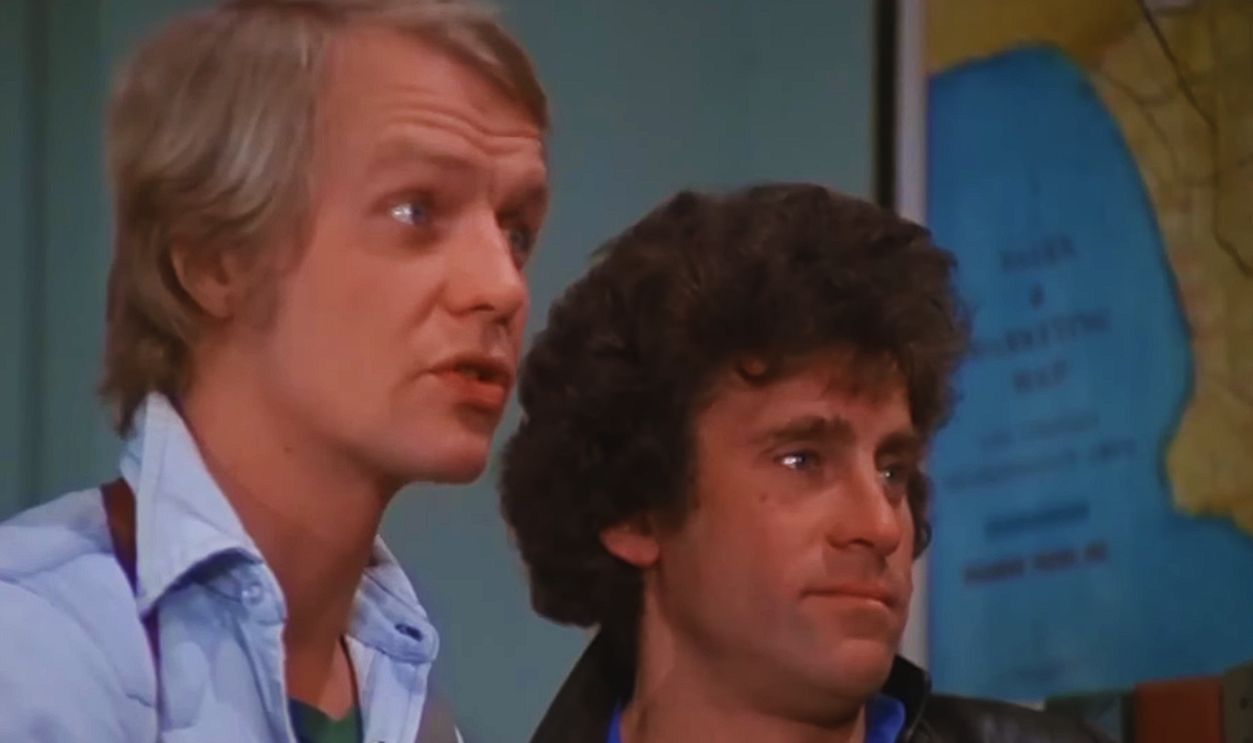
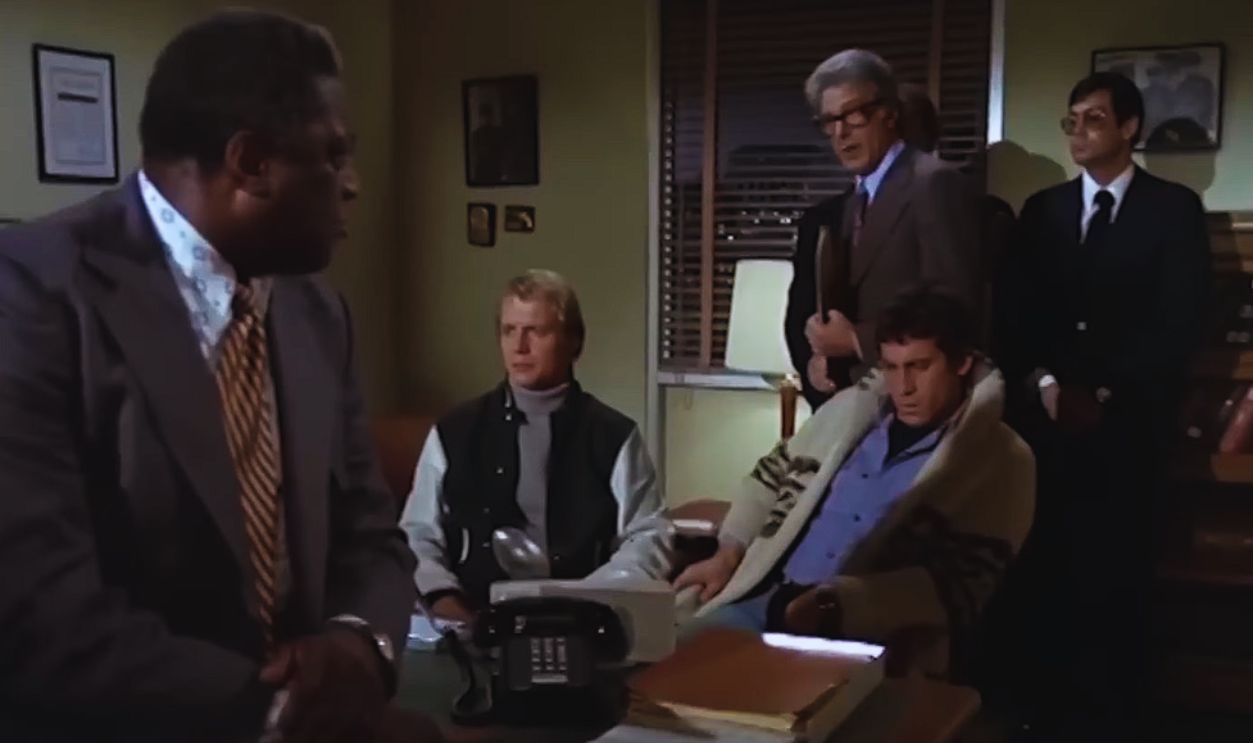
Premiering in 1975, Starsky & Hutch quickly became a major television success. Audiences enjoyed the action and humorous interplay between the two leads. Soul’s portrayal of the calm, introspective Hutch contrasted perfectly with Glaser’s more impulsive Starsky, driving the show’s popularity. Rounding out the tight-knit cast was Bernie Hamilton as Captain Dobie, and Antonio Fargas as Huggy Bear to lead the show to prime-time glory.
Fame Comes Fast And Hard
With the show’s success, Soul became a household name by the late 70s. The increased attention brought new pressures, including constant public scrutiny and a demanding filming schedule. As his fame grew, so did the strain that came with maintaining it, both professionally and personally. This was because Starsky & Hutch wasn’t the only career Soul was pursuing.
A Parallel Music Career Takes Off
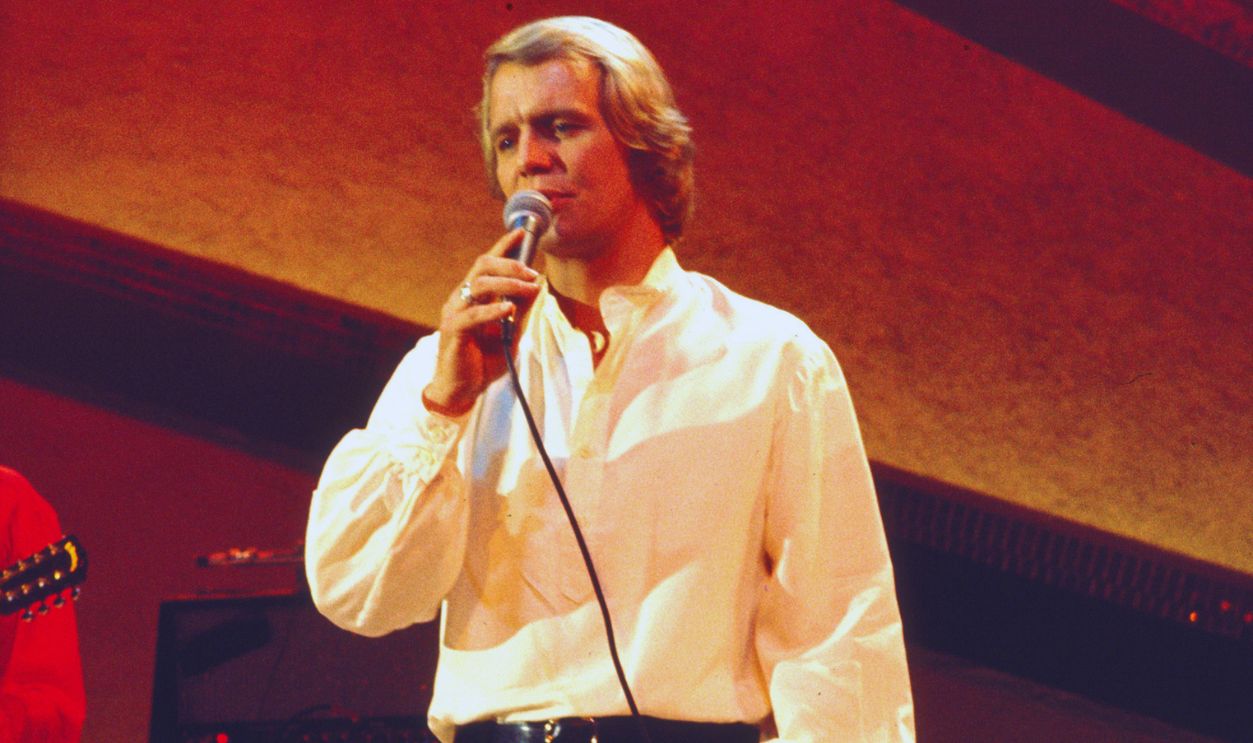
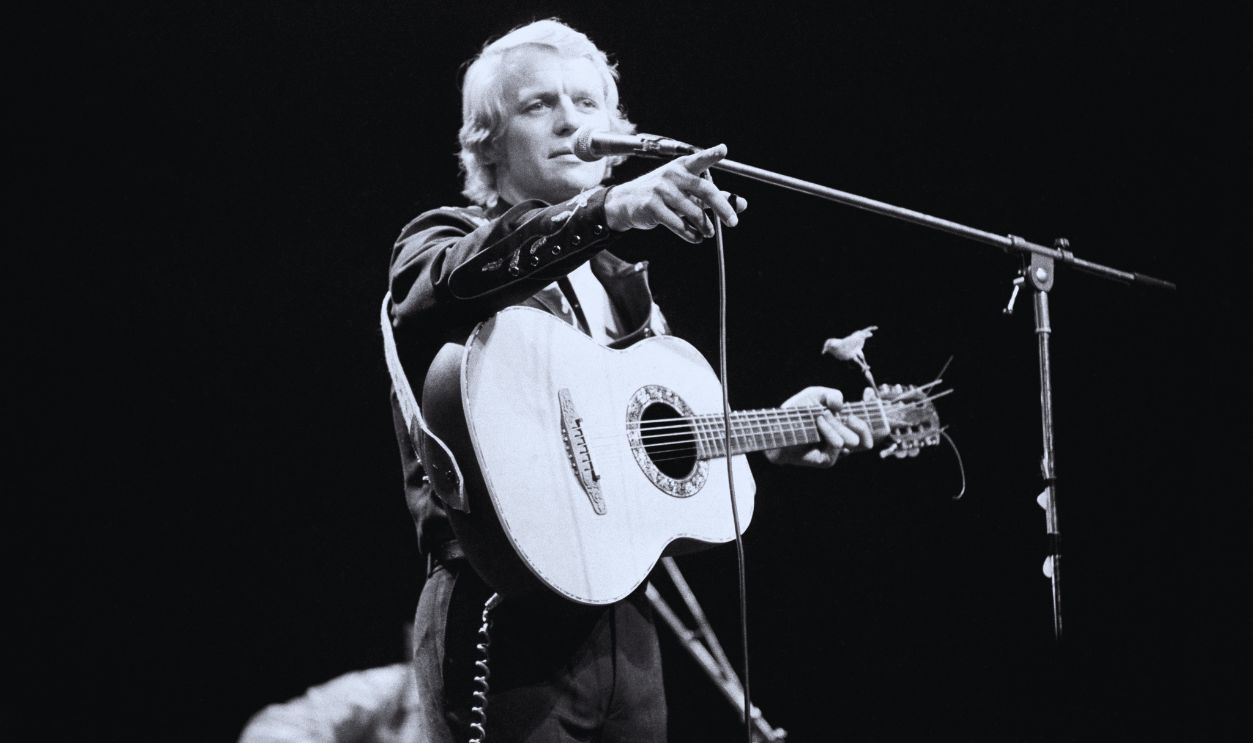
While starring on Starsky & Hutch, Soul went back to his musical roots. He started recording professionally, leveraging his TV fame to launch a parallel career as a singer. The bold decision quickly paid off, leading to one of the biggest hits of the decade.
“Don’t Give Up On Us” Tops The Charts
In 1976, Soul released “Don’t Give Up On Us,” which became a number one hit in the United States and the United Kingdom. The success cemented him as both a television star and a recording artist. Balancing two careers, however, only added to the pressures already building behind the scenes.
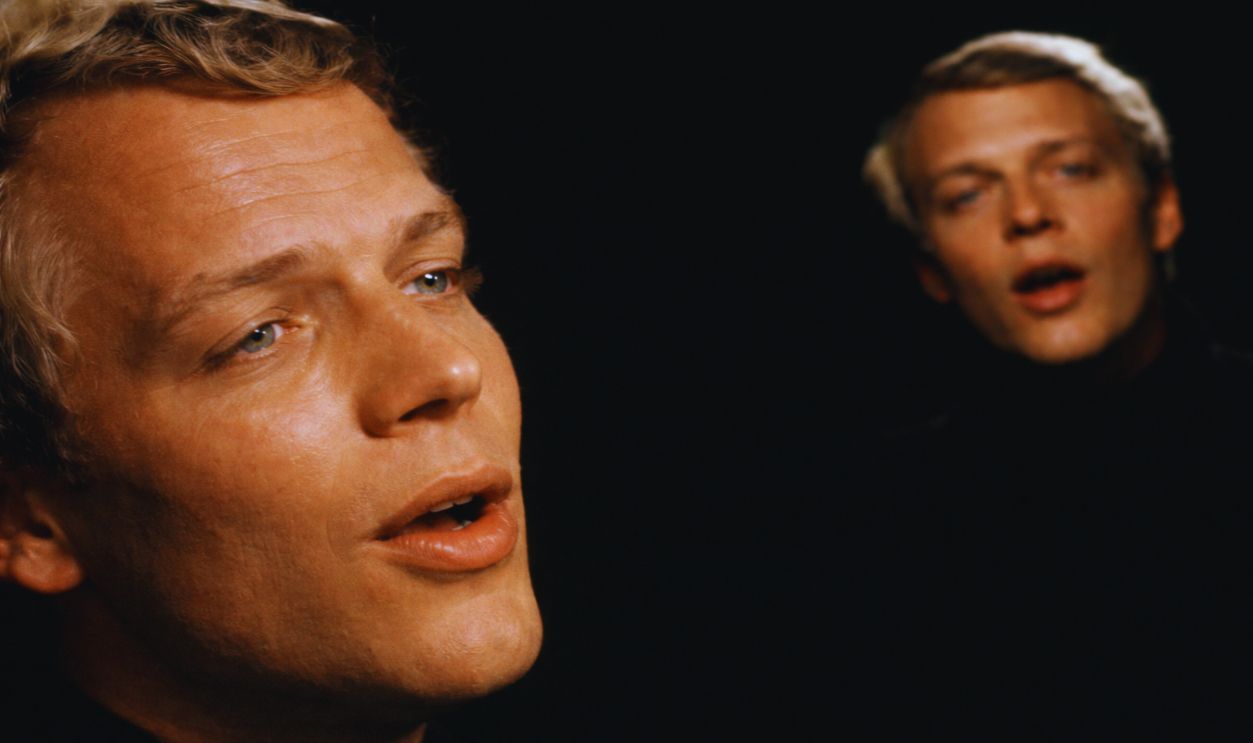 Screenshot from Don't Give Up On Us, Private Stock Records (1976), Modified
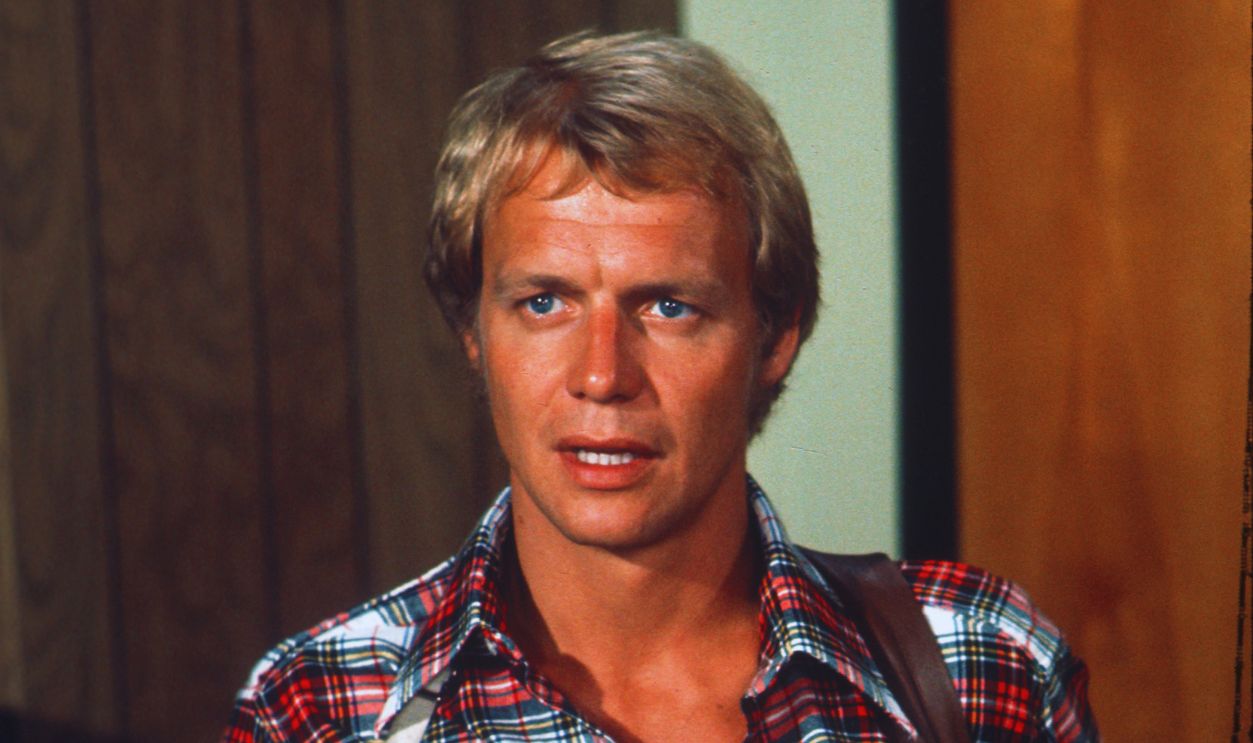
The Demands Of Dual Careers
Juggling acting and music required constant travel as a working singer on tour, long hours, and relentless promotion. It’s no surprise that Soul found himself stretched thin between filming schedules and recording commitments. The pace was exhausting, and was taking a toll on his physical and emotional well-being.
 Michael Ochs Archives, Getty Images
Performing His Own Stunts
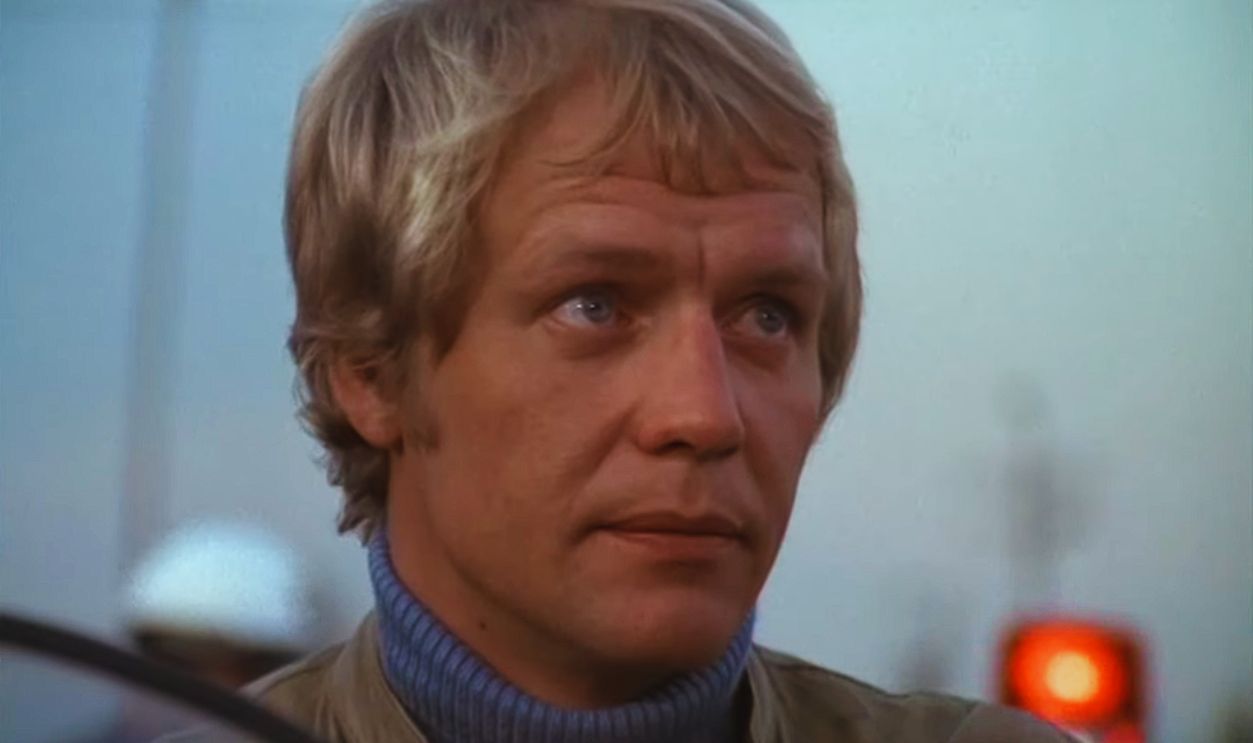
During Starsky & Hutch, Soul often performed his own stunts. While this added realism to the show, an injury to the base of his spine sustained in one of the show’s early episodes was a frequent source of aggravation. These physical strains led to chronic pain that followed him for years after the series ended.
 Screenshot from Starsky & Hutch, Spelling-Goldberg Productions / Sony Pictures Television (1975)
Heavy Smoking And Health Concerns
Soul was well known as a heavy smoker, which compounded his physical challenges. Over time, his three-pack-a-day habit contributed to ongoing health concerns, especially as he got older. These issues would become more serious in the years following the end of his television peak.
The End Of Starsky & Hutch
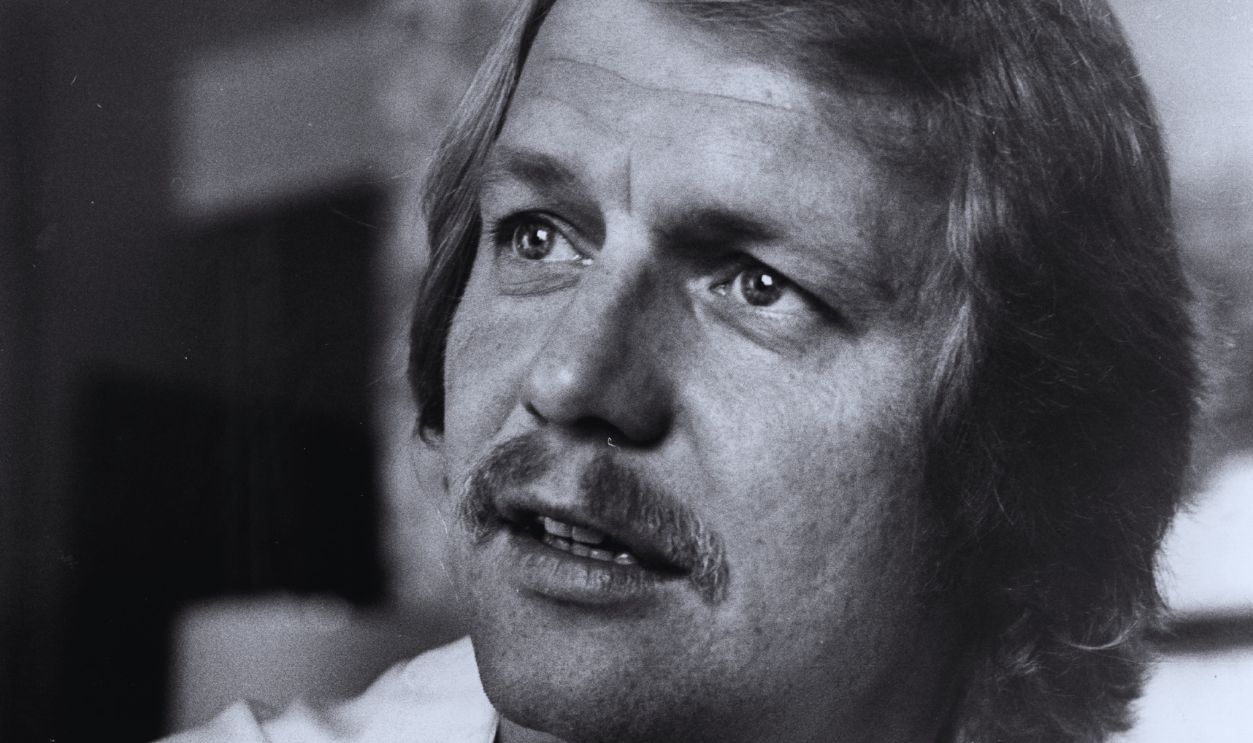
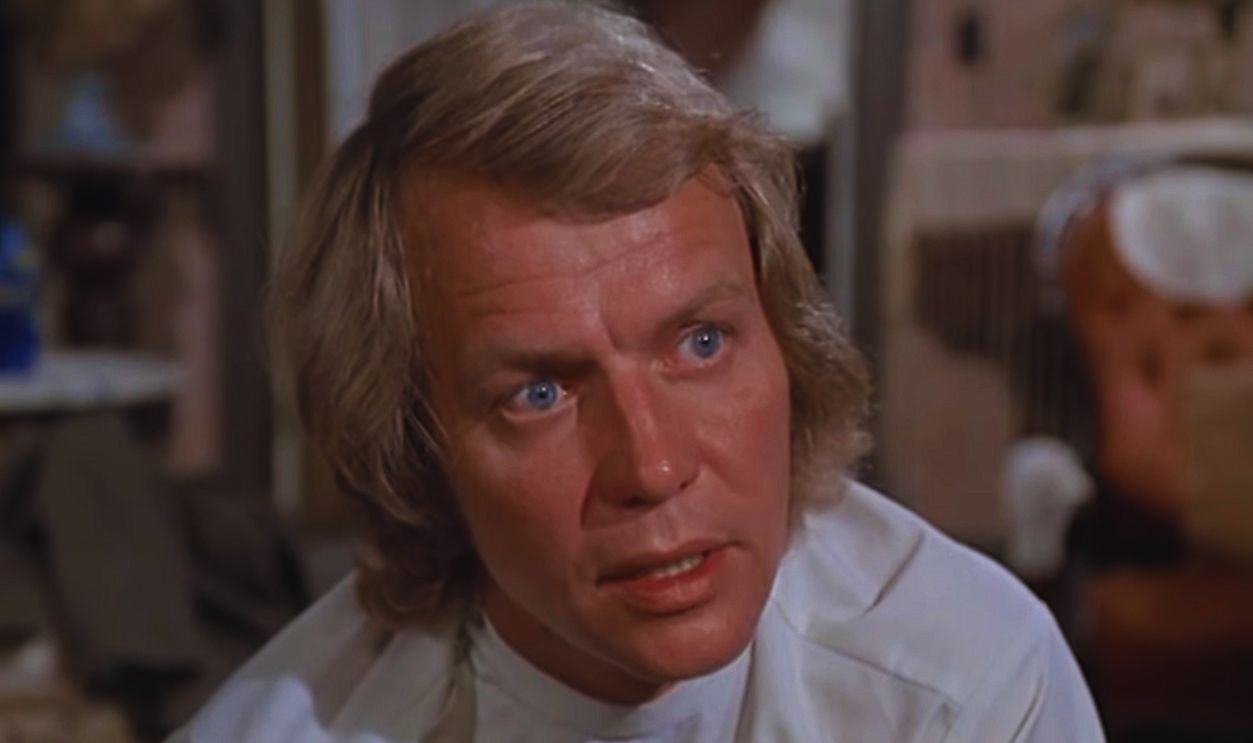
After four seasons, Starsky & Hutch came to an end in 1979. While the show remained popular, the actors, especially Glaser, were ready to move on. ABC also cited the show's increasing production costs against declining ratings. For Soul, the conclusion marked the end of his most prominent role and the beginning of a more uncertain phase in his career.
 Screenshot from Starsky & Hutch, Spelling-Goldberg Productions / Sony Pictures Television (1975)
Transitioning To New Roles
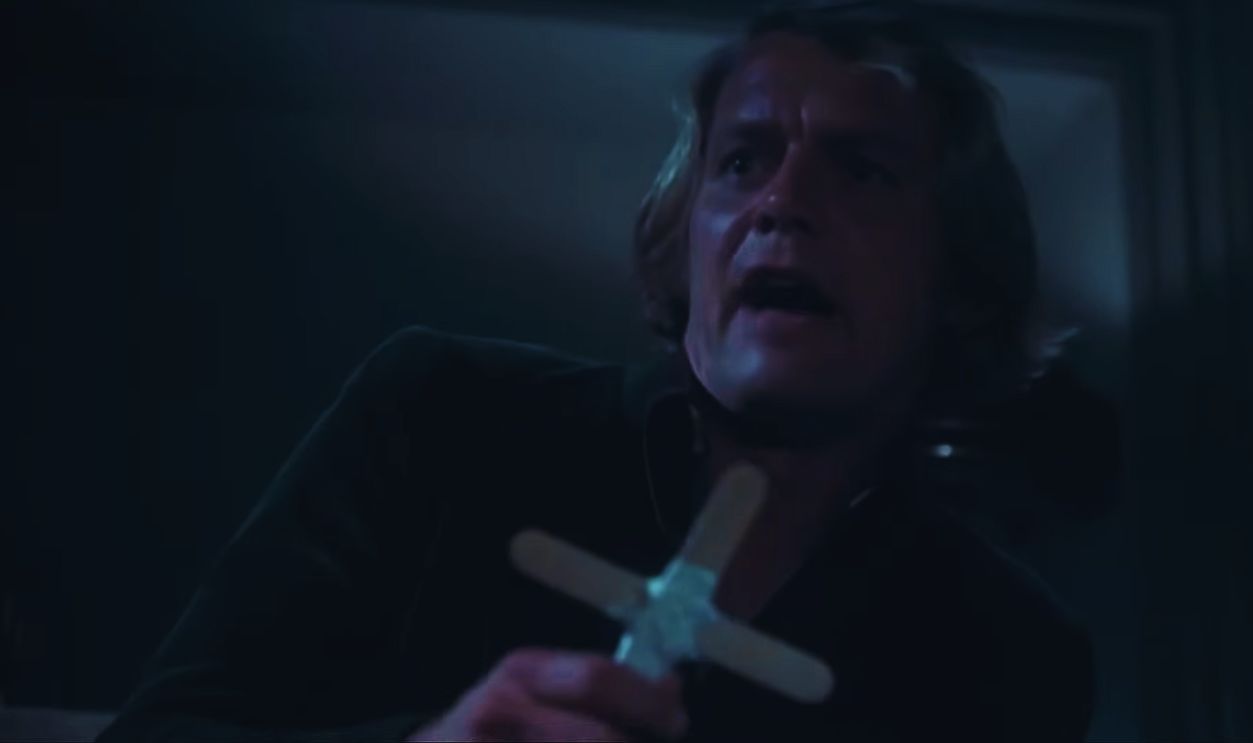
Following the series, Soul continued acting in television and film, though none of his roles matched the cultural impact of Hutch. The most notable of these may have been the 1979 TV miniseries adaptation of the Stephen King novel Salem’s Lot directed by Tobe Hooper. Aside from this highlight he worked steadily and appeared in various projects but the spotlight was no longer as intense as during the Starsky & Hutch years.
 Screenshot from Starsky & Hutch, Spelling-Goldberg Productions / Sony Pictures Television (1975)
Third Marriage To Patti Carnel
Soul’s third marriage, to Patti Carnel in 1980 became publicly controversial. The pair's relationship was marked by conflict, culminating in a widely reported incident that brought serious legal consequences and unwelcome media scrutiny.
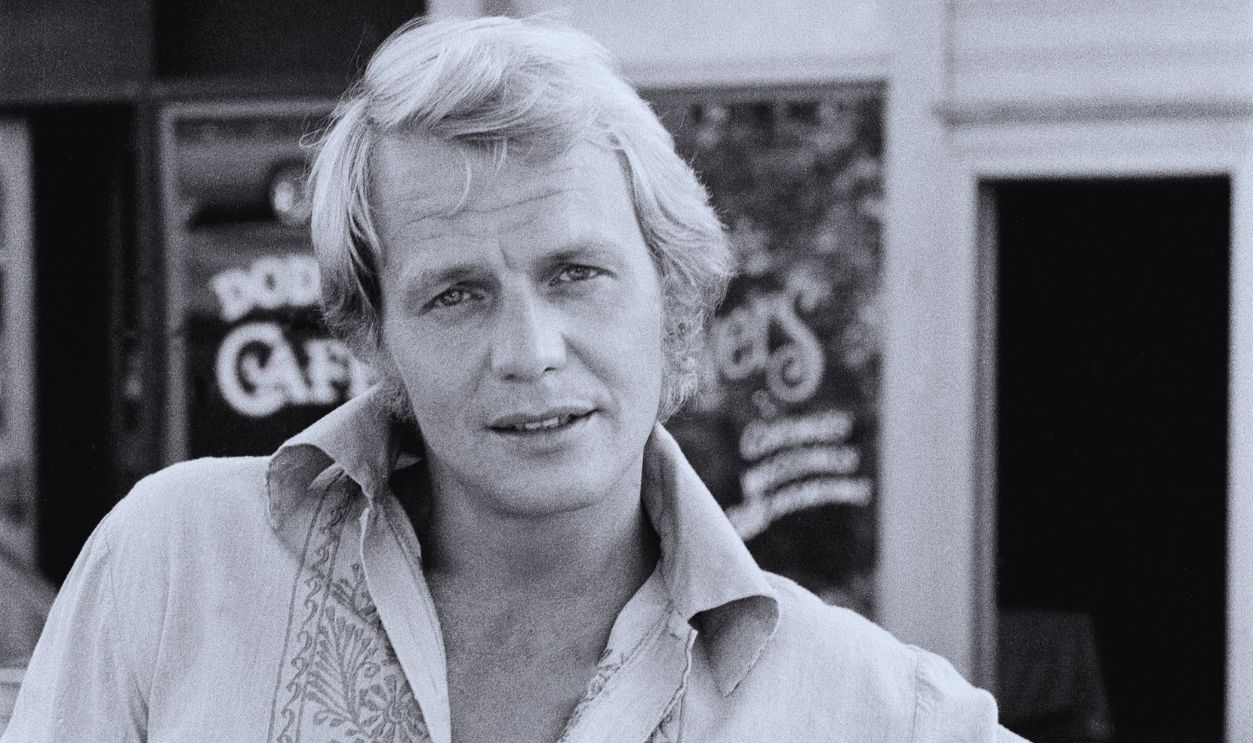
Frustrations Boiled Over
In the early 1980s, Soul was arrested following a report that he’d physically attacked Carnel. The case drew significant public attention and damaged his reputation. It was a turning point in how he was perceived, both in the entertainment industry and by the public.
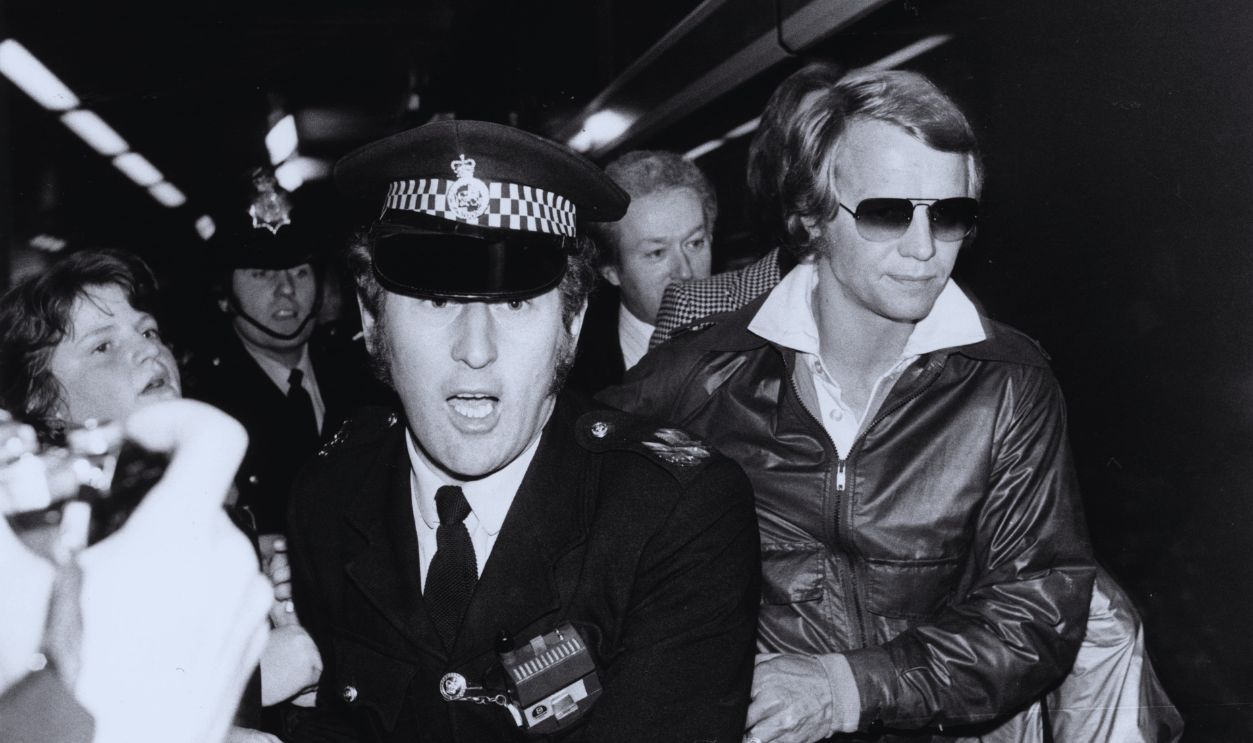
Anger Management And Recovery Efforts
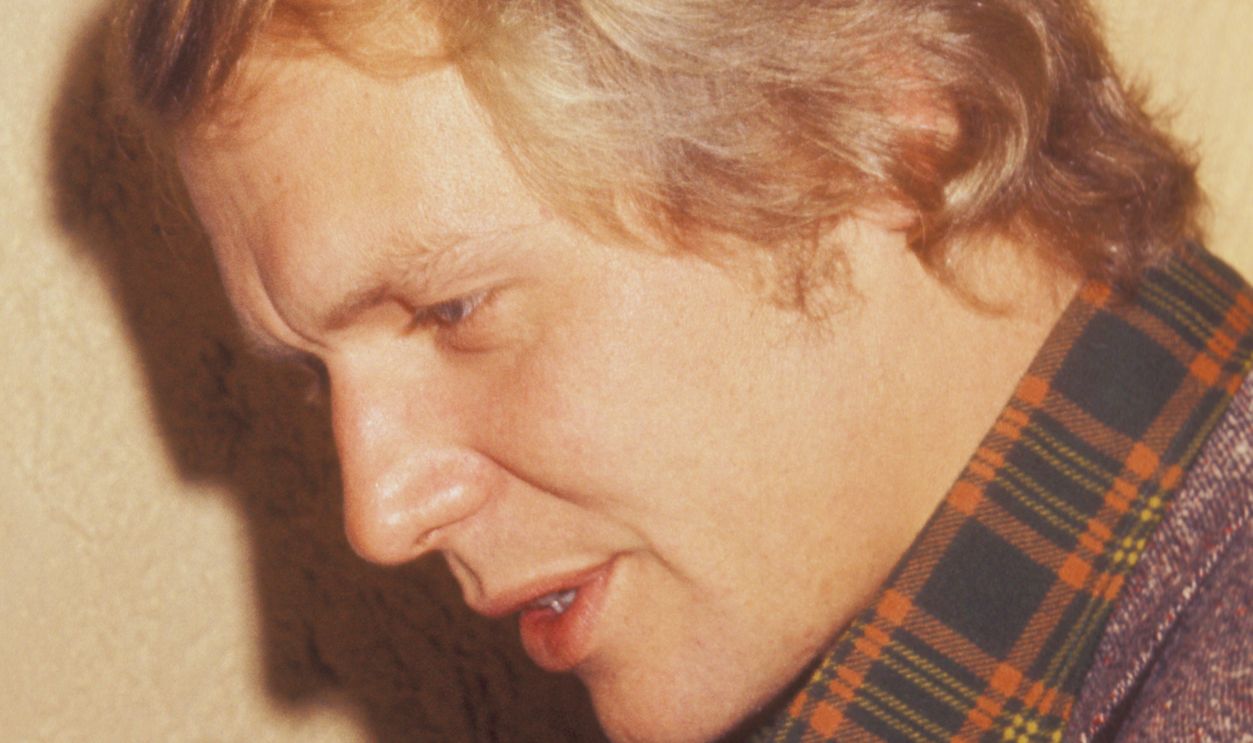
After the incident, the court ordered Soul to undergo anger management therapy in order to address his behavior. These efforts were part of an attempt to regain control over his life, though the consequences of the case continued to linger professionally. He and Carnel divorced in 1986. As it turns out, Soul’s troubles weren’t over.
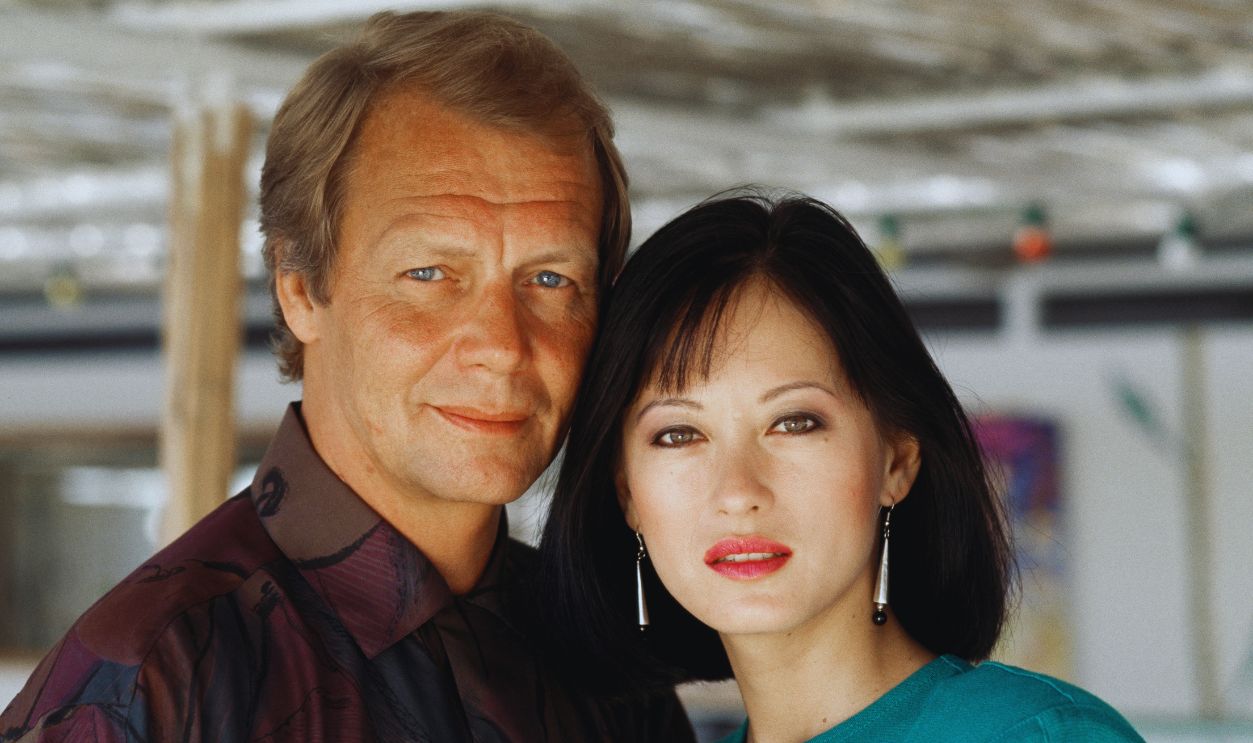
Fourth Marriage: Julia Nickson
Soul married actress Julia Nickson in 1987. Their relationship represented another attempt at stability, though trouble arose once again as Nickson urged Soul to enter rehab for his drinking in 1989. The couple ended up divorcing in 1993.
Move Overseas
In 1995, Soul relocated to the United Kingdom, in a major shift in both his personal life and career. He embraced British culture quickly, working in UK TV and theater while connecting with local audiences. Thanks to the enduring popularity of Starsky & Hutch and his chart-topping music success, he was a familiar and popular figure in Britain for decades. He eventually became a British citizen and settled into a quieter, more stable chapter of his life.
Marriage To Helen Snell
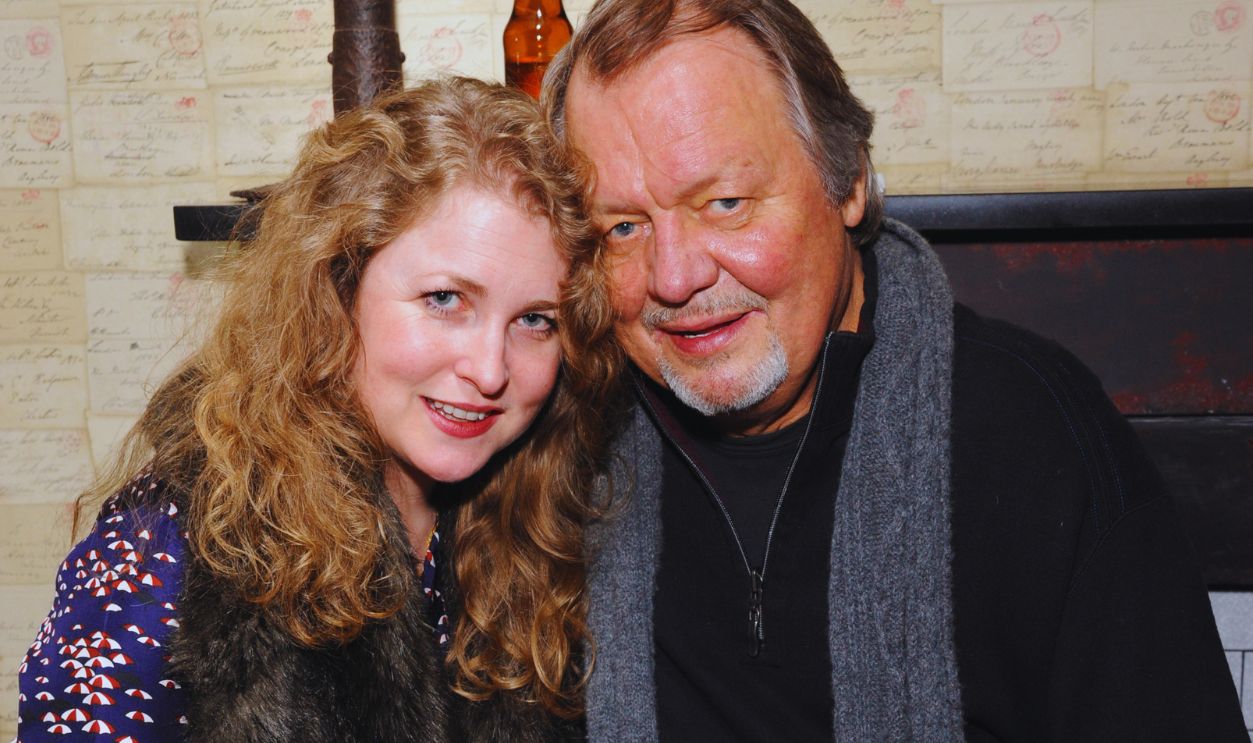
In 2010, Soul married Helen Snell, his fifth wife. This relationship proved more enduring than his previous ones. The couple settled down in the United Kingdom, where Soul spent most of his later life, shifting away from the intense spotlight of his earlier years. Finally he found some peace and contentment.
Later Years And Health Problems
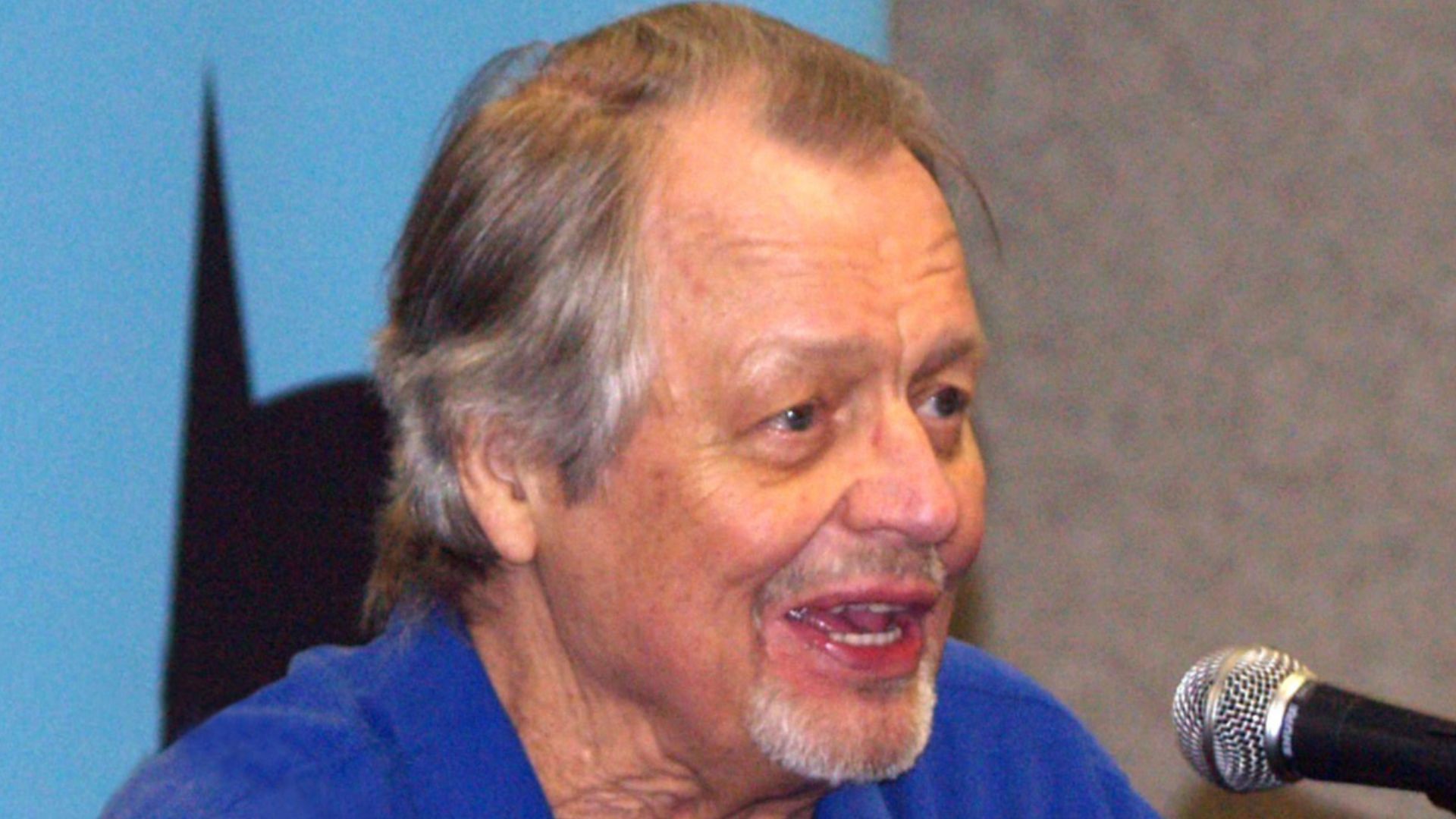
In his later years, Soul faced increasing health issues. Chronic pain from earlier injuries, combined with age and long-term habits like smoking, took a toll. He underwent various treatments and surgeries, managing ongoing physical challenges as he aged.
Final Years And Death
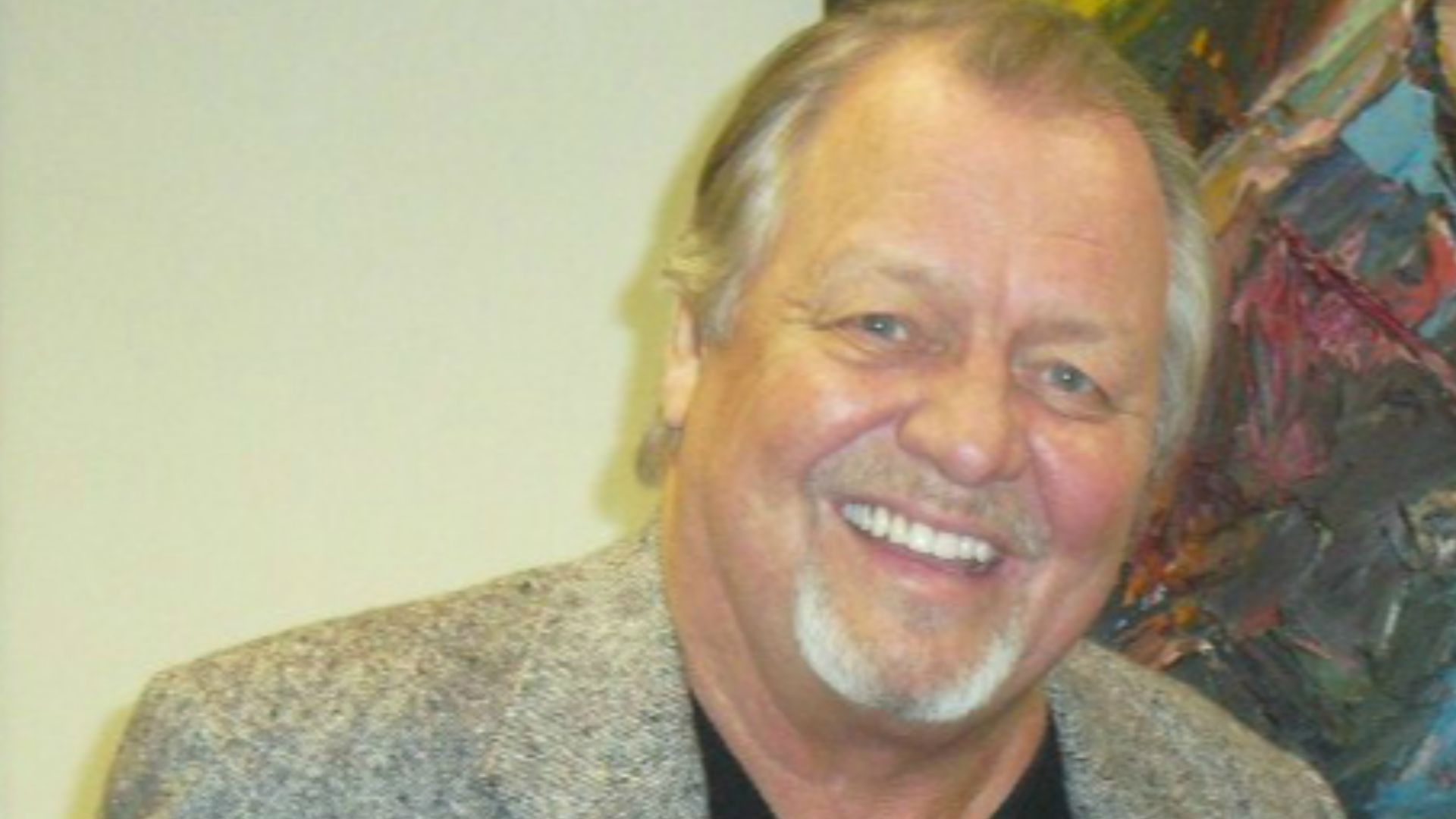
David Soul died on January 4, 2024, at the age of 80. According to reports, he had been dealing with significant health problems in his final years. His death marked the end of a life defined by rapid success, personal struggles, and a career that moved through many distinct phases.
 Education-files, Wikimedia Commons
Renaissance Man
While he was best known and loved as the unflappable Ken Hutchinson, David Soul lived a life in more than one lane. He moved easily between TV, film, and music with unusual ability, finding success in each while navigating setbacks that often played out in public. Despite those struggles, he kept working, performing, and adapting, building a career that reflected talent, versatility and persistence across decades.
 ABC Television, Wikimedia Commons
You May Also Like: