His Voice Got There First.
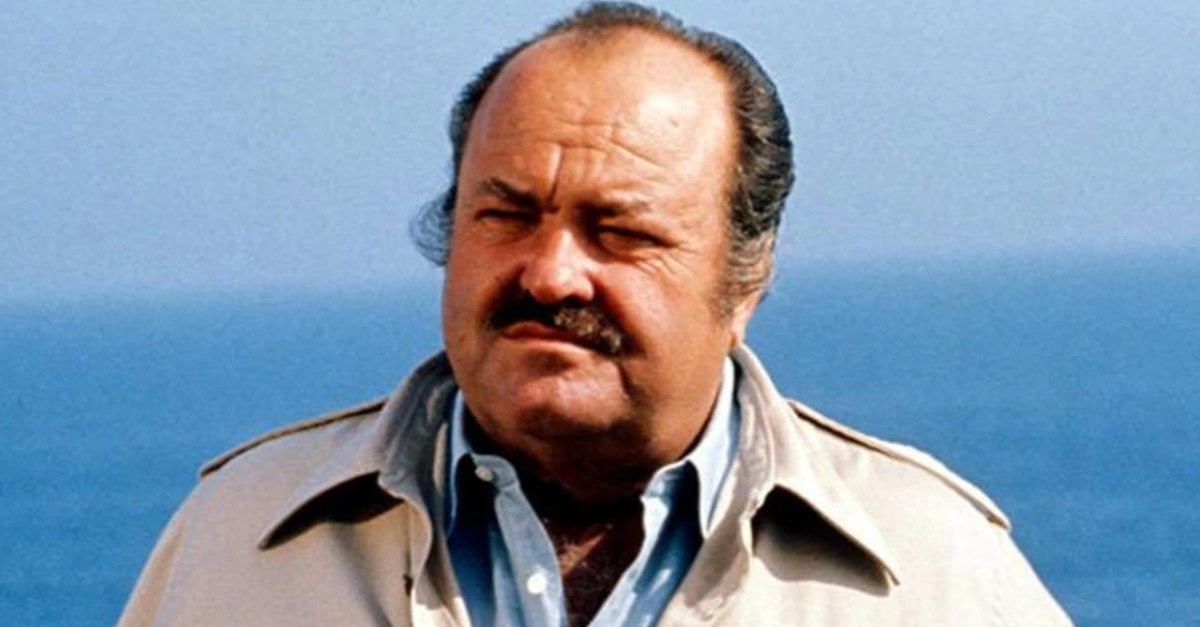
Long before millions of viewers knew William Conrad as the hard-driving private detective Frank Cannon, radio listeners knew him as Marshal Matt Dillon and television audiences heard his booming narration without necessarily knowing the man behind it. What made Conrad’s career extraordinary was the way he repeatedly reinvented himself, moving from radio star to film heavy, director, producer, narrator, and finally an unlikely television leading man in his 50s.
Movies Were Part Of His Childhood
William Conrad was born in Louisville, Kentucky, in 1920, and his father was involved in the theater business. The family eventually relocated to Southern California, putting the future actor considerably closer to the entertainment industry. Yet Conrad’s first major professional asset would not be his appearance on a movie screen. It would be the extraordinary voice audiences could recognize almost instantly.
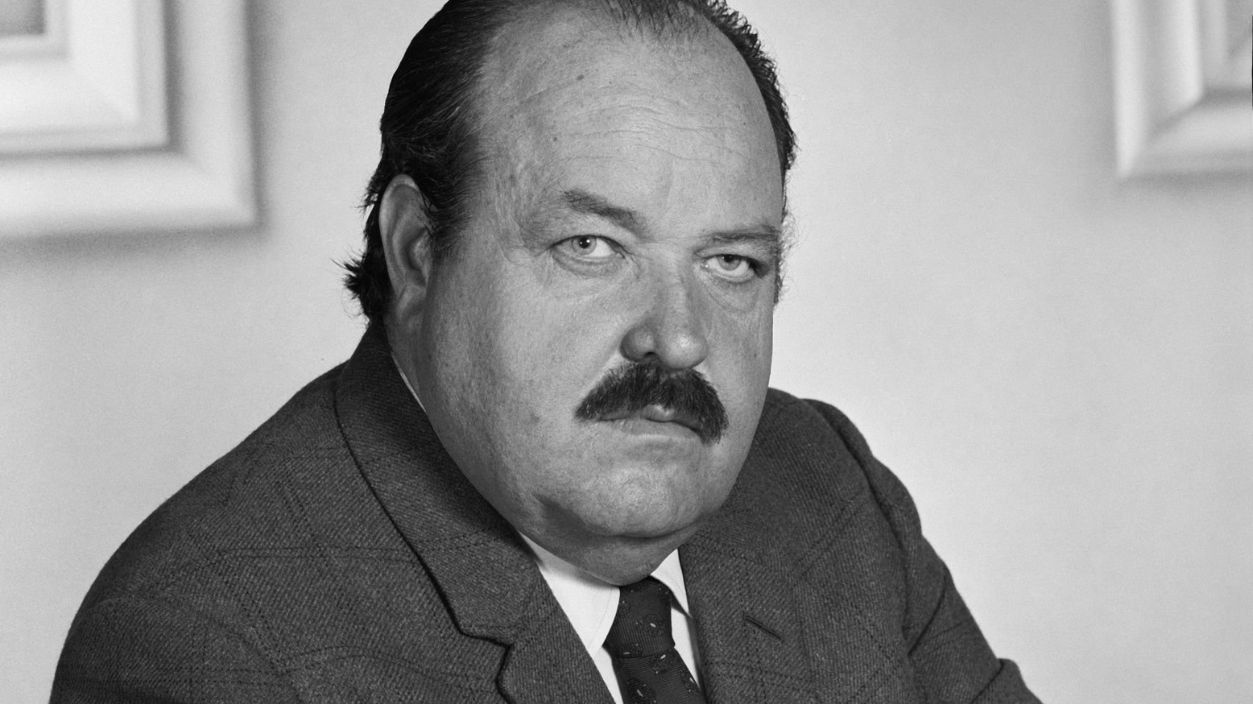 CBS Photo Archive, Getty Images
Radio Gave Him His First Real Career
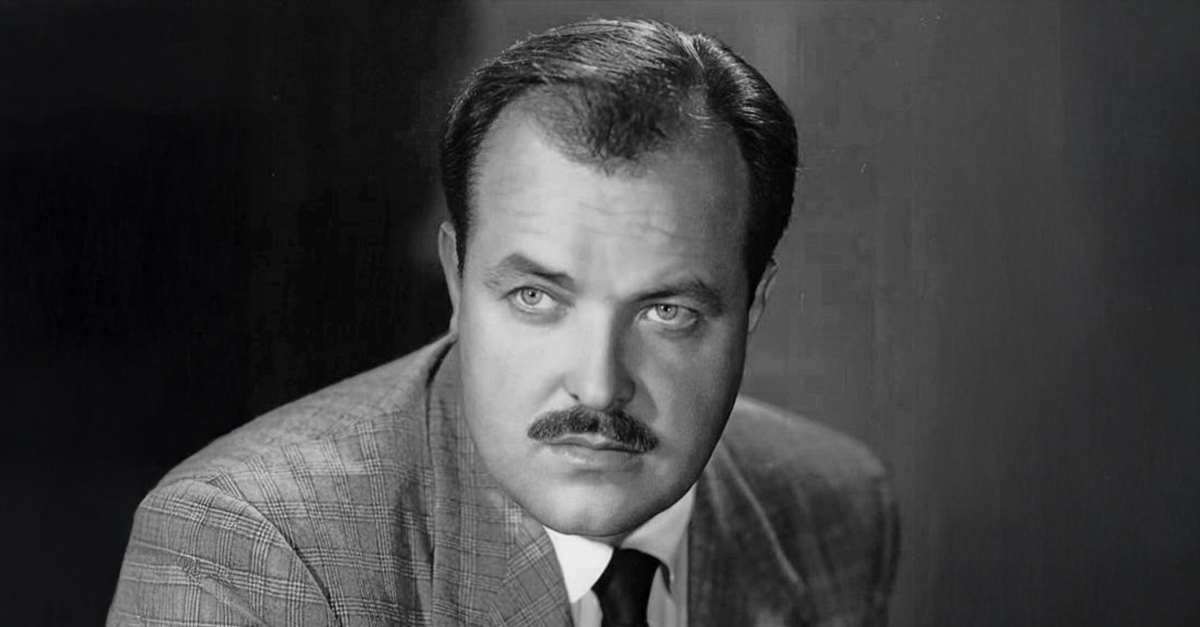
Conrad began working in California radio during the late 1930s. The Radio Hall of Fame describes him as one of the medium’s consummate actors, while contemporary accounts also credit him with work as an announcer, writer, and director at Los Angeles station KMPC. He was therefore learning several sides of broadcasting rather than simply waiting to be handed acting parts. That versatility would become the pattern of his entire career.
World War II Interrupted The Microphone
Conrad served in the United States Army Air Forces during World War II and became a fighter pilot. He ultimately held the rank of captain and also worked with the Armed Forces Radio Service before returning to civilian entertainment. The combination of military service and broadcasting experience gave him an unusually varied résumé before Hollywood really knew what to do with him.
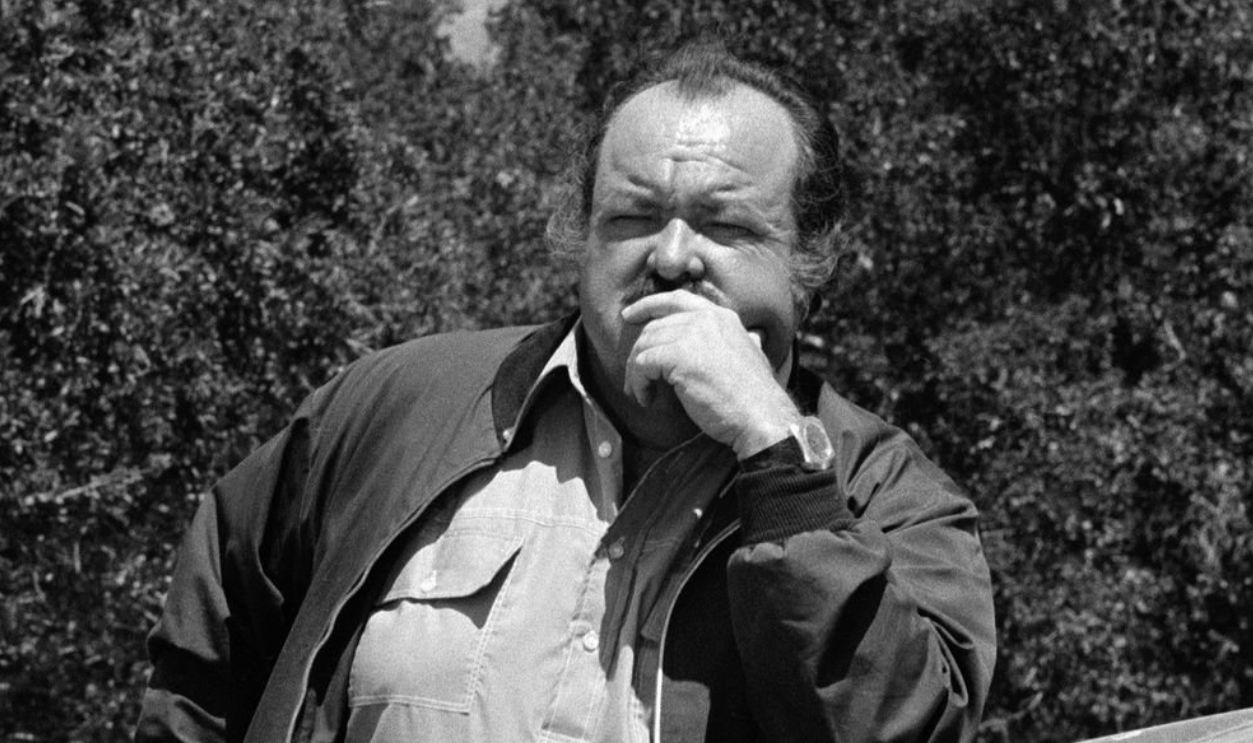 CBS Photo Archive, Getty Images
He Became One Of Radio’s Busiest Actors
After the war, Conrad threw himself back into radio with astonishing intensity. He later estimated that he performed more than 7,500 radio roles, according to the Radio Hall of Fame. His credits stretched across drama, suspense, comedy, crime, and adventure, making that resonant baritone one of the most familiar sounds in American broadcasting.
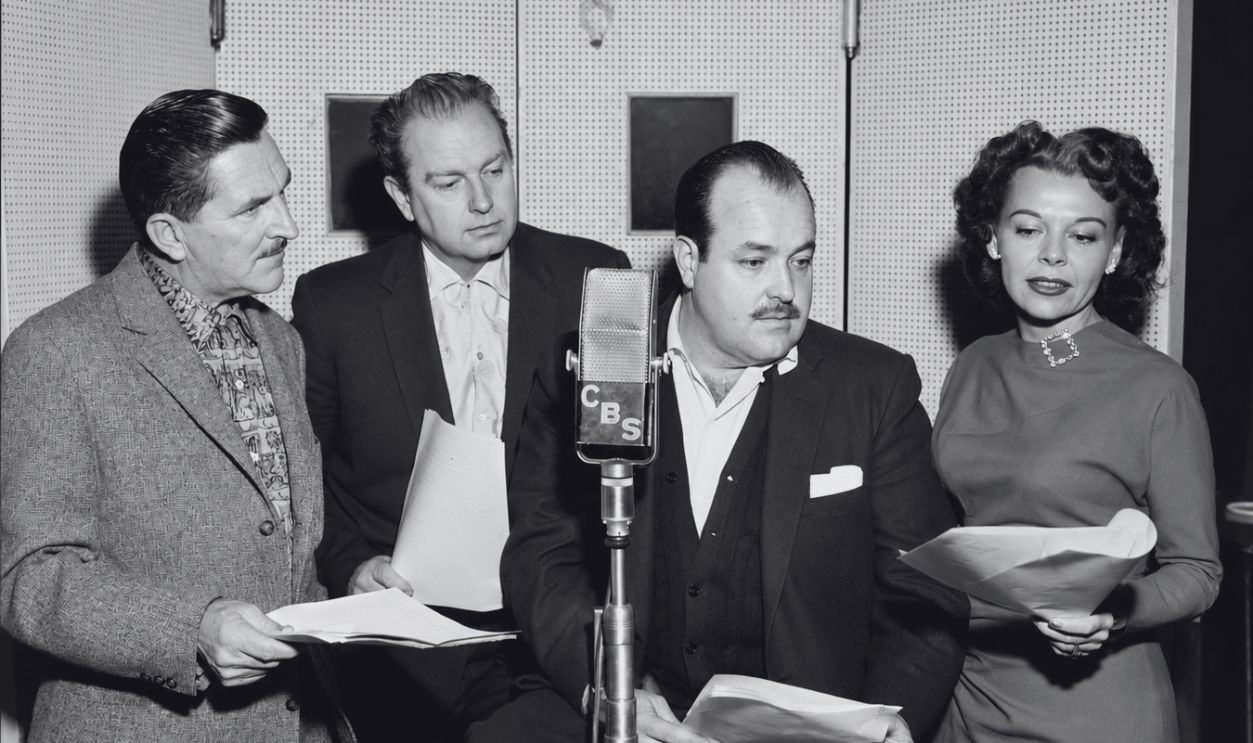 CBS Photo Archive, Getty Images, Enhanced
Escape Let That Voice Take Command
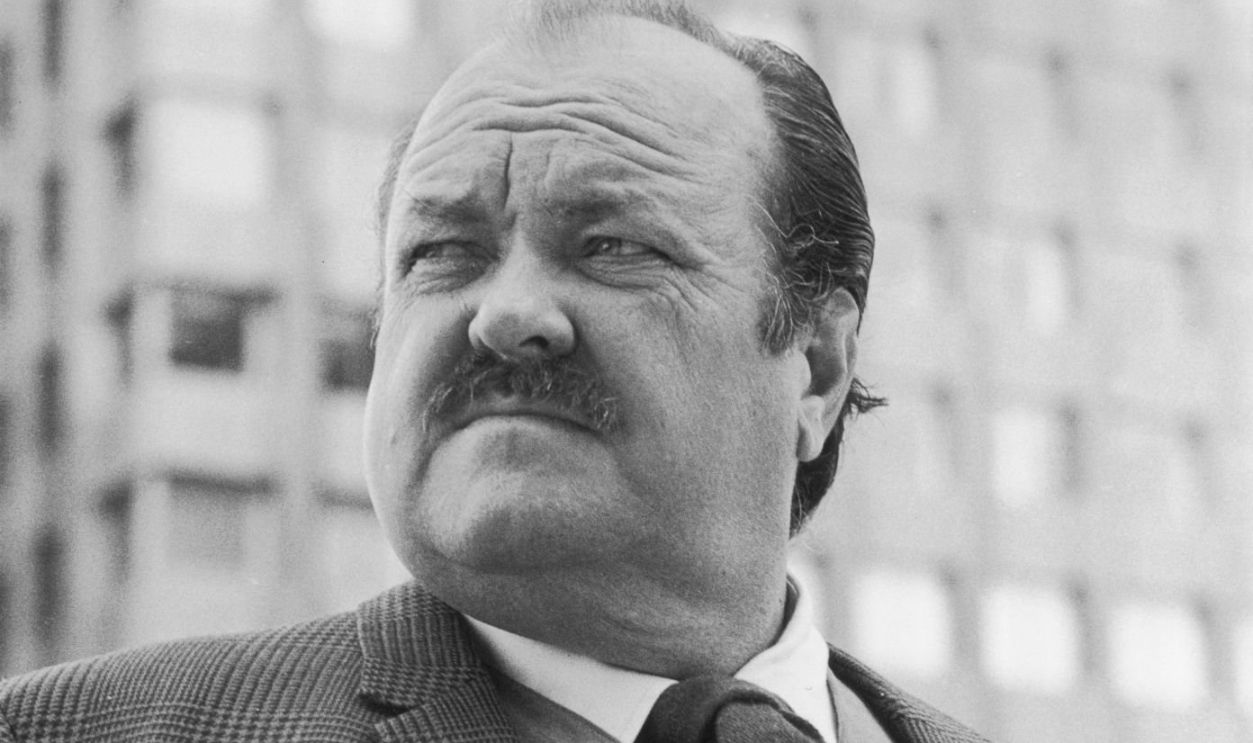
Conrad became closely associated with CBS’s adventure anthology Escape. The Radio Hall of Fame notes that listeners regularly heard him inviting them into the program’s world before each story began. He also worked on programs including Nightbeat, Suspense, The Damon Runyon Theater, and Lux Radio Theater. By the early 1950s, Conrad had mastered the ability to create authority without ever appearing on camera.
He Could Even Play An Entire Story Himself
One of Conrad’s most remarkable radio demonstrations came on the 1956 Suspense episode “The Wax Works.” The Radio Hall of Fame credits him with performing all of the roles in the production. That kind of vocal versatility explains why producers trusted him with heroes, villains, narrators, and everything in between. Conrad had learned to make a microphone feel like an entire cast.
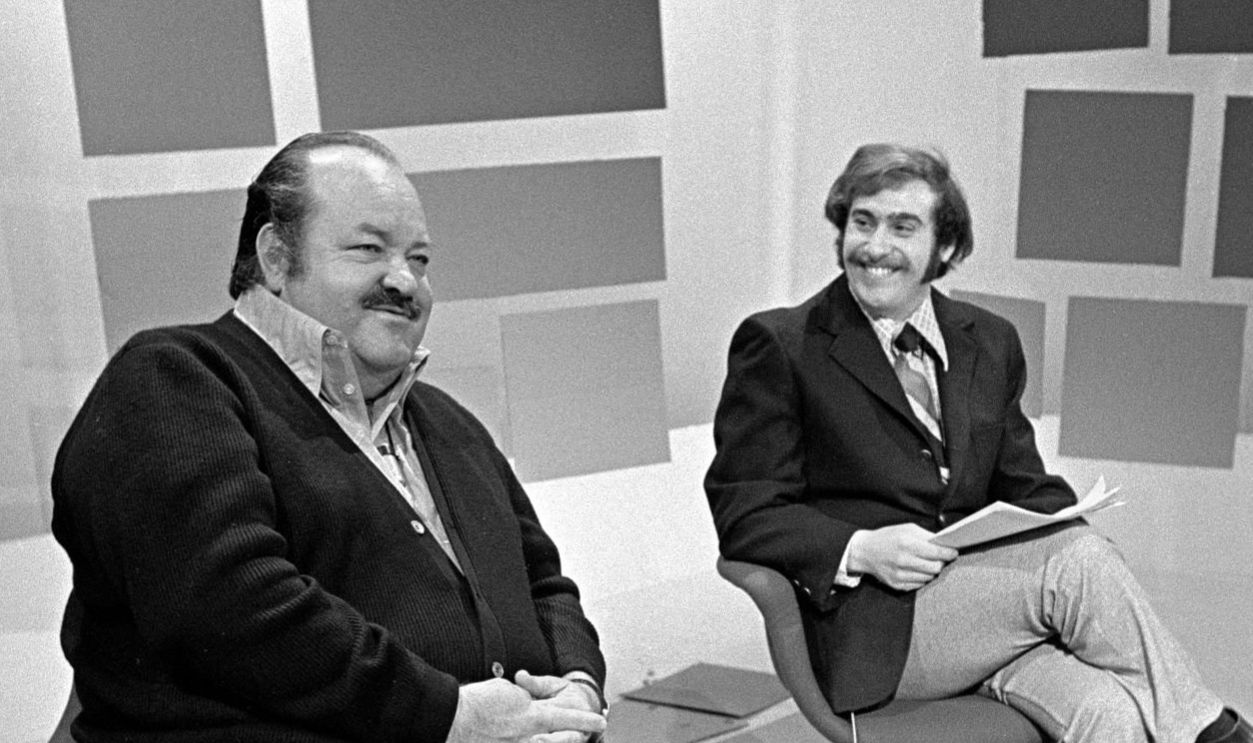 CBS Photo Archive, Getty Images
Matt Dillon Made Him A Radio Star
In 1952, Conrad became Marshal Matt Dillon when Gunsmoke premiered on CBS radio. He remained the voice of Dillon through the radio program’s run, which continued until 1961. Conrad’s version helped establish the character as a weary, adult lawman rather than the cleaner-cut cowboy hero common in earlier Western entertainment.
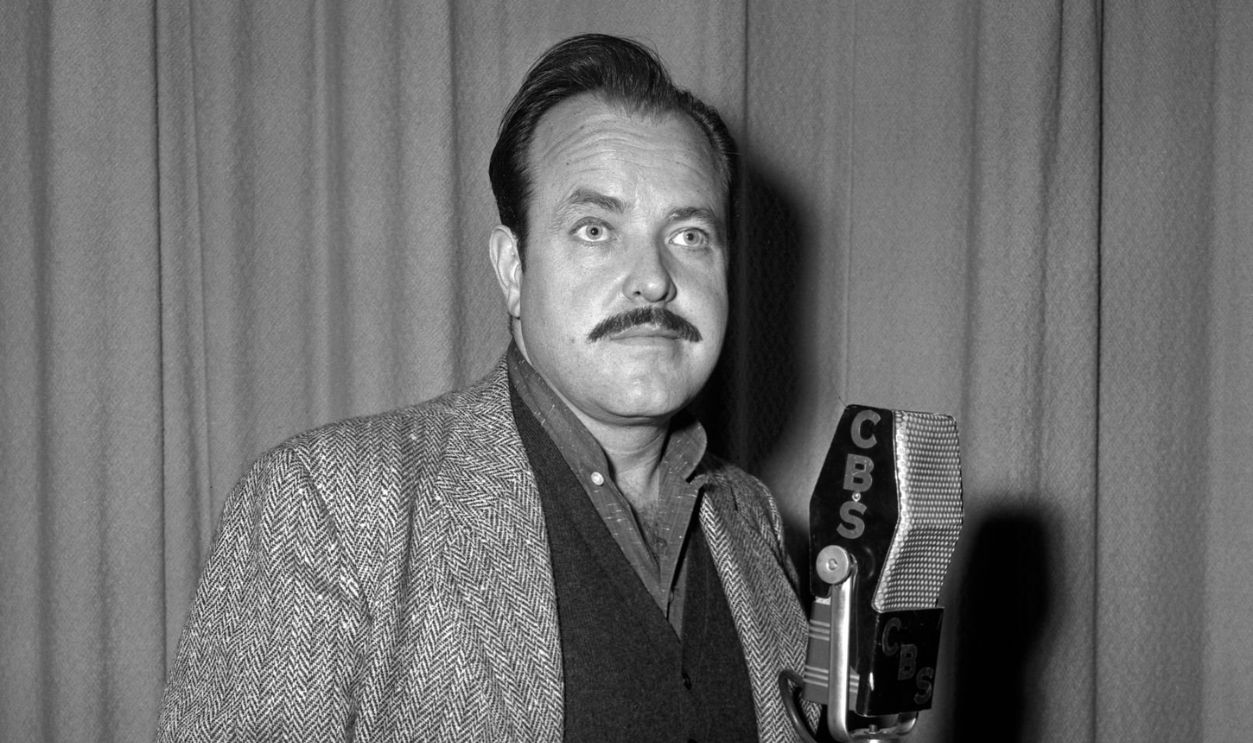 CBS Photo Archive, Getty Images
Then Television Left Him Behind
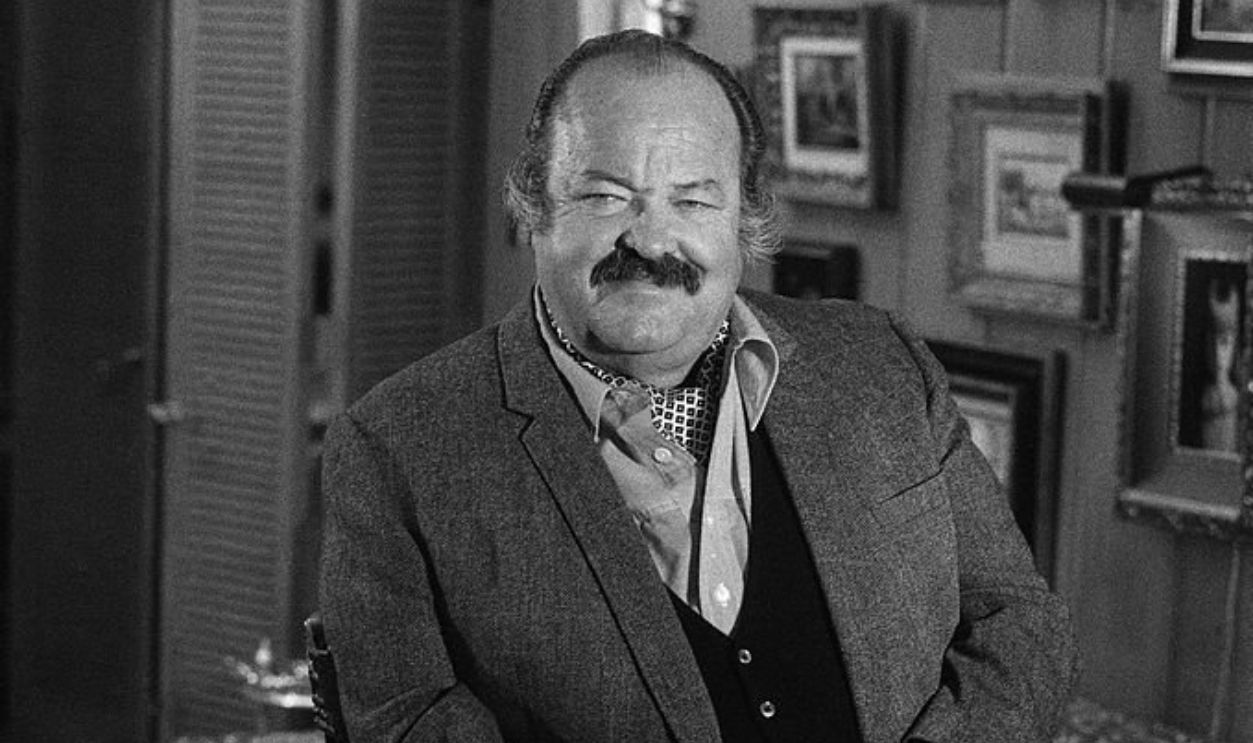
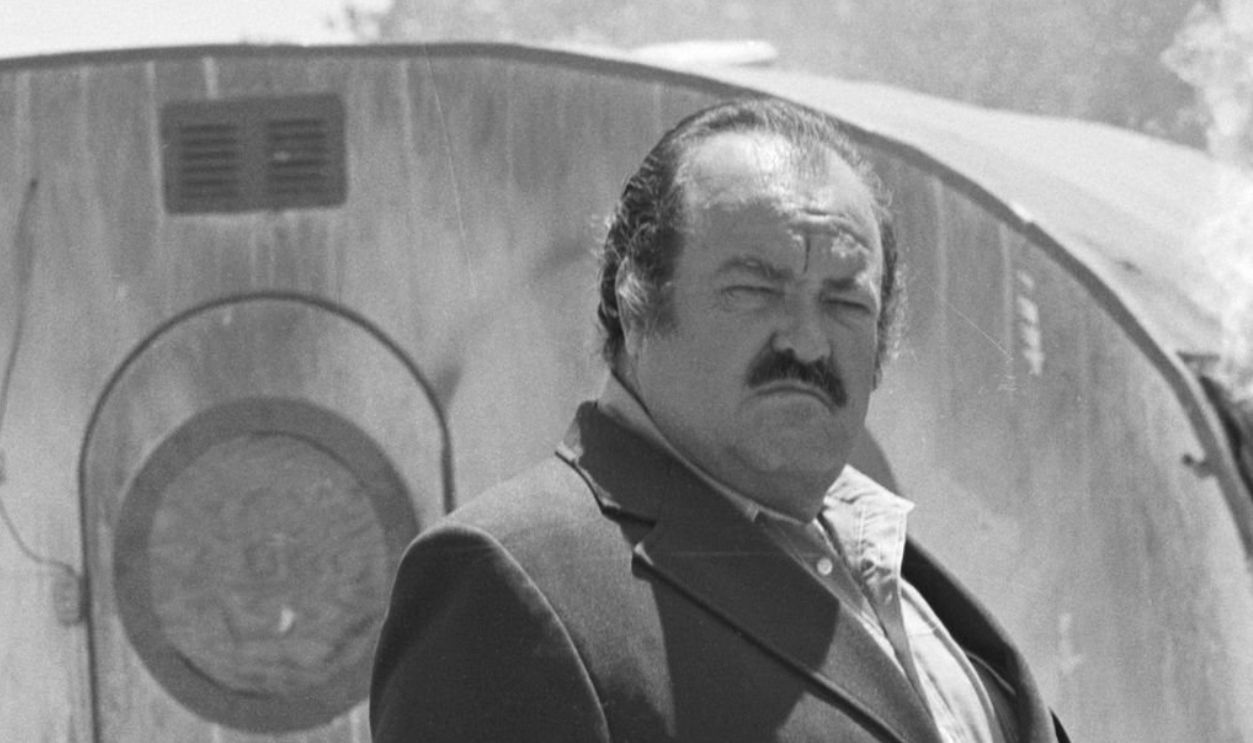
When CBS prepared a television adaptation of Gunsmoke, Conrad did not receive the role he had already made famous on radio. Contemporary reporting later summarized by MeTV says Conrad auditioned, but he believed television executives wanted someone who looked more like a traditional Western hero. James Arness ultimately became television’s Matt Dillon. Conrad had created a leading man with his voice, only to discover that television judged heroes by a different standard.
The Rejection Revealed Hollywood’s Problem With Him
Conrad was short, heavyset, and increasingly unlike the lean stars typically positioned at the center of adventure television. Those characteristics barely mattered on radio, where his voice could make Matt Dillon seem as imposing as listeners imagined. On television, they became professional obstacles. The irony is that those same qualities would eventually make Conrad stand out in a medium crowded with conventionally handsome leading men.
 CBS Photo Archive, Getty Images
Film Noir Had Already Found A Use For Him
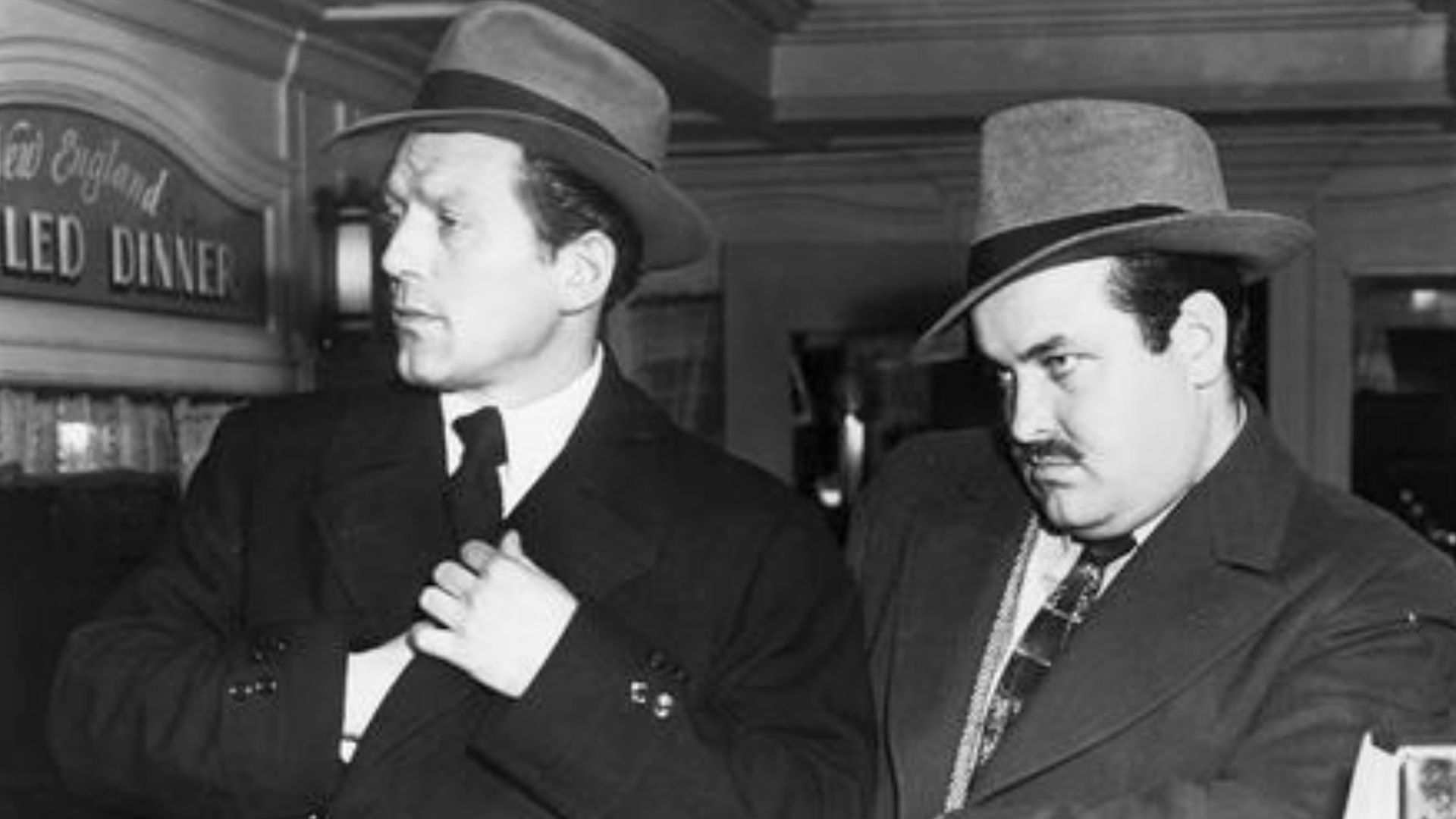
Conrad made his feature-film debut in Robert Siodmak’s The Killers in 1946. He played Max, one of the gunmen who arrive to kill Burt Lancaster’s doomed character in the celebrated film noir. The American Film Institute confirms that the picture marked the screen debuts of both Lancaster and Conrad. Hollywood immediately understood that Conrad’s build and voice could create menace.
 Universal Pictures, Wikimedia Commons
Supporting Parts Became His Screen Specialty
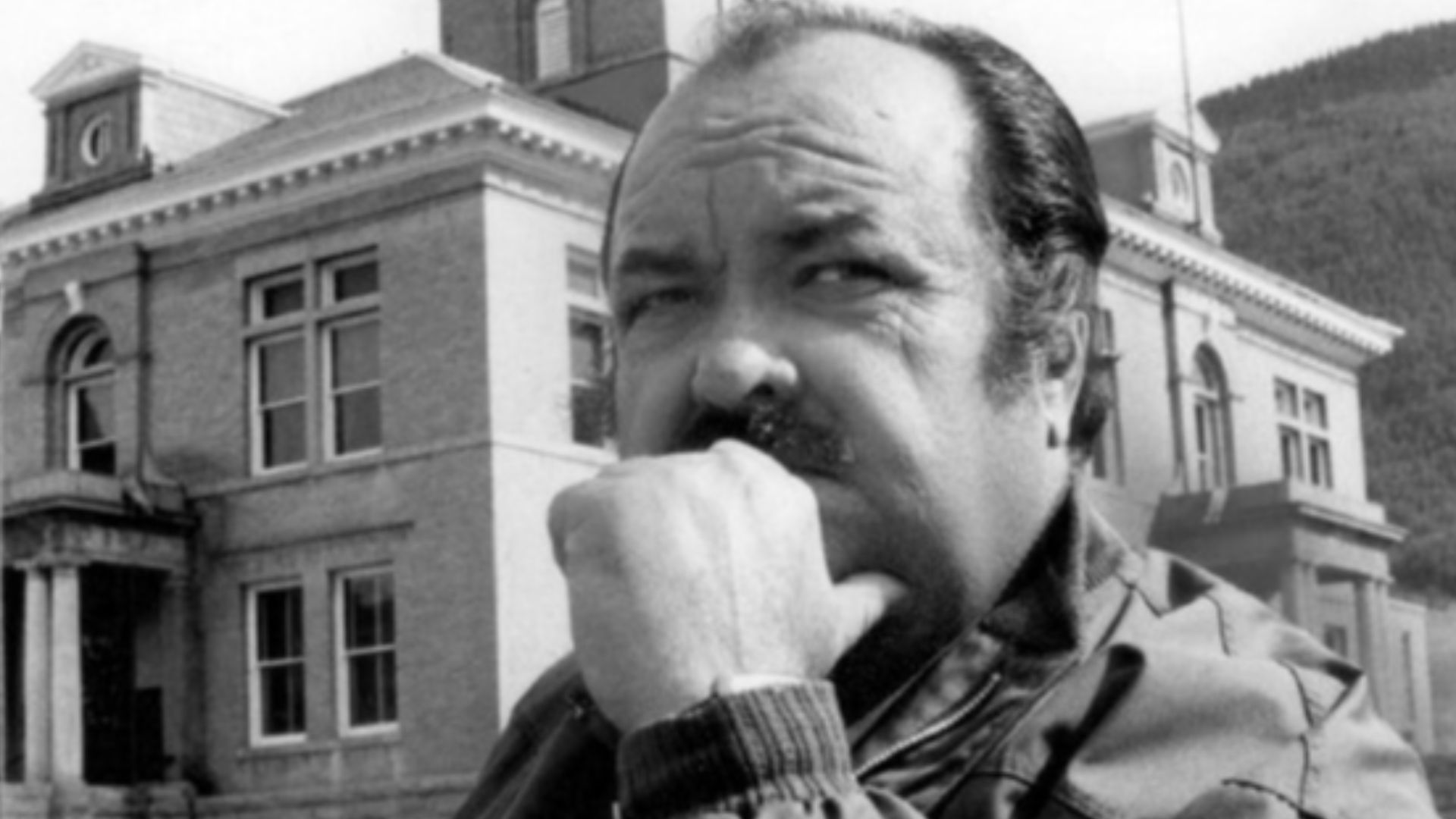
More films followed, including Sorry, Wrong Number, East Side, West Side, The Naked Jungle, and the newspaper drama -30-. Conrad was working steadily, but he was generally used as a character player rather than a conventional star. His screen career and radio career were therefore moving in opposite directions. On radio he could command the entire story, while movies usually asked him to support someone else.
 CBS Television, Wikimedia Commons
A Cartoon Narrator Made Him Unmistakable Again
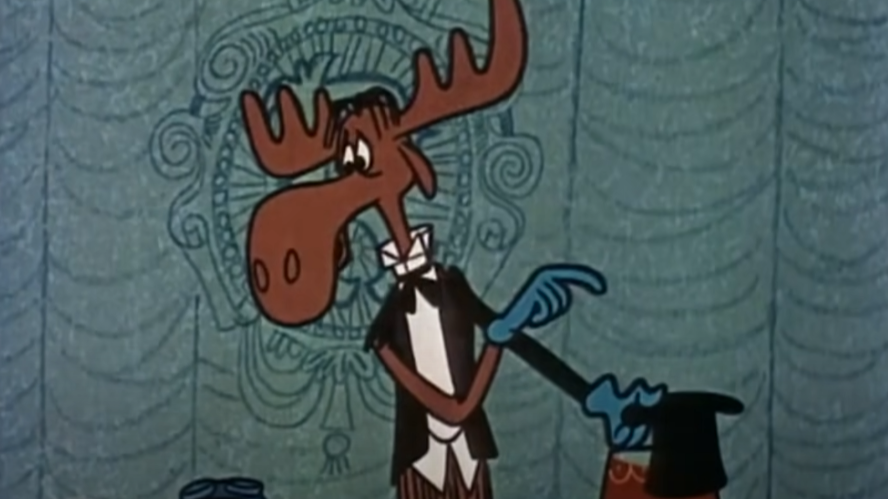
Conrad eventually found another perfect outlet for his voice through Jay Ward’s animated television work. The Television Academy records him among the original voice performers hired for The Bullwinkle Show. His heightened narration became part of the program’s mock-serial style, showing that the famously grave Conrad voice could also be wonderfully funny.
 Screenshot of the TV Show The Bullwinkle Show Format Films, (1959–1963)
The Fugitive Turned Him Into An Invisible TV Star
From 1963 through 1967, Conrad narrated ABC’s The Fugitive. His grave delivery helped introduce Richard Kimble’s predicament and repeatedly reminded viewers that David Janssen’s character remained a hunted man. The Television Academy notes that Conrad delivered the narration through the show’s final episode. Millions knew the sound even if they still did not associate it with a television leading man.
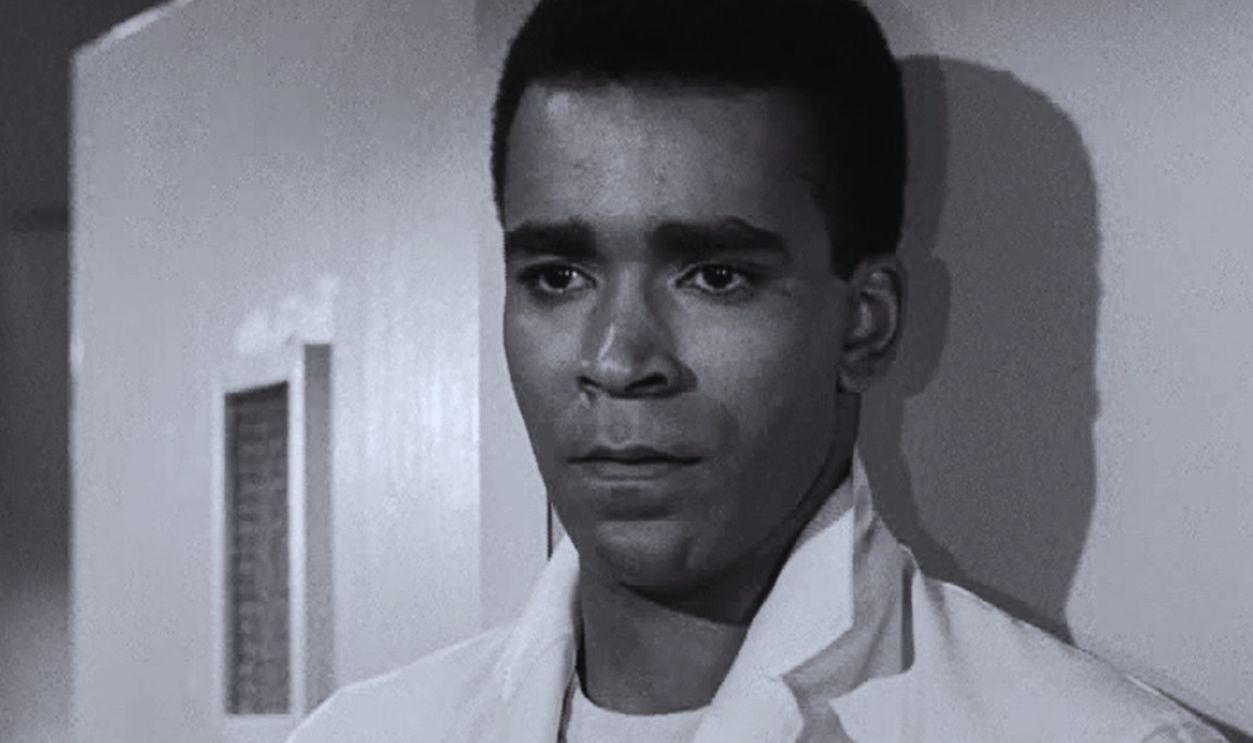 Screenshot from The Fugitive, Warner Bros (1993)
He Solved The Casting Problem By Changing Careers
Instead of waiting for Hollywood to reconsider his appearance, Conrad increasingly moved behind the camera. He directed television and became involved in production, turning the very problem limiting his acting opportunities into an incentive to acquire new skills. By the early 1960s, he was developing a substantial second career away from the screen. It was the first major reinvention that made his later comeback possible.
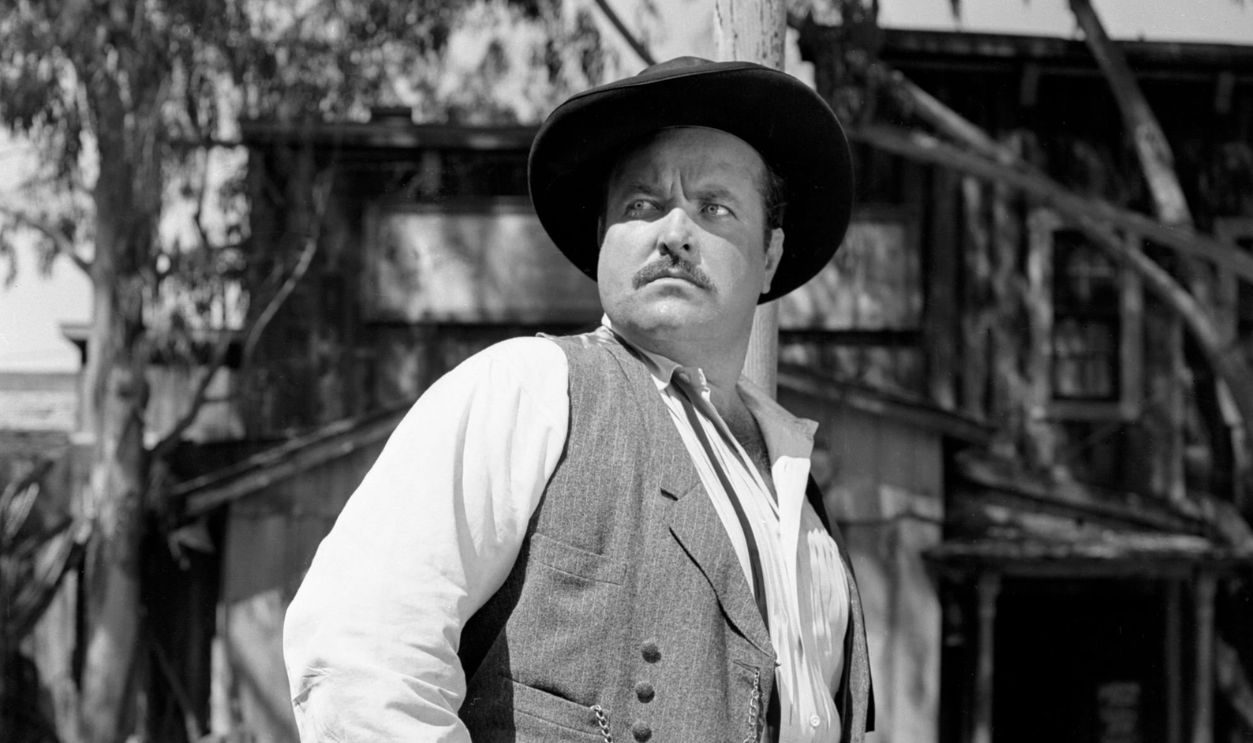 CBS Photo Archive, Getty Images
Warner Bros. Gave Him Serious Authority
Conrad moved deeper into feature production at Warner Bros. during the 1960s. TCM describes the studio establishing a William Conrad production unit, while the AFI catalog documents his credits as both producer and director. He was no longer simply an actor searching for parts because he had become one of the people responsible for getting movies made.
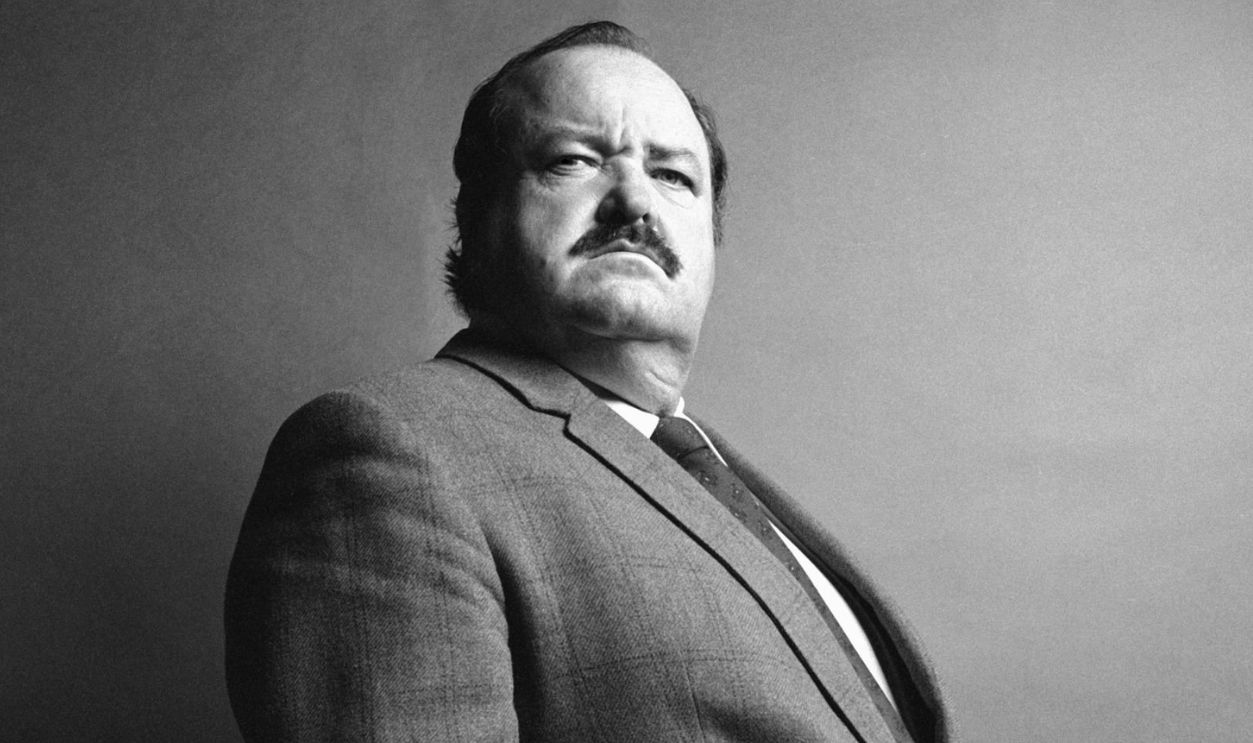 CBS Photo Archive, Getty Images
Two On A Guillotine Put His Name Behind The Camera
In 1965, Conrad directed and produced Two on a Guillotine, starring Connie Stevens, Dean Jones, and Cesar Romero. AFI lists him in both positions, confirming how far his career had moved from his radio-acting beginnings. He was now controlling the storytelling rather than merely supplying a voice or supporting performance.
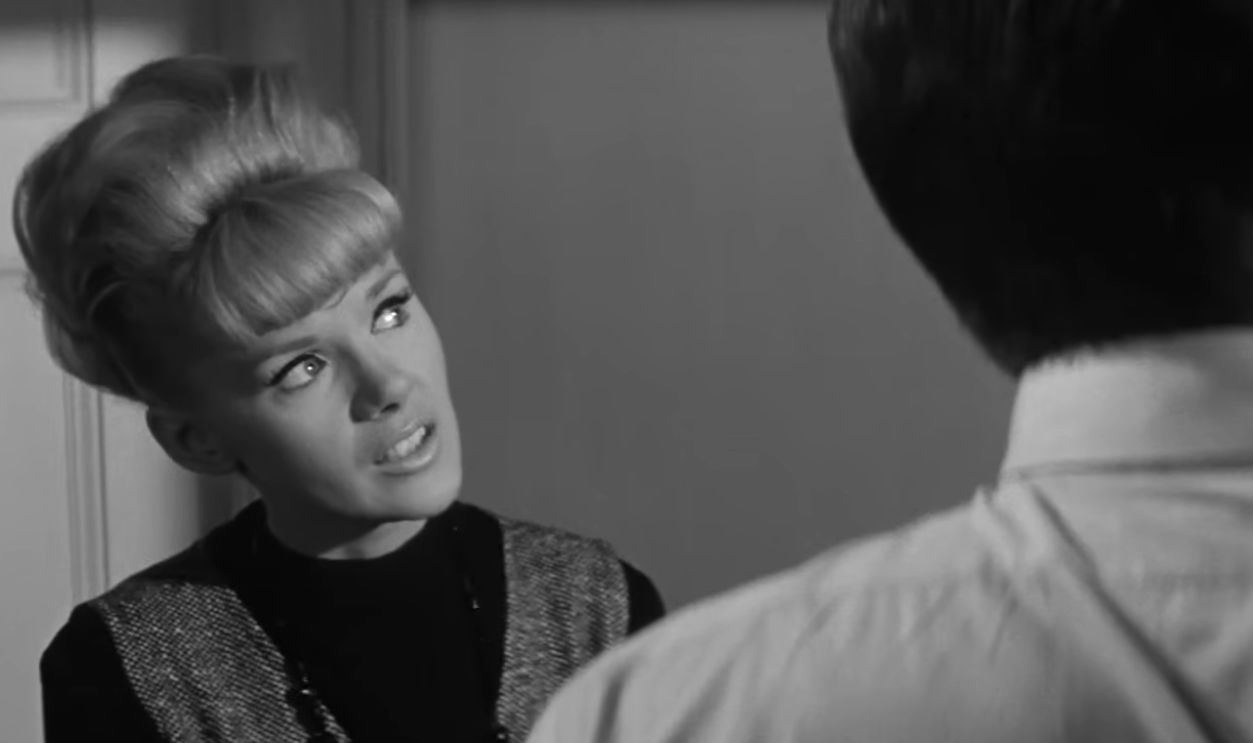 Screenshot from Two on a Guillotine, Warner Bros. Pictures (1965)
Producing Became More Than A Temporary Detour
Conrad continued producing feature projects through the decade, and TCM describes his Warner Bros. operation as an established production unit. That experience gave him practical knowledge about scripts, directors, pacing, budgets, and the machinery behind screen entertainment. When he eventually returned to acting full time, he understood far more about production than most performers standing in front of the camera.
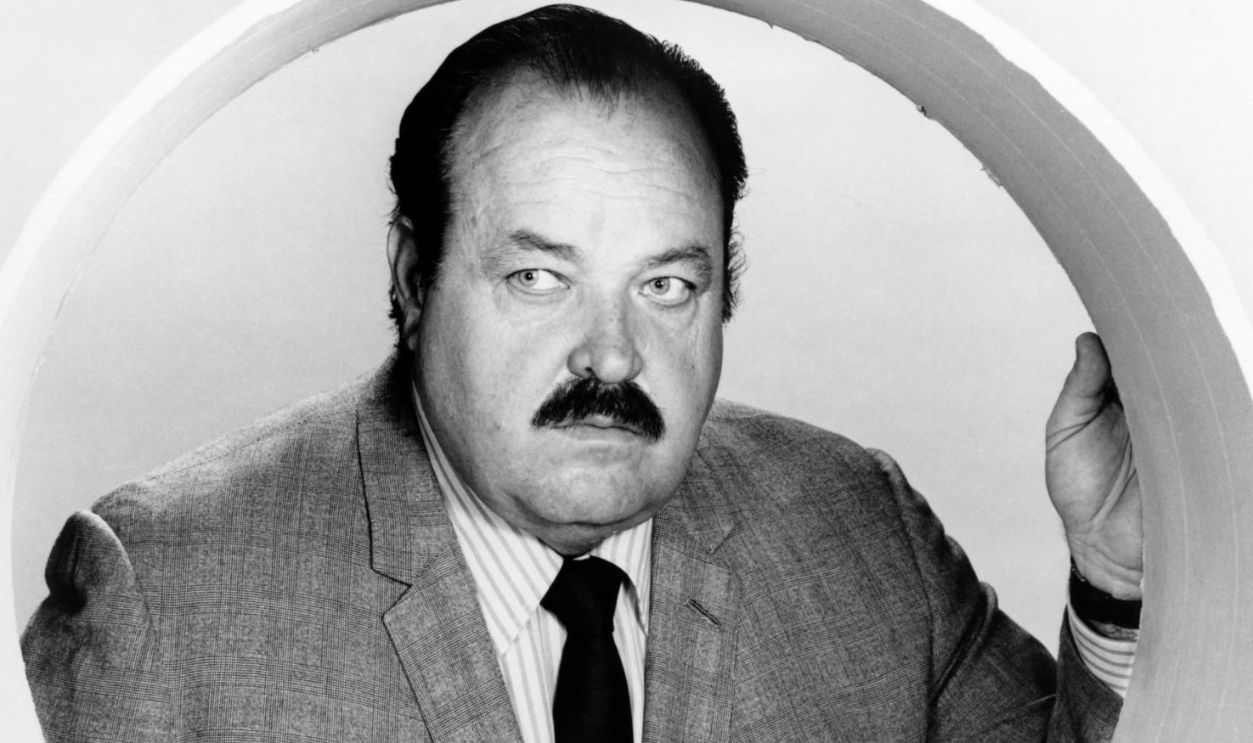 Silver Screen Collection, Getty Images
Then Cannon Offered A Completely Different Reinvention
The next transformation came when Conrad was offered the role of private investigator Frank Cannon. In a later interview with Michael Parkinson, Conrad remembered laughing when the part was proposed to him. The idea of building an action-oriented detective series around a balding, heavyset actor in his 50s challenged the standard television hero image. That was exactly what made the opportunity so unusual.
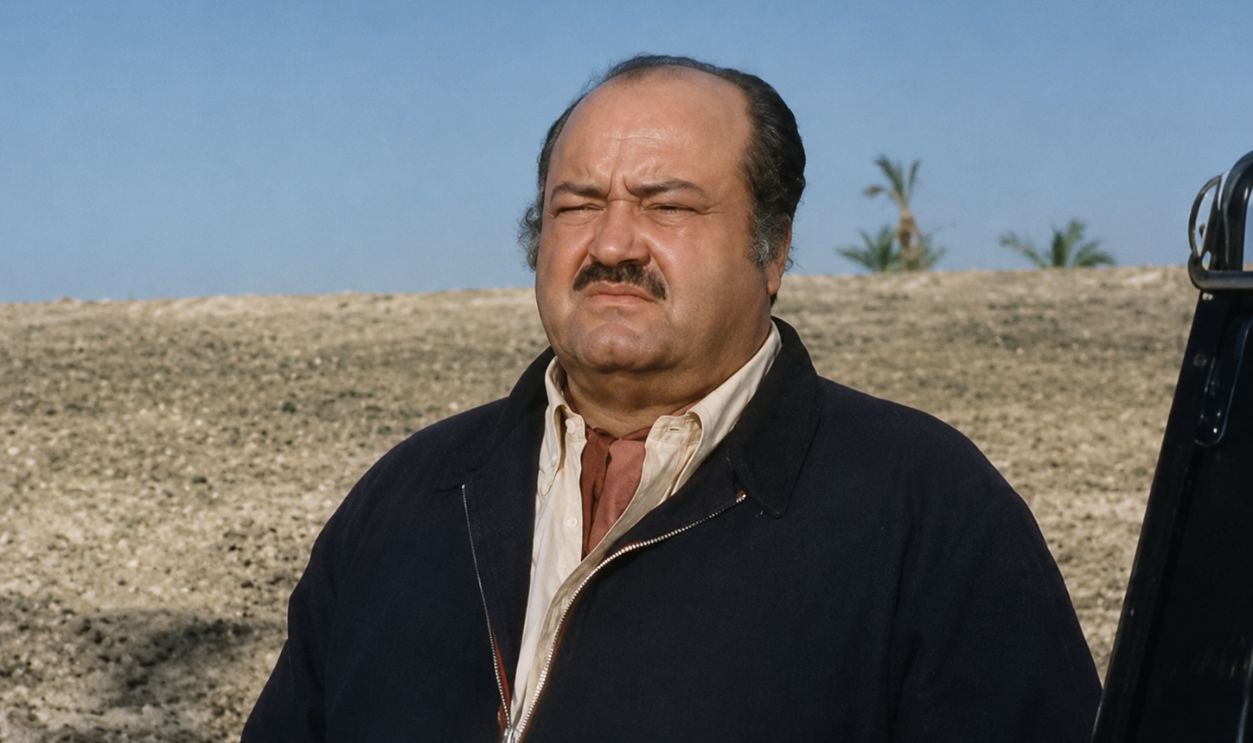 Screenshot from Cannon, CBS (1971-1976), Modified
Conrad Knew He Was An Unlikely Hero
Conrad had no illusions about how television executives saw him. In interviews, he jokingly described himself in dramatically unflattering terms, emphasizing his age, baldness, and substantial size. Rather than pretending he resembled the traditional detective hero, Cannon leaned into the differences. Conrad finally became a leading man because television stopped asking him to look like somebody else.
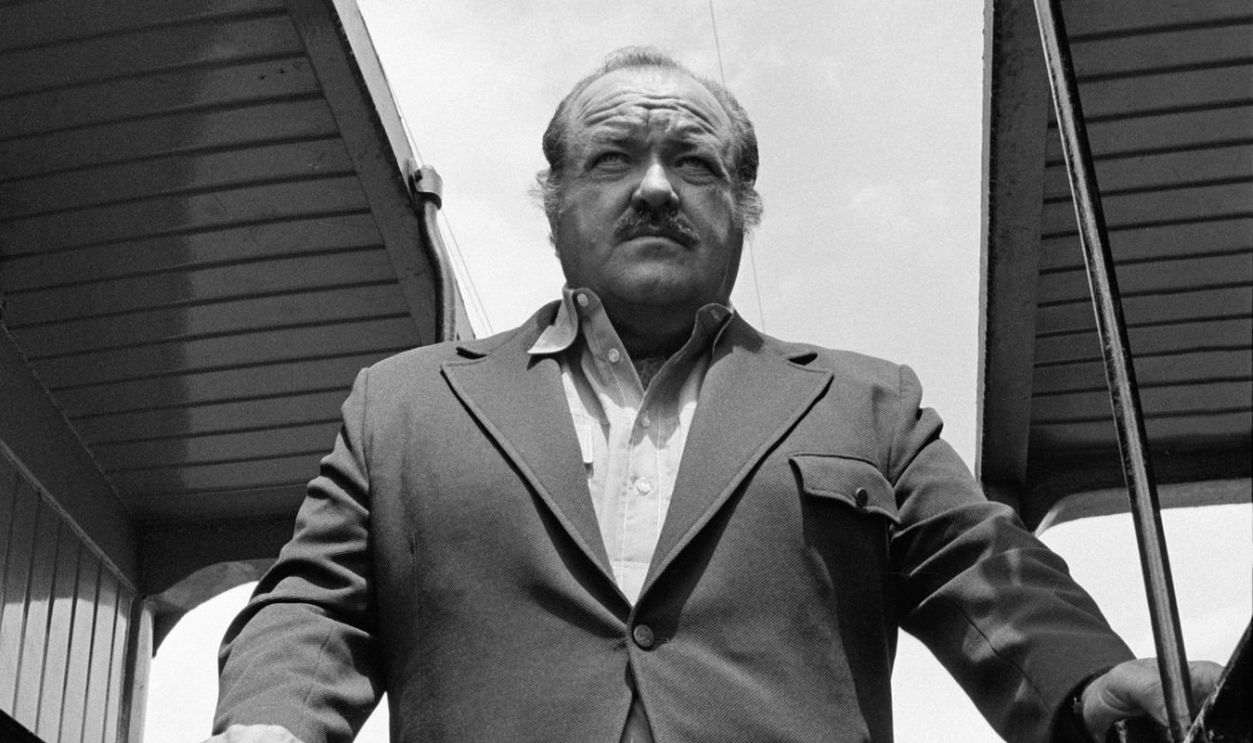 CBS Photo Archive, Getty Images
The Pilot Proved The Idea Could Work
Cannon began with a television movie in March 1971 before becoming a weekly CBS series later that year. Conrad played a former police officer turned private investigator who could move from intellectual deduction to physical confrontation. The successful launch gave the actor something that had eluded him through decades of radio and film work. At age 50, William Conrad finally had his own television franchise.
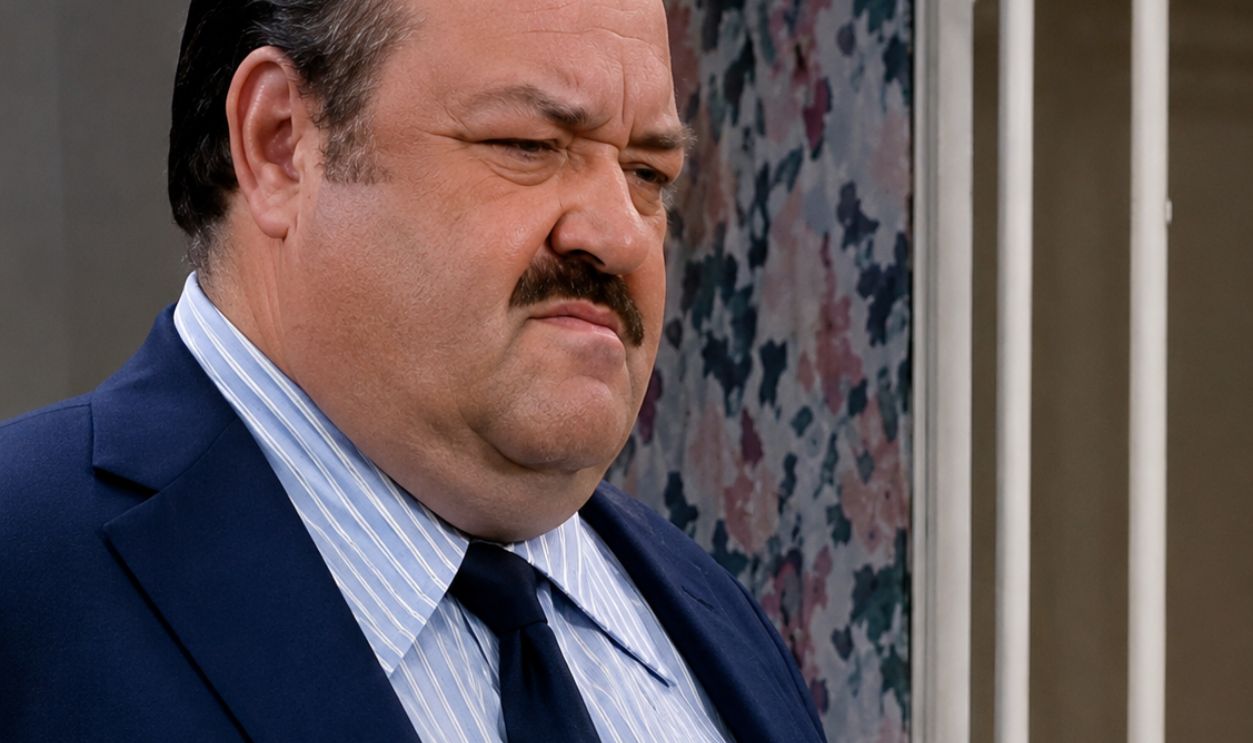 Screenshot from Cannon, CBS (1971-1976), Modified
Frank Cannon Had Expensive Tastes
Cannon was not designed as an ascetic hard-boiled detective living on coffee and cigarettes. TV Guide describes him as a high-priced private investigator with expensive culinary tastes, and the character’s enthusiasm for food became part of his identity. The show could acknowledge Conrad’s size without reducing its hero to a joke. Cannon remained competent, forceful, and unquestionably in charge.
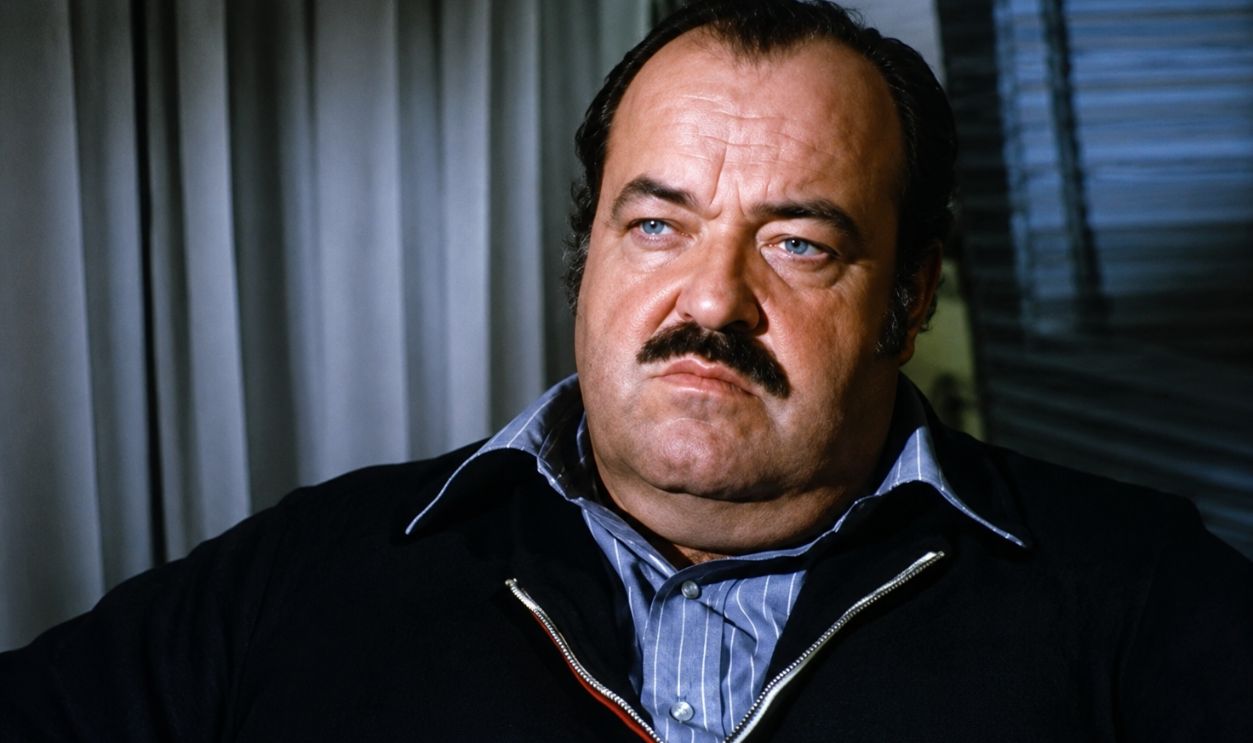 Screenshot from Cannon, CBS (1971-1976), Modified
His Size Became Part Of The Appeal
Network television detectives usually suggested physical speed, youth, or conventional toughness. Conrad instead projected authority through intelligence, voice, confidence, and sheer presence. Cannon proved that viewers would accept an action hero who did not resemble the existing template, which made the series an unusually important personal victory for an actor once denied Matt Dillon on visual grounds.
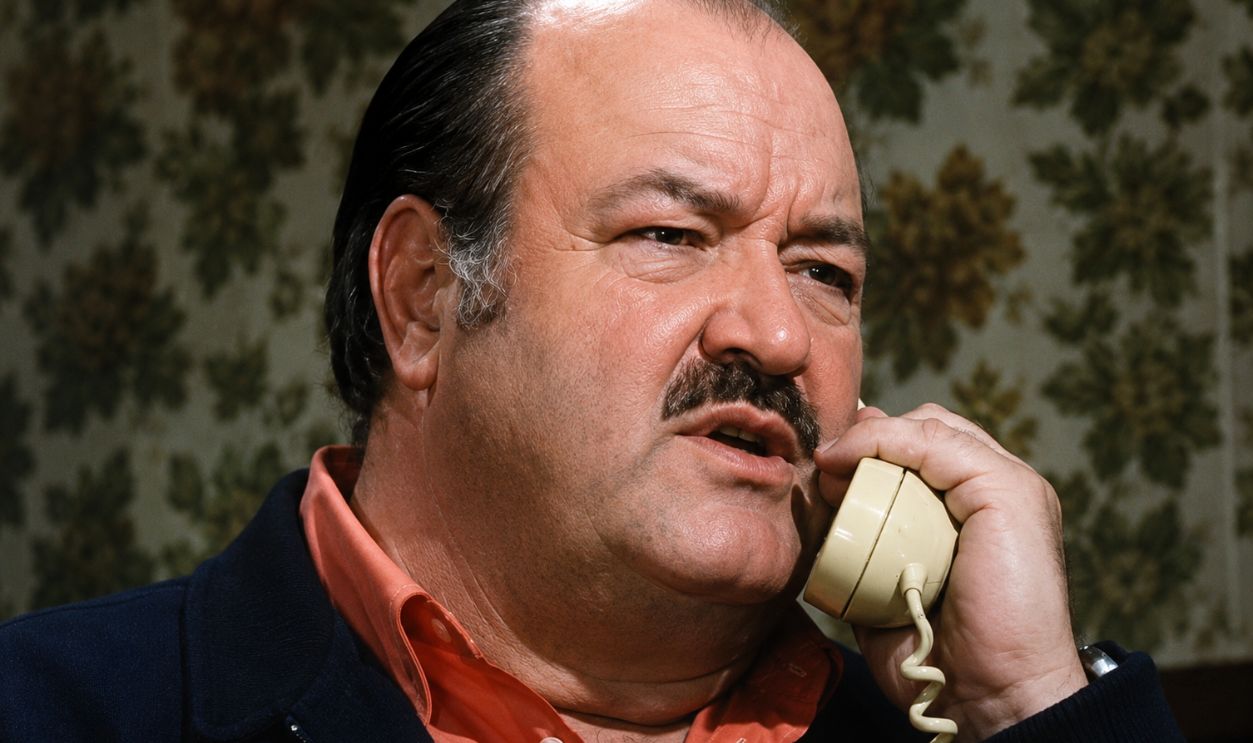 Screenshot from Cannon, CBS (1971-1976), Modified
Five Seasons Made The Gamble A Hit
Cannon remained on CBS from 1971 through 1976. The series was successful enough to establish Conrad’s face as firmly as radio had once established his voice. After decades spent playing heavies, narrating other actors’ adventures, and directing from behind the camera, he had become one of prime time’s recognizable leading men.
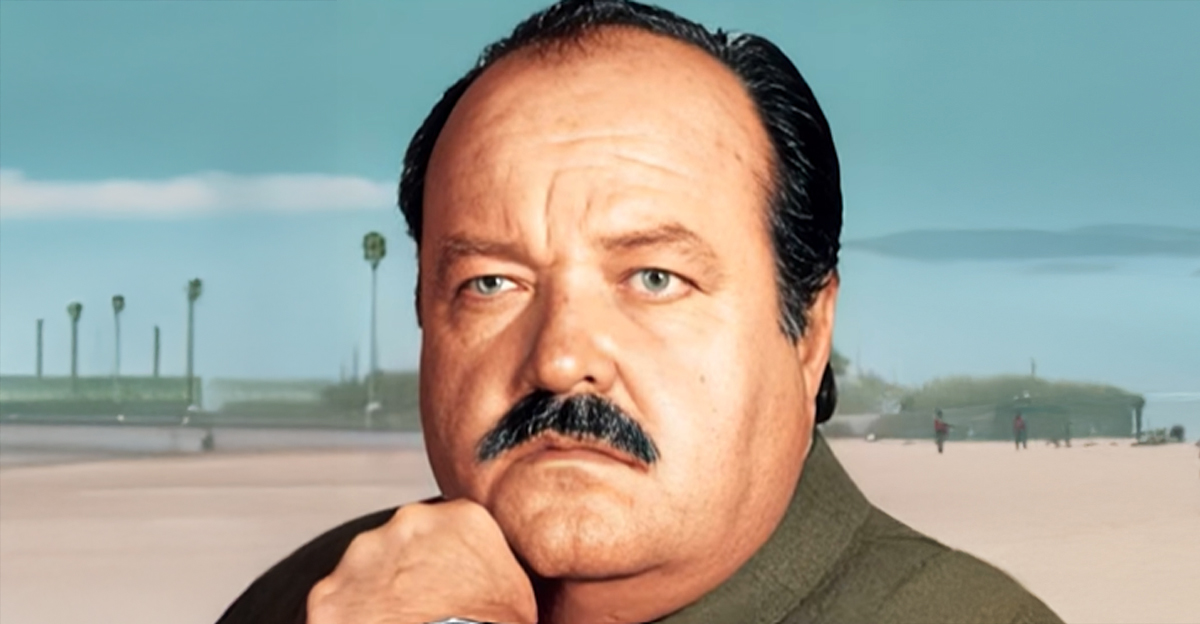 Screenshot of the movie Cannon CBS, (1971-1976)
The Emmys Confirmed His New Status
Conrad received Primetime Emmy nominations for playing Cannon in both 1973 and 1974. The Television Academy also lists Cannon itself among the nominees for Outstanding Drama Series in 1973. Those nominations put Conrad into competition as a major dramatic television star rather than a character actor who happened to land an unusual lead. His reinvention had become industry-recognized success.
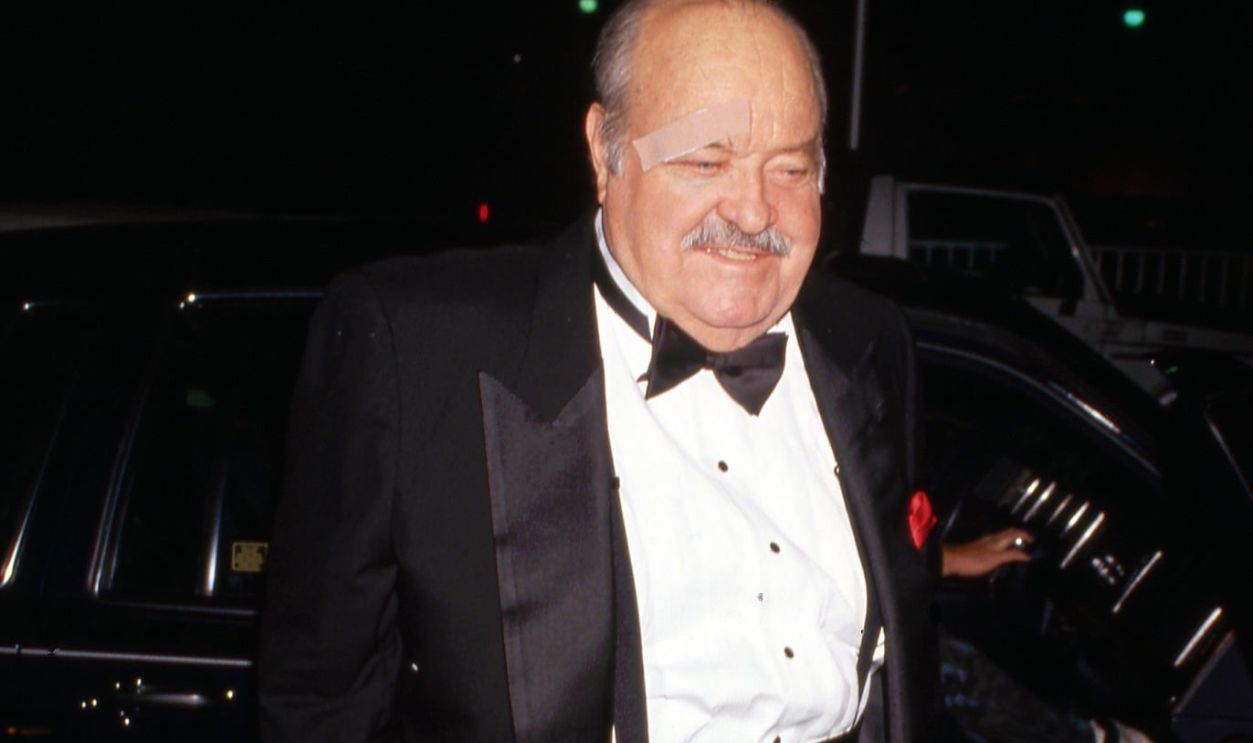
Cannon Could Walk Into Other Detectives’ Shows
Frank Cannon became established enough to cross into the world of Barnaby Jones. TV Guide notes that Conrad appeared as Cannon in the premiere of the Buddy Ebsen series, helping Jones with the case that launched his own detective career. The crossover demonstrated that Cannon had become part of CBS’s larger crime-drama identity. Conrad was now useful as the established star who could help introduce somebody else.
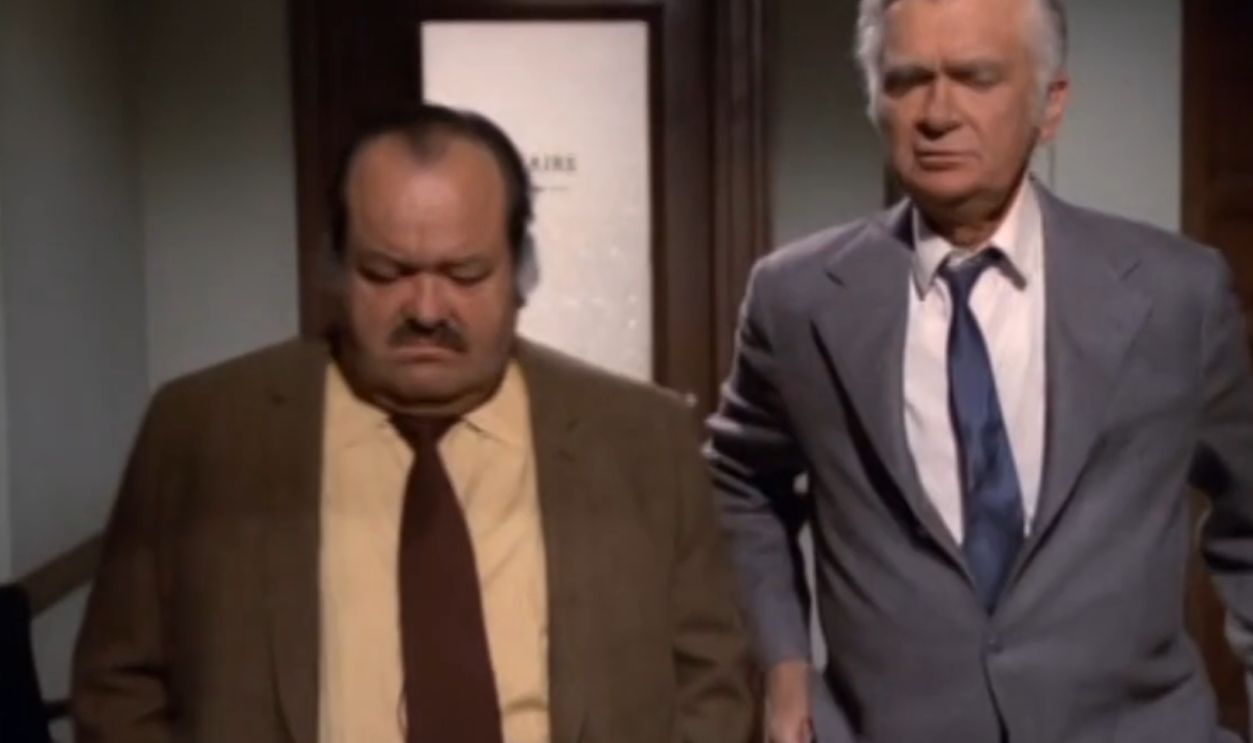 Screenshot from Cannon, CBS (1971-1976)
Television Was Not Finished With Frank Cannon
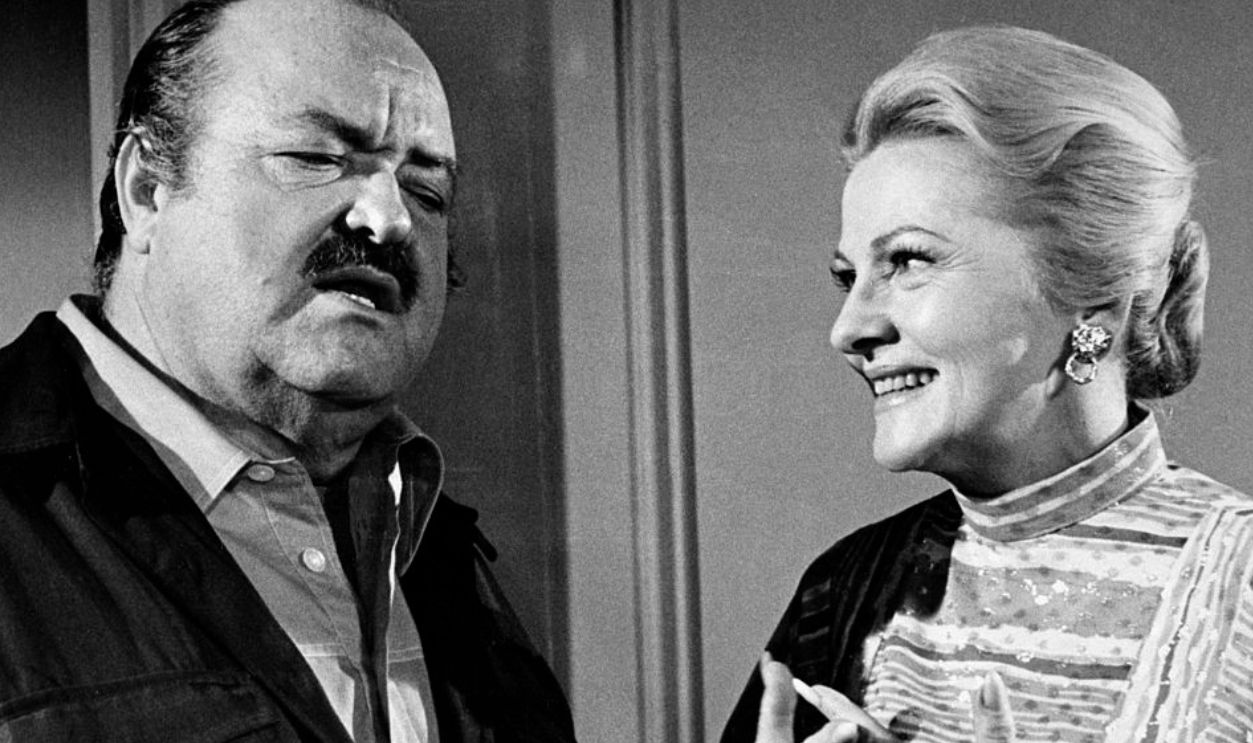
Conrad returned to the character for the 1980 television movie The Return of Frank Cannon. The story brought the detective out of retirement for another investigation several years after the weekly series ended. Even without a full revival, the movie confirmed that viewers still associated Conrad powerfully with the character.
Nero Wolfe Gave Him Another Unconventional Detective
In 1981, Conrad took on another famous investigator as Rex Stout’s Nero Wolfe. The role suited a performer who no longer needed to prove that a large, cerebral detective could command a television series. Although Nero Wolfe did not achieve Cannon’s longevity, it reinforced Conrad’s new screen identity as an actor capable of dominating mystery television through authority rather than athletic glamour.
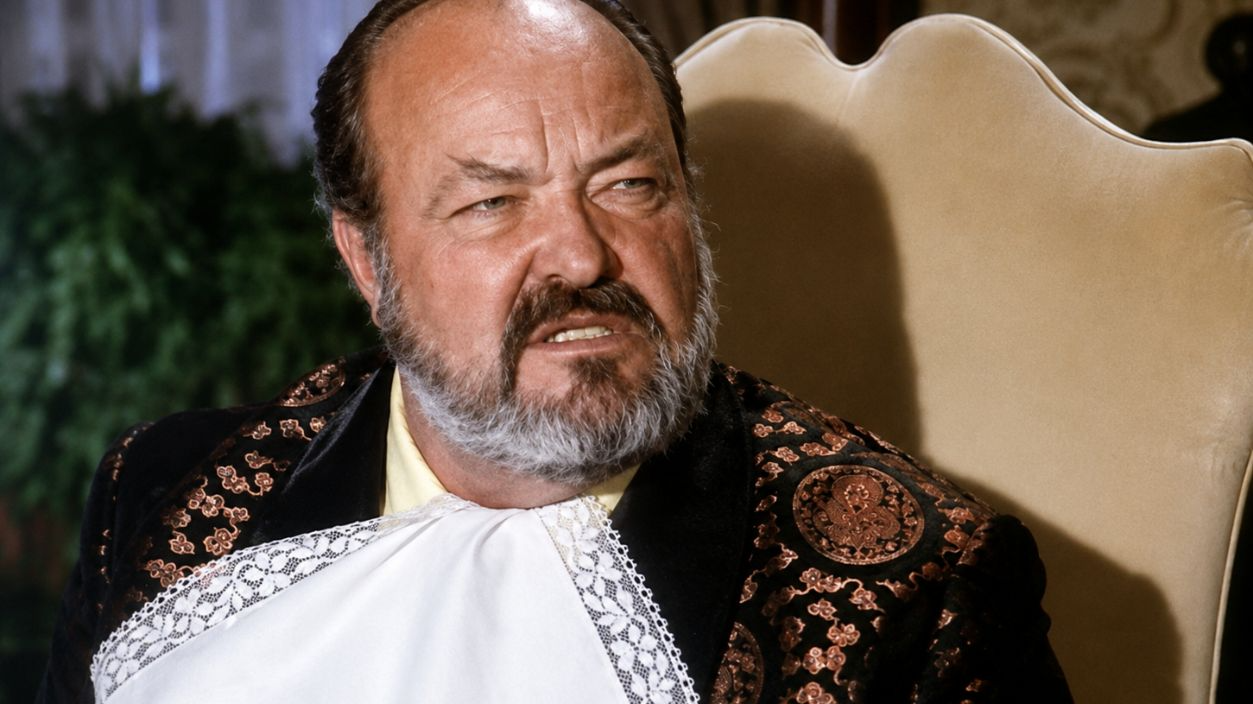 Screenshot from Nero Wolfe, Paramount Television (1981),Modified
Jake And The Fatman Made The Comeback Happen Again
Conrad found another durable starring role in Jake and the Fatman, which ran on CBS from 1987 through 1992. He played district attorney J. L. “Fatman” McCabe opposite Joe Penny’s investigator Jake Styles. The Associated Press obituary described McCabe as a tough district attorney, while Television Academy interviews preserve colleagues discussing Conrad’s work on the series. He was approaching 70 and still carrying a network drama.
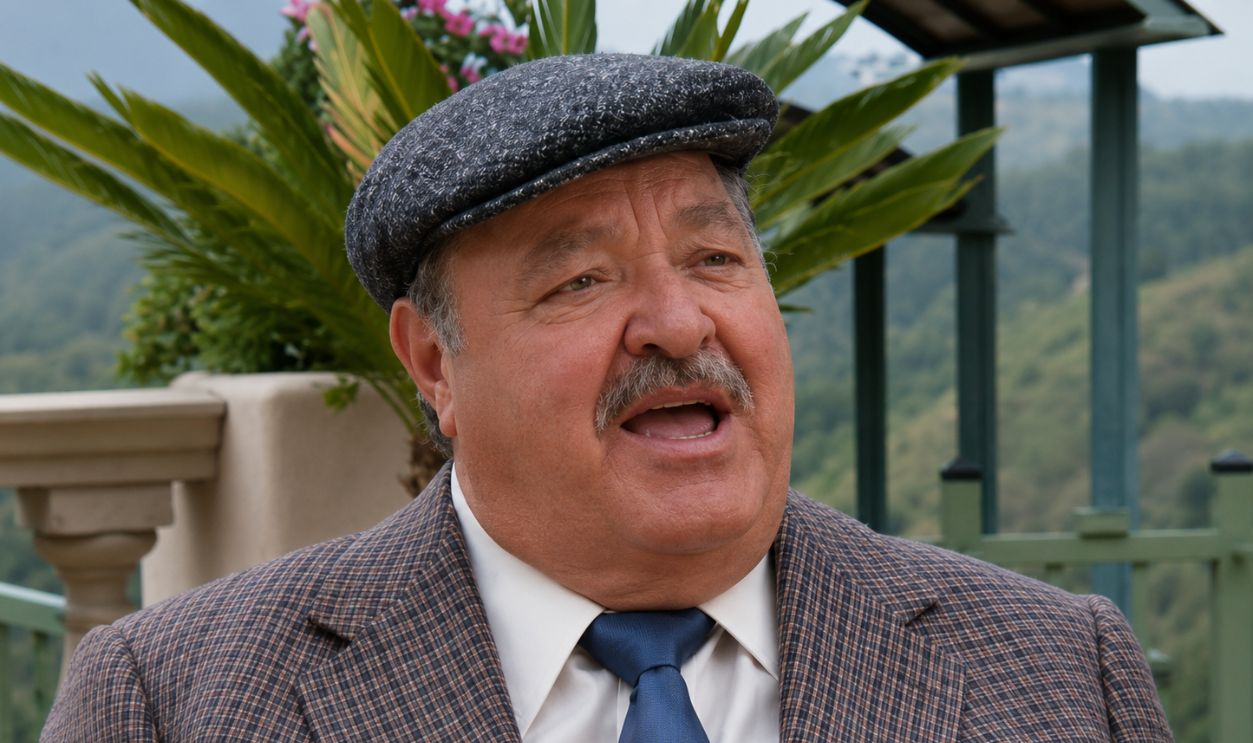 Screenshot from Jake And The Fatman, CBS Television Network (1987-1992)
He Never Completely Gave Up The Voice
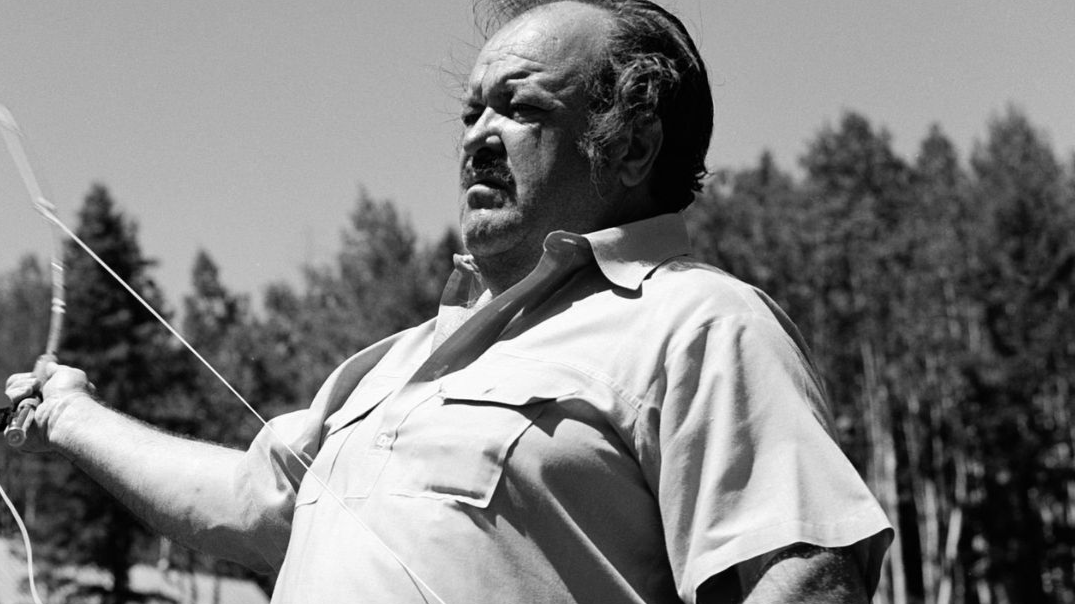
Even after his face became famous, producers continued wanting Conrad’s narration. Beyond The Fugitive and Bullwinkle, his later work included narration for nature programming and other television projects. Glen A. Larson recalled repeatedly using Conrad for voice-over work, showing that television still valued the instrument that had started everything decades earlier. The reinvented actor never had to discard his original strength.
 CBS Photo Archive, Getty Images
Radio Finally Gave Him Its Highest Kind Of Recognition
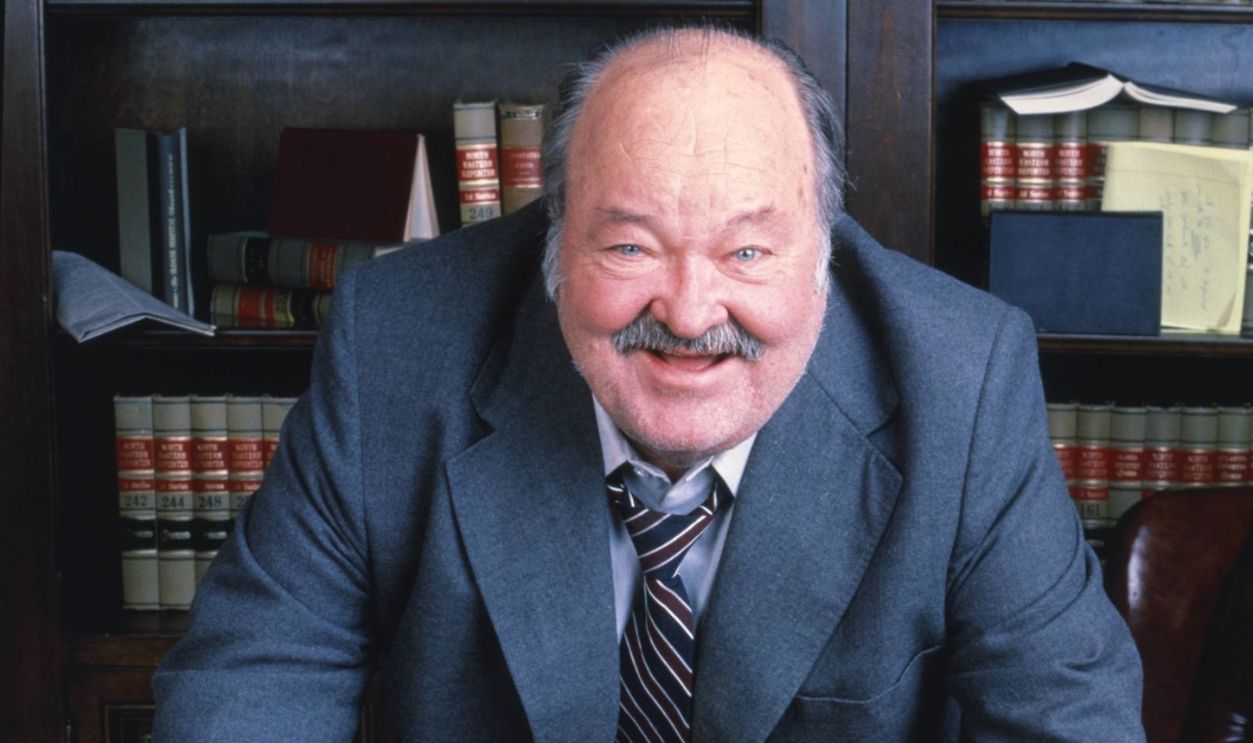
Conrad died in 1994 at age 73. Three years later, he was inducted into the Radio Hall of Fame, which recognizes both his immense body of radio work and his defining performance as Matt Dillon. The honor is especially fitting because radio had allowed Conrad to become a hero years before television believed he could look like one.
 Silver Screen Collection, Getty Images
Reinvention Made Him A Television Icon
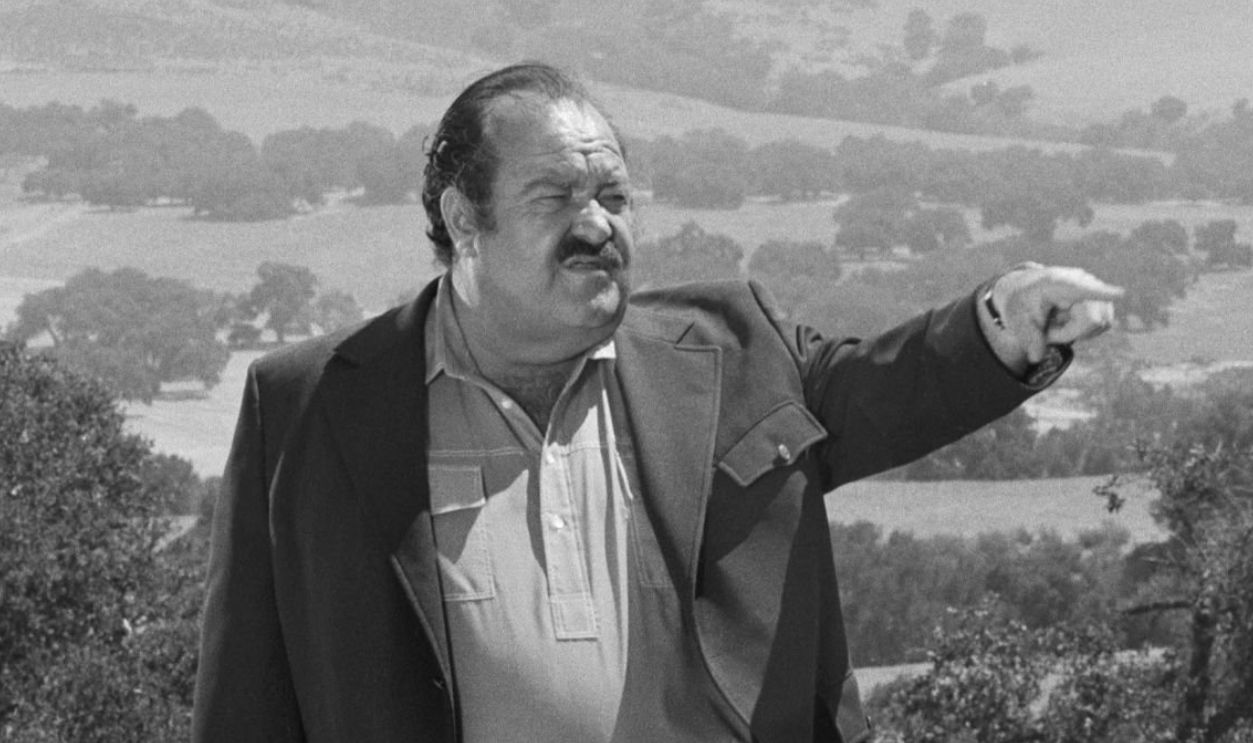
William Conrad’s career could easily have stalled when Hollywood decided his appearance did not match its idea of a leading man. Instead, he became invaluable in radio, film noir, animation, narration, directing, and production before Cannon finally turned the supposedly wrong-looking actor into the star of a hit detective series. His career was not one long climb toward fame. It was a succession of smart reinventions that eventually made both the voice and the face impossible to forget.
 CBS Photo Archive, Getty Images
You May Also Like:
Facts About Classic TV Shows That Will Make You Nostalgic
The First TV Shows To Break Major Barriers
Does Anyone Remember These Television Shows? Anyone?
Sources: 1, 2, 3, 4, 5, 6, 7, 8, 9, 10, 11, 12, 13, 14, 15, 16, 17, 18, 19, 20, 21, 22, 23