When TV Checks Get Truly Ridiculous
There was a time when movie stars were the only ones cashing jaw-dropping paychecks—but television flipped that script in a big way. As sitcoms turned into global syndication machines and streaming platforms started throwing money around like confetti, TV actors began earning per-episode salaries that rival blockbuster budgets. We’re talking about numbers so high they almost stop making sense.
From classic network sitcoms to modern streaming giants, here are the biggest TV paychecks of all time.
 screenshot from Breaking Bad, www.netflix.com
Charlie Sheen Took “Winning” Very Literally
At the peak of Two and a Half Men, Charlie Sheen was reportedly earning around $1.8 million per episode, which is still one of the highest salaries ever seen on television. That’s nearly two million dollars for about 22 minutes of screen time, a figure that feels almost unreal even in today’s inflated streaming era. His off-screen controversies may have dominated headlines, but financially, he was operating in a league of his own.
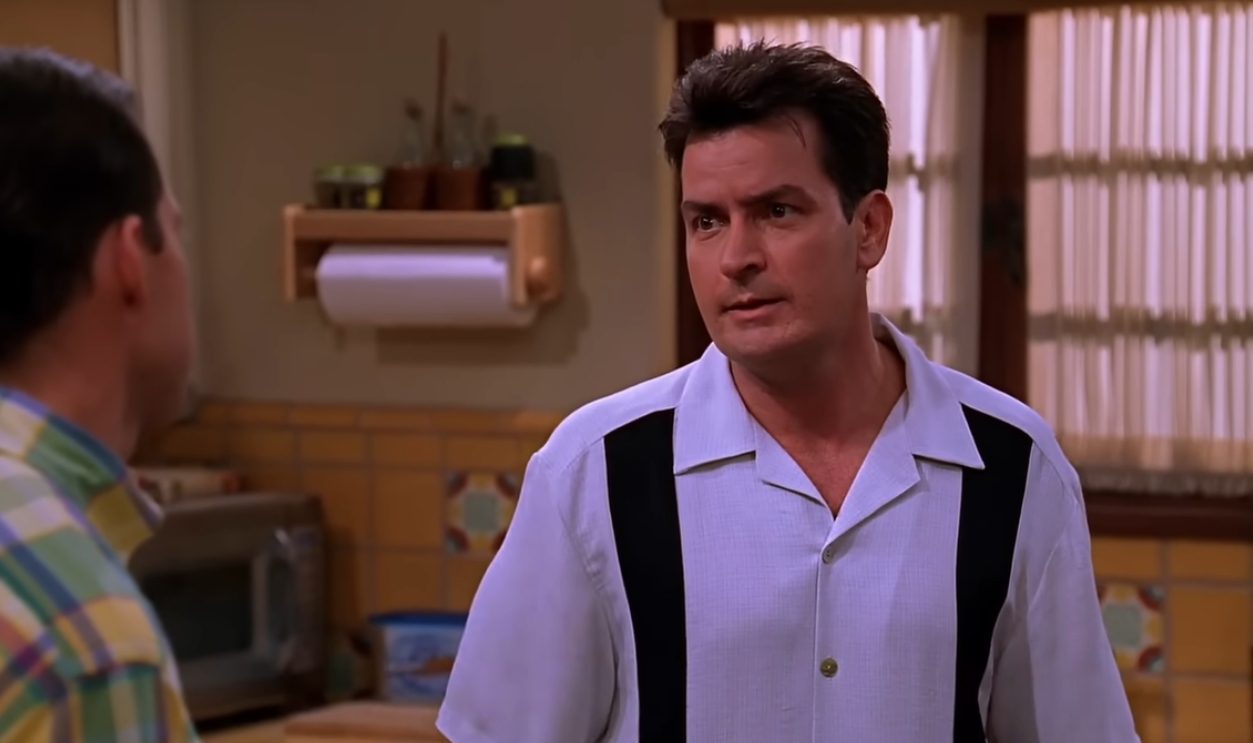 Screenshot from Two and a Half Men, CBS (2003–2015)
The Friends Cast Made History Together
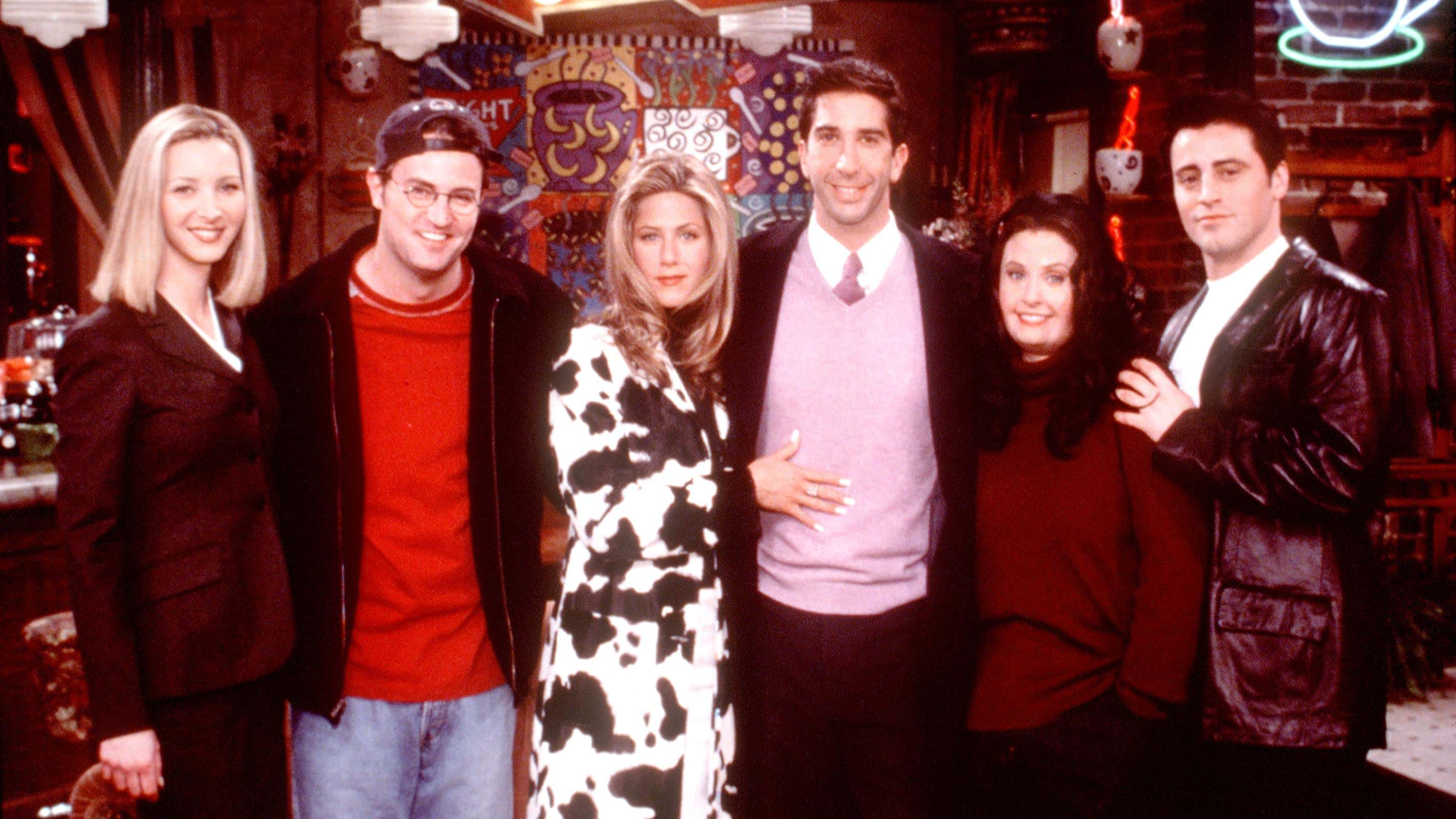
By the final seasons of Friends, each of the six main stars—Jennifer Aniston, Courteney Cox, Lisa Kudrow, Matt LeBlanc, Matthew Perry, and David Schwimmer—was earning $1 million per episode, a groundbreaking achievement for an ensemble cast. What made this even more remarkable was their decision to negotiate as a group, refusing unequal pay and forcing the studio’s hand. That strategy didn’t just benefit them—it changed how TV contracts were negotiated moving forward.
Jim Parsons Became TV’s Highest-Paid Geek
Jim Parsons reached around $1 million per episode during the later seasons of The Big Bang Theory, cementing his place among television’s top earners. His portrayal of Sheldon Cooper became the defining element of the show, turning a quirky character into a cultural phenomenon. By the end, his salary reflected not just popularity, but how essential he was to the show’s identity.
 Screenshot from The Big Bang Theory, Warner Bros. Television / Chuck Lorre Productions (2007-2019)
Kaley Cuoco Cashed In Big Time
Kaley Cuoco matched that $1 million per episode figure as The Big Bang Theory became one of the most profitable sitcoms of all time. Her character Penny evolved significantly over the years, becoming far more central than originally intended. That growth translated directly into one of the biggest paychecks in TV history.
 Screenshot from The Big Bang Theory, Warner Bros. Television / Chuck Lorre Productions (2007-2019)
Johnny Galecki Was Right There Too
Johnny Galecki also earned about $1 million per episode in the show’s later seasons, rounding out the trio of top-paid stars on The Big Bang Theory. As Leonard, he anchored much of the show’s emotional core while still delivering comedic consistency. Together, the cast turned the series into a financial juggernaut that redefined sitcom earnings.
 Screenshot from The Big Bang Theory, Warner Bros. Television / Chuck Lorre Productions (2007-2019)
Kelsey Grammer Turned Frasier Into a Fortune
Kelsey Grammer earned around $1.6 million per episode during the later seasons of Frasier, making him one of the highest-paid actors of his time. The show’s long-running success and syndication power helped justify the enormous salary. Few actors have been able to turn a single character into such a sustained financial powerhouse.
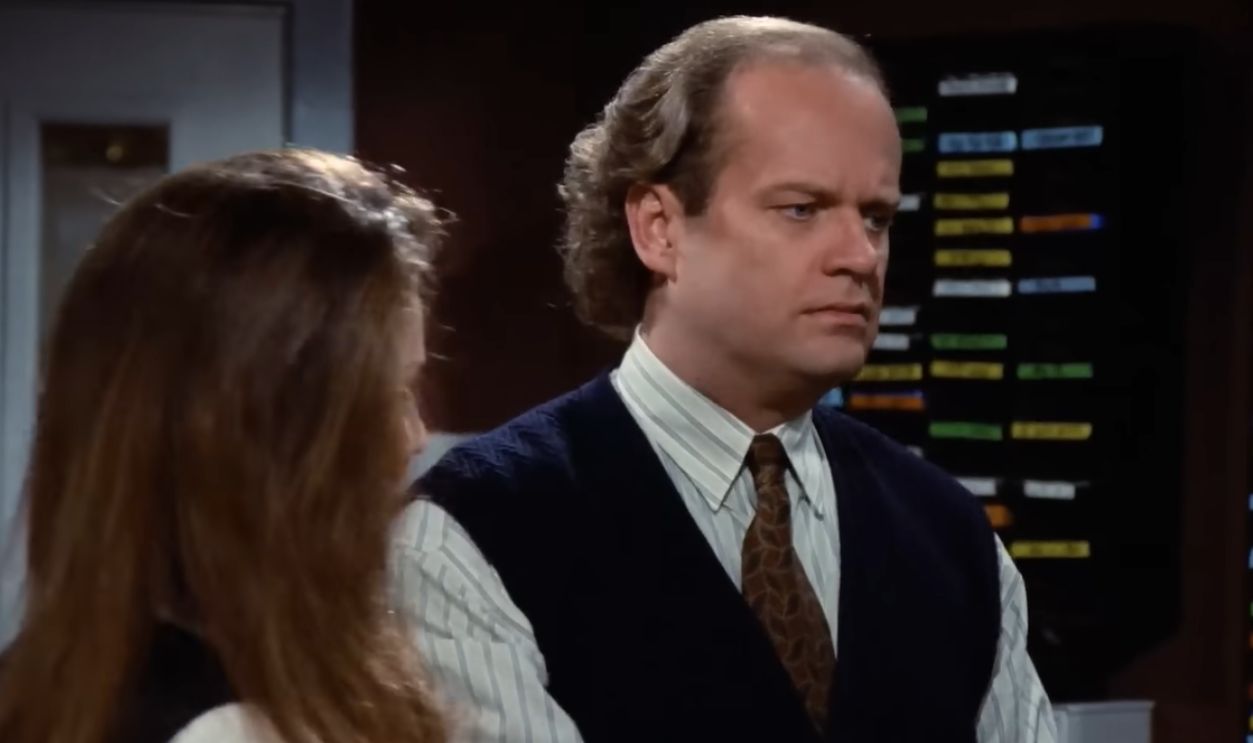 Screenshot from Frasier, NBC (1993–2004)
Ray Romano Quietly Dominated TV Salaries
Ray Romano reached approximately $1.75 million per episode for Everybody Loves Raymond, a number that placed him near the very top of TV earners. The show’s massive popularity and syndication success made him incredibly valuable to the network. It proved that low-key, relatable comedy could generate massive financial returns.
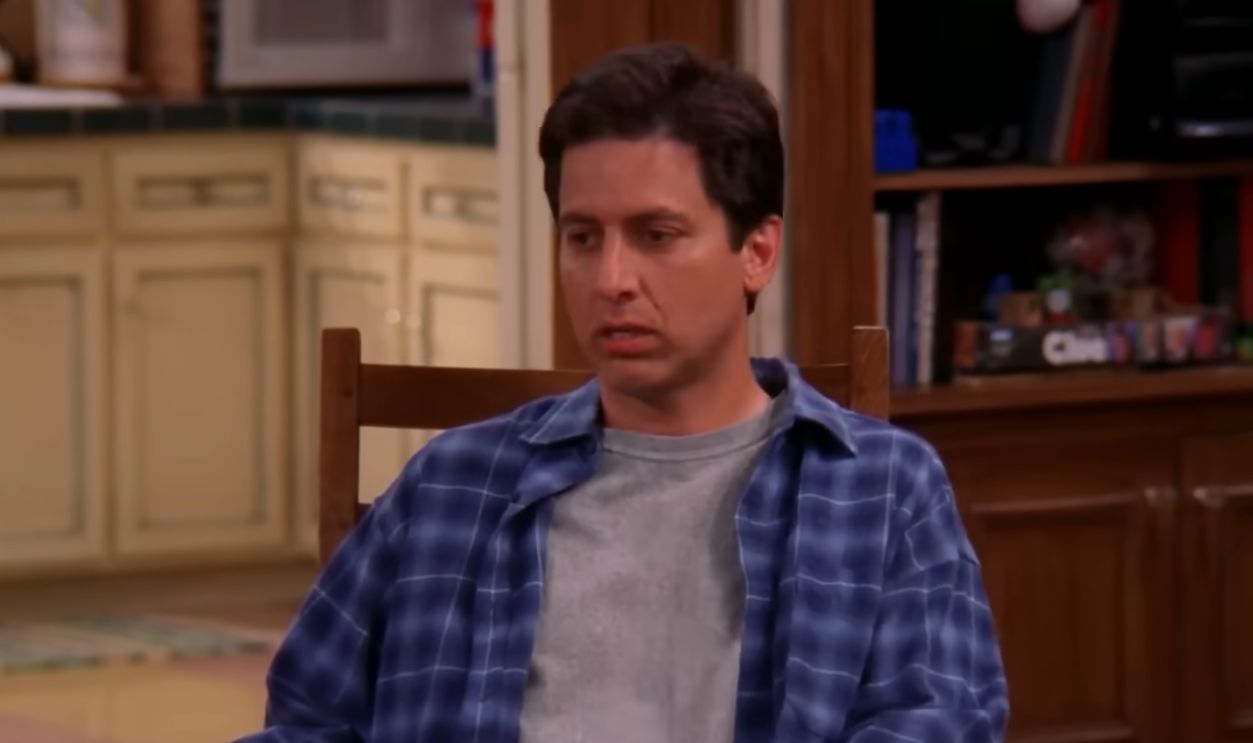 Screenshot from Everybody Loves Raymond, Warner Bros. Television / Worldwide Pants / HBO (1996-2005)
Tim Allen Was a Sitcom Goldmine
During the height of Home Improvement, Tim Allen reportedly earned around $1.25 million per episode, reflecting the show’s dominance in ‘90s television ratings. His everyman persona resonated widely with audiences, turning the series into a staple of its era. That widespread appeal translated into one of the biggest paydays of the decade.
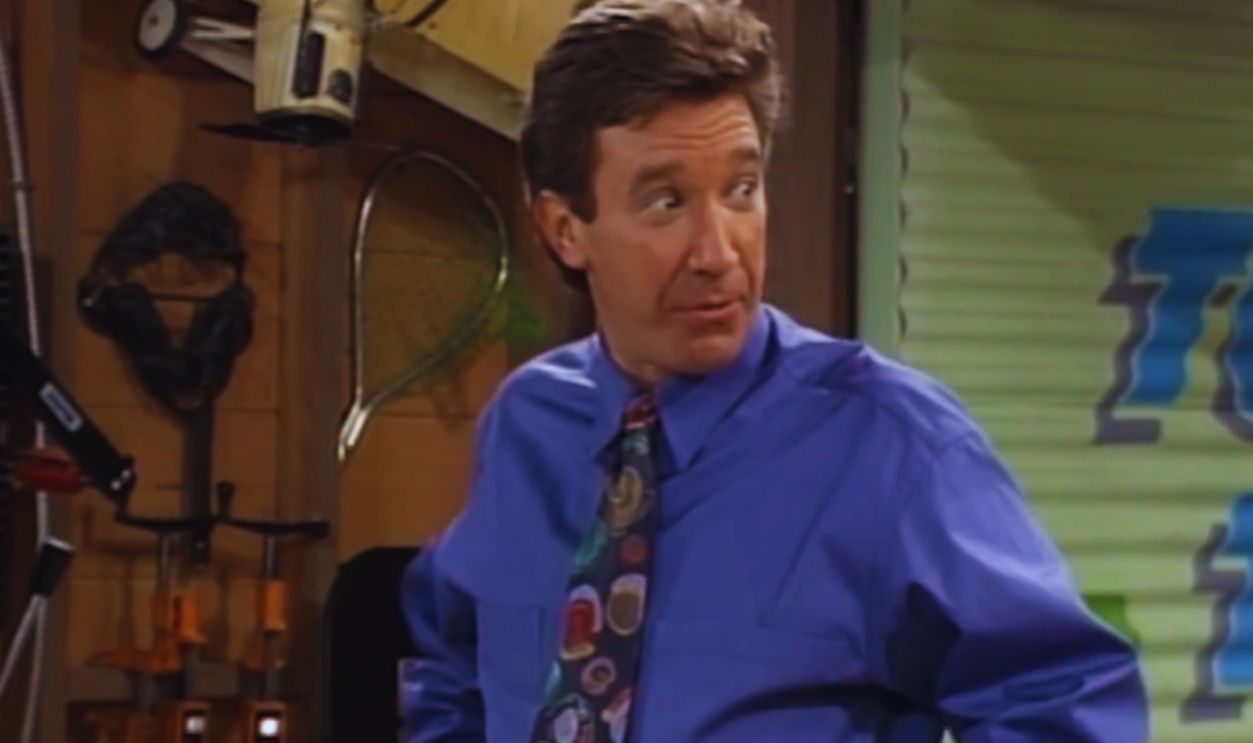 Screenshot from Home Improvement, The Walt Disney Company (1991-1999)
Jerry Seinfeld Built a Billion-Dollar Legacy
Jerry Seinfeld was earning about $1 million per episode for Seinfeld, though the real story lies in what he turned down. He famously rejected an offer for even more money to continue the show, choosing to end it on his own terms instead. That decision helped preserve the show’s legacy while still leaving him with an enormous fortune.
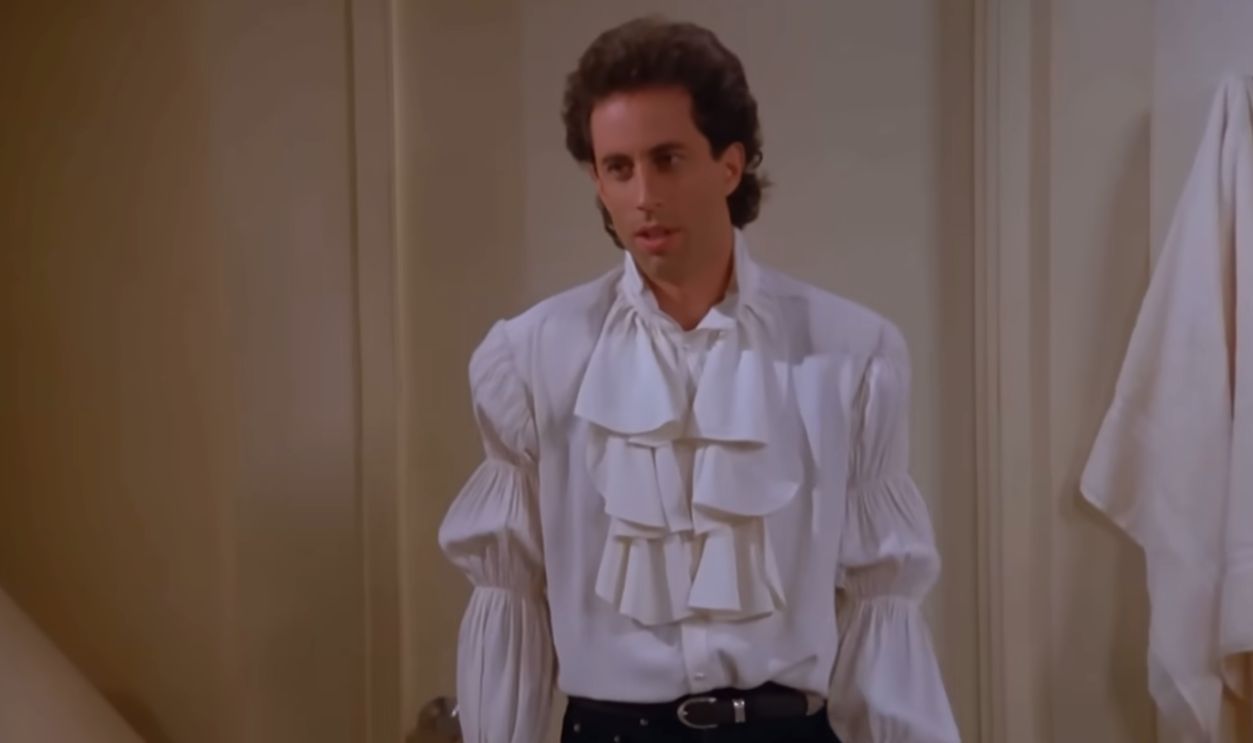 Screenshot from Seinfeld, Castle Rock Entertainment / Sony Pictures Television (1989-1998)
Paul Reiser Cashed In on ‘Mad About You’
Paul Reiser earned roughly $1 million per episode during the peak of Mad About You, making him one of the top earners of the ‘90s sitcom boom. The show’s success made it a key player in network television at the time. While it may not dominate conversations today, its financial impact was undeniable.
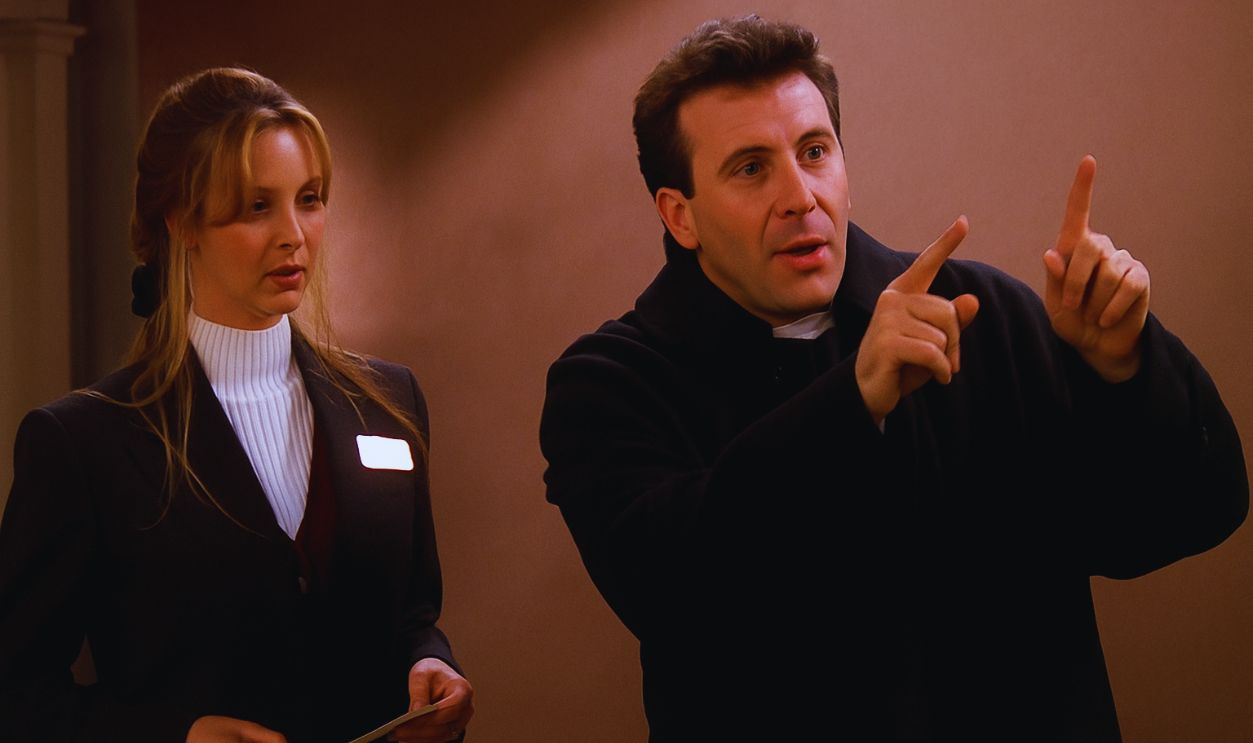 Screenshot from Mad About You, NBC (1992–1999)
Helen Hunt Matched That Million-Dollar Mark
Helen Hunt also earned around $1 million per episode alongside Reiser, making them one of the highest-paid on-screen pairs in TV history. At the time, it was rare for both leads in a sitcom to command such high salaries simultaneously. Their success helped pave the way for more equitable pay structures in television.
 Screenshot from Mad About You, NBC (1992-1999)
Mark Harmon Led NCIS to Huge Numbers
Mark Harmon reportedly earned about $525,000 per episode for NCIS, which might seem modest compared to sitcom giants but becomes massive over time. The show’s longevity and consistent ratings made it one of television’s most reliable hits. Over the years, that steady income added up to an enormous total.
 Screenshot from NCIS, CBS Studios / Belisarius Productions (2003-Present)
Mariska Hargitay Became a TV Institution
For Law & Order: SVU, Mariska Hargitay earned around $500,000 per episode, reflecting her central role in one of TV’s longest-running dramas. Her character became iconic, anchoring the series for decades. That kind of staying power turned her into one of the most recognizable—and highest-paid—faces on television.
 Screenshot from Law & Order: SVU, Wolf Entertainment / Universal Television (1999-Present)
Ellen Pompeo Rewrote the Rules for Drama Leads
Ellen Pompeo reportedly made about $575,000 per episode for Grey’s Anatomy, along with backend earnings that significantly increased her total income. Her deal was widely seen as a milestone for women in television. It showed that long-running drama leads could command salaries comparable to sitcom superstars.
 Screenshot from Grey's Anatomy, ABC Signature / Shondaland (2005-Present)
Reese Witherspoon Brought Movie Star Power to Streaming
For The Morning Show, Reese Witherspoon earned around $2 million per episode, marking a major shift in how streaming platforms valued talent. Bringing film-level star power to television came with blockbuster-level pay. It signaled that the line between movies and TV had officially blurred.
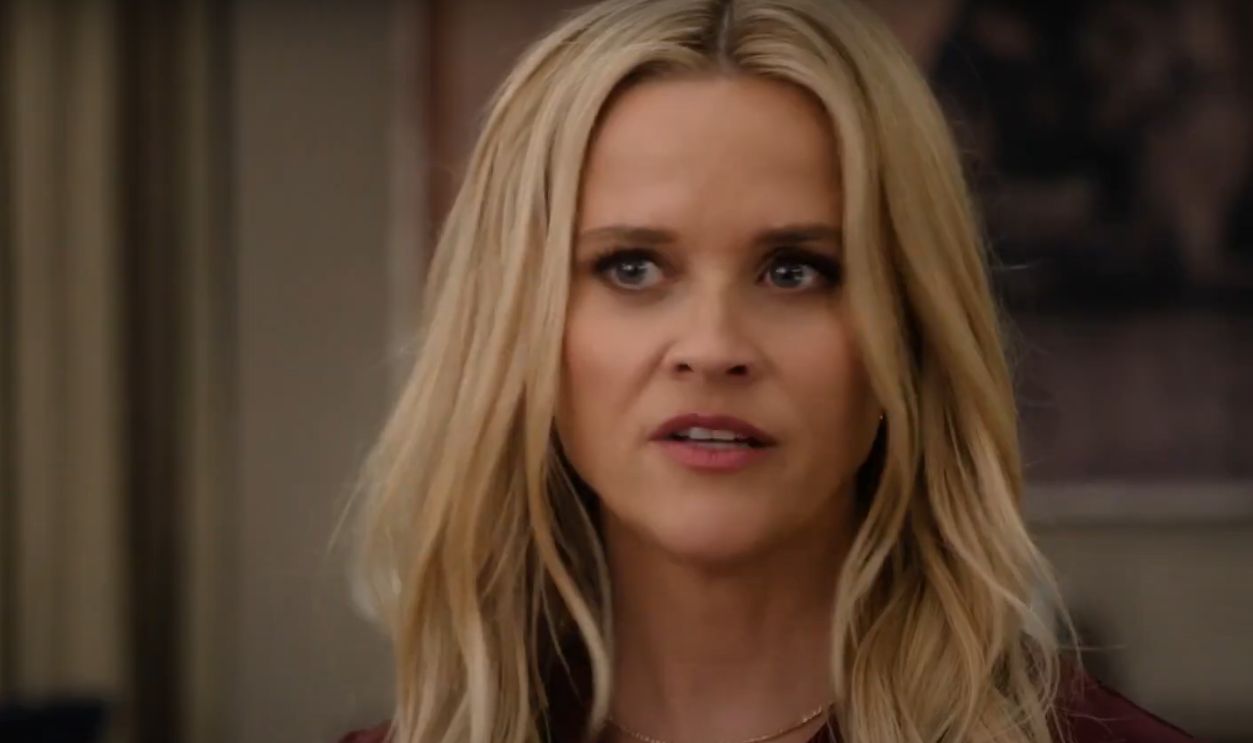 Screenshot from The Morning Show, Media Res / Echo Films / Hello Sunshine (2019-Present)
Jennifer Aniston Returned With a Massive Payday
Jennifer Aniston also earned about $2 million per episode for The Morning Show, proving her television dominance extended far beyond Friends. Years after her sitcom success, she returned to the small screen with even greater earning power. Streaming platforms clearly saw her as a major draw.
 Screenshot from The Morning Show, Media Res / Echo Films / Hello Sunshine (2019-Present)
Steve Carell Joined the Streaming Elite
Steve Carell earned around $1 million per episode for The Morning Show, adding another huge name to the show’s already stacked cast. His transition from comedy star to dramatic actor came with a paycheck to match. Streaming wasn’t just competing with network TV—it was surpassing it.
 Screenshot from The Morning Show, Media Res / Echo Films / Hello Sunshine (2019-Present)
The Game of Thrones Cast Rose Together
By the final seasons of Game of Thrones, stars like Emilia Clarke, Kit Harington, Peter Dinklage, Lena Headey, and Nikolaj Coster-Waldau were each earning about $500,000 per episode. The show’s global success allowed multiple cast members to command top-tier salaries simultaneously. It was a rare case where an ensemble fantasy series reached sitcom-level paydays.
 Screenshot from Game of Thrones, HBO (2011–2019)
Jason Sudeikis Scored Big With Ted Lasso
Jason Sudeikis reportedly earned close to $1 million per episode as Ted Lasso grew into one of streaming’s biggest hits. What began as a modest comedy quickly became a flagship series for its platform. That surge in popularity came with a major increase in salary.
 Screenshot from Ted Lasso, Apple TV+ / Warner Bros. Television / Universal Television (2020-Present)
Chris Pratt Made the Jump to Streaming Money
For The Terminal List, Chris Pratt earned roughly $1.4 million per episode, showcasing how streaming platforms attract major film stars. His blockbuster background translated seamlessly into television-level earnings. It’s a clear example of how the industry has shifted toward high-budget, star-driven series.

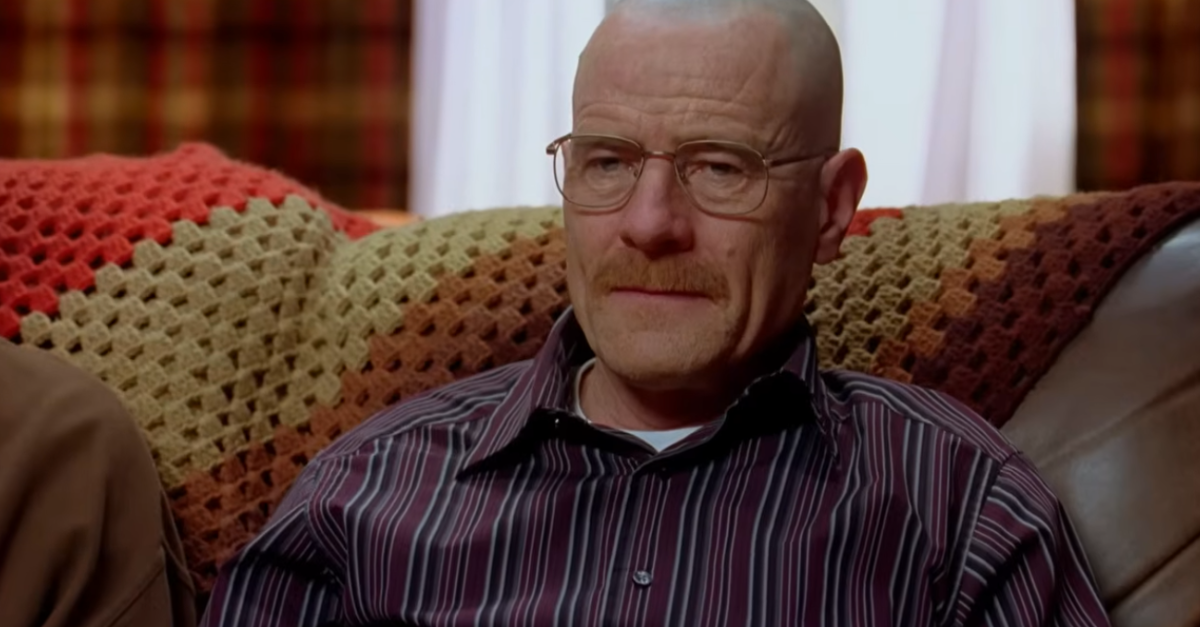
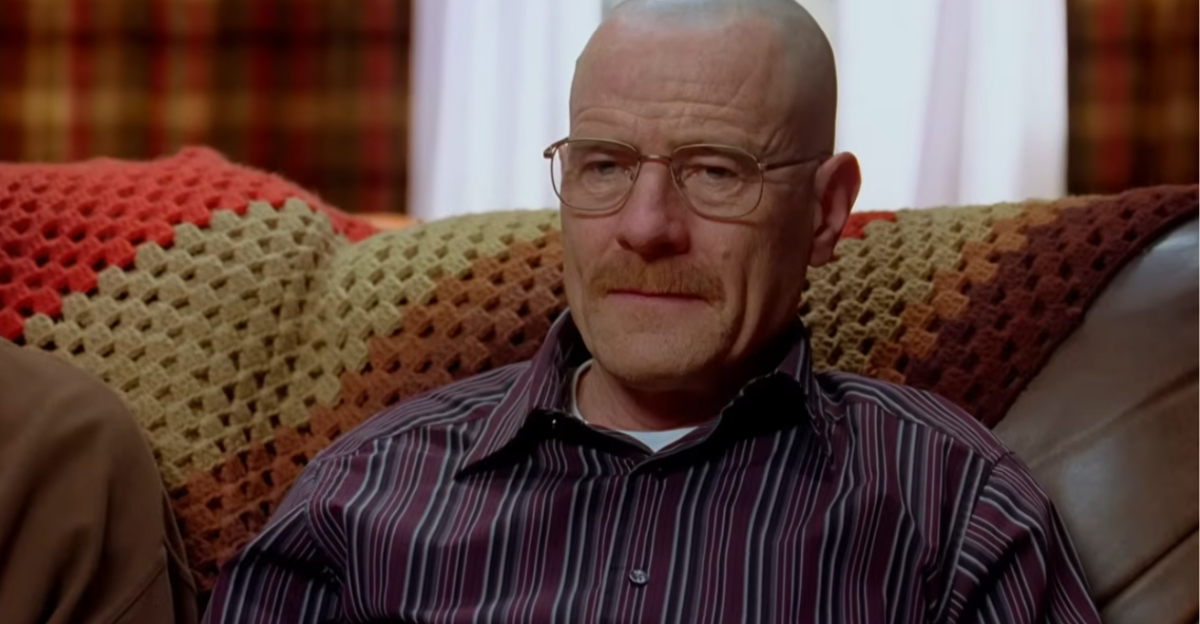
Bryan Cranston Turned Prestige Into Profit
During the final season of Breaking Bad, Bryan Cranston earned about $225,000 per episode, which was lower than many sitcom salaries but still significant. The show’s critical acclaim and lasting legacy gave it value far beyond its budget. Not every massive TV paycheck is about raw numbers—sometimes it’s about cultural impact
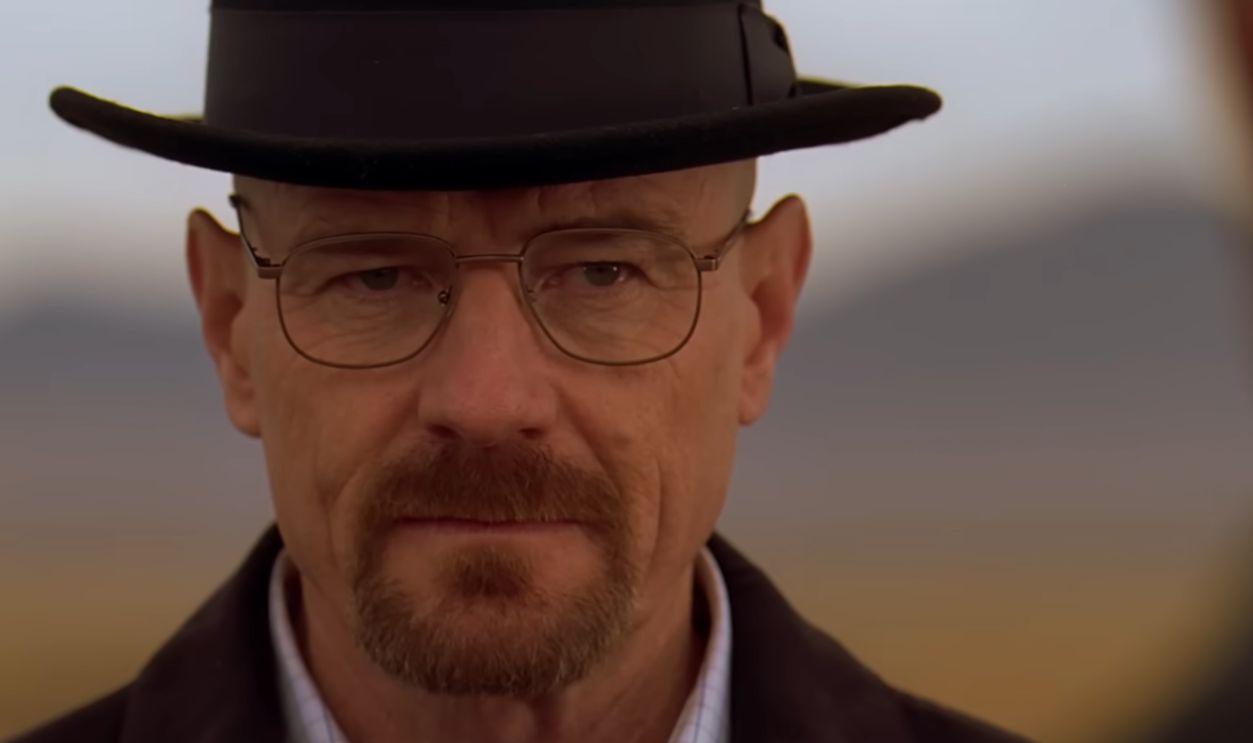 Screenshot from Breaking Bad, AMC (2008-2013)
You May Also Like:
The Tragic Fates Of The Gone With The Wind Cast
Source: 1