They Didn’t Leave It To Chance
Some of these decisions made careers. Some made millions. Others built entire empires. And the wild part? It wasn’t all luck—these are moves, moments and choices celebrities have actually said were the smartest things they ever did.
Oprah Winfrey: Owning Her Show Changed Everything
“I owned my show.”
Oprah has emphasized this repeatedly when discussing her career. By owning The Oprah Winfrey Show, she controlled production, syndication, and profits instead of just earning a salary. That decision became the foundation of her long-term influence, wealth, and business empire.
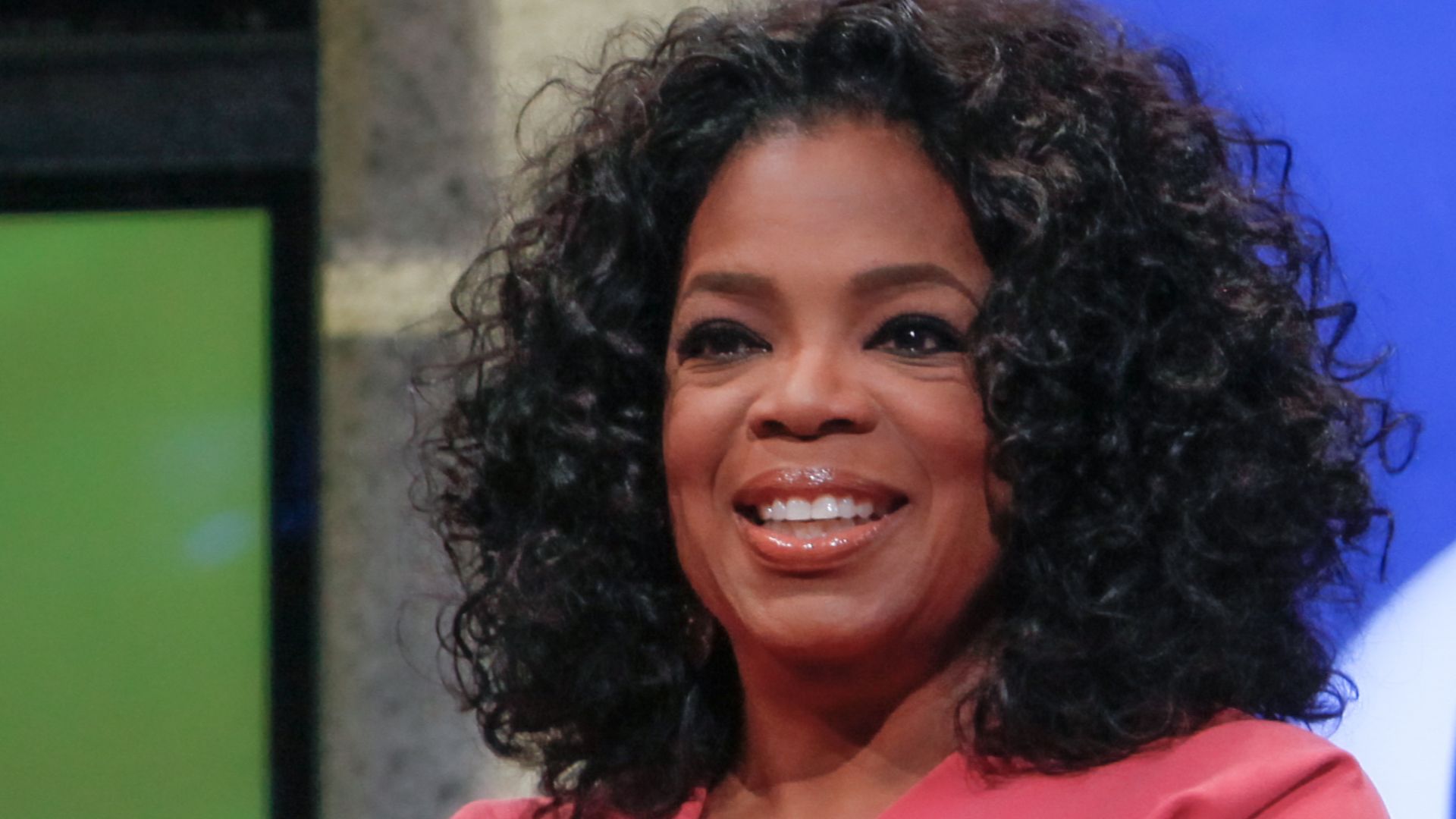 INTX: The Internet & Television Expo, Wikimedia Commons
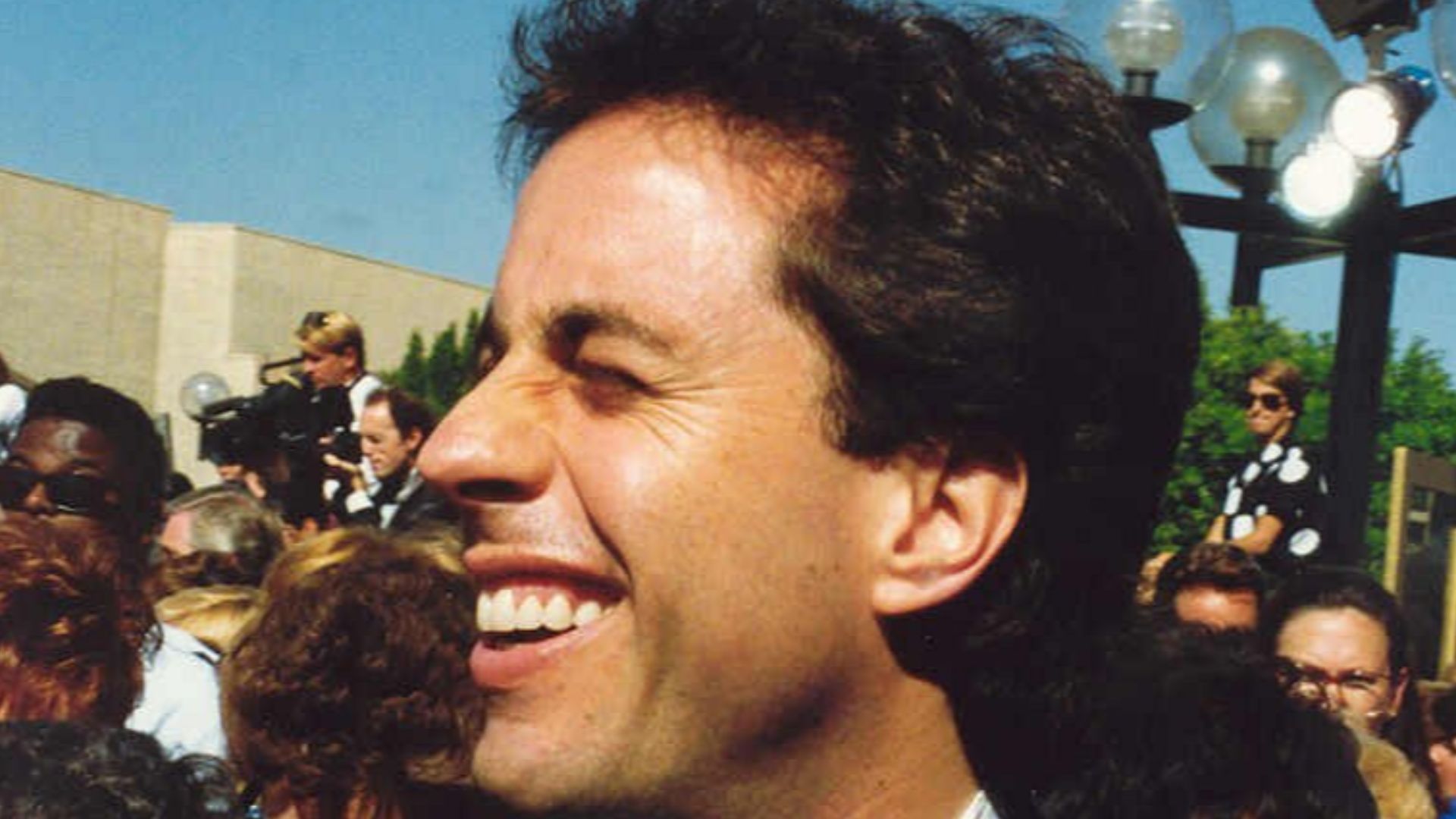
Jerry Seinfeld: Ending Seinfeld At Its Peak
“I wanted the show to go out at the same level we were doing it.”
Seinfeld chose to end the series after nine seasons, despite strong ratings and major financial offers to continue. He has said maintaining quality and consistency mattered more than extending the show’s run.
Arnold Schwarzenegger: Real Estate Before Fame
“I made my money with real estate.”
Before becoming a major film star, Schwarzenegger invested in apartment buildings in California using his bodybuilding earnings. He has said those early investments provided steady income and financial independence long before his acting career fully took off.
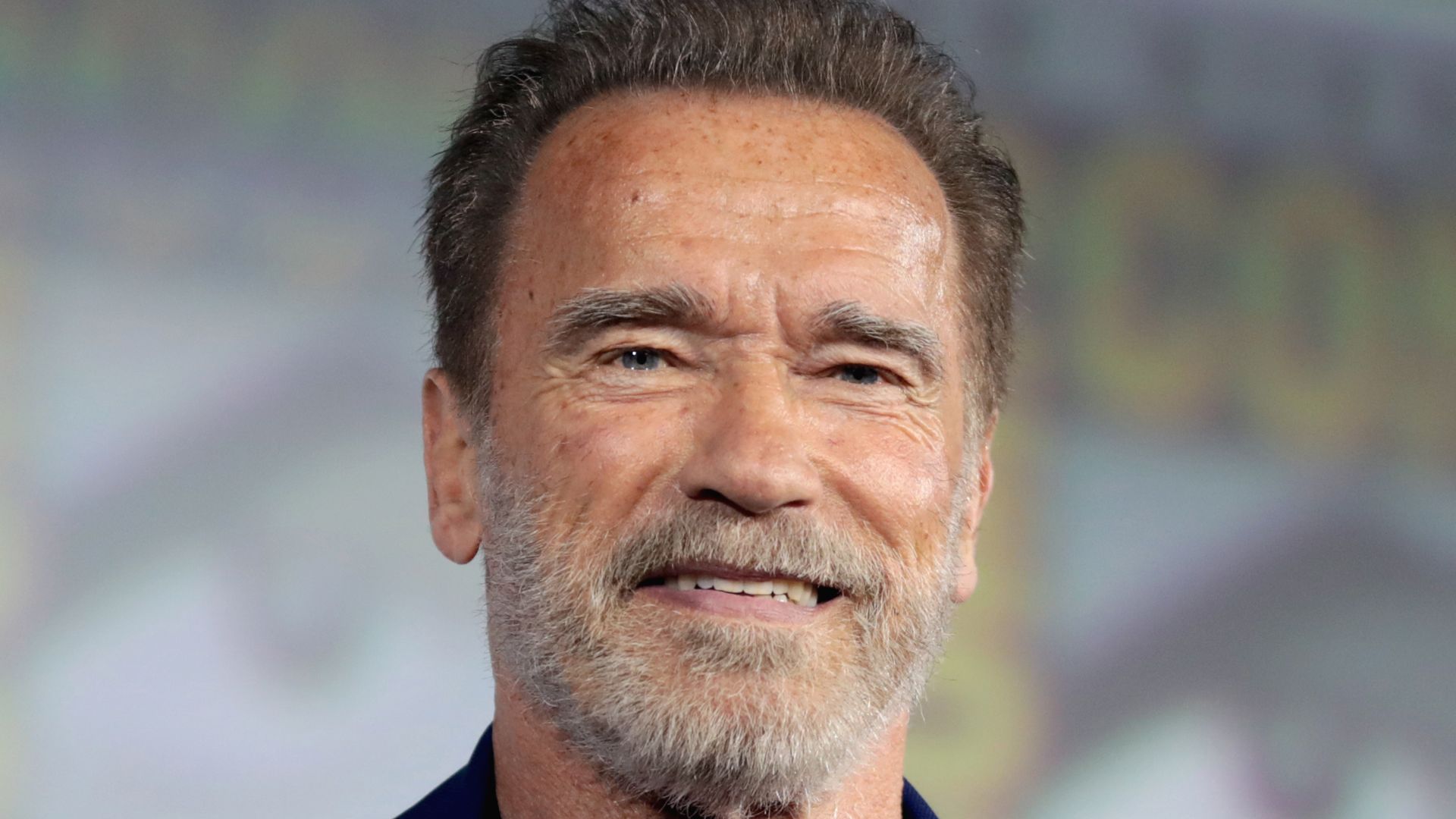 Gage Skidmore, Wikimedia Commons
Ryan Reynolds: Investing With Creative Involvement
“I look for things where I can add value creatively.”
Reynolds has explained that he prefers investments where he can contribute to marketing and branding. His involvement with Aviation Gin is a clear example, leading to a high-value sale.
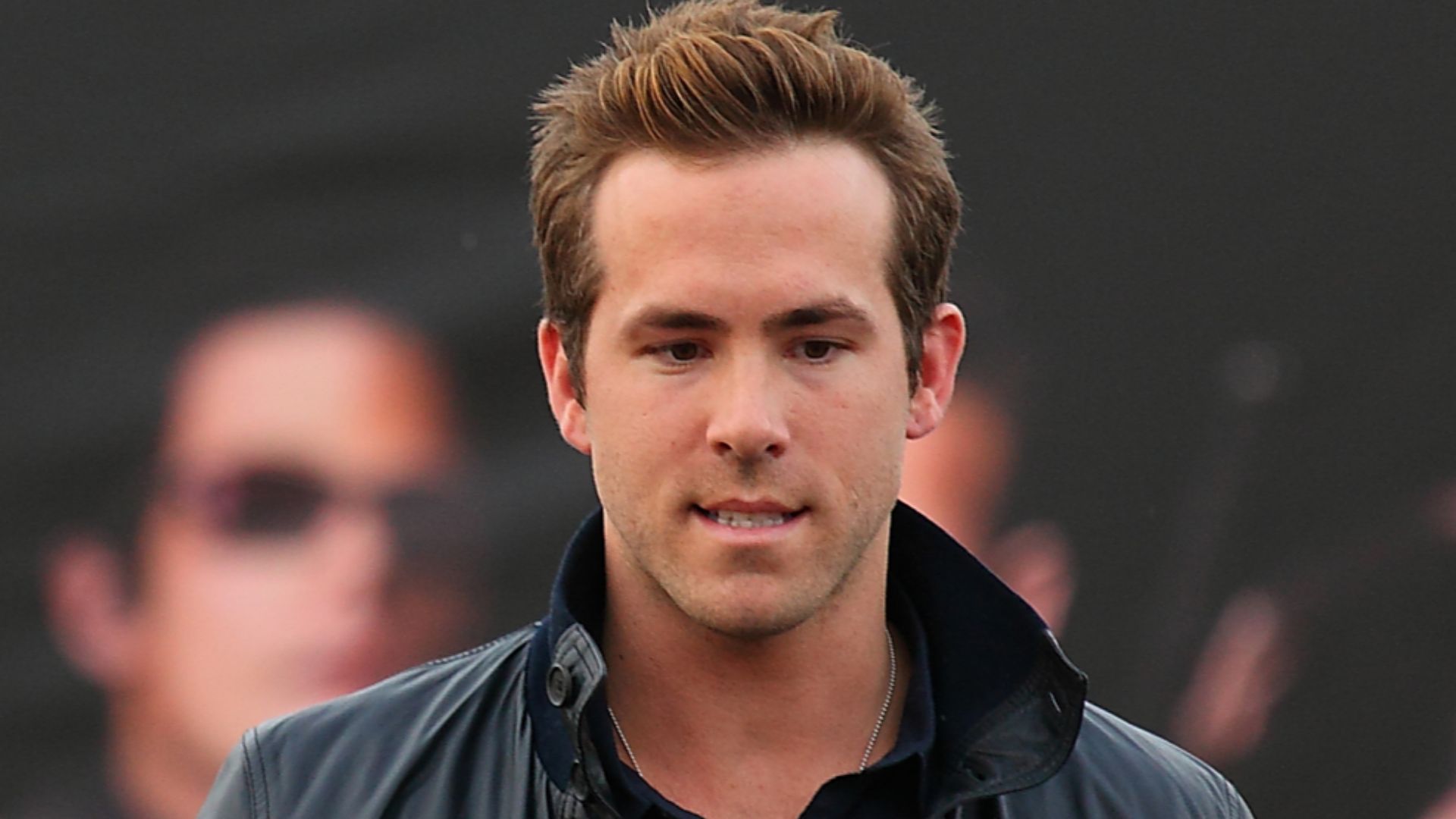 Grant Brummett at https://www.flickr.com/photos/grantbrummett/, Wikimedia Commons
Madonna: Controlling Her Career Early
“I knew what I wanted, and I wasn’t going to compromise.”
Madonna has consistently framed her early career around independence and creative control. She pushed for authority over her music and image, which helped sustain her success across decades.
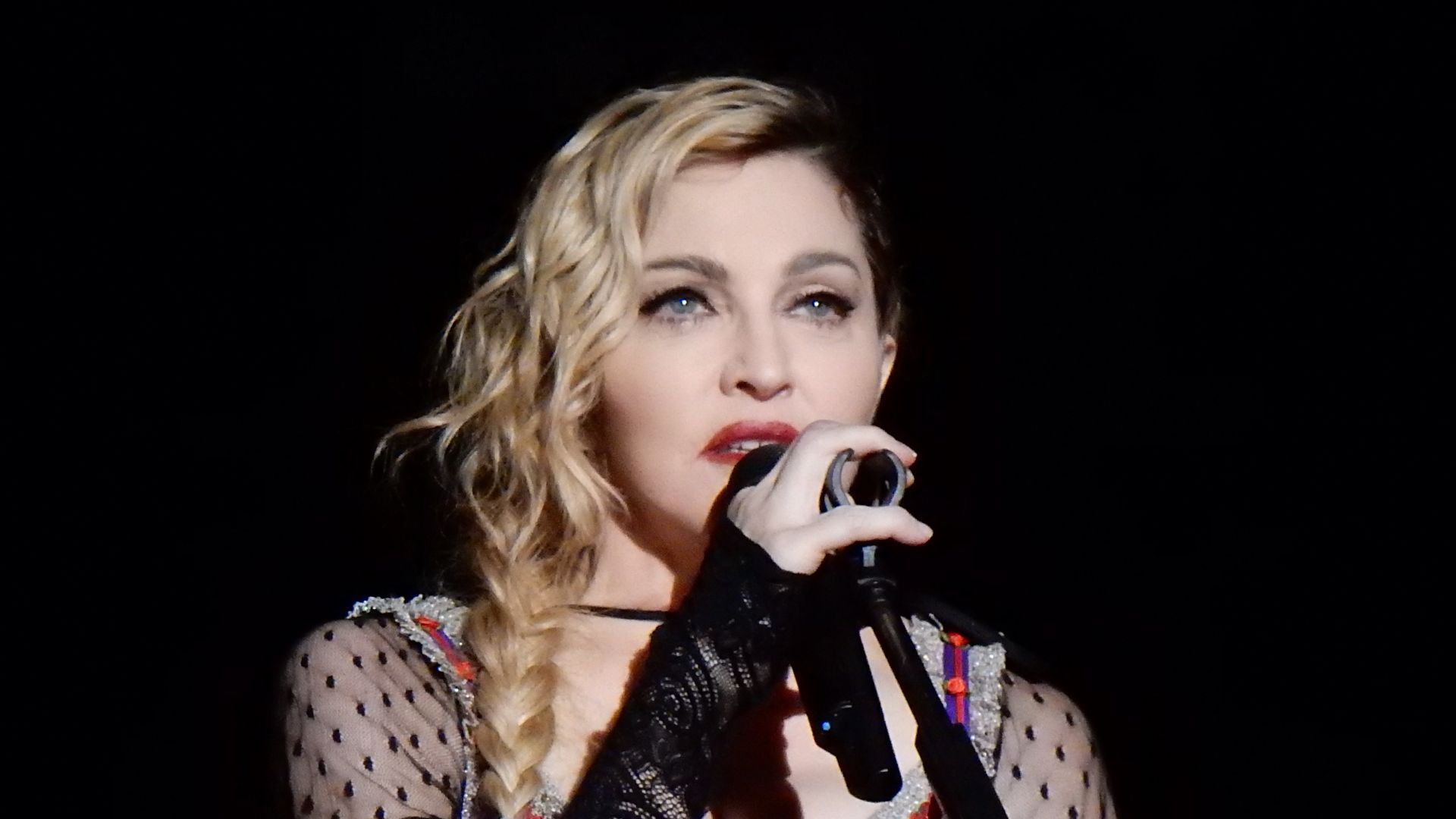
50 Cent: Taking Equity Instead Of Cash
“I took stock instead of cash.”
When partnering with Vitamin Water, 50 Cent chose equity over a typical endorsement fee. When Coca-Cola acquired the company in 2007, that stake reportedly earned him a significant payout, making it one of the most cited celebrity business deals.
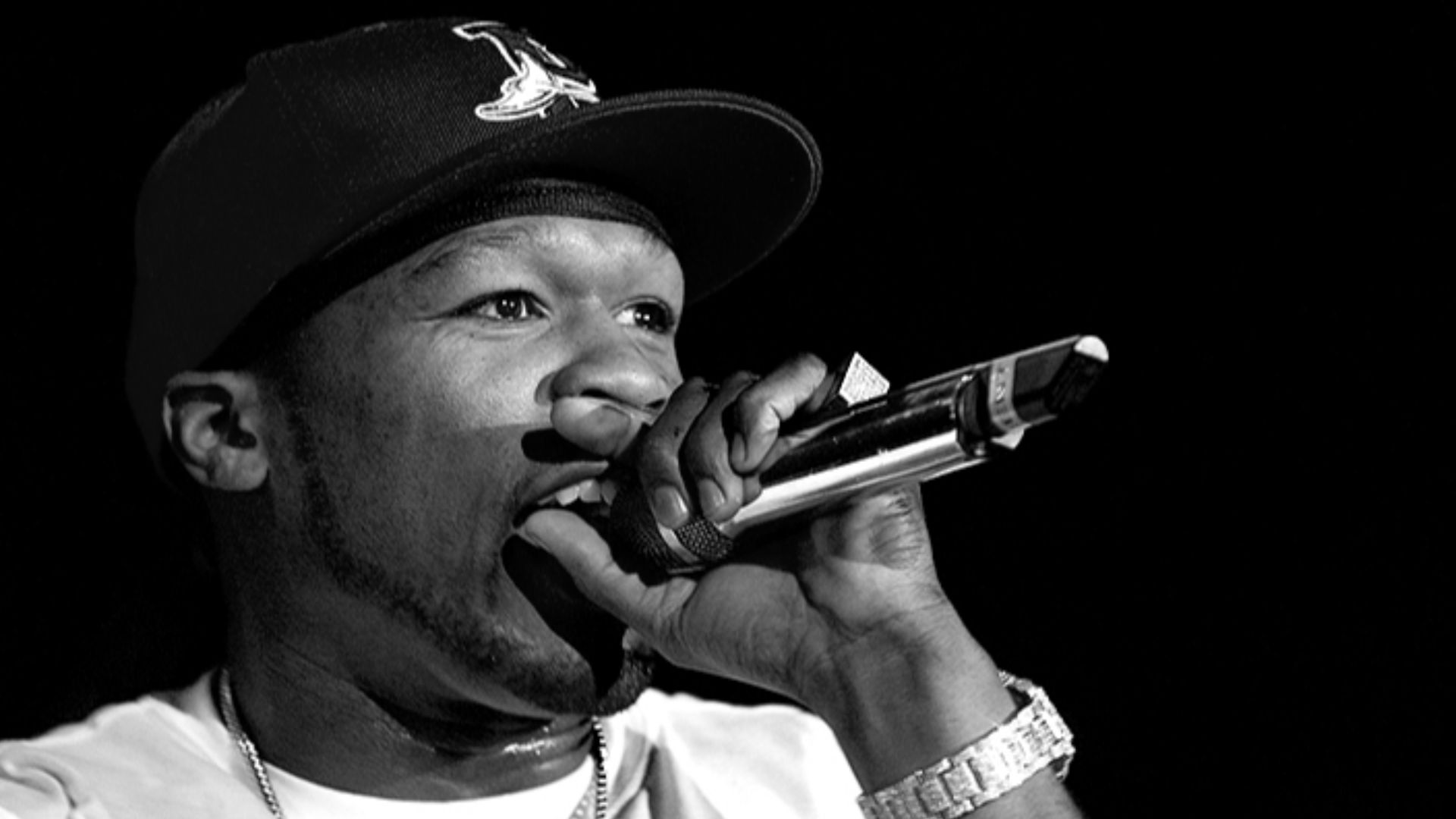
Mark Cuban: Selling At The Right Time
“I sold it at the right time.”
Cuban sold Broadcast.com to Yahoo in 1999 for billions in stock, just before the dot-com crash. He has repeatedly said the timing was critical and credits that decision as one of the most important financial moves of his career.
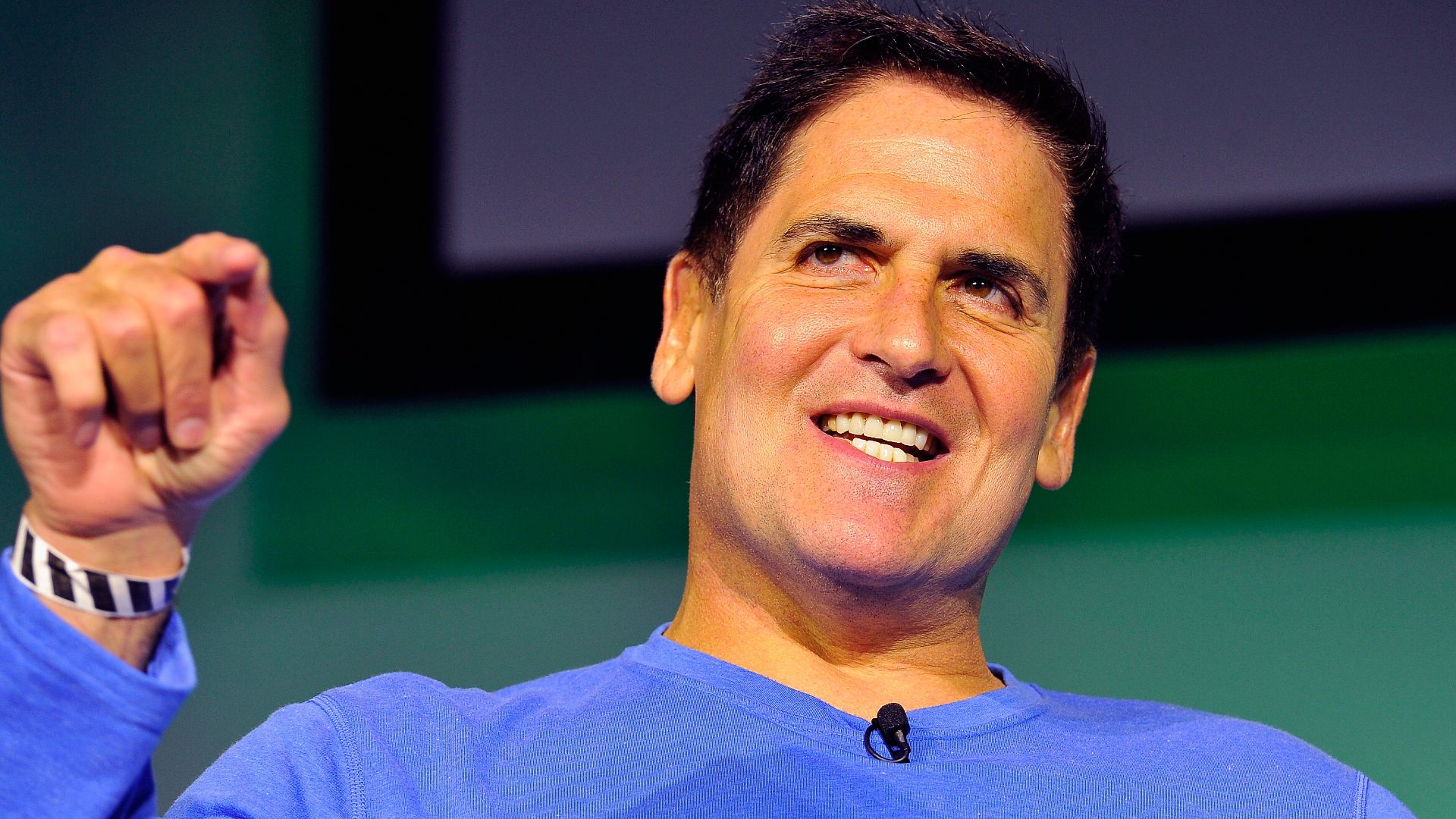
Taylor Swift: Re-Recording Her Music
“Artists should own their own work.”
Swift chose to re-record her early albums after losing control of the original masters. By releasing “Taylor’s Version” recordings, she created new assets she owns, turning a rights dispute into a long-term revenue and control strategy.
 Eva Rinaldi, Wikimedia Commons
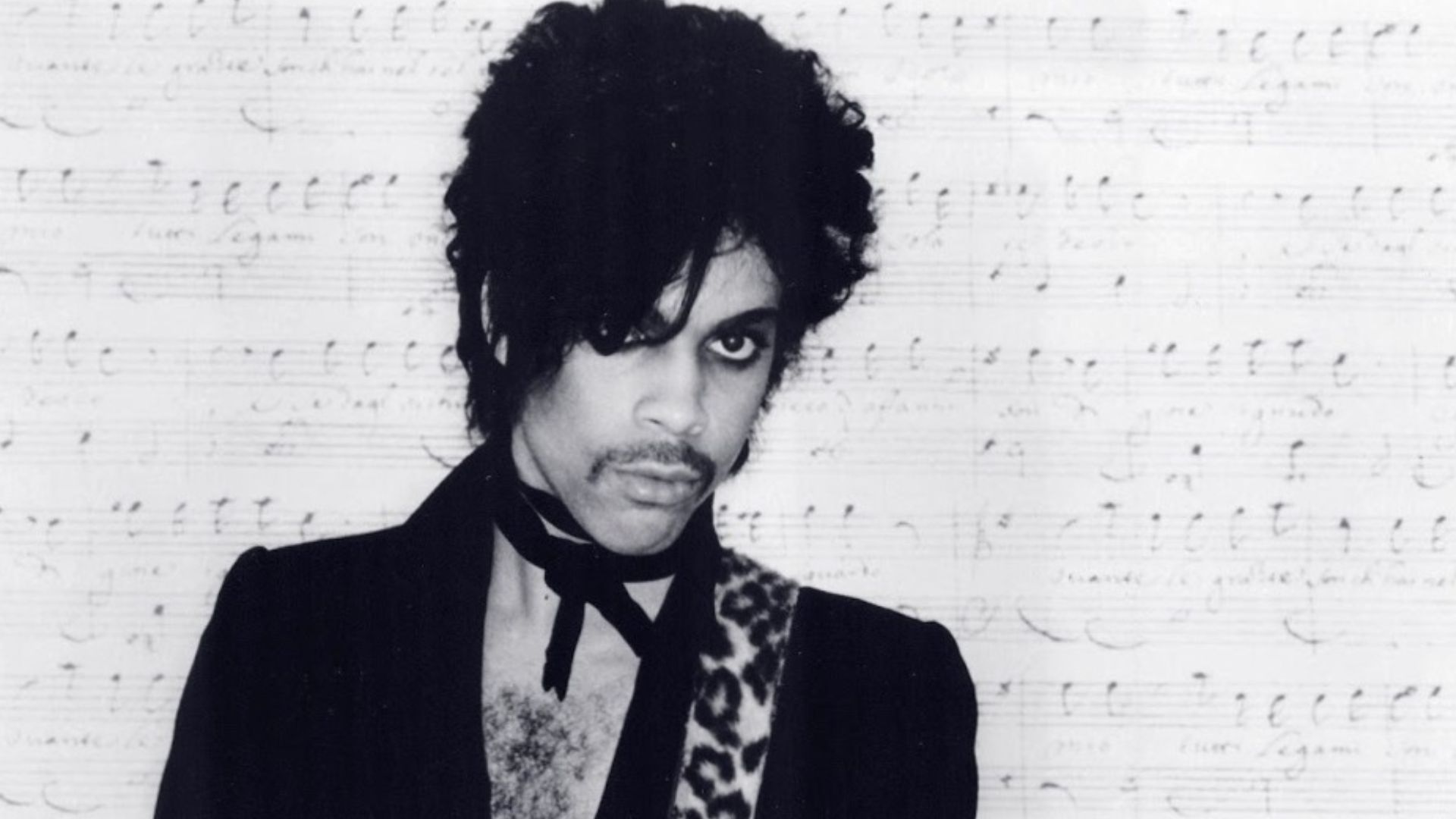
Prince: Fighting For Ownership
“If you don’t own your masters, your master owns you.”
Prince made this point publicly during disputes with his record label in the 90s. He changed his name and wrote “slave” on his face to protest contracts, consistently arguing that ownership was essential for artists’ independence.
 Allen Beaulieu; Distributed by Warner Bros. Records., Wikimedia Commons
Reese Witherspoon: Creating Her Own Opportunities
“I realized I could create my own opportunities.”
After struggling to find strong roles, Witherspoon started her production company, Hello Sunshine. That decision allowed her to develop projects like Big Little Lies, giving her more control over both content and career direction.
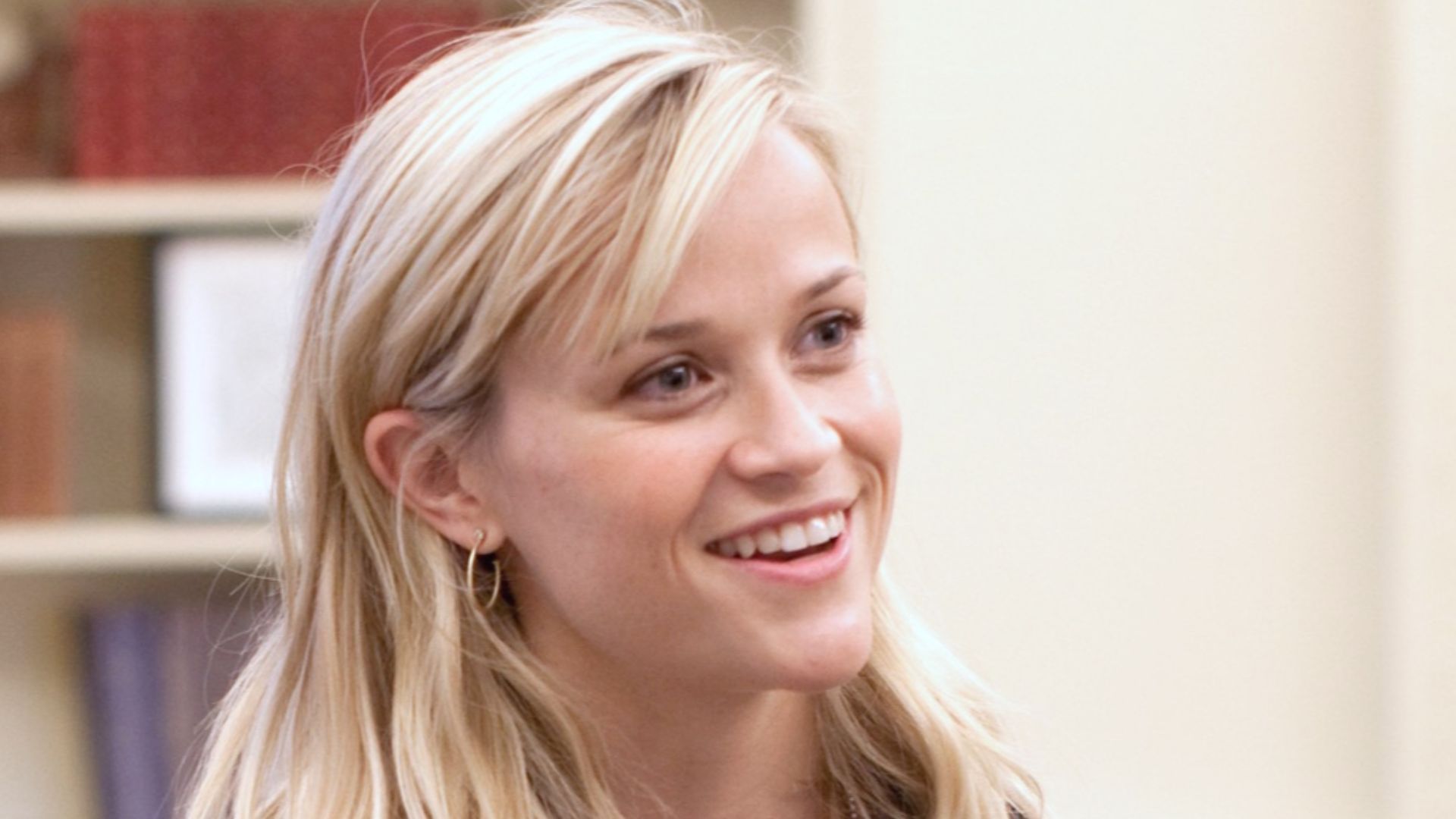 Official White House Photo by Pete Souza, Wikimedia Commons
Kevin O’Leary: Avoiding Debt As A Strategy
“The smartest thing I ever did was avoid debt.”
O’Leary has repeated this across interviews and Shark Tank. He argues that staying out of debt allowed him to maintain control over his business decisions and avoid financial pressure during key moments.
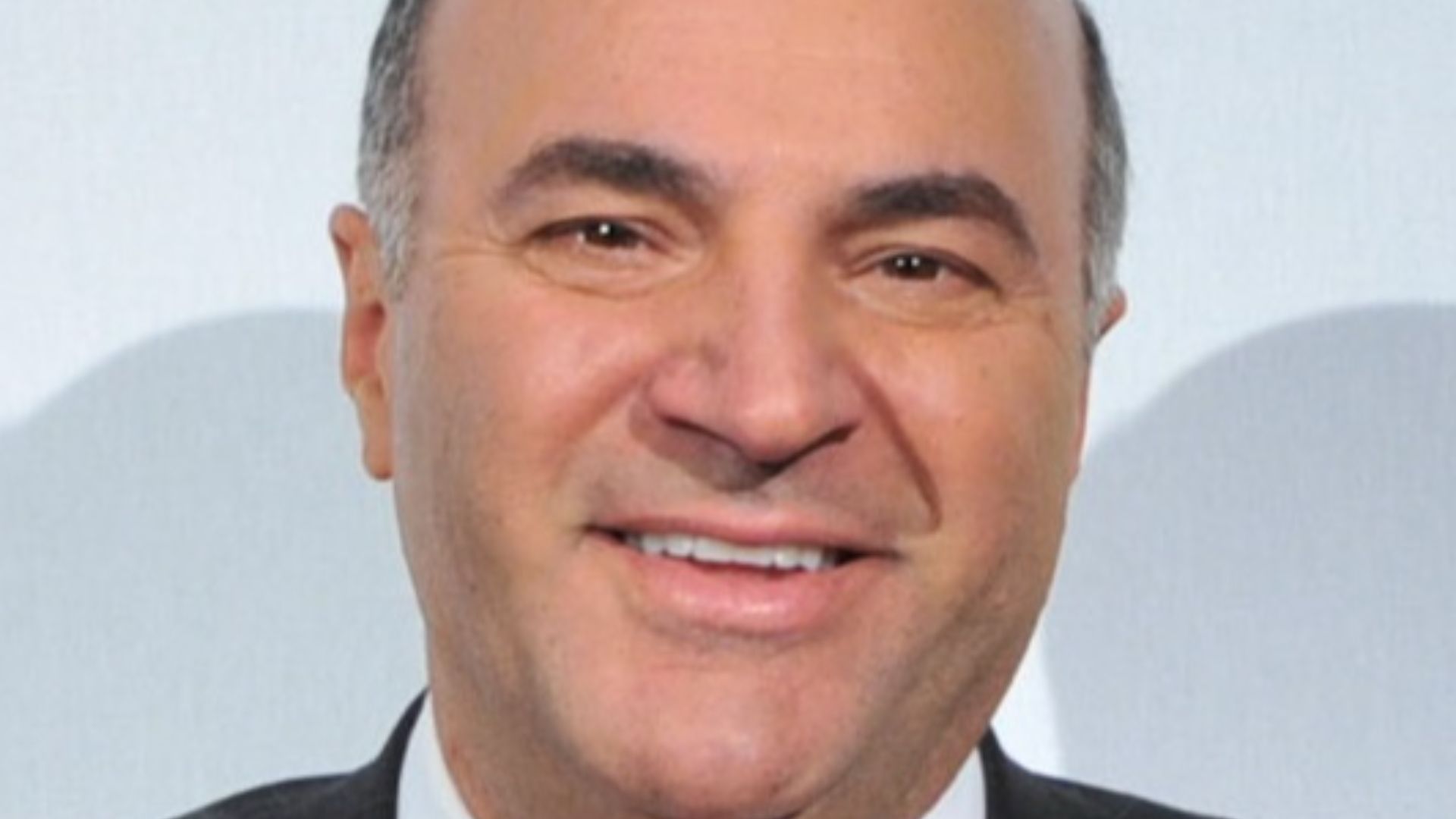 Randstad Canada, Wikimedia Commons
Lady Gaga: Controlling Her Image Early
“I was very smart about my image.”
Gaga has said she made deliberate choices about her visuals, performances, and public persona from the start. That control helped her stand out quickly and maintain a distinct identity in a highly competitive music industry.
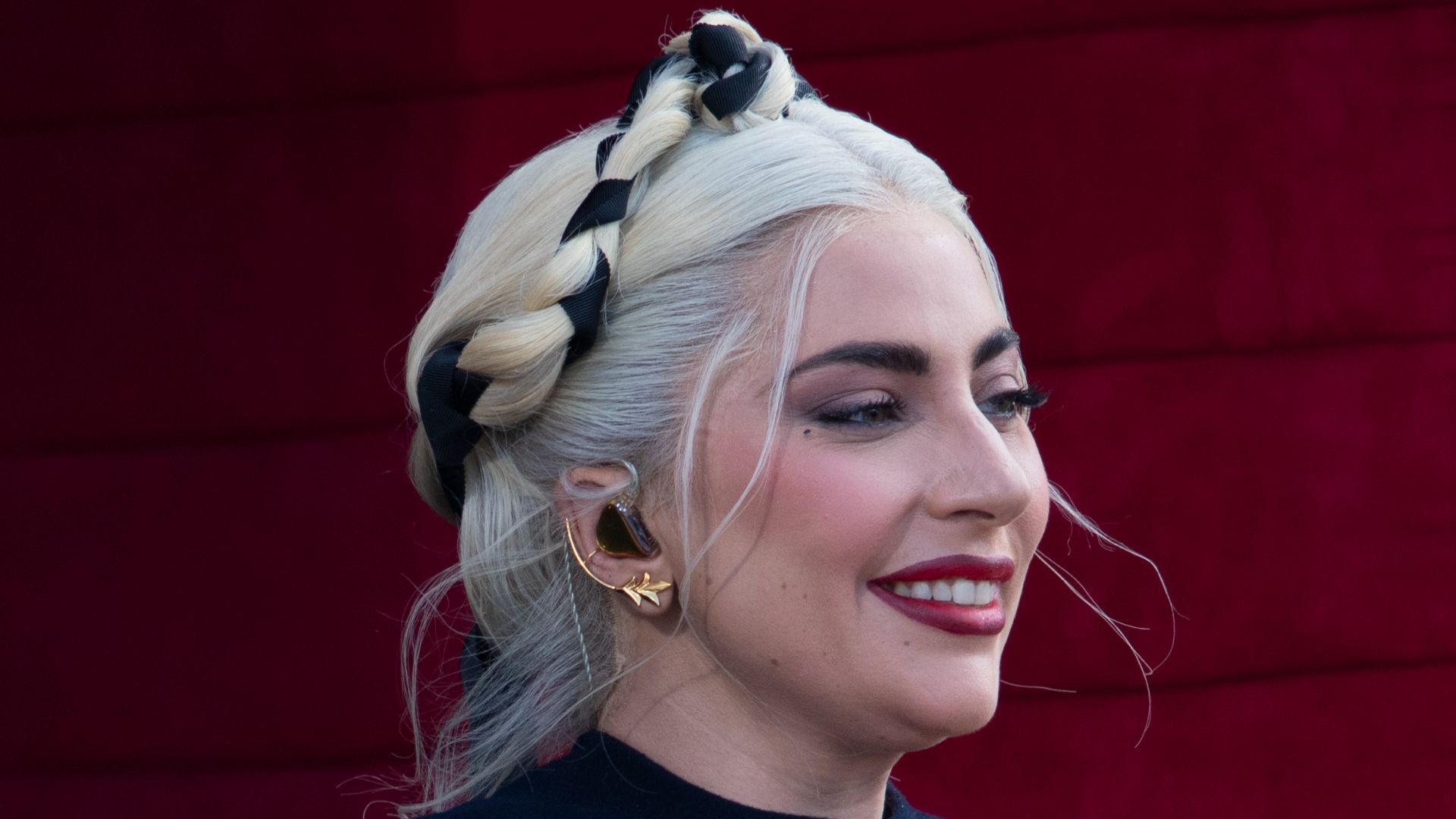 Carlos M. Vazquez II, Wikimedia Commons
Brad Pitt: Learning To Be Selective
“It’s about what you don’t do.”
Pitt has explained that becoming more selective with roles was a major shift in his career. By turning down projects that didn’t fit, he was able to maintain a stronger filmography over time.
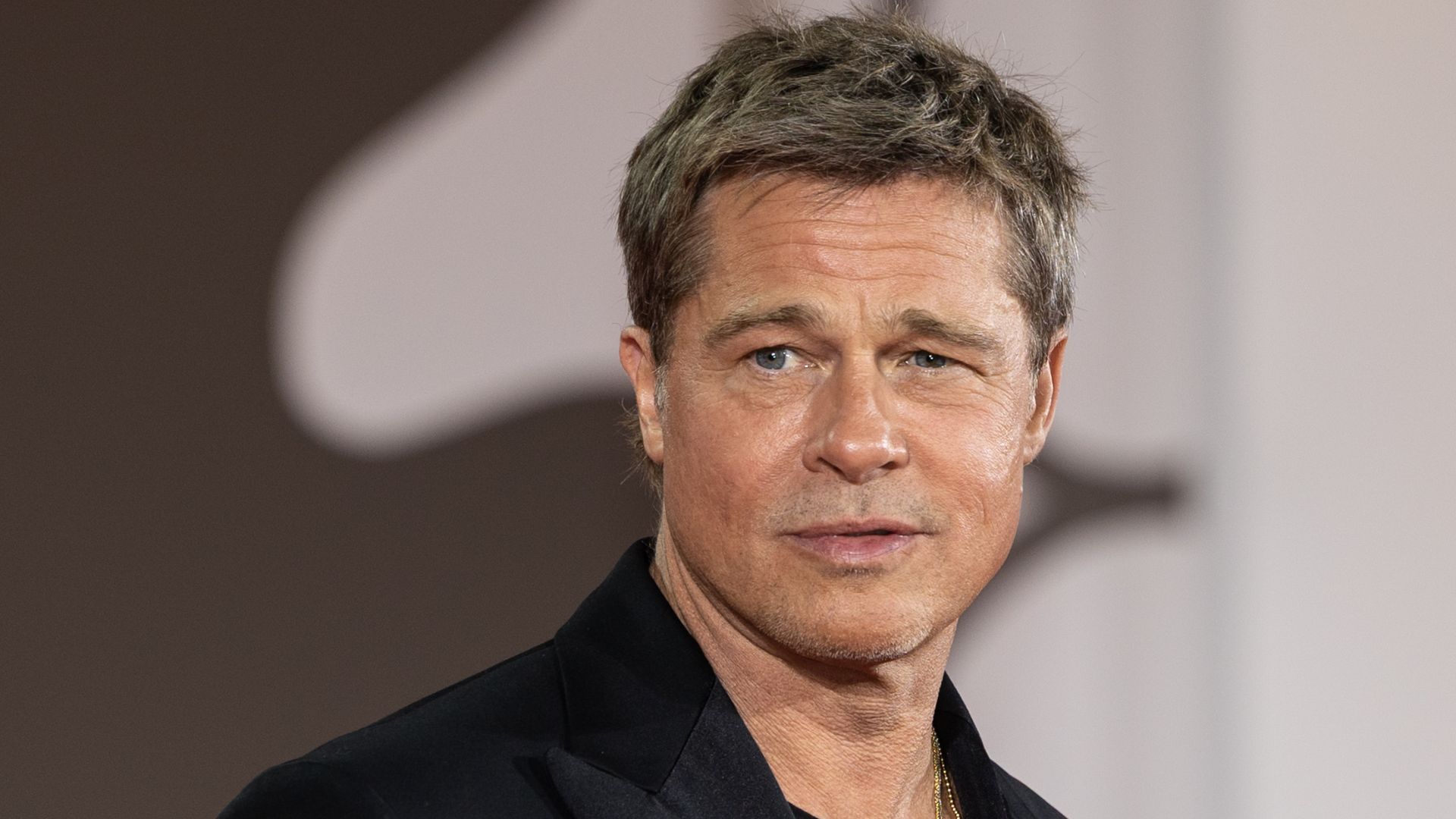 Harald Krichel, Wikimedia Commons
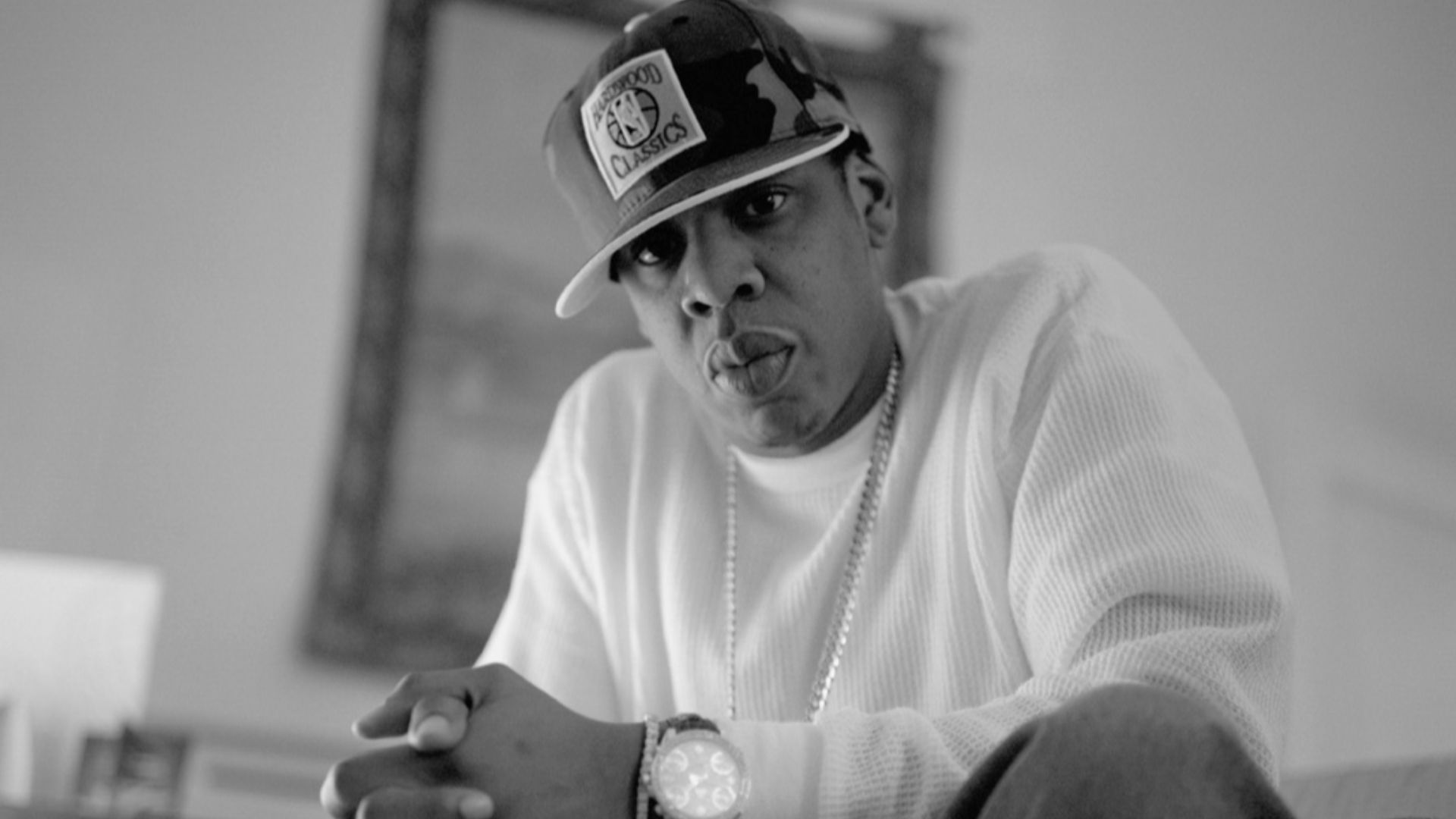
Jay-Z: Building A Business Mindset
“I’m not a businessman, I’m a business, man.”
Jay-Z has consistently framed his career around ownership and long-term strategy. From Roc-A-Fella Records to multiple business ventures, he has emphasized building assets rather than relying solely on music income.
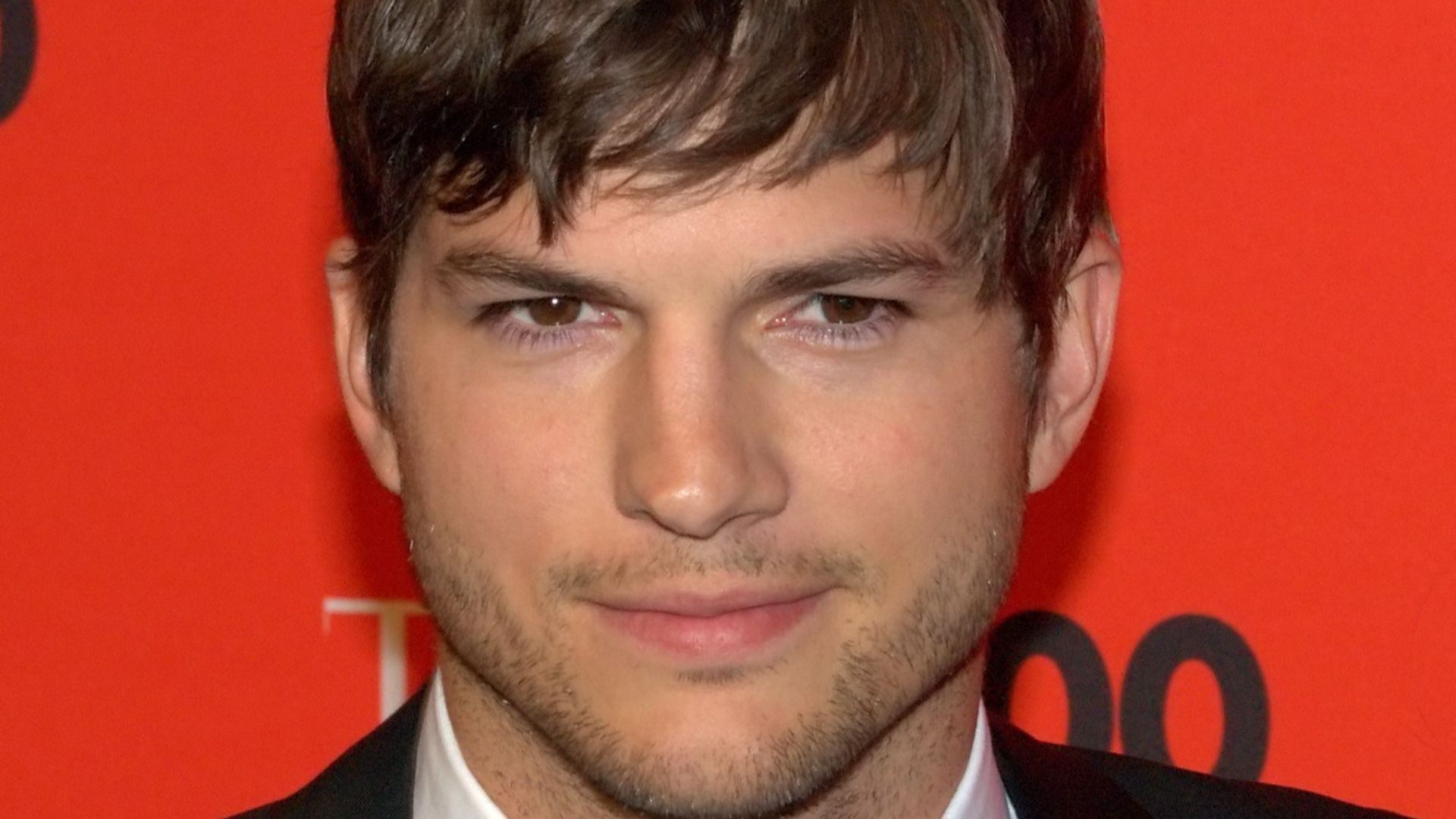
Ashton Kutcher: Investing With Intent
“I look for really disruptive technologies.”
Kutcher has described his investing approach in these terms. Through his venture firm, he became an early investor in companies like Uber, Airbnb, and Skype, showing a clear, research-driven strategy.
 David Shankbone, Wikimedia Commons
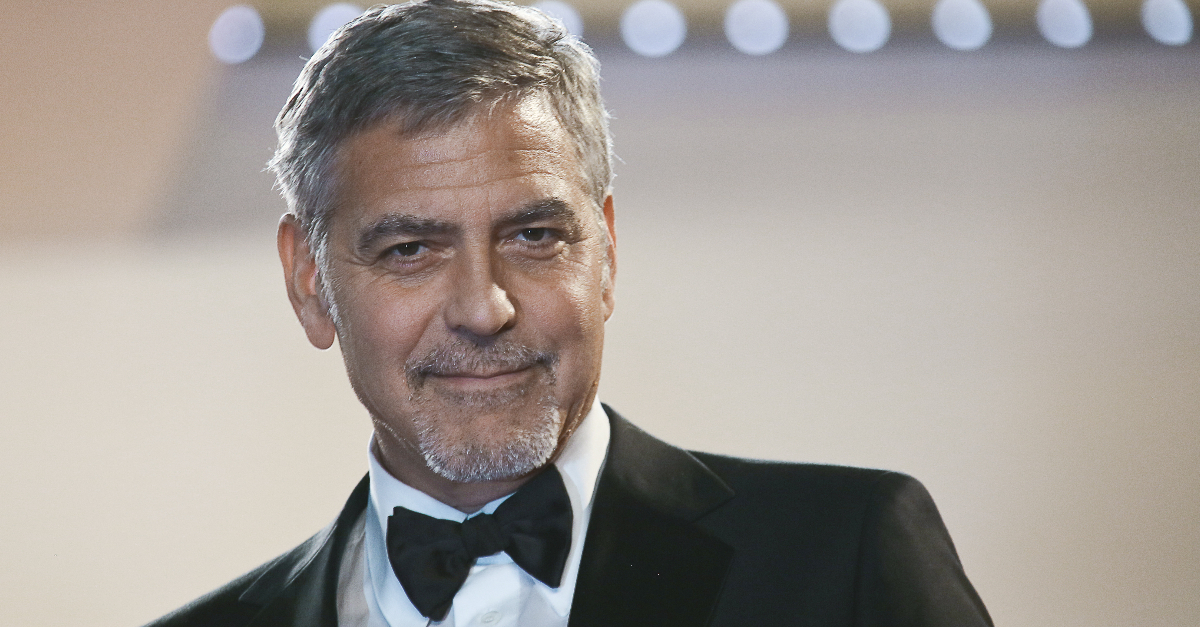
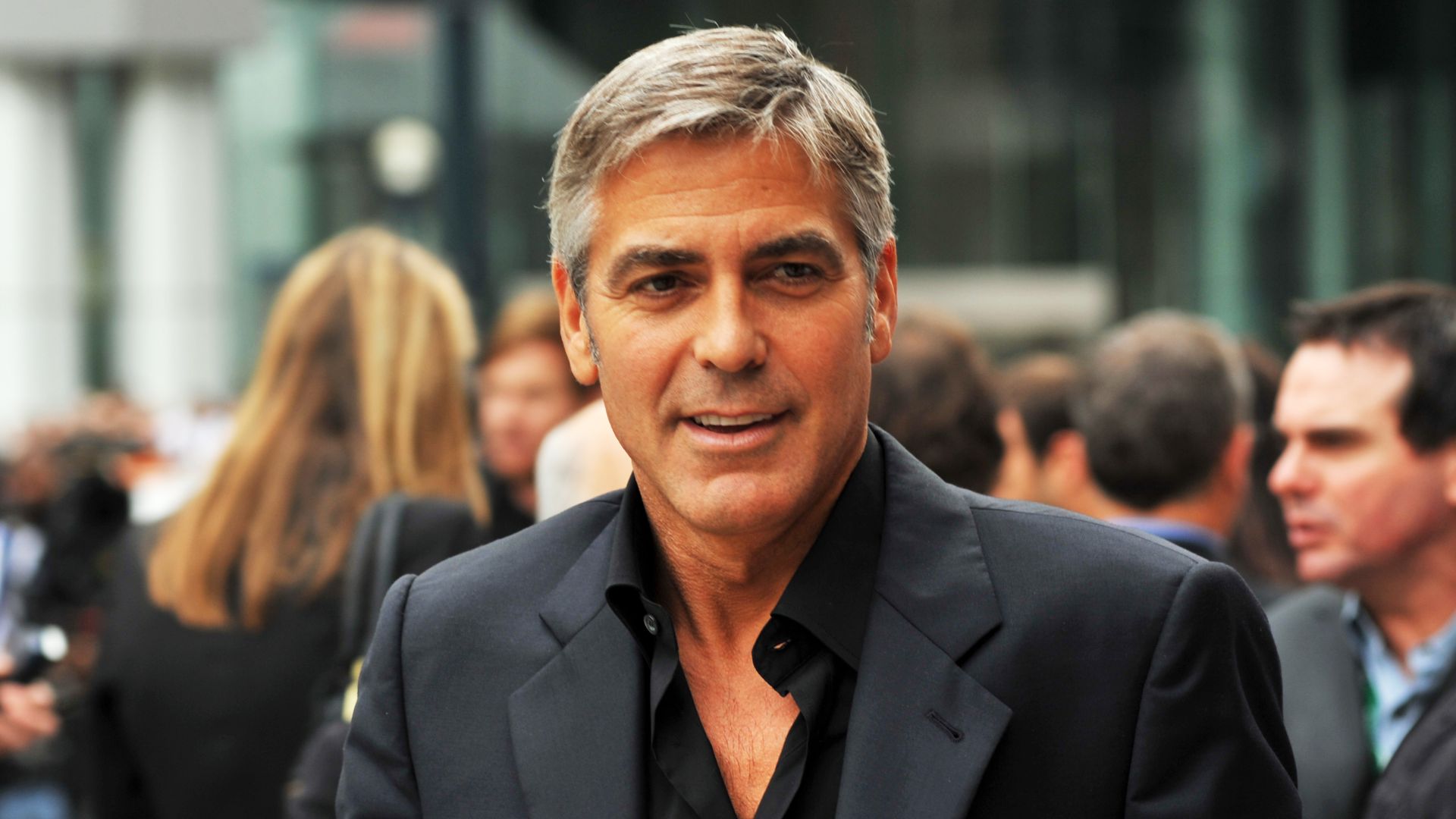
George Clooney: Taking Control Of Business Deals
“If you’re going to do something, do it well.”
Clooney co-founded Casamigos tequila instead of just endorsing a brand. The company was later sold for up to $1 billion, showing the financial advantage of ownership over traditional endorsement deals.
 Michael Vlasaty, Wikimedia Commons
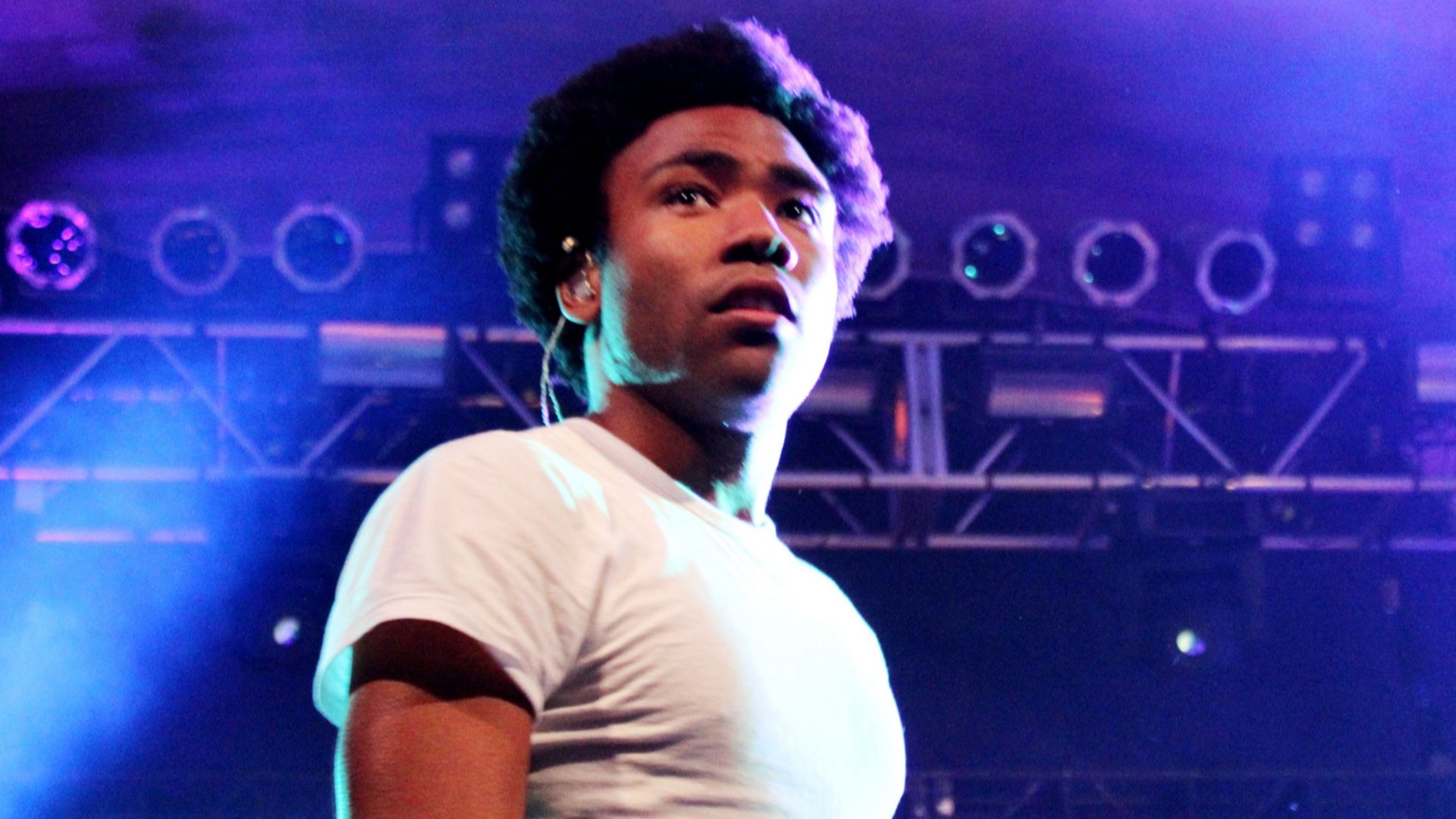
Donald Glover: Creating His Own Work
“I just wanted to make something honest.”
Rather than waiting for roles, Glover created Atlanta, a series he wrote, produced, and starred in. That decision gave him full creative control and led to both critical acclaim and industry recognition.
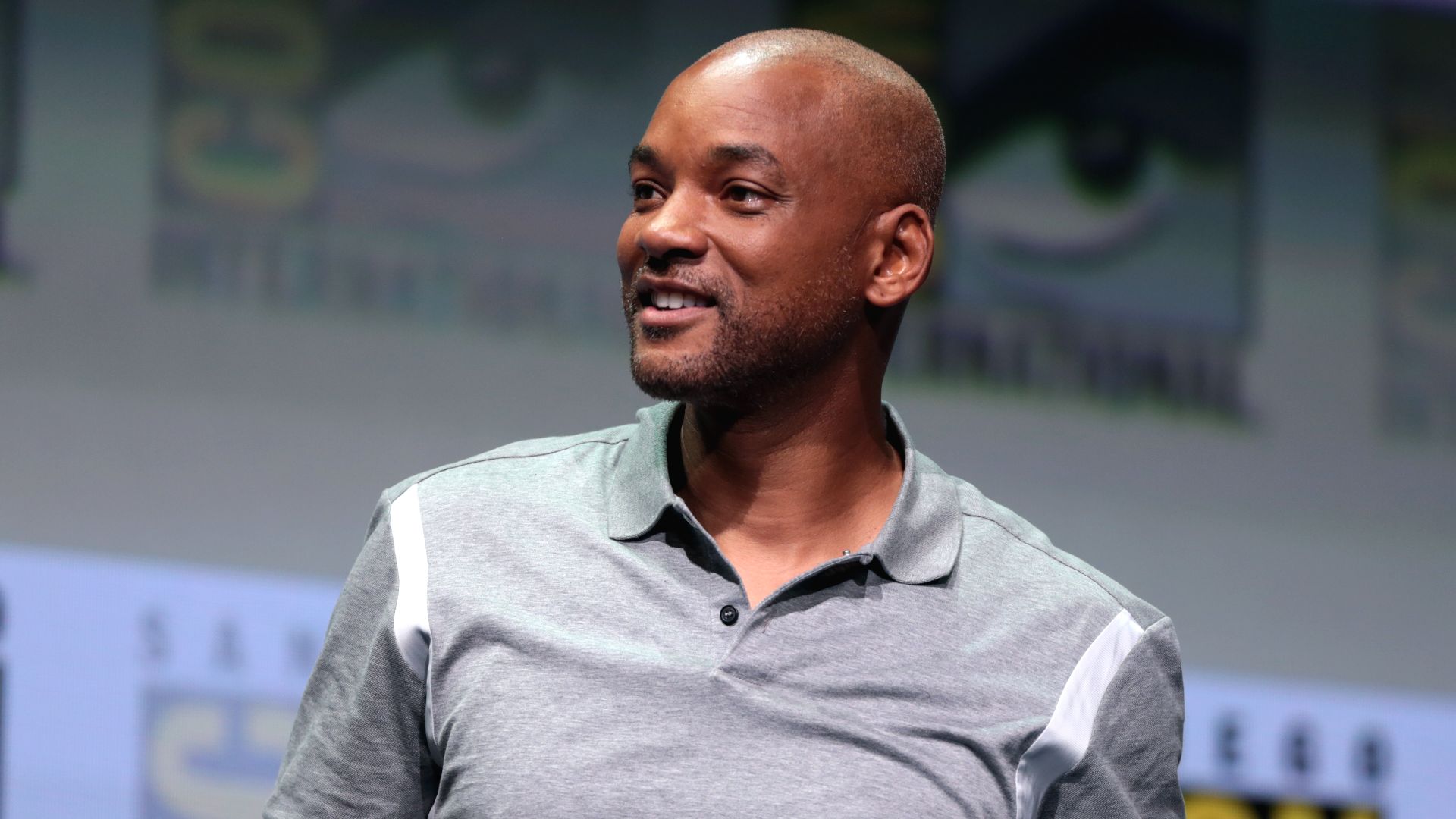
Will Smith: Changing His Career Strategy
“I chased money at the beginning.”
Smith has acknowledged that early in his career he prioritized high-paying roles. He later shifted toward projects with long-term impact, a strategy he has described as more sustainable.
 Gage Skidmore from Peoria, AZ, United States of America, Wikimedia Commons
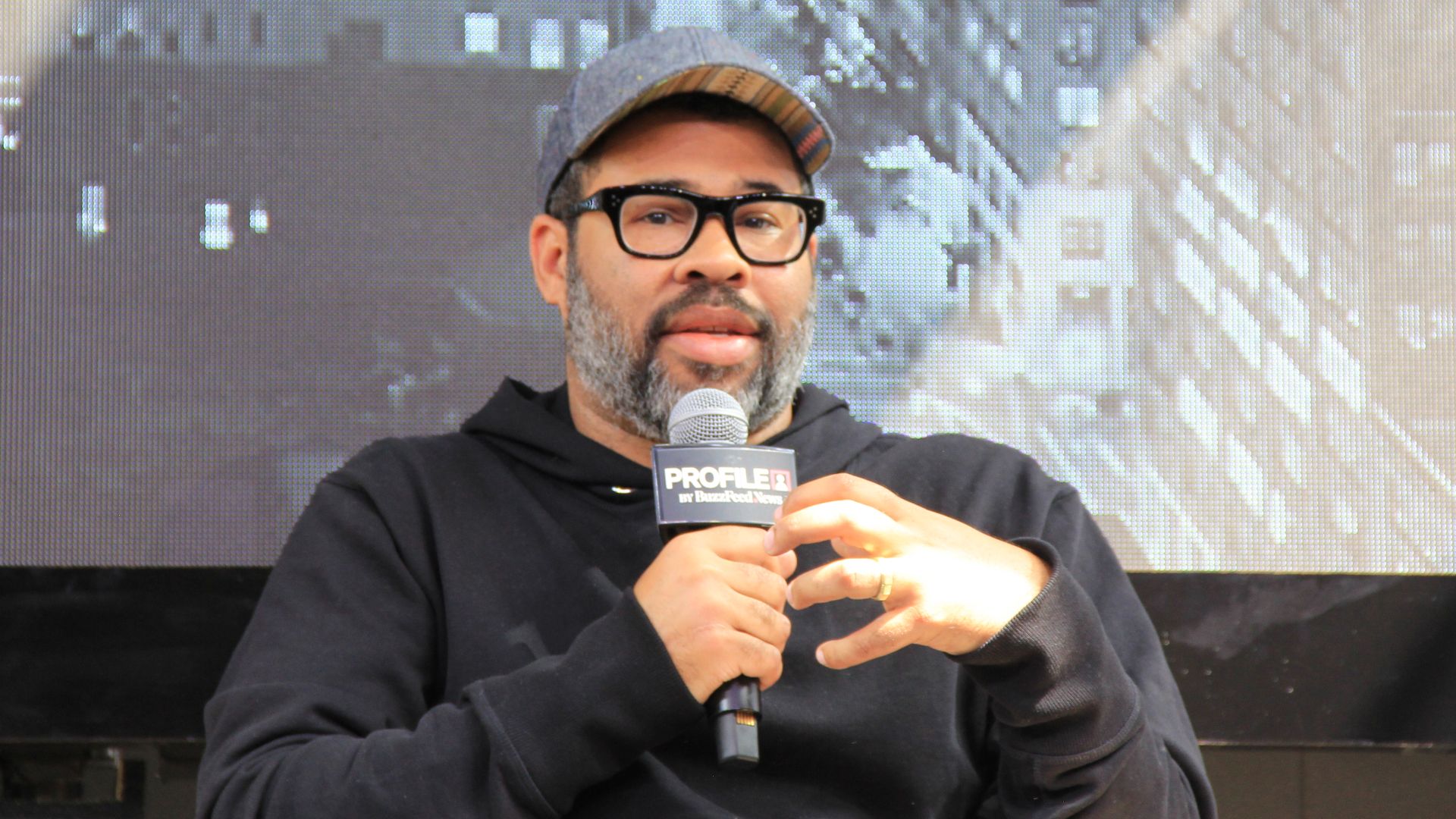
Jordan Peele: Moving Into Directing
“I wanted to prove I could do it.”
Peele stepped away from a successful comedy career to direct Get Out. The film’s success established him as a major director and showed the impact of taking a calculated creative risk.
 Daniel Benavides from Austin, TX, Wikimedia Commons
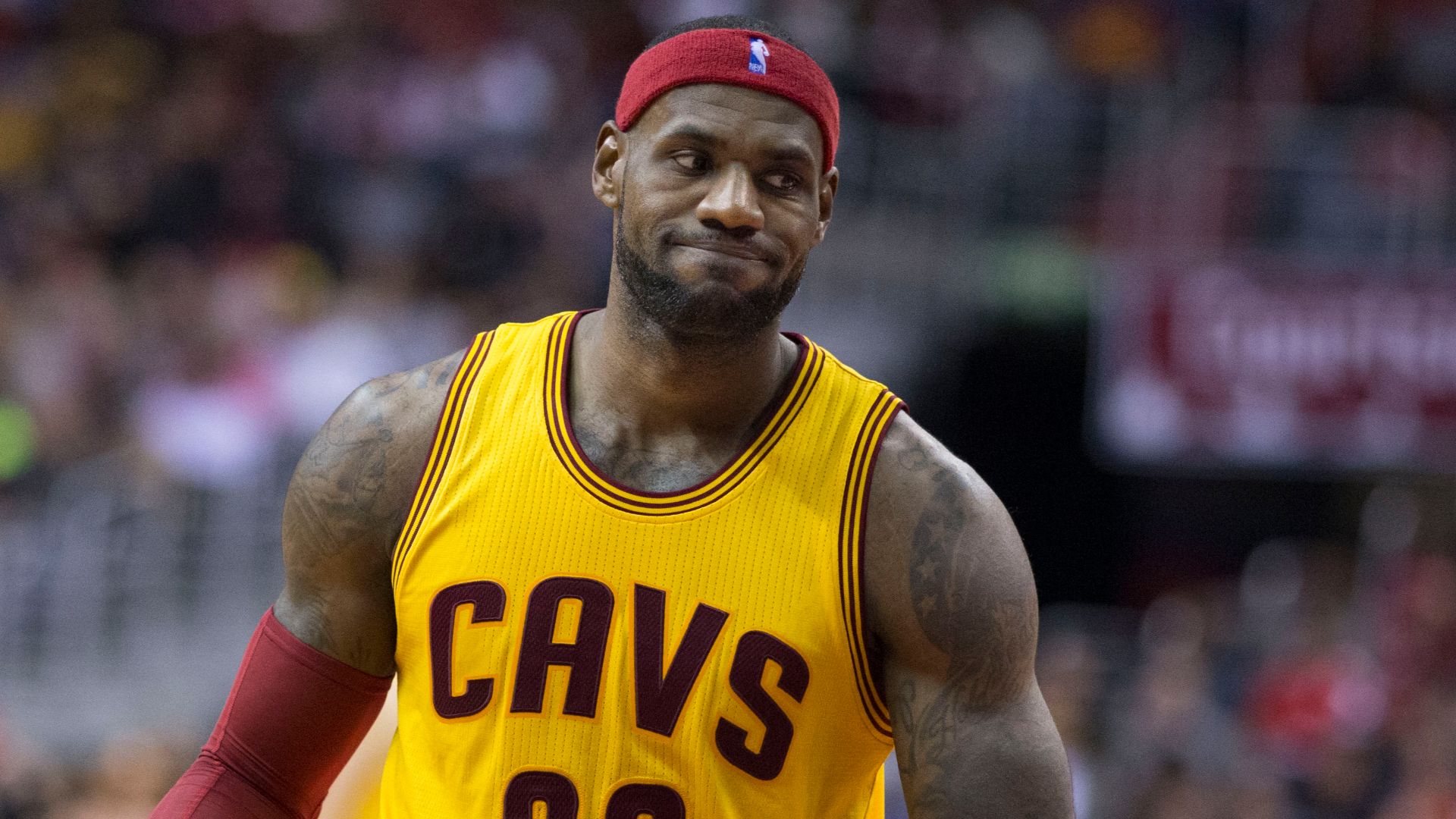
LeBron James: Taking Control Of His Career Moves
“I wanted to be in control of my career.”
LeBron has said this when explaining decisions like changing teams and building his own business ventures. He has consistently emphasized control and ownership as central to his long-term strategy.
 Keith Allison from Hanover, MD, USA, Wikimedia Commons
Jessica Alba: Building A Business From A Market Gap
“I saw a gap in the market.”
Alba launched The Honest Company after identifying a demand for safer household products. She has described the decision as research-based, not celebrity-driven, and it became a major consumer brand.
 pinguino k from North Hollywood, USA, Wikimedia Commons
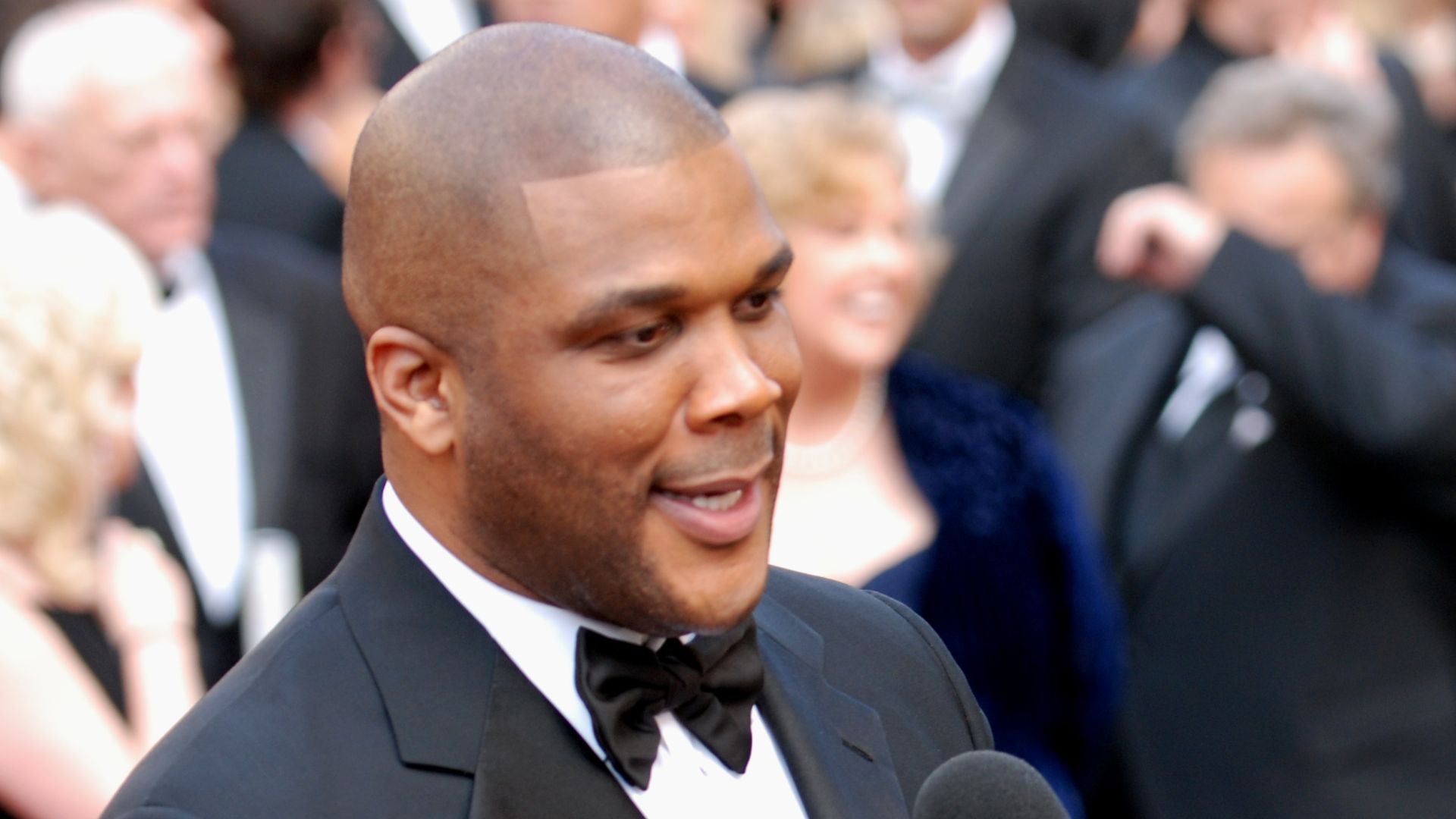
Tyler Perry: Owning His Content From The Start
“I own everything.”
Tyler Perry built his business around ownership from the beginning. By financing and retaining rights to his films, shows, and studio productions, he avoided traditional studio deals. That approach gave him long-term control and consistent revenue across multiple platforms.
 Sgt. Michael Connors - 302nd Mobile Public Affairs Detachment, Wikimedia Commons
A Clear Pattern Across All Of Them
Across these examples, the pattern is consistent. These weren’t described as lucky breaks—they were decisions the celebrities themselves have explained as intentional. In most cases, the impact came from ownership, control, or long-term thinking rather than short-term gain.
You Might Also Like:
100 Years Of Dick Van Dyke, The Funniest Man In Hollywood
Pop Music Played It Safe For Years—Until These Iconic Hits Completely Rewrote The Rules