A Hollywood name tied to something darker
Robert Blake was best known for Baretta and a long film career dating back to childhood roles. By the early 2000s, he was a recognizable but quieter presence in Hollywood until his name became tied to one of the most talked-about and controversial cases in the history of Hollywood.

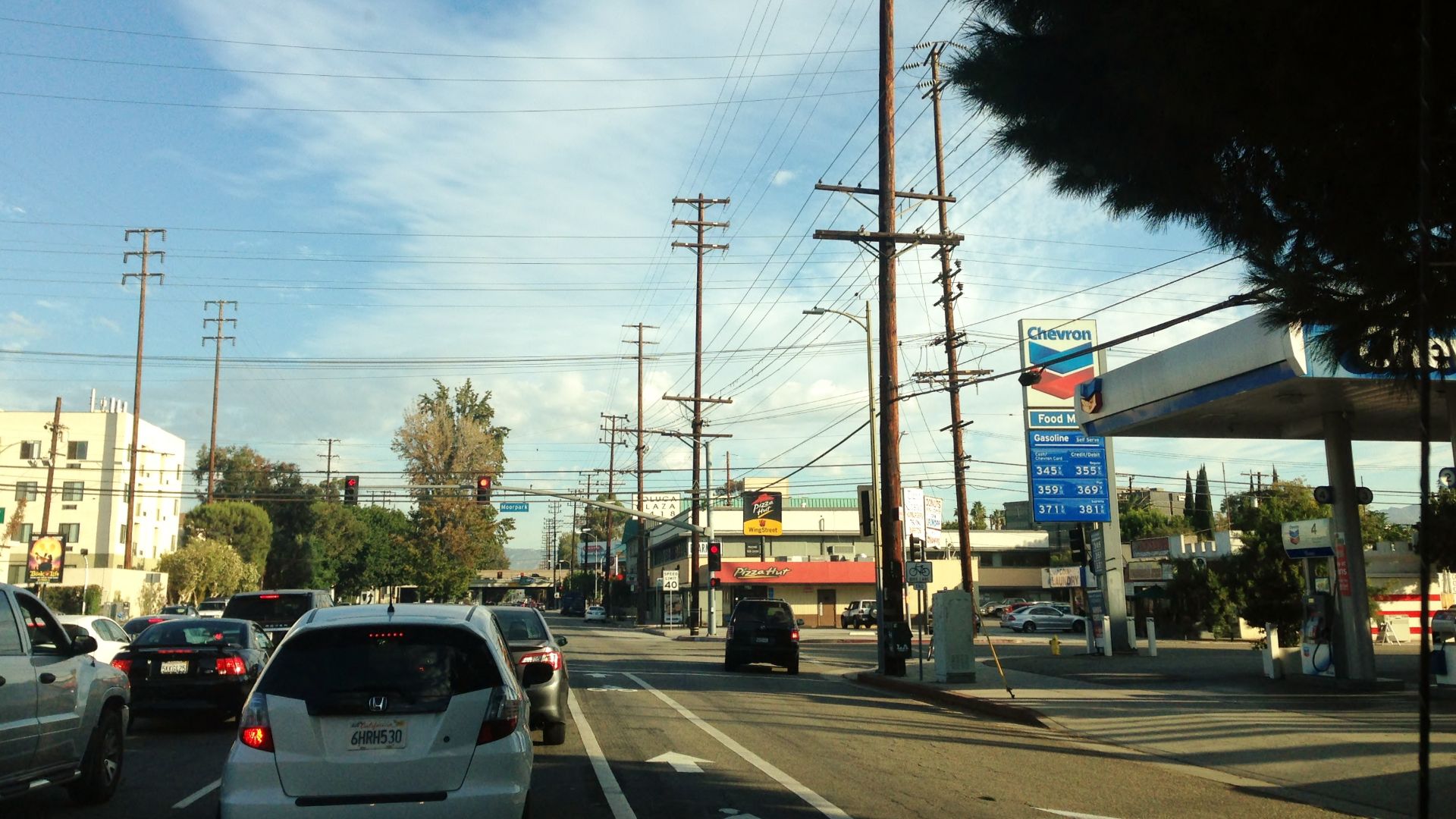
A night outside Vitello’s
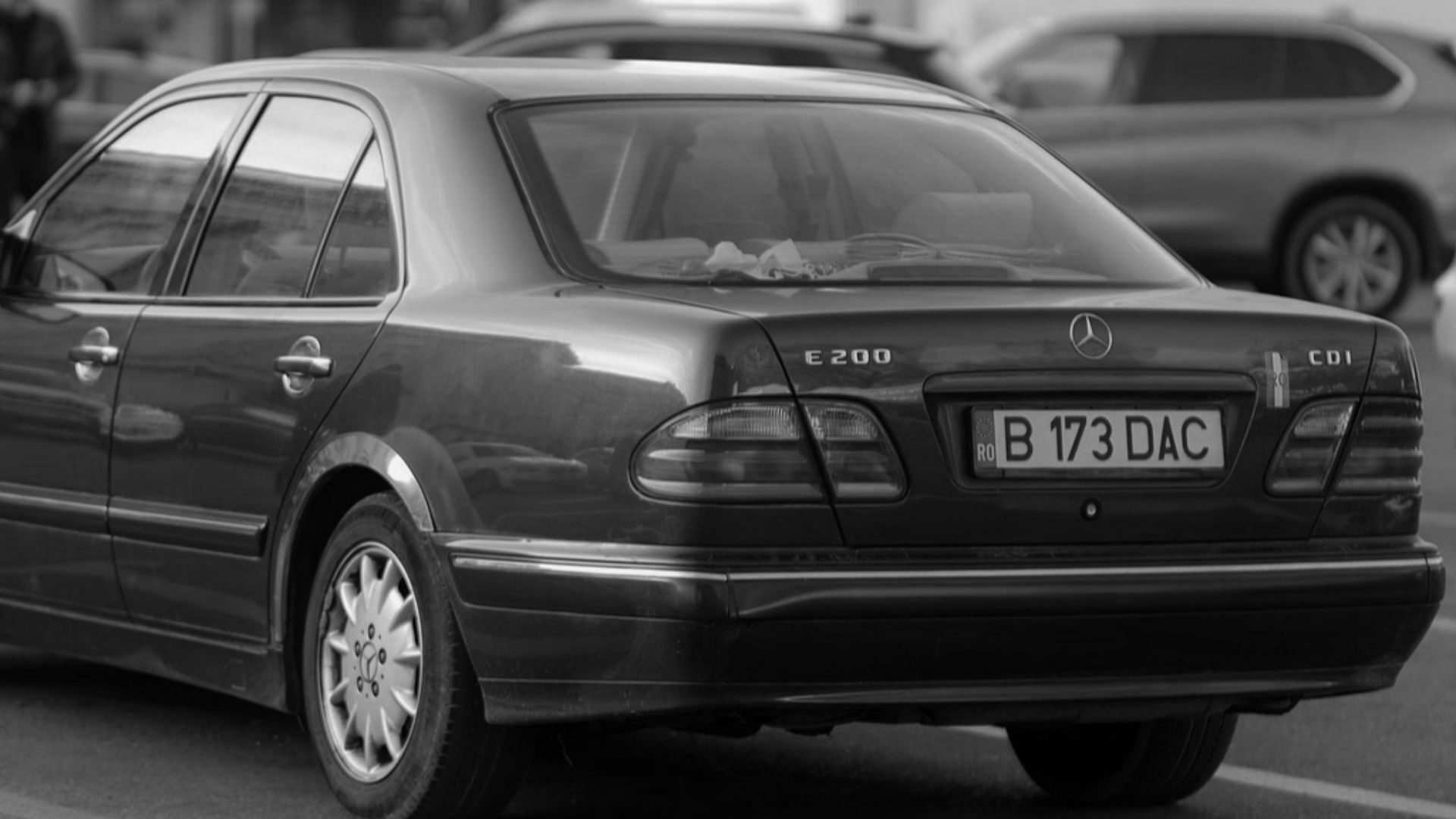
On May 4, 2001, Blake and his wife, Bonny Lee Bakley, had dinner at Vitello’s restaurant in Studio City, Los Angeles. After the meal, they walked back to his parked car in a nearby lot. What happened next would define everything that followed.
 Clotee Pridgen Alloc…, Wikimedia Commons
The version he gave
Blake told investigators he realized he had left an item inside the restaurant and went back to retrieve it. He said he was gone only briefly. When he returned to the car, Bakley had been fatally injured in the passenger seat.
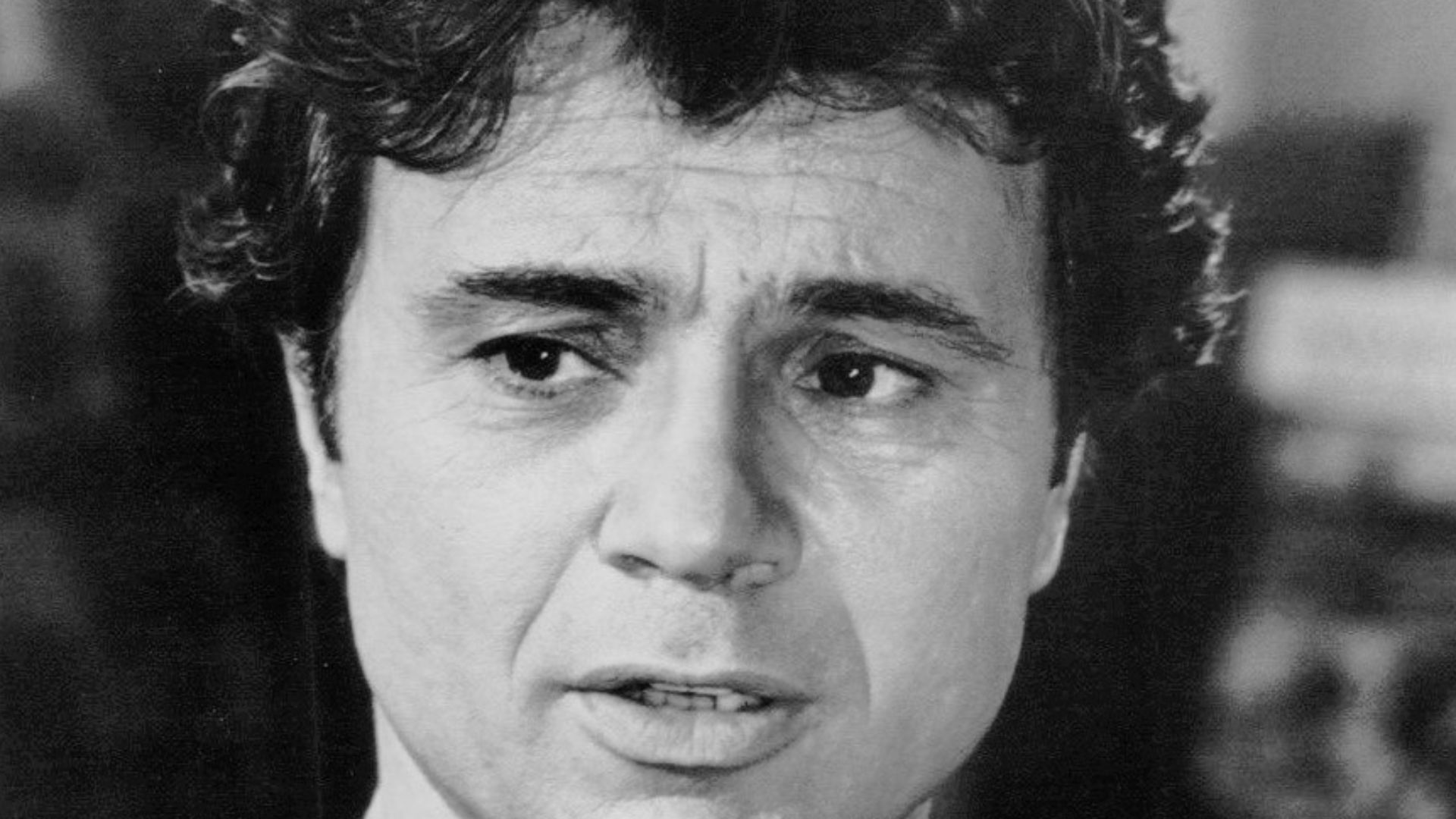 ABC Television, Wikimedia Commons
A very tight timeline
One detail that stood out was how short that window was. Blake claimed he was inside the restaurant for just a minute or two. That narrow gap became central to the case because it raised questions about whether someone else could have acted in that time.
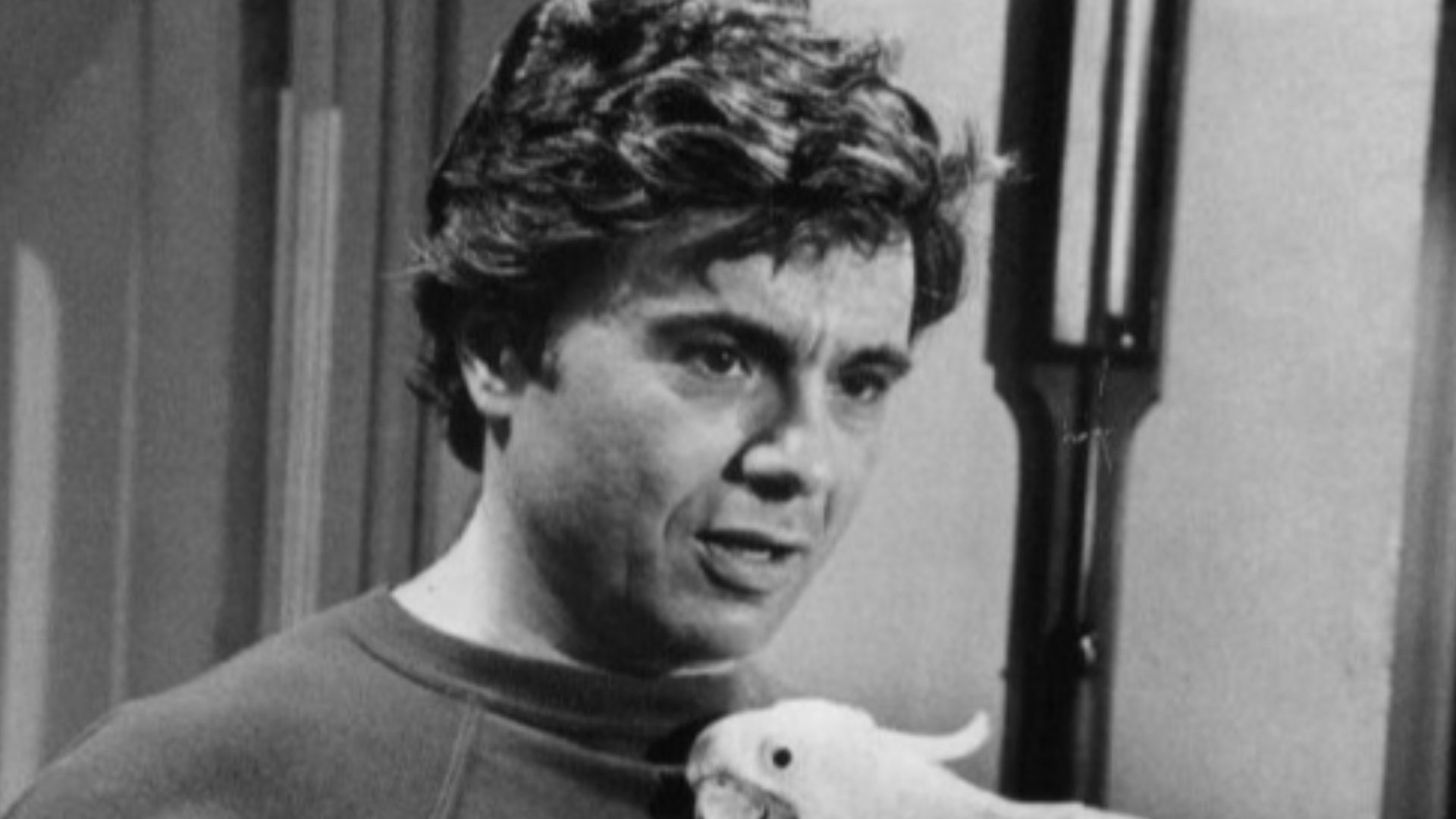 ABC Television, Wikimedia Commons
A complicated marriage
Blake and Bakley had married in 2000 after a paternity dispute involving their daughter. Their relationship had been rocky, with reported arguments over money and trust. That tension quickly became part of the broader narrative presented in court.

Bakley’s past drew attention
Bakley had a history of legal issues and controversial relationships, including multiple marriages and scams targeting older men. While not directly tied to what happened that night, her past was heavily discussed and influenced how the case was viewed publicly.
No direct physical evidence
Investigators found no DNA, no fingerprints, and no clear forensic link tying Blake directly to what happened. The item used was never conclusively connected to him, and testing done at the time did not produce a definitive result.

No eyewitnesses to the moment
There were no eyewitnesses to what happened in the car that night. No one saw the act itself. That absence made the case heavily dependent on indirect evidence and interpretation rather than a clear firsthand account.
The stuntmen claims
Two former stuntmen, Gary McLarty and Ronald “Duffy” Hambleton, told authorities Blake had previously asked them to carry out the act. Their claims were dramatic, but both men had credibility issues that became a major focus during the trial.
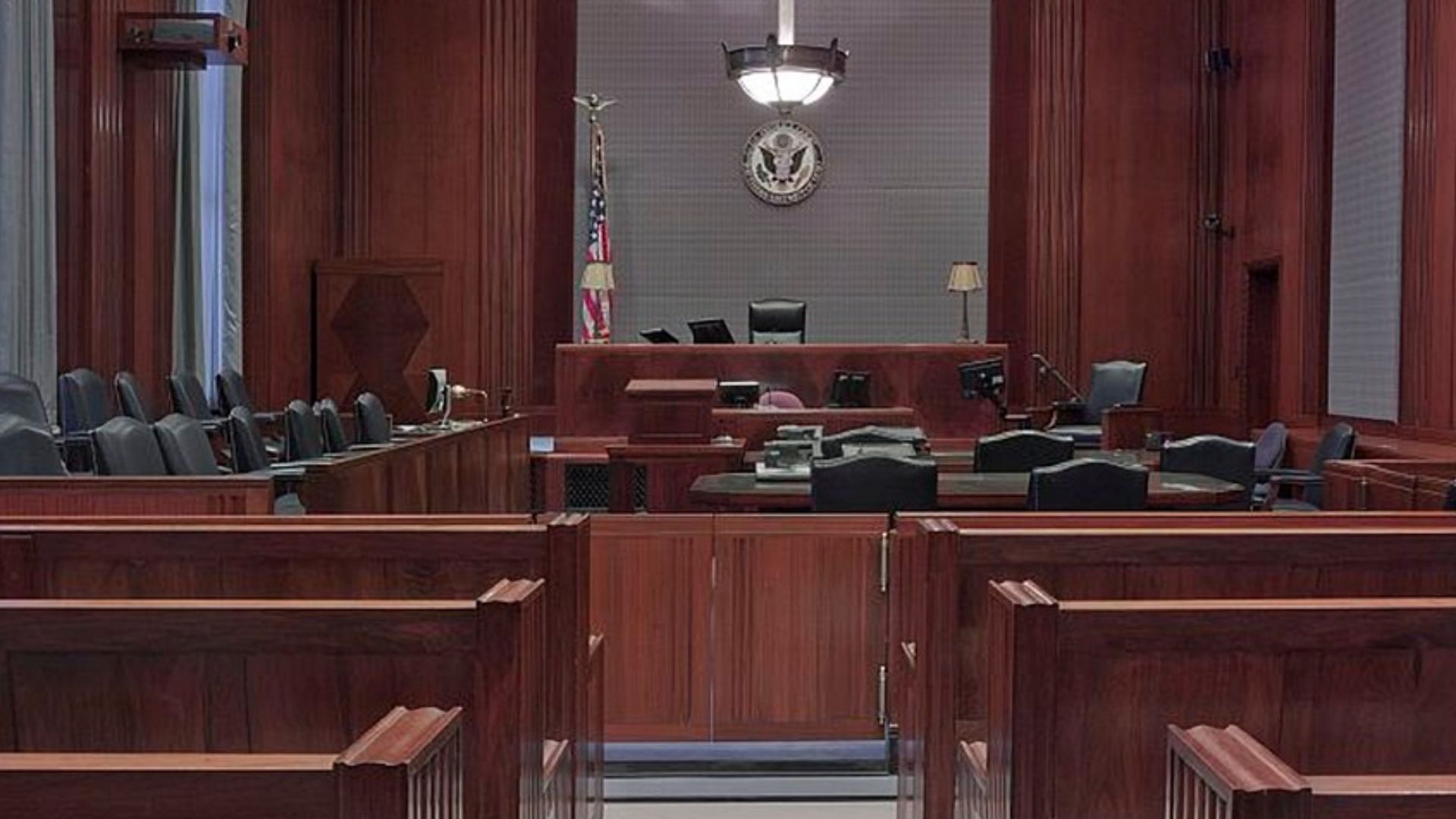
A case built on circumstantial pieces
Without direct proof, the case relied on behavior, statements, and timing. Prosecutors tried to build a narrative from these elements, but each piece on its own left room for doubt, which became critical once the trial began.

The arrest in 2002
Nearly a year after the incident, Blake was arrested in April 2002. The delay reflected how complex the investigation had been. When charges were announced, it shocked many who had followed his long career.
A highly watched trial
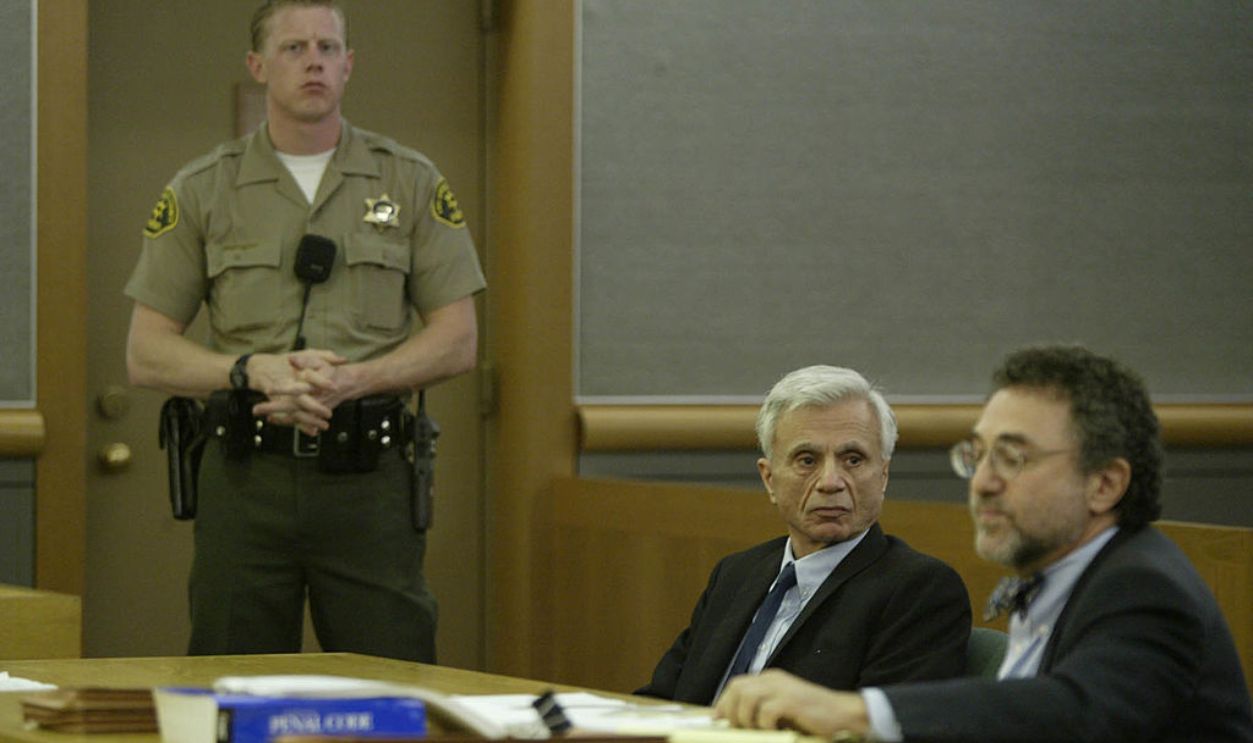
The trial began in late 2004 and stretched into 2005. It drew constant media coverage, with legal analysts and the public closely watching each development. By then, opinions were already divided on what likely happened.
The prosecution’s challenge
Prosecutors leaned heavily on the stuntmen’s testimony and the strained relationship. But without strong physical evidence, their case depended on convincing the jury that the overall picture pointed clearly in one direction.
The defense’s focus on doubt
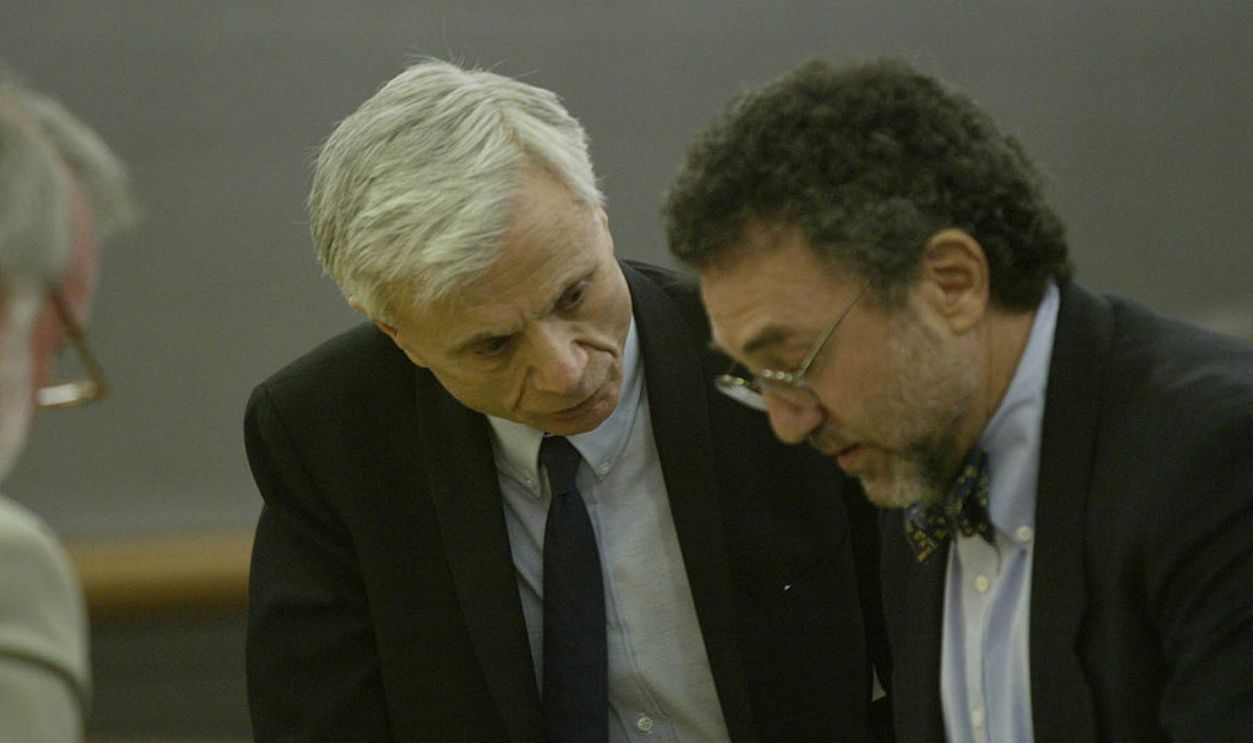
Blake’s defense team targeted inconsistencies in witness statements and emphasized the lack of direct proof. They didn’t need to explain every detail—they just needed to show the case wasn’t certain enough to meet the standard required.
The verdict in 2005
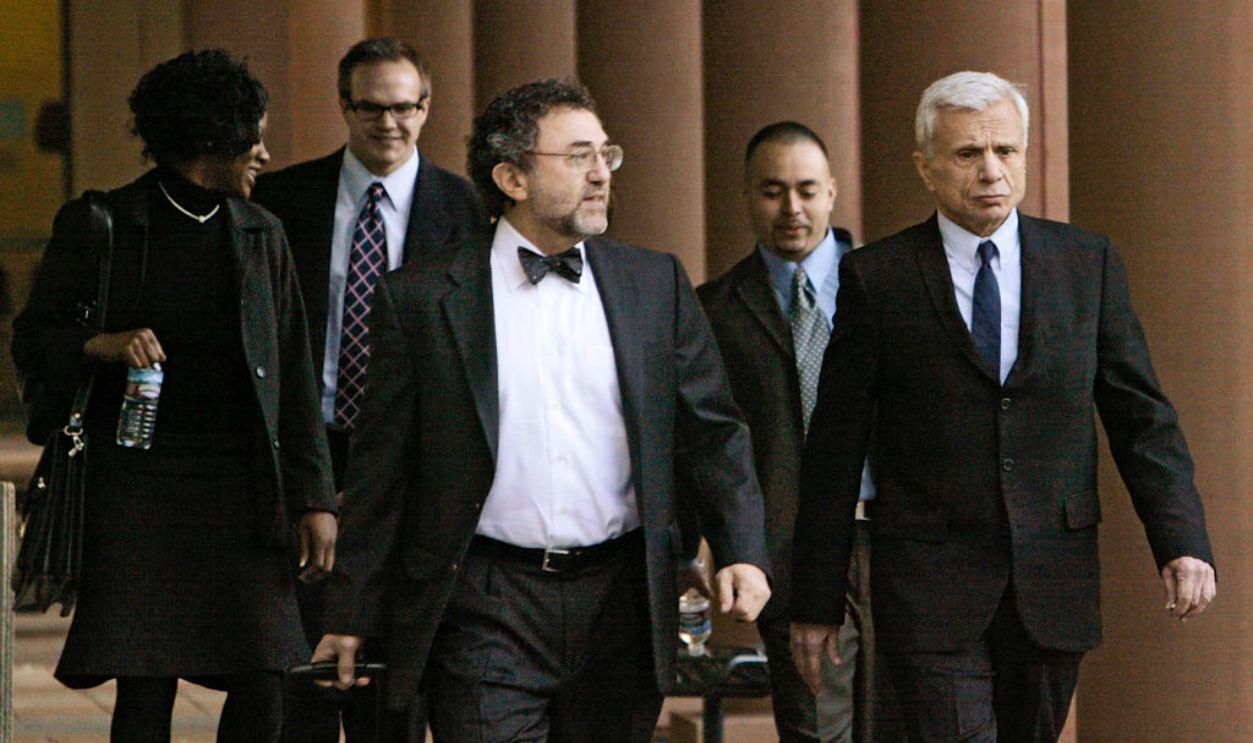
In March 2005, the jury found Blake not guilty. Given the gaps in physical evidence and questions about key witnesses, the decision aligned with the legal standard. Still, it left many observers unsettled.
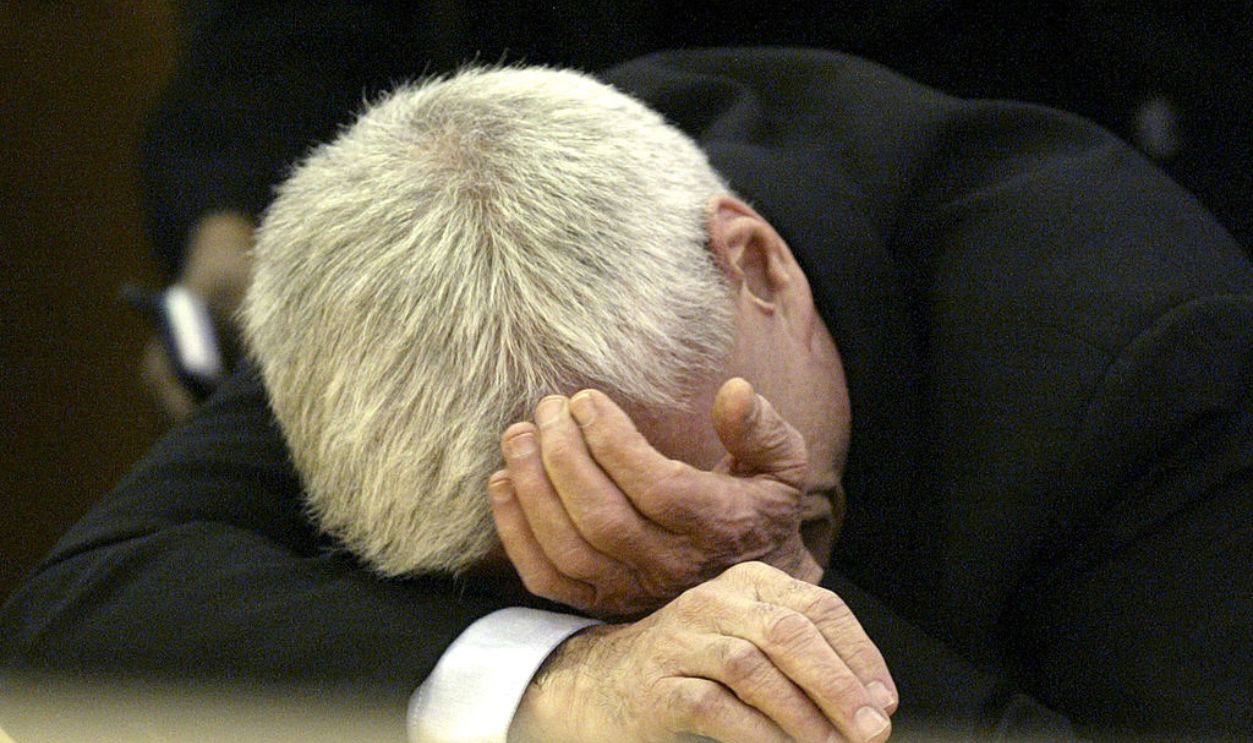 Pool Photographer, Getty Images
A second legal battle begins
Not long after the criminal case ended, Bakley’s family filed a civil lawsuit. This process uses a lower burden of proof, meaning the outcome could differ even when based on largely the same set of facts.
A completely different result
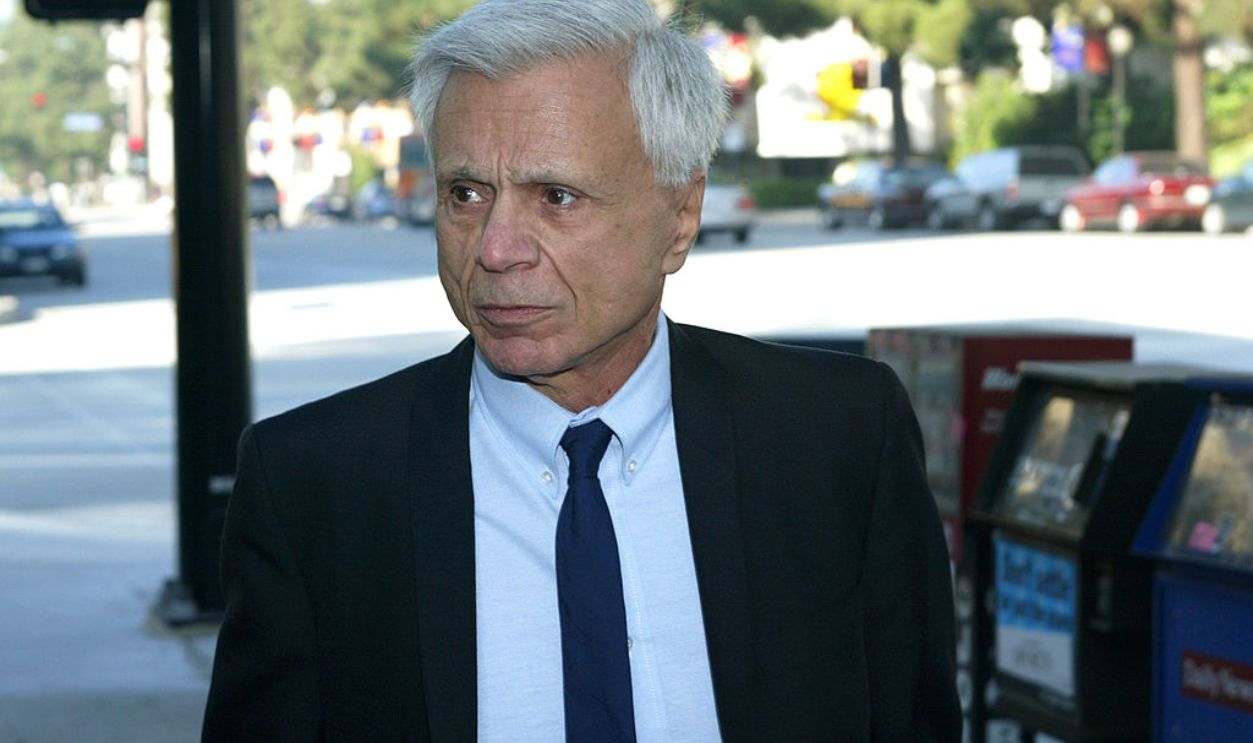
In November 2005, a civil jury found Blake responsible for Bakley’s death. The contrast between the two outcomes became one of the most talked-about aspects of the case and fueled ongoing debate.
The financial consequences
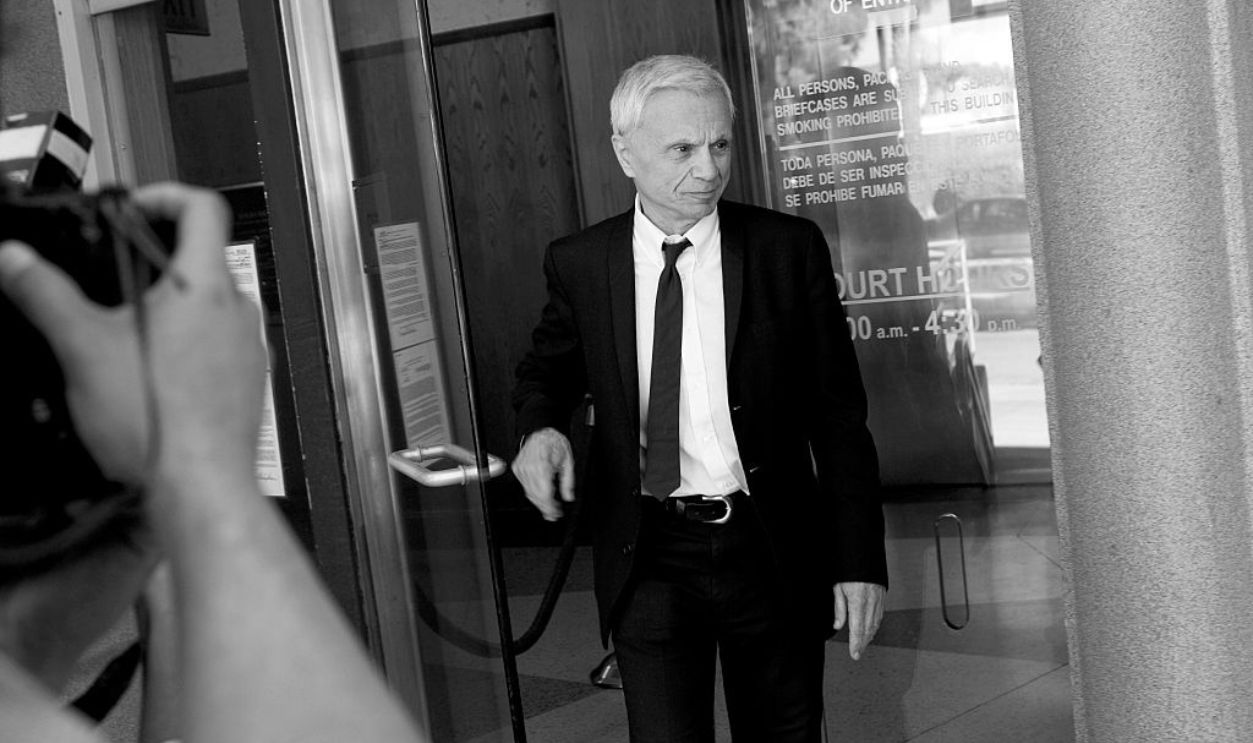
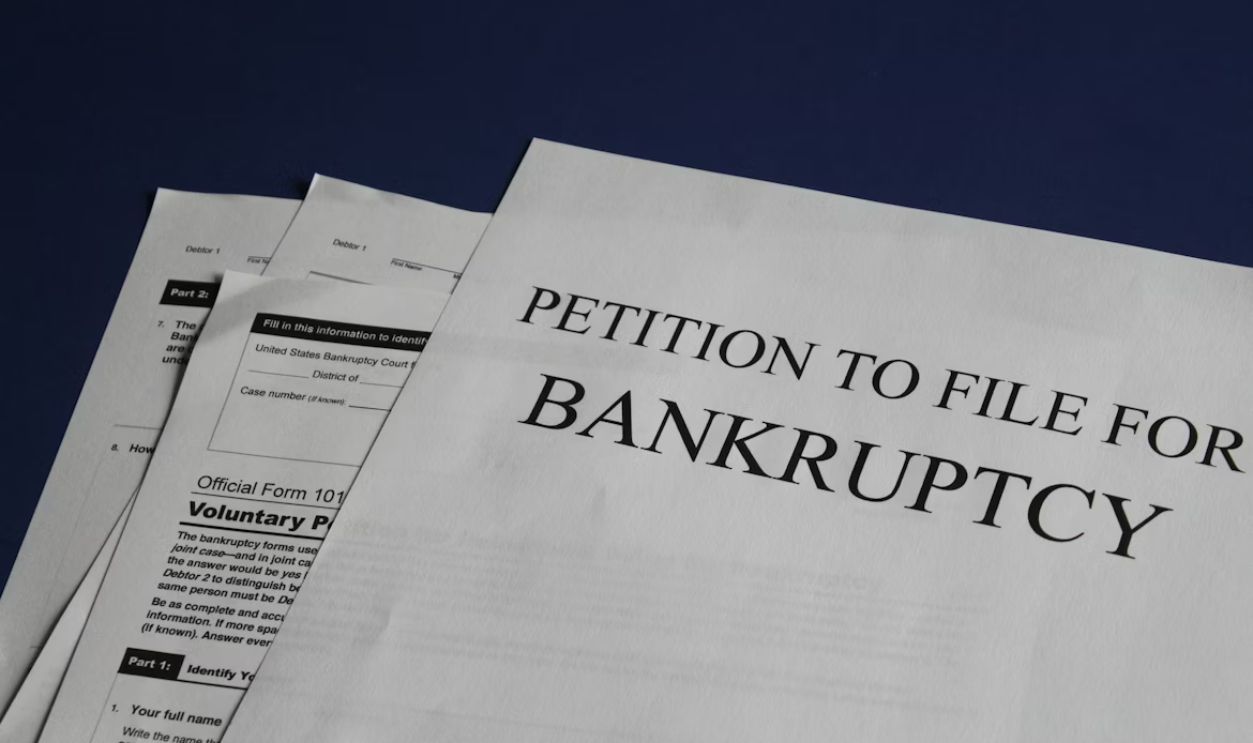
The civil judgment initially totaled about $30 million, later reduced to roughly $15 million. Blake eventually filed for bankruptcy, and the financial fallout followed him for years after the legal battles ended.
Two verdicts, two standards
The case became a clear example of how criminal and civil courts operate differently. One requires proof beyond a reasonable doubt, while the other relies on a preponderance of evidence. That difference shaped the final outcomes.
Public opinion stayed divided
Even after both cases concluded, opinions never fully aligned. Some saw the verdicts as proof the system worked as intended. Others felt the truth had never been clearly established.
No alternate explanation emerged
Despite the years of attention, no widely accepted alternative explanation for what happened that night ever surfaced. That lack of closure is a big reason the case continues to be revisited.
A story revisited again and again
Over time, documentaries, interviews, and articles have continued to examine the case. Each retelling looks at the same core facts, often reaching different conclusions about what they mean.

The legacy of the case
For Blake, the case overshadowed his career. For the public, it became a lasting example of how complicated and unresolved some high-profile cases can feel, even after courts have delivered their decisions.
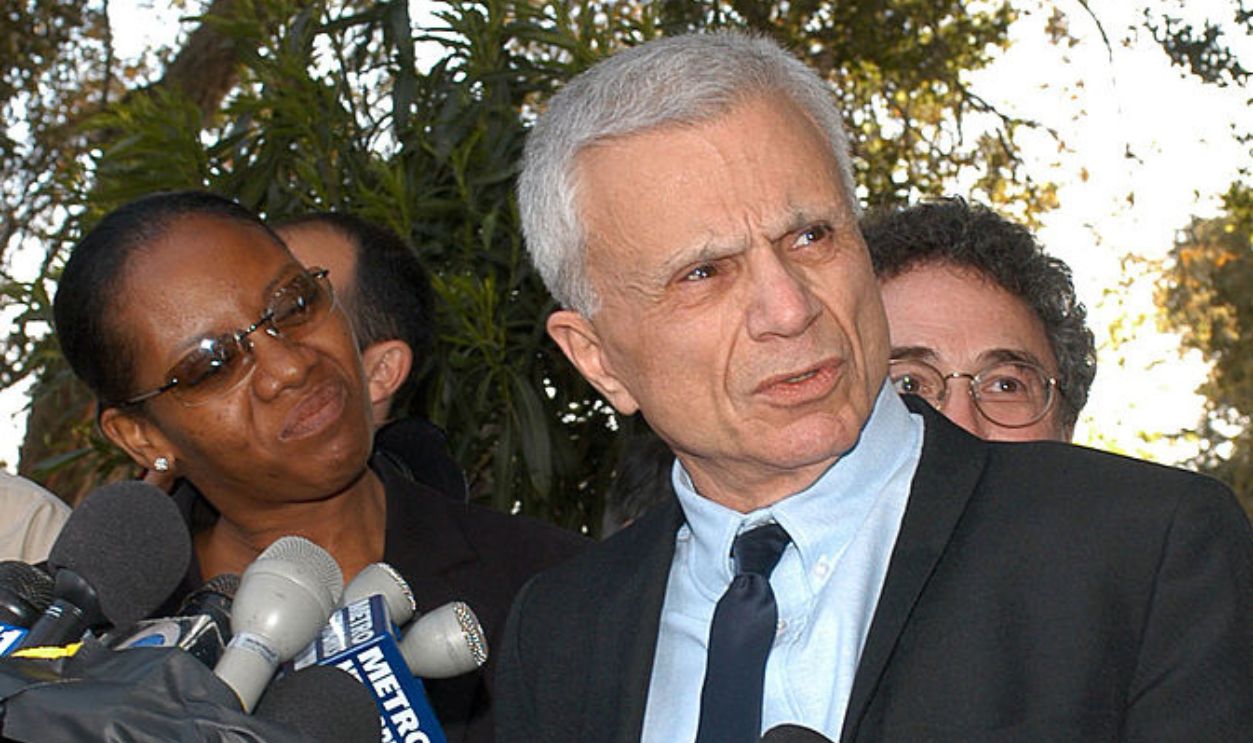 Stephen Shugerman, Getty Images
Remembering what started it all
At the center of everything is Bonny Lee Bakley. While the legal outcomes and debates continue, her life and how it ended remain the core reason the case still resonates.
 California DMV, Wikimedia Commons
Why it still feels unfinished
Even with two verdicts and years of analysis, the case never reached a conclusion that satisfied everyone. That lingering uncertainty is exactly why it still draws attention and continues to feel unresolved.
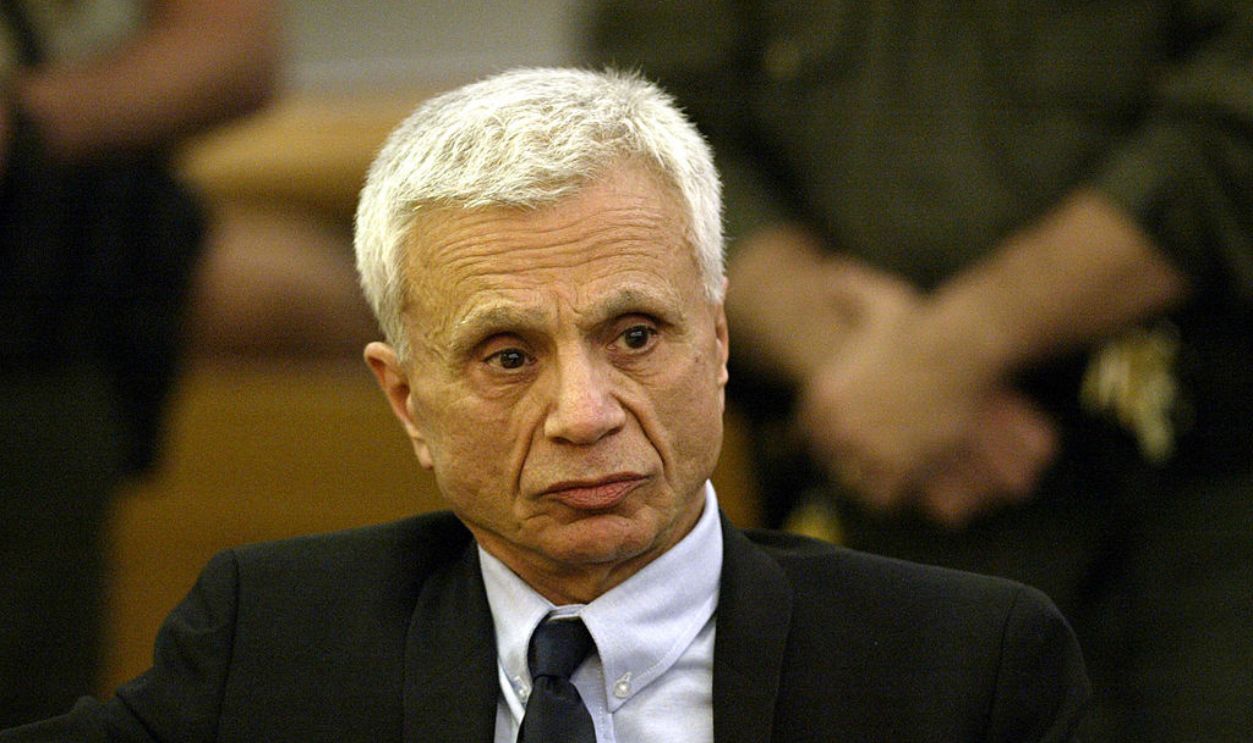 Pool Photographer, Getty Images
You Might Also Like: