
The Detective Who Refused To Disappear
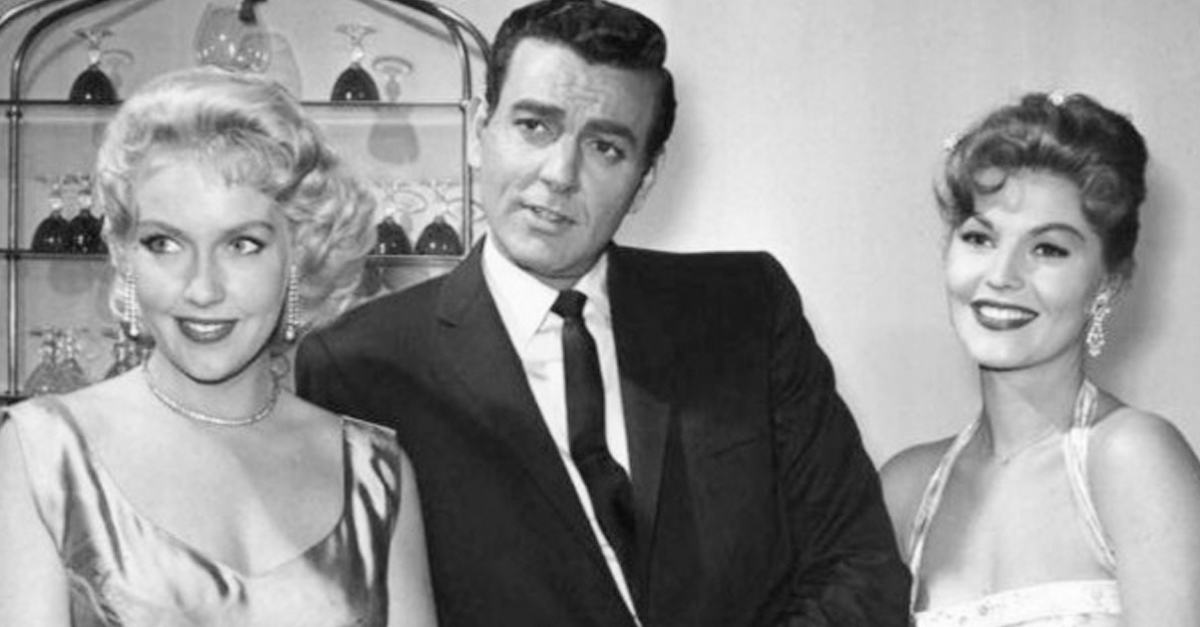
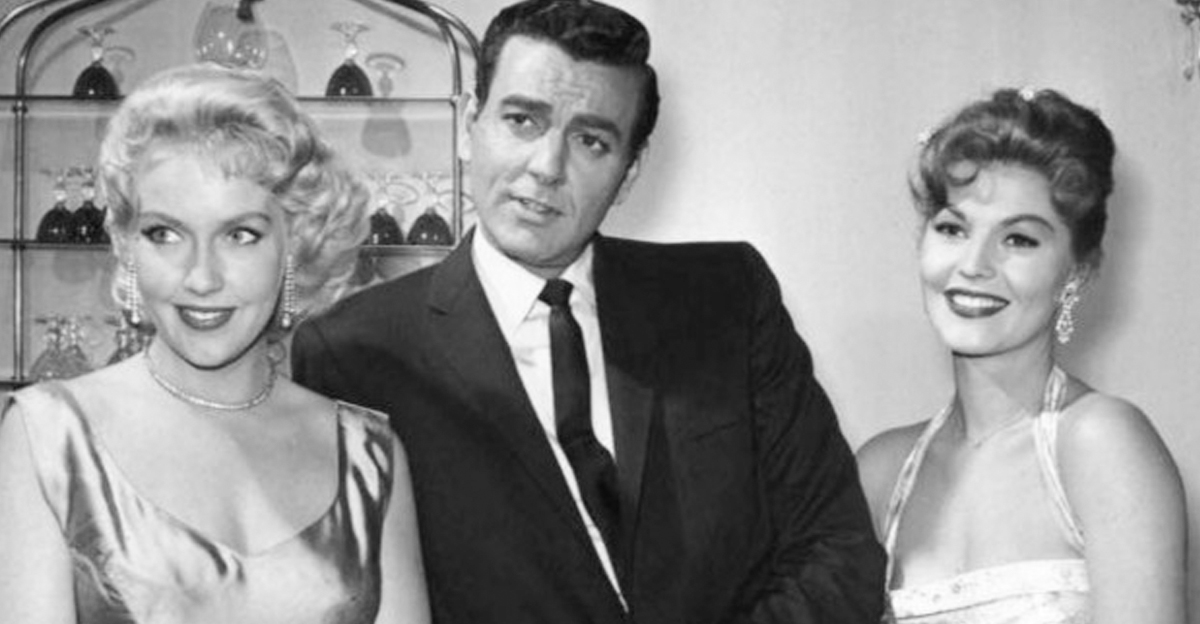
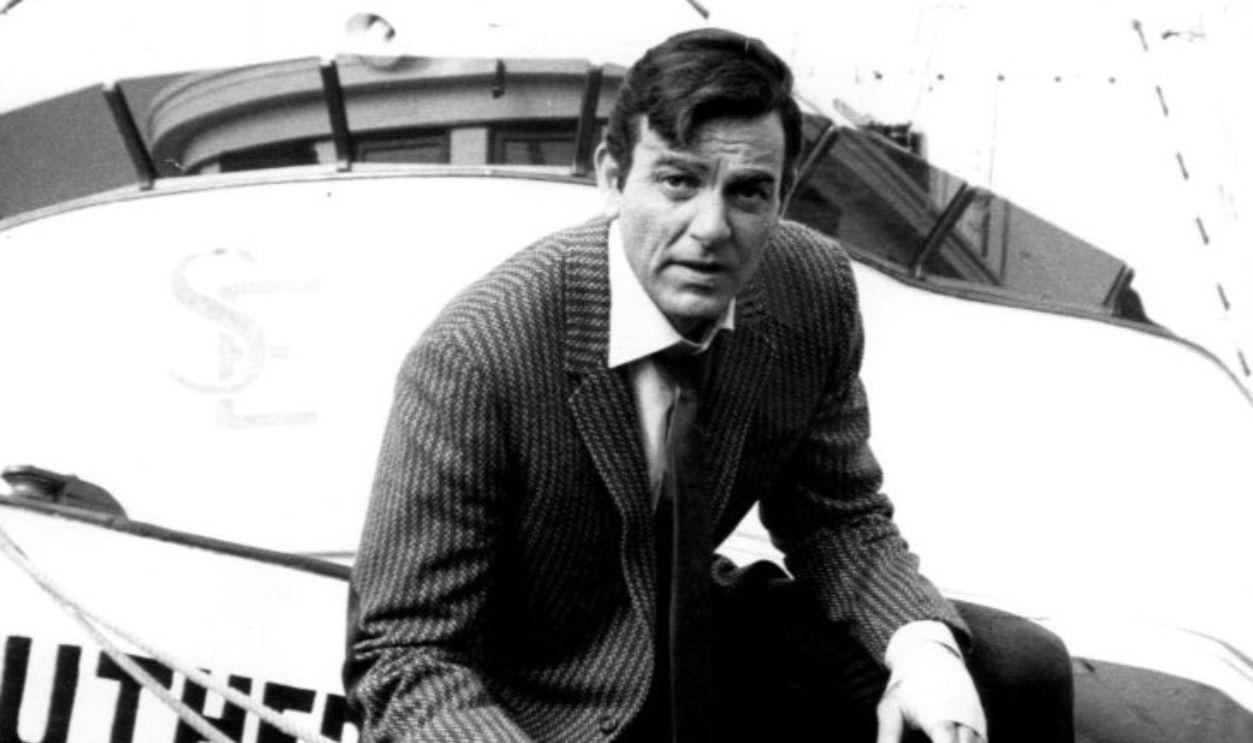
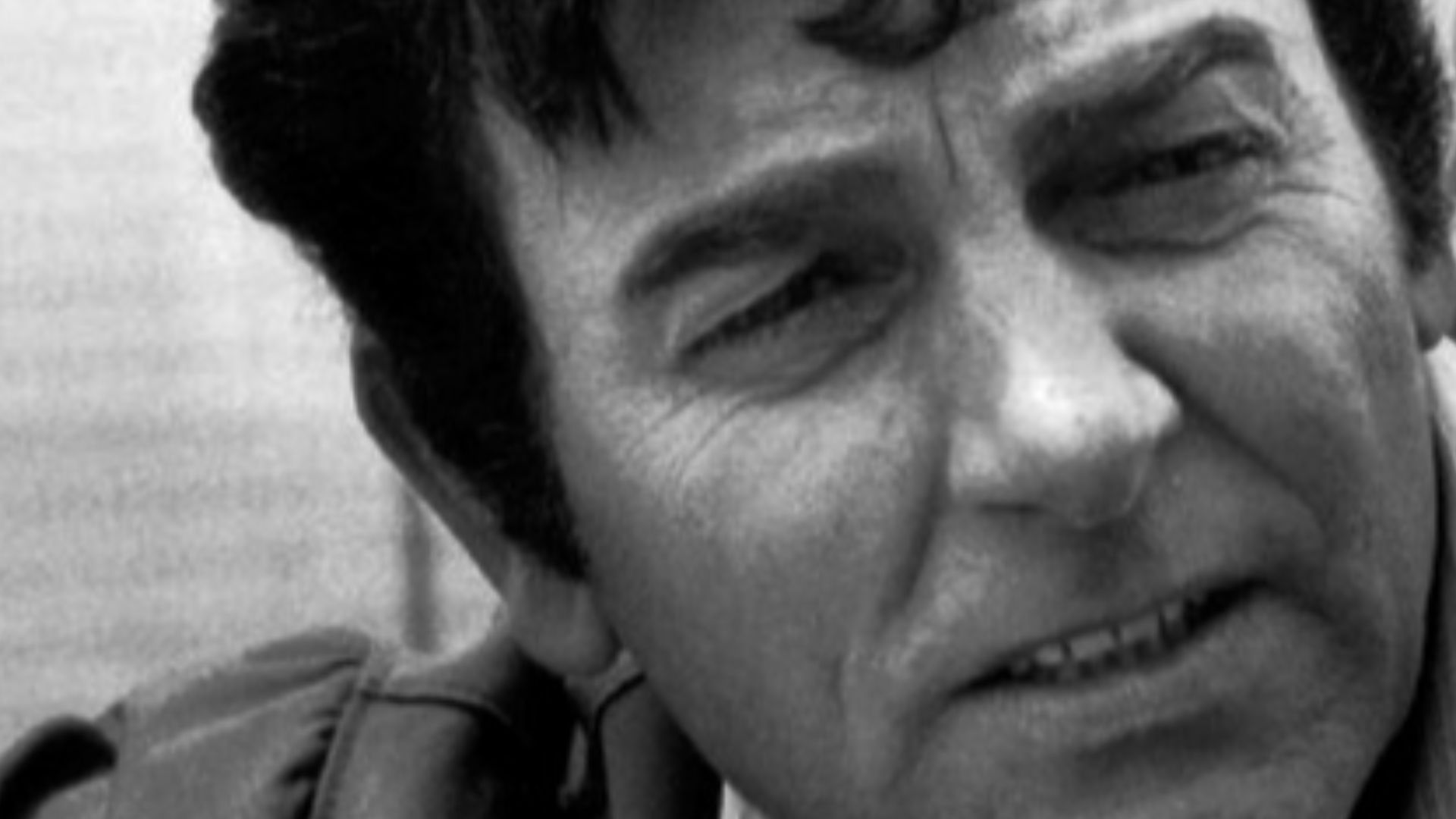
Mike Connors became famous as Joe Mannix, the tough private eye who could take a beating, solve the case, and still come back with his dignity intact. But his long-lasting appeal was not just about action. Connors had warmth, steadiness, toughness, and emotional believability, making him one of television’s most durable leading men.
 CBS Television, Wikimedia Commons
He Was Born Krekor Ohanian
Mike Connors was born Krekor Ohanian in Fresno, California, in 1925. The son of Armenian parents, he grew up with a background that was unusual for a Hollywood leading man of his era. Long before television made him famous, he was shaped by family, discipline, and a strong sense of identity.
 CBS Television, Wikimedia Commons
His Father’s Story Shaped His Values
Connors’ father had escaped the Armenian genocide and later became an attorney who helped Armenian immigrants. That family history gave Connors a deep appreciation for resilience. It also helped explain the grounded seriousness he brought to characters who endured hardship without self-pity.
 CBS Television, Wikimedia Commons
Basketball Gave Him His First Nickname
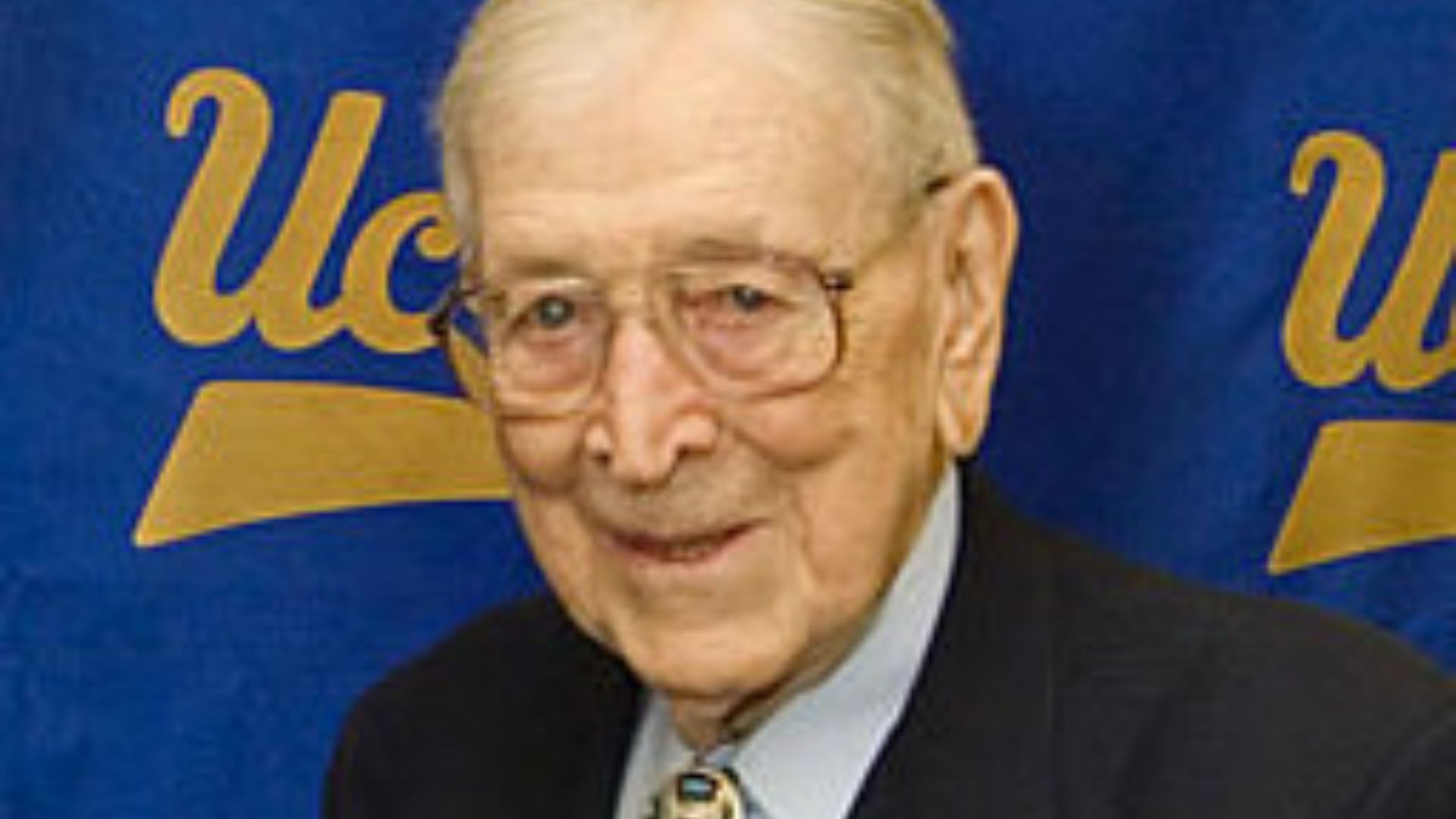
Before acting, Connors was a gifted athlete. He played basketball in high school and later attended UCLA, where he played under legendary coach John Wooden. His teammates called him “Touch,” a nickname that followed him into his early acting career.
 Congressman Brad Sherman's office, Wikimedia Commons
Hollywood Found Him Almost By Accident
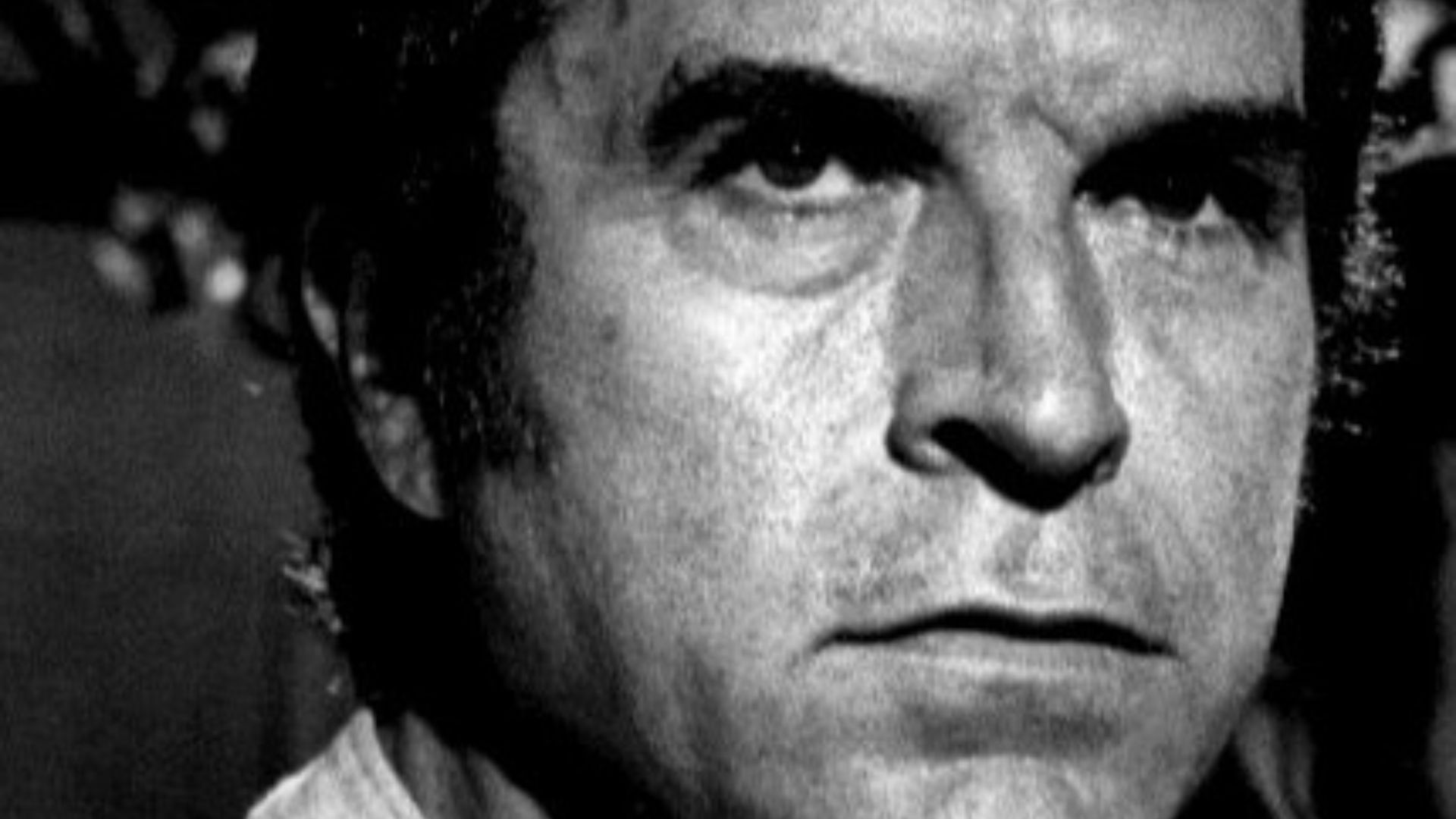
Connors did not arrive in Hollywood as a polished dramatic star. According to biographical accounts, director William A Wellman noticed his expressive face and encouraged him to try acting. That chance observation helped send Connors toward a career he had not originally planned.
 CBS Television, Wikimedia Commons
He Started Under The Name Touch Connors
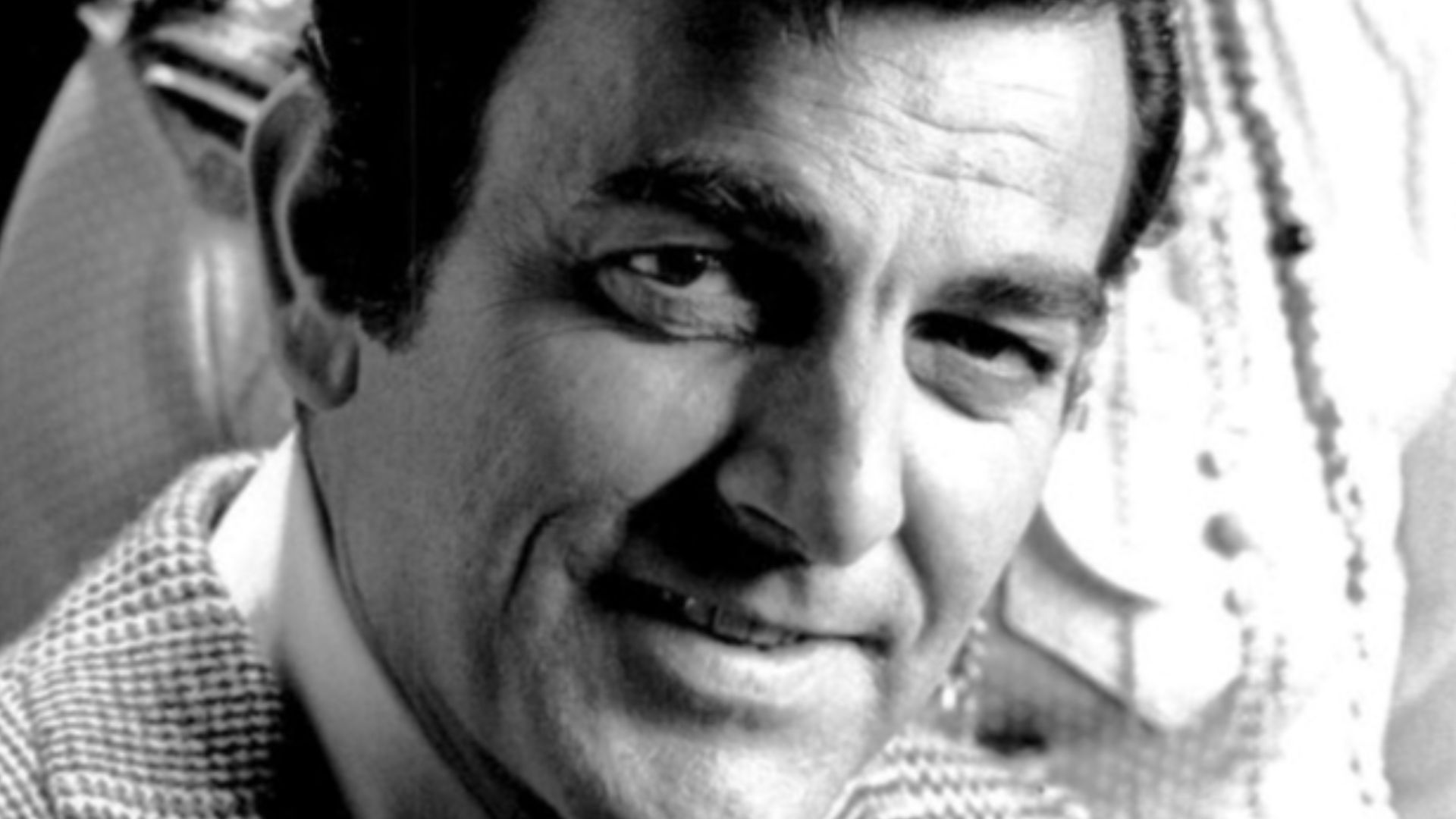
Early in his career, Connors was often credited as Touch Connors, using the nickname from his basketball days. The name had a rugged, gimmicky quality that fit B movies and tough-guy roles, but it did not yet suggest the polished television star he would later become.
 CBS Television, Wikimedia Commons
He Spent Years Learning In Smaller Roles
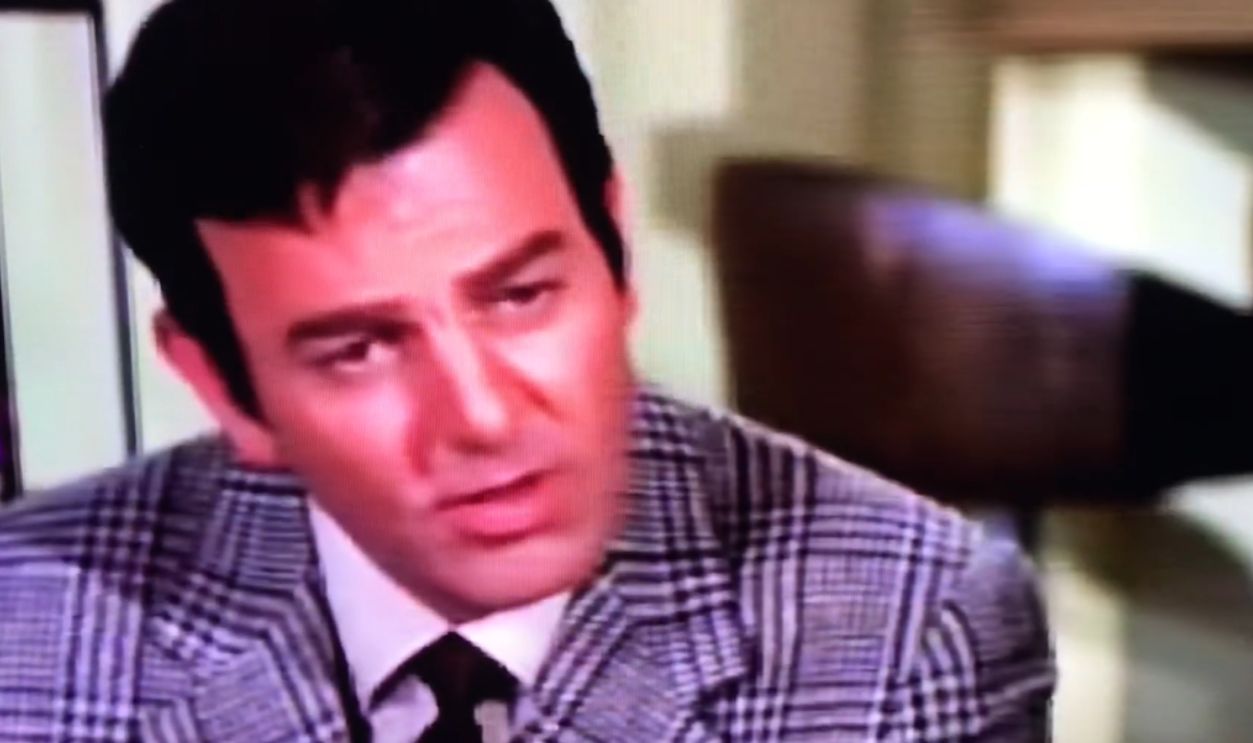
Before Mannix, Connors appeared in films and television projects that gave him experience without making him a household name. He worked steadily, but stardom did not arrive quickly. Those years helped him develop the confidence and professionalism that later made him so reliable.
 Screenshot from Mannix, CBS (1967–1975)
Tightrope! Gave Him An Early Lead
Connors starred in the crime series Tightrope! from 1959 to 1960, playing an undercover officer. The show was short-lived, but it proved he could carry a tough television role. It also helped establish the screen persona that would eventually lead him toward Joe Mannix.
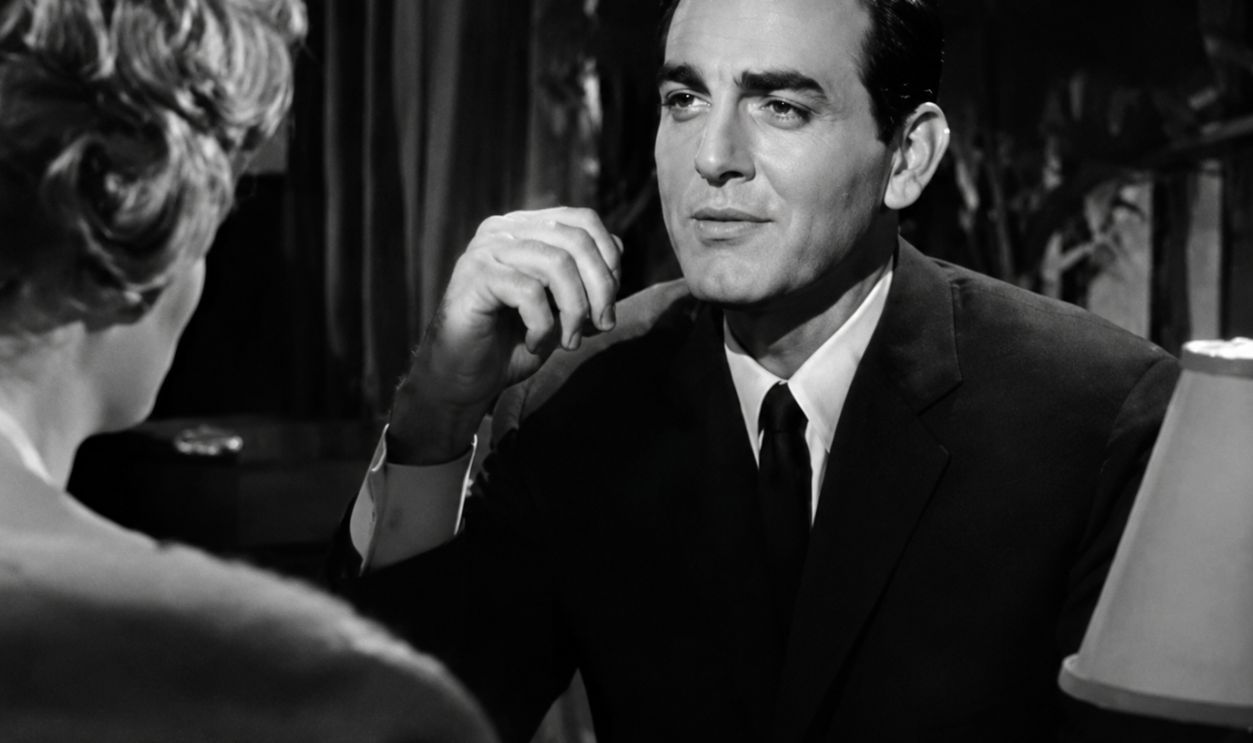 Screenshot from Tightrope, Warner Bros. Pictures (1984), modified
His Strength Was Never Just Toughness
Connors looked believable in action scenes, but his real strength was balance. He could seem hard without becoming cold and masculine without becoming wooden. That combination made him ideal for television, where viewers needed to invite a leading man into their homes every week.
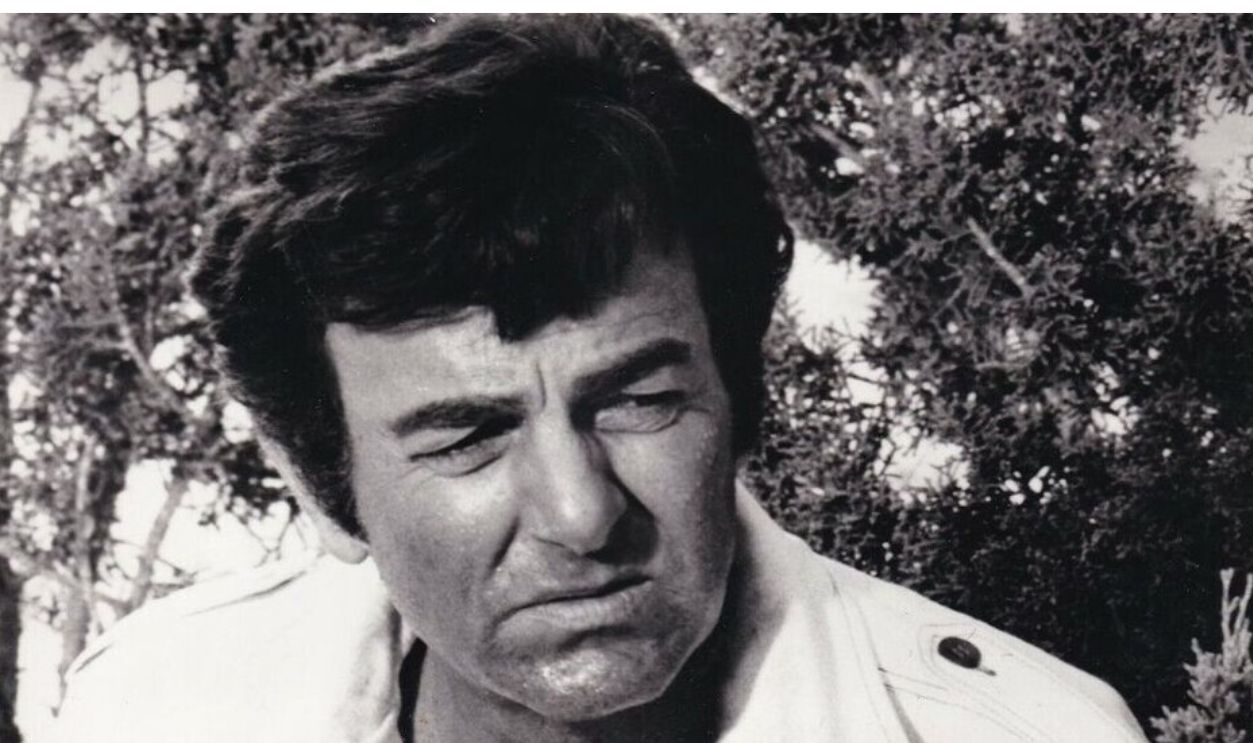 CBS Television, Wikimedia Commons
Mannix Arrived At The Right Time
When Mannix premiered in 1967, detective television was changing. Audiences wanted action, mystery, and personality. Connors gave them all three. As Joe Mannix, he created a private eye who was tough enough for danger but human enough to care.
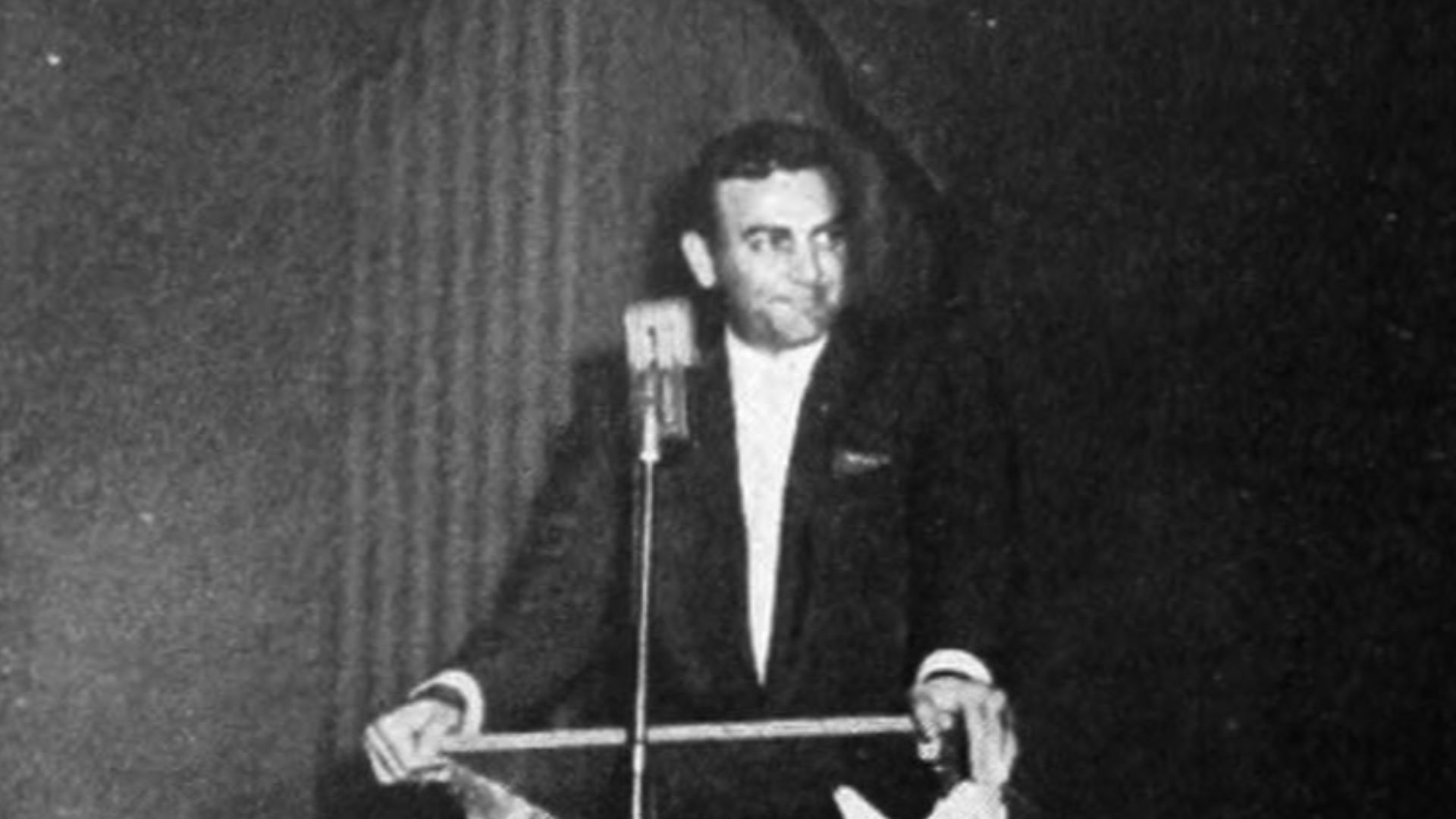 Associated Students, University of California, Los Angeles, Wikimedia Commons
The First Season Had A Different Format
In its first season, Mannix placed Joe Mannix inside a high-tech detective agency called Intertect. The setup was stylish, but it did not fully match Connors’ strengths. The show became more effective when Mannix stepped away from the corporate setting and became an independent private investigator.
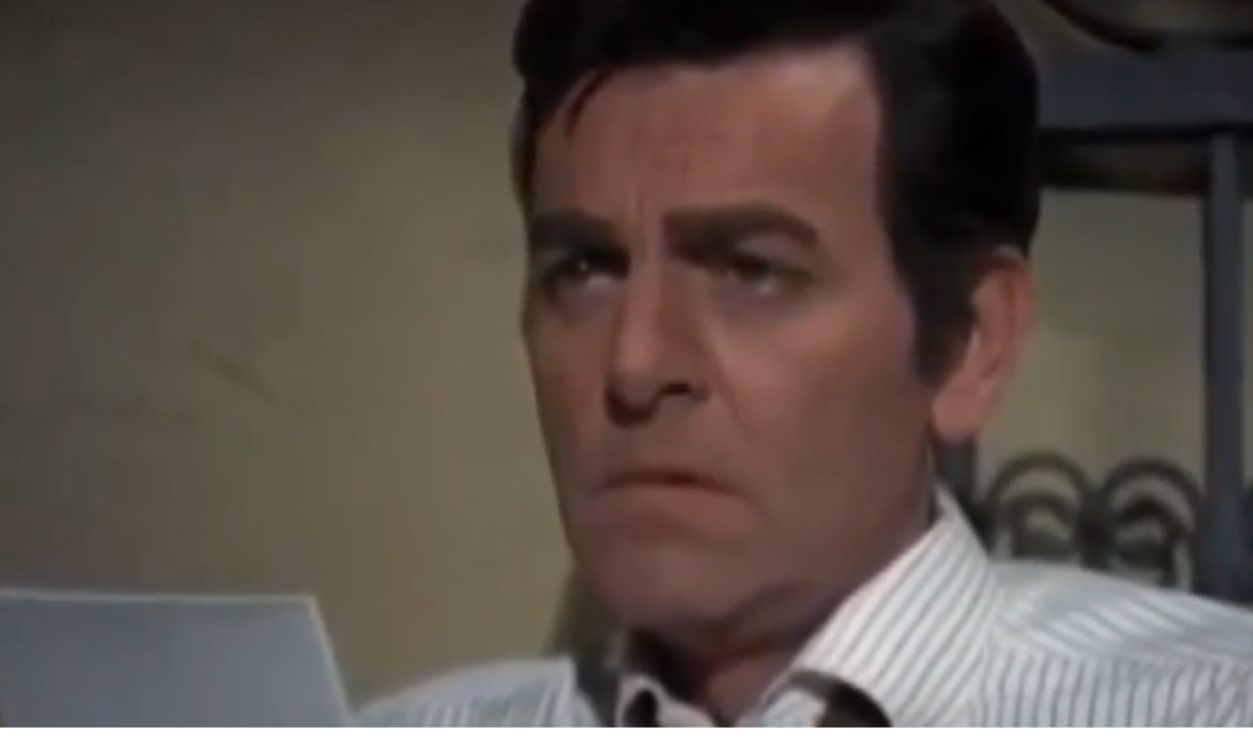 Screenshot from Mannix, CBS (1967–1975)
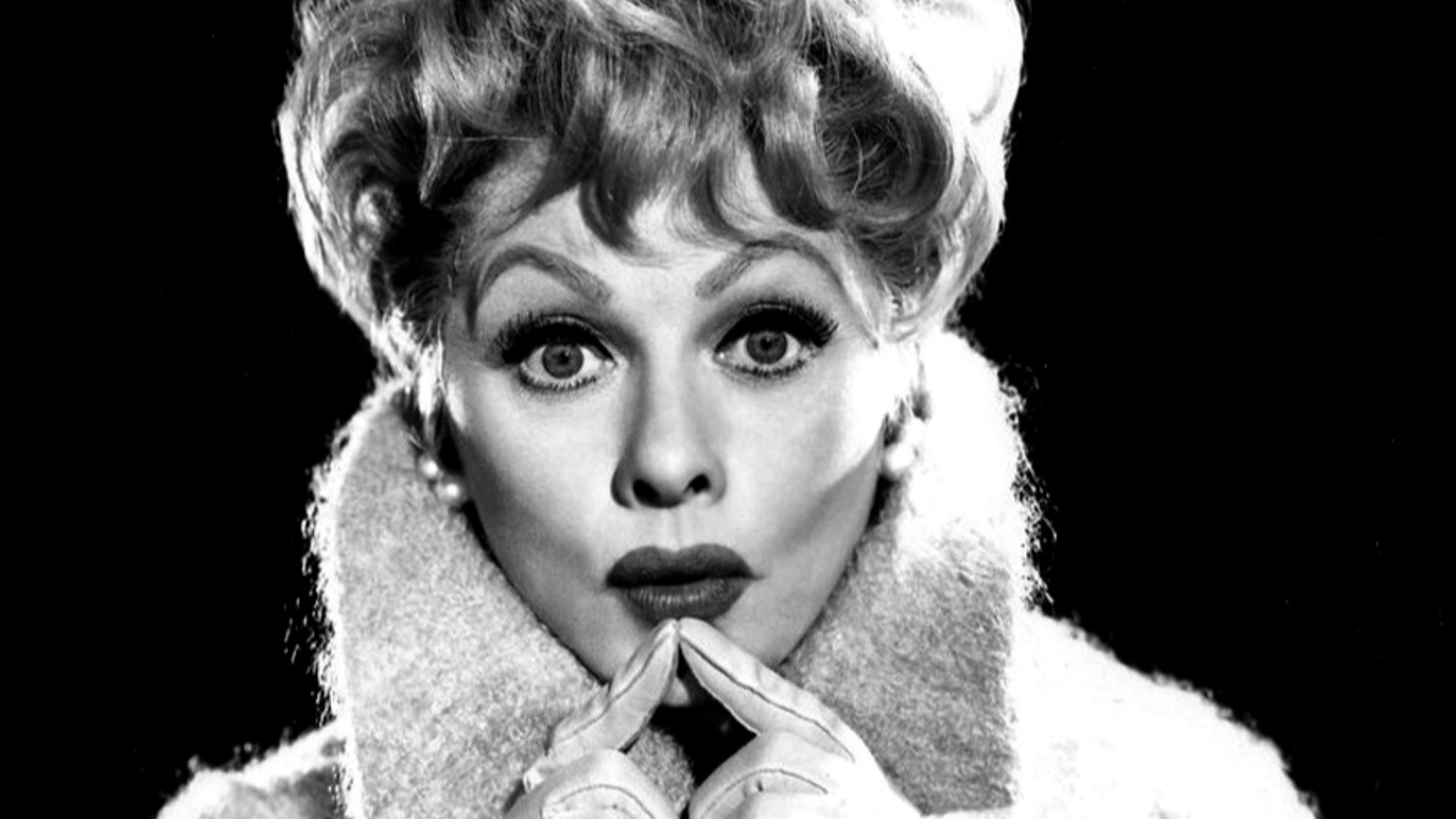
Lucille Ball Helped Save The Show
Lucille Ball, whose company was connected to the series, reportedly helped push for changes that kept Mannix alive after its uncertain first season. The shift allowed Connors to become the center of the show in a more direct, personal way. That decision helped turn Mannix into a hit.
 MSEI - Public Relations agency, Wikimedia Commons
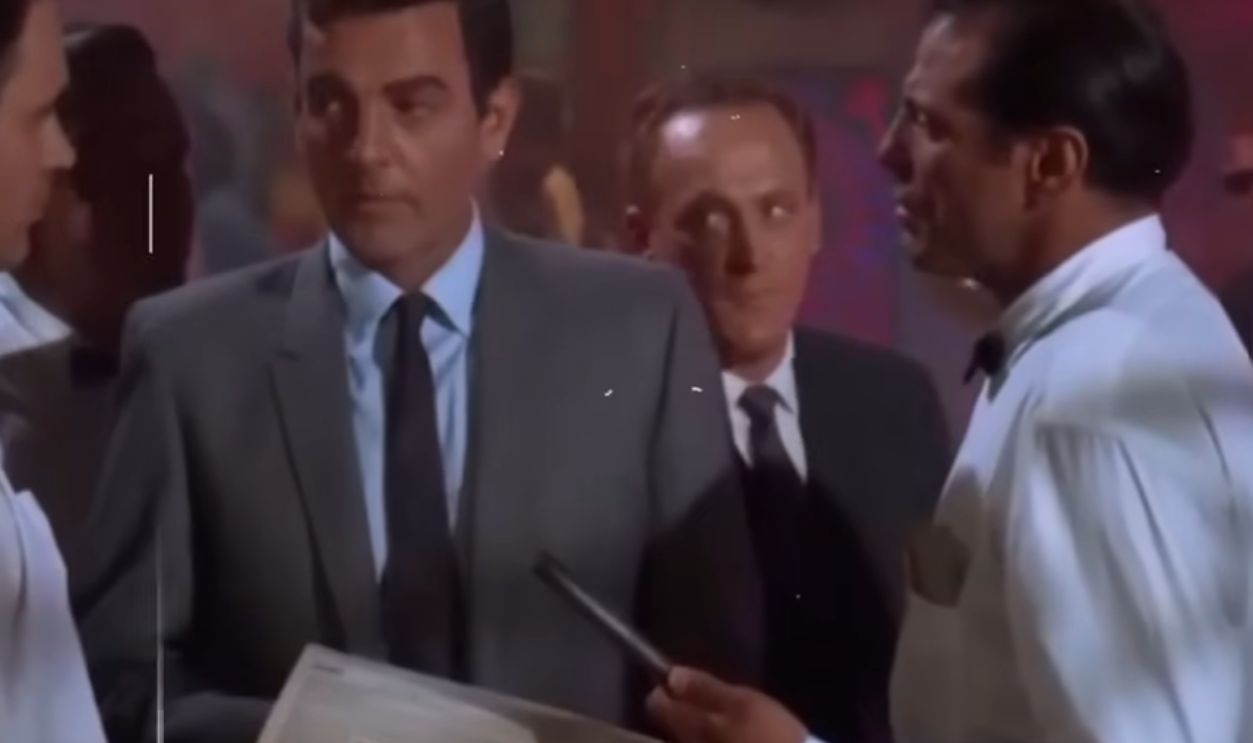
Joe Mannix Was Tough But Not Cynical
Connors later explained that Mannix was different from the usual hard-boiled private eye. He was not simply a sarcastic loner. He could be emotional, loyal, family-minded, and vulnerable. That humanity helped the character last longer than many tougher but flatter television detectives.
 Screenshot from Mannix, CBS (1967–1975)
Audiences Believed He Could Take A Beating
One of the running jokes about Mannix is how often Joe Mannix was knocked down, punched, shot at, or injured. Connors made that physical punishment believable without turning it into parody. He seemed durable because the character always got up again.
 Screenshot from Mannix, CBS (1967–1975)
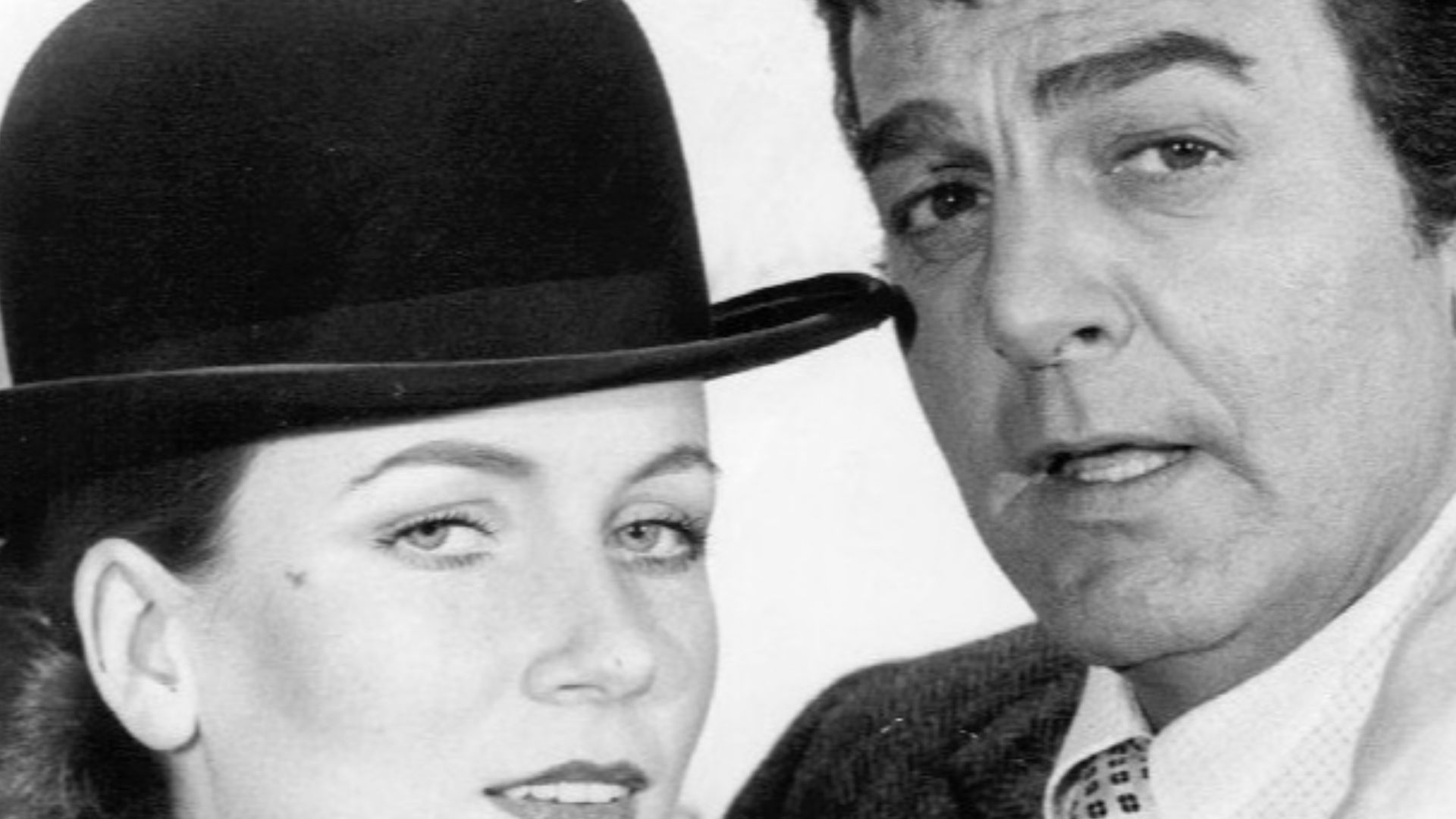
He Performed Many Of His Own Stunts
Connors reportedly performed many of his own stunts on Mannix, adding authenticity to the show’s action scenes. During the pilot, he suffered injuries including a broken wrist and dislocated shoulder. That willingness to commit physically reinforced his tough television image.
 CBS Television, Wikimedia Commons
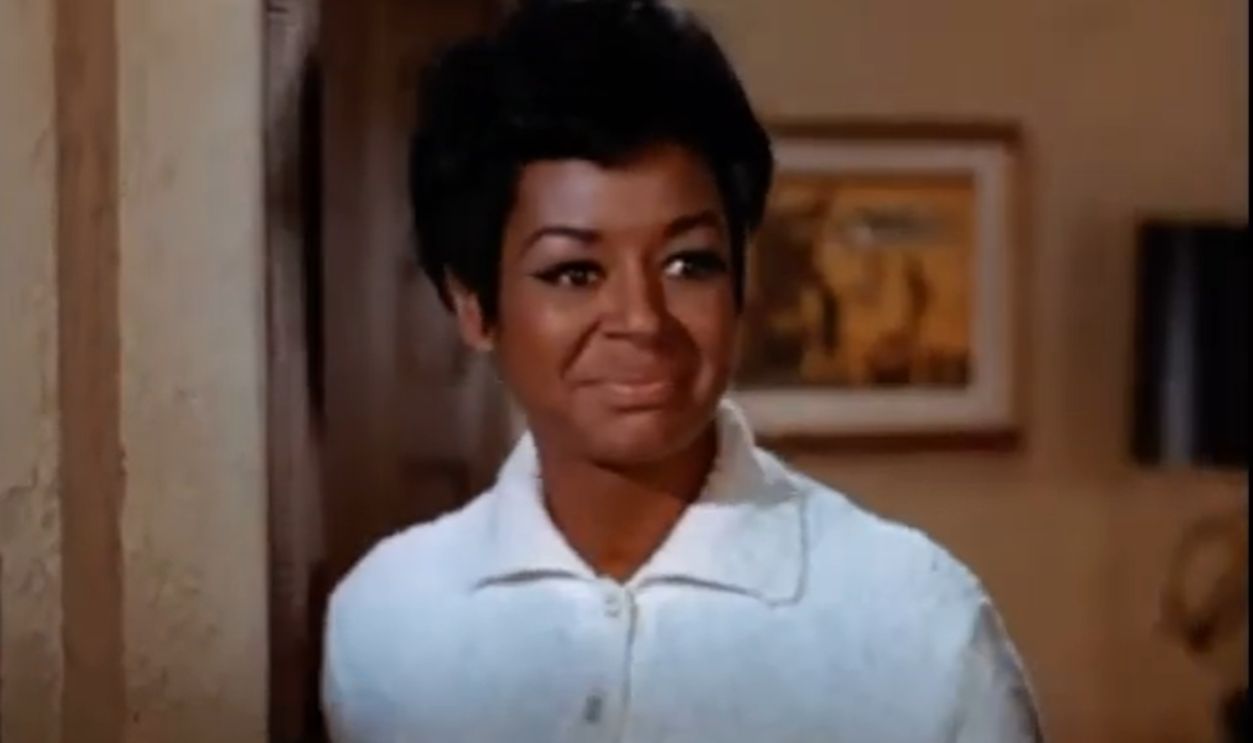
Gail Fisher Helped Give The Show Heart
The second season introduced Gail Fisher as Peggy Fair, Mannix’s secretary and trusted associate. Their partnership gave the show emotional warmth and made Mannix feel less isolated. Fisher’s presence helped create one of the more memorable working relationships in crime television.
 Screenshot from Mannix, CBS (1967–1975)
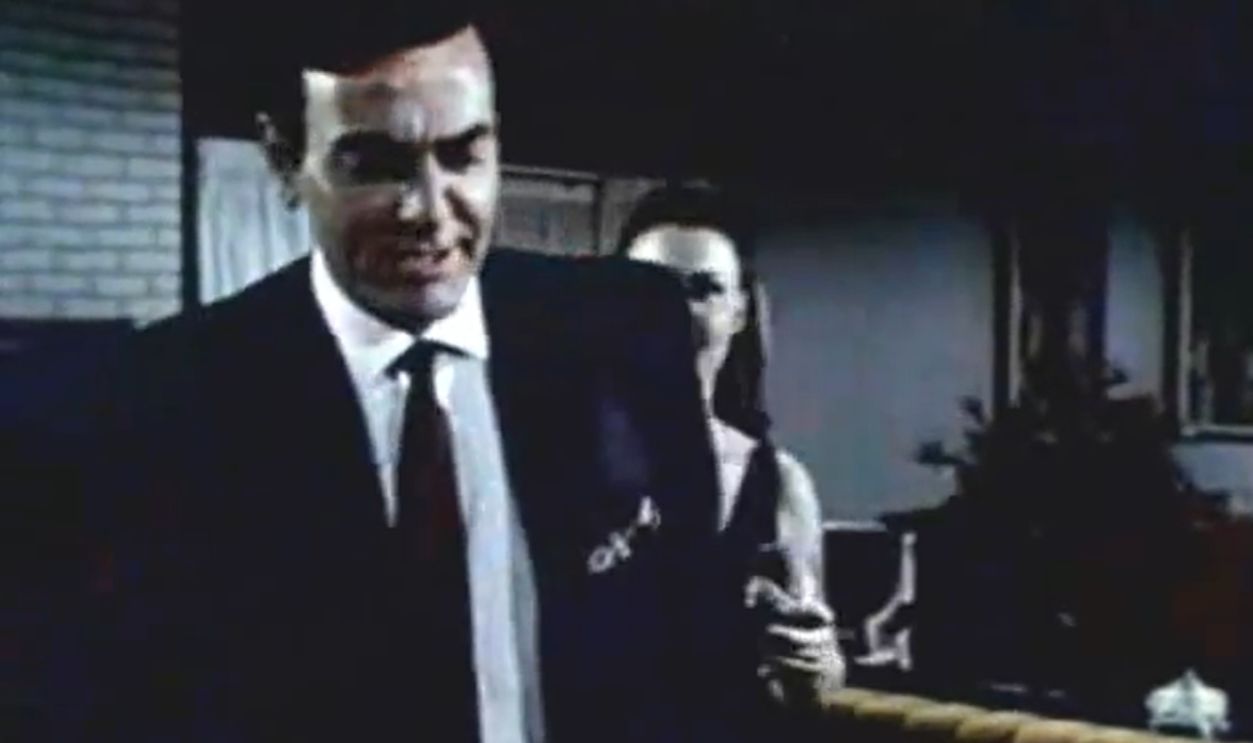
The Show Made Quiet Television History
Mannix also stood out because Joe Mannix was Armenian American, reflecting Connors’ own heritage. The Television Academy has noted the significance of the show featuring an Armenian male lead, making Connors’ success especially meaningful in an era with limited representation.
 Screenshot from Mannix, CBS (1967–1975)
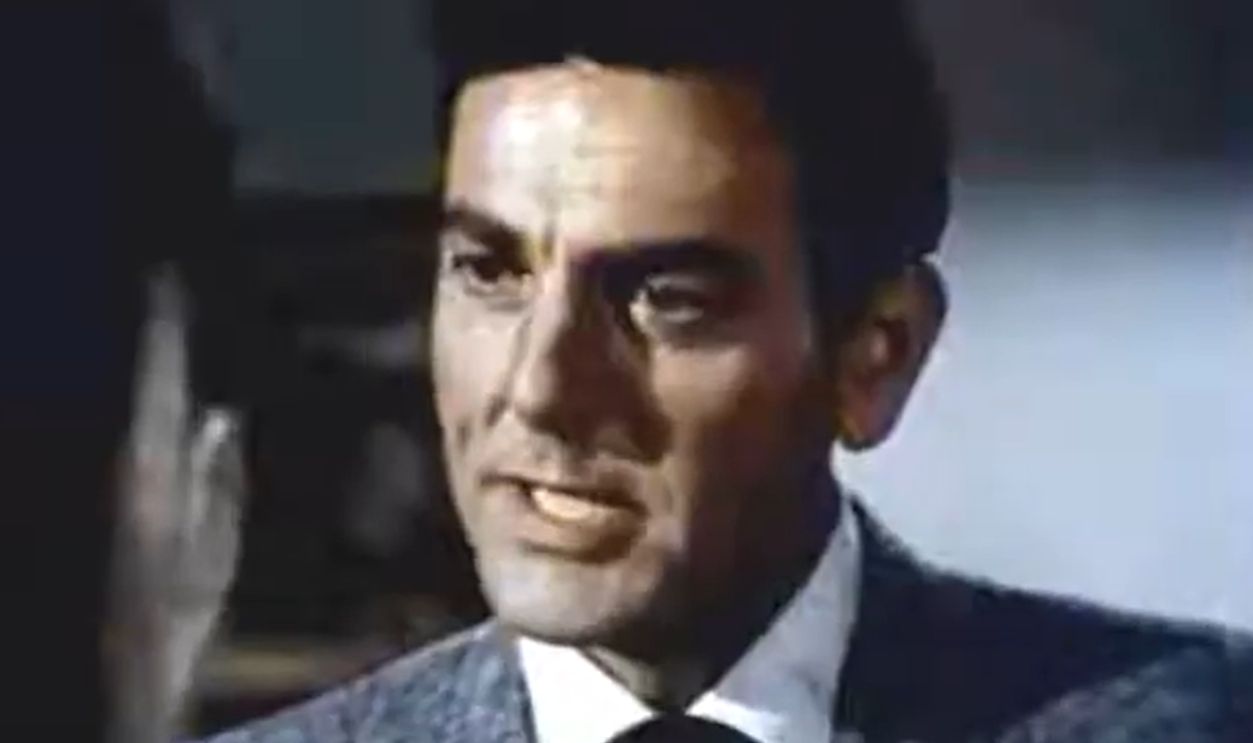
Awards Confirmed His Staying Power
Connors won a Golden Globe for Mannix and received multiple Emmy nominations for his performance. Those honors showed that his work was not only popular with audiences but respected within the industry. He had turned a detective role into a career-defining achievement.
 Screenshot from Mannix, CBS (1967–1975)
Mannix Ran For Eight Seasons
The series lasted from 1967 to 1975, an impressive run for any crime drama. Week after week, Connors carried stories built around danger, loyalty, mystery, and endurance. His consistency helped make the show feel dependable without becoming dull.
 Screenshot from Mannix, CBS (1967–1975)
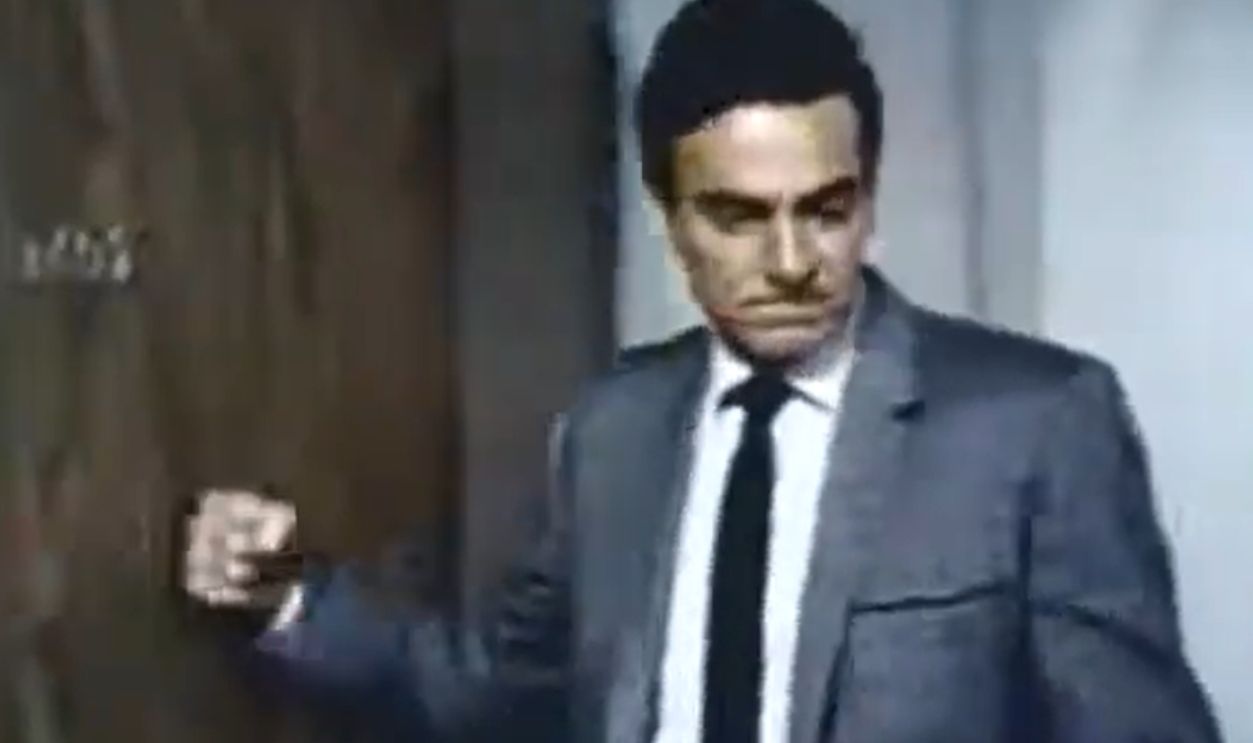
He Was Handsome Without Feeling Untouchable
Connors had the looks of a classic leading man, but he never seemed remote. His appeal came from accessibility as much as glamor. Viewers could believe Mannix was tough, but they could also believe he cared about ordinary people caught in trouble.
 Screenshot from Mannix, CBS (1967–1975)
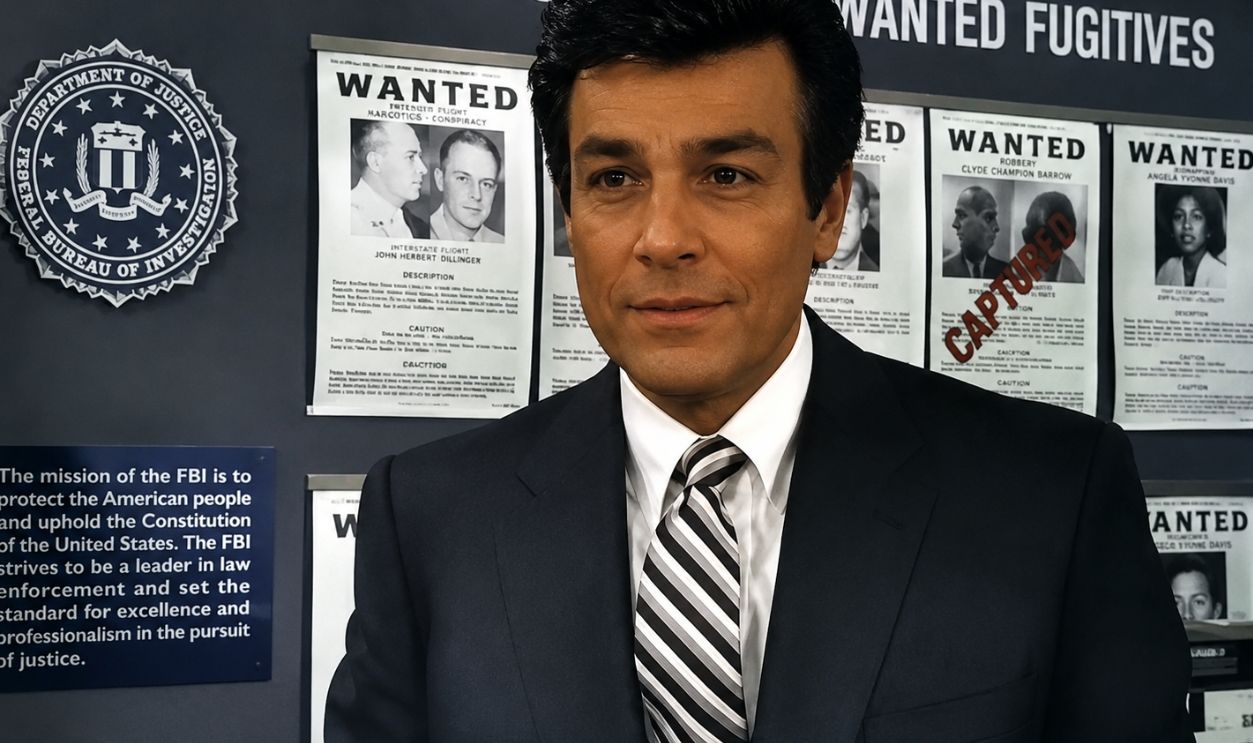
He Survived After The Series Ended
After Mannix, Connors continued acting in television and film, including later projects such as Today’s FBI. He never completely escaped Joe Mannix, but he did not vanish either. His reputation remained strong because the role had been built on personality, not novelty.
 Screenshot from Today's F.B.I., ABC (1981), Modified
He Eventually Returned As Mannix
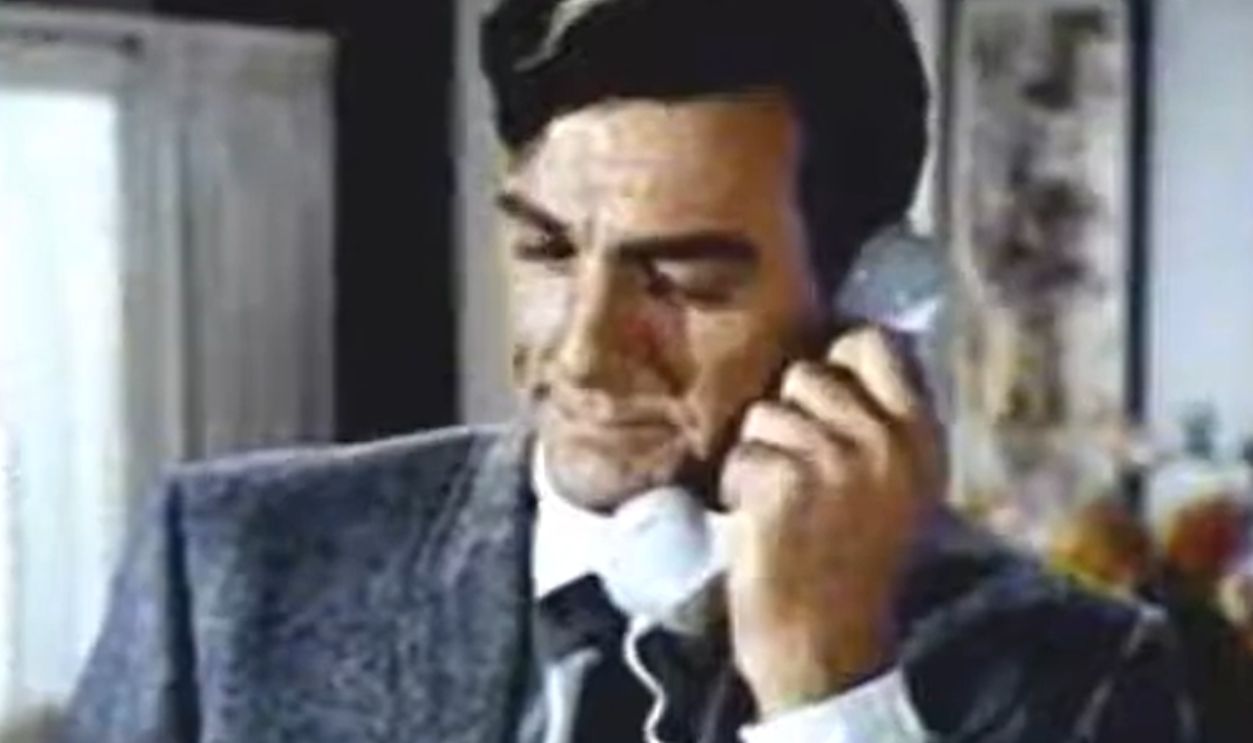
Connors reprised Joe Mannix years later, including in an episode of Diagnosis: Murder. The return worked because audiences still recognized the character’s authority. Some television roles age quickly, but Mannix remained tied to Connors in a way fans remembered fondly.
 Screenshot from Mannix, CBS (1967–1975)
His Personal Life Added To His Steady Image
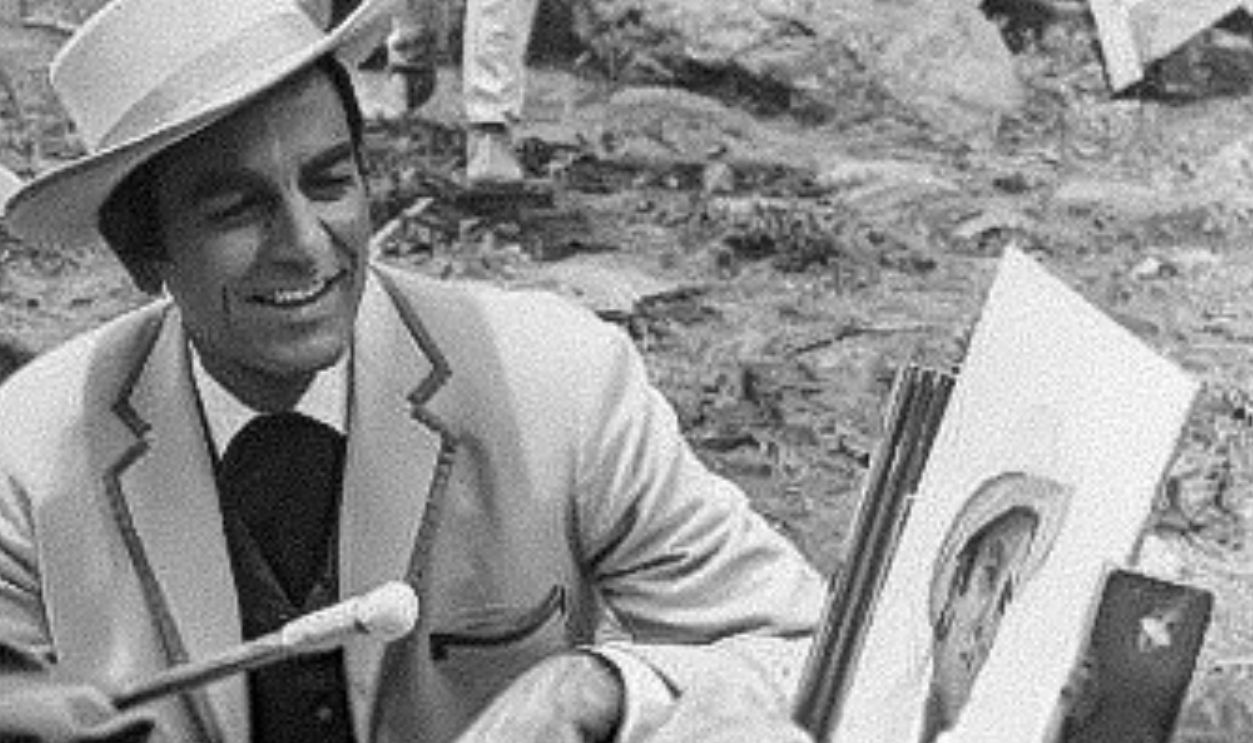
Connors was married to his wife, Mary Lou Willey, for decades, which added to his image as a stable and grounded figure. In an industry known for reinvention and chaos, that steadiness made his public persona feel unusually consistent.
His Death Marked The End Of A Television Era
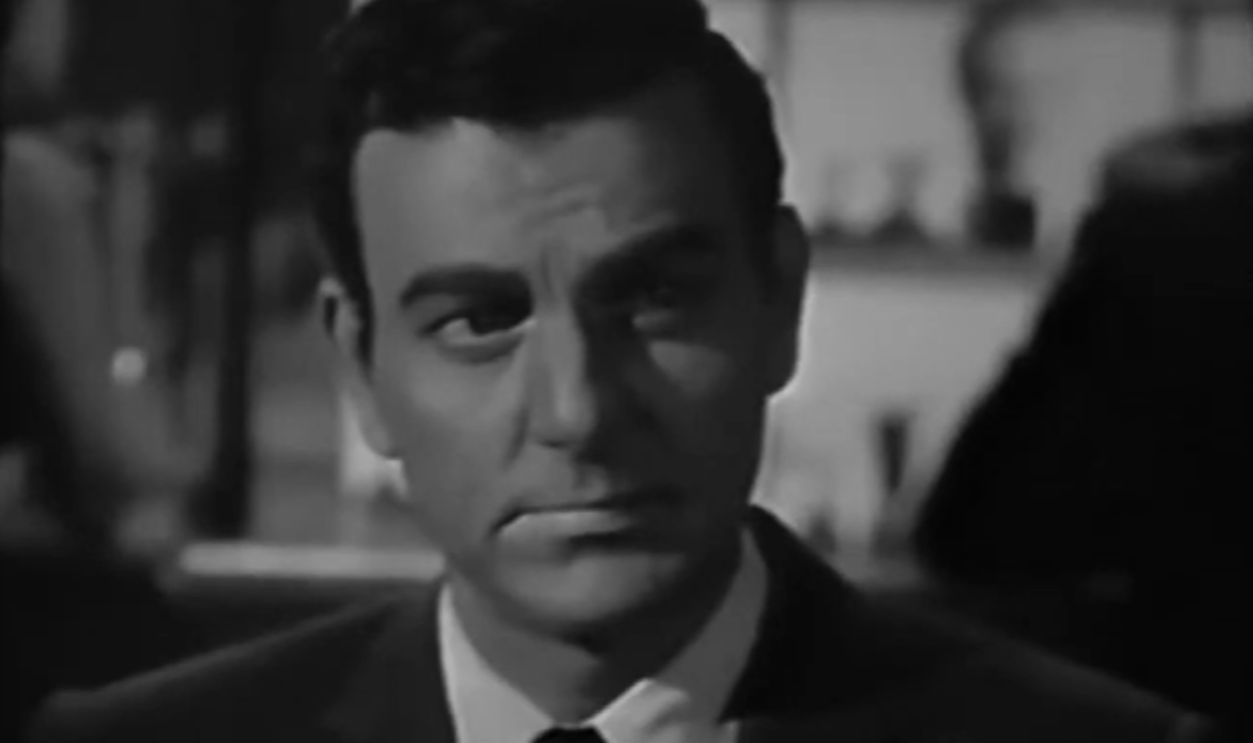
Mike Connors passed in 2017 at age 91 after being diagnosed with leukemia. For fans of classic television, his death felt like the closing of a chapter. He belonged to a generation of leading men who built careers through stamina, presence, and weekly trust.
 Screenshot from Tightrope, Warner Bros. Pictures (1984)
He Was Steady In The Storm Of The Entertainment Industry
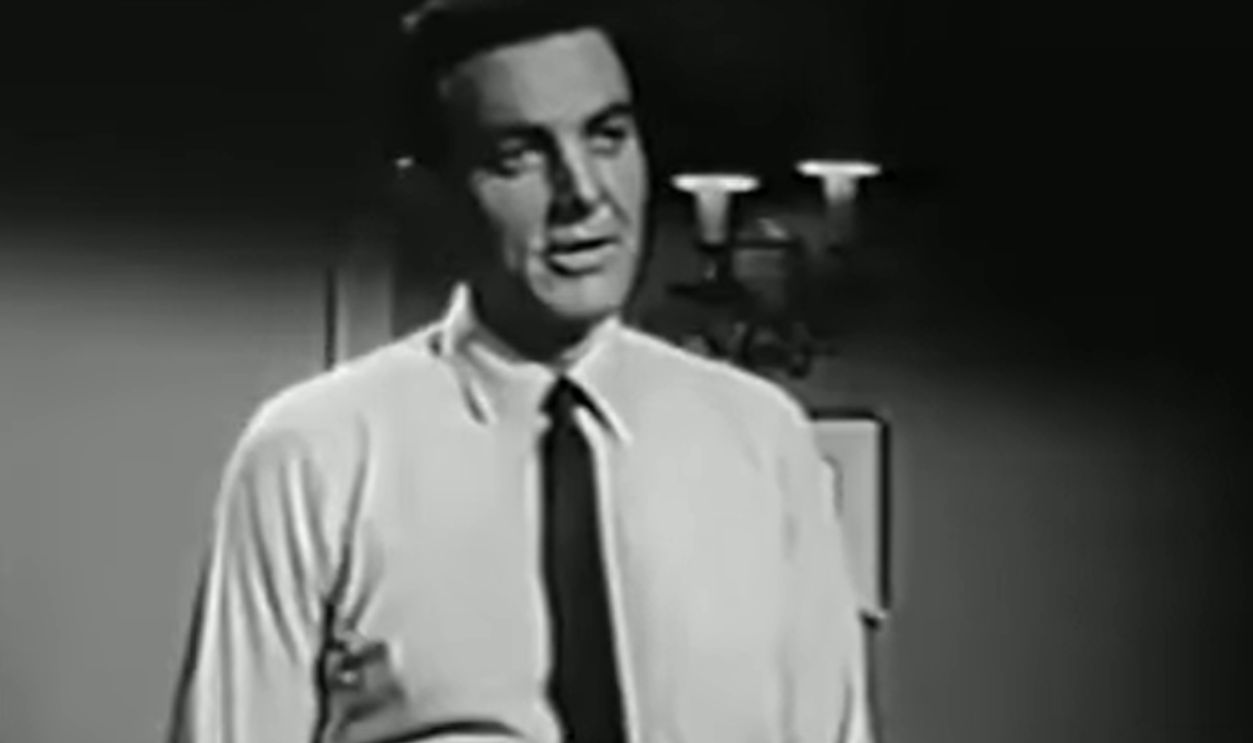
Mike Connors became one of television’s most durable leading men because he combined toughness with decency. He could carry action, drama, and emotion without seeming false. As Joe Mannix, he gave audiences a hero who was battered but never broken—and that kind of reliability never really goes out of style.
 Screenshot from Tightrope, Warner Bros. Pictures (1984)
You May Also Like:
Stars Who Overcame Serious Health Battles Behind The Scenes
Tragic Facts About George Reeves, The Reluctant Superhero



.jpg)
.jpg)