The Star Who Walked Away From Hollywood
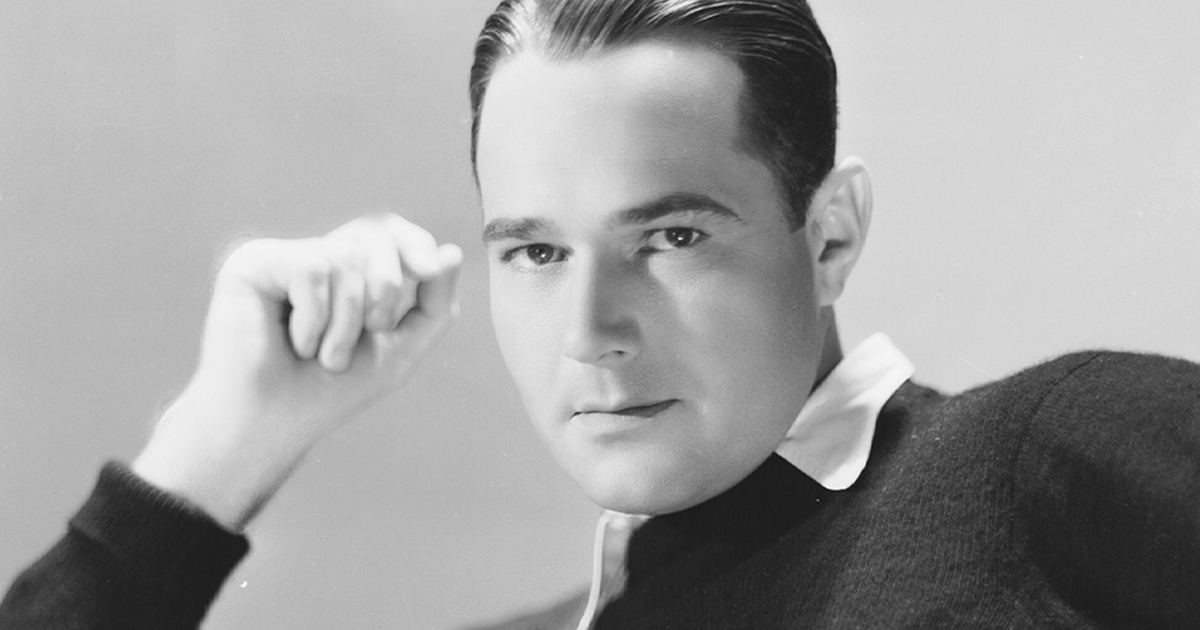
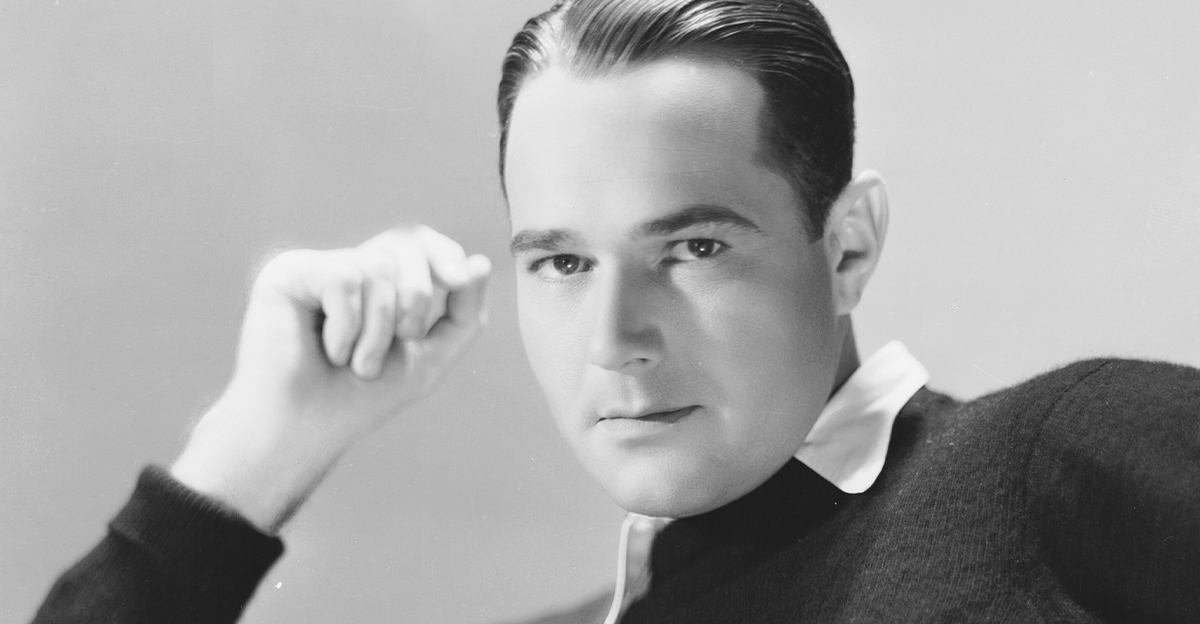
In the late 1920s, William Haines was one of MGM’s biggest box-office draws. He was charming. Stylish. Funny. And openly living with another man in an industry built on illusion. But when Hollywood demanded he choose between fame and love, he made a decision that stunned everyone.
 John Kobal Foundation / Contributor, Getty Images
From Virginia to the Silver Screen
William Haines was born on January 2, 1900, in Staunton, Virginia. He grew up rebellious and restless. In 1922, after entering a talent contest sponsored by Goldwyn Pictures, he landed in Hollywood. Within a few years, he was under contract at Metro-Goldwyn-Mayer.
MGM had found its next star.
A Different Kind of Leading Man
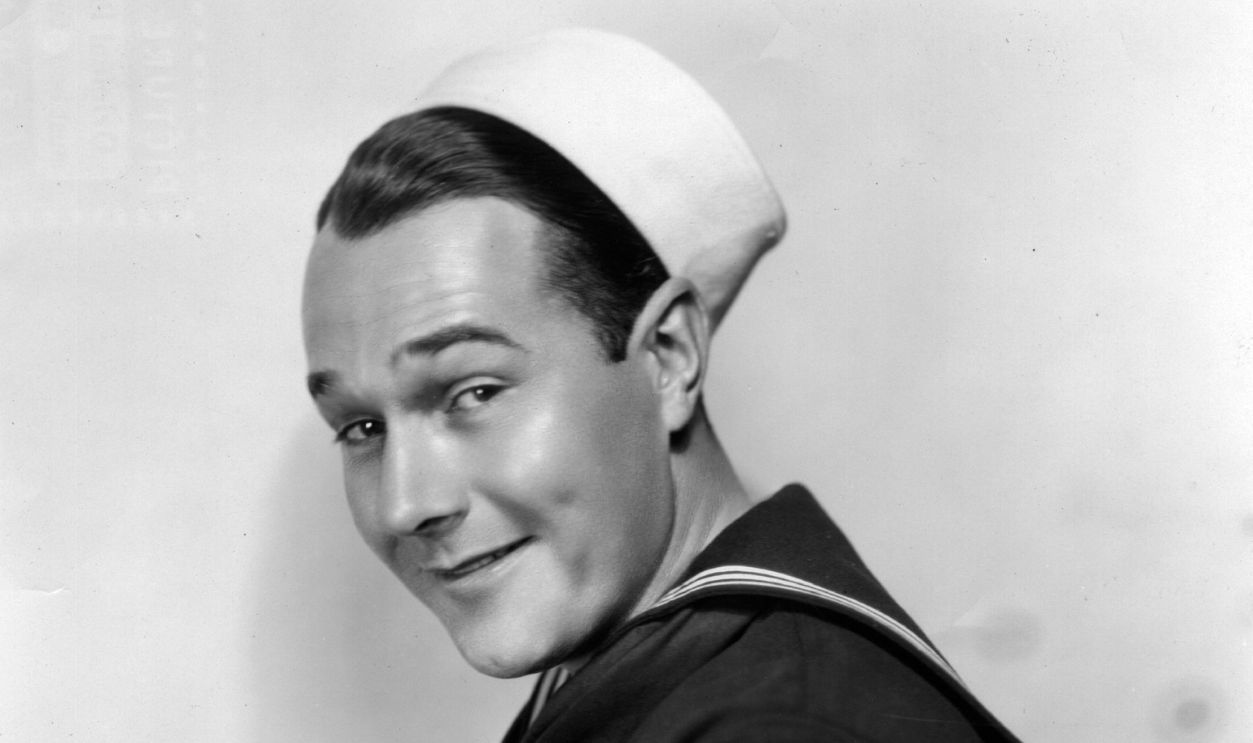
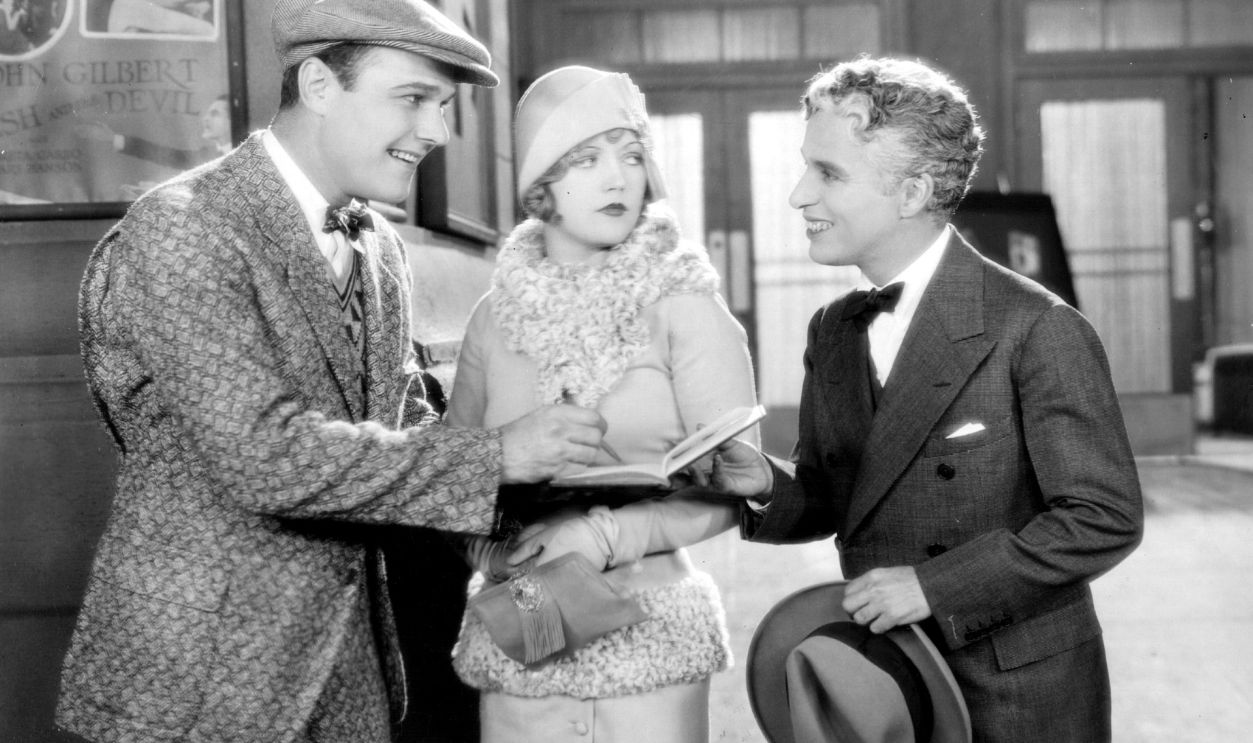
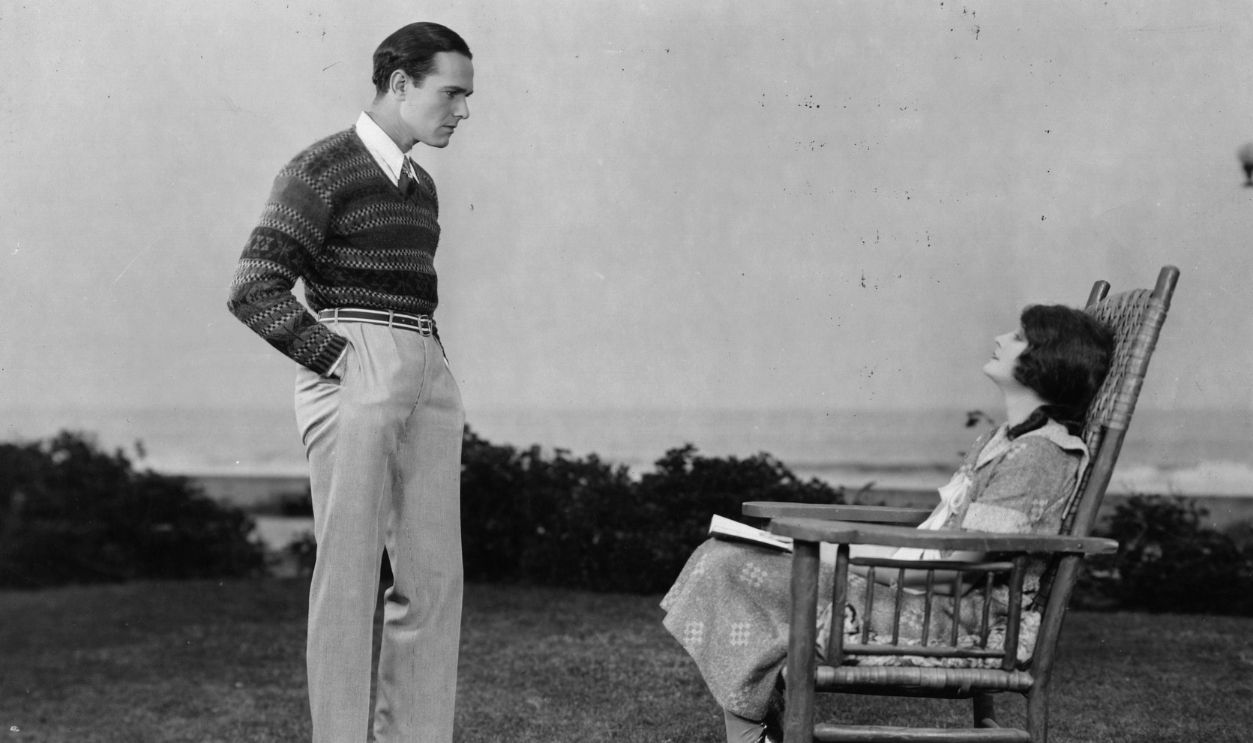
Unlike the brooding silent film idols of the era, Haines played witty, modern characters. Films like Brown of Harvard (1926) and Show People (1928) made him wildly popular.
He wasn’t just successful — he was one of MGM’s top earners by 1929. Louis B Mayer noticed.
The Partner He Refused to Hide
In 1926, Haines met James “Jimmie” Shields, a former sailor. The two quickly became inseparable. They lived together openly in Los Angeles at a time when most actors guarded even harmless gossip. In later years, friends described them as devoted.
Hollywood noticed that too.
The Studio System Had Rules
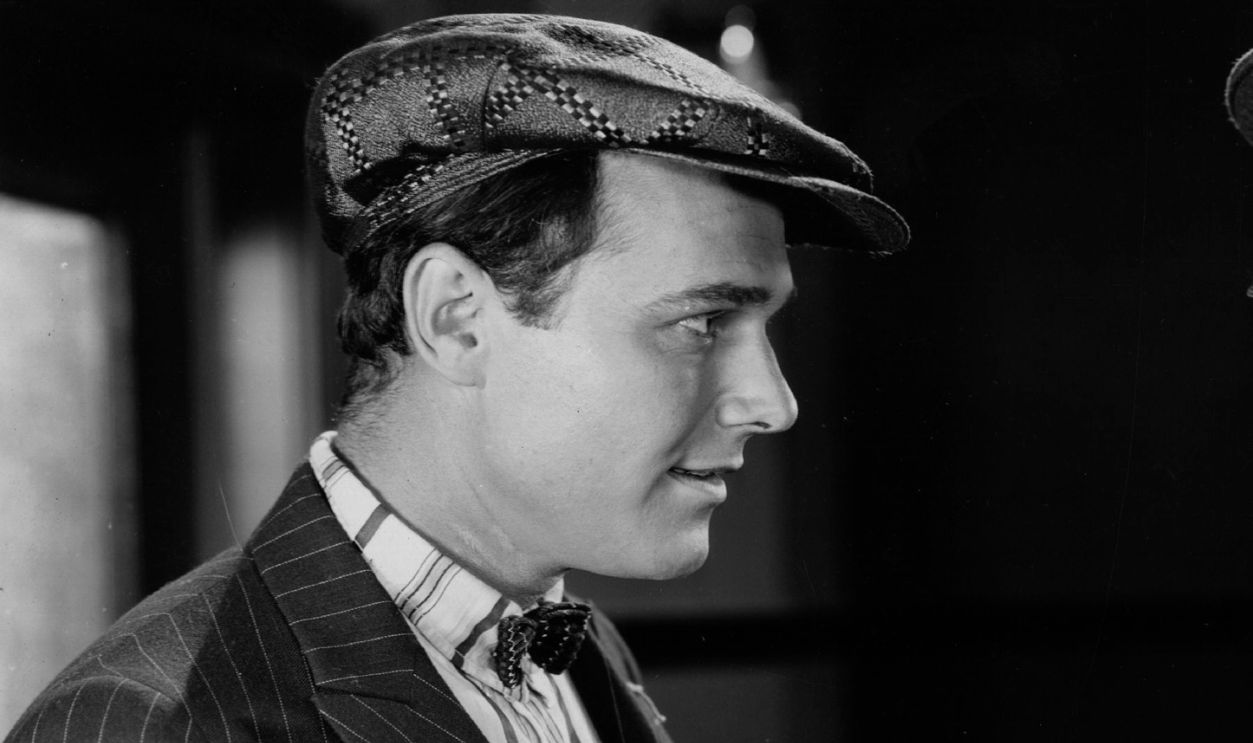
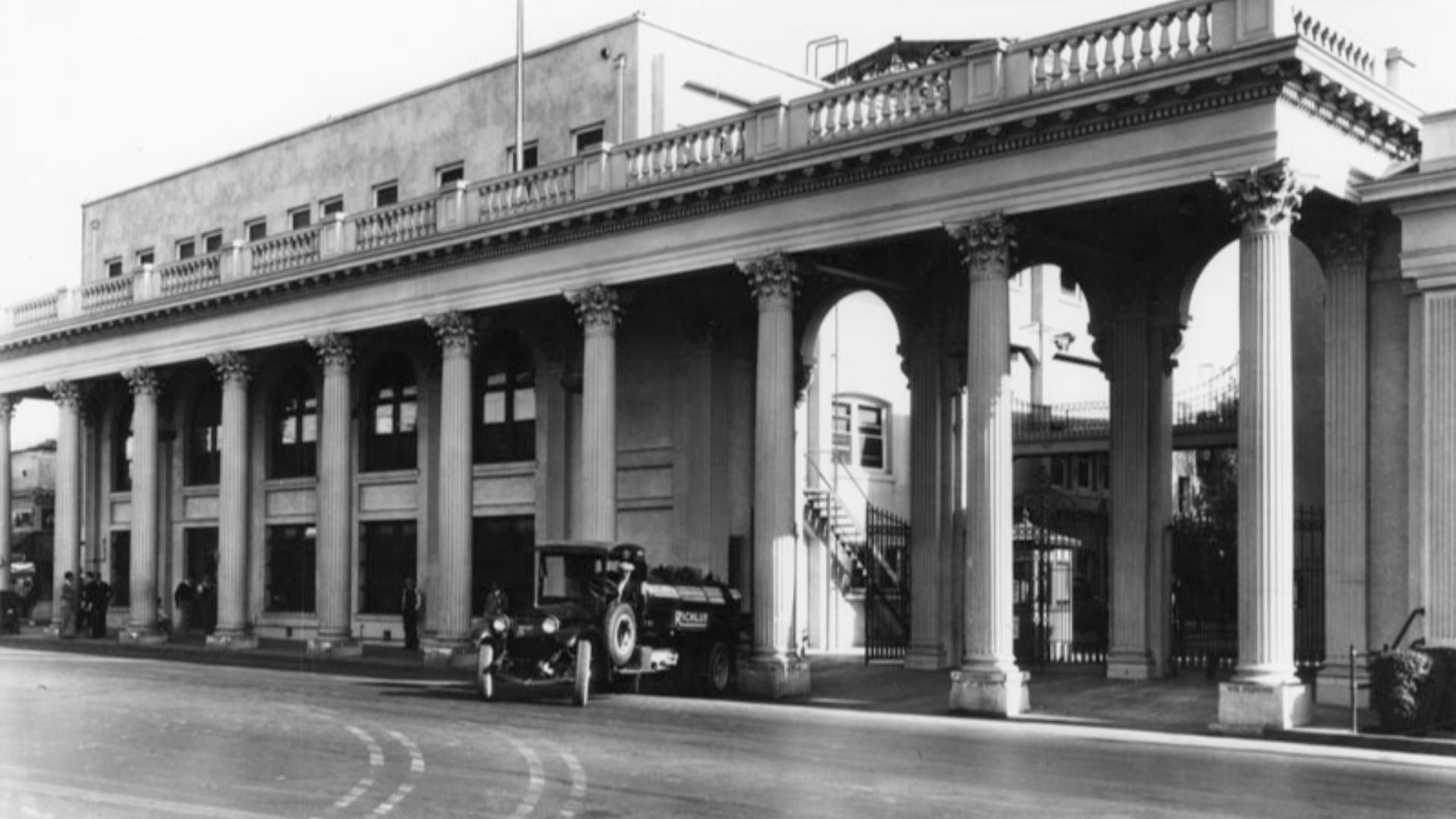
The 1920s studio system controlled actors’ contracts, appearances, and personal lives. Homosexuality was not publicly tolerated in leading men. MGM could overlook rumors. But only if they stayed rumors.
 Unknown authorUnknown author, Wikimedia Commons
The 1933 Arrest
In 1933, Haines and Shields were arrested at a YMCA in Los Angeles during a police raid targeting men suspected of “lewd conduct.” The arrest was reported quietly but reached MGM executives.
The scandal wasn’t loud. But it was dangerous.
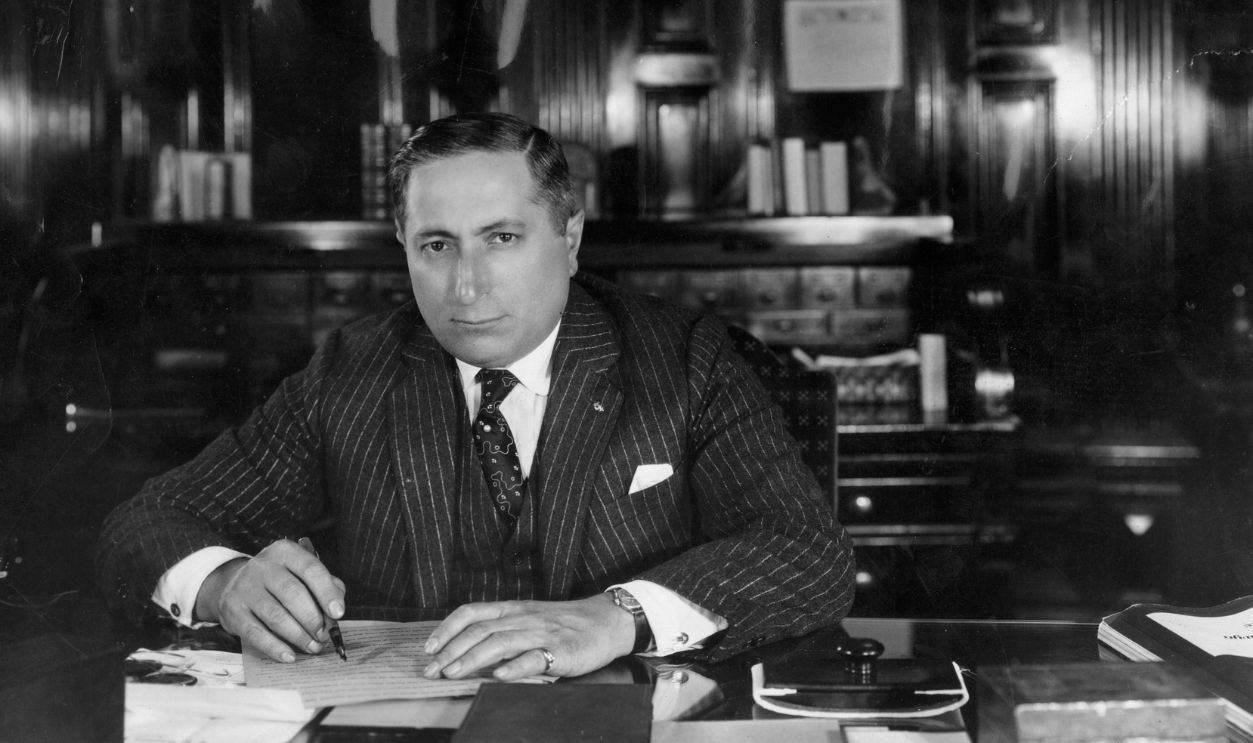
Louis B. Mayer’s Ultimatum
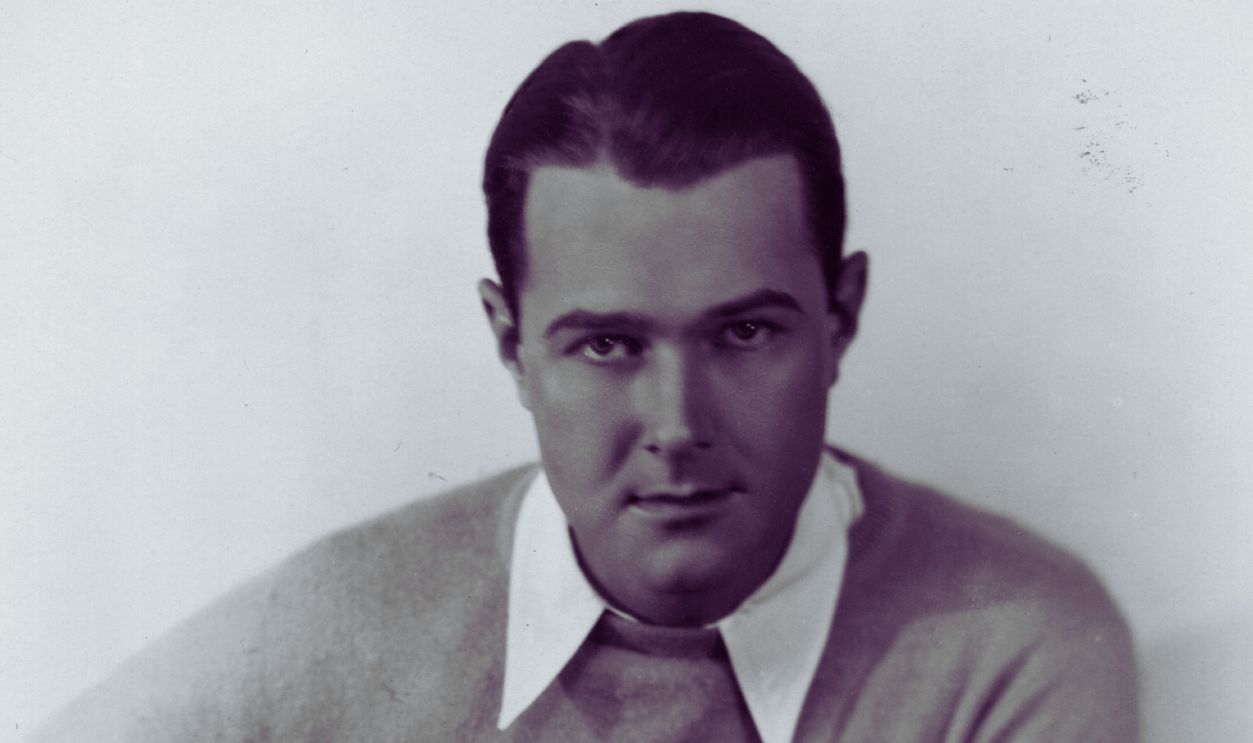
Louis B Mayer summoned Haines to his office. According to Hollywood accounts, Mayer offered him a solution. Enter a “lavender marriage” — a studio-arranged marriage to a woman that would protect his image.
Keep Shields discreetly on the side. Keep your career.
The Choice
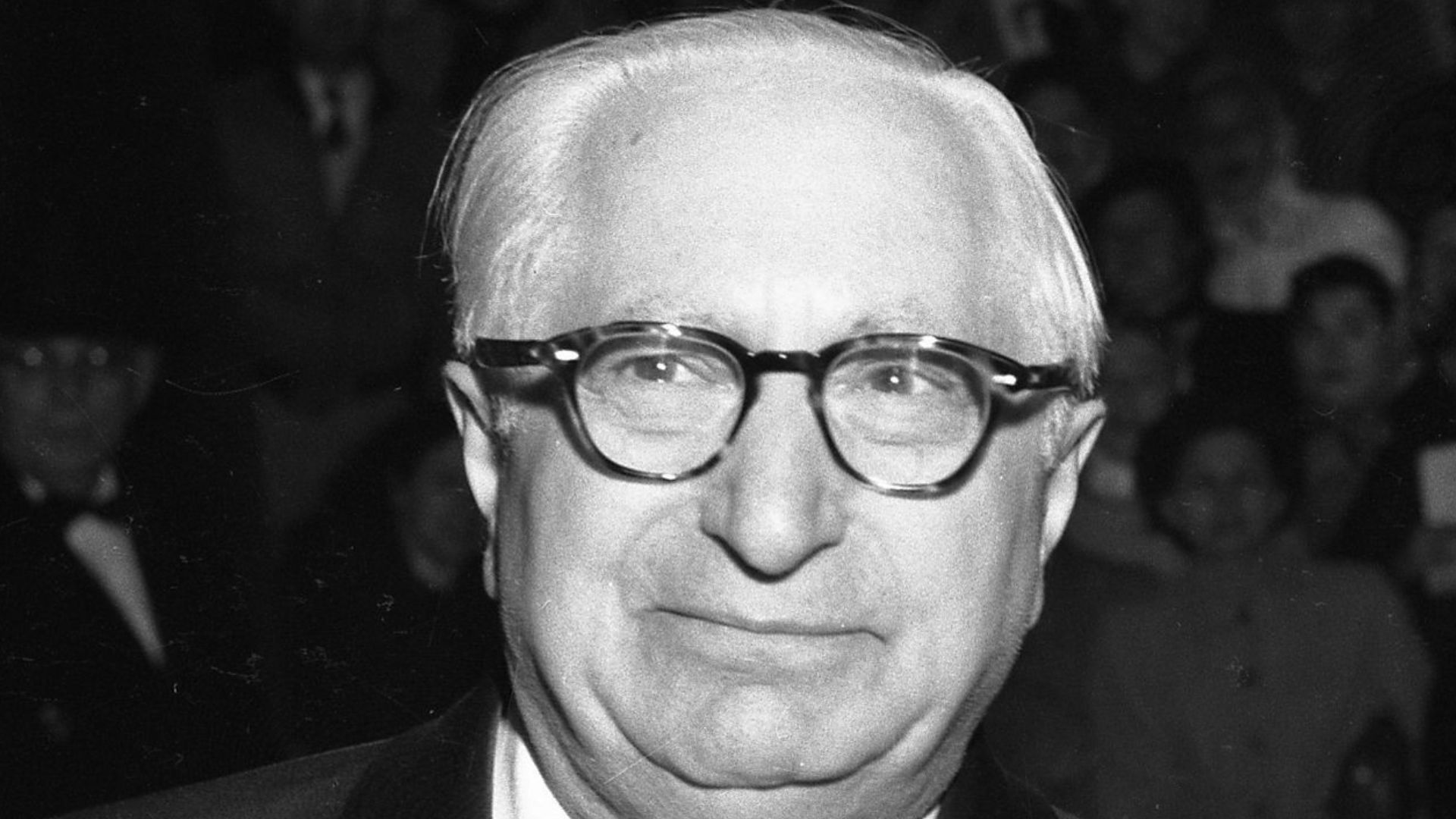
Without a moment of hesitation, Haines refused. He would not marry a woman for appearance’s sake. He would not abandon Shields.
According to longtime friend and later biographer William J Mann, Haines essentially told MGM he wouldn’t deny the man he loved. The studio did not negotiate twice.
 Ruth Harriet Louise, Getty Images
Hollywood Turns Cold
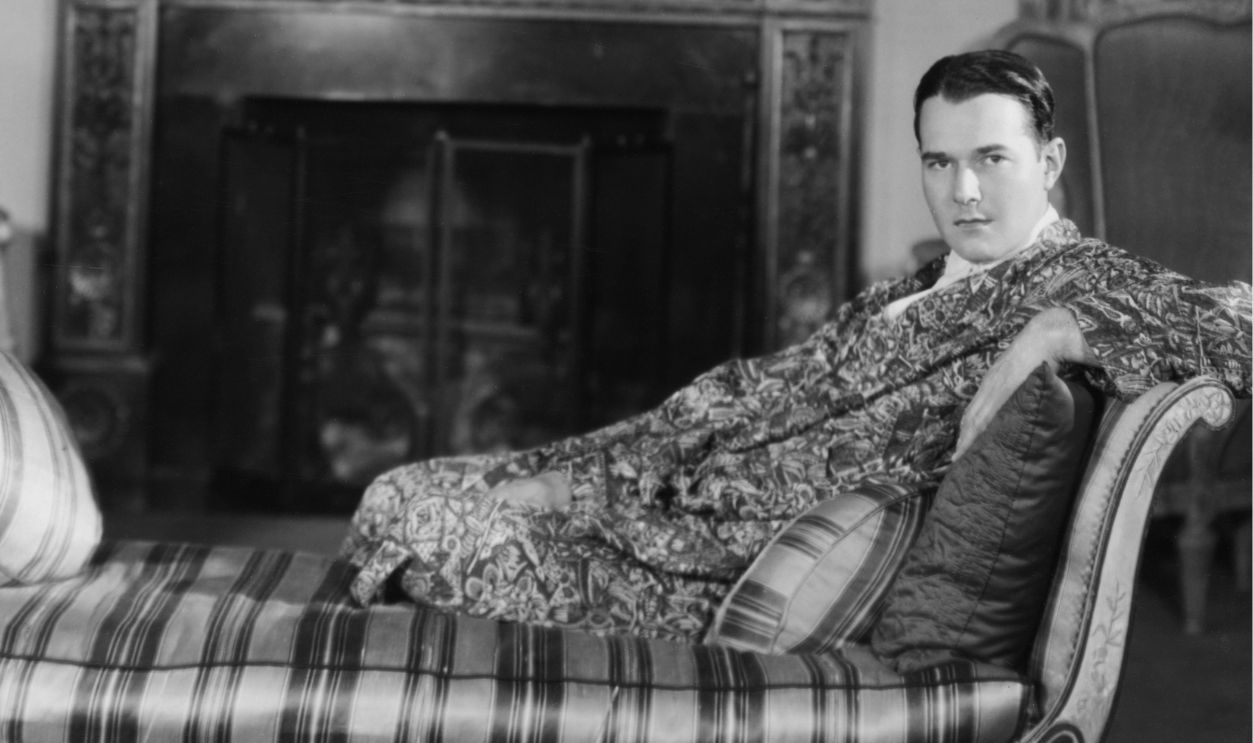
By 1933, Haines’ film roles quietly dried up. MGM allowed his contract to lapse. In an industry where image meant everything, he had chosen authenticity — and paid for it with his career.
 General Photographic Agency, Getty Images
“The First Openly Gay Movie Star”
Film historian William J Mann later called Haines “the first openly gay movie star.” Not because he campaigned publicly. But because he refused to live a lie when it mattered most.
Leaving the Spotlight
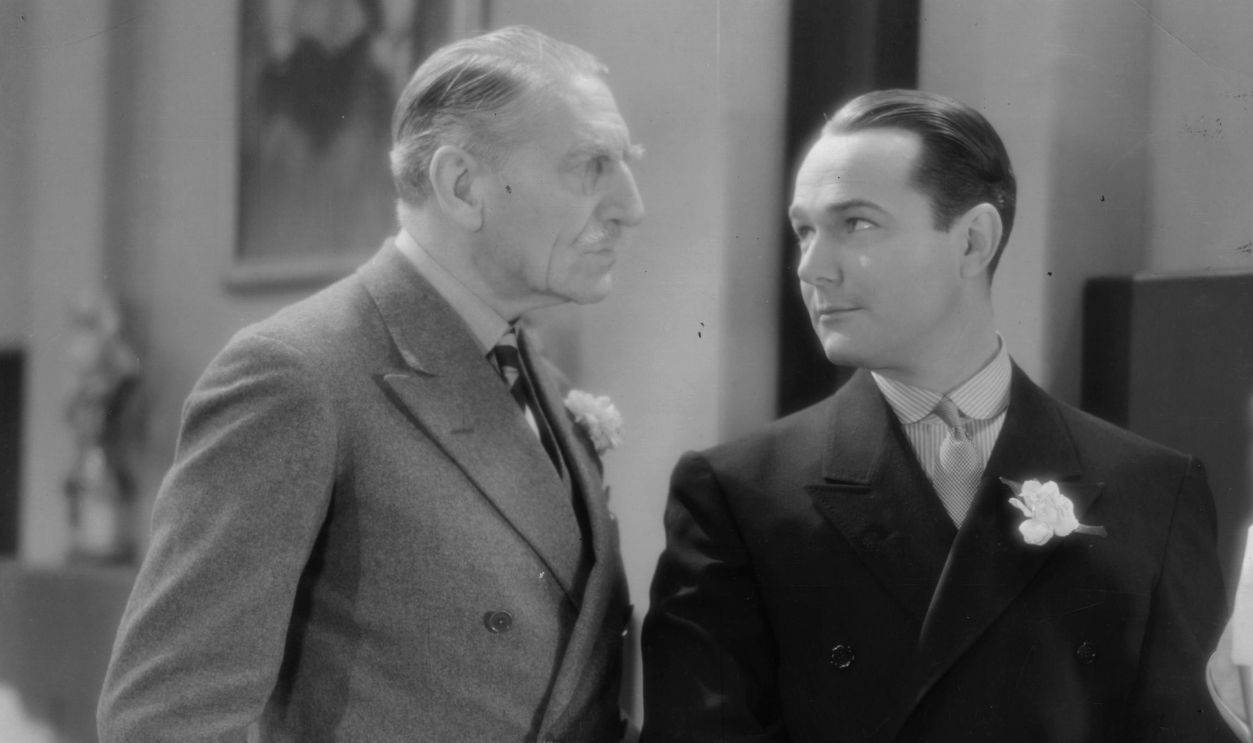
By 1935, William Haines had effectively left acting. He was 35 years old — still handsome, still bankable — but finished in Hollywood. Most former silent film stars faded quietly. Haines had been pushed.
Reinventing Himself
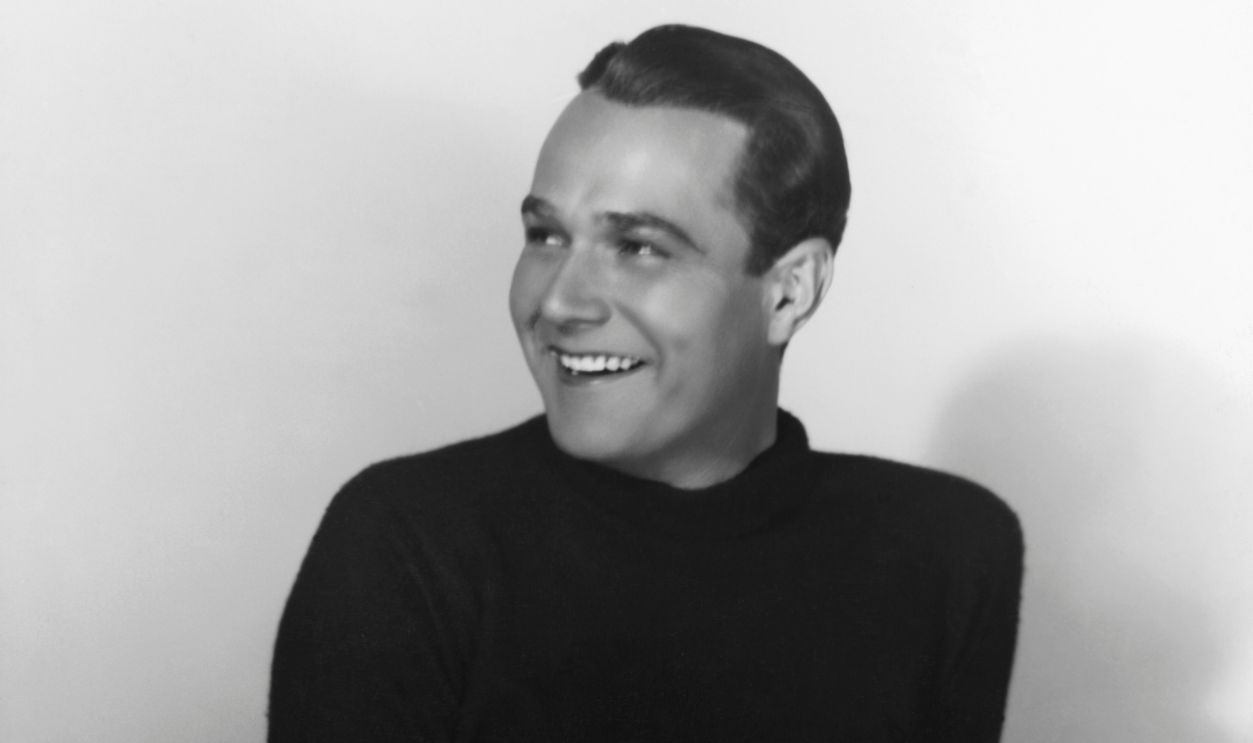
Instead of retreating, Haines reinvented himself. He had always had a sharp eye for design. Alongside Jimmie Shields, he began building a new career in interior decorating. They opened a design business in Los Angeles. It worked.
 John Springer Collection, Getty Images
Designing for the Elite
By the 1940s and 1950s, William Haines was no longer known as an actor. He was one of Hollywood’s most sought-after interior designers. His clients included Joan Crawford, Gloria Swanson, Carole Lombard, and even director George Cukor.
The same town that rejected him now hired him.
 Paramount Pictures Studio, Wikimedia Commons
Joan Crawford’s Loyalty
Joan Crawford remained one of his closest friends. When MGM banned Haines from its lot, Crawford reportedly told Mayer she would quit if he was barred from visiting her. Their friendship lasted decades.
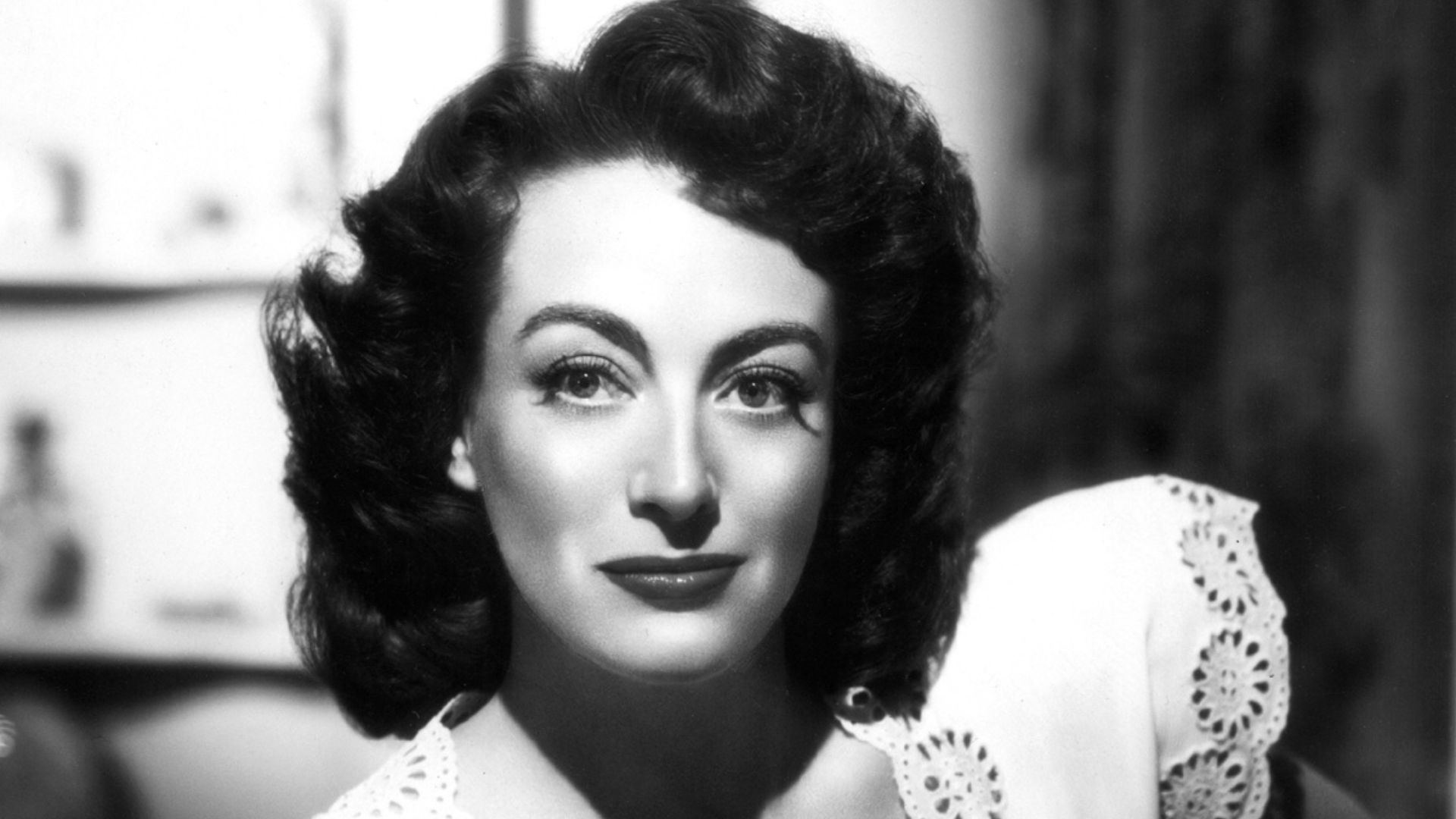 Studio publicity still, Wikimedia Commons
A Partnership That Lasted
While Hollywood marriages crumbled publicly, Haines and Shields stayed together. For nearly 50 years, they built a life in Santa Monica, California. Friends described their home as elegant, warm, and unmistakably theirs.
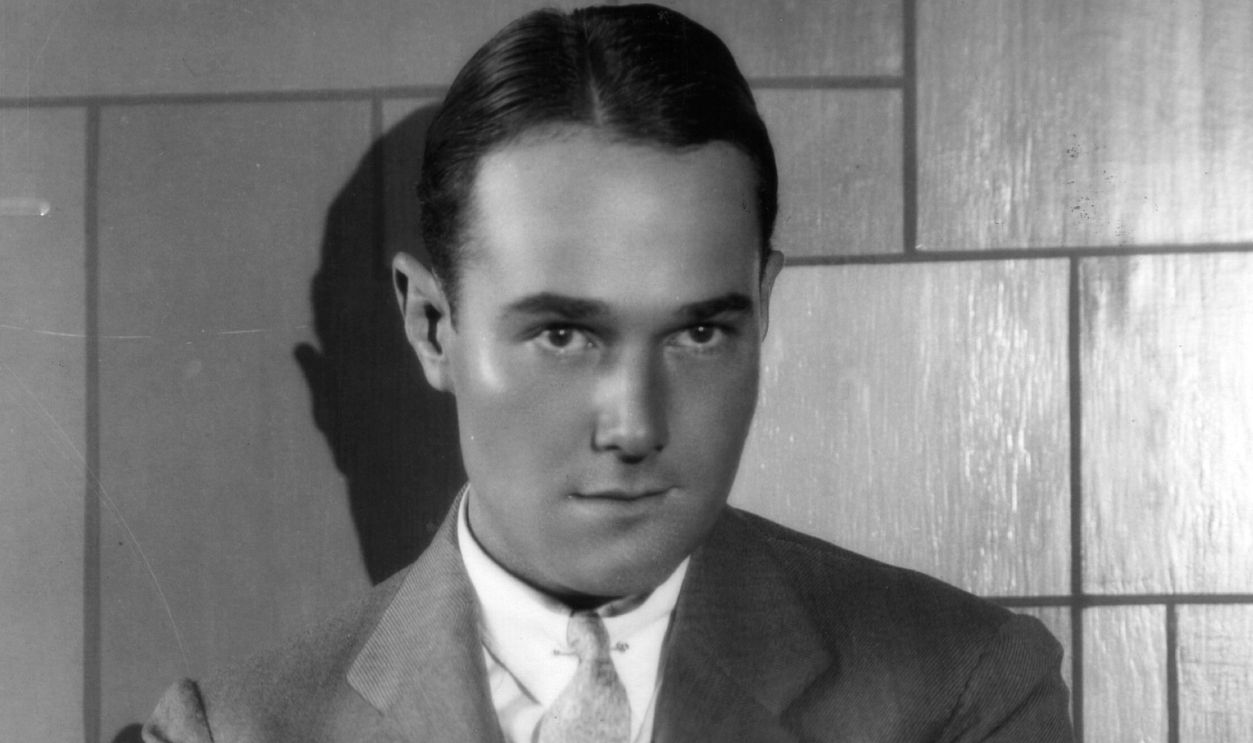 Ruth Harriet Louise, Getty Images
A Quiet Power Move
Haines’ departure sent a quiet message through Hollywood. He was proof that a star could walk away rather than submit to control. He lost the spotlight — but he kept himself.
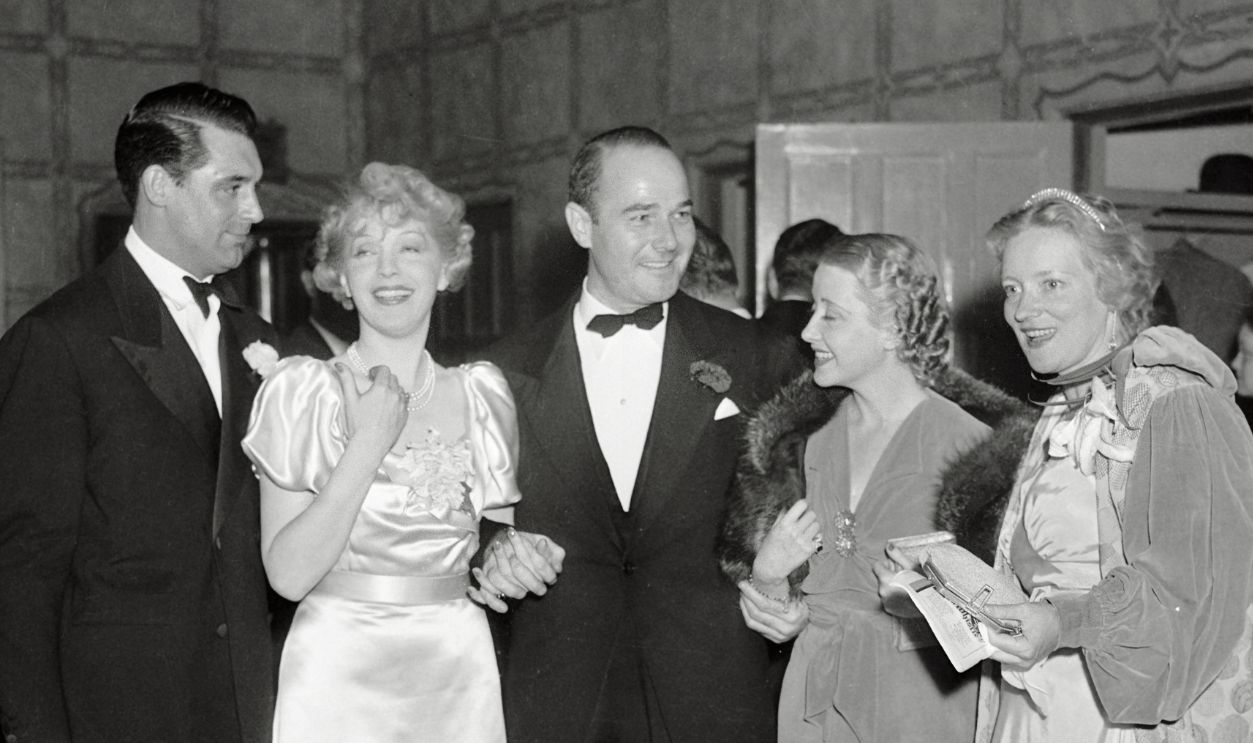
The Industry He Left Behind
The 1930s were not kind to actors who didn’t fit strict moral codes. Other stars entered arranged marriages to protect their careers. Haines simply refused.
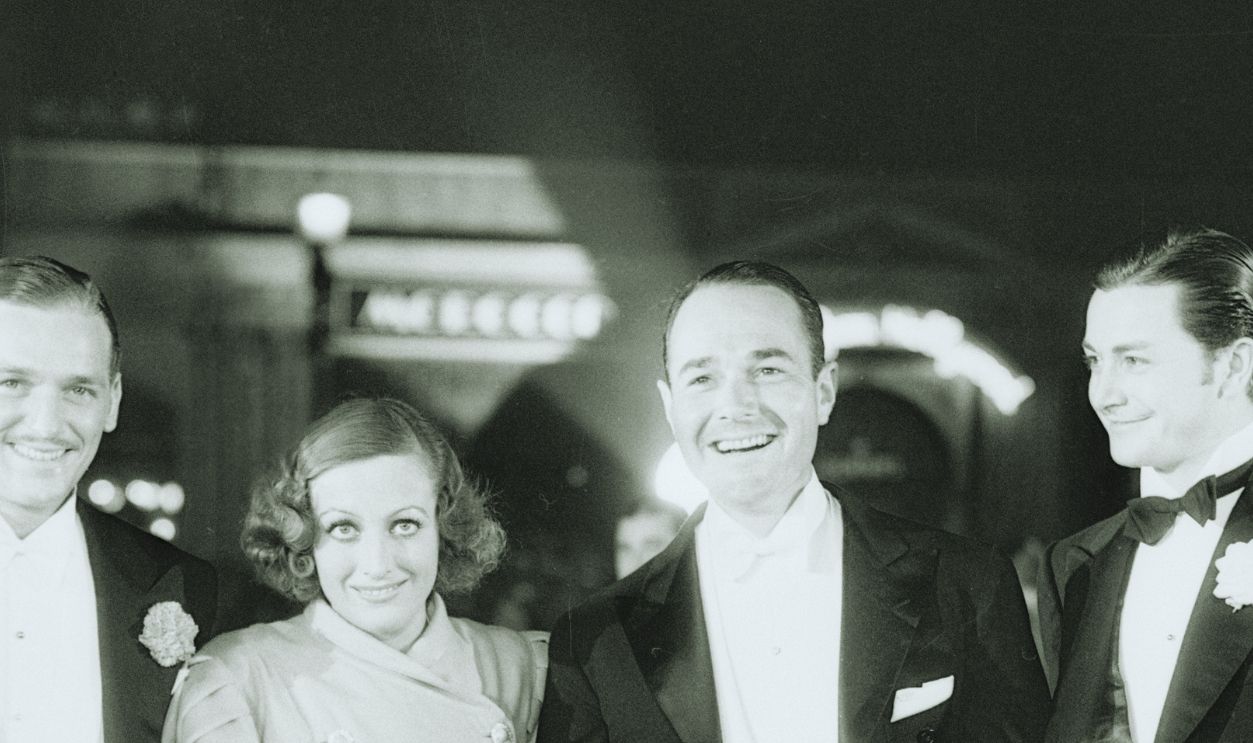
A Different Kind of Success
By the 1960s, his furniture and design style were highly respected. Architectural Digest featured his work. He was no longer a movie idol. He was a tastemaker.
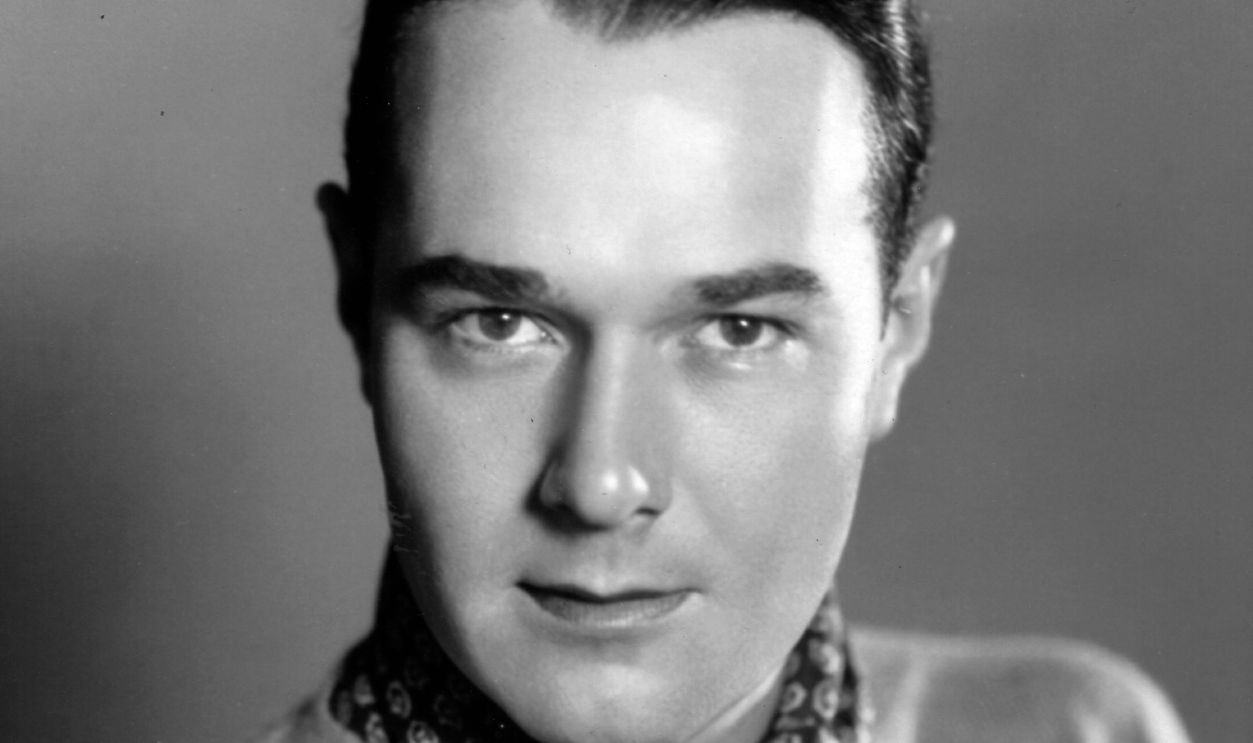
Shields at His Side
James Shields remained with him through every reinvention. They weathered career loss, social pressure, and decades of quiet scrutiny. Their relationship outlasted nearly every scandal in Hollywood.
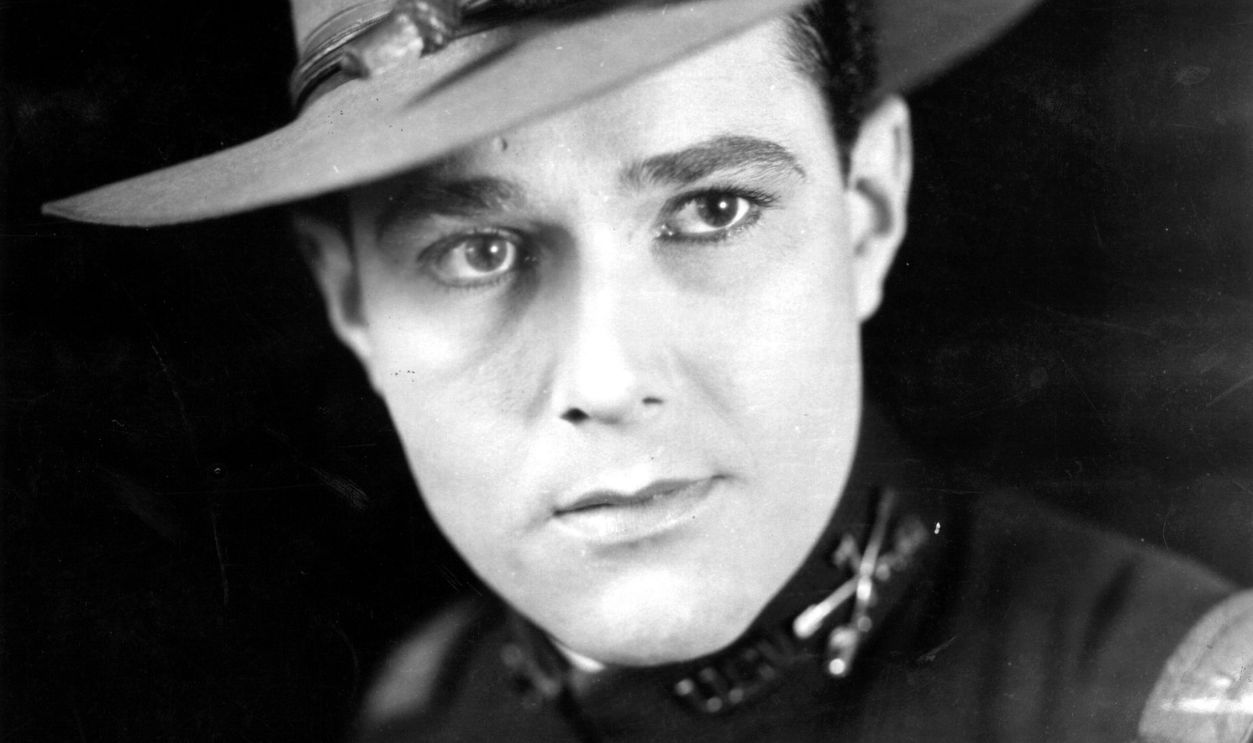 General Photographic Agency, Getty Images
The Final Years
William Haines died of lung cancer on December 26, 1973, in Santa Monica, California. He was 73 years old. Shields was by his side the entire time.
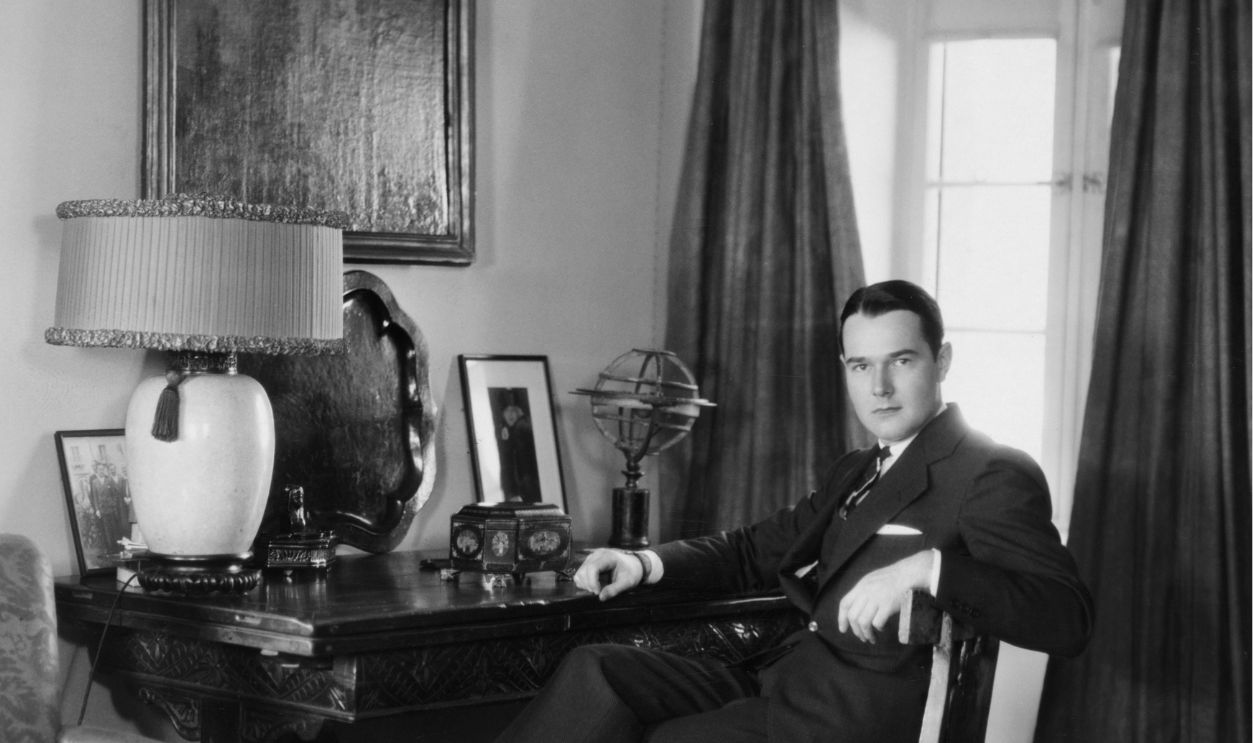 Ruth Harriet Louise, Getty Images
A Life Without Regret
Friends later said Haines never expressed regret about leaving acting. He had chosen love over illusion. And he never wavered.
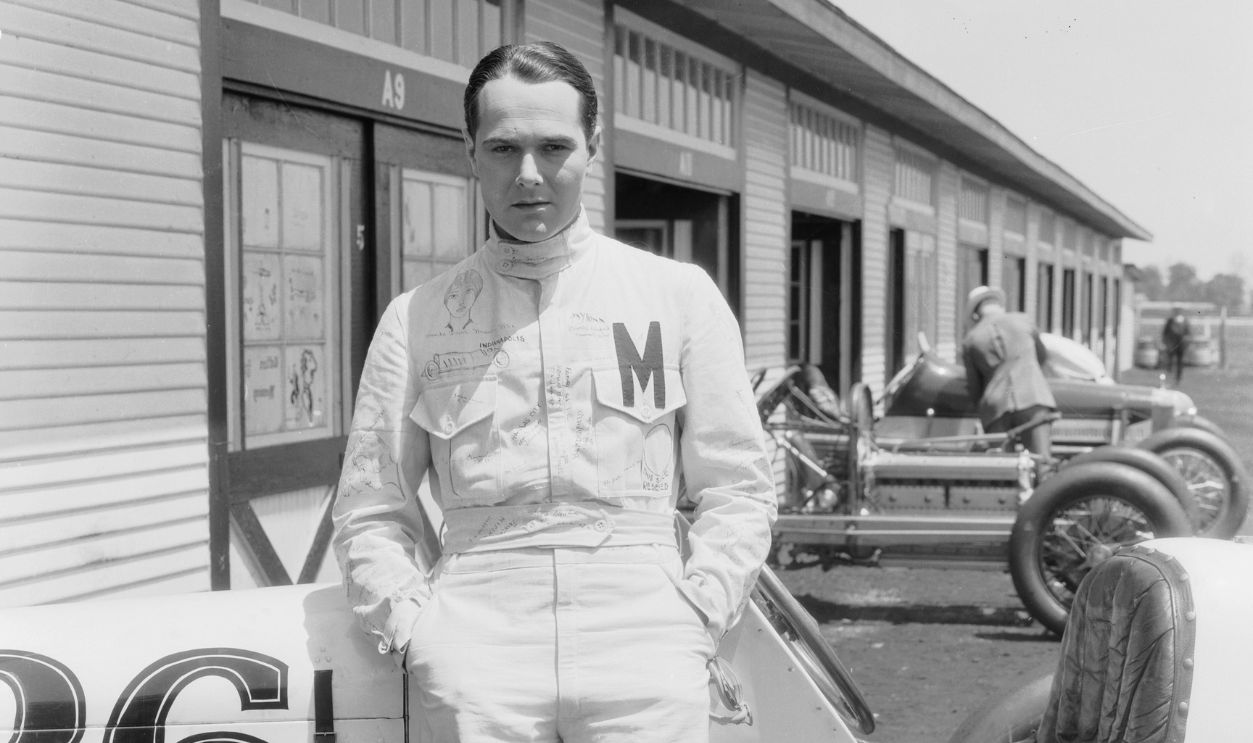 John Kobal Foundation, Getty Images
The Real Scandal
The scandal wasn’t that William Haines loved another man. The scandal was that Hollywood demanded he pretend otherwise. He refused.
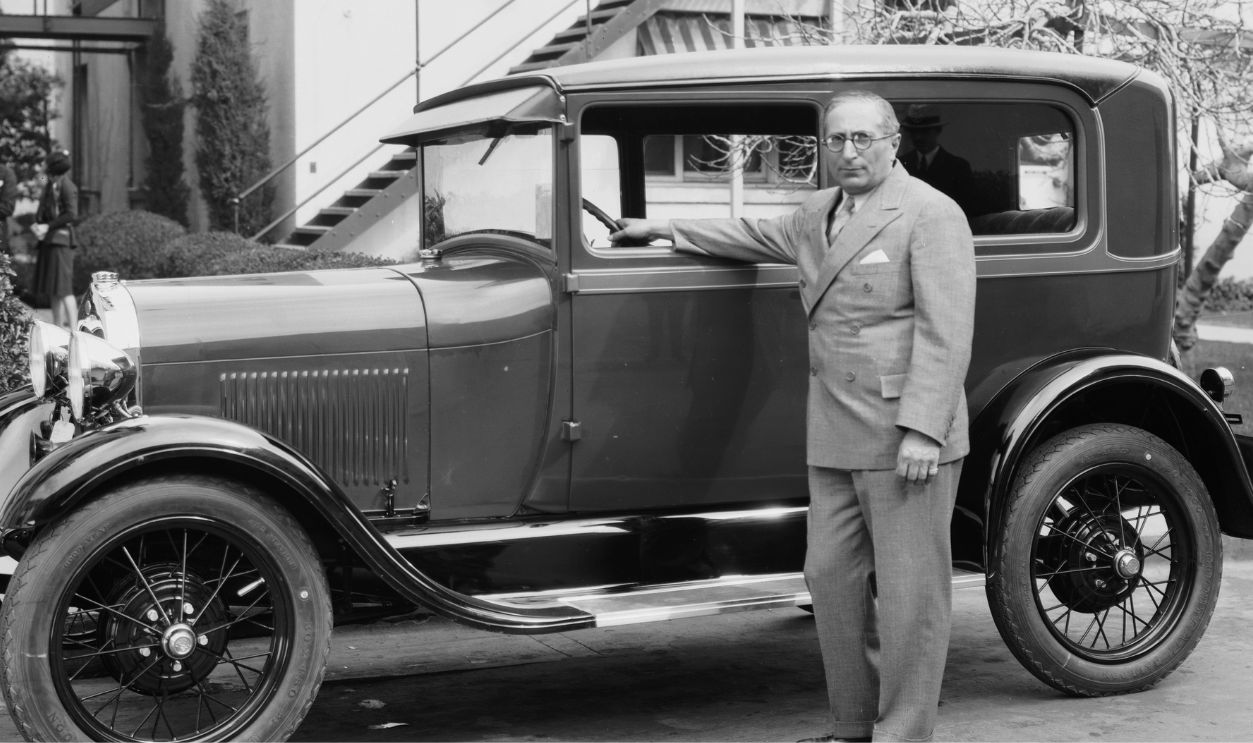 John Kobal Foundation, Getty Images
A Legacy of Courage
Today, Haines is remembered not only as a silent film star but as a pioneer of integrity in an era of fear. He didn’t make speeches. He made a choice.
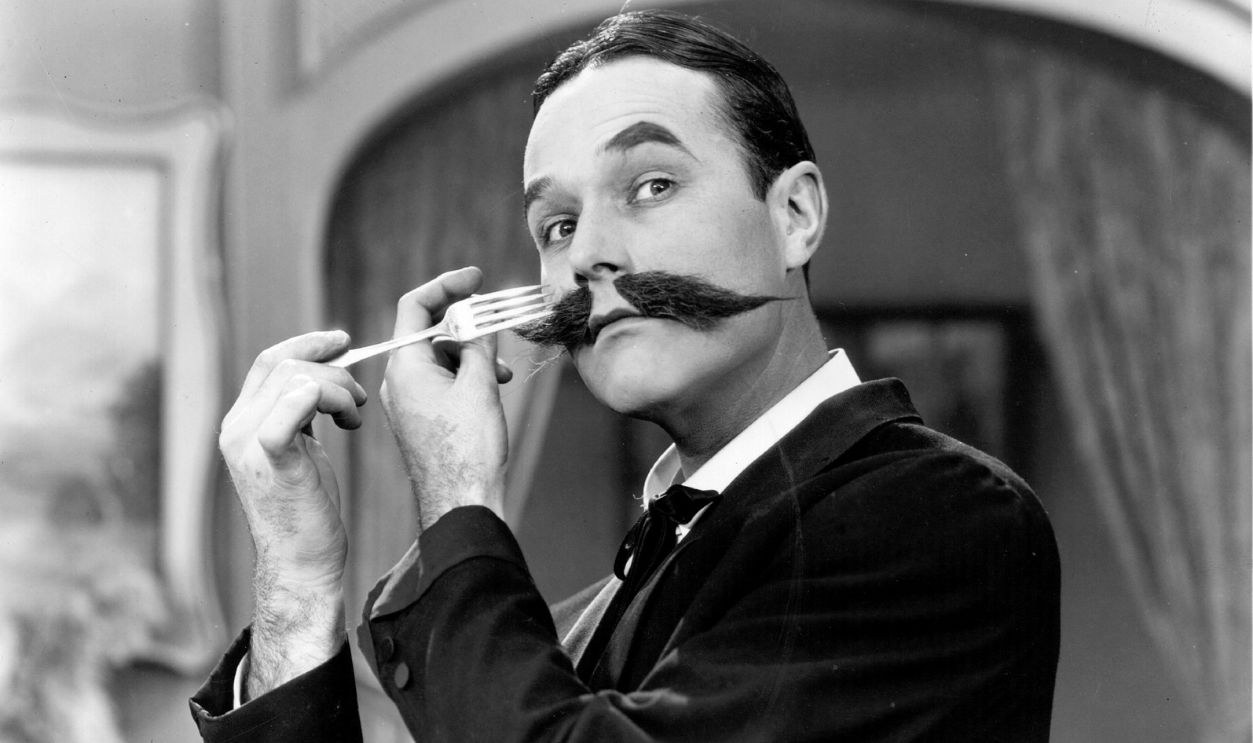
Hollywood’s Forgotten Rebel
Long before conversations about LGBTQ+ rights entered mainstream discussion, William Haines quietly made history. He walked away from fame to protect the person he loved. That may have cost him the movies. But it gave him something far rarer — a life lived honestly.
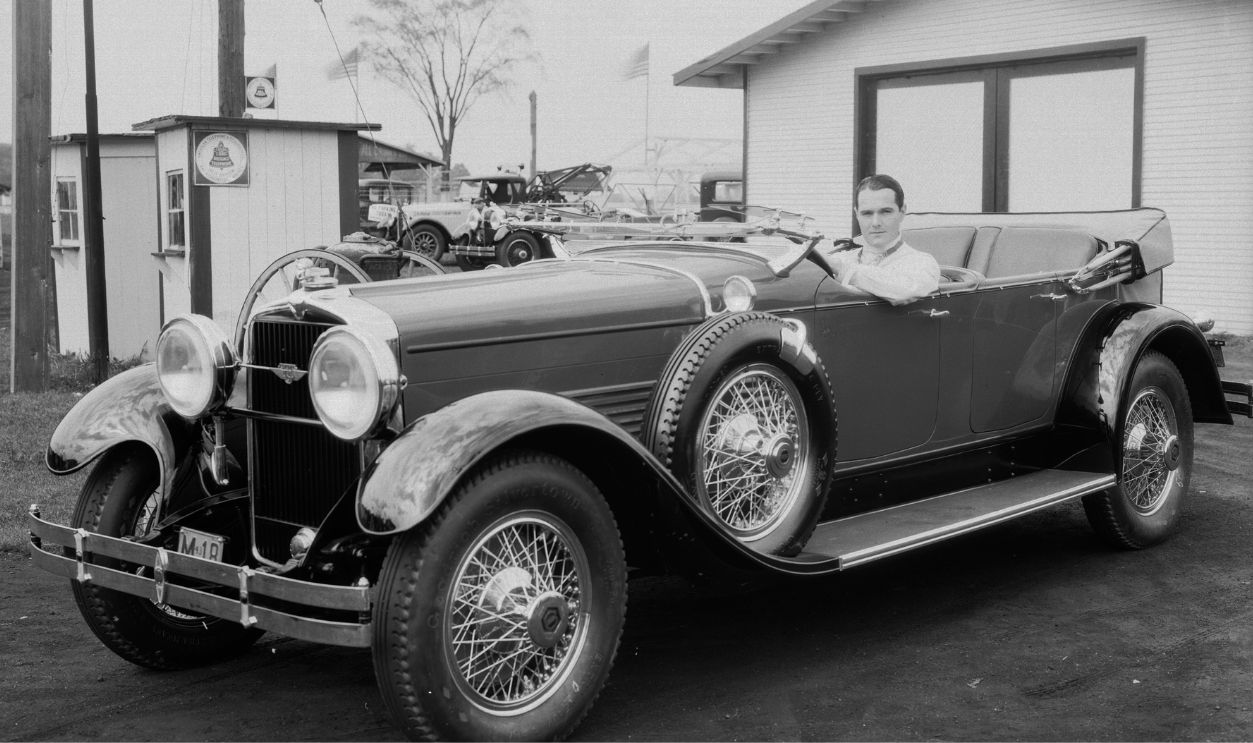 John Kobal Foundation, Getty Images
You May Also Like:
Natalie Wood’s death was one of Hollywood’s most enduring mysteries—until the captain of her yacht changed his story.